

An Extraordinary Find On A Welsh Beach
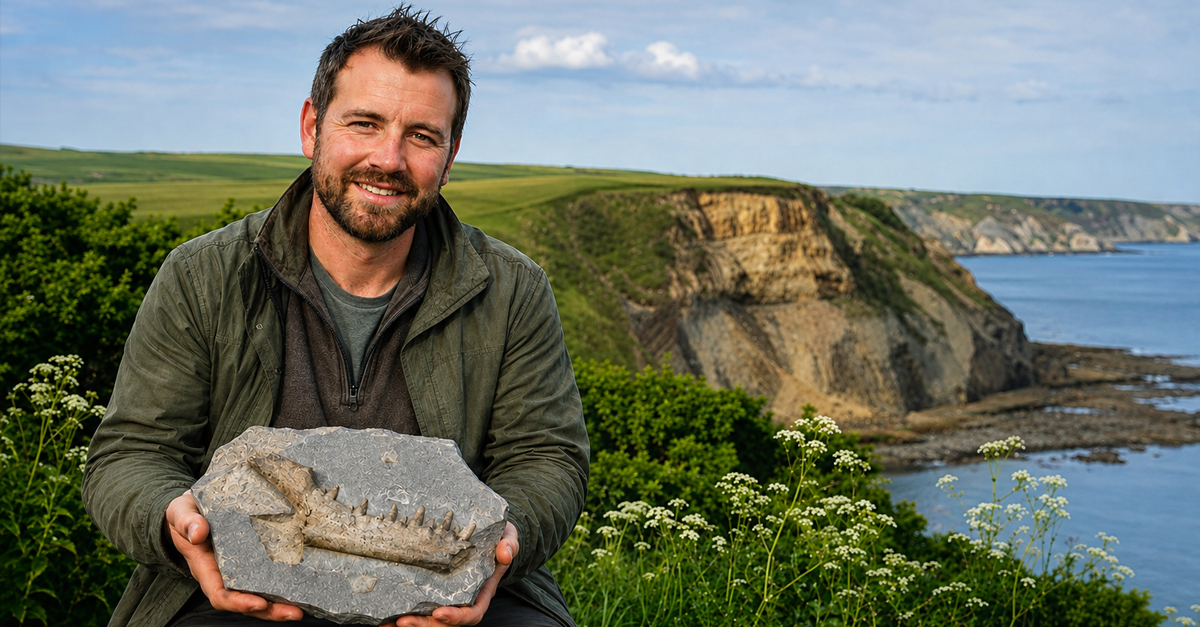
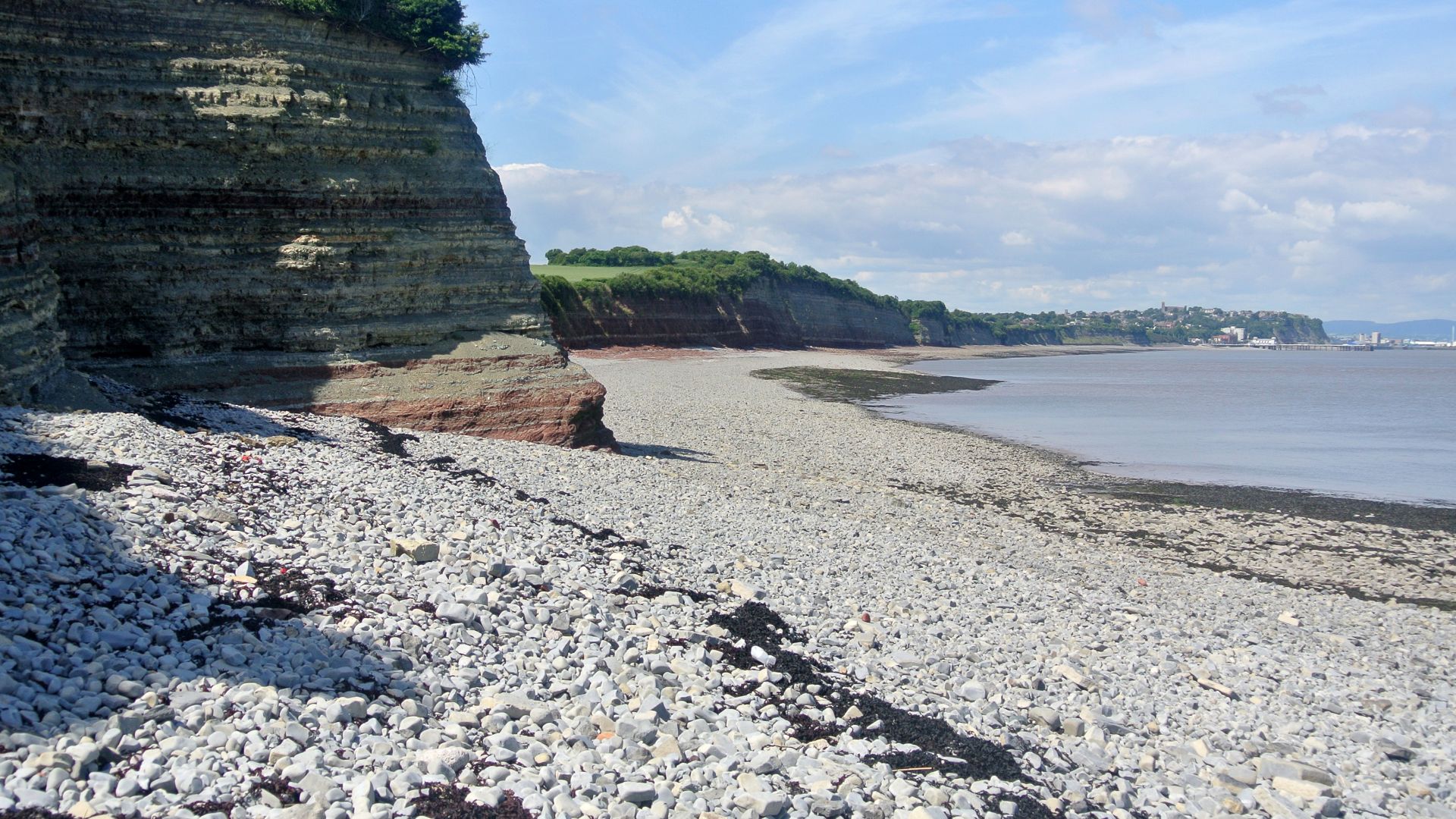
A casual walk along Lavernock Beach in South Wales produced a remarkable glimpse of the Jurassic world. Fossil hunter Matthew Myerscough spotted part of a marine reptile preserved in limestone. The fossilized jaw is approximately 201 million years old.
Meet The Man Who Found It
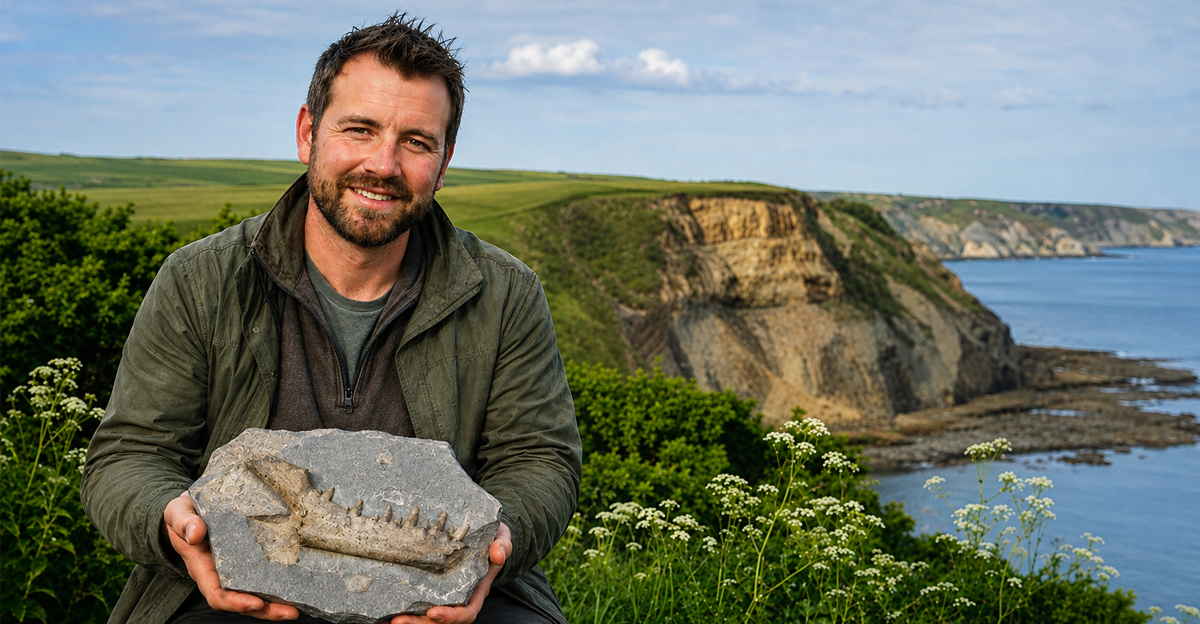
Myerscough is a civil engineer, qualified mountain leader, and experienced fossil hunter based in Cardiff. He has discovered thousands of fossils along British beaches. Marine reptiles, particularly plesiosaurs and ichthyosaurs, have become his specialty.
His Fossil Radar Never Switches Off
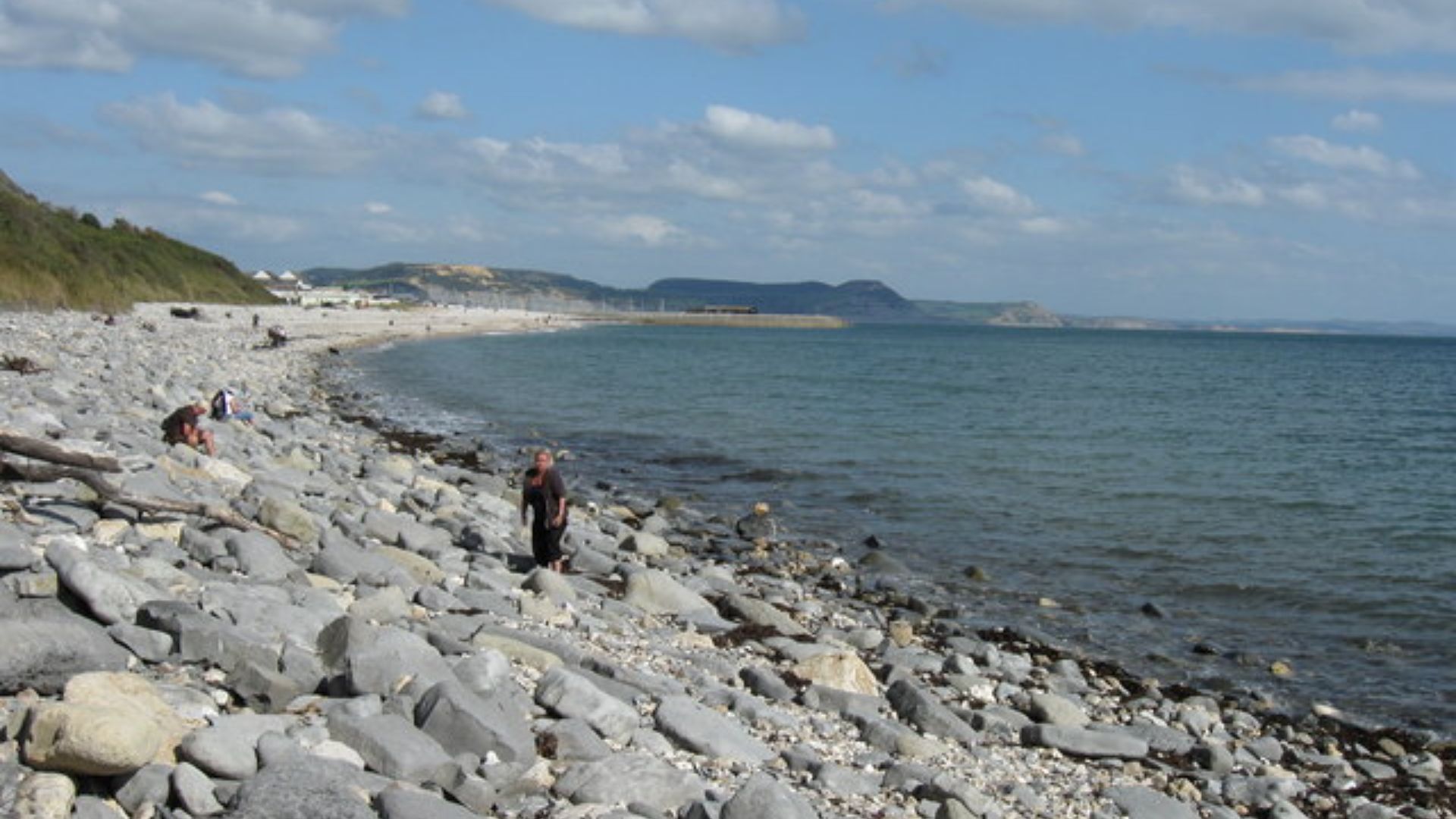
Myerscough says he finds it difficult to walk along a beach without scanning the rocks. Years of practice have trained him to notice shapes and textures that most visitors overlook. That sharp eye proved crucial at Lavernock.
 Derek Voller, Wikimedia Commons
The Discovery Happened By Chance
Myerscough was walking with two fellow fossil hunters when the group initially passed the specimen. Something about the exposed bone persuaded him to turn around and inspect it more closely. That second look transformed an ordinary outing into an important paleontological discovery.
 Penny Mayes, Wikimedia Commons
Three Feet Made All The Difference
Myerscough later reflected that the group could easily have walked a few feet to either side. Had they chosen a slightly different route, the fossil might have remained unnoticed. The discovery illustrates how much fossil hunting depends on preparation, patience, and good fortune.
 Wilson44691, Wikimedia Commons
It Was Not A Complete Skeleton
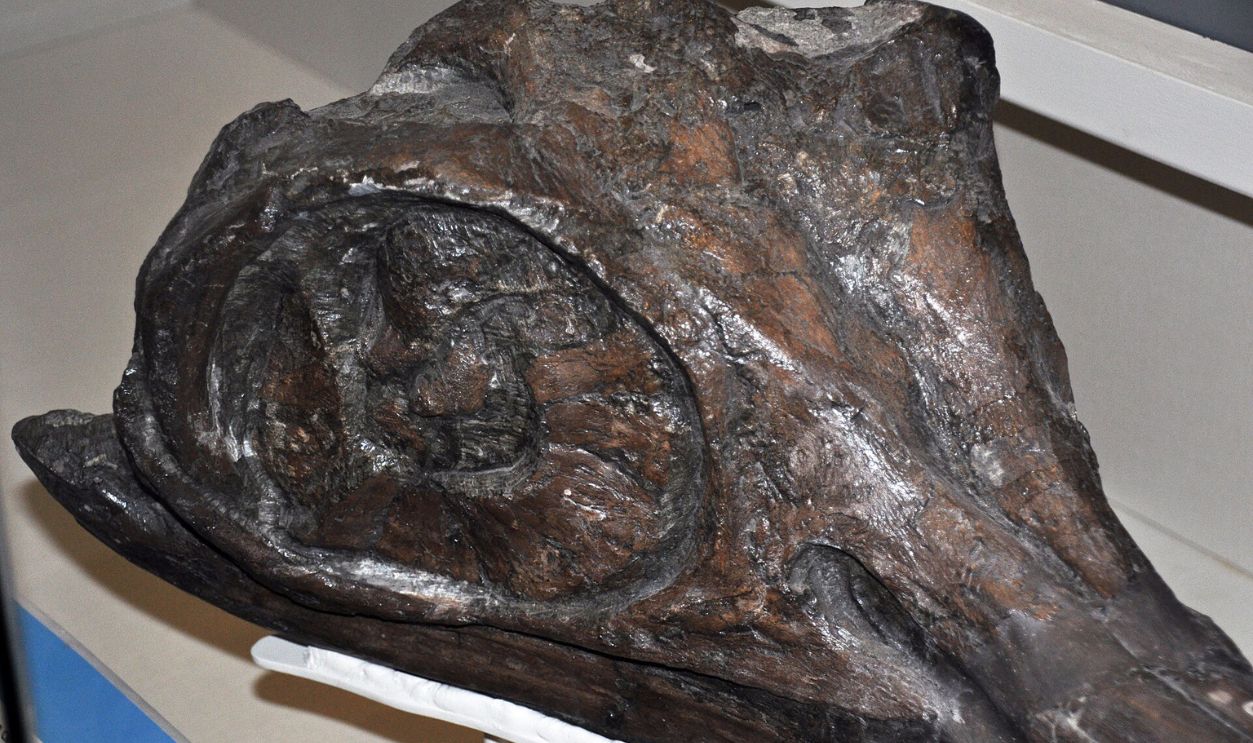
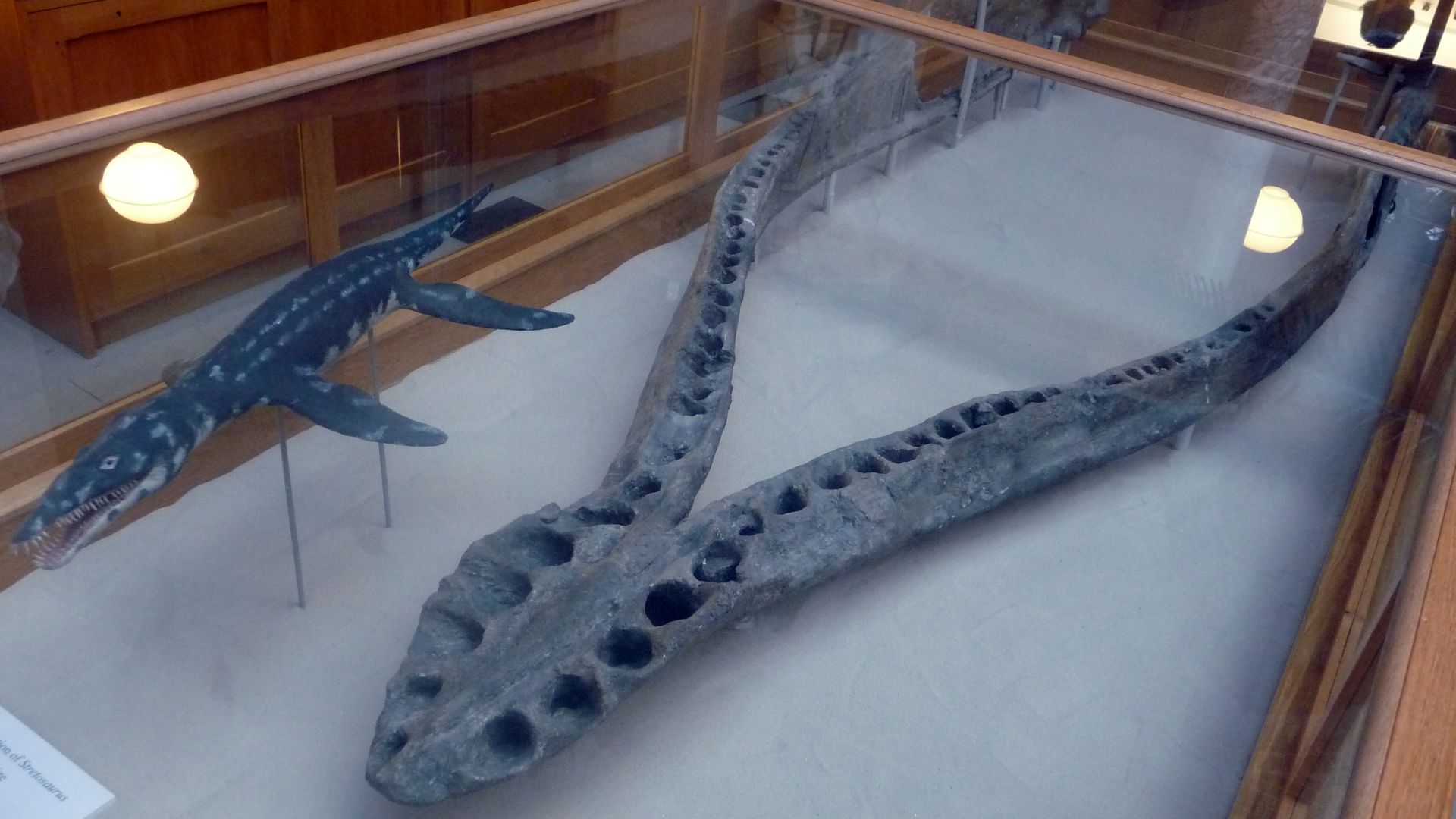
Despite the dramatic “sea dragon” nickname, Myerscough did not uncover an entire animal. He found a fossilized jaw embedded in hard limestone bedrock. Its unusual shape provided clues to the reptile that once carried it.
 James St. John, Wikimedia Commons
A Spoon-Shaped Clue
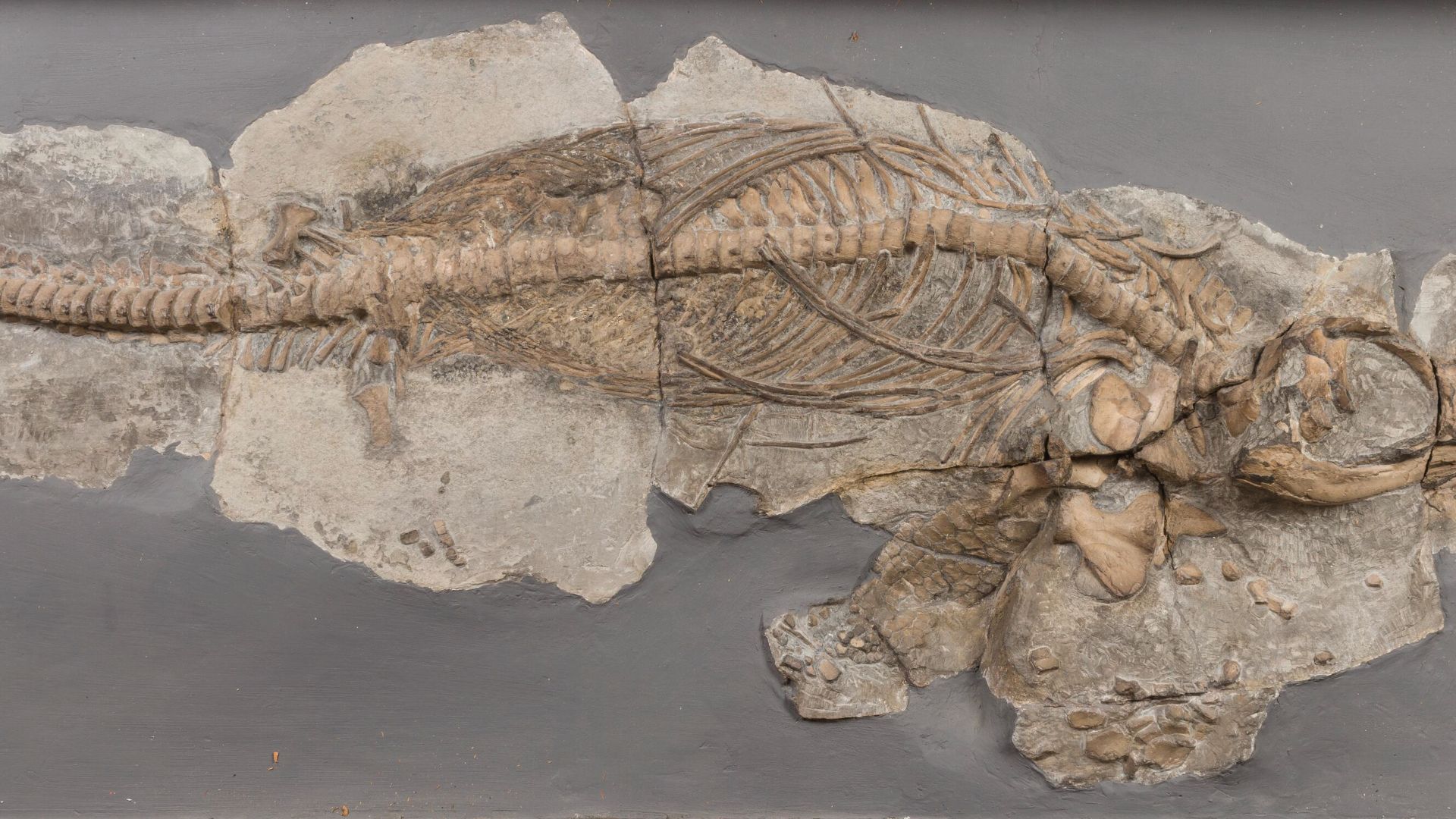
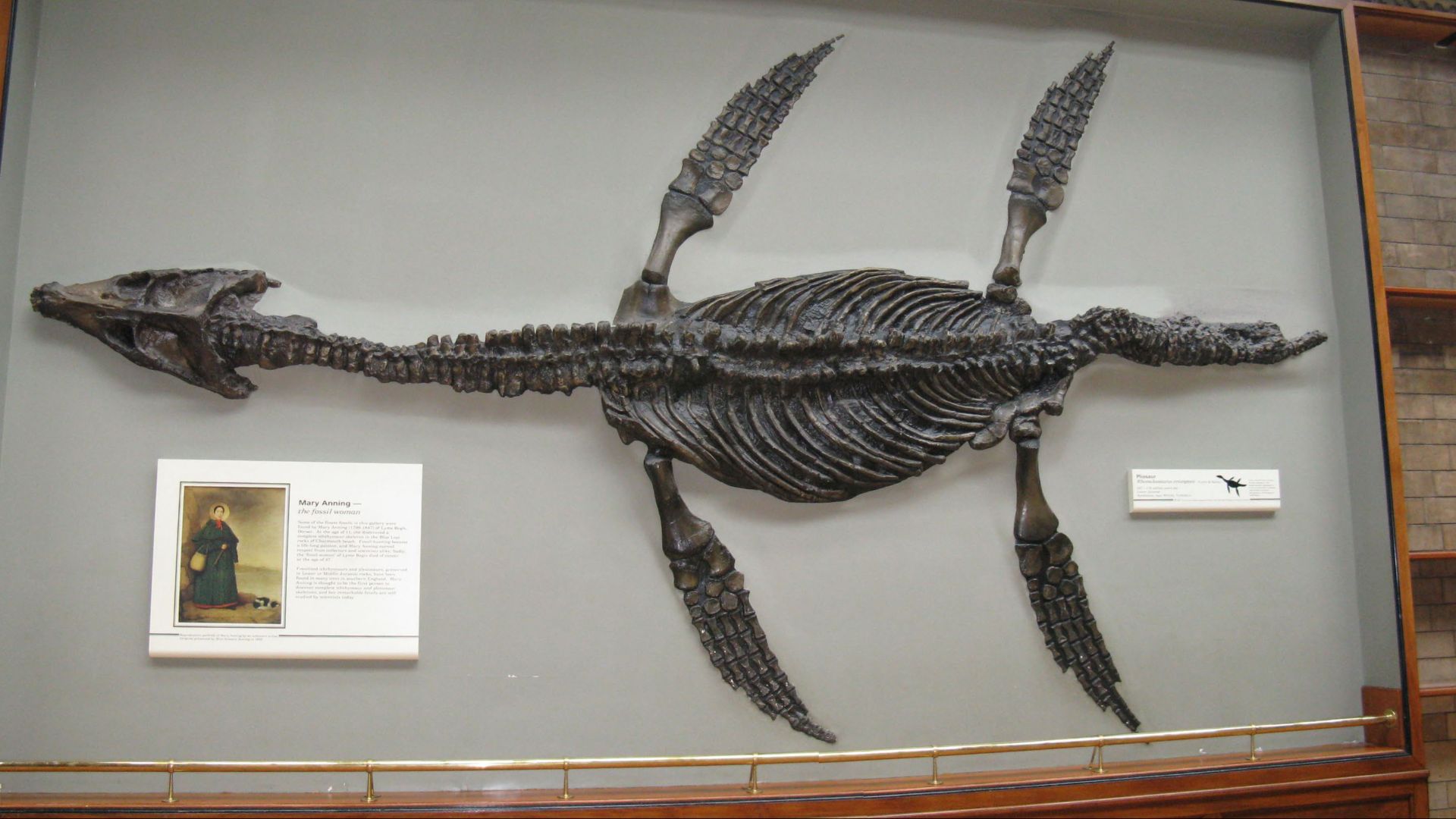
The end of the jaw has a distinctive spoon-like form. That feature helped identify the animal as a rhomaleosaur, an early member of the plesiosaur group. These extinct reptiles inhabited prehistoric oceans while dinosaurs lived on land.
 Charles D P Miller from Basingstoke, United Kingdom, Wikimedia Commons
Wales Had Never Produced One Before
The jaw represents the first fossil of its kind reported from Wales. Myerscough’s publisher describes it as the lower jaw of a large pliosaur and confirms that it was donated to National Museum Cardiff. Its transfer to a public collection will help preserve it for research.
 Simon from United Kingdom, Wikimedia Commons
Research Is Still Underway
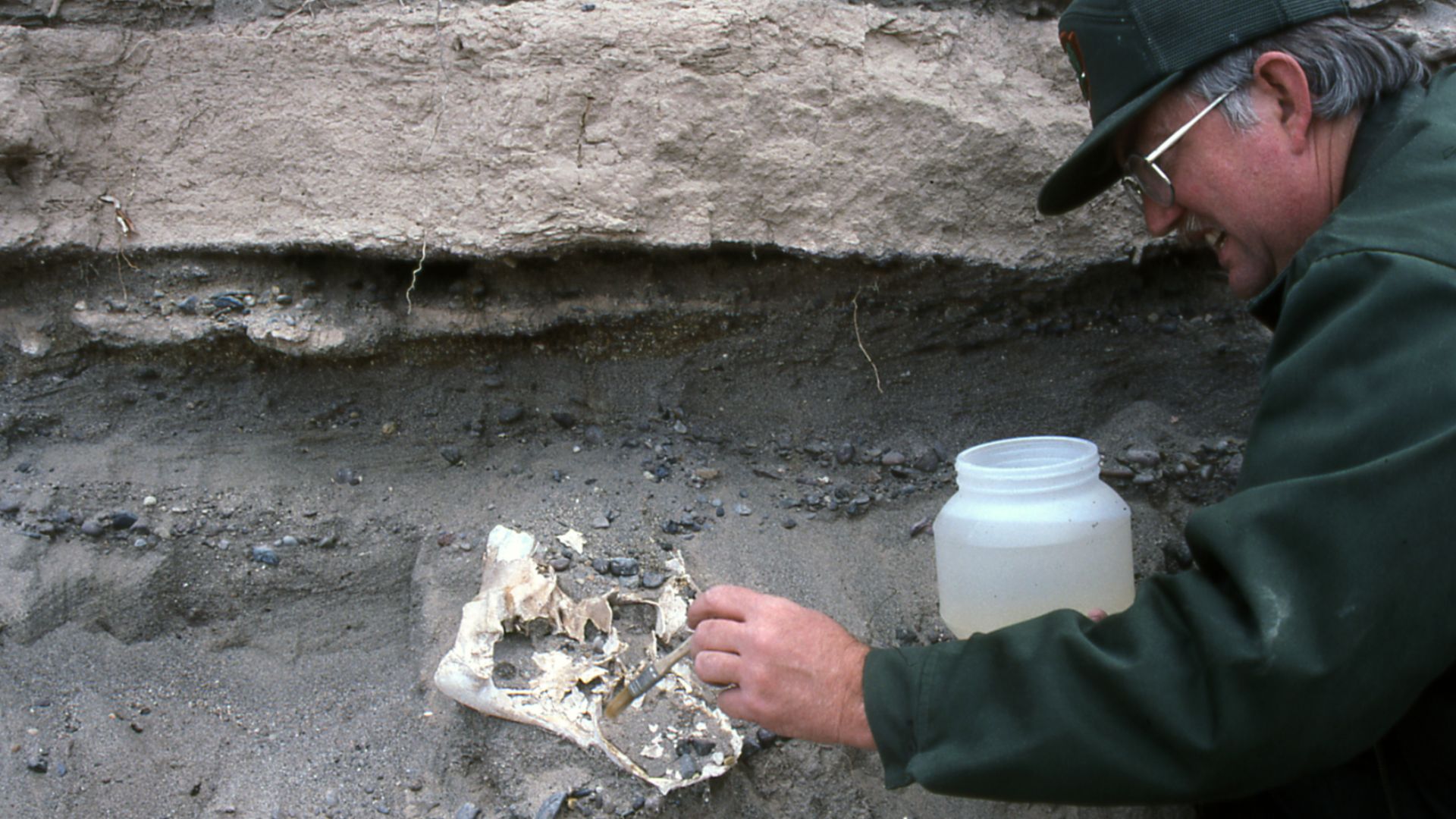
A scientific paper examining the fossil was reportedly in preparation when the discovery became public. Researchers may be able to extract additional information about its anatomy and place within early plesiosaur evolution. Until that work is published, some questions about the animal will remain open.
The Meaning Of “Sea Dragon”
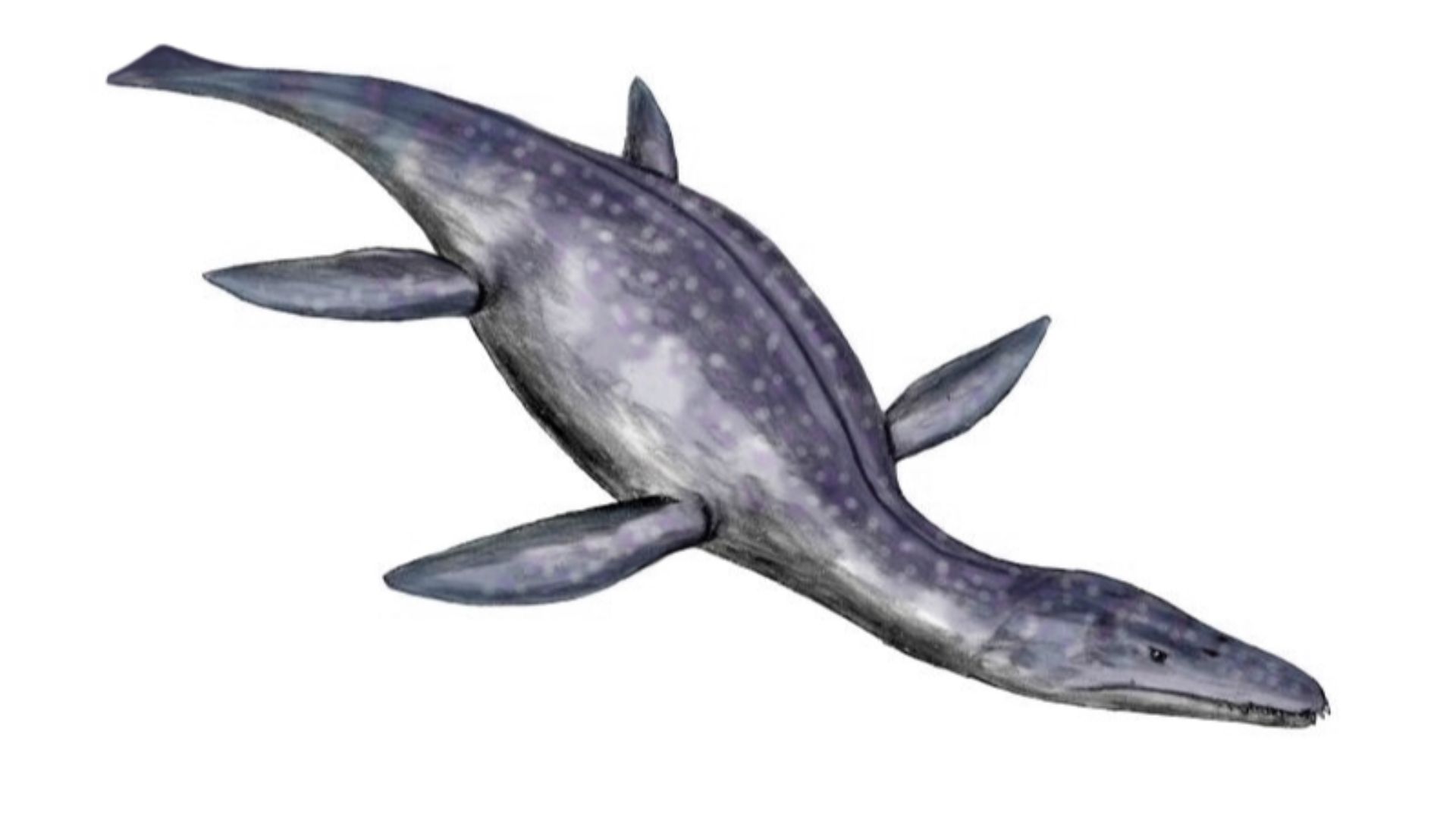
“Sea dragon” is a popular nickname rather than a formal scientific classification. It is often applied to prehistoric marine reptiles such as plesiosaurs and ichthyosaurs. The term captures their striking appearance, but these animals were reptiles rather than mythical creatures.
 Nobu Tamura (http://spinops.blogspot.com), Wikimedia Commons
Plesiosaurs Were Not Dinosaurs
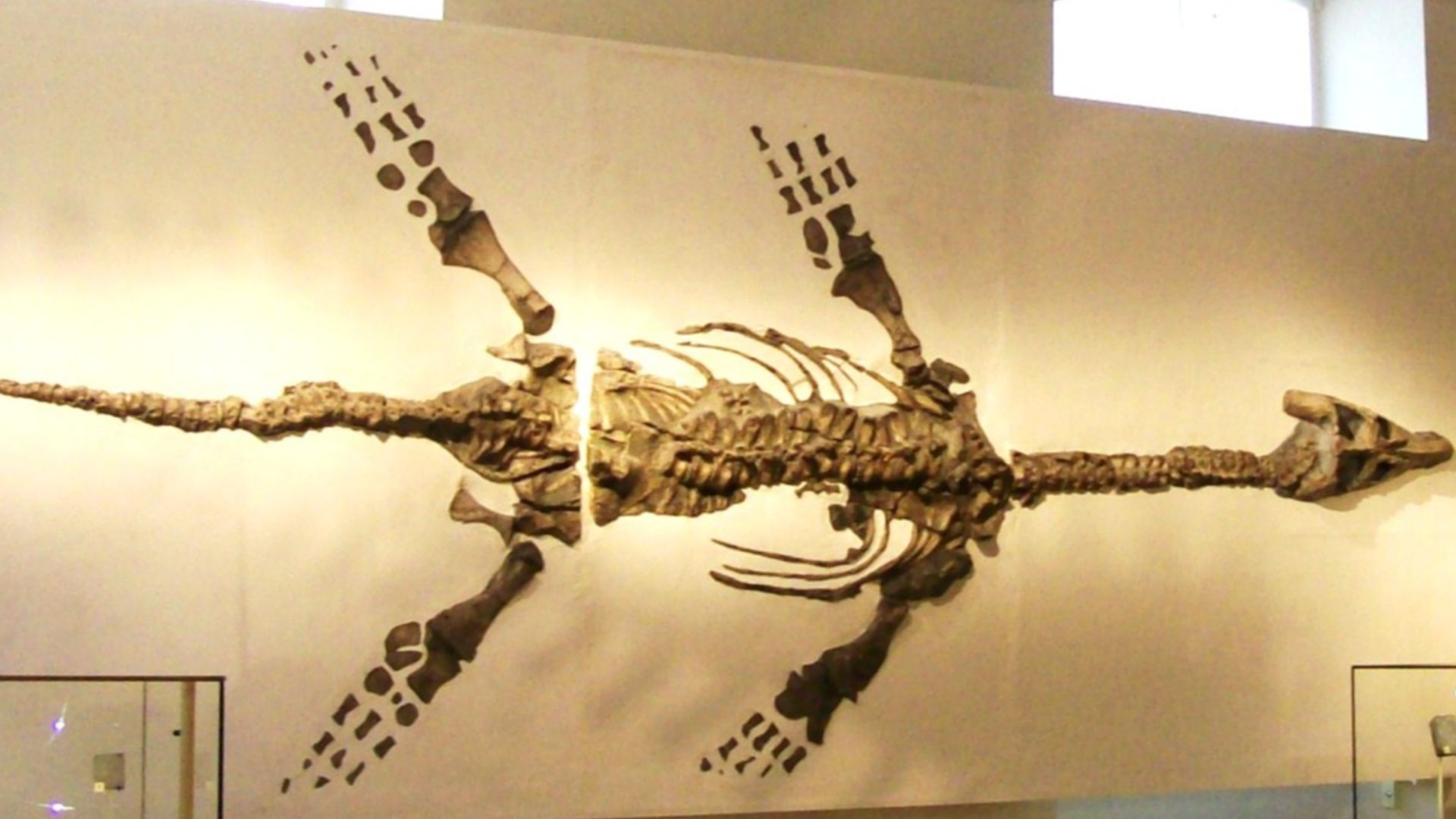
Plesiosaurs shared the planet with dinosaurs, but they belonged to a different branch of reptiles. They were fully adapted to life in the water and used four flippers to move through the sea. Dinosaurs, by definition, belonged to a primarily land-based evolutionary group.
A Predator From The Early Jurassic
The Lavernock animal lived near the beginning of the Jurassic Period. Rhomaleosaurs were powerfully built marine predators with comparatively large heads and robust jaws. Their anatomy distinguishes them from the familiar long-necked image often associated with plesiosaurs.
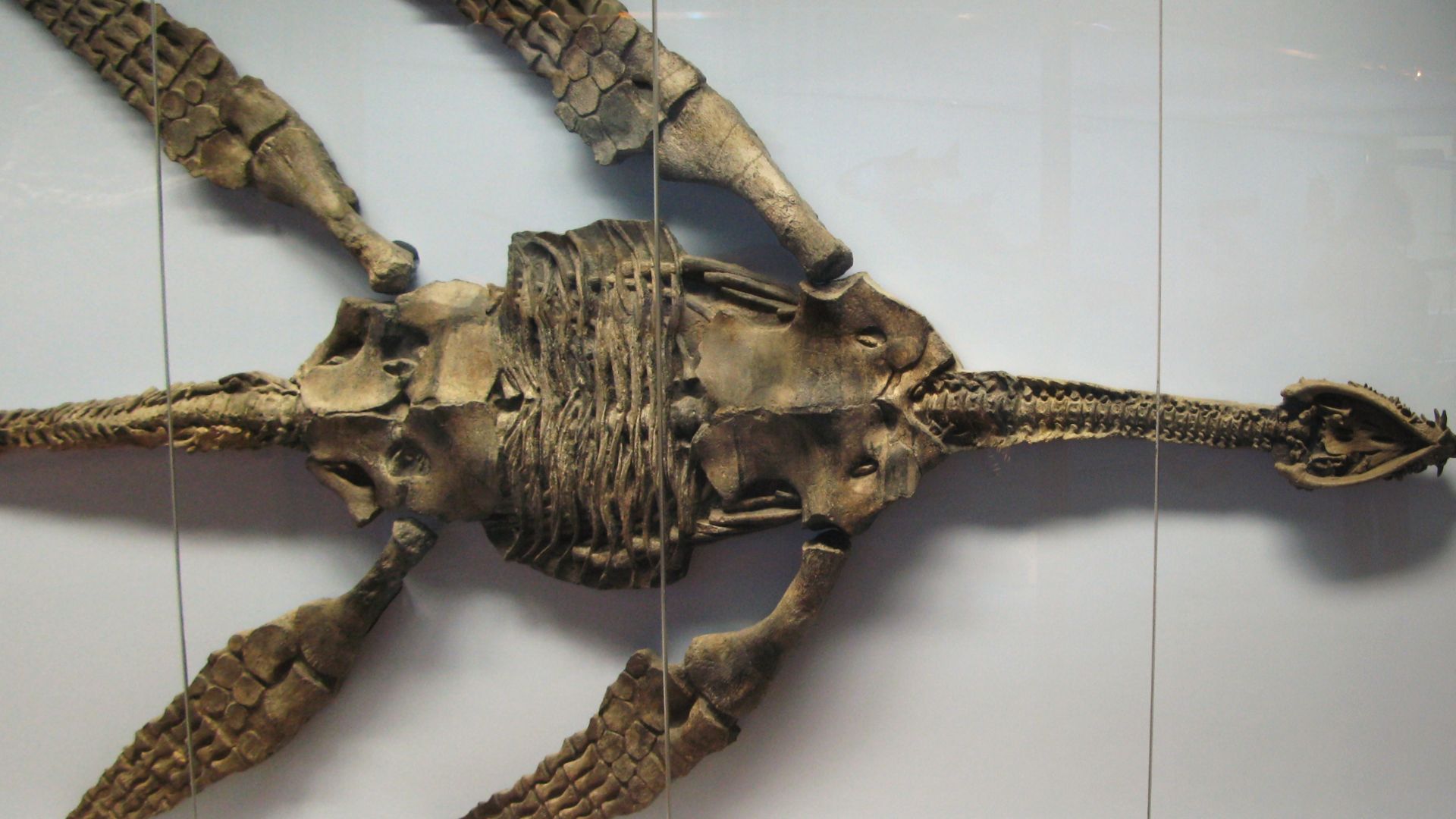 Ra'ike (see also: de:Benutzer:Ra'ike), Wikimedia Commons
Lavernock Preserves A Lost Sea
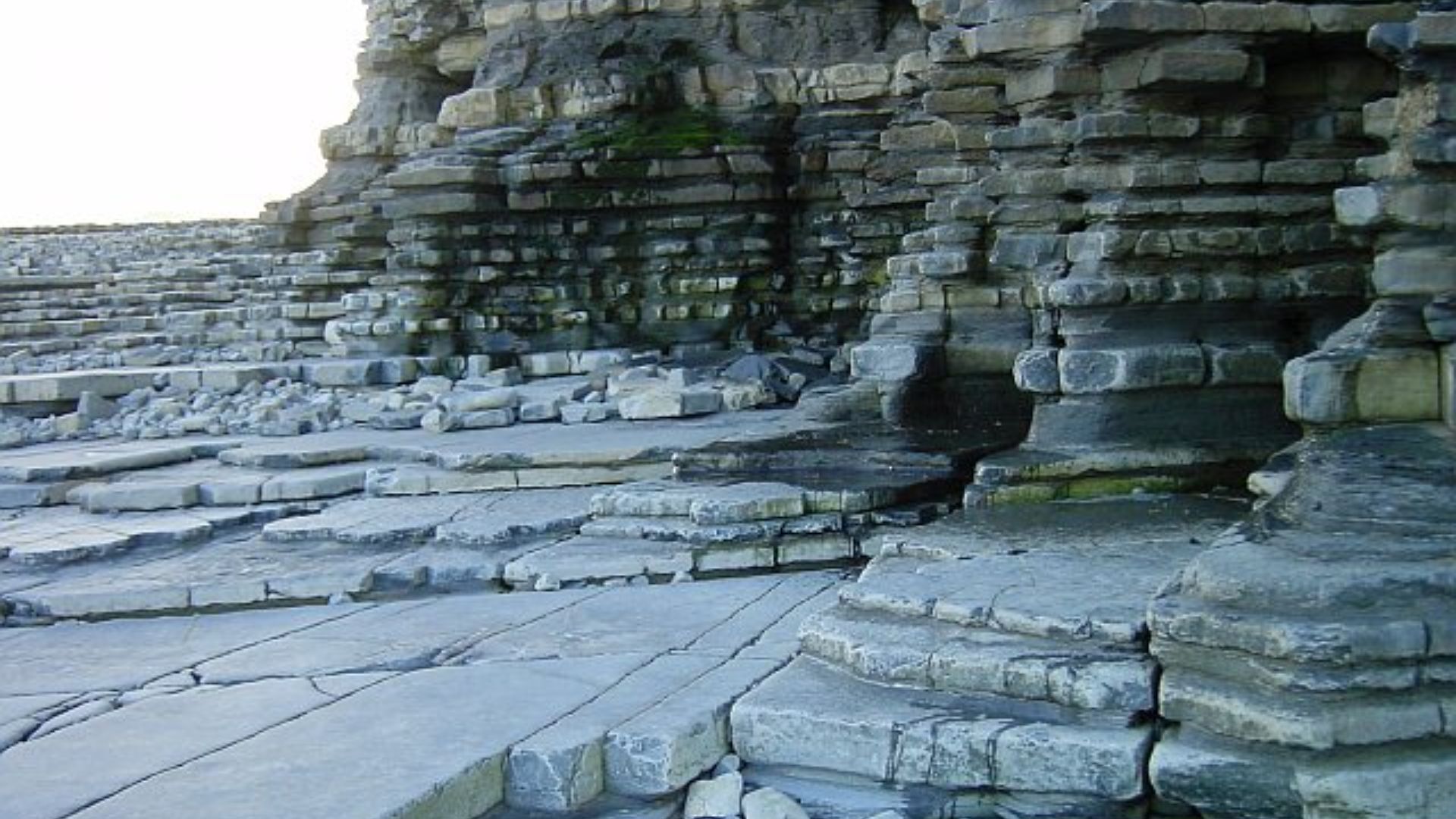
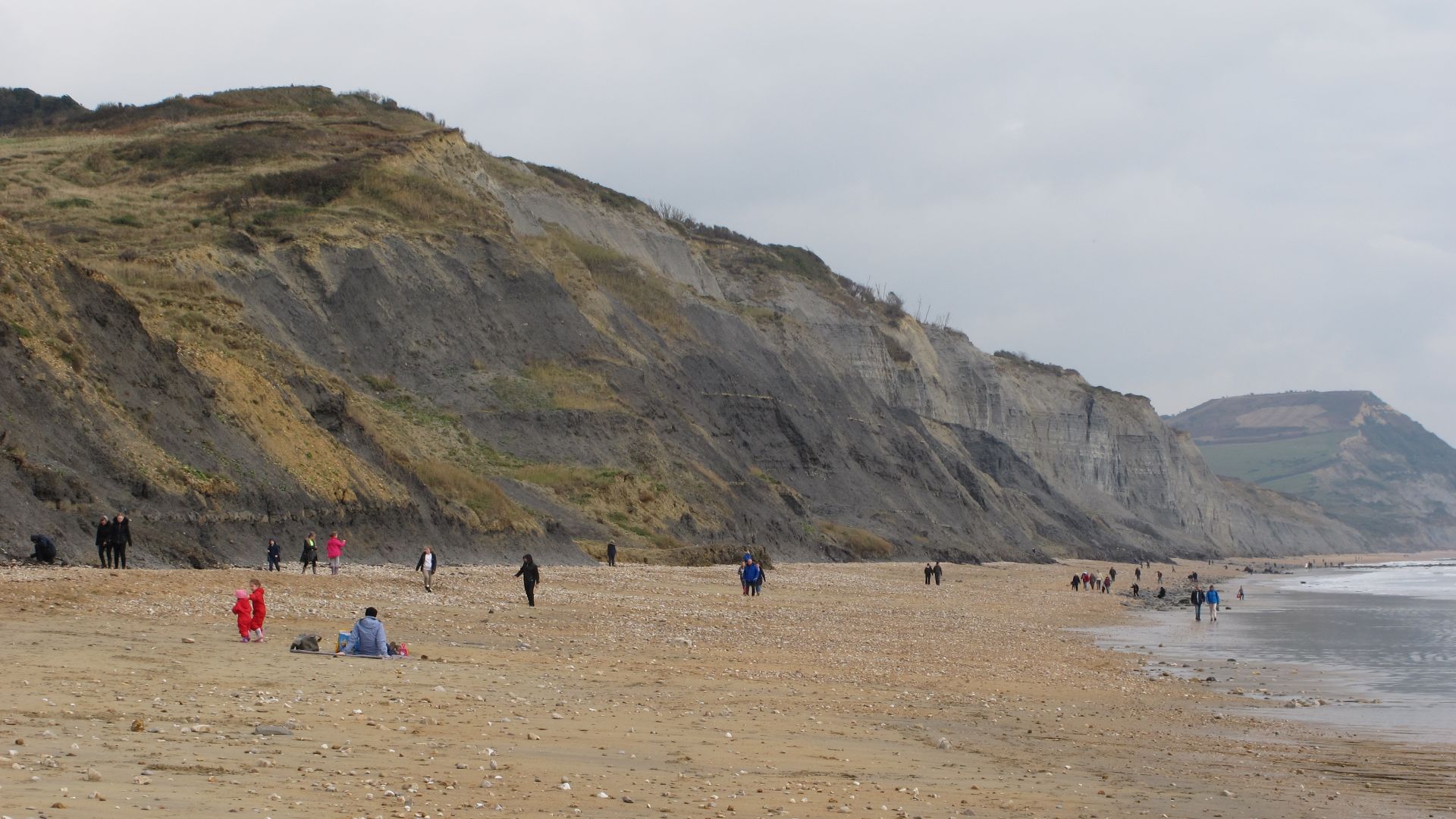
The coastal rocks between Lavernock and St Mary’s Well Bay preserve sediments formed in an ancient marine environment. The geological section exposes approximately 35 meters of Hettangian-age strata from the earliest Jurassic. Those layers contain evidence of the creatures that inhabited the region’s former seas.
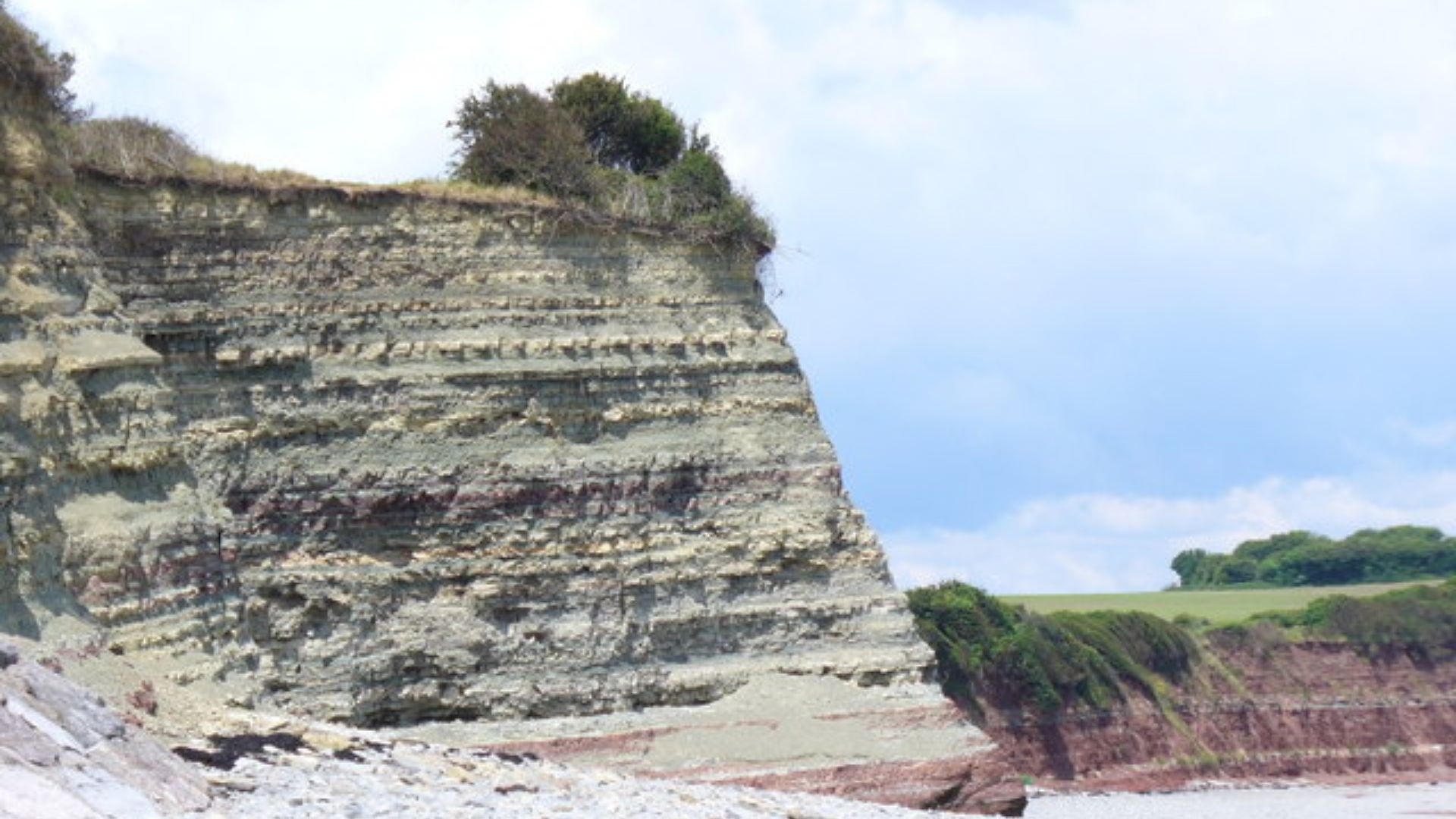 Colin Smith, Wikimedia Commons
Limestone And Mudstone Tell The Story
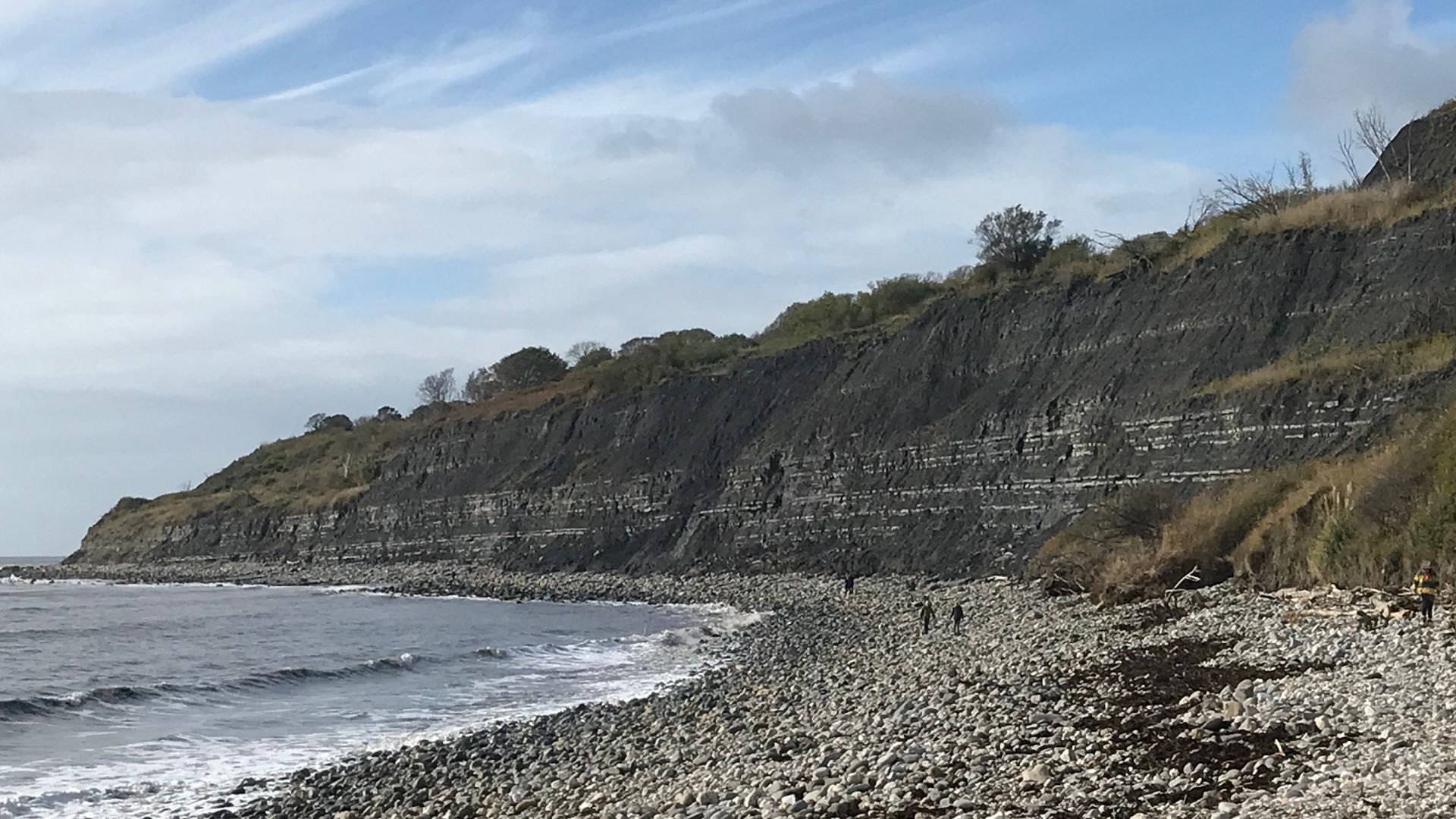
Lavernock’s Blue Lias Formation consists largely of alternating limestone and mudstone layers. These rocks accumulated when the area looked dramatically different from modern coastal Wales. Today, erosion exposes pieces of that buried ecosystem along the shore.
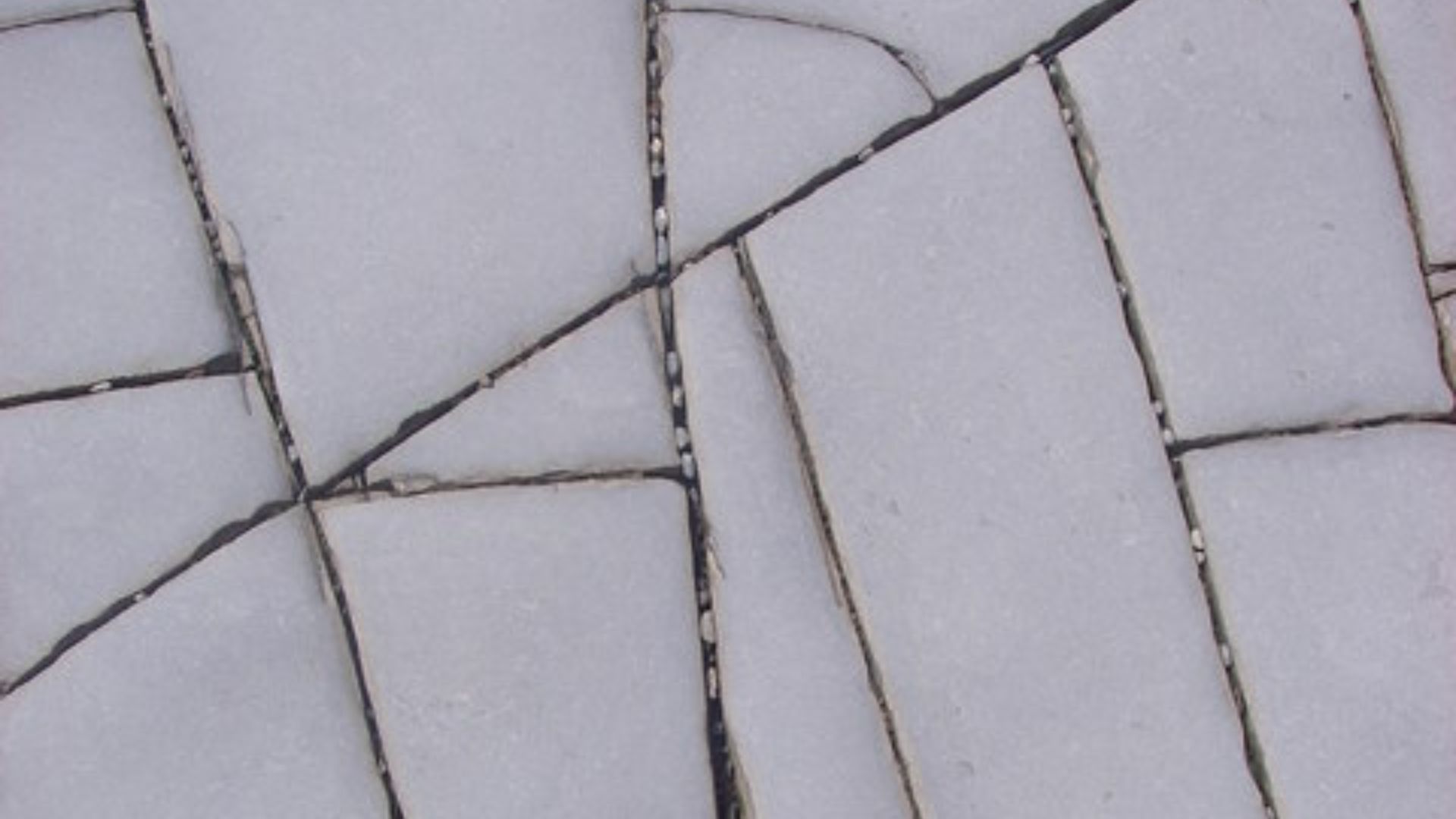 Alan Bowring, Wikimedia Commons
A Boundary Written In Rock
The Lavernock coastal section also preserves the transition from the Triassic into the Jurassic. It is the only location in South Wales where that particular transition is exposed in a continuous succession. Scientists have studied its geology and fossils for more than a century.
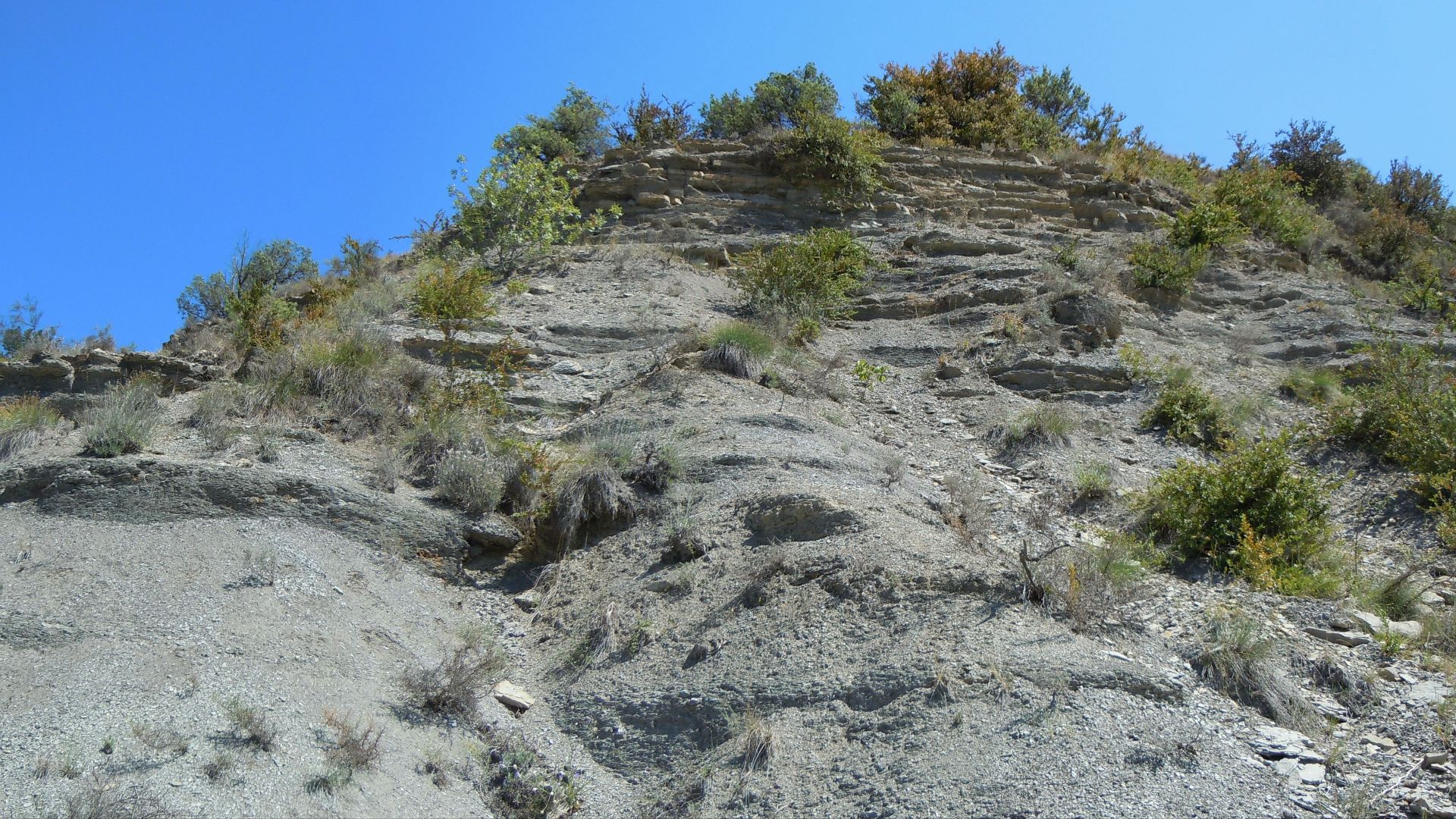 Patrice78500, Wikimedia Commons
Life After A Global Crisis
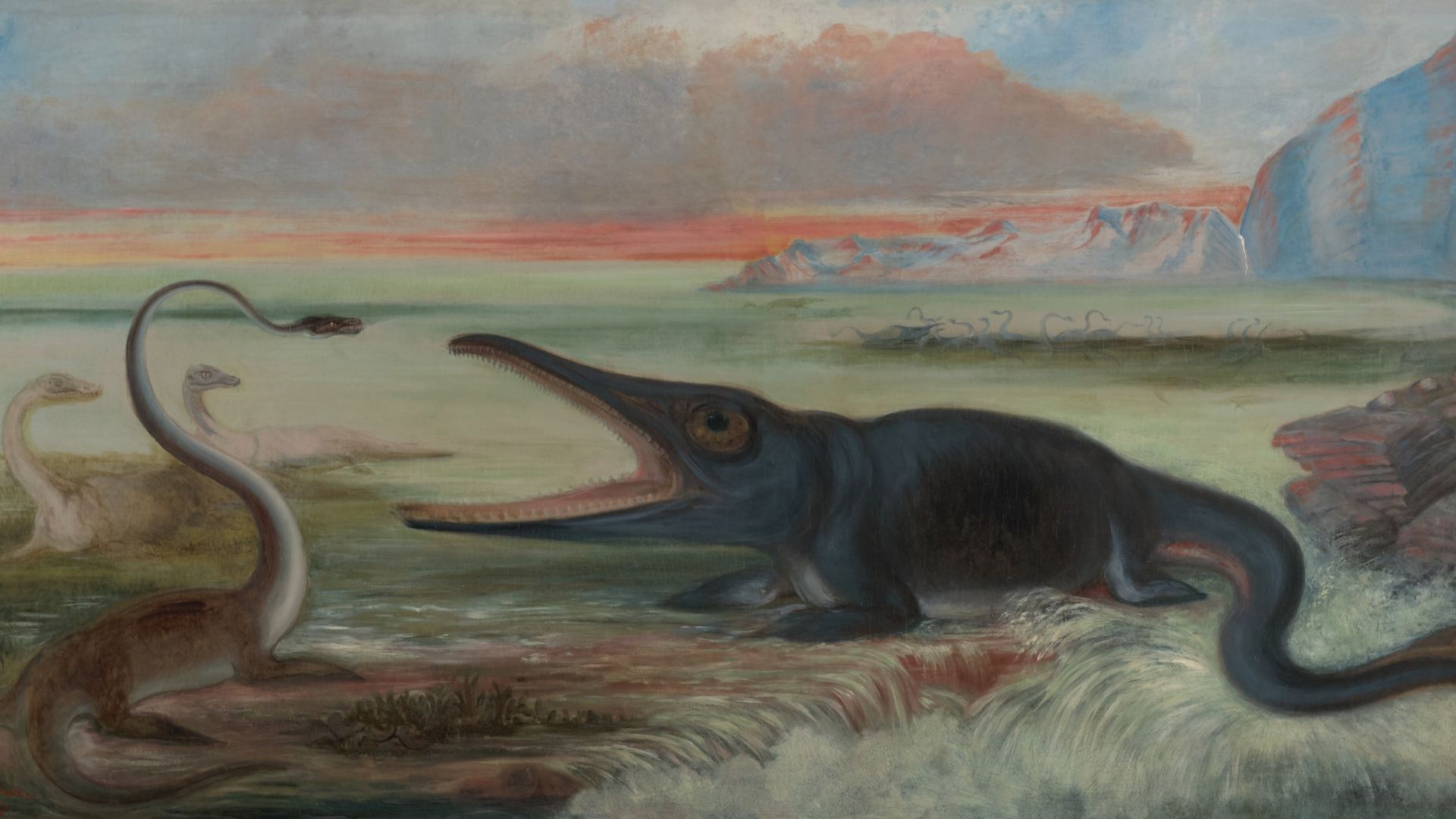
The animal lived not long after the end-Triassic mass extinction, one of the major extinction events in Earth’s history. The Early Jurassic was a period when surviving groups were expanding into newly available ecological roles. Fossils from this interval help researchers investigate how marine ecosystems changed.
 Benjamin Waterhouse Hawkins, Wikimedia Commons
More Than Bones Hide Here
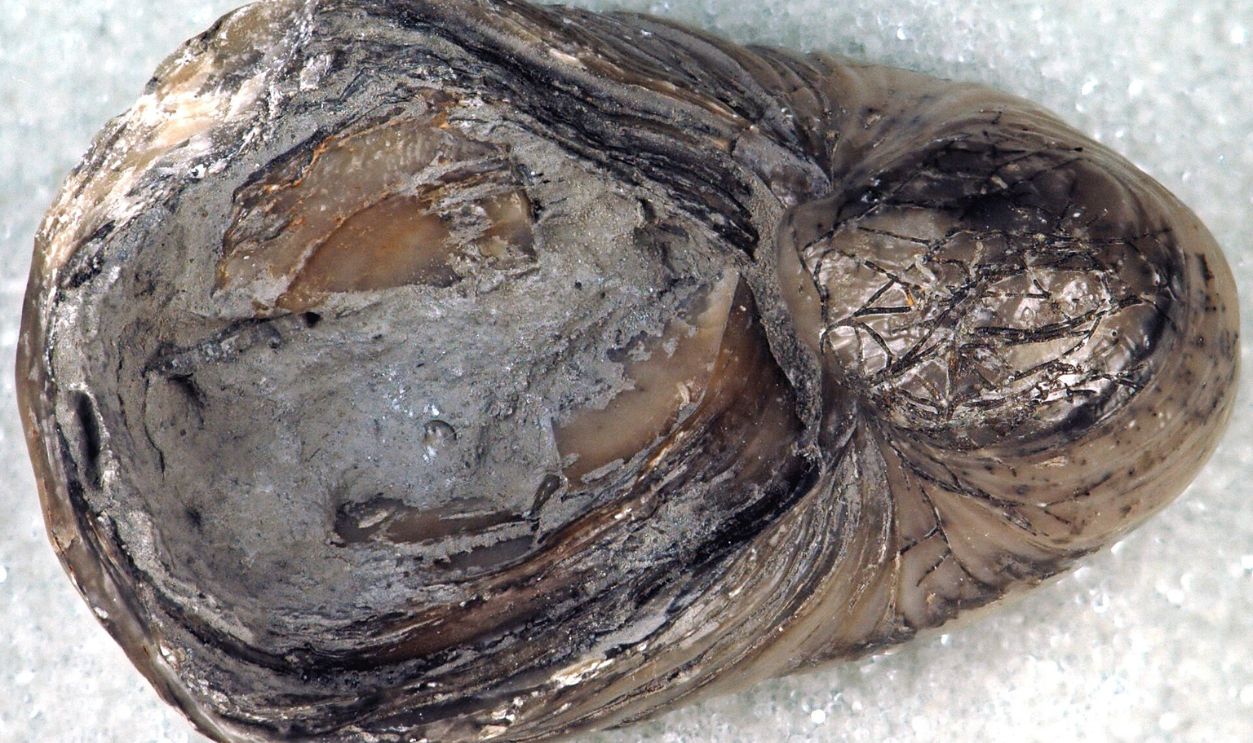
Marine reptile remains are among Lavernock’s most dramatic discoveries, but the rocks preserve many smaller organisms. The documented fauna includes bivalves, echinoids, crinoids, and ammonites. Together, these fossils help reconstruct the broader environment in which the rhomaleosaur lived.
 James St. John, Wikimedia Commons
The Sea Released The Fossil
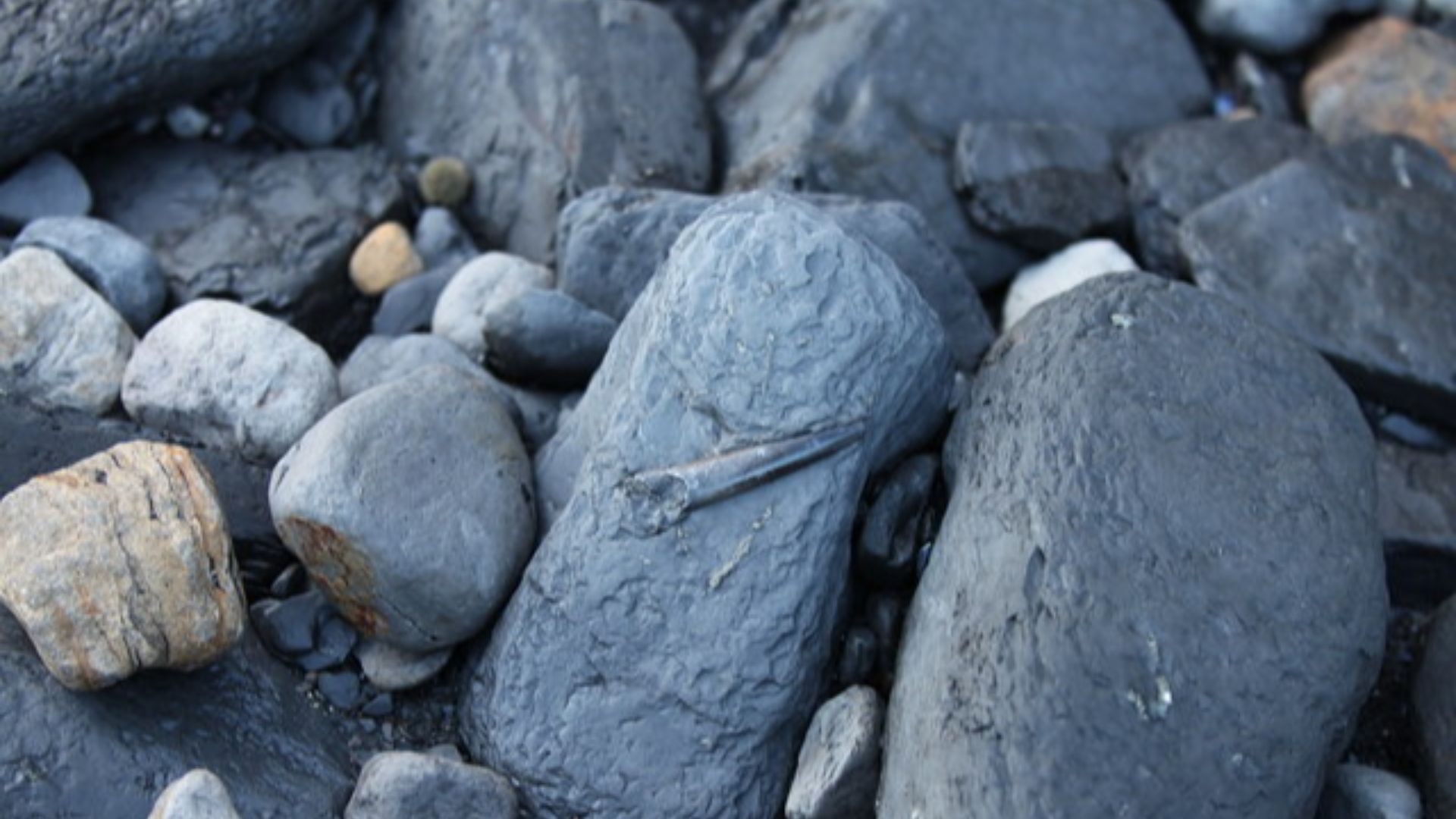
Coastal erosion continually breaks material from Britain’s fossil-bearing cliffs. Waves then move, clean, bury, and uncover the fallen blocks. Myerscough believes some of his finds may have spent decades rolling around beaches before becoming visible.
 Mike Dickison, Wikimedia Commons
His Journey Began In Childhood
Myerscough first enjoyed fossil hunting during childhood trips to Whitby on the Yorkshire coast. The pastime later disappeared into the background as other interests took over. A frightening experience in the Welsh mountains eventually led him back to it.
 Michael Jagger, Wikimedia Commons
An Avalanche Changed Everything
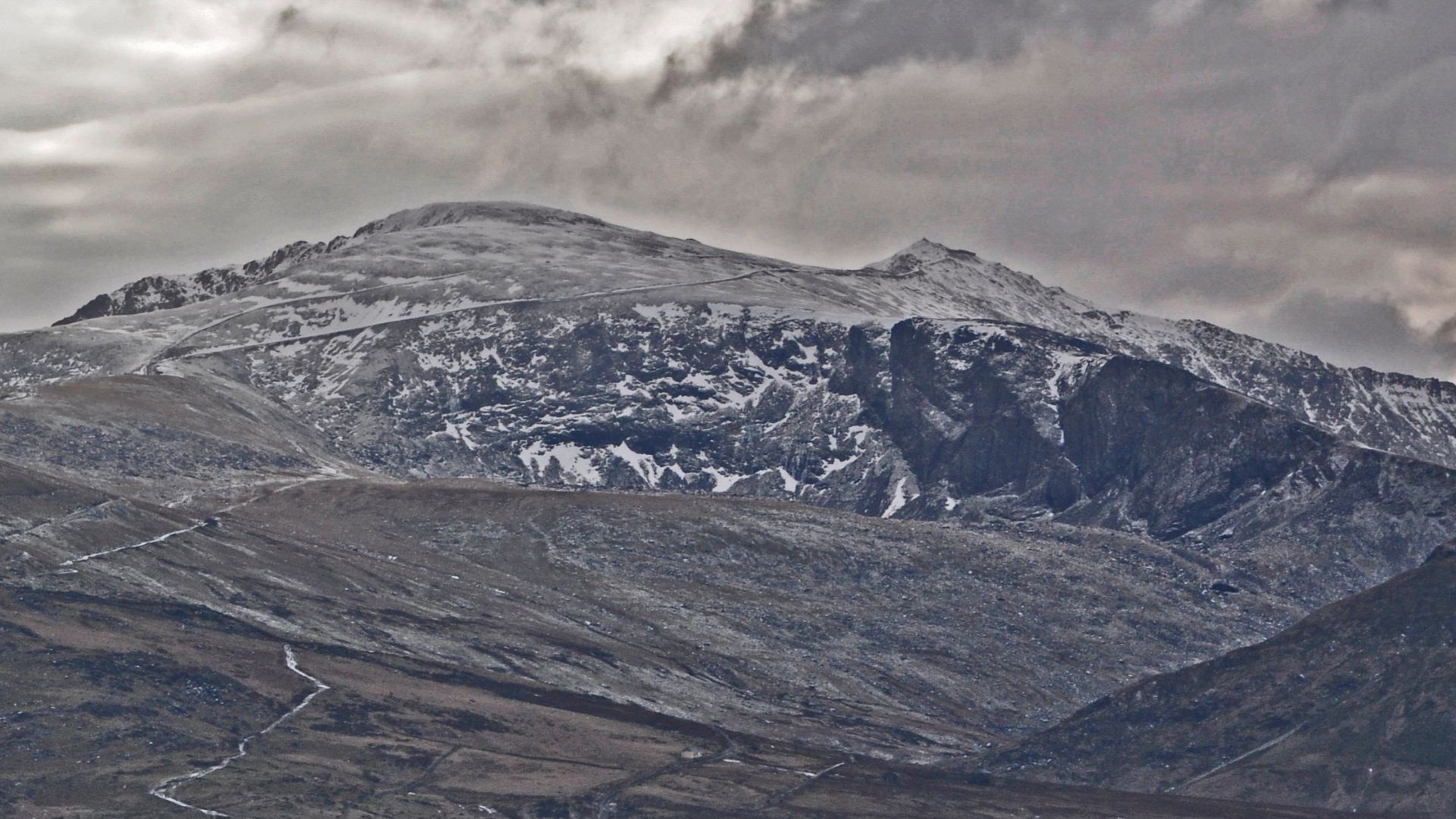
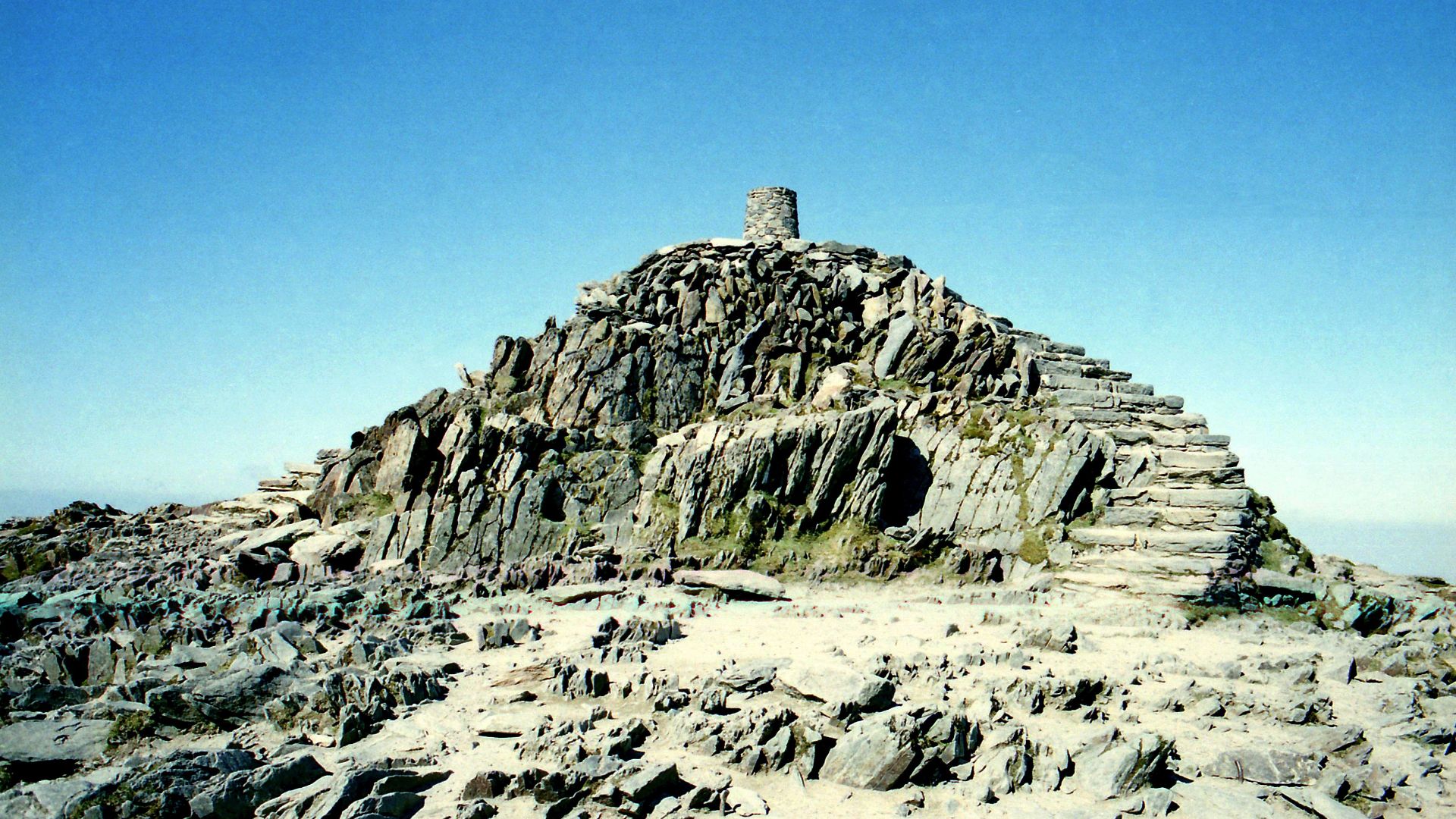
In February 2014, Myerscough was caught in an avalanche while climbing Yr Wyddfa, also known as Snowdon. He was thrown from a small cliff and fell about 300 meters before being buried beneath more than a meter of snow. Rescuers found him unconscious and barely breathing approximately 20 minutes later.
 Hefin Owen from Wales, Wikimedia Commons
The Physical Recovery Was Remarkable
Despite the severity of the accident, Myerscough escaped without major physical injuries. His bruises healed within days, but the psychological effects lasted much longer. Thoughts about the accident and its possible outcomes repeatedly returned.
Fossil Hunting Offered An Escape
Returning to fossil hunting gave Myerscough somewhere constructive to direct his attention. Searching rocks demanded intense concentration and temporarily quieted his worries. He has described the experience as mindful and almost meditative.
 David Hawgood , Wikimedia Commons
The Finds Kept Coming
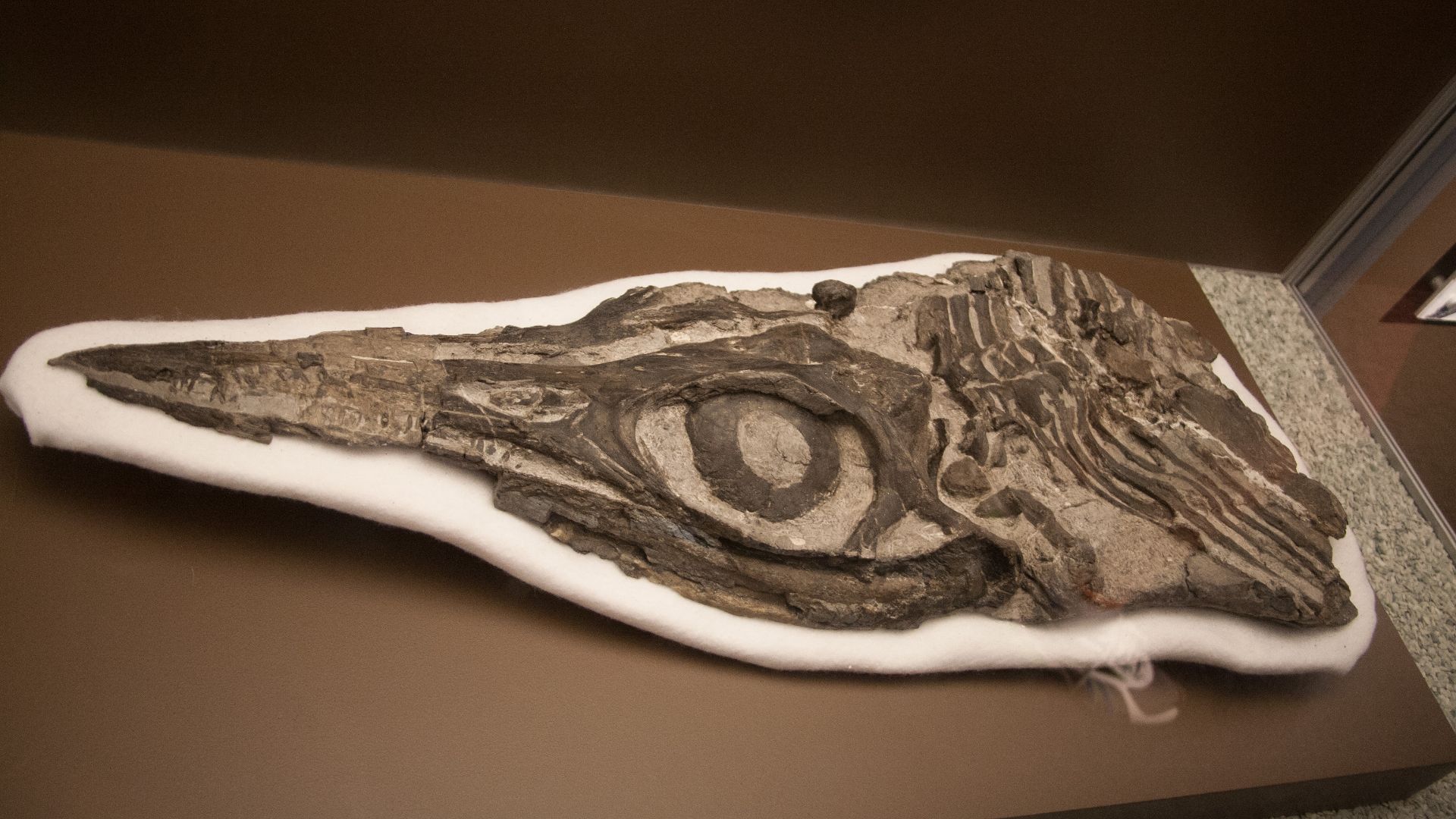
The Welsh jaw is only one of several notable discoveries Myerscough has made. His finds include an ichthyosaur skull and forefin, a rare plesiosaur flipper, and a large dinosaur footprint. Each success strengthened his reputation among fossil collectors and paleontologists.
 Roland Tanglao from Vancouver, Canada, Wikimedia Commons
He Wrote Down His Adventures
Myerscough recounts his experiences in In Search of Sea Dragons: A Fossil Hunter’s Odyssey. Seren Books published the 200-page memoir in March 2026. It follows his searches in South Wales, Somerset, and North Yorkshire.
 Charles D. Walcott (photo by Brian Boyle), Wikimedia Commons
He Wants Newcomers To Join In
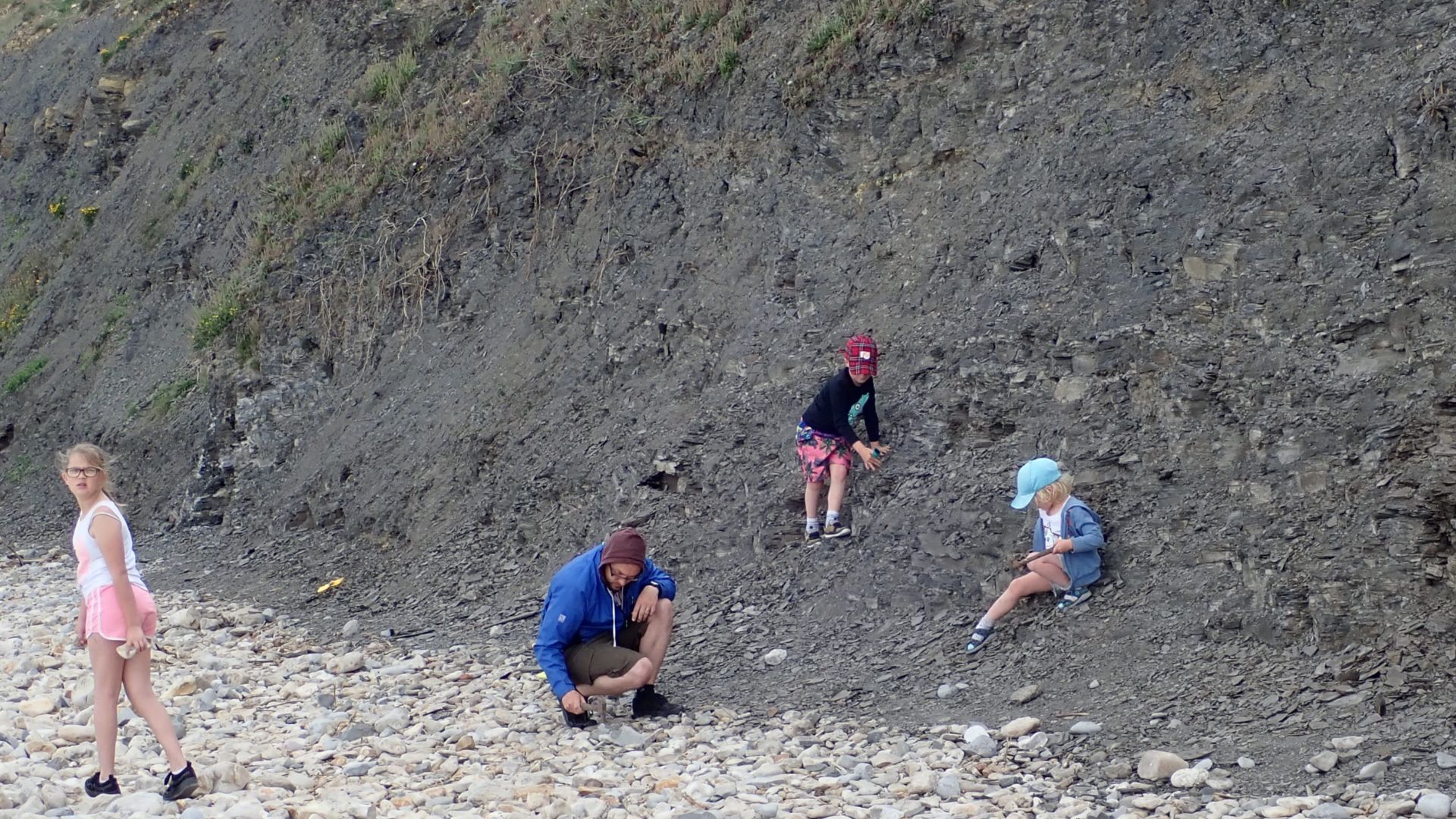
Some fossil collectors closely guard the locations of promising sites, but Myerscough favors sharing practical knowledge. He recommends that beginners start with a guided fossil-hunting tour. An experienced guide can teach visitors how to recognize specimens without damaging them.
 Eirian Evans , Wikimedia Commons
The Coast Demands Respect
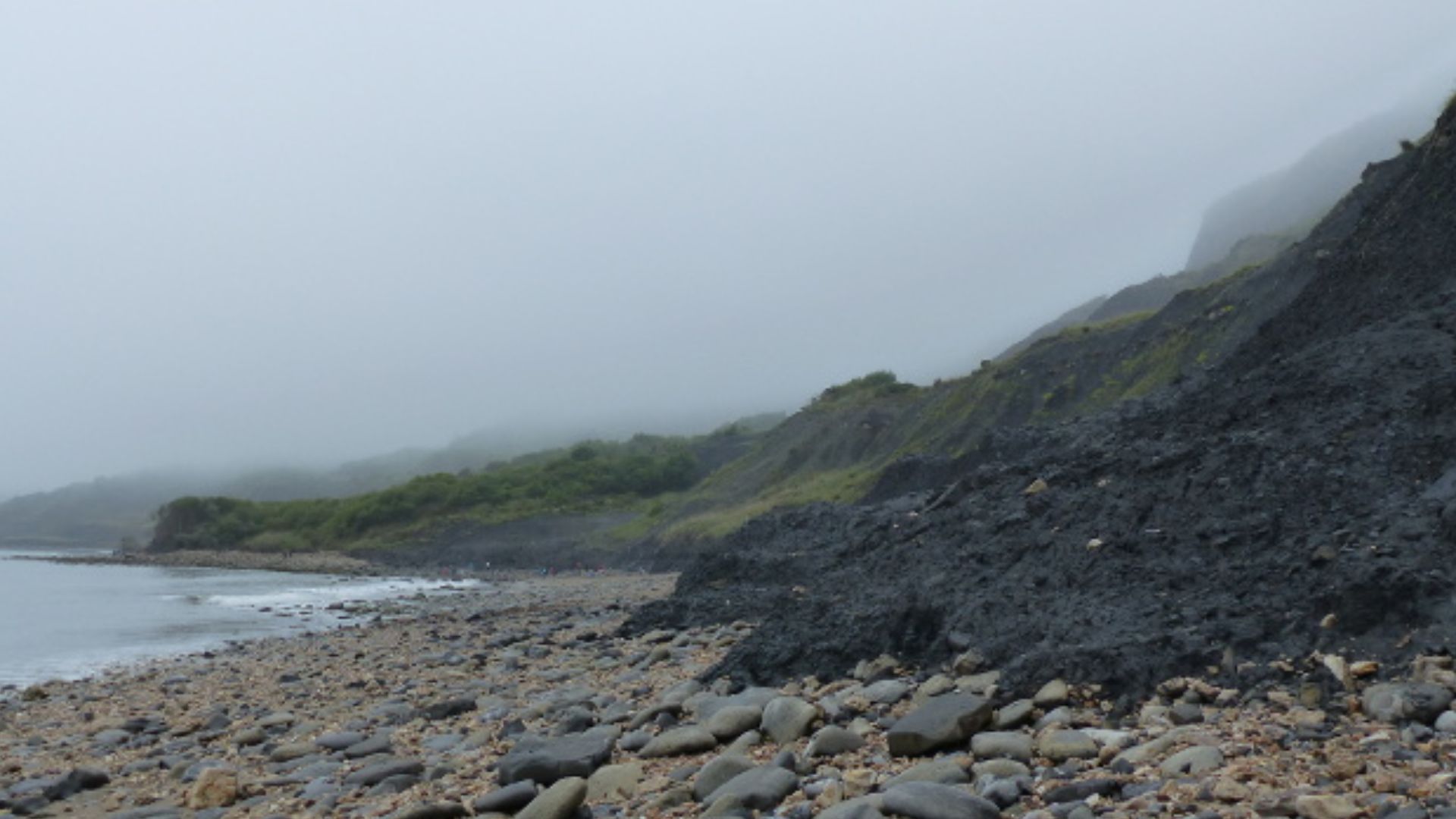
Fossil hunting on a beach carries genuine risks from rising tides and unstable cliffs. Myerscough advises searching on a falling tide and staying away from fresh cliff falls. Museum Wales likewise recommends checking tide times, wearing sturdy footwear, and keeping a safe distance from cliffs.
 Rob Purvis , Wikimedia Commons
Sometimes The Best Choice Is To Leave It
Removing a fossil carelessly can destroy scientific information that survived for millions of years. Museum Wales warns that hammering around a specimen may damage it rather than release it cleanly. Photographing the object and its location before contacting an expert is often the more responsible response.
A Discovery With A Lasting Home
Myerscough regards fossils as rare gifts created by an extraordinary chain of events. The Lavernock jaw had to be preserved, exposed by erosion, and noticed at precisely the right moment. Now housed with National Museum Cardiff, this Welsh “sea dragon” can contribute to research long after its chance discovery on the beach.
 Simon Burchell, Wikimedia Commons
You May Also Like:
Archaeologists Discovered A 1,600-Year-Old Roman Guardian Spirit Buried Beneath Hadrian's Wall



_(Lower_Jurassic;_Lyme_Regis,_England)_2_(35788250005).jpg)
