The Footprints That Shouldn't Be There
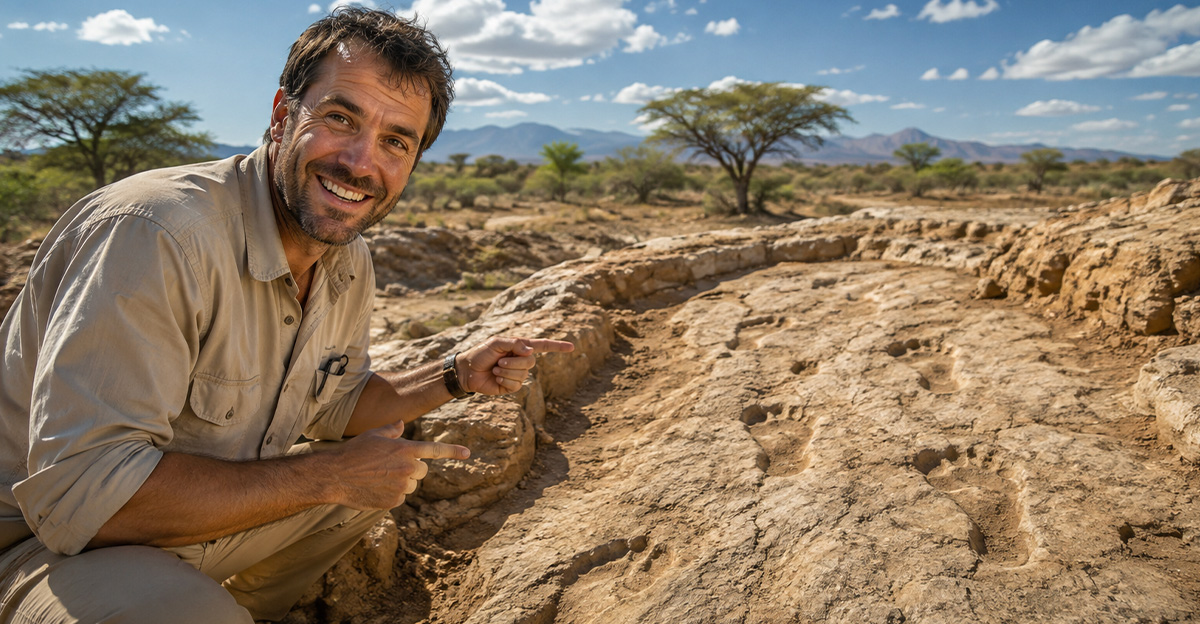
A few ancient footprints in the Saudi Arabian desert are causing a surprisingly large headache for our old picture of human migration. Left roughly 120,000 years ago, these tracks show people wandering through Arabia much earlier—and much farther inland—than the simplest versions of the “Out of Africa” story suggested.
A Desert With A Secret
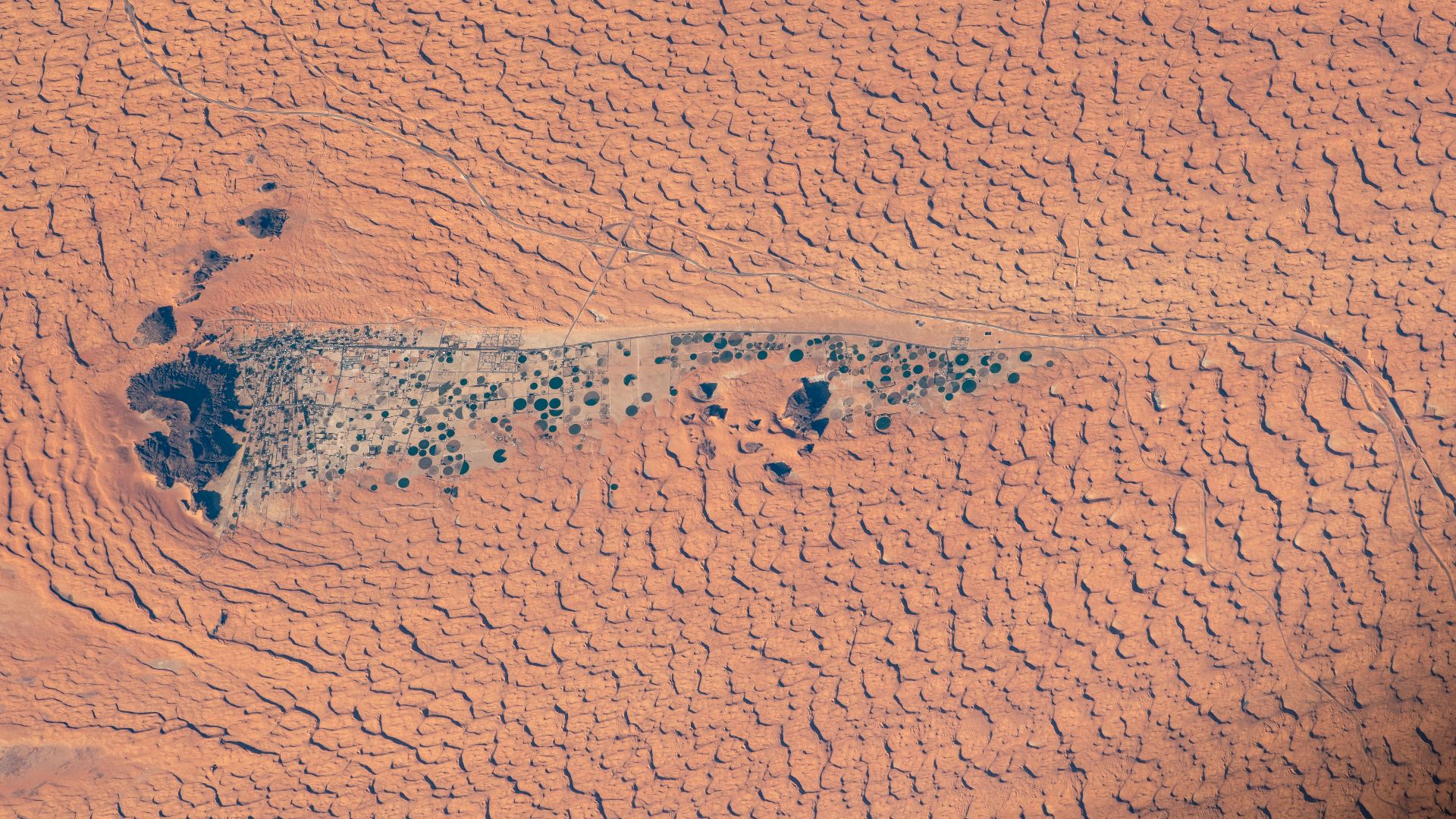
Today, northern Saudi Arabia’s Nefud Desert is a spectacular but unforgiving landscape of sand and extreme heat. That makes it an odd place to search for traces of ancient travelers. Yet beneath those dunes lies evidence that this region once looked completely different—and humans took advantage of it.
 Earth Science and Remote Sensing Unit, NASA Johnson Space Center, Wikimedia Commons
Welcome To Alathar
Researchers found the footprints at an ancient lake deposit they named Alathar, Arabic for “the trace.” The site sits in a depression in the western Nefud. Erosion had stripped away younger sediments, revealing a surface covered with impressions made during one remarkable moment in prehistory.
A Prehistoric Traffic Jam
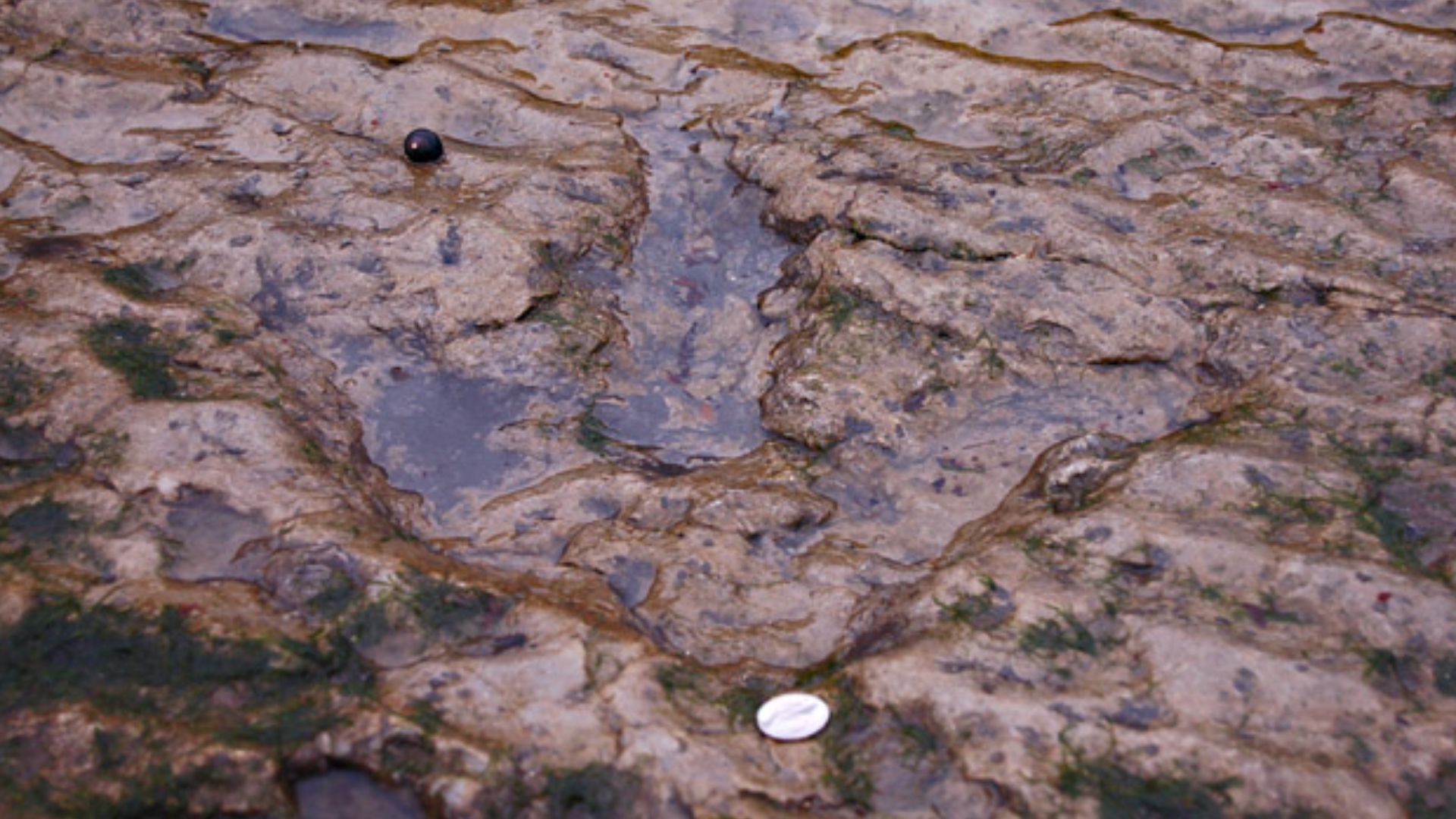
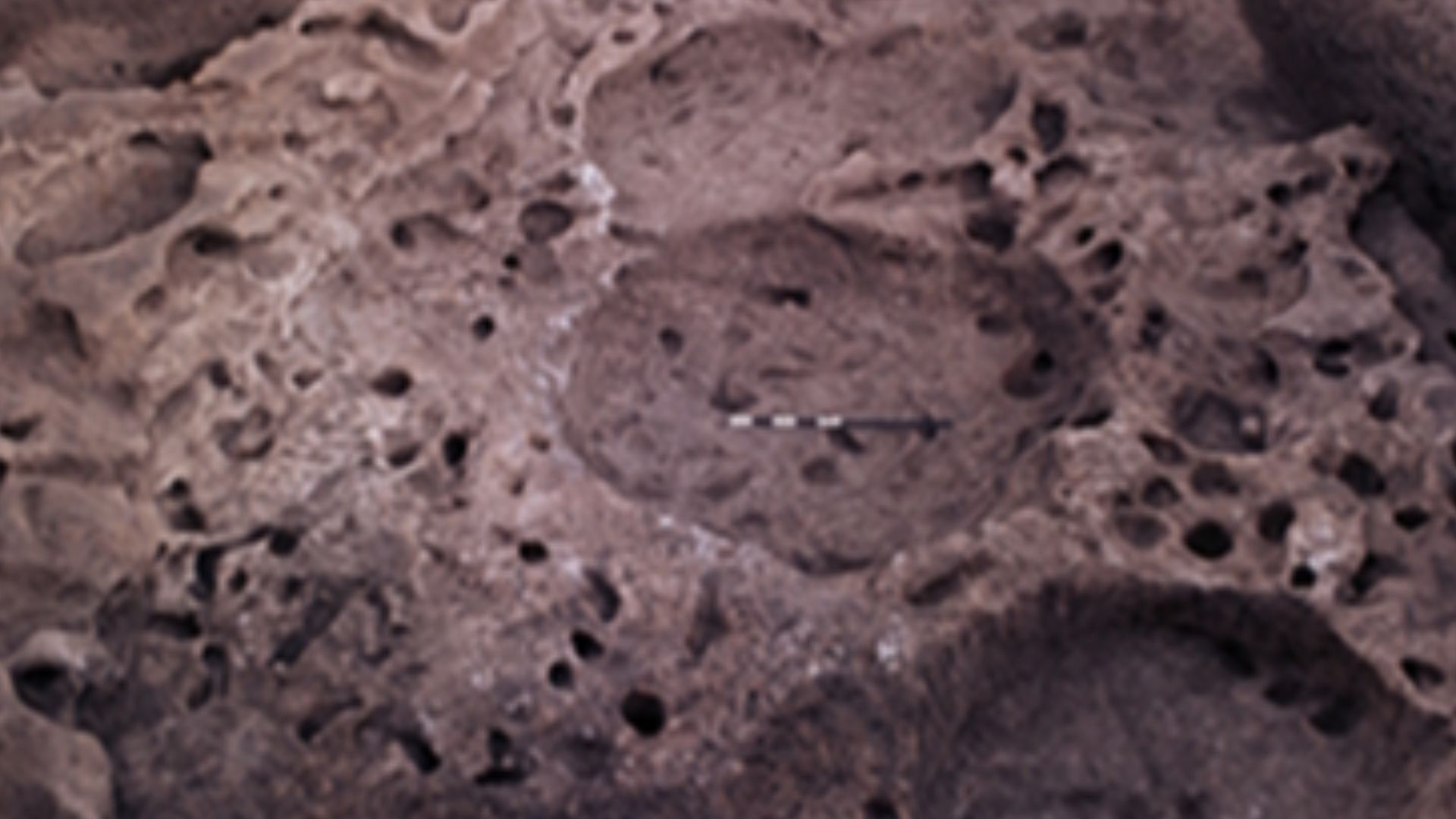
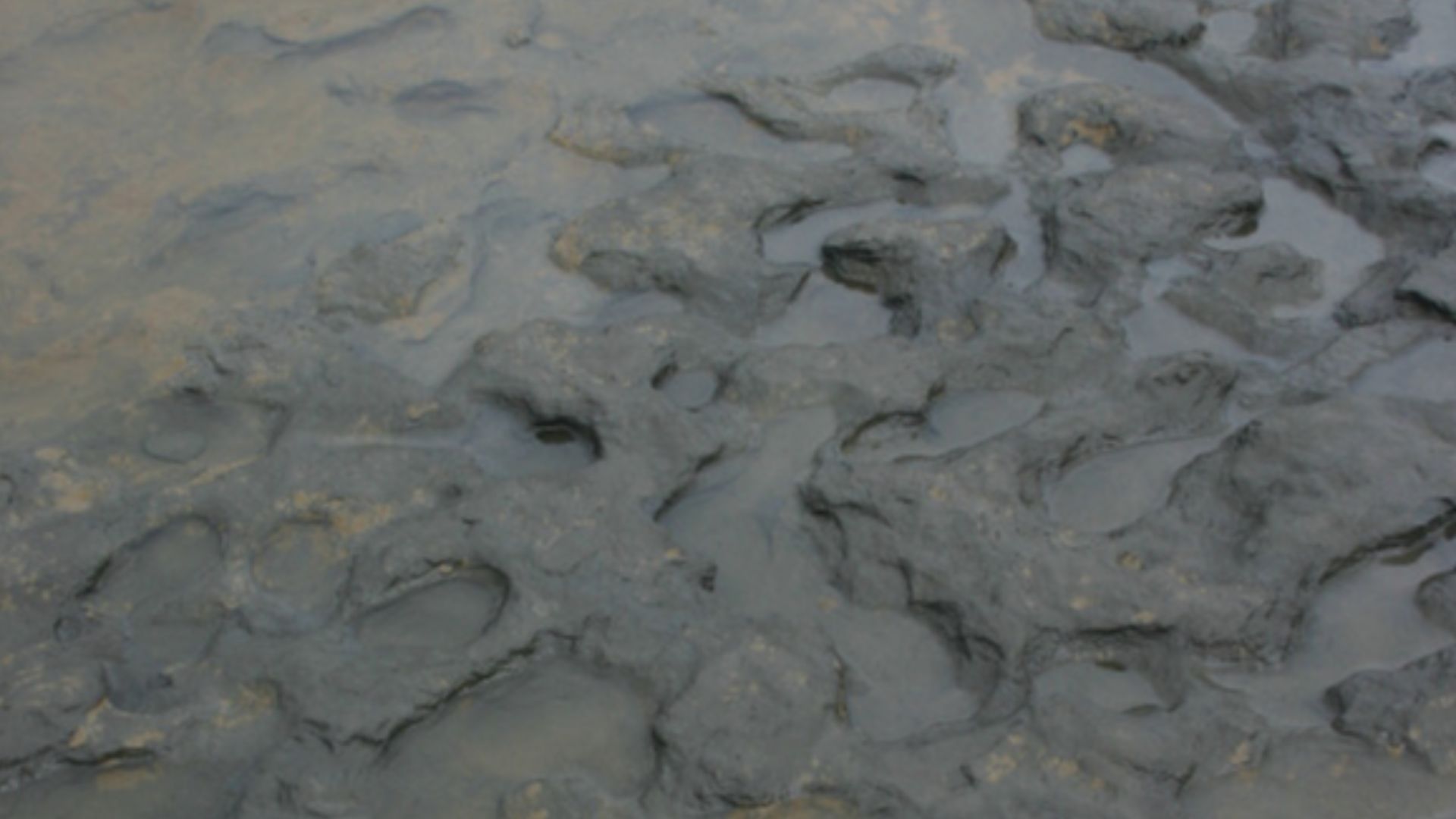
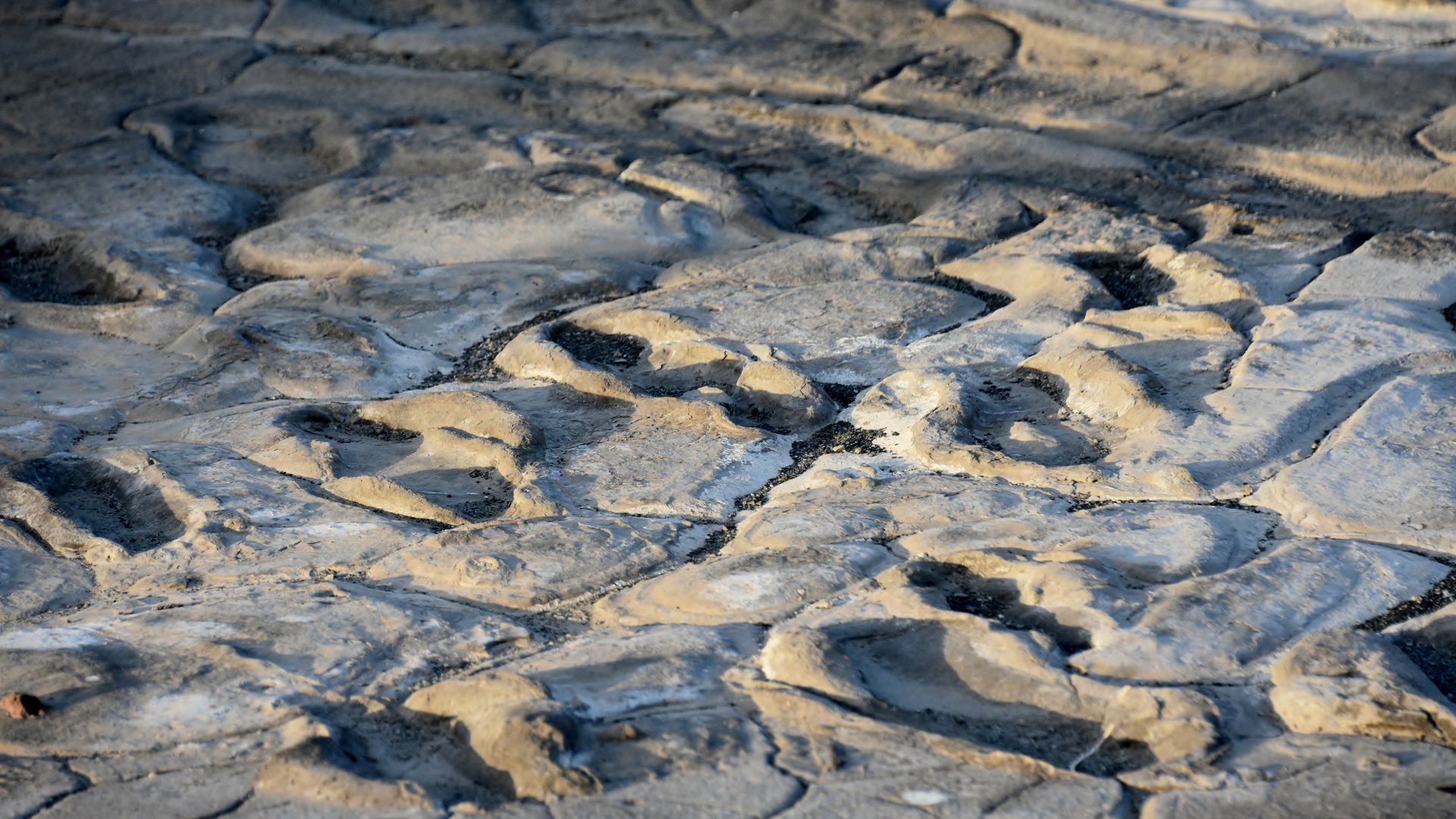
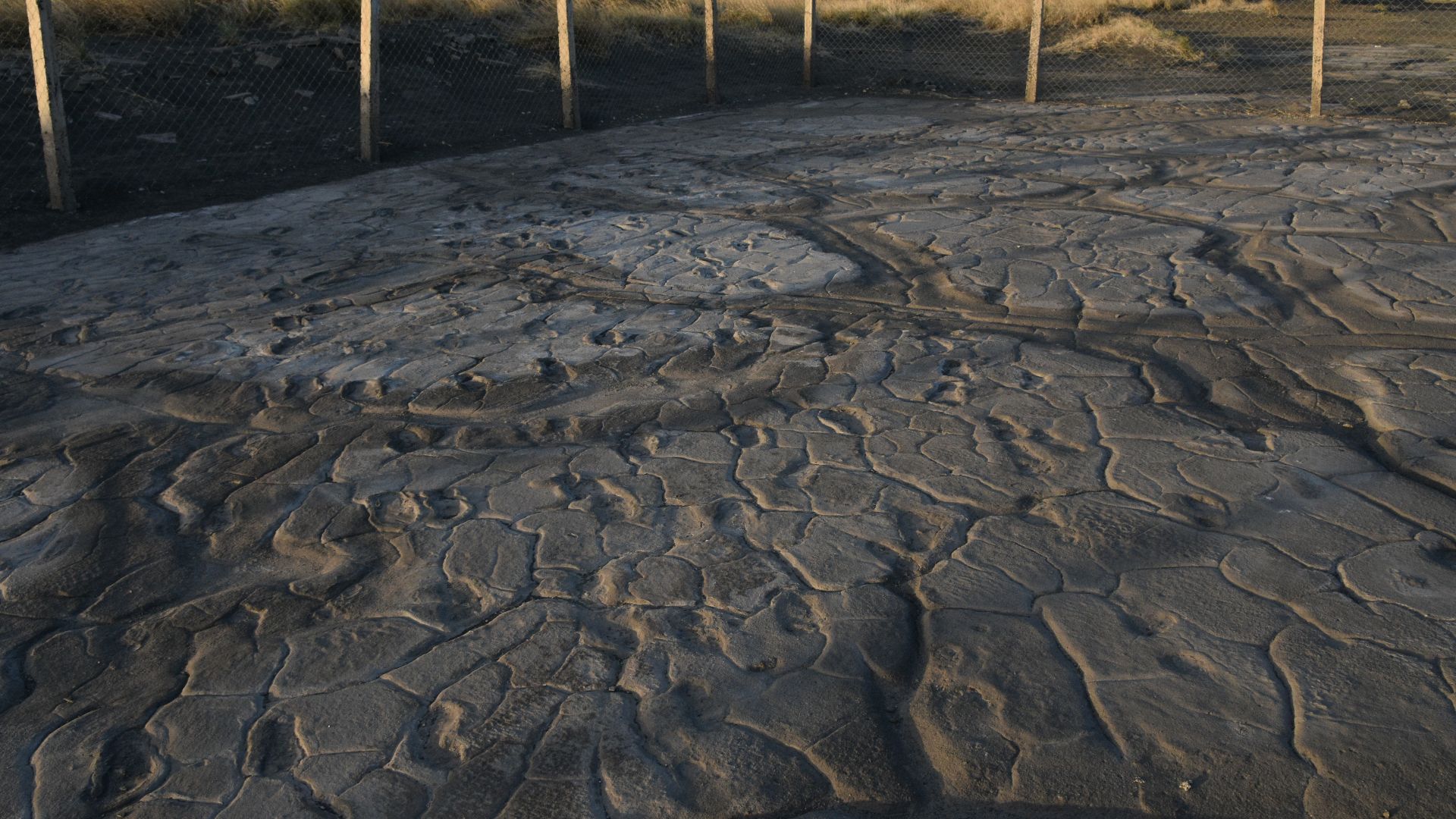
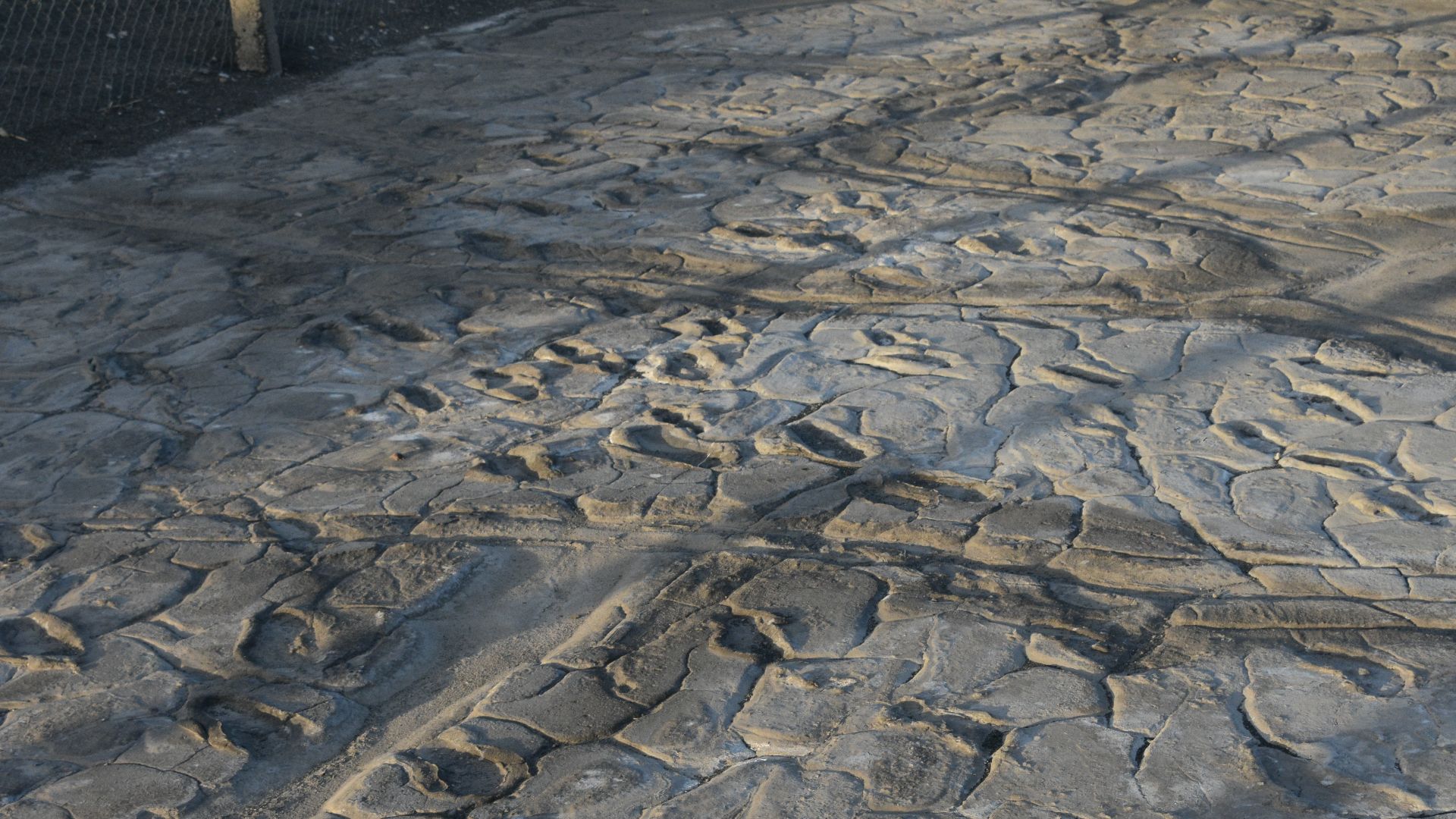
Scientists recorded 376 footprints at Alathar. Most were not human. Elephants, camels, horses and other animals had also wandered across the muddy lakeshore, creating what looks like a Pleistocene traffic jam frozen in stone. The scene immediately suggested one important attraction: water.
 Alexia Smith ,Amy Oechsner,Peter Rowley-Conwy,Andrew M. T. Moore, Wikimedia Commons
Seven Prints Changed Everything
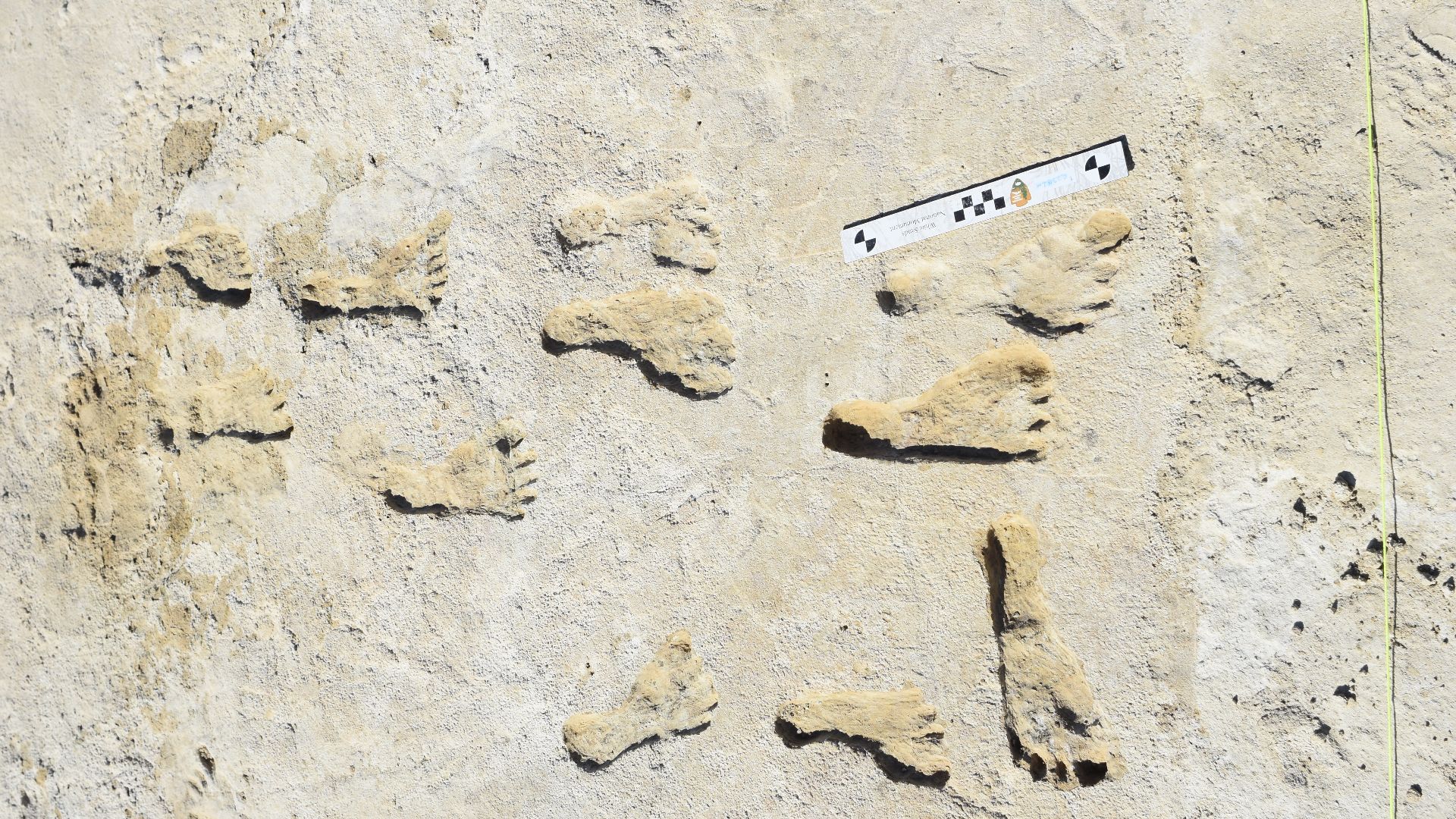
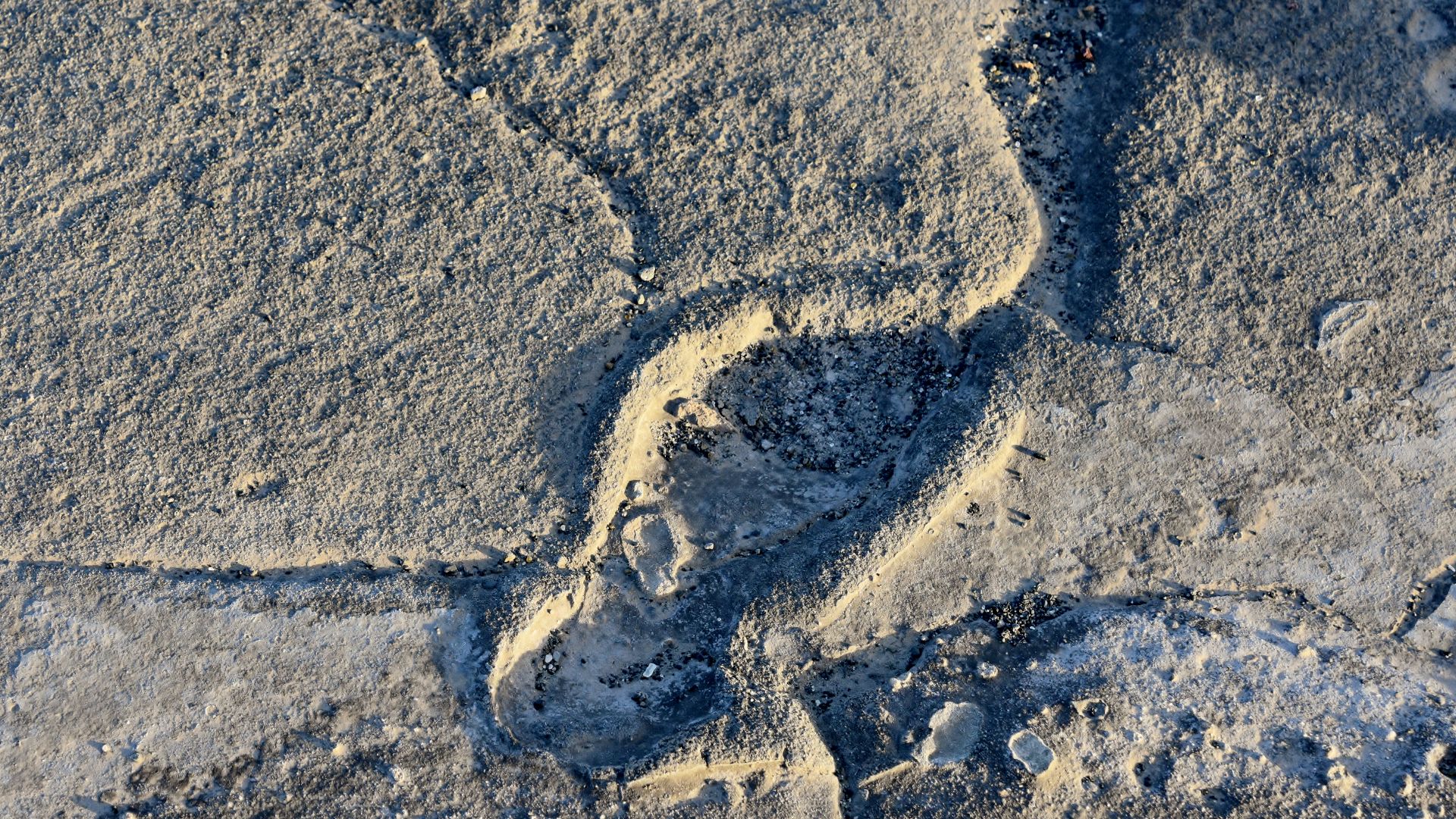
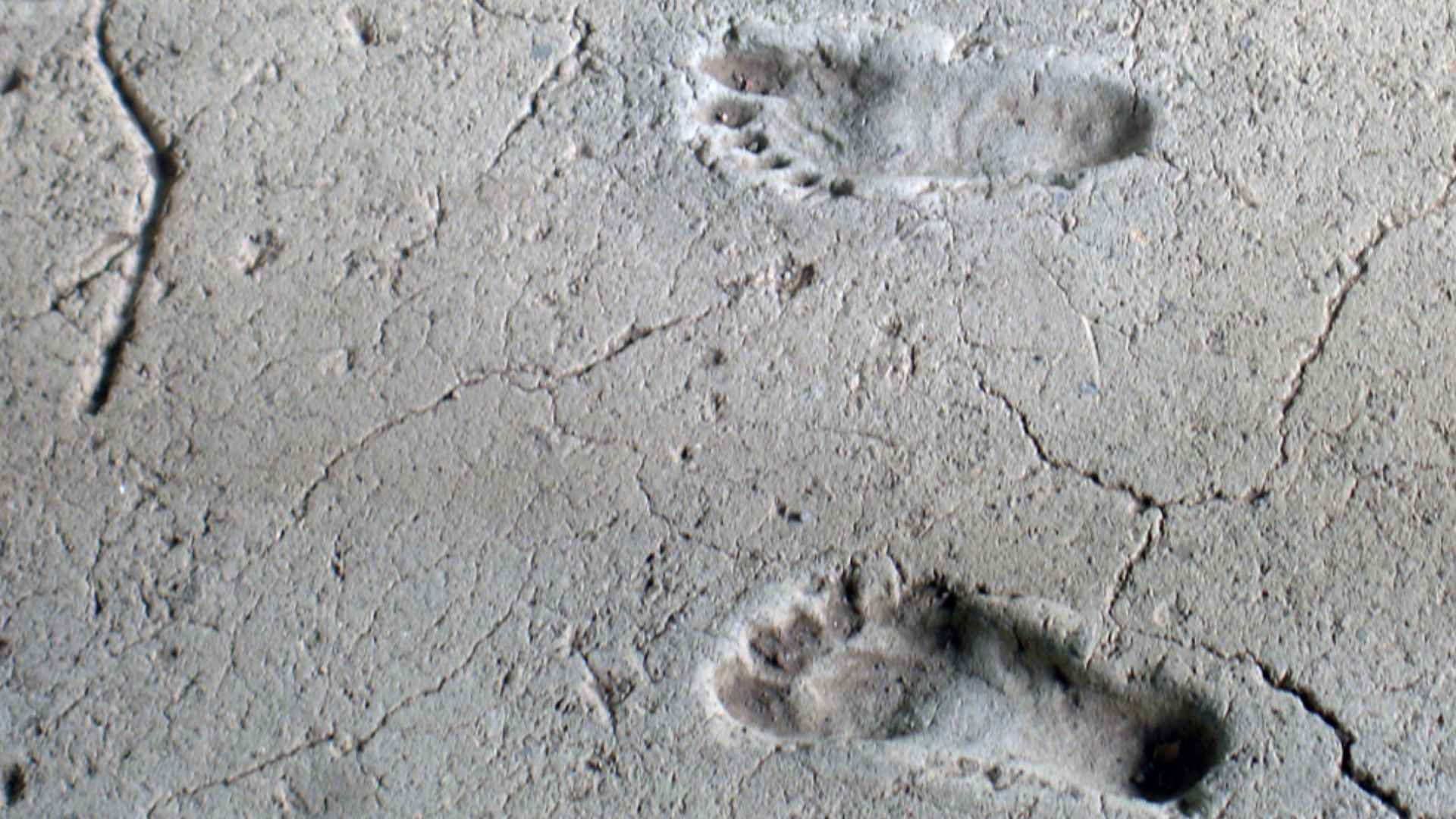
Among those hundreds of tracks, researchers confidently identified seven as hominin footprints. Their size and shape, combined with what is known about humans in the region at the time, led the team to argue that they were probably made by members of our own species, Homo sapiens.
Dating Ancient Mud
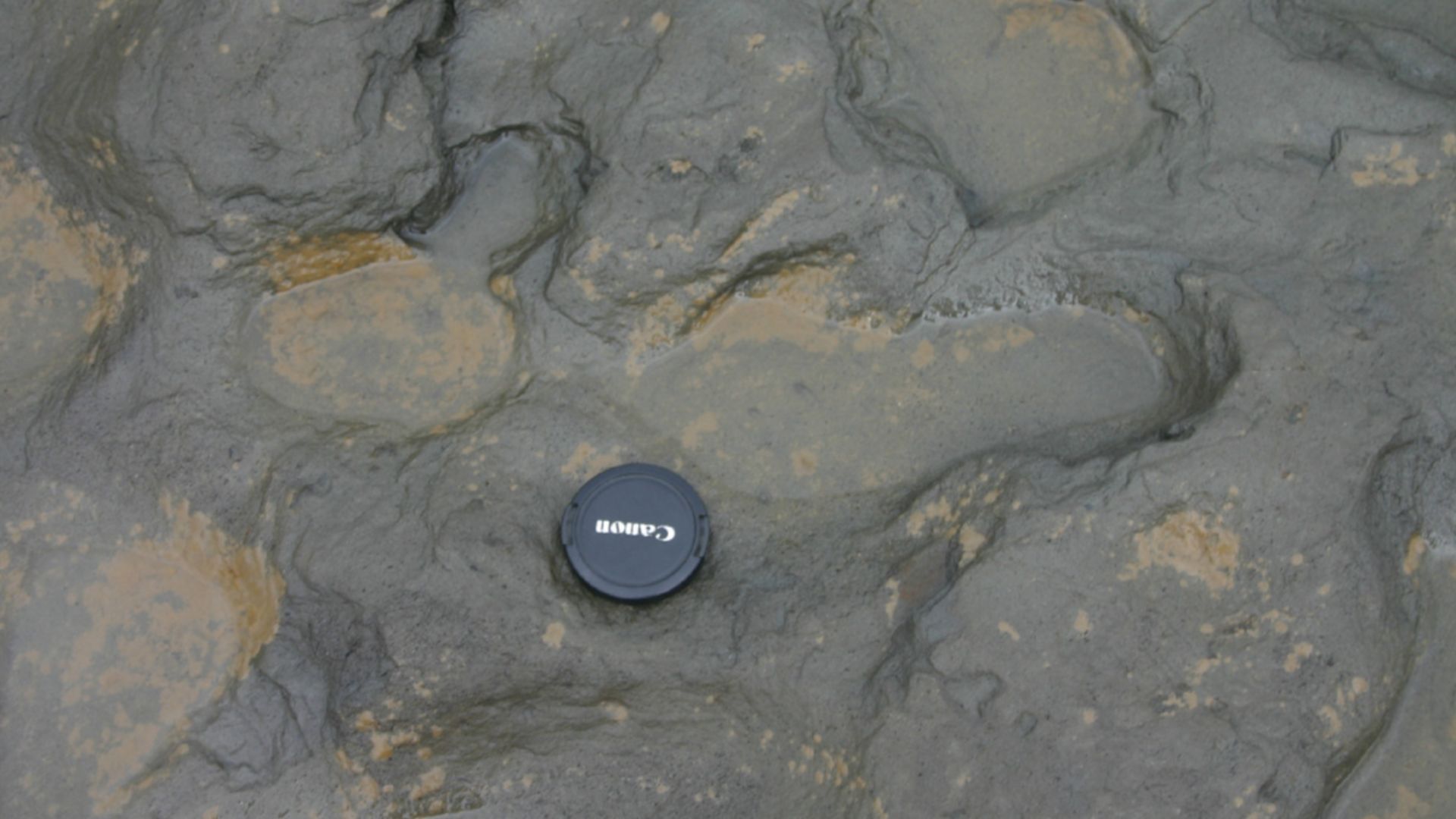
Footprints do not arrive with convenient date stamps, so researchers dated sediments associated with the ancient lake. The evidence placed the track-bearing surface within a window roughly 102,000 to 132,000 years ago. In everyday terms, scientists usually describe the footprints as being about 120,000 years old.
 Martin Bates, Wikimedia Commons
That's Very Early
That age matters. The footprints represent the oldest securely dated evidence for humans yet found in this part of Arabia. They place people deep inside the peninsula during the Last Interglacial, when early Homo sapiens populations were making excursions beyond Africa far earlier than once commonly imagined.
 Martin Bates, Wikimedia Commons
The Old, Neat Migration Story
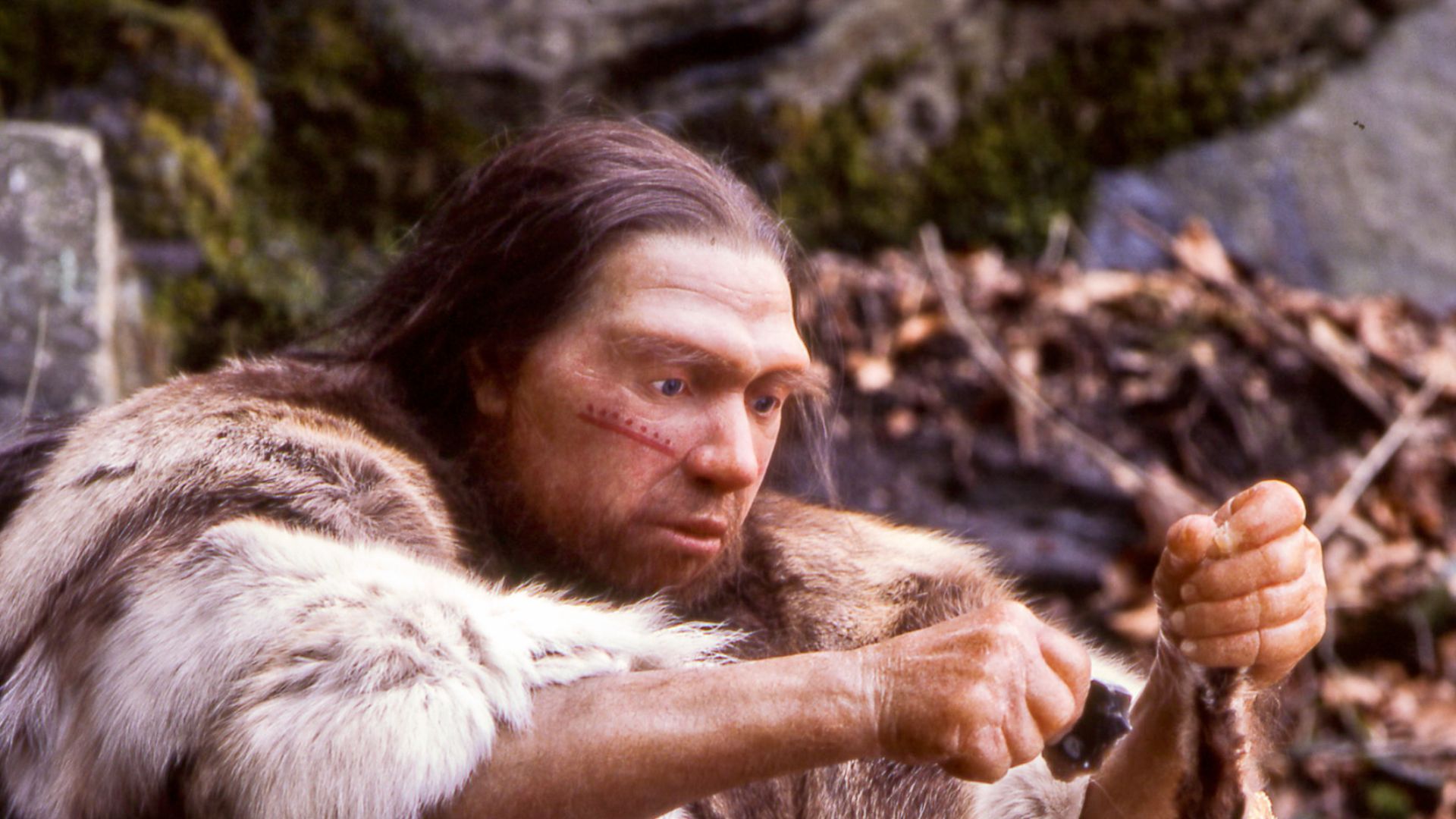
Human evolution was once popularly told as a relatively tidy journey: Homo sapiens arose in Africa, then a major successful expansion tens of thousands of years ago carried our ancestors across Eurasia. Archaeology has made that story considerably messier. There was apparently plenty of traveling before the main expansion.
 Neanderthal-Museum, Mettmann, Wikimedia Commons
The Cracks Were Already Showing
The Saudi footprints are not the first evidence of early Homo sapiens beyond Africa. Fossils from the Levant show our species there well before 100,000 years ago. Instead, Alathar adds something different: proof that early travelers were not simply hugging the familiar northeastern gateway out of Africa.
 Richard Mortel from Riyadh, Saudi Arabia, Wikimedia Commons
Arabia Was Green
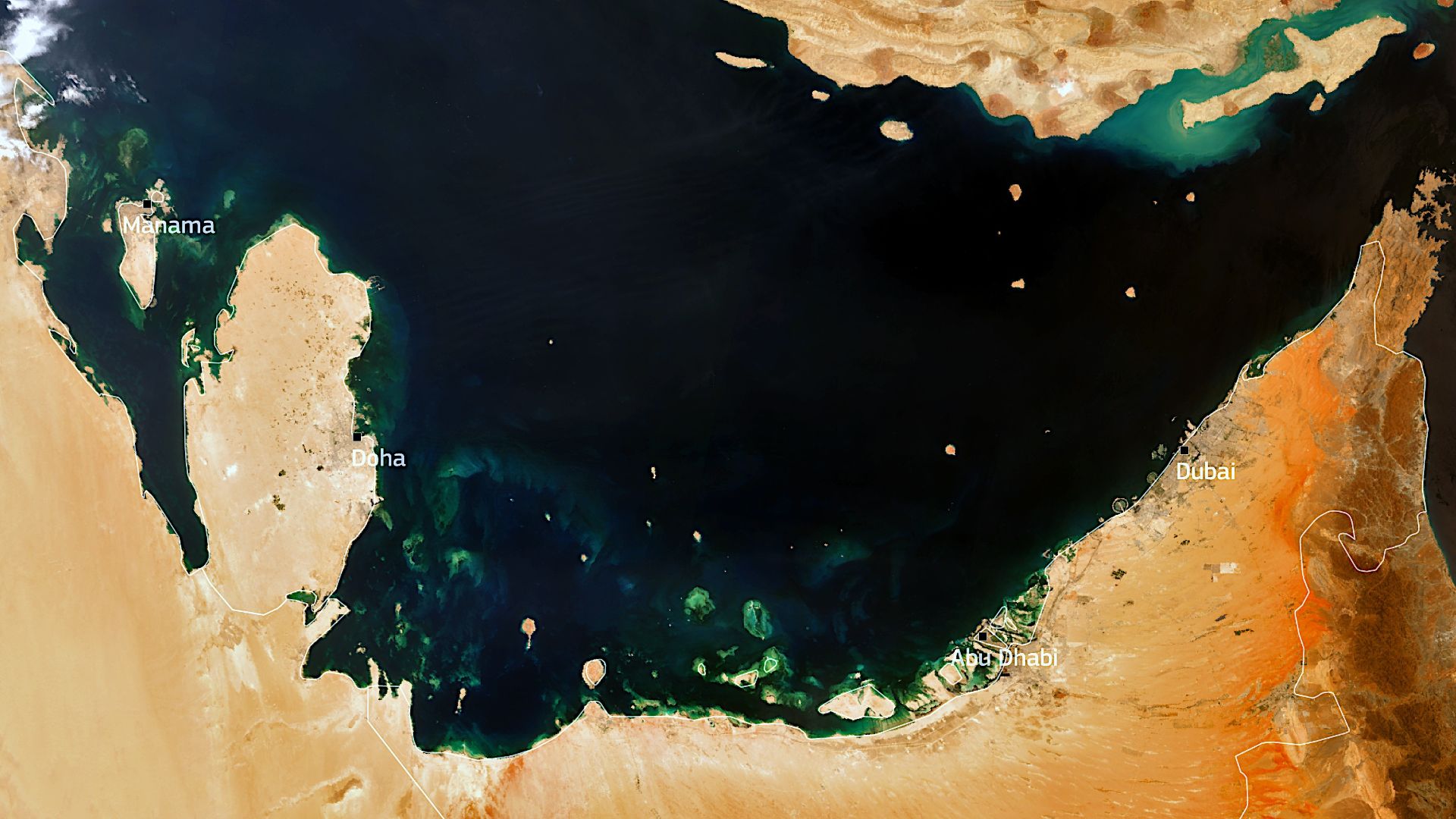
The biggest surprise may be the landscape itself. Around 120,000 years ago, stronger rainfall transformed parts of Arabia. Grasslands spread, lakes appeared and animals moved into regions now dominated by desert. The Nefud was not an endless sandy barrier. For a time, it was inviting country.
 European Union , Copernicus Sentinel-3 imagery, Wikimedia Commons
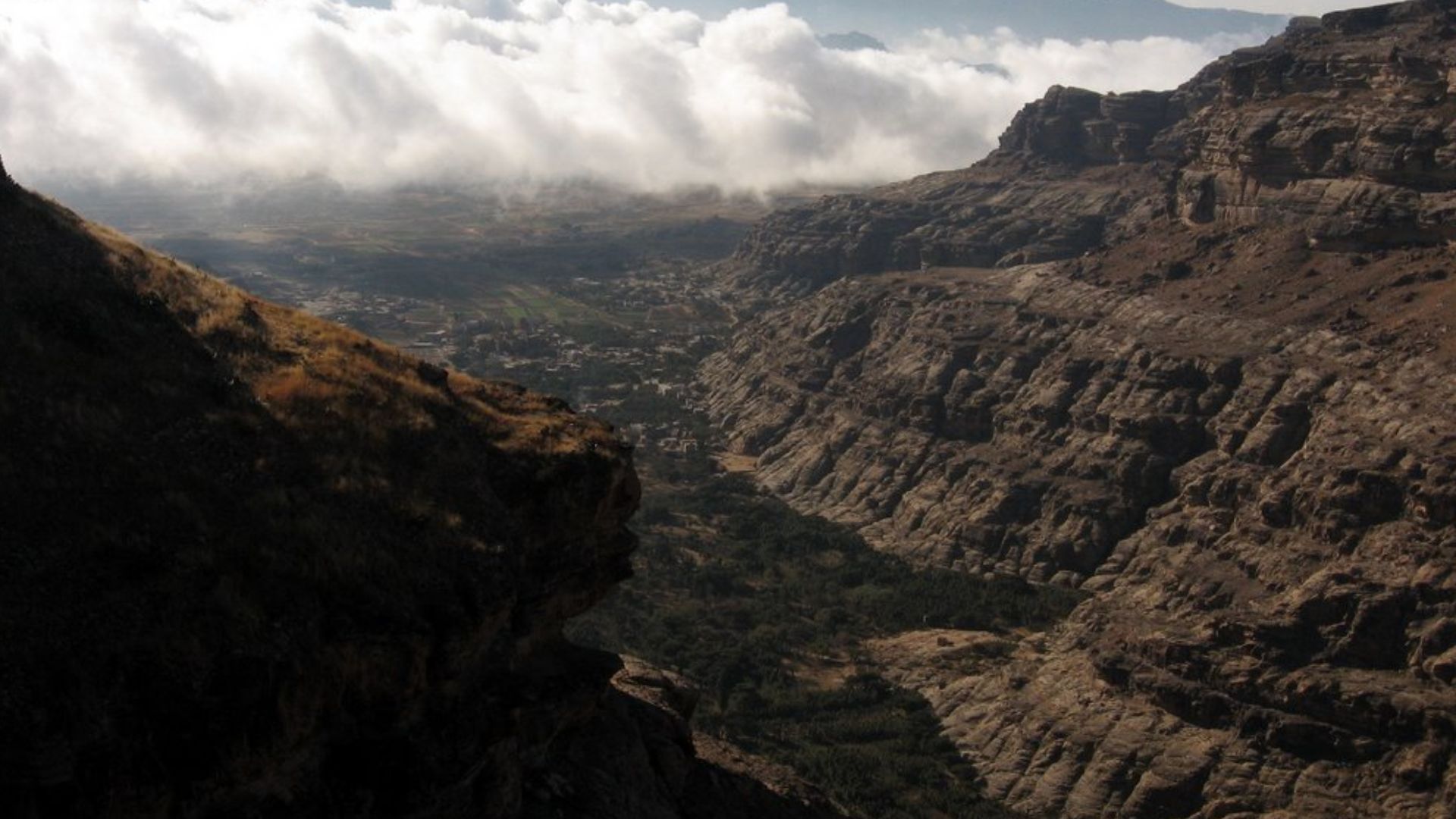
Imagine The Lakeshore
Picture the scene without the modern dunes. Fresh water glitters beneath an open sky. Grass grows around the lake. Elephants and horses approach to drink. Camels wander past. Somewhere among them, several humans cross the wet ground, their feet sinking just deeply enough to leave marks behind.
 Franco Pecchio from Milano, Italy, Wikimedia Commons
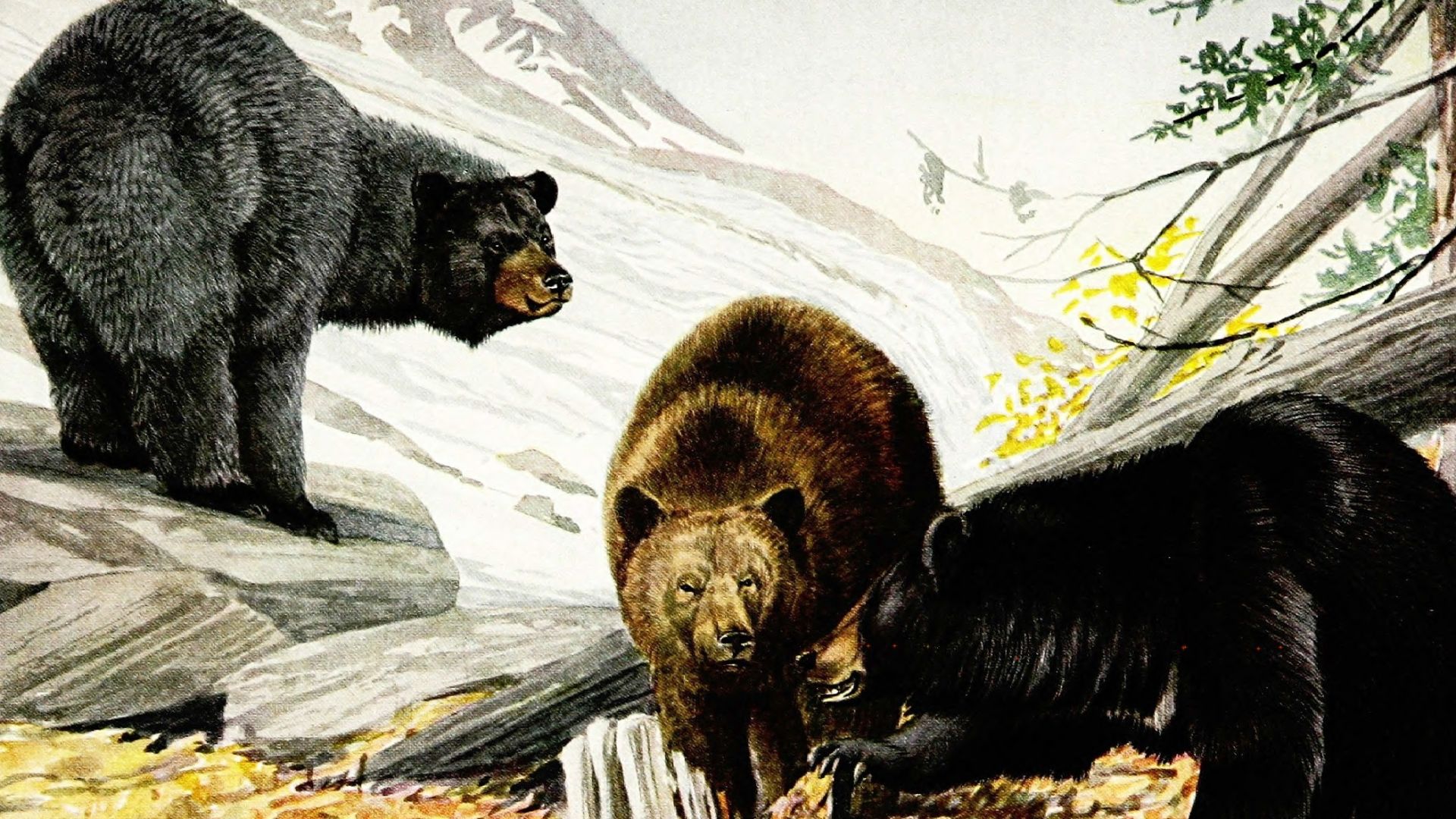
Walking Among Giants
The animal tracks help explain why humans might have been there. Large mammals needed water and vegetation, just as humans did. Their presence shows that the landscape could support a surprisingly rich ecosystem. Humans moving through Arabia may have followed many of the same green corridors as their prey.
 Internet Archive Book Images, Wikimedia Commons
They Probably Didn't Stay
Alathar does not look like a bustling prehistoric settlement. Researchers found no stone tools or other strong evidence that humans camped beside the lake for long. The footprints instead appear to capture a brief visit—perhaps people stopping for water before continuing across the landscape.
 Richard Mortel from Riyadh, Saudi Arabia, Wikimedia Commons
A Tiny Traveling Party
Four of the human prints have similar orientations but different sizes. Researchers interpreted them as possibly belonging to two or three individuals moving together. That does not tell us who they were, where they were going or whether they were related, but it gives the discovery an unusually personal quality.
 Richard Mortel from Riyadh, Saudi Arabia, Wikimedia Commons
Water May Have Been The Map
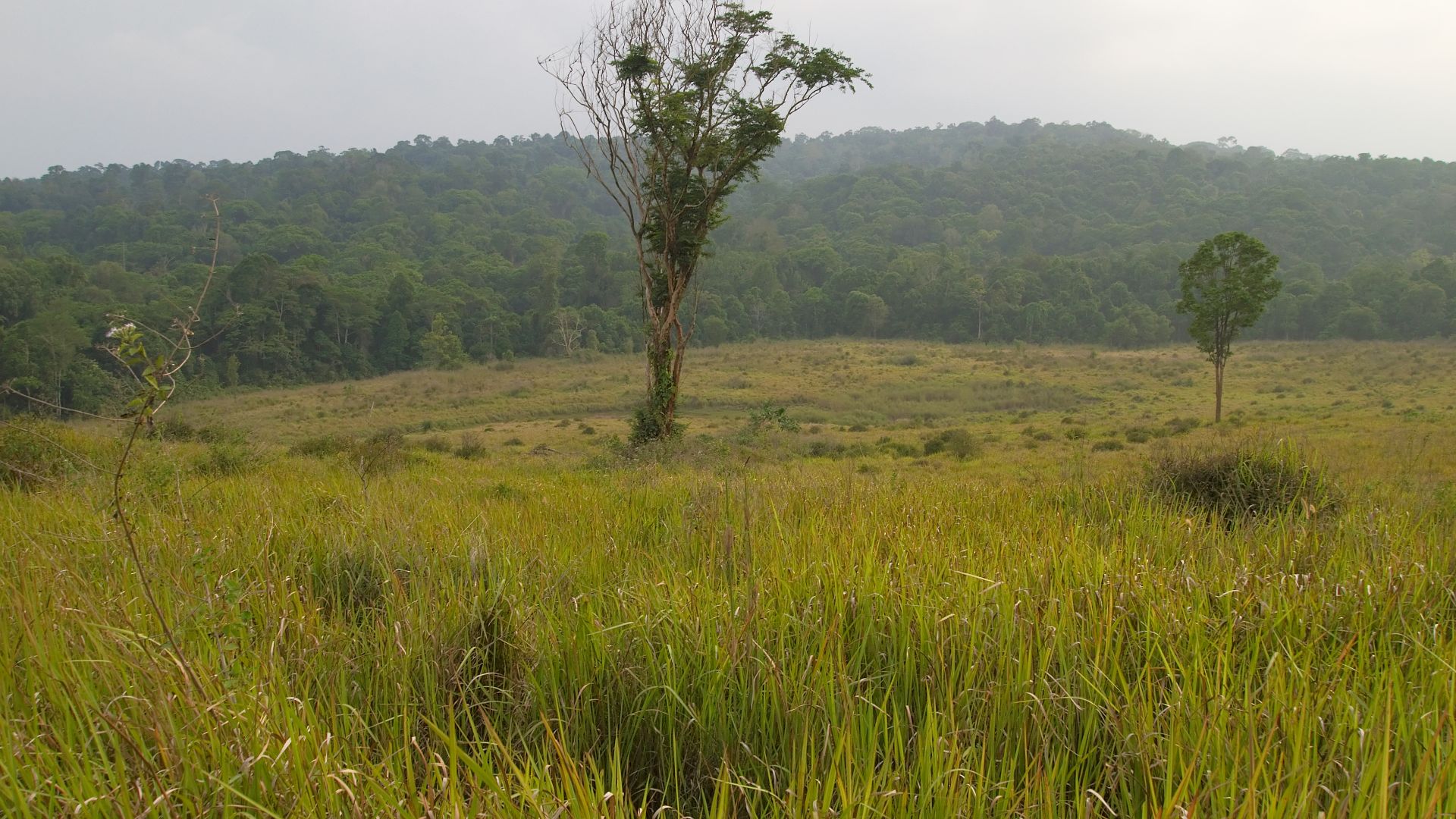
Ancient travelers obviously had no road signs, but they did have something better: rivers, lakes and grasslands. When wetter climates dotted Arabia with freshwater, those resources may have formed natural pathways. Instead of crossing a deadly desert, humans could move from one habitable zone to another.
 Vyacheslav Argenberg, Wikimedia Commons
The Inland Route Is The Surprise
This is where Alathar really changes the picture. Early models often placed enormous importance on coastal or Levantine routes. These footprints show Homo sapiens penetrating the Arabian interior when conditions permitted. Arabia was not merely something our ancestors hurried around. Sometimes, they walked straight through it.
 Jakub Hałun, Wikimedia Commons
Climate Opened The Door
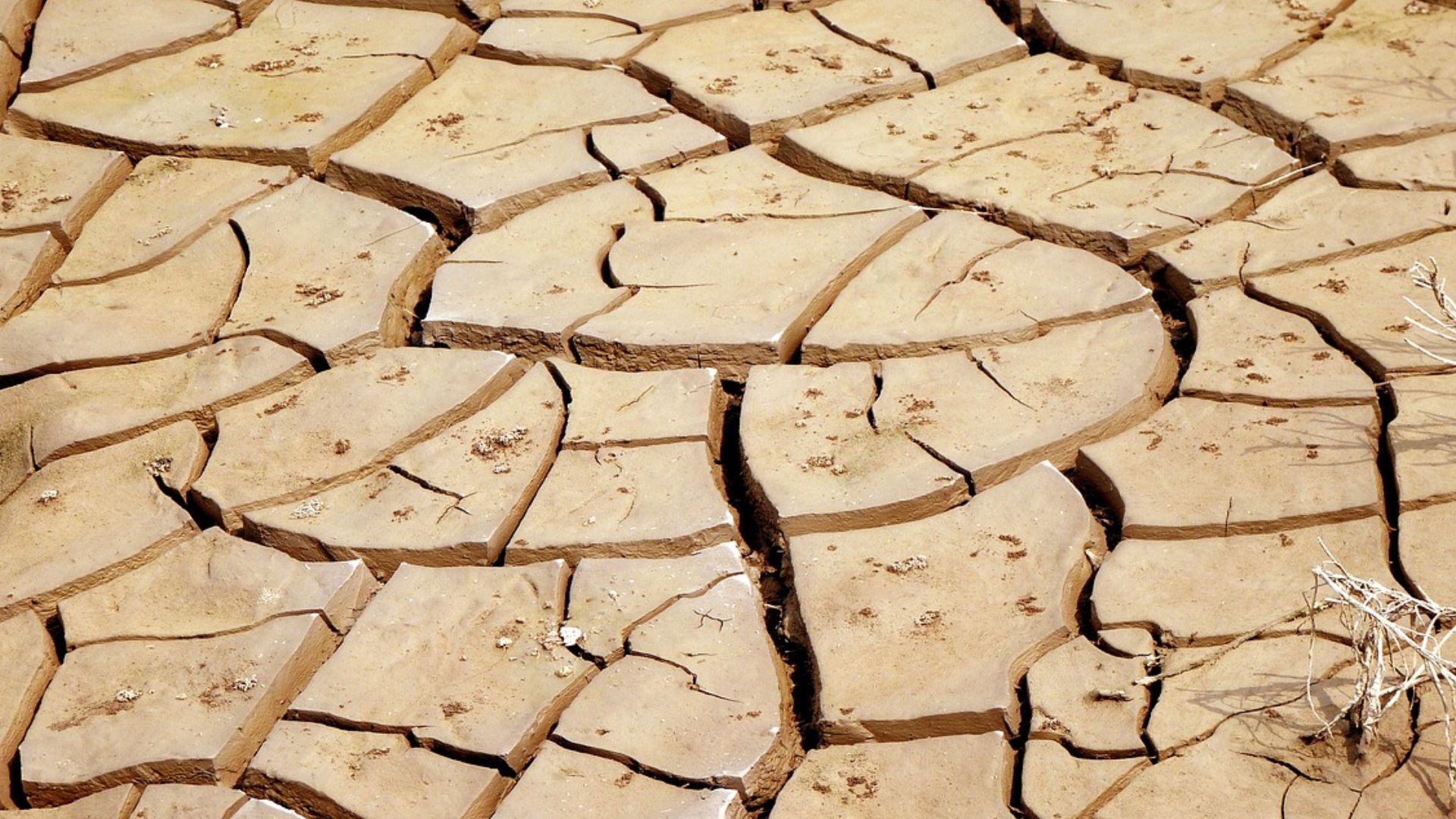
The opportunity did not last forever. Arabia repeatedly shifted between wetter and drier conditions. During humid phases, lakes and grasslands expanded. When aridity returned, those corridors shrank. Human migration may therefore have happened in pulses, with climate repeatedly opening and closing routes across the peninsula.
Arabia Became A Crossroads
Seen this way, Arabia stops looking like blank space between Africa and Asia. It becomes one of the key stages in the human story—a crossroads where populations could expand, disappear, return and perhaps encounter other groups moving through southwestern Asia.
One Exodus Became Many
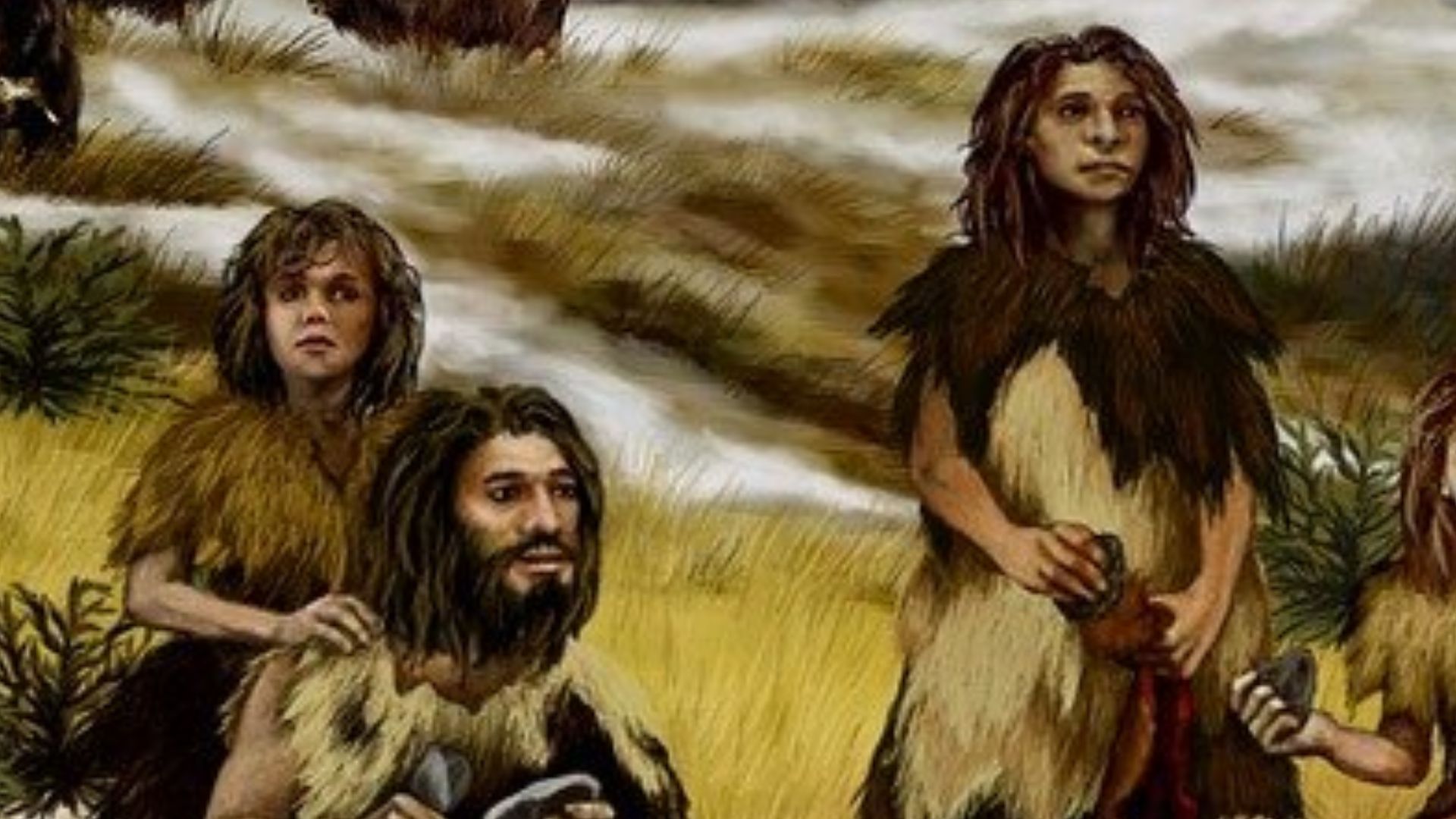
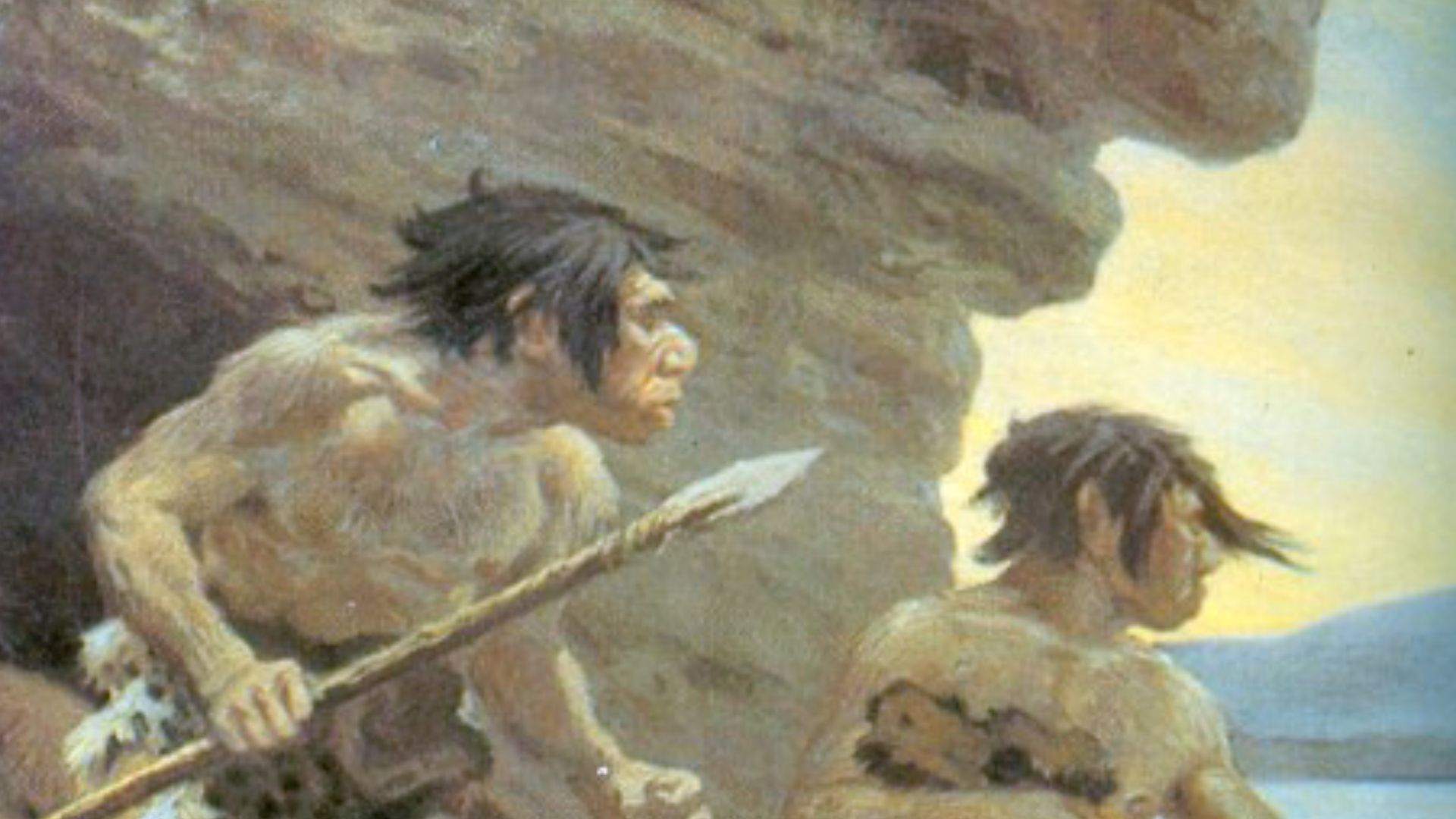
Evidence from Arabia increasingly favors repeated dispersals rather than one perfectly timed march out of Africa. Some groups may have expanded during favorable climates and later vanished. Others may have pushed farther east. Eventually, later populations contributed to the ancestry of people living across the world today.
 Charles Robert Knight, Wikimedia Commons
A Finger Bone Joined The Story
Alathar is not alone. At Al Wusta, another Saudi Arabian site, researchers discovered a Homo sapiens finger bone dating to around 85,000 years ago. That fossil had already demonstrated that modern humans reached Arabia’s interior. The footprints push direct evidence of such journeys much farther back.
The Desert Keeps Getting Older
Research at Khall Amayshan in Saudi Arabia has revealed stone tools associated with ancient lake deposits from several periods extending hundreds of thousands of years into the past. The discoveries suggest that different hominin populations repeatedly entered Arabia whenever wetter conditions made the region habitable.
![A variety of tools made of mussel shells.[1]](https://www.factinate.com/storage/app/media/splashtravels/2026/8/19/1787121925d100d7b10ef07d411fe4cd63f141d32a2337528f.jpg)
Were They Really Homo Sapiens?
No bones were found inside the footprints, so identifying their makers requires some detective work. Researchers favor Homo sapiens because of the track dimensions, the archaeological context and evidence for our species in neighboring regions during this period. Still, footprints alone cannot provide a genetic identification card.
 Richard Mortel from Riyadh, Saudi Arabia, Wikimedia Commons
What About Neanderthals?
The original researchers argued that Neanderthals were unlikely track-makers because the evidence available to them placed Neanderthals in the region later, under cooler conditions. Paleoanthropology keeps evolving, however, and Southwest Asia hosted complicated mixtures of human populations. Calling the footprints “probably Homo sapiens” remains safer than pretending absolute certainty.
 Jakub Hałun, Wikimedia Commons
Footprints Beat Bones At One Thing
Bones can tell us what an ancient individual looked like. Footprints can show an individual actually doing something. The Alathar tracks preserve a tiny slice of time—perhaps only hours or days—allowing archaeologists to reconstruct humans and animals using the same landscape almost simultaneously.
 Dr d12 at English Wikipedia (Original text: Dr d12), Wikimedia Commons
But They Leave Plenty Unanswered
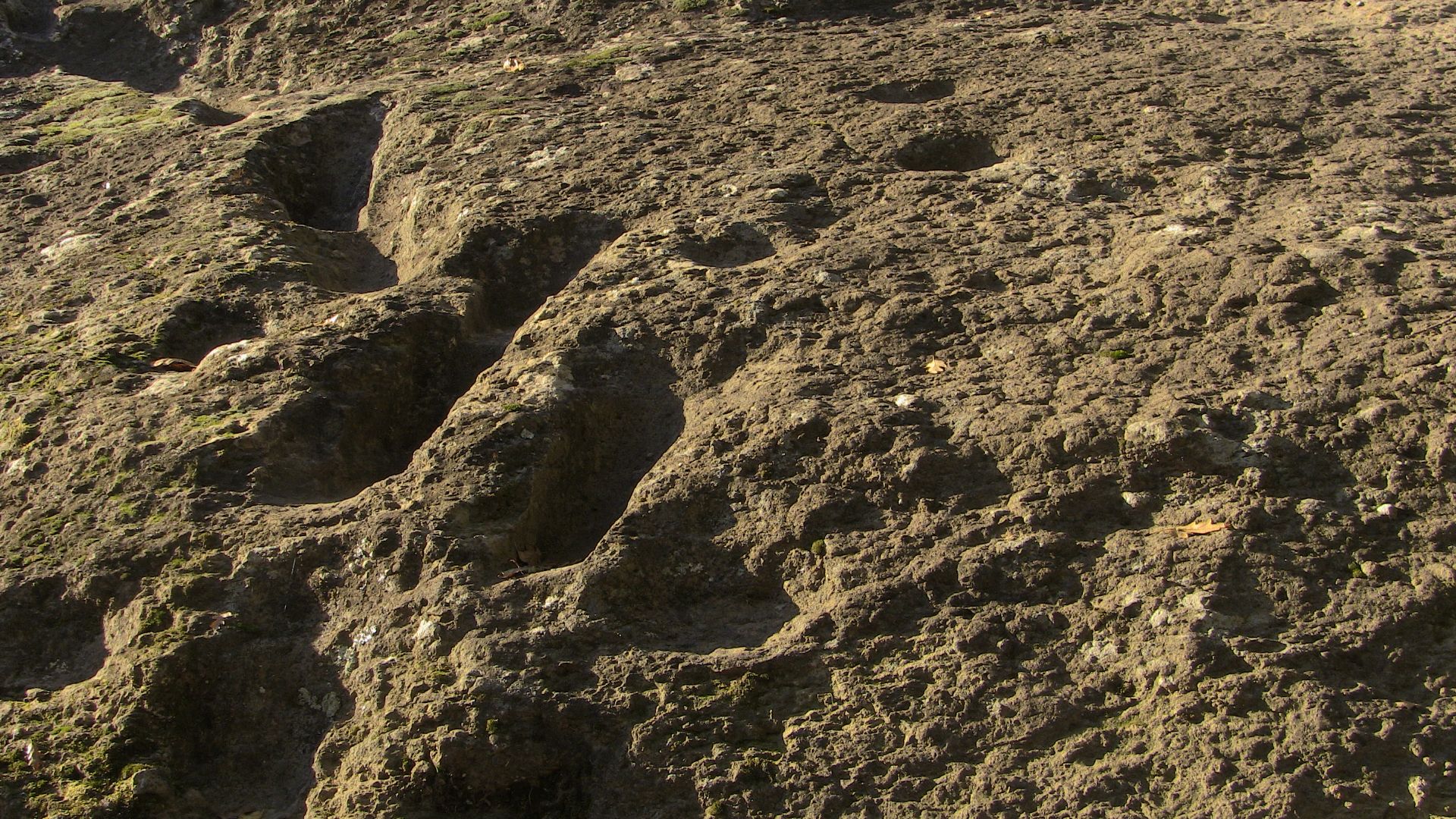
We do not know where the Alathar travelers began their journey, where they went next or whether their descendants survived. They might represent an early expansion that eventually failed. That uncertainty is important: the footprints document human movement, but they cannot prove that this particular group populated Asia.
 edmondo gnerre, Wikimedia Commons
Rewriting Doesn't Mean Erasing
Alathar has not demolished the Out of Africa model. Homo sapiens still evolved in Africa, and Africa remains central to our species’ origins. What discoveries like these are changing is the route map. Leaving Africa increasingly looks less like one dramatic departure and more like many journeys spread across enormous stretches of time.

Every Footstep Makes The Story Bigger
Seven faint footprints beside a vanished lake cannot tell us the travelers’ names, hopes or destination. But they show that 120,000 years ago, humans were already exploring a green Arabian interior. Our ancestors’ journey out of Africa was not a straight line. It was a maze—and we are still finding the tracks.
 edmondo gnerre, Wikimedia Commons
You May Also Like:
What Americans Find Surprisingly Expensive When They Visit Canada
Sources: 1, 2, 3