A Pot Of Gold Beneath The Ruins
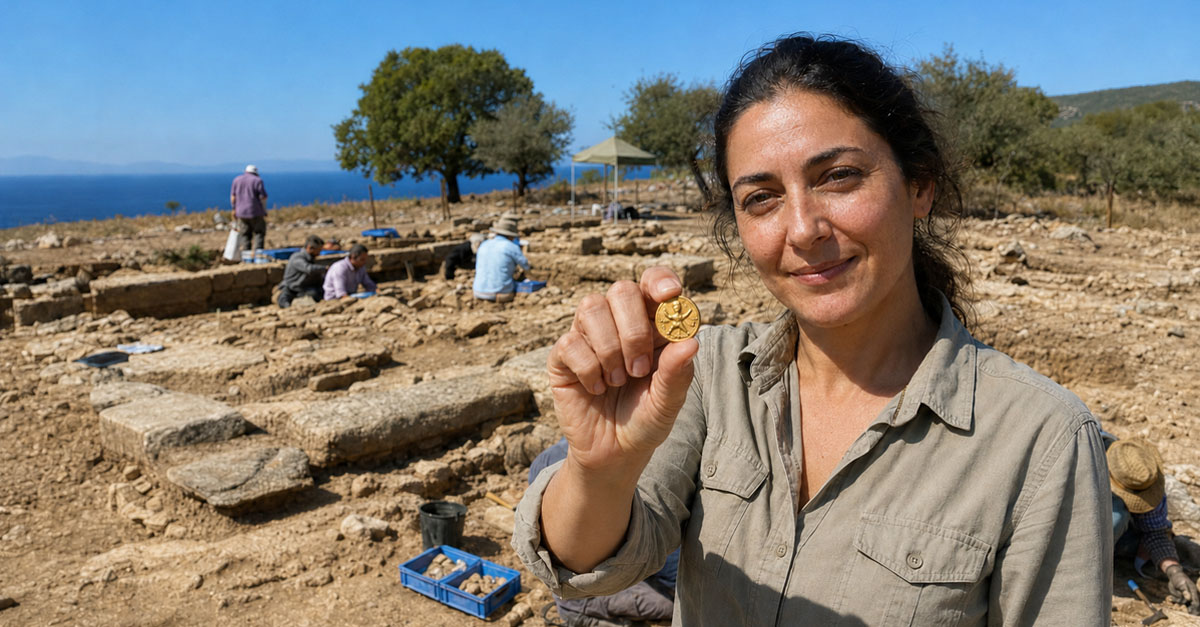
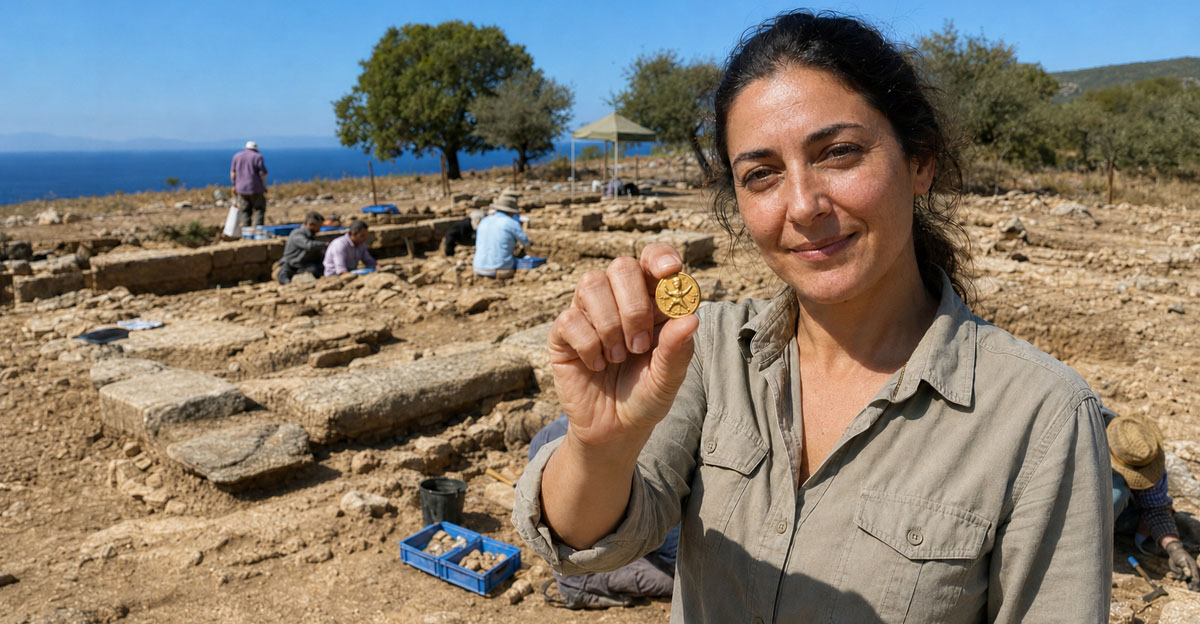
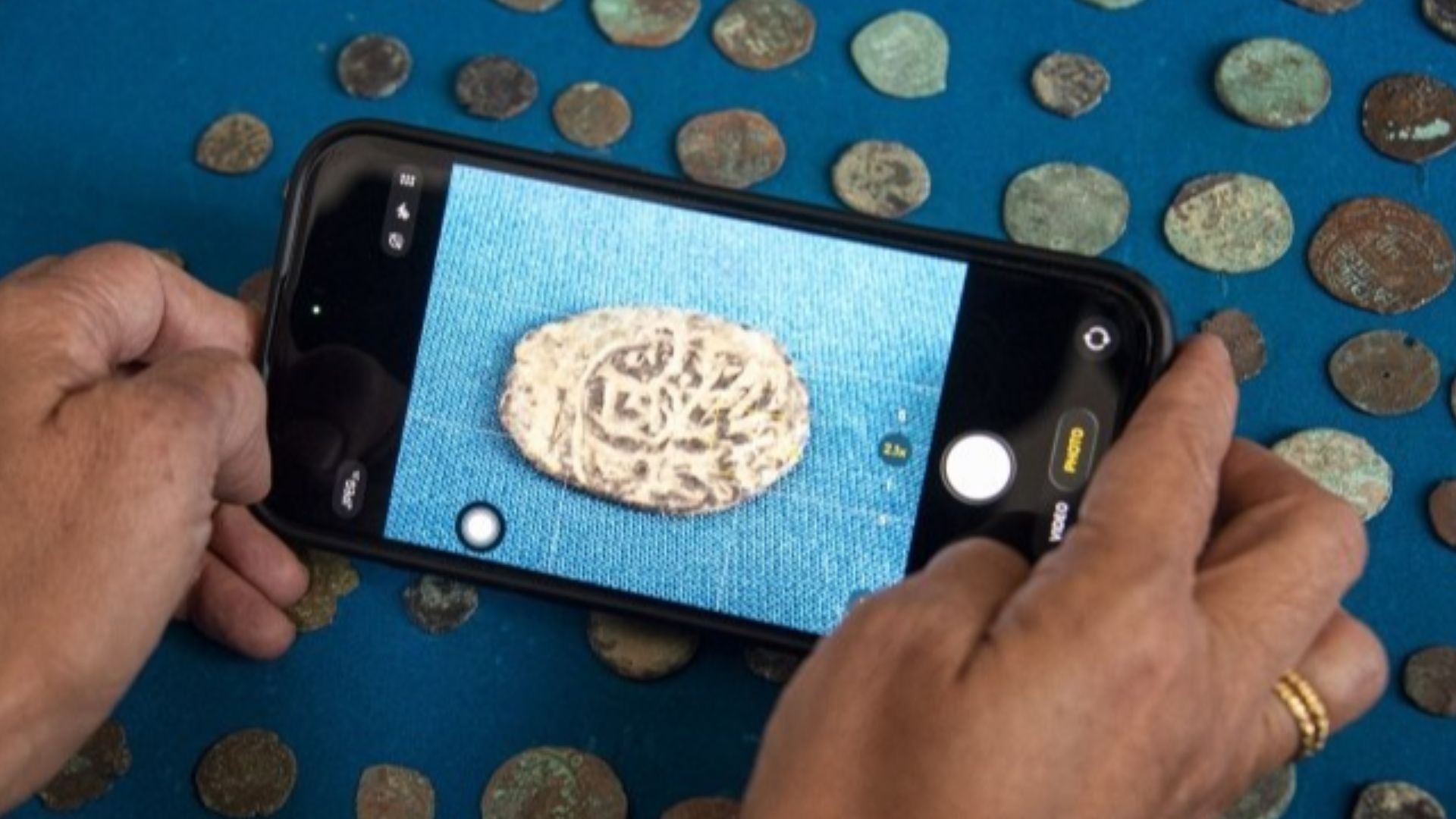
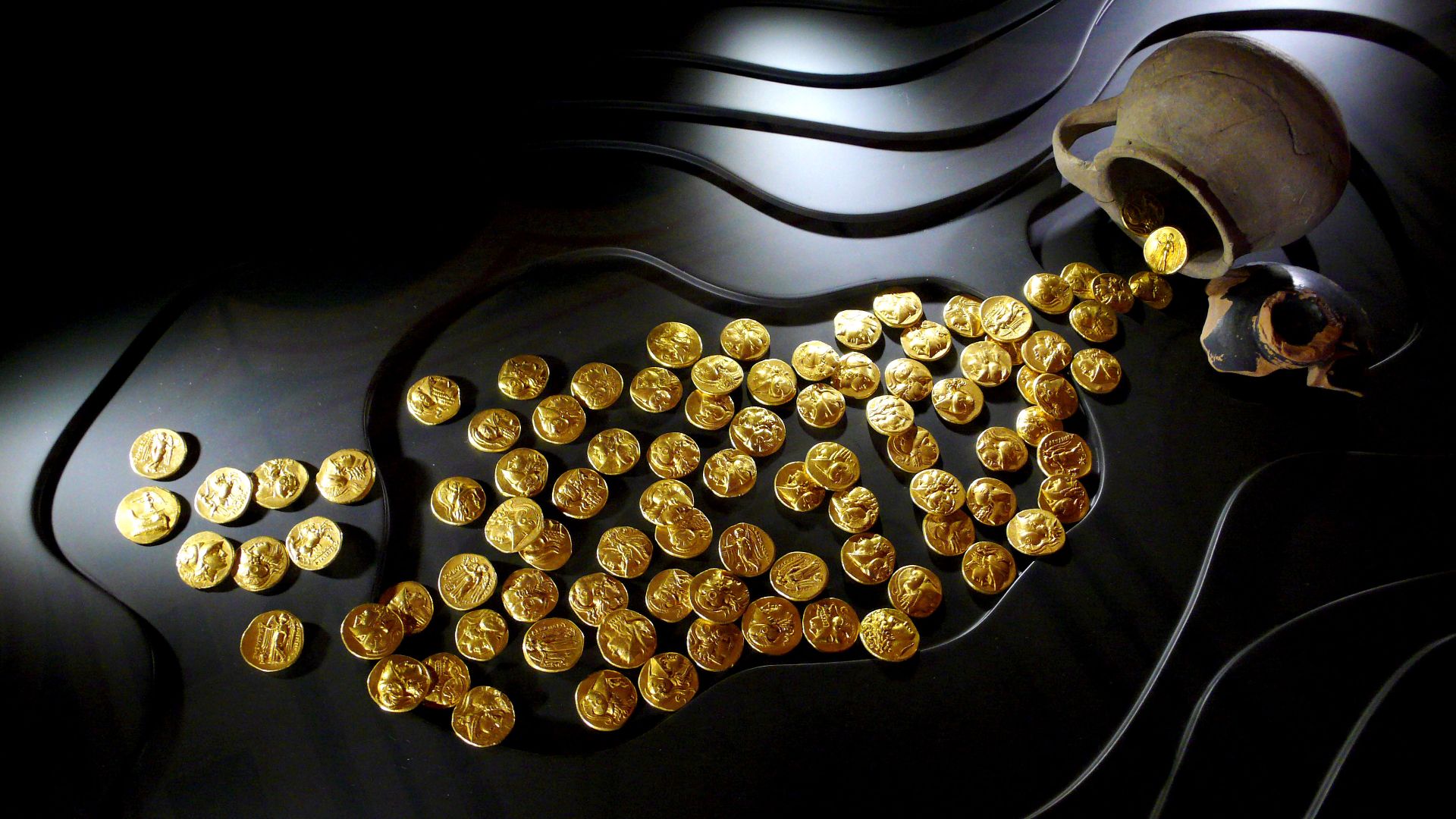
Archaeologists working in western Turkey uncovered a ceramic container filled with ancient Persian gold coins. The vessel had remained hidden beneath the ruins of Notion, an important Greek coastal city. After roughly 2,500 years underground, the treasure emerged in remarkably recognizable condition.
The Discovery Happened At Notion
Notion stood on the western coast of Anatolia, overlooking the Aegean Sea. Its military harbor placed the city near important maritime routes and between competing Greek and Persian powers. That strategic position repeatedly pulled Notion into regional conflicts.
 Carole Raddato from FRANKFURT, Germany, Wikimedia Commons
Excavations Revealed The Hoard
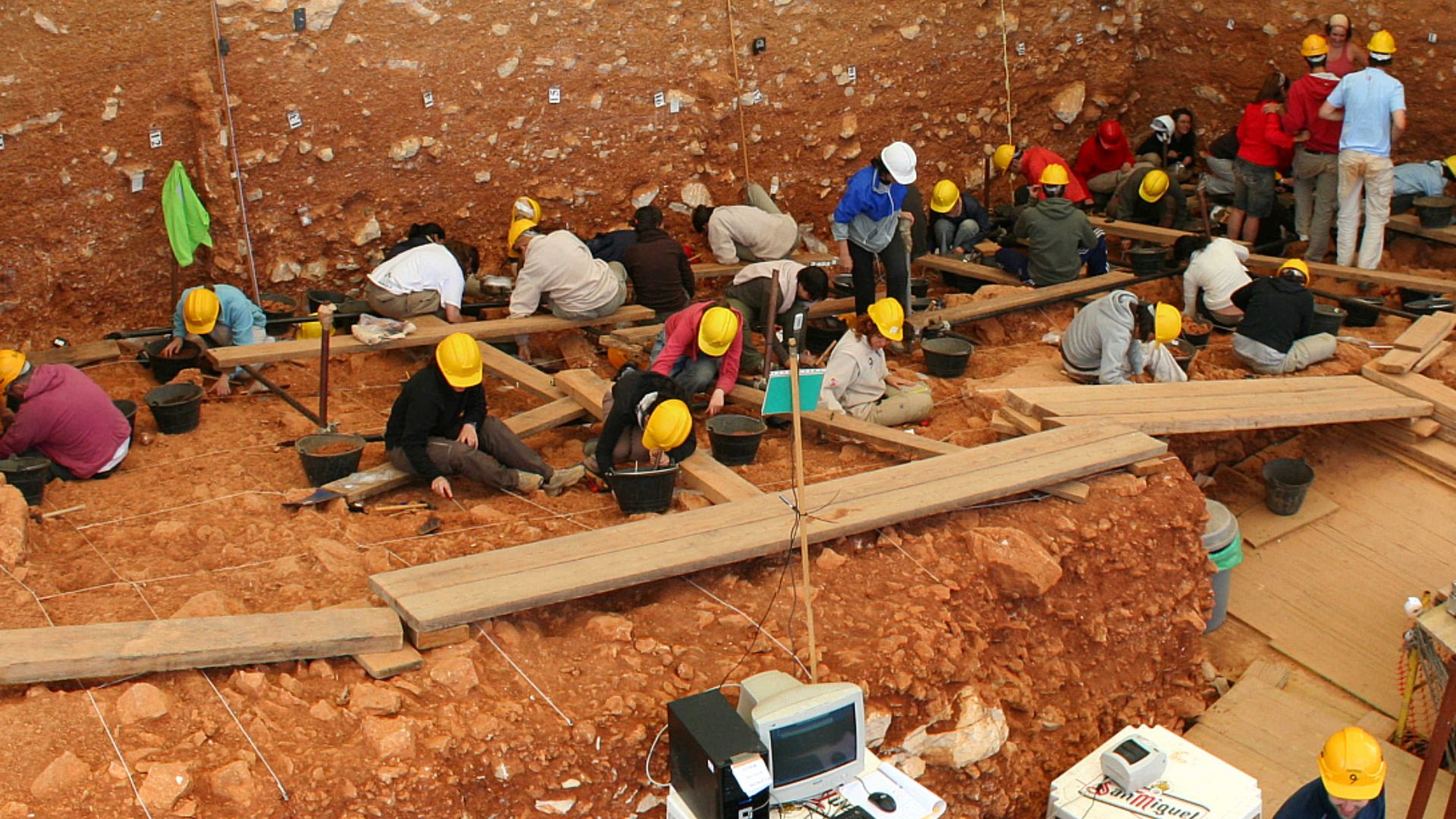
The Notion Archaeological Project began excavating the site in 2022 under archaeologist Christopher Ratté. During its second season in July 2023, the team discovered the gold beneath the courtyard of a large house. Turkish authorities permitted the discovery to be announced publicly in August 2024.
 Mario Modesto Mata, Wikimedia Commons
A Later House Concealed An Earlier Building
The courtyard house above the treasure dated mainly to the Hellenistic period, between the third and first centuries BCE. Beneath it, archaeologists uncovered portions of a substantially older structure. The coins rested against a wall in one of its rooms.
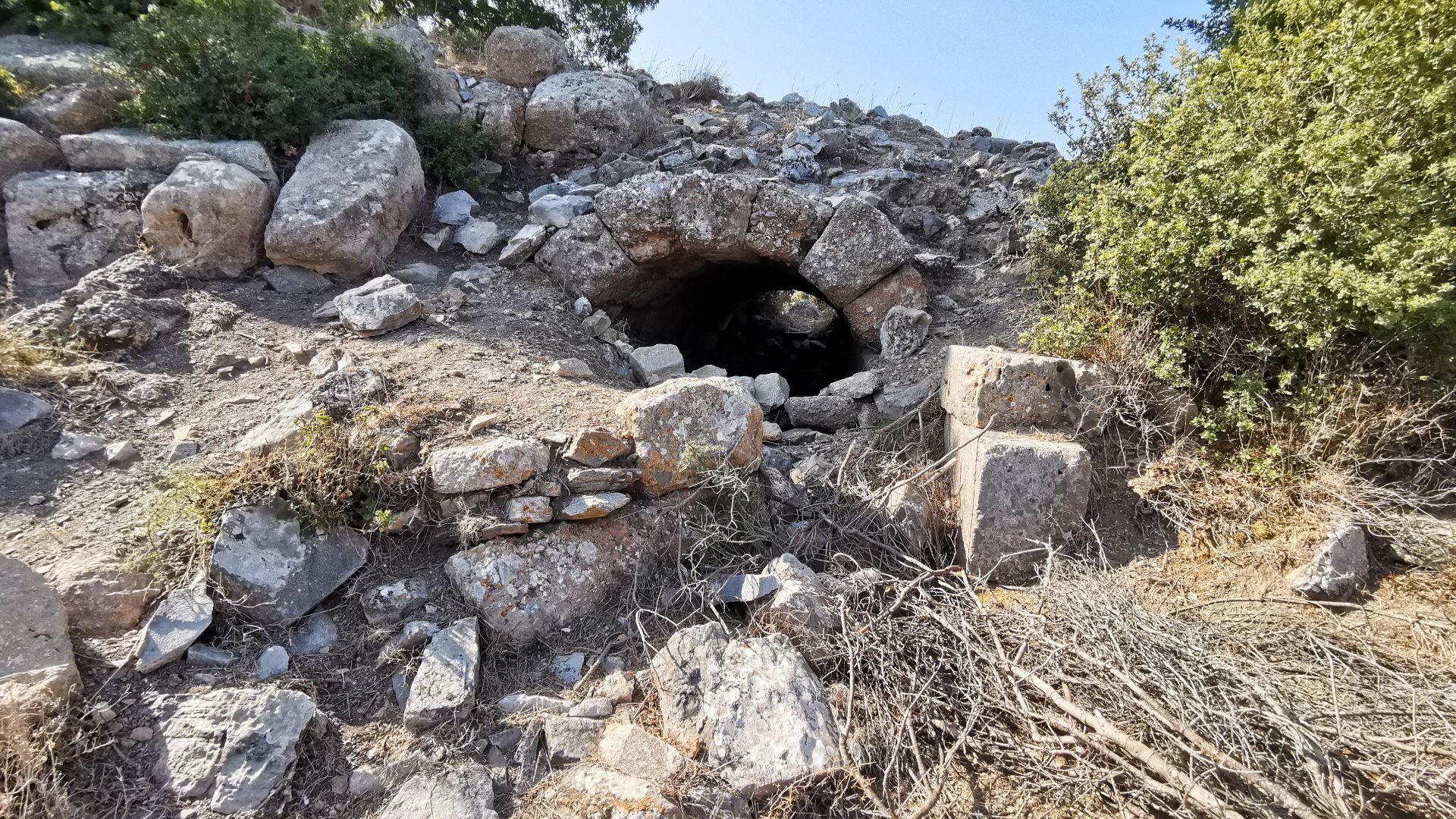
The Coins Filled A Small Ceramic Vessel
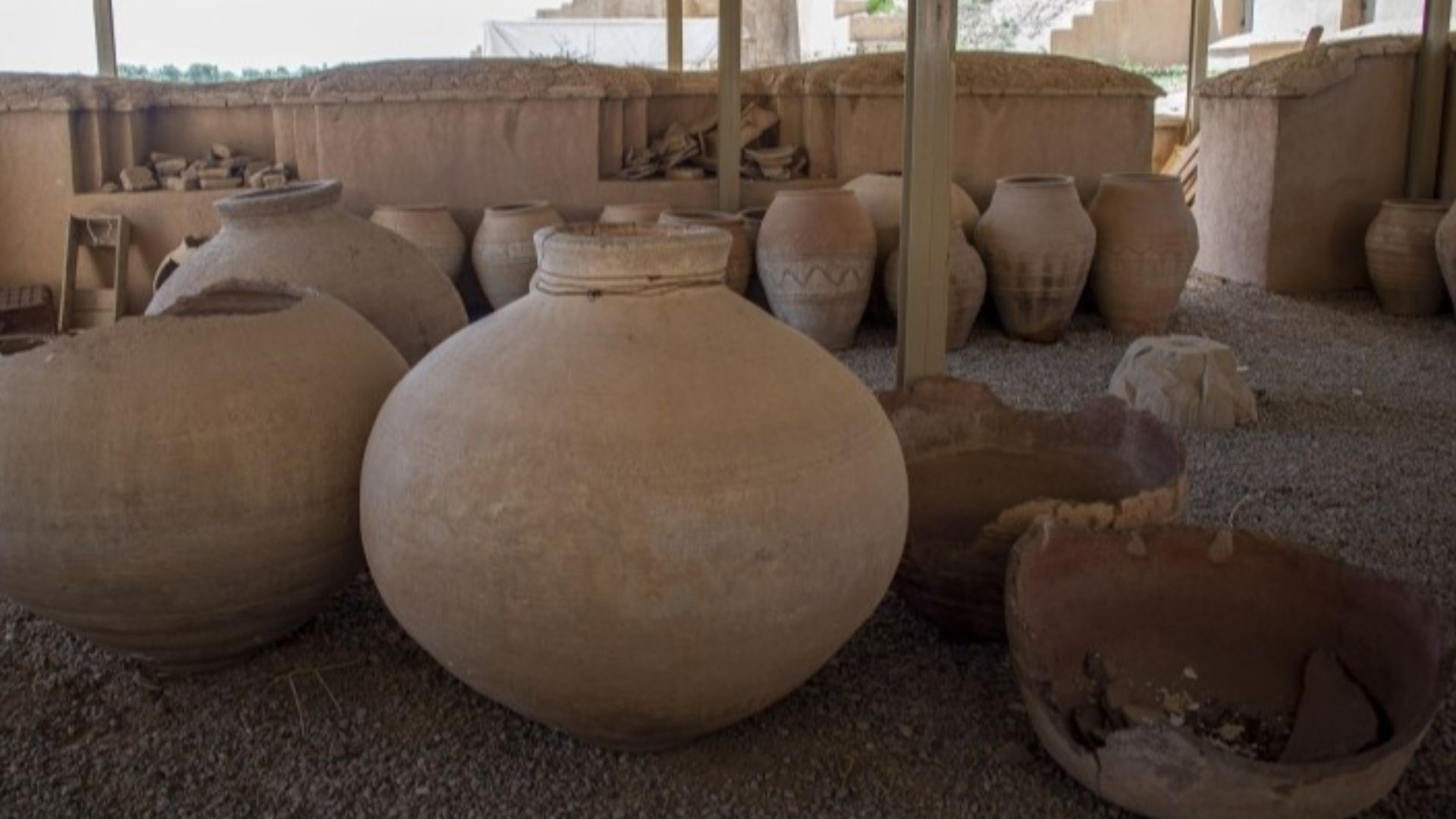
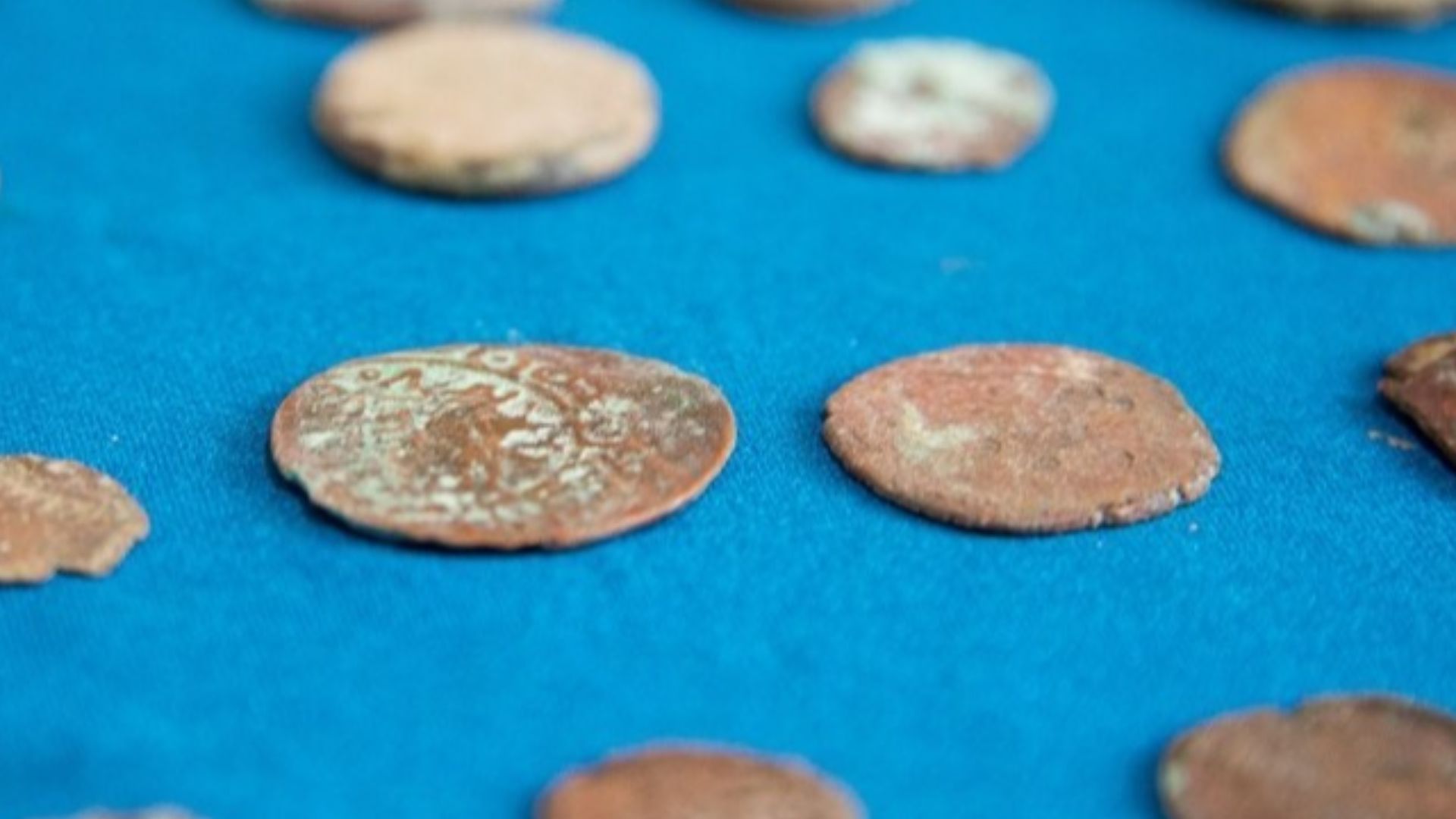
The gold pieces were not scattered randomly through the soil. Someone had deliberately gathered them inside a small ceramic container and placed it in a protected corner. Its careful location strongly suggests that the owner hid the money for safekeeping.
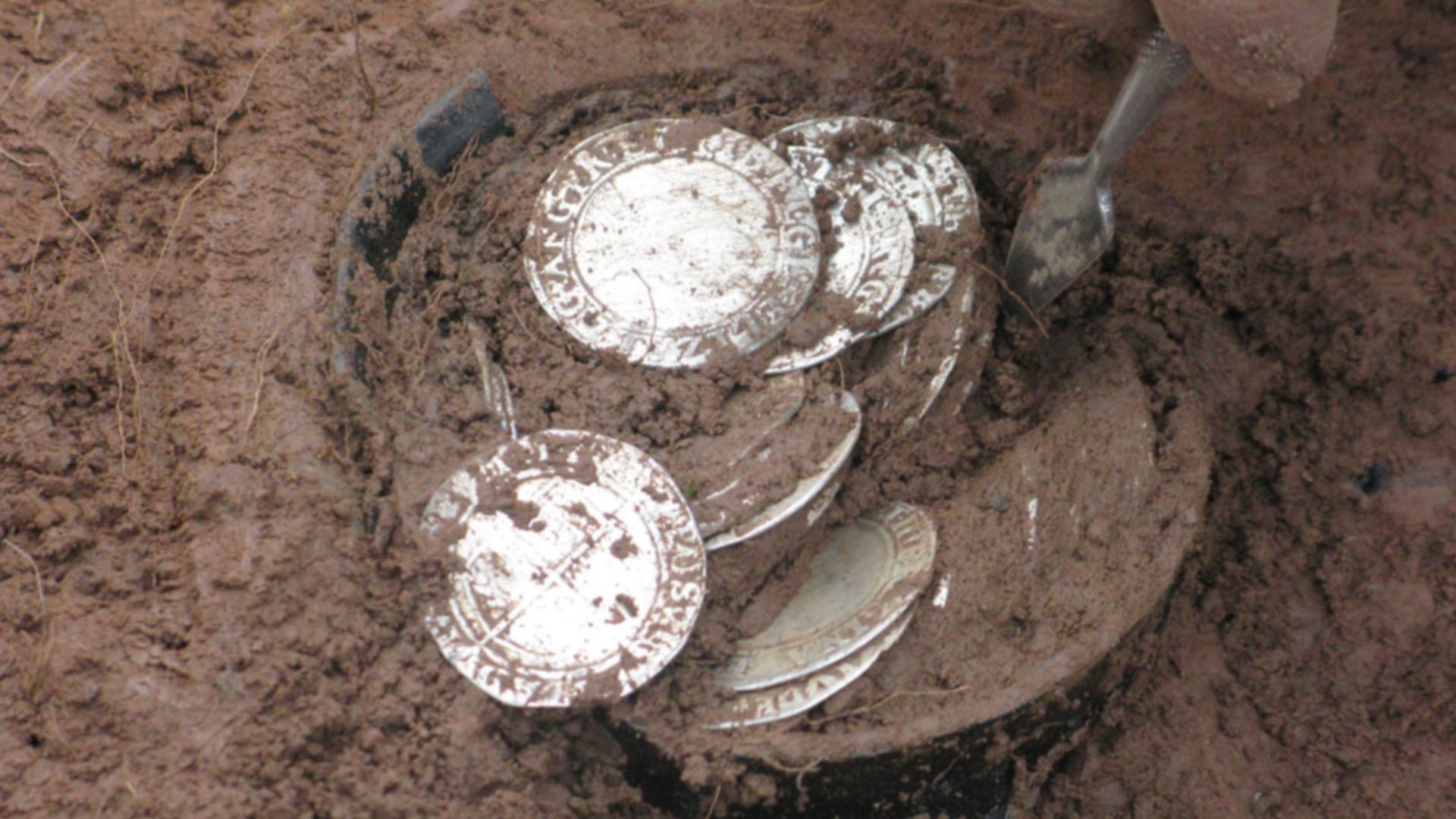 Birmingham Museums Trust, Peter Reavill, 2012-06-28 16:36:00, Wikimedia Commons
Someone Planned To Return
People generally conceal precious metal because they expect to retrieve it later. Ratté explained that the person who buried the hoard almost certainly intended to recover it. The untouched container suggests that a serious misfortune interrupted that plan.
 Amir Sadeghian, Wikimedia Commons
Recent Reports Counted 50 Coins
Initial announcements described a hoard without specifying its complete size. Reporting published in 2026 identified the contents as 50 Persian gold coins. That count makes the discovery considerably more valuable than a small collection of personal change.
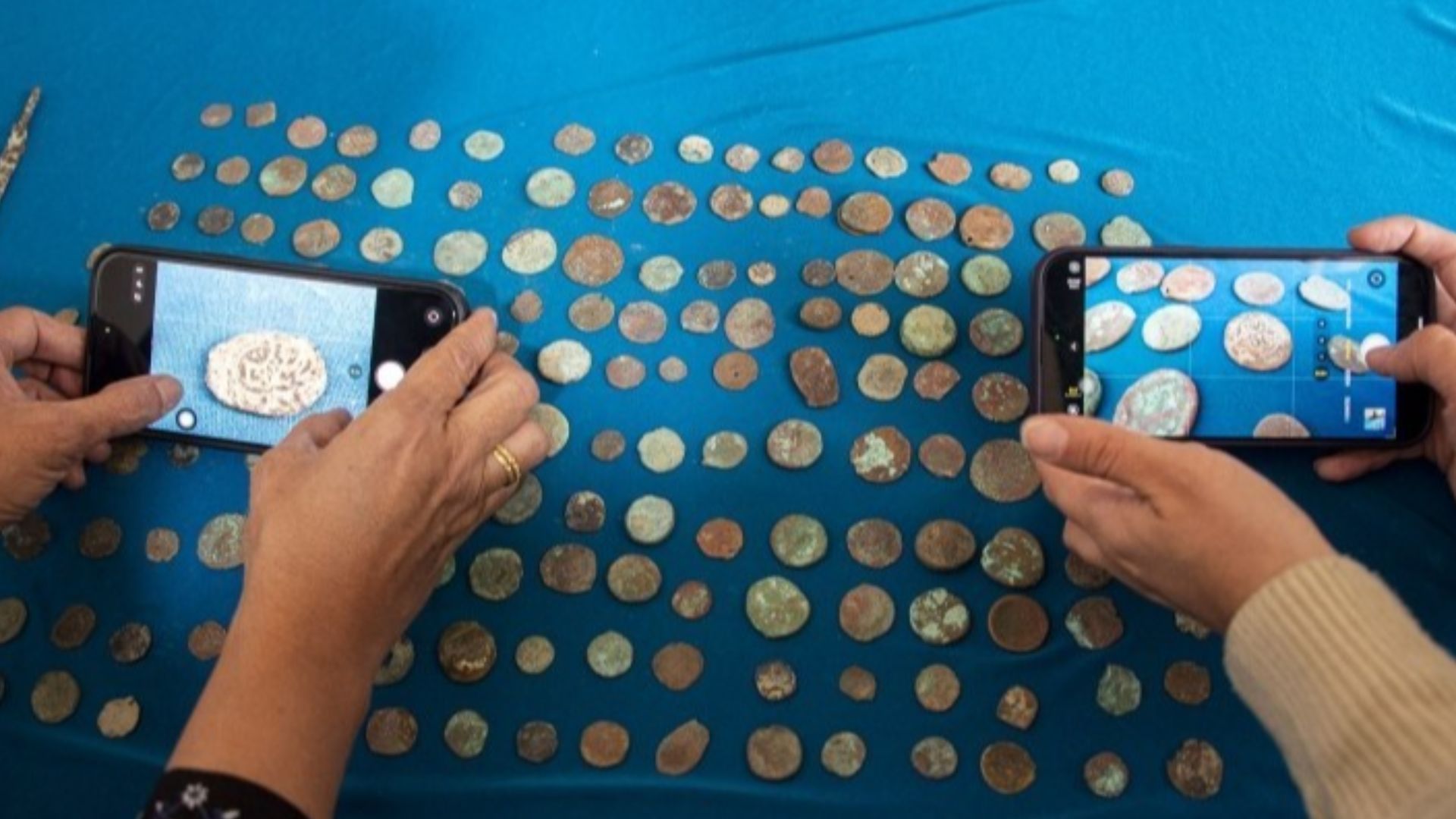 Amir Sadeghian, Wikimedia Commons
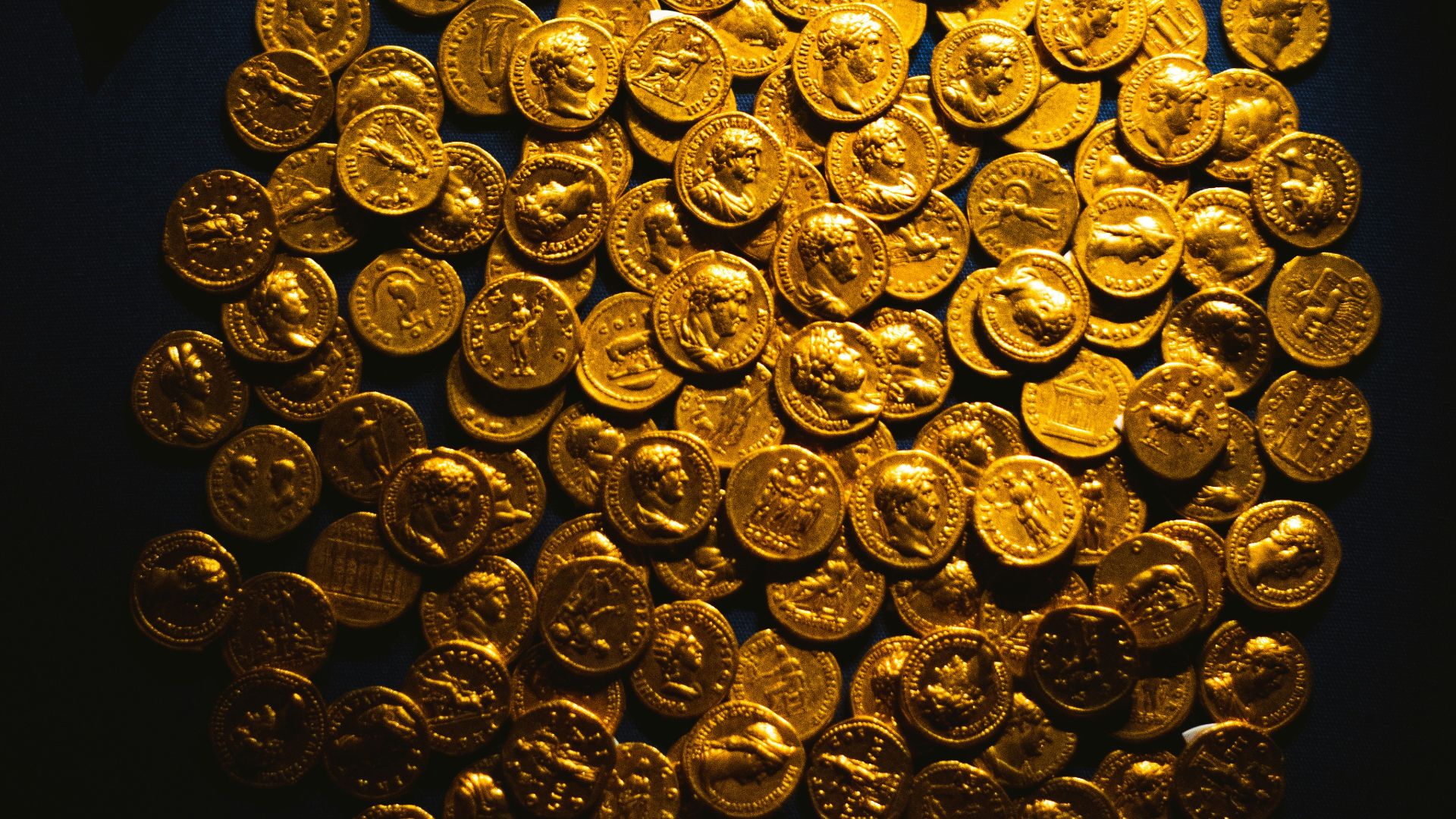
The Coins Are Persian Darics
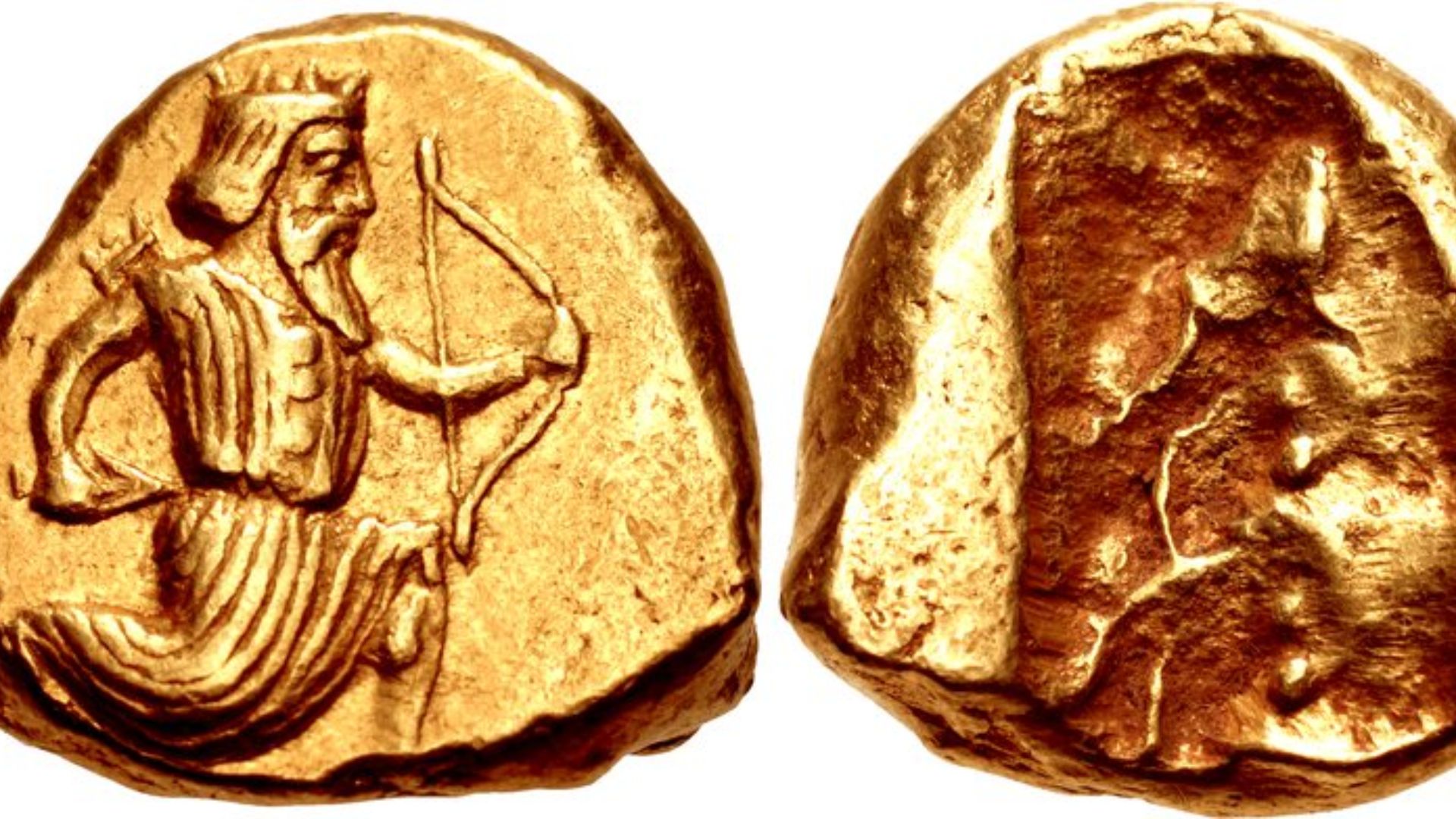
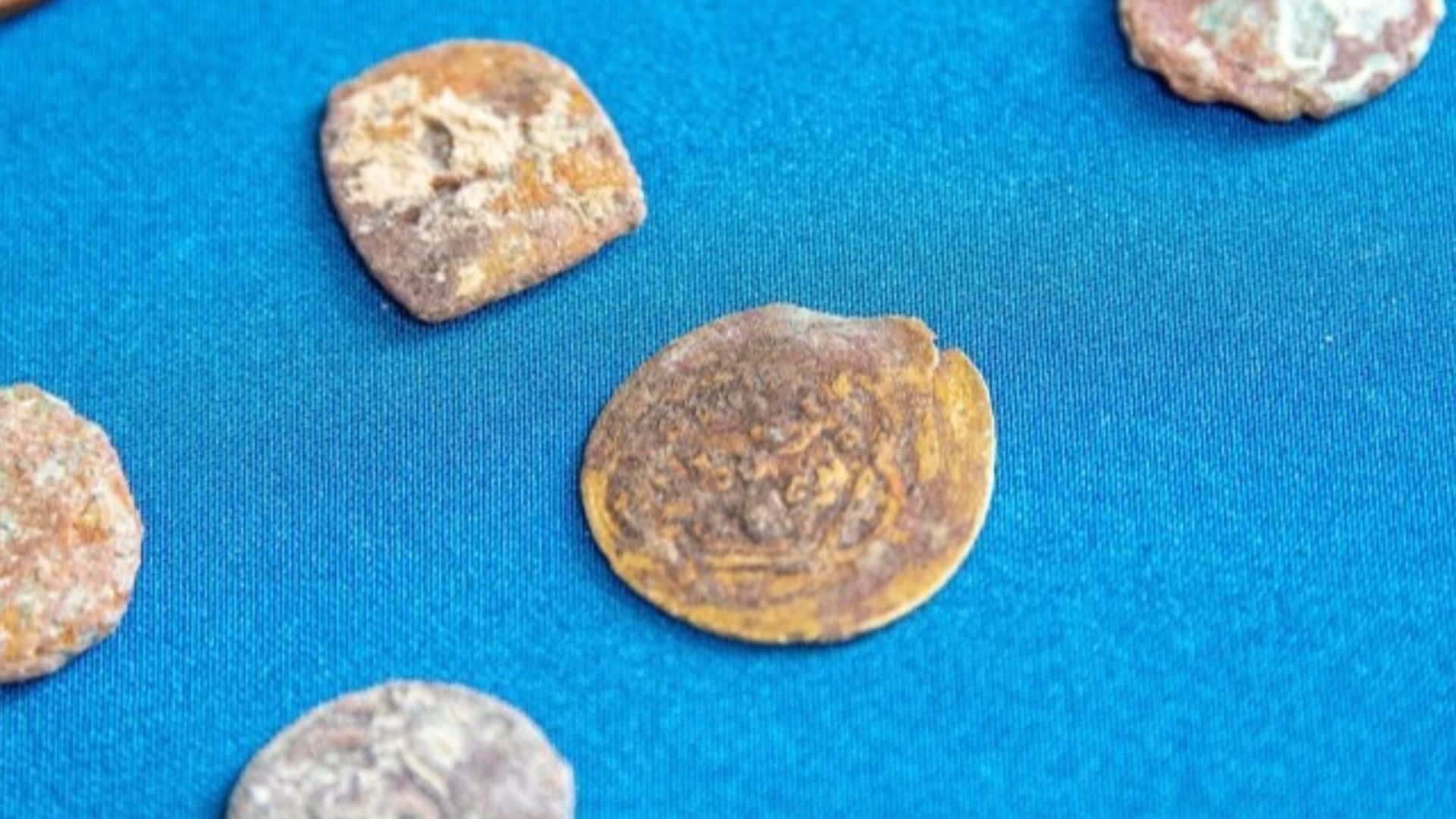
Researchers identified the coins as darics issued by the Achaemenid Persian Empire. Darics circulated from the late sixth century BCE until Alexander the Great conquered the empire. The Notion examples were probably minted at Sardis, about 60 miles northeast of the city.
 Amir Sadeghian, Wikimedia Commons
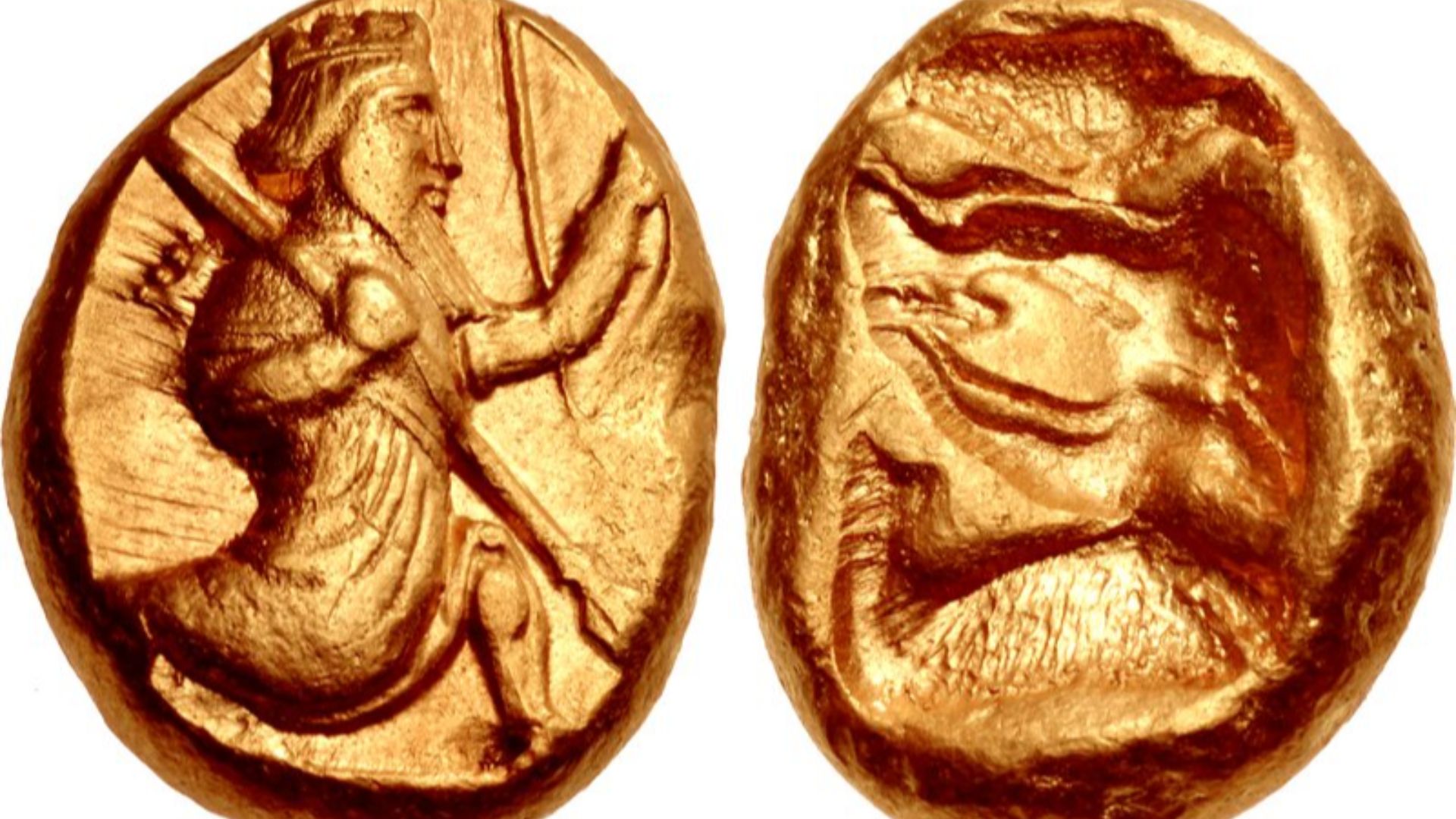
A Royal Archer Decorates Each Coin
One side of each daric depicts a kneeling archer commonly interpreted as the Persian king. He wears a long tunic and carries weapons associated with royal power. This distinctive figure made Persian darics recognizable across the ancient Mediterranean.
The Reverse Is Much Simpler
The other side lacks the detailed royal image found on the front. Instead, it bears a rough punch mark created during production. Small variations in both sides of the coins can help specialists arrange darics chronologically.
 Amir Sadeghian, Wikimedia Commons
The Design Survived For Generations
Persian authorities retained the kneeling archer design for nearly two centuries. Its basic appearance changed very little while individual details gradually evolved. Those subtle differences have become essential clues for numismatists attempting to date surviving examples.
 Amir Sadeghian, Wikimedia Commons
Each Coin Represented Serious Money
Darics were far too valuable for ordinary daily purchases. According to the ancient Greek writer Xenophon, one daric was approximately equal to a soldier’s pay for one month. Even a single coin therefore represented significant purchasing power.
 User:LouisAragon (uploader), Wikimedia Commons
The Hoard Could Cover 50 Wages
If Xenophon’s comparison is applied to the recently reported count, the hoard represented about 50 months of military pay. It could theoretically have paid 50 soldiers for one month. Alternatively, it could have supported one person for several years.
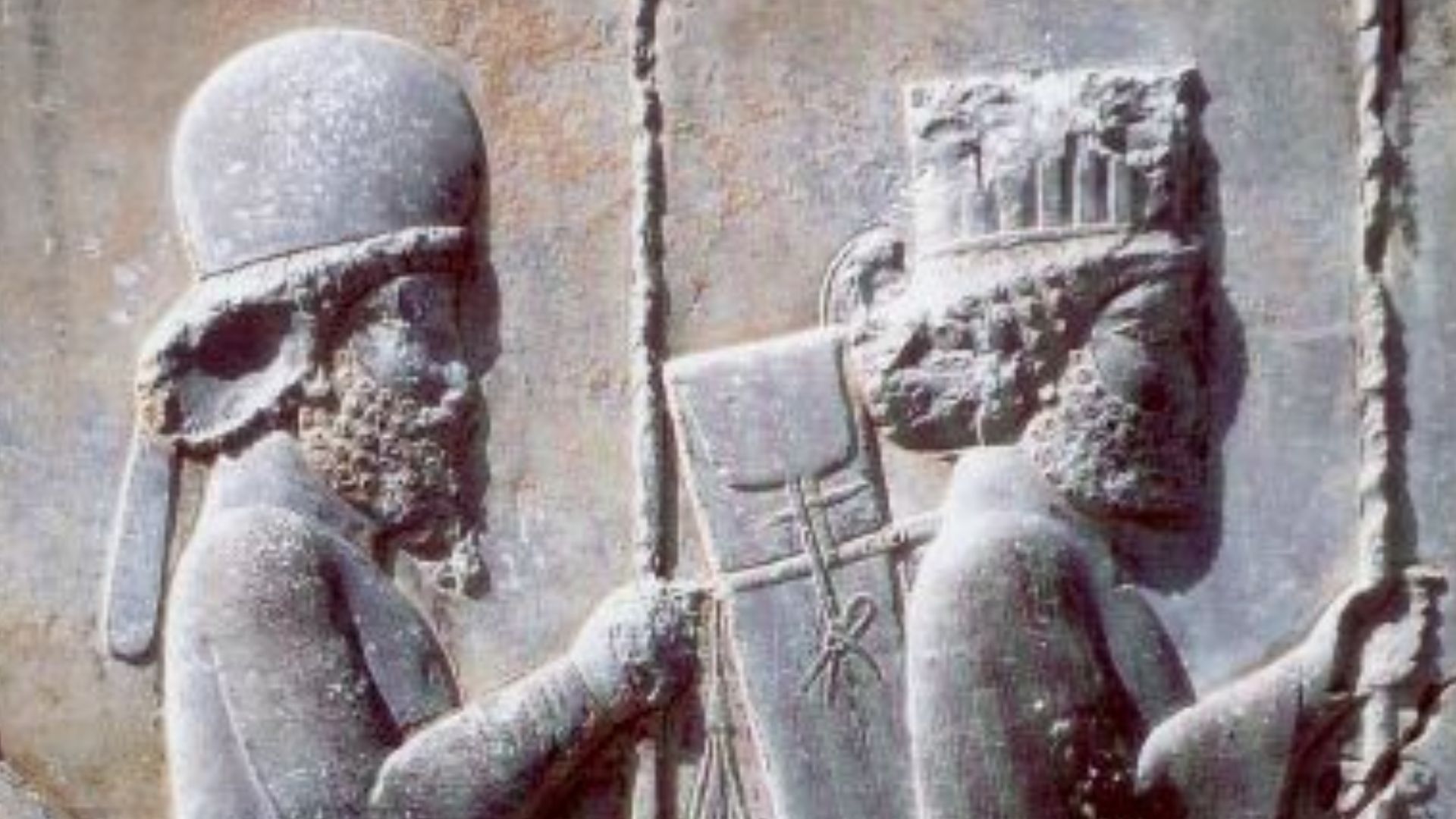
Mercenaries May Explain The Gold
Darics were frequently used to pay mercenary troops serving within the Persian world. Researchers therefore suspect the Notion hoard may have been connected to nearby military operations. It could have contained wages, savings, or money awaiting distribution.
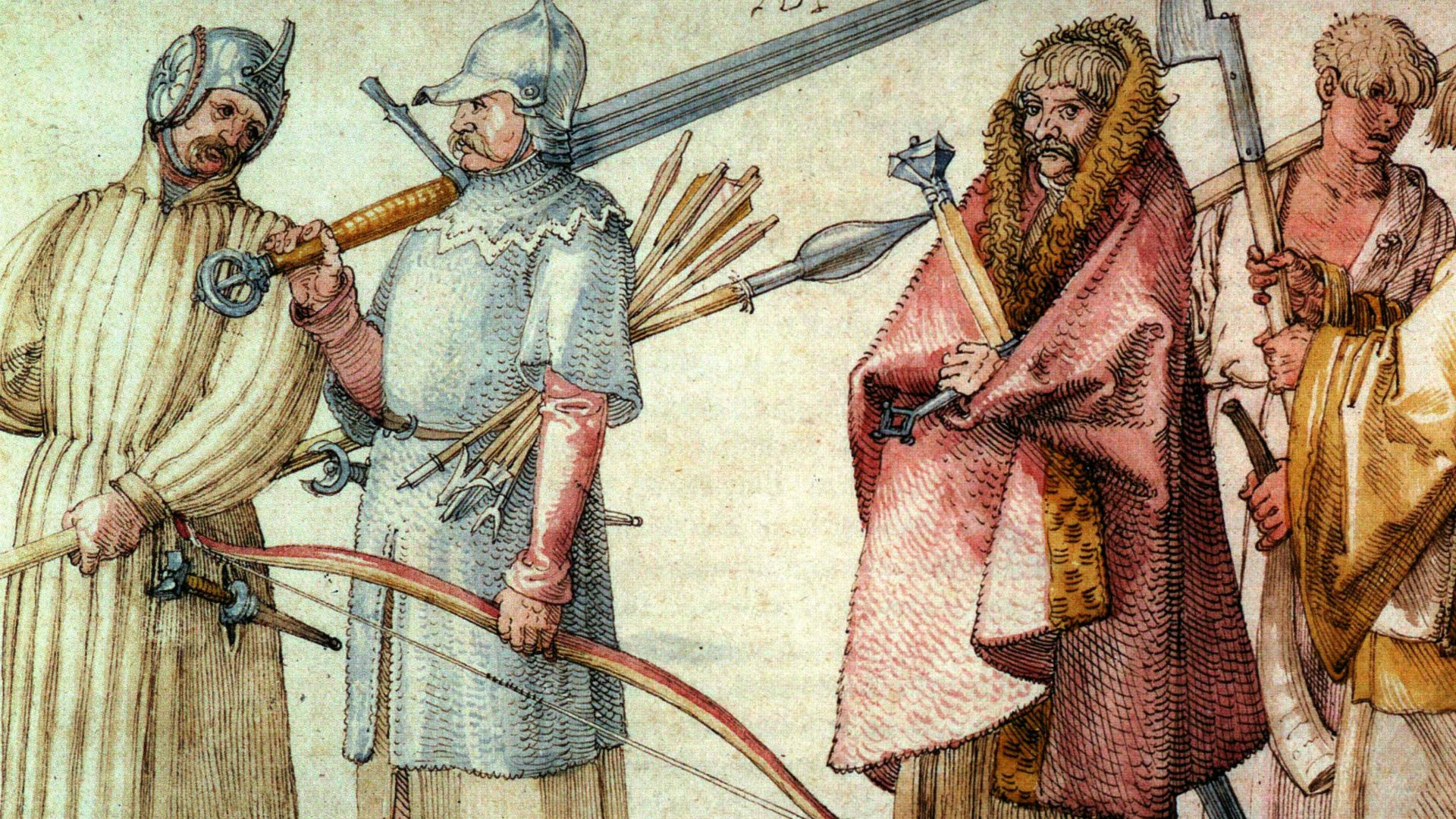 Albrecht Dürer, Wikimedia Commons
A Soldier Was Not The Only Possibility
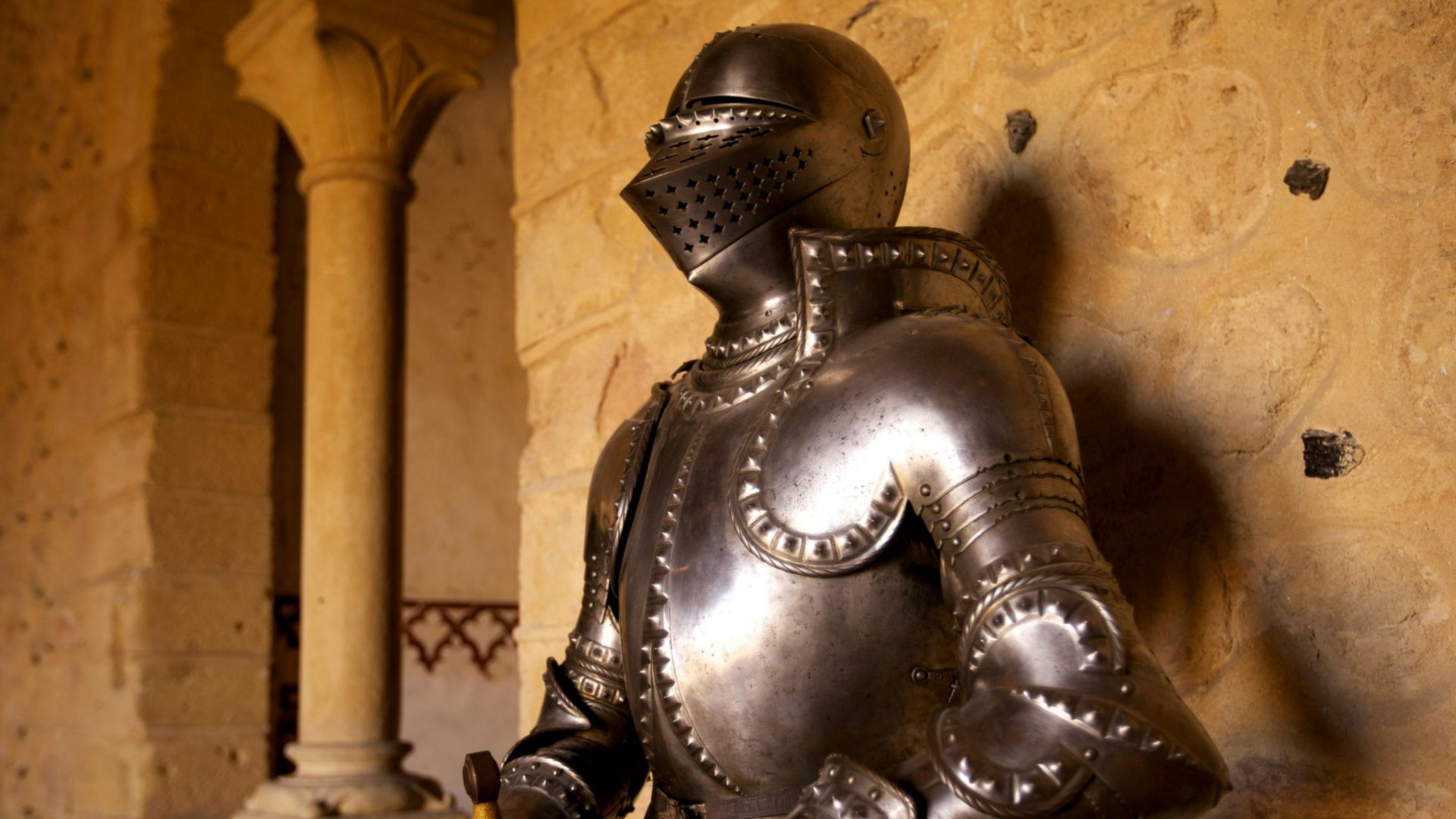
The military explanation remains plausible, but archaeologists have not identified the original owner. The container could also have belonged to a commander, wealthy resident, or official managing local funds. No surviving evidence connects it conclusively to one person or purpose.
Notion Had Lived Under Persian Rule
Notion and other Greek cities along the Anatolian coast entered the Persian Empire during the mid-sixth century BCE. The city escaped Persian control in the early fifth century BCE. It eventually returned to the empire in the early fourth century BCE.
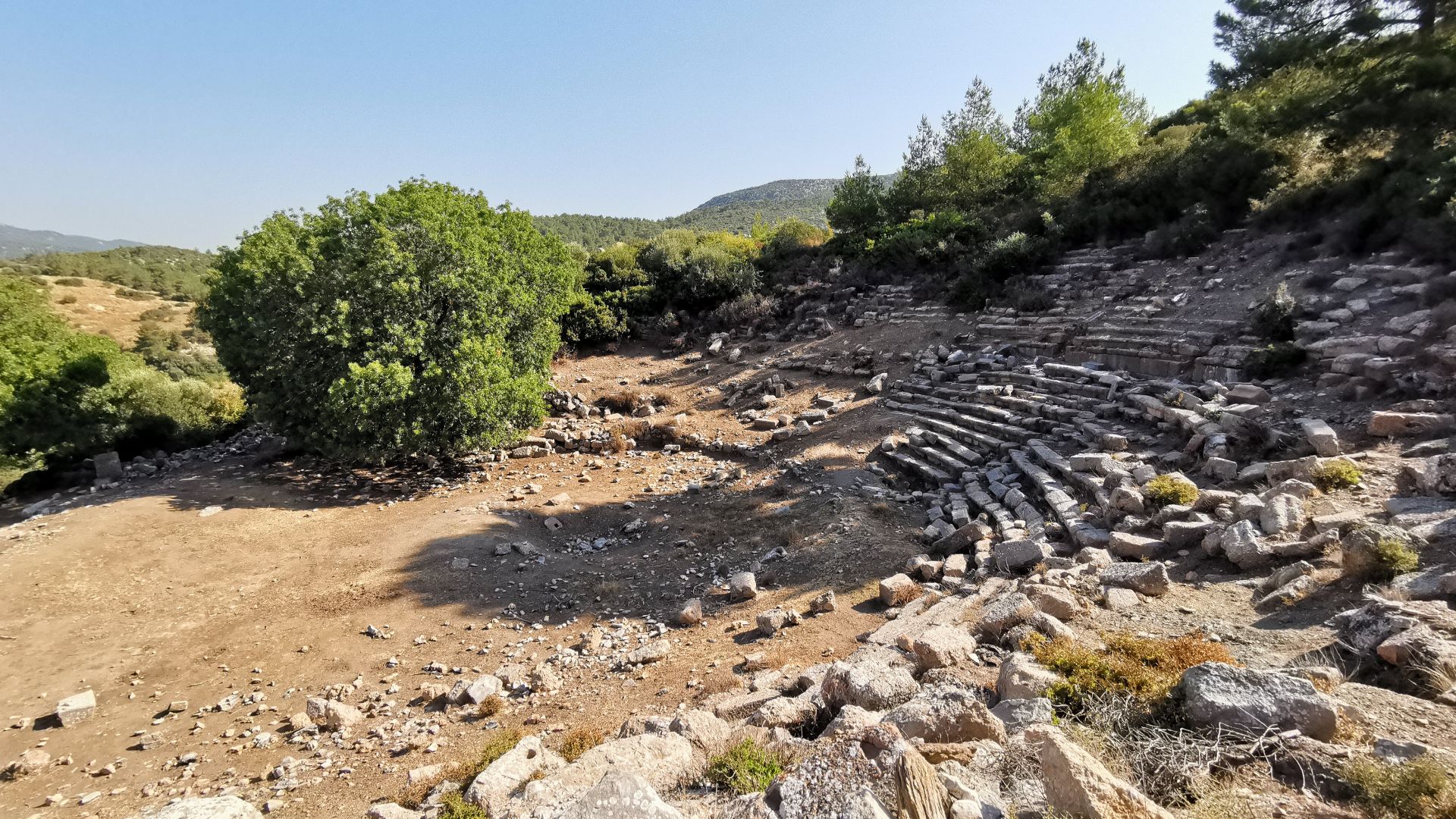
Athens Also Dominated The City
During much of the fifth century BCE, Notion remained within the Athenian sphere of influence. Residents of Notion and nearby Colophon did not always agree about supporting Athens or Persia. Those divided loyalties made the region politically unstable.
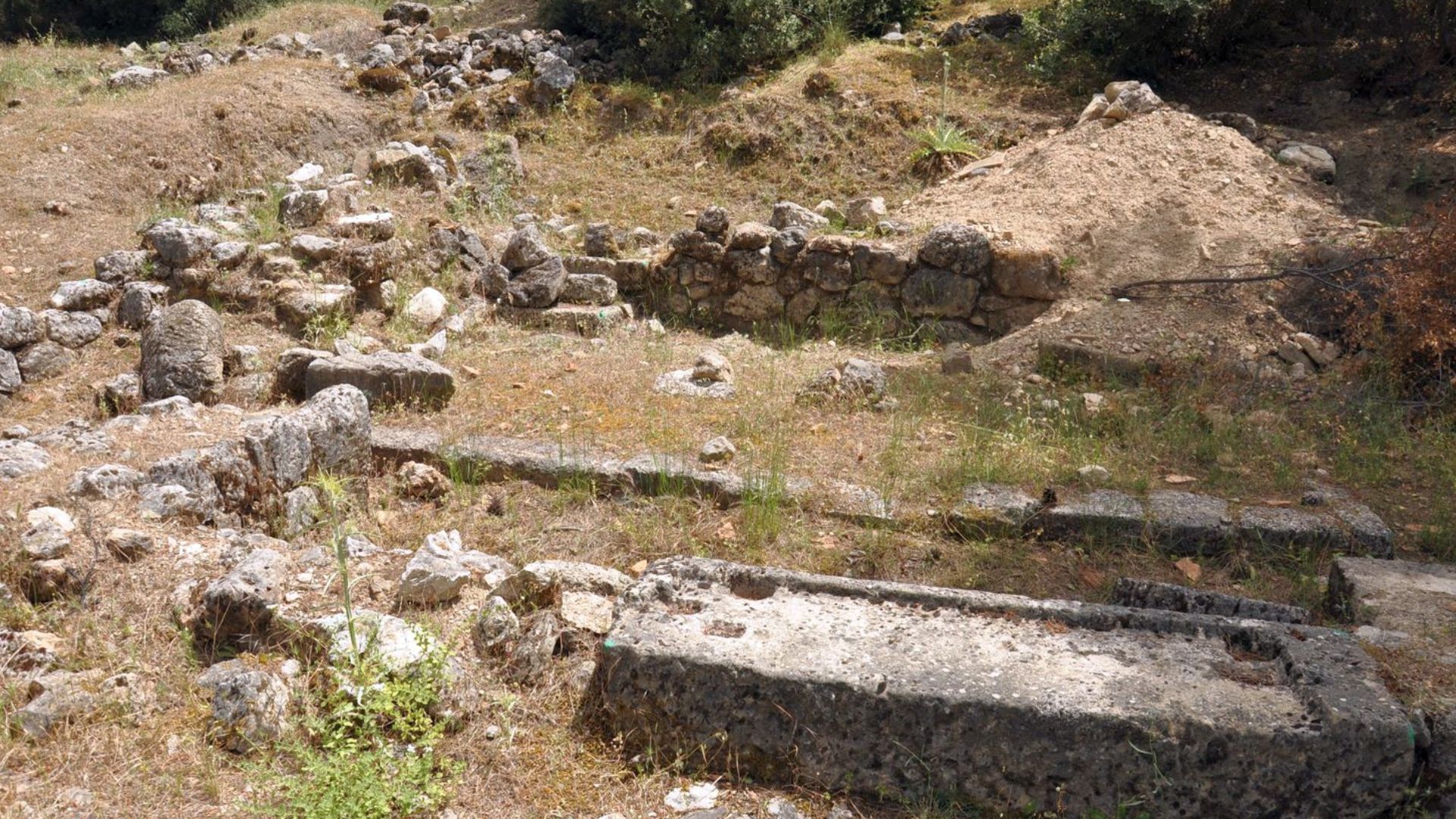
An Earlier Crisis Shook Notion
Between 430 and 427 BCE, Persian sympathizers from Colophon occupied part of Notion with help from mercenaries. The Athenian general Paches expelled them and reorganized the city under Athenian supervision. This episode illustrates Notion’s instability, but the hoard is no longer best dated specifically to that crisis.
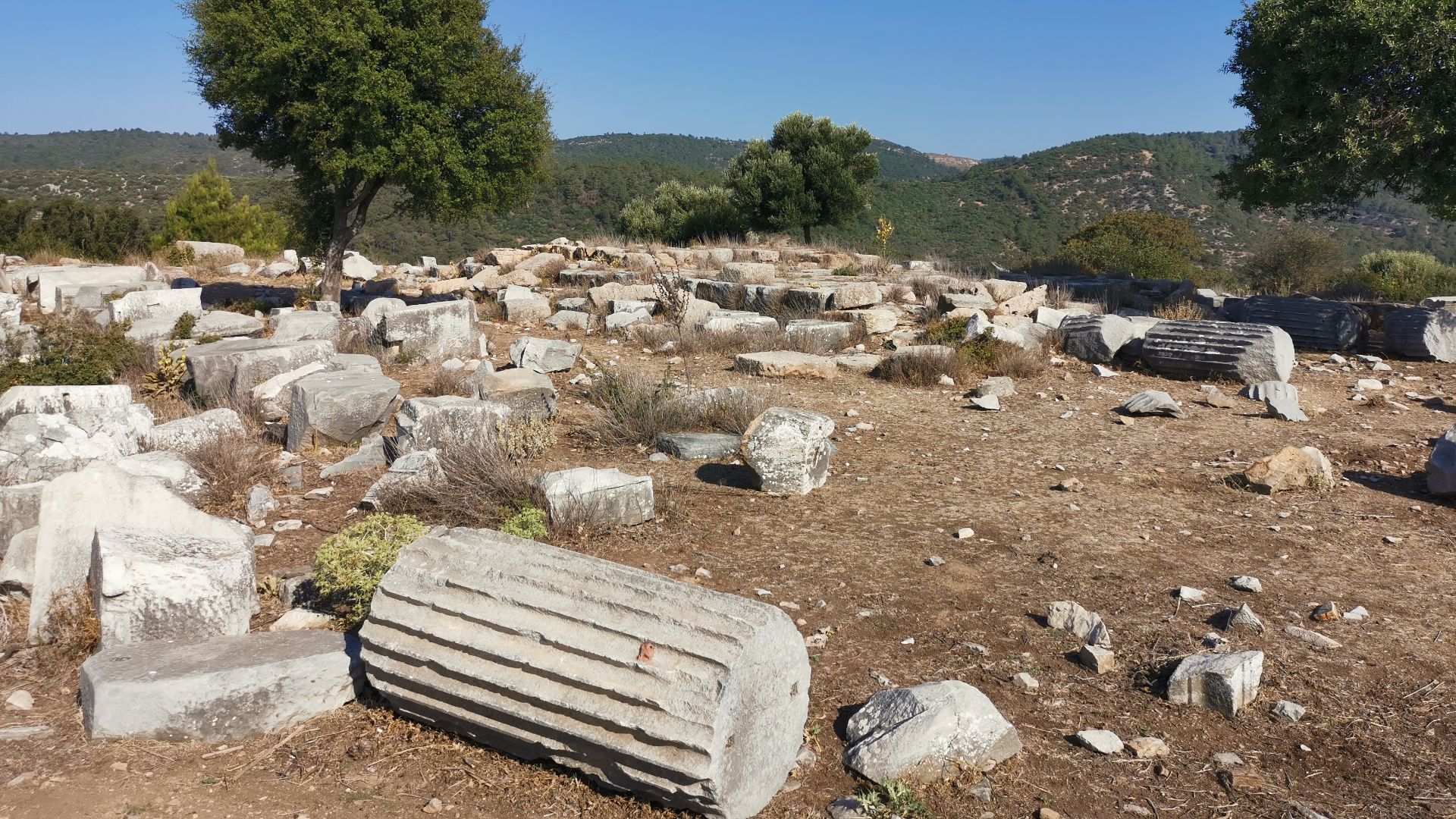
Another War Reached Notion In 406 BCE
A naval battle between Athens and Sparta unfolded off Notion’s coast in 406 BCE. Athens was using the city as a naval base during the final years of the Peloponnesian War. This conflict falls considerably closer to the hoard’s probable late fifth-century burial date.
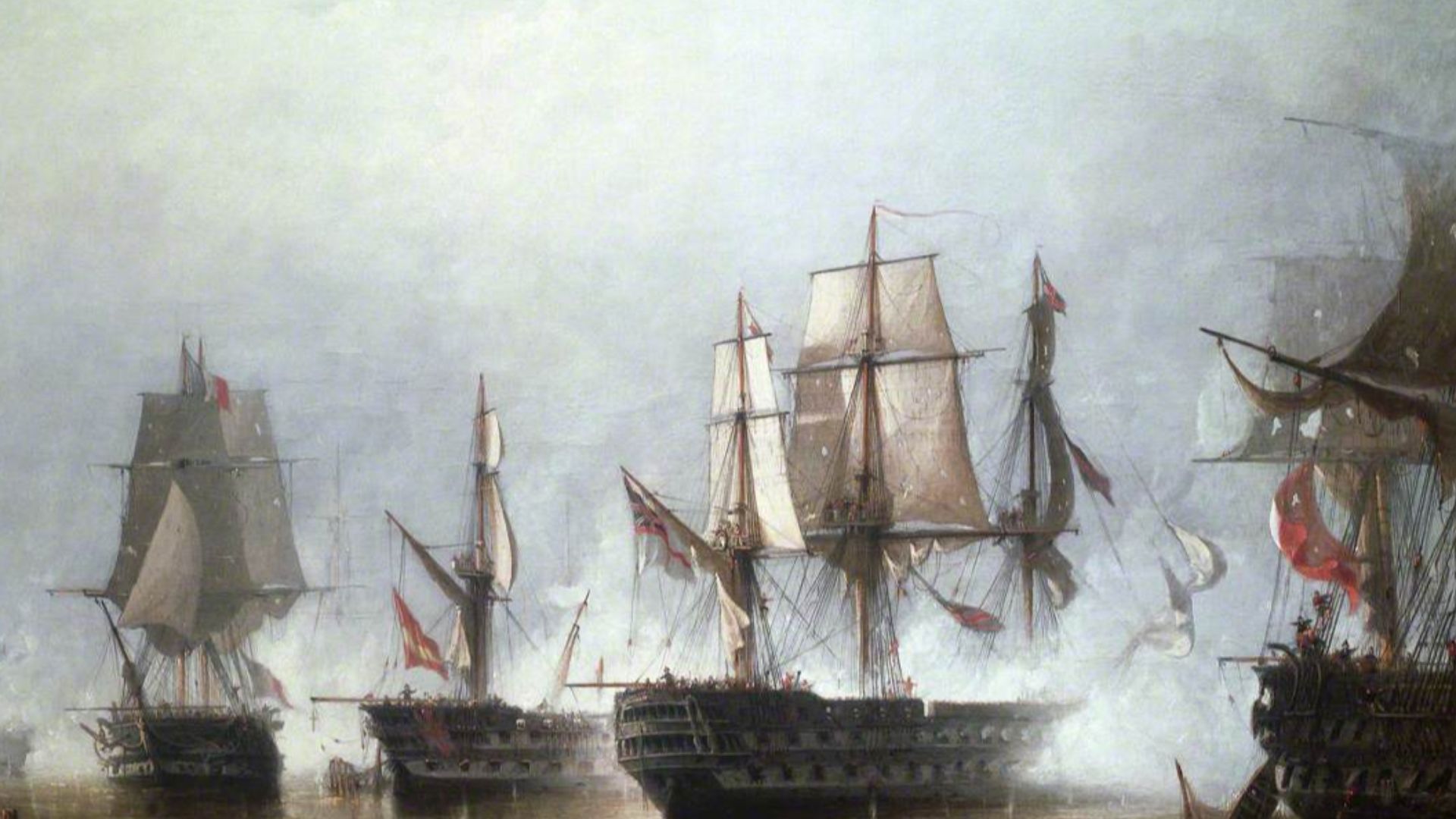 Richard Henry Nibbs, Wikimedia Commons
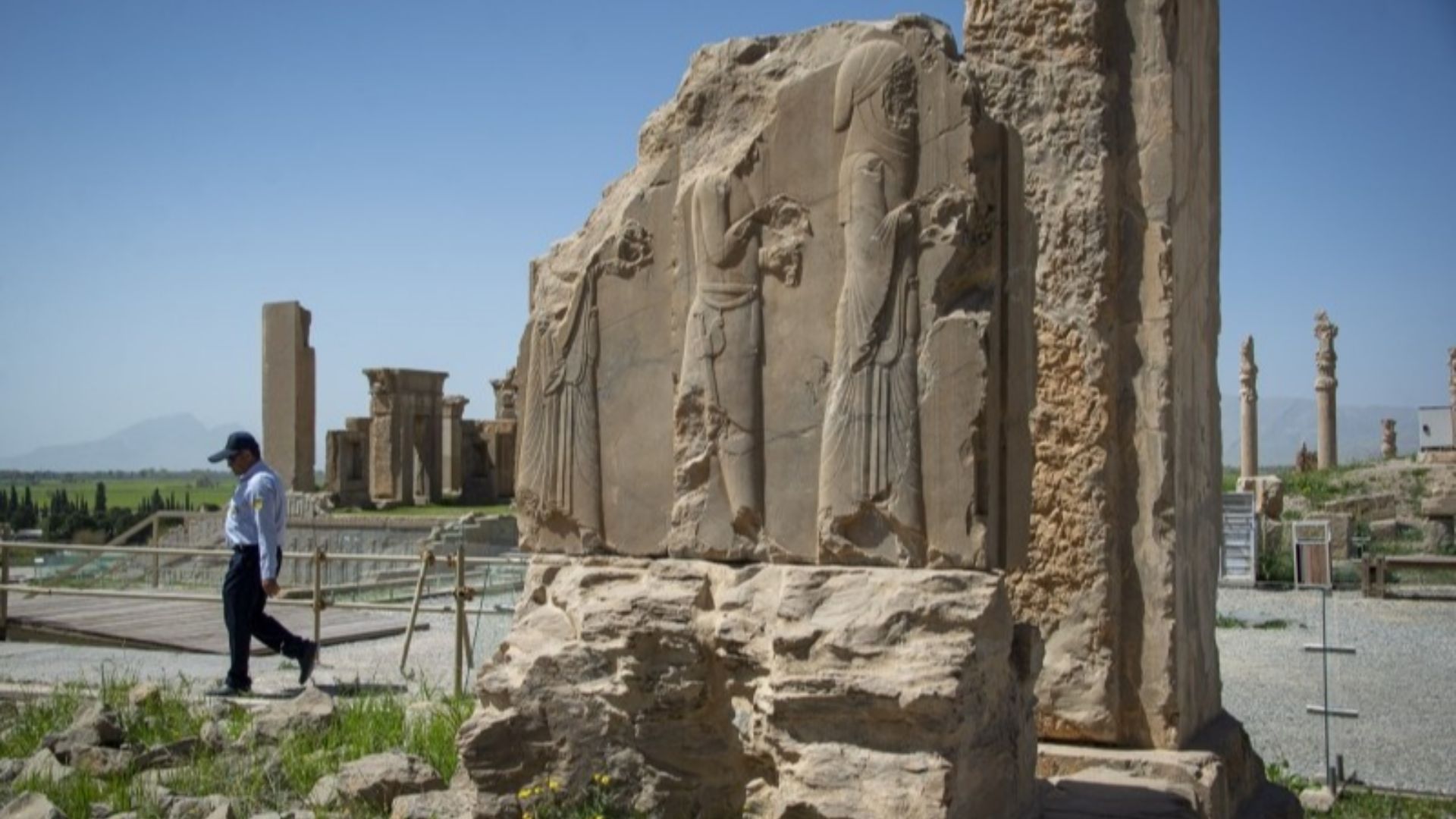
The Gold Was Likely Hidden Later
Archaeological evidence now points toward deposition in the late fifth century BCE, possibly extending into the early fourth century. That makes a direct connection to the events of 427 BCE less likely than earlier coverage sometimes suggested. Researchers still cannot connect the hoard to a particular battle or political upheaval.
 Amir Sadeghian, Wikimedia Commons
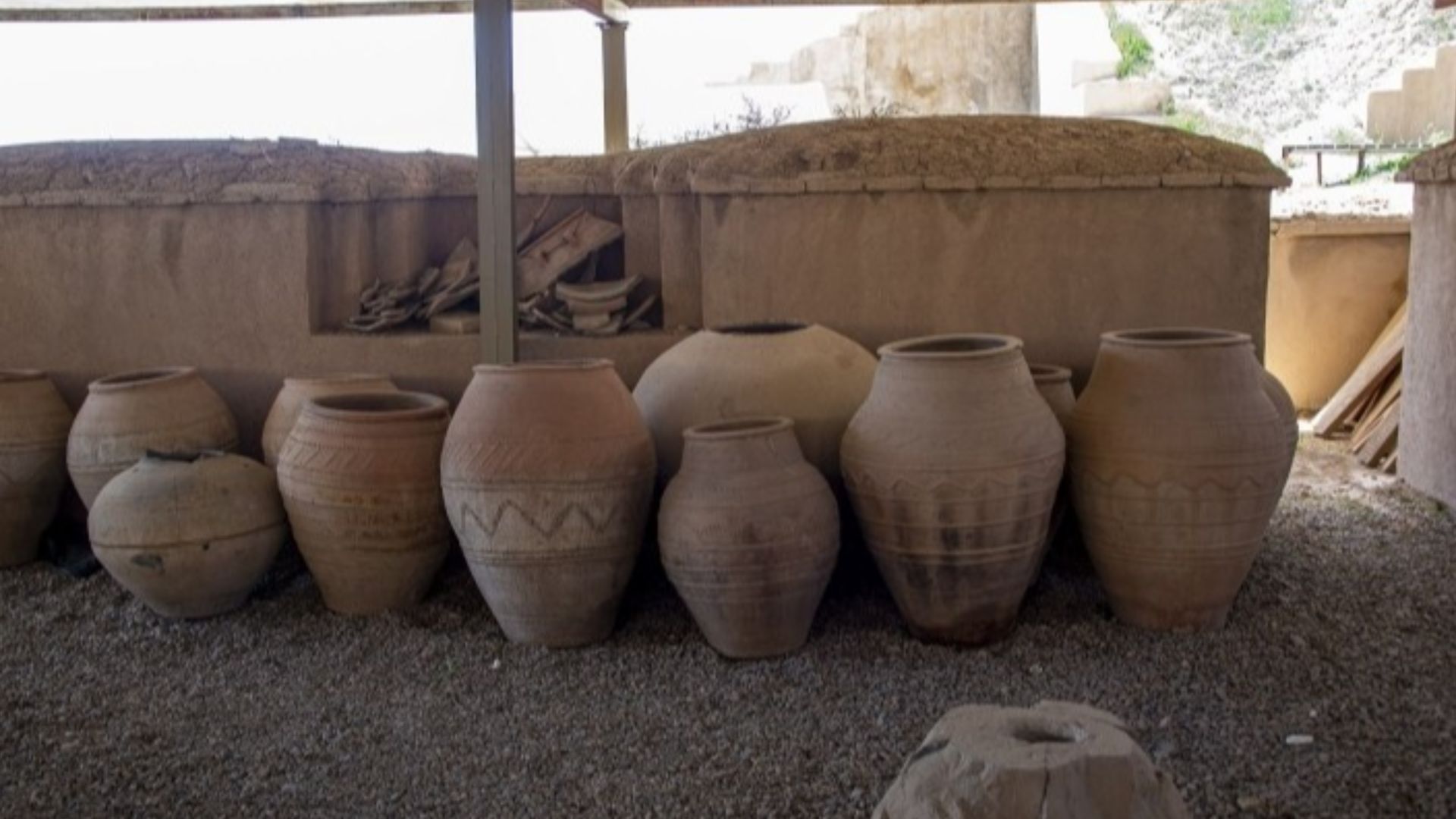
Pottery Provides An Important Clue
Fragments of fifth-century pottery appeared in earlier walls beneath the Hellenistic house. Associated material gives archaeologists an independent method for investigating when the coins entered the ground. This context supports a later fifth-century timeframe while further study continues.
 Amir Sadeghian, Wikimedia Commons
Most Daric Hoards Lose Their Context
Many known collections of darics were discovered by looters rather than professional archaeologists. Removing coins without recording their surroundings destroys information about when and why they were buried. The Notion hoard is different because researchers documented its precise location.
 Amir Sadeghian, Wikimedia Commons
Context Can Be Worth More Than Gold
A loose coin can still reveal its metal, imagery, and manufacturing style. A carefully excavated coin can also reveal its relationship to buildings, pottery, and historical events. The documented setting at Notion makes these 50 darics especially valuable to researchers.
The Coins Could Reset The Timeline
Scholars arrange darics chronologically by studying subtle changes in the archer design. The independently dated artifacts surrounding the Notion hoard could provide a firmer anchor for that sequence. Numismatist Andrew Meadows called the discovery highly important for refining the chronology of Achaemenid gold coinage.
 https://www.flickr.com/photos/rosemania/, Wikimedia Commons
The Treasure Remains In Turkey
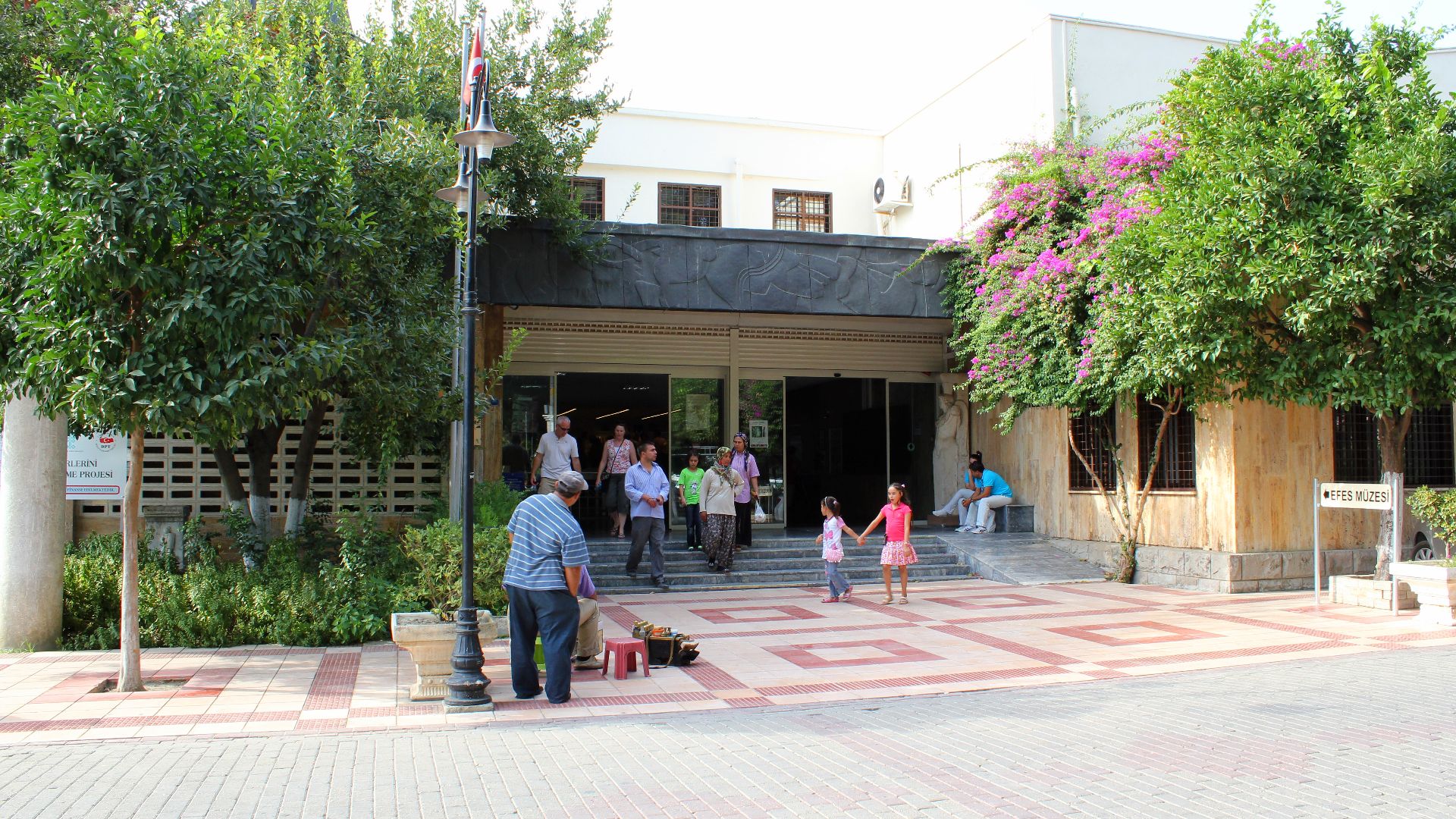
The coins remained in Turkey following their discovery. They were placed in the care of the Ephesus Archaeological Museum for study and preservation. Further analysis may narrow their production dates and clarify how the 50-piece hoard was assembled.
 Klaus-Peter Simon, Wikimedia Commons
One Hidden Jar Preserved A Human Mystery
The Notion hoard connects Persian gold, an ancient Greek city, military payments, and one person’s interrupted plan. Evidence points toward burial in the late fifth century BC, but the owner’s identity remains unknown. What survives is a rare snapshot of immense wealth hidden during a politically unsettled era.
You May Also Like: