A Stone Age Experiment Went Completely Off Script
Scientists handed 40 ordinary people rocks, seashells, and a simple task, hoping to uncover how our ancestors first invented stone tools. The experiment was supposed to reveal how people discover ways to make sharp cutting edges. Instead, participants did something researchers hadn't expected, raising questions about millions of years of human evolution.
Could one surprisingly simple experiment change what we know about our ancestors?
 Dieter Menne/Picture Alliance, Getty Images
The Mystery Is Millions Of Years Old
Stone tools are among the oldest surviving evidence of our ancestors' behavior. Some date back an astonishing 3.3 million years, long before modern humans existed. But archaeologists still don't know exactly how our ancient relatives first discovered the possibilities of stone technology.
Scientists Thought They Had A Clue
One explanation suggests early hominins discovered that striking rocks together could produce sharp fragments. Those fragments could then be used to cut meat, process plants, and perform other tasks. But researchers have questioned whether deliberate stone breaking was really the first step.

A New Experiment Offered Answers
In a study published in May 2026, researchers investigated how inexperienced people approached a basic cutting problem. Their goal was to explore the possible beginnings of stone tool technology. Rather than studying ancient artifacts alone, they watched modern humans attempt to solve a Stone Age-style challenge.
 National Cancer Institute, Unsplash
Forty People Took Part
The researchers recruited 40 volunteers from Appalachian State University in North Carolina. Participants ranged from 18 to 69 years old, and none had previously made or used stone tools. Anthropology majors were excluded to reduce the influence of specialized knowledge.

The Setup Was Surprisingly Simple
The experiment took place in a semi-natural setting containing sand, boulders, cobbles, and pieces of dacite, a volcanic rock. Participants could examine and use the available materials. The researchers wanted to see which solutions people would discover without being taught stone working techniques.
 Wilson44691, Wikimedia Commons
Seashells Were Part Of The Experiment
Some participants also had access to natural scallop shells. These provided an alternative to rocks and allowed researchers to investigate how people responded to different cutting materials. The shells would prove particularly interesting when the team examined the participants' choices.

The Challenge Involved Cutting Rope
Participants were asked to cut rope using materials from their surroundings. In the initial task, they weren't specifically required to manufacture sharp stone tools. That distinction allowed researchers to observe whether deliberate toolmaking would emerge naturally as a solution.

Researchers Expected Something Different
The team began with the expectation that participants would devise methods for producing sharp cutting edges. Breaking stones to create sharp flakes is a fundamental part of prehistoric stone technology. But what happened during the experiment challenged that assumption.

The Results Caught Researchers Off Guard
Instead of routinely manufacturing cutting tools, participants tended to rely on edges that already existed. They often found ways to complete the task using naturally available surfaces. The findings suggested that making a sharp edge wasn't necessarily people's first instinct when confronted with a cutting problem.
Some Simply Used The Rocks
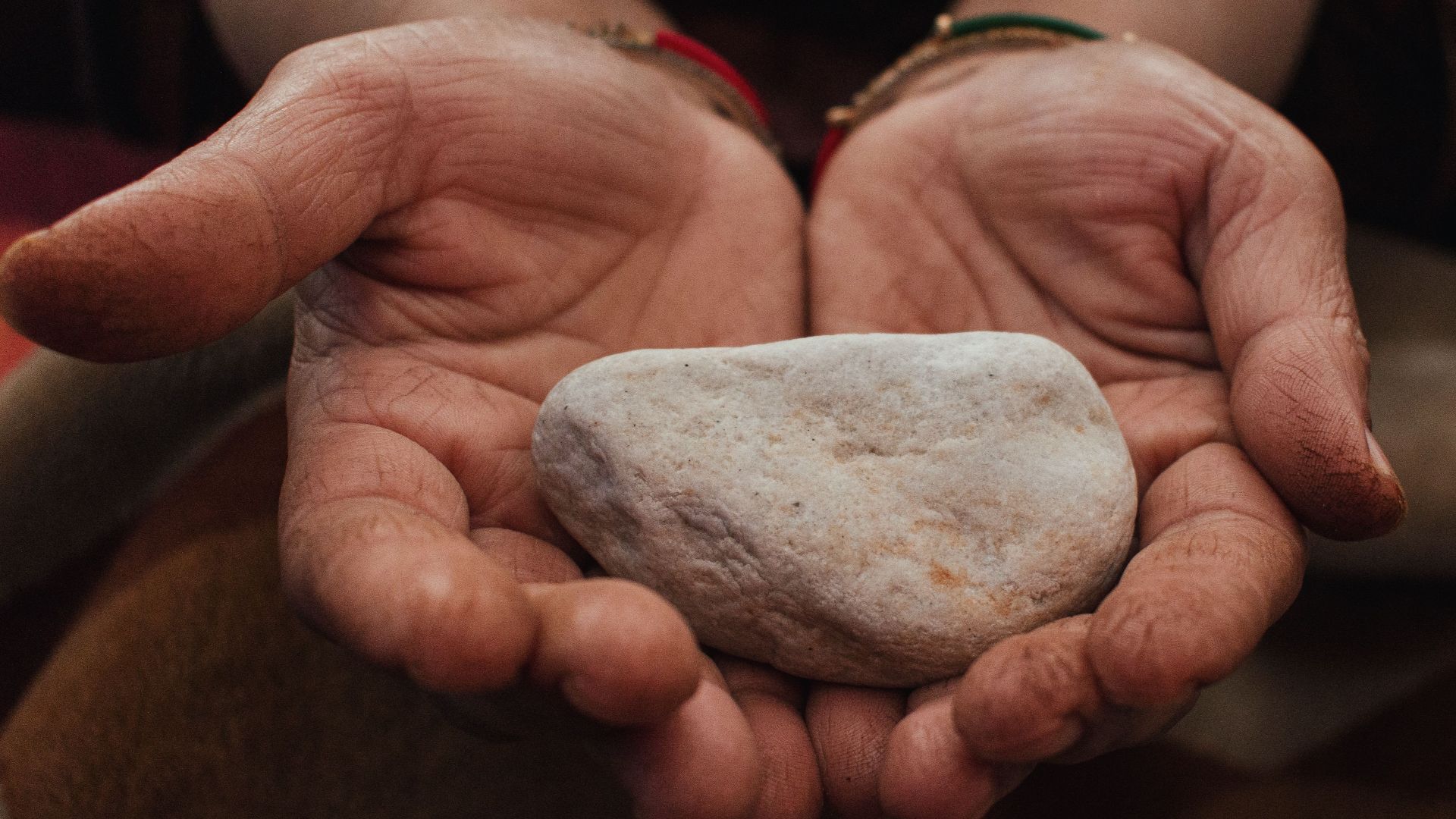
Participants discovered that existing rock edges could help them cut rope. Some rubbed rope against boulders or dacite nodules, while others actively cut with the nodules. These approaches demonstrated that useful cutting surfaces didn't always need to be deliberately manufactured.

The Seashells Proved Useful Too
Some participants used scallop shells to cut the rope. Their behavior showed that people could exploit naturally available cutting edges on materials other than stone. For researchers investigating early technology, this reinforced the importance of recognizing useful properties in everyday objects.

Scientists Identified Six Different Methods
In one rope-cutting task, researchers documented six approaches. Alongside using natural rock edges and shells, participants sometimes cut with deliberately or accidentally produced sharp fragments. Others relied on pounding or applying pressure, demonstrating several ways to approach the same problem.

Then The Researchers Changed The Rules
The experiment took another turn when participants were explicitly instructed to produce sharp edges. They could no longer focus solely on finding an existing surface capable of cutting. Researchers wanted to discover how inexperienced people would approach deliberately creating one.

People Began Breaking Rocks
Participants tried several techniques, including throwing stones against hard surfaces and striking them against anvils. Some used bipolar percussion, which involves breaking stone through impacts between opposing surfaces. These methods produced sharp fragments without requiring the more familiar technique of freehand stone knapping.

One Crucial Technique Was Missing
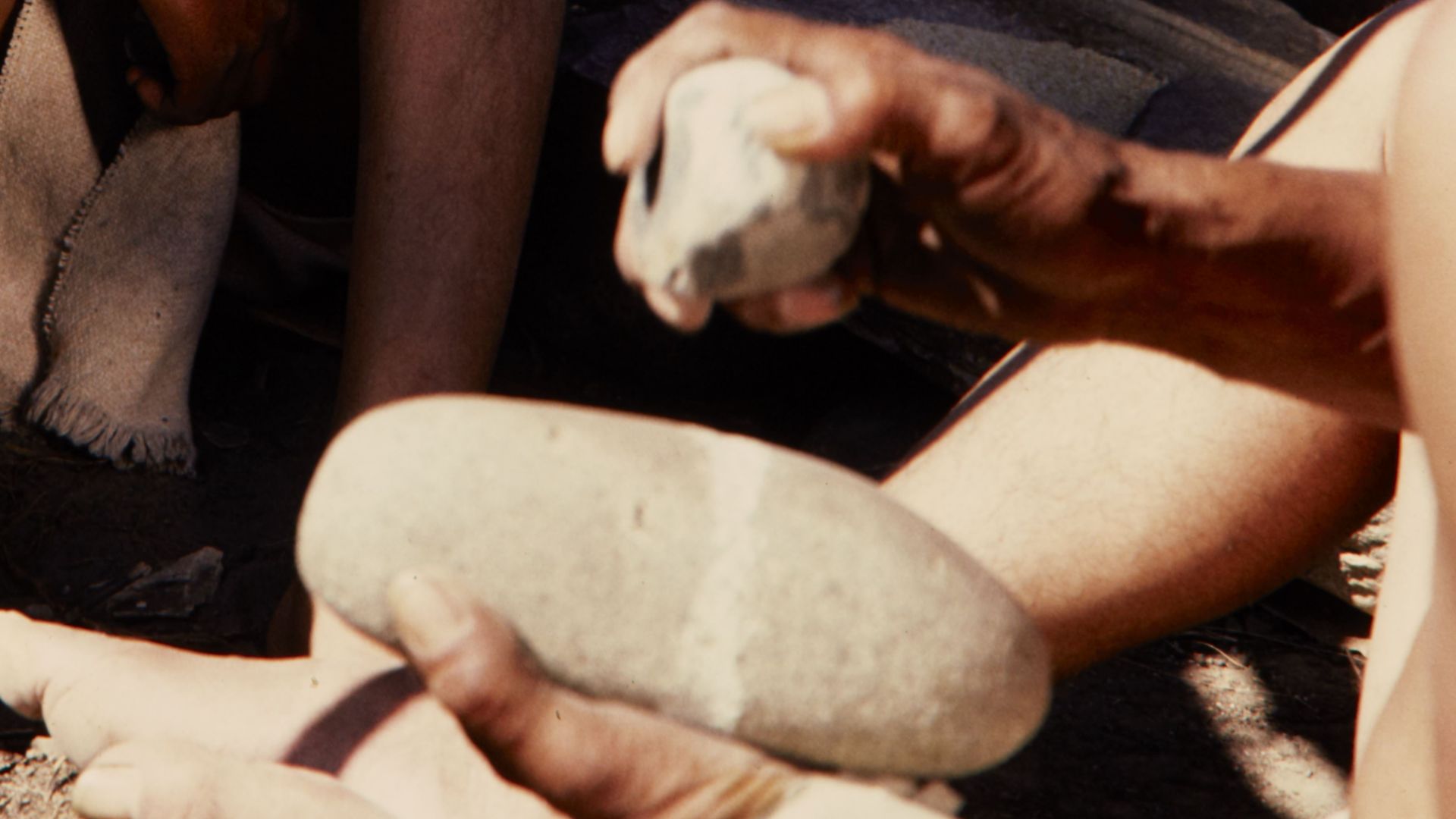
Not a single participant attempted freehand percussion. This technique involves holding a stone core and striking it directly with another stone to detach flakes. Its complete absence was one of the experiment's most striking findings.
 Thomas C. Gray, Wikimedia Commons
Making Stone Tools Isn't So Easy
Successful freehand knapping requires more than simply hitting two rocks together. The position, angle, and force of each strike influence how the stone fractures. Researchers suggested that this technique may have emerged through gradual improvements in skill rather than spontaneous discovery.
The Discovery Suggests A Different Beginning
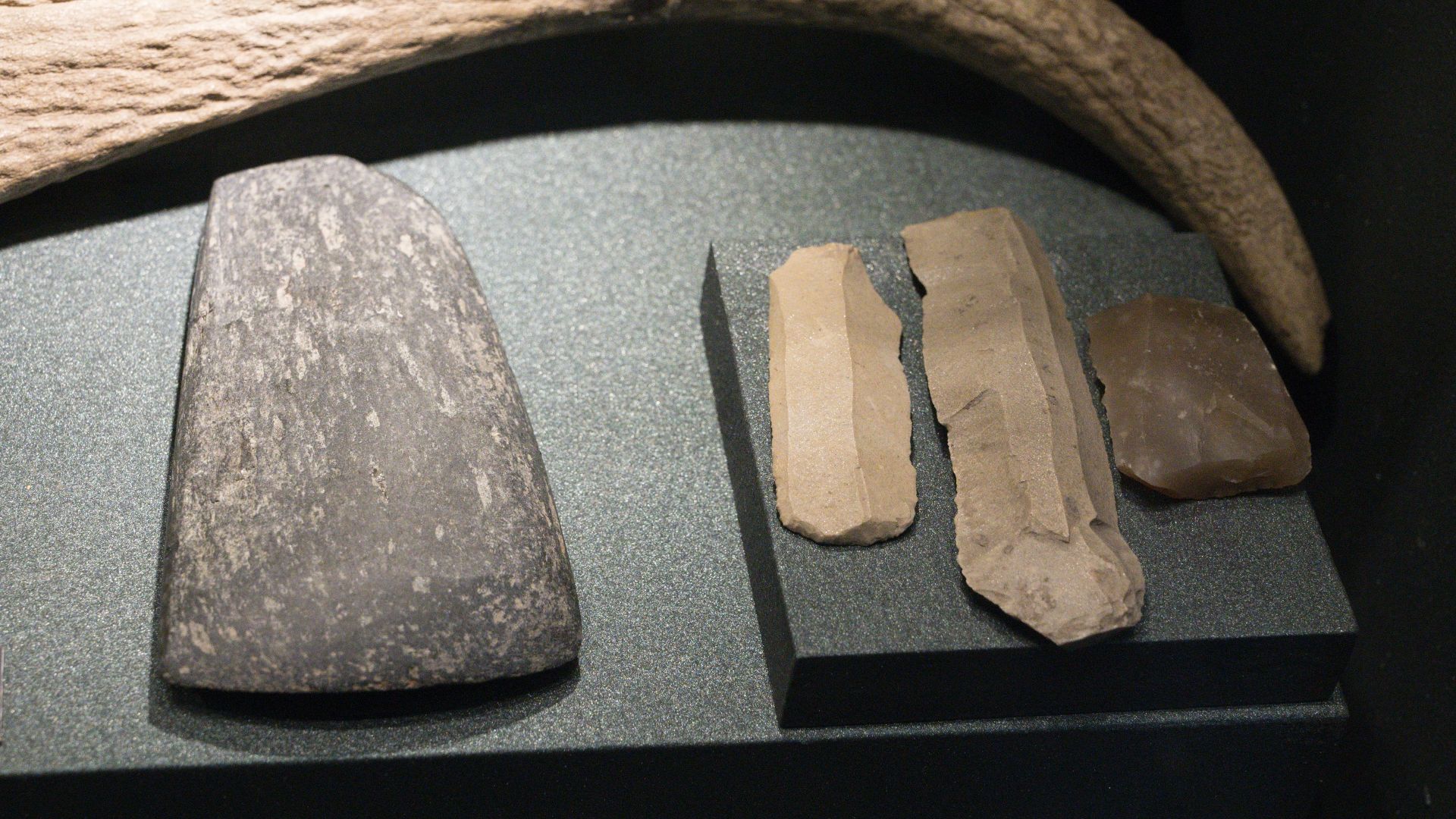
The results support the possibility that our ancestors initially relied on naturally sharp materials before learning to manufacture cutting edges deliberately. Recognizing a useful surface may have preceded developing techniques to create one. This remains a hypothesis, but the experiment provides evidence that makes it worth considering.
The Oldest Known Tools Are Astonishing
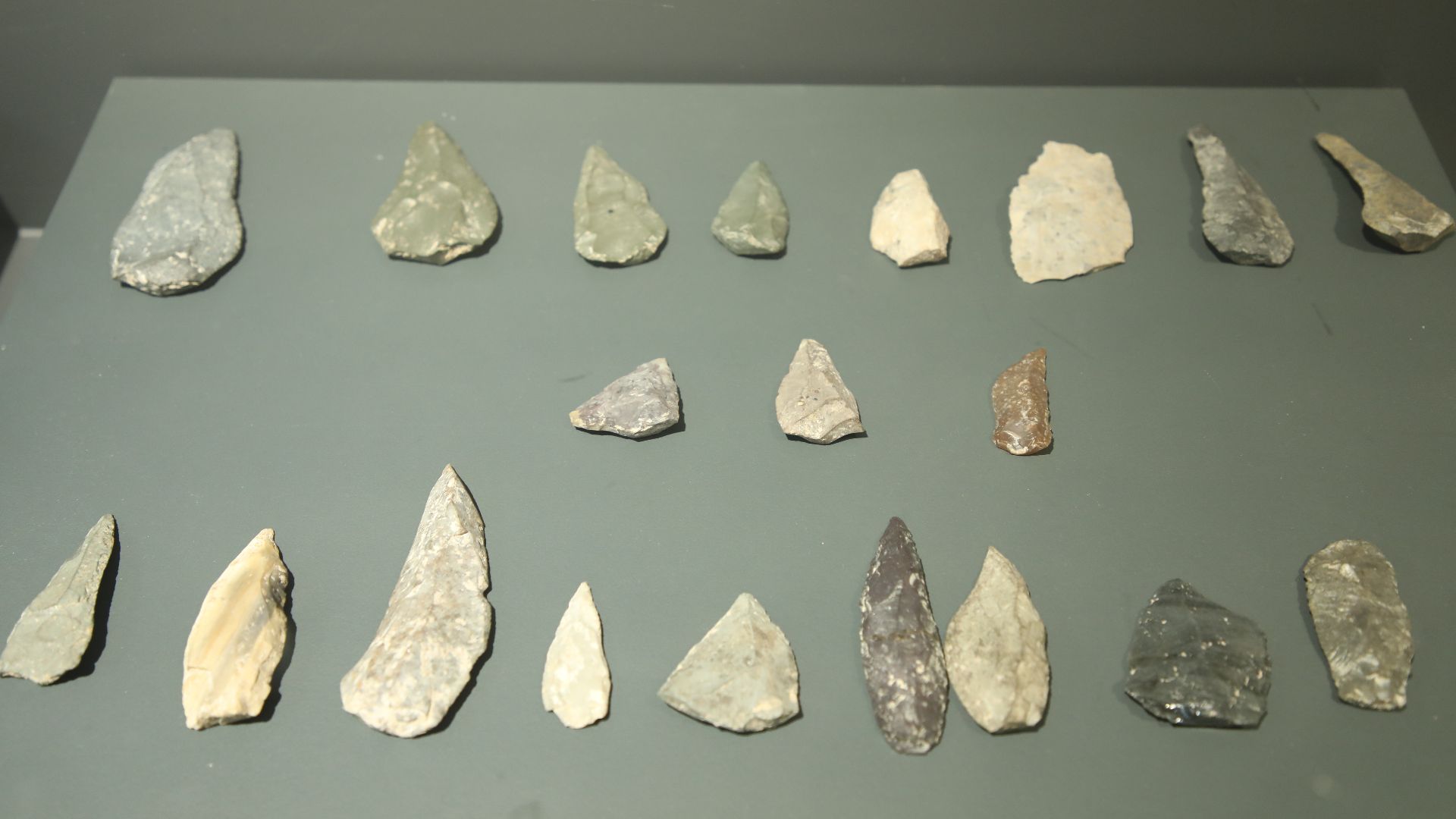
The implications become particularly interesting when compared with discoveries in Kenya. At Lomekwi 3, near Lake Turkana, archaeologists uncovered deliberately modified stones dating back approximately 3.3 million years. The discovery, published in Nature in 2015, pushed the known history of stone toolmaking dramatically further into the past.

They Predate Our Own Genus
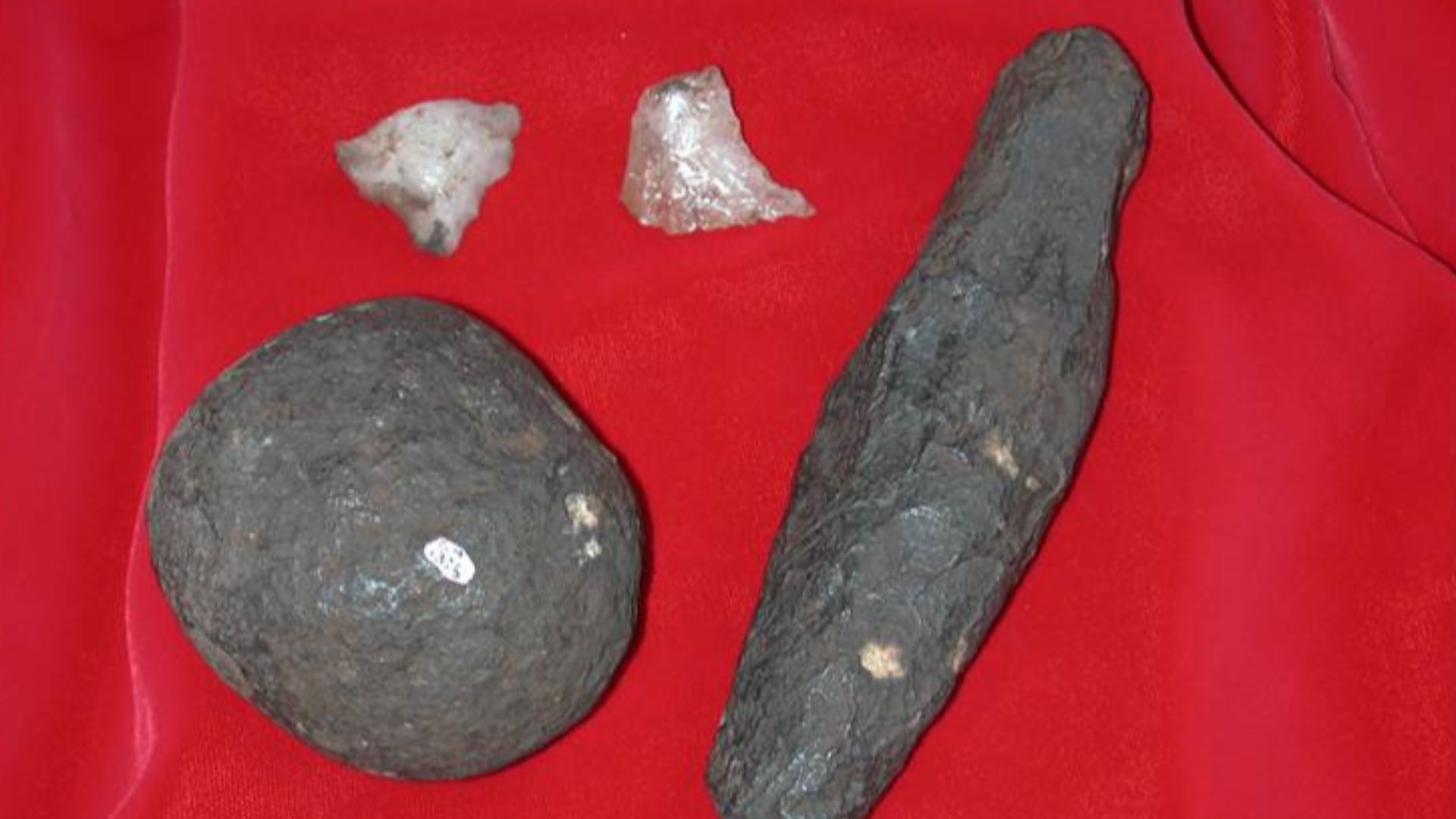
The Lomekwi artifacts are older than the earliest known fossils attributed to the genus Homo. This challenges the traditional assumption that stone toolmaking originated exclusively with members of our own genus. Exactly which ancient hominins made the tools remains unknown.
 Gary Todd from Xinzheng, China, Wikimedia Commons
These Tools Were Surprisingly Different
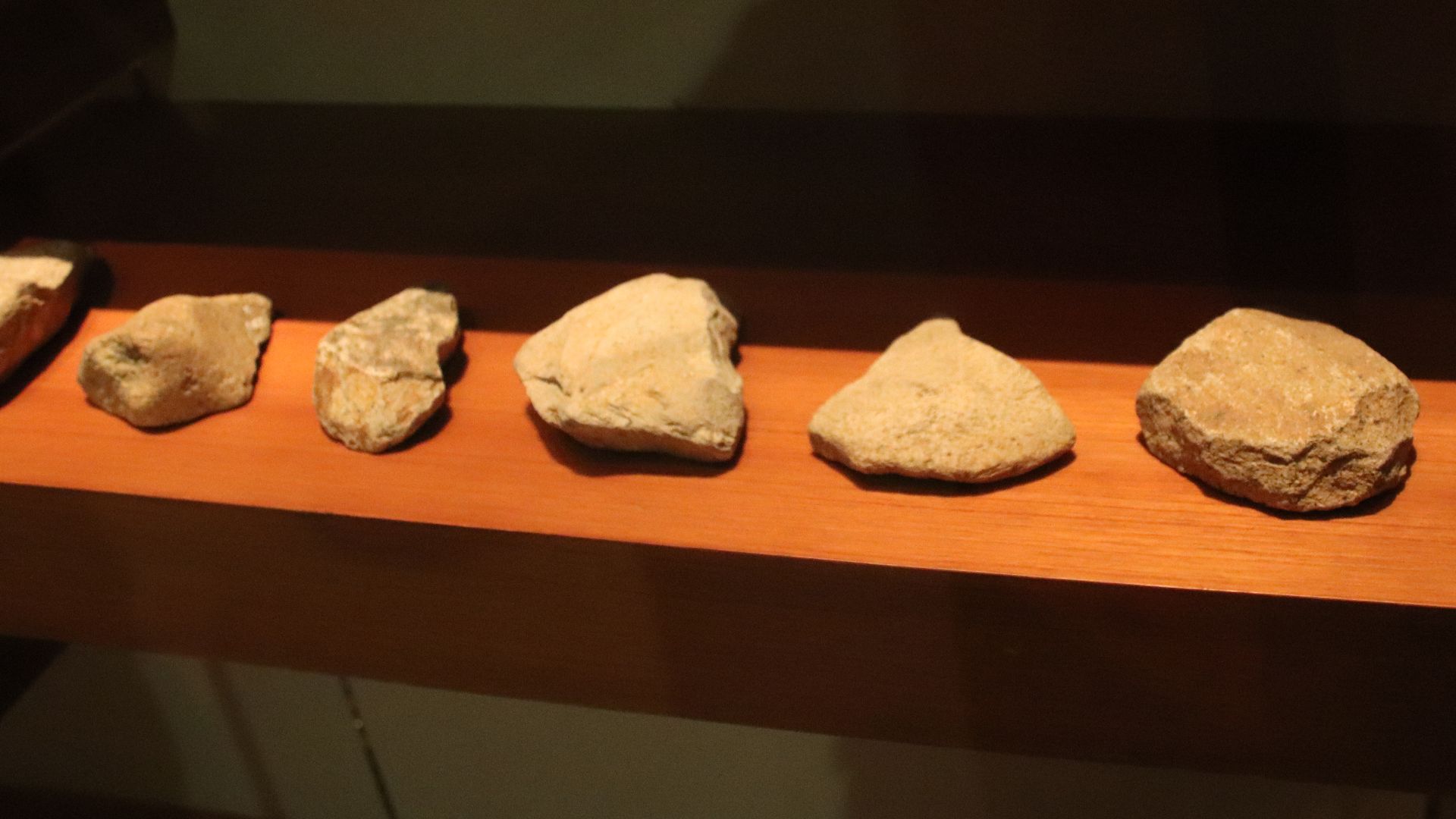
The Lomekwi artifacts included large stone cores and objects showing evidence of pounding and fracturing. Researchers identified techniques that differed from those associated with later Oldowan toolmaking. The differences suggest early stone technology may have developed through several stages rather than appearing fully formed.
 Profberger (talk) (Uploads), Wikimedia Commons
Then Came The Oldowan Tools
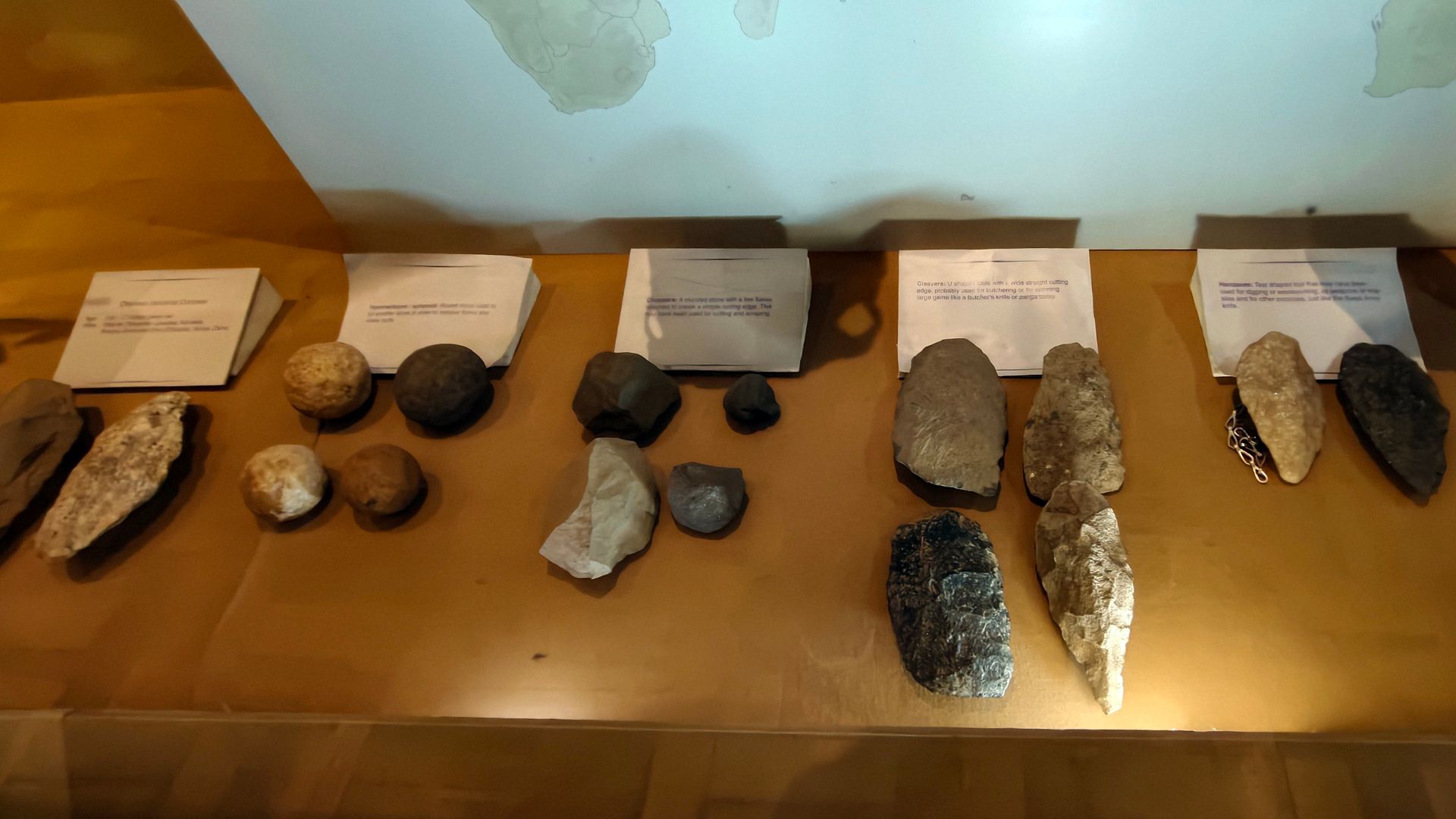
By roughly three million years ago, hominins were producing tools associated with the Oldowan tradition. These included hammerstones, cores, and sharp flakes detached through deliberate impacts. Their cutting and pounding capabilities helped early tool users process different materials.
 Suyash Dwivedi, Wikimedia Commons
A Kenyan Discovery Added Another Twist
In 2023, scientists reported Oldowan artifacts from Nyayanga, Kenya, dating to approximately 3.0 to 2.6 million years ago. These finds demonstrated that the technology was already more geographically widespread than previously recognized. They also revealed how versatile these early implements could be.

Ancient Tools Helped Butcher Hippos
At Nyayanga, researchers discovered stone artifacts alongside hippopotamus bones showing evidence of butchery. Wear patterns on some implements also indicated the processing of plant materials. These findings showed that early tool users could tackle a remarkably diverse range of food resources.

But Who Was Making Them?
Archaeologists also recovered teeth belonging to Paranthropus, an extinct hominin genus, at Nyayanga. Their presence raised the possibility that toolmaking wasn't restricted to our direct human ancestors. Although researchers cannot identify the toolmakers with certainty, the discovery broadened the list of potential candidates.
 Elena Tartaglione, Wikimedia Commons
Monkeys Have Complicated The Story
In 2016, scientists studying wild bearded capuchin monkeys in Brazil discovered something remarkable. The monkeys deliberately struck stones together, unintentionally producing sharp flakes resembling ancient human artifacts. This demonstrated that tool-like fragments can appear without an animal intending to manufacture cutting implements.
 Bart van Dorp, Wikimedia Commons, Modified
Making A Sharp Edge Isn't The Same As Using One
The capuchins weren't observed using their accidentally produced flakes to cut or scrape other objects. Their behavior highlights an important distinction between breaking rocks, creating sharp fragments, and intentionally using those fragments. The 2026 experiment adds another dimension by examining how humans choose cutting edges and attempt to manufacture them.
 Bart van Dorp, Wikimedia Commons
Learning May Have Been The Missing Ingredient
In a separate 2015 experiment, researchers investigated how 184 adults learned and transmitted Oldowan-style stone toolmaking skills. Teaching improved participants' performance, particularly when verbal communication was allowed. The findings suggest that sharing knowledge could have helped increasingly sophisticated stoneworking techniques spread through prehistoric populations.

But The Experiment Has Its Limits
The 2026 participants were modern humans, not ancient hominins living millions of years ago. Their abilities, experiences, and environment were very different from those of our prehistoric relatives. The results therefore cannot prove exactly how stone technology began, although they offer a useful way to investigate its possible origins.

The Biggest Discovery May Be The Simplest
For decades, archaeologists have studied the remarkable ingenuity behind our ancestors' earliest stone tools. But this experiment suggests that the journey toward toolmaking may have begun before anyone deliberately broke a rock to create a cutting edge. Perhaps one of humanity's greatest technological breakthroughs started with something much simpler: recognizing that a useful edge was already there.

You May Also Like:
Researchers In Malta Found Evidence That Ancient People Reached Remote Islands Earlier Than Expected
Exciting New Animal Experiments Are Changing What Archaeologists Think About Ancient Tools