
Monkeys Are Rewriting The Stone Age
For archaeologists, chipped stones have long been among the clearest clues to early technology. Now experiments with living monkeys and apes are producing similar traces. The animals can choose specialized rocks, use tools with striking precision, and accidentally create sharp flakes resembling ancient artifacts. Those results are forcing scientists to rethink how some of the earliest hominin tools were made and used.
 John Trainor, Wikimedia Commons
A Wave Of New Studies Is Changing The Picture
Several studies published in 2024 and 2025 have pushed primate archaeology in new directions. Researchers have tested how chimpanzees choose stones, compared tool skills across species, and studied how geology affects capuchin performance. The focus is no longer simply whether animals can use tools. Scientists now want to know what their behavior would look like if archaeologists found only the remains.
 Tiago Falótico, Wikimedia Commons
Chimpanzees Faced A Geological Challenge
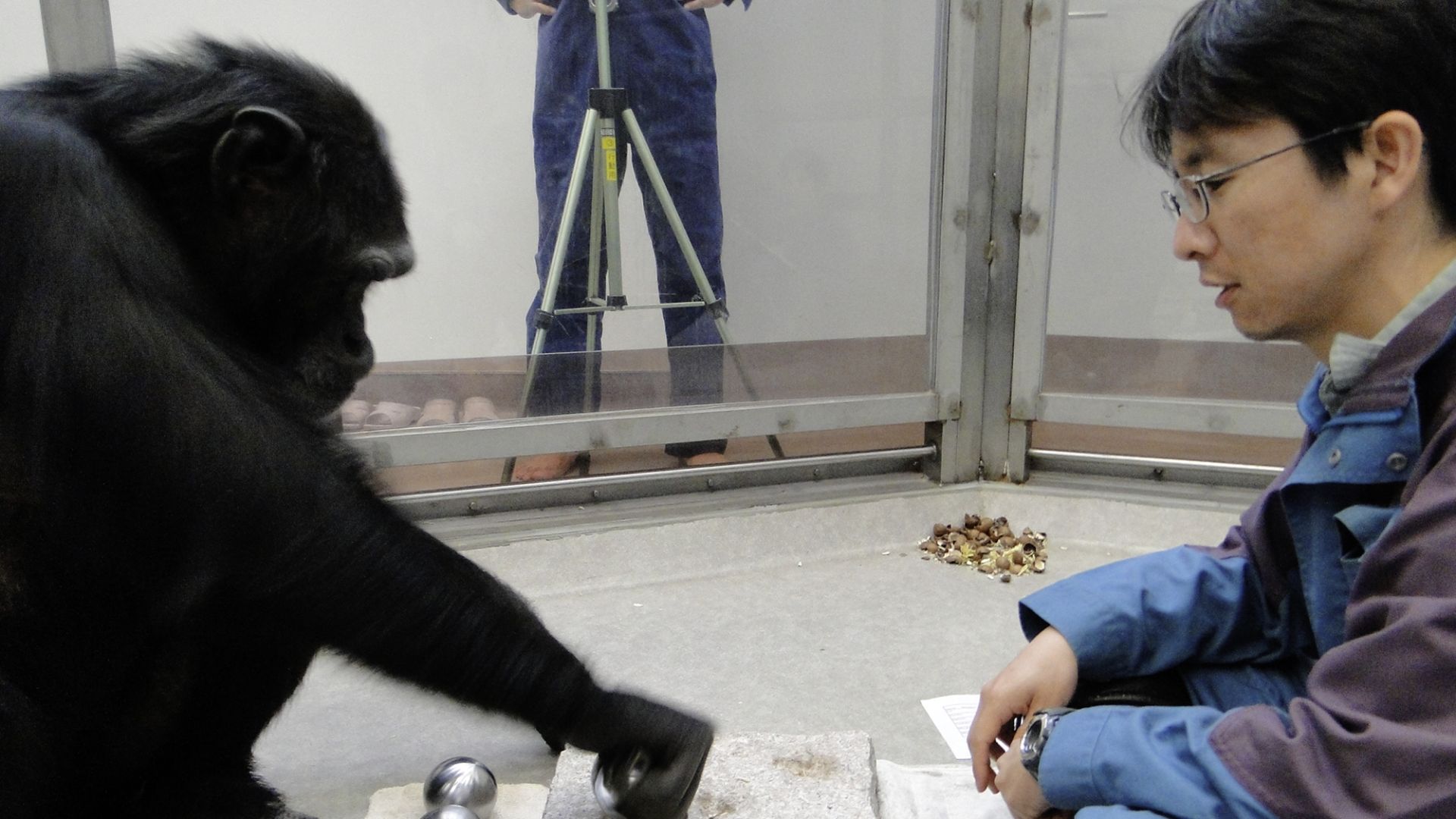
One recent experiment focused on wild chimpanzees at Bossou in Guinea. Researchers gave them unfamiliar stones with different mechanical properties and watched what they selected for cracking nuts. The chimpanzees did not simply grab whatever rock happened to be closest. Their choices reflected properties that made particular stones better suited to different jobs.
 Cornelia Schrauf, Josep Call,Koki Fuwa and Satoshi Hirata, Wikimedia Commons
They Chose Different Rocks For Different Jobs
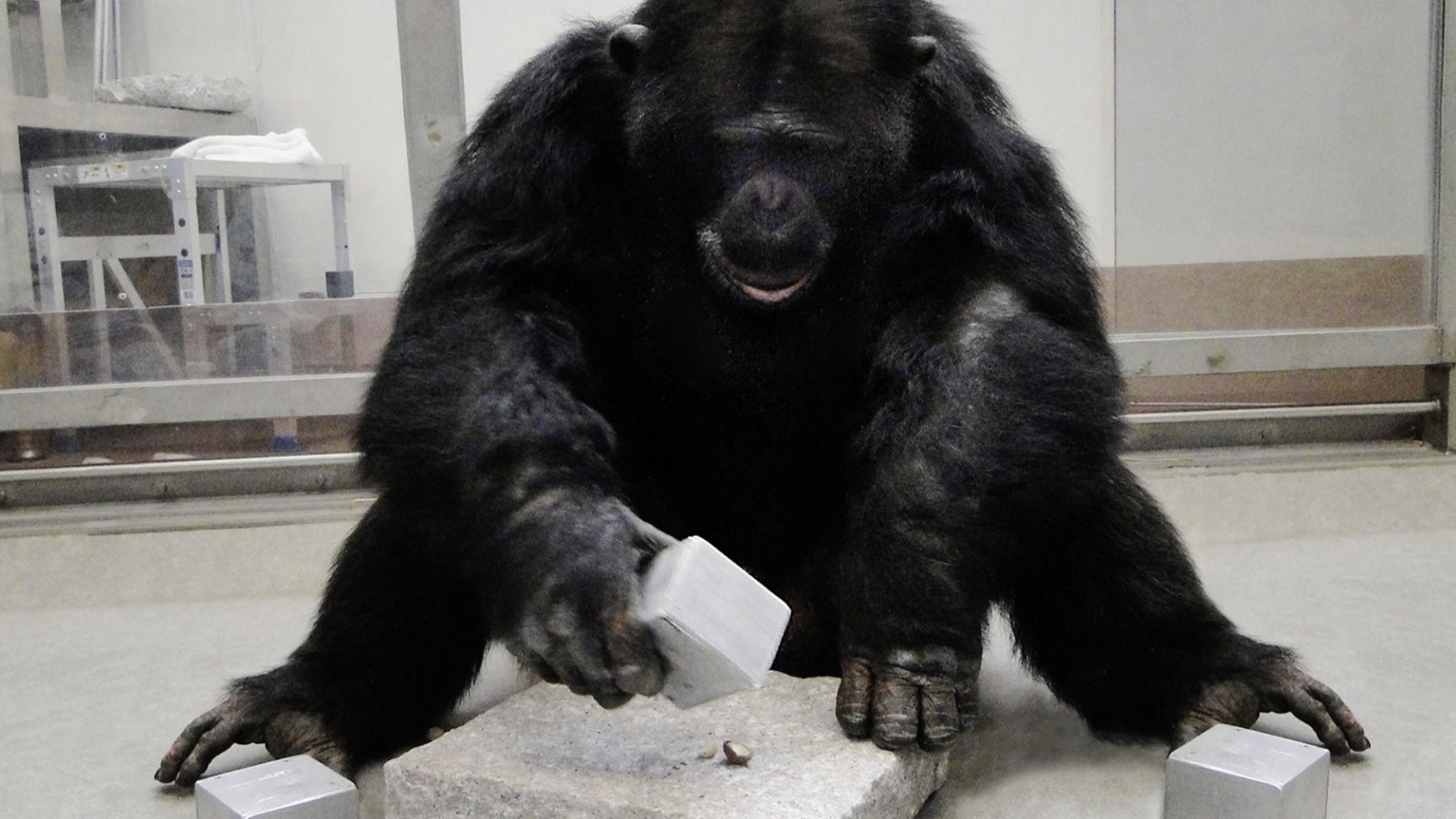
The chimpanzees tended to favor harder stones as hammers and softer materials as anvils. That makes practical sense because each tool performs a different function during nut cracking. Some useful stone properties are difficult to judge by appearance alone. The animals had apparently learned how different materials behaved through experience.
 Cornelia Schrauf, Josep Call, Koki Fuwa and Satoshi Hirata, Wikimedia Commons
Younger Chimps Were Watching Too
The experiment also revealed an intriguing age difference. Younger chimpanzees frequently reused stones that adults had already selected. That could help useful tool choices spread without every youngster discovering the best materials independently. A pile of discarded rocks can therefore preserve clues about learning as well as tool use.
 Lavillé koivogui, Wikimedia Commons
Ancient Hominins Were Selective Too
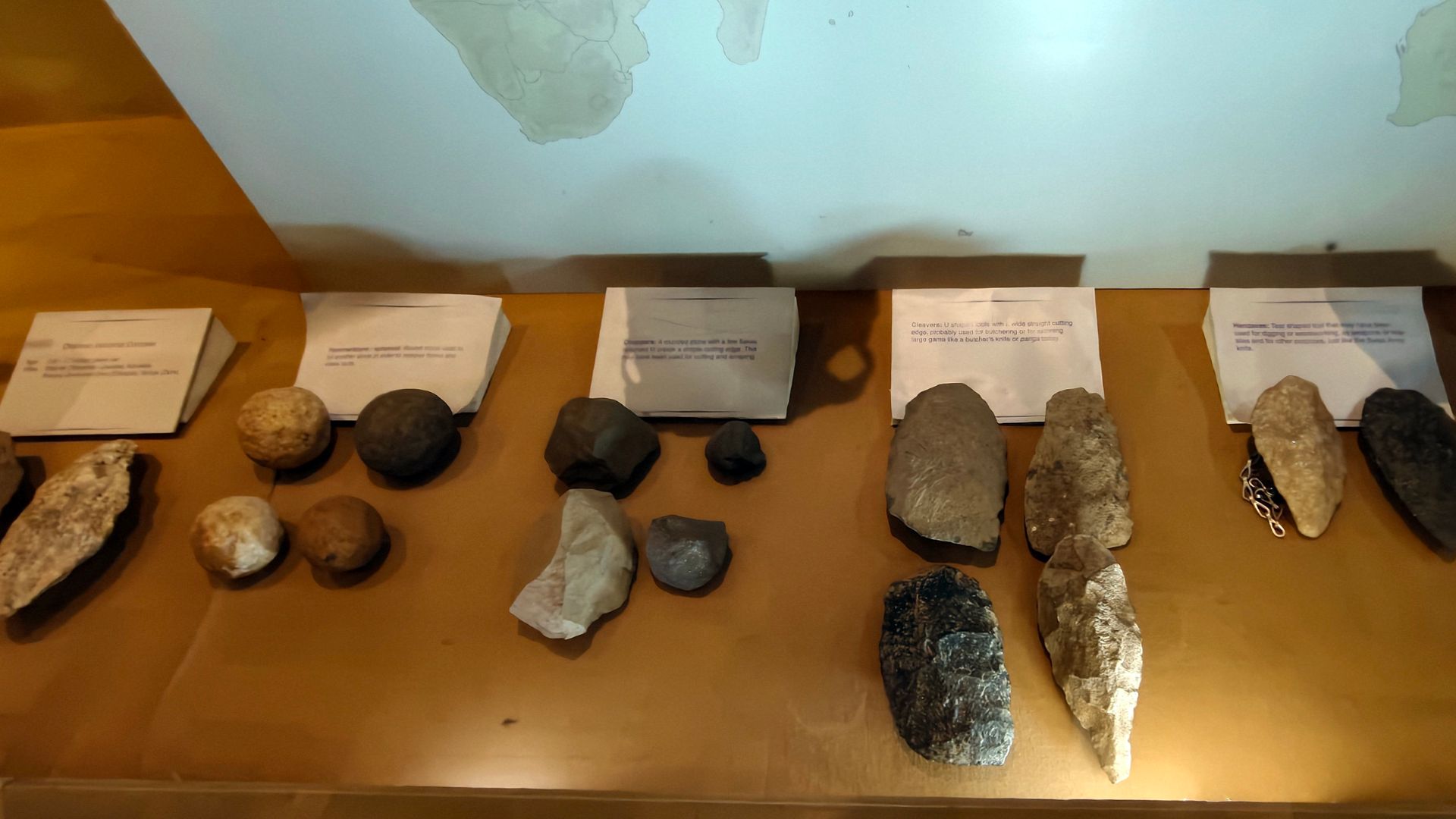
That finding caught archaeologists' attention because early hominins also selected raw materials rather than always using the nearest stone. At Kanjera South in Kenya, Oldowan toolmakers transported useful rocks and favored more durable materials. Chimpanzees are not making Oldowan tools, but the comparison suggests selective material choice has deep evolutionary roots.
 Suyash Dwivedi, Wikimedia Commons
Capuchins Got Their Own Stone Test
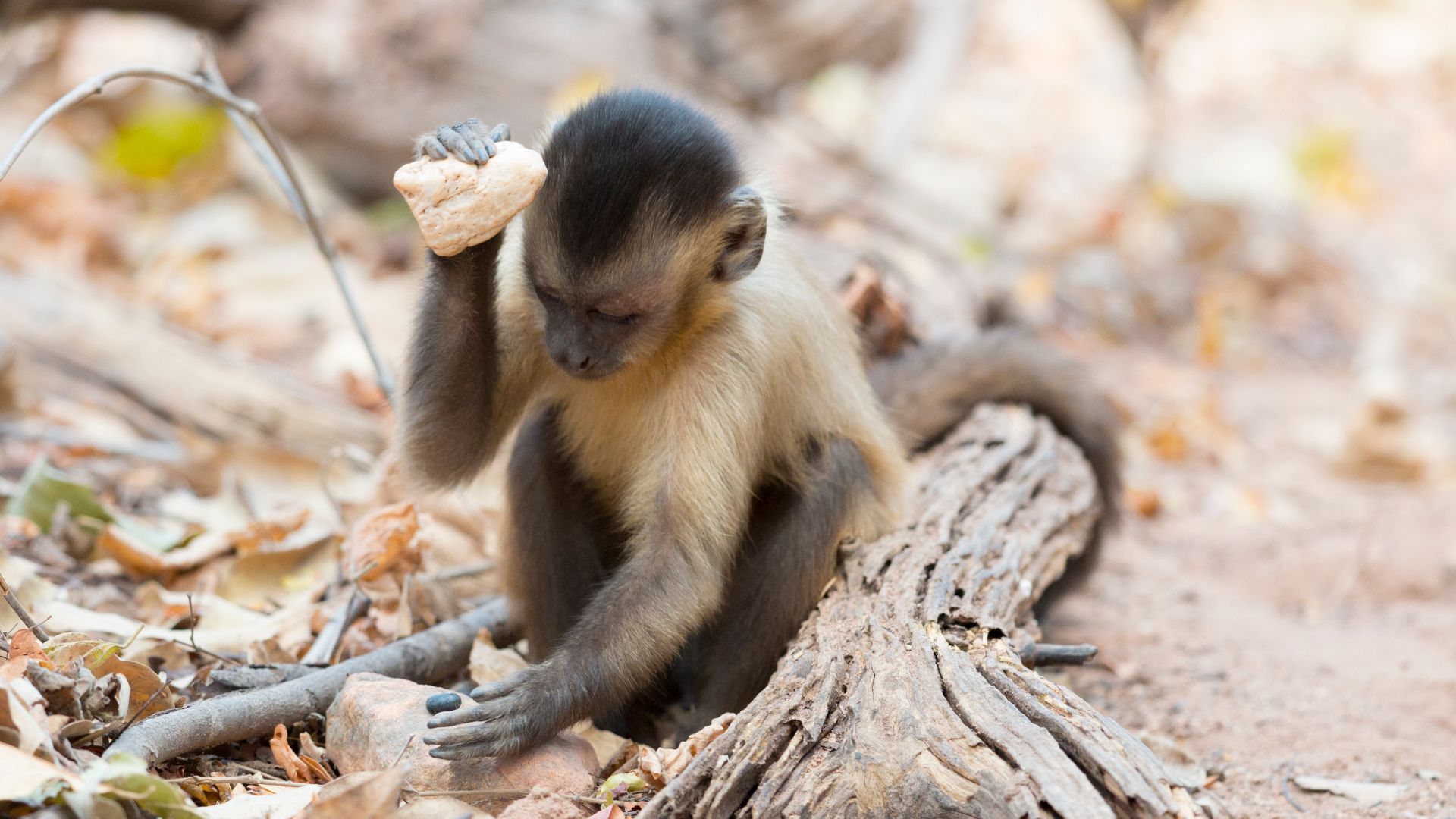
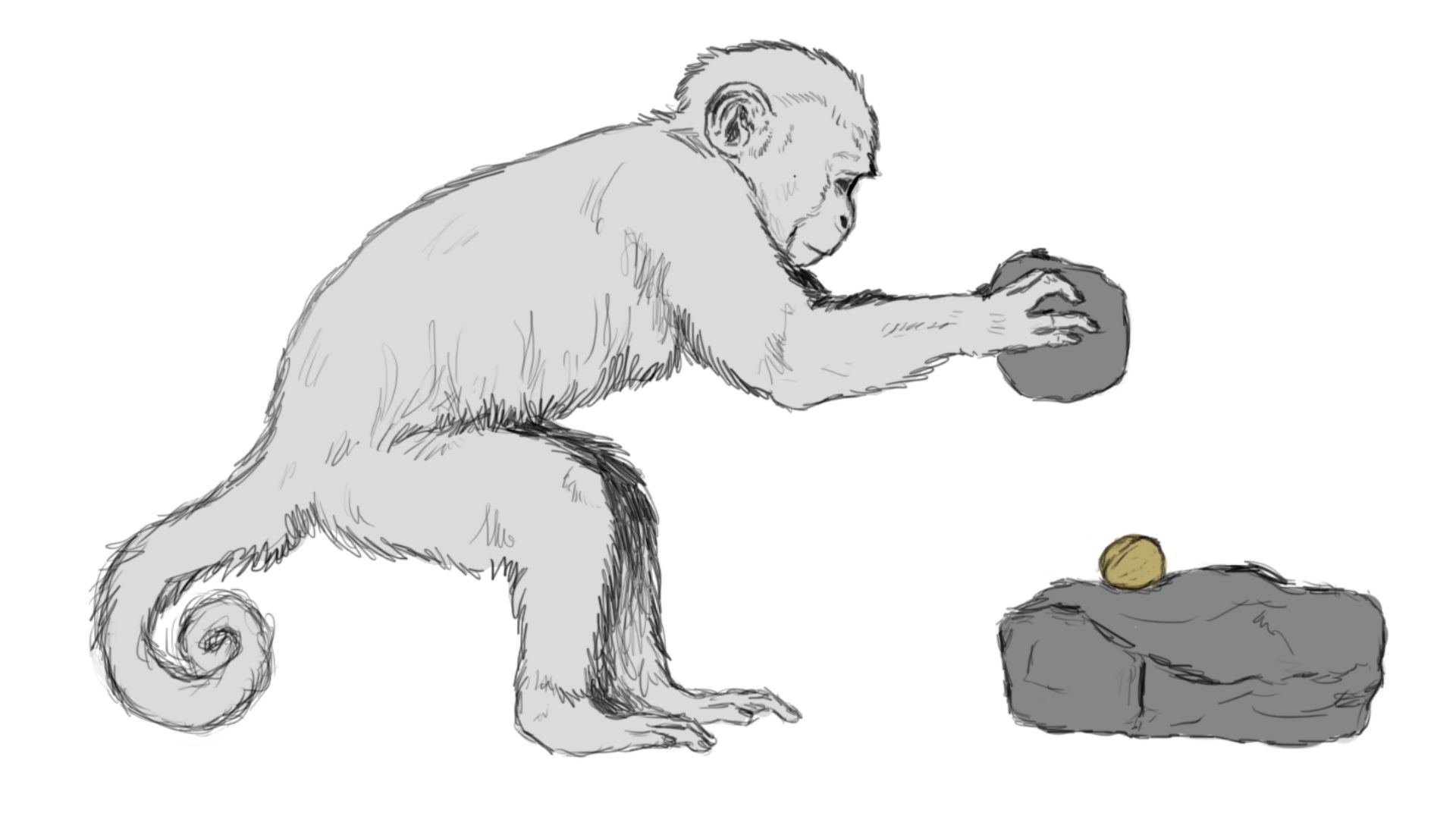
A separate 2025 study examined wild bearded capuchin monkeys in Brazil. Researchers provided tool materials with different physical properties and measured how successfully the animals cracked nuts. Performance varied considerably depending on the stone available. Local geology was directly influencing what the monkeys could accomplish.
 William Daniel Snyder, Wikimedia Commons
Harder Stone Was Not Always Better
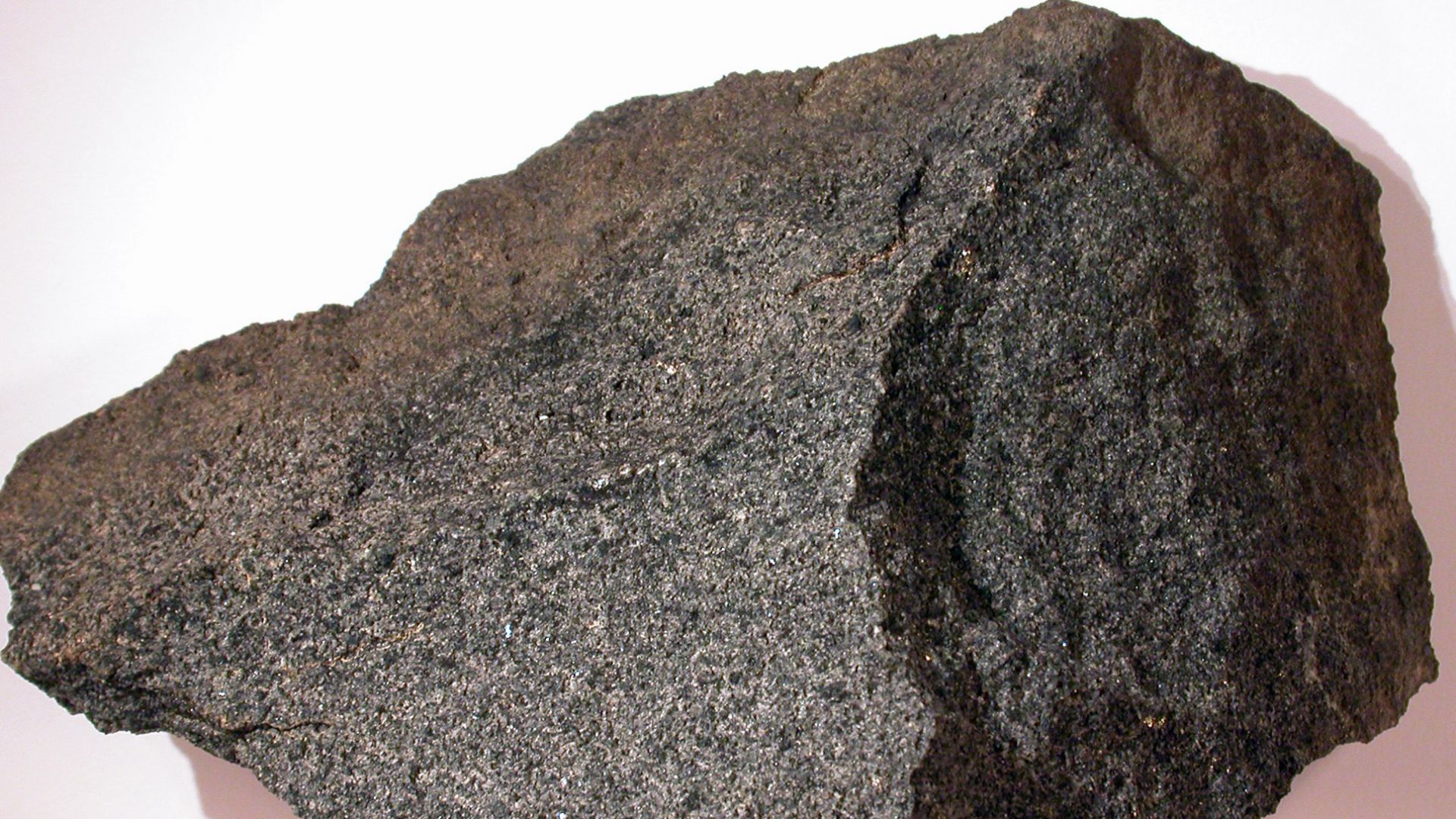
The experiment showed that tool performance could not be reduced to simply choosing the hardest rock. Surface texture, mass, stability, and other properties also mattered. Researchers also found that the same material characteristics can affect primate species differently. The best stone depends on the user, the task, and the environment.
Some Tools Survive Much Better Than Others
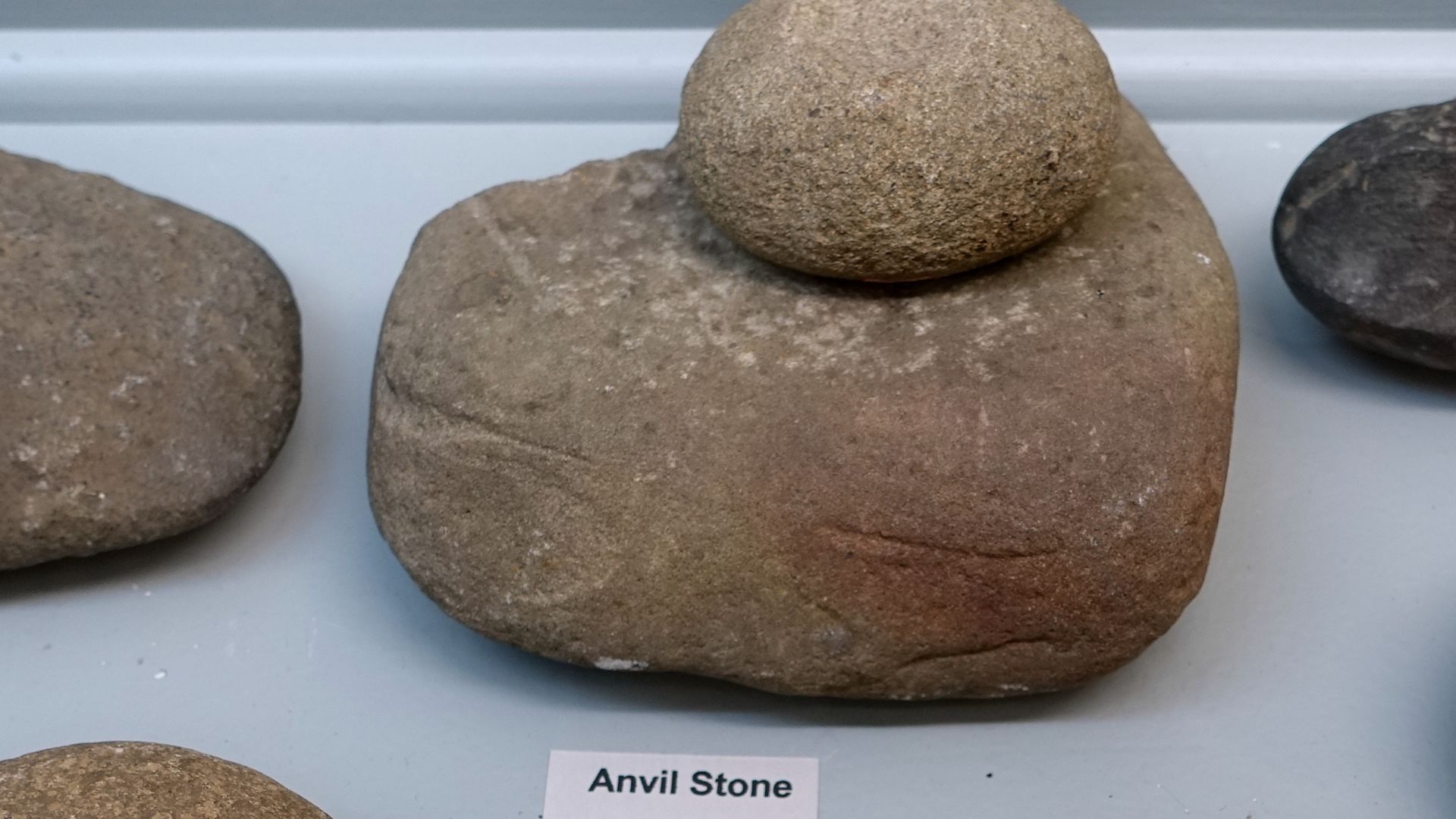
The capuchin study also found major differences in how quickly anvils made from different materials deteriorated. More durable tools are more likely to remain visible long after the behavior itself is gone. A site with lots of surviving stones might therefore reflect local geology as much as heavy tool use. Archaeologists have to think about what vanished as well as what survived.
Living Monkeys Are Creating Archaeological Sites
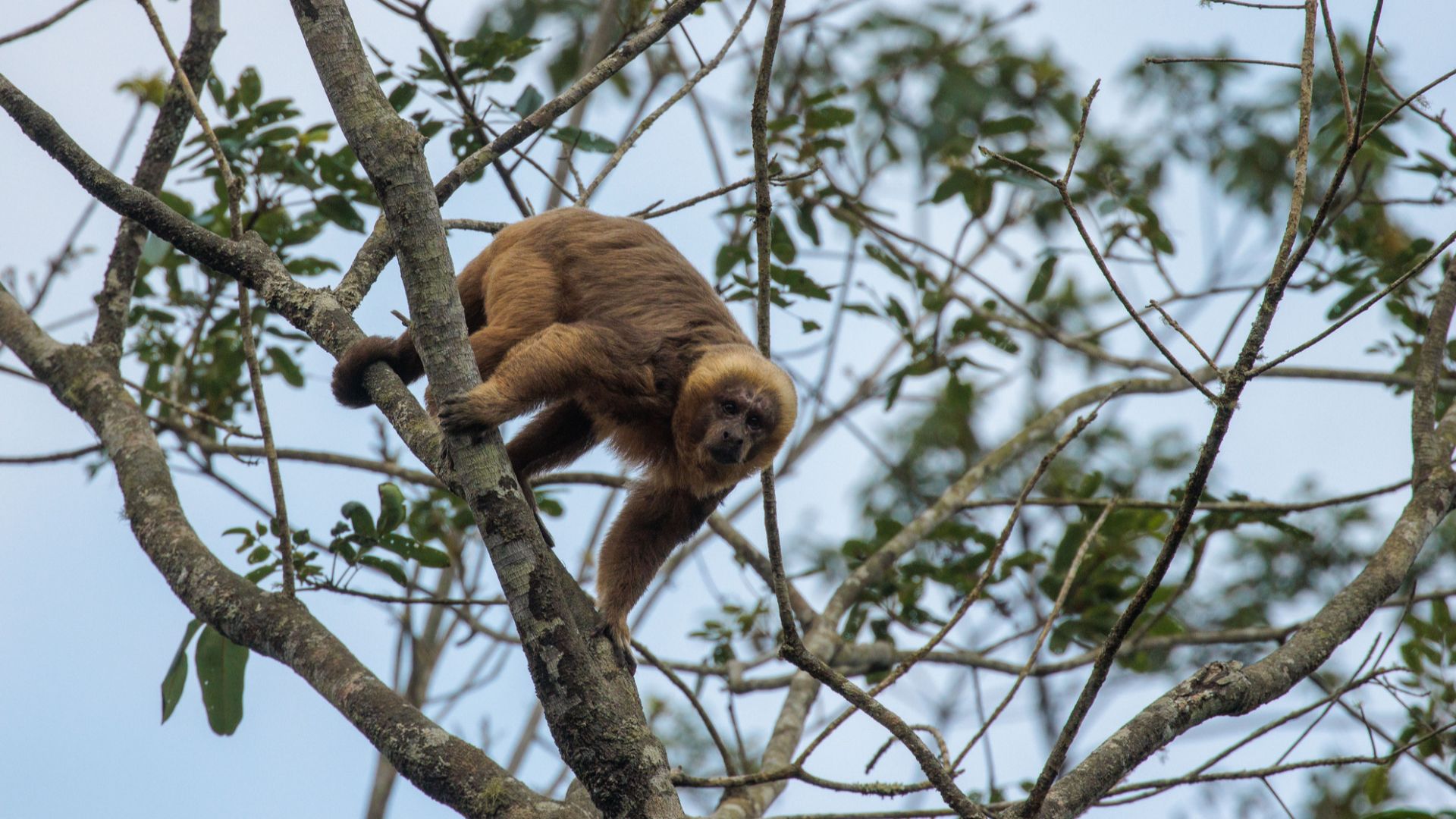
Another 2025 study examined locations repeatedly used by blonde capuchin monkeys for stone-tool activity in Brazil. Researchers tested whether environmental features influenced where these sites were reused. Greater tree basal area was associated with more reused tool sites. Even among monkeys, technological traces are shaped partly by the surrounding landscape.
 Thomaz de Carvalho Callado, Wikimedia Commons
Imagine Finding One Thousands Of Years Later
This is where primate archaeology becomes especially powerful. Researchers can watch an animal select a tool, use it, discard it, and then examine exactly what remains. Archaeologists studying ancient hominins usually have only that final stage. Living primates provide a rare link between behavior and archaeological evidence.
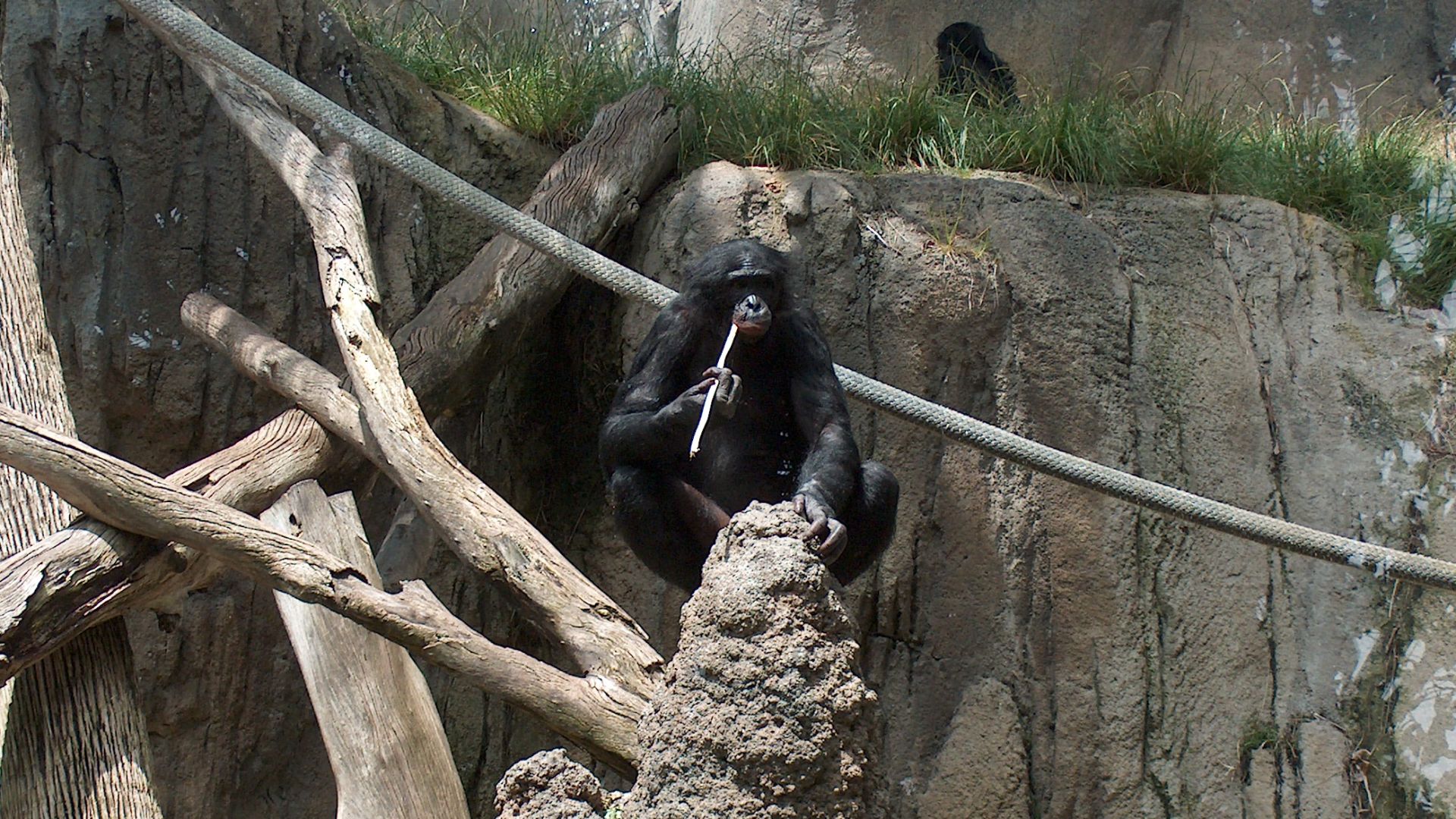 No machine-readable author provided. Mike R assumed (based on copyright claims)., Wikimedia Commons
Three Species Faced The Same Basic Task
A major 2024 experiment compared chimpanzees, bearded capuchins, and long-tailed macaques cracking nuts with standardized tools. All three species were trying to solve a broadly similar problem. Their techniques differed noticeably. Those differences changed the traces left on the stones.
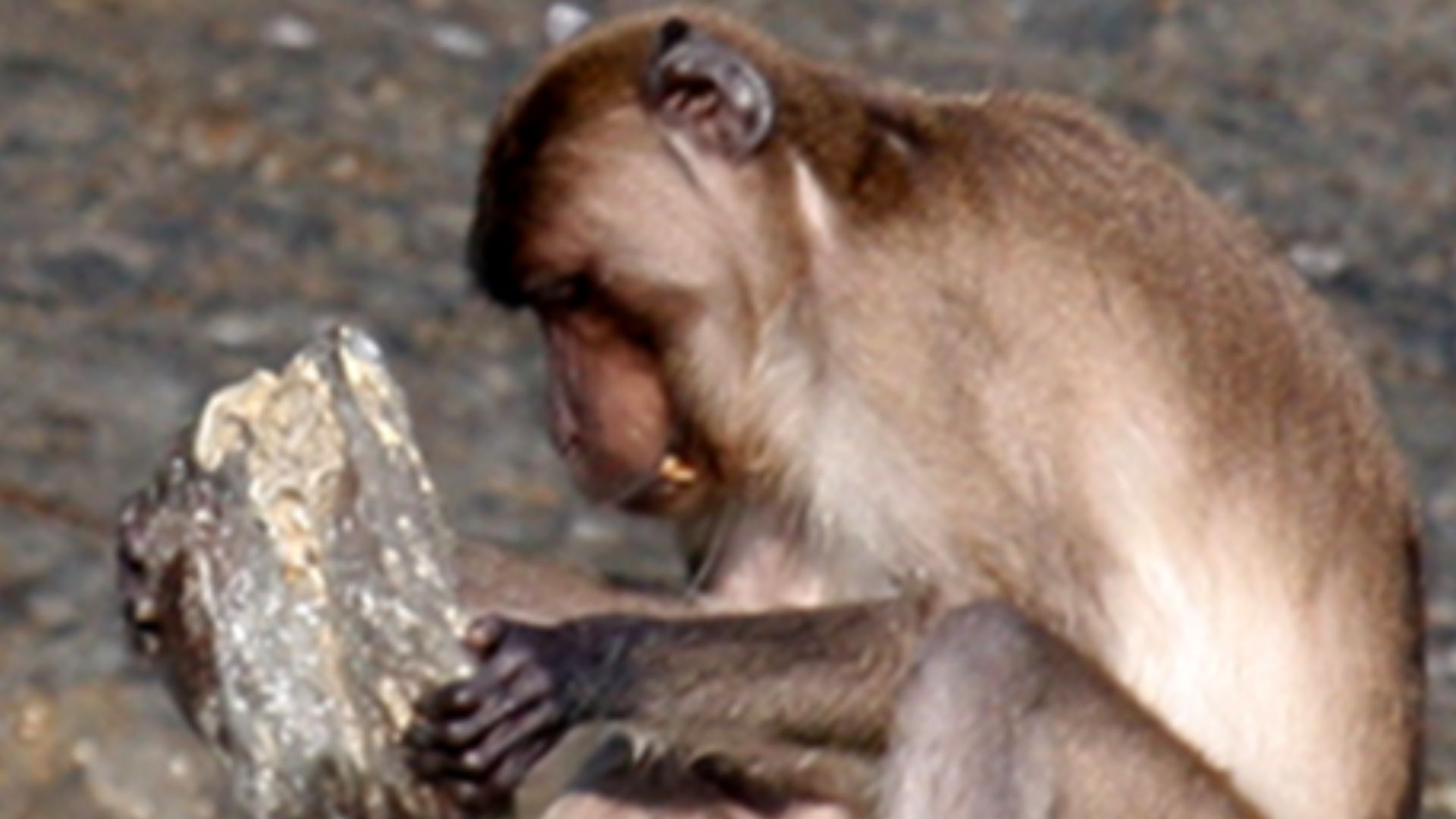 Haslam M, Gumert MD, Biro D, Carvalho S, Malaivijitnond S (2013), Wikimedia Commons
Capuchins Put Their Whole Bodies Into It
Bearded capuchins often stood upright and raised their hammerstones high with both hands. Chimpanzees usually remained seated and tended to strike with one hand. Long-tailed macaques also commonly worked from a sitting position. Three primates using stone hammers were therefore creating three different movement patterns.
 Rhododendrites, Wikimedia Commons
Macaques Were Remarkably Precise
The long-tailed macaques were especially efficient at opening their food. They often stabilized the target and avoided unnecessary collisions between hammer and anvil. Despite extensive tool use, their stones accumulated comparatively little visible damage. Greater precision was making their behavior harder to detect afterward.
 Charles J. Sharp, Wikimedia Commons
Skilled Tool Users Can Leave Less Evidence
That finding has major archaeological implications. More skilled tool use does not necessarily leave a stronger archaeological signature. Precise strikes may damage stone less than repeated inaccurate blows. An accomplished ancient tool user could therefore leave subtler traces than a less efficient one.
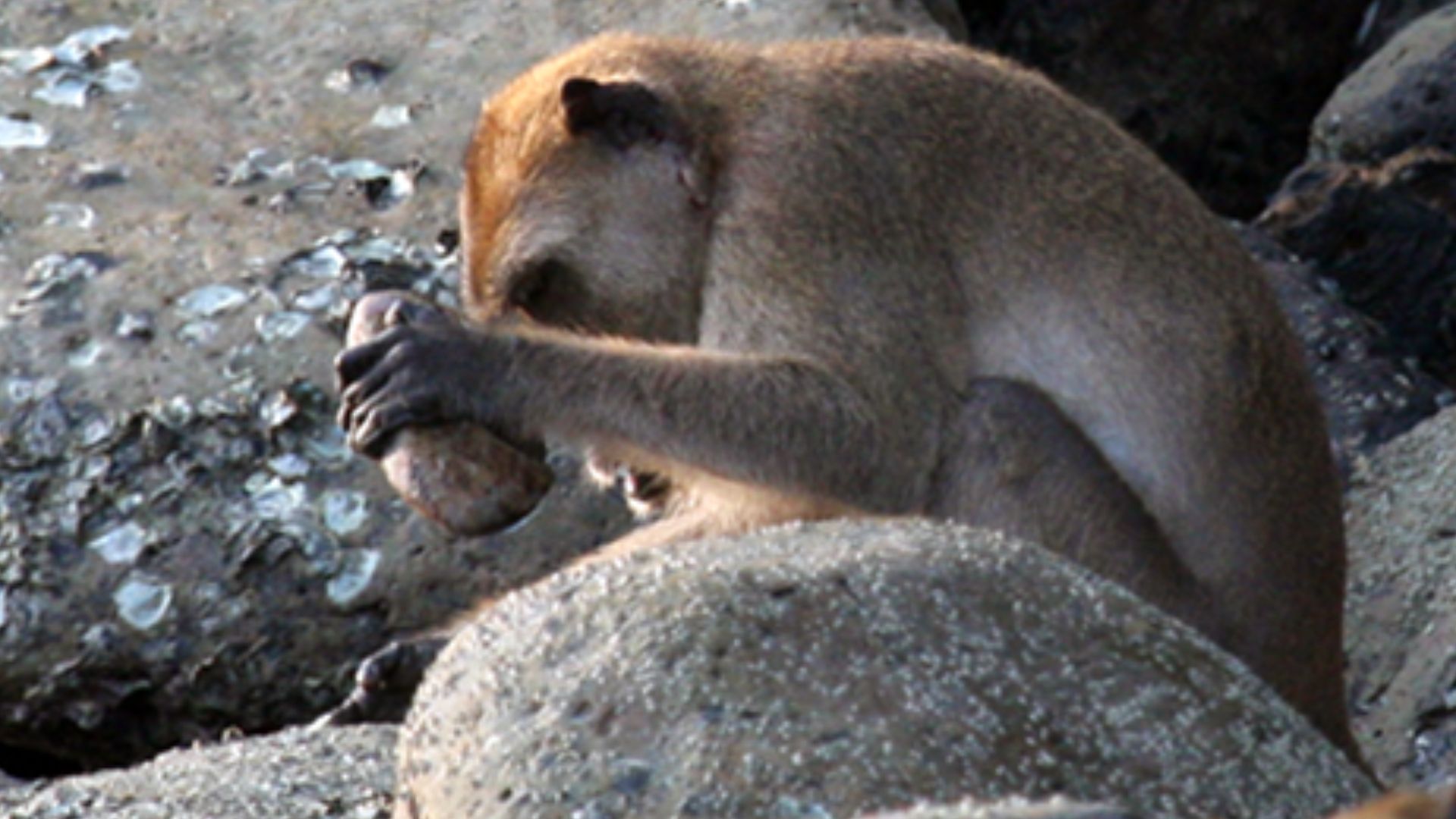 Haslam M, Gumert MD, Biro D, Carvalho S, Malaivijitnond S (2013), Wikimedia Commons
That Creates An Archaeological Blind Spot
Stone survives well, but behavior only becomes visible when it leaves recognizable marks. Some efficient pounding techniques may therefore be underrepresented in the archaeological record. Other behaviors leave battered tools and obvious fragments that are much easier to identify. What survives depends partly on technique, not simply how often a tool was used.
 Royal Institution of Cornwall, Anna Tyacke, 2006-01-13 23:16:29, Wikimedia Commons
Chimpanzee Sites Can Leave Clearer Clues
Other recent work has examined the archaeological visibility of chimpanzee nut cracking. Repeated pounding can produce recognizable hammerstones, fragments, and other durable traces. Those remains can be studied using approaches similar to those applied at ancient sites. Comparing species helps explain why some tool behaviors are easier to detect than others.
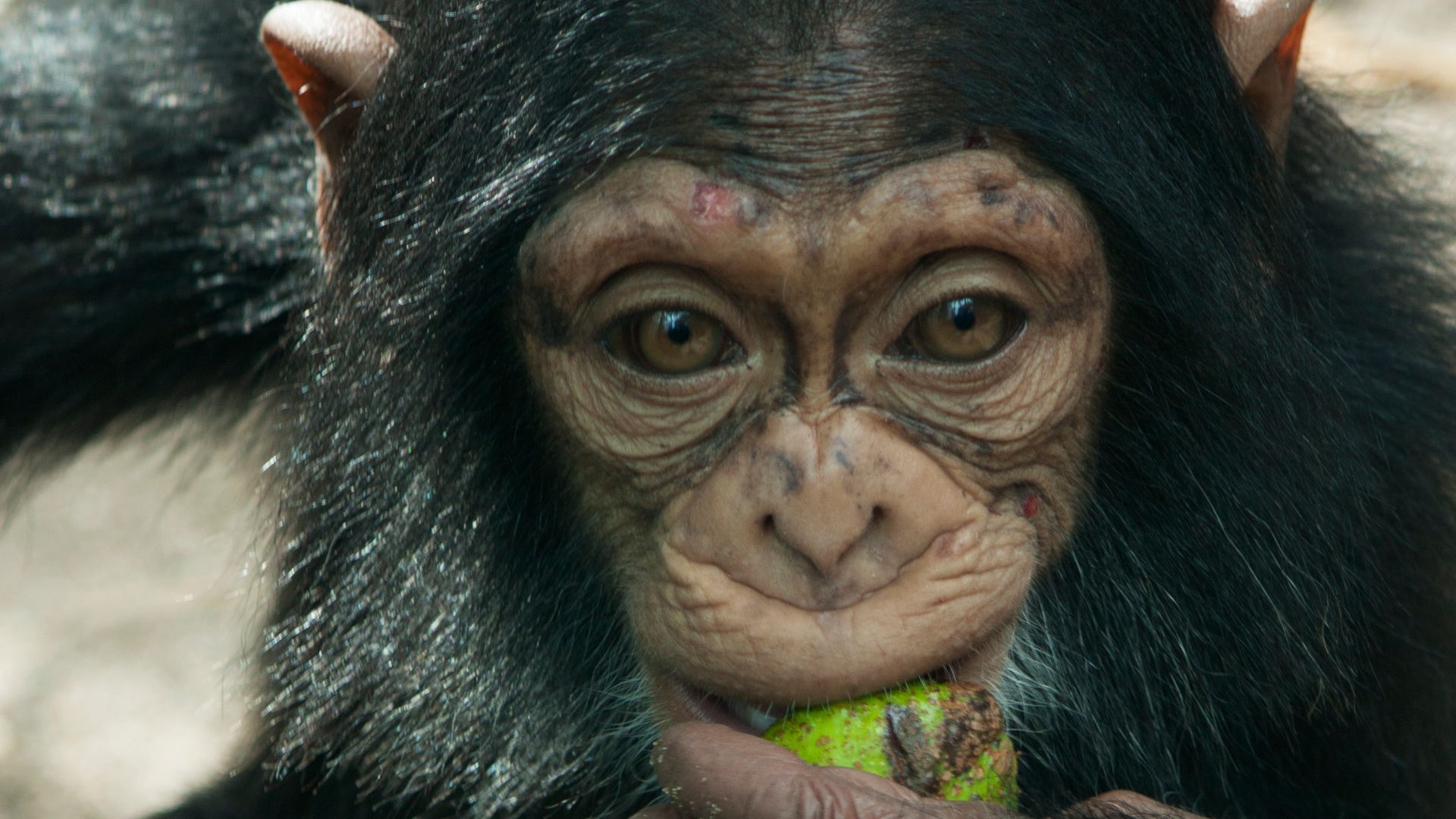 Kitty Terwolbeck from The Netherlands, Wikimedia Commons
Capuchins Also Dig With Tools
Stone technology is not limited to nut cracking. A 2024 study documented wild capuchins using stones and sticks to access underground foods in Brazil. The monkeys used stones to loosen soil and sticks to probe below the surface. That broadens the range of primate behaviors archaeologists need to consider.
 Rhododendrites, Wikimedia Commons
Some Monkeys Accidentally Make Sharp Flakes
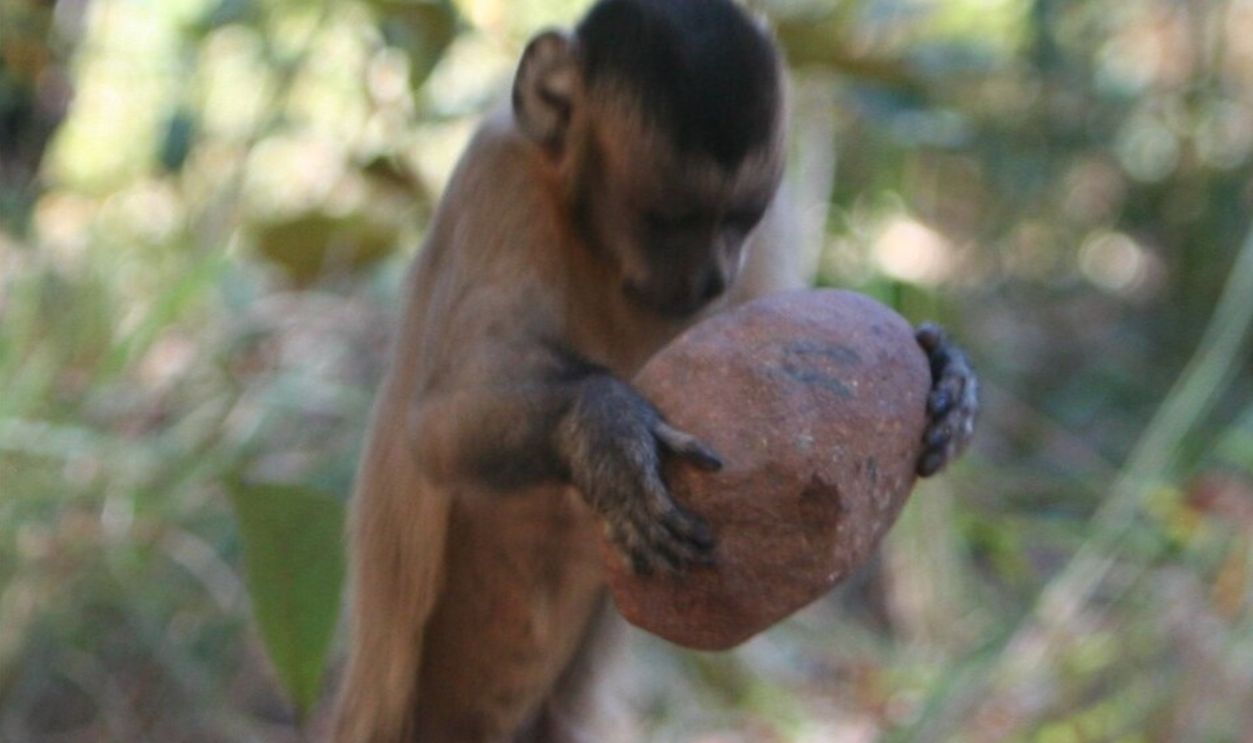
Recent work at Ubajara National Park in Brazil produced an even more provocative result. Wild bearded capuchins cracking hard macaúba nuts left behind hammerstones, broken fragments, and detached flakes. Use-wear and plant residues tied several pieces directly to food processing. The monkeys were not deliberately manufacturing cutting tools, yet their activity was creating sharp stone fragments.
Those Flakes Can Look Archaeological
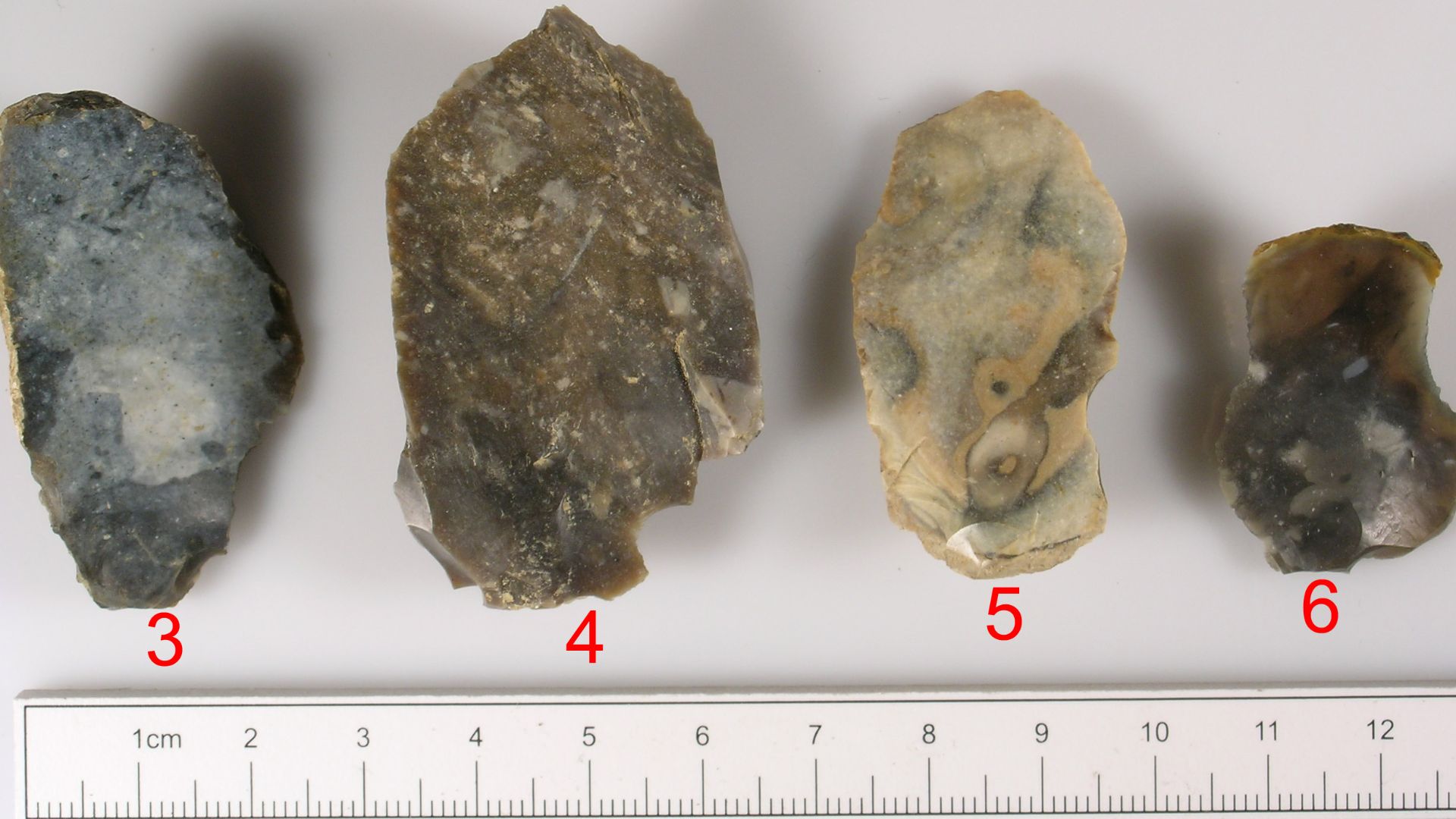
Sharp flakes are central to the study of early human technology. Archaeologists often examine fracture patterns to identify deliberate stone production. Primates complicate that picture because similar pieces can emerge during pounding activities with very different goals. A sharp edge alone does not always reveal why a stone broke.
 Sussex Archaeological Society, Laura Burnett, 2009-10-05 00:36:40, Wikimedia Commons
Earlier Studies Had Already Raised The Alarm
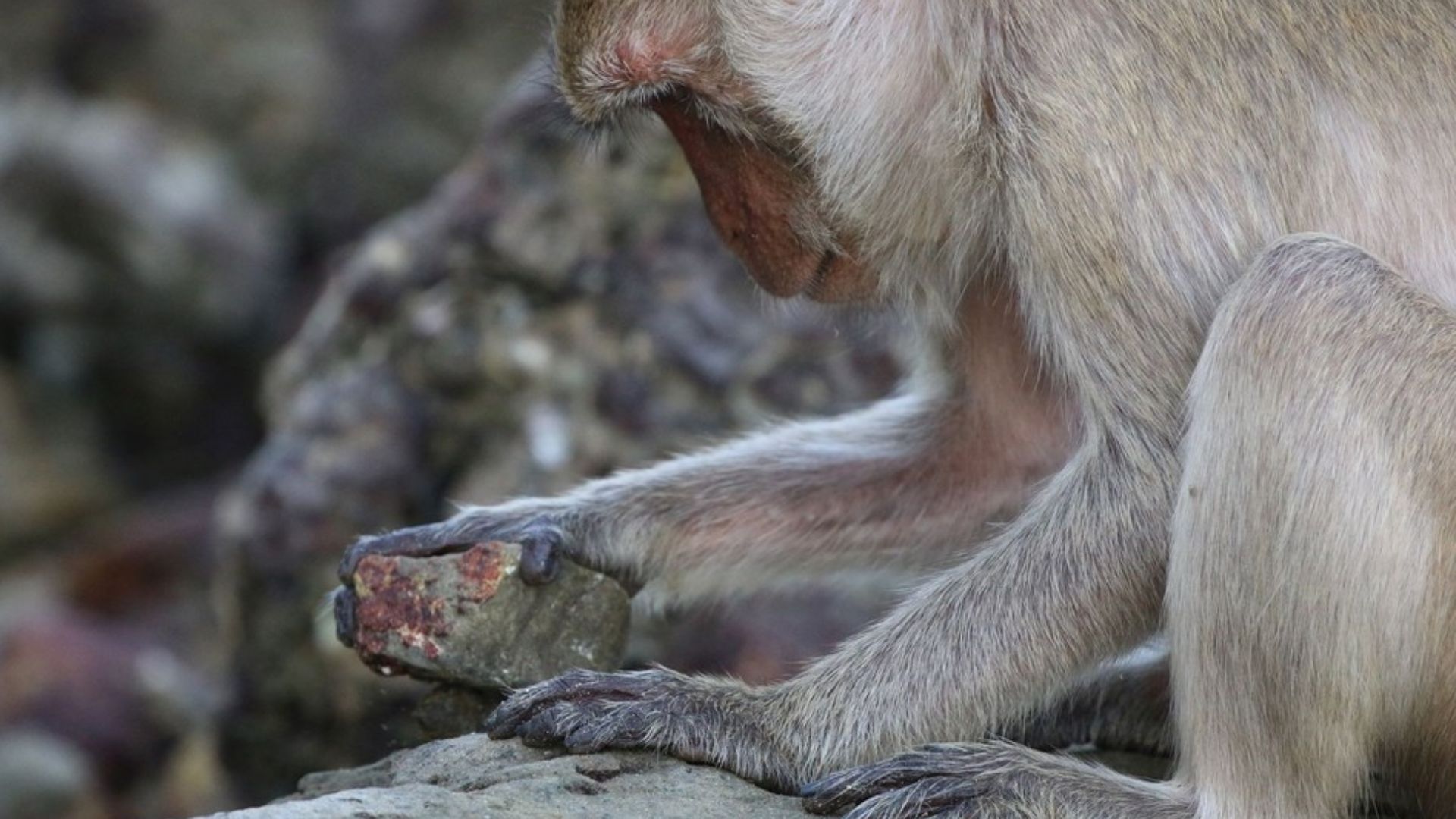
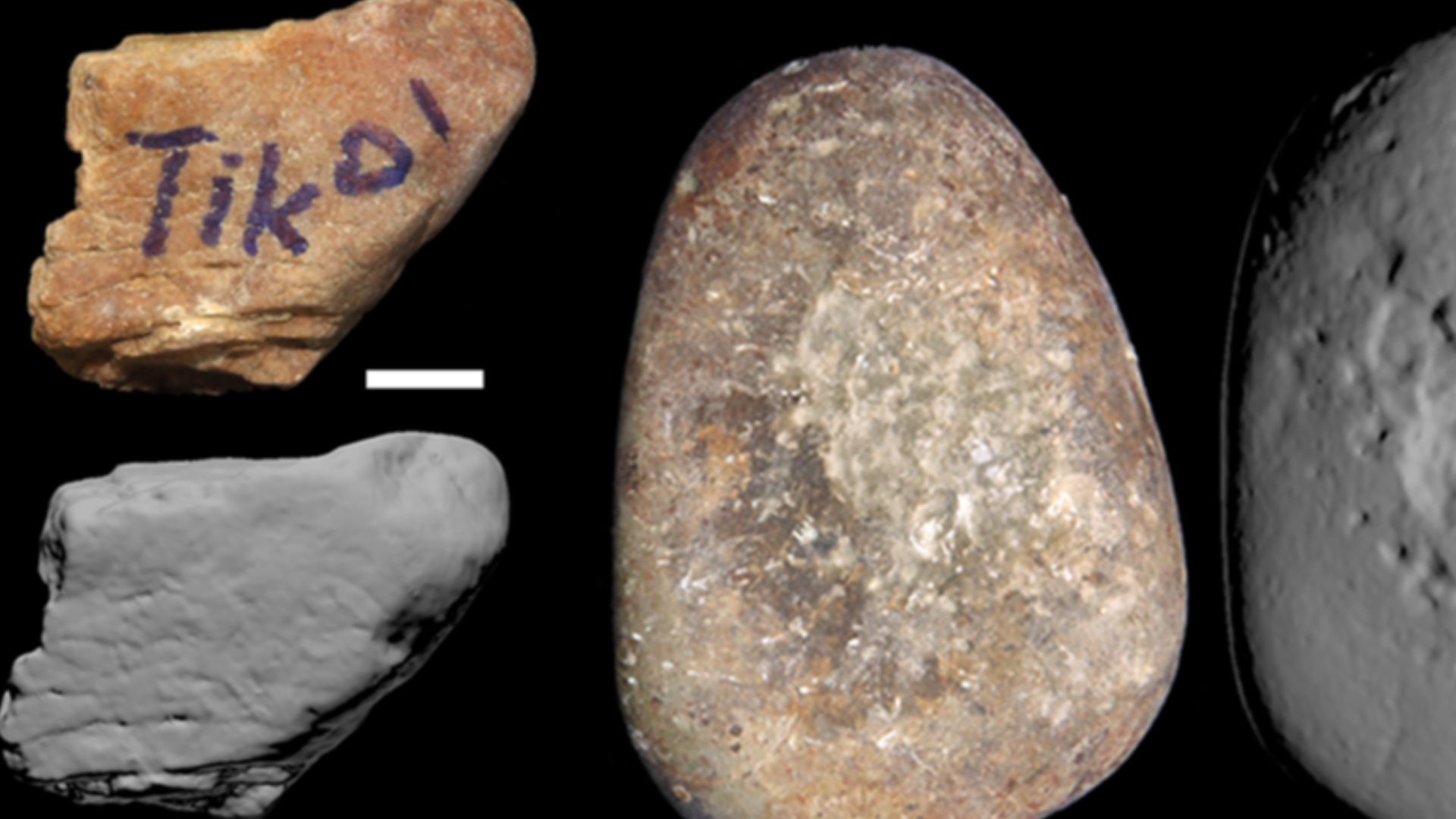
The recent Brazilian evidence builds on earlier discoveries. In 2023, long-tailed macaques in Thailand were shown to unintentionally produce flakes that overlap technologically with early hominin artifacts. Brazilian capuchins had also created similar fragments in earlier stone-on-stone experiments. Both cases showed why archaeologists cannot infer intention from appearance alone.
Some Macaque Flakes Look Uncomfortably Familiar
The 2023 macaque study made that problem especially clear. Researchers compared monkey-produced flakes with archaeological material dating back millions of years. Some pieces fell within the technological range of early hominin artifacts. Without behavioral observations, parts of the assemblage could plausibly have been interpreted as intentional stone production.
 Haslam M, Gumert MD, Biro D, Carvalho S, Malaivijitnond S (2013), Wikimedia Commons
Recent Research Is Asking A Bigger Question
Scientists are now moving beyond asking whether animals can accidentally create familiar-looking stones. New studies examine skill, tool selection, geology, durability, social learning, and landscape use. Those factors determine what eventually becomes archaeological evidence. The goal is to understand how many different behaviors could have produced the stones researchers find.
 Haslam M, Gumert MD, Biro D, Carvalho S, Malaivijitnond S (2013), Wikimedia Commons
Bonobos Complicated Things Again
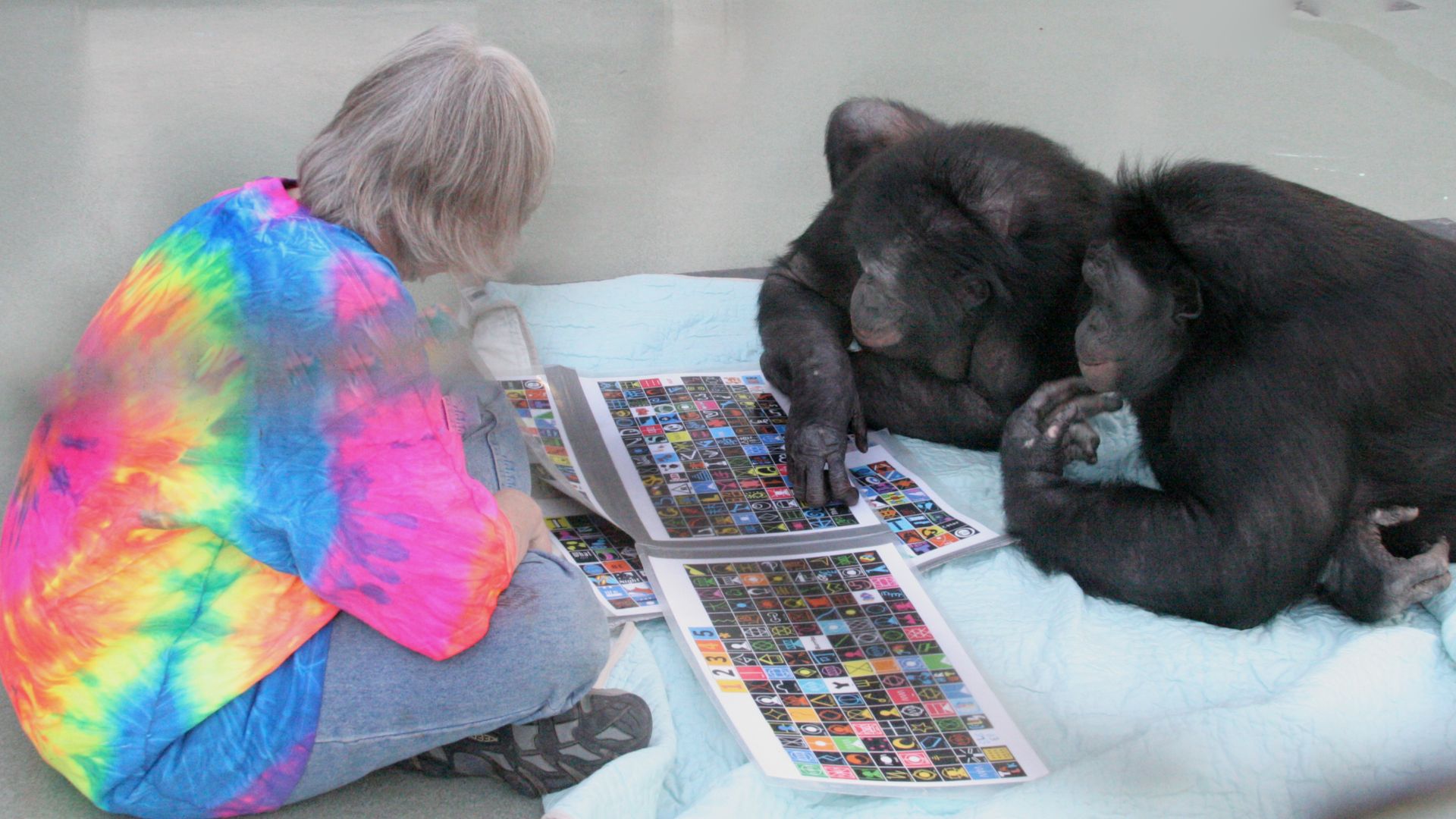
A 2025 study returned to existing experimental footage of bonobos Kanzi and Panbanisha making stone tools. Researchers compared their movements with those of experienced modern human knappers. The bonobos generally moved differently from humans. Some differences became smaller when researchers focused on simpler technologies rather than complex handaxe production.
 William H. Calvin, PhD, Wikimedia Commons
Similar Stones Can Come From Different Actions
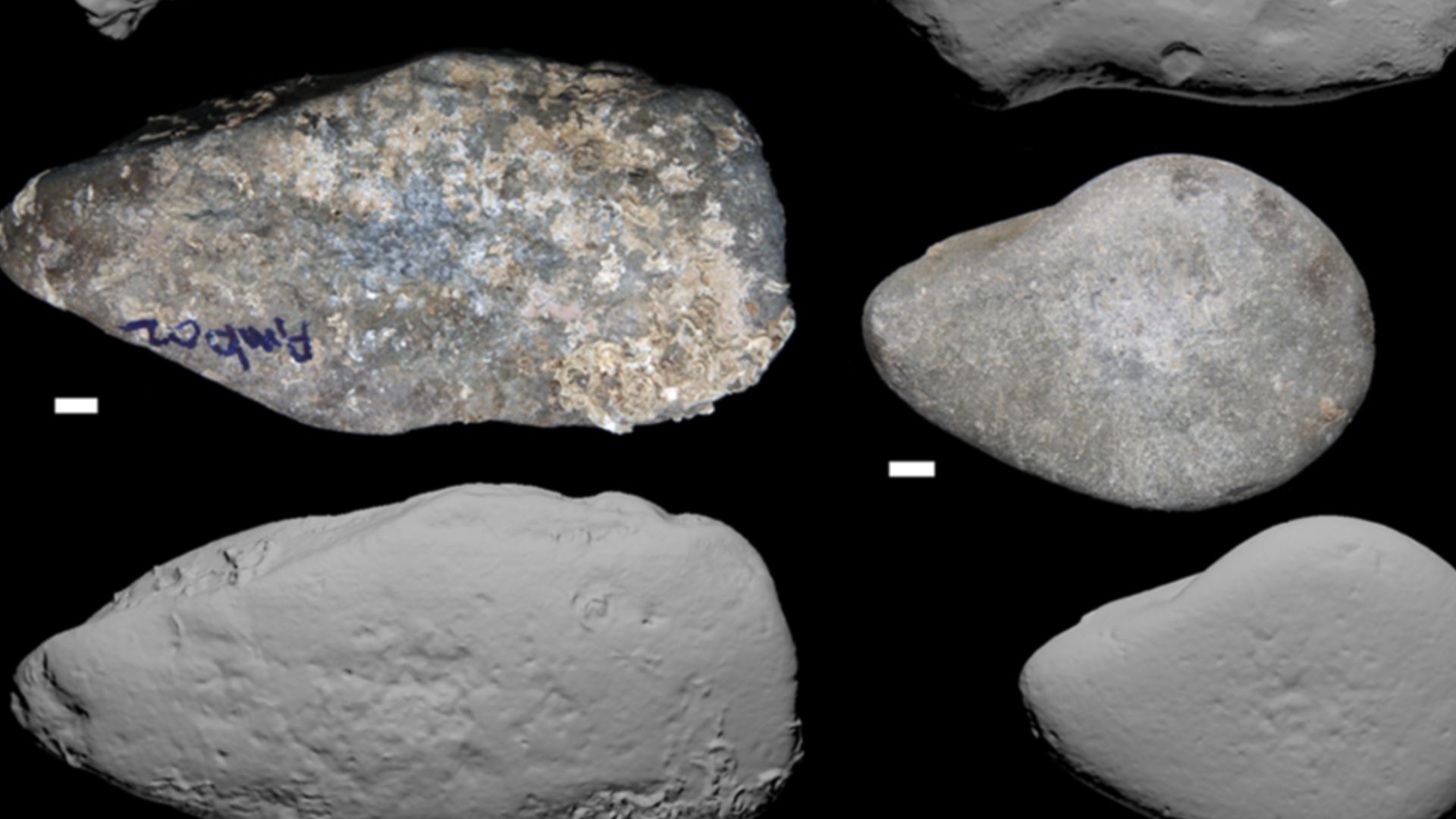
That result highlights a problem archaeologists call equifinality. Different behaviors can sometimes produce similar physical outcomes. Researchers therefore cannot always look at the final shape of a stone and assume there was only one way to make it. Ancient tool production may have involved more varied movements than experiments with modern humans suggest.
 Haslam M, Gumert MD, Biro D, Carvalho S, Malaivijitnond S (2013), Wikimedia Commons
Modern Humans May Be A Poor Stand-In
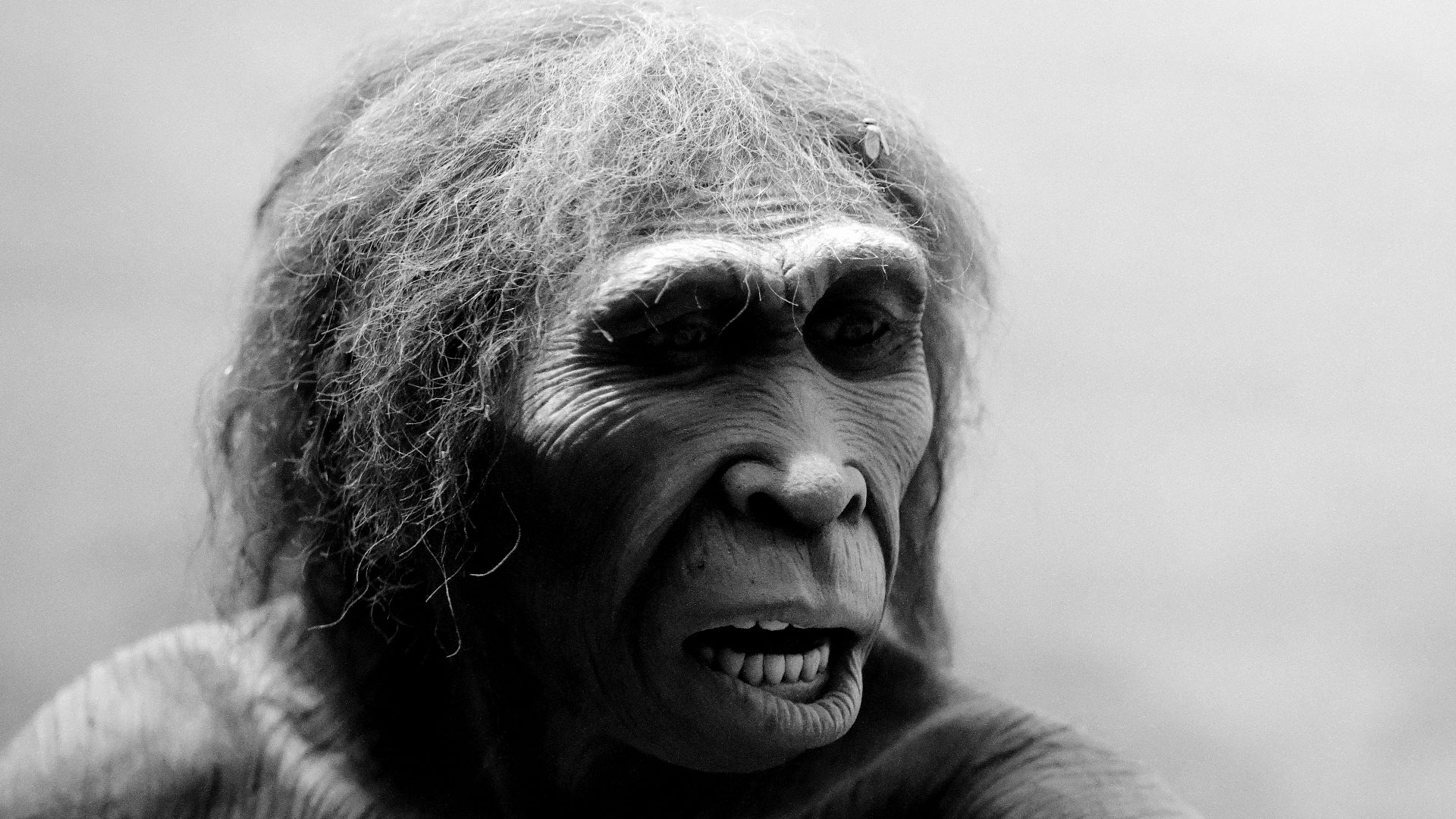
Early hominins were not simply modern humans with simpler tools. Their anatomy, cognition, and motor behavior differed from ours. Yet experimental archaeology has traditionally relied heavily on modern people recreating ancient technologies. Primates offer additional models for how a different body and brain might solve the same problem.
 Werner Ustorf, Wikimedia Commons
This Does Not Mean Monkeys Made The Oldowan
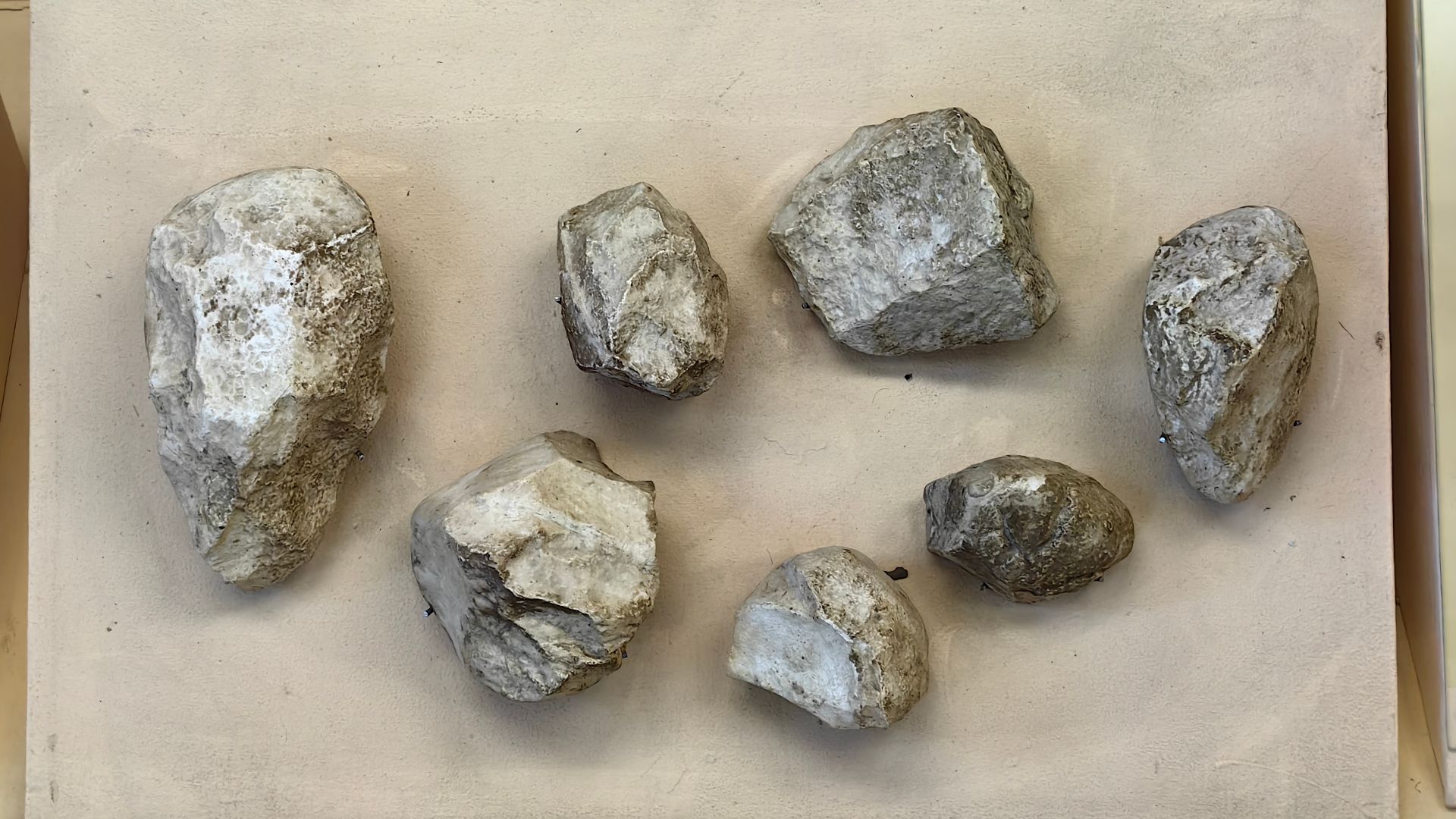
The new research needs an important caveat. Scientists are not arguing that monkeys secretly created the famous stone industries associated with early hominins. Intentional flake production and repeated technological traditions still require multiple lines of evidence. What has changed is the number of alternative explanations archaeologists now have to rule out.
 Александр Сигачёв, Wikimedia Commons
The Earliest Technology May Have Been Messier
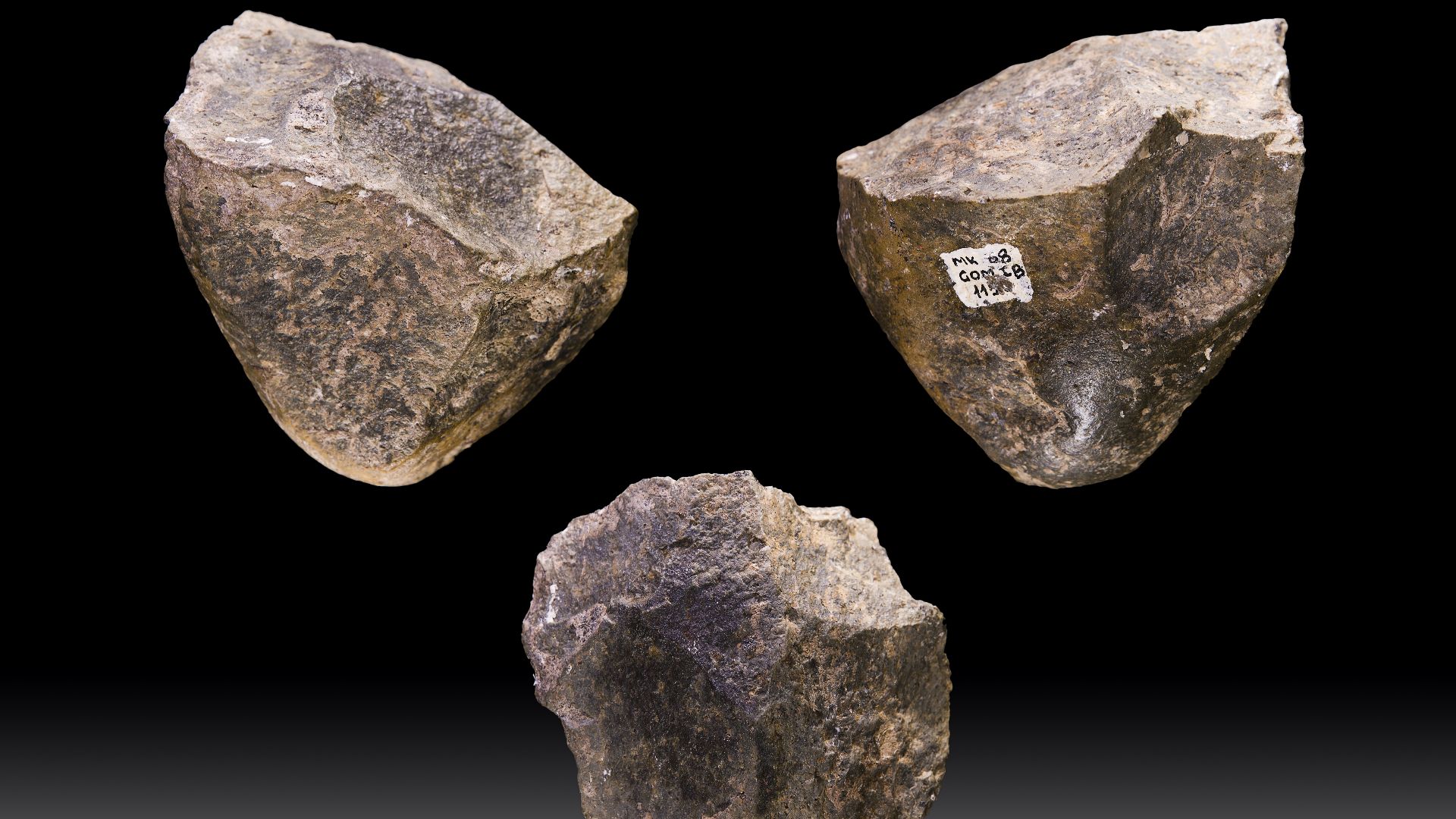
Stone tools extend back at least 3.3 million years at Lomekwi 3 in Kenya, followed later by widespread Oldowan technology. Primate experiments suggest that pounding, accidental fracture, material selection, and practical learning could all have preceded deliberate flake production. Early technology may therefore have emerged through overlapping stages rather than one dramatic breakthrough.
 Didier Descouens, Wikimedia Commons
Animals Are Becoming Unexpected Time Machines
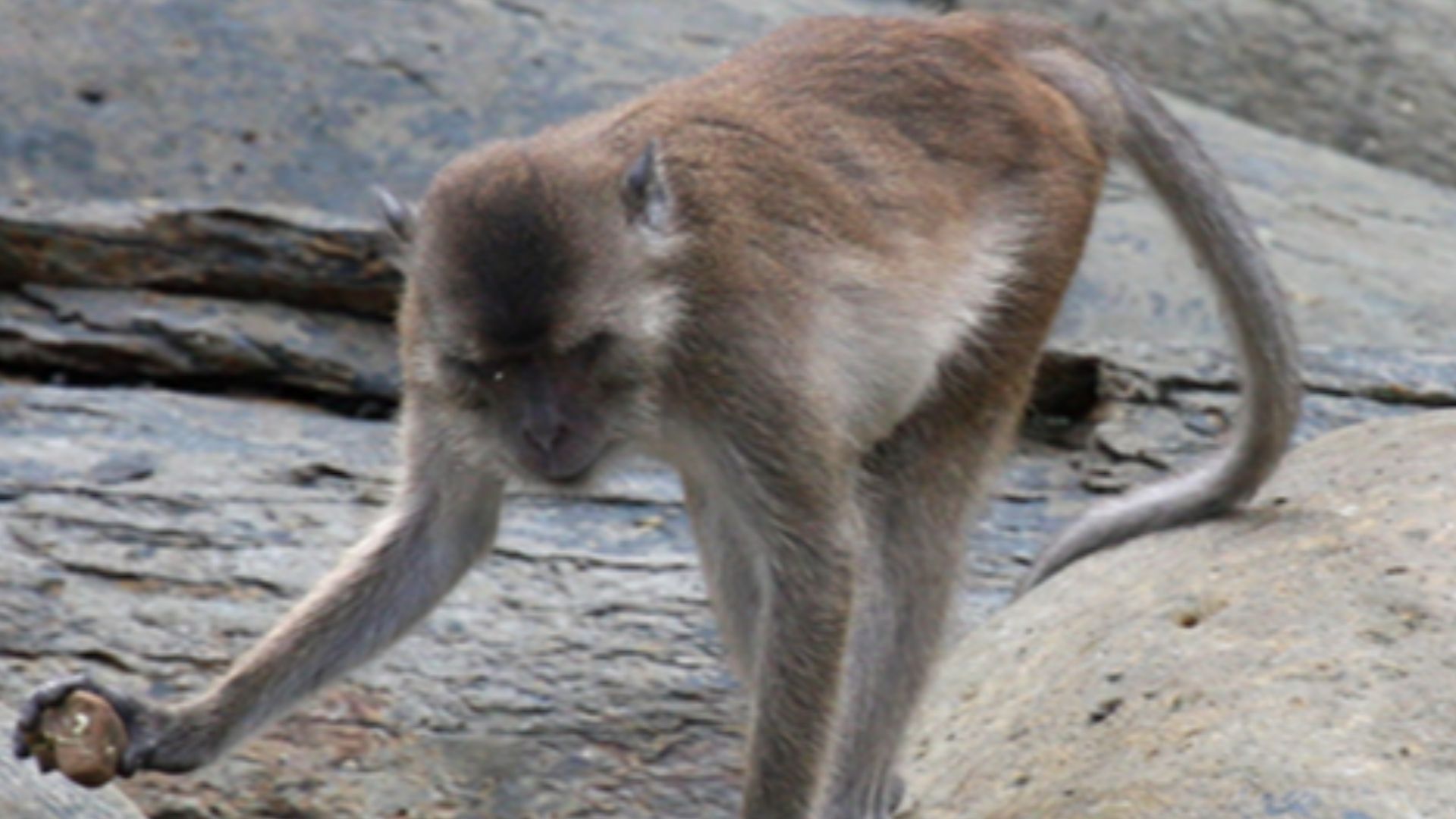
No living monkey or ape perfectly recreates an ancient hominin. What these animals provide is behavior that can be observed and then matched directly to physical remains. Researchers can watch a primate choose a rock, use it, abandon it, and then study what survives. The latest experiments are giving scientists a new way to read some of the oldest technological evidence on Earth.
 Haslam M, Gumert MD, Biro D, Carvalho S, Malaivijitnond S (2013), Wikimedia Commons
You May Also Like:
Tasmanian Devils Lived Alongside Humans 45,000 Years Ago—And May Have Cleaned Up Their Camps
Ancient Teeth Reveal Humans Were Using Mind-Altering Plants 25,000 Years Ago