A Tomb That Somehow Escaped The Looters
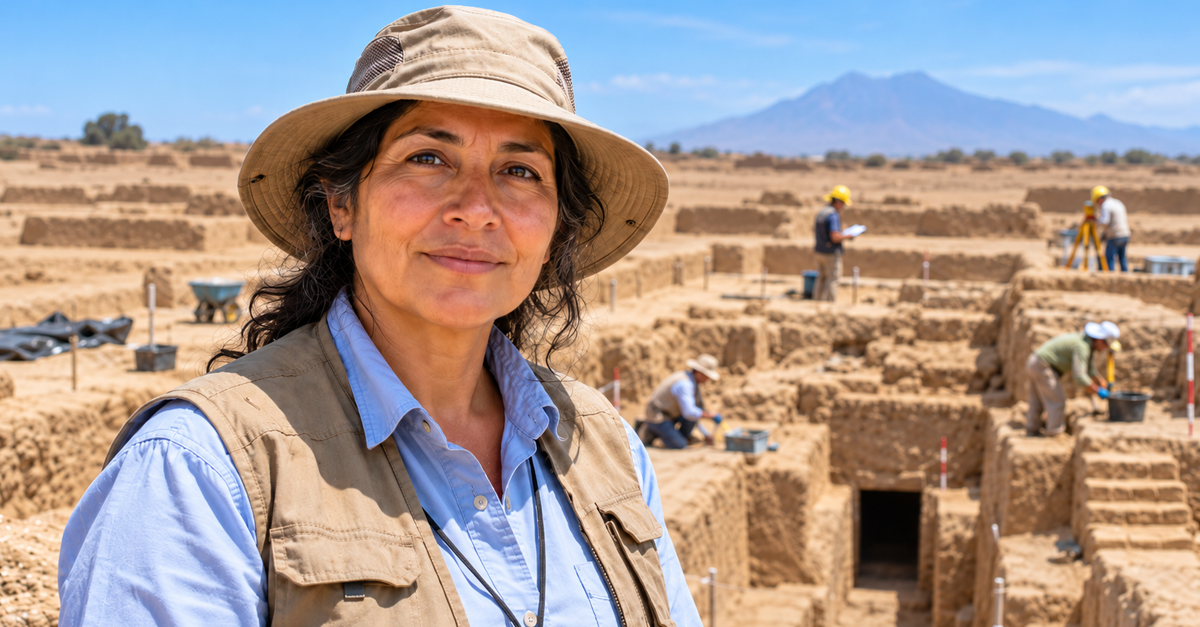
For 600 years, a tomb at Chan Chan in northern Peru sat sealed beneath layers of stone, sand, and soil. When archaeologists finally broke through in 2026, they found human remains surrounded by weapons, jewelry, shells, and metalwork. But the biggest surprise was that the tomb had escaped the looters who stripped so many ancient Peruvian burials, leaving an extraordinarily complete glimpse into the Chimú world.
The Discovery Came At Chan Chan
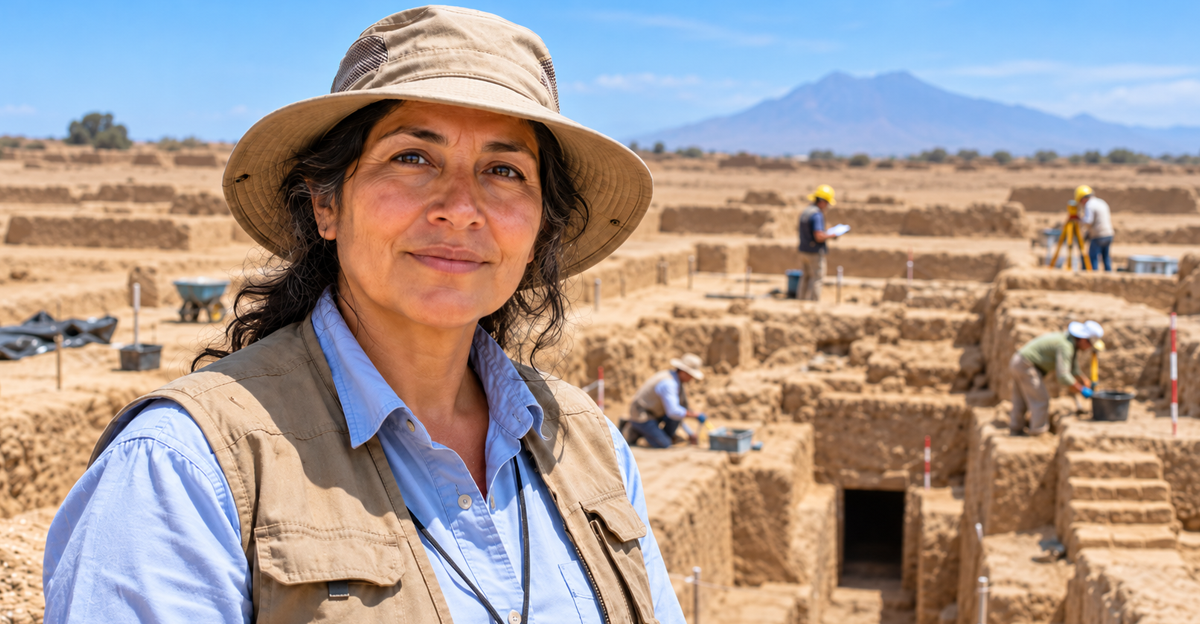
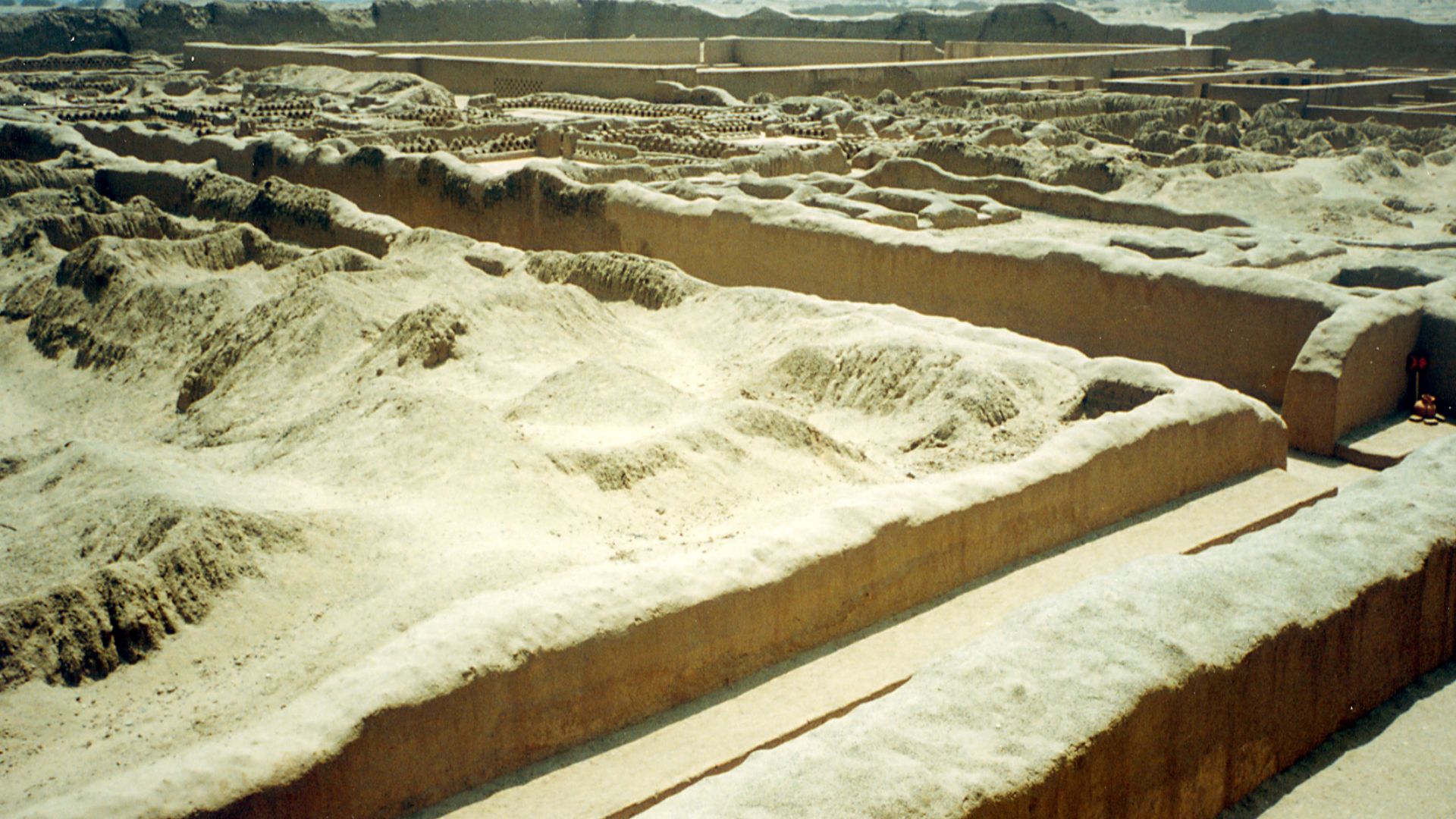
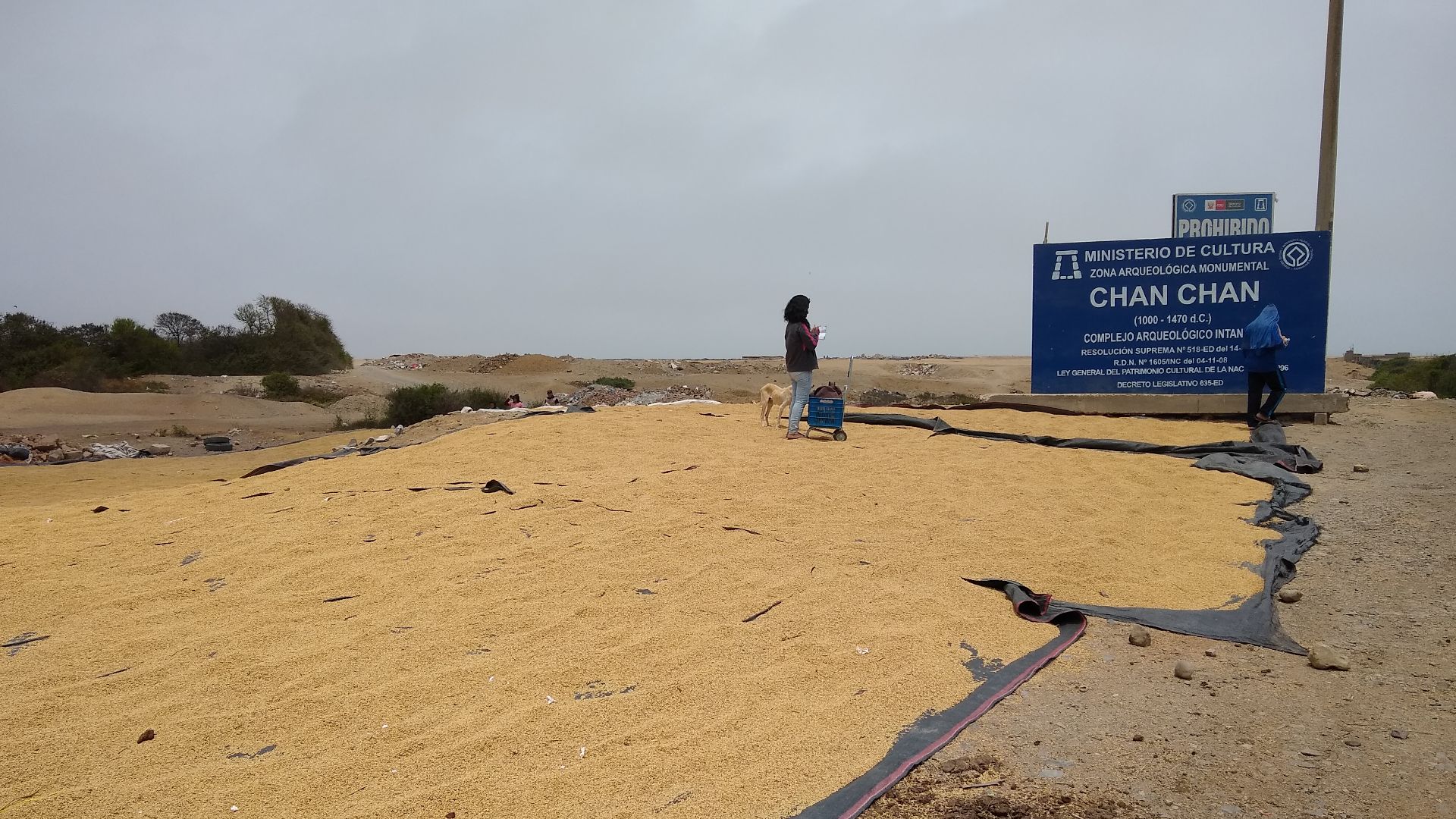
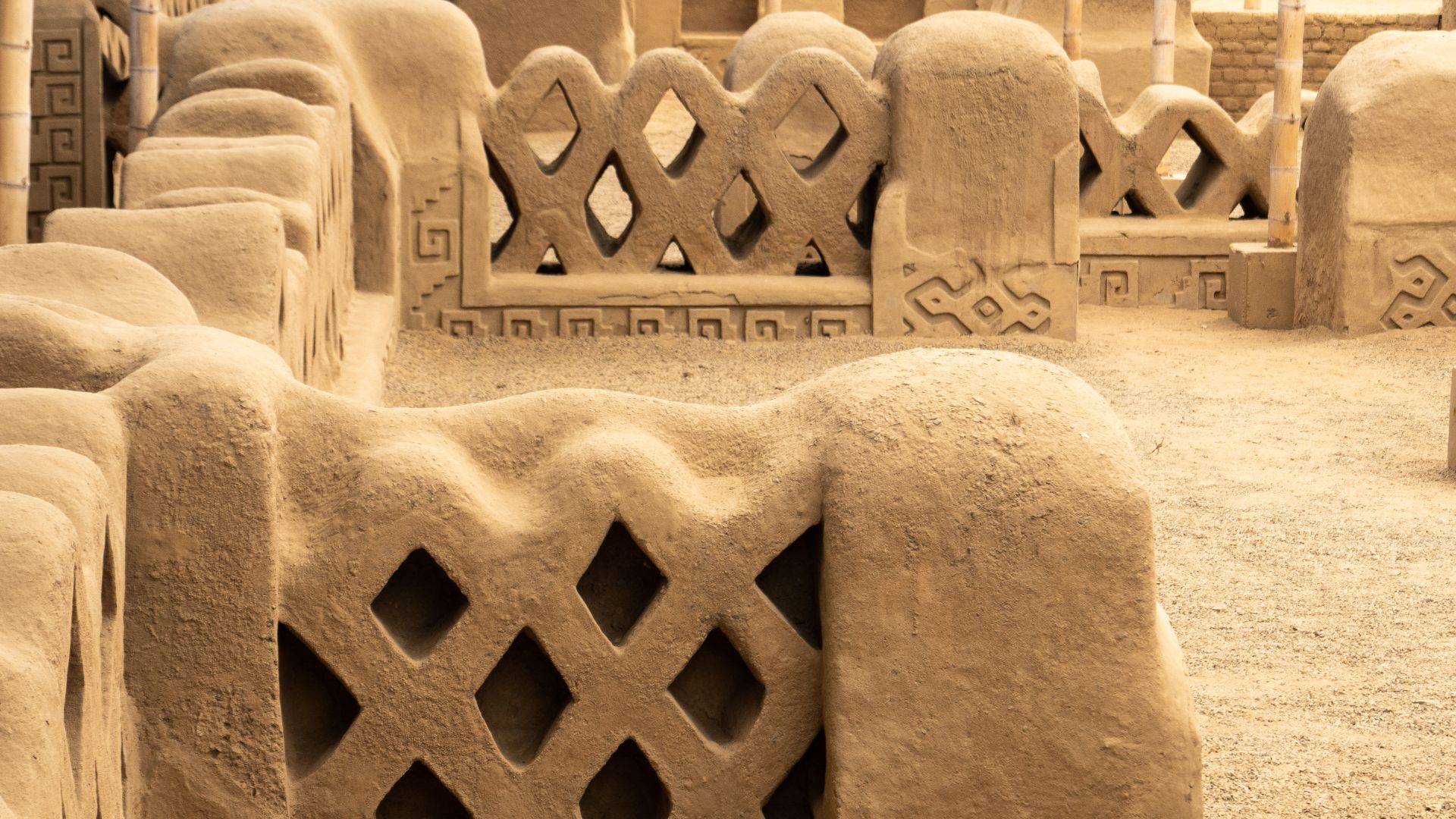
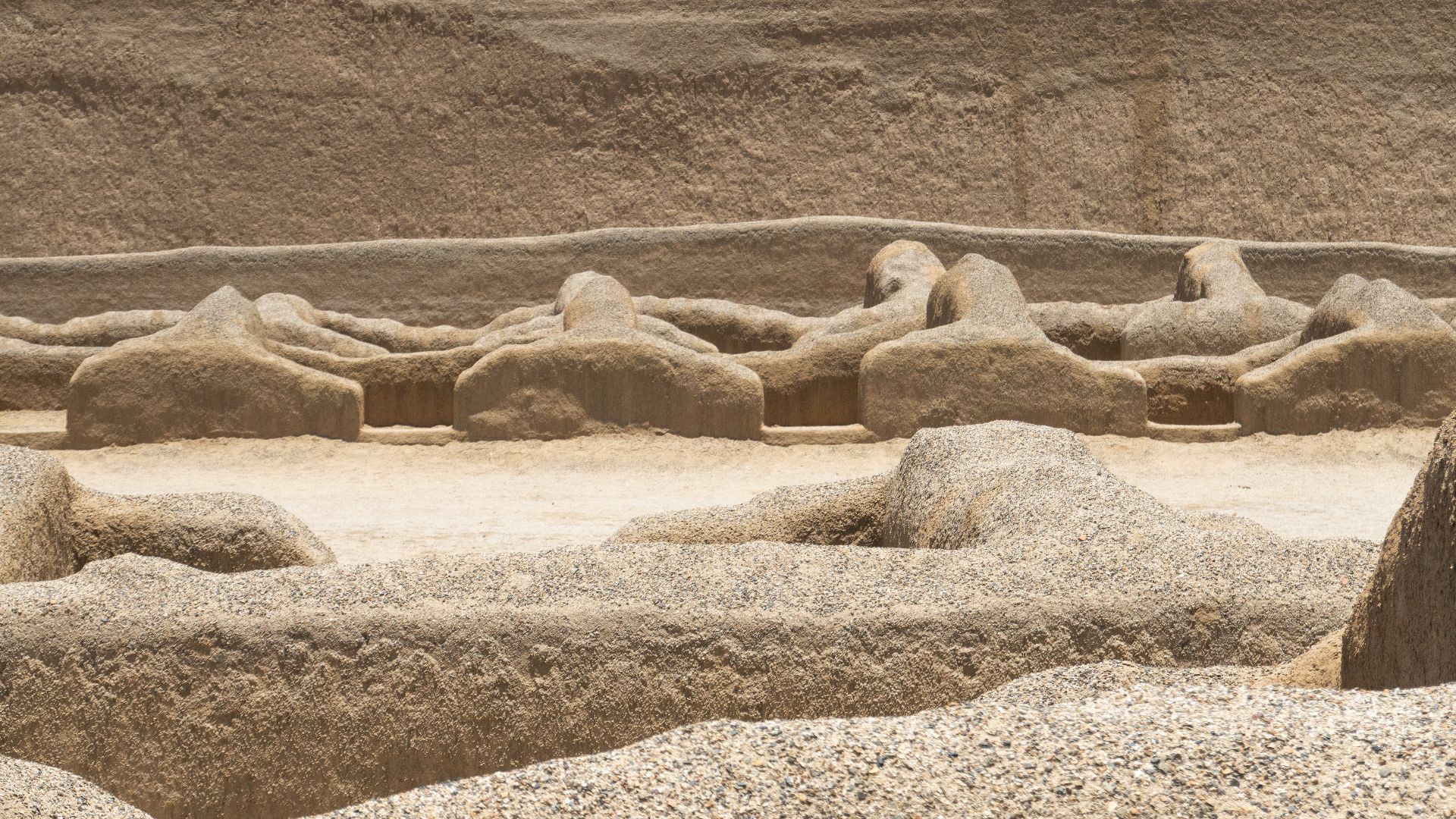
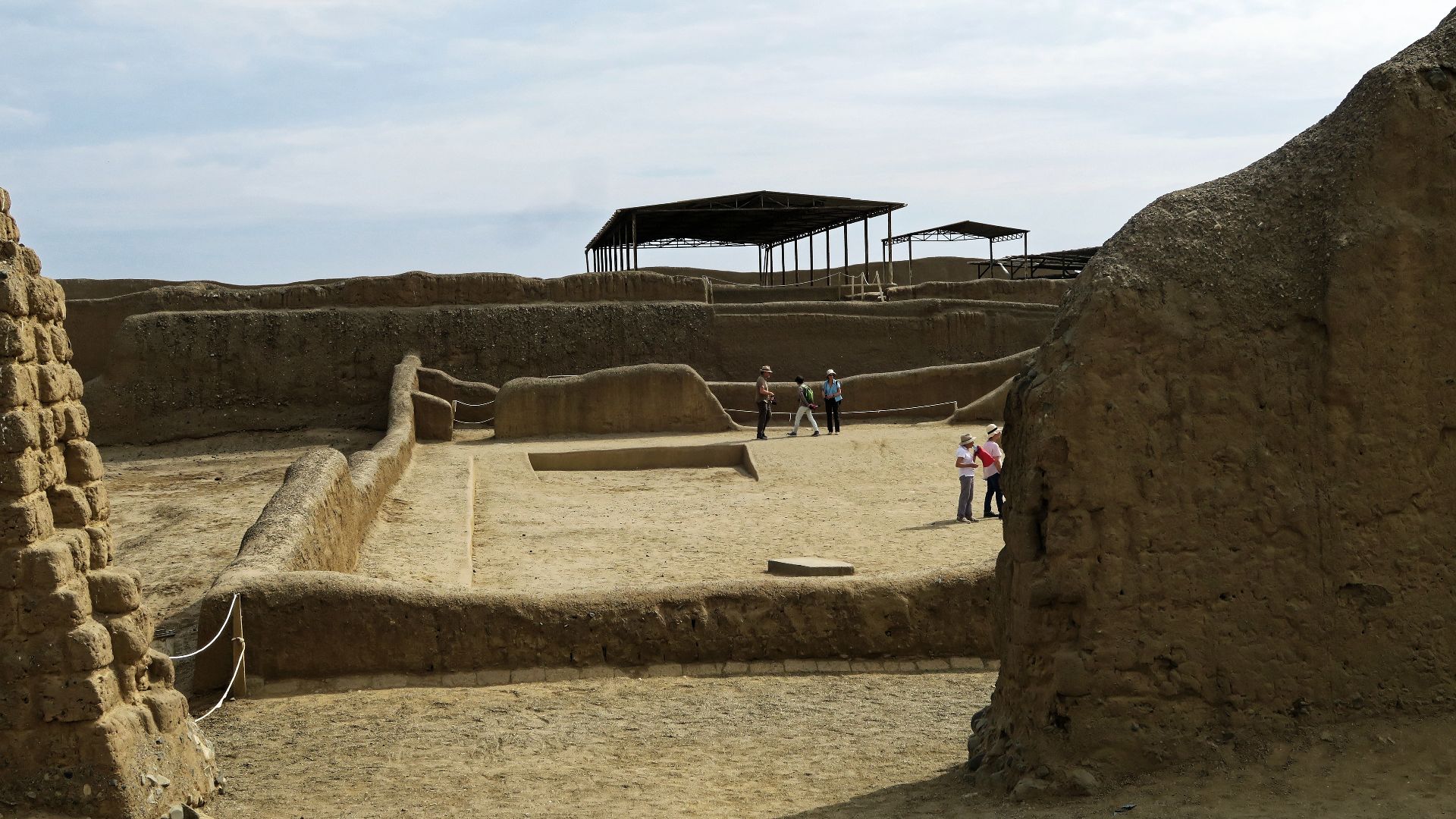
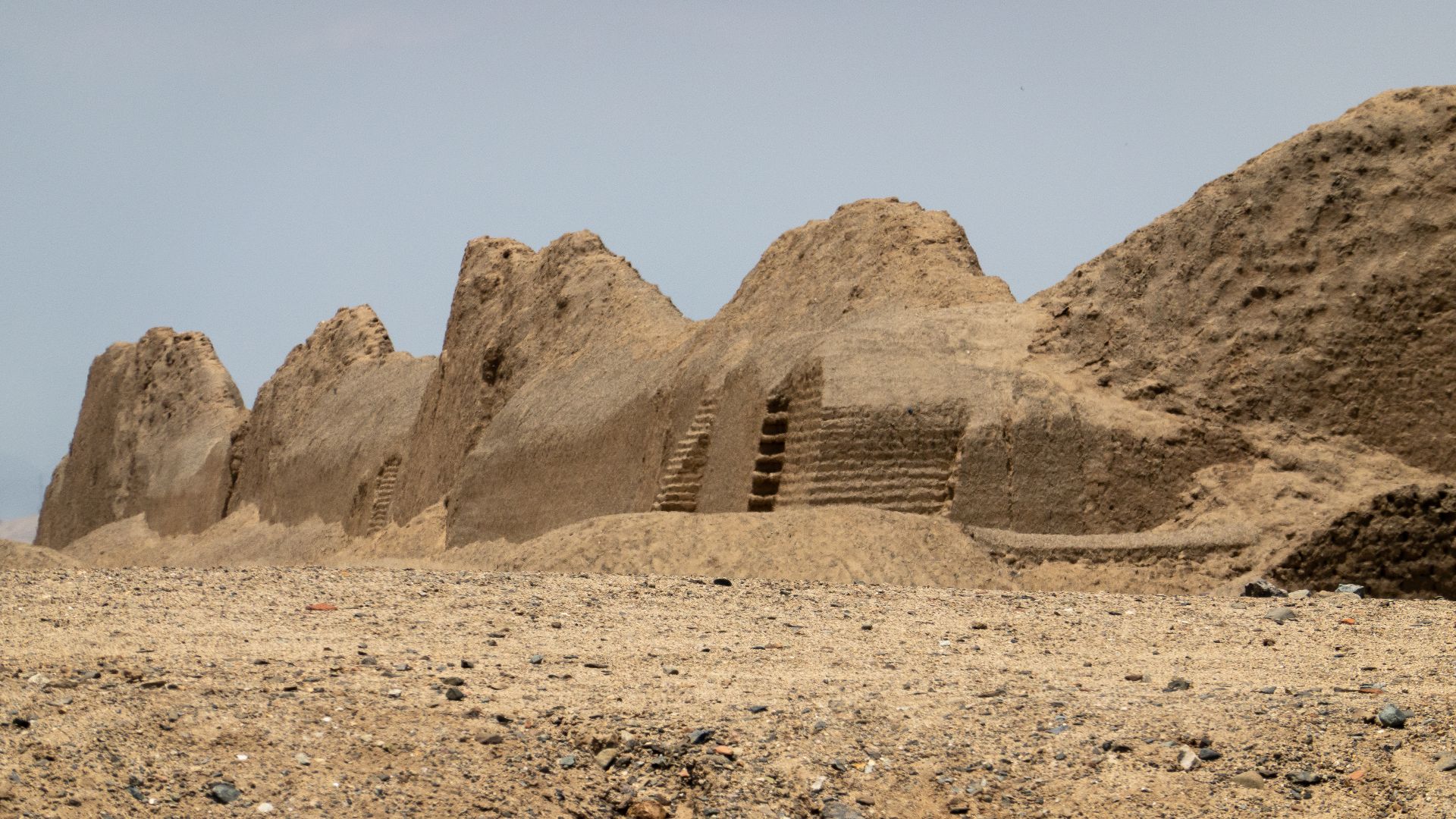
The tomb was uncovered at Chan Chan, the ancient capital of the Chimú kingdom near modern Trujillo. UNESCO describes the site as the largest earthen architecture city in pre-Columbian America, with enormous walled compounds, temples, storehouses, reservoirs, and funerary platforms. At its height, it was one of the most impressive cities anywhere in the Americas.
 Håkan Svensson, Wikimedia Commons
The Chimú Ruled Before The Inca
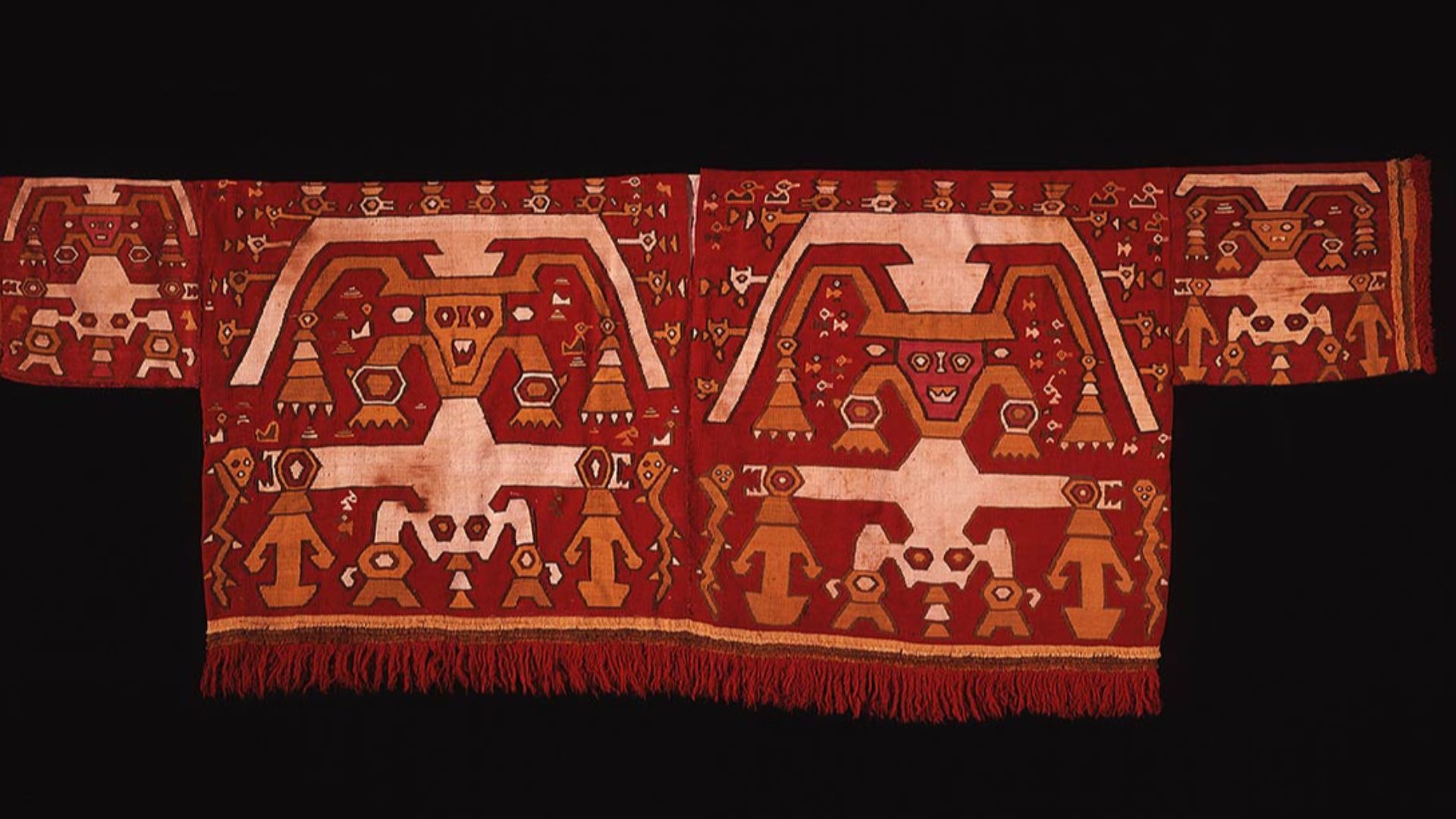
The Chimú civilization flourished along Peru's northern coast from roughly CE 900 until the Inca conquest in the 15th century. Their kingdom developed sophisticated irrigation systems that supported farming in an extremely dry coastal landscape. Chan Chan became the political and ceremonial heart of that world.
 Unknown Chimú weaver, Wikimedia Commons
Their Capital Was Built From Earth
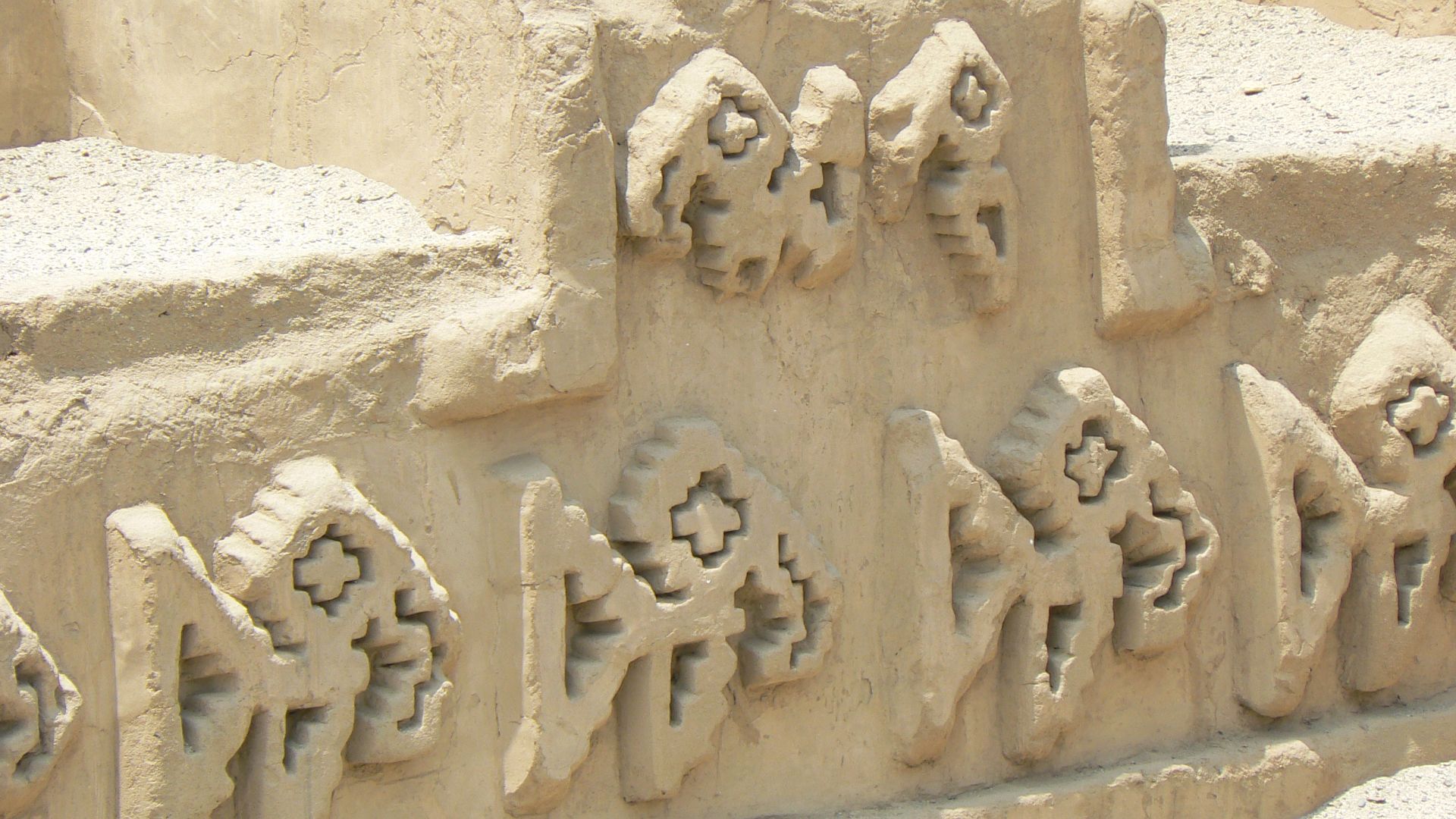
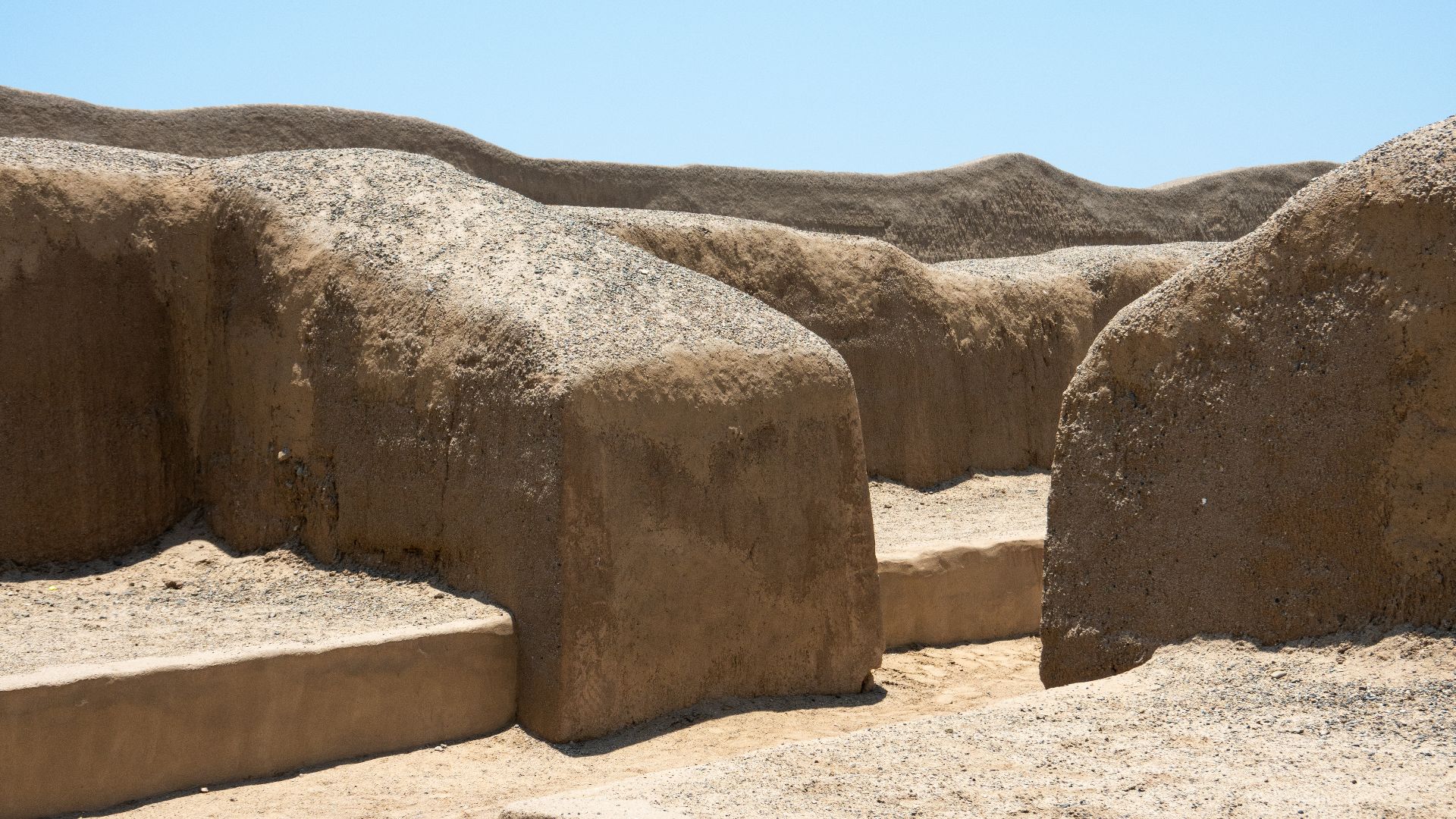
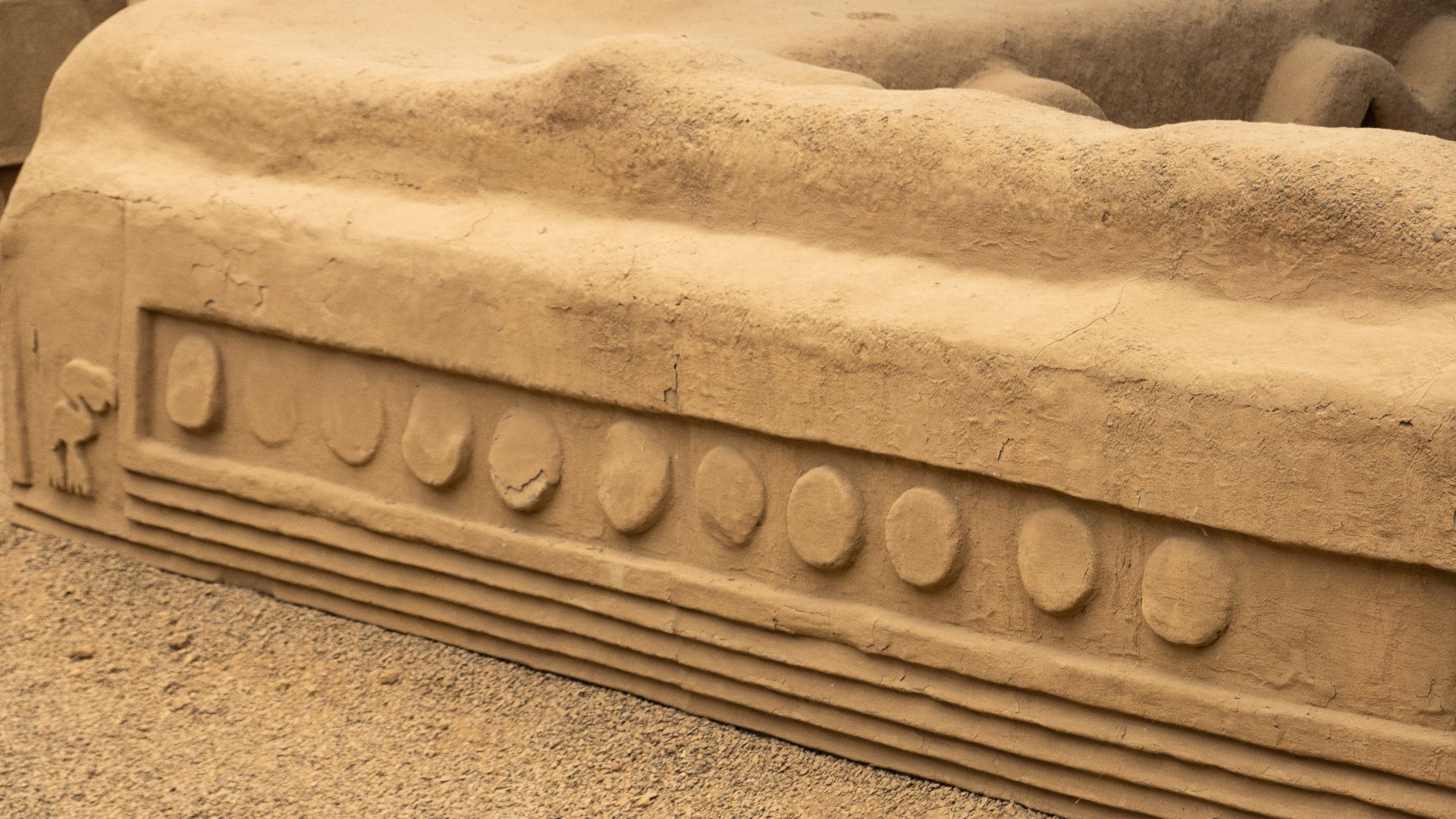
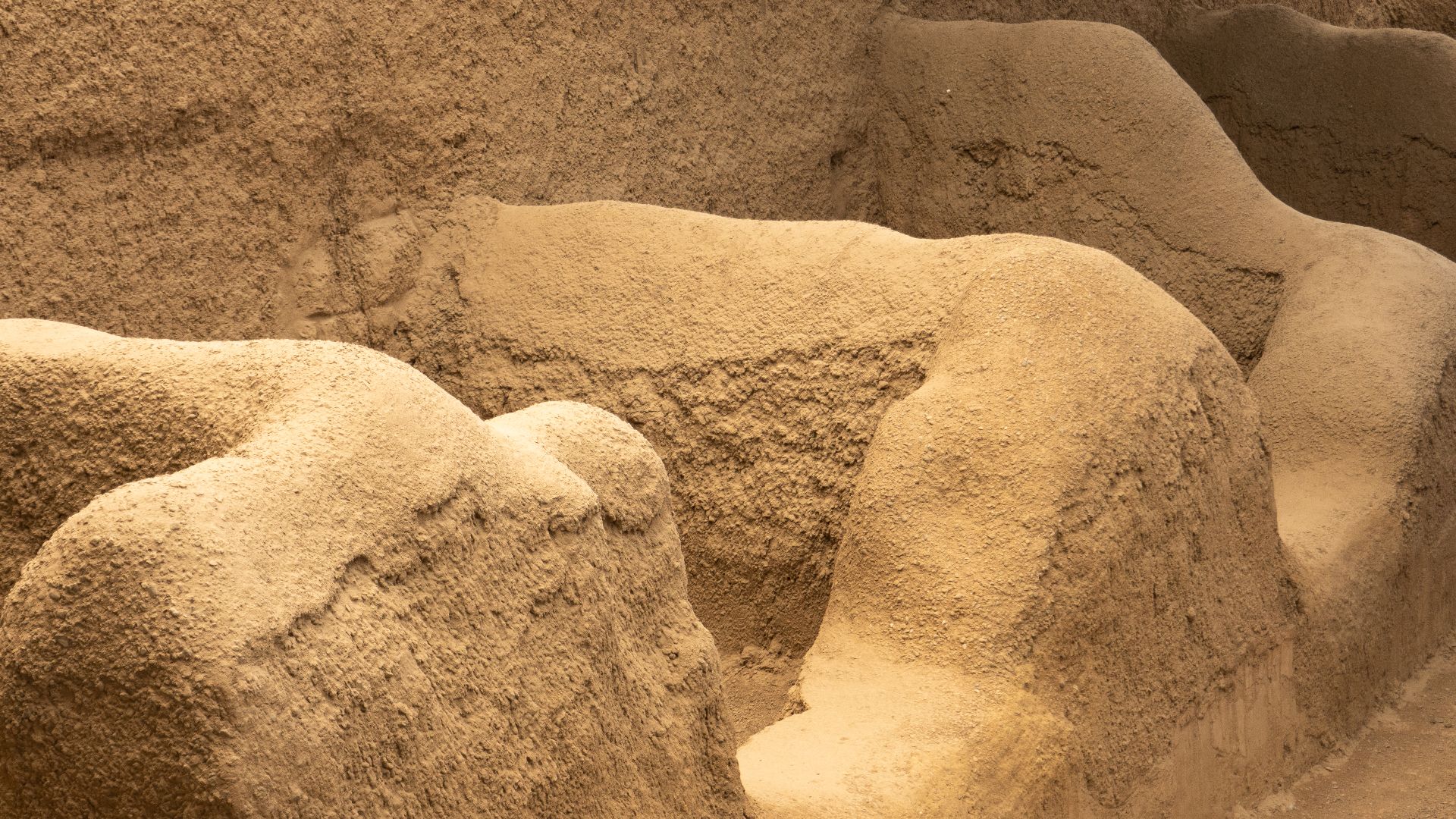
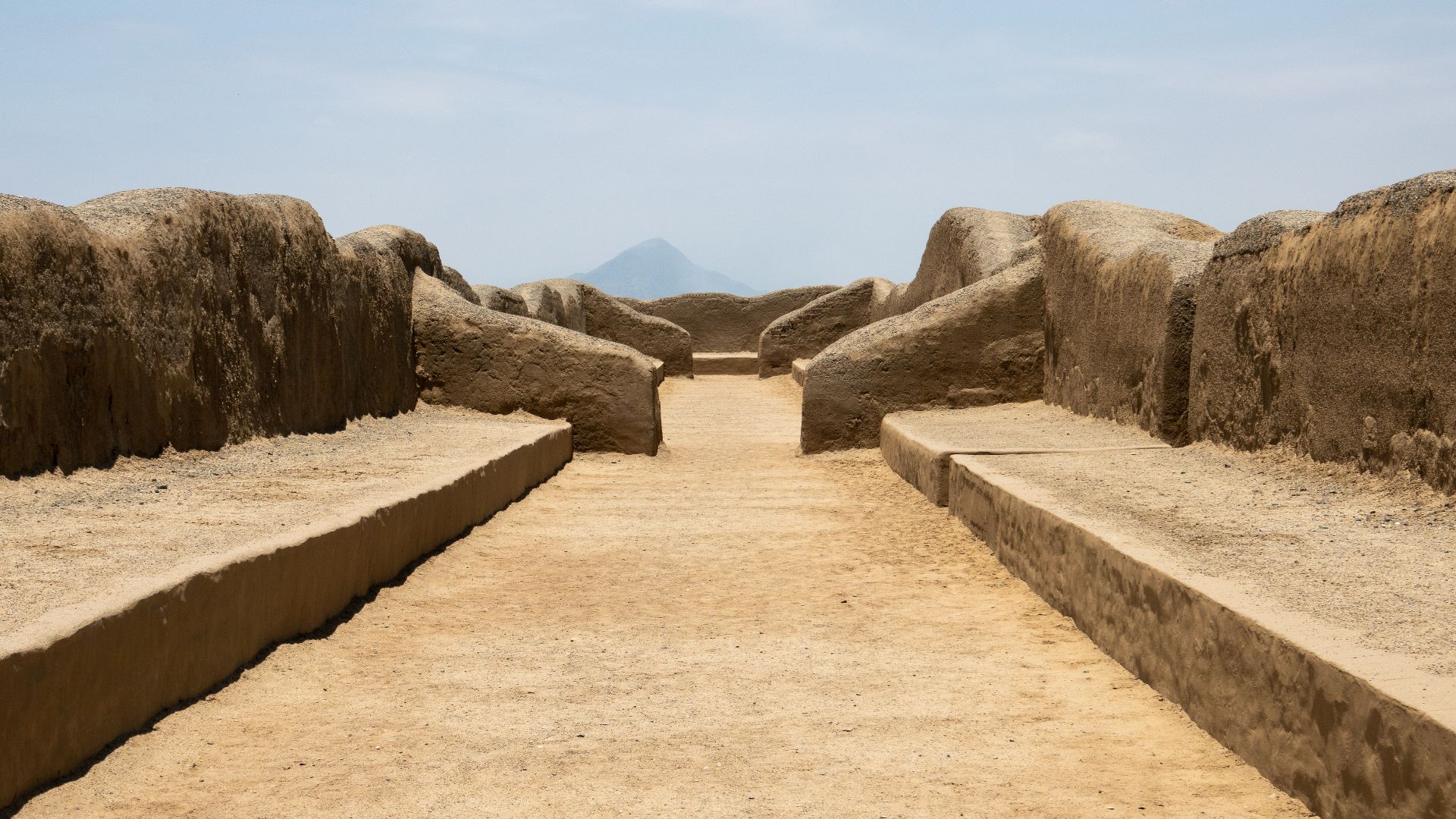
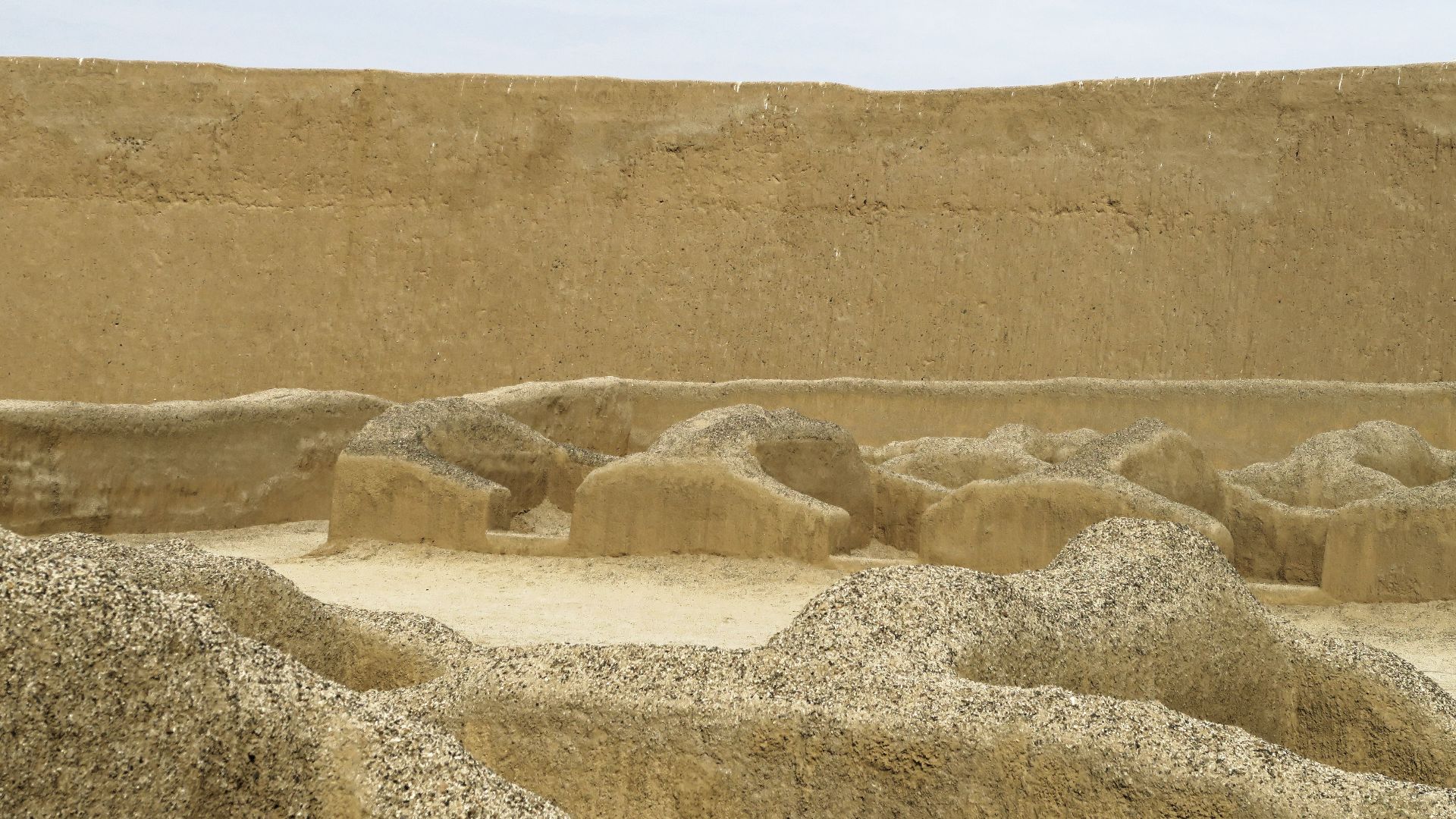
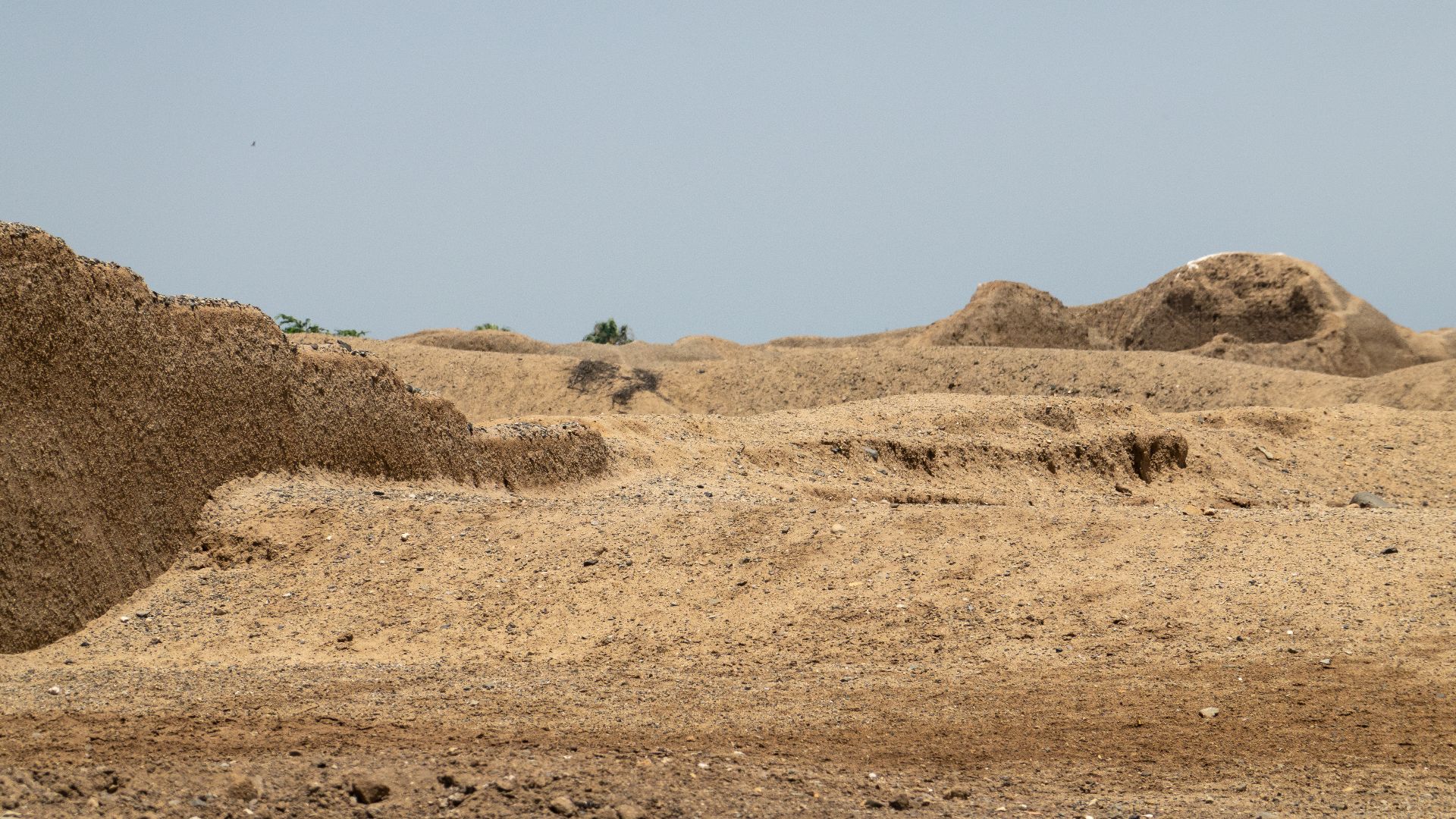
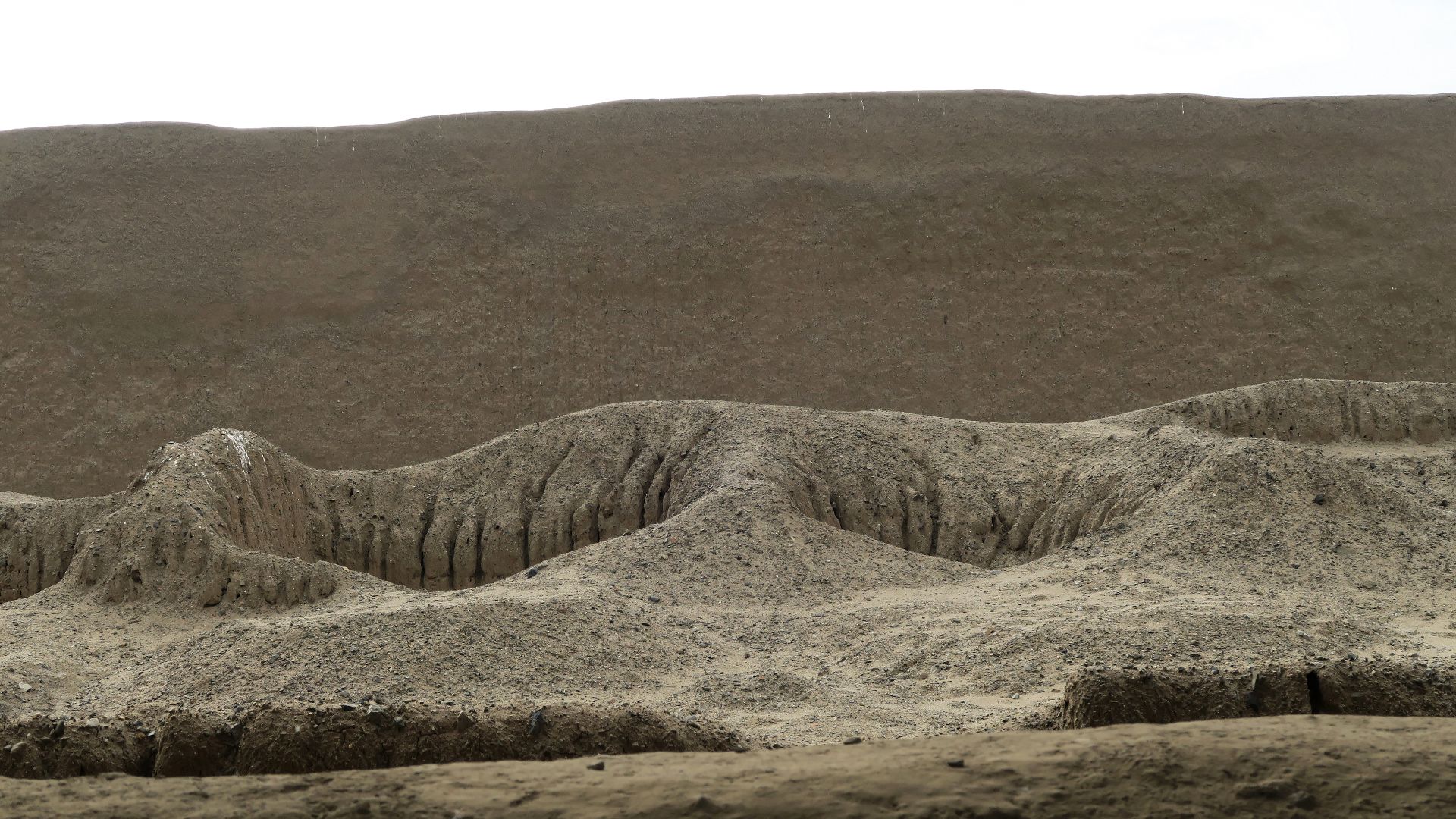
Unlike the monumental stone architecture often associated with the Inca, Chan Chan was largely constructed from adobe and other earthen materials. Its huge walled compounds were arranged according to a carefully organized social and political plan. Decorative walls featured geometric designs as well as images inspired by animals and the sea.
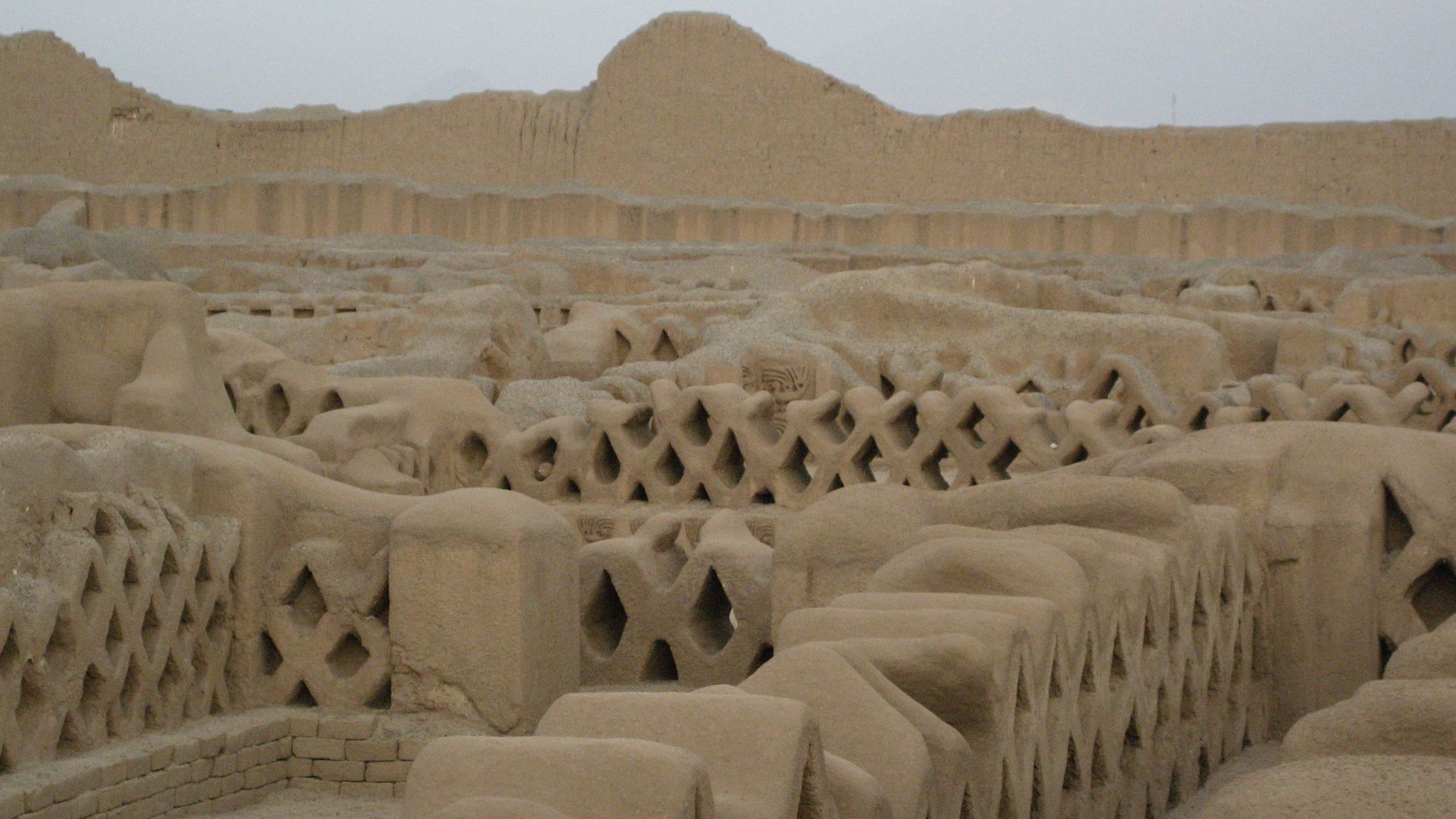 Jim Williams, Wikimedia Commons
Archaeologists Were Already Working There
The discovery did not begin with someone accidentally stumbling across an exposed doorway. Archaeologists were conducting research and conservation work inside Utzh An, a large walled complex formerly known as the Great Chimú Palace. The work was being carried out through Peru's Chan Chan Archaeological Complex Special Project under the Ministry of Culture.
A Small Depression Raised Suspicions
The path toward the tomb had actually begun about four years earlier, when archaeologists noticed a slight depression while carrying out a shallow excavation of the platform. The feature remained intriguing enough that researchers returned to investigate it again in May 2026. Their decision eventually led them toward a buried entrance.
 Thayne Tuason, Wikimedia Commons
They Dug Through A Massive Barrier
Reaching the chambers meant working through accumulated sand, soil, debris, and a dense mass of stones. That fill had effectively protected the burial complex by making access extremely difficult. Lead archaeologist Jorge Meneses believes it unintentionally served as a defense against centuries of treasure hunters.
The Structure Was Huge
What emerged was not a small grave cut into the ground. The nearly square funerary platform measured about 17 meters, or 56 feet, along each side and stood roughly five meters, or 16 feet, high. Inside were a central chamber and two long chambers positioned on either side.
A Staircase Led Underground
An entrance opened onto a staircase descending roughly 2.5 meters toward the central chamber. That chamber itself measured approximately 1.2 meters wide and five meters deep and included a niche built into the structure. After centuries underground, archaeologists were entering a space that had preserved an unusually complete burial setting.
One Person Occupied The Main Chamber
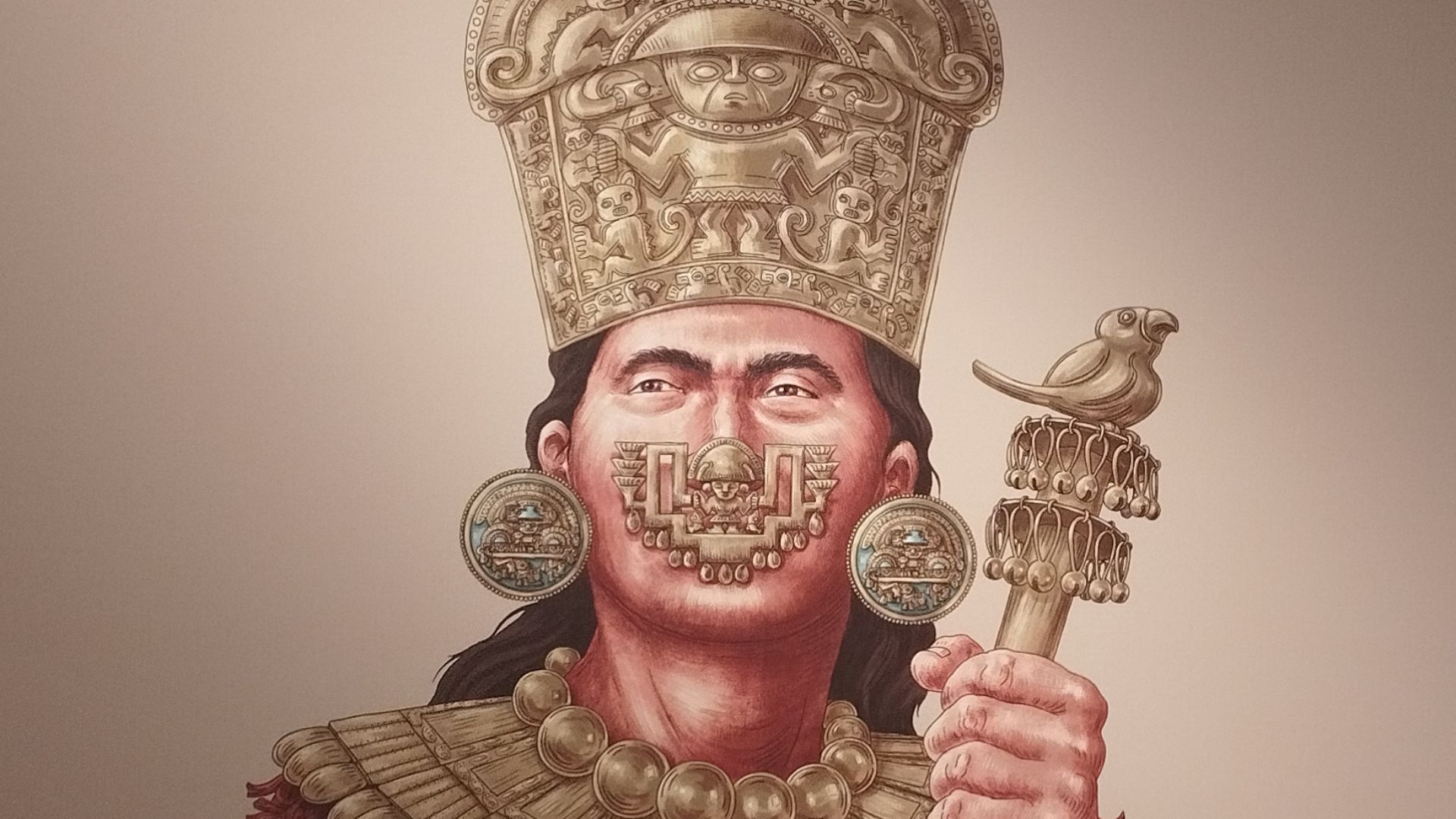
The central chamber contained the remains of one individual accompanied by archaeological objects made from shell and metal. Researchers believe this person belonged to the Chimú elite, although their precise identity has not yet been established. The prominent position of the burial makes the individual central to the mystery archaeologists are now trying to solve.
 Petroperu S.A., Wikimedia Commons
Red Pigment Covered The Skull
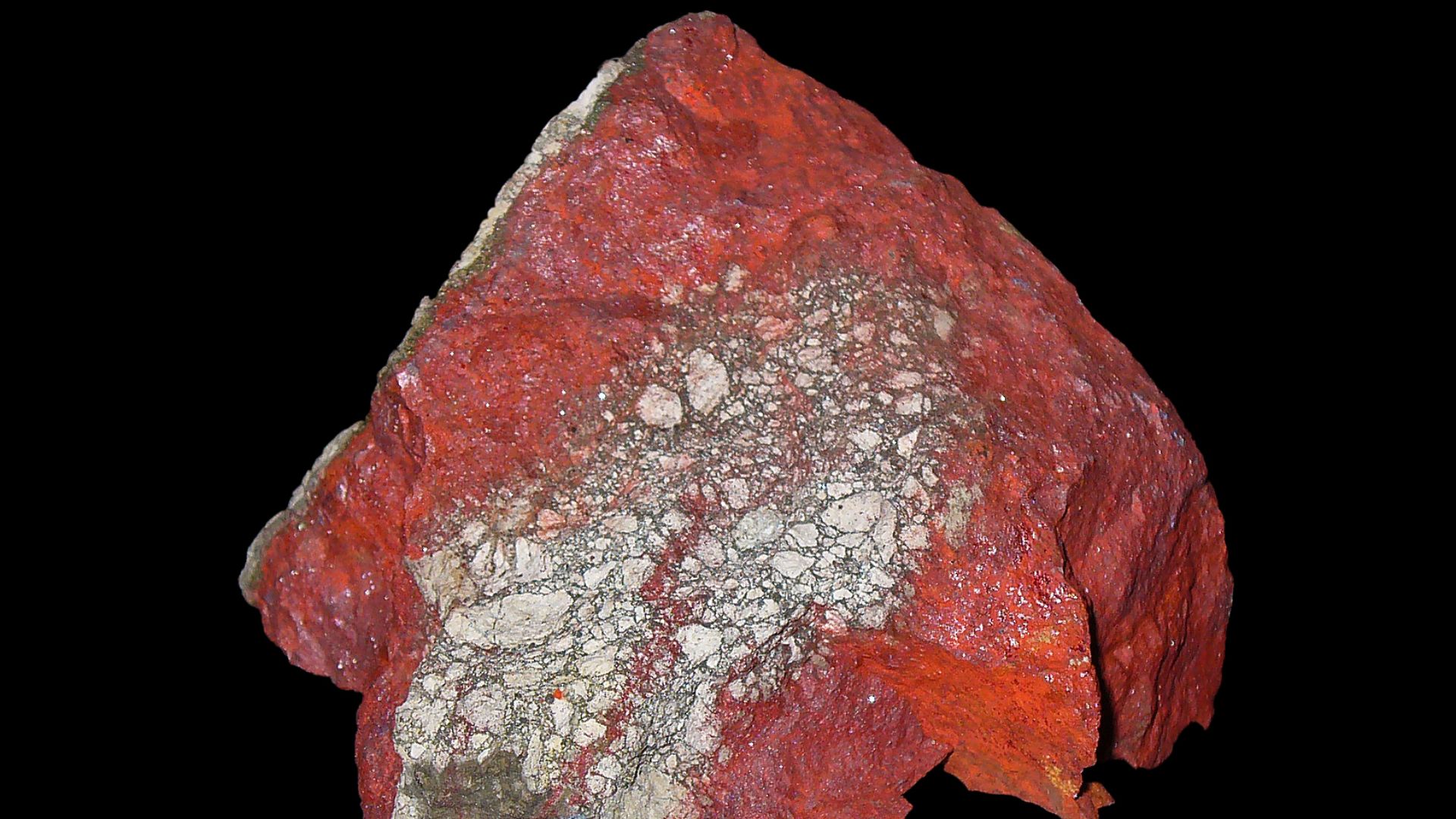
The skull of the principal individual carried traces of a striking red pigment. Researchers have suggested it could be cinnabar, the bright red mineral mercury sulfide, although laboratory analysis is needed to confirm that identification. Similar coloration has also been observed on some of the other remains.
The Skeleton Was Not Complete
Curiously, some bones belonging to the principal individual were missing. Meneses has suggested the body may have been moved after its original burial, rather than the missing elements being evidence of modern disturbance. Reburial and the movement of ancestral remains are documented practices in Andean societies.
The Side Chambers Were Very Different
The two lateral chambers each measured roughly 1.5 meters wide and eight meters long. Despite their similar dimensions, archaeologists found dramatically different contents inside them. One contained relatively few objects, while the other was packed with human burials and grave goods.
One Chamber Held Weapons
One of the side rooms contained no human remains but did hold metal weapons and emblems. Researchers recovered two axes and two copper objects resembling chisels during the excavation. Archaeologist Gabriel Prieto said the weapons were particularly notable because comparable Chimú examples had not previously been found archaeologically.
 Lombards Museum, Wikimedia Commons
The Other Chamber Held 20 People
The second lateral chamber produced a very different scene. Archaeologists recorded the remains of 20 individuals there, along with ceramics, headdresses, necklaces, earrings, shells, and other objects. The associations between people and artifacts can now be studied in ways that looted burials rarely allow.
The Final Count Reached 38
Those 20 burials were only part of the discovery. Another 18 individuals were identified elsewhere in the funerary platform, including the person placed in the central chamber. That brought the total number of people discovered within the complex to 38.
 Burkhard Mücke, Wikimedia Commons
One Burial Broke The Usual Pattern
Among those 38 individuals was a person whose body had been placed fully extended at the bottom of a chamber. Meneses described the position as highly unusual for Chimú funerary practices, which commonly involved flexed or seated-flexed bodies. Researchers do not yet know why this person received such different treatment.
Jewelry Survived Underground
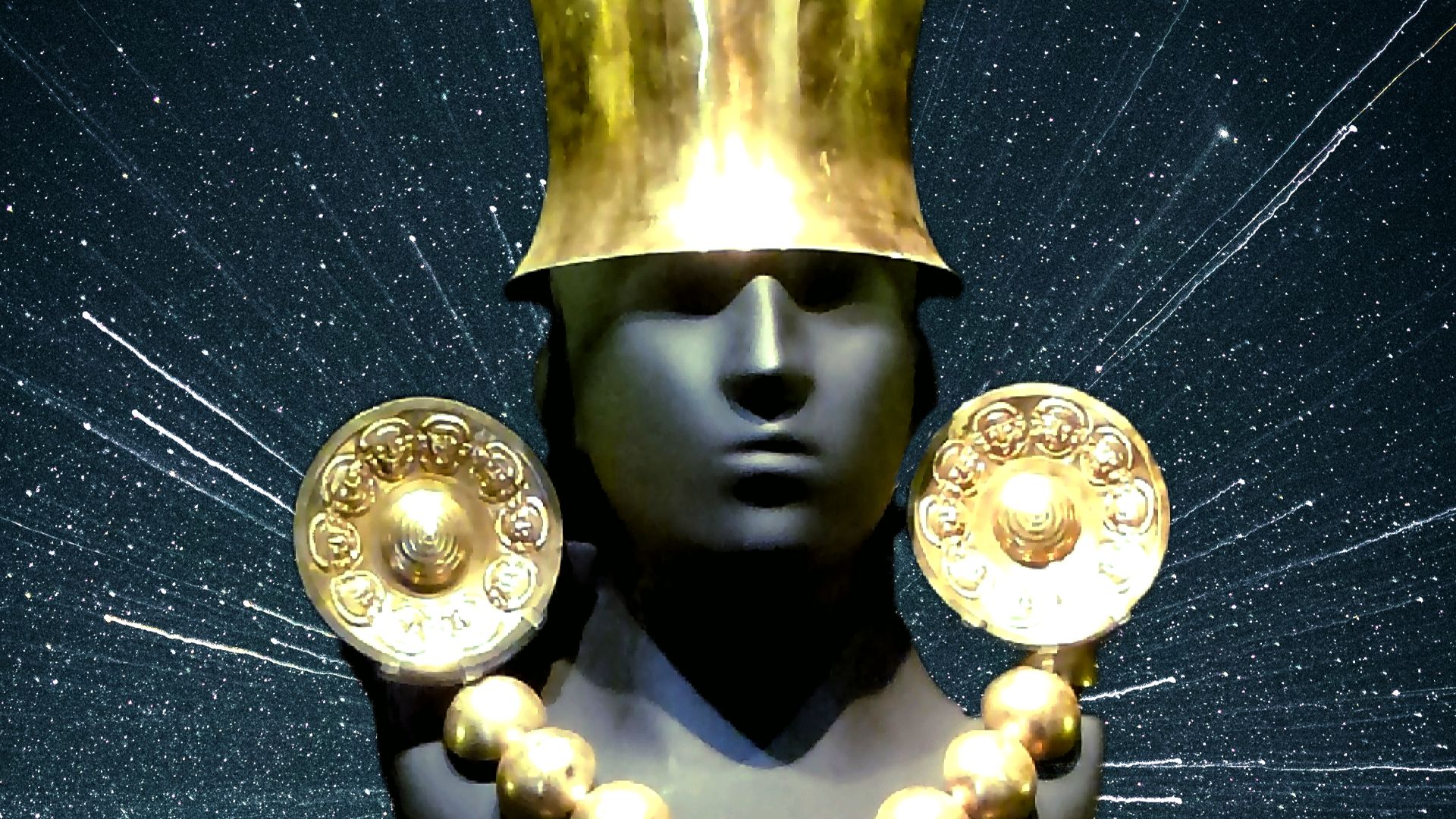
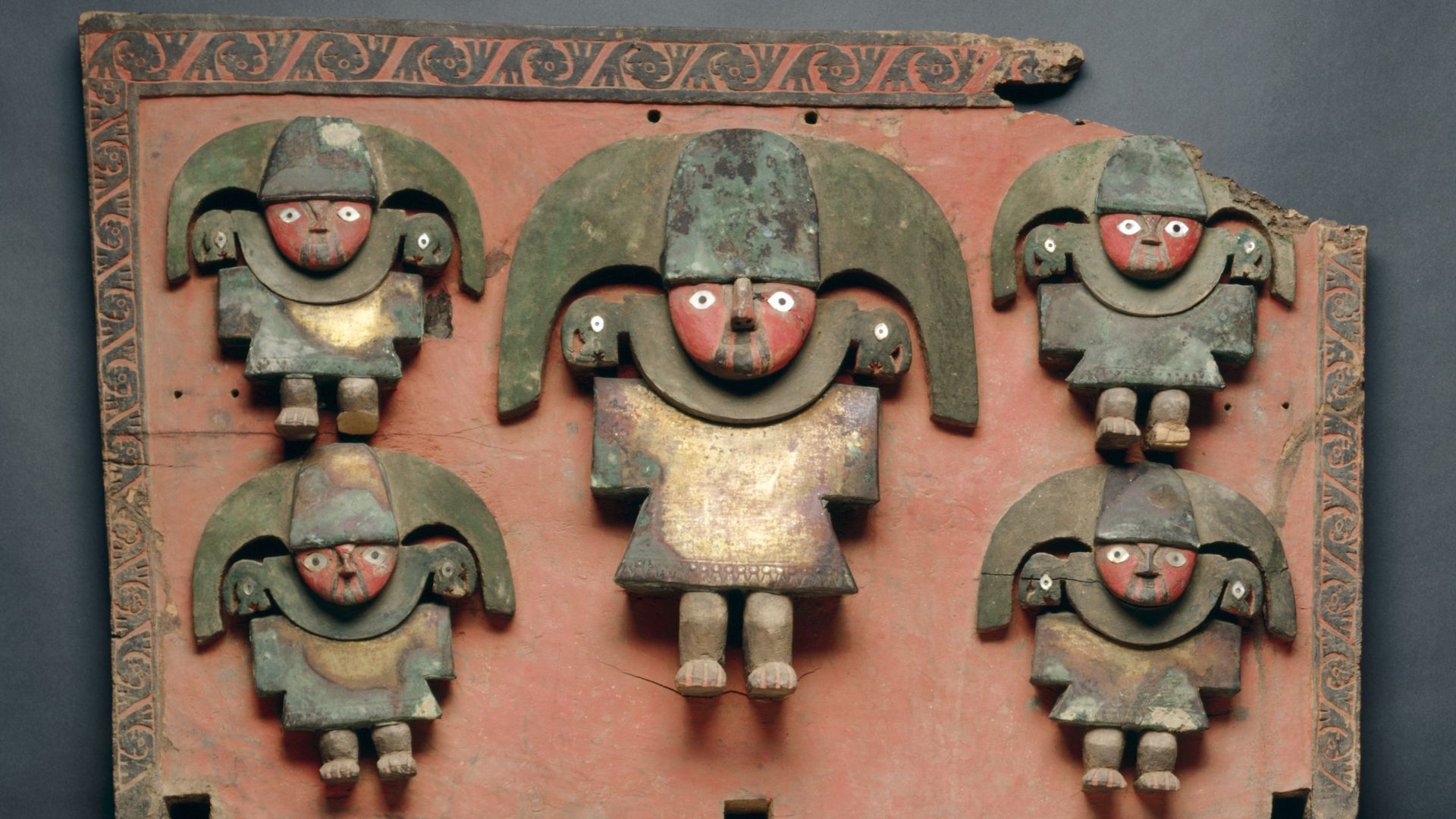
The tomb also preserved personal ornaments that offer clues about the people buried there. Archaeologists recovered elaborate necklaces and earrings fashioned from materials including quartz and seashells. Such objects are especially useful when they remain beside the individuals with whom they were originally deposited.
 Pierre André Leclercq, Wikimedia Commons
Gold And Copper Added To The Mystery
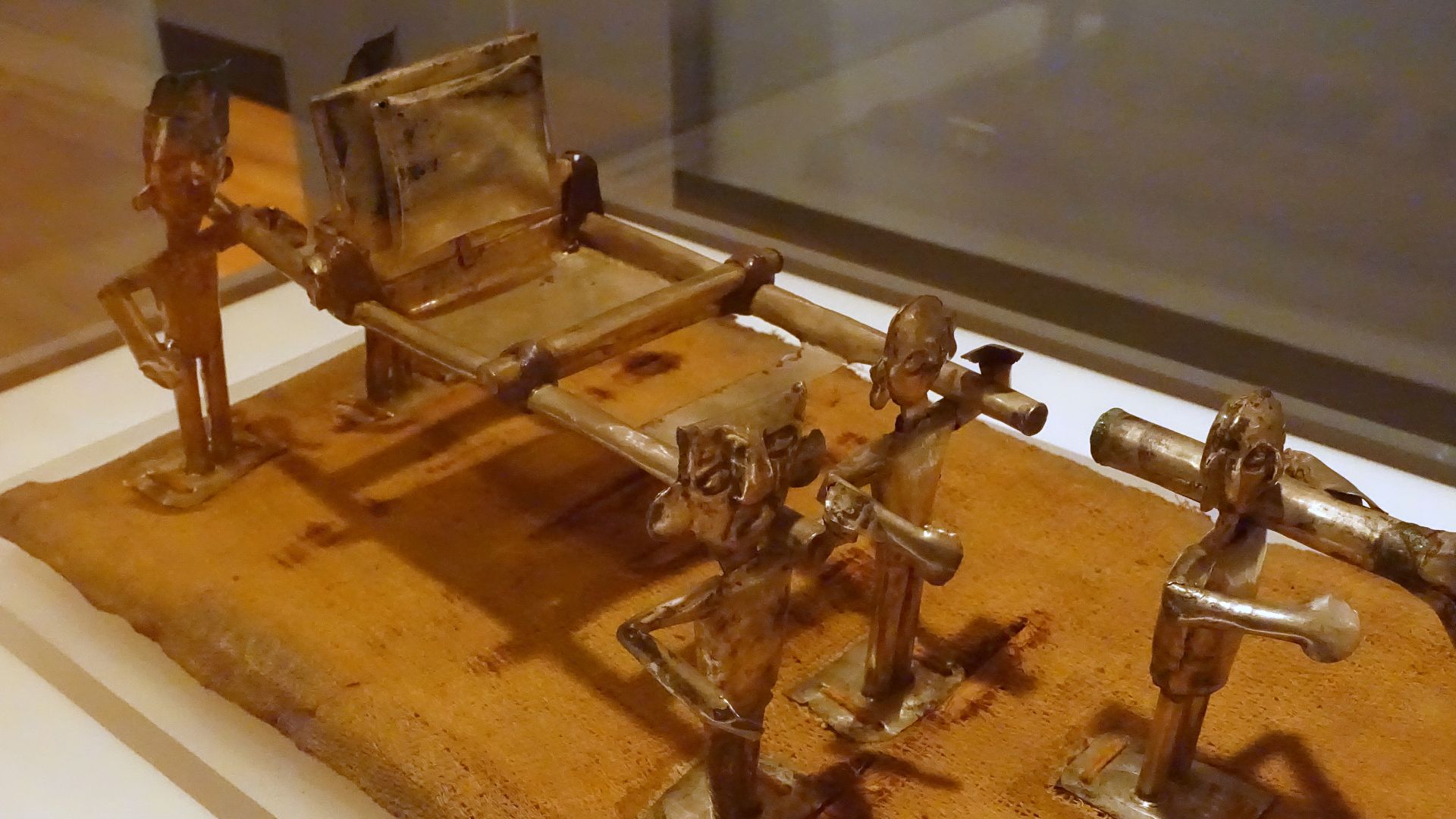
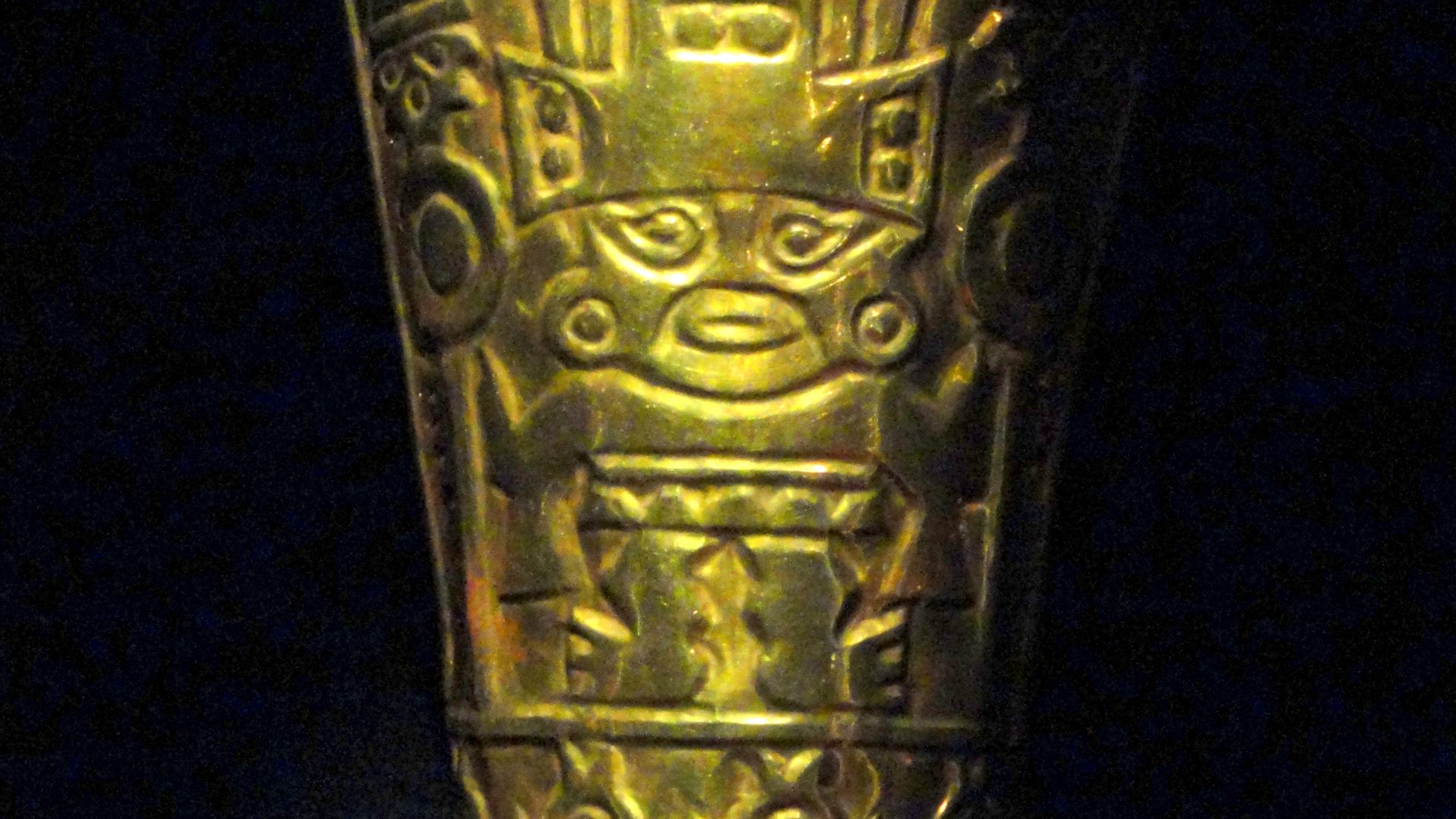
Other finds included copper and gold objects as well as additional metal artifacts. Their presence, combined with the carefully constructed platform and elaborate burial arrangements, points toward people connected with Chimú society's upper levels. Researchers are now studying how individual objects relate to specific burials.
 Gary Todd from Xinzheng, China, Wikimedia Commons
The Main Figure May Not Have Been A King
The central burial was clearly important, but archaeologists have not identified the person as a Chimú ruler. Prieto, who was not part of the excavation, has suggested the individual may instead have been a priest or another important religious figure. He noted that the tomb's location and surviving grave goods differ from what would be expected from known descriptions of royal Chimú burials.
That Uncertainty Makes The Tomb More Interesting
The 38 people were almost certainly not simply a random group placed together. Peru's Ministry of Culture has described them as high-status individuals, while researchers are investigating their relationships and the hierarchy represented by the burials. Questions about age, gender, kinship, health, and cause of death will require further scientific analysis.
The Timing Was Dramatic
The burial complex appears to date to roughly 600 years ago, placing it near one of the most turbulent periods in Chimú history. The Inca conquered the kingdom during the 15th century, bringing centuries of Chimú political independence to an end. The tomb may therefore preserve evidence from close to the civilization's final decades as an independent power.
 Anonymous (Chimú)Unknown author, Wikimedia Commons
Looting Usually Destroyed This Evidence
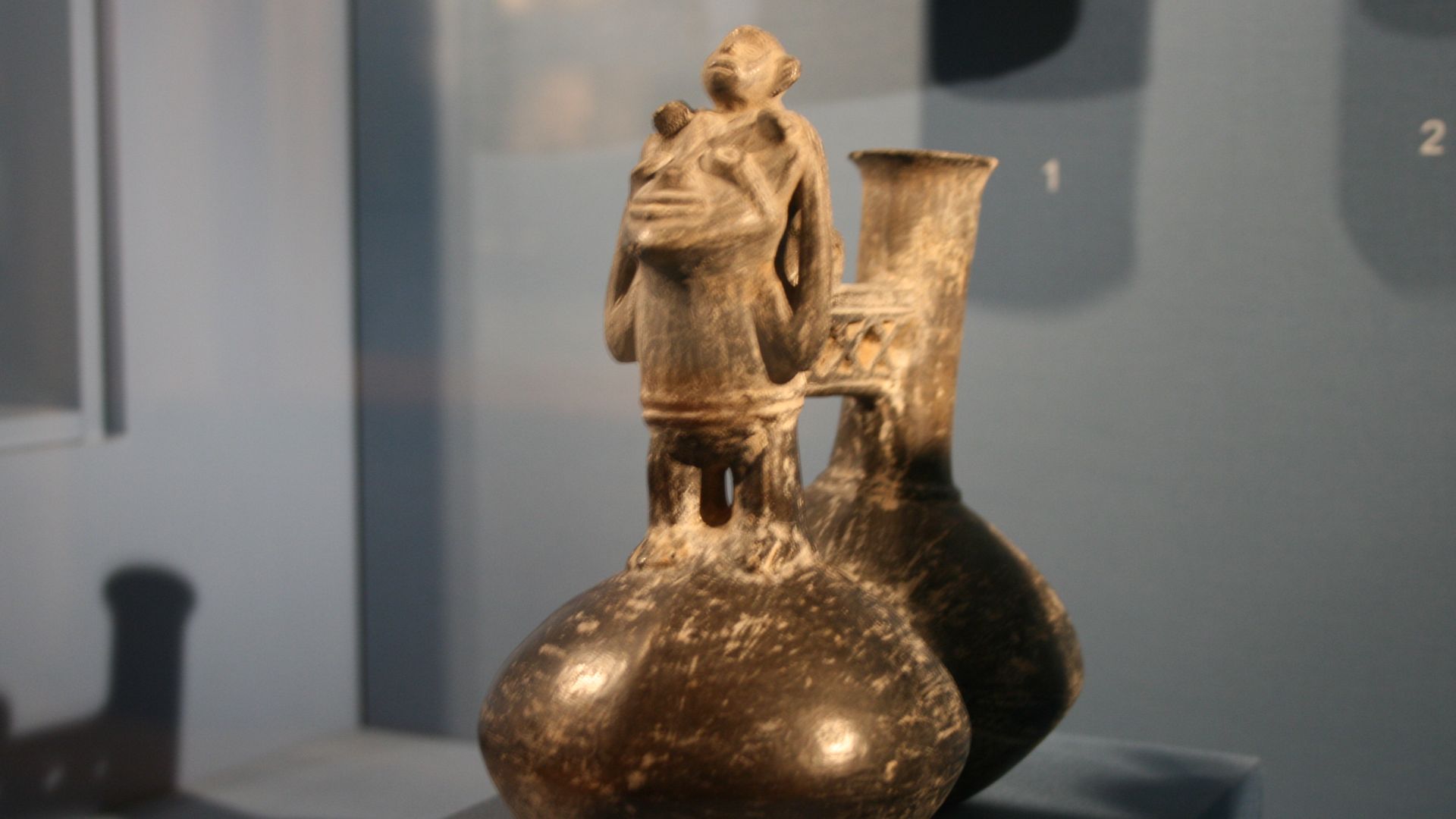
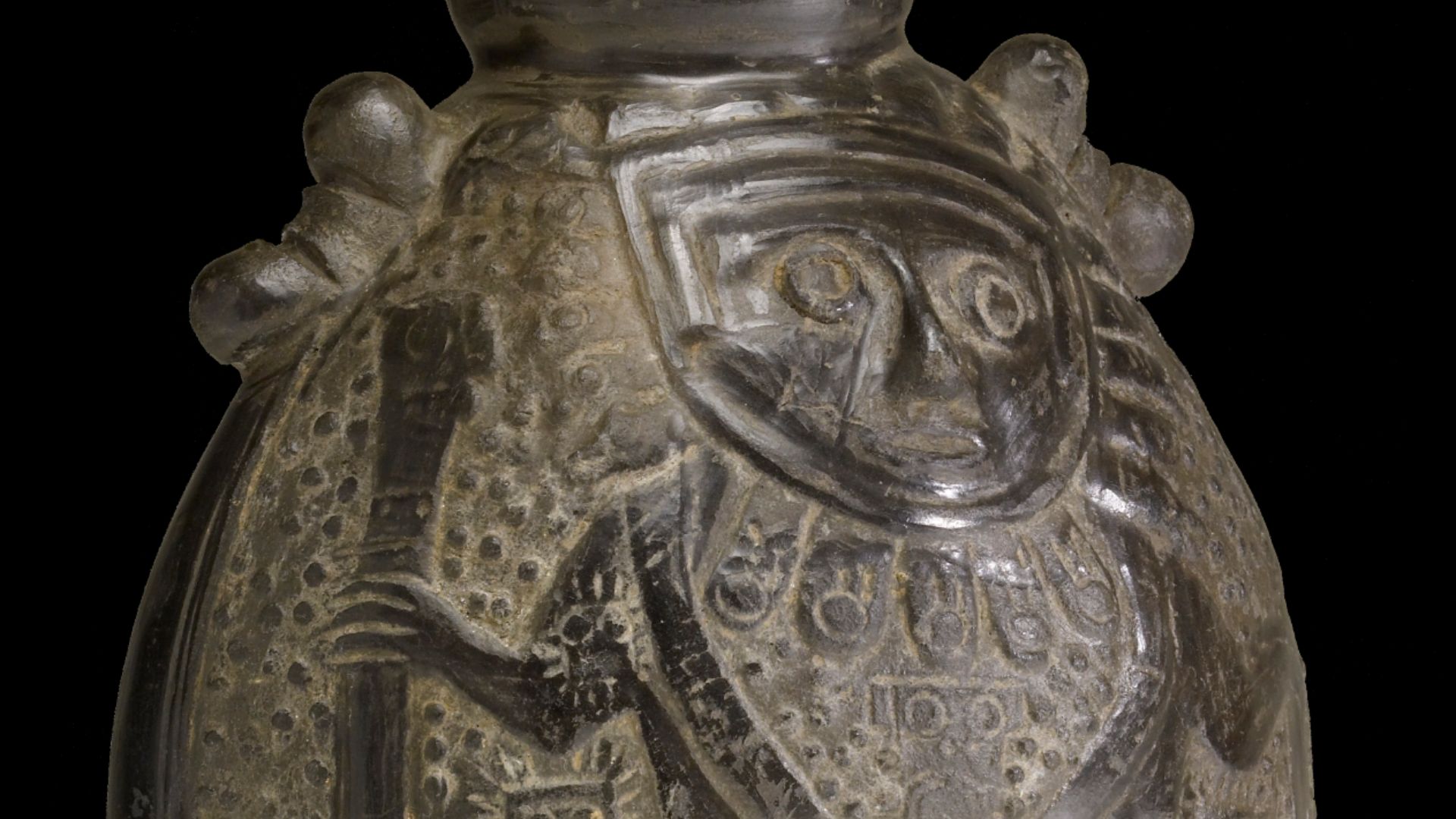
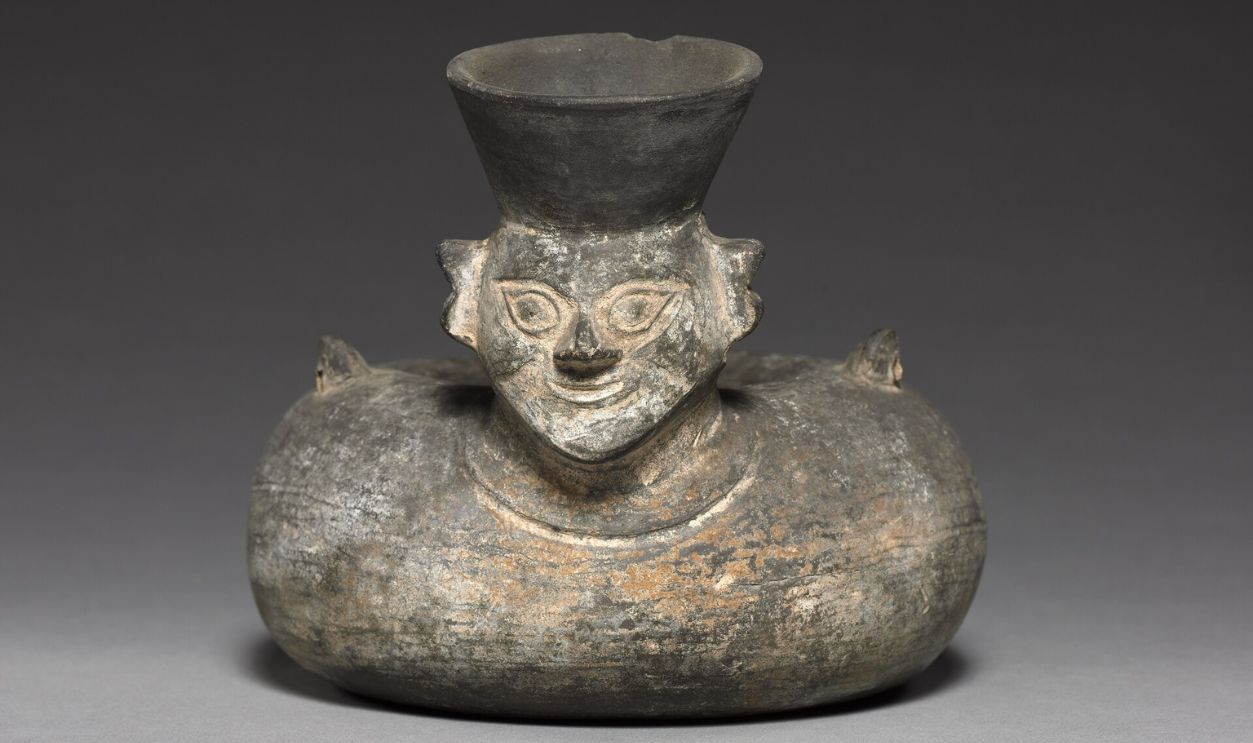
Many elite Chimú burial sites were disturbed long before modern archaeology could study them. Objects removed without documentation often entered private collections or museums while the exact positions of bodies, artifacts, and architectural features were lost. That missing context makes it much harder to reconstruct how a burial actually worked.
This Tomb Preserved The Connections
Here, researchers can examine objects alongside the people and spaces with which they were originally associated. That allows them to investigate who received particular ornaments, weapons, pigments, and other offerings rather than studying those objects in isolation. Meneses has emphasized that this kind of scientific context was largely missing from previous evidence about elite Chimú graves.
Experts Called It A Rare Breakthrough
University of Florida archaeologist Gabriel Prieto, who was not involved in the excavation, described the discovery as extraordinary. He called it the "discovery of the decade" because researchers finally have an elite Chimú burial preserved well enough to examine systematically. The significance lies as much in what stayed undisturbed as in the valuable objects themselves.
 https://clevelandart.org/art/1916.909,%20Wikimedia%20Commons
The Research Is Only Beginning
Recovering the objects and remains was just the first stage. Laboratory work can potentially reveal more about the individuals, their relationships, their burial treatment, and the materials placed alongside them. Researchers also hope the evidence will clarify how status and funerary ritual operated within Chimú society.
Chan Chan Still Has Enormous Secrets
Perhaps the most tantalizing detail is how little of the ancient capital has actually been excavated. Meneses estimated that no more than 7 percent of Chan Chan's total area has undergone archaeological excavation. Much of the interior of its enormous walled complexes therefore remains largely unexplored.
 Burkhard Mücke, Wikimedia Commons
Preserving The City Is A Constant Battle
Chan Chan's earthen architecture is remarkably vulnerable once exposed to the elements. UNESCO placed the archaeological zone on both the World Heritage List and the List of World Heritage in Danger in 1986, citing threats including erosion and the effects of extreme weather. Archaeologists must therefore balance uncovering the past with protecting structures that can quickly deteriorate after excavation.
Six Centuries Later, The Tomb Can Finally Speak
The spectacular objects naturally grab attention, but the tomb's greatest value may be the information preserved around them. Thirty-eight people, their possessions, and their burial spaces survived together through centuries of conquest, colonial rule, looting, and environmental damage. For archaeologists trying to understand the Chimú elite, that intact context offers something far more valuable than treasure alone.
 Burkhard Mücke, Wikimedia Commons
You May Also Like: