Egypt’s Mediterranean Coast Revealed Another Ancient Secret
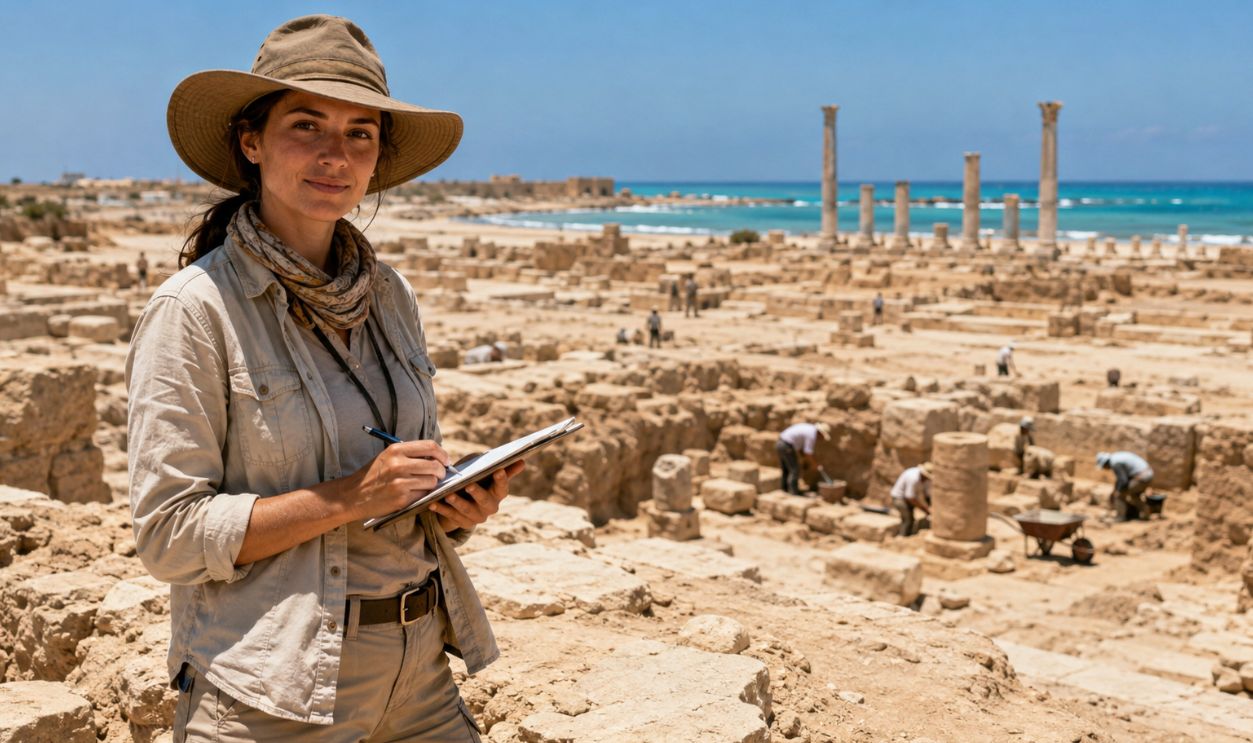
Archaeologists working along Egypt’s northwestern coast have uncovered 18 tombs dating to the Ptolemaic and Roman periods. The cemetery contained sealed chambers, human remains, gold funerary objects, and a massive granite sarcophagus. Together, the discoveries offer a rare look at life and death in a multicultural Mediterranean port city.
Archaeologists Made A Remarkable Discovery
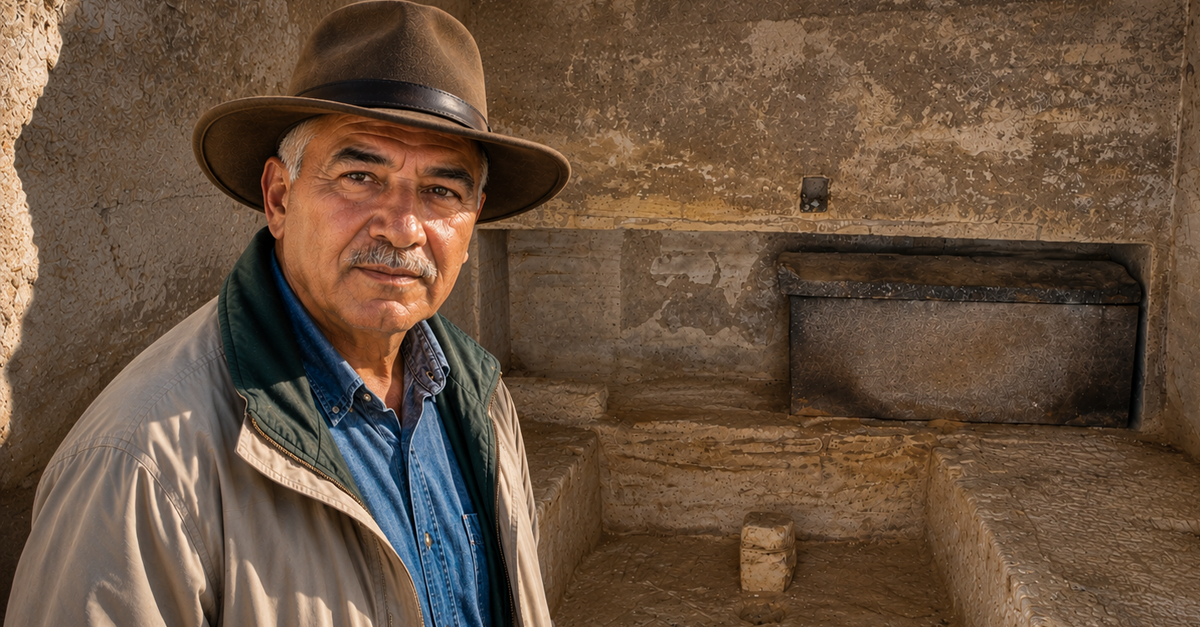
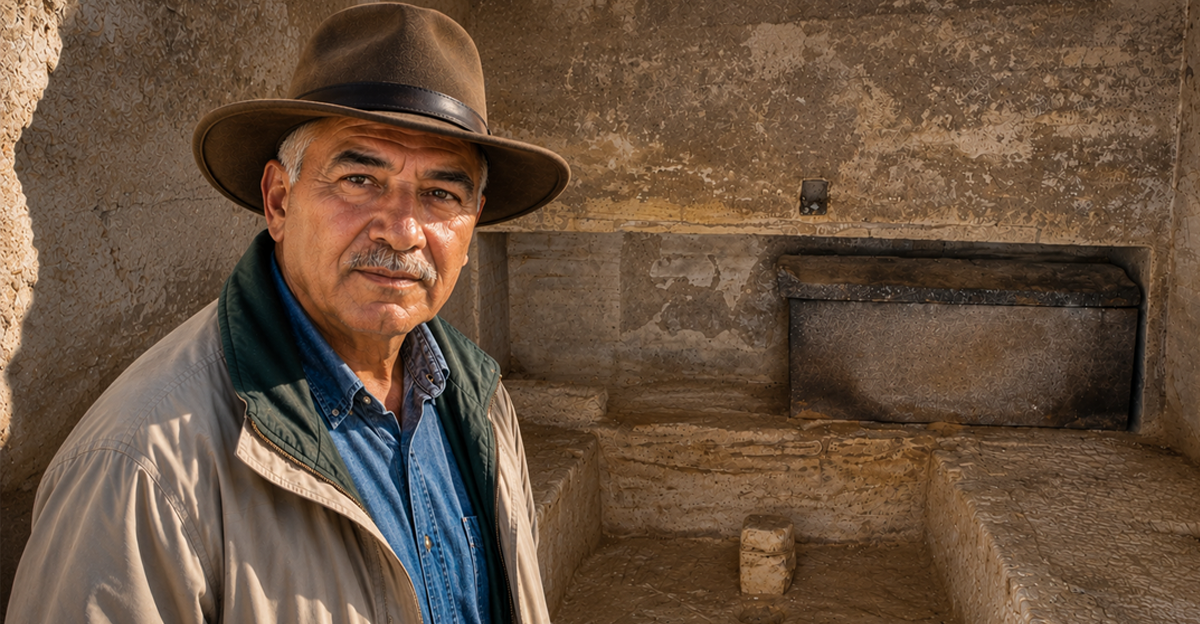
Egypt’s Ministry of Tourism and Antiquities announced the discoveries on July 4, 2026. The excavation was conducted by an Egyptian archaeological mission at Marina El Alamein. Officials described the finds as an important step toward understanding the city’s cultural and commercial importance.
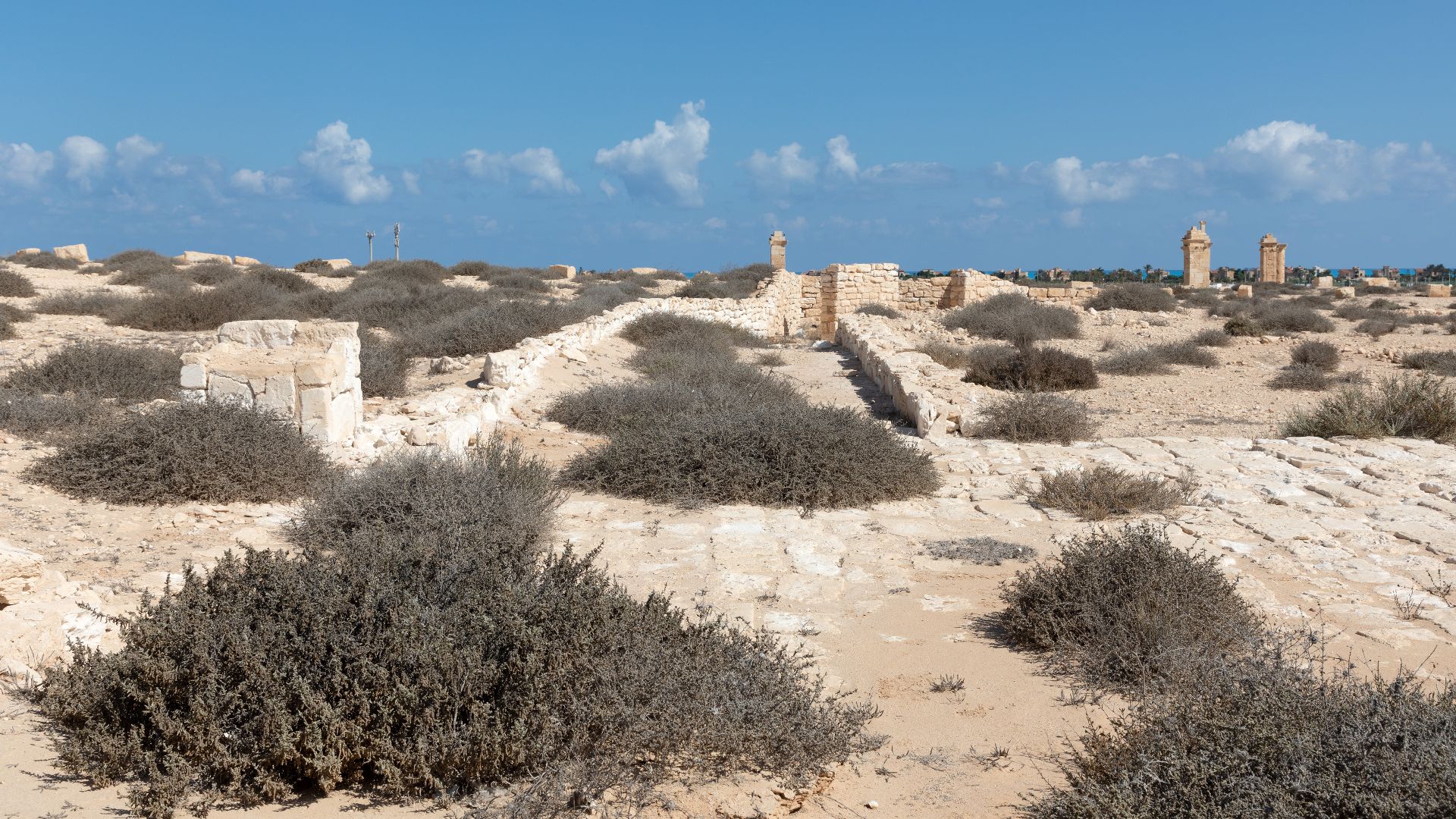 Roland Unger, Wikimedia Commons
The Tombs Were Found Near Alexandria
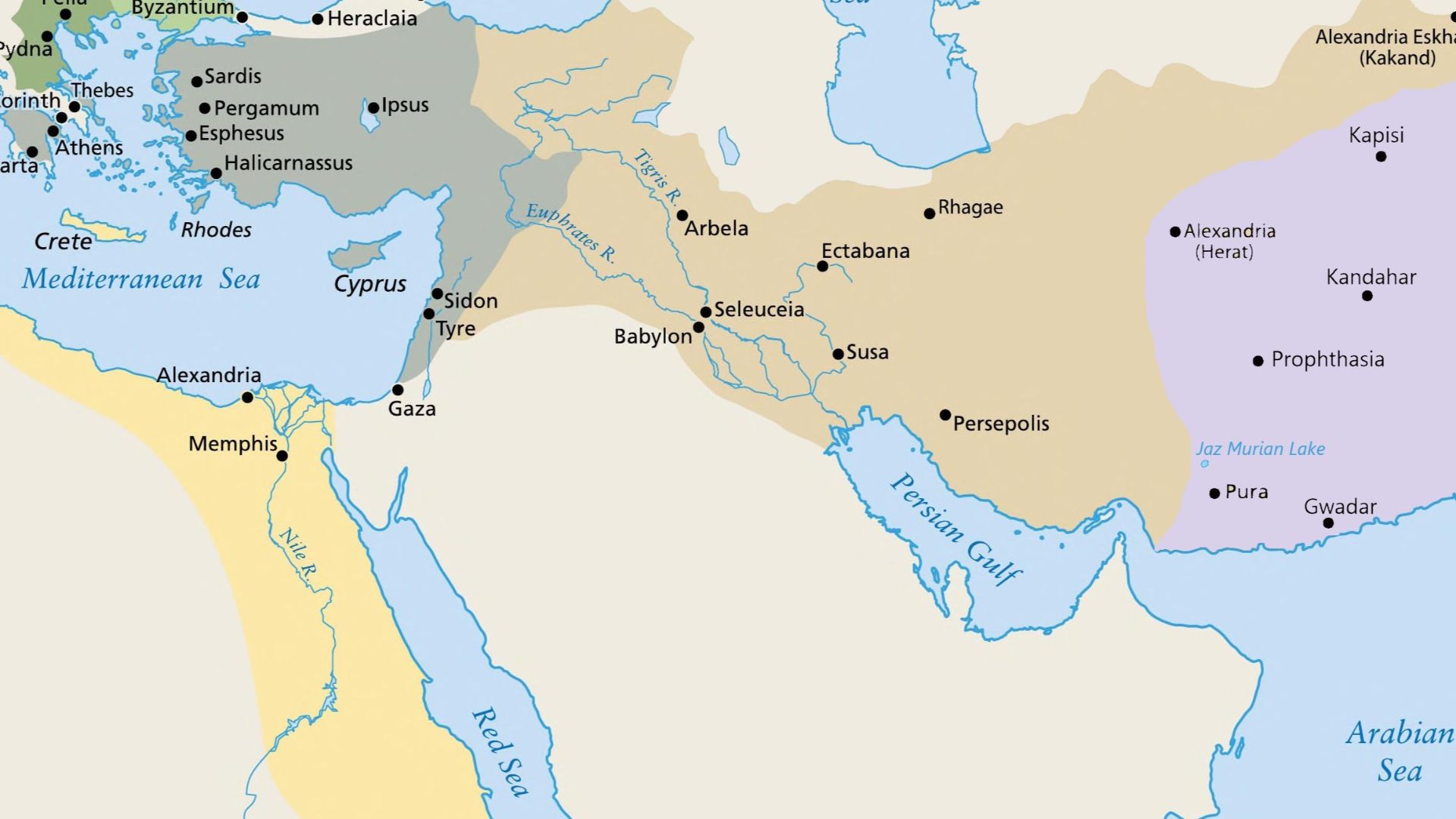
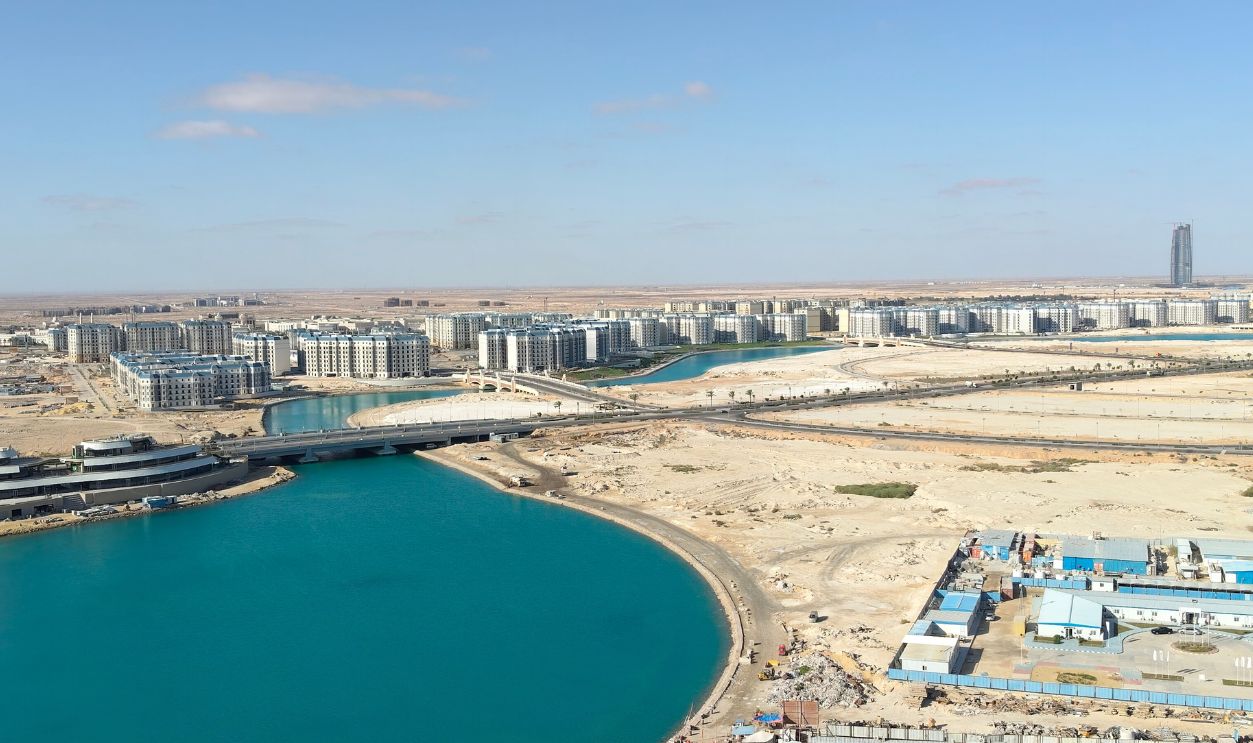
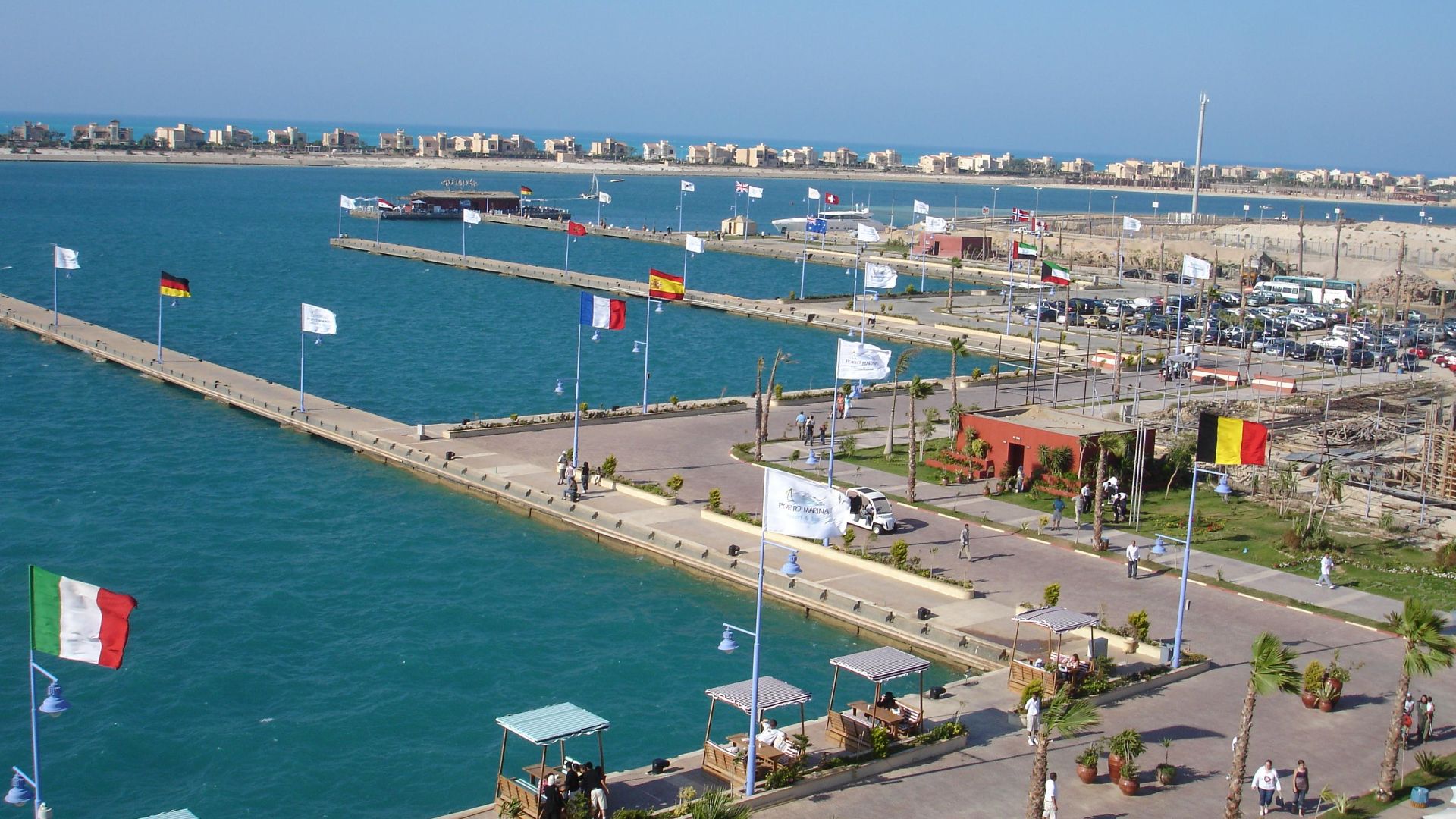
Marina El Alamein lies about 100 kilometers west of Alexandria on Egypt’s Mediterranean coast. Today, the surrounding region is better known for beaches, resorts, and vacation developments. Beneath that modern landscape are the remains of one of ancient Egypt’s most important coastal settlements.
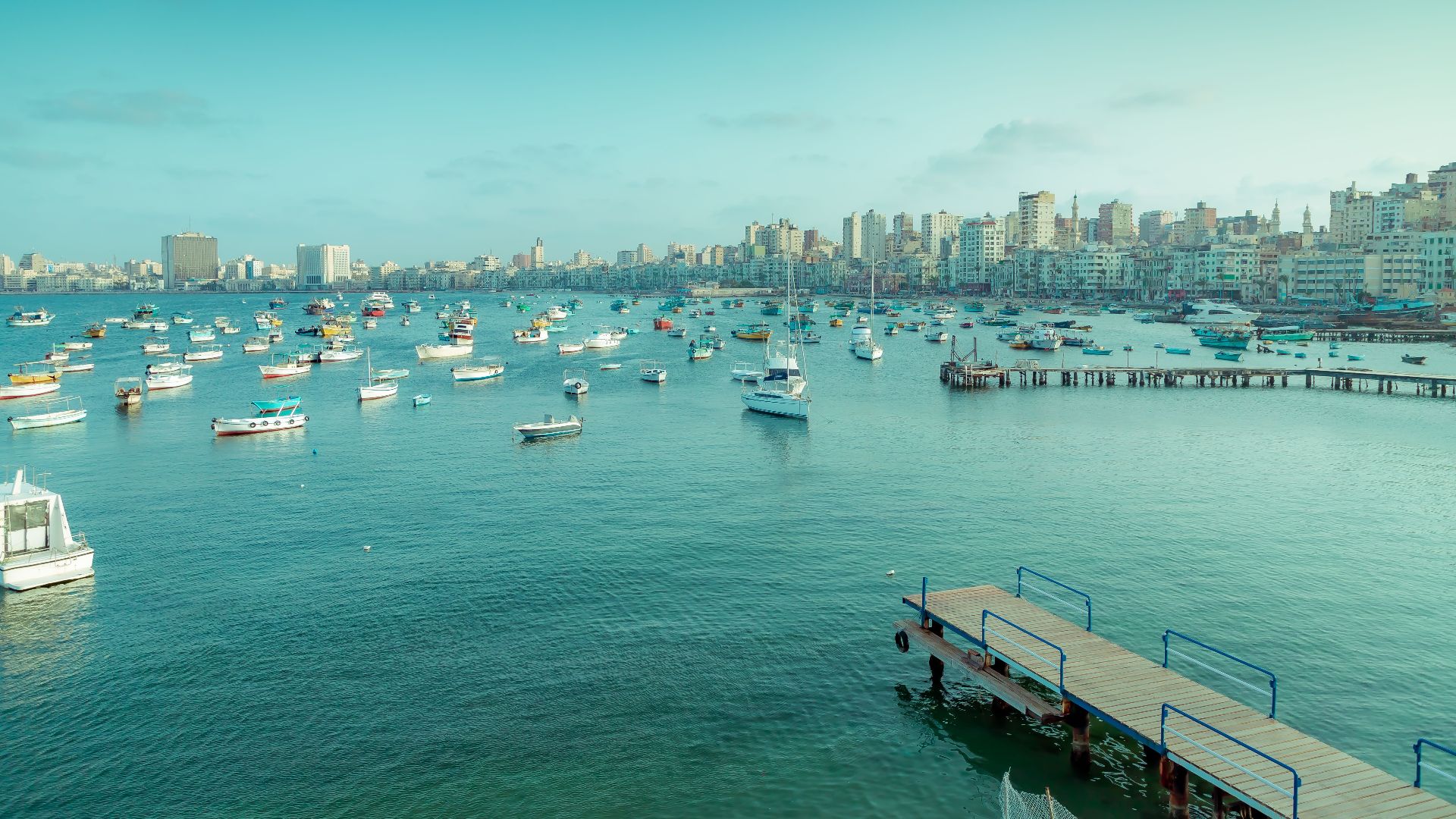
The Site May Be The Lost City Of Leukaspis
Archaeologists widely identify Marina El Alamein with Leukaspis, an ancient city mentioned by the Greek geographer Strabo. The settlement was also known by names including Antiphrae in surviving historical accounts. Although its ancient identity is not documented by a single definitive inscription, the archaeological and geographical evidence is compelling.
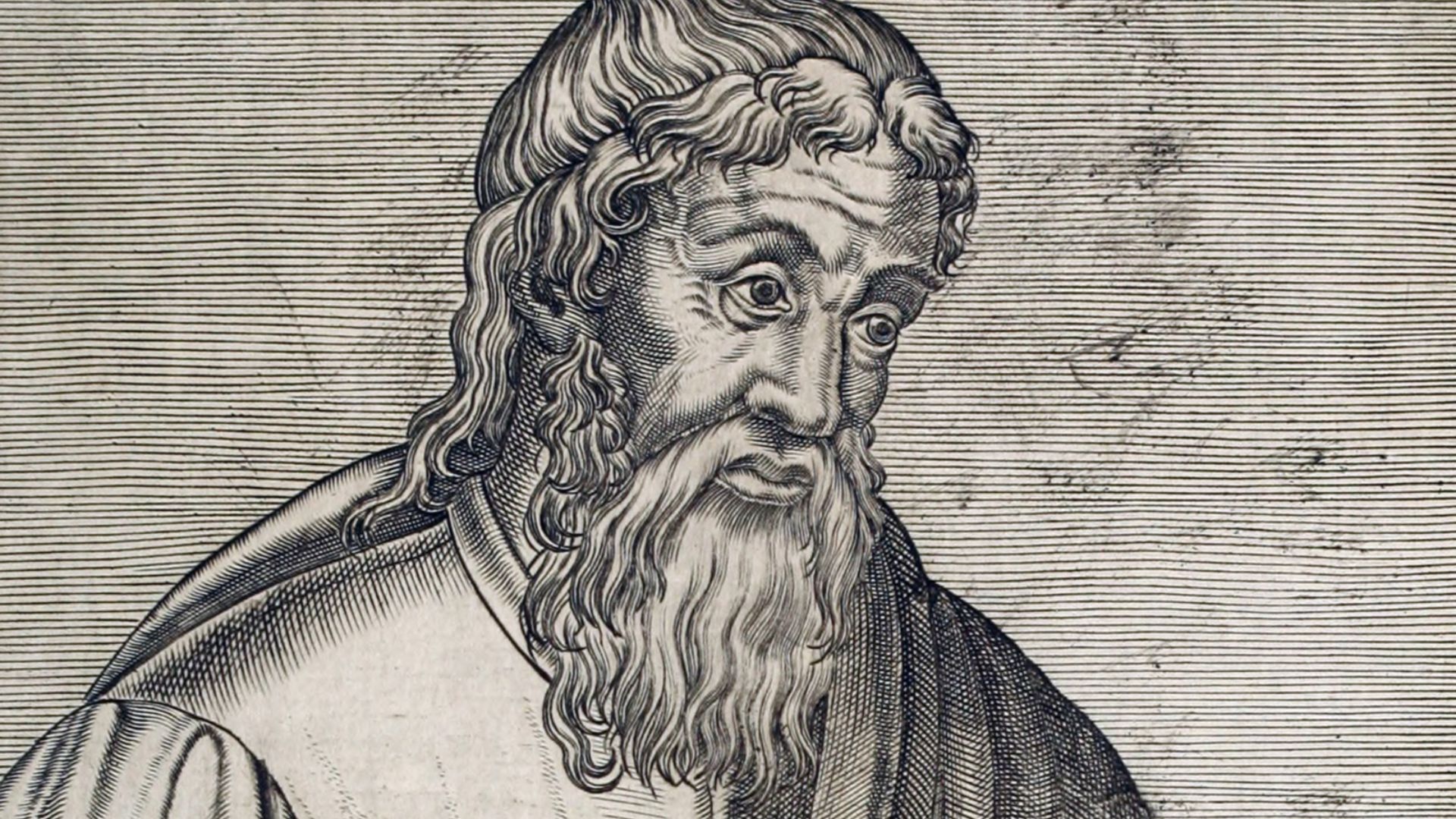 Andre Thevet, Wikimedia Commons
Leukaspis Was A Busy Port City
The settlement developed into an important urban, maritime, and commercial center. Ships connected the port with other communities across Egypt and the wider Mediterranean. Its location placed residents at the meeting point of Egyptian, Greek, and later Roman cultures.
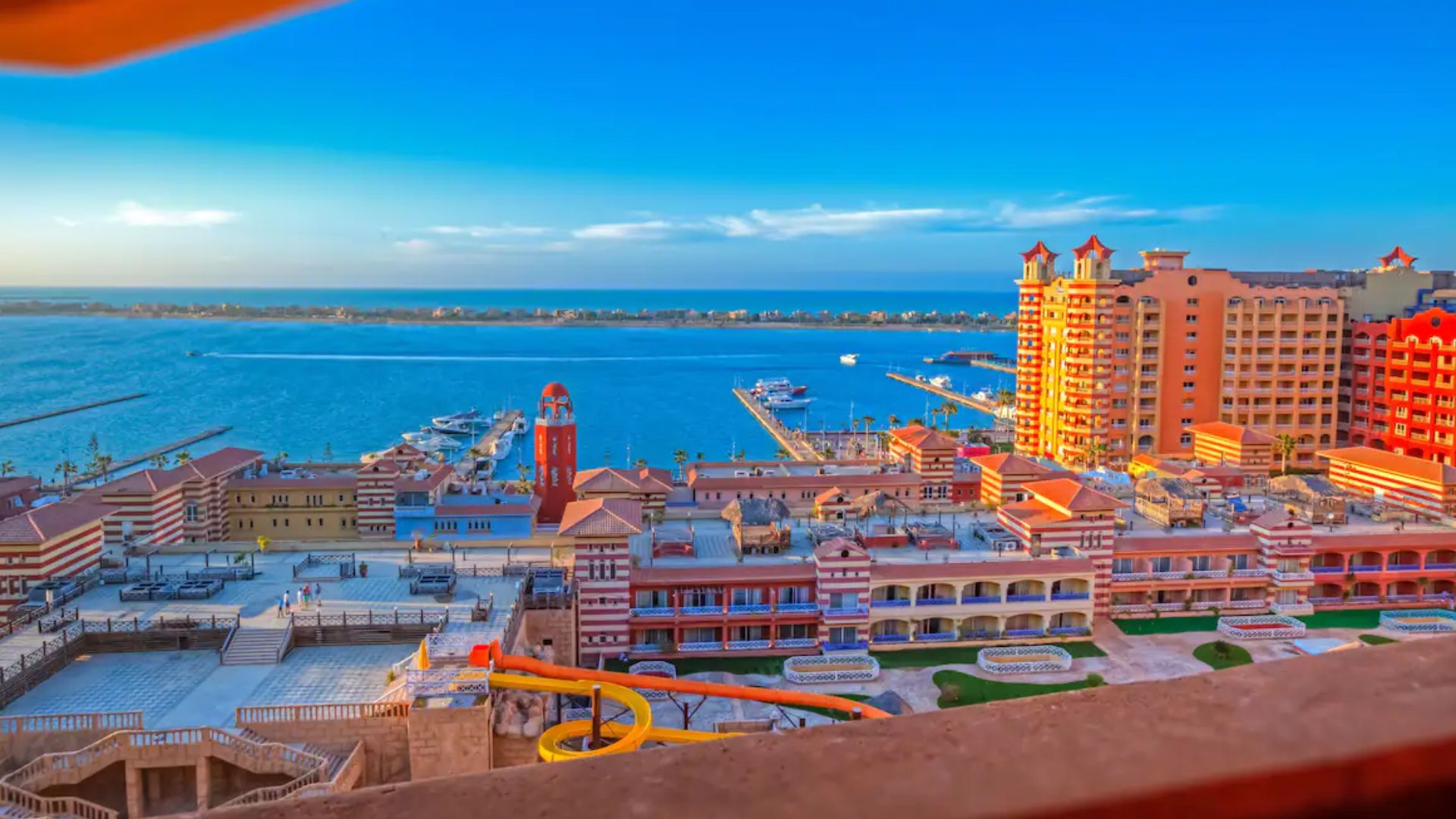
The City Flourished For Centuries
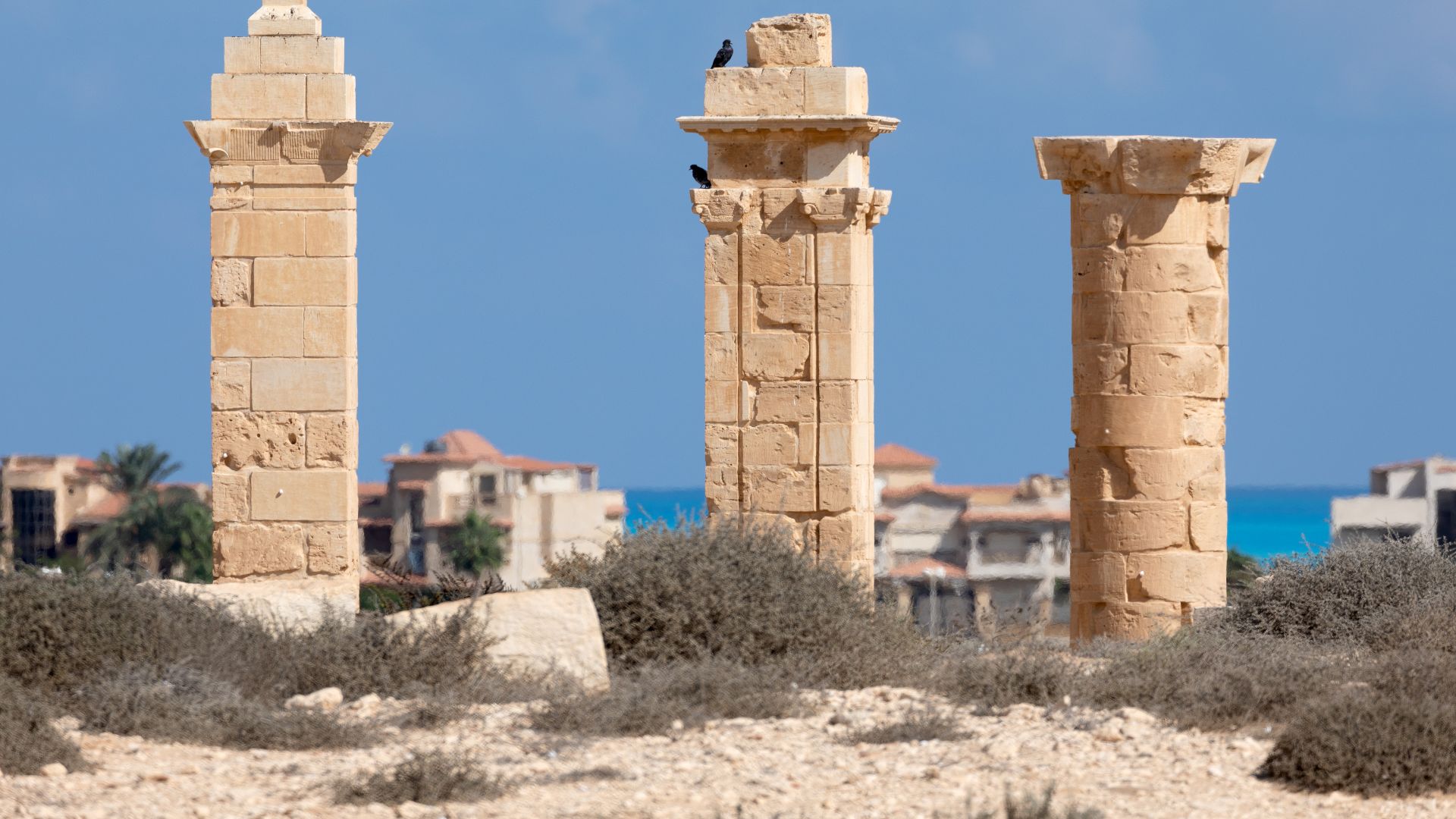
Marina El Alamein was occupied from the Hellenistic period through the Roman and Byzantine eras. Officials say it reached its height between the first and third centuries CE. Streets, homes, public buildings, cemeteries, and commercial districts show that this was much more than a small coastal outpost.
 Buddhamitra sangha, Wikimedia Commons
Archaeologists Found Two Types Of Tombs
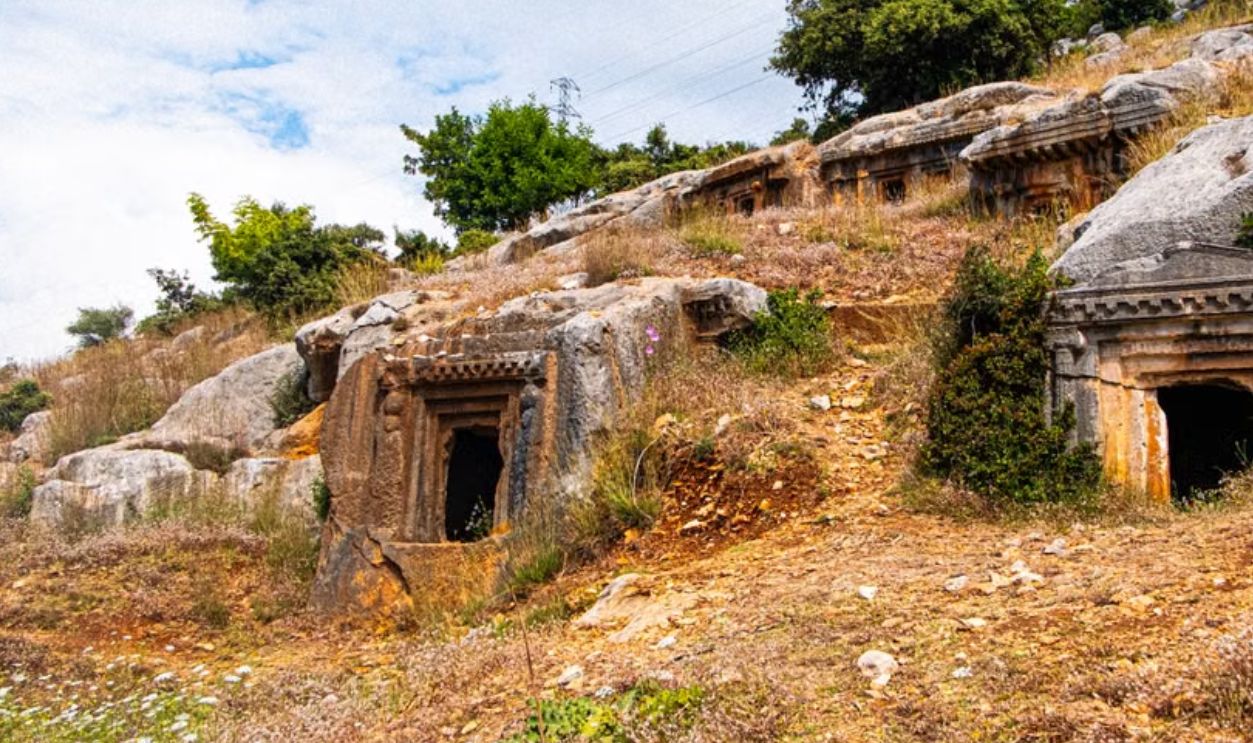
The newly uncovered cemetery contains 11 rock-cut tombs, known as hypogea, and seven tombs built above ground from limestone. This variety suggests that different architectural traditions were being used within the same burial area. It may also reflect differences in wealth, status, family preference, or changing customs.
 Roland Unger, Wikimedia Commons
Some Tombs Extended Deep Underground
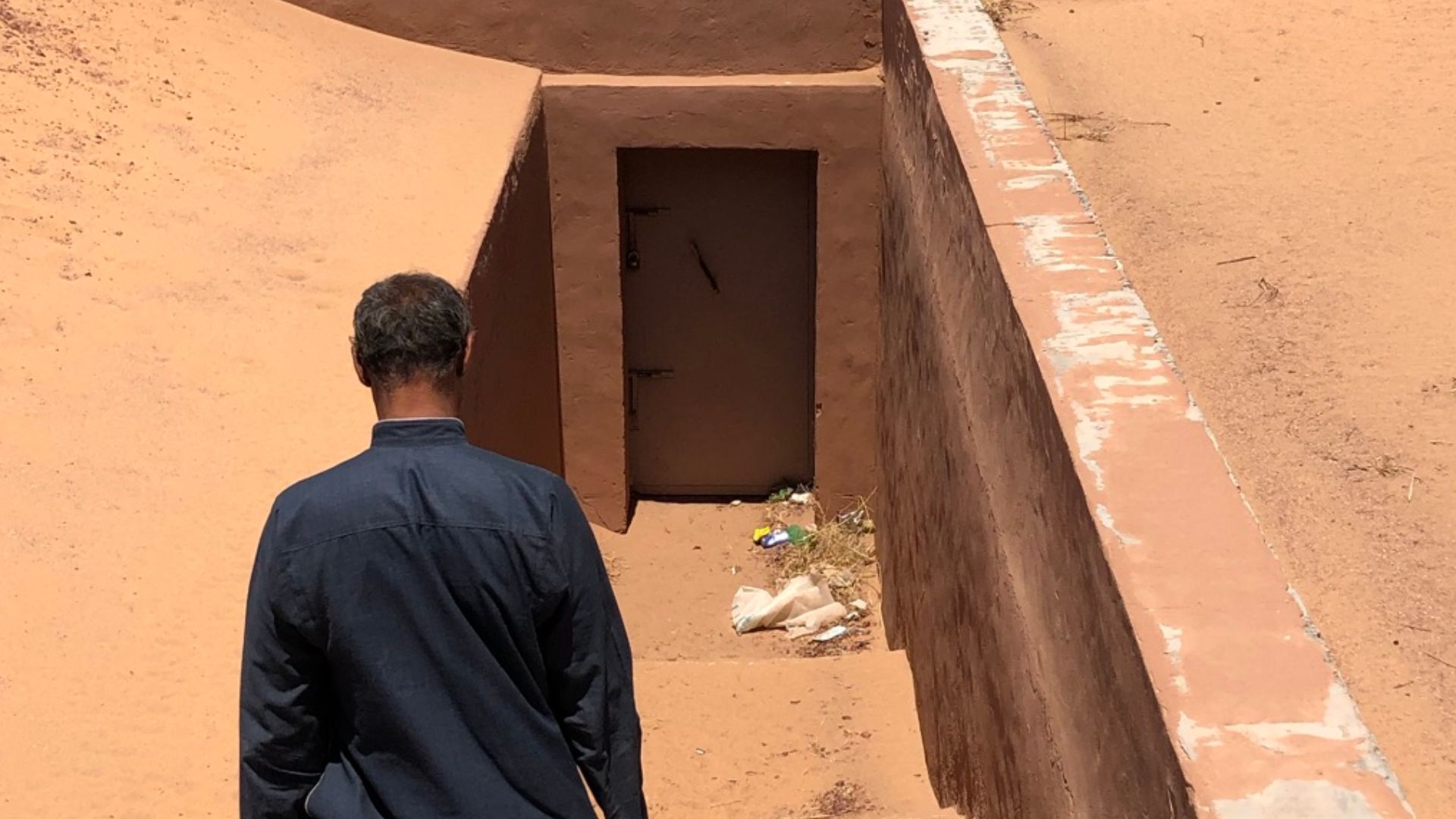
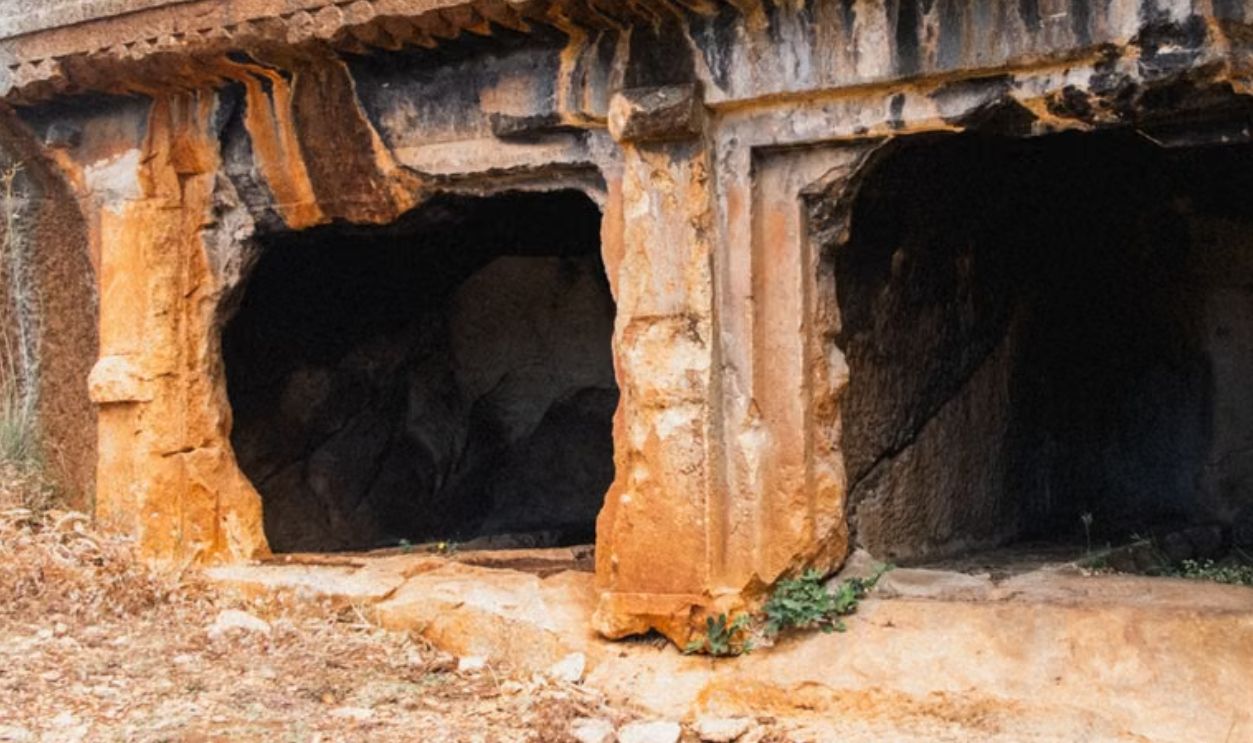
The 11 underground complexes were cut into the rock to depths of around eight meters. Reaching the burial chambers required carefully planned shafts, passages, and excavation work. Their construction would have demanded considerable labor and technical knowledge.
 Viktor Lazic, Wikimedia Commons
Seven Tombs Stood Near The Surface
The remaining seven tombs were limestone structures built closer to ground level. Some retained their original architectural elements when archaeologists reached them. Their survival gives researchers an unusually clear view of coastal funerary construction during the Greco-Roman period.
Several Chambers Were Still Sealed
Some burial chambers remained closed behind their original stone slabs. Officials said these spaces had apparently been untouched since antiquity. Sealed contexts are especially valuable because objects are more likely to remain near the positions in which ancient mourners left them.
The Discovery Raised The Site’s Total To 44 Tombs
The latest finds brought the number of excavated tombs at Marina El Alamein to 44. Archaeological work began after the ancient settlement was discovered during modern construction in 1986. Nearly four decades later, the site continues to produce major discoveries.

A Massive Granite Sarcophagus Was Waiting Inside
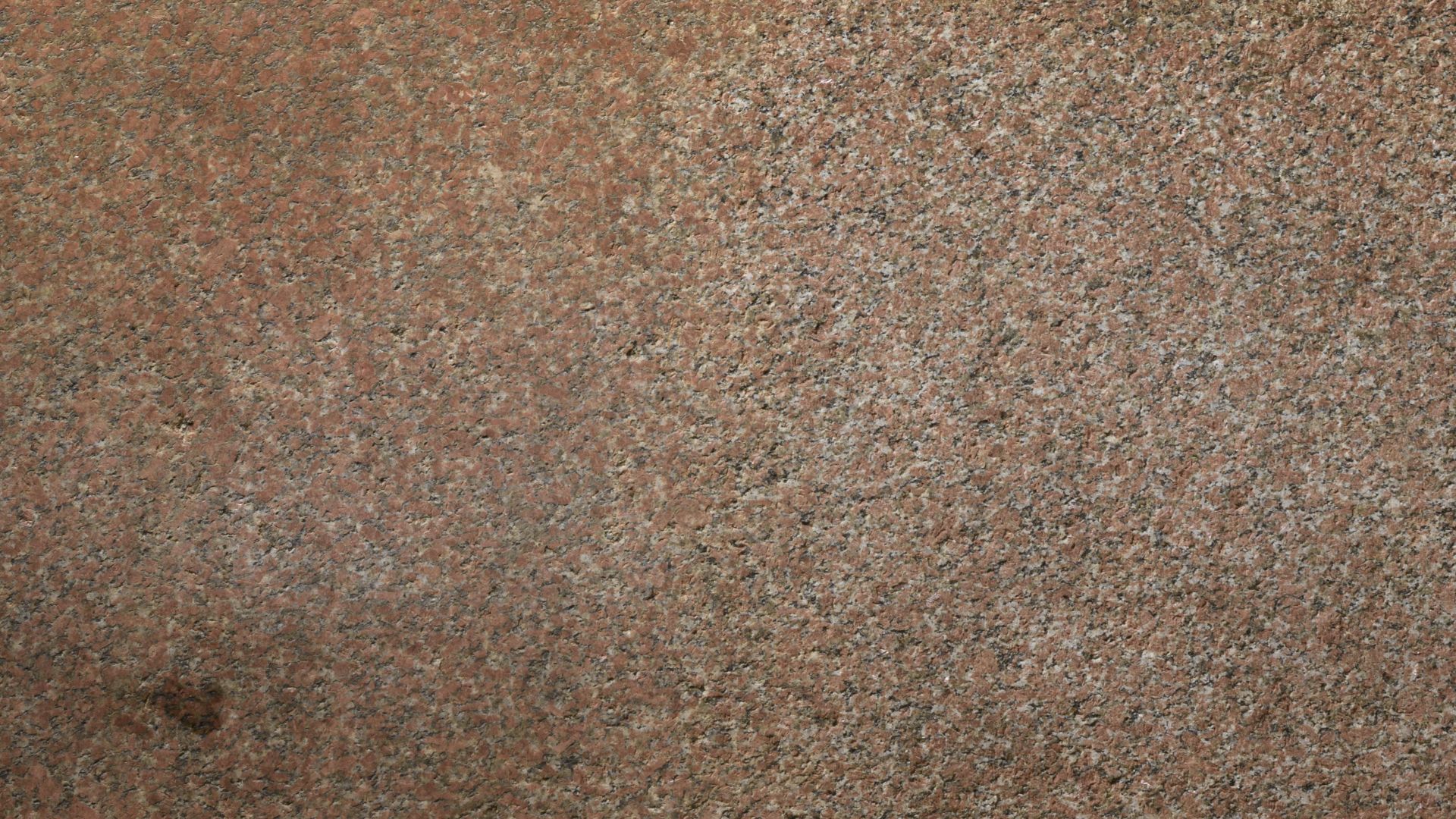
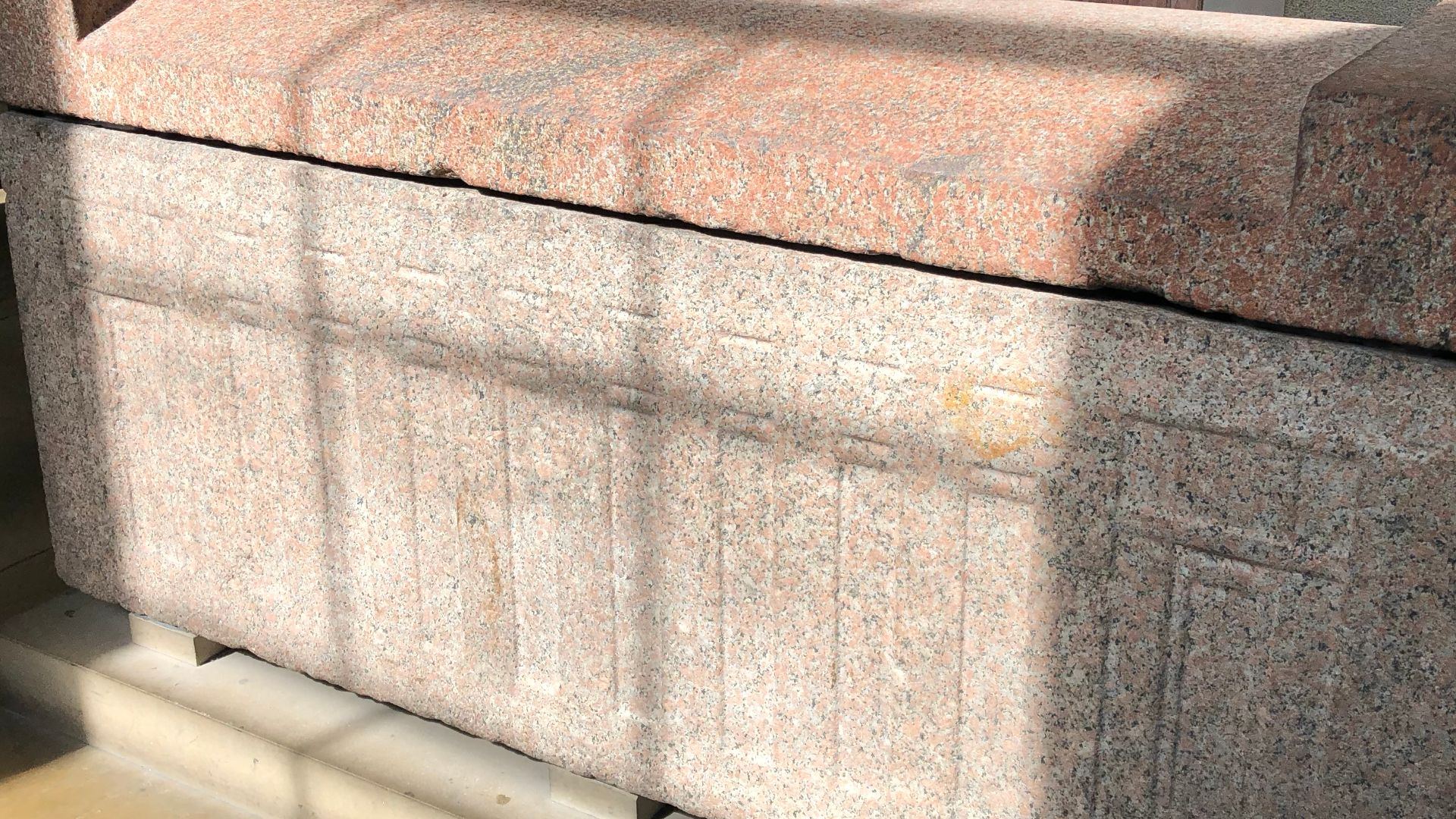
One of the most dramatic finds was a granite sarcophagus measuring approximately 2.5 meters long. Its original lid was reportedly still sealed when archaeologists uncovered it. Moving and positioning such a heavy container would have required extensive resources.
 Marco Chemello (WMIT), Wikimedia Commons
Human Remains Were Found In The Sarcophagus
Skeletal remains were discovered inside the granite coffin. Researchers began scientific examinations to learn more about the deceased. Further analysis may eventually reveal information about age, health, diet, ancestry, or burial treatment.
 Sanjar Alimov (maxergon.com), Wikimedia Commons
Archaeologists Also Found Surface Burials
Not everyone in the cemetery was placed inside a monumental stone tomb. Archaeologists identified additional burials surrounding the larger structures. Officials believe this variety may reflect the social diversity of the city’s population.
A Well Became A Burial Shaft
The team discovered a water well that had later been reused as a burial shaft. The change shows how structures could acquire entirely new purposes as neighborhoods evolved. It also demonstrates that the cemetery developed over time rather than through one carefully planned building campaign.
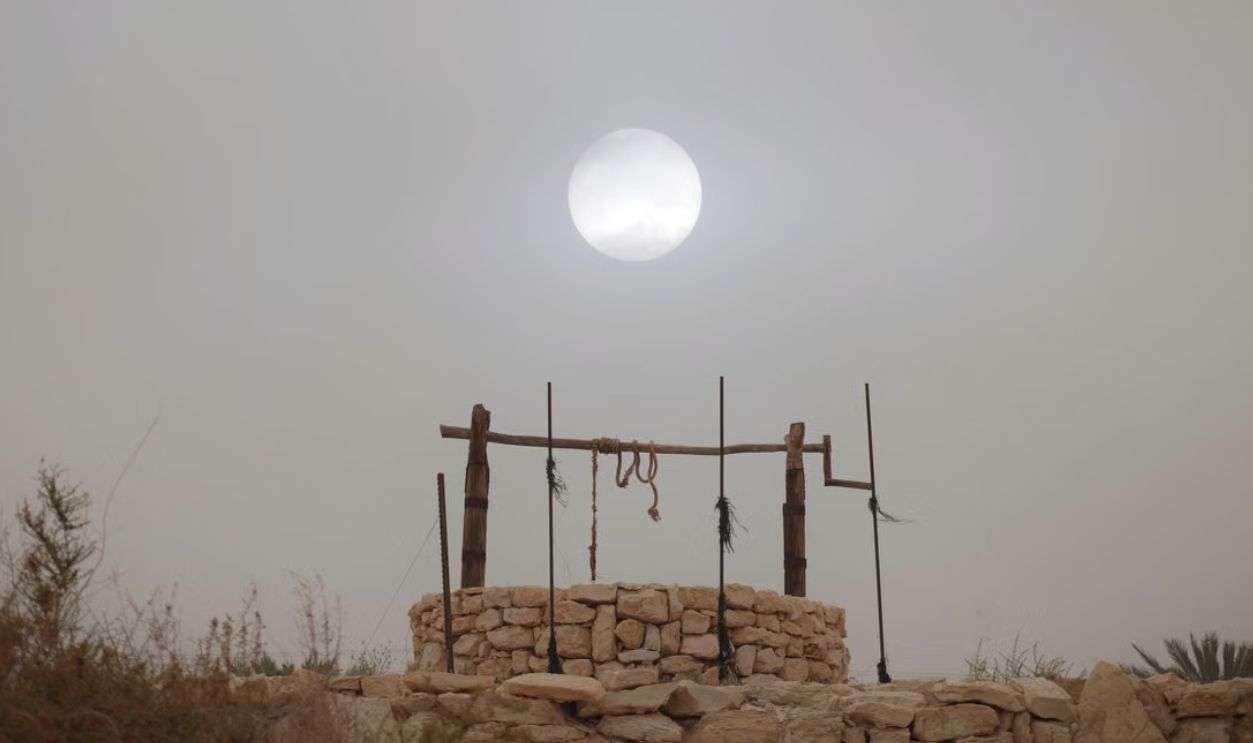
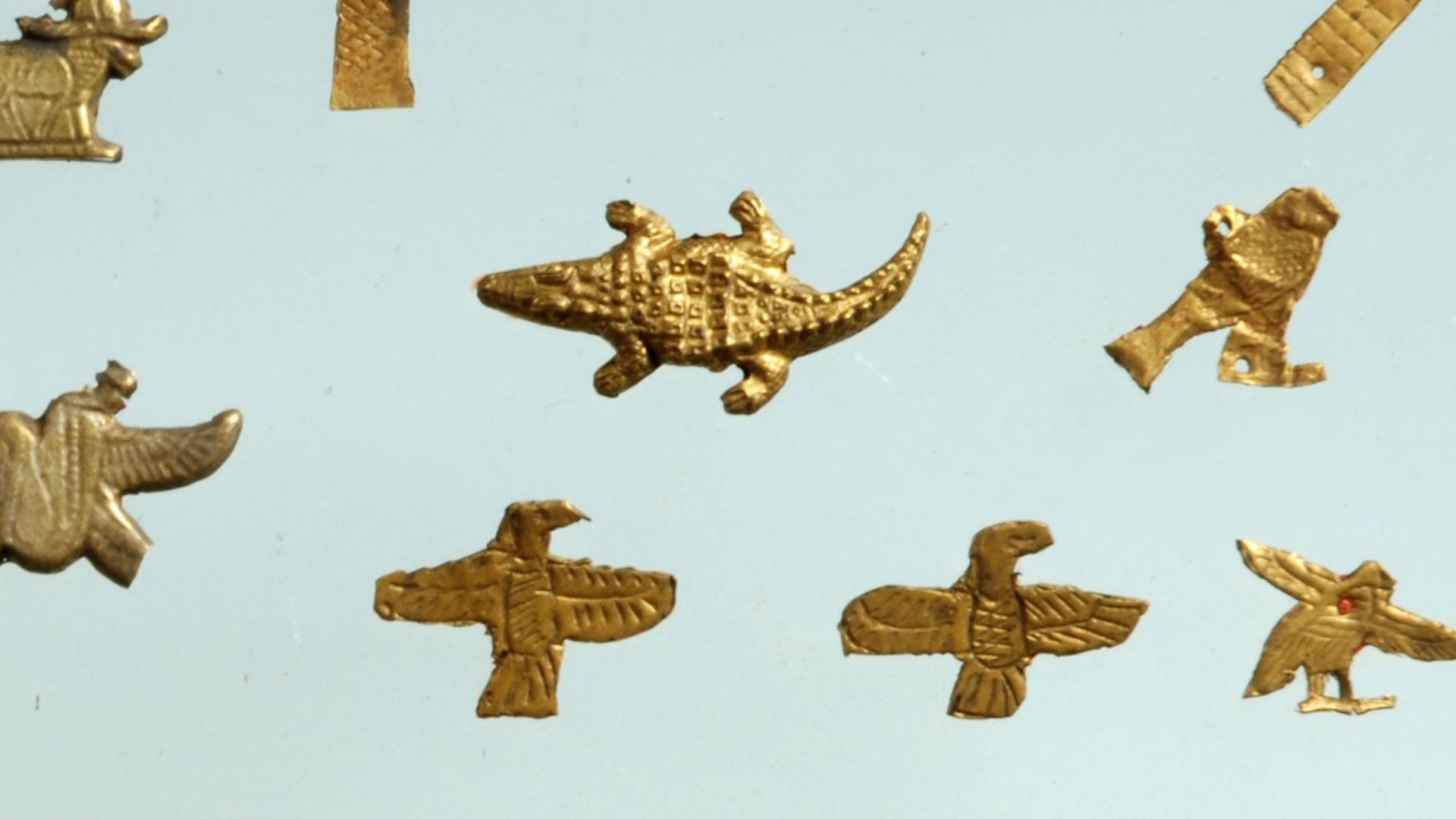
Gold Was Placed Inside The Mouths Of The Dead
Researchers recovered 24 thin gold funerary pieces from the mouths of several deceased individuals. Such objects are commonly described as golden tongues. Similar pieces have been found in other Egyptian burials dating to the Ptolemaic and Roman eras.
 Marco Chemello (WMIT), Wikimedia Commons
Golden Tongues Had A Spiritual Purpose
The gold pieces are generally interpreted as amulets intended to help the deceased speak in the afterlife. Ancient Egyptian beliefs placed great importance on correctly addressing gods and reciting sacred words. A symbolic golden tongue may have ensured that the dead would not remain voiceless during that journey.
Gold Was Associated With The Gods
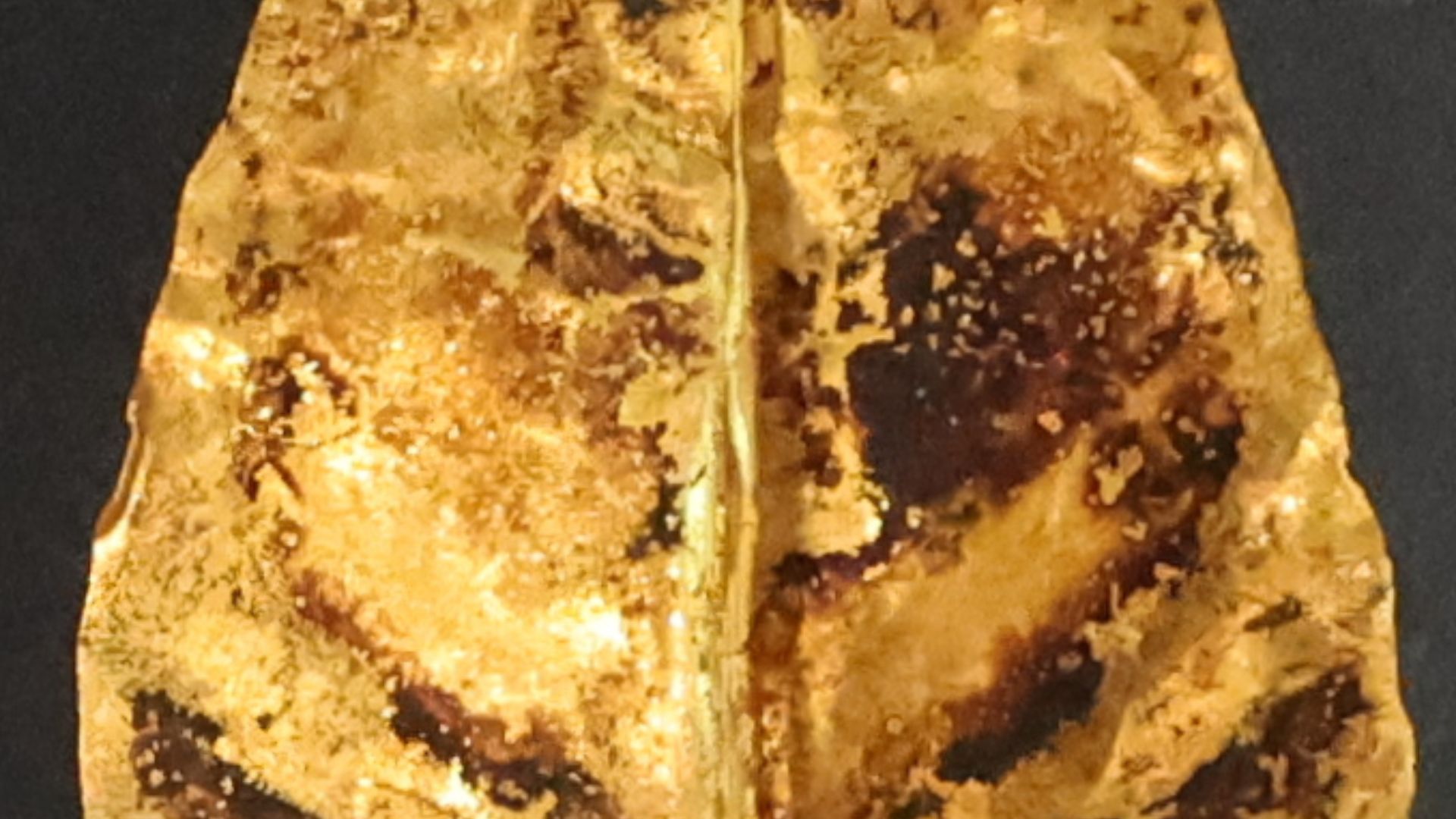
Ancient Egyptians closely associated gold with divine power, permanence, and the bodies of the gods. Unlike many other materials, gold does not tarnish or decay easily. That durability made it especially appropriate for objects connected with eternity and rebirth.
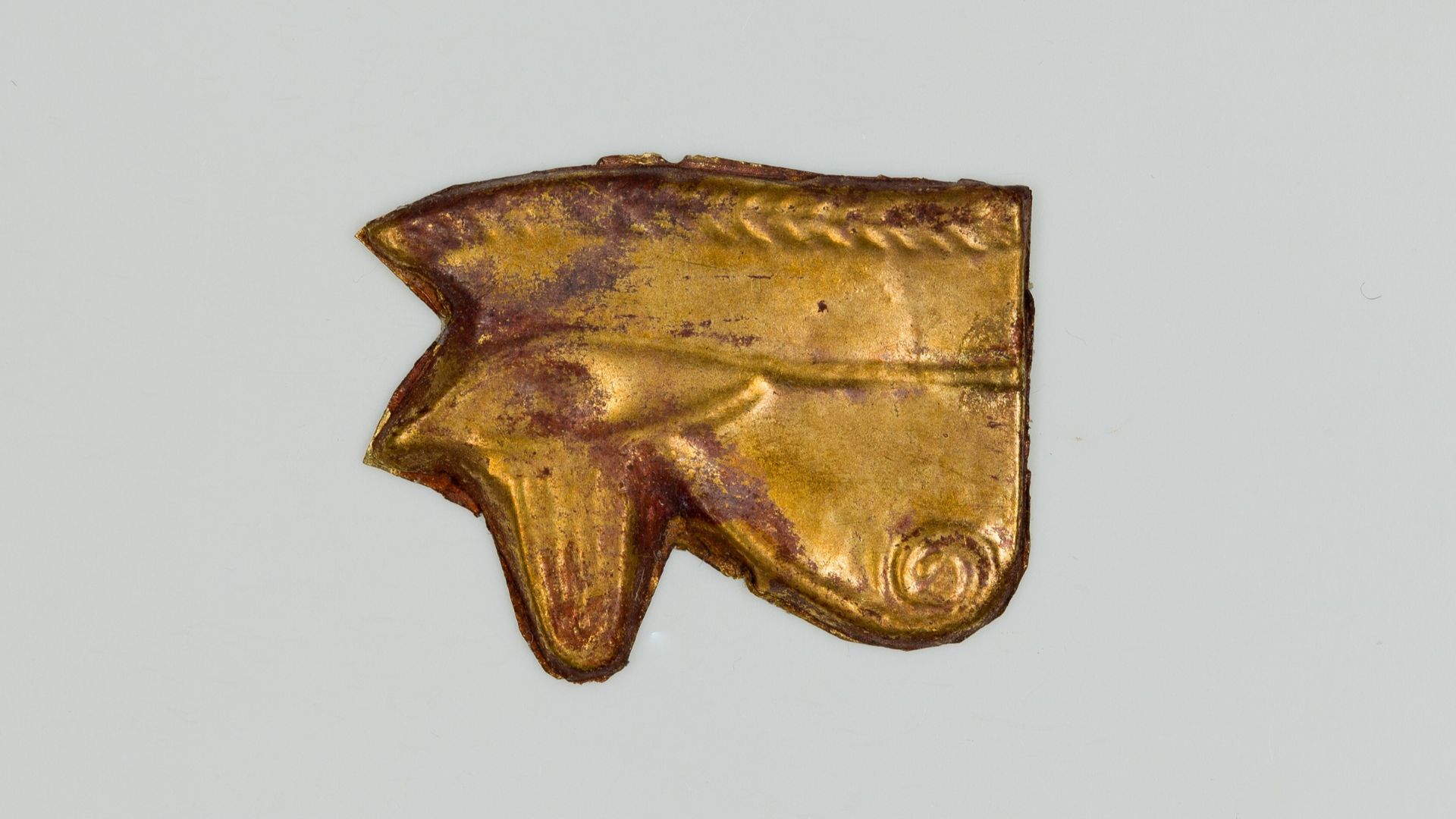
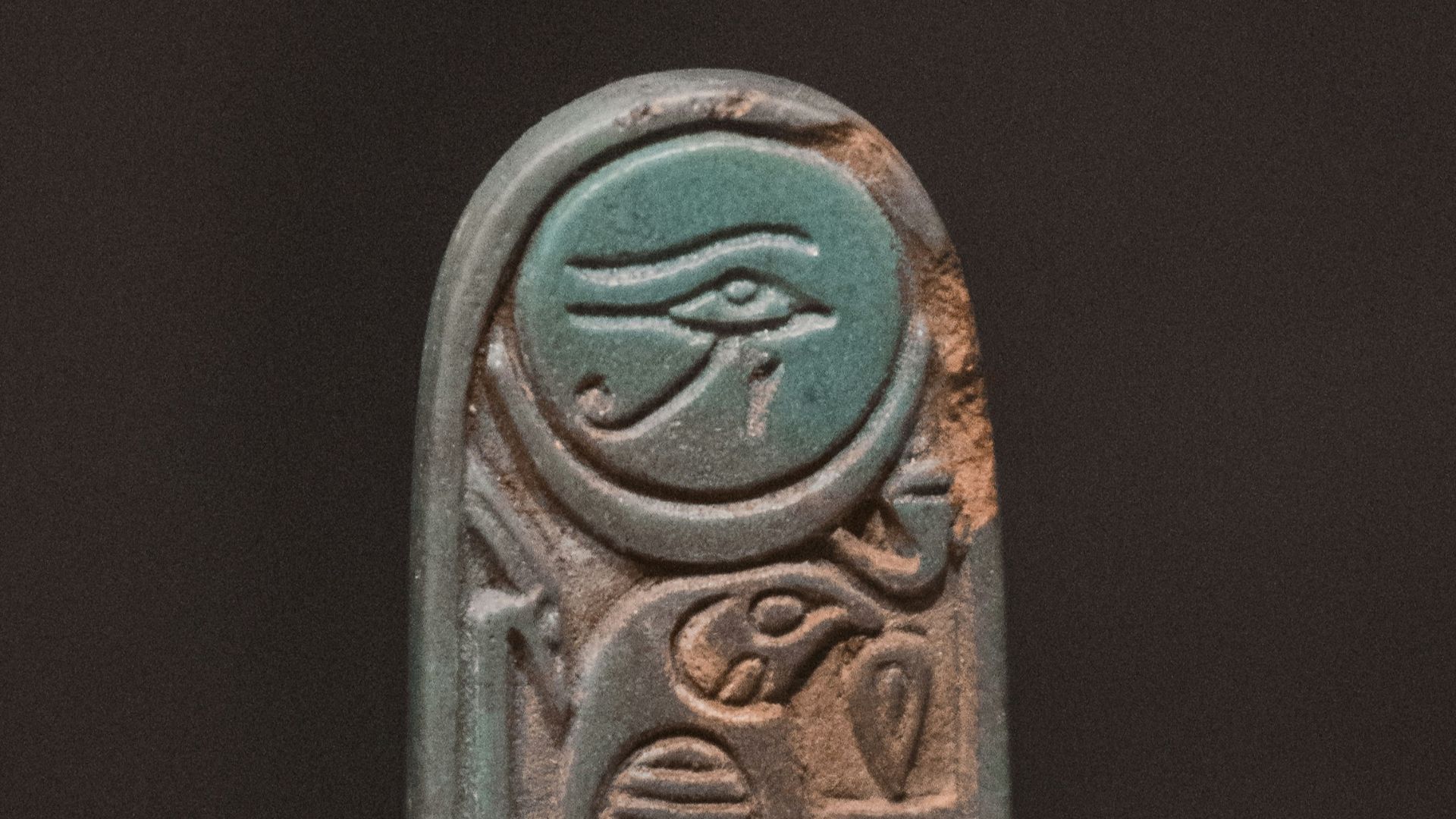
One Amulet Depicted The Eye Of Horus
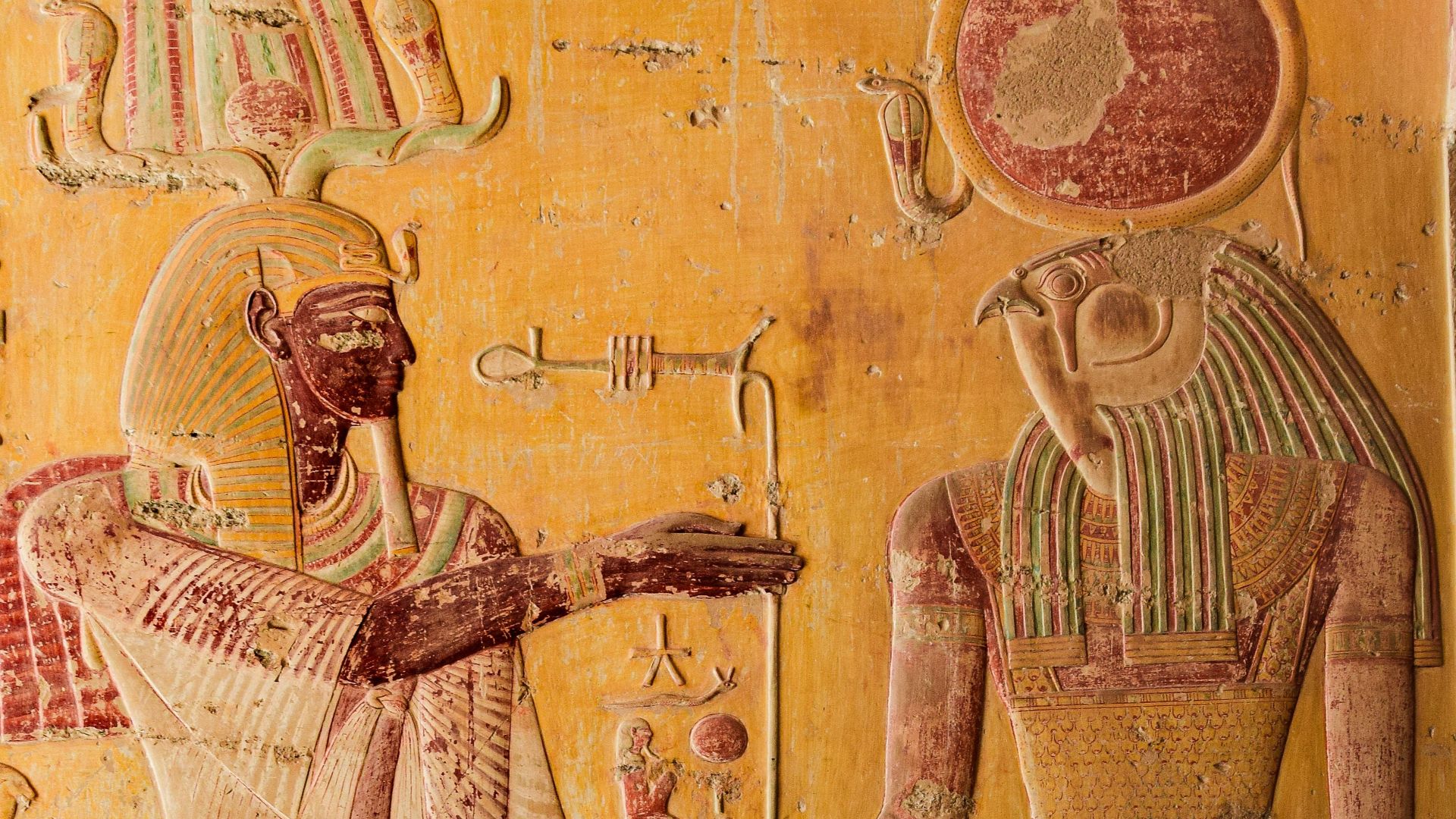
Among the gold objects was an amulet shaped like the Eye of Horus. The symbol was associated with protection, healing, and restoration in ancient Egyptian religion. Its appearance in a Greco-Roman cemetery shows that traditional Egyptian beliefs remained powerful under foreign rule.
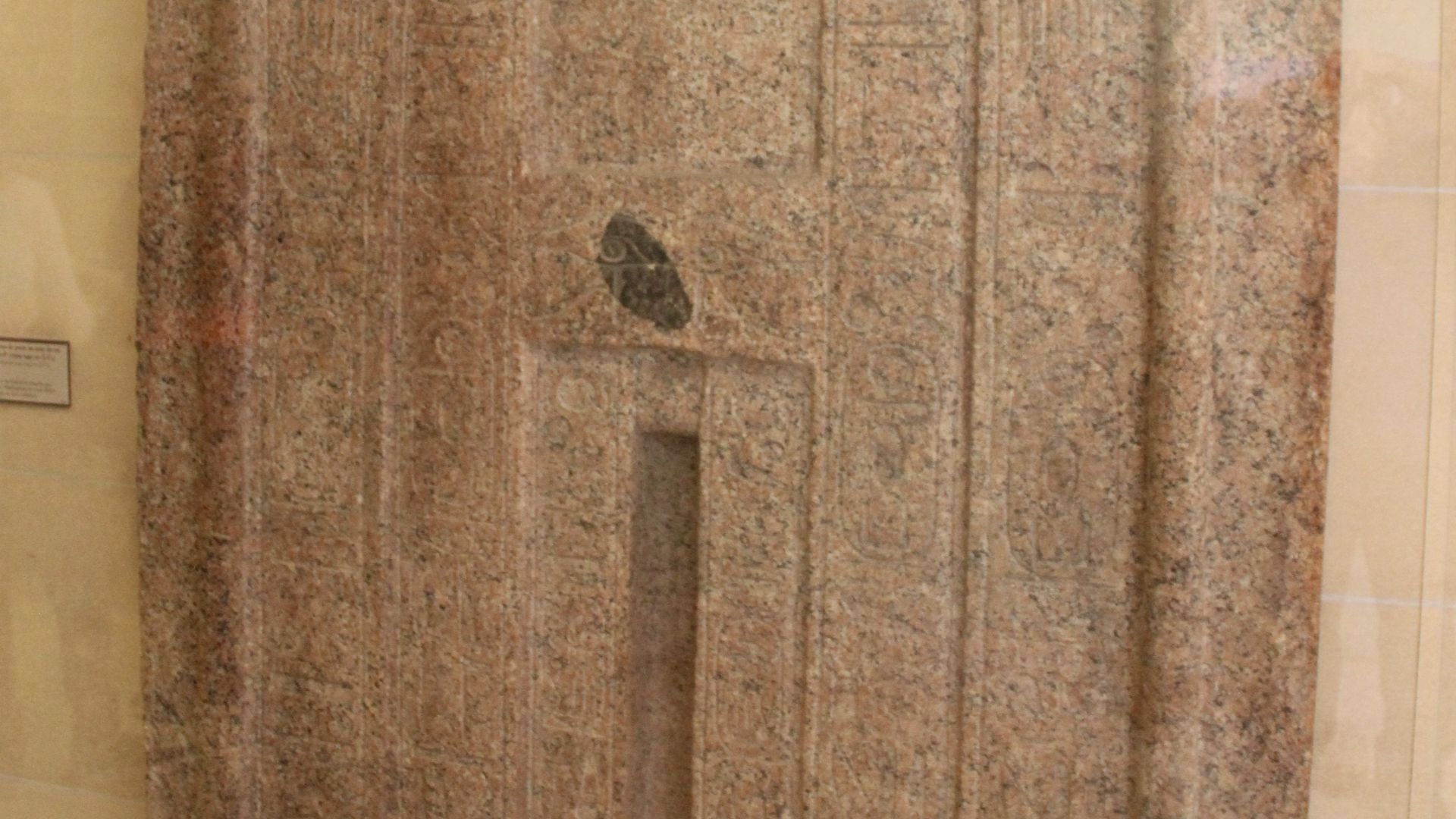
A False Door May Have Appeared On An Altar
Archaeologists uncovered a limestone offering altar whose base resembles an Egyptian false door. False doors symbolically connected the world of the living with the world of the dead. They allowed the deceased to receive offerings without physically returning from the afterlife.
 Gary Todd from Xinzheng, China, Wikimedia Commons
Experts Are Being Careful About The Interpretation
Not every researcher agrees that the altar definitely represents a false door. Some specialists have suggested that its unfinished decoration may resemble another funerary symbol instead. Continued study will be needed before the design can be identified with confidence.
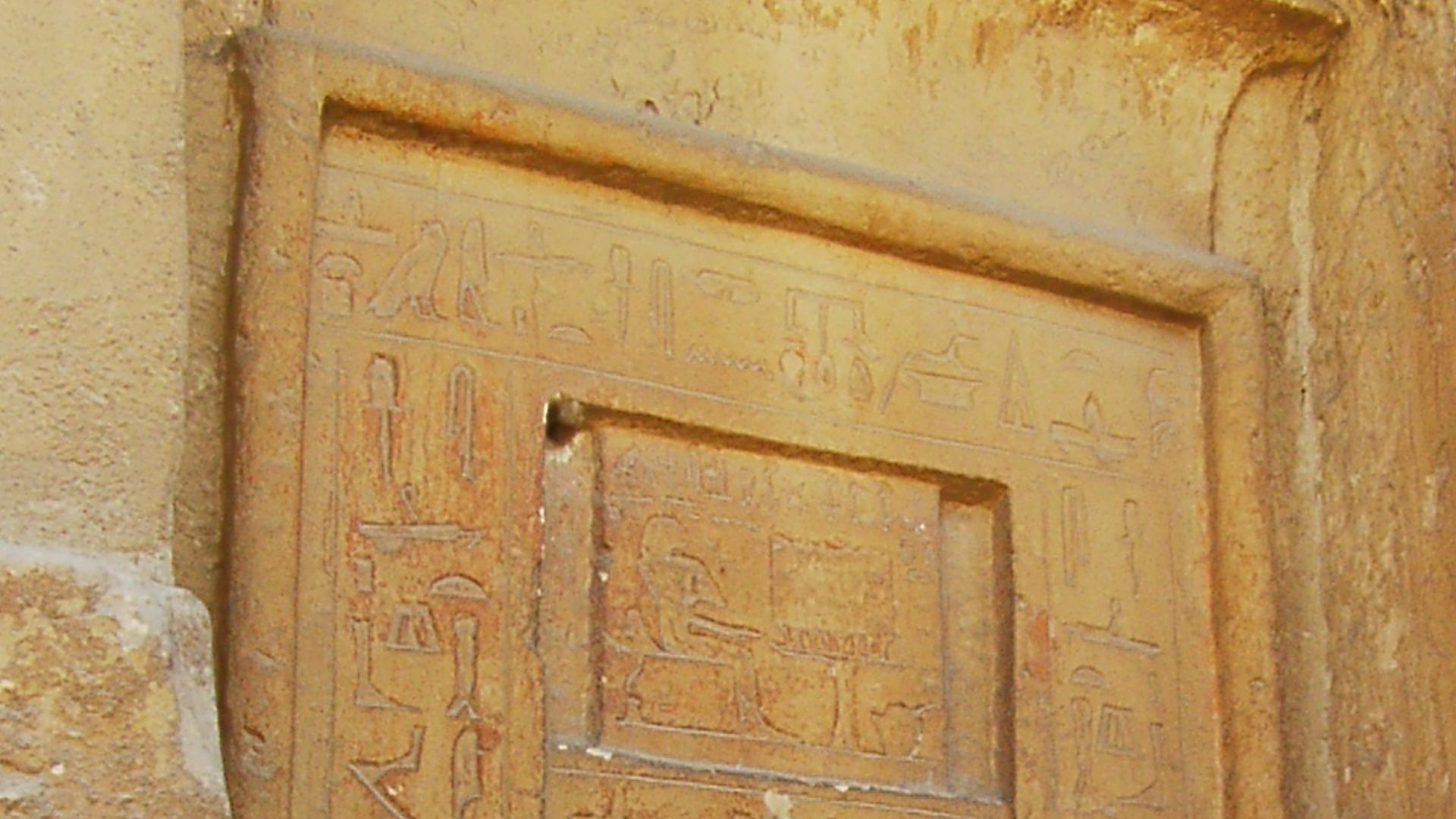
An Aphrodite Statue Added A Greek Connection
The excavation also produced an unfinished marble statue believed to depict Aphrodite. She was the Greek goddess most closely associated with love and beauty. Her presence beside Egyptian funerary symbols captures the cultural mixture that defined the ancient city.
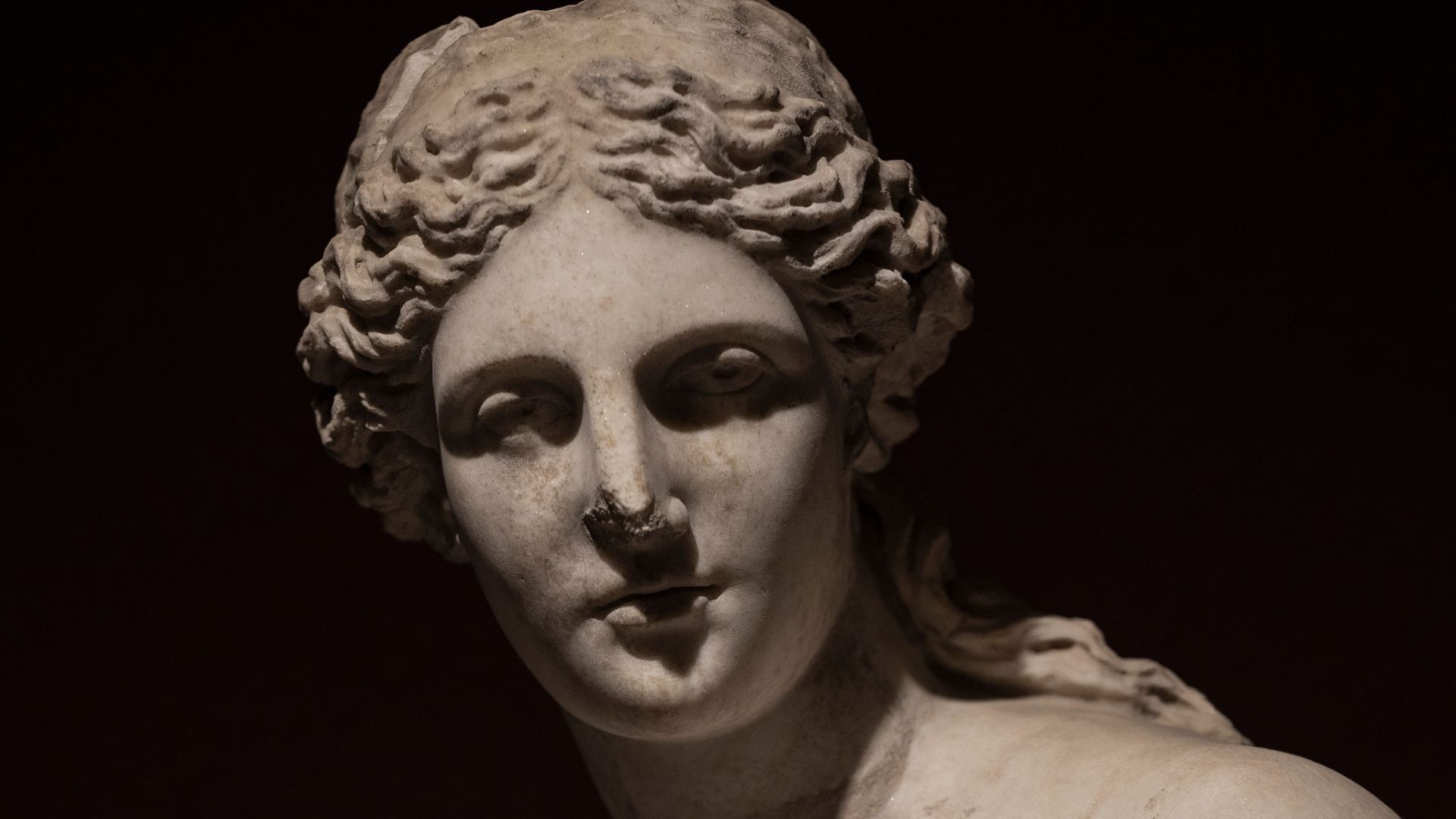
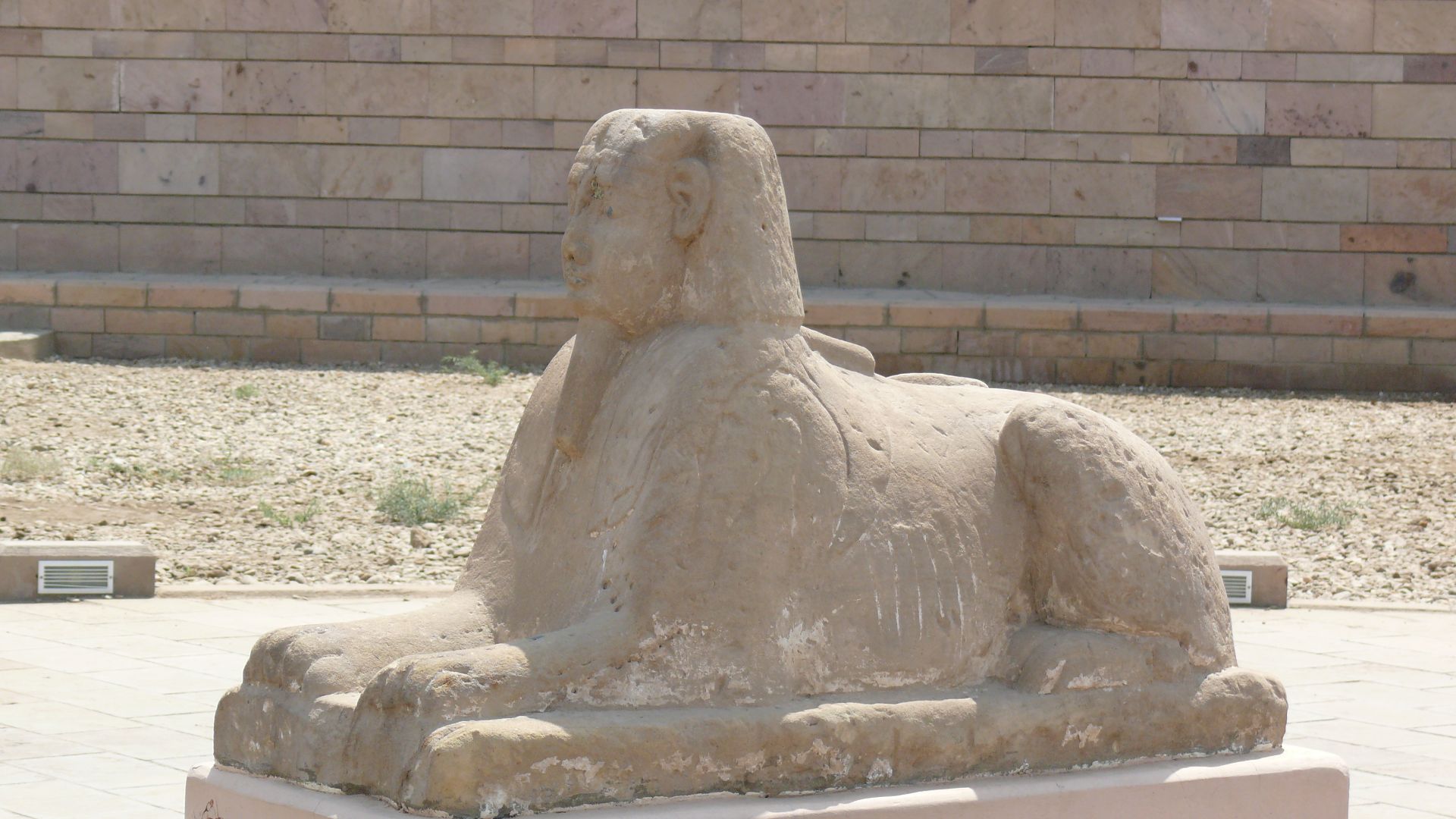
A Plaster Sphinx Appeared Nearby
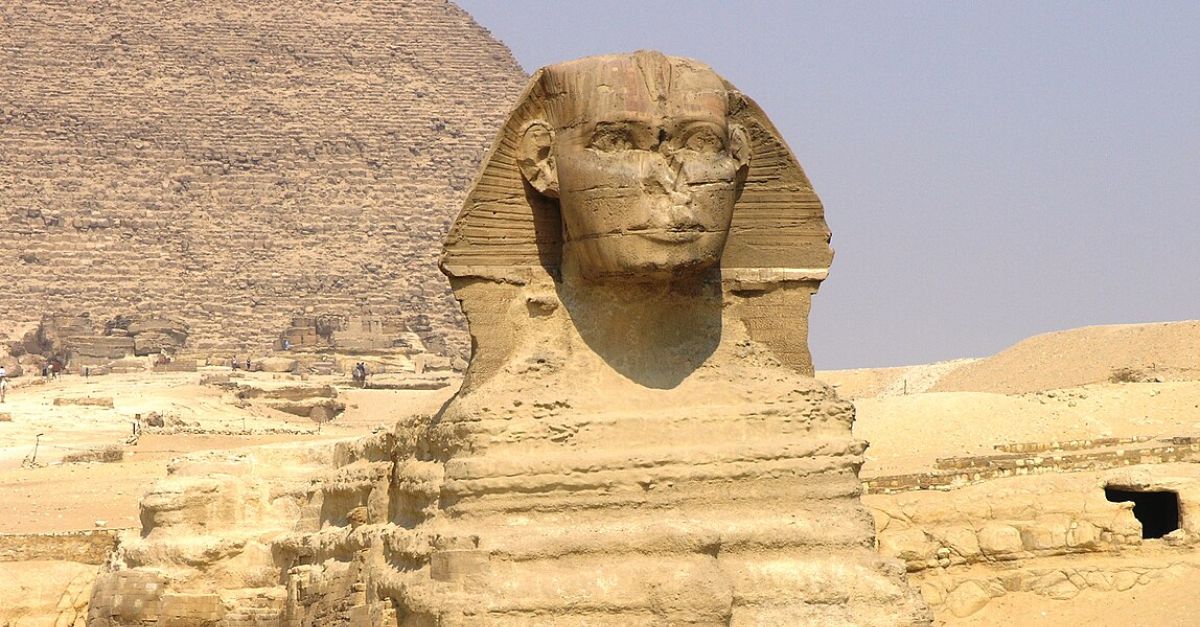
Fragments of a sphinx made from plaster were also found in the cemetery. Sphinx imagery had deep roots in Egyptian religion and royal art. Its continued use during the Hellenistic and Roman periods demonstrates how older traditions were adapted rather than abandoned.
One Stela Shows A Man Holding A Bird
A limestone funerary stela depicts a seated man holding a bird. Such monuments could commemorate the dead while presenting carefully chosen images of identity, status, or family life. Researchers will examine its artistic style for clues about when it was produced and who commissioned it.
Everyday Objects Survived With The Dead
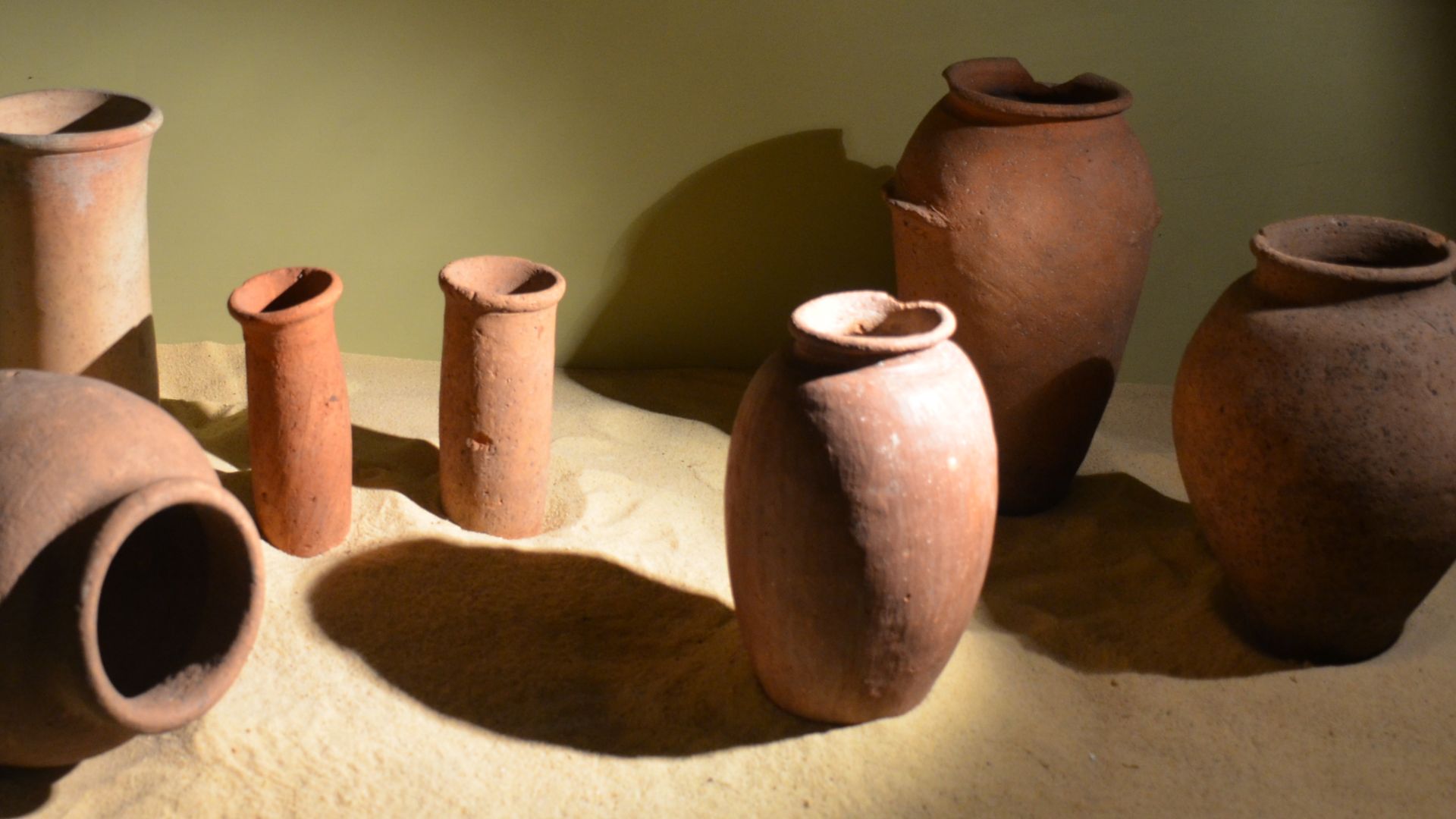
The tombs contained pottery vessels, plates, amphorae, oil lamps, basins, and small limestone altars. These objects may have held food, drink, oil, or other offerings. They also provide practical information about trade, craftsmanship, and domestic life in the ancient port.
Glass Vessels Were Part Of The Burial Goods
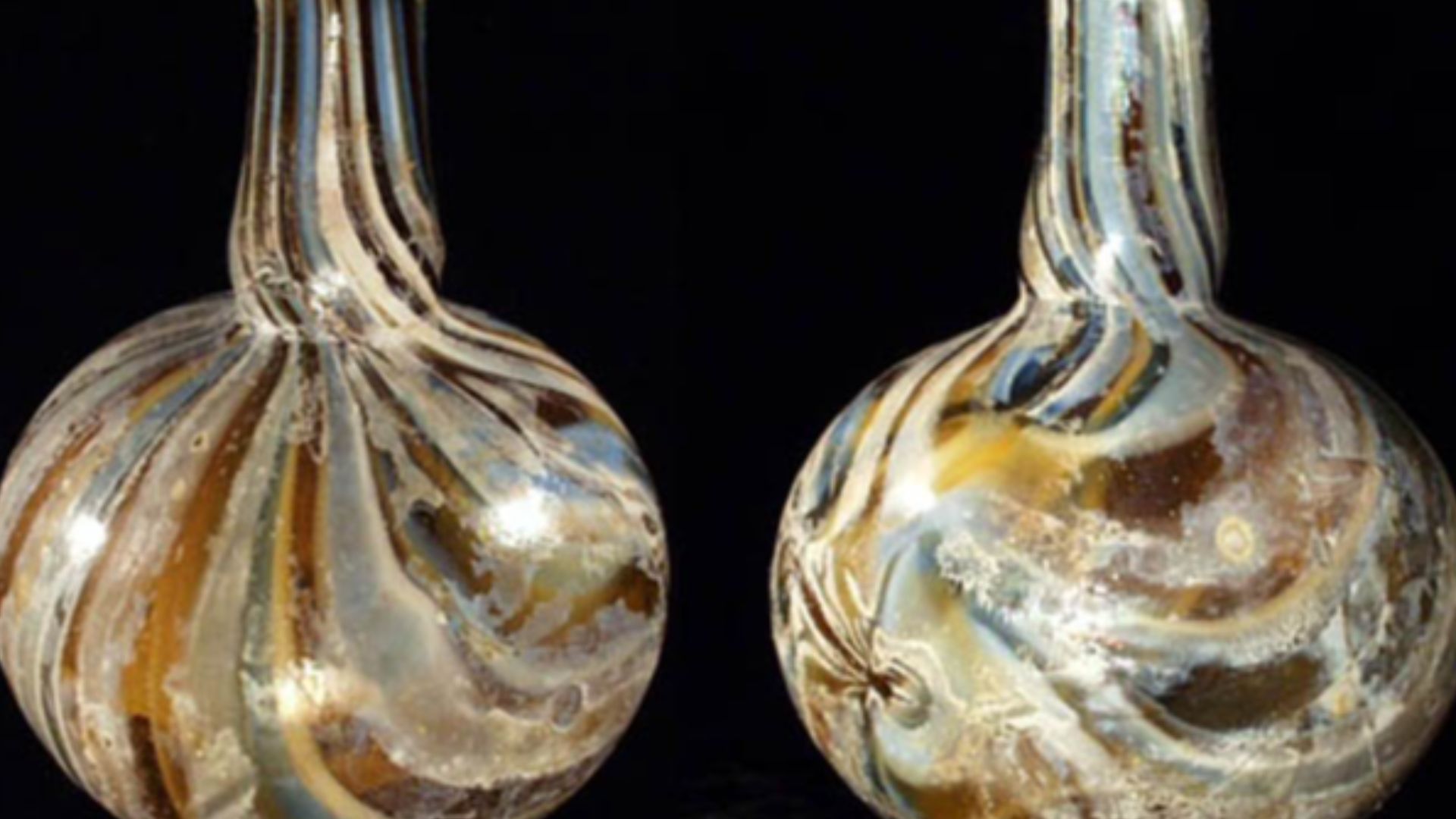
Archaeologists recovered a collection of slender glass vessels sometimes called lacrimaria. The name traditionally connects them with tears, although such containers were often used for oils, perfumes, medicines, or cosmetics. Their presence suggests that burial rituals involved scents and valuable personal substances.
 Ancienttouch.com, Wikimedia Commons
Egyptian And Greco-Roman Traditions Blended Together
Golden tongues, the Eye of Horus, sphinx imagery, and a possible false door represent enduring Egyptian beliefs. Aphrodite and other artistic details reflect Greek and Roman influence. The cemetery therefore reveals a community that combined traditions instead of simply replacing one culture with another.
A Modern Visitor Site Is Now Being Planned
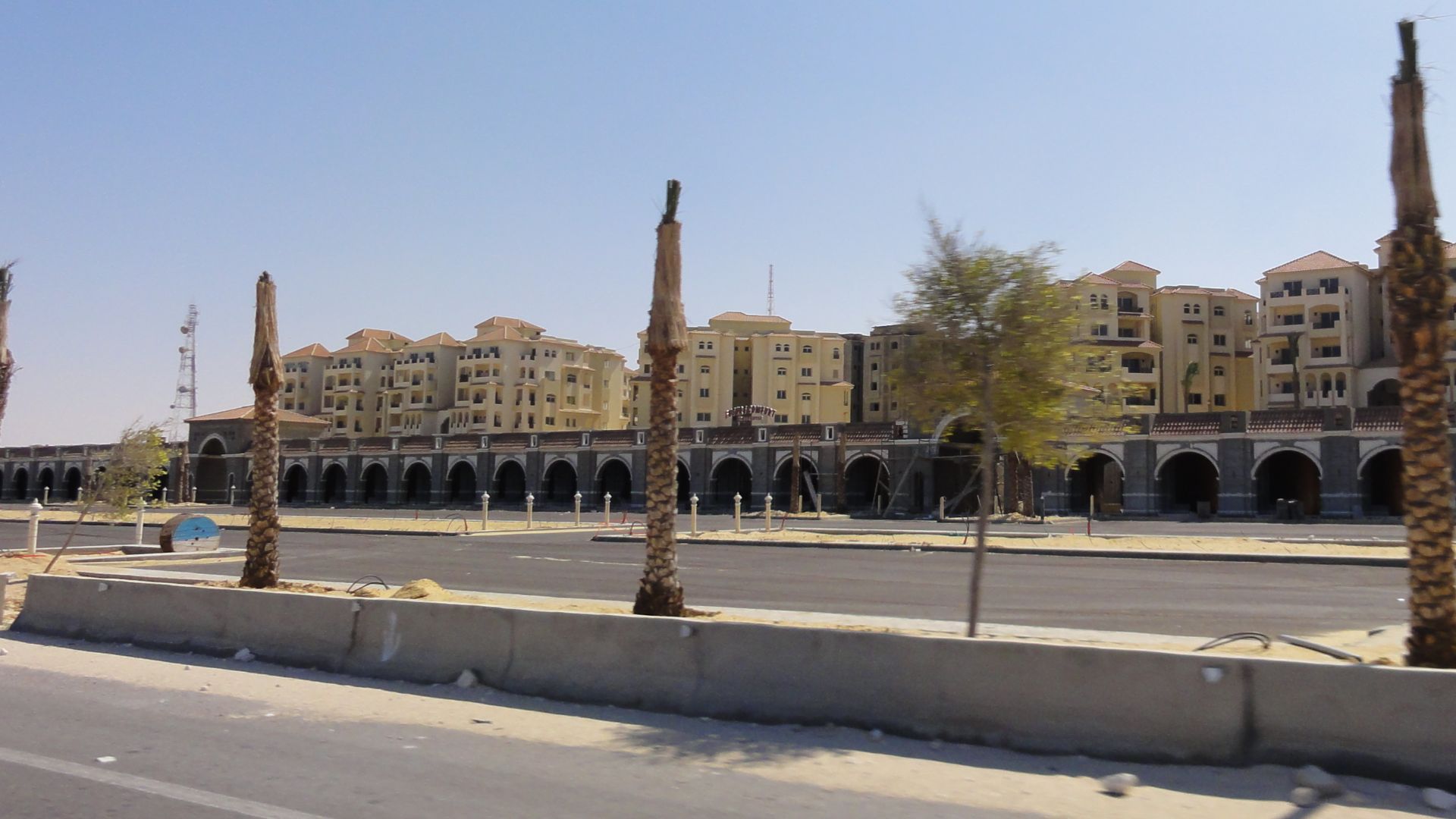
Egyptian authorities are developing Marina El Alamein as an archaeological destination. Plans include marked visitor routes, a visitor center, electric carts, storage facilities, administrative buildings, and an open-air theatre. The project is expected to complement the region’s established beach tourism.
The Lost Port Is Slowly Returning To View
The 18 tombs are only the latest chapter in a site first rediscovered during construction work in 1986. Every sealed chamber and surviving object helps archaeologists rebuild the story of the people who lived beside this ancient harbor. Nearly two thousand years later, Leukaspis is gradually emerging from beneath Egypt’s Mediterranean coast.
 Original uploader was TheEgyptian at en.wikipedia, Wikimedia Commons
You May Also Like:
Archaeologists Discovered Shipwrecks In The Bahamas Linked To The Real Pirates Of The Caribbean