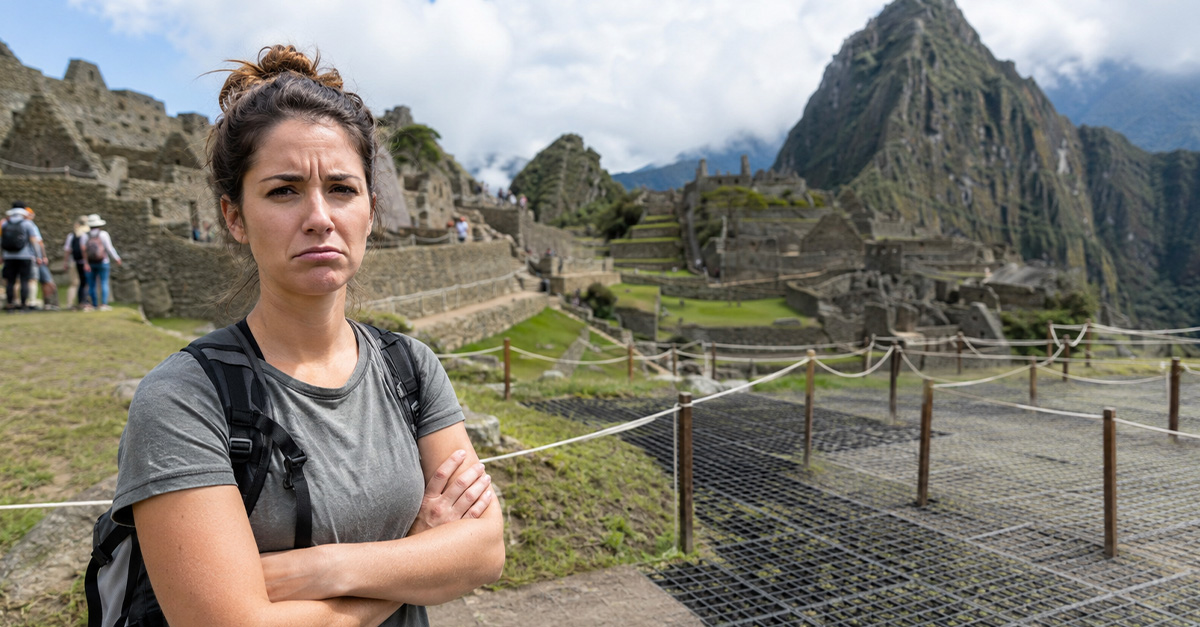
The Trip That Came With Velvet Ropes
You finally made it. The famous ruins, cliff dwellings, temples, old city, sacred landscape, or ancient monument you had dreamed about for years was right there. Then came the surprise: barriers, closed paths, timed routes, guards, signs, and the dreaded phrase, “No entry beyond this point.”
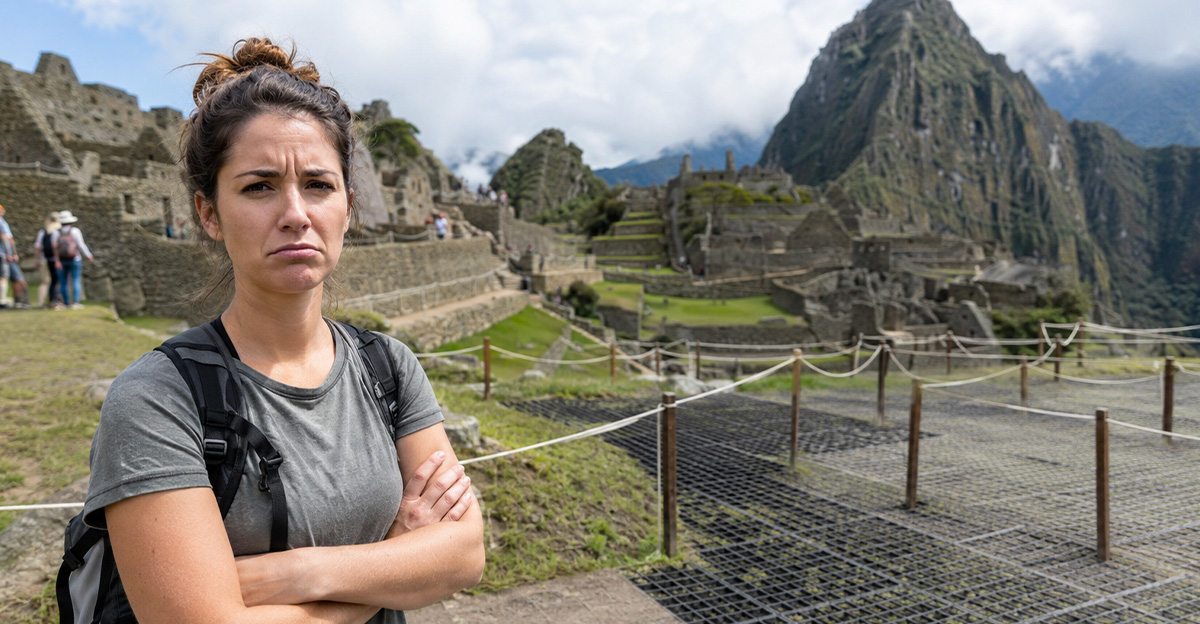
So, Is This Becoming More Common?
Yes, it is becoming more common at many famous heritage sites. UNESCO’s own sustainable tourism work says World Heritage tourism should protect “Outstanding Universal Value,” not just move visitors through pretty scenery. In plain English, the site has to survive the selfie era.

World Heritage Is Not A Theme Park
A UNESCO World Heritage Site is not simply a tourist attraction with a fancy label. It is a place judged important to humanity. That means the goal is not “let everyone roam everywhere.” The goal is “keep this place meaningful, stable, and still standing.”
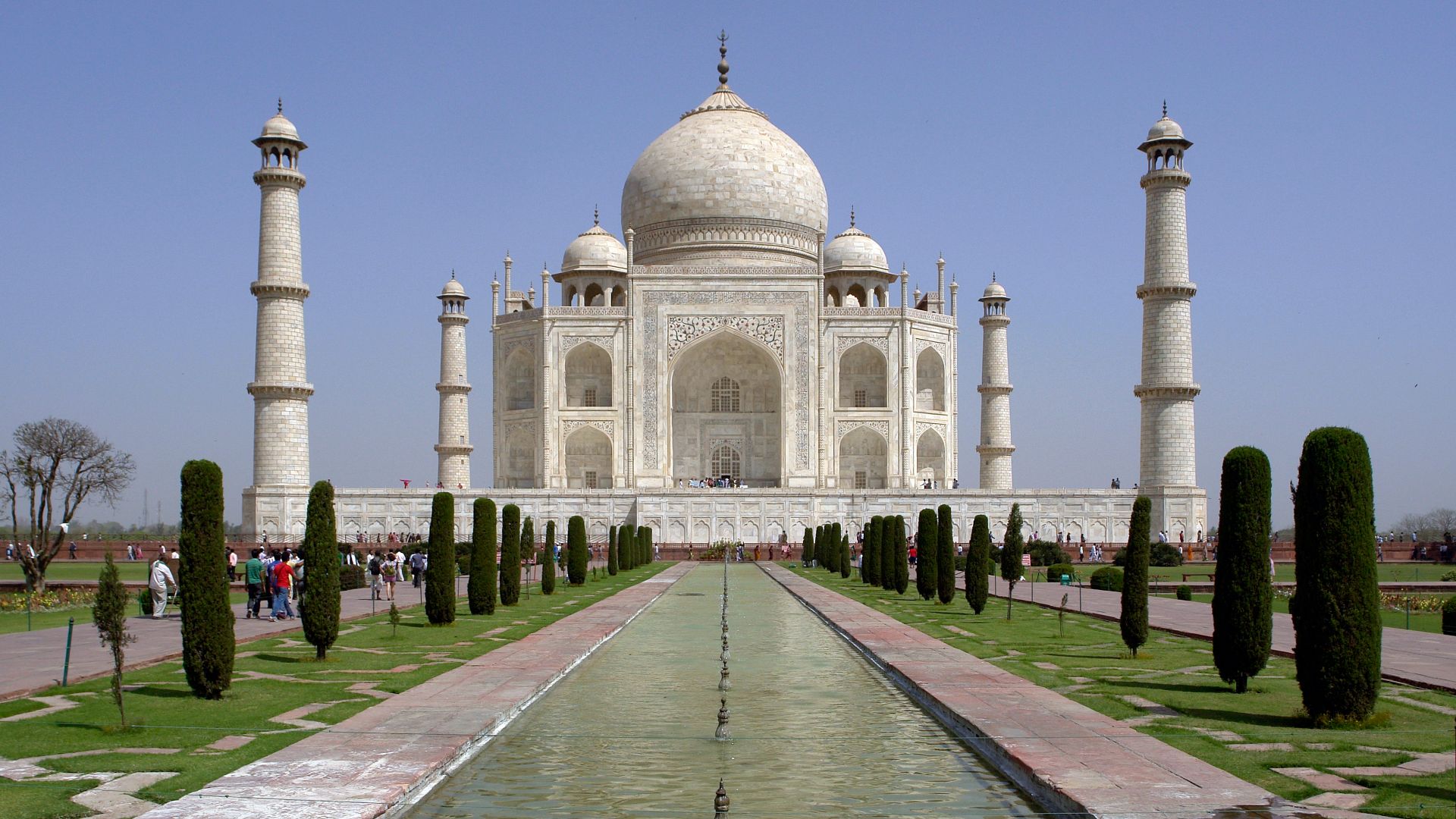 Yann (talk), Wikimedia Commons
The Famous Badge Brings Crowds
The UNESCO label can turn a quiet historic place into a bucket-list superstar. That attention brings money, jobs, and pride. It also brings packed walkways, worn steps, litter, noise, vibration, illegal climbing, and visitors who sometimes treat fragile places like a playground.
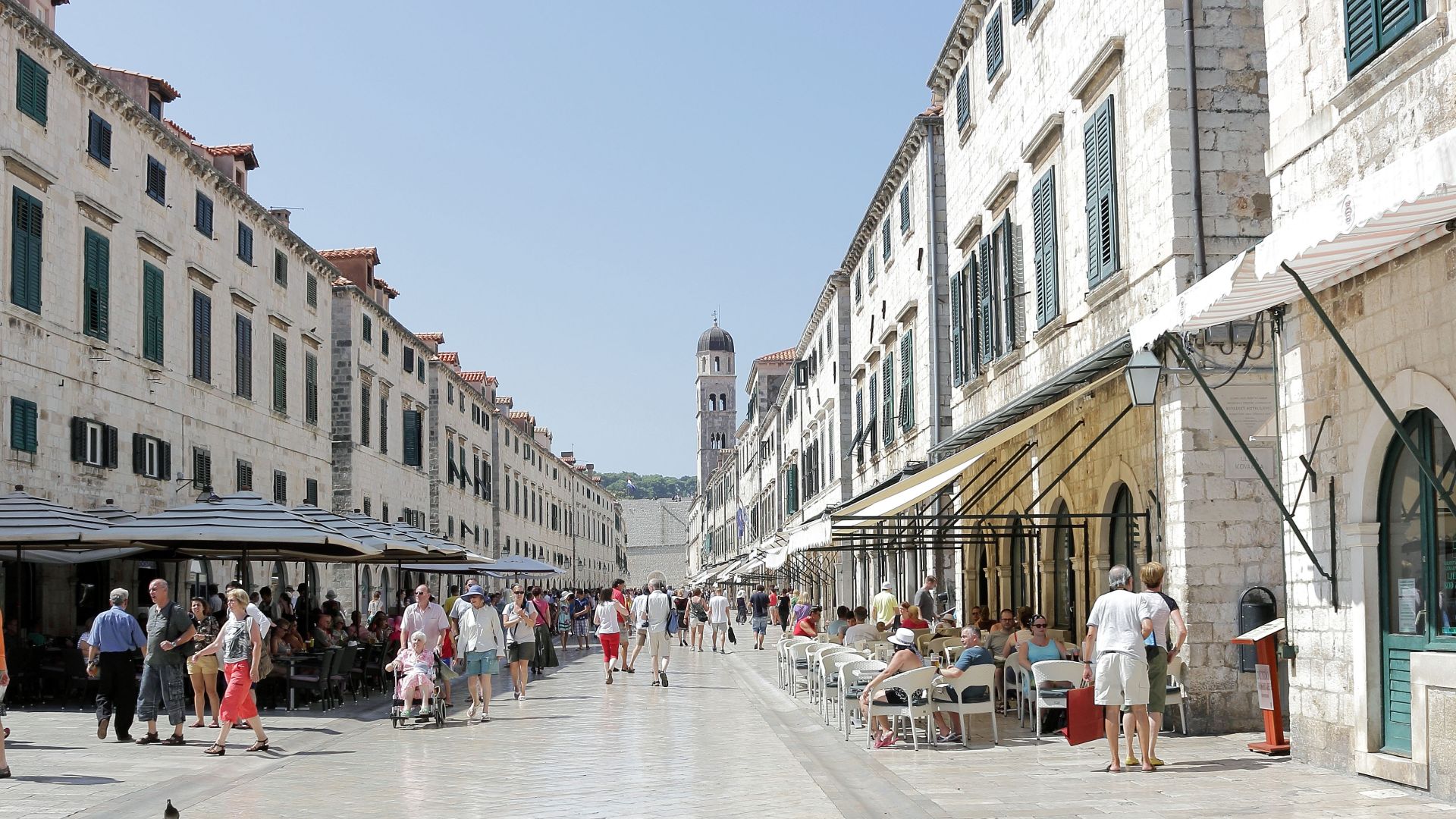 Lukas Plewnia from Winterthur, Schweiz, Wikimedia Commons
Preservation Rules Are Not Random
Those blocked-off areas usually exist for a reason. Maybe the floor is cracking. Maybe ancient paint is fading from humidity. Maybe wildlife is nesting. Maybe too many shoes have already polished stone steps into slippery ramps. The rope is annoying, but it is rarely decorative.
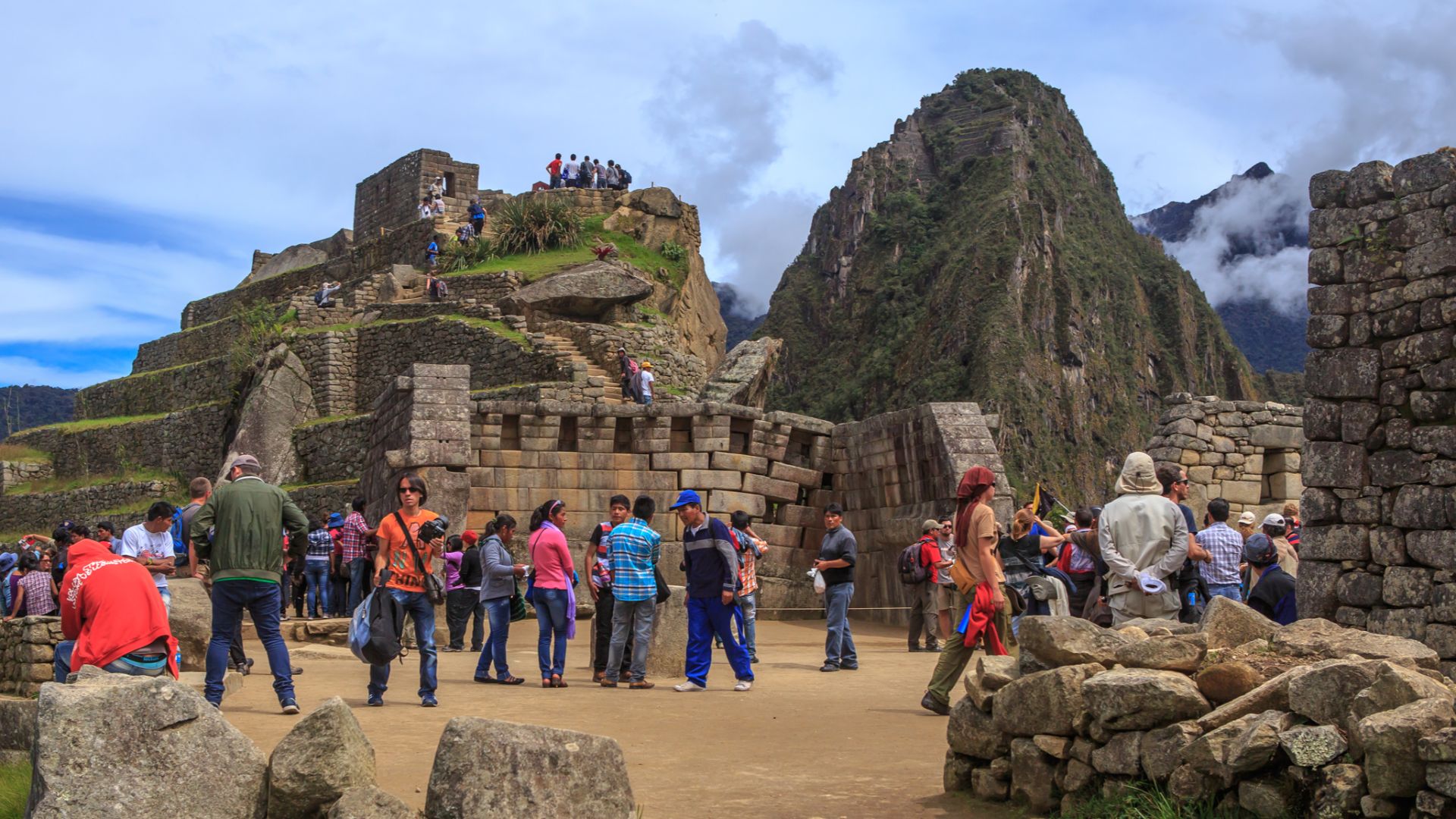 Murray Foubister, Wikimedia Commons
Tourism Can Love A Place Too Hard
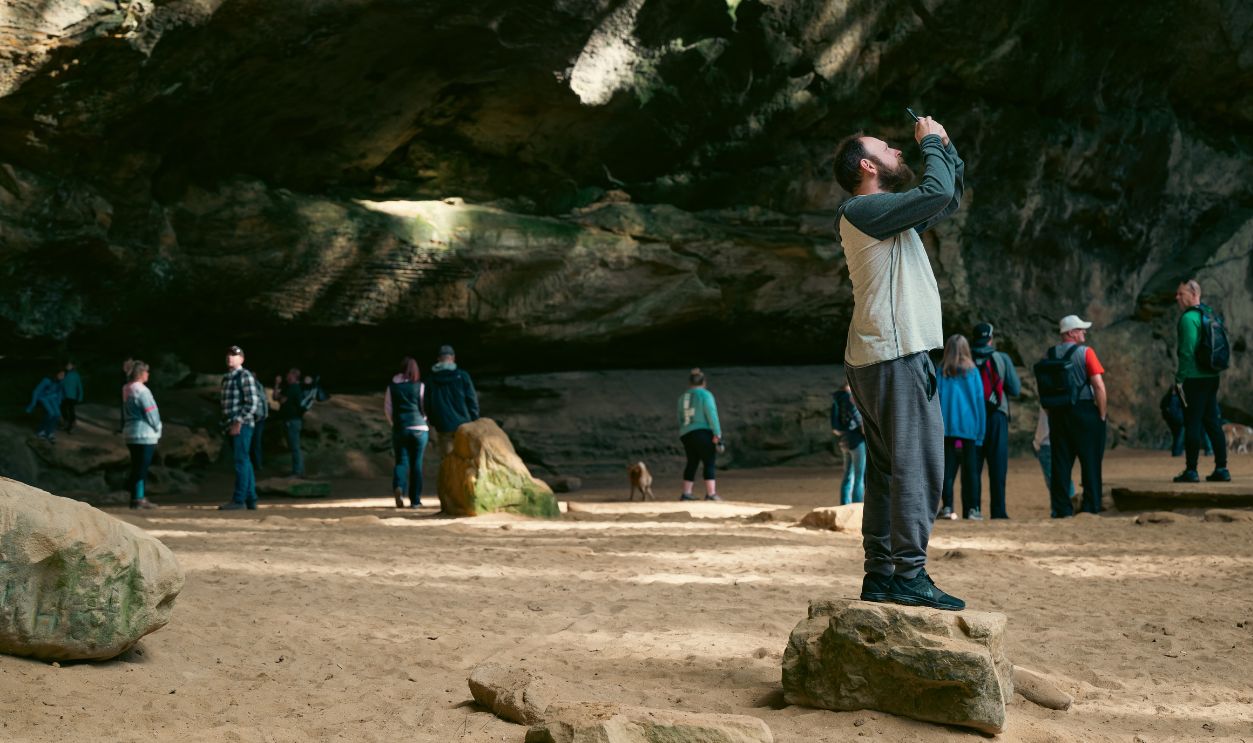
This is the big irony of modern travel. People visit because a place is special, but the sheer number of visitors can make it less special. UNESCO describes sustainable tourism management as a shared responsibility between tourism stakeholders and conservation, which is a polite way of saying everyone has to behave.
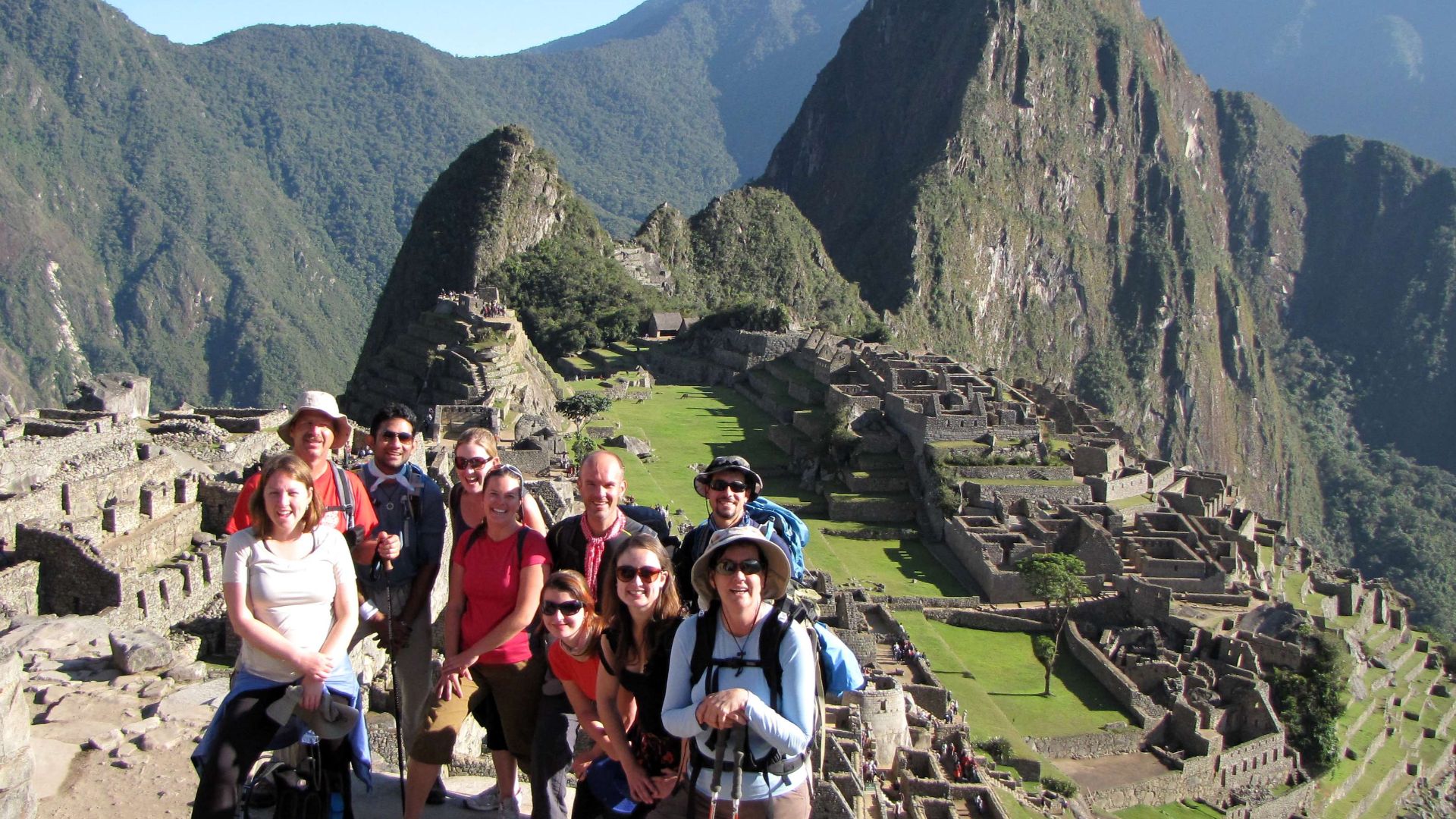
Machu Picchu Became The Warning Sign
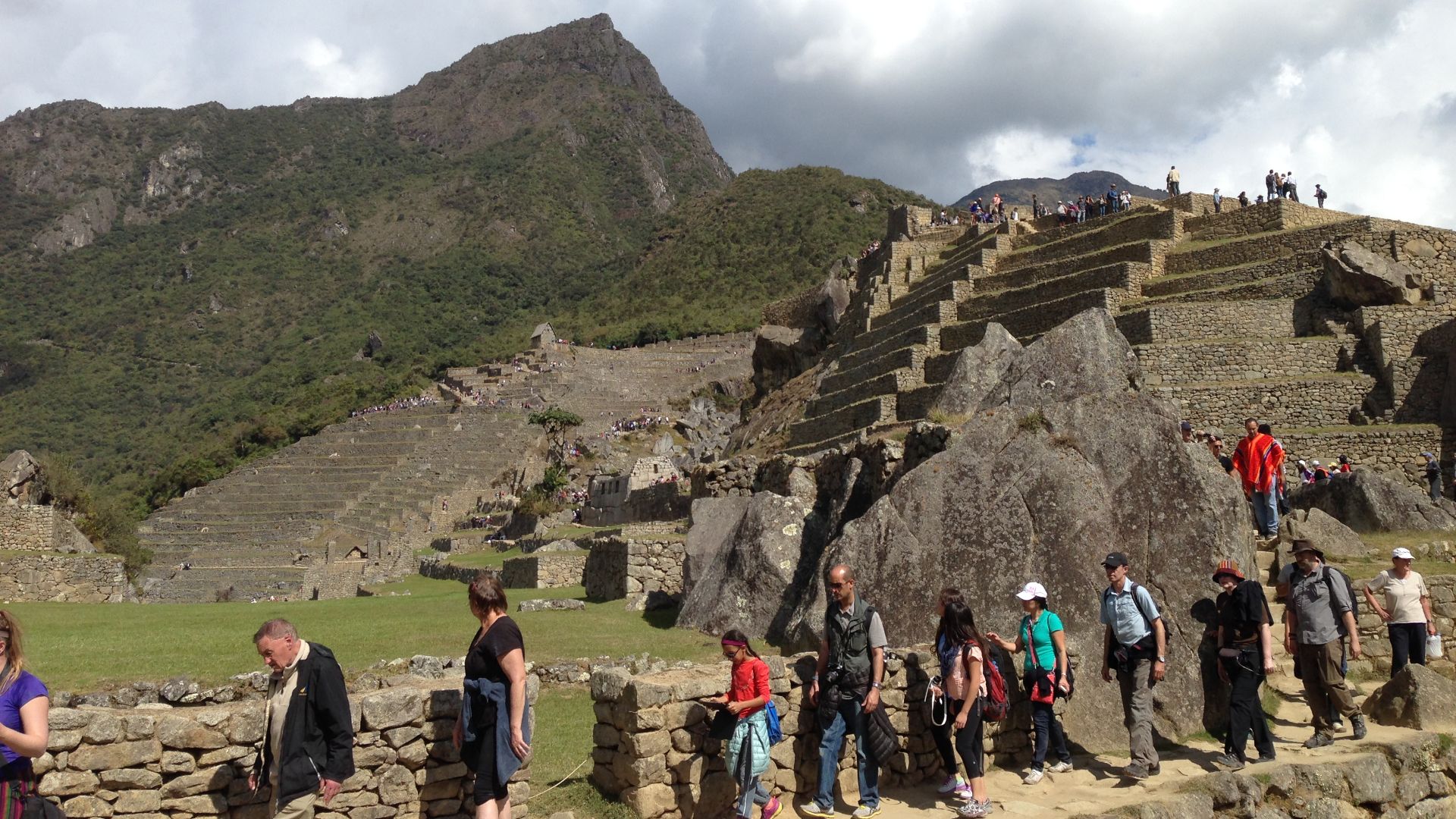
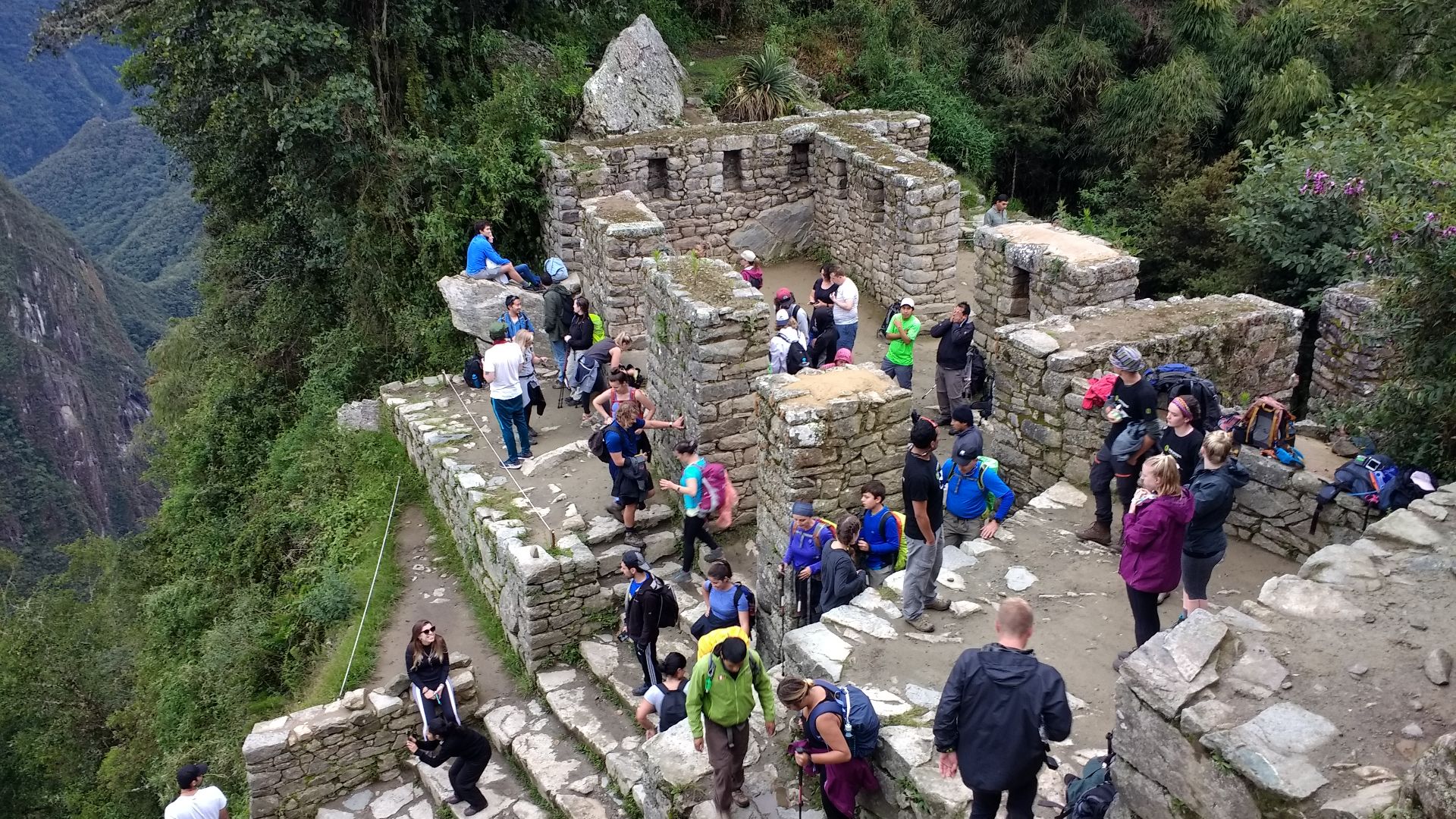
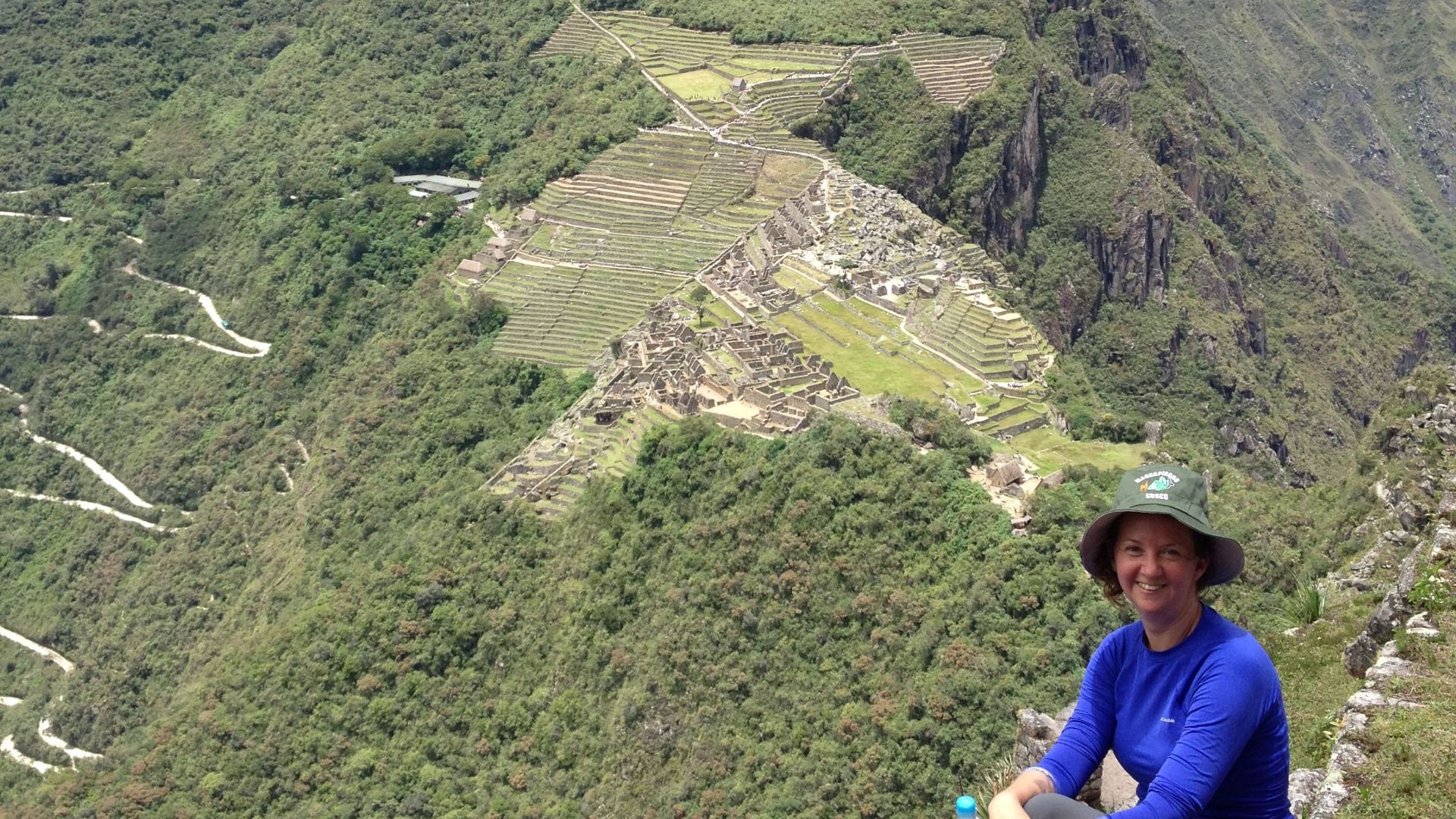
Machu Picchu is one of the clearest examples. Peru has used strict visitor quotas and controlled access to manage pressure at the Inca site, with reports describing low-season and high-season daily limits. Visitors may still go, but not with total freedom.
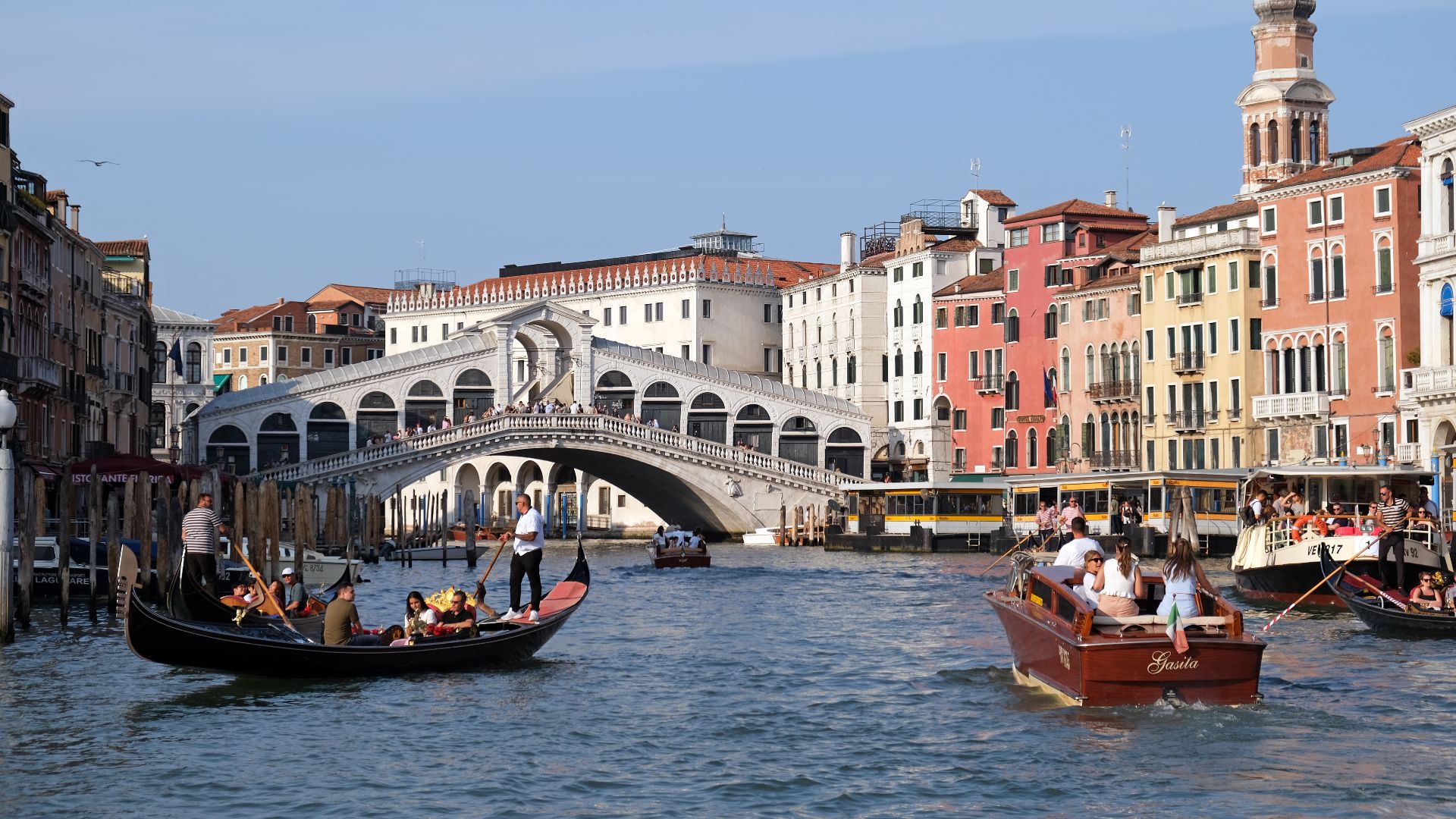
Venice Shows The City Version
Preservation is not just about ruins. Historic cities are struggling too. Venice has tested and expanded access-fee systems for day-trippers during busy periods, aiming to manage flows into its fragile historic core rather than simply letting crowds pour in unchecked.
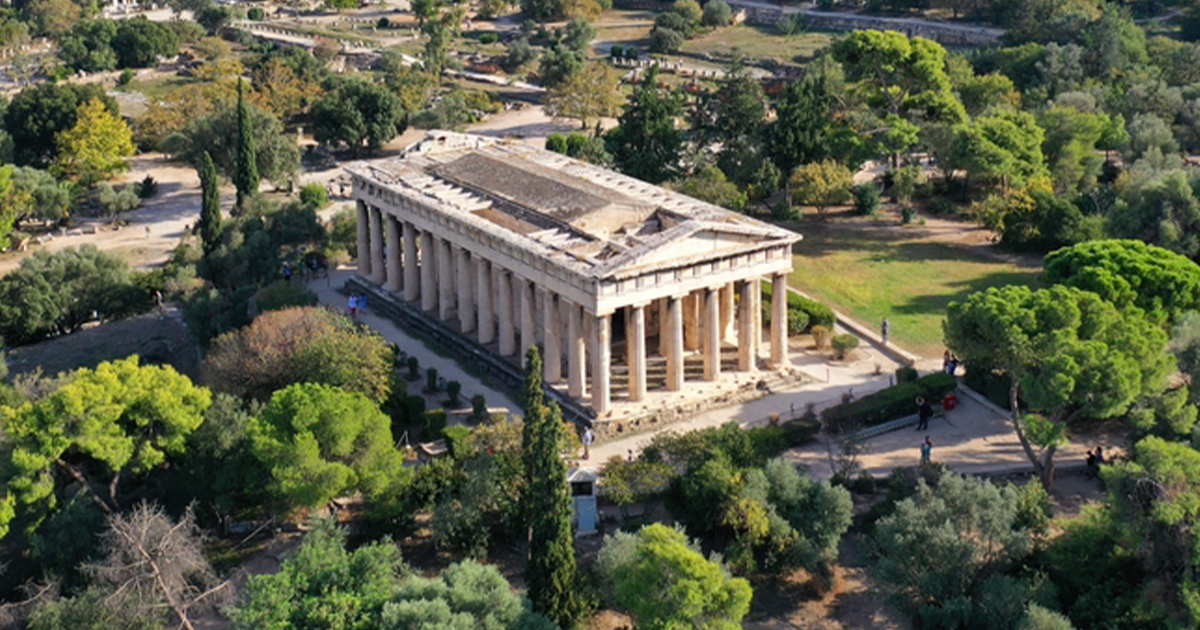
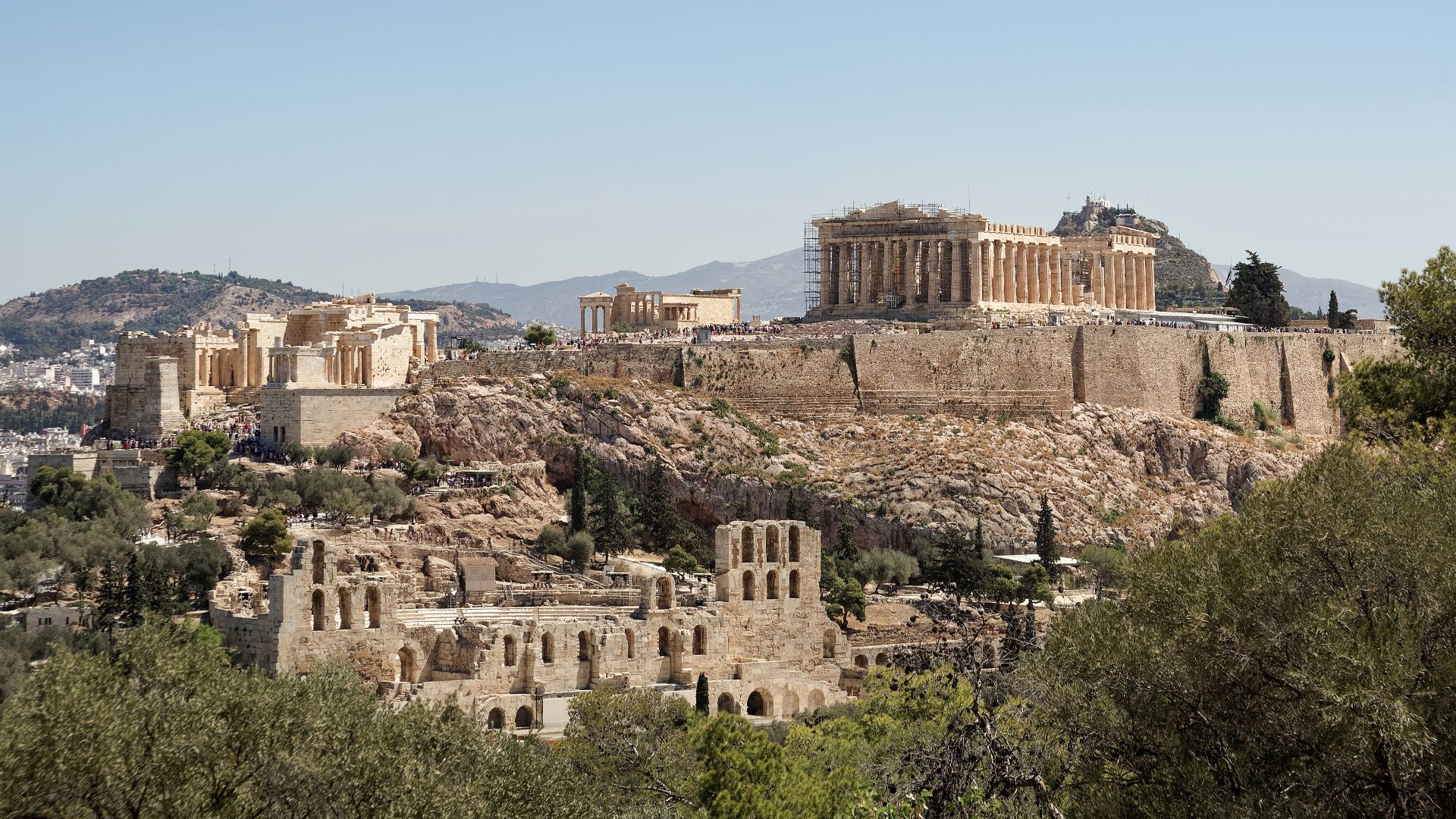
The Acropolis Has Joined The Club
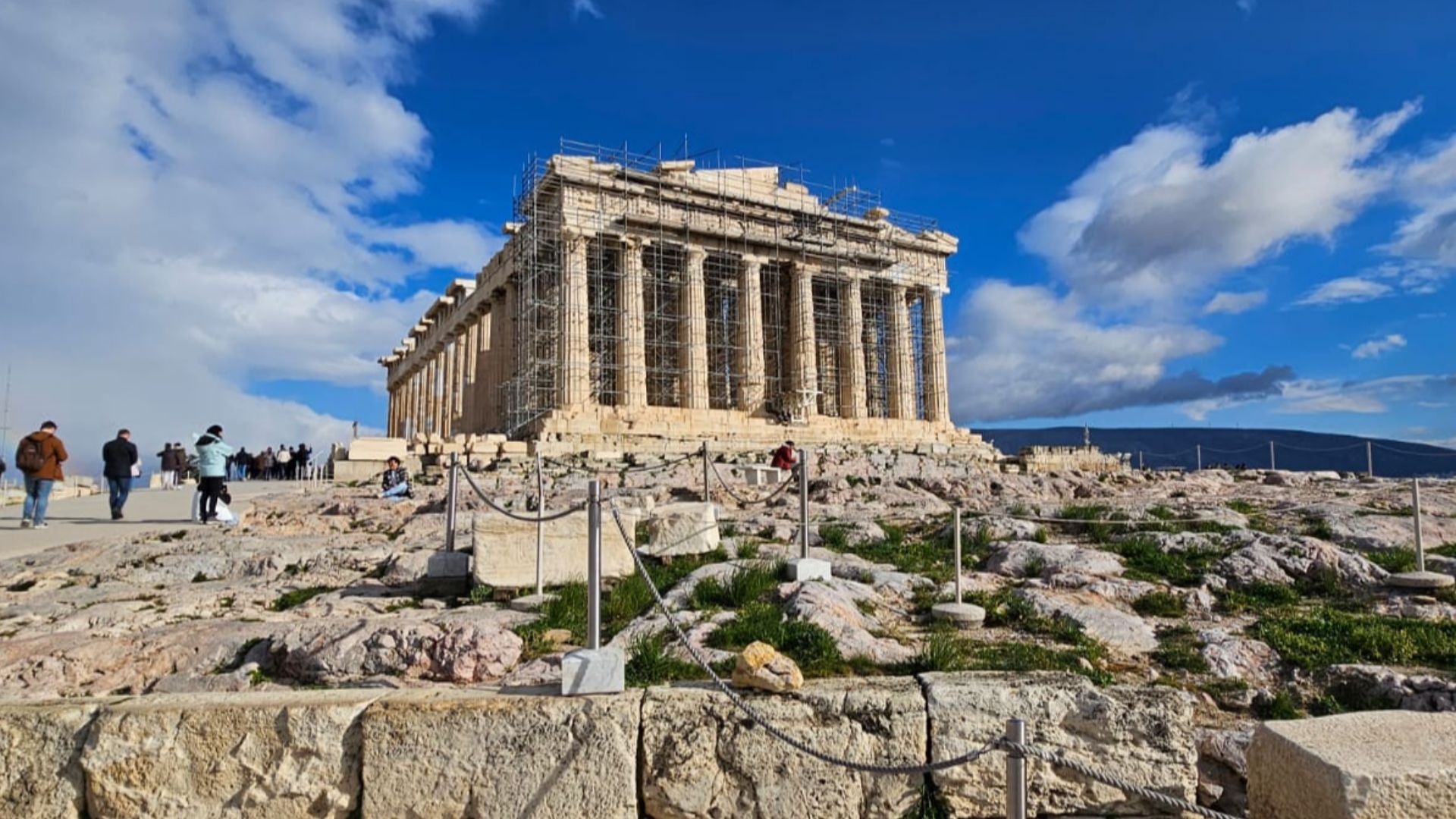
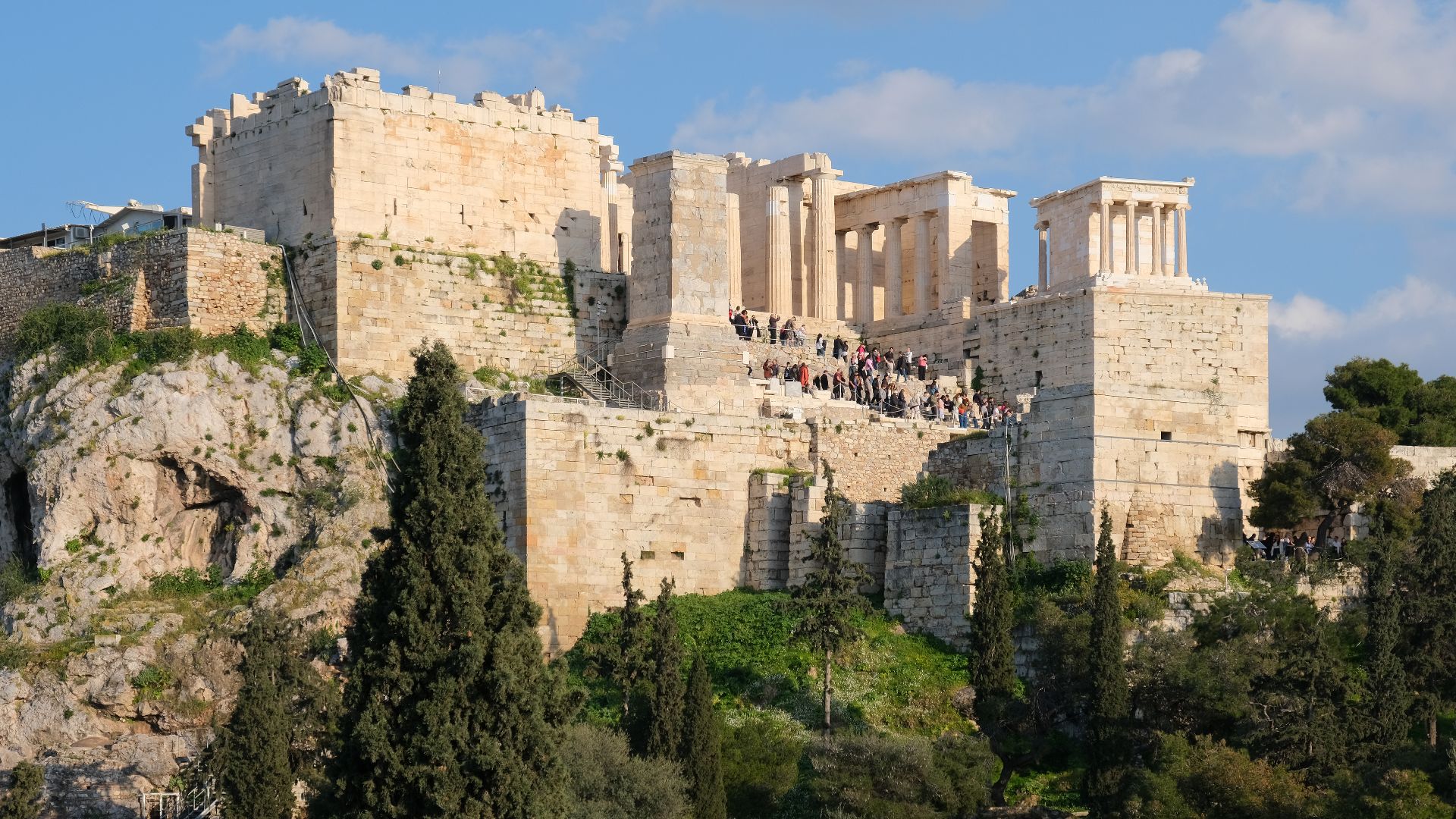
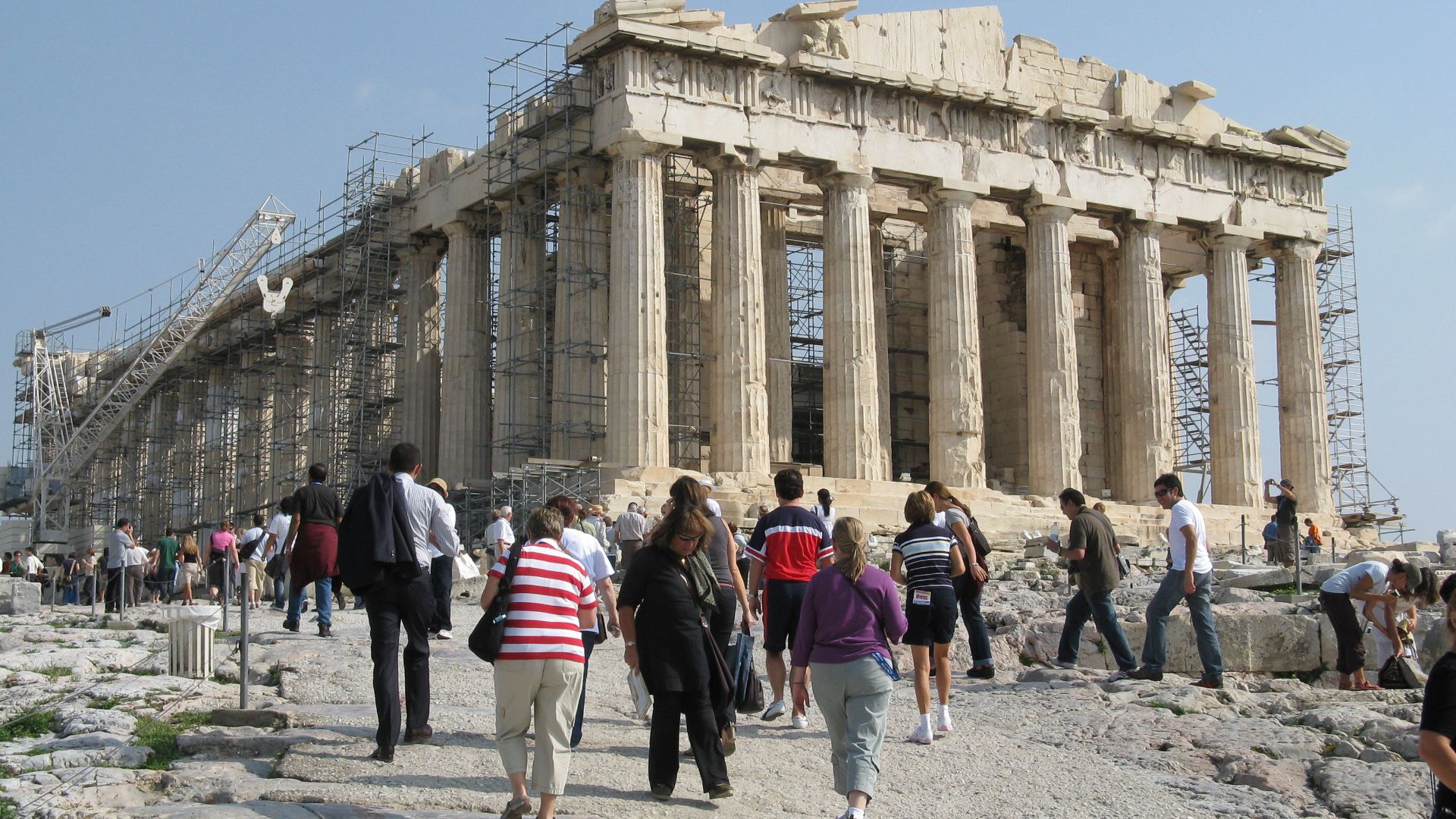
Athens has also moved toward crowd control at the Acropolis and other archaeological sites. Timed visitor zones help spread people out, protect safety, and reduce the crush at peak hours. For travelers, that means less spontaneity but often a better visit.
 Jakub Halun, Wikimedia Commons
Climate Change Adds New Pressure
It is not only tourists causing trouble. Heat, storms, floods, drought, erosion, and sea-level rise are making some heritage sites more fragile. When a place is already under environmental stress, letting thousands of people wander freely becomes even harder to justify.
 Aviation poseidon, Wikimedia Commons
Fragile Does Not Always Look Fragile
A stone wall can look indestructible. A cave painting can look safely tucked away. A desert trail can look empty and tough. But tiny changes in moisture, touch, dust, sunlight, or foot traffic can cause damage that is slow, permanent, and expensive.
The “Closed” Area May Be The Best Preserved Area
It is frustrating when the most mysterious section is off-limits. But that may be exactly why it remains mysterious. Sites often protect the most delicate zones first, especially where original surfaces, burials, sacred spaces, or rare ecosystems are still intact.
Visitors Are Getting More Managed
The future of famous travel may involve more timed tickets, one-way routes, guide-only zones, capacity limits, elevated walkways, reservation windows, and digital permits. UNESCO’s visitor management tools are specifically designed to help sites manage tourism while protecting heritage values.
 Mx._Granger, Wikimedia Commons
This Can Actually Improve The Experience
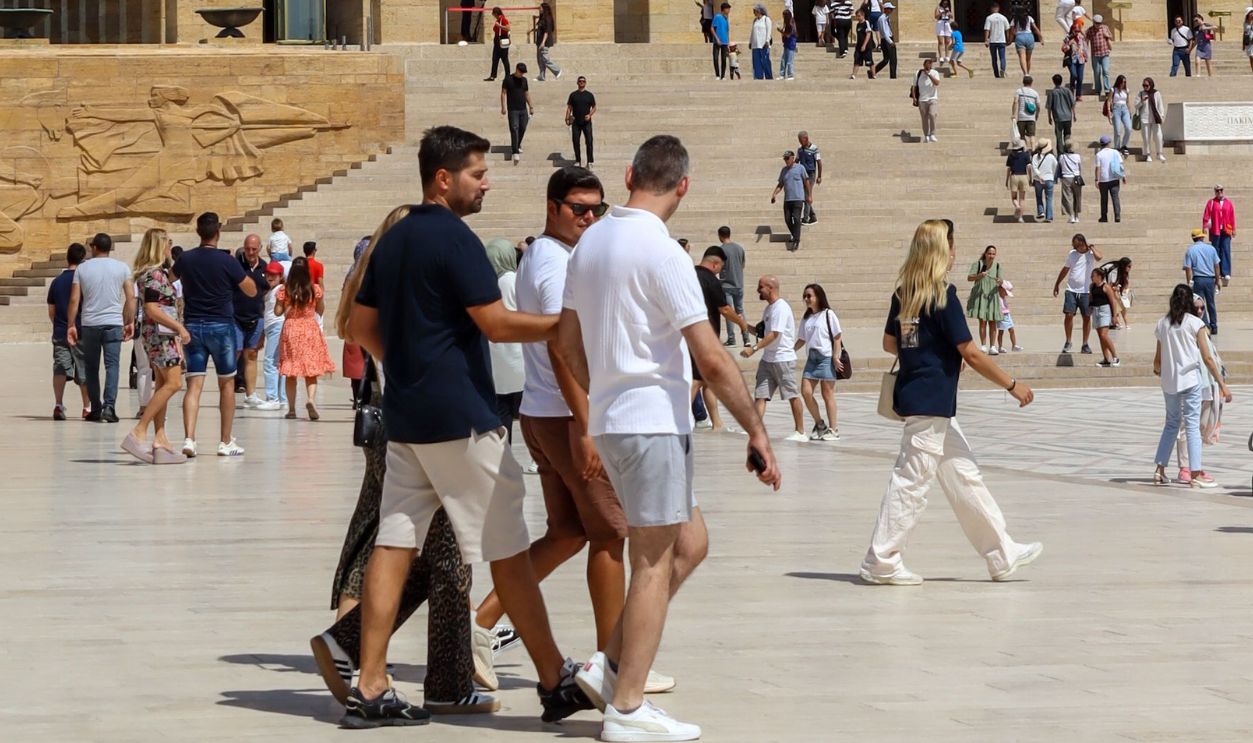
Nobody loves feeling herded. Still, crowd limits can make a visit calmer. Instead of elbowing through a mob, you may get more breathing room, better photos, clearer guide explanations, and fewer people blocking that once-in-a-lifetime view with a tablet.
 Yair Haklai, Wikimedia Commons
But It Can Feel Disappointing
Let’s be honest: it can sting. You paid for flights, hotels, tickets, and maybe a guide, only to discover half the site is off-limits. The emotional math feels unfair. You came to explore, not admire a “restricted access” sign.

The Trick Is Adjusting Expectations
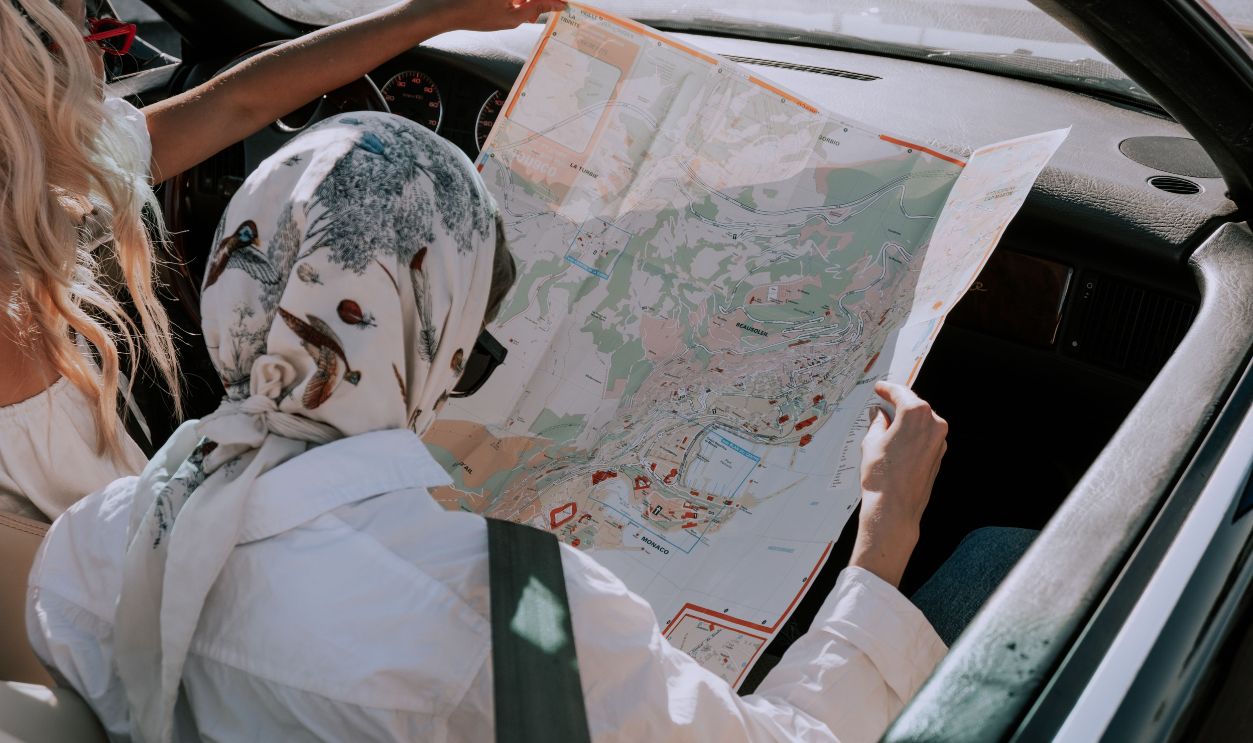
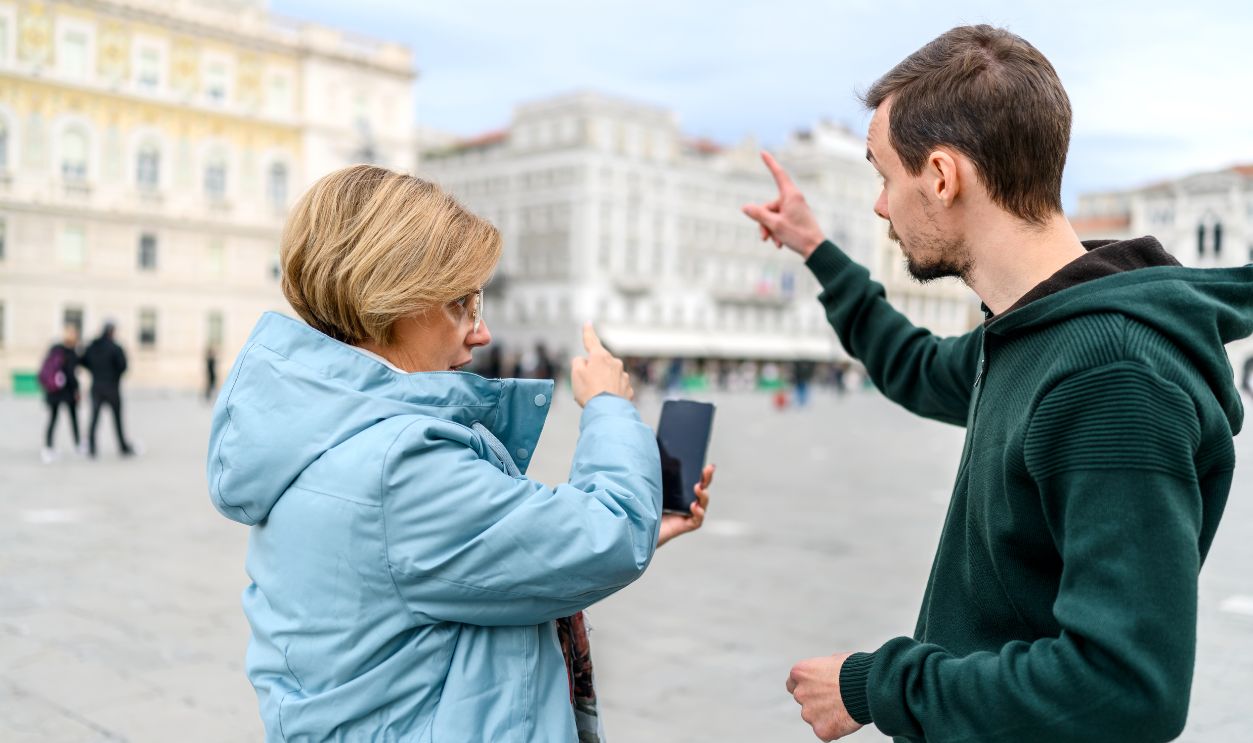
Before visiting a famous site, check what is actually open. Look for official maps, seasonal closures, restoration notices, timed-entry rules, and route restrictions. Do this before booking the most expensive day of your trip, not while standing outside the gate with a melting gelato.
Official Websites Matter Most
Travel blogs are useful, but official site pages usually have the latest rules. Heritage sites can change access after storms, landslides, conservation assessments, crowd spikes, or construction. A blogger’s magical unrestricted visit from 2018 may not exist anymore.

Guides Can Unlock Context
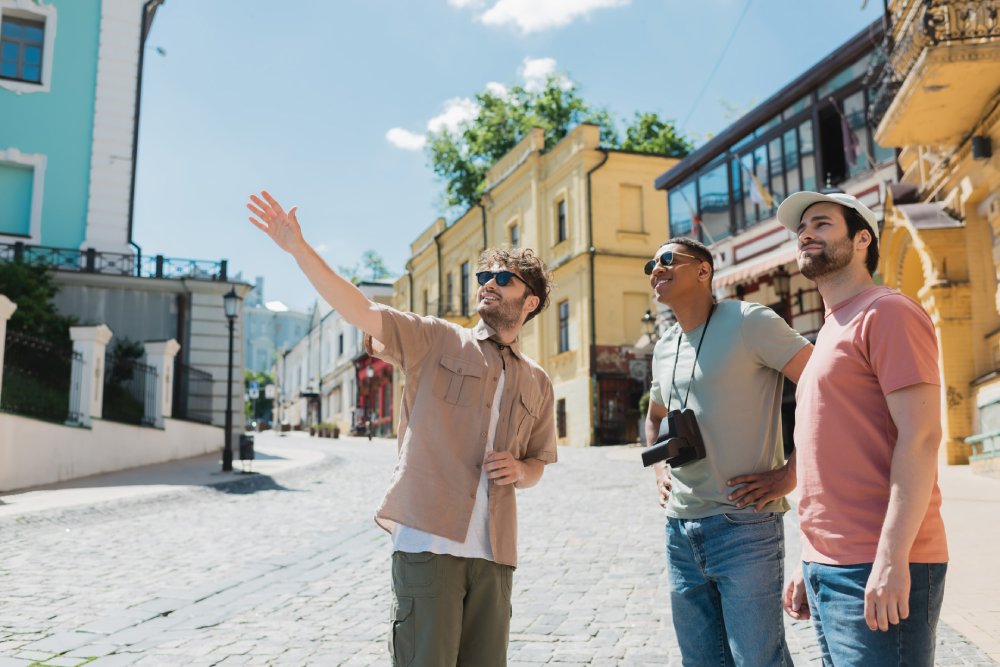
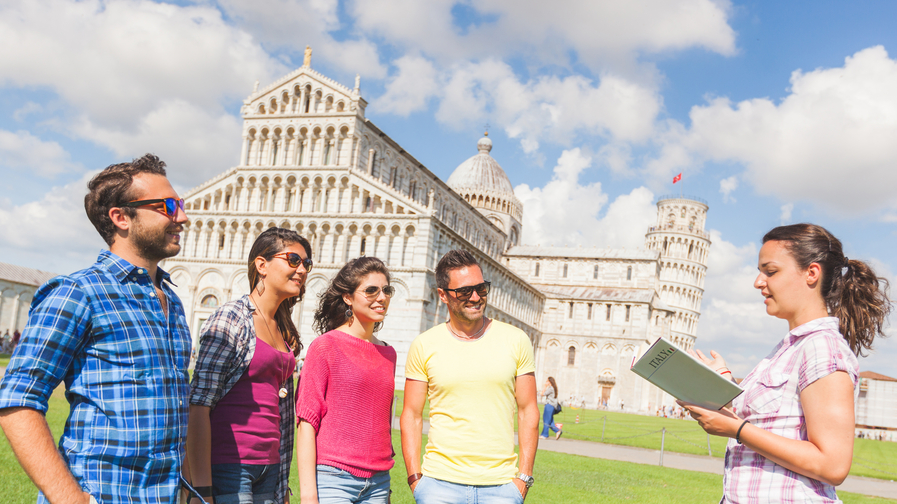
A guide cannot magically open every locked gate, but they can make restricted sites feel richer. A good guide explains what you are not seeing, why it is protected, and how the visible parts connect to the closed areas. Suddenly, the rope has a story.
 LIGHTFIELD STUDIOS, Adobe Stock
Some Places Use Replicas For A Reason
Replicas can feel like a letdown until you understand the point. Copies, digital reconstructions, and visitor centers allow people to experience delicate spaces without damaging originals. It is not fake history. It is history wearing a protective helmet.
Your Ticket Still Helps
Even if you only see part of a site, your visit can support conservation, local jobs, research, monitoring, and maintenance. Tourism revenue is often one reason preservation work can happen at all. The challenge is making tourism helpful instead of harmful.
 William Perugini, Shutterstock
Locals Are Part Of The Equation
Heritage sites are not empty museum pieces. Many sit inside living towns, sacred landscapes, or working communities. More rules can also protect residents from noise, congestion, rising costs, and the feeling that their home has become a human conveyor belt.
![Machu Picchu (Spanish pronunciation: [ˈmatʃu ˈpitʃu]) (Quechua: Machu Picchu;[ˈmɑtʃu ˈpixtʃu]) is a 15th-century Inca citadel situated on a mountain ridge 2,430 meters (7,970 ft) above sea level.It is located in the Cusco Region, Urubamba Province, Machu](https://www.factinate.com/storage/app/media/splashtravels/2026/7/13/1783958030e4db009bcdc645d8412abfc66e9f00775fc0e64e.jpg)
Not Every Restriction Is Perfect
Some rules are thoughtful. Others can be confusing, poorly explained, or unevenly enforced. Travelers are allowed to feel annoyed when access feels badly managed. Preservation should not be an excuse for bad communication, mystery fees, or chaotic ticket systems.
 Nicoleta Ionescu, Shutterstock
The Best Sites Explain The “Why”
A simple sign can change everything. “Closed for restoration” is better than “Do not enter.” “This path protects 800-year-old flooring” is better still. When visitors understand the reason, they are more likely to respect the rule instead of resenting it.

Go Beyond The Superstar Spot
If the main attraction feels too restricted, look nearby. Many regions have lesser-known ruins, museums, trails, villages, or landscapes that explain the same history with fewer crowds. Sometimes the quieter site becomes the highlight you did not expect.
Travel Is Moving From Access To Stewardship
The old dream was to go anywhere and touch everything. The newer travel mindset is different: see the wonder, understand the limits, and leave it intact. That may sound less adventurous, but it is what keeps adventure possible for the next visitor.
 Sonjaydewing, Wikimedia Commons
So, Are You Out Of Luck?
Not at all. You still visited a place important enough for the world to protect. You may not have explored every corner, but you joined a bigger story: how humans learn to admire fragile places without slowly destroying them with our enthusiasm.
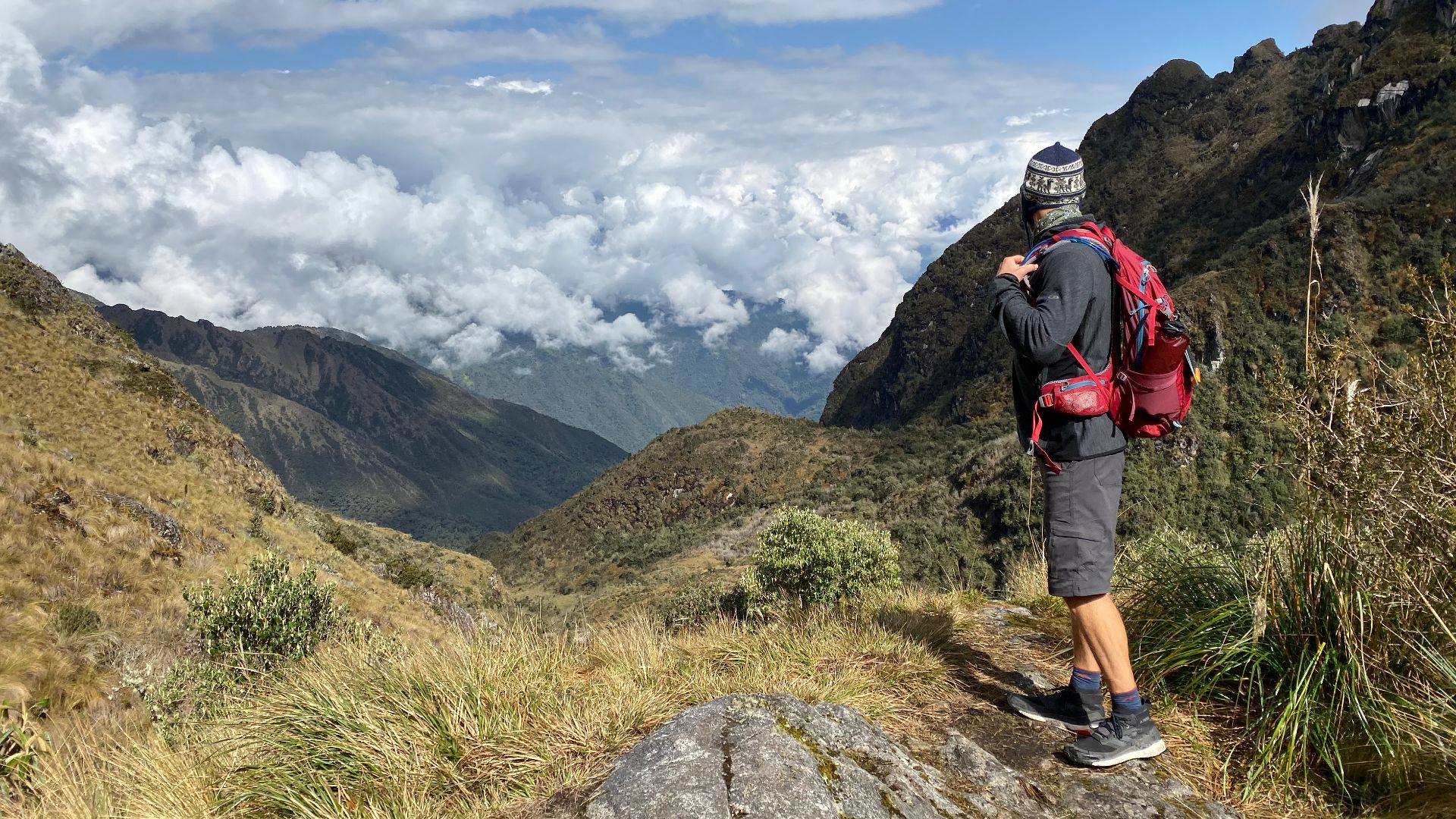 Randomfish7, Wikimedia Commons
The Future Has More Ropes, But Also More Wonder
Yes, preservation rules are becoming a bigger part of heritage travel. That can be annoying, but it is also a sign that people are taking these places seriously. The best trip is not always the one with unlimited access. Sometimes it is the one that helps make sure there is still something beautiful left to see.
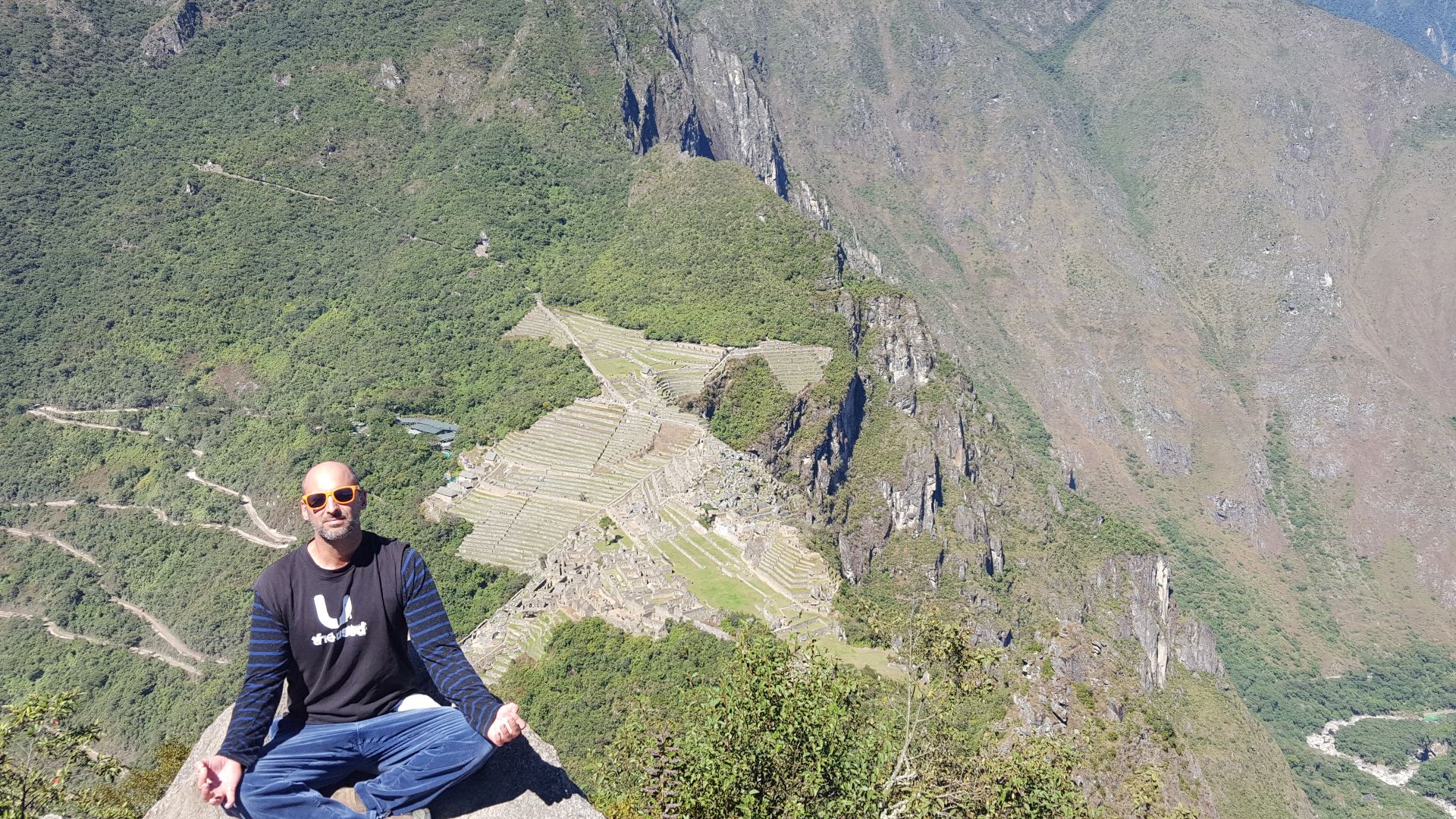 Moderngeorge, Wikimedia Commons
You May Also Like:
What did Neanderthals sound like? Scientists think they've finally figured it out.