A Routine Dig Found Something Extraordinary
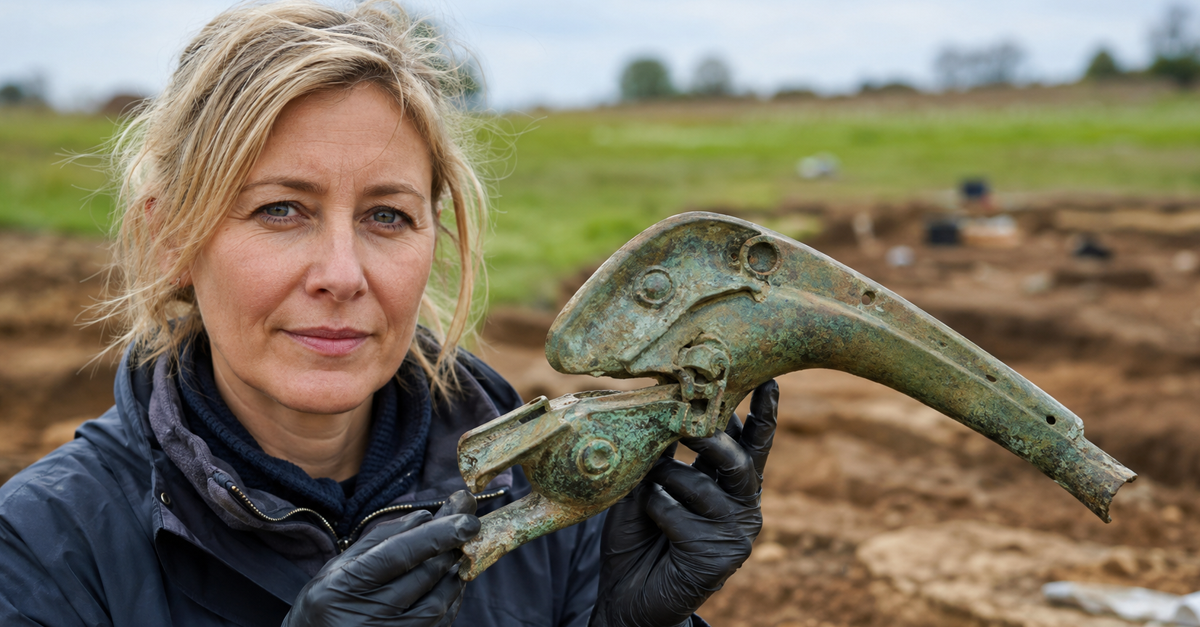
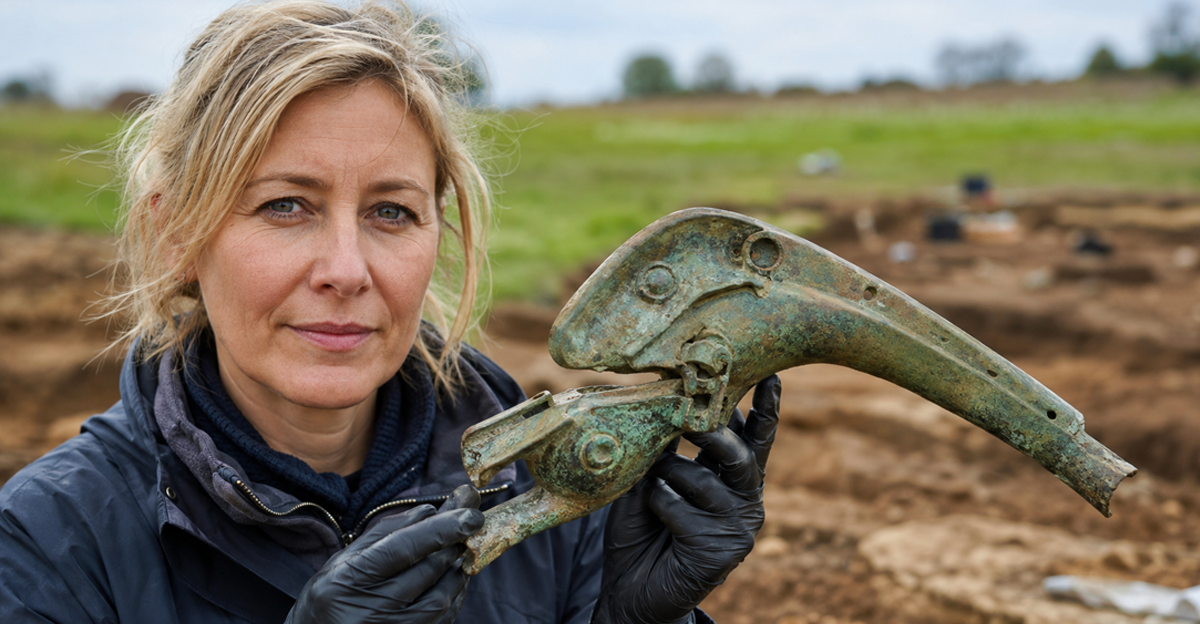
Archaeologists in West Norfolk thought they were carrying out a routine excavation before new homes were built. Then they found something extraordinary: a cache of Iron Age metalwork, including a remarkably complete animal-headed war trumpet buried for roughly 2,000 years. Its location quickly raised a tantalizing question. Could object have belonged to the world of Boudicca and the Iceni?
It Happened Before New Homes Went Up
Pre-Construct Archaeology made the discovery during routine archaeological work required as part of the planning process for residential properties. The excavation took place near Thetford in West Norfolk, with the finds first emerging in 2025 before they were publicly announced in January 2026. What looked like an ordinary development site had been hiding one of Britain's most unusual Iron Age discoveries.

Then The Metalwork Started Appearing
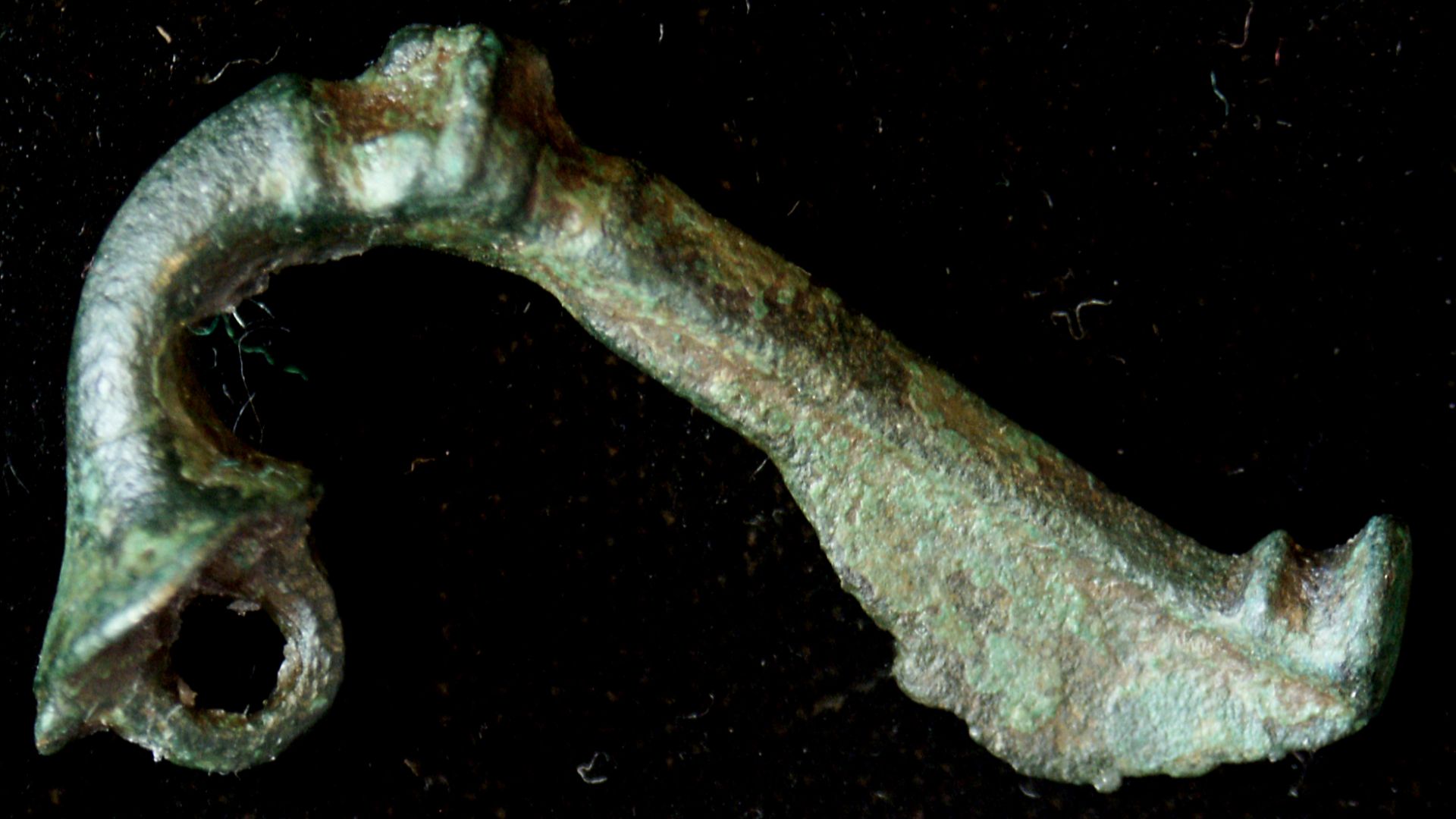
The archaeologists had not uncovered one isolated artifact. Several bronze and iron objects had been deposited together, creating what is now known as the Norfolk Carnyx Hoard. The collection was important enough that specialists decided to preserve its arrangement rather than simply remove each object individually in the field.
 DEA / G. DAGLI ORTI, Getty Images
The Star Find Was A Carnyx
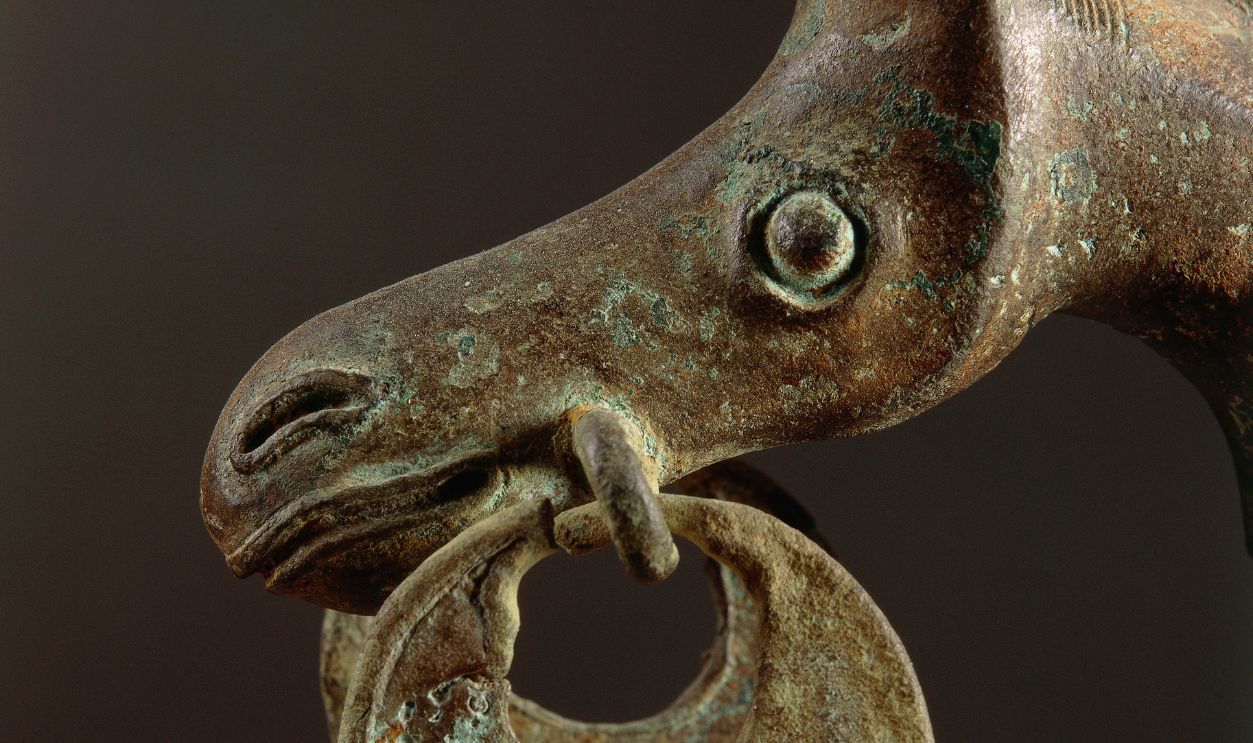
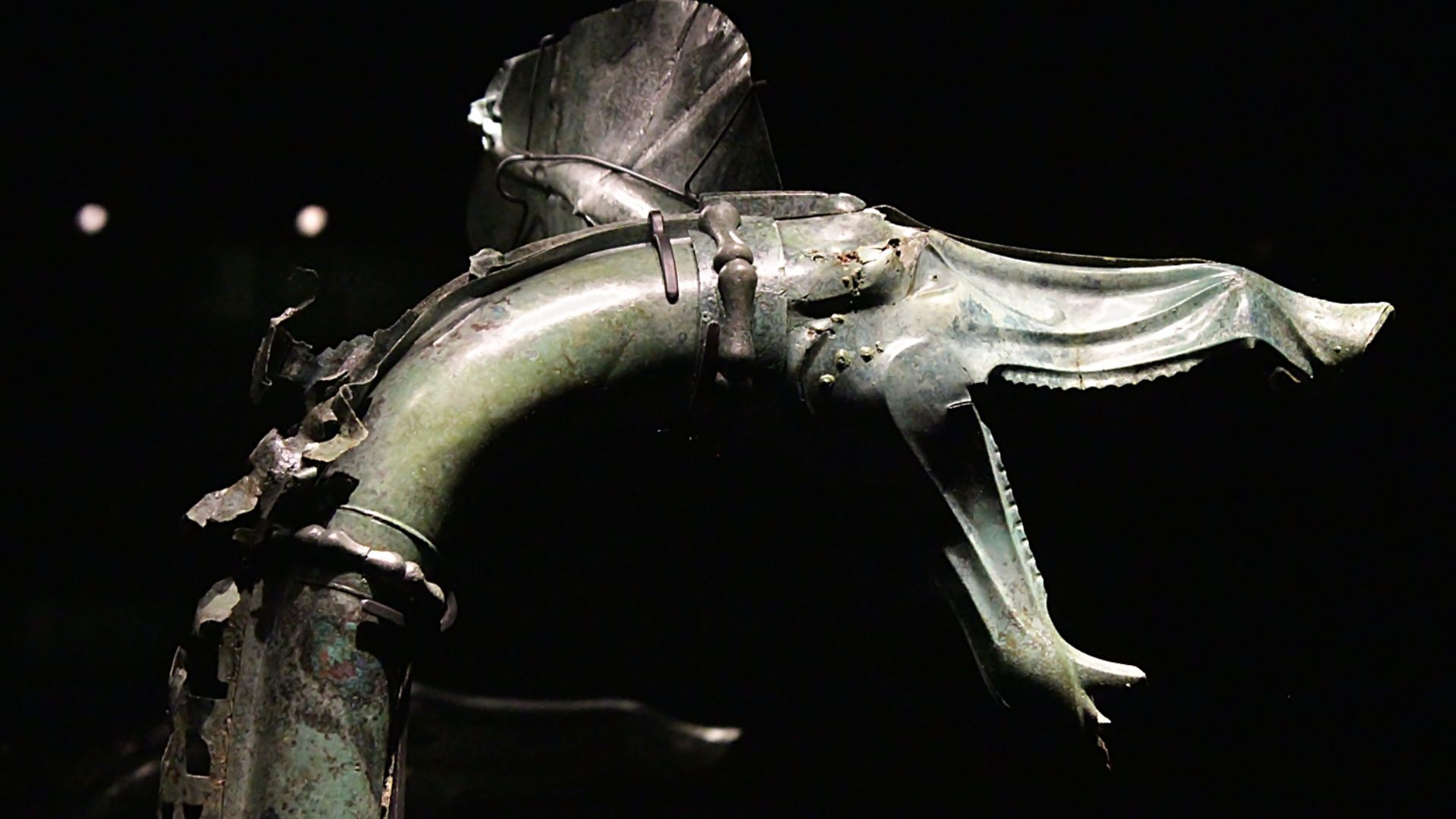
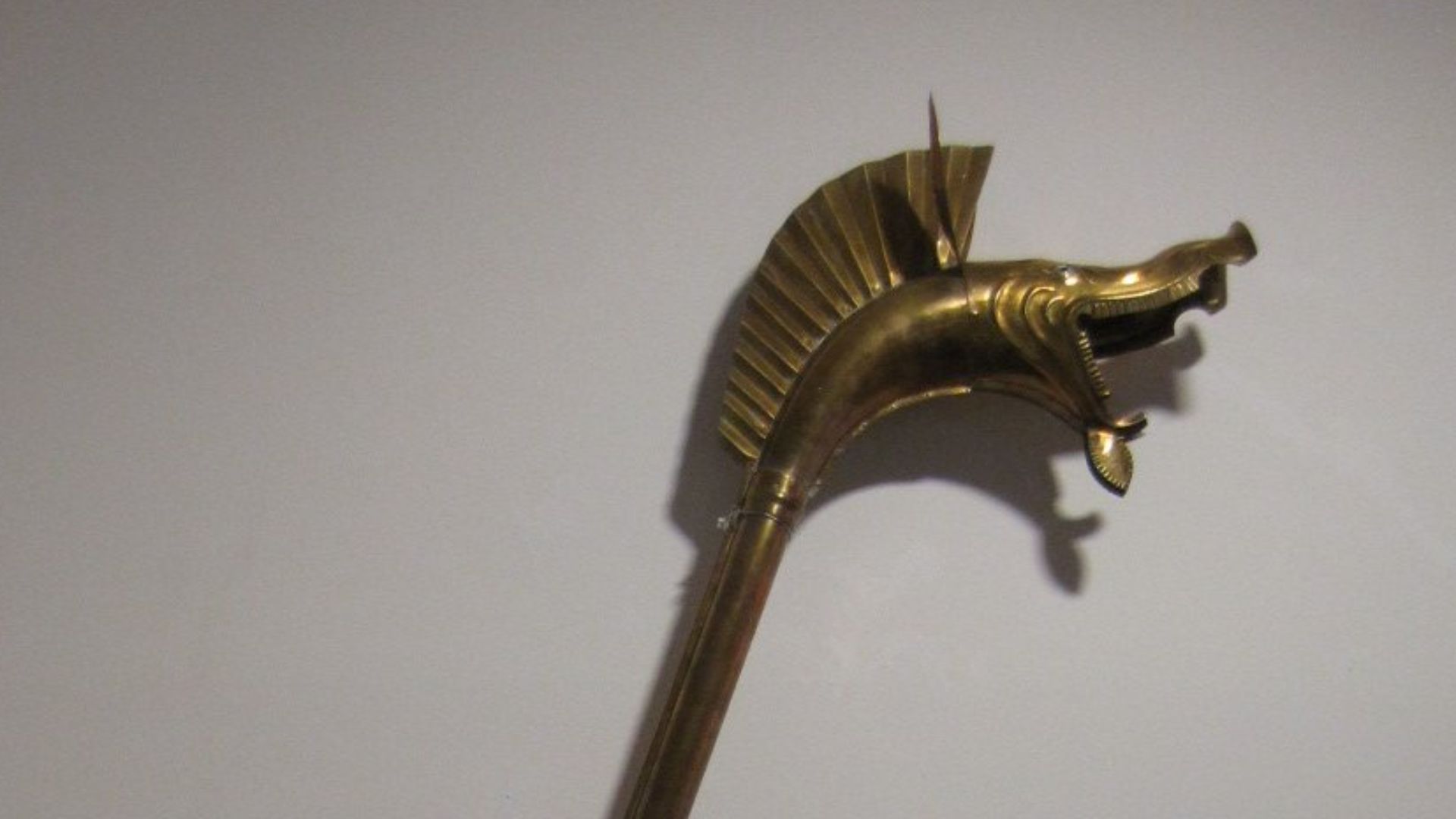
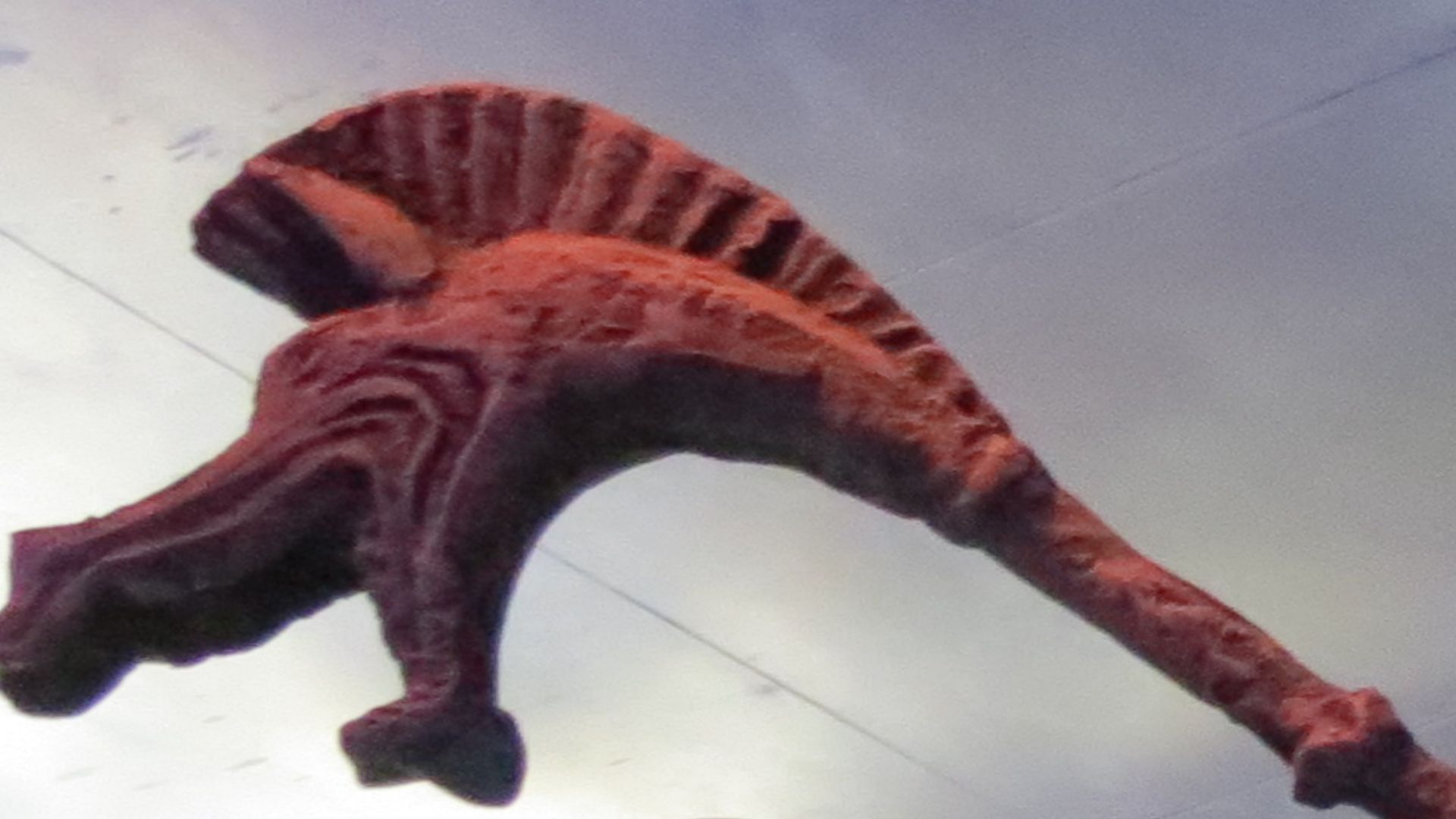
At the center of the discovery was a near-complete carnyx, an ancient metal trumpet associated with Iron Age communities across Europe. Only three examples are known from Britain, and the Norfolk instrument is among the most complete found anywhere in Europe. Even before researchers fully understand it, that level of survival makes the find exceptional.
 Claude Valette, Wikimedia Commons
This Was No Ordinary Trumpet
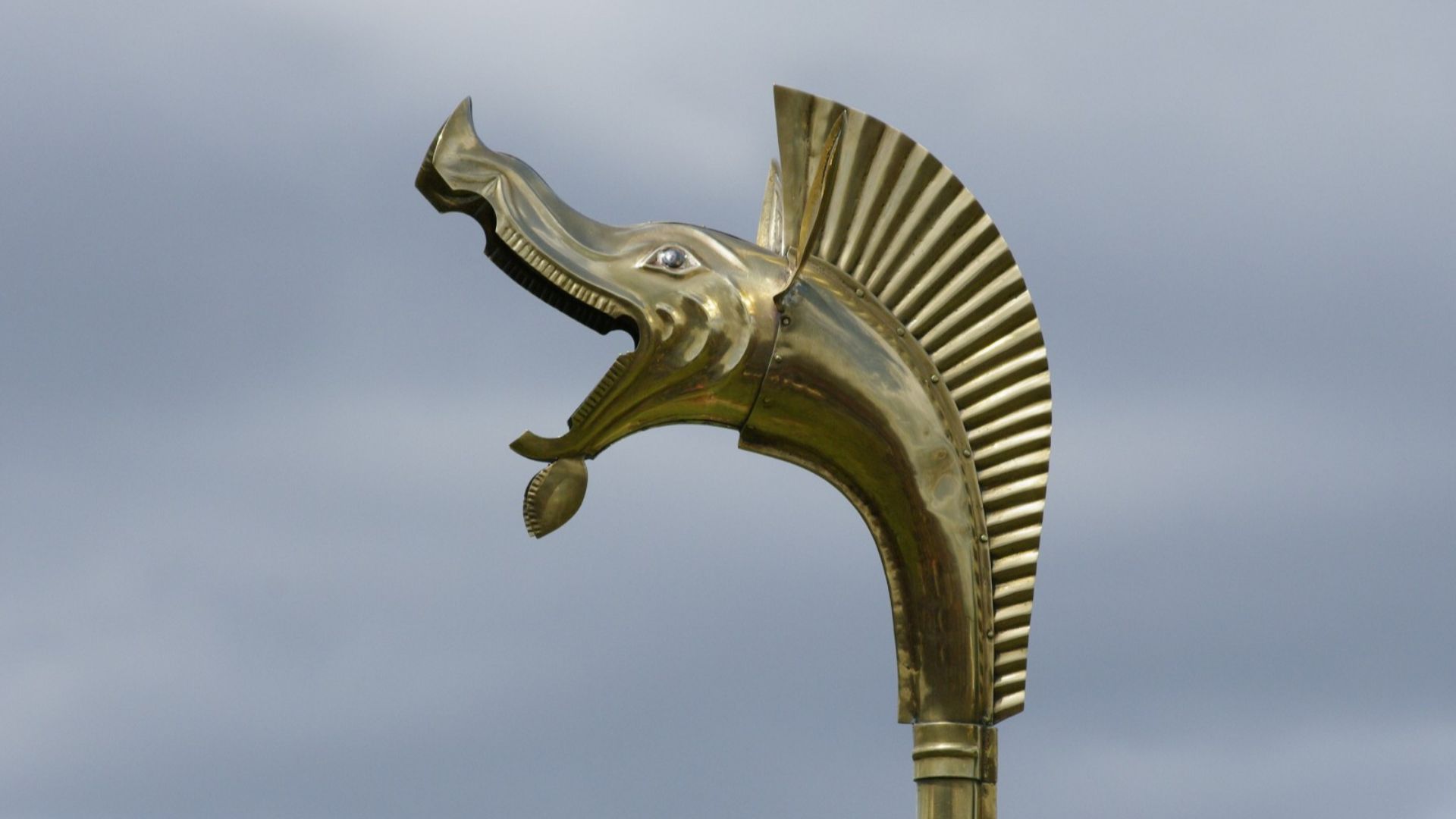
A carnyx was a tall war horn designed to be held with its animal-shaped bell raised above the player. Its sound could carry across a battlefield, making the instrument useful for inspiring friendly forces, communicating, and unsettling opponents. Ancient descriptions suggest that groups of these horns could create an overwhelming wall of noise.
 Elliott Sadourny, Wikimedia Commons
Its Face Was Made To Look Fierce
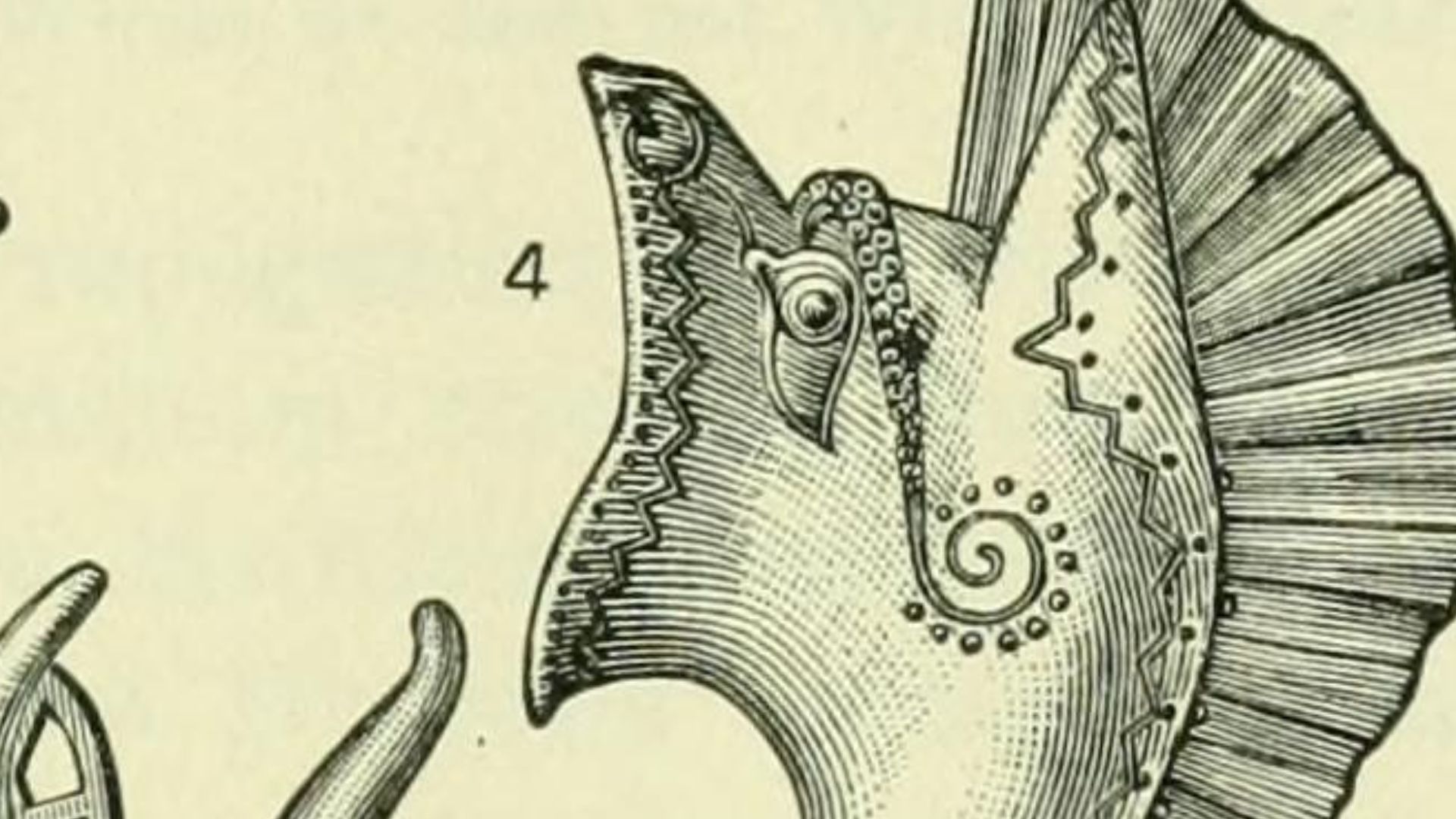
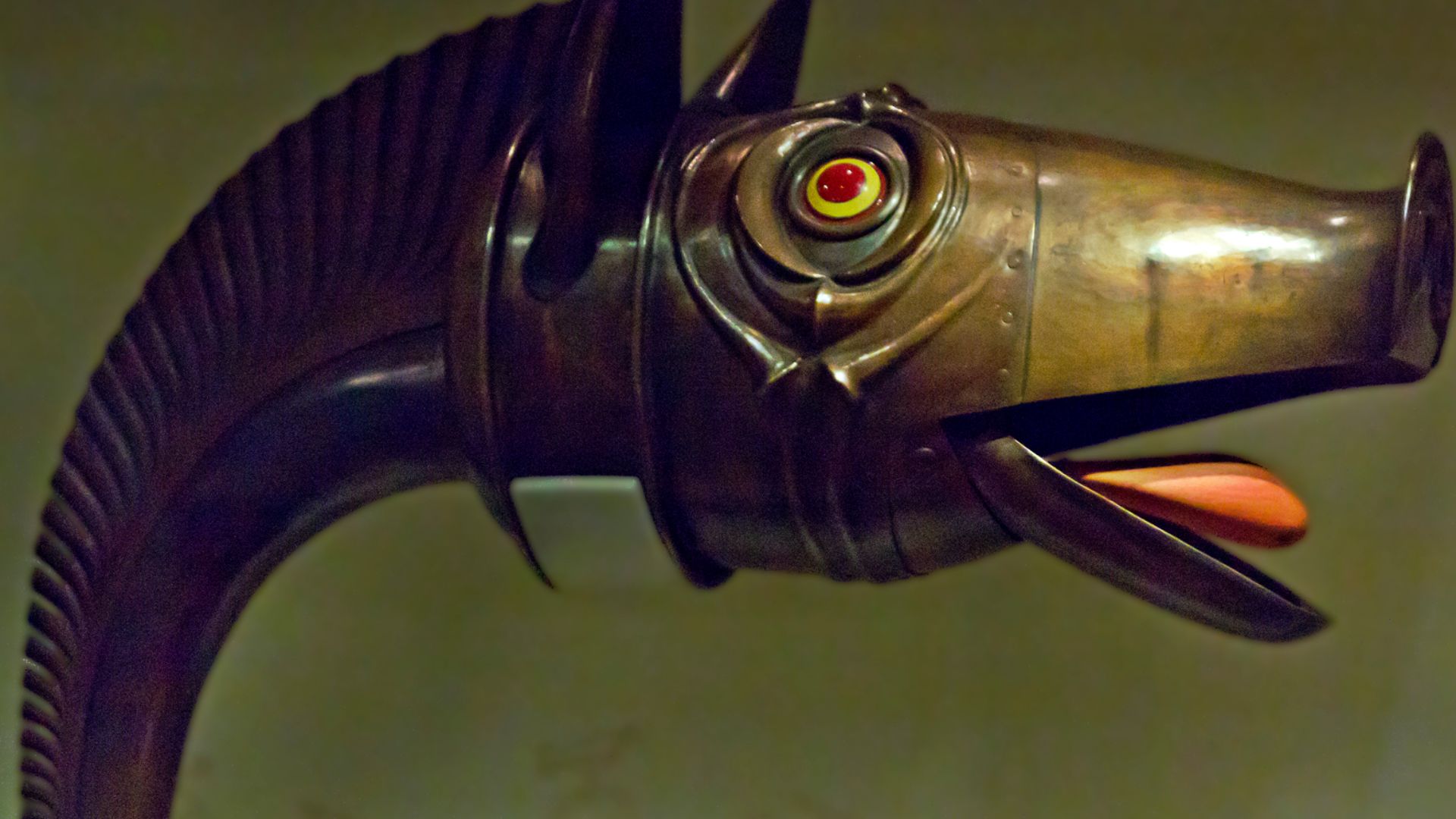
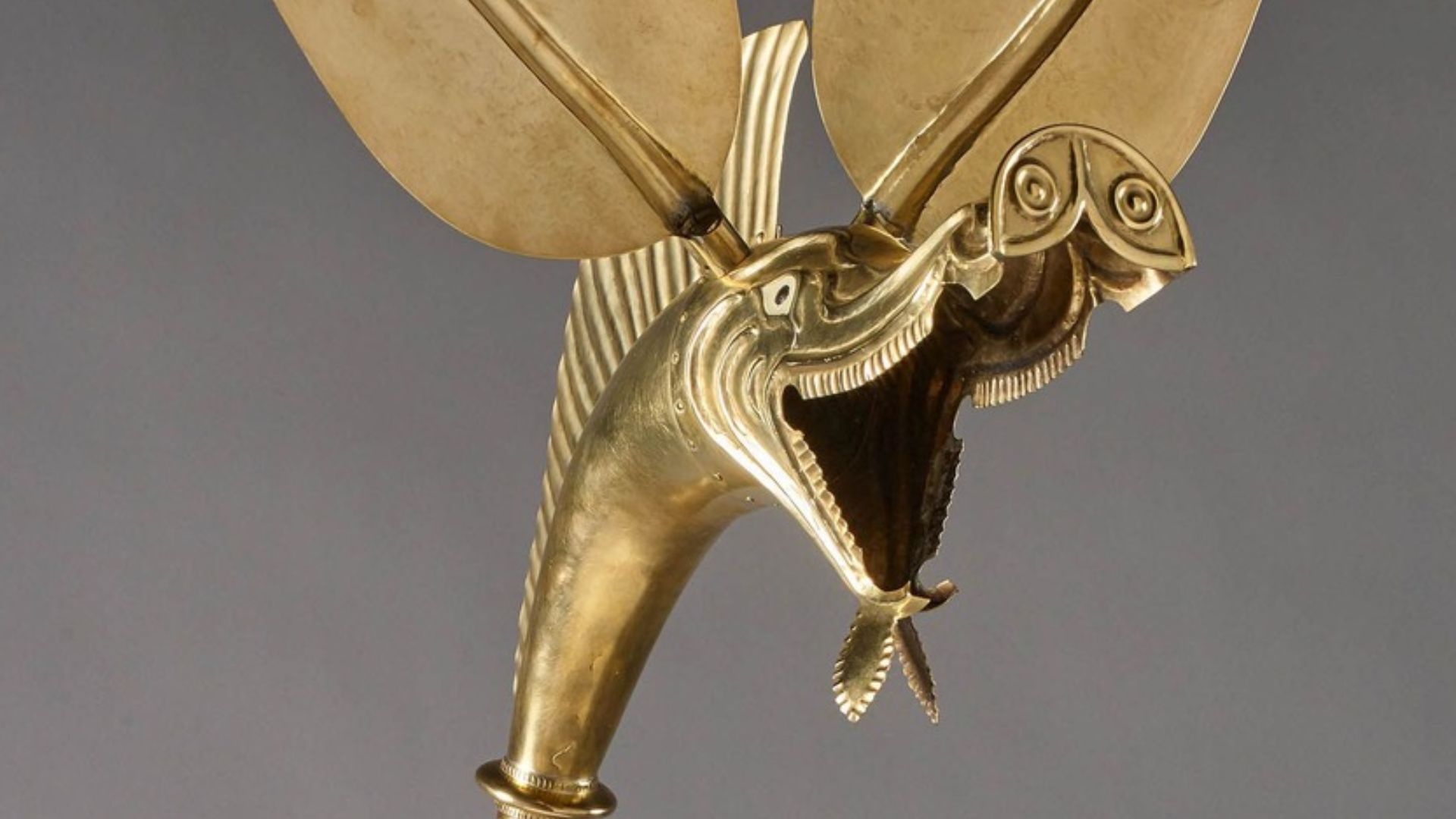
The Norfolk trumpet's bell was fashioned from thin copper-alloy sheet into a snarling, fantastical animal head. It has prominent brows, diamond-shaped eyes, a wide toothed mouth, separate tusks, leaf-shaped ears, and an openwork crest. A raised collar around its neck resembles a torc, while surviving material in the eyes suggests the face once looked even more vivid.
 Norfolk County Council, Ellen Bales, 2007-09-26 10:06:06, Wikimedia Commons
The Noise Was Part Of The Weapon
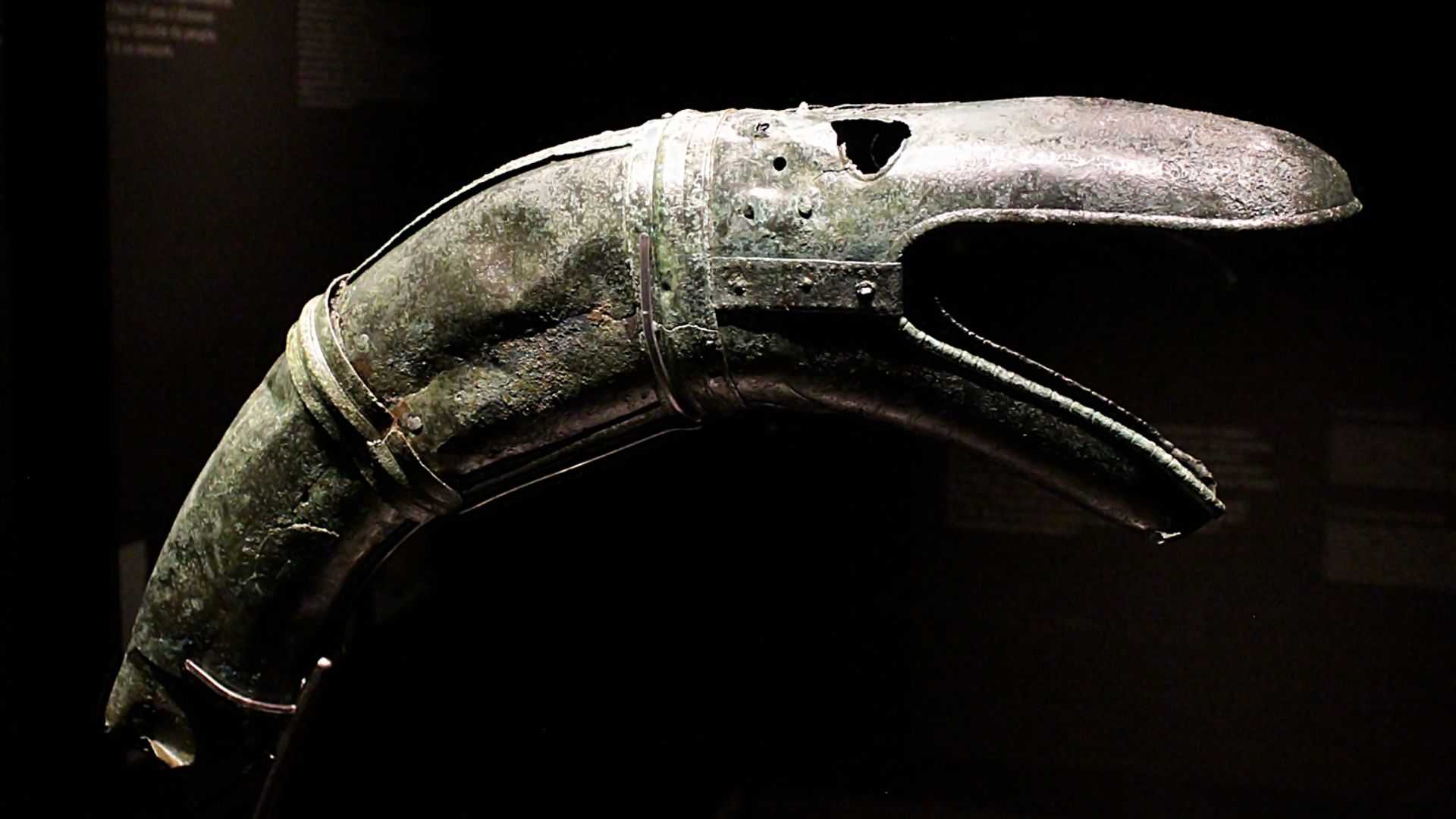
The visual drama was only half the point. Archaeology Magazine describes carnyces as instruments capable of projecting piercing sounds over great distances, while ancient writers remembered enormous blasts of horns accompanying Iron Age armies. In modern terms, the carnyx was part musical instrument, part battlefield signaling device, and part psychological warfare.
 Claude Valette, Wikimedia Commons
Even The Romans Were Fascinated
Roman artists repeatedly depicted carnyces after encounters with the peoples who used them. The instruments sometimes appeared in Roman imagery as trophies representing victories over foreign enemies. That attention tells researchers something important: these strange animal-headed horns were memorable even to the people fighting against them.
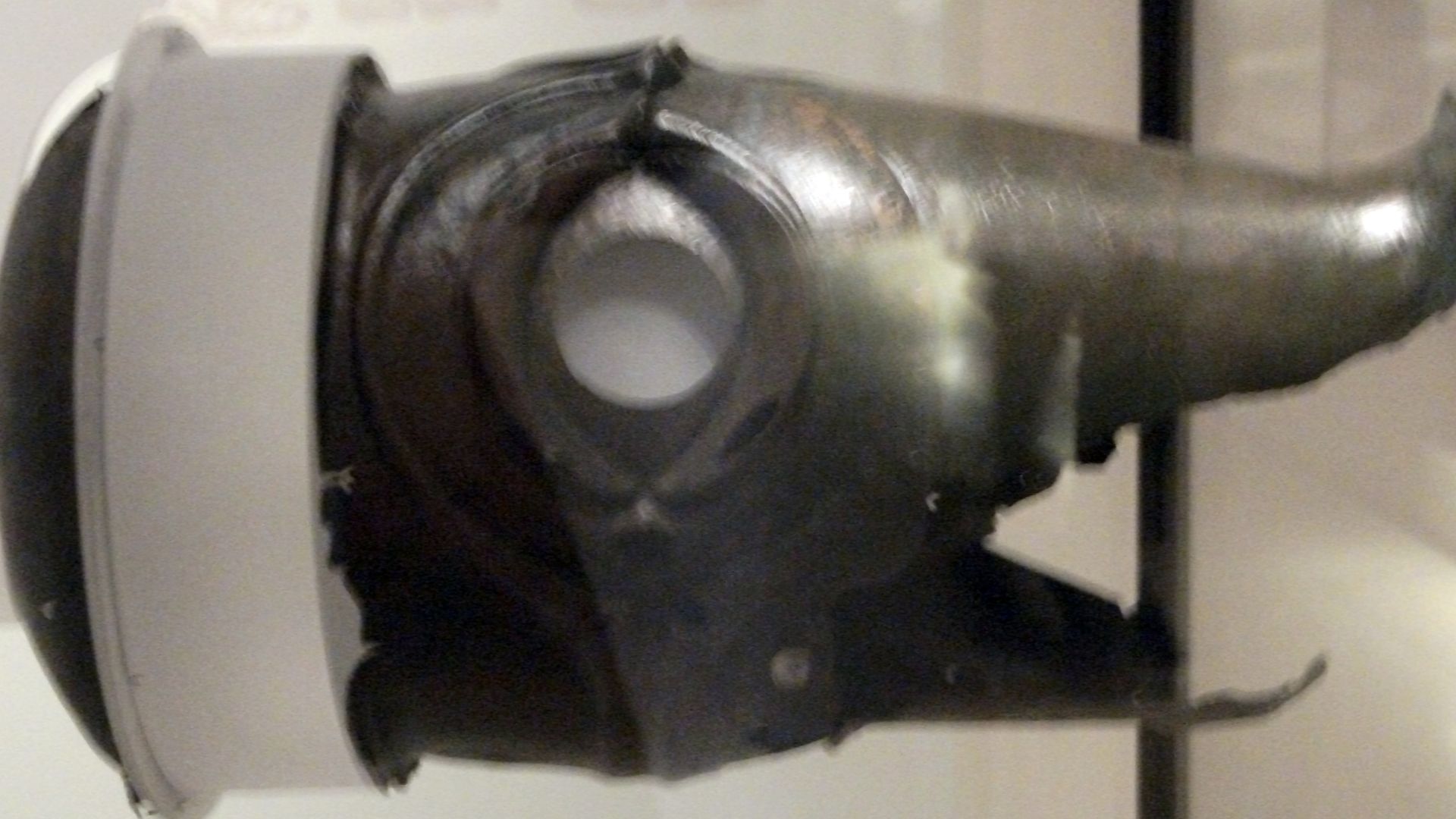
There Was More Than One Trumpet
The near-complete carnyx was not alone in the Norfolk deposit. Archaeologists also identified components belonging to at least one additional carnyx. Considering how few examples survive anywhere, finding evidence for multiple instruments together makes the assemblage even more unusual.
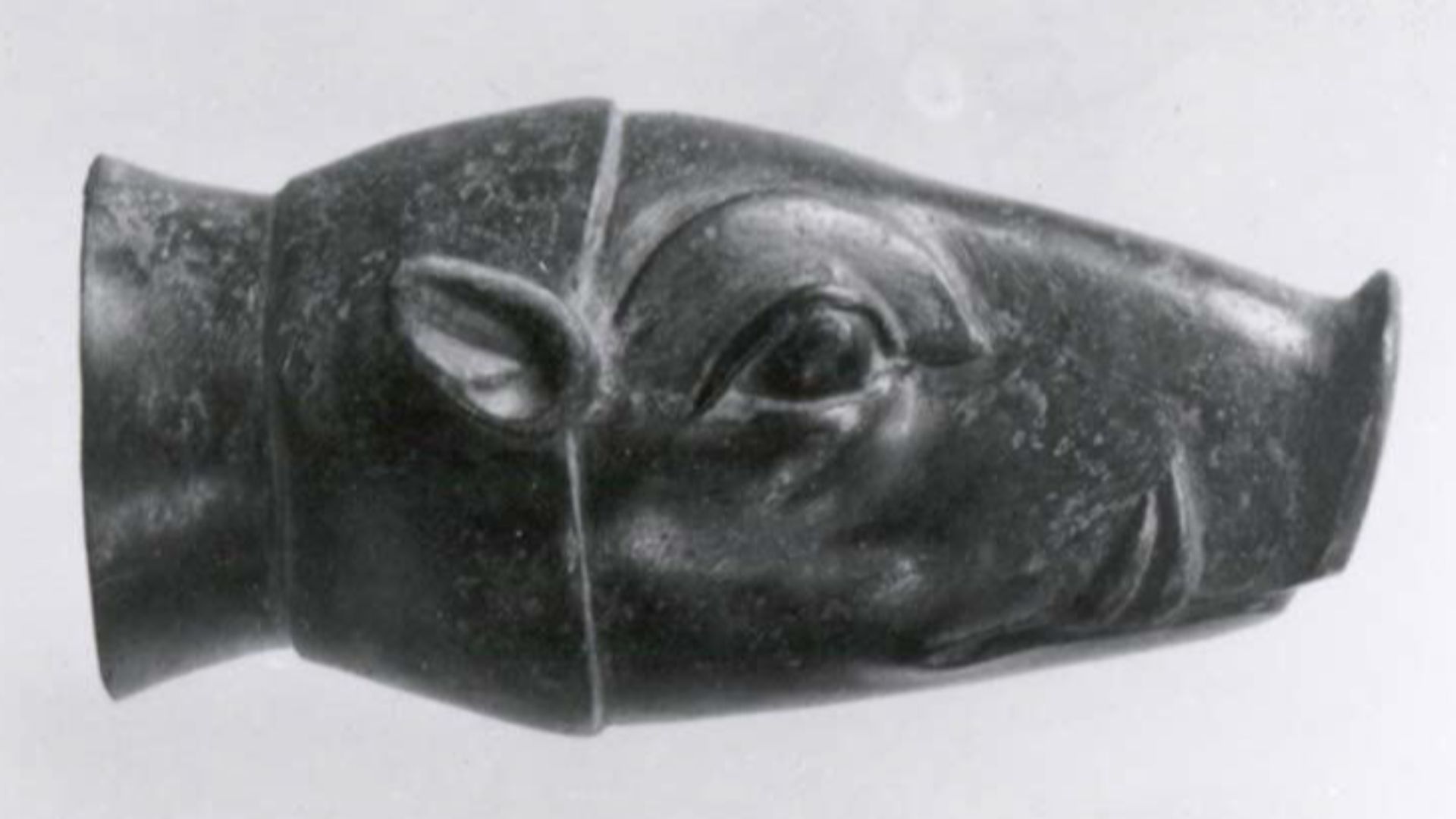
Then They Found A Boar Standard
The hoard also contained the sheet-bronze head of a boar that had once formed part of a military or ceremonial standard. It is the first object of its type discovered in Britain. Placed alongside the animal-headed trumpet, it gives the collection an unmistakably martial and symbolic character.
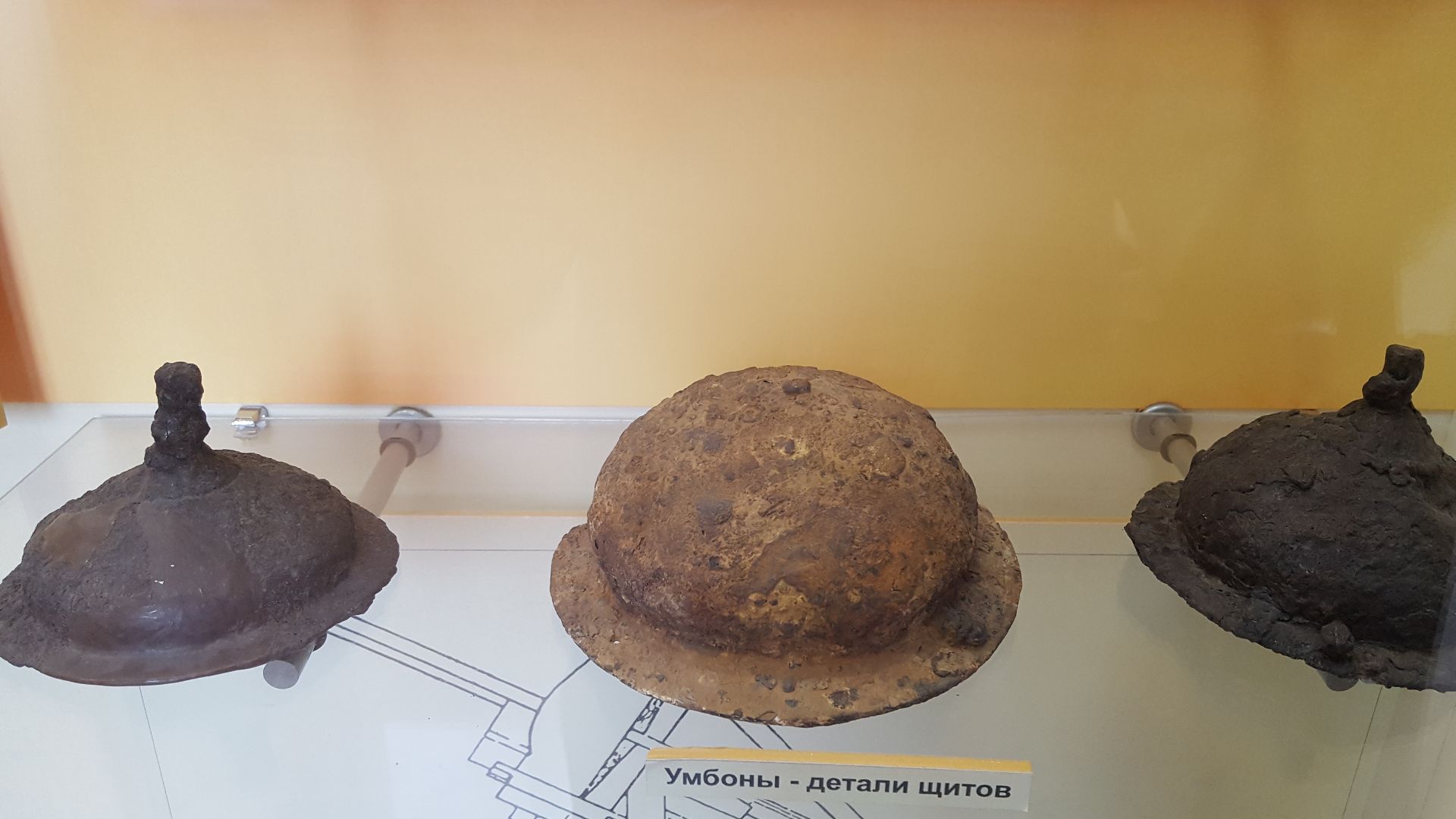
Five Shields Added To The Mystery
Five shield bosses were recovered from the same deposit, along with an iron object whose purpose has not yet been identified. Shield bosses formed the reinforced central sections of shields, so their presence adds another military element to the assemblage. Researchers still need to determine why all these prestigious objects ended up buried together.
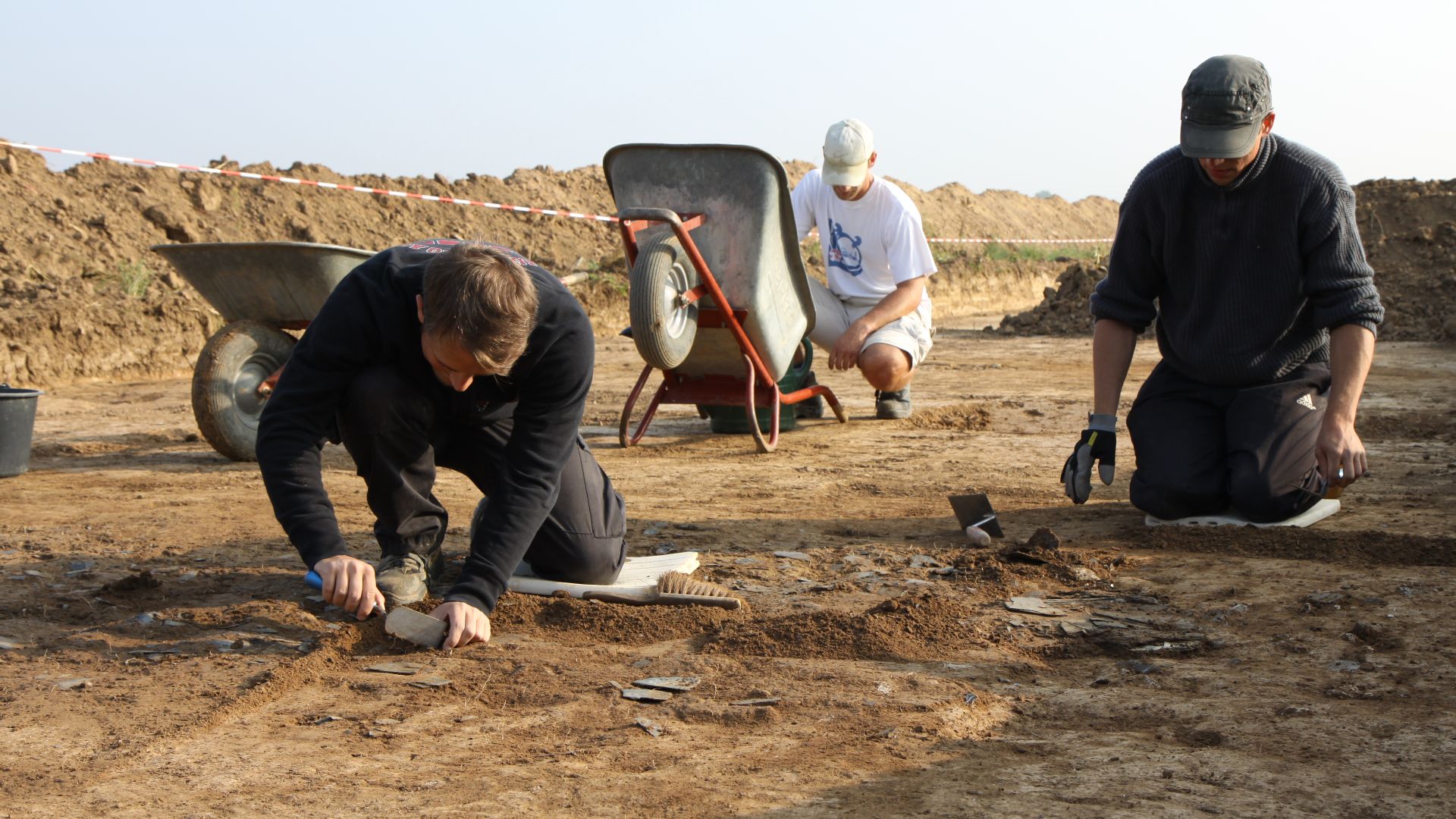
Archaeologists Lifted The Whole Thing
Instead of pulling the fragile objects directly from the ground, the team removed the hoard inside a block of surrounding soil. That preserved the exact relationships between individual pieces and protected delicate metal from unnecessary handling. For archaeologists, the dirt around an artifact can carry almost as much information as the artifact itself.
 Rachel Goodspeed (U.S. Corps of Engineers Europe District), Wikimedia Commons
A Hospital Scanner Joined The Investigation
The soil block then underwent non-invasive imaging, including X-rays and CT scanning. Staff at Addenbrooke's Hospital assisted with the CT work, allowing researchers to map objects hidden inside the block before conservators began removing them. Modern medical technology effectively gave archaeologists a preview of a 2,000-year-old time capsule.

The Dig Continued Under A Microscope
Once indoors, specialists began the painstaking process known as micro-excavation. Conservators worked around unstable metal using delicate implements including bamboo skewers and even a porcupine quill, which were soft enough to reduce the risk of scratching the copper alloy. Loose soil and tiny fragments were carefully recorded rather than simply brushed aside.

The Carnyx Is Extremely Fragile
Surviving for two millennia does not mean the trumpet can simply be picked up and played. Much of it consists of very thin metal that requires careful stabilization before detailed research can proceed. That conservation work is essential if researchers want to study how it was constructed, repaired, decorated, and eventually buried.
 Internet Archive Book Images, Wikimedia Commons
The Dating Makes Things Interesting
Early reports broadly described the hoard as belonging to the first century CE, which encouraged comparisons with Boudicca's rebellion. A later account in the archaeological journal Antiquity places its deposition more specifically between about 50 BCE and 50 CE. That range is crucial because Boudicca's famous uprising happened around CE 60 or 61.

But This Was Iceni Country
The discovery was made near Thetford in an area firmly associated with the Iceni, the Iron Age people who occupied much of what is now Norfolk and surrounding East Anglia. Archaeologist Mark Hinman described the findspot as being in the heartland of the Iceni. That geographical connection is the strongest reason Boudicca's name immediately entered the conversation.
 Charles Hamilton Smith, Wikimedia Commons
And Then There Is Boudicca
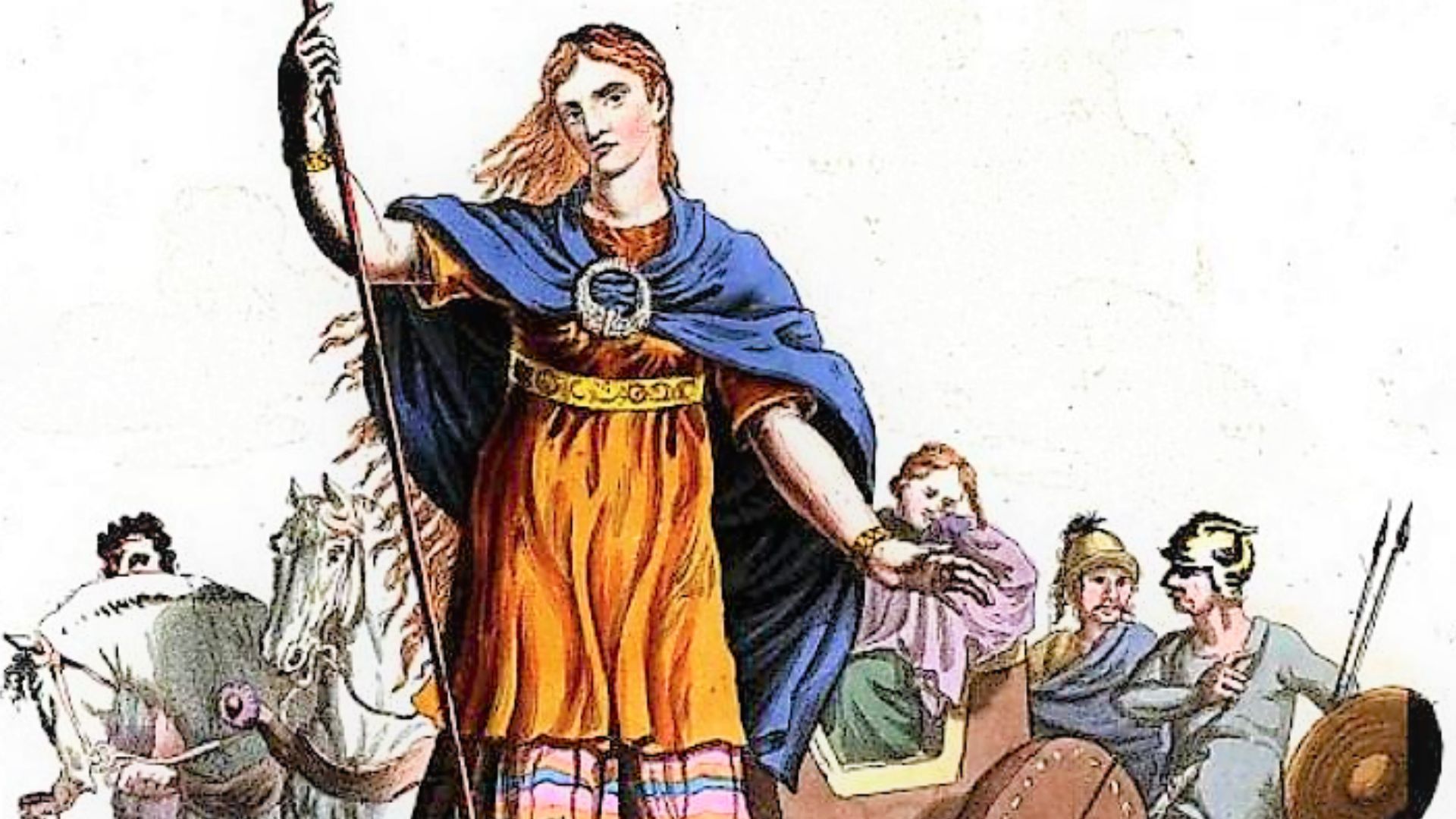
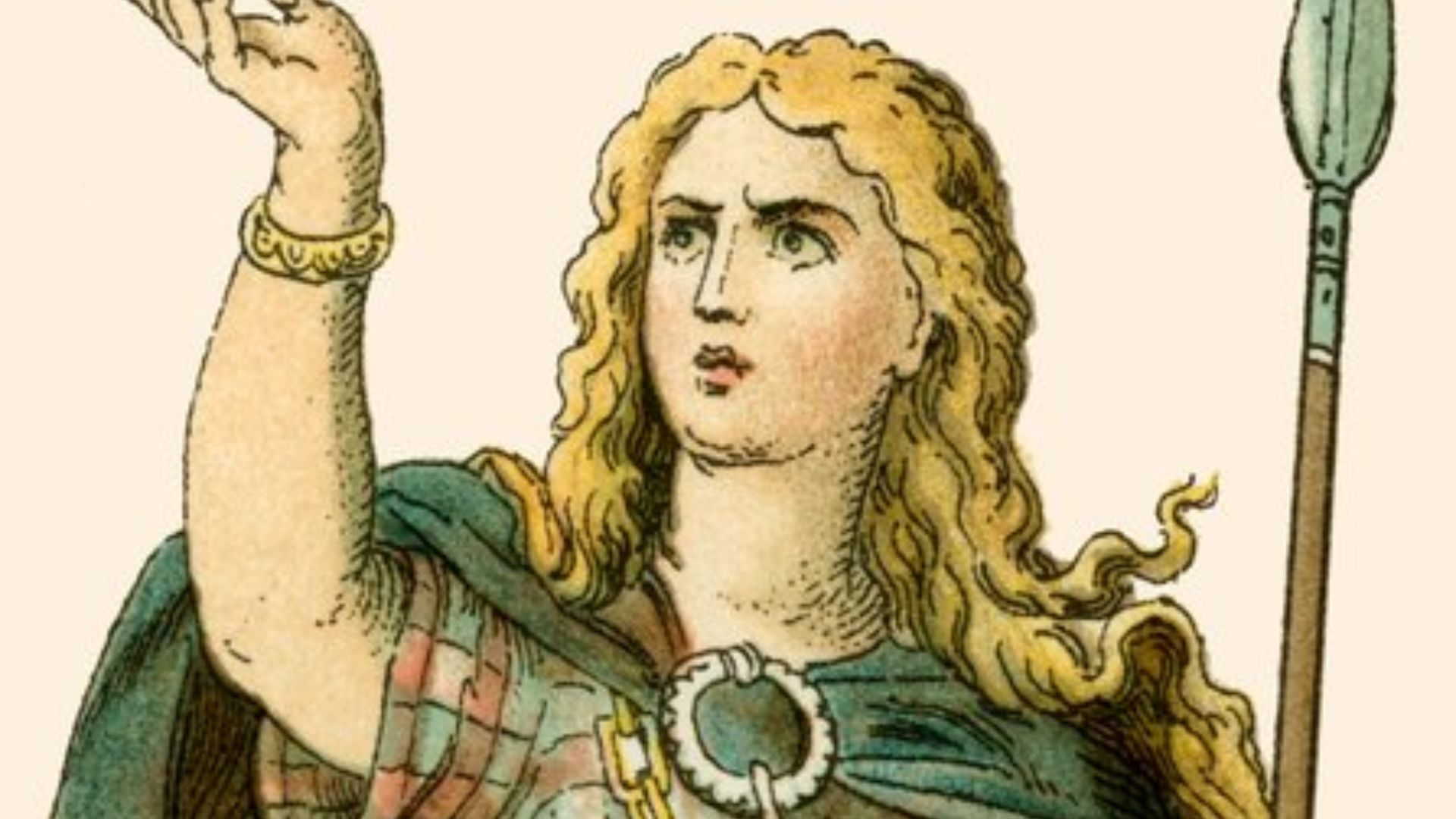
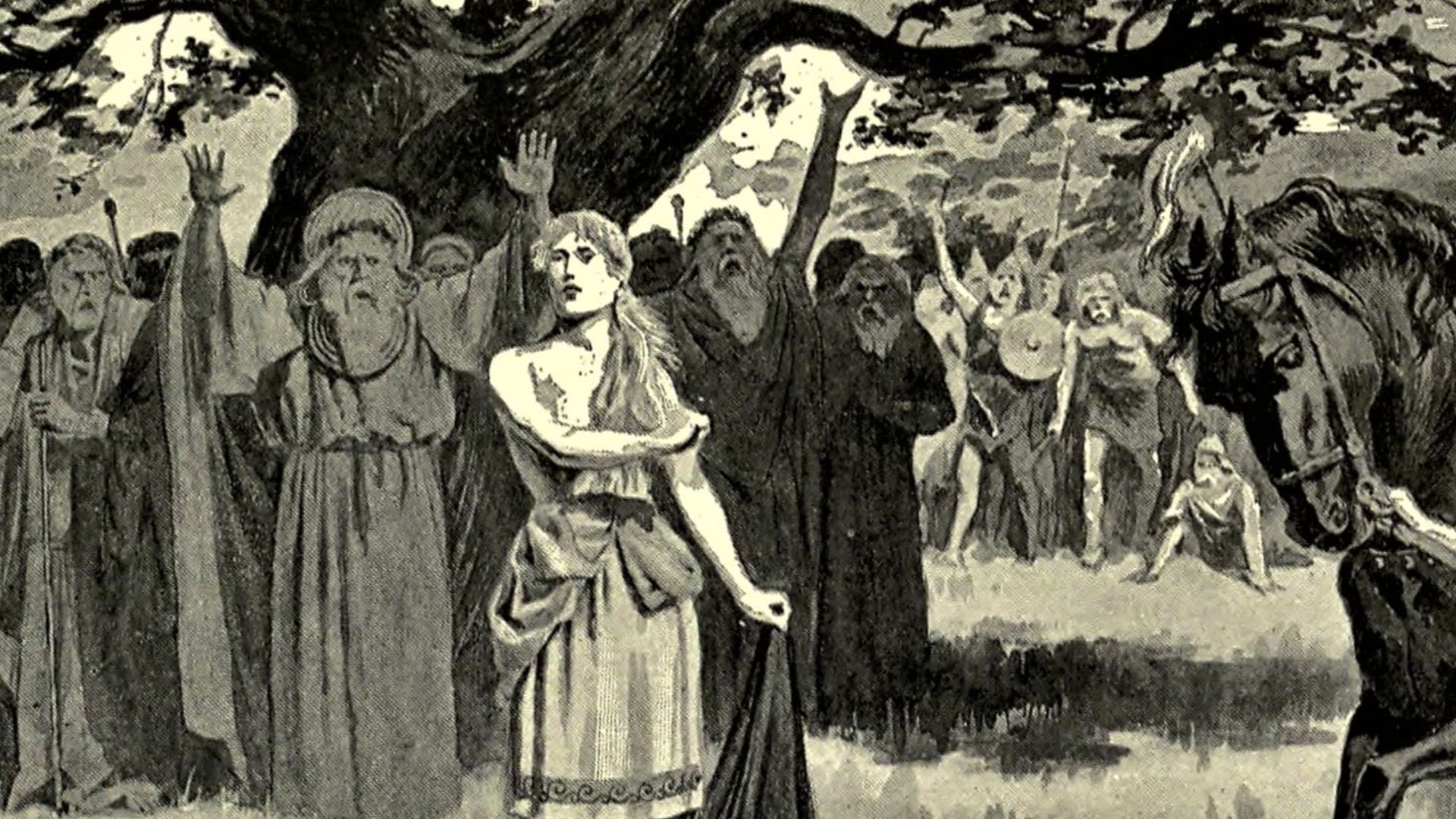
Boudicca was queen of the Iceni and became one of the most famous figures in ancient British history. Around CE 60 or 61, she led a major uprising against Roman rule that drew in other communities and threatened Rome's grip on southern Britain. Her rebellion has made the Iceni far more familiar today than most other peoples of Iron Age Britain.
 Albert Kretschmer, Wikimedia Commons
It Is Not Actually Boudicca's Trumpet
There is currently no evidence identifying the carnyx as Boudicca's personal instrument or proving that it was used during her revolt. In fact, the proposed deposition range ending around CE 50 would place its burial before the uprising of CE 60 or 61. The responsible way to describe the connection is that the hoard belongs to the same Iceni landscape and broader historical world, not that archaeologists have found Boudicca's lost trumpet.
 W Parkinson, Wikimedia Commons
Rome Had Arrived Only Years Earlier
Emperor Claudius launched Rome's full-scale invasion of Britain in CE 43. Within several years, Roman forces had established control across much of southern and eastern Britain, creating new political pressures for communities already living there. The Norfolk hoard therefore dates to an era when the balance of power in Britain was changing rapidly.

Relations With The Iceni Eventually Collapsed
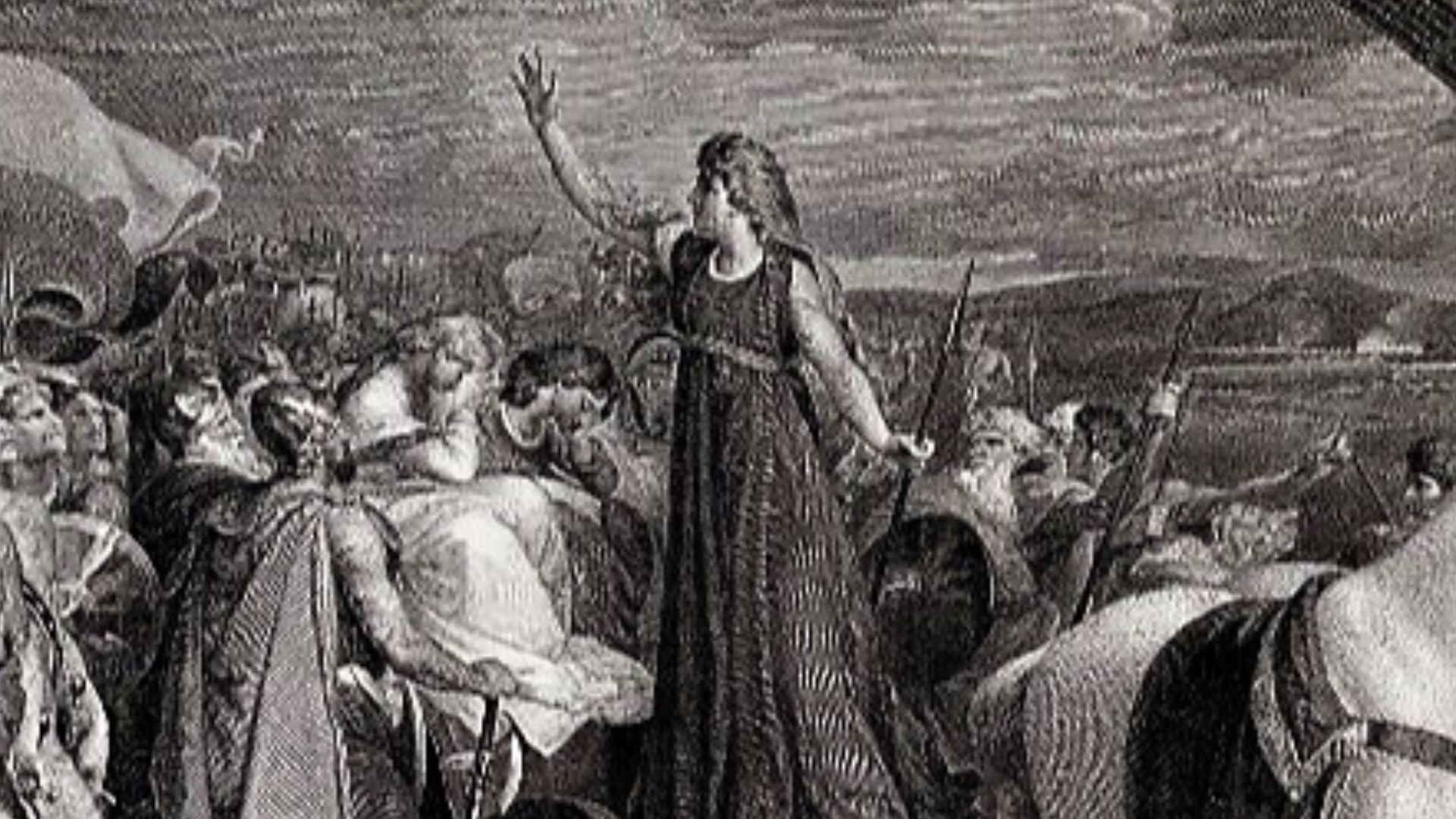
The Iceni initially existed in an uneasy relationship with Roman power under their ruler Prasutagus. After his death, Roman authorities moved to take control of the kingdom and Boudicca and her family were brutally mistreated. Those actions helped ignite the rebellion that transformed her into Rome's most famous British opponent.
 William Sharp, after Thomas Stothard, Wikimedia Commons
Her Rebellion Shook Roman Britain
Boudicca's forces attacked Camulodunum, now Colchester, before moving against Londinium and Verulamium, today's London and St Albans. All three settlements suffered catastrophic destruction before Roman forces finally defeated the uprising. The rebellion failed, but it became one of the defining events of the Roman occupation of Britain.
 Edward Farr (and others), Wikimedia Commons
The Connection Still Matters
Even if the carnyx was buried before Boudicca's revolt, it offers a rare glimpse into the elite material culture that existed in and around Iceni territory. Prestigious trumpets, decorated standards, and shields reveal a world in which military display carried enormous visual and symbolic power. That is more historically useful than forcing the object into a specific battle that cannot currently be proven.
Britain Has Almost Nothing Like It
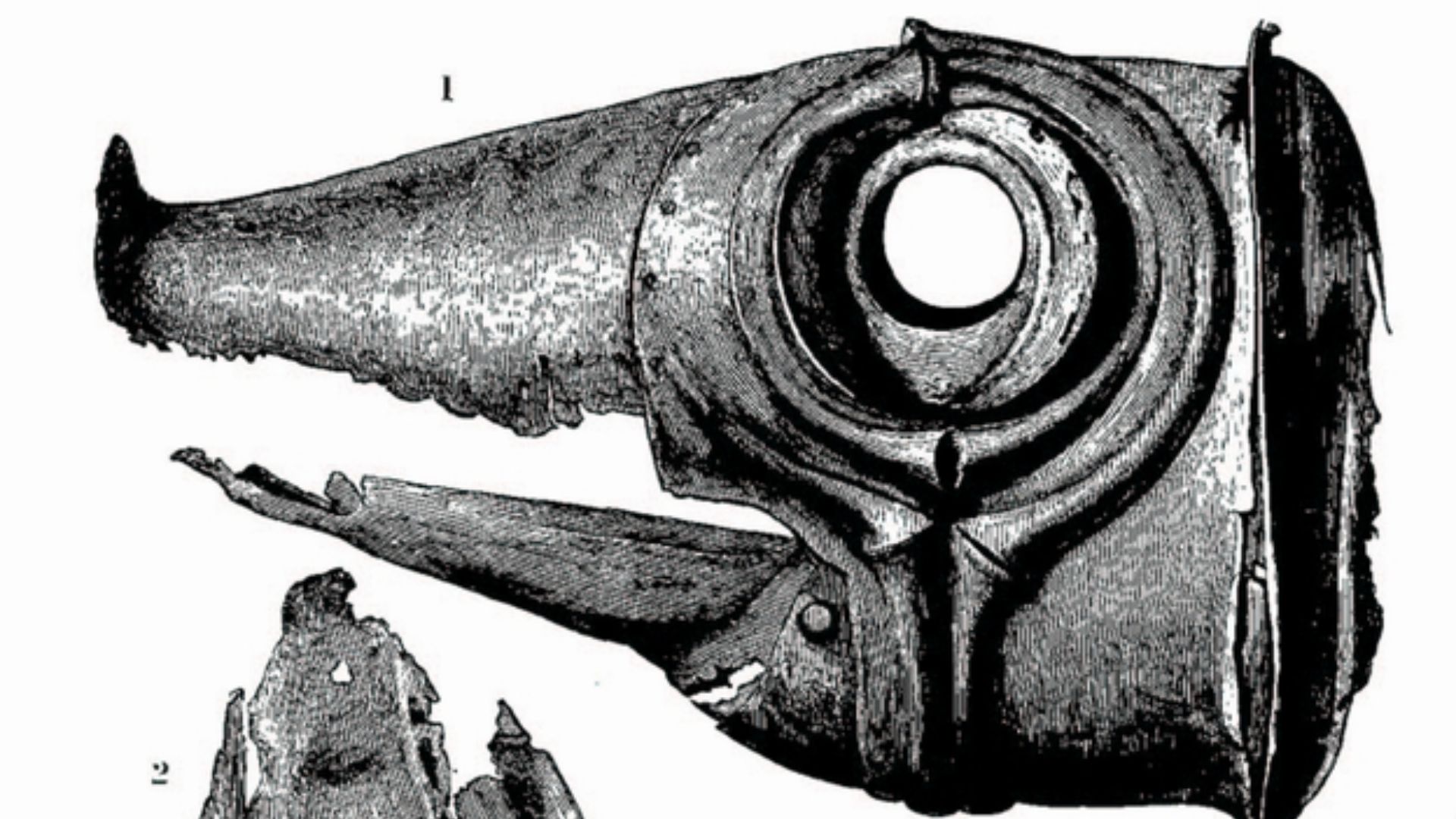
Carnyces are extraordinarily scarce archaeological finds. Britain's best-known previous example came from Deskford in Scotland, but surviving carnyx remains across Europe are usually fragmentary. The amount of the Norfolk instrument that survives gives researchers a much clearer object to work with than they normally have.
Similar Horns Appeared Across Europe
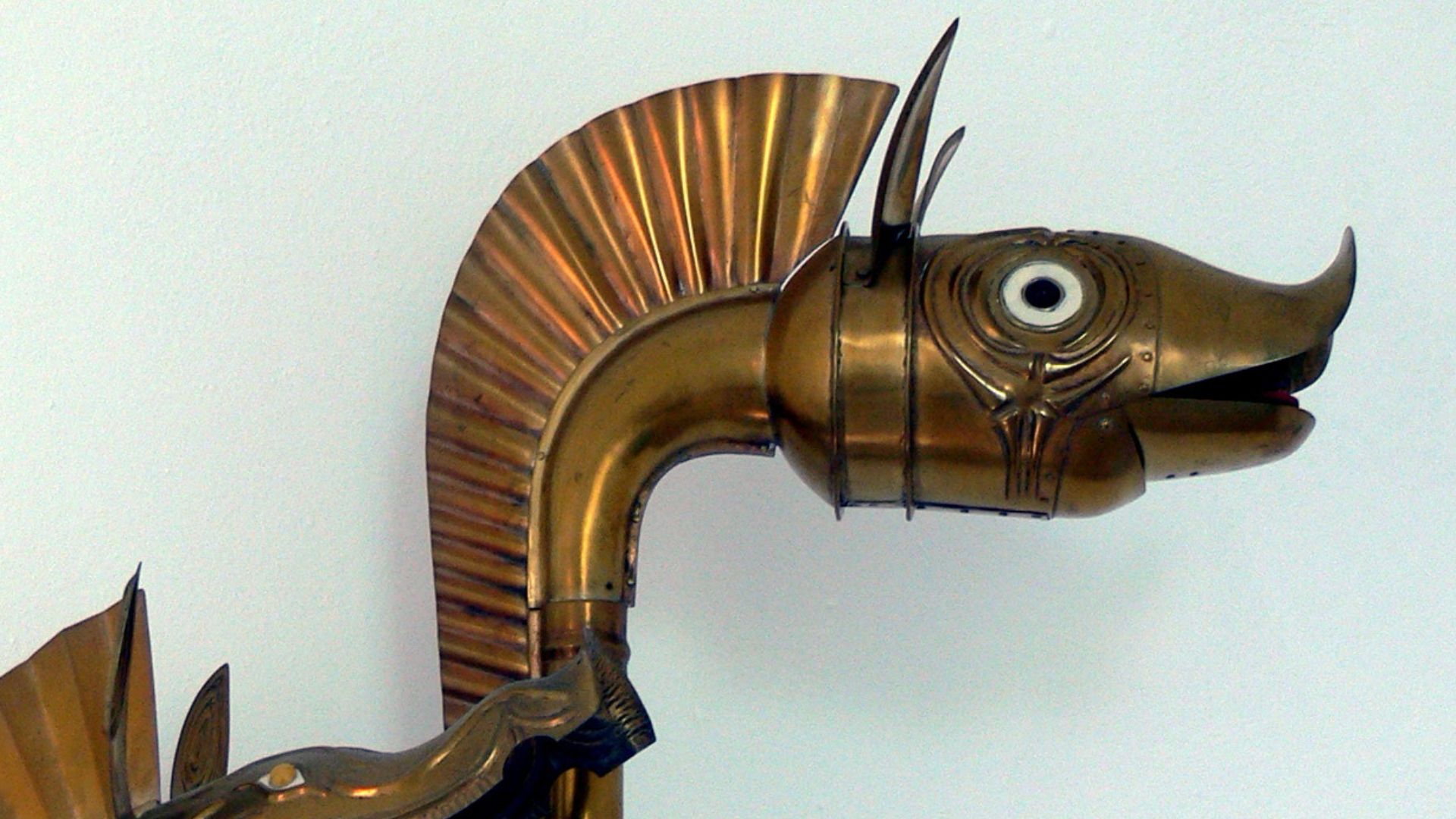
Carnyces were used across parts of western and central Europe for centuries, rather than belonging to one specific British tribe. A spectacular discovery at Tintignac in France produced pieces from seven carnyces, including several with boar-shaped bells. Those finds demonstrate that the Norfolk trumpet was part of a much larger European tradition of animal-headed horns.
 Amazonenkrieger, Wikimedia Commons
Researchers May Get Closer To Its Real Sound
Reconstructed carnyces have already shown that these instruments were capable of producing everything from piercing blasts to more controlled tones. Because so much of the Norfolk example survives, researchers can examine its pipe, mouthpiece, bell, and construction together. That could eventually improve attempts to understand how an Iron Age carnyx was actually played and heard.
 Brian McNeil, Wikimedia Commons
There Are Still Huge Questions
Researchers still need to determine why the trumpet, standard, shield fittings, and other objects were buried as one group. Other European carnyces have been found in ritual deposits, but that does not automatically mean the same explanation applies in Norfolk. Conservation and detailed analysis must come before archaeologists can confidently reconstruct the final chapter of this particular hoard.
 Wolfgang Sauber, Wikimedia Commons
The Best Part Is What We Still Do Not Know
The Norfolk carnyx does not need to be labeled Boudicca's trumpet to be extraordinary. It is an exceptionally complete survivor from a turbulent period in British history, found in the heartland of the people she would later lead against Rome. As conservation continues, this strange animal-headed horn could tell researchers far more about Iron Age Britain than its famous possible connection ever could.
 John Alexander Smith, Wikimedia Commons
You May Also Like:
Archaeologists Discovered A 1,600-Year-Old Roman Guardian Spirit Buried Beneath Hadrian's Wall