A Roman Mystery Emerges
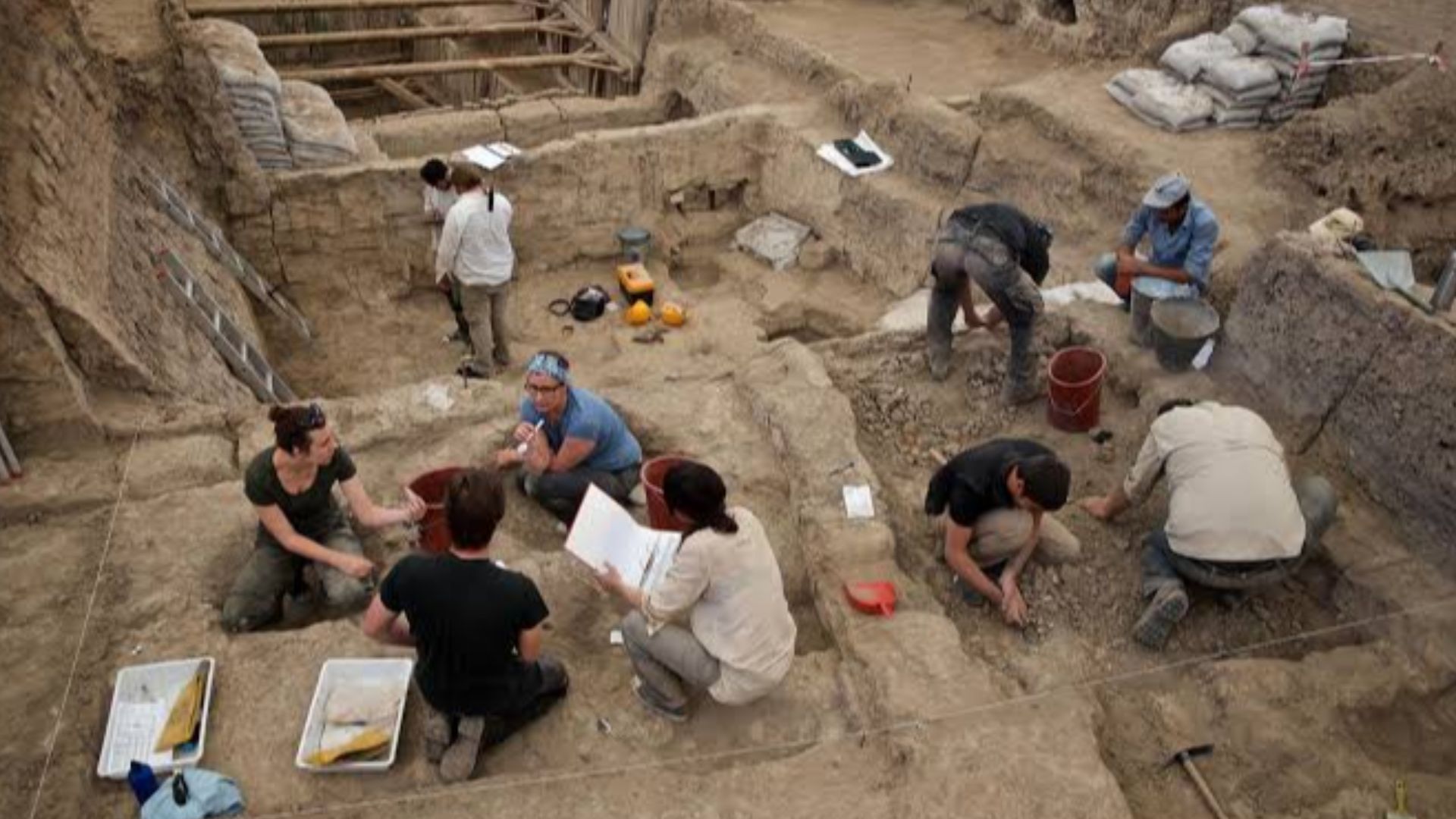
Archaeologists investigating land near Šurany in southwestern Slovakia uncovered the remains of a large Roman military camp. Complete skeletons and scattered human bones appeared across the site, including inside wells. Researchers still do not know exactly who these people were or what caused their deaths.
An Industrial Project Revealed The Past
The camp was identified within the planned Šurany Industrial Park. Archaeological work at the development began in March 2025 and has become one of the largest investigations conducted in Slovakia. Construction-related research has now opened an unusually broad window into the region’s past.
More Than 150 Hectares Explored
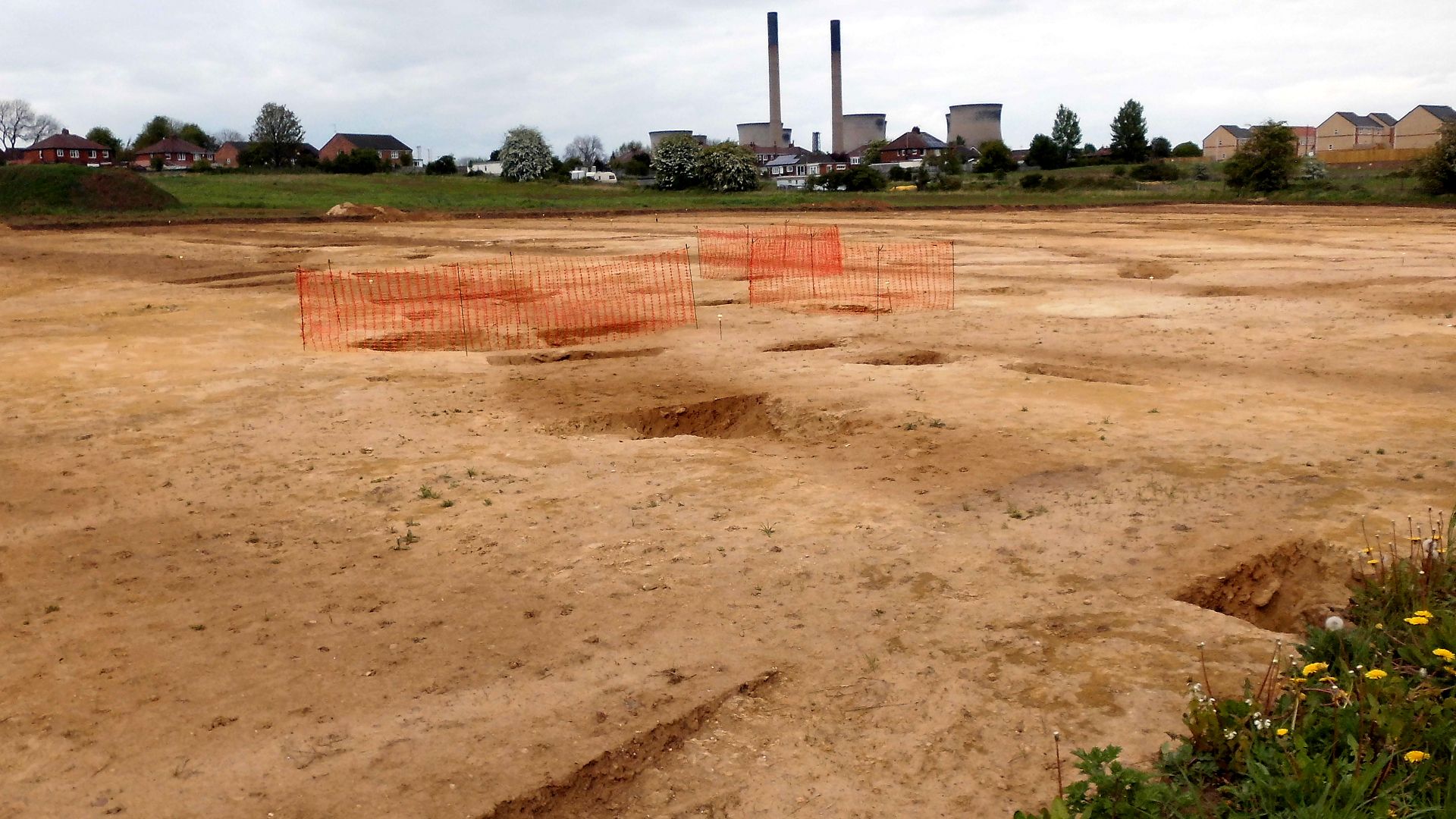
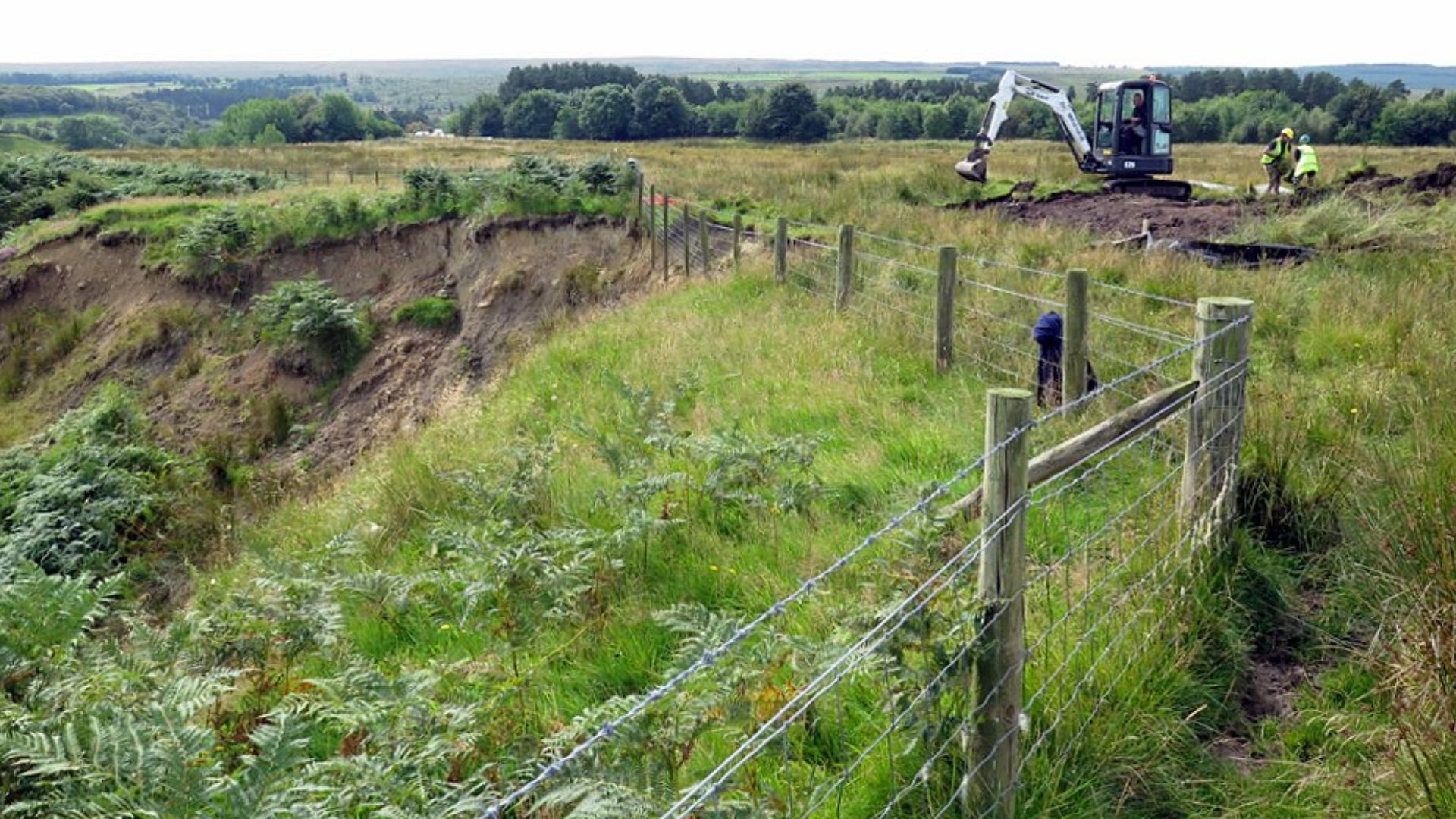
Researchers had examined more than 150 hectares of the industrial park area by July 2026. Excavations were continuing across roughly five additional hectares. That enormous scale allowed archaeologists to uncover features that might have remained disconnected during a smaller dig.
The Camp Covered 18 Acres
The Roman camp occupied approximately 7.4 hectares, or about 18.2 acres. It stood in the southern part of the future industrial park. Archaeologists have been able to investigate almost the entire military site, which is exceptionally rare in Europe.
Built For An Army On The Move
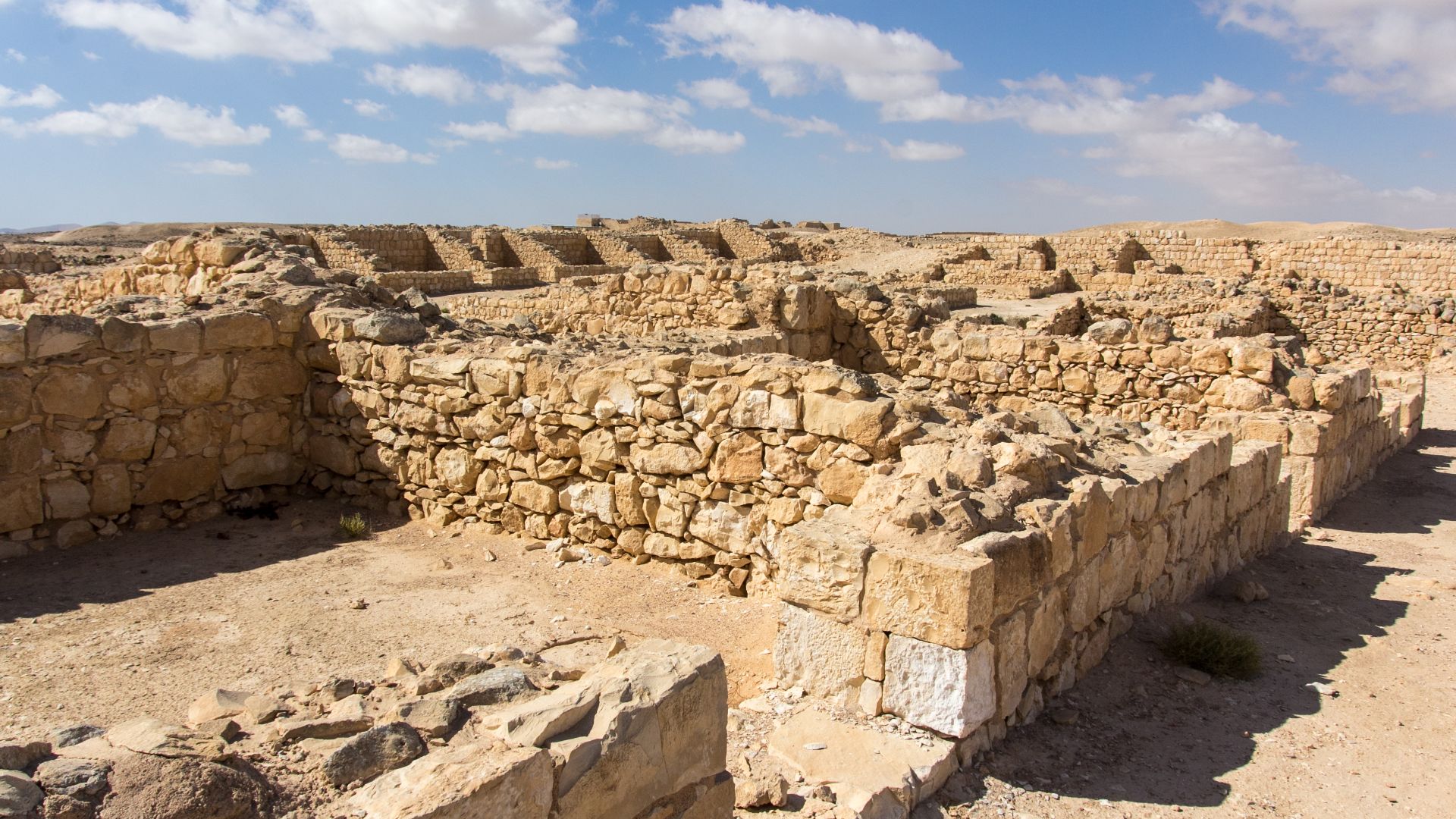
Researchers have classified the discovery as a Roman field marching camp. These temporary installations supported troops operating away from permanent military bases. The Šurany site nevertheless possessed substantial defensive features and a carefully planned entrance system.
 Andrew Curtis , Wikimedia Commons
Dating To The Late Second Century
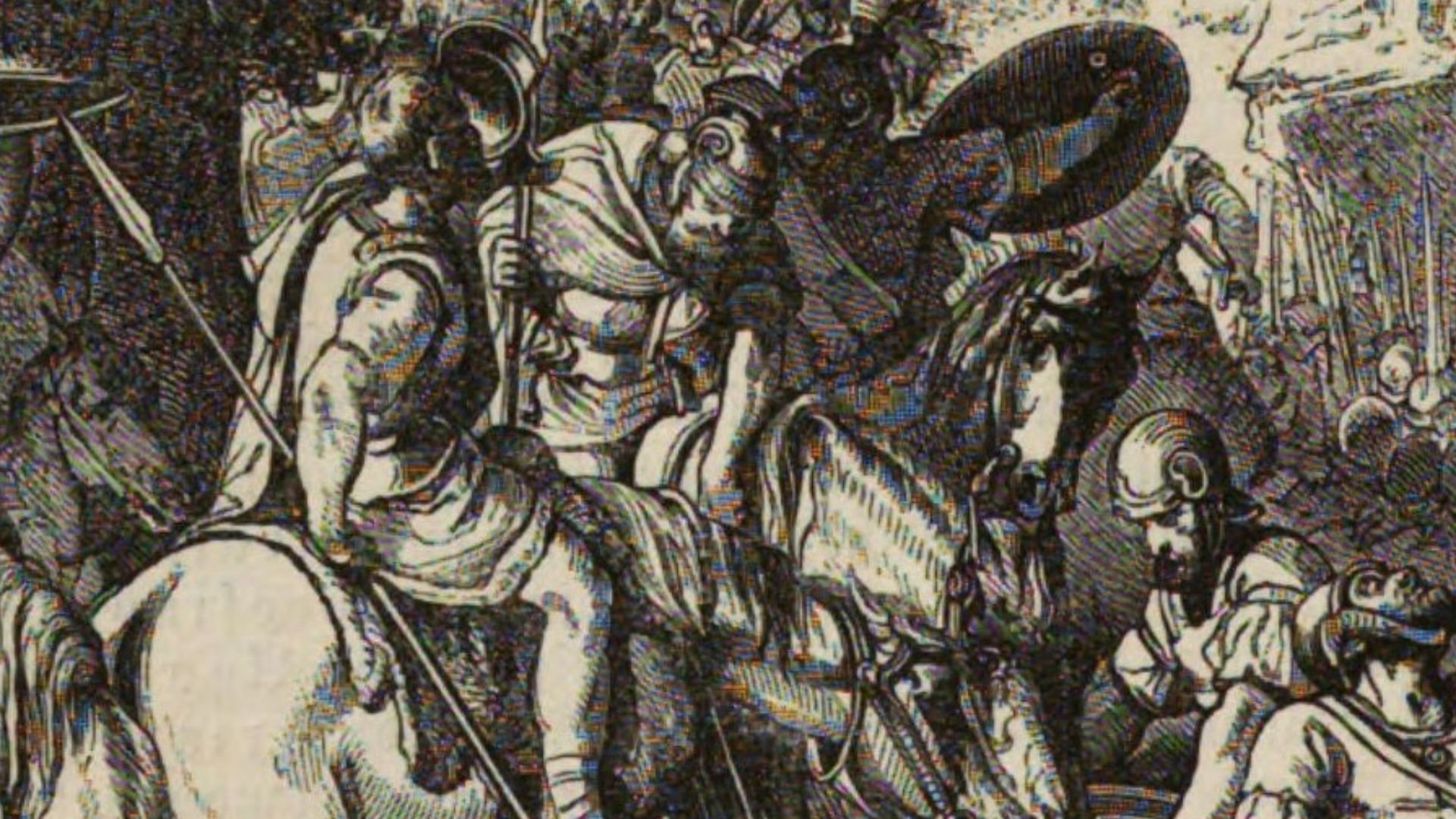
Evidence places the camp in the second half of the second century CE. Archaeologists believe it probably belongs to the period of the Marcomannic Wars, fought between CE 166 and 180. That possible connection puts the camp within one of Rome’s major struggles along its northern frontier.
 Franz Kollarz, Wikimedia Commons
Marcus Aurelius Enters The Story
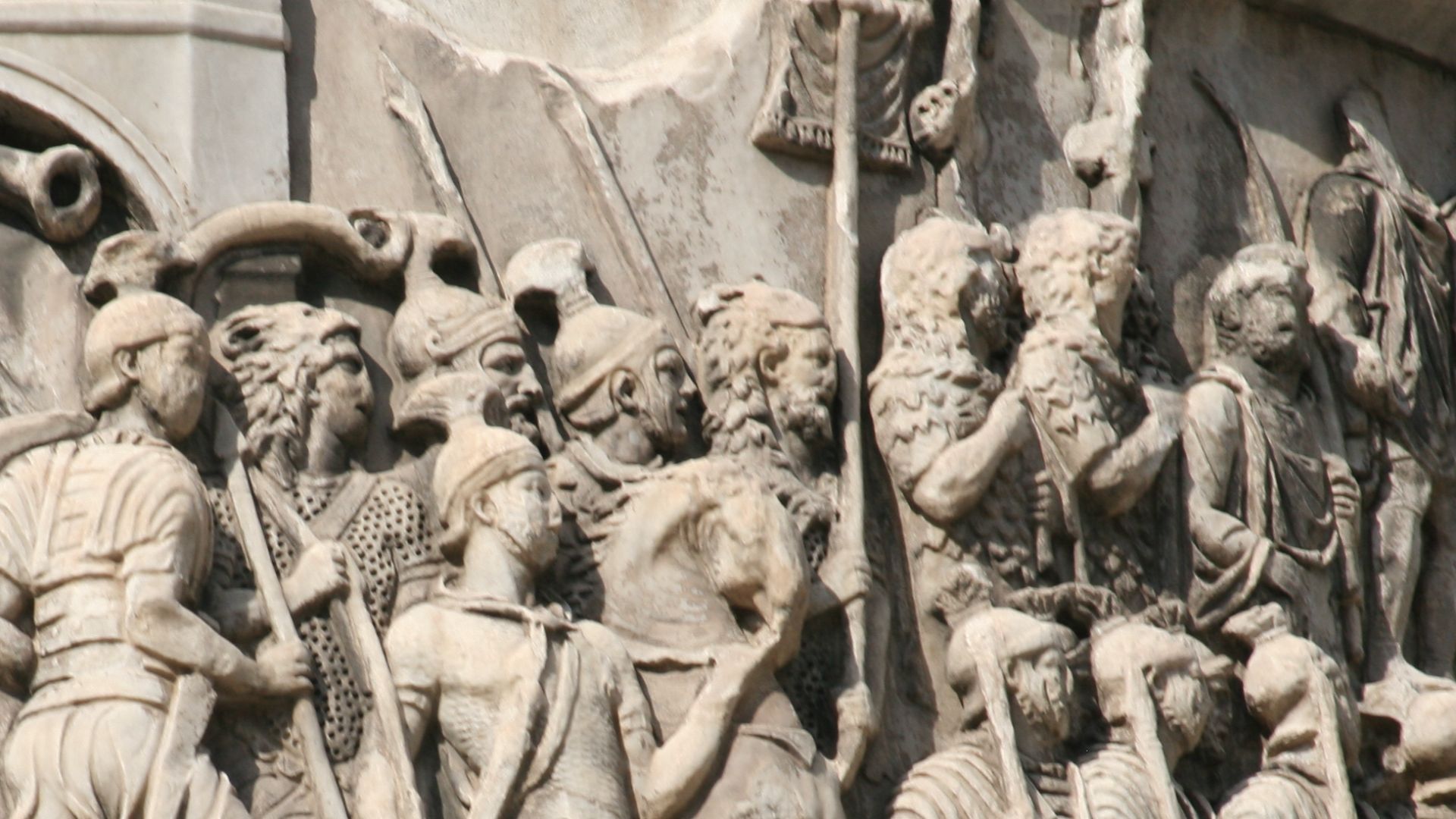
Marcus Aurelius ruled the Roman Empire from CE 161 until 180. Roman forces under his command fought Germanic groups north of the Danube during the Marcomannic Wars. The Šurany camp may have housed soldiers participating in those campaigns.
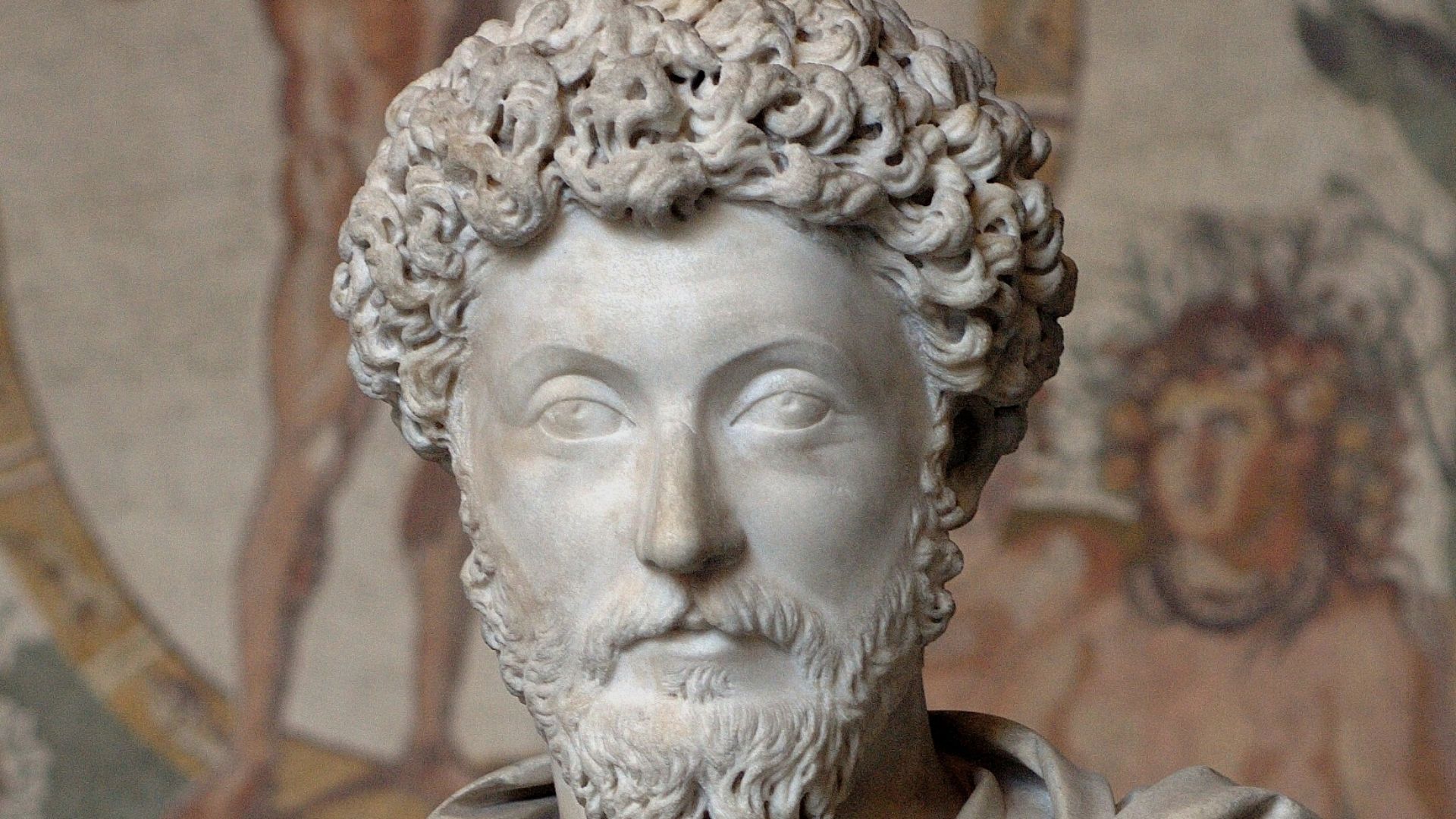 Waterborough, Wikimedia Commons
Beyond Rome’s Danube Frontier
The discovery helps document Roman activity north of the Danube in the final decades of the second century. Archaeologists previously had limited physical evidence for Roman military movements through this part of Slovakia. The camp therefore fills an important geographic gap in the region’s Roman history.
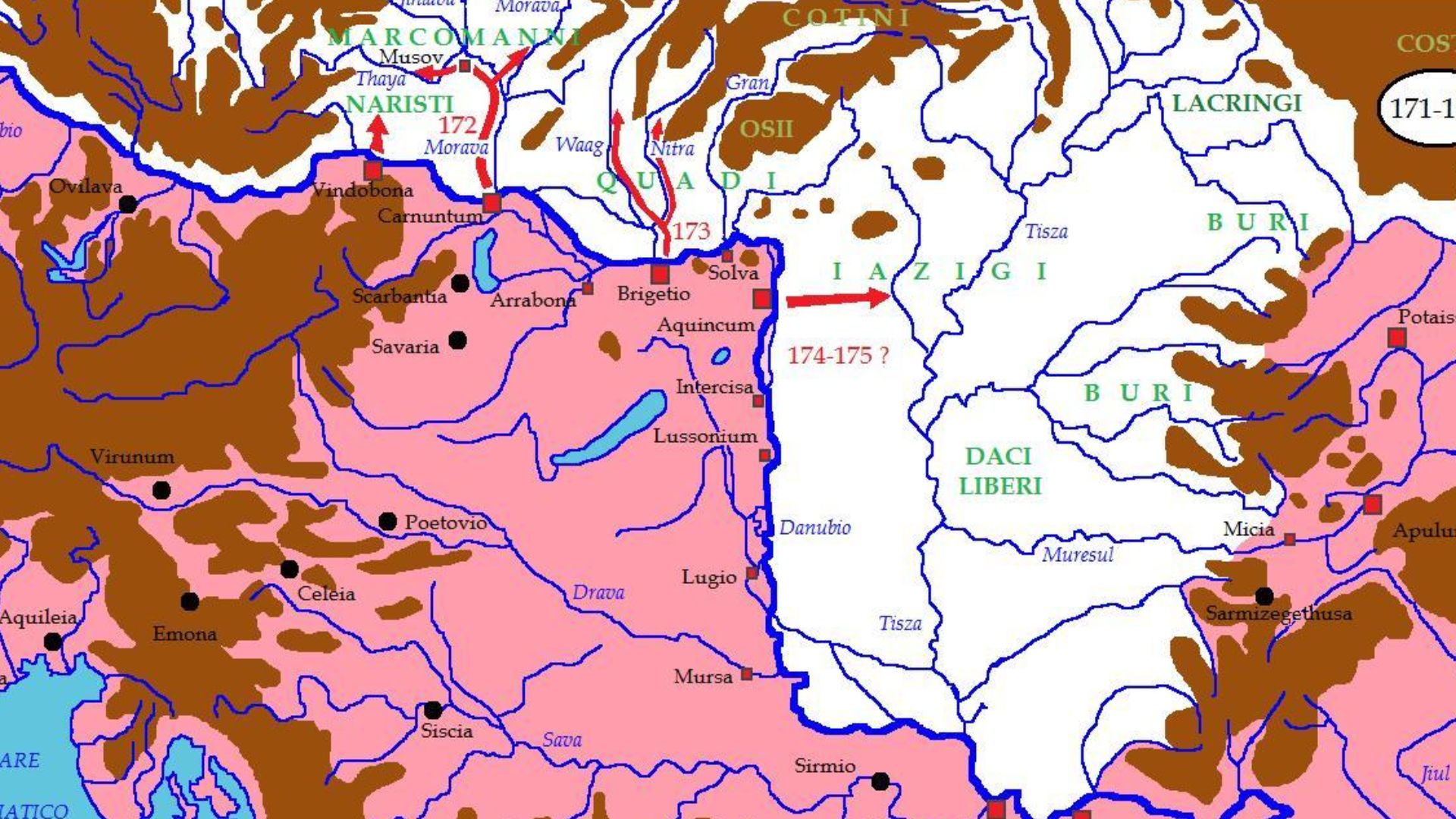 Cristiano64, Wikimedia Commons
The Camp Ended Suddenly
Matej Ruttkay, director of the Slovak Academy of Sciences’ Institute of Archaeology, said the site appears to have ceased operating immediately after a conflict between Romans and Germanic forces. Numerous abandoned objects support the interpretation of a sudden ending. The precise sequence of events, however, has not yet been established.
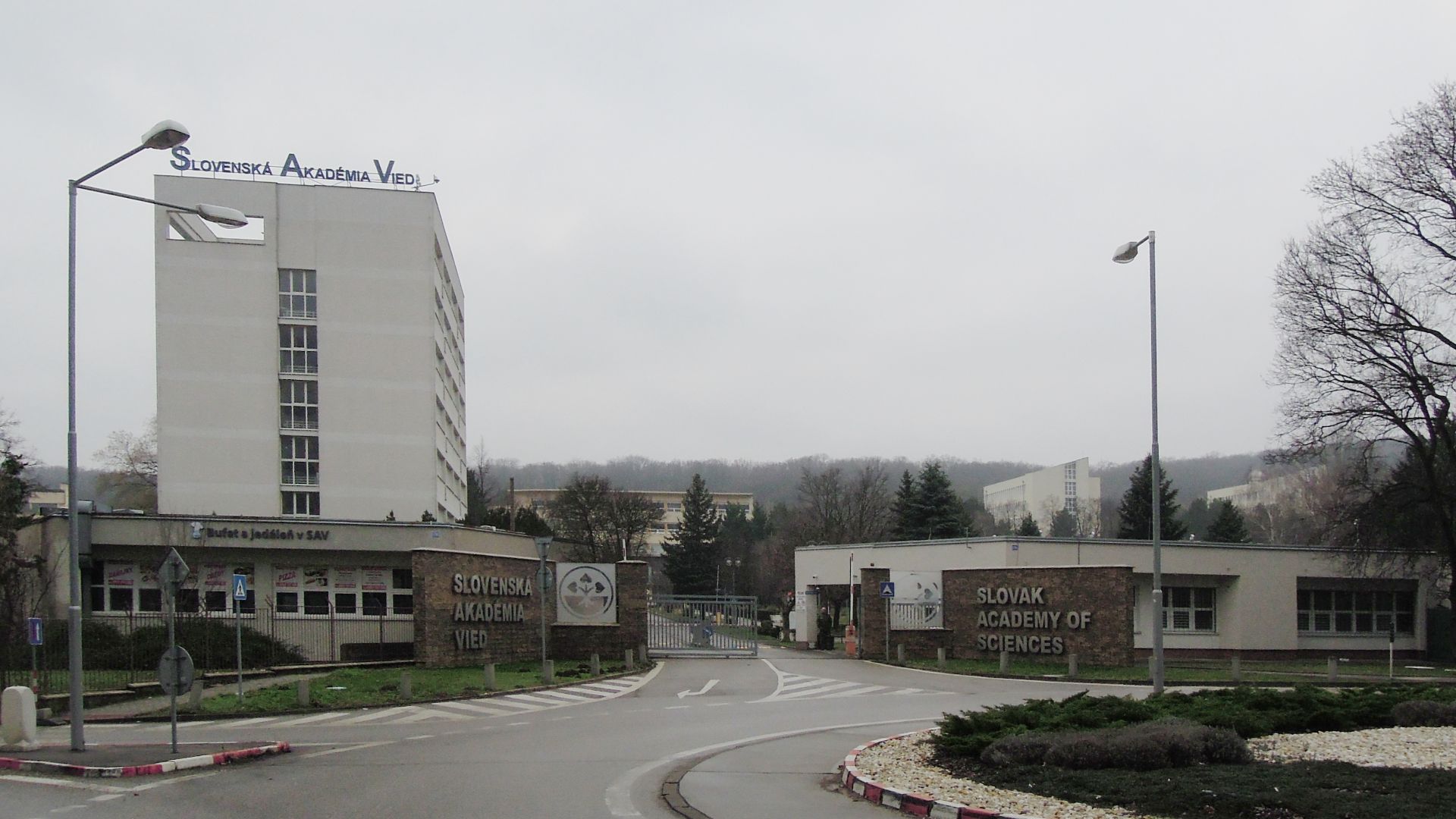 Ondrej Pelech, Wikimedia Commons
Its Shape Broke The Pattern
Most known Roman camps followed a regular rectangular plan. The Šurany camp did not have that conventional outline. Its unusual shape did not prevent archaeologists from identifying the characteristic defenses of a Roman military installation.
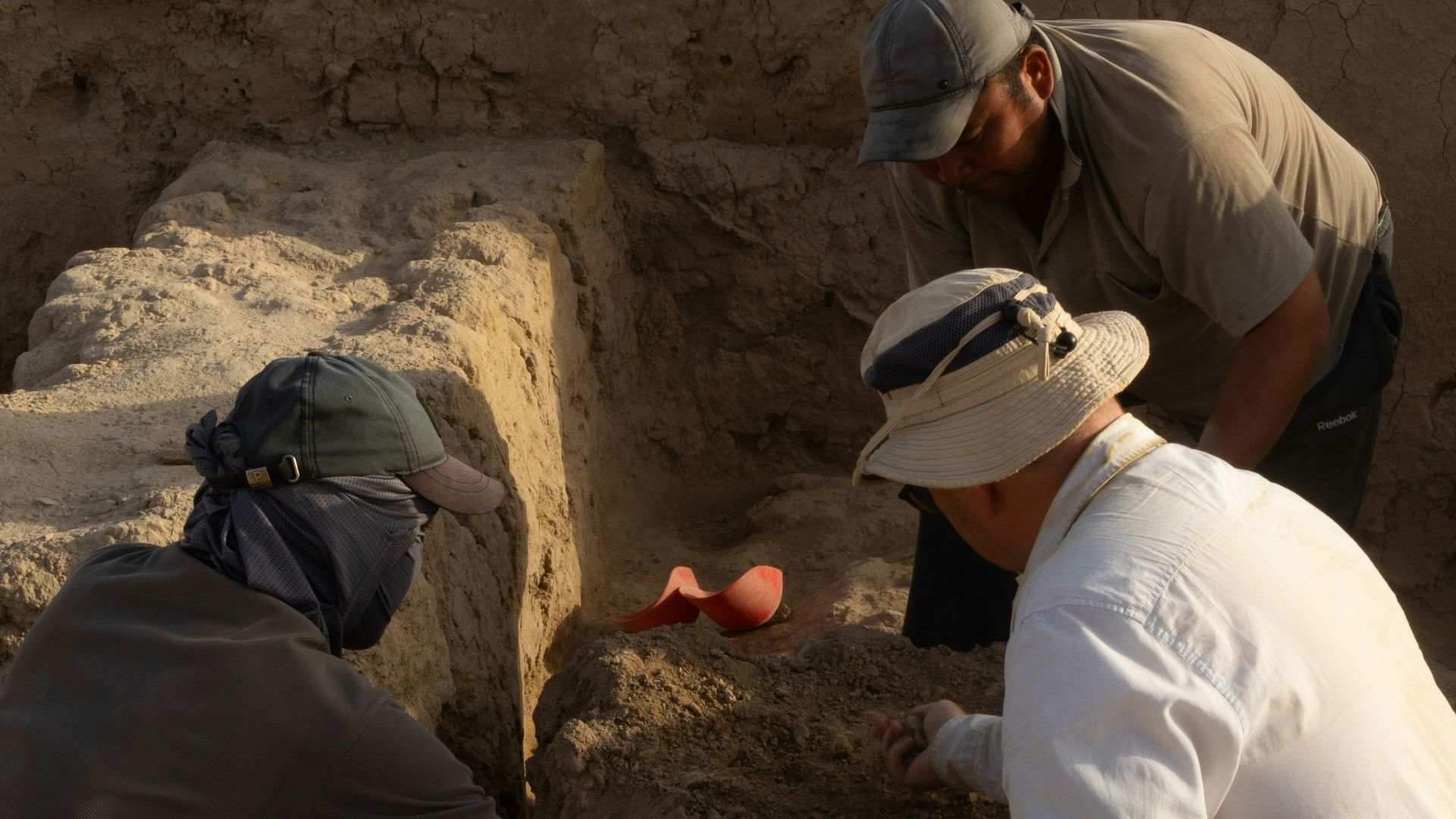 Aleksander Stypczynski, Unsplash
Five Gates Guarded The Site
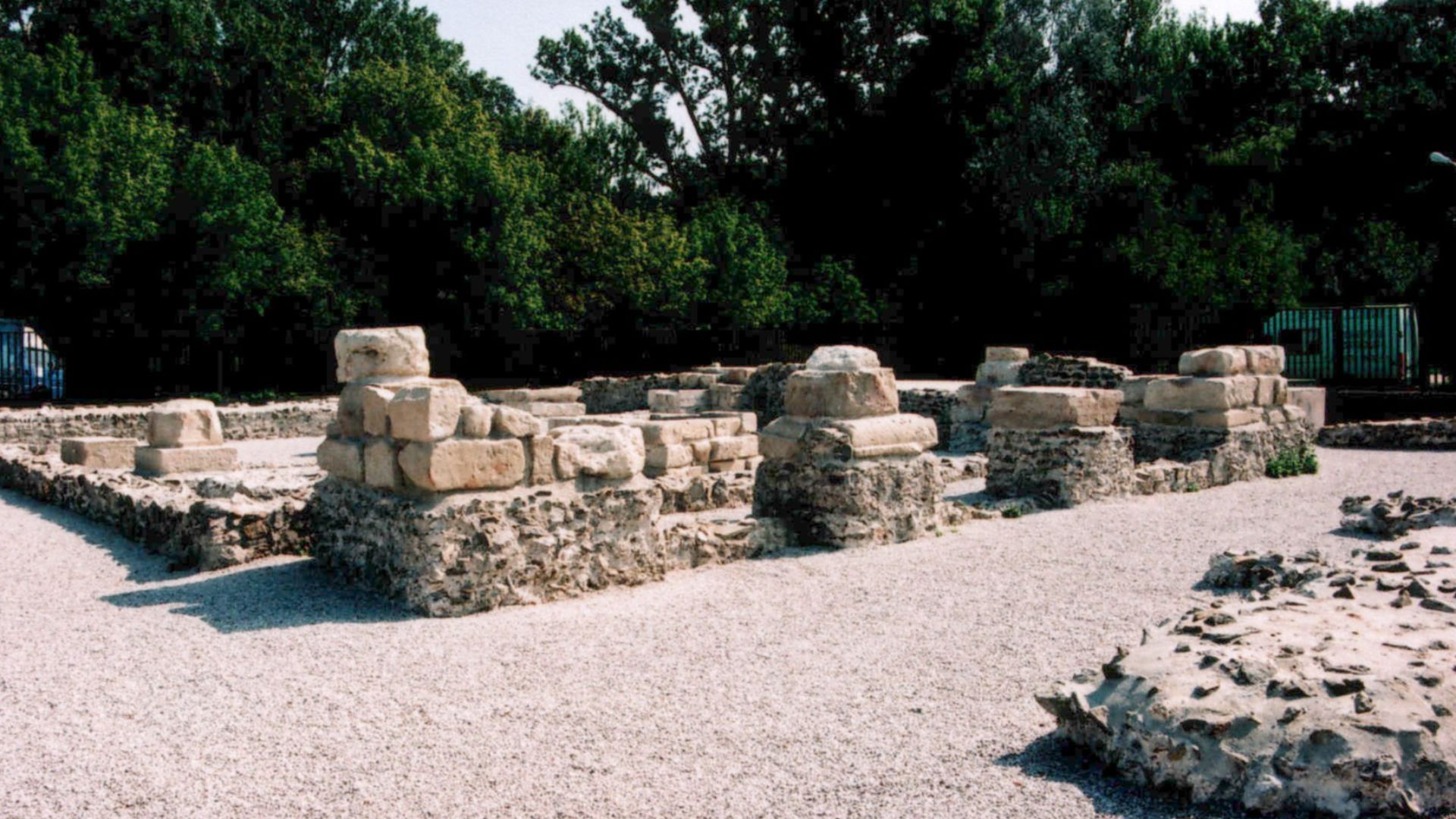
Researchers uncovered five entrance gates as well as fortifications surrounding the camp. These features helped confirm the site’s military function. One entrance design proved especially important for Slovak archaeology.
 Pudelek (Marcin Szala), Wikimedia Commons
A First For Slovakia
The camp included a gate known as a clavicula. Its curved ditch and accompanying rampart controlled how people approached the entrance. Archaeologists say this is the first clavicula-style gate identified in Slovakia.
![Plan of the Roman camp gates at Dealgin Ross [Dalginross] in Strathern, Plate XI.](https://www.factinate.com/storage/app/media/splashtravels/2026/8/24/1787563496243b3e581861649b715636ee8d34b2a52a8267dc.png) William Roy † 1. Juli 1790, Wikimedia Commons
William Roy † 1. Juli 1790, Wikimedia Commons
Then The Bones Appeared
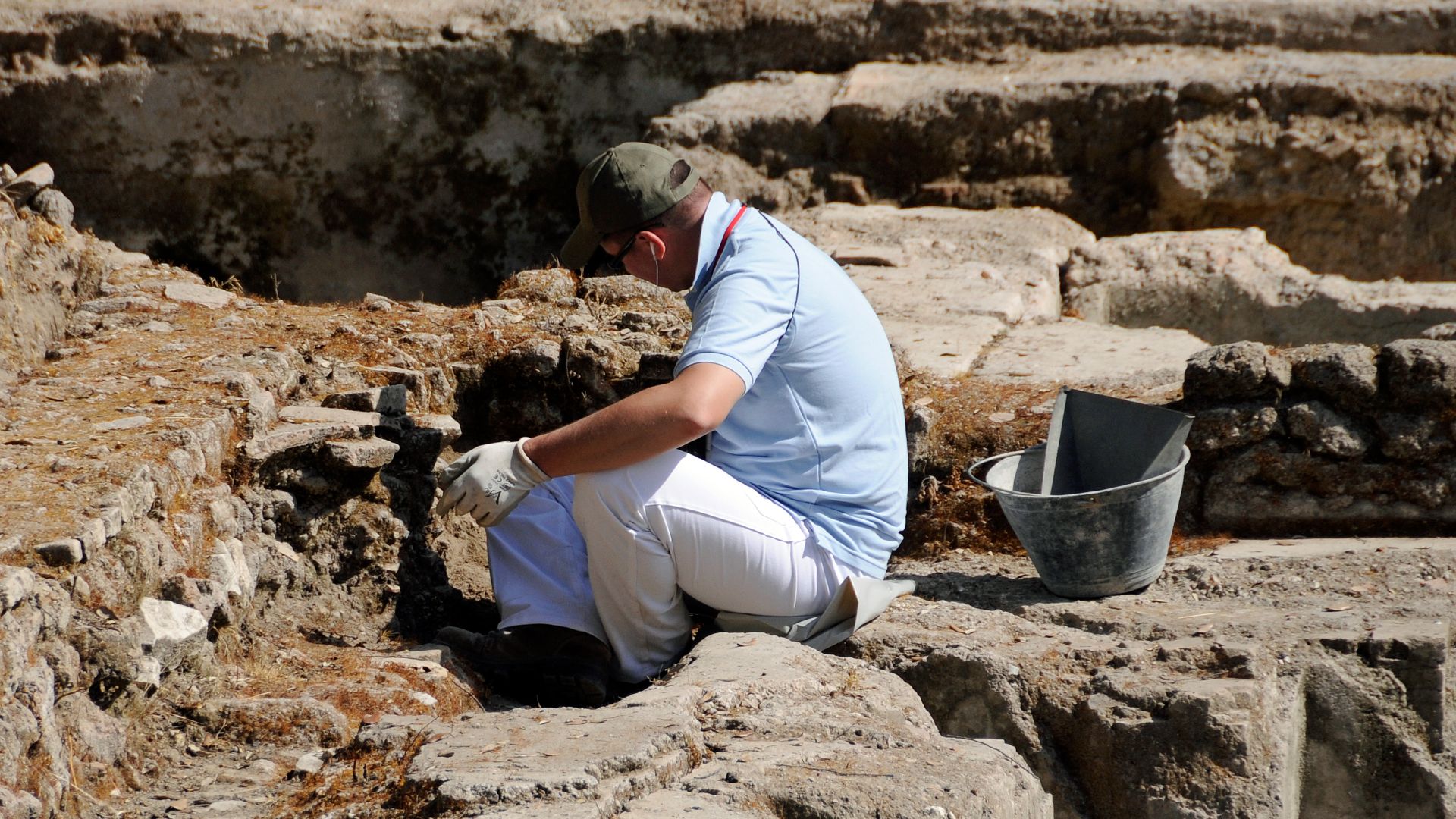
The excavation produced an unexpectedly large quantity of human skeletal material. Archaeologists found both complete skeletons and separated bones. The remains were distributed through several different types of features rather than concentrated in one cemetery.
 Son of Groucho from Scotland, Wikimedia Commons
Bodies Lay Inside The Wells
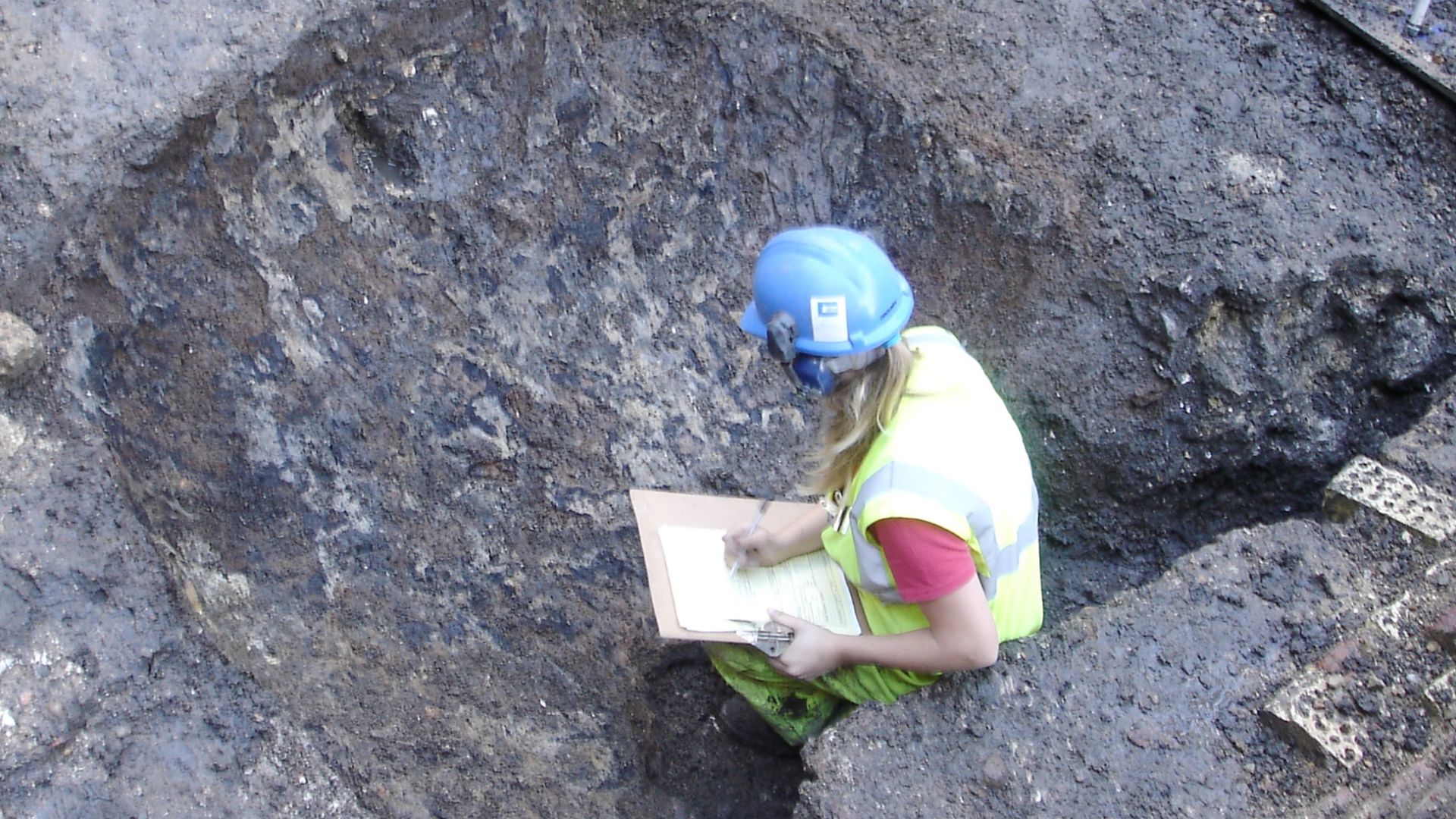
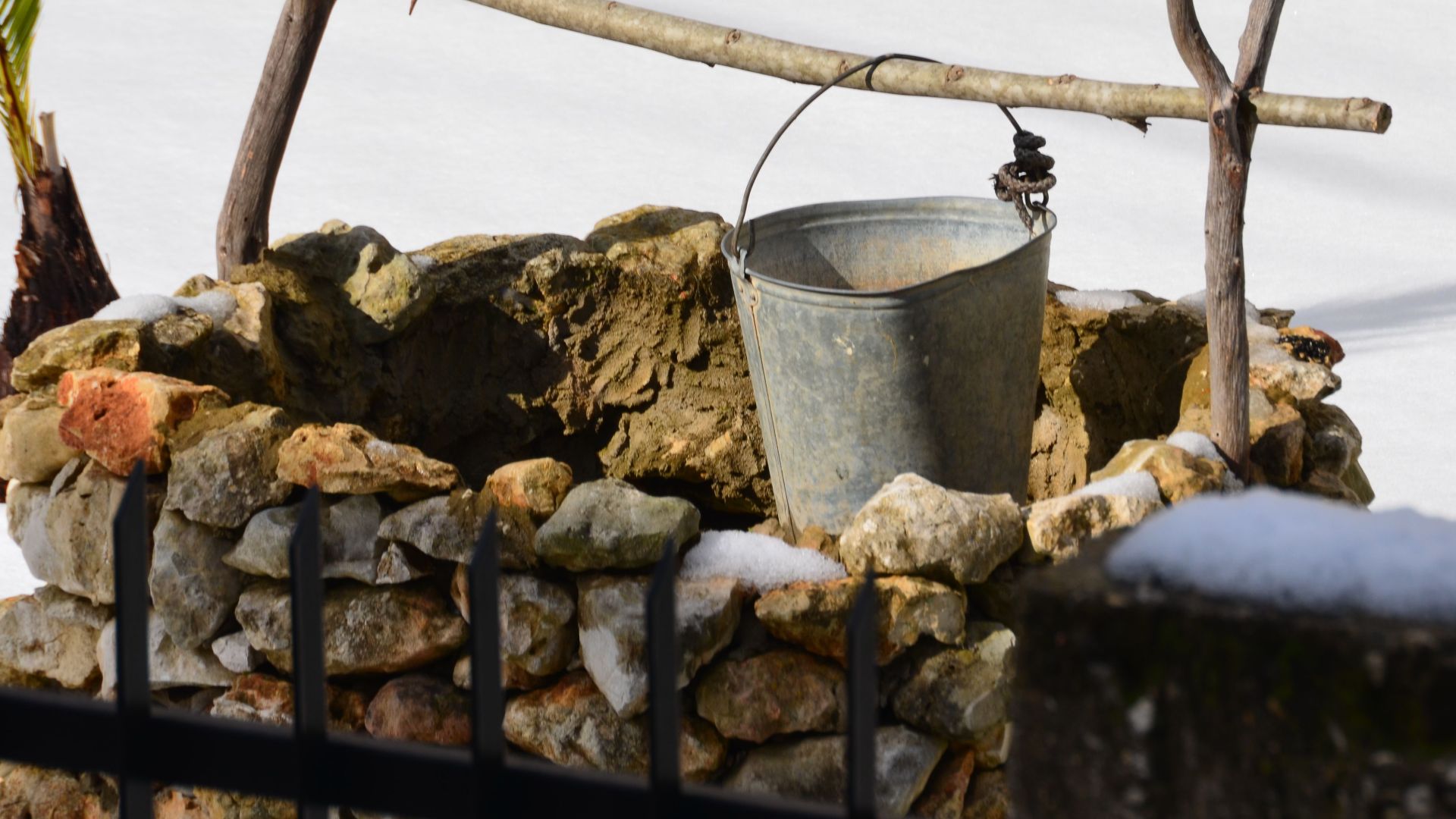
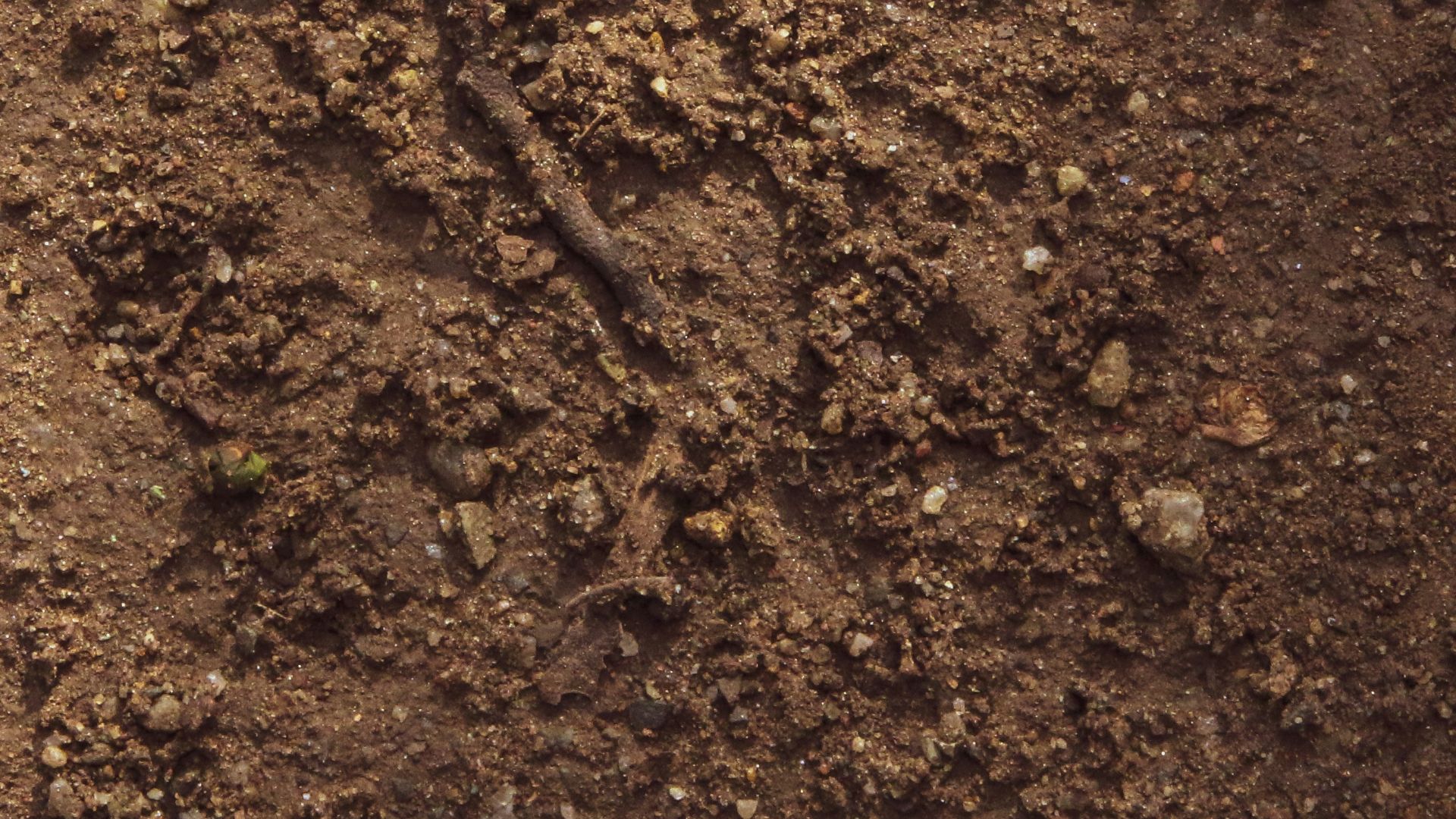
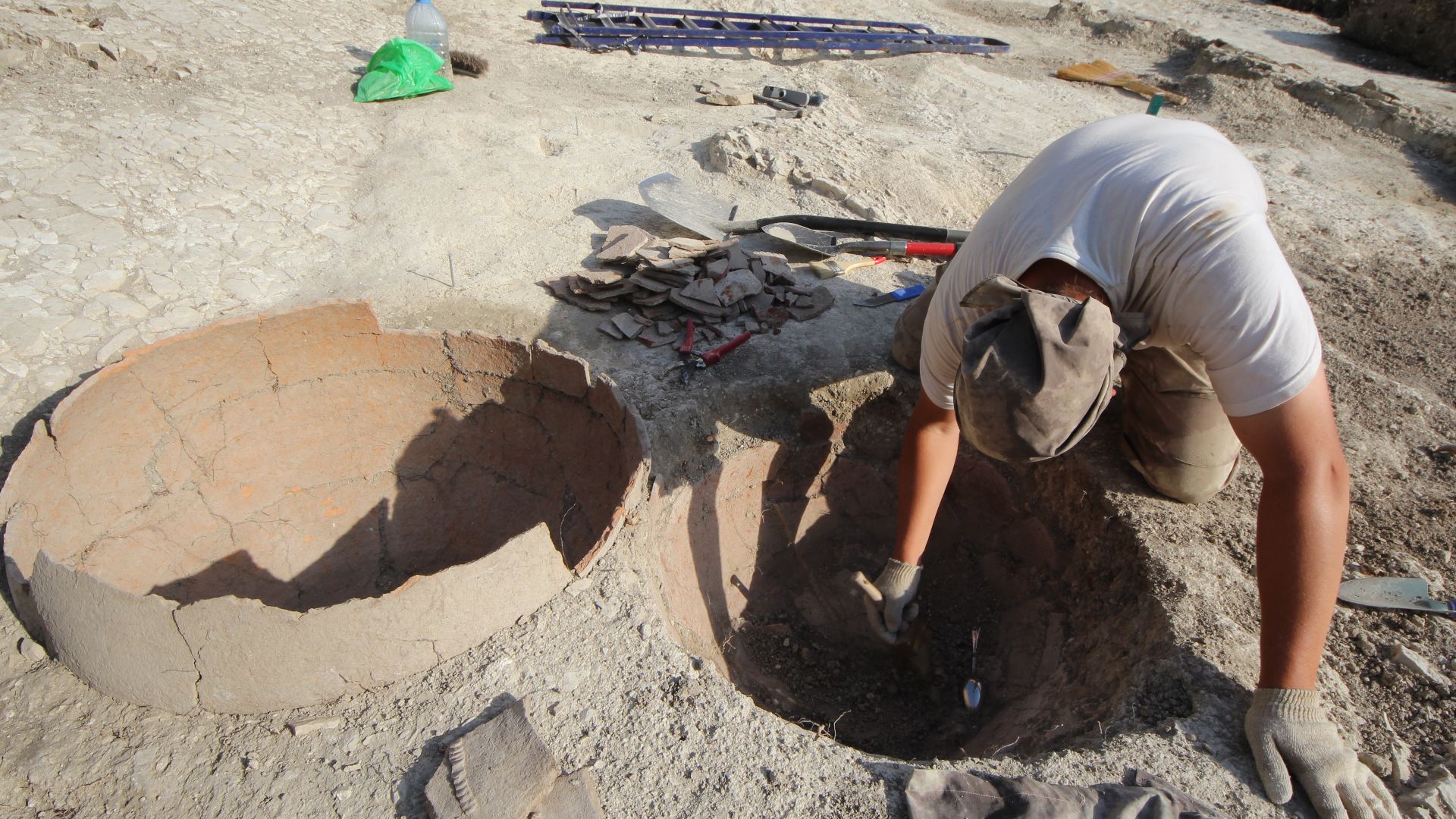
Some of the human remains had been placed inside deep wells and storage pits. Others appeared in defensive ditches or hurriedly dug shallow graves. Researchers are now trying to understand why the dead received such different treatment.
The Wells Deepened The Mystery
The wells were not the only unusual locations, but they raised some of the most unsettling questions. Members of the research team have asked why bodies were thrown into deep features instead of receiving more carefully prepared graves. No verified explanation has yet emerged.
Were They Roman Soldiers?
Preliminary findings suggest that many of the deceased may have been Roman soldiers. Archaeologists reached that cautious interpretation partly because Roman military equipment was found with the remains. Genetic and anthropological testing will be needed before the individuals can be identified more confidently.
Weapons Survived Beside Them
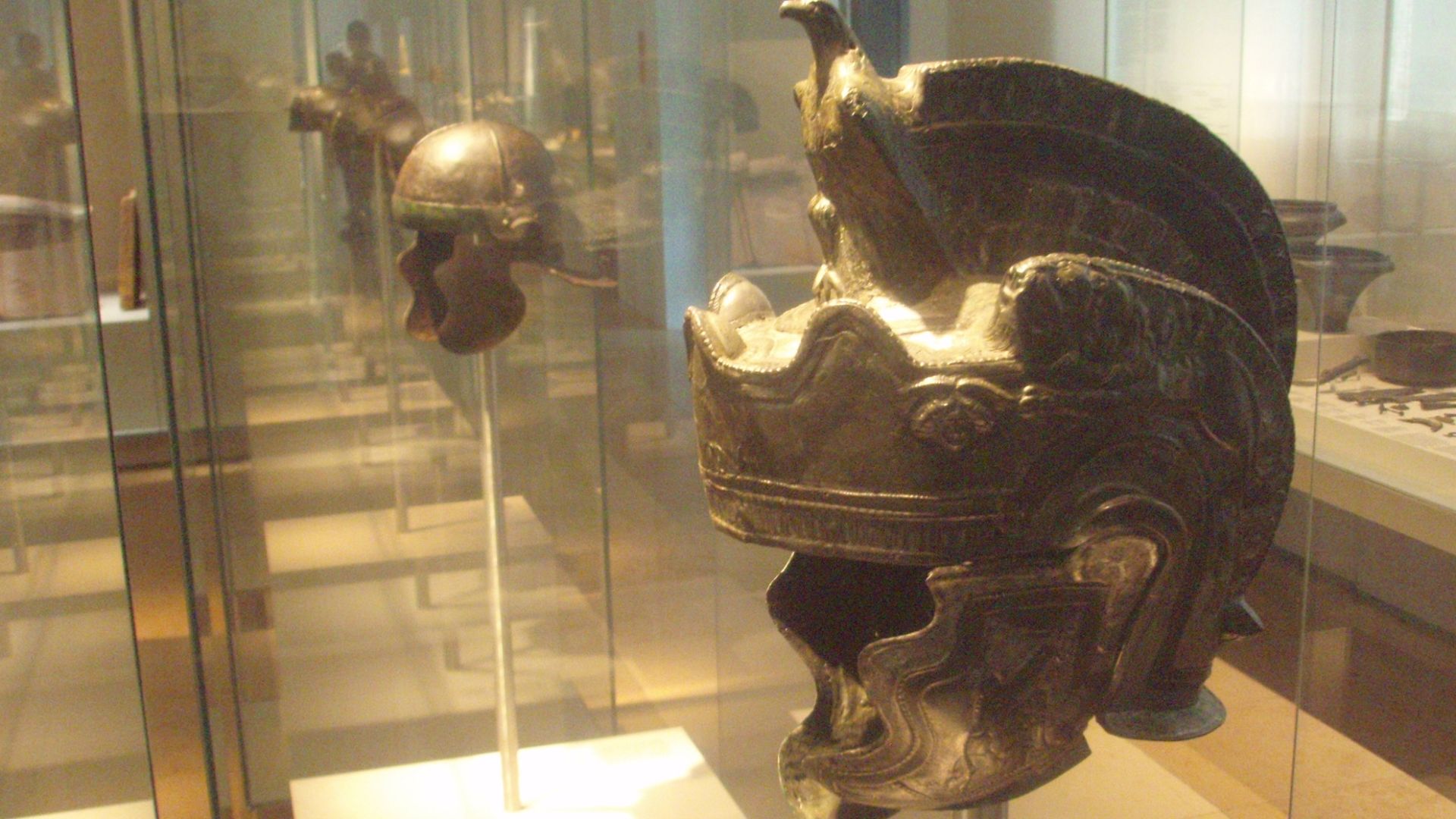
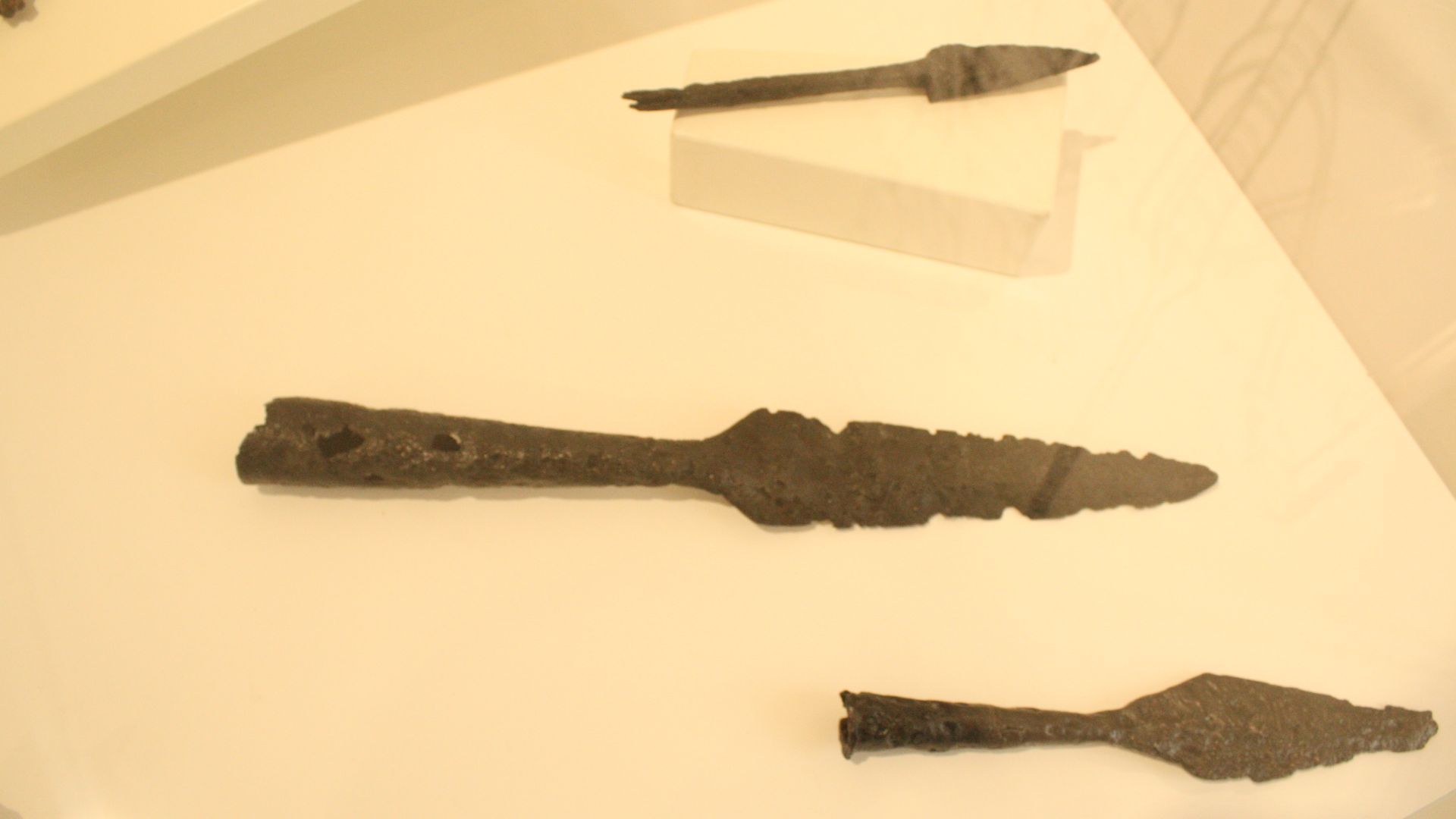
The excavation uncovered spears and arrowheads around the camp. Researchers also recovered fragments of helmets and other military equipment. Together, these objects reinforce the site’s connection to Roman troops and armed conflict.
Armor Remained In The Ground
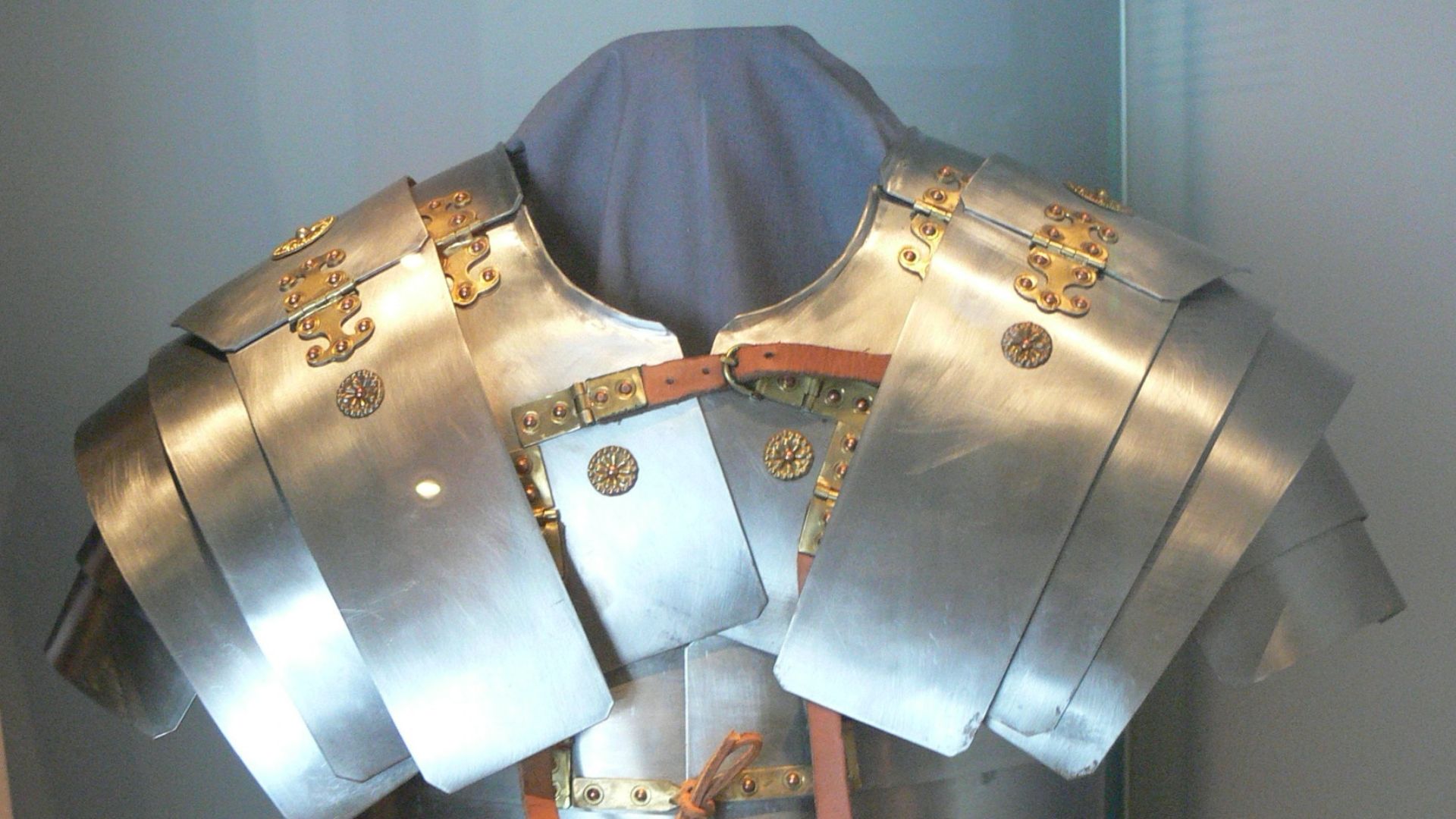
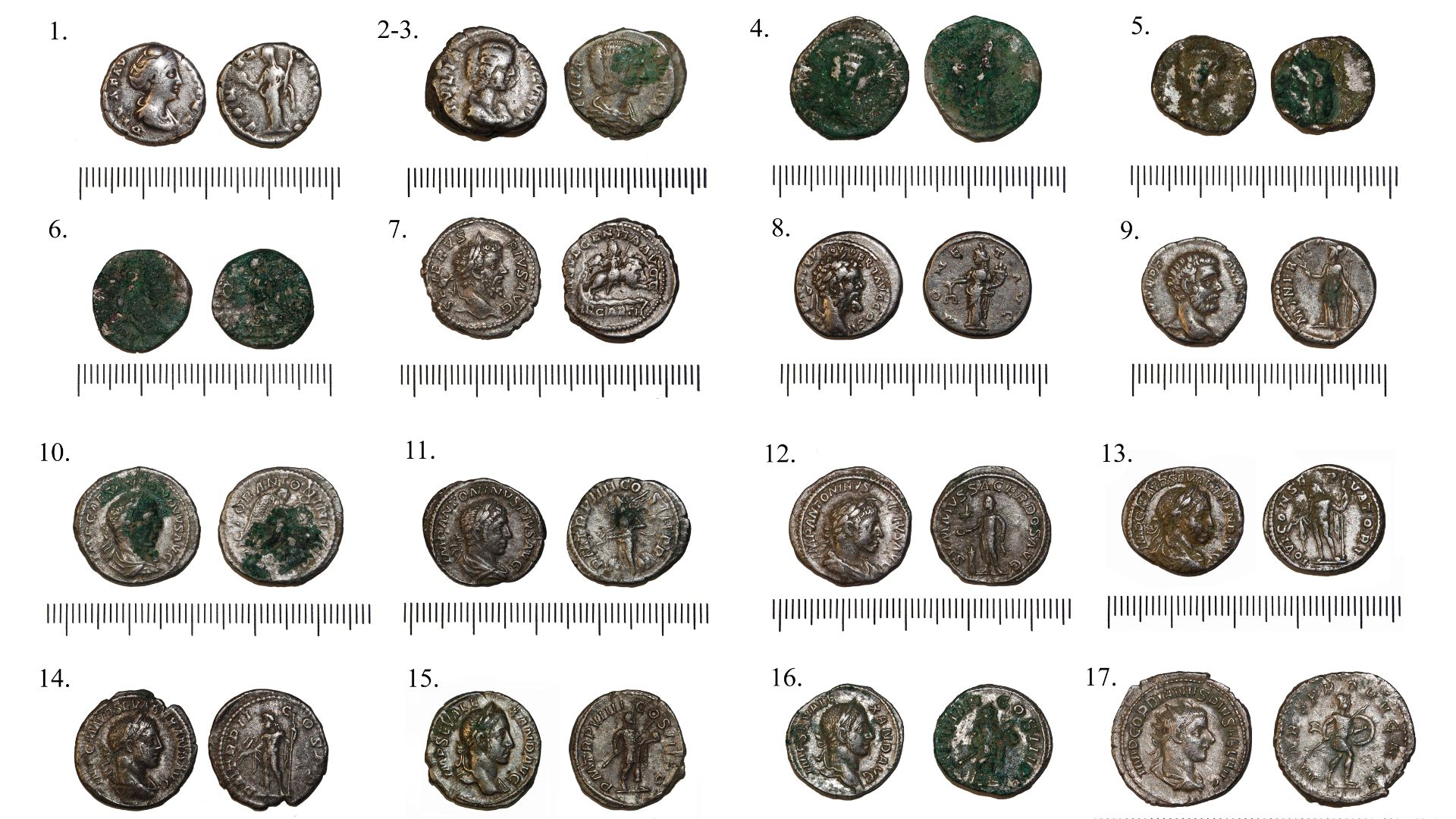
Both segmented armor and scale armor were discovered at Šurany. Legionary fittings, brooches, and coins were also recovered. Their presence gives researchers valuable evidence about the troops who occupied the camp.
 Wolfgang Sauber, Wikimedia Commons
Roman Sandals Left Their Mark
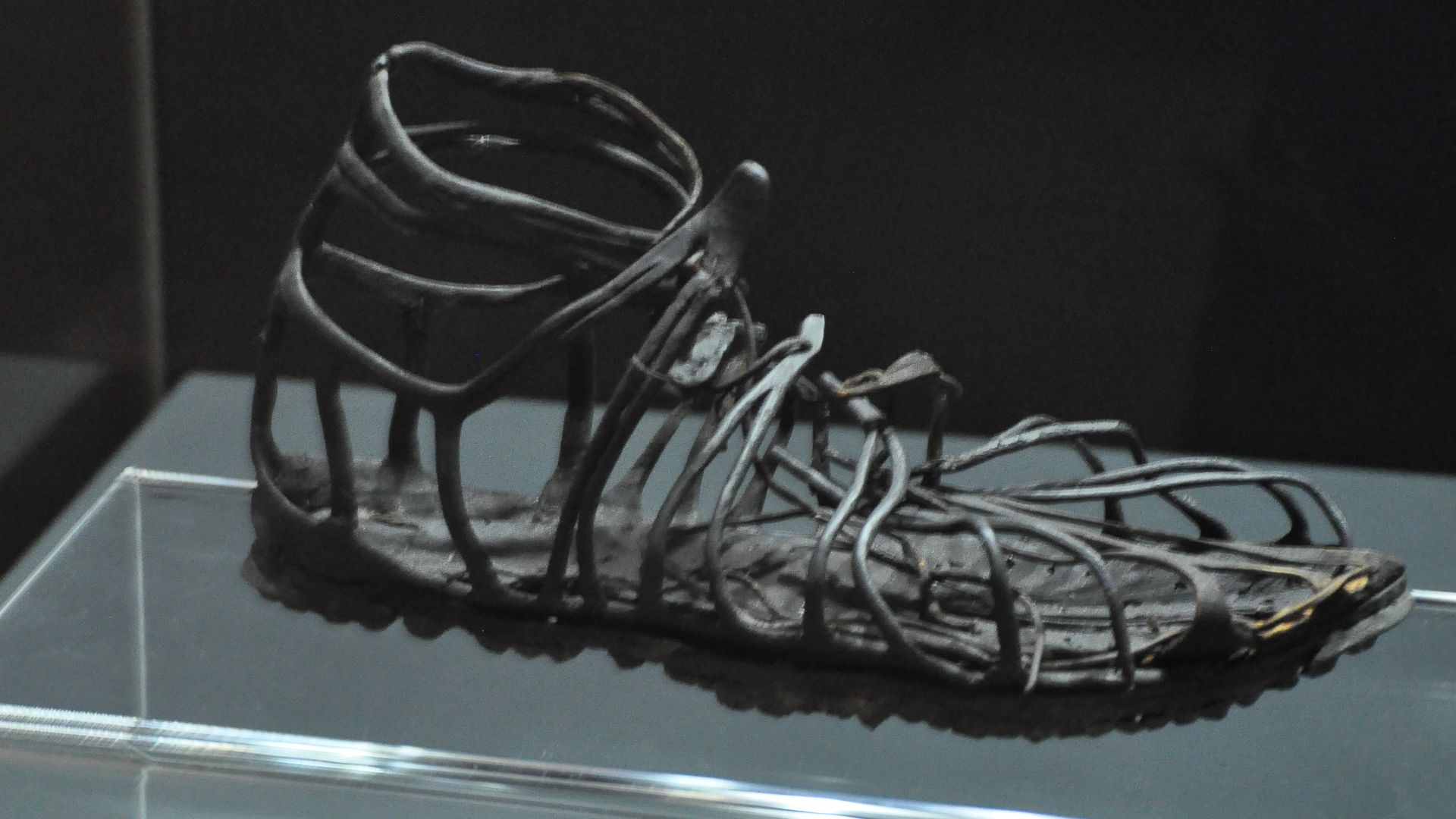
Archaeologists found traces of caligae, the distinctive sandals associated with Roman soldiers. Much of the organic footwear had disappeared, but iron hobnails from the soles survived. In some cases, the preserved arrangement of the nails was detailed enough to reveal the sandal’s size.
 shankar s. from Dubai, united arab emirates, Wikimedia Commons
X-Rays Exposed Hidden Finds
Several fragile blocks of soil were X-rayed before being placed in storage. The scans allowed specialists to see objects still enclosed within compacted earth. This approach revealed details that could have been damaged during immediate removal.
Soldiers Also Carried Ordinary Things
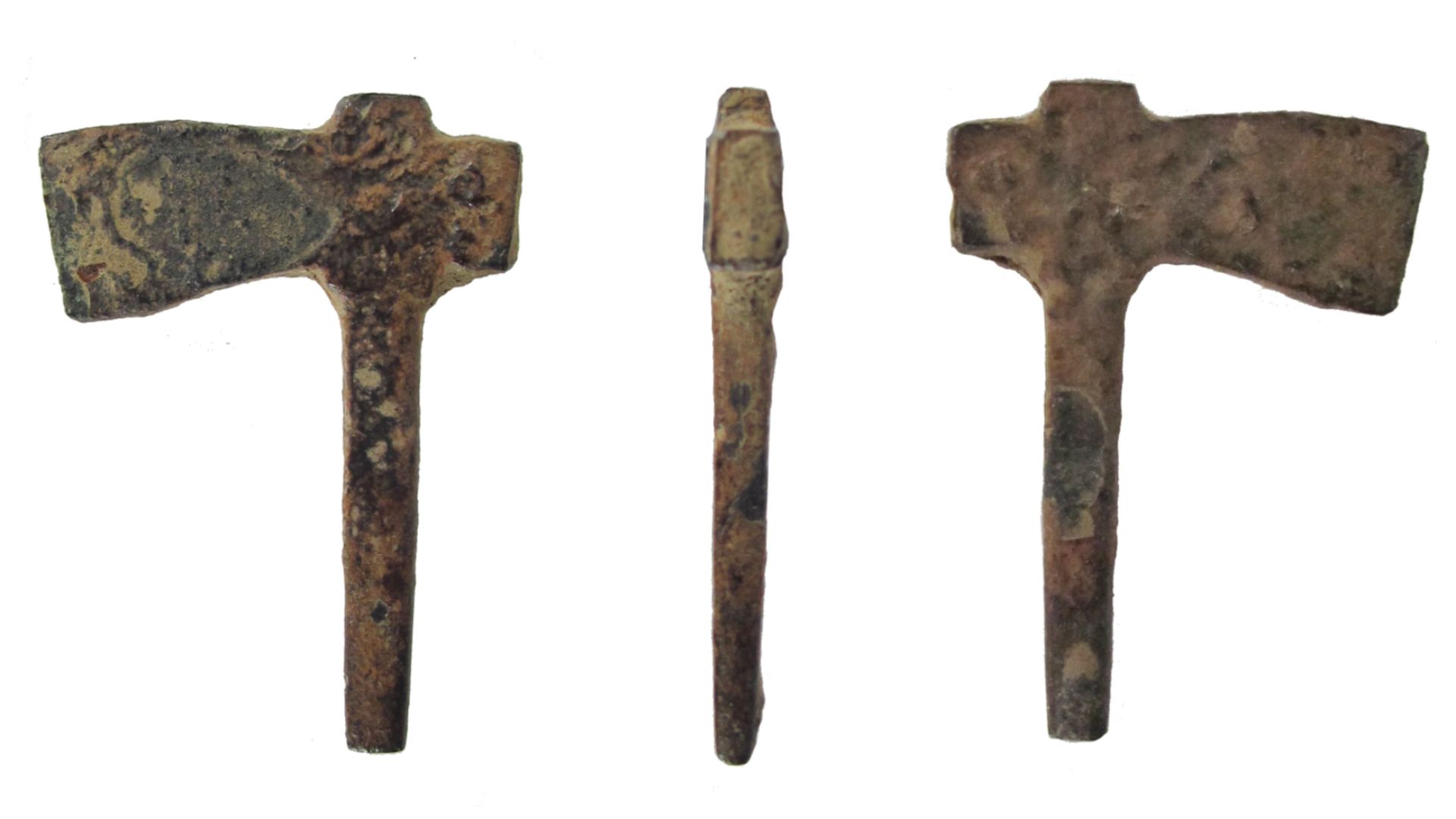
Not every object recovered from the camp was a weapon. Archaeologists found an axe, a cutting implement, and a gaming die among the everyday items. These small discoveries offer a more personal glimpse of life inside the military camp.
Why Was Nothing Looted?
Researchers were surprised that so many valuable objects remained at the site. Weapons, armor, coins, and personal belongings would normally have been useful to survivors or scavengers. Their abandonment is one reason archaeologists suspect that the camp’s final moments unfolded quickly.
 Bristol City Council, Emma Whitcombe, 2012-04-20 16:27:42, Wikimedia Commons
Was Combat To Blame?
The camp’s connection to a military conflict makes battle injuries one possible explanation for the deaths. Weapons and defensive structures establish a wartime setting, but they do not prove how each person died. Researchers have not yet released a final study linking the remains to specific fatal wounds.
 Barosaurus Lentus, Wikimedia Commons
Could Disease Be Responsible?
Disease is another possibility being considered by the excavation team. A serious outbreak could potentially explain multiple deaths and hurried disposal practices. At present, researchers have not confirmed any pathogen or identified disease as the cause.

The Evidence Cannot Yet Choose
Combat, illness, and other circumstances remain under investigation. The positions of the bodies and the abandoned equipment create a dramatic picture, but they do not provide a complete narrative. For now, the archaeological team is resisting a simple explanation.
 MariyaShubina, Wikimedia Commons
The Bones Are Heading To Laboratories
Specialists will use radiocarbon dating to refine the chronology of the site. Samples are being examined in laboratories in Poznań, Poland. The results may help determine whether the deaths occurred during the same short period.
DNA And Isotopes May Bring Answers
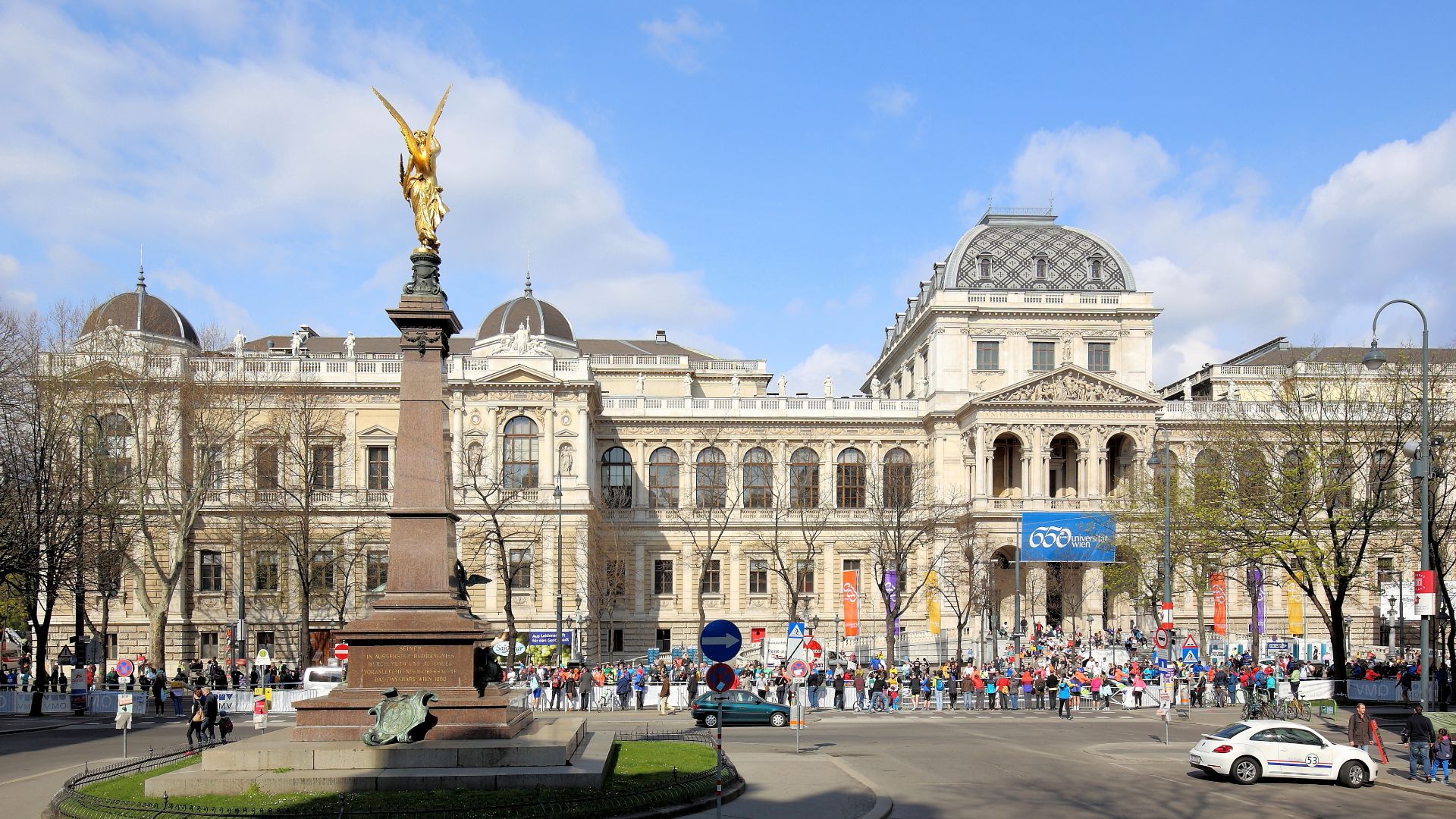
Archaeogenetic work is planned at the University of Vienna. Isotope studies involving laboratories in Germany, Poland, and possibly South Africa may provide information about the individuals’ origins and lives. Researchers in the Czech Republic will also examine microscopic patterns within the site’s soil sediments.
 C.Stadler/Bwag, Wikimedia Commons
A Mystery That Will Take Years
The Šurany investigation has also uncovered a Bronze Age settlement, an early medieval community, and burial grounds from several periods. Even so, the Roman camp and its strangely placed dead remain the site’s most haunting discovery. Researchers expect the full scientific analysis to take years, leaving the camp’s final chapter unwritten for now.

You May Also Like:
Scientists uncover a toxic legacy of Ancient Rome that may have lowered intelligence across Europe
Archaeologists Discovered A 1,600-Year-Old Roman Guardian Spirit Buried Beneath Hadrian's Wall