Pennsylvania’s Buried Industrial Story
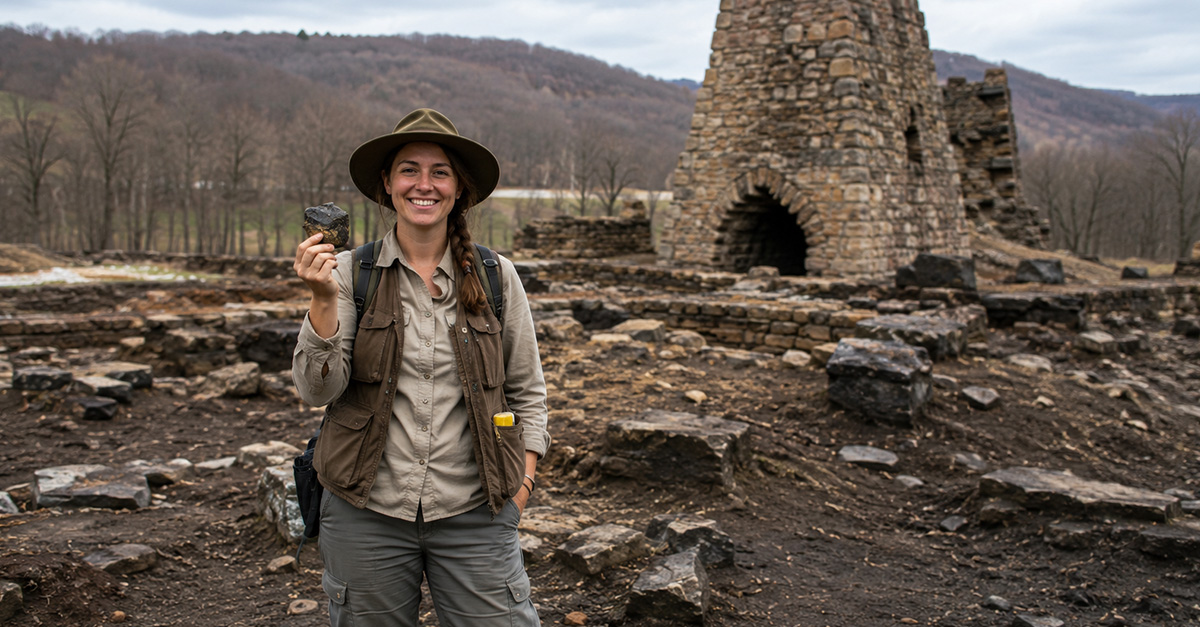
Long before Pennsylvania became famous for towering steel mills and smoky coal towns, smaller workshops, furnaces, mills, and mines were already transforming the landscape. Archaeologists studying these industrial-era sites are uncovering the practical, inventive, and sometimes surprisingly complicated methods that helped build America’s manufacturing economy.
Archaeology With A Little More Rust
Industrial archaeology is not always about delicate pottery or ancient temples. Researchers may investigate stone foundations, machinery fragments, canals, waste piles, iron slag, and abandoned workers’ homes. These remains reveal how products were made and how industrial communities functioned from one exhausting day to the next.
Why Pennsylvania Became An Industrial Powerhouse
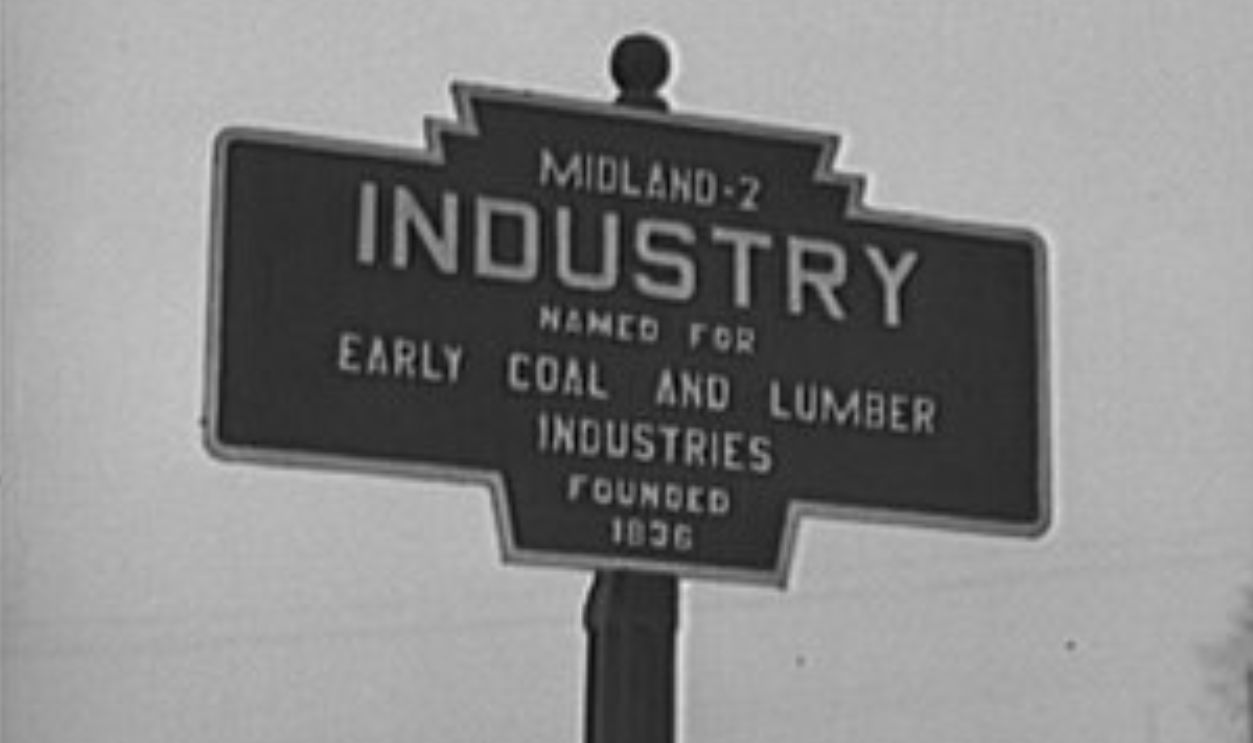
Pennsylvania had nearly everything early manufacturers needed. The state offered iron ore, limestone, forests for charcoal, fast-moving streams, and eventually enormous coal deposits. Its location near growing cities and transportation routes also allowed manufacturers to ship heavy goods farther than many earlier producers could have imagined.
 Jack Delano, Wikimedia Commons
The Juniata Iron District
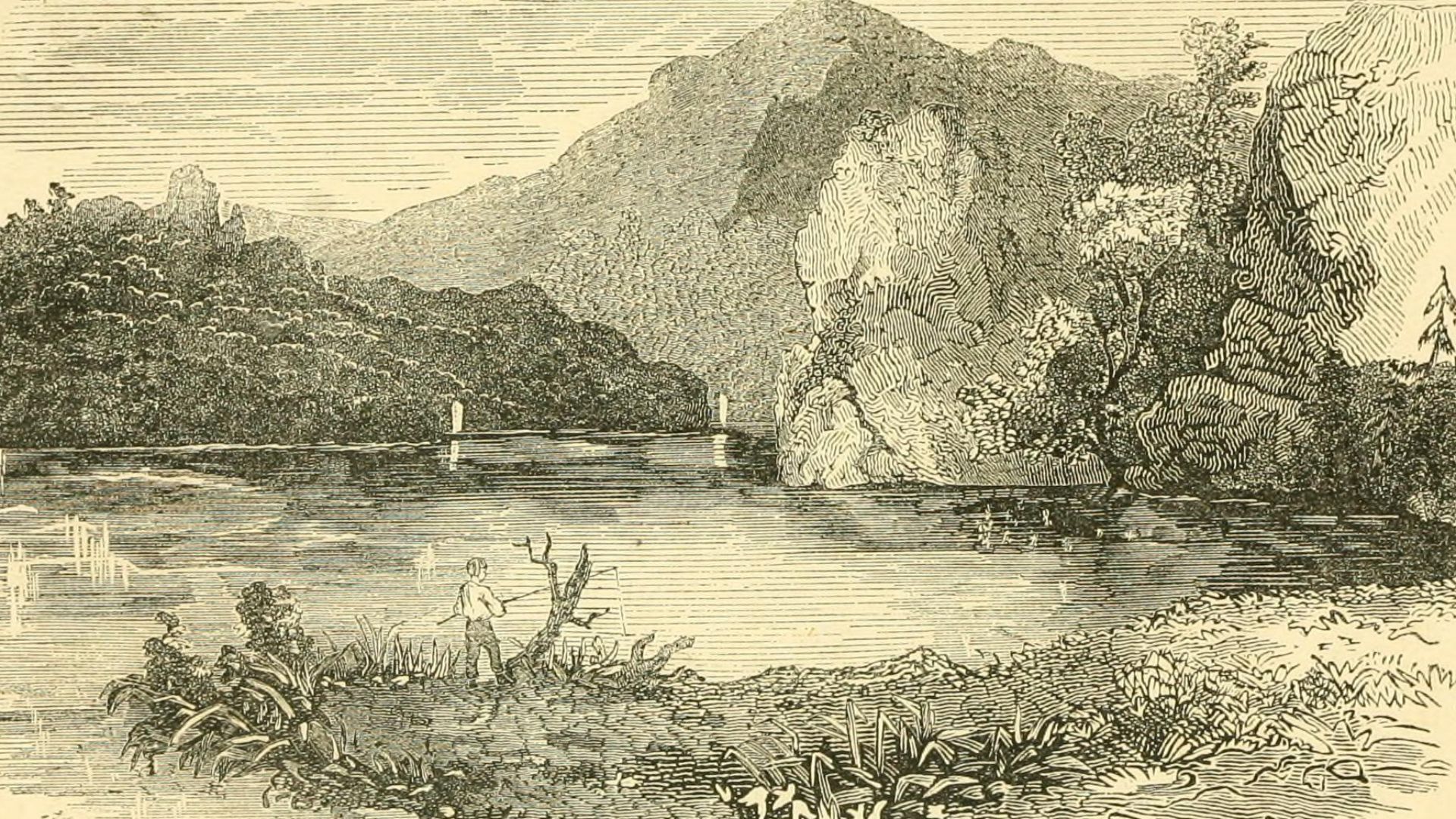
During the first half of the 19th century, central Pennsylvania’s Juniata River Valley became one of America’s leading iron-producing regions. Local ore earned a strong reputation, while forests supplied charcoal and streams powered equipment. Excavated sites show how closely early manufacturing depended upon the surrounding natural landscape.
 Internet Archive Book Images, Wikimedia Commons
Following The Trail Of Slag
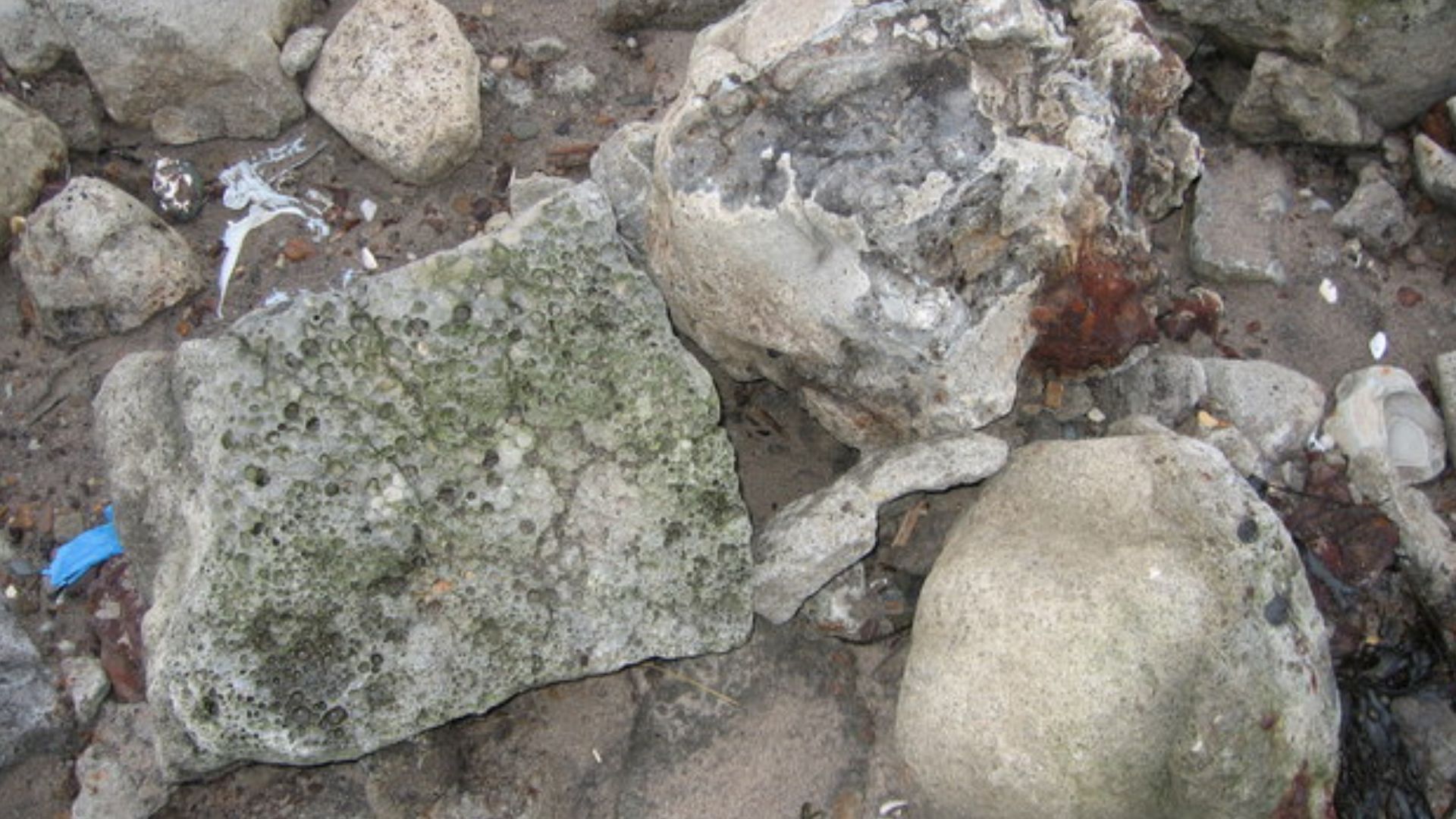
Slag is the glassy waste left after metal is separated from ore. It may look like an ugly pile of industrial rubble, but archaeologists love it. Its color, texture, chemical makeup, and location can reveal furnace temperatures, changing fuel sources, production problems, and different periods of operation.
Furnaces Were More Than Furnaces
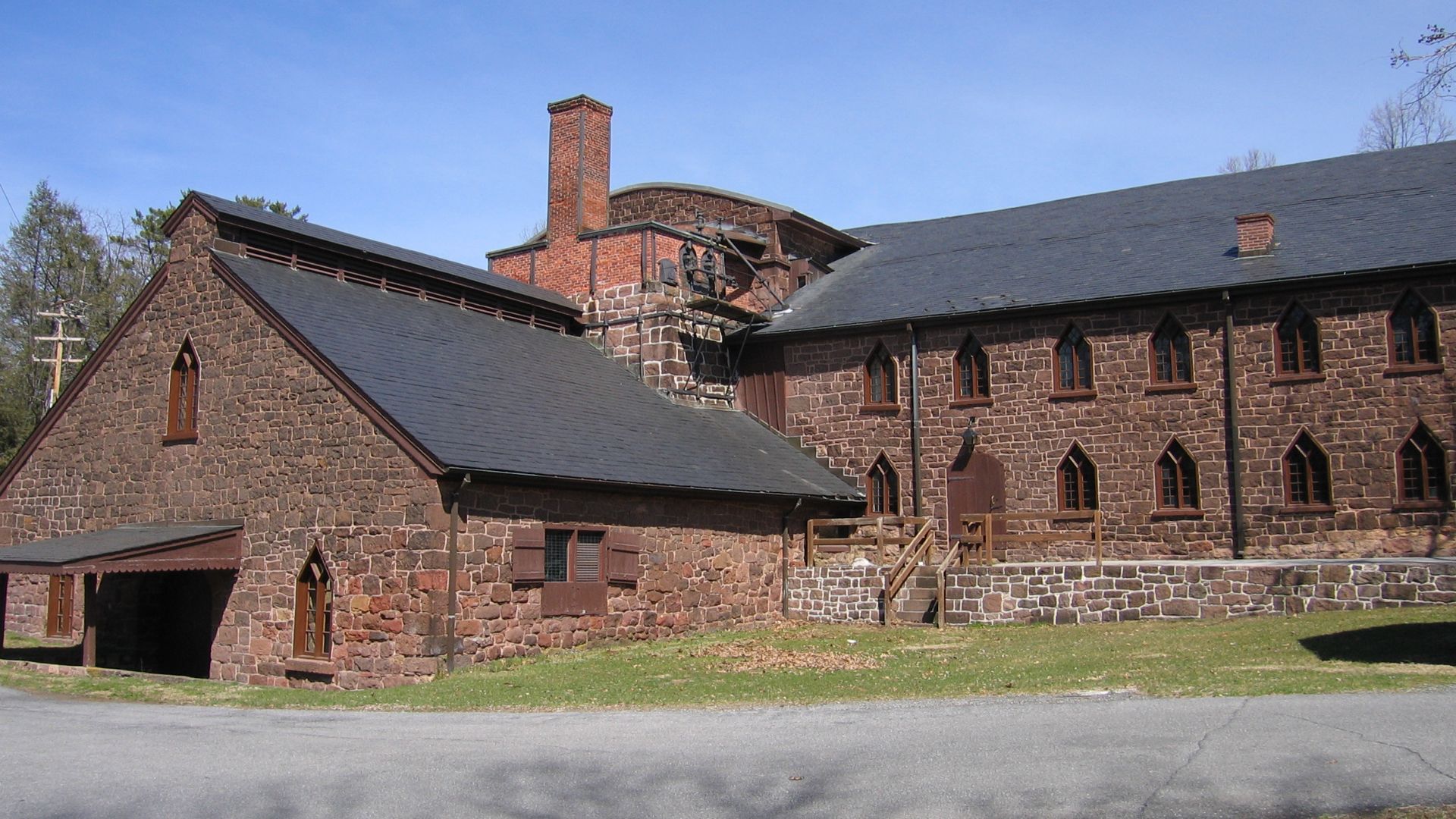
An early iron furnace was rarely a single lonely building. It was usually surrounded by charcoal storage areas, casting sheds, water systems, roads, mines, workshops, offices, barns, and workers’ housing. Excavating the wider landscape helps researchers reconstruct the entire production process rather than studying one impressive structure in isolation.
 Wherring at en.wikipedia, Wikimedia Commons
Hopewell’s Preserved Industrial Landscape
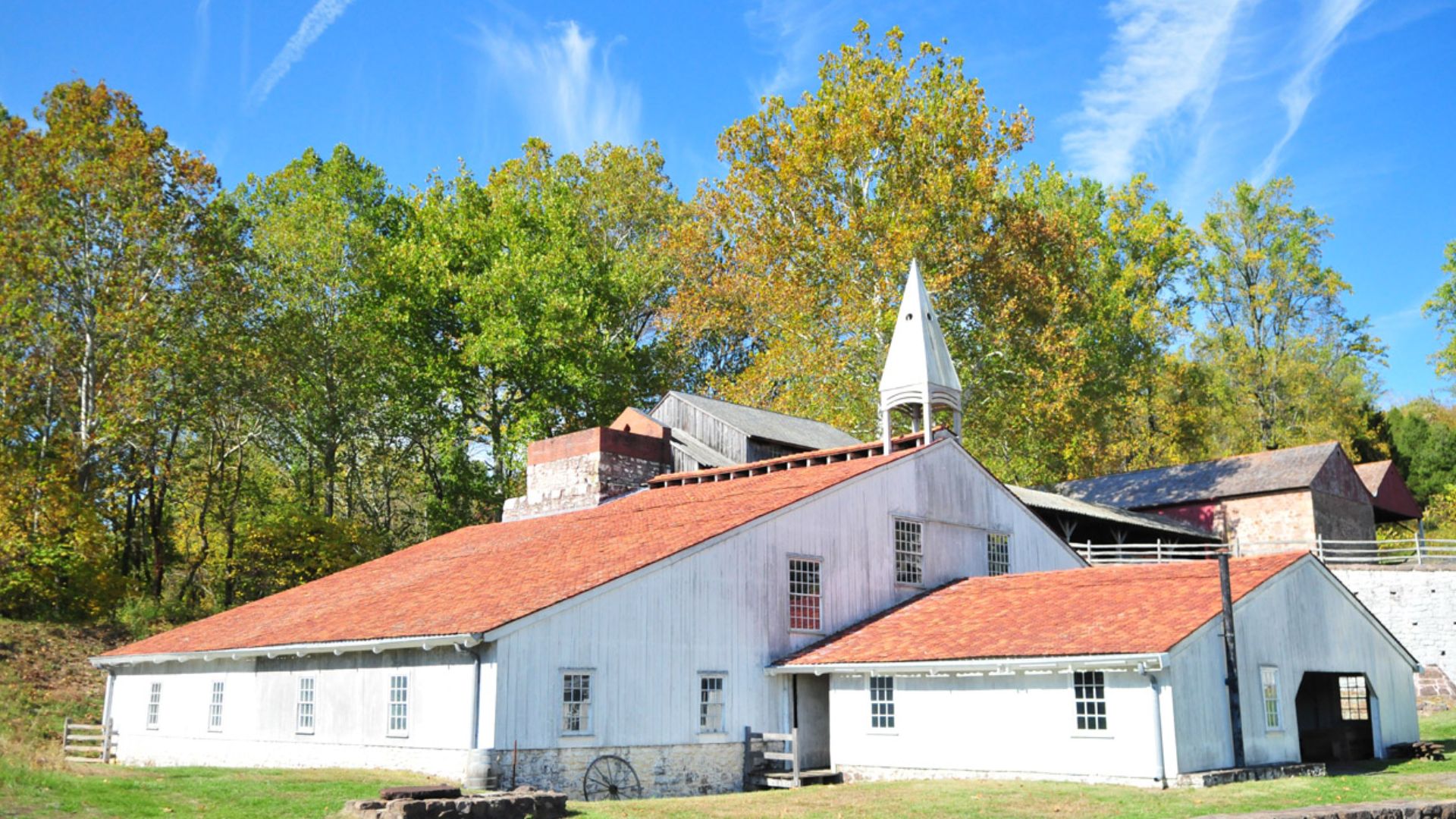
Hopewell Furnace operated from 1771 until 1883 and preserves an unusually complete early industrial community. Its furnace, buildings, roads, and surrounding landscape demonstrate how iron plantations combined manufacturing, agriculture, transportation, and housing into one enormous operation that supported hundreds of interconnected jobs.
 Sdwelch1031, Wikimedia Commons
How Charcoal Powered Production
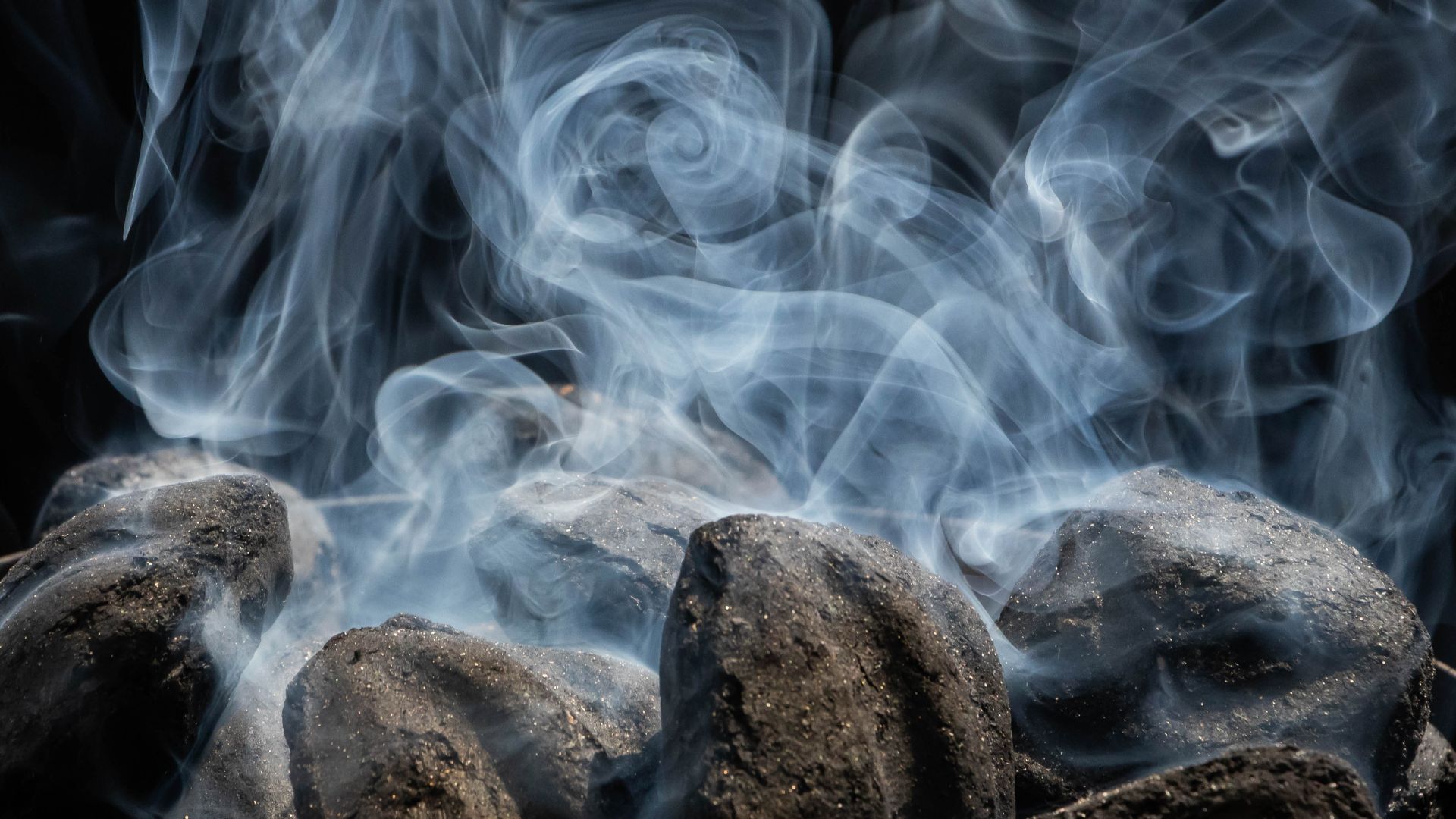
Before coal dominated heavy industry, furnaces frequently relied on charcoal made from carefully burned wood. Producing enough charcoal required huge forested areas and teams of skilled colliers. Excavated charcoal hearths and woodland roads reveal the enormous hidden workforce required just to keep a furnace hot.
 Tomascastelazo, Wikimedia Commons
Water Was The First Engine
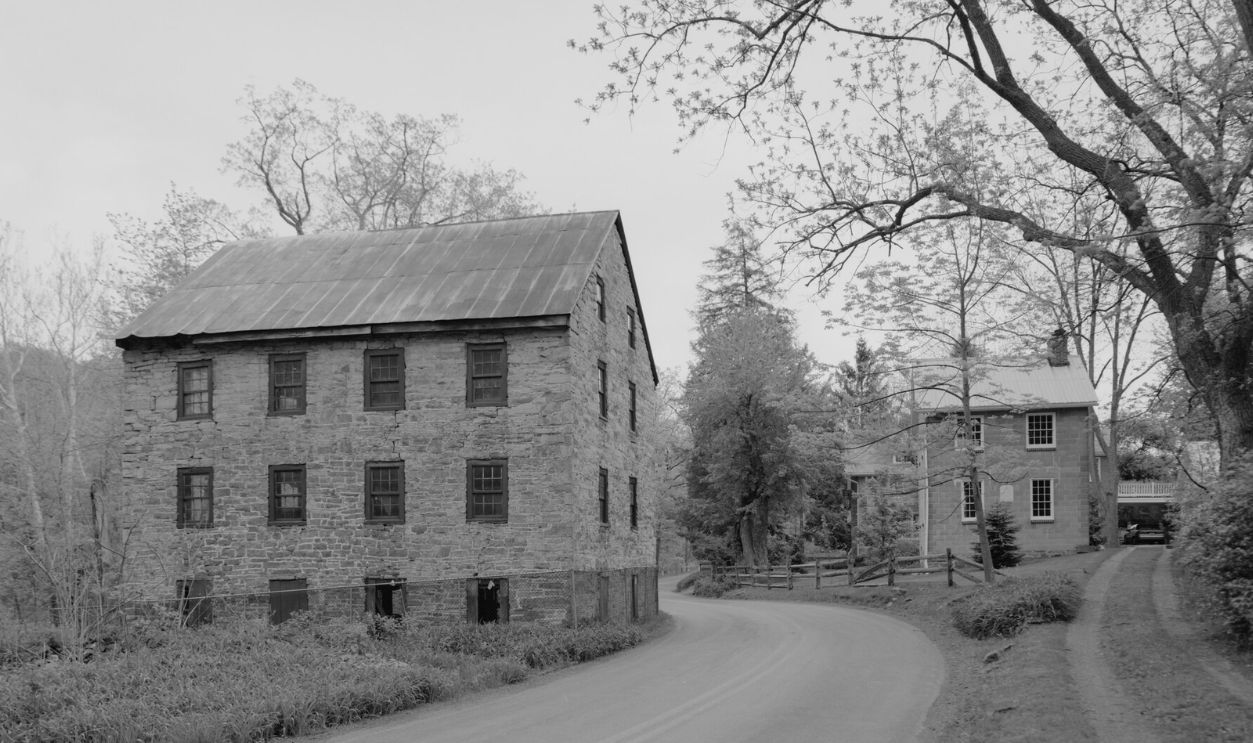
Many early factories were built beside creeks because flowing water powered wheels connected to bellows, hammers, grinding stones, and other machinery. Archaeologists trace channels, dams, wheel pits, and stone races to understand how manufacturers controlled water long before electric motors arrived.
 Lowe, Jet, creator, Wikimedia Commons
Cold-Blast Ironmaking
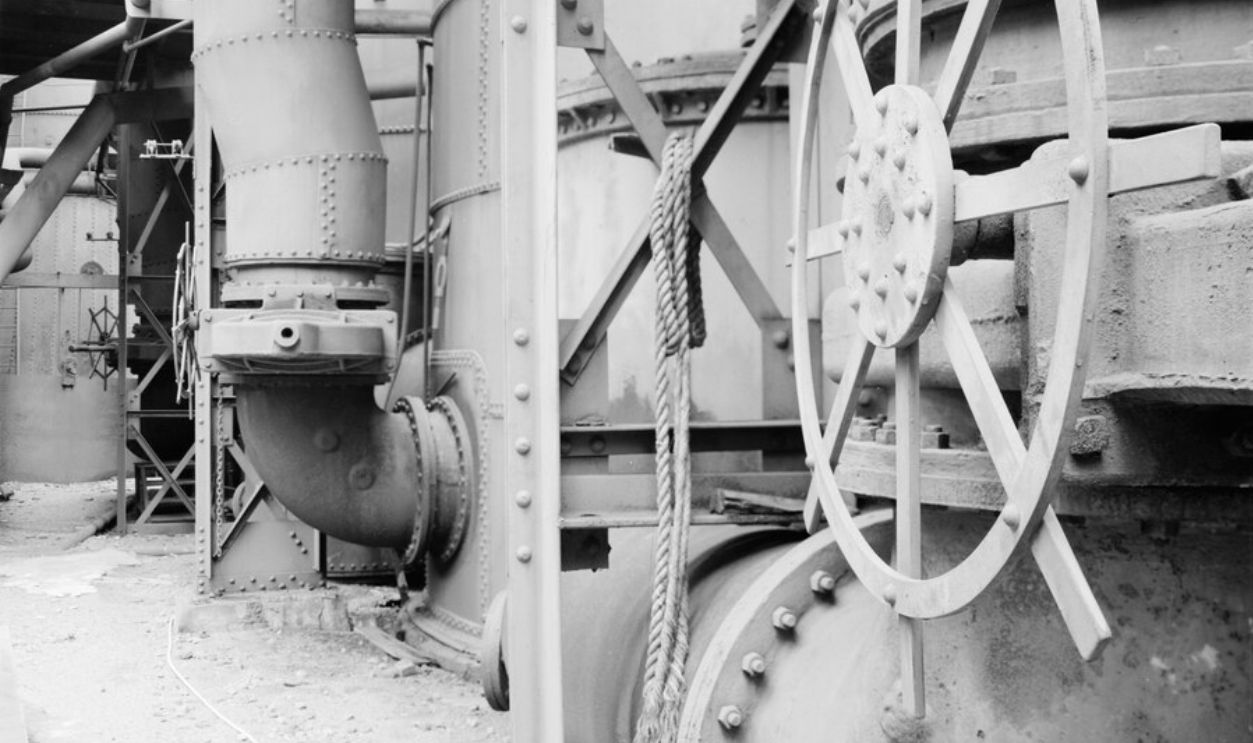
Early furnaces forced unheated air into their lower chambers to intensify combustion. This cold-blast system required carefully balanced amounts of ore, limestone, charcoal, and air. Surviving furnace remains help researchers study how workers maintained temperatures while operating without electronic gauges, automatic feeders, or modern safety equipment.
 Boucher, Jack E., Wikimedia Commons
Cornwall’s Remarkable Survivor
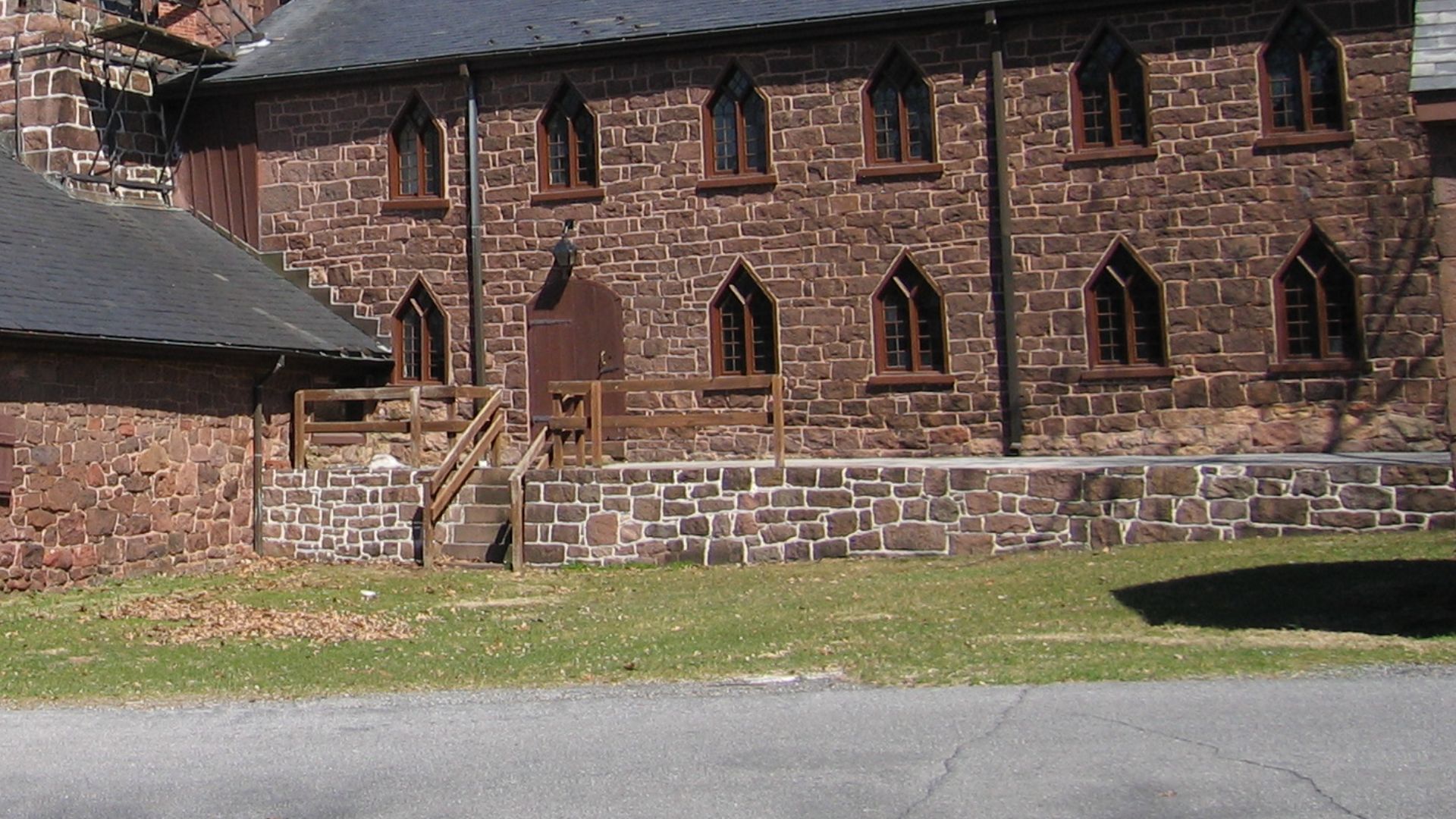
Operating from 1742 to 1883, Cornwall Iron Furnace is considered the only surviving intact charcoal cold-blast furnace in the Western Hemisphere. Its preserved machinery and buildings give visitors a rare opportunity to see the type of system that archaeology often reconstructs from foundations, debris, and scattered artifacts.
 Wherring at en.wikipedia, Wikimedia Commons
Casting Products In Sand
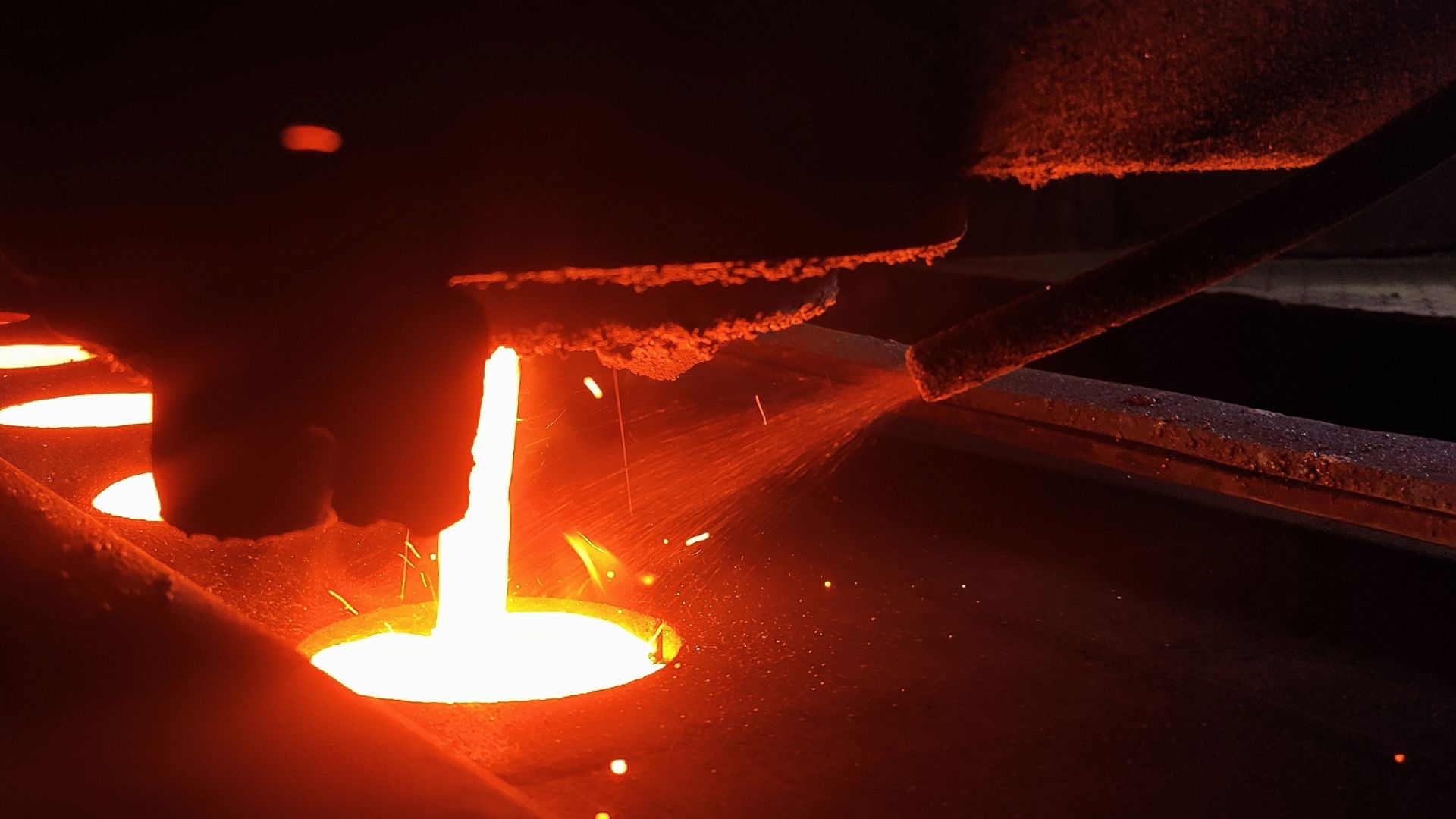
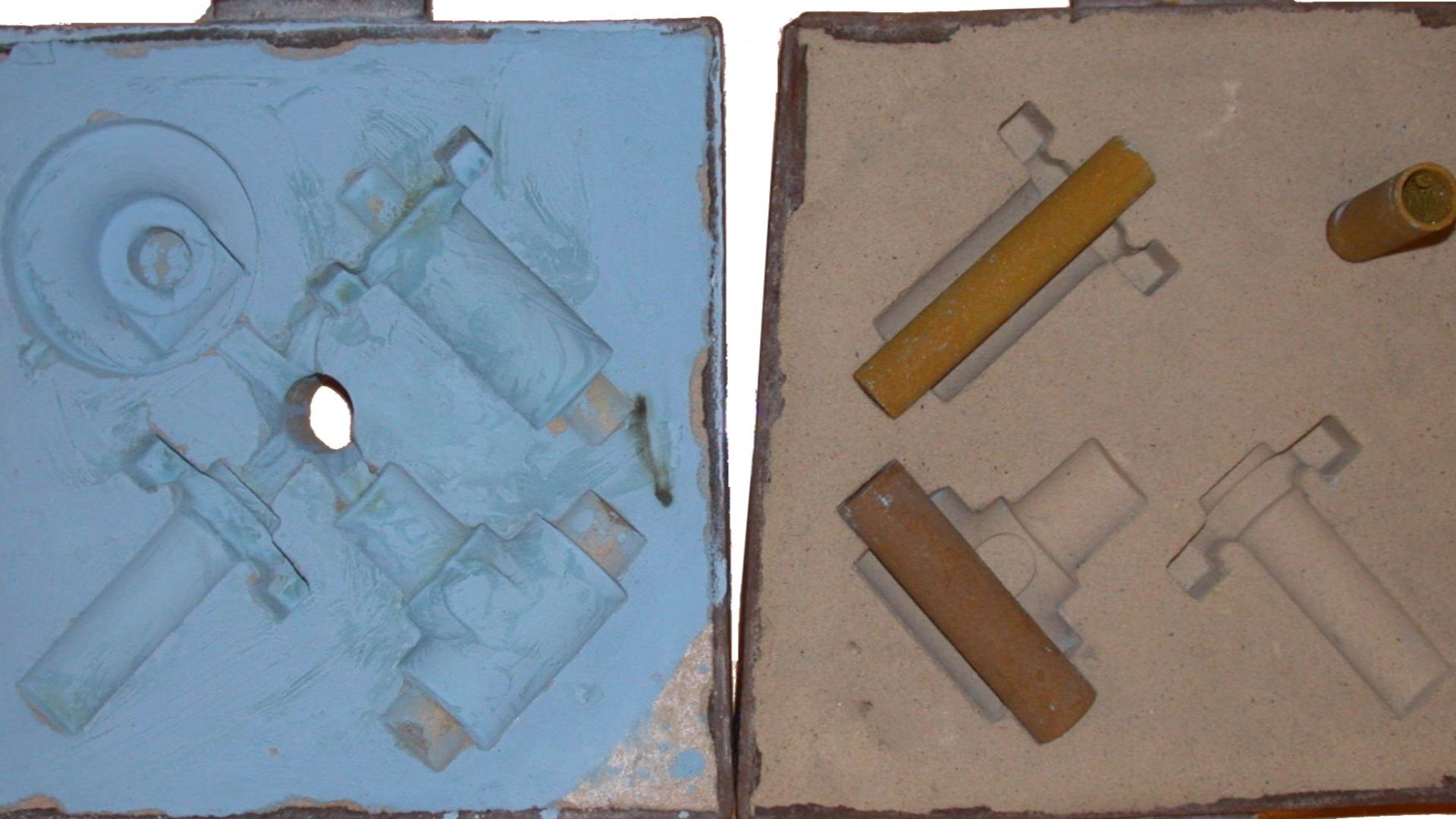
Molten iron was commonly poured into molds formed from packed sand. Archaeological evidence from casting areas may include spilled metal, broken molds, tools, and defective products. These finds show that early workers produced everything from stove plates and pots to machinery parts and ammunition.
Mistakes Frozen In Metal
Not every casting emerged perfectly. Air pockets, cracked molds, incorrect temperatures, or contaminated materials could ruin hours of dangerous work. Manufacturing debris allows researchers to examine failures that rarely appeared in company records, offering a more realistic picture of experimentation, waste, and everyday problem-solving.
 Photograph taken by Glenn McKechnie, Wikimedia Commons
The Mystery Inside Mill Foundations
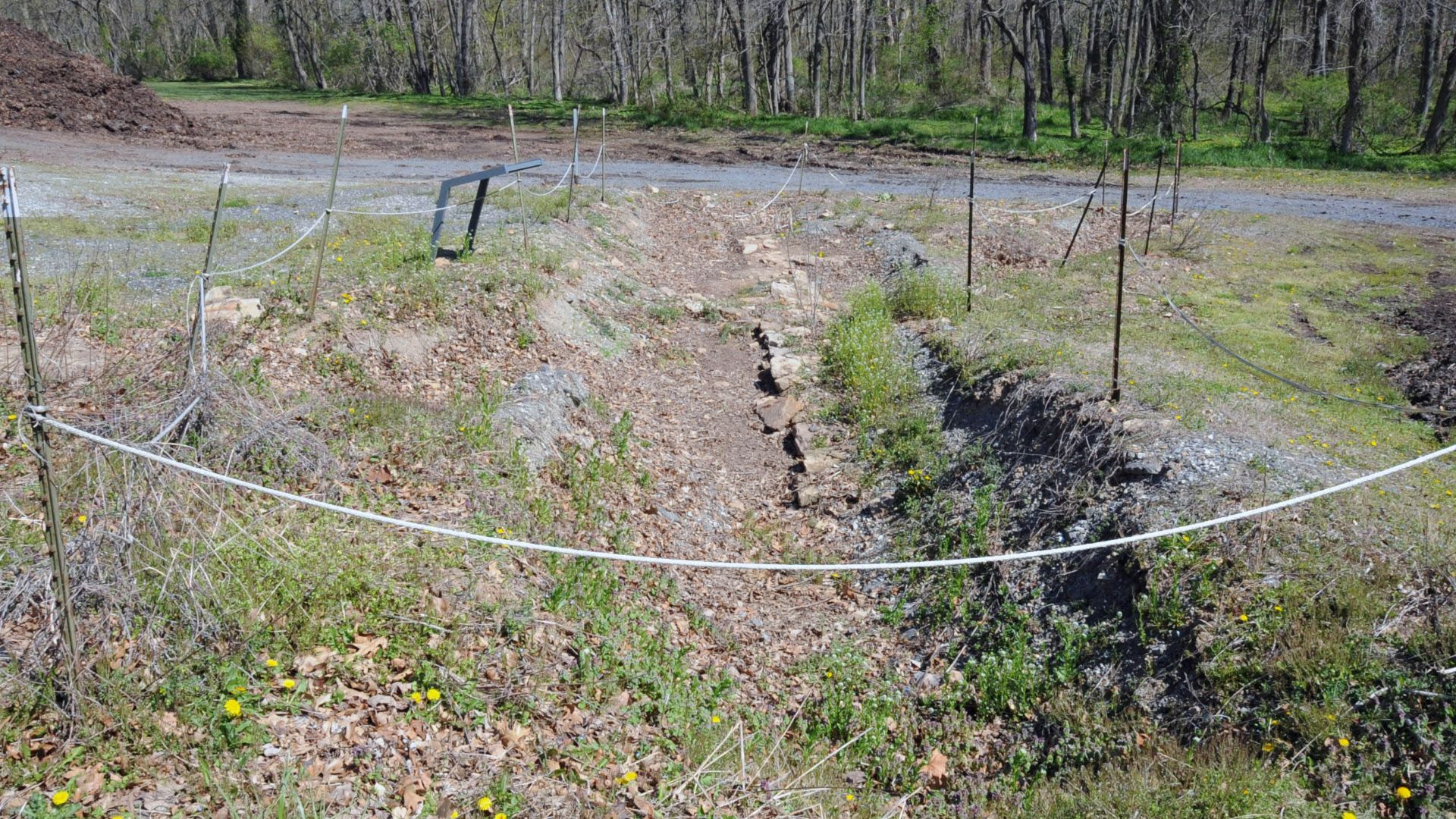
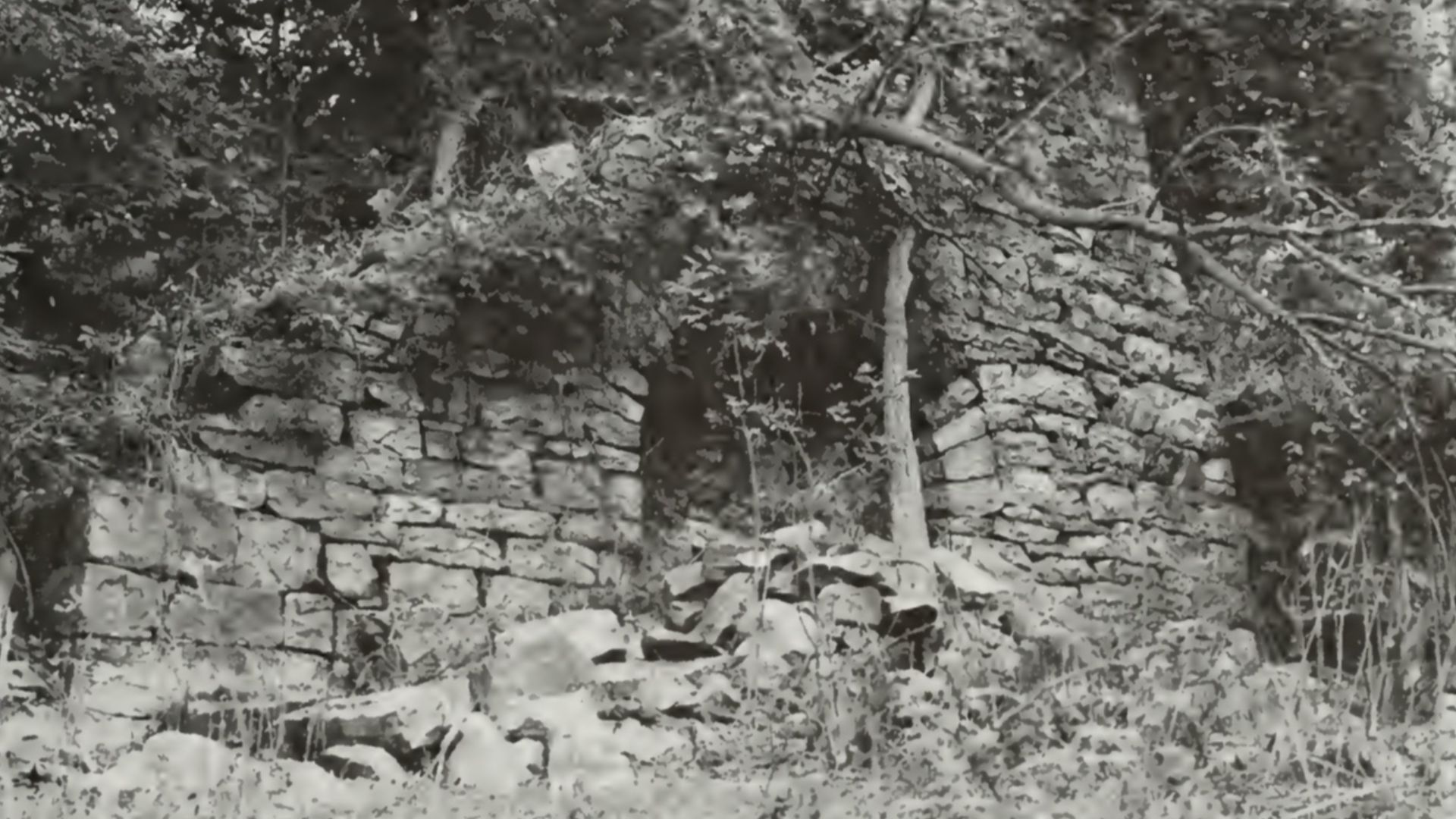
A ruined mill may appear to be little more than a rectangle of stone. Once excavated, however, its foundations can reveal the locations of gears, drive shafts, workrooms, and waterwheels. Changes in walls and floor levels may even show where owners installed newer technology.
 JERRYE AND ROY KLOTZ, M.D., Wikimedia Commons
Blacklog Narrows Comes Back To Life
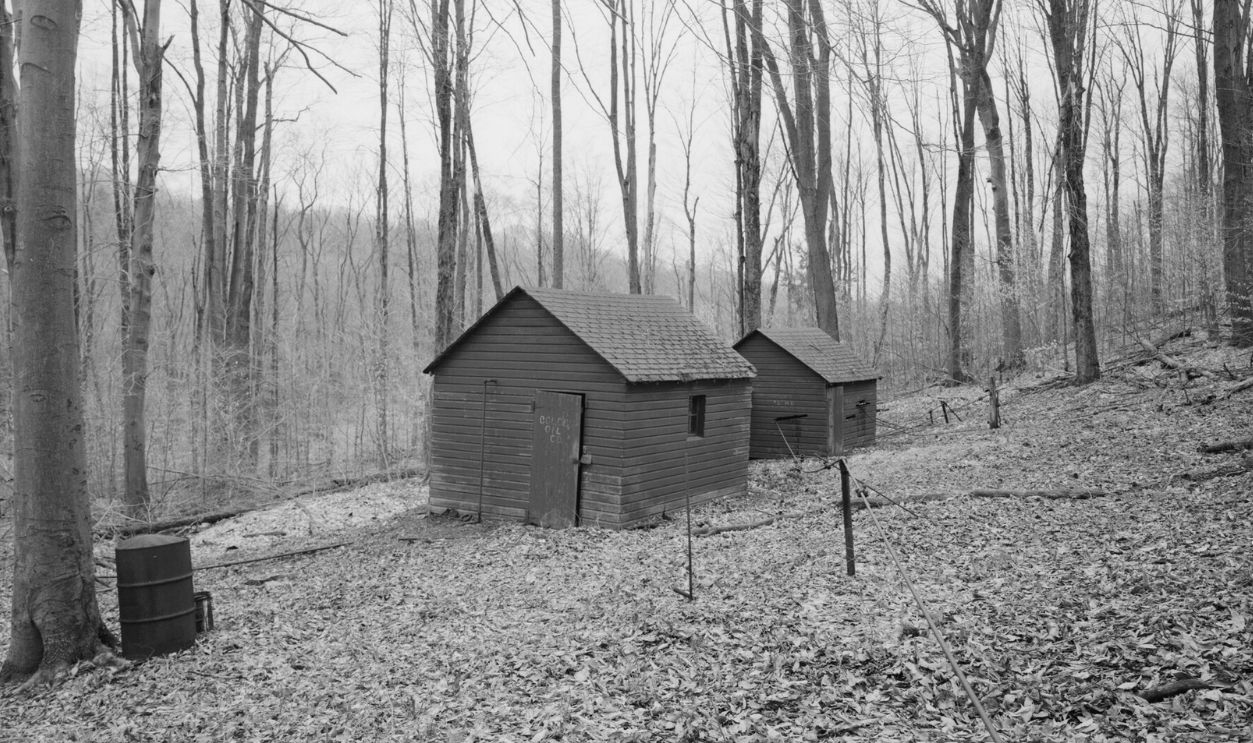
Industrial archaeology in Pennsylvania’s Blacklog Narrows has documented ironmaking, milling, transportation, and nearby settlement activity. By combining artifacts, structural remains, maps, and historical records, researchers have reconstructed how one rural landscape became a busy production corridor tied to the larger Juniata iron industry.
 Nicely, John, Wikimedia Commons
Transportation Changed Everything
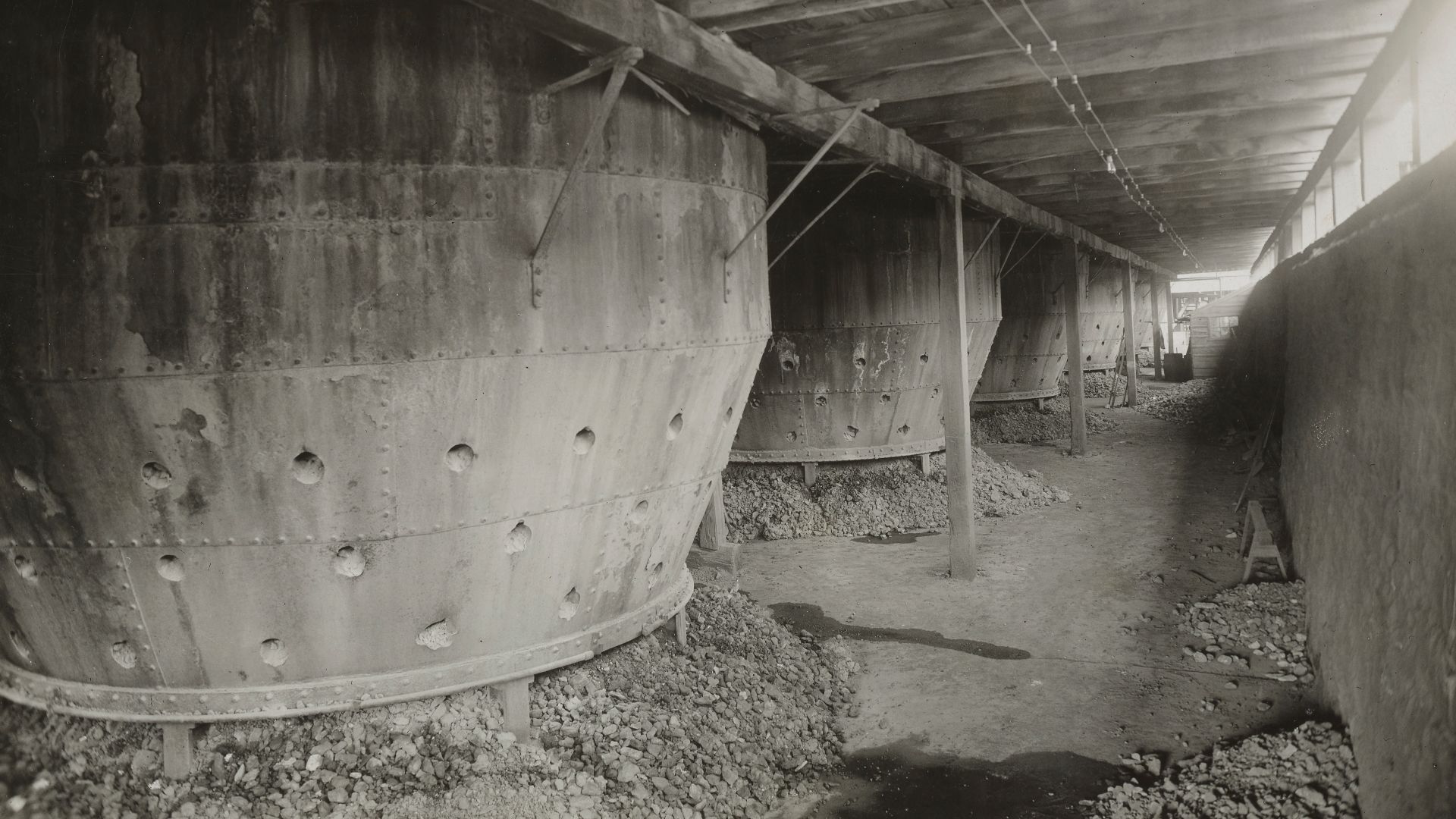
Producing iron was only useful if it could reach customers. Early manufacturers depended on rough wagon roads and rivers before canals and railroads dramatically expanded their markets. Archaeologists study bridge remains, loading areas, rail beds, and towpaths to understand how transportation shaped industrial growth.
 Unknown authorUnknown author or not provided, Wikimedia Commons
Coal Rewrites The Rules
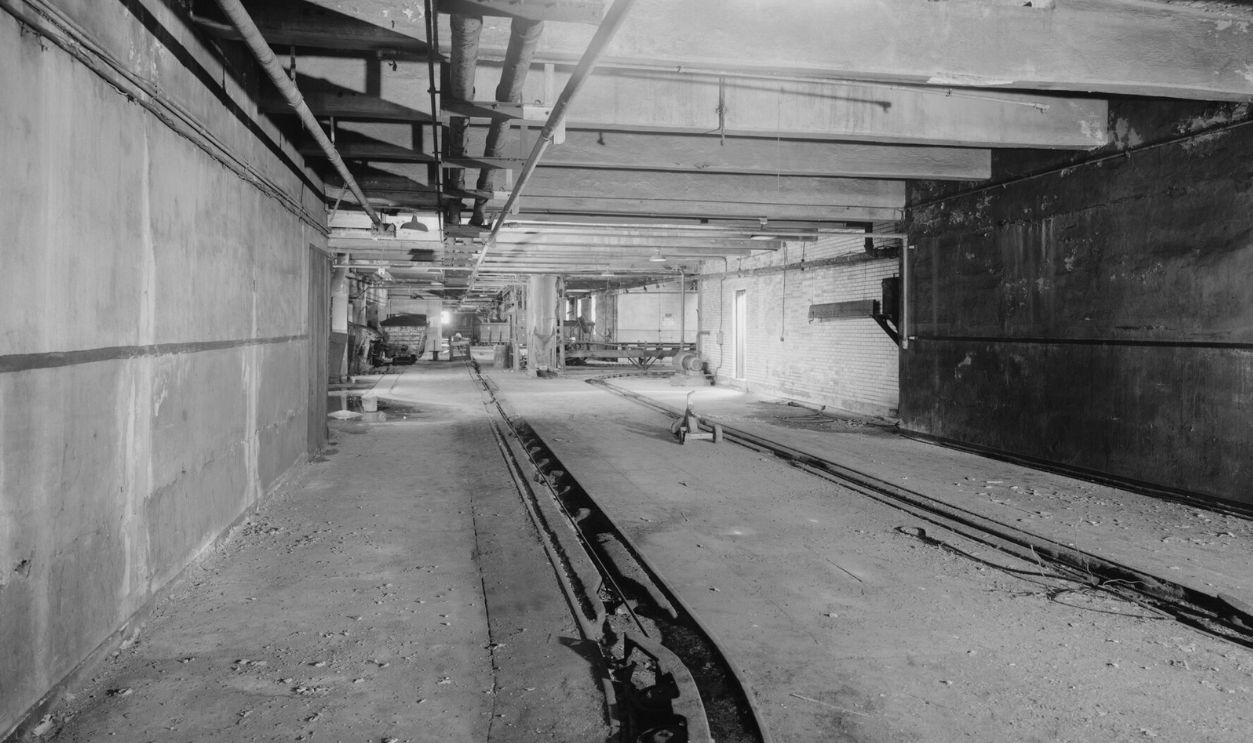
Charcoal production consumed forests and demanded considerable labor. Coal and coke eventually offered manufacturers more concentrated and dependable fuel. Evidence from Pennsylvania’s furnace sites tracks this major transition, including experiments that succeeded, failed, or proved too expensive for particular locations.
 Jack Boucher, Wikimedia Commons
Hopewell’s Coal Experiment
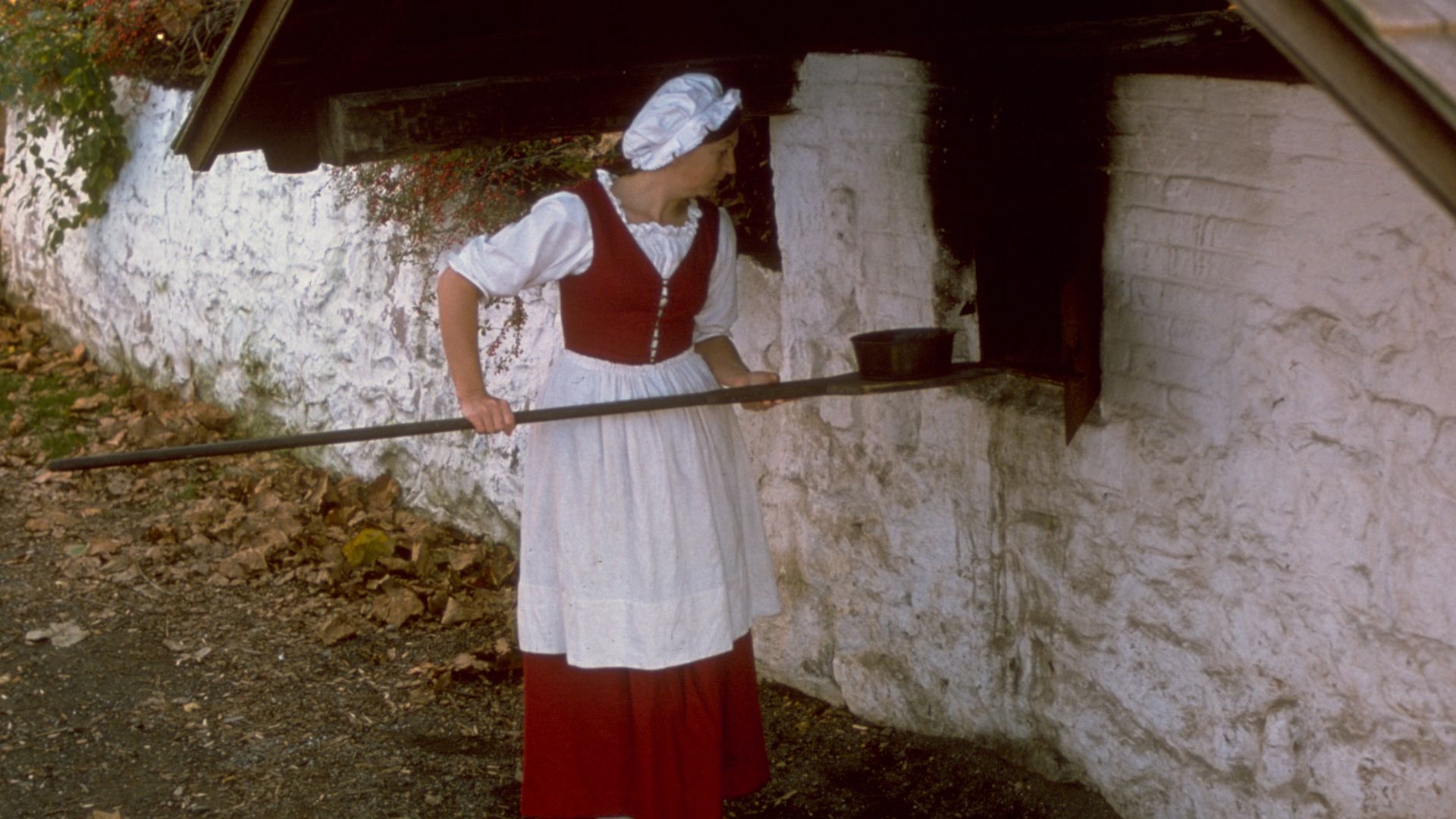
Hopewell briefly adopted an anthracite furnace beginning in 1853, hoping to compete with changing industrial technology. Transportation costs made coal too expensive, and the company returned to its traditional cold-blast operation within several years. The episode shows that newer technology was not automatically better everywhere.
 National Park Service Digital Image Archives, Wikimedia Commons
Scranton’s Towering Furnaces
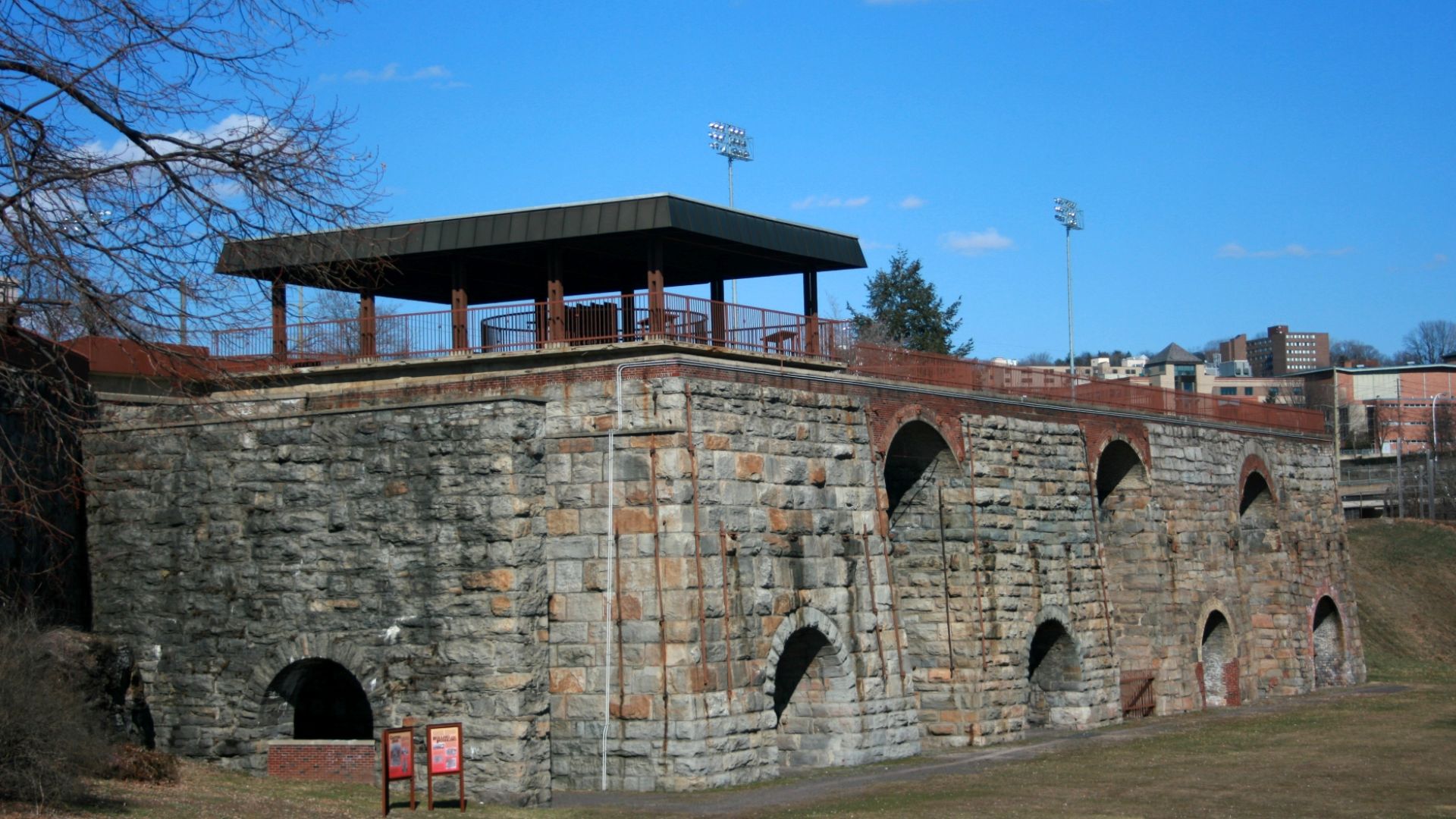
The Scranton Iron Furnaces preserve remnants of the Lackawanna Iron and Coal Company, an operation closely connected to America’s industrial expansion. Their massive stone structures demonstrate the scale manufacturers achieved once anthracite coal, rail transportation, and growing markets transformed northeastern Pennsylvania.
 Rolfmueller, Wikimedia Commons
Workers Left Evidence Too
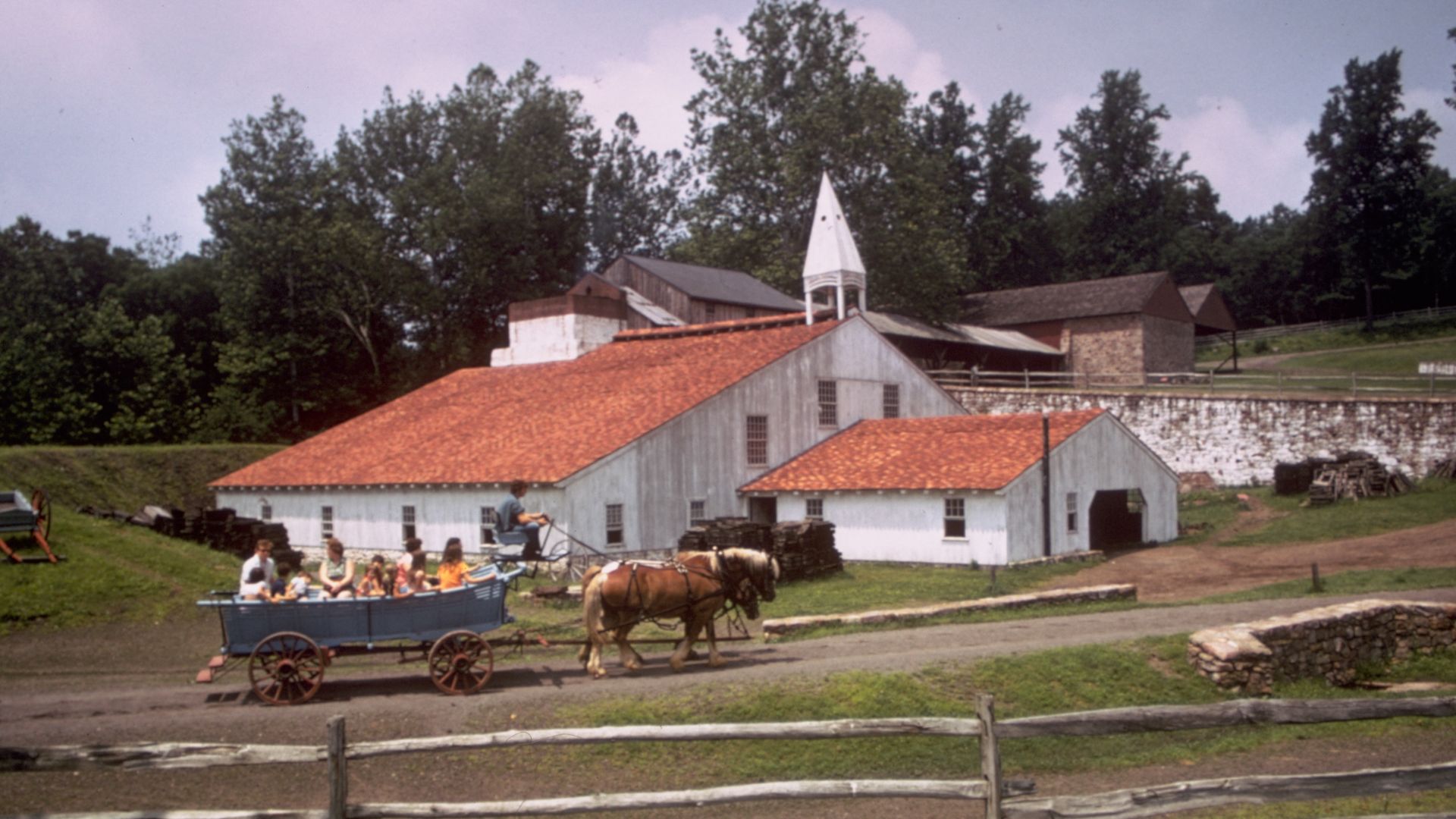
Industrial sites were also homes and communities. Buttons, ceramics, bottles, toys, animal bones, and personal items reveal how workers ate, dressed, relaxed, and raised families. These modest objects can tell stories that payroll records and company reports usually ignored.
 National Park Service Digital Image Archives, Wikimedia Commons
Recovering African American Lives
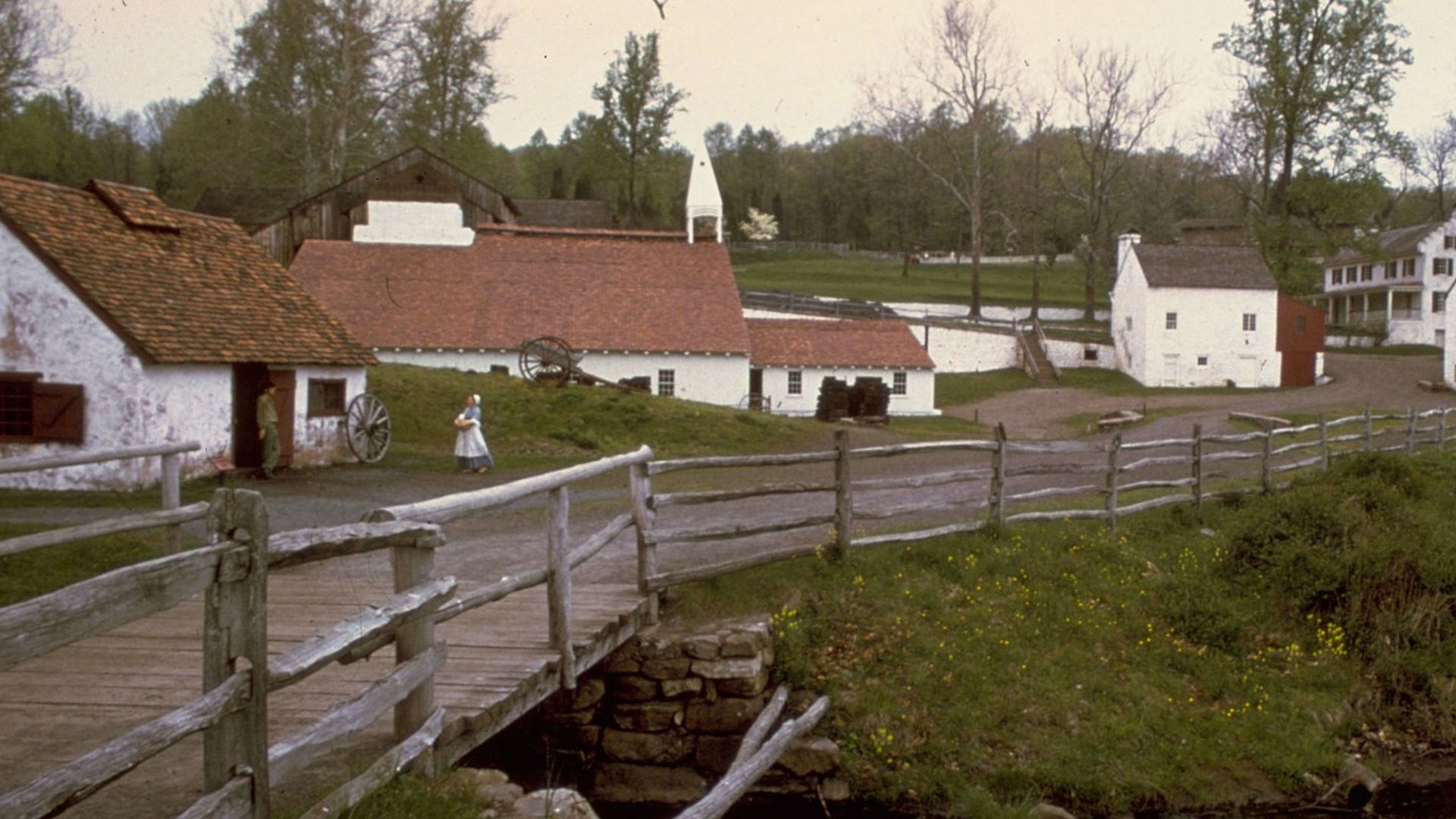
Archaeological research at Hopewell Furnace has examined landscapes connected with African American workers and residents. Excavated artifacts can help researchers investigate identity, family life, mobility, inequality, and community relationships that were incompletely documented in surviving written sources.
 National Park Service Digital Image Archives, Wikimedia Commons
Skilled Labor Made The System Work
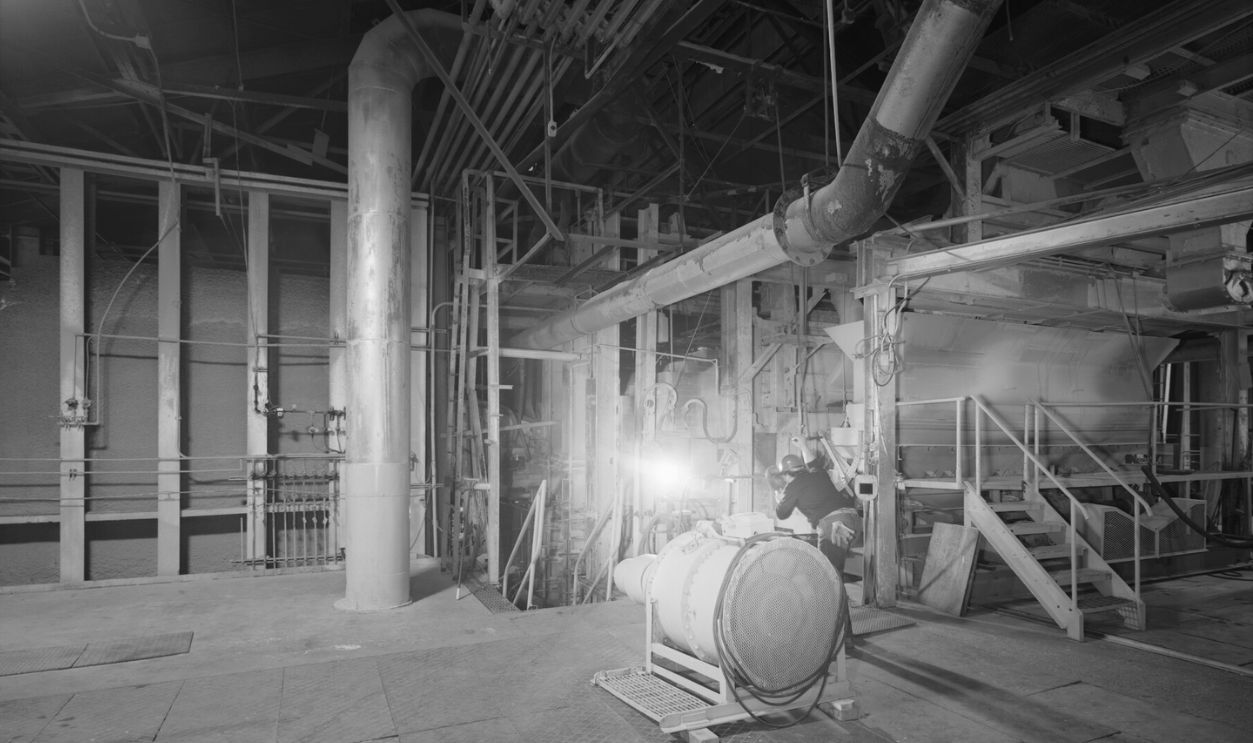
Early manufacturing depended on experienced furnace keepers, molders, miners, blacksmiths, carpenters, colliers, teamsters, and millwrights. Machinery could not replace their judgment. Tool marks, repairs, improvised parts, and altered structures reveal workers constantly adjusting equipment to keep production moving.
 Lowe, Jet, creator, Wikimedia Commons
Factories Were Dangerous Places
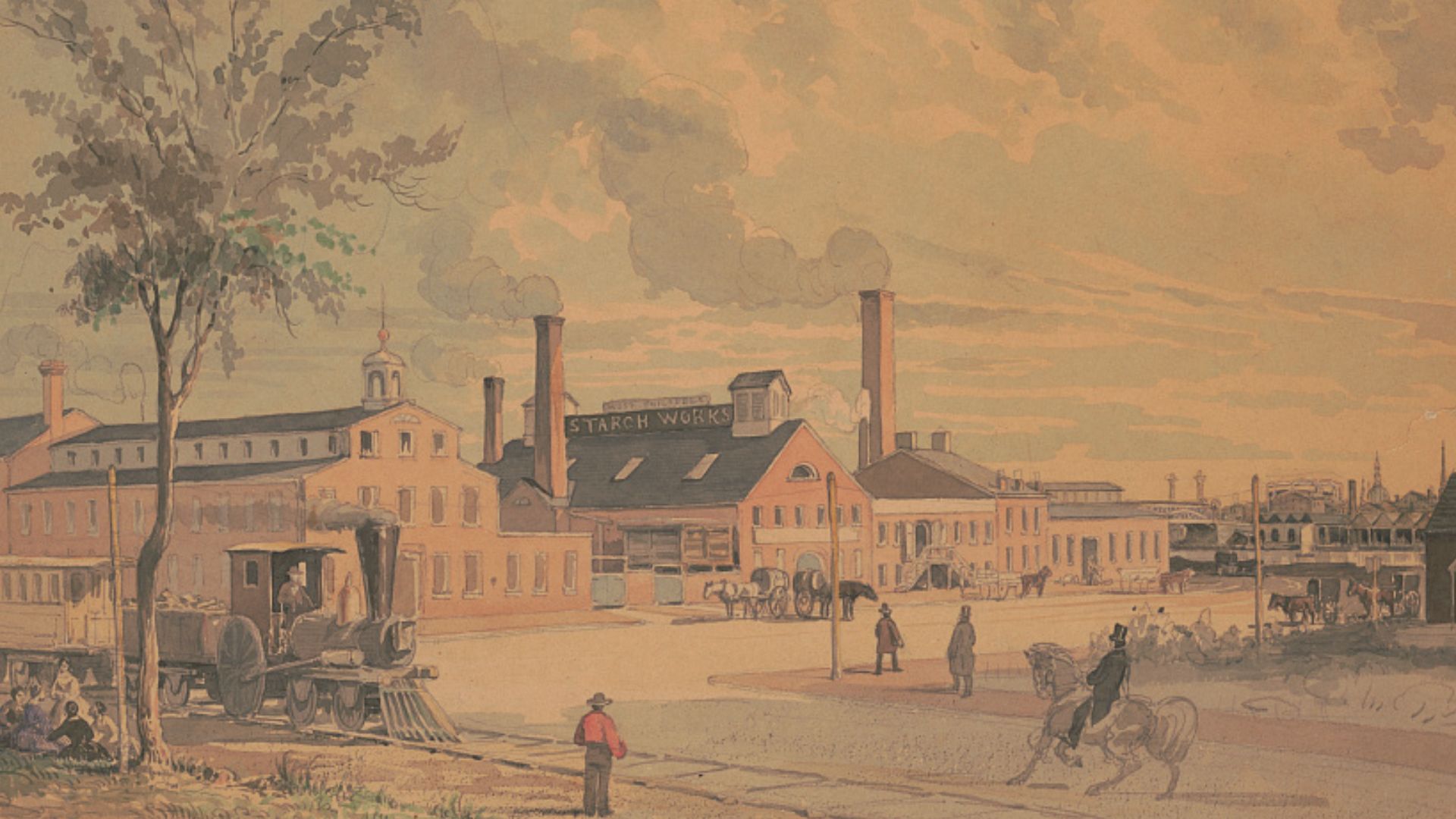
Industrial work involved molten metal, open flames, unstable machinery, heavy loads, smoke, and toxic materials. Excavated drains, protective walls, damaged tools, and hastily repaired floors hint at hazardous conditions. Safety often depended more on worker experience than formal regulations or protective equipment.
 Queen, James Fuller, 1820 or 1821-1886, artist, Wikimedia Commons
What The Waste Piles Remember
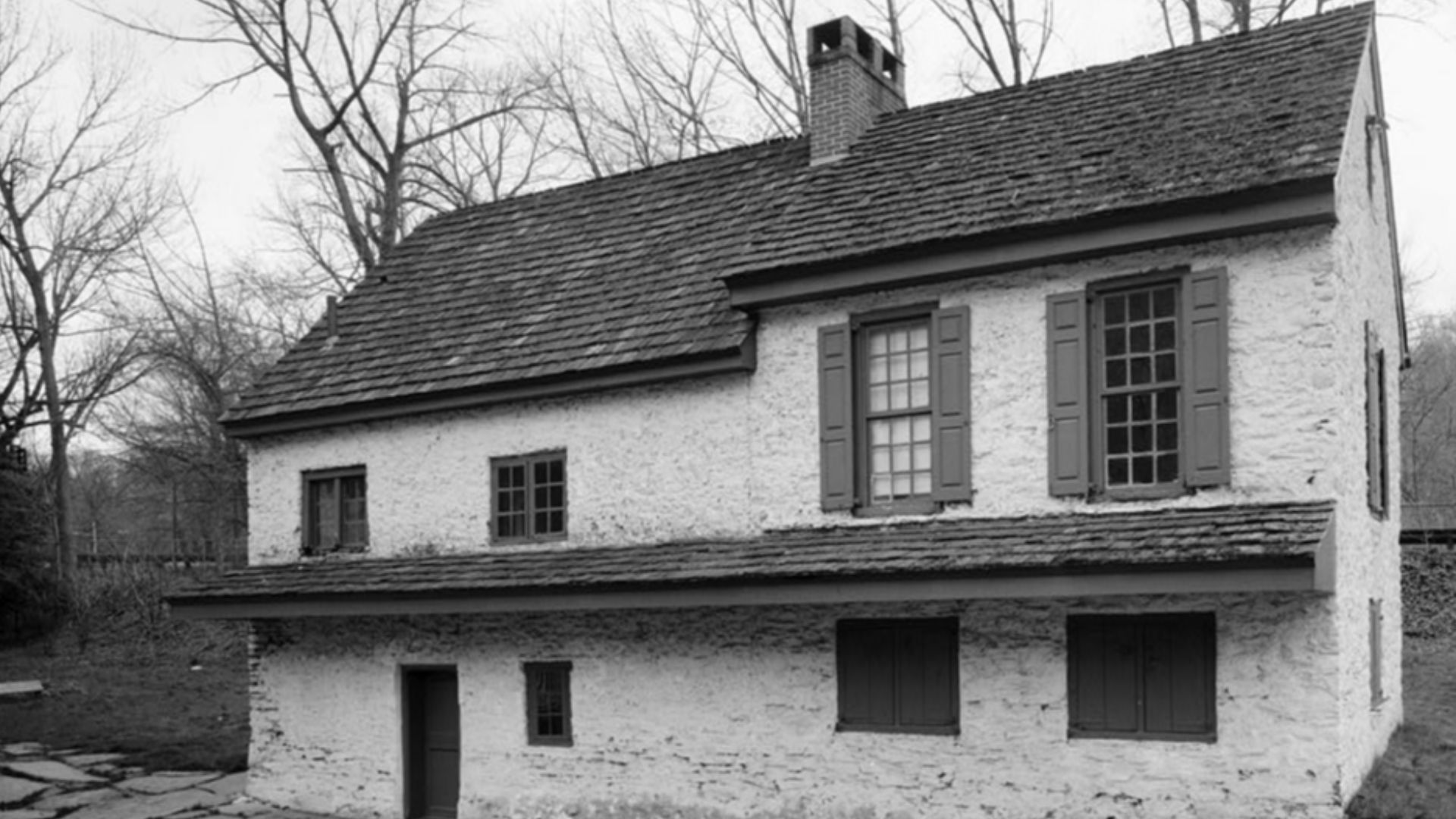
Company buildings might be remodeled or demolished, but waste was frequently dumped nearby. These deposits can preserve production sequences almost like industrial timelines. Different layers may contain changing fuels, imported materials, broken tools, or new product types introduced as markets and technology evolved.
 Graydon Wood, HABS photographer, Wikimedia Commons
Technology Did Not Change Overnight
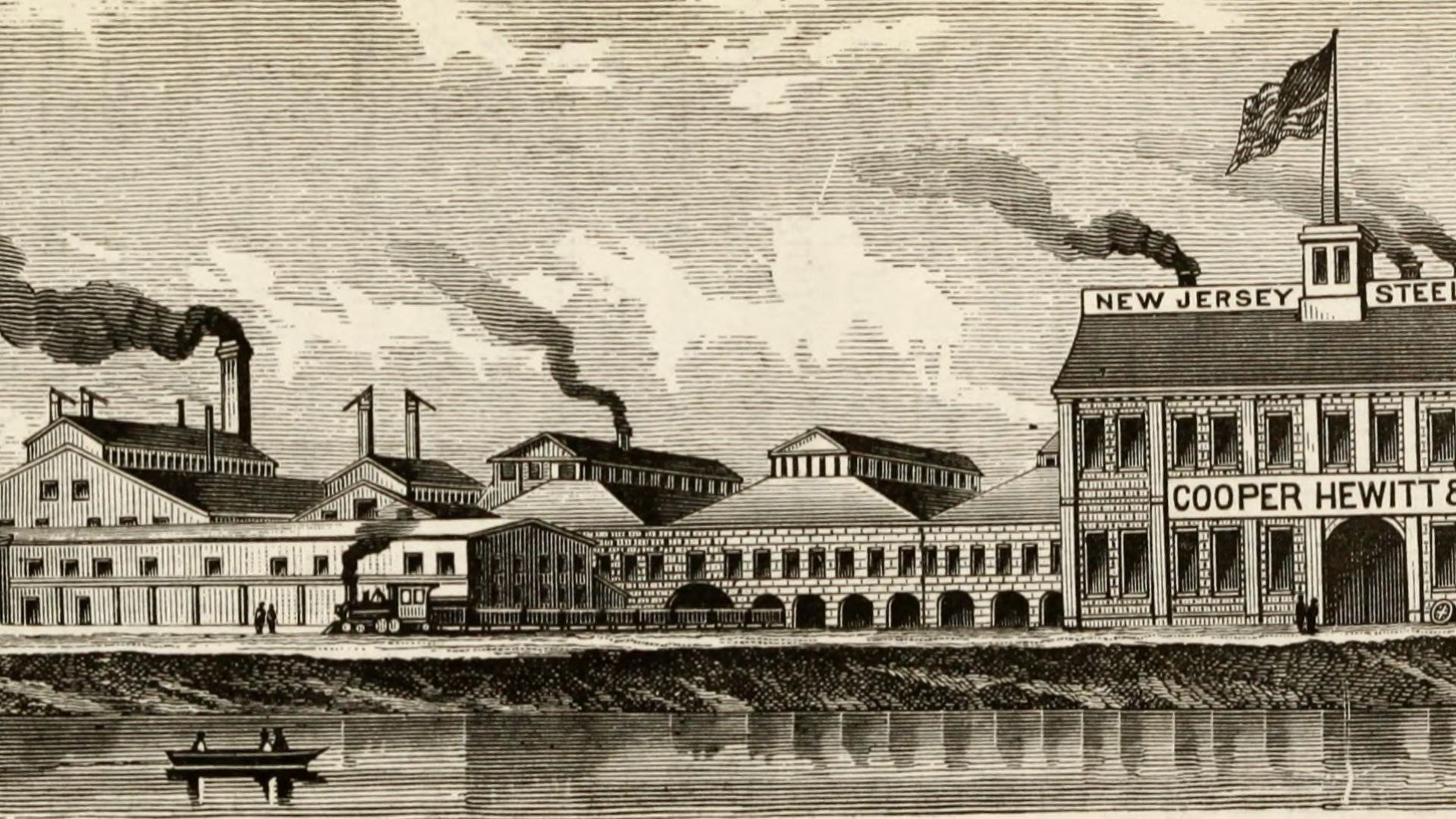
America’s Industrial Revolution was not one sudden leap from hand tools to giant factories. Pennsylvania’s sites show old and new techniques operating side by side. Manufacturers frequently reused equipment, modified buildings, and adopted innovations gradually when they believed the investment would actually pay off.
 Internet Archive Book Images, Wikimedia Commons
Pennsylvania’s Enormous Archaeological Record
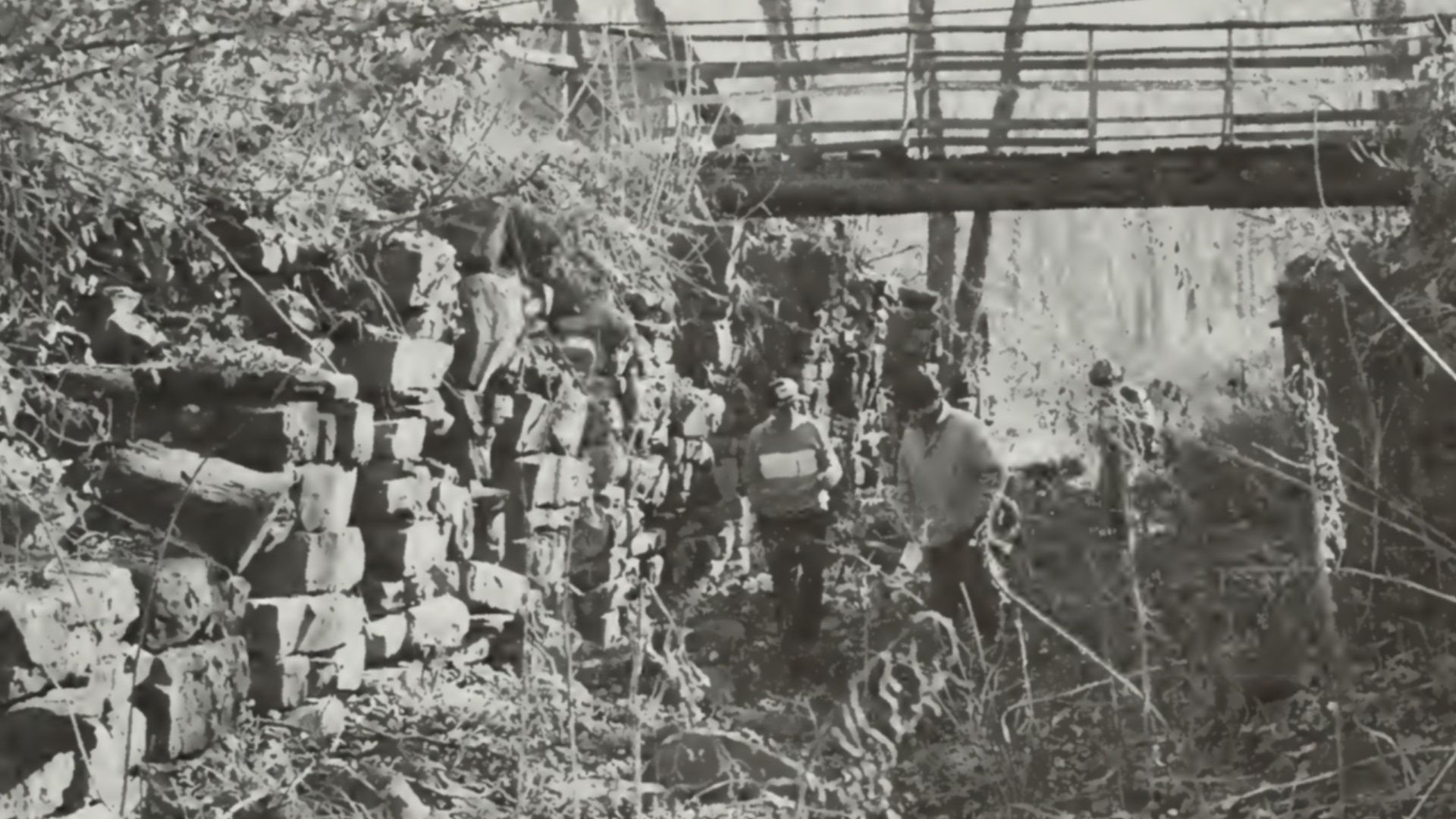
The Pennsylvania Archaeological Site Survey contains more than 27,000 recorded locations spanning roughly 16,000 years of human history. Industrial remains form an important part of this statewide record, preserving evidence from furnaces, mines, mills, transportation systems, factories, and worker communities.
 Nancy Shedd for HABS/HAER, Wikimedia Commons
Digging Up The Machines That Built America
Pennsylvania’s industrial sites reveal that America’s manufacturing rise was powered by more than famous inventors and wealthy companies. It depended on skilled workers, natural resources, clever adaptations, risky experiments, and plenty of failed castings. Beneath the weeds and rust lies the complicated story of how modern industry began.
 Nancy Shedd for HABS, Wikimedia Commons
You May Also Like:
Airlines Baby Boomers Thought Would Last Forever—Now No One Born After 2000 Has Even Heard Of Them