A Medieval Secret No One Expected
Back in 2010, a powerful storm tore through County Sligo, Ireland, knocking down trees and leaving a mess behind. It didn’t seem unusual at first—just another rough night of weather. But when people returned the next day to check the damage, one fallen tree had uncovered something nobody expected: human bones... with a story to tell.
A Quiet Forest With a Dark Surprise
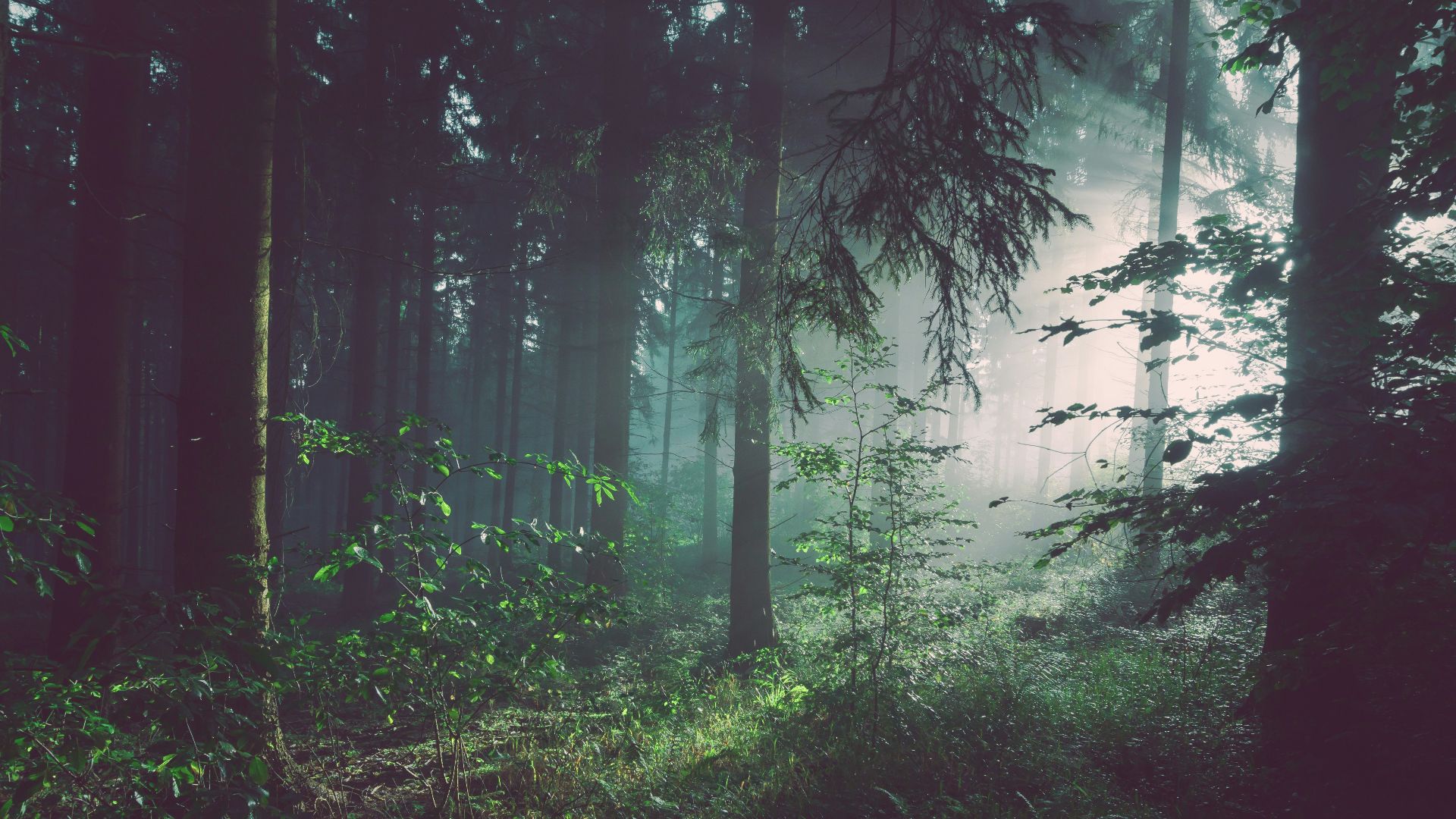
The discovery happened near Collooney, in a wooded area known as Kiltartan. It’s the kind of place where nothing much ever happens. But when locals spotted the uprooted tree, they noticed something odd in the exposed soil. At first, it looked like debris—but then the shape became clear. It was part of a human skeleton.
Bones Tangled in the Roots
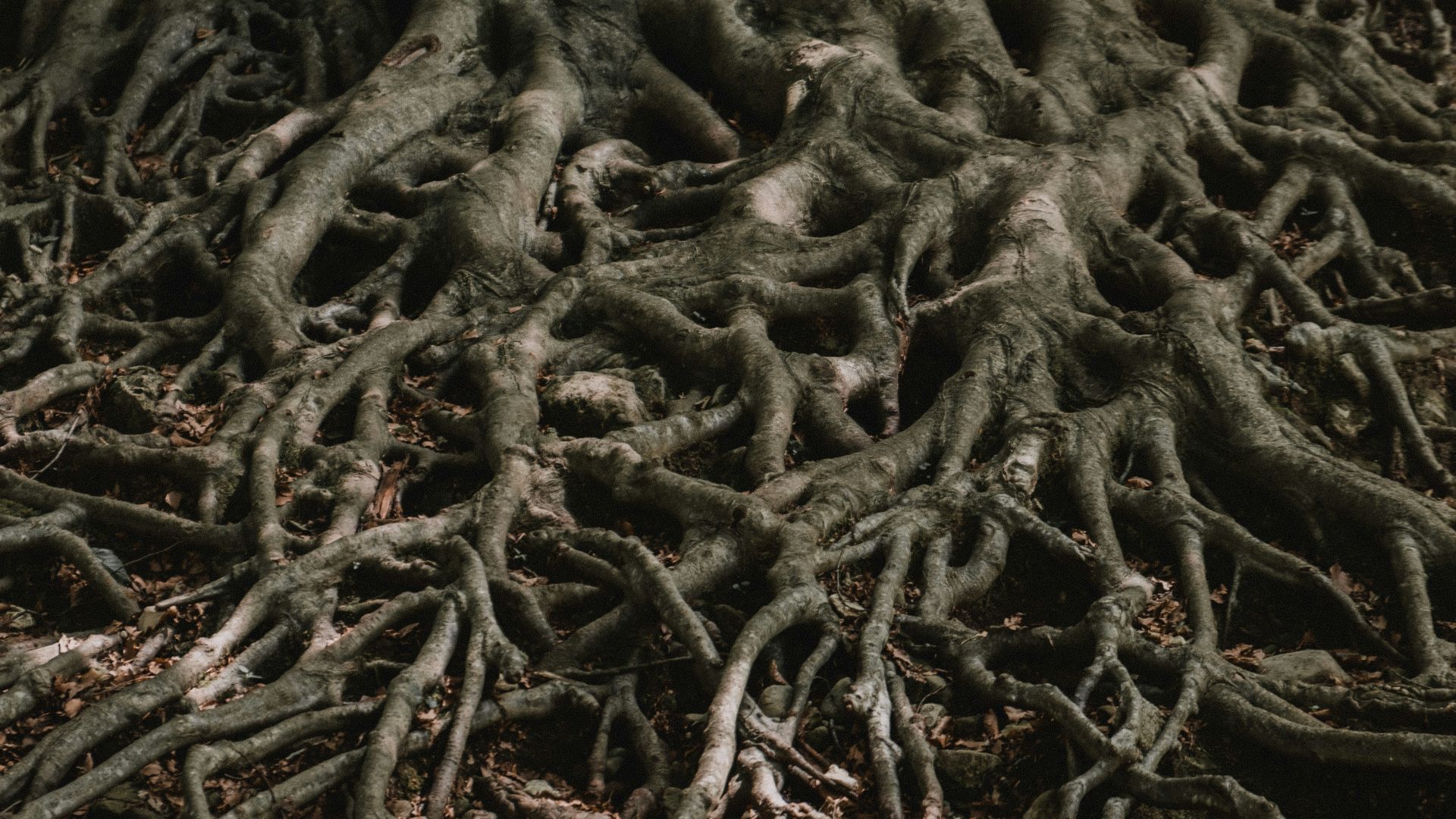
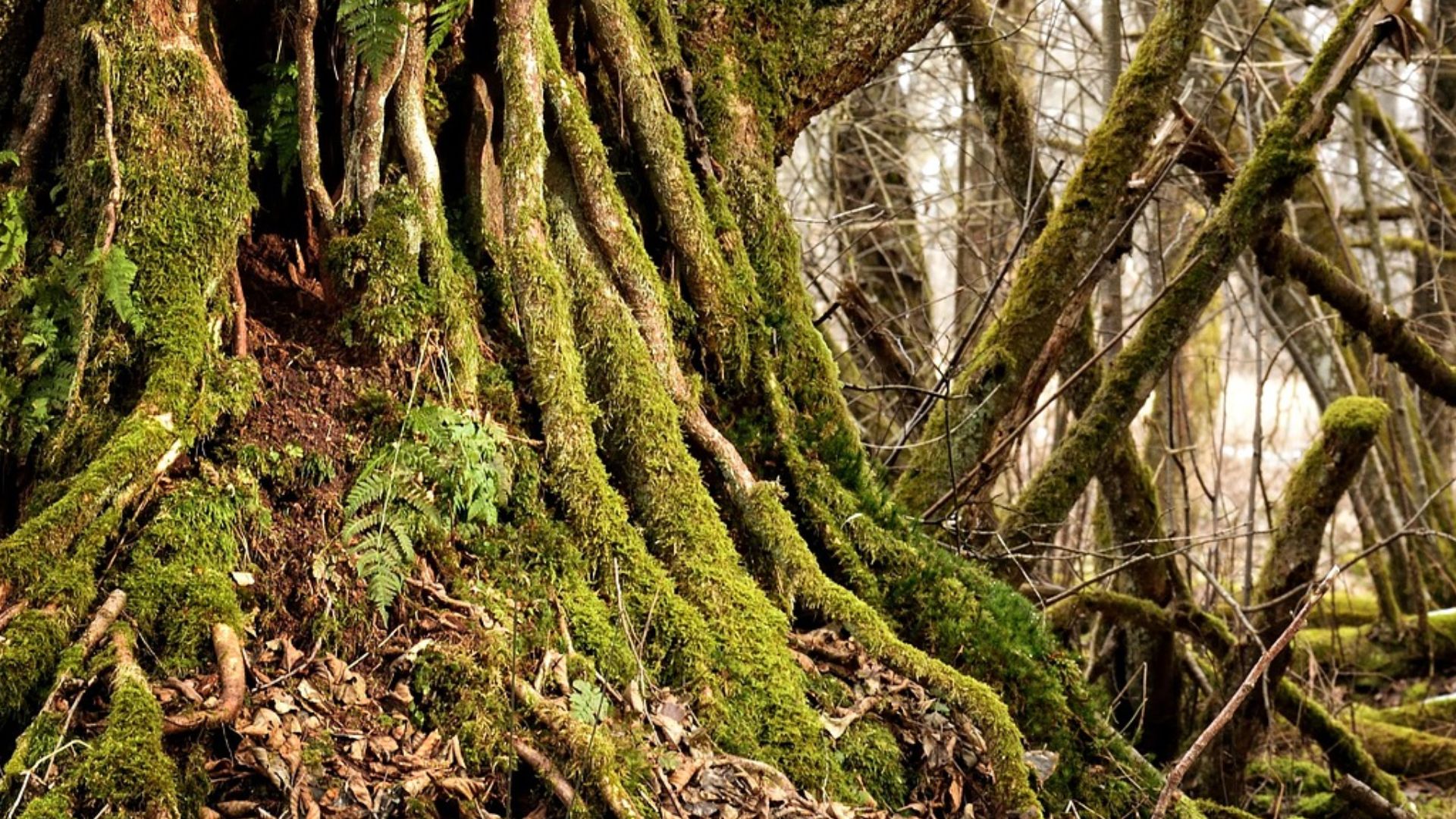
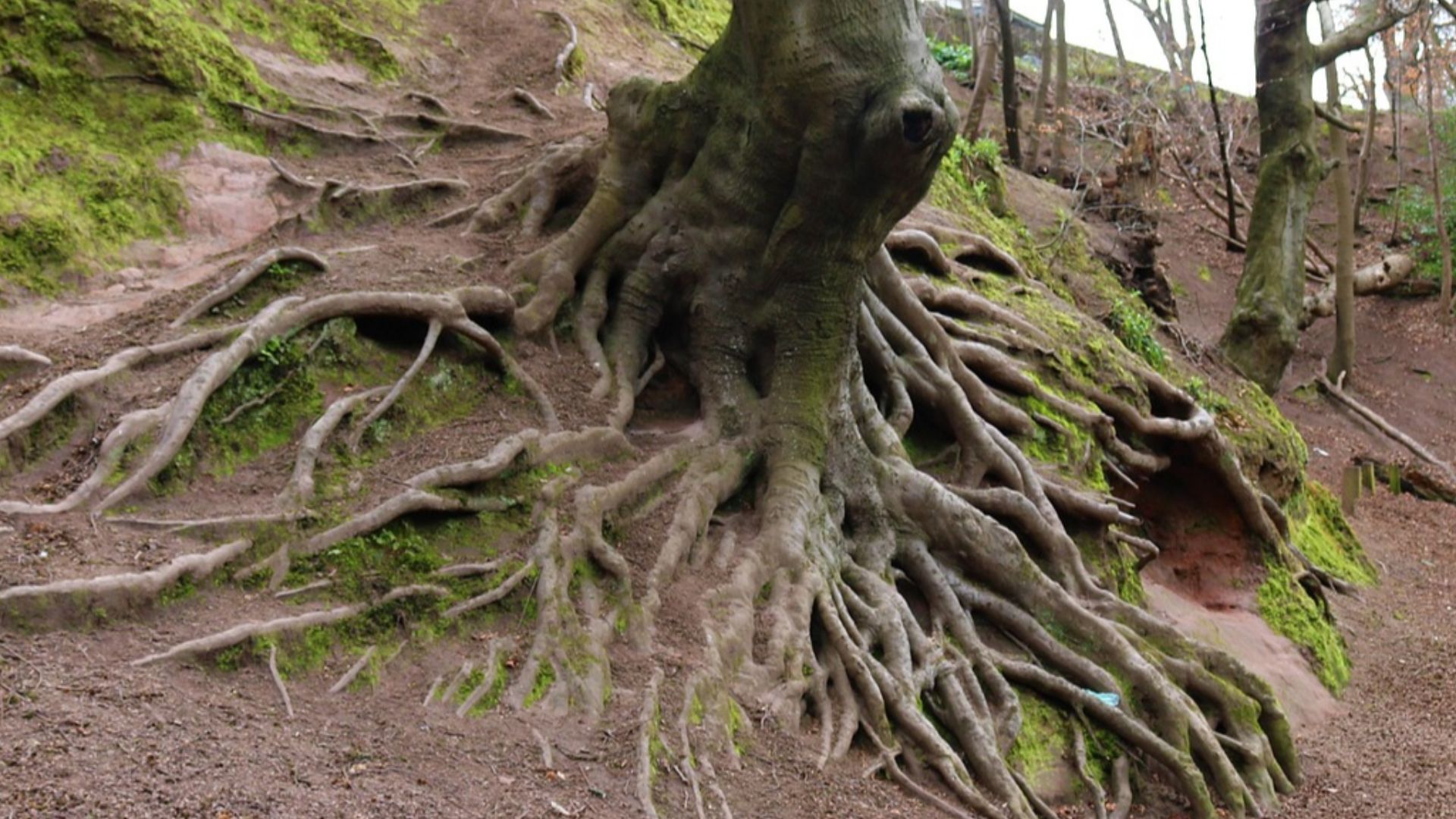
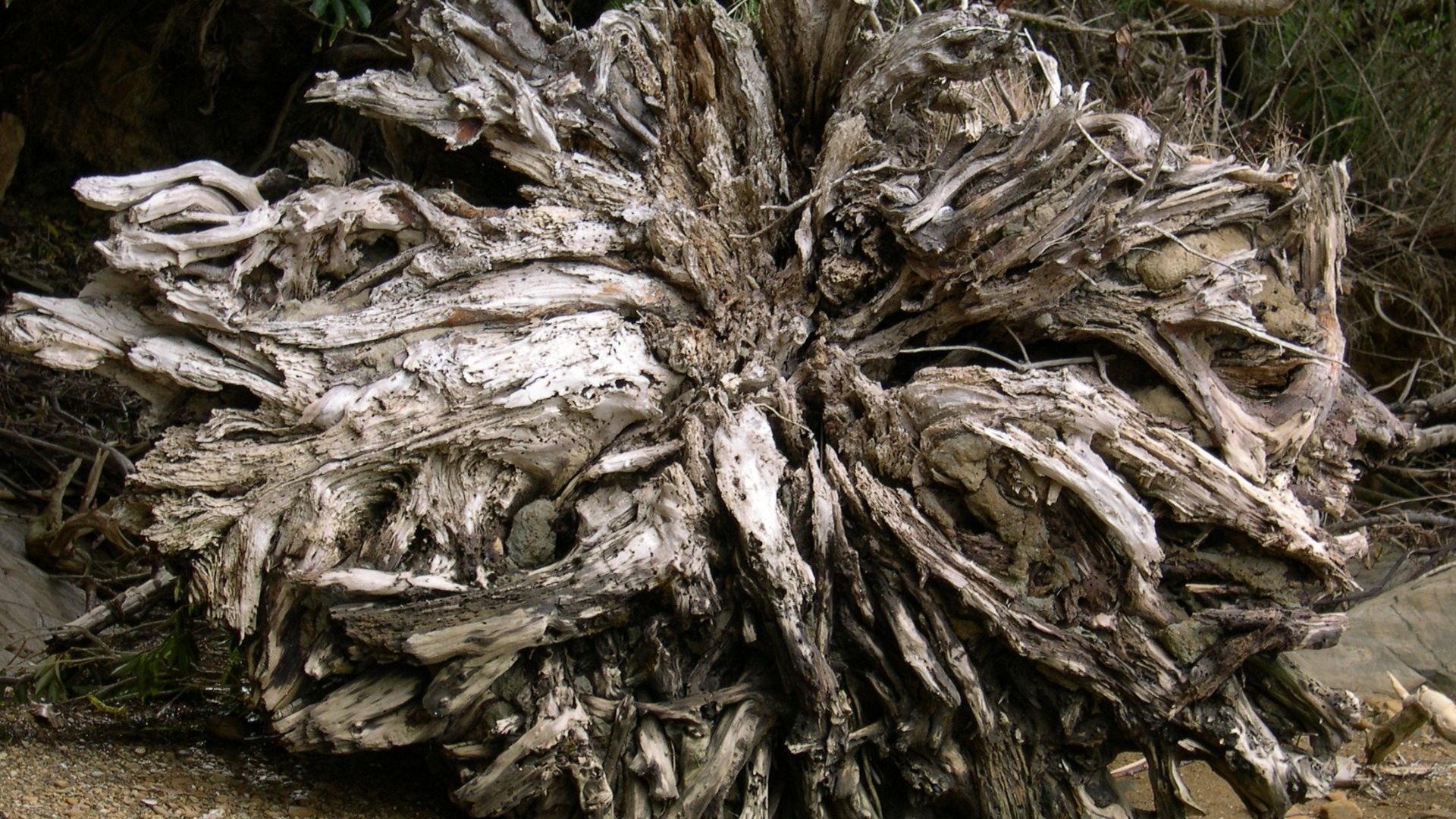
This wasn’t a normal burial. The skeleton was literally caught up in the tree’s roots, as if the tree had grown around it. When the storm ripped the tree out of the ground, it pulled the bones up with it, leaving them partially exposed.
Police Thought It Was Recent
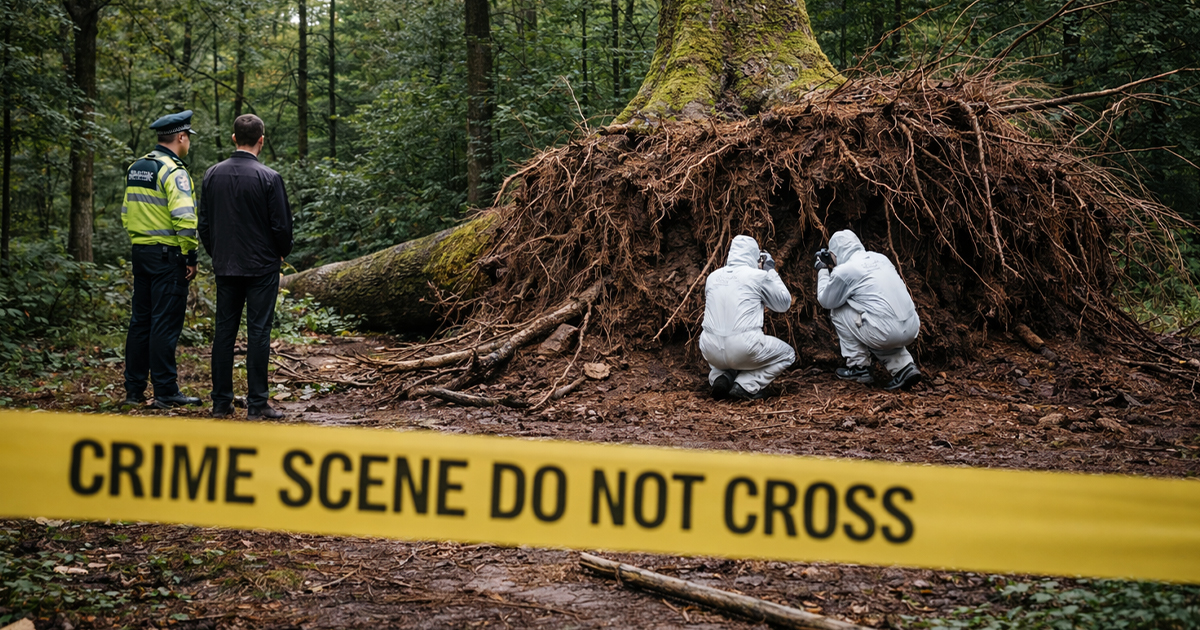
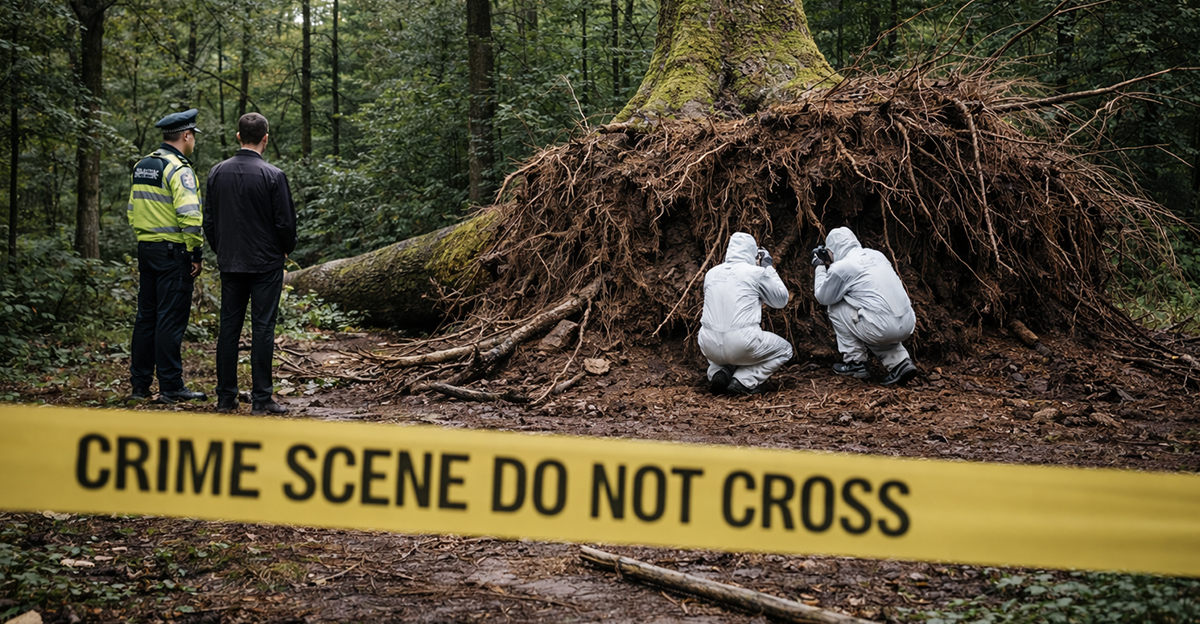
At first, authorities didn’t know what they were dealing with. Police were called to the scene and treated it like a possible crime scene. There was real concern that this could be a modern case.

No Clear Answers at First
There were no obvious clues—no clothing, no personal items, nothing that could quickly explain who this person was. Just bones in a very strange position.

Experts Step In
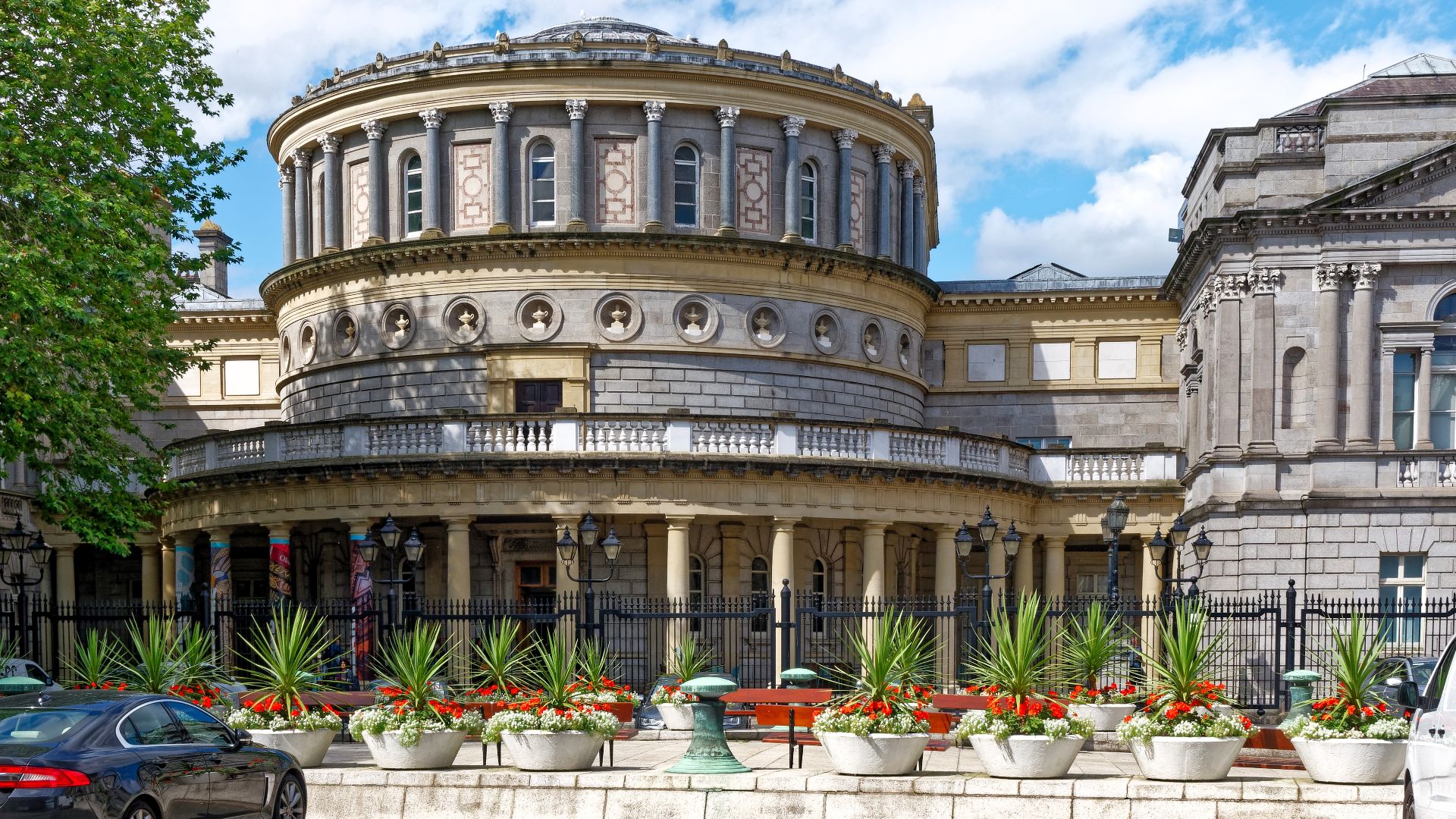
That’s when archaeologists and forensic experts got involved. Specialists from the National Museum of Ireland were brought in to take a closer look at the remains and the surrounding area. Finally, they had some answers—but it wasn't what they were expecting.
 Holger Uwe Schmitt, Wikimedia Commons
A Young Man, Not an Old Case
One of the first things they figured out was the age of the individual. The skeleton belonged to a young male, likely between 17 and 20 years old. But that only made things more confusing—because nothing about the situation felt normal.

The Skeleton Was Cut in Two
As the analysis continued, experts noticed something disturbing. The body had been severed at the torso. The upper and lower halves were separated, but both were still present—caught in different parts of the tree’s root system.
This Was Clearly Violent
This wasn’t a natural death. The cuts on the bones were clean and sharp, suggesting they were made by a blade. This young man hadn’t just died—he had been killed in a violent way.

The Truth Comes From Testing
Radiocarbon dating finally gave investigators a clear answer. The remains dated back to between AD 1030 and 1200, placing them firmly in the medieval period. This wasn’t a recent case at all—it was over 800 years old.
 Yulia Kolosova, Wikimedia Commons
A Medieval Murder
Once they knew the time period, everything started to make more sense. The injuries suggested the young man may have been the victim of an execution or some kind of violent punishment.
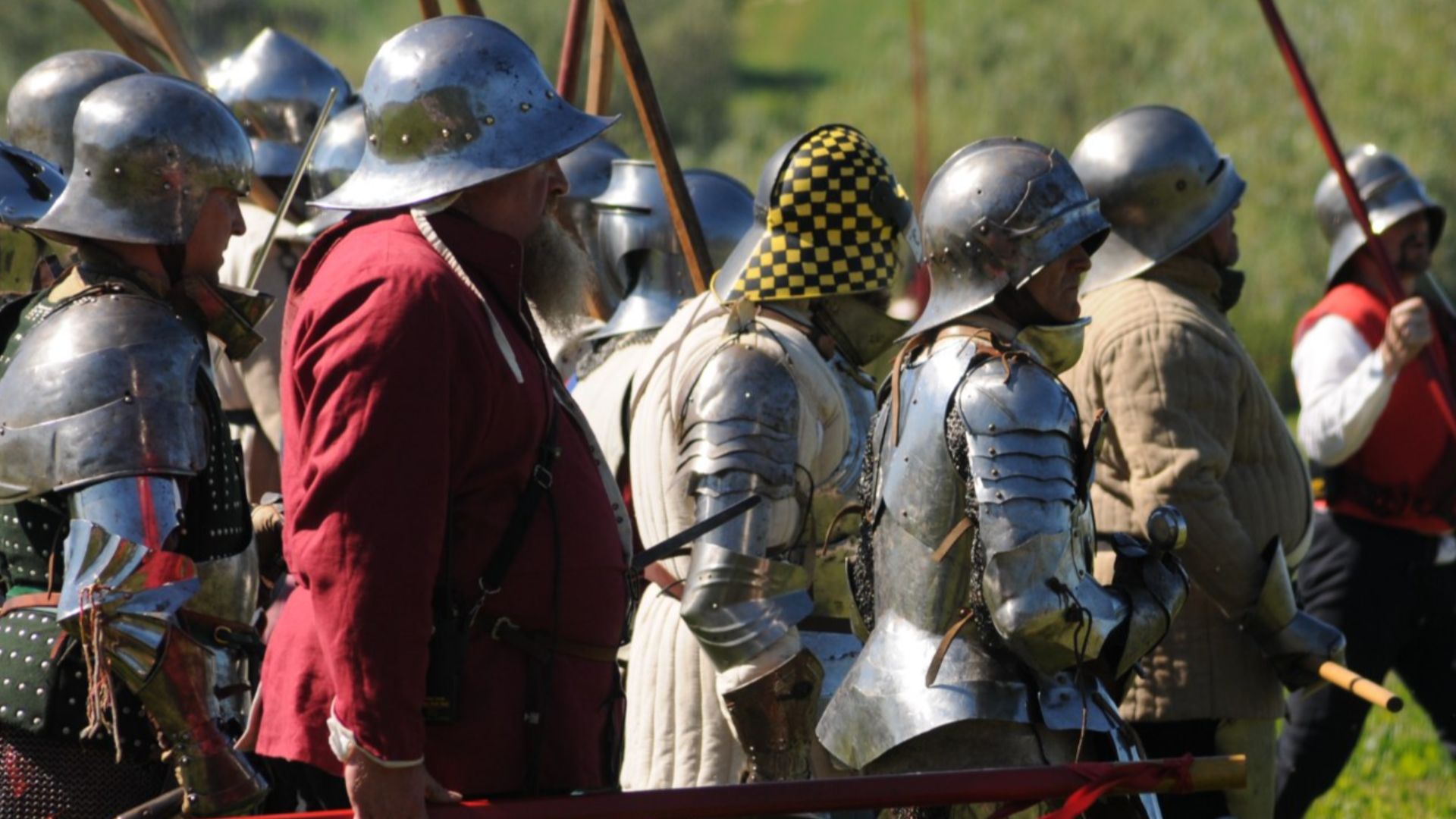 Philip Halling , Wikimedia Commons
Evidence of a Blade
Marks on the bones pointed to sharp-force trauma, likely caused by a weapon like a sword or large blade. Experts believe the body may have been cut either during the attack or shortly after death.
That's not all.
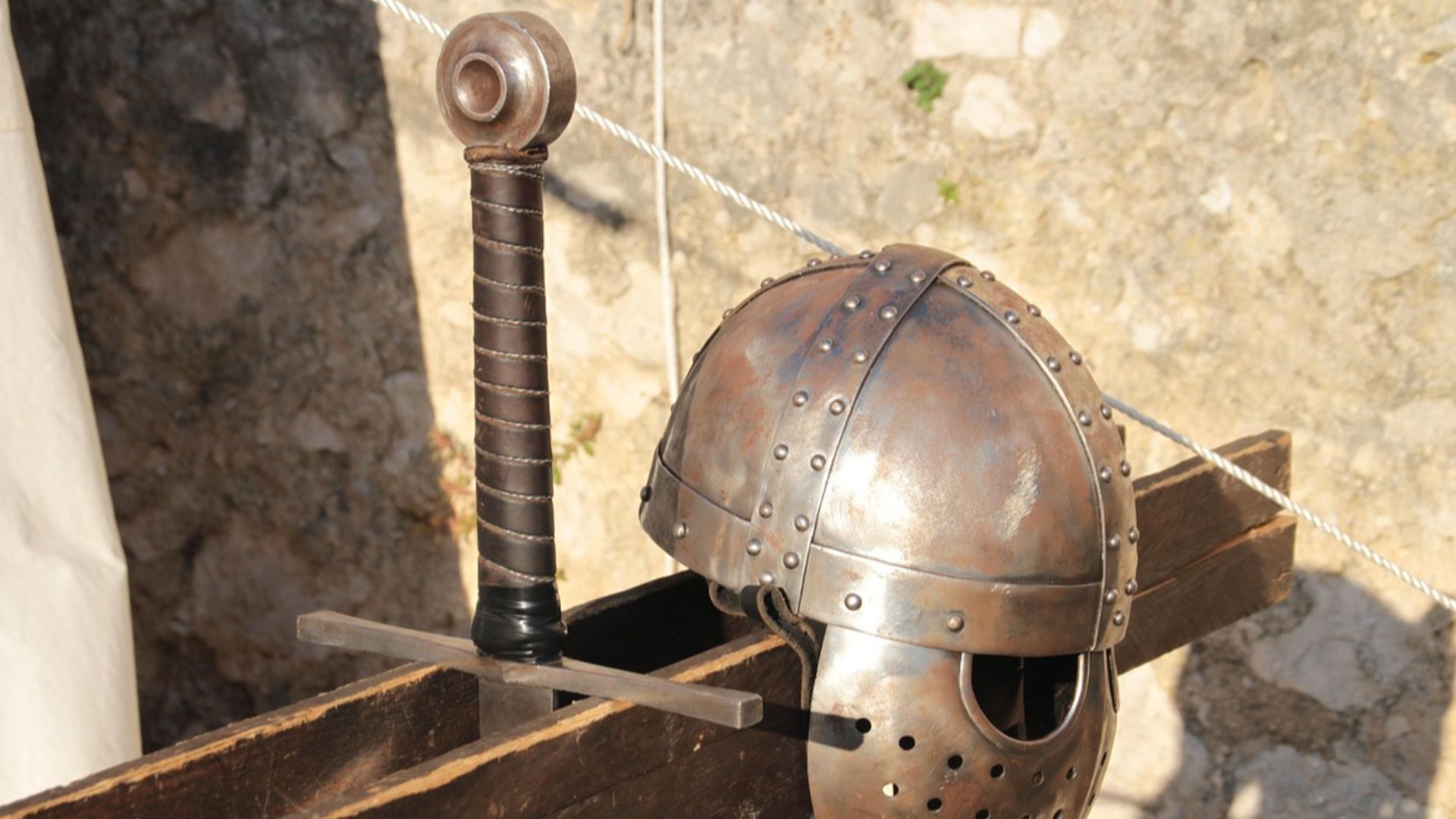
Not Buried Like Everyone Else
Another important detail stood out—the body wasn’t found in a proper burial site. In medieval Ireland, most people were buried in consecrated ground. The fact that he wasn’t suggests he may have been treated differently, possibly as a criminal or outsider.
A Punishment… or Something Else?
There’s still some debate about what exactly happened. Some experts think this could have been a formal execution. Others believe it might have been something more chaotic—violence tied to conflict or even ritual practices. Either way, it wasn’t a peaceful end.
Let's not forget about the tree.

The Tree Tells a Story, Too
Here’s the strange twist—the tree itself was only about 200 years old. That means it grew long after the young man had already been buried.
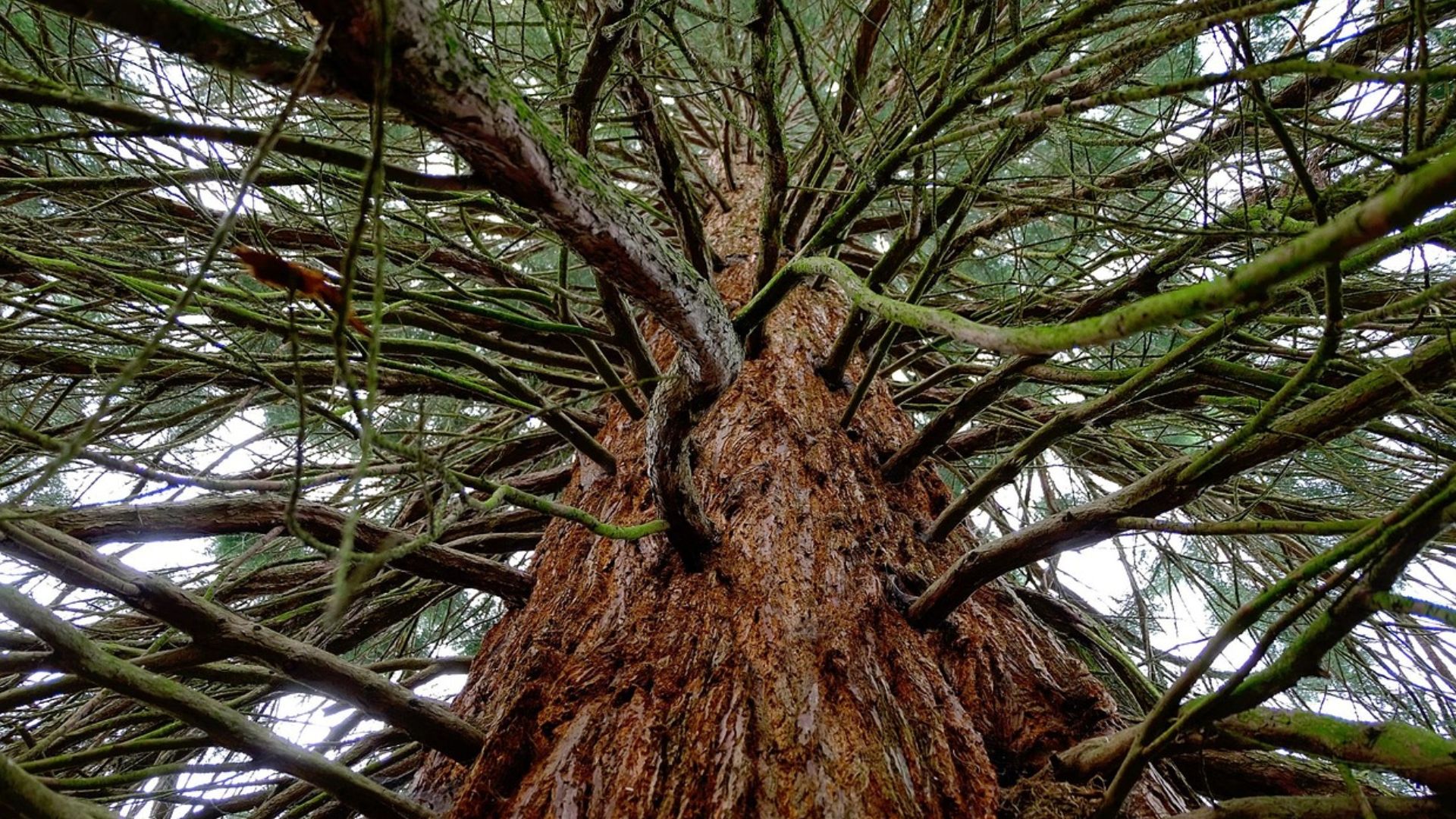
Nature Took Over the Scene
As the tree grew over the centuries, its roots spread through the soil and eventually wrapped around the skeleton. Slowly, the bones became tangled in the root system, almost like the tree was holding onto them.
Hidden for Centuries
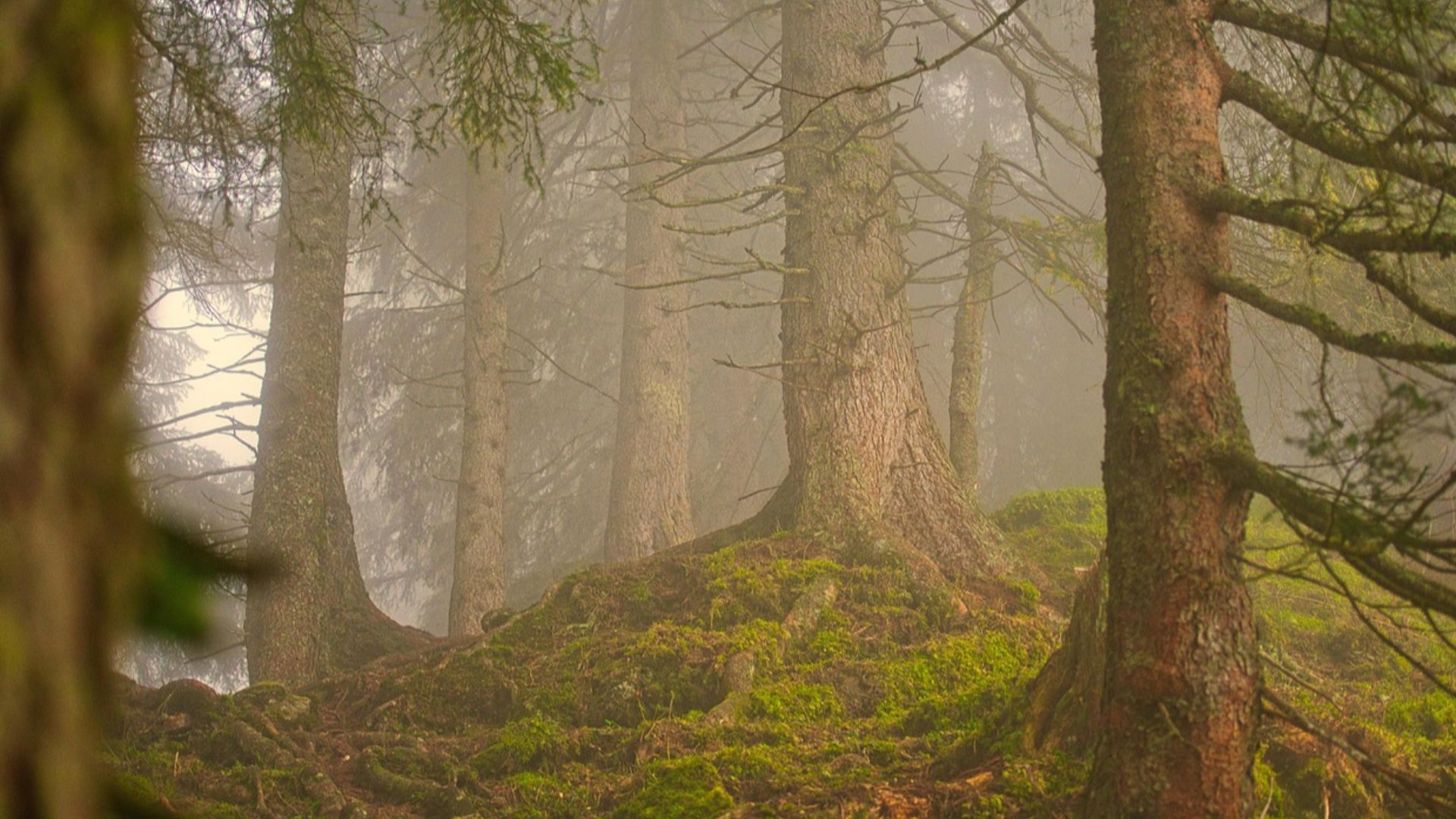
For hundreds of years, the remains stayed buried and unnoticed. No one knew they were there. The forest grew, the land changed, and the story stayed hidden underground.
Until nature decided it was time.
Until the Storm Hit
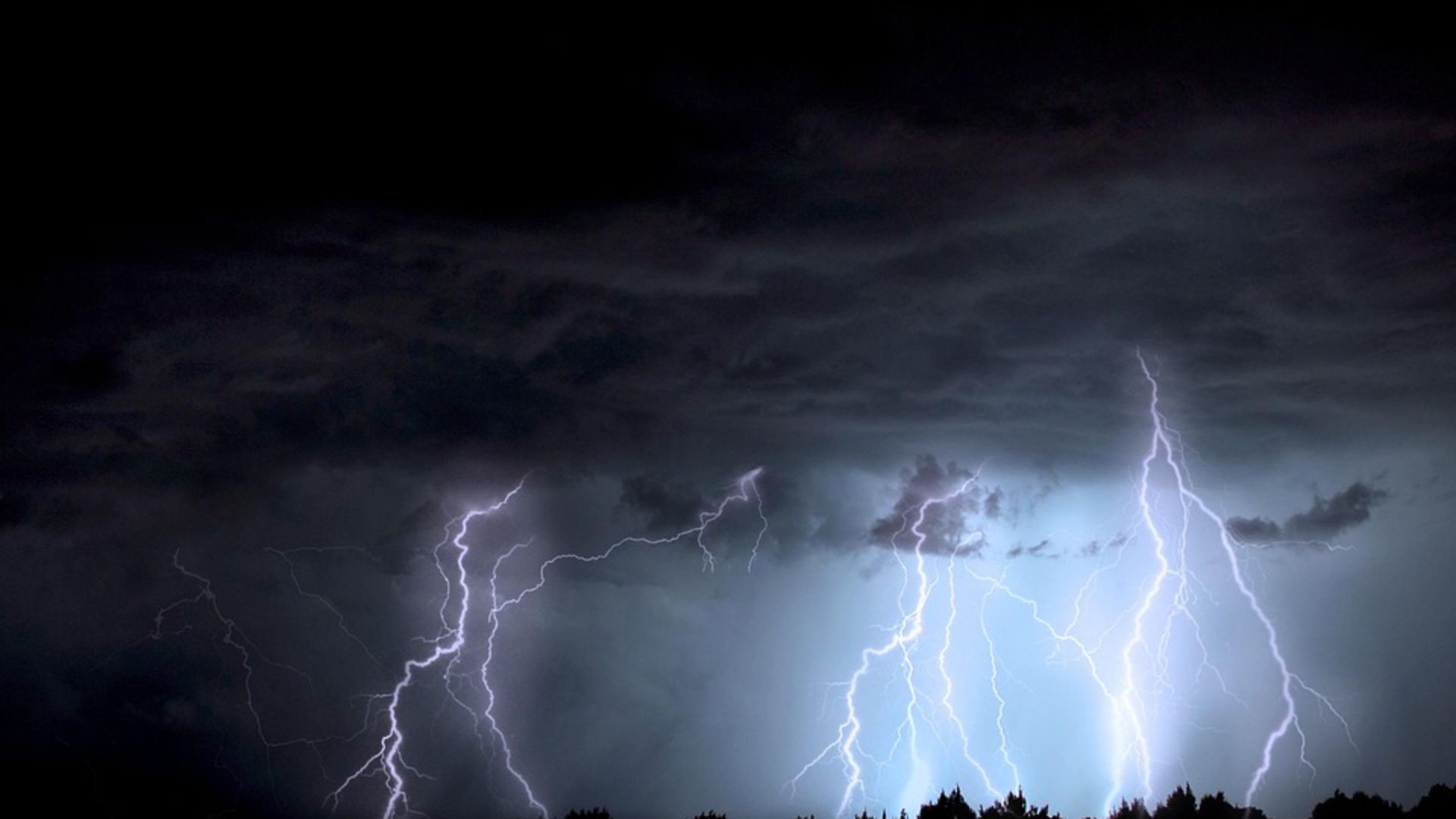
Then came the storm in 2010. When the tree was ripped from the ground, it exposed everything at once. A moment of destruction suddenly revealed a story that had been buried for centuries.

A Discovery No One Planned
This wasn’t the result of a dig or a research project. It was completely accidental. If that storm hadn’t happened, the skeleton might still be hidden today.
Carefully Collected and Studied
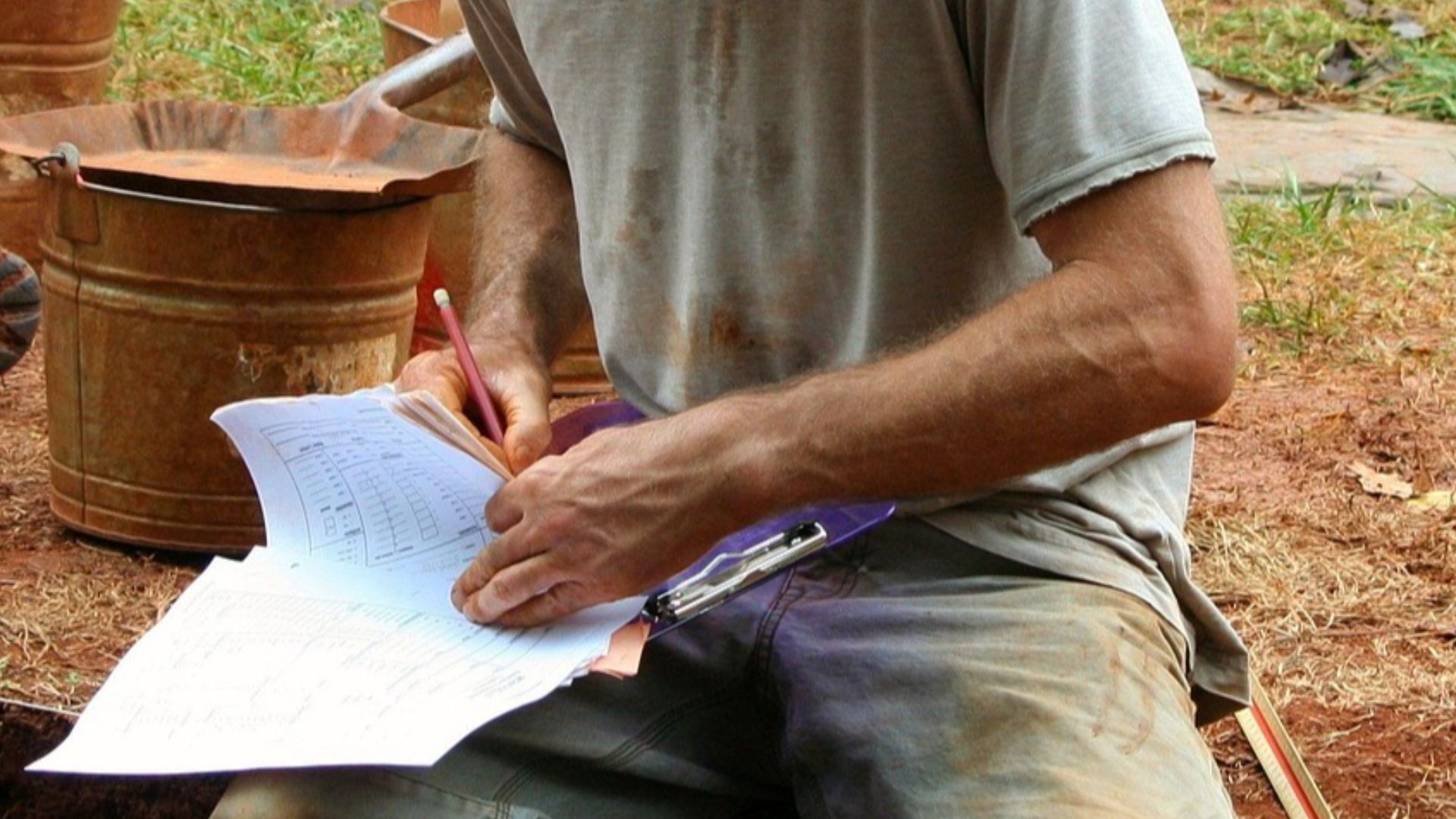
Once experts understood what they were dealing with, they carefully removed the remains and documented everything. Every detail mattered—because this was a rare look into a violent moment from medieval Ireland.

Rebuilding His Story
Even with limited evidence, archaeologists were able to piece together parts of his life. He was young, likely healthy, and lived during a time when violence and conflict were common.
The Final Twist: Found by Pure Chance
There was no treasure buried here. No gold, no artifacts. Just a skeleton—caught in tree roots, waiting for the right storm to bring it back into the world.
 Andrew McMillan, Wikimedia Commons
A Story That Took 800 Years to Resurface
And just like that, a random storm in Ireland uncovered a mystery that had been hidden since the Middle Ages. It’s a reminder that sometimes history isn’t lost forever… it’s just waiting for the right moment to show itself again.
 Nicolas Raymond from Washington DC suburbs, USA, Wikimedia Commons
You May Also Like: