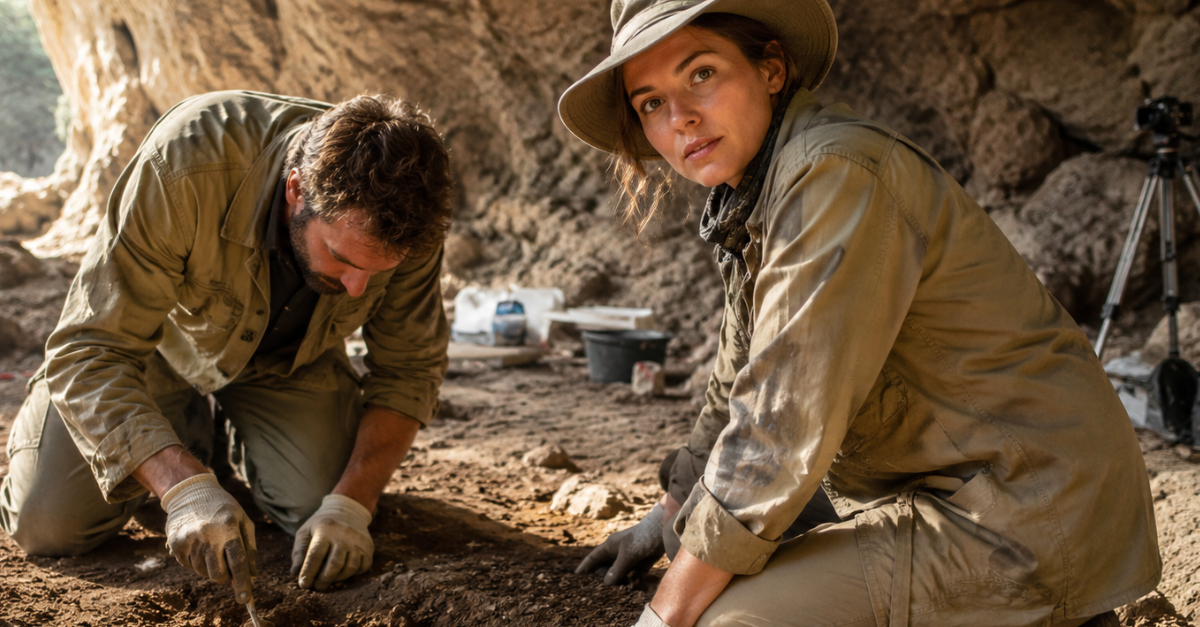
The Biggest Clue Was Under Their Feet
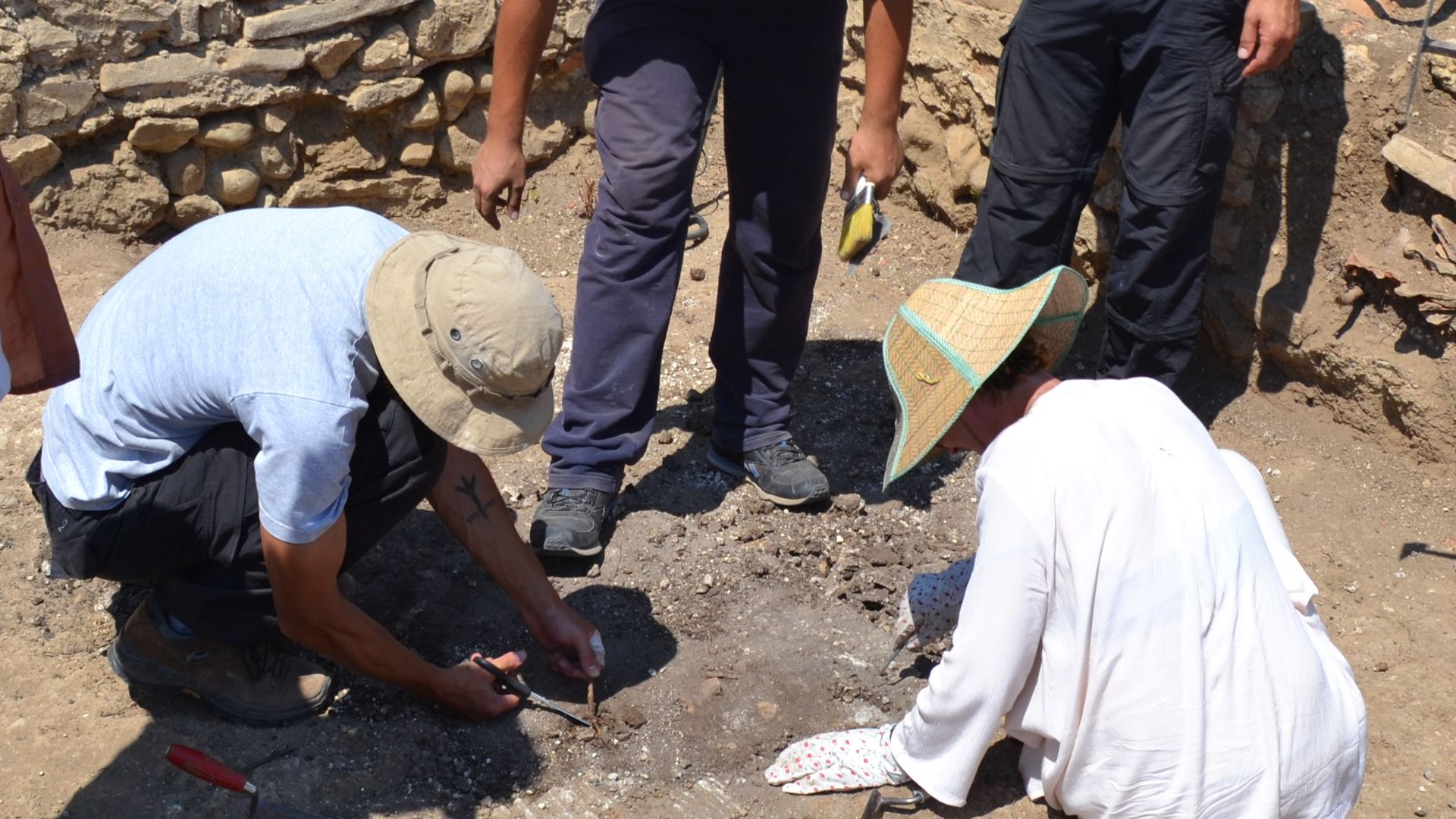
For years, archaeologists walked through ancient caves searching for the big discoveries: skeletons, tools, weapons, artwork, anything dramatic enough for a museum display. But scientists eventually realized the biggest clue had been sitting under everyone’s feet the entire time.
Dirt Remembers Everything
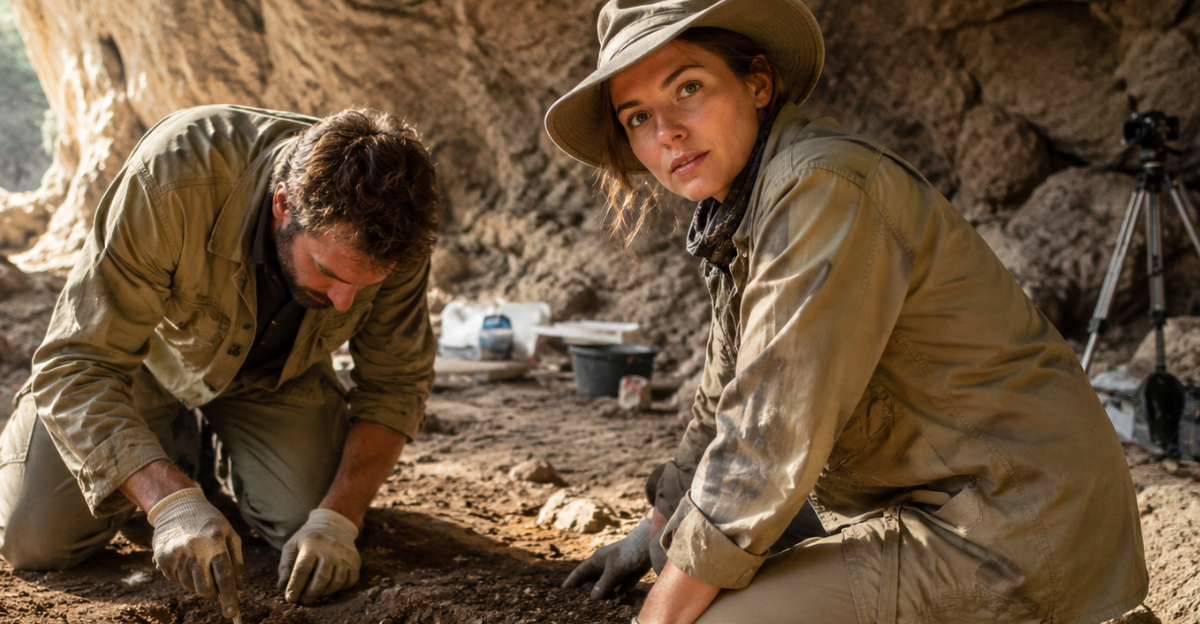
Once scientists finally tested the cave dirt itself, they uncovered evidence of ancient humans in places where no bones had ever been found. Turns out, the ground beneath those caves had been quietly preserving Neanderthal history the entire time.
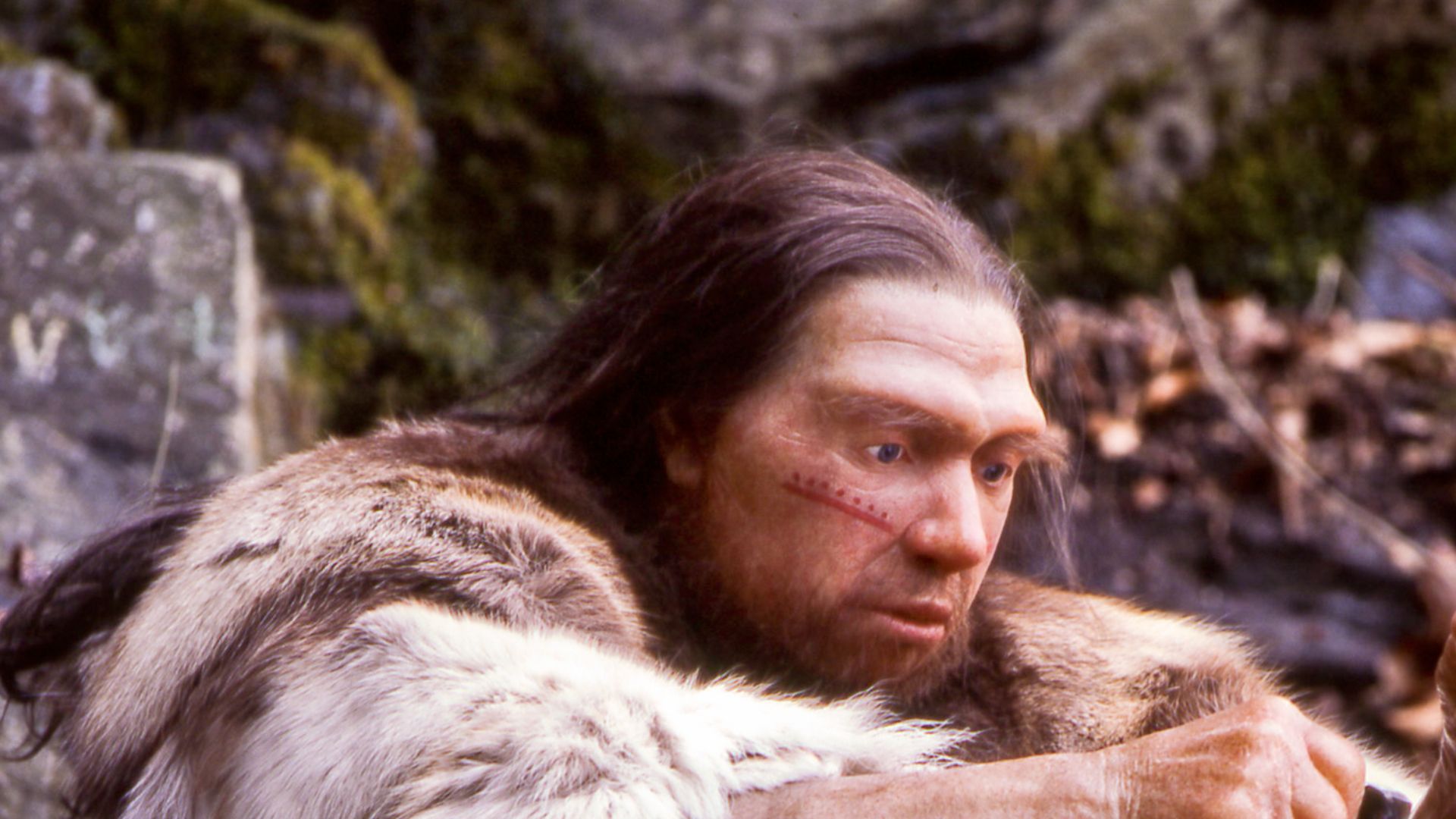 Neanderthal-Museum, Mettmann, Wikimedia Commons
Archaeologists Had a Huge Problem
Studying Neanderthals has always been frustrating because actual fossils are incredibly rare. Some caves clearly showed signs of ancient activity like fire pits or butchered animal bones, but without human remains, scientists couldn’t officially prove who lived there. For decades, many ancient sites remained giant question marks simply because nobody left a skeleton behind.
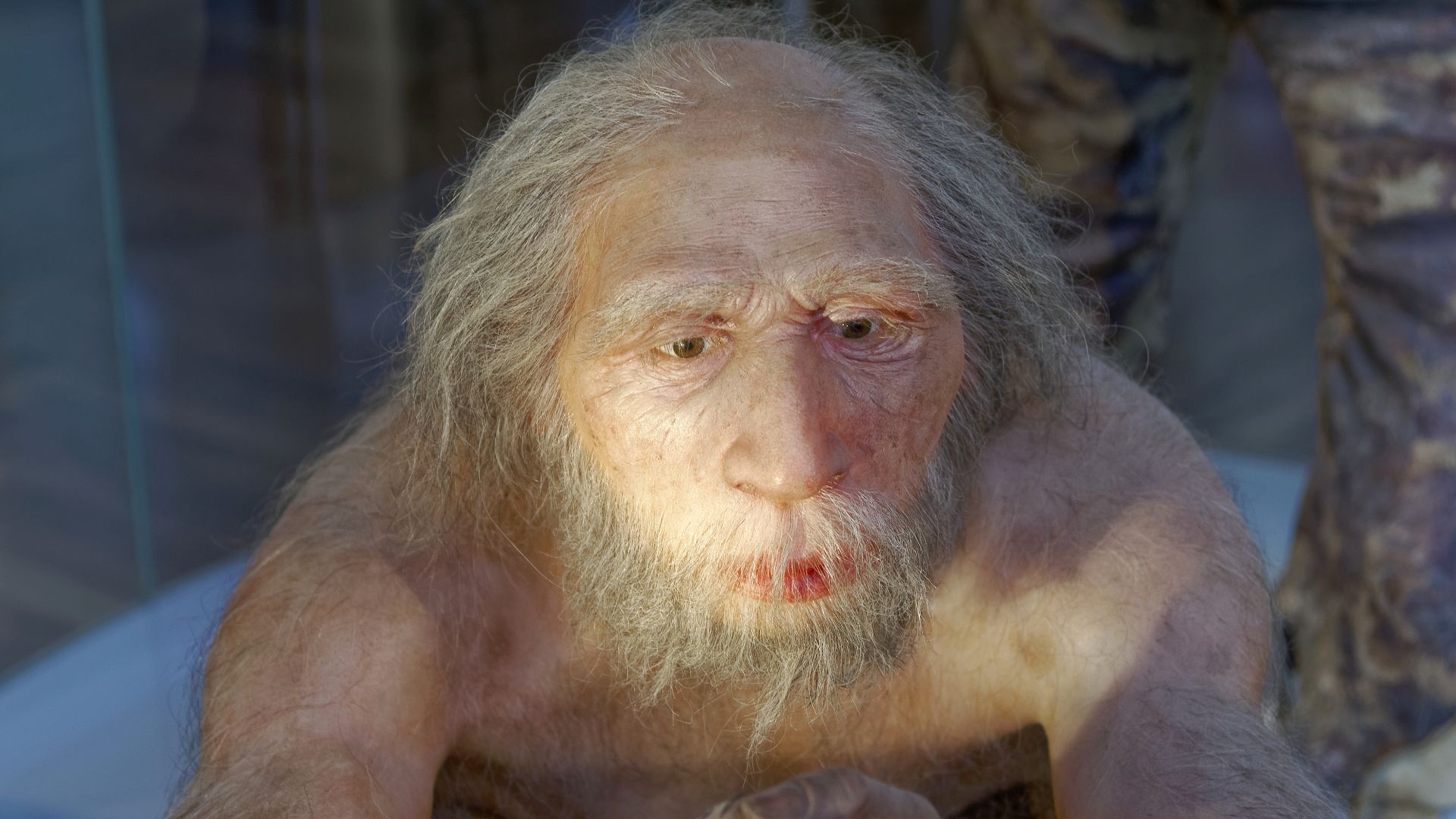 Jakub Hałun, Wikimedia Commons
The Discovery Started With Sediment
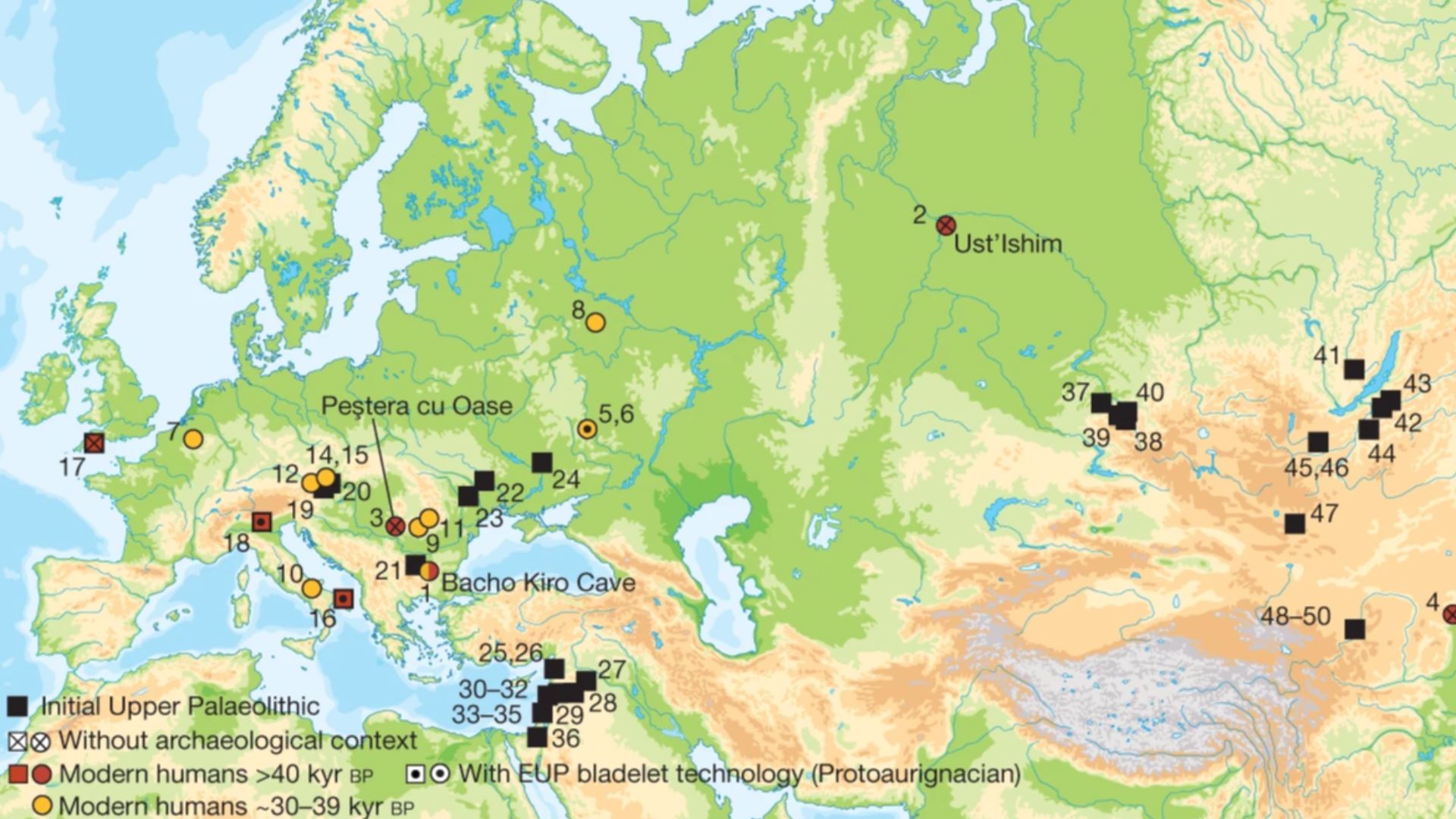
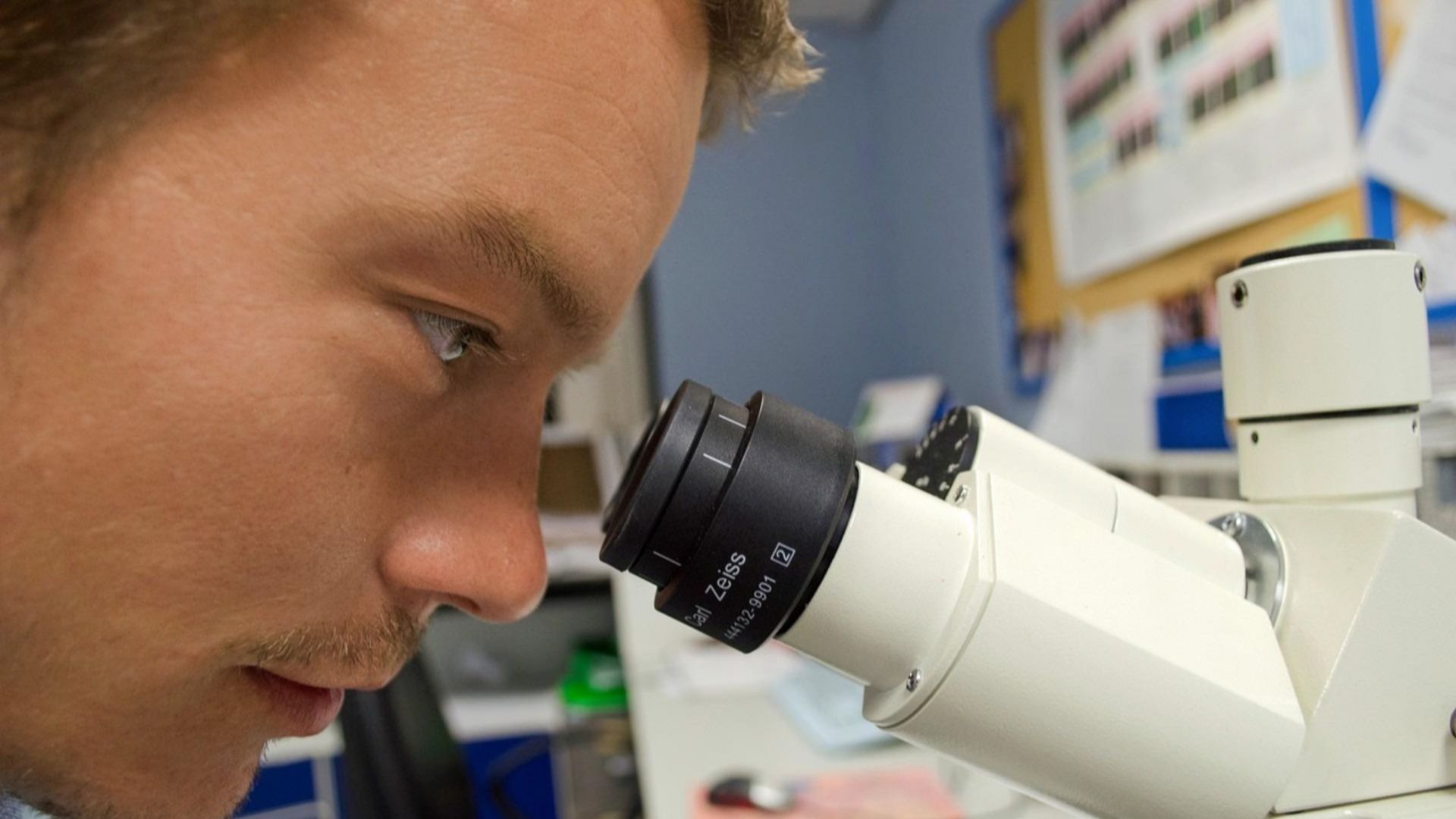
Instead of focusing on fossils, researchers began studying cave sediment itself. They carefully collected dirt samples from ancient caves across Europe and Siberia, hoping microscopic traces of DNA might still be hiding inside. At first, it sounded almost ridiculous. Dirt is messy, contaminated, and packed with biological material from thousands of years of animals, bacteria, and environmental changes.
Scientists Announced the Breakthrough in 2017
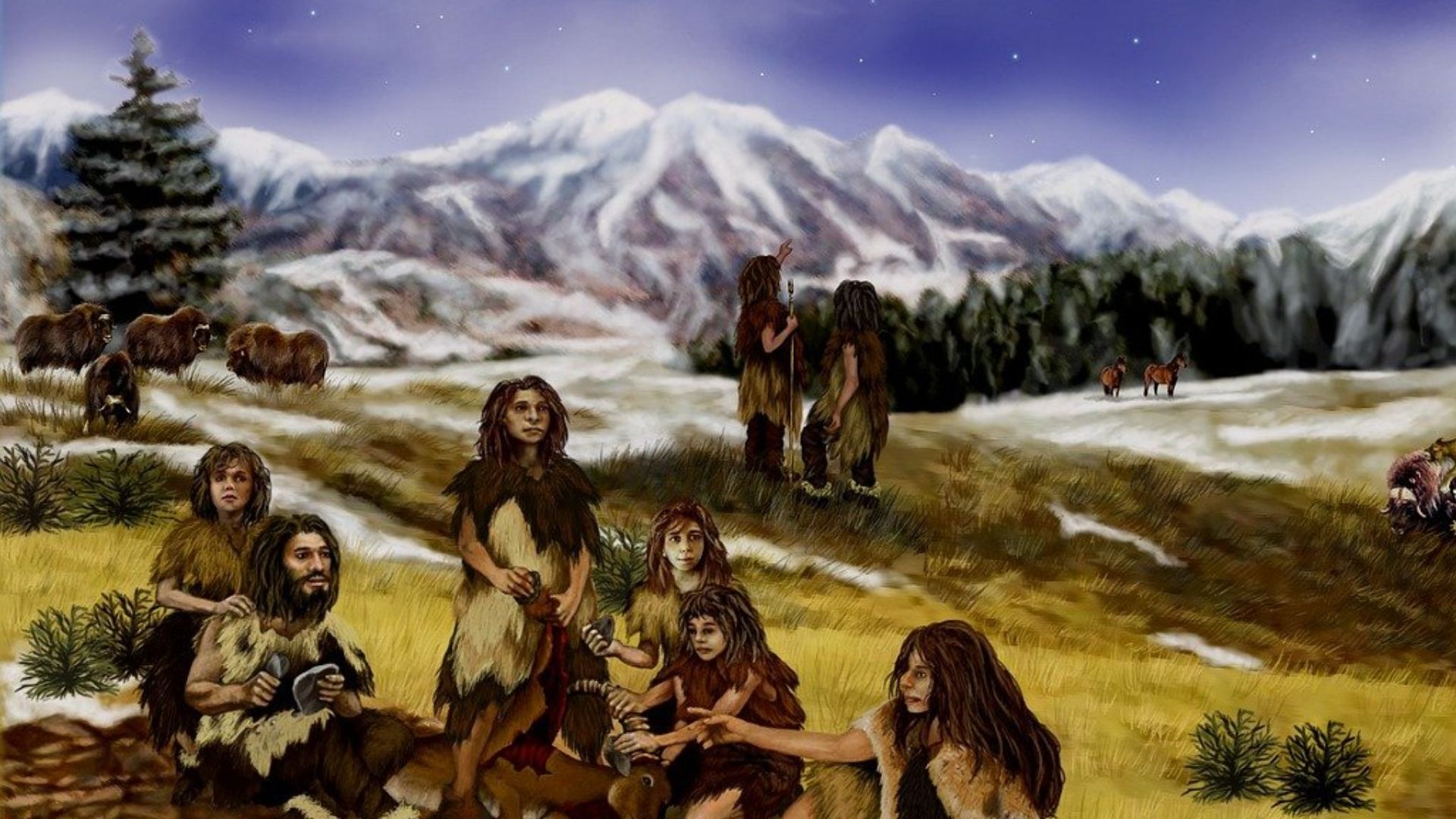
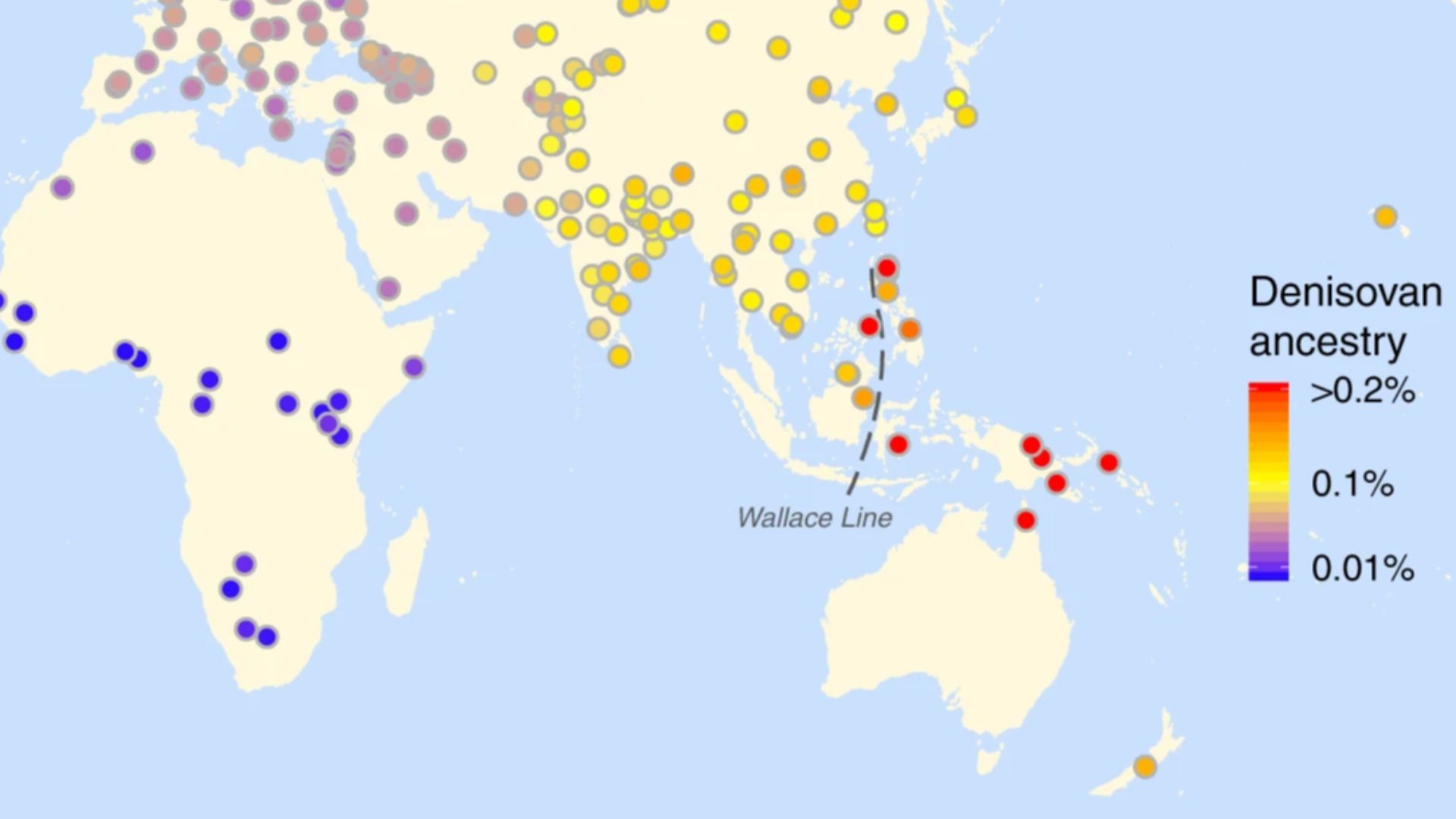
The discovery became international news in 2017 when researchers published studies showing they had successfully extracted Neanderthal and Denisovan DNA directly from cave sediments. Some of the samples came from caves where not a single human bone had ever been found. That was the moment scientists realized archaeology had fundamentally changed.
 Kai Yuan et al., Wikimedia Commons
Scientists Once Thought This Was Impossible
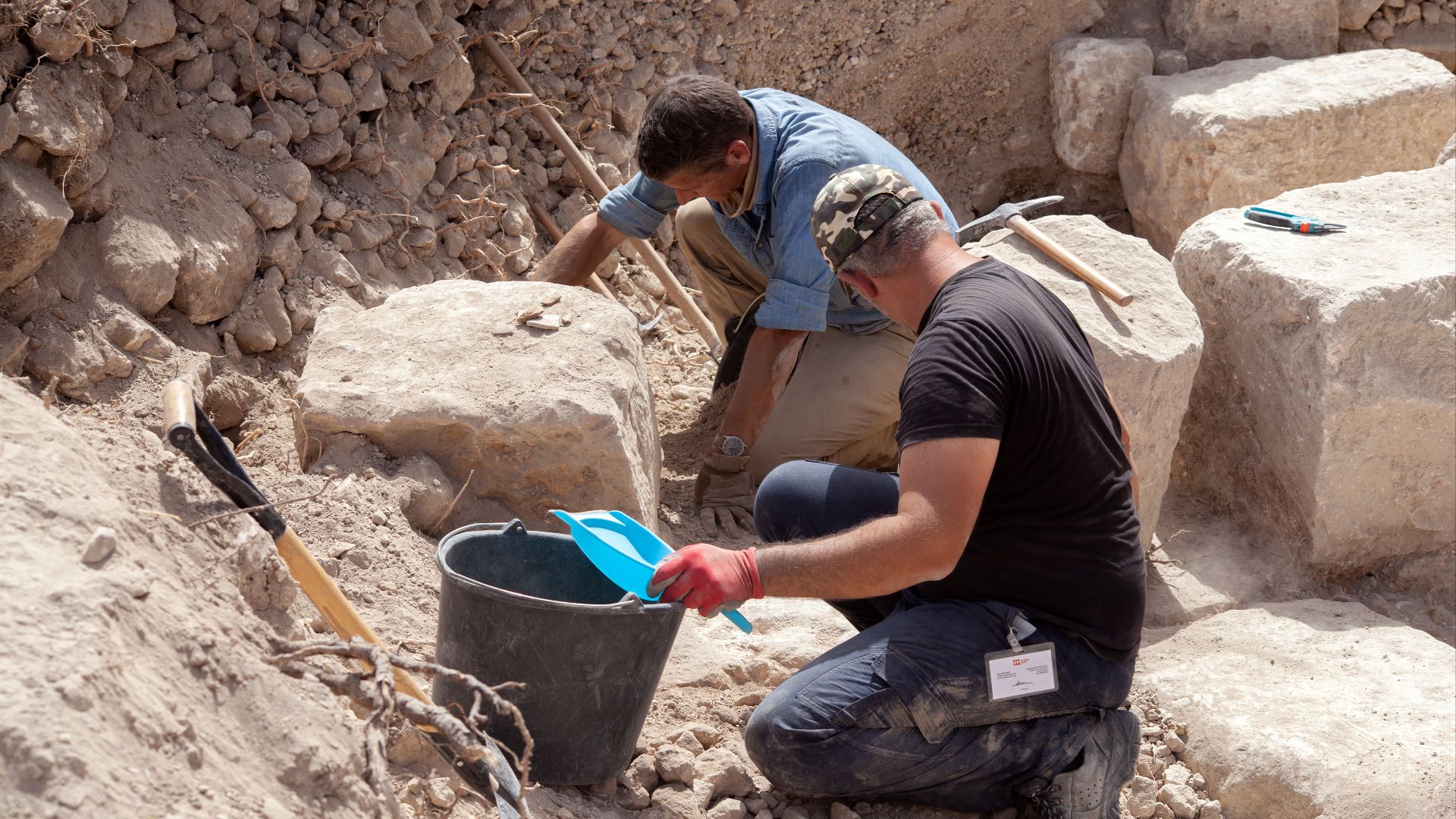
For years, many researchers believed ancient human DNA outside bones would degrade far too quickly to survive. Soil is exposed to bacteria, moisture, chemical changes, and temperature swings that normally destroy genetic material. That’s why the discovery shocked so many archaeologists. Against all expectations, caves had been quietly preserving ancient DNA for tens of thousands of years.
 Godwin Borg, Wikimedia Commons
Ancient Humans Leave DNA Everywhere
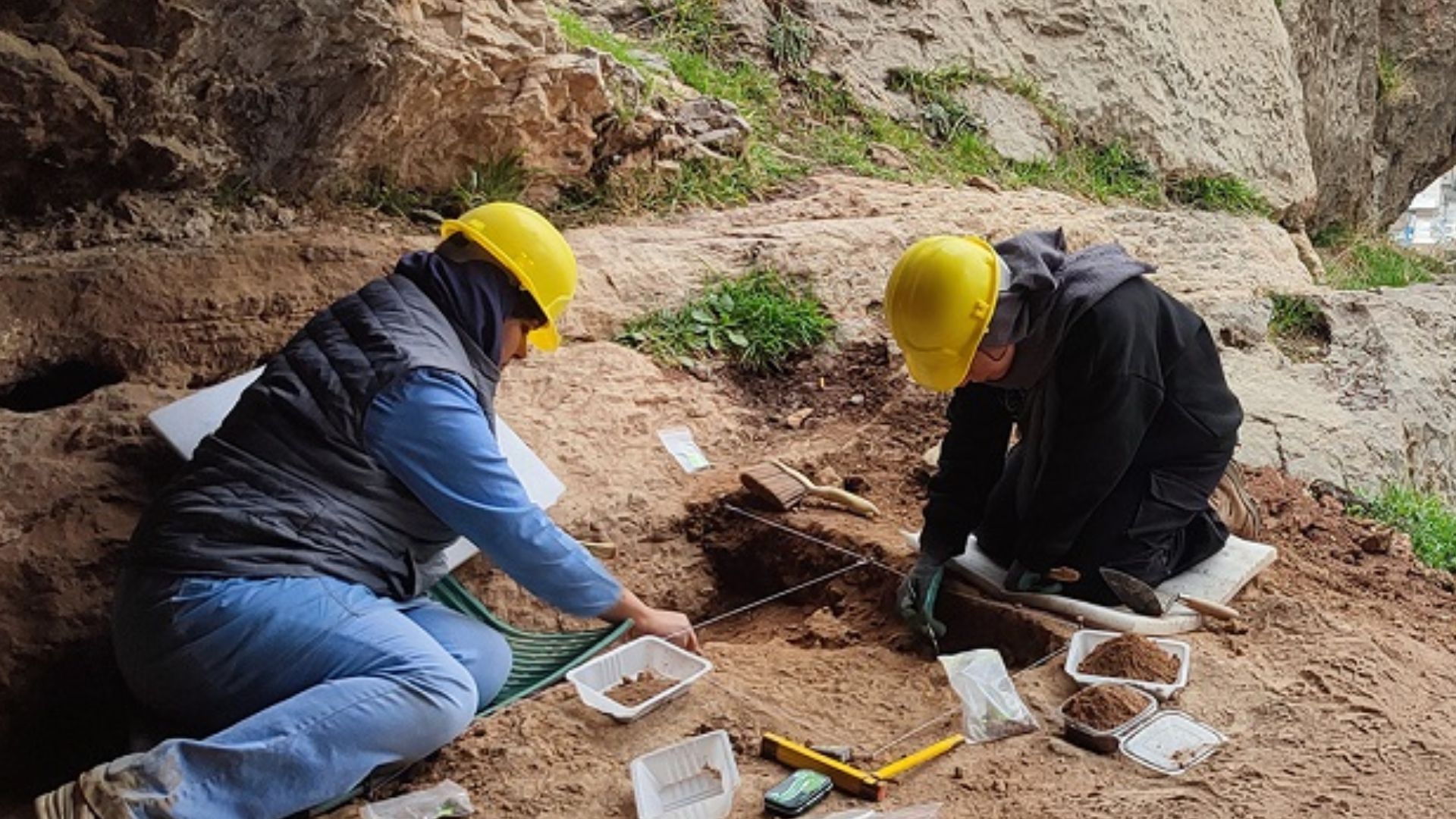
Humans constantly shed tiny biological traces without realizing it. Skin flakes, sweat, saliva, blood, urine, and hair all contain DNA, and those microscopic fragments can end up trapped in the environment. Inside caves with stable temperatures and little sunlight, some of that genetic material can survive for astonishingly long periods of time.
 Kermanshahi1398, Wikimedia Commons
The Dirt Contained Ancient Human DNA
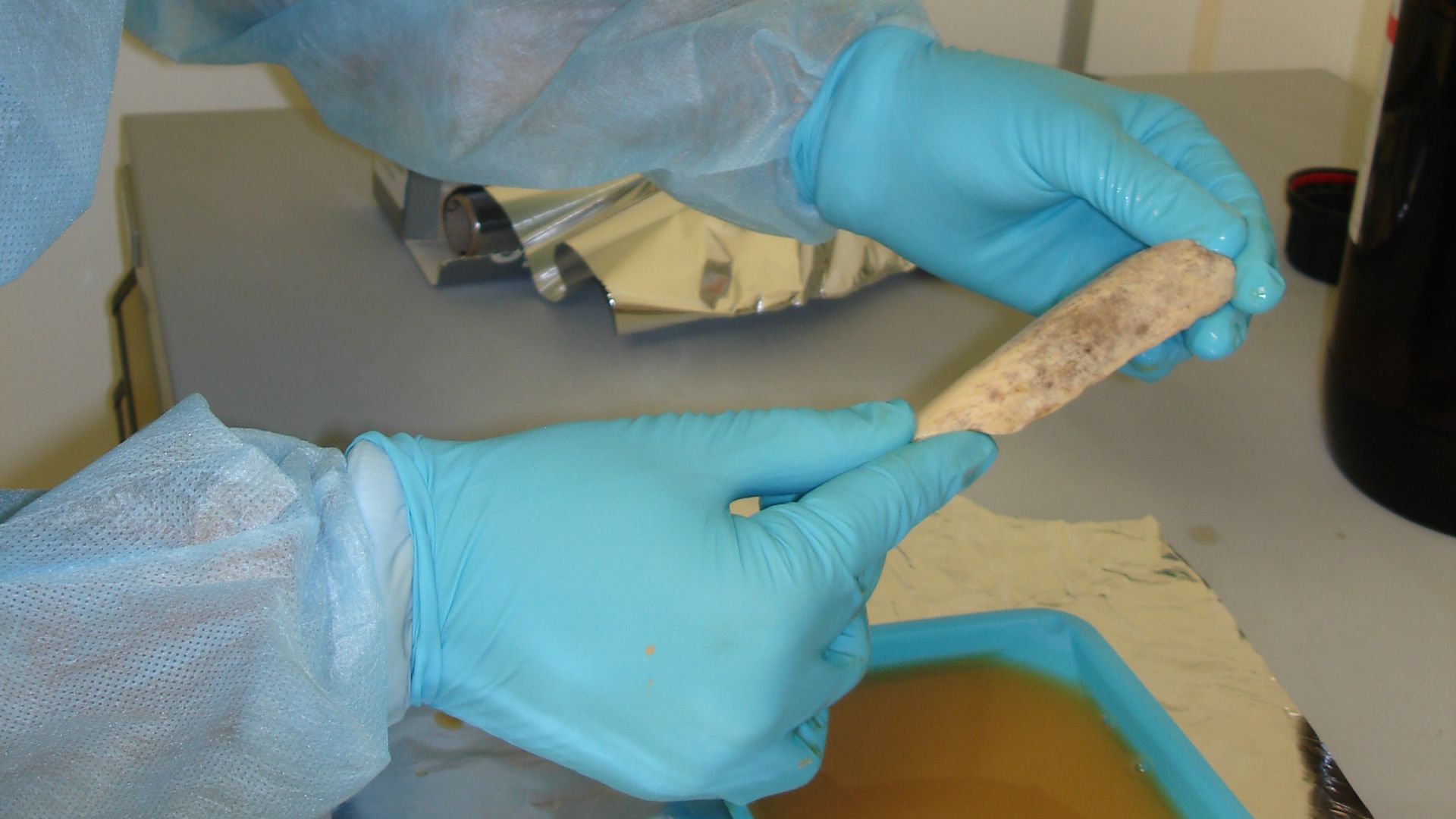
When scientists analyzed the sediment, they discovered something incredible: fragments of Neanderthal and Denisovan DNA hidden directly inside the soil. In Spain’s Galería de las Estatuas, researchers recovered Neanderthal DNA from sediments linked to individuals around 110,000 years old, and the lineage may go back roughly 130,000 years. The caves contained no human bones at all, yet researchers could still prove ancient humans had occupied those locations.
 Max Planck Institute for Evolutionary Anthropology, Wikimedia Commons
Finding the DNA Was Brutal
The actual extraction process was unbelievably difficult. Most cave dirt is filled with massive amounts of bacteria, fungi, plant matter, and animal DNA. Ancient human DNA makes up only a microscopic percentage of the material buried inside the sediment. Researchers compared the search to finding a single needle buried somewhere inside an elephant-sized haystack.
 Hajdinjak, M., Mafessoni, F., Skov, L. et al. (2021), Wikimedia Commons
Scientists Used DNA “Hooks”
To solve the problem, researchers designed special molecular probes that acted like tiny fishing hooks. These probes attached specifically to human genetic markers while ignoring most of the surrounding material. Once the probes latched onto the ancient DNA fragments, scientists could isolate and sequence them. The technique was originally developed at the Max Planck Institute for Evolutionary Anthropology in Germany.

Denisova Cave Changed Everything
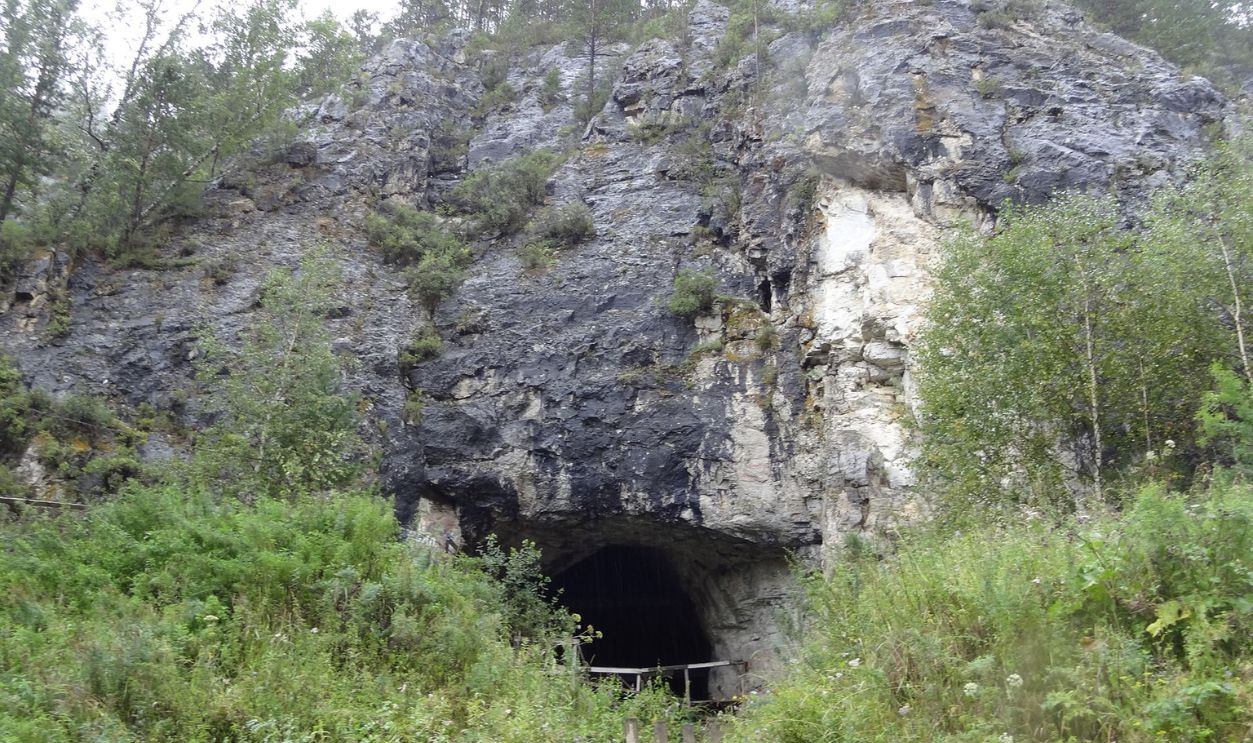
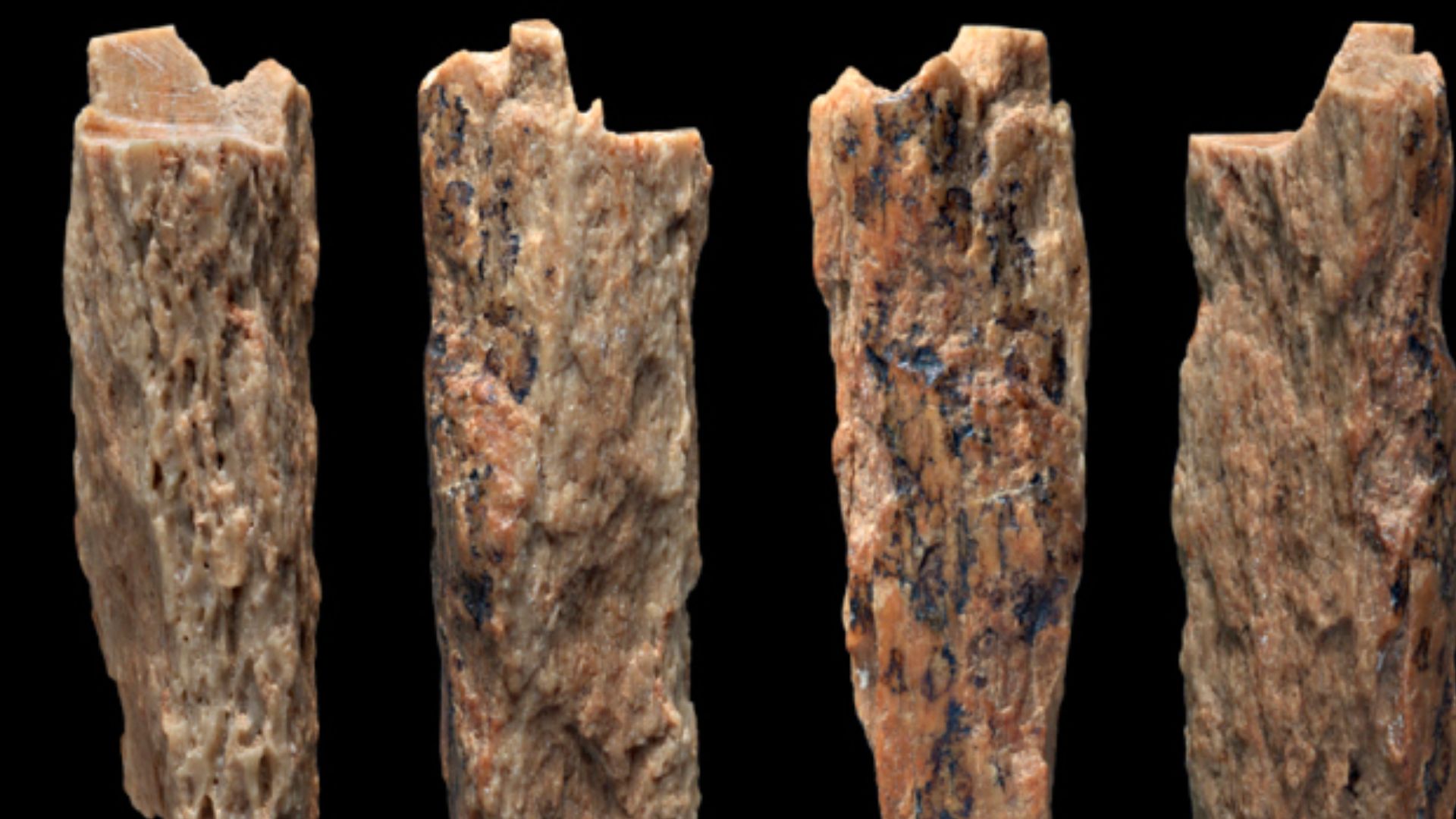
One of the biggest breakthroughs came from Denisova Cave in Siberia, already famous for producing mysterious ancient bones. In 2010, scientists revealed that one tiny finger bone discovered there belonged to a previously unknown group of ancient humans later named Denisovans. Sediment DNA later showed the cave had been occupied repeatedly by both Neanderthals and Denisovans over thousands of years.
 Xenochka, CC BY-SA 4.0, Wikimedia Commons
Different Human Species Shared the Same Cave
One of the strangest discoveries was that Denisova Cave appears to have been occupied by different human groups at different times. Sediment DNA showed Denisovans were present there around 250,000 years ago, Neanderthals appeared roughly 200,000 years ago, and modern humans arrived by at least 45,000 years ago. Scientists believe the cave may have alternated between populations over thousands of years, almost like prehistoric tenants moving in and out.
Scientists Identified Entire Populations
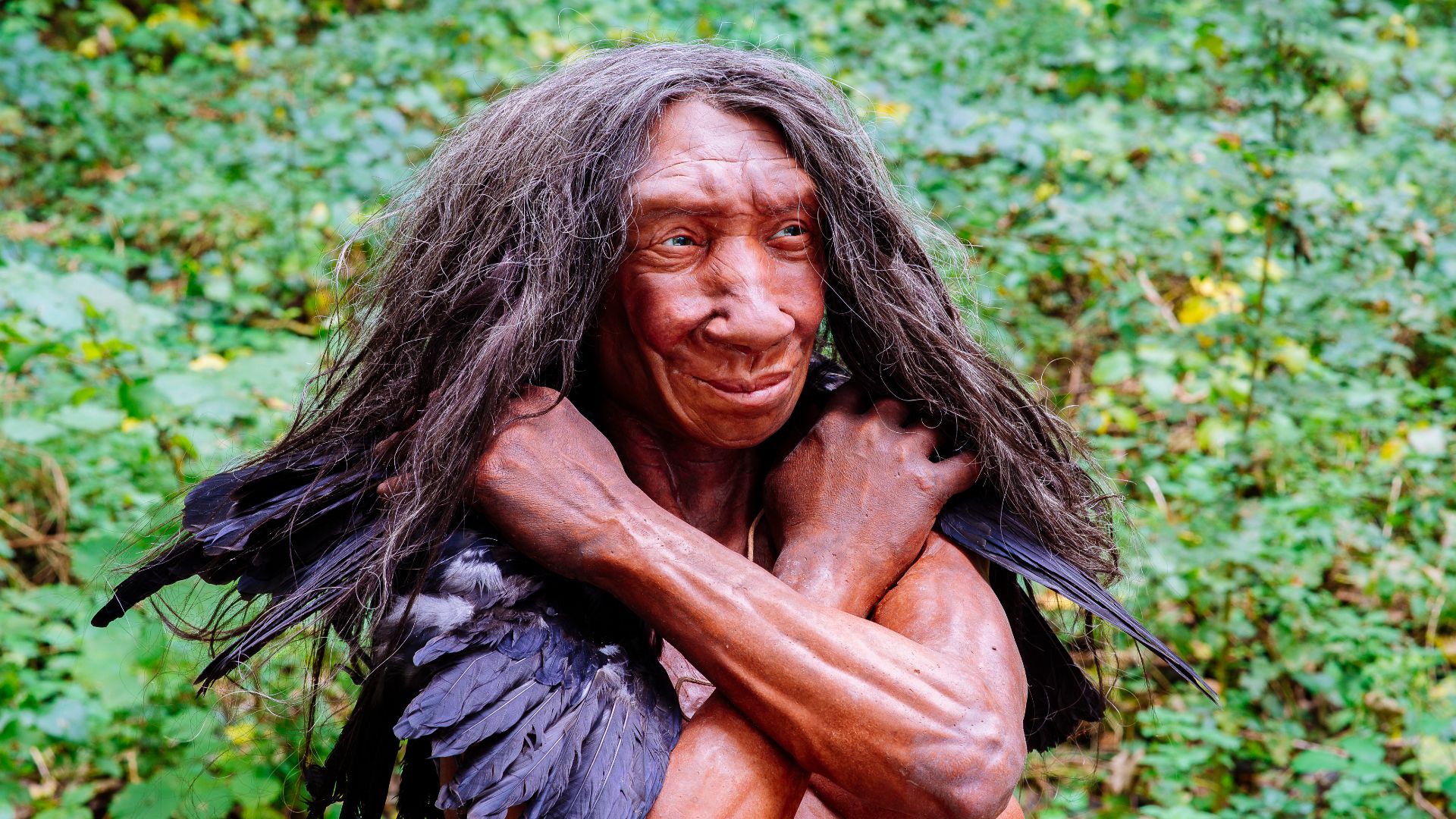
The sediment didn’t just prove ancient humans visited these caves. Researchers could actually identify different populations through their DNA. In several locations, scientists discovered one Neanderthal population disappeared and was later replaced by another genetically distinct group. That meant ancient humans were constantly migrating, competing, and adapting across Ice Age Europe.
 Neanderthal-Museum, Mettmann, Wikimedia Commons
Climate May Have Forced Them Out
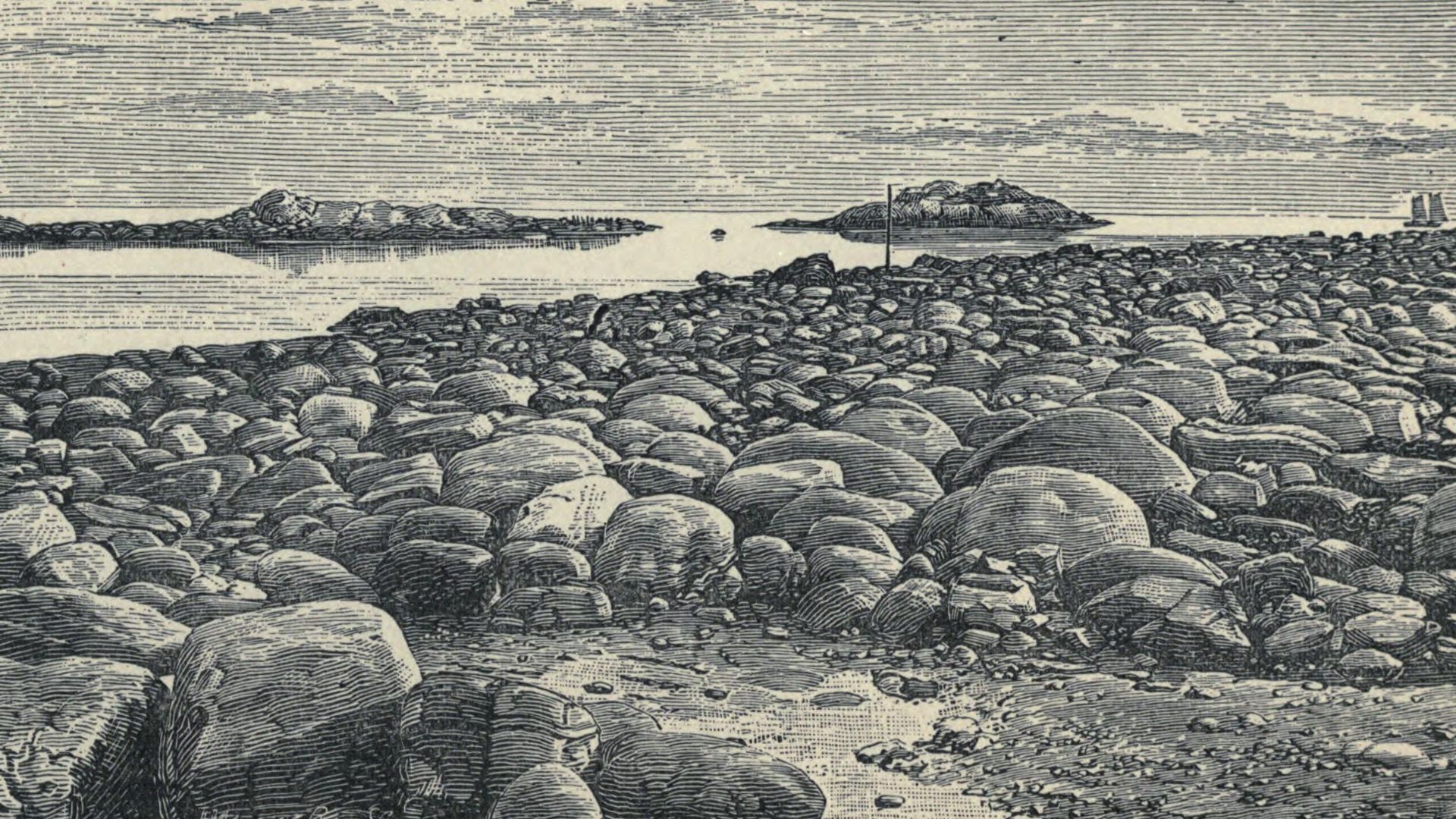
Researchers believe major climate shifts likely caused many of these population changes. During colder Ice Age periods, food sources vanished and environments became harsher. Some Neanderthal groups may have abandoned regions entirely while others later moved into the empty territory. Without sediment DNA, scientists may never have spotted those ancient migration patterns.
 Dawson, John William, Wikimedia Commons
Scientists Could Even Identify Male and Female DNA
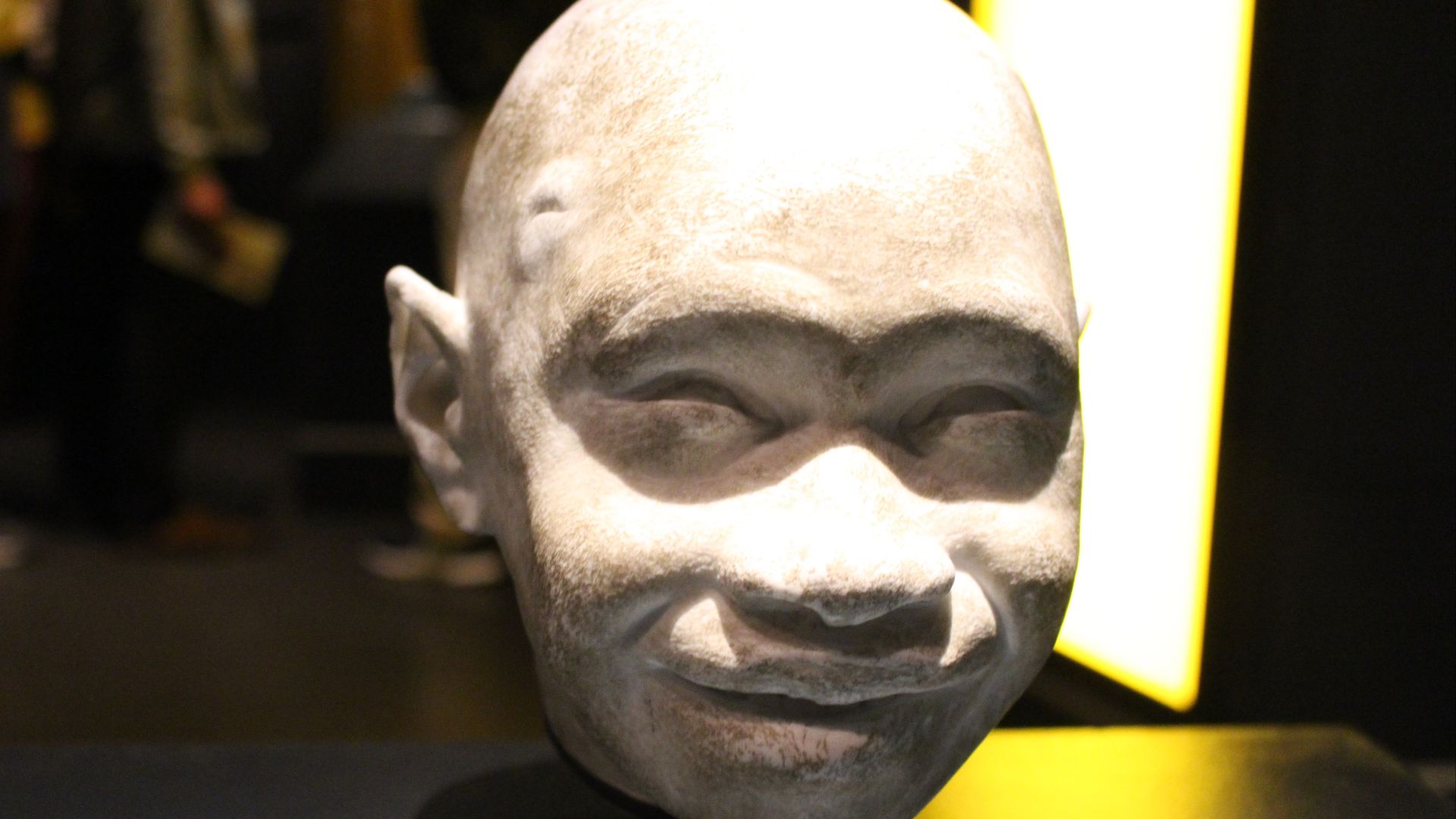
In some cases, nuclear DNA recovered from cave sediment was detailed enough for researchers to identify sex-linked evidence and genetic relationships. One sediment sample from Spain was linked to a Neanderthal man who lived roughly 110,000 years ago. That level of detail stunned researchers because it showed cave dirt could preserve far more genetic information than anyone expected.
 Emőke Dénes, Wikimedia Commons
Neanderthals Lived Across Huge Areas
Neanderthals weren’t isolated to one small region. Fossils and DNA evidence show they once lived across enormous parts of Europe and western Asia. Scientists believe Neanderthals existed for roughly 400,000 years before disappearing around 40,000 years ago, not long after modern humans spread through Europe.
 Paul Hermans, Wikimedia Commons
Bones Were No Longer Required
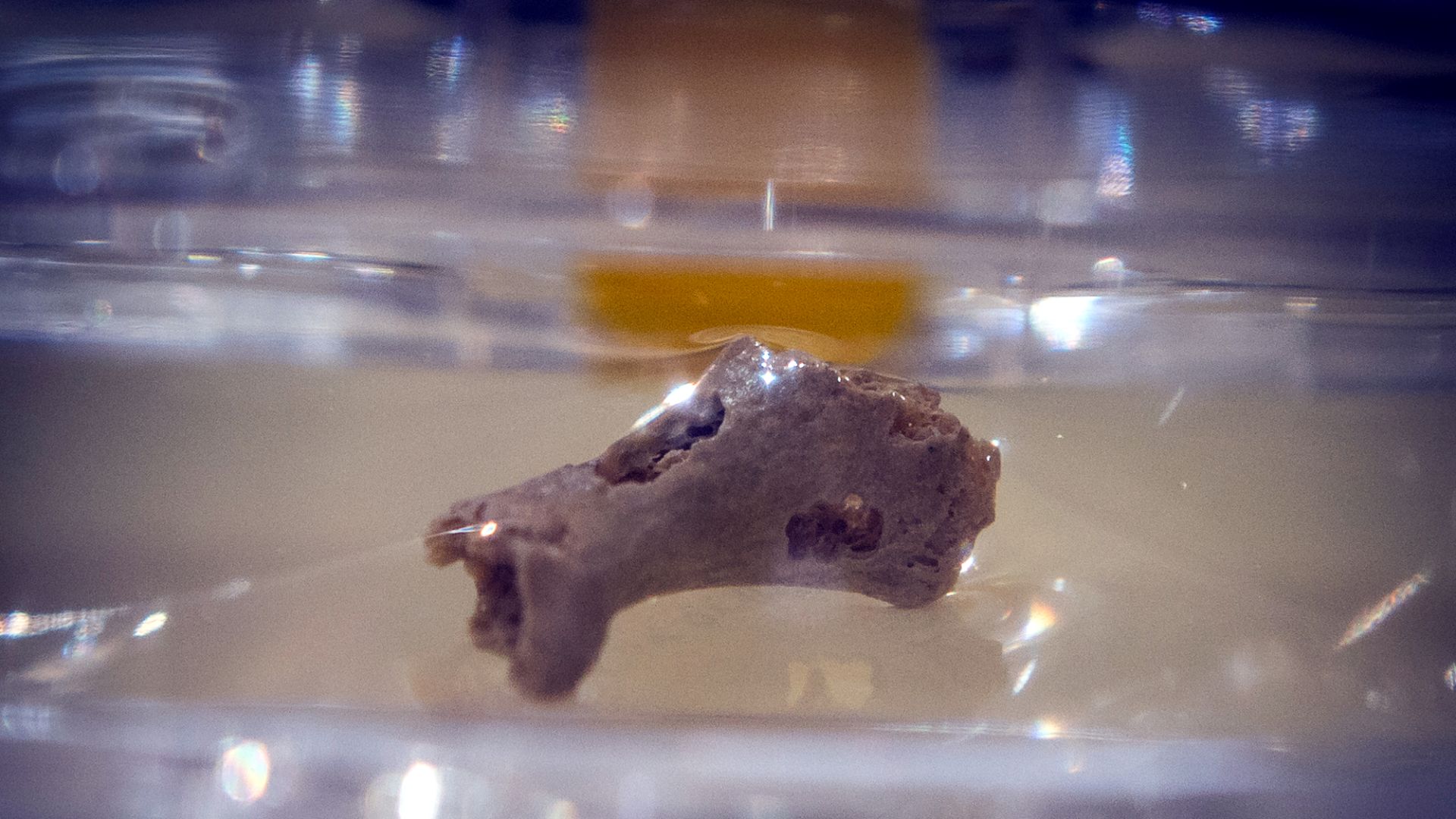
Before this discovery, archaeology depended heavily on finding fossils. Now scientists can identify ancient human activity without uncovering a single tooth, skull, or skeleton. That dramatically expands the number of sites researchers can investigate. Suddenly, caves once considered “empty” became scientifically valuable again.
The Dirt Was Preserving History
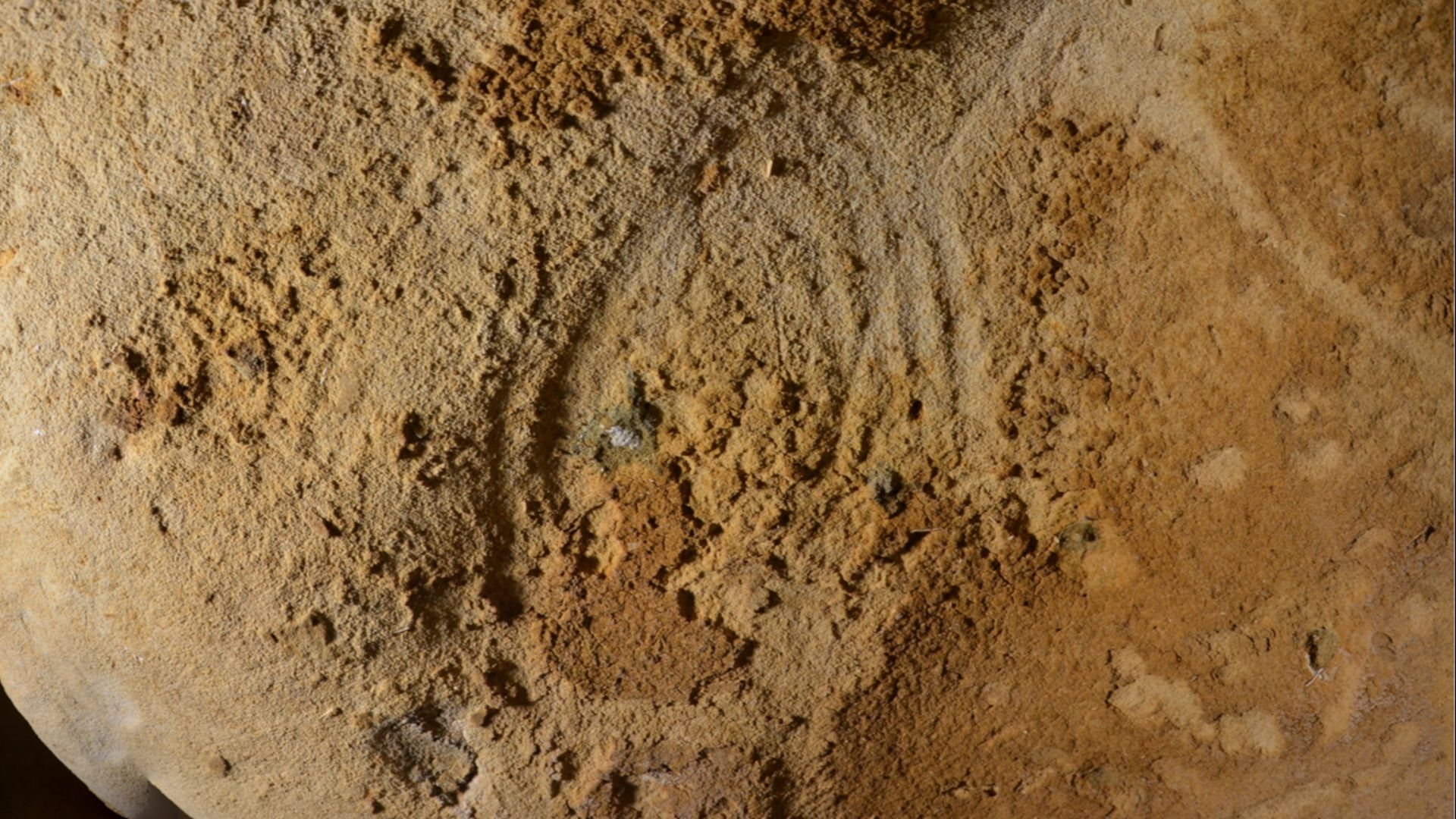
Researchers started realizing cave sediment behaves almost like a natural biological archive. Every generation of humans and animals leaves behind tiny traces that slowly build up in layers underground. Over thousands of years, caves can quietly preserve genetic snapshots of entire ecosystems. Some scientists now call them “genetic time capsules.”
 Jean-Claude Marquet et al., Wikimedia Commons
Scientists Realized They’d Been Walking Past Evidence for Decades
Before sediment DNA analysis existed, archaeologists often removed cave dirt simply to reach artifacts buried underneath. In some excavations, the sediment itself may have contained priceless genetic evidence that nobody knew how to detect at the time. Scientists now believe important clues about ancient humans may have been accidentally discarded for generations.
![Footprint (mislabelled as belonging to a Neanderthal) from Bàsura Cave, Italy, dating to 14,000 years ago[1]](https://www.factinate.com/storage/app/media/splashtravels/2026/5/20/1779275014a7398c57645b13deb5763a5df5836002e8325695.jpg) Claire H. from New York City, USA, Wikimedia Commons
Claire H. from New York City, USA, Wikimedia Commons
Denisovans Remain Mysterious
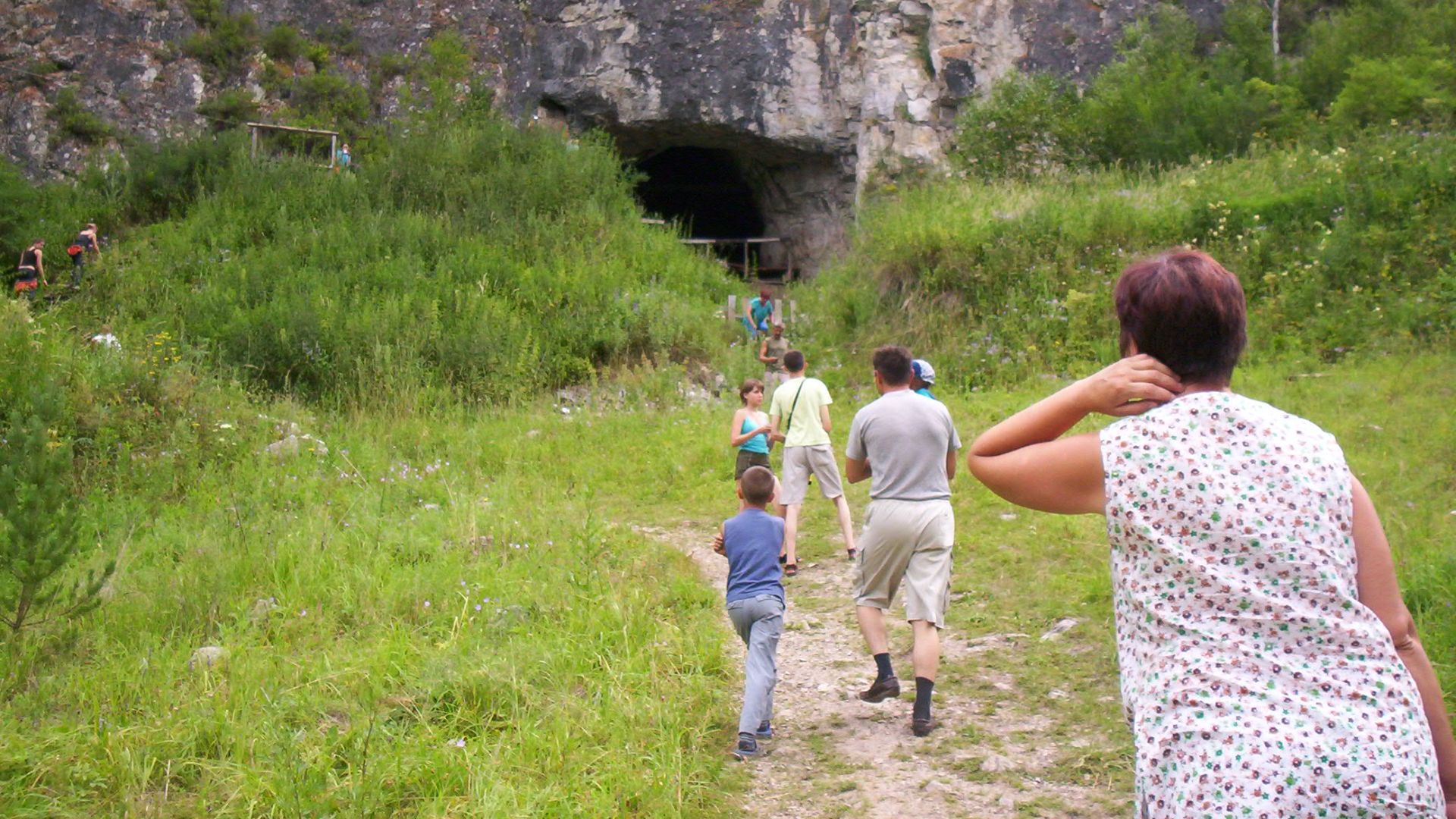
The findings were especially important for Denisovans because researchers have discovered very few physical remains from them. Most of what scientists know about Denisovans comes from a handful of bones and teeth found in Siberia. But sediment DNA revealed they occupied caves far more extensively than anyone realized. In some cases, the dirt revealed more information than fossils ever did.
 ЧуваевНиколай at ru.wikipedia, Wikimedia Commons
Researchers Reopened Old Cave Sites
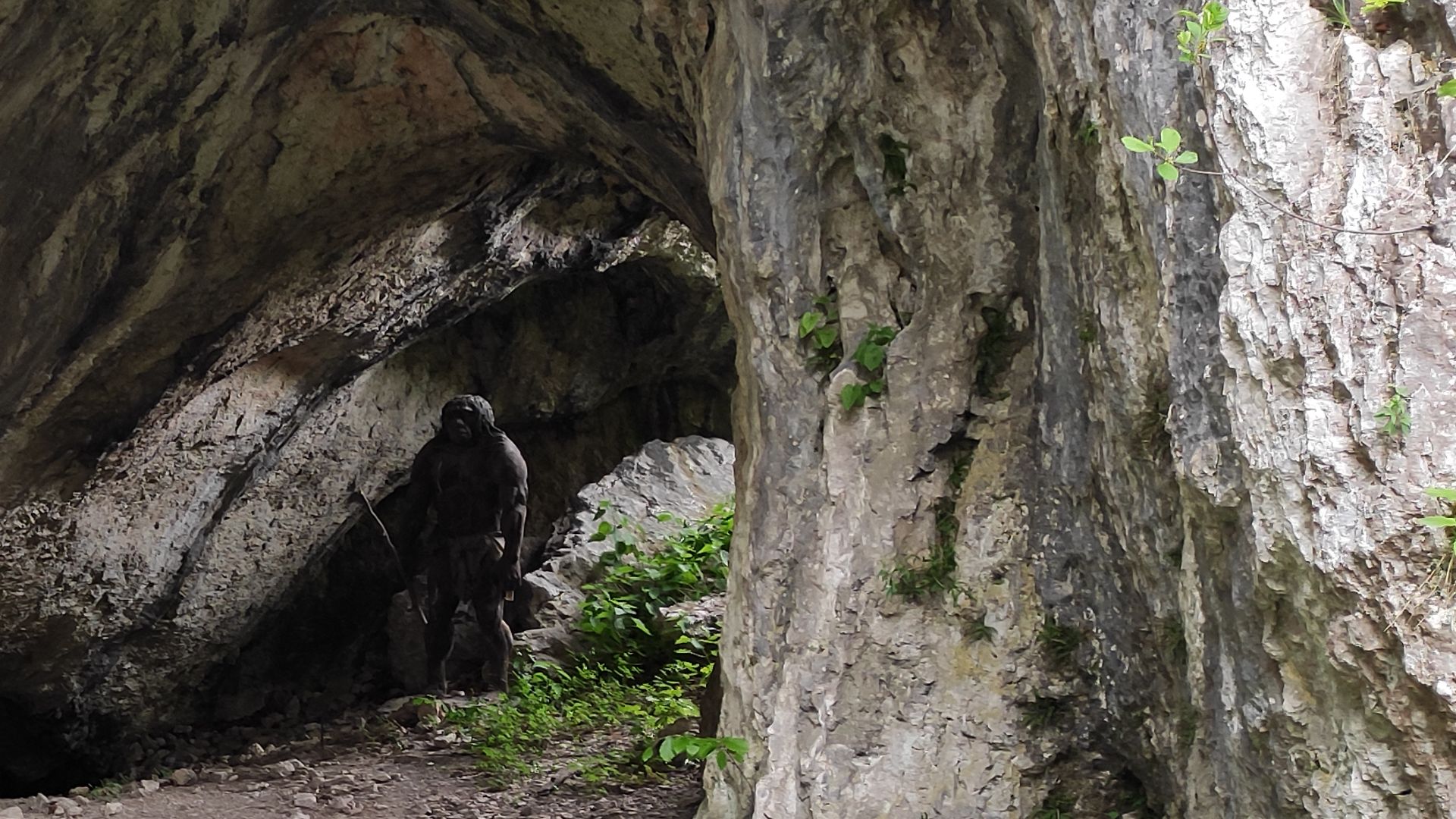
After the breakthrough, archaeologists began revisiting caves that had previously been written off as disappointments. Many older excavations happened decades before sediment DNA technology existed. Researchers now suspect countless sites may still contain hidden genetic evidence waiting underground. Some caves once considered useless could become major discoveries overnight.
 Fry72, Karel Frydrýšek, Wikimedia Commons
This Wasn’t Just About Neanderthals
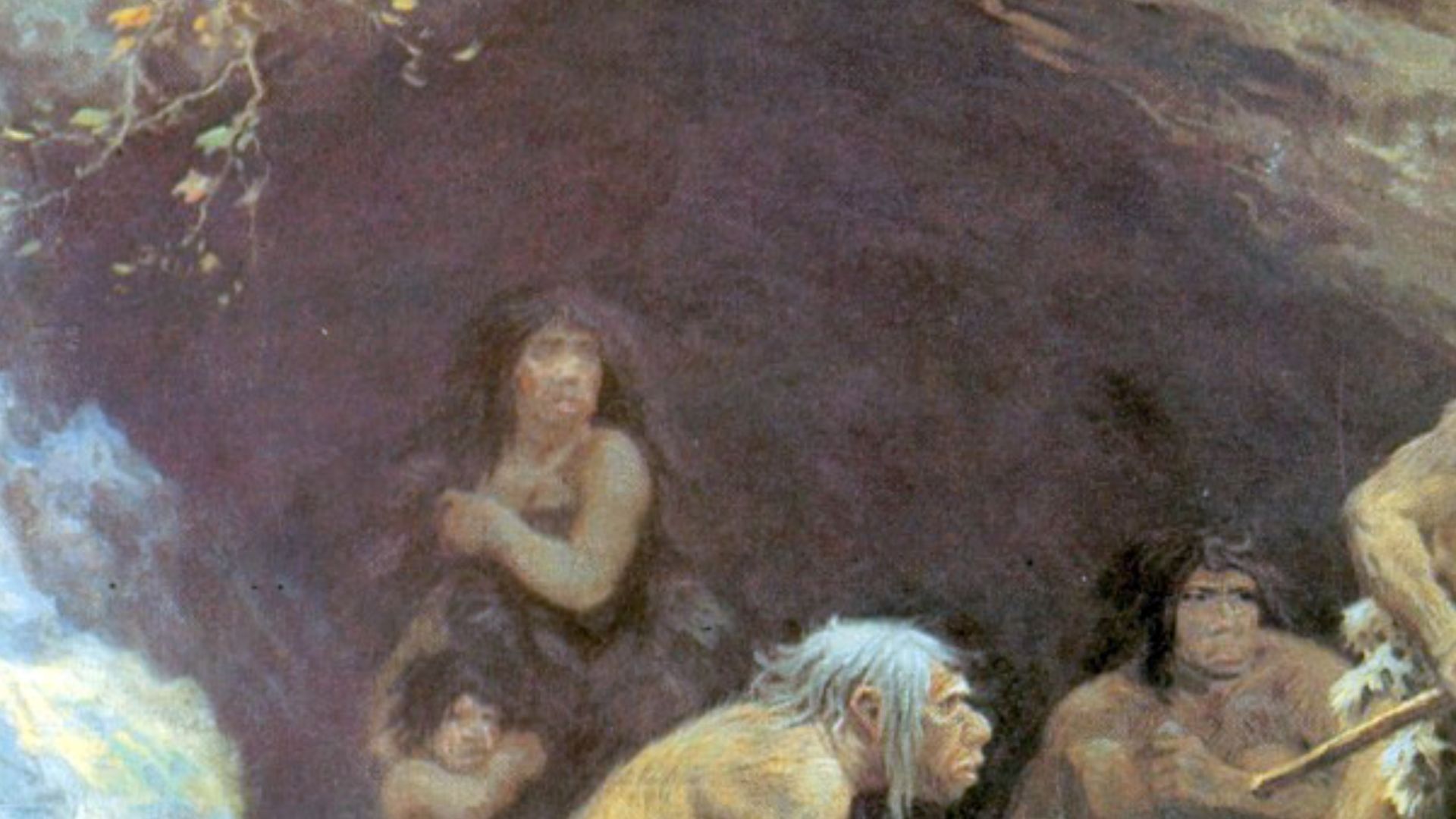
The technology also opened the door to studying extinct animals and ancient ecosystems in entirely new ways. Scientists can now identify which species lived together, how populations changed over time, and how climate shifts affected ancient environments. Similar environmental DNA techniques are now used to study extinct species, ancient ecosystems, and even modern wildlife populations.
 Charles Robert Knight, Wikimedia Commons
Ancient DNA Is Surprisingly Fragile
Despite the success, recovering sediment DNA remains extremely challenging. Heat, moisture, sunlight, and bacteria slowly destroy genetic material over time. That’s why caves are so important. Their cool, dark, stable conditions help preserve DNA far longer than most outdoor environments. Without those conditions, the evidence would disappear completely.
 Svante Pääbo, Max Planck Institute for Evolutionary Anthropology, Wikimedia Commons
Modern Humans Still Carry Neanderthal DNA
Ironically, scientists studying Neanderthal DNA in caves are also studying Neanderthal DNA inside modern humans. Most people of non-African ancestry still carry roughly 1–4% Neanderthal DNA today because ancient humans interbred with them tens of thousands of years ago. Some inherited genes may have helped humans adapt to colder climates and fight unfamiliar diseases.

Scientists Are Now Testing More Dirt
Since the discovery, researchers have expanded sediment DNA studies across Europe and Asia. Every new cave raises the possibility of uncovering unknown migration routes, forgotten populations, or even entirely new branches of ancient humans. Some scientists believe sediment DNA could eventually reveal ancient human groups that have never been identified through fossils.
The Discovery Changed Archaeology Forever
The breakthrough forced scientists to rethink how ancient history can be studied. Instead of relying only on visible artifacts and fossils, researchers can now recover hidden genetic evidence directly from the environment itself. In archaeology, dirt officially became one of the most important tools on Earth.
 Jakub Hałun, Wikimedia Commons
Future Discoveries Could Be Huge
Researchers believe sediment DNA technology is still in its early stages. As techniques improve, scientists may eventually recover far more detailed genetic information from ancient caves, campsites, and other environments. Entire chapters of human history could still be buried underground waiting to be discovered. And the craziest part is that people walked over this evidence for generations without realizing it.
Cave Dirt Quietly Recorded Human History
What sounded like a strange science experiment ended up rewriting how archaeologists study extinct humans. Scientists proved Neanderthals and Denisovans occupied caves without finding a single bone, simply by extracting microscopic DNA fragments preserved in sediment for tens of thousands of years. Turns out the dirt had been keeping records all along.
 AquilaGib (Stewart Finlayson, Gibraltar Museum), Wikimedia Commons
You Might Also Like:
New fossil discovery has scientists completely reversing their beliefs about Neanderthals' noses