A Scroll Unlike Any Other
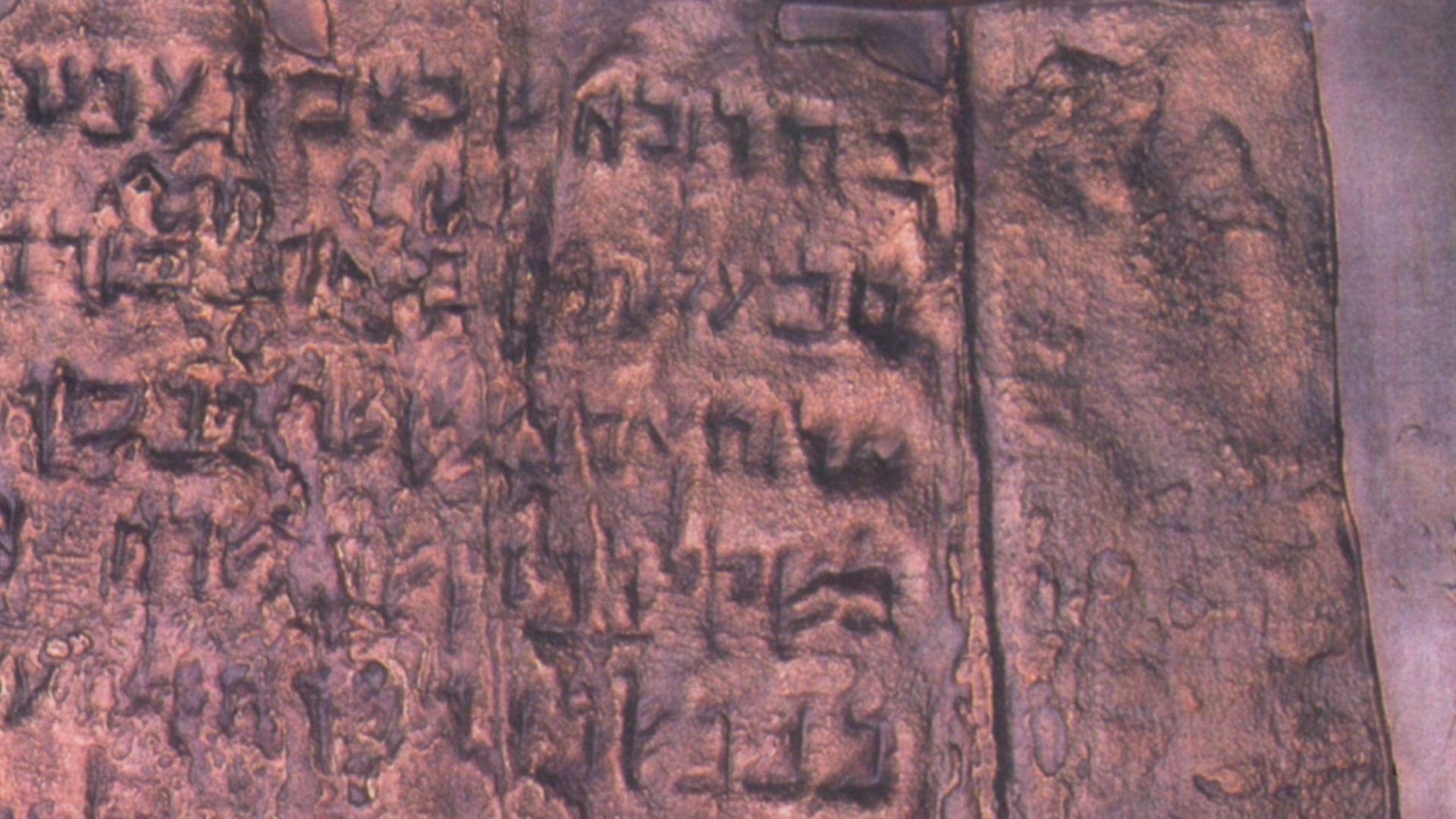
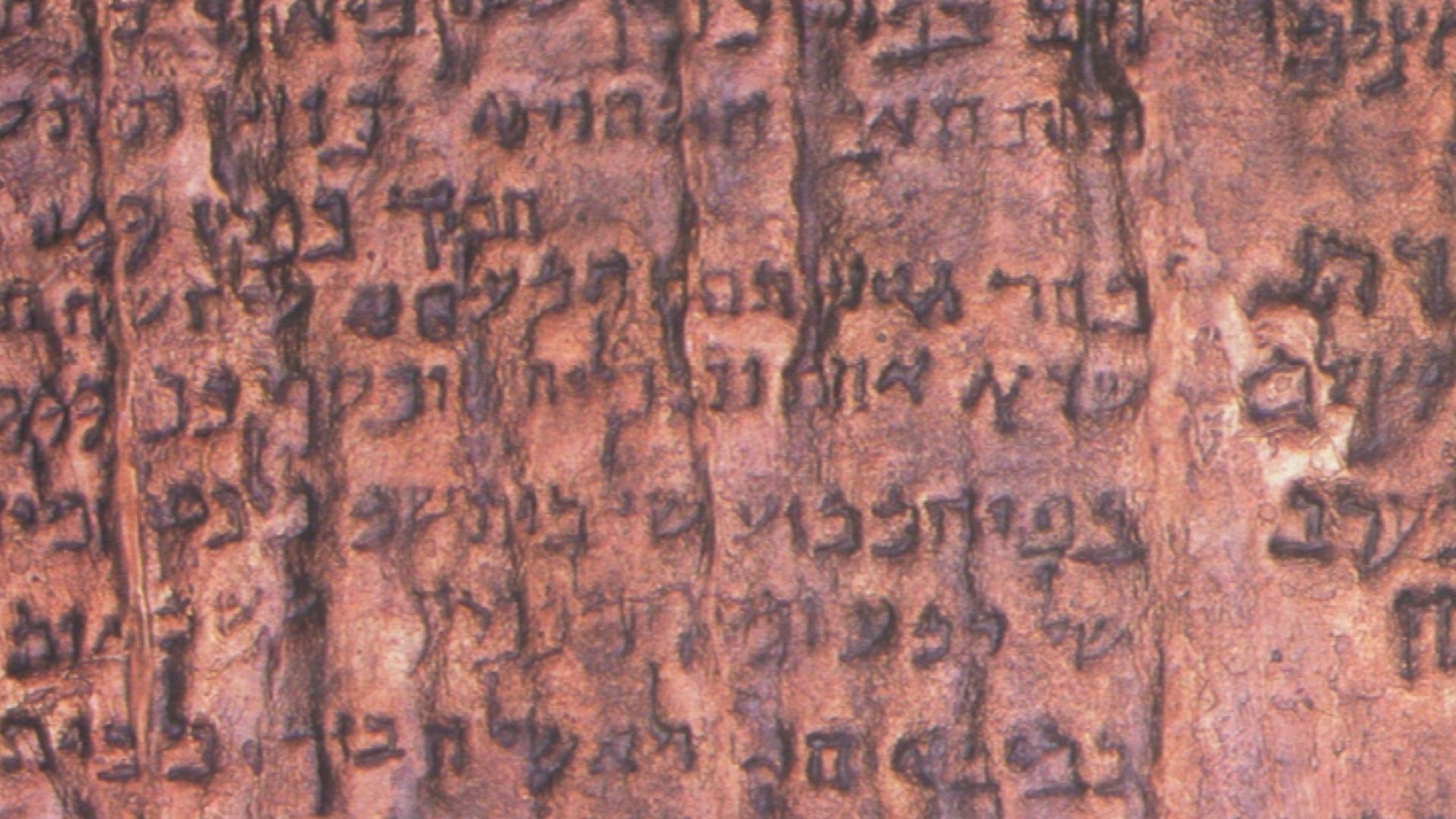
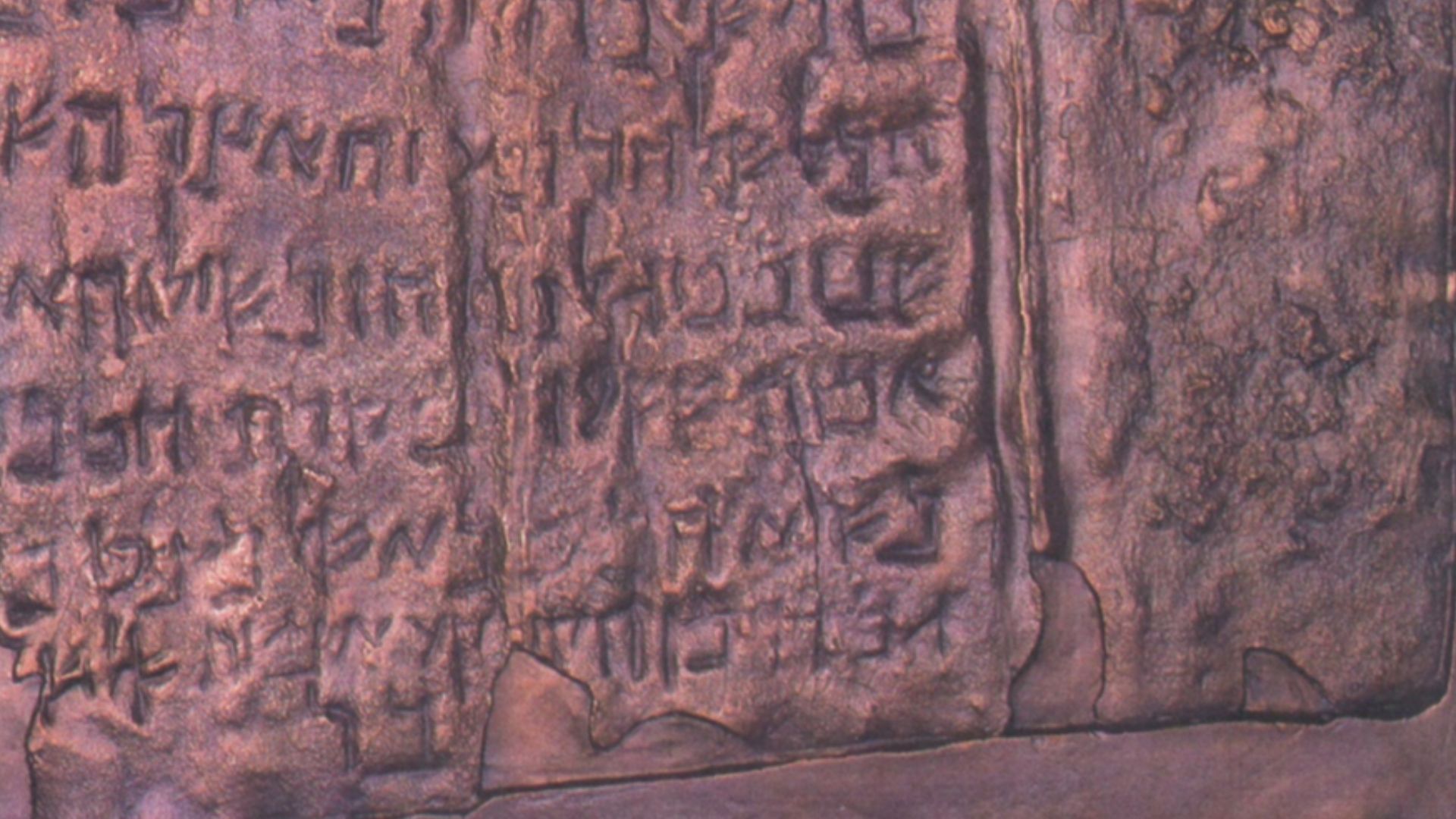
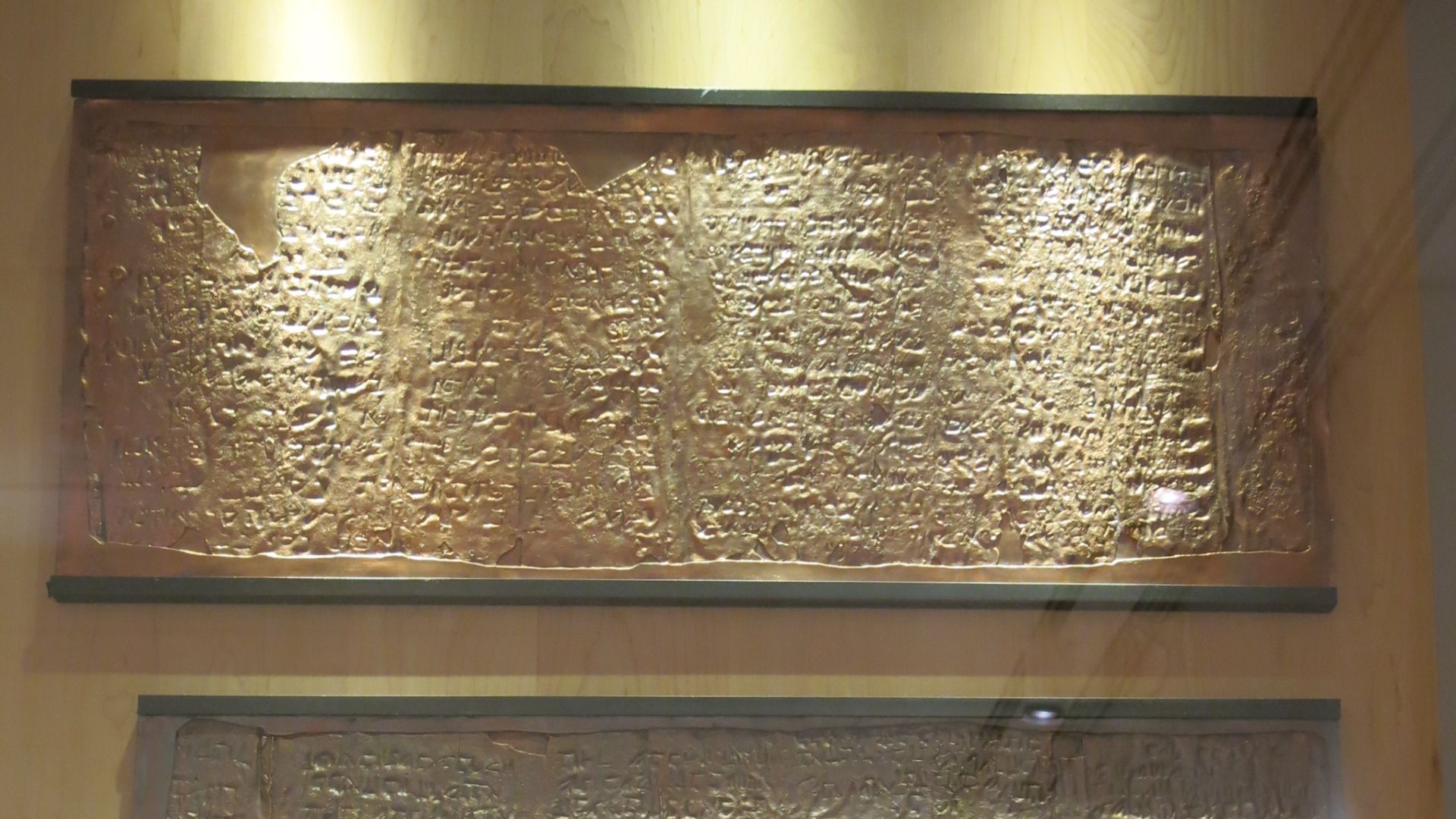
The Copper Scroll is one of the most unusual artifacts ever discovered among the Dead Sea Scrolls. Unlike the others, which were written on parchment or papyrus and focused on religious texts, this scroll was engraved onto thin sheets of copper.
That alone made archaeologists take notice. Whatever information it contained, someone clearly thought it was important enough to preserve in a much more durable form.
Found In A Desert Cave
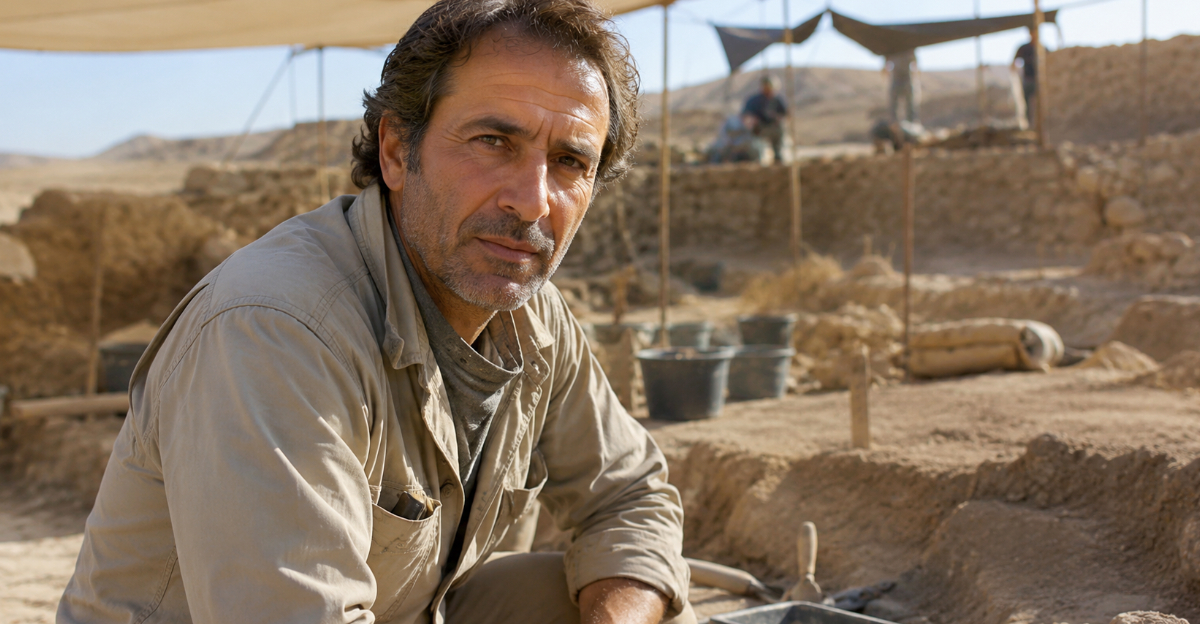
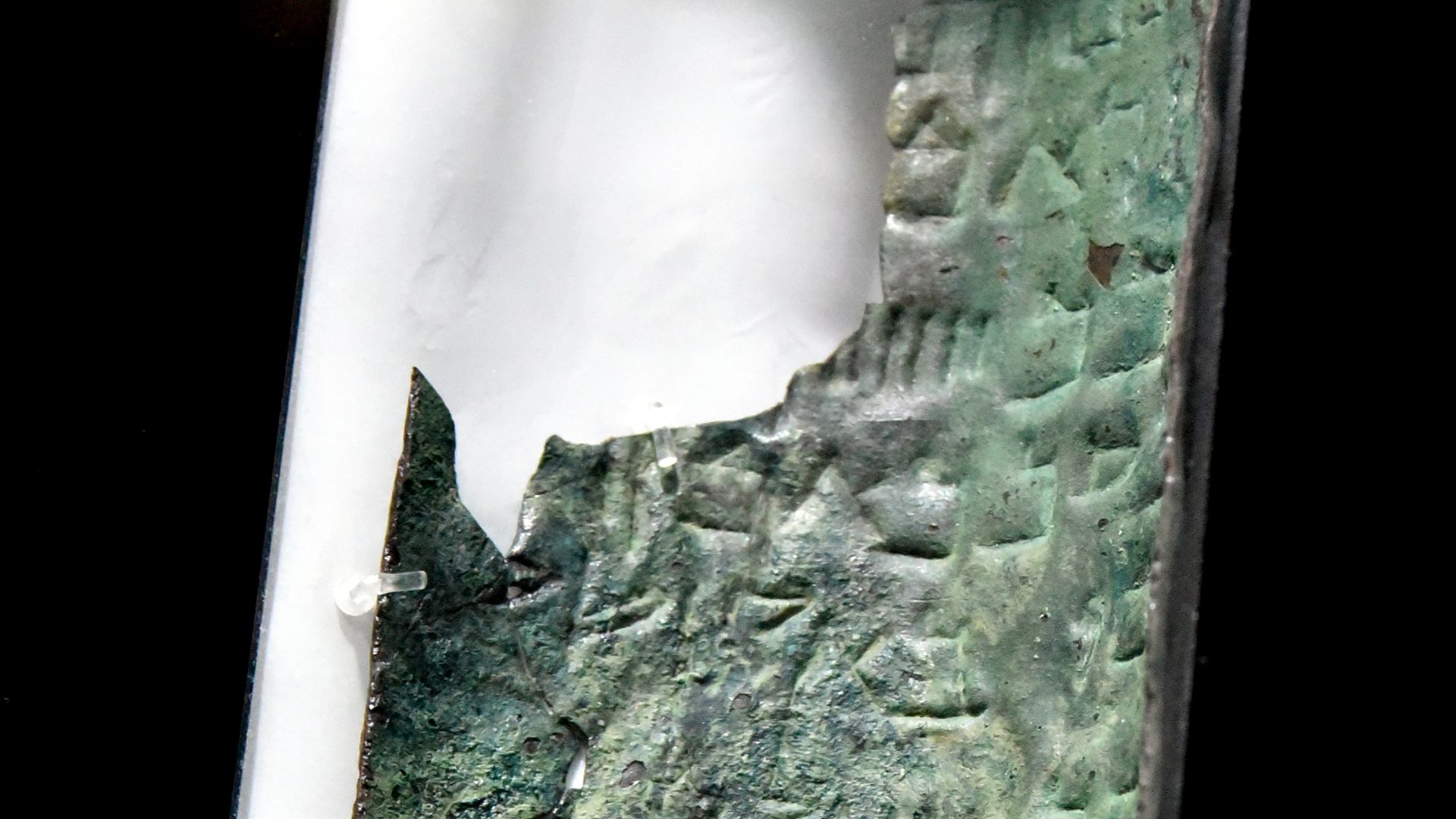
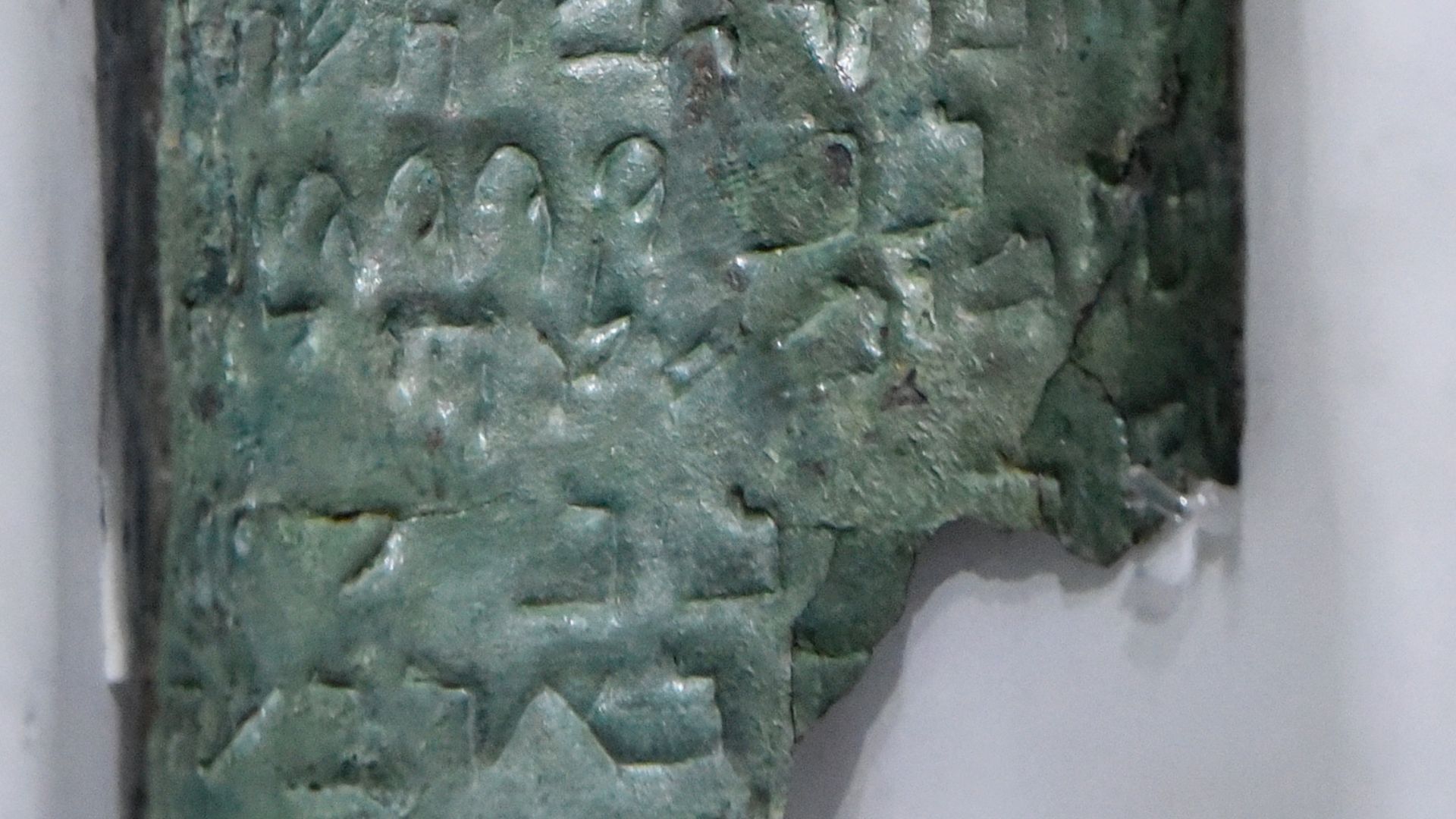
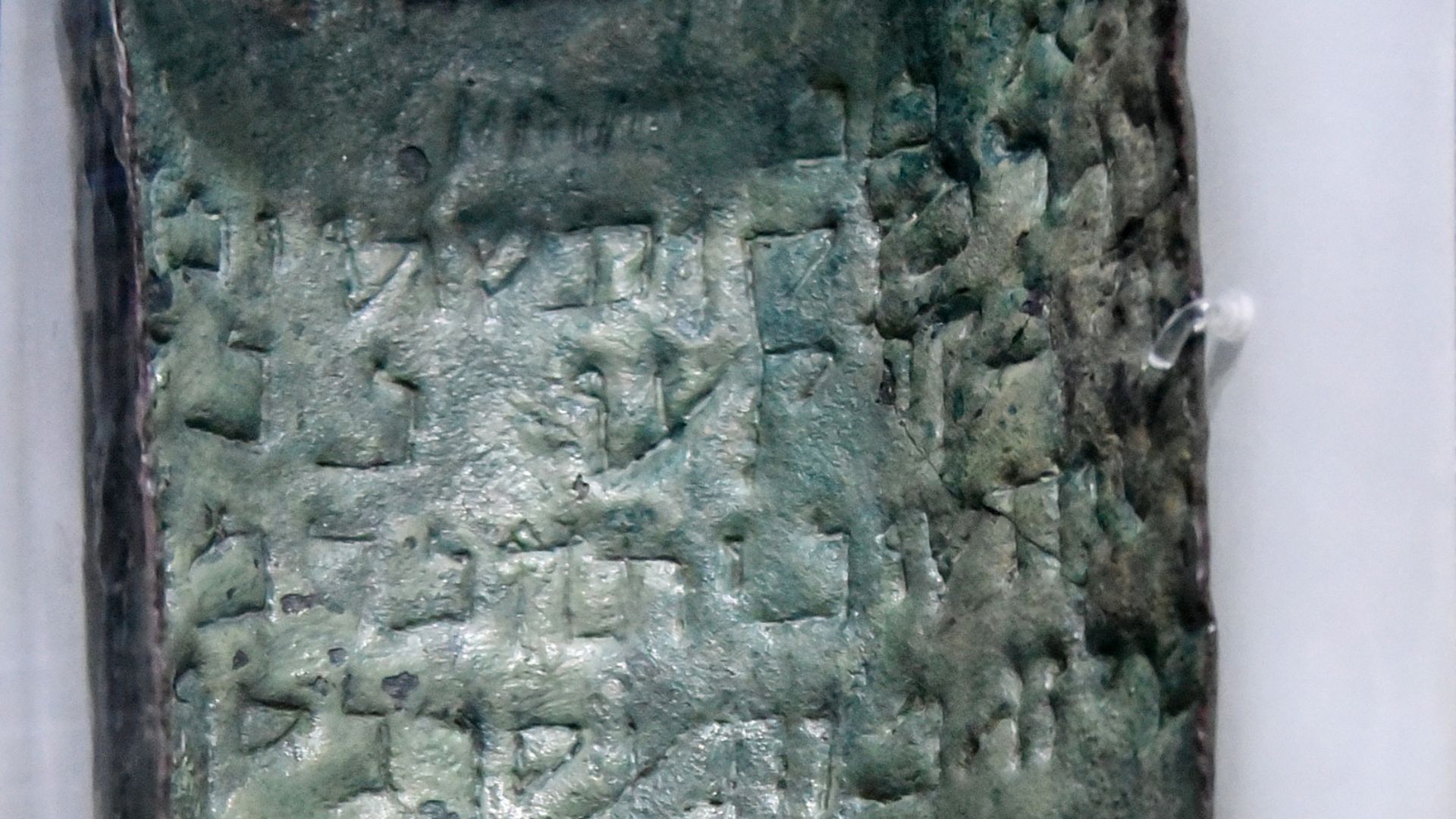
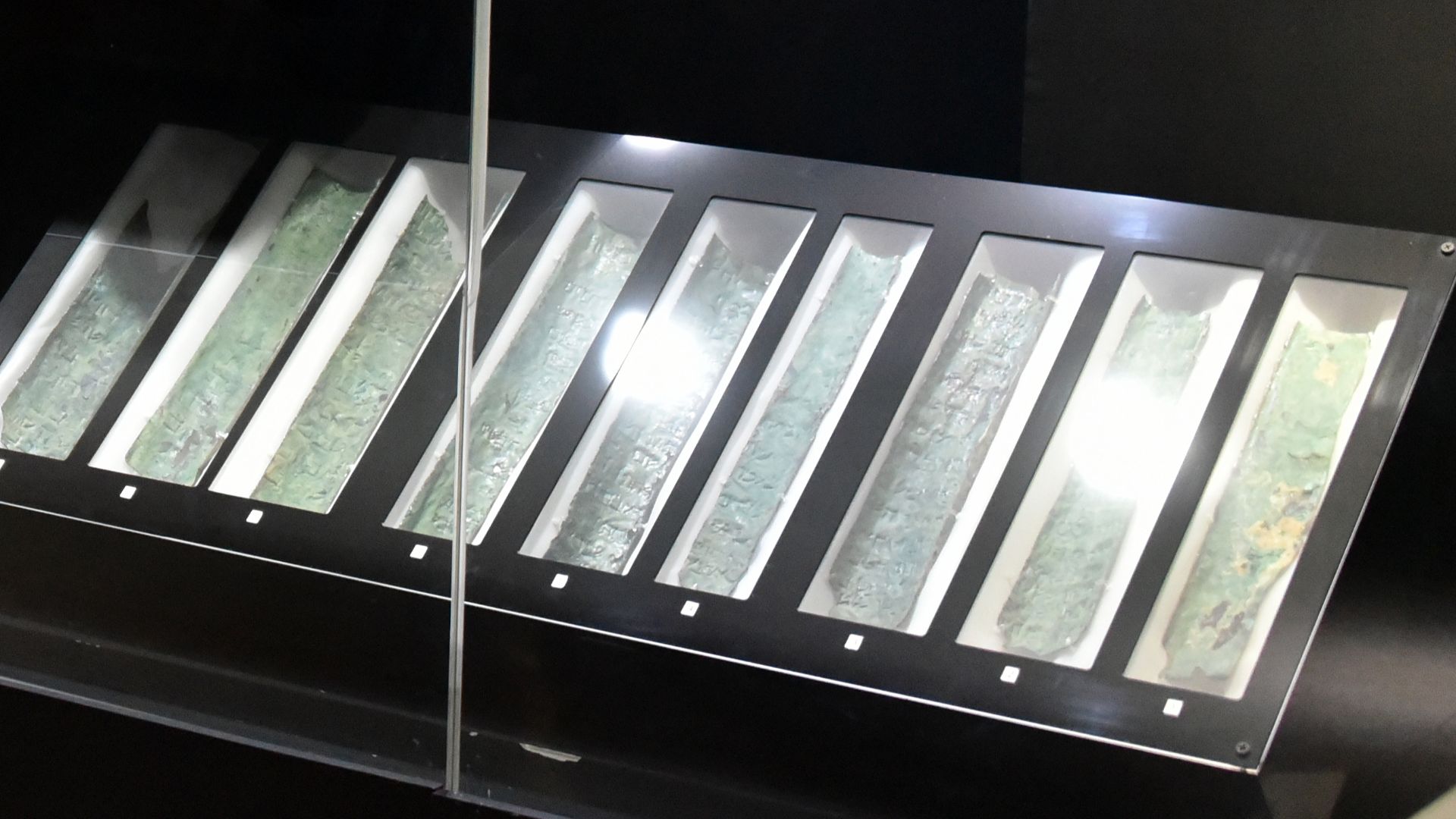
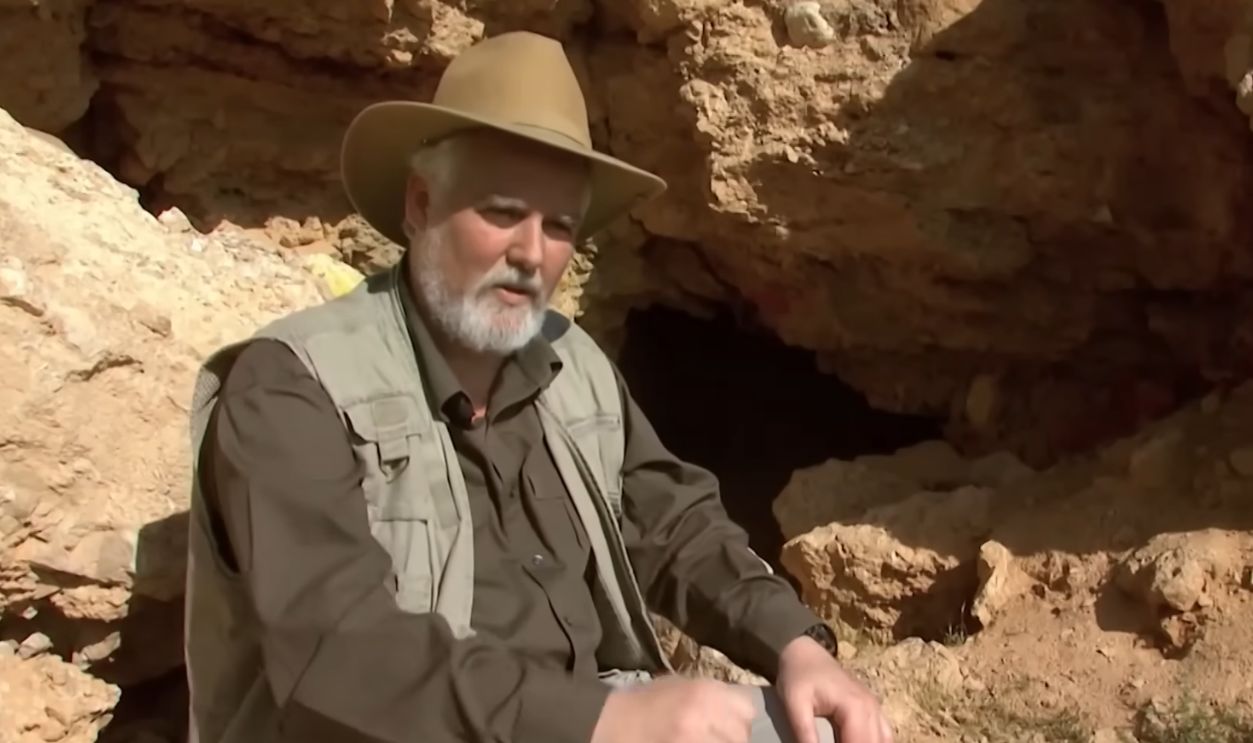
The scroll was discovered in 1952 in Cave 3 near Qumran, along the northwestern shore of the Dead Sea. At first, researchers couldn't even open it. Unlike every other Dead Sea Scroll, it wasn't written with ink. The words were physically engraved into copper sheets before being rolled up. The copper had corroded so badly over nearly 2,000 years that the scroll had to be carefully cut apart.
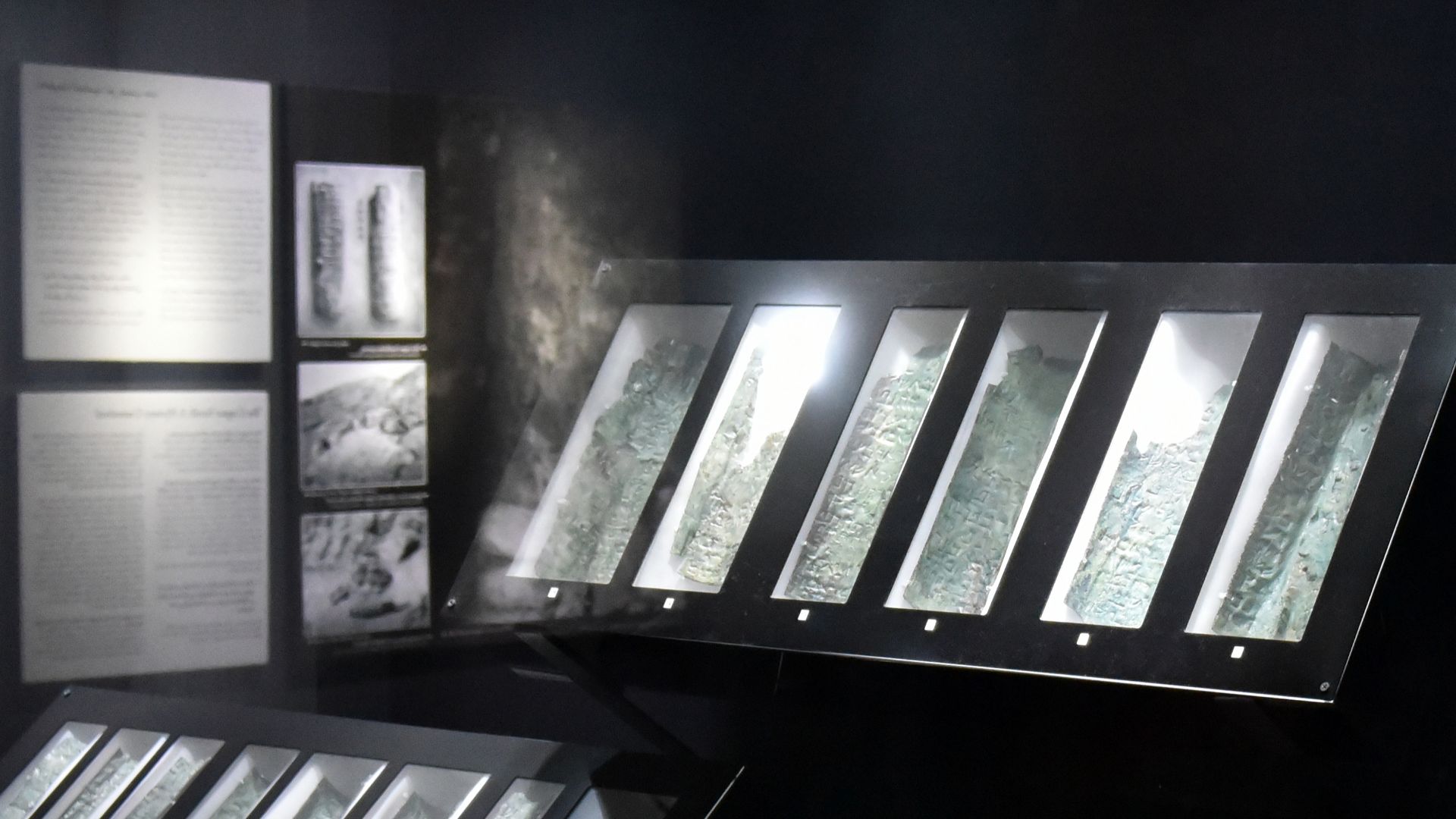
Between 1955 and 1956, researchers in Manchester sliced it into 23 strips using a specially developed process so the text could finally be read. What emerged was unlike anything scholars expected.
Not A Religious Text
Most Dead Sea Scrolls contain biblical writings, community rules, hymns, or religious commentary. The Copper Scroll was different. Instead of theology, it contained a long list of locations along with quantities of gold, silver, and other valuables supposedly hidden there. It read less like scripture and more like an inventory.
Sixty-Four Hidden Locations
Researchers identified 64 separate locations in the scroll. Sixty-three describe hidden deposits of treasure, while one appears to refer to an additional document containing further information.
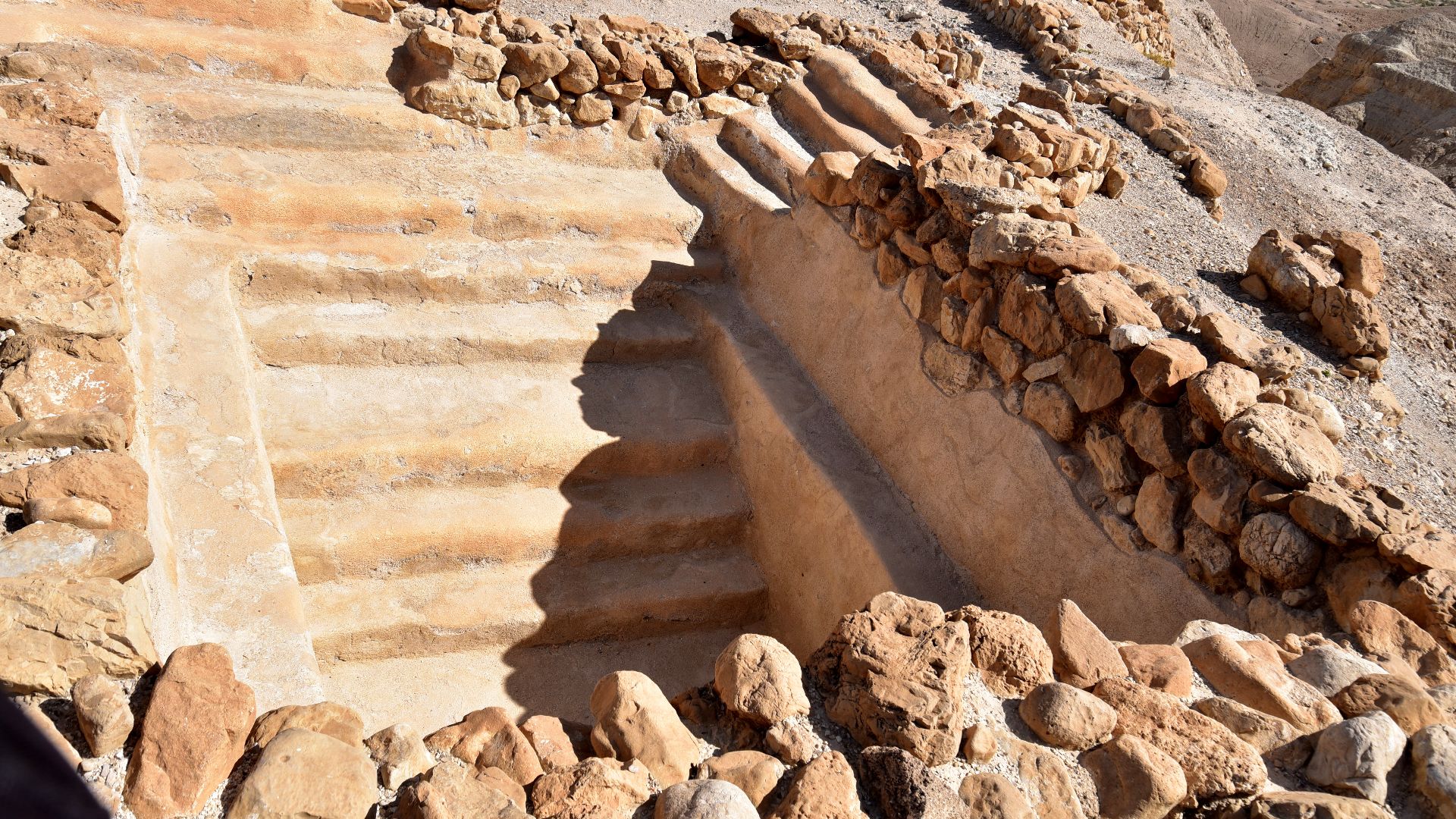
Some references mention buried deposits beneath stairways, inside cisterns, near aqueducts, or hidden under structures that no longer exist. It's one of the reasons the scroll continues to fascinate treasure hunters and archaeologists alike.
The Numbers Are Staggering
If taken literally, the quantities listed in the scroll are enormous. Scholars have debated the exact conversions for decades, but some estimates suggest the scroll could describe more than 60 tons of gold and silver.
Because ancient units of measurement are difficult to interpret precisely, the true amount remains uncertain. Even so, the potential value would reach into the billions of dollars today.
Why Many Experts Were Skeptical
For years, many researchers doubted the treasure was real. The amounts seemed almost impossibly large. Some scholars argued the scroll was symbolic, legendary, or perhaps part of an unknown literary tradition rather than a practical guide to hidden wealth. Others wondered whether the treasure had ever existed at all.
 Osama Shukir Muhammed Amin FRCP(Glasg), Wikimedia Commons
But The Scroll Doesn't Read Like A Myth
One reason the debate never disappeared is the scroll's unusual writing style. Unlike legendary stories or religious prophecies, the text is surprisingly direct. It lists locations, measurements, and quantities with little explanation or dramatic language. It often feels more like a set of instructions than a work of literature.
A Different Kind Of Dead Sea Scroll
The Copper Scroll also stands apart linguistically. Researchers have noted differences in vocabulary, style, and construction compared with many of the other Dead Sea Scrolls. Some believe it may have been produced by a different group or for a completely different purpose.
Archaeologists have never found another document quite like it. Among the thousands of known Dead Sea Scroll fragments, the Copper Scroll remains completely unique.
 Osama Shukir Muhammed Amin FRCP(Glasg), Wikimedia Commons
The Temple Treasure Theory
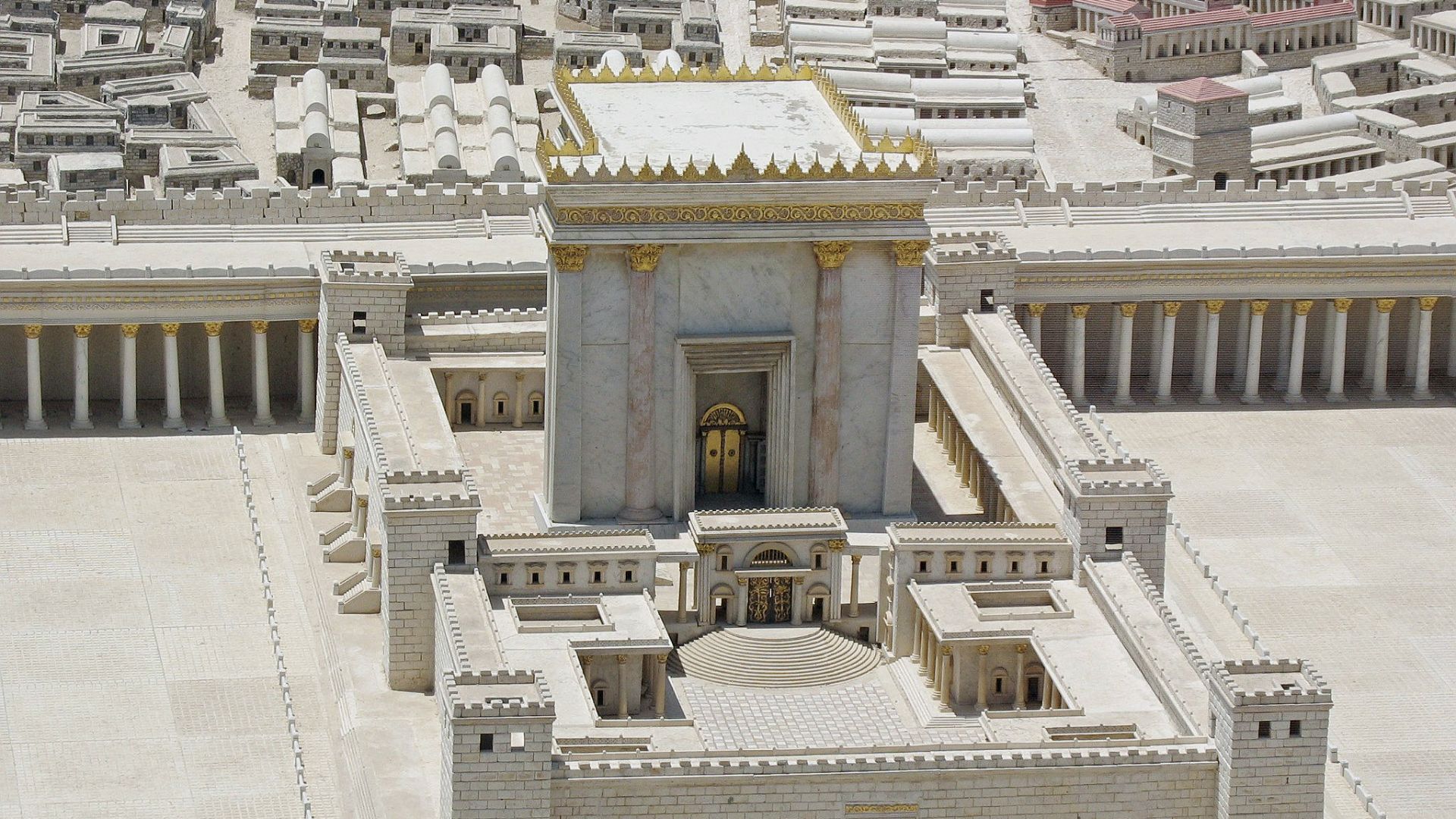
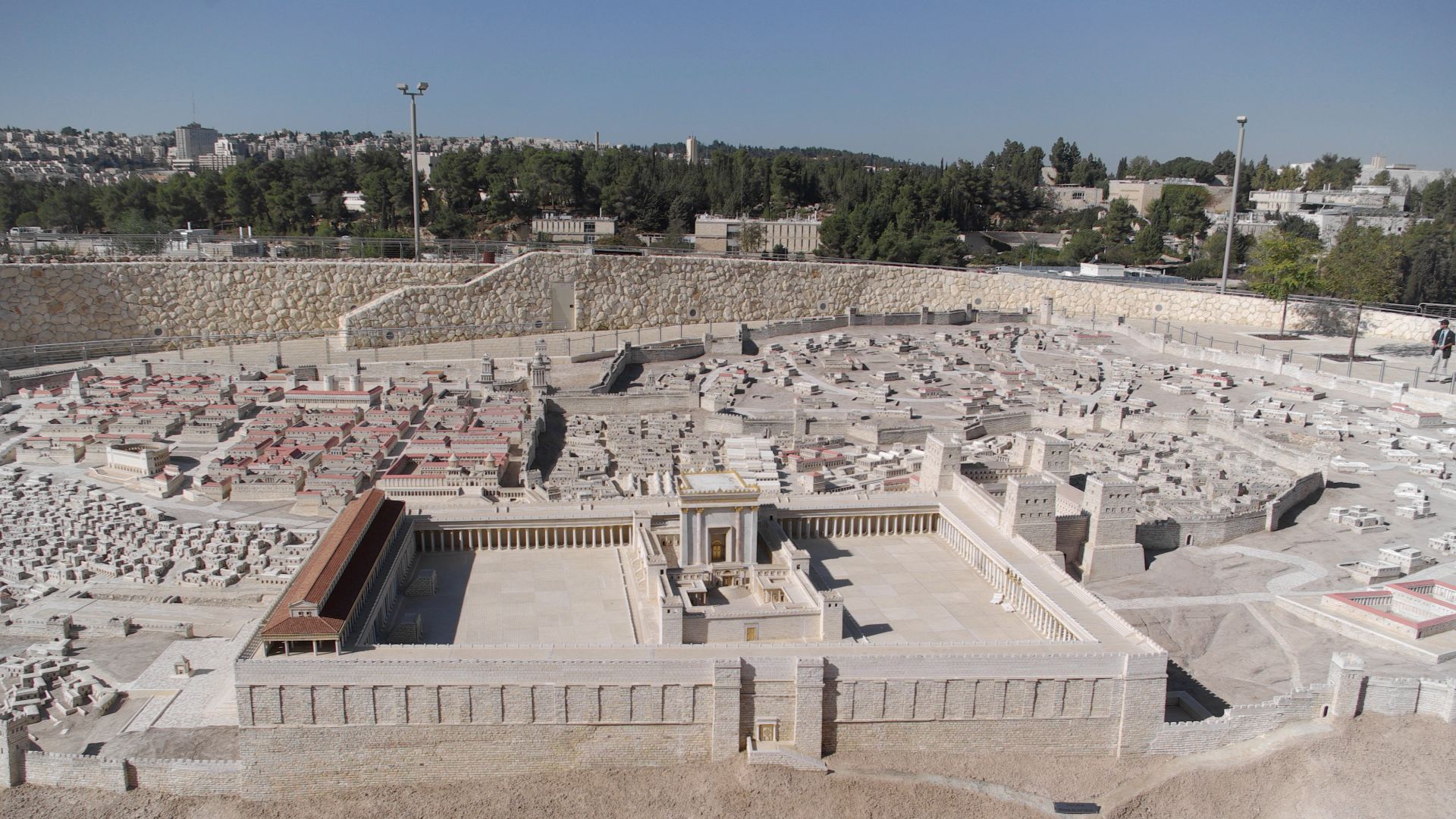
One of the most popular theories is that the scroll records treasure connected to Jerusalem's Second Temple. According to this idea, valuable items may have been hidden before Roman forces destroyed Jerusalem in 70 CE. The scroll may have served as a record of where those valuables were concealed during the crisis, although scholars continue to debate the theory.
The Romans Changed Everything
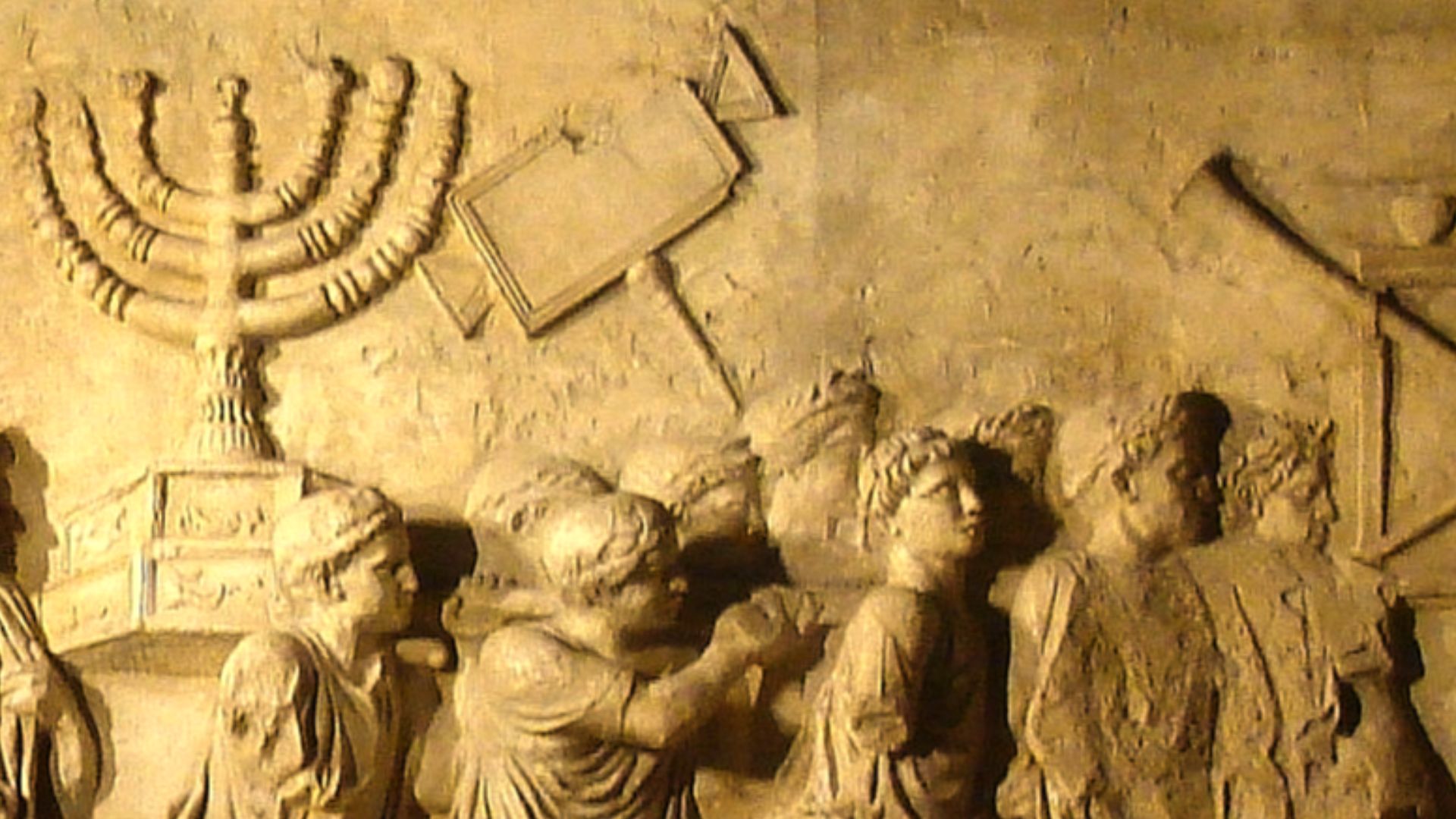
When Roman legions captured Jerusalem, they looted vast amounts of wealth from the city and the Temple. Ancient historians described treasure being carried back to Rome. Supporters of the Temple Treasure theory believe some valuables may have been hidden before the Romans arrived and never recovered.
 derivative work: Steerpike (talk)Arc_de_Triumph_copy.jpg: user: House of Peace, Wikimedia Commons
Sacred Objects May Have Been Hidden Too
The scroll doesn't appear to describe only gold and silver. Several entries have been interpreted as references to sacred objects or Temple vessels. If those interpretations are correct, at least part of the hidden wealth may have originated from the Jerusalem Temple itself, adding even more significance to the mystery.
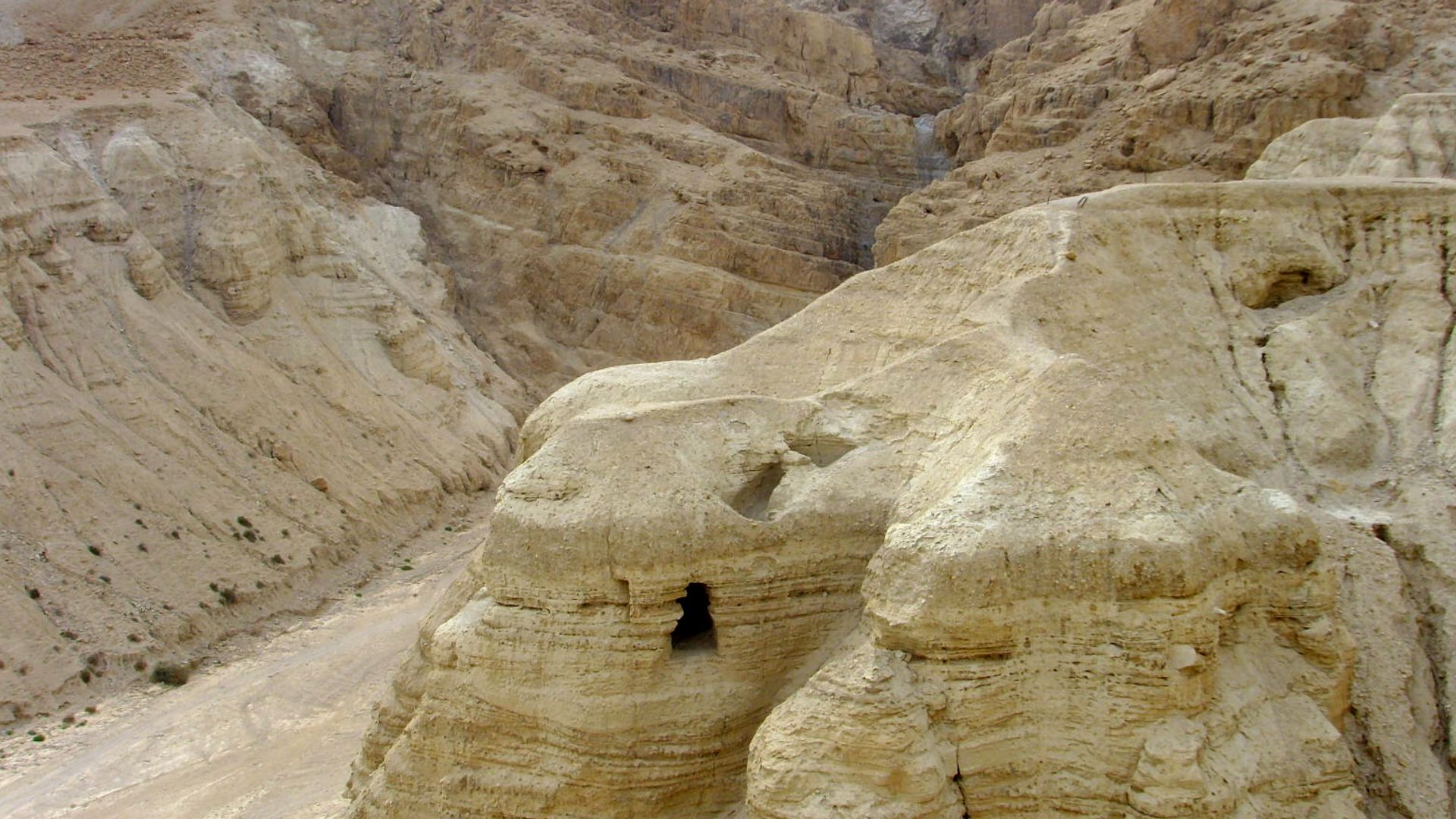 Effi Schweizer, Wikimedia Commons
A Treasure Inventory In An Emergency
Recent scholarship has renewed interest in the possibility that the Copper Scroll was created during a period of emergency. Instead of being a fantasy treasure list, it may have been a practical document intended to preserve information about valuables hidden in multiple locations before war and destruction overtook the region.
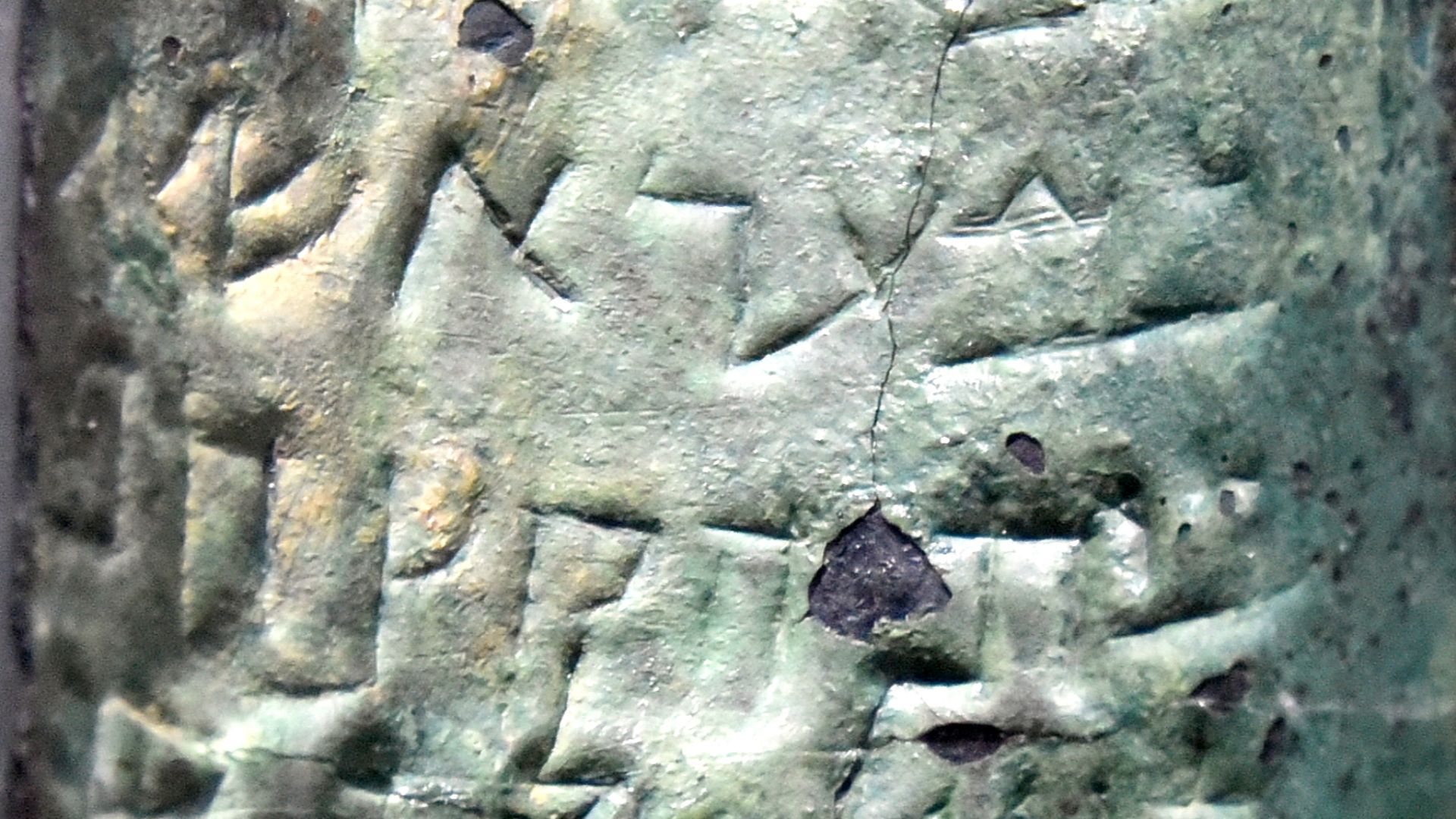 Osama Shukir Muhammed Amin FRCP(Glasg), Wikimedia Commons
Another Theory Emerged
Not everyone believes the treasure came from Jerusalem's Second Temple. Some researchers have proposed that the hidden wealth could instead be connected to the later Bar Kokhba Revolt against Rome in the 130s CE. The evidence remains debated, but the theory highlights how many questions still surround the scroll.
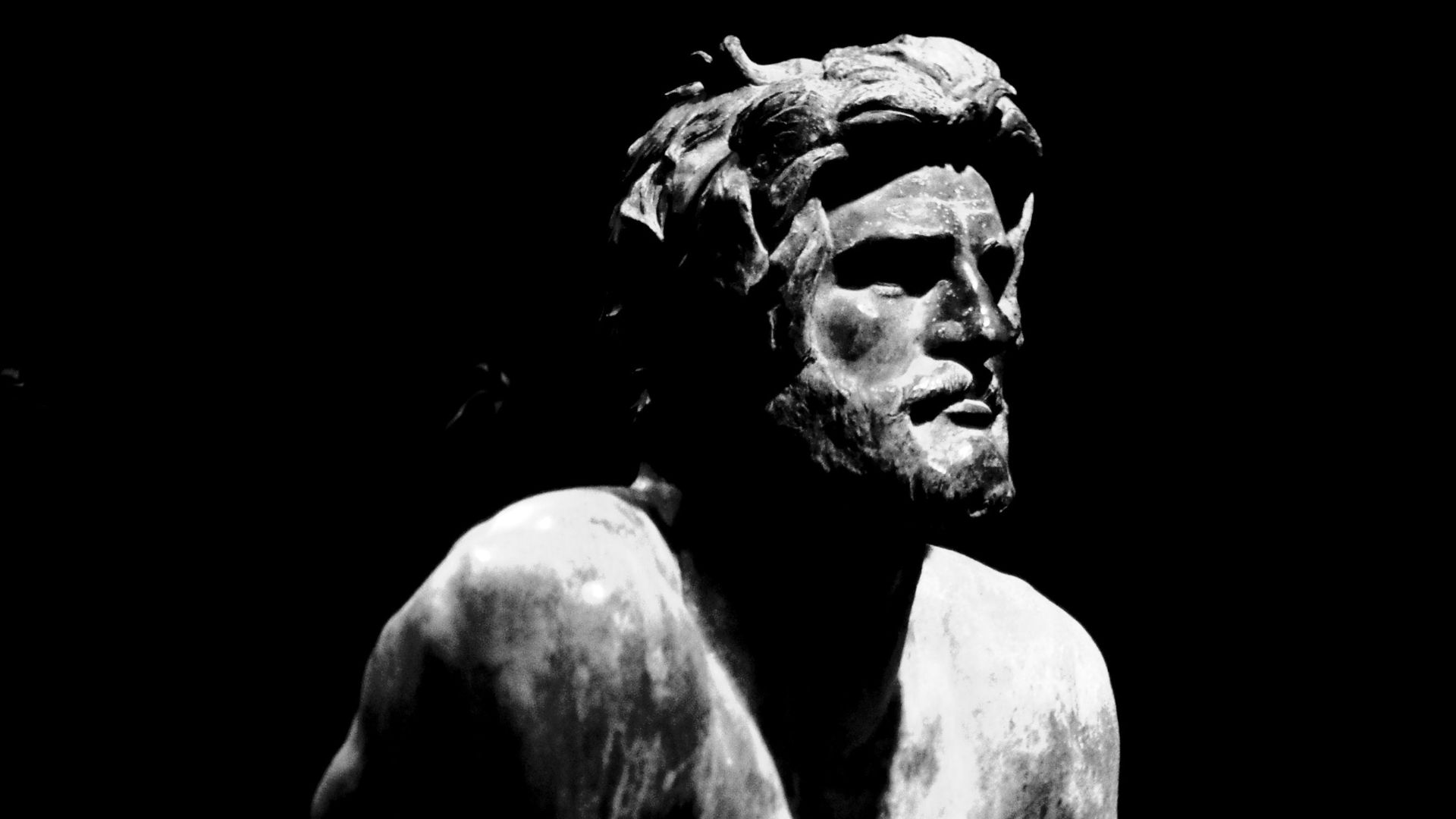 Ehud Halperin, Wikimedia Commons
Why New Research Matters
New analyses aren't claiming the treasure has been found. What they are doing is encouraging scholars to reconsider older assumptions. Some researchers argue that the scroll's structure, language, and organization make more sense as a real inventory than as a symbolic text. That shift is drawing fresh attention to the mystery.
 Screenshot from The 700 Club, Christian Broadcasting Network (1966–)
The Locations Are Frustratingly Vague
There's one major problem. Many of the landmarks mentioned in the scroll no longer exist, have changed names, or cannot be identified with certainty. Even if the treasure once existed, matching ancient descriptions to modern landscapes is incredibly difficult.
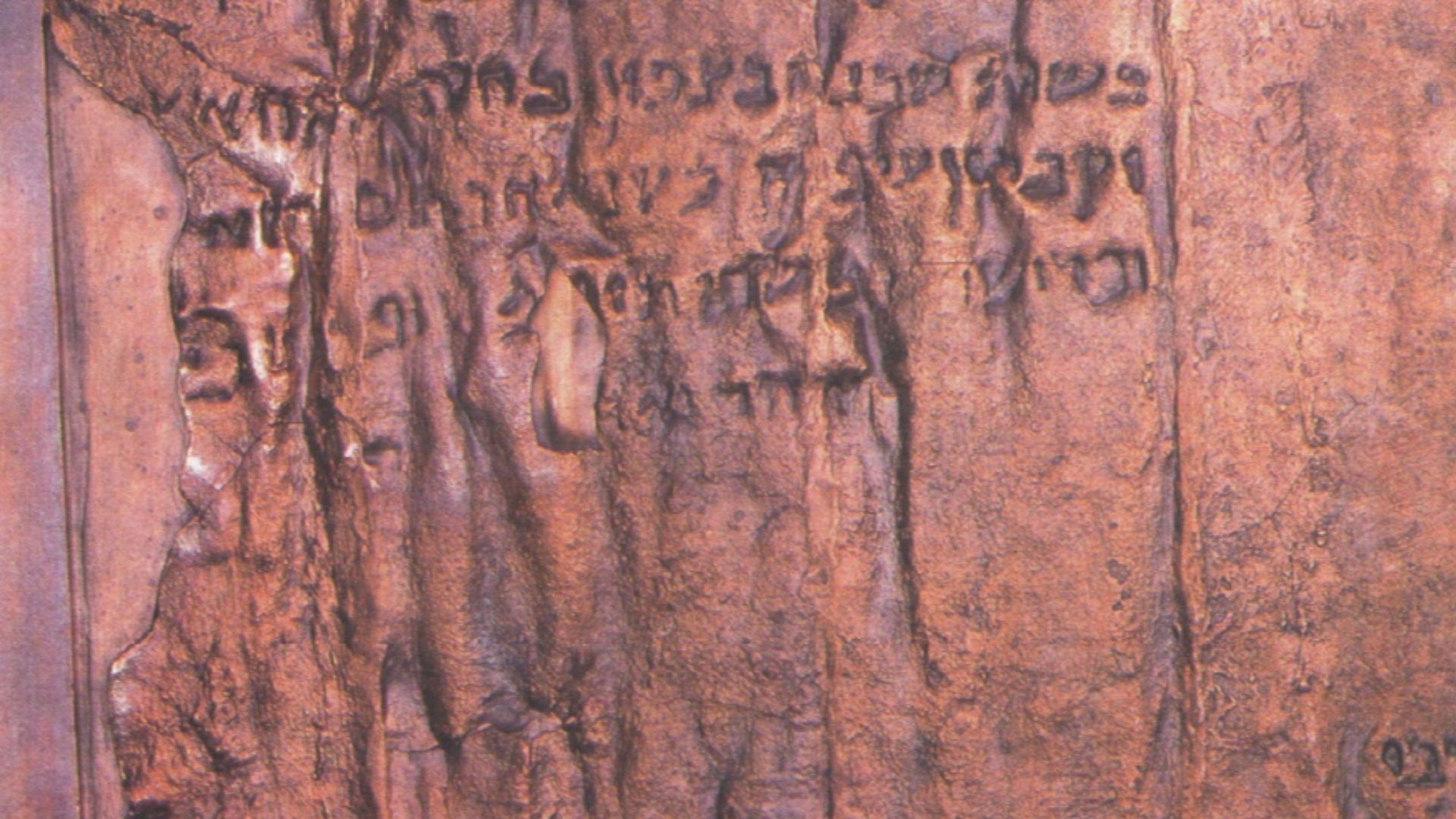
Thousands Of Years Of Change
The landscape itself has changed dramatically since the first century. Cities expanded. Buildings disappeared. Roads shifted. Earthquakes altered terrain. Layers of construction buried older structures. Some locations described in the scroll may now sit beneath modern development.
 Tamar Hayardeni (Tamarah), Wikimedia Commons
Treasure Hunters Have Tried
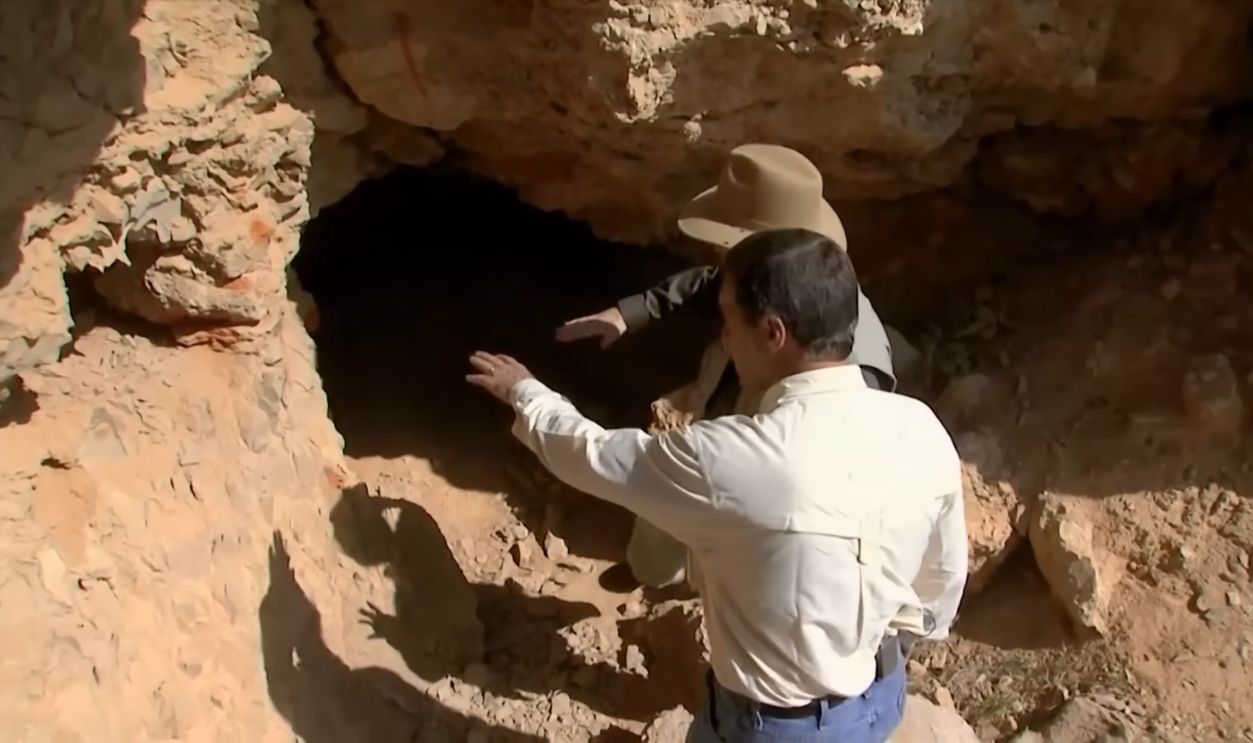
Over the decades, numerous expeditions have attempted to match locations from the scroll with real-world sites. None has produced a verified treasure cache connected to the document. The lack of success has only deepened the mystery.
 Screenshot from The 700 Club, Christian Broadcasting Network (1966–)
Could The Treasure Already Be Gone?
Some scholars believe the treasure may have been recovered long ago. If the scroll recorded genuine hiding places, the valuables could have been found centuries earlier by people who knew the locations or possessed related information that never survived.
 Osama Shukir Muhammed Amin FRCP(Glasg), Wikimedia Commons
The Missing Companion Document
One of the strangest passages in the Copper Scroll references another document. According to some interpretations, additional details about the treasure may once have existed elsewhere. If such a guide ever existed, it has never been found. That missing piece fuels endless speculation.
 Osama Shukir Muhammed Amin FRCP(Glasg), Wikimedia Commons
Why Archaeologists Remain Interested
Most archaeologists are not treasure hunters. What makes the Copper Scroll important is what it might reveal about the chaotic final years of the Second Temple period, the Jewish Revolt against Rome, and the people who tried to preserve valuable items during a time of crisis.
 Osama Shukir Muhammed Amin FRCP(Glasg), Wikimedia Commons
A Mystery That Refuses To Die
More than 70 years after its discovery, the Copper Scroll remains one of archaeology's most debated artifacts. Every few years, new research, new interpretations, or new technologies revive interest in the document and the treasure it describes.
 Osama Shukir Muhammed Amin FRCP(Glasg), Wikimedia Commons
The Question Nobody Can Answer
After more than 70 years of study, archaeologists still don't know whether the Copper Scroll was a genuine treasure inventory, a record of hidden Temple wealth, or something else entirely. The mystery isn't simply finding the treasure. It's figuring out whether there was ever a treasure to find in the first place.
 Screenshot from The 700 Club, Christian Broadcasting Network (1966–)
The Fortune May Not Be The Biggest Discovery
Even if no gold or silver is ever found, the scroll has already changed how historians view the Dead Sea Scrolls. It demonstrates that the collection was more diverse than once believed and preserves a unique glimpse into a turbulent moment in ancient history.
 Israel Defense Forces, Wikimedia Commons
The Search Continues
No verified treasure from the Copper Scroll has ever been recovered. But thanks to renewed research and fresh analysis, scholars are once again asking whether this strange copper document was exactly what it appears to be: a record of a fortune that vanished nearly 2,000 years ago. And until someone proves otherwise, the possibility remains tantalizingly open.
You Might Also Like:
Scientists Just Proved Neanderthals Lived Here Using Only Cave Dirt