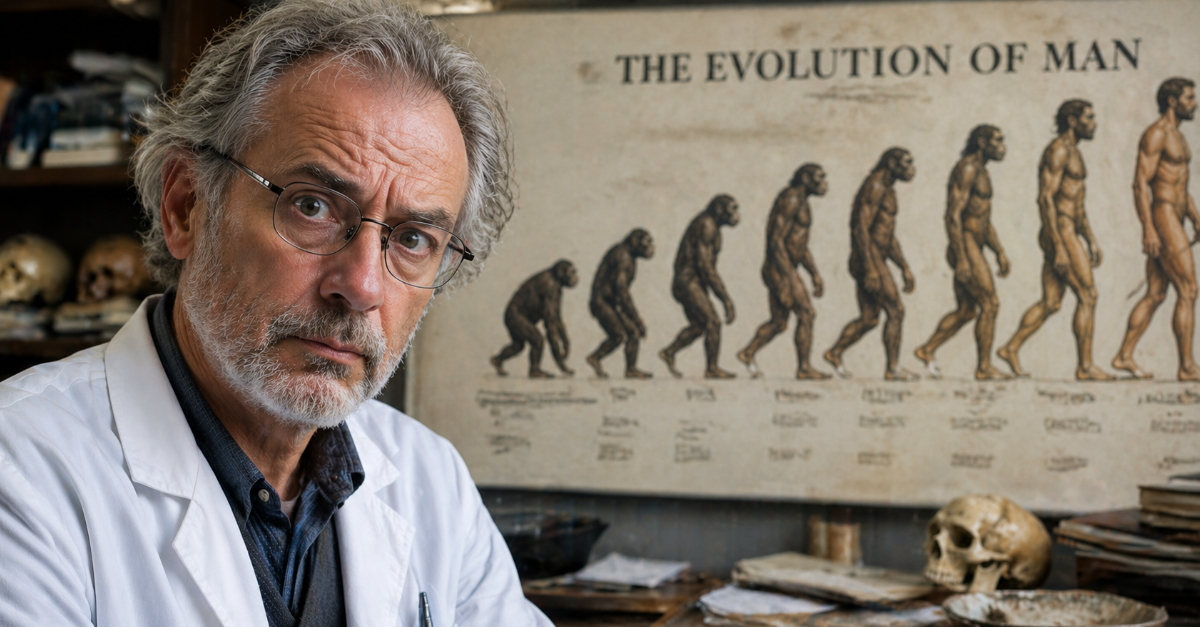
Humans Evolved From Monkeys…Right?
It’s in classrooms, documentaries, and all over pop culture. It sounds simple enough that most people never question it. But what if that version of the story isn’t just simplified…what if it’s completely wrong?
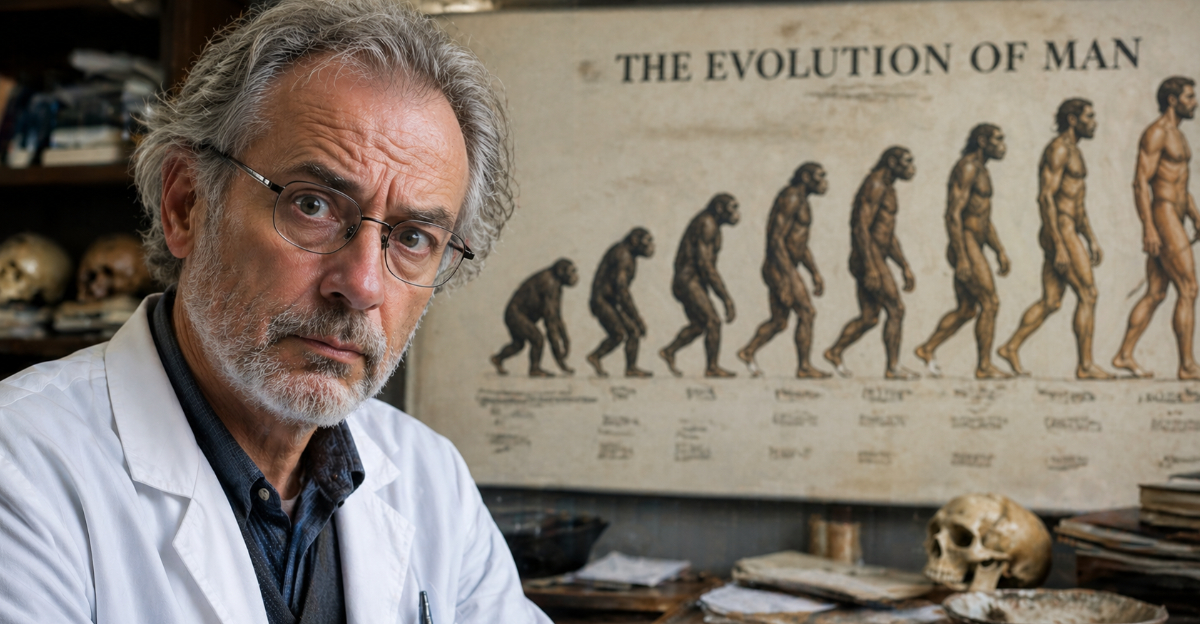
Because It Is
Not slightly off. Not outdated. Just wrong. Humans didn’t evolve from monkeys—and the real explanation is far more interesting, and far better supported by fossil evidence, genetics, and decades of scientific research.
 National Cancer Institute, Unsplash
Here’s What’s Really Going On
Humans didn’t evolve from monkeys—we share a common ancestor with them. Instead of a straight line, evolution works like a branching tree, where different species split off and evolve separately over millions of years.
The Timeline That Explains It
Humans and chimpanzees likely shared a common ancestor around 6 to 8 million years ago. That evolutionary split led to separate paths, eventually producing modern humans on one branch and modern primates, including chimpanzees, on another.
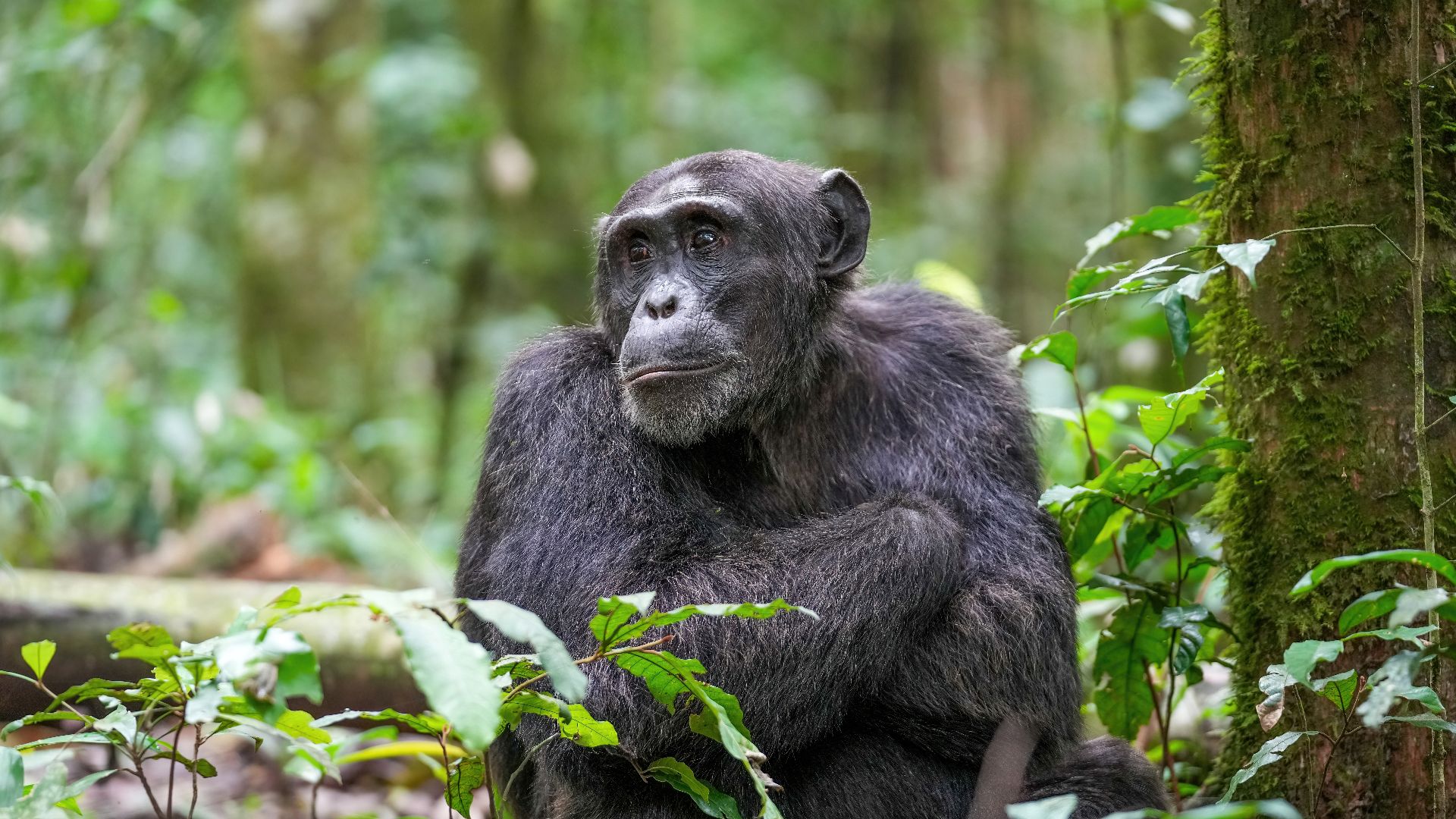 Giles Laurent, Wikimedia Commons
The Family Tree Analogy
Think of your great-great-grandparents. You and your cousins both come from them, but you didn’t come from your cousin. Humans and monkeys are similar—we’re related through shared ancestry, not directly descended from each other.

So What Was the Common Ancestor?
The shared ancestor wasn’t a monkey or a human. It was an earlier primate species that lived millions of years ago. Over time, different populations adapted to different environments, eventually becoming distinct species with unique traits.
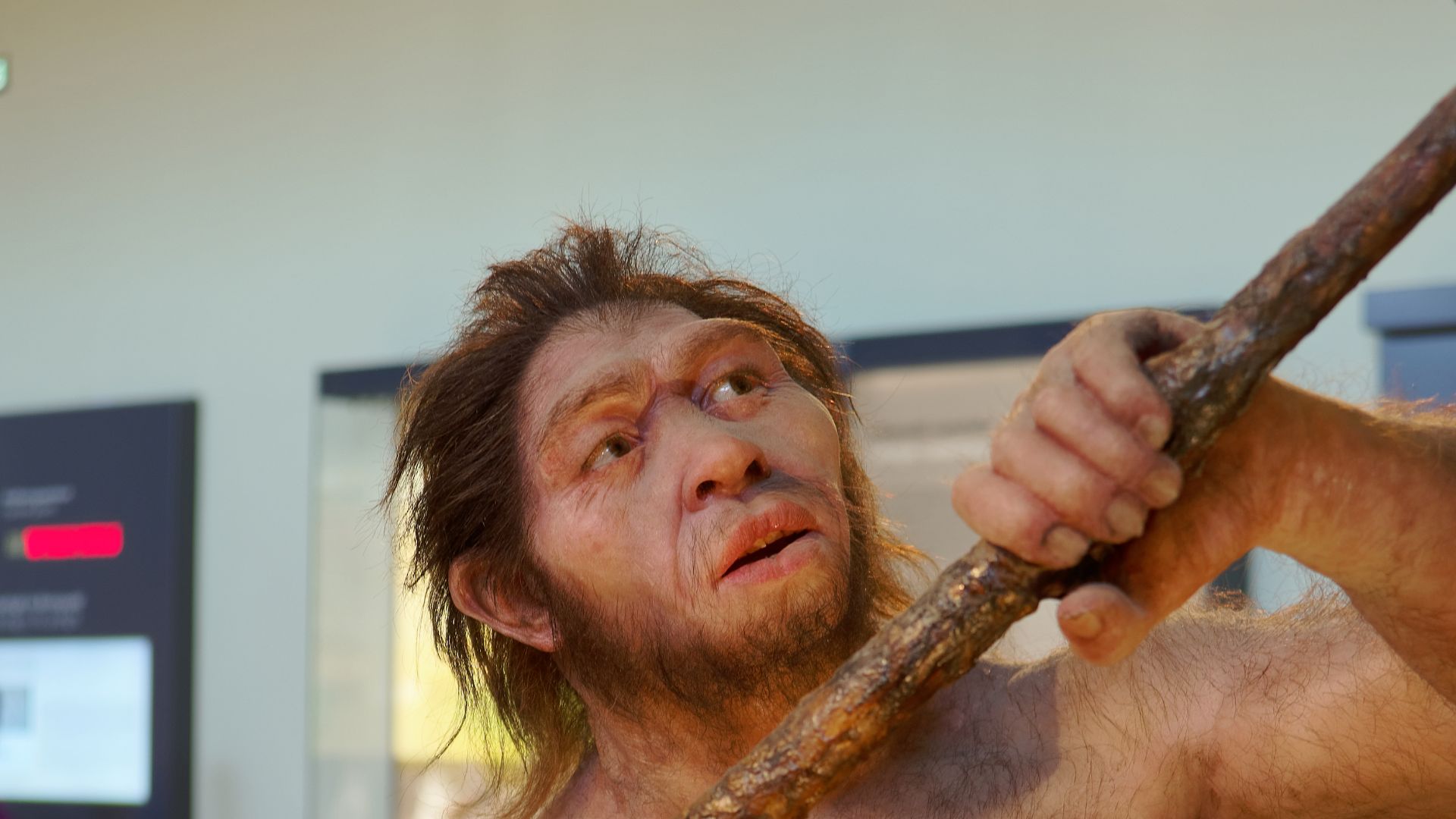 Jakub Halun, Wikimedia Commons
Why Monkeys Still Exist
People often ask, “If we evolved from monkeys, why are monkeys still here?” Because they didn’t turn into us. They followed their own evolutionary path, adapting to different environments while our lineage adapted separately over millions of years.
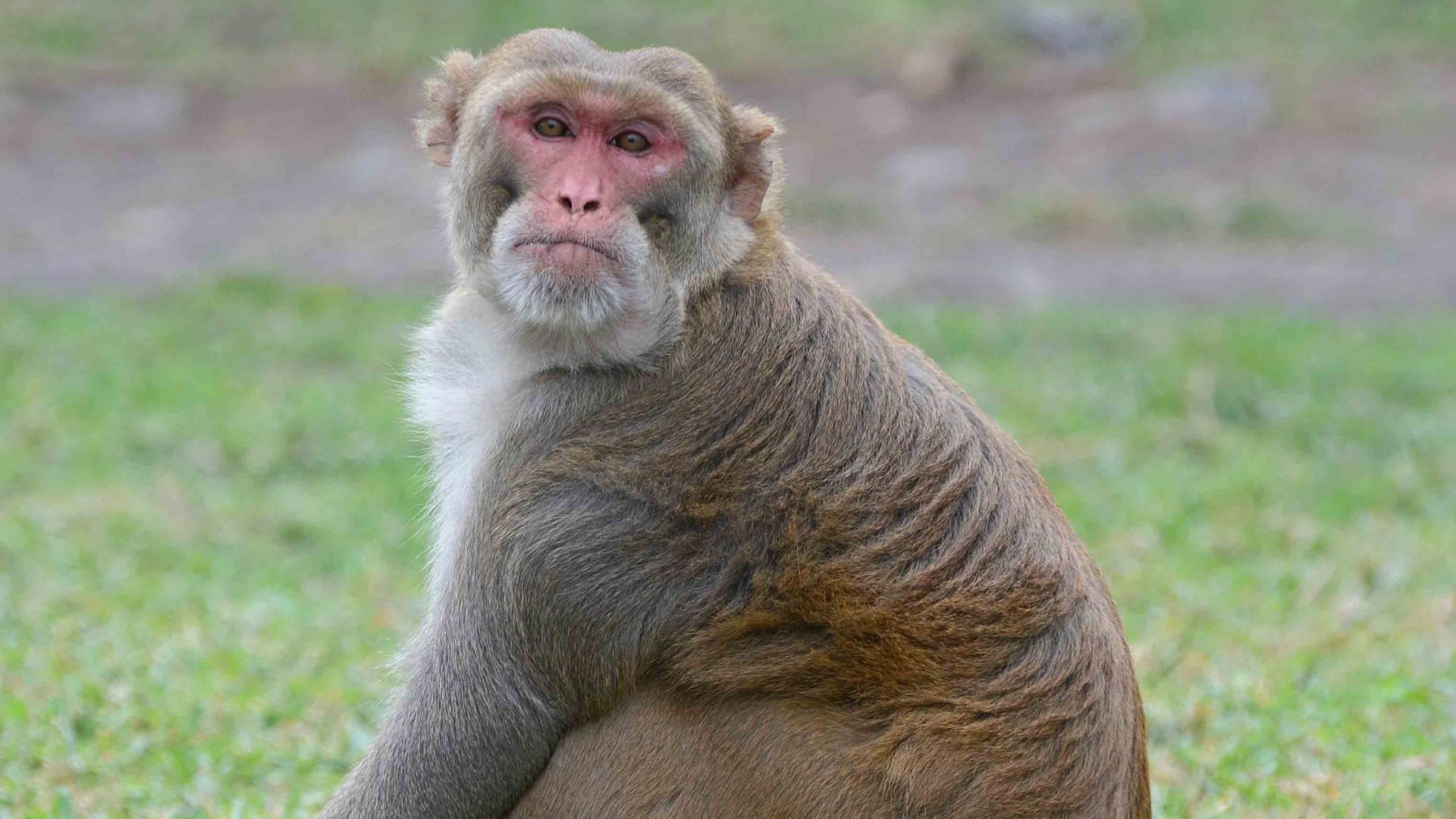 Geoff Gallice, Wikimedia Commons
Different Paths, Same Starting Point
That ancient primate split into multiple branches. Some became modern monkeys. Others became apes. One branch eventually led to humans. Evolution works more like a branching tree than a straight ladder, with many species evolving at the same time.
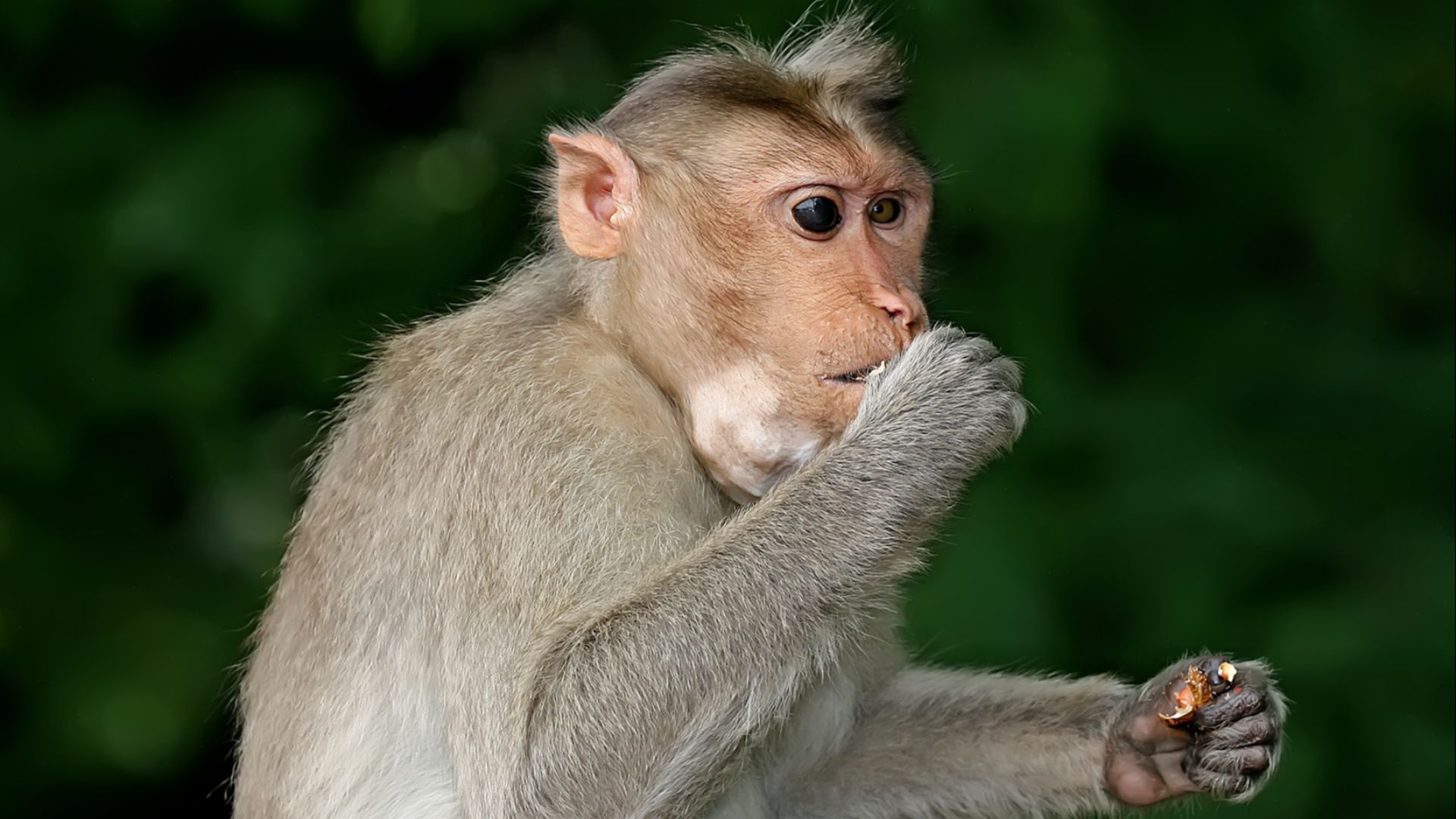 Muhammad Mahdi Karim, Wikimedia Commons
If You Go Back Far Enough…It Gets Wild
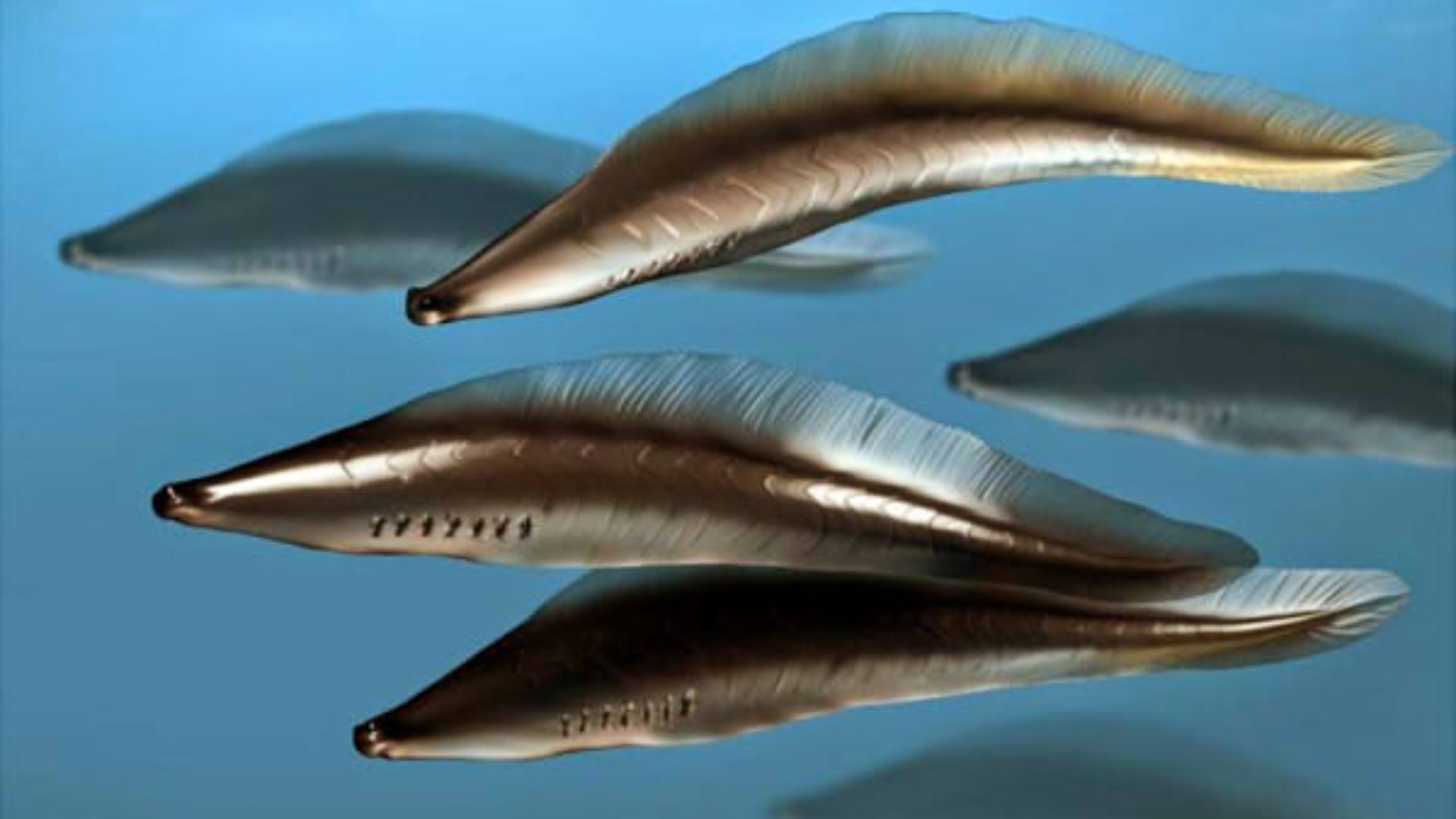
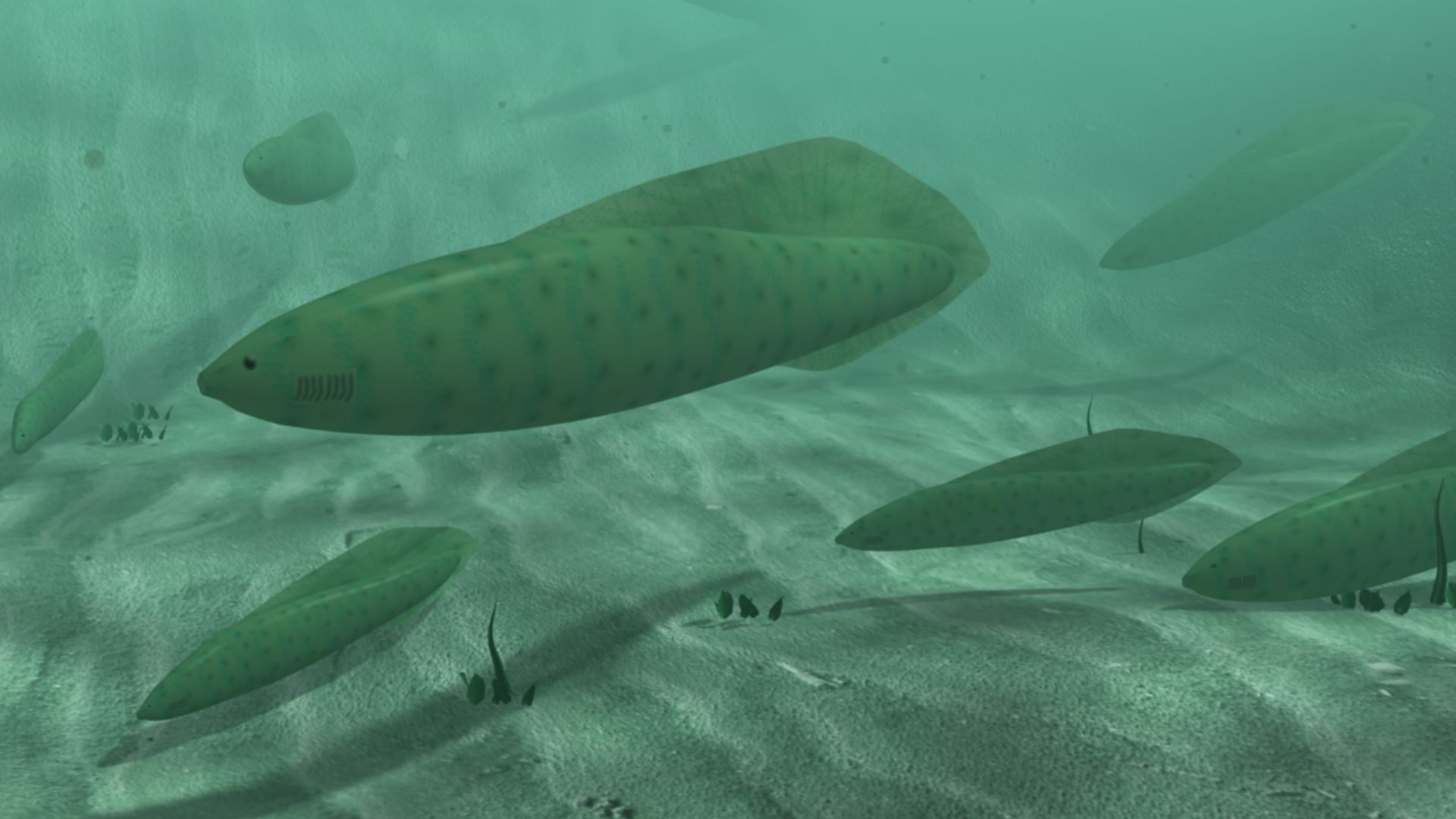
If you trace our lineage back far enough, humans—and all vertebrates—link to early fish-like creatures that developed early backbone features over 500 million years ago. Fossils like Haikouichthys show some of the earliest known vertebrate traits.
 Nobu Tamura, Wikimedia Commons
Humans Are Actually Apes
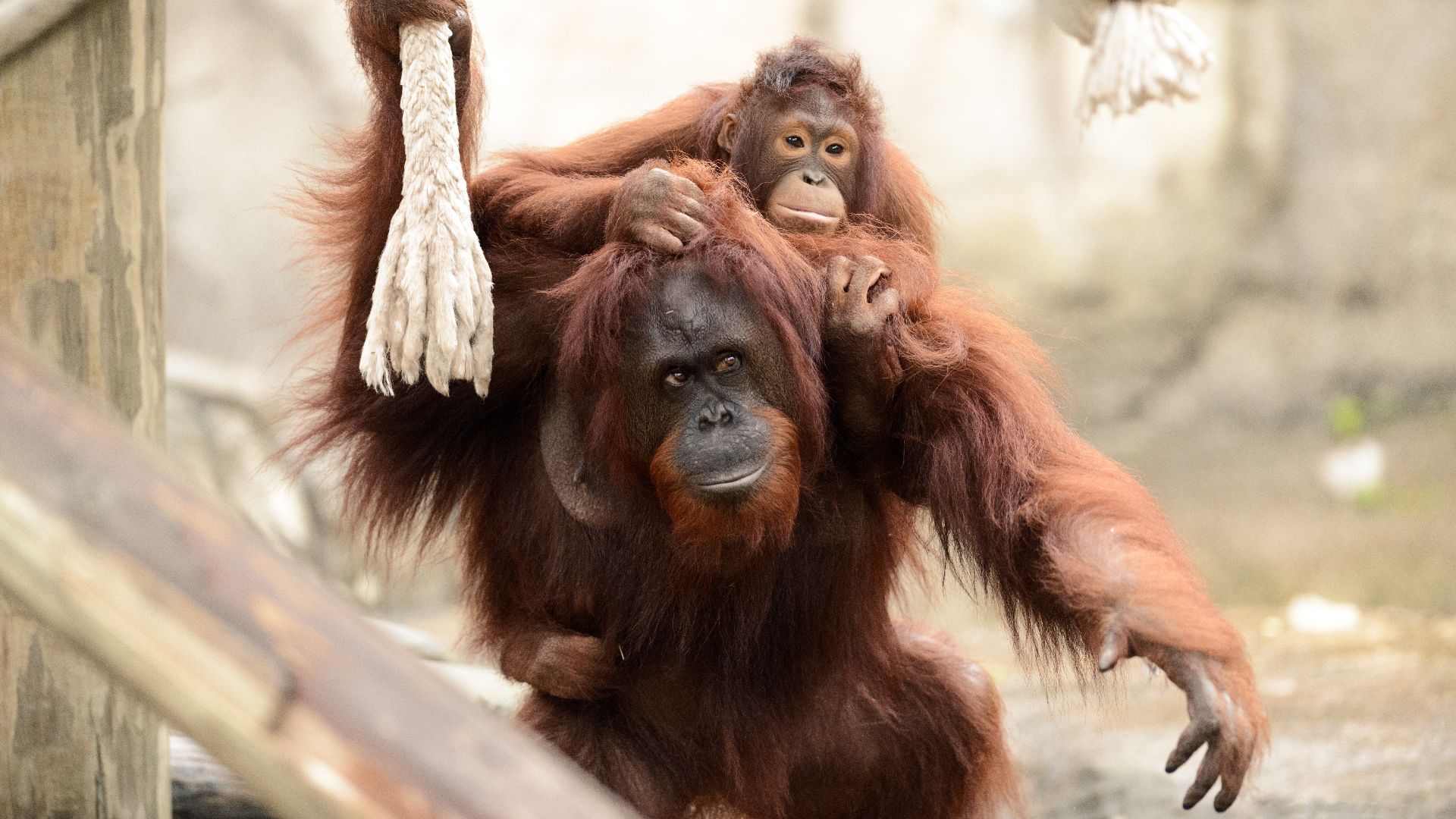
This surprises many people, but humans are scientifically classified as great apes. We belong to the Hominidae family alongside chimpanzees, gorillas, and orangutans, based on shared anatomy, genetics, and evolutionary history.
 Eric Kilby from Somerville, MA, USA, Wikimedia Commons
Monkeys vs. Apes vs. Humans
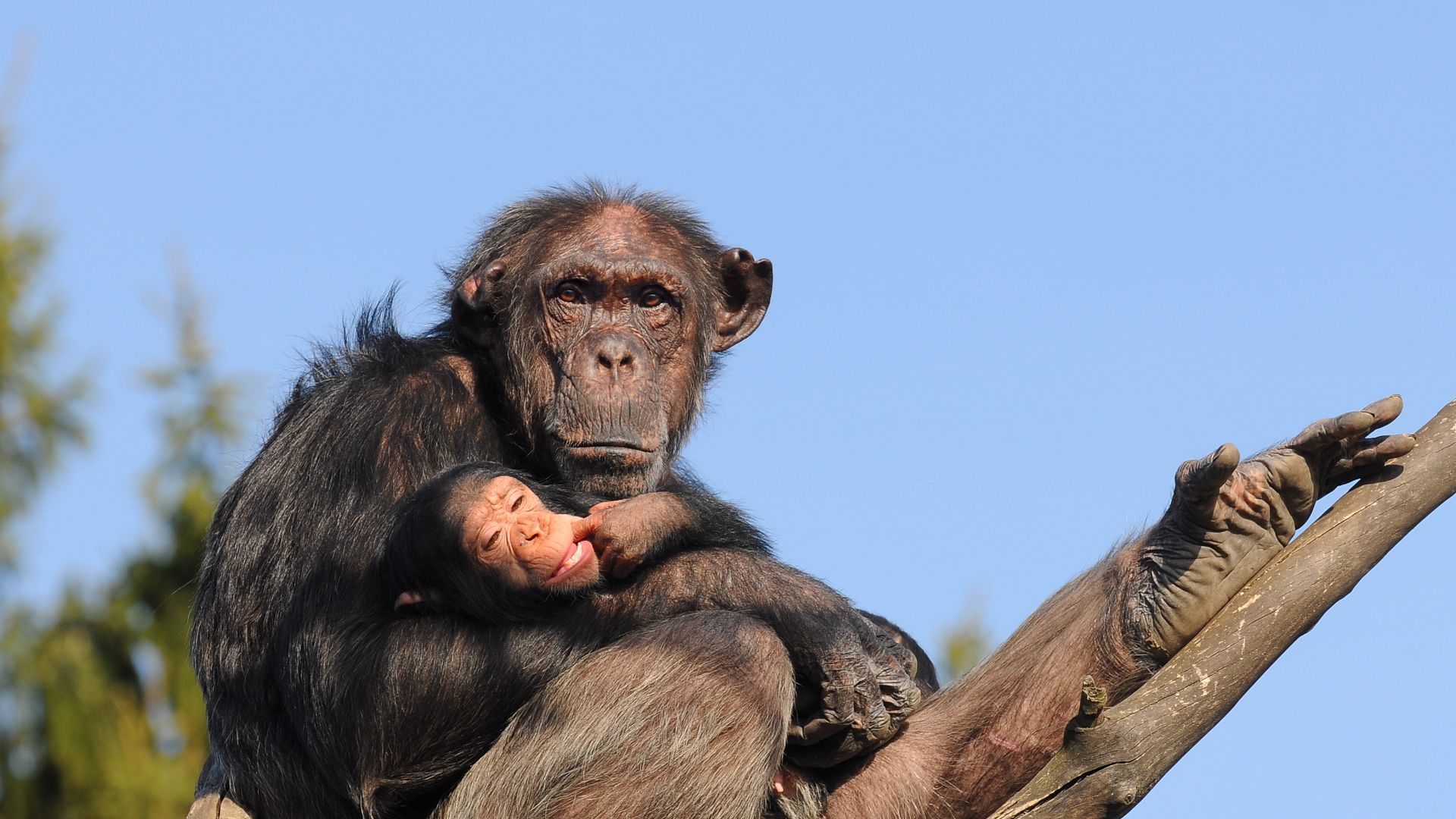
Humans are much more closely related to apes than monkeys. We share about 98.8% of our DNA with chimpanzees—a commonly cited estimate—making them our closest living relatives despite major physical and cognitive differences.
 bohringer friedrich This photo was taken with Nikon D300s, Wikimedia Commons
Not All Monkeys Are Equally Related
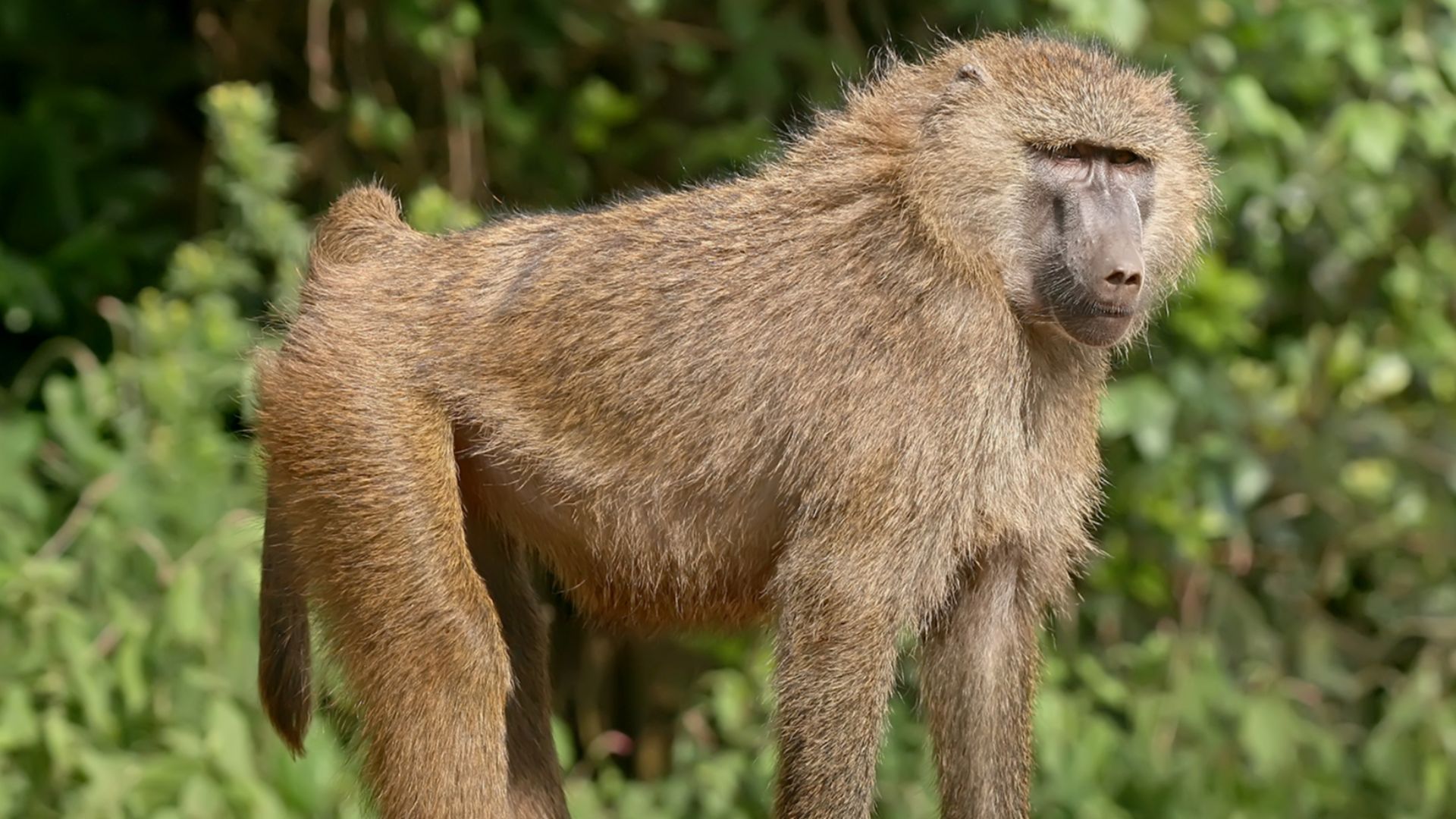
Old World monkeys like baboons and macaques are more closely related to humans than New World monkeys like capuchins. But even then, humans are still far more closely related to apes than to any monkey species.
 Muhammad Mahdi Karim, Wikimedia Commons
What Makes Apes Different
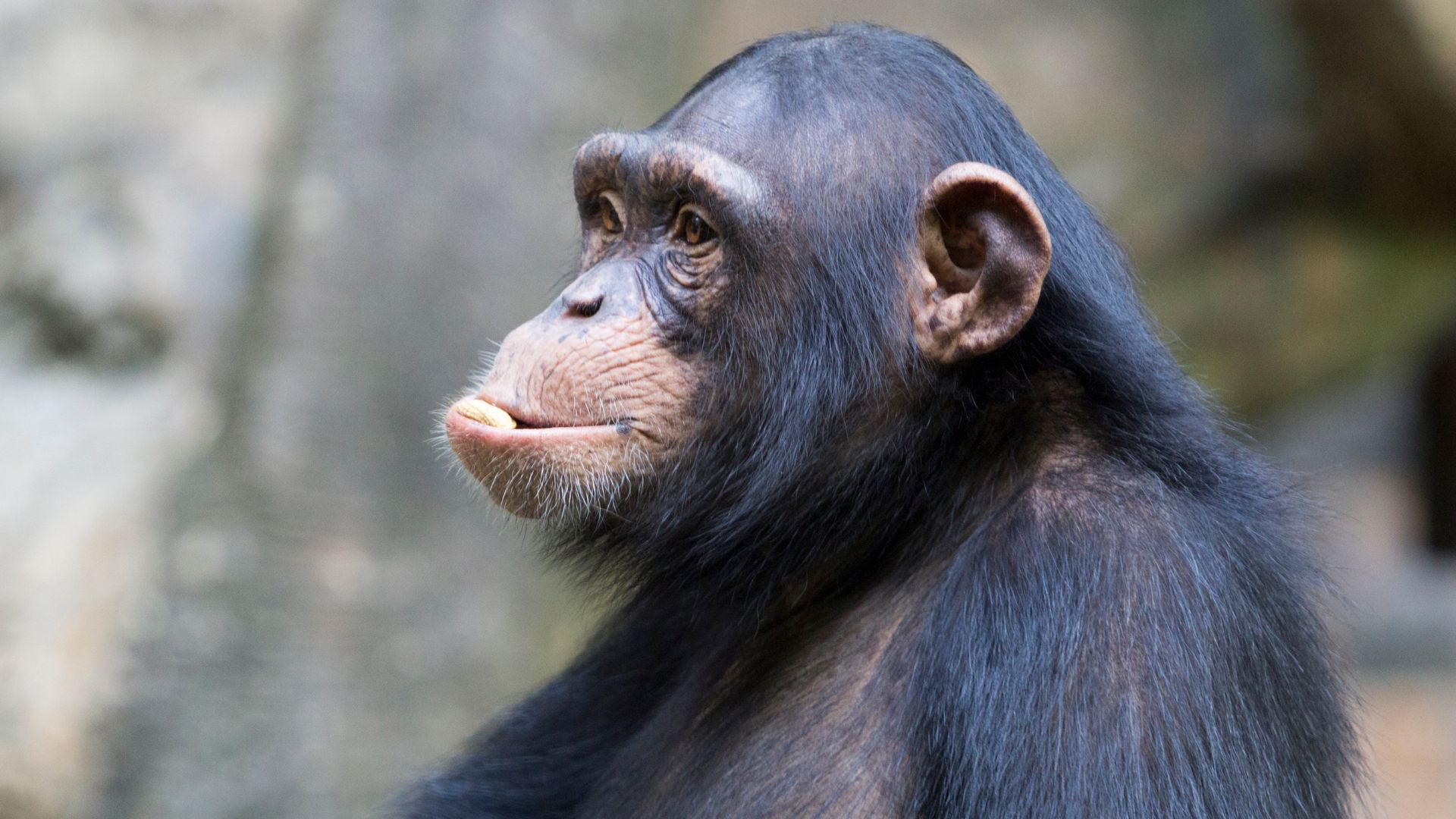
Apes don’t have tails and tend to have larger brains relative to body size. They also show more advanced social behaviors and problem-solving abilities, traits that became even more developed in humans over millions of years.
 Herusutimbul, Wikimedia Commons
Evolution Takes a Long Time
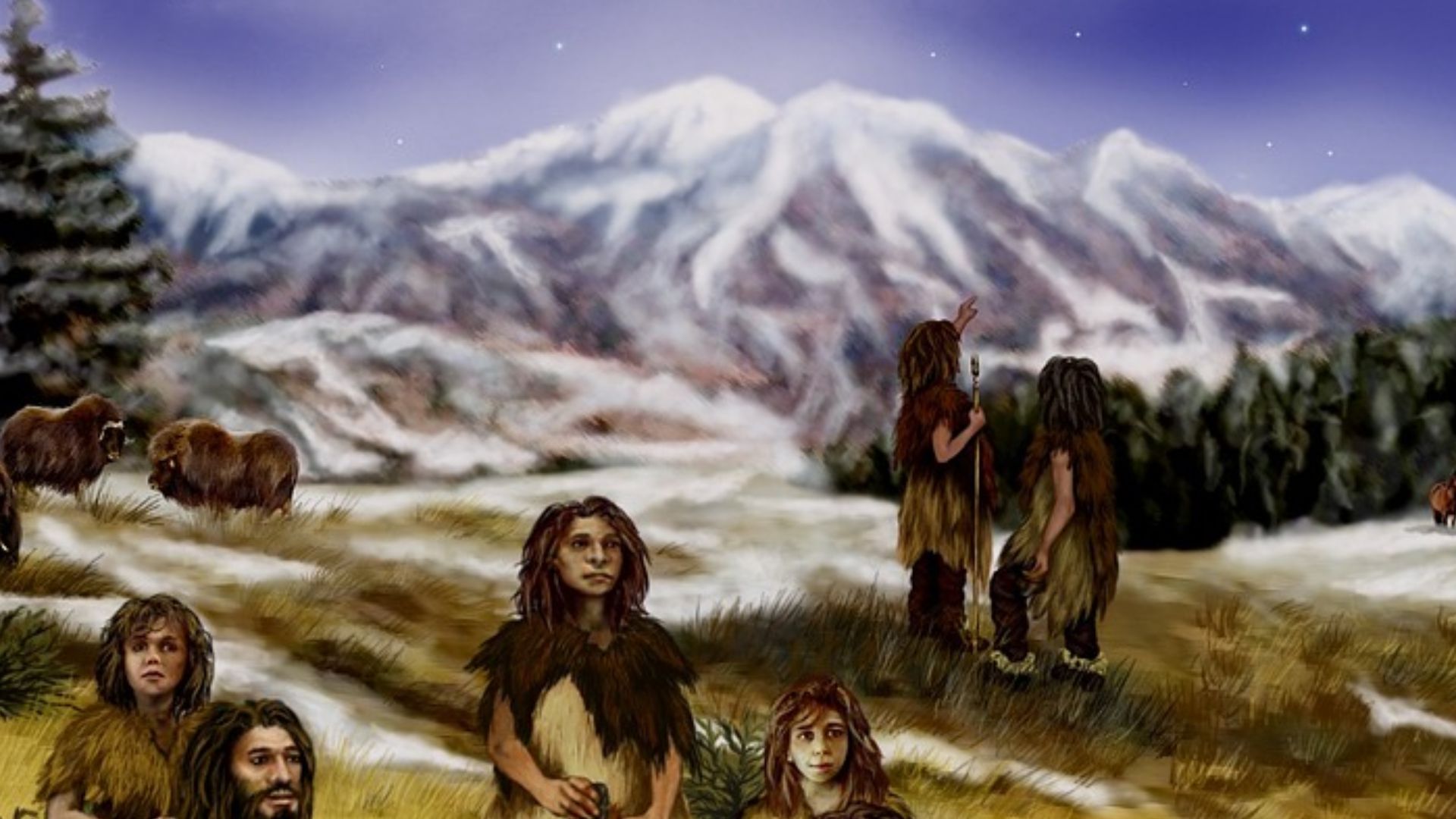
Evolution happens over millions of years, not within a lifetime. Small genetic mutations accumulate slowly, and natural selection filters them, eventually leading to major differences between species that once shared a common ancestor.
Evolution Has No End Goal
Evolution isn’t trying to create humans. There’s no final version or end point. Species adapt to their environments, and humans are simply one branch that survived and thrived—not the intended outcome of evolution.

Natural Selection in Action
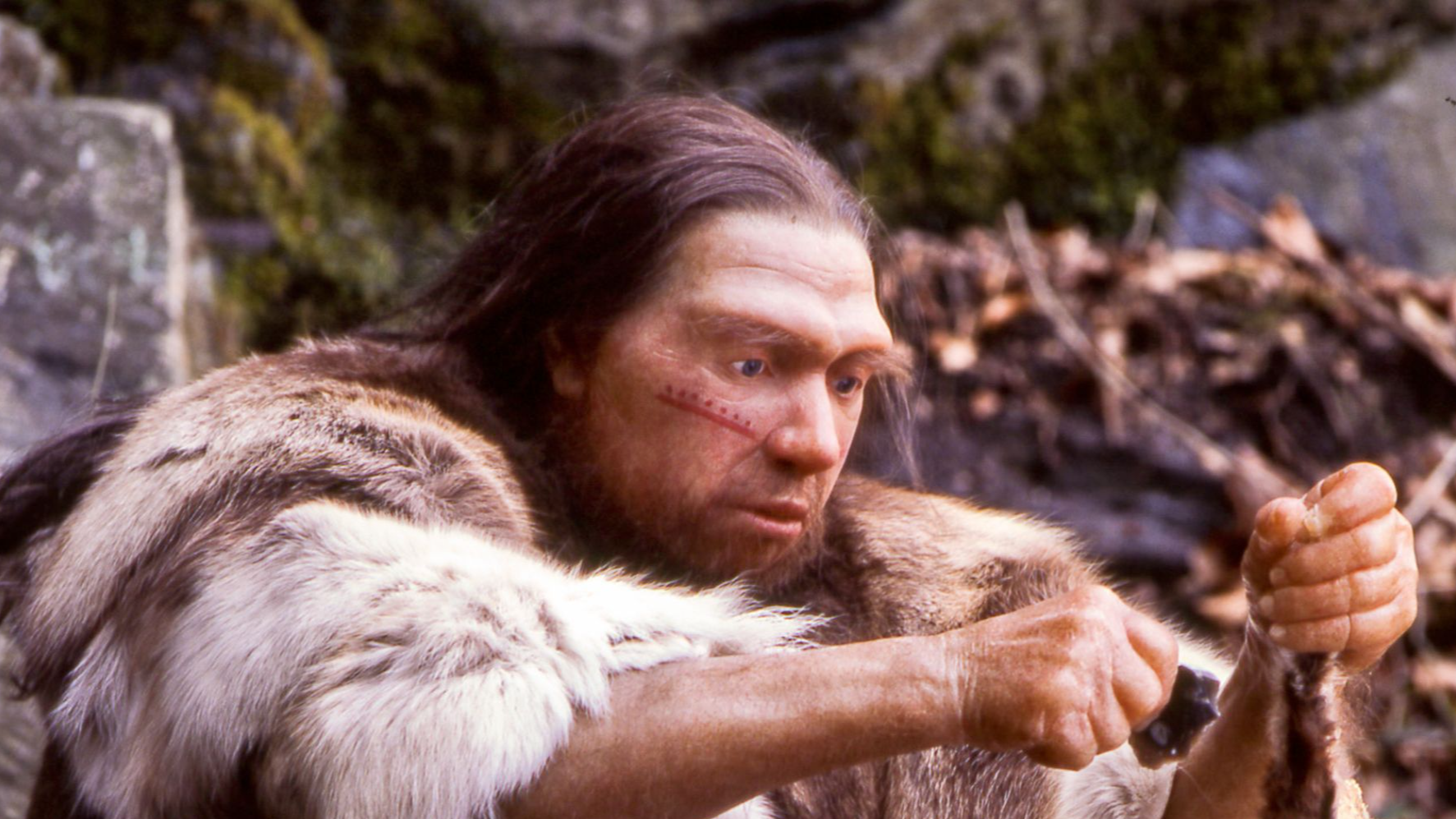
Traits that improve survival—like tool use, communication, or adaptability—get passed down more often. Over many generations, these traits become more common, gradually shaping how a species looks, behaves, and survives.
 Neanderthal-Museum, Mettmann, Wikimedia Commons
Early Human Ancestors
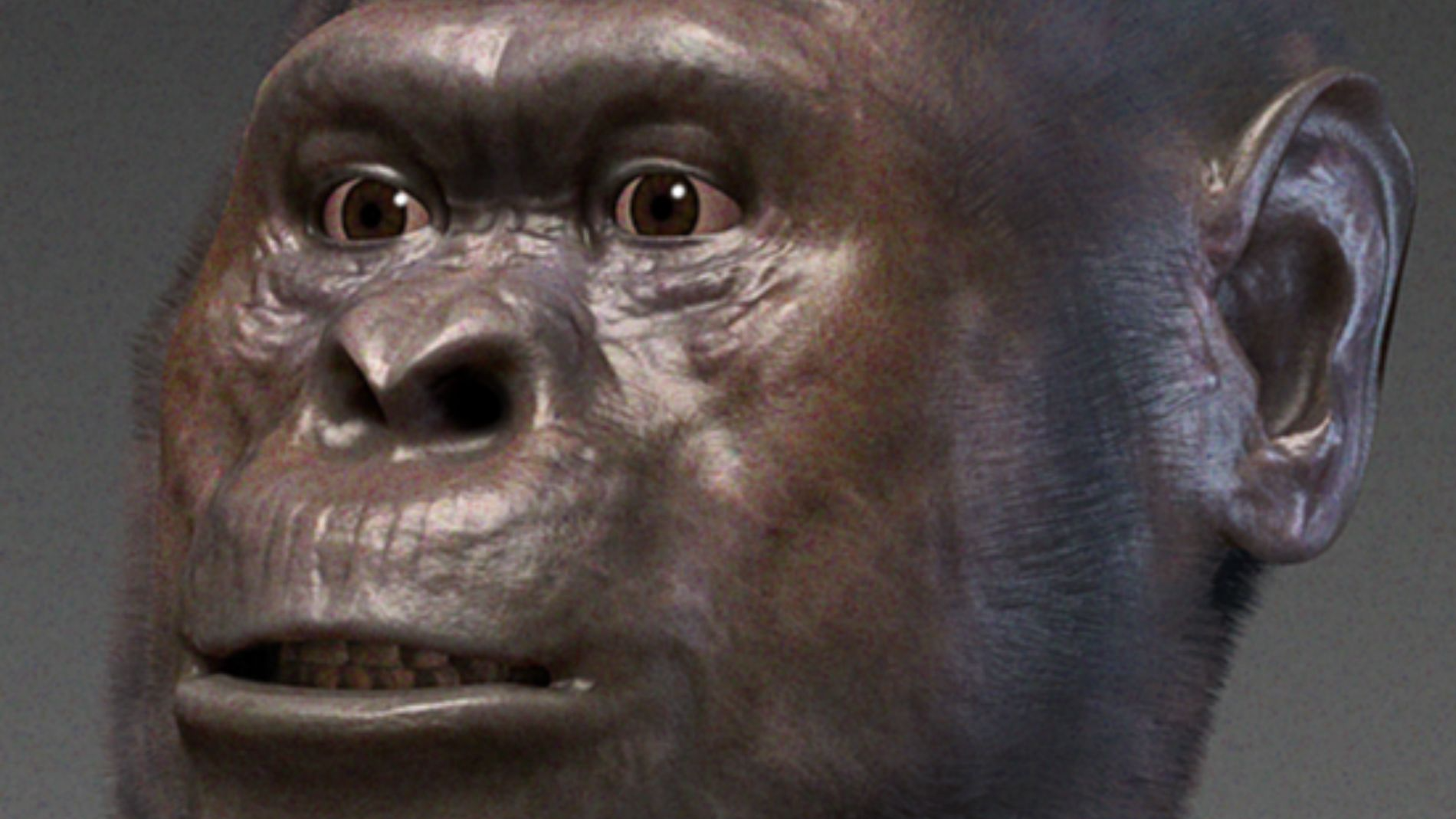
Species like Australopithecus and Homo habilis walked upright and used simple tools. Fossils show these traits developing gradually over millions of years, not appearing suddenly in one species.
 Cicero Moraes, Wikimedia Commons
Multiple Human Species Existed
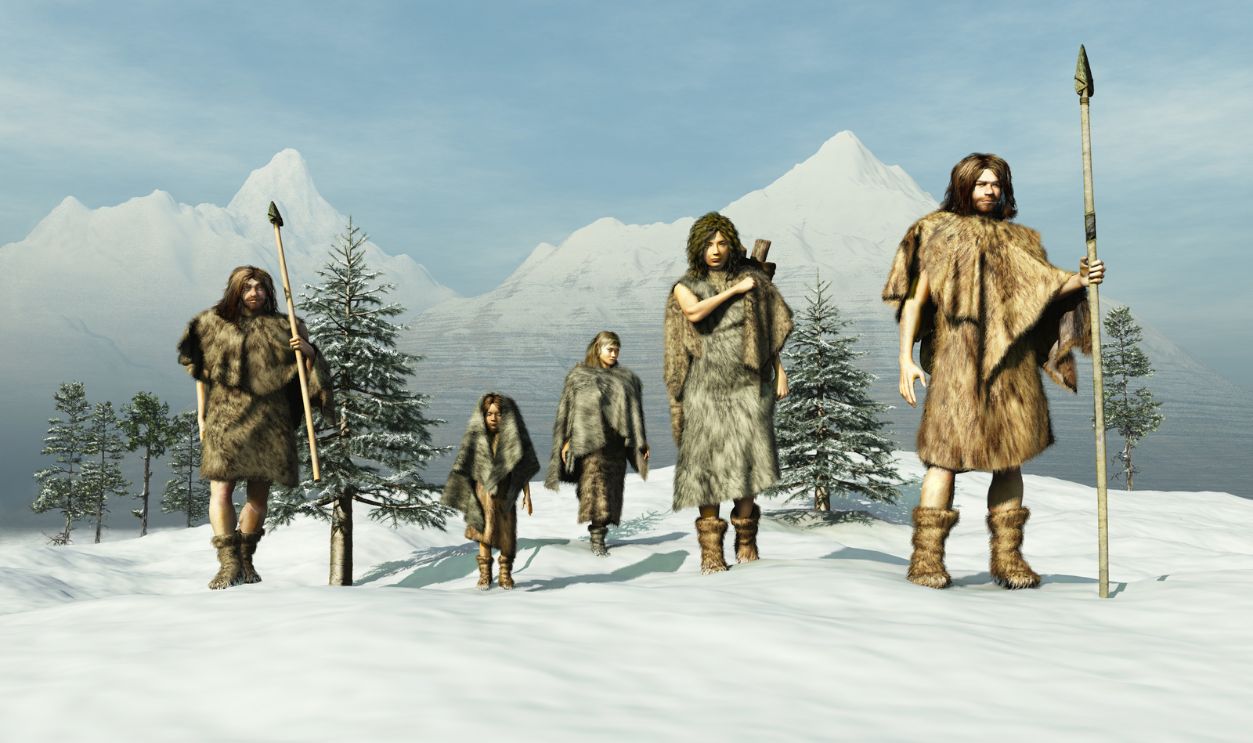
There wasn’t always just one type of human. Neanderthals and Denisovans lived alongside early Homo sapiens, especially across Europe and Asia, showing that human evolution was a branching and overlapping process.
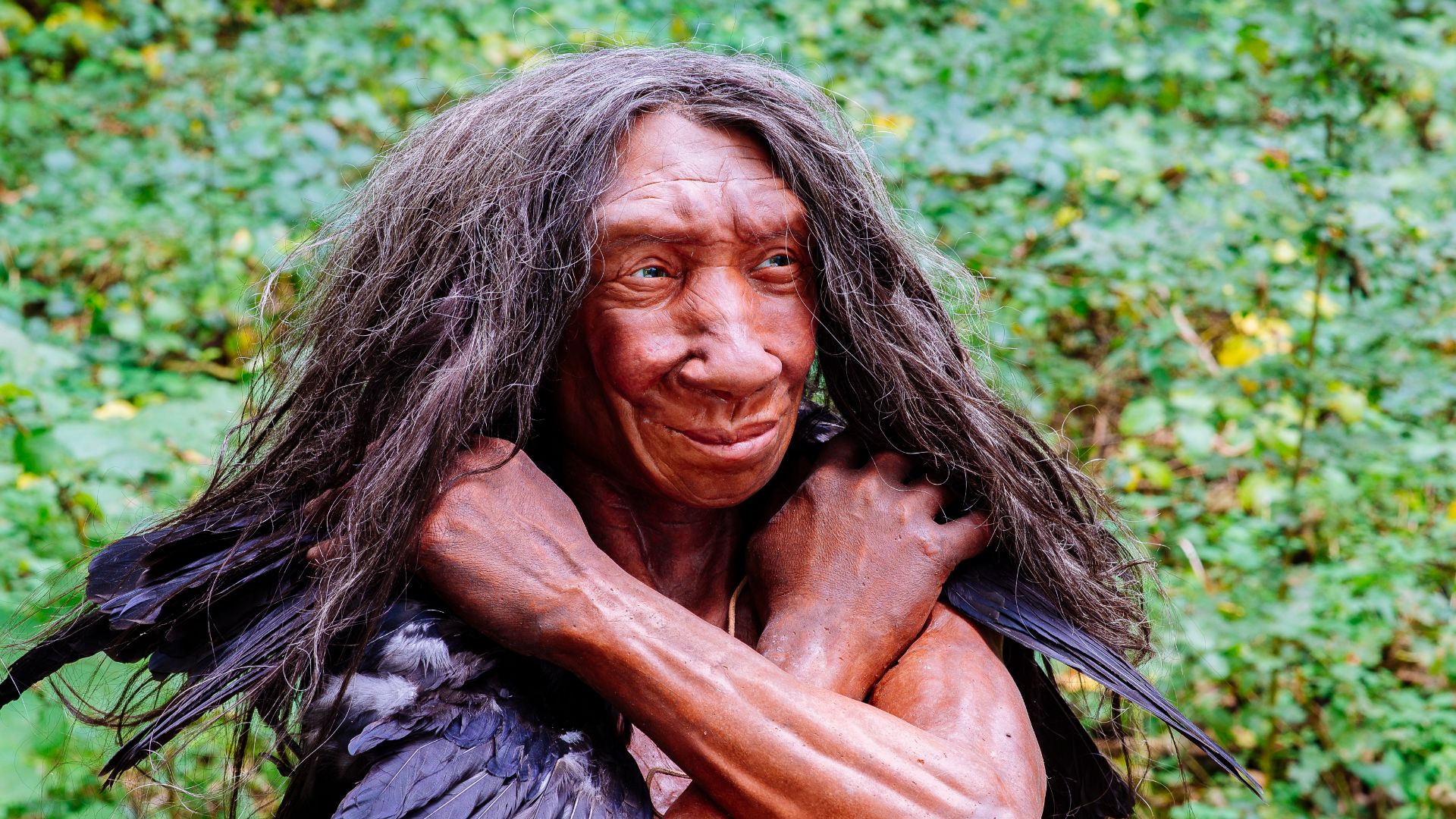 Neanderthal-Museum, Mettmann, Wikimedia Commons
We Interacted With Them
Many people in non-African populations today carry about 1–2% Neanderthal DNA. Genetic evidence confirms that early humans interbred with them, meaning these groups were closely related and overlapped both geographically and genetically.

The Role of the Environment
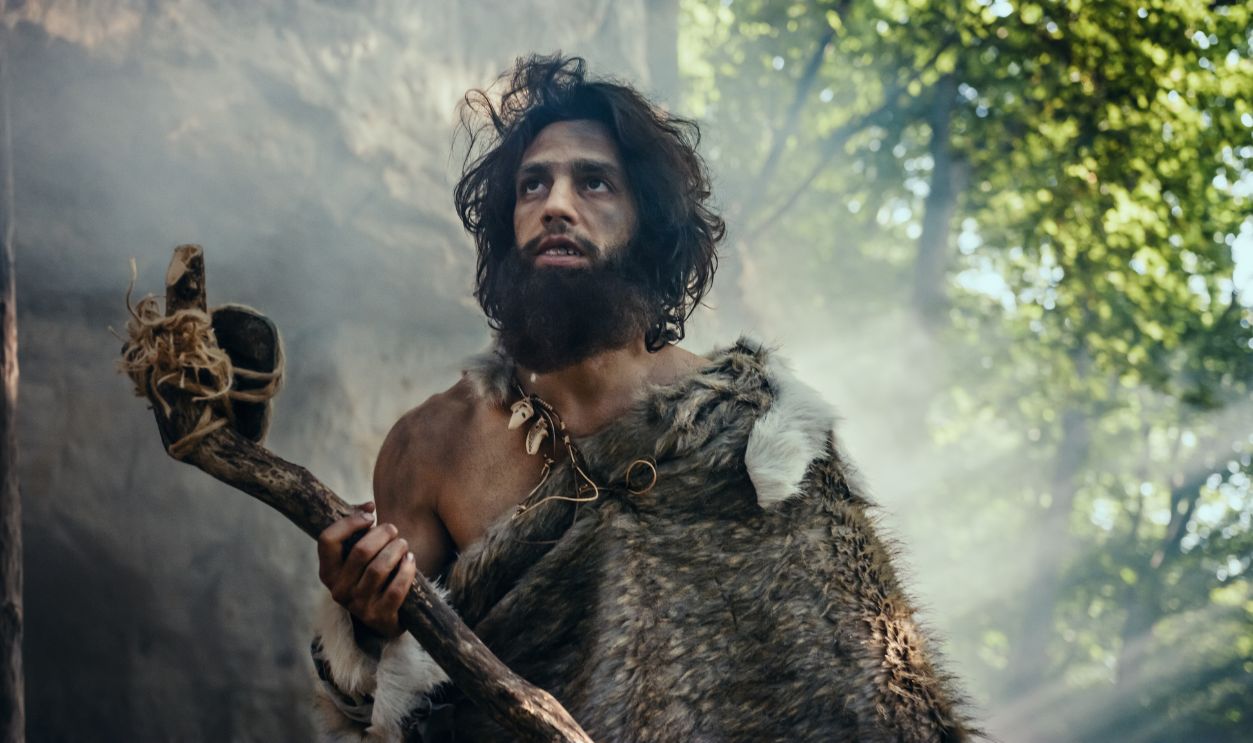
Changing climates forced early humans to adapt. Walking upright helped with long-distance travel, energy efficiency, and spotting predators, especially in open environments like African grasslands and savannas.
Brains Got Bigger Over Time
One of the biggest changes in human evolution was brain size. Fossil evidence shows a steady increase in brain volume, which is linked to improved problem-solving, planning, memory, and social complexity.
Tool Use Changed Everything
Early humans shaped tools for hunting and survival. Archaeological evidence shows stone tools dating back about 2.6 million years, giving humans a major advantage in accessing food and surviving harsh environments.
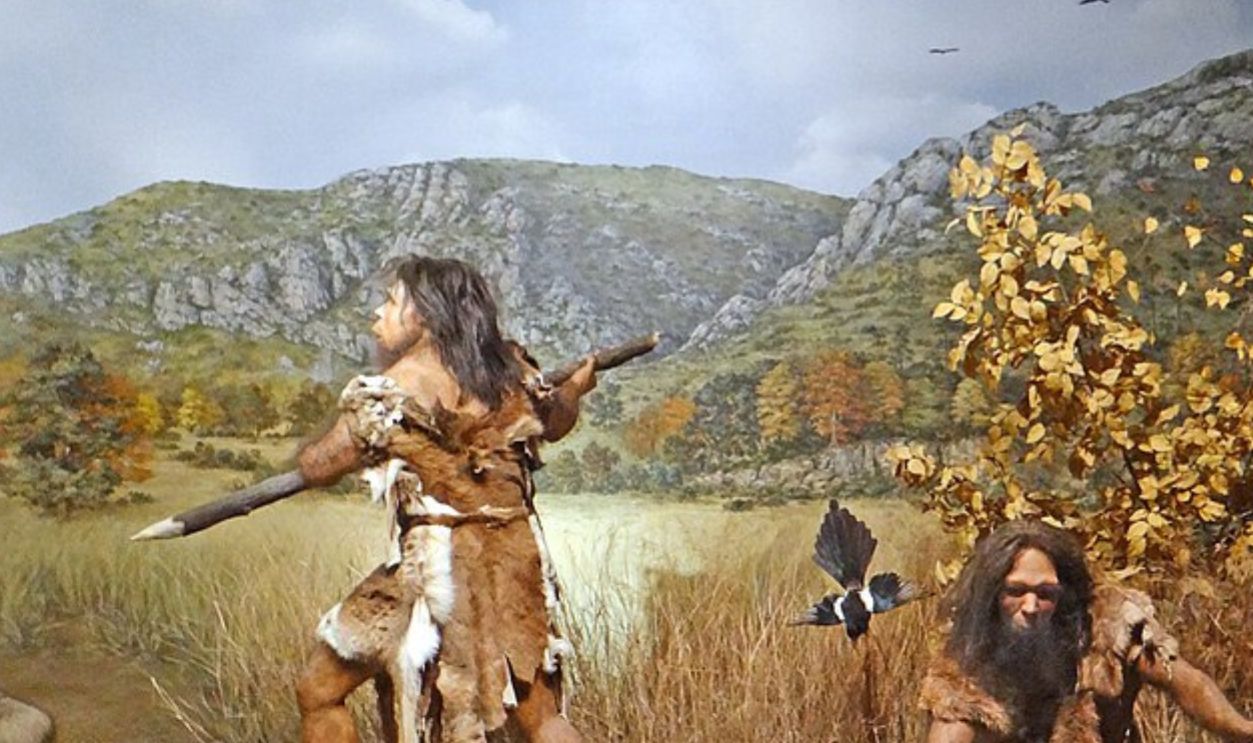 Jean-Pierre Dalbera from Paris, France, CC BY 2.0, Wikimedia Commons
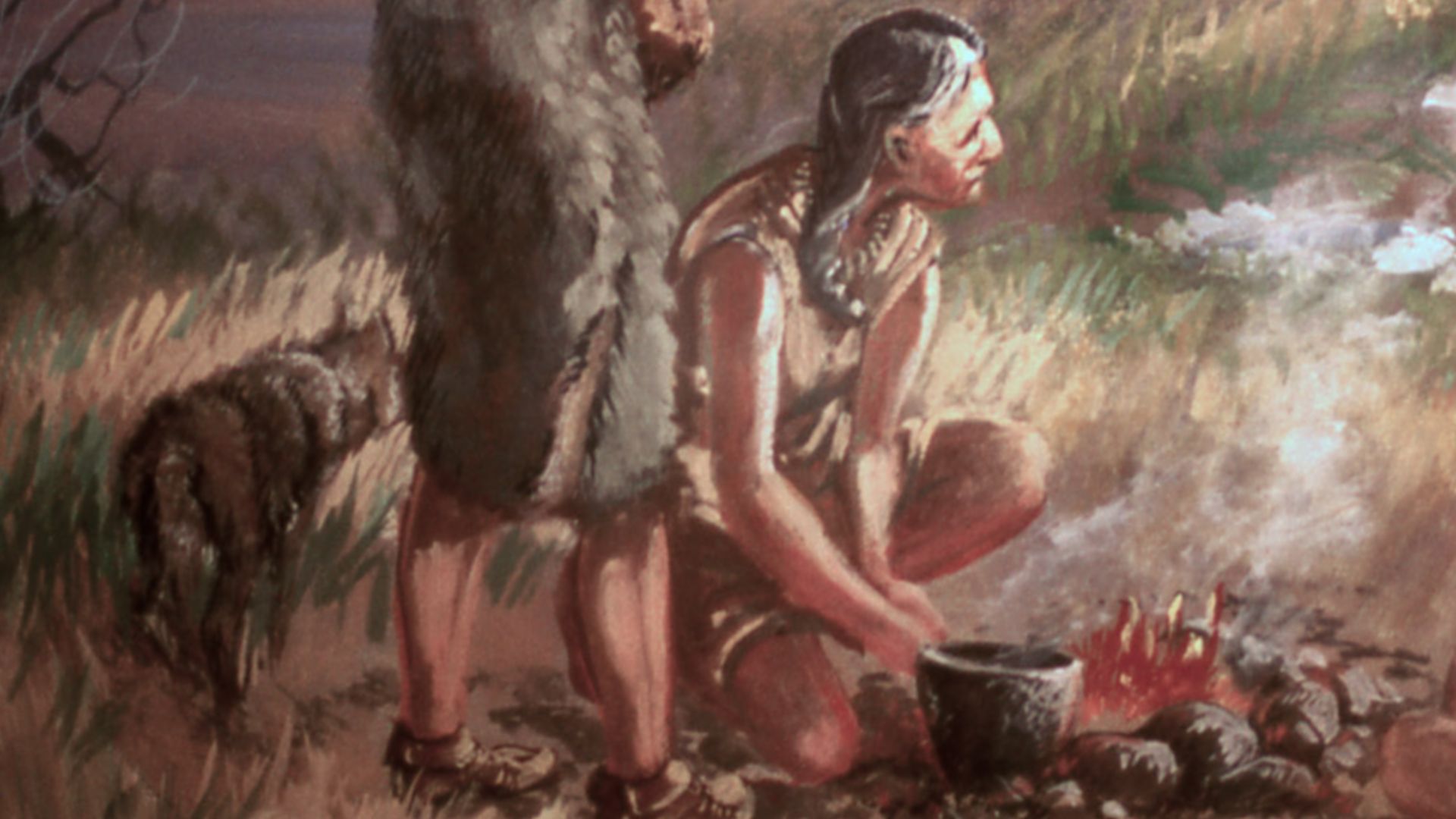
Fire Was a Game-Changer
Controlling fire allowed cooking, warmth, and protection. Evidence suggests some early humans were using or controlling fire at least around 400,000 years ago, which made food easier to digest and may have supported brain development.
 Artist unknown, Wikimedia Commons
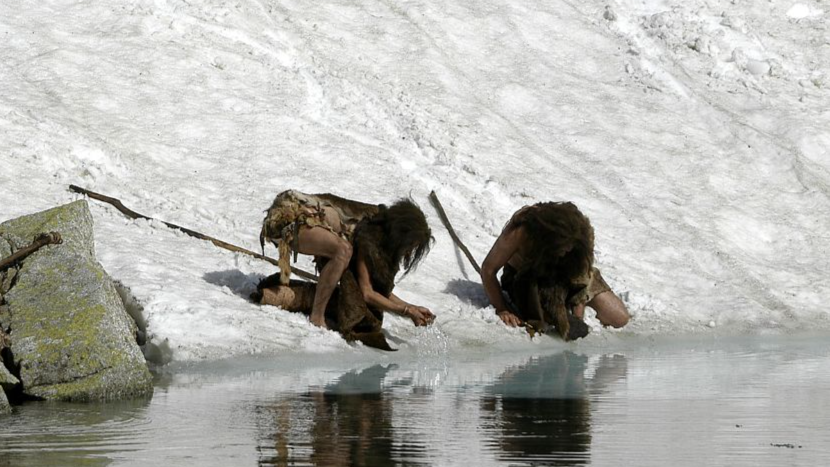
Social Behavior Evolved Too
Humans evolved to live and work together in groups. Cooperation, shared responsibilities, and communication increased survival rates, especially when hunting, raising offspring, or defending against environmental threats.
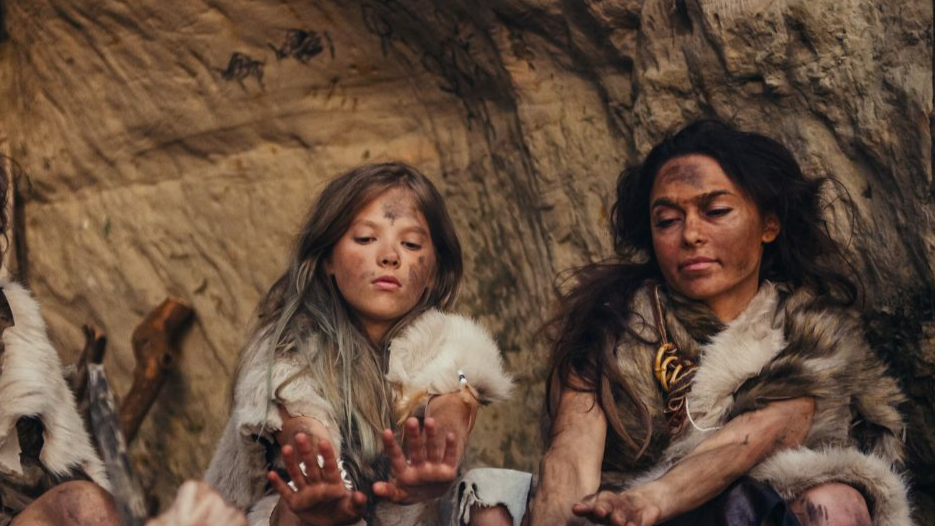
Language Set Humans Apart
Humans developed complex language, allowing knowledge to be shared and built upon across generations. This dramatically accelerated cultural, technological, and social development compared to other species.
The Fossil Record Tells the Real Story
Scientists have discovered thousands of fossils from thousands of individuals showing different stages of human evolution. There isn’t one “missing link”—there are many transitional species that clearly show gradual changes over time.

We’re Still Evolving
Evolution hasn’t stopped. Humans are still evolving today, with measurable changes related to diet, disease resistance, and even high-altitude adaptation in certain populations.

Why the “Monkey” Idea Stuck
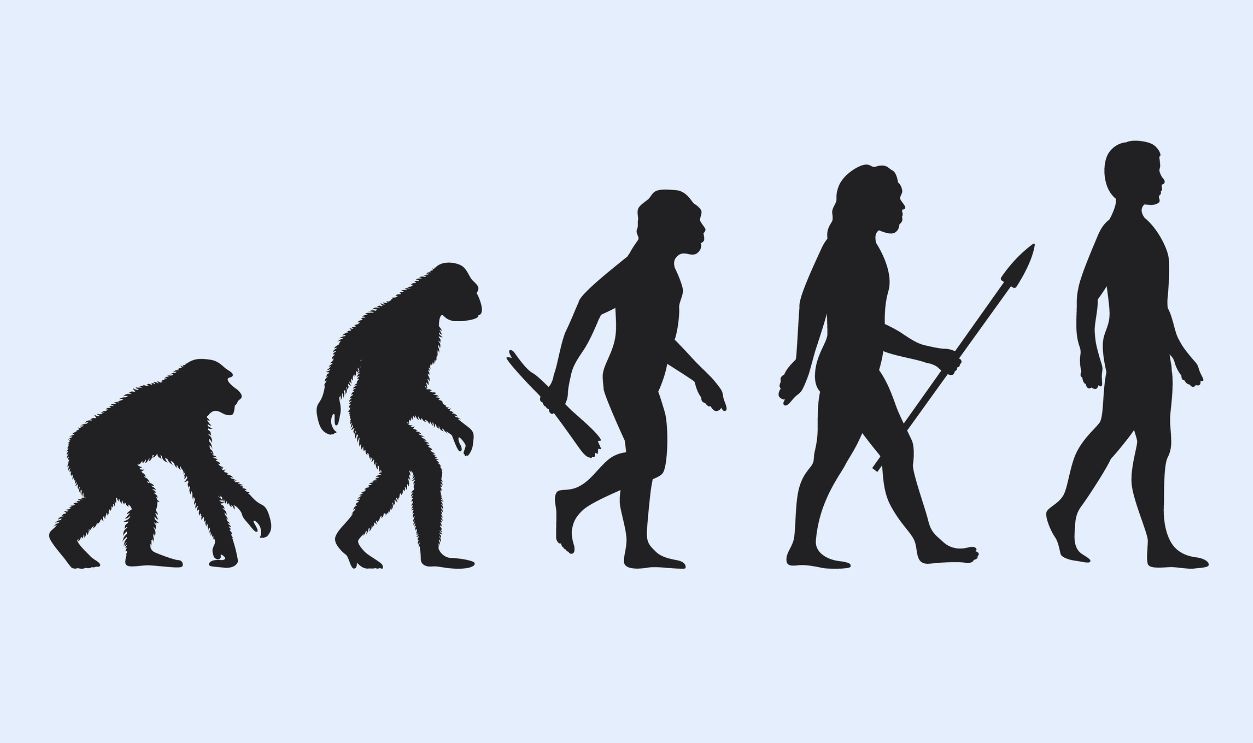
It’s simple and easy to repeat—but it was reinforced by that famous image showing a monkey slowly turning into a human. It looks like a straight progression, but it’s misleading. Evolution is a branching process.
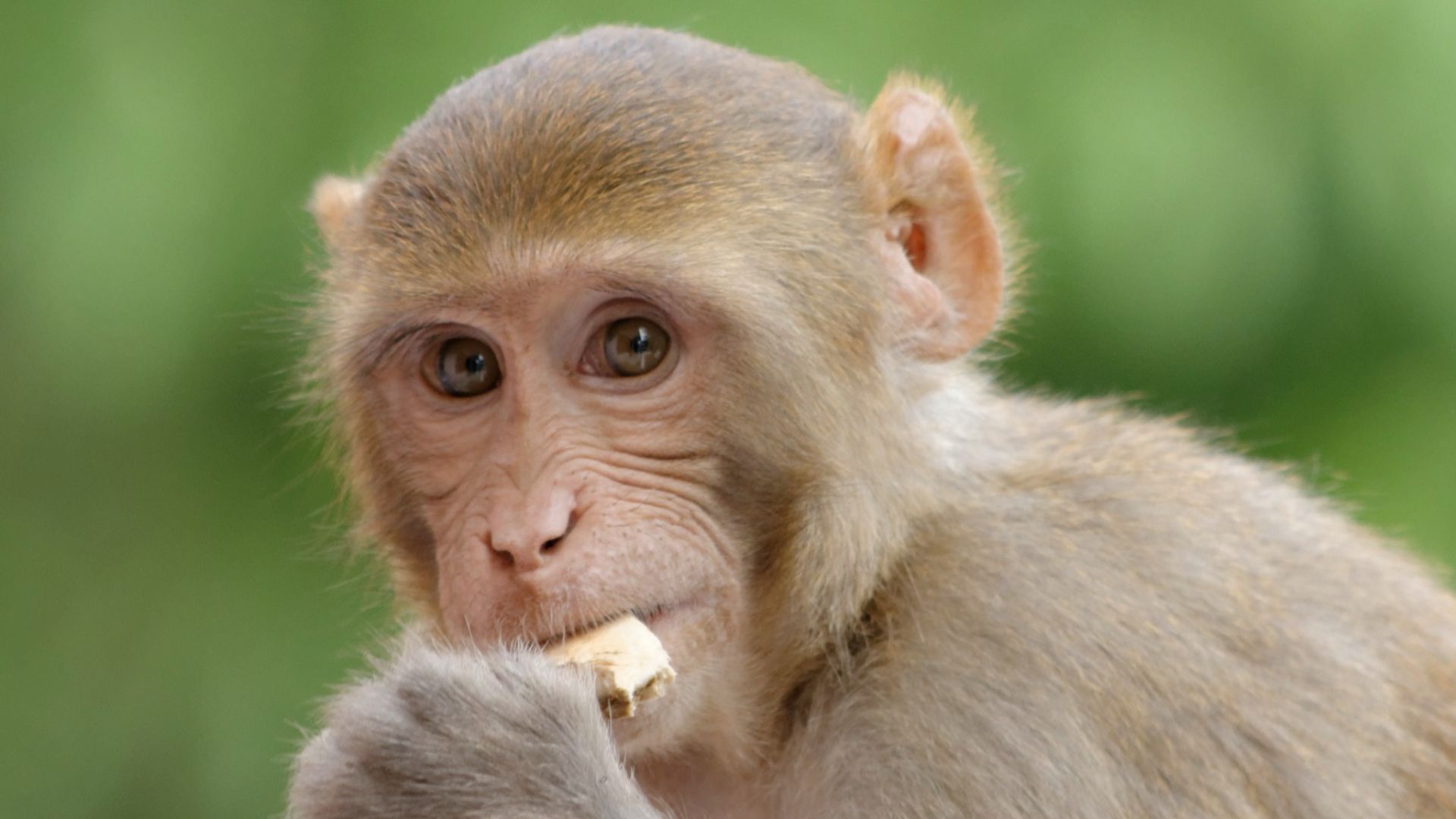
Pop Culture Didn’t Help
Cartoons, movies, and outdated visuals reinforced the idea that monkeys turned into humans. These simplified portrayals made evolution seem linear, even though scientific evidence shows it’s complex and branching.
 Esteban De Armas, Shutterstock
The Real Story Is Even More Interesting
We didn’t evolve from monkeys—we’re part of a massive, branching tree of life. Our lineage goes back to ancient primates, and if you go back far enough, fish-like ancestors, making the real story far more fascinating.
You Might Also Like: