Rituals Preserved Through Centuries
Beneath quiet farmland and modern homes, a buried sanctuary waited thousands of years, preserving clues to forgotten ceremonies, distant trade, and sacred traditions that reshaped what scholars thought they knew about early Greek worship history.
The 120-Year Search Finally Ends
Archaeologists had been hunting for the Sanctuary of Artemis Amarysia since the late 1800s without success. A Swiss-Greek team finally found it in 2017 near Amarynthos on Evia, Greece's second-largest island. Ancient geographer Strabo's incorrect distance measurement had sent researchers looking in the wrong places for over a century.
Denis Knoepfler's Bold Theory
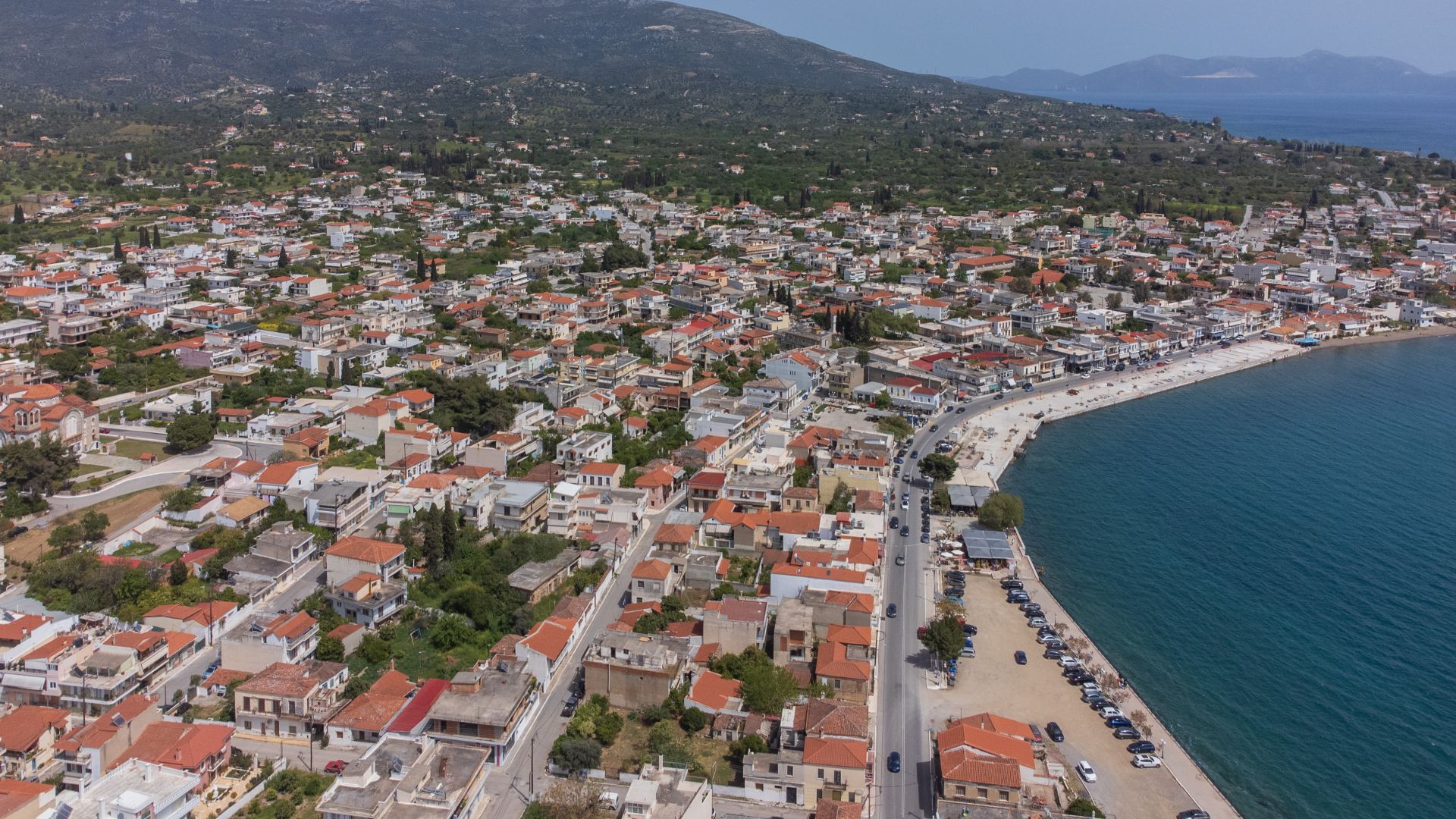
Swiss epigrapher Denis Knoepfler studied ancient texts for decades before proposing in 1989 that everyone was searching the wrong location. He suggested the sanctuary sat near Paleoekklisies Hill, about 7 miles from Eretria, instead of Strabo's reported 1 mile. His controversial theory faced criticism but ultimately proved correct.
The 2017 Breakthrough Discovery
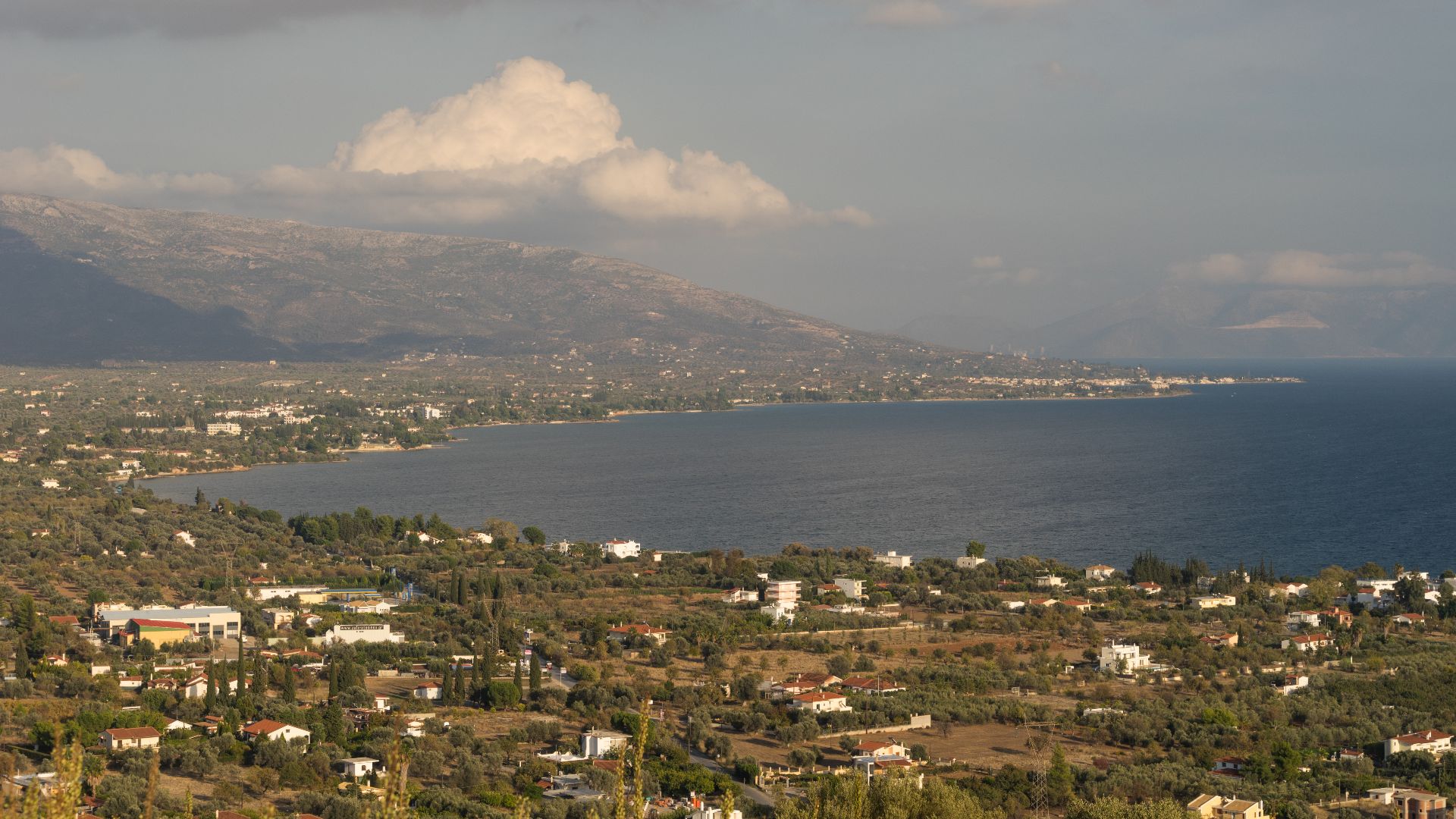
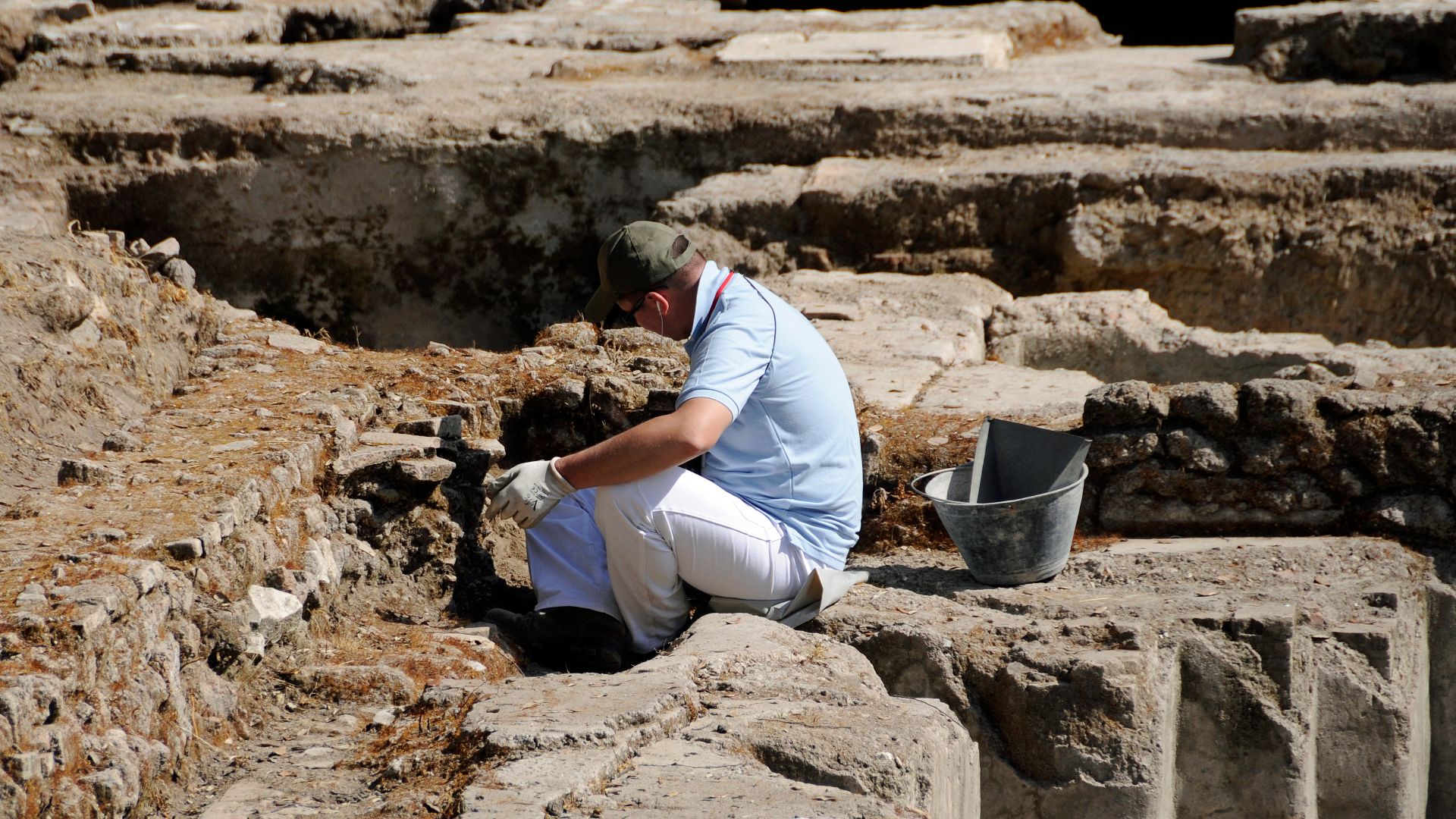
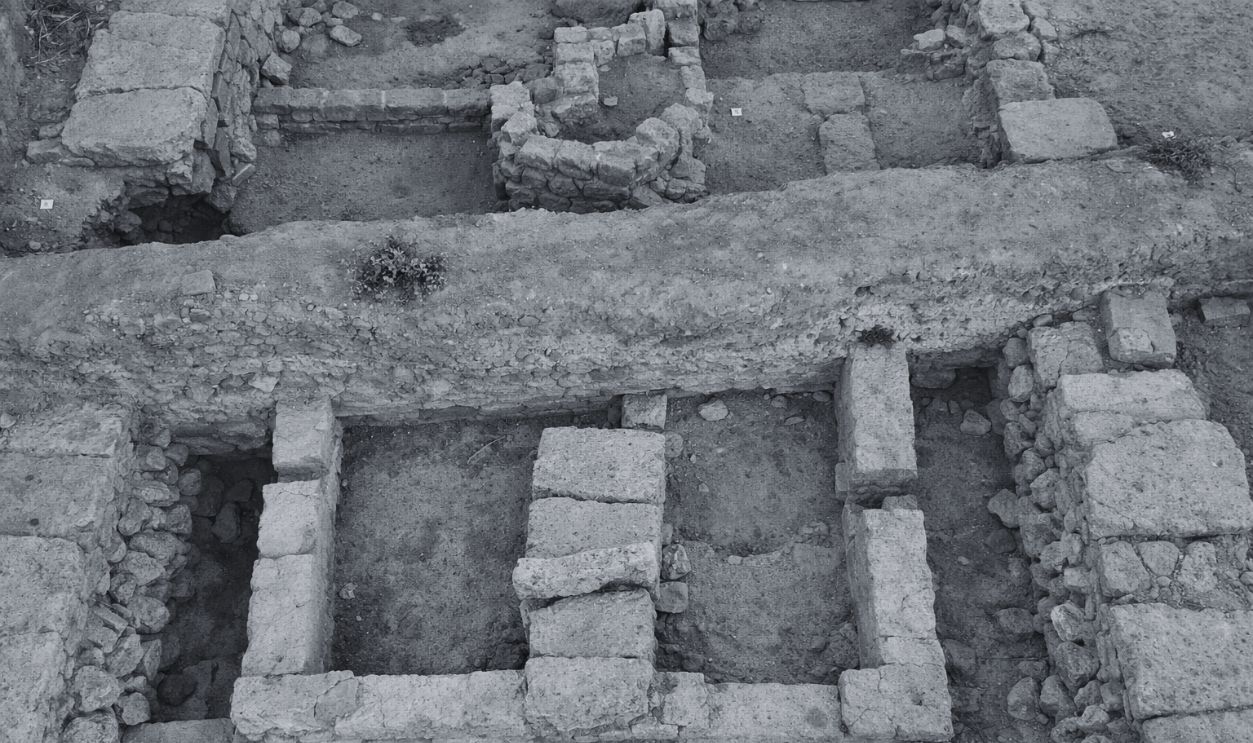
Sylvian Fachard, director of the Swiss School of Archaeology in Greece, led excavations that uncovered monumental porticoes framing the sanctuary's east and north sides. Sealed tiles bearing the name "Artemidos" confirmed this was indeed the lost Artemis temple. One inscription explicitly stated a political decree should be erected "in the Sanctuary of Artemis at Amarynthos".
 Son of Groucho from Scotland, Wikimedia Commons
The 2,700-Year-Old Temple Emerges
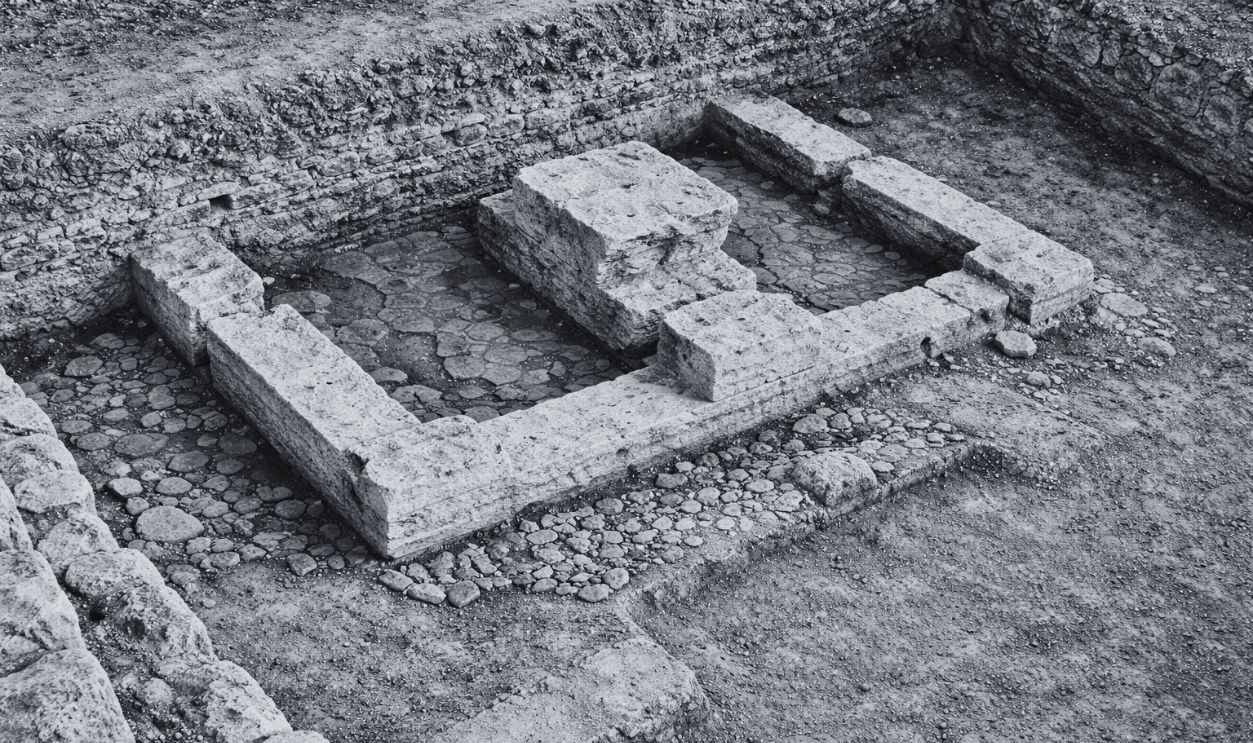
Excavations beginning in 2020, with full revelation in 2023, uncovered an early temple dating to the 7th century BCE at the heart of the sanctuary. The mud-brick structure, built on a stone foundation, measured precisely 112 feet—equivalent to 100 ancient Greek feet—a "perfect" measurement used on other monuments from that period.
An Unusual Apsidal Design
The temple's floor plan featured a semicircular apse, a vaulted extension at the building's end, which was rare for this period. Most 7th-century BCE temples used rectangular designs exclusively. The apsidal shape suggests unique architectural innovation or specific religious requirements for Artemis worship at this location.
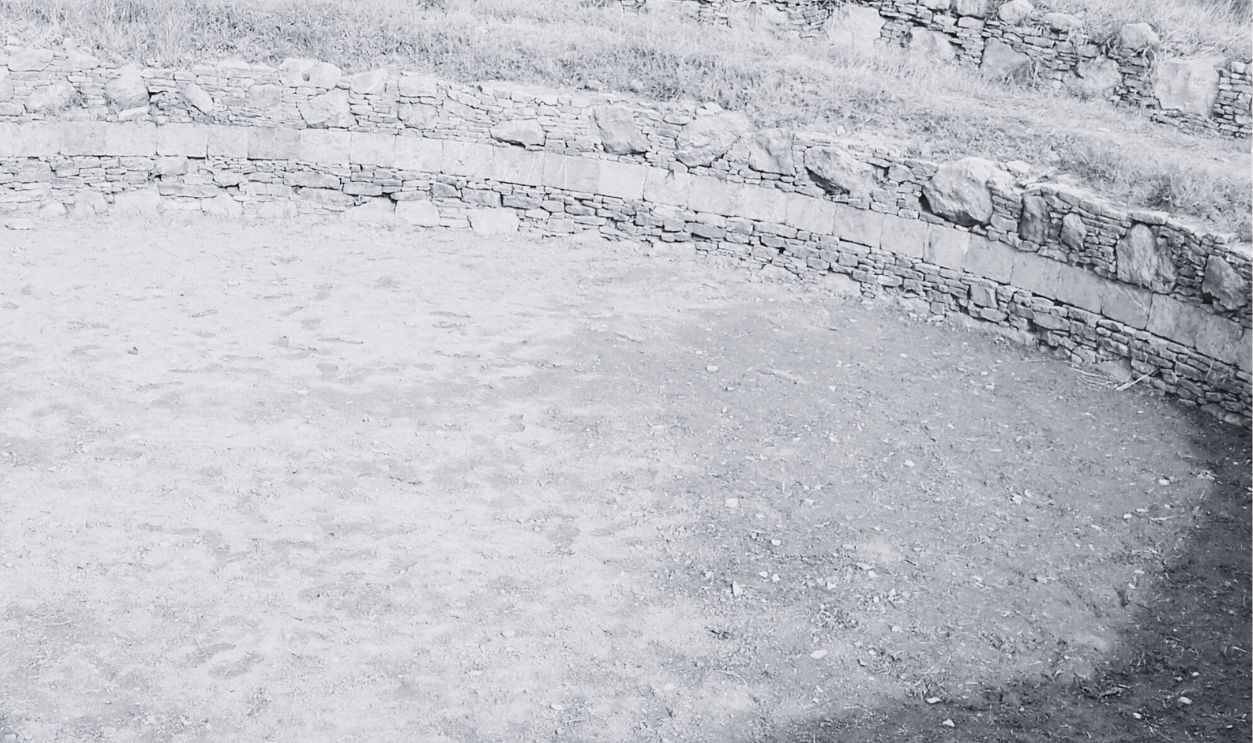 Dawoodmajoka, Wikimedia Commons
Altars Inside Instead Of Outside
Greek sanctuaries typically placed sacrificial altars outdoors in front of temples, but Amarynthos broke this tradition. Several hearths and altars were discovered inside the temple's nave, the central, longitudinal area of worship, which completely surprised archaeologists. This arrangement allowed worshippers to perform animal sacrifices indoors, with roof holes letting smoke escape.
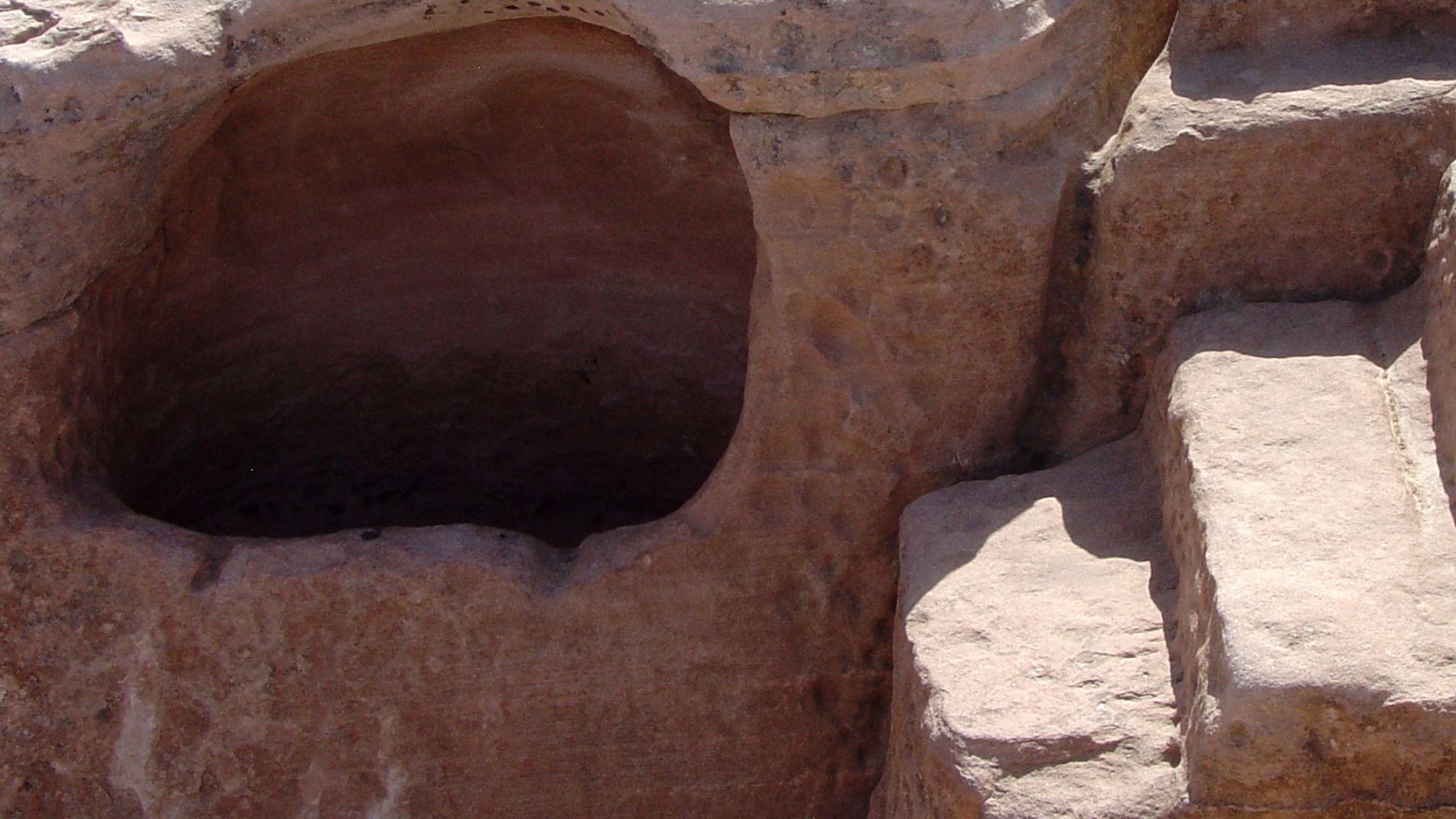 Michael Gunther, Wikimedia Commons
The Horseshoe-Shaped Altar Discovery
One particularly striking altar featured a horseshoe design completely caked in thick layers of ash accumulated over centuries. Pieces of charred animal bone sat embedded in the ash from countless burnt offerings. The altar's unique shape may have held special significance in Artemis worship rituals.
A Treasure Trove Of 700 Objects
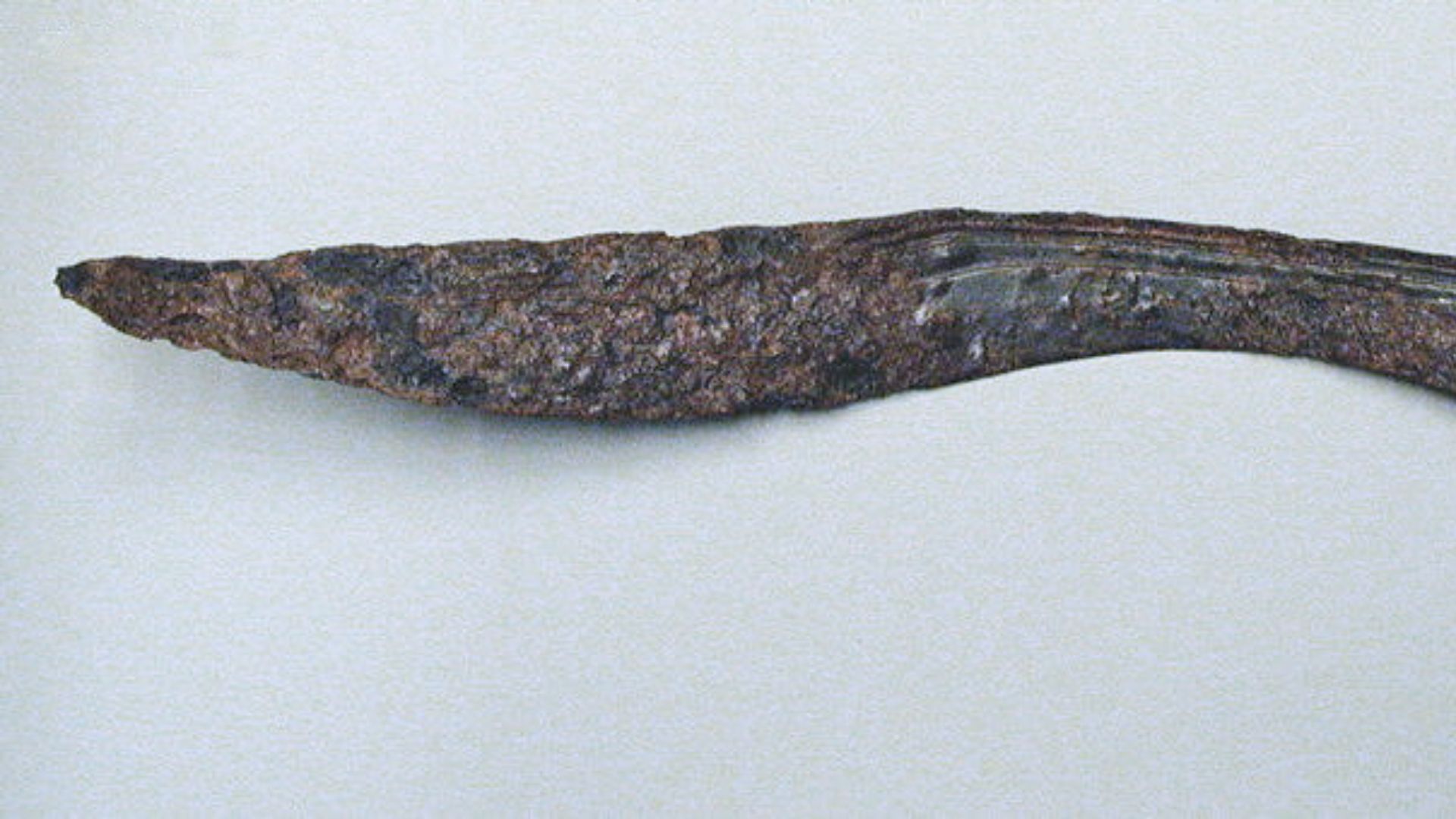
Inside the temple, archaeologists uncovered an extraordinary votive deposit—religious offerings left for the deity—containing nearly 700 intact objects. The collection included ceramic vases, gold and silver jewelry, scarab seals, terracotta figurines, two bronze shields, iron swords, and double axes. Excavation archaeologist Tamara Saggini called it "an unimaginable discovery" due to the exceptional variety and preservation.
Corinthian Alabaster And Ritual Vessels
Among the offerings sat items crafted from Corinthian alabaster, a carved mineral gypsum prized in ancient times. Ritual jugs and vases designed specifically for religious ceremonies filled the deposit. These vessels likely held wine, oil, honey, or other liquids poured as libations during worship.
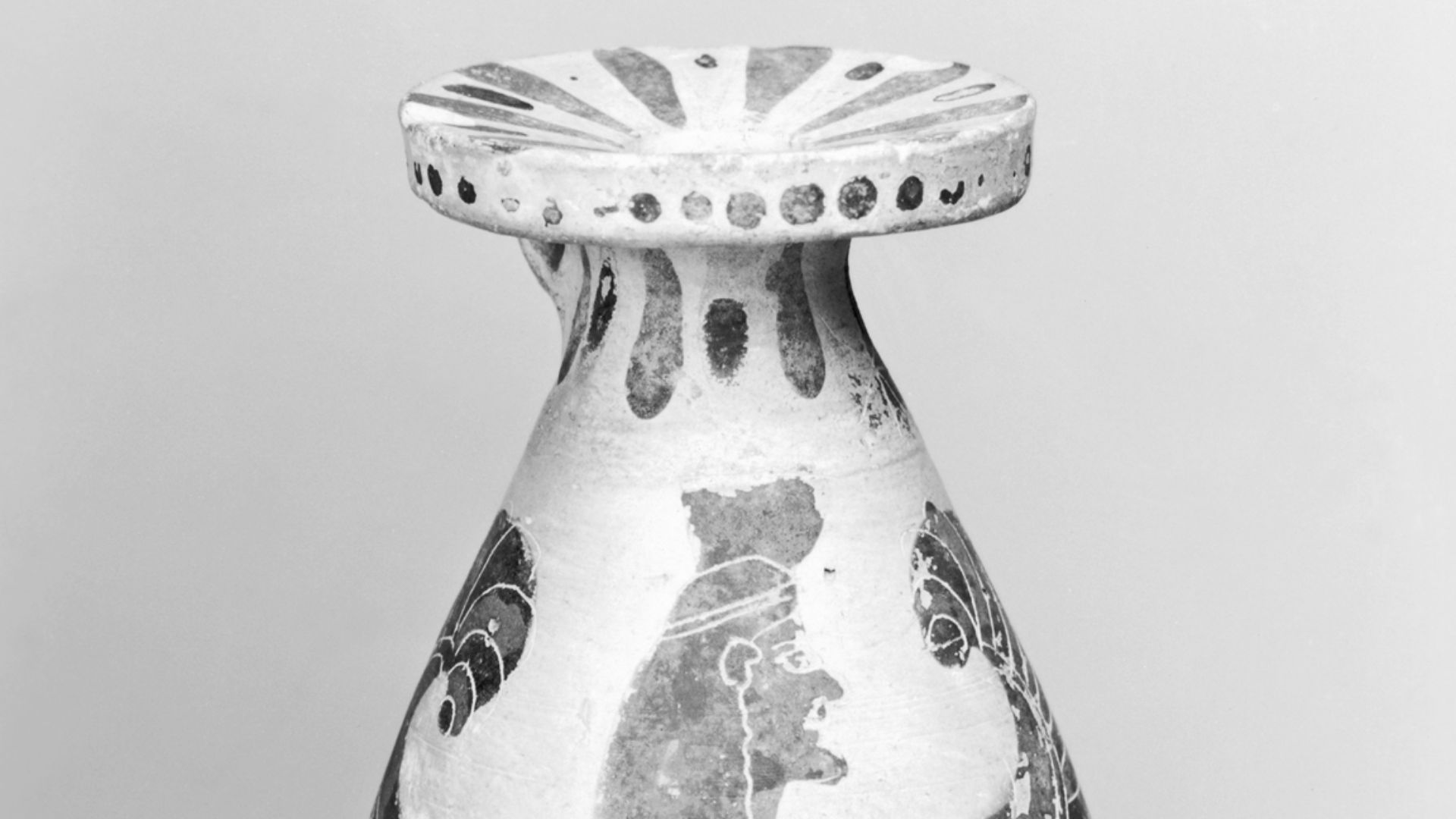 Anonymous (Greece)Unknown author, Wikimedia Commons
Jewelry Studded With Coral And Amber
Gold and silver jewelry decorated with coral and amber revealed trade connections spanning the Mediterranean and beyond. Coral came from warm southern waters, while amber traveled from the Baltic Sea region. These exotic materials demonstrated the sanctuary's importance and the wealth of its worshippers.
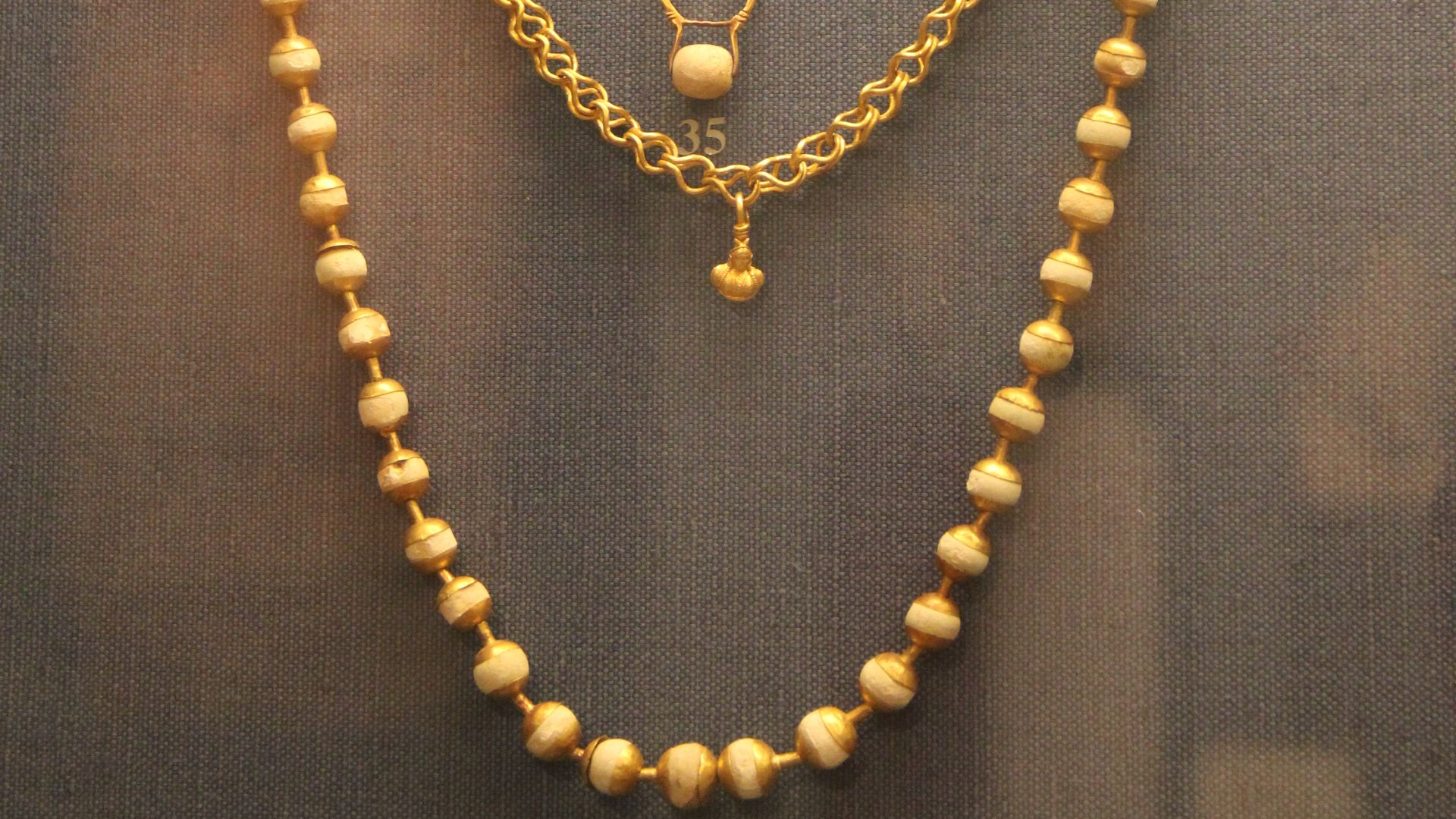 Gary Todd from Xinzheng, China, Wikimedia Commons
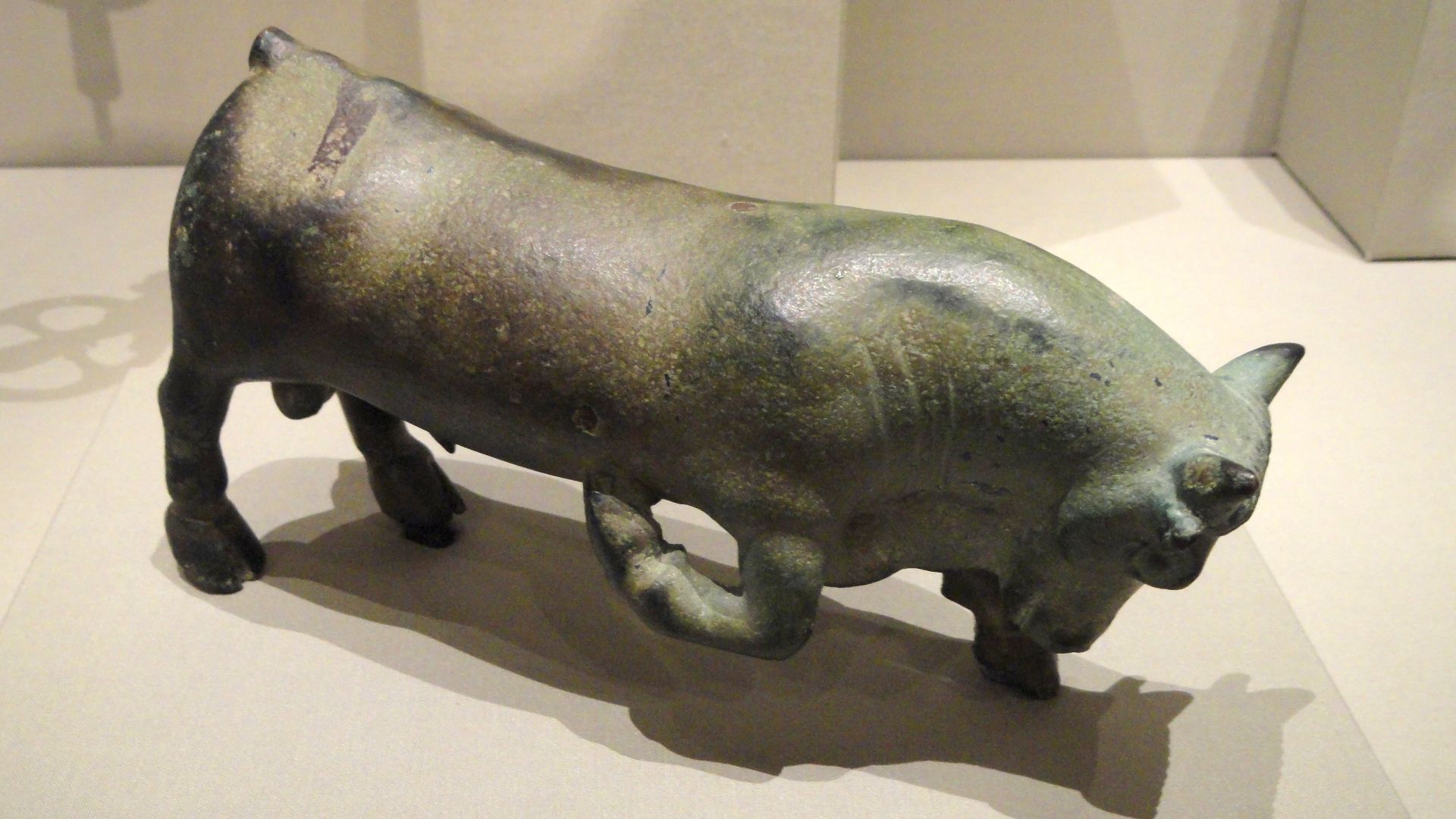
Bronze Animal Figurines From Below
Digging beneath the 7th-century BCE temple, archaeologists found bronze figurines shaped like bulls and a ram from even earlier periods. These statuettes likely represented sacrificial animals or symbols of agricultural fertility. Their presence proves religious activity occurred here long before the temple's construction.
The Stone Statuette Holding A Fawn
A 12‑inch stone figure from the early 6th century BCE depicted a female holding a fawn or doe—Artemis's sacred animal. Found inside the temple, this statuette may have represented the goddess herself rather than a worshipper. The delicate carving shows sophisticated sculptural skills.
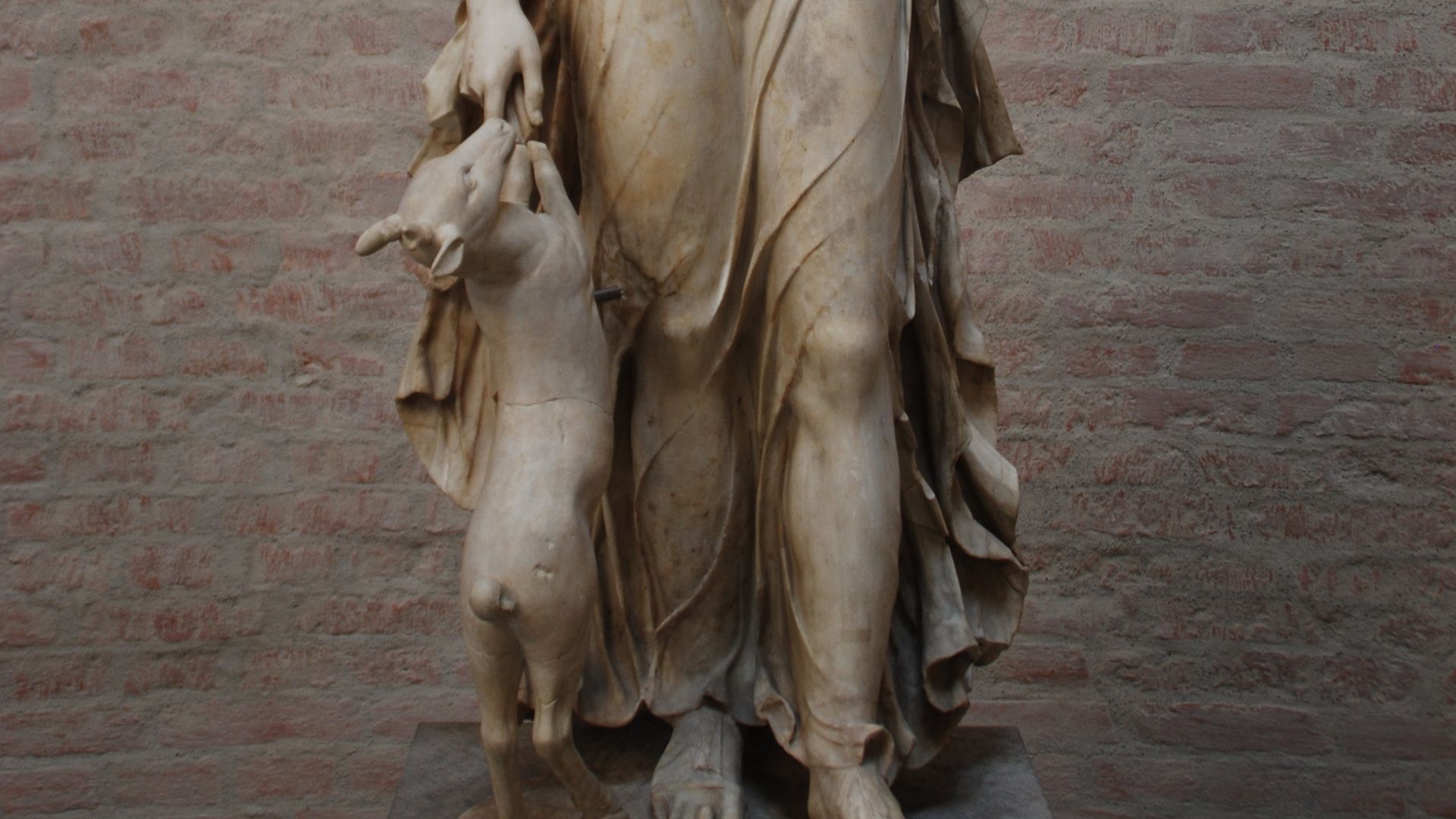 Unknown authorUnknown author , Wikimedia Commons
Egyptian Ivory Head Discovery
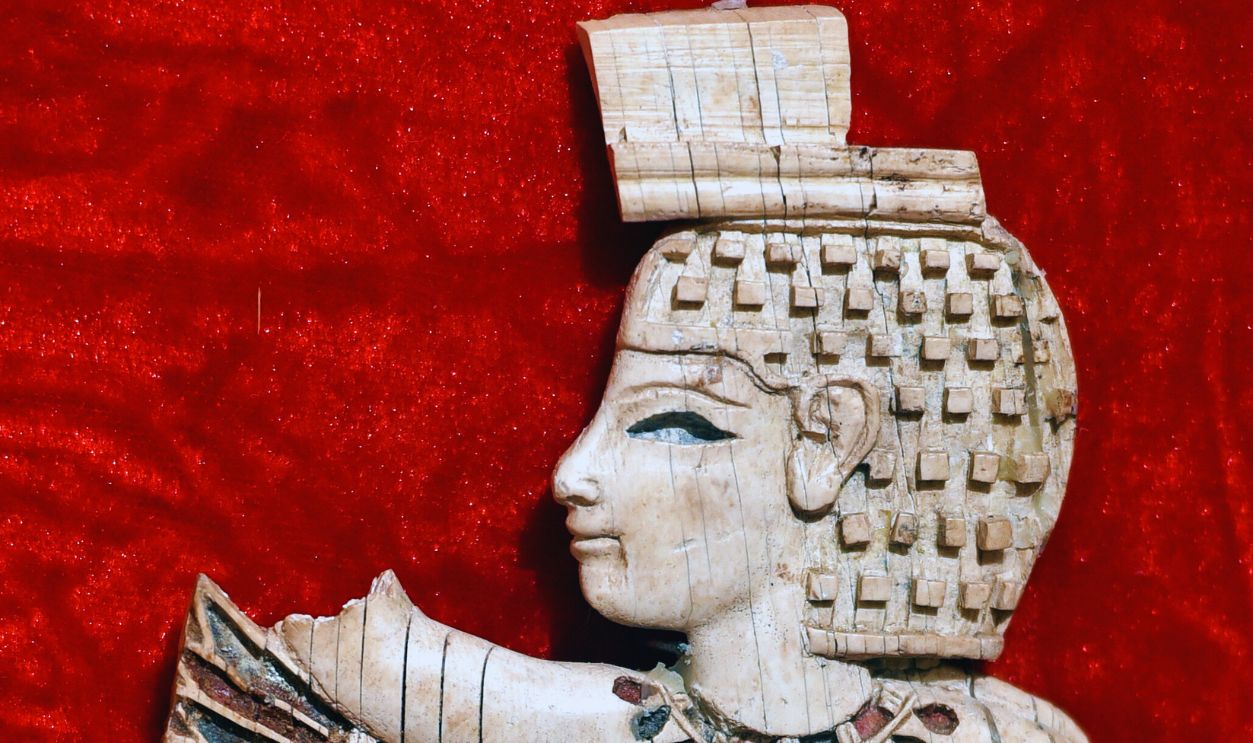
Excavators recovered a finely chiseled ivory head featuring distinctly Egyptian characteristics, which required painstaking restoration after initial discovery. This exotic object proves that worshippers brought gifts from distant lands, demonstrating widespread knowledge of the sanctuary. Egyptian influence reached surprisingly far into Greek religious life.
 Osama Shukir Muhammed Amin FRCP(Glasg), Wikimedia Commons
Scarab Seals From The Nile
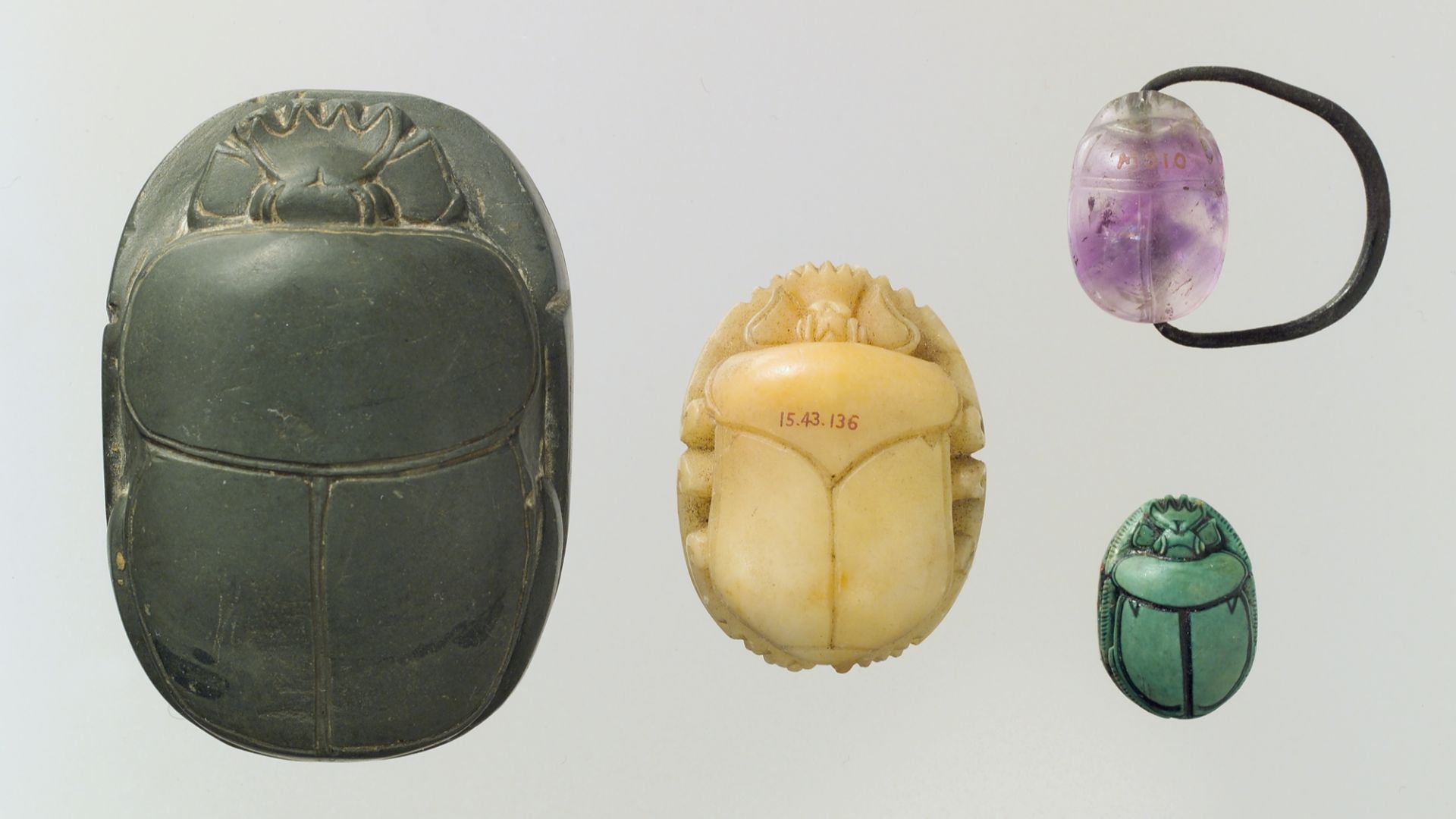
Multiple scarab seals, beetle-shaped amulets originating in Egypt, turned up in the offering deposit. These objects traveled over 620 miles from the Nile Valley to this Greek island sanctuary. Their presence indicates either Egyptian visitors or Greek travelers who acquired them abroad before dedicating them to Artemis.
A Terracotta Bull's Head From The Bronze Age
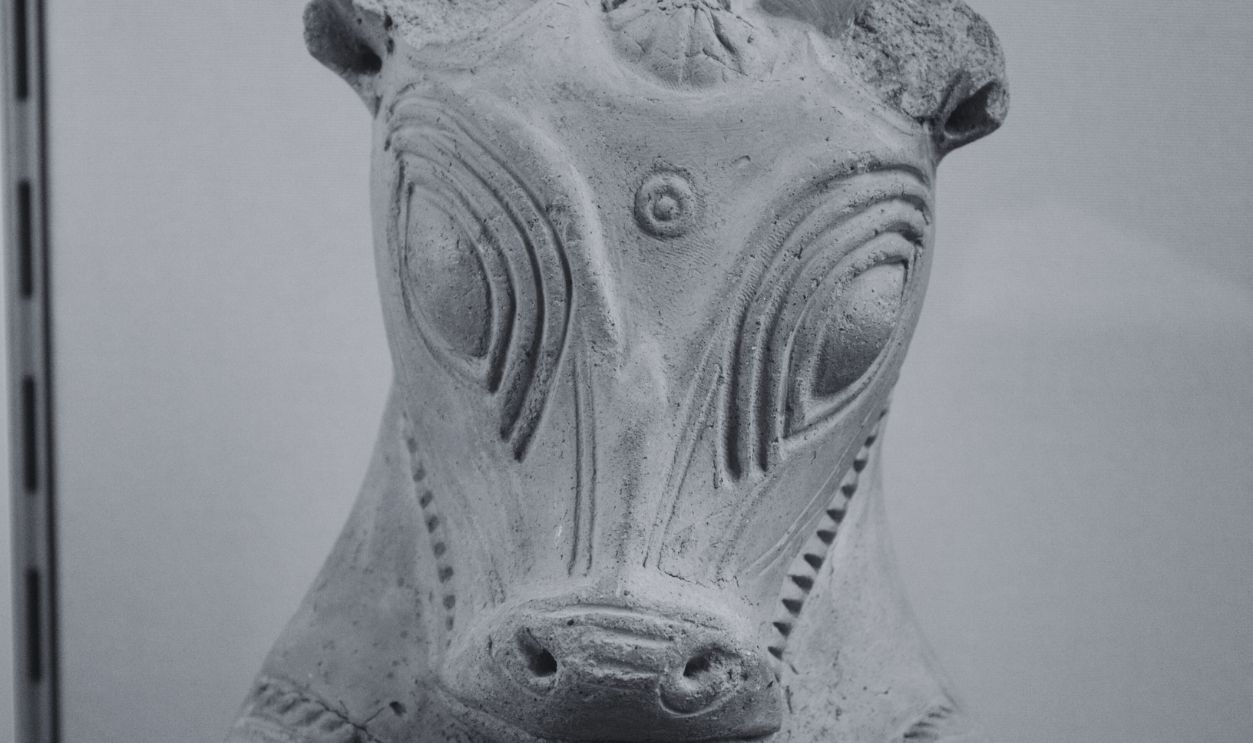
Deep trenches revealed a terracotta bull's head from the late Bronze Age, roughly 1200 BCE. This discovery pushed the site's religious significance back over 3,000 years. People honored Artemis or an earlier deity at this exact location for millennia before the classical Greek period.
 Louvre Museum, Wikimedia Commons
Evidence Of A Devastating Fire
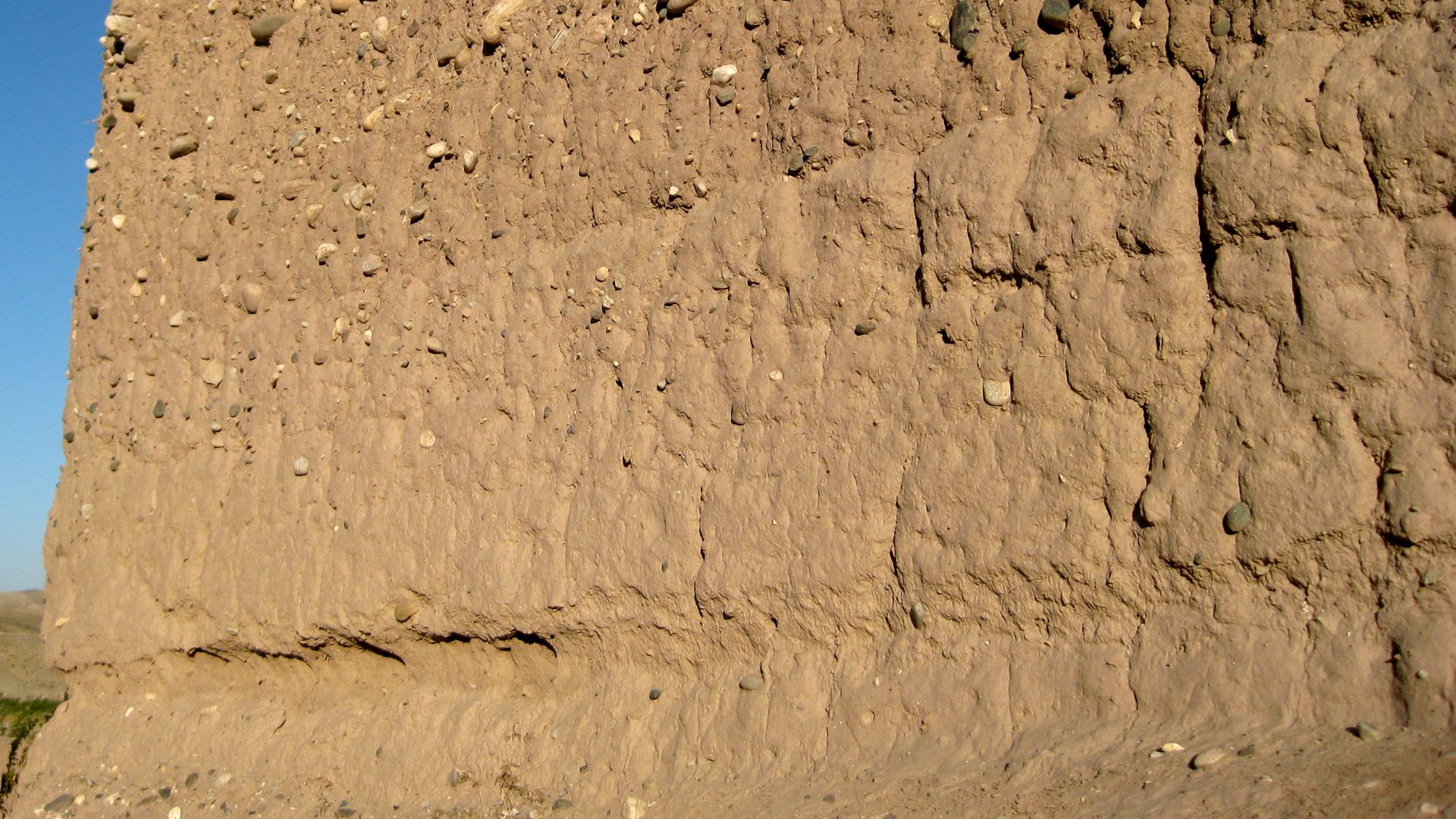
The temple showed clear signs of partial destruction by fire during the second half of the 6th century BCE. Workers temporarily repaired the damage using mud-brick walls before completely replacing the structure with a new building around 500 BCE. The rebuilding shows that the sanctuary remained significant even after destructive events.
 Todd Huffman from Phoenix, AZ, Wikimedia Commons
Structures From The 9th–8th Centuries BCE
Excavations uncovered remnants from a potential building dating to the 9th or 8th centuries BCE beneath the classical temple. These earlier constructions prove the site served religious purposes for at least 2,900 years. The Artemis cult at Amarynthos extended deep into prehistory.
 Χρήστης Templar52 Original uploader was Templar52 at el.wikipedia, Wikimedia Commons
The Sacred Procession Route
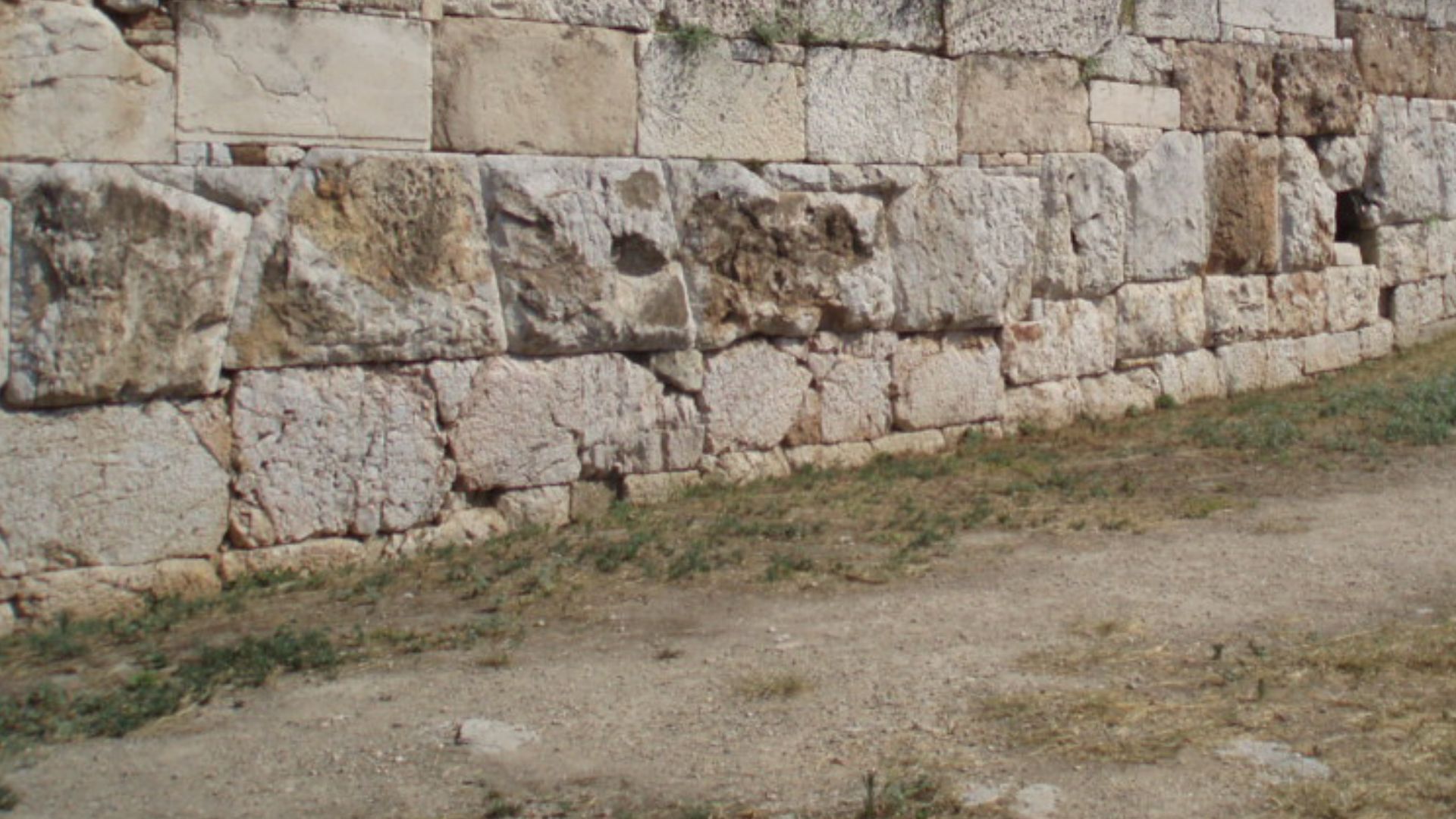
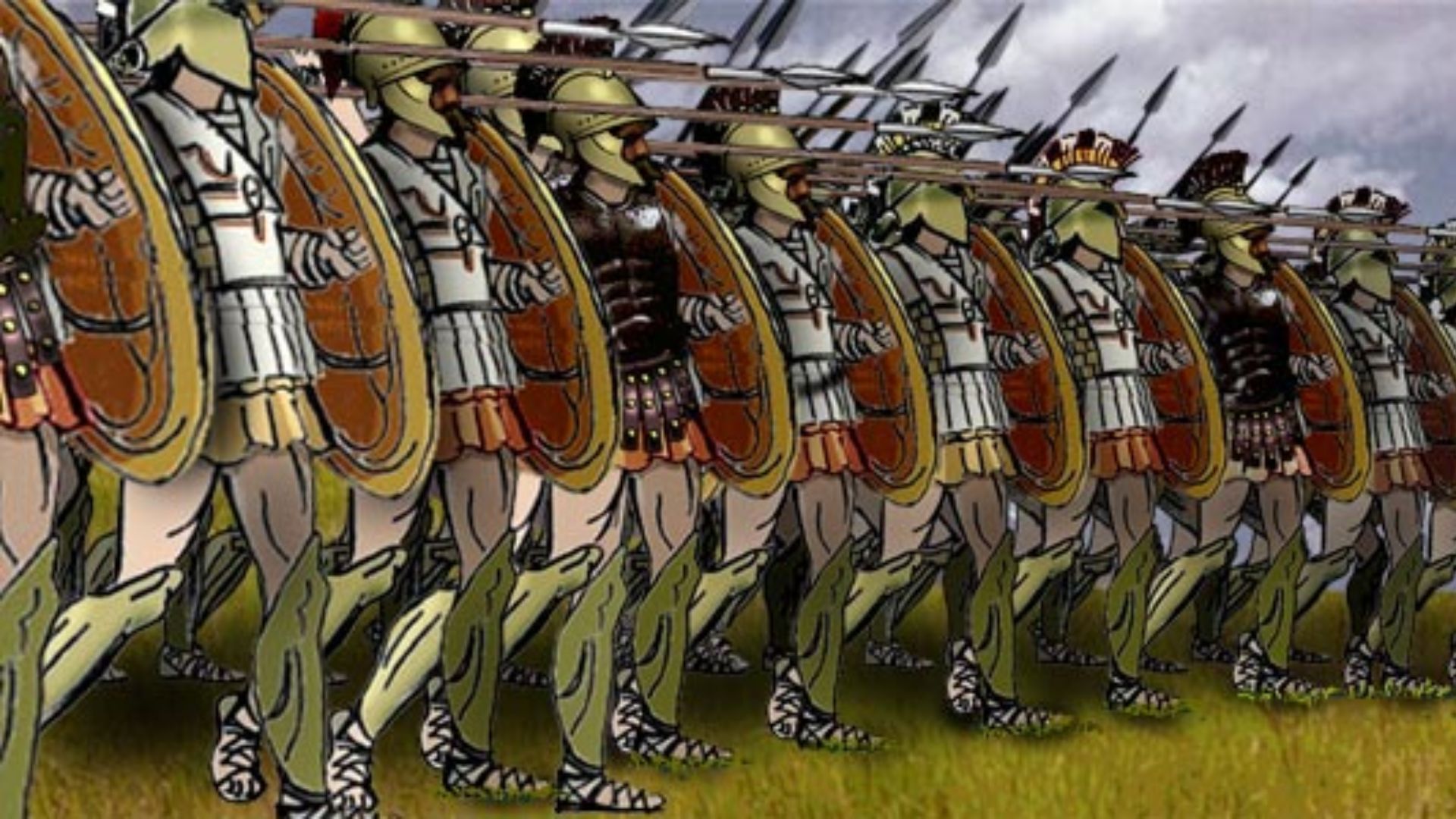
Ancient Eretrians paraded from their city to the sanctuary each spring for Artemis's festival, according to geographer Strabo. The procession featured 3,000 armed soldiers, 600 cavalry, and 60 war chariots, followed by dancers and musicians. This massive annual event demonstrated the sanctuary's central role in civic and religious life.
Artemis And The Trojan War
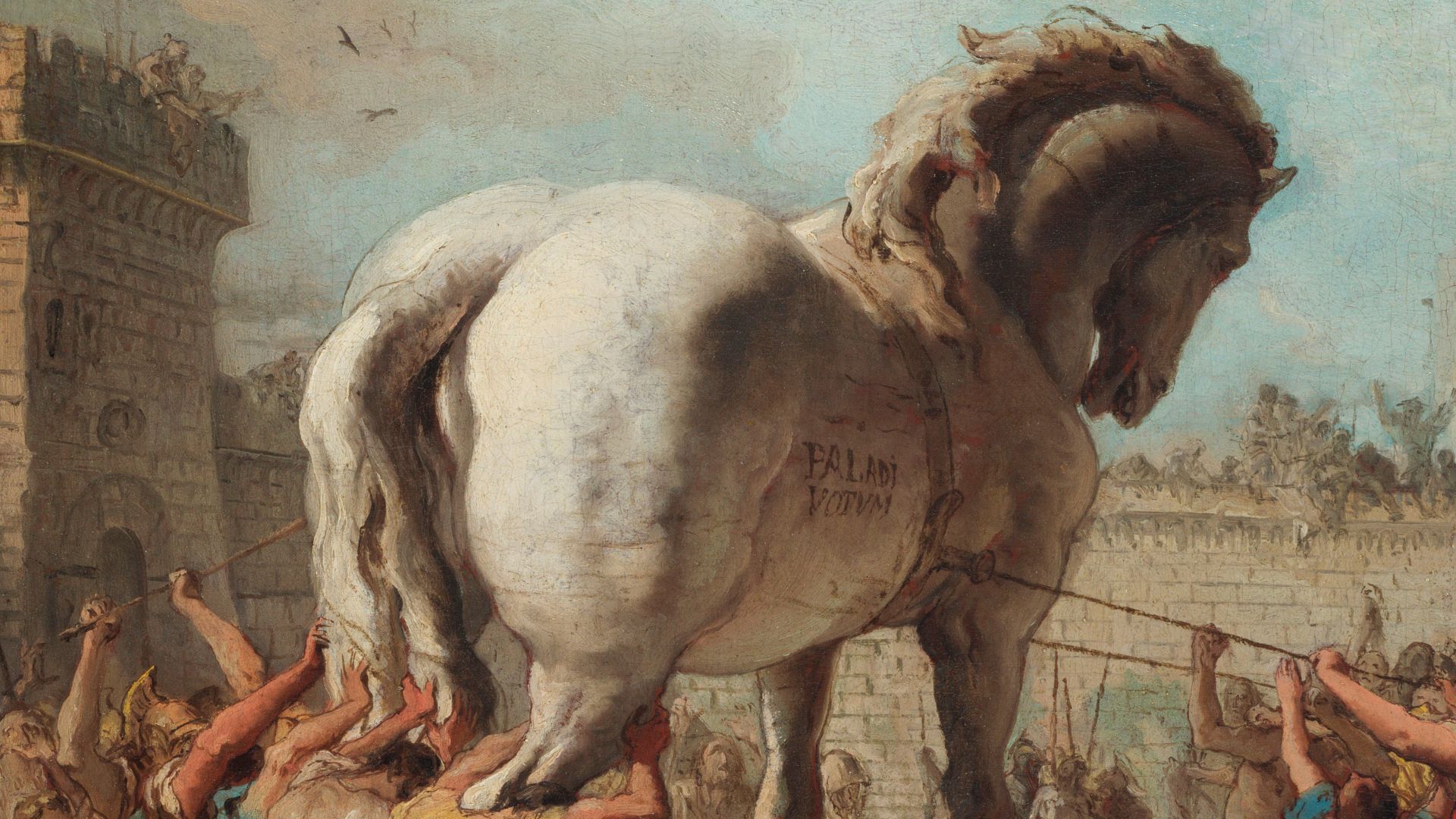
Greek mythology connected Artemis to major events, including the Trojan War, where she demanded sacrifice before allowing Greek ships to sail. As goddess of the hunt and nature, her worship spread across the Greek world. Multiple cults and festivals honored her throughout different regions.
 Giovanni Domenico Tiepolo, Wikimedia Commons
A Team Of 70 Researchers
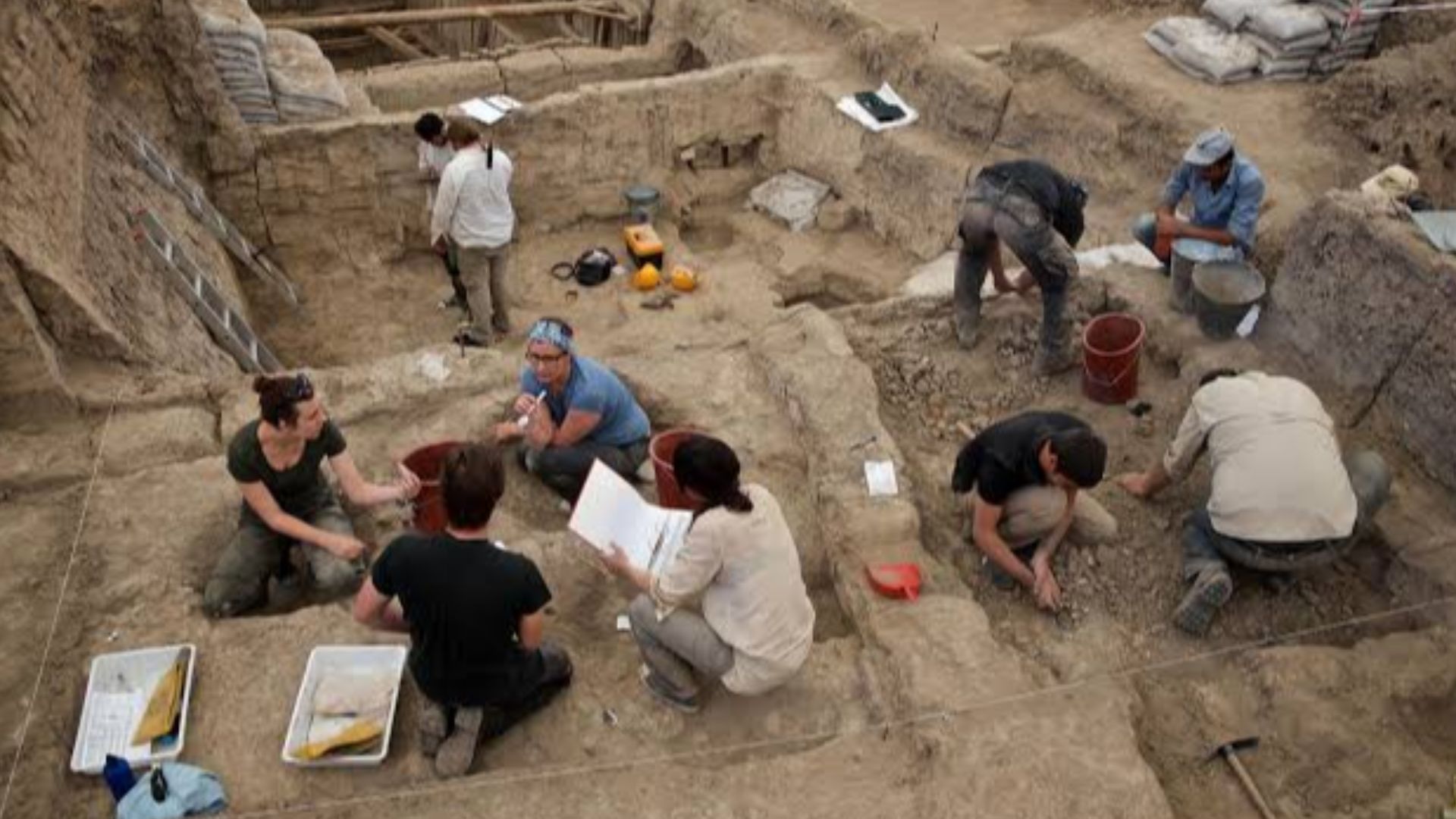
Recent excavation campaigns from 2022 and 2024 involved over 70 archaeologists and students from Switzerland, Greece, and other countries working together. This massive international effort reflects the site's archaeological significance. Collaboration between Swiss and Greek institutions has continued since systematic excavations began in 2012.
Houses From The Geometric Period
Excavations revealed domestic structures dating to the 9th and 8th centuries BCE surrounding the temple area. These houses suggest a settlement existed here long before the sanctuary reached its classical prominence. People carried out their daily lives and religious practices at Amarynthos for generations across changing historical periods.
 Godwin Borg, Wikimedia Commons
Modern Villas Built Over Ancient Ruins
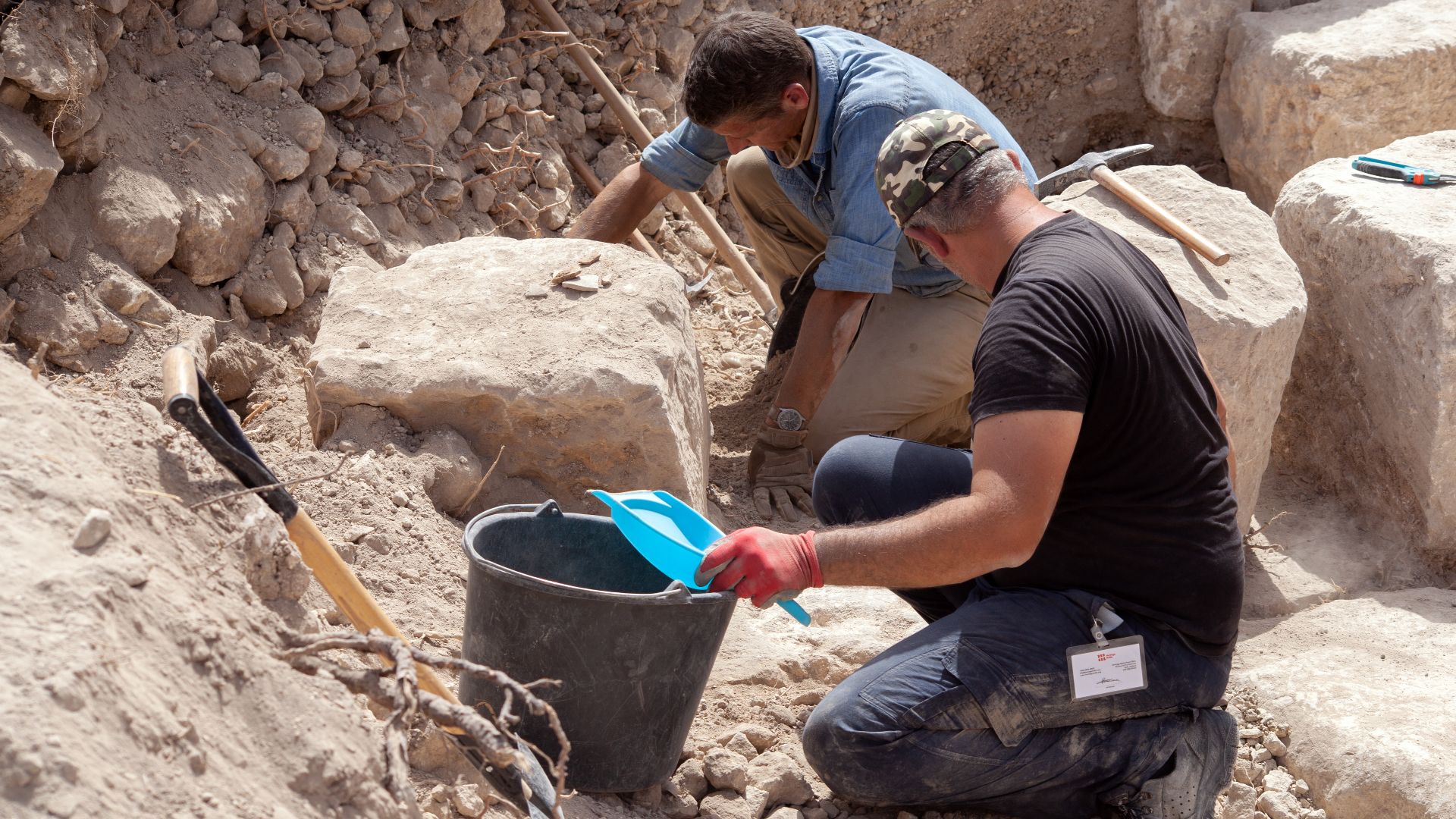
The sanctuary's ruins had survived beneath several modern houses constructed at Paleoekklisies Hill's base near Amarynthos village. Incredibly, recent construction hadn't destroyed these priceless remains. Geophysical surveys helped archaeologists identify buried structures before purchasing plots for excavation.

Linear B Tablets Mention Amarynthos
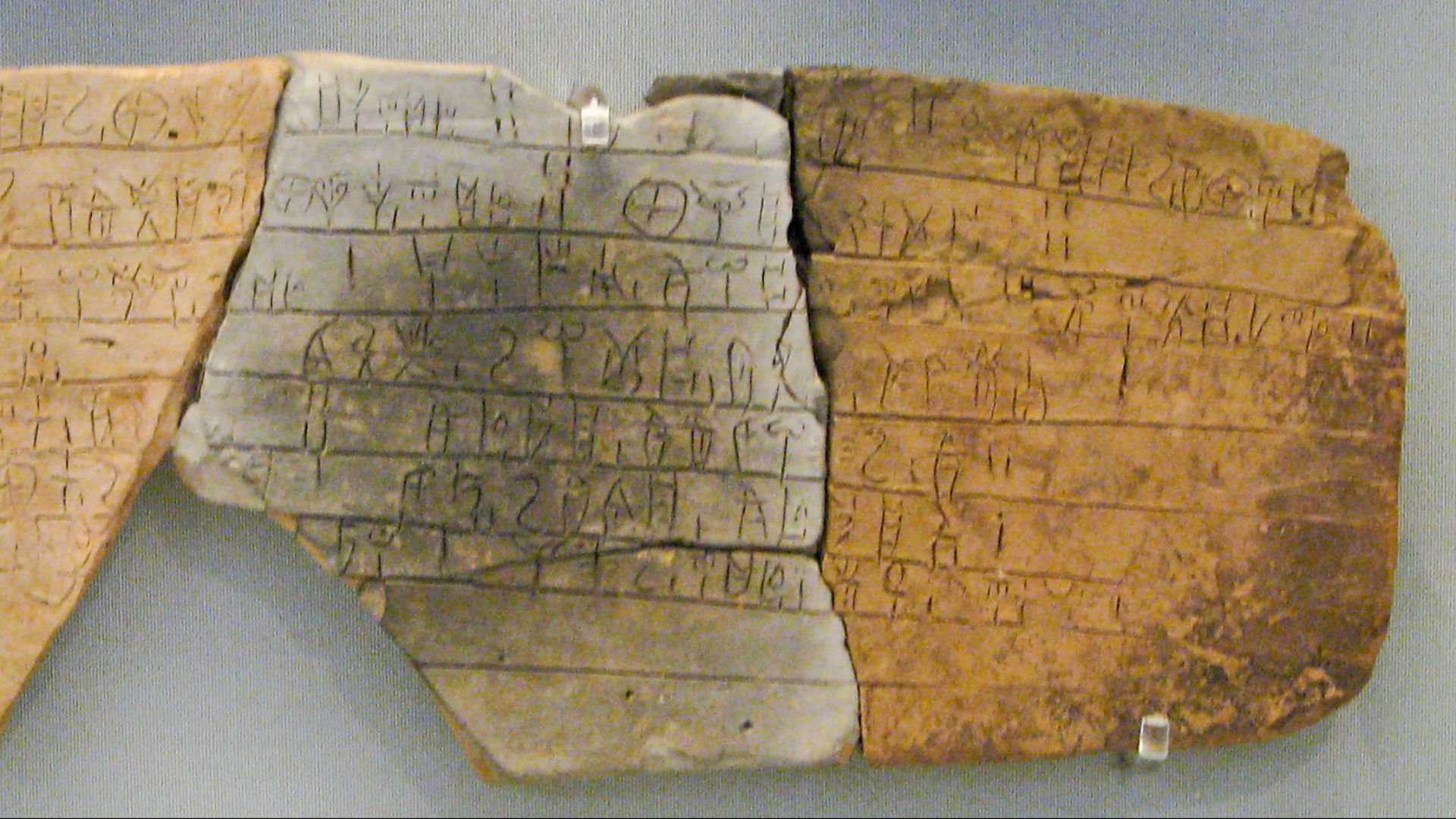
Linear B tablets discovered at the Mycenaean palace of Thebes reference a location matching Amarynthos. This connection proves the sanctuary's name and location remained consistent for over 3,000 years. The continuity from the Bronze Age to classical times is remarkably rare.
 Sharon Mollerus, Wikimedia Commons
What Still Lies Buried
Archaeologists estimate that only one-quarter to one-third of the sanctuary has been excavated so far, with recent surveys expanding understanding of the surrounding areas. Vast areas remain unexplored beneath the soil, likely containing additional temples, altars, and offering deposits. Future excavations promise decades of discoveries at this extraordinary site where ancient Greeks honored their goddess.