He thought there was gold inside
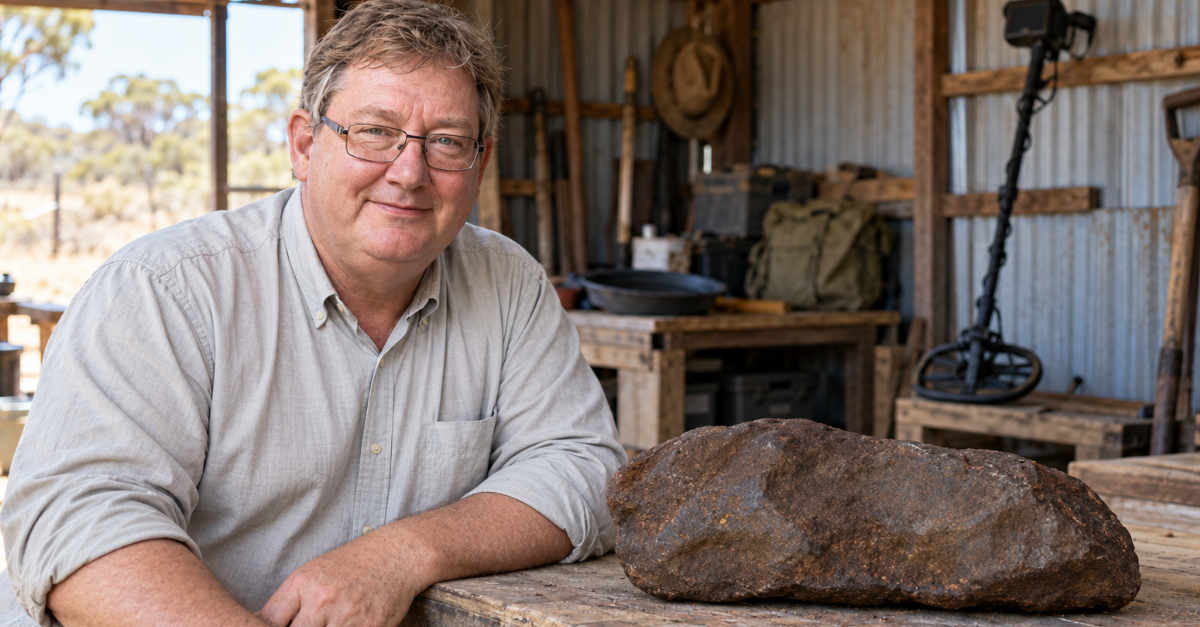
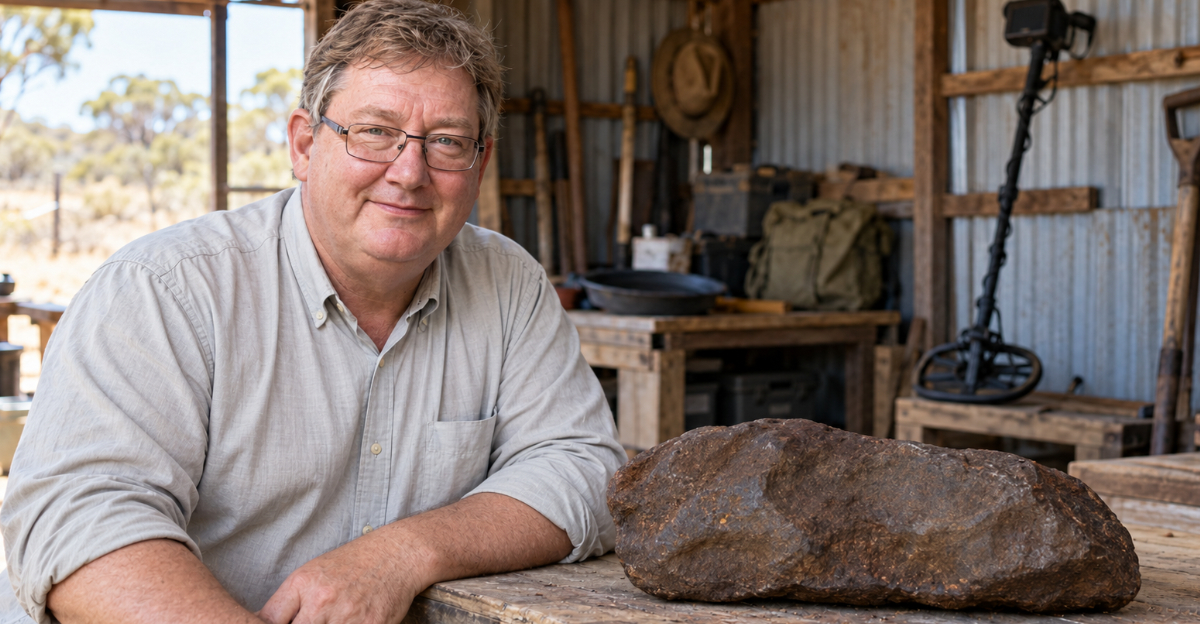
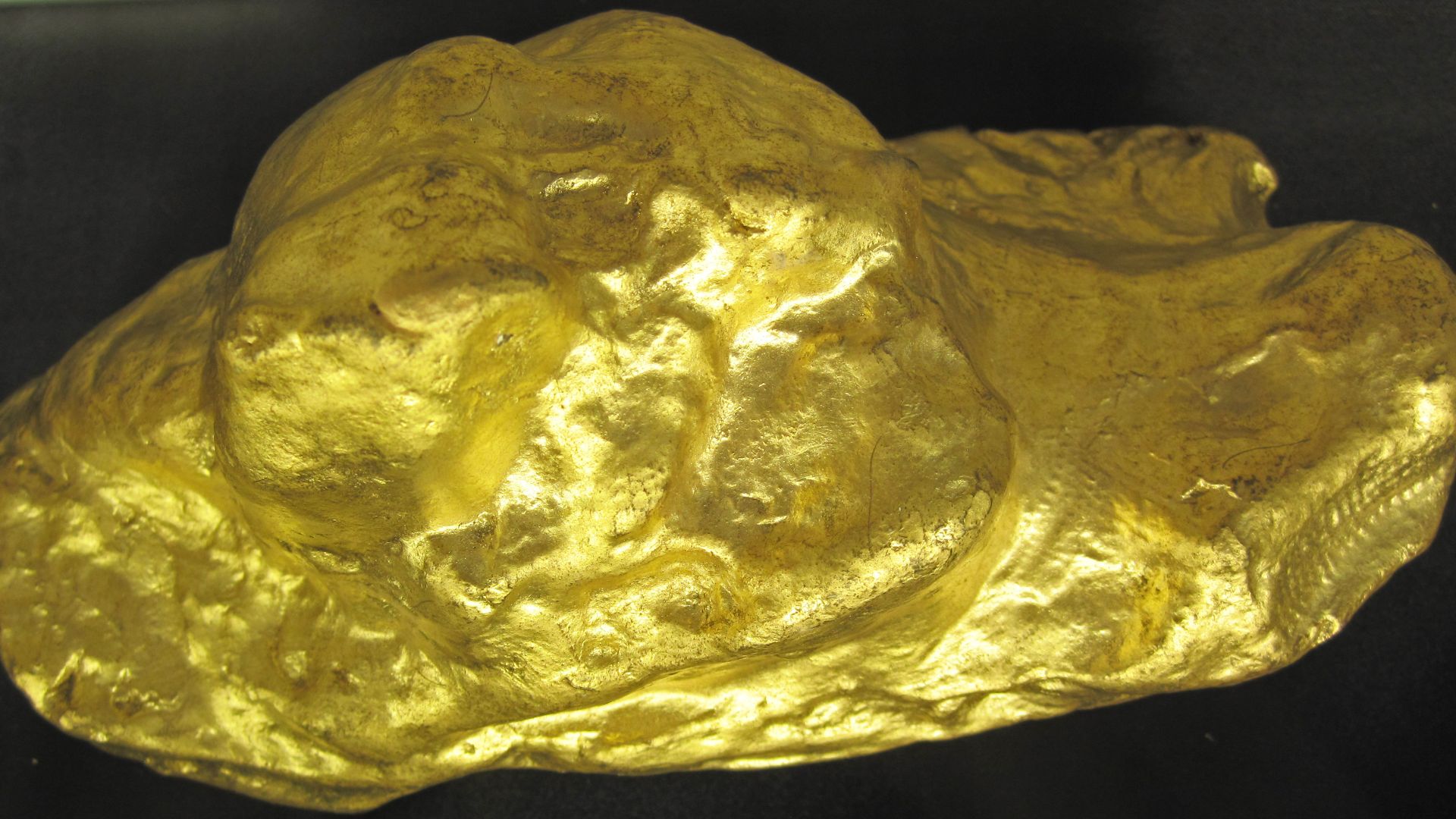
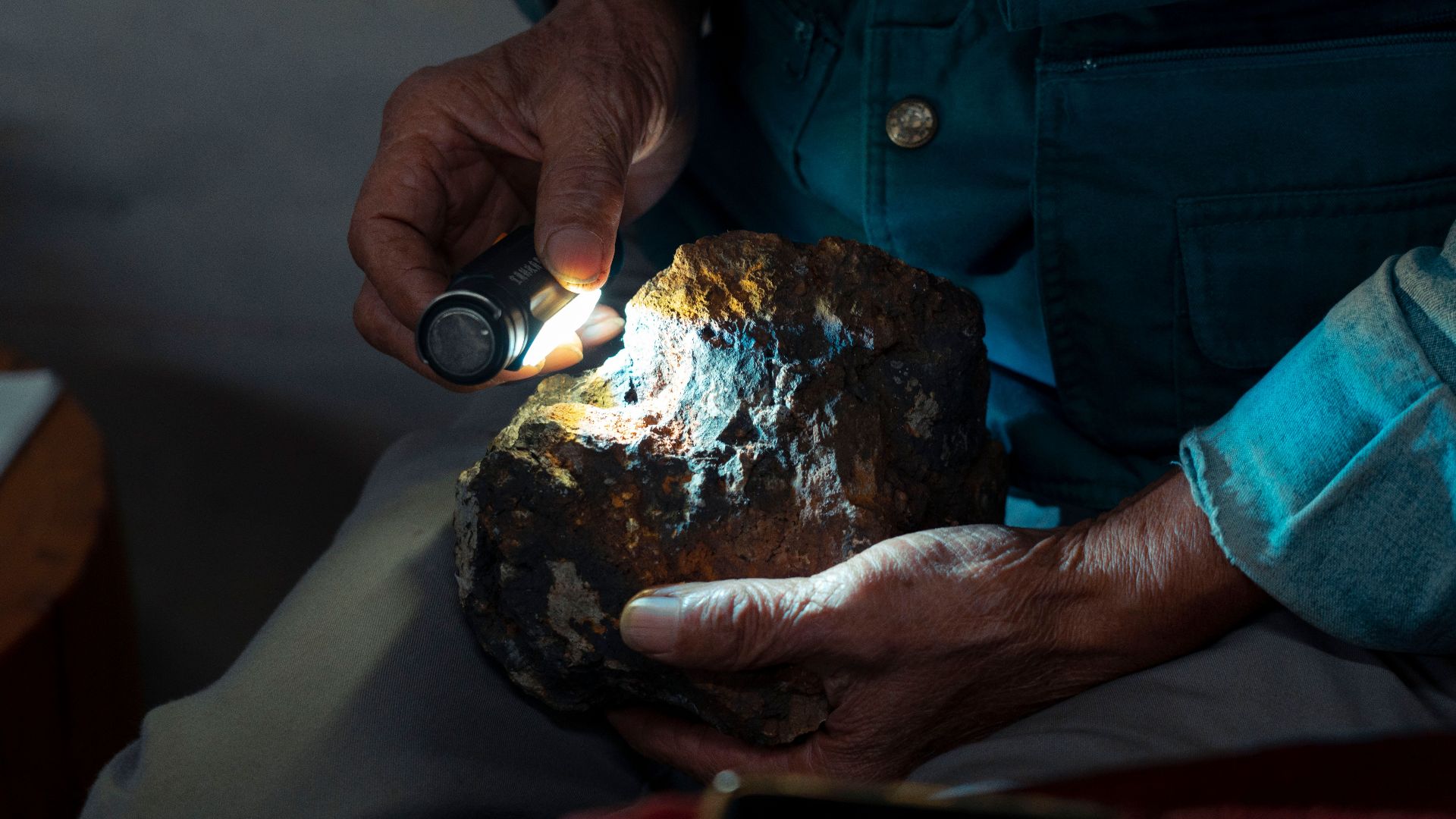
When David Hole found a heavy rock with his metal detector, he took it home and tried to get it open. He thought there was gold inside—lots of gold. Three years later, he brought it to a museum and learned just how wrong he’d been.
He was looking in the right place
In May 2015, Hole was searching Maryborough Regional Park in Victoria, Australia. This was genuine gold country, where prospectors had been searching for generations. When his metal detector picked up something unusual, the possibility of finding gold wasn’t exactly a wild idea.
 James St. John, Wikimedia Commons
This was no pocket-sized find
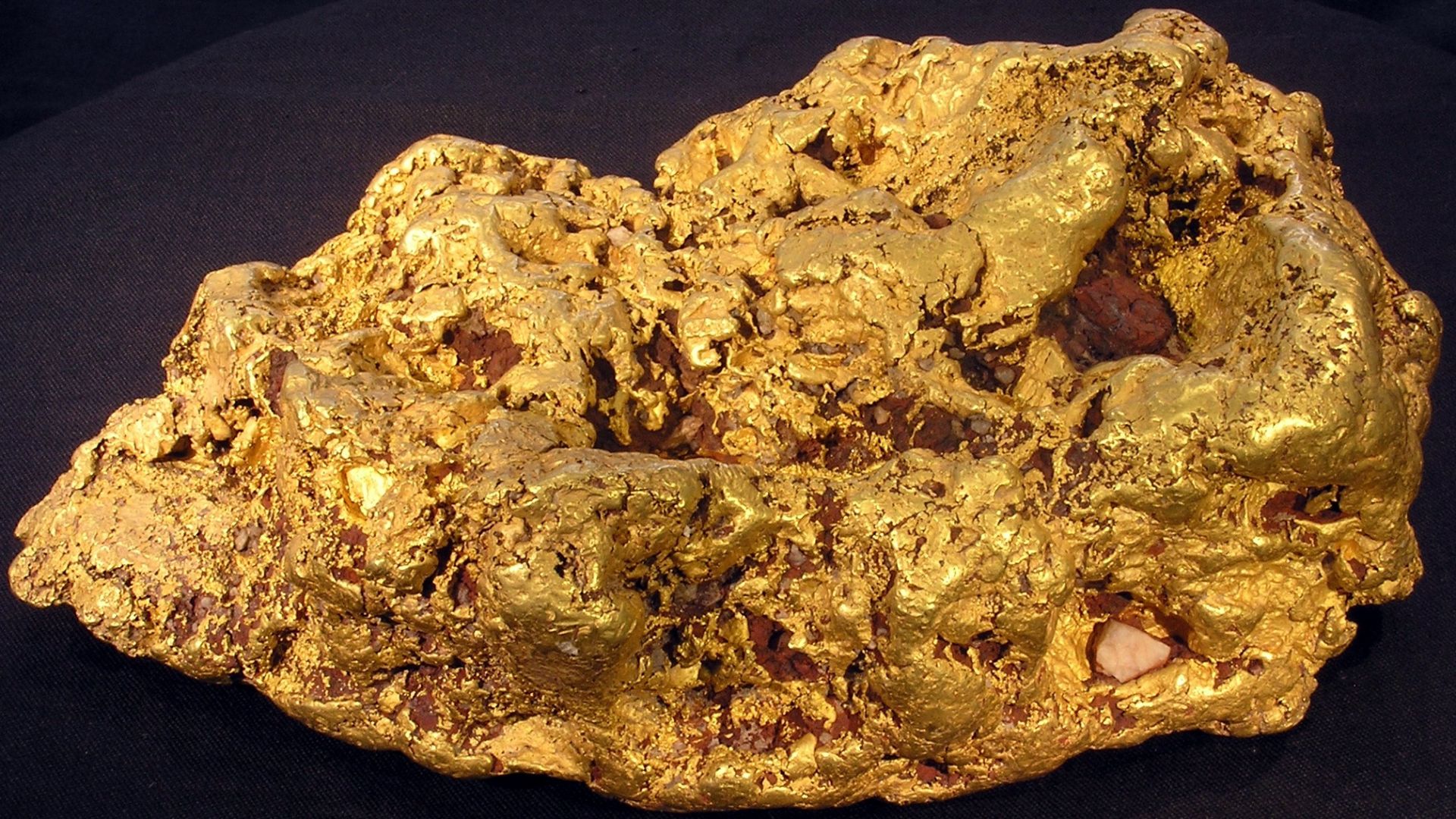
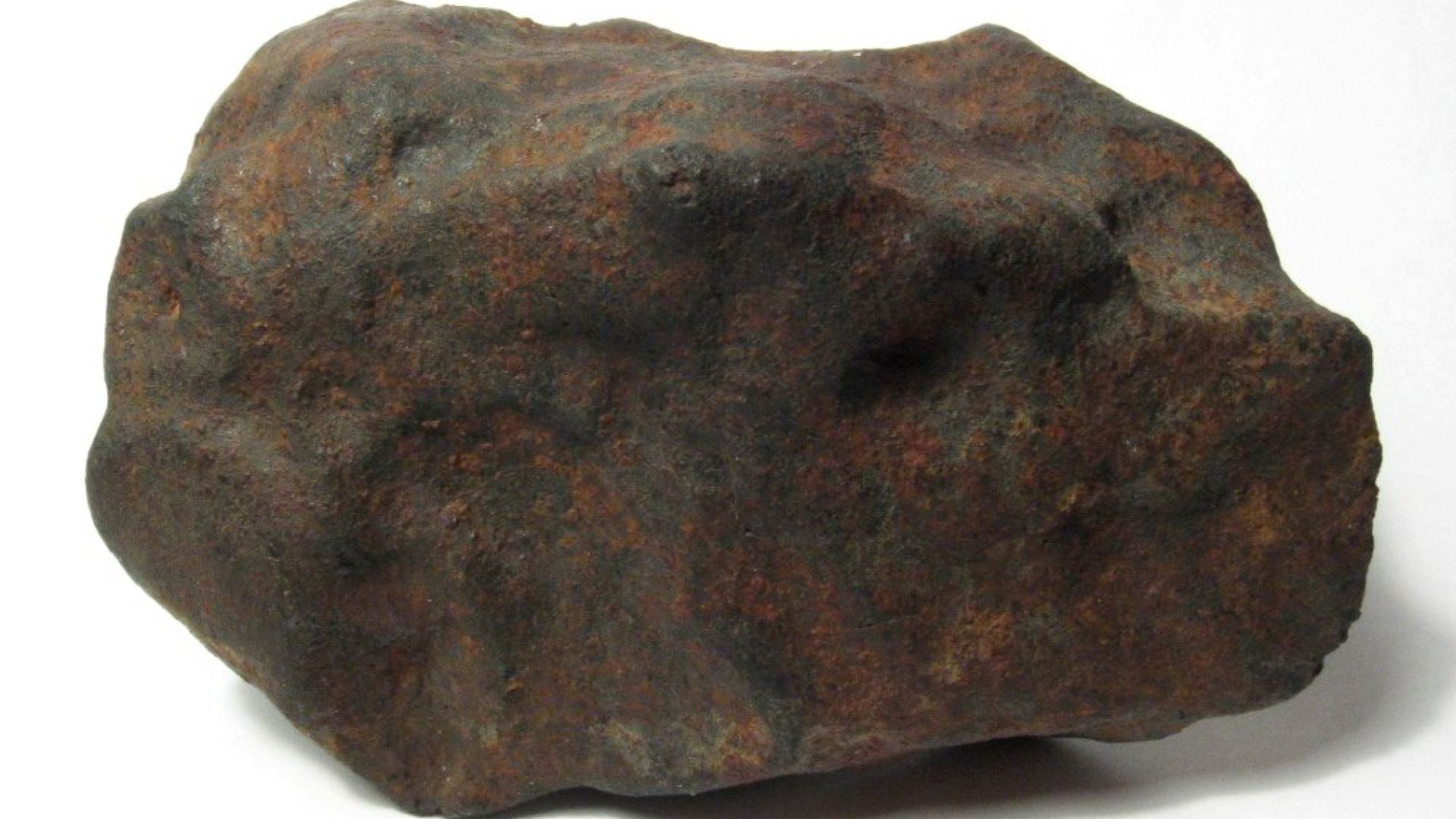
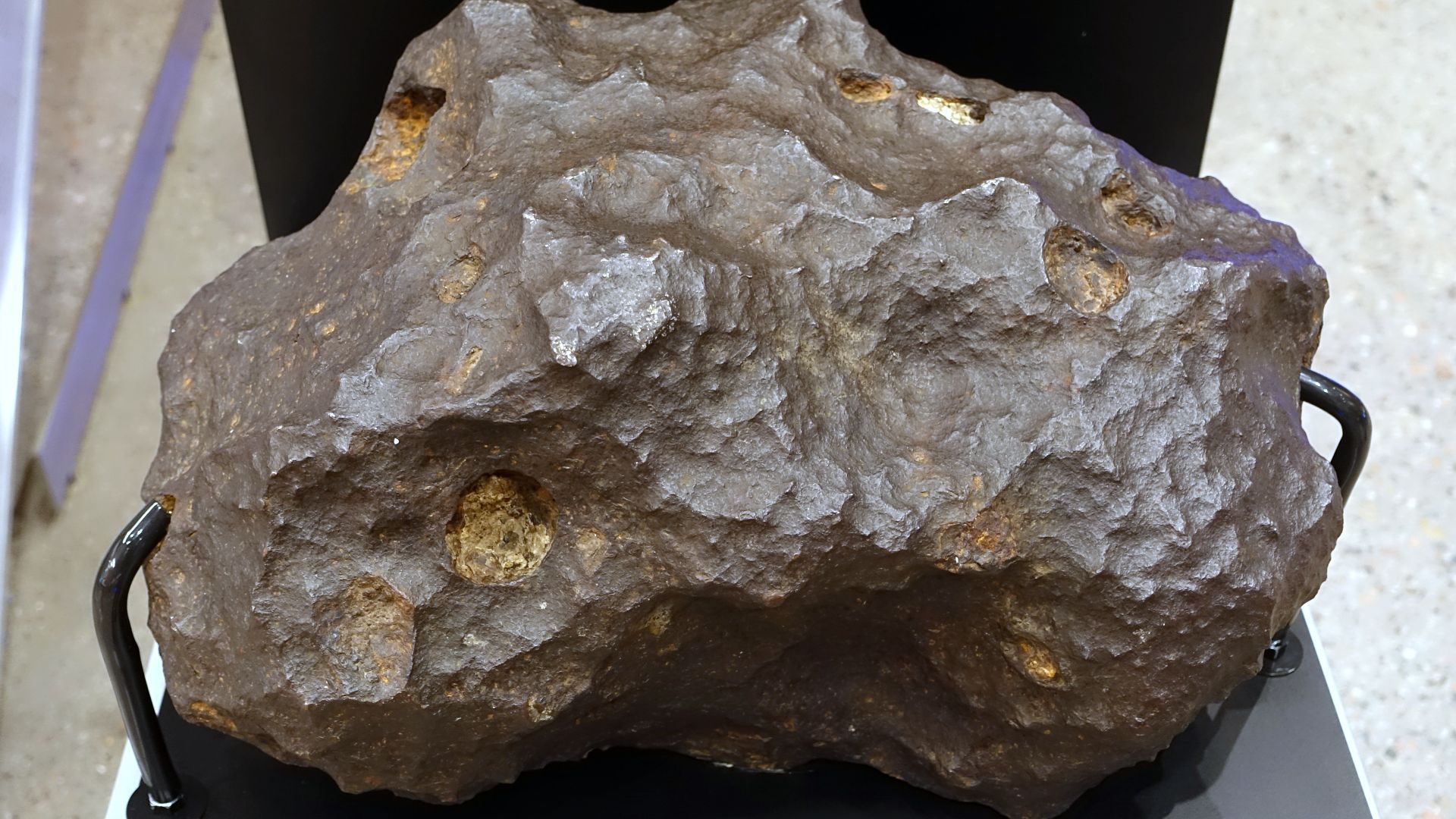
The reddish-brown rock weighed 17 kilograms, or about 37.5 pounds. That’s a substantial lump to bring home without knowing what’s inside. Hole suspected it contained a gold nugget, which made it worth investigating. Unfortunately, getting a look inside proved considerably harder than he expected.
 division, CSIRO, Wikimedia Commons
The tools came out
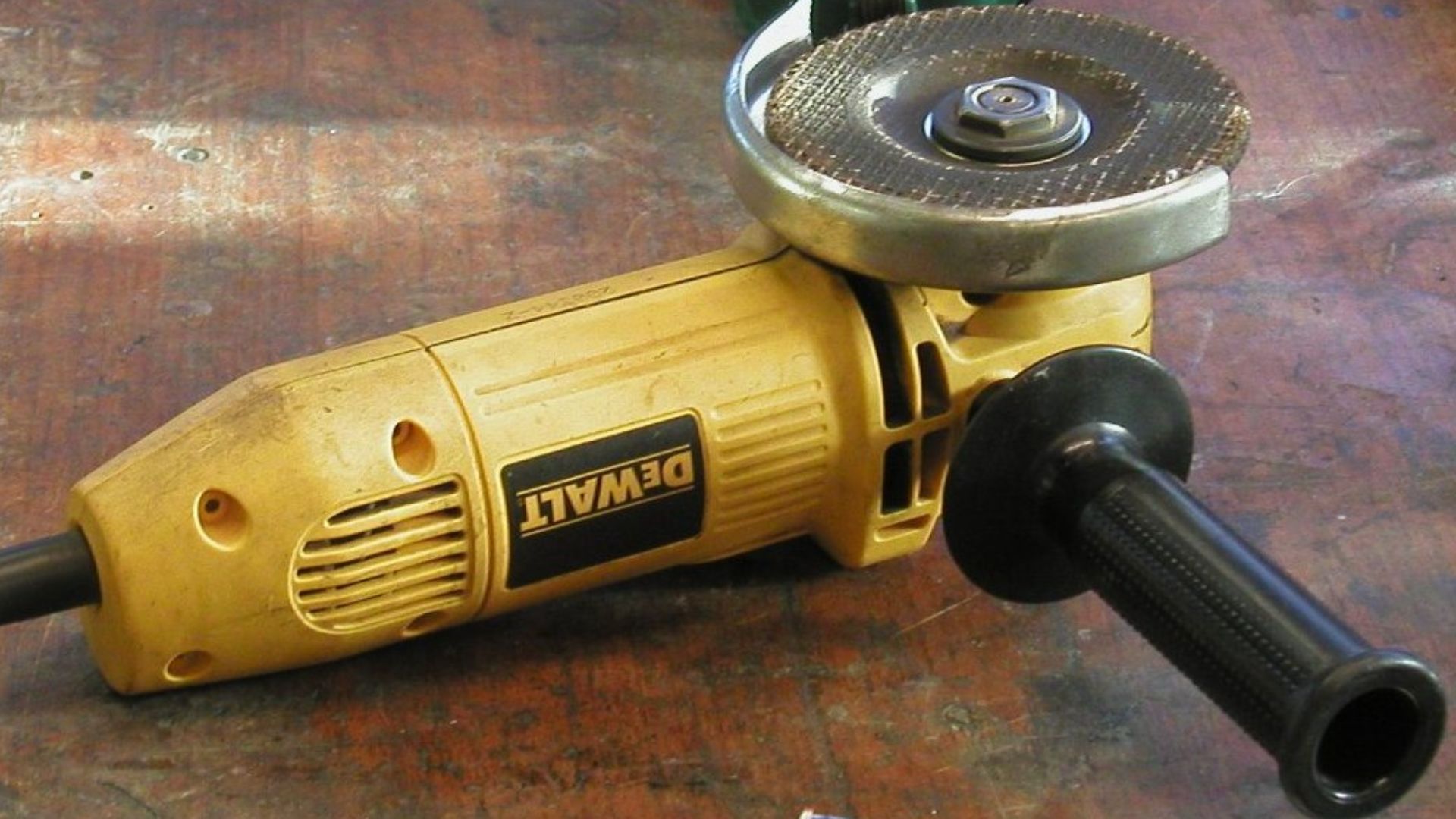
Hole tried a rock saw, an angle grinder, and a drill. He even used acid while trying to investigate what he’d found. Those efforts didn’t reveal the gold he expected. Instead, he was left with an unusual rock and a question he still couldn’t answer.
 Pittigrilli, Wikimedia Commons
Three years went by
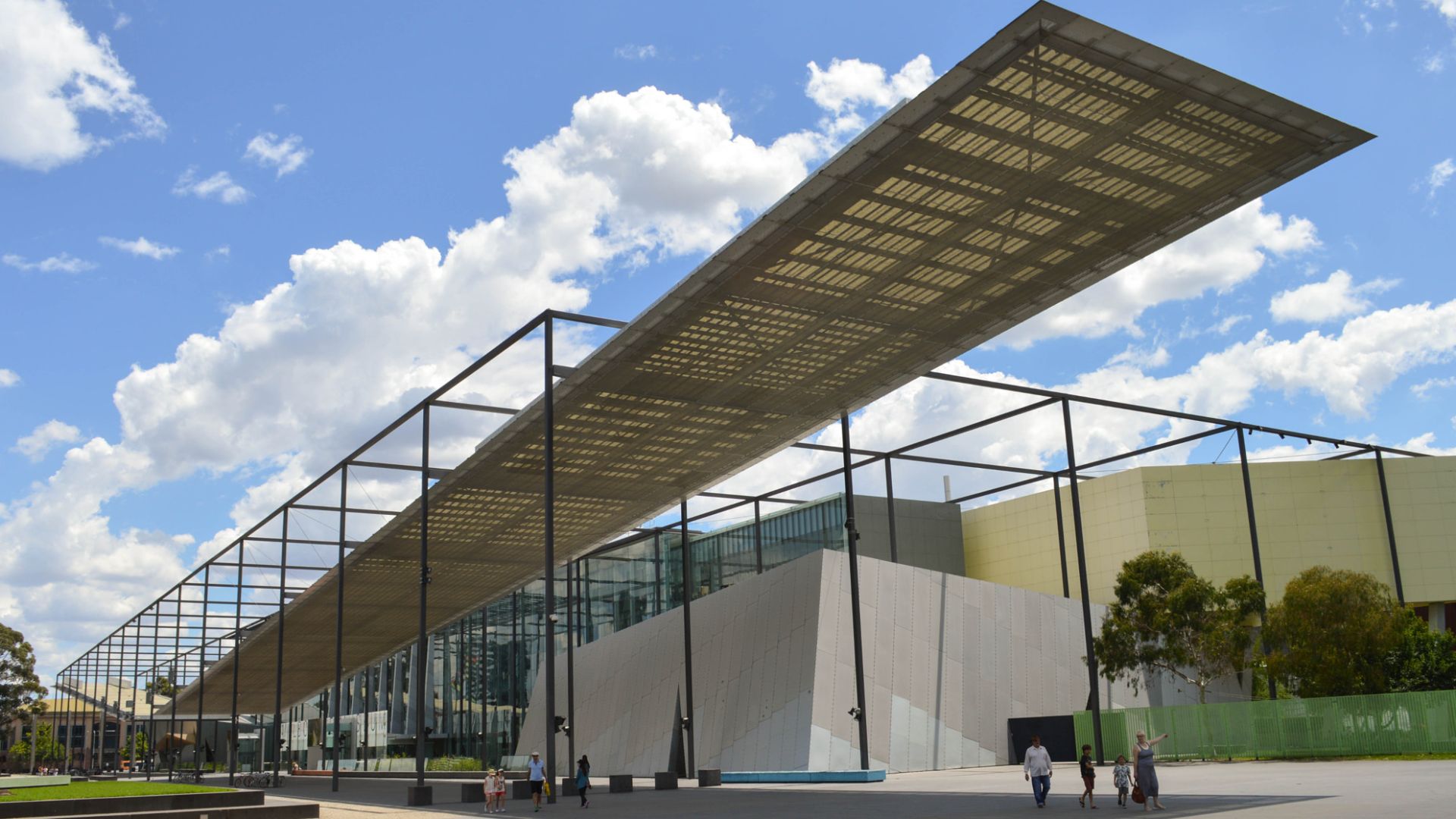
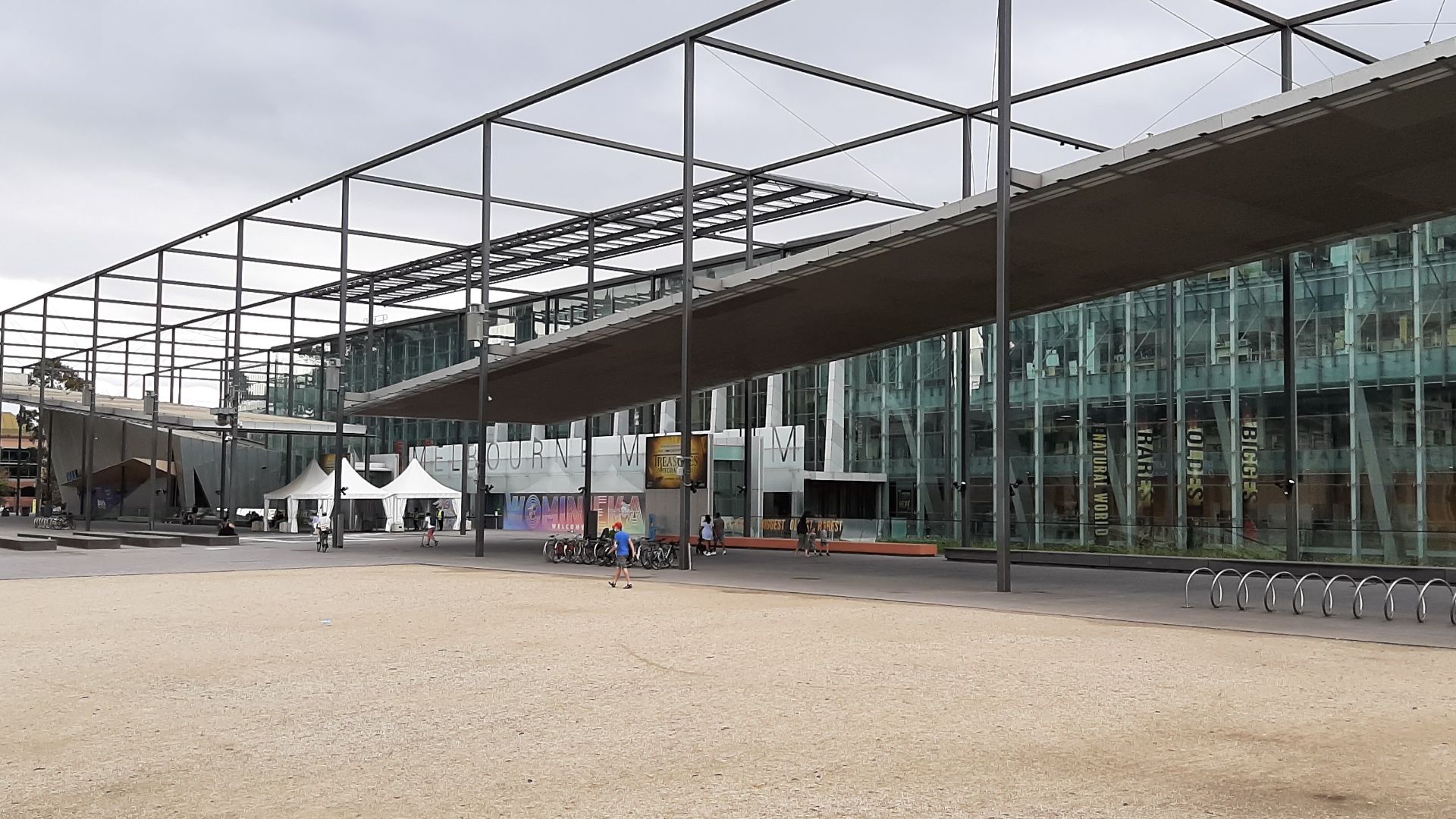
In 2018, Hole finally brought the rock to Melbourne Museum. He’d kept it for roughly three years without figuring out what it was. Now he was handing the mystery to people who examined unusual rocks for a living—and they quickly recognized something worth investigating.
 Francisco Anzola, Wikimedia Commons
The experts recognized something different
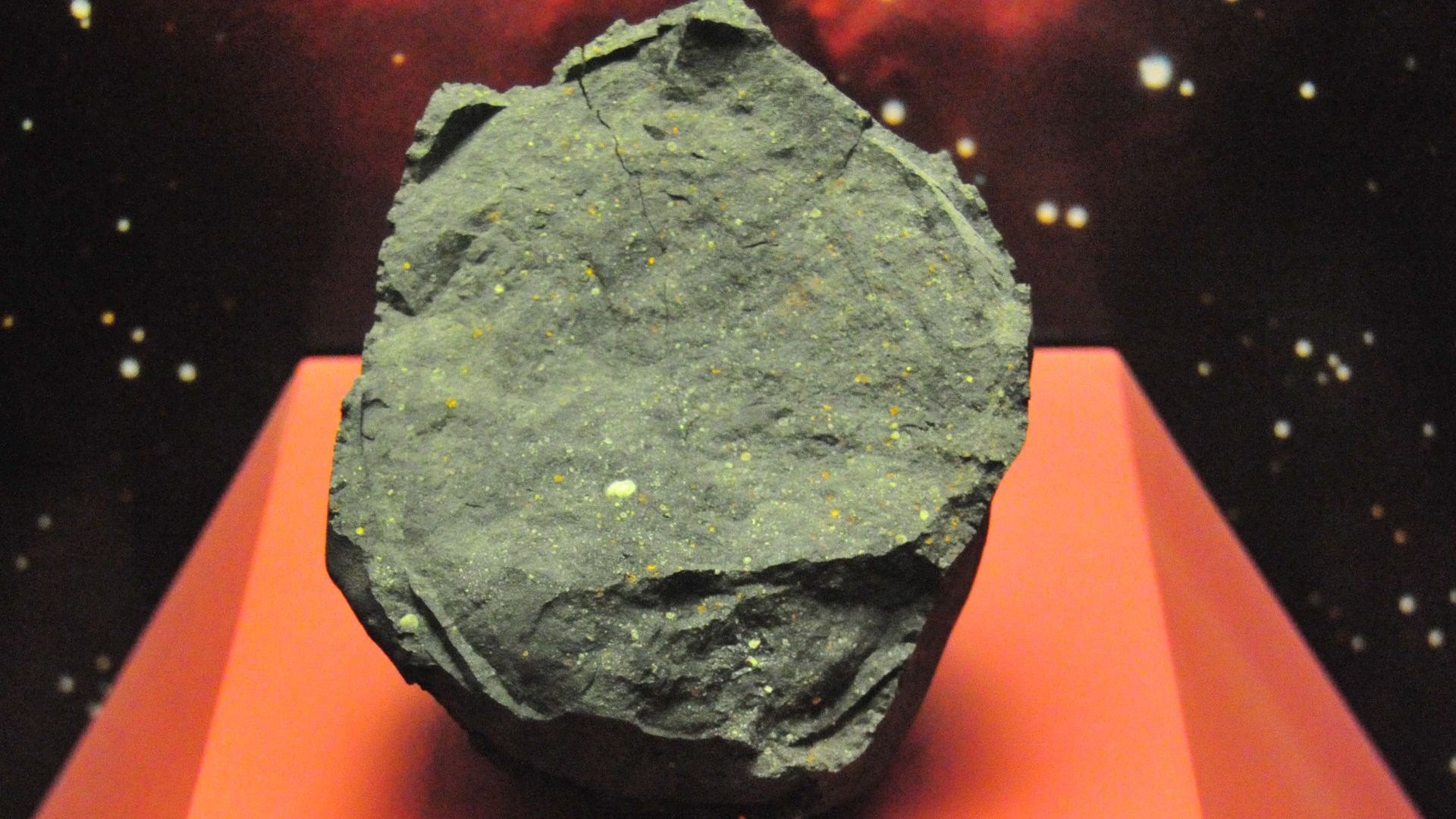
Geologists Dermot Henry and Bill Birch were familiar with hopeful discoveries that turned out to be ordinary stones. This one was different. Hole hadn’t brought them a rock containing a hidden gold nugget. He’d brought them a meteorite—a rock that had arrived from space.
 Art Bromage, Wikimedia Commons
It was about 4.6 billion years old
The object became known as the Maryborough meteorite. Museums Victoria describes it as about 4.6 billion years old, placing its origins around the formation of our solar system. Hole had been trying to open something that dated back to the earliest stages of planetary history.
 James St. John, Wikimedia Commons
“Ordinary” didn’t mean uninteresting
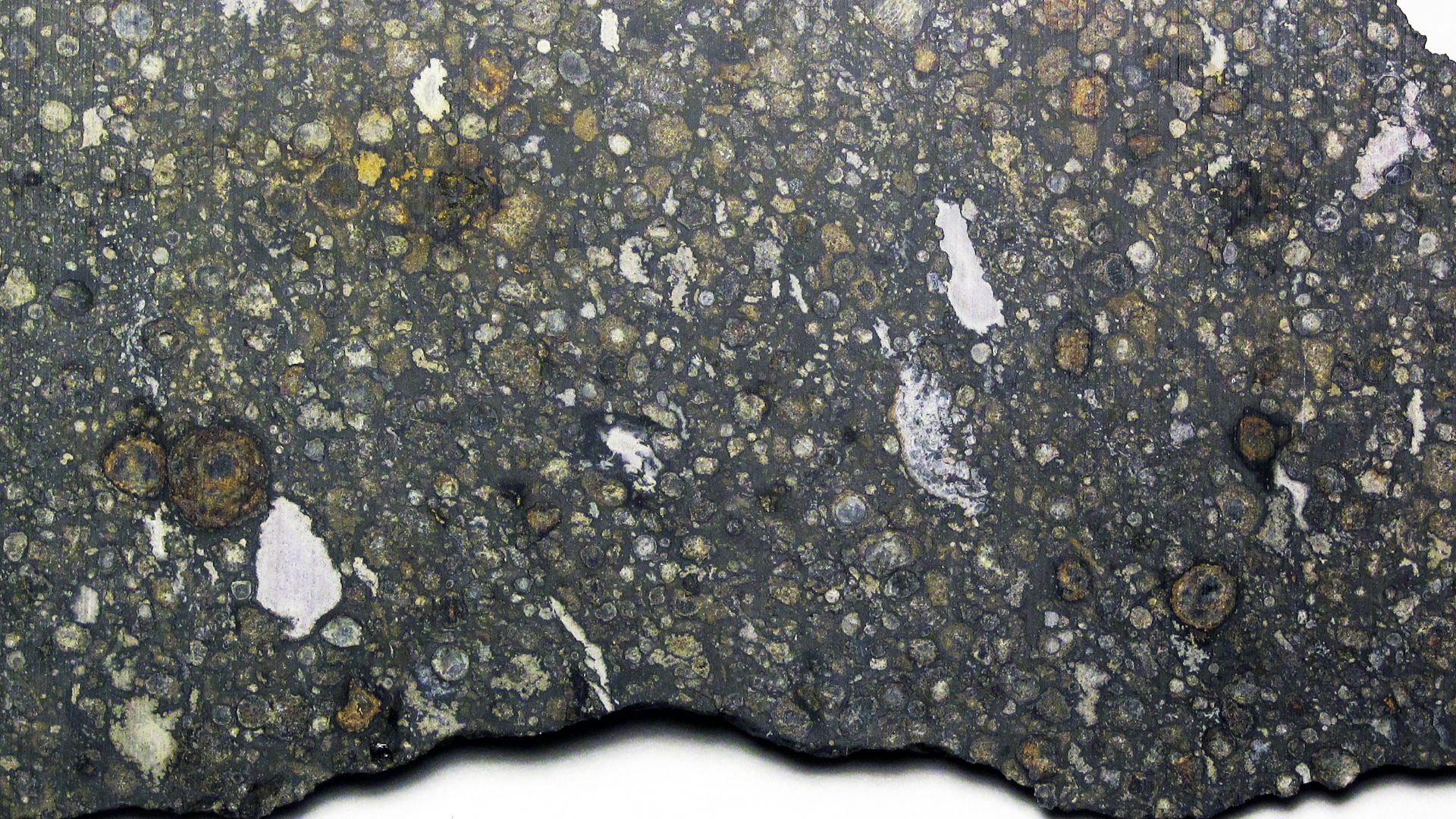
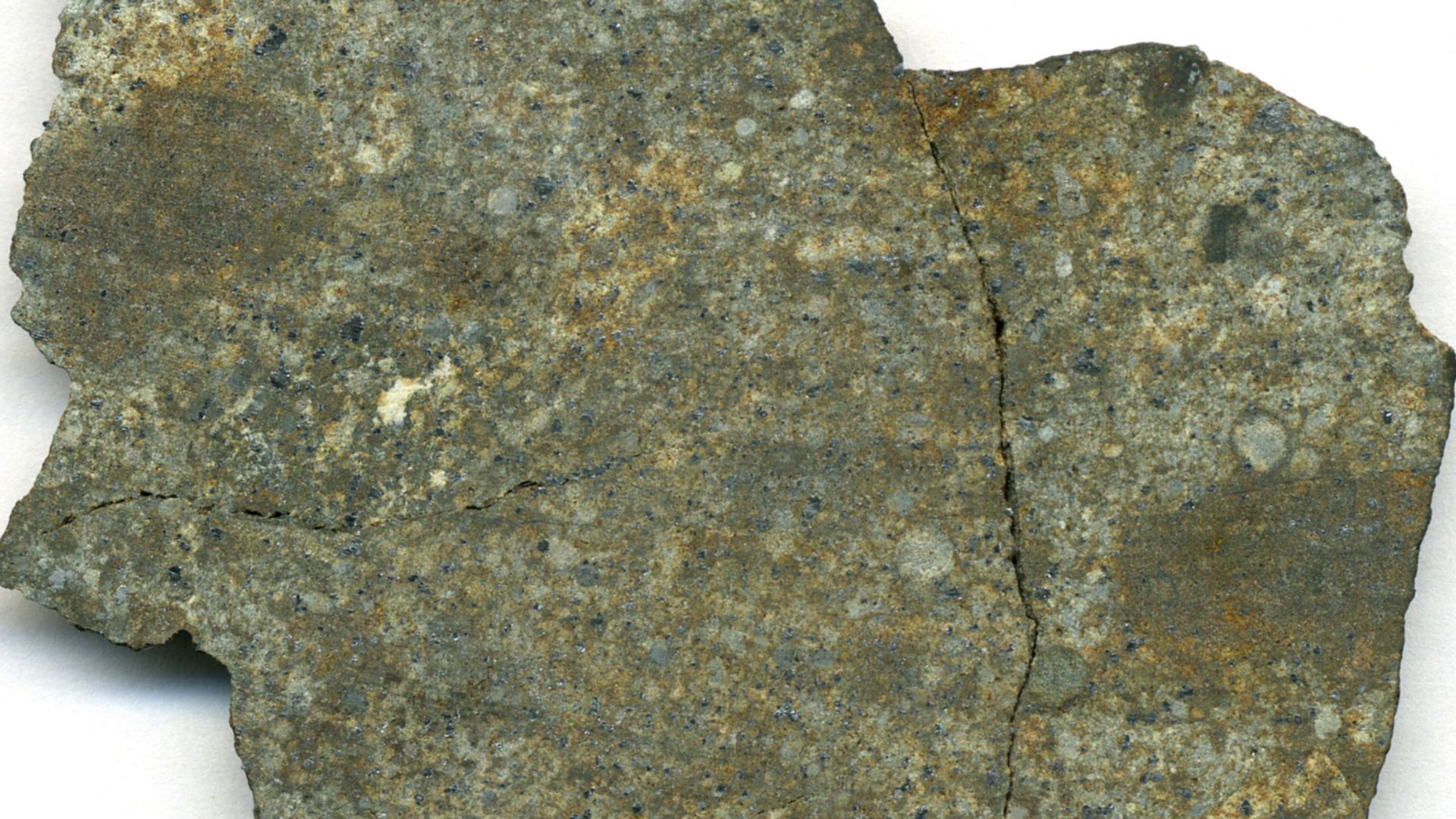
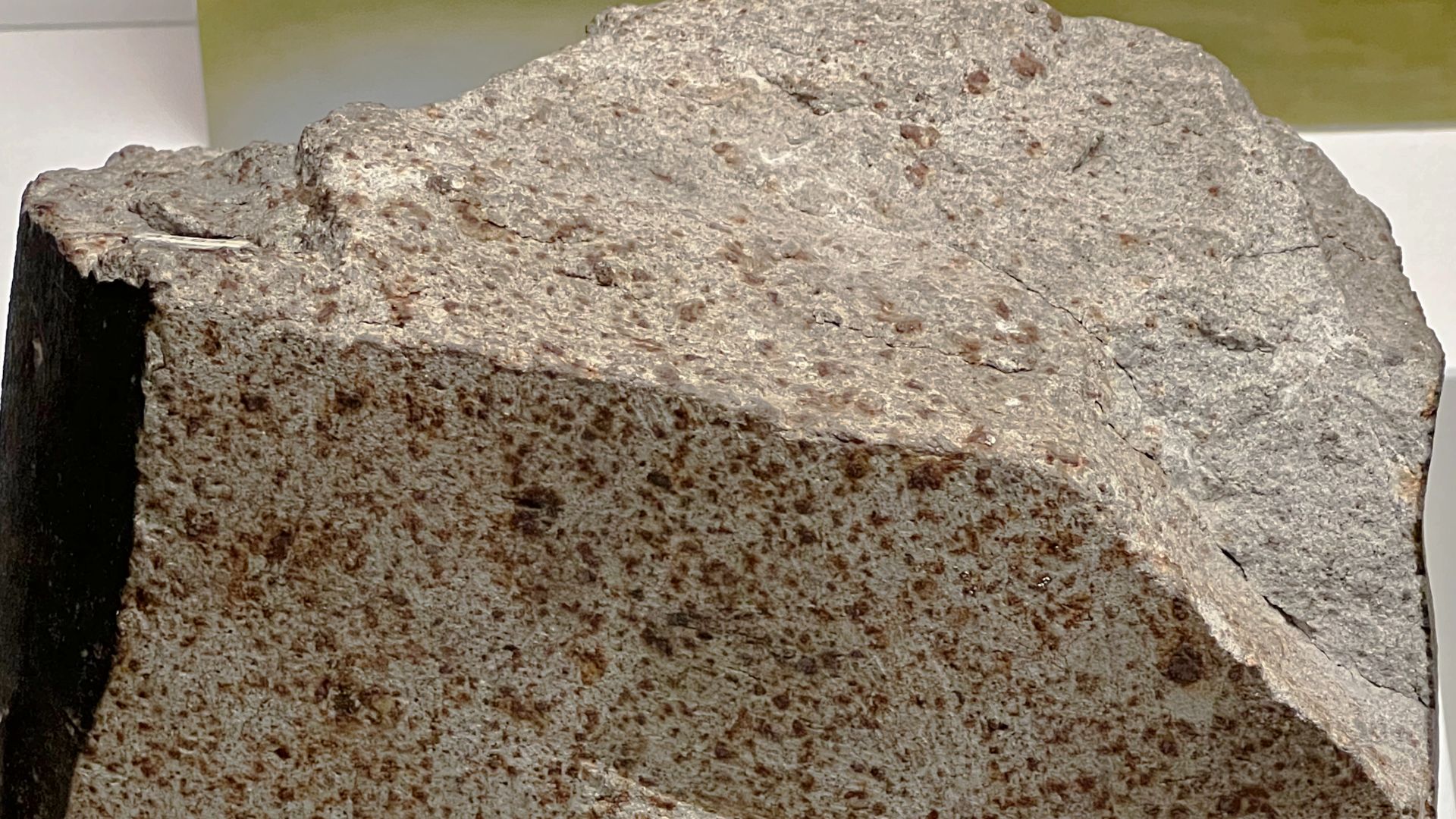
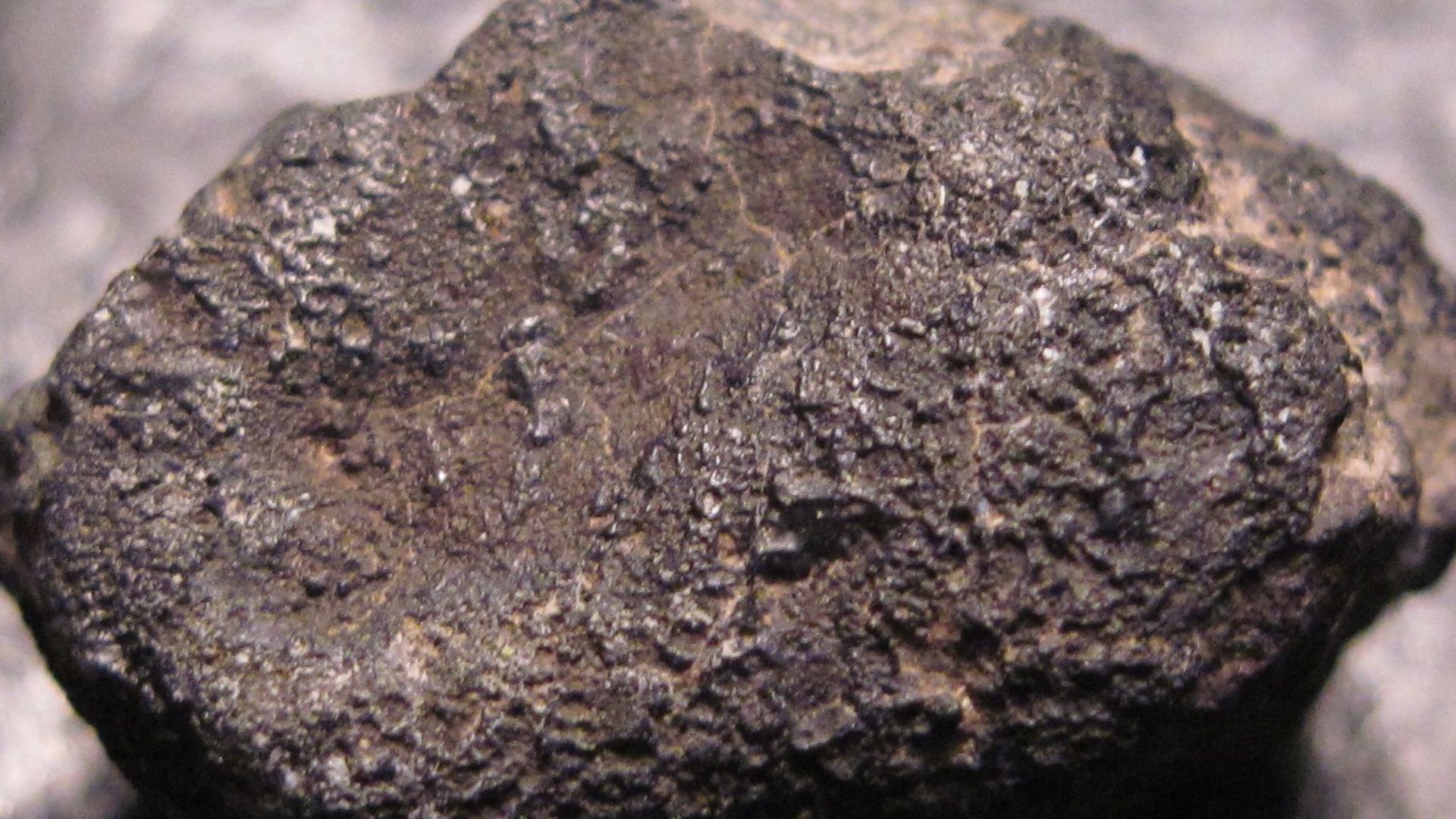
Its official classification was an H5 ordinary chondrite. That might sound disappointing after learning it came from space, but “ordinary” identifies a particular meteorite family. Chondrites include some of the oldest surviving materials in the solar system. This was still a remarkable thing to find while searching for gold.
 James St. John, Wikimedia Commons
The code explained its history
The H places it in the high-iron group of ordinary chondrites. The 5 describes changes caused by heating on its parent body. That short classification tells researchers something about both its composition and what happened to it long before it reached Australia.
 H. Raab (User:Vesta), Wikimedia Commons
A diamond saw got them inside
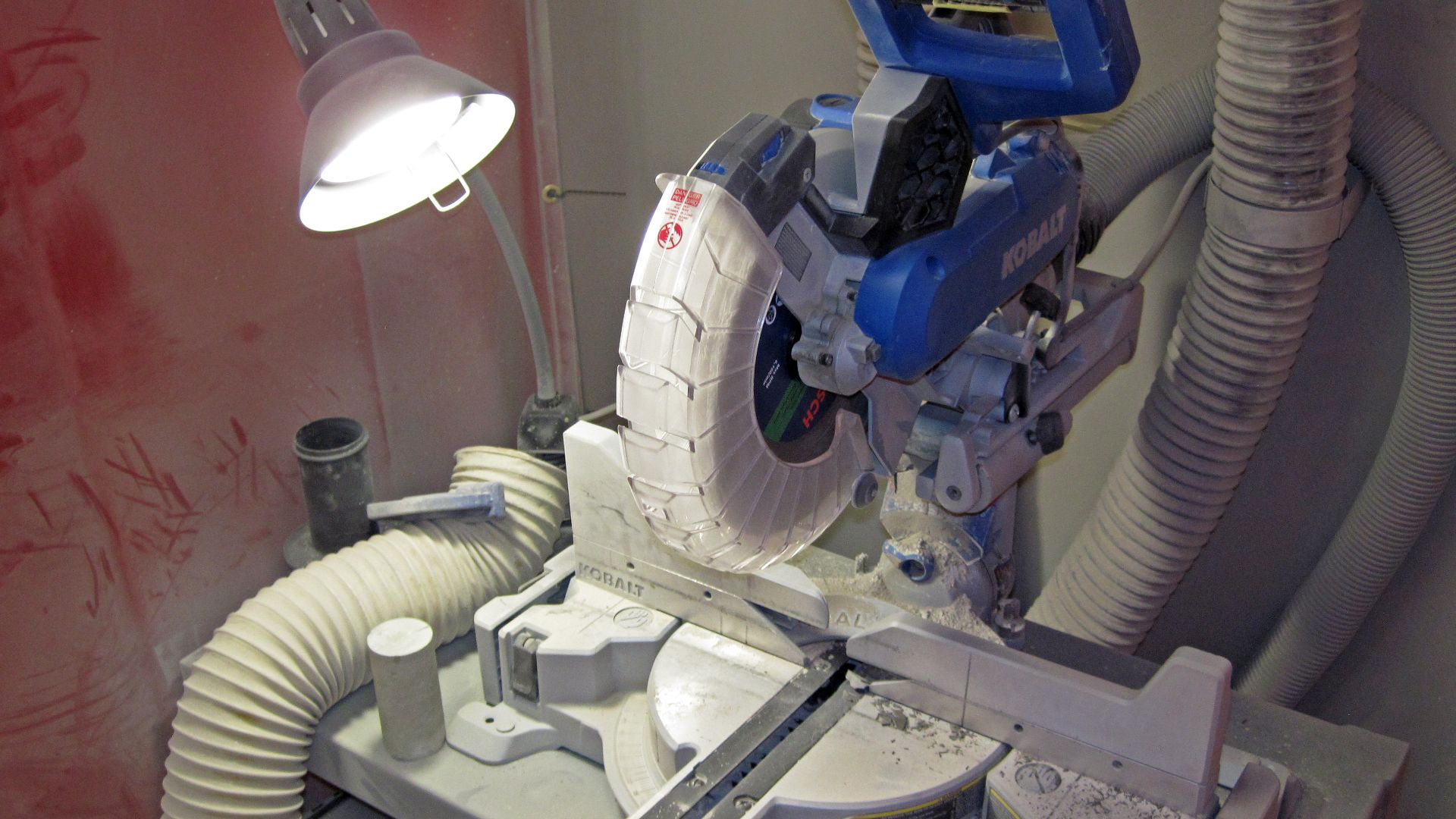
Researchers used a diamond saw to remove a slice for examination. That gave them access to material Hole’s tools hadn’t exposed. The museum separately catalogs a 680-gram slab from the meteorite—roughly a pound and a half of the original discovery, set aside for scientific study.
 James St. John, Wikimedia Commons
Tiny structures held important clues
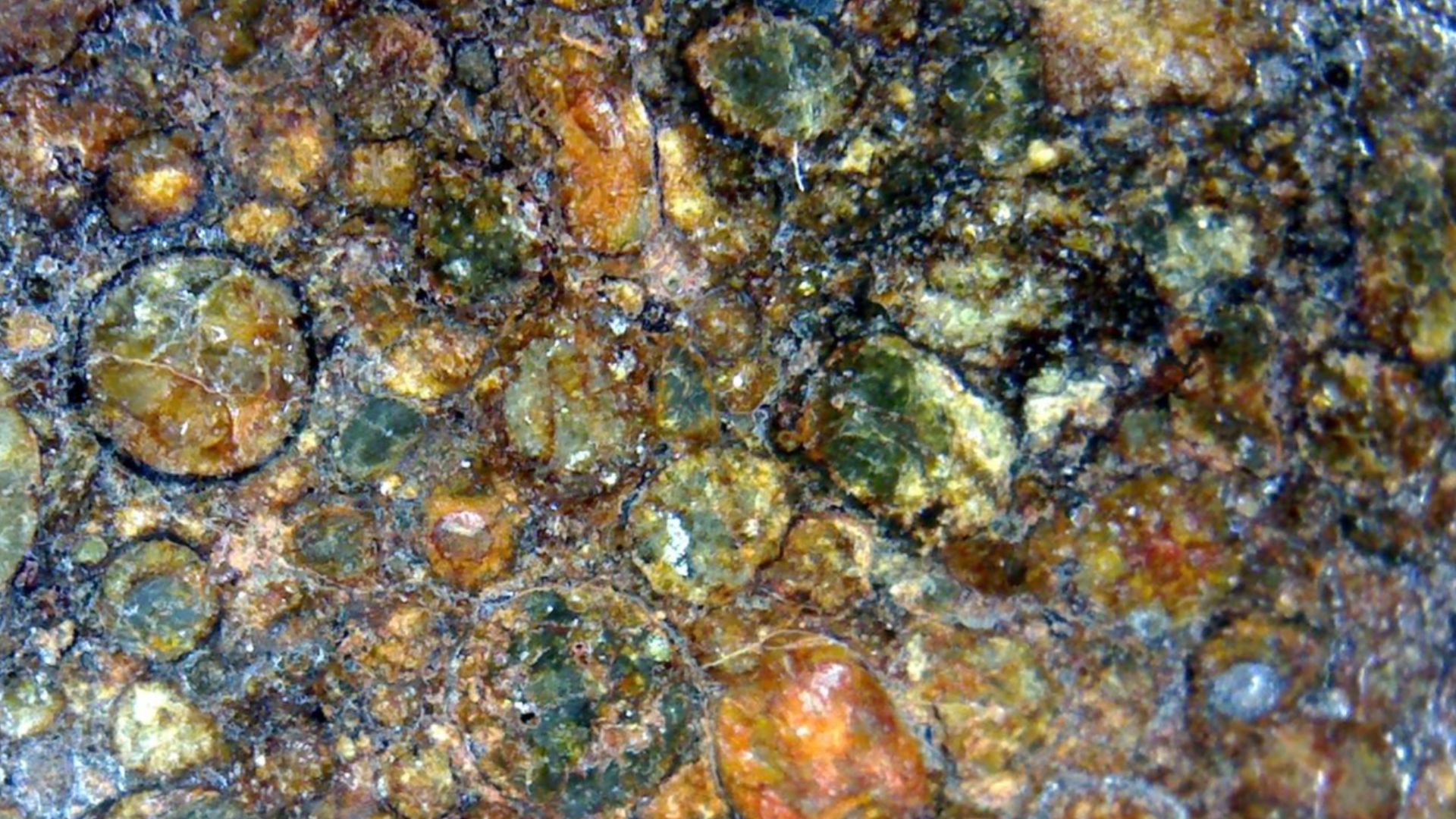
The meteorite contained small rounded structures called chondrules. These formed from material that melted and solidified during the solar system’s early history, before becoming incorporated into larger bodies. They’re the sort of details you could easily overlook, even though they help scientists investigate how planets began forming.
It preserved evidence from the beginning
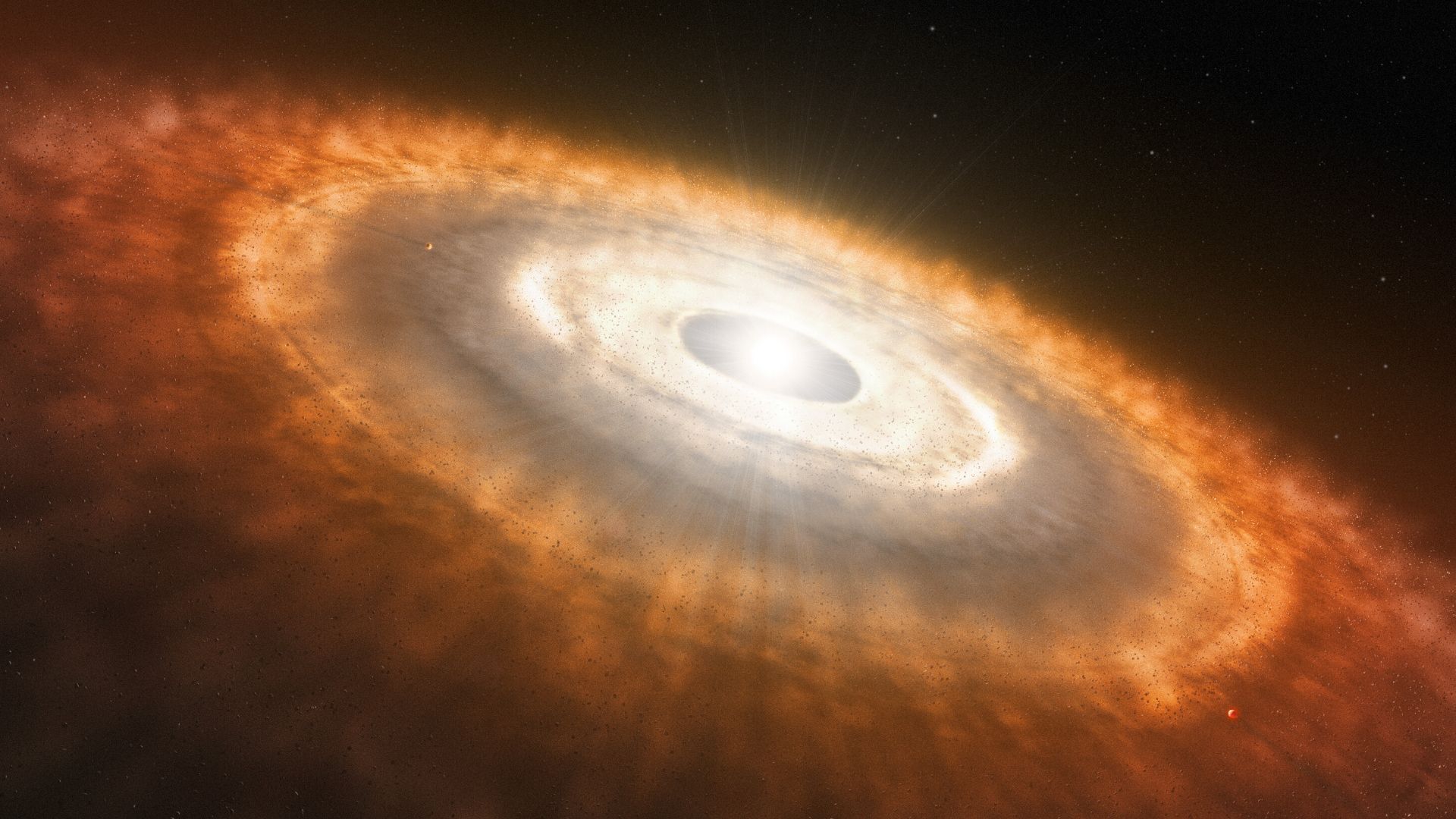
Our solar system began with a developing Sun surrounded by a disk of gas and dust. Small objects collided and accumulated into larger bodies, eventually helping build planets. Chondrites preserve evidence from those early stages. That gives researchers something physical to examine when studying events billions of years ago.
 ESO/L. Calcada, Wikimedia Commons
Its likely home was between Mars and Jupiter
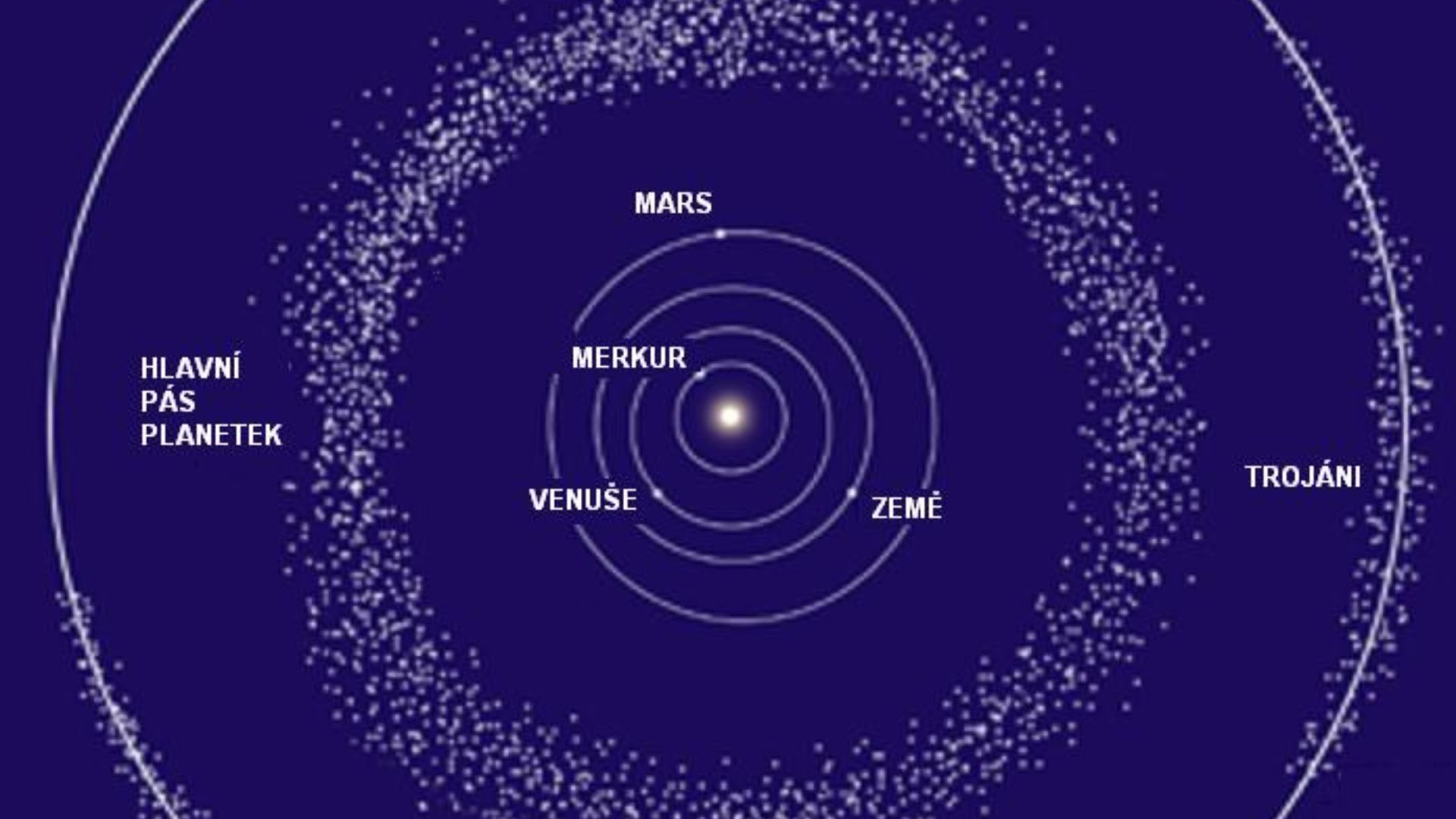
Museums Victoria says the Maryborough meteorite most likely came from the asteroid belt between Mars and Jupiter. Its exact parent asteroid hasn’t been established. Even without knowing its complete route, researchers could tell Hole’s discovery had a very different origin from the gold he’d been searching for.
 File Upload Bot (Magnus Manske), Wikimedia Commons
It was a heavyweight discovery
The 2019 paper ranked Maryborough as Victoria’s second-largest recorded single chondritic mass, behind the 55-kilogram Kulnine specimen. That distinction applies specifically to chondrites. Hole’s rock wasn’t merely an authentic meteorite; it was a substantial example within the state’s documented collection of finds.
Gold suddenly seemed less unusual
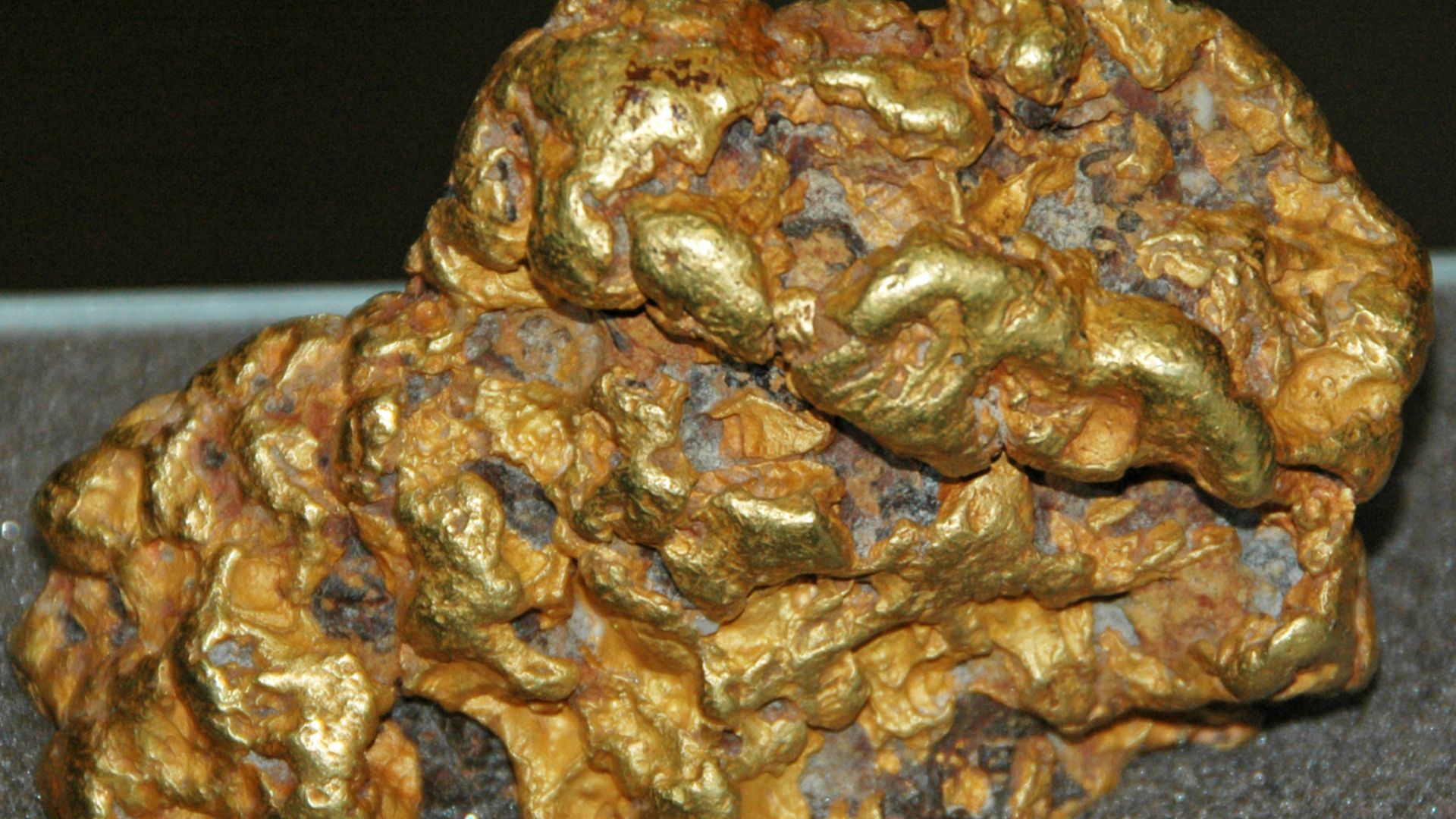
When researchers documented Maryborough, it was only the seventeenth recorded meteorite from Victoria. Henry explained the comparison: “This is only the 17th meteorite found in Victoria, whereas there's been thousands of gold nuggets found.” Hole had accidentally found something much less frequently discovered in the state.
 James St. John, Wikimedia Commons
Its greatest value was scientific
The “worth more” comparison concerns its scientific importance. Meteorites preserve evidence about the solar system’s formation that gold cannot provide. No verified public appraisal establishes that Maryborough was worth more money than an equivalent weight of gold, and the research paper doesn’t disclose its purchase price.
 Burkhard Mucke, Wikimedia Commons
It hadn’t spent billions of years in Australia
Its ancient origins shouldn’t be confused with its time on Earth. Carbon-14 measurements suggested it arrived within the past 1,000 years. Its relatively limited weathering made a more recent arrival possible, although researchers couldn’t establish an exact date for when it reached the ground.
Someone might have seen it arrive
Researchers examined historical reports of bright meteors around the district, including sightings from the late nineteenth and twentieth centuries. None could be securely connected to the discovery site. Someone might have witnessed its arrival, but there’s no confirmed account identifying the event that delivered Hole’s rock.
Most hopeful discoveries disappoint
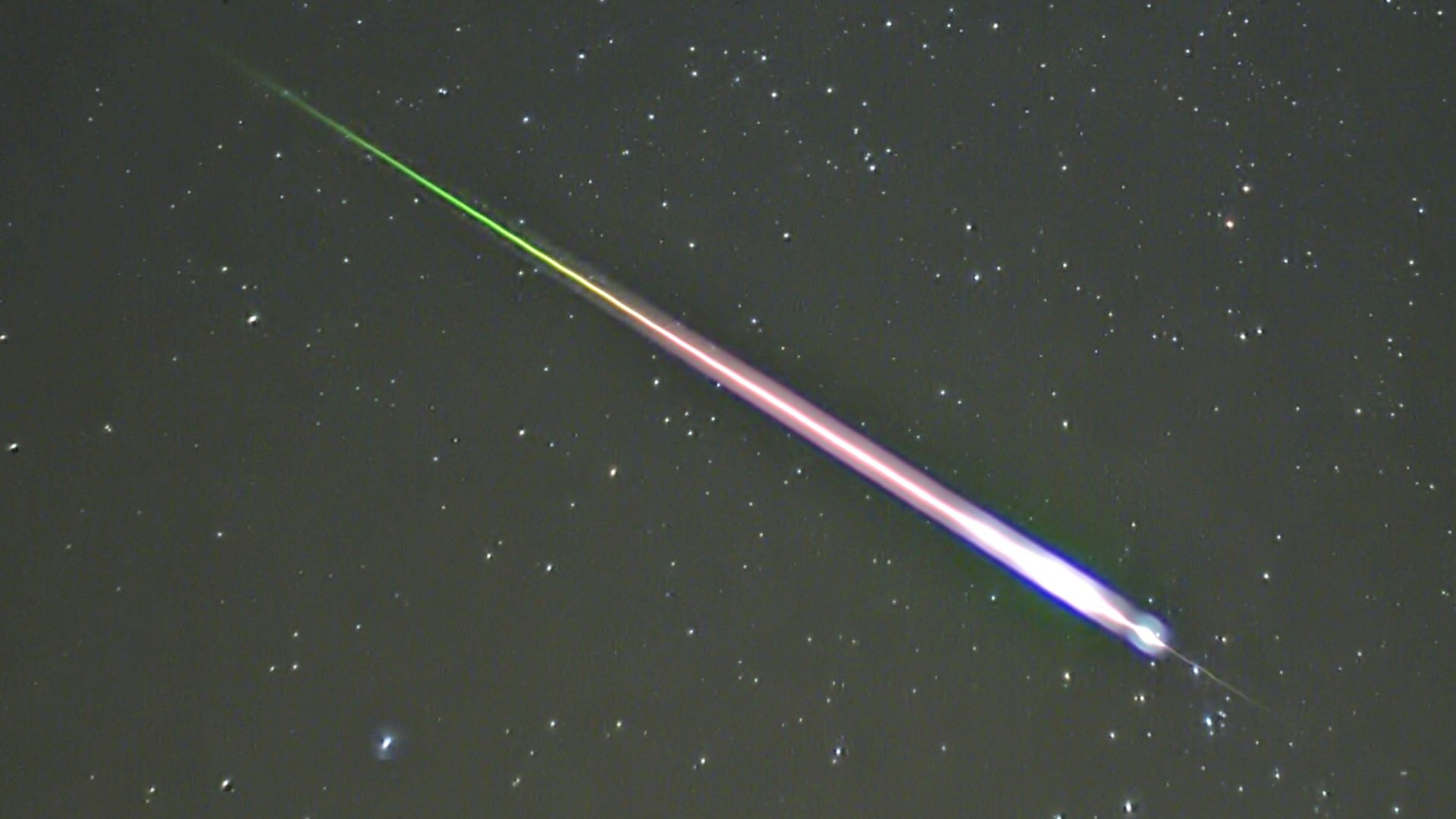
Museum experts have a nickname for stones mistakenly identified as meteorites: “meteor-wrongs.” Hole’s find was the exciting exception. It’s easy to understand their interest when a genuine specimen appeared among the many unusual-looking rocks people hoped had come from somewhere beyond Earth.
The museum bought it
After confirming its identity, Museums Victoria purchased the meteorite from Hole. Its classification was approved in December 2018, and the research appeared in 2019. That completes the timeline: found in 2015, brought to the museum three years later, then formally described in a scientific publication.
Space exploration came to the shed
Meteorites give researchers access to extraterrestrial material without sending a spacecraft to collect it. As Henry put it, “With meteorites, the samples come to us.” This particular sample took an additional detour through a prospector’s shed before anyone recognized what it could contribute to science.
He was wrong about the gold
Hole didn’t find the gold he’d hoped was hiding inside that stubborn rock. But he kept it long enough to get an answer—and gave researchers something worth studying. Would you have held onto a mysterious 37-pound lump for three years, or eventually cleared it out of the shed?

You Might Also Like: