The Tribe That Chose to Disappear
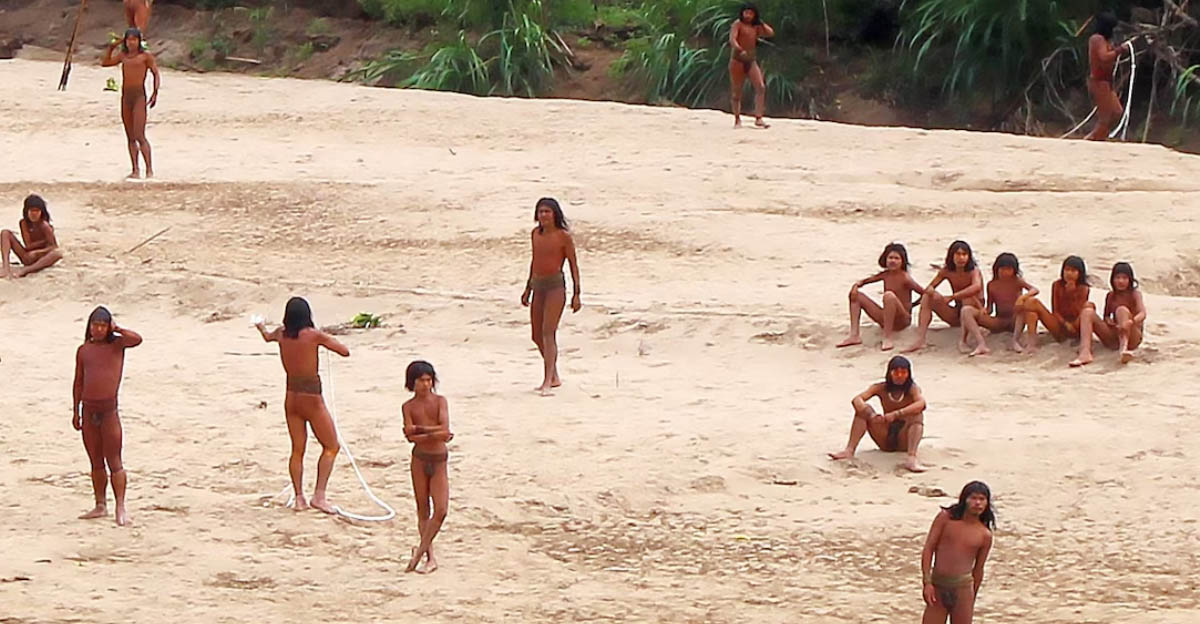
Deep in the rainforests of southeastern Peru lives one of the world’s most mysterious Indigenous groups: the Mascho Piro. They are uncontacted by choice, moving quietly through the jungle, avoiding the modern world while fighting to survive in a forest that grows more dangerous every year.
A People Hidden in the Amazon
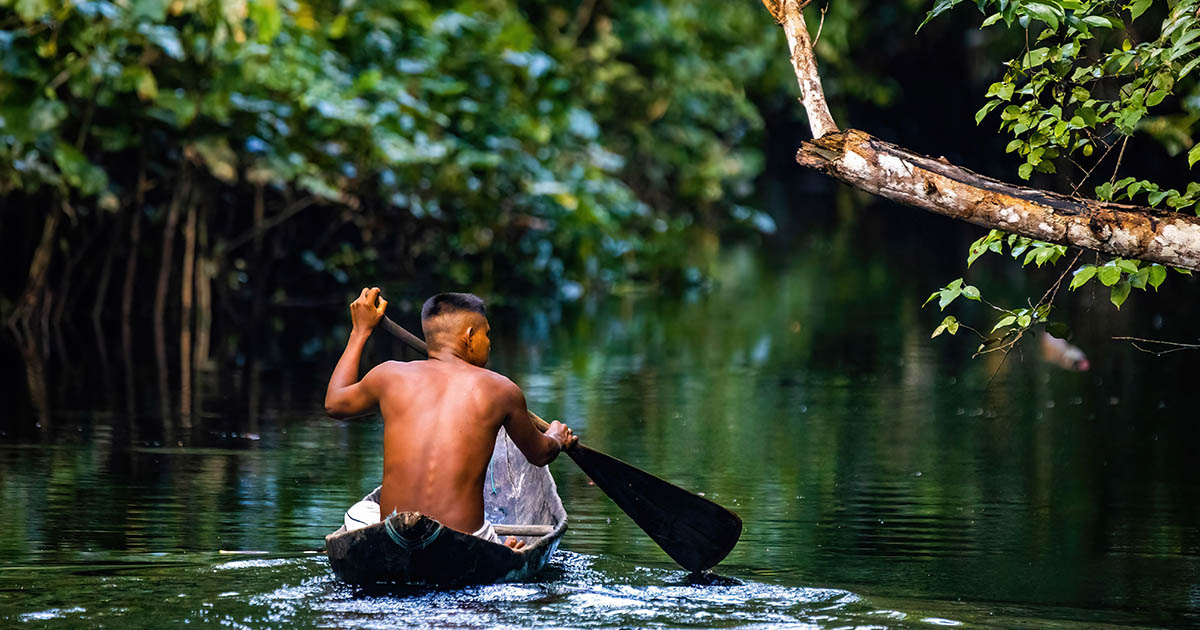
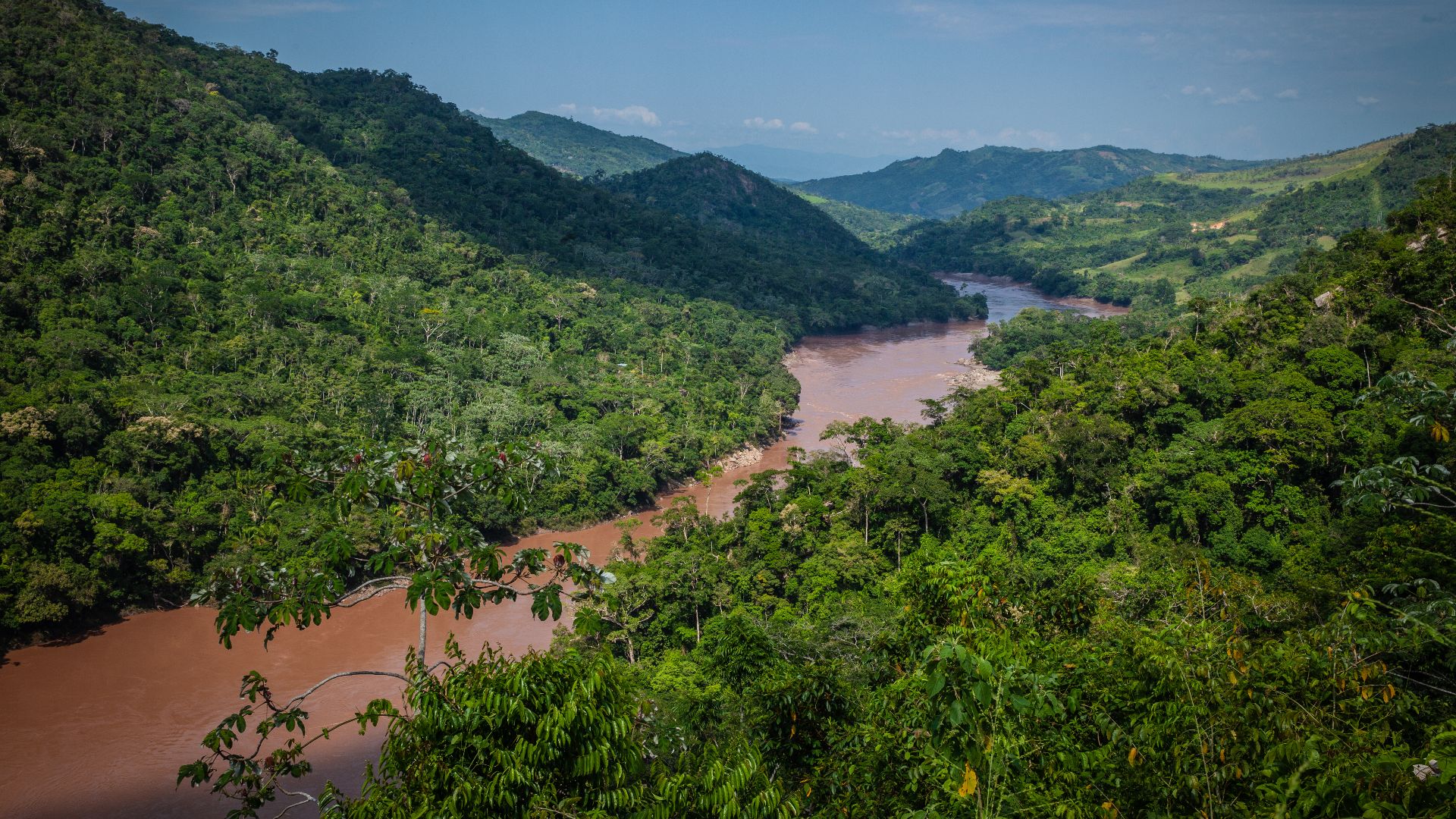
The Mascho Piro live in the Madre de Dios and Ucayali regions of Peru, near the borders of Brazil. They are part of the larger Piro (Yine) cultural family but separated long ago. Their territory lies within dense rainforest, rivers, and floodplains that few outsiders can safely navigate.
 USAID Digital Development, Wikimedia Commons
What “Uncontacted” Really Means
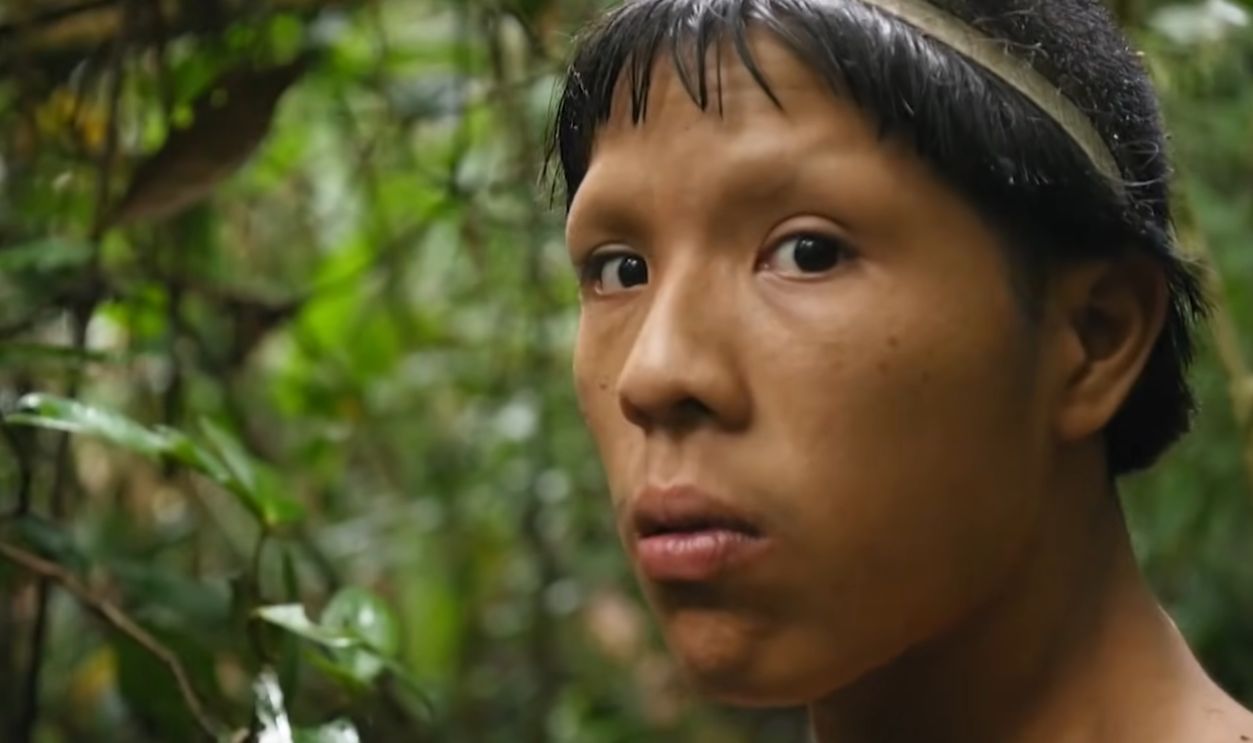
Being uncontacted does not mean the Mascho Piro are unaware of the outside world. It means they actively avoid sustained contact. They flee from outsiders, hide camps, and retreat deeper into the forest, often leaving belongings behind to escape.
 Screenshot from First Contact with An Isolated Amazonian Tribe, Absolute Documentaries (2020)
A History Written in Trauma
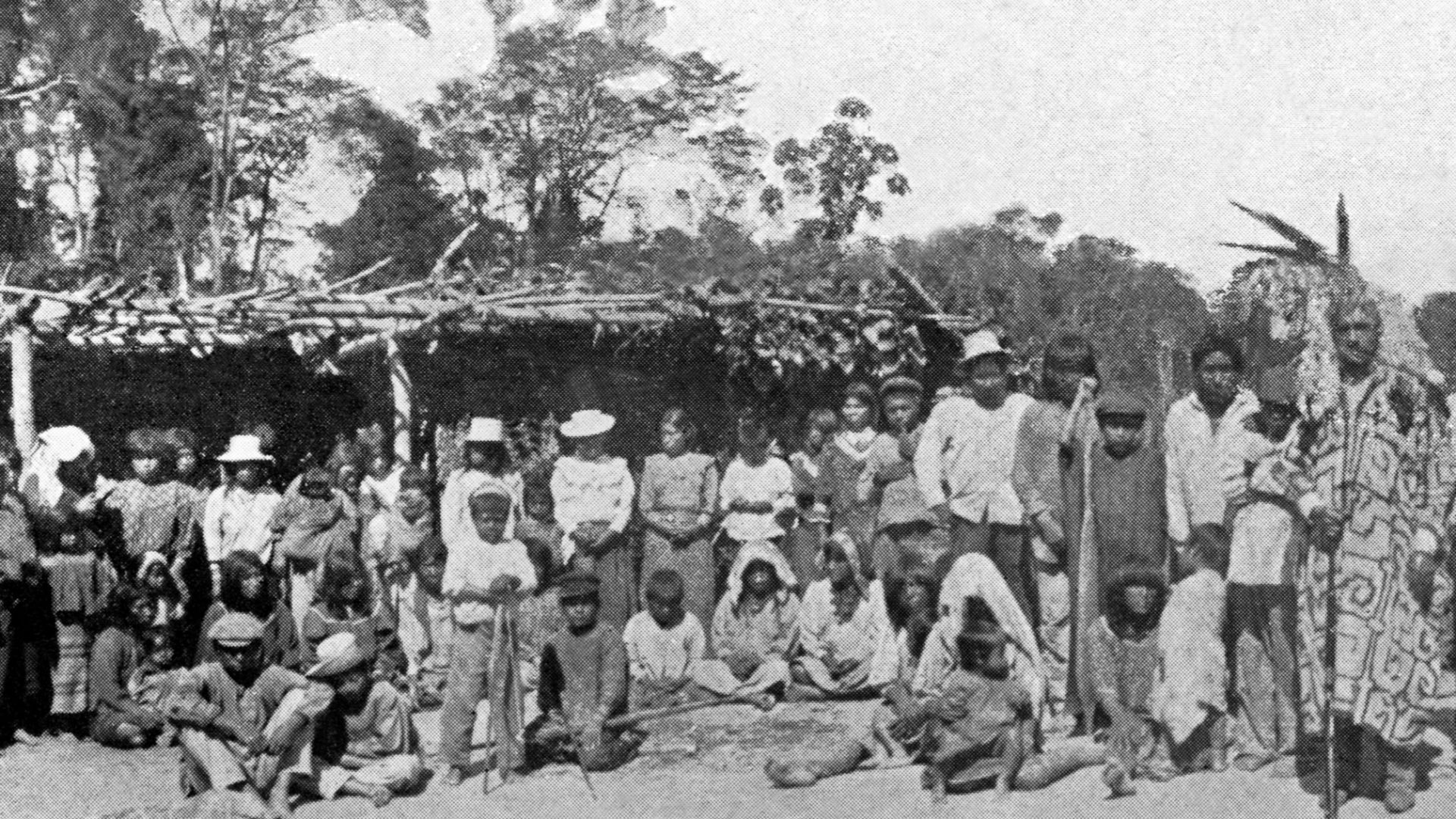
Anthropologists believe the Mascho Piro withdrew from contact during the late 1800s and early 1900s when rubber barons violently enslaved and murdered Indigenous people across the Amazon. Entire villages were destroyed. Survival meant disappearing into the jungle.
 Anonymous, 1906., Wikimedia Commons
The Rubber Boom That Changed Everything
During the Amazon rubber boom, companies led by figures like Carlos Fitzcarrald committed extreme atrocities. Indigenous people were whipped, tortured, and killed. Researchers say this violence explains why groups like the Mascho Piro still see outsiders as an existential threat.
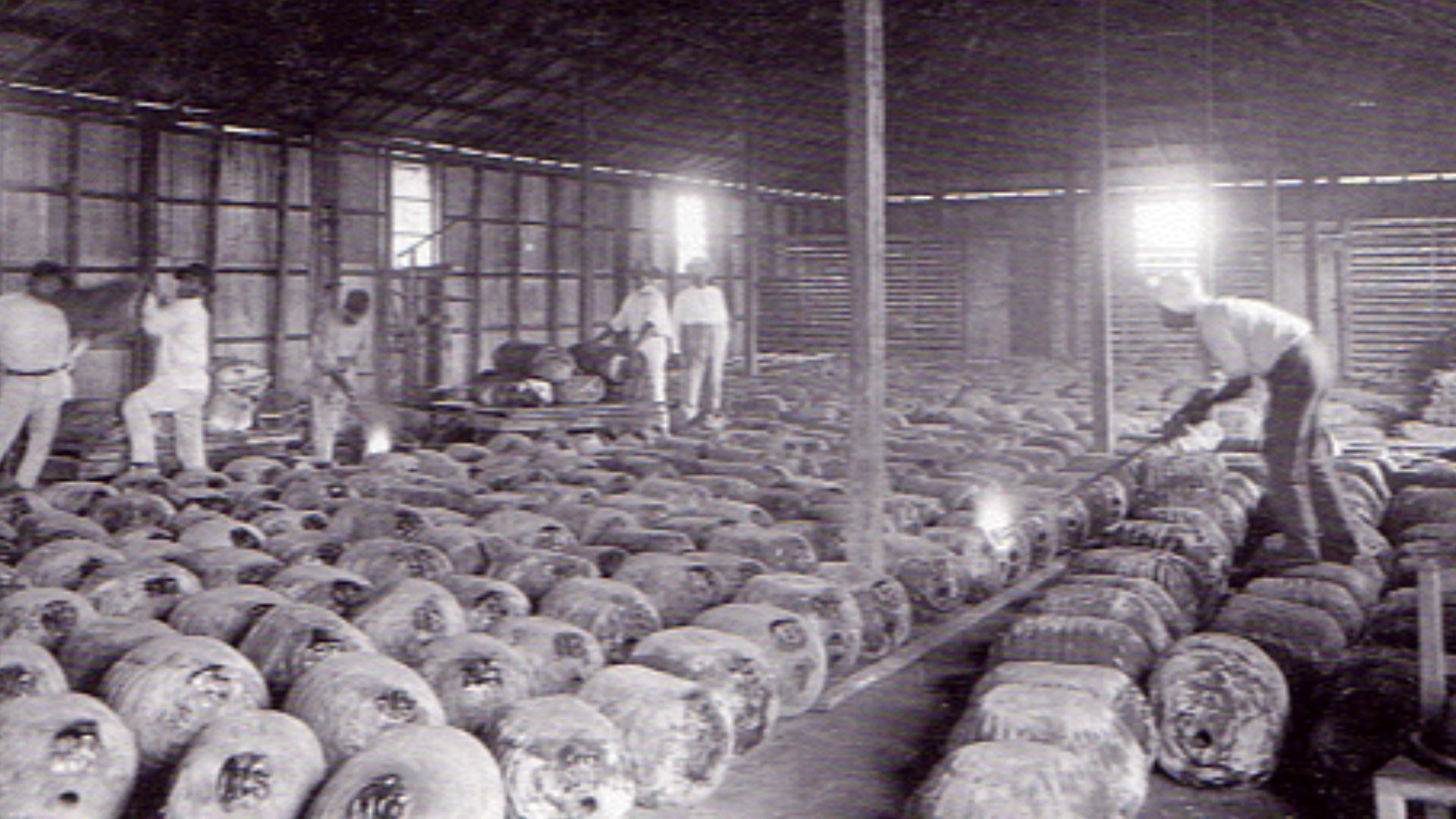 Karl Blattmann, Wikimedia Commons
How We Know They Exist
We know about the Mascho Piro through rare sightings, abandoned camps, footprints, and objects left behind. In 2011, 2015, and 2023, members were seen near riverbanks and logging roads, sometimes holding spears before quickly retreating.
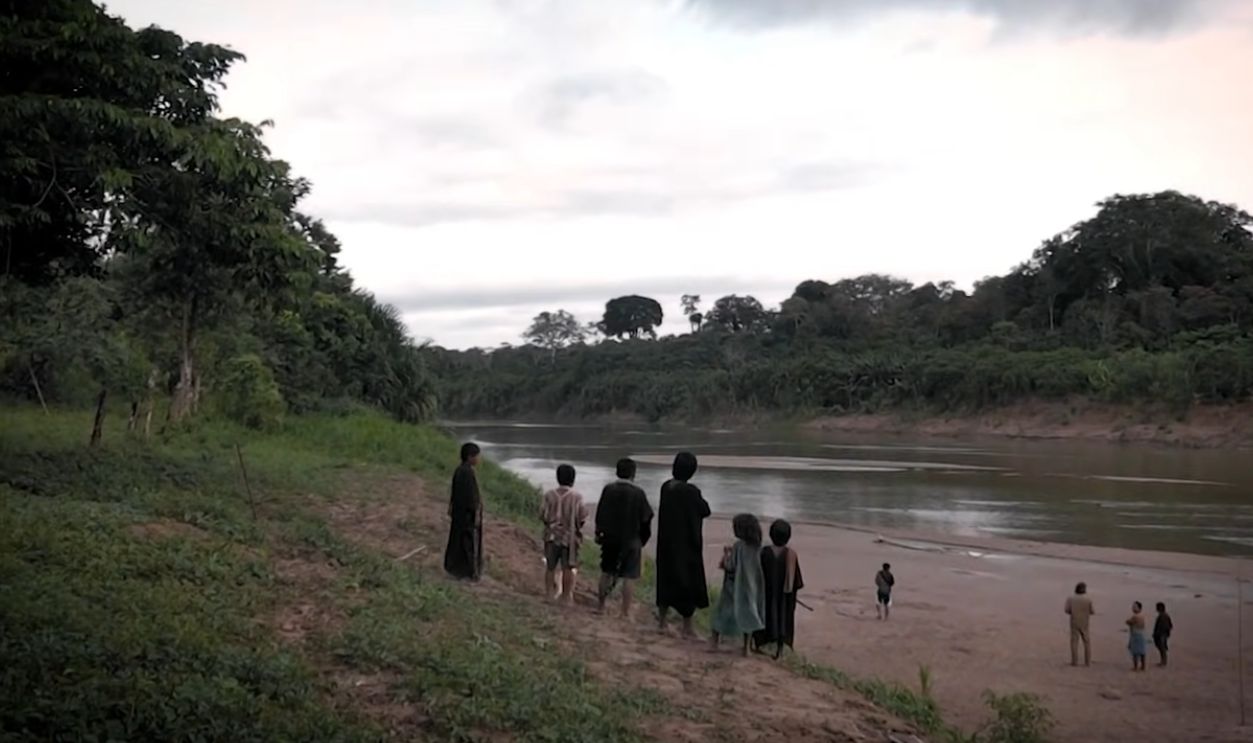 Screenshot from First Contact with An Isolated Amazonian Tribe, Absolute Documentaries (2020)
A Nomadic Life
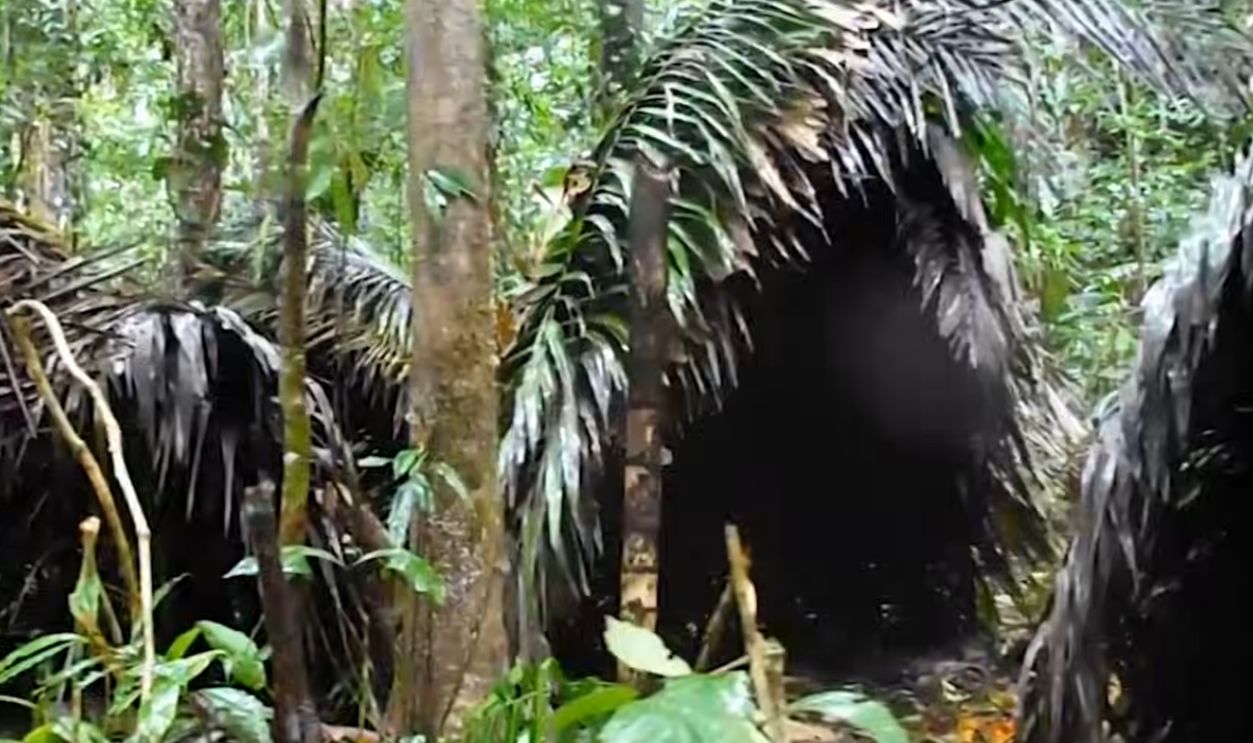
The Mascho Piro live nomadically, moving with seasonal food sources. They hunt, fish, and gather fruit, nuts, and roots. Temporary shelters made from palm leaves are built quickly and abandoned just as fast to avoid detection.
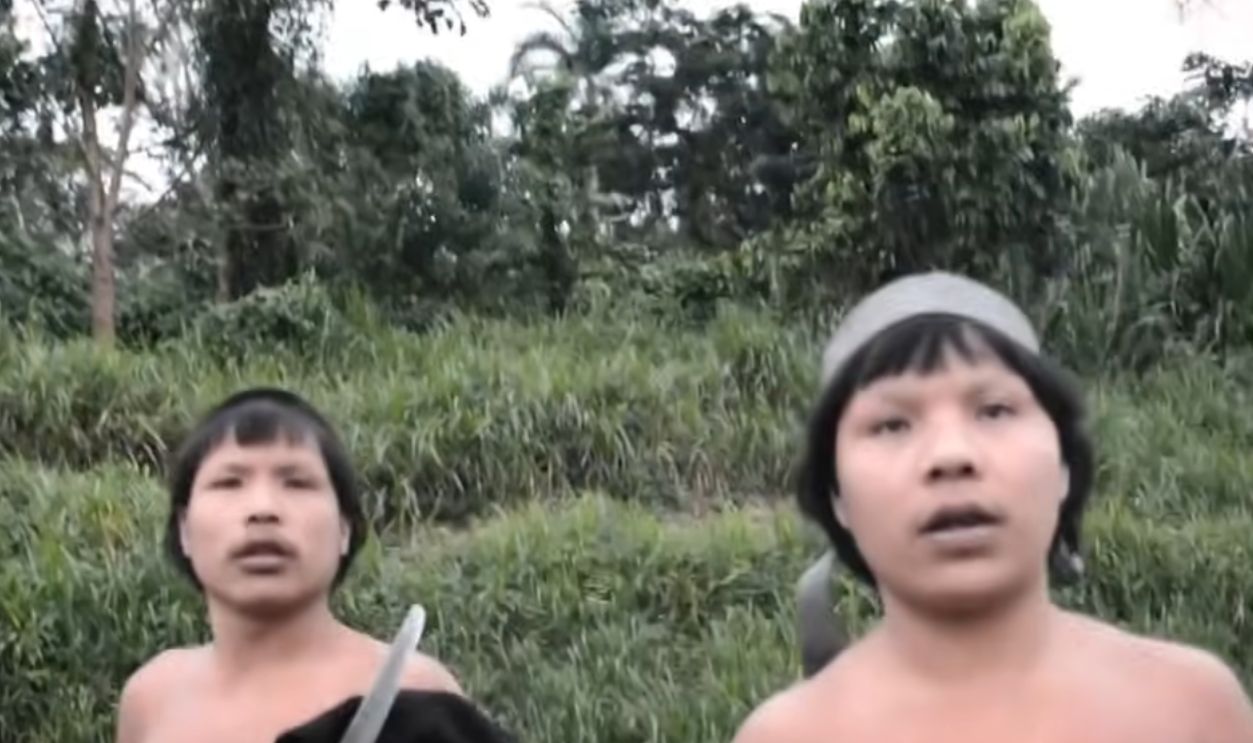 Screenshot from First Contact with An Isolated Amazonian Tribe, Absolute Documentaries (2020)
Tools and Daily Survival
Their tools are simple but effective: wooden spears, bows, arrows, woven baskets, and stone blades. Everything is made from forest materials. Anthropologists note their deep knowledge of medicinal plants and animal behavior.
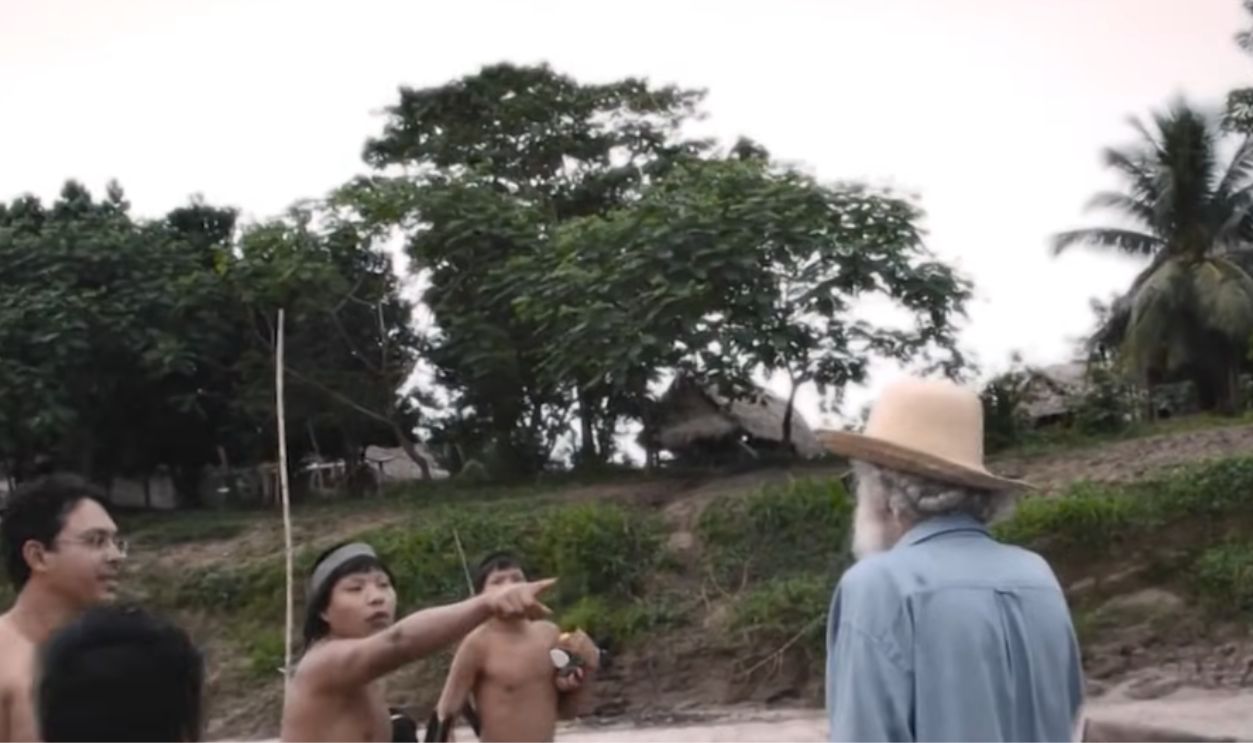 Screenshot from First Contact with An Isolated Amazonian Tribe, Absolute Documentaries (2020)
Language and Identity
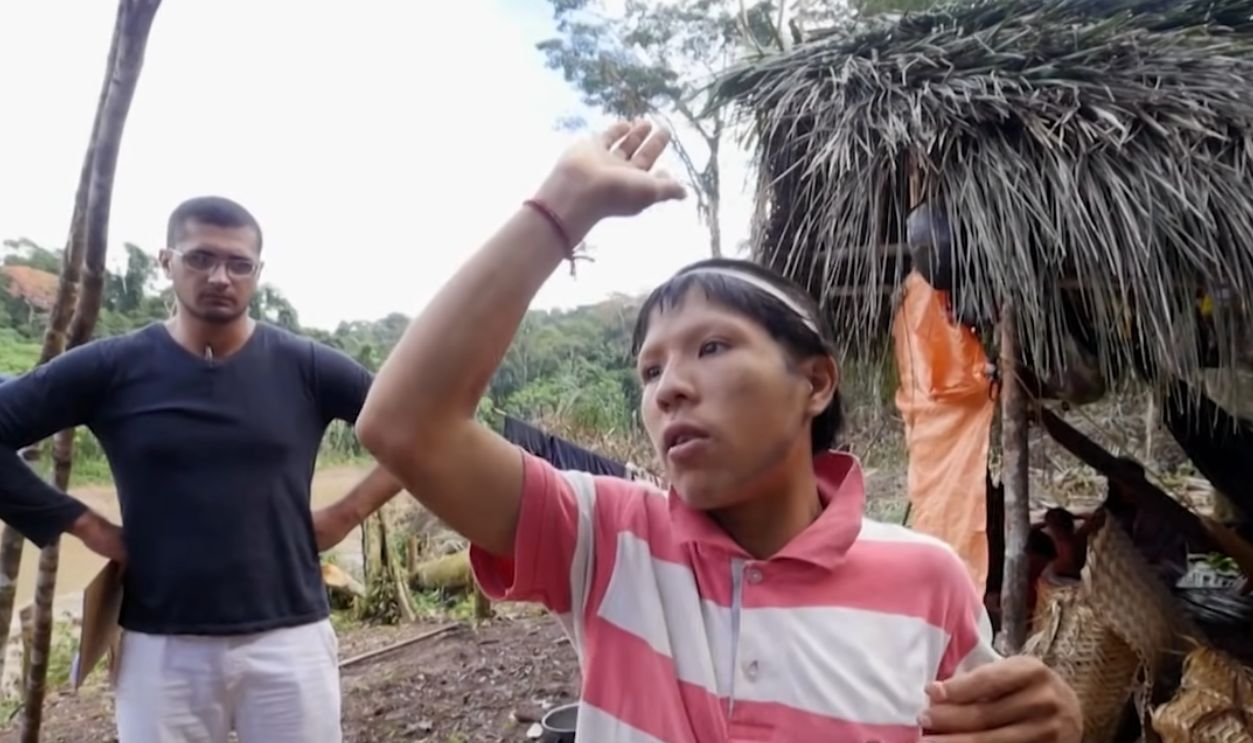
The Mascho Piro likely speak a form of Piro (Yine), though isolation may have changed it. Language is passed orally. With no written records, every elder lost means knowledge that disappears forever.
 Screenshot from First Contact with An Isolated Amazonian Tribe, Absolute Documentaries (2020)
Why They Reject Contact
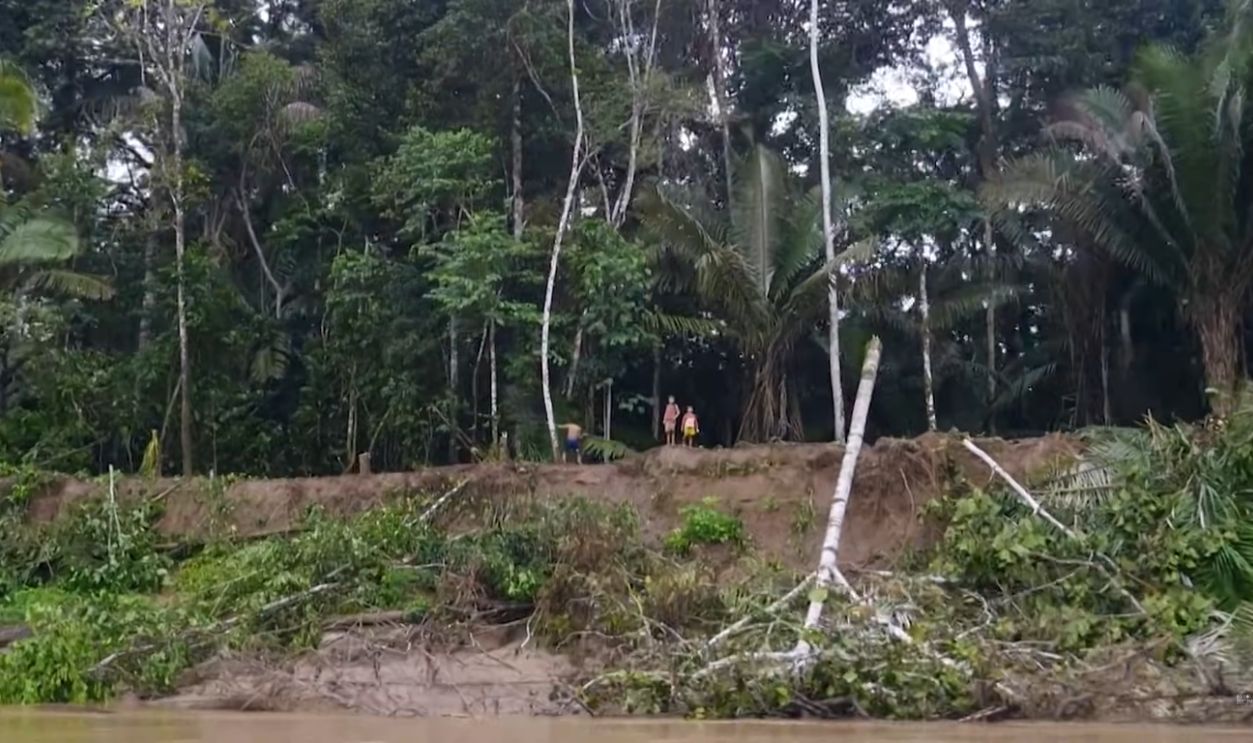
Contact brings disease. The Mascho Piro have no immunity to illnesses like flu or measles. Experts warn even brief contact could wipe out the tribe within weeks. Staying hidden is not fear, it is survival.
 Screenshot from First Contact with An Isolated Amazonian Tribe, Absolute Documentaries (2020)
Dangerous Curiosity
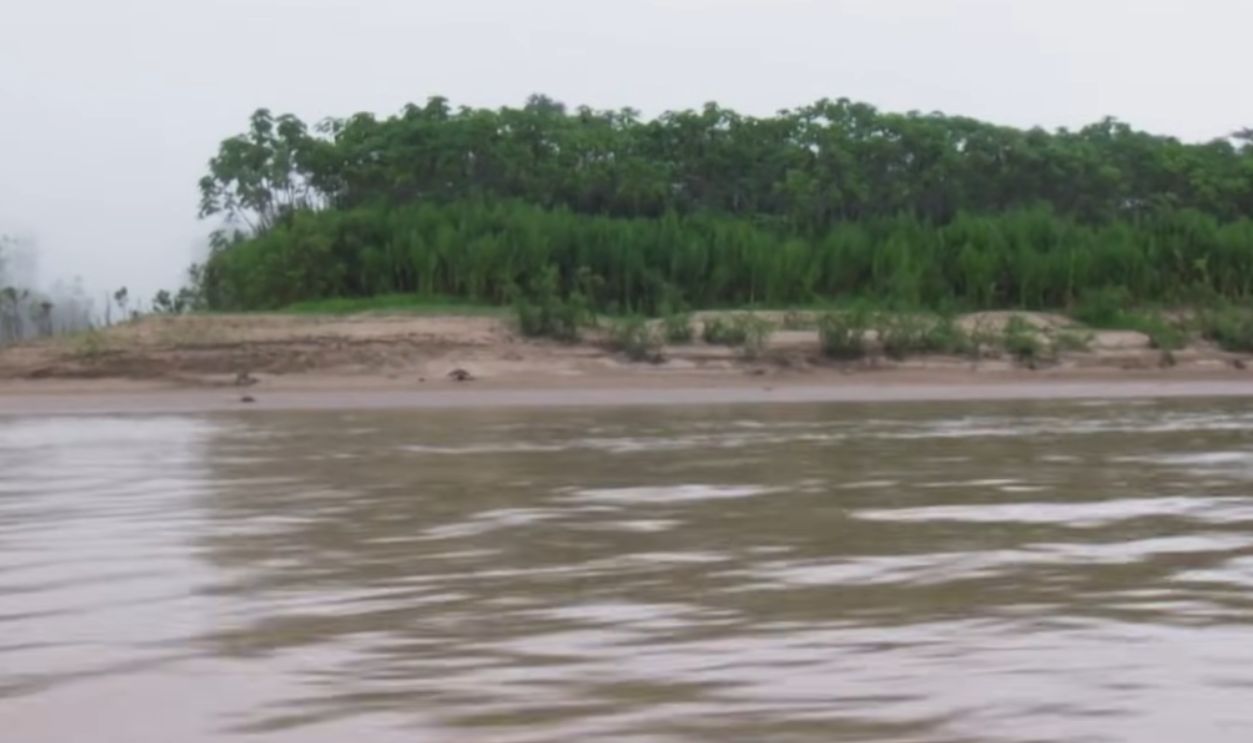
Some Mascho Piro have been seen approaching villages or riverbanks. Experts believe hunger or displacement may drive this. Tourists seeking photos increase danger for everyone involved.
 Screenshot from First Contact with An Isolated Amazonian Tribe, Absolute Documentaries (2020)
Threat One: Illegal Logging
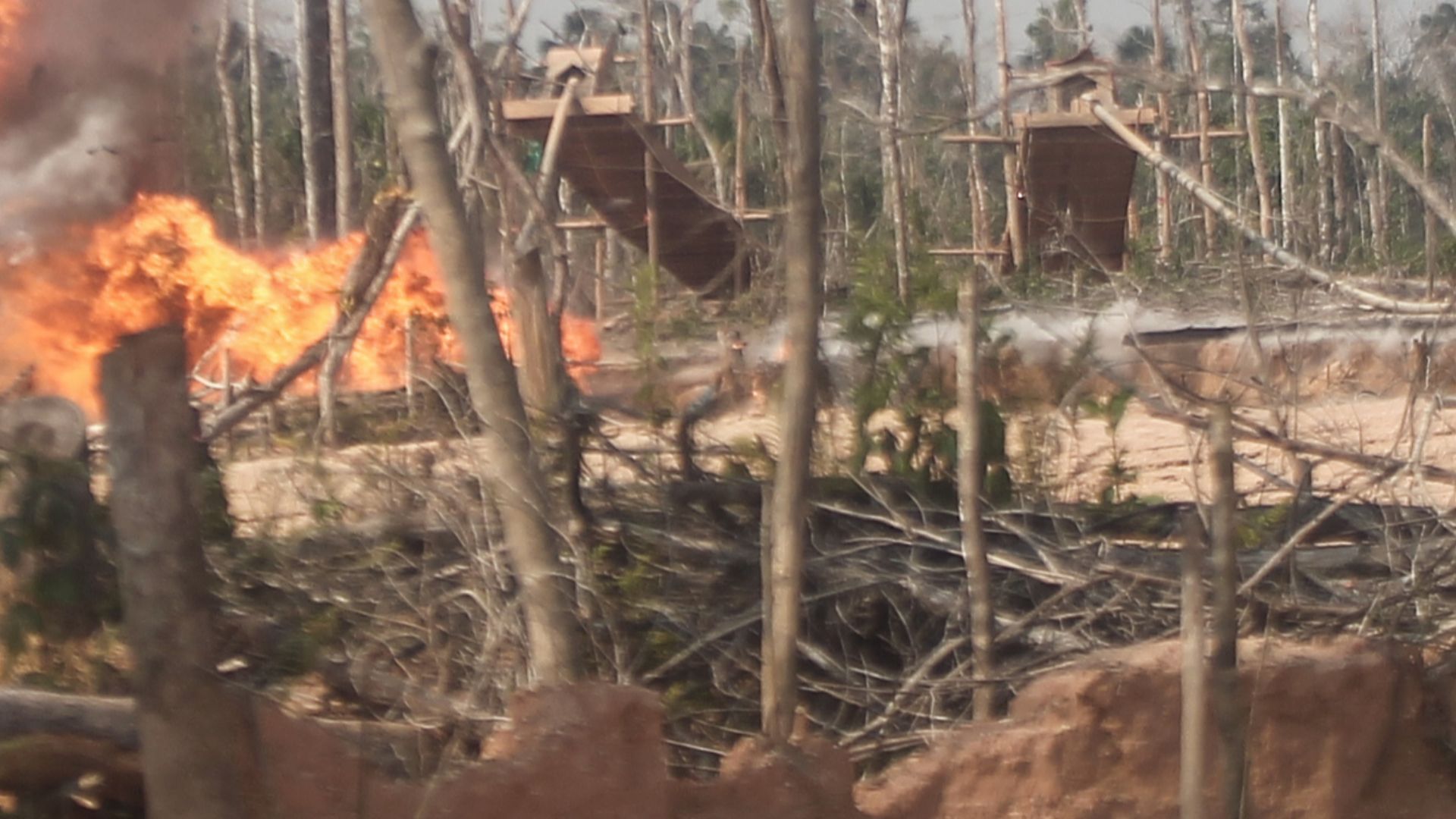
Illegal loggers operate close to Mascho Piro territory. Roads disrupt animal migrations and expose uncontacted people to violence and disease. Survival International warns logging is their greatest threat.
 Ministerio de Defensa del Peru from Peru, Peru, Wikimedia Commons
Threat Two: Drug Trafficking
Remote Amazon regions are increasingly used by drug traffickers. Armed groups and airstrips bring extreme danger. Uncontacted tribes cannot defend themselves against modern weapons.
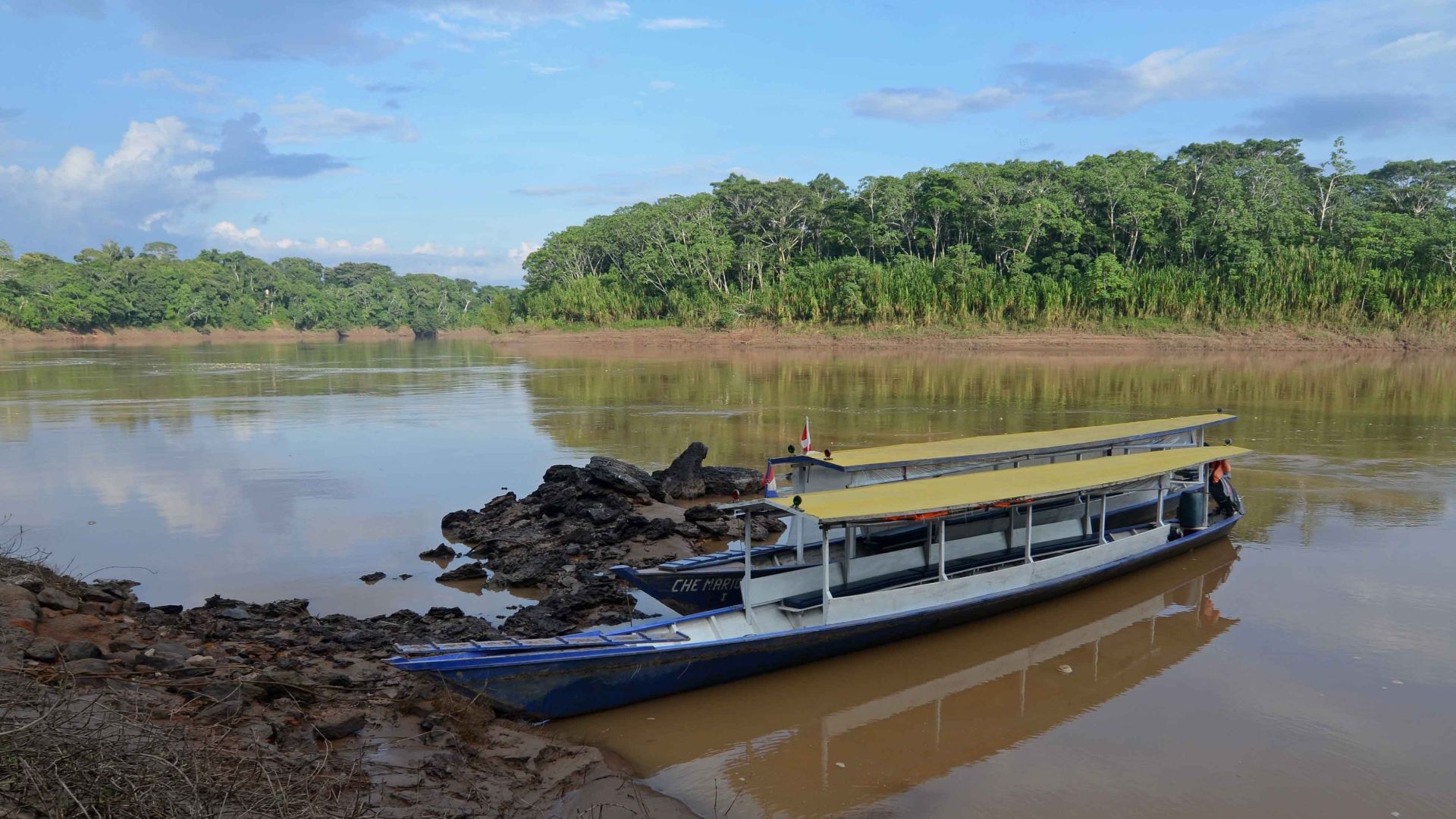 Geoff Gallice from Gainesville, FL, USA, Wikimedia Commons
Threat Three: Oil and Gas Interests
Despite protections, oil and gas concessions exist near uncontacted territories. Exploration introduces workers, noise, and pollution that force tribes to flee deeper into shrinking forests.
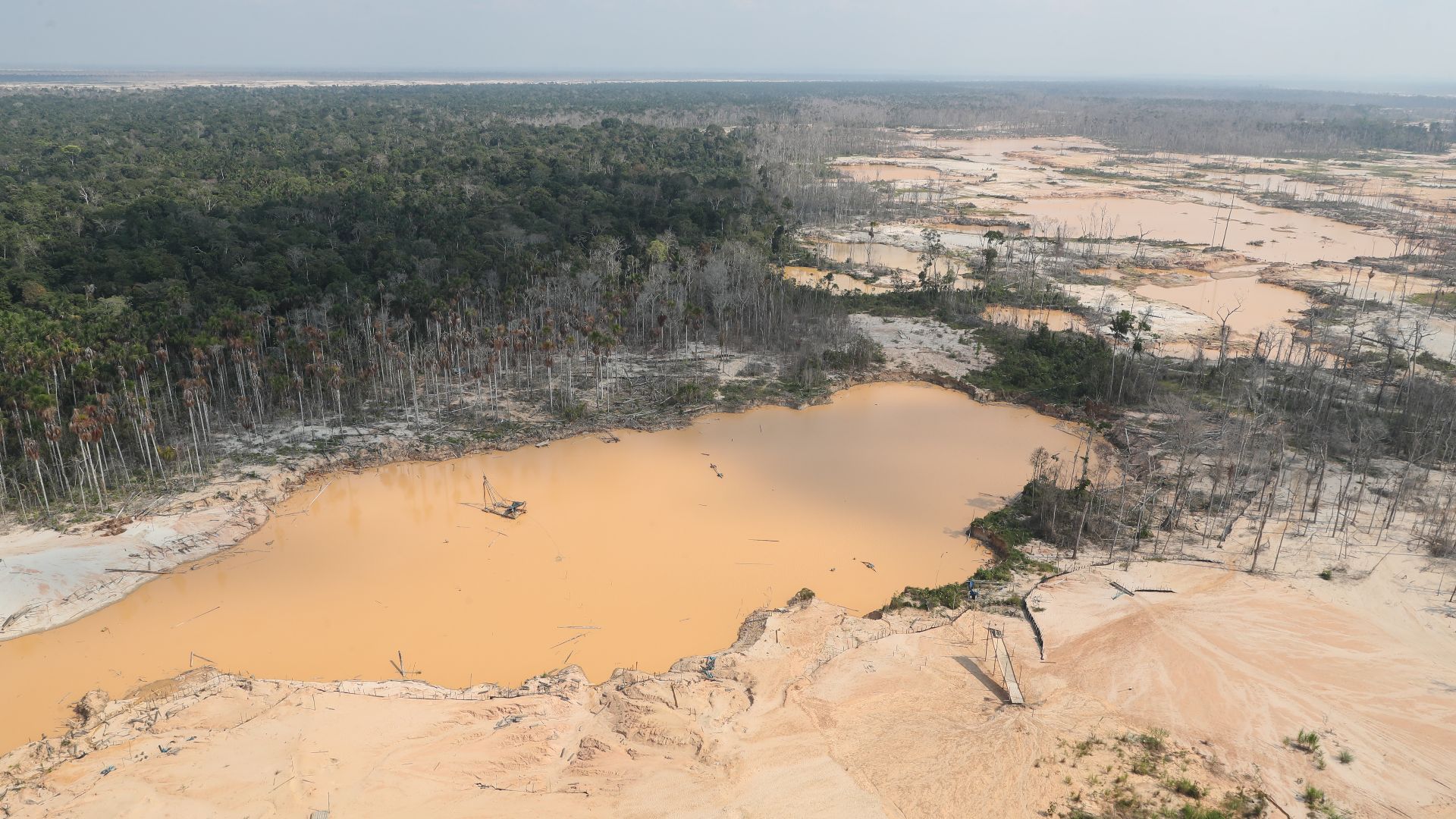 Ministry of Defence of Peru, Peru, Wikimedia Commons
Peru’s Legal Protections
Peru has created Indigenous Reserves, including the Madre de Dios Territorial Reserve, meant to protect uncontacted peoples. Enforcement remains weak when economic pressure increases.
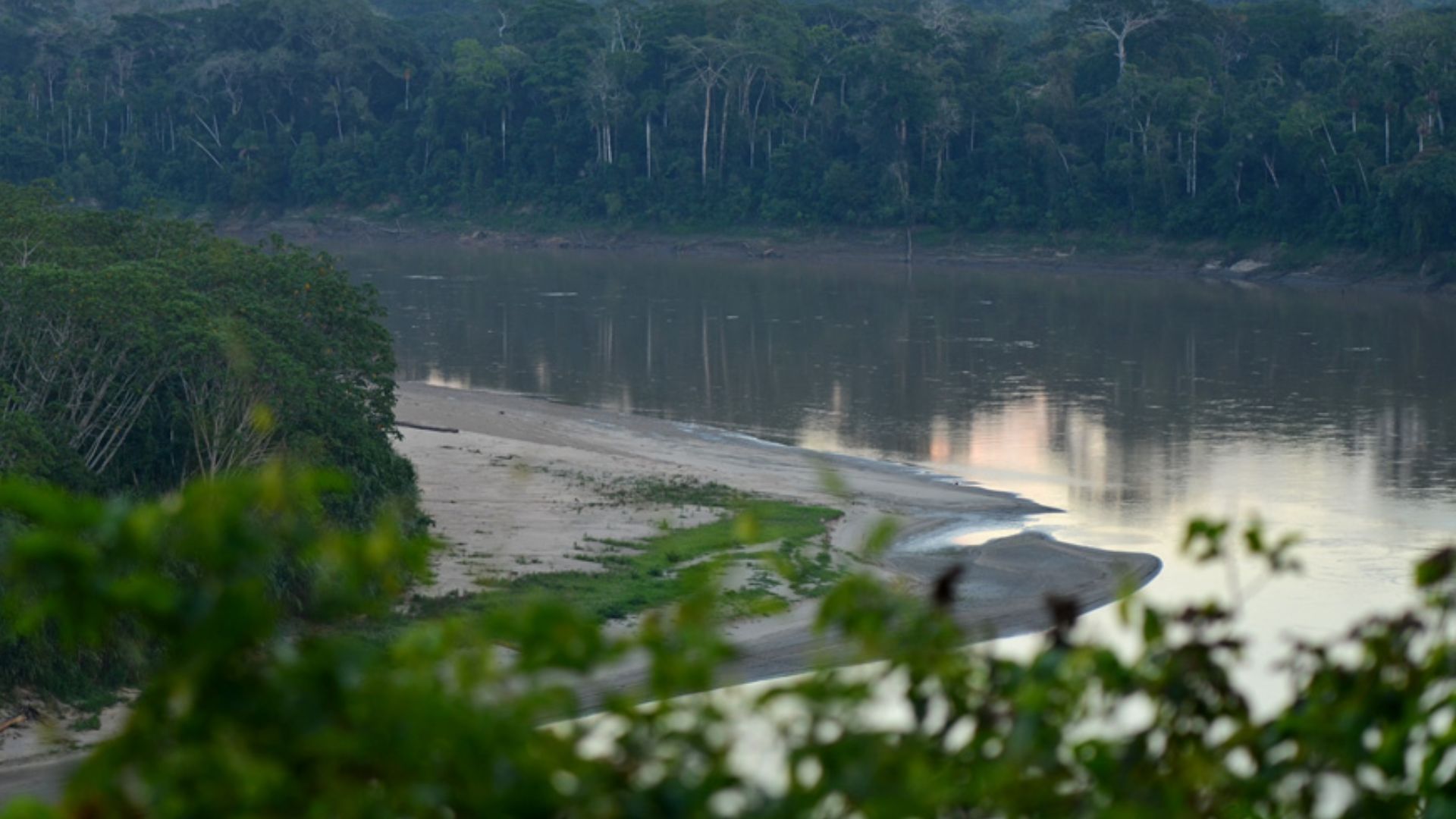 Geoff Gallice from Gainesville, FL, USA, Wikimedia Commons
The Cost of “Discovery”
Photos of uncontacted tribes often go viral. Experts strongly oppose this. Anthropologist Glenn Shepard warns that curiosity can kill when it leads outsiders to approach isolated peoples.
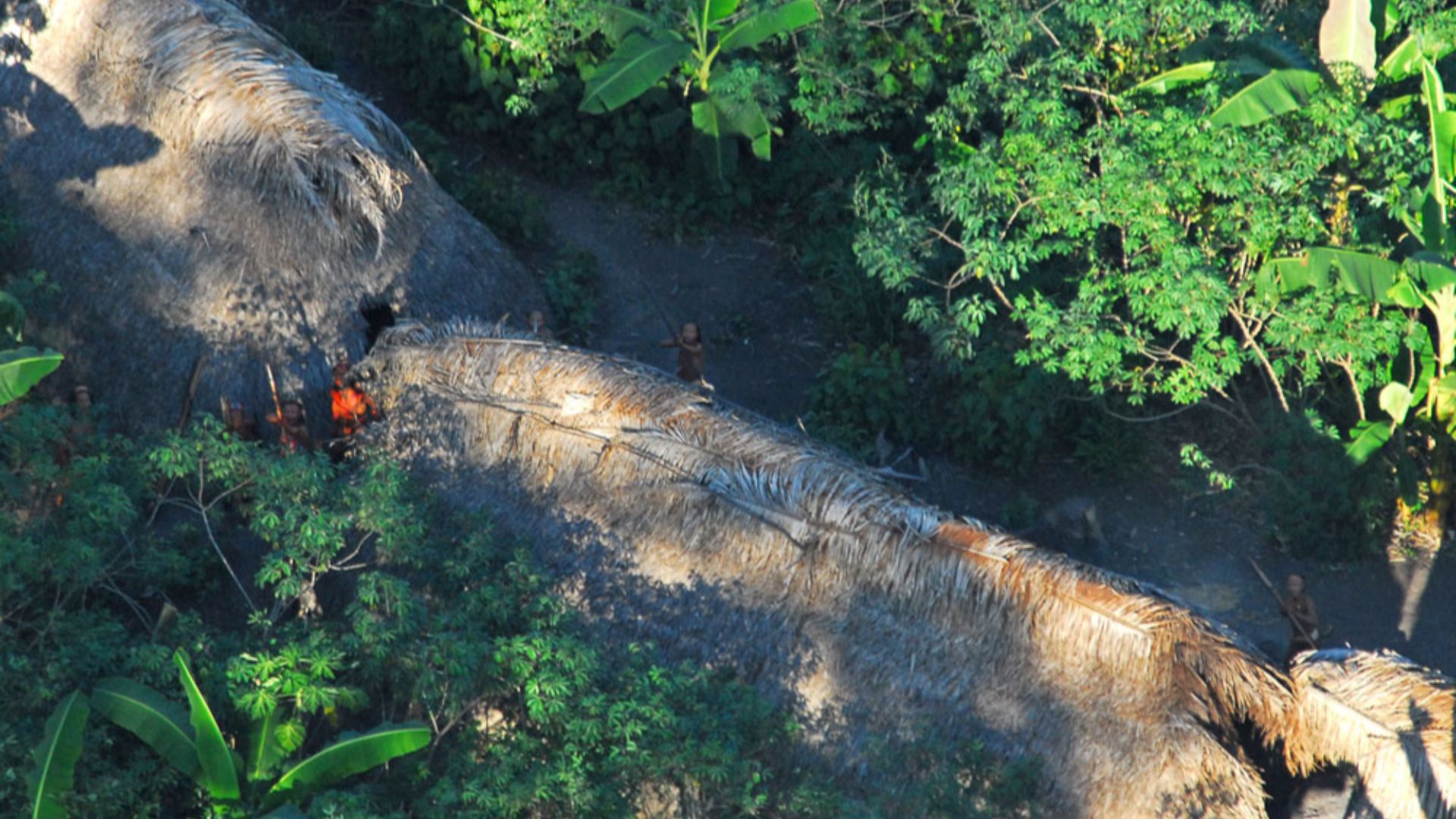 Gleilson Miranda / Government of Acre, Wikimedia Commons
A Population on the Edge
Exact population numbers are unknown. Estimates range from a few dozen to a few hundred. With numbers this small, disease or violence could erase the Mascho Piro within a generation.
 Screenshot from First Contact with An Isolated Amazonian Tribe, Absolute Documentaries (2020)
What Experts Say
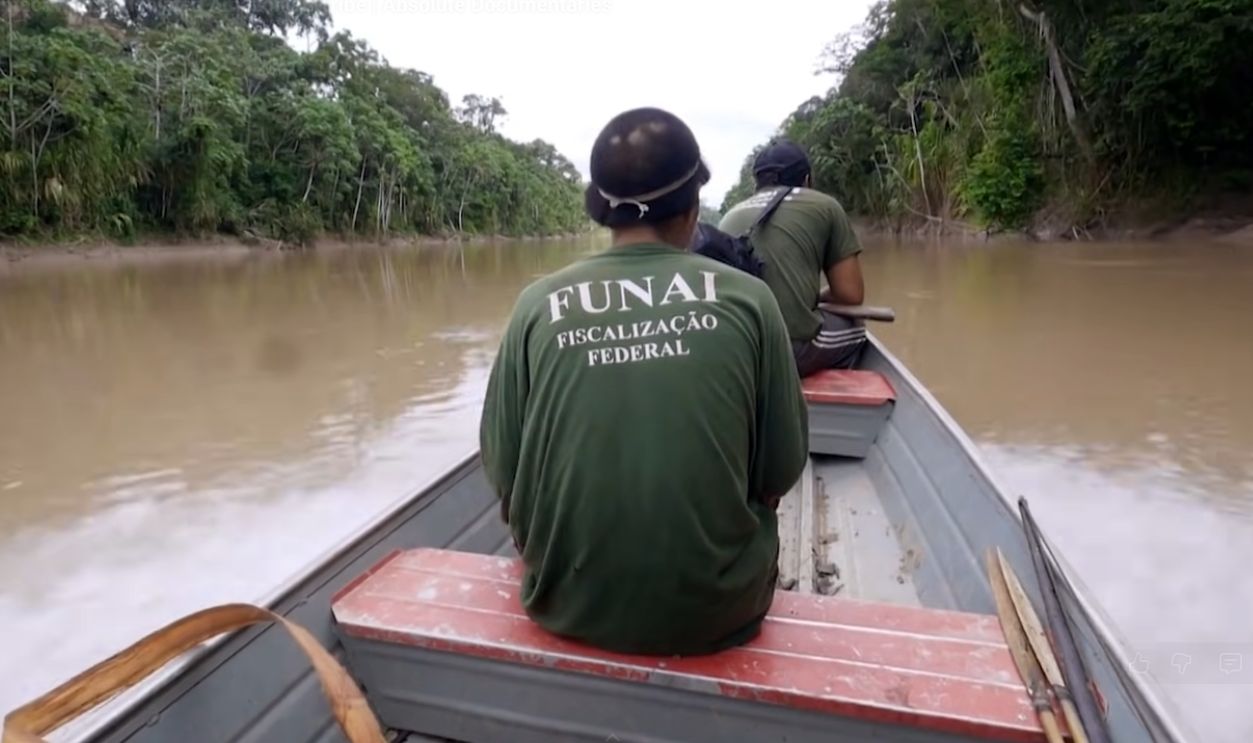
Anthropologist Kim Hill has said, “The greatest threat to uncontacted tribes is contact itself.” Decades of research show forced contact almost always leads to collapse.
 Screenshot from First Contact with An Isolated Amazonian Tribe, Absolute Documentaries (2020)
Why Their Choice Matters
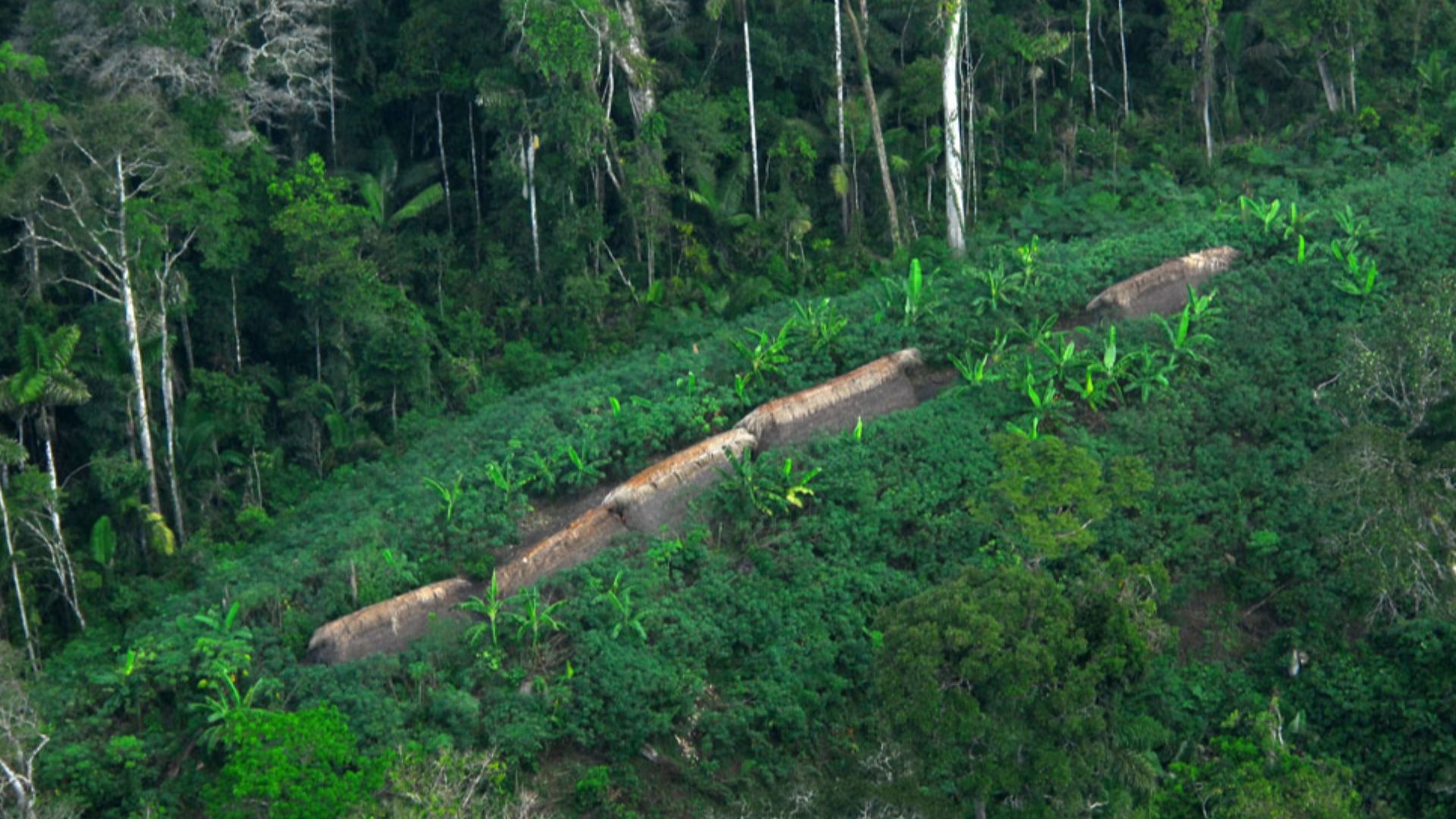
The Mascho Piro choosing isolation challenges modern assumptions. They are not lost or primitive. They have chosen autonomy, reminding the world that progress is not universal.
 Gleilson Miranda / Government of Acre, Wikimedia Commons
How We Can Protect Them
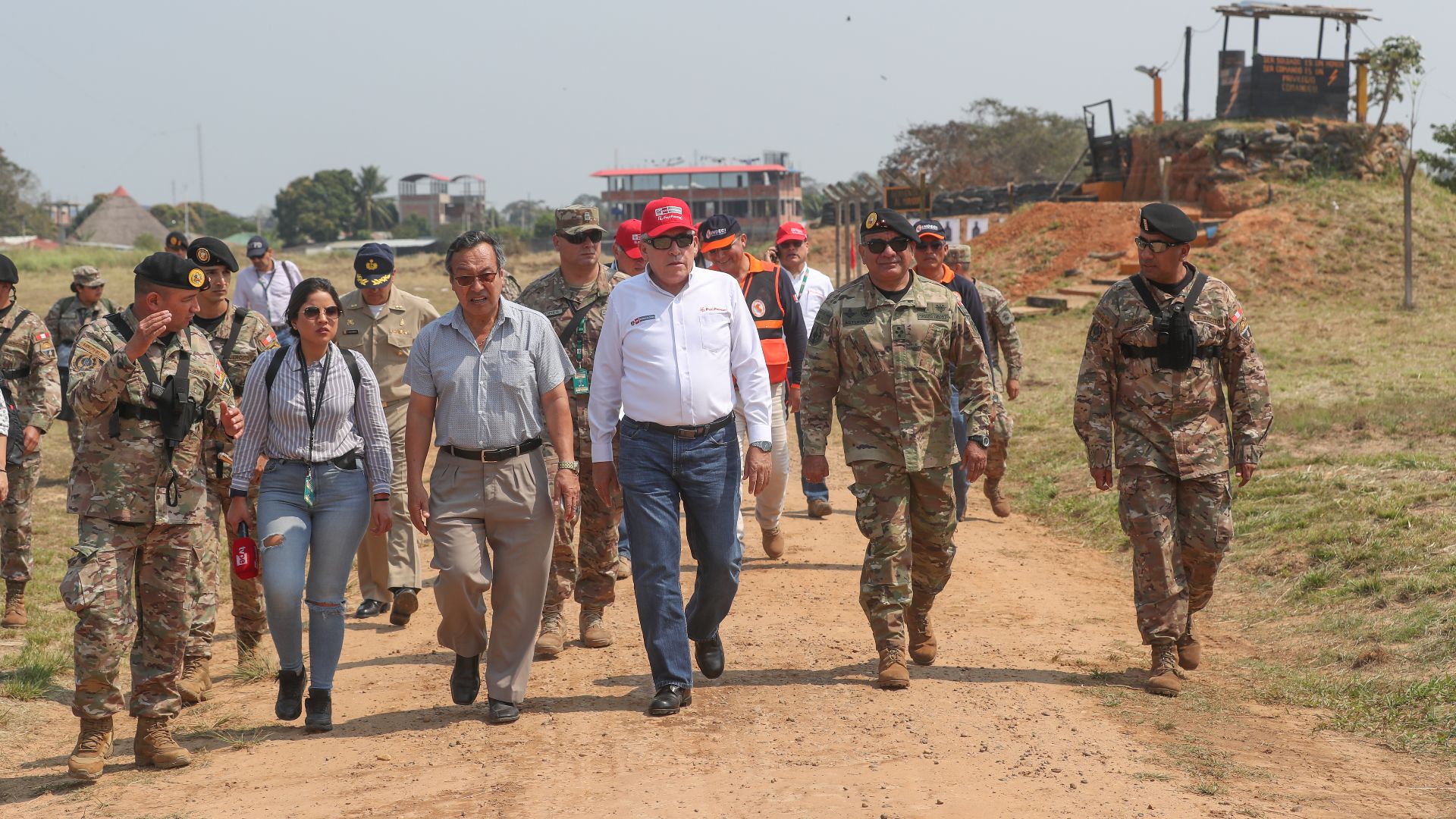
Protection starts with respect. Governments must enforce no-contact policies. Consumers can avoid products linked to deforestation. Supporting Survival International helps defend Indigenous land rights.
 Ministry of Defence of Peru, Peru, Wikimedia Commons
The Forest as a Shield
For the Mascho Piro, the forest is protection, food, medicine, and memory. As long as it stands, they have a chance to survive unseen and undisturbed.
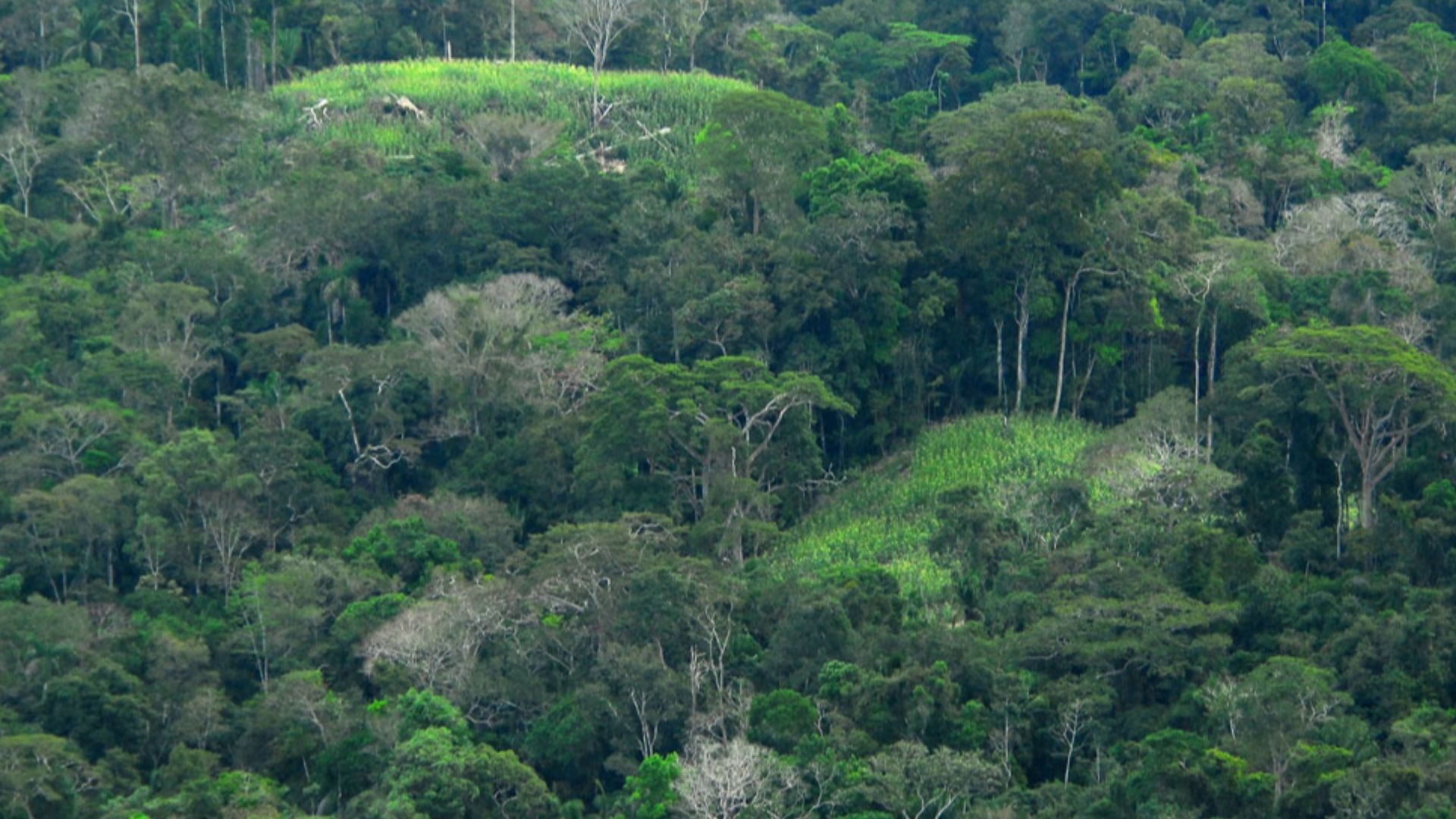 Government of Acre c/o: Gleilson Mira, Wikimedia Commons
The Final Truth
The Mascho Piro are not asking to be saved, contacted, or photographed. They are asking to be left alone. Their survival depends on whether the world can finally stop pushing forward.
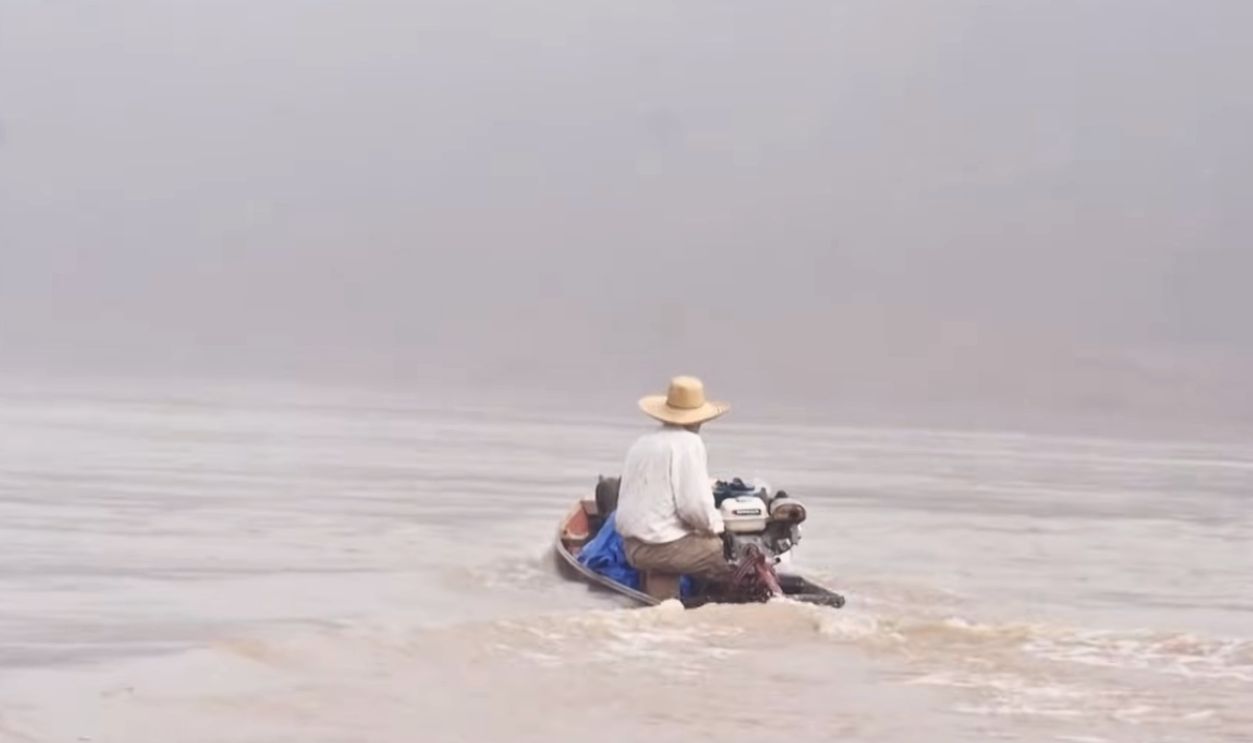 Screenshot from First Contact with An Isolated Amazonian Tribe, Absolute Documentaries (2020)
You May Also Like:
Photos Of The Sea People Who Breathe Like Fish And Live Without Land
The Jungle Tribe That Protects Themselves With Spears Dipped In Poison
Photos Of The Masked Warriors Who Dance Before Every Hunt