A Cathedral Hidden Beneath Tennessee
Deep beneath Tennessee’s Cumberland Plateau, Devilstep Hollow Cave preserves far more than spectacular geology. Its walls and ceilings carry petroglyphs, charcoal pictographs, and mud glyphs created by Indigenous people roughly a thousand years ago. Together, they offer an extraordinary window into Mississippian-era imagination and artistic expression.
Where Devilstep Hollow Lies
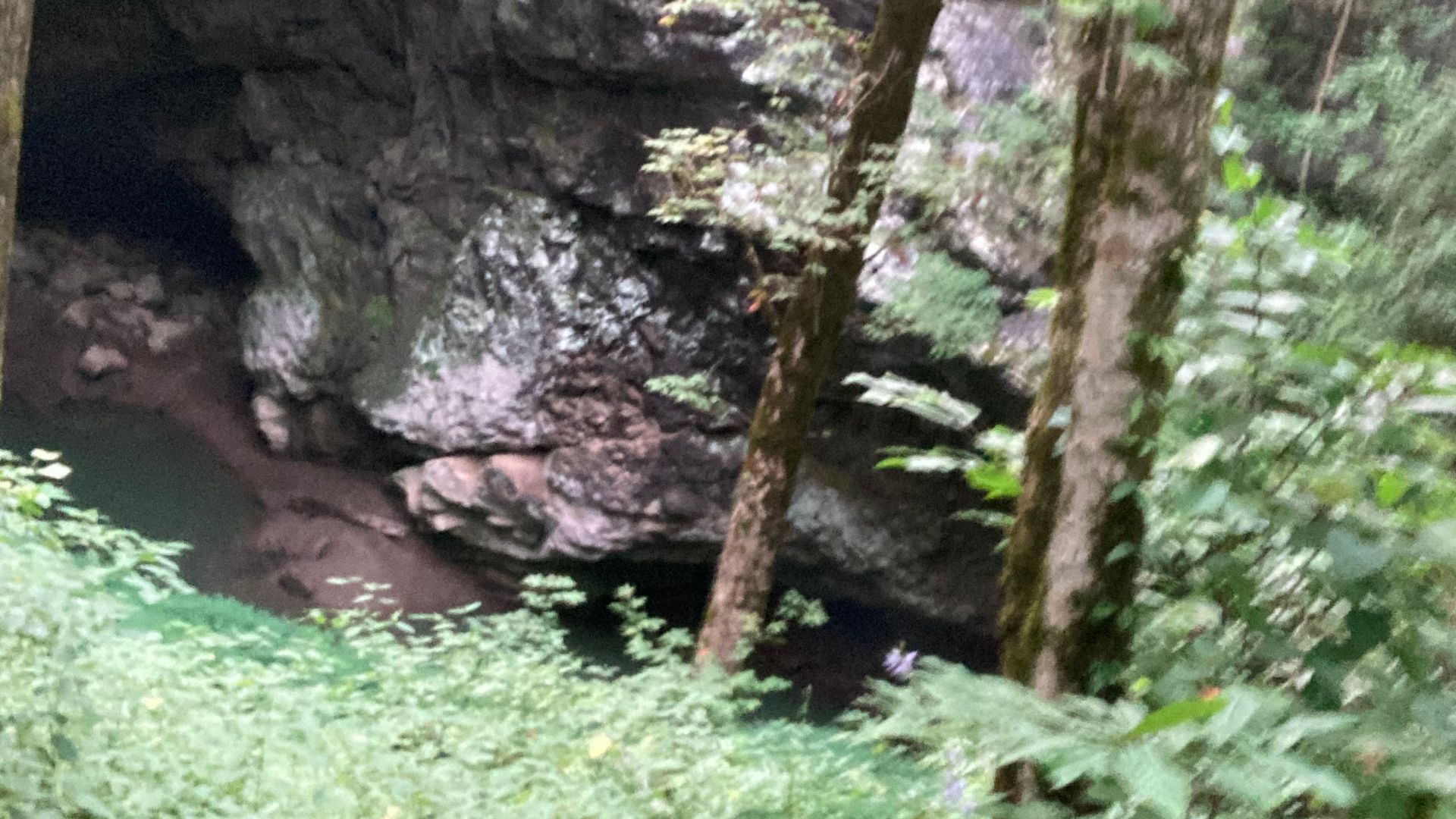
The cave sits near the headwaters of the Sequatchie River in a limestone landscape riddled with underground passages. Today, Devilstep Hollow is protected within Tennessee’s Justin P. Wilson Cumberland Trail State Park. Its enormous entrance gives little hint of the remarkable gallery waiting farther inside.
 Kingsmasher678, Wikimedia Commons
The Art Was Known Before Archaeology Arrived
The artwork was not simply “discovered” during one dramatic archaeological expedition. Local people had known the cave for years, and geologist Nicholas Crawford reportedly saw its rock art as a boy. What changed later was the serious effort to document, study, and understand what those images represented.
A 1974 Visit Changed The Story
In September 1974, Crawford returned with geology students and Tennessee conservationist Mack Prichard. Photographs preserved by the Tennessee Division of Archaeology show them examining the ancient imagery. That visit helped bring greater attention to a site that would eventually become recognized as one of Tennessee’s archaeological treasures.
More Than One Kind Of Cave Art
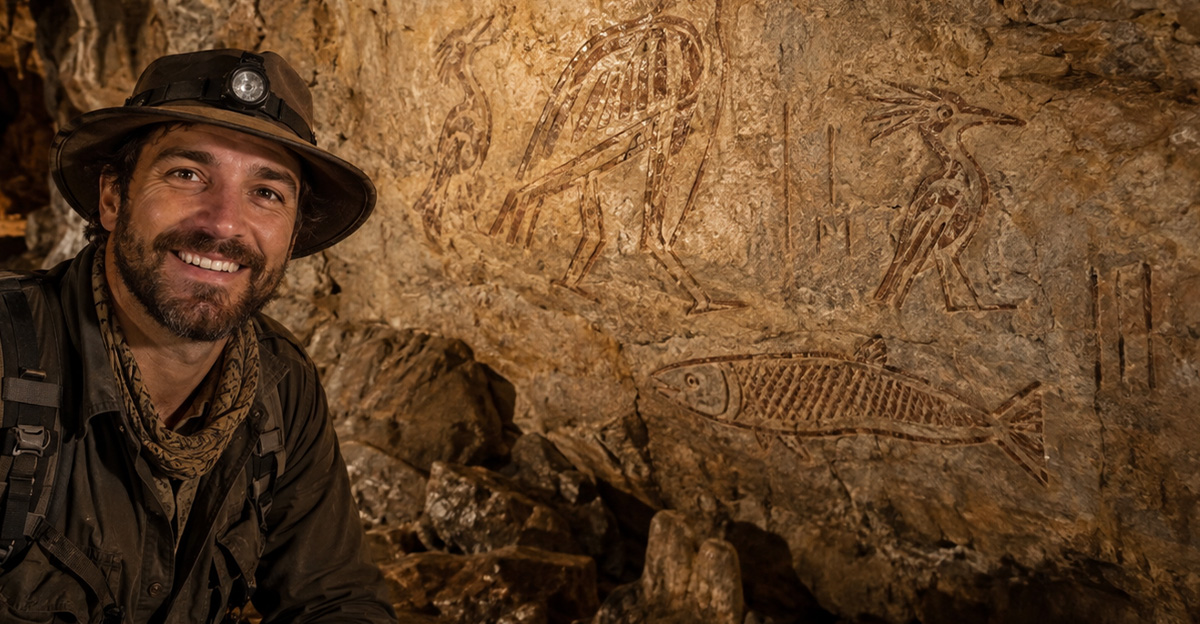
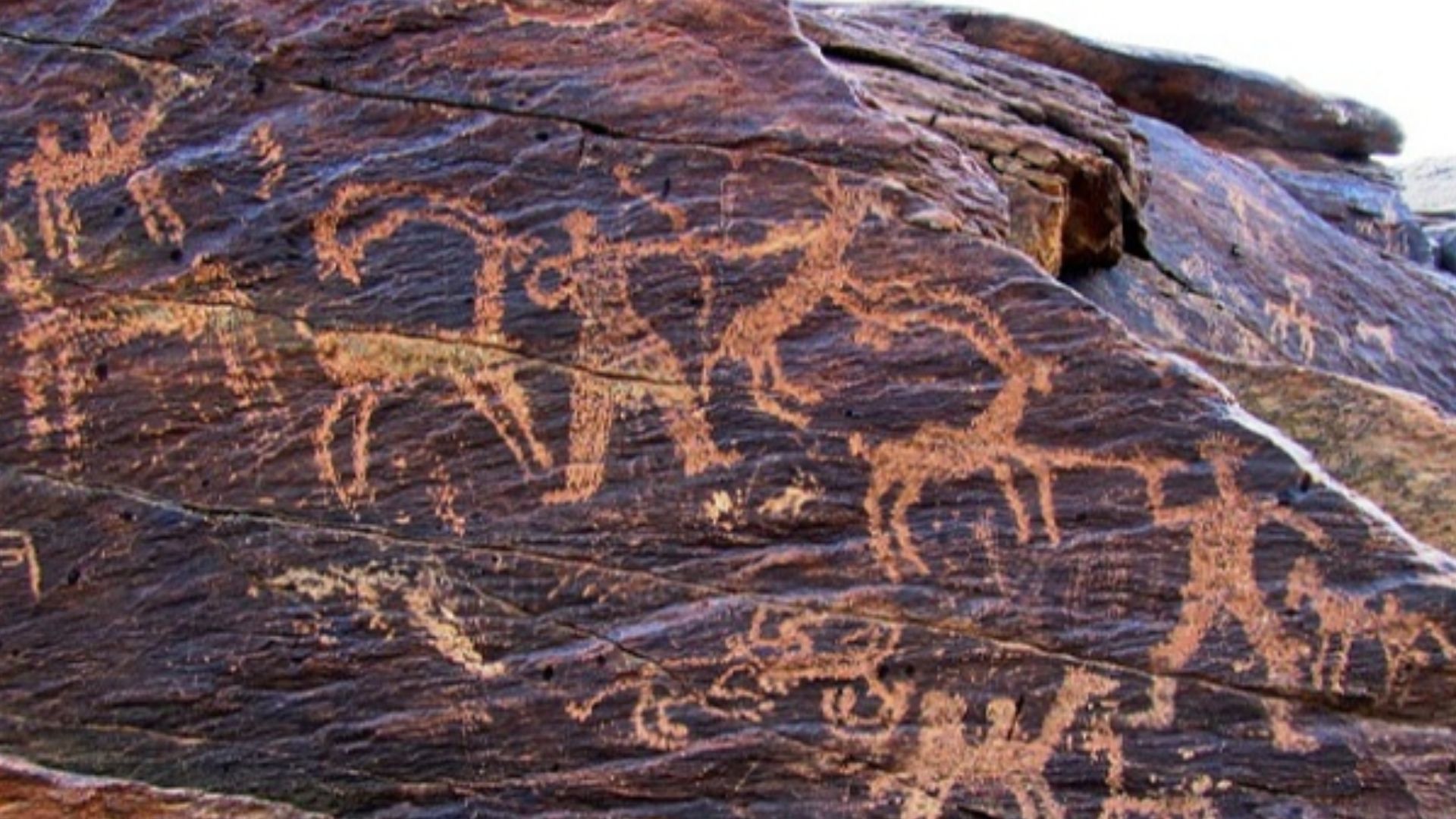
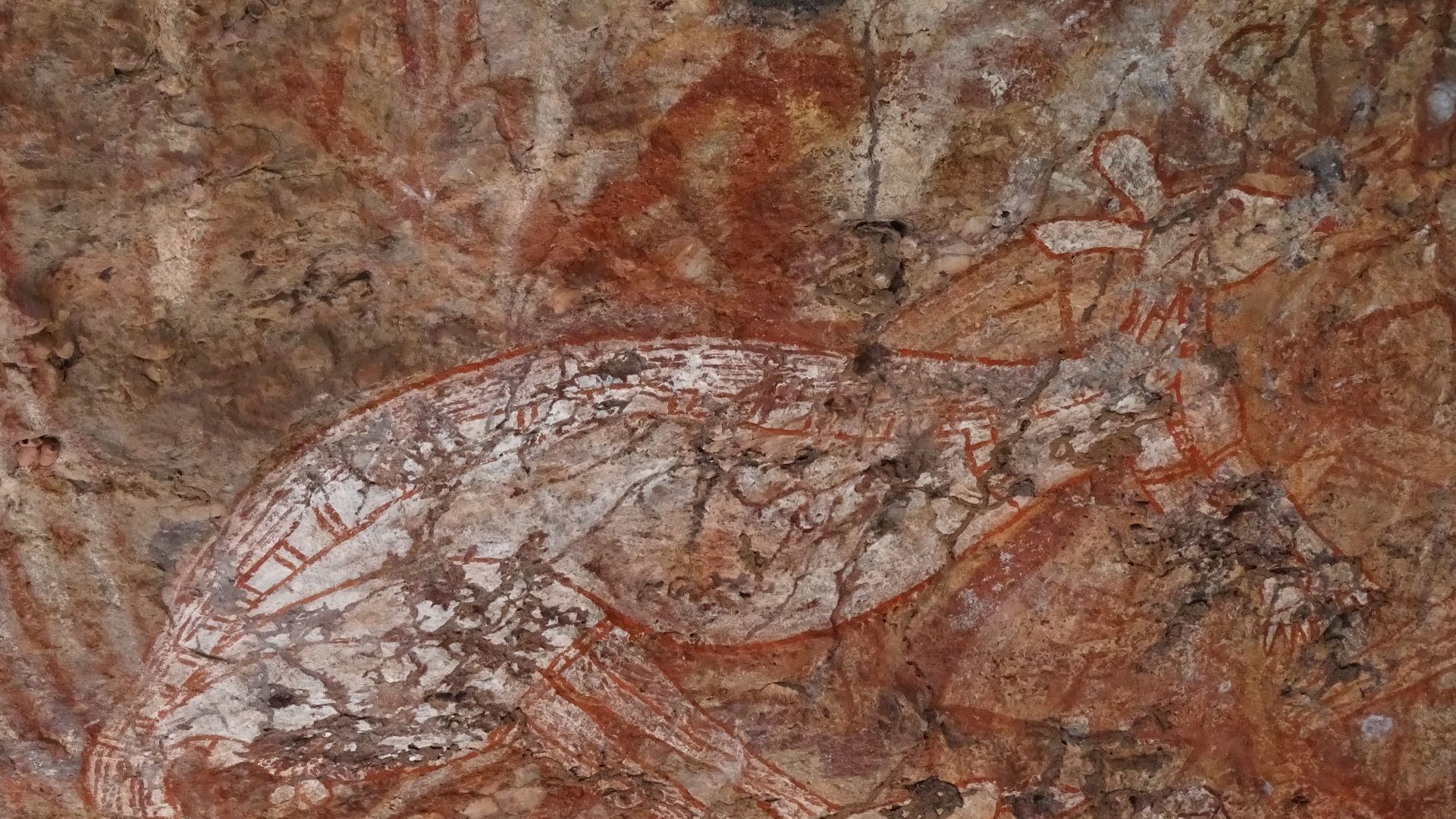
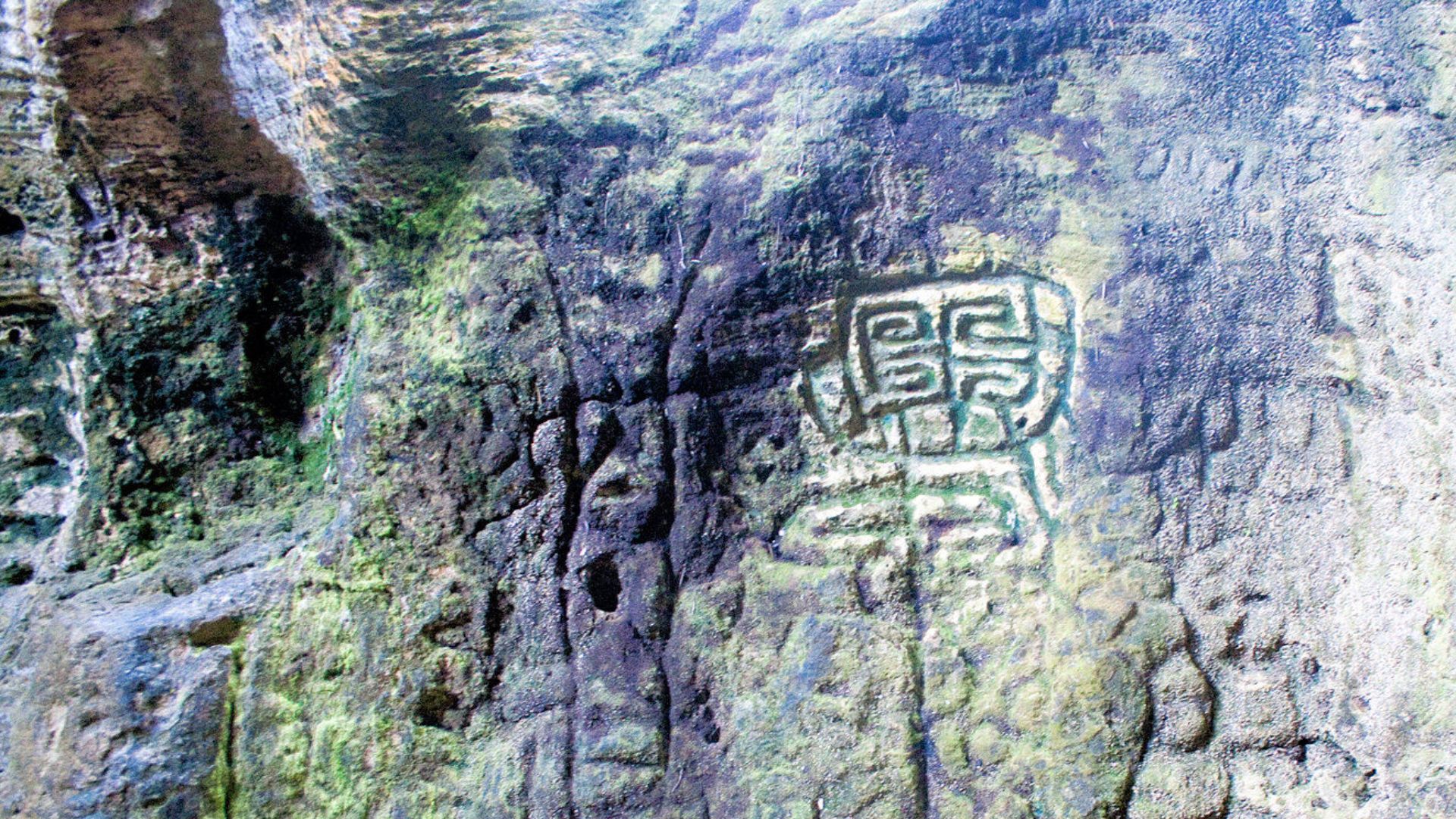
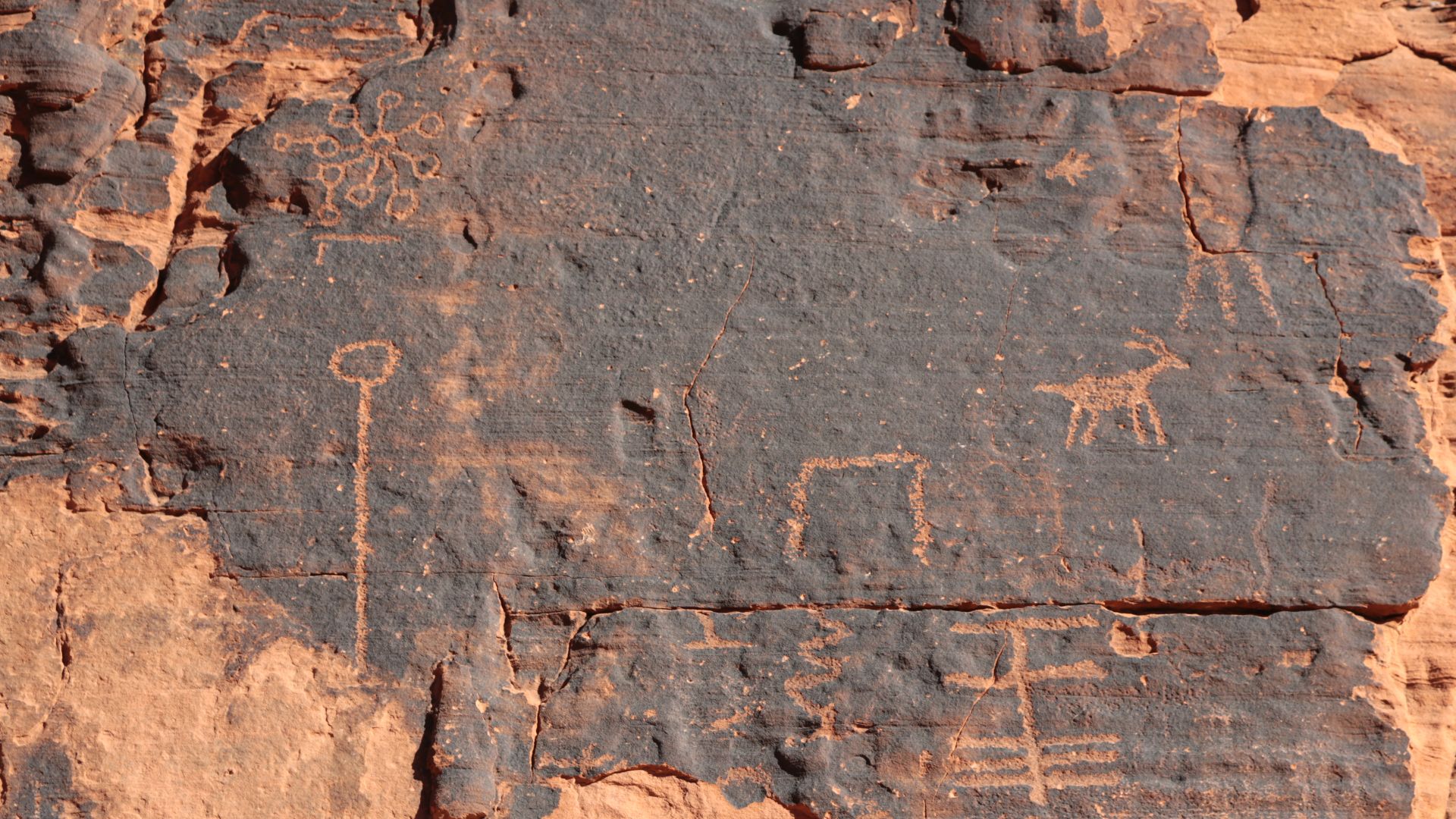
Devilstep Hollow is remarkable partly because the artists used several methods. Researchers have documented engraved petroglyphs, charcoal pictographs, and a small collection of mud glyphs. Instead of relying on one technique, artists scratched stone, drew with carbon-based material, and worked directly into soft cave deposits.
 Jimmy Rivera, Wikimedia Commons
The Journey Into Darkness
Getting to the decorated chambers is no museum stroll. After entering the cave, travelers must move beyond daylight, squeeze through a body-sized opening, crawl, and crouch through constricted passages. Only after that uncomfortable journey do some of Devilstep Hollow’s most important images begin appearing.
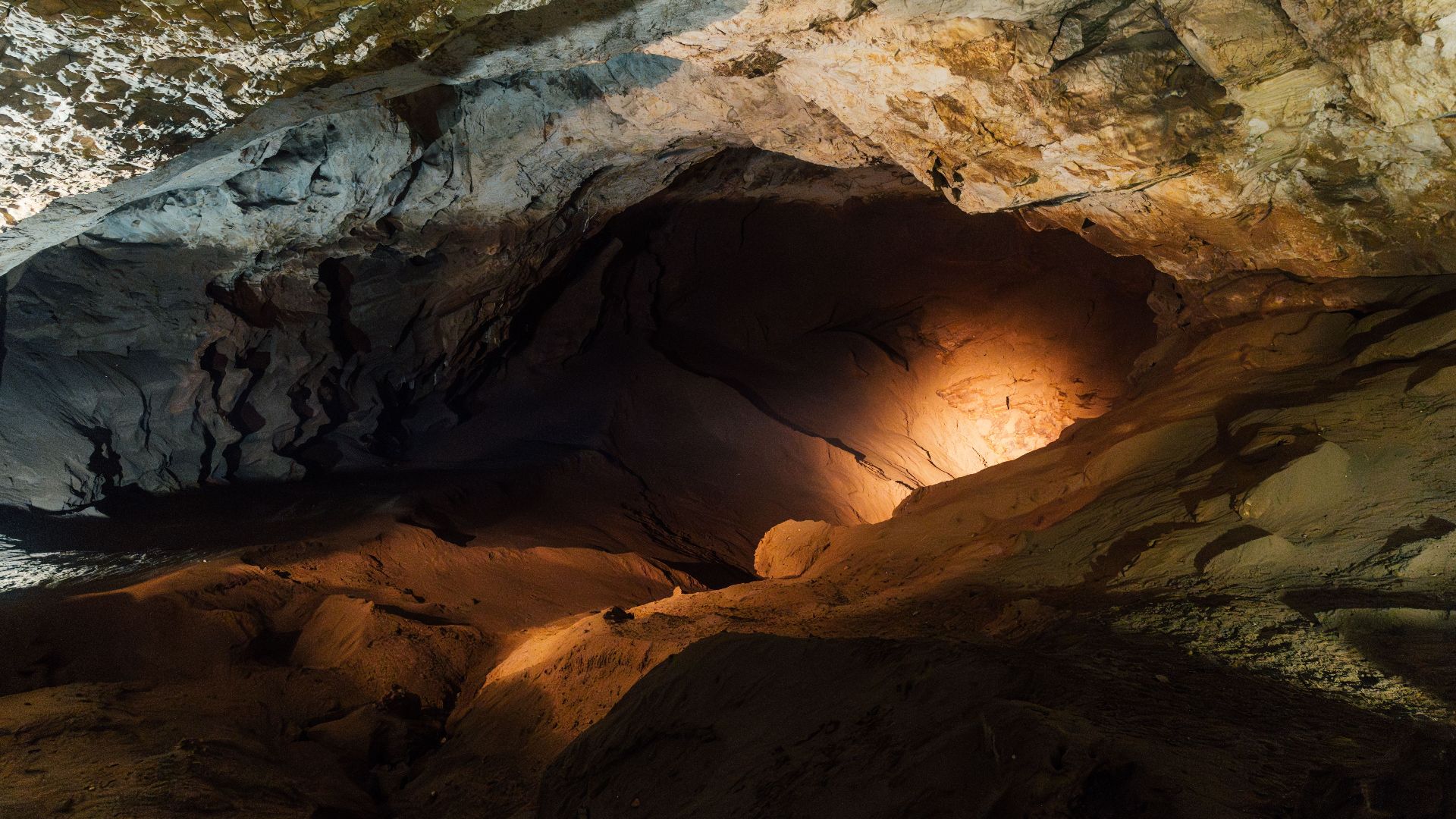
Art Begins Where Daylight Ends
That location is important. Across the Southeast, archaeologists have found Indigenous artwork deep inside caves where natural light cannot penetrate. Devilstep Hollow follows this tradition, suggesting that moving from daylight into darkness may have been an important part of the experience rather than simply an inconvenience.
 G. Edward Johnson, Wikimedia Commons
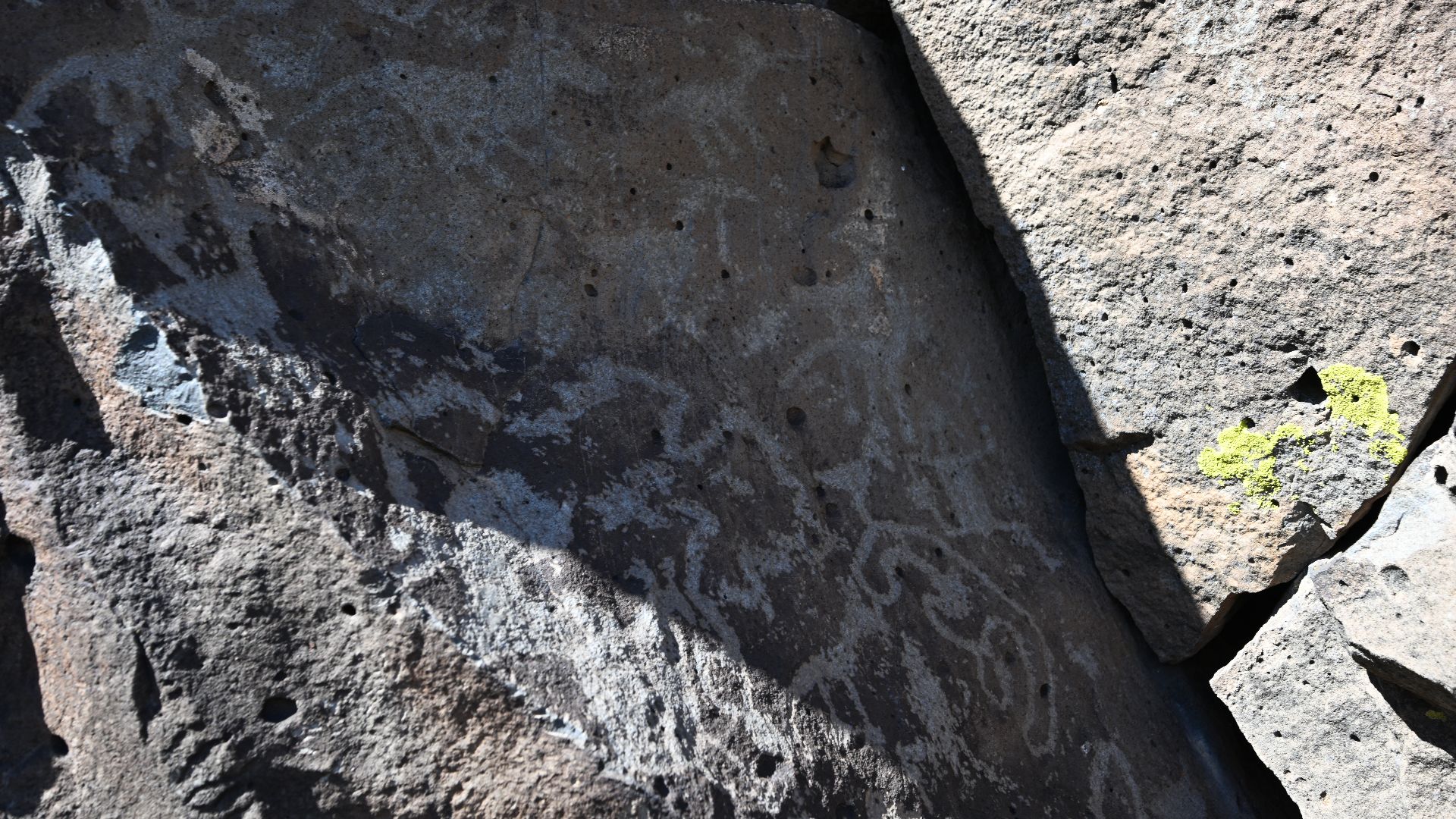
Two Woodpeckers Point The Way
Among the first memorable images are two woodpeckers carved overhead. Intriguingly, they face farther into the cave. Another woodpecker, this time drawn in charcoal, appears deeper inside. Their repeated positioning has encouraged researchers to consider whether these birds served a symbolic guiding role within the underground journey.
 Tisha Mukherjee, Wikimedia Commons
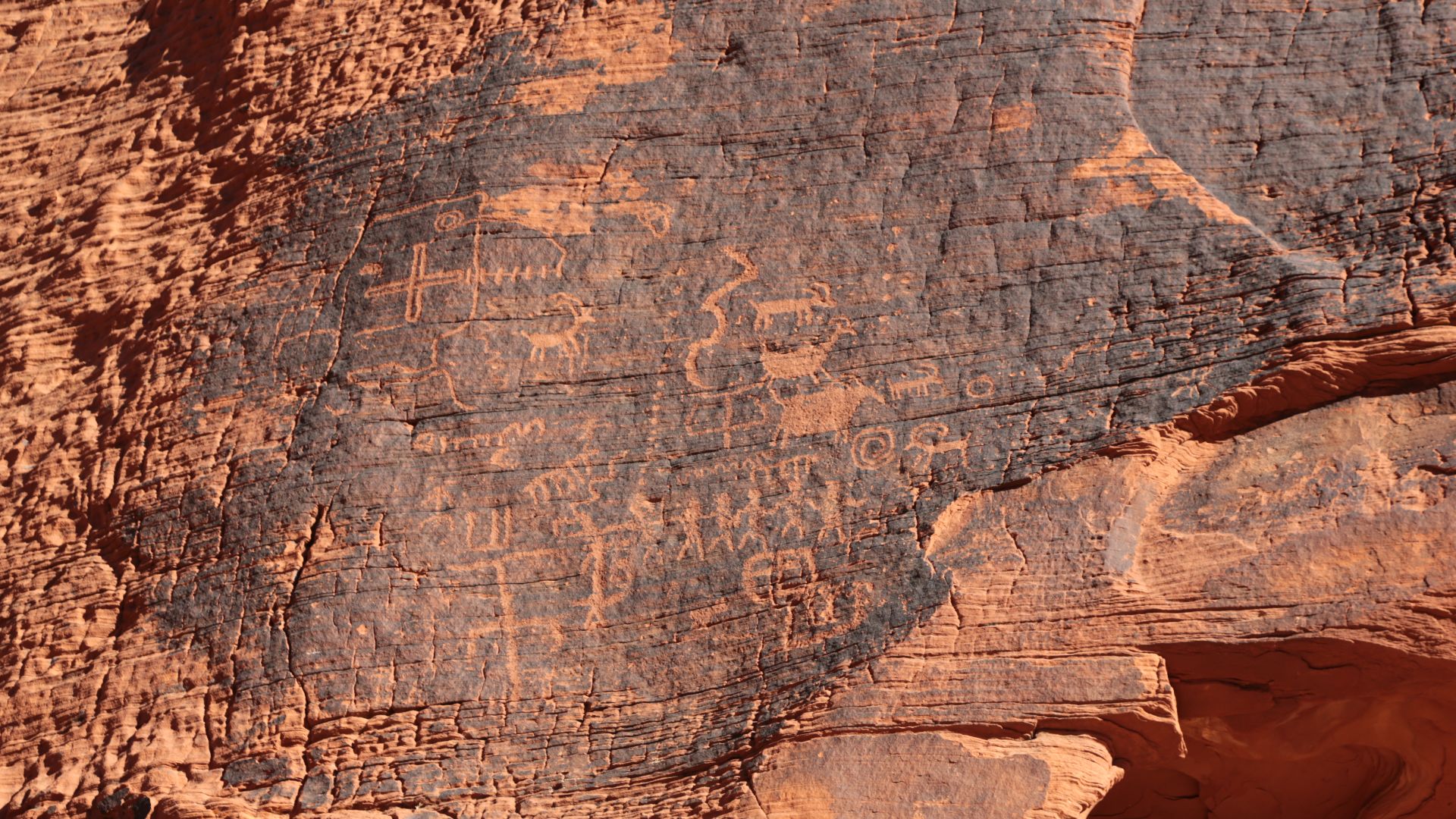
Meet The Falcon Warrior
One of Devilstep Hollow’s stars is an upright birdlike figure with human characteristics, commonly described as the Falcon Warrior. It holds mace-like objects and resembles warrior imagery found elsewhere in the Mississippian world. The similarity connects this Tennessee cave to much broader artistic and ceremonial traditions.
 Daniel Schwen, Wikimedia Commons
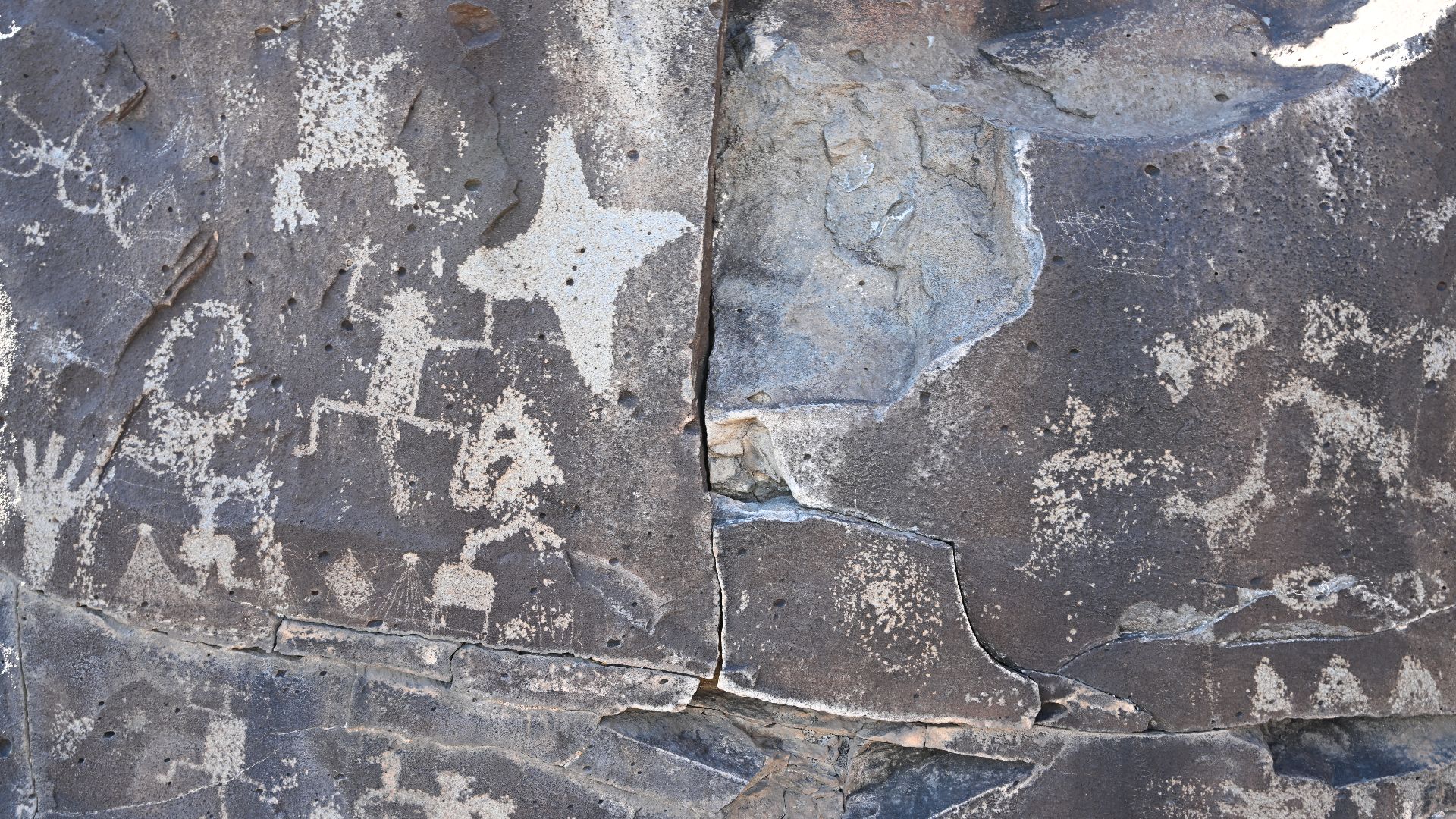
When A Weapon Becomes A Person
Nearby sits another imaginative creation: an axe or adze incorporating a human head. It is neither simply a portrait nor simply a drawing of a weapon. The artist combined different categories into a transforming image, revealing an ability to play with visual ambiguity in a remarkably sophisticated way.
 G. Edward Johnson, Wikimedia Commons
The Face With The Toothy Grin
Another panel contains a disturbing face with eye forms associated with serpentine imagery and a broad mouth filled with teeth. Its precise meaning remains uncertain. Yet the image clearly moves beyond everyday portraiture, introducing the viewer to a world filled with strange, supernatural-looking beings.
Then Comes The Monster Fish
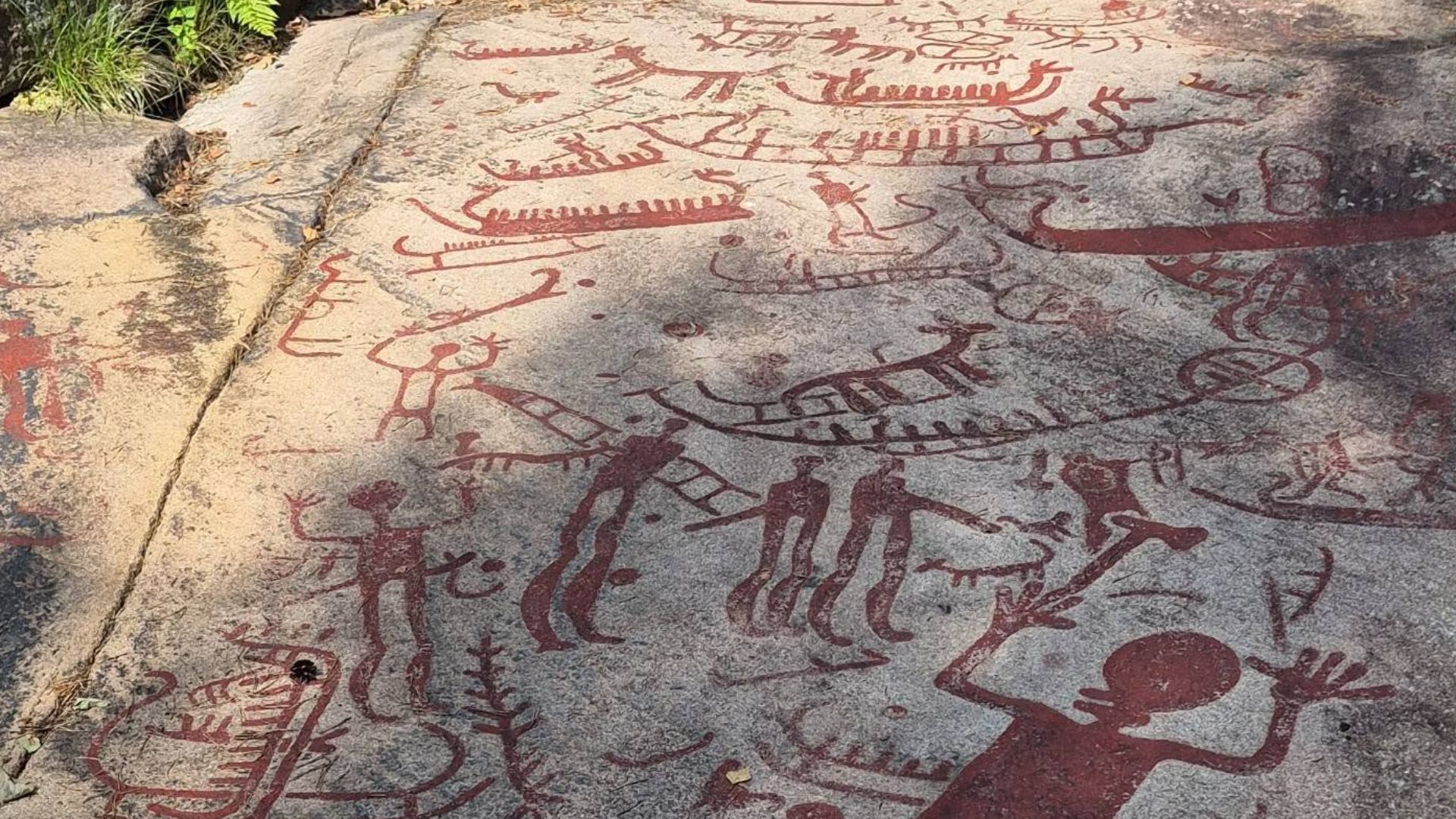
Perhaps the cave’s biggest scene-stealer is a fishlike creature more than two meters long. It has alternating fins and a long, tooth-filled snout that recalls an alligator gar while becoming something far stranger. Imagine meeting that fellow by torchlight after crawling through total darkness.
 blmcalifornia, Wikimedia Commons
The Artists Mixed Different Worlds Together
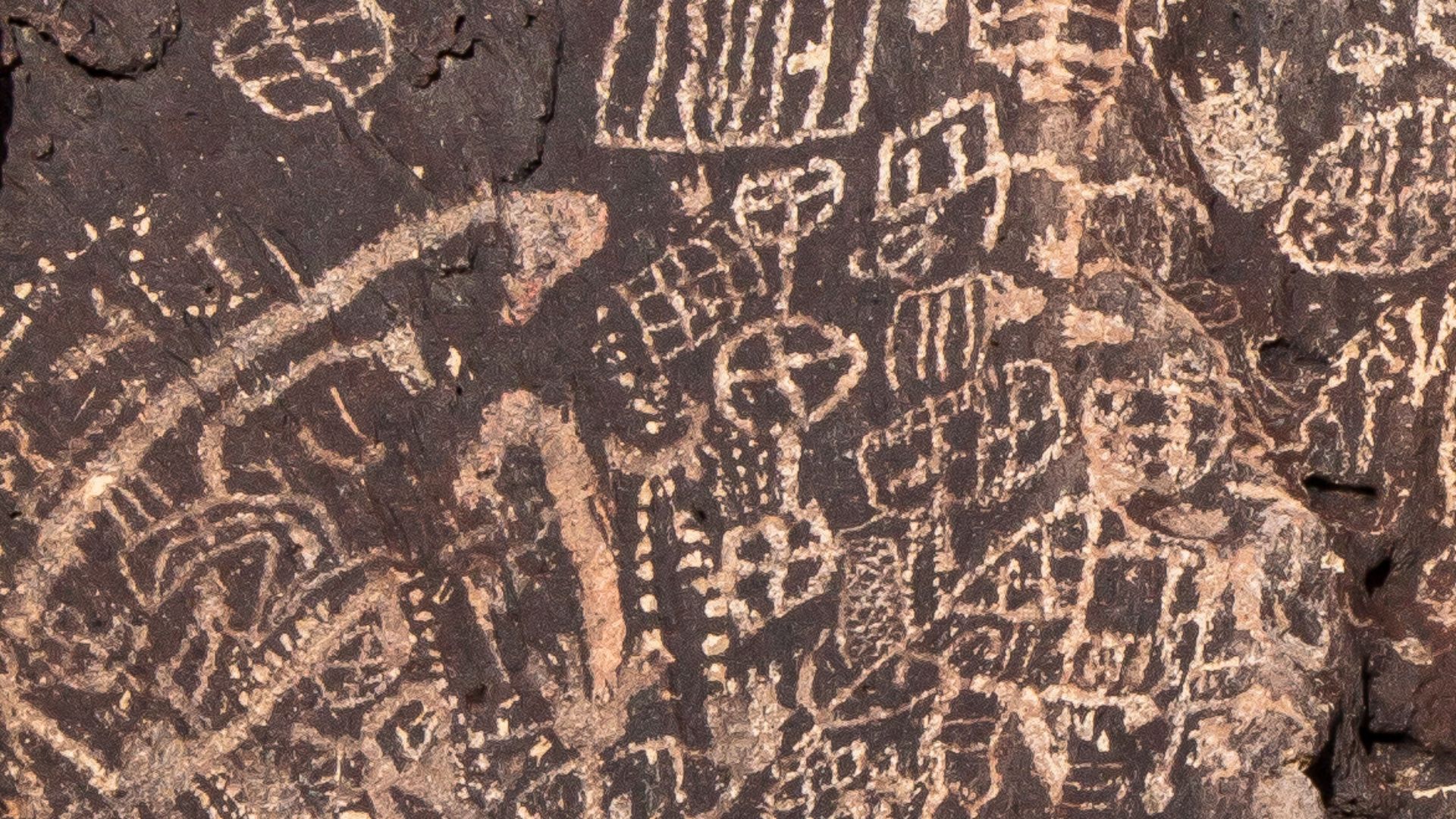
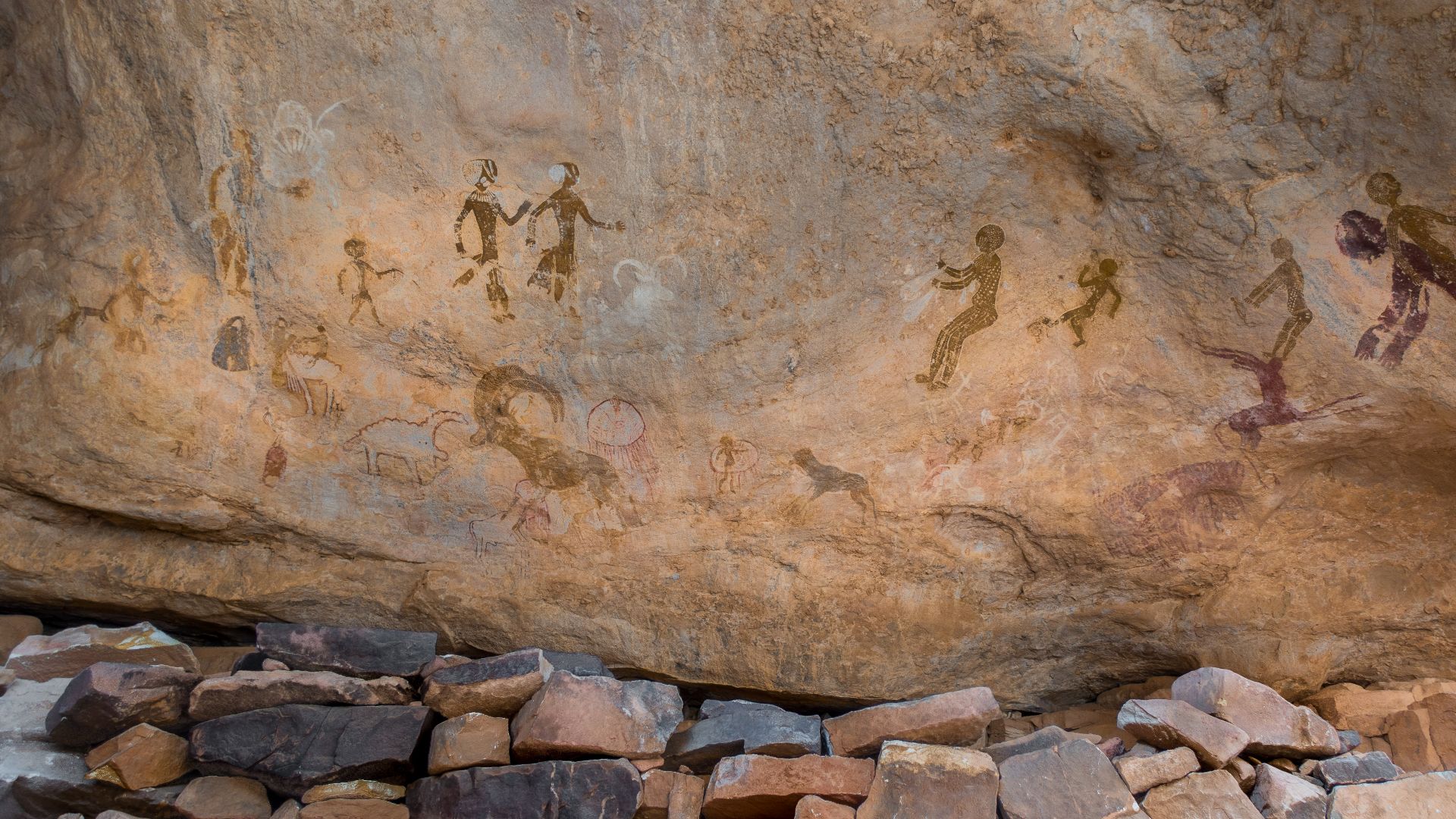
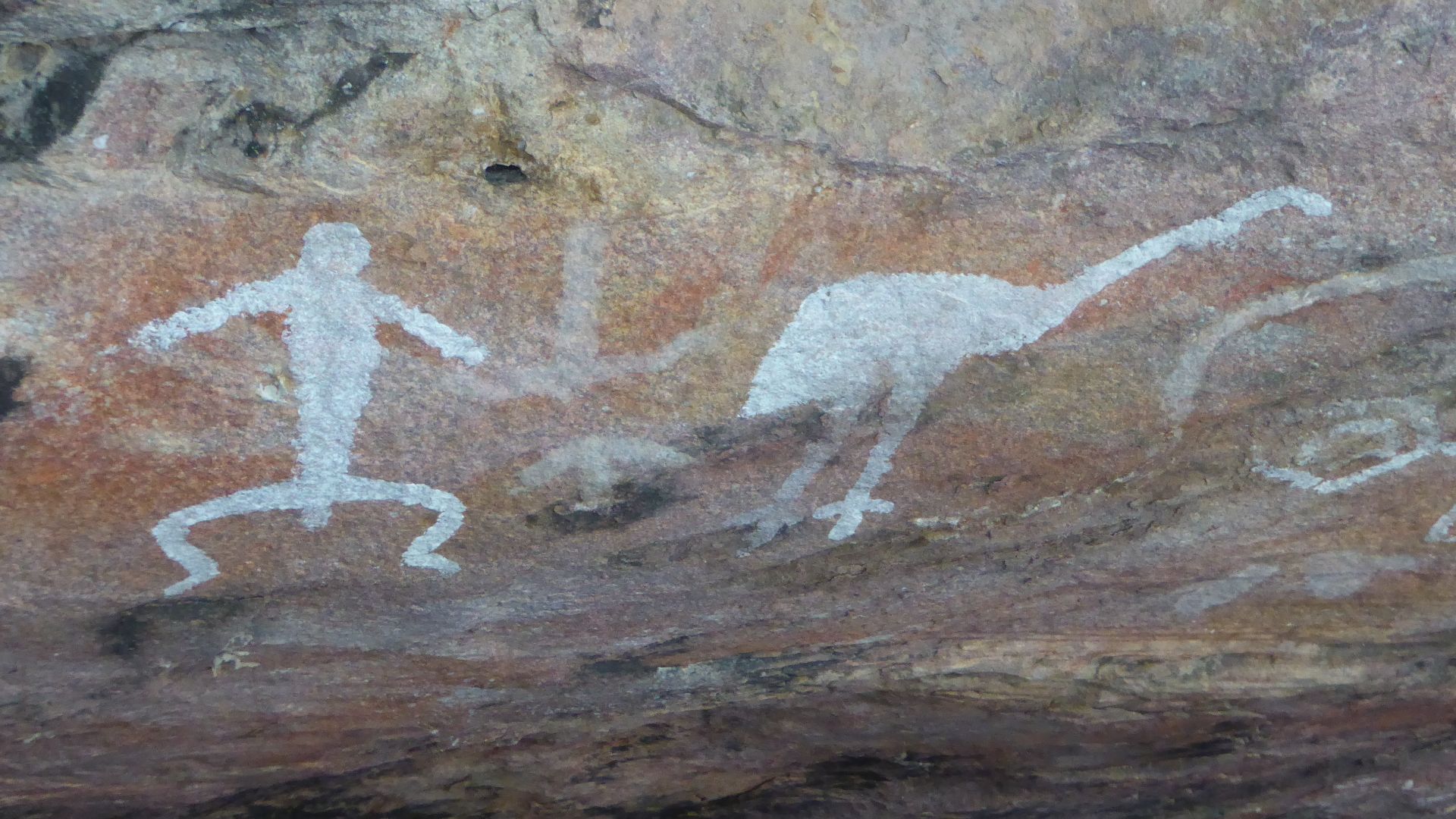
Birds, humans, fish, weapons, serpentine forms, and hybrid creatures mingle throughout the cave. Rather than merely copying nature, artists rearranged recognizable things into unfamiliar combinations. That points toward metaphor, storytelling, exaggeration, and imagination. These were images designed to communicate more than “here is an animal.”
 Daniel Schwen, Wikimedia Commons
Torchlight Changed Everything
The art was never intended to be viewed beneath modern electric lights. Ancient visitors carried burning cane torches. Against uneven limestone, flickering flames would have produced shifting shadows, making engraved creatures seem to change as people moved. The cave itself effectively became part of the visual experience.
 IssamBarhoumi, Wikimedia Commons
They Even Lit The Ceiling
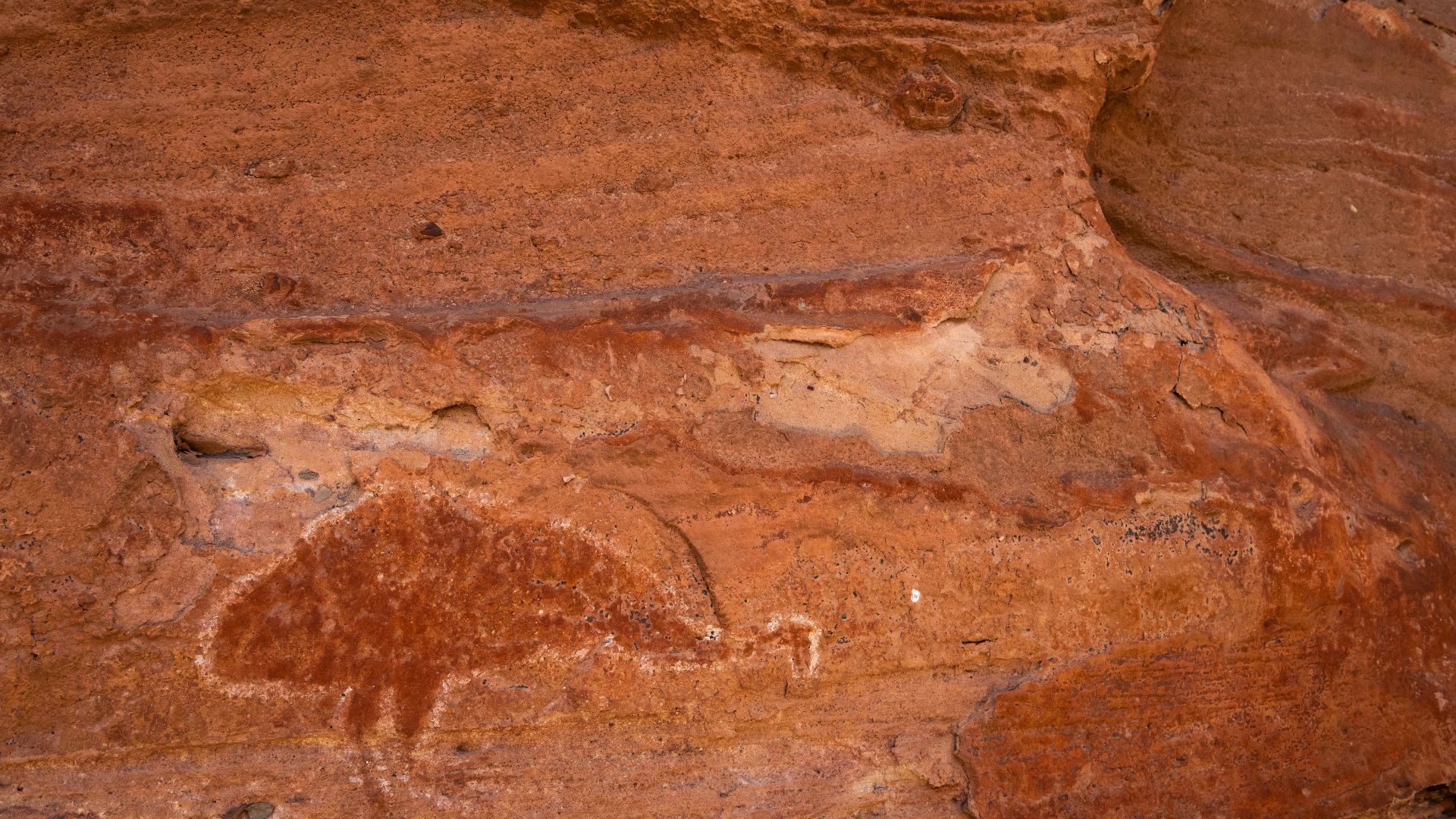
Archaeologists have found cane-torch remains and small mud attachments on the ceiling associated with ancient lighting. Picture a dark chamber glowing unevenly from flames overhead. Instead of viewing pictures in silence under steady light, visitors may have experienced a changing environment of illumination, shadow, sound, and movement.
 Joshua Tagicakibau, Wikimedia Commons
This Was Probably More Than Decoration
Researchers generally interpret Devilstep Hollow as a ceremonial space rather than somewhere people casually passed time by doodling. Difficult access, patterned imagery, lighting evidence, and the nature of the symbols suggest that the cave was used for activities carrying religious or ceremonial significance.
The Cave Became The Canvas
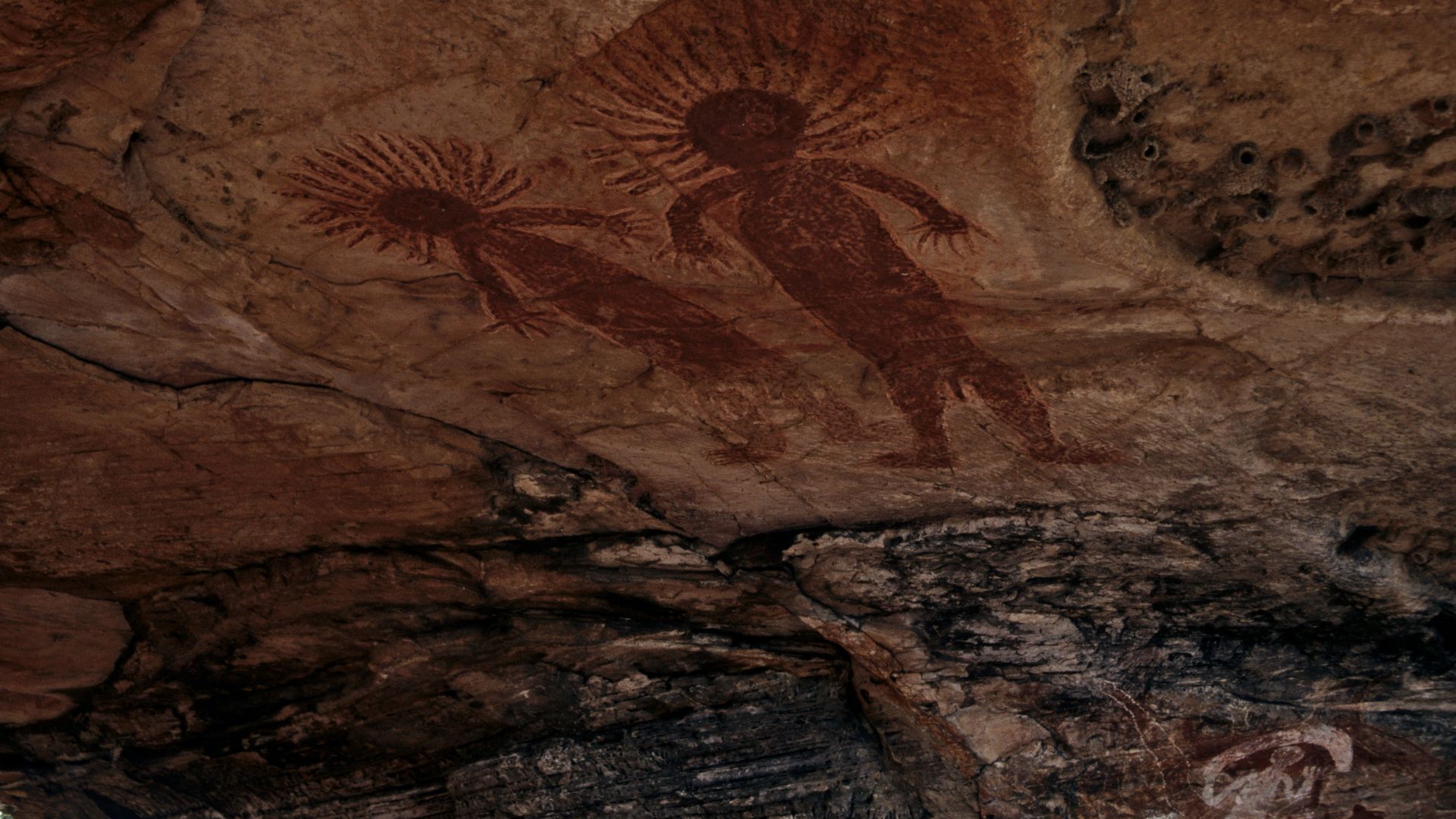
A modern artist can buy a perfectly flat sheet of paper. These artists had bulging limestone, cracks, irregular ceilings, damp mud, and darkness. Their compositions interacted with those natural features. Creativity meant responding to the cave’s physical shape and making the underground environment part of the artistic work itself.
Familiar Pictures Become Stranger Deeper Inside
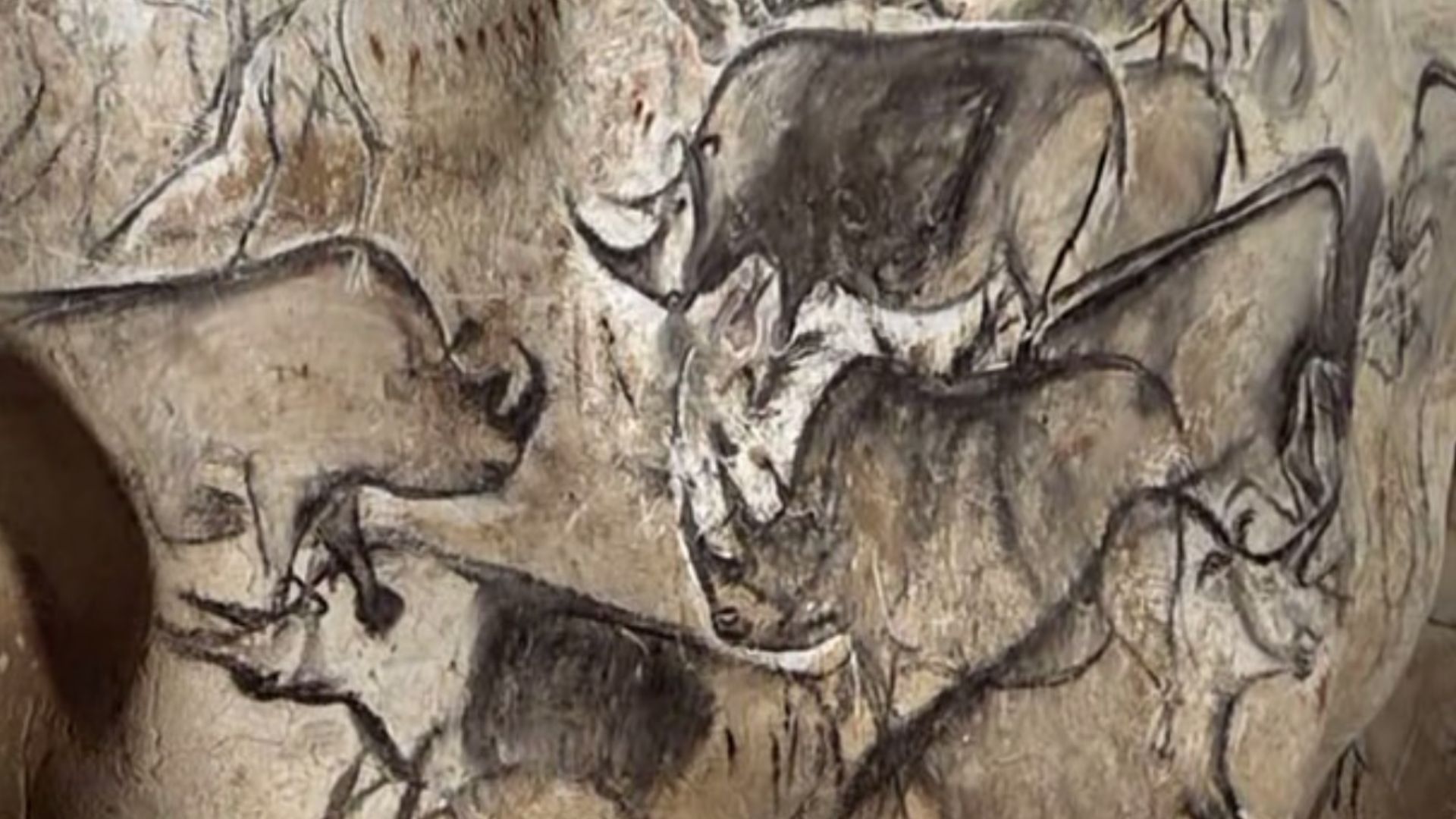
Archaeologist Jan Simek has observed that southeastern cave imagery can become more mysterious as one moves farther underground. Images near accessible areas may be recognizable, while deeper spaces feature hybrid and supernatural figures. Devilstep Hollow fits remarkably well with this movement from the familiar toward the extraordinary.
 Unknown authorUnknown author, Wikimedia Commons
It Looks More Planned Than Random
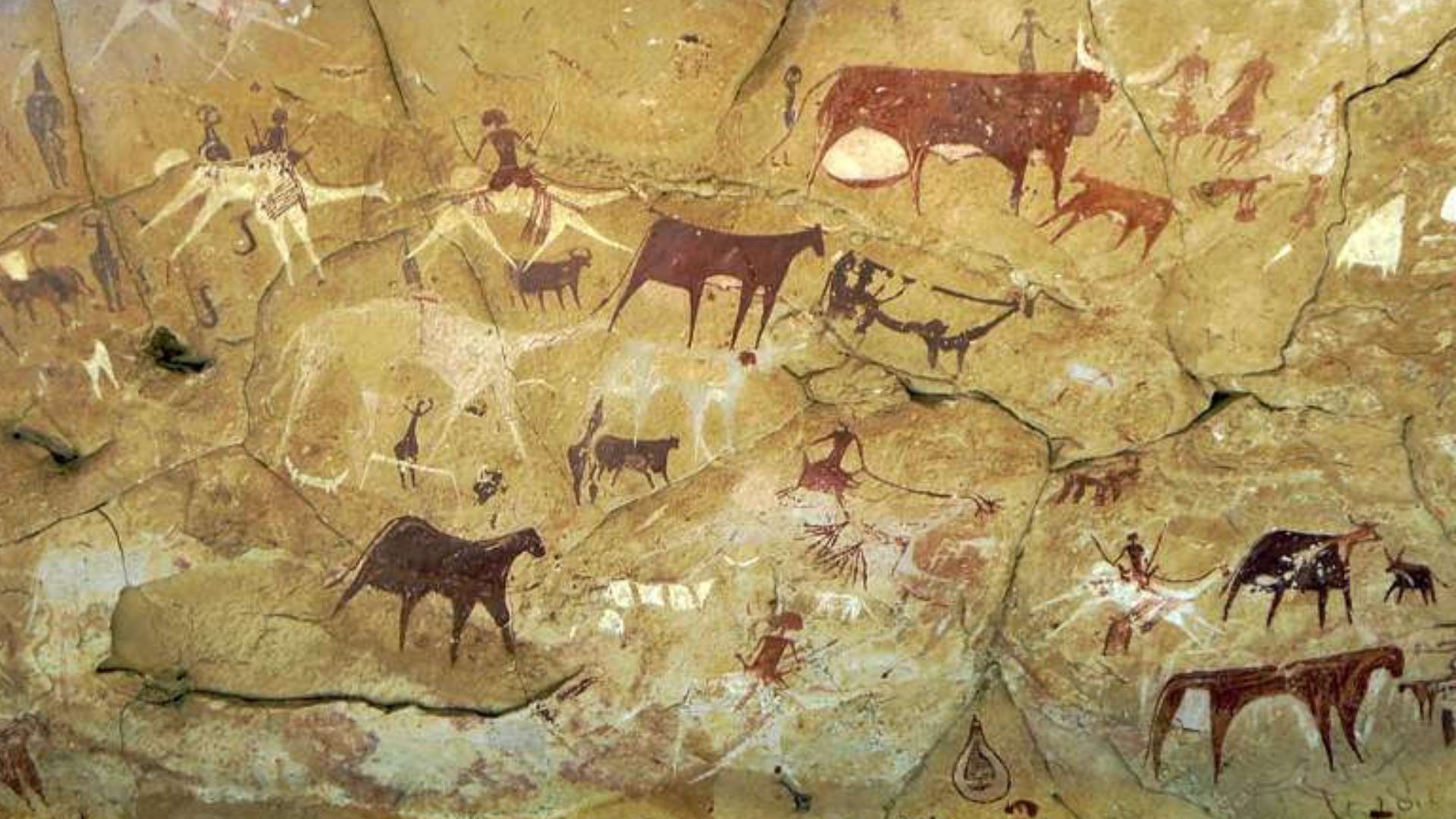
The figures also appear to have been arranged with considerable thought. Researchers studying Devilstep Hollow have described patterned placement throughout the dark zone. That means the individual pictures may have functioned together, producing an unfolding experience as visitors passed from one section of the cave to another.
 David Stanley from Nanaimo, Canada, Wikimedia Commons
That Changes An Old Picture Of Indigenous Life
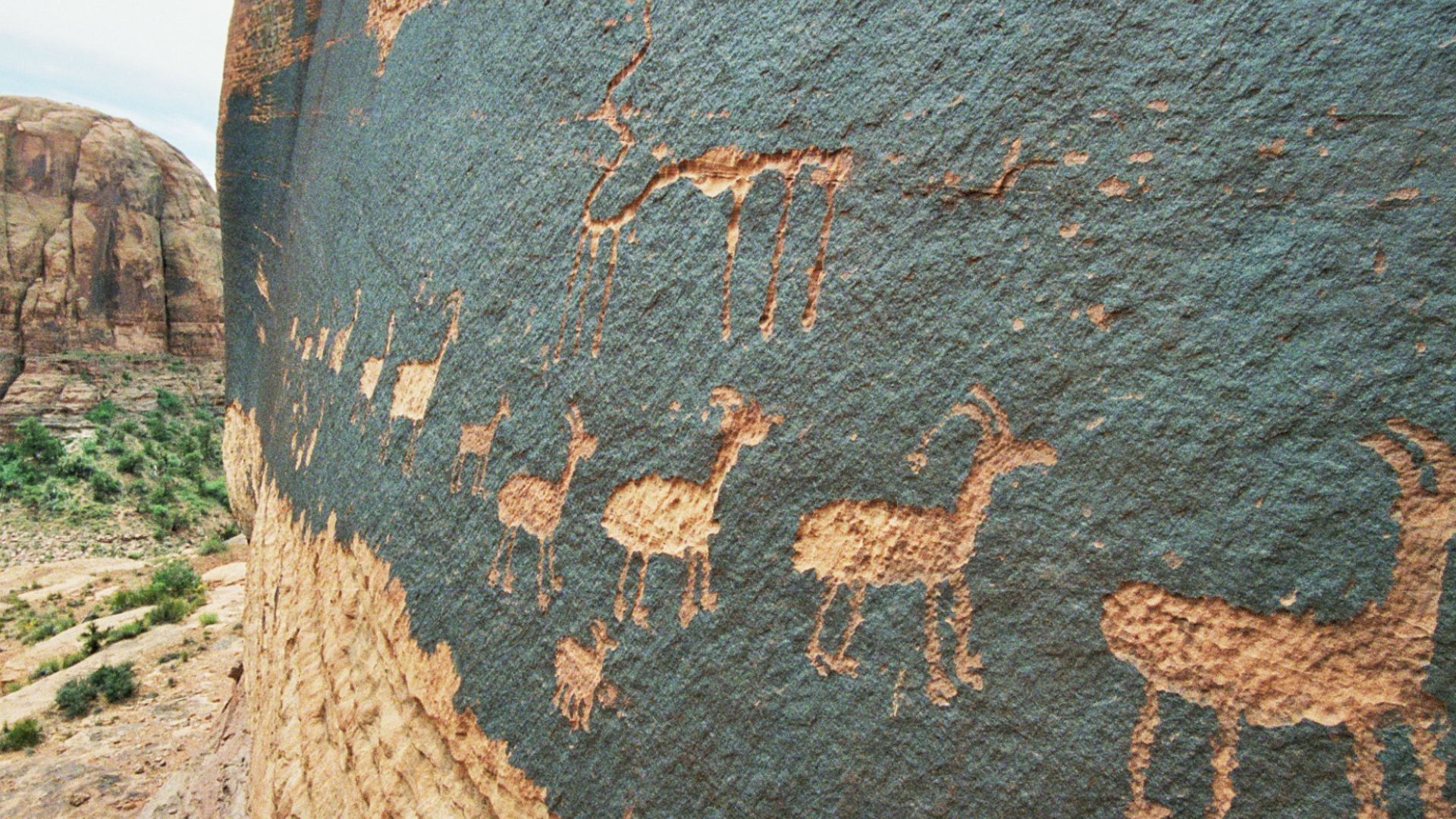
For generations, Americans often encountered precontact Indigenous history through stone tools, pottery, burial mounds, and museum displays. Devilstep Hollow adds another dimension. Here were communities creating symbolic environments, telling stories visually, experimenting with materials, and designing experiences meant to unfold as people physically moved through them.
 Jim Bouldin (talk · contribs), Wikimedia Commons
These Artists Worked In Several Media
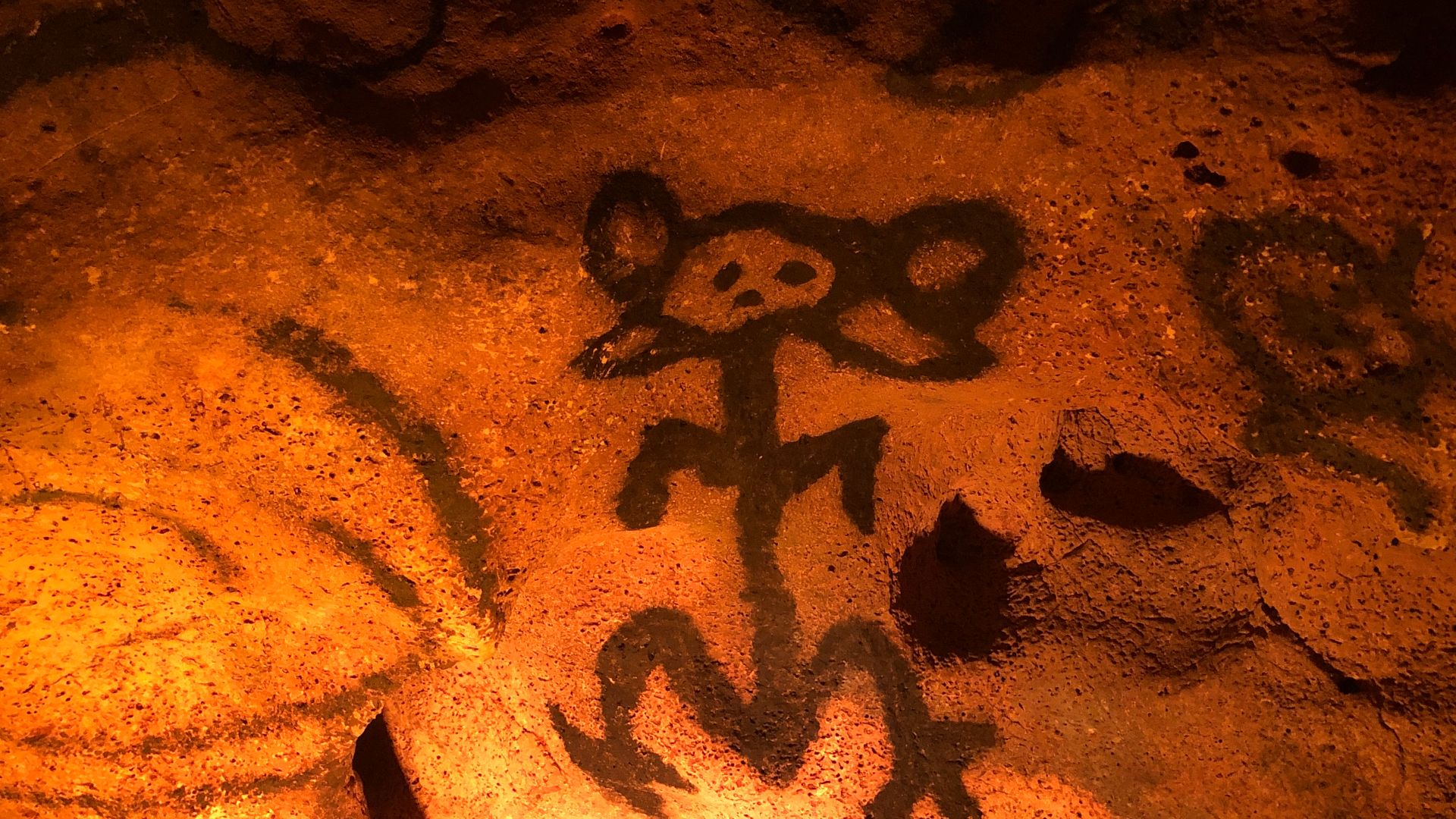
Petroglyphs required cutting or scratching rock. Pictographs involved adding material such as charcoal, while mud glyphs were formed in softer deposits. Researchers now increasingly study such differences as distinct artistic processes rather than lumping everything together simply as “rock art.”
 Danu Widjajanto, Wikimedia Commons
Their Symbols Traveled Far Beyond Tennessee
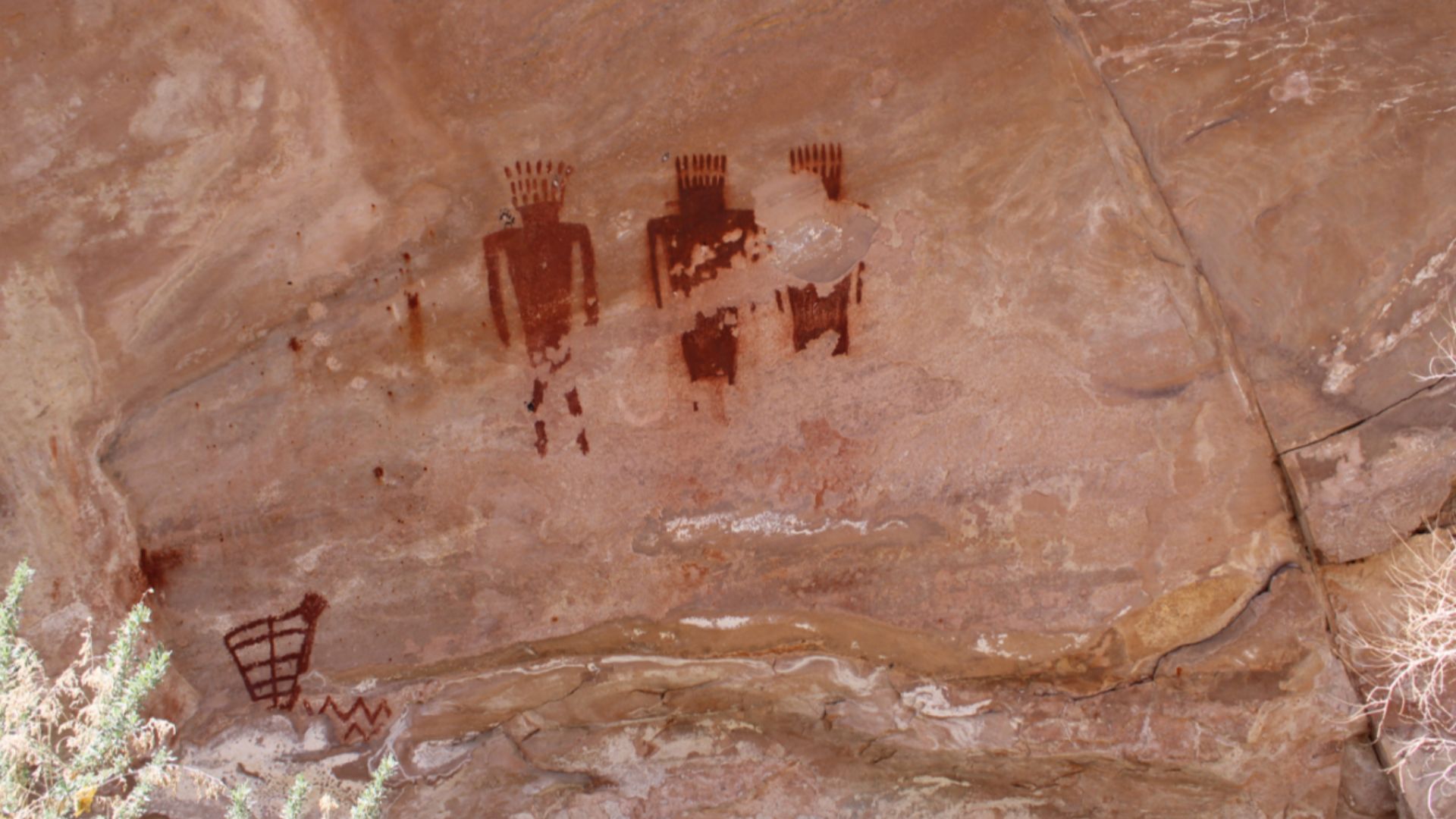
Some motifs seen at Devilstep Hollow resemble imagery known from Mississippian communities elsewhere in the Southeast. Archaeologists have found related warrior, bird, mace, and supernatural themes on objects and at distant archaeological sites. That points toward far-reaching cultural traditions and exchanges of ideas after roughly A.D. 1000.
But Archaeologists Have To Be Careful
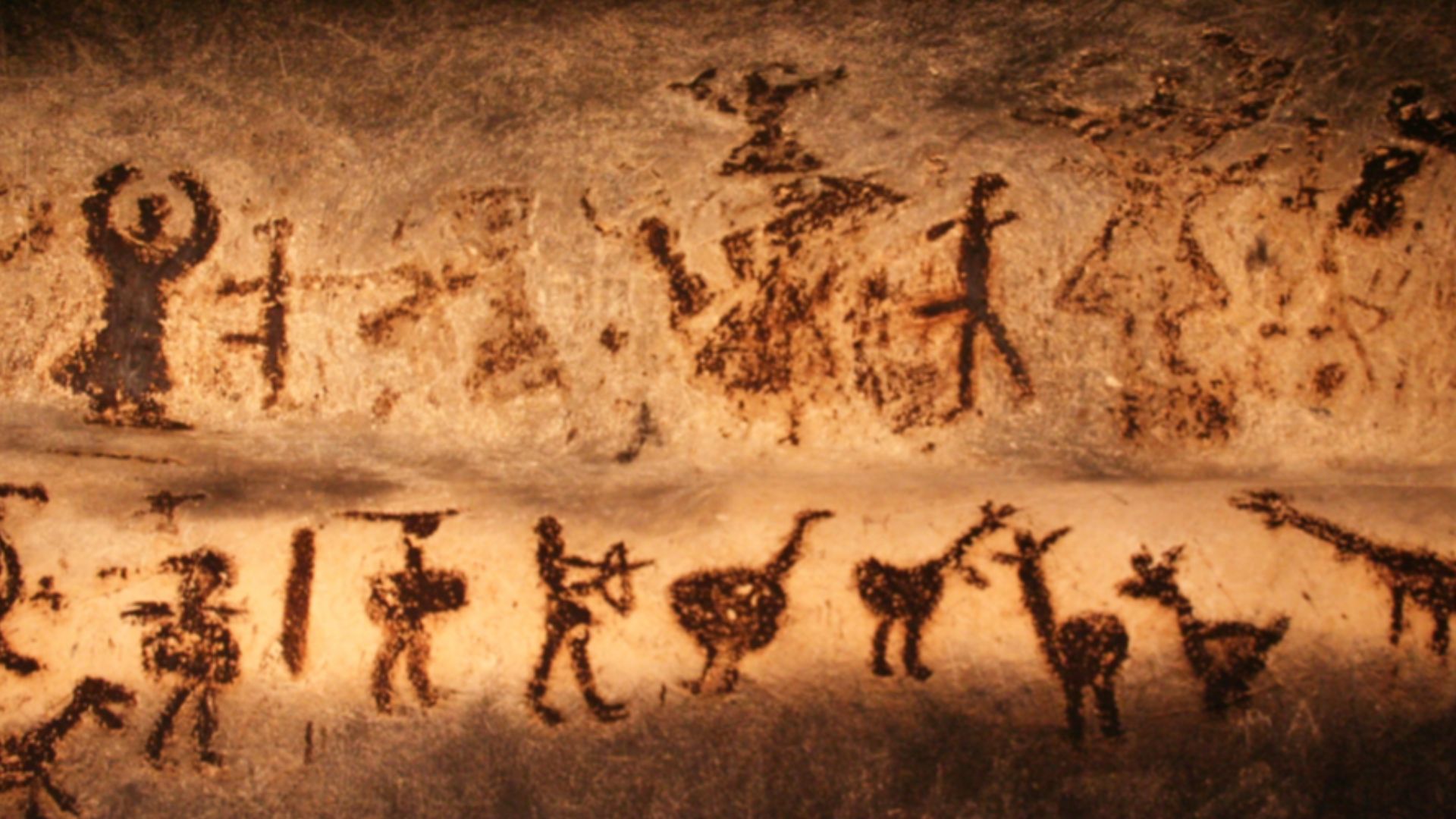
It would be easy to declare every odd-looking animal a god and every scratch a secret message. Archaeology cannot work that way. Researchers can compare symbols, locations, dates, and cultural traditions, but the exact intentions of artists who lived centuries ago cannot always be reconstructed with certainty.
 Daznaempoveche, Wikimedia Commons
Living Indigenous Perspectives Matter Too
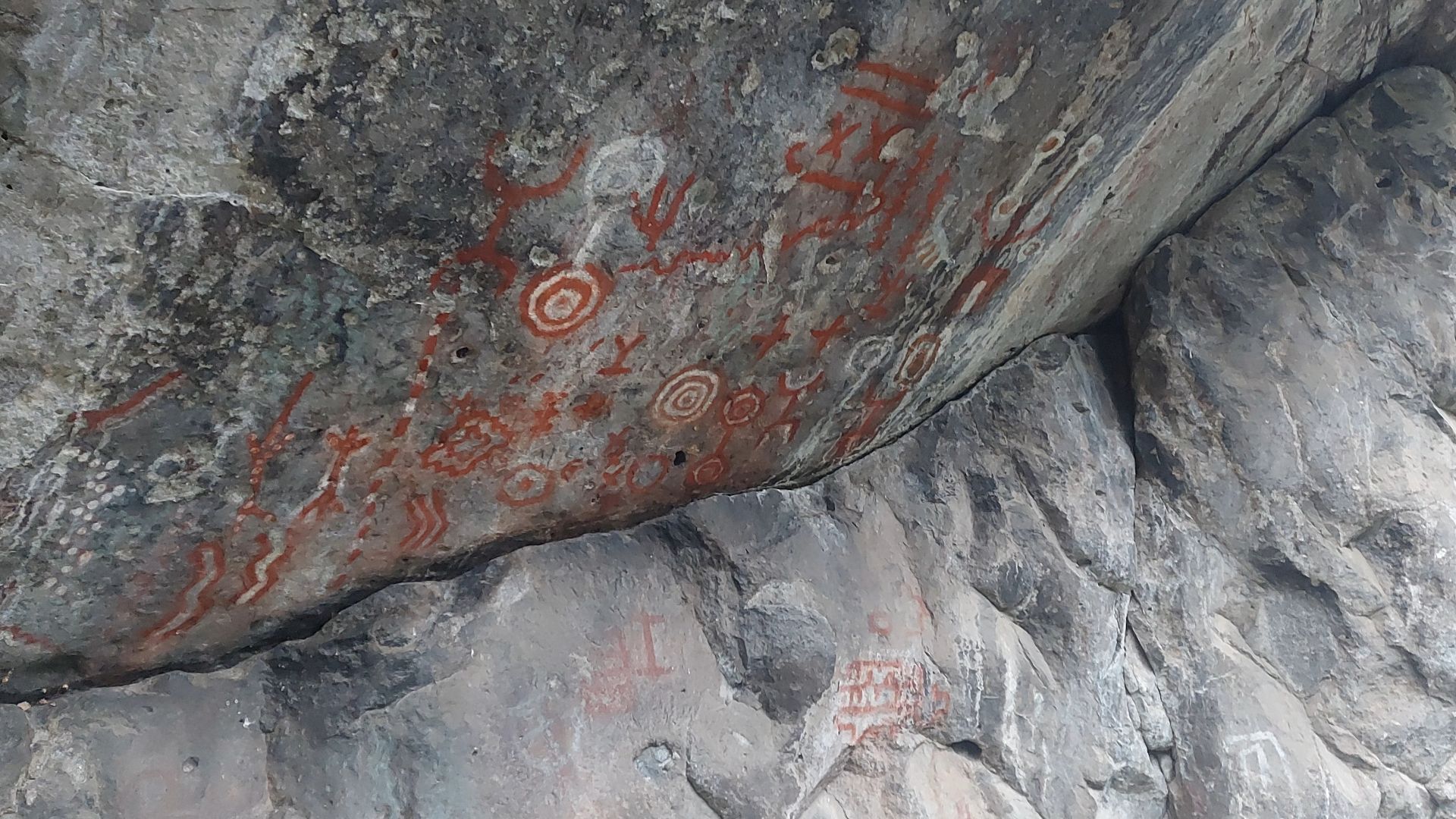
These images belong to histories that continue into the present. Contemporary Indigenous artists and communities can contribute perspectives that archaeological comparison alone cannot provide. The Ancient Art Archive’s virtual Devilstep Hollow project, for example, includes narration by Chickasaw Nation citizen and artist Dustin Mater.
 Drewdrewdrewdrew, Wikimedia Commons
Modern Technology Is Revealing The Cave
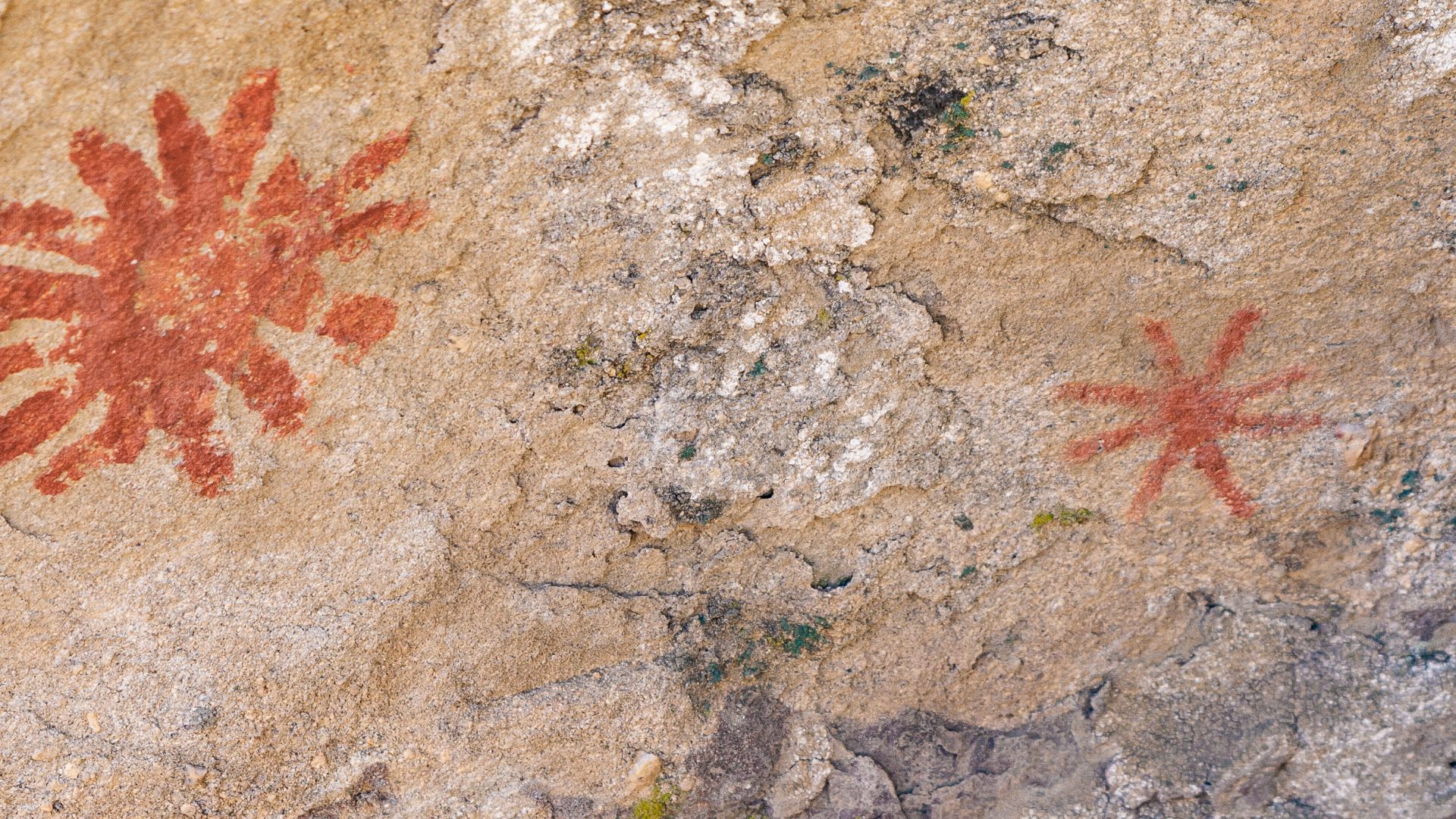
The actual decorated interior is closed to general visitors, helping protect its fragile archaeology. Fortunately, researchers have employed photogrammetry to digitally capture the cave. The Ancient Art Archive produced a detailed three-dimensional model using thousands of photographs, allowing the public to experience portions of the site virtually.
 Jean Allsworth, Wikimedia Commons
Protection May Reveal Even More
Conservation groups helped secure Devilstep Hollow and surrounding land before the property entered Tennessee’s park system. That protection is vital. Cave art can be damaged permanently by vandalism, touching, smoke, and heavy traffic. What researchers learn tomorrow may depend on what responsible visitors leave untouched today.
Ancient Creativity Was Anything But Simple
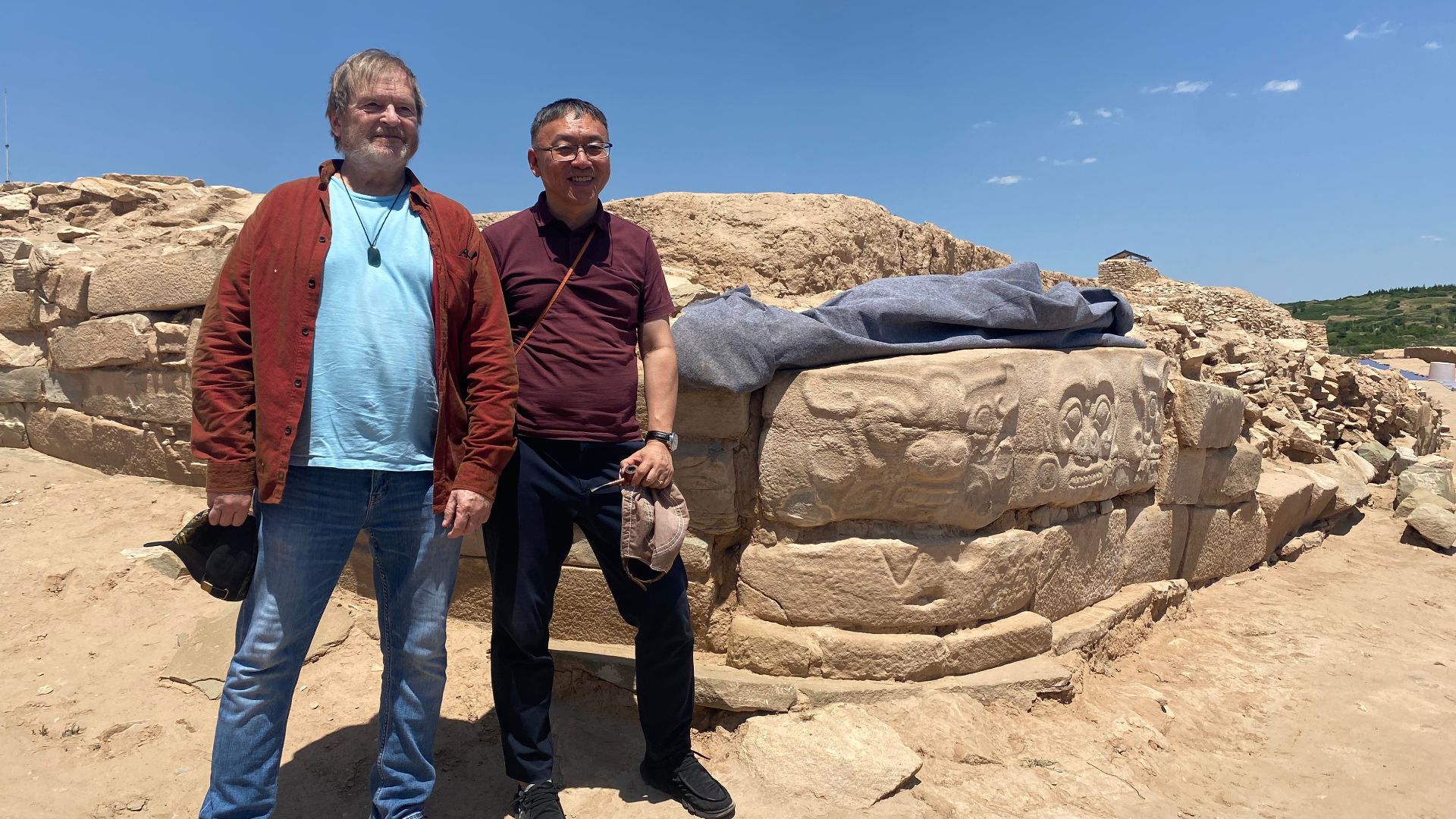
Devilstep Hollow cannot tell us exactly what every artist was thinking, but it destroys any notion that precontact Indigenous creativity was unsophisticated. These people combined symbols, creatures, materials, architecture, darkness, movement, and firelight. Their underground gallery was not merely art on a wall. It was an experience built around imagination itself.
 gabecollett, Wikimedia Commons
You May Also Like:
Things Canadians Notice Immediately When They Drive Through The American Southwest
Top Five Restaurants In The World
The U.S. Cities That Canadians Say Are Better Tourist Destinations Than They Expected