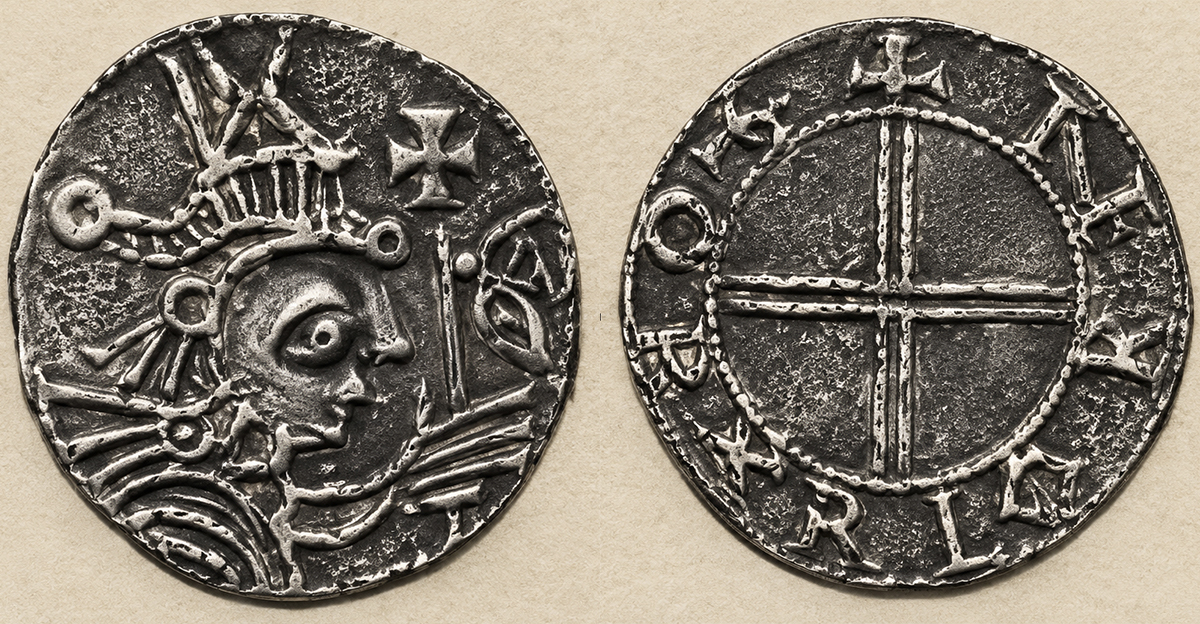
A Tiny Coin, A Huge Mystery
In 1957, an amateur archaeologist digging along the Maine coast uncovered something extraordinary: a medieval Norwegian coin, minted nearly 900 years earlier. The discovery raised a tantalizing possibility. Had Vikings sailed all the way to New England centuries before Columbus? Or had this mysterious little piece of silver arrived by a completely different route?
An Unexpected Discovery
The coin was discovered on August 18, 1957, by amateur archaeologist and coin collector Guy Mellgren at Naskeag Point, near Brooklin, Maine. He was excavating a Native American archaeological site known as the Goddard site, overlooking Blue Hill Bay. Initially, the small silver object attracted relatively little attention. Mellgren believed it was an old English coin, and its true significance wouldn't become apparent for another two decades.
 Public domain, Wikimedia Commons
The Coin Was Norwegian
After Mellgren's death in 1974, the artifact entered the Maine State Museum's collection. In 1978, researchers identified it as a Norwegian penny minted during the reign of King Olaf III, also known as Olaf Kyrre, who ruled from 1067 to 1093. The identification was remarkable. A genuine medieval Scandinavian coin had apparently turned up at an Indigenous settlement on the American coast, far beyond any confirmed Viking settlement.
Vikings Really Reached America
The idea of Vikings visiting North America isn't controversial. Archaeologists have established that Norse explorers reached Newfoundland around the year 1000, nearly five centuries before Columbus's famous voyage. At L'Anse aux Meadows, researchers uncovered the remains of turf buildings, workshops, and ironworking activities. The settlement, discovered in 1960, remains the only confirmed Norse archaeological settlement in North America outside Greenland.
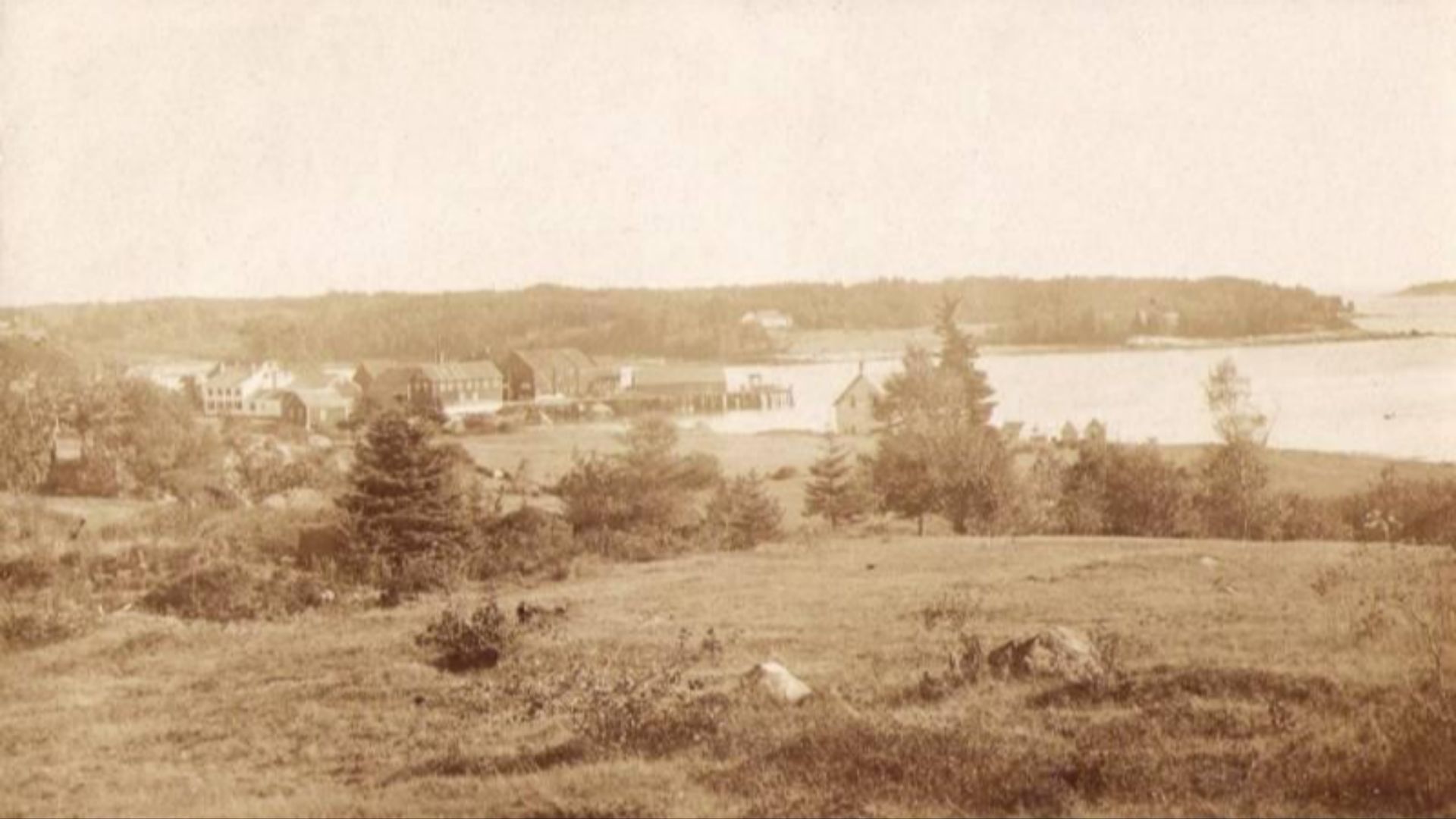 Unknown photographer, Wikimedia Commons
An Exact Date Emerged
In 2021, scientists announced an extraordinary breakthrough involving L'Anse aux Meadows. By examining wood cut with metal tools and using evidence from a known solar storm, researchers established that Norse people were working at the site in 1021. This provided the first exact calendar year for European activity in the Americas before Columbus. But the Maine penny was minted decades later, suggesting a different timeline for its possible journey.
The Goddard Site Was Important
The Maine penny wasn't discovered in an isolated location. The Goddard site was an important Indigenous trading center, with archaeological material connecting it to distant parts of northeastern North America. Stone tools originating from Newfoundland and Labrador demonstrate that goods traveled considerable distances through established exchange networks. This matters because the coin could have reached Maine without any Norwegian sailor ever setting foot there. Indigenous communities were already maintaining extensive connections across the region long before Europeans established permanent settlements.
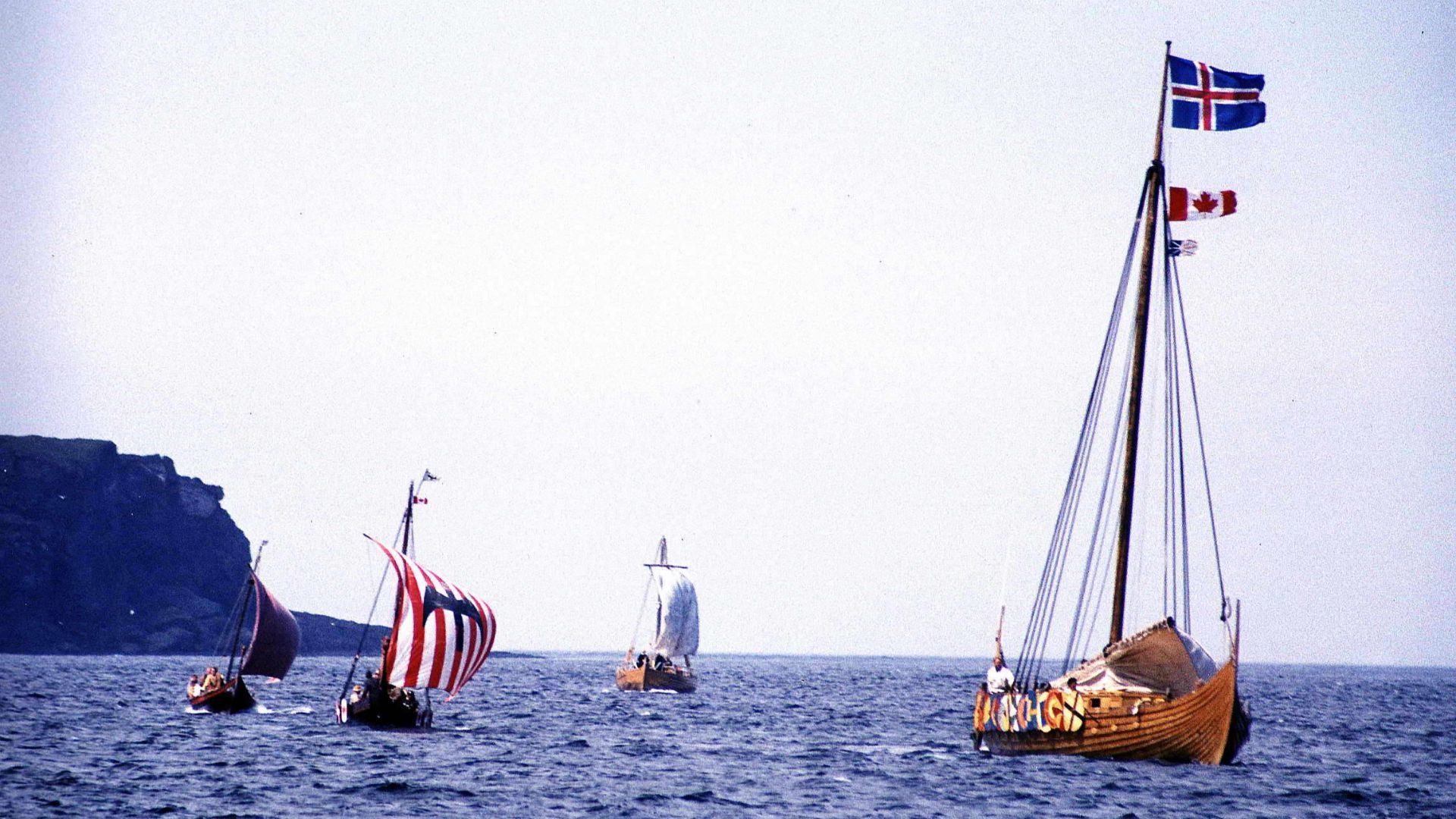
Could Vikings Have Sailed South?
There's nothing inherently impossible about Norse explorers reaching Maine. Their ships were capable of navigating difficult Atlantic waters, and the settlement at L'Anse aux Meadows appears to have served as a base for voyages beyond Newfoundland. Archaeological evidence from the Canadian site suggests that its inhabitants traveled farther south, although their precise destinations remain uncertain. Maine's coastline would have been accessible to experienced Norse sailors. The difficulty is that a plausible voyage isn't the same thing as a documented one.
Indigenous Trade Offers Another Explanation
Many archaeologists favor a simpler explanation: the penny passed through Indigenous trading networks. Norse visitors could have exchanged the coin somewhere in the Canadian Atlantic region, after which it traveled south through successive transactions. University of Oslo numismatist Svein Gullbekk has suggested that the coin may have circulated as an ornament rather than currency. Its worn and damaged condition is consistent with a long history of handling. Such a journey would reveal an extraordinary connection between distant cultures without requiring Vikings to have visited Maine themselves.

Was The Discovery A Hoax?
The coin's authenticity doesn't completely settle the matter. Some researchers have questioned whether it was genuinely excavated at the Goddard site or introduced later. The discovery was made by an amateur collector, and the original archaeological documentation has limitations. However, Gullbekk examined these concerns in a 2017 study published in the Journal of the North Atlantic. He concluded that the coin itself was authentic and that its reported discovery circumstances were plausible. The hoax theory remains part of the debate, but it hasn't been established.
The Mystery Remains Unsolved
More than six decades after its discovery, the Maine penny remains one of America's most intriguing archaeological objects. It provides a possible material link between medieval Scandinavia and Indigenous North America, but it doesn't establish that Norse explorers reached New England. No confirmed Viking settlement, building, or comparable collection of Norse artifacts has been discovered in Maine. The Maine State Museum favors the explanation that the coin arrived through Indigenous exchange networks. Until stronger evidence emerges, the penny's precise journey remains unknown. Its greatest significance may be what it reveals about the remarkable distances people and objects traveled long before modern maps existed.
You May Also Like:
A Homeowner Discovered Denmark's Largest Viking Silver Hoard In Their Backyard