One For The Junk Box
Metal detectorists know that every signal could be something incredible. They also know it is usually a nail, a bottle cap or another piece of metal nobody has wanted for a very long time.
This little object looked like it belonged in the second category. But appearances were about to be very, very misleading.

A Promising Place To Search
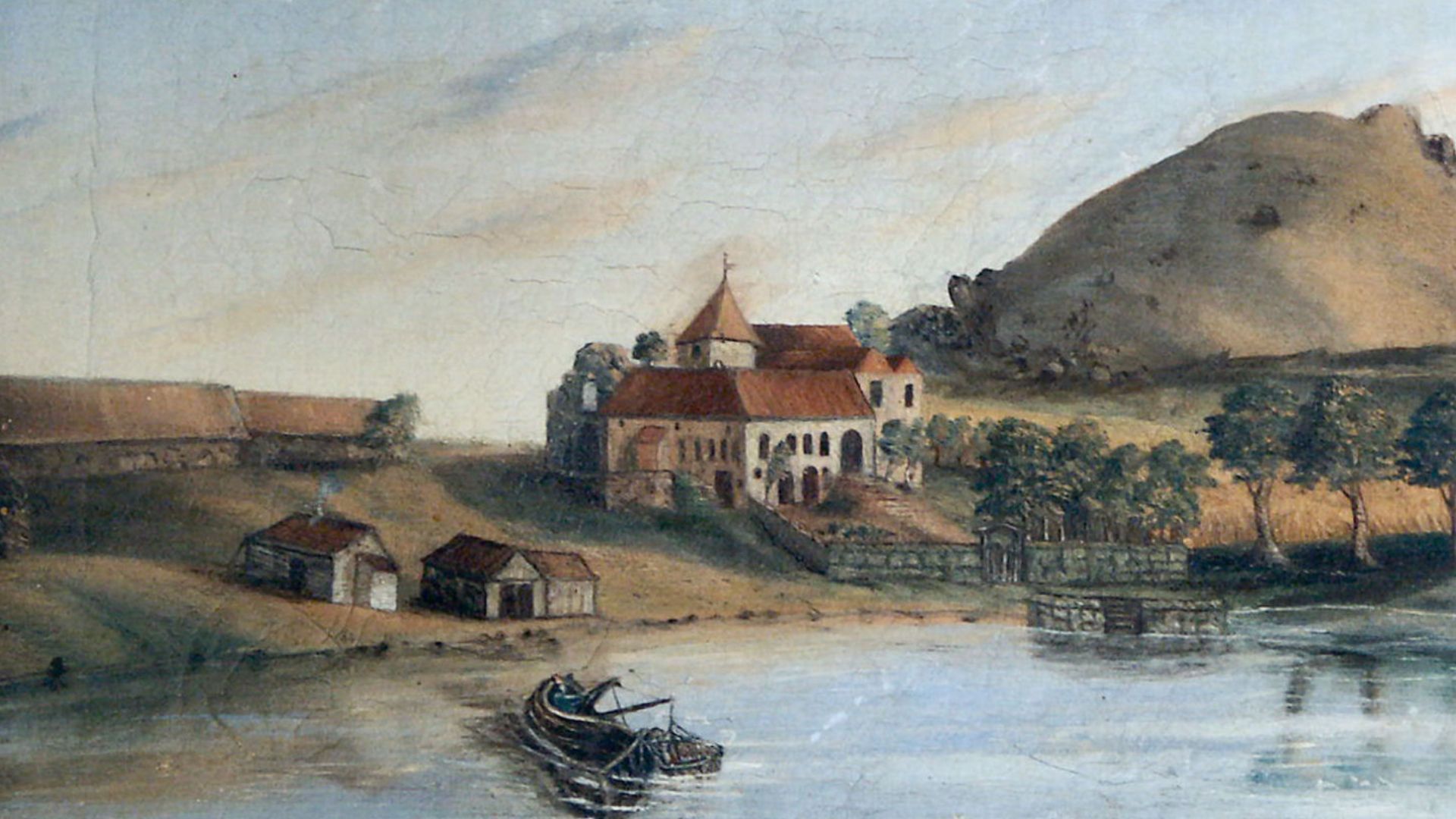
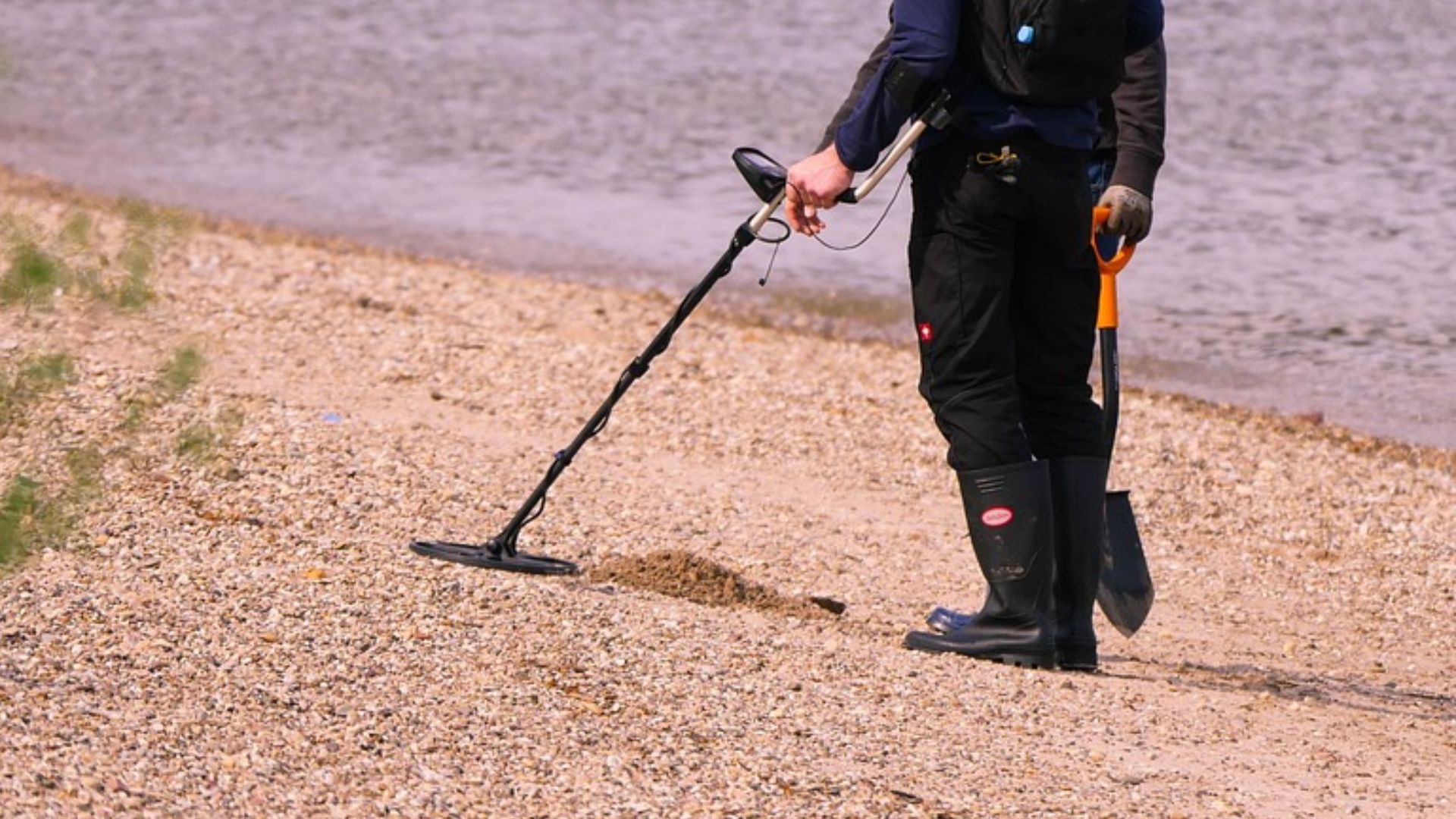
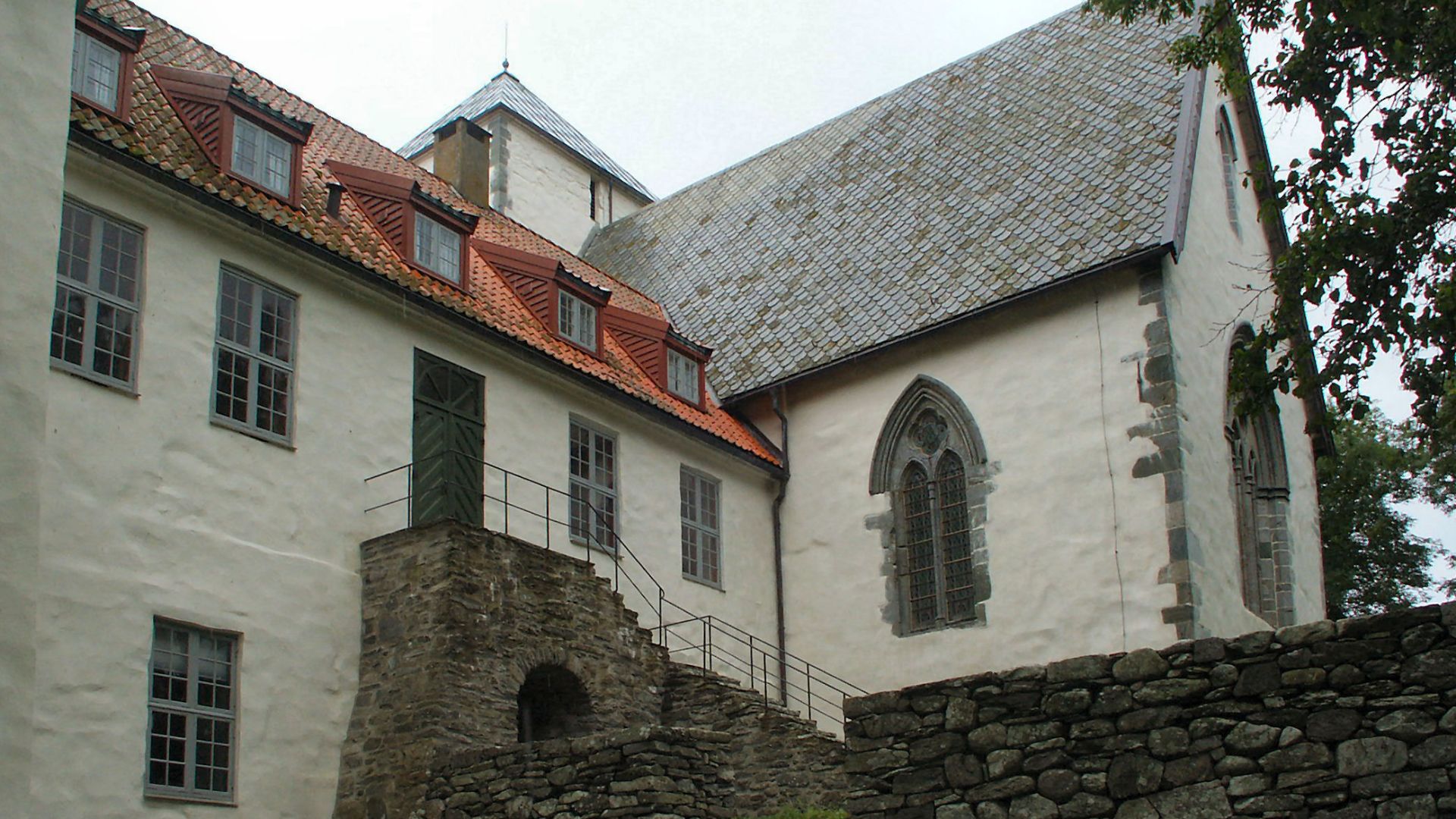
In April 2025, Morten Eek joined other members of Norway’s Rygene Detector Club for a search through a field near Utstein Monastery. The area was already known for its long history, making it exactly the sort of place where something interesting might still be hiding underground.
The Hours Kept Passing
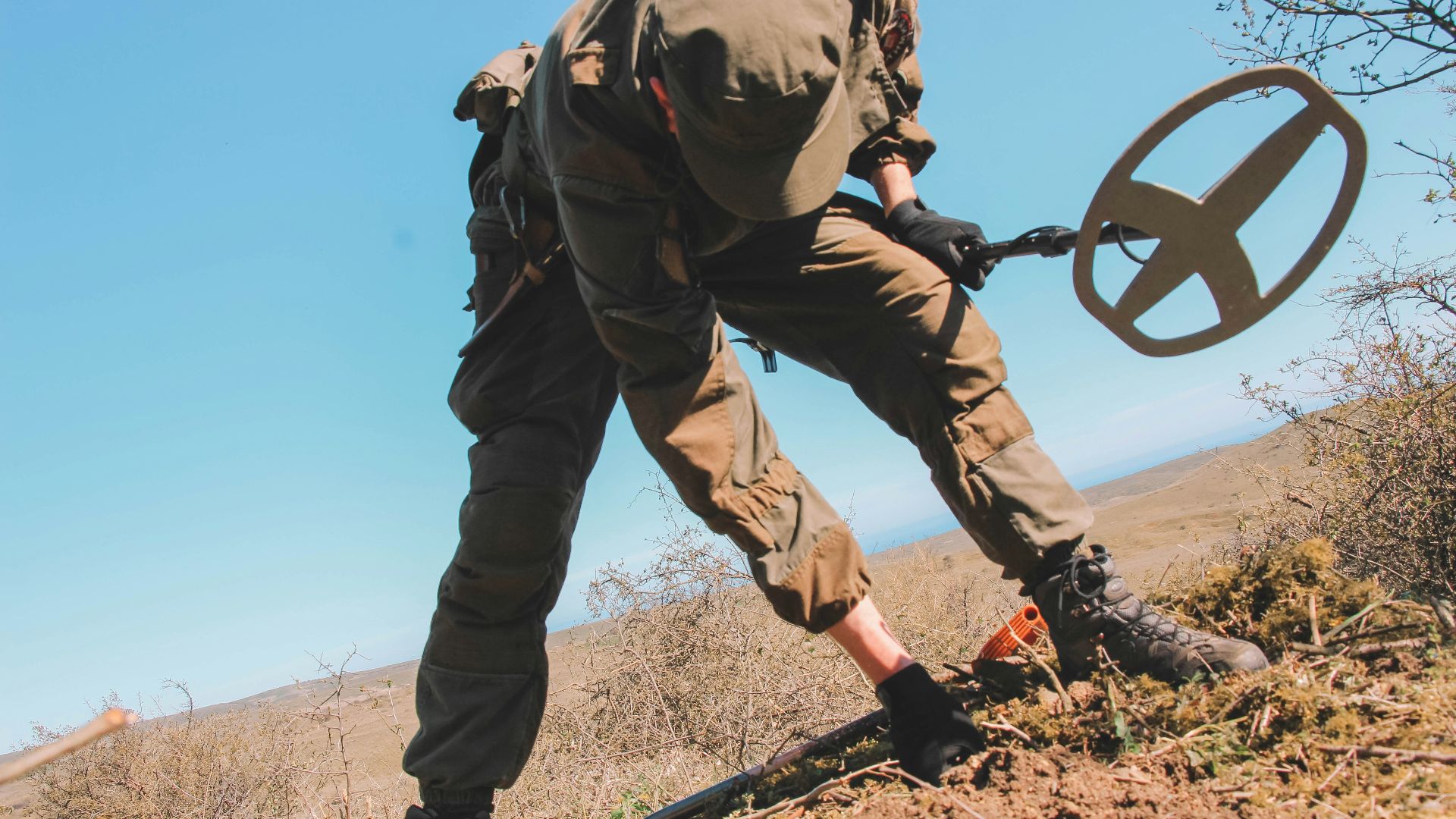
The sun was peeking through, the grass had been grazed down and the group had plenty of room to search. Unfortunately, good conditions do not guarantee good discoveries. After several hours, nobody had found anything particularly exciting. Then Eek’s detector finally gave him another signal.
It Was Barely Beneath The Surface
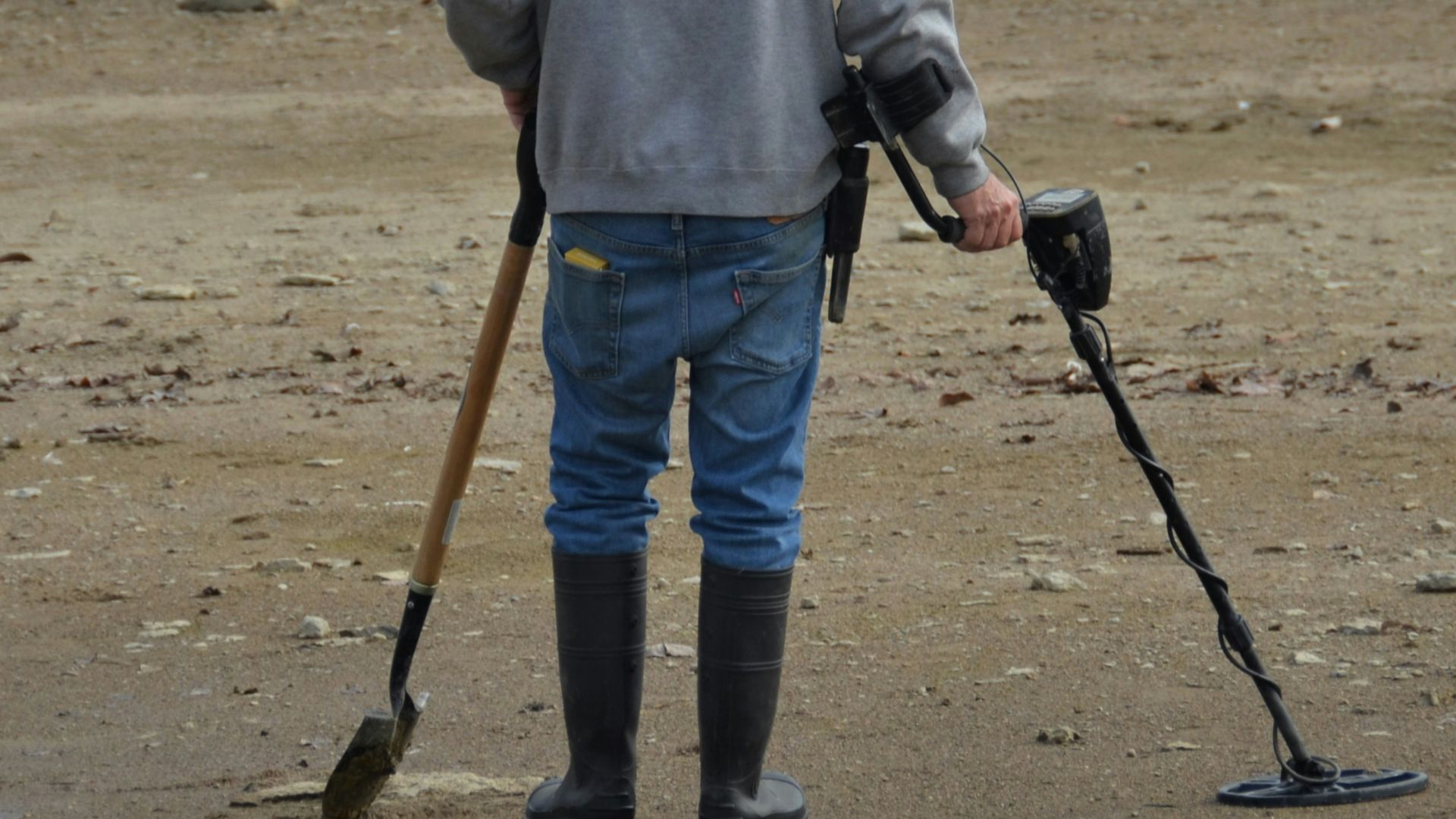
Eek dug into the plowed soil and recovered a small metal object from only around four to six inches below the surface. One side appeared bright and silvery, which briefly looked promising. Then he turned it over—and whatever excitement he felt probably disappeared rather quickly.
It Looked Like An Old Button
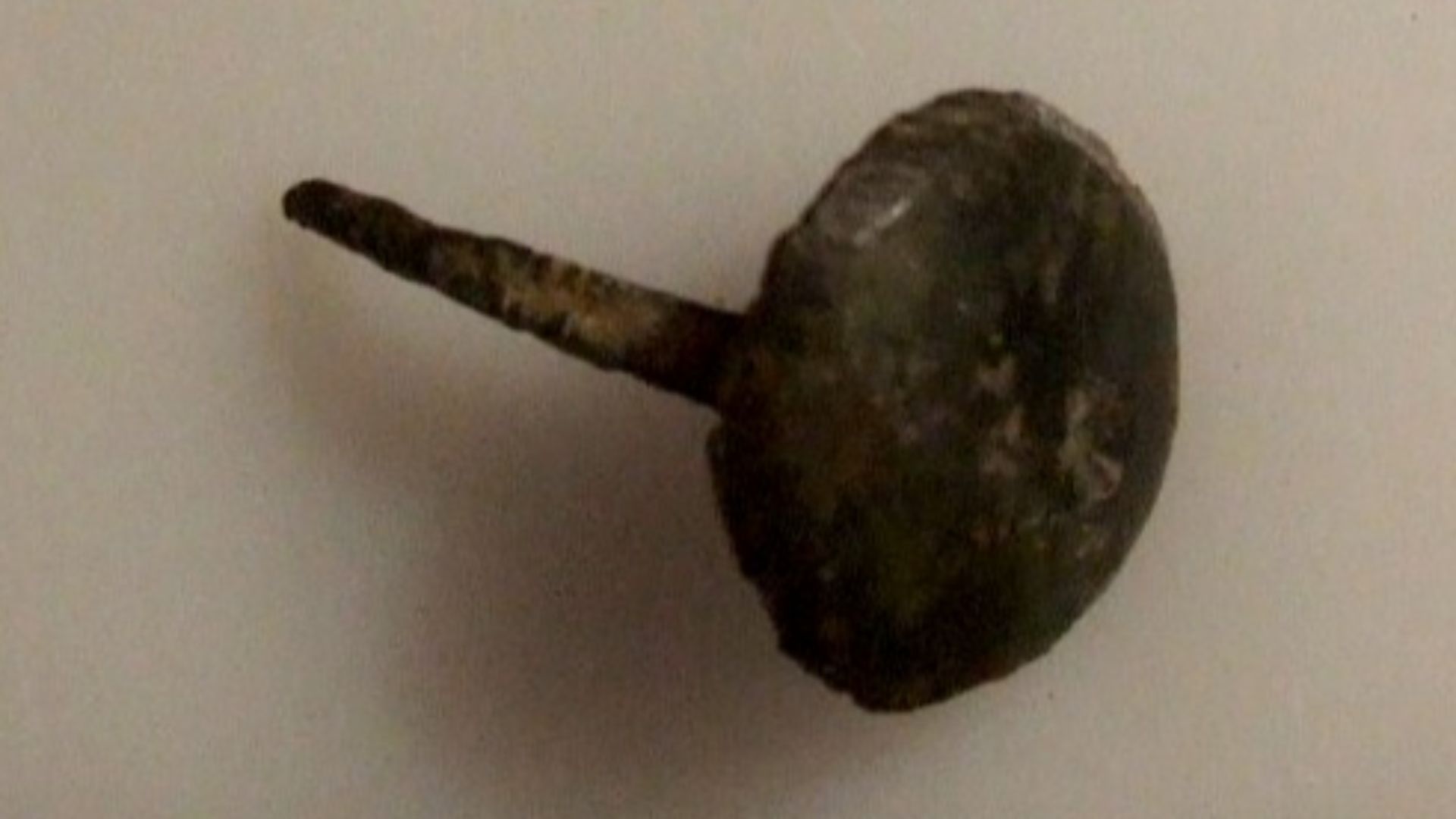
The other side was copper-colored, with a dark spot near the middle. To Eek and the others, it looked like an ordinary old clothing button. Buttons made from pewter, silver and bronze are common detector finds, so there was little reason to treat this one differently.
Into The Box It Went
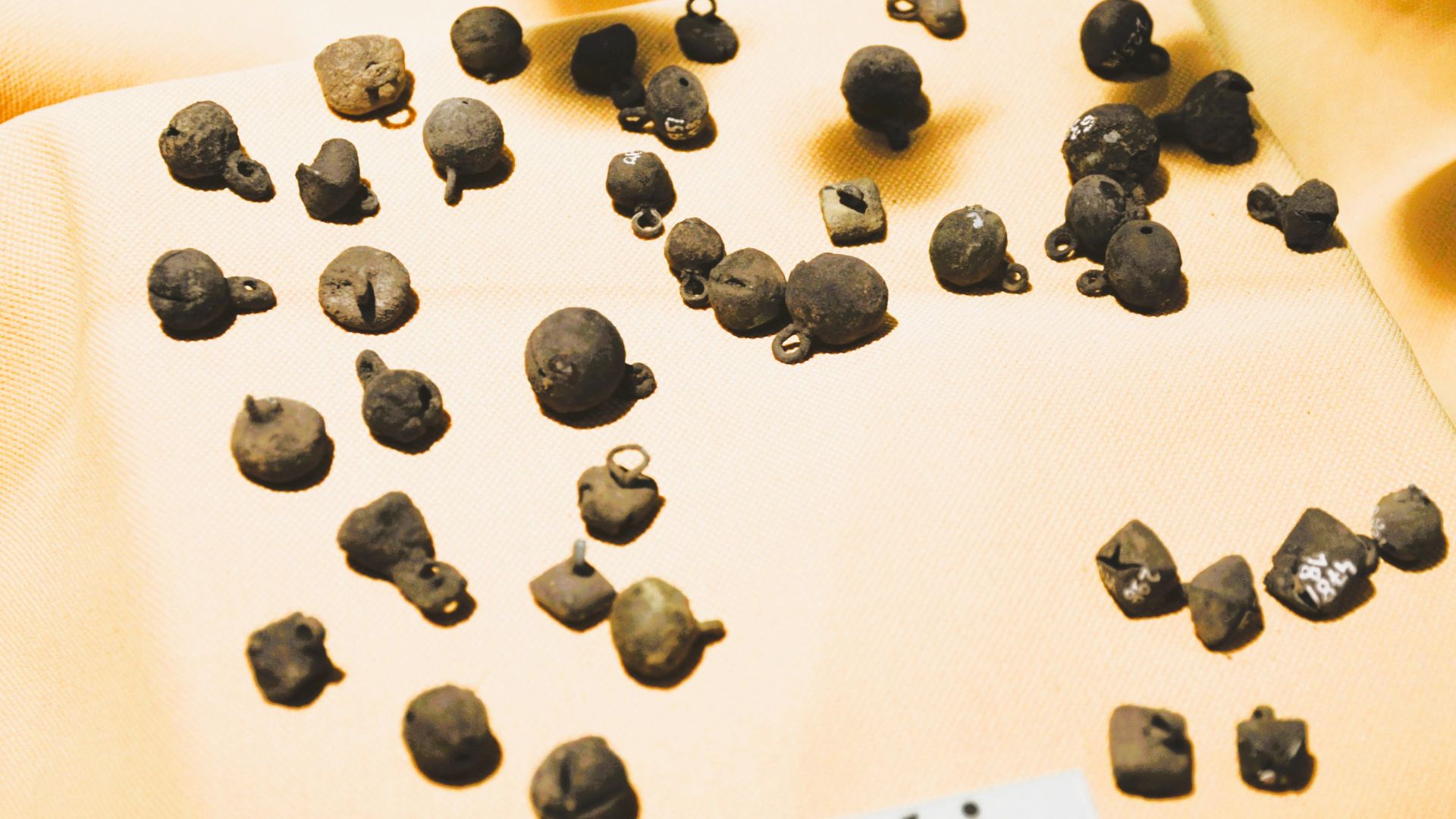
Eek still brought the object home, but it did not earn a place of honour. He placed it in a box alongside other buttons, worn modern coins and unidentifiable pieces of bronze and lead—the metal-detecting equivalent of the kitchen drawer where everything gets forgotten.
 Gary Todd from Xinzheng, China, Wikimedia Commons
Then Someone Looked Again
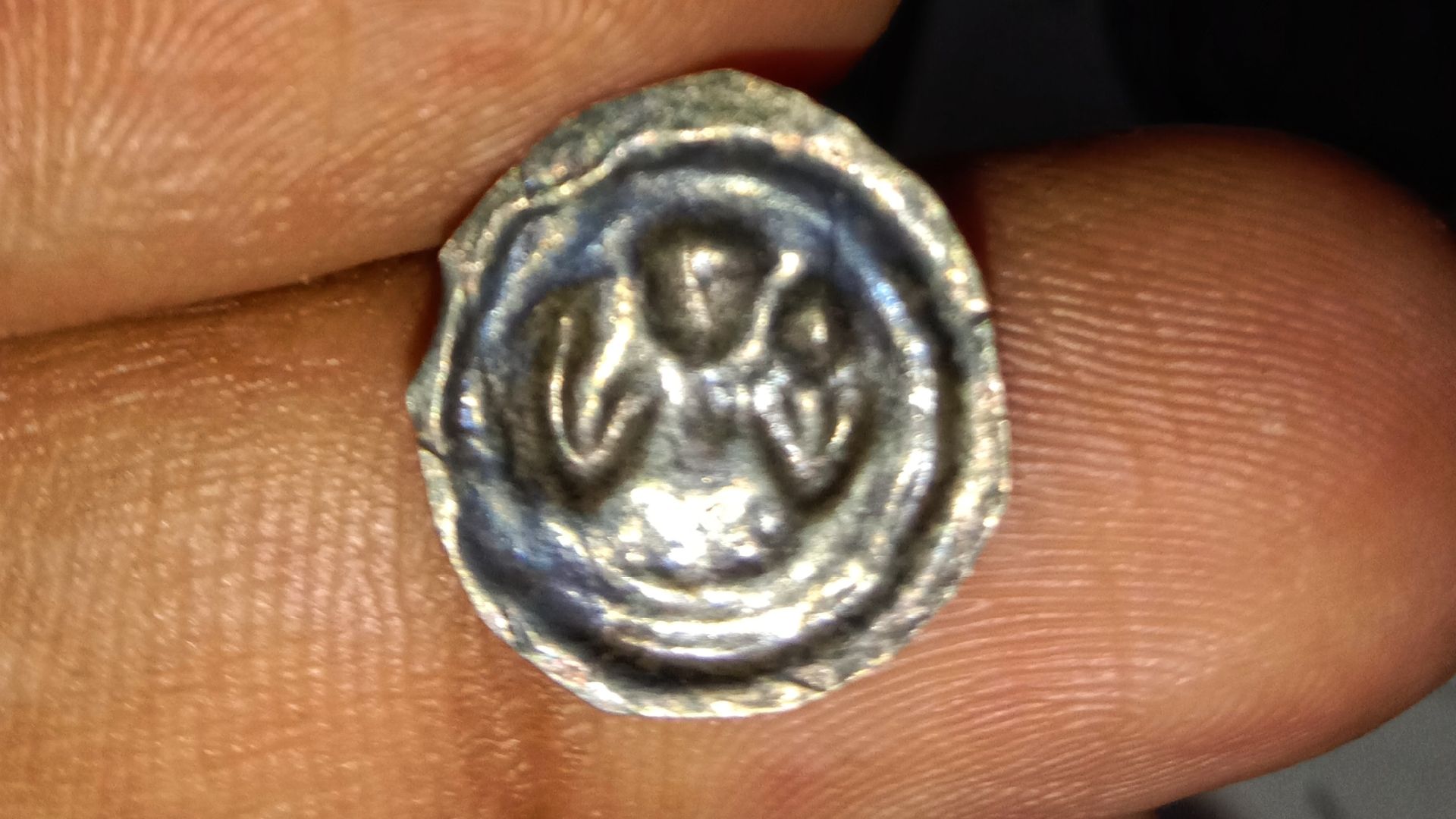
A couple of months later, Eek and several other detector-club members began going through the less impressive finds in the box. This time, the object’s cleaner silver side caught their attention. There appeared to be a carefully formed cross on it—and it did not look like button decoration.
The Design Looked Familiar
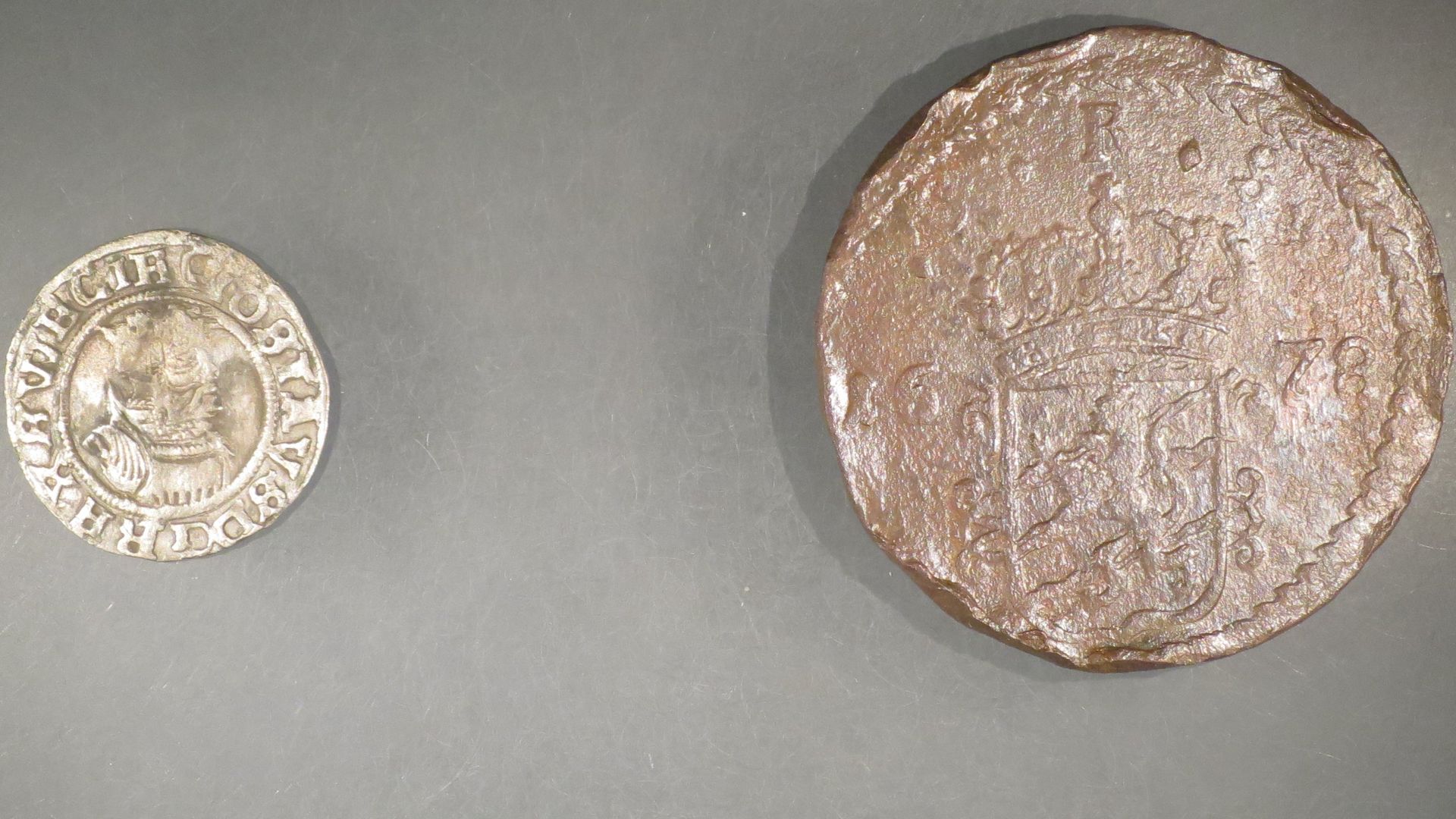
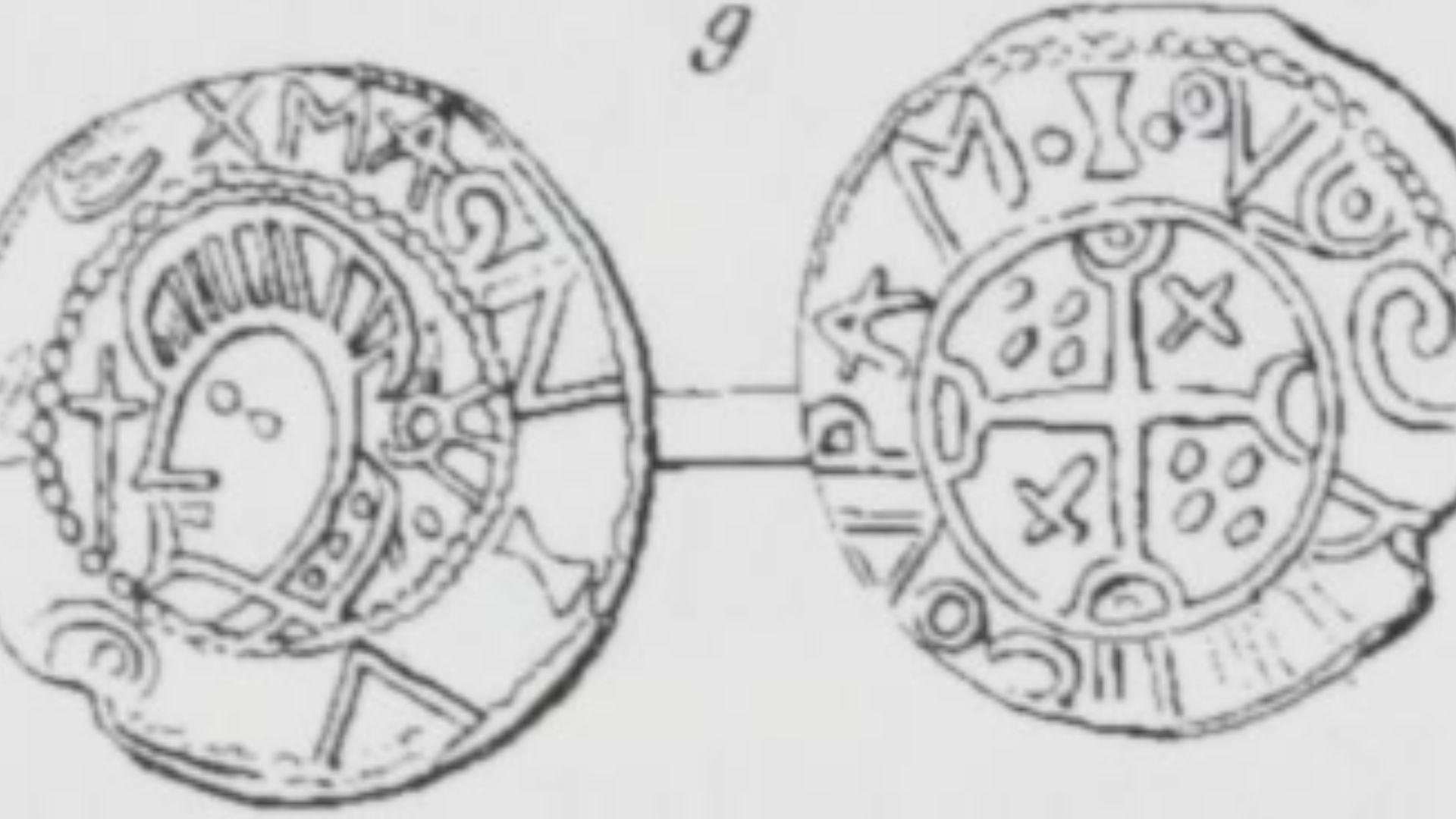
The group compared the object with available references and found a remarkably similar illustration in C.I. Schive’s 1865 reference book on medieval Norwegian coins. Suddenly, the object from the junk box was beginning to look a lot older—and considerably more interesting—than anyone had first believed.
The “Button” Did Not Add Up
Under magnification, they noticed something else. The silver material appeared to have been folded around a separate copper plate. That was not how an ordinary button would normally have been constructed. The club posted photographs online, and the object was soon delivered to the University of Stavanger’s Museum of Archaeology.
 The Portable Antiquities Scheme, Adam Daubney, 2006-05-24 12:19:47, Wikimedia Commons
It Wasn’t A Button
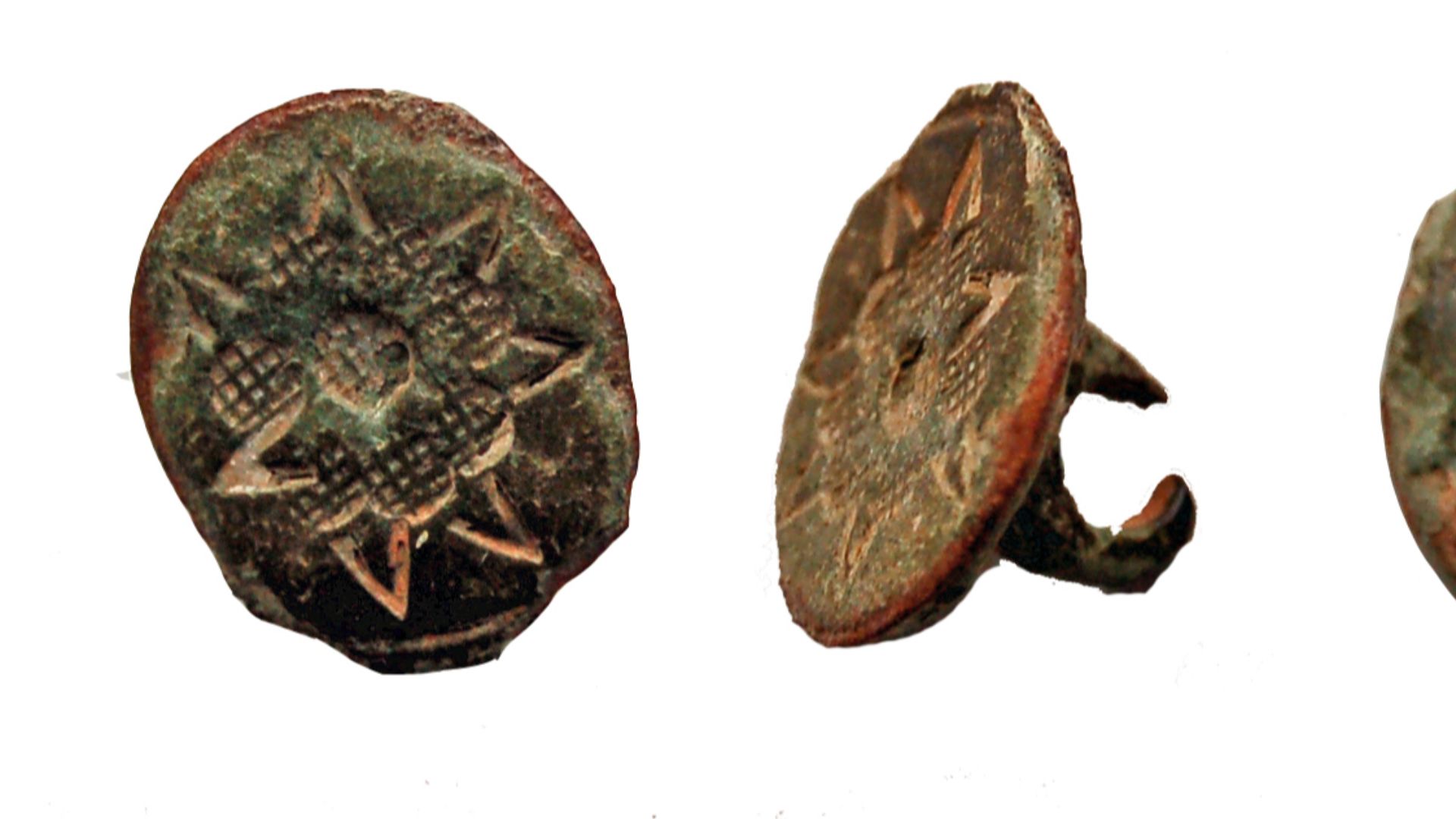
Museum experts confirmed that the silver portion was actually a medieval coin. The reason it looked like a button was that someone had deliberately modified it after it was minted, adding the copper plate and folding the coin’s edges around it. But why would anyone do that?
 Billjones94, Wikimedia Commons
The Coin Had Lived A Second Life
Two rounded notches along the outer edge may have once held a chain, loop or another attachment. That suggests the coin had eventually stopped being used as money and was transformed into a pendant, ornament or some other type of jewelry.
 Uniwersytet Szczeciński Miejska Biblioteka Publiczna w Szczecinie, 2022, Wikimedia Commons
That Created A New Problem
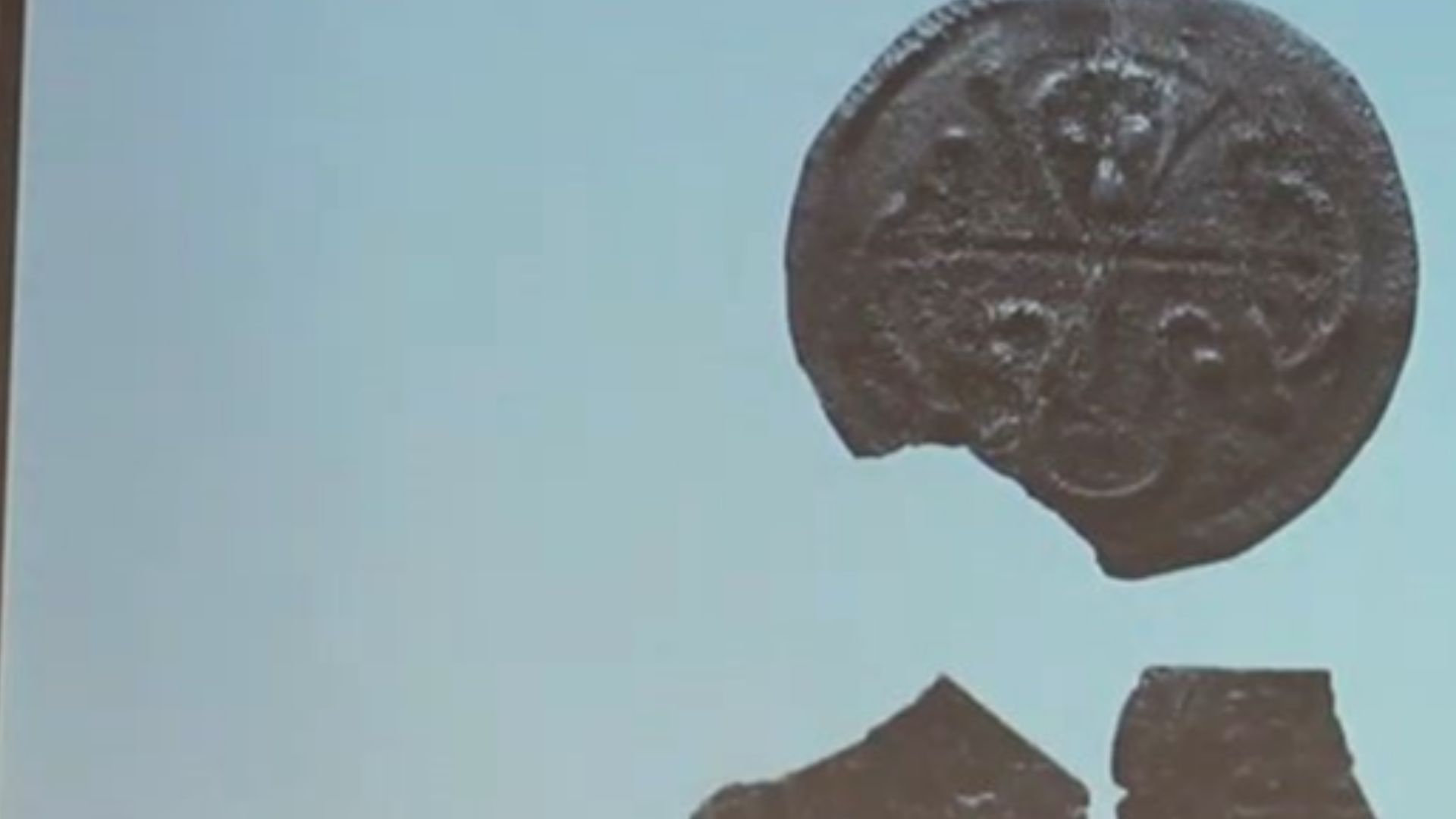
The visible side showed a distinctive design known as a cross-over-cross. However, the copper plate completely covered the coin’s other side. Researchers needed to see what was underneath, but removing the plate would destroy the complete piece of jewelry that had survived for centuries.
 Danielle Wootton, Danielle Wootton, 2013-10-24 16:41:55, Wikimedia Commons
They Couldn’t Simply Take It Apart
To archaeologists, the copper backing was not meaningless damage. It was part of the surviving object and evidence of how someone had reused the coin centuries ago. Pulling everything apart might answer one question, but it would erase another chapter of the object’s story.
 Bristol City Council, Kurt Adams, 2008-11-20 11:51:18, Wikimedia Commons
The X-Ray Revealed The Secret
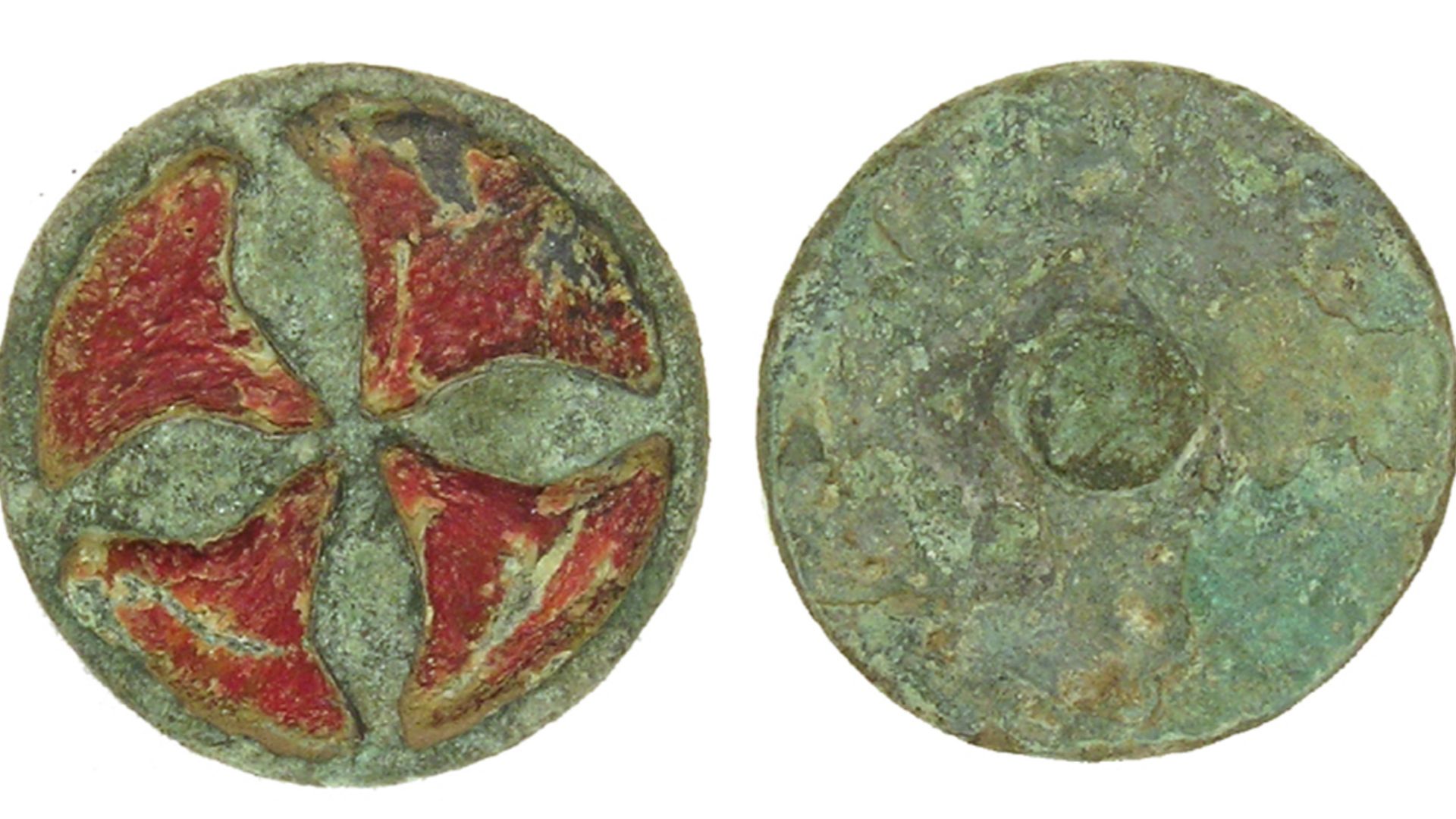
Researchers X-rayed the object, allowing them to see the design hidden beneath the copper without removing anything. The scan revealed that the coin had been struck on both sides. More importantly, the covered side carried the image of a strange winged creature.
 The Portable Antiquities Scheme, Dot Boughton, 2011-05-26 13:07:42, Wikimedia Commons
There Was A Griffin Underneath
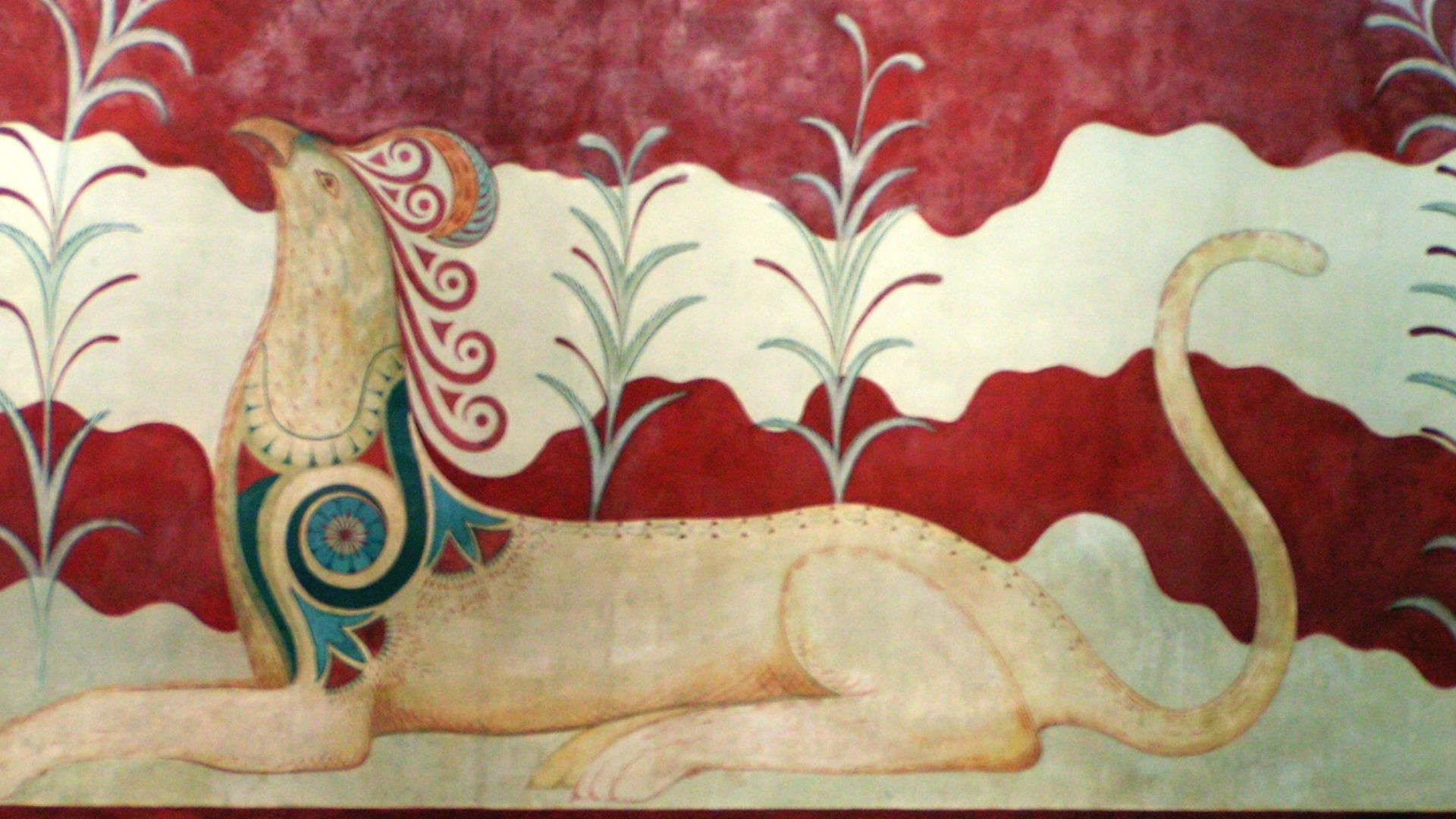
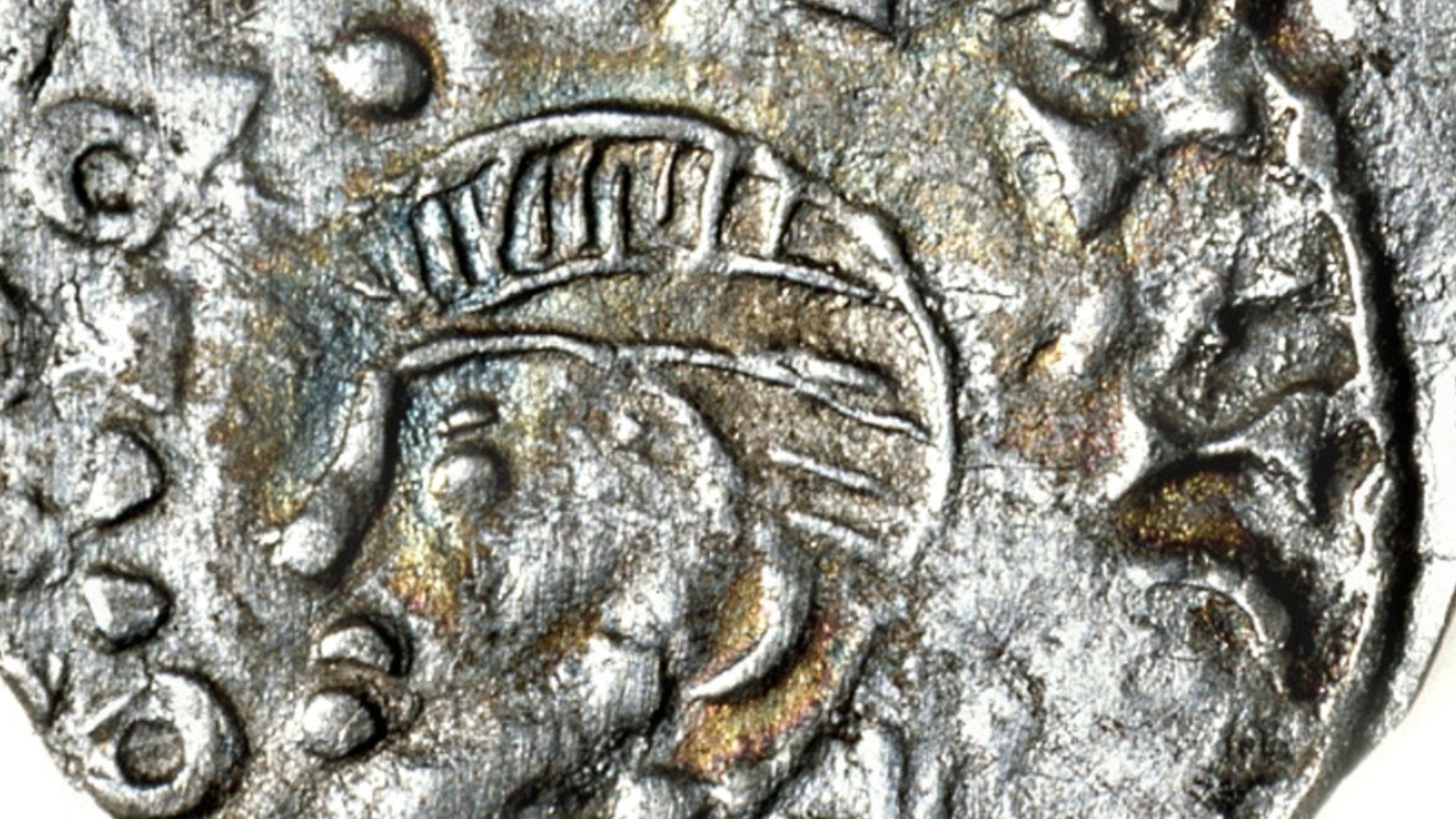
The creature appeared to be a griffin—a mythical animal combining features of a lion and a bird of prey. Similar images have sometimes been interpreted as the winged lion associated with Saint Mark, but researchers believed this particular design looked much more like a griffin.
And That Changed Everything
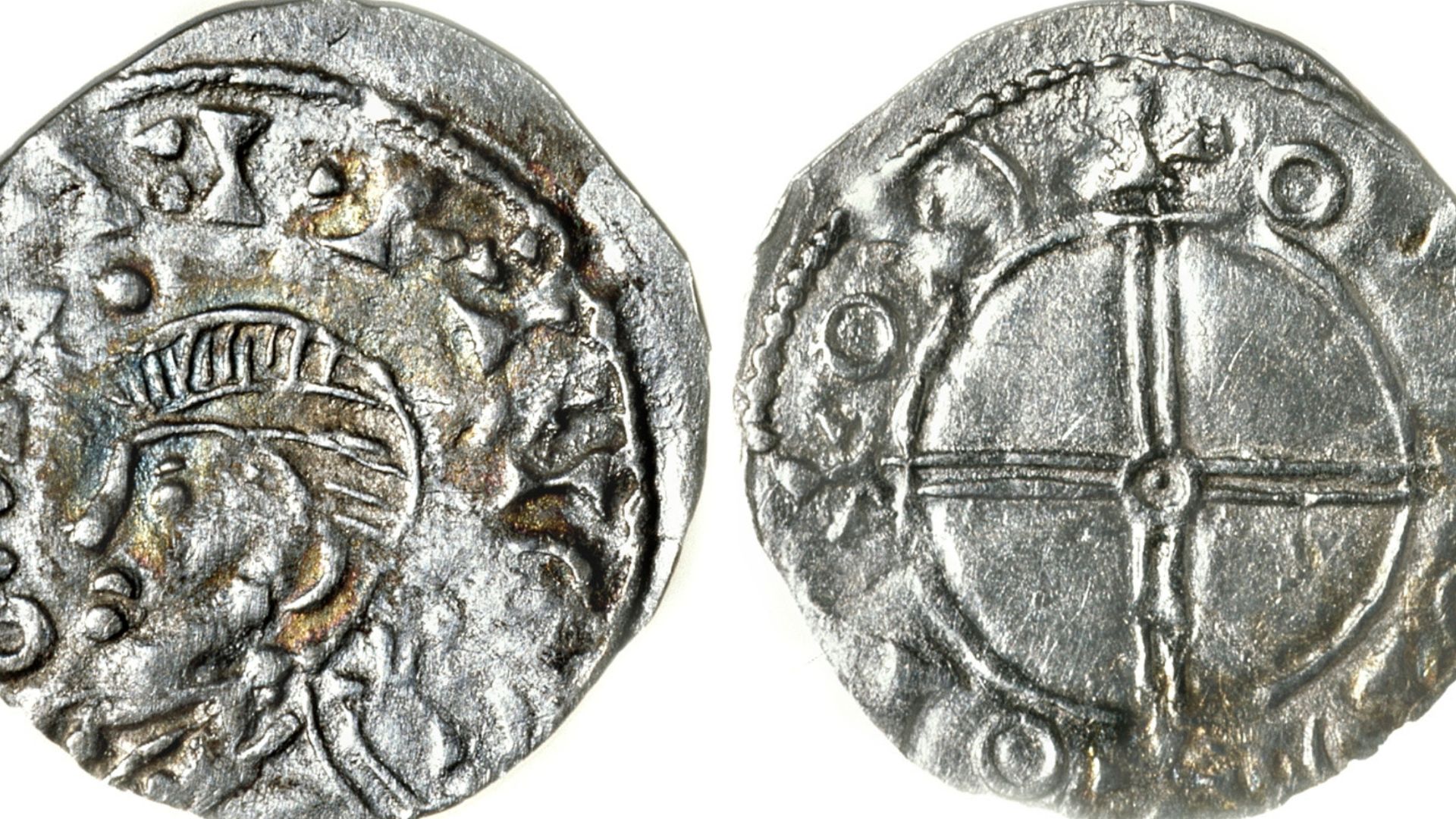
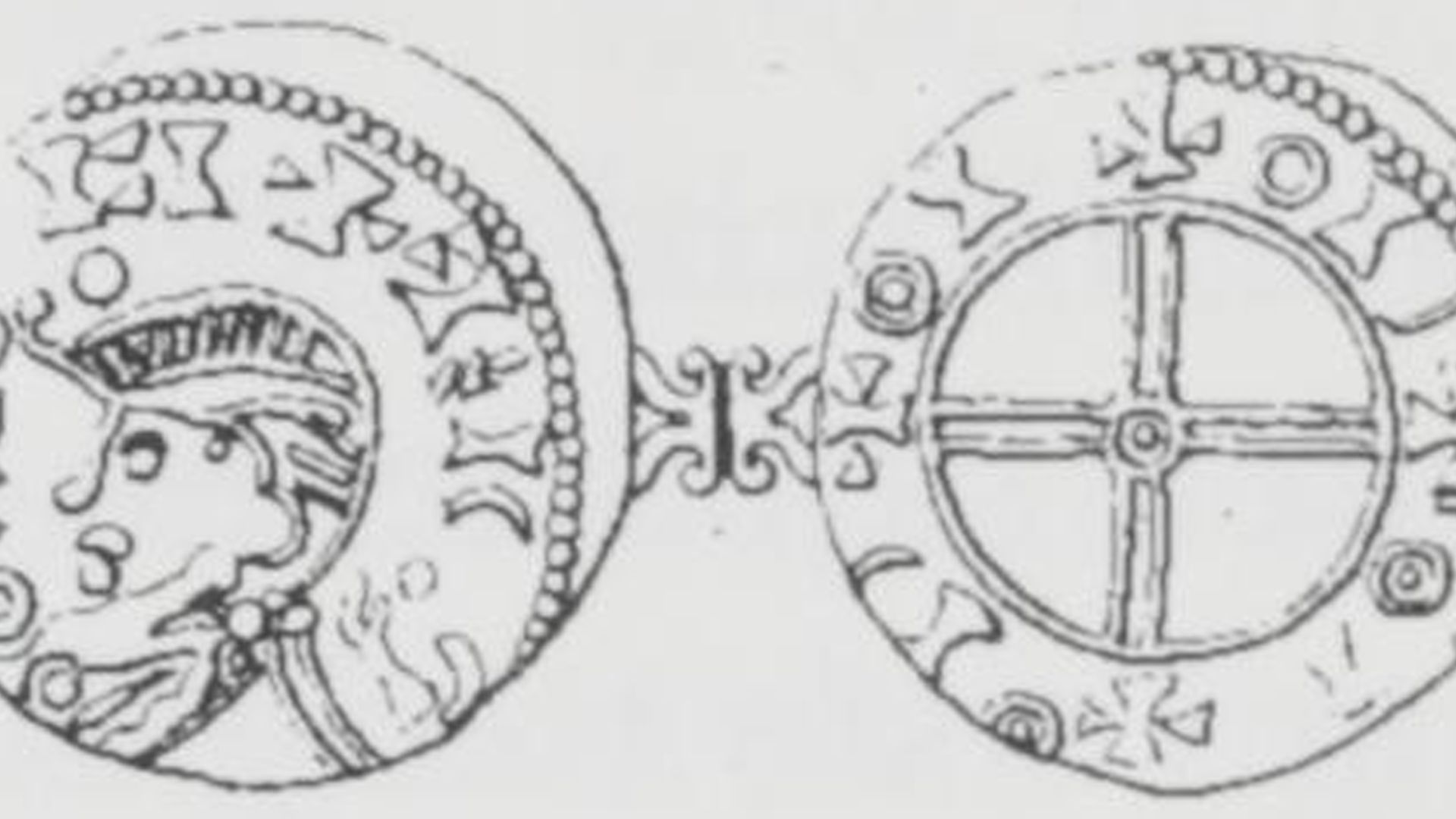
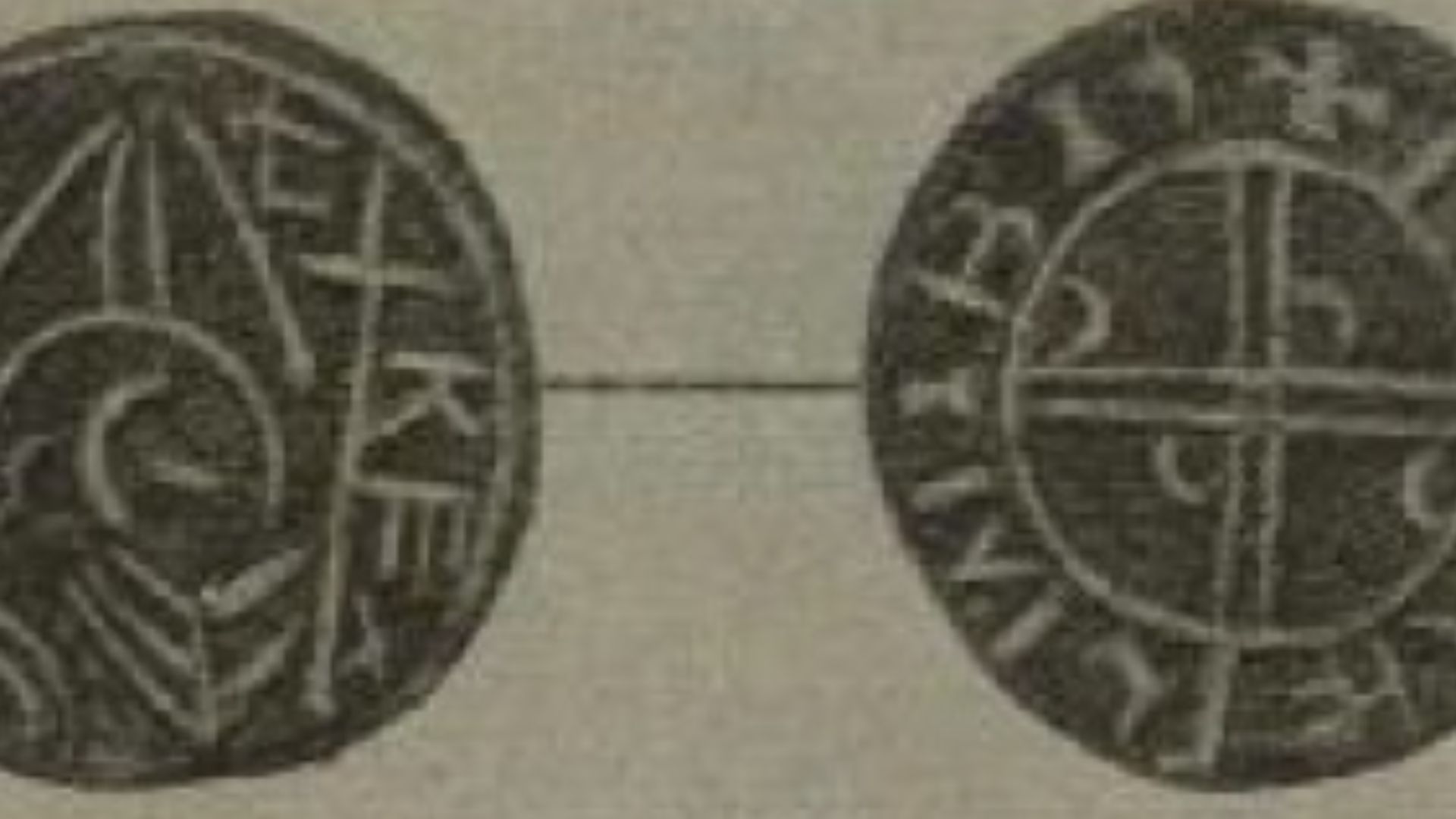
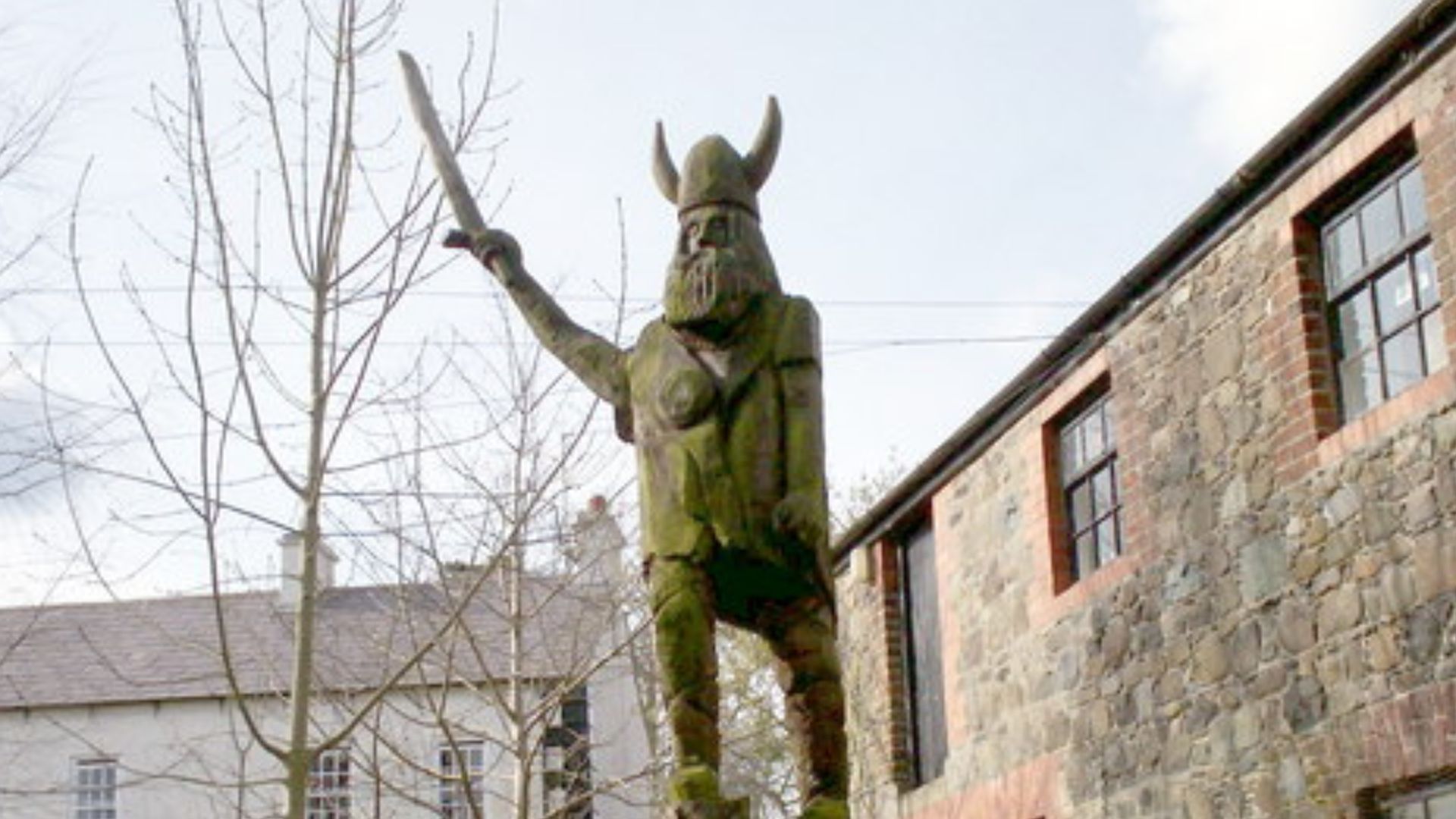
The combination of the griffin on one side and the cross-over-cross design on the other allowed researchers to identify the coin. It had been produced during the reign of Magnus Barefoot, who ruled Norway from 1093 until 1103 and is frequently described as the country’s last Viking king.
 Museum of Cultural History, University of Oslo, Norway, Wikimedia Commons
This Was No Ordinary Viking Coin
Coins from Magnus Barefoot’s reign are already extremely scarce. Researchers know of only around 100 examples spread across 12 finds. Just 12 have been recovered within present-day Norway—10 at Hjerkinn, one in Trondheim and the newly identified coin from Utstein.
 non trovato, Wikimedia Commons
Only Four Others Were Known
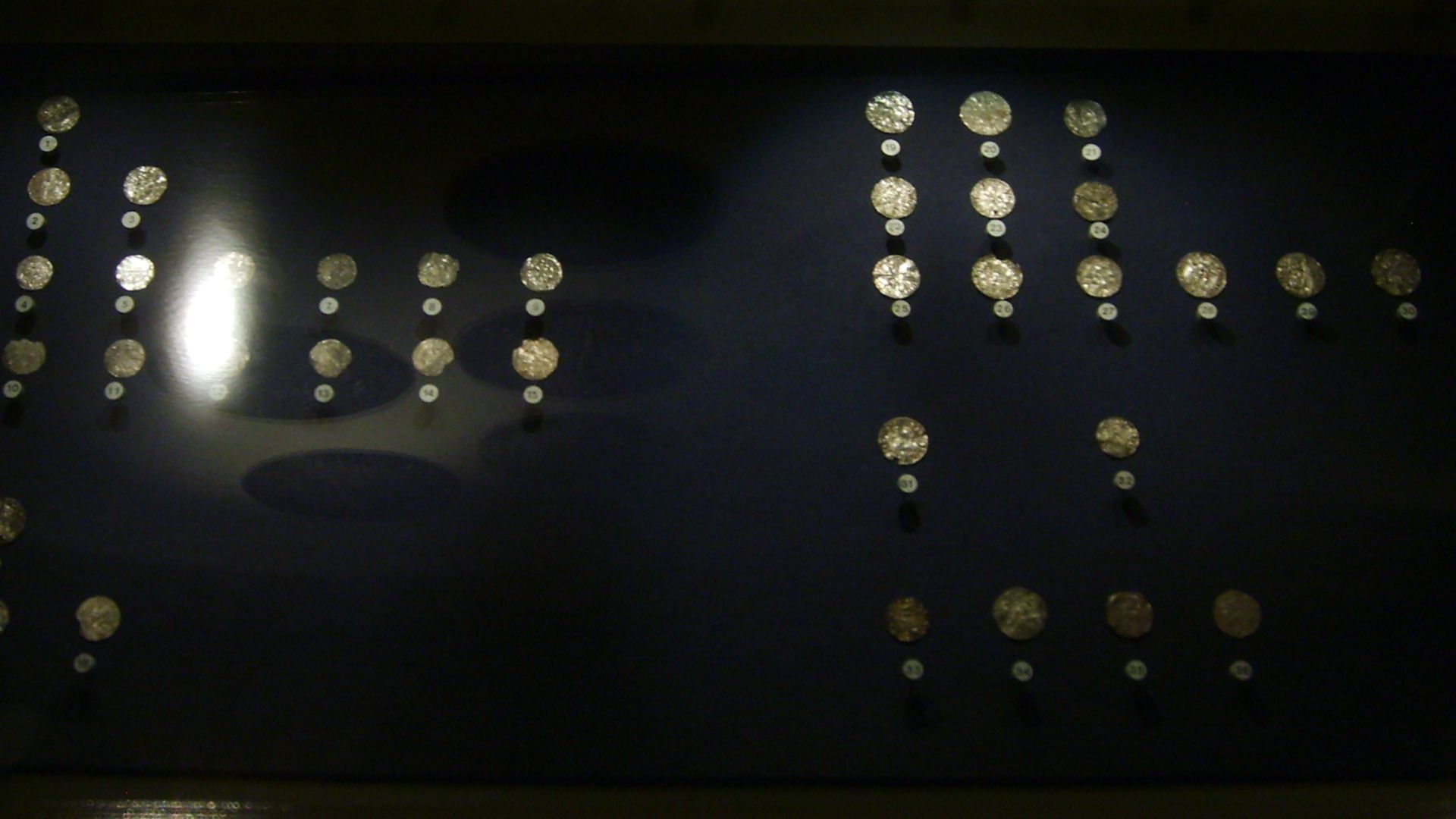
Before the Utstein discovery, researchers knew of only four two-sided coins carrying this combination of a griffin and cross-over-cross. One came from a hoard found on Sandøy in the Faroe Islands in 1863. The other three were recovered together at Lundby Krat near Aalborg, Denmark.
This One Became Number Five
Eek had not merely found a rare coin. He had discovered only the fifth known example carrying that combination of designs—and the first ever found in present-day Norway. The object that spent months sitting with worthless scraps was suddenly part of an exceptionally small archaeological club.
There Was Another Strange Match
The five coins were not all produced using identical dies. However, researchers believe the Utstein example was struck using the same die as one of the coins found at Lundby Krat. When so few coins survive, a matching die can offer valuable clues about how limited Magnus Barefoot’s coin production may have been.
 Museum of Cultural History, University of Oslo, Norway, Wikimedia Commons
Magnus Had Changed Norway’s Money
Earlier Norwegian rulers had steadily reduced the silver content of their coins. Magnus changed course. His reform roughly halved each coin’s total weight while retaining about the same amount of silver, producing smaller coins that were approximately 90% silver and restoring Norway’s currency to a much higher standard.
 Zeichner: C. I. Schive, Wikimedia Commons
He Wasn’t Known For Sitting Still
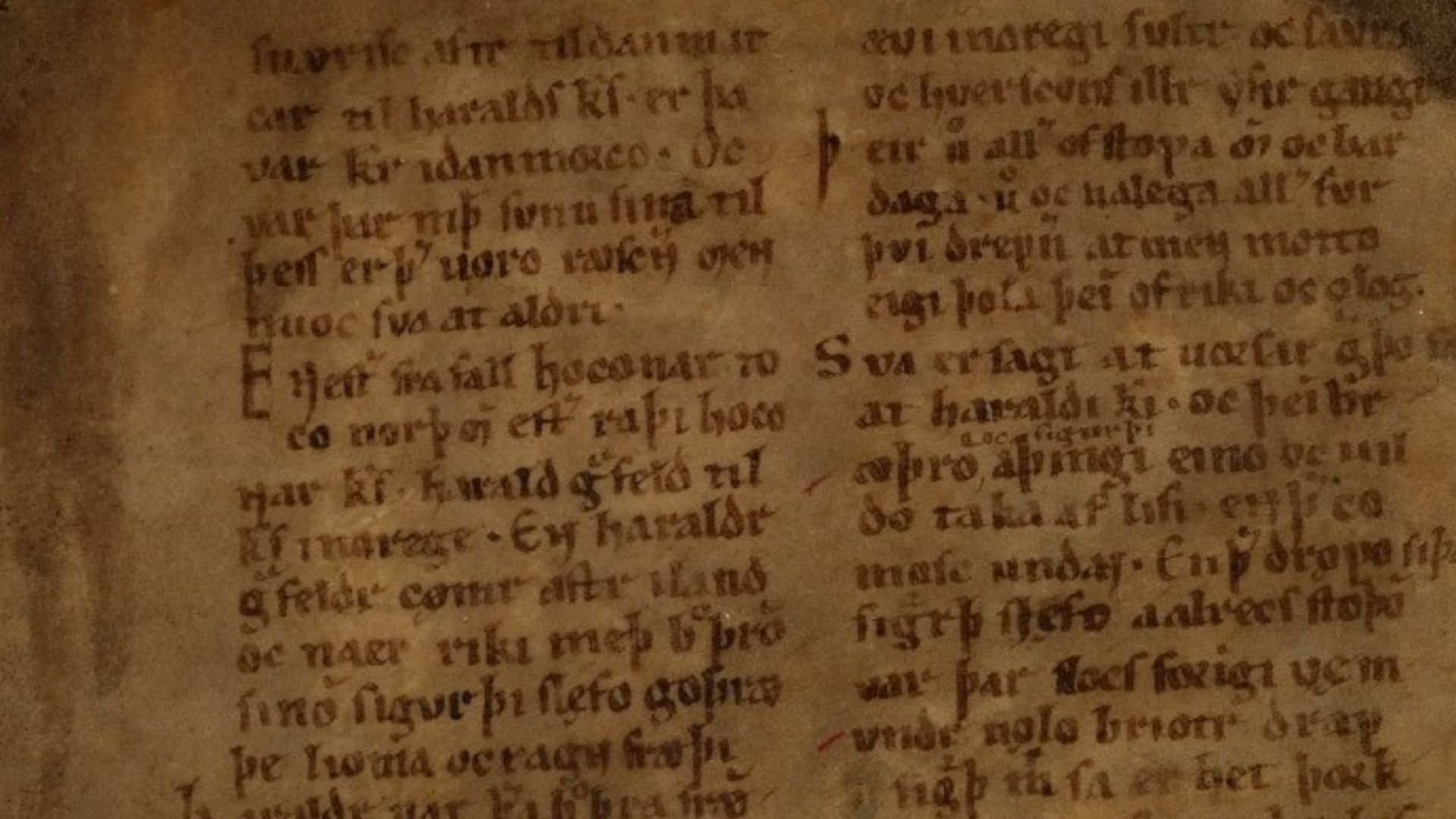
Magnus was the son of the comparatively peaceful Olaf Kyrre, but he followed a very different path. He spent much of his reign expanding Norwegian territory across the western islands and the Isle of Man. He was around 30 when he was ambushed during a campaign in Ireland in 1103.
 Stenersen, L. B (1843-1921), Wikimedia Commons
The Field Had More Secrets
The land around Utstein was already producing evidence of unusual activity. Ground-penetrating radar revealed possible workshop buildings, postholes, burial mounds, cooking pits and wharf or boathouse foundations, while detectorists found coins and weights associated with trade. Archaeologists believe the site may have held a Viking Age or early medieval marketplace, although that interpretation has not yet been verified through excavation.
 Frode Inge Helland, Wikimedia Commons
But Nobody Knows When It Was Lost
The coin may have reached Utstein while Magnus’s currency was still circulating. However, once it was converted into jewelry, it could have remained in use for years or even generations. That means researchers cannot yet say when it was modified, who wore it or when it finally disappeared into the soil.
 P Flannagan, Wikimedia Commons
A Tiny Object With Several Stories
The complete modified object weighs just 0.81 grams, yet it contains the story of a Viking king, an early monetary system, an unknown owner and a mysterious piece of jewelry. It may also help change what researchers understand about how many coins Magnus Barefoot actually produced.
The Junk Box Almost Kept Its Secret
Had Eek thrown the supposed button away—or never opened that box again—the coin might have remained unidentified forever. Instead, one extra look turned an apparently worthless object into the fifth known coin of its kind.
Not bad for something nobody was particularly excited to find.
 Christian Krohg (died 1925)., Wikimedia Commons
You Might Also Like:
Before Humans Ruled The Earth, We Were Prey—And The Predators May Have Changed Our Evolution