We Weren’t Always In Charge
Today, humans sit comfortably at the top of the food chain. Nearly two million years ago, we were nowhere close. Early humans were getting smarter—but something else still had a very good chance of getting to them first.
The Food Chain Had Other Plans
Early humans could walk upright, use their hands and survive in changing environments. You'd think that would easily put them at the top of the pyramid. And that has actually been the assumption among many. But, turns out that isn't exactly how things went down.
 Charles Robert Knight, Wikimedia Commons
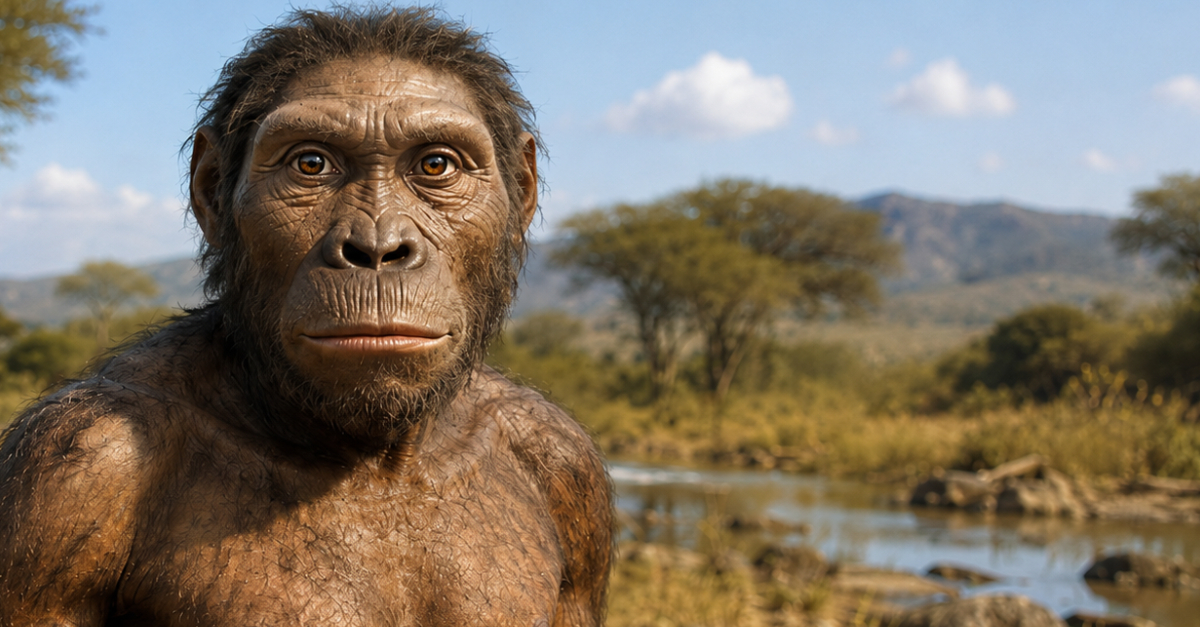
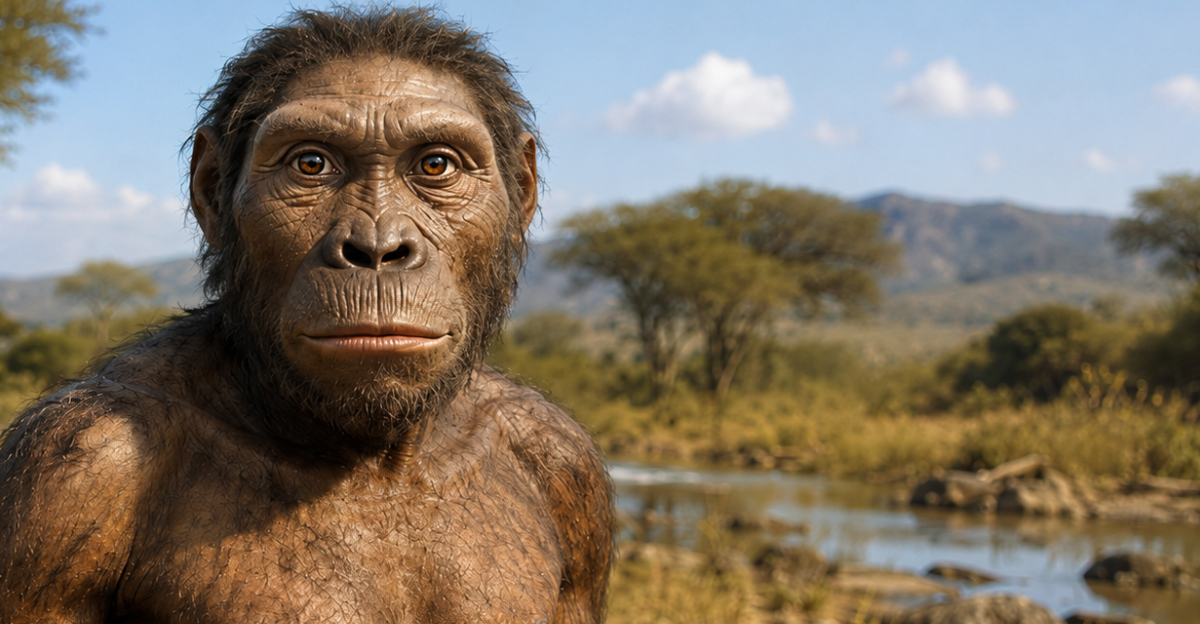
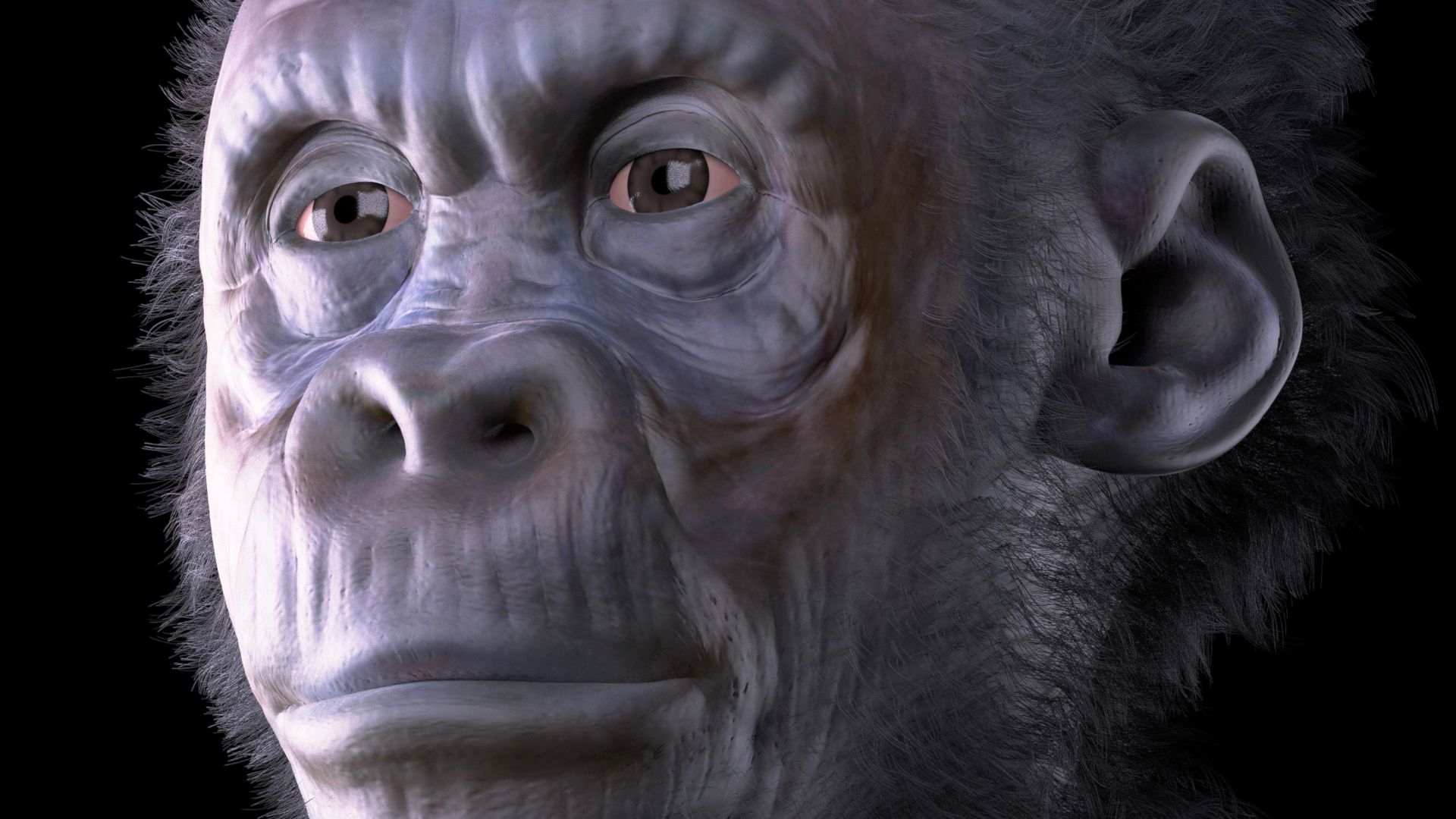
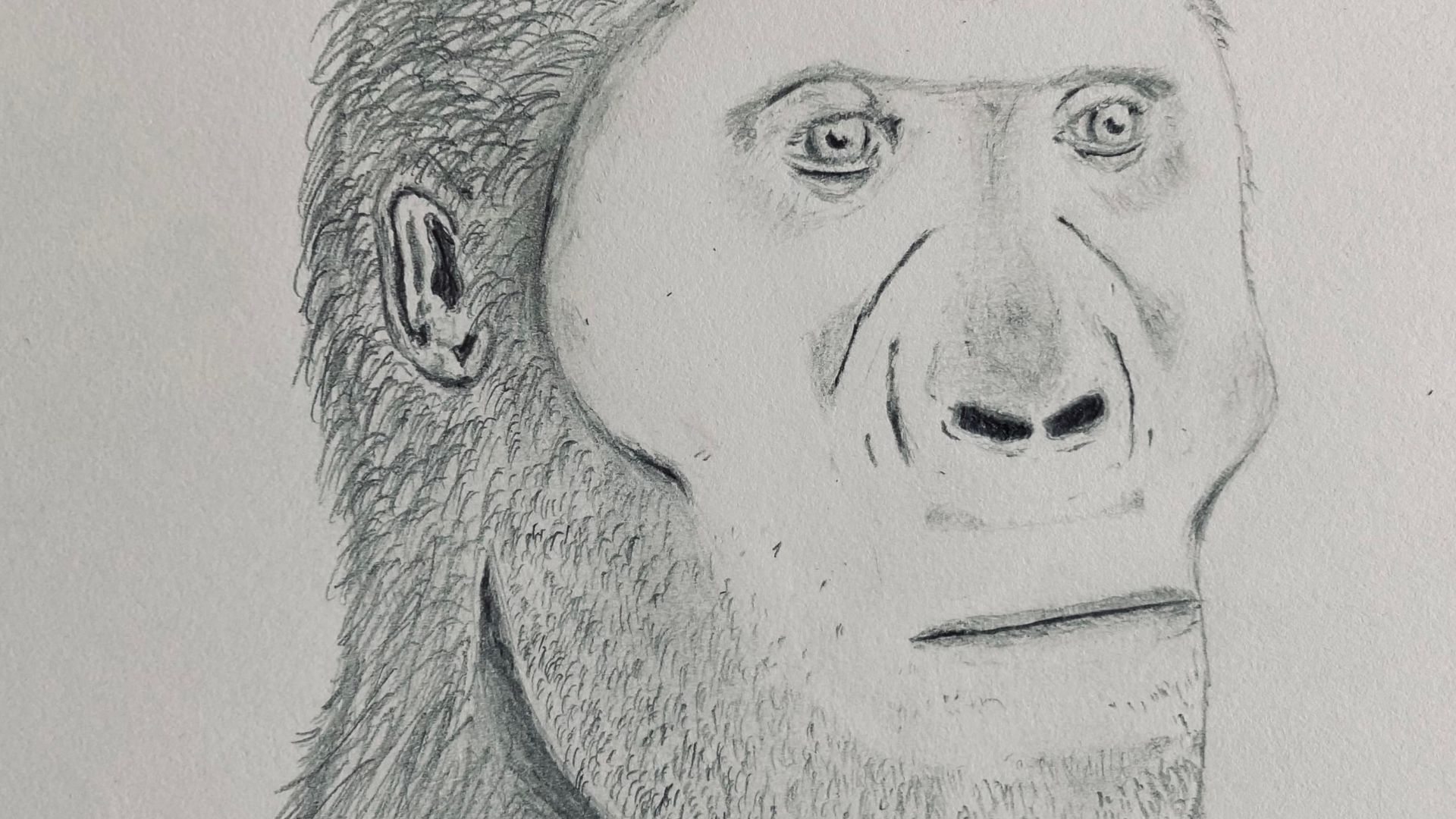
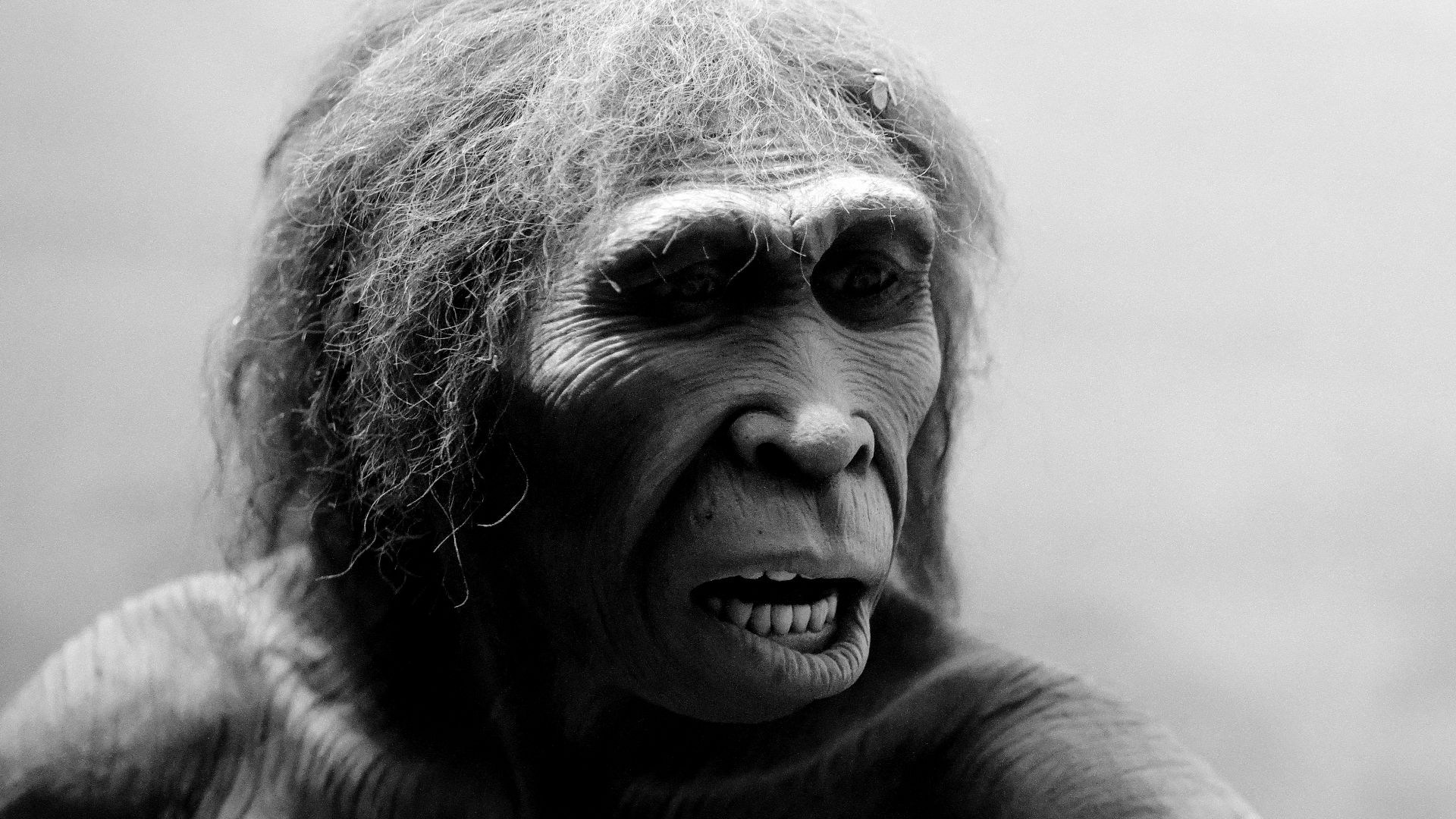
Meet Homo habilis
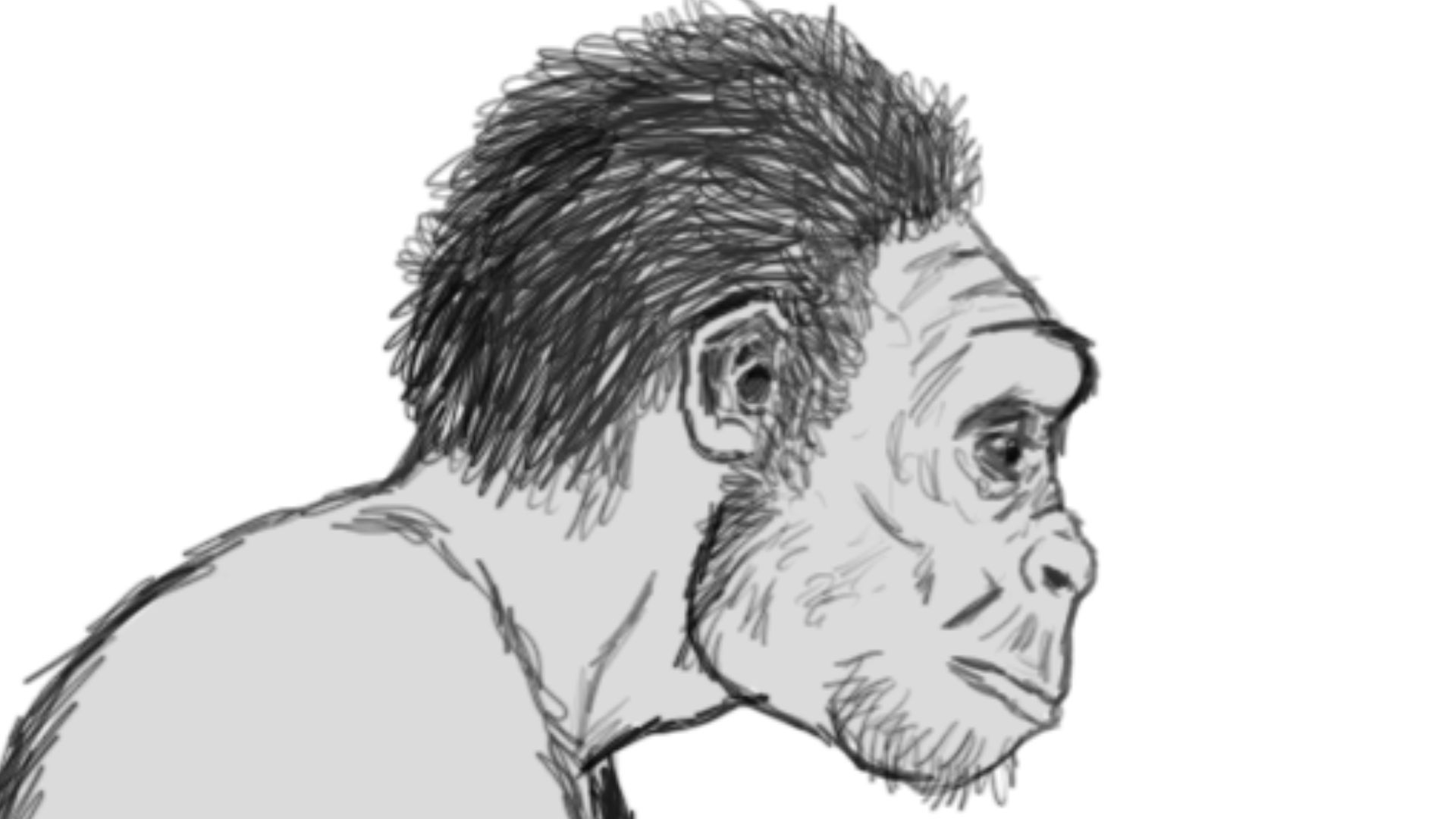
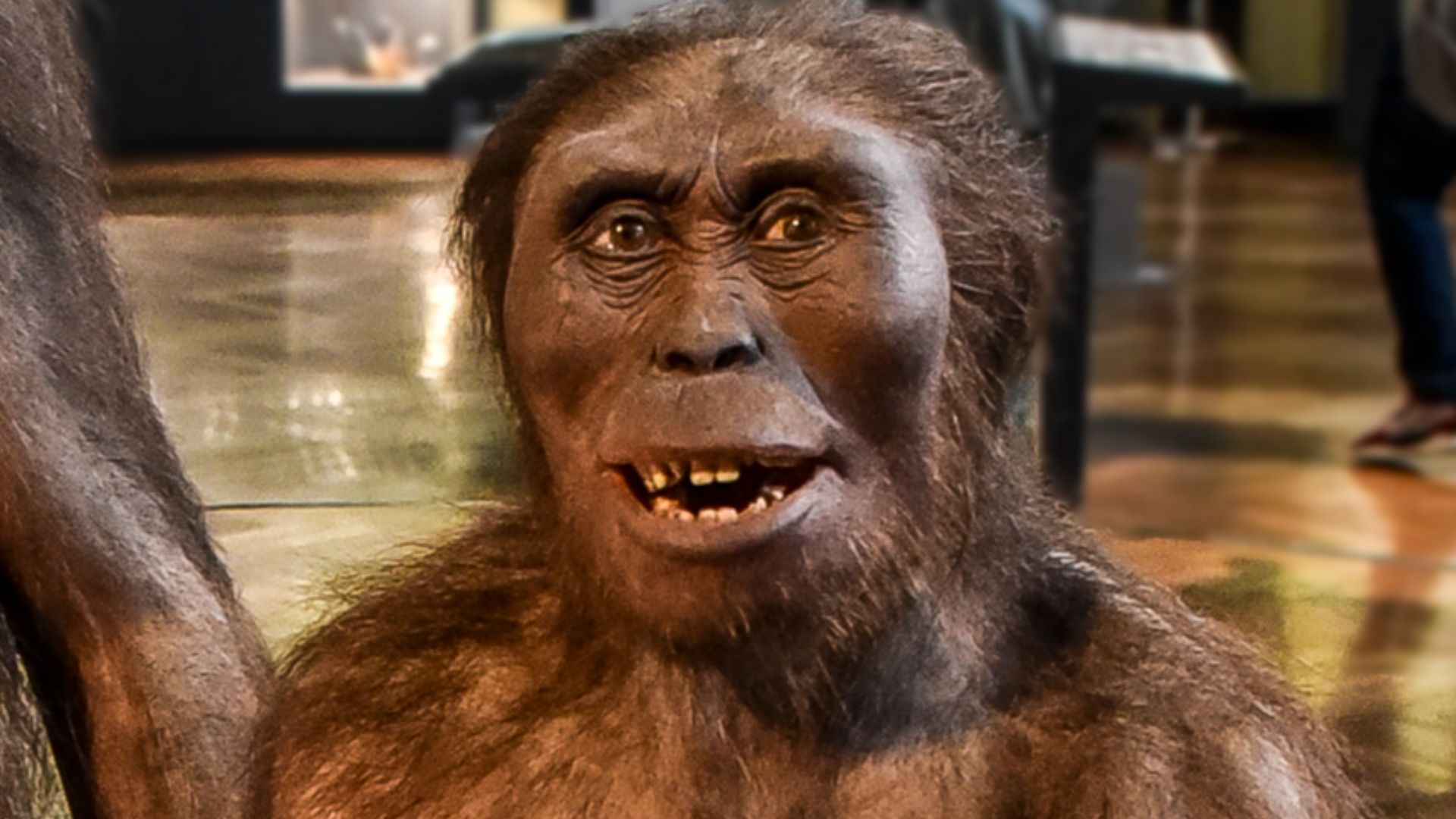
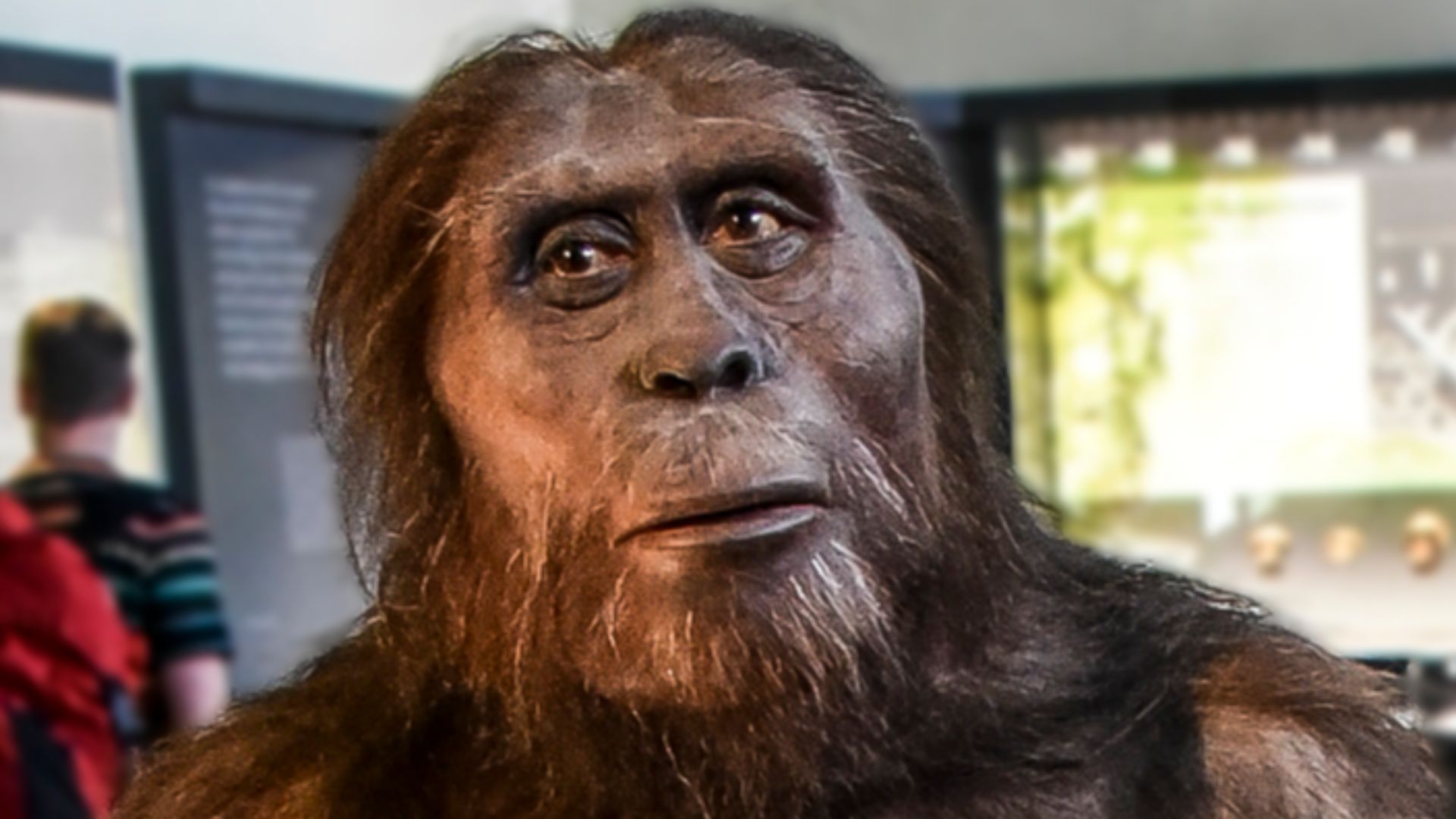
Homo habilis lived in Africa roughly 2.4 million to 1.4 million years ago. It had a somewhat larger brain than earlier hominins, but its body still retained some remarkably primitive features. It belonged to our genus—but it looked very different from us.
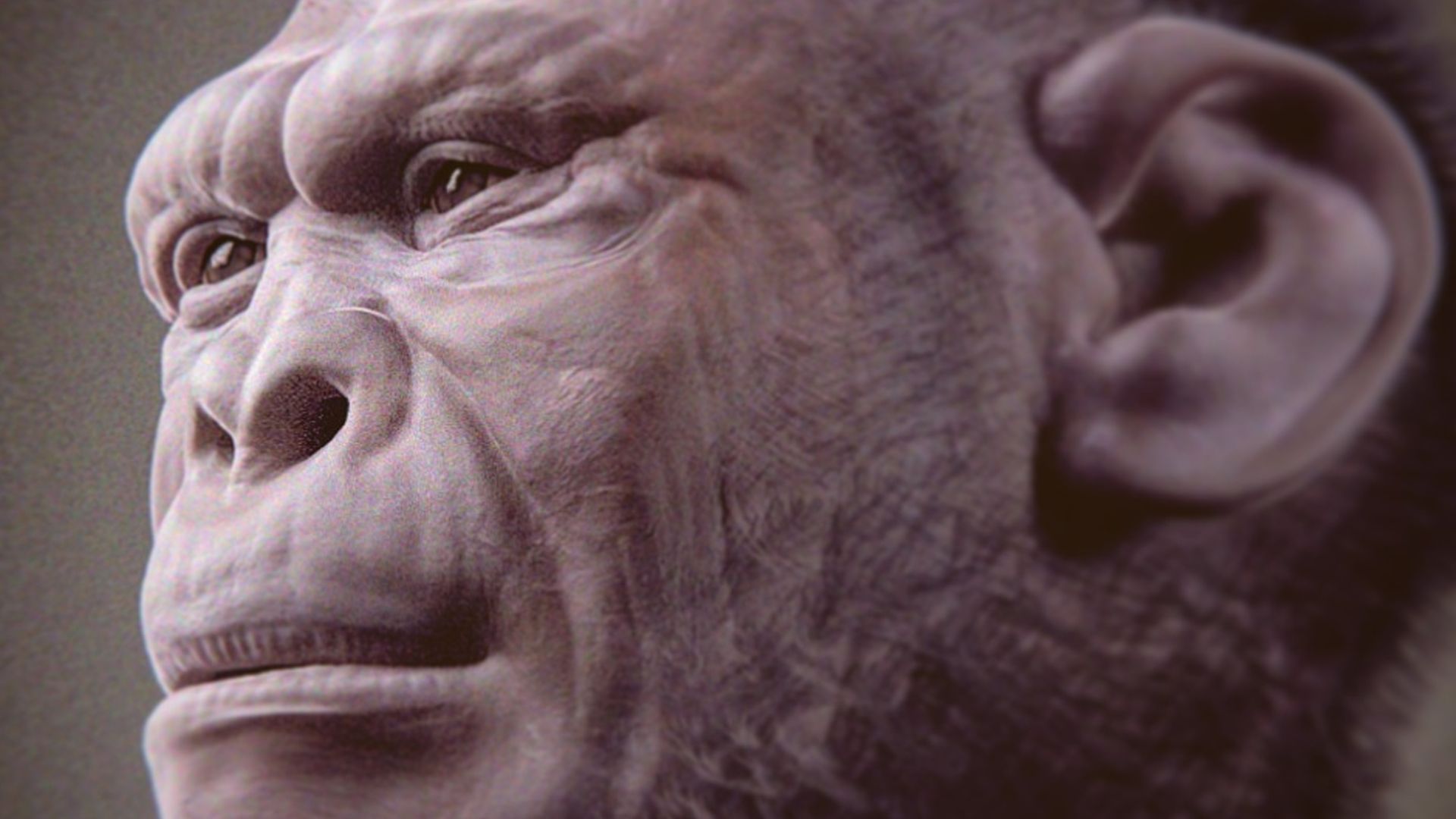 Cicero Moraes, Wikimedia Commons
The “Handy Man” Reputation
The name Homo habilis means “handy man.” When the species was named in 1964, researchers suspected it had made the stone tools found around Olduvai Gorge. That helped create the image of a clever new human beginning to take control. That reputation may have been slightly premature.
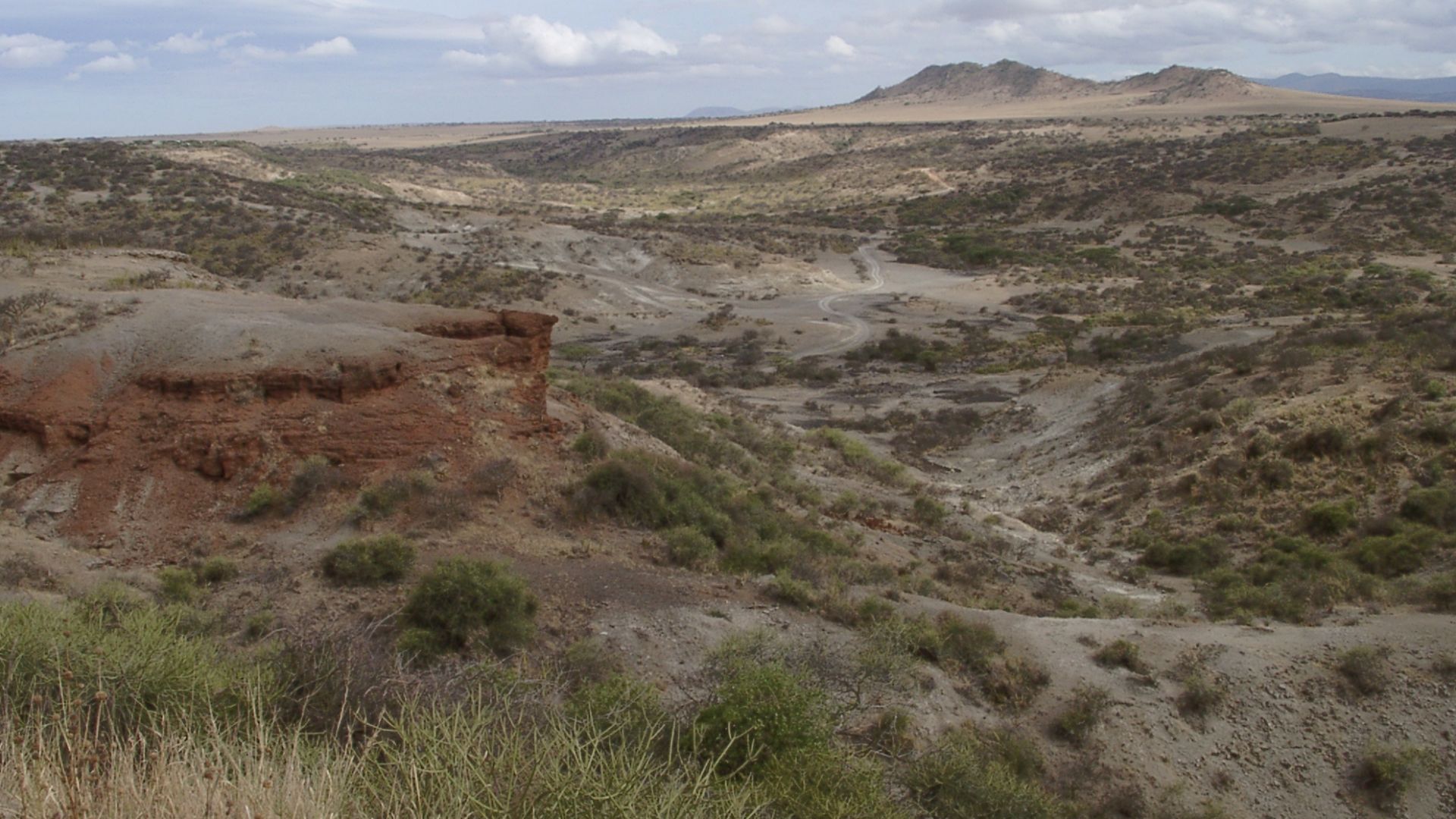 Vinny Burgoo, Wikimedia Commons
Two Jawbones Reopened The Case
Researchers recently returned to two famous Homo habilis specimens from Tanzania’s Olduvai Gorge. OH 7 belonged to a juvenile who lived about 1.85 million years ago. OH 65 came from an adult roughly 1.8 million years ago. Both jaws carried marks left by carnivore teeth.
 William Daniel Snyder, Wikimedia Commons
The Clues Had Been Sitting There For Decades
OH 7 was discovered in 1960, while OH 65 was found in 1995. The fossils had been examined before, but identifying exactly which animal made such tiny marks was extremely difficult. The clues were already on the bones. Researchers finally had a better way to read them.
 Archaeomoonwalker, Wikimedia Commons
AI Put A Name To The Teeth
The researchers trained computer-vision systems to distinguish damage made by leopards, lions, hyenas, crocodiles and wolves. Each animal leaves slightly different patterns behind. The team then gave the models images of the marks preserved on the two ancient jaws and waited for a match.
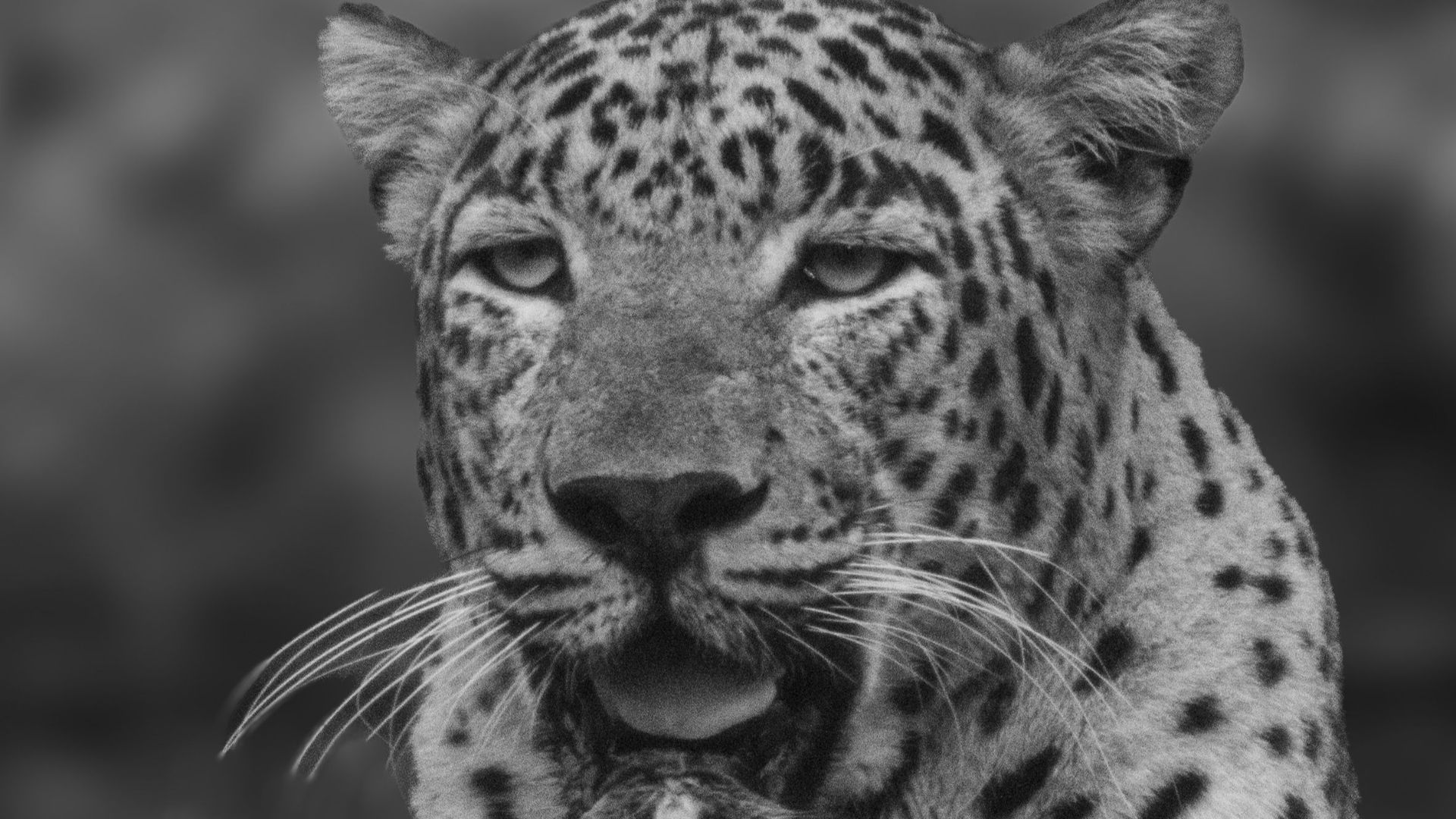
The Most Likely Answer Was Leopards
The models repeatedly pointed to leopards with high confidence. The researchers concluded that both Homo habilis individuals had been consumed by leopards, placing these early members of our genus firmly on the prey side of the relationship—at least in these two cases.
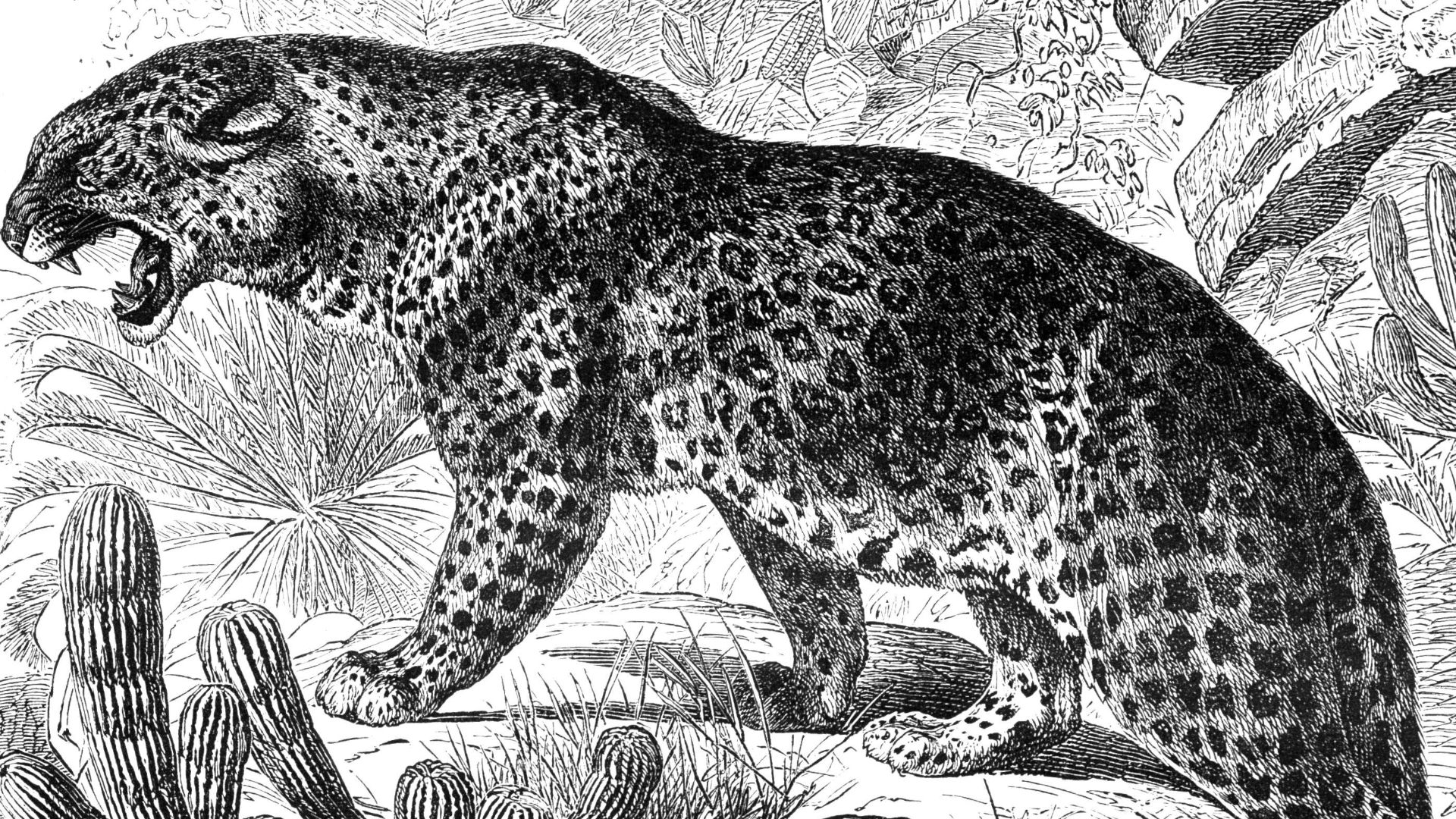 Gustav Mutzel, Wikimedia Commons
This Was More Than An Old Bone Being Chewed
The researchers argue that the damage fits flesh-eating cats rather than bone-crushing scavengers arriving much later. The marks therefore appear to record leopards feeding on bodies that still contained flesh. The bones cannot replay the entire encounter—but this was clearly not a friendly interaction.
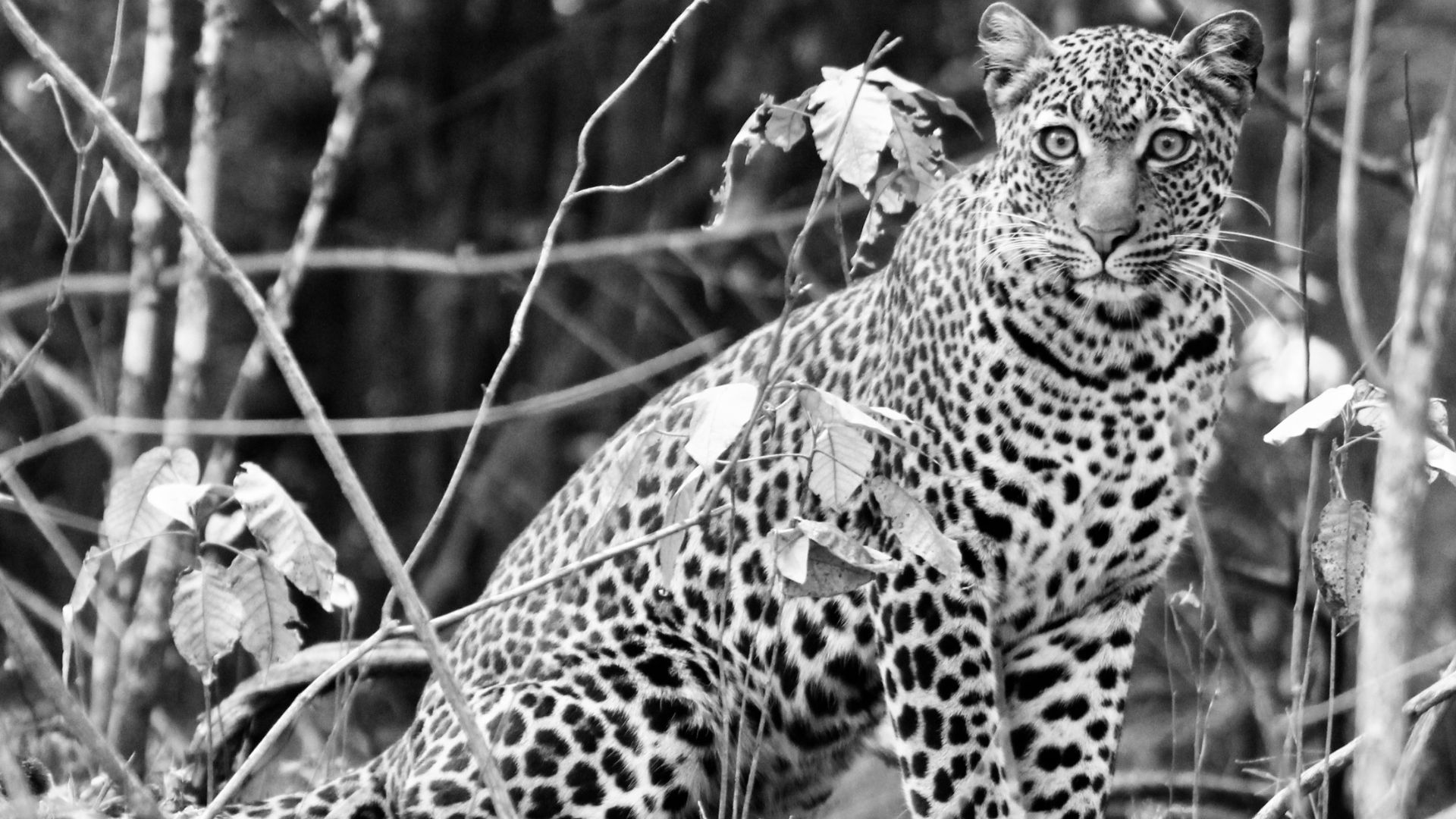
Leopards Were Built For The Job
Leopards rely on cover, surprise and enormous strength. Research on modern leopards in Côte d’Ivoire found that they frequently hunted monkeys on the ground during daylight. An early human moving near trees or thick vegetation would have offered exactly the sort of opportunity an ambush predator needed.
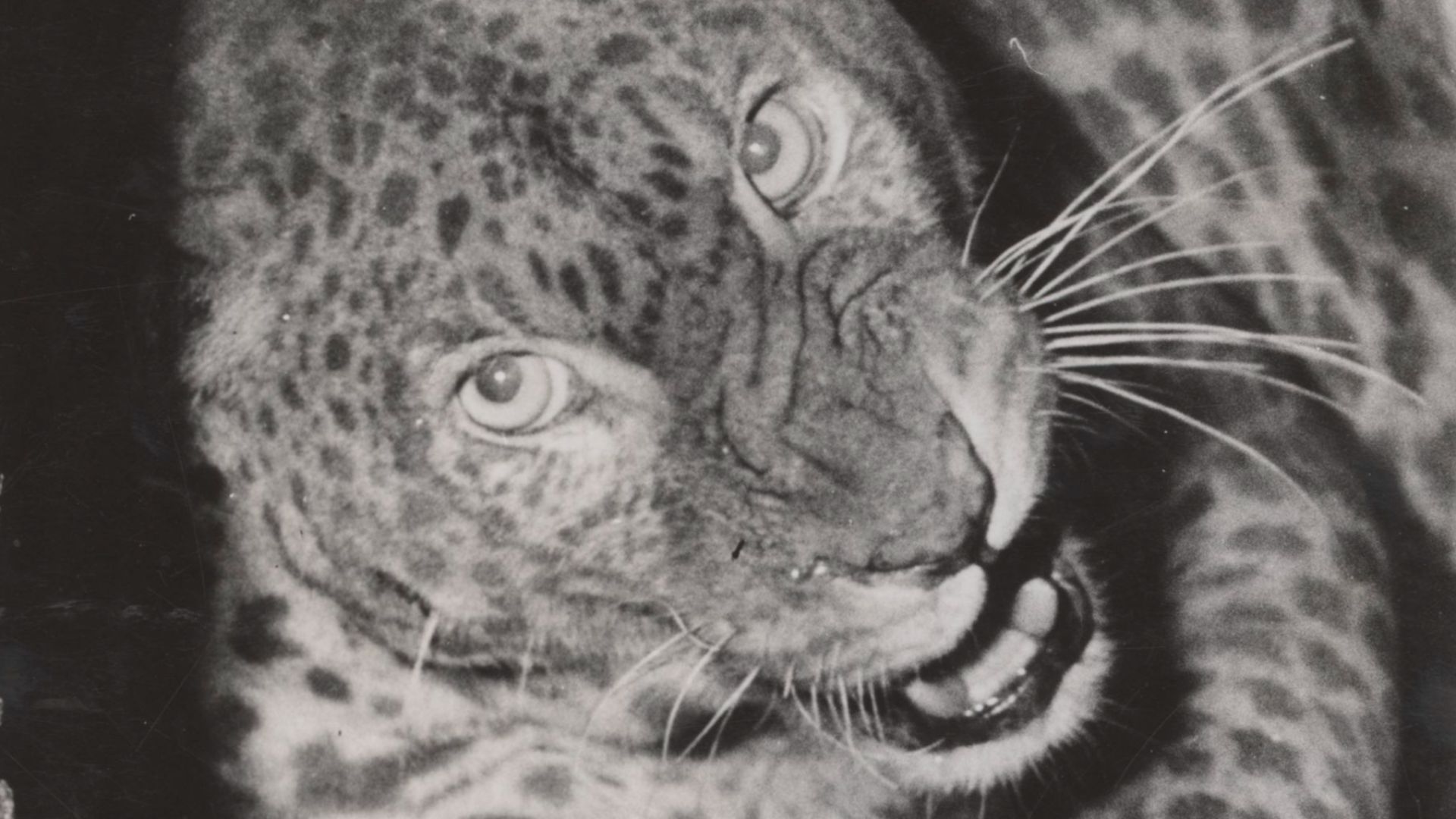 Unknown authorUnknown author, Wikimedia Commons
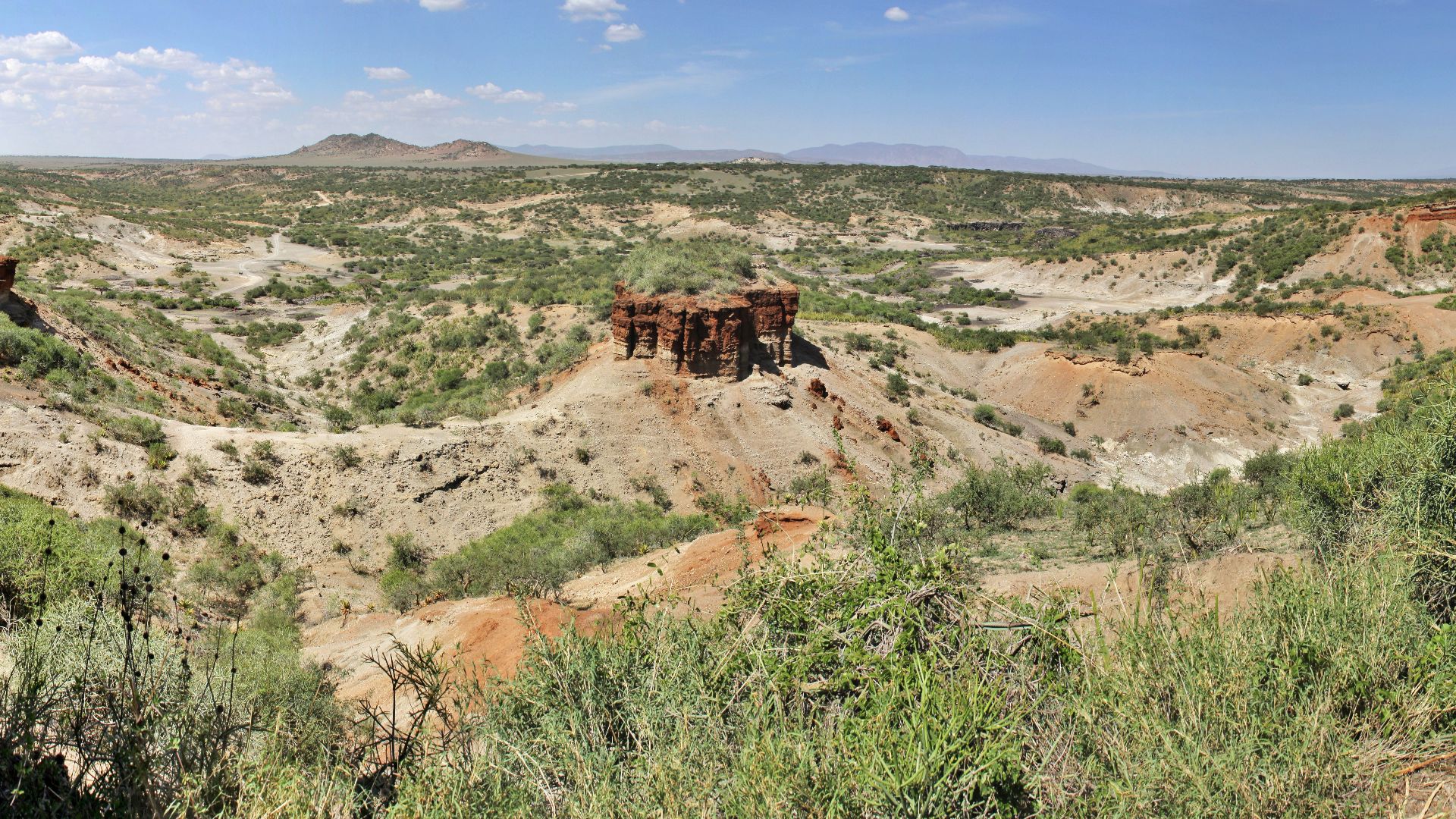
Olduvai Was A Dangerous Neighbourhood
This was not a landscape with one bad cat. African savannas supported an enormous community of large carnivores, and early hominins were living inside it. Every trip toward food or water potentially brought them into the same places used by animals that were faster, stronger and considerably less nervous.
 Mike Kruger, Wikimedia Commons
Surrounded By Predators
Early humans shared their world with large cats, hyenas, crocodiles and other animals much better equipped for a close encounter. Surviving was not simply about finding enough to eat. It also meant remembering that, somewhere nearby, something else might be looking for exactly the same thing.

Even The Water Was Watching
The approximately 1.8-million-year-old ankle and foot bones known as OH 8 also carry marks resembling those made by modern crocodiles. Researchers cannot say whether a crocodile attacked the individual or encountered the remains afterward. Either way, stepping near the water came with its own set of problems.
 Jonathan Chen, Wikimedia Commons
The Threat Could Come From Above
The Taung Child, a young Australopithecus africanus from South Africa, may have been taken by a large bird of prey about two million years ago. Damage around the skull resembles marks left when modern crowned eagles catch and feed upon monkeys. Apparently, watching the grass was not enough.
 Cicero Moraes et alii, Wikimedia Commons
Another Skull Told A Similar Story
A juvenile hominin skull fragment called SK 54 contains two punctures about 33 millimetres apart. Their spacing closely matches the lower canines of a leopard whose jaw was recovered from the same deposits. The fossil’s exact species classification has been debated, but the predator evidence is remarkably convincing.
 Nikhil Iyengar, Wikimedia Commons
Our Family Tree Was Complicated
It is tempting to call every early hominin our direct ancestor, but evolution did not produce one neat line leading straight to us. Several species lived beside one another, and many left no descendants. Homo habilis belonged to our extended family, although its exact relationship to modern humans remains debated.
 Werner Ustorf, Wikimedia Commons
We Were Not Built For A Fair Fight
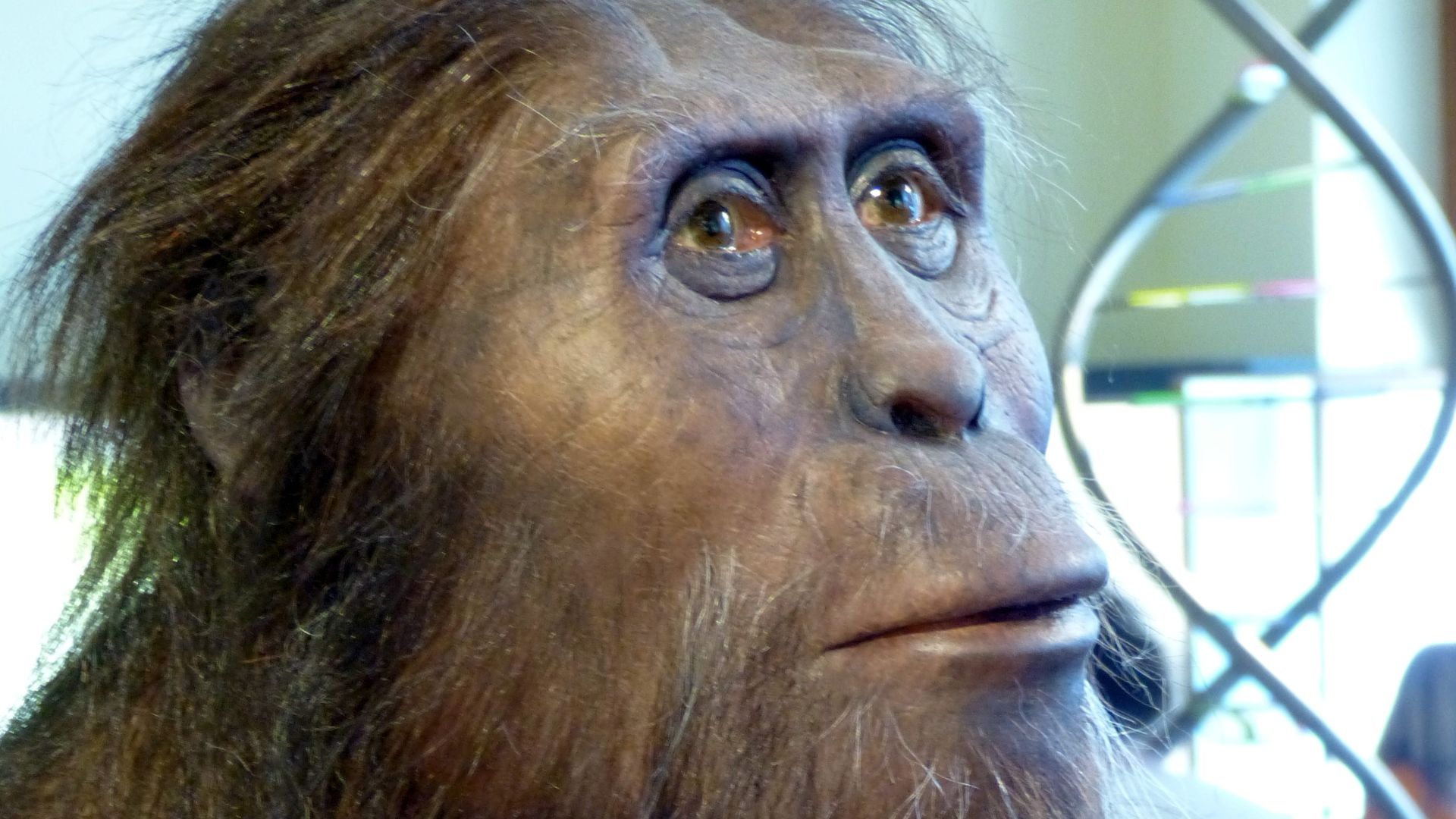
Early hominins lacked claws, crushing jaws and the explosive speed of the predators around them. Their advantages were less obvious: useful hands, growing brains and an increasing ability to learn. One individual remained vulnerable. But those abilities could become much more powerful when shared with others.
 Wolfgang Sauber, Wikimedia Commons
A Bigger Brain Was Not A Force Field
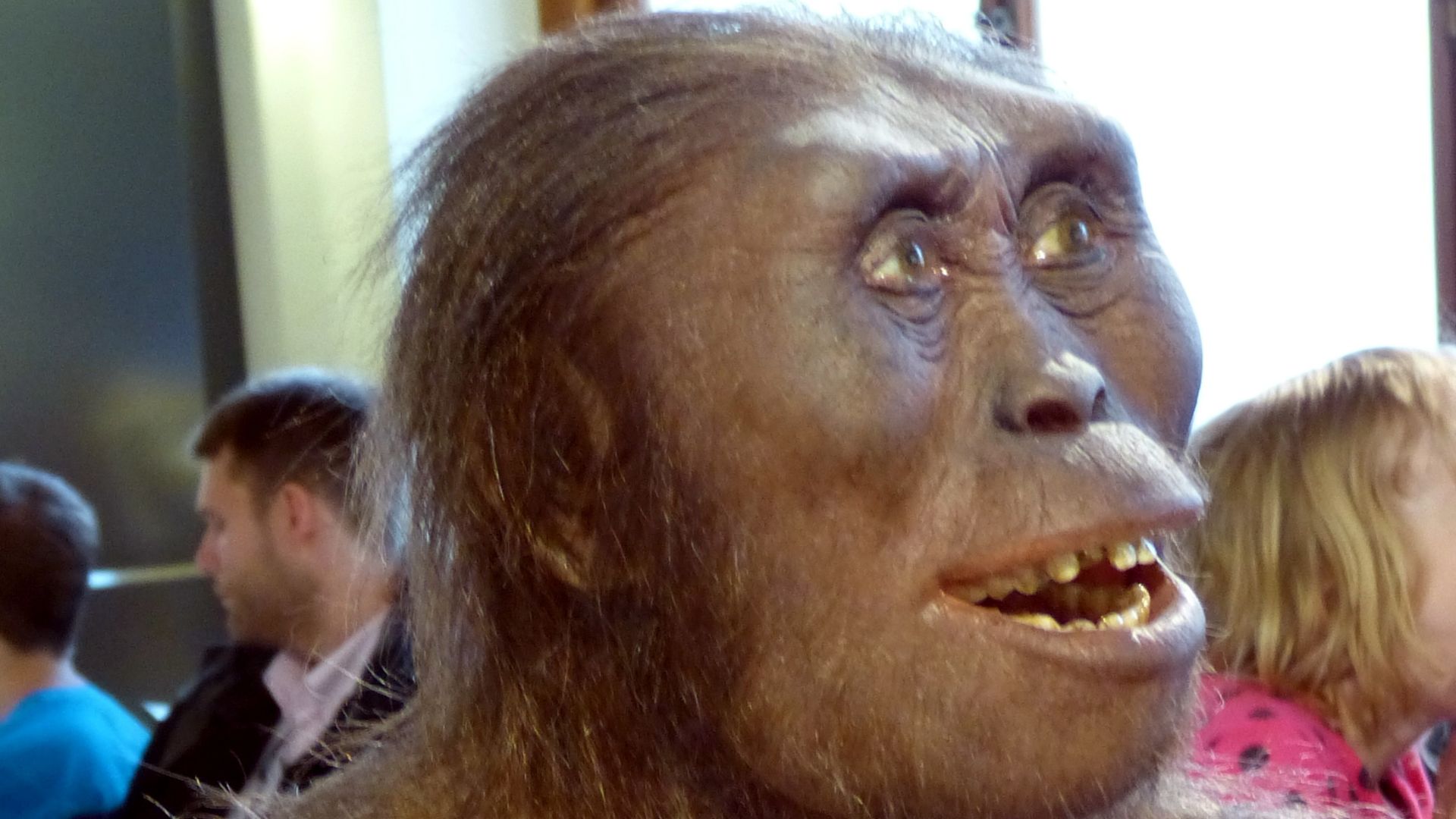
Homo habilis had a larger brain than many earlier hominins, but that did not suddenly make it untouchable. As the study’s lead researcher pointed out, the beginning of major brain expansion did not mean humans instantly mastered their surroundings. We were getting smarter while still being eaten.
 Wolfgang Sauber, Wikimedia Commons
The Toolbox Had No Name On It
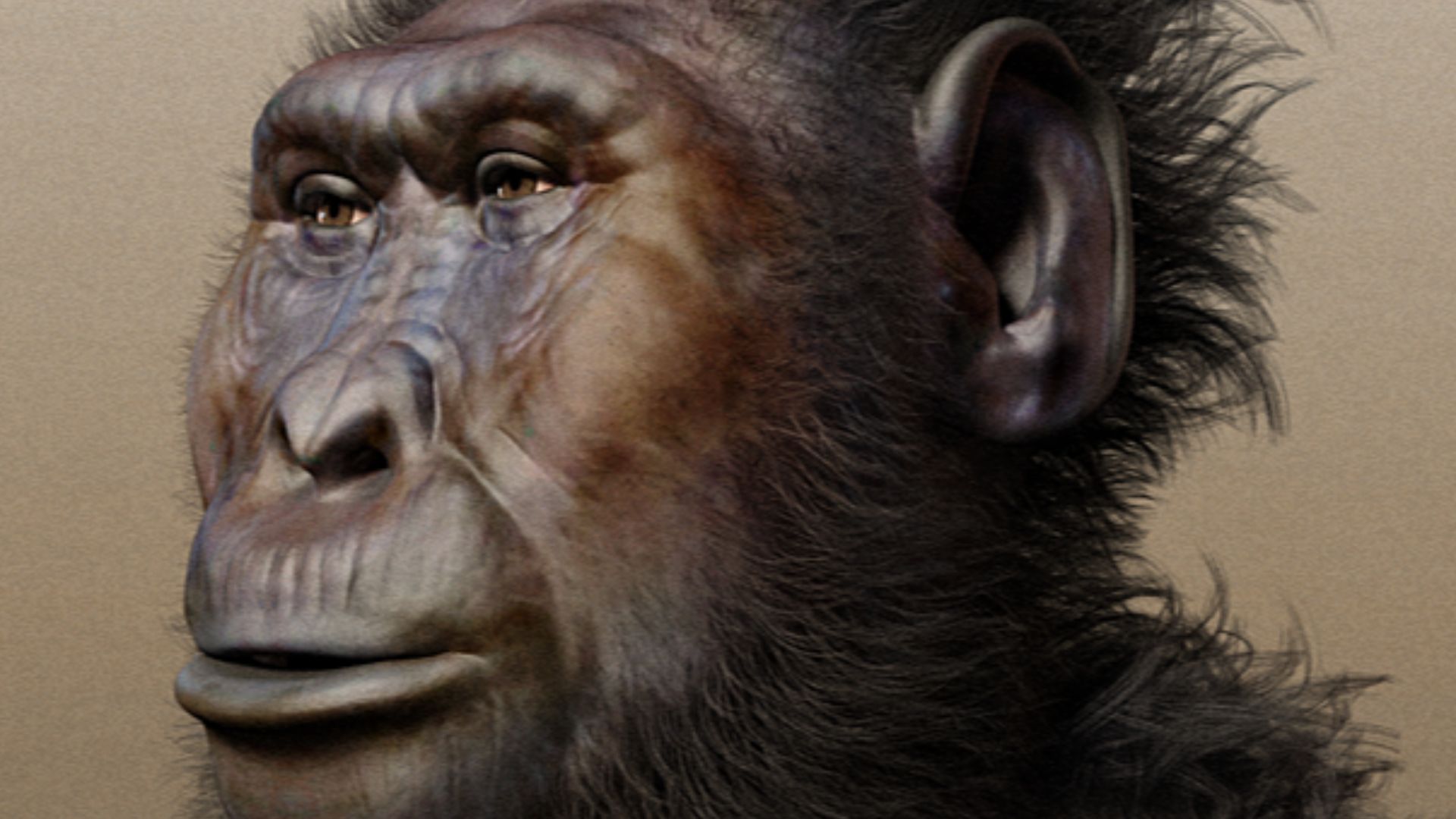
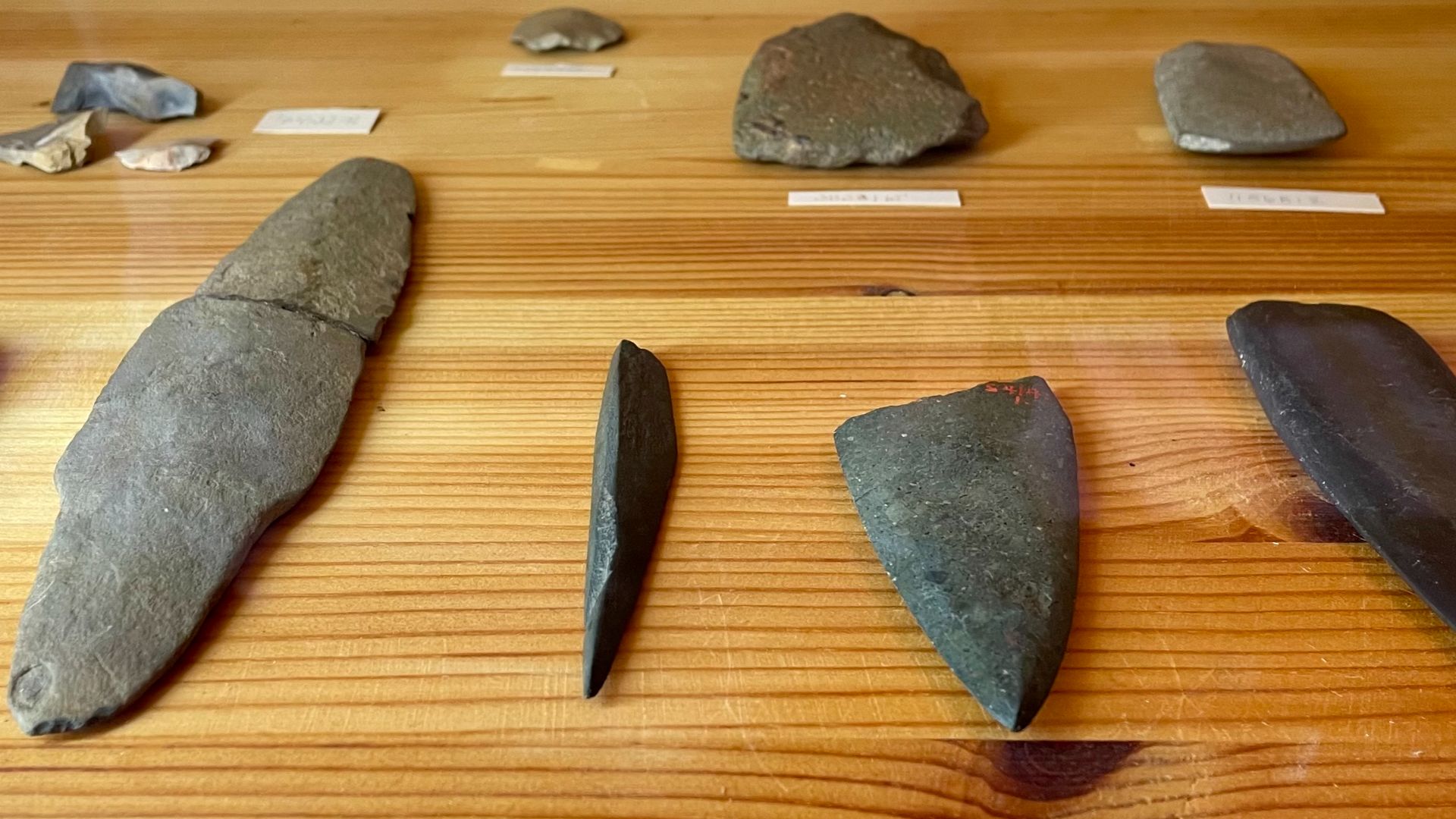
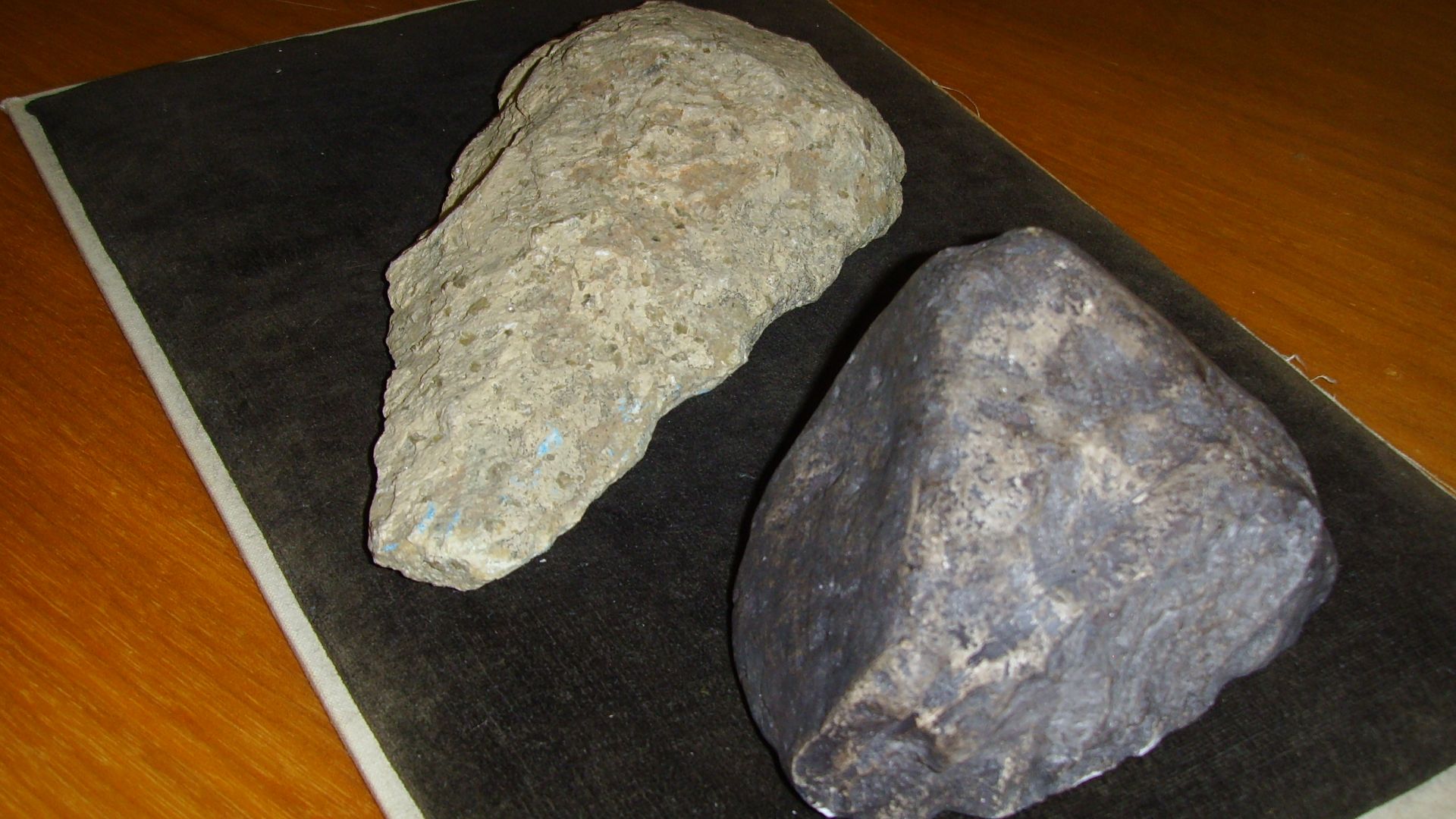
Oldowan stone tools may date back roughly three million years, well before these two Homo habilis individuals lived. Paranthropus fossils have even been found beside some very early examples. Someone was making the tools—but archaeologists still cannot confidently say which hominin deserves the credit.
Stone Tools Did Not Make Anyone King
Stone flakes could slice meat, process plants and open bones, but possessing useful technology was not the same as ruling the landscape. The new study questions whether Homo habilis was even responsible for the toolmaking and butchery once attributed to it. The “handy man” may have received someone else’s résumé.
 Limelightangel, Wikimedia Commons
Homo erectus Changed The Picture
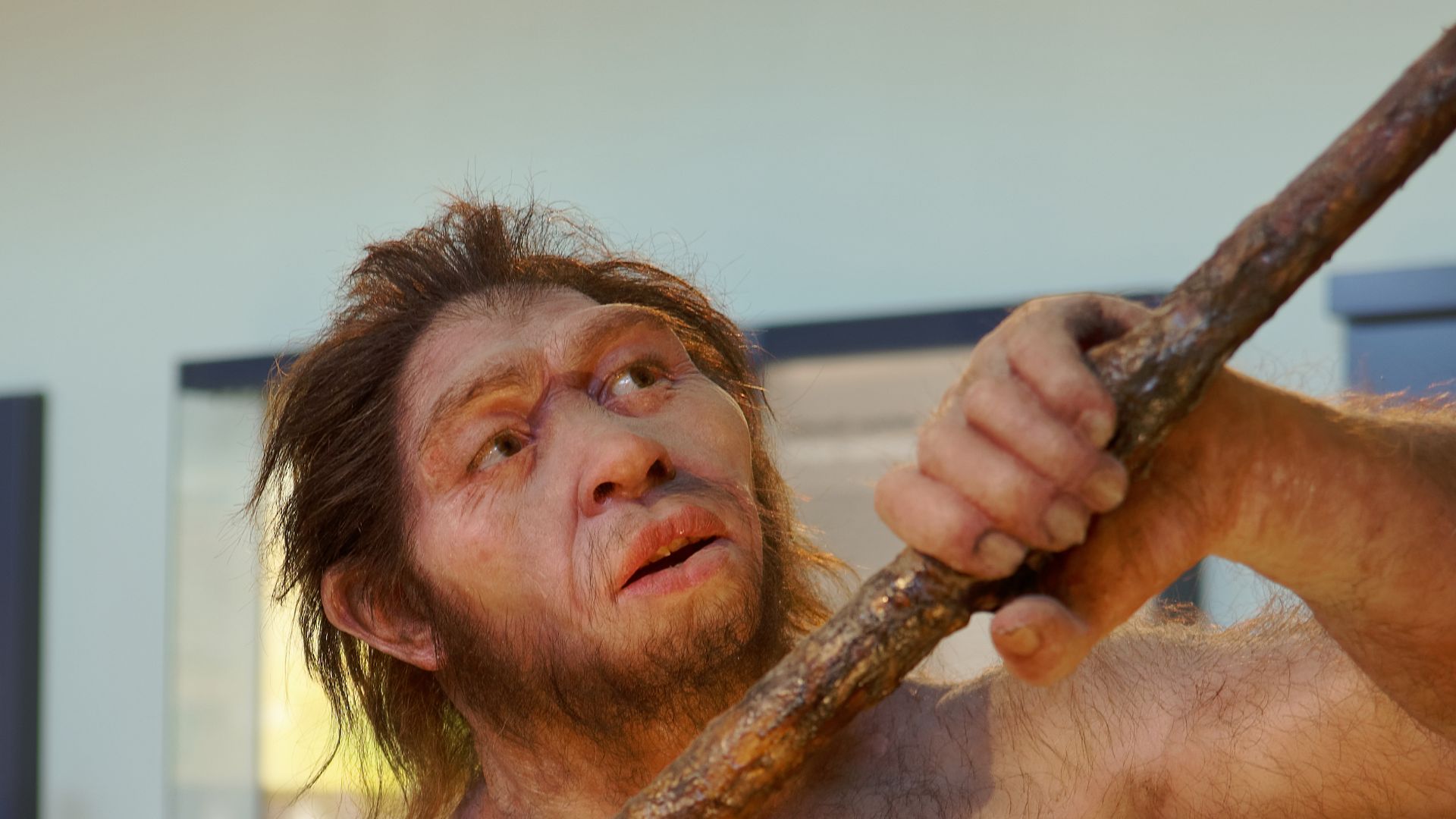
Homo erectus was already living in Africa alongside Homo habilis around two million years ago. It had relatively longer legs, shorter arms and body proportions closer to our own. It later spread far beyond Africa—but whether it marked the true shift from prey to predator remains unresolved.
 Jakub Halun, Wikimedia Commons
There Was No Single Takeover Day
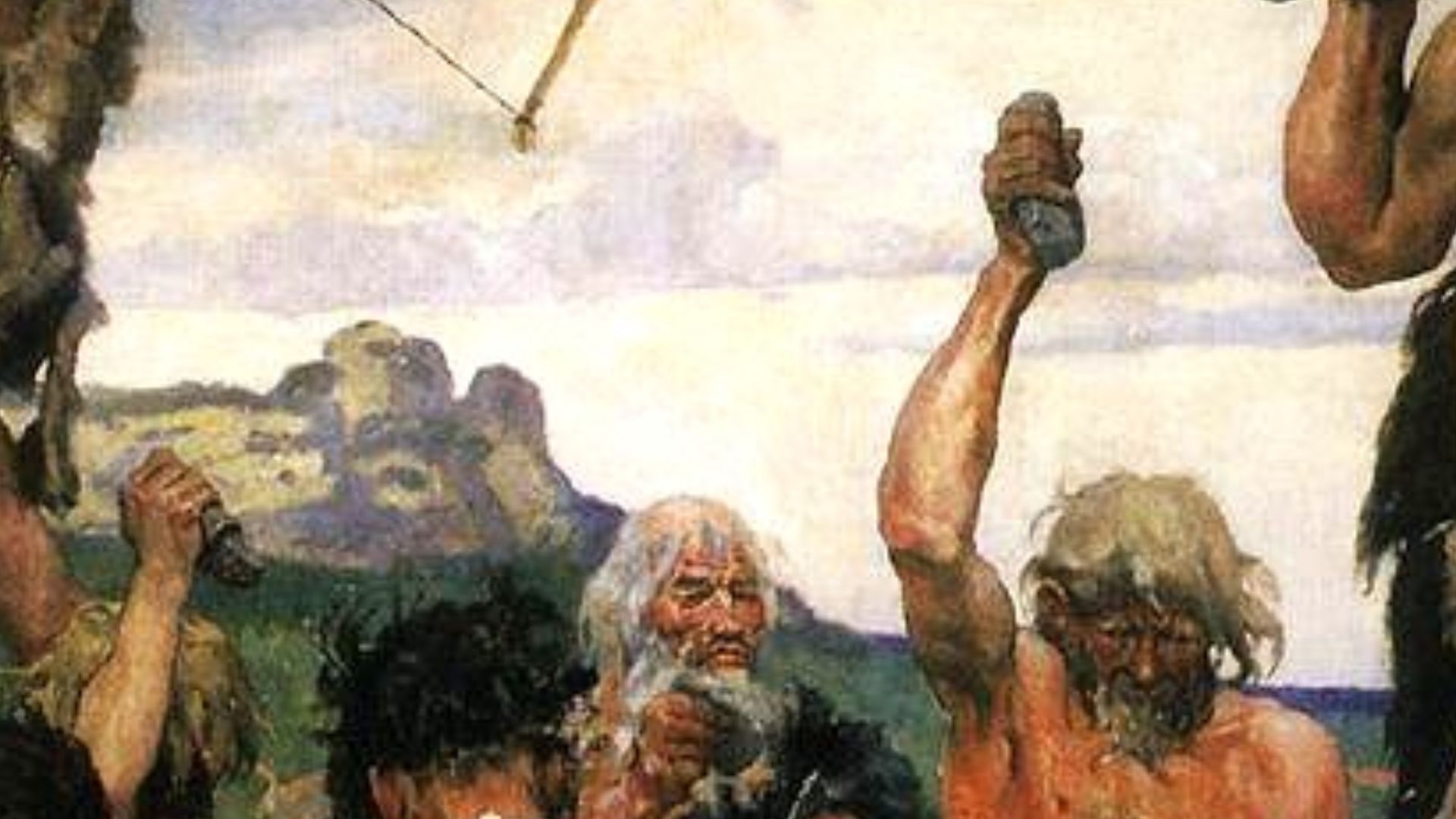
Humanity did not wake up one morning and discover it had reached the top of the food chain. The change happened gradually as different hominins developed new bodies, tools, strategies and ways of cooperating. Even then, one careless individual could still become a very large cat’s surprisingly clever lunch.
 Viktor Vasnetsov, Wikimedia Commons
The Safest Place Was With Others
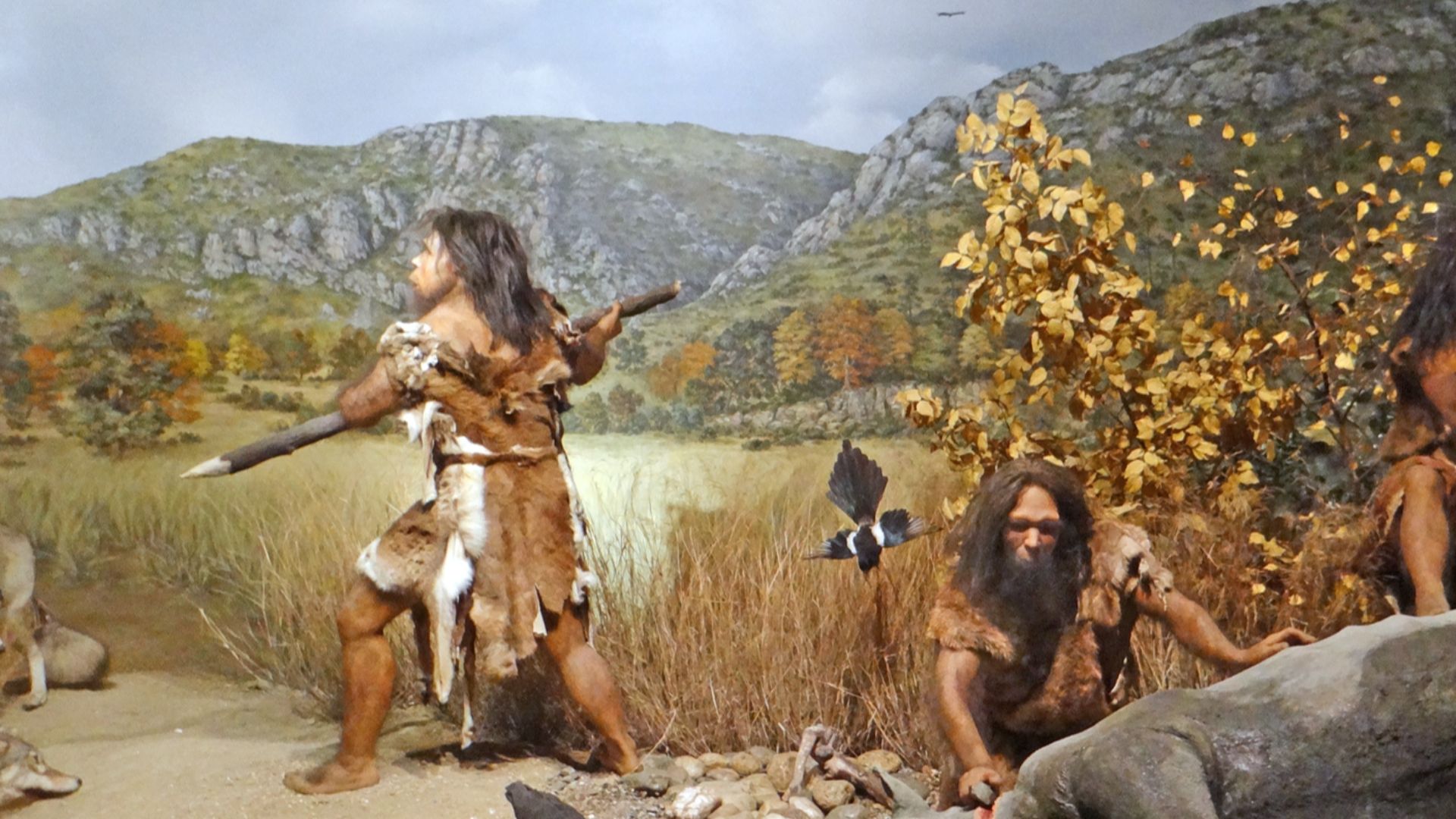
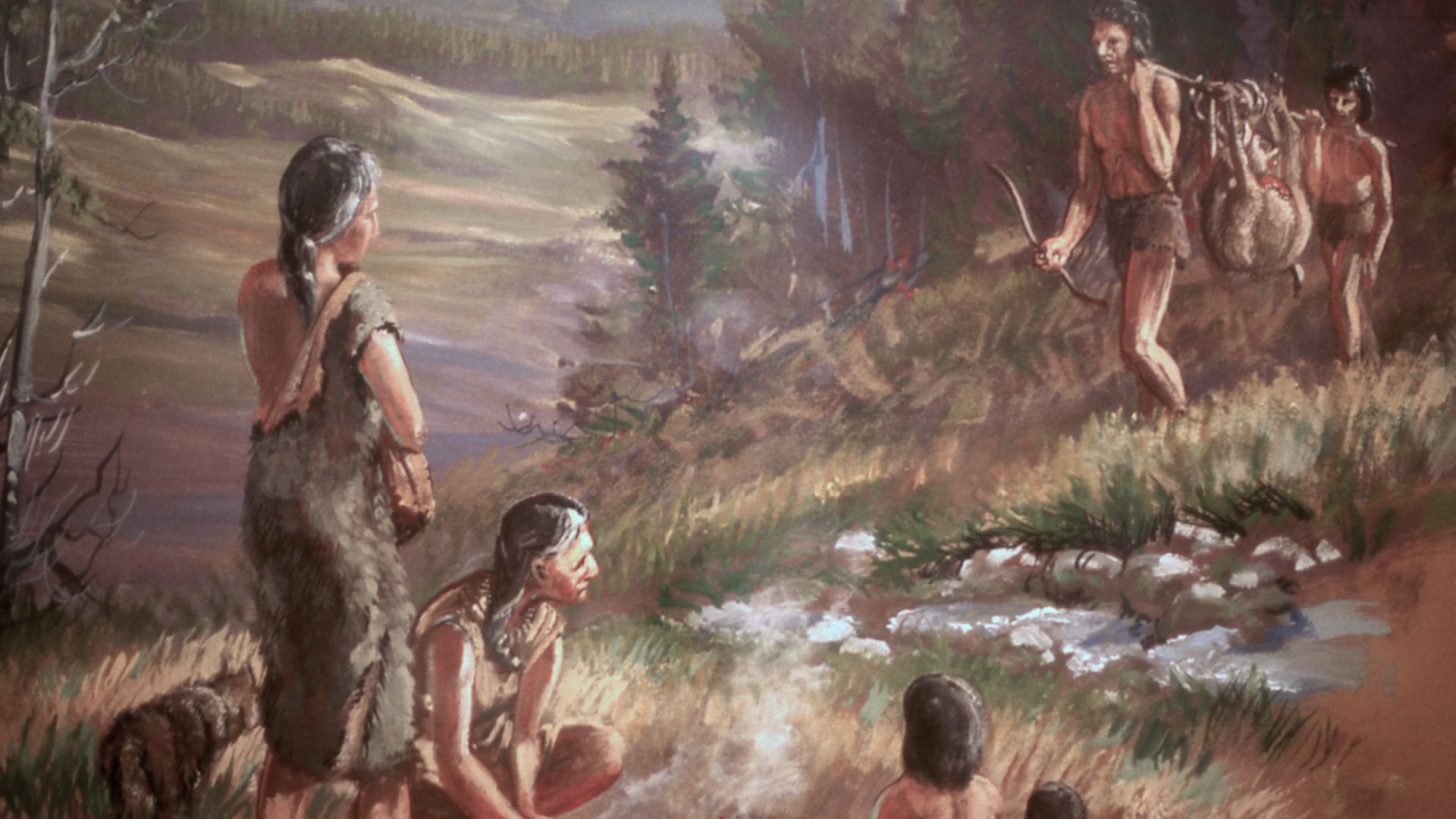
Predation has long been proposed as one pressure favouring group living among primates. More eyes could spot danger, individuals could protect younger members and a predator might hesitate before approaching several alert animals. It was not the only reason groups formed—but it may have made solitude a terrible strategy.
 Jean-Pierre Dalbera from Paris, France, Wikimedia Commons
Communication Became More Valuable Too
Living primates can produce different alarm calls for different predators, triggering responses suited to threats from the ground, trees or sky. That does not prove human language began as a warning system. It does show how quickly shared information can become the difference between escaping and disappearing.
 Artist unknown, Wikimedia Commons
Predators May Have Changed How We Think
Avoiding an ambush rewards attention, memory, planning and the ability to learn from others. Scientists are now exploring a broader “predatory intelligence” hypothesis in which predators and prey push one another toward more complex thinking. It remains a hypothesis—but early humans certainly had plenty of pressure to become better problem-solvers.

Two Jawbones Cannot Explain Everything
The evidence has important limits. Two fossils cannot show how frequently leopards caught Homo habilis, and bite marks cannot reconstruct every moment before death. The AI identified the animals most likely responsible for the damage. It did not produce two-million-year-old security footage of what happened.
 Paul Hermans, Wikimedia Commons
But The Old Story Is Changing
For years, Homo habilis was often presented as the moment our genus became a clever toolmaker and began taking control. The new evidence offers a messier story. These early humans may have used their brains and hands in impressive ways—but they were still vulnerable animals in someone else’s territory.
We Became Powerful By First Being Vulnerable
No fossil can prove that one leopard attack created cooperation, communication or intelligence. But predators were part of the pressure surrounding early hominins for millions of years. The animals stalking our evolutionary family may not simply have threatened its survival. They may have helped shape what eventually survived.
 Paul Hermans, Wikimedia Commons
You Might Also Like: