A Tiny Bone’s Big Story
A five-centimeter Neanderthal bone from Crimea has provided scientists with remarkable evidence of ancient long-distance movement. DNA from the fragment connected its owner with populations thousands of kilometers away, helping researchers reconstruct a vast network of Neanderthal migration paths stretching across Eurasia.
A Critical Time Period
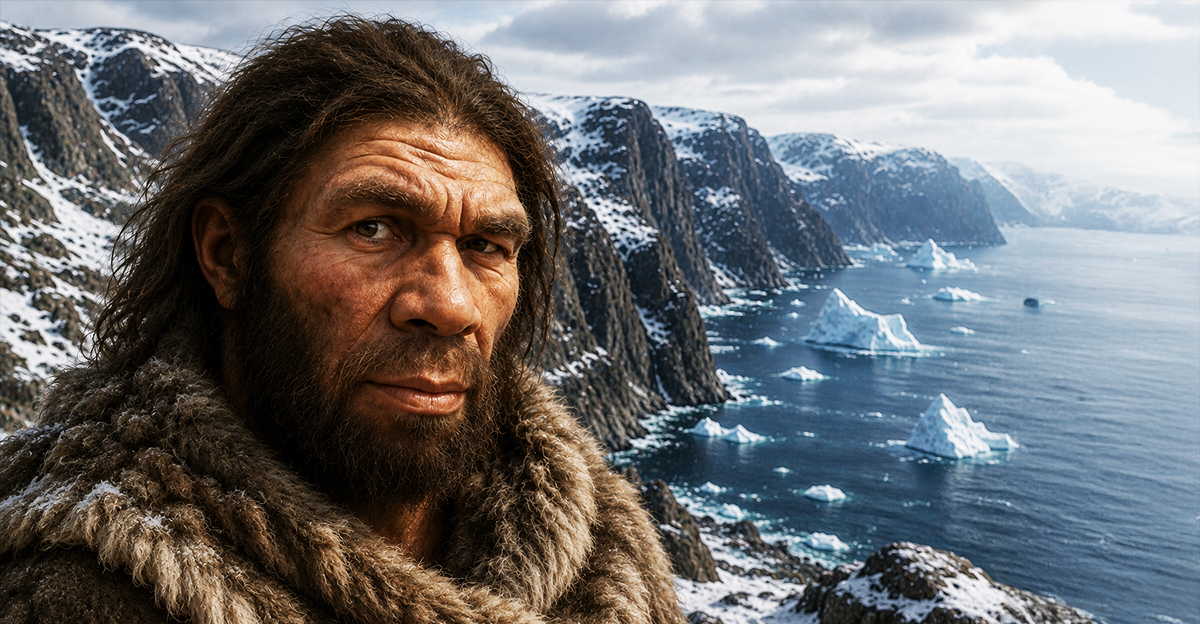
The discovery concerns the Late Pleistocene, approximately 40,000 to 50,000 years ago, when Neanderthals were starting to disappear and Homo sapiens were expanding across Eurasia. Human fossils containing genetic information from this critical period remain exceptionally rare, making the Crimean fragment particularly valuable to researchers.
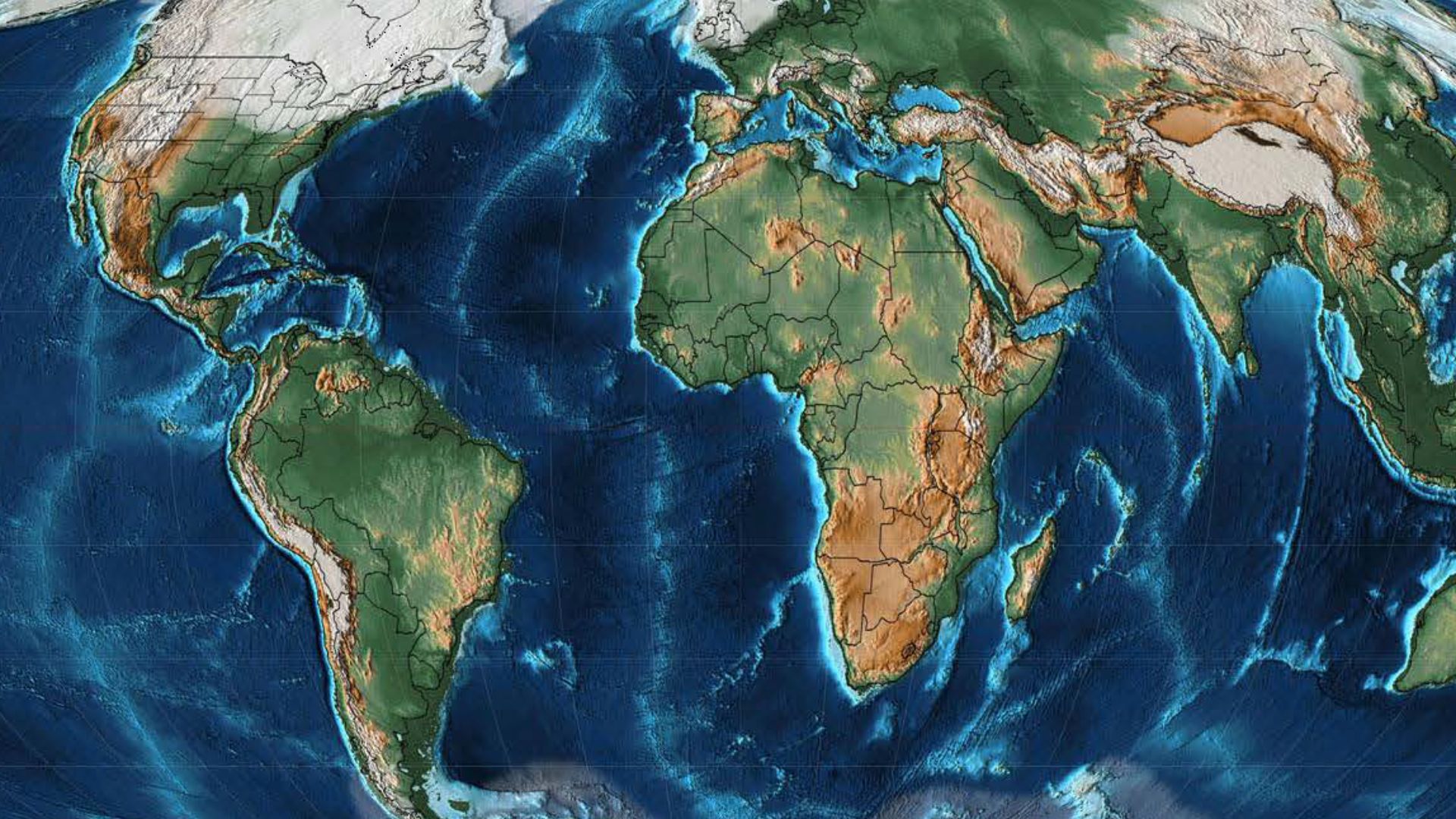 Scotese, Christopher R.; Wright, Nicky M., Wikimedia Commons
Starosele’s Long History
The bone came from Starosele, a rock shelter on the Crimean Peninsula that archaeologists have studied since 1952. Although the site contained Middle Paleolithic artifacts associated with Neanderthals, previously recovered human remains were believed to date from much later, post-medieval periods.
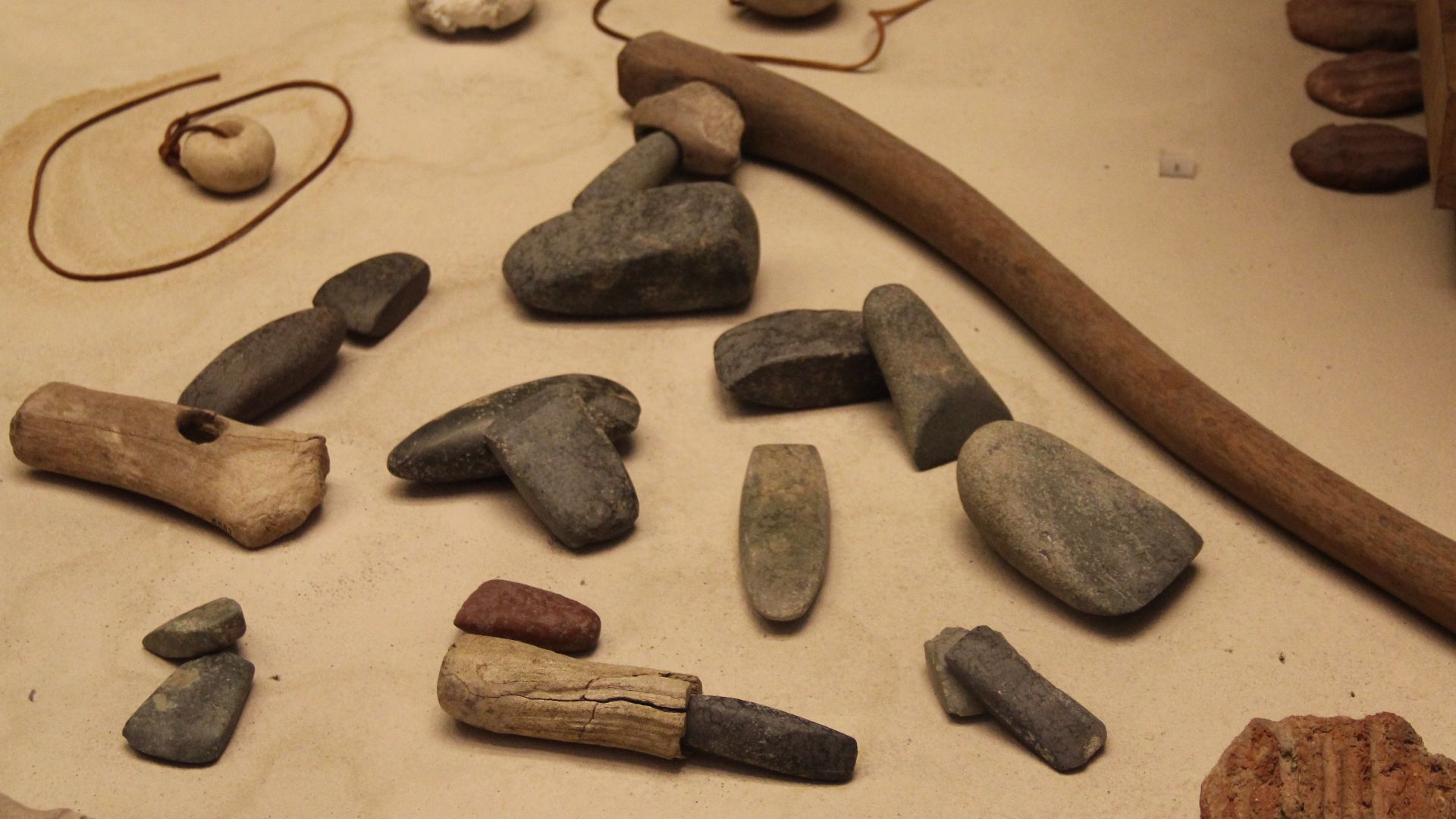
The Tools Suggested Neanderthals
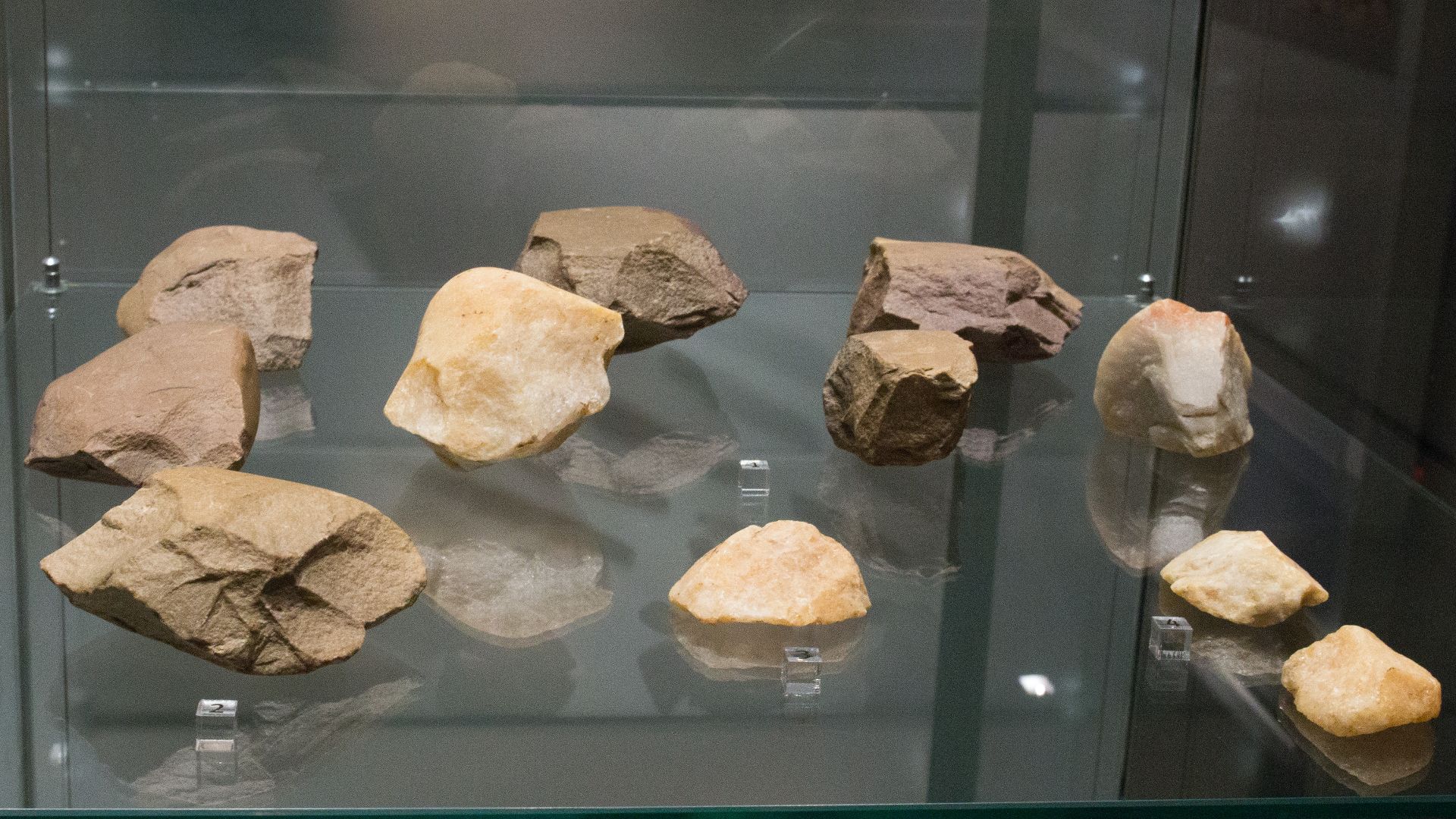
Three of Starosele’s four archaeological layers contain stone tools belonging to the Crimean Micoquian industry, which researchers associate with Neanderthals. The artifacts indicated Neanderthal activity, but direct physical evidence was difficult to establish because many bones from the site were highly fragmented and poorly preserved.
 Jakub Hałun, Wikimedia Commons
Searching Through Bone Fragments
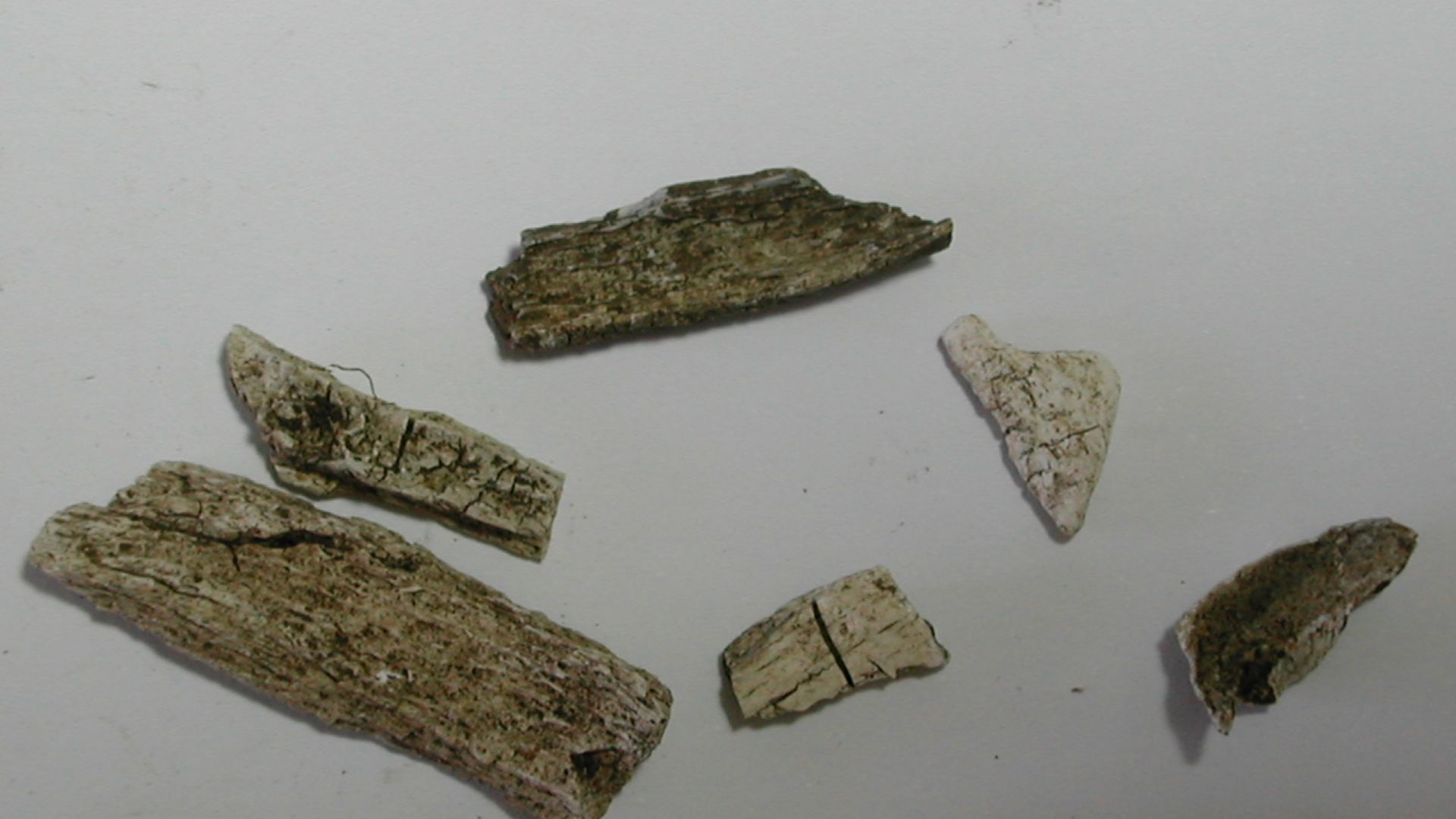
An international team led by the University of Vienna examined more than 150 unidentified bone fragments from Starosele. The fragments were too small to classify reliably through their physical appearance alone, so researchers turned to biomolecular methods capable of extracting information from otherwise unidentifiable pieces.
 Lancashire County Council, Faye Sayer, 2004-07-16 12:03:46, Wikimedia Commons
ZooMS Finds The Clue
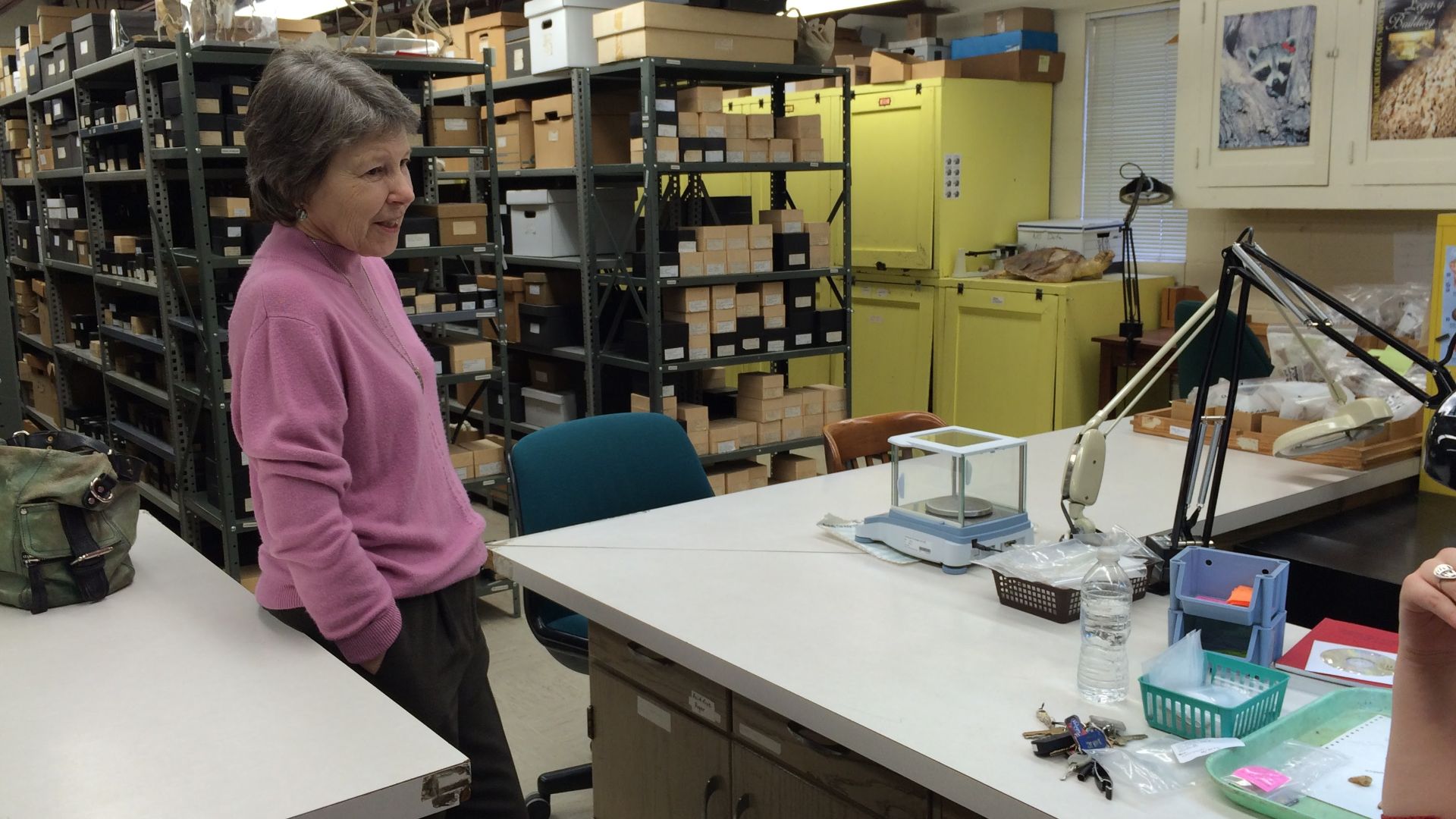
Lead author Emily M. Pigott used Zooarchaeology by Mass Spectrometry, known as ZooMS, to examine the fragments. The palaeoproteomic method extracts collagen peptides and analyzes their mass, allowing scientists to identify the species or genus represented by even extremely small, visually indistinct bone pieces.
Most Bones Were Animals
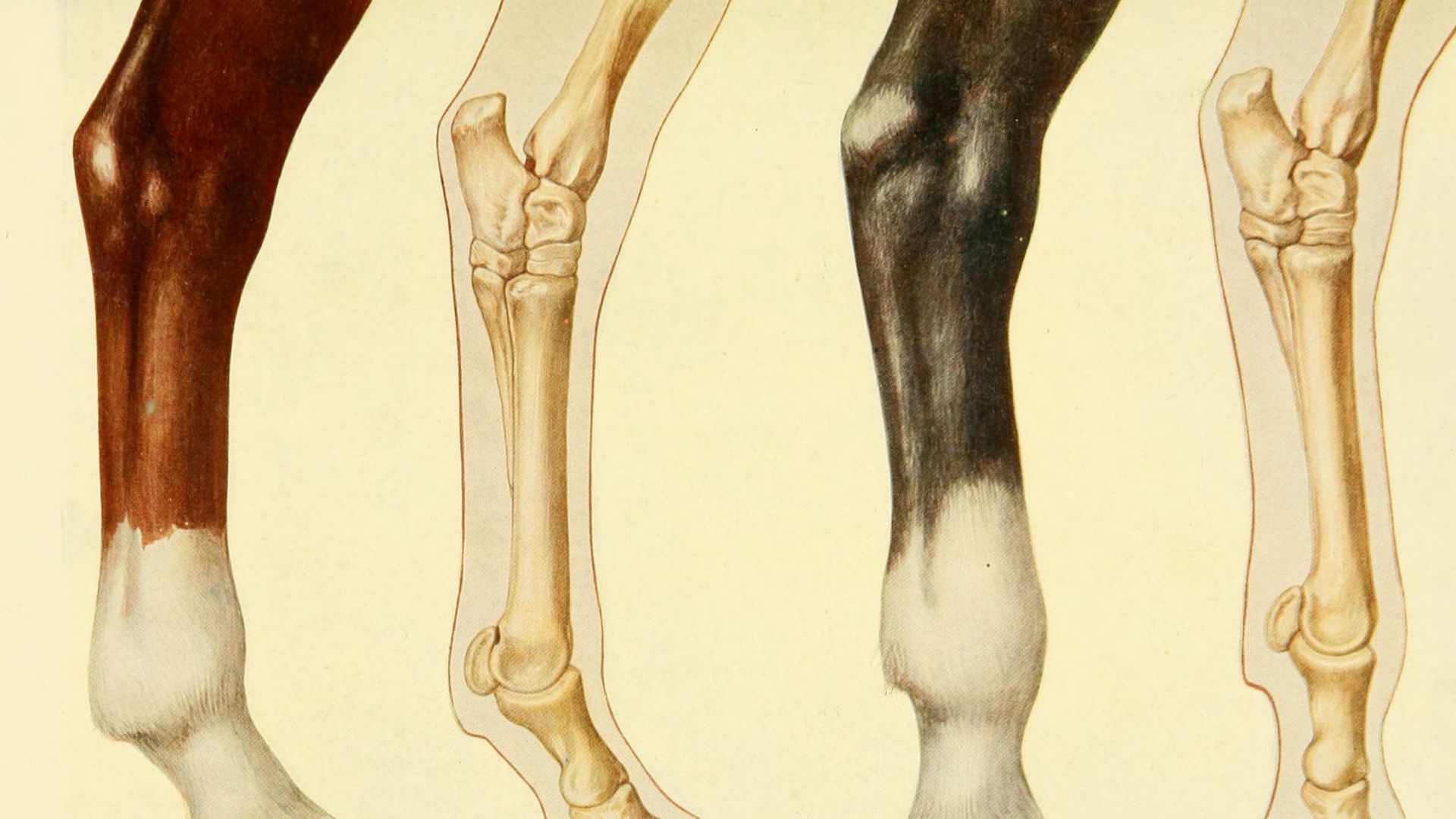
The overwhelming majority of the analyzed material was not human. According to the University of Vienna, 93 percent of the identified bones belonged to horses and deer, while mammoth and wolf remains were also present. Other accounts emphasized the particularly large representation of horse bones.
 Terzi ; Richardson, Charles., Wikimedia Commons
Evidence Of Horse Hunting
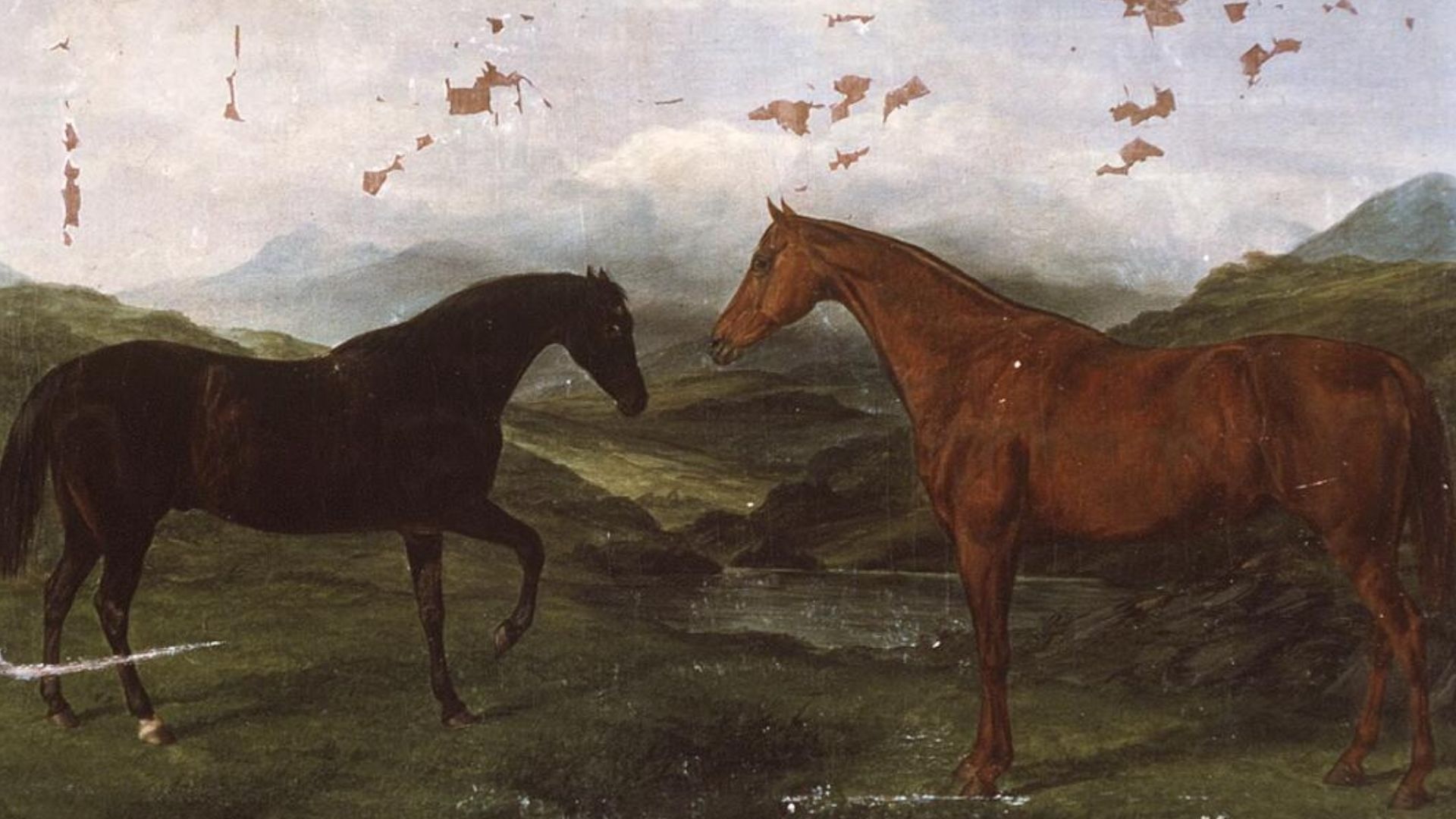
The animal assemblage suggests that Paleolithic inhabitants of Crimea relied heavily on hunting horses. Researchers studying possible migration routes later considered the movement of large animal herds as one factor that could have encouraged Neanderthal groups to travel gradually across favorable Eurasian environments.
 William Luker, Wikimedia Commons
The Forty-Sixth Bone
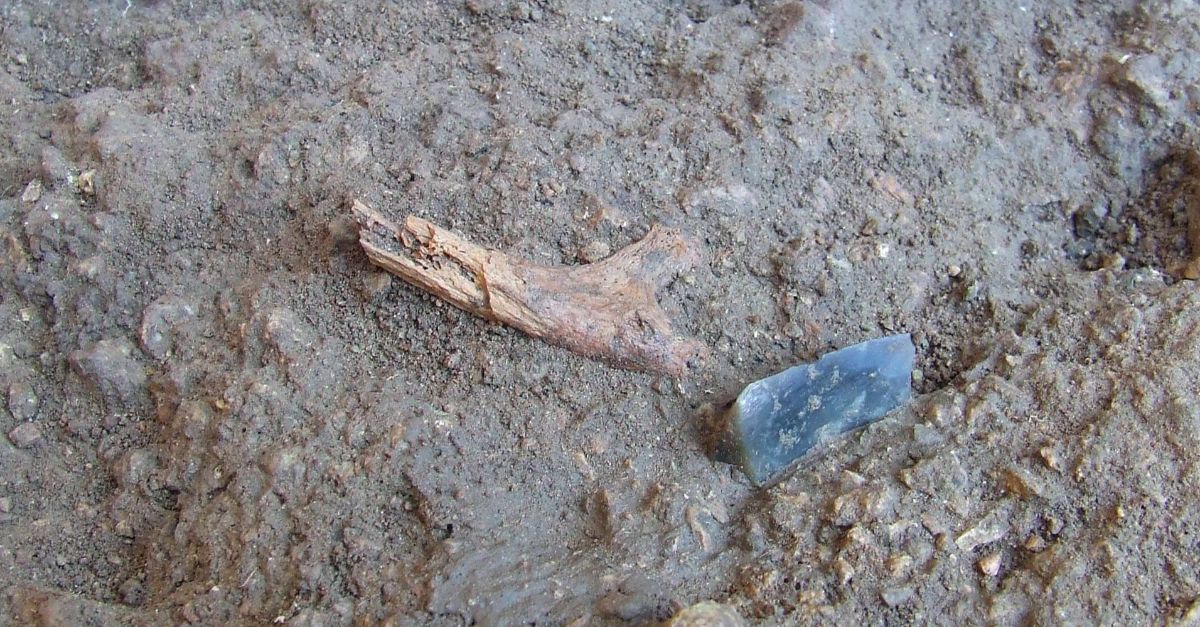
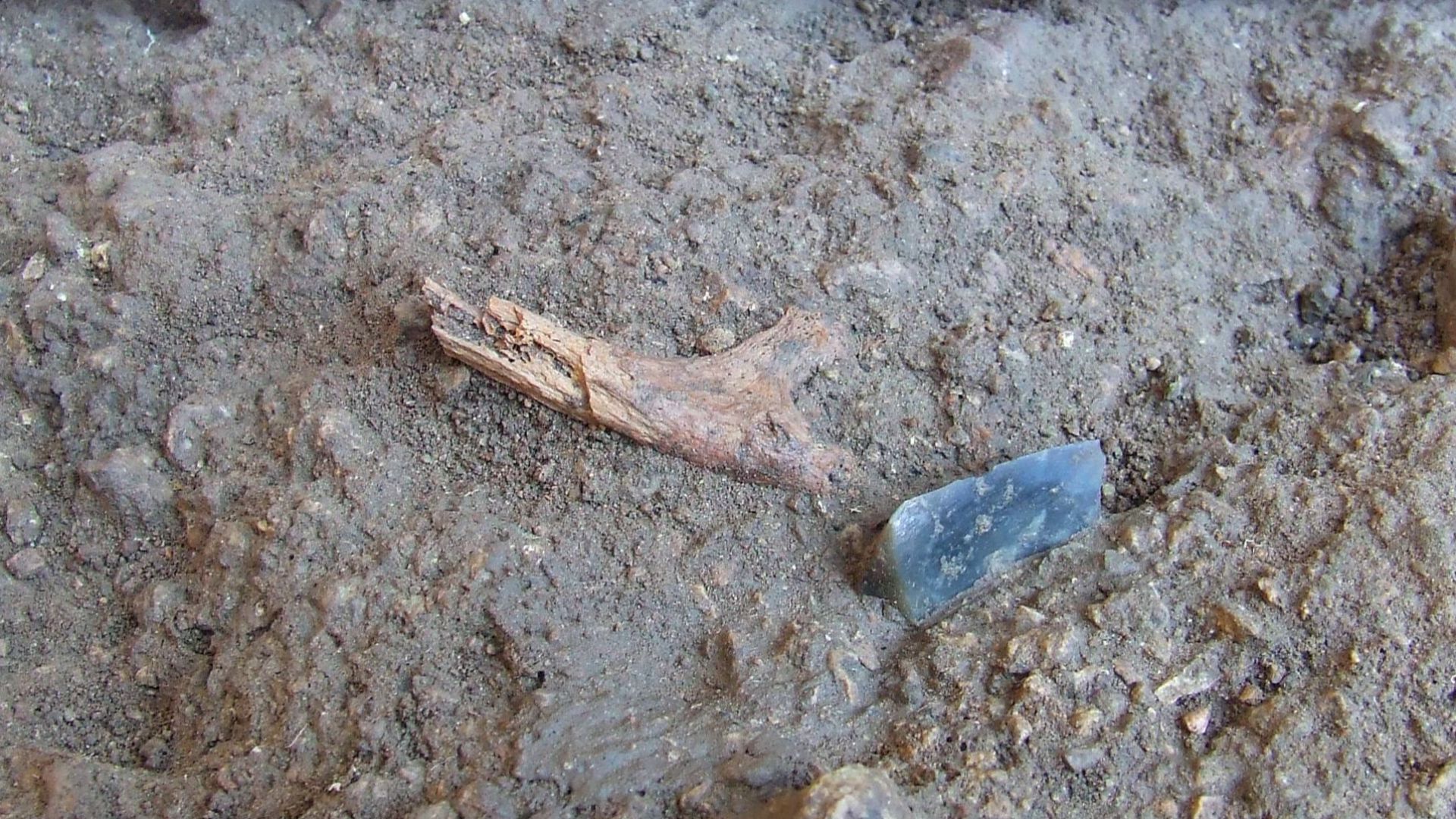
Pigott made the breakthrough while analyzing only her 46th bone with ZooMS. One fragment produced a human identification. Measuring 49.8 millimeters long and 18.8 millimeters wide, the tiny specimen offered the researchers a rare opportunity to investigate an ancient human from Starosele directly.
 Nataliya Shestakova, Wikimedia Commons
A Fragment Of Femur
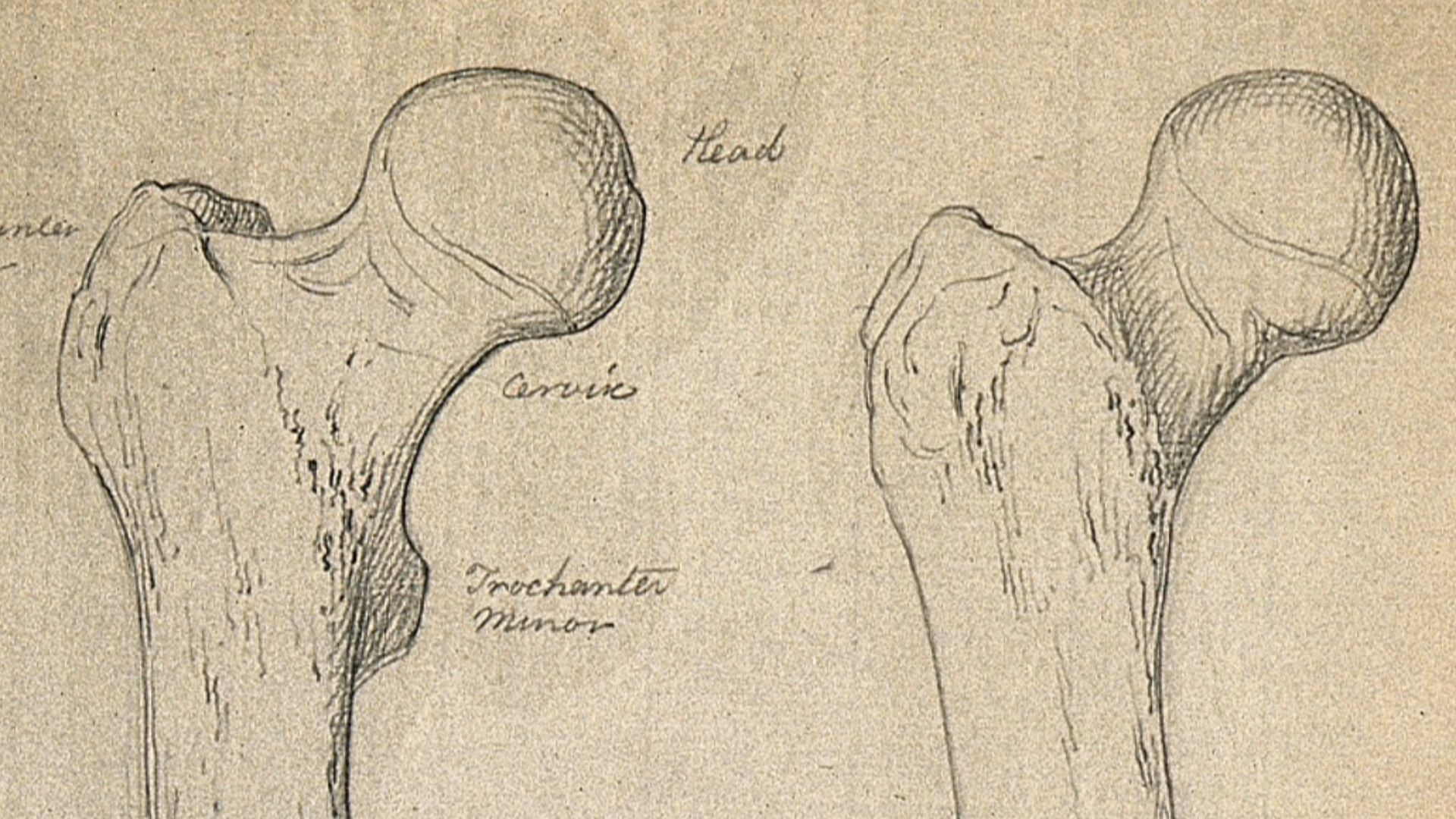
The researchers subjected the human fragment to micro-computed tomography imaging. The internal structure indicated that it probably came from a human thigh bone. The team named the specimen “Star 1,” taking the name from the Starosele Cave site where the fragment had been excavated.
Establishing Its Ancient Age
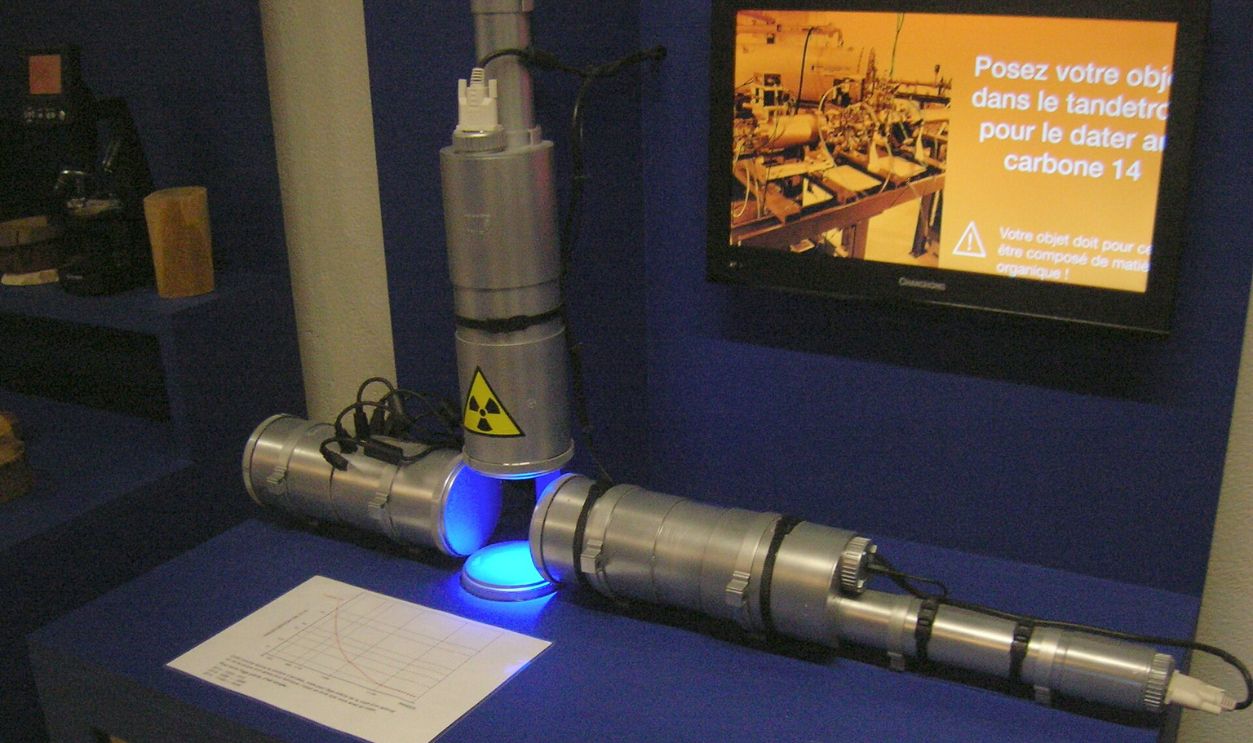
Advanced radiocarbon dating, using updated decontamination methods, placed Star 1 between approximately 46,000 and 44,000 years ago. Another account reported a narrower range of 45,910 to 45,340 years, firmly placing the individual within the Paleolithic rather than the much later periods represented by other human remains.
 Pathophysical, CC BY-SA 4.0, Wikimedia Commons
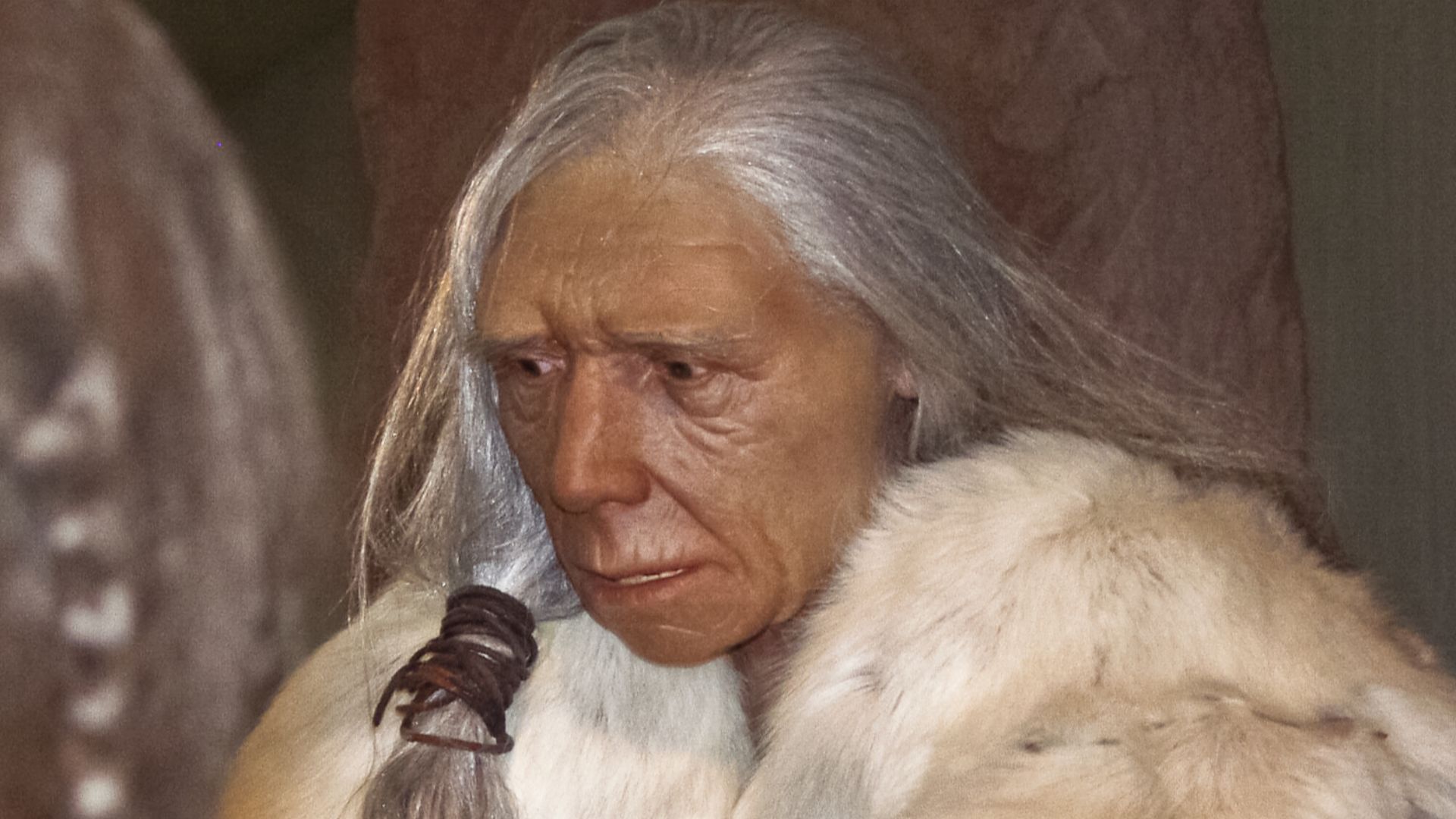
DNA Identifies A Neanderthal
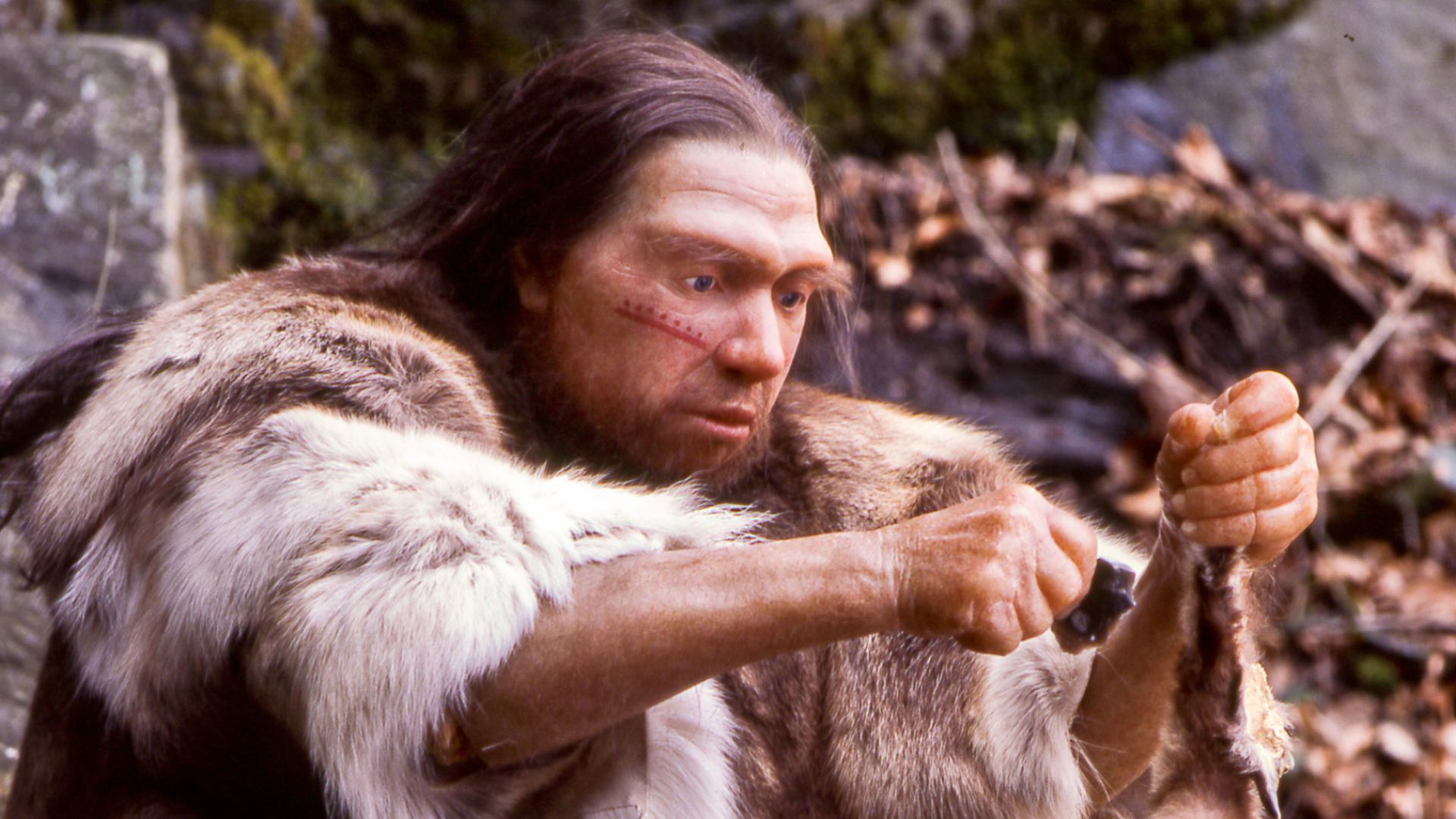
Genetic analysis confirmed that Star 1 belonged to a Neanderthal. University of Vienna researchers Konstantina Cheshmedzhieva and Martin Kuhlwilm led the genetic analysis of the newly identified remains, turning an anonymous fragment of thigh bone into direct evidence of a late Neanderthal presence in Crimea.
 Neanderthal-Museum, Mettmann, Wikimedia Commons
An Unexpected Siberian Connection
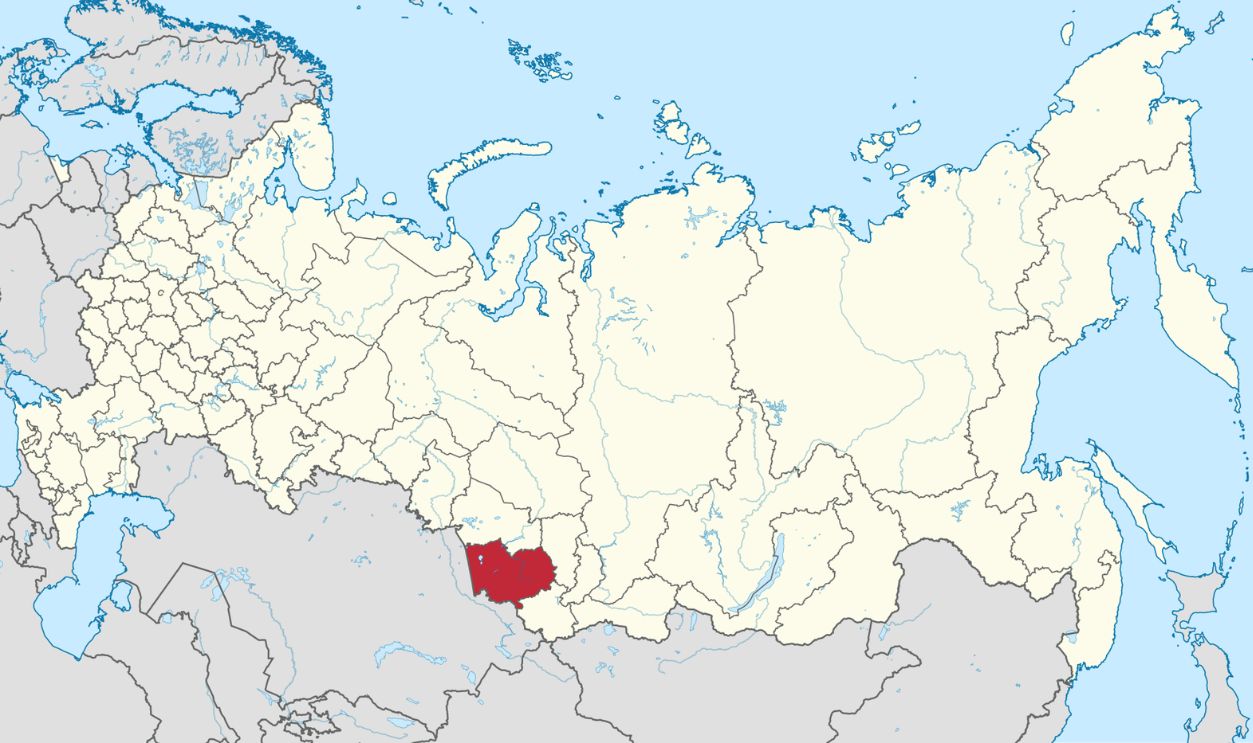
The greatest surprise came from Star 1’s genetic relationships. The Crimean individual was most closely related to Neanderthals from the Altai region of Siberia, more than 3,000 kilometers to the east. That connection provided powerful evidence for population links across an enormous geographic distance.
 TUBS, CC BY-SA 3.0, Wikimedia Commons
Connections Across Eurasia
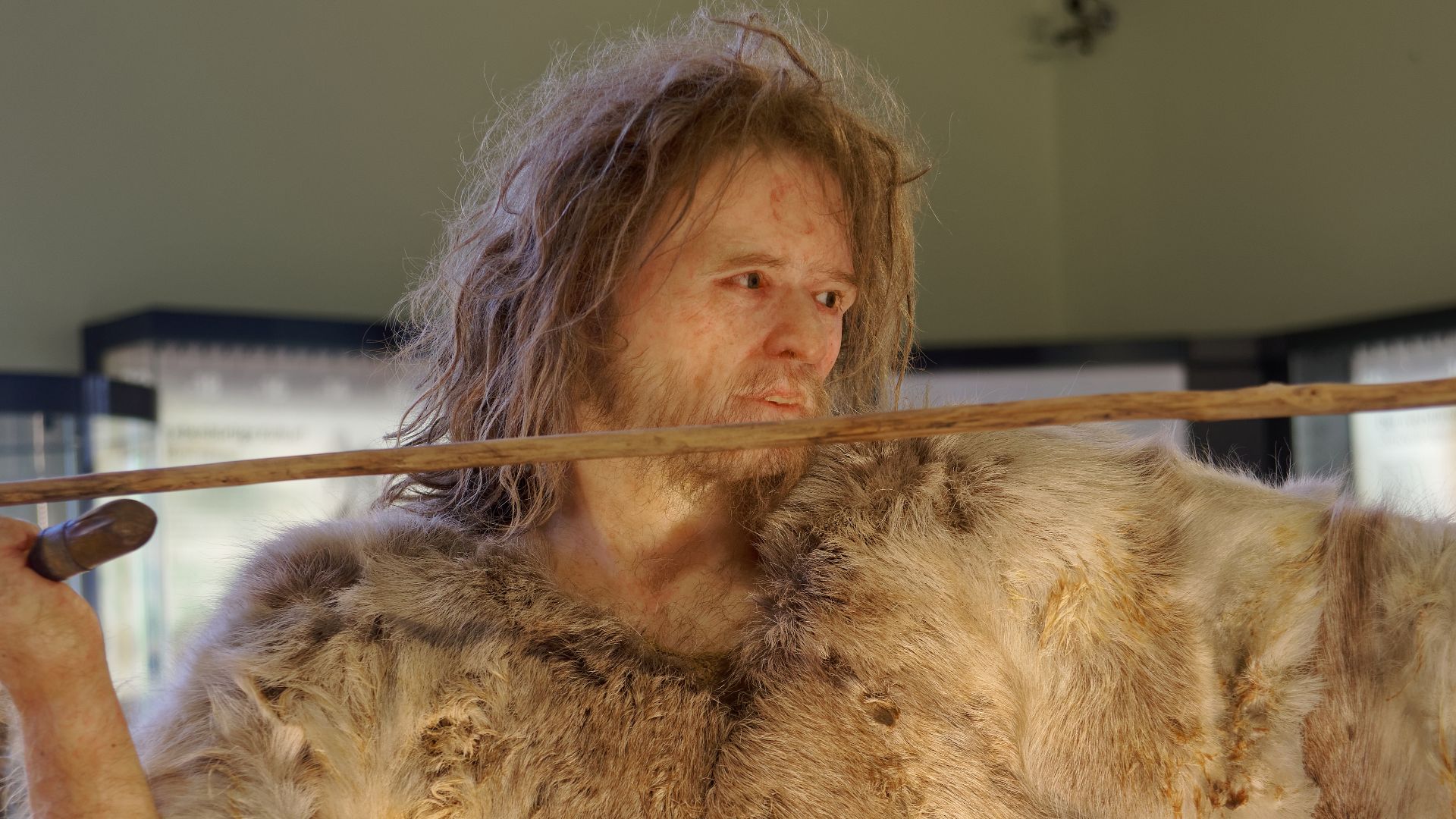
The Siberian relationship was not the only connection. Researchers also detected affinities between Star 1 and Neanderthals from European regions including Croatia. Together, these genetic relationships supported earlier evidence that Neanderthals dispersed across vast distances from central Europe through Crimea and into central Eurasia.
 Jakub Hałun, Wikimedia Commons
Crimea At The Crossroads
Rather than appearing as an isolated refuge, Crimea emerged from the study as a potential crossroads within a much larger migration corridor. The genetic findings place the peninsula between European and Asian Neanderthal populations, helping connect archaeological evidence from widely separated parts of Eurasia.
 Werner Ustorf], Wikimedia Commons
Tools Tell Another Story
Stone tools from Starosele provided another potential connection. The site’s Micoquian artifacts resemble material found in the Altai region. Researchers suggested that these similarities could represent migration, continuing contact, knowledge exchange, or shared cultural origins among geographically distant Neanderthal populations.
Beyond Isolated Populations
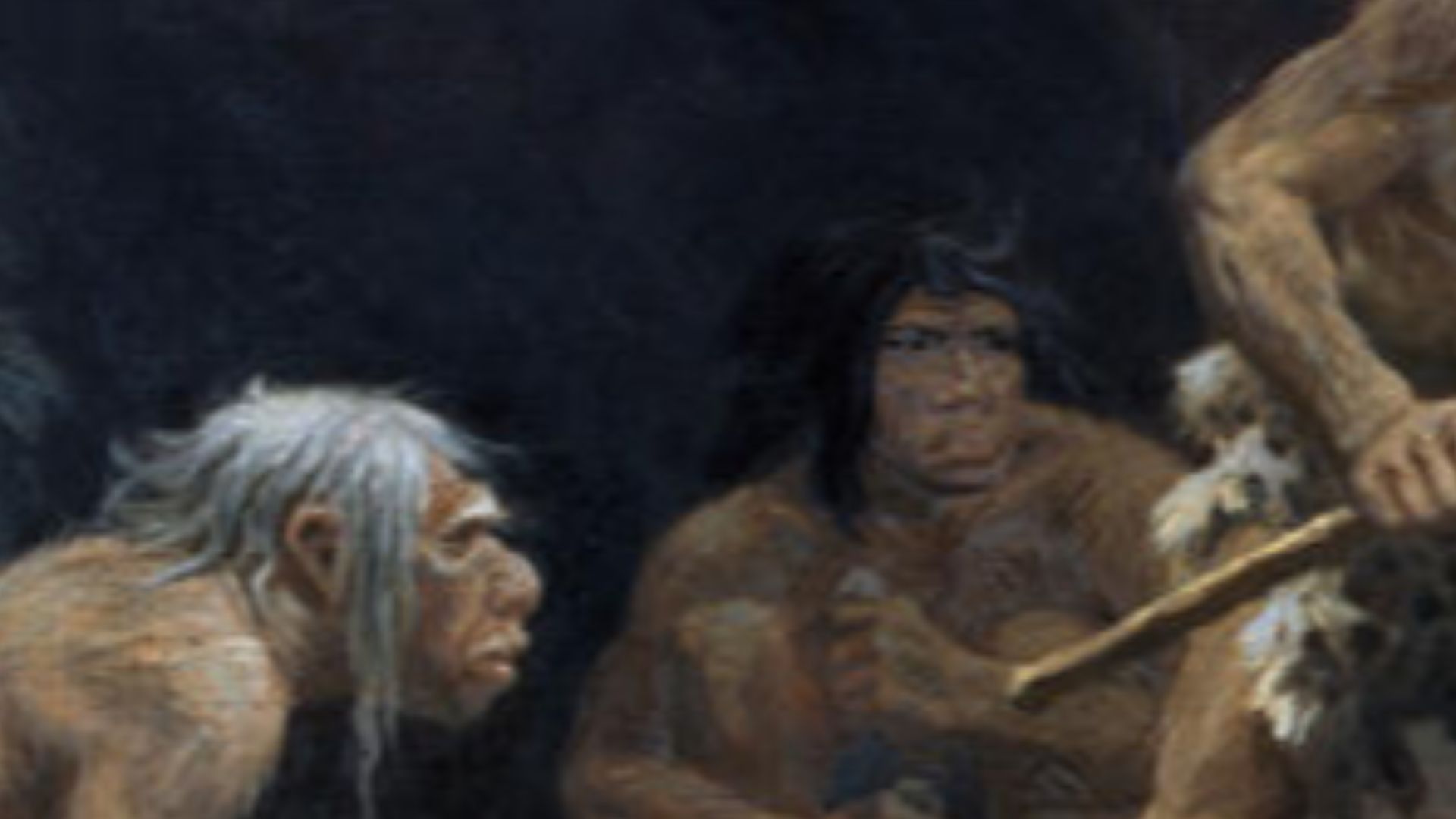
The genetic link spanning roughly 3,000 kilometers challenges a simple picture of Neanderthals living only in isolated regional populations. Star 1 instead supports evidence of widespread dispersal and connections across Eurasia, with people, genes, and possibly technological traditions moving through enormous interconnected landscapes.
 Charles Robert Knight, Wikimedia Commons
Reconstructing Ancient Climate
The research team also investigated how such extensive movement could have been possible. Scientists used paleoclimate information and habitat suitability modeling to reconstruct environmental conditions between Crimea and the Altai Mountains, looking for periods when the enormous journey across Eurasia would have been more feasible.
 Alexandr frolov, Wikimedia Commons
A Possible Northern Corridor
The habitat models identified a possible migration corridor running at approximately 55 degrees north latitude. During periods of favorable conditions, this broad route could have connected Crimea with regions farther east, providing environments suitable for Neanderthals and the large animals they hunted.
 Jakub Hałun, Wikimedia Commons
Two Favorable Climate Windows
Climate modeling identified important periods of favorable conditions. The University of Vienna highlighted periods around 120,000 and 60,000 years ago, while other reporting described an earlier window between approximately 120,000 and 100,000 years ago, followed by another favorable interval around 60,000 years ago.

Following The Herds
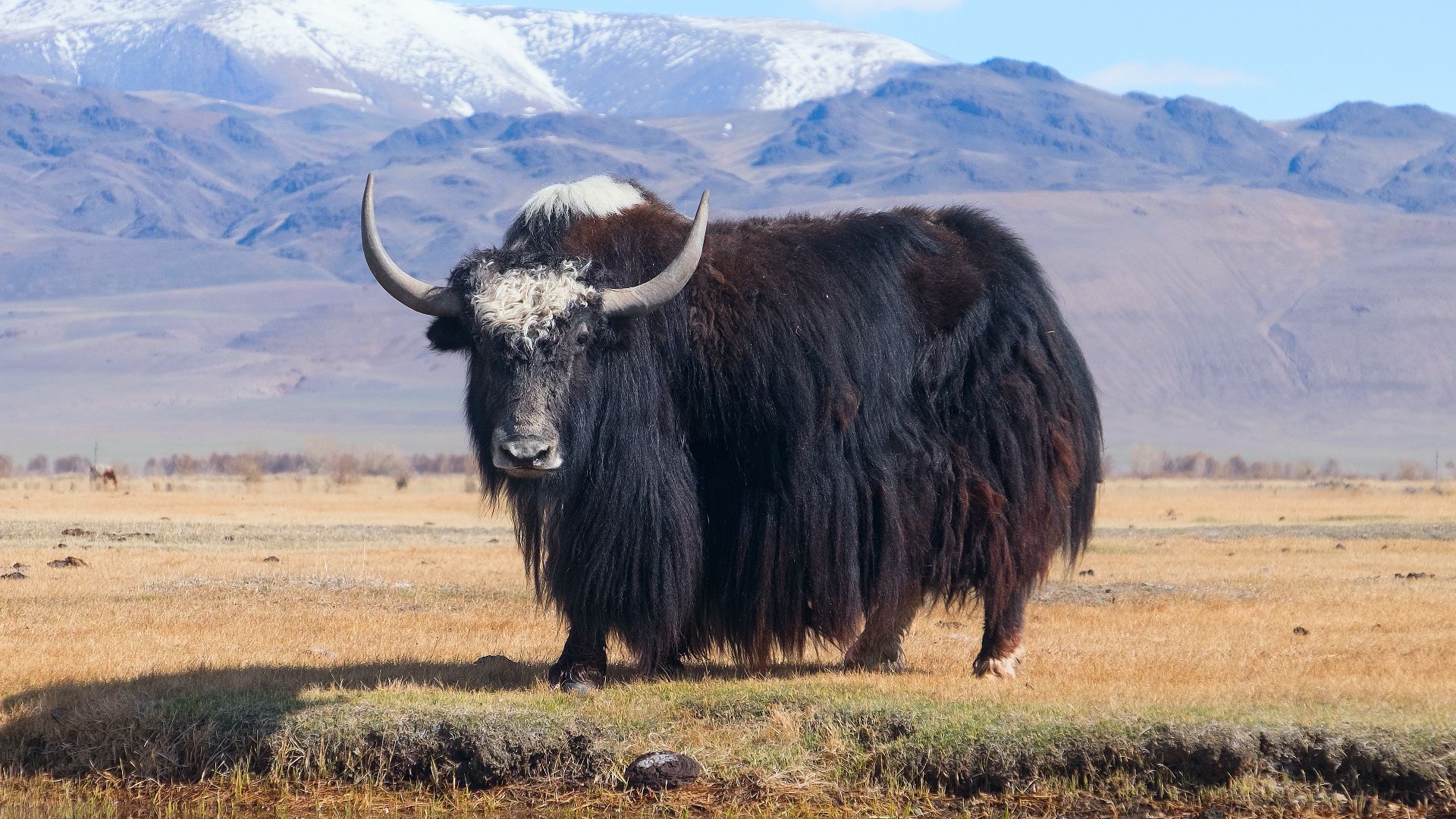
Researchers suggested that Neanderthals may have followed migrating herds across the Eurasian landscape. Horses, bison, and other large mammals moving through favorable habitat corridors could have drawn hunters gradually across enormous distances, potentially helping explain the genetic relationship between Crimea and the Altai region.
 Karl Bodmer, Wikimedia Commons
Linking Europe And Asia
The Star 1 evidence strengthens the case for connections between Neanderthal populations in Europe and Asia. While the supplied reports specifically identify genetic affinities with Croatia and Siberia rather than a particular Polish specimen, they place Crimea within a broader corridor extending from central Europe into central Eurasia.
One Fragment Has Limits
Star 1 remains a single small and fragile fragment, and its genetic coverage is incomplete. Researchers therefore cannot reconstruct every detail of Neanderthal migration from this specimen alone. Nevertheless, it provides rare direct genetic evidence from Crimea and an important link between European and Siberian populations.
 Fährtenleser, Wikimedia Commons
New Methods Find More
The discovery demonstrates the value of combining ZooMS, micro-CT imaging, improved radiocarbon dating, ancient DNA analysis, and environmental modeling. Senior author Tom Higham said applying this analytical approach to other collections could uncover additional human remains hidden among previously unidentified bone fragments.
 Svante Pääbo, Max Planck Institute for Evolutionary Anthropology, Wikimedia Commons
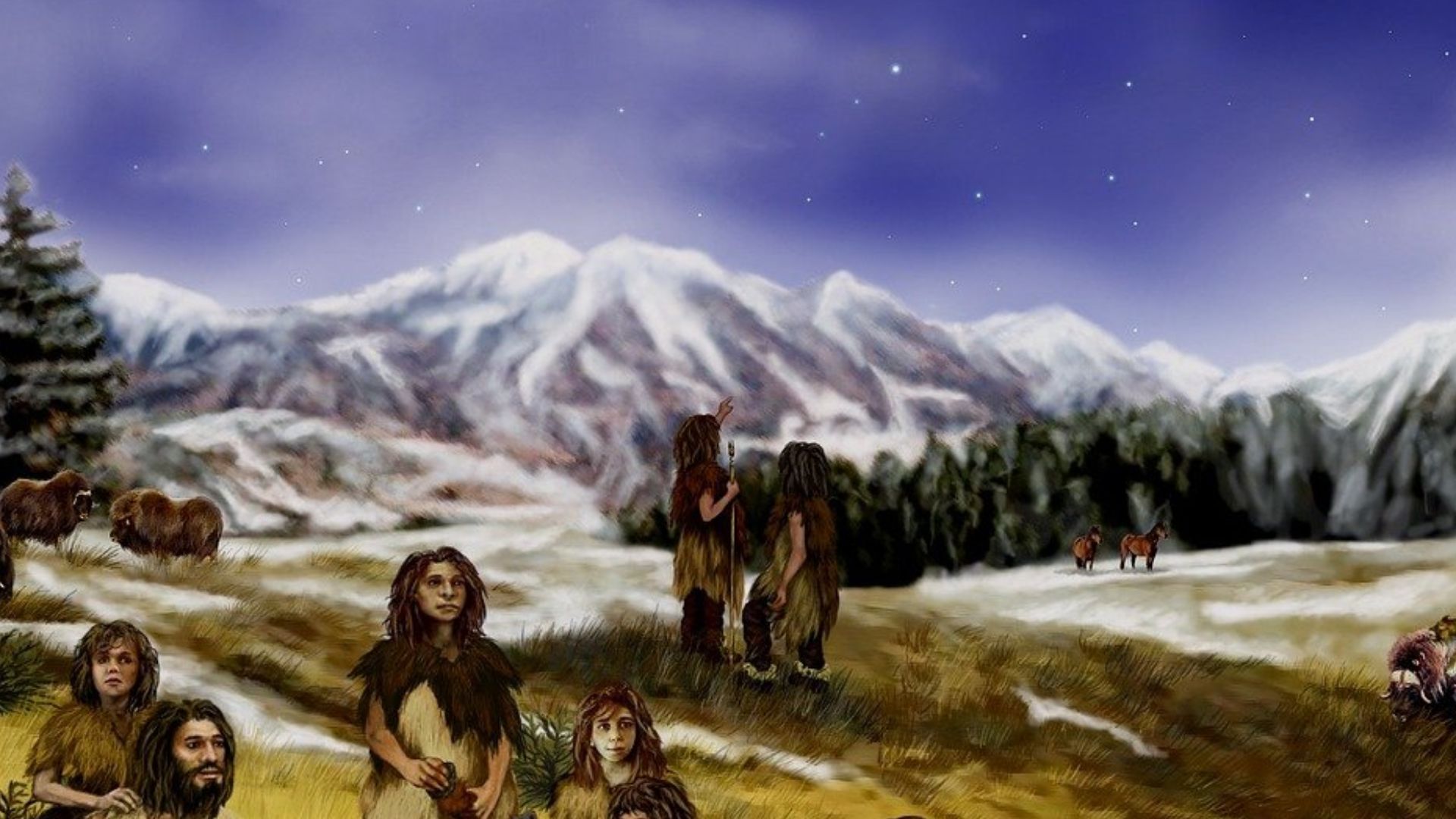
A More Mobile Neanderthal
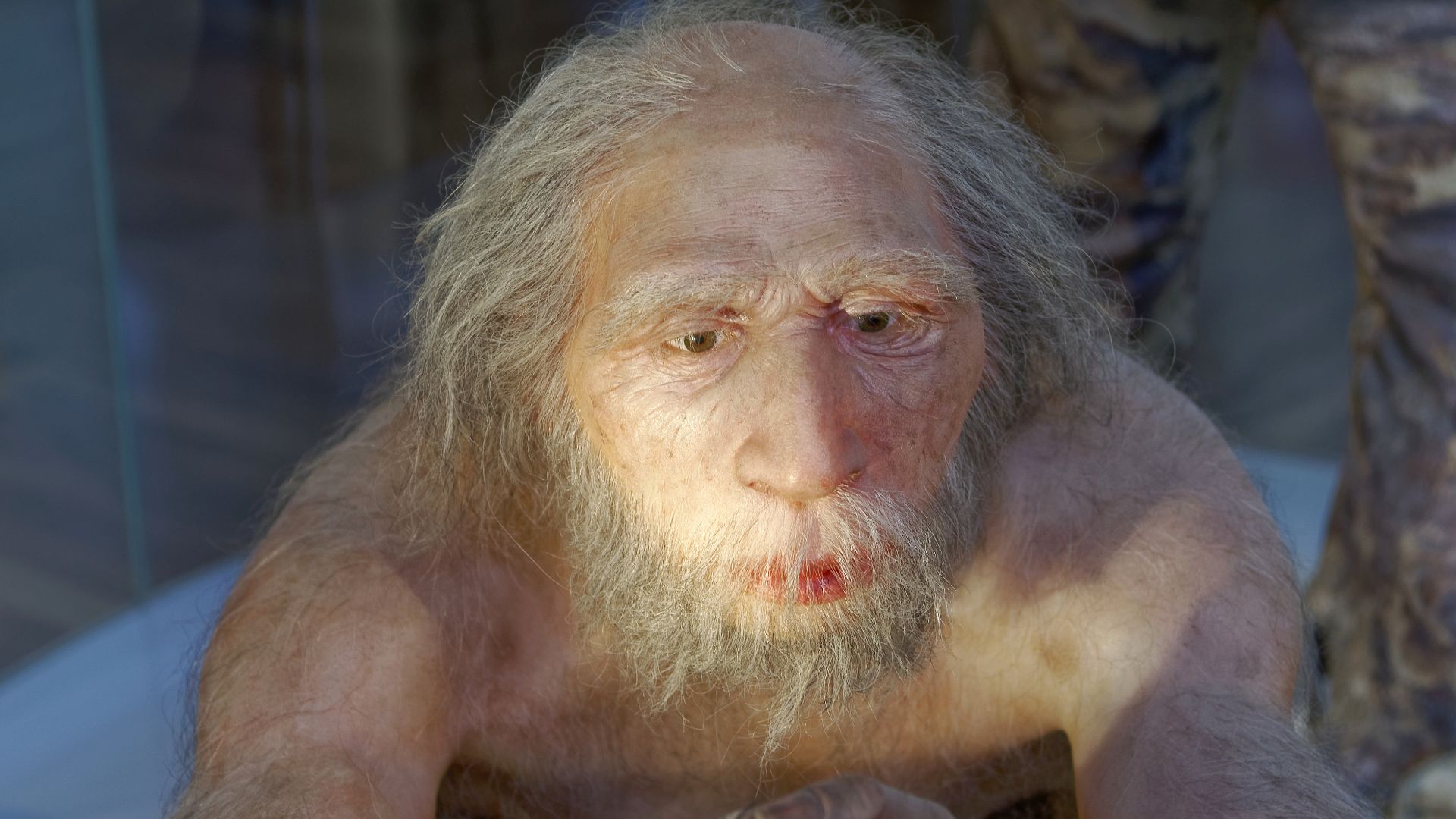
Star 1 adds to a changing picture of Neanderthals as mobile and adaptable populations capable of traveling in different directions across enormous distances. A tiny Crimean bone has connected Europe with Siberia and shown how future analysis of forgotten fragments could further redraw ancient migration routes.
 Eden, Janine and Jim from New York City, Wikimedia Commons
You May Also Like: