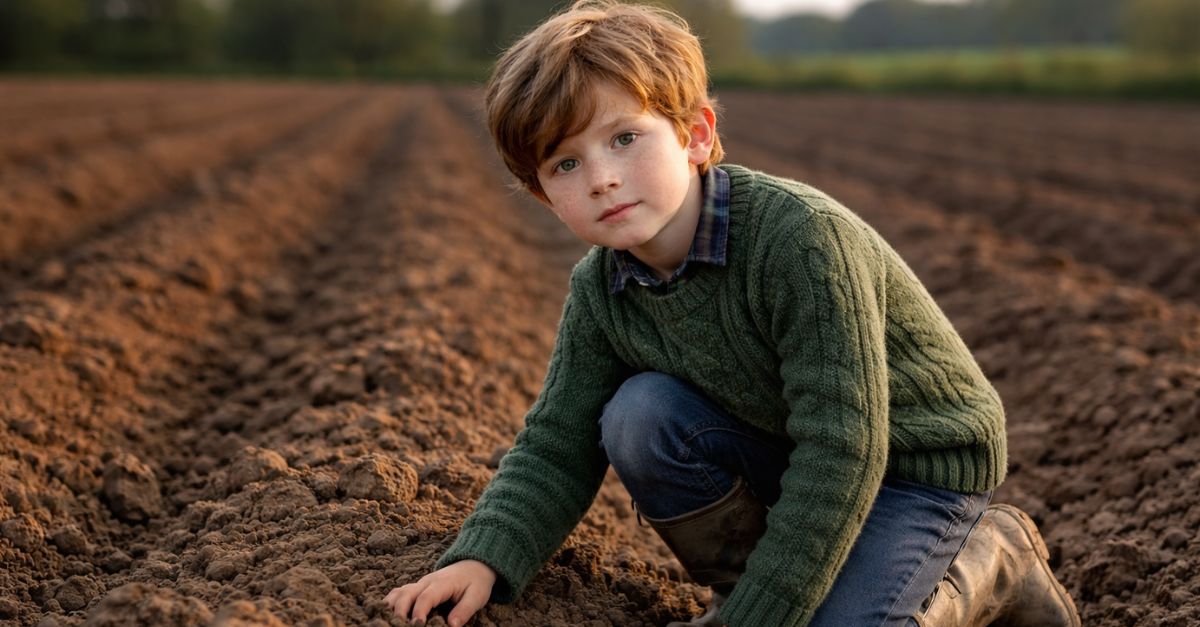
Discovery Of A Hidden Wonder
Everyone thought it was just another ordinary afternoon until something glittered in the dirt and changed everything. A child’s curiosity sparked a discovery that not only stunned experts and revived history, it provided a beautiful connection to the boy's recently departed grandfather.
The Day It Happened
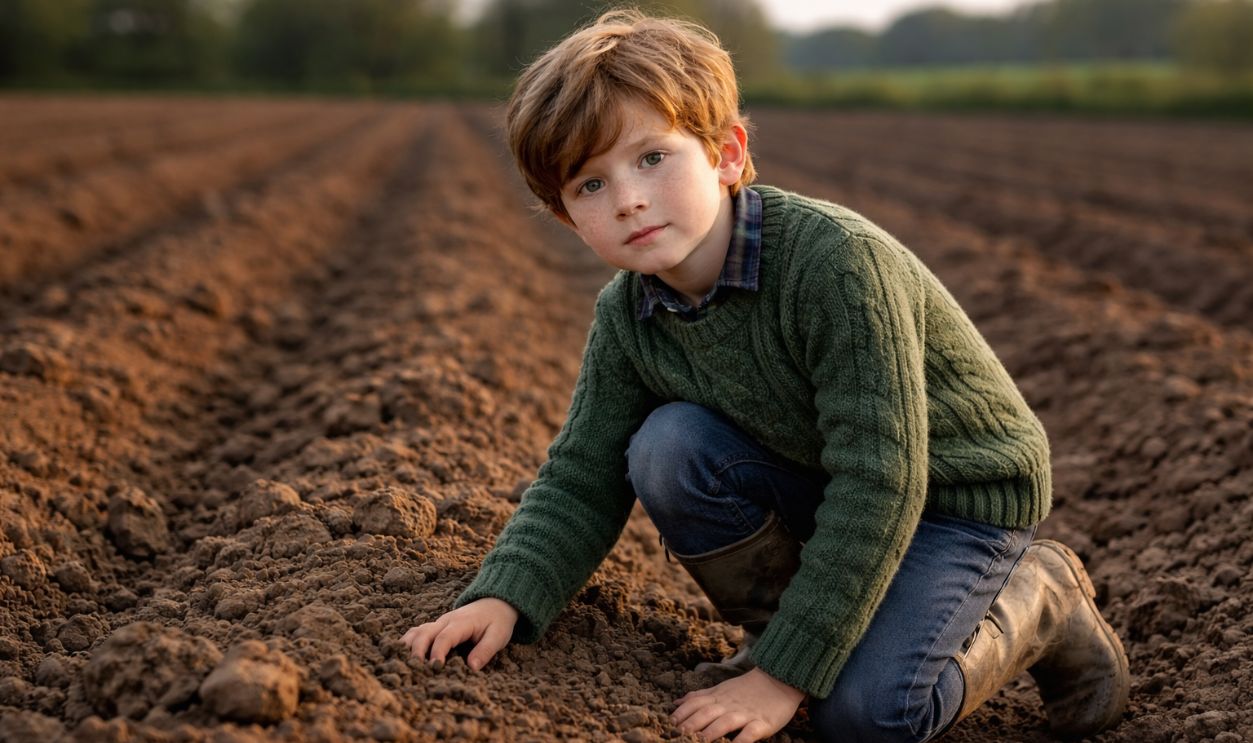
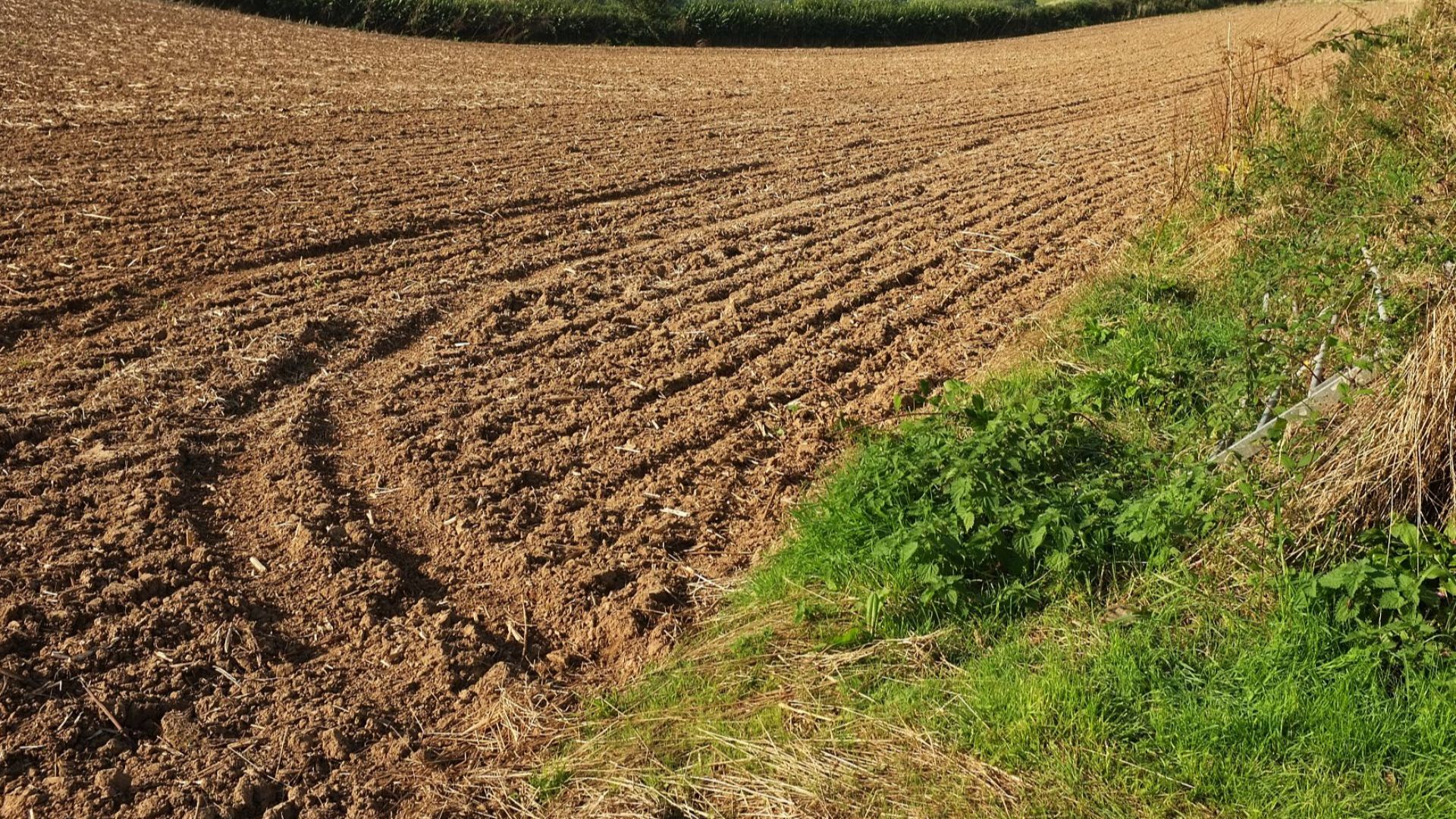
On February 17, 2024, a seven-year-old Ben O'Driscoll returned home from soccer training in Rockforest East, near Mallow, County Cork, Ireland. A freshly plowed field adjacent to his family's garden had recently been turned over. It exposed soil and stones that had remained buried underground for potentially centuries.
 Derek Harper , Wikimedia Commons
Stories That Sparked The Search
Ben's grandfather, Kieran Bolster, had frequently shared family stories about cotterite (a rare gemstone), discovered in the Rockforest estate around 1875. He encouraged Ben and his siblings, Sophie and Ethan, to search the fields. The recent plowing created an opportunity to examine newly exposed geological material.

Something Shiny In The Mud
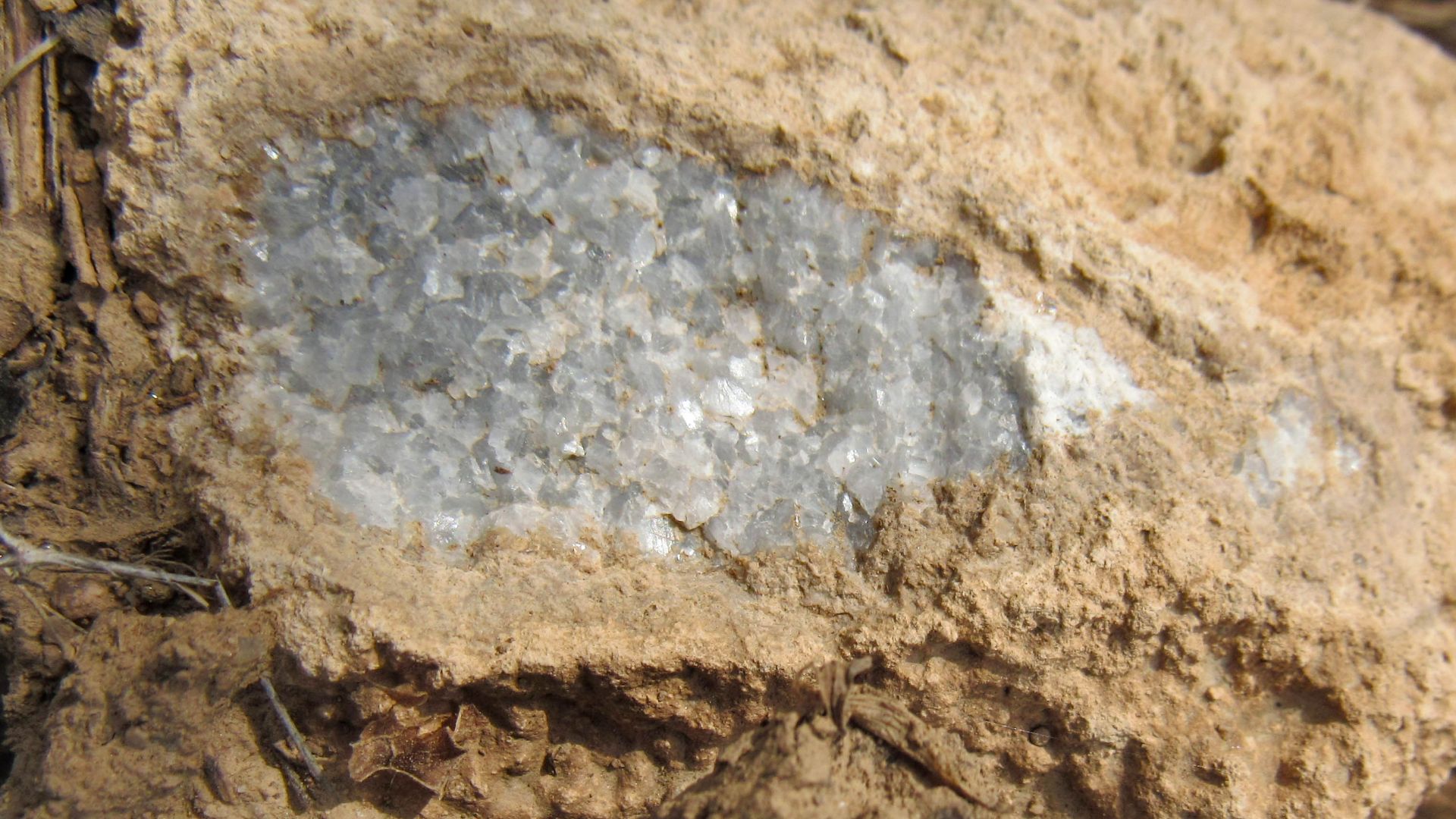
The little boy observed a stone sparkling through the mud. He retrieved it from the soil—approximately the size of a Cadbury Creme Egg. The stone displayed an unusual silvery shimmer, distinctly different from common rocks in the area.
 Nikolai Bulykin, Wikimedia Commons
A Tragic Timing
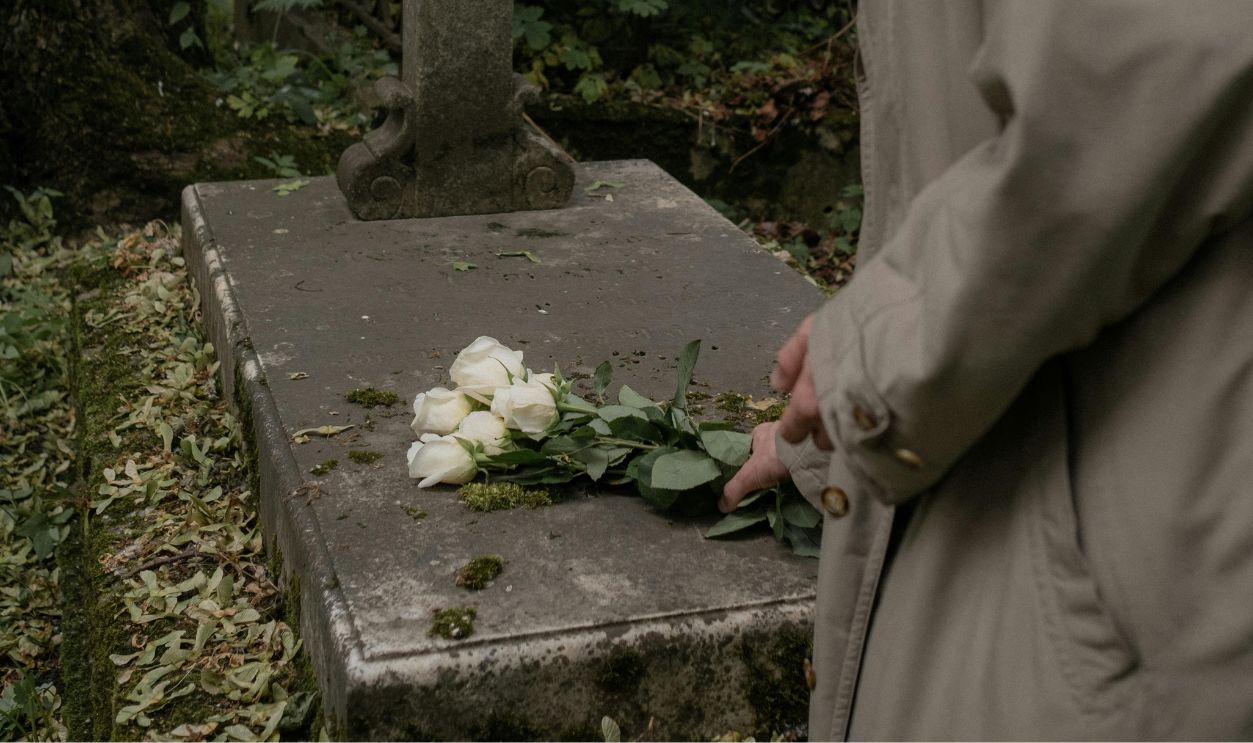
Ben's grandfather, Kieran Bolster, had passed away approximately three weeks earlier. He never had the opportunity to show his grandfather the discovery, and lacked the precision of understanding the stone. Hence, Ben brought the specimen to his mother, Melanie O'Driscoll, for examination.
Realization
She washed the stone under a kitchen tap using washing-up liquid. As mud rinsed away, the specimen revealed a striking silvery lustre. Familiar with her father-in-law's descriptions of cotterite, Melanie recognized the stone's distinctive characteristics. She determined that a professional geological evaluation was necessary to confirm its identity.

The Journey To Dublin
On March 1, 2024, Melanie drove her family through snow from County Cork to Dublin, which was approximately 160 miles. Their destination was the National Museum of Ireland. She presented the stone to Dr. Patrick Roycroft, the museum's geology curator. Within seconds of examination, Roycroft identified the specimen as authentic cotterite.
 Photograph by Mike Peel (www.mikepeel.net)., Wikimedia Commons
The First Discovery In 150 Years
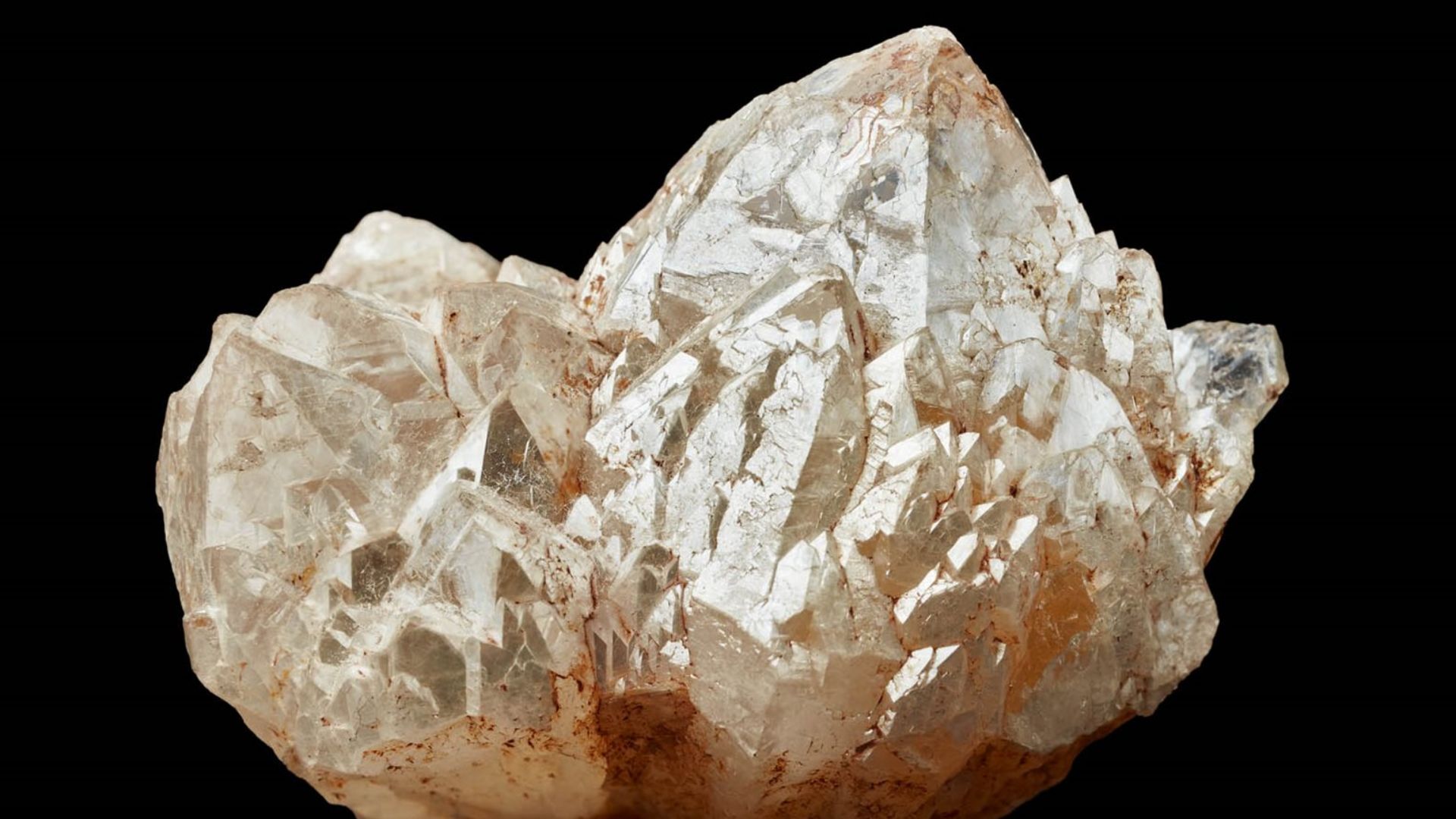
Dr. Roycroft's identification confirmed an extraordinary fact: no cotterite had been discovered anywhere on Earth since around 1875. Ben's find represented the first new specimen in approximately 150 years. The discovery occurred remarkably in the same Rockforest location where all previous specimens originated.
 National Museum of Ireland, Wikimedia Commons
The World's Rarest Quartz
Cotterite ranks among the rarest minerals on Earth. Approximately 35 authenticated specimens exist globally. Unlike diamonds or other precious stones found in multiple locations worldwide, every known cotterite specimen originated from a single geological formation in Rockforest, Ireland. This extreme scarcity makes each specimen scientifically invaluable.
The Silvery Lustre
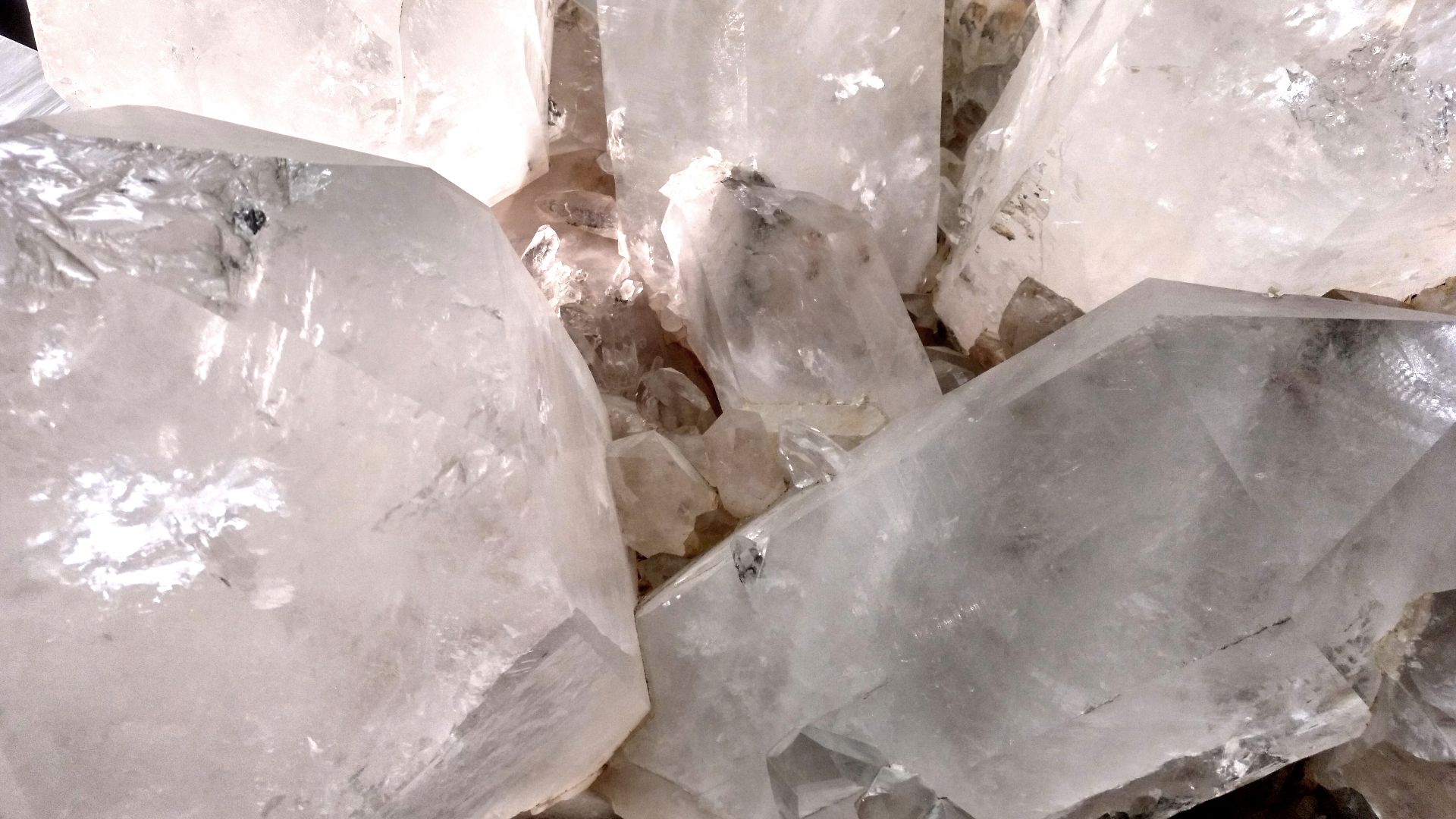
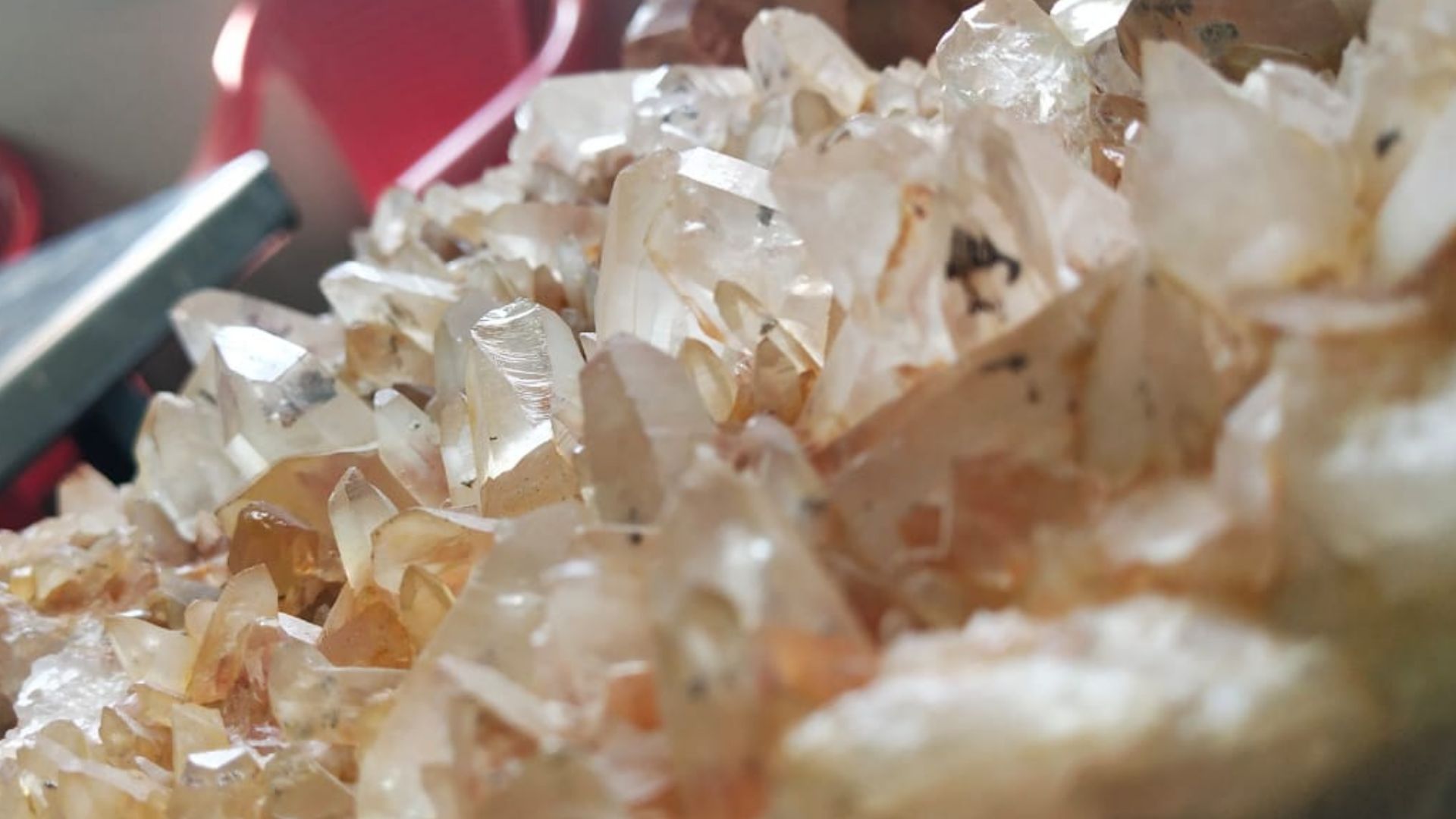
The quartz possesses a distinctive pearly, metallic sheen that differentiates it from all other quartz varieties. Standard quartz exhibits a glassy appearance, but cotterite displays silvery waves of light across its surface. Its unique visual characteristic results from its internal crystal structure.
A Single Geological Event
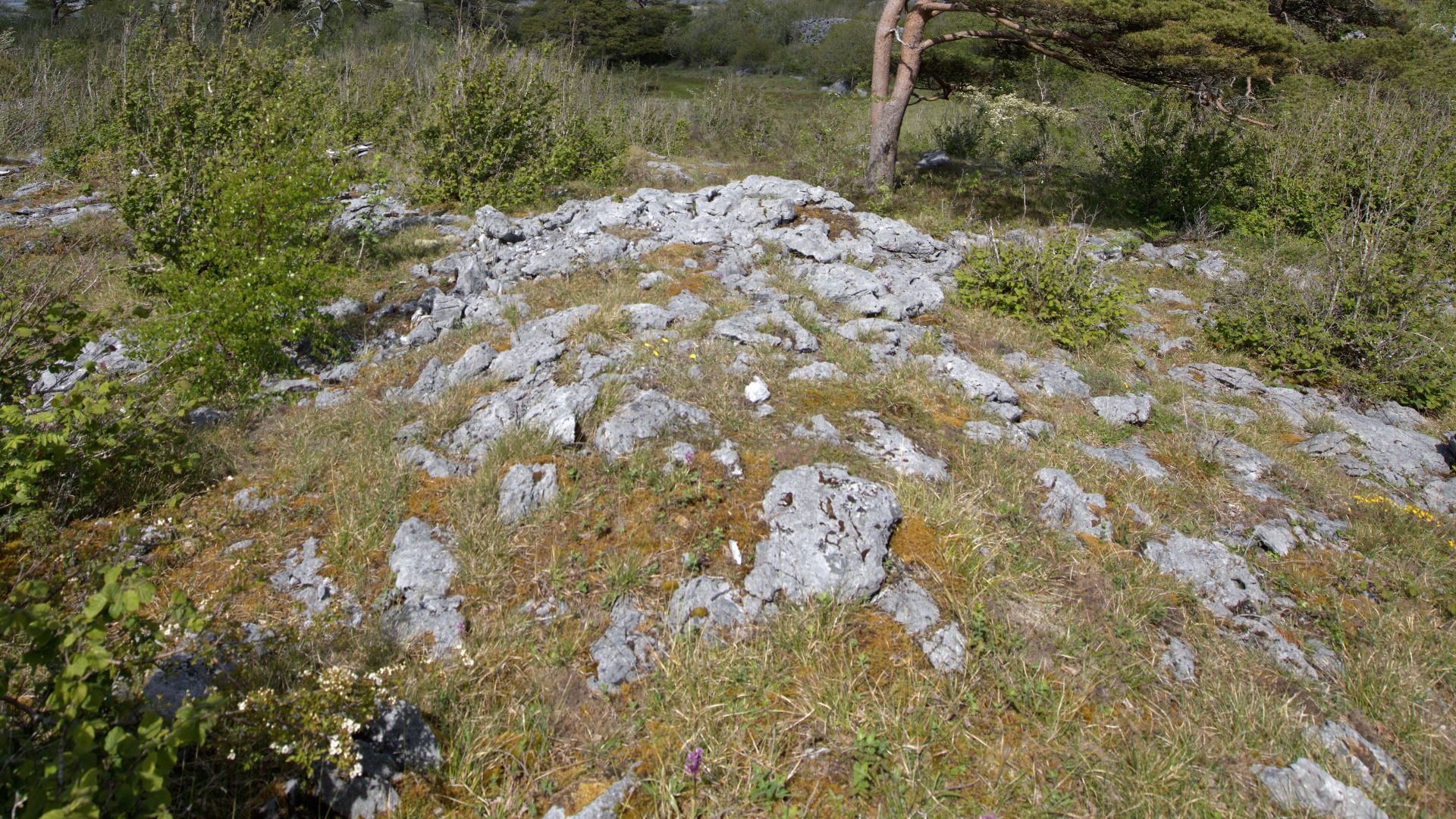
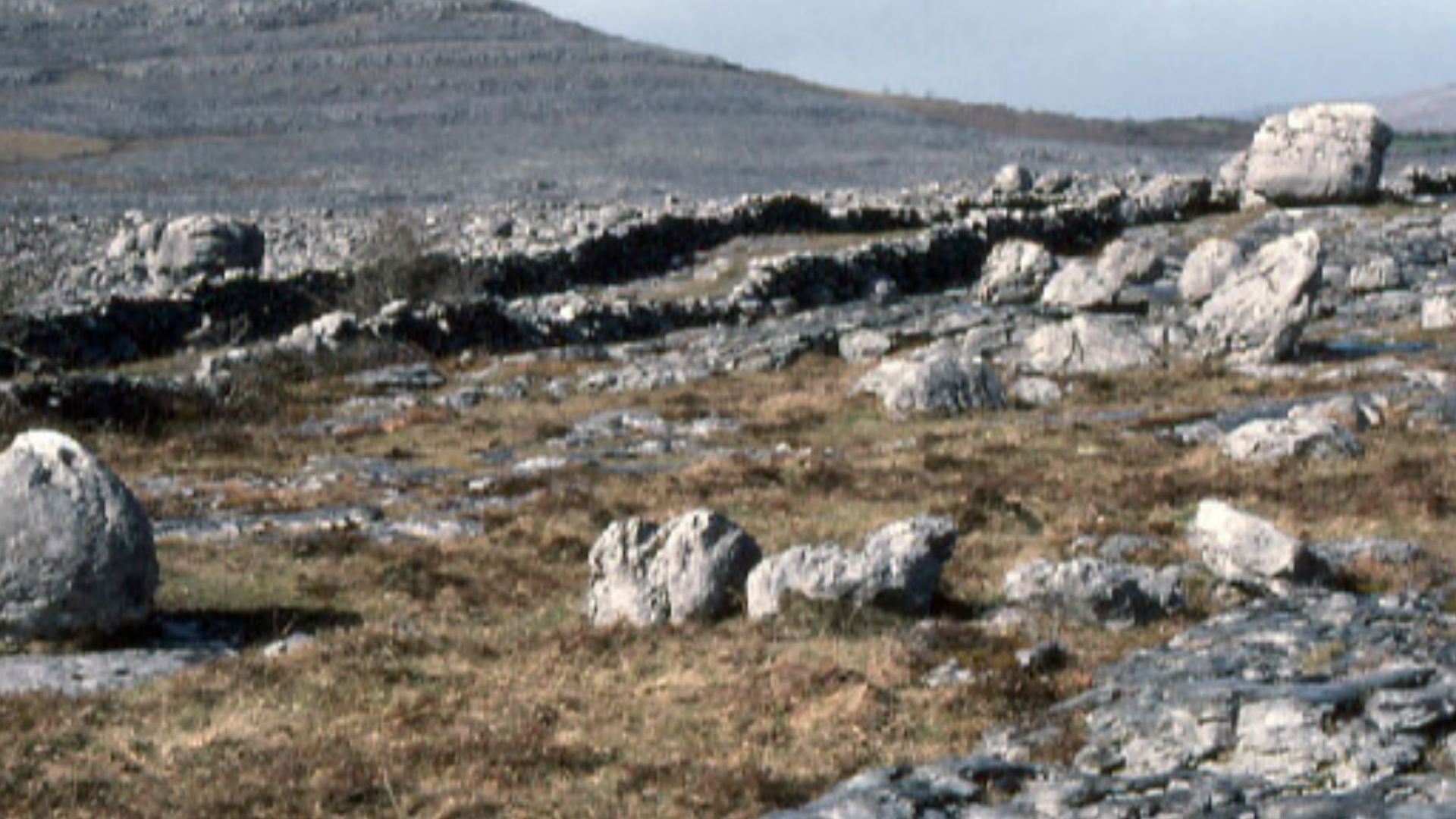
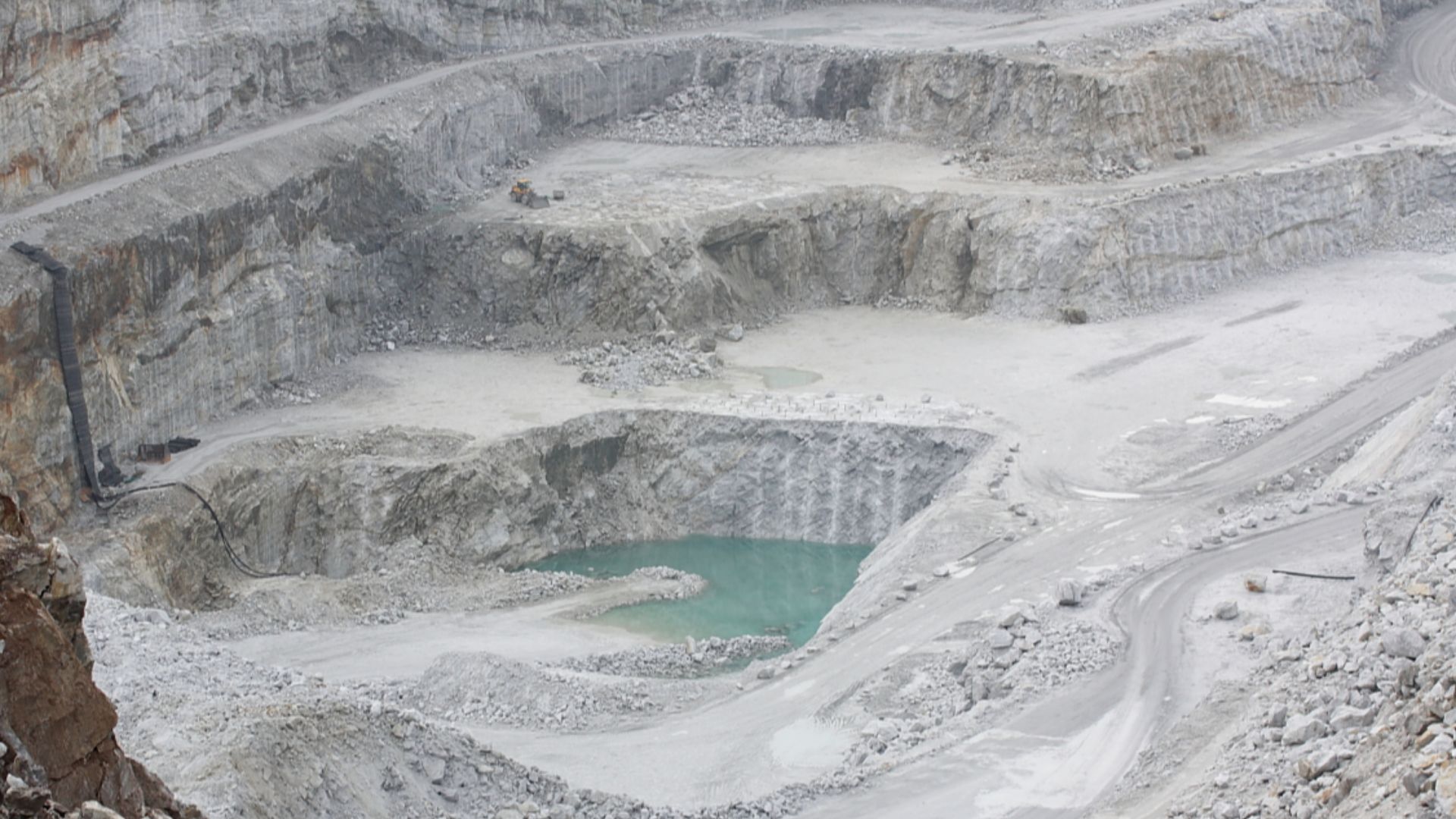
All cotterite specimens originated from one horizontal vein within a limestone quarry in Rockforest. The specimens were discovered within a few months of each other during 1875–1876, from an area covering just 65 square feet. This suggests a singular, extraordinary geological event created all existing cotterite under precise conditions.
 Dr Charles Nelson, Wikimedia Commons
Preservation Across Continents
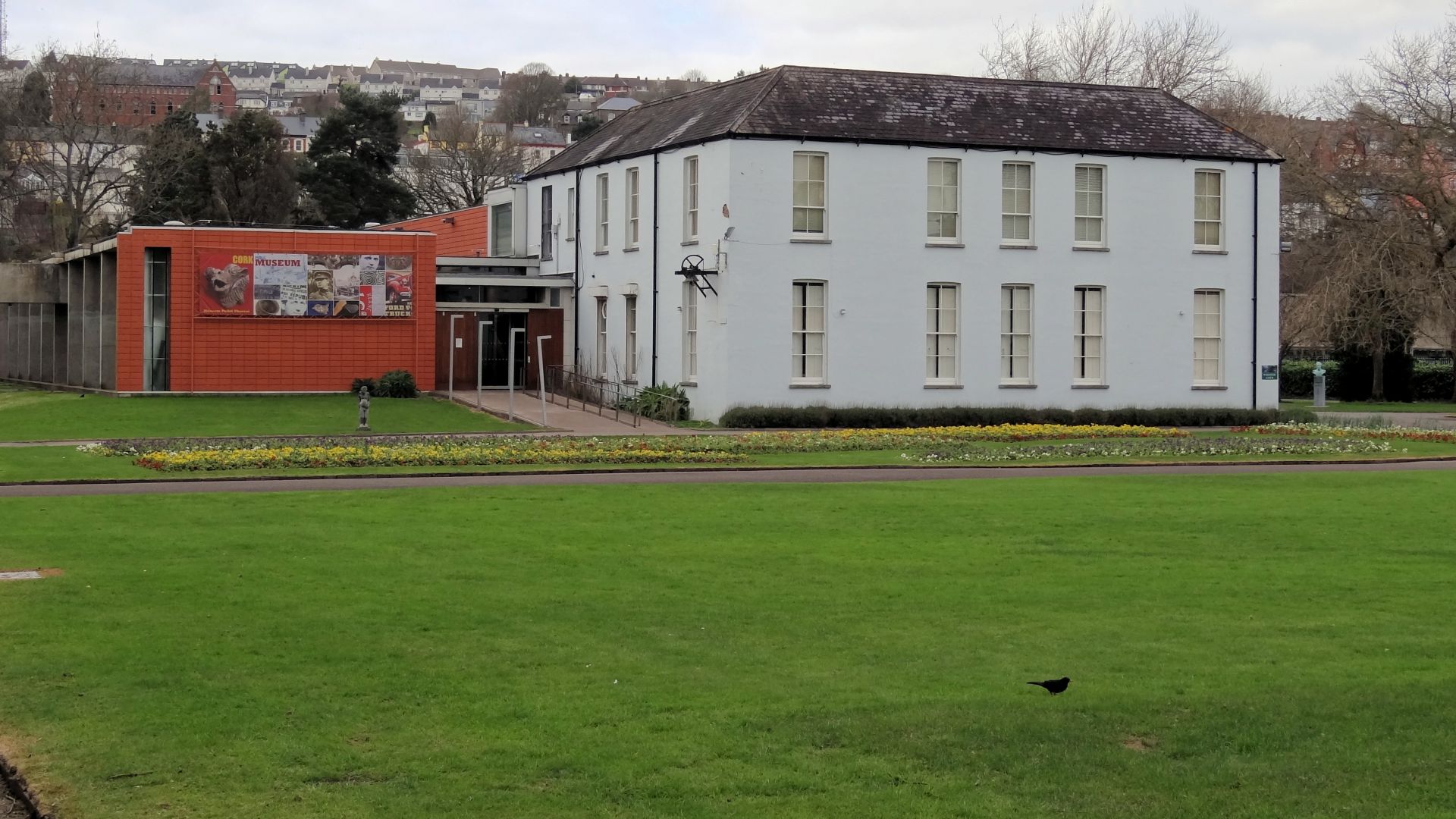
The extremely limited cotterite specimens are housed in major institutions: the Cork Geological Museum, the National Museum of Ireland in Dublin, the Smithsonian Institution in Washington, DC, and London's Natural History Museum. These museums preserve the specimens for scientific research and public education about rare mineralogical phenomena.
 Bjorn Christian Torrissen, Wikimedia Commons
The Formation
Cotterite forms under exceptionally specific geological conditions requiring a precise combination of mineral-rich fluids and particular chemical compositions. It also requires exact temperatures and pressures. These conditions must occur simultaneously within limestone formations. The rarity of cotterite indicates how seldom these exact parameters align in nature to produce this mineral.
 Thomas Bjorkan, Wikimedia Commons
Crystal Layers Thinner Than Hair
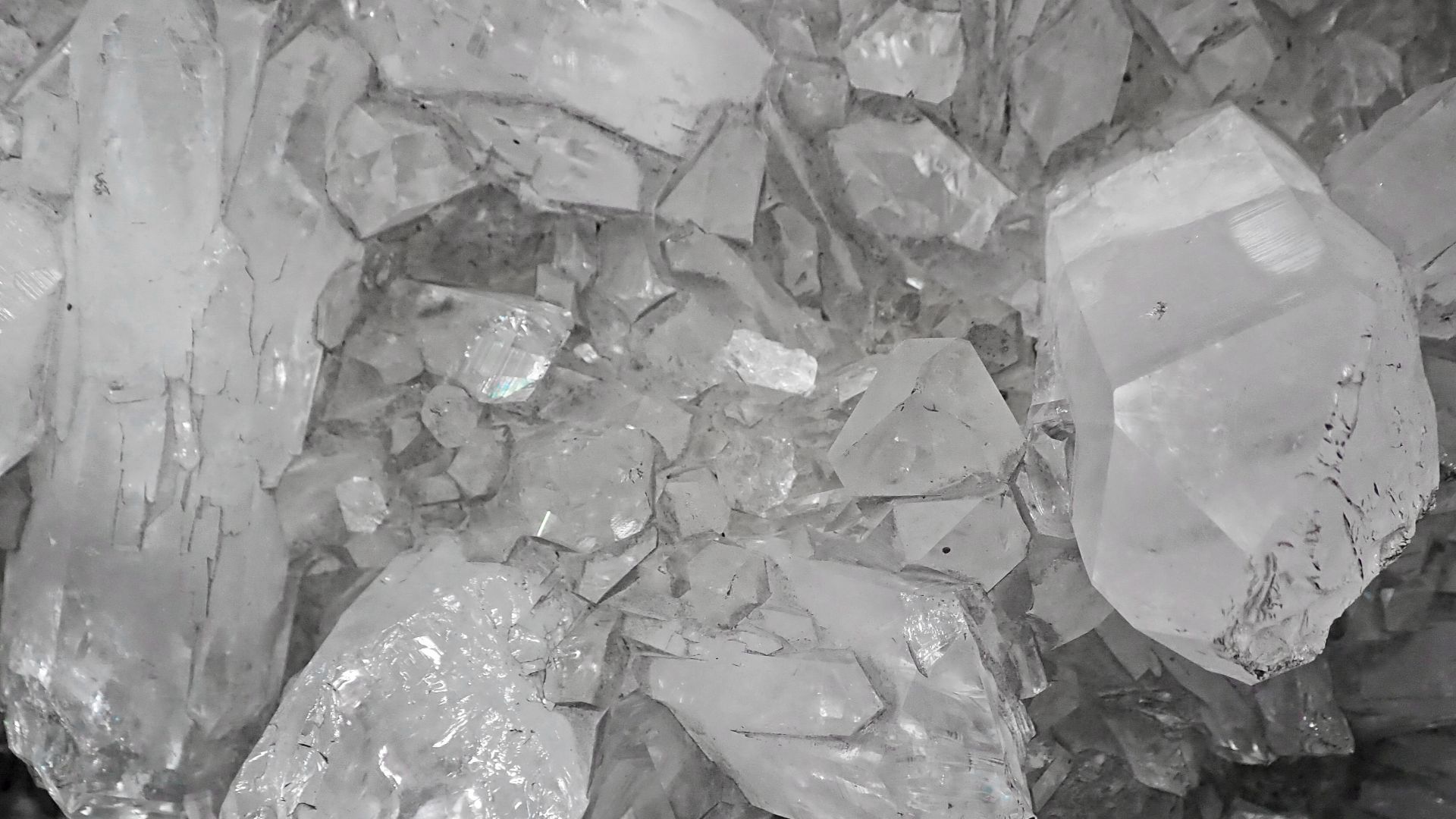
Cotterite’s structure consists of ultra‑thin crystal layers, each only about 10 microns thick. For comparison, a human hair measures 50 to 100 microns. This delicate layering makes the mineral exceptionally fragile and scientifically remarkable.
 James St. John, Wikimedia Commons
The Frosting Effect
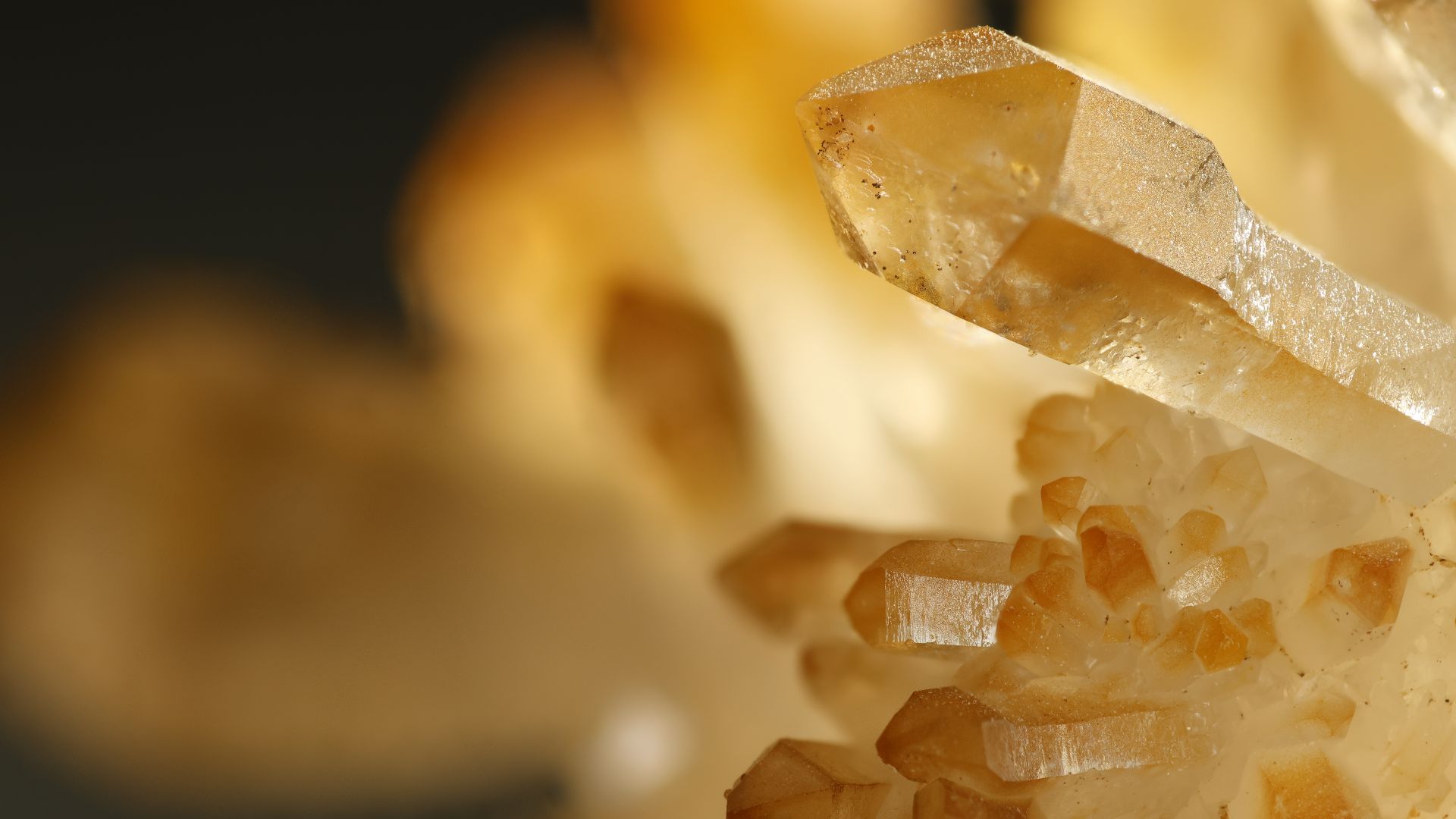
The silvery appearance results from light interaction with countless microscopic fractures within the crystal structure. As light enters the stone, these hair-thin cracks scatter it in multiple directions to produce waves of silvery shimmer across the surface. This optical phenomenon, similar to light on frosted glass, creates its signature lustre.
 AdamStejskal, Wikimedia Commons
Carboniferous Limestone
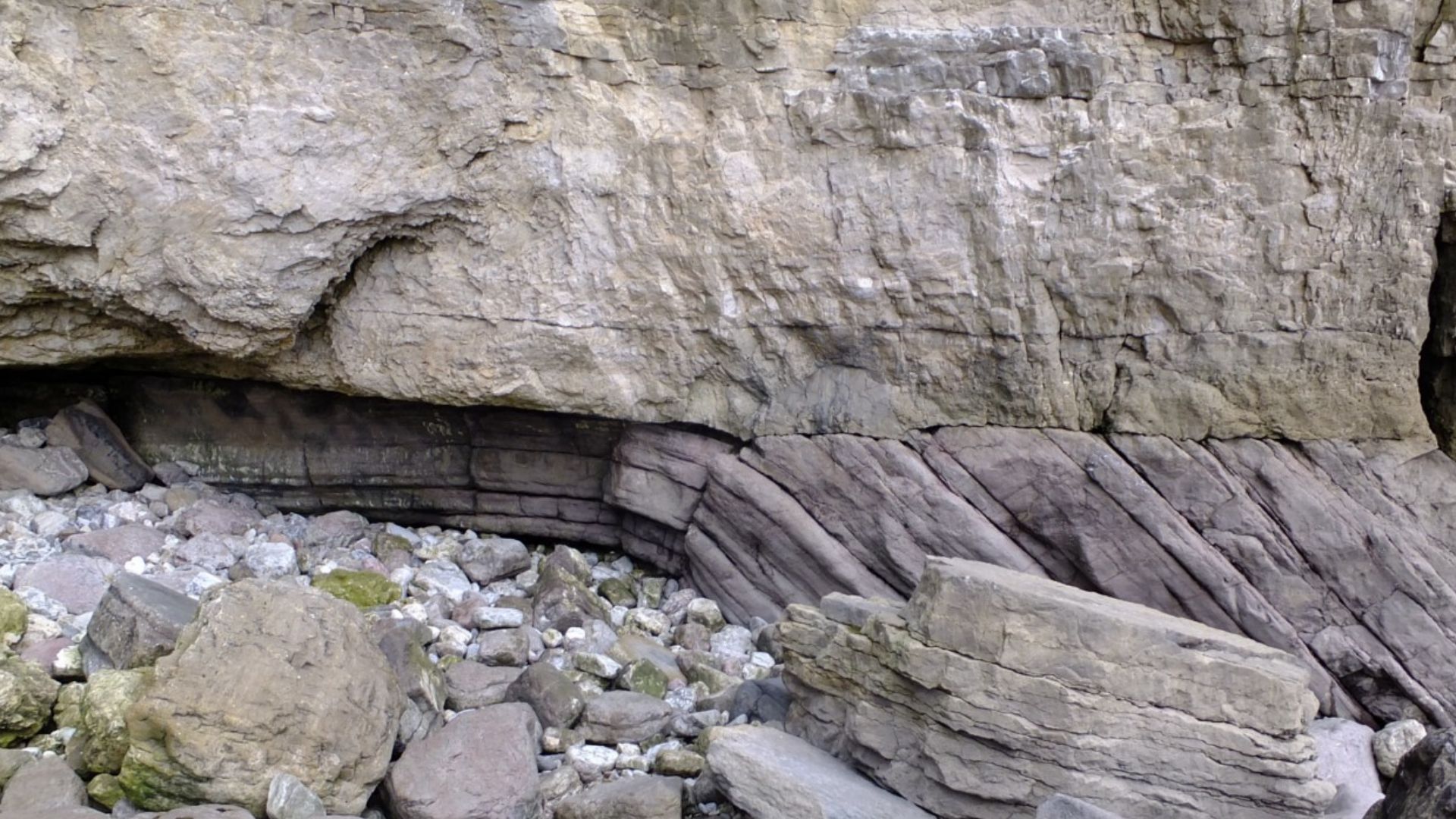
The structure formed within a vein composed of calcite, quartz, and iron-rich (ferruginous) mud embedded in Carboniferous limestone. The limestone dates back approximately 350 million years to the Carboniferous Period. The specific combination of these materials within this ancient geological formation has unique conditions necessary for cotterite's development.
 Alan Bowring , Wikimedia Commons
The Original Find
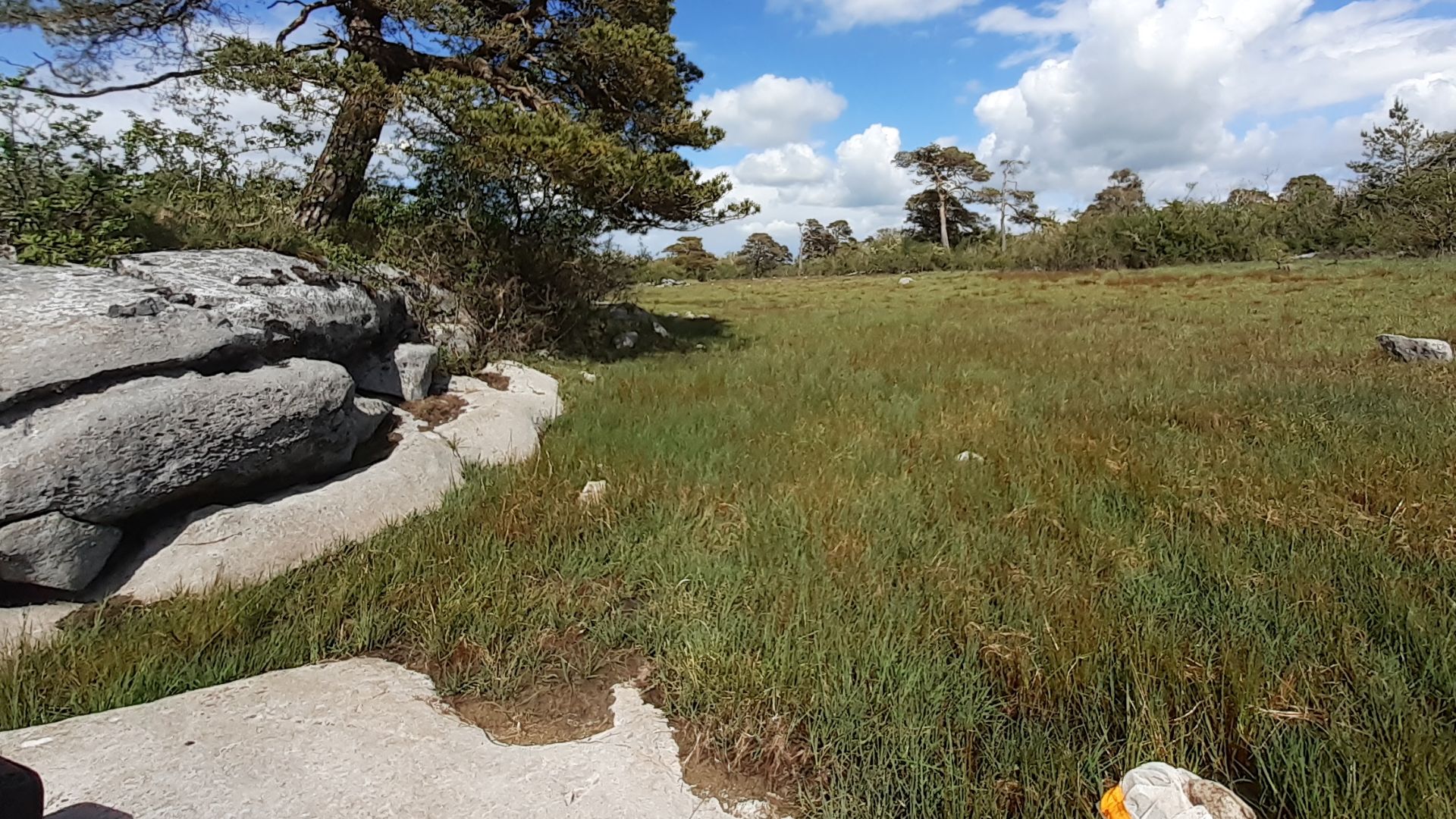
In 1875, Grace Elizabeth Cotter discovered cotterite in a limestone quarry on the Rockforest estate owned by her uncle, Sir James Lawrence Cotter, third Baronet. She recognized the distinctiveness of silvery stones and collected specimens for scientific examination.
The Journey To Science
Grace passed the specimens to a geology enthusiast in Mallow, the nearest town. Recognizing their potential scientific importance, he forwarded them to Robert Harkness, ensuring the discovery reached professional examination and gained attention beyond casual curiosity.
 Unknown photographer, Wikimedia Commons
Professor Robert Harkness
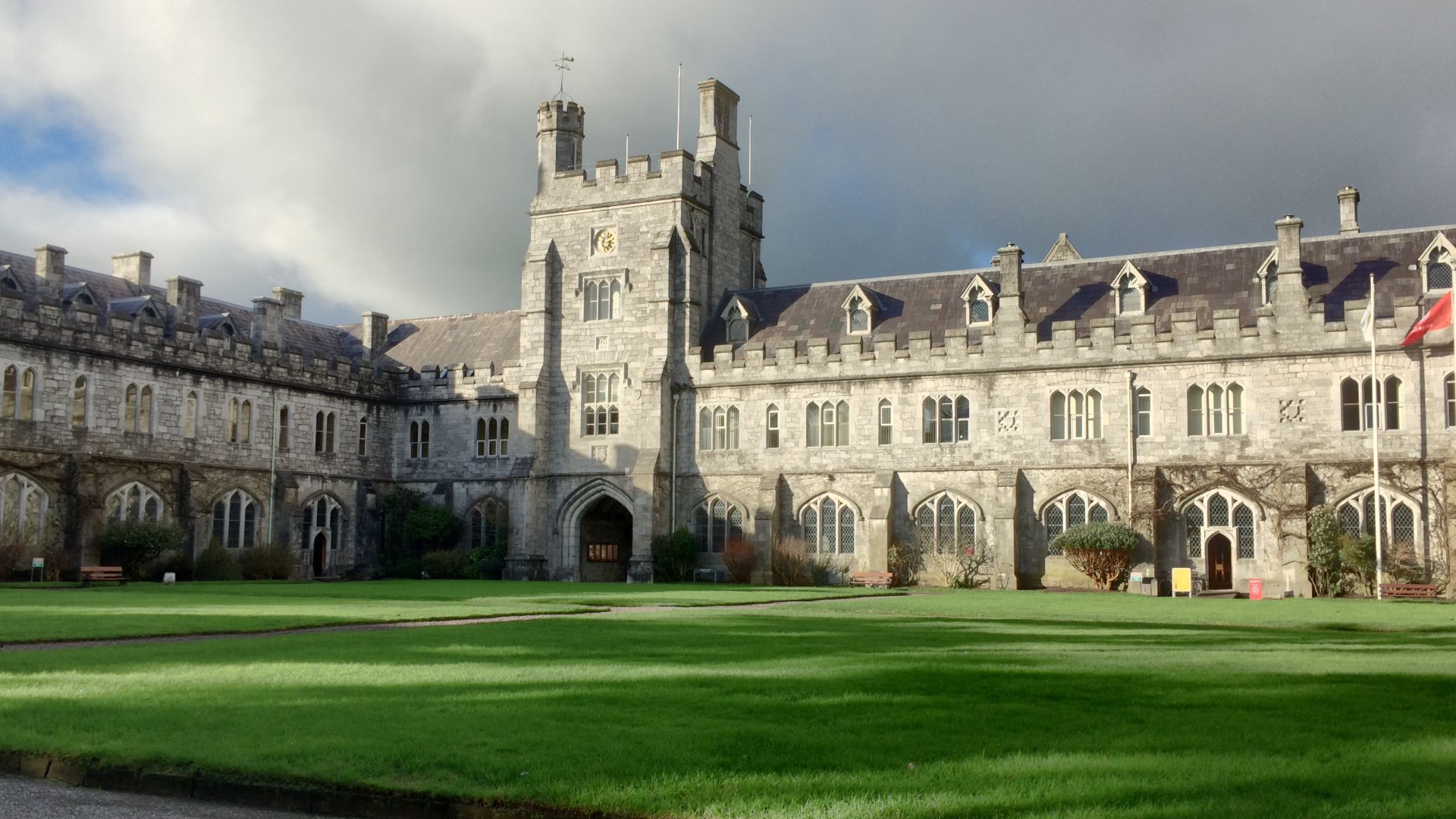
Robert Harkness was a distinguished British geologist and mineralogist, a Fellow of the Royal Society. At Queen’s College Cork (now University College Cork), he possessed the expertise and authority to identify and classify new mineral specimens with official recognition.
 Michael O'Sheil, Wikimedia Commons
Museum Preservation
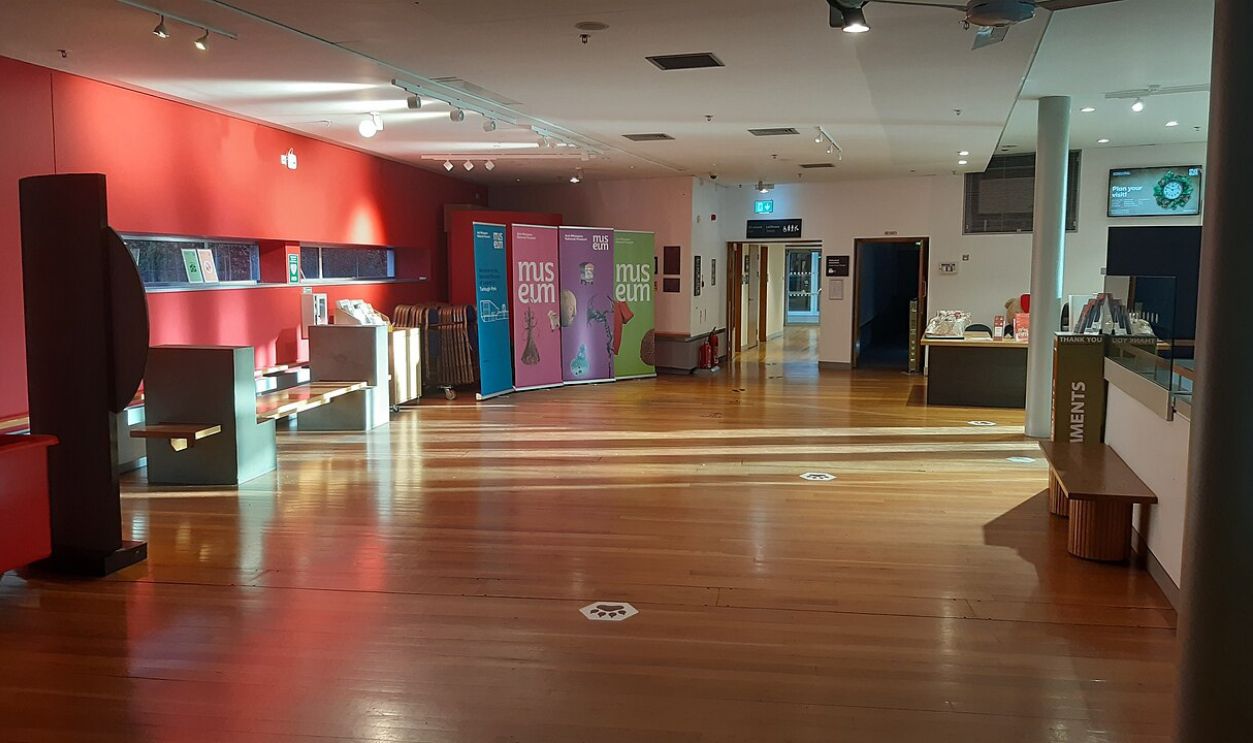
Grace also presented the cotterite specimens to the National Museum of Ireland in 1876 to ensure their preservation for scientific study. By adding to Ireland’s geological record, she demonstrated a clear dedication to scientific progress and ensured unusual stones were preserved for research and not for personal collection.
 Ridiculopathy, CC0, Wikimedia Commons
The Naming
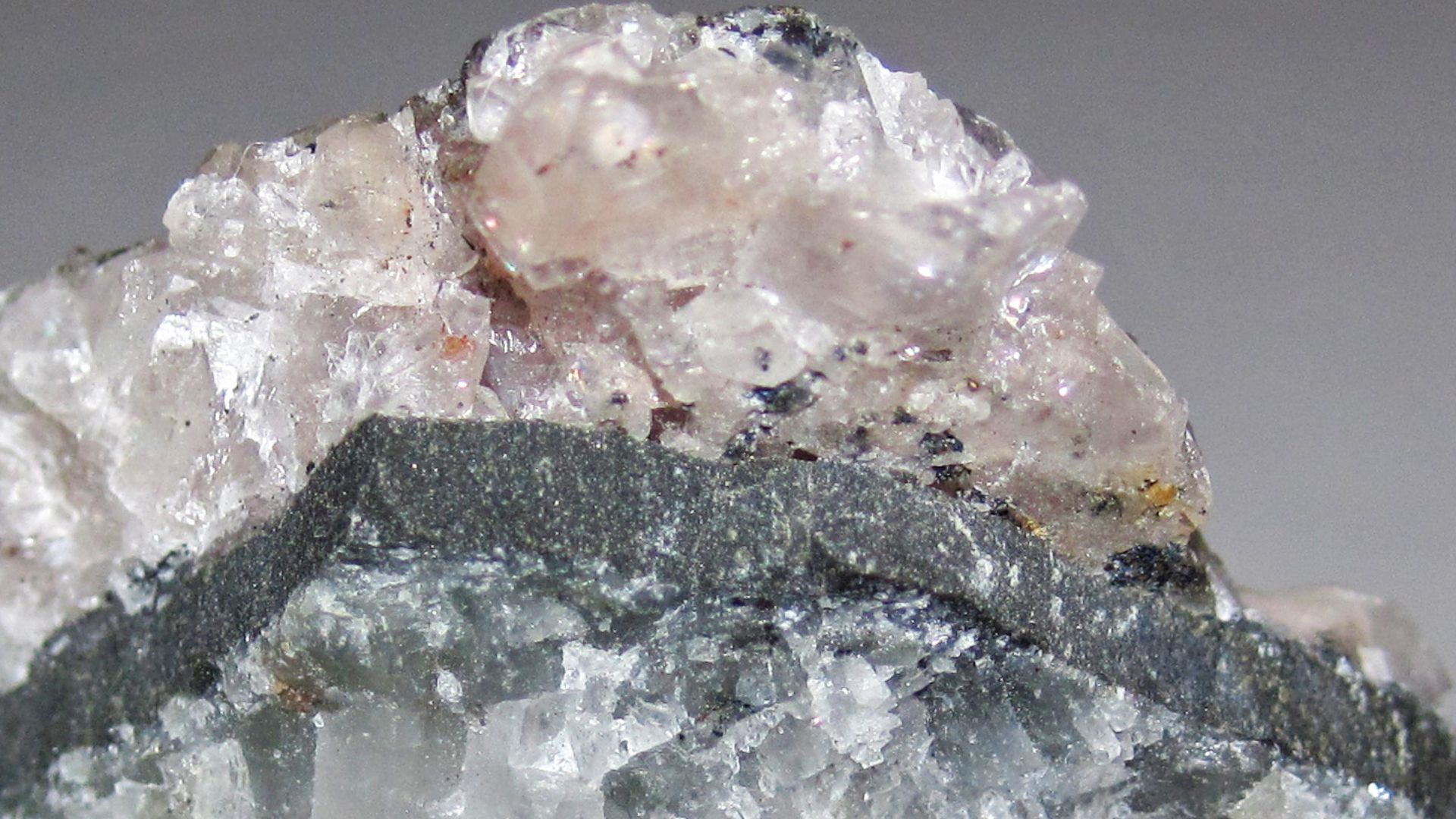
In 1878, Professor Harkness presented the mineral to the Mineralogical Society of Great Britain and Ireland. He officially named it "cotterite" in honor of Grace Cotter, who was the original discoverer. The naming followed the scientific convention of crediting discoverers. Grace Cotter's contribution would be permanently recorded in geological history.
 James St. John, Wikimedia Commons
The Lost Quarry
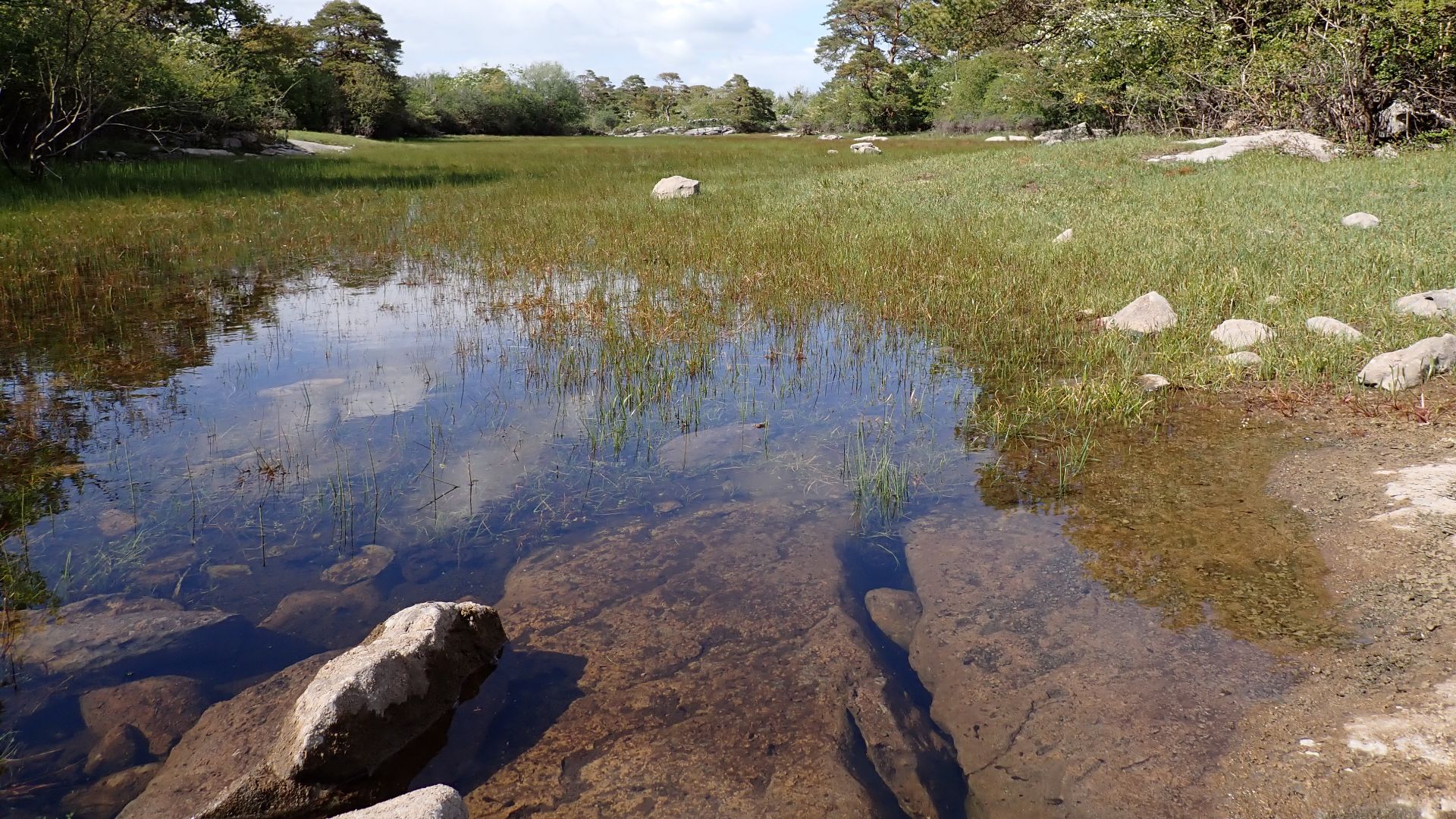
By 1878, the exact quarry location where Grace Cotter found cotterite had become obscured beneath reddish clay. The productive area measured just six square meters. Without modern GPS technology or detailed geological mapping, the precise spot within the Rockforest estate was lost. Future attempts to locate additional specimens proved unsuccessful.
Recognition Of A Modern Discovery
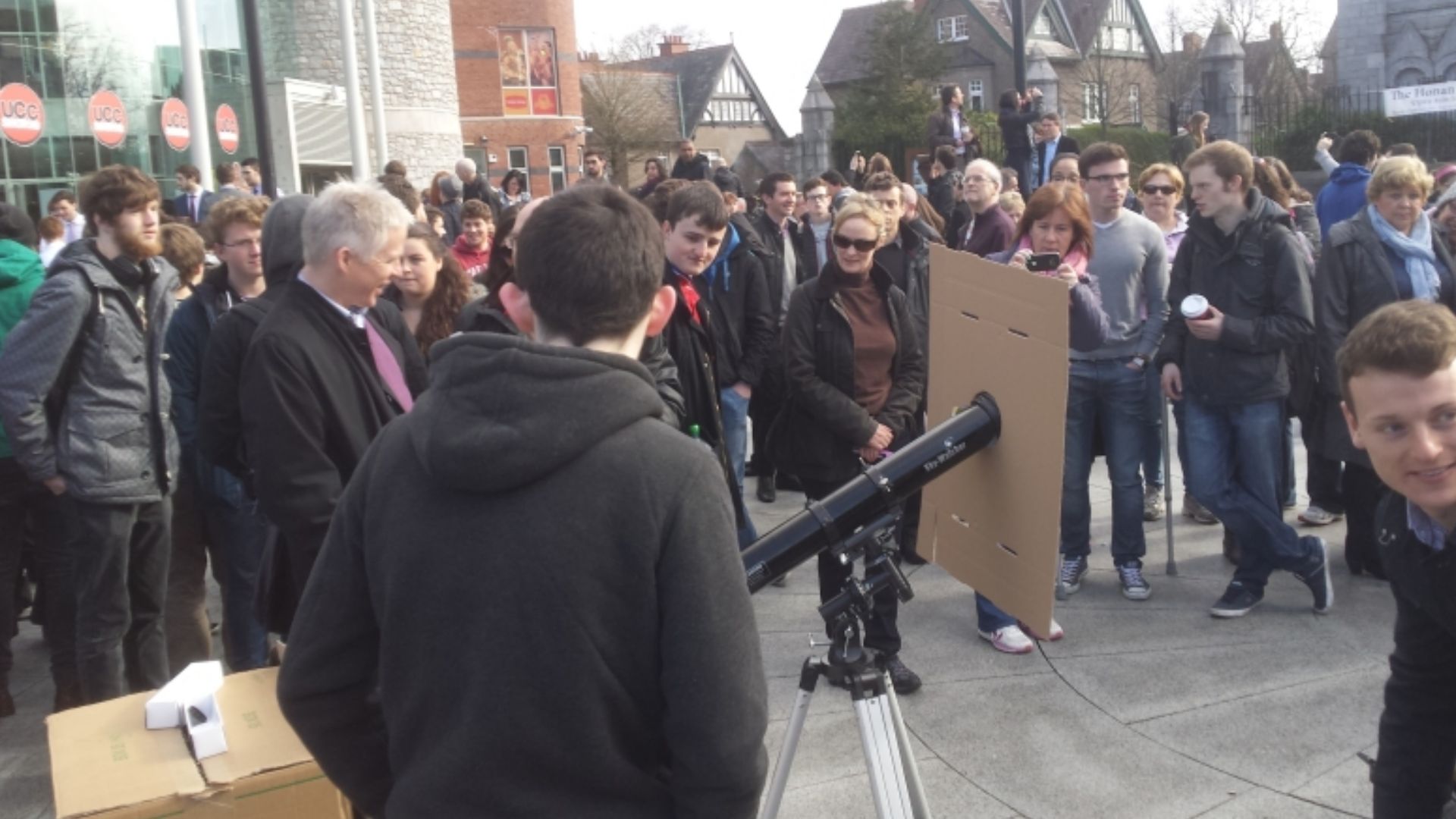
Dr. Bettie Higgs, retired University College Cork geology lecturer and chairperson of the Cork Geological Association, participated in honoring Ben's discovery. She joined Dr. Patrick Roycroft for a formal ceremony at University College Cork, where they prepared to present Ben with official recognition.
 Darius Whelan, Wikimedia Commons
Recognition Of A Modern Discovery (Cont.)
The official document confirmed the specimen’s authenticity and underscored its historical significance within geological research. This acknowledgment not only celebrated Ben’s role but also placed the finding within a broader scientific context of preserved discoveries.

"The Ben O'Driscoll Cotterite"
Dr. Roycroft officially named the specimen "The Ben O'Driscoll Cotterite" and documented the discovery in the Irish Naturalists' Journal, the official scientific record. Ben keeps the specimen displayed at home rather than in a museum. The naming ensures Ben's discovery will remain part of geological literature alongside Grace Cotter's original find around 1875.
 Barkave Balusamy, Wikimedia Commons