When Metal Detectors Started Beeping Nonstop In A Norwegian Field
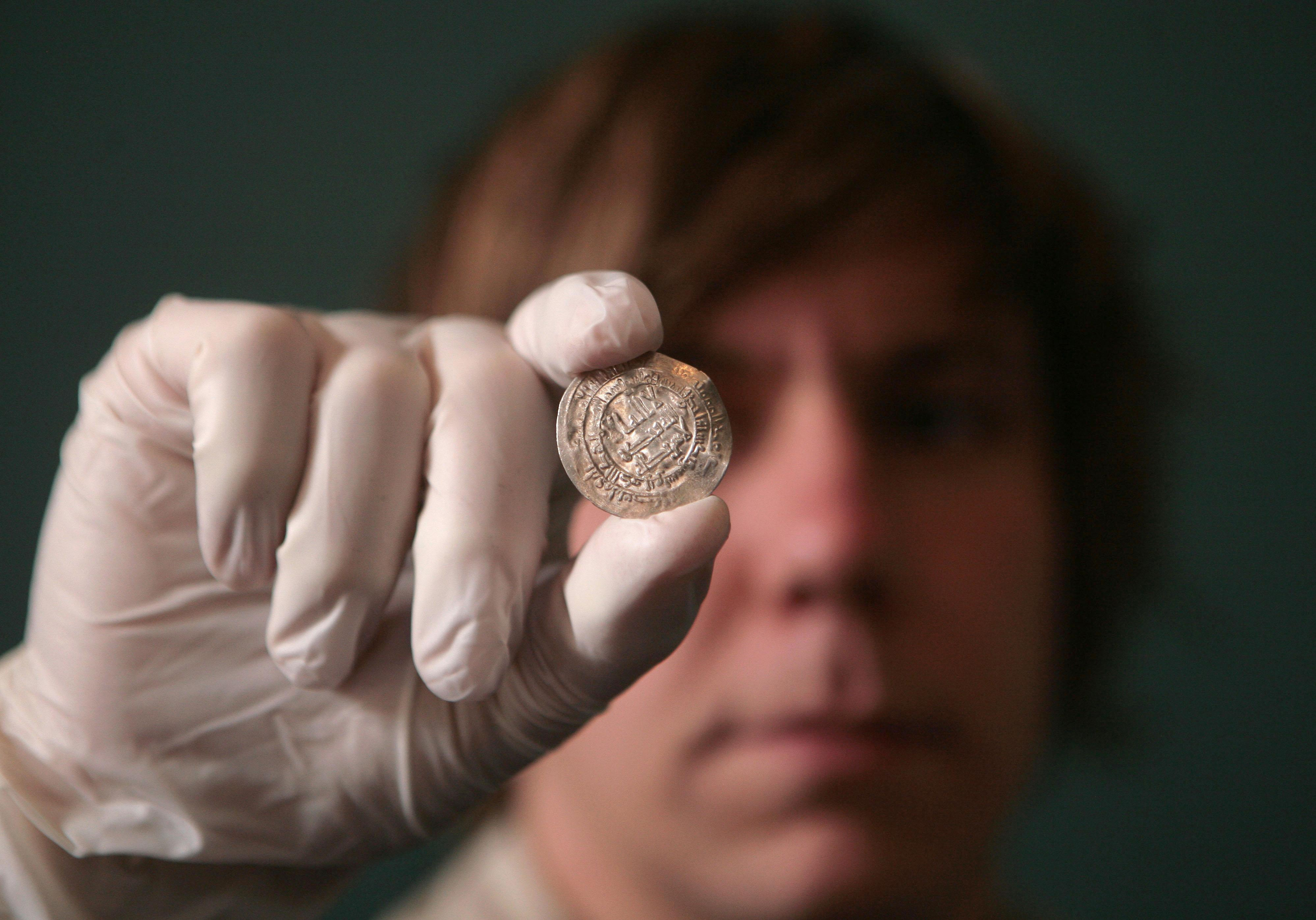
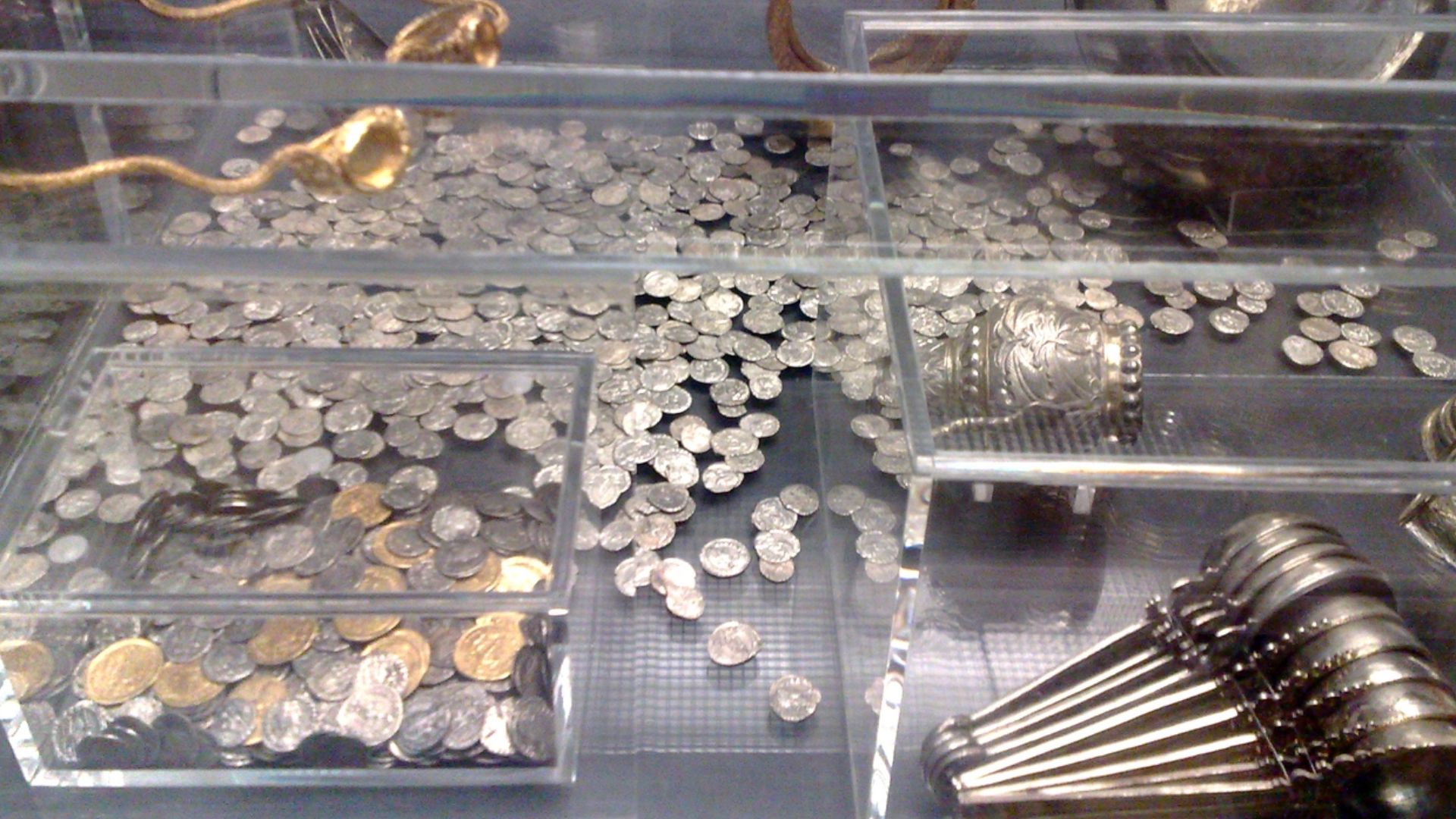
Every now and then, an archaeological discovery comes along that completely changes the scale of what researchers thought was possible. That is exactly what happened in eastern Norway in early 2026, when two hobby metal detectorists stumbled across what would become the largest Viking Age coin hoard ever discovered in the country. What began with a handful of silver coins quickly turned into the discovery of more than 3,000 pieces of Viking-era silver, now known as the Mørstad Hoard. Beyond its size, the find offers an extraordinary glimpse into Viking wealth, trade, politics, and the increasingly global world that Vikings inhabited during the final decades of the Viking Age.
 Katie Collins/PA Images via Getty Images
The Discovery Started With Just 19 Coins
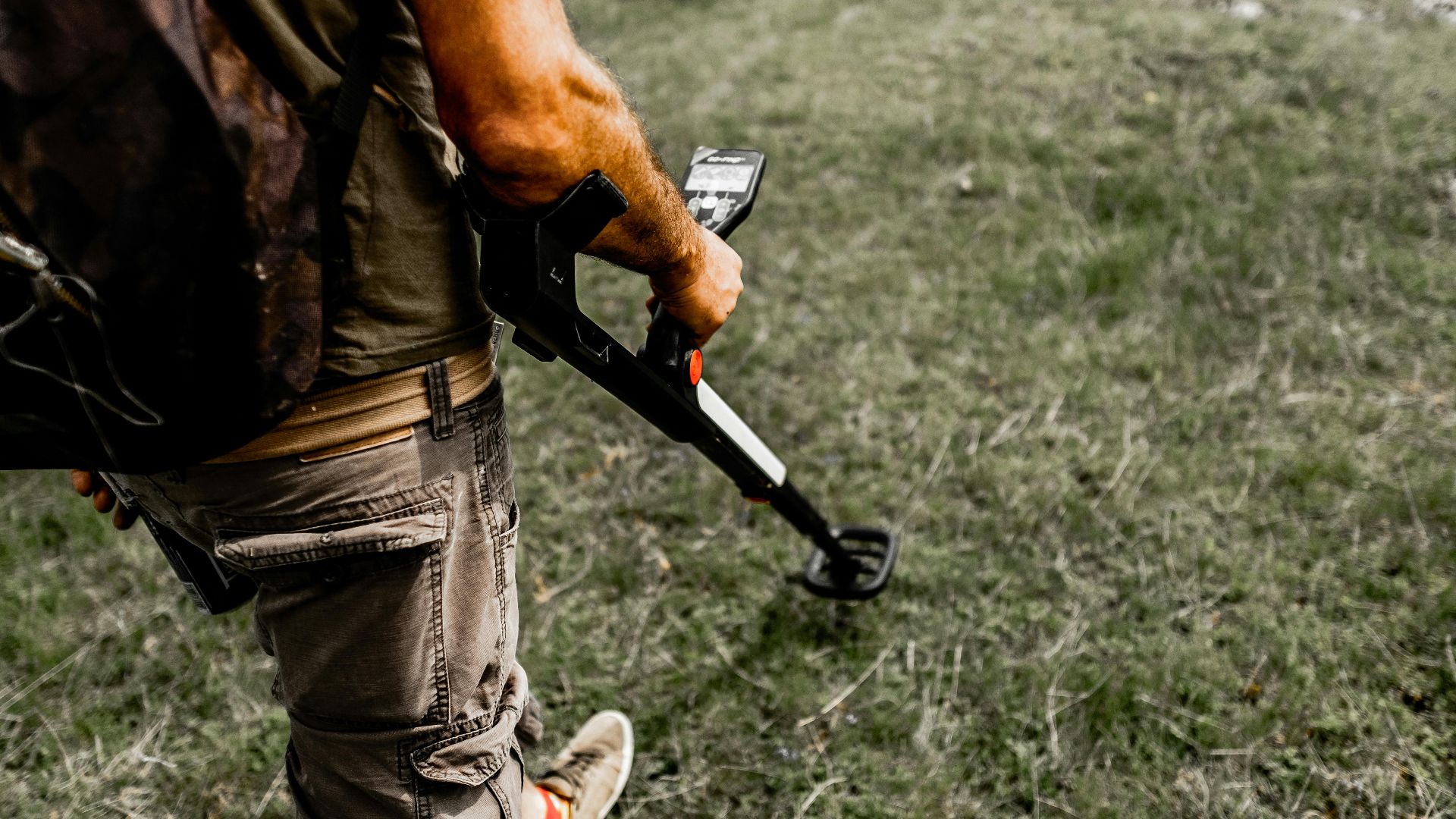
The story began on April 10, 2026, when metal detectorists Rune Sætre and Vegard Sørlie were searching a field near Rena in southeastern Norway. At first, they uncovered 19 silver coins, enough to suggest they had found something significant. Instead of continuing on their own, they followed Norwegian heritage laws and reported the discovery to local authorities. That decision quickly led to a much larger archaeological investigation.
Then The Detectors Would Not Stop Beeping
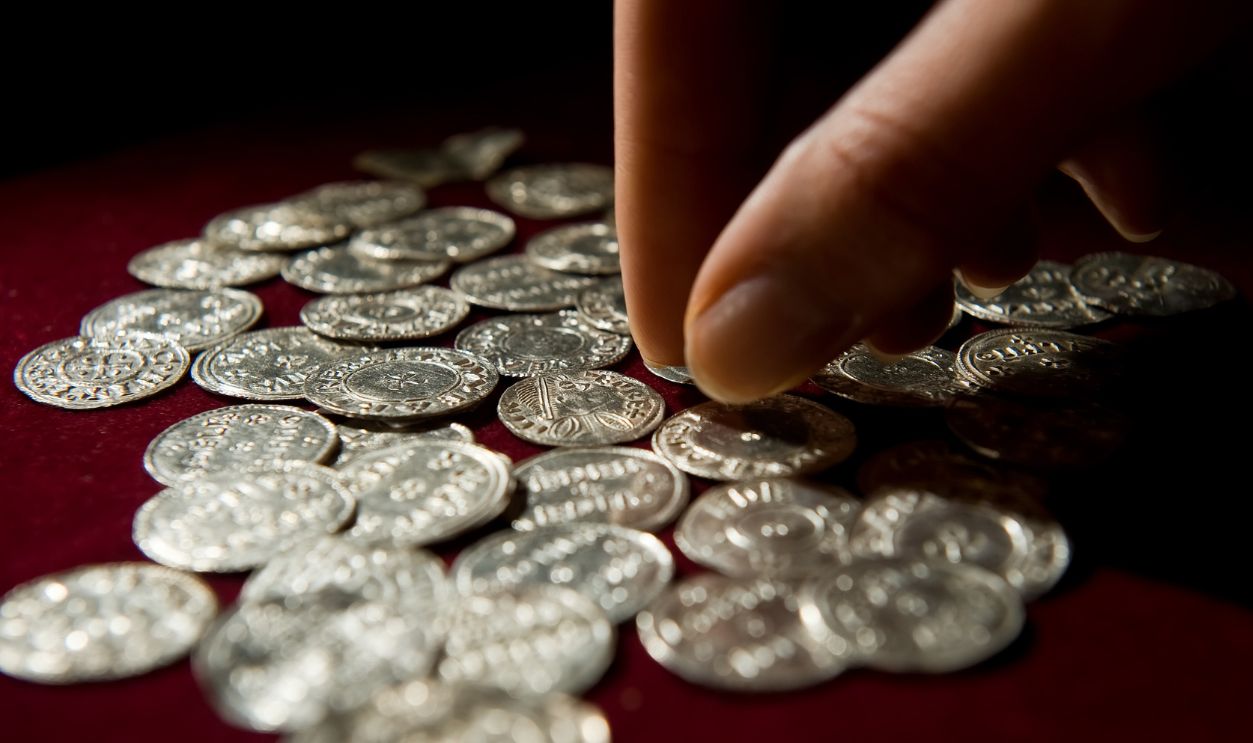
When archaeologists arrived and began surveying the site, they realized almost immediately that this was not an ordinary find. Coin after coin emerged from the soil. According to archaeologist May-Tove Smiseth, the detectors seemed to beep continuously as more silver appeared. Within days, hundreds of coins had been recovered, and the total kept growing. Eventually, the hoard surpassed 3,000 coins, making it the largest Viking Age coin treasure ever found in Norway.
Why It Is Called The Mørstad Hoard?
The treasure takes its name from the Mørstad farm where it was discovered. Naming hoards after the location where they are found is common practice in archaeology and helps distinguish them from other discoveries. In some reports, the treasure is also referred to as the Rena Hoard because of its proximity to the town of Rena, but “Mørstad Hoard” has become the more widely used name.
 Katie Collins/PA Images, Getty Images
More Than 3,000 Coins And Still Growing
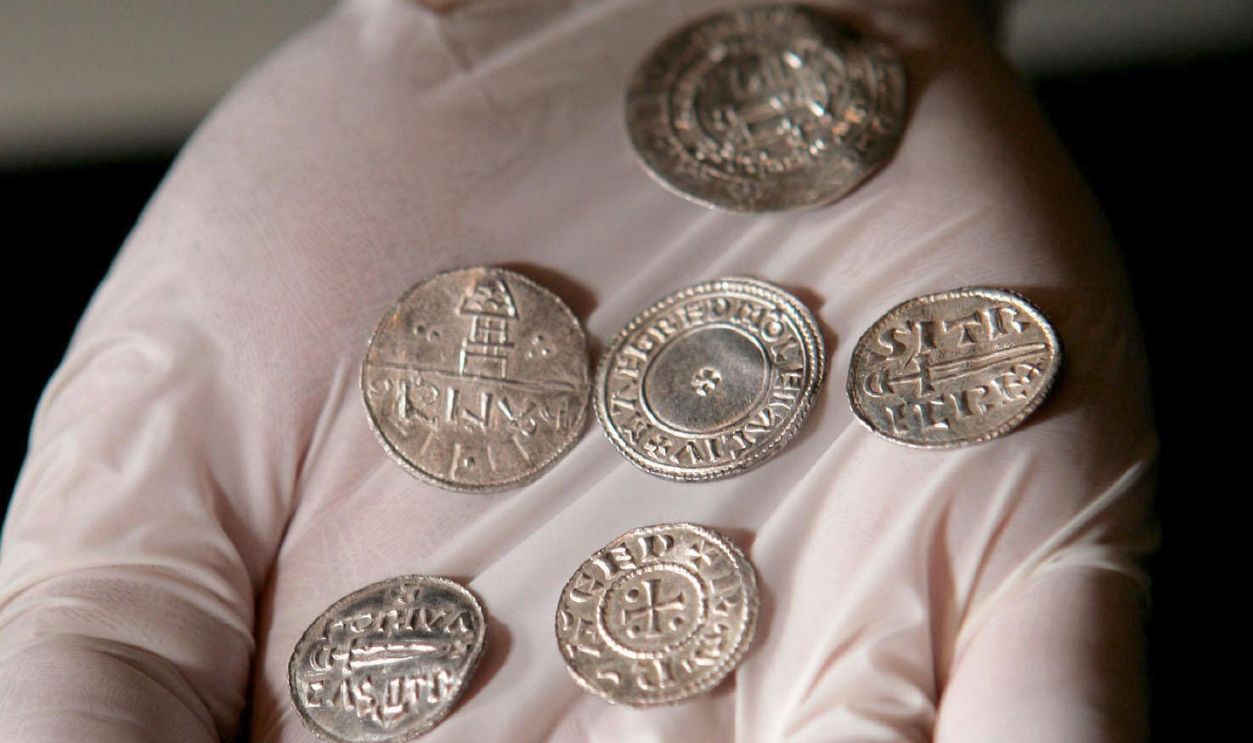
At the time the discovery was announced, archaeologists had already recovered more than 3,000 silver coins, with some reports placing the number above 3,150. Researchers believe additional material may still remain in the area, meaning the total count could eventually increase even further. Even in its current state, the hoard has already broken Norwegian records.
Coins From Across Europe
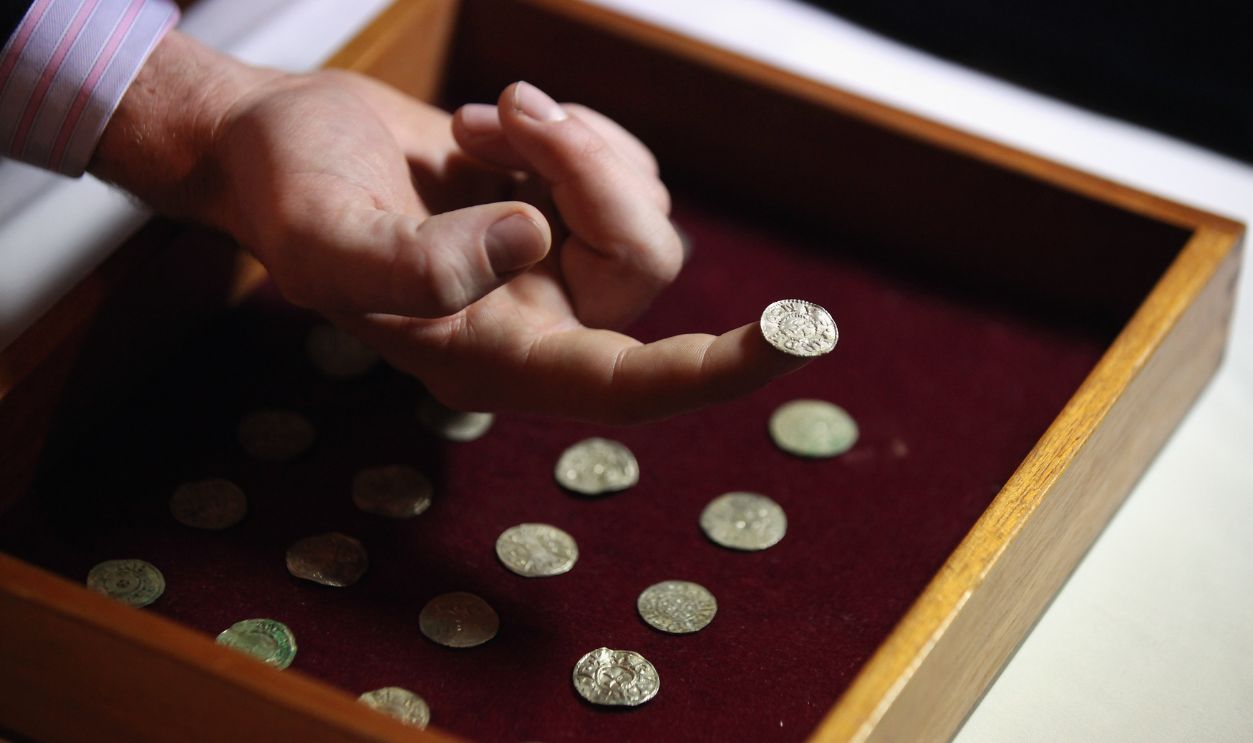
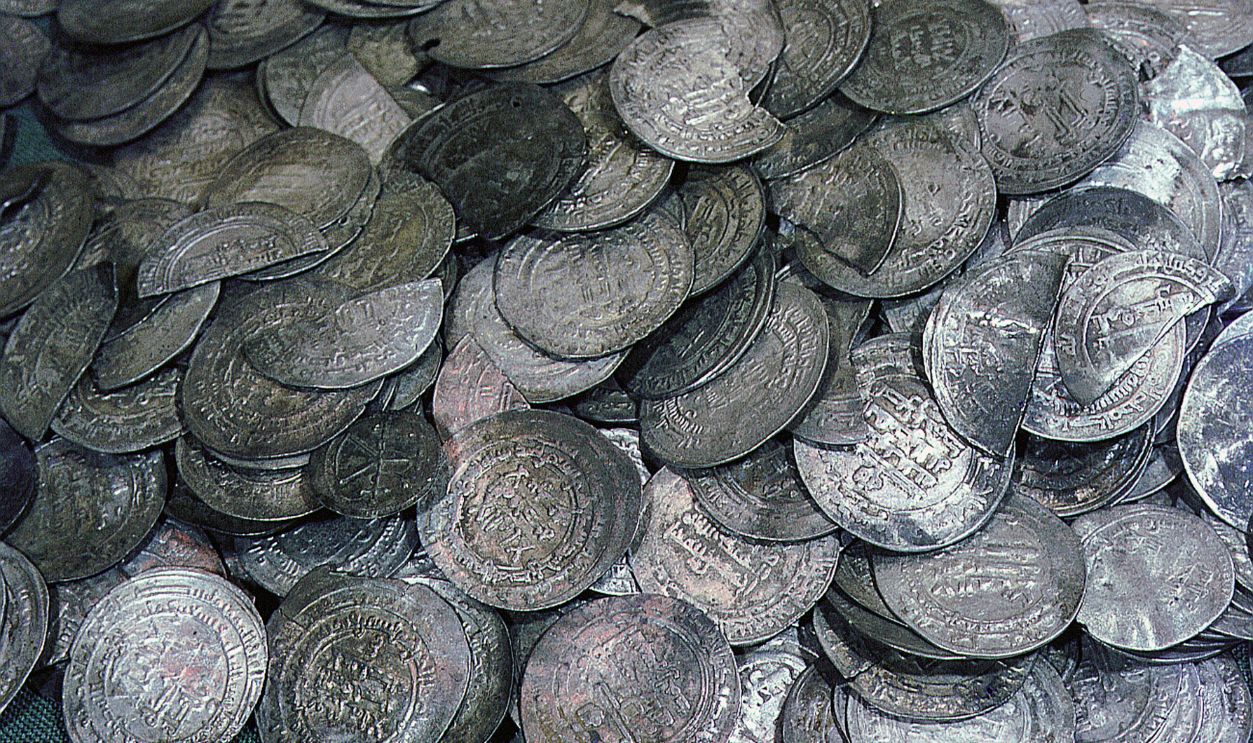
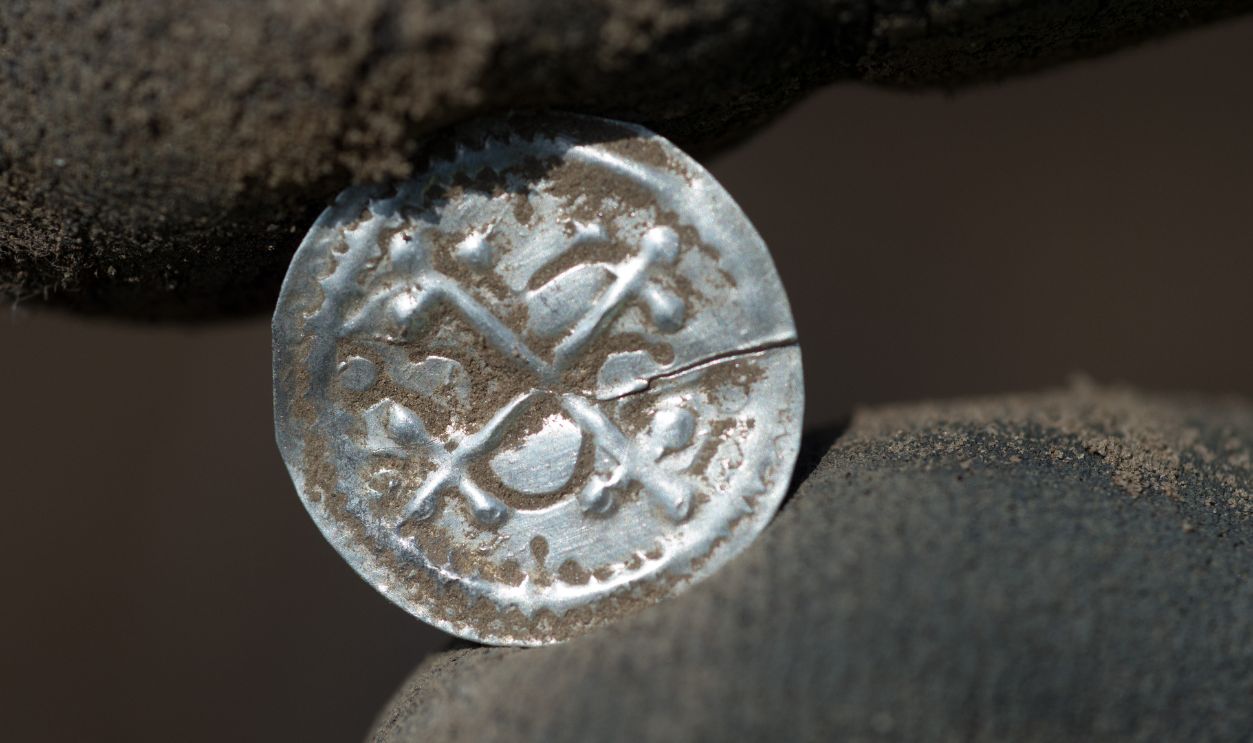
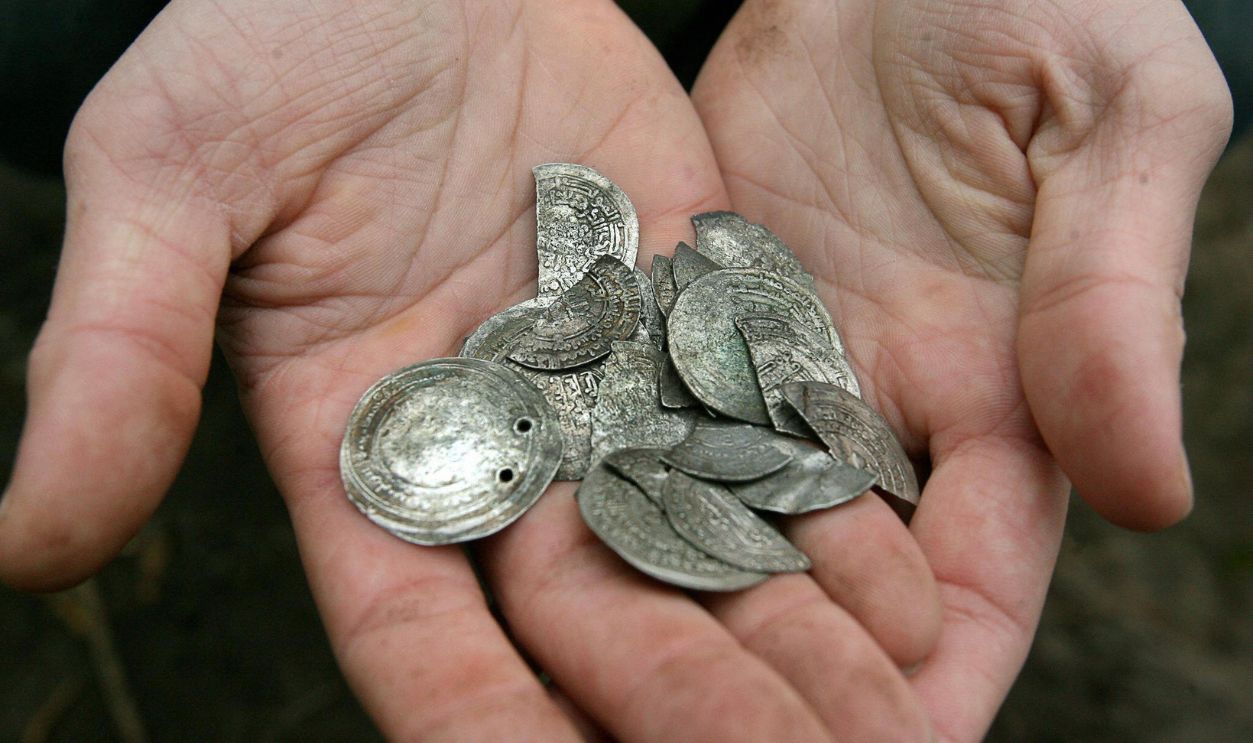
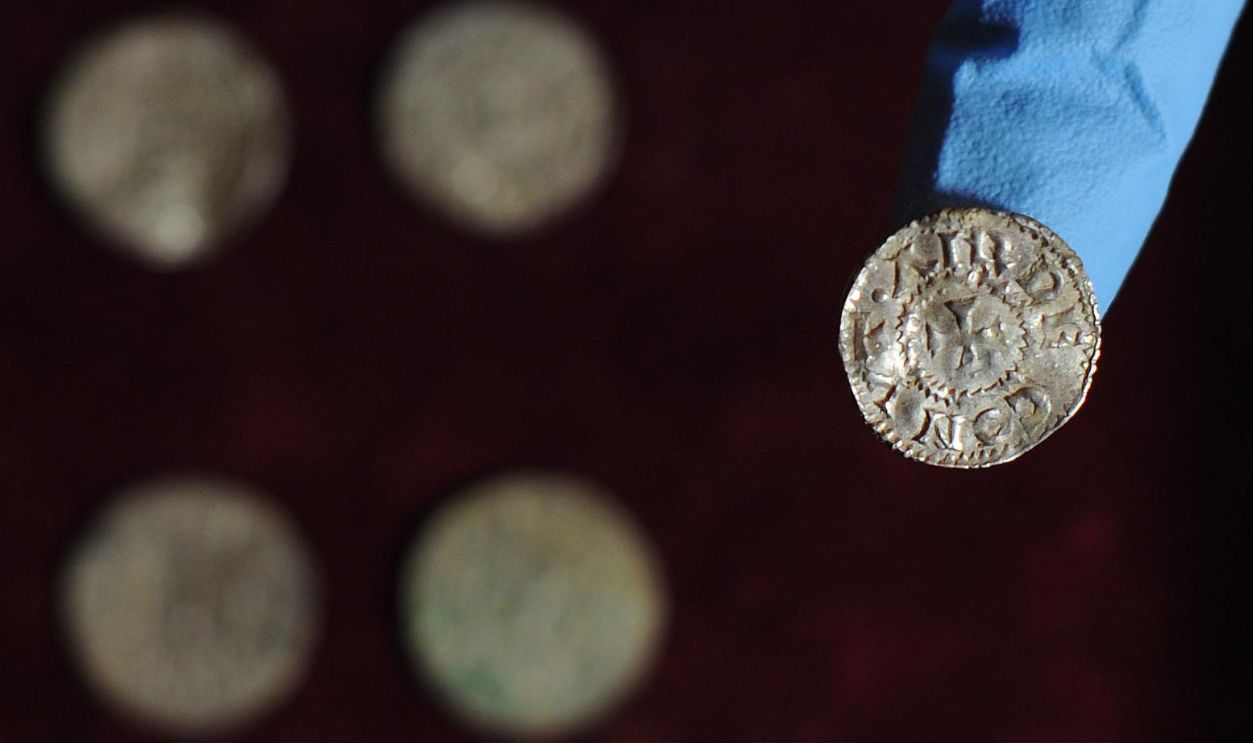
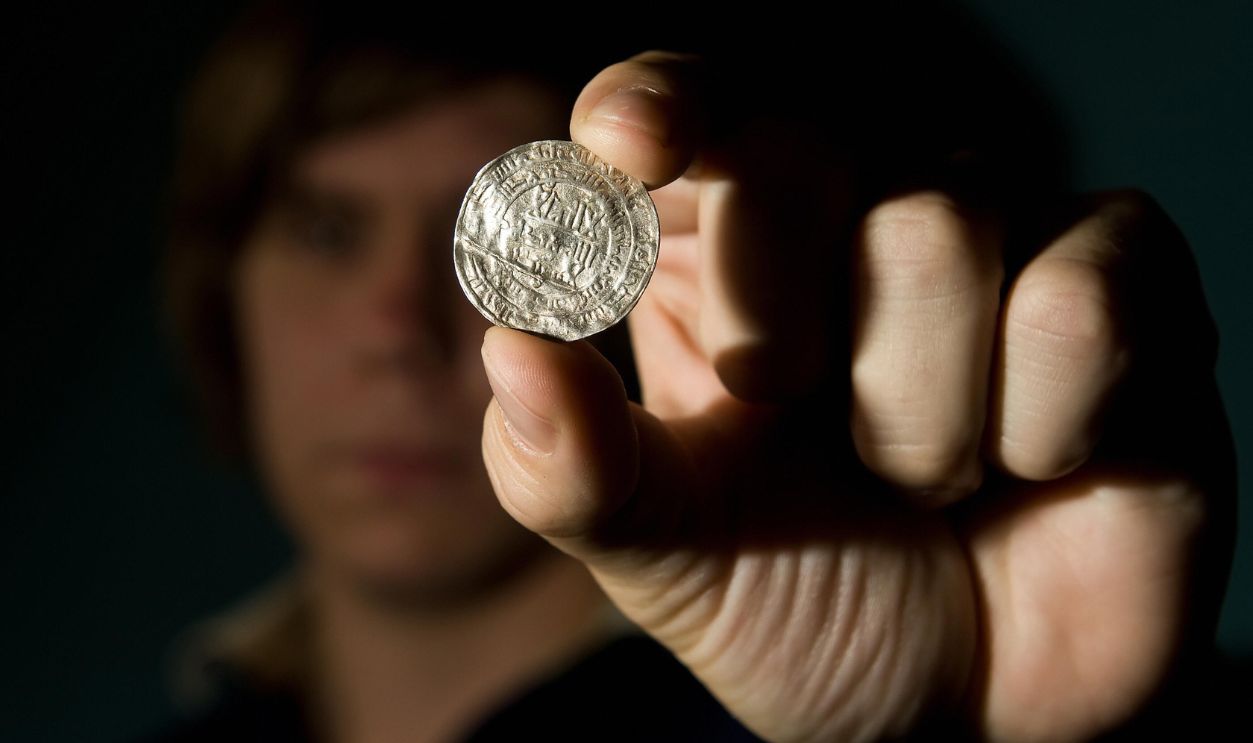
One of the most fascinating things about the hoard is that most of the coins were not minted in Norway. Instead, they originated in places like England, Germany, and Denmark. This reflects a period when foreign coinage dominated Scandinavian trade and circulation. The Vikings were deeply connected to international trade networks, and the Mørstad Hoard provides physical evidence of those links.
Famous Names Hidden In The Silver
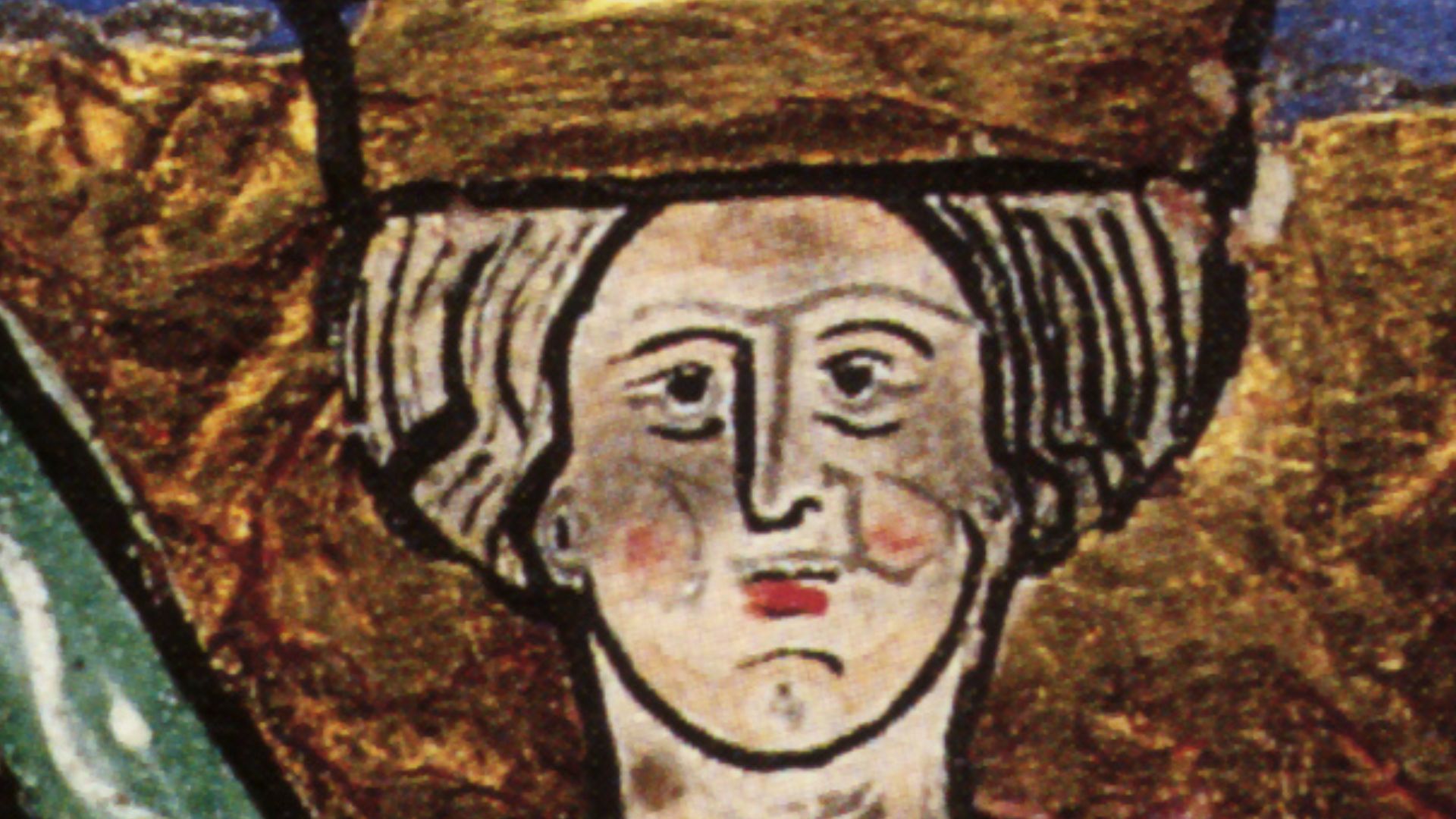
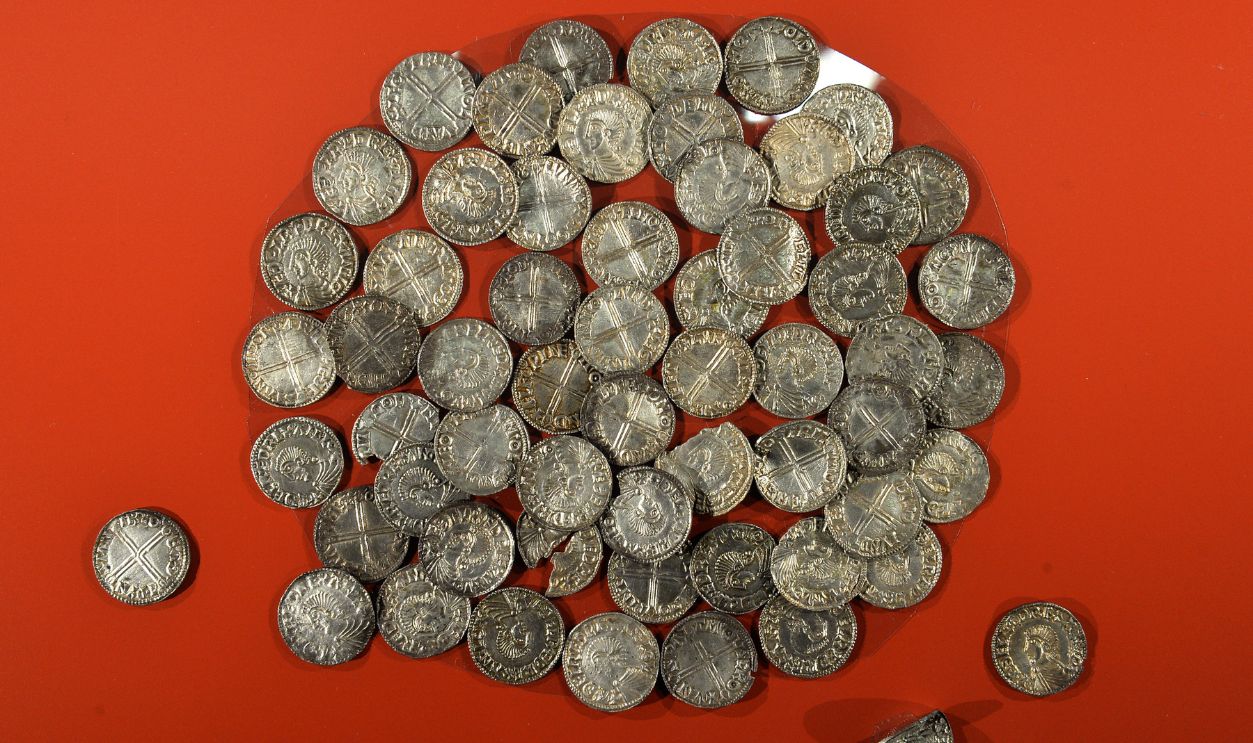
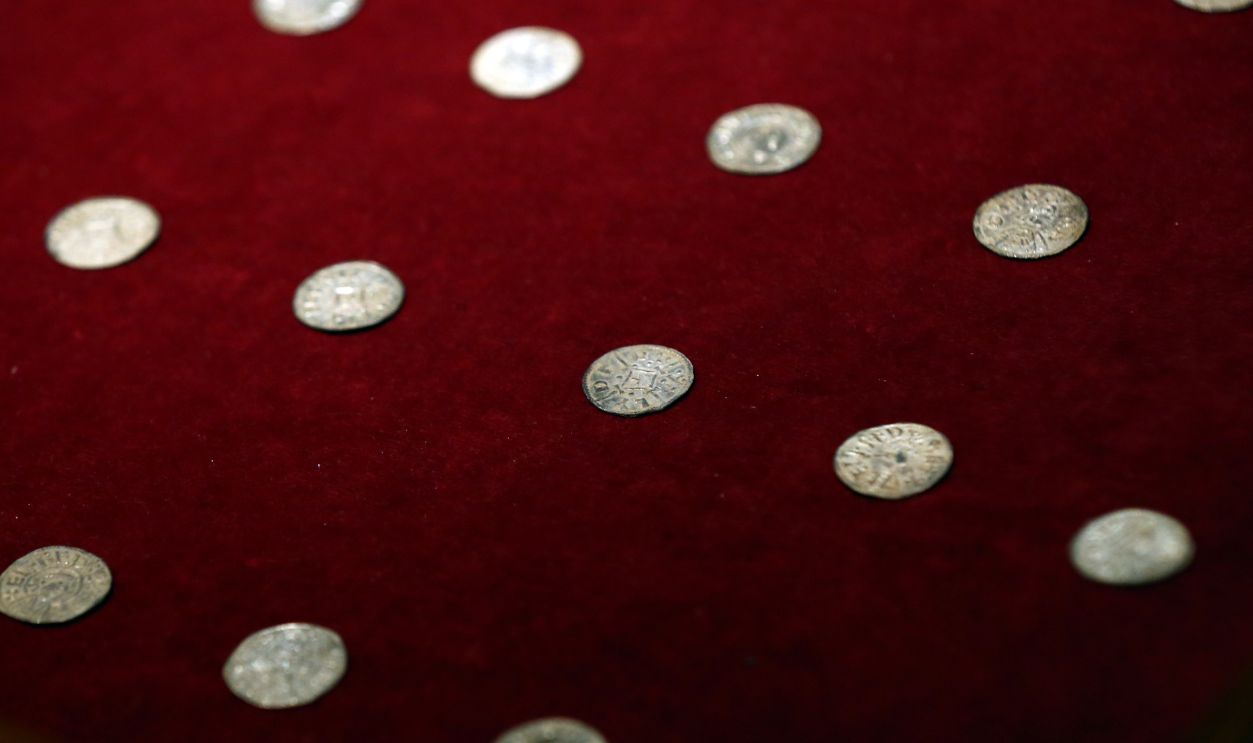
Many of the coins bear the names of well-known rulers from the late Viking Age. Researchers have identified coins associated with Æthelred II of England, Cnut the Great, Holy Roman Emperor Otto III, and Harald Hardrada of Norway. These rulers governed different regions across Europe, yet their coins ended up buried together in a Norwegian field.
 See description, Wikimedia Commons
Dating The Hoard
The coins appear to have been minted between the 980s and the 1040s. Based on the newest coins in the collection, researchers believe the hoard was buried around 1047 or 1050. This places it during a particularly important period in Norwegian history, when the Viking Age was beginning to transition into the medieval era.
A Snapshot Of A Changing Norway
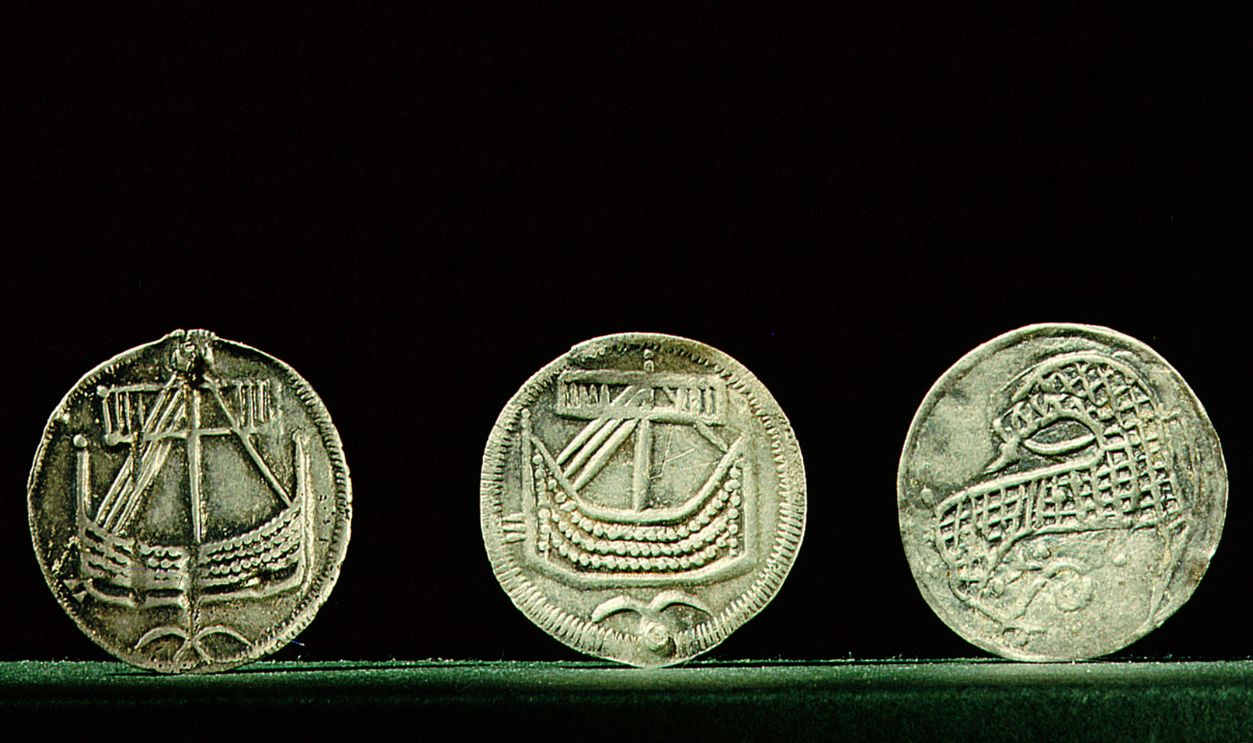
The timing of the hoard is especially important because it comes from a moment when Norway was beginning to establish its own national coinage. Before that, foreign coins were commonly used throughout the country. The Mørstad Hoard captures this transition almost perfectly, containing mostly imported silver but also a small number of Norwegian coins.
 Anthony Devlin/PA Images, Getty Images
The Coins Are In Remarkable Condition
Archaeologists have repeatedly commented on how well preserved the coins are. The soil around the site contains relatively little stone, which appears to have helped protect the silver from damage. Many of the coins still show clear inscriptions and details, making them especially valuable for research.
It Was Not Just Coins
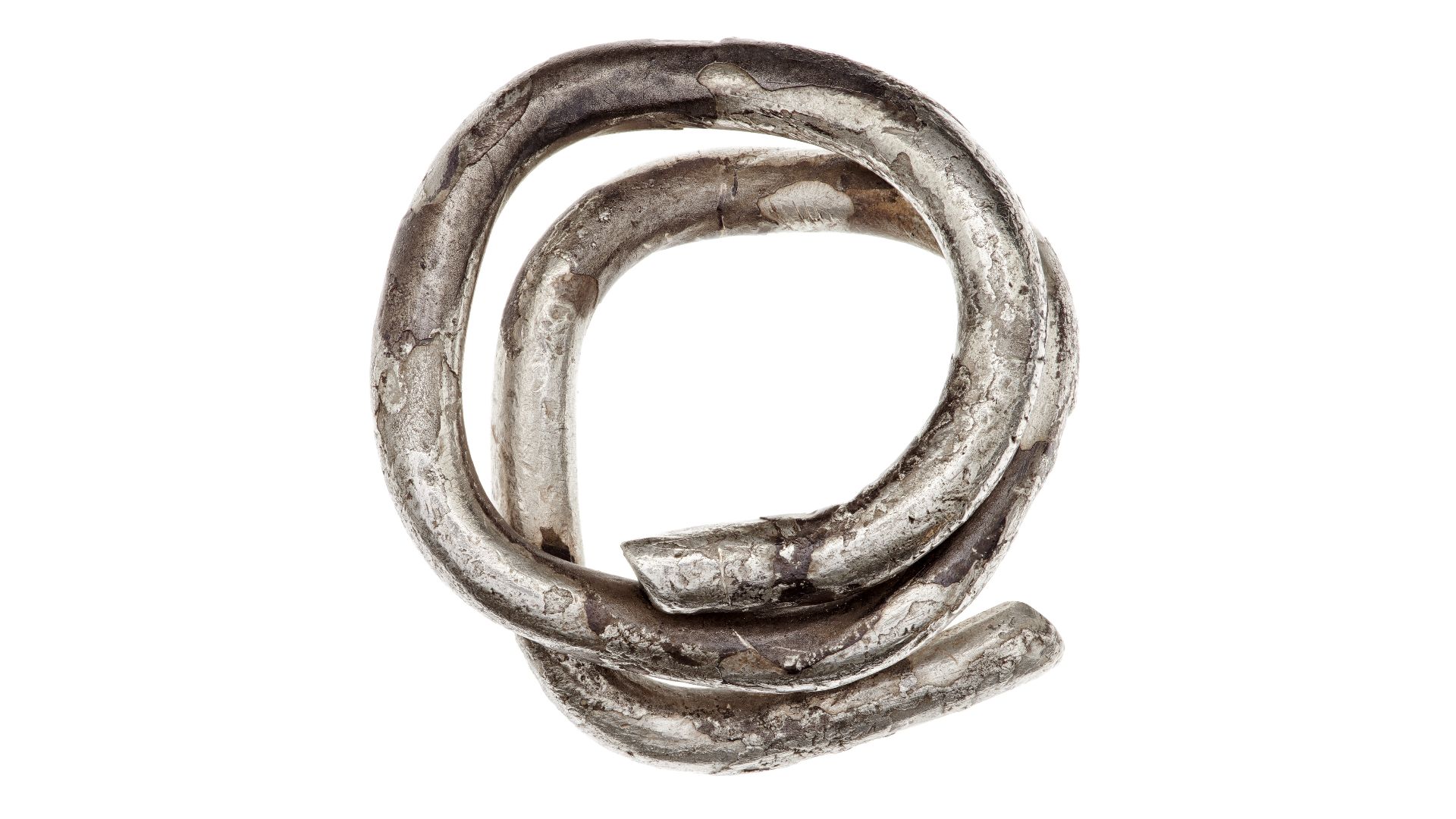
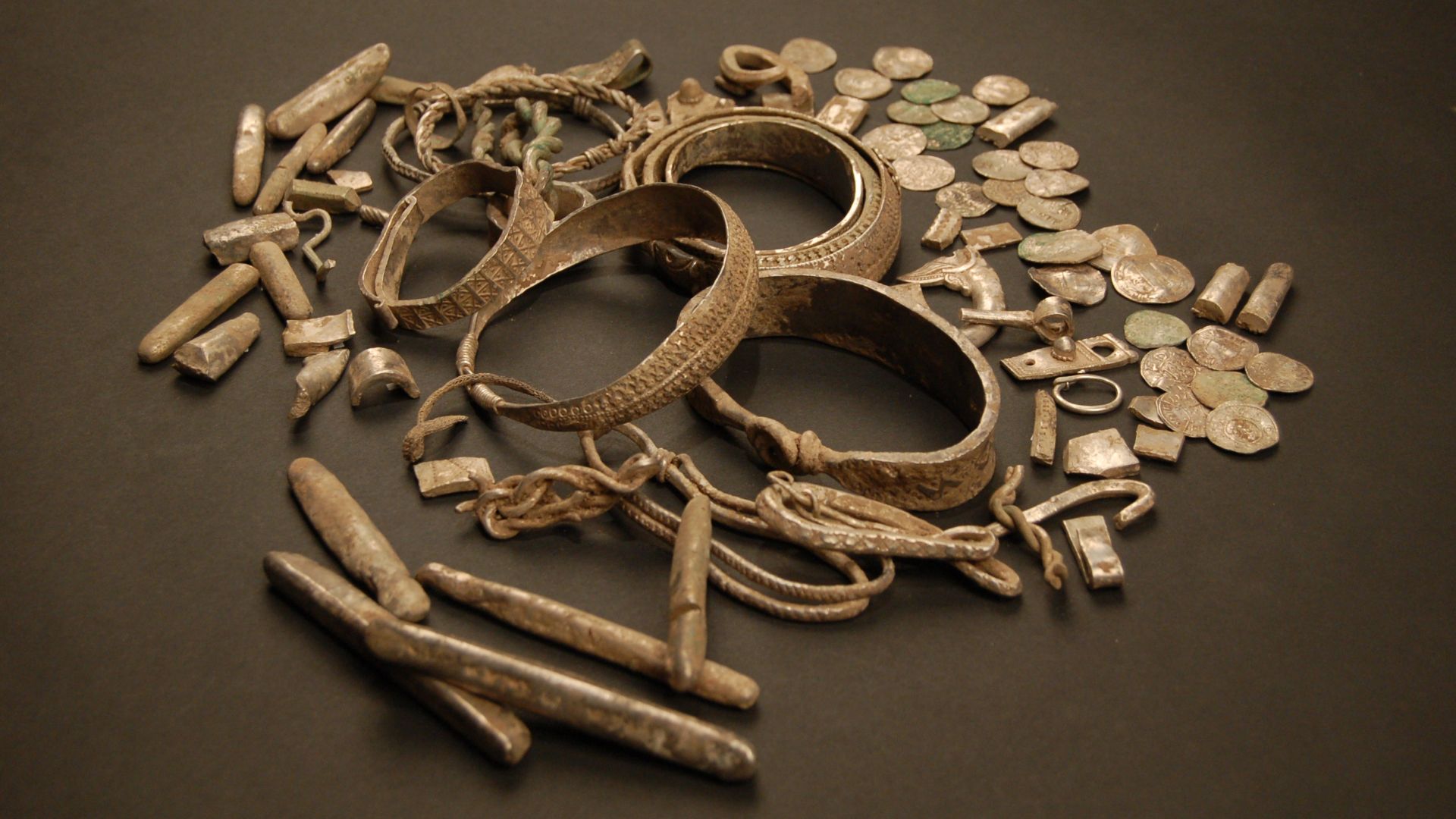
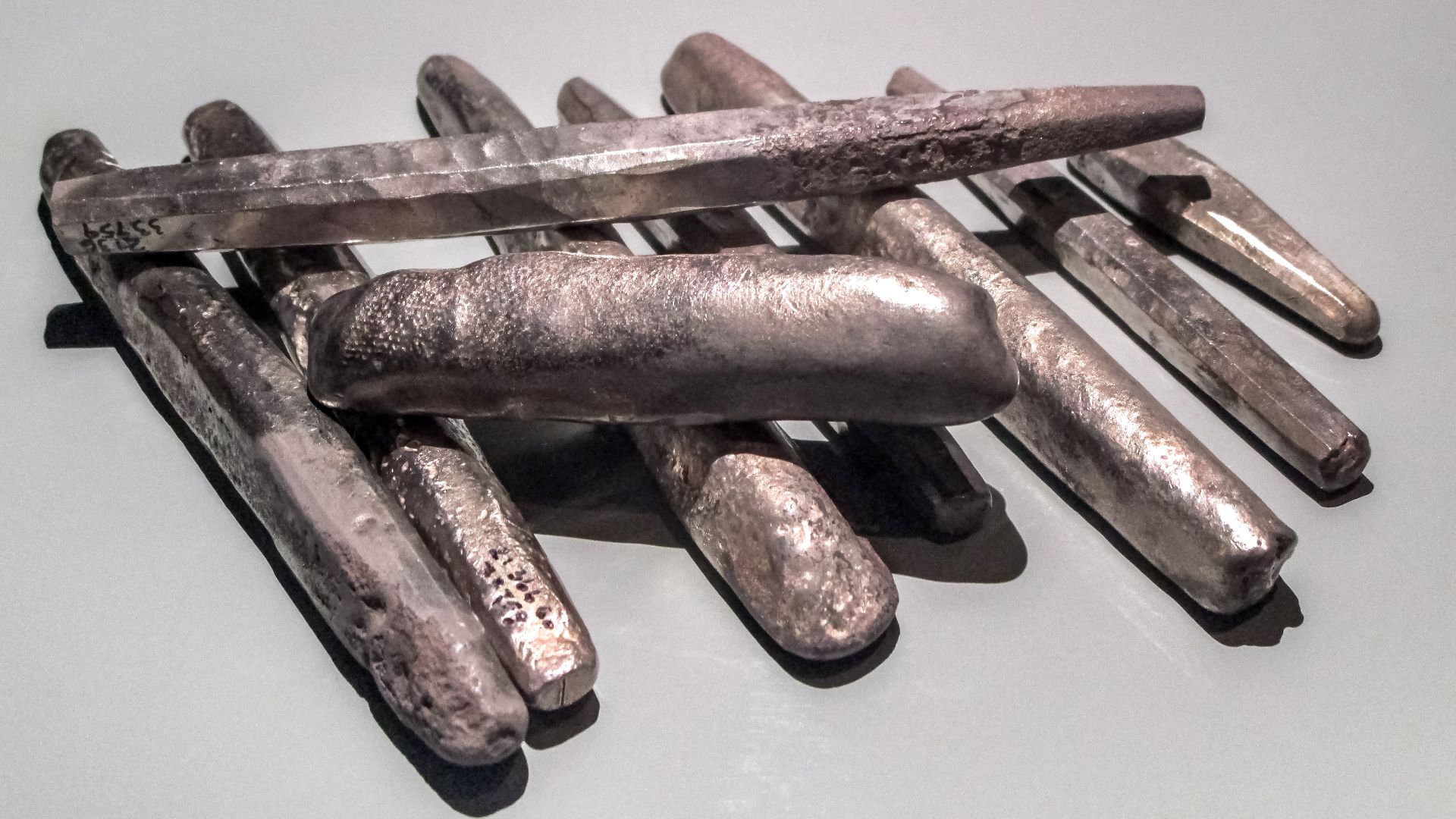
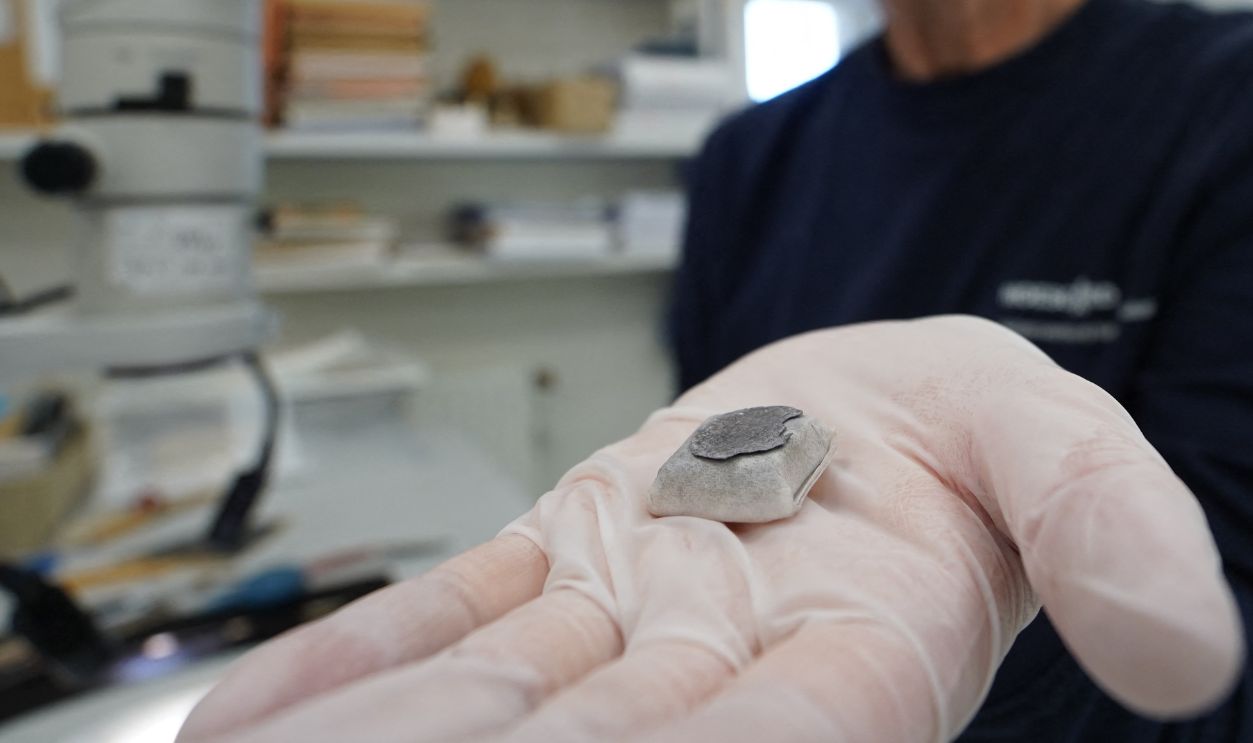
The hoard also contained fragments of silver jewelry and hacksilver. Hacksilver refers to pieces of cut or broken silver objects that could be weighed and used as currency. During much of the Viking Age, silver was valued more for its weight than for its appearance, meaning jewelry and coins could both function as forms of wealth.
What Exactly Is A Viking Hoard?
A Viking hoard is a buried collection of valuables, usually consisting of coins, jewelry, silver fragments, or other precious objects. Thousands of hoards have been found across Scandinavia, Britain, Ireland, and parts of Eastern Europe. Some were hidden for safekeeping during times of unrest, while others may have had ritual or symbolic purposes.
 portableantiquities, Wikimedia Commons
Why Did Vikings Bury Their Wealth?
This is one of the biggest questions surrounding Viking hoards. In some cases, people may have buried wealth to protect it from theft or warfare. In others, the owner may have died before returning to retrieve it. Some archaeologists have also suggested that certain hoards may have had religious or ceremonial significance rather than purely practical purposes. The Vikings often made offerings to gods, spirits, or supernatural forces they believed could influence harvests, voyages, battles, and prosperity. In some instances, valuable objects such as silver, jewelry, weapons, or coins may have been deliberately buried as gifts to these powers rather than hidden for later recovery.
 picture alliance, Getty Images
Why Was This Hoard Buried Here?
The location of the Mørstad Hoard has puzzled researchers. It was discovered in an area that does not immediately appear to be an obvious center of political power. Some researchers suspect the wealth may have been connected to local industries rather than Viking raiding. The surrounding region was known for iron production, which may have generated significant wealth during the late Viking Age.
Vikings Were More Than Raiders
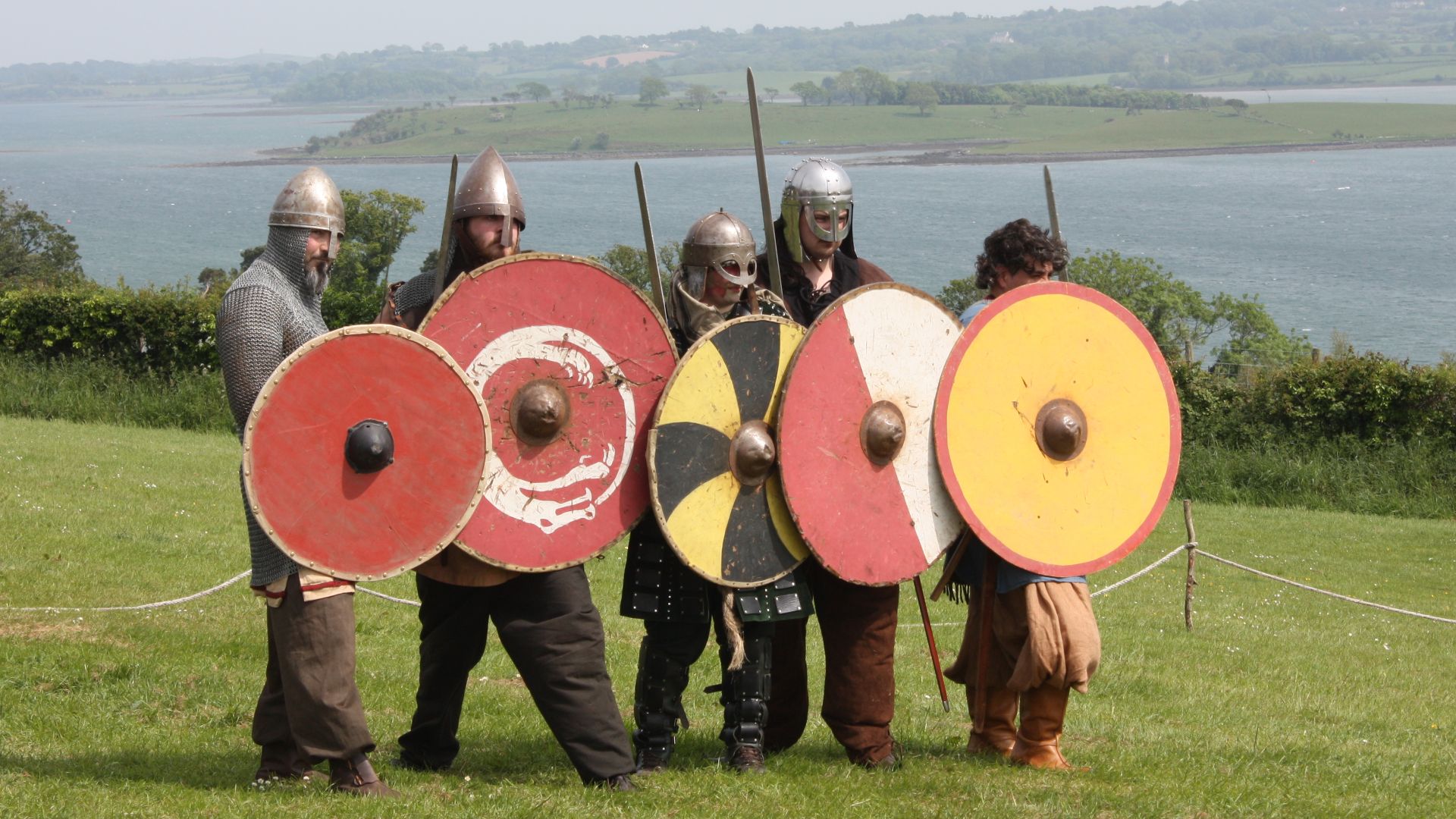
Discoveries like the Mørstad Hoard continue to challenge the stereotype of Vikings as little more than raiders and warriors. The collection demonstrates how deeply involved Scandinavians were in trade networks stretching across Europe. Coins from England, Germany, and Scandinavia all ended up in one place because Vikings were merchants, travelers, and economic participants as much as they were fighters.
What The Hoard Reveals About Trade
The coins show that Viking Norway was connected to a much wider economic system than many people realize. Silver moved through trade routes that linked Scandinavia to England, continental Europe, the Baltic, and beyond. Each coin effectively acts as a small piece of evidence showing where goods, wealth, and people traveled.
Comparing It To Other Famous Viking Hoards
Although the Mørstad Hoard is Norway's largest Viking coin hoard, it is not the largest Viking treasure ever discovered. That distinction still belongs to Sweden’s Spillings Hoard, which contained over 14,000 coins and roughly 67 kilograms of silver. However, the Norwegian discovery ranks among the most significant Viking hoards ever found in Scandinavia.
Archaeologists Are Still Investigating
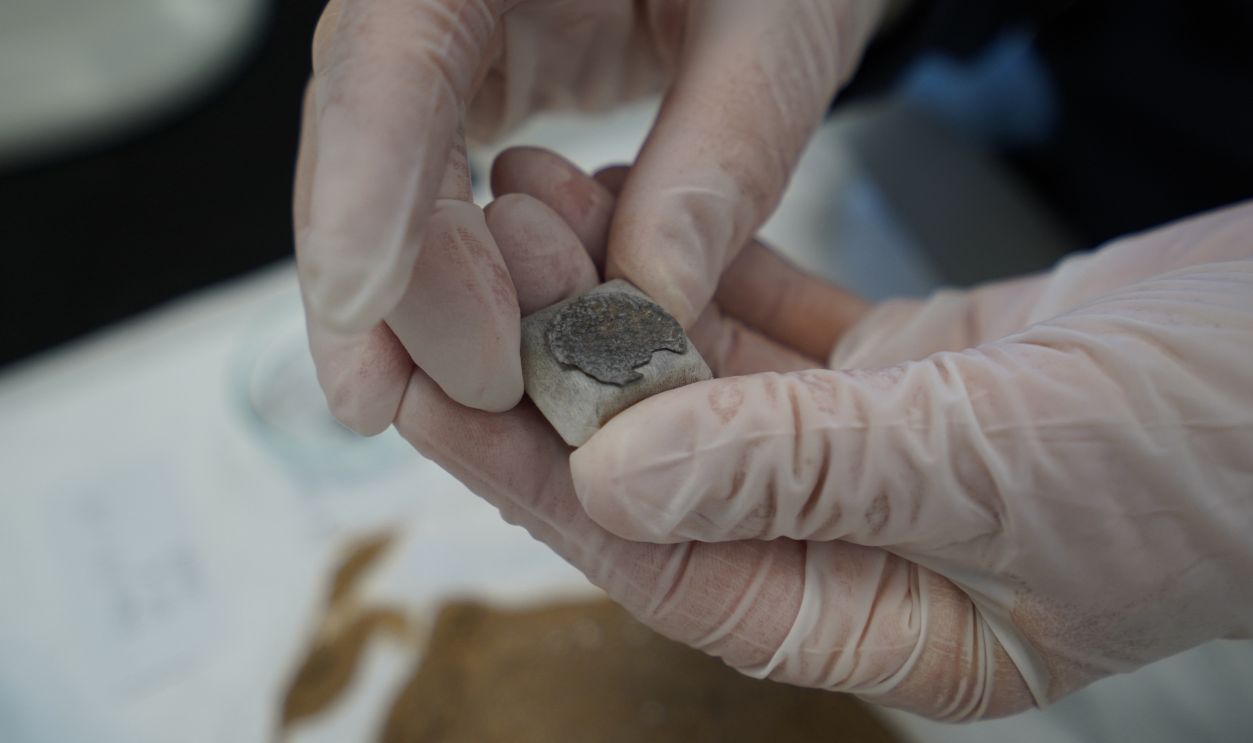
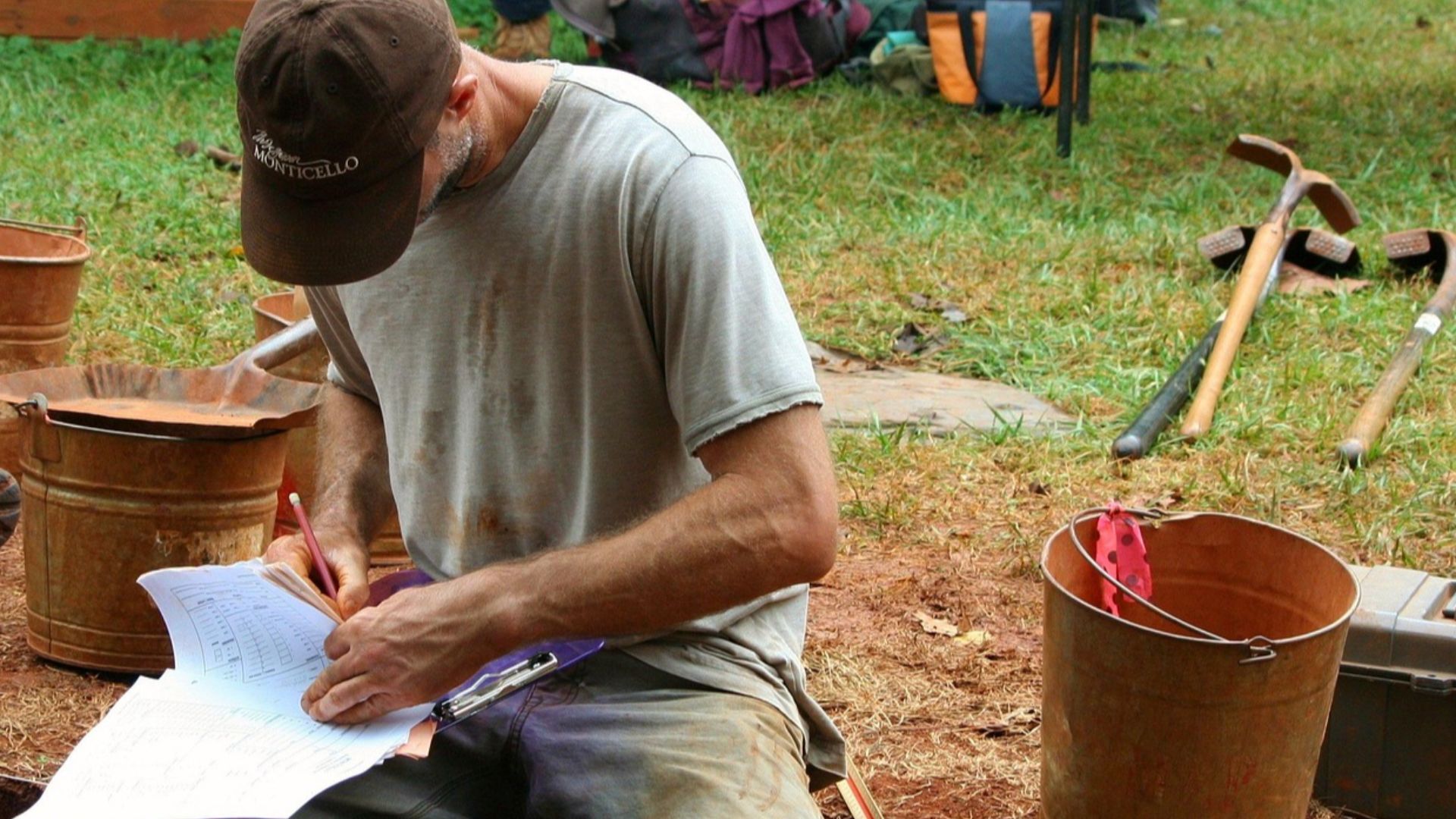
One of the most exciting aspects of the discovery is that research is only beginning. Specialists are now examining the coins individually, identifying mint locations, rulers, and production dates. The more information they extract from the collection, the clearer the picture of Viking-era Norway will become.
A Rare Chance To Study Viking Wealth
Large hoards like this are extremely valuable because they preserve a concentrated snapshot of wealth at a specific moment in time. Rather than studying isolated artifacts, researchers can examine an entire collection that was buried together, revealing patterns in trade, ownership, and economic behavior.
What New Questions Could It Answer?
The Mørstad Hoard could help researchers understand how money circulated in late Viking Age Norway, how wealth was accumulated, and how international trade influenced Scandinavian society. It may also provide clues about the rise of Norwegian kingship and the transition from a Viking economy based largely on silver weight to one increasingly dependent on official coinage.
 Stefan Rousseau/PA Images, Getty Images
The Importance Of Responsible Discovery
Another reason the Mørstad Hoard has received so much attention is because of how it was found. The detectorists immediately reported their discovery instead of attempting to keep or sell the coins. Their cooperation allowed archaeologists to properly excavate the site and preserve the context of the find, which is often just as valuable as the objects themselves.
Final Thoughts
The Mørstad Hoard is far more than a collection of old silver coins. It is a snapshot of a Viking world that was connected, wealthy, and rapidly changing. Buried sometime around the middle of the eleventh century, the hoard captures a moment when Norway stood between the Viking Age and the medieval era, still tied to international silver networks while beginning to develop its own national identity. As researchers continue studying the thousands of coins recovered from the field near Rena, the discovery is likely to reshape our understanding of Viking trade, wealth, and everyday life for years to come.
You May Also Like:
NASA researchers detected a mysterious signal from deep space that repeats every 44 minutes.
A Researcher Found The Location Of A Ship Carrying 22 Tons Of Gold And Silver