Extraordinary Survivors
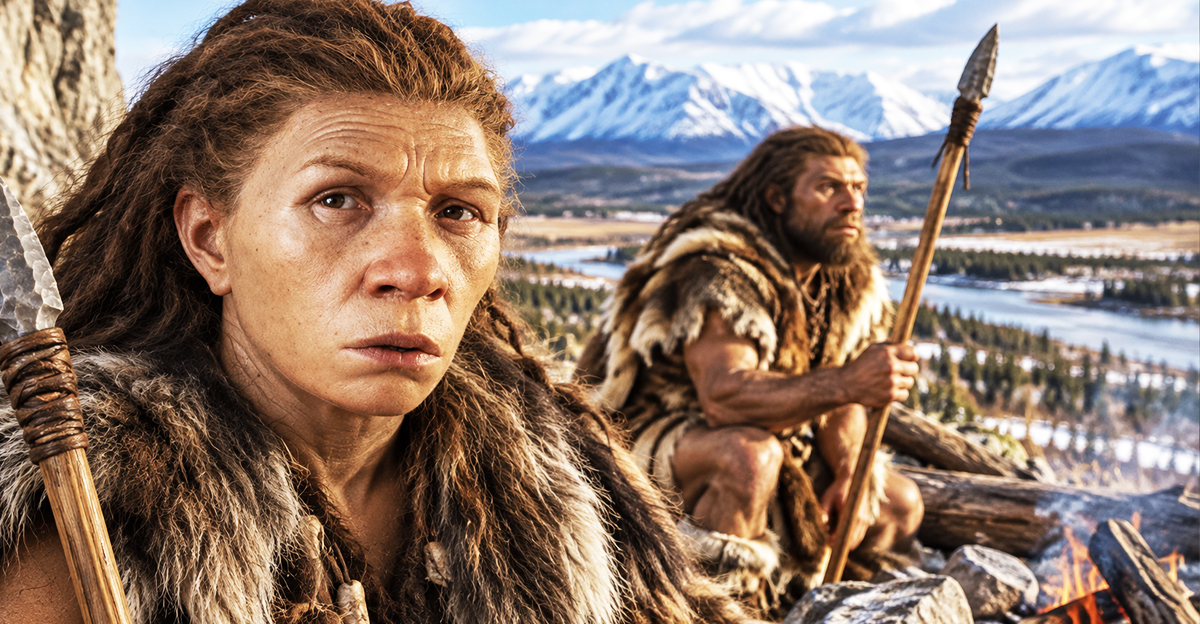
Imagine surviving a European winter without central heating, insulated boots, or a reliable food supply. Now imagine doing it while hunting enormous animals at close range, recovering from broken bones, and raising children in an Ice Age wilderness. Neanderthals managed extraordinary things that would overwhelm most people living today. But were they actually tougher than Homo sapiens, or simply better adapted to a very different world? The evidence reveals some surprising answers.
They Endured Brutal Ice Age Winters
Neanderthals occupied Europe during repeated periods of intense glacial cold. Some populations lived through conditions far harsher than those experienced across most of Europe today. Their survival depended on shelter, fire, clothing, and intimate knowledge of the landscape. An unprepared modern person would face serious hypothermia risks, although properly equipped humans can survive comparable temperatures.
Their Bodies Conserved Heat
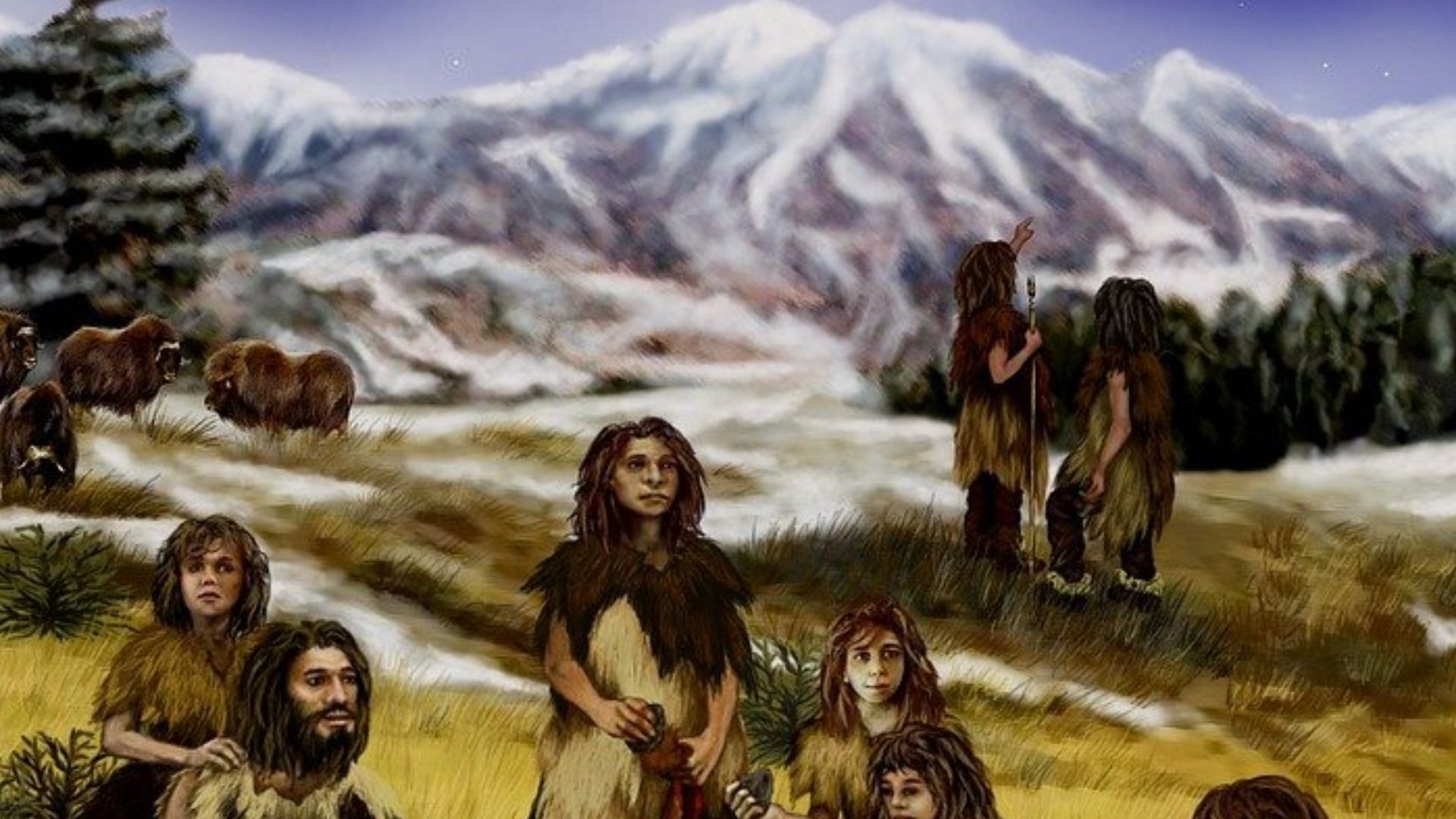
Neanderthals generally had shorter limbs, broad trunks, and stocky builds compared with many modern human populations. These proportions helped reduce the amount of body surface exposed to freezing air, limiting heat loss. Their physique was particularly well suited to colder environments. Modern humans display similar climate-related adaptations, but the typical Neanderthal was exceptionally robust.
 Unknown authorUnknown author, Wikimedia Commons
They Had Remarkably Powerful Muscles
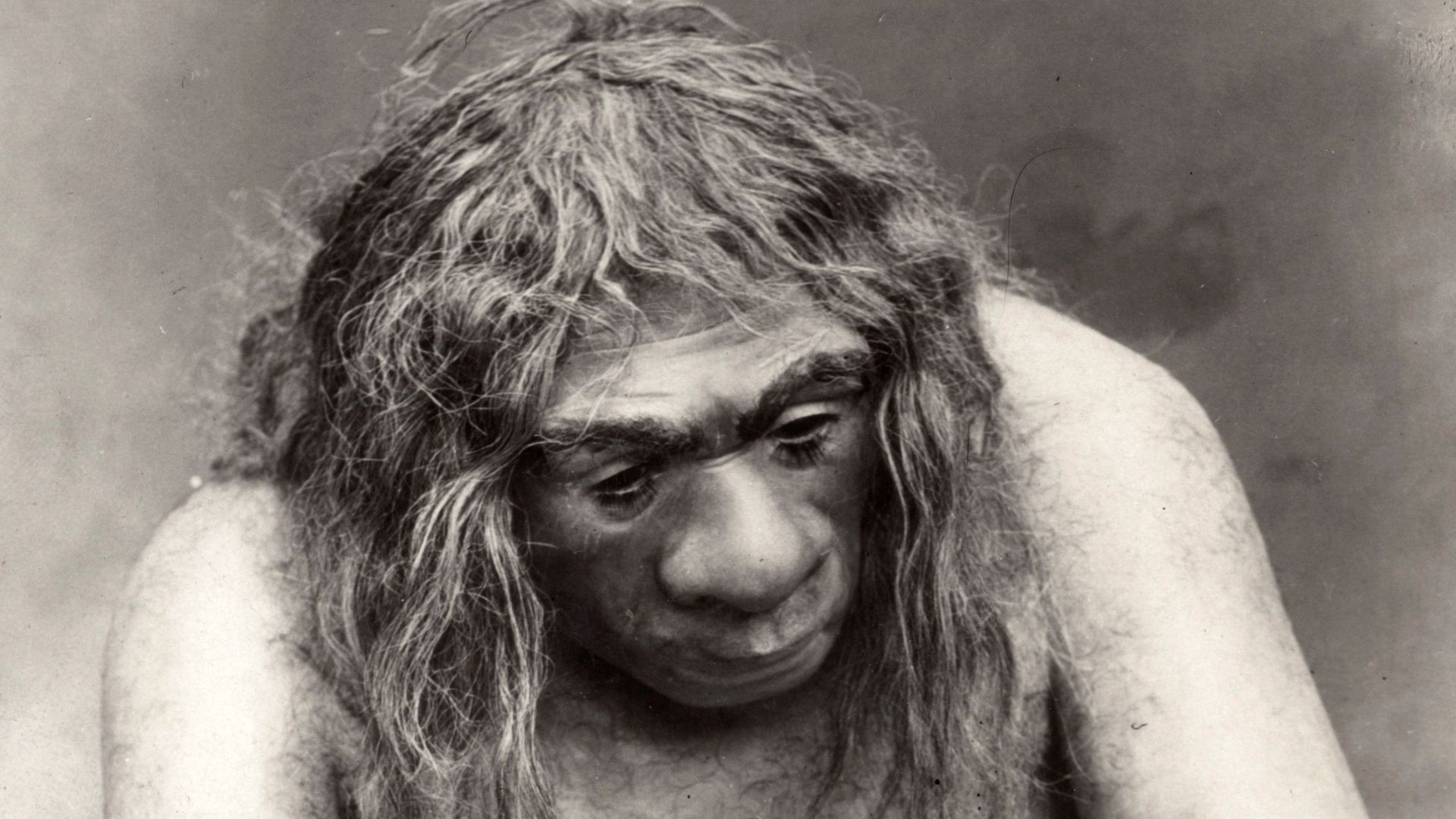
Neanderthal skeletons reveal exceptionally strong muscle attachments, particularly around the shoulders and arms. Their daily activities demanded tremendous physical effort, including carrying heavy objects, processing animal carcasses, and manufacturing stone tools. Their bodies were adapted to this strenuous lifestyle. Most sedentary modern humans would struggle to match their routine workload without extensive conditioning.
 Solger / Карма2 (photo), Wikimedia Commons
They Hunted Enormous Ice Age Animals
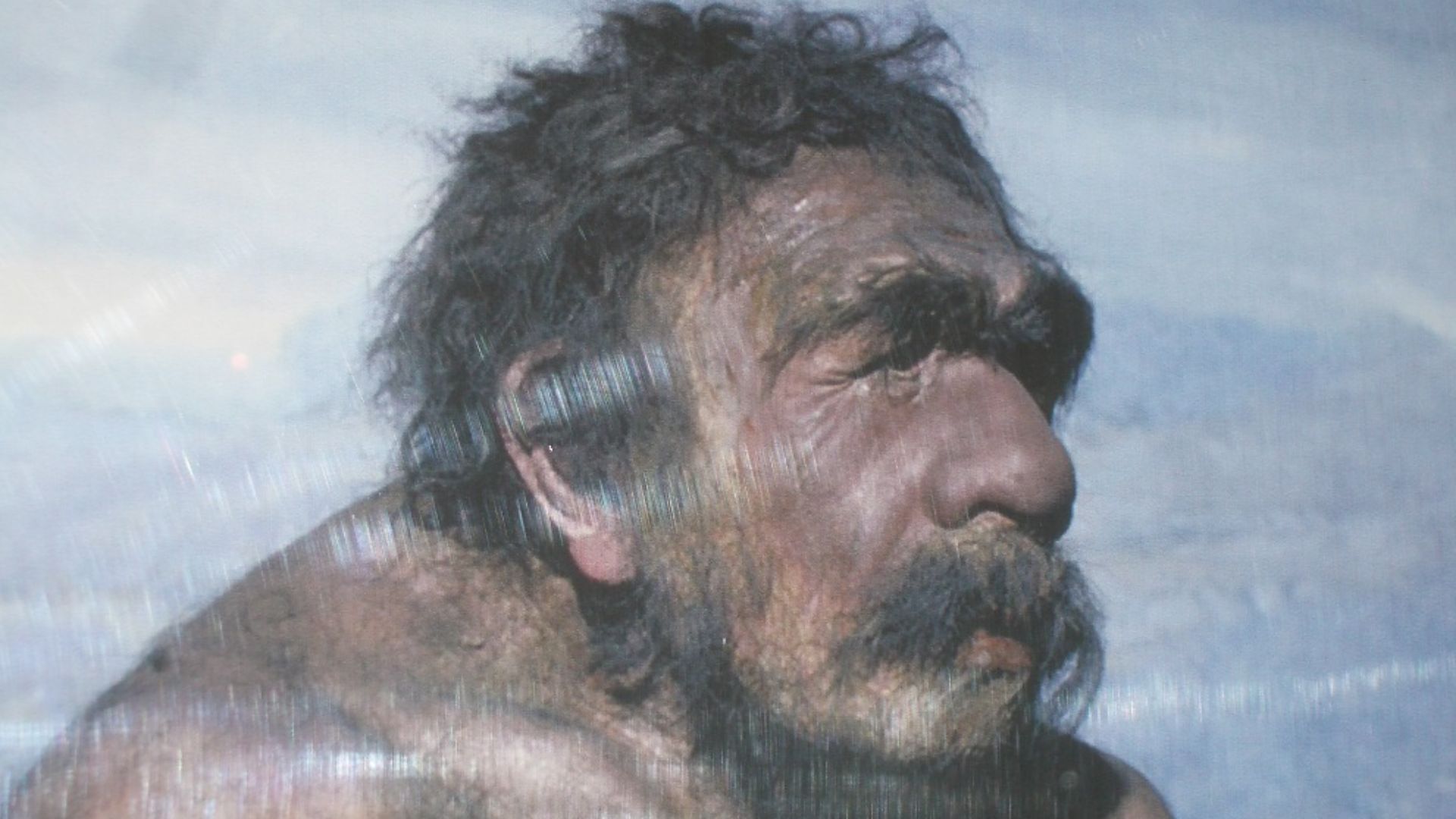
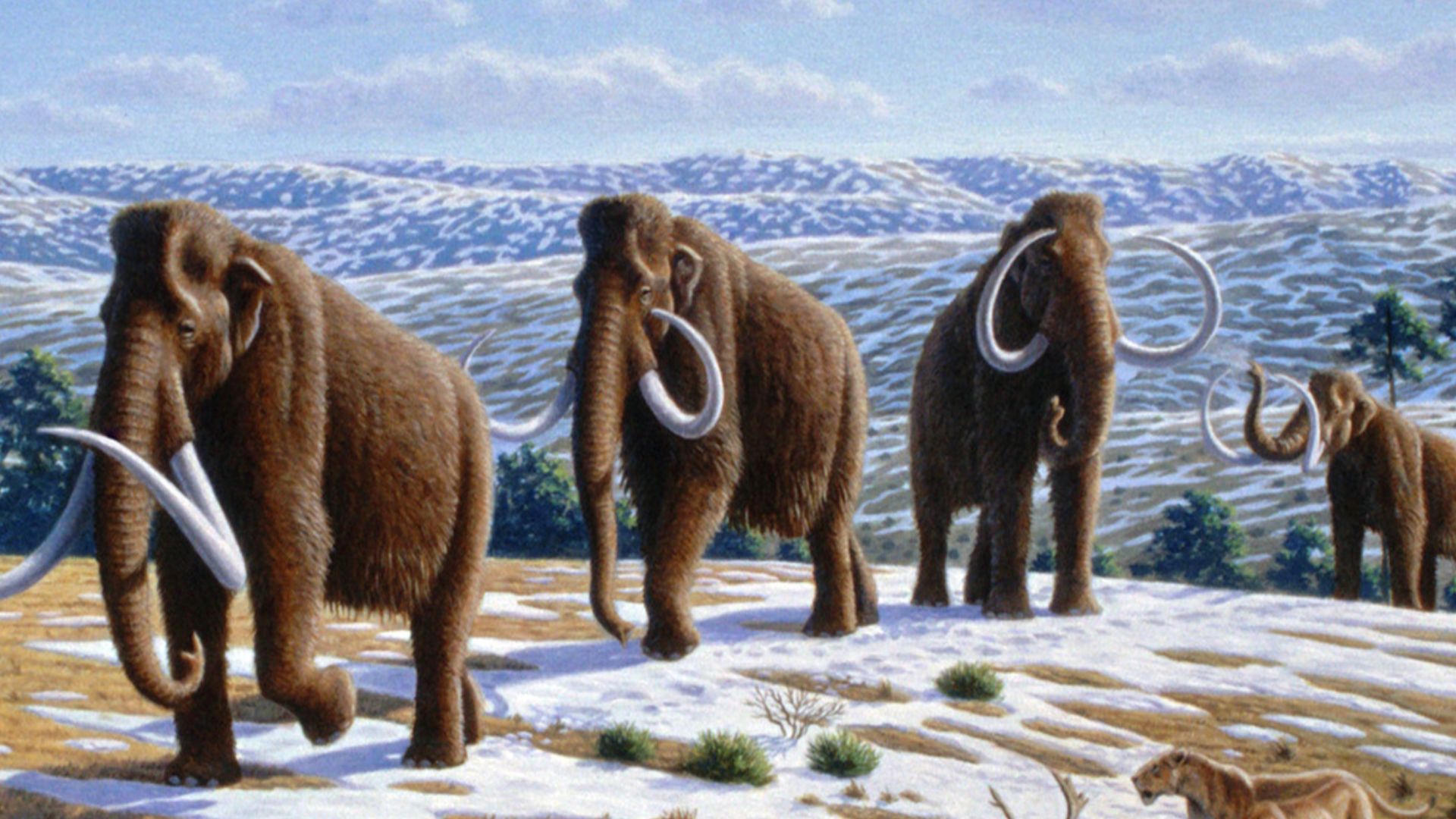
Neanderthals hunted large mammals, including horses, bison, deer, and, in some environments, mammoths. Such animals could seriously injure or kill a hunter. Archaeological evidence demonstrates that Neanderthals were capable of coordinated big-game hunting, sometimes targeting animals much larger than themselves. Their success required sophisticated planning, cooperation, and knowledge of animal behavior.
 Mauricio Antón, Wikimedia Commons
They Faced Prey At Close Range
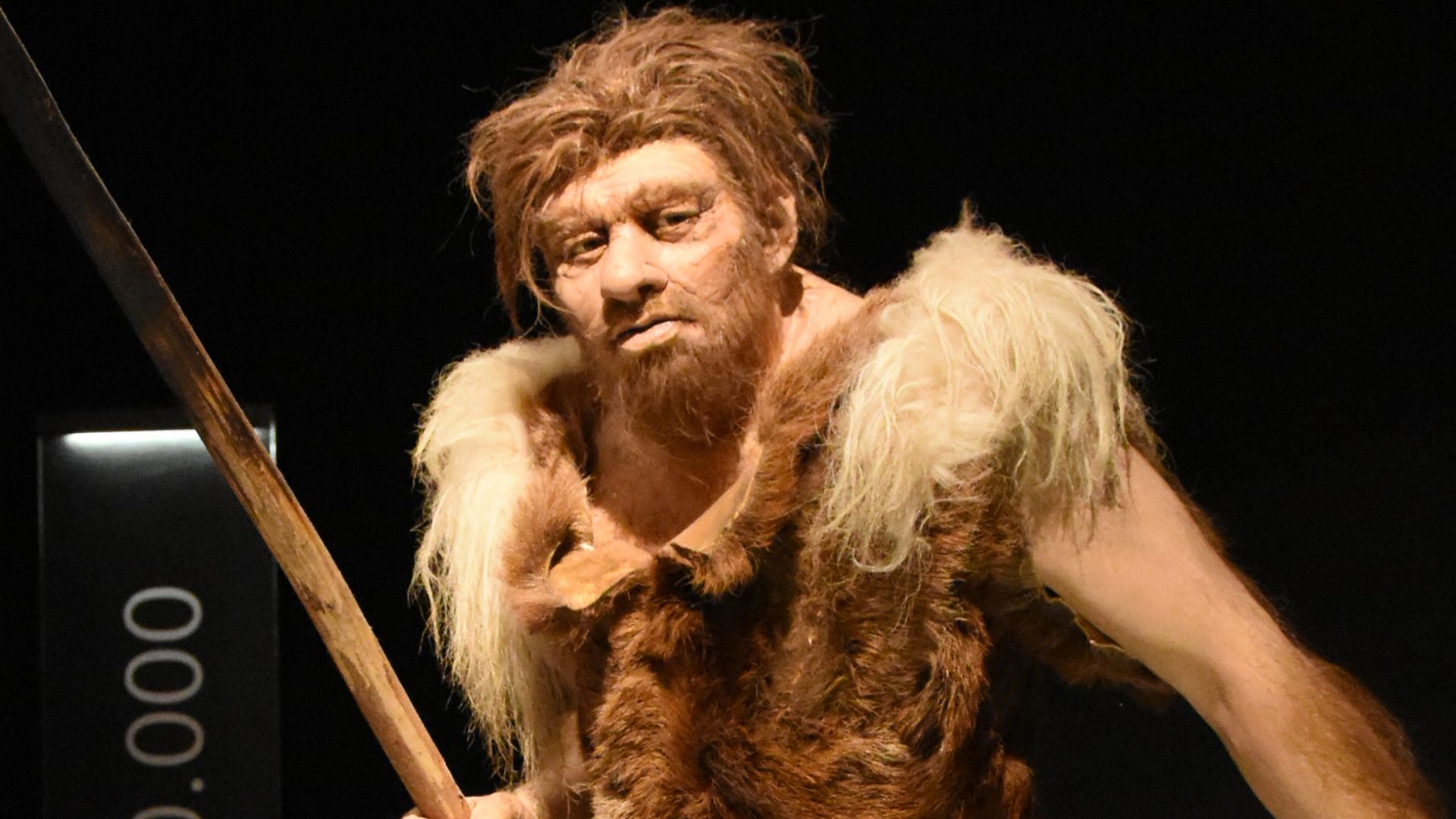
At Neumark-Nord in Germany, researchers identified approximately 120,000-year-old deer bones bearing damage consistent with Neanderthal thrusting spears. That meant hunters sometimes had to approach dangerous animals, and get in close enough to stab them. A mistimed attack could be fatal. However, other research indicates Neanderthals also used weapons capable of striking from a distance.
 Paul Hermans, Wikimedia Commons
They Survived Serious Broken Bones
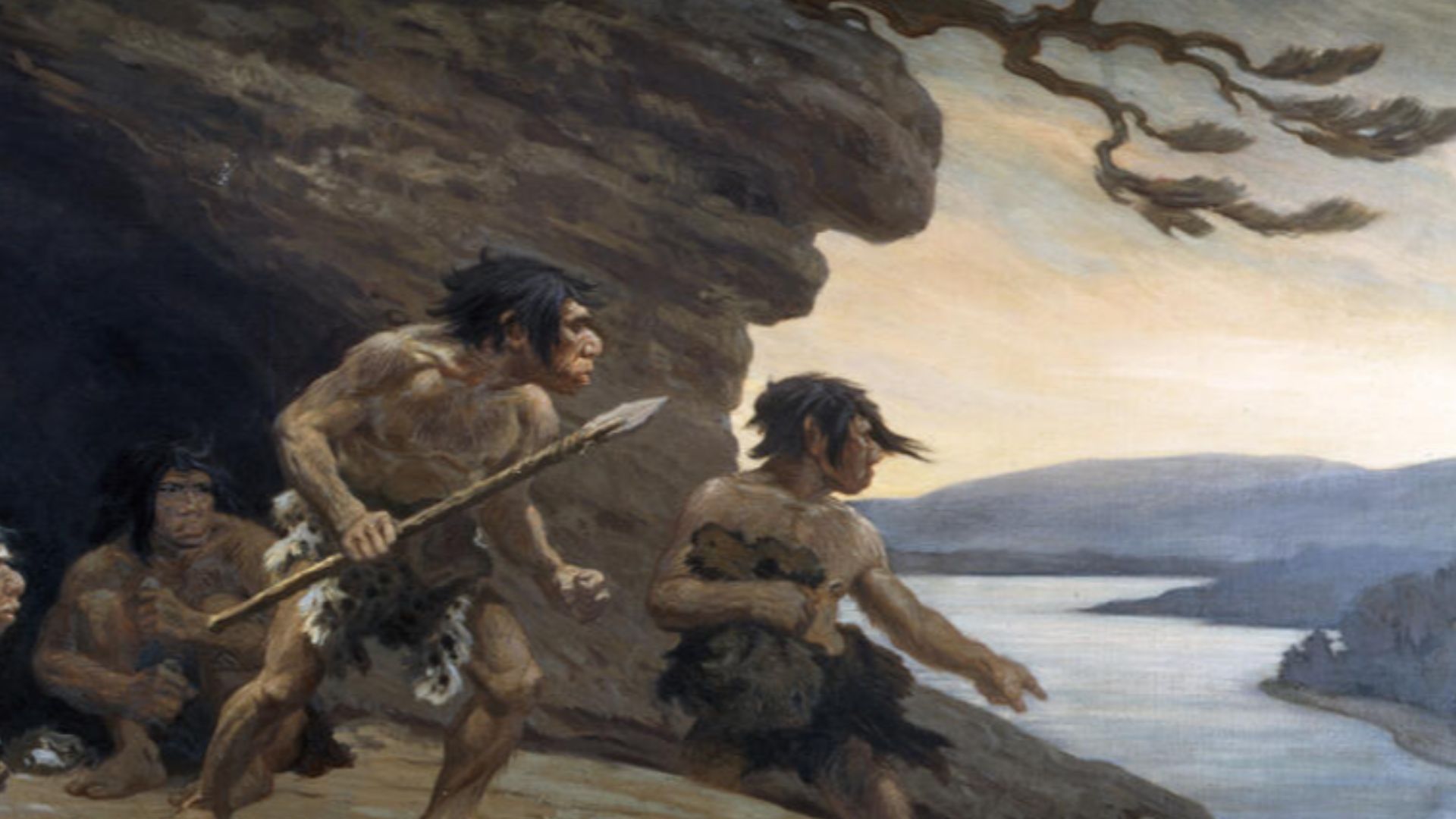
Neanderthal fossils frequently show healed fractures, revealing individuals who survived injuries without modern hospitals, X-rays, or surgical treatment. Their physically demanding lives exposed them to considerable danger. Recovery depended on the severity of the injury, available food, and support from companions. Their survival demonstrates resilience, but not necessarily superior biological healing compared with modern humans.
 Charles Robert Knight, Wikimedia Commons
One Survived A Devastating Head Injury
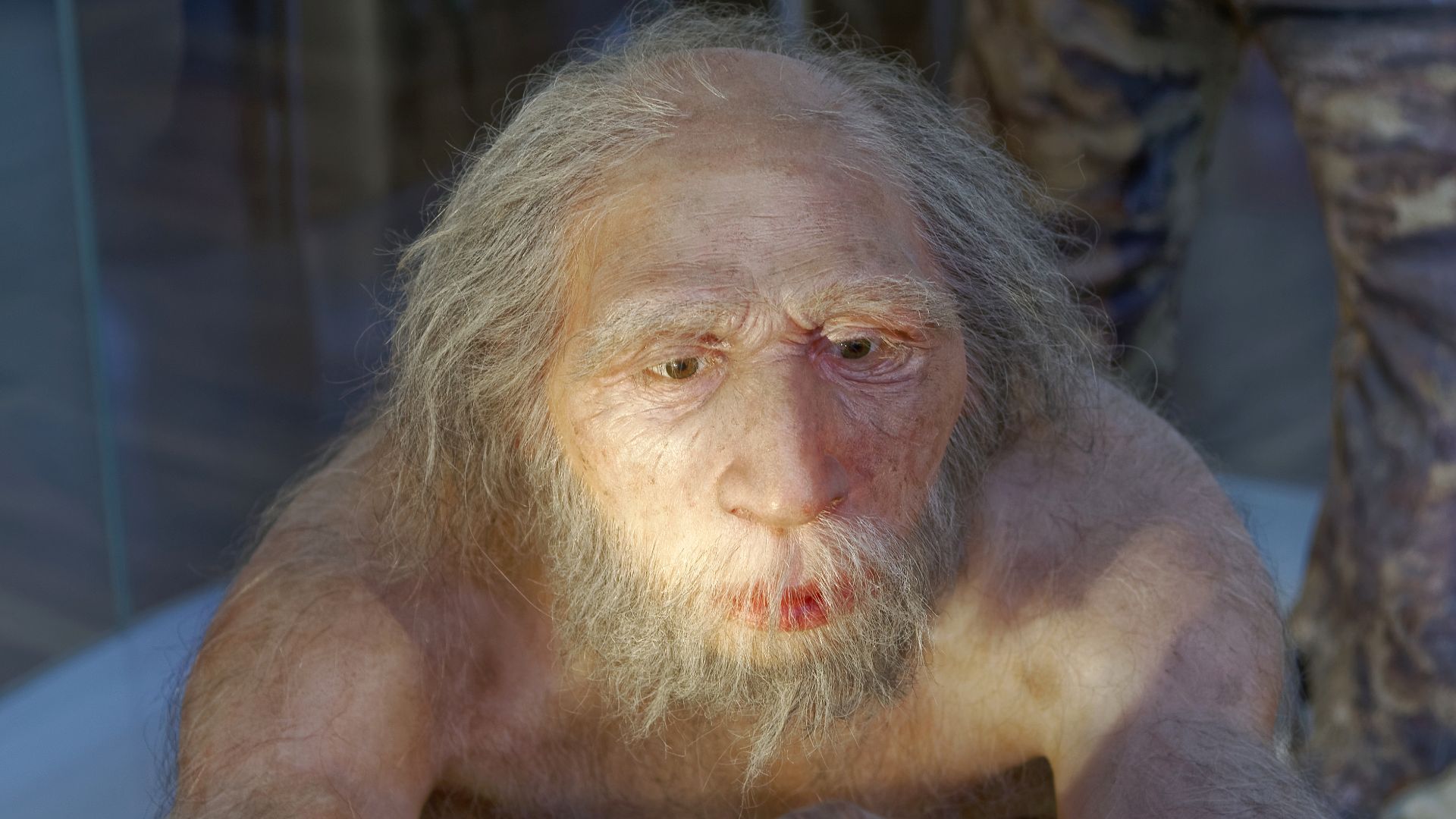
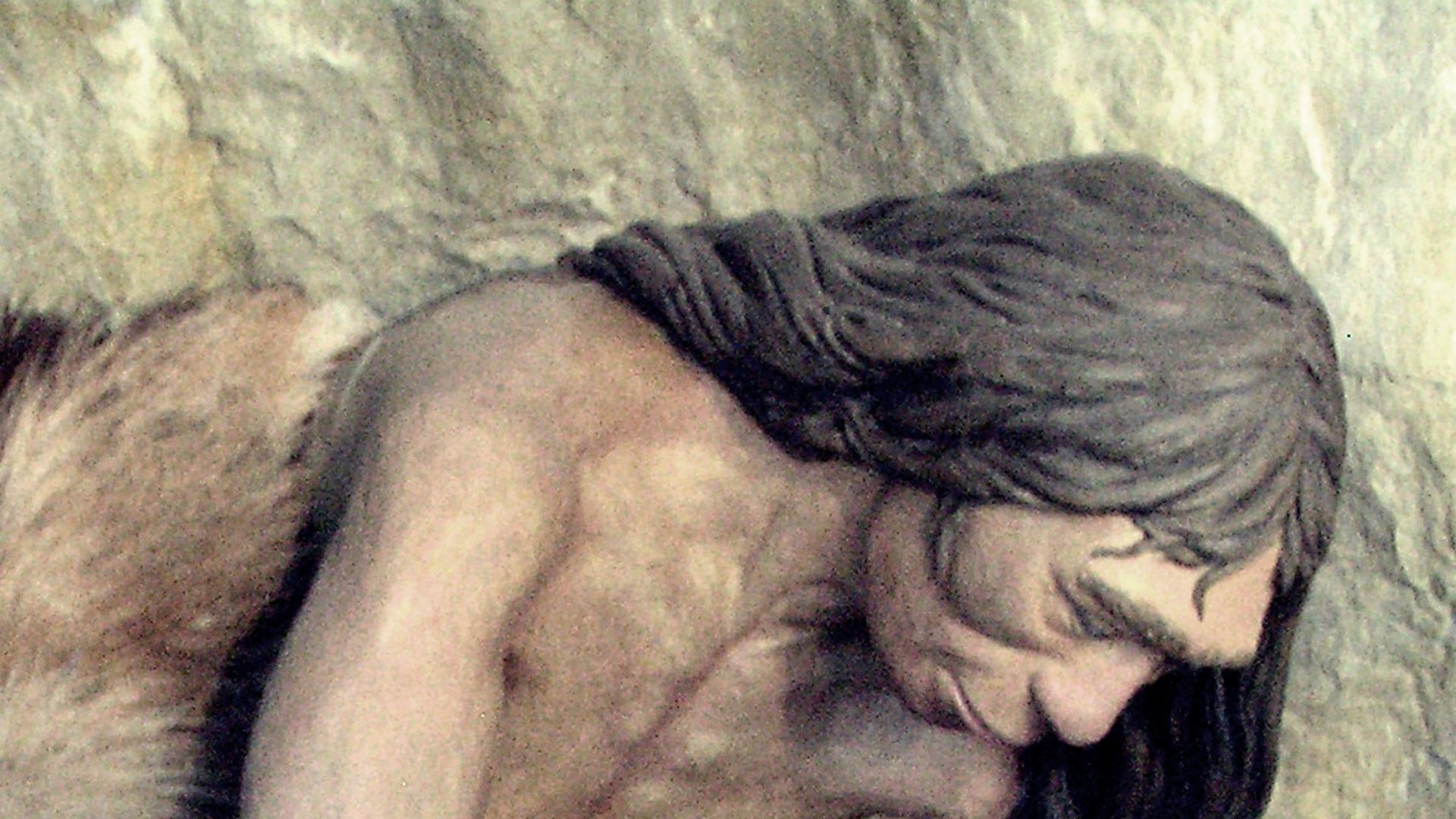
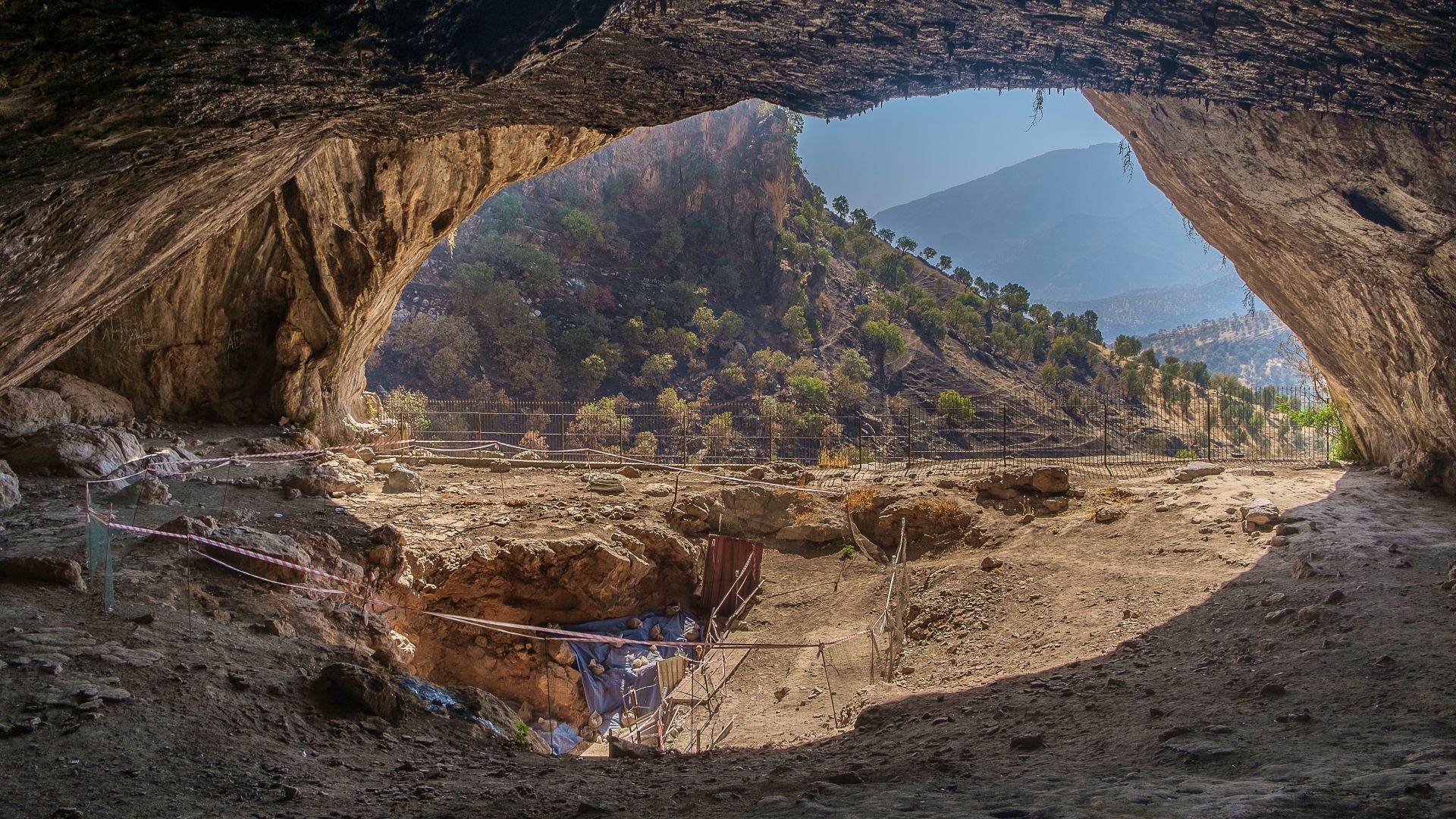
A Neanderthal known as Shanidar 1, discovered in Iraq, suffered a serious head injury that probably damaged his left eye and contributed to weakness in his right arm and leg. Remarkably, he survived for years afterward. Researchers believe he may have reached approximately 35 to 45 years of age, despite substantial physical disabilities.
 Jakub Hałun, Wikimedia Commons
They Cared For Injured Companions
Shanidar 1’s survival reveals something arguably more impressive than physical toughness: the possibility of sustained care. With impaired mobility and limited use of an arm, he would have struggled to hunt and gather food independently. His continued survival suggests that companions helped him. Neanderthal communities were apparently capable of supporting vulnerable members rather than simply abandoning them.
 Jaroslav A. Polák from Brno, Czech Republic, Wikimedia Commons
They Survived Penetrating Chest Wounds
Another individual from Shanidar Cave, known as Shanidar 3, suffered a puncture wound to a rib, possibly inflicted by a spear. The bone showed signs of healing, indicating he survived for at least several weeks and possibly months. Without antibiotics or modern trauma care, such an injury could have been extraordinarily dangerous.
They Lived With Chronic Pain
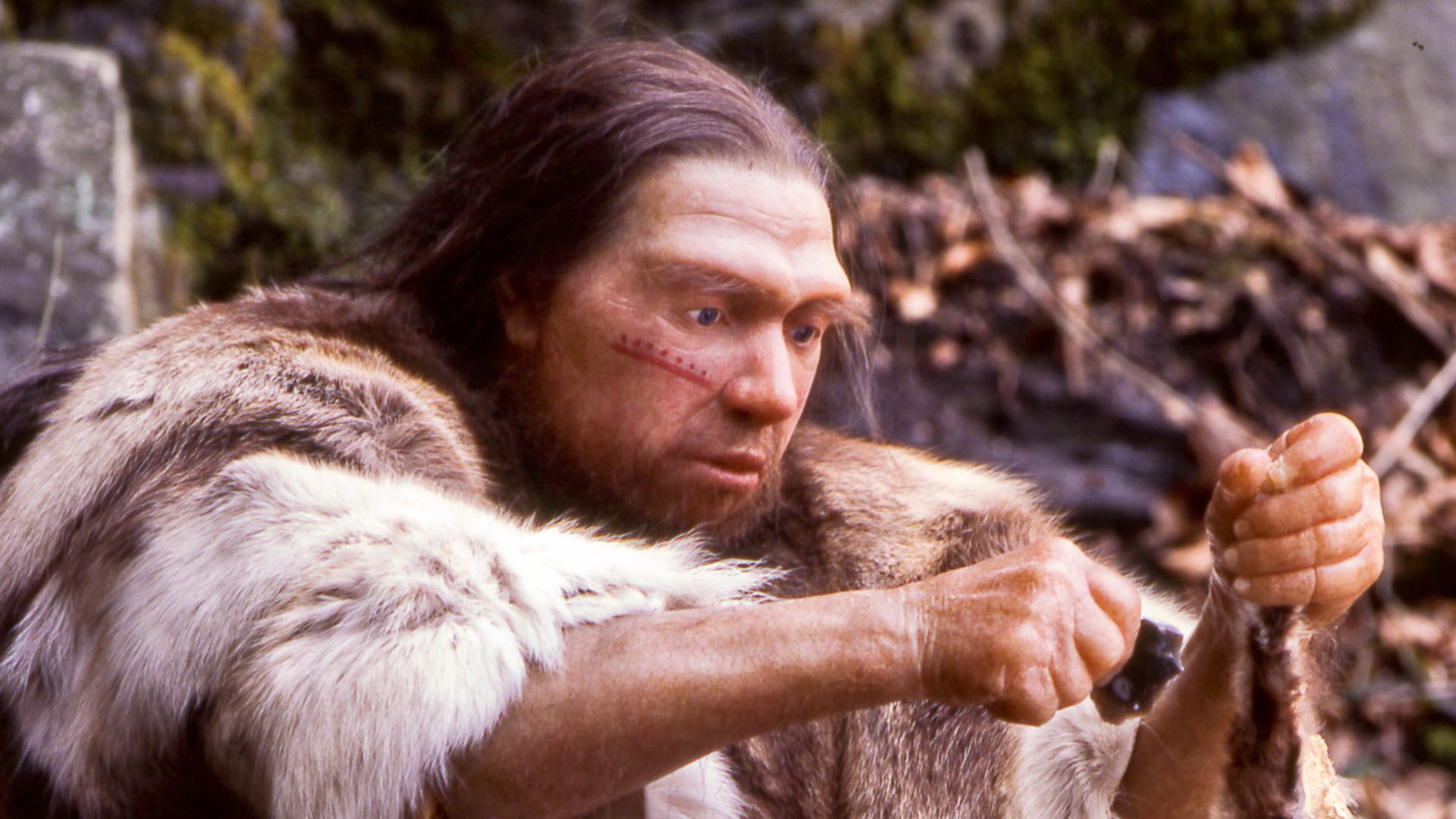
Neanderthal skeletons show evidence of degenerative joint disease, healed injuries, and considerable physical wear. Some individuals evidently continued functioning despite conditions that could cause persistent pain. Their daily responsibilities could not simply be postponed until recovery. Nevertheless, scientists cannot determine precisely how much pain individual Neanderthals experienced or whether their pain tolerance differed from ours.
 Neanderthal-Museum, Mettmann, Wikimedia Commons
They Worked Without Modern Equipment
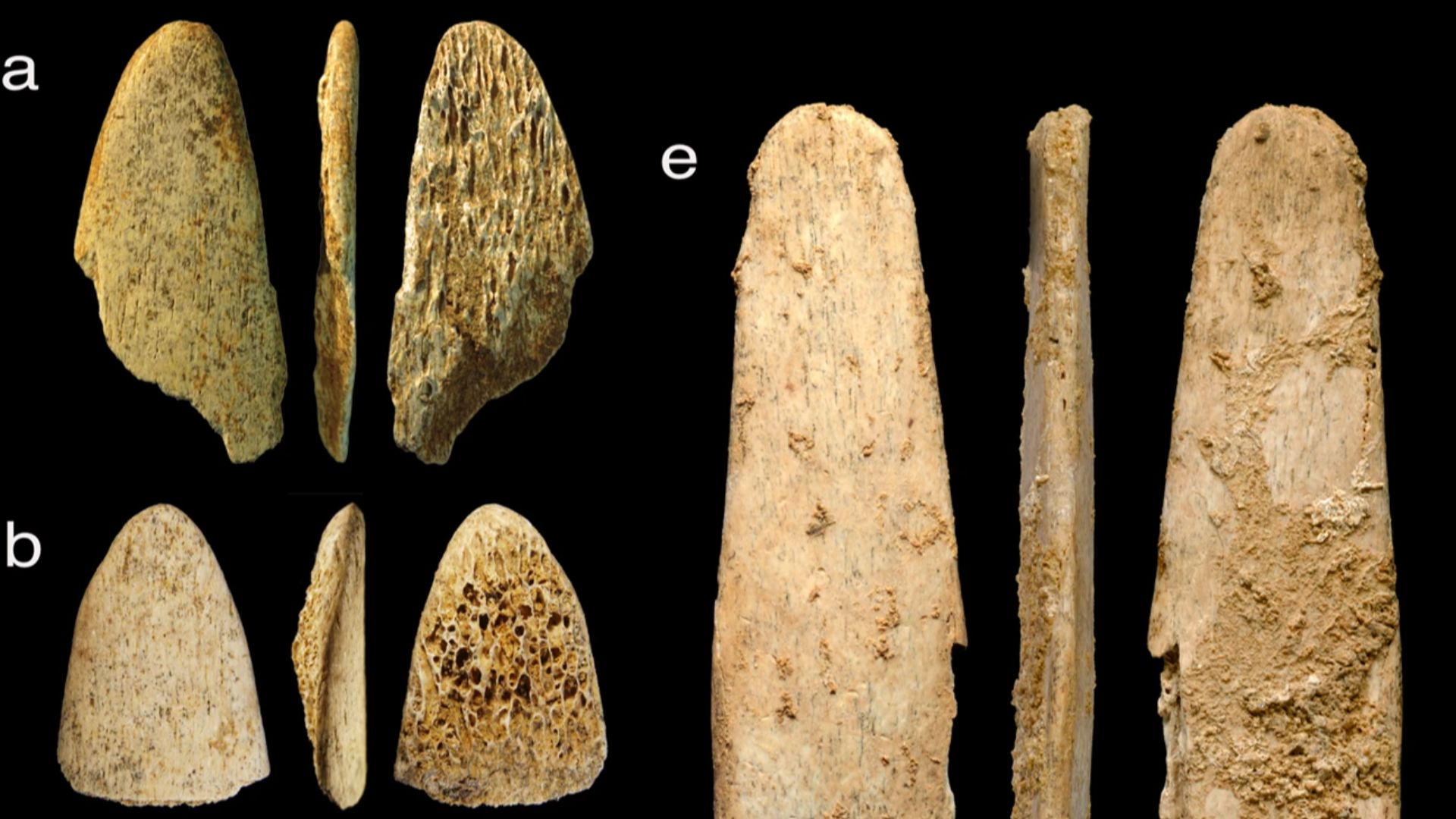
Imagine preparing animal hides, carrying firewood, butchering carcasses, and producing hunting weapons without metal tools or powered machinery. Neanderthals accomplished these tasks using stone, wood, bone, and their own physical strength. Their tools were sophisticated, but everyday work remained demanding. Surviving such a lifestyle required endurance, dexterity, and practical skills that most modern people never develop.
They Breathed Freezing, Dry Air
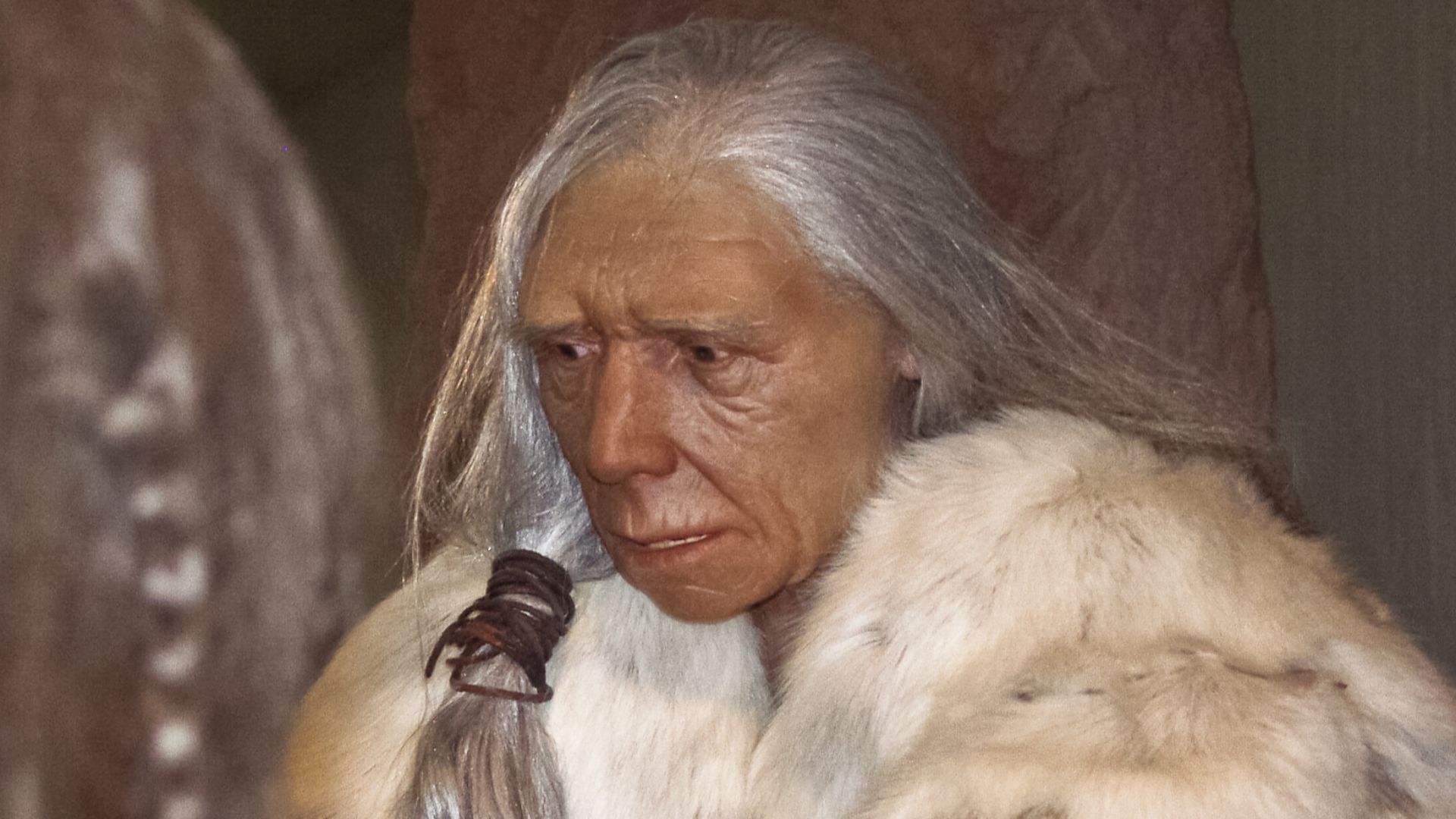
Neanderthals possessed large nasal structures that may have helped warm and humidify cold, dry air before it reached their lungs. Their prominent midfaces have attracted considerable scientific attention as possible climate adaptations. However, researchers continue debating the exact functions of their facial anatomy. Their noses were not magical protection against frostbite or respiratory illness, but may have offered environmental advantages.
 Fährtenleser, Wikimedia Commons
They Survived Sudden Climate Changes
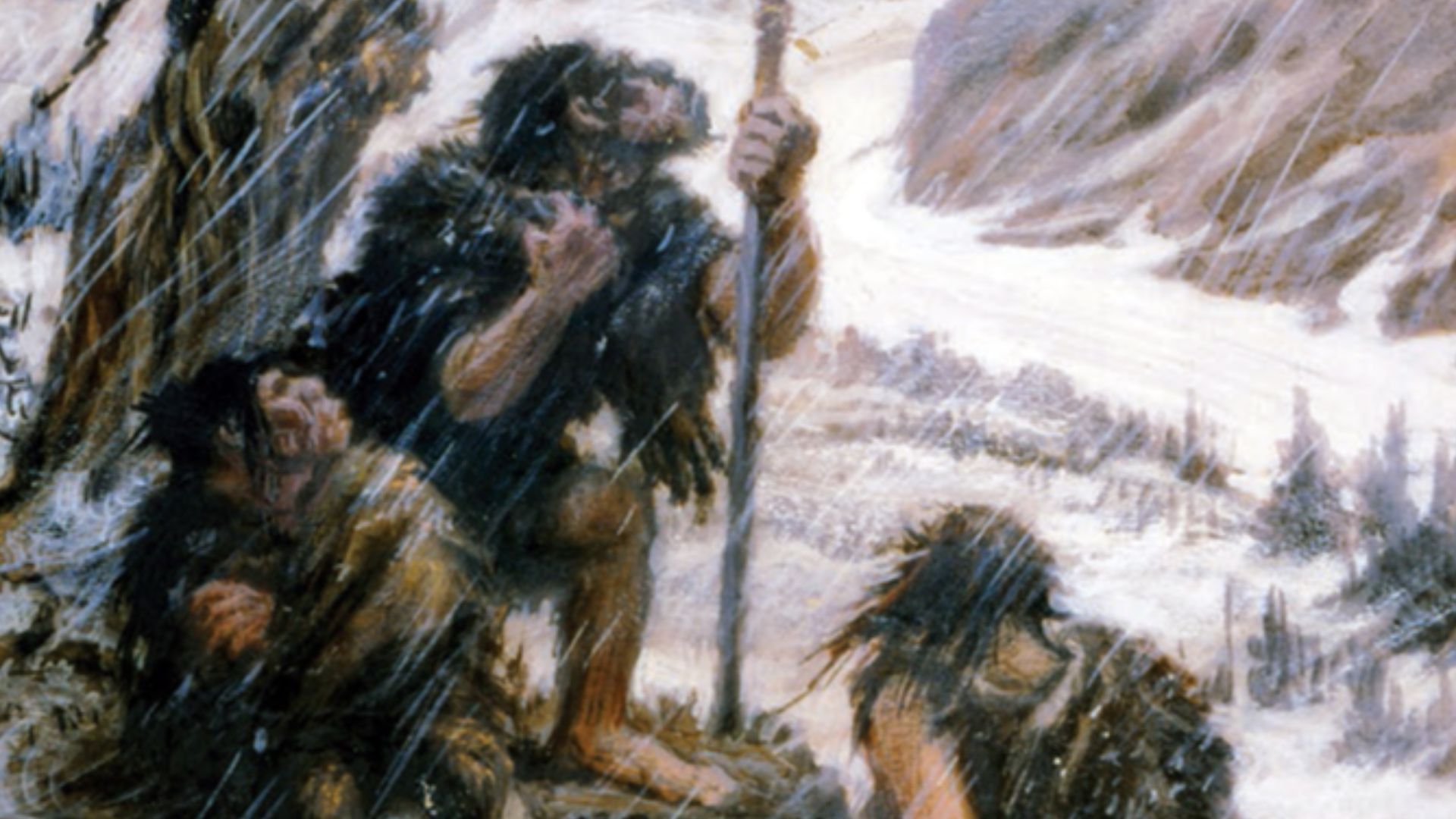
Neanderthals didn’t experience one continuous Ice Age. Their world repeatedly shifted between colder and warmer conditions, sometimes dramatically. Animal populations changed, vegetation spread or retreated, and familiar hunting territories became less productive. Neanderthals adapted by changing prey and sometimes moving toward more hospitable regions. Their long survival demonstrates considerable flexibility, even if these disruptions ultimately contributed to their vulnerability.
 Charles R. Knight, Wikimedia Commons
They Endured Dangerous Food Shortages
An unsuccessful hunt could leave a Neanderthal group facing serious hunger, particularly during winter when edible plants were scarce. Archaeological evidence suggests many populations relied heavily on animal protein, making access to game critically important. Surviving lean periods demanded careful knowledge of seasonal resources. However, there’s no evidence Neanderthals could withstand starvation substantially better than modern humans.
They Survived On Wild Foods
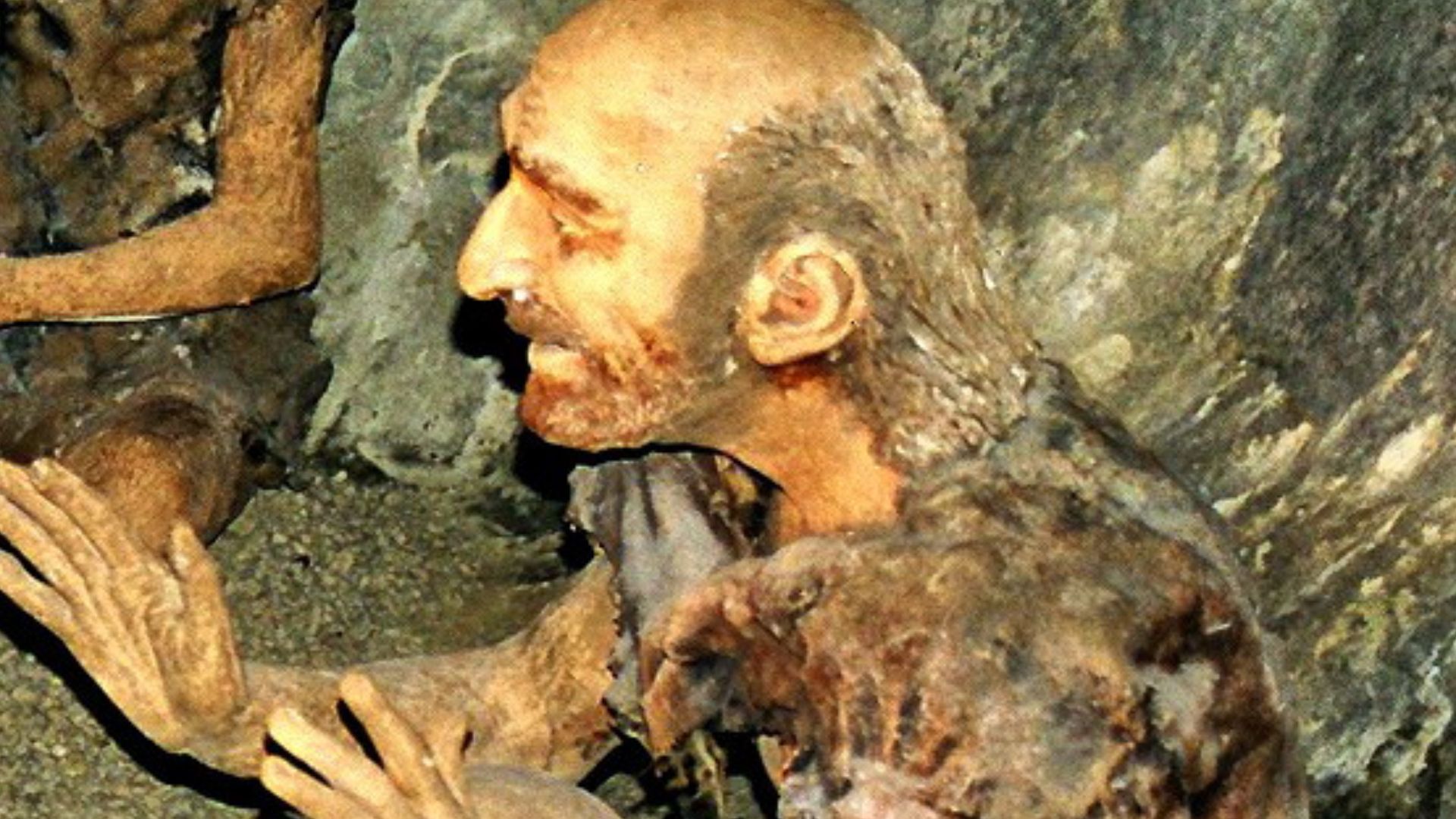
Neanderthals couldn’t visit a grocery store when hunting failed. They gathered available plants, including starchy foods, and exploited whatever edible resources their environments provided. Dental evidence confirms that some consumed plant foods, while archaeological finds reveal considerable dietary variation. Identifying safe, nutritious wild foods was a life-preserving skill, especially when familiar prey became scarce.
They Could Hunt In Snow
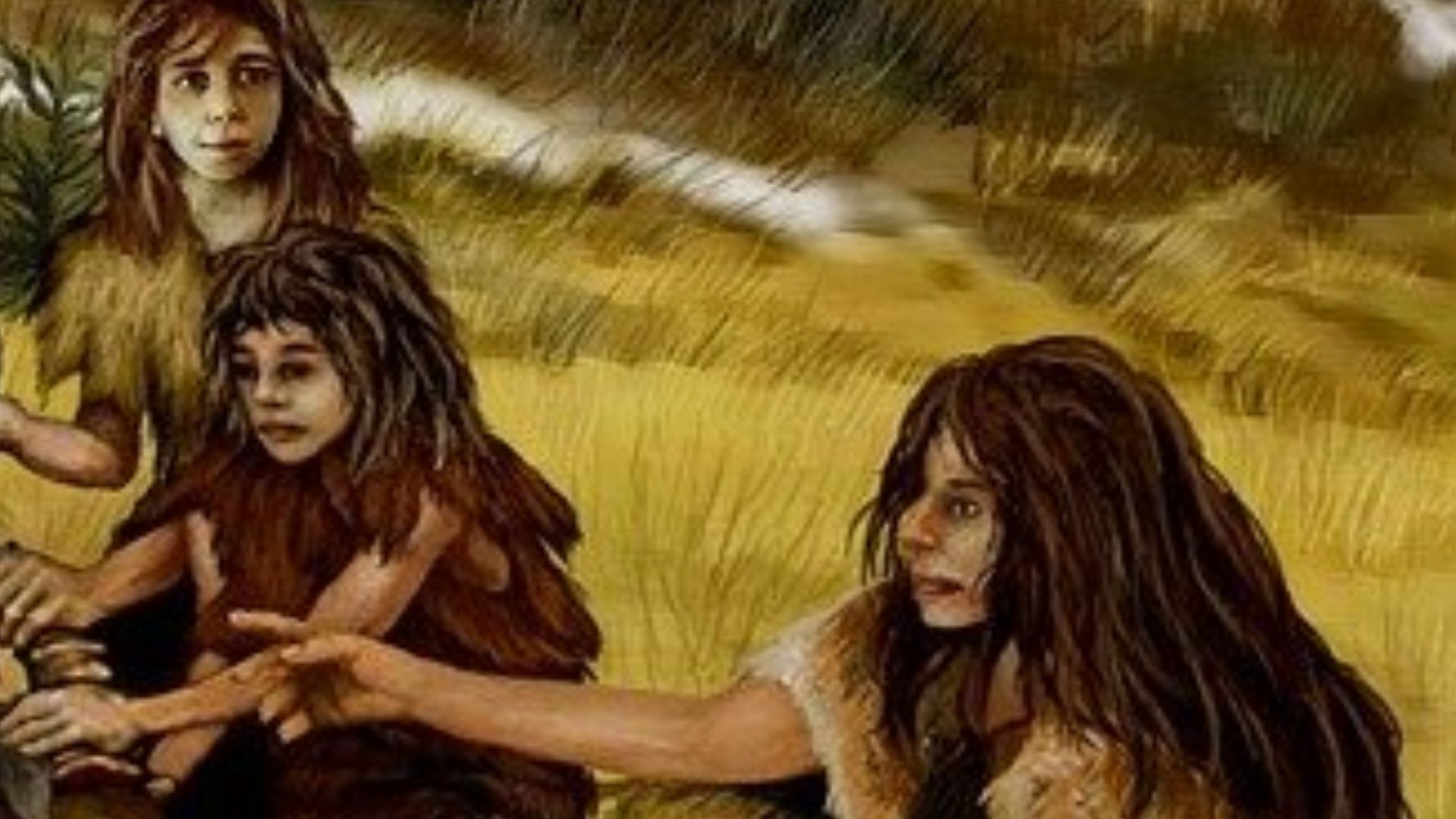
Winter hunting meant tracking animals across frozen or snow-covered landscapes, sometimes while carrying heavy weapons and equipment. Neanderthals targeted cold-adapted animals such as reindeer during glacial periods. Their survival depended on understanding migration patterns and seasonal animal behavior. Modern Arctic hunters possess comparable expertise, demonstrating that learned knowledge matters at least as much as physical adaptation.
 Neanderthal-Museum, Mettmann, Wikimedia Commons
They Made Their Own Clothing
Neanderthals prepared animal hides using stone scrapers and probably fashioned them into protective coverings. Such clothing would have been essential in freezing environments. However, researchers have less evidence for finely tailored garments than for those made by later modern humans. Neanderthals nevertheless survived cold climates without synthetic insulation, relying on natural materials, fire, and their own ingenuity.
 Paul Hermans, Wikimedia Commons
They Survived Without Permanent Homes
Neanderthals occupied caves, rock shelters, and open-air camps rather than modern insulated houses. Some shelters offered natural protection, but exposed locations demanded careful planning around wind, weather, and access to fuel. Fire and animal hides helped make these places habitable. Their survival illustrates the importance of shelter-building knowledge, rather than an ability to withstand unlimited exposure.
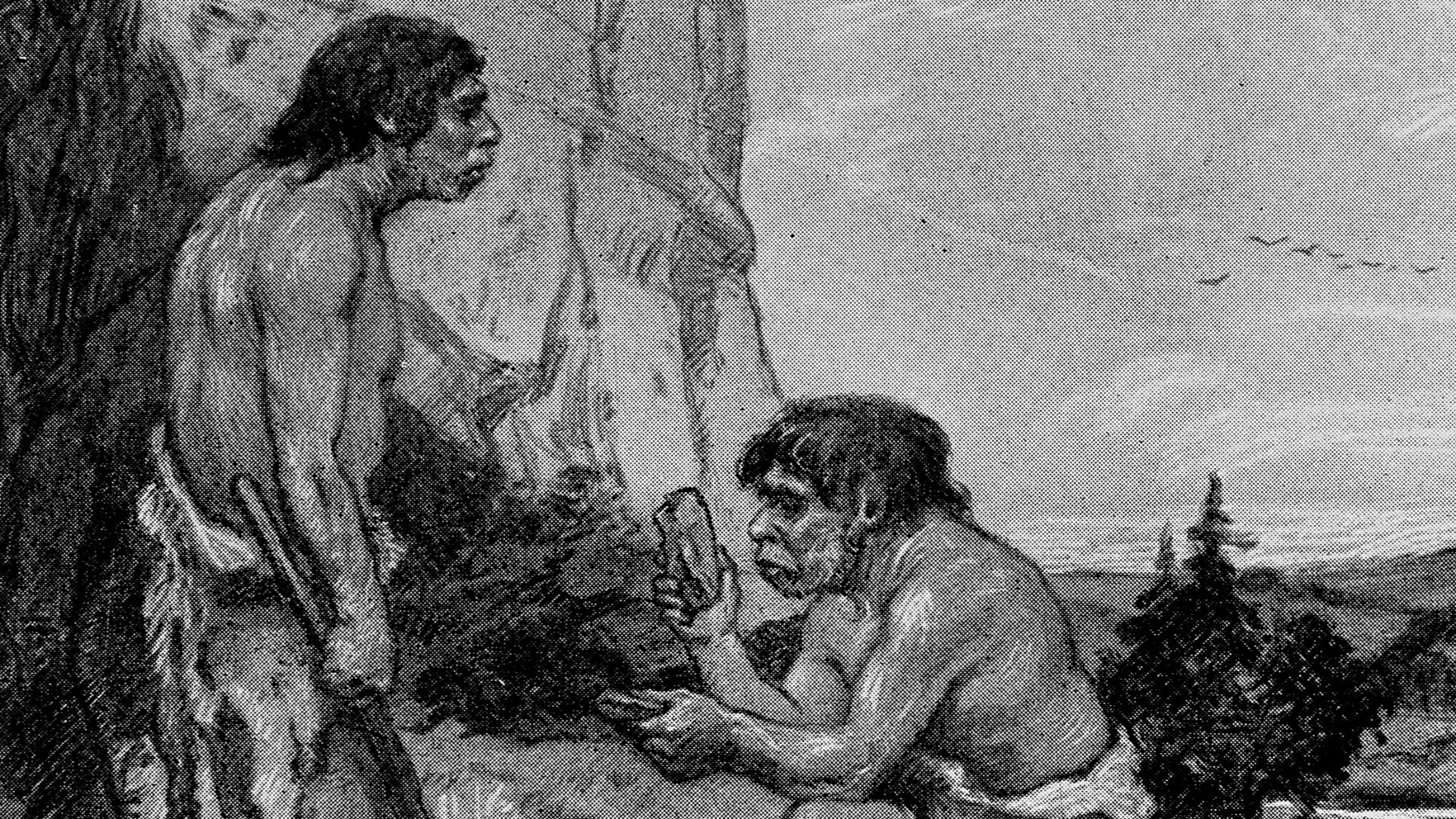
They Controlled Fire
Fire provided warmth, light, and opportunities to cook food, making it one of the most valuable technologies available to Neanderthals. Archaeological evidence confirms that they used fire, although how consistently they could produce it remains debated. Maintaining a reliable fire could make the difference between comfort and potentially lethal cold. Their survival was technological as well as biological.
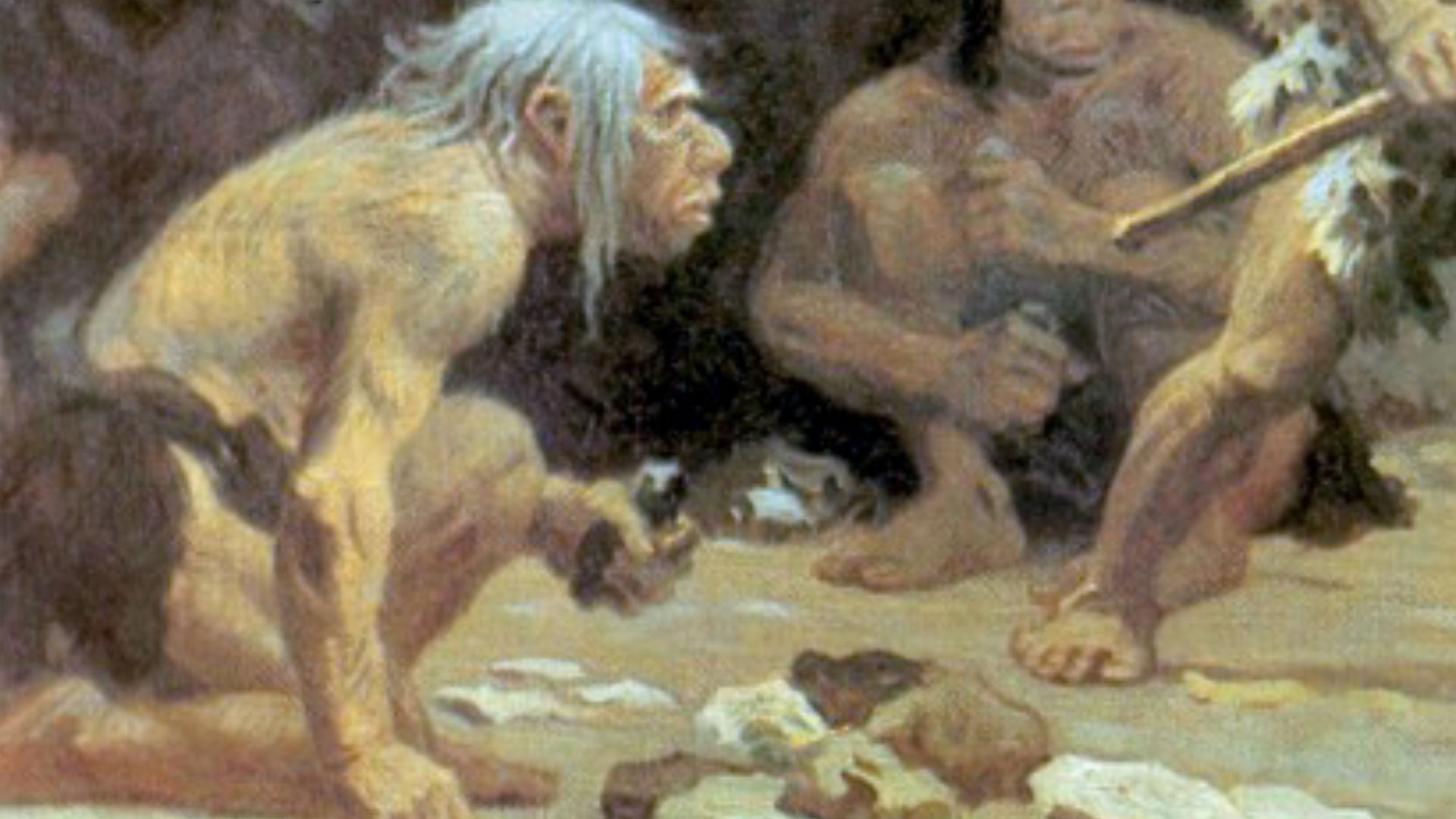 Charles Robert Knight, Wikimedia Commons
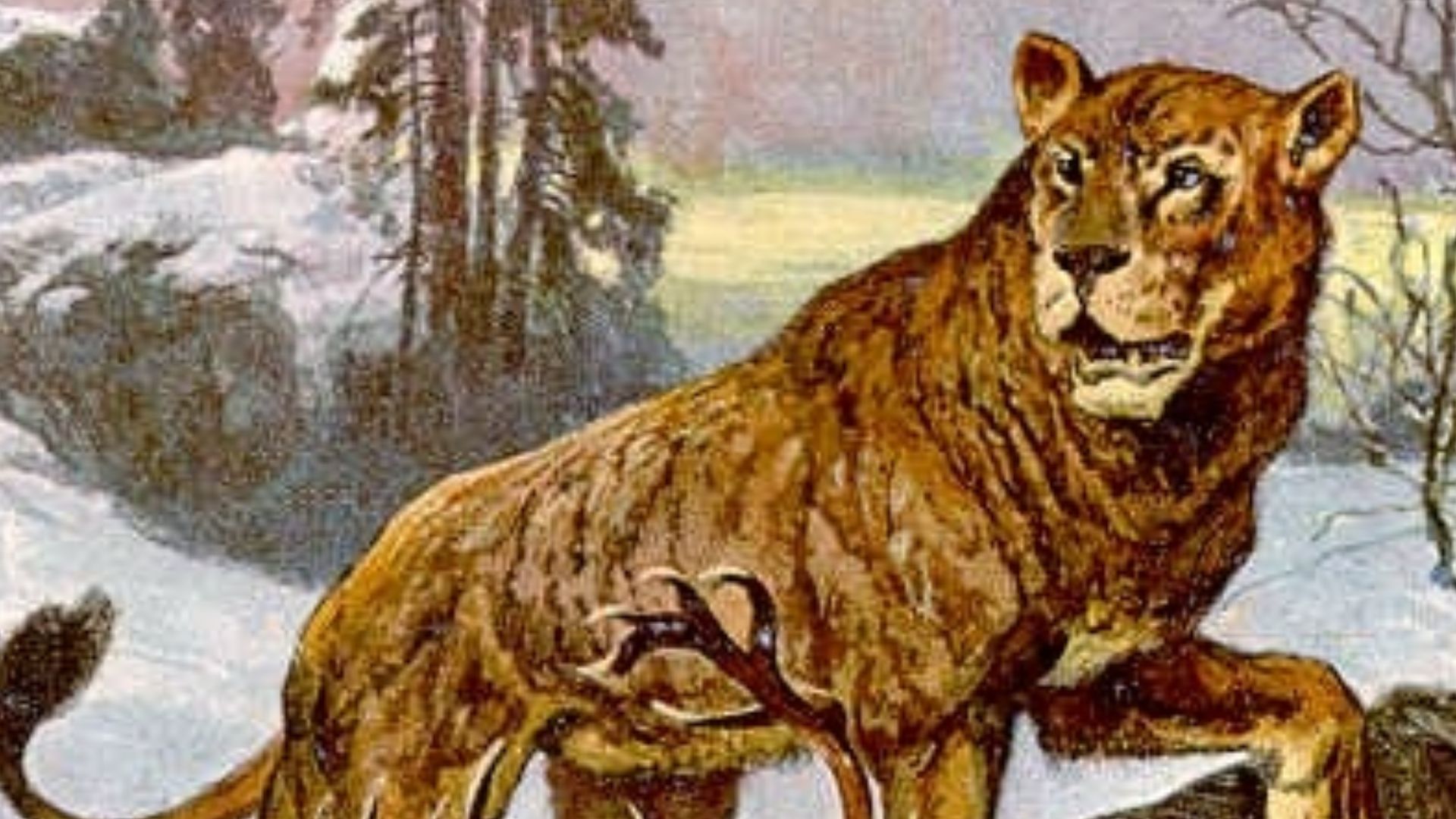
They Faced Dangerous Predators
Neanderthals shared prehistoric Eurasia with formidable carnivores, including cave lions, hyenas, wolves, and bears. These animals competed for prey and sometimes occupied the same caves. Direct encounters could be deadly, particularly for isolated or injured individuals. Neanderthals reduced such dangers through weapons, group cooperation, and knowledge of animal behavior rather than any special immunity to attack.
 Heinrich Harder (1858-1935), Wikimedia Commons
They Survived With Damaged Teeth
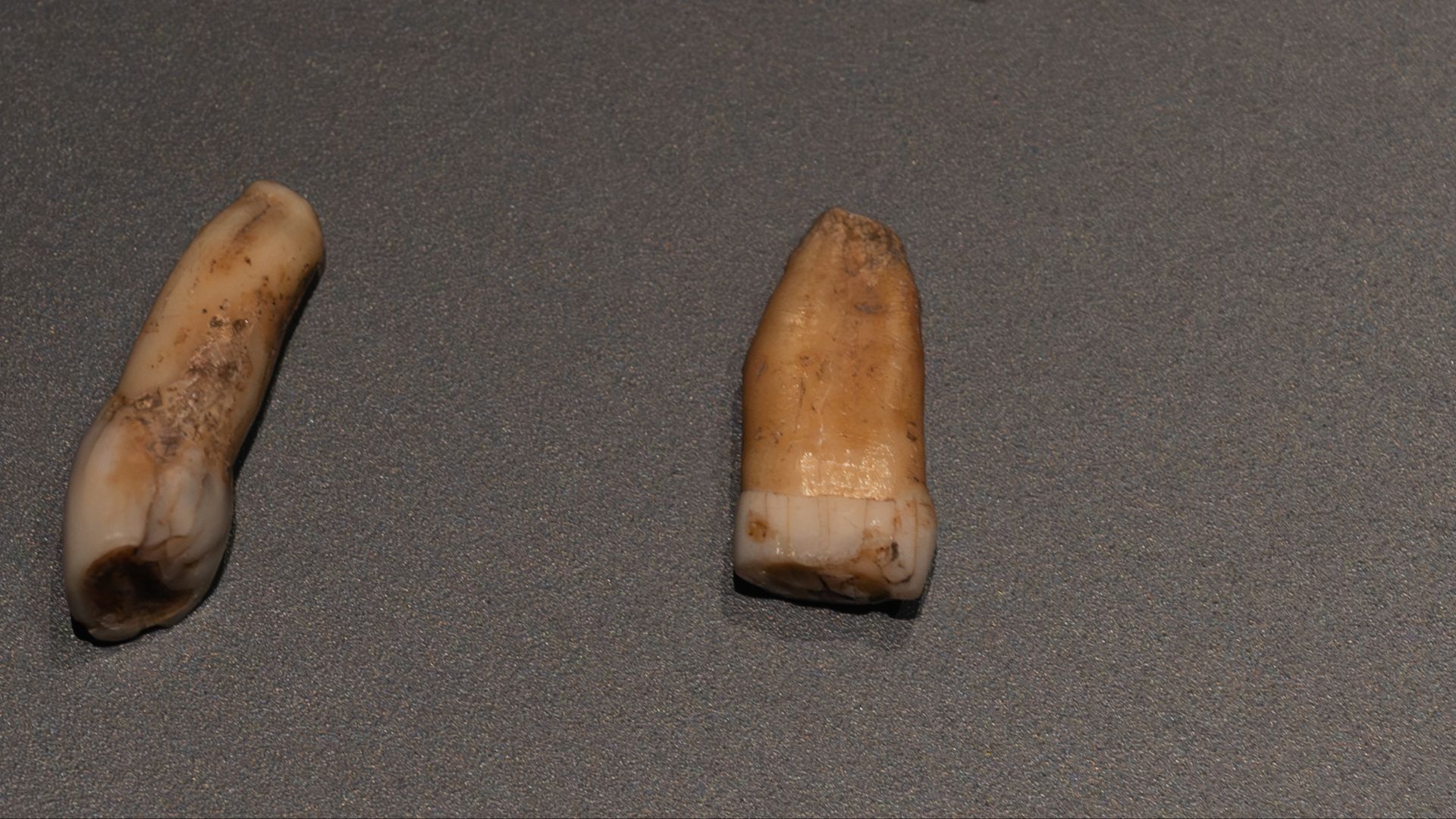
Neanderthal teeth often show extensive wear, partly because they used their mouths to process food and other materials. Dental damage could become a serious problem without modern dentistry. Some individuals survived despite substantial tooth loss or disease. Their experiences suggest an ability to cope with difficult conditions, although dental infections could also be fatal in prehistoric populations.
They Raised Children In Extreme Conditions
Neanderthal children grew up in environments where freezing weather, dangerous animals, and unpredictable food supplies were everyday realities. Their survival required protection, provisioning, and years of learning essential skills. Archaeological discoveries of juvenile remains reveal the risks of prehistoric childhood. The fact that Neanderthal populations persisted for hundreds of thousands of years demonstrates that families successfully raised new generations under extraordinary circumstances.
 Jakub Hałun, Wikimedia Commons
They Survived Without Modern Medicine
A serious infection, broken limb, or respiratory illness could become life-threatening without antibiotics, anesthesia, or emergency surgery. Neanderthals faced these dangers throughout their lives. Healed injuries show that some survived remarkable medical challenges, probably helped by companions. Yet many others undoubtedly died from conditions modern medicine can treat, making their survival impressive without implying biological invincibility.
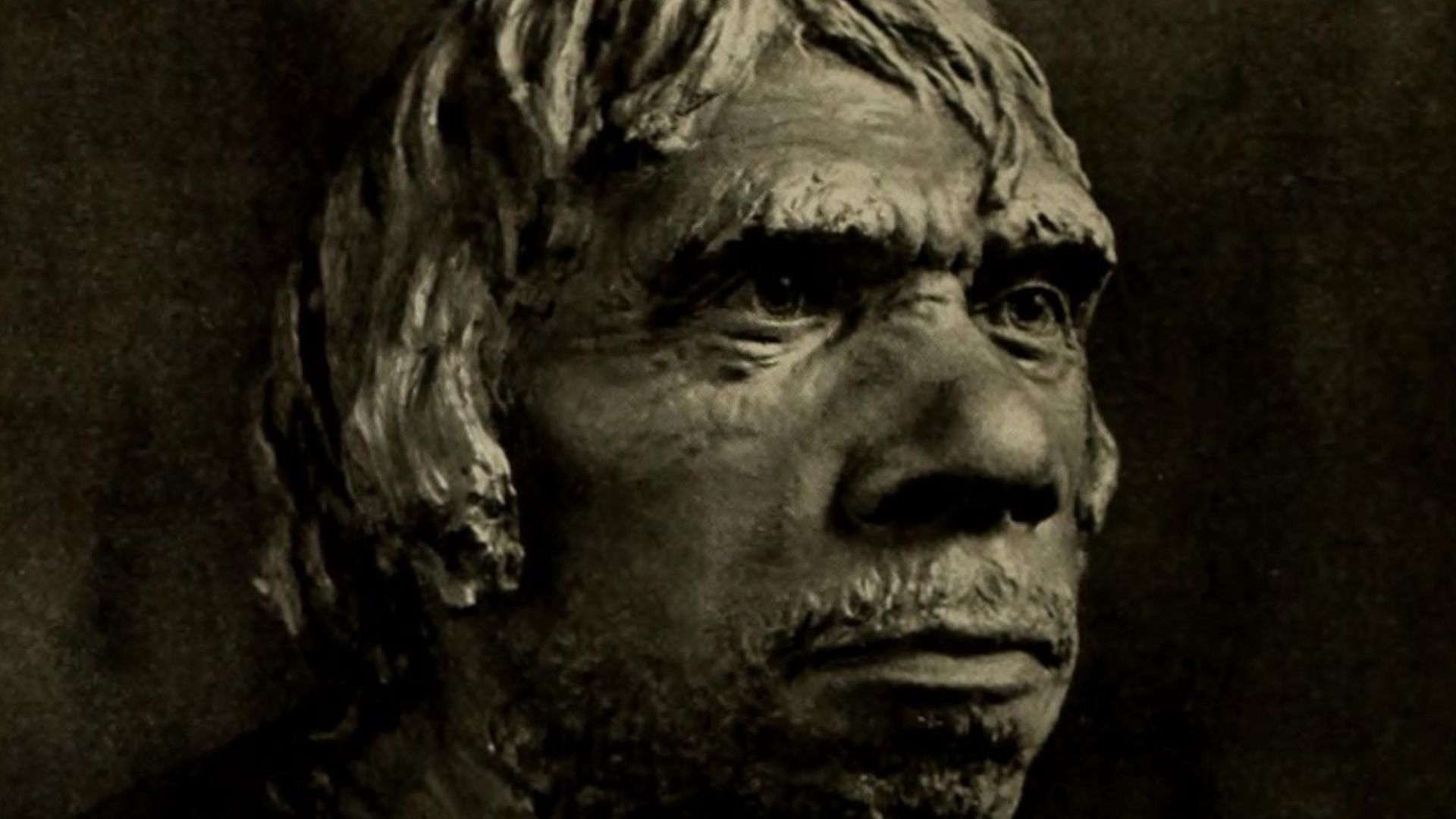 Internet Archive Book Images, Wikimedia Commons
But Could They Really Outlast Us?
Here’s the surprising answer: Neanderthals were better physically adapted to certain cold, demanding environments, but there’s no convincing evidence they could survive injuries, infections, or starvation that modern humans are biologically incapable of surviving. Our own species also endured Ice Age conditions and eventually expanded into almost every environment on Earth. Neanderthals weren’t superhuman. They were extraordinarily capable humans adapted to a dangerous world, and their survival depended as much on cooperation, intelligence, and technology as brute strength.

You May Also Like:
Neanderthals were performing dental work 59,000 years ago—and one tooth finally proved it
New research suggests Neanderthals didn’t just survive the Ice Age, they rebuilt after it.