
Neanderthals Made Their Own Glue
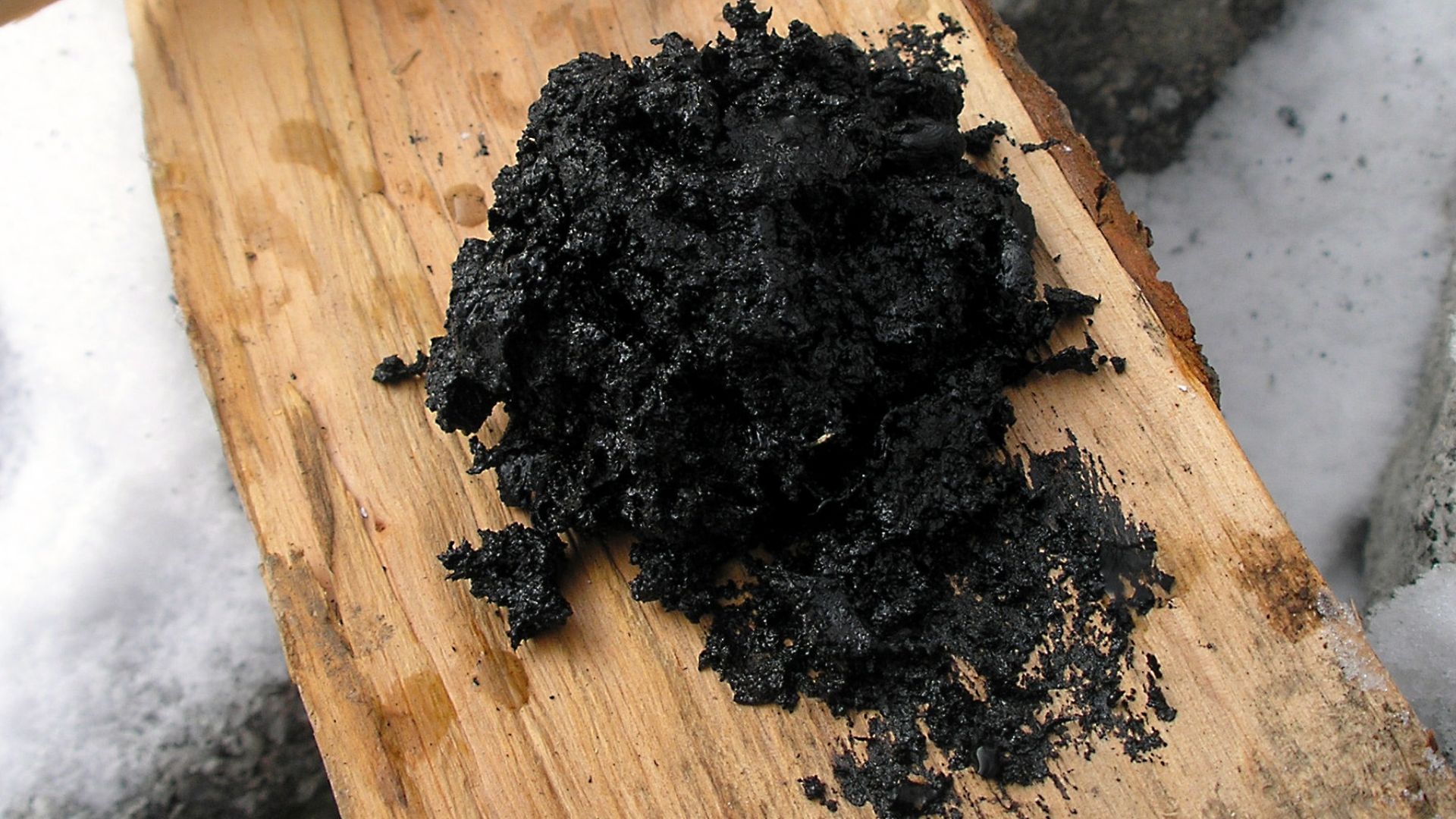
Neanderthals living in Ice Age Europe produced birch tar, a sticky substance useful for making stone tools easier to grip or attaching them to handles. Archaeologists once thought producing it required surprisingly complicated technology. Experiments revealed that an effective version could be made much more simply, and could very well make the difference between life and death in the harsh conditions of the Ice Age.
Birch Tar Is Ancient
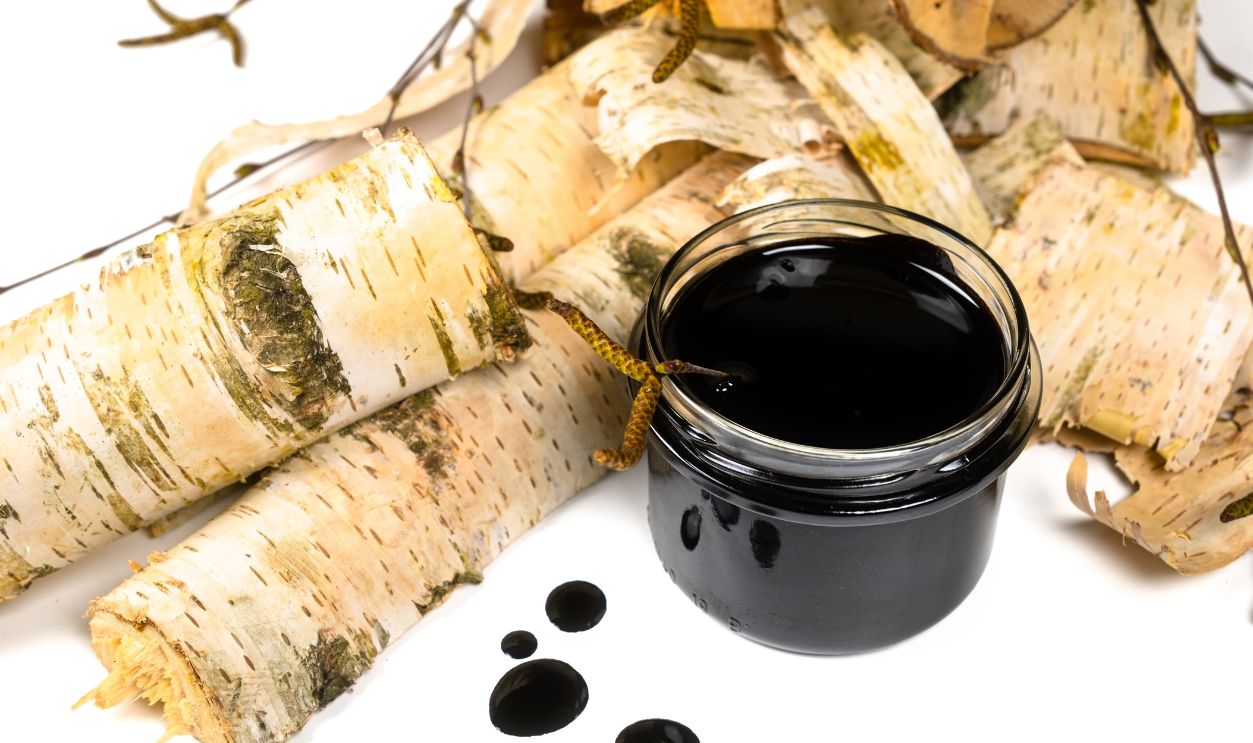
Birch tar is produced by heating birch bark until its organic compounds break down and form a dark, sticky substance. Archaeological finds show Neanderthals were making it during the Middle Paleolithic, long before pottery or metal containers existed to make controlled distillation straightforward.
Evidence Goes Back Far
Some of the earliest evidence comes from Campitello, Italy, where two stone flakes partly covered with birch tar date to at least 191,000 years ago. Their age is particularly significant because Neanderthals were making the material long before possible technological influence from modern humans in Europe.
![Werktuig met Berkenpek. In 2016 vond amateurarcheologe Willy van Wingerden op de zandmotor bij Kijkduin dit stukje vuursteen, deels bedekt door berkenpek, dat op grond van C14-datering 50.000 jaar oud bleek te zijn.[1] Het stamde dus uit de laatste ijstij](https://www.factinate.com/storage/app/media/splashtravels/2026/9/16/1789547073a630aac84b1e94a8ffd16e4a90f34e1d789ff742.jpg)
Germany Provided More Evidence
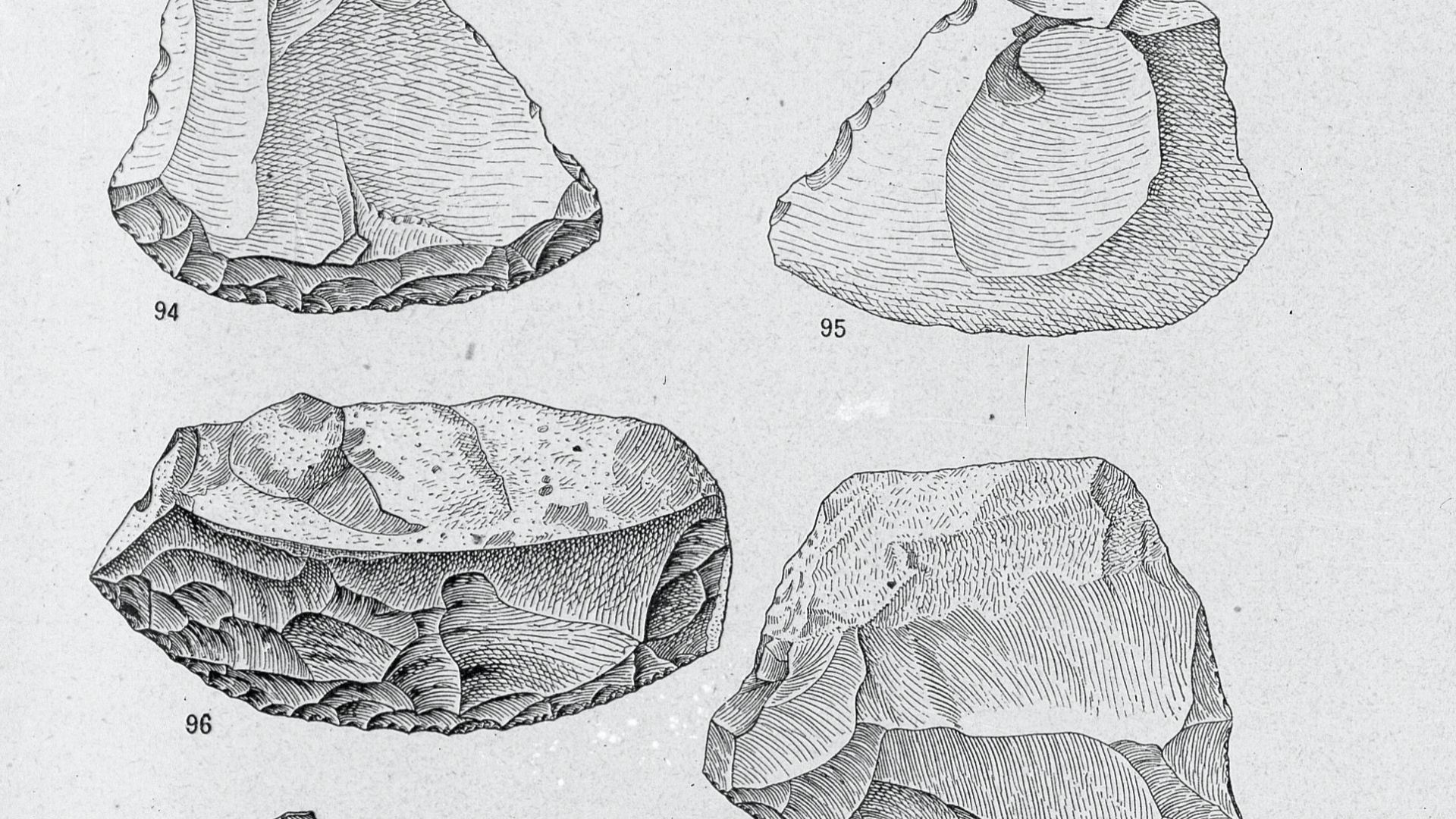
At Königsaue in Germany, archaeologists recovered two lumps of birch tar associated with Middle Paleolithic occupation. They date to more than roughly 43,000 and 48,000 years ago. Impressions preserved in the material indicate that at least one piece had once been associated with a stone artifact.
 Adrien de Mortillet and Gabriel de Mortillet, Wikimedia Commons
Another Find Emerged
Researchers also studied a roughly 50,000-year-old flint artifact recovered from the North Sea off the Netherlands. About one-third of the flake was enclosed in birch tar, providing unusually direct evidence that Neanderthals in northwestern Europe incorporated the manufactured substance into their stone-tool technology.
 MODIS Rapid Response Team, NASA/GSFC, Wikimedia Commons
Making Tar Seemed Difficult
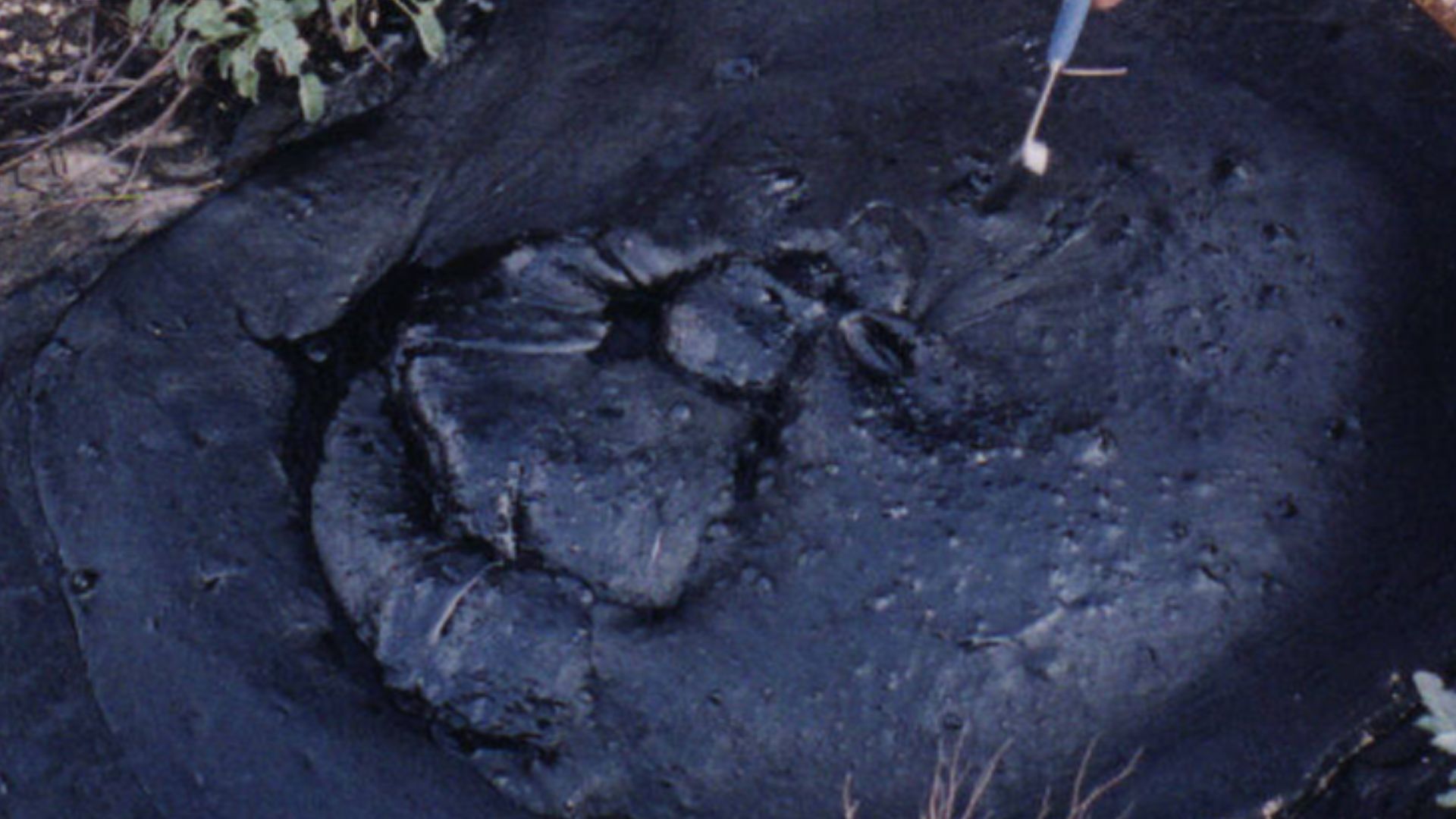
For years, researchers assumed birch tar had to be produced by heating bark while severely restricting its exposure to oxygen. Experimental archaeologists therefore developed elaborate underground arrangements involving pits, rolled bark, hot embers and collection spaces that could reproduce the ancient adhesive without modern equipment.
That Raised Bigger Questions
If Neanderthals really constructed such installations, tar production required multiple planned steps and an understanding of how materials behaved under controlled heating. Birch tar consequently became part of a larger archaeological debate over Neanderthal technological knowledge, planning ability and the transmission of complicated skills.
 picture alliance, Getty Images
Researchers Tried Something Simpler
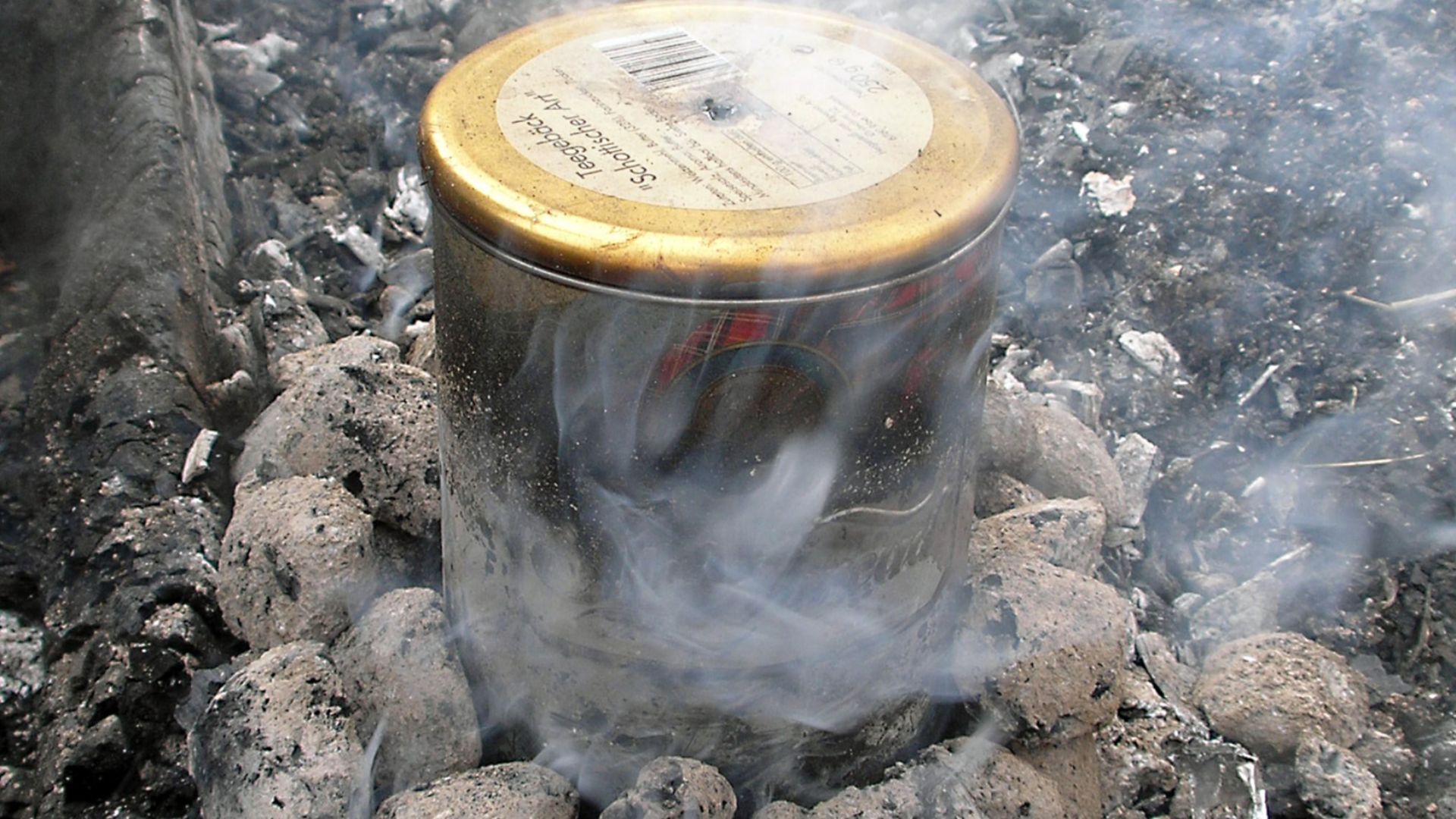
In 2019, researchers led by Patrick Schmidt tested a radically simpler possibility. Instead of building an underground distillation structure, they burned birch bark beside stone surfaces. Their question was whether useful tar might form during an ordinary fire without intentionally creating a sealed, oxygen-poor production chamber.
 National Cancer Institute, Unsplash
Birch Bark Burns Well
Birch bark was a logical material for Neanderthals to burn because it makes excellent tinder. The bark contains betulin and other compounds that help it ignite readily. Neanderthals using birch bark around fires therefore could have encountered the conditions required for discovering tar without deliberately searching for glue.
Stones Changed Everything
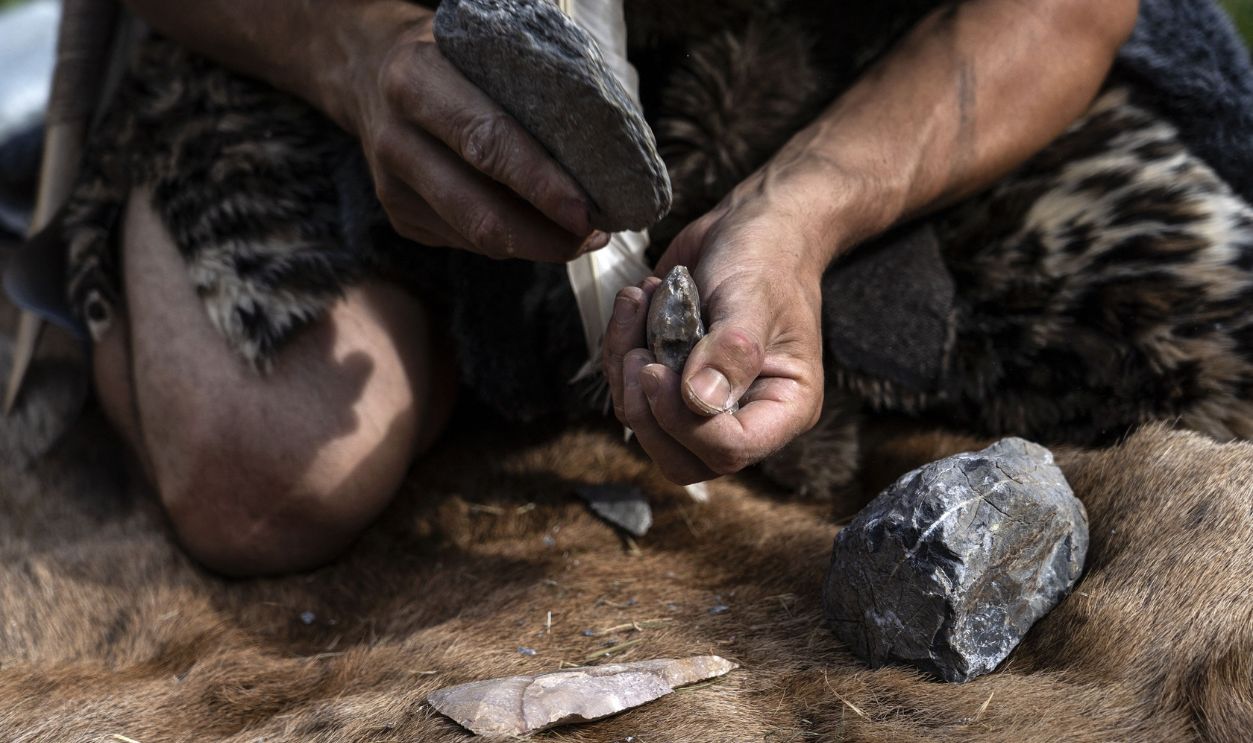
The experiment showed that positioning burning birch bark near vertical or steeply angled stone surfaces caused tar to condense on those surfaces. Rather than disappearing with the smoke or burning away, enough sticky material accumulated on the stones for researchers to scrape it off and collect it.
 MARCO BERTORELLO, Getty Images
It Was Surprisingly Easy
The experimental technique required no pottery, buried containers or specially constructed oxygen-free chamber. Researchers needed birch bark, fire and suitable stones. Their entire experimental work session, including collecting the bark, took about three hours and yielded quantities of tar large enough to test as an adhesive.

Chemistry Confirmed The Result
Producing something black and sticky was not enough. Researchers chemically analyzed their experimental material to determine whether it genuinely resembled prehistoric birch tar. The samples contained characteristic molecular markers also found in archaeological tar, demonstrating that the simple open-air technique produced chemically recognizable birch tar.

They Built A Tool
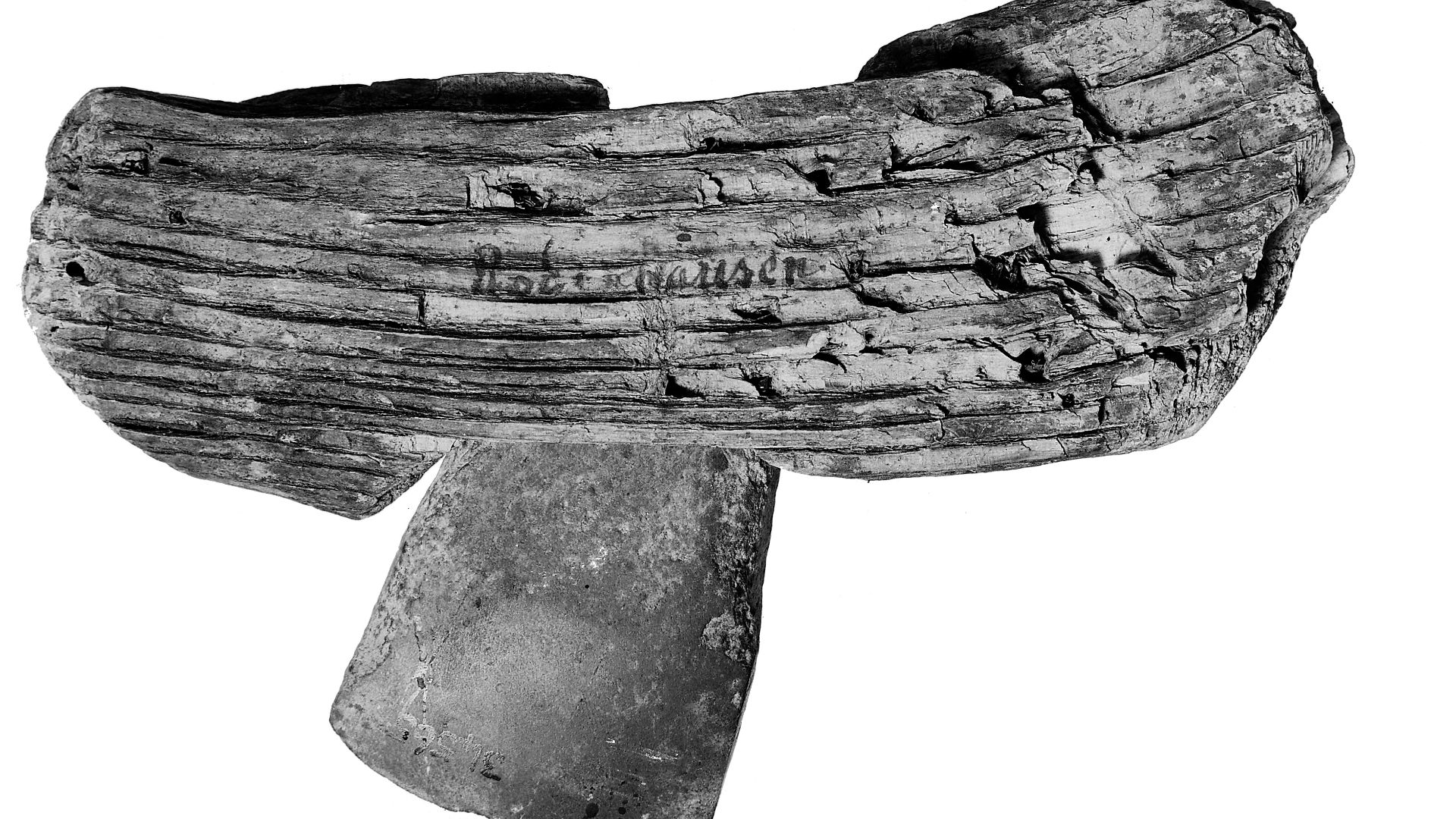
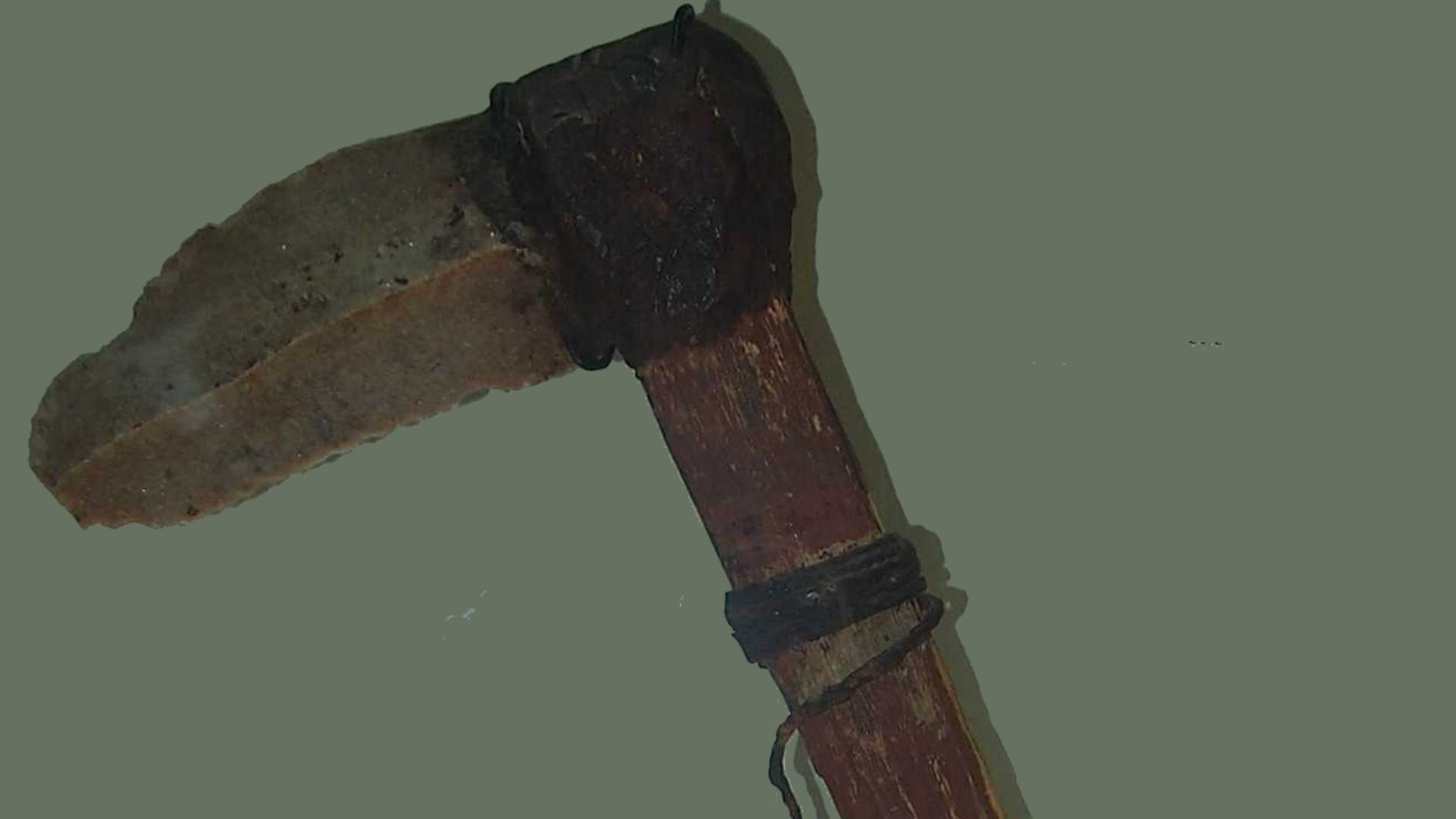
Next came a practical test. Researchers used tar produced by their condensation method to attach a stone flake to a wooden handle. This transformed the experiment from a demonstration that tar could form accidentally into a test of whether the resulting substance could perform useful Stone Age work.
A Robot Tested It
For a controlled mechanical experiment, a robotic arm repeatedly dragged the hafted stone tool across a wooden surface. The test lasted about 19 minutes and involved 170 strokes. Researchers reported no observable weakening of the adhesive connection between the stone implement and its wooden handle.
 Lionel Allorge, Wikimedia Commons
Then Came Real Work
Researchers next used the same hafted tool manually on a roughly 30-centimeter section of calf femur. They scraped, cut and hacked at the remaining flesh and periosteum for approximately 20 minutes, applying the pressure required to complete the job rather than treating the reconstructed tool delicately.
 Mark Marathon, Wikimedia Commons
The Tar Held Firm
After the butchery experiment, researchers inspected the haft again. The birch tar had neither detached nor noticeably weakened. Their simple condensation technique had therefore produced an adhesive capable of surviving both a standardized mechanical test and demanding hands-on work resembling tasks prehistoric tools might have performed.
Other Methods Were Tested
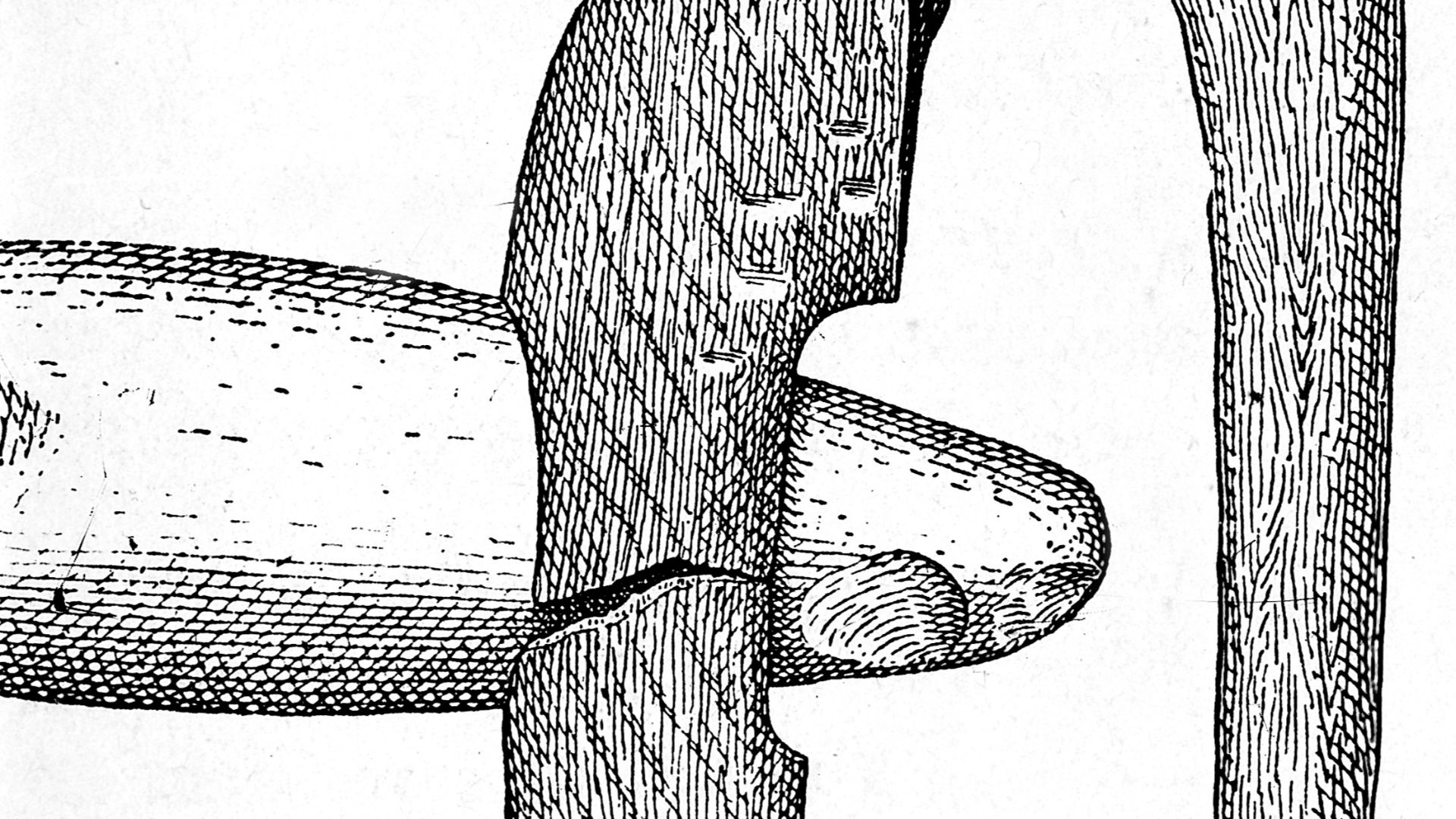
Later experiments compared four proposed Stone Age tar-production methods: aboveground condensation, a cobble-lined groove, a buried bark roll heated from above, and a more complicated raised structure designed to restrict oxygen. Researchers then subjected the resulting adhesives to standardized lap-shear tests.

Simple Tar Was Strongest
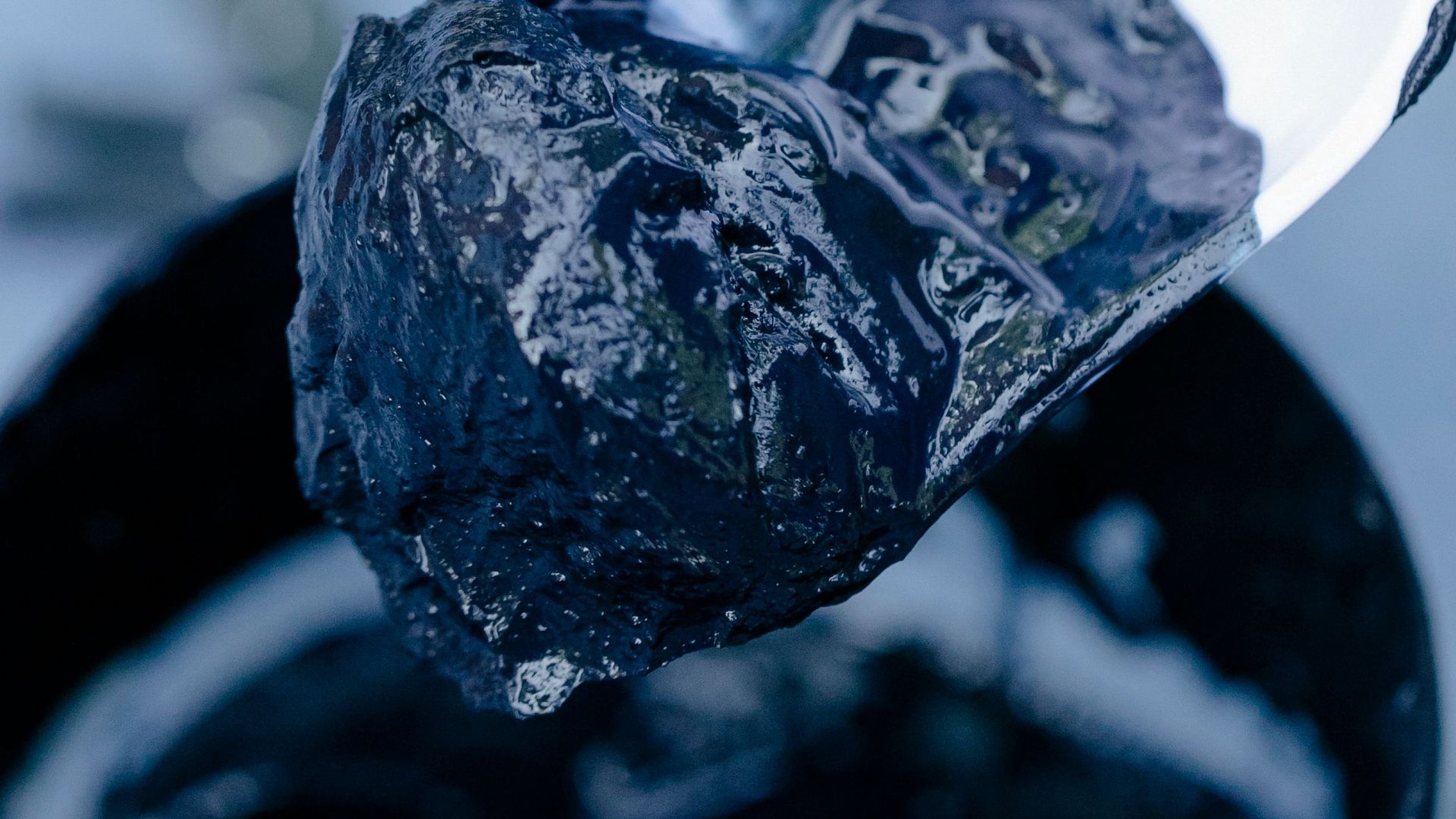
The results were striking. Of the four experimentally produced birch tars, the aboveground condensation method created the strongest adhesive and also produced the most consistent behavior during testing. The technically simplest method therefore did not merely work. In these experiments, its tar actually outperformed the alternatives.
Complexity Didn't Guarantee Strength
The weakest adhesive in the 2023 comparison came from the raised-structure method, an underground technique resembling double-pot distillation. Tar from the buried pit-roll method performed almost as strongly as condensation tar, while the cobble-groove technique produced an adhesive displaying more plastic behavior under stress.
 Alf Inge Myhre Tunheim, Wikimedia Commons
Birch Beat Pine Resin
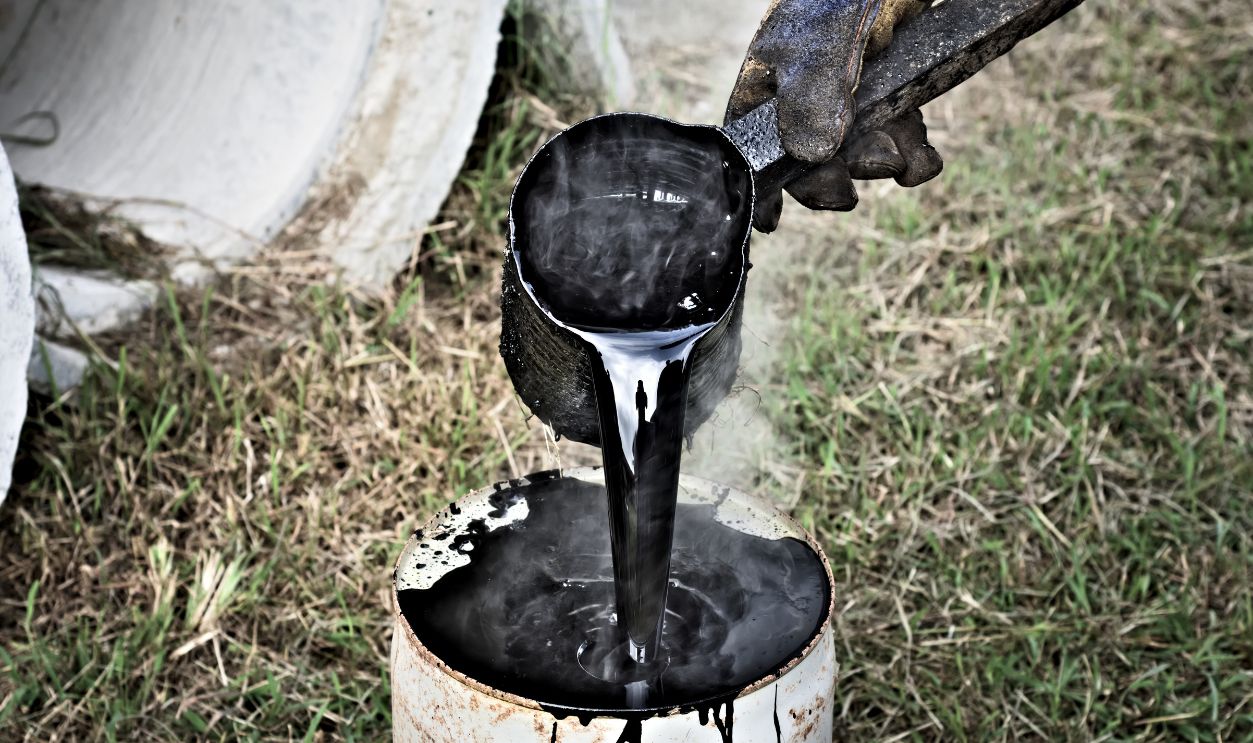
Separate laboratory research compared replica Paleolithic adhesives and found important advantages to birch tar over pine resin, another natural substance Neanderthals could potentially use. Birch tar proved more versatile, offered better working properties and could be reused more effectively, helping explain why producing it could be a worthwhile pursuit.
Heat Made It Reusable
An adhesive that can be worked again offers obvious practical advantages when maintaining composite tools. Experimental testing found birch tar could be reheated and reused more successfully than pine resin. Neanderthals therefore possessed a material that could potentially be adjusted or repaired rather than immediately discarded.
 Museum of London, Kate Sumnall, 2013-01-23 12:12:38, Wikimedia Commons
It Wasn't Just Glue
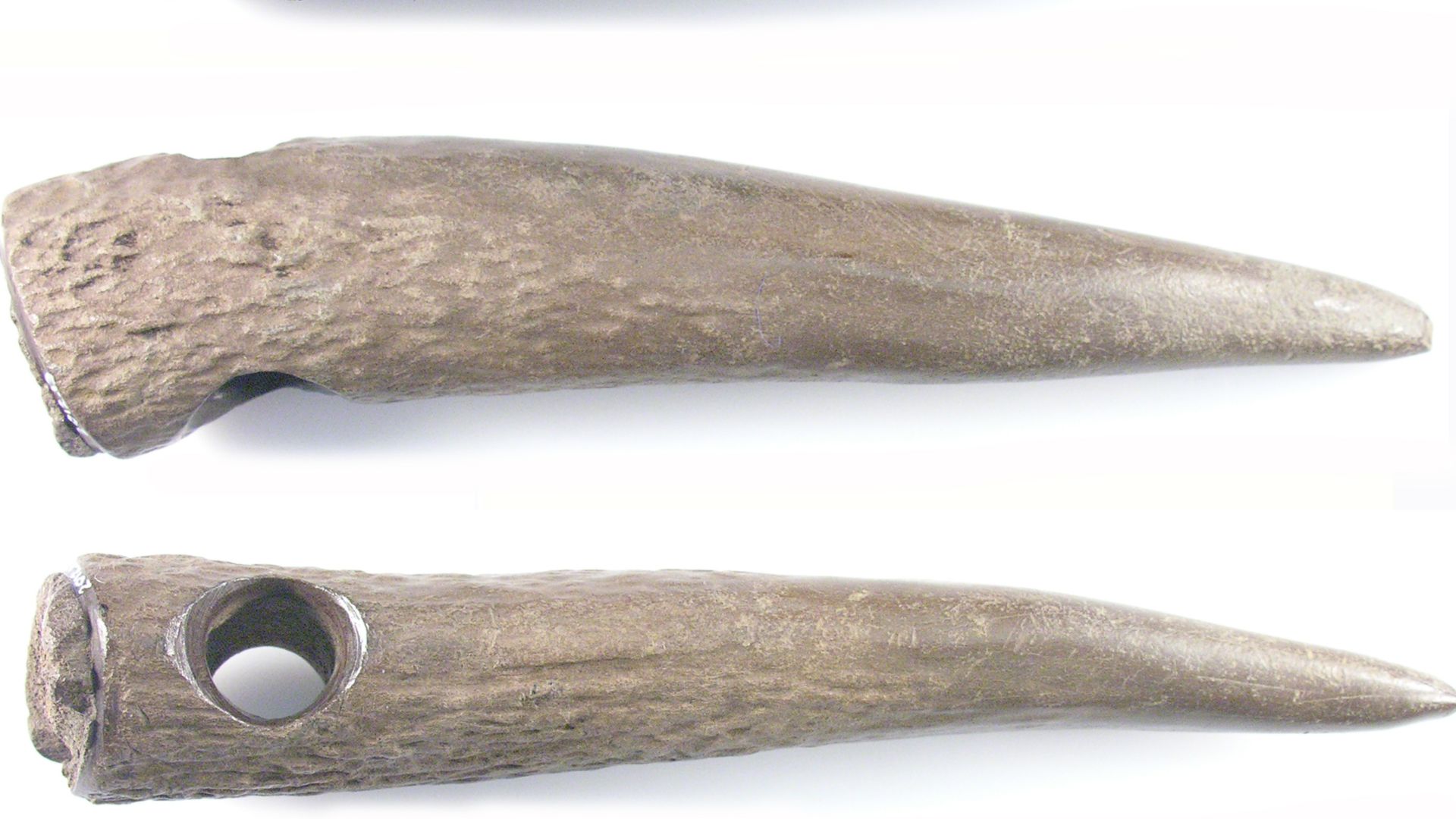
Archaeological finds suggest birch tar did not necessarily always attach stone to a separate wooden handle. On some artifacts, thick tar appears to have covered the non-cutting portion of a flake, potentially forming a comfortable backing or grip that protected the user's hand from sharp stone edges.
The Discovery Changed The Debate
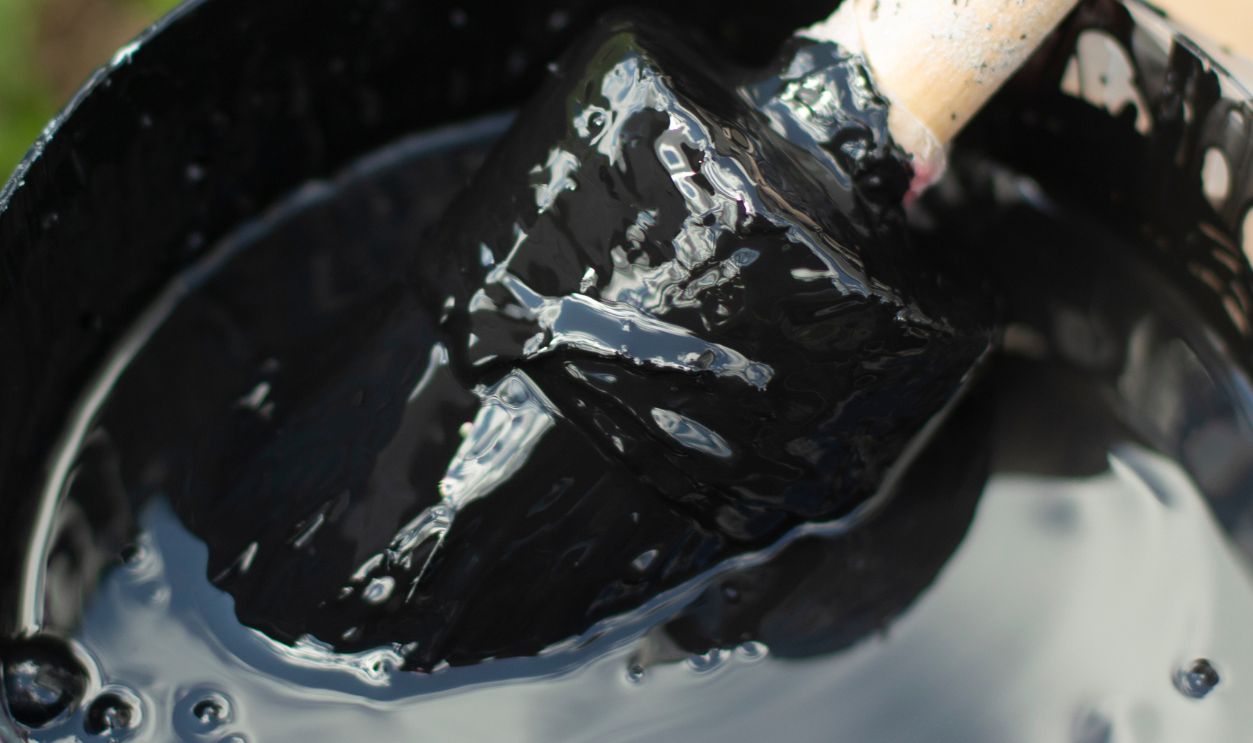
The simple condensation experiment weakened one influential argument about Neanderthal cognition. Finding birch tar no longer proves that its makers necessarily constructed complicated oxygen-restricted installations. Burning birch bark beside stones could have revealed the substance naturally, providing a plausible pathway from ordinary fire use to deliberate production.
Neanderthals Still Deserve Credit
That does not make Neanderthal technology unimpressive. Recognizing the usefulness of the substance, deliberately producing more of it and incorporating it into tools still required practical knowledge. Archaeological evidence indicates birch tar technology persisted across enormous stretches of time and widely separated parts of Europe.

An Ancient Technique Worked
Researchers began with a deceptively simple question: could useful birch tar emerge without an elaborate prehistoric distillation system? Their experiments showed that it could. Even more remarkably, subsequent testing found tar produced by the simple aboveground technique was not merely adequate. It was the strongest formulation tested.
 Neanderthal-Museum, Mettmann, Wikimedia Commons
You May Also Like:
DNA from 45,000-year-old Europeans revealed what happened when modern humans first met Neanderthals.
Archaeologists Recreated A Neanderthal Diet, And The Results Were Surprisingly Unhealthy