A Tiny Tooth Changed A Huge Story
A 59,000-year-old Neanderthal tooth from Siberia may have just rewritten the history of dentistry. Researchers say a deep cavity was deliberately worked with a stone tool while its owner was still alive, making it the earliest known invasive dental treatment. The tooth still preserves the decay, possible tool marks, and signs it was used afterward.

The Clue Came From A Siberian Cave
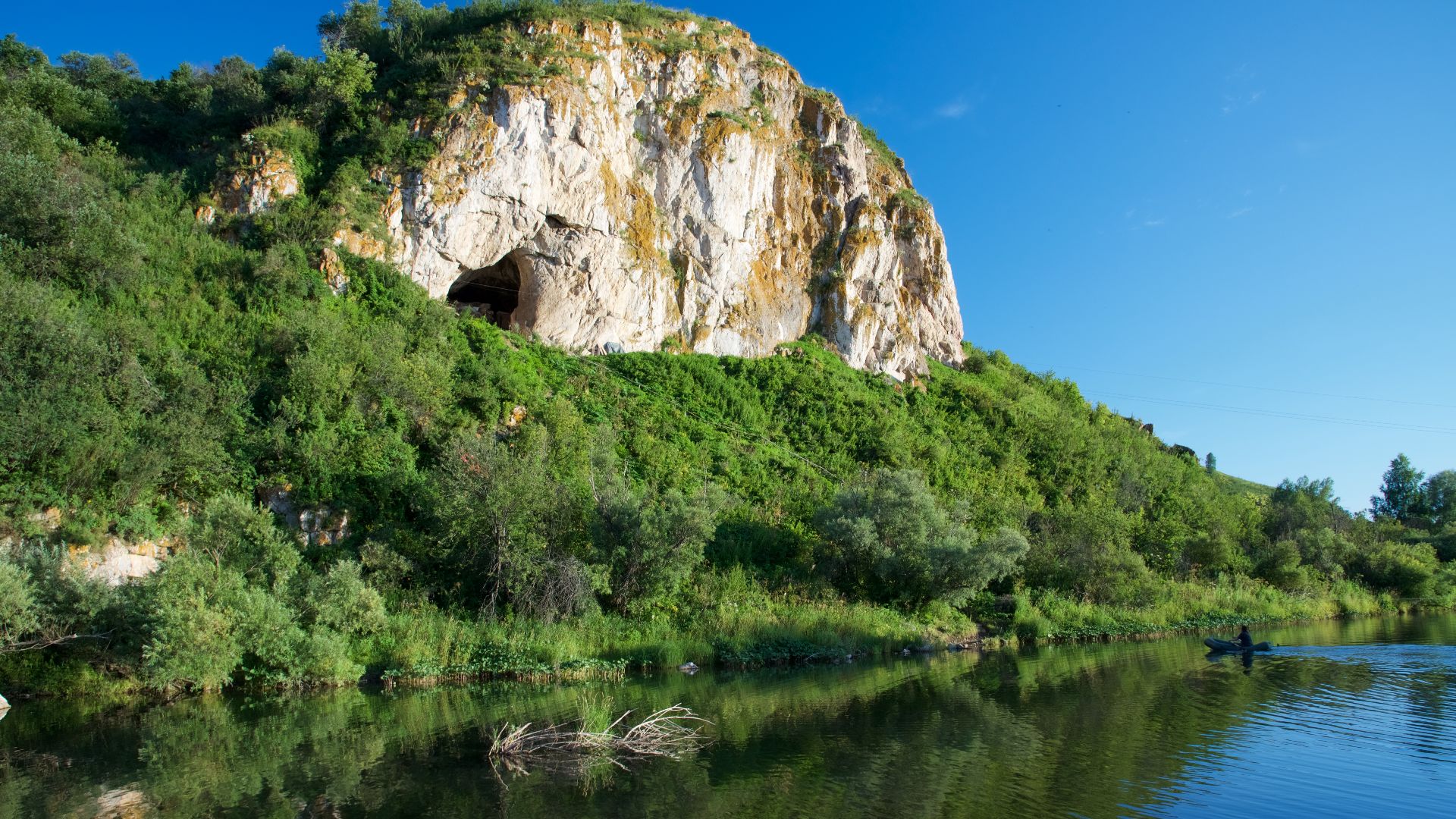
The tooth, known as Chagyrskaya 64, was recovered from Chagyrskaya Cave in the northwestern Altai Mountains of southwestern Siberia. The cave sits above the Charysh River and has produced a remarkable collection of Neanderthal remains and tools. More than 70 hominin fossils, including 26 dental specimens, had been recovered there when the new study was published.
The Date Is What Makes It Extraordinary
Chagyrskaya 64 was found near the base of an intact archaeological layer associated with the earliest Neanderthal occupation of the cave. Researchers place that part of the site's history at roughly 59,000 years ago. Other dating work indicates Neanderthals occupied Chagyrskaya between about 59,000 and 49,000 years ago.
 Jakub Hałun, Wikimedia Commons
This Was No Ordinary Molar
The specimen is a lower second molar from an adult Neanderthal. Its crown had been extremely worn, with the chewing surface stripped of its enamel and substantial dentin already lost. What caught researchers' attention, however, was an unusually deep and irregular cavity in the center of the tooth.
 Neanderthal-Museum, Mettmann, Wikimedia Commons
The Hole Reached The Tooth’s Core
The central cavity measures about 4.2 millimeters long, 2.8 millimeters wide, and up to 2.6 millimeters deep. It consists of three interconnected depressions rather than a simple worn patch. Micro-CT scans showed that the opening extended through the area that once contained the tooth's pulp, including its nerves and blood vessels.
The Scans Found Serious Decay
Researchers next needed to determine why the tooth had deteriorated so badly. Micro-CT imaging revealed extensive demineralization in the dentin, including around the large central hole. The team concluded that the molar had suffered deep dental caries, better known as tooth decay, in at least two locations.
 National Cancer Institute, Unsplash
A Broken Tooth Did Not Fit The Evidence
One possibility was that the strange cavity came from an accidental injury. The researchers found that unlikely because traumatic fractures normally leave sharper edges and characteristic cracking. The edges around this cavity were instead smooth and rounded, suggesting a very different history.
 Neanderthal-Museum, Mettmann, Wikimedia Commons
Normal Wear Did Not Explain It Either
The Neanderthal had heavily worn teeth, so ordinary chewing was another obvious explanation. Yet other severely worn Chagyrskaya molars had relatively flat chewing surfaces rather than a widened cavity reaching into the pulp chamber. The researchers argued that normal wear could expose a pulp chamber, but it would not readily explain the enlarged shape seen here.
 Neanderthal-Museum, Mettmann, Wikimedia Commons
Microscopic Scratches Pointed To A Tool
Under magnification, the cavity became even more interesting. Researchers found fine linear marks running along its walls, along with V-shaped grooves that they interpreted as traces left by a hard tool. Some of the microscopic scratches followed the cavity's edges in a pattern consistent with a rotating motion.
 National Cancer Institute, Unsplash
The Tooth Kept Working Afterward
The cavity's surfaces were not fresh or sharply cut. Its edges had become polished and rounded, while some microscopic tool-like marks had been partially smoothed away. Researchers interpret that wear as evidence that the modification happened during life and that the person continued chewing with the tooth afterward.
Researchers Tried To Recreate The Procedure
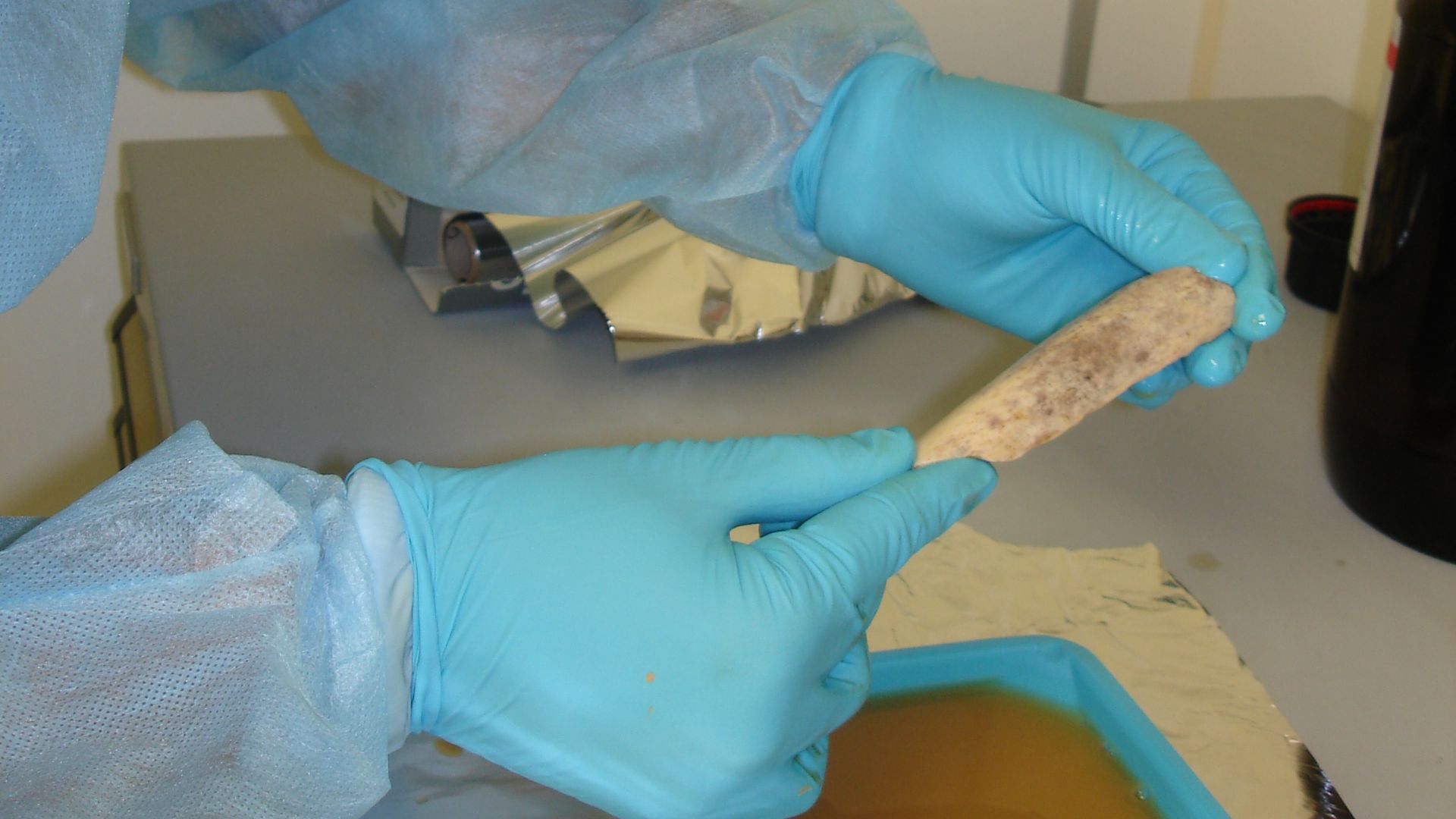
Finding suspicious marks was not enough, so the team attempted to reproduce them experimentally. They worked with three modern human molars and small stone tools designed to resemble materials and tool forms available at Chagyrskaya. One experiment even used a molar that study co-author Lydia Zotkina had previously had extracted.
 National Institute of Allergy and Infectious Diseases, Unsplash
A Stone Point Worked Like A Hand Drill
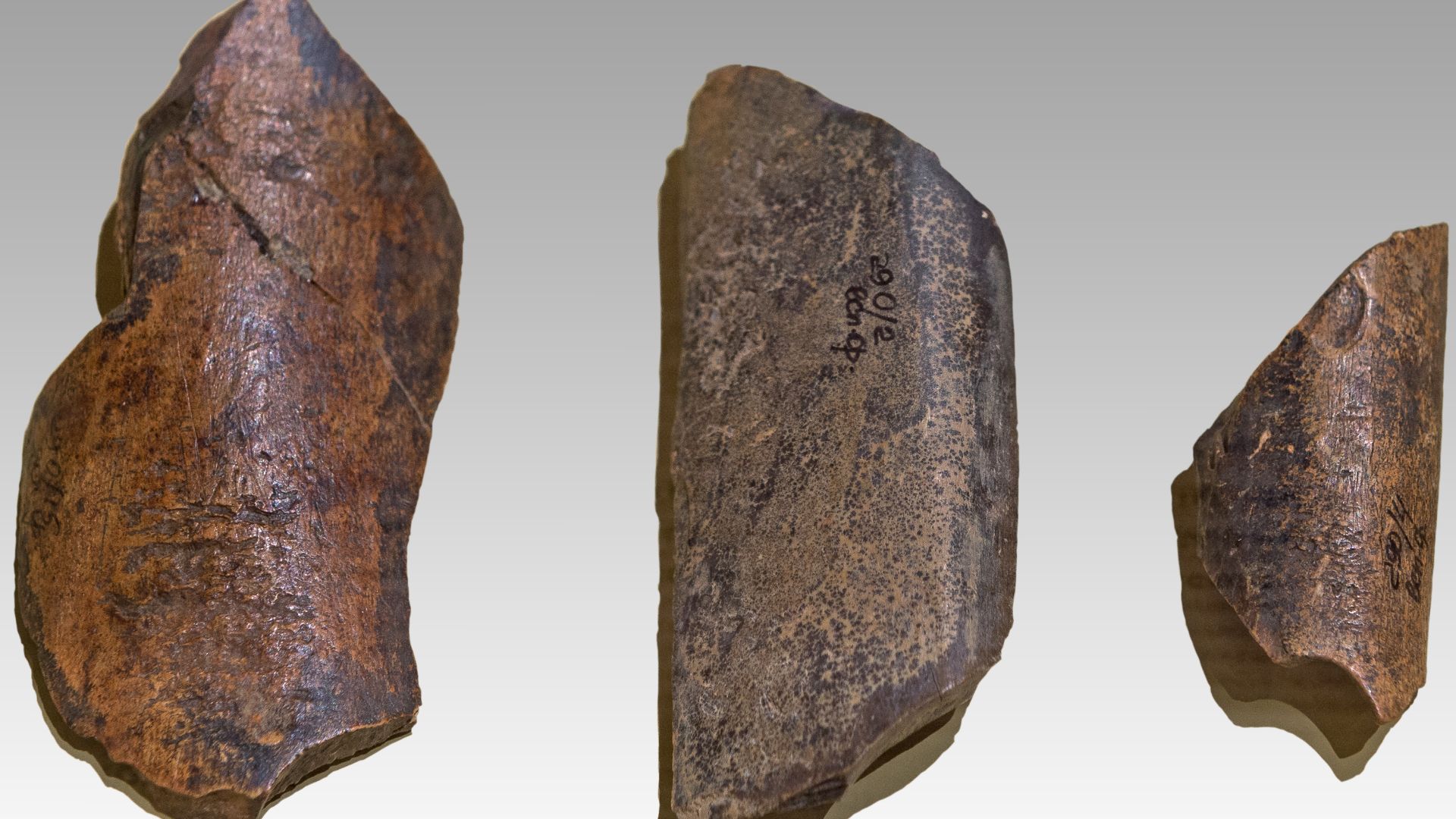
Scraping the tooth was relatively inefficient when researchers first tried to create a hole. Rotating a narrow stone point by hand worked much better, breaking into the tooth's surface within seconds. Continued manual rotation created depressions whose overall shapes and microscopic traces resembled those on Chagyrskaya 64.
The Experiment Took Less Than An Hour
Reaching deep inside a tooth with a handheld stone point sounds almost impossible, but the experiments showed it could be done. One test lasted about 35 minutes, while another reached the pulp chamber in roughly 50 minutes. Working inside a living person's mouth would have been considerably more awkward, but the experiments demonstrated that the basic technique was feasible.
 Jakub Hałun, Wikimedia Commons
The Cave Already Had The Right Tools
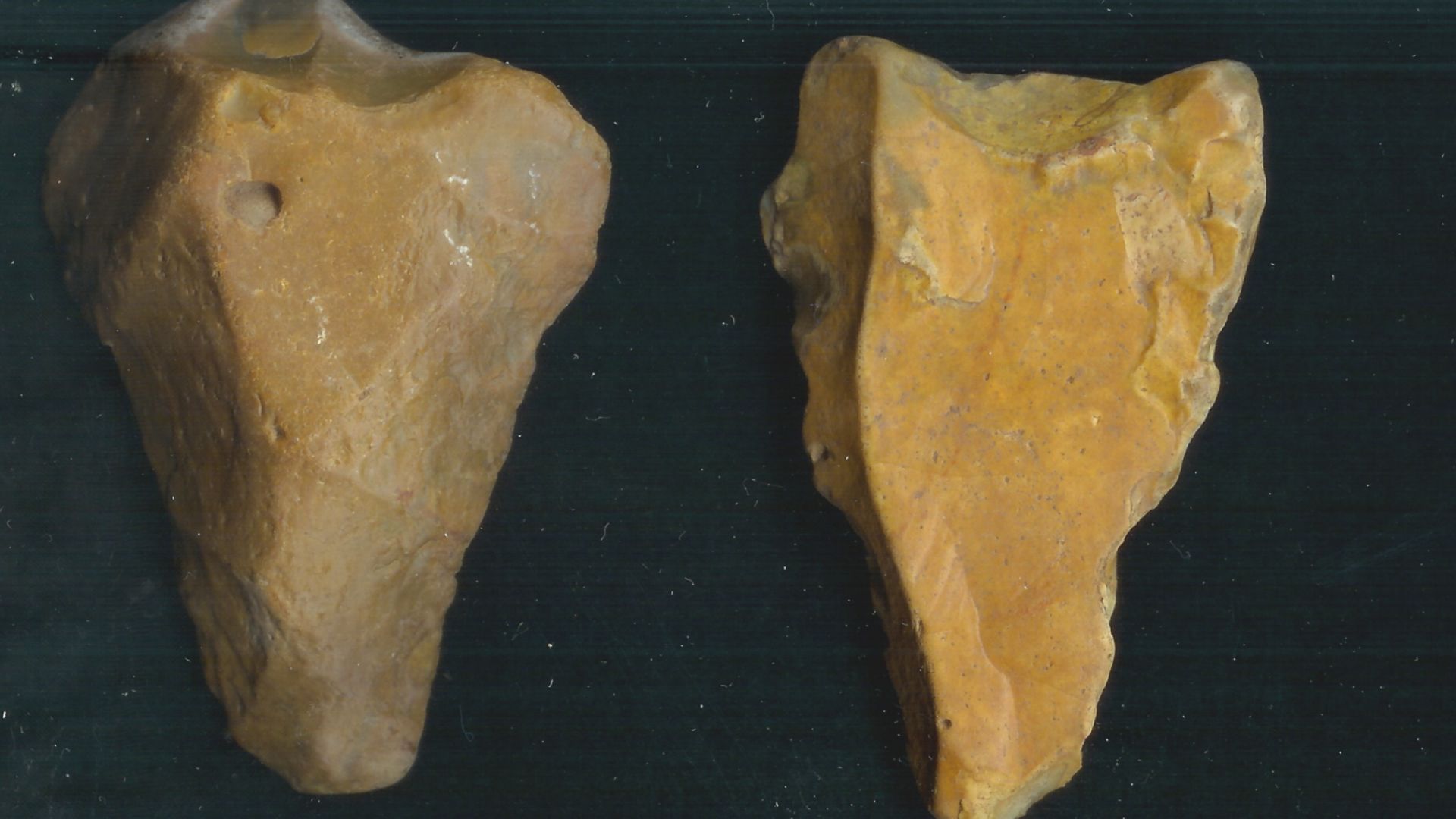
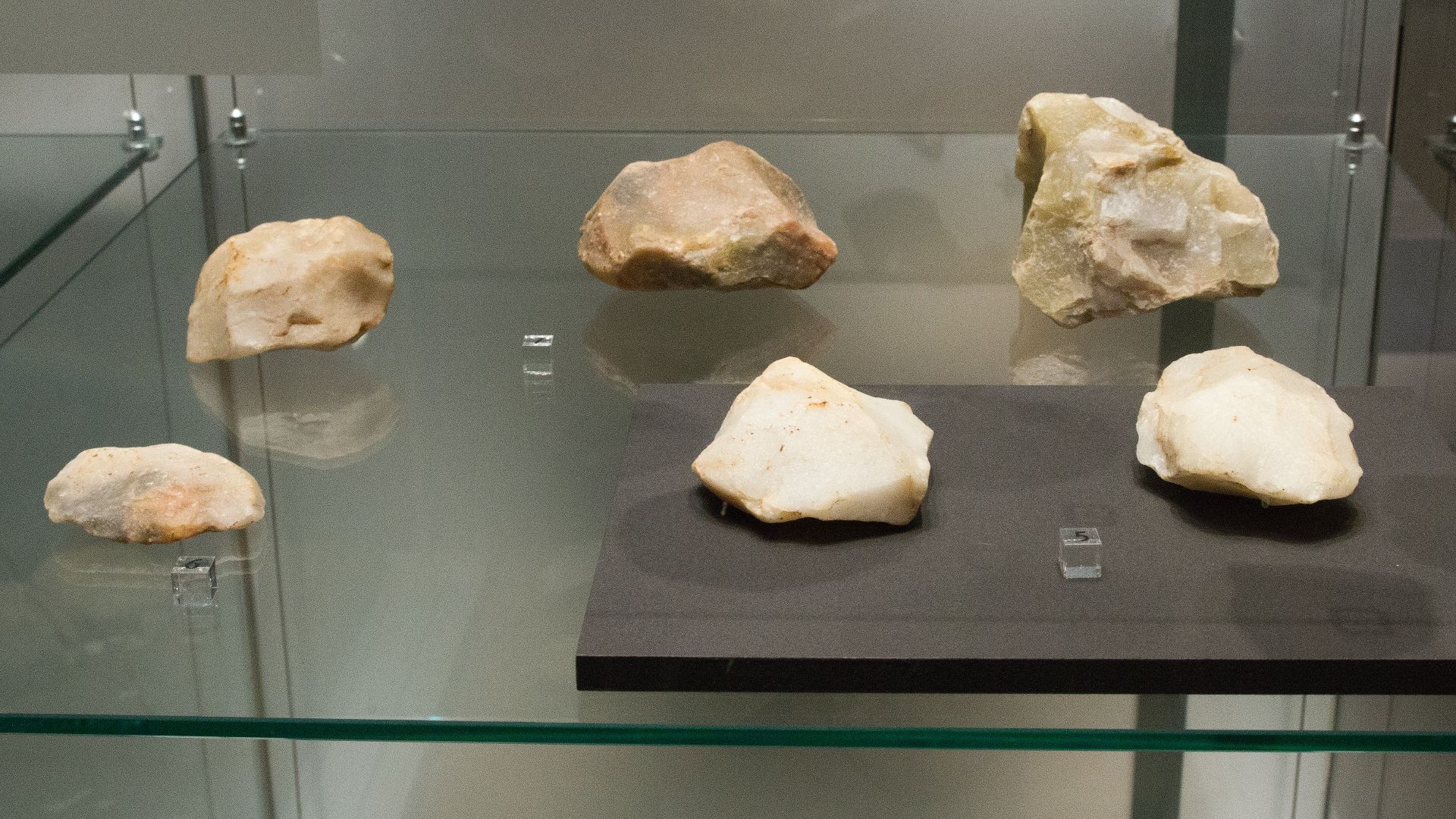
The tool did not have to be hypothetical. Archaeologists at Chagyrskaya have found small stone points and perforators with narrow tips that were suitable for detailed work. The site also contains high-quality jasper, the same kind of raw material researchers used when recreating the dental marks experimentally.
 Bristol City Council, Kurt Adams, 2005-07-12 13:59:59, Wikimedia Commons
The Goal May Have Been Pain Relief
A cavity extending toward an infected pulp can produce severe toothache as pressure builds inside the tooth. Opening the pulp chamber can relieve that pressure, which is one reason outside dental experts found the treatment interpretation intriguing. Researchers therefore propose that removing damaged tissue may have been an intentional attempt to address pain rather than simply alter the tooth.
 National Cancer Institute, Unsplash
The Treatment Would Have Hurt
There is no evidence of anything resembling modern anesthesia, and drilling a painful tooth with stone would hardly have been comfortable. The experimental work suggests the process could have required sustained manipulation for dozens of minutes. The researchers argue that carrying out such a procedure would have required considerable fine motor control and persistence.
The Same Tooth Had Another Surprise
The drilled-looking cavity was not the only sign of deliberate manipulation. Researchers also found a pronounced groove between the teeth that matches well-known wear produced by repeated toothpick use. Another surface showed an earlier stage of the same kind of toothpick wear.
 York Museums Trust, Rebecca Morris, 2009-11-05 14:46:12, Wikimedia Commons
Neanderthals Were Already Using Toothpicks
Chagyrskaya 64 is not the first Neanderthal tooth to reveal this habit. Neanderthal remains from Spain, France, and other European sites have grooves consistent with repeatedly pushing narrow objects between teeth. One specimen from Cova Foradà in Spain combined toothpick grooves with periodontal disease, leading researchers to suggest the behavior may sometimes have relieved discomfort.

This Was A Much Bigger Step
Toothpicking alone does not necessarily qualify as dentistry because it can simply remove trapped food. Chagyrskaya 64 appears different because the proposed procedure involved removing tooth tissue and penetrating deep into a diseased molar. The study's authors describe that as a deliberate invasive intervention rather than ordinary oral cleaning or simple palliative probing.
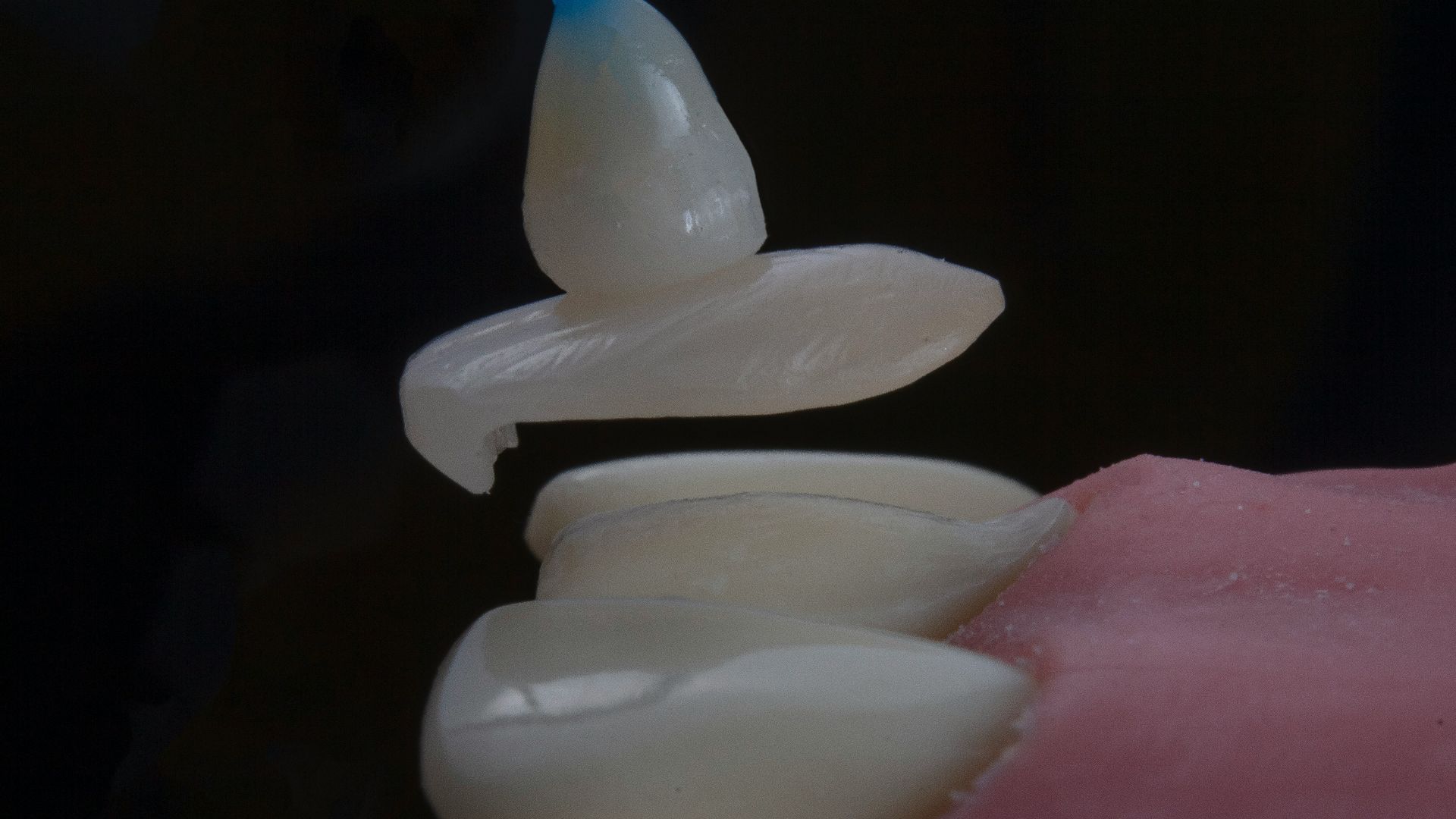
They Even Checked For A Filling
The researchers considered whether the open cavity might later have been packed with wax, tree sap, bitumen, or another substance. Raman spectroscopy was used to search the surviving surface for residues. The tests detected dental material and post-depositional compounds but found no evidence that an ancient filling had survived.
 AAMonitor96, Wikimedia Commons
It Rewrites The Dentistry Timeline
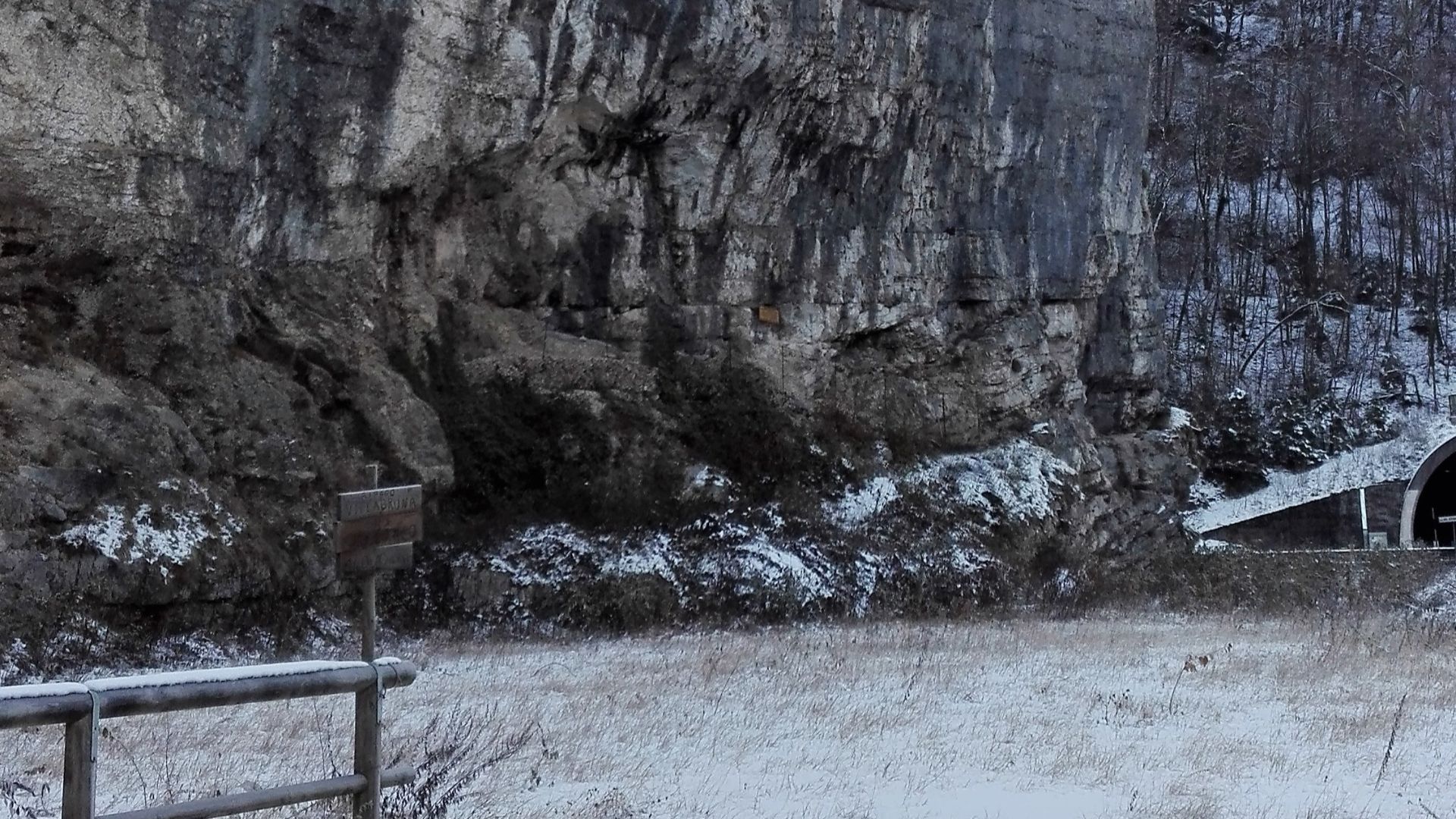
Before Chagyrskaya 64, the oldest widely recognized treatment of dental caries came from a modern human at Riparo Villabruna in northern Italy. That tooth, dating to roughly 14,160 to 13,820 years ago, showed evidence that a cavity had been manipulated with a pointed stone tool. If the Chagyrskaya interpretation is correct, invasive dental treatment began more than 40,000 years earlier than that example.
 Scuola Sovramonte, Wikimedia Commons
Cavities Were Unusual For Neanderthals
Ironically, the condition that may have inspired this dental procedure appears to have been relatively uncommon among Neanderthals. The researchers noted fewer than 10 previously reported Neanderthal cases of caries, and those known lesions had not reached the pulp chamber. Chagyrskaya 64 therefore represents an unusually severe dental problem in the surviving fossil record.

Their Diet Was More Complicated Than Meat Alone
Neanderthals from Chagyrskaya were successful hunters, and isotope evidence indicates that animal protein was important to their diet. Yet plant microremains trapped in dental calculus also show that plants were being consumed. The new dental study therefore cautions against simply blaming this rare cavity on one particular type of diet and notes that the individual's oral microbiome may also have mattered.
 Paul Hermans, Wikimedia Commons
Chagyrskaya Was A Busy Neanderthal Stop
The cave has yielded tens of thousands of Middle Paleolithic artifacts as well as extensive animal remains. Archaeological evidence suggests its occupants focused heavily on hunting and processing bison, with horses and other large animals also represented. Rather than an isolated refuge, Chagyrskaya appears to have been repeatedly used as part of an organized hunting landscape.
These Siberian Neanderthals Had European Roots
Chagyrskaya's stone tools closely resemble Neanderthal technologies from Central and Eastern Europe. Researchers think this reflects a later migration into southern Siberia around 70,000 to 60,000 years ago. Genetic evidence also links the group more closely with later European Neanderthals than with the older population at nearby Denisova Cave.
The Cave Preserved A Real Community
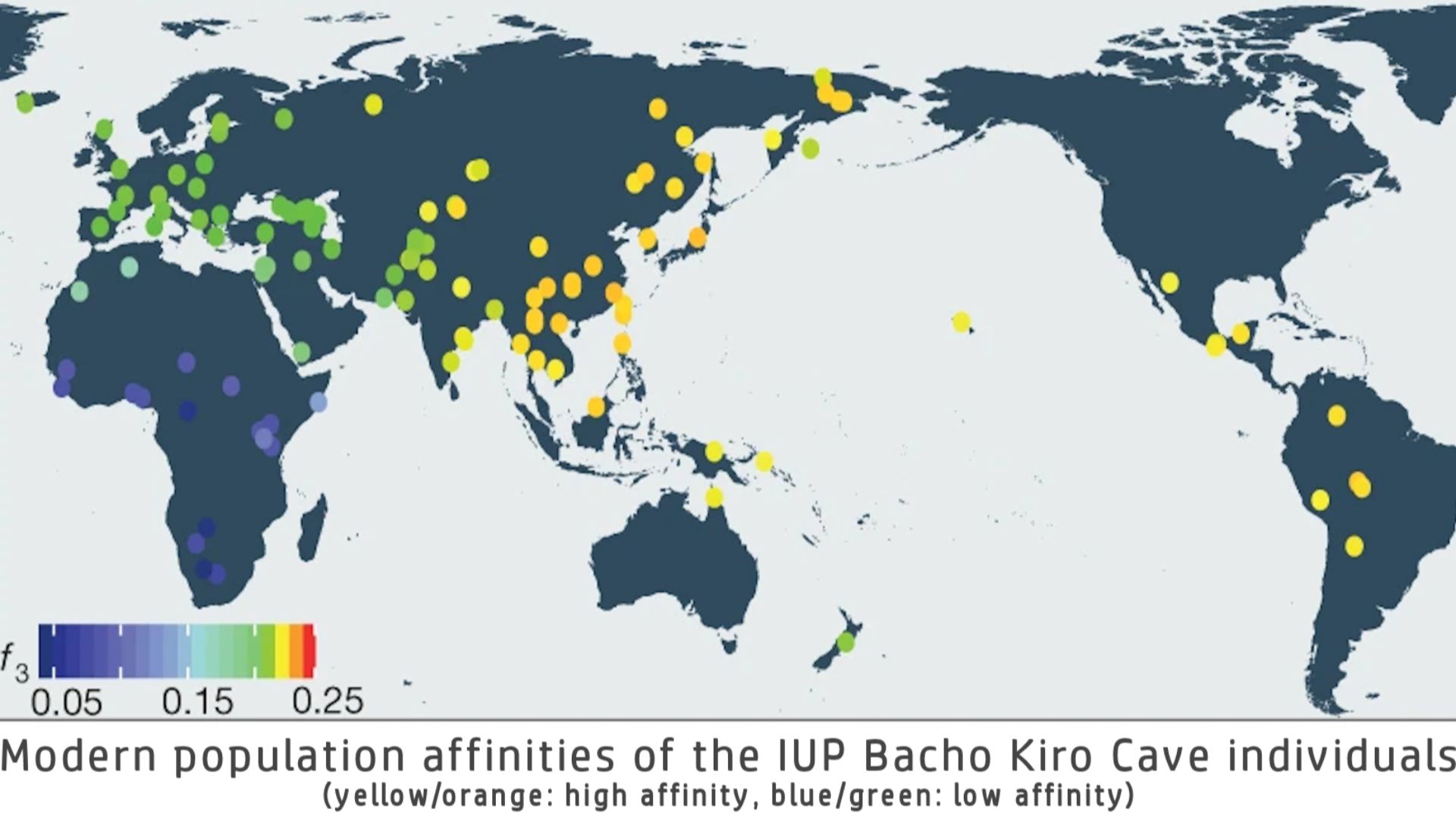
DNA from other Neanderthal remains at Chagyrskaya offers a rare glimpse into their social lives. Researchers identified close relatives, including a father and his adolescent daughter, and found that several individuals belonged to the same small community. It does not reveal who treated Chagyrskaya 64, but it shows these Neanderthals lived in closely connected groups.
 Max Planck Institute for Evolutionary Anthropology, Wikimedia Commons
Neanderthal Healthcare Was Already Emerging
Scientists have long inferred Neanderthal care from individuals who survived serious injuries and illness. One major review found widespread evidence that sick or injured Neanderthals received care, though the exact treatments are harder to identify. A deliberately drilled tooth would be especially valuable because it could preserve evidence of the treatment itself.
 Emőke Dénes, Wikimedia Commons
Not Every Expert Is Convinced
The dentistry interpretation is compelling, but it is not universally accepted. University College London anatomist Christopher Dean told Scientific American that an injury followed by decay could potentially explain the hole, while later tool use might have been aimed at clearing trapped food. Dentist Léon Pariente also questioned how practical the proposed drilling movement would have been inside the mouth of a patient in severe pain.
 Charles Robert Knight, Wikimedia Commons
One Tooth Cannot Tell Us Everything
Chagyrskaya 64 cannot show how common dental treatment was or whether Neanderthals had dedicated healers. What it does preserve is a striking mix of deep decay, tool-like modifications, toothpick wear, and continued use afterward. For the study's authors, that makes it the earliest compelling evidence that a Neanderthal deliberately tried to treat a serious dental problem.
You May Also Like:
Ancient Humans In Ethiopia Survived A Climate Disaster By Turning A Drying River Into A Lifeline