

A Living Time Capsule Of Rome In The Middle East
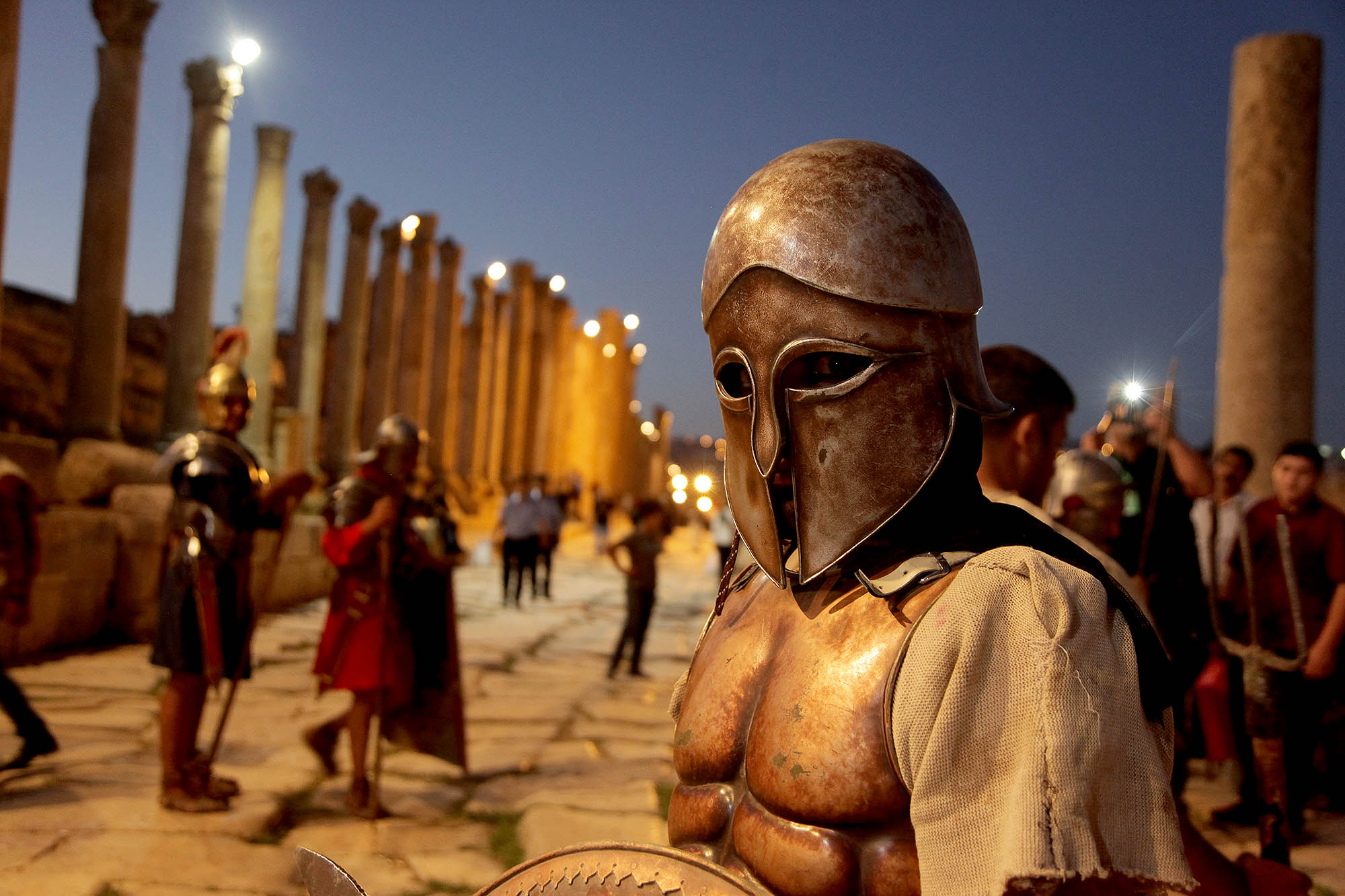
If you’ve ever wondered what it would feel like to walk through a real Roman city, Jerash is about as close as it gets. Sitting in northern Jordan, not far from Amman, this ancient site is often called the “Pompeii of the Middle East,” and it’s not hard to see why. Streets, temples, theaters, and even shops are still standing, laid out in a way that feels surprisingly familiar. What makes Jerash so impressive is not just how much is still there, but how easy it is to imagine life unfolding there nearly 2,000 years ago.
A City With Deep Roots
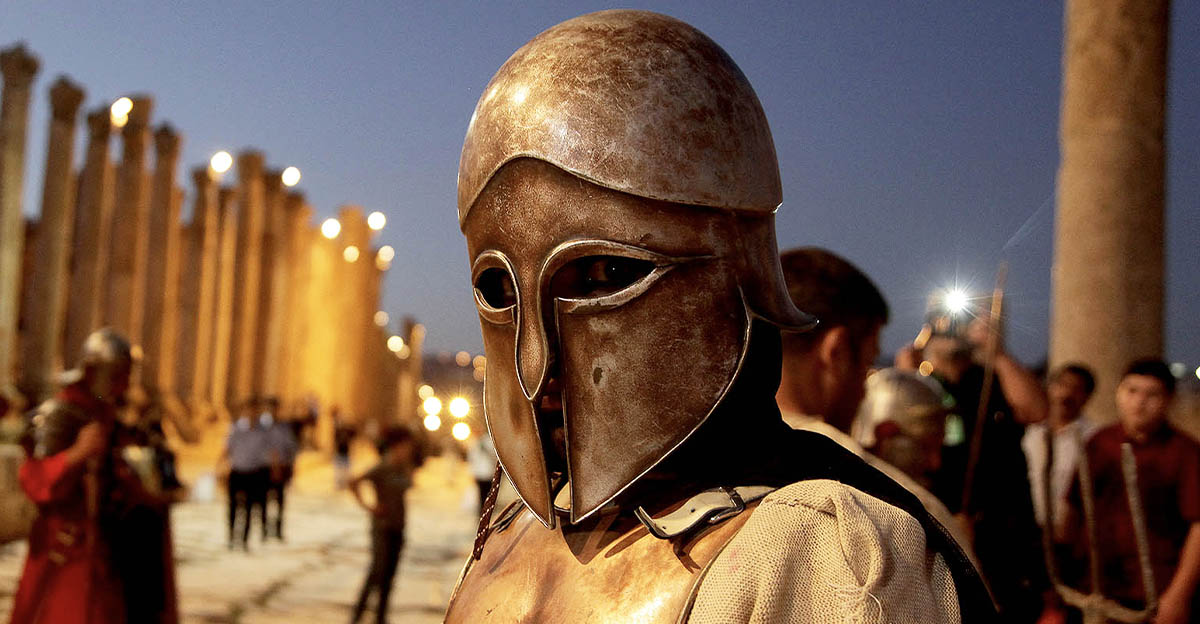
Jerash, known in antiquity as Gerasa, has a history that goes back thousands of years, with evidence of human settlement stretching to the Neolithic period. Over time, it grew into one of the region’s most important cities, especially during the Greco-Roman era when it became a major urban center. Because it was inhabited for so long, the ruins you see today reflect layers of different cultures, including Roman, Byzantine, and even early Islamic influences, all stacked on top of one another.
 Berthold Werner, Wikimedia Commons
Part Of The Decapolis
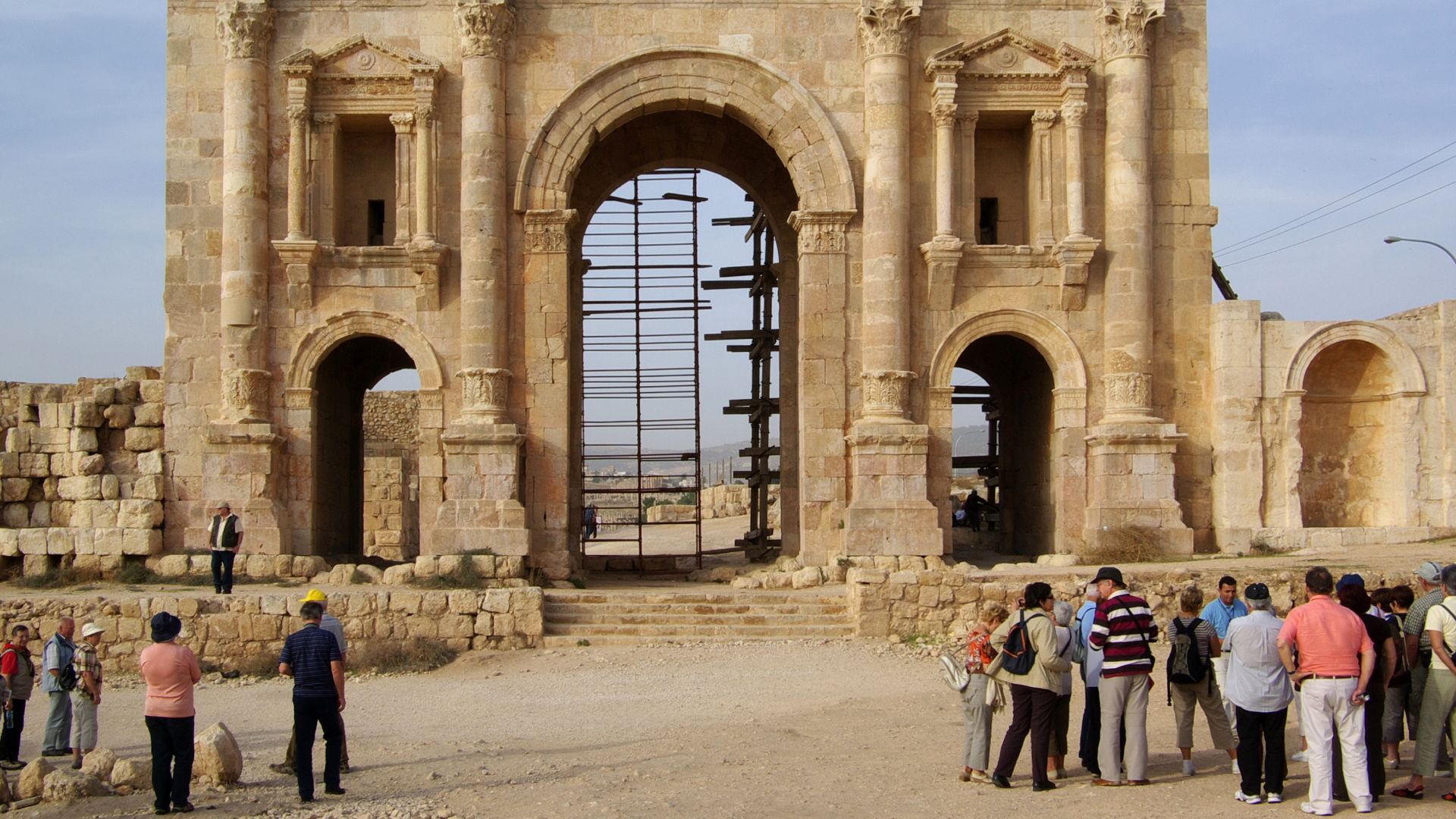
During the Roman period, Jerash was part of the Decapolis, a group of 10 cities that worked together as a kind of cultural and economic network across the eastern edge of the empire. These cities blended Greek, Roman, and local traditions, creating something unique rather than simply copying Rome. Jerash thrived in this setup, acting as a busy hub where goods, ideas, and people flowed through regularly.
 wilford peloquin, Wikimedia Commons
A City At Its Peak
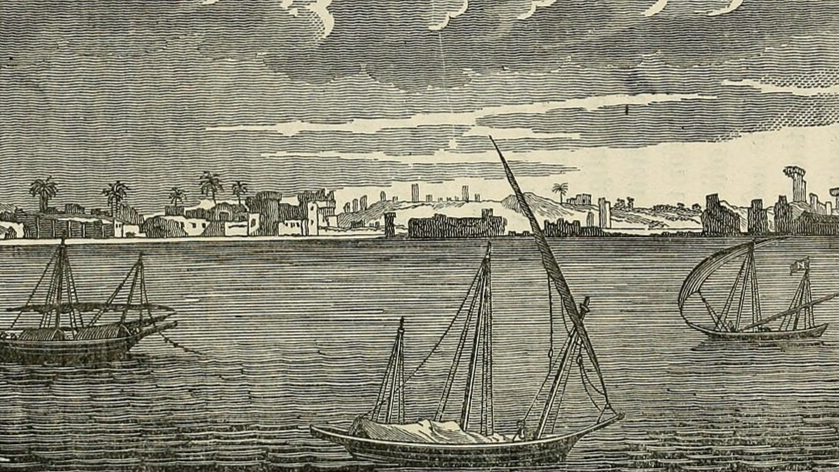
Jerash reached its height in the second and third centuries CE, when it became one of the wealthiest and most cosmopolitan cities in the region. Trade routes connected it to the Mediterranean world and deep into Arabia, allowing merchants and travelers to pass through regularly. This steady movement of people brought not only goods but also ideas, languages, and cultural practices. The wealth generated during this period funded massive construction projects, including temples, theaters, and civic buildings, many of which still stand today.
 Internet Archive Book Images, Wikimedia Commons
Why It’s Called The “Pompeii Of The Middle East”
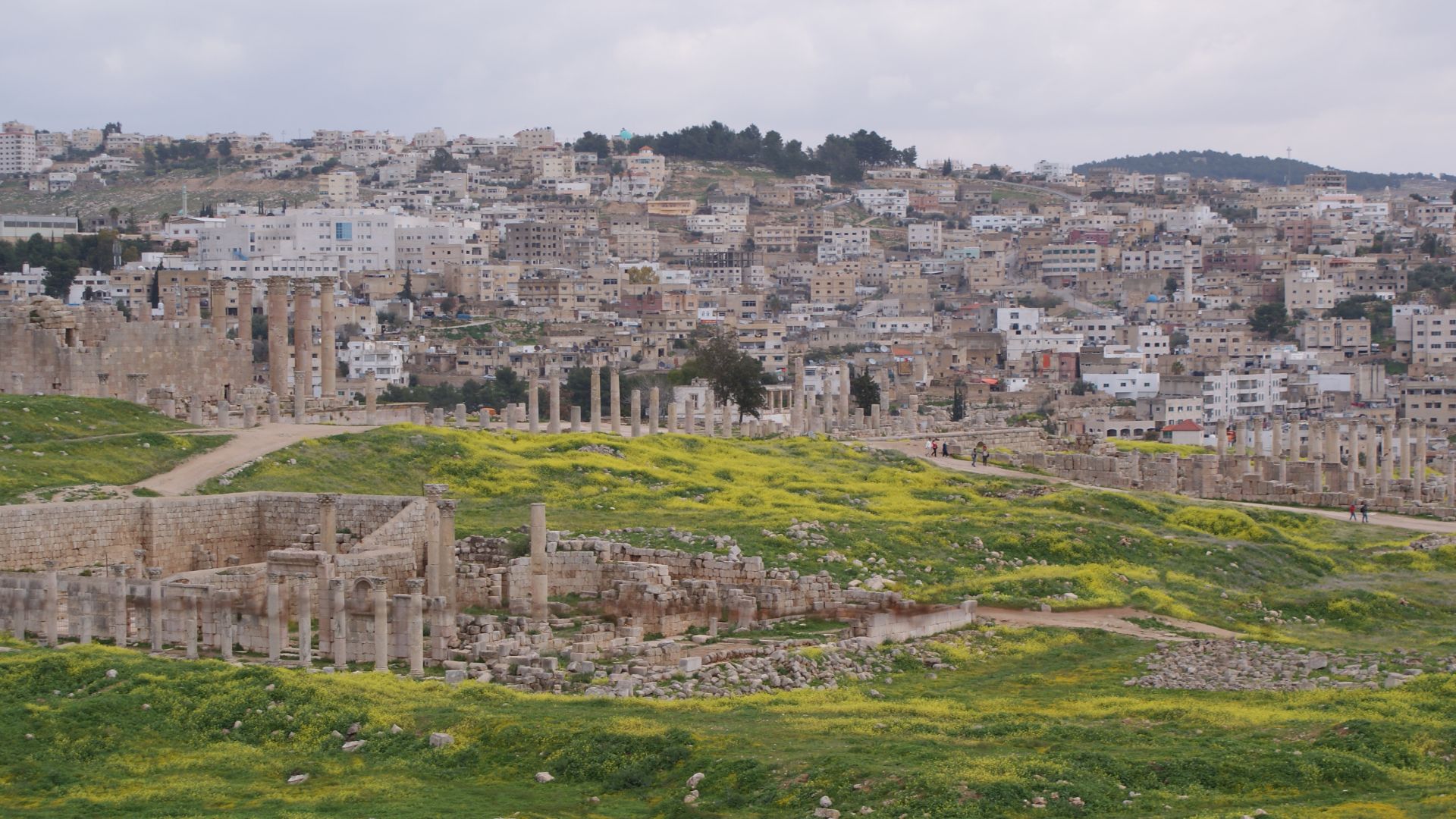
Jerash earned its nickname because of how well it has been preserved over time. Over time, Jerash was buried under layers of soil and debris, which helped protect its structures from weathering and human interference. Unlike cities that were rebuilt over and over again, Jerash was largely abandoned after its decline, allowing its original layout to remain intact. Earthquakes contributed to its eventual ruin, but they also helped freeze parts of the city in place, creating a remarkably clear snapshot of Roman urban life that feels almost untouched.
 The original uploader was Freedom's Falcon at Arabic Wikipedia., Wikimedia Commons
Rediscovery In The 1800s
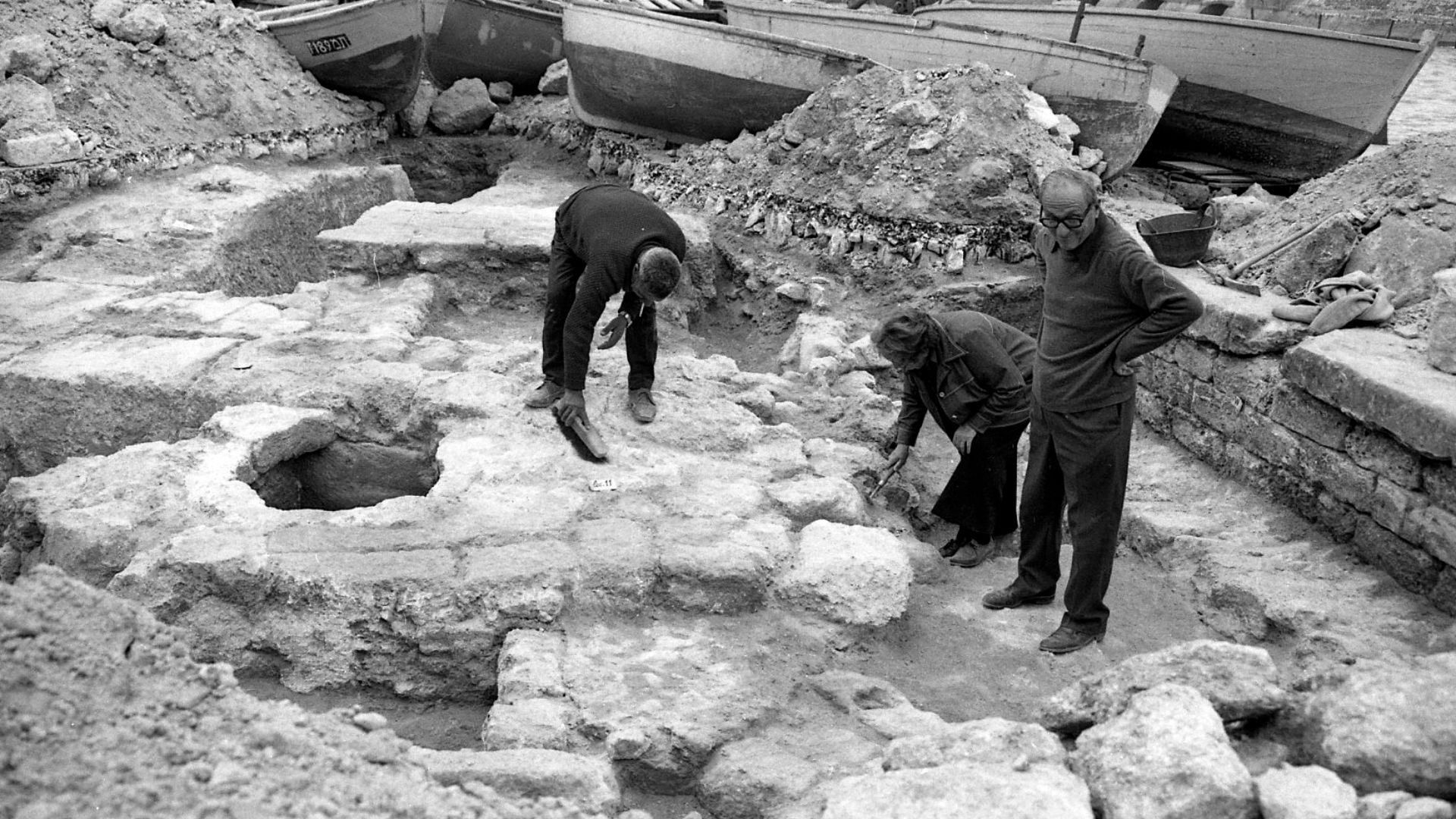
Jerash wasn’t completely forgotten, but it didn’t really come back into the spotlight until the early 1800s, when European explorers started documenting the ruins. At the time, much of the city was still hidden under vegetation and dirt. As excavations picked up in the twentieth century, entire streets and buildings were uncovered, revealing just how massive and well-preserved the site really was.
A Perfect Roman City Layout
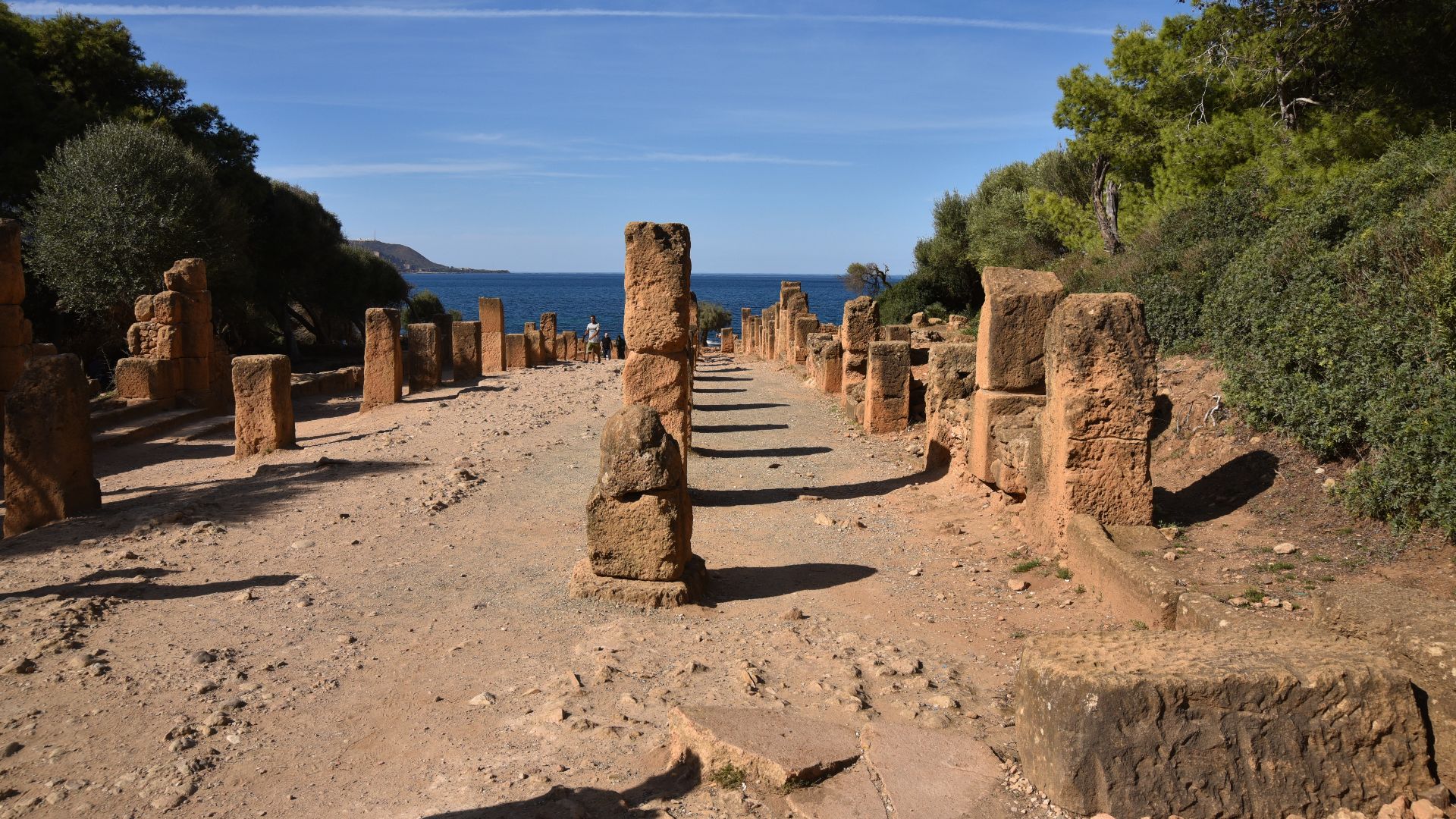
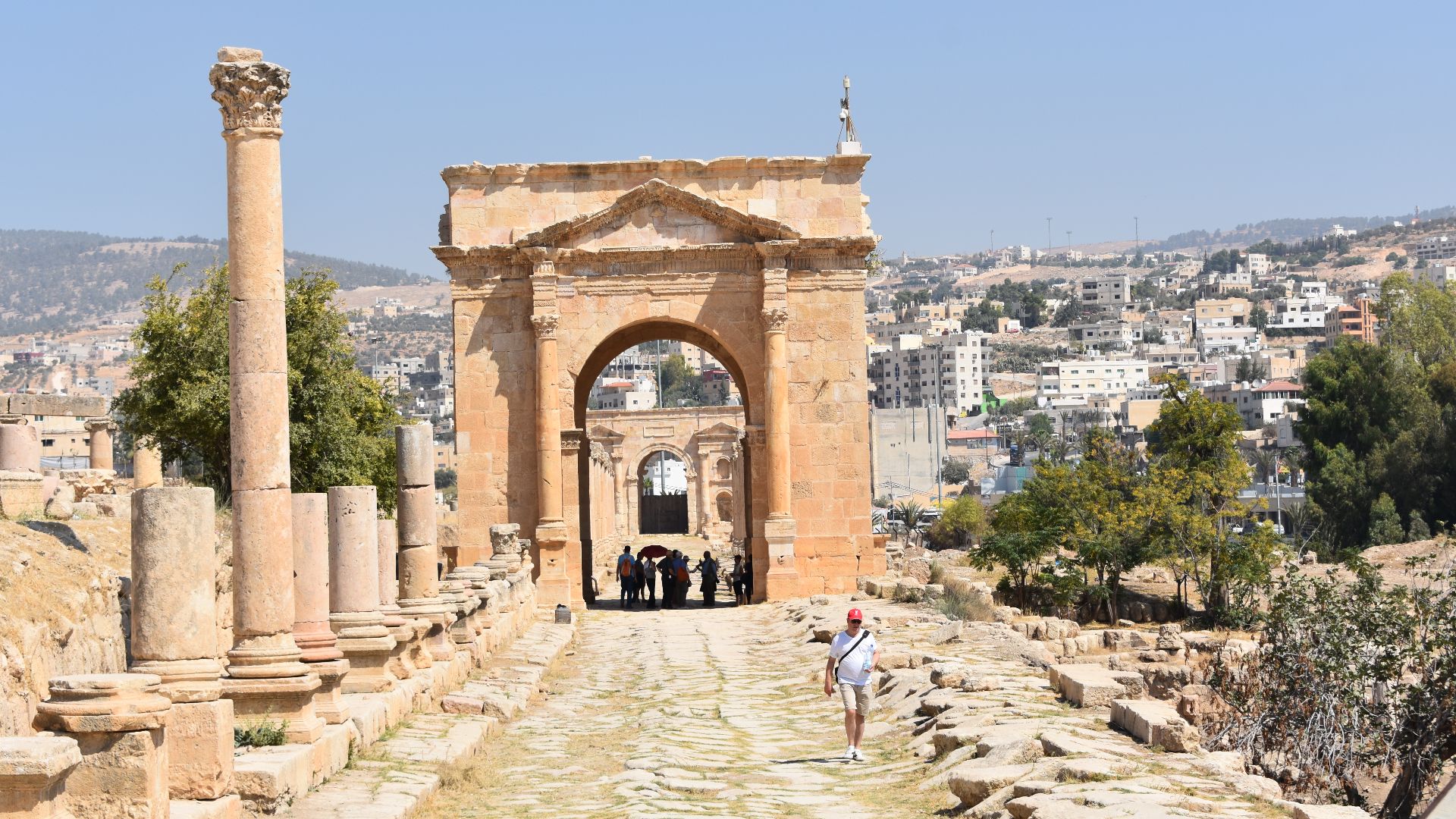
Jerash follows a classic Roman grid plan, with main streets crossing at right angles to keep everything organized. The Cardo Maximus, the main north-south road, still runs through the center of the city, complete with its original stone paving. If you look closely, you can even see grooves worn into the stone by chariot wheels, which makes the place feel a lot less distant and a lot more real.
 Carole Raddato, Wikimedia Commons
The Famous Oval Plaza
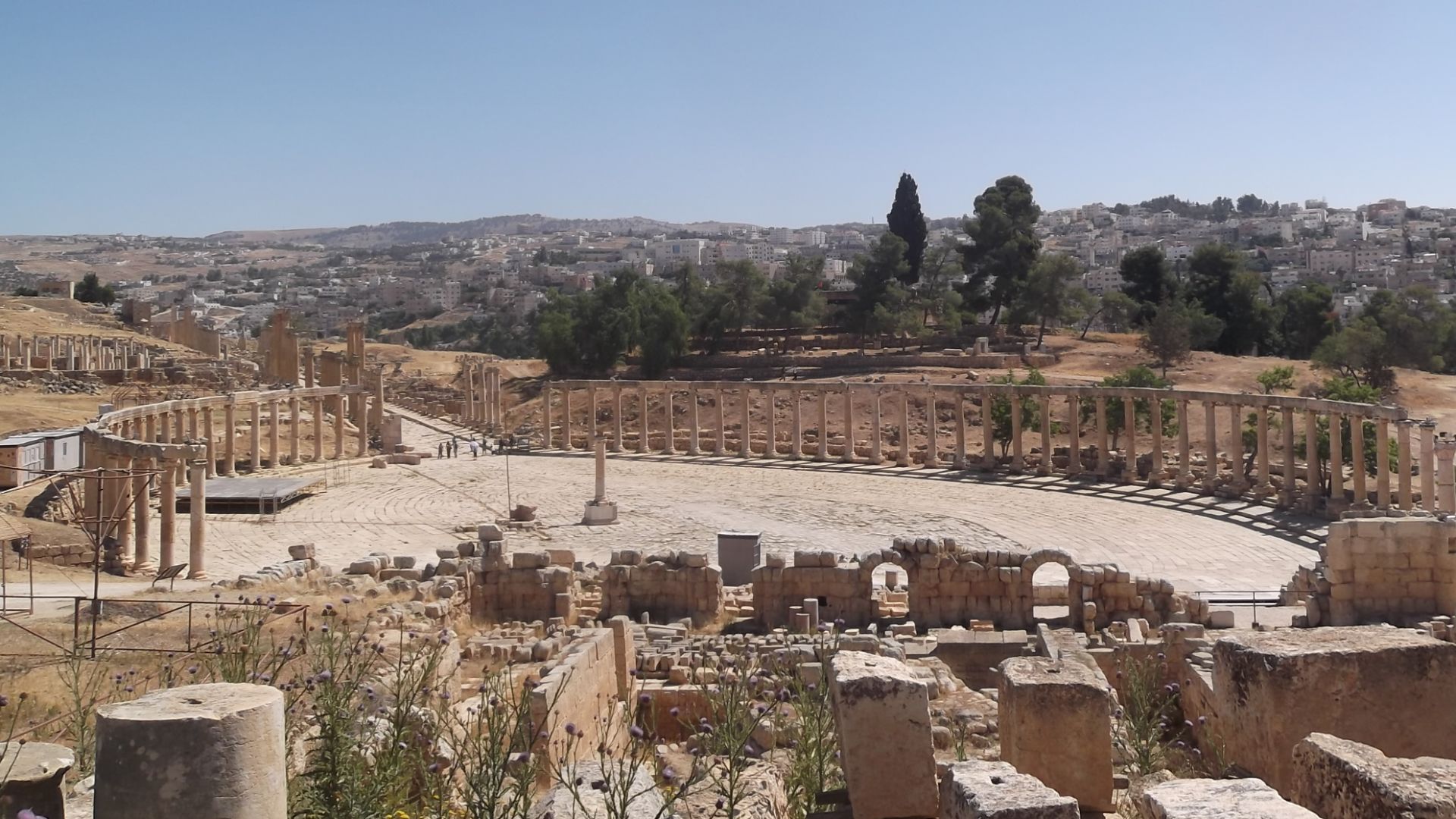
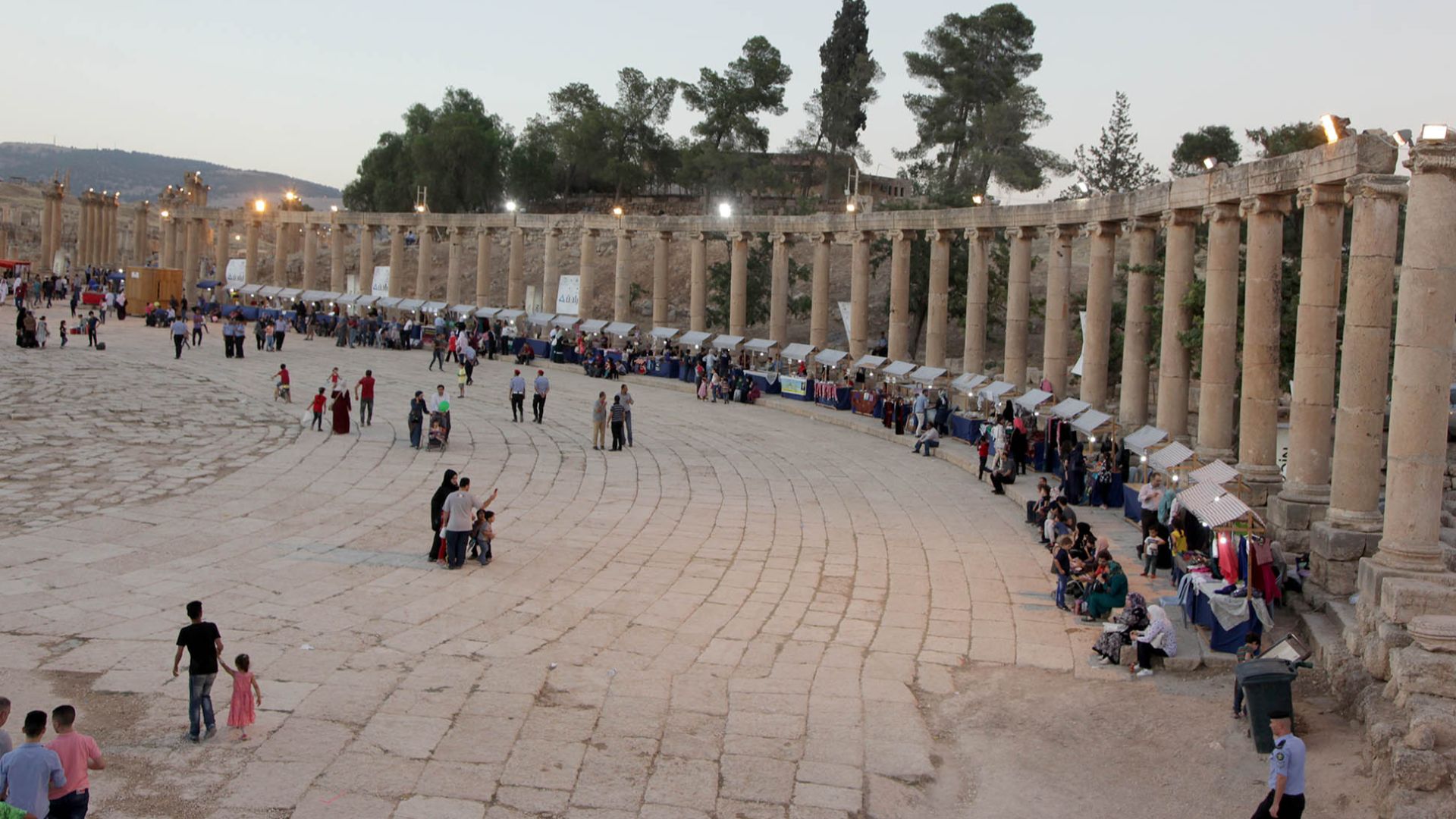
One of Jerash’s most distinctive features is its Oval Plaza, a large open space surrounded by a continuous ring of columns. This plaza served as a central gathering place where people could meet, trade, and participate in public events. Its curved shape is unusual in Roman architecture, which typically favored straight lines and rectangular forums. The plaza connects directly to the main streets, making it a focal point within the city’s design. Standing there today, it is easy to imagine the space filled with activity, from merchants setting up stalls to citizens gathering for ceremonies.
Colonnaded Streets Everywhere
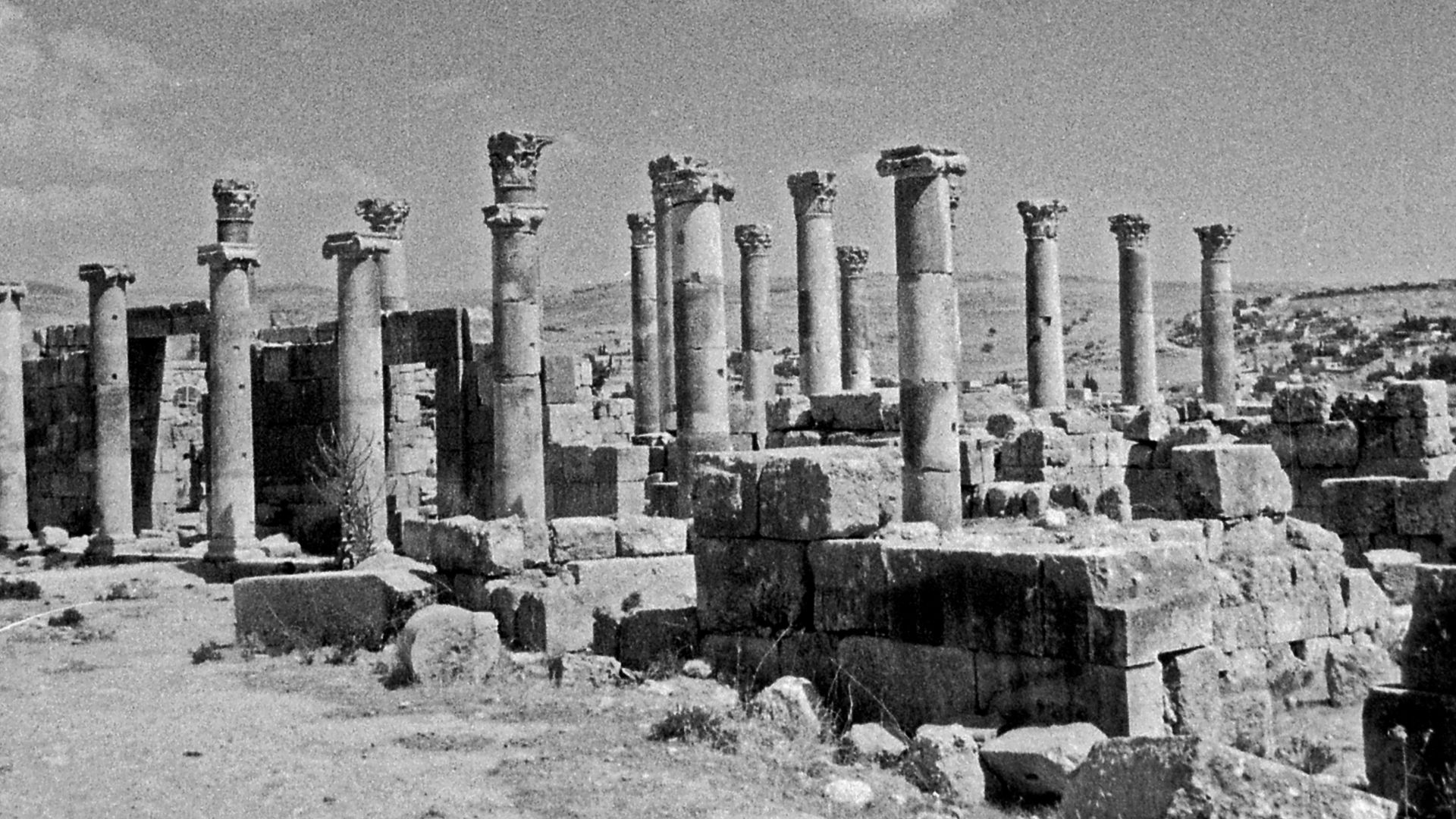
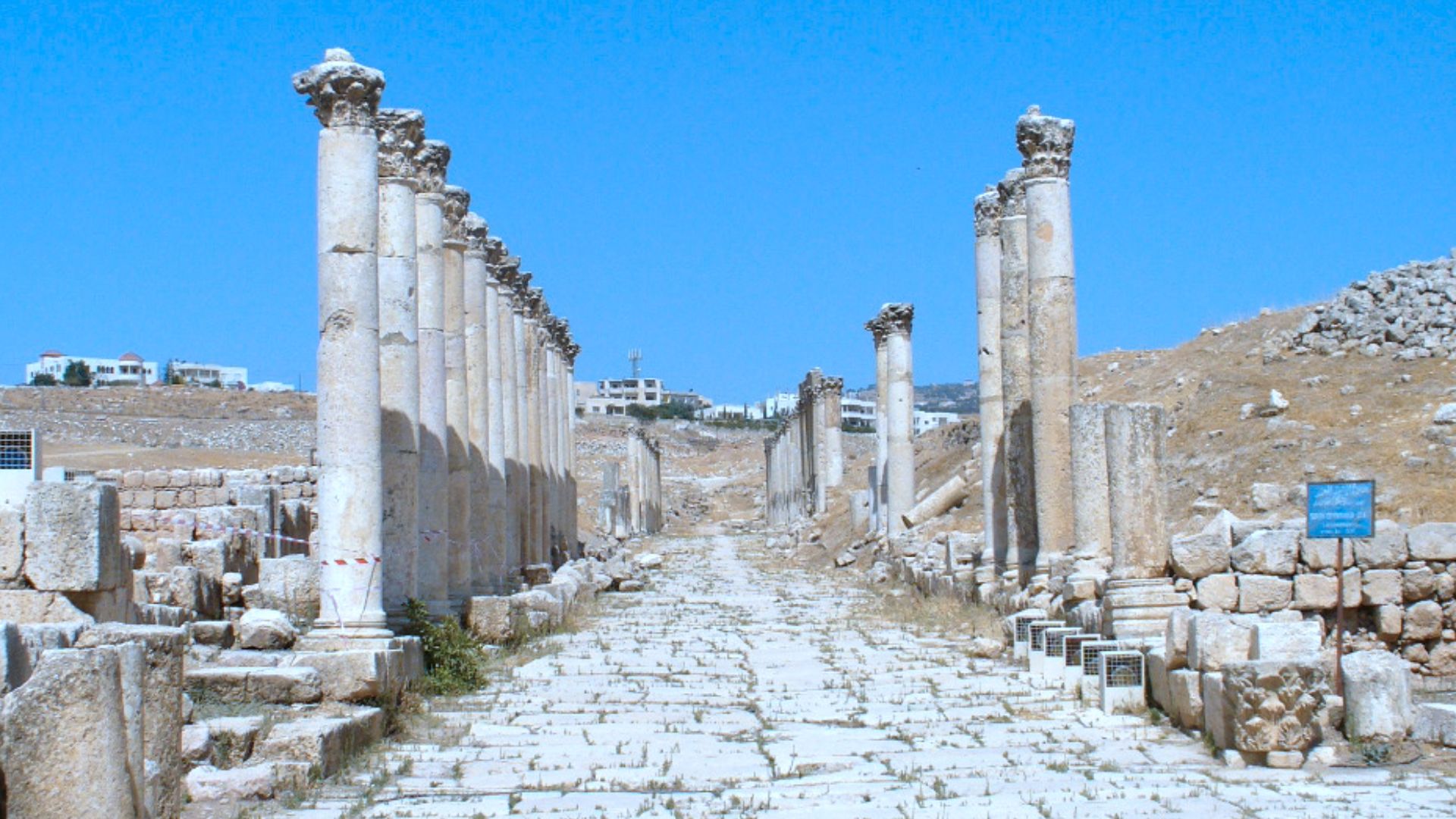
The city is famous for its long rows of columns lining the streets, creating shaded walkways and giving the urban landscape a sense of rhythm and order. These colonnades were not just decorative but also practical, protecting pedestrians from the sun while framing the movement of people and goods through the city. Many of these columns still stand, some with their original capitals and decorative elements intact.
Temples Dedicated To The Gods
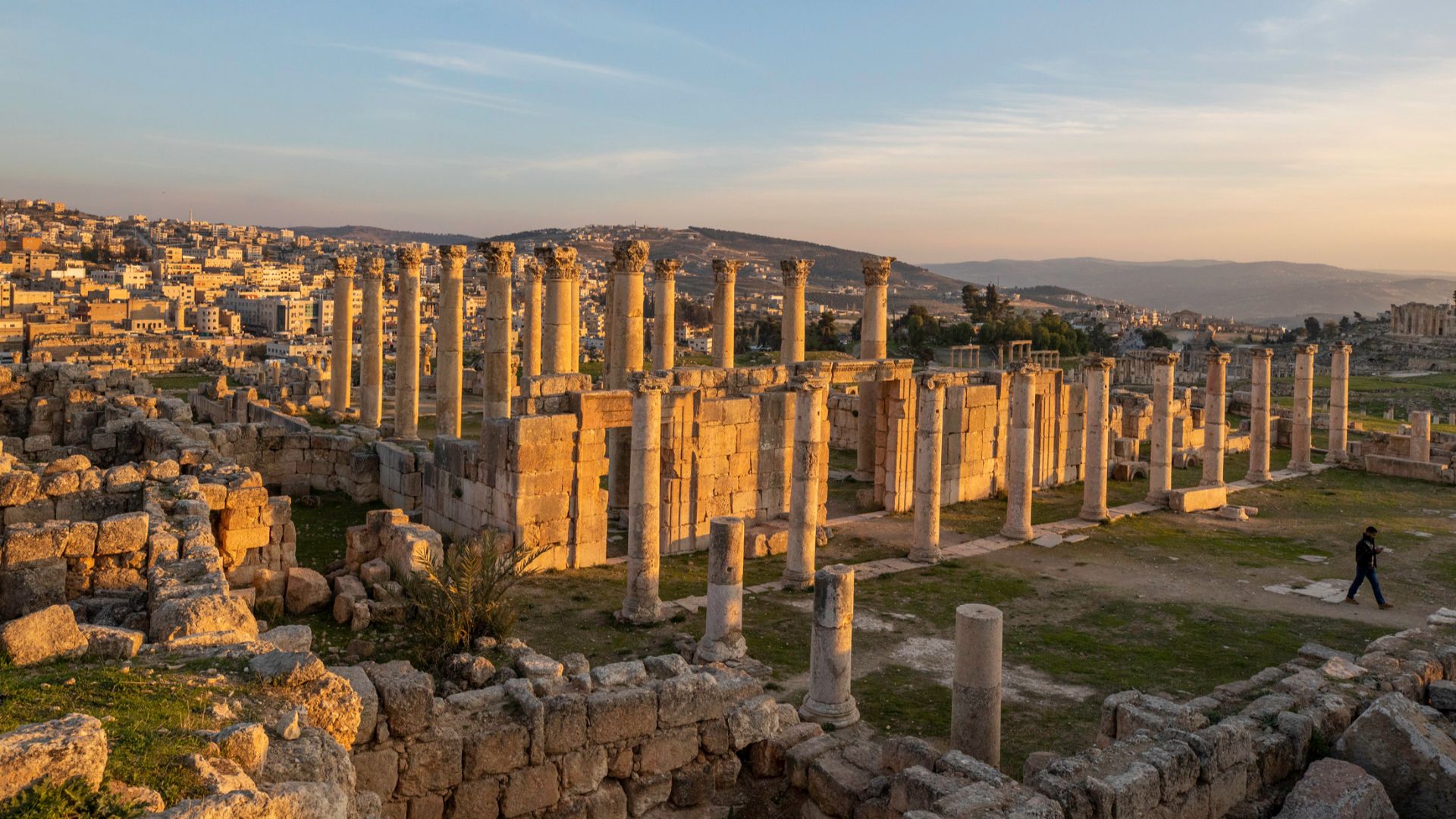
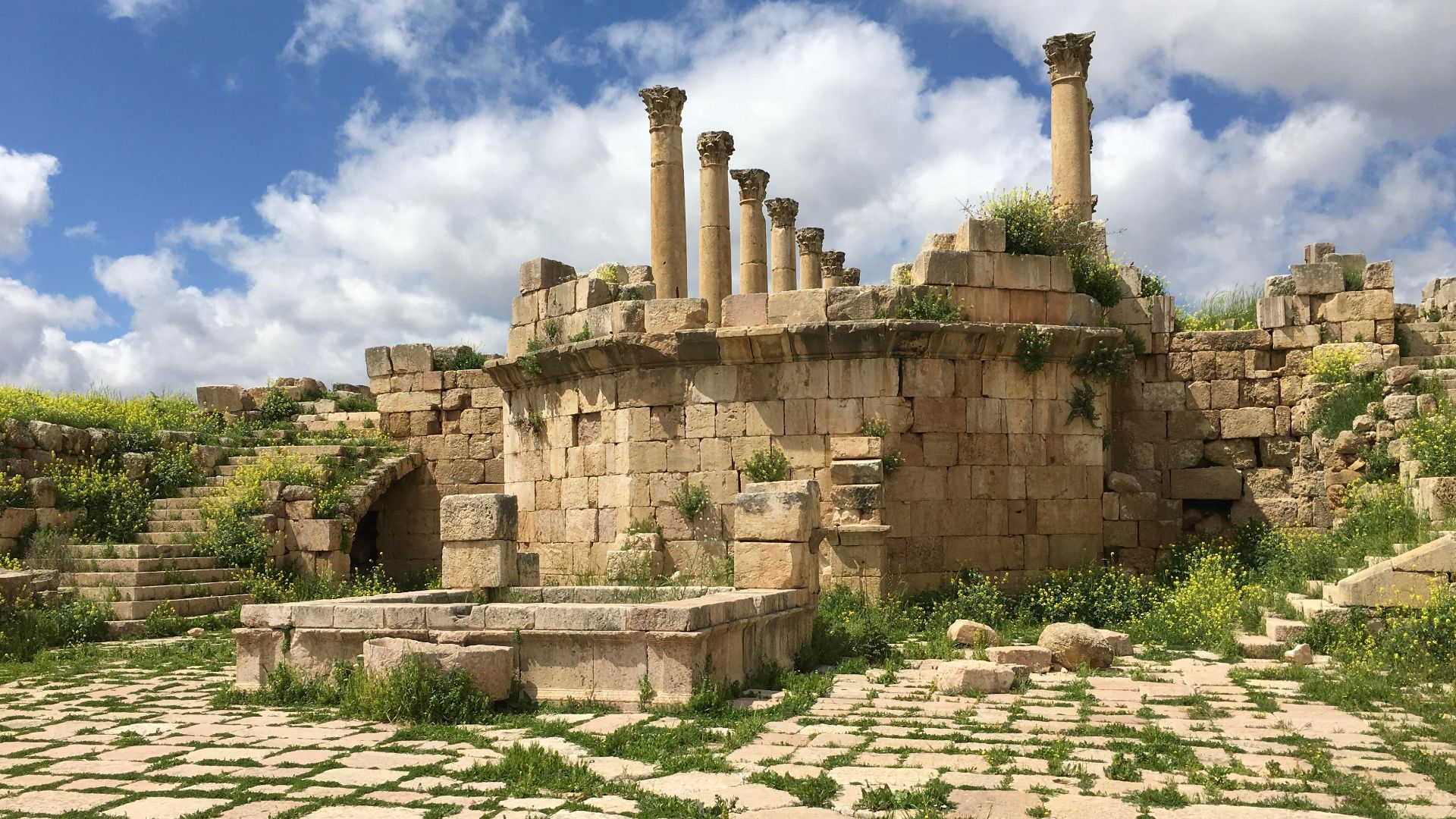
Jerash was home to several major temples that played a central role in its religious life. The Temple of Artemis, dedicated to the city’s patron goddess, stands on a raised platform and dominates the surrounding landscape. Its massive columns and grand staircase reflect the importance of the deity to the city’s identity. Nearby, the Temple of Zeus overlooks the Oval Plaza, linking religious and civic spaces together. These temples were not just places of worship but key parts of the city’s identity.
 Bashar Tabbah, Wikimedia Commons
Theaters Built For Entertainment
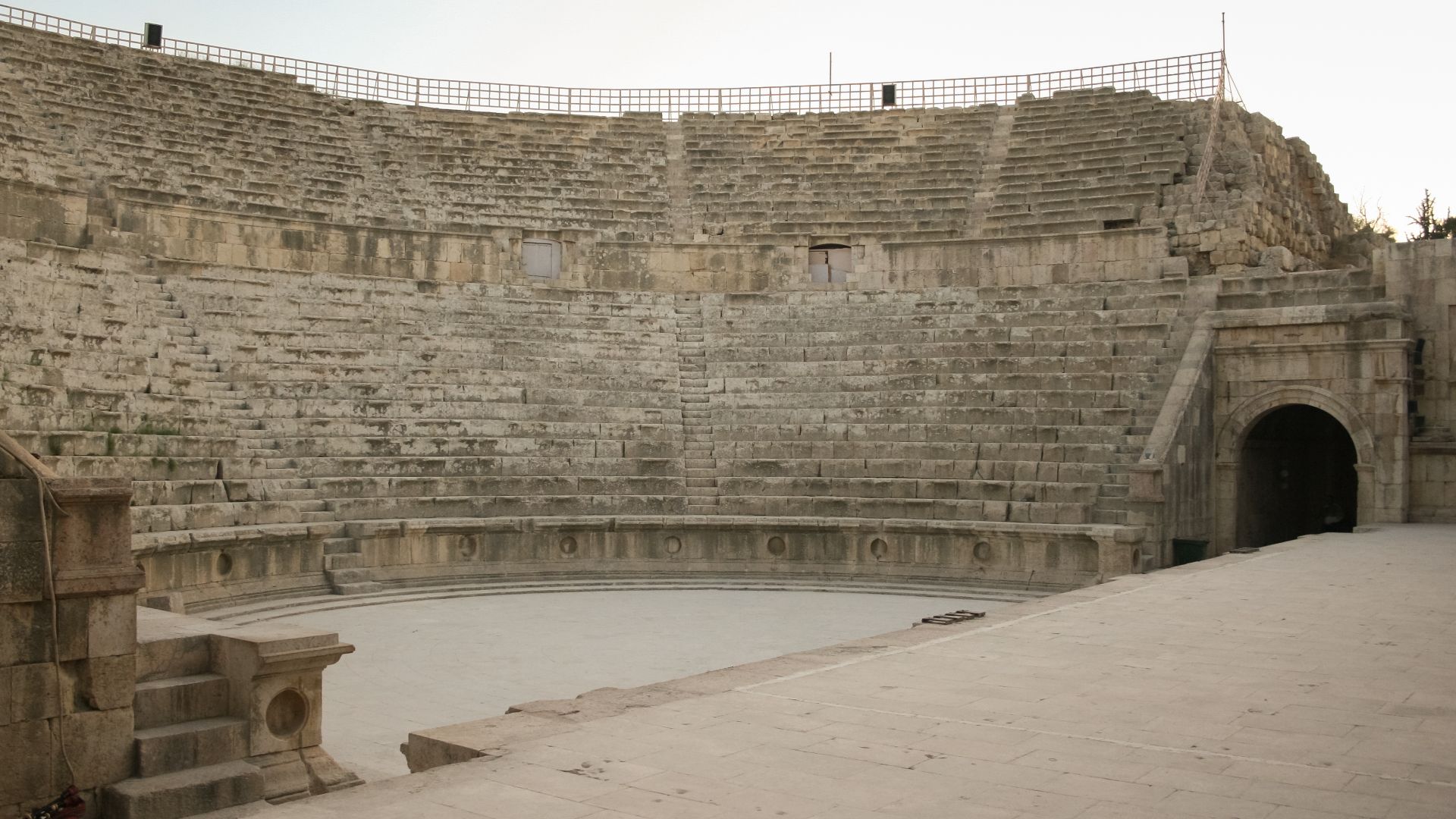
Jerash features at least two well-preserved Roman theaters, including the South Theater, which could hold thousands of spectators. These spaces were used for performances, speeches, and public gatherings, making them central to social and cultural life. The design of the theaters ensured excellent acoustics, allowing voices to carry clearly even without modern amplification. Today, visitors can still test this effect, experiencing firsthand how these spaces functioned. The continued use of the theaters during modern festivals shows just how durable and effective their design remains.
 Diego Delso, Wikimedia Commons
The Hippodrome And Chariot Races
Just outside the main city lies the hippodrome, where chariot races and other forms of public entertainment took place. This large arena could accommodate crowds eager to watch competitions and spectacles, which were an important part of Roman social life. The structure reflects the importance of leisure and public entertainment in maintaining civic identity and community engagement. Modern reenactments sometimes take place here, helping visitors visualize what these events might have looked like in ancient times.
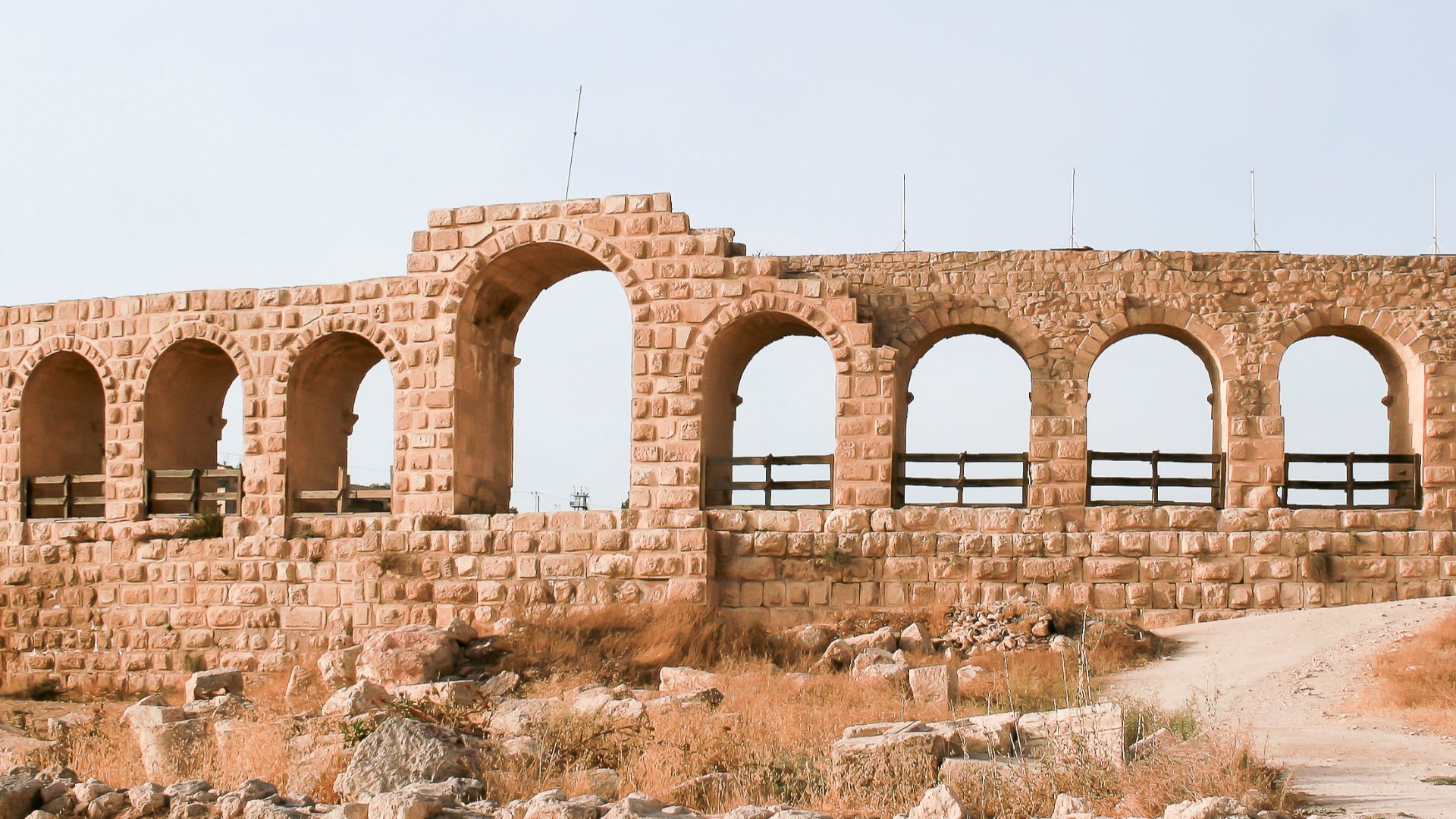 Diego Delso, Wikimedia Commons
Baths, Markets, And Daily Life
Like any Roman city, Jerash included bathhouses, markets, and workshops that supported everyday life. The bath complexes were places where people gathered not just to wash but also to socialize, conduct business, and relax. Markets provided spaces for trade, connecting local producers with merchants from other regions. Archaeological evidence shows that the city had a sophisticated water system, including fountains and drainage channels, which supported both public and private spaces.
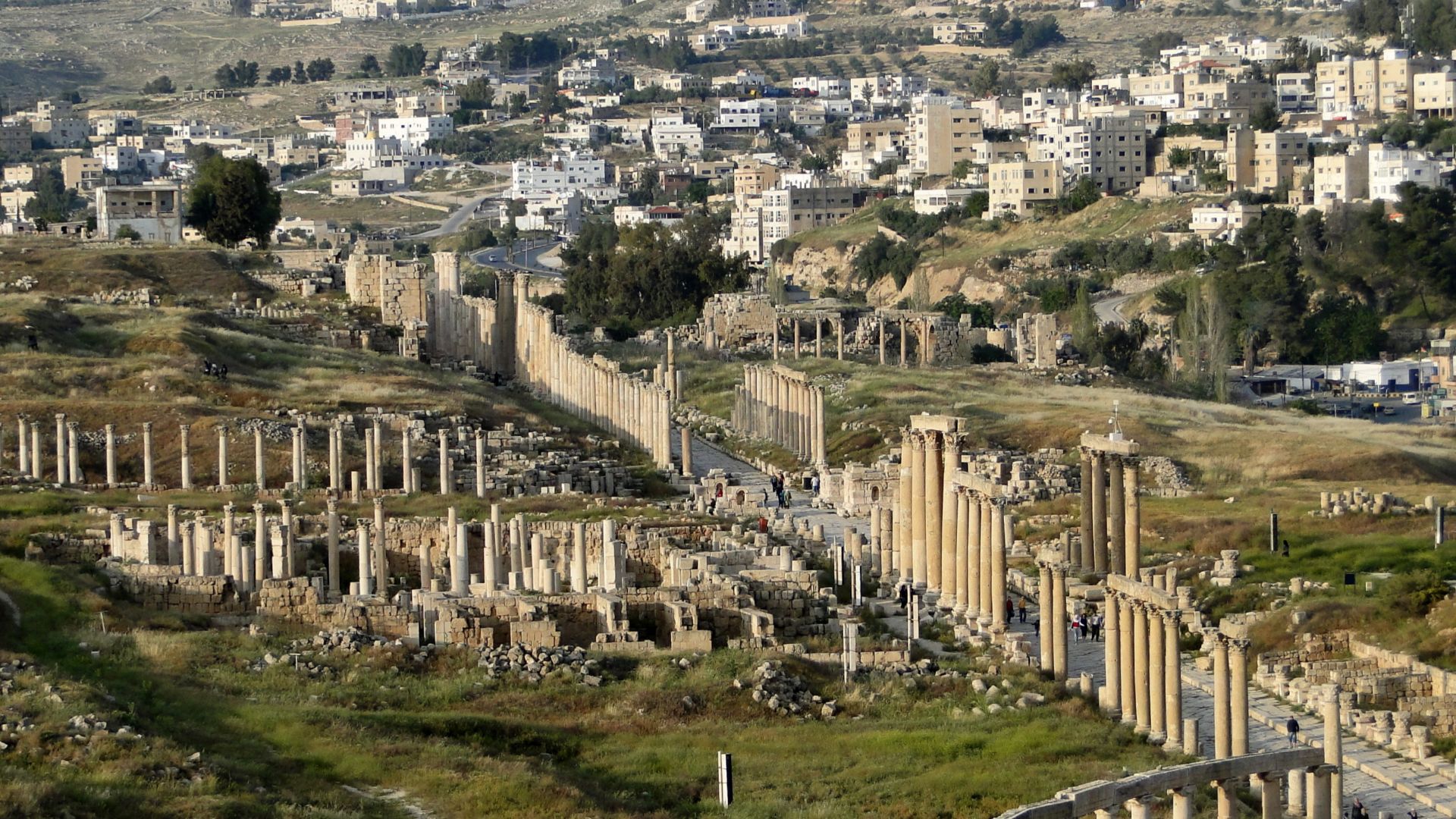 Bernard Gagnon, Wikimedia Commons
Archaeological Discoveries Continue
Excavations at Jerash have been ongoing for decades, and archaeologists continue to uncover new details about the city. Discoveries include statues, inscriptions, and mosaics that provide insight into art, religion, and daily activities. In some cases, archaeologists have even found evidence of past disasters, such as earthquakes and disease outbreaks, which help explain how the city changed over time. Each new find adds another layer to the story, showing that Jerash is not just a preserved site but an active area of research.
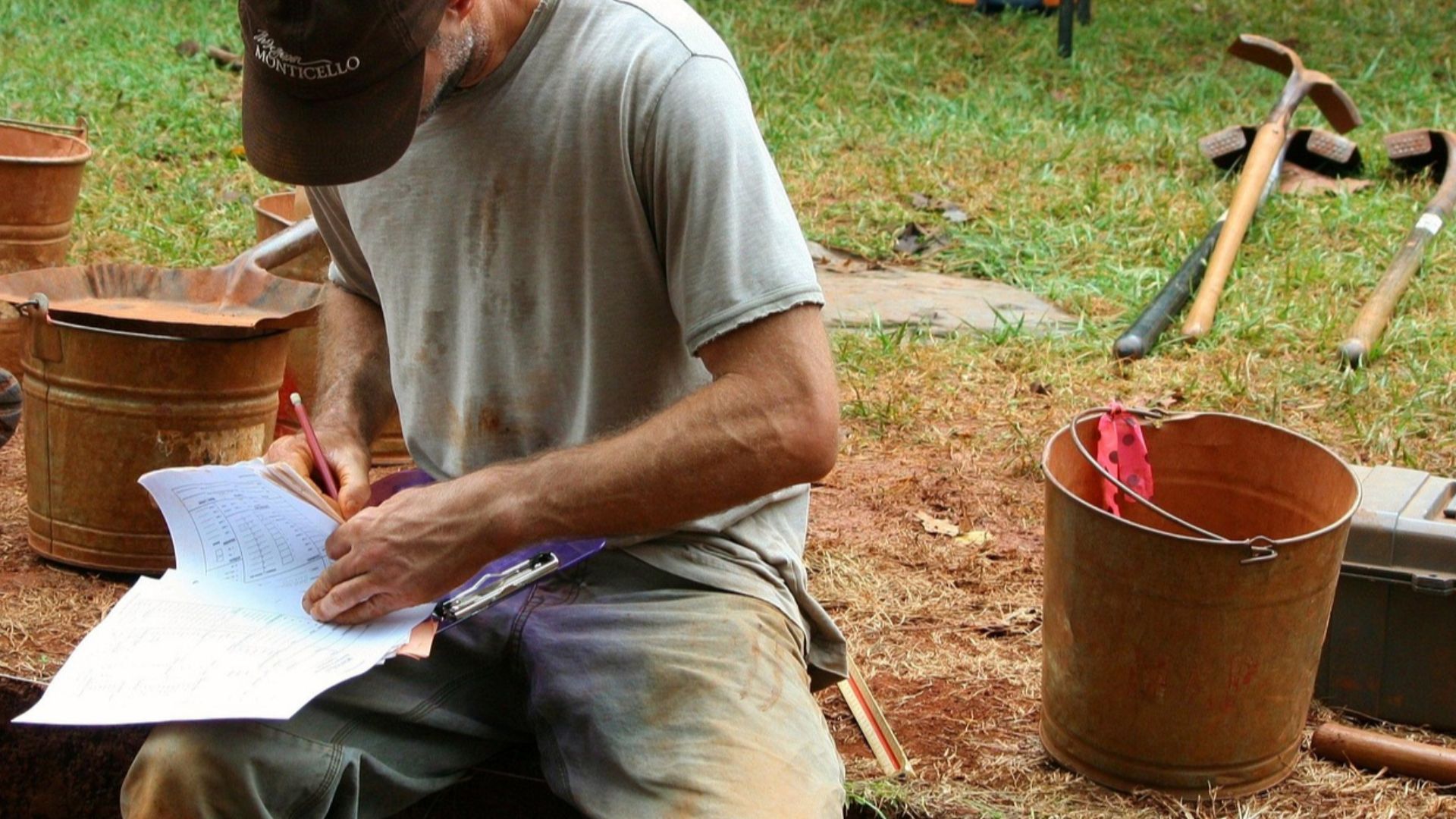
A City Of Many Religions
Jerash’s long history means that its religious landscape evolved significantly over time. During the Roman period, the city was dominated by traditional Greco-Roman worship, with temples dedicated to gods like Artemis and Zeus. However, by the fourth and fifth centuries, Christianity had spread throughout the region, leading to the construction of numerous churches within the city. Some of these churches reused materials from earlier pagan temples. Mosaics found in these churches often depict Christian imagery alongside older artistic traditions, reflecting a gradual transition rather than a sudden break. This layering of religious spaces reveals how Jerash adapted to broader changes in the Roman world while maintaining continuity with its past.
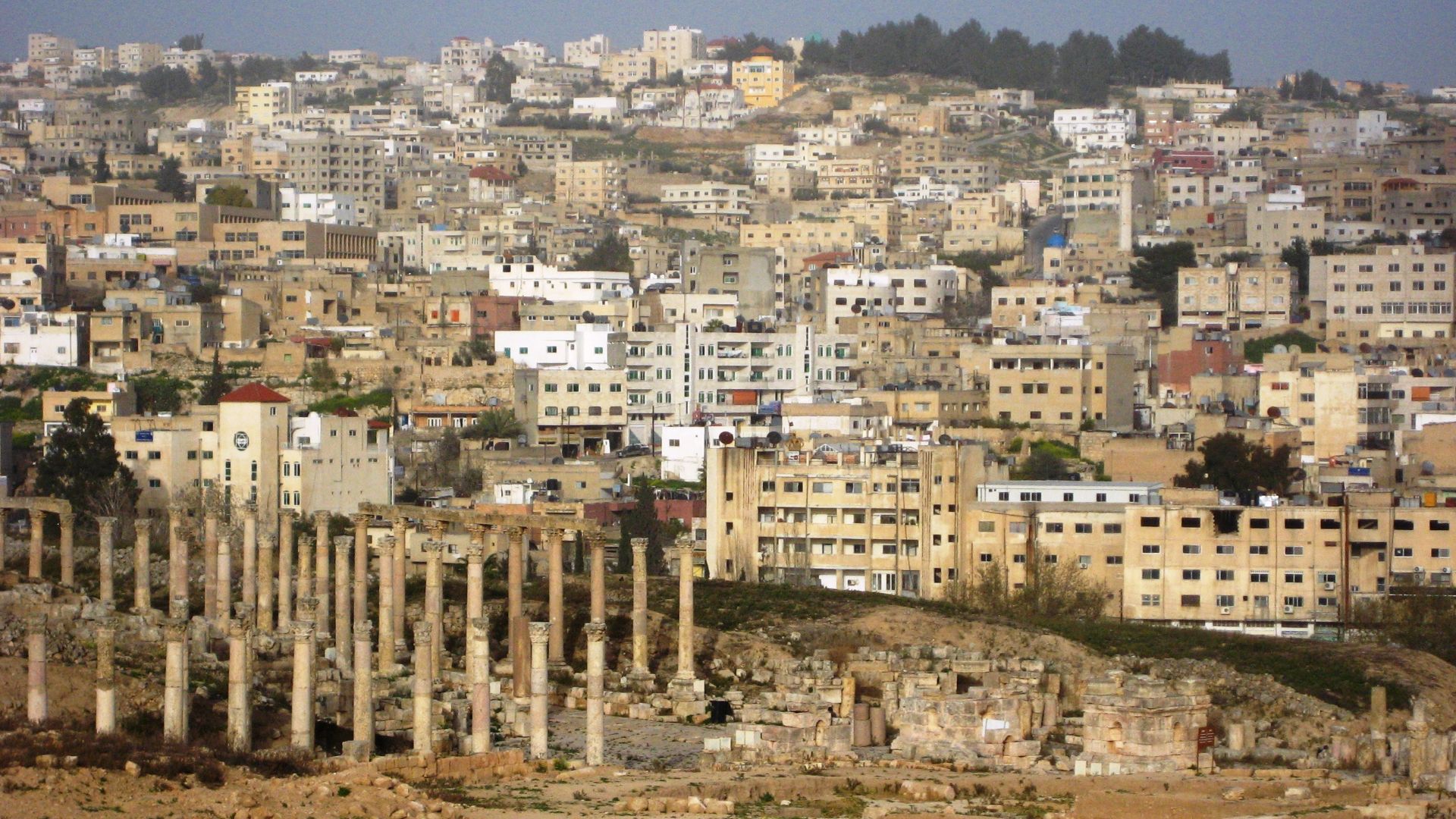
Decline And Abandonment
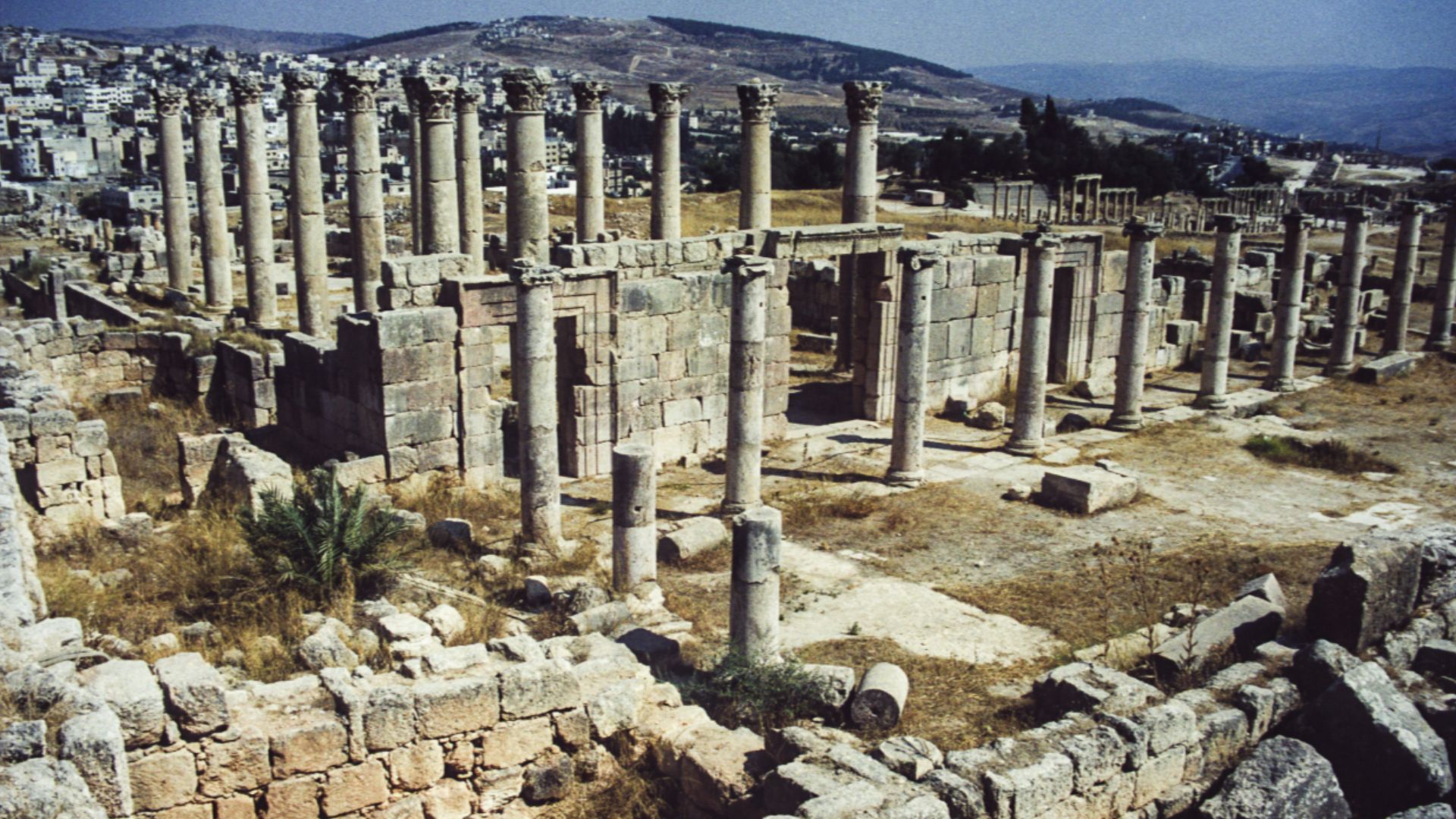
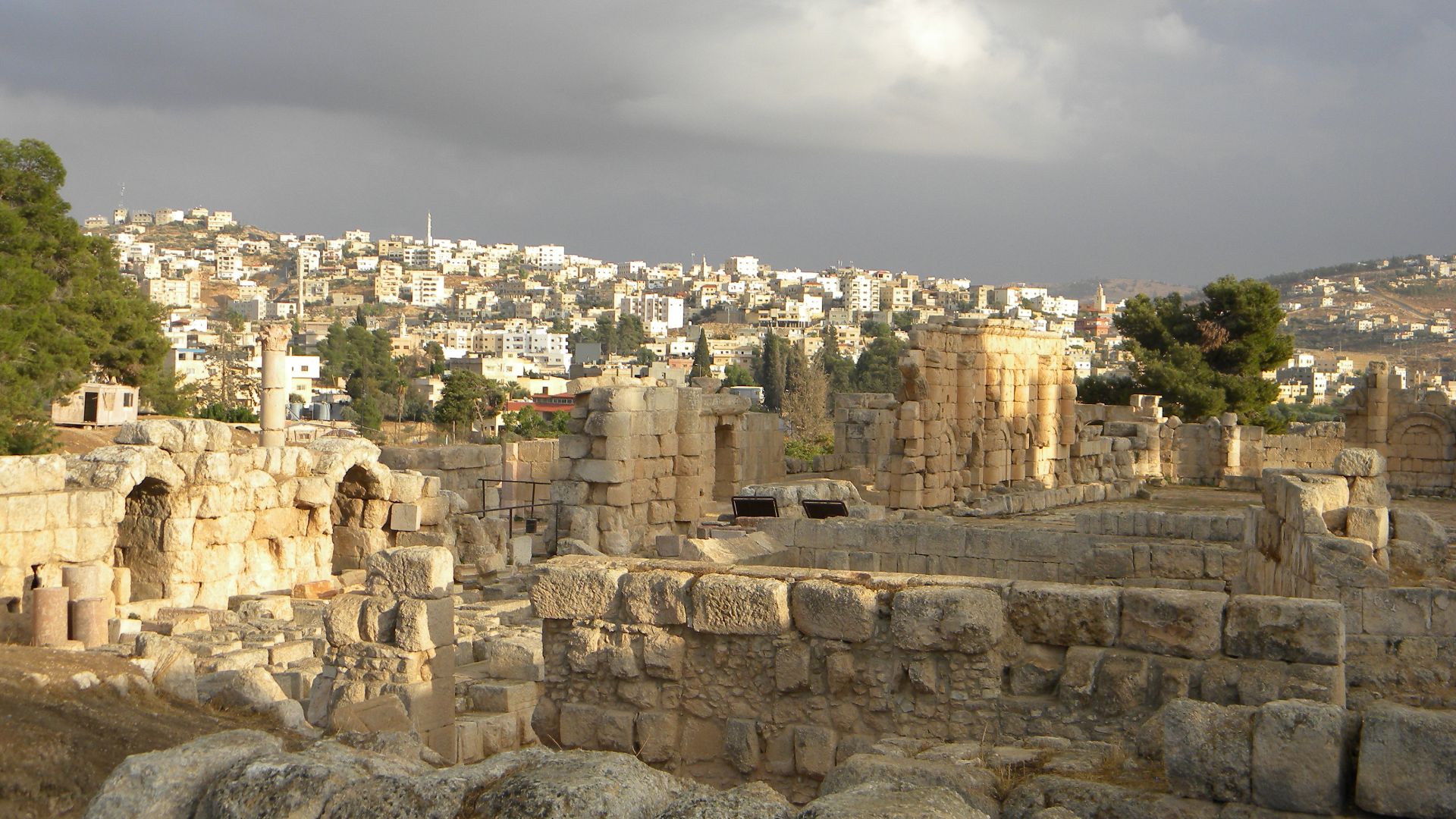
Jerash’s decline was not caused by a single event but by a combination of factors that unfolded over time. One of the most significant blows came from a major earthquake in 749 CE, which caused widespread destruction across the region and damaged many of the city’s structures. At the same time, shifts in trade routes reduced the city’s economic importance, making it less central to regional commerce. As political control in the area changed during the early Islamic period, Jerash gradually lost its population and significance. Over time, residents left or relocated, and the once-busy streets fell silent.
 Jose Huwaidi, Wikimedia Commons
A City Preserved By Time
Because Jerash was not heavily rebuilt after its decline, much of its original layout remained intact. Natural processes such as soil accumulation and vegetation growth helped protect the ruins rather than destroy them. This unusual combination of abandonment and preservation is what makes Jerash so valuable today, as it offers a rare opportunity to study a Roman city without significant later alterations.
 Britchi Mirela, Wikimedia Commons
Jerash Today
Today, Jerash is one of Jordan’s most important archaeological sites and a major destination for visitors from around the world. The ruins are carefully maintained, with pathways and signage that allow people to explore the site while preserving its structures. Visitors can walk along the Cardo Maximus, stand in the Oval Plaza, and climb the steps of ancient temples, experiencing the city in a direct and immersive way. At the same time, ongoing archaeological work continues to reveal new details, meaning the site is still very much an active place of research as well as tourism.
 Wanderstheworld, Wikimedia Commons
The Jerash Festival
Since 1981, Jerash has hosted the Jerash Festival of Culture and Arts, one of the largest cultural events in the region. The festival brings together performers from across the Arab world and beyond, featuring music, dance, theater, and poetry. What makes it especially unique is the setting, as performances take place within the ancient Roman theaters and open spaces of the city. This creates a powerful connection between past and present, with modern audiences experiencing live performances in venues that were built for similar purposes nearly 2,000 years ago. The festival not only celebrates culture but also helps keep the site relevant and alive in the modern world.
 Addustour, Jordan Press & Publication Co., Wikimedia Commons
Final Thoughts
The Roman ruins of Jerash provide a unique window into the past, allowing visitors to experience the scale and complexity of an ancient city almost as it once was. From its colonnaded streets to its temples and theaters, the site captures the ambition and organization of Roman urban life. Its preservation, combined with its continued cultural use today, makes it one of the most fascinating archaeological sites in the world.
You May Also Like:
Scientists finally unlocked the secret of what made Roman concrete almost indestructible.




_(14589649448).jpg)