

Rediscovering The “African Pompeii”
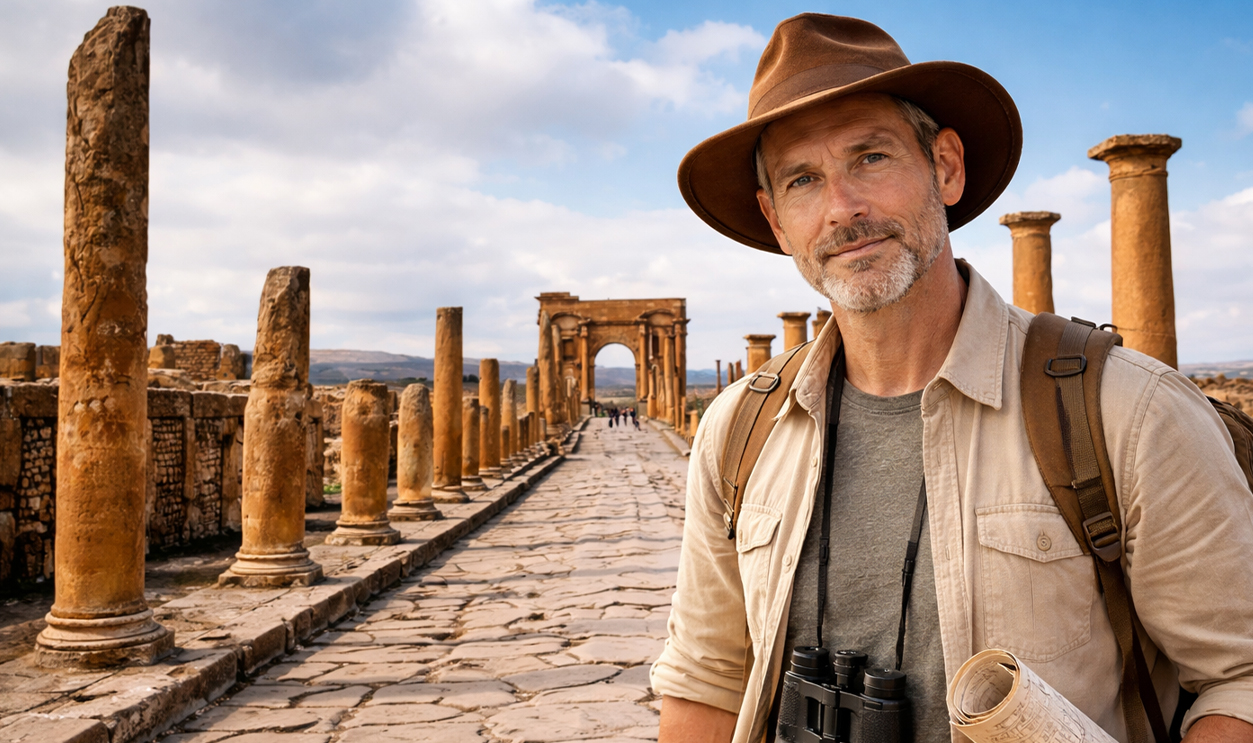
On the edge of the Sahara in northeastern Algeria lies one of the most incredible archaeological sites from the Roman world. The ancient city of Timgad once bustled with life, its streets lined with temples, bathhouses, theaters, markets, and even a surprisingly large public library. When archaeologists began uncovering the site in the 19th century, they found something extraordinary: a Roman city so well preserved that its streets, buildings, and layout could still be traced almost perfectly.
Timgad turned out to be more than just another provincial town. Its carefully planned grid and monumental architecture reveal a thriving urban center that reflected Rome’s influence while also developing its own identity on the empire’s African frontier.
A Roman City Founded By An Emperor
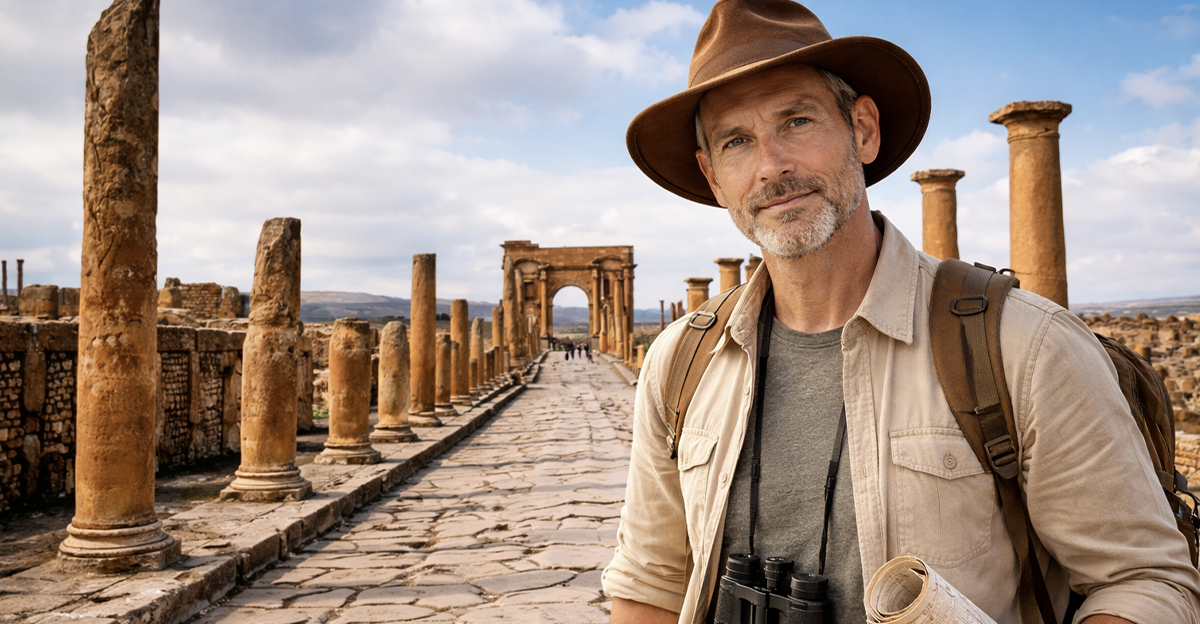
Timgad, whose official Roman name was Colonia Marciana Ulpia Traiana Thamugadi, was founded around 100 CE by the emperor Trajan. Like many Roman colonies, it was intended as a settlement for retired soldiers who had served the empire. These veterans were given land and homes, and in return they helped extend Roman culture and authority into newly organized territories.
The city was strategically located near the Aurès Mountains and not far from fertile agricultural land. From the Roman perspective, the site offered a way to secure the region while also supporting a growing civilian community.
Building A City From The Ground Up
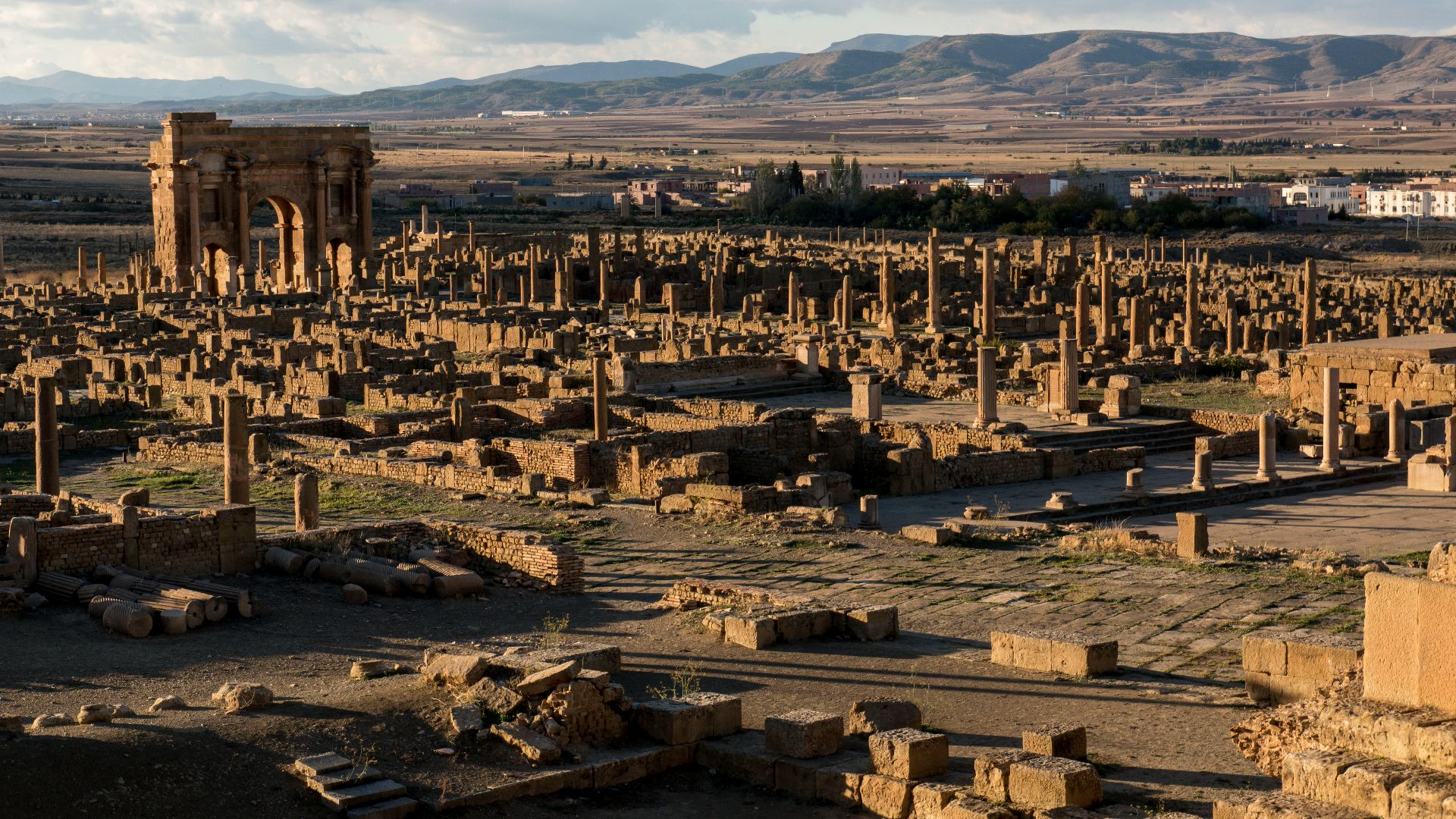
What makes Timgad especially fascinating is that it was designed almost entirely from scratch. Instead of growing gradually over centuries like many ancient towns, it was planned in advance using Roman principles of urban design. Engineers and surveyors mapped out streets, public spaces, and neighborhoods with remarkable precision. This approach produced a city that looked orderly and balanced, reflecting the Roman belief that good planning created efficient and stable communities.
The Famous Roman Grid
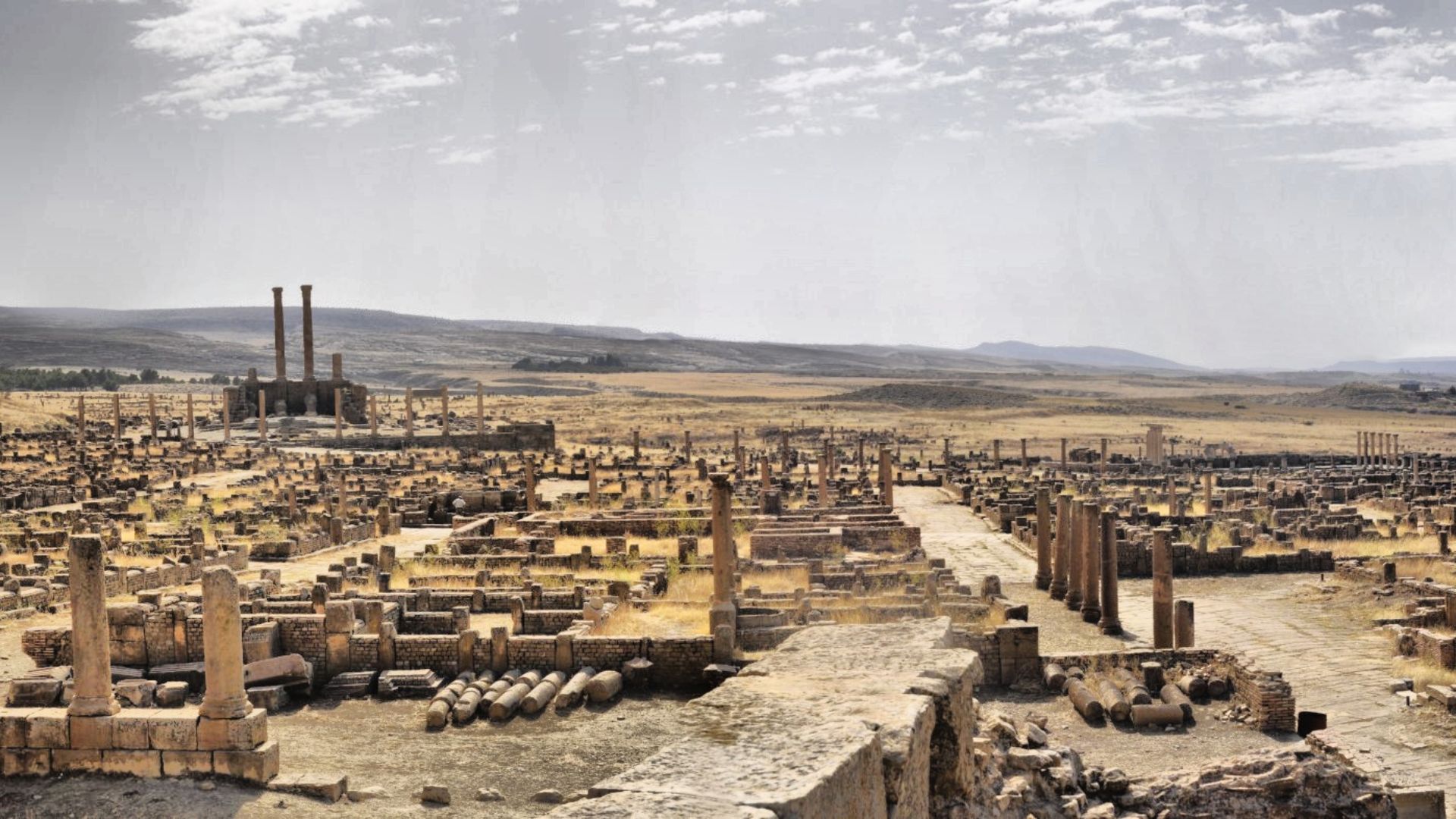
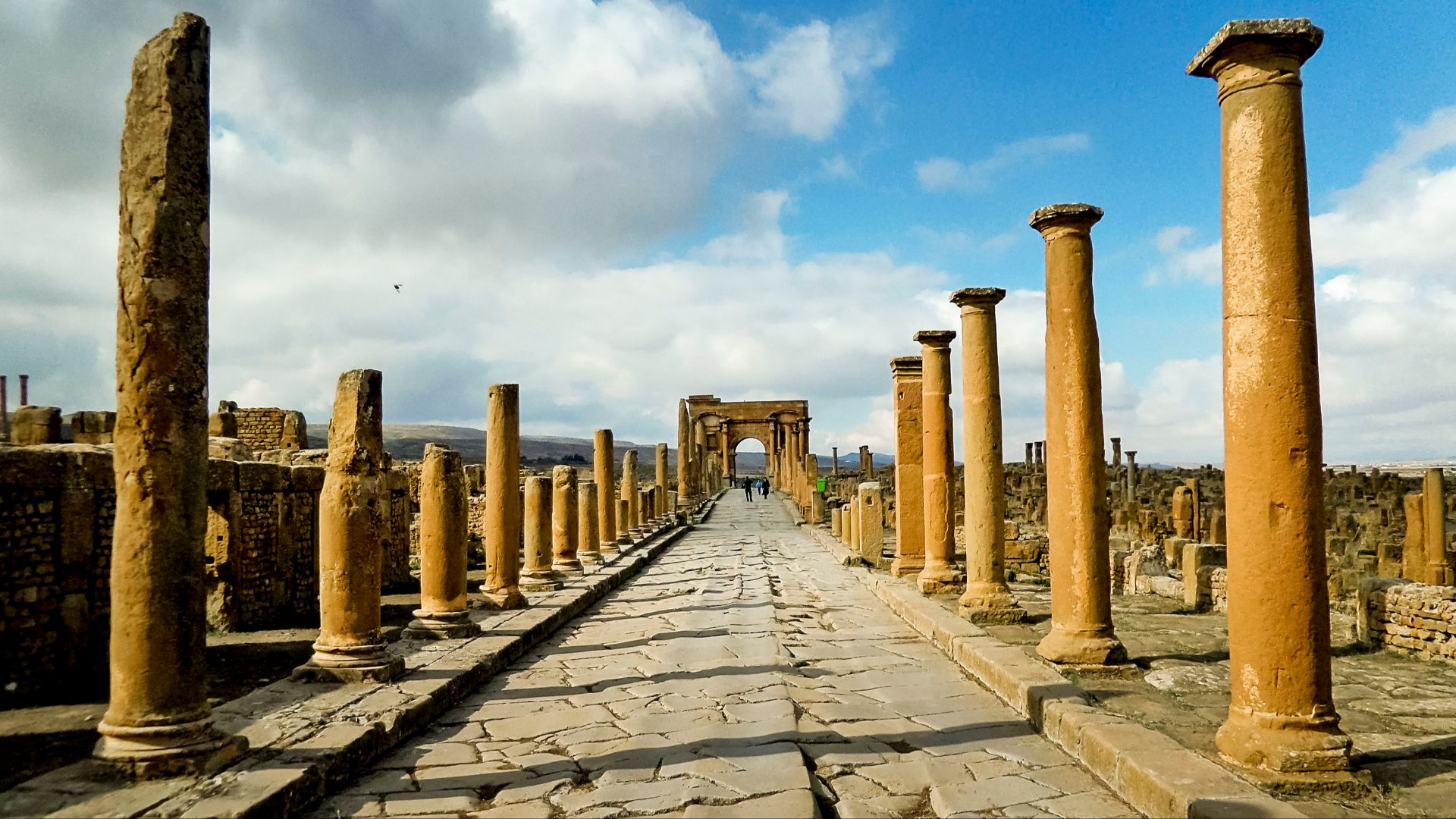
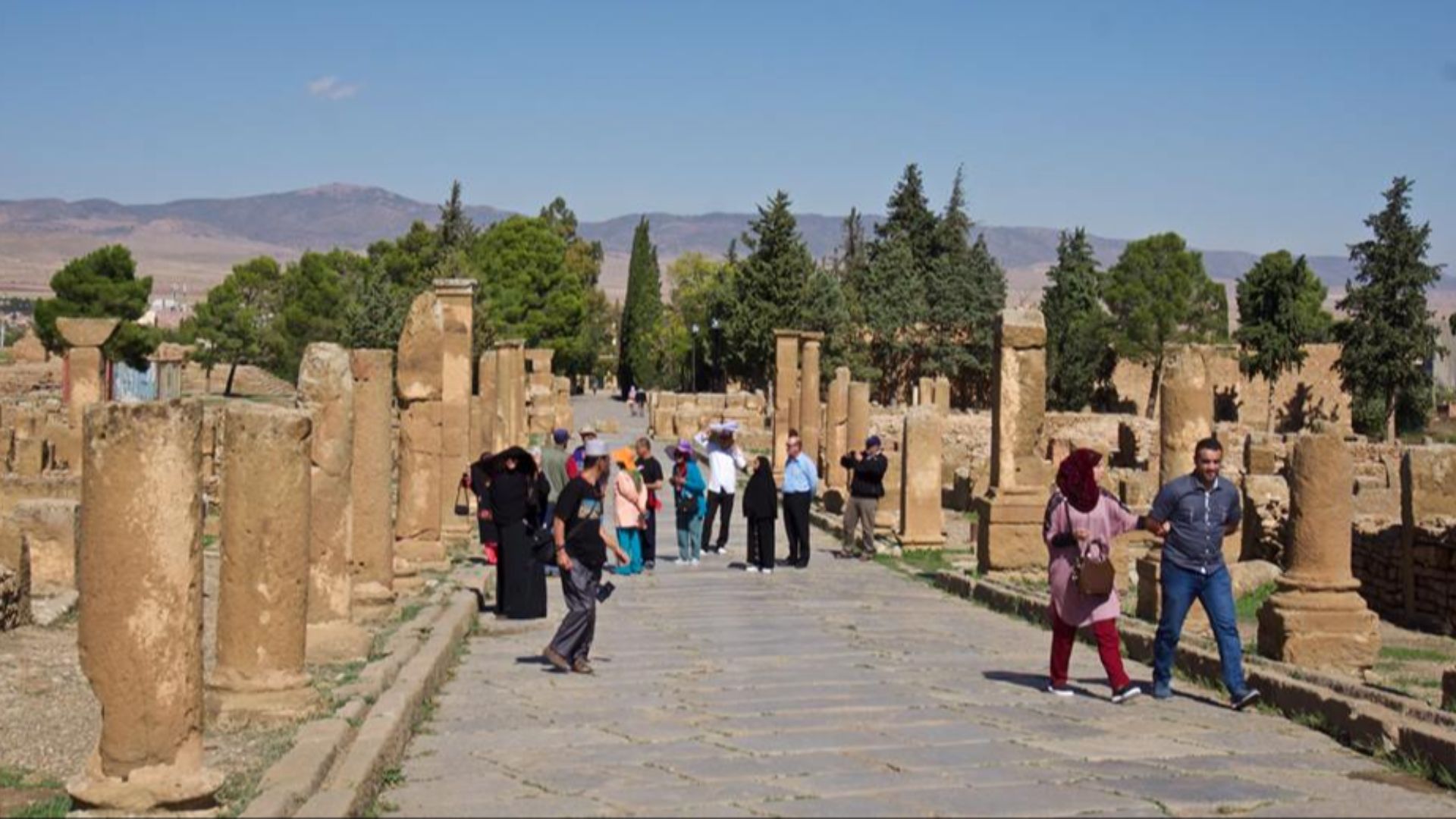
The most striking feature of Timgad is its perfect grid layout. Roman planners organized the city around two main roads: the cardo maximus, running north to south, and the decumanus maximus, running east to west. Where these roads intersected, they created the central civic area of the city. From there, smaller streets branched out in straight lines, dividing the city into evenly sized blocks. Walking through the ruins today still makes that grid incredibly clear, giving visitors a sense of how orderly Roman urban planning could be.
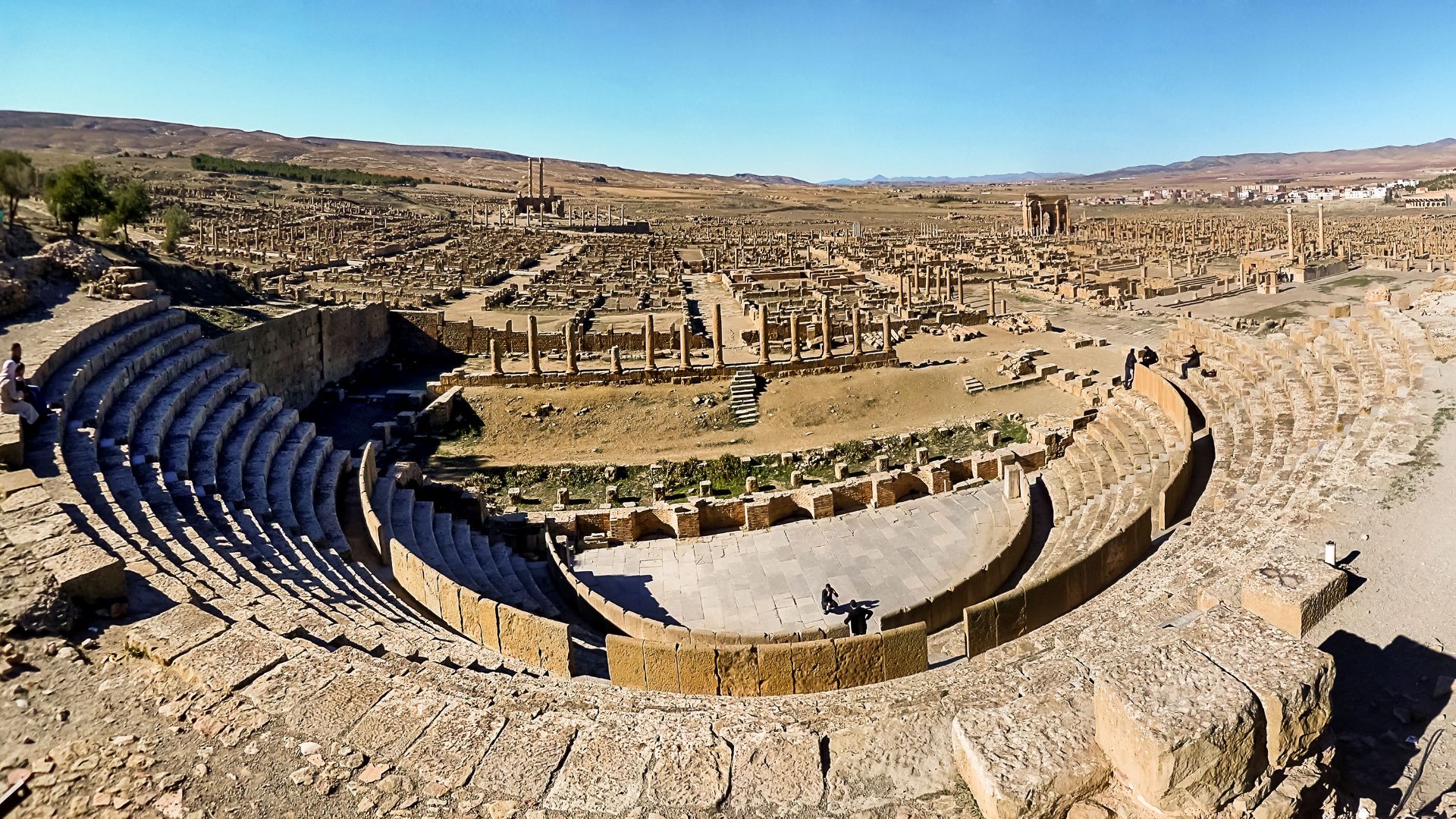 habib kaki 2 from Zeralda, Wikimedia Commons
A City Designed For Thousands
When the colony was first established, planners expected the city to house around 15,000 residents. That might not sound enormous by modern standards, but for a Roman provincial city it represented a sizable and vibrant population. As the city grew wealthier and more populated, its neighborhoods gradually expanded beyond the original grid. Still, the central layout remained the heart of urban life.
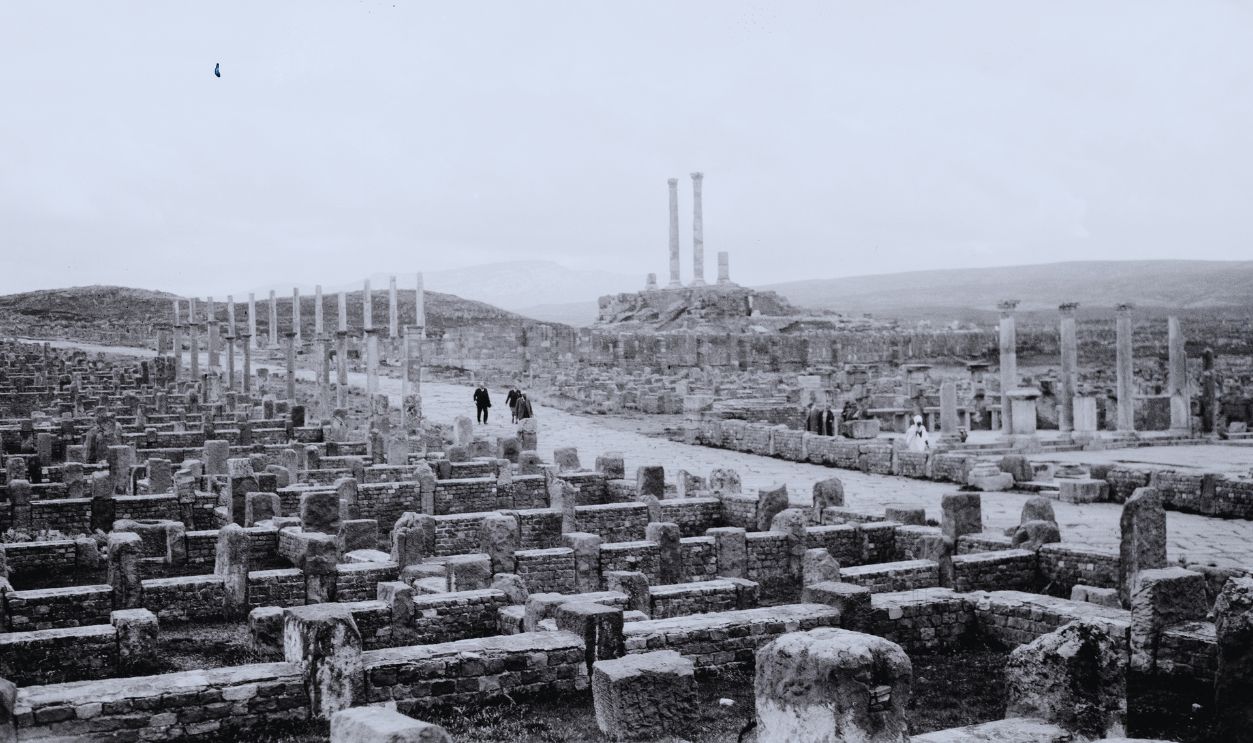 Walter Mittelholzer, Wikimedia Commons
Prosperity On Rome’s African Frontier
Timgad quickly became an important hub in Roman North Africa. Its surrounding lands supported farming, while trade routes linked it with other settlements across the region and the wider Mediterranean world. Merchants, craftsmen, and administrators all contributed to a busy urban economy. The city’s prosperity is reflected in the scale and quality of the buildings that archaeologists later uncovered.
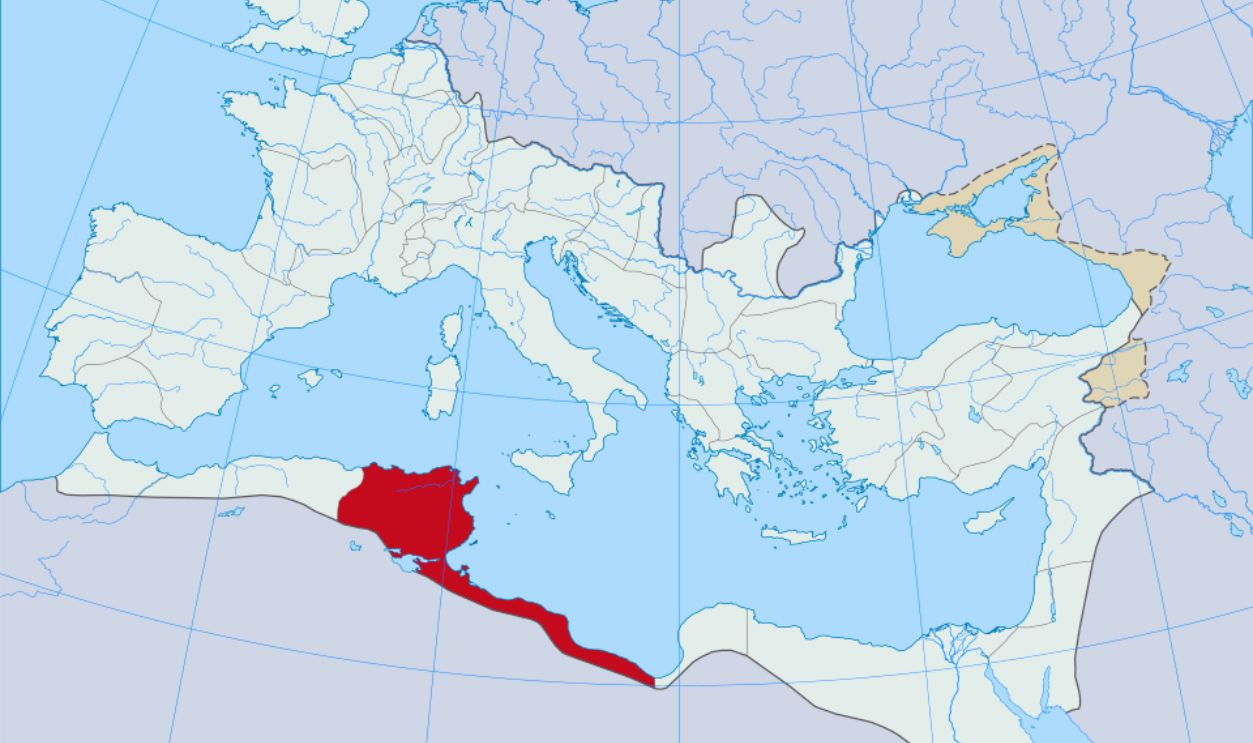 Milenioscuro, Wikimedia Commons
Monumental Buildings Everywhere
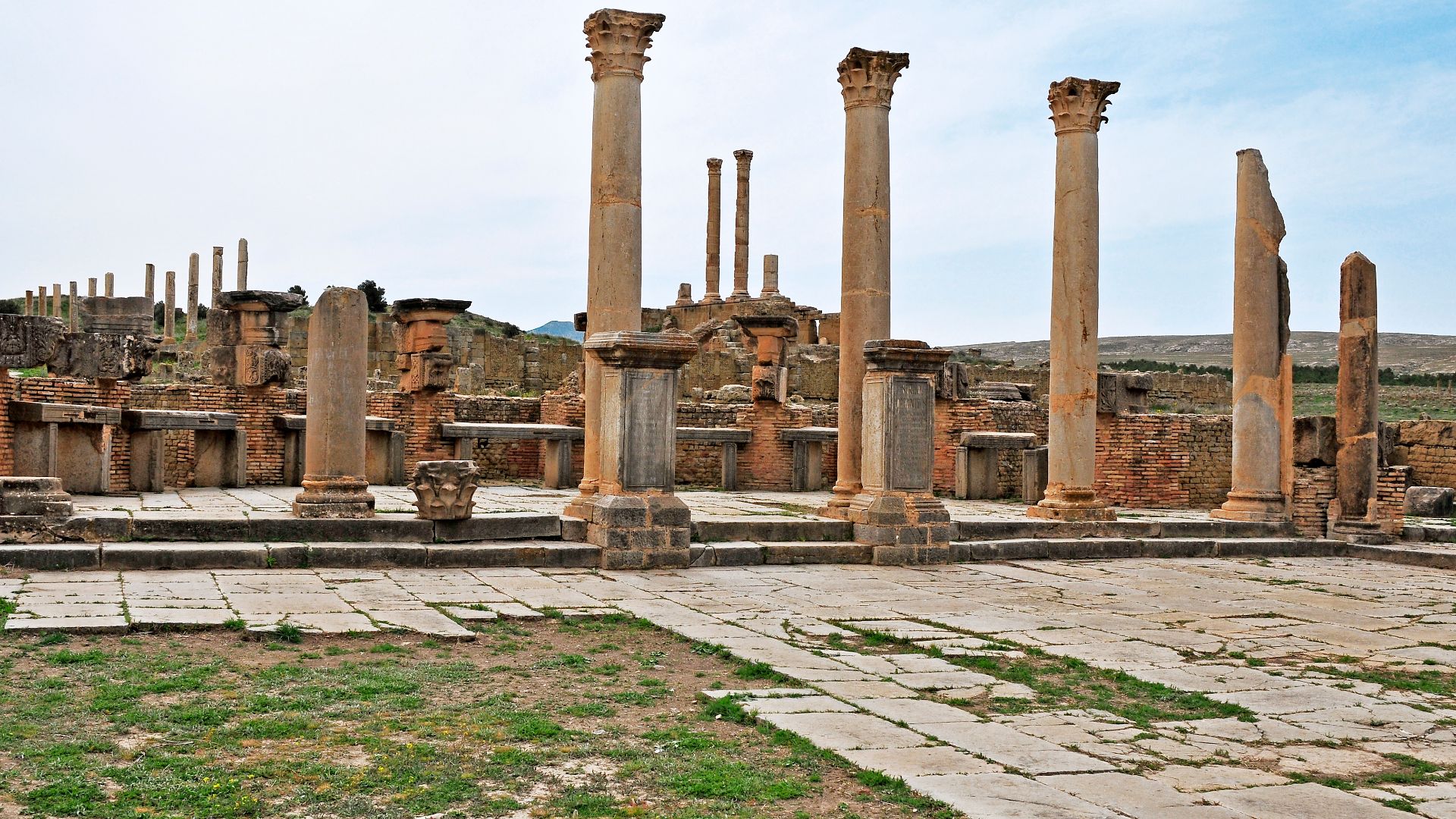
Excavations revealed that Timgad was packed with impressive public architecture. The city featured a forum, basilicas used for civic administration, temples dedicated to Roman gods, public markets, and elaborate bath complexes. These structures were not simply decorative. They formed the backbone of civic life, providing spaces where residents gathered, conducted business, worshipped, and socialized.
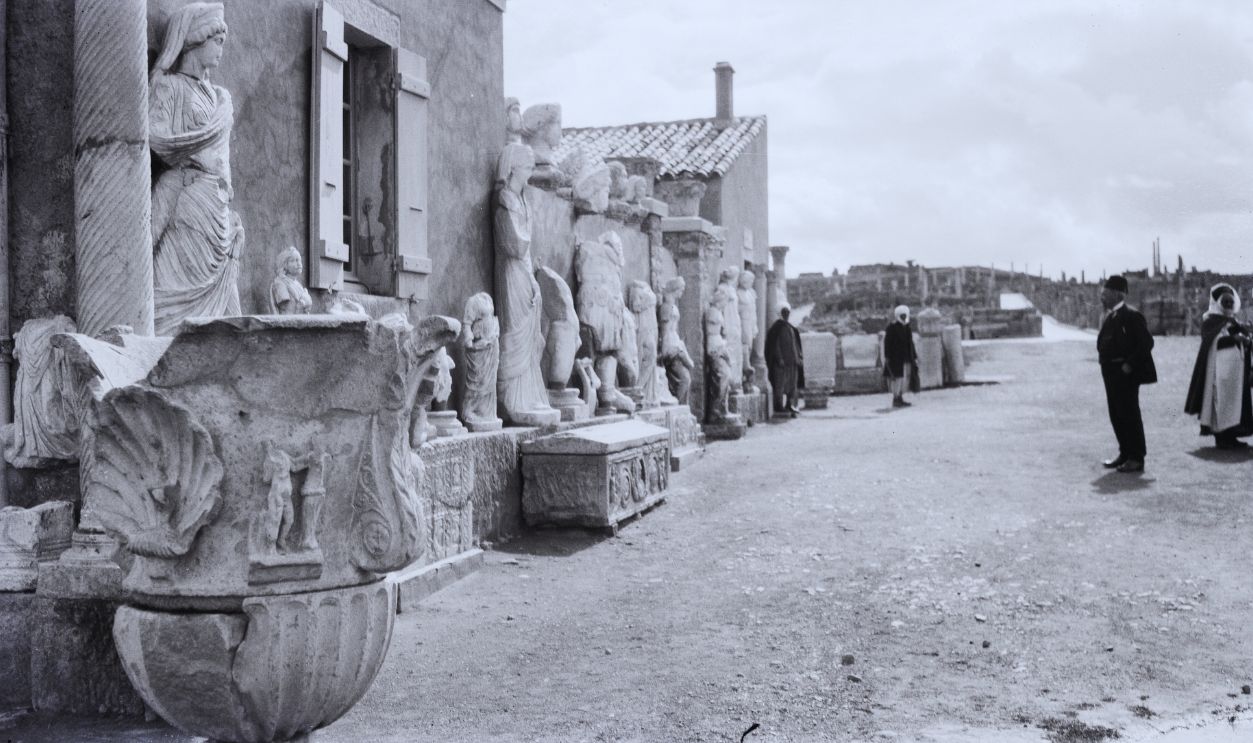 Walter Mittelholzer, Wikimedia Commons
The Arch Of Trajan
One of the most recognizable landmarks in Timgad is the Arch of Trajan, which still stands at the western end of the decumanus maximus. Rising about twelve meters high, the arch once marked a ceremonial entrance to the city and honored the emperor who founded it.
Decorated with columns and carved niches that once held statues, the monument reminded visitors and residents alike of Rome’s power and prestige.
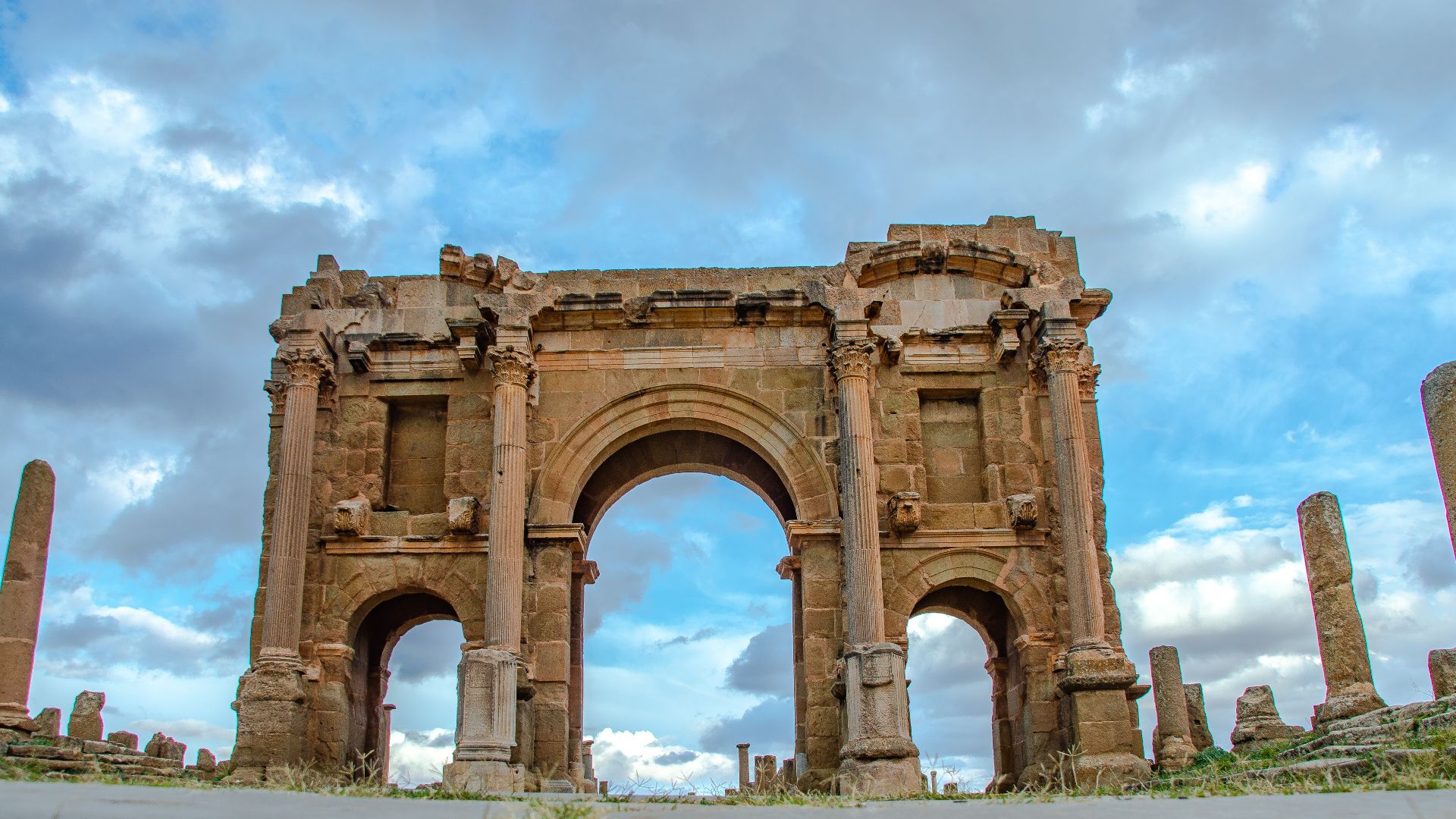 DEBIEB mohamed, Wikimedia Commons
Entertainment In The Roman Theater
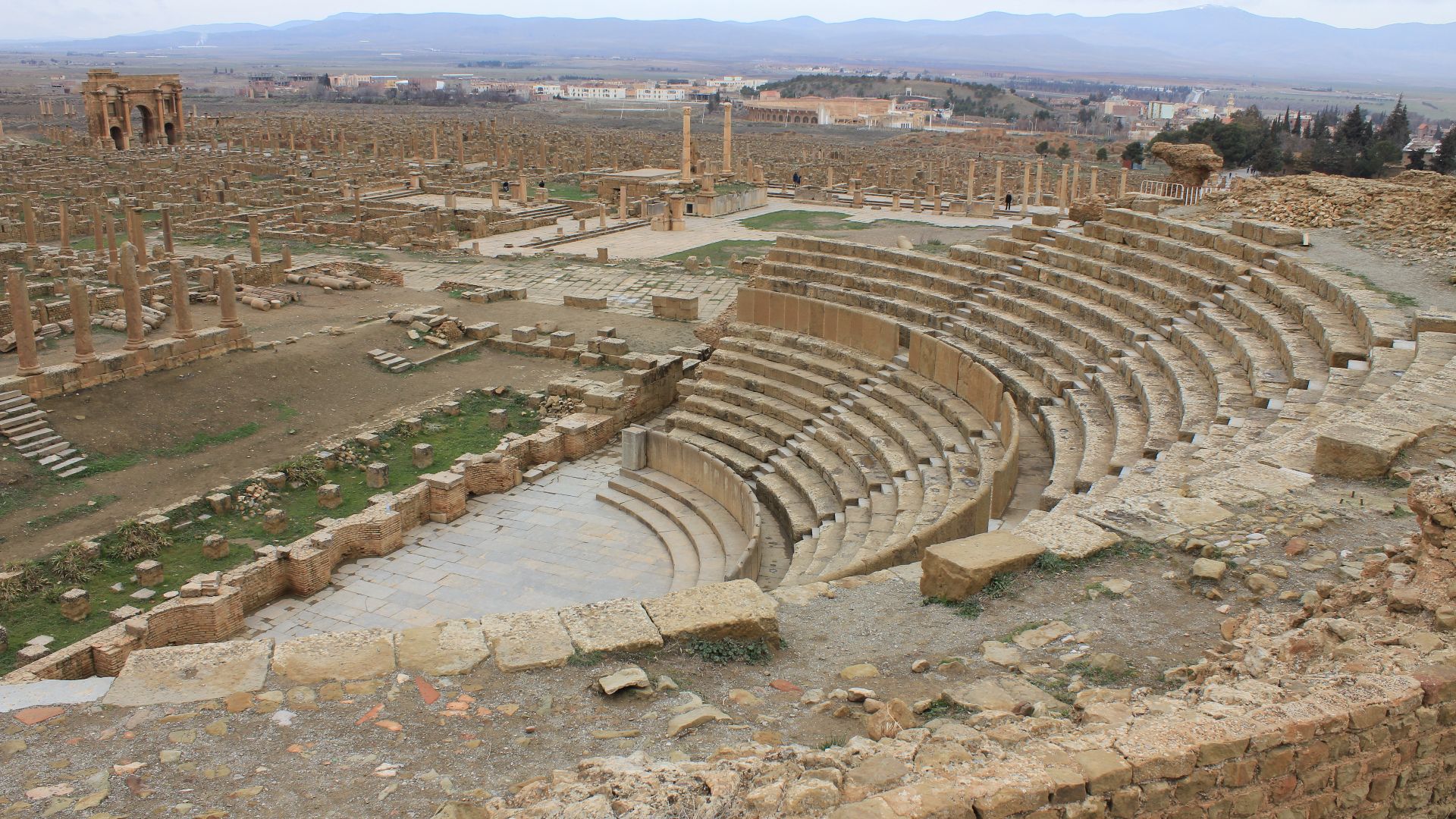
Roman cities were known for their love of public entertainment, and Timgad was no exception. Archaeologists uncovered a large stone theater capable of seating roughly 3,500 spectators.
Even today the structure remains remarkably well preserved. Modern performances and cultural events are sometimes held there, giving the ancient stage a new life nearly two thousand years after it was built.
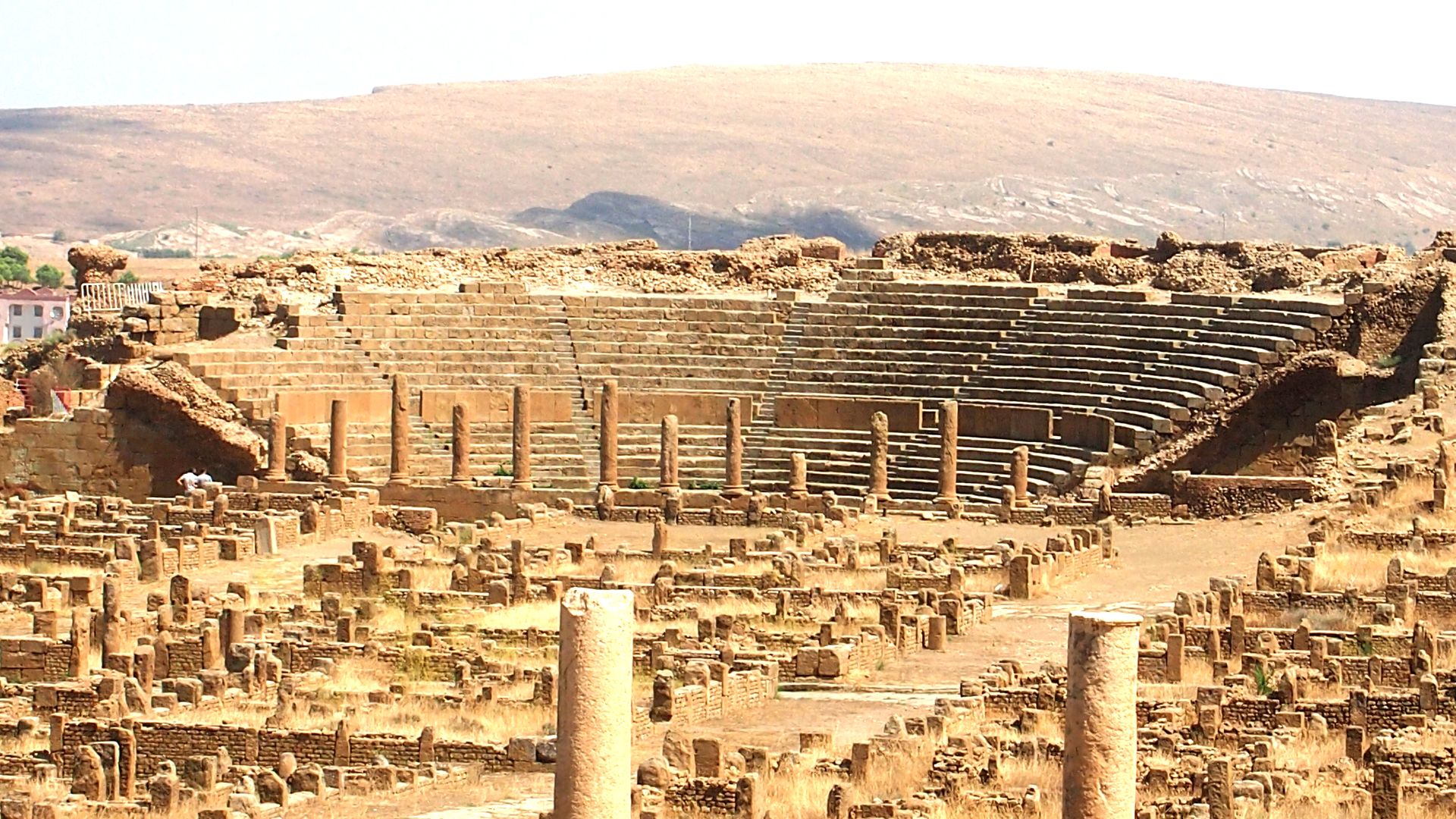
Bathhouses And Social Life
Public baths were a major part of Roman daily life, serving as places for relaxation, exercise, and conversation. Timgad had several bath complexes scattered throughout the city.
These bathhouses offered heated rooms, pools, and exercise areas where people could spend hours socializing. The baths show how Roman lifestyle and traditions spread across the empire.
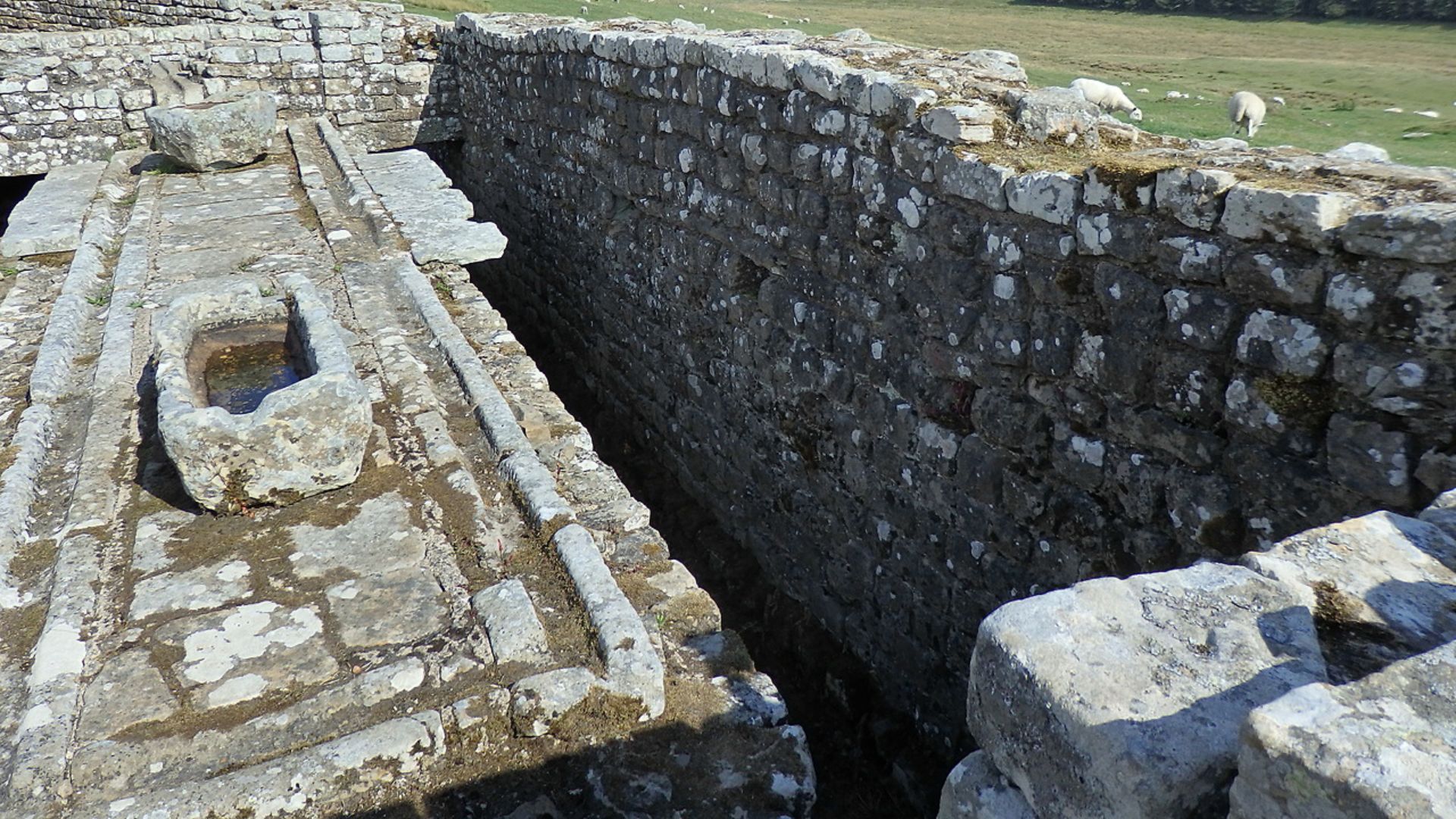 Rudi Winter , Wikimedia Commons
The Discovery Of A Roman Library
One of the most intriguing buildings uncovered in Timgad is its public library. While libraries were common in major Roman cities, they were less typical in smaller provincial towns.
The building appears to have been funded by a wealthy local benefactor named Julius Quintianus Flavius Rogatianus, who donated a large sum of money to construct it.
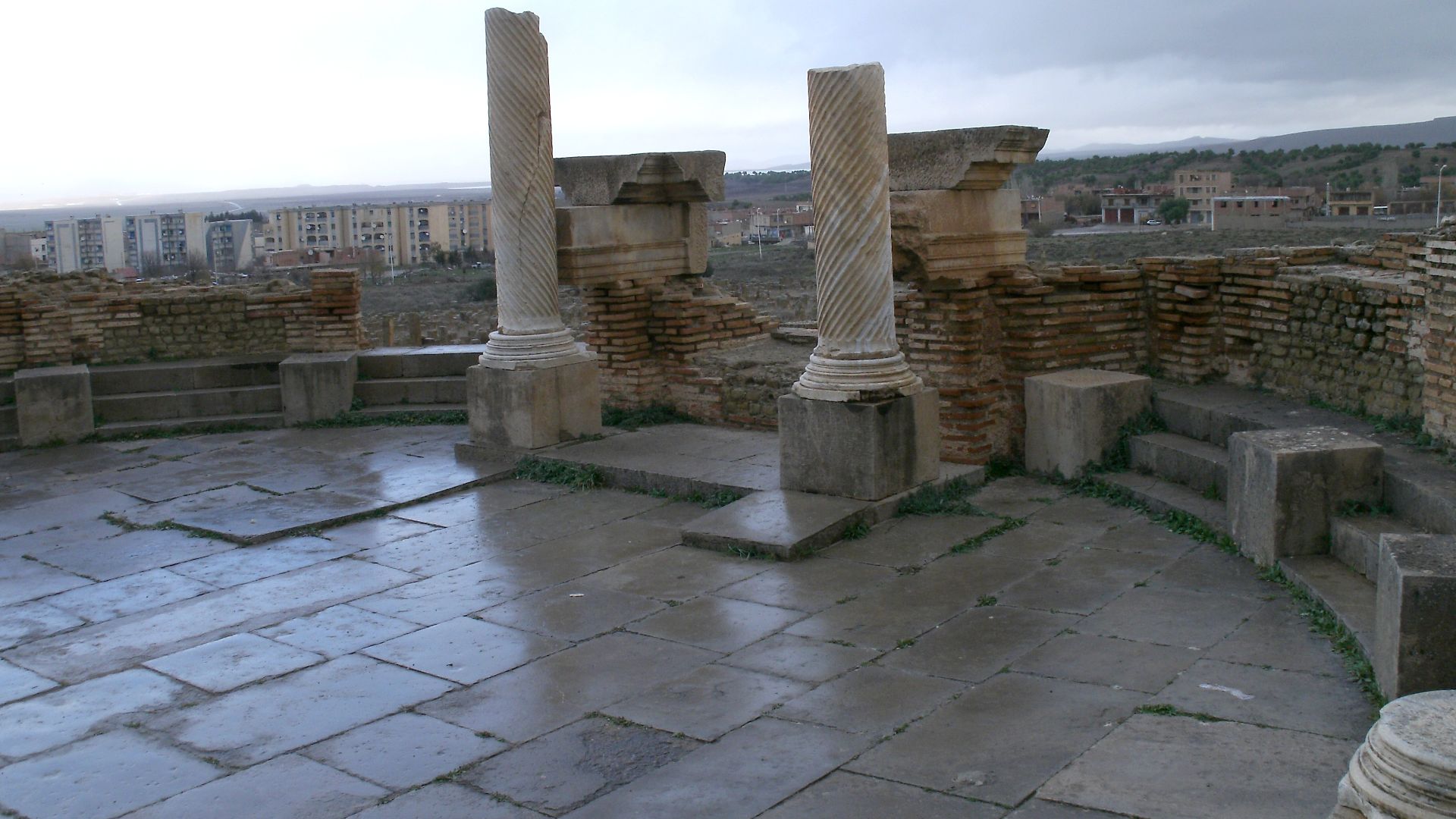
A Center Of Learning
Inside the library, archaeologists found evidence of a large reading room surrounded by smaller chambers. Niches in the walls once held cabinets filled with scrolls. Scholars estimate that the library could have stored around 3,000 scrolls, making it an impressive cultural resource for the city’s residents.
Everyday Life In Timgad
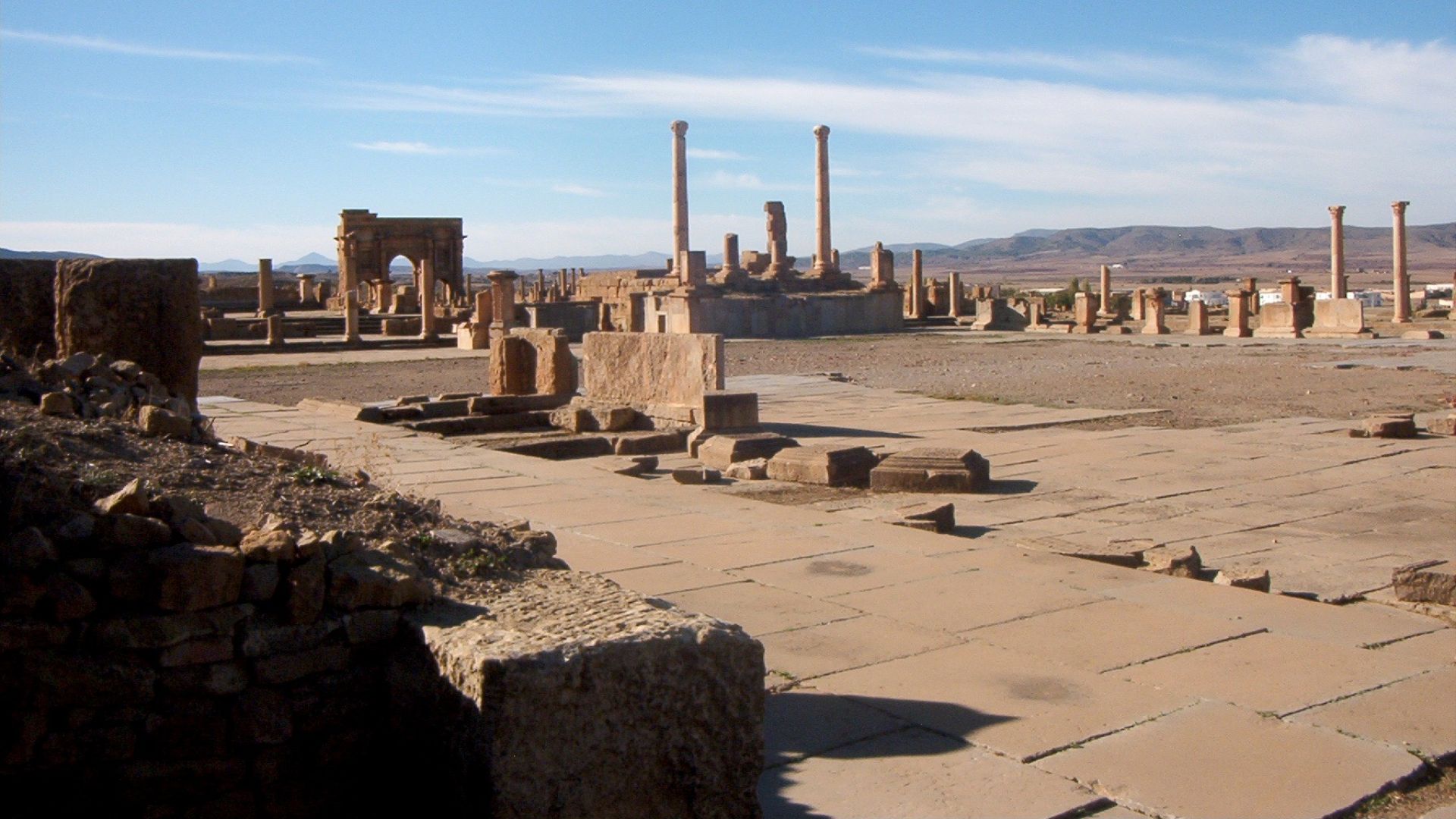
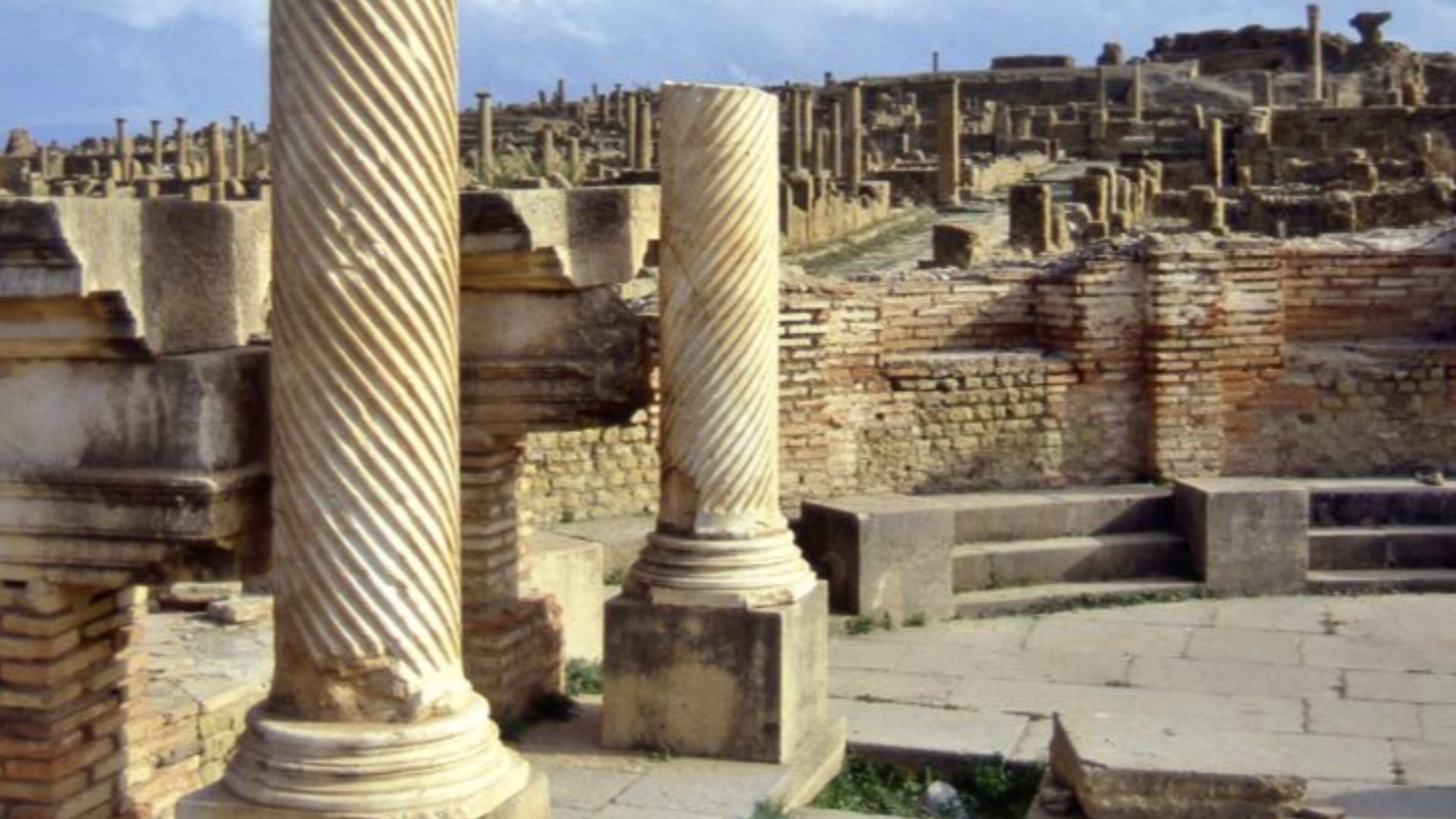
The ruins of Timgad reveal much about daily life in a Roman provincial city. Houses were decorated with mosaics, shops opened directly onto the streets, and inscriptions carved into stone record the names of citizens, officials, and donors. These details help archaeologists reconstruct how ordinary people lived, worked, and interacted within the city.
 Yves Jalabert, Wikimedia Commons
Temples And Religious Life
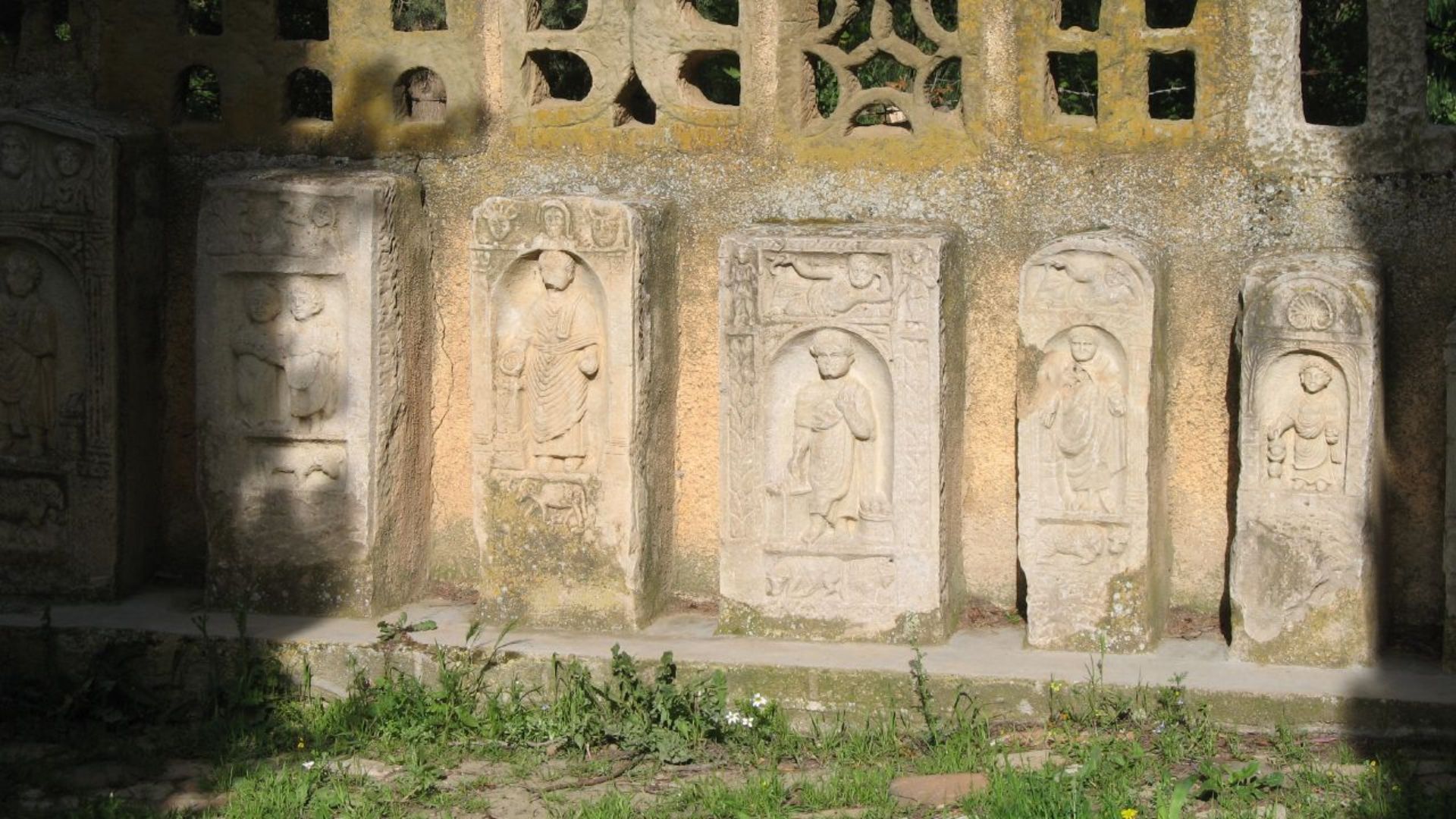
Religion played an important role in Timgad. Temples dedicated to Jupiter and other deities occupied prominent spaces within the city. Evidence also suggests that local traditions blended with Roman religious practices. This mixing of cultures was common throughout the empire.
The Spread Of Christianity
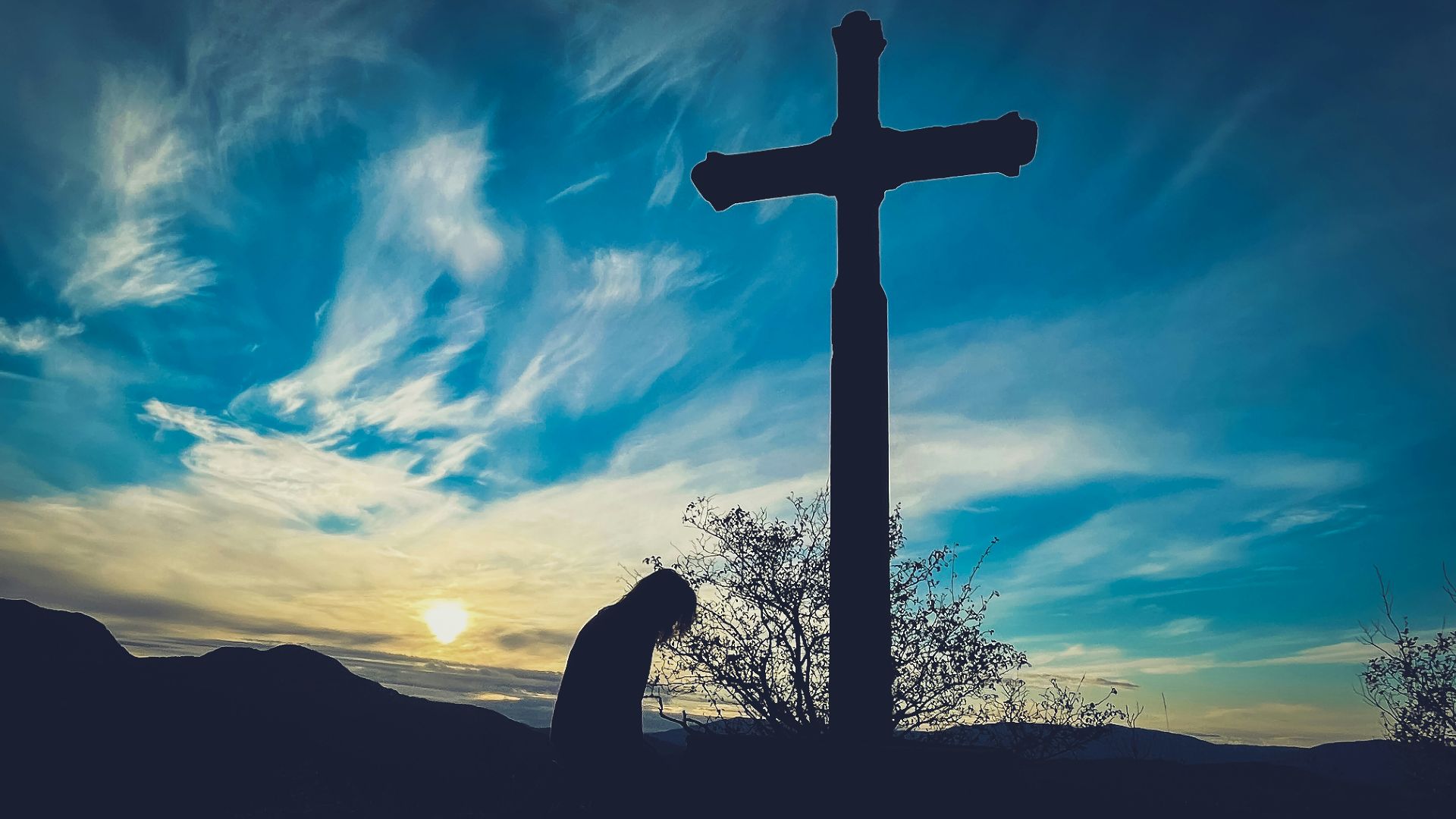
By the third and fourth centuries CE, Christianity had begun to spread across North Africa, including Timgad. The city eventually became an important Christian center with several bishops recorded in historical sources. One of them, Bishop Optat, played a role in the Donatist controversy that divided North African Christianity during the late Roman period.
The Beginning Of Decline
Like many Roman cities, Timgad eventually experienced decline. Political instability, invasions, and shifting trade patterns gradually weakened the settlement.
The Vandal invasions of the fifth century dealt a particularly heavy blow. Although the Byzantines later attempted to restore control, the city never regained its former prosperity.
Slowly Buried By Sand
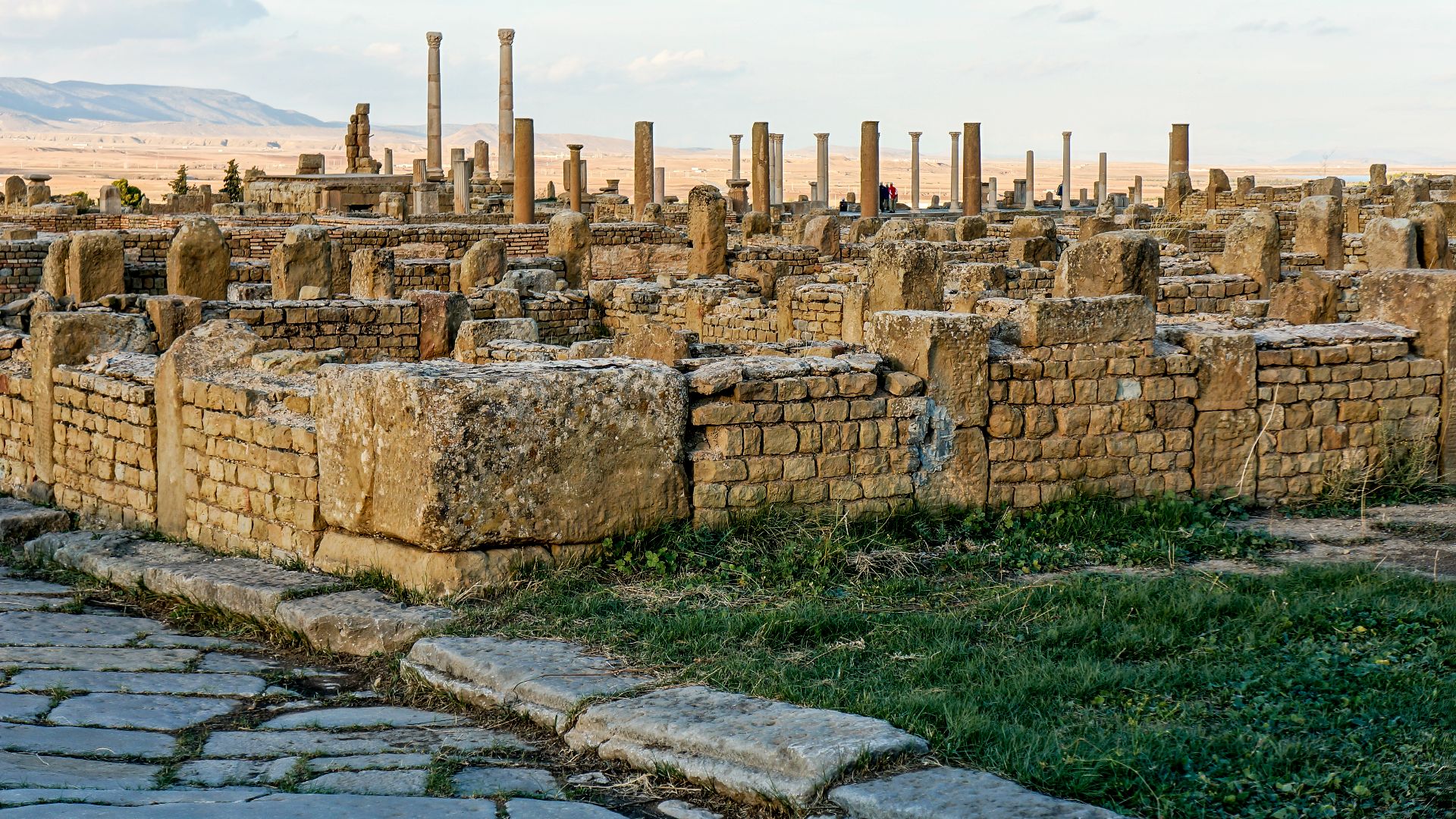
Over time the desert began reclaiming the abandoned city. Winds carried sand across the ruins, slowly covering streets and buildings. While this may have contributed to the city’s disappearance from history, it also helped preserve the site remarkably well.
Rediscovering Timgad
European archaeologists rediscovered the buried city in the late nineteenth century. As excavations progressed, entire streets and monuments emerged from beneath the sand. The level of preservation astonished researchers. In some areas the layout of the city appeared almost frozen in time.
Why Timgad Is So Important
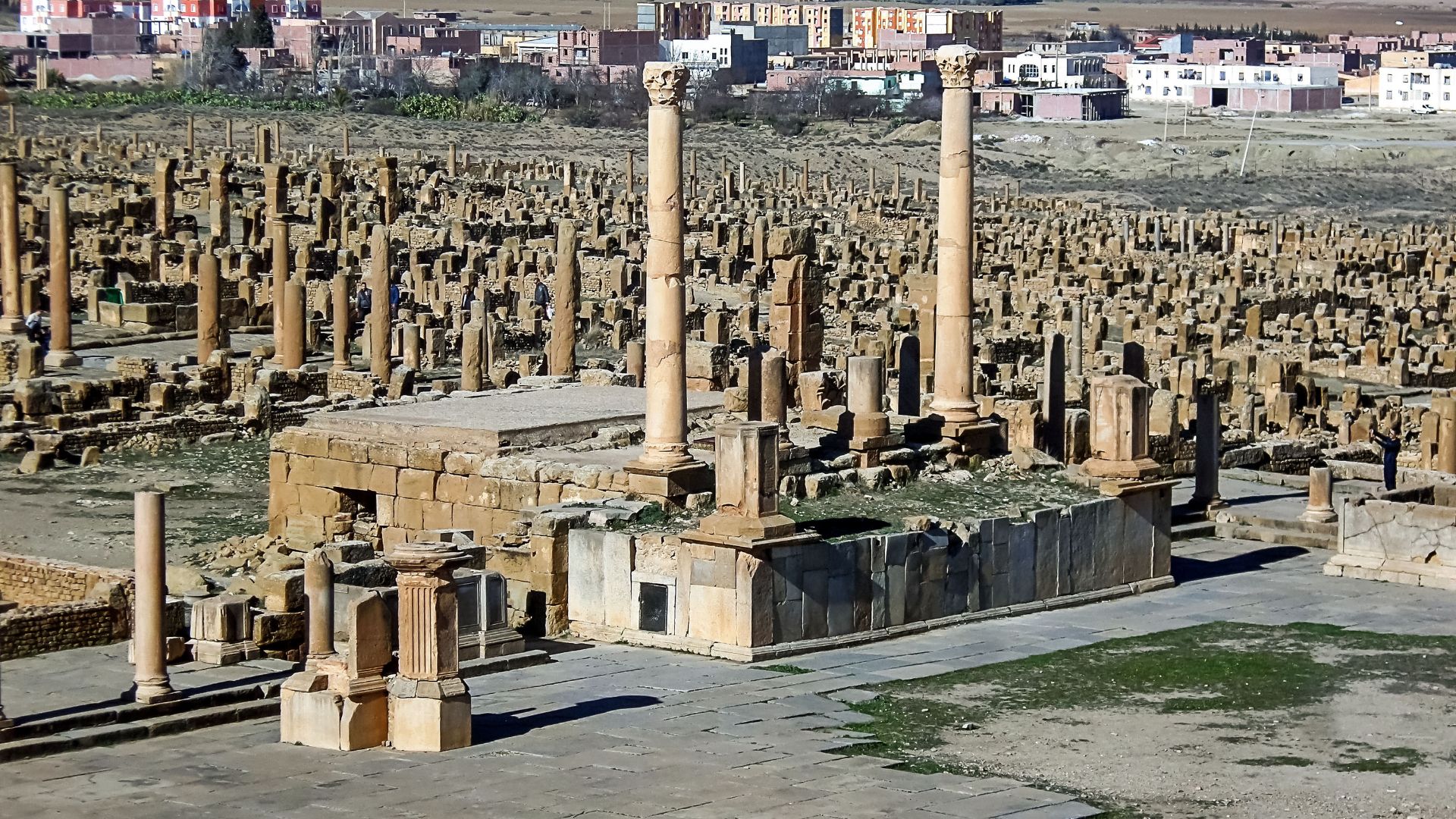
Today Timgad is considered one of the most complete examples of Roman urban planning anywhere in the world. Its grid, monuments, and public buildings offer a rare glimpse into how a Roman city functioned far from the empire’s core. Because so much of the site remains intact, archaeologists can study not just individual structures but the entire urban system.
 habib kaki 2 from Zeralda, Wikimedia Commons
A UNESCO World Heritage Site
In recognition of its historical importance, UNESCO designated Timgad a World Heritage Site in 1982. Visitors walking through the ruins today can still follow the same streets that Roman residents once used nearly two thousand years ago.
 Fayeqalnatour, Wikimedia Commons
Final Thoughts
The discovery and excavation of Timgad opened an extraordinary window into life in the Roman provinces. Beneath the sands of Algeria, archaeologists found a city that embodied Roman ideas about order, culture, and community. Its carefully planned grid, monumental buildings, and thriving public institutions show that the Roman world extended far beyond Italy. In places like Timgad, Roman civilization took root and flourished, leaving behind ruins that continue to impress visitors and researchers alike.
 Xiaotong Gao, Wikimedia Commons
You May Also Like:



.svg%20)