A Warrior Buried With a Blade
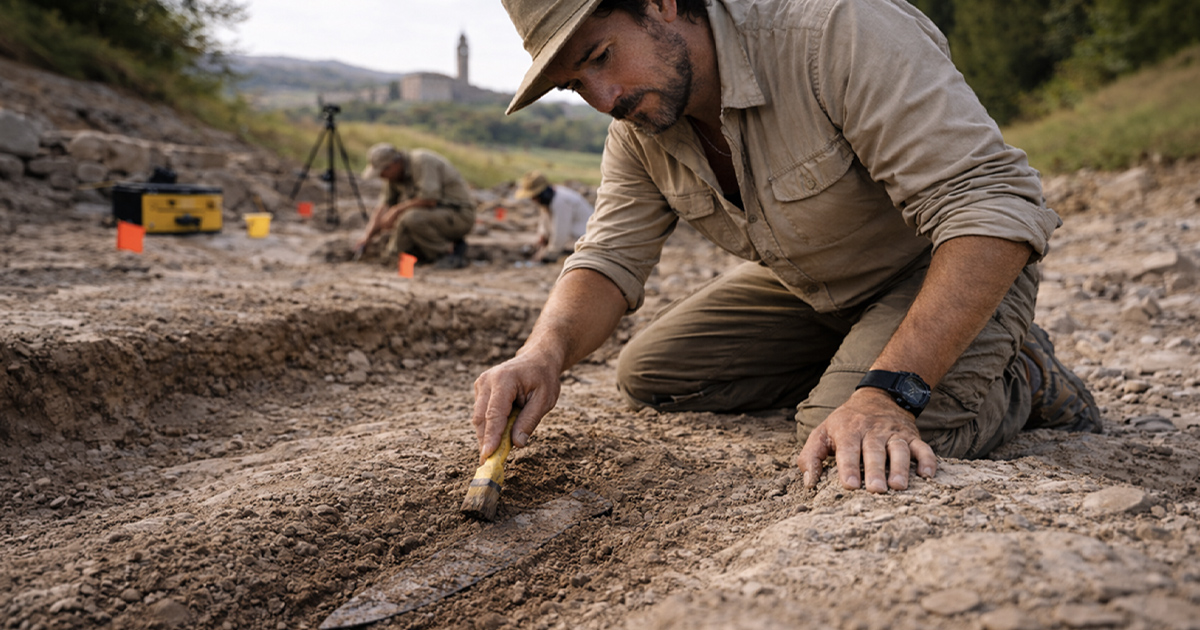
In 1996, archaeologists digging through a quiet medieval cemetery in northern Italy uncovered something that didn’t make sense at first. One skeleton stood apart from the rest—not because of treasure or armor, but because of what was attached to his arm. Where a hand should have been, there was something far more shocking.
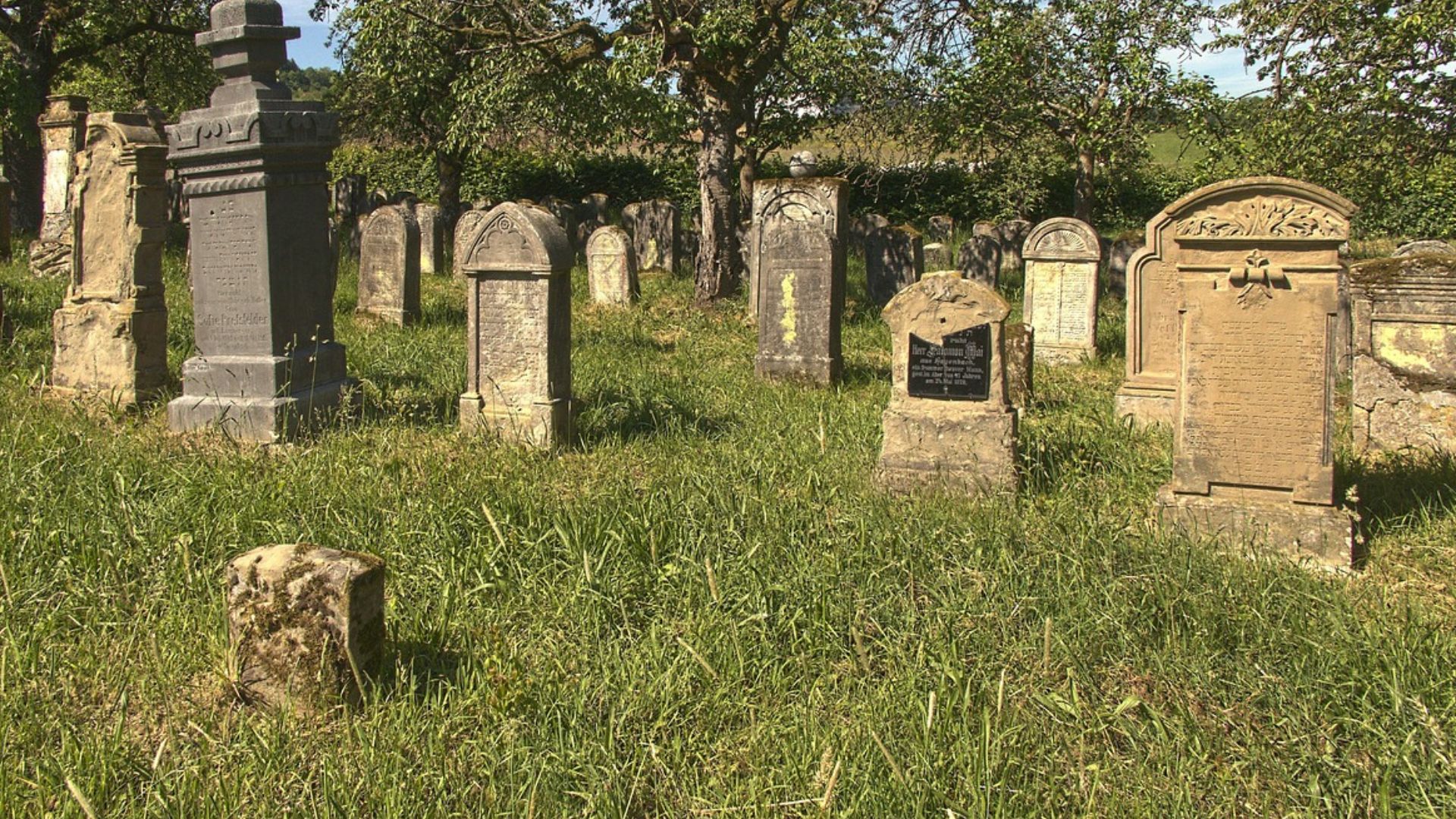
The Longobard Cemetery
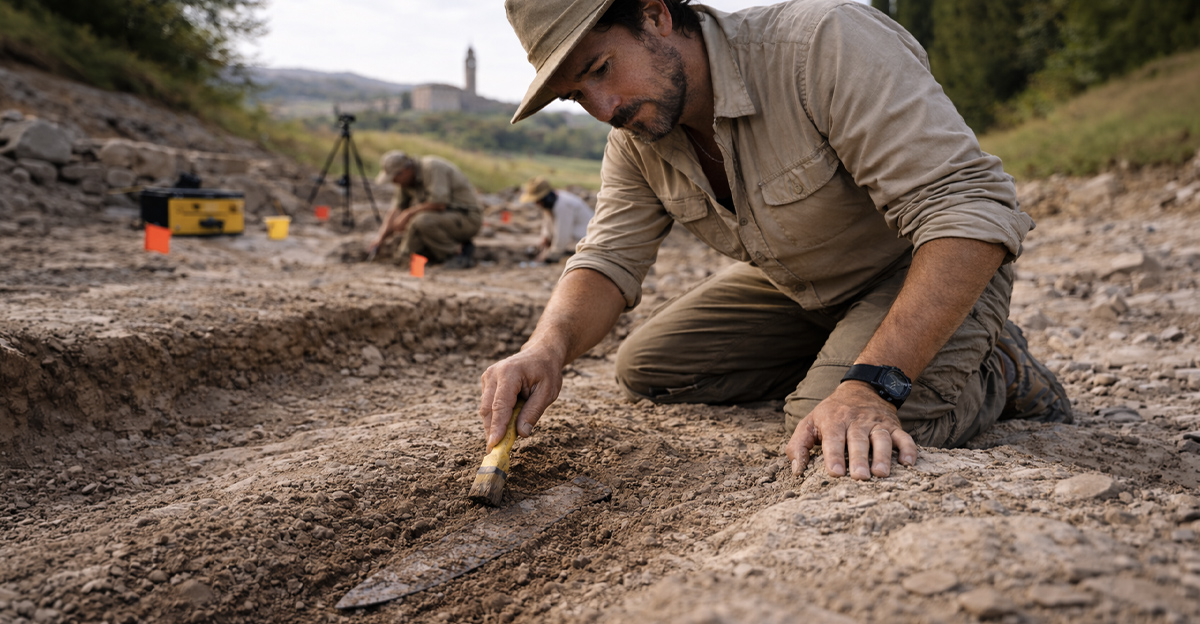
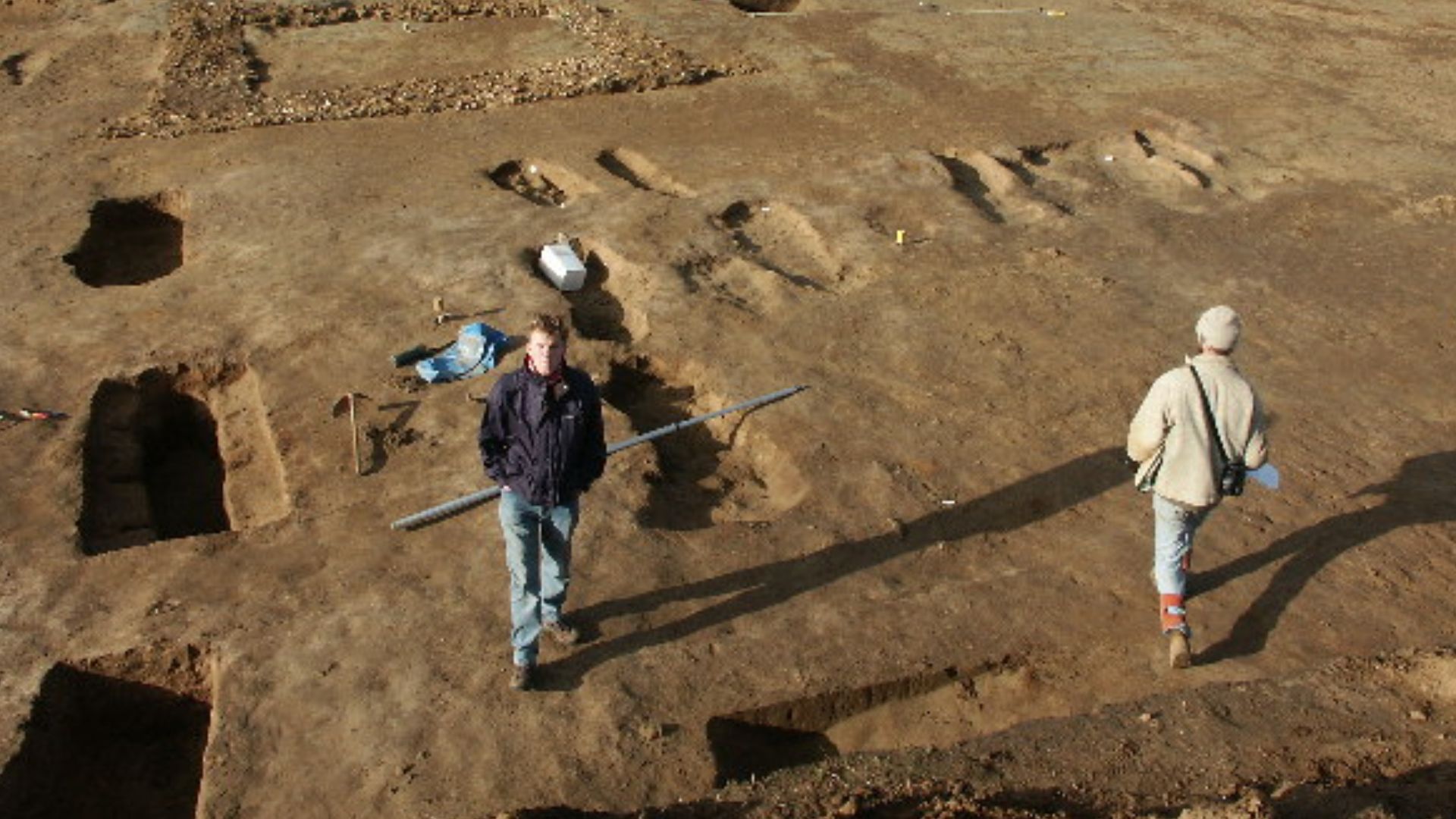
The burial site, excavated in the Veneto region near Verona, contained at least 160 tombs dating from the early medieval period, roughly the 6th to the 8th centuries AD. Most were adults buried with weaponry or animals, typical of Longobard warrior culture.
Skeleton T US 380
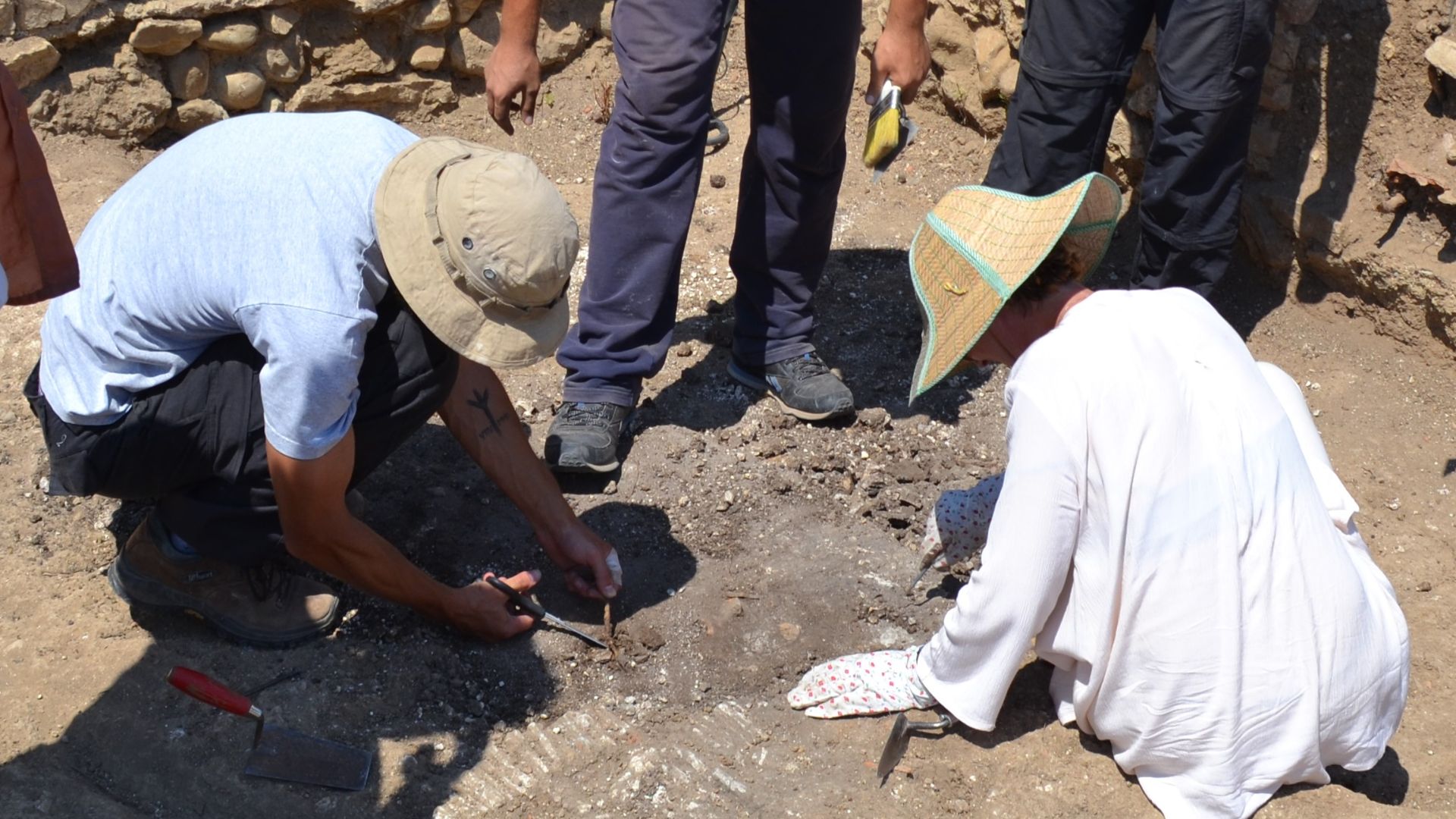
Among these remains, researchers labeled one intriguing skeleton “T US 380”. It belonged to a male who appears to have lived into his 40s or 50s, which was considered relatively old for the time.
Something Unusual at the Wrist
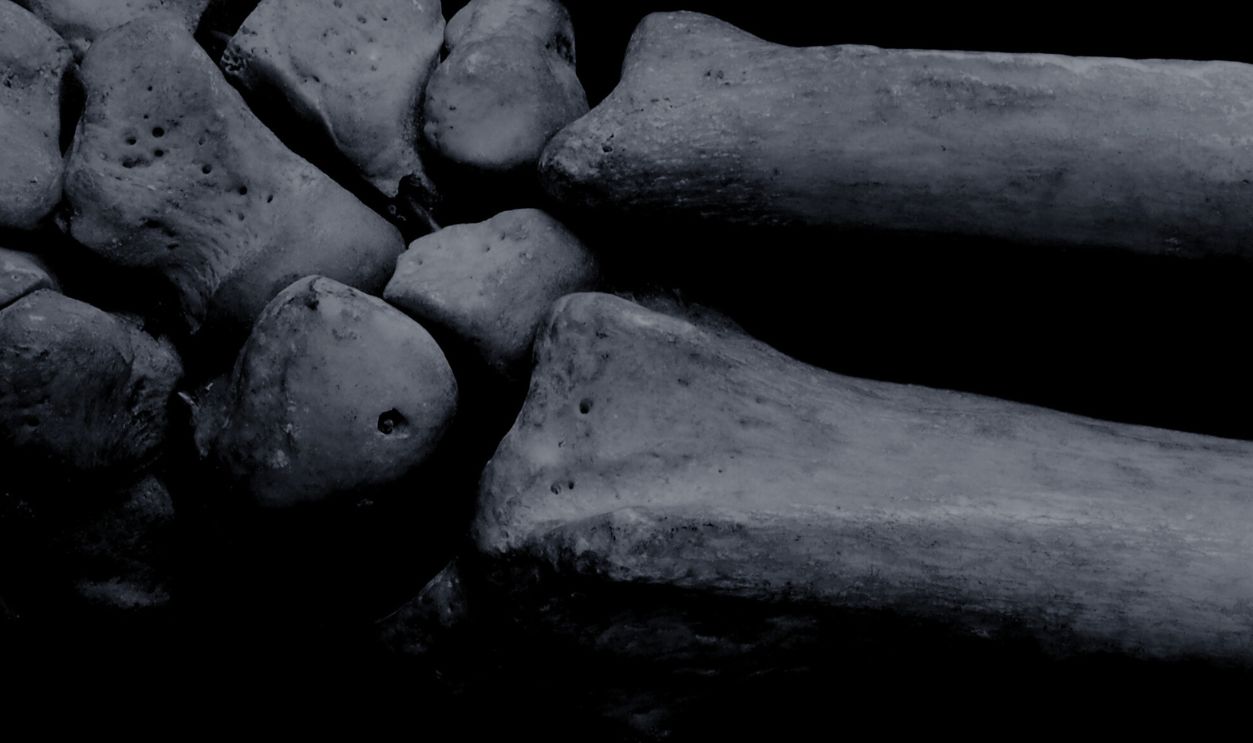
When researchers examined the skeleton, they noticed the right forearm and hand were missing—not casually lost, but amputated. The bone ends showed smooth healing, indicating the man survived long after the injury.
 Brian C. Goss, Wikimedia Commons
Close to the Arm, a Knife and Buckle
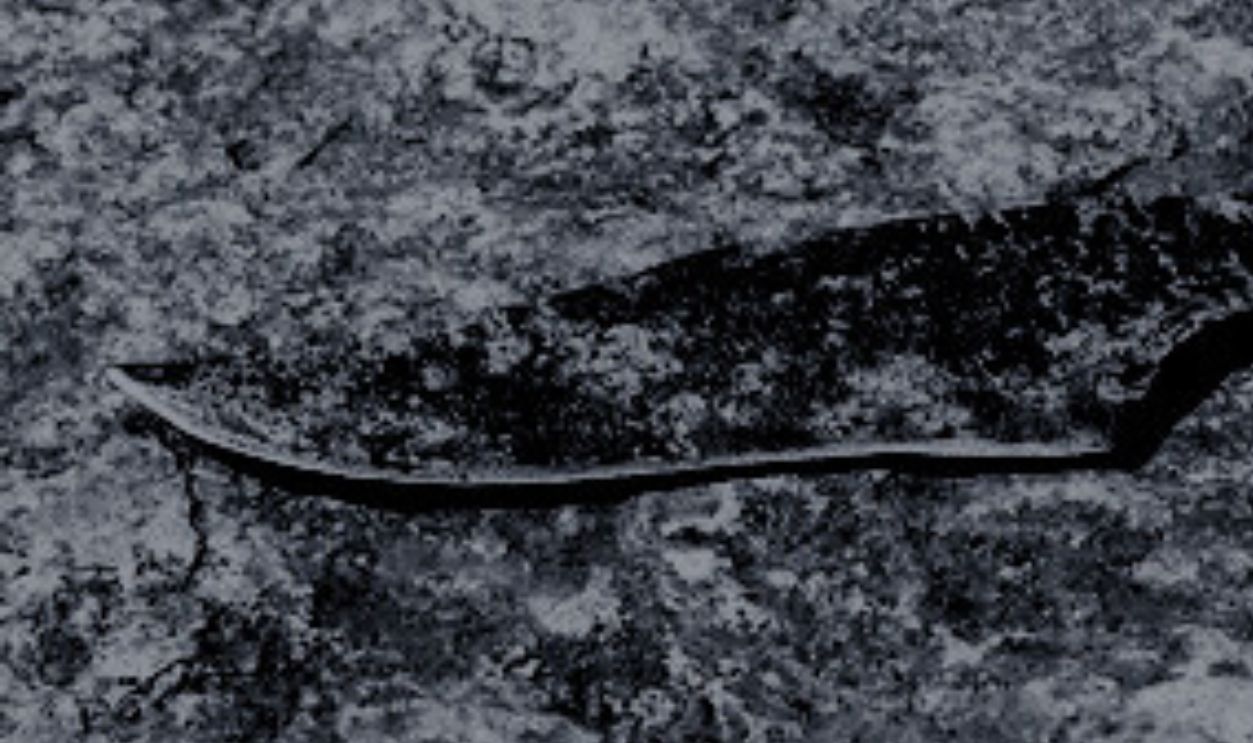
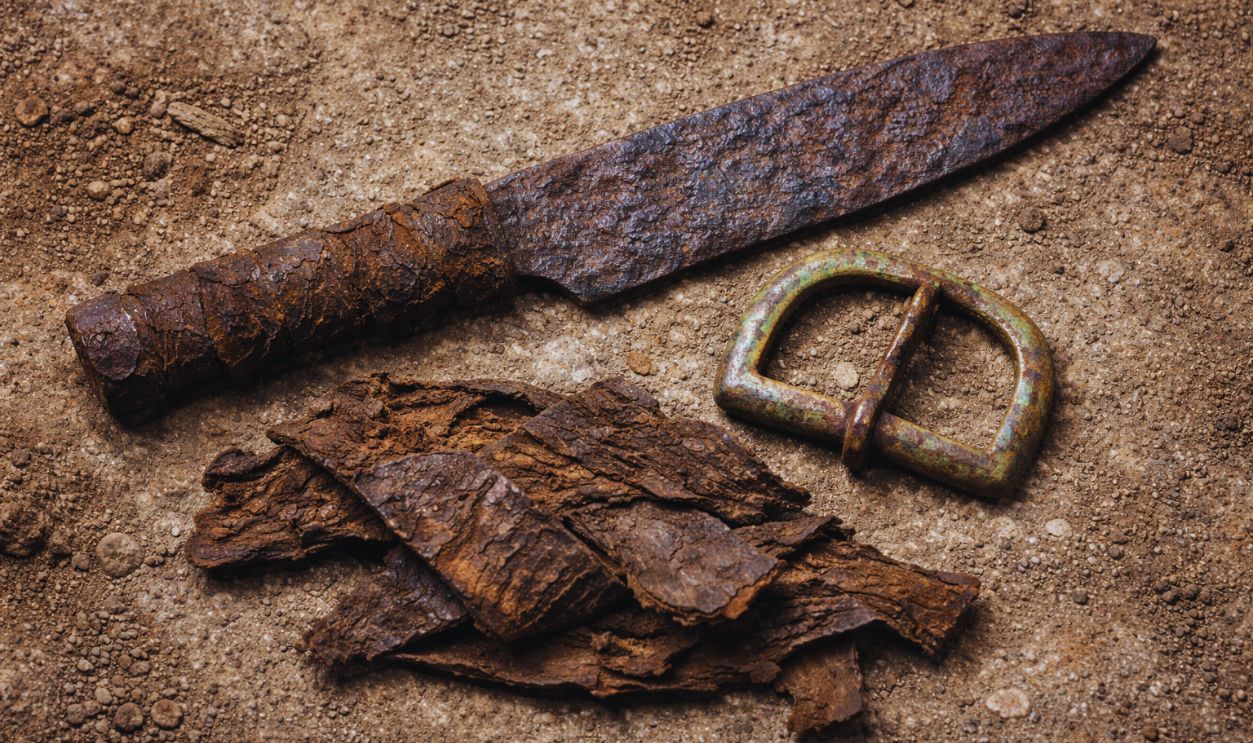
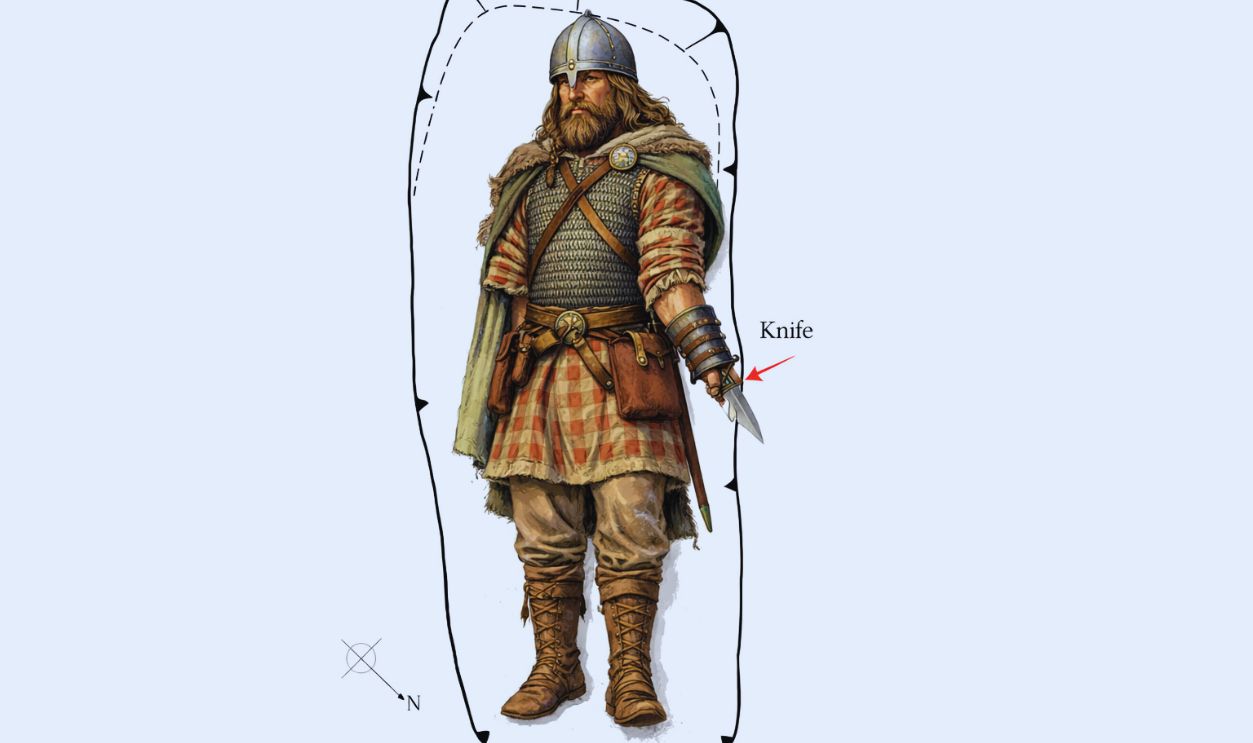
Next to the amputated forearm, archaeologists found something extraordinary: an iron knife, a D‑shaped buckle, and remnants of organic material likely leather. The items lay exactly where a hand would have been.
Evidence of a Prosthetic Device
Ileana Micarelli and colleagues from Sapienza University of Rome analyzed the burial and published their findings in the Journal of Anthropological Sciences. They concluded the knife and buckle were not just grave goods—they were part of a prosthetic device worn by the man.
How Did His Arm Go?
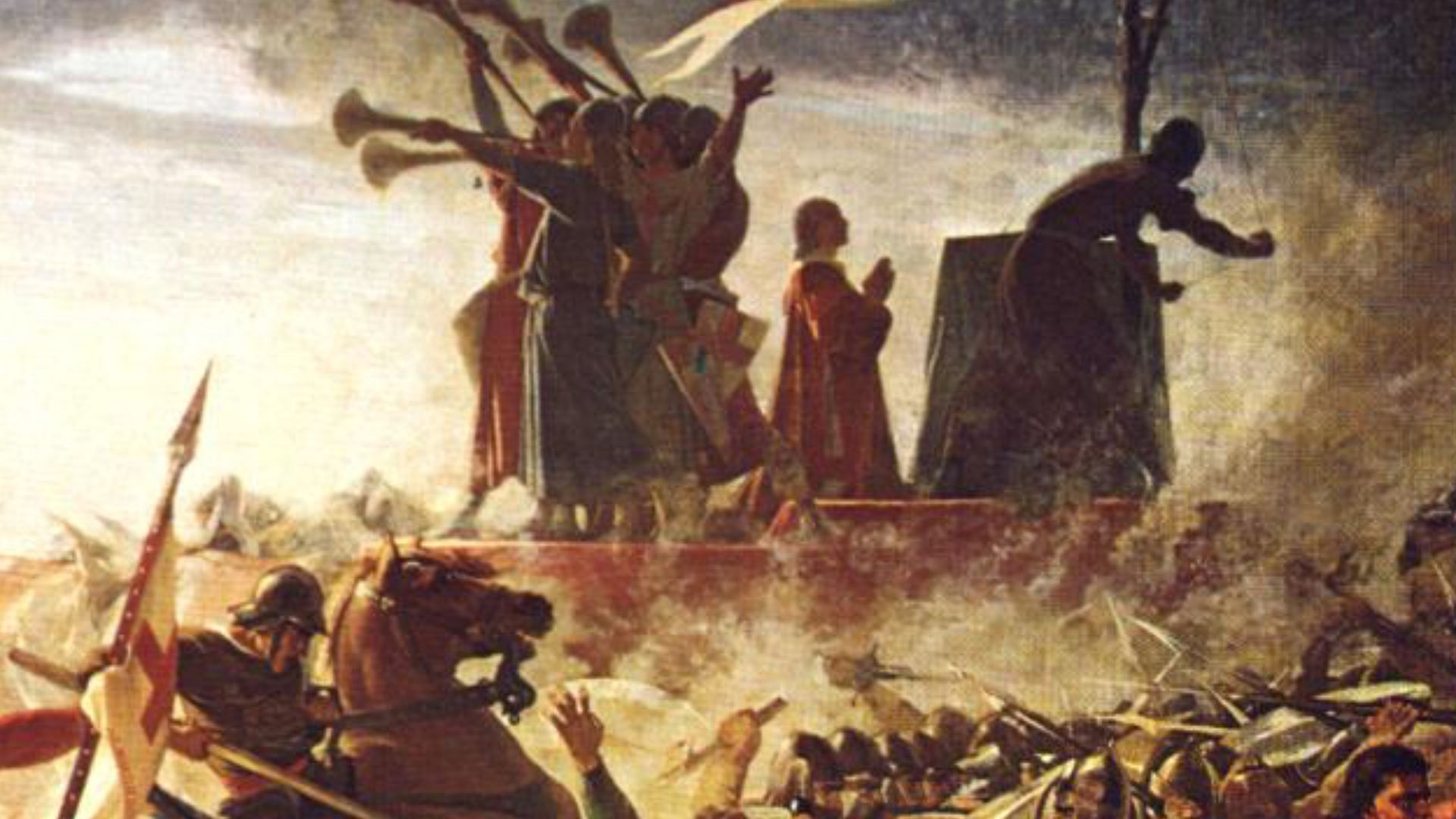
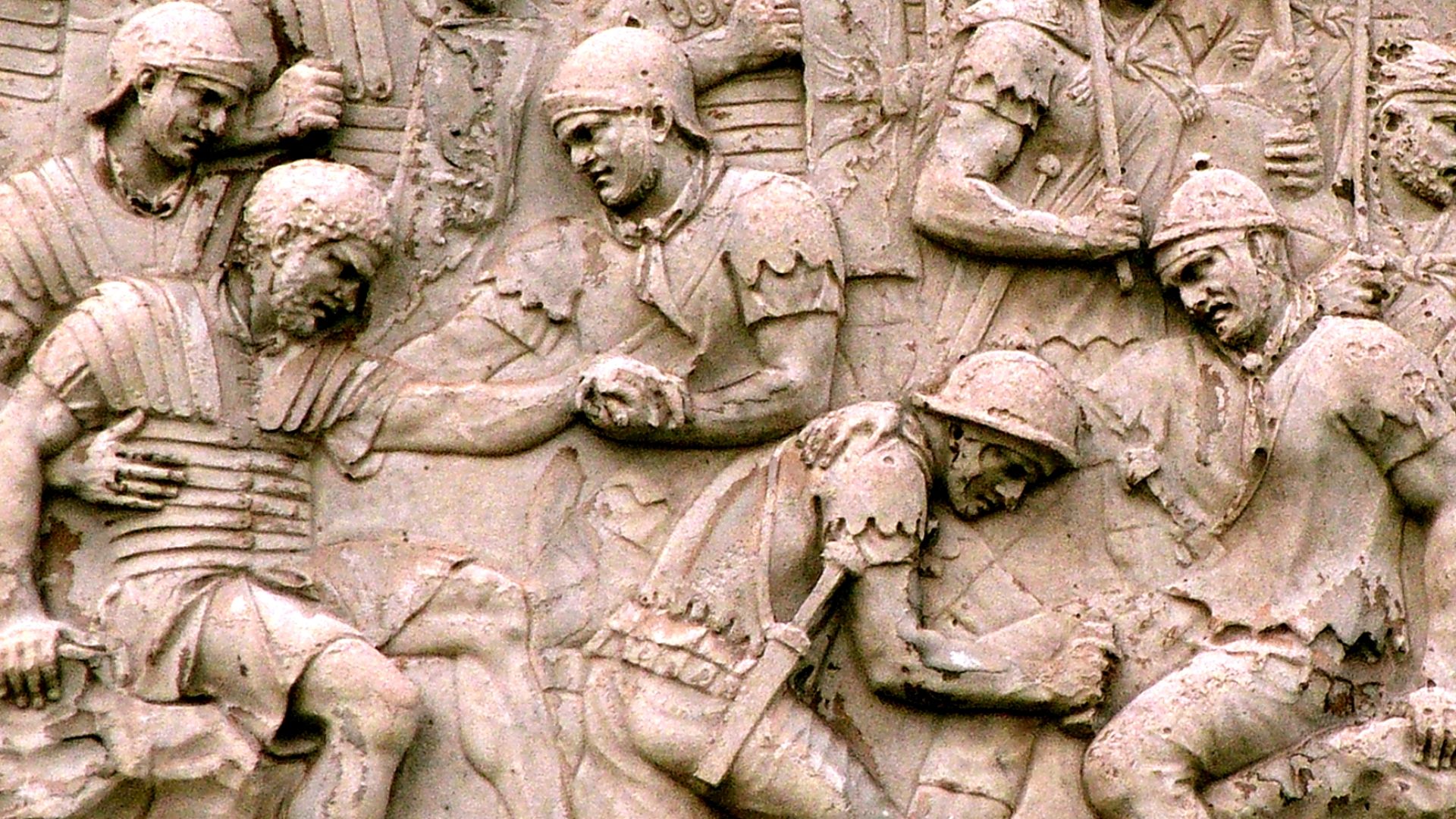
The reasons for the amputation remain unclear. Micarelli’s team suggested three possibilities: a medical amputation after an unhealable fracture, loss in combat, or even judicial punishment, which occasionally occurred among Germanic peoples.
 The original uploader was Faberh at Italian Wikipedia., Wikimedia Commons
Survival Without Antibiotics
What makes the find remarkable is that this man lived for years after losing his hand—long before modern antibiotics or sterilization. That implies not just resilience but a supportive community and medical care around wound management.
Bone Clues Tell a Story
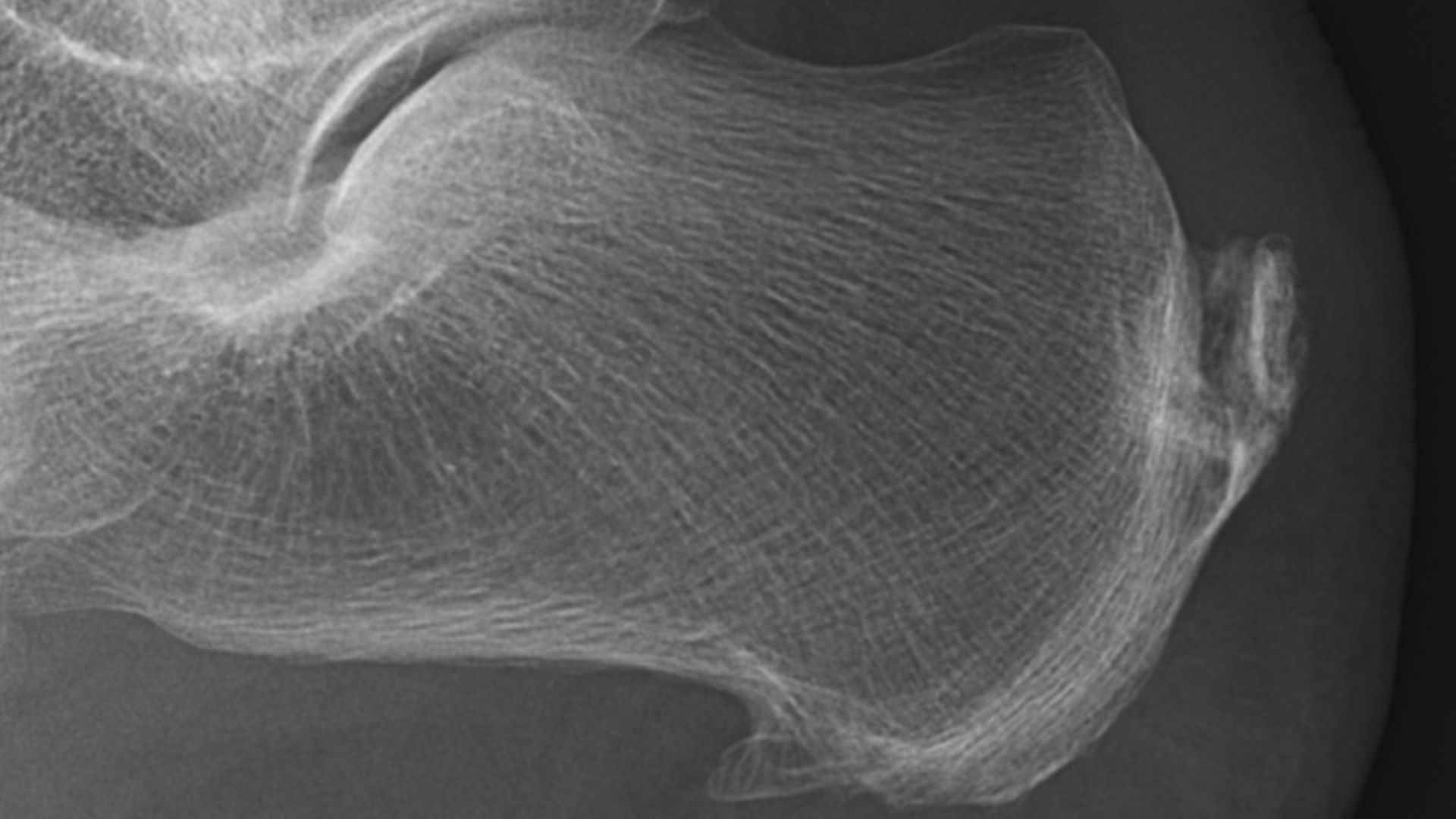
The ends of the amputated bones developed calluses and bone spurs, signs of biomechanical pressure—something was repeatedly attached to the stump. This strongly suggested a prosthetic had been used over time, not just placed once at burial.
 Mikael Häggström, Wikimedia Commons
Killer Clue: His Teeth
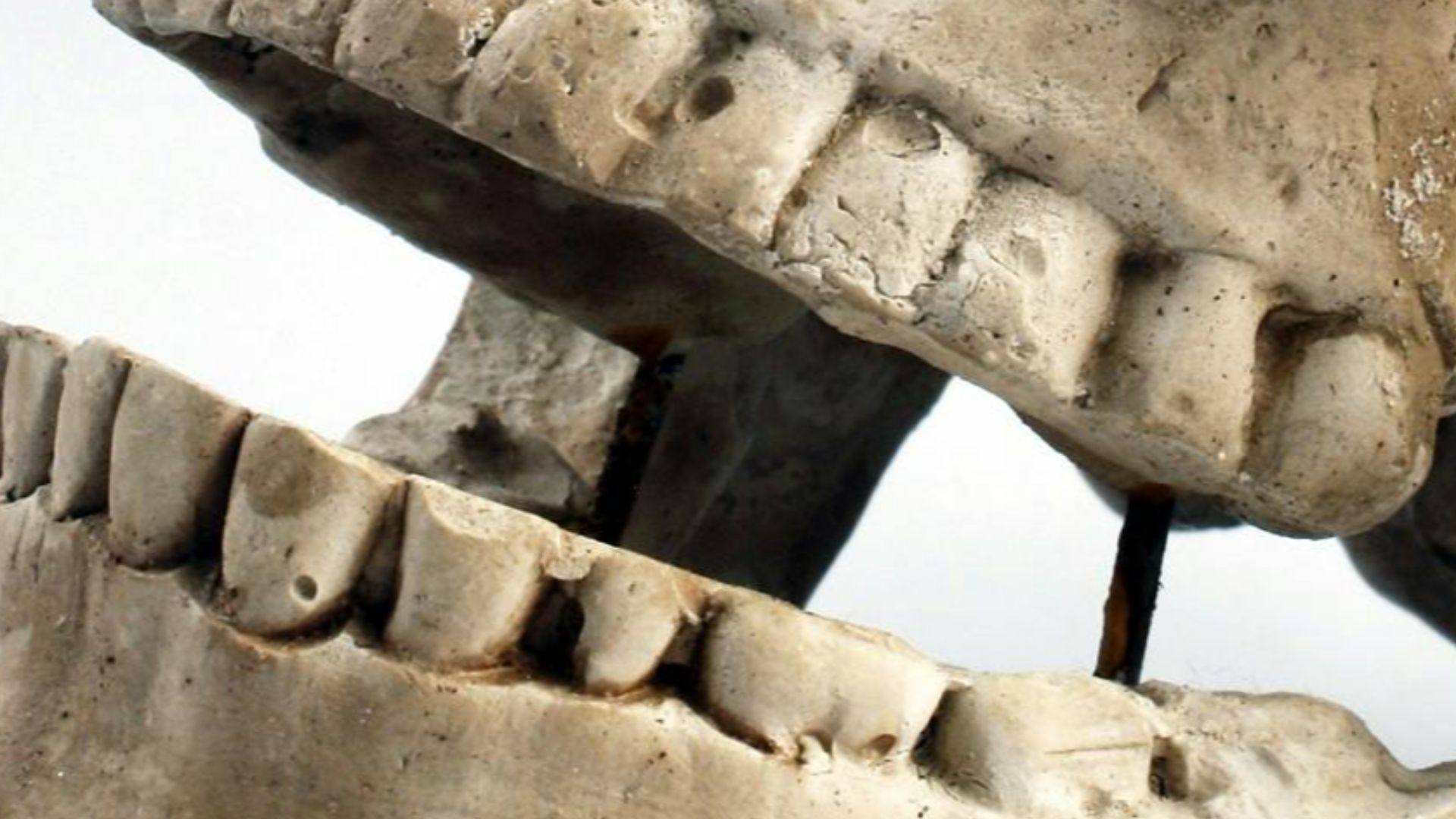
Oddly, the man’s teeth offered another clue. Wear was far more pronounced on the right side of his mouth, including enamel loss. Researchers believe he used his teeth to tighten the prosthetic’s leather straps, suggesting repeated daily use of the device.
Shoulder Changes Support the Theory
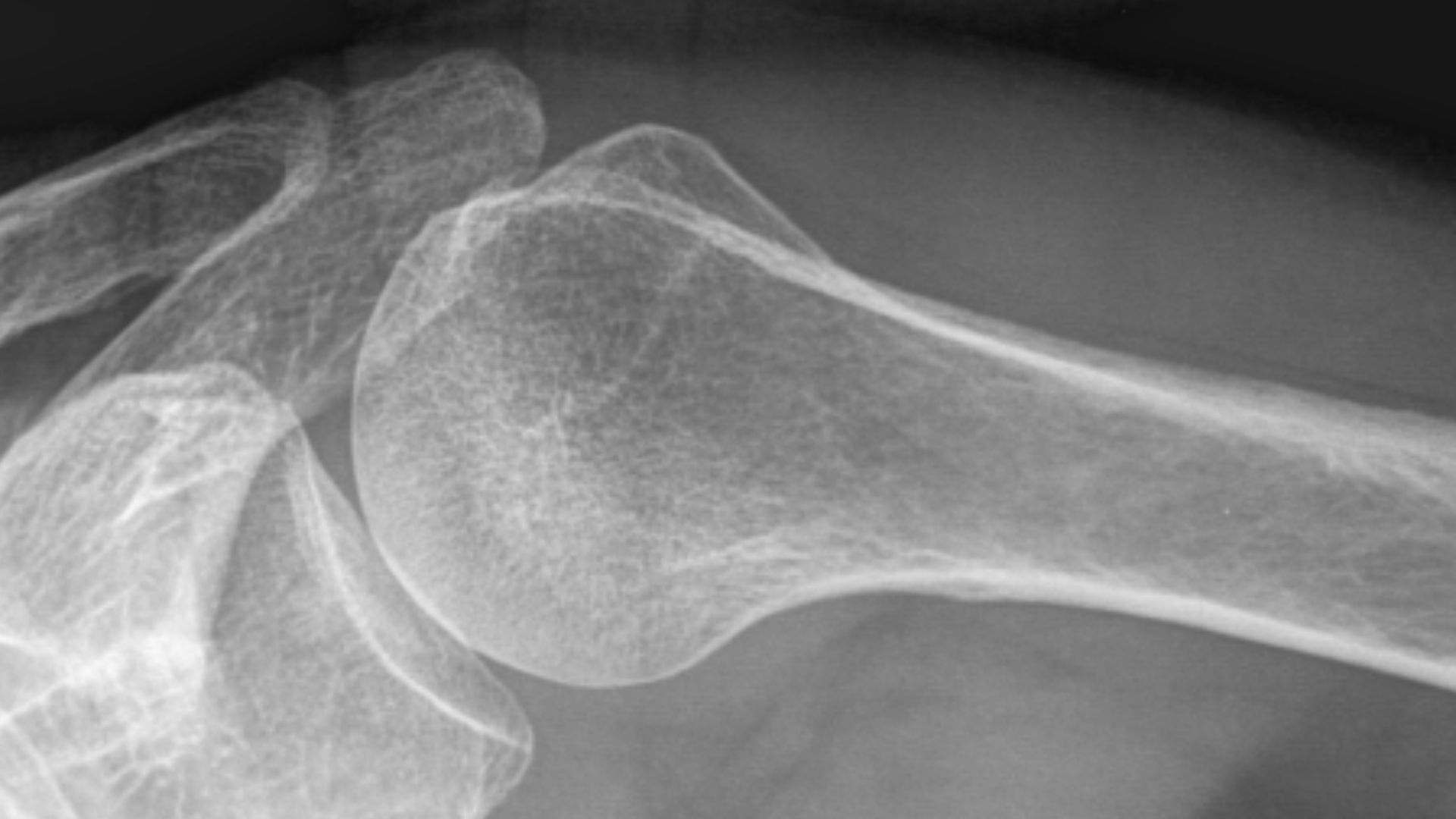
His shoulder bones also told a tale. A distinctive C‑shaped ridge on the left shoulder could have resulted from unusual positioning needed to grip and strap the prosthesis, adding further support to the idea he lived with the device.
A Knife Made Functional
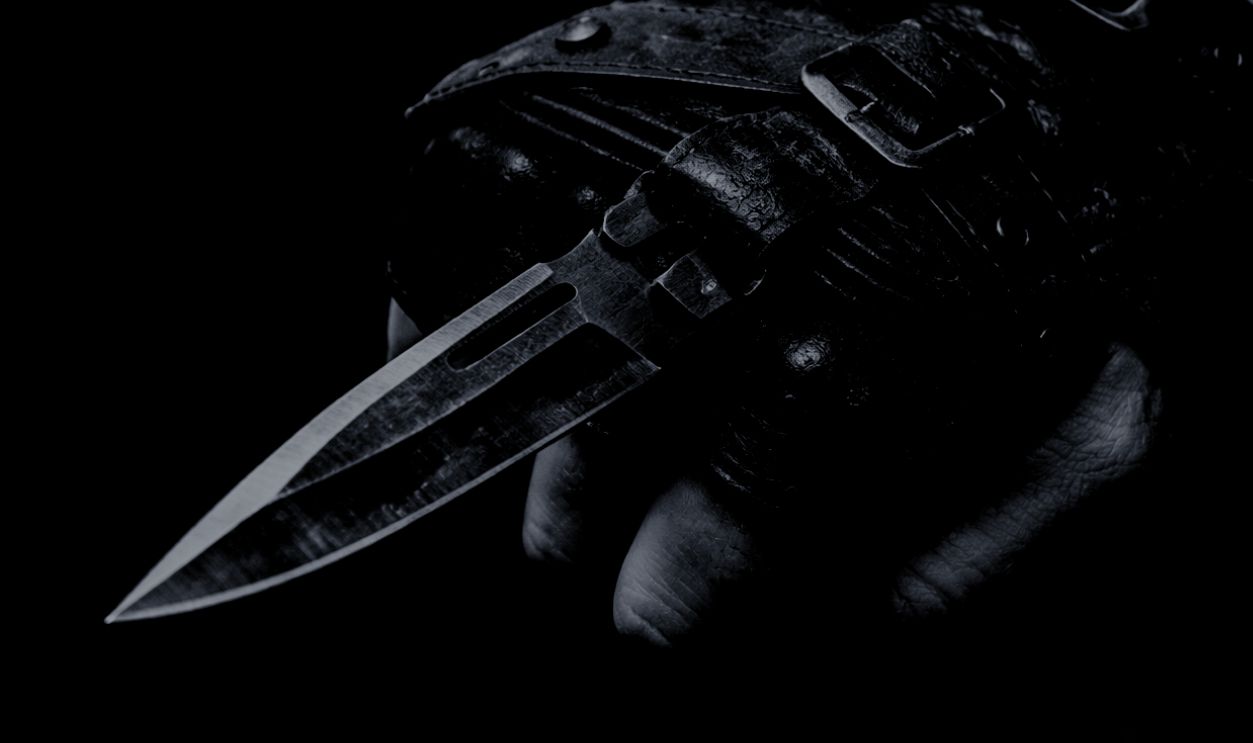
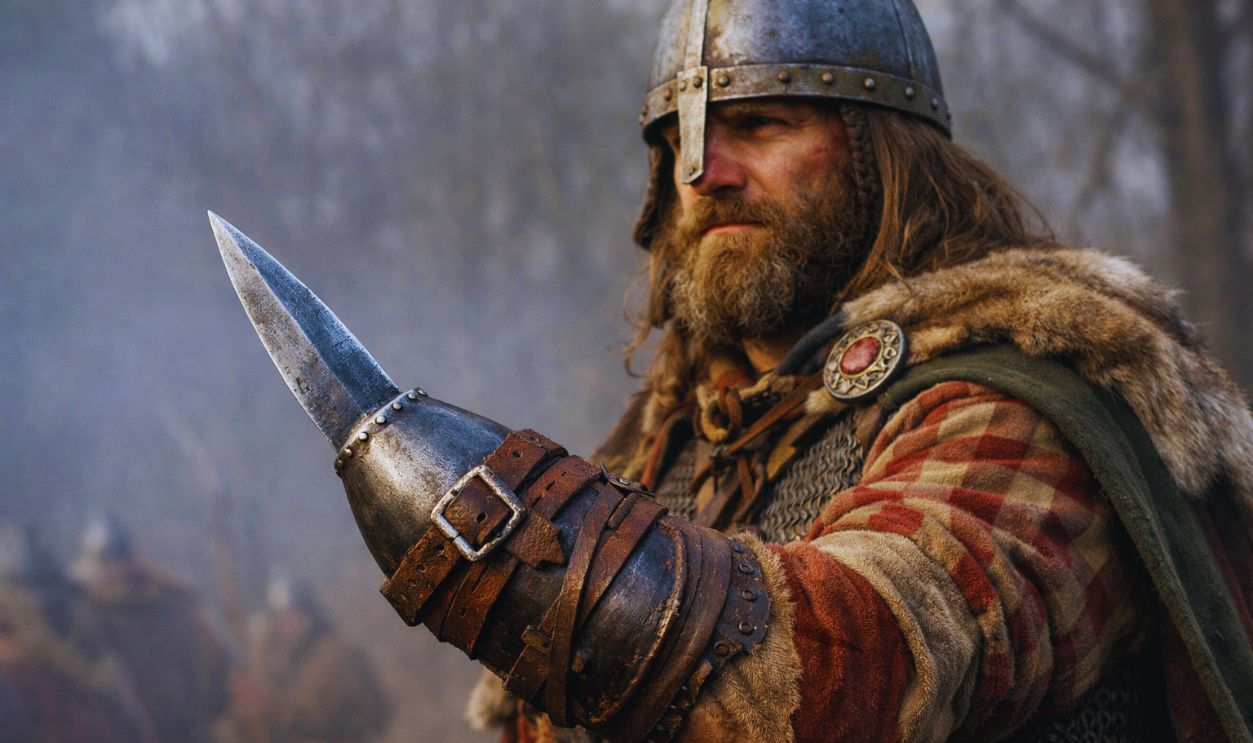
Based on the archaeological evidence, Micarelli’s team proposed the prosthesis likely consisted of a cap placed over the stump, fastened by leather straps and the metal buckle, with a knife blade attached. Whether it was used for self‑defense, daily tasks, or both is difficult to say.
The Burial Stance Was Unique
Unlike other burials in the necropolis, where weapons rested at the sides, this man was interred with his right arm bent and laid across his torso, the knife aligned with the amputated wrist. That singular arrangement highlighted his distinct life story.
 Dave Hitchborne, Wikimedia Commons
Life With a Prosthetic in Medieval Europe
Surviving such an amputation in the early medieval period was rare. The fact that this man not only lived but adapted to using a prosthetic blade offers insight into the medical knowledge and community support of Longobard society.
Warrior Culture and Adaptation
The Longobards were a Germanic people known for their martial traditions. Micarelli’s team noted that loss of limb in combat was possible, and the integration of a prosthetic—especially one incorporating a weapon—reflected both practical need and cultural symbolism.
 AnonymousUnknown author, Wikimedia Commons
A Neolithic Weapon, Human Will
Far from fictional portrayals like Captain Hook, this real warrior used ingenuity to cope with a severe disability. His body preserved evidence of technology, willpower, and adaptation long before modern prosthetics were invented.
A Testament to Survival
The skeleton of T US 380 is more than a curiosity. It is a testament to the human capacity to survive severe injury and adapt physically, socially, and emotionally within a community that cared for him.
Rethinking Medieval Medicine
Researchers wrote that the survival of this Longobard male testifies to community care, family compassion and a high value given to human life, highlighting that even in pre‑antibiotic eras, people found ways to heal and thrive.
 Pietro della Vecchia, Wikimedia Commons
Archaeology Beyond Bones
This discovery shows how much stories can be told from the interplay of bones, burial arrangement, artifacts, and wear patterns. Each piece helped archaeologists reconstruct a life lived in hardship and ingenuity.
 Son of Groucho from Scotland, Wikimedia Commons
Sword or Strap—Piecing Together the Prosthesis
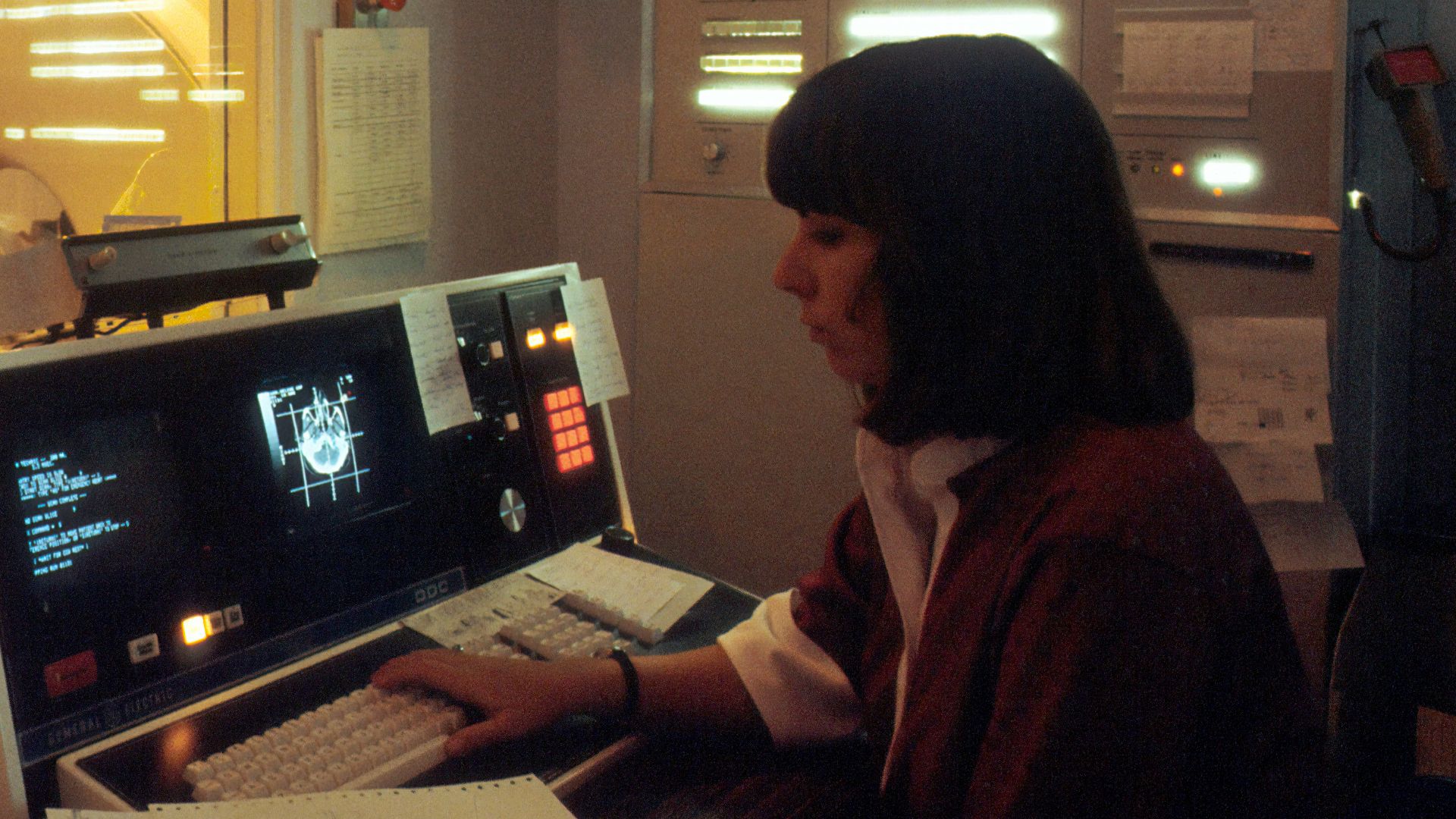
Scientists used CT scans, bone microstructure analysis, and careful mapping of burial context to understand how the knife was attached. Tiny traces of organic material, likely leather, helped fill in the details.
 National Cancer Institute, Unsplash
The Importance of Context
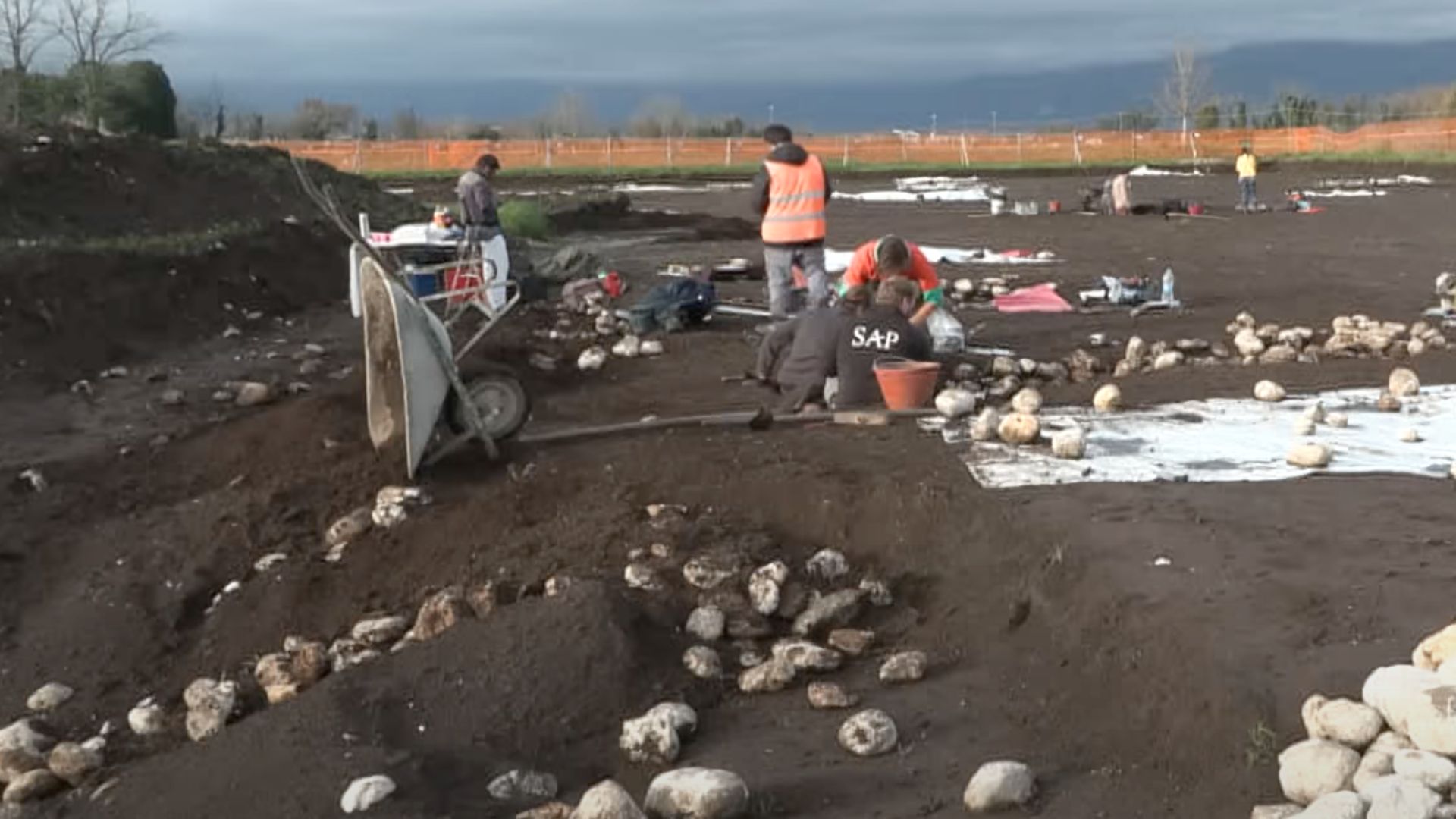
Without the necropolis’s broader excavation, this unique burial might have been overlooked. The careful recording of the burial position, associated items, and comparison with other tombs was crucial to interpreting the find.
A Warrior’s Life Preserved in Stone
Today, T US 380 offers archaeologists and the public a rare glimpse into medieval life, medicine, and resilience. His skeleton stands as a bridge between past practices and the universal human will to adapt and survive.
You May Also Like: