The Last Stronghold Of Isis And Osiris
If you had traveled to Egypt in the fifth century CE, you would have found something surprising. While most of the country had already shifted toward Christianity, the ancient gods were still being worshipped at one place: Philae. This island temple complex near the southern border of Egypt became the last major center of traditional Egyptian religion. What makes the story even more interesting is that this survival was largely due to Nubian rulers and communities who, while once denigrated by the Egyptians, continued to support rituals dedicated to Isis and Osiris long after those practices had faded elsewhere.
 Esra'a Majdy, Wikimedia Commons, Modified
A Sacred Island At The Edge Of Egypt
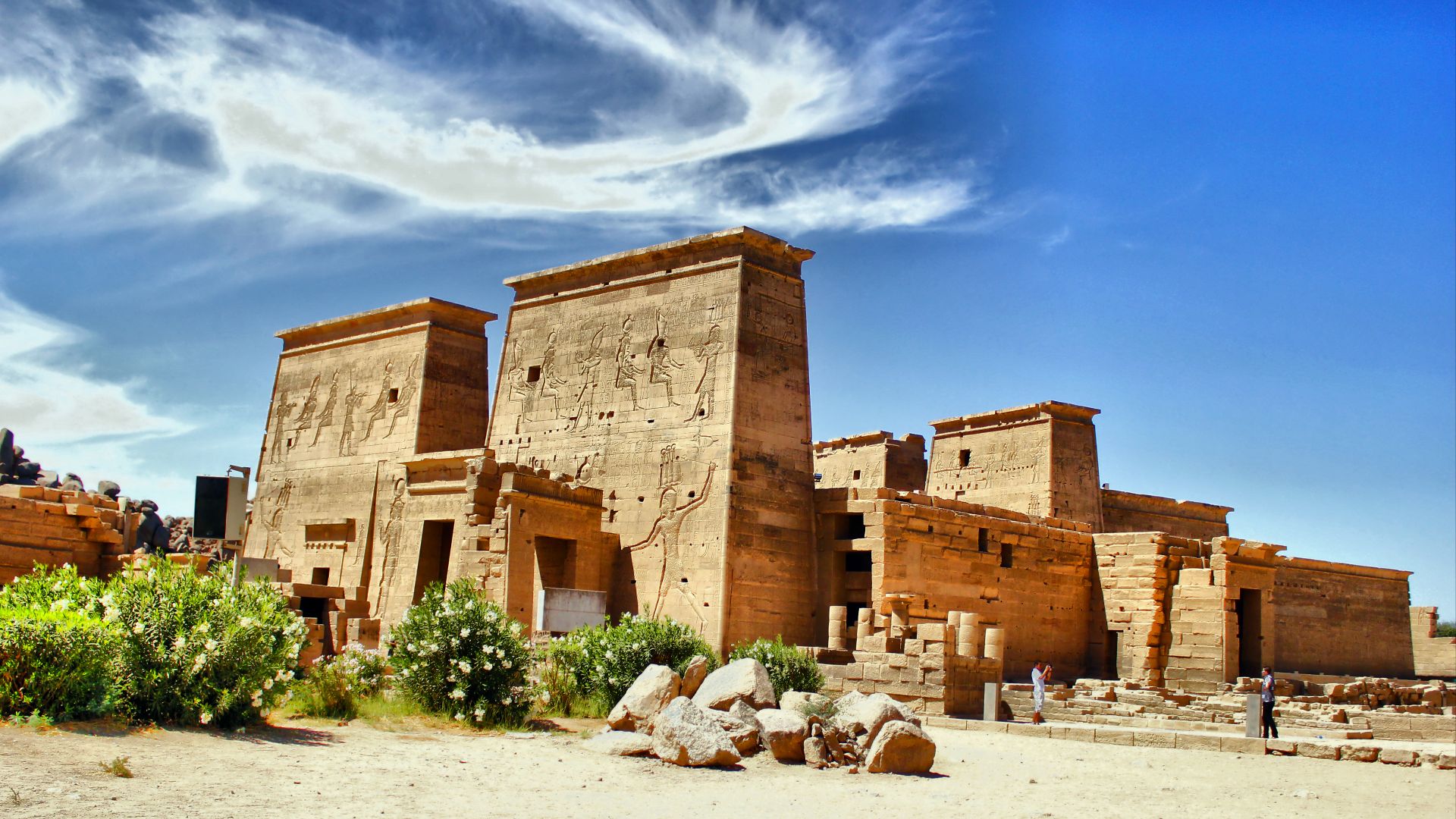
Philae sits near the First Cataract of the Nile, close to what was historically the boundary between Egypt and Nubia. Its location placed it in a natural cultural crossroads, where Egyptian and Nubian traditions could mix and influence one another. Because of this, the island became more than just a religious site, instead turning into a meeting point where beliefs, rituals, and identities blended over time.
 M.ramadan2014, Wikimedia Commons
The Rise Of The Temple Complex
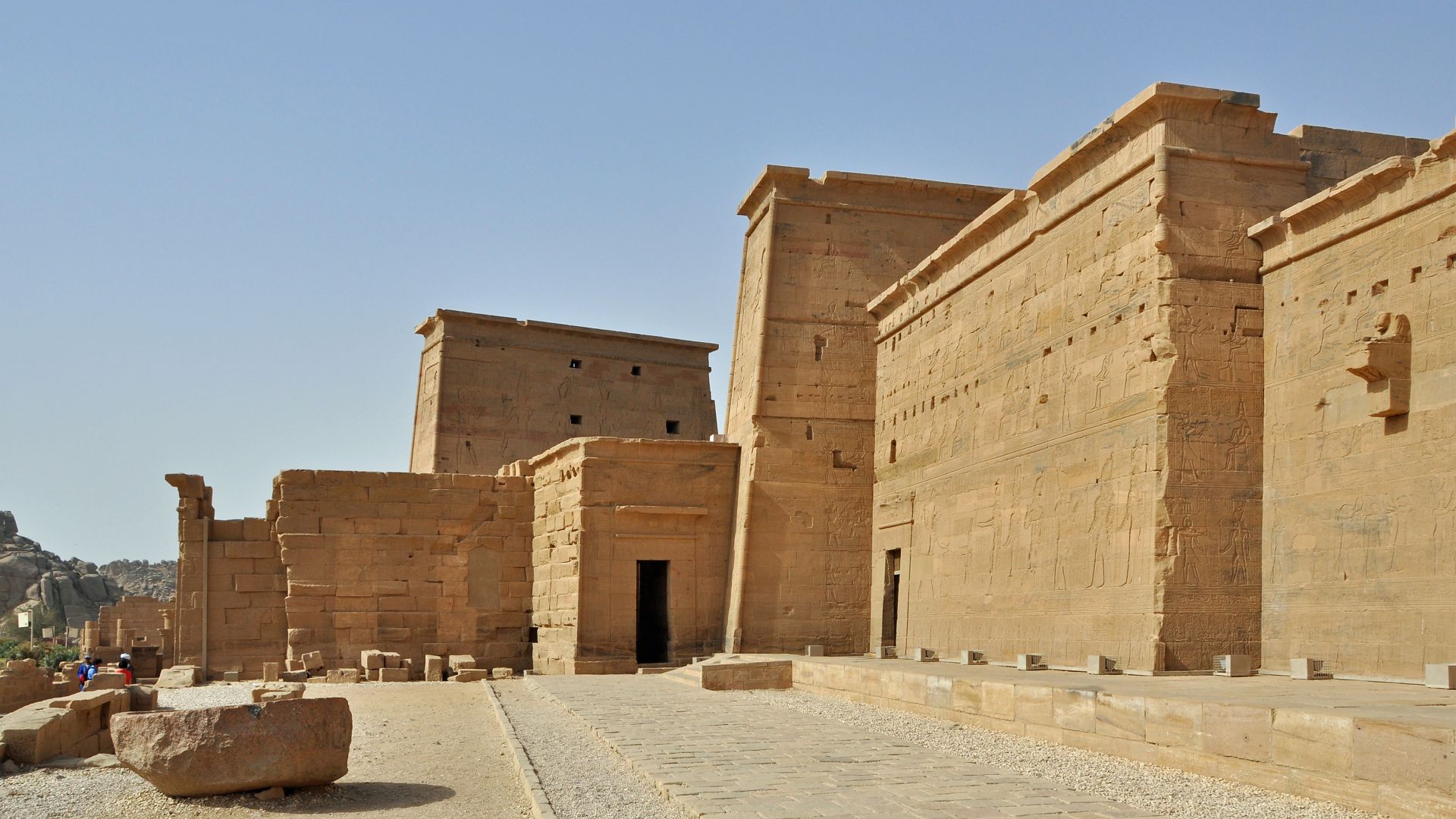
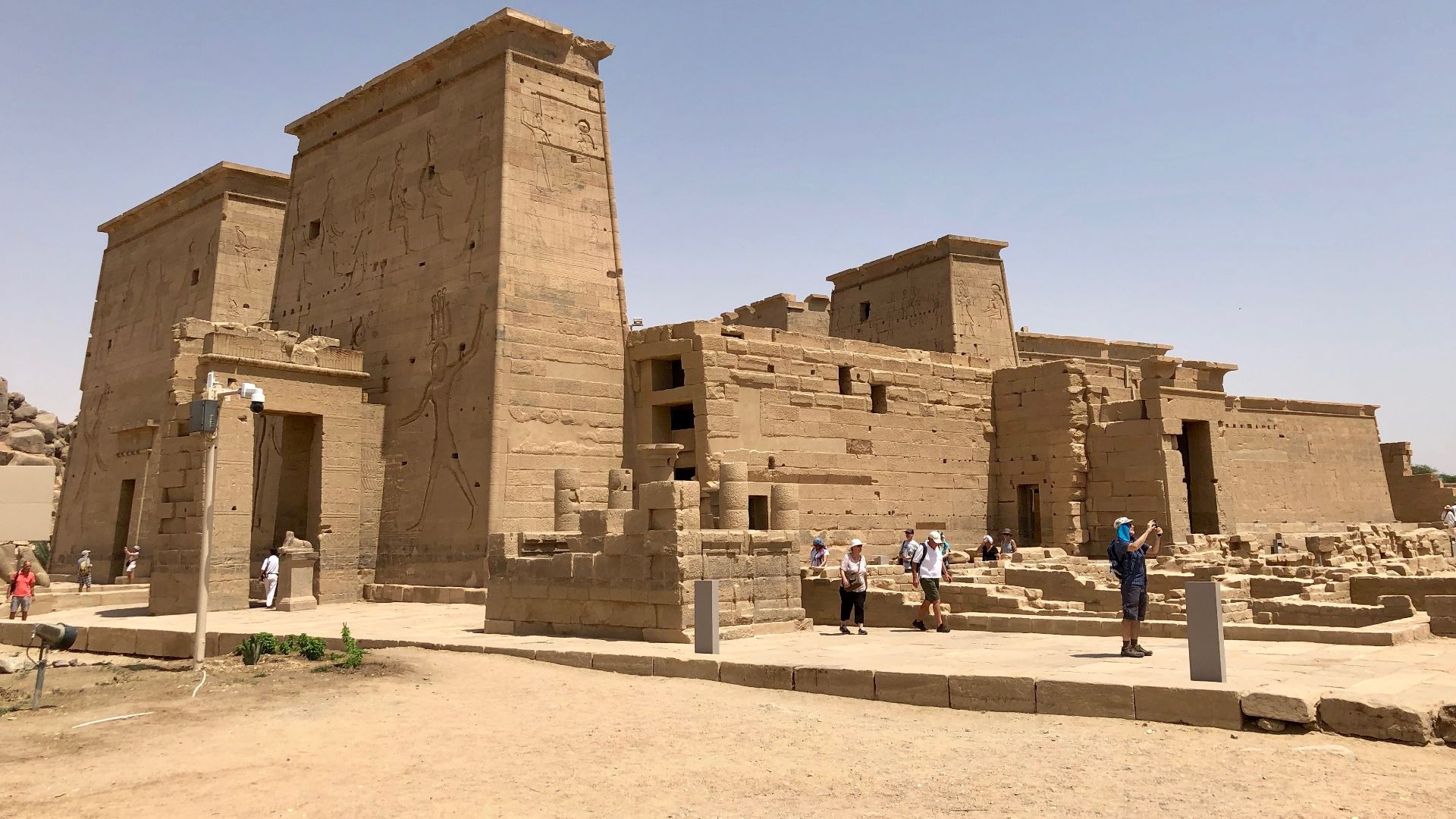
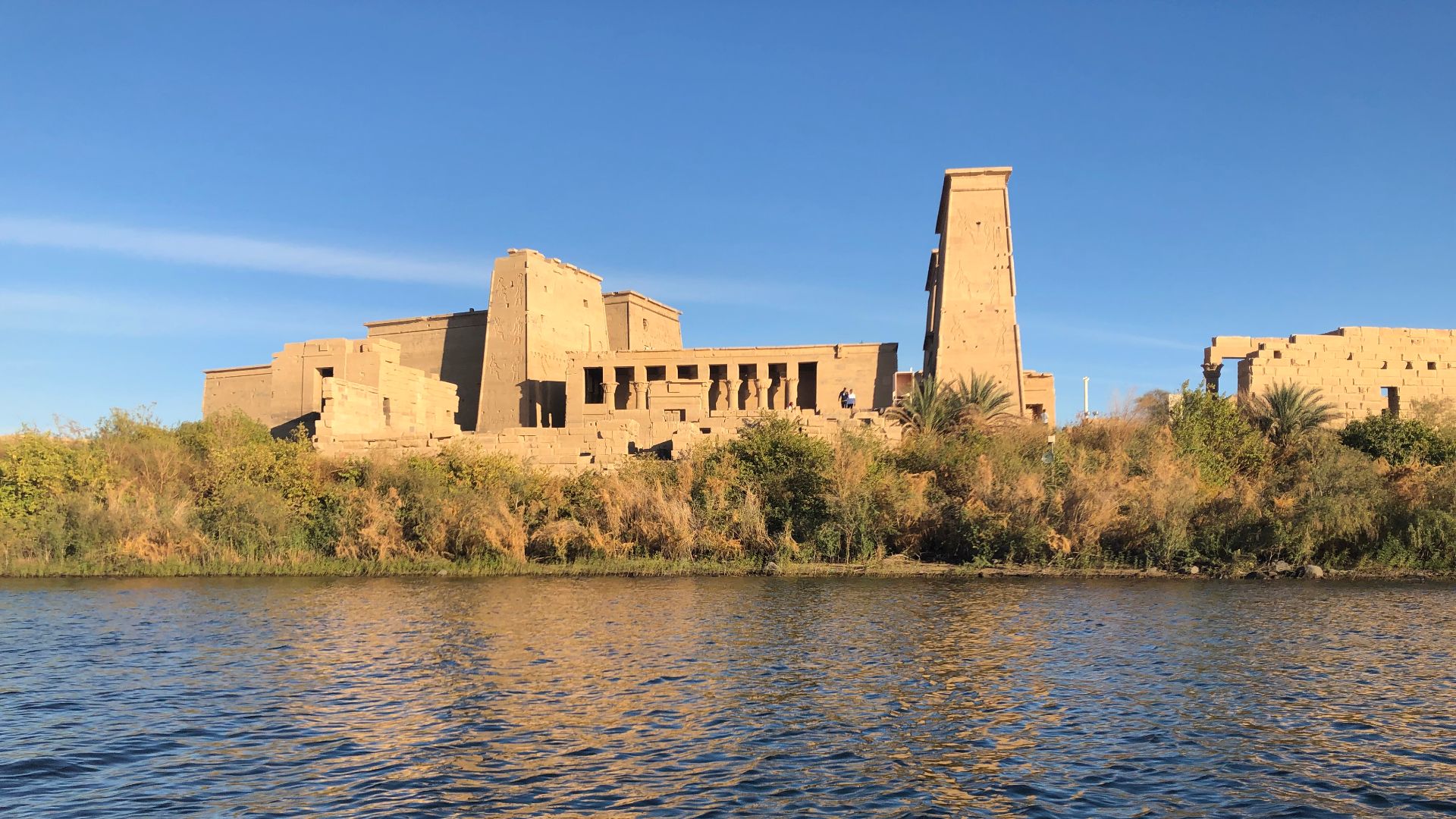
Most of the buildings at Philae date to the Ptolemaic period, when Greek rulers governed Egypt after Alexander the Great. The centerpiece of the complex is the Temple of Isis, begun by Ptolemy II in the third century BCE and expanded by later rulers. Over time, the island filled with temples, shrines, pylons, and courtyards, all focused around the worship of Isis and her divine family.
 Marc Ryckaert, Wikimedia Commons
Isis And Osiris At The Center Of Worship
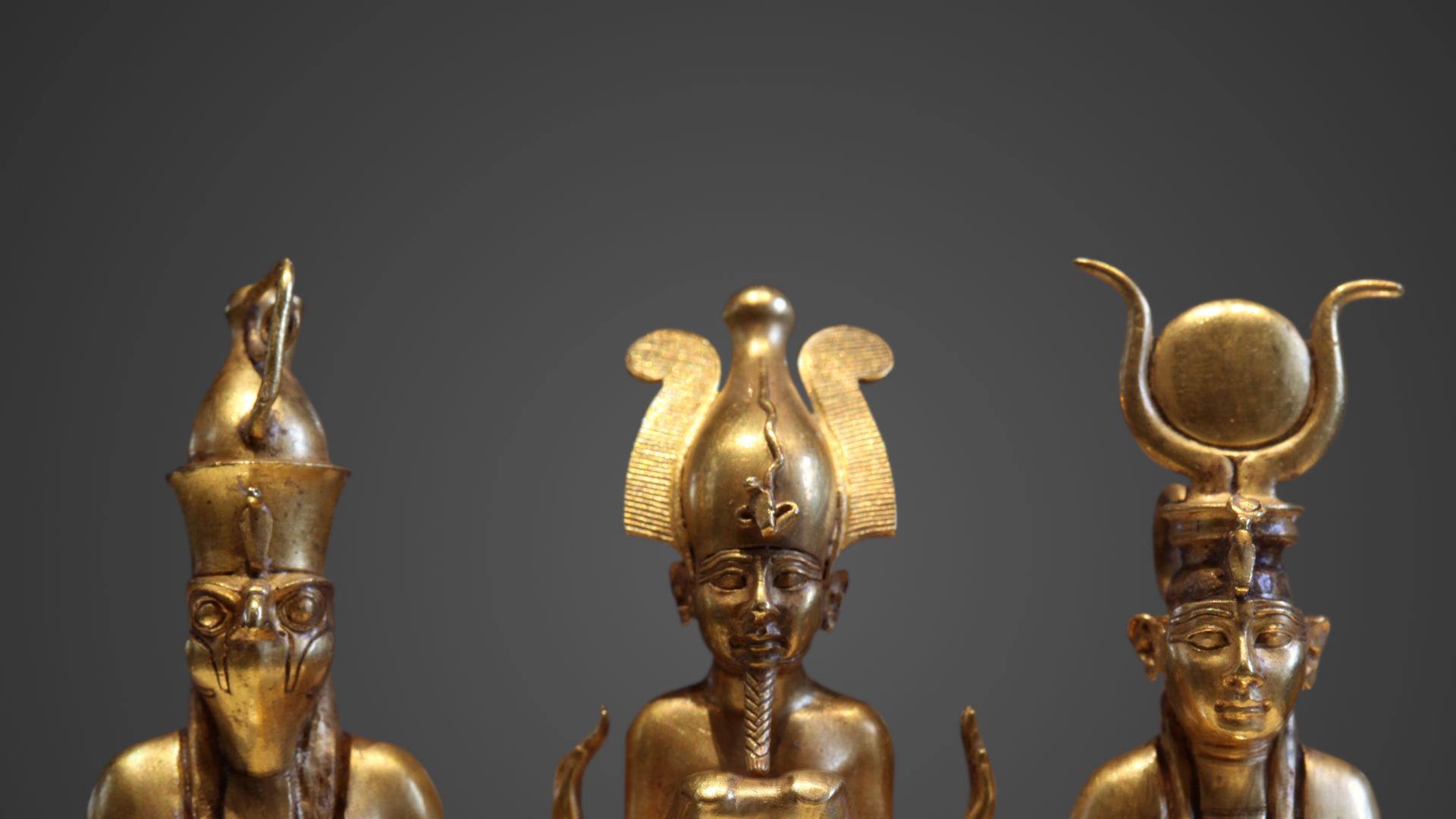
The religious life of Philae revolved around the myth of Isis and Osiris, one of the most important stories in Egyptian belief. According to tradition, Osiris was killed and dismembered, only to be restored by Isis and reborn as ruler of the underworld. This story symbolized death, rebirth, and renewal, and it shaped the rituals performed at the temple for centuries.
Stories Carved Into The Walls
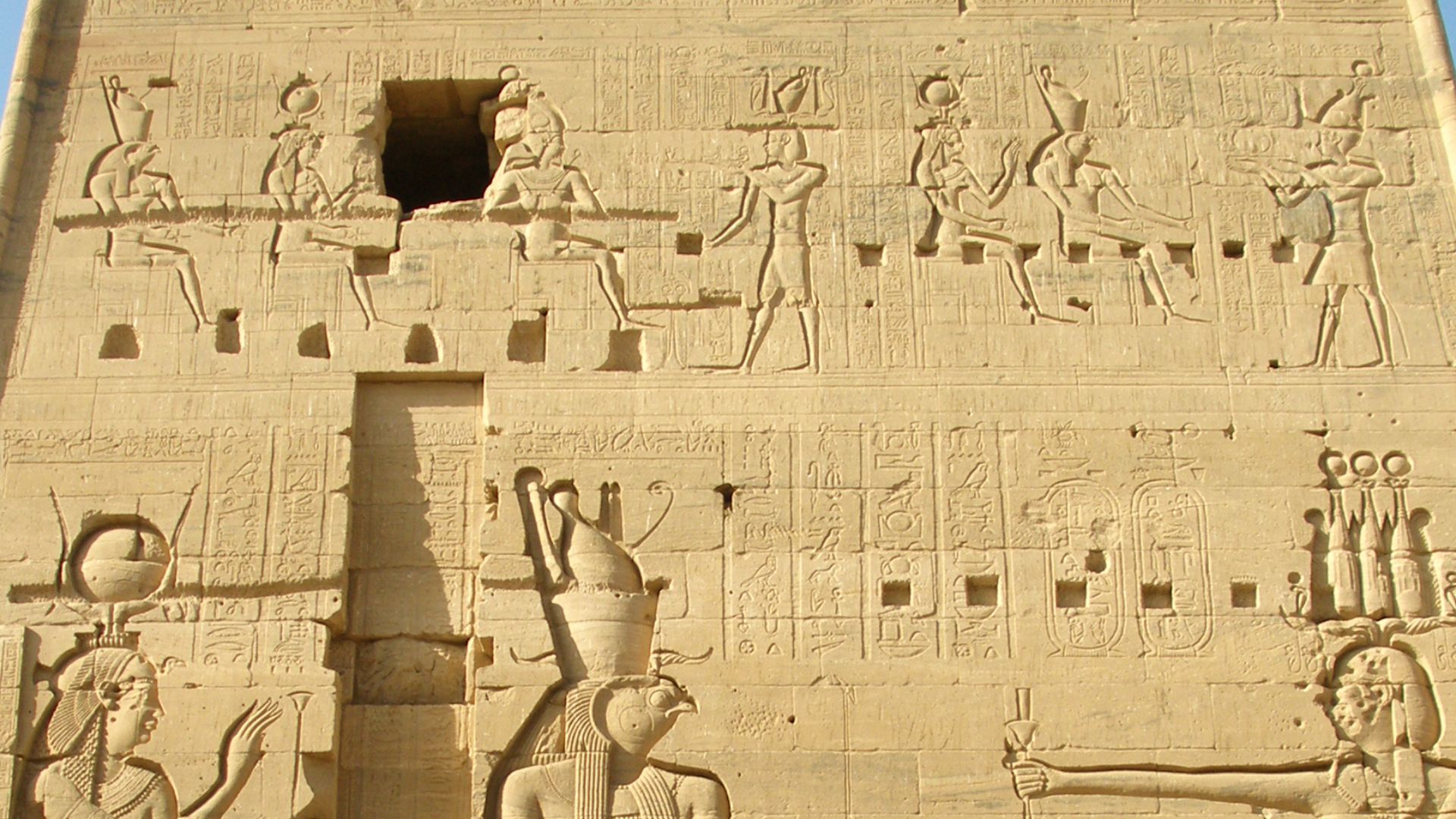
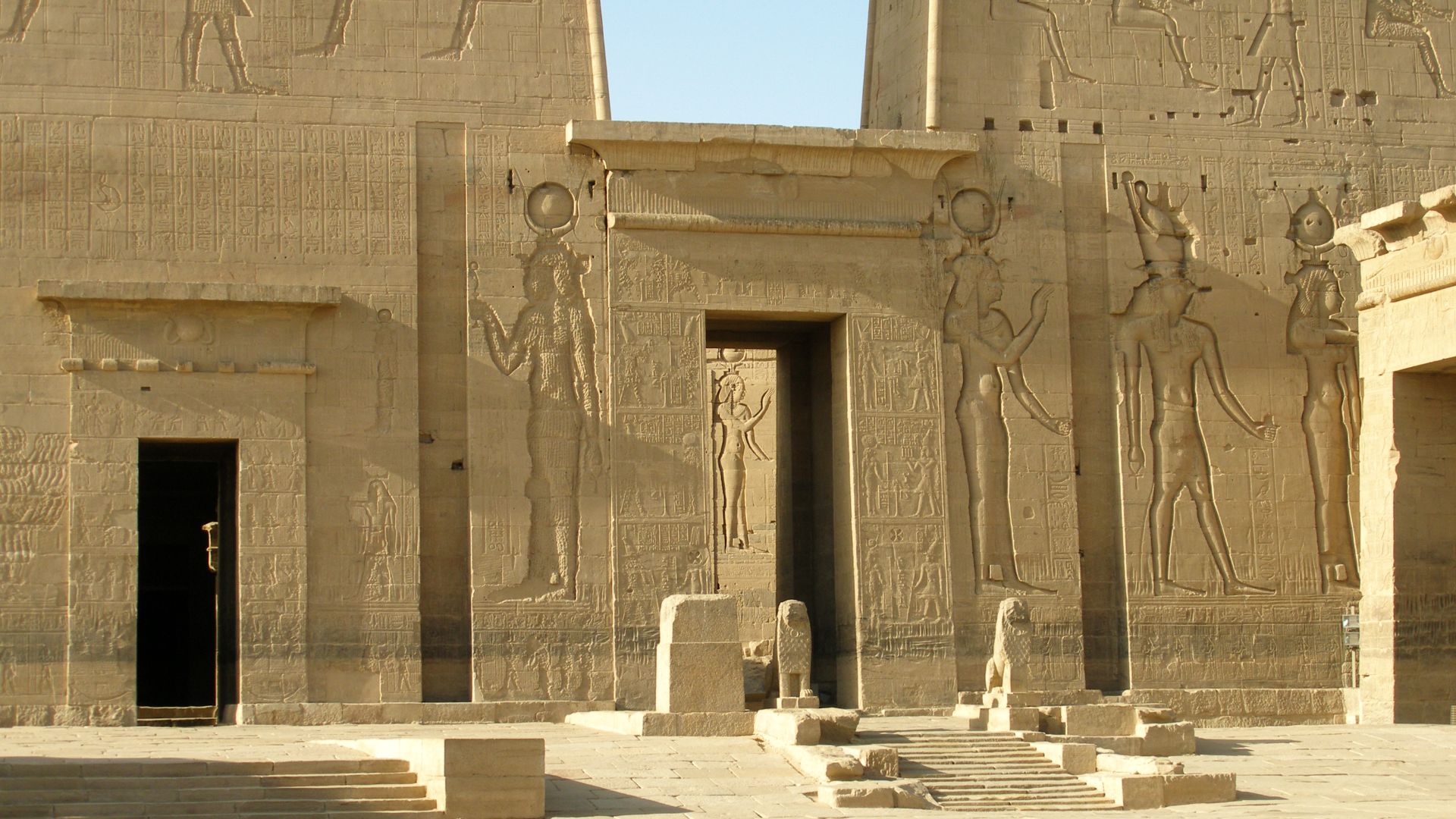
The temple walls at Philae are covered with detailed reliefs showing scenes from this mythology. In one carving, Isis is shown reassembling Osiris’s body, while in another she nurses the young Horus. More than just being decorative, these images helped communicate religious ideas visually and reinforced the rituals that took place within the temple complex.
 Vyacheslav Argenberg, Wikimedia Commons
Daily Rituals That Sustained The Gods
Temple life involved a set of daily rituals carried out by priests, including washing, dressing, and presenting offerings to the cult statues. These acts were believed to sustain the gods and maintain cosmic balance. At Philae, these practices continued long after they had disappeared from other parts of Egypt, thanks in large part to Nubian involvement.
 Vyacheslav Argenberg, Wikimedia Commons
Egyptians And Nubians: A Complicated Relationship
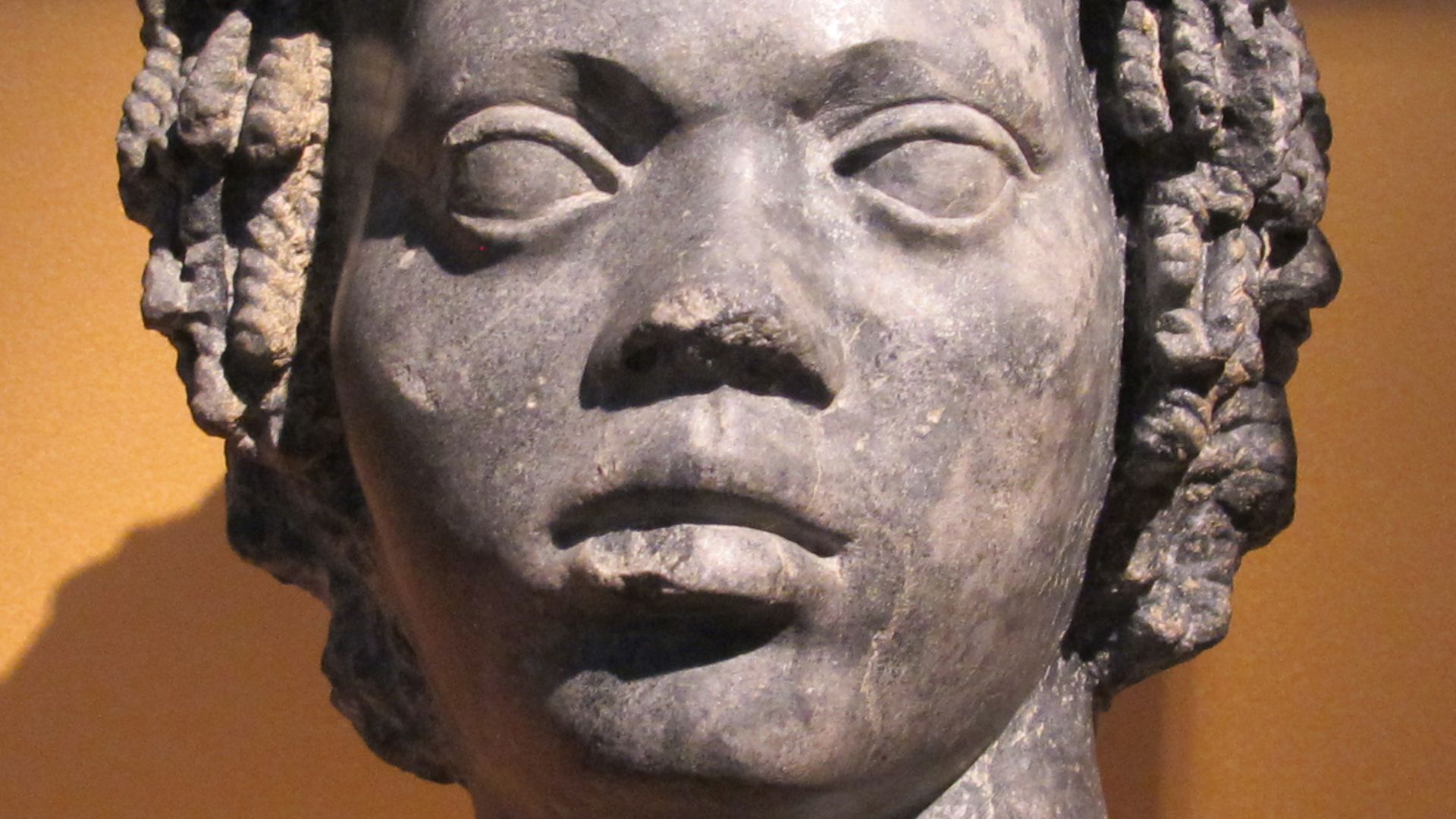
The relationship between ancient Egyptians and Nubians was anything but simple. On one hand, the two regions were closely connected through trade, diplomacy, and shared cultural influences that went back thousands of years. On the other, Egyptian texts often portrayed Nubians in a negative light, describing them as outsiders or even as enemies to be conquered. This mix of interaction and prejudice created a relationship that was deeply intertwined but also marked by tension.
Why Nubian Support Of Philae Is So Surprising
That complicated history is what makes Nubian support of Philae so striking. Despite being looked down upon in earlier Egyptian traditions, Nubian rulers later became some of the strongest defenders of Egyptian religious practices. Instead of rejecting Egyptian culture, Nubians embraced and adapted it, turning Philae into a shared sacred space. In a way, the people once seen as outsiders ended up becoming the last guardians of the very traditions that defined ancient Egypt.
 Warren LeMay from Cullowhee, NC, United States, Wikimedia Commons
Nubian Connections Go Back Centuries
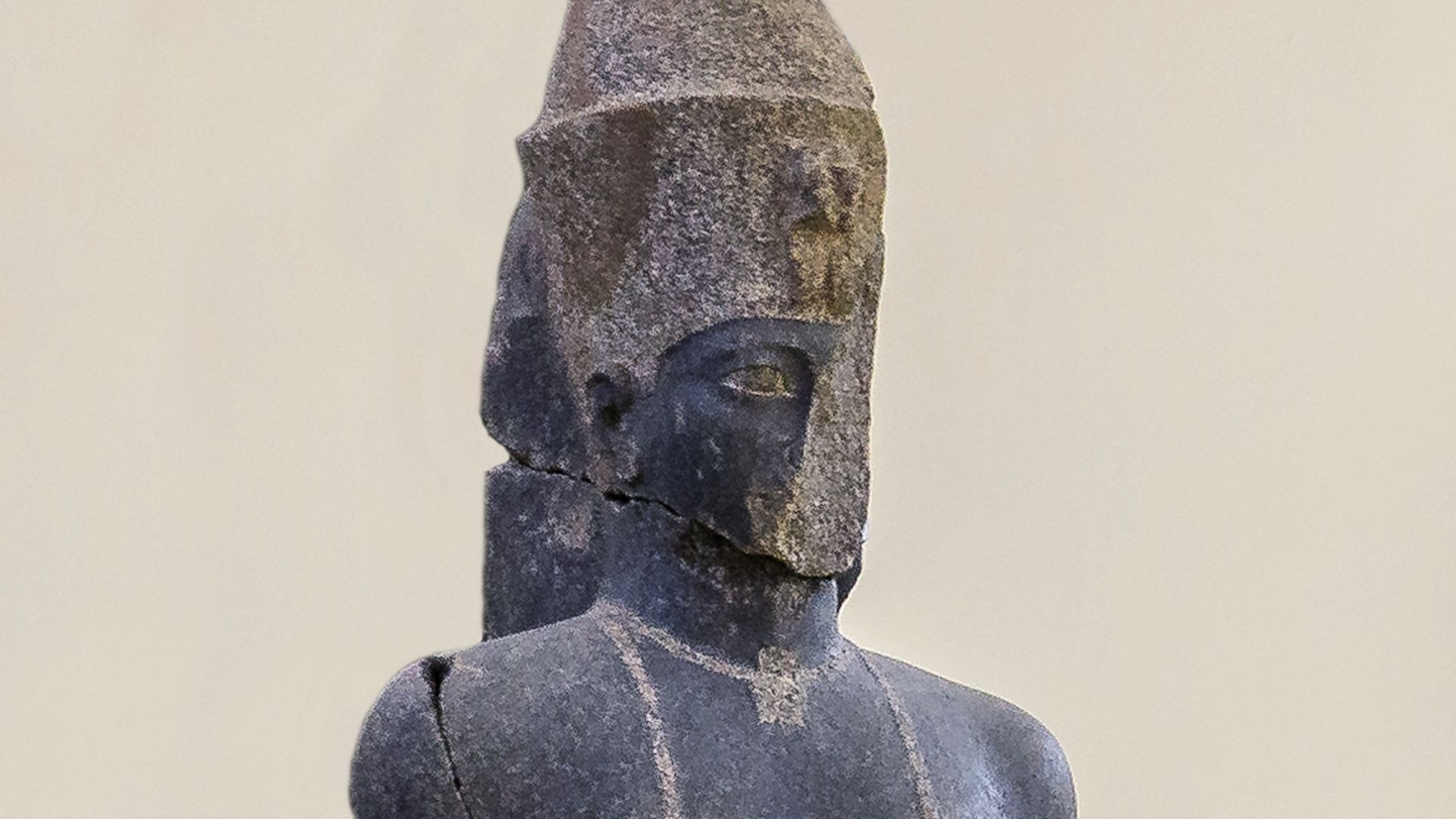
The relationship between Philae and Nubia did not begin in the late period. As early as the Kushite 25th Dynasty, Nubian rulers had embraced Egyptian religious traditions and contributed to temple construction. This long-standing connection meant that Nubians already had a deep cultural and spiritual investment in the site.
 Matthias Gehricke, Wikimedia Commons
Nubian Kings As Patrons Of The Temple
Centuries later, Nubian rulers from kingdoms such as Meroë continued to support the temple at Philae. They funded maintenance, sponsored rituals, and ensured that religious life at the complex remained active. At a time when temples elsewhere were being abandoned, this support played a key role in keeping the cult of Isis alive.
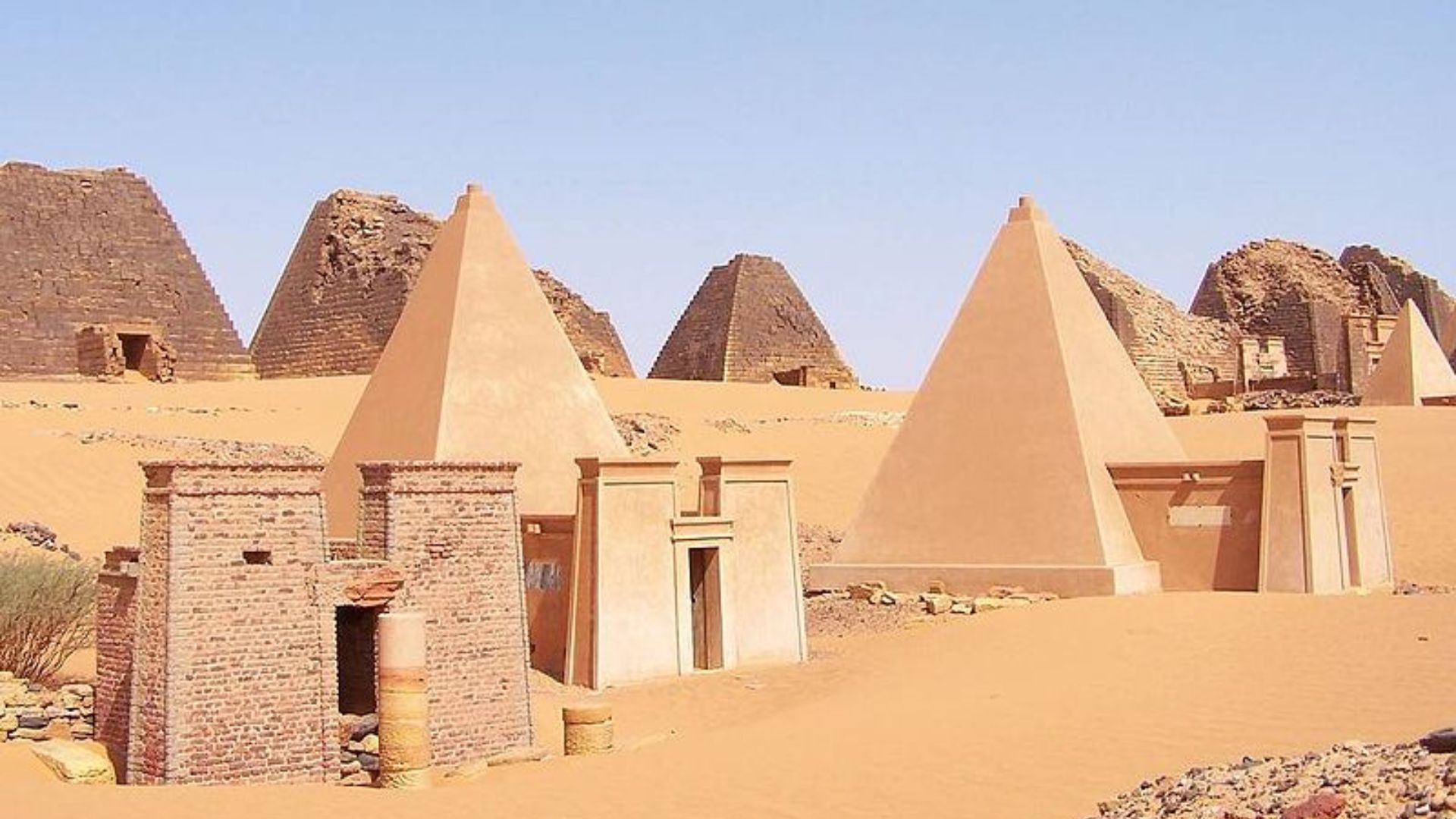
Festivals Supported From The South
Evidence shows that Nubian rulers helped finance major religious festivals at Philae, ensuring that important ceremonies continued to take place. These events likely included processions, offerings, and communal gatherings that reinforced the connection between worshippers and the gods. The continued funding of these rituals highlights how important the temple remained to Nubian communities.
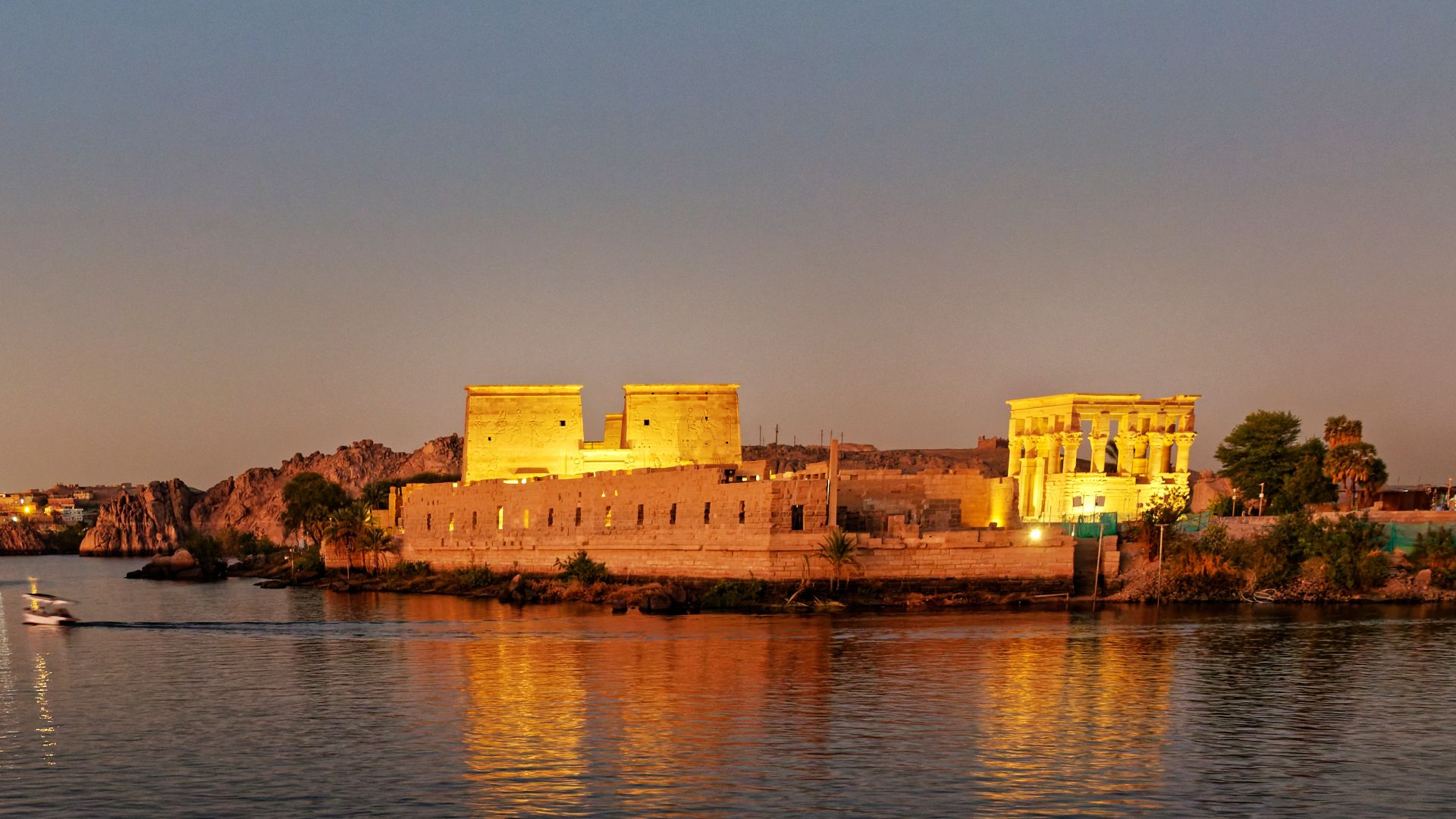 Holger Uwe Schmitt, Wikimedia Commons
The Journey Of Isis To Osiris
One of the most important ceremonies at Philae involved transporting the statue of Isis to the nearby island of Bigeh, which was believed to be the burial place of Osiris. Priests would perform rituals there that symbolically reenacted the death and rebirth of Osiris. This tradition continued well into the Roman period and was central to the religious identity of the site.
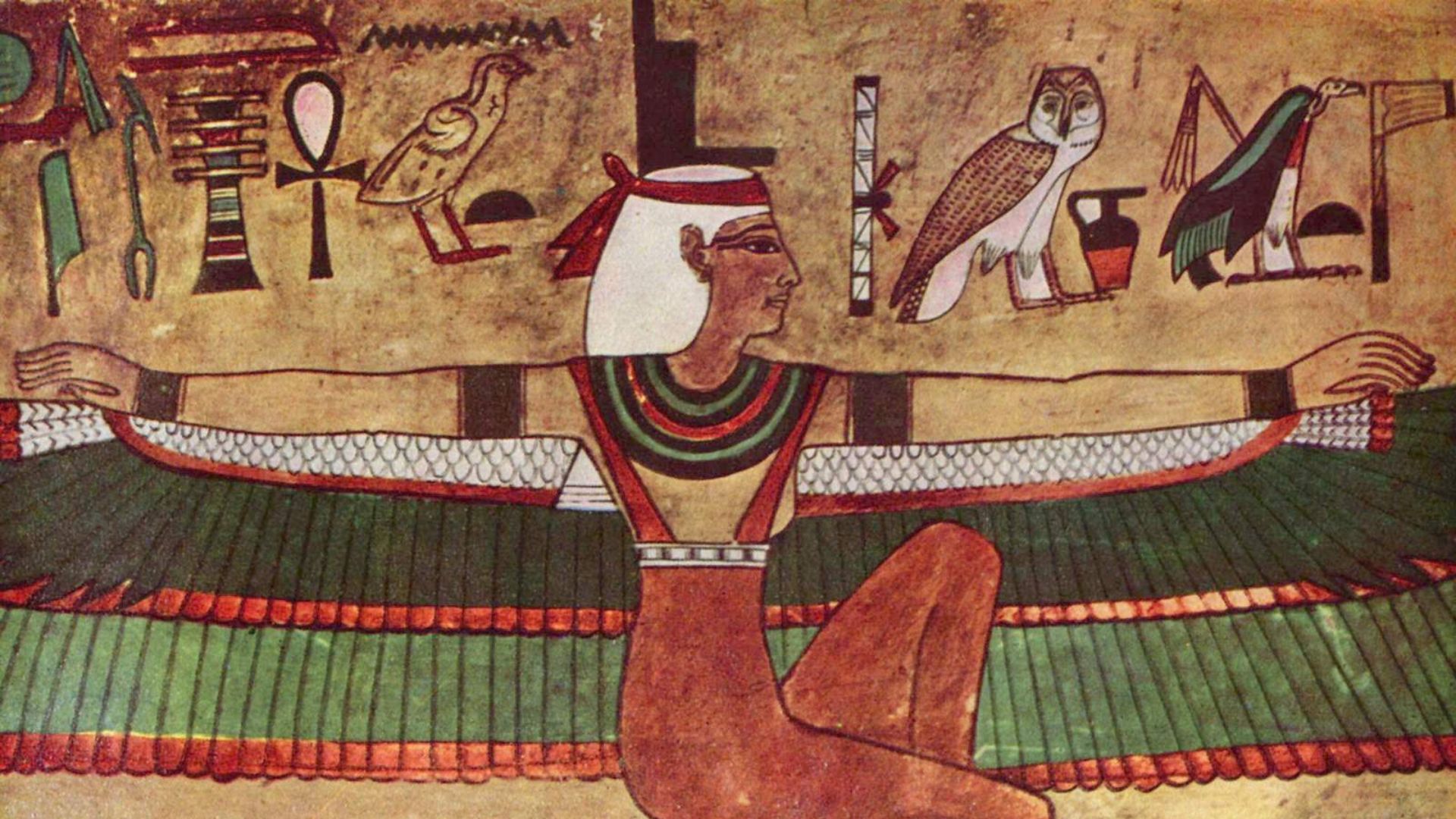 Ägyptischer Maler um 1360 v. Chr., Wikimedia Commons
Nubian Pilgrims And Visitors
Philae attracted visitors from across Egypt and Nubia, but Nubian pilgrims played a particularly important role in its later history. They came to worship, make offerings, and participate in rituals, leaving behind inscriptions that still survive today. These visitors helped maintain the temple’s importance even as Egyptian participation declined.
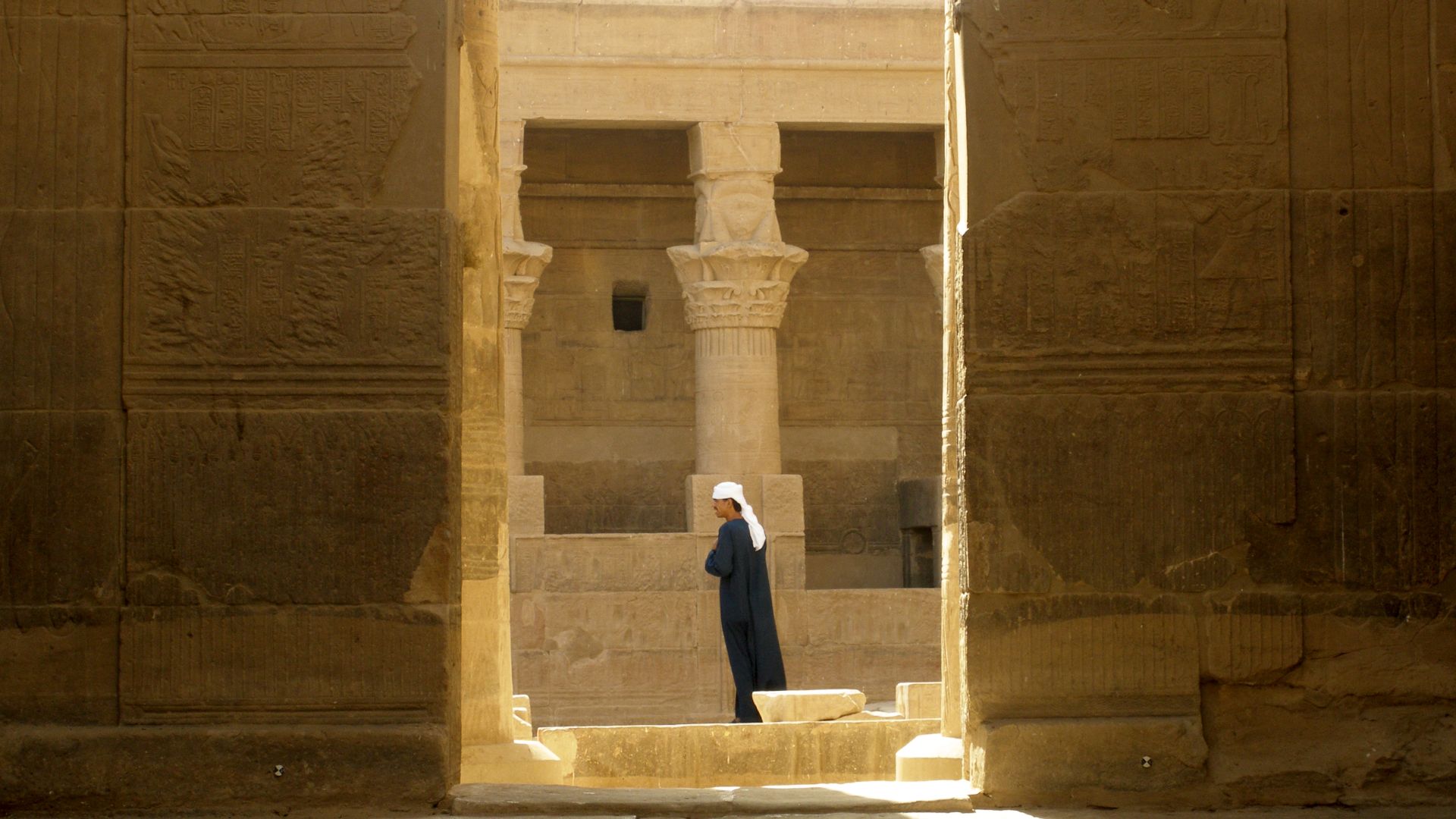 Vyacheslav Argenberg, Wikimedia Commons
Inscriptions That Reveal A Diverse Community
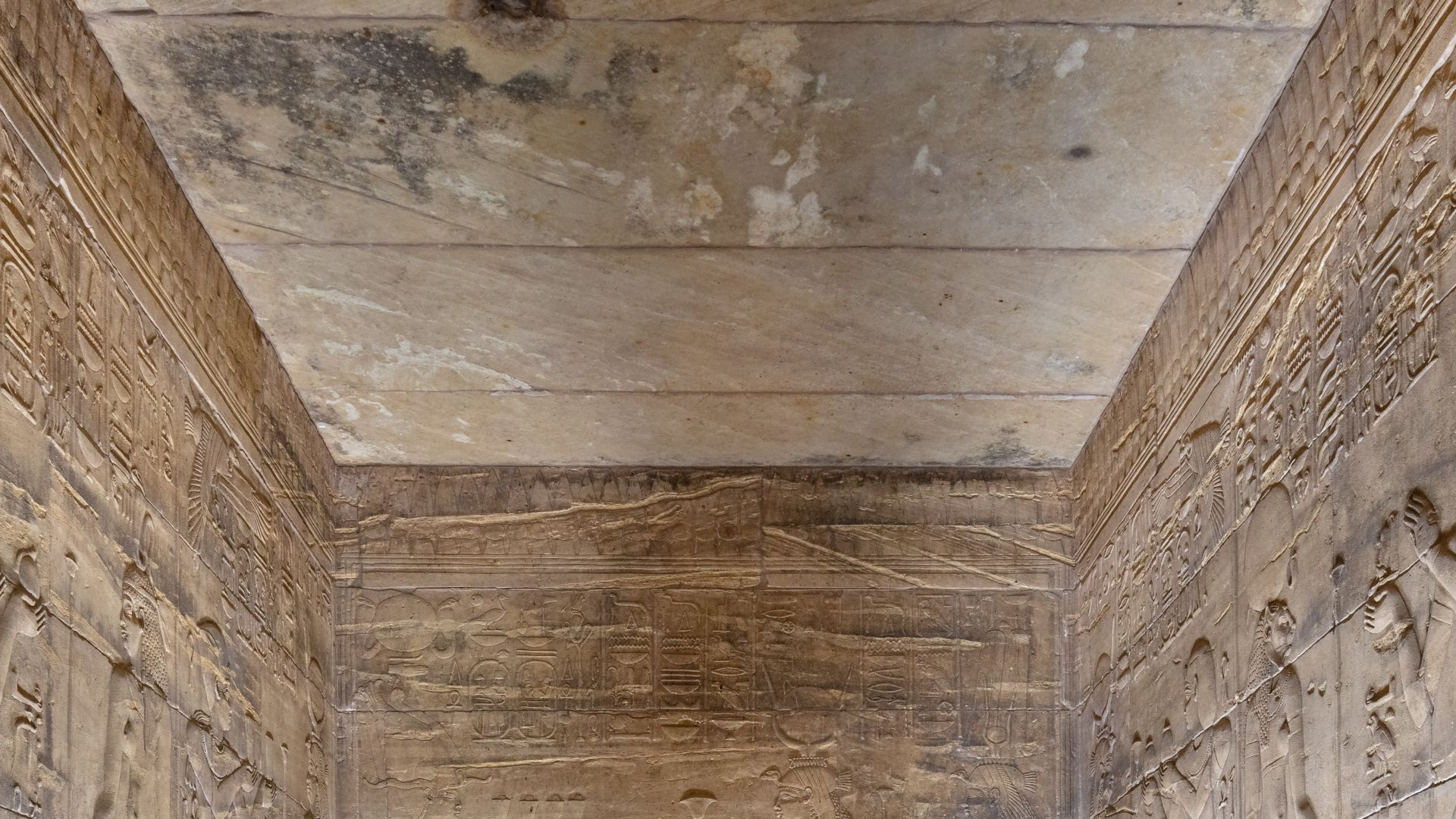
Many inscriptions at Philae were written by Nubian visitors in a variety of languages, including Greek, Demotic Egyptian, and Meroitic. These texts include prayers, dedications, and official records, showing how people from different cultural backgrounds engaged with the temple. The variety of scripts reflects the diverse population that continued to use the site.
 Diego Delso, Wikimedia Commons
Nubians In Temple Administration
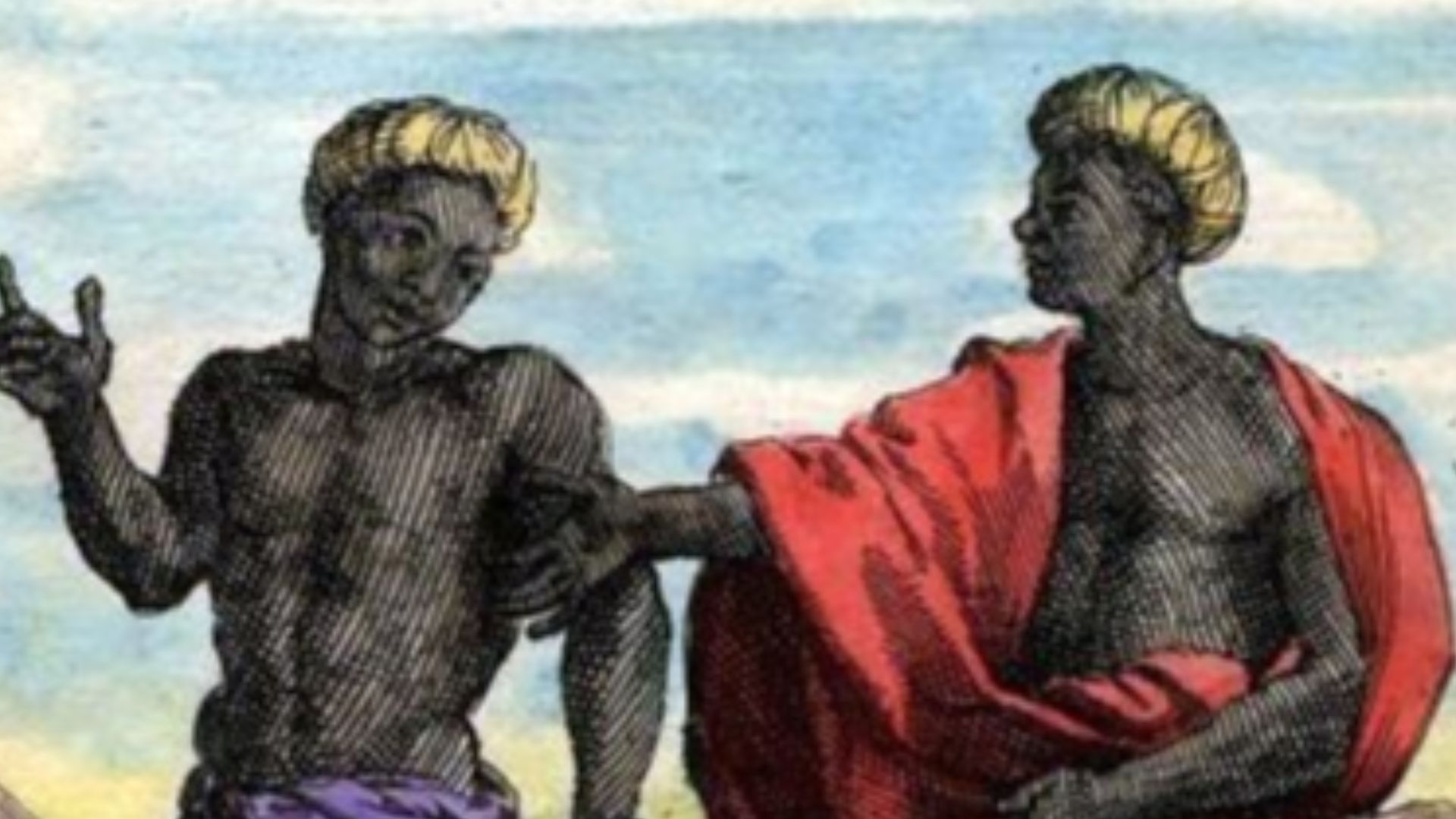
Over time, Nubians became more than just pilgrims. They took on roles within the temple itself, including administrative and possibly priestly positions. This shift shows how deeply integrated Nubian influence became in the operation of the temple and its rituals.
 Alain Manesson Mallet, Wikimedia Commons
A Blending Of Religious Traditions
Philae was not a purely Egyptian religious space by the later periods. Instead, it became a place where Egyptian and Nubian beliefs blended together. Temples on the island were dedicated not only to Egyptian gods but also to Nubian deities such as Apedemak and Mandulis, creating a shared religious environment.
Hybrid Deities And Shared Worship
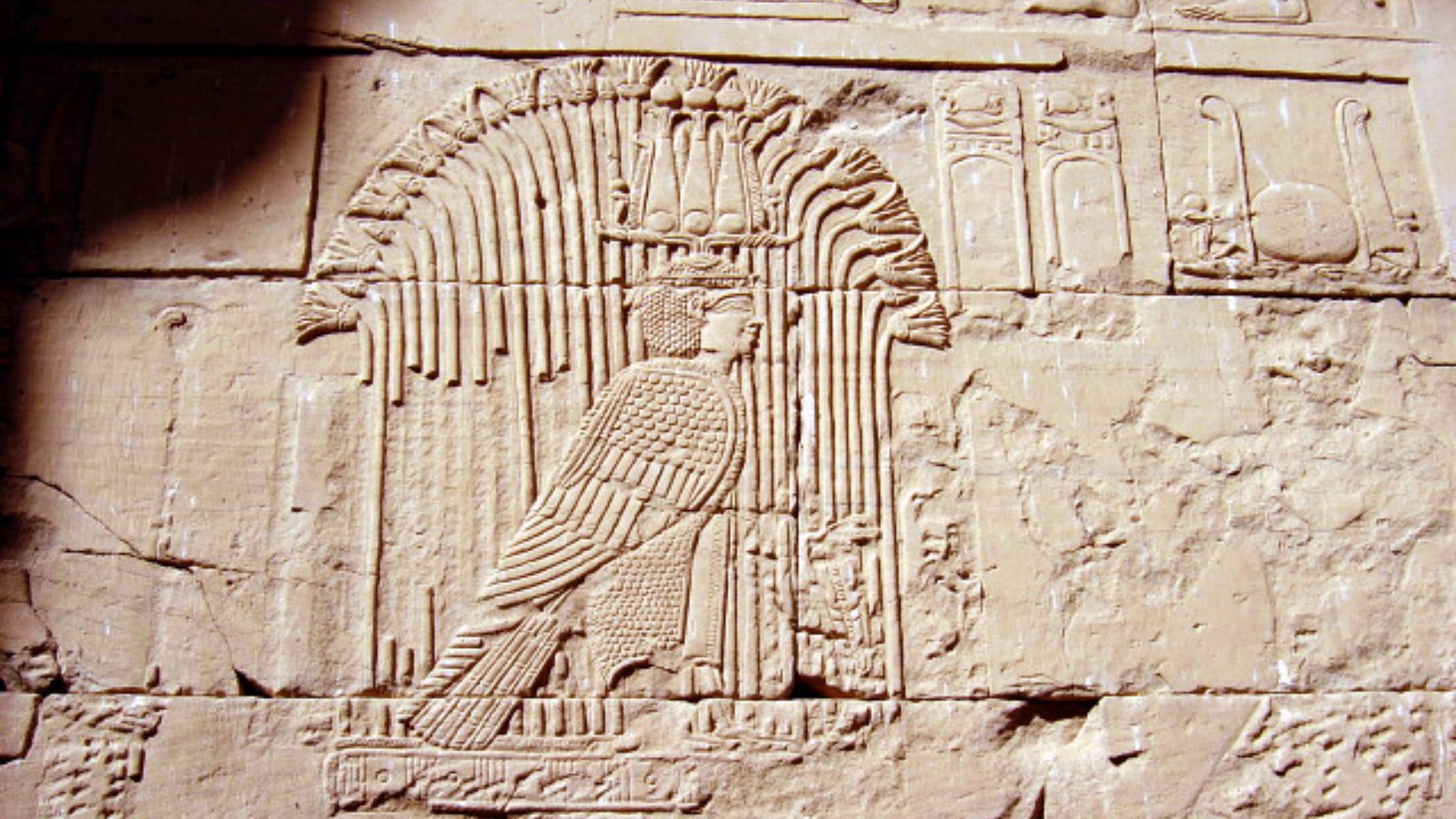
Some of the gods worshipped at Philae combined elements from both traditions. A good example is Thoth Pnubs, a deity associated with both Egyptian and Nubian religious systems. These hybrid figures show how cultural exchange shaped religious practice at the site.
Ritual Offerings In The Reliefs
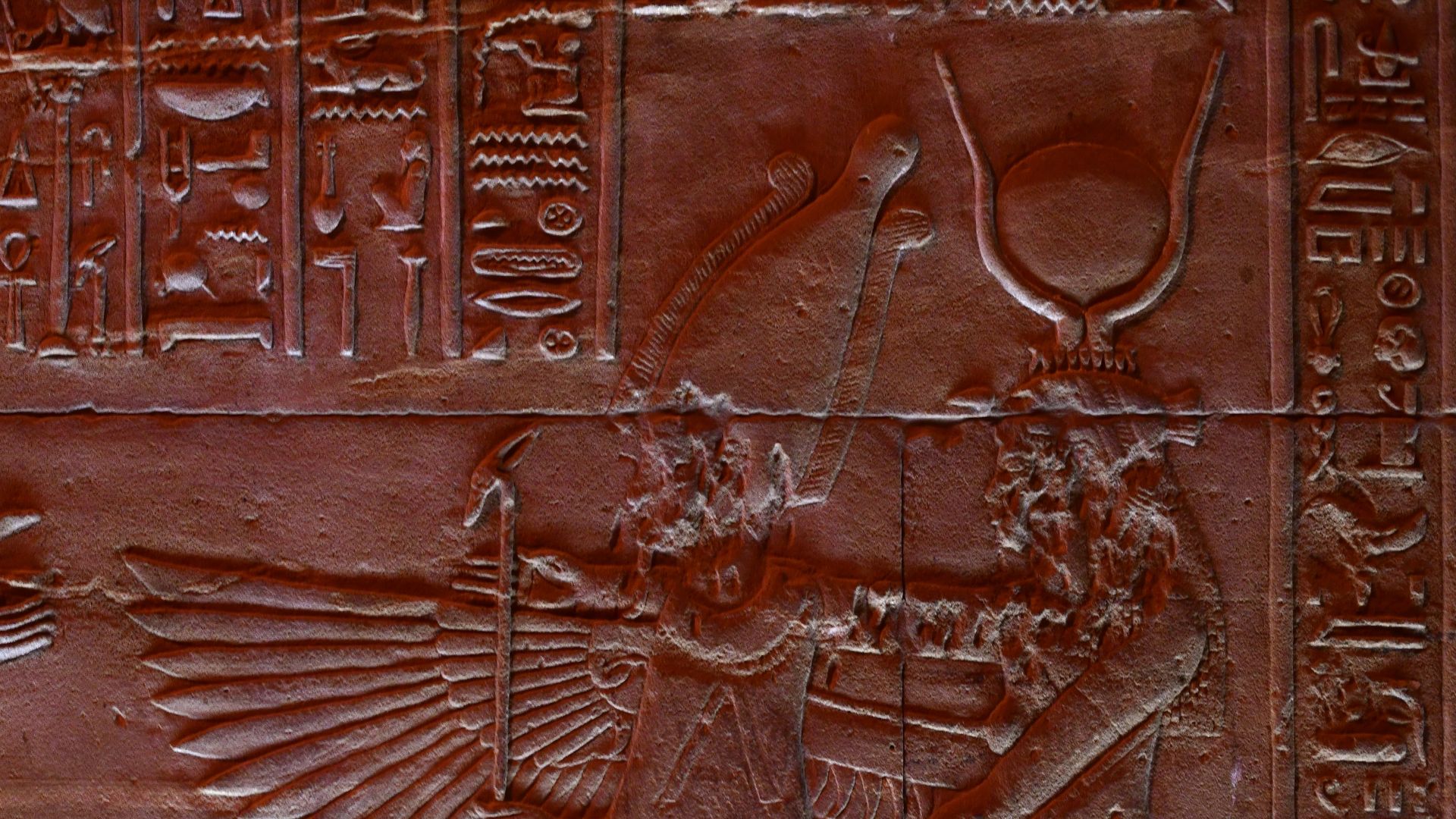
Reliefs at Philae show priests and rulers presenting offerings to Osiris, often using small vessels. In some cases, inscriptions suggest that these offerings may have represented milk from a divine cow rather than water or wine. These details highlight how ritual practices could evolve and take on symbolic meanings over time.
 Panegyrics of Granovetter, Wikimedia Commons
The Last Hieroglyphs
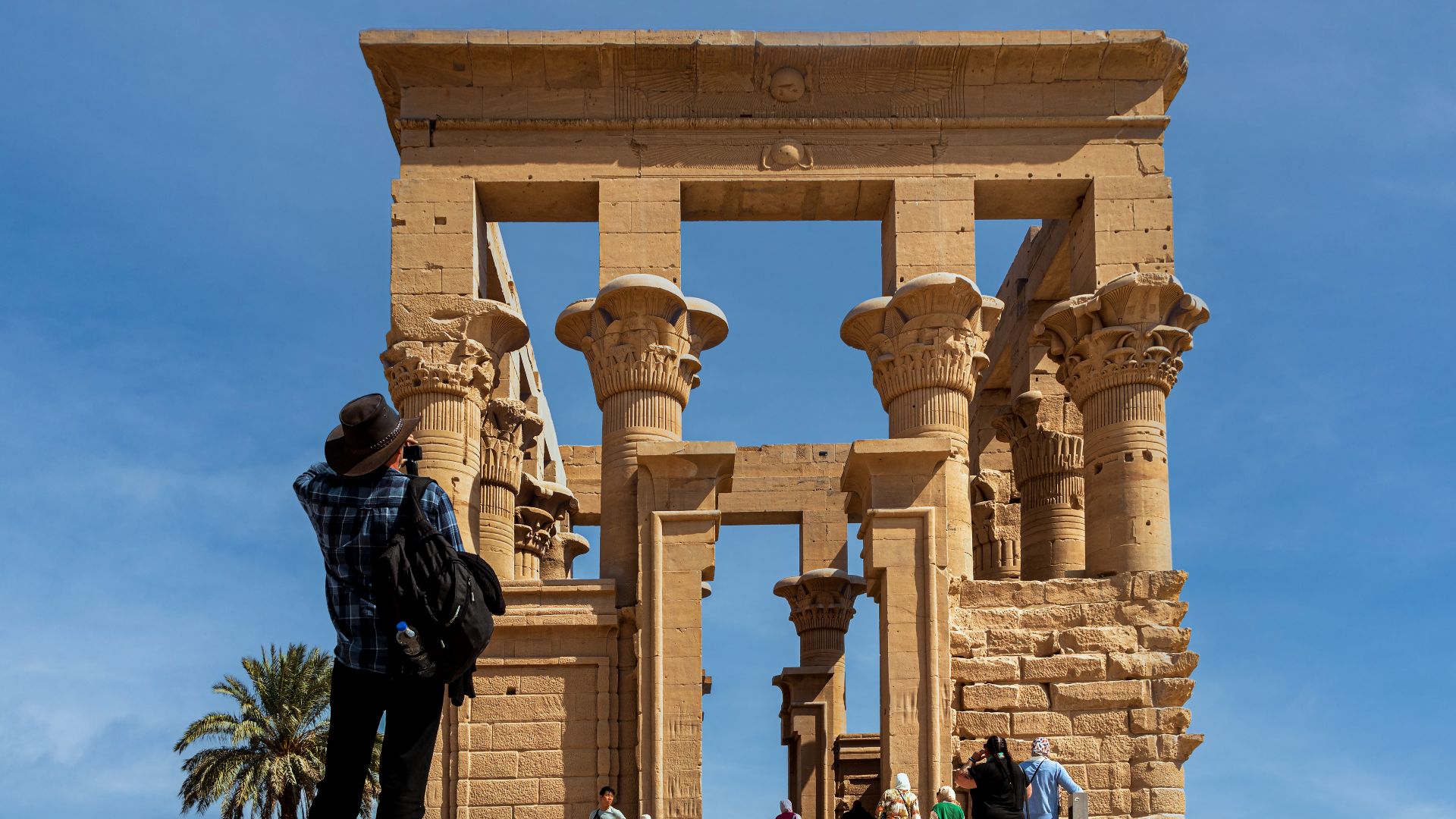
Philae is famous for containing the last known hieroglyphic inscription, dated to 394 CE. This moment marks the end of a writing system that had been used for thousands of years. The fact that it appears at Philae reinforces the idea that the site preserved older traditions longer than anywhere else in Egypt.
 Hesham Farouk Ragab, Wikimedia Commons
Religion In A Changing World
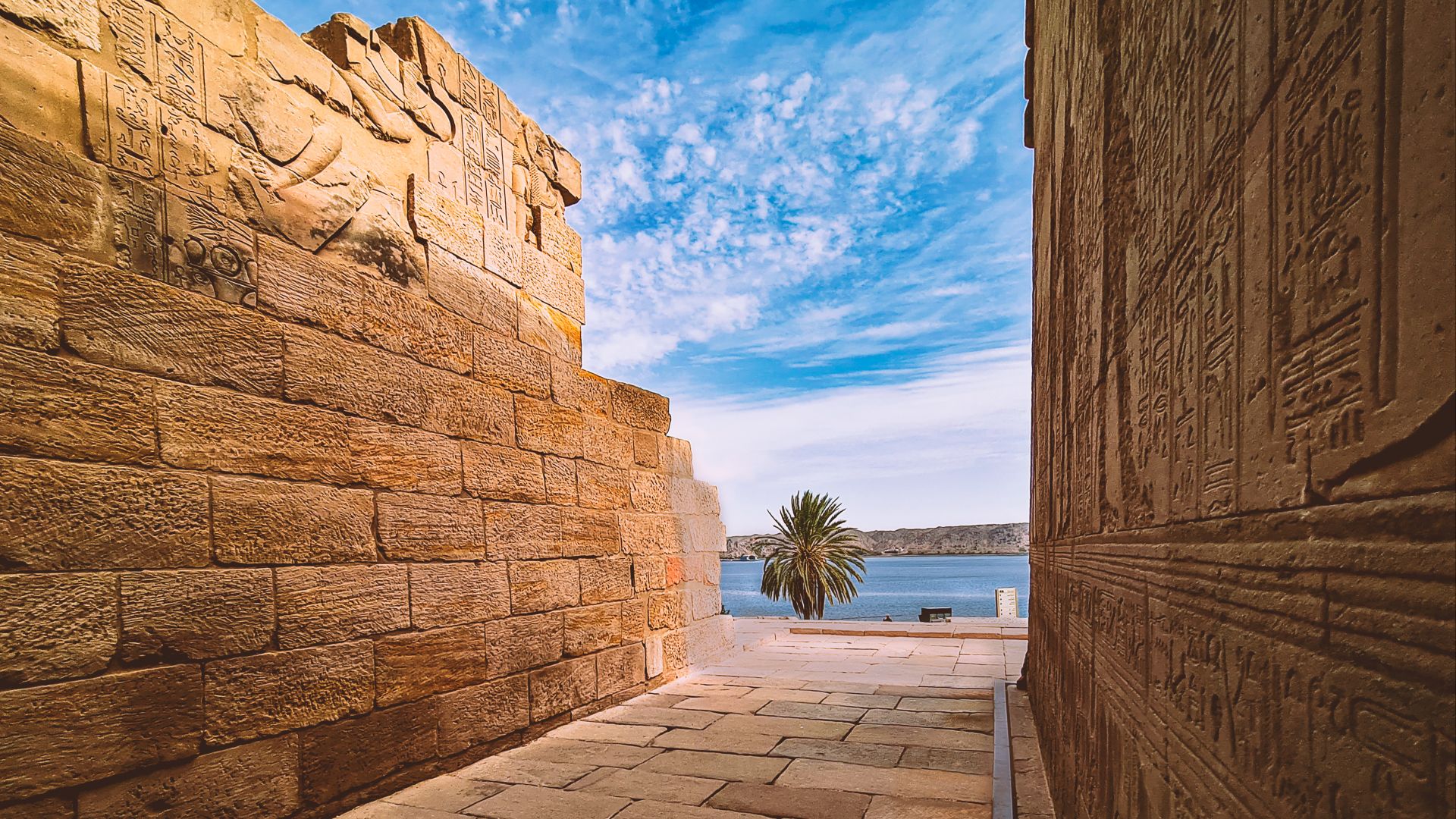
By the fourth and fifth centuries, Christianity had become dominant across Egypt. Temples were closing, and traditional rituals were fading. Even so, Philae continued to function as a religious center, supported by Nubian rulers and communities who maintained the old practices.
 Hesham Farouk Ragab, Wikimedia Commons
Agreements That Protected The Temple
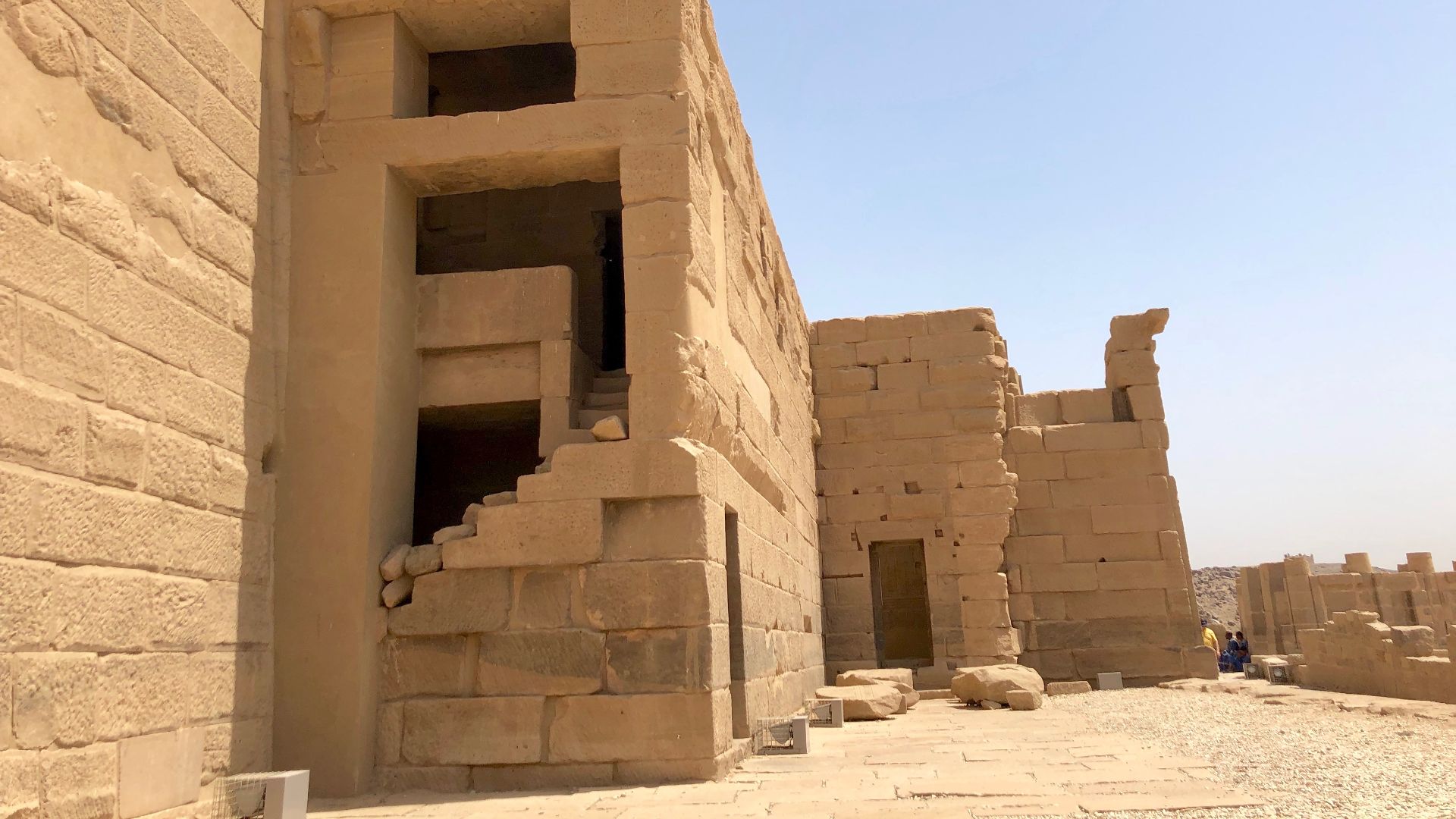
A treaty in the fifth century allowed Nubian groups continued access to Philae and its sacred statues. This agreement ensured that rituals could continue even as political and religious changes swept across the region. It shows how important the temple remained to those communities.
 Warren LeMay from Cullowhee, NC, United States, Wikimedia Commons
The Final Closure Of The Temple
Eventually, the temple at Philae was closed in 537 CE by order of the Byzantine emperor Justinian. This event is often seen as marking the end of ancient Egyptian religion in an official sense, although some traditions may have continued informally for a time.
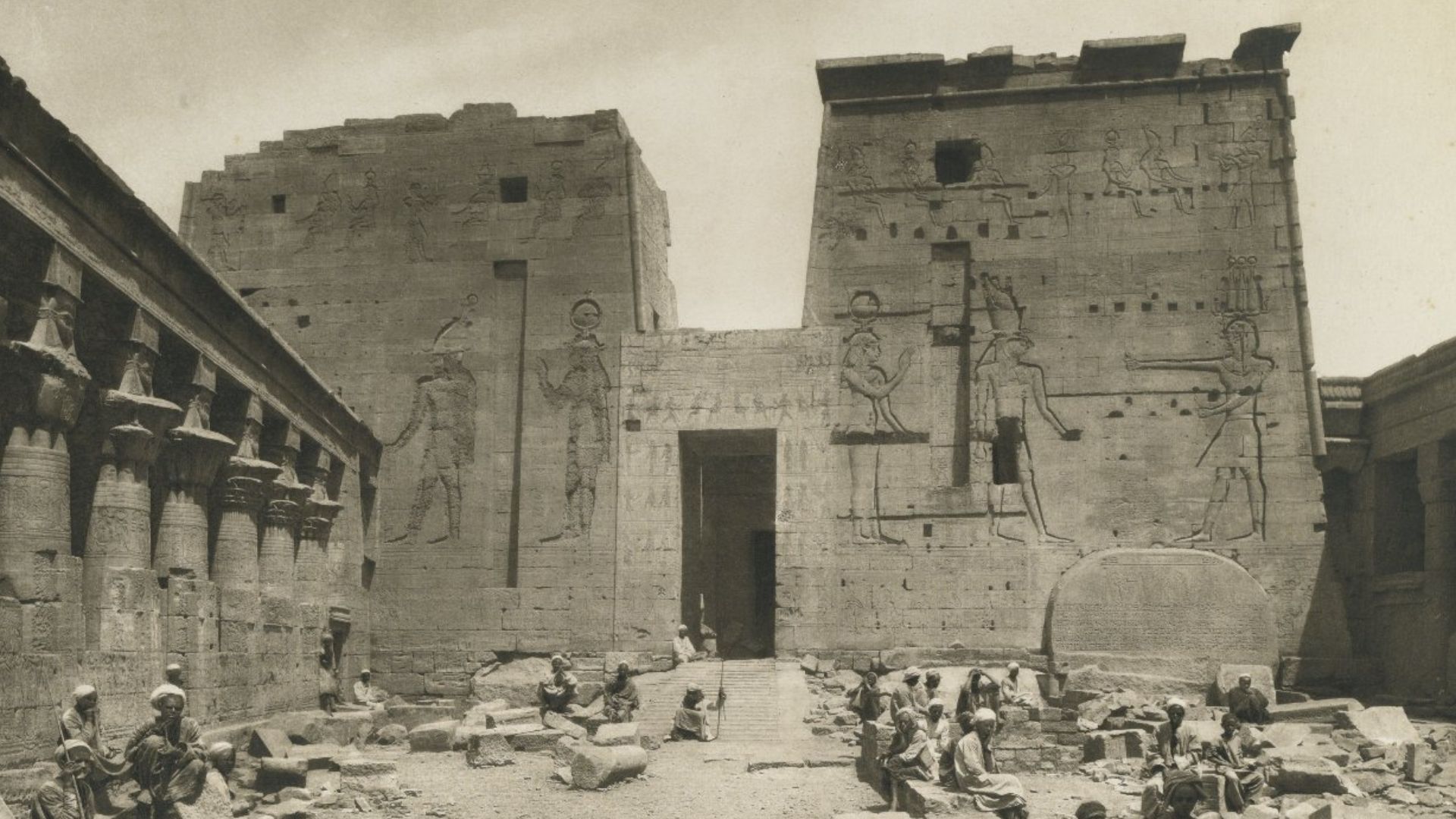 Junghaendel, R. M., Wikimedia Commons
A Site That Outlasted Its Era
What makes Philae so remarkable is how long it remained active compared to other temples in Egypt. While religious practices disappeared elsewhere, the combination of location, tradition, and Nubian support allowed this site to survive far longer than expected.
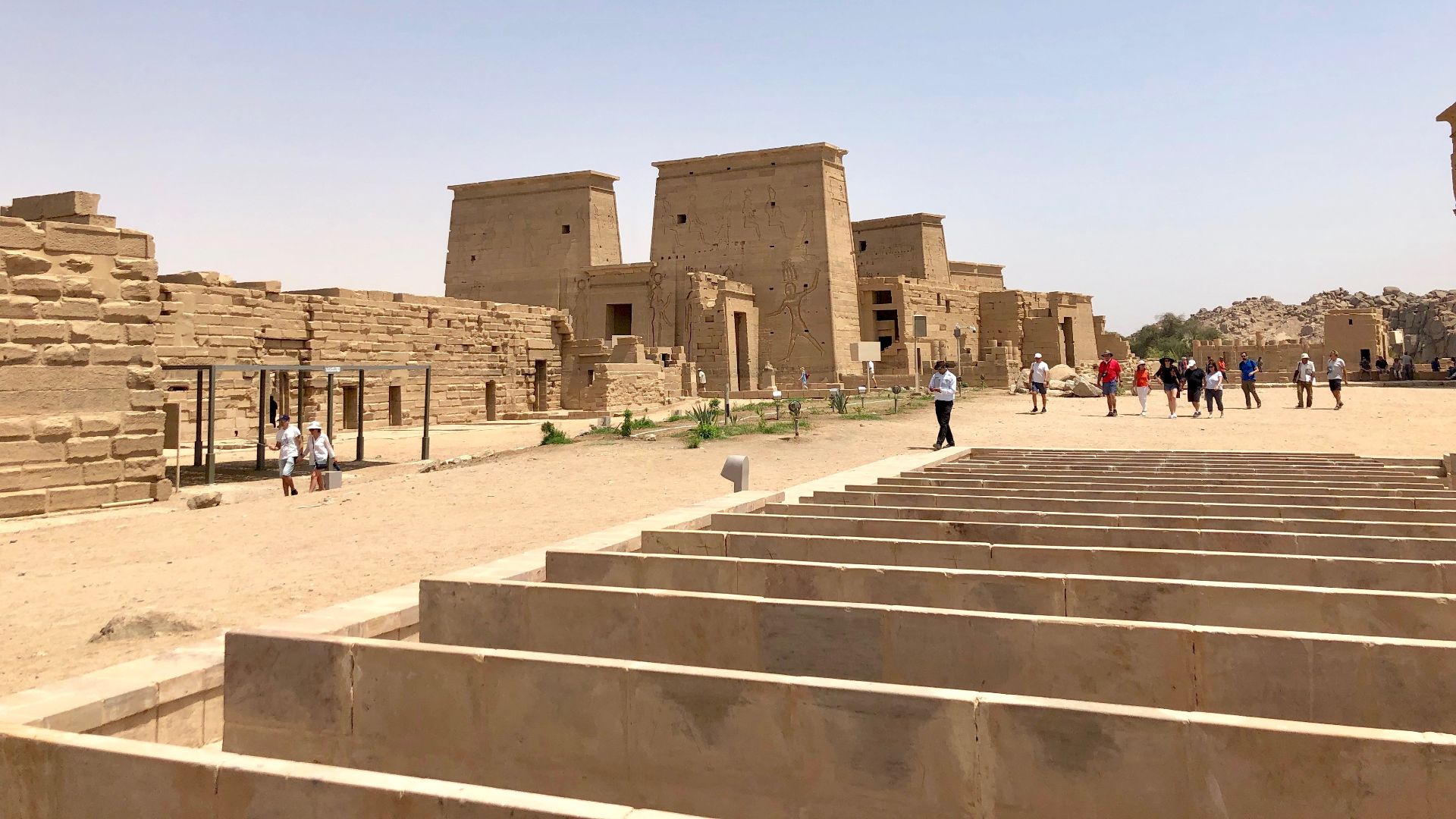 Warren LeMay from Cullowhee, NC, United States, Wikimedia Commons
Final Thoughts
The story of Philae is about more than just one temple complex. It shows how cultural exchange and continued support can keep traditions alive even during periods of major change. Nubian rulers and communities did not simply preserve Egyptian religion, they helped adapt and sustain it in a new context. In the end, Philae became the last place where the ancient voices of Isis and Osiris were still heard, echoing along the Nile long after the rest of Egypt had moved on.
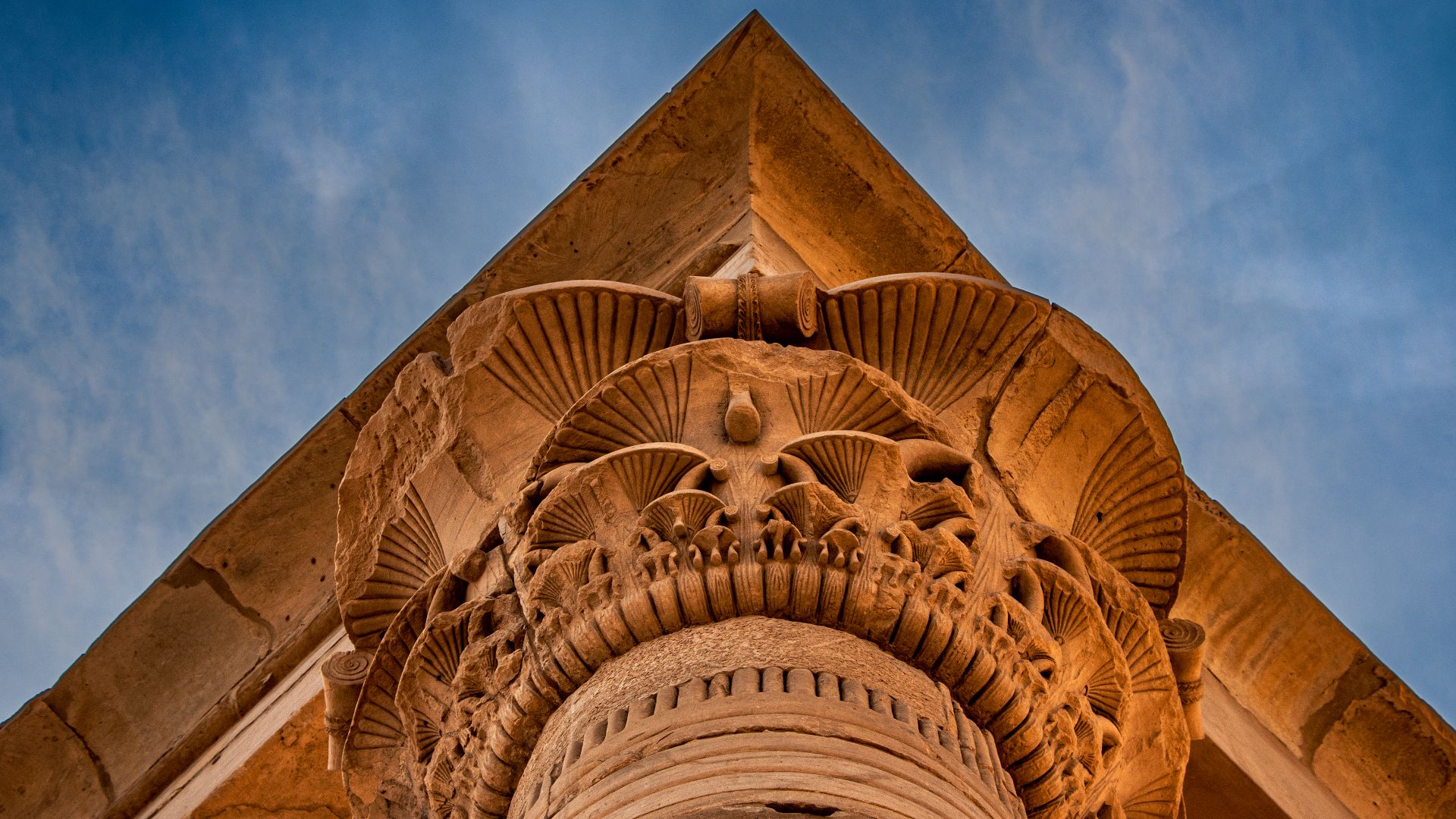 Hesham Farouk Ragab, Wikimedia Commons
You May Also Like: