

Revelations From The Alexander Mosaic
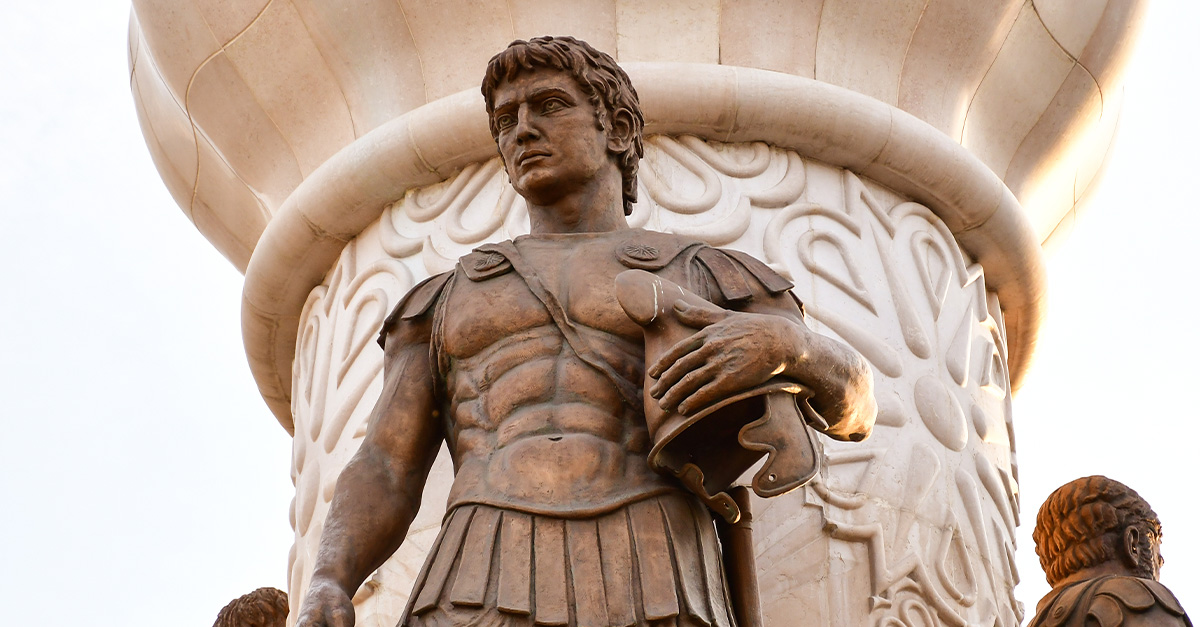
Alexander the Great was one of the most infamous conquerors in history. Starting as the king of the Ancient Greek kingdom of Macedon, he spent much of his life building an empire that stretched from modern-day Macedonia to the Indian Ocean. Since the 4th century BC, many statues, paintings, and other works of art have commemorated the undefeated warrior—but none more beautiful nor as well-preserved as the mosaic discovered in the ruins of Pompeii in 1831.
Let's analyze the Roman masterpiece in more detail to see what it could reveal about history's greatest warrior.
What Does The Work Depict?
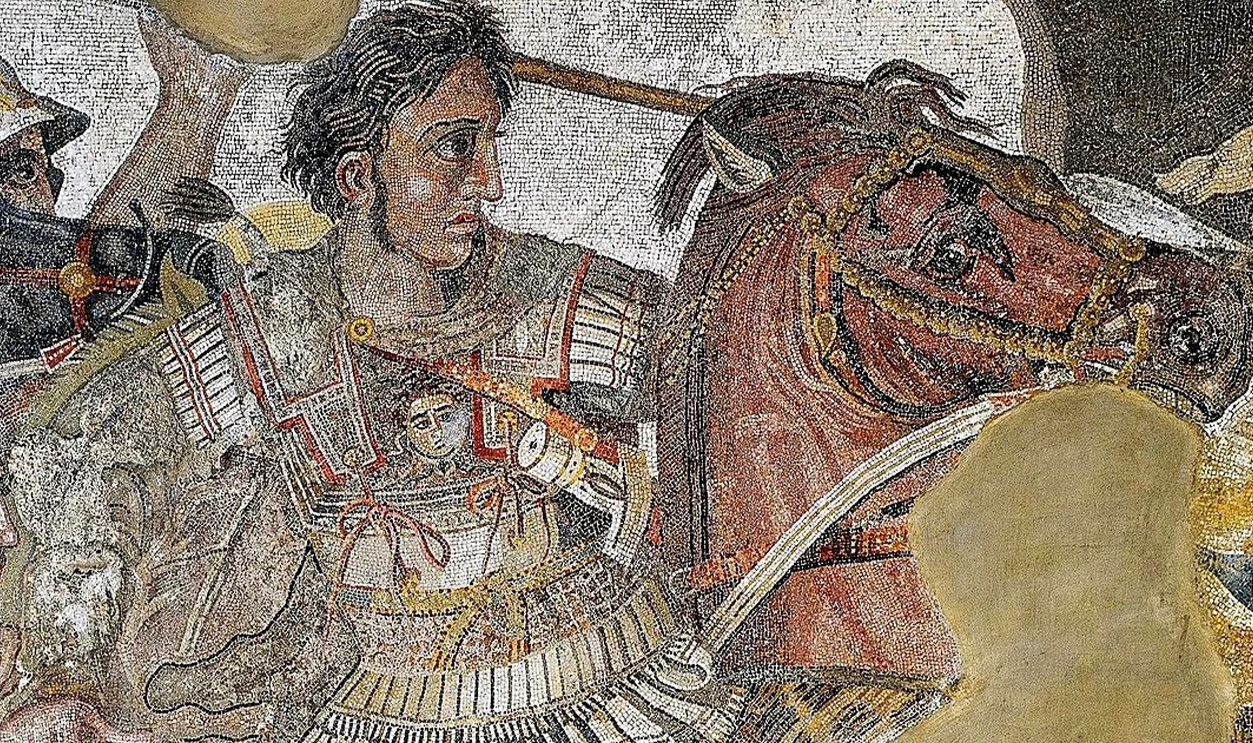
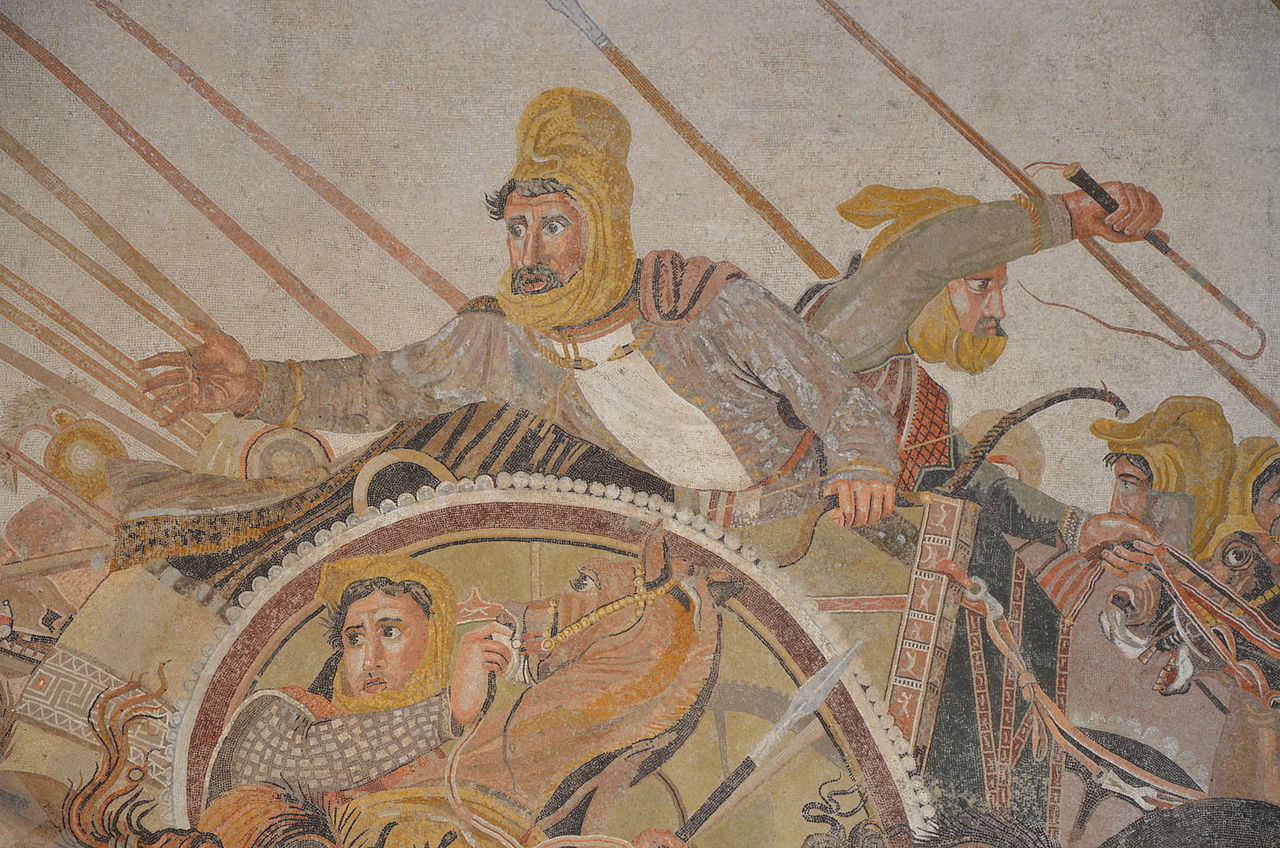
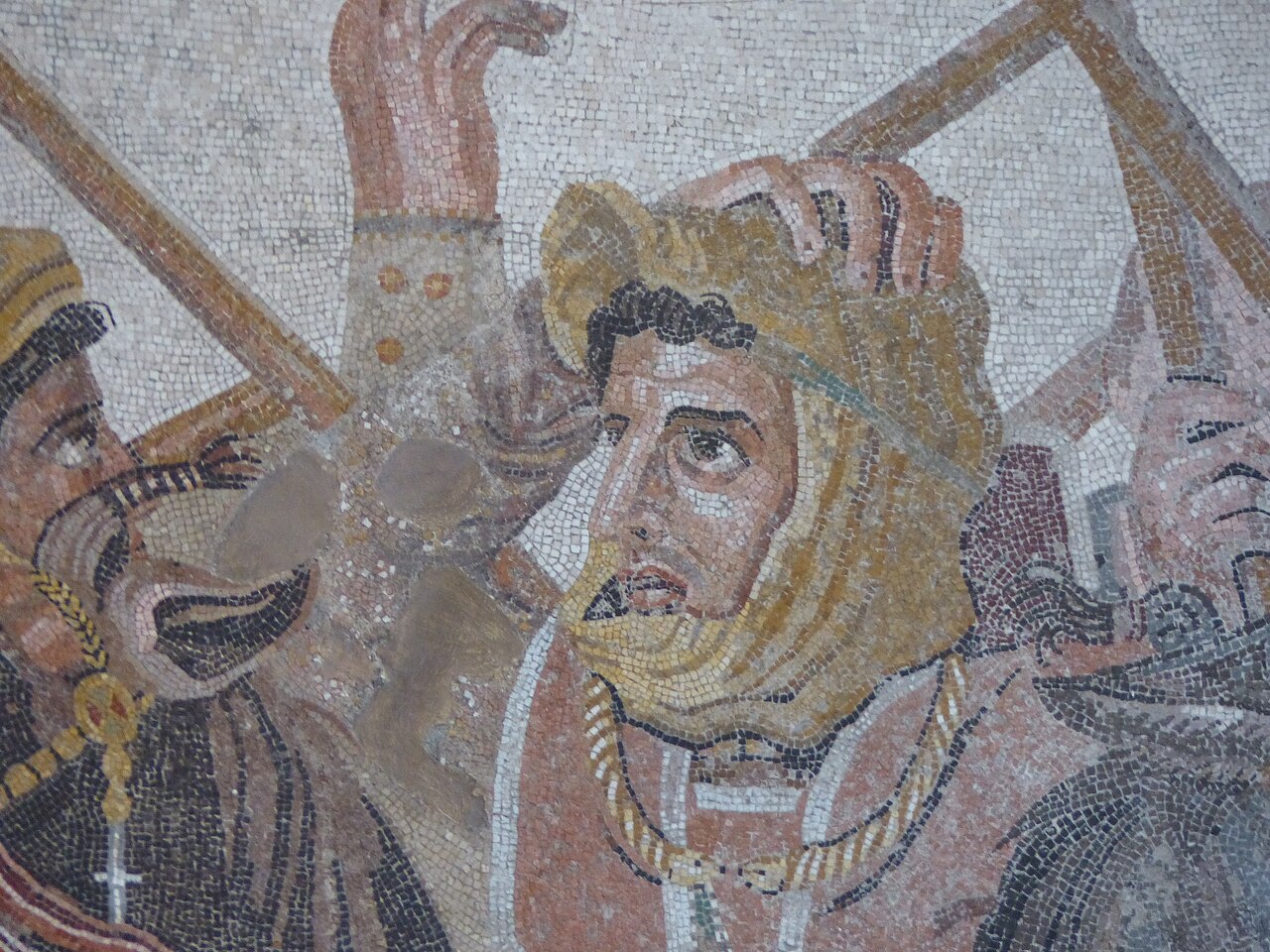
Alexander the Great's military conquests are well-known, but perhaps one of his most famous battles is depicted in the stunning mosaic. It portrays the Battle of Issus in 333 BCE, in which Alexander the Great's forces emerged victorious against a much larger Persian army, defeating their king, Darius III.
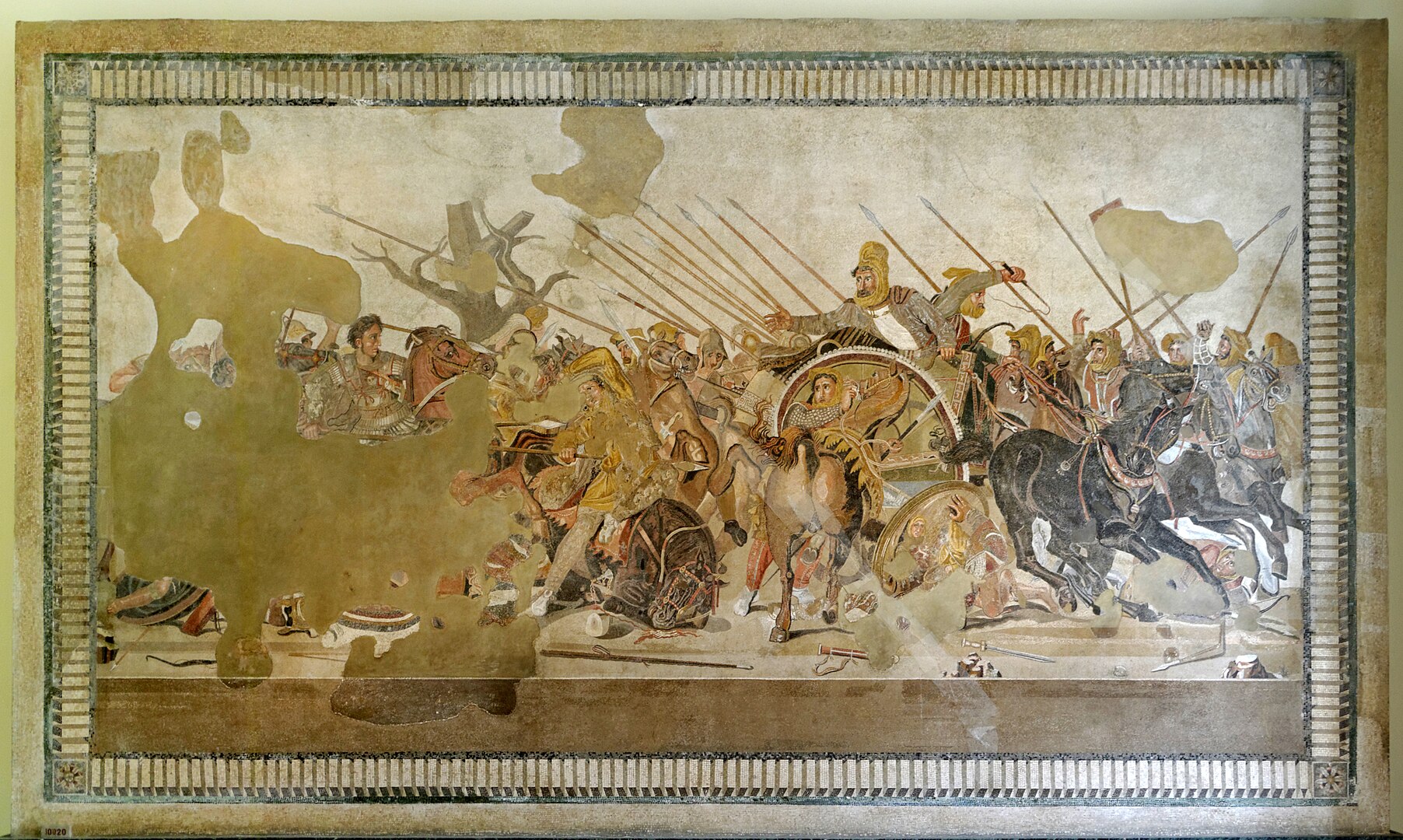 Berthold Werner, Wikimedia Commons
Background On The Battle Of Issus
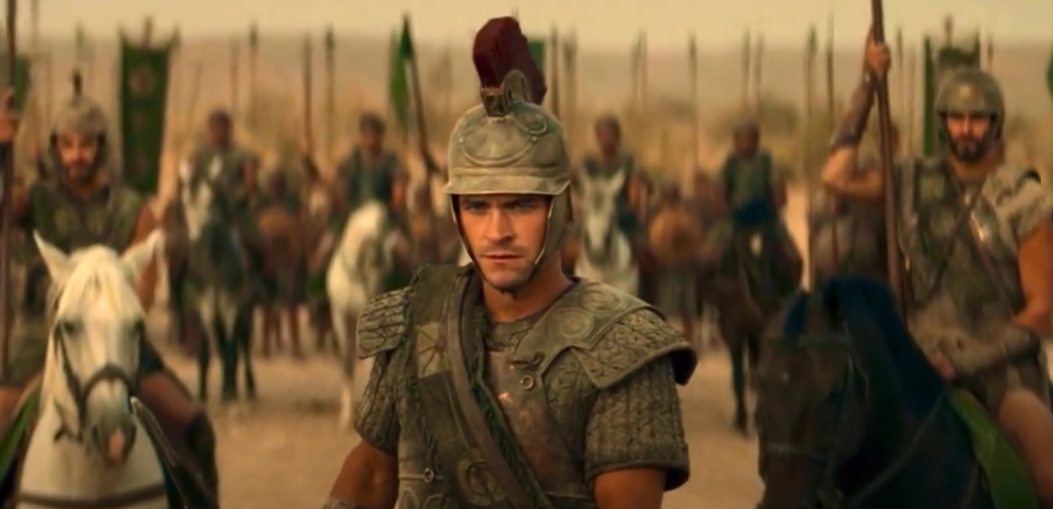
The Battle of Issus saw the Hellenic League, a coalition of Greek city-states that banded together to fight the Persians, take on a vast Persian Army led by King Darius III. Modern estimates place Persian forces at between 50,000 and 100,000 soldiers. Meanwhile, the Hellenic League had a force of just 37,000.
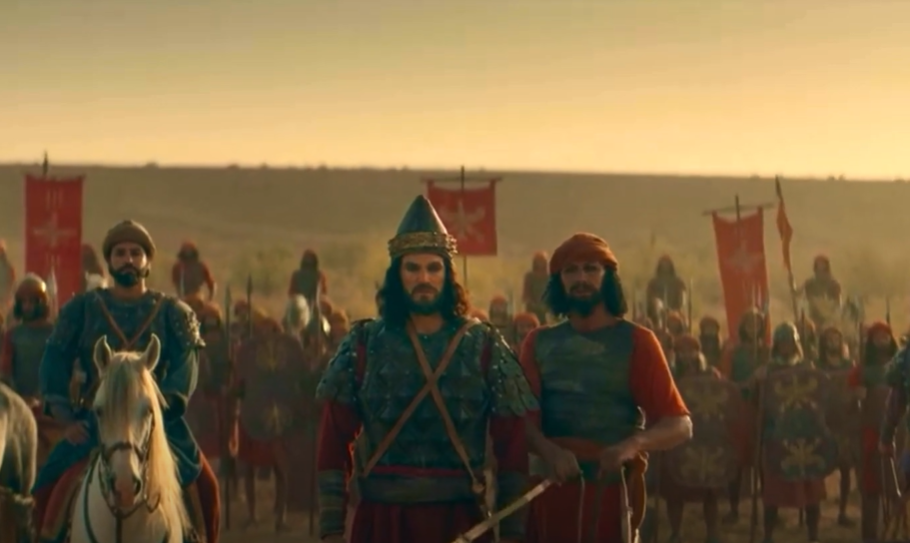 Netflix, Alexander: The Making of a God (2024)
A Resounding Persian Defeat
The battle was a resounding Persian defeat, and King Darius III fled. It was the first time a Persian Army had been defeated while the king was present. It is said that Alexander's men could easily cross a ravine while in pursuit of Darius due to the piles of Persian bodies on which they could stand.
 Netflix, Alexander: The Making of a God (2024)
The Capture Of Darius' Family
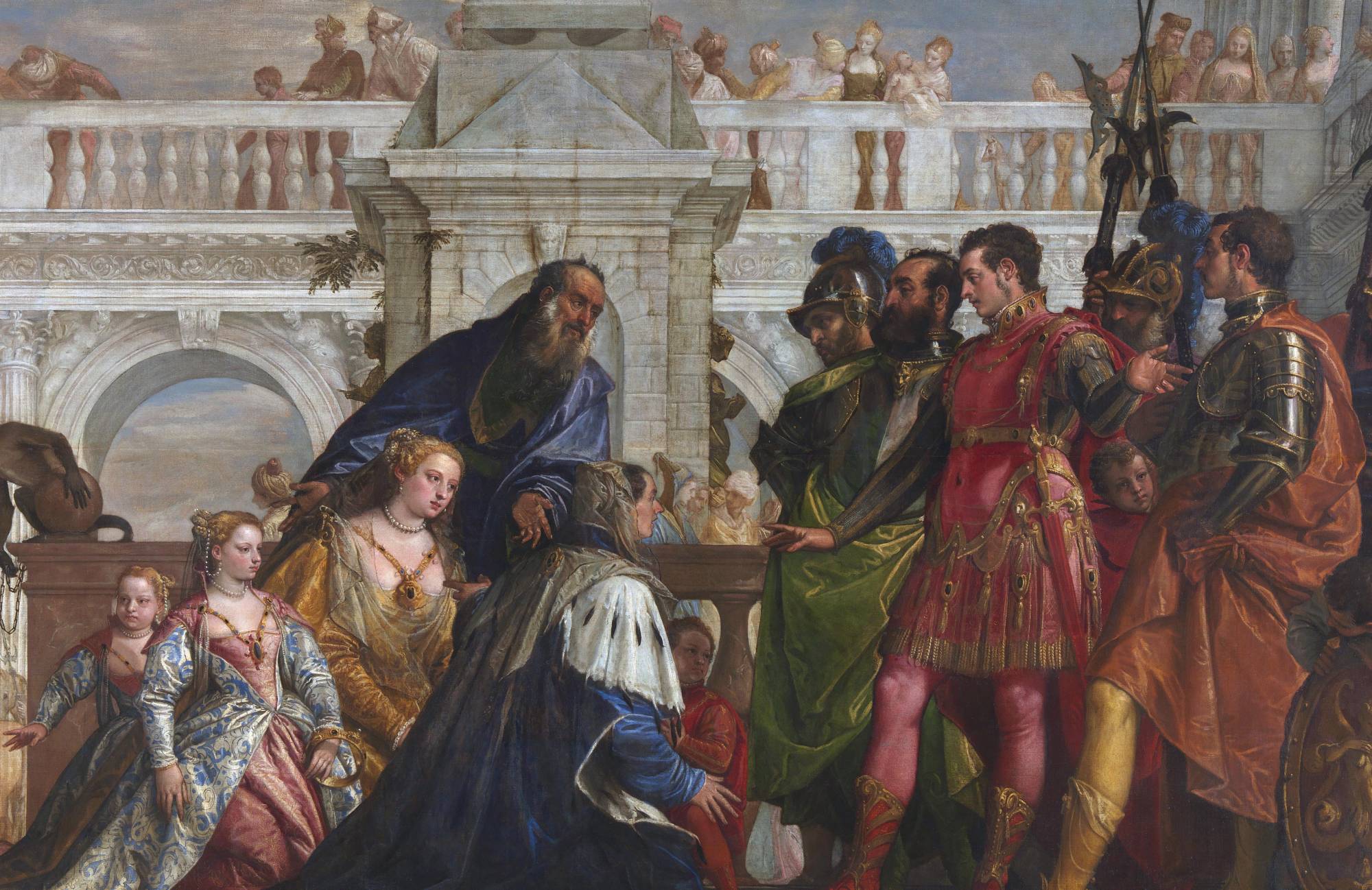
One consequence of Darius III's disappearance from the battlefield was that his wife and two daughters were left unattended as they had traveled with him to witness the battle. Alexander's forces captured them, and they were treated with great respect and dignity. Alexander later married Darius' daughter, Stateira II.
 Paolo Veronese, Wikimedia Commons
A Roman Copy
Archaeological scholars believe the 2,100-year-old mosaic was a Roman copy of a Hellenic original, likely created by Philoxenus of Eretria in 315 BCE. Another theory is that a different painter, Apelles of Kos, painted it while Alexander was still alive.
 Carole Raddato, CC BY-SA 2.0, Wikimedia Commons
Found In The House Of Faun
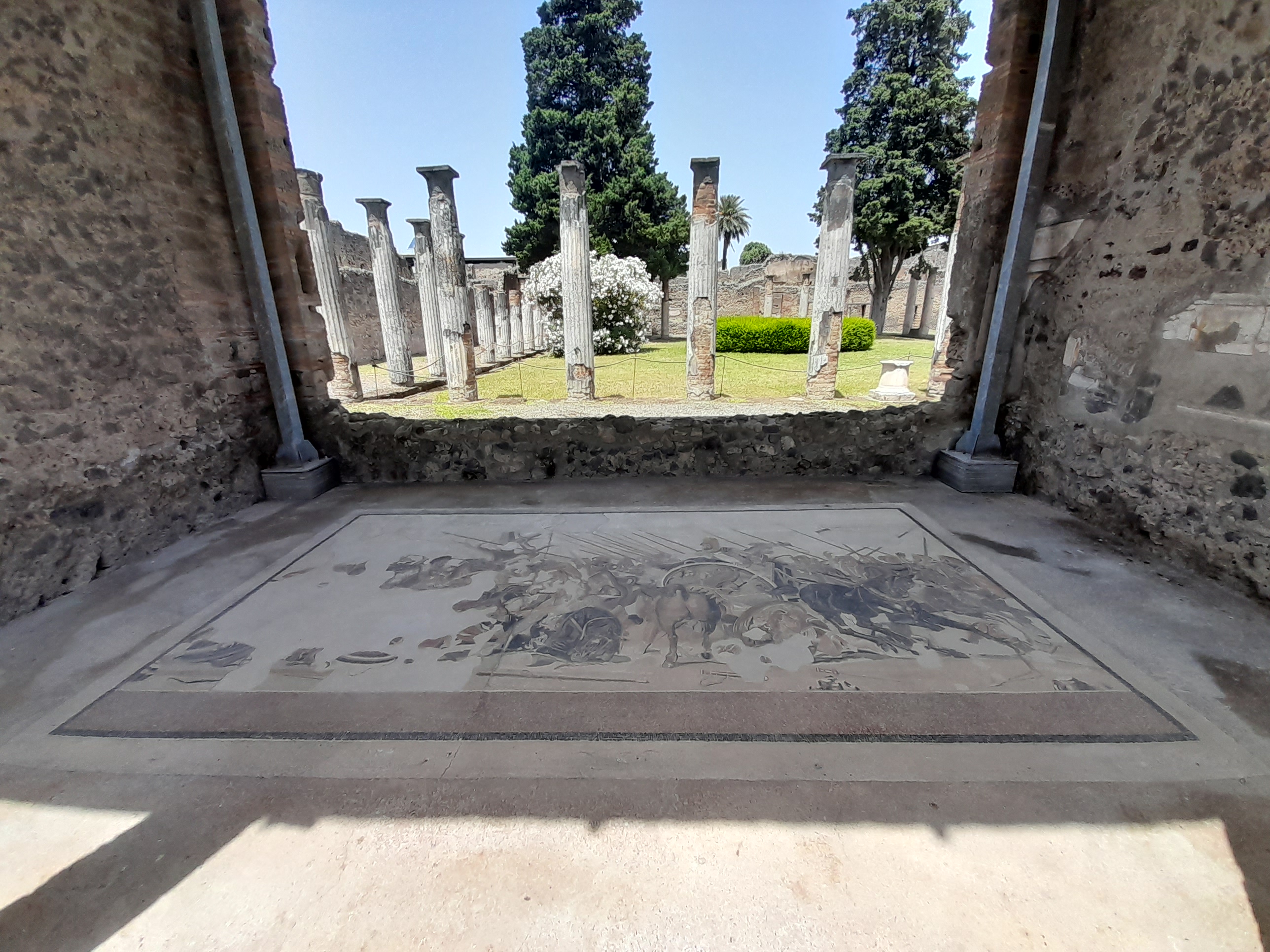
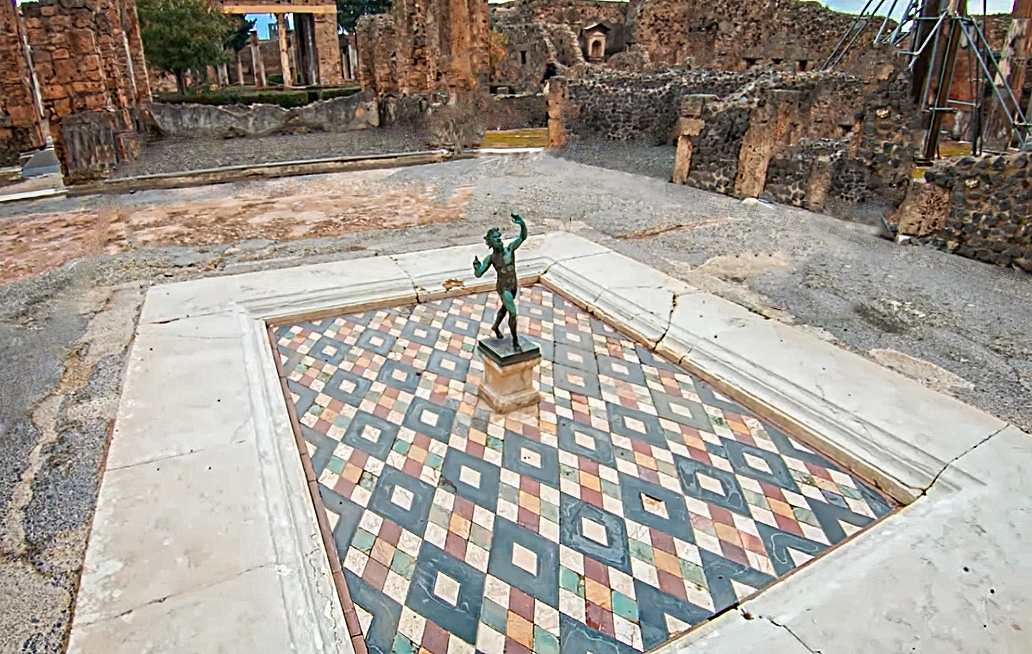
Another indication of the Roman origins of the piece is that it was located within the ruins of Pompeii, in the luxurious surroundings of the House of Faun—a luxurious palatial building that we will expound upon in the next slide...
 Argo Navis, CC BY-SA 4.0, Wikimedia Commons
What Was The House Of Faun?
The House of Faun was a palace constructed in the 2nd century BC as an homage to the Roman mythological creature known as a faun—a half-man, half-goat creature. Outside the palace, there stands a statue of a satyr (one whose lower half of the body is that of a man), although this is often misidentified as a faun. This statue was located in 1830, following archaeological digs at the House of Faun.
 Mary Harrsch, CC BY-SA 4.0, Wikimedia Commons
Other Faun Appearances In Literature
You likely have seen Roman faun statues like the Barberini Faun in the Glyptothek Museum in Munich, Germany. You may have also noticed that in Guillermo Del Toro's Pan's Labyrinth (2006), a faun guides Ofelia through her tasks.

Philonexus' Technique: Opus Vermiculatum
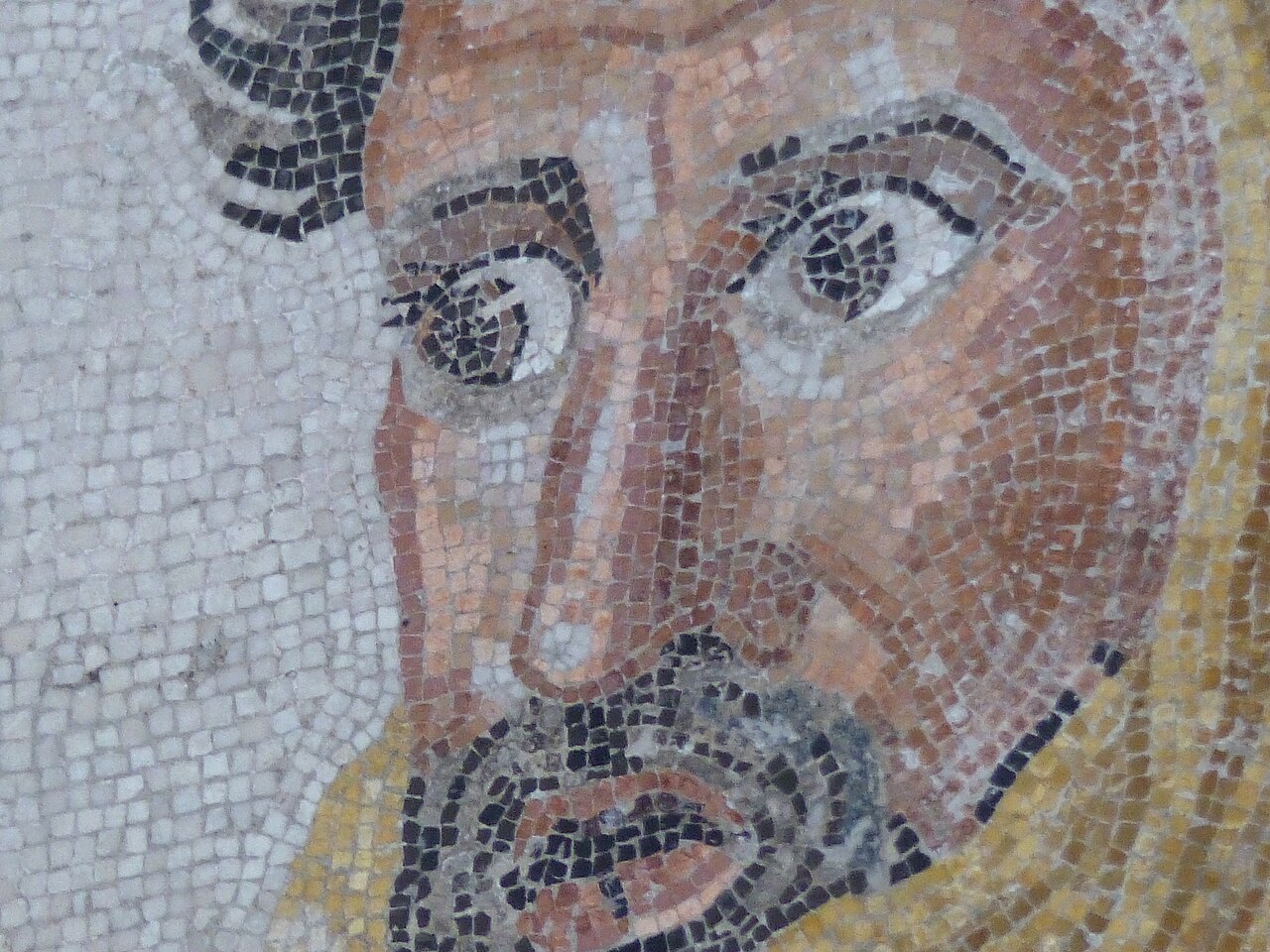
Philoxenus of Eretria used a technique known as opus vermiculatum when painting, which was the practice of laying millimeters-wide mosaic tiles known as tesserae around the subject of the painting. It translates literally to "worm-like work". In this case, "the Alexander Mosaic" used tiles that were four millimeters wide, providing depth and scale.
 Benjamín Núñez González, CC BY-SA 4.0, Wikimedia Commons
PLOS One Research Reveals Origins Of The Alexander Mosaic
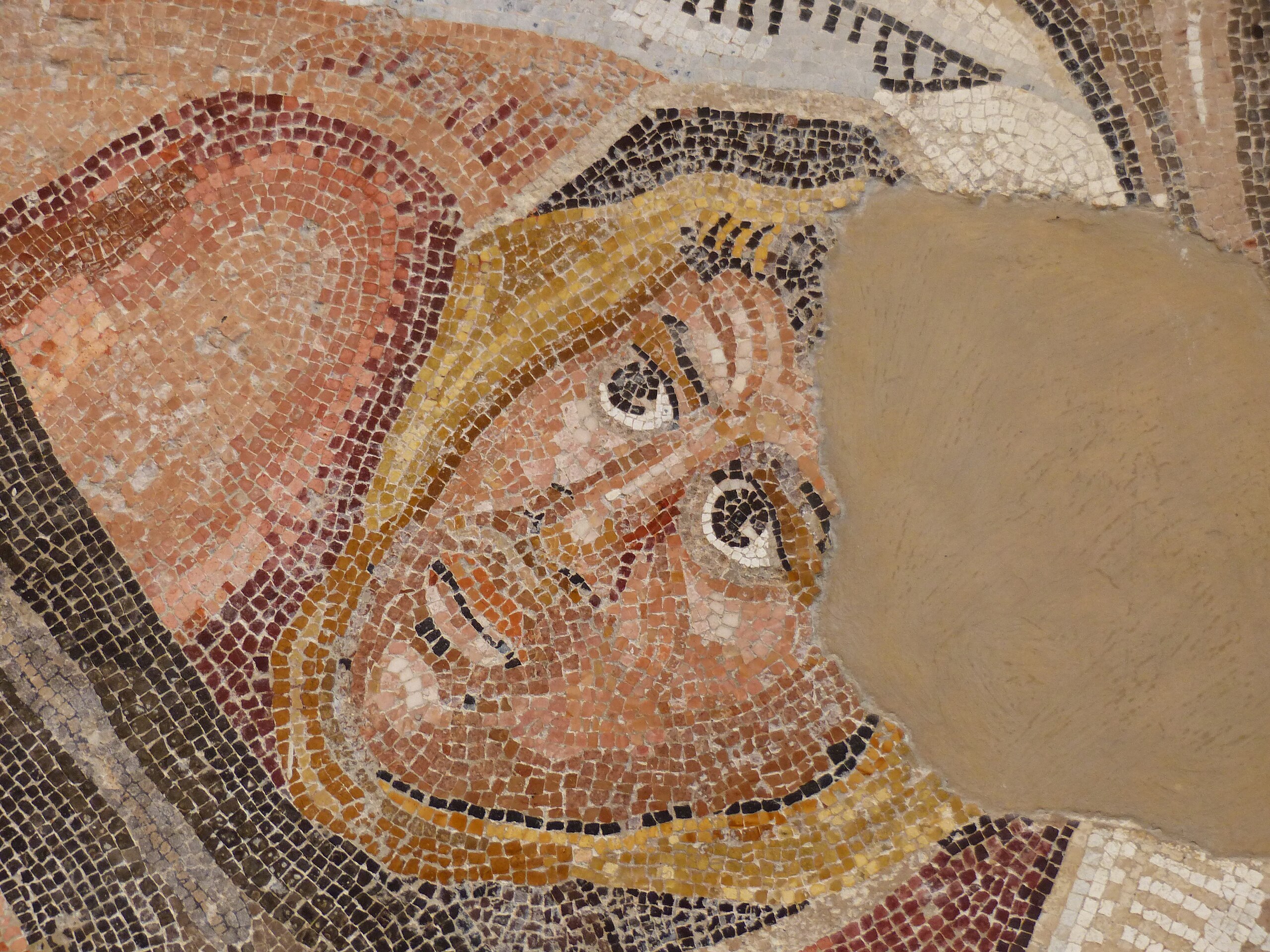
PLOS stands for Public Library Of Science. PLOS One is their peer-reviewed, open-access mega journal. Research in this journal analyzed the tiles using X-ray fluorescence and infrared thermography to help determine the colors used. By doing this, the researchers could understand where the tiles came from, and thus the origins of the painting itself.
 Benjamín Núñez González, CC BY-SA 4.0, Wikimedia Commons
Tiles Sourced From Across The Roman Empire
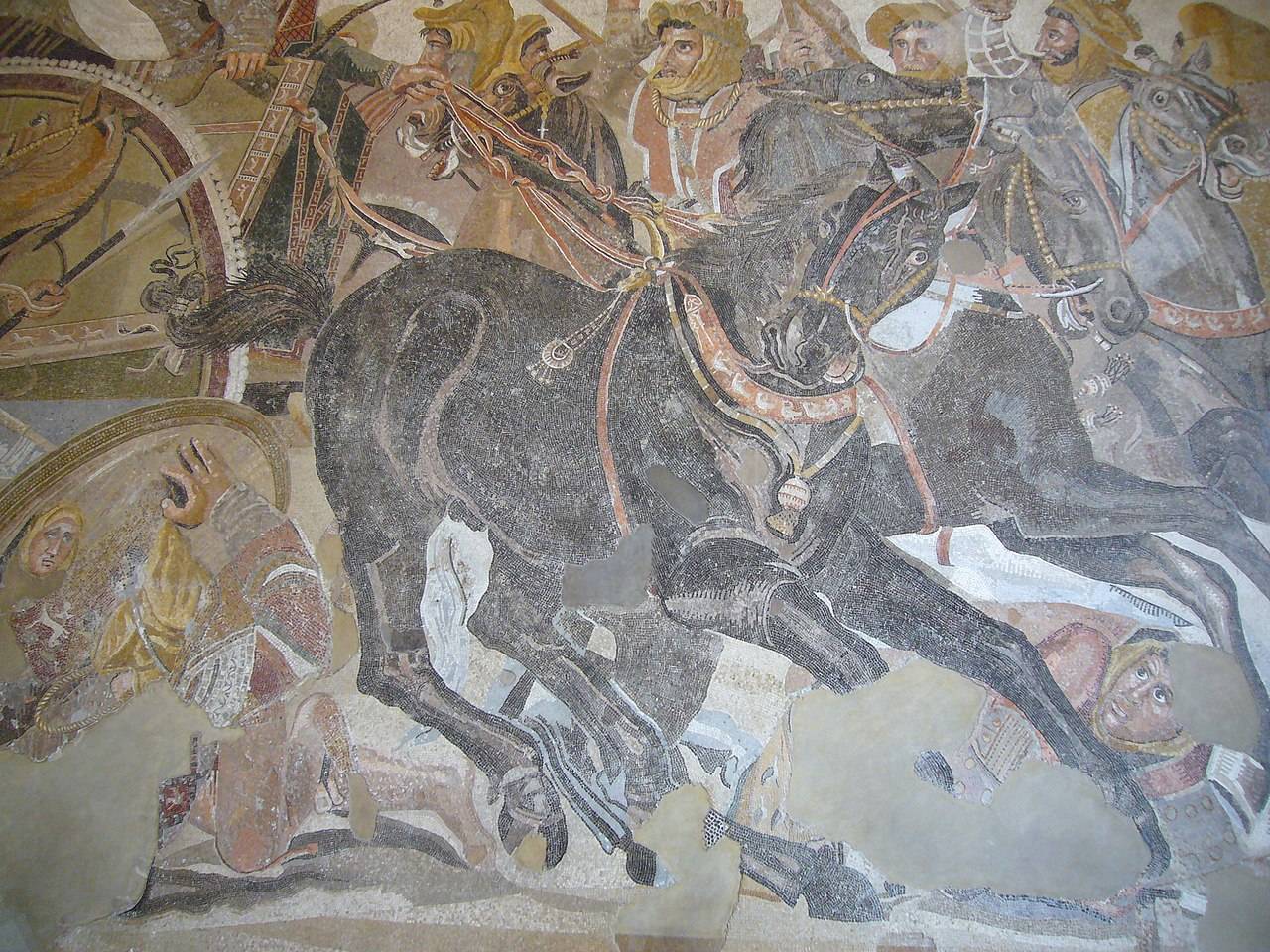
Using this technique, scientists discovered that the tiles in the Alexander Mosaic originated in the farthest reaches of the Roman Empire. Carrara marble was found in Italy, serpentinites were used in Greece, and basalt was from the Iberian Peninsula. Interestingly, some tesserae were found to have originated from quarries in Tunisia.
 Lalupa, CC BY-SA 3.0, Wikimedia Commons
Philoxenus Of Eretria Was A Master Of Detail
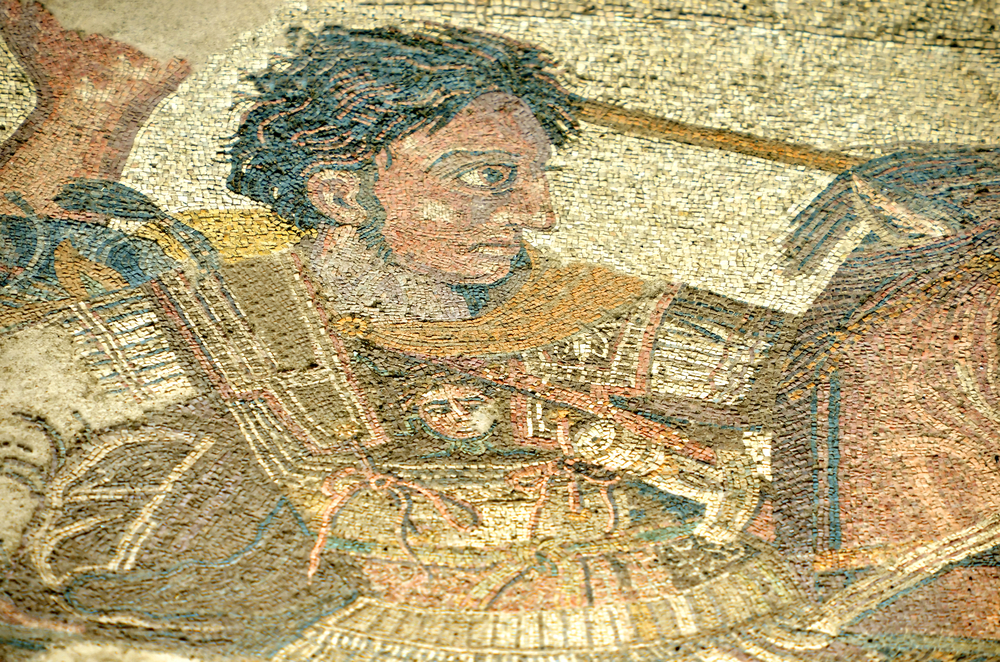
One key element that impressed scientists and researchers was Philoxenus of Eretria's attention to detail, making subtle changes to the tiles during painting to emphasize and give depth to Alexander's face.
Conservation Of The Alexander Mosaic Is Facing Challenges
Although the painting has been preserved at the National Archaeological Museum of Naples (MANN) since 1843, scientists have had to apply layers of wax and gypsum to protect its integrity as one solid piece of art. This has proved challenging because of its extraordinary size. Unfortunately, these protective measures have also caused harm to the surface itself because of environmental factors and chemical reactions.
 Benjamín Núñez González, CC BY-SA 4.0, Wikimedia Commons
Concerns For The Future Of The Alexander Mosaic
Because conserving this incredible piece of art has been challenging, scientists are voicing serious concerns about its future. Multispectral imaging has indicated voids and adhesive residue on the mosaic's underside, highlighting large zones of structural weakness.








.jpg)


