In These Places, The Ancient World Never Completely Disappeared
Most ancient cities disappeared. These ones kept going. Their streets, neighborhoods, and monuments have been rebuilt again and again, leaving modern travelers with the rare chance to visit places where ancient history is still part of everyday life.

Faiyum, Egypt
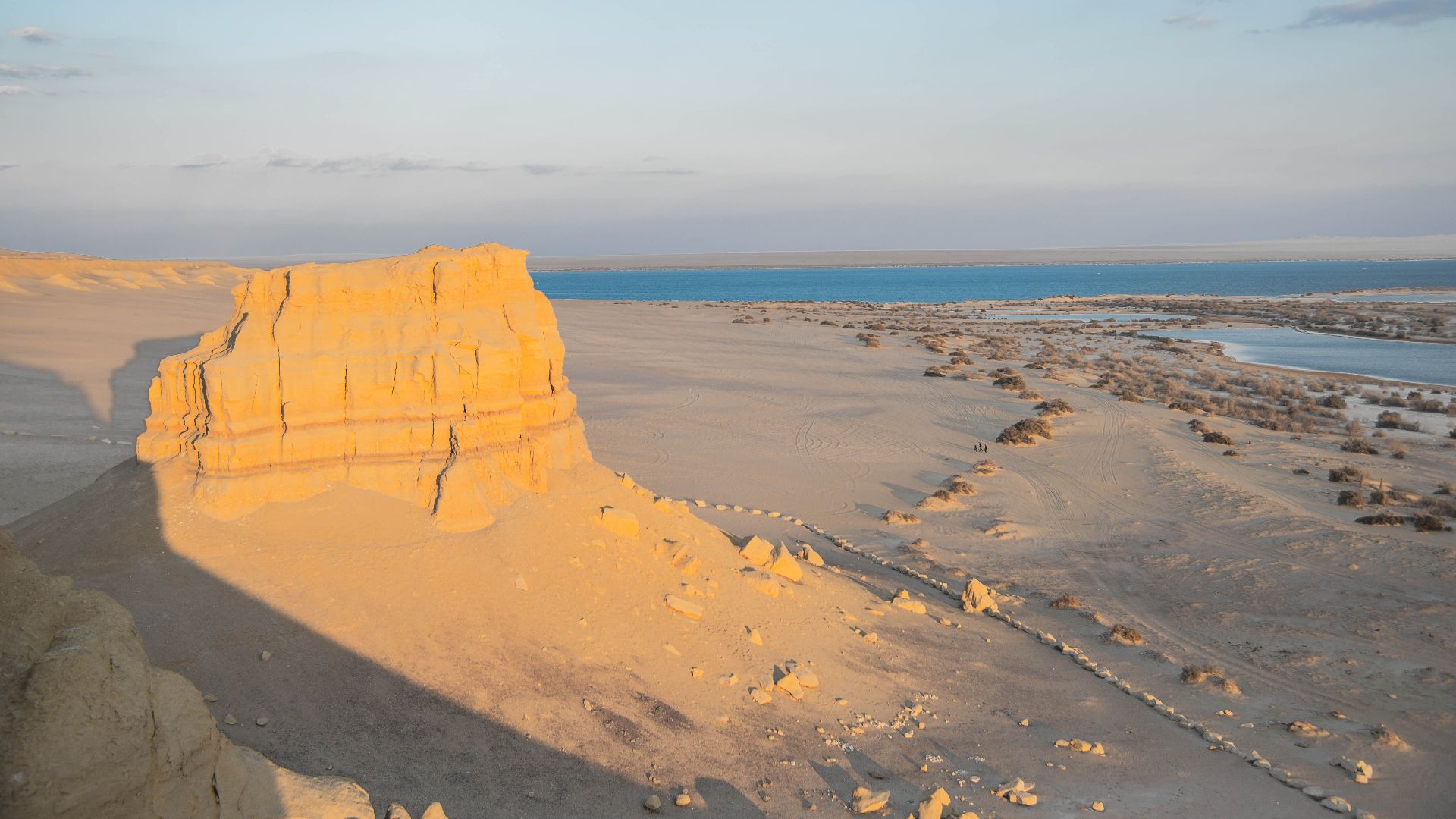
Faiyum occupies an oasis southwest of Cairo that has supported communities since prehistoric times. The ancient city of Shedet became an important center of worship for the crocodile god Sobek, leading the Greeks to call it Crocodilopolis. Later known as Arsinoe, it remained important during the Ptolemaic and Roman periods. Modern Faiyum is a busy Egyptian city rather than an archaeological showcase, but travelers use it as a base for exploring ancient pyramids, temples, Greco-Roman remains, and the broader oasis landscape that sustained communities for millennia.
Xi'an, China
Xi'an's importance reaches far beyond the Terracotta Army, although that extraordinary archaeological site alone would justify a trip. Known historically as Chang'an, the city served as the capital of several Chinese dynasties and became the eastern terminus of major Silk Road networks. Earlier settlements and capitals occupied the region long before the Tang dynasty transformed Chang'an into one of the world's largest cities. Modern Xi'an still preserves massive Ming-era walls, pagodas, historic quarters, and museums filled with material from civilizations that flourished around the city for thousands of years.
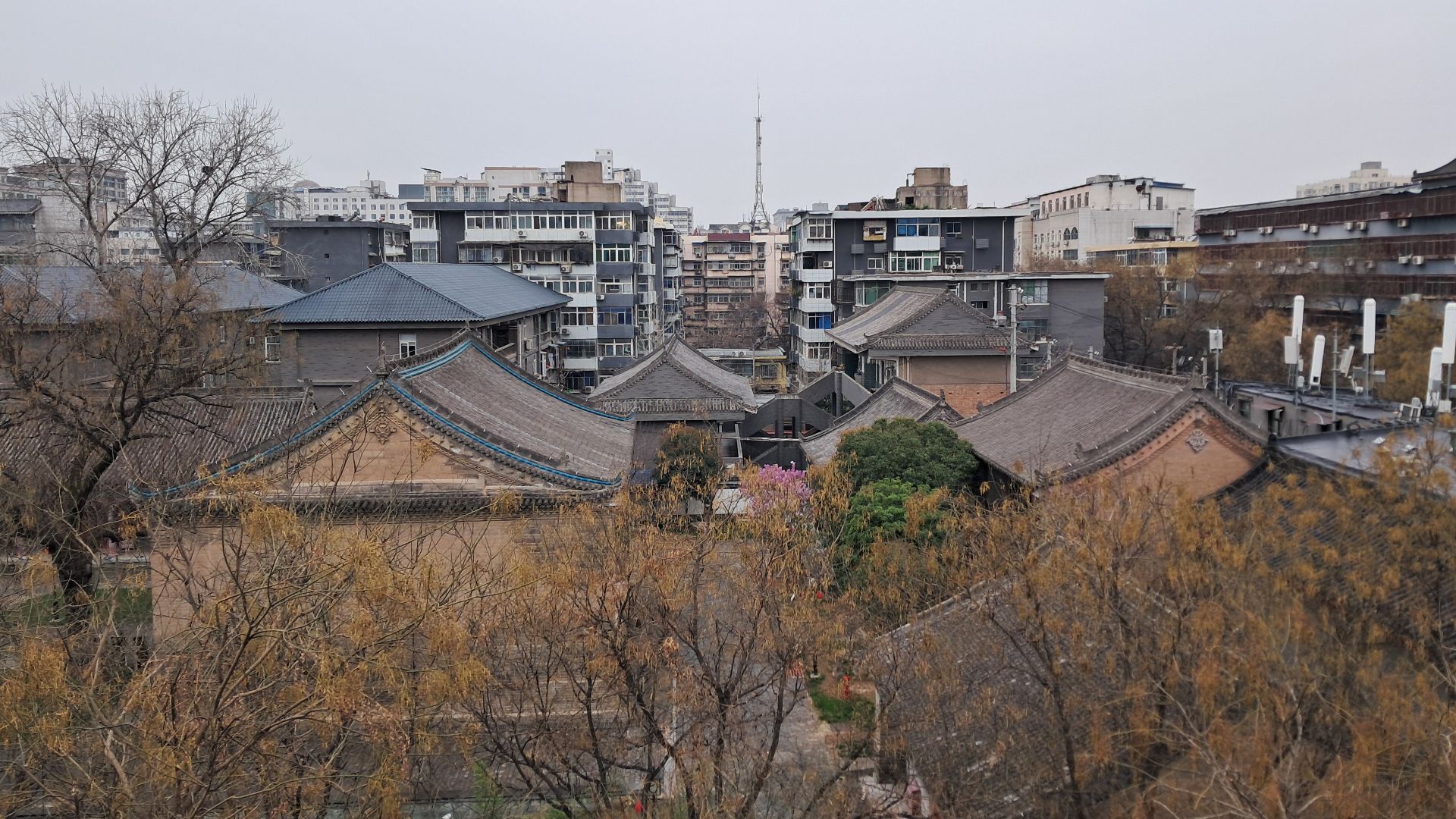 Ideophagous, Wikimedia Commons
Cholula, Mexico
Cholula developed into one of ancient Mesoamerica's most important religious and commercial centers, with occupation extending back more than two thousand years. Its most famous monument is the Great Pyramid of Cholula, an enormous construction built and enlarged through multiple phases. By volume, it's often described as the largest pyramid complex in the world. Spanish colonization dramatically changed the city, and churches now rise above and around ancient structures. Modern Cholula remains a bustling community where archaeological tunnels, colonial architecture, markets, university life, and distant volcanoes coexist in the same landscape.
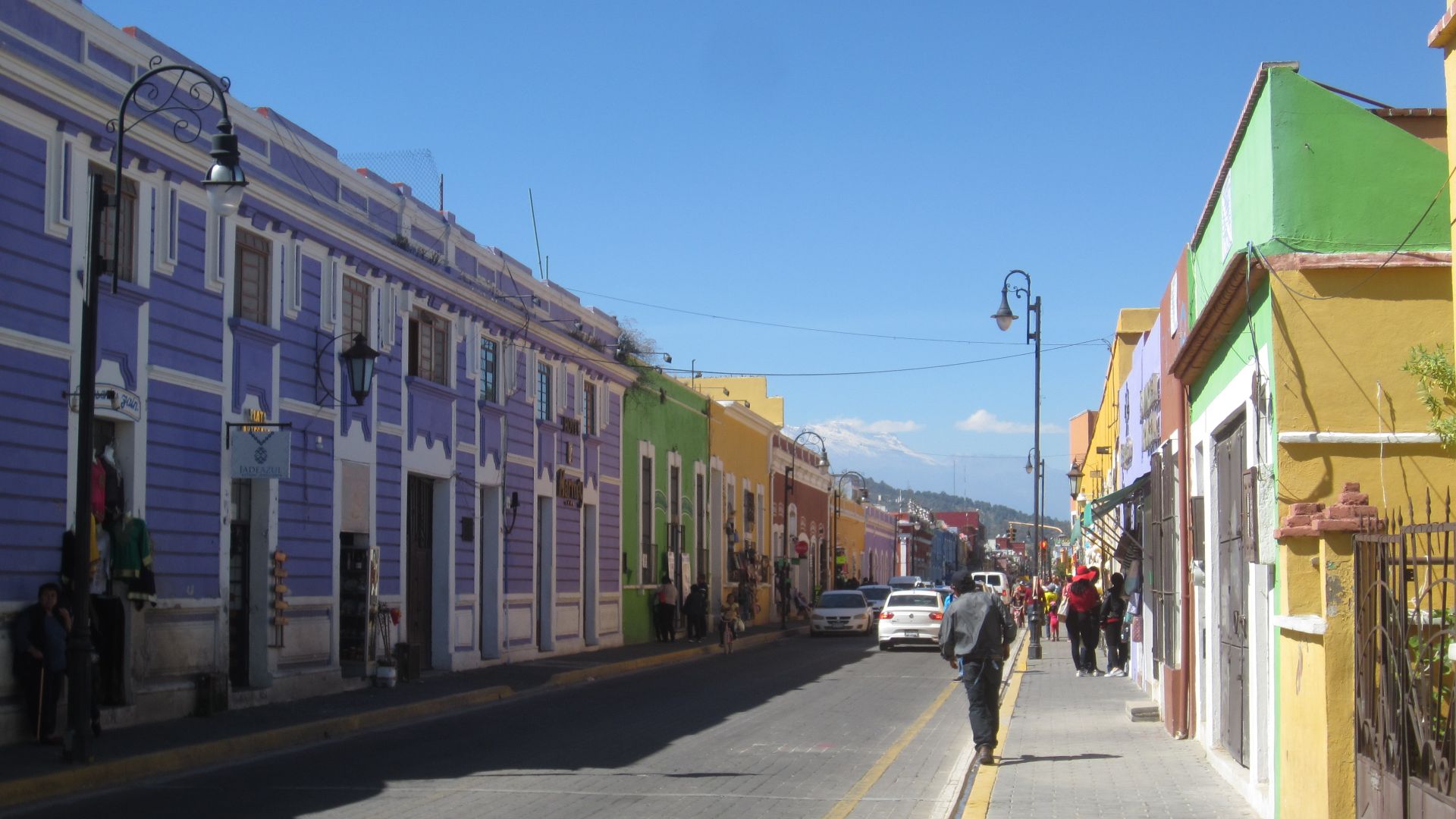 Another Believer, Wikimedia Commons
Varanasi, India
Varanasi's exact age is debated, but its reputation as one of the world's oldest continuously living cities is well deserved. Archaeology and historical traditions point to occupation extending back several thousand years, while the city became one of Hinduism's most sacred places. Life remains centered on the Ganges, where ghats descend toward the river and pilgrims bathe, worship, cremate the dead, and perform rituals that have ancient roots. Unlike many famous archaeological cities, Varanasi's importance isn't primarily in buried ruins. Its extraordinary continuity survives through living religious traditions.
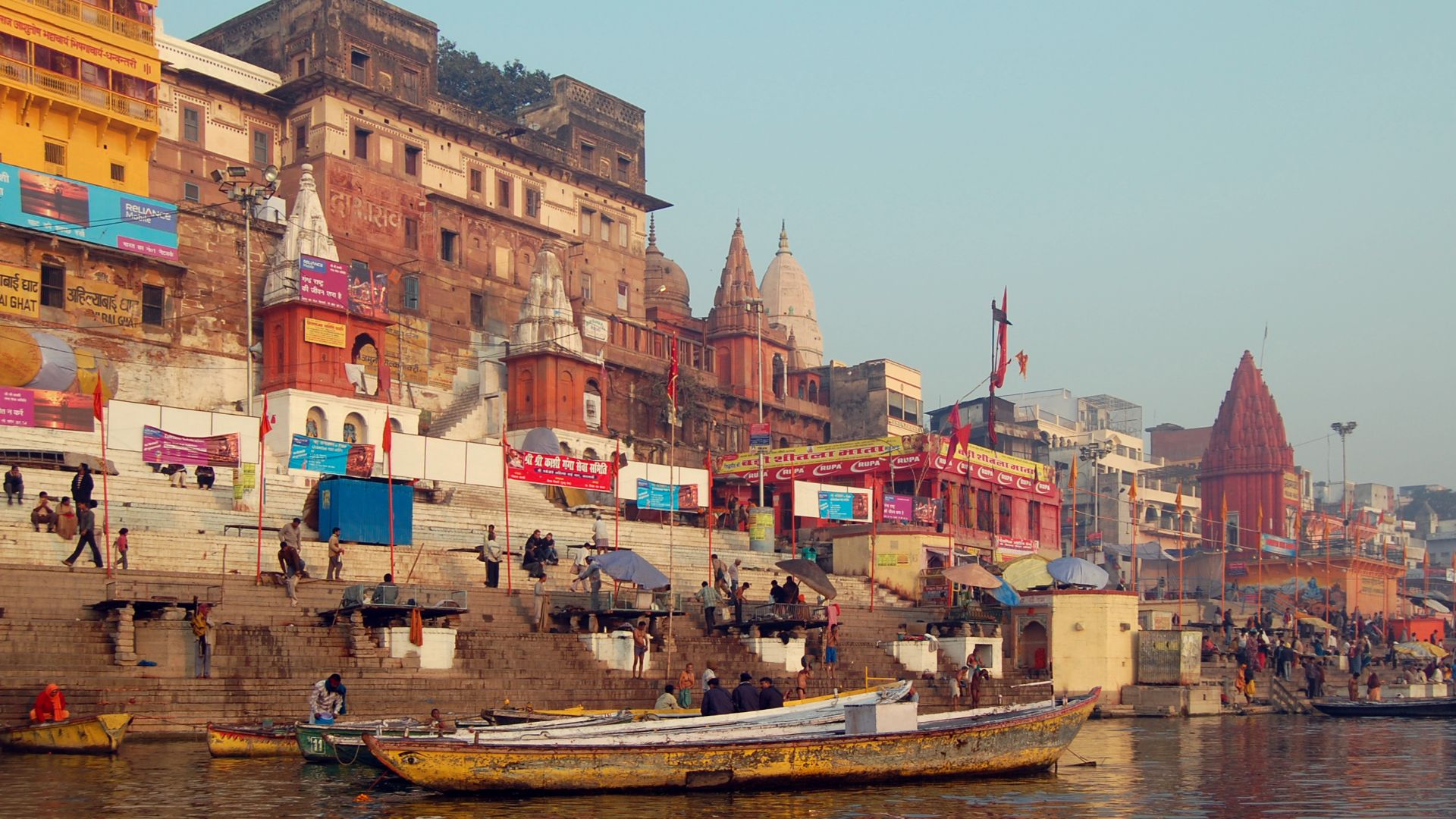 Marcin Białek, Wikimedia Commons
Sidon, Lebanon
Sidon was already an important Phoenician city by the Bronze Age and became famous for maritime trade, glass production, and purple dye. Its merchants traveled widely throughout the Mediterranean, while competing empires repeatedly fought for control of its prosperous port. Modern Sidon still spreads along the same coastline. Visitors can explore its old souks, medieval Sea Castle, Khan al-Franj caravanserai, and nearby archaeological remains, creating an unusual mix where thousands of years of history sit inside an active Lebanese coastal city.
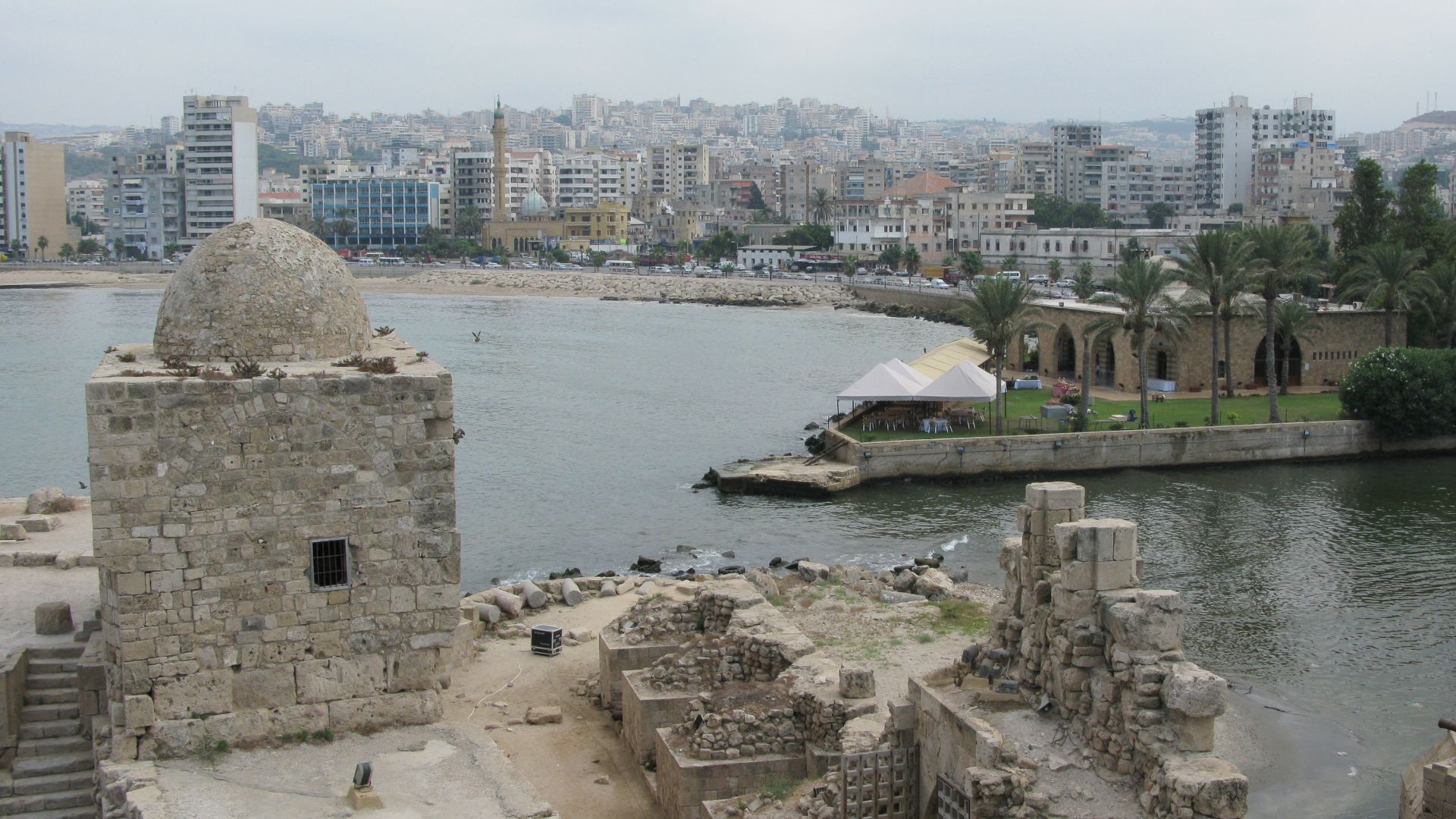 Vyacheslav Argenberg, Wikimedia Commons
Athens, Greece
People lived around Athens thousands of years before Socrates ever walked its streets. The Acropolis itself contains evidence of Mycenaean occupation and fortifications dating to the second millennium BCE. Athens later became one of the most influential cities of classical Greece, producing political ideas, philosophy, drama, architecture, and art that shaped cultures far beyond the Mediterranean. Modern Athens has grown into an enormous metropolis, but the Parthenon, Ancient Agora, Kerameikos, Roman Forum, and other ruins remain woven directly into ordinary neighborhoods.
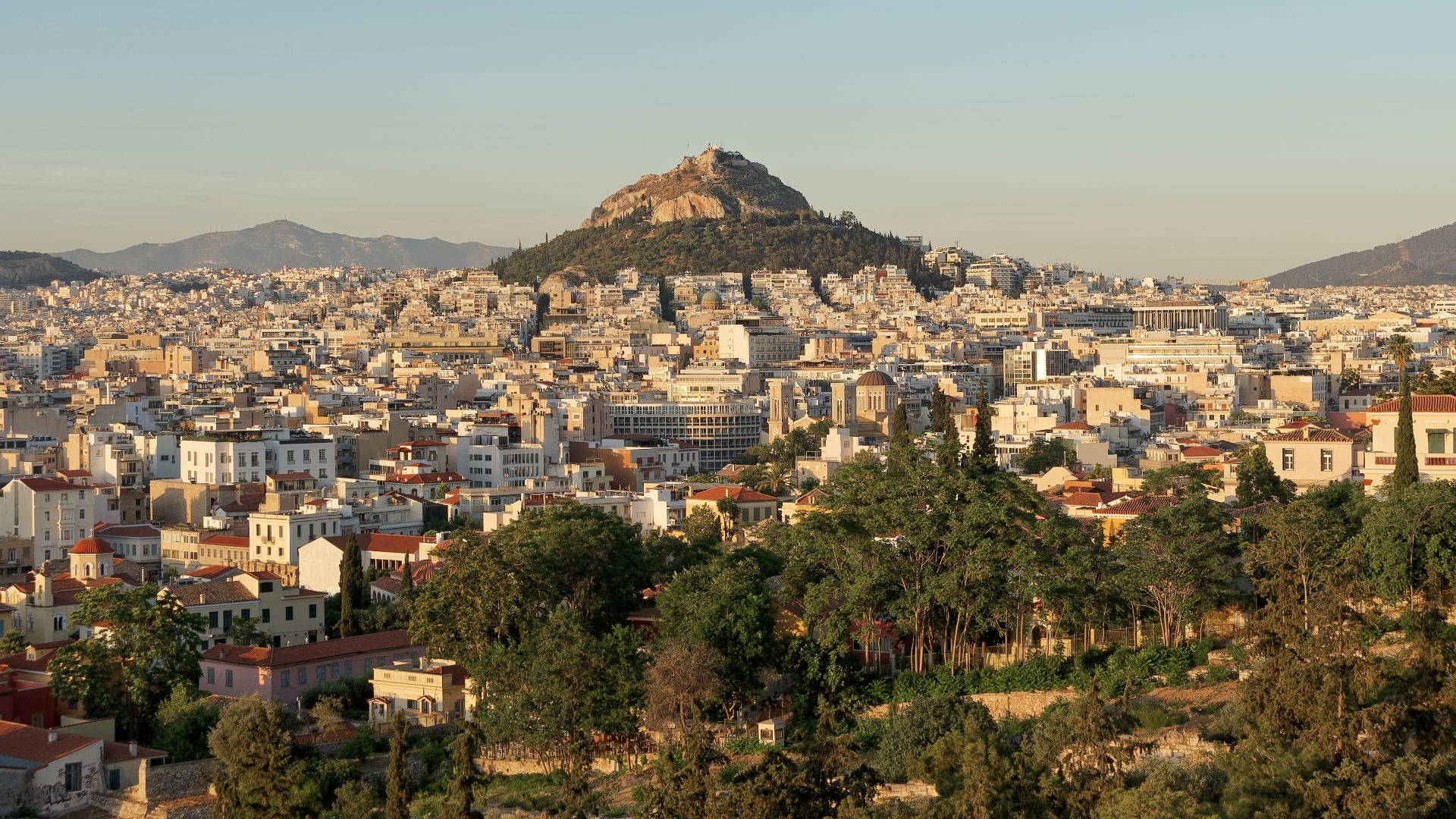 Jakub Hałun, Wikimedia Commons
Jericho, West Bank
Jericho's claim to extreme age begins at Tell es-Sultan, immediately beside the modern city, where archaeological deposits extend back to around 10,500 BCE. By the ninth to eighth millennium BCE, people had already created a substantial permanent settlement complete with a monumental stone tower, wall, and ditch. Later civilizations repeatedly occupied the area, leaving behind layers of Canaanite, Hellenistic, Roman, Byzantine, and Islamic history. Visitors today can explore Tell es-Sultan and then return to a modern city that still depends on the same oasis landscape that attracted inhabitants thousands of years ago.
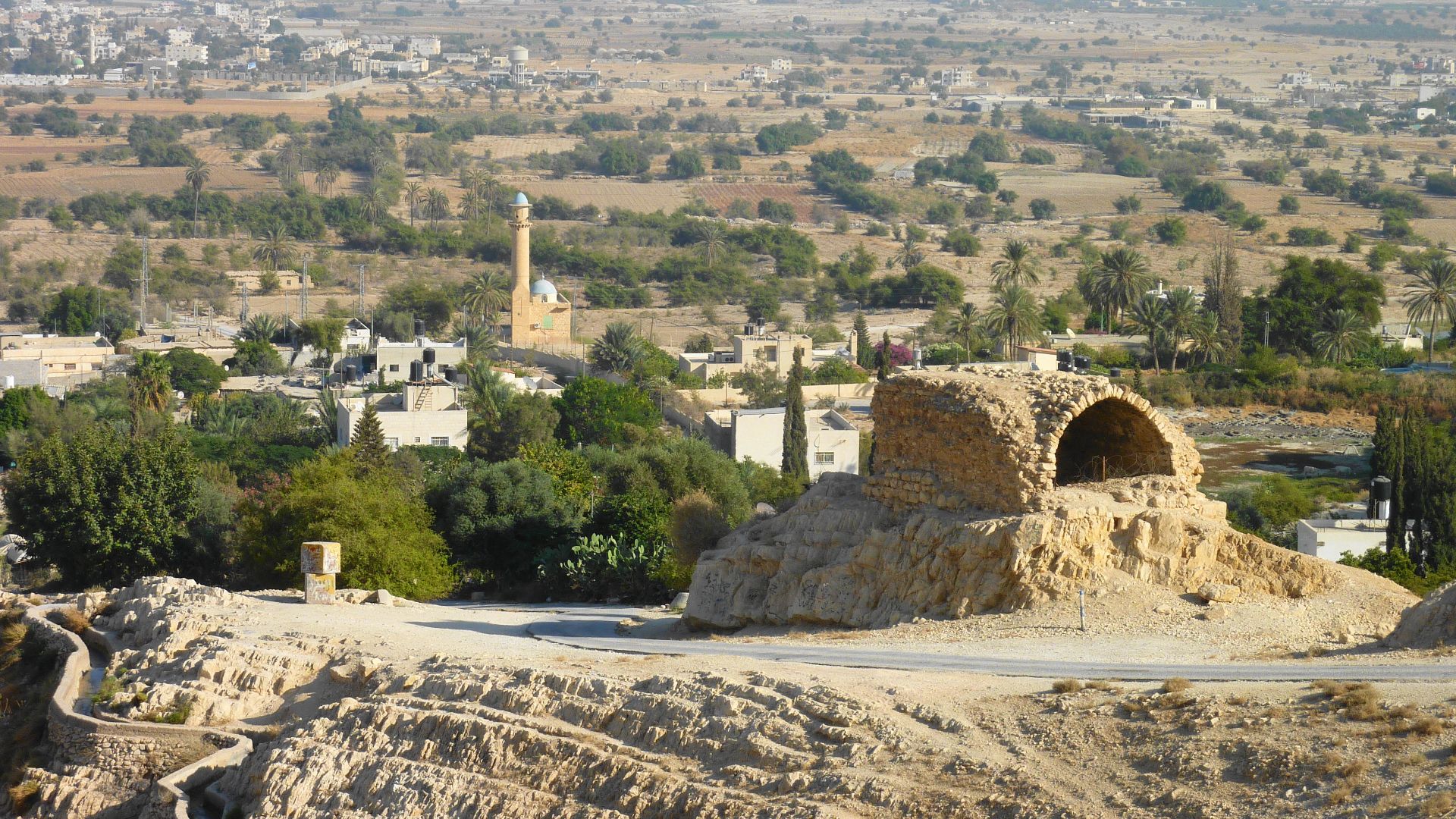
Damascus, Syria
Damascus regularly appears in discussions of the world's oldest continually inhabited cities. Settlement in the surrounding region reaches deep into prehistory, while the city itself became an important urban center by the third millennium BCE. Aramaeans, Romans, Byzantines, Umayyads, and Ottomans all reshaped it. The old city still contains Roman street patterns, medieval markets, historic houses, and the magnificent Umayyad Mosque. Modern Damascus isn't a preserved archaeological park. It's a large living city built on thousands of years of accumulated urban history.
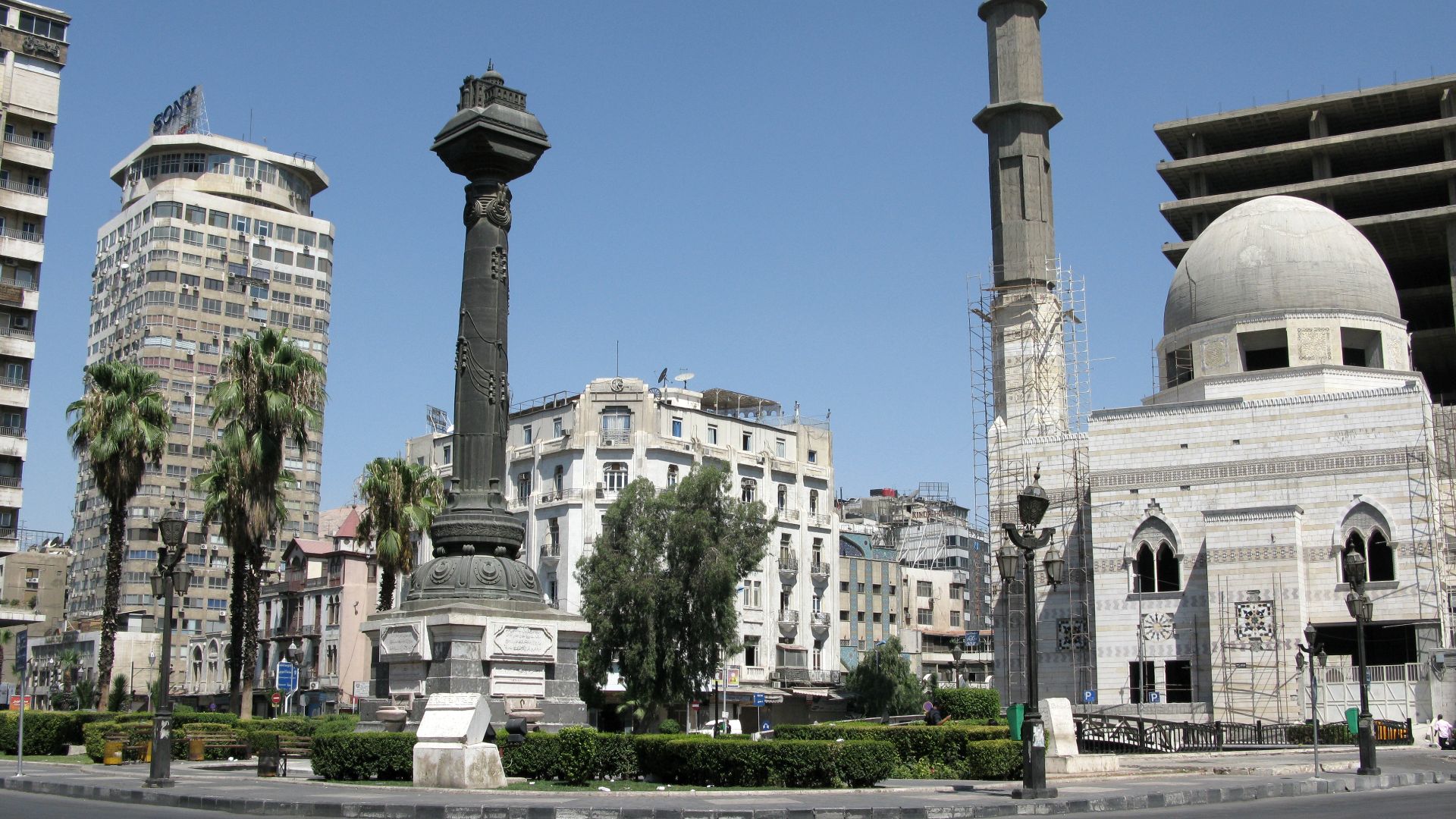 Vyacheslav Argenberg, Wikimedia Commons
Argos, Greece
Argos doesn't have Athens's international fame, but its history is every bit as remarkable. The region was occupied from prehistoric times and became one of the most important centers of Mycenaean and later Greek civilization. Homeric tradition associated Argos with legendary heroes, while historical Argos competed politically and militarily with Sparta. Today's city is still inhabited, with ancient remains scattered around it, including a large theater cut into the hillside, Roman baths, an agora, and nearby Mycenaean sites that make the surrounding region an archaeological gold mine.
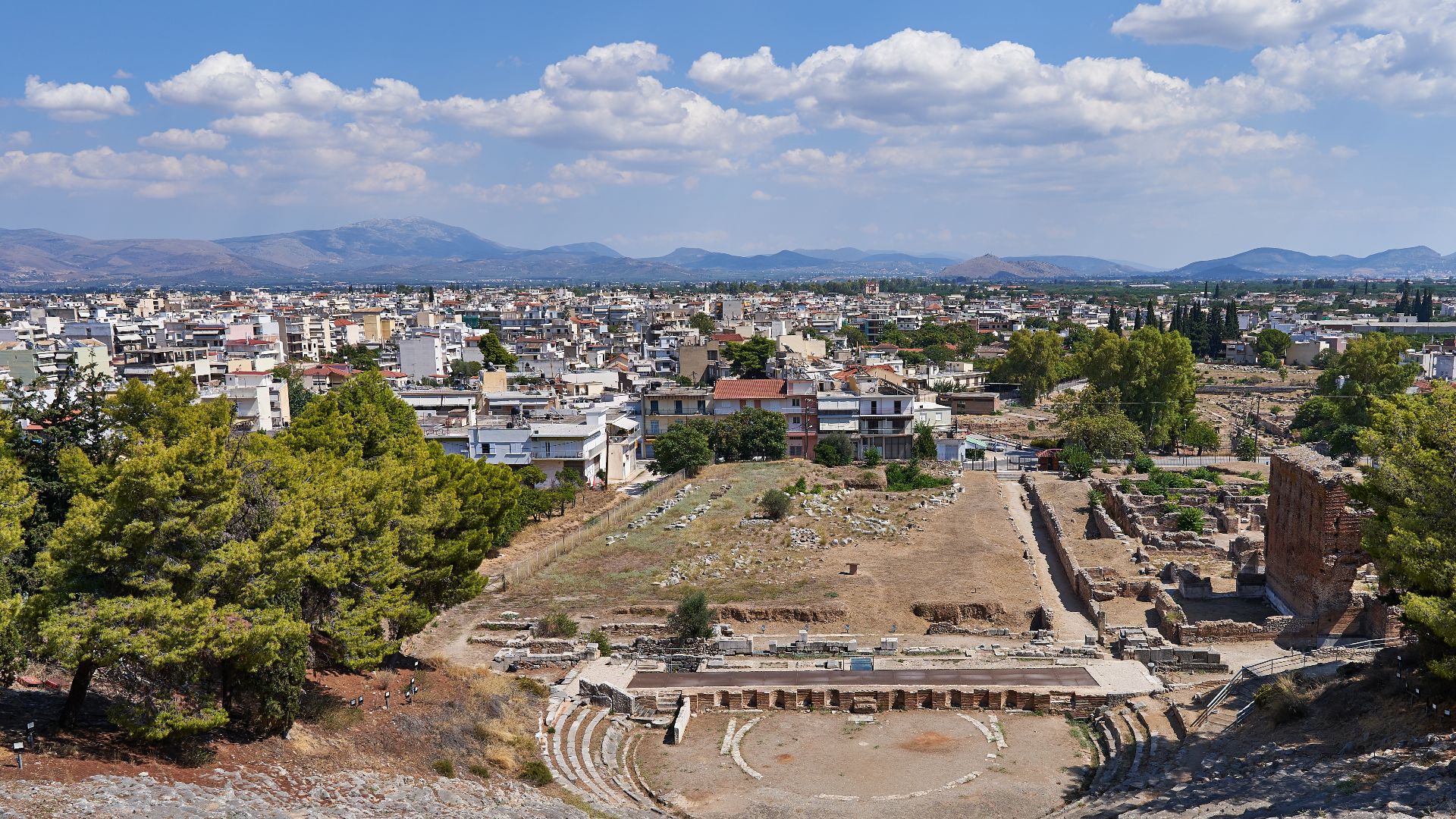 George E. Koronaios, Wikimedia Commons
Cádiz, Spain
Cádiz has one of the strongest claims to being the oldest continuously inhabited city in Western Europe. Phoenician settlers traditionally founded Gadir around the beginning of the first millennium BCE, taking advantage of its strategically useful island location on Spain's Atlantic coast. Romans later called it Gades and developed it into a prosperous port. Modern Cádiz remains unmistakably maritime, with narrow streets, plazas, beaches, fortifications, and archaeological remains squeezed onto a small peninsula that has attracted sailors and merchants for roughly three thousand years.
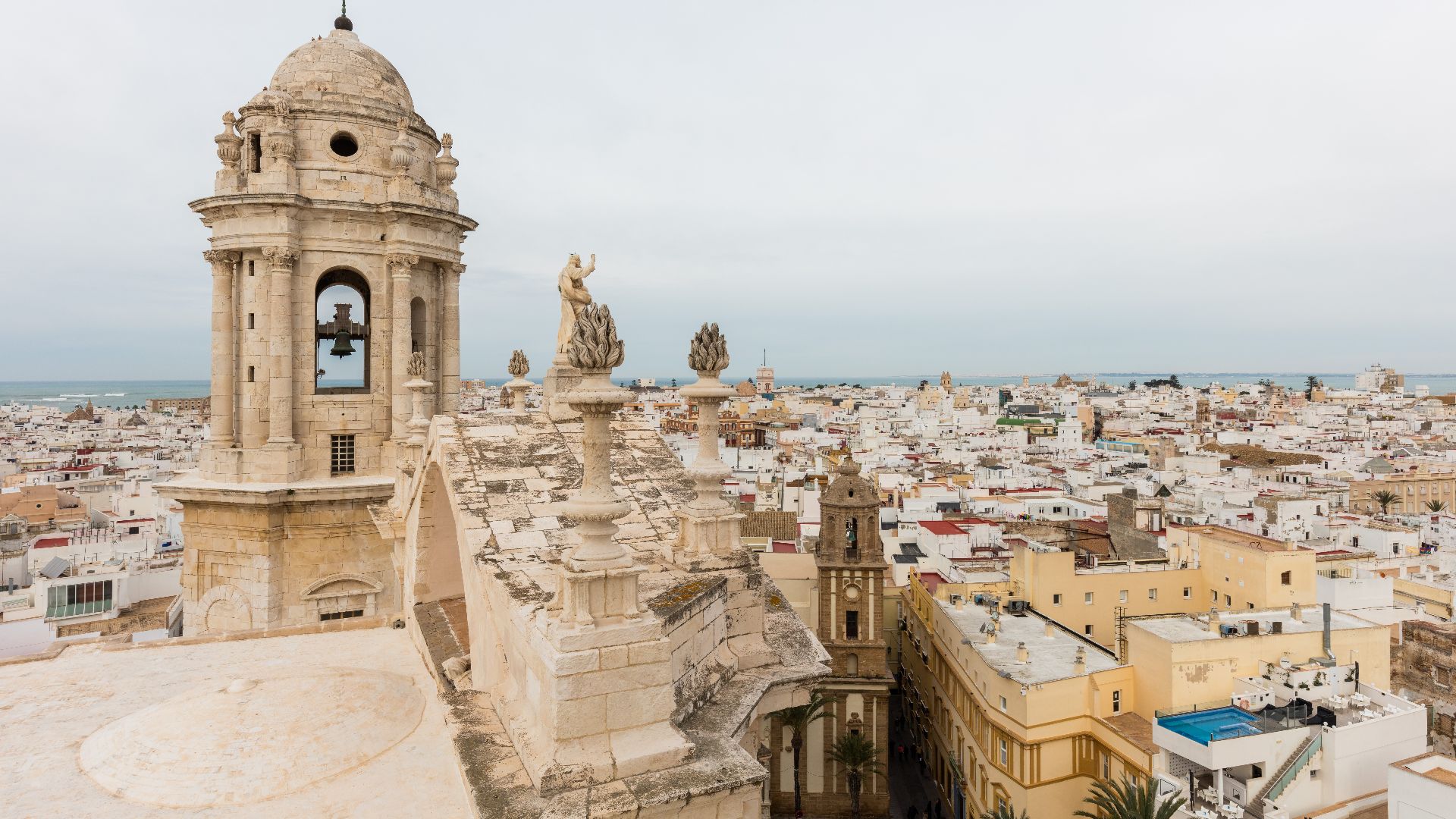 Diego Delso, Wikimedia Commons
Byblos, Lebanon
Few cities make their ancient past as easy to see as Byblos, or modern Jbeil. UNESCO describes the coastal settlement as continuously inhabited since Neolithic times, with its earliest fishing community dating back roughly 8,000 years. The city later became one of Phoenicia's great ports and played an important role in the spread of the Phoenician alphabet. Today visitors can walk between Bronze Age temples, Roman remains, a Crusader castle, medieval streets, restaurants, houses, and a working harbor, all packed into a remarkably small area.
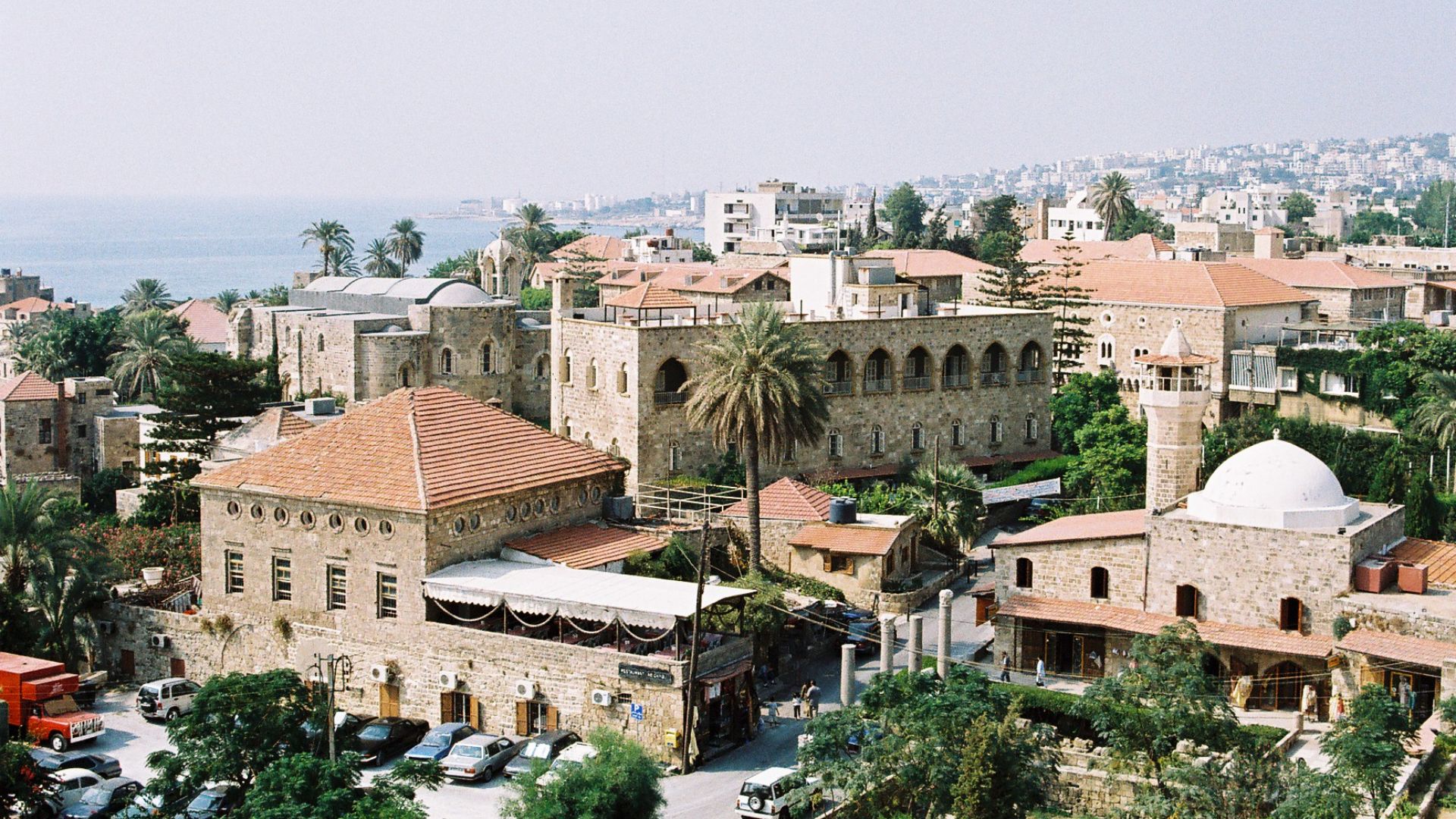 Orient at de.wikipedia, Wikimedia Commons
Luxor, Egypt
Modern Luxor occupies part of ancient Thebes, one of the greatest cities of pharaonic Egypt. Thebes rose to exceptional importance during the Middle and New Kingdoms, when rulers transformed it into both an imperial capital and the religious center of Amun worship. The city's monuments are almost absurdly extensive. Karnak and Luxor temples stand on the east bank of the Nile, while the Valley of the Kings, Valley of the Queens, and enormous mortuary temples spread across the west. People still live among a landscape that once housed pharaohs, priests, artisans, and royal officials.
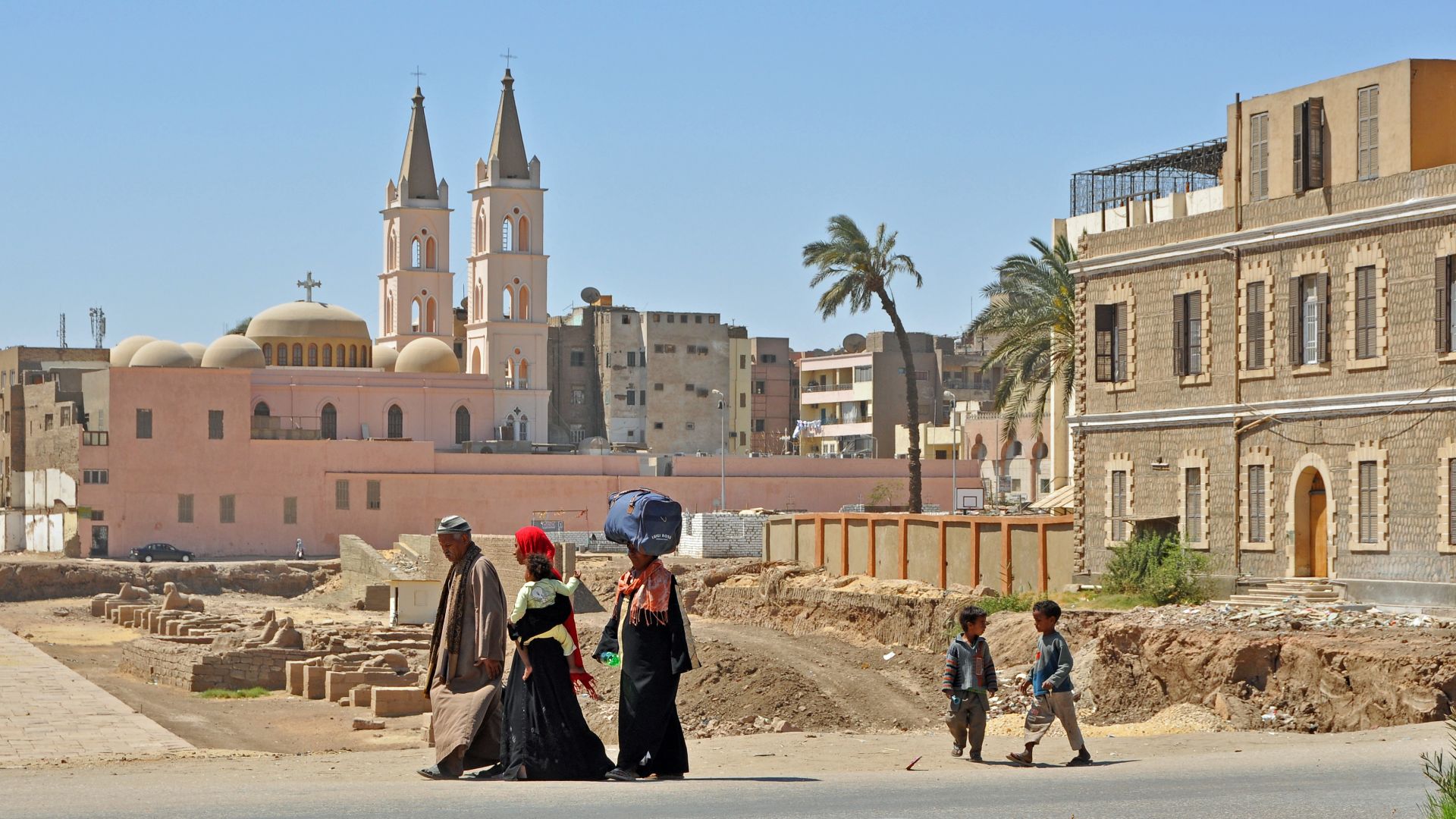 Marc Ryckaert, Wikimedia Commons
Plovdiv, Bulgaria
Plovdiv likes to describe itself as one of Europe's oldest continuously inhabited cities, and the archaeology beneath it certainly runs deep. Settlement on Nebet Tepe reaches back several thousand years, while Thracians, Macedonians, Romans, Byzantines, Ottomans, and Bulgarians all left their mark. The Roman period produced especially impressive remains, including a stadium and theater. Today those ruins sit inside a lively Bulgarian city filled with restaurants, galleries, nineteenth-century houses, and cobbled streets. Few places make it easier to have lunch beside architecture that's roughly 2,000 years old.
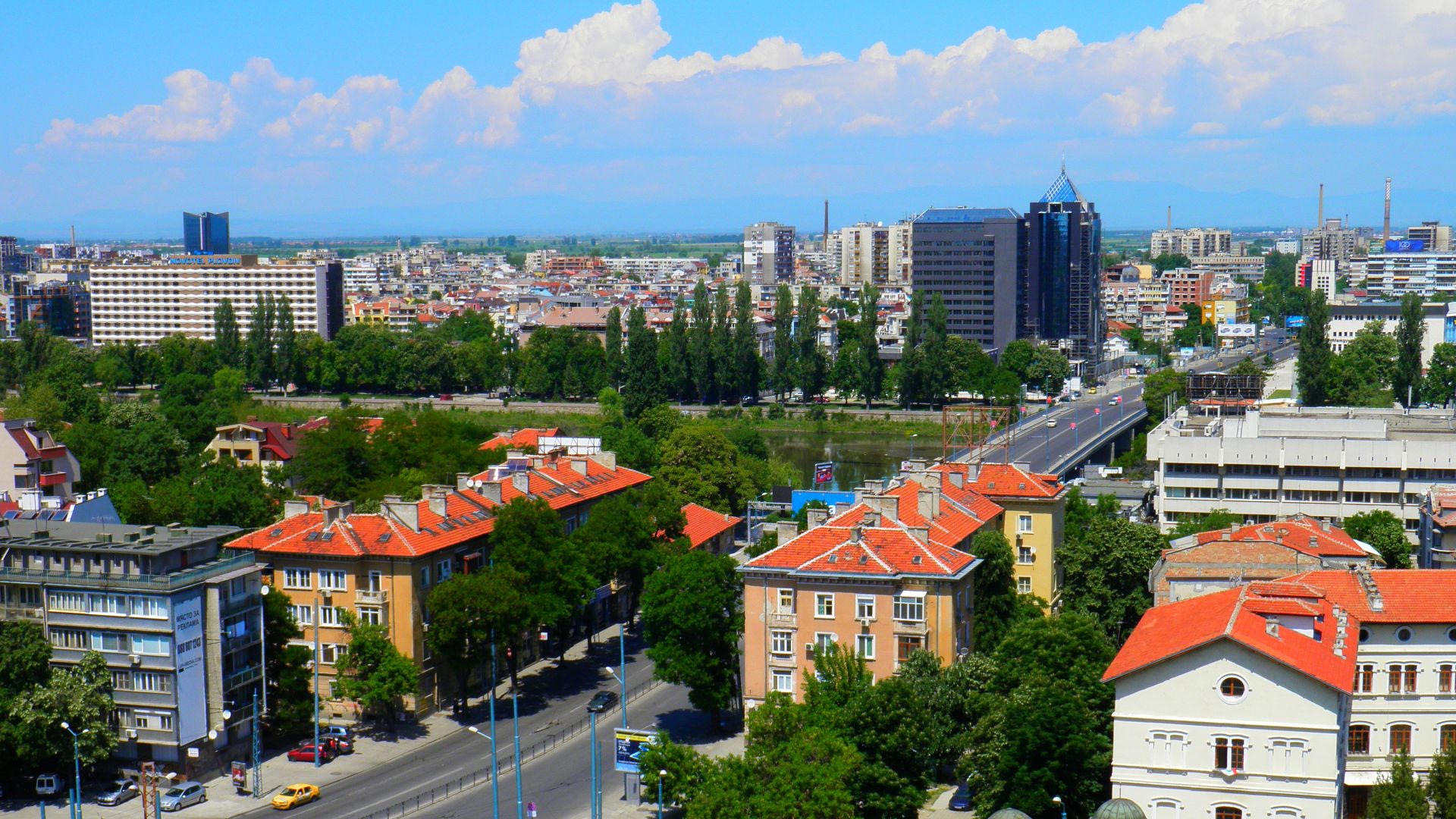
Aleppo, Syria
Aleppo's history stretches back several thousand years, with archaeological evidence indicating settlement in the area by at least the sixth millennium BCE. Its location between Mesopotamia and the Mediterranean helped turn it into an important trading center long before classical antiquity. The enormous Citadel of Aleppo dominates the historic center, while souks, mosques, caravanserais, and old neighborhoods preserve later layers of the city's story. War caused catastrophic damage in the twenty-first century, but restoration has continued and the city remains inhabited rather than becoming an abandoned historical site.
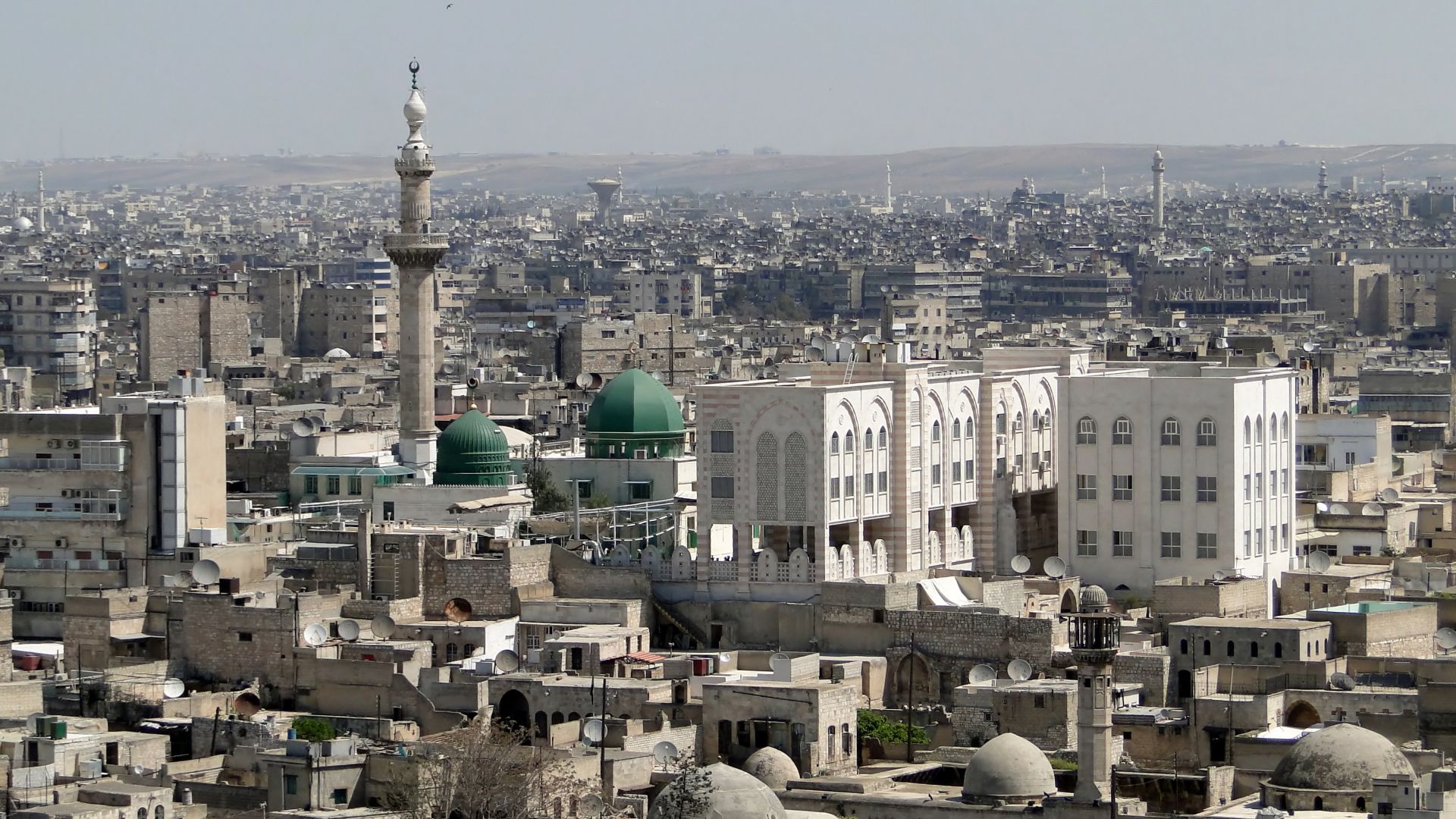 Bernard Gagnon, Wikimedia Commons
Matera, Italy
Matera offers a very different kind of ancient urban experience. Humans used the area's natural caves during the Paleolithic, and UNESCO describes the Sassi districts as showing continuous human occupation through multiple millennia. Generations enlarged caves into homes, workshops, churches, and entire neighborhoods carved into the rock. By the twentieth century, terrible living conditions led authorities to evacuate many residents, but the Sassi were later restored. Today people once again live, eat, sleep, and run businesses inside one of Europe's most extraordinary ancient settlement landscapes.
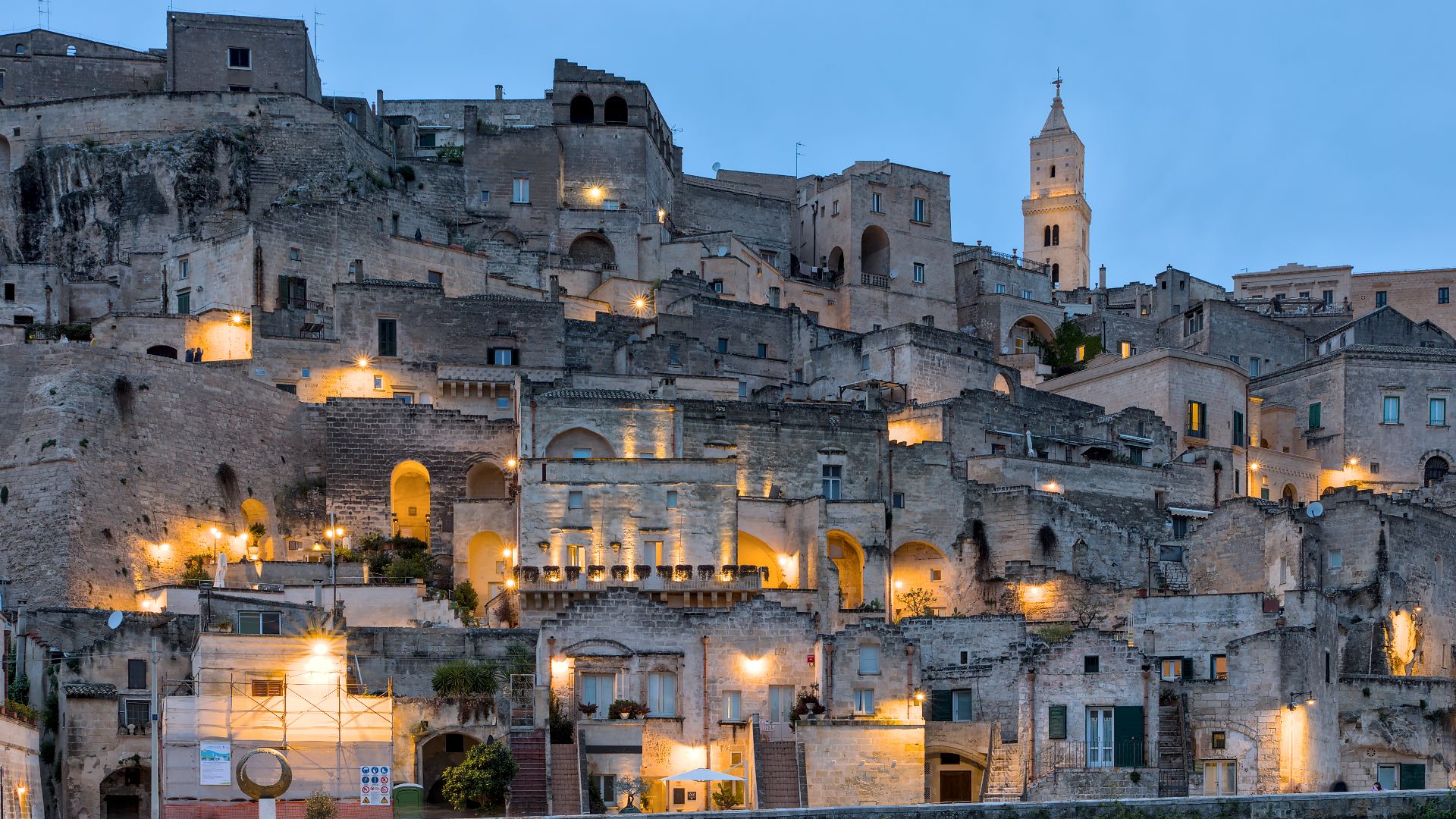 Benjamin Smith, Wikimedia Commons
Larnaca, Cyprus
Modern Larnaca grew around the ancient city of Kition, whose remains extend back into the Late Bronze Age. Kition became an important Phoenician center with strong maritime connections and was later controlled by major Mediterranean powers. The ancient philosopher Zeno, founder of Stoicism, was born there. Archaeological areas survive within modern Larnaca, while nearby churches, mosques, salt lakes, beaches, and historic neighborhoods make the city a major visitor destination. The result is another place where an ancient port quietly evolved into a modern seaside city instead of disappearing.
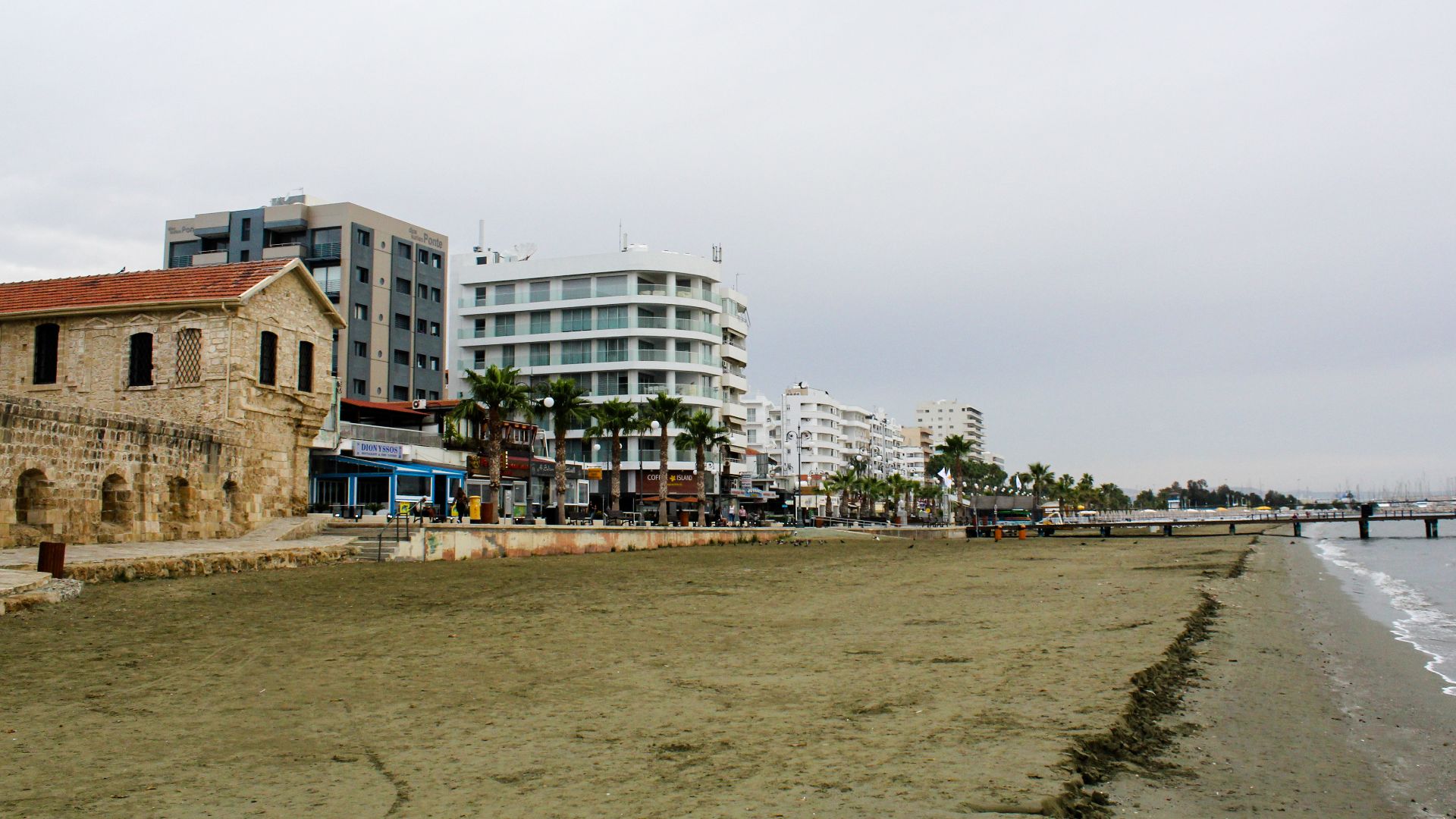 Andris Malygin, Wikimedia Commons
Susa, Iran
Modern Shush sits beside the remains of Susa, one of the great cities of the ancient Near East. Settlement began here during the fifth millennium BCE, and the city eventually became a major center of Elam before serving as one of the royal capitals of the Persian Achaemenid Empire. Darius I built a magnificent palace here, while later Parthian and Sasanian populations continued using the site. Visitors can explore the archaeological mounds, palace remains, and museum while looking across at the modern settlement that inherited Susa's extraordinary location.
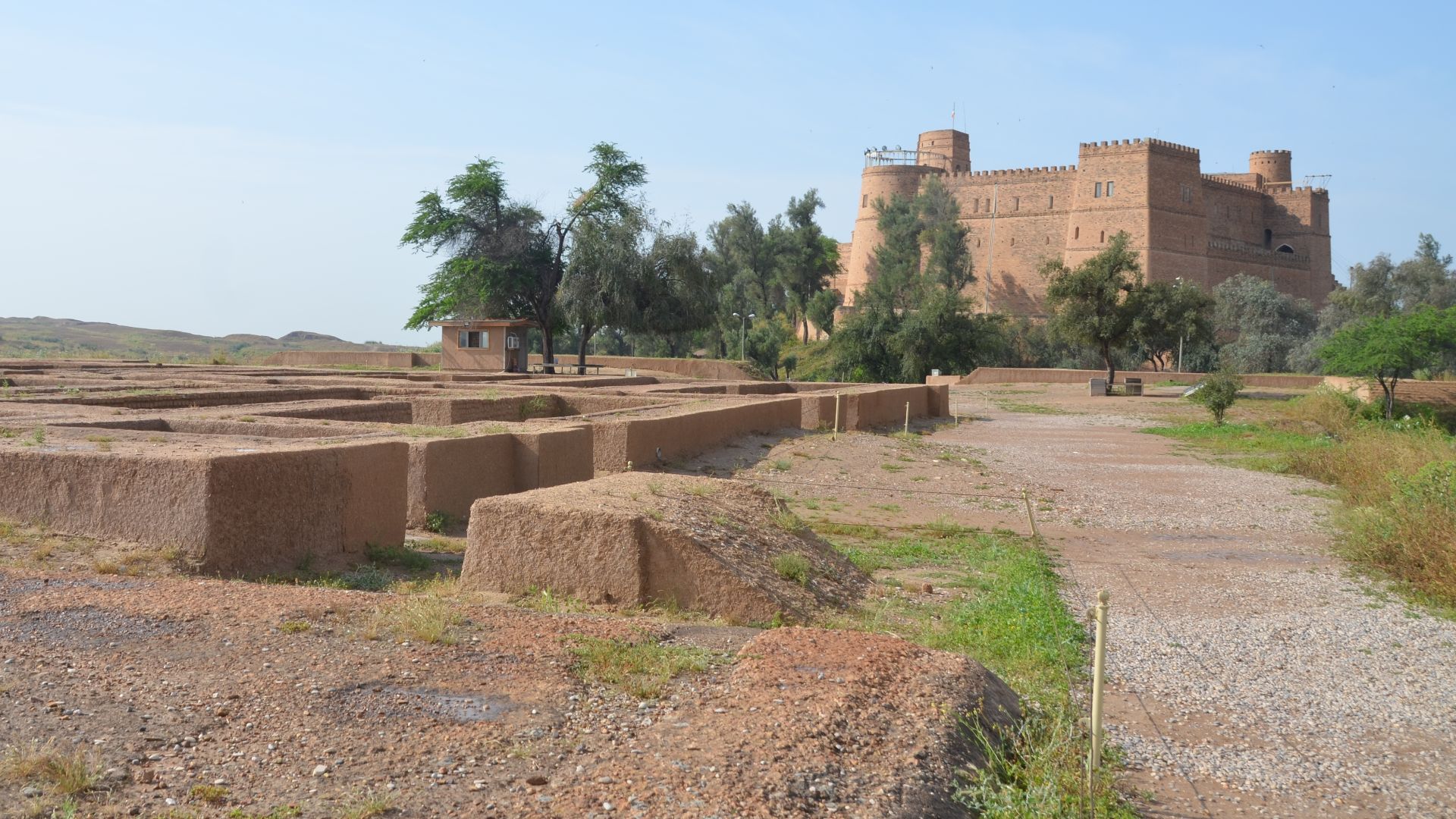 Carole Raddato from Frankfurt, Germany, Wikimedia Commons
Jerusalem
Few cities have accumulated as many historical layers as Jerusalem. Settlement on and around the city's hills reaches back several thousand years, while by the Bronze and Iron Ages it had become an important fortified center. Jerusalem later stood at the heart of Jewish kingdoms, Roman and Byzantine rule, early Christianity, Islamic caliphates, Crusader kingdoms, and Ottoman administration. Visitors today encounter archaeological remains beside some of Judaism's, Christianity's, and Islam's holiest places, all within a modern city where ancient history remains intensely present.
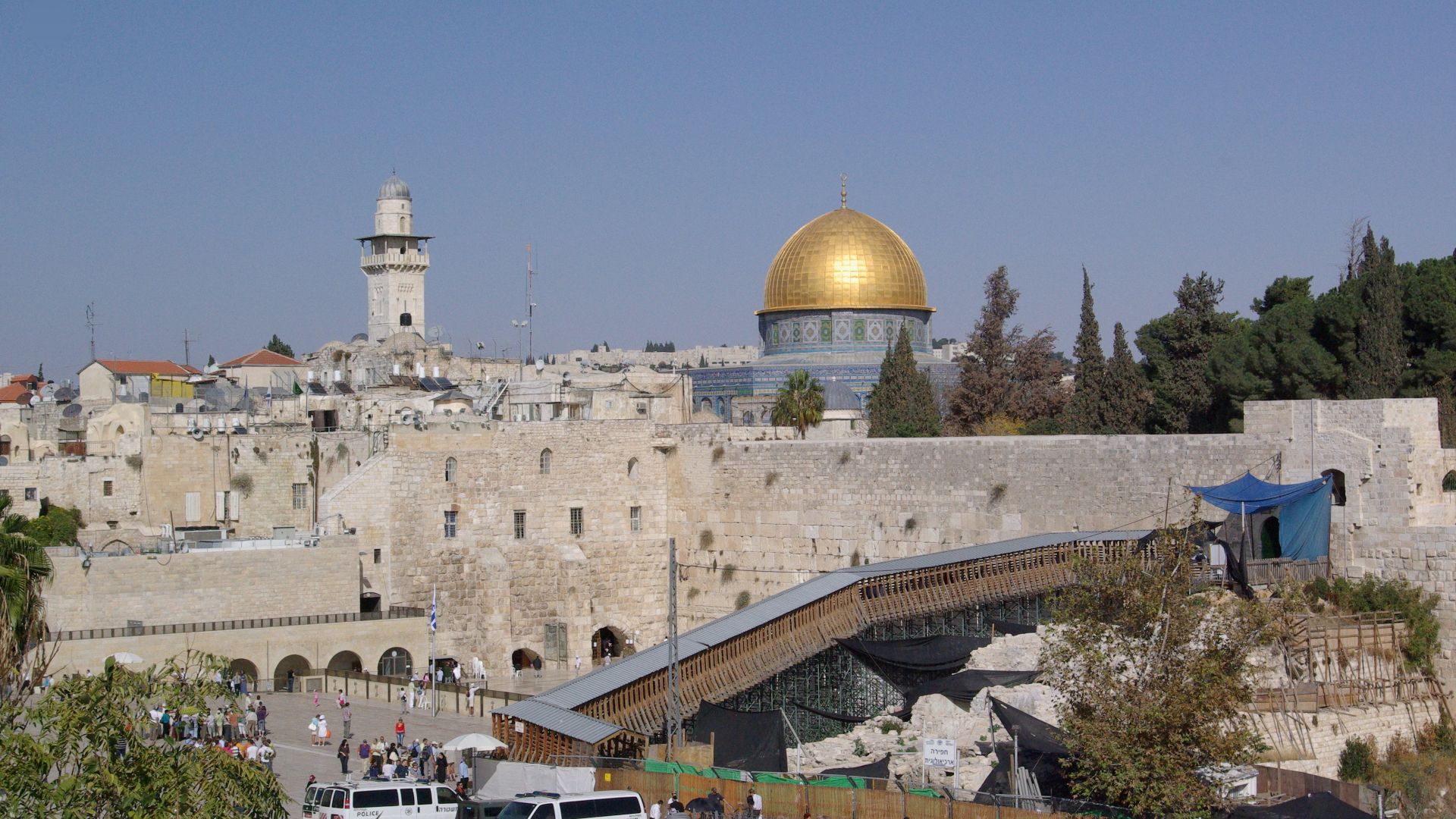 Berthold Werner, Wikimedia Commons
Luoyang, China
Luoyang has served repeatedly as a Chinese capital and political center over more than two millennia, while settlements in the surrounding region extend much farther back. Several dynasties established capitals there, making the city central to Chinese political, religious, and cultural history. Travelers today are particularly drawn to the Longmen Grottoes, where tens of thousands of Buddhist images were carved into limestone cliffs beginning during the Northern Wei period. Ancient city remains, museums, temples, and tombs surround a modern metropolis that has repeatedly reinvented itself.
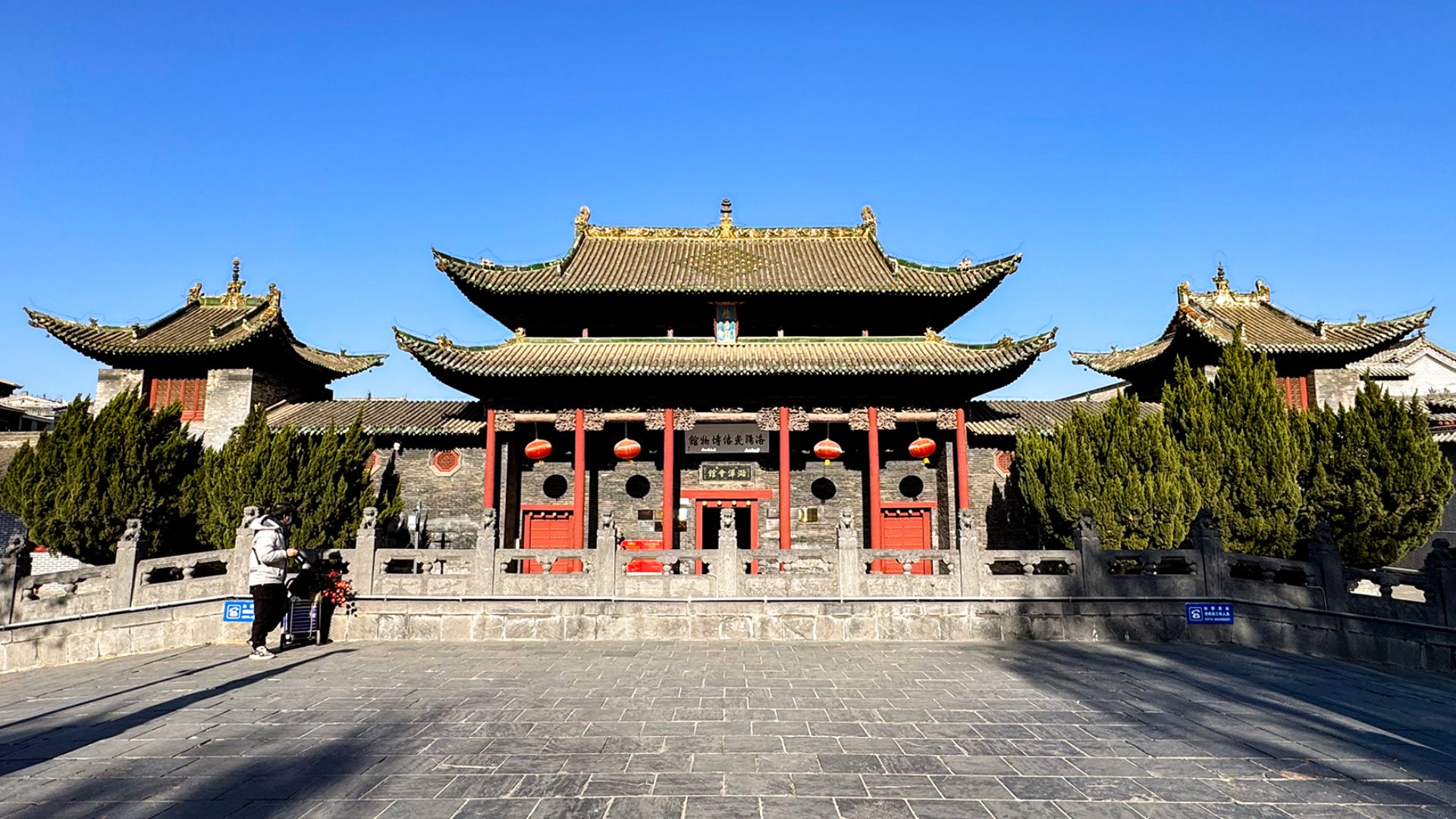 Windmemories, Wikimedia Commons
Lisbon, Portugal
Long before Lisbon became the capital of Portugal, communities occupied the excellent natural harbor around the Tagus River. Phoenicians established a presence in the area during the first millennium BCE, followed by Romans, Visigoths, and Islamic rulers. Much of ancient and medieval Lisbon lies beneath the modern city because earthquakes and rebuilding repeatedly transformed it. Visitors can still explore Roman remains, the medieval Alfama district, São Jorge Castle, and archaeological layers hidden underneath streets that are busy with modern residents and travelers.
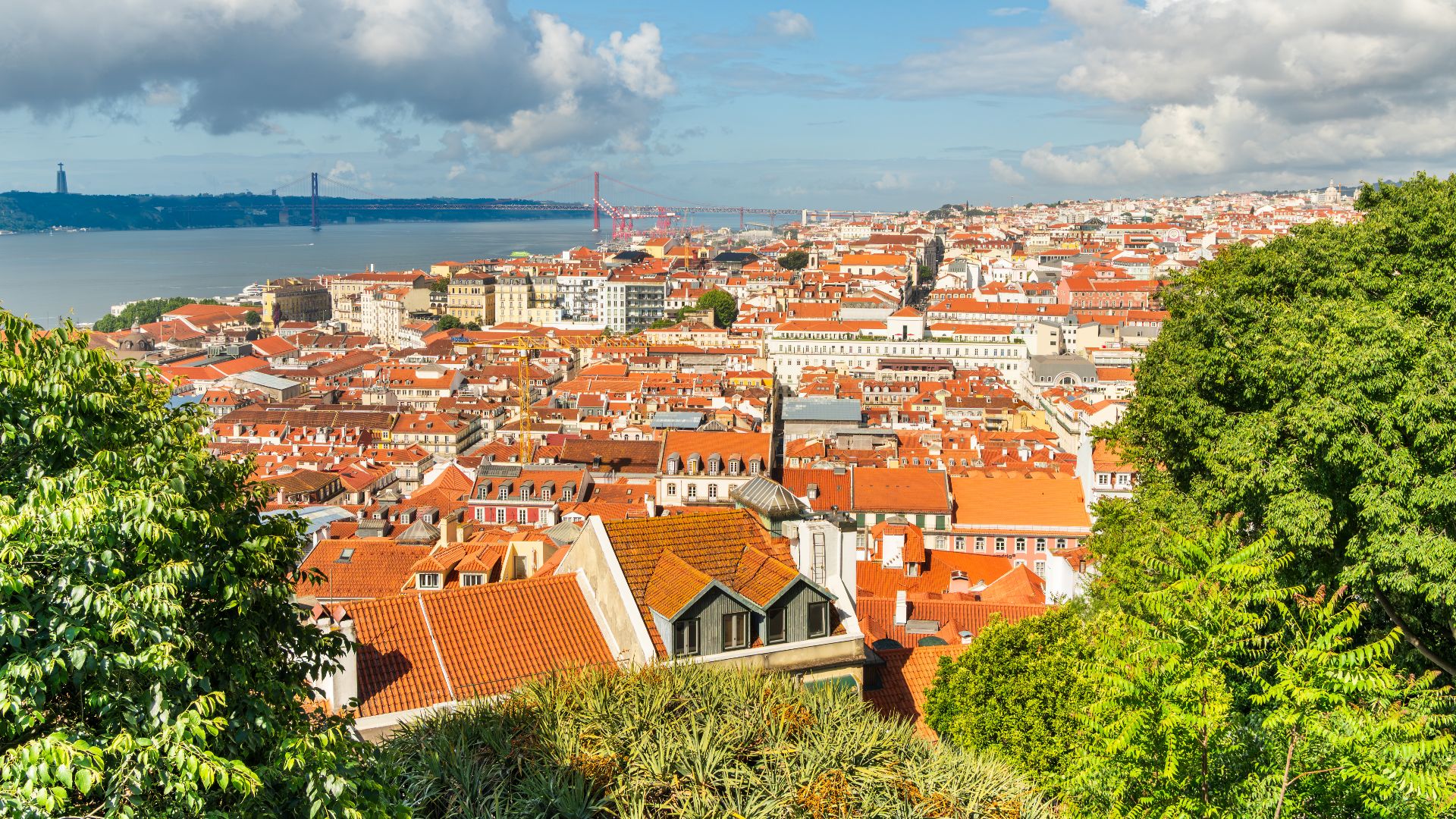 NorbertNagel, Wikimedia Commons
Rome, Italy
Rome is young compared with places like Jericho or Byblos, but a city approaching three thousand years of history still earns its place here. Traditional Roman chronology dates its foundation to 753 BCE, while archaeological evidence confirms settlement on its famous hills during the early first millennium BCE and earlier. Rome then grew from a regional city into the center of an enormous empire. The Colosseum and Forum may attract the crowds, but what makes Rome remarkable is how casually ancient walls, columns, temples, aqueducts, and ruins appear between apartment buildings and cafés.
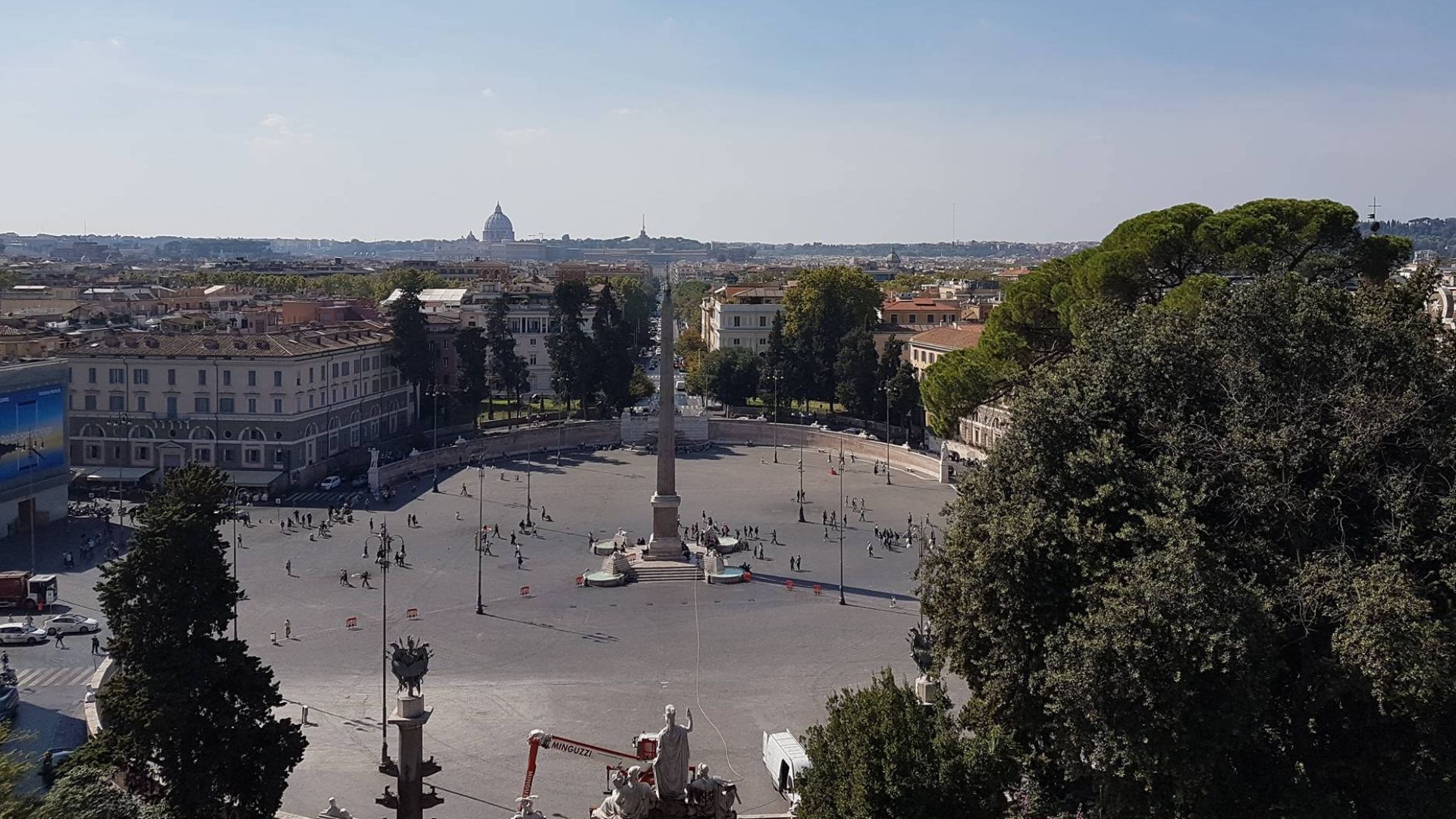 Lee Vilenski, Wikimedia Commons
Istanbul, Turkey
Istanbul's strategic location has attracted settlement since prehistoric times, while the Greek colony of Byzantion was established around the seventh century BCE. The city became truly world-changing when Constantine refounded it as Constantinople in the fourth century CE and made it an imperial capital. Byzantine emperors, Ottoman sultans, merchants, soldiers, and pilgrims continuously reshaped it. Visitors today can walk between Hagia Sophia, the Hippodrome, Roman cisterns, Byzantine walls, Ottoman mosques, palaces, markets, and modern neighborhoods in a city that still controls one of the world's most important waterways.
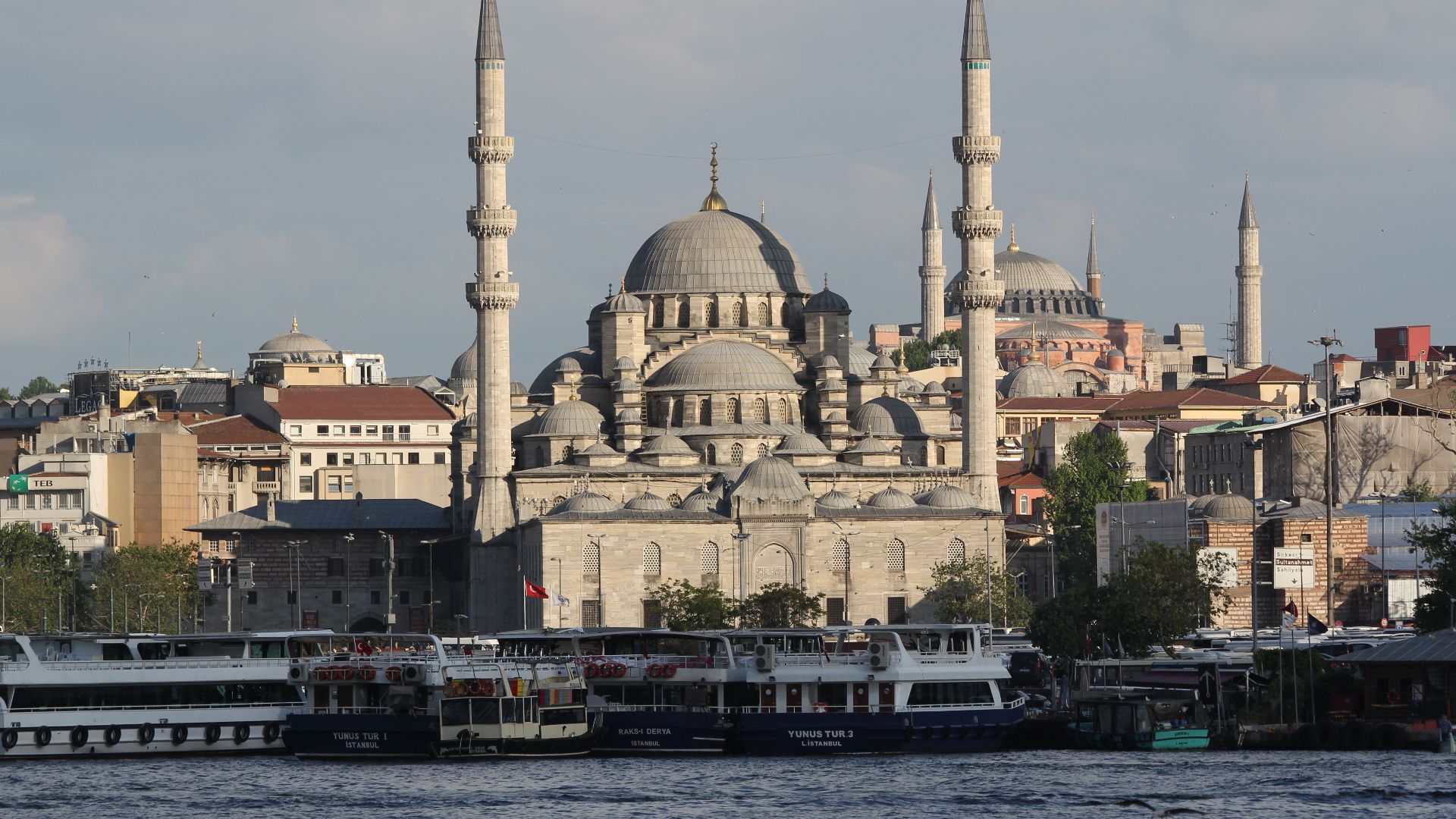 Till Niermann, Wikimedia Commons
Yerevan, Armenia
Yerevan traces its conventional foundation to 782 BCE, when the Urartian king Argishti I established the fortress of Erebuni. A cuneiform inscription recording that foundation survives, giving the city an unusually precise ancient birthday. Archaeological remains of Erebuni stand on a hill overlooking modern Yerevan, where visitors can explore the fortress and museum before returning to a city filled with cafés, museums, Soviet-era boulevards, and distinctive pink volcanic-stone architecture. Yerevan has changed enormously, but its documented origins go back more than 2,800 years.
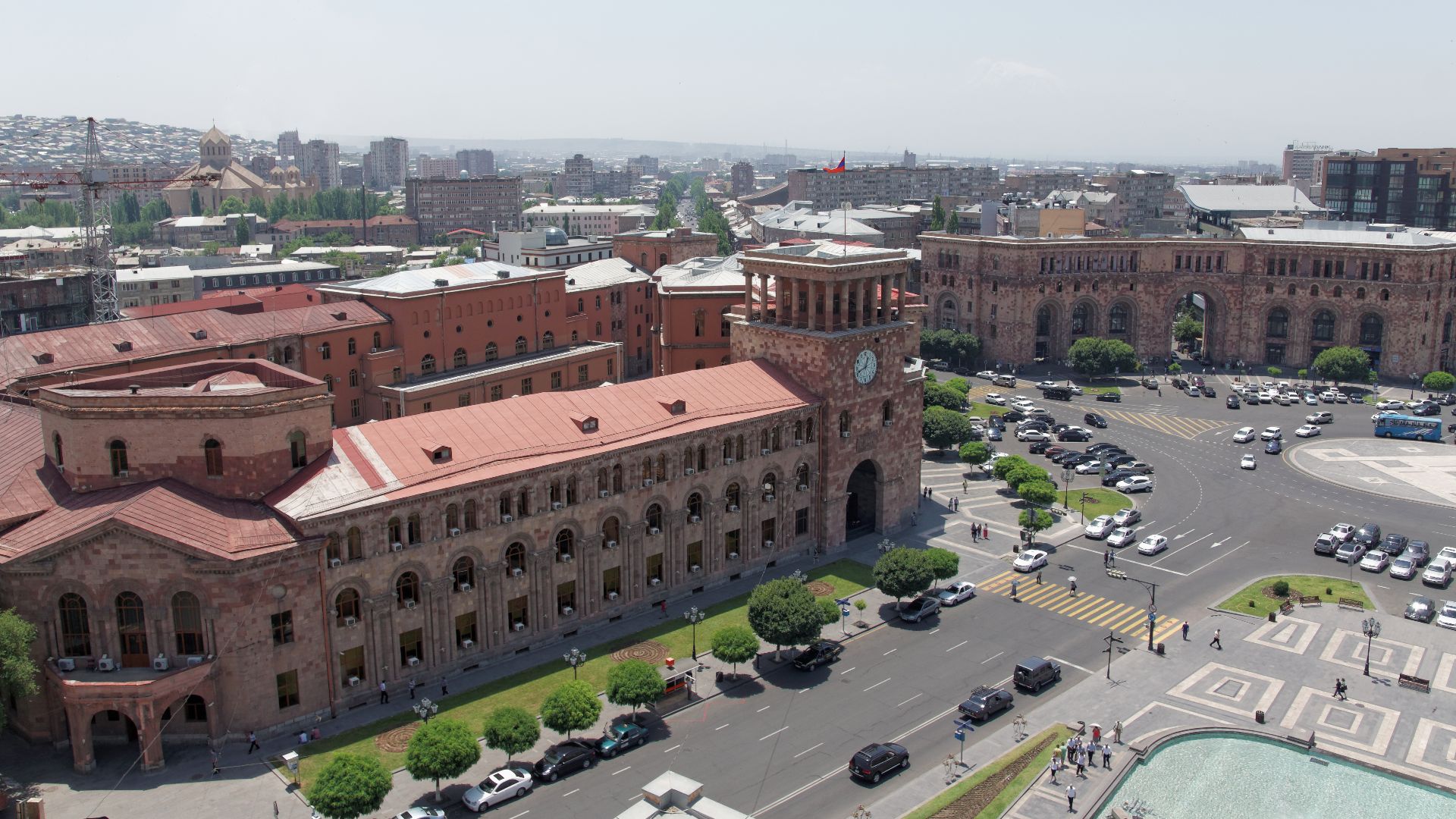 Vyacheslav Argenberg, Wikimedia Commons
Samarkand, Uzbekistan
Settlement in the Samarkand region stretches back more than 2,500 years, and ancient Afrasiab became a major Central Asian city by the first millennium BCE. Its location eventually placed Samarkand at the center of trade and cultural exchange between China, Persia, India, and the Mediterranean world. Genghis Khan's forces devastated the old city, but settlement shifted rather than disappearing from the area. Centuries later Timur transformed Samarkand into his dazzling capital. Travelers now come for Registan Square, Shah-i-Zinda, Gur-e-Amir, and the archaeological remains of Afrasiab.
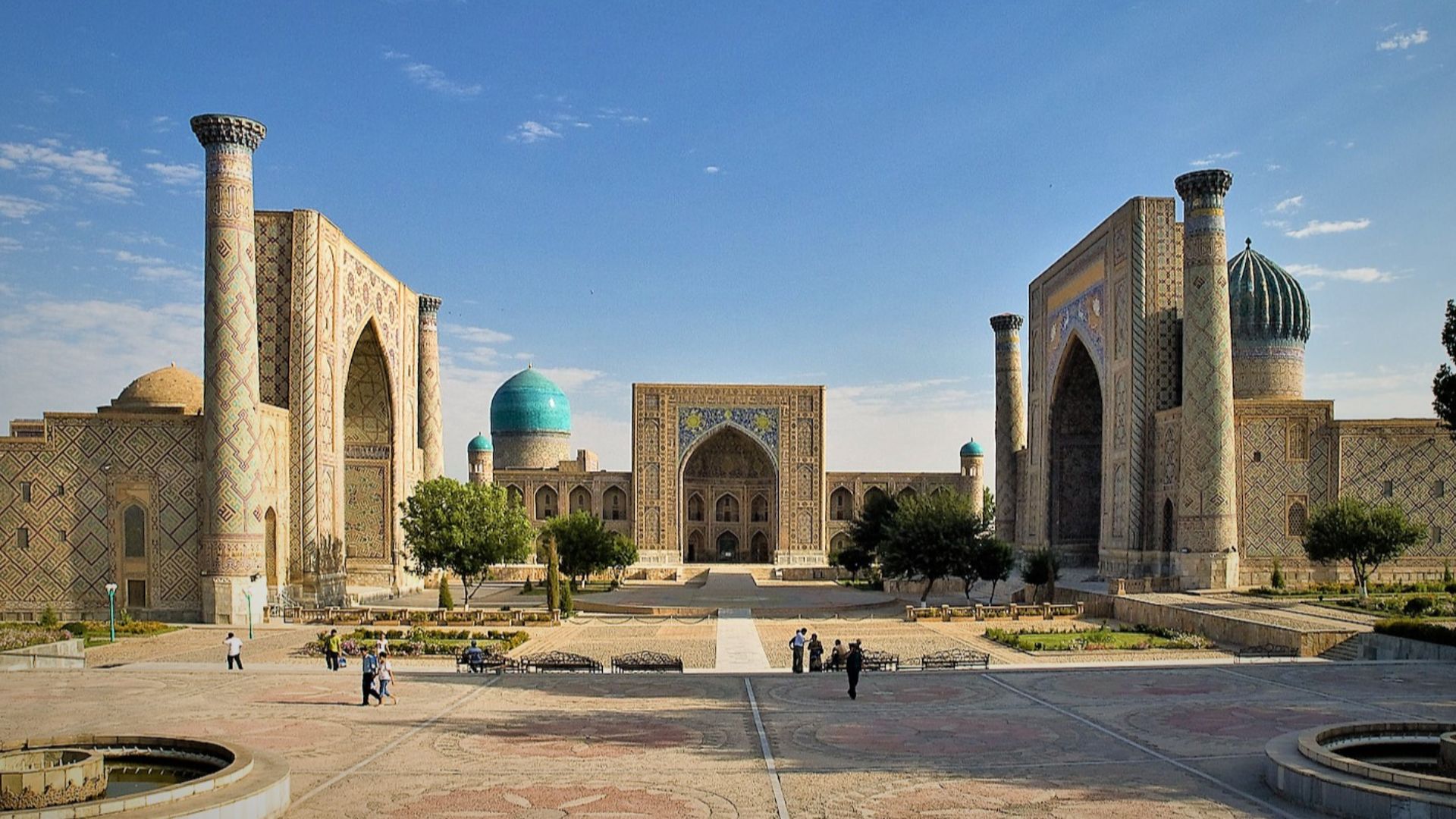
Erbil, Iraq
The enormous citadel mound at the center of Erbil represents thousands of years of accumulated settlement. Ancient Arbela appears in Mesopotamian historical records and later became associated with Assyrian, Persian, Hellenistic, Parthian, and Islamic powers. UNESCO describes the Citadel as a fortified settlement built on an imposing tell created through generations of occupation. Much of the citadel itself underwent evacuation and restoration in modern times, complicating simple claims of perfect continuity, but Erbil remains a thriving city surrounding one of the Near East's most extraordinary ancient urban mounds.
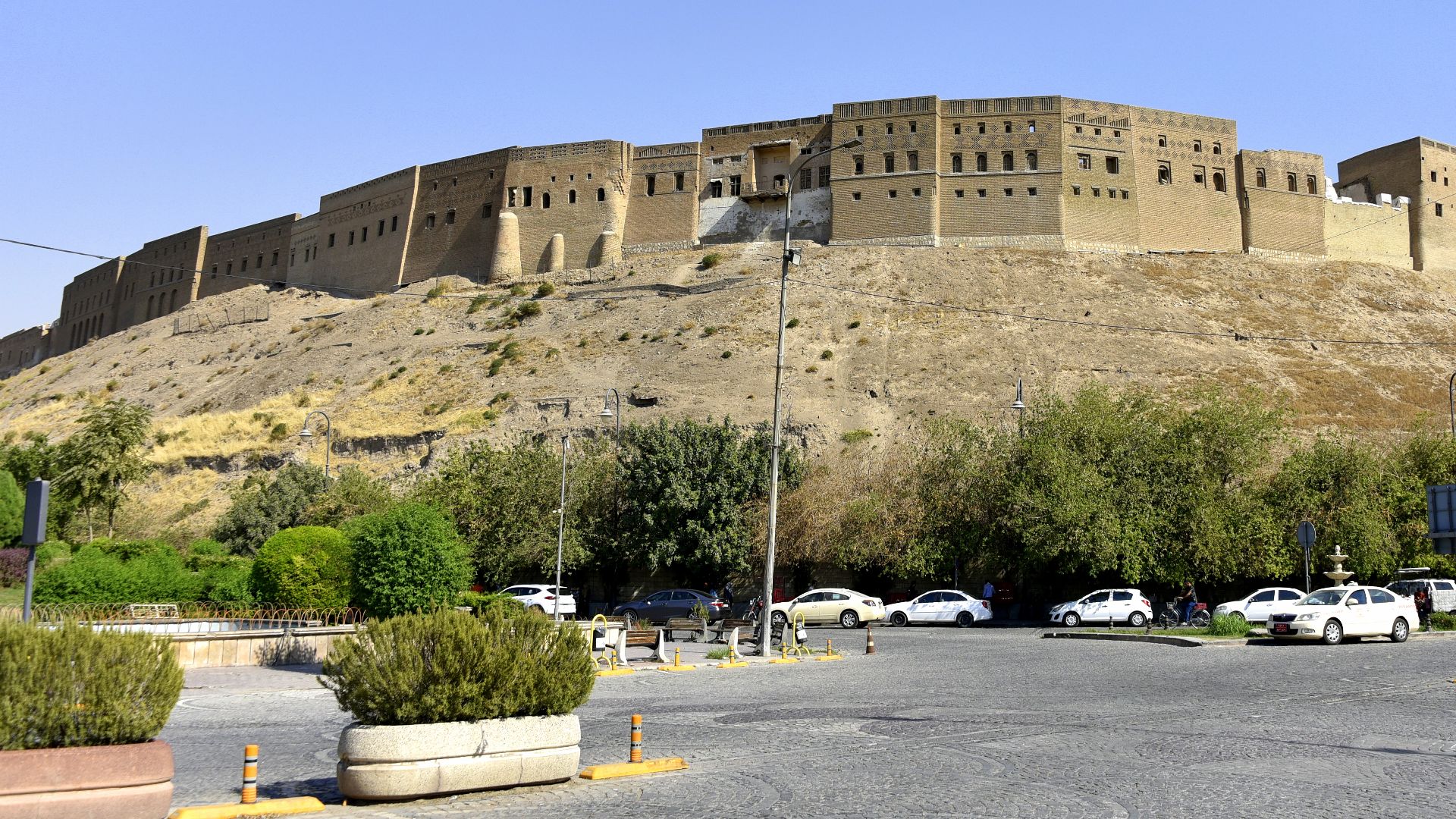 Osama Shukir Muhammed Amin FRCP(Glasg), Wikimedia Commons
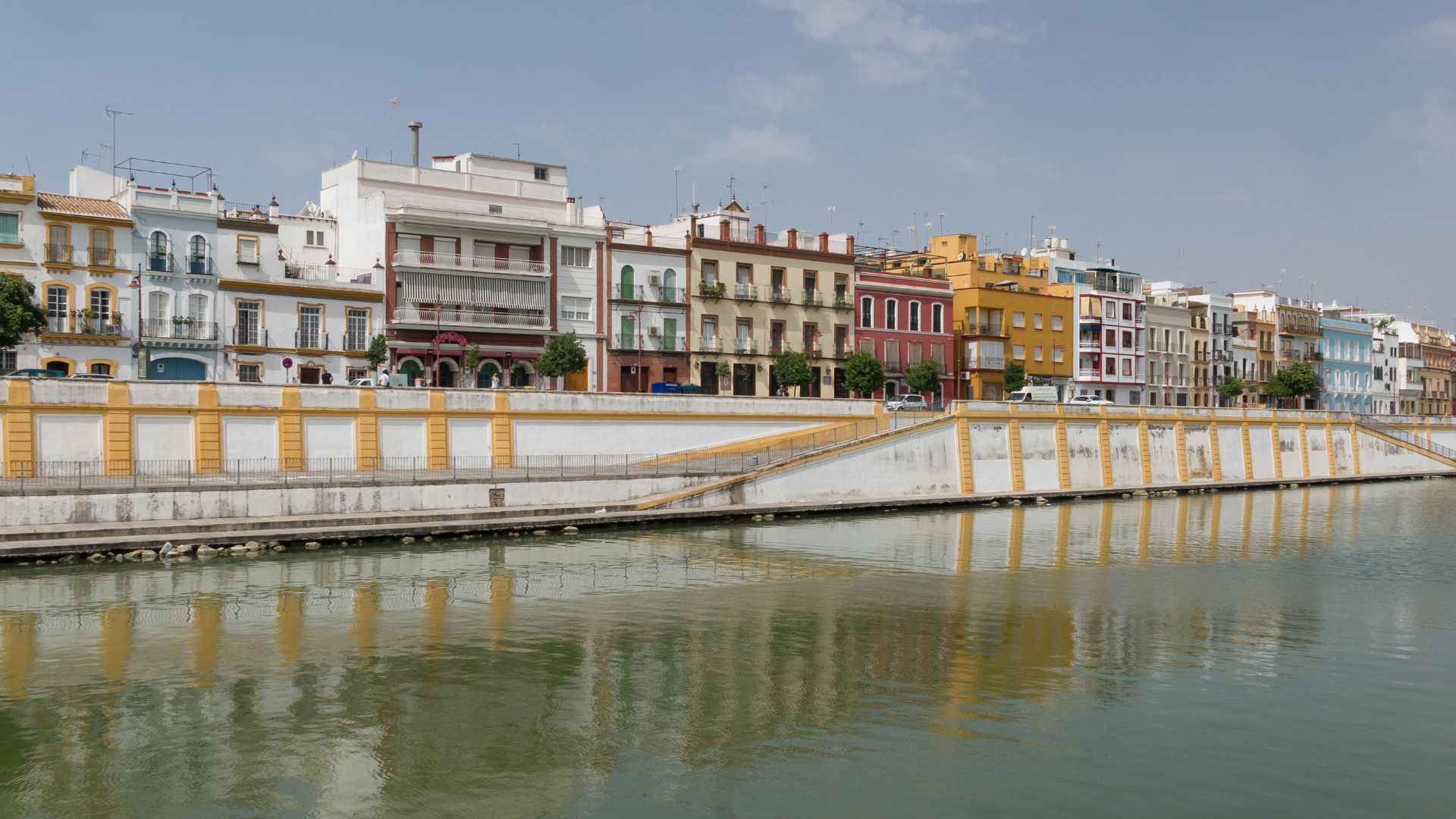
Seville, Spain
Seville grew in a fertile location along the Guadalquivir River where ancient communities could connect inland Iberia with Atlantic and Mediterranean trade. The settlement that became Hispalis was important under Roman rule and later flourished under Islamic dynasties before becoming a major Christian city. Its ancient layers are less visually obvious than Rome's, but archaeological remains survive beneath the modern streets. Travelers encounter Roman traces alongside the enormous cathedral, Alcázar, medieval lanes, plazas, and neighborhoods that reveal how continuously inhabited cities accumulate history rather than preserving a single ancient moment.
You May Also Like:
The Ancient Sites That Became Famous Because Experts Still Disagree About What Happened There
Scientists Are Still Debating Whether One Ancient Disaster Changed The Course Of Human History