The Ruins Are Real, The Explanations Are Much Harder.
Some ancient sites are famous because archaeologists know exactly what happened there. These are not those places. These sites have produced mountains of evidence, but in each case, the ruins have managed to keep the most important parts of their stories frustratingly unresolved.
 Chris Ison - PA Images, Getty Images
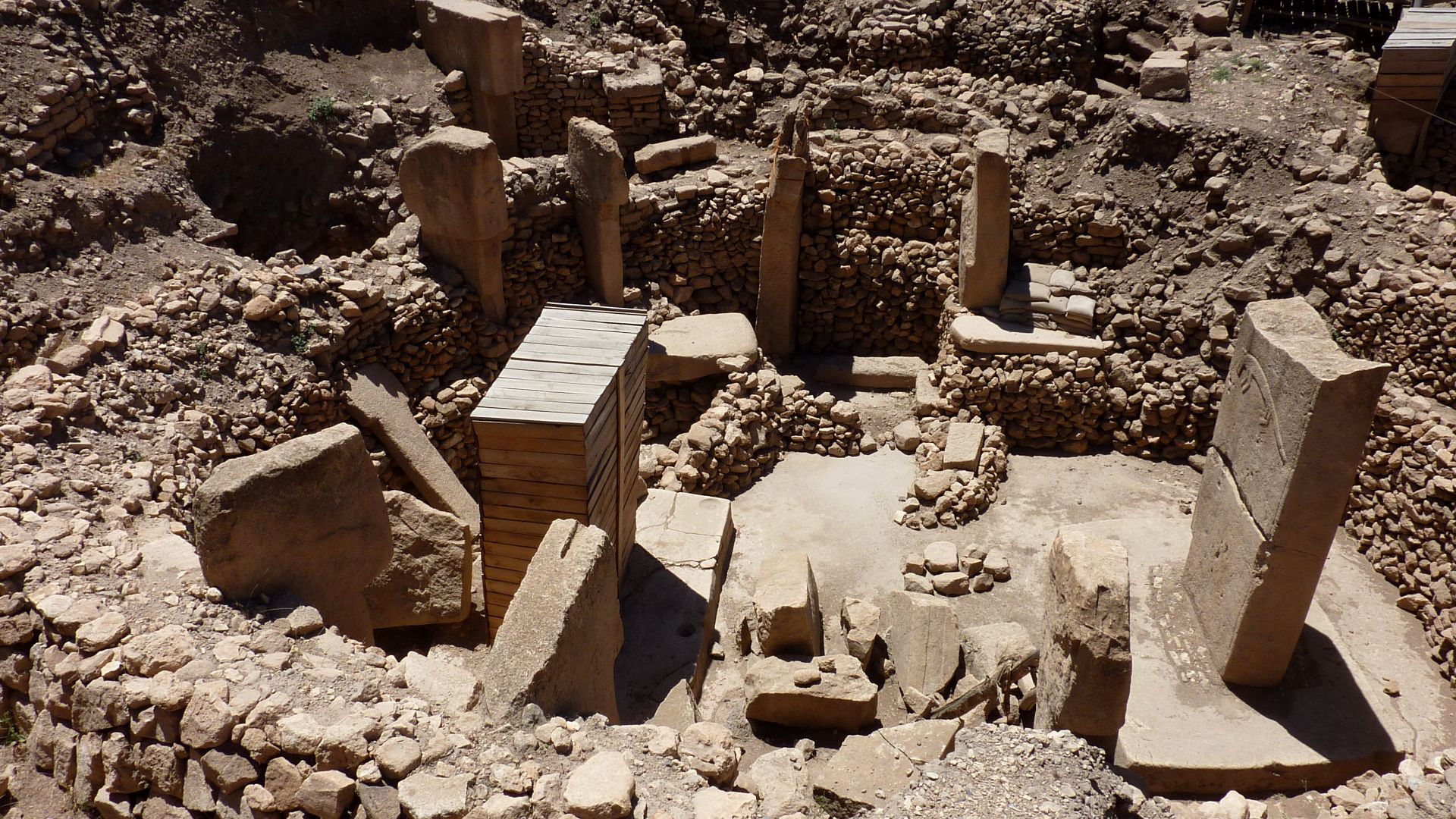
Göbekli Tepe: A Monument That Shouldn't Have Existed Yet
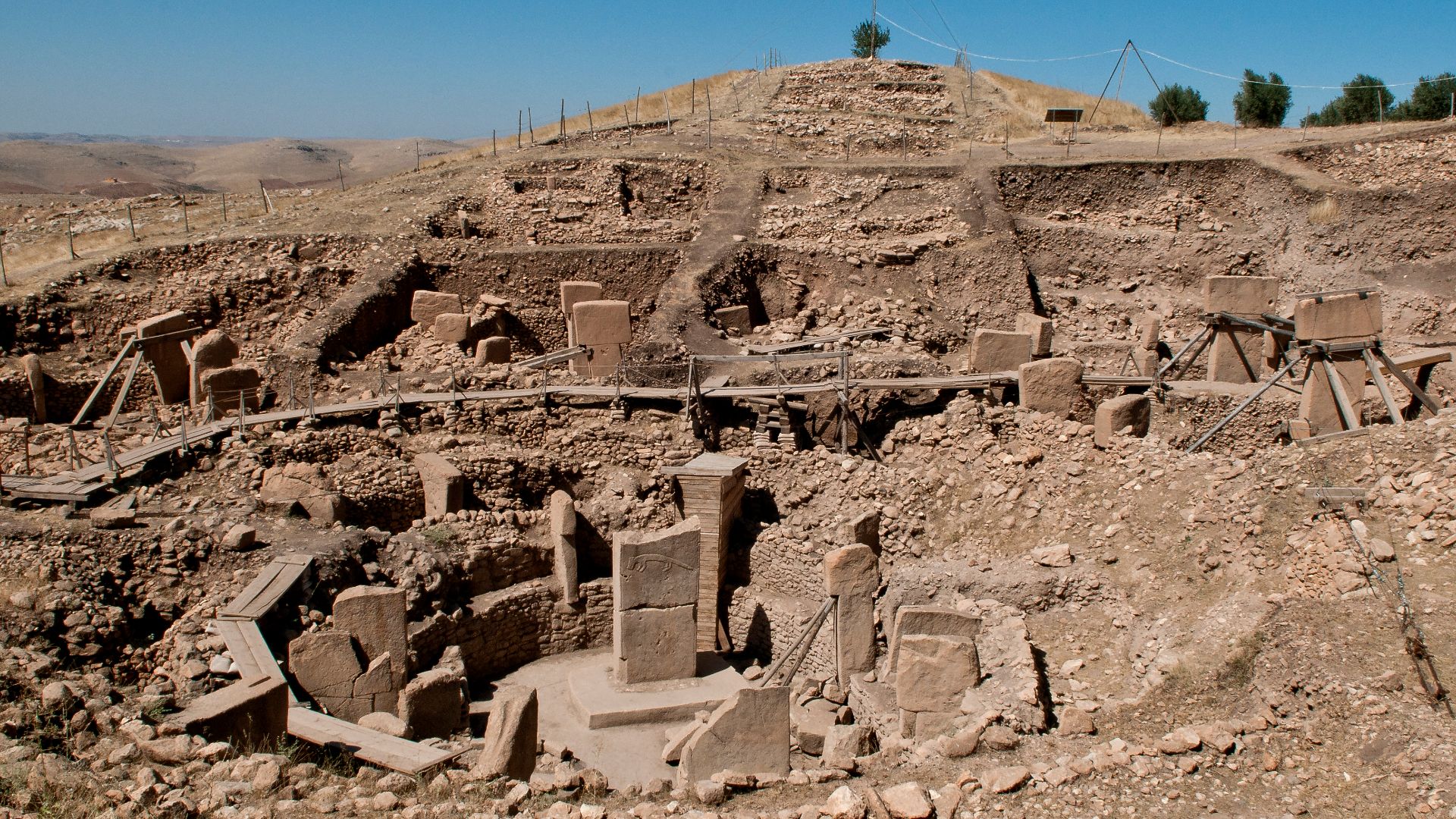
More than 11,000 years ago, people in what is now southeastern Turkey erected enormous T-shaped stone pillars decorated with foxes, snakes, vultures, boars, and other animals. Some pillars stood over five meters tall, even though the communities responsible lived near the transition from hunting and gathering to farming. When archaeologists began exposing Göbekli Tepe in the 1990s, its monumental scale challenged the assumption that large ceremonial architecture developed only after settled agricultural societies became established.
 Teomancimit, Wikimedia Commons
Göbekli Tepe: Temple, Settlement, Or Something In Between?
Early interpretations famously described Göbekli Tepe as a sanctuary built by hunter-gatherers who gathered there for ceremonies, perhaps even suggesting religion helped encourage people to settle down. Newer research has found stronger evidence for domestic activity, however, leading the German Archaeological Institute to describe the site as a settlement with a powerful ritual component. Researchers still agree its monumental buildings were special, but arguments continue over who gathered there, what ceremonies occurred, and whether calling them "temples" imposes a much later concept of religion on a society that worked very differently.
Stonehenge: Thousands Of People Moved Stones For A Reason
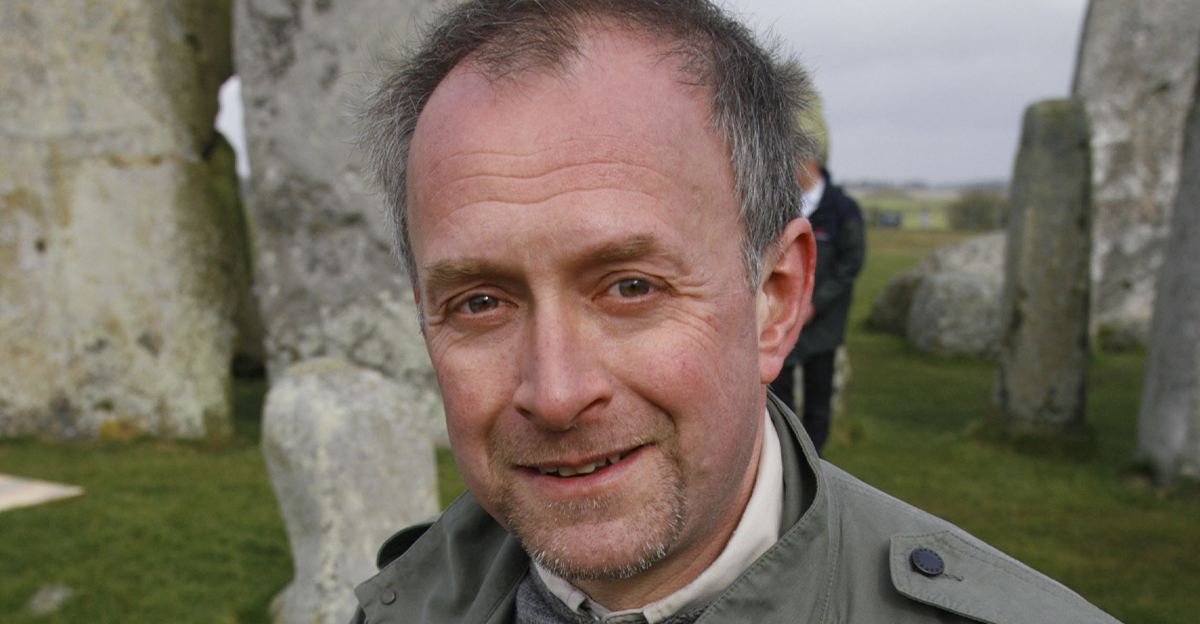
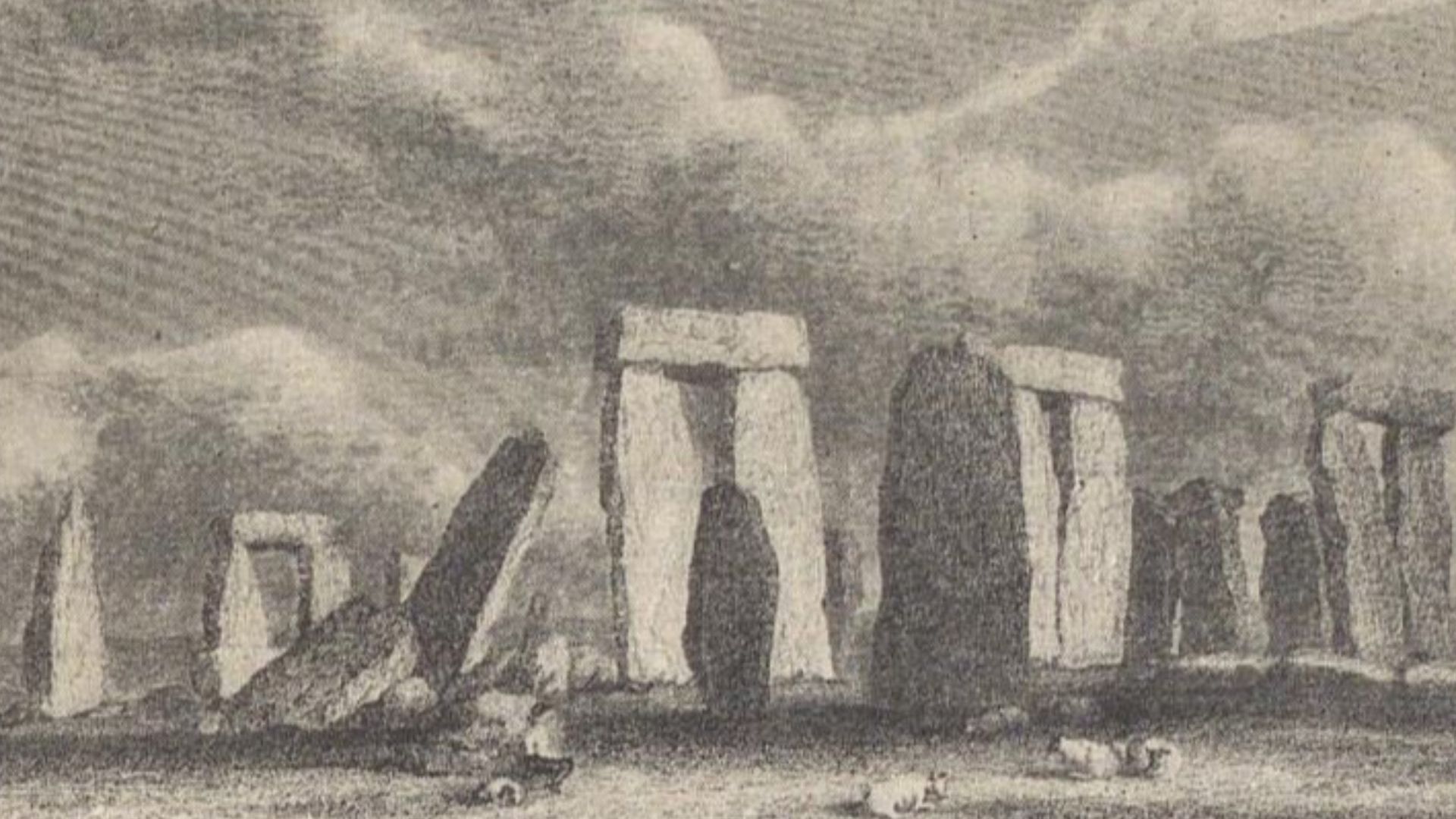
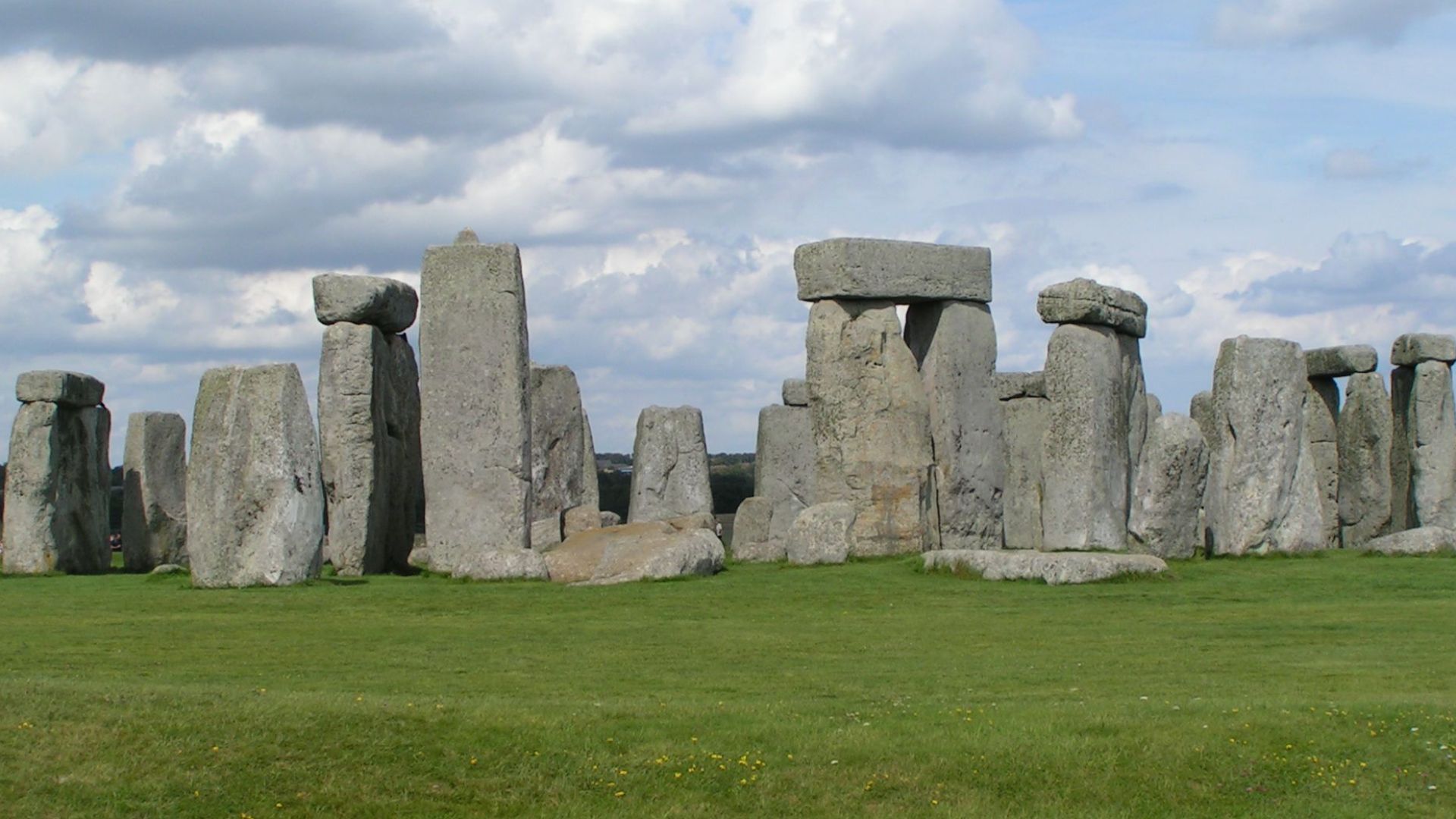
Stonehenge developed over many centuries, beginning with earthworks and burials before its famous stones were raised during the third millennium BCE. Some bluestones came from Wales, while recent analysis astonishingly traced the enormous Altar Stone to northeast Scotland. The builders clearly invested extraordinary effort in creating the monument, and its major axis was deliberately aligned with the solstices. What nobody left behind was an explanation for why all of this mattered.
Stonehenge: Everyone Agrees It Mattered, But Not Exactly How
Stonehenge has been interpreted as a cemetery, ancestral monument, pilgrimage center, ceremonial gathering place, healing sanctuary, astronomical marker, or some combination of these. Burials prove that death and ancestry mattered there, while the solar alignment points toward seasonal ceremonies. Nearby Durrington Walls shows that large groups gathered in the wider landscape. English Heritage itself notes that many questions remain unanswered. The mystery isn't whether Stonehenge had meaning. It's how many overlapping meanings a monument used for centuries may have carried.
 Stefan Kühn, Wikimedia Commons
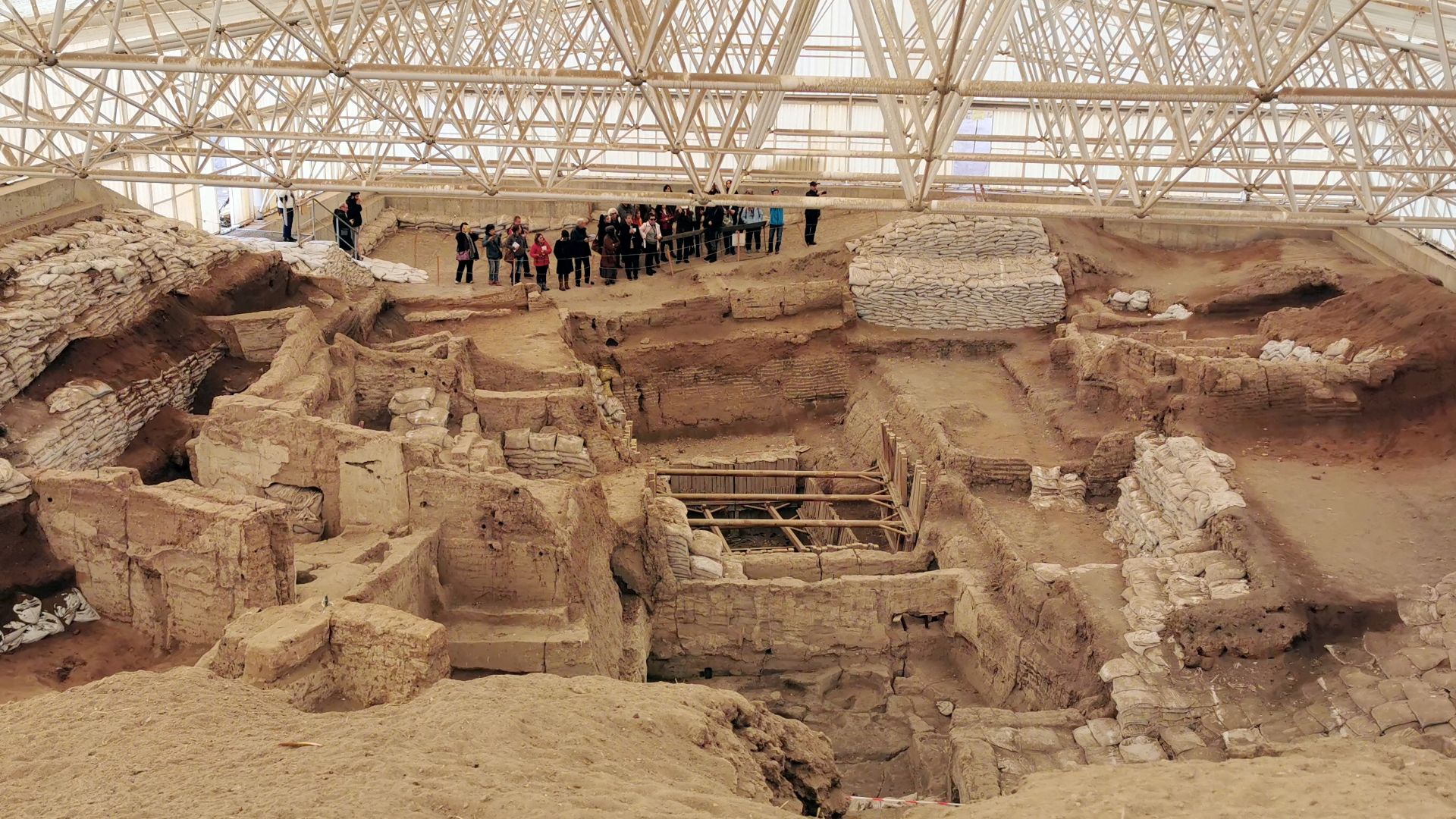
Çatalhöyük: A City With No Streets And Dead People Under The Beds
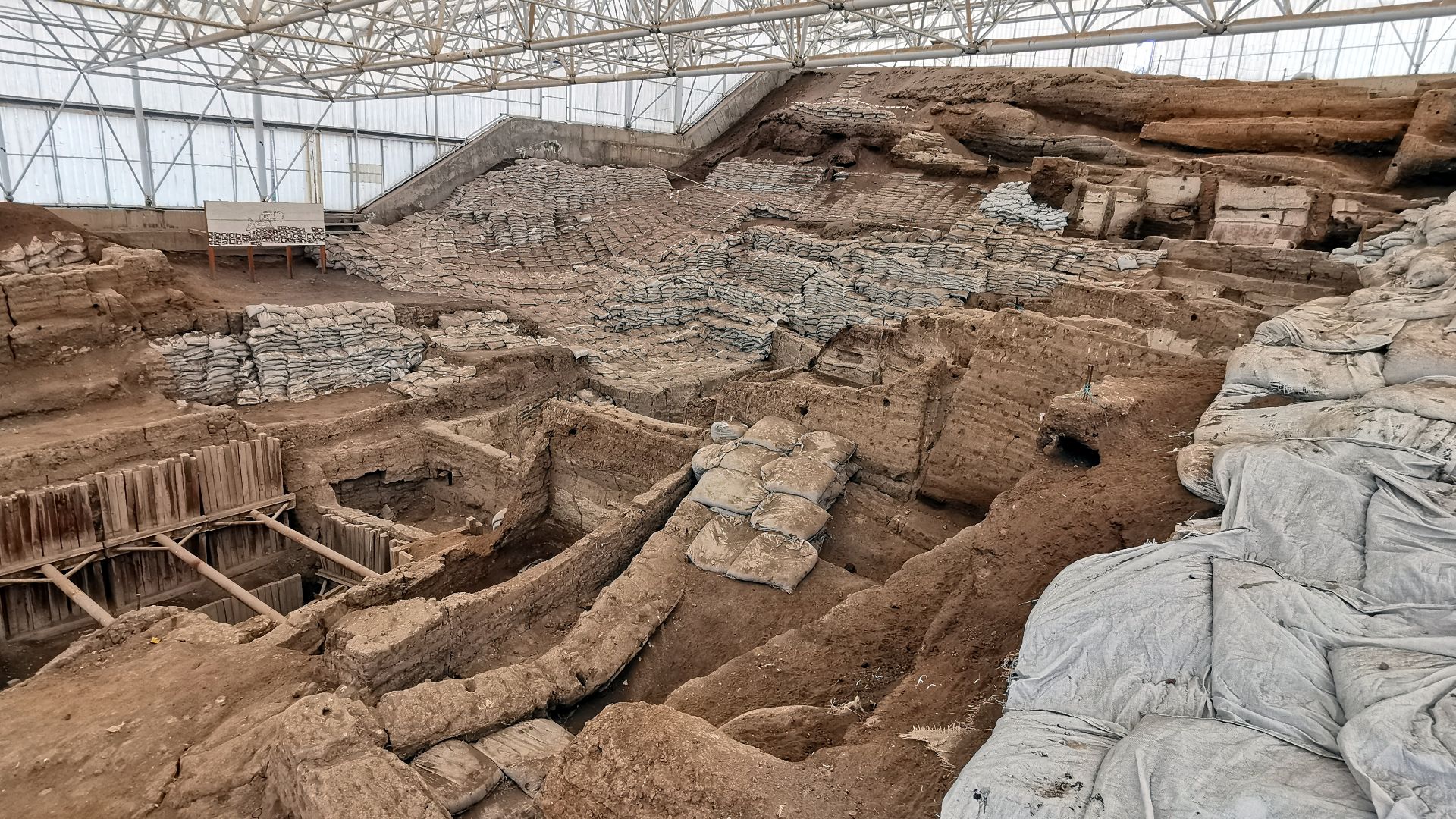
Çatalhöyük flourished in central Anatolia beginning around 7400 BCE and eventually supported thousands of residents. Its tightly packed mudbrick houses had no conventional streets between them, so inhabitants apparently moved across rooftops and entered homes through openings in the ceiling. Families cooked, slept, worked, decorated walls, and buried their dead beneath house platforms. Those unusual practices have made the settlement one of the most studied Neolithic sites in the world.
 Murat Özsoy 1958, Wikimedia Commons
Çatalhöyük: Archaeologists Have Rewritten Its Religion More Than Once
Early excavator James Mellaart famously interpreted Çatalhöyük's female figurines as evidence for a powerful Mother Goddess cult and some decorated rooms as shrines. Later excavations led by Ian Hodder challenged much of that picture. Ritual activity seems to have been woven into ordinary domestic life rather than confined to obvious temples, and the figurines don't necessarily represent a single goddess. Experts now debate how households, ancestors, feasting, symbolism, and social identity interacted in a settlement where daily life and ritual may never have been separate categories at all.
 Murat Özsoy 1958, Wikimedia Commons
Jericho: One Of The World's Earliest Towns Built A Giant Tower
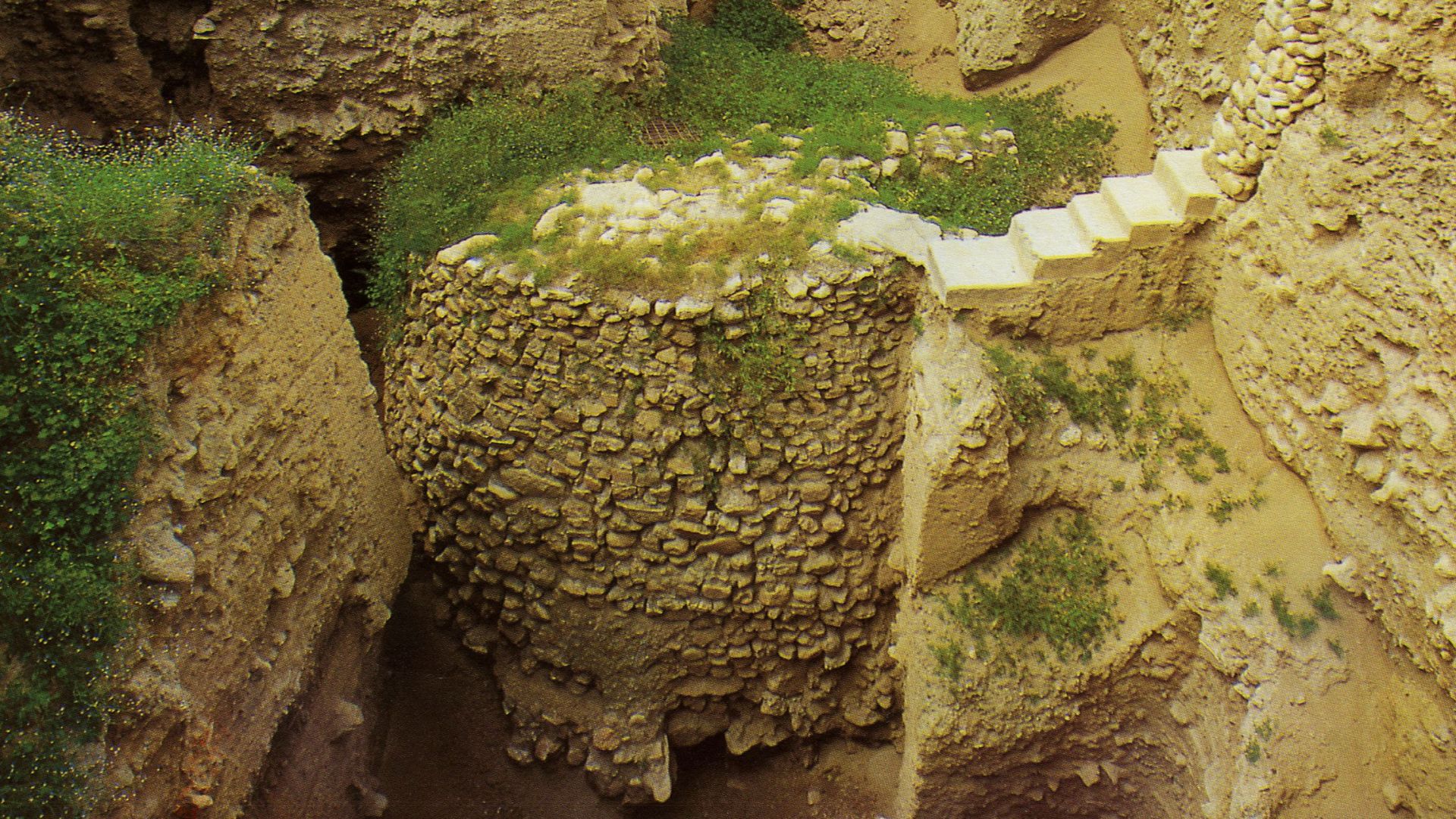
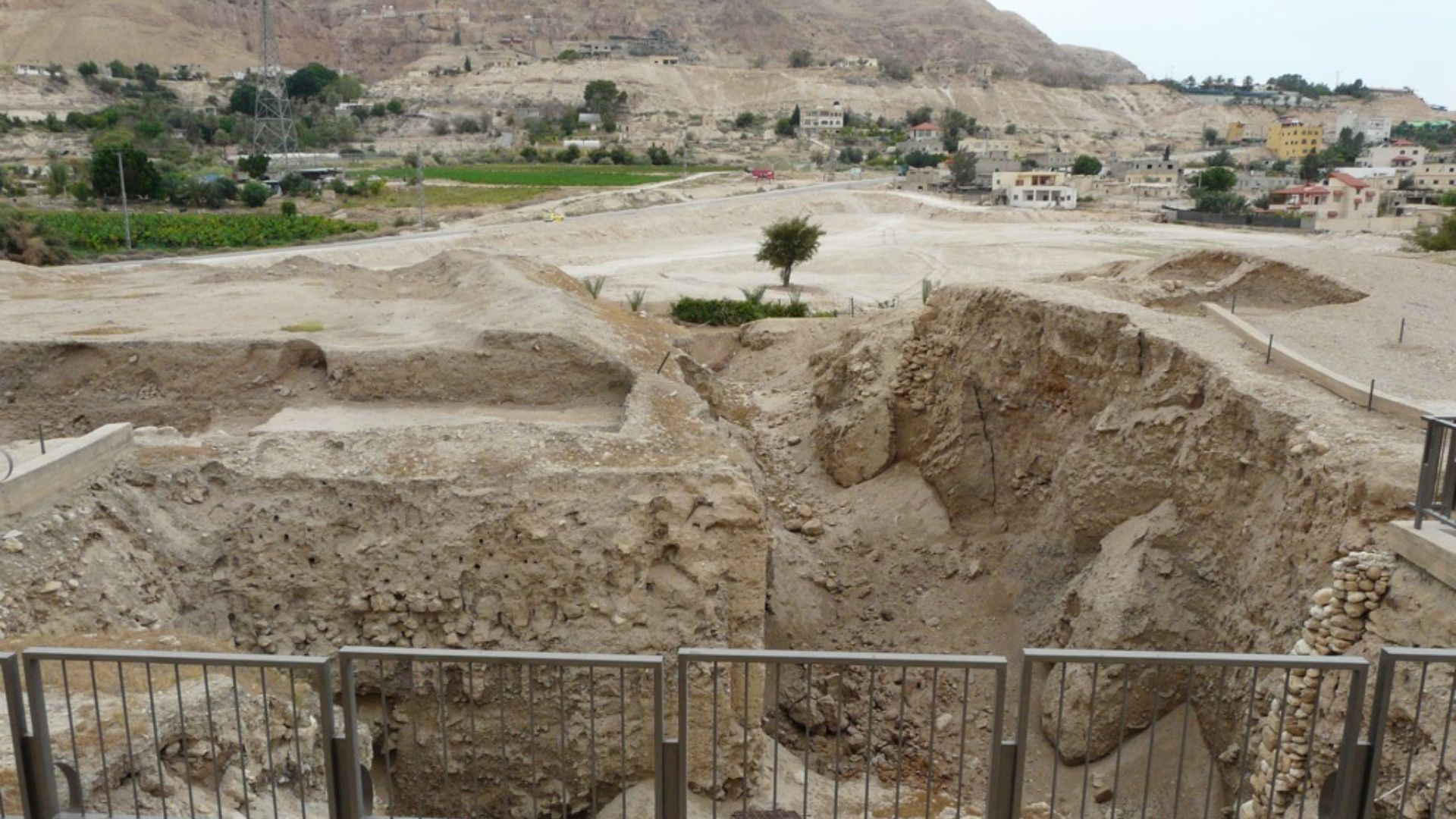
Long before the biblical story that made Jericho famous, people were constructing extraordinary buildings there. Around 10,000 years ago, the Neolithic settlement included a substantial stone wall and a roughly eight-meter-high tower with an internal staircase. Creating something that large required organized labor at a time when settled village life was still relatively new. That makes Jericho's tower one of the earliest pieces of monumental architecture known anywhere.
 Salamandra123, Wikimedia Commons
Jericho: Nobody Can Agree Why The Tower Was Built
The obvious early interpretation was defensive. A wall and tower look like fortifications, so researchers assumed Jericho's residents were protecting themselves from attackers. That explanation has been challenged repeatedly. Other theories suggest the wall helped control flooding, while the tower may have served ritual, social, territorial, or symbolic purposes. Researchers have even explored possible alignments between the tower, nearby mountains, and the setting sun. After decades of study, scholars can describe how it was built much more confidently than why.
 random exposure, Wikimedia Commons
Cahokia: North America's Great City Rose Shockingly Fast
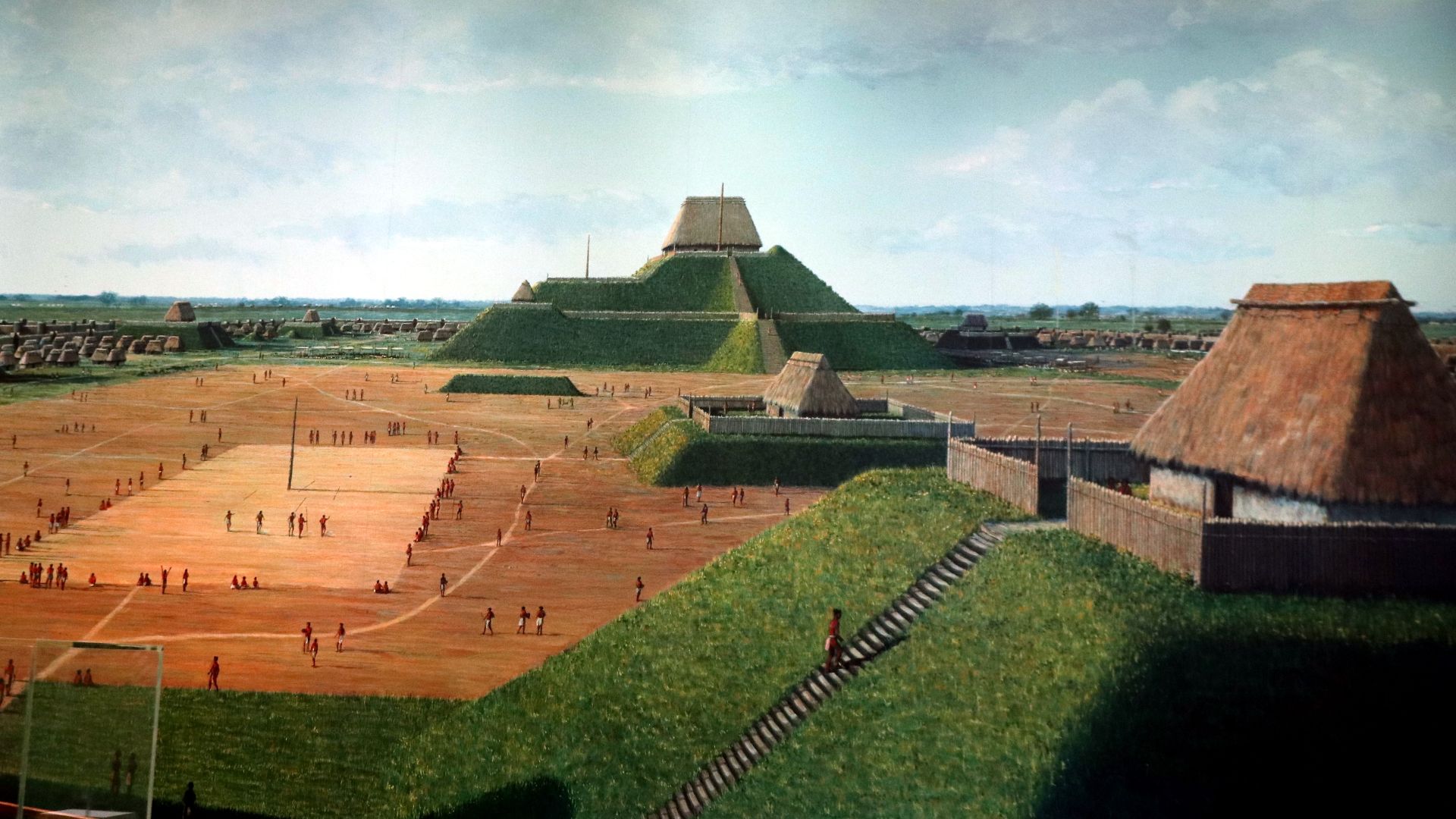
Across the Mississippi River from modern St Louis, Cahokia became the largest pre-Columbian urban center north of Mexico. Beginning around 1050 CE, its population grew rapidly as enormous earthen mounds, plazas, neighborhoods, and ritual spaces reshaped the landscape. Monks Mound alone remains the largest prehistoric earthen structure in the Americas. Evidence also shows many Cahokians were immigrants, suggesting people were being drawn into an unusually diverse new political and religious center.
 Thank You (24 Millions ) views, Wikimedia Commons
Cahokia: Its Fall Has Produced Almost Too Many Explanations
By the fourteenth century, Cahokia's great urban experiment had ended, but nobody has identified one decisive reason. Proposed explanations include drought, flooding, environmental degradation, food shortages, disease, political instability, warfare, and social tensions within an increasingly diverse population. Recent scholarship has questioned older claims that ecological mismanagement alone doomed the city. Cahokia may instead have declined through several overlapping pressures. The trouble is that nearly every explanation fits part of the evidence, while none explains the entire transformation on its own.
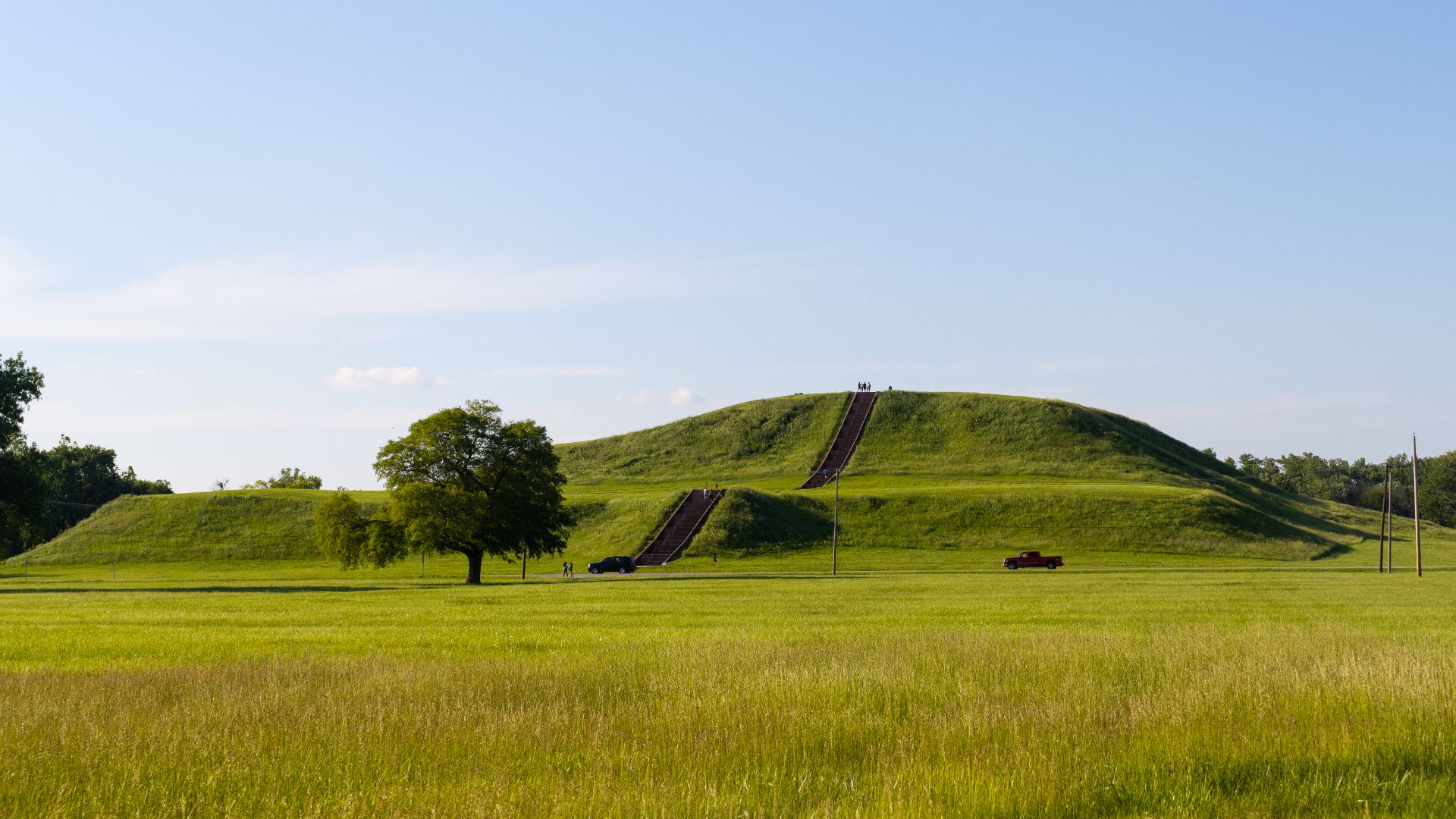 Skubasteve834, Wikimedia Commons
Chaco Canyon: A Monumental Center In An Unlikely Desert
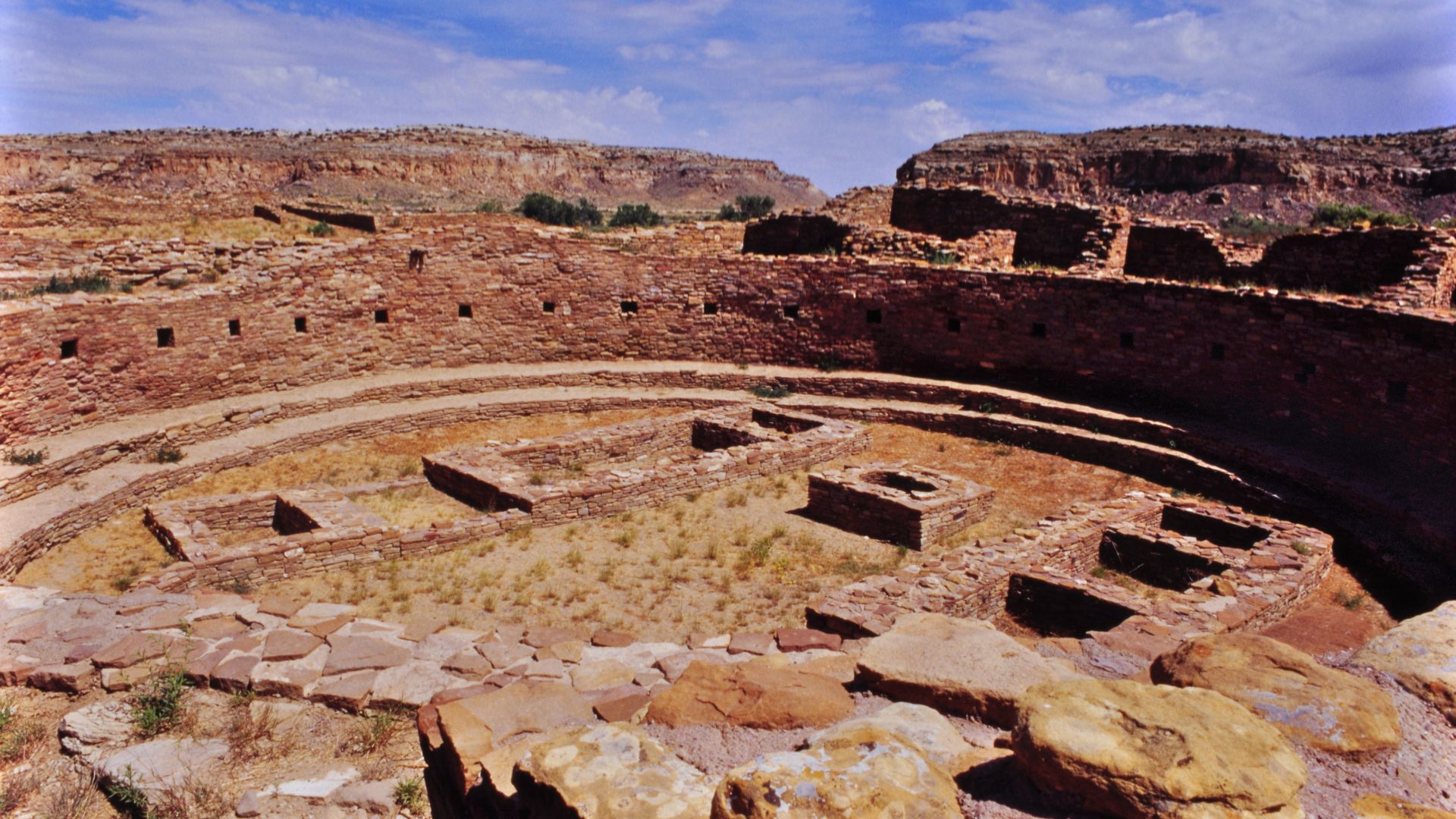
Between roughly 850 and 1150 CE, Ancestral Pueblo peoples transformed New Mexico's Chaco Canyon with huge multi-story buildings known as great houses. Pueblo Bonito contained hundreds of rooms, while roads linked the canyon with communities spread across an enormous region. Exotic goods such as macaws, turquoise, shells, and copper arrived from far away. Architectural alignments also reflected careful attention to solar and lunar cycles. It was clearly an important center, but archaeologists still struggle to define exactly what kind.
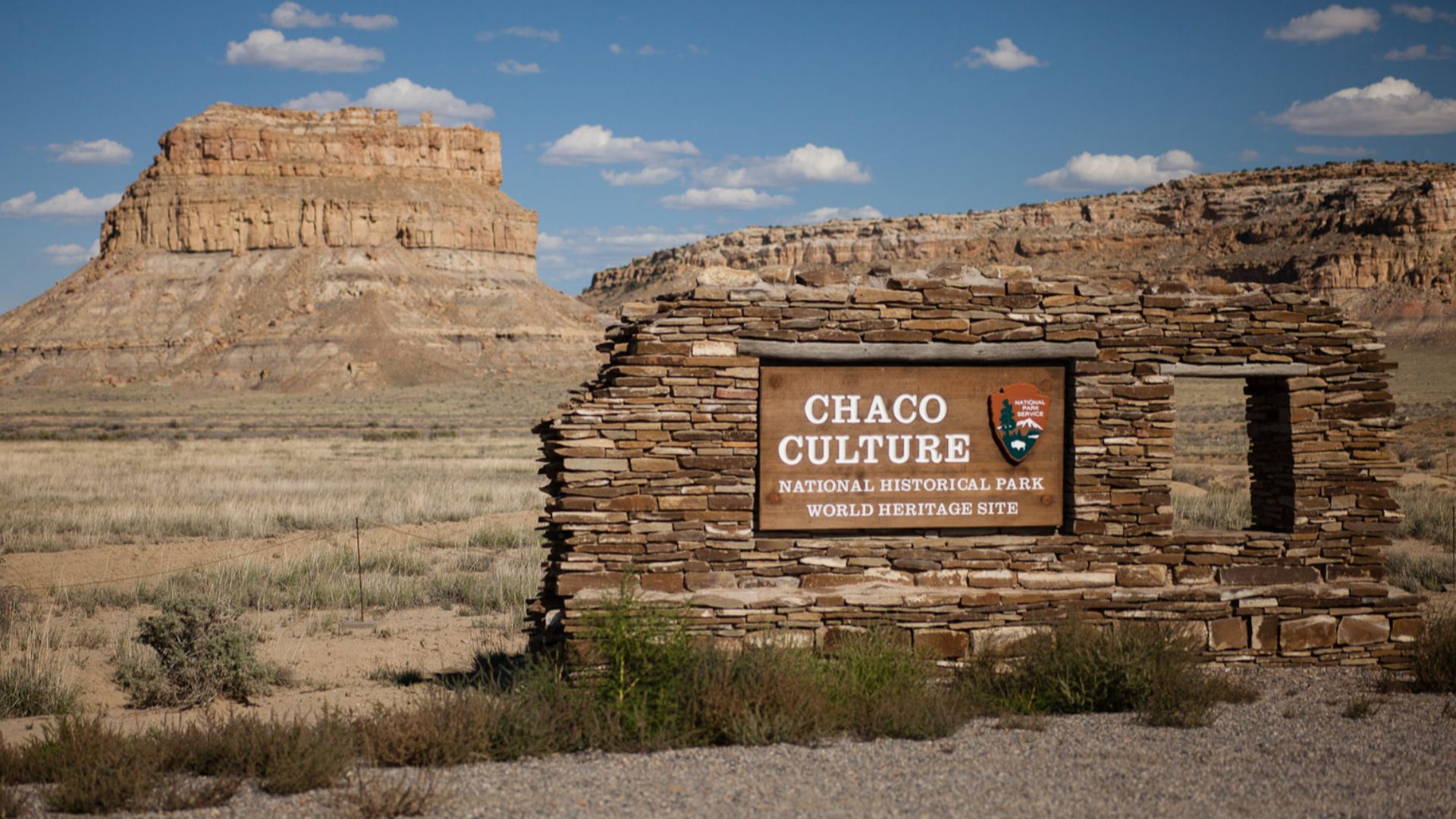 Greg Willis from Denver, CO, usa, Wikimedia Commons
Chaco Canyon: Was Chaco A City, Capital, Pilgrimage Center, Or All Three?
Some scholars have viewed the great houses as elite residences and administrative centers. Others see them primarily as ceremonial buildings used by people who visited during gatherings, trade events, and religious occasions. The National Park Service notes that there still isn't complete agreement over their function. Chaco has variously been interpreted as an economic redistribution hub, political capital, ritual landscape, trade center, or pilgrimage destination. Pueblo descendant communities also preserve perspectives that don't always fit neatly into archaeological categories, making one simple explanation especially unlikely.
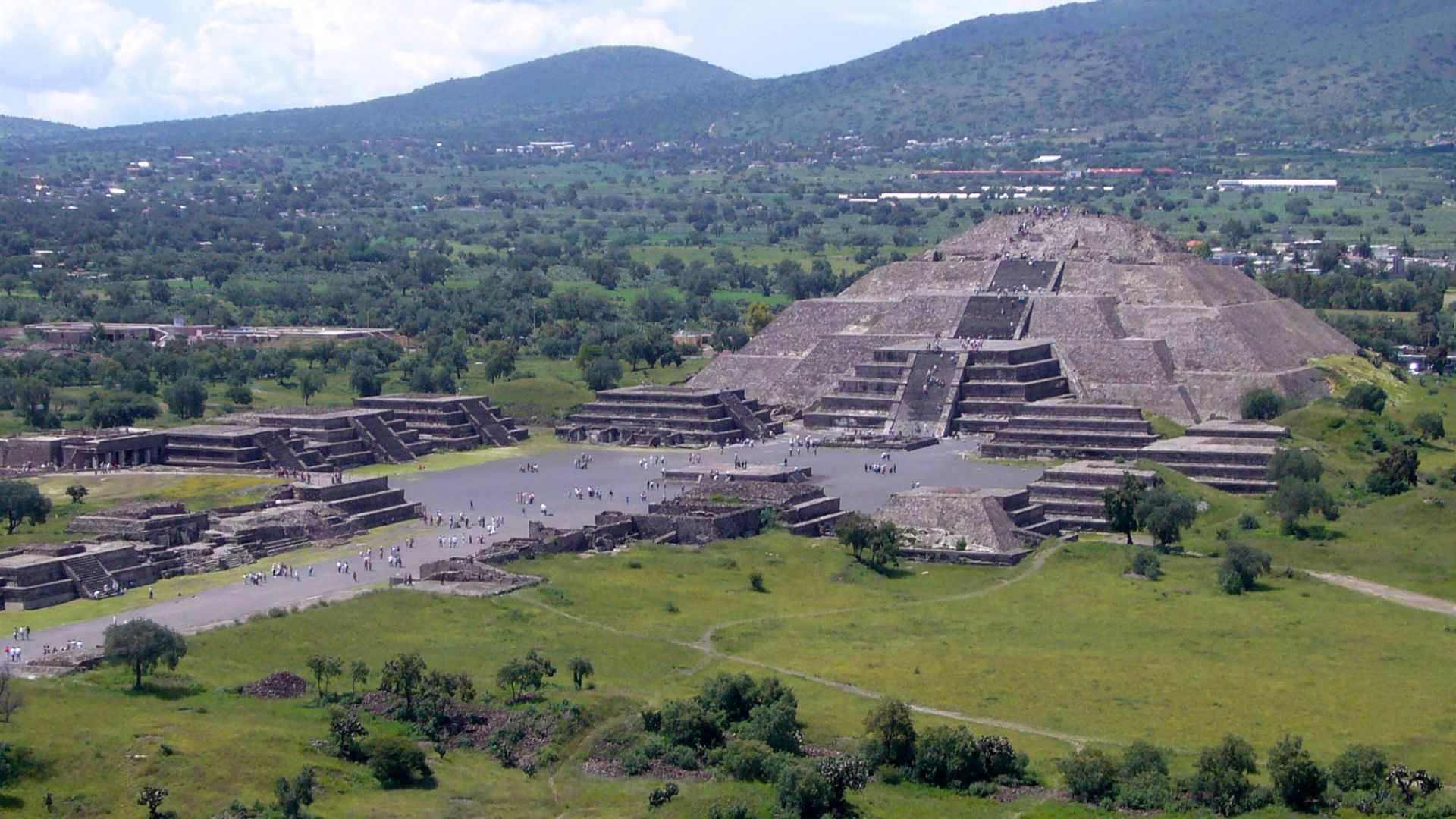
Teotihuacan: A Giant City With Almost No Named Kings
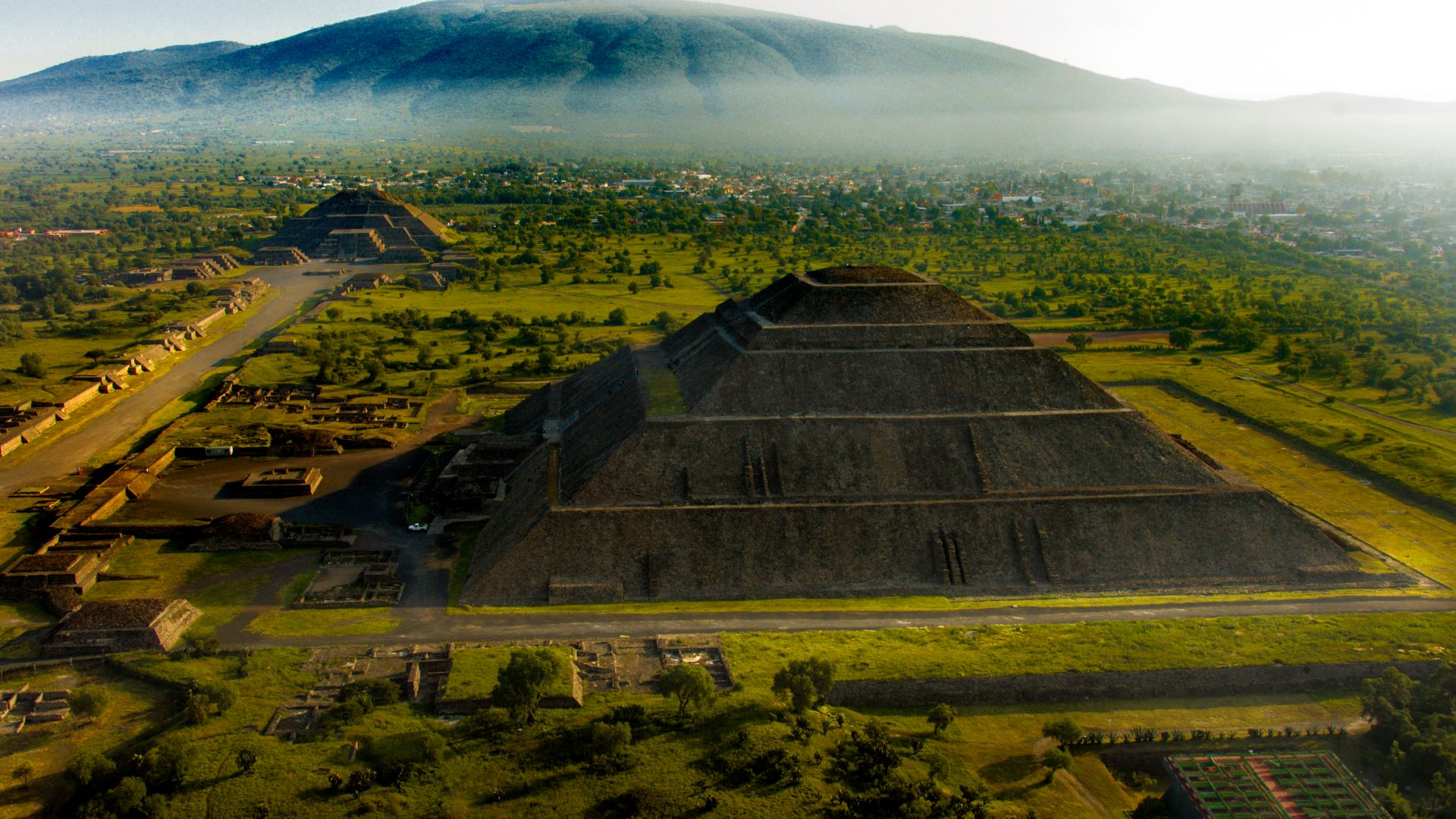
Teotihuacan became one of the largest cities in the ancient world, reaching its height centuries before the Aztec Empire. Its enormous pyramids, Avenue of the Dead, planned apartment compounds, workshops, and multiethnic neighborhoods point to sophisticated government capable of coordinating tens of thousands of residents. Yet unlike Maya cities, Teotihuacan left no obvious royal portraits accompanied by readable inscriptions naming a dynasty. Archaeologists can see enormous political power everywhere without knowing exactly who held it.
Teotihuacan: Even Its Collapse Refuses To Give A Simple Answer
Parts of Teotihuacan's ceremonial center were deliberately burned during the city's decline, once encouraging theories of foreign invasion. More recent research increasingly points toward internal turmoil, political breakdown, migration, environmental pressures, and deliberate termination rituals rather than one sudden conquest. Mexico's INAH now describes the collapse as a prolonged transformation rather than a single catastrophic moment. That leaves an intriguing possibility: the same political system whose rulers remain mysterious may eventually have been dismantled by the people living beneath them.
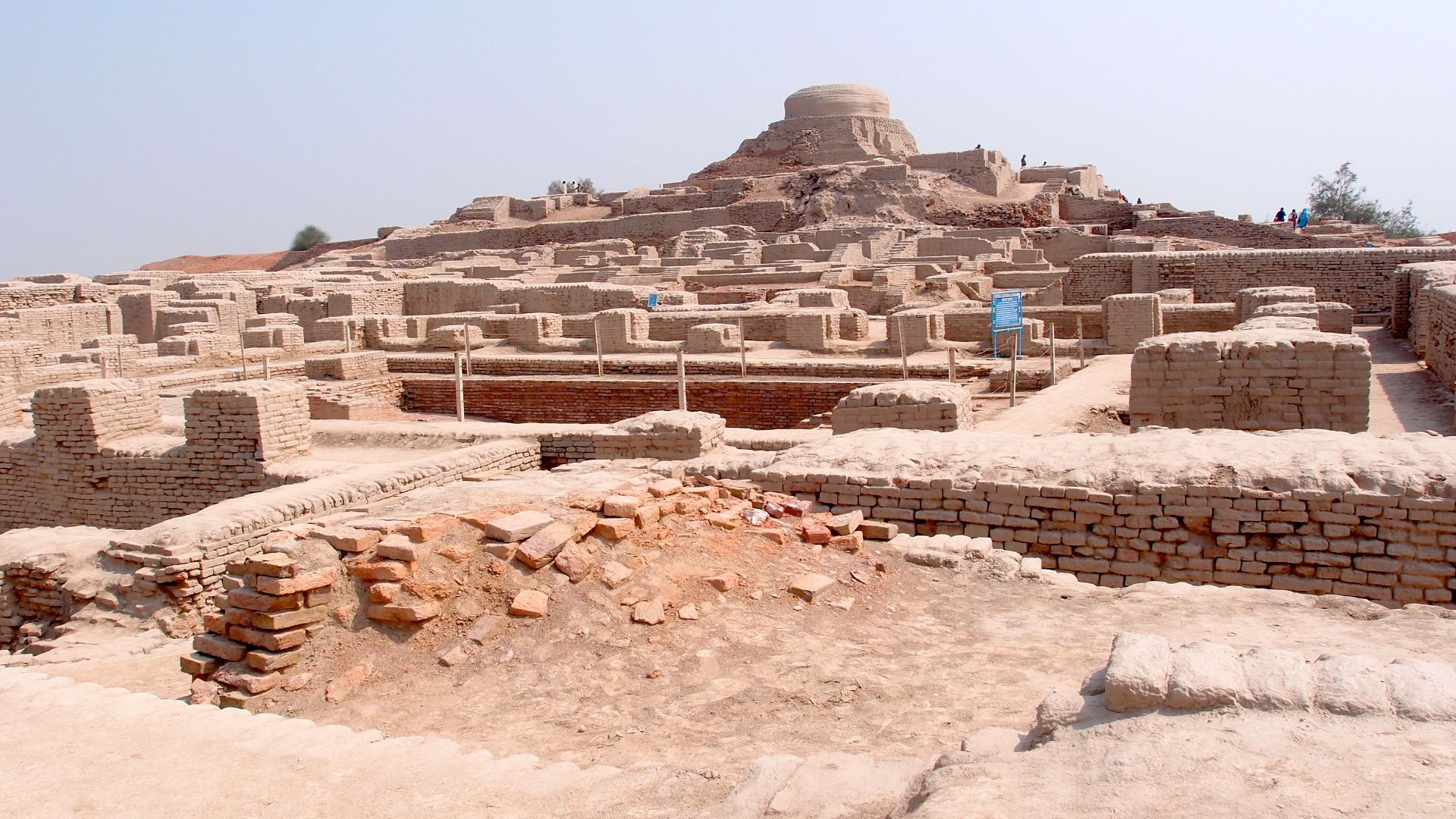
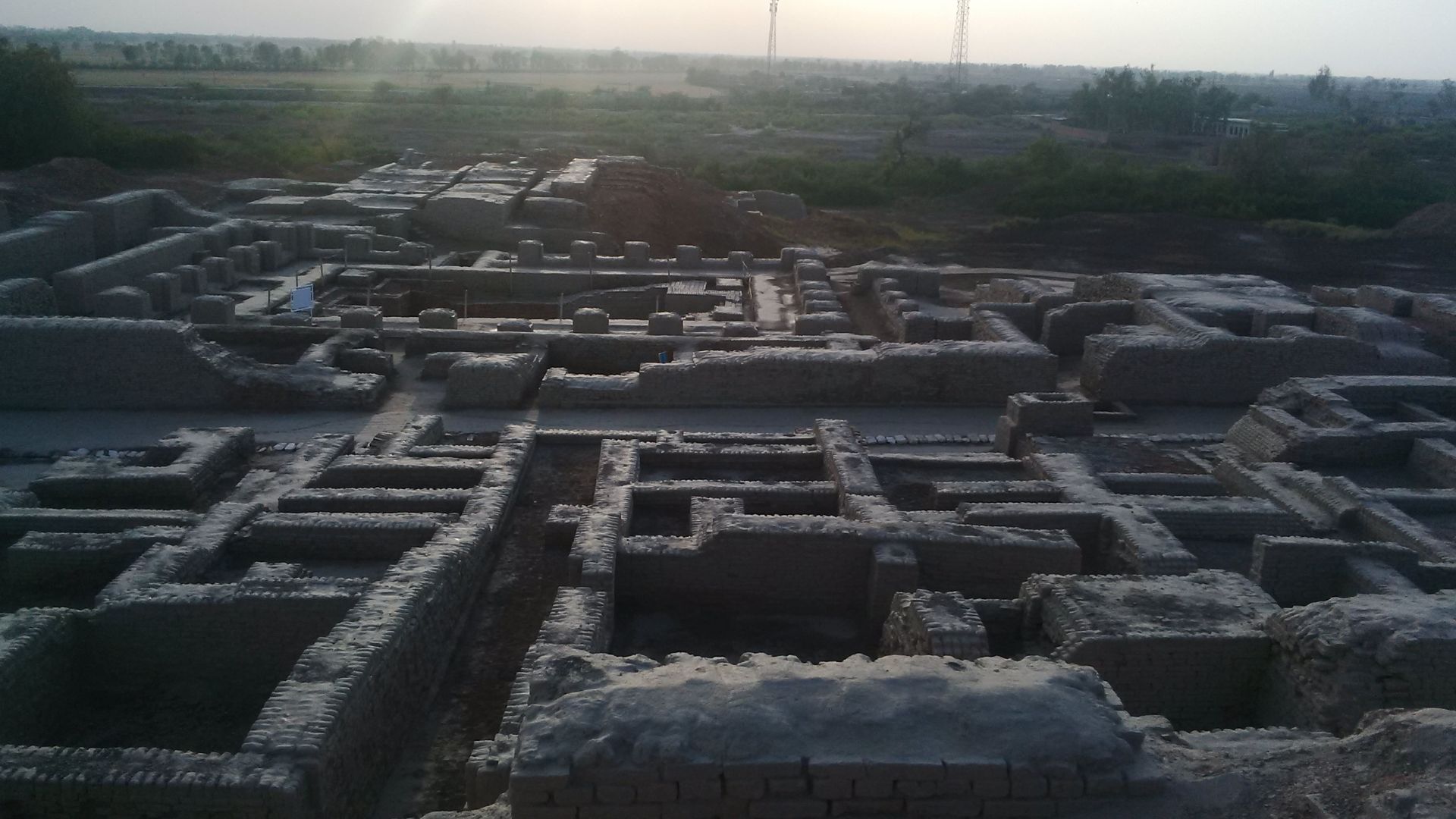
Mohenjo-Daro: One Of The World's First Great Cities Left Almost No Readable History
Mohenjo-daro flourished in the Indus civilization more than 4,000 years ago. Its carefully planned streets, drainage systems, brick architecture, wells, and Great Bath reveal an extraordinarily sophisticated urban society. Yet archaeologists haven't found the obvious palaces or giant royal tombs seen in Egypt and Mesopotamia. Even worse, the Indus script remains undeciphered, meaning thousands of inscriptions can't tell us who governed the city, what residents called it, or how its institutions actually worked.
 Saqib Qayyum, Wikimedia Commons
Mohenjo-Daro: The Famous "Massacre" Probably Never Happened
Early excavators found scattered human skeletons and proposed that invaders had slaughtered Mohenjo-daro's residents during the collapse of the Indus civilization. Later reanalysis largely dismantled that dramatic story. The bodies came from different contexts and don't support one giant massacre. Researchers now consider changing river systems, flooding, climate shifts, declining trade, migration, and political decentralization among the possible causes of urban decline. Mohenjo-daro didn't simply vanish overnight, but without readable texts, archaeologists are still trying to reconstruct what happened from bricks, bones, and environmental clues.
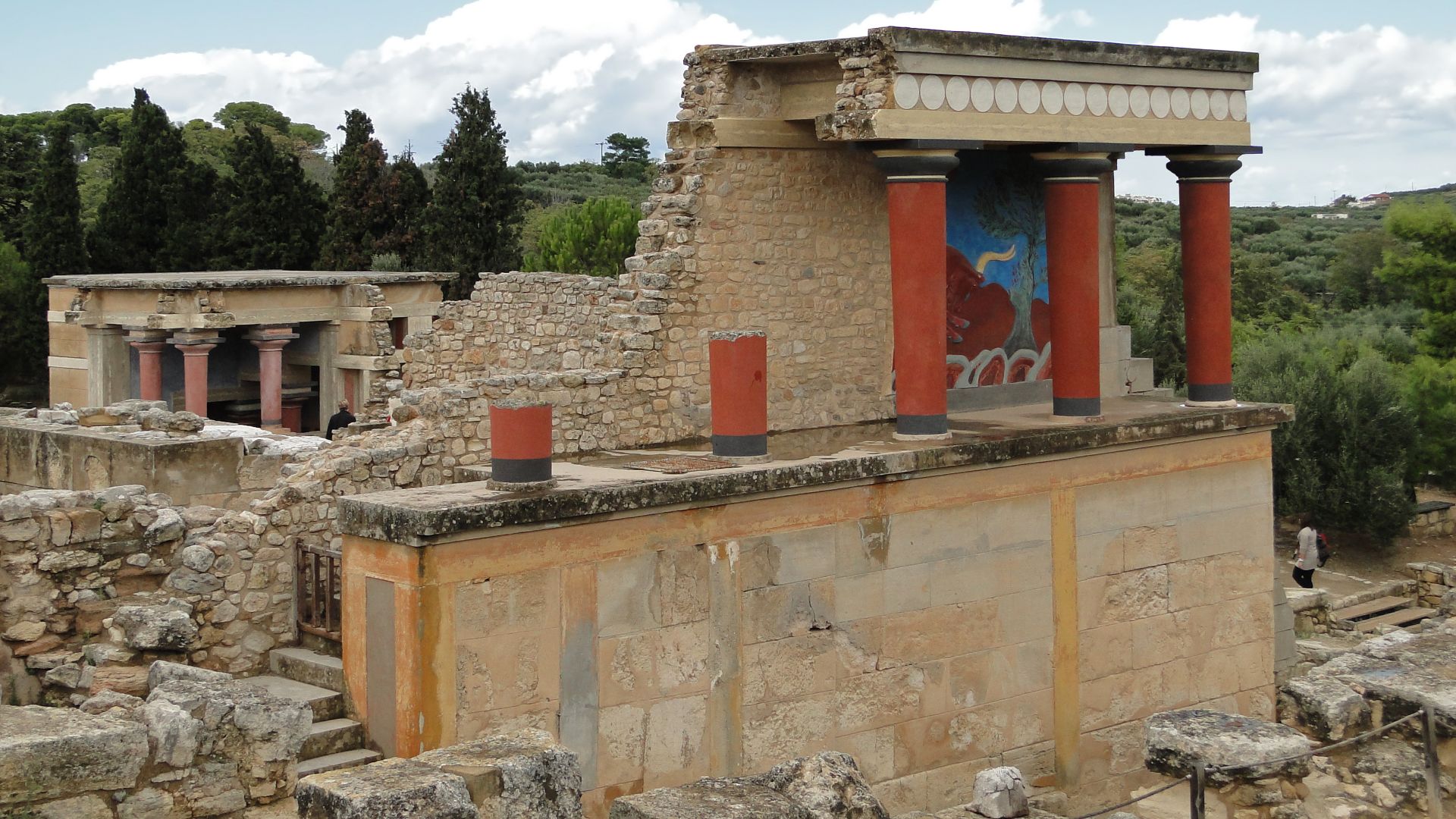
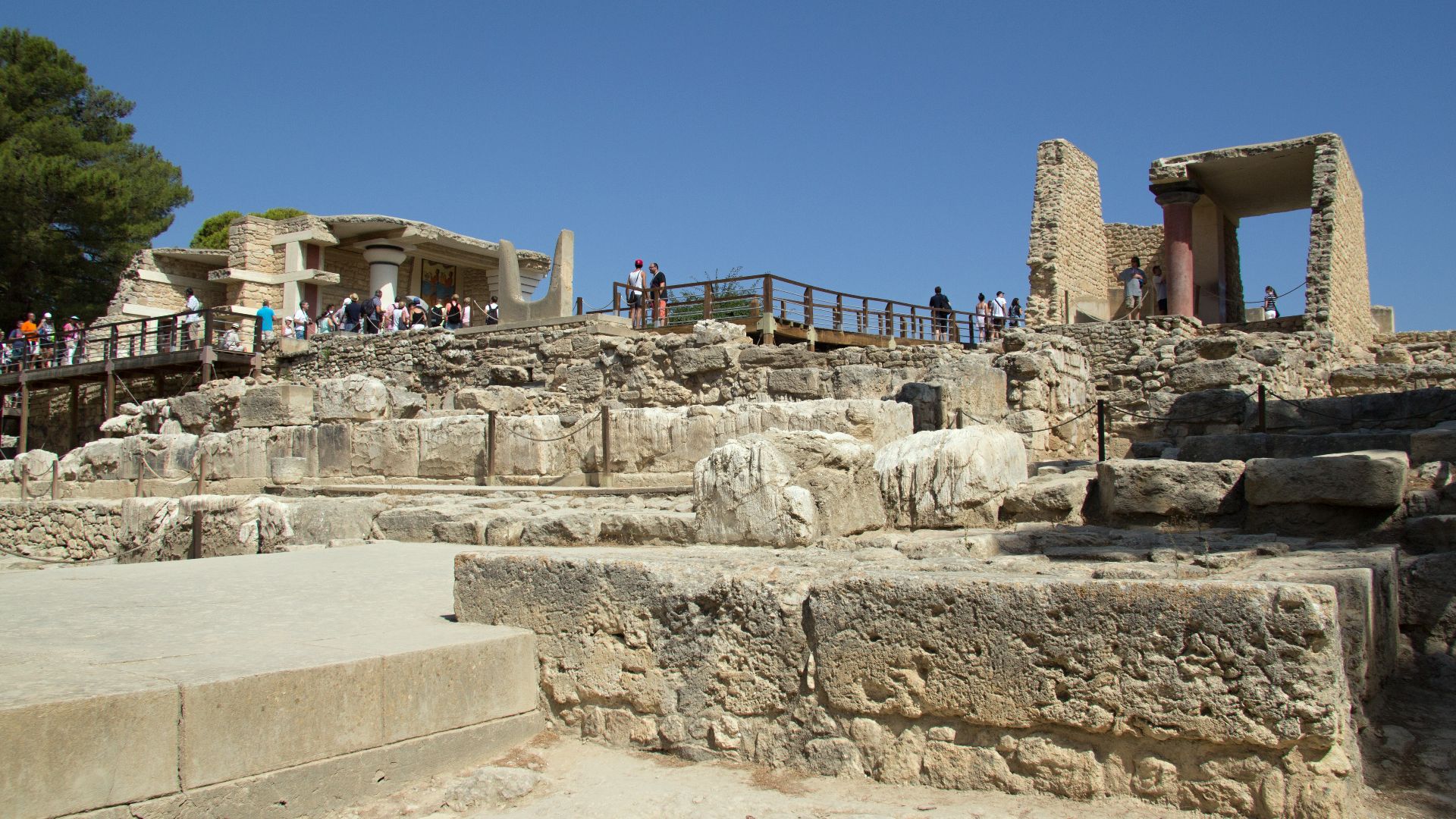
Knossos: The Palace Behind The Labyrinth Legend
The sprawling Bronze Age complex at Knossos on Crete is closely linked in later Greek mythology with King Minos, the Minotaur, and a labyrinth designed by Daedalus. Excavations beginning under Arthur Evans revealed corridors, staircases, storerooms, ceremonial spaces, colorful frescoes, and thousands of clay tablets. Its maze-like architecture made the mythological connection irresistible, and Evans called the civilization responsible "Minoan" after the legendary king.
 Bernard Gagnon, Wikimedia Commons
Knossos: Even Calling It A Palace Can Be Complicated
Knossos is routinely described as a palace, but archaeologists debate exactly how these huge Minoan complexes functioned. Were they royal residences controlled by powerful kings, religious and economic centers serving broader communities, or something combining all those roles? Evans's reconstructions and assumptions strongly influenced how generations imagined the site, and later scholars have questioned several of them. The Minotaur's labyrinth remains mythology, but Knossos itself is still mysterious enough that researchers can't agree on precisely who controlled the complex or what happened in many of its rooms.
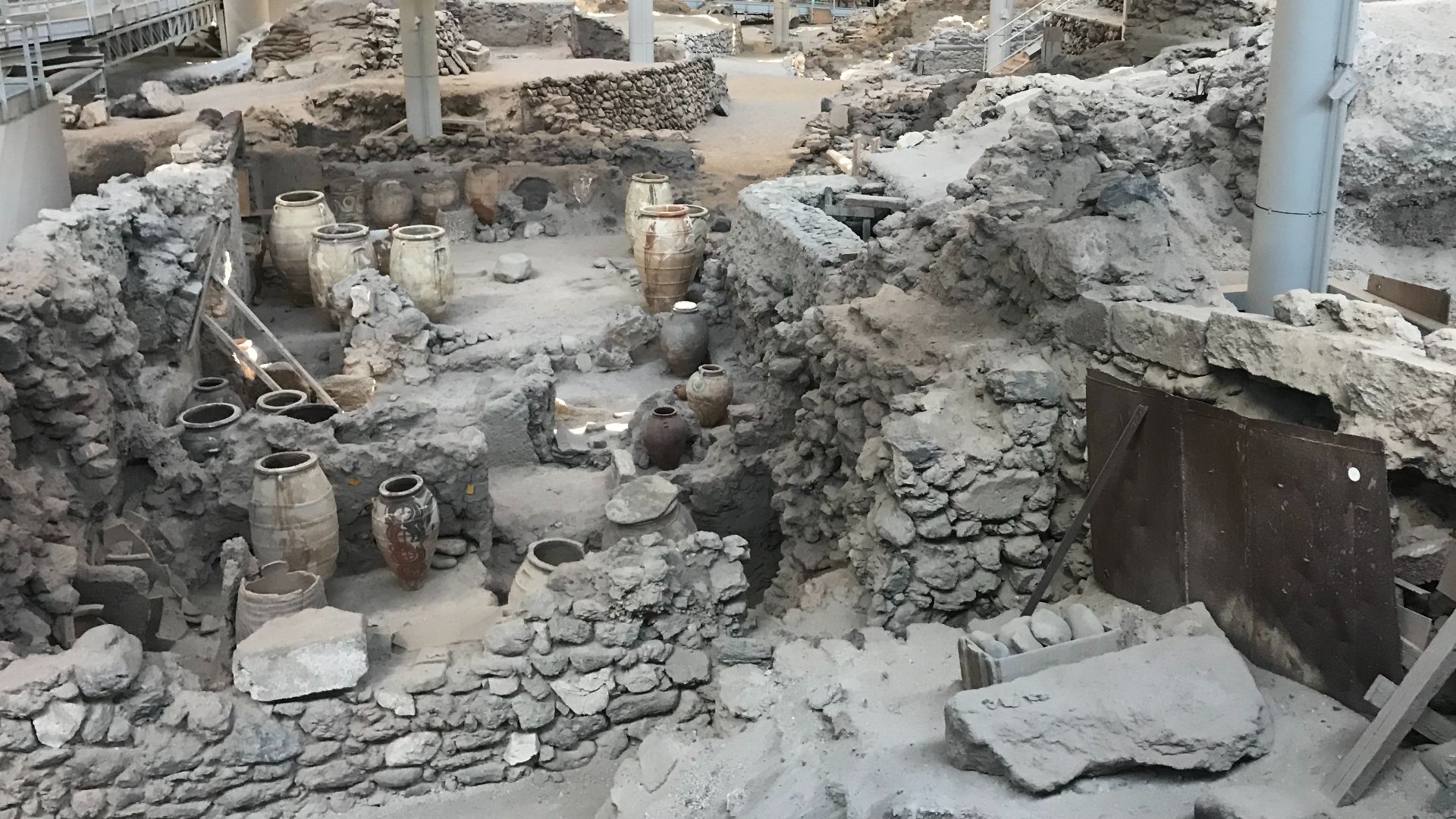
Akrotiri: A Bronze Age City Was Buried Under Volcanic Ash
Akrotiri on the Greek island of Santorini was buried during the enormous Thera eruption in the second millennium BCE. Thick volcanic deposits preserved multi-story buildings, furniture impressions, pottery, elaborate drainage systems, and spectacular frescoes. The preservation has earned comparisons with Pompeii, but there's a crucial difference: archaeologists haven't found streets filled with human victims. Residents apparently had enough warning to leave, transforming the site into an archaeological mystery about where an entire urban population went.
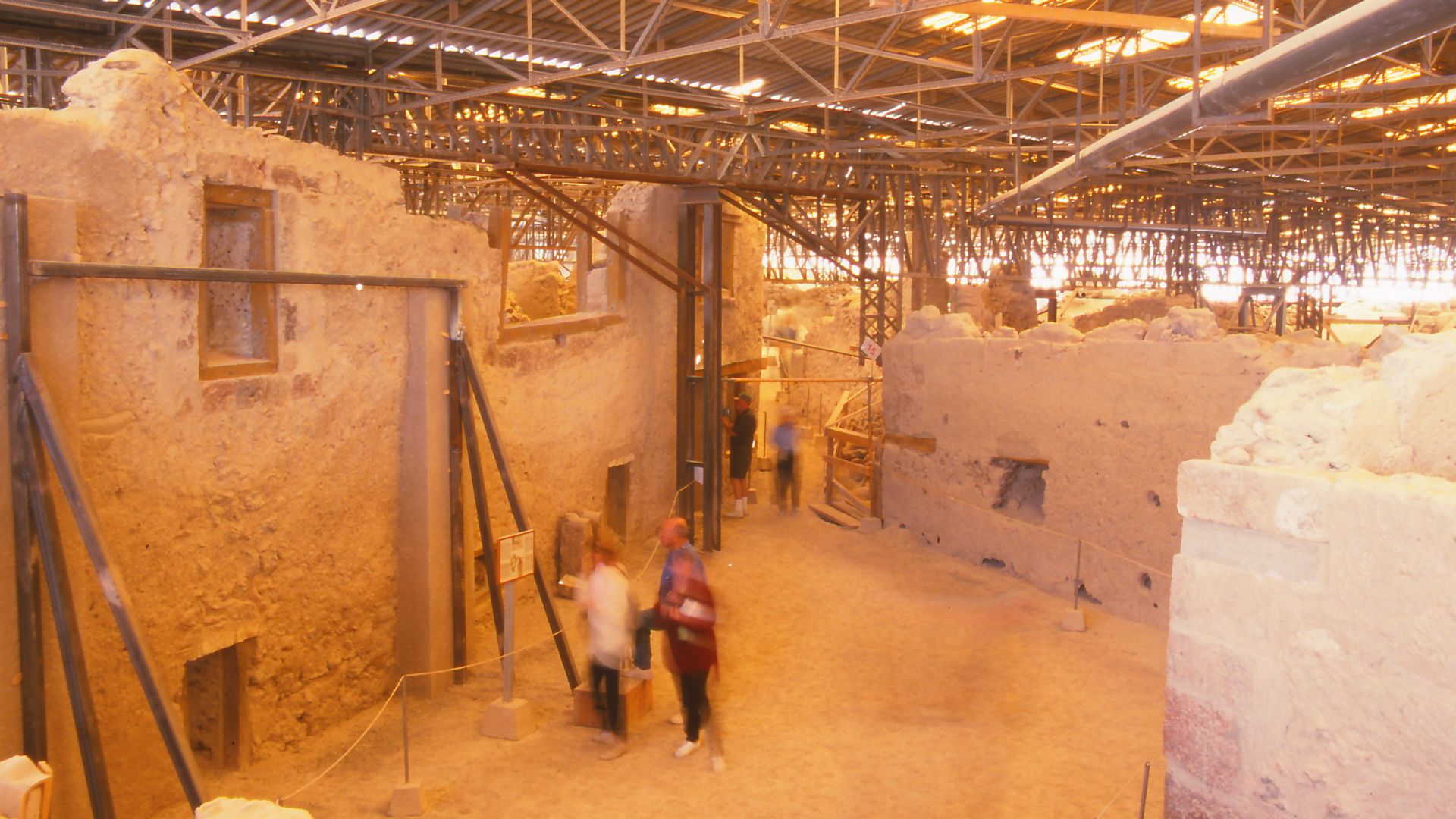
Akrotiri: Even The Date Of The Disaster Has Been Fought Over
Archaeologists and scientists have spent decades arguing over exactly when the Thera eruption occurred. Traditional archaeological chronologies tended to place it in the sixteenth century BCE, while radiocarbon and environmental evidence has often favored an earlier date. That difference matters because the eruption is used to synchronize histories across the eastern Mediterranean. Researchers also debate how badly the disaster affected nearby Minoan Crete and whether it contributed directly to later political decline. Akrotiri preserves an astonishing moment before catastrophe, but the precise timing and consequences of that catastrophe remain surprisingly difficult to pin down.
 Vancouvermike, Wikimedia Commons
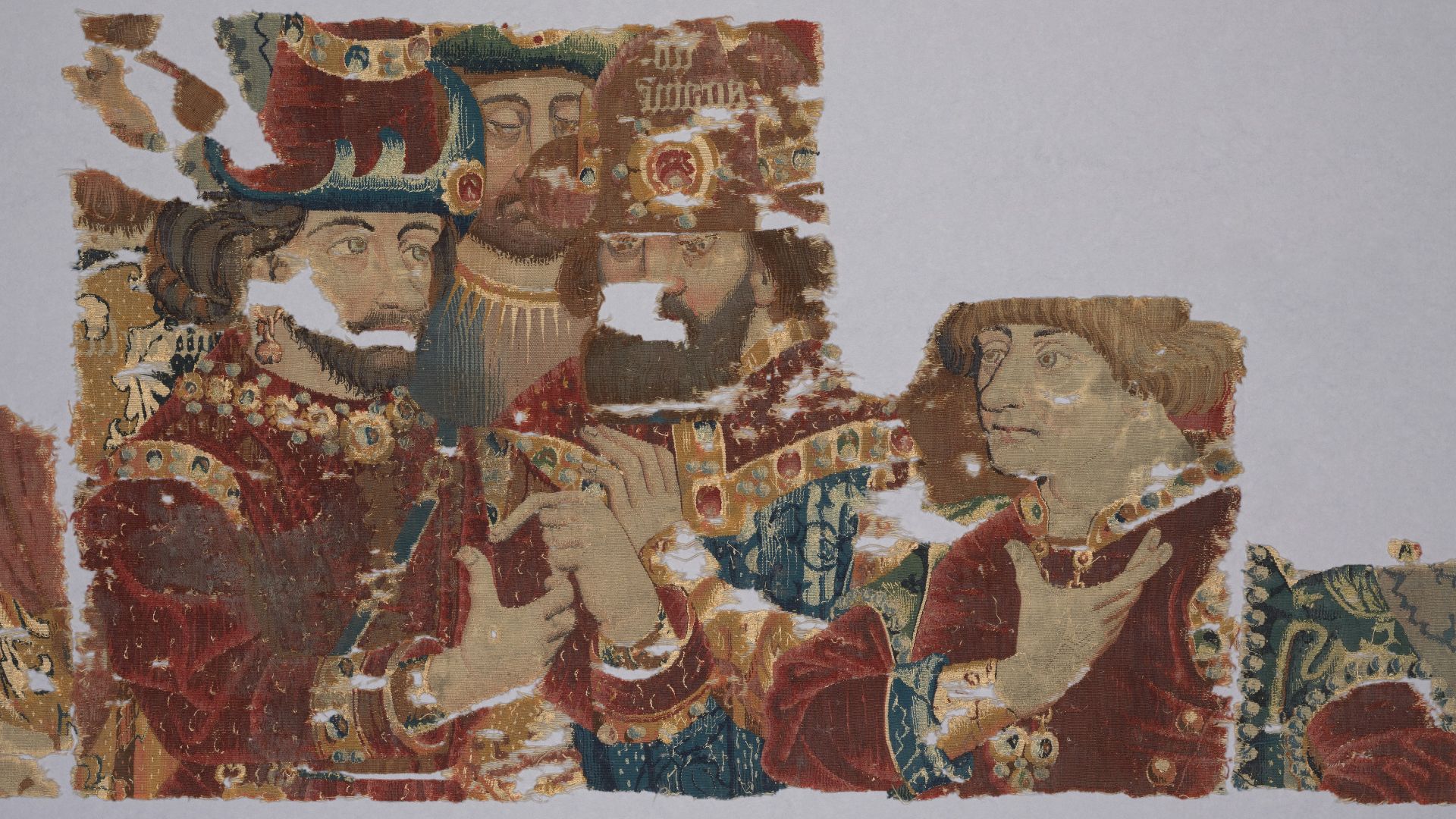
Troy: Archaeologists Found A Real City Beneath Homer's Story
For centuries, many people treated Troy as the setting of an epic rather than a place that could actually be excavated. Nineteenth-century investigations at Hisarlık in modern Turkey revealed something much more complicated: not one Troy, but layers of settlements rebuilt repeatedly over thousands of years. Several Bronze Age levels were destroyed violently or catastrophically, giving archaeologists genuine candidates for a historical conflict that might have contributed to later stories about the Trojan War.
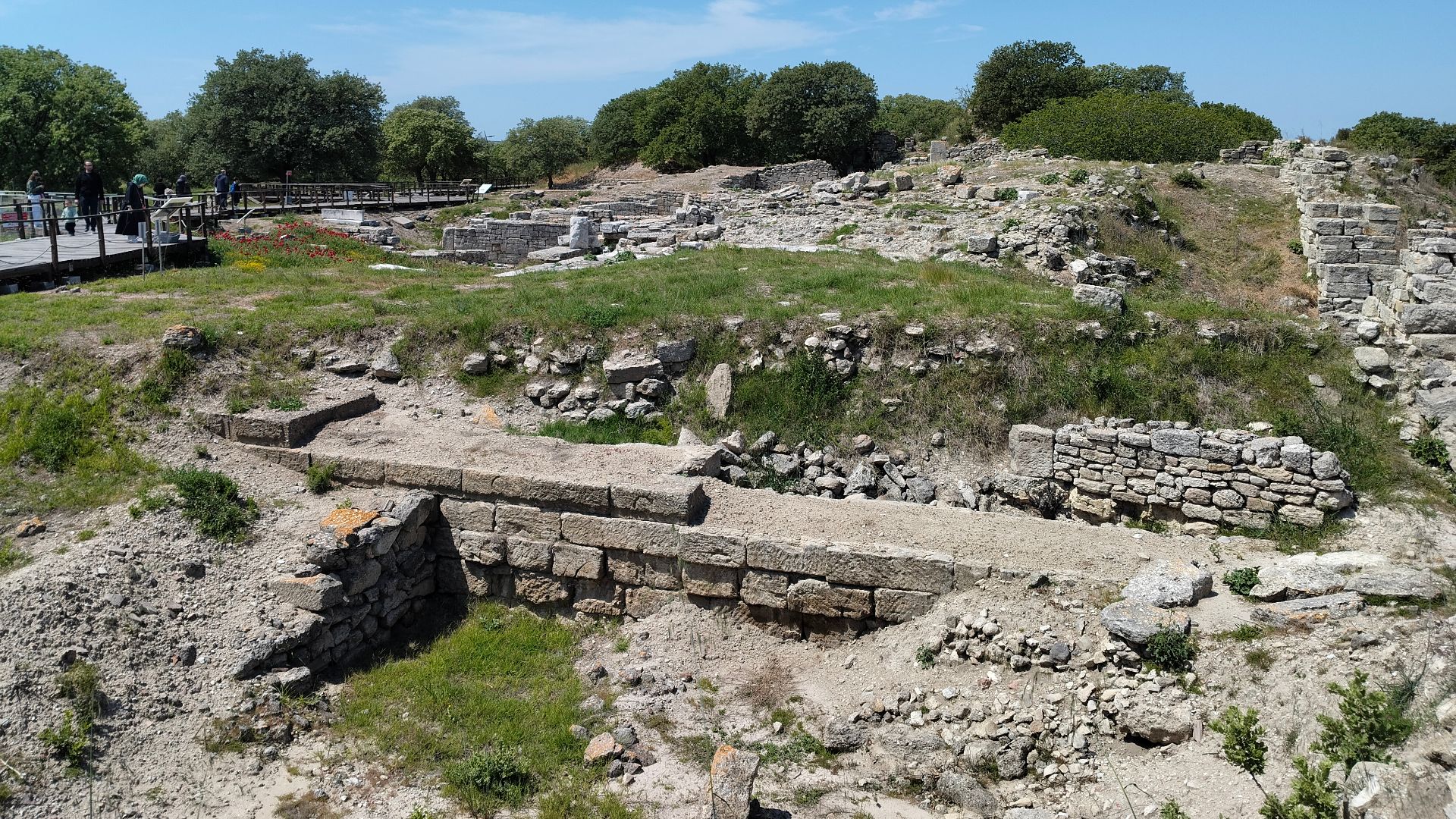
Troy: Finding Troy Didn't Prove The Trojan War
The central argument has never really disappeared. Troy VI was impressive but seems to have suffered major earthquake damage, while Troy VIIa shows evidence of destruction and crowded occupation around the period often associated with a possible war. Hittite texts mentioning a place called Wilusa and conflicts involving western Anatolia have strengthened possible connections with Greek tradition. Yet nobody has uncovered evidence proving that Agamemnon, Achilles, Helen, or Homer's ten-year siege existed as described. Archaeology made Troy more historical while leaving the Iliad's relationship with history maddeningly uncertain.
 Creator:Pasquier Grenier of Tournai, Wikimedia Commons
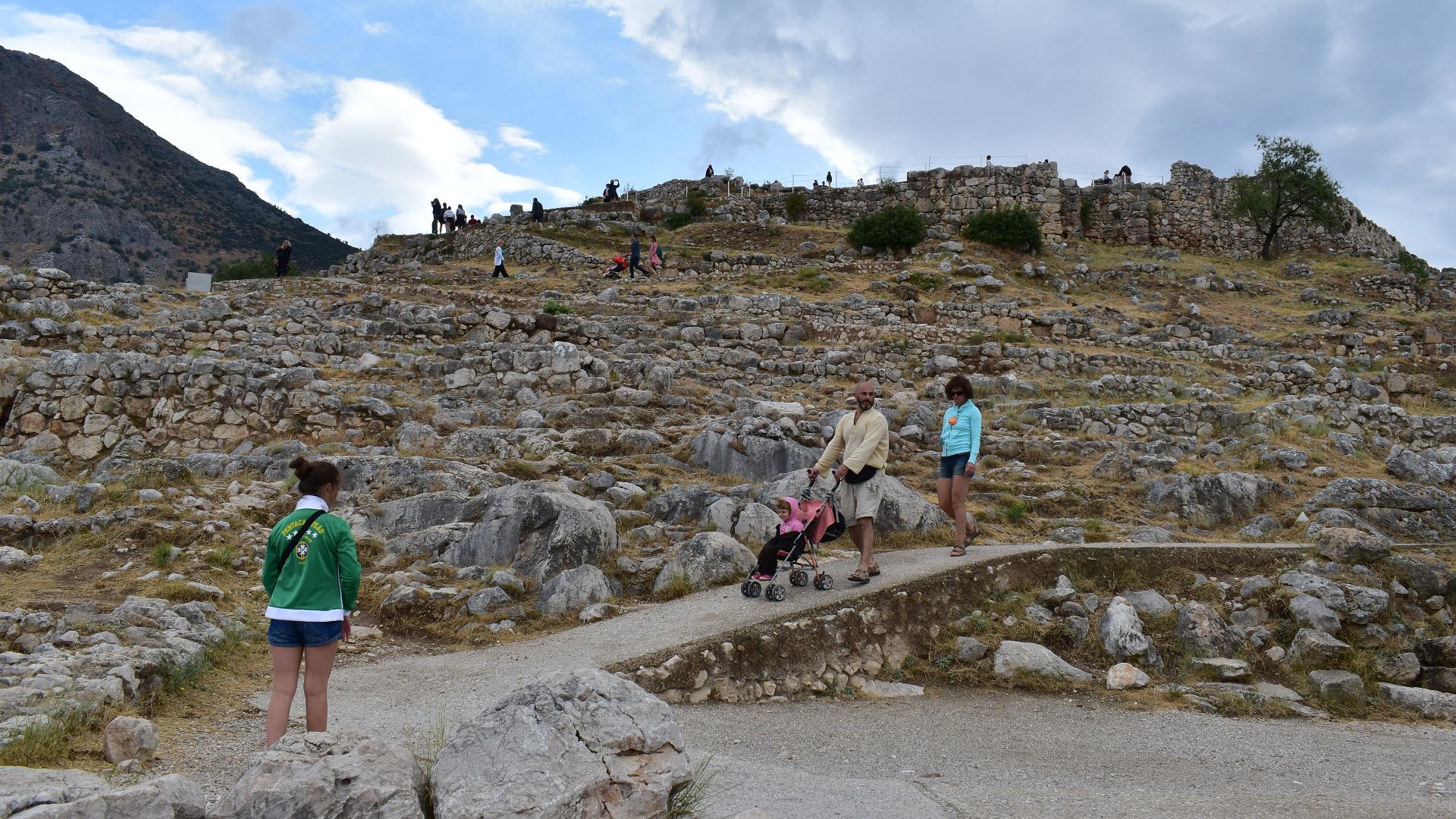
Mycenae: The Fortress Looked Exactly Like A Heroic Capital Should
Massive walls, monumental gates, royal graves, weapons, gold objects, and palatial buildings made Mycenae seem like the perfect archaeological counterpart to the warrior kingdoms described in later Greek legend. Heinrich Schliemann famously believed he'd found the grave of Agamemnon when he excavated rich burials there in the nineteenth century, although those graves were centuries older than the traditional date of the Trojan War. The city nevertheless became the namesake of an entire Late Bronze Age civilization.
Mycenae: Then The Mycenaean World Fell Apart
Beginning around 1200 BCE, palace systems across Greece collapsed. Mycenae suffered destruction, as did several other centers, but archaeologists still disagree over what caused the wider breakdown. Invaders, the mysterious Sea Peoples, earthquakes, drought, internal rebellion, economic failure, warfare between states, and collapsing trade networks have all been proposed. Increasingly, researchers suspect a combination rather than one culprit. The Mycenaeans left written Linear B tablets describing palace administration, yet the documents stop just when historians most want them to continue.
Hattusa: The Capital Of A Superpower Was Suddenly Emptied
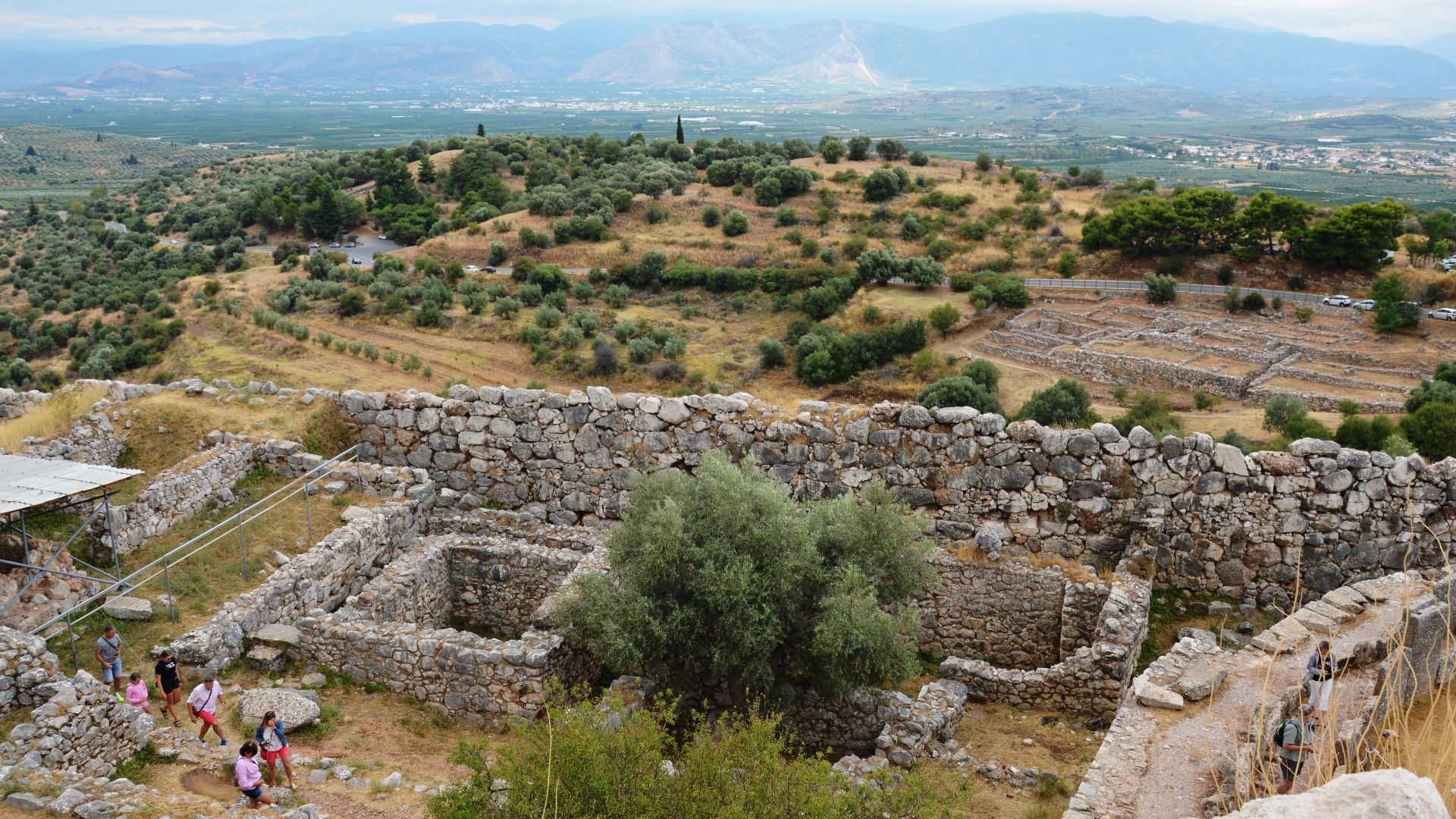
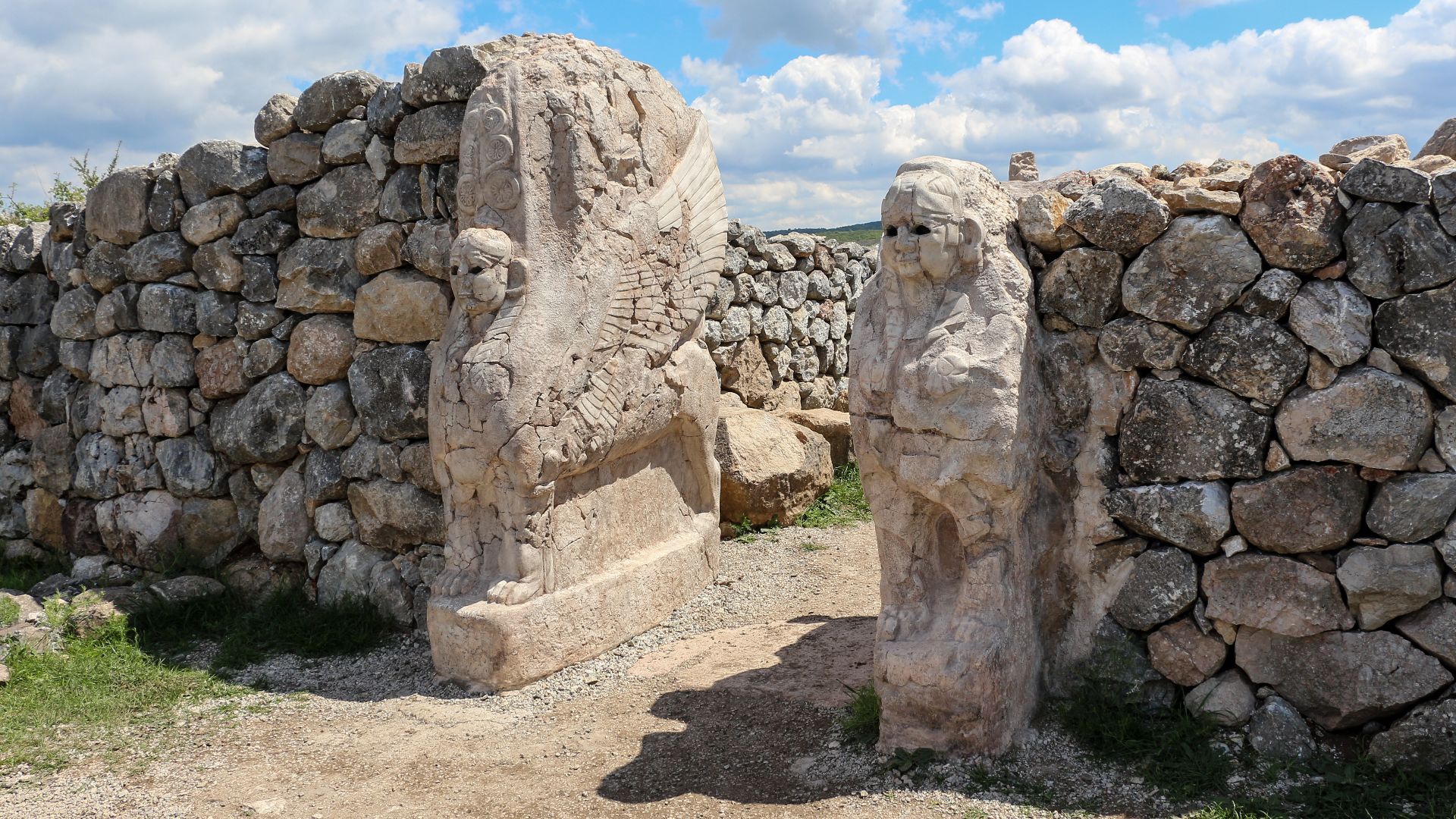
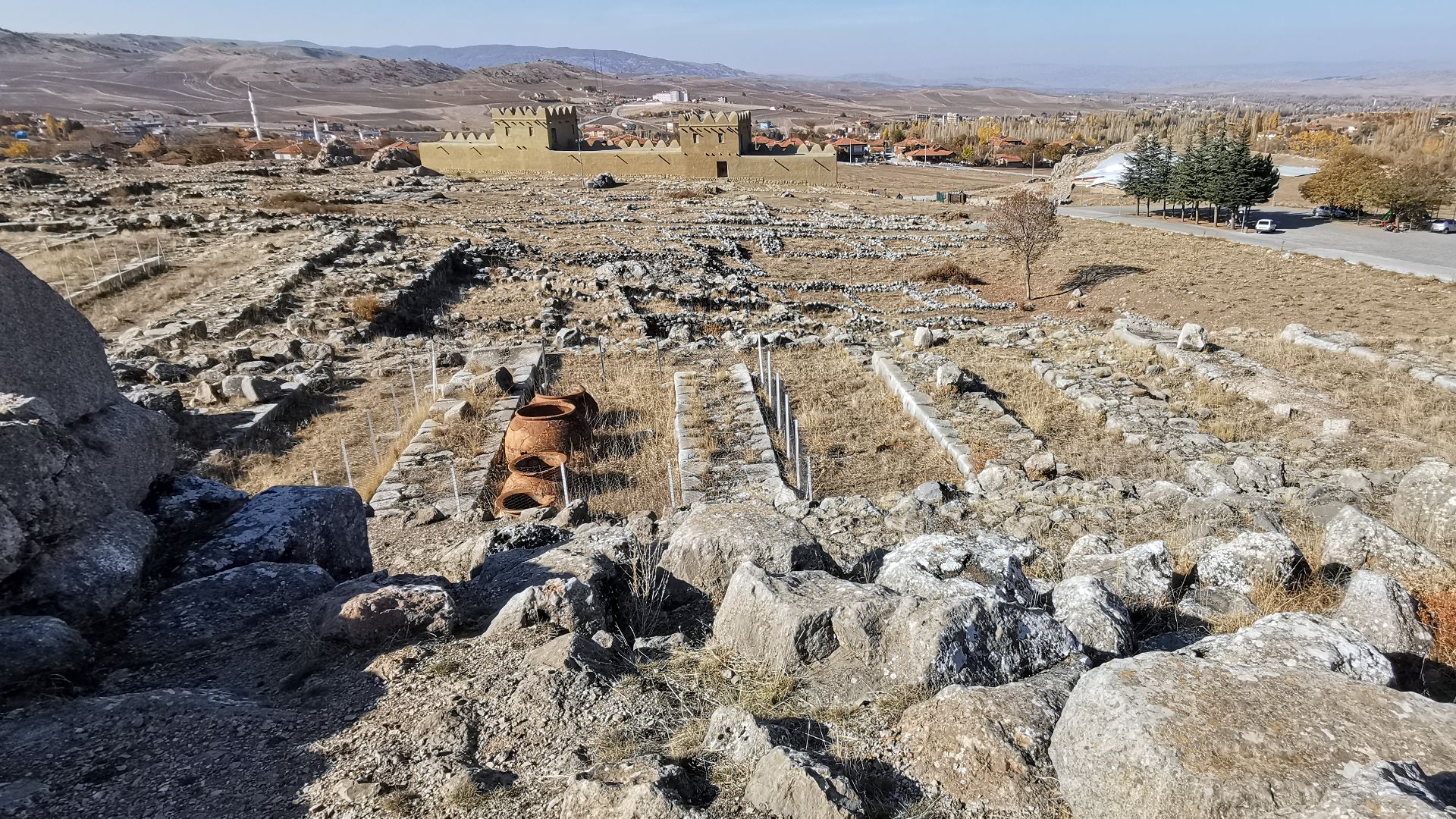
Hattusa was the capital of the Hittite Empire, one of the great powers of the Late Bronze Age. Its monumental gates, temples, fortifications, archives, and thousands of cuneiform tablets reveal a sophisticated state that competed with Egypt and controlled large parts of Anatolia and Syria. Then, around the beginning of the twelfth century BCE, central Hittite power disappeared. For decades, burned areas at Hattusa encouraged visions of a spectacular enemy attack.
 Bernard Gagnon, Wikimedia Commons
Hattusa: New Evidence Made The Collapse More Complicated
Archaeology now indicates that major parts of Hattusa may already have been abandoned and emptied before they burned, complicating the invasion story considerably. Tree-ring research has also identified an exceptionally severe three-year drought around 1198 to 1196 BCE, exactly when the empire was under enormous strain. Yet researchers don't think drought alone explains everything. Internal political rivalries, food shortages, regional enemies, failing trade, and wider Bronze Age instability probably mattered too. Hattusa's royal bureaucracy documented crises for centuries, then disappeared before it could explain its own ending.
 Murat Özsoy 1958, Wikimedia Commons
Sanxingdui: Thousands Of Strange Objects Were Buried On Purpose
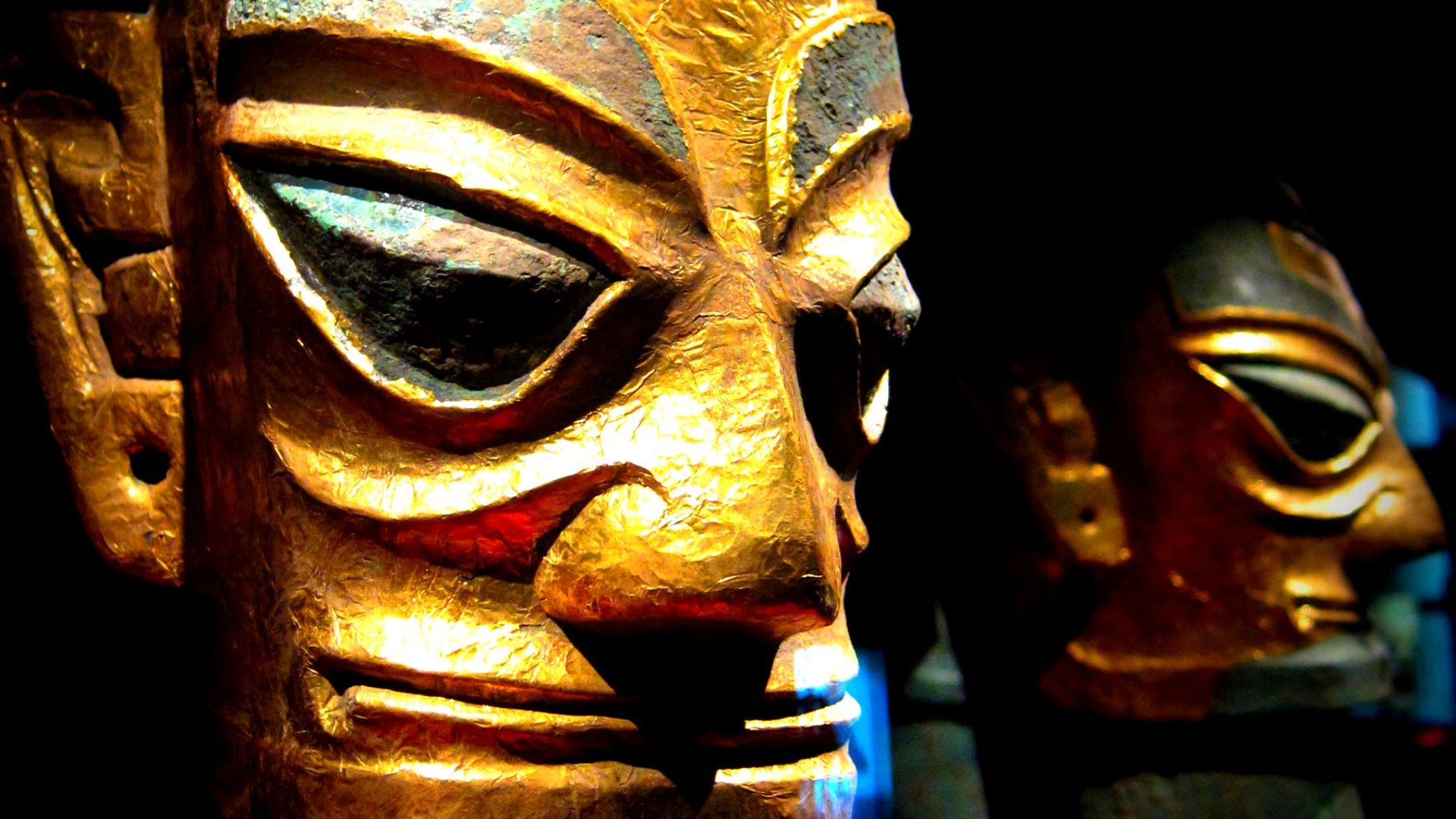
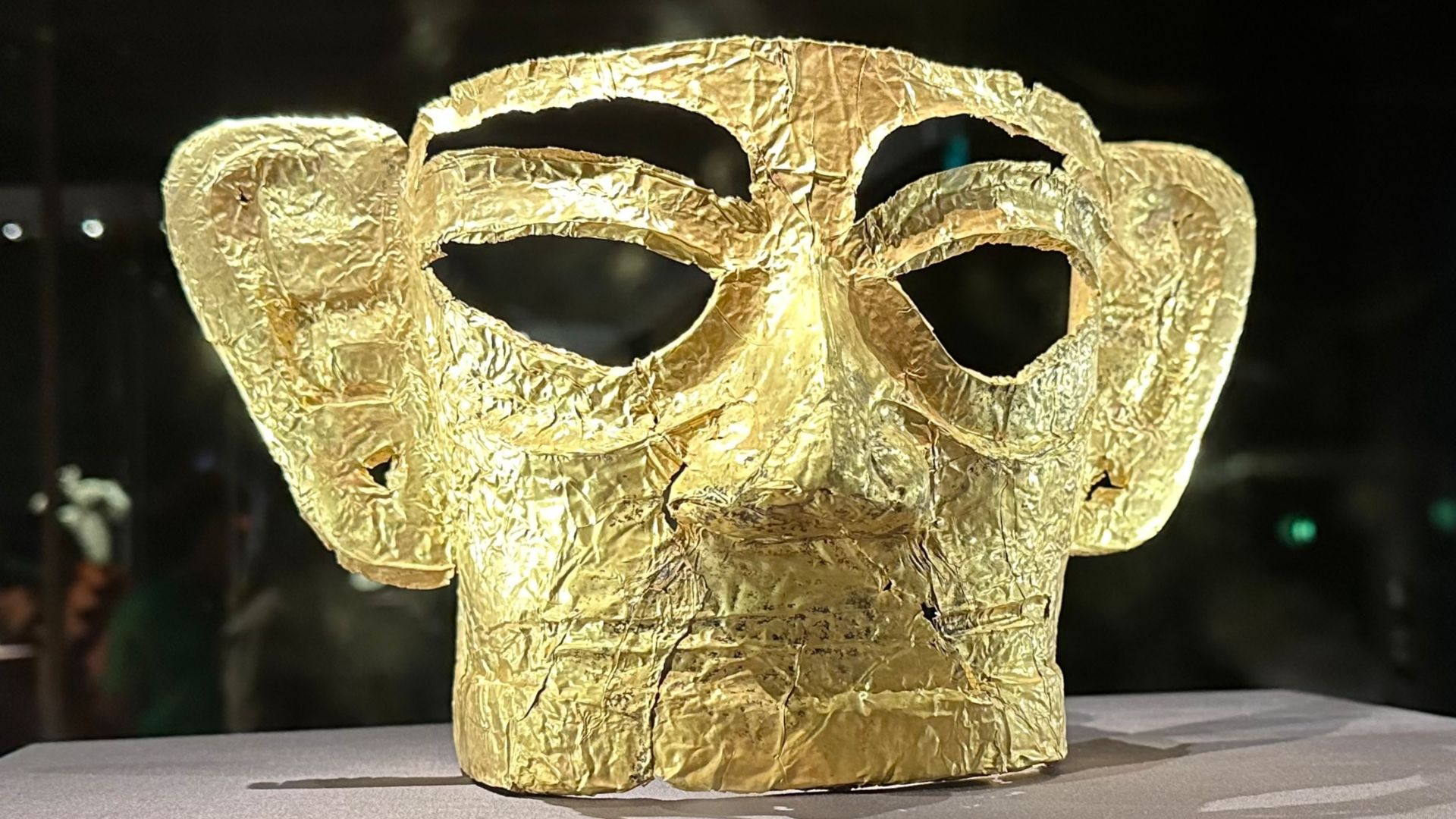
Sanxingdui in China's Sichuan Basin became famous for some of the most visually extraordinary objects in Bronze Age archaeology. Excavations uncovered towering bronze figures, enormous masks with exaggerated eyes, gold objects, jade, elephant tusks, and other treasures. Many were deliberately broken or burned before being placed into pits. Their artistic style looked dramatically different from better-known Bronze Age traditions farther east, revealing a sophisticated regional culture that earlier histories of ancient China had largely overlooked.
Sanxingdui: Nobody Knows Exactly What Happened In The Pits
The deposits were initially called sacrificial pits, but that label doesn't explain exactly what rituals took place there. The careful destruction and burial of immensely valuable objects could represent offerings, ceremonial closure, political upheaval, relocation of sacred objects, or dramatic changes in religious practice. More recently excavated pits have added thousands of fragments that sometimes join objects from separate deposits, suggesting complicated sequences of destruction and burial. Sanxingdui has given archaeologists an enormous quantity of evidence without leaving them an explanatory text telling them why its people intentionally buried so much wealth.
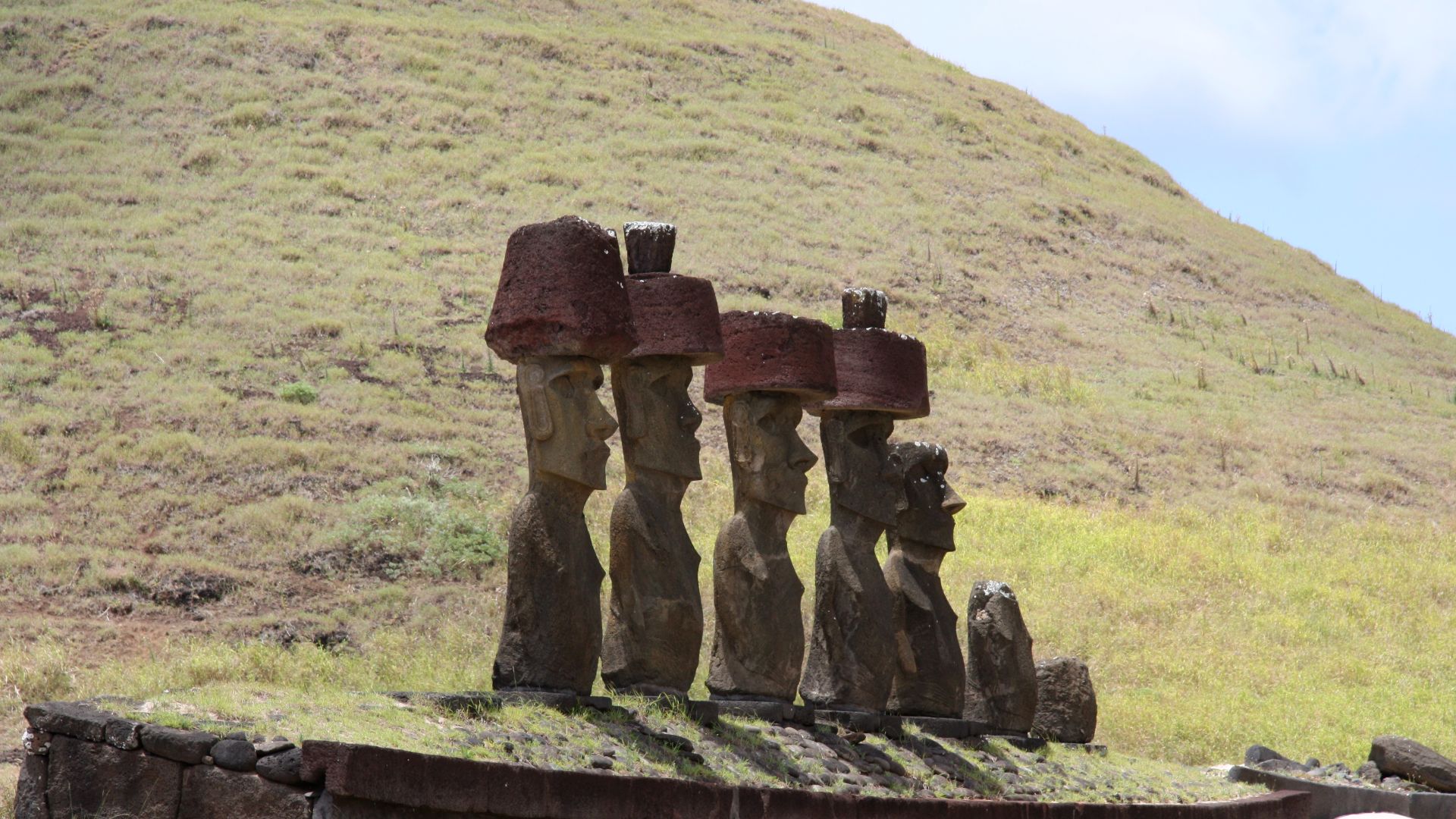
Rapa Nui: The Moai Inspired One Of Archaeology's Most Famous Collapse Stories
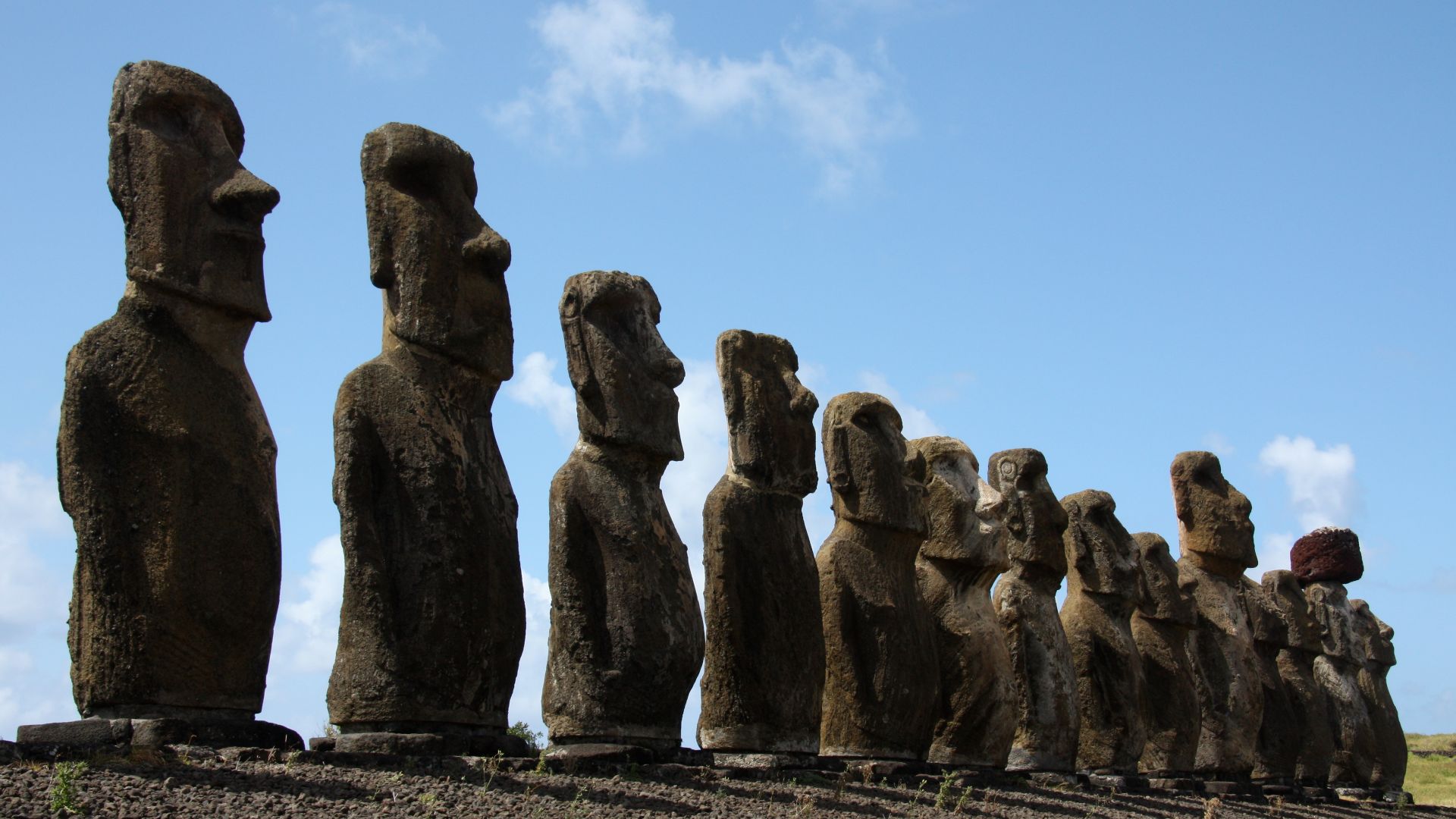
Rapa Nui became globally famous for its enormous moai statues, nearly 1,000 of which have been documented across the island. For years, a popular explanation claimed that islanders destroyed their own forests while competing to build and transport ever larger statues, triggering resource shortages, warfare, famine, and population collapse before Europeans arrived. It became a cautionary tale about environmental self-destruction and was often presented as though archaeology had already settled the matter.
Rapa Nui: The "Ecocide" Story Is Falling Apart
Recent archaeology and genetics have seriously challenged that scenario. Ancient DNA research found no evidence for the dramatic pre-European population crash predicted by the classic ecocide theory, while studies of farming and resource use show Rapanui communities developed sophisticated methods for surviving in a difficult environment. Deforestation certainly happened, and recent research suggests prolonged drought coincided with changes in monument building, but resilience appears to have been much greater than older accounts suggested. Experts are now debating adaptation and cultural transformation rather than a simple self-inflicted collapse, proving that sometimes the most famous archaeological explanation can become part of the mystery itself.
You May Also Like: