A City Where Almost Nothing Should Have Grown
Deep in the black basalt desert of northeastern Jordan sit the ruins of Jawa, a settlement built in a landscape where water could disappear for months at a time. Yet around 5,500 years ago, thousands of people may have lived here. Their secret wasn't finding a hidden oasis—it was learning how to manufacture one. And what they came up with was absolutely incredible.
Jawa Was Built In The Black Desert
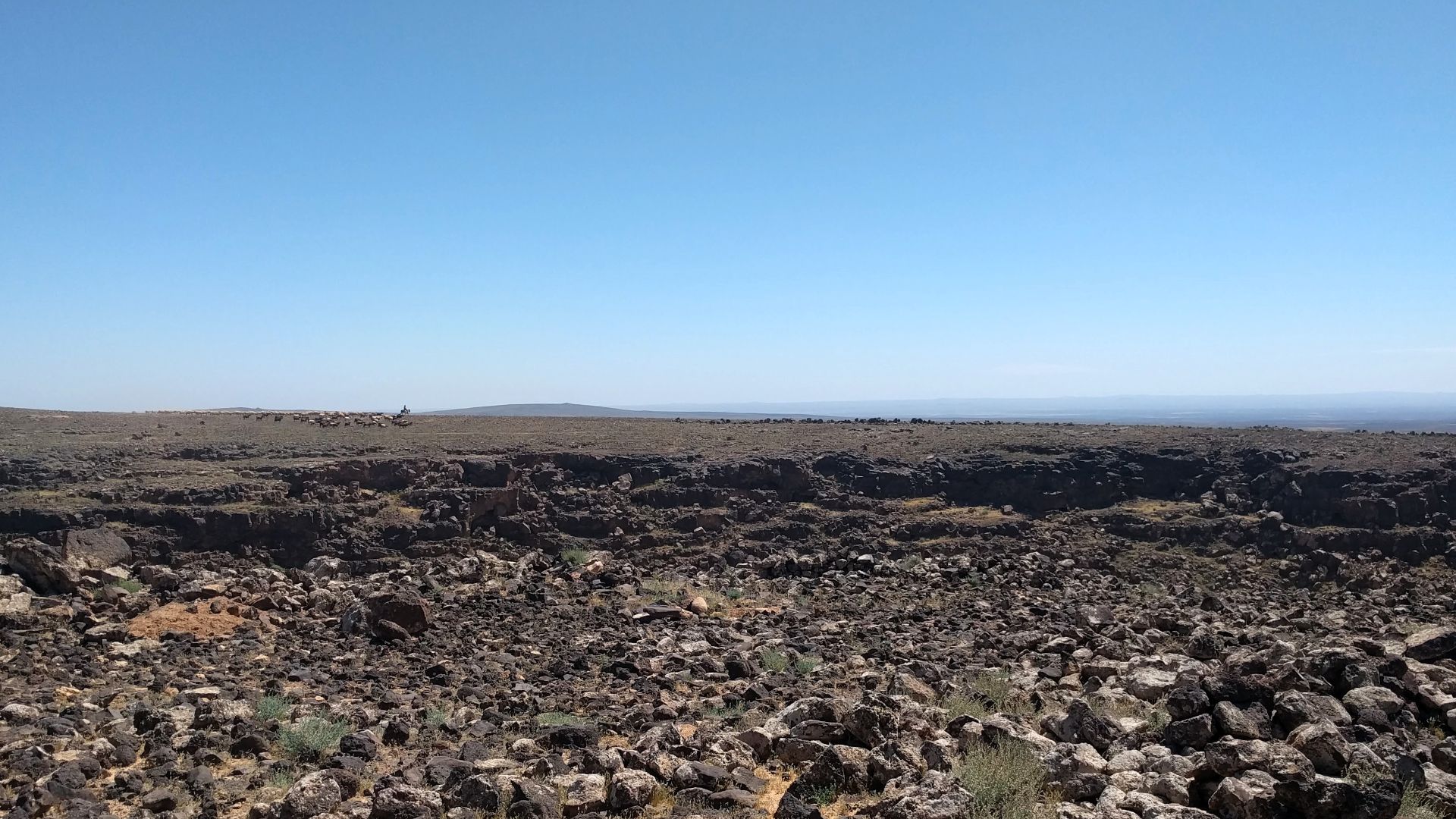
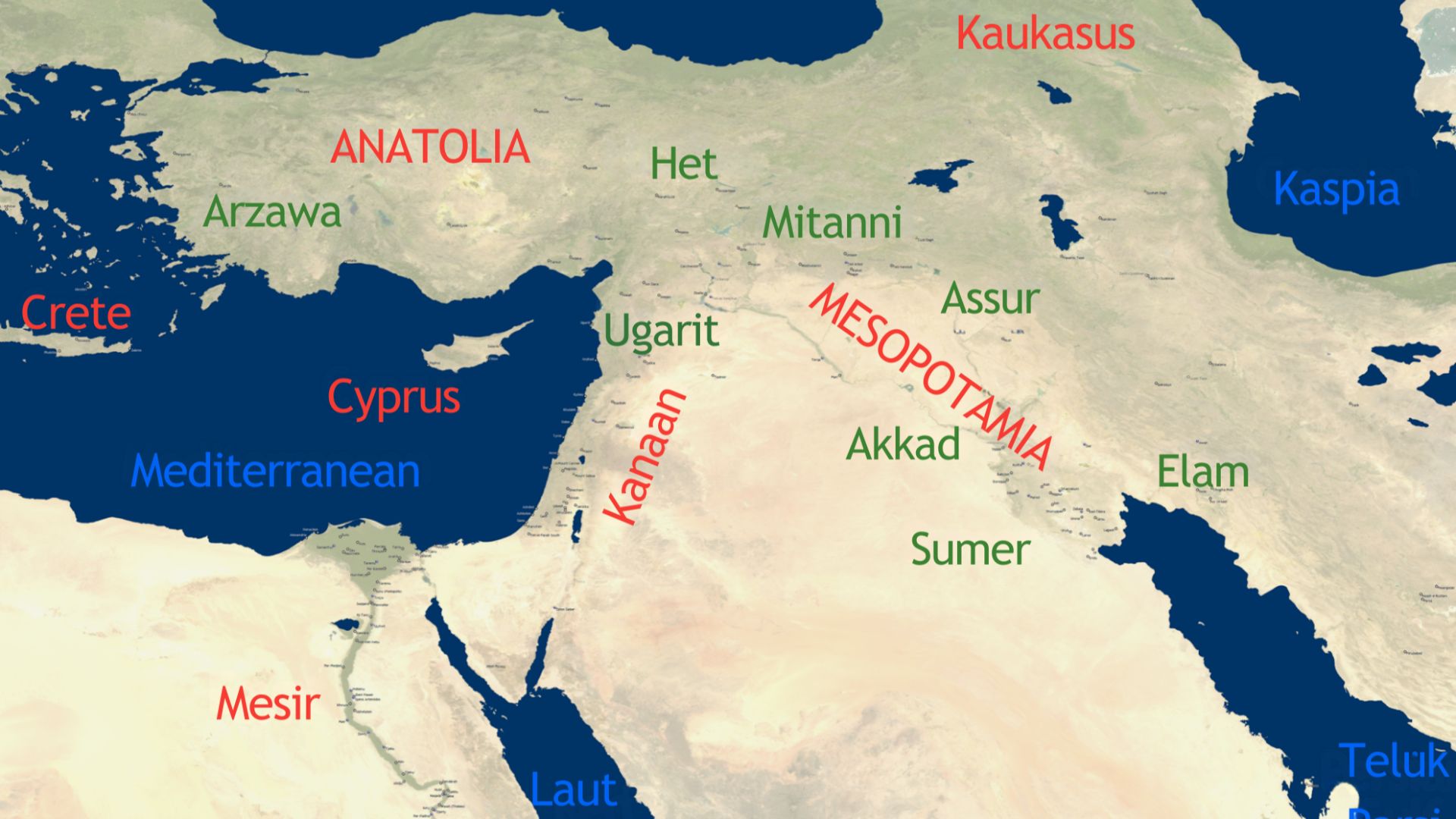
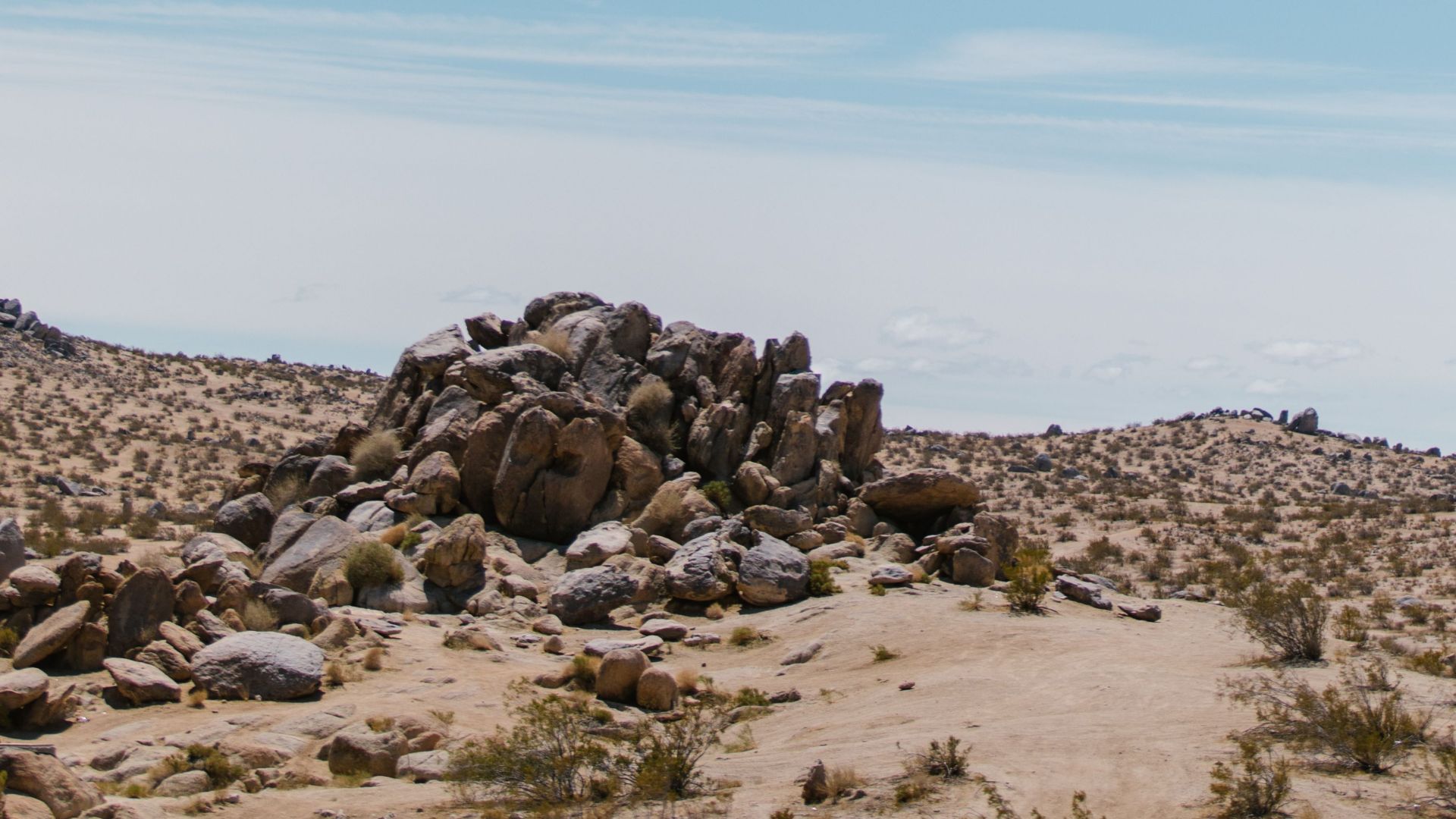
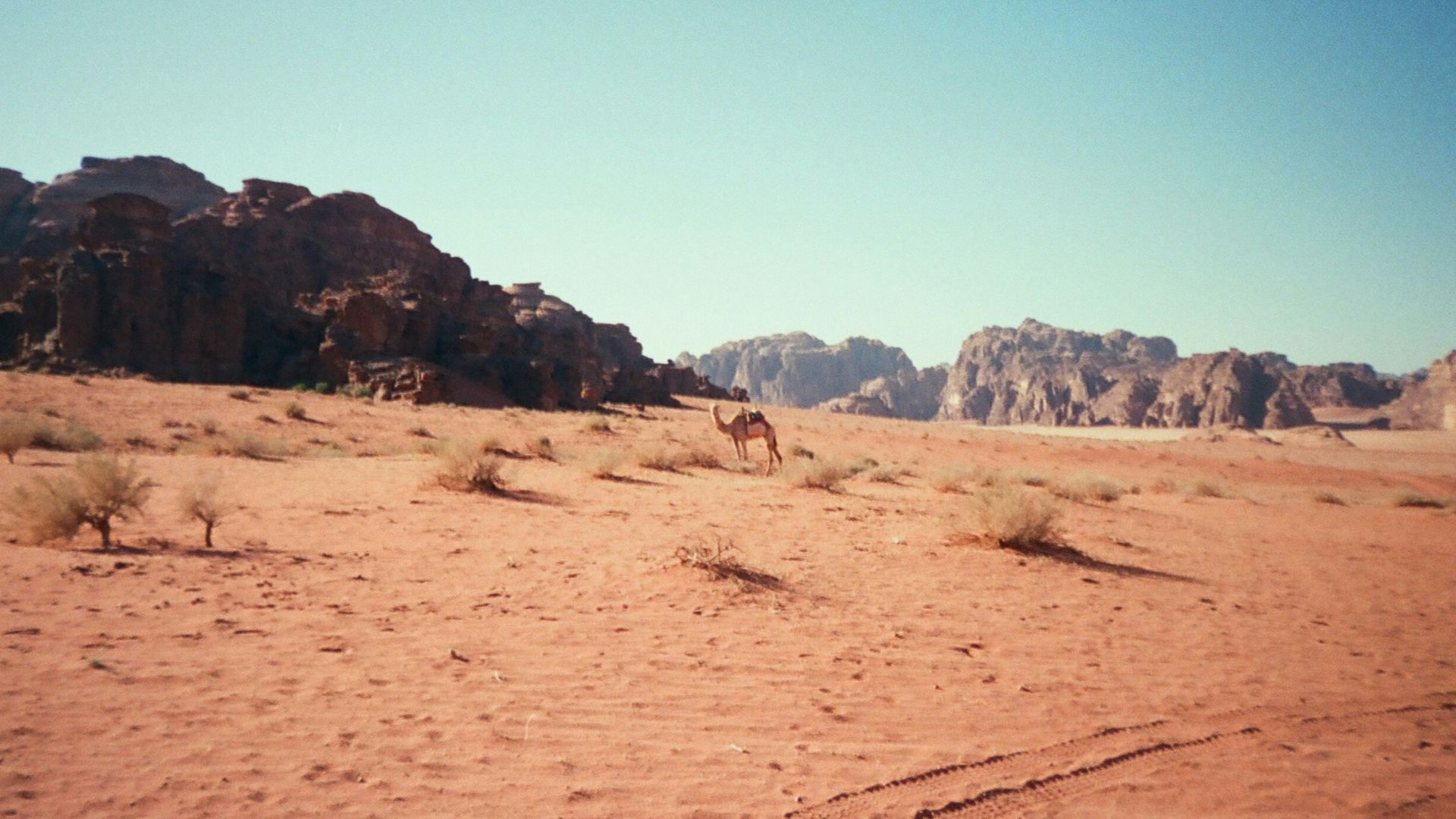
Jawa lies in Jordan's Harrat al-Sham, a vast volcanic landscape covered with dark basalt. Even today, the surroundings can look astonishingly barren. Building a large permanent settlement here seems counterintuitive, which is exactly why Jawa has fascinated archaeologists for decades.
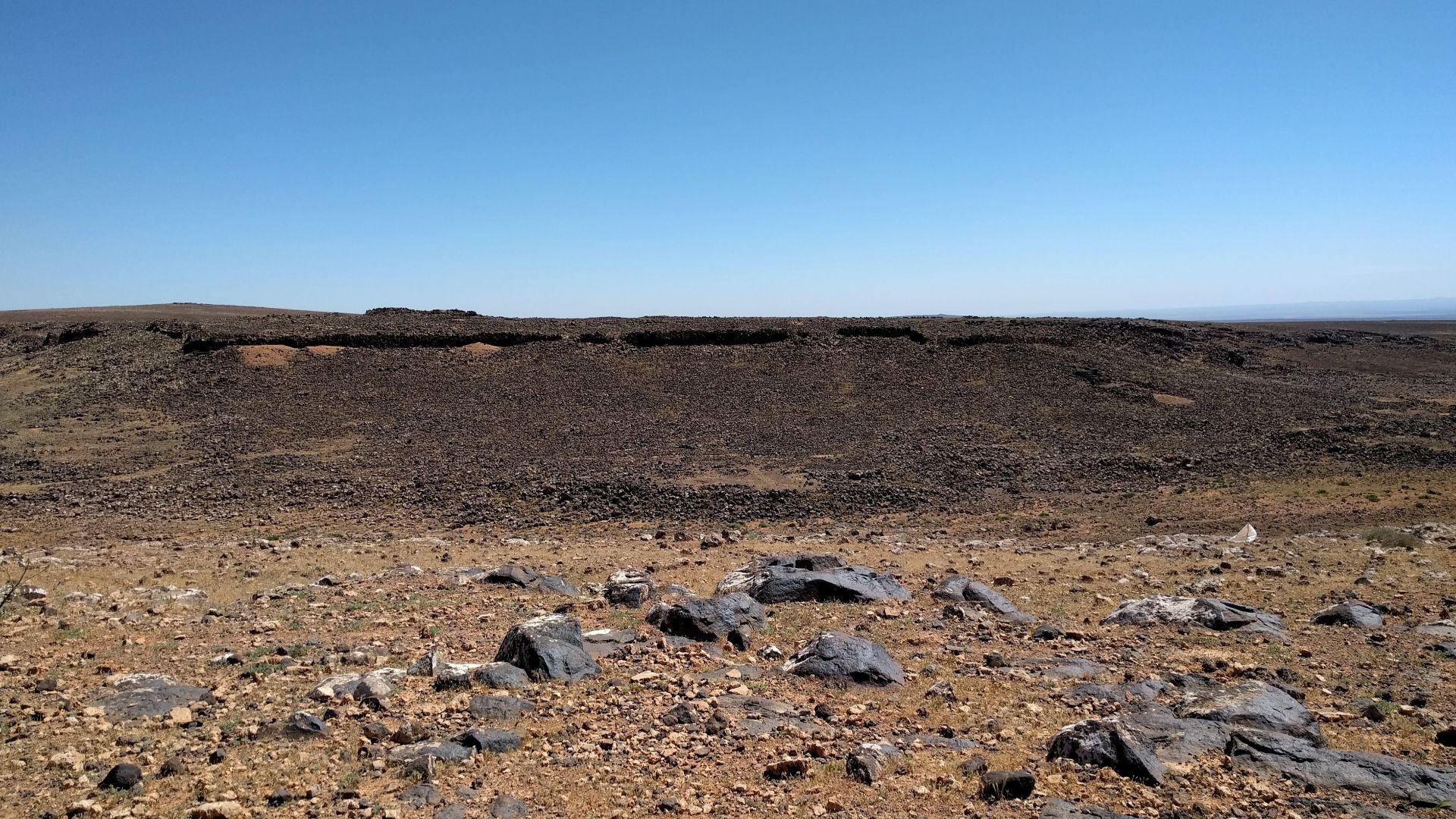
The Settlement Is More Than 5,000 Years Old
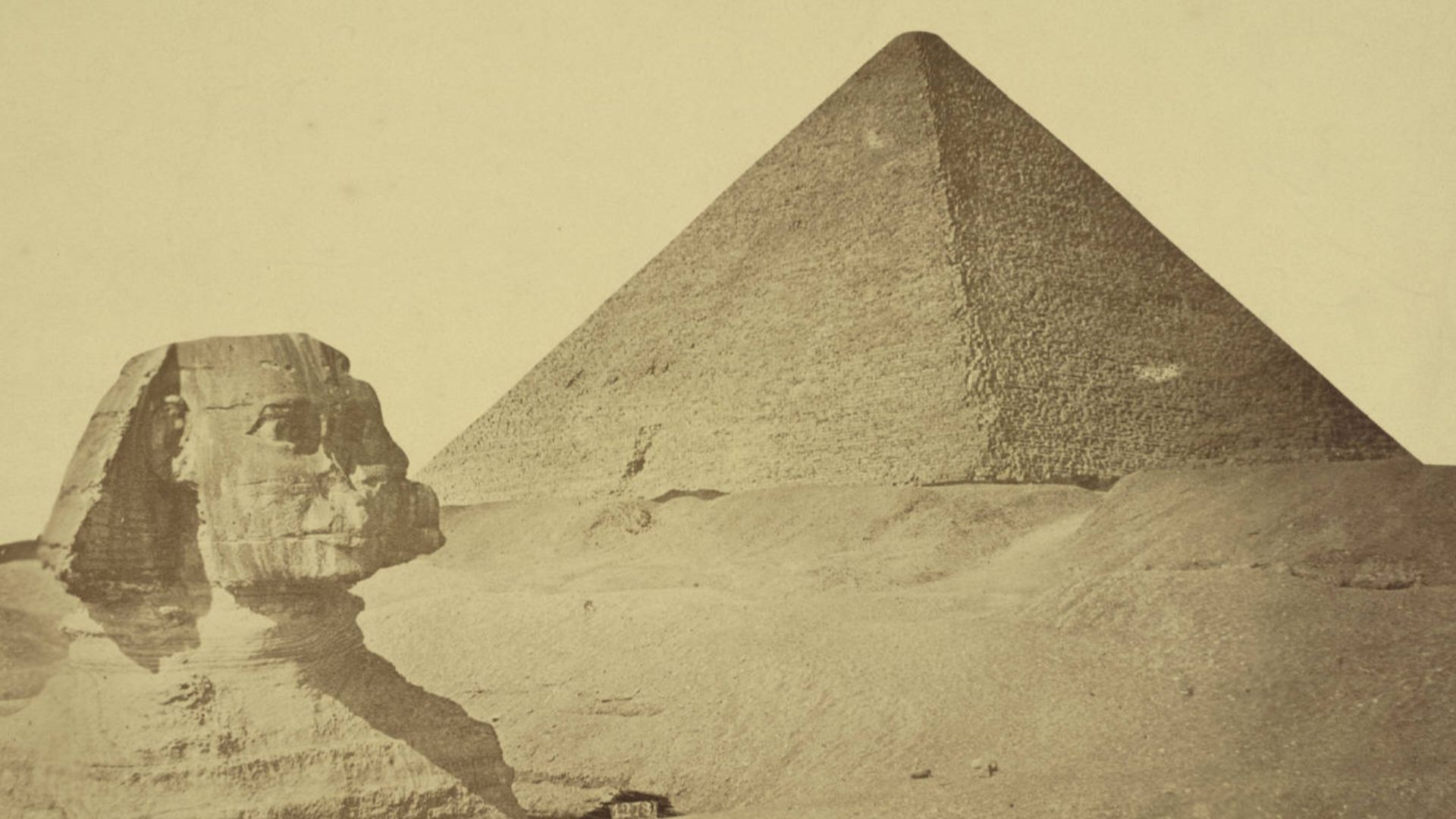
Radiocarbon dating places Jawa's earliest major occupation in the Early Bronze Age I, beginning around 3500–3400 BCE. That makes its sophisticated water infrastructure particularly remarkable: people were engineering large-scale solutions to desert water shortages before Egypt's Great Pyramid had even been built.
 Cornell University Library, Wikimedia Commons
It Wasn't A Tiny Desert Outpost
The fortified settlement covered roughly 10 hectares, making Jawa one of the largest known settlements in the region at the time. Population estimates vary, but archaeologists have proposed roughly 3,400 to 5,000 inhabitants during its largest phase. Hydrological modeling suggests its water system could potentially have supported around 6,000 people during favorable wetter periods.
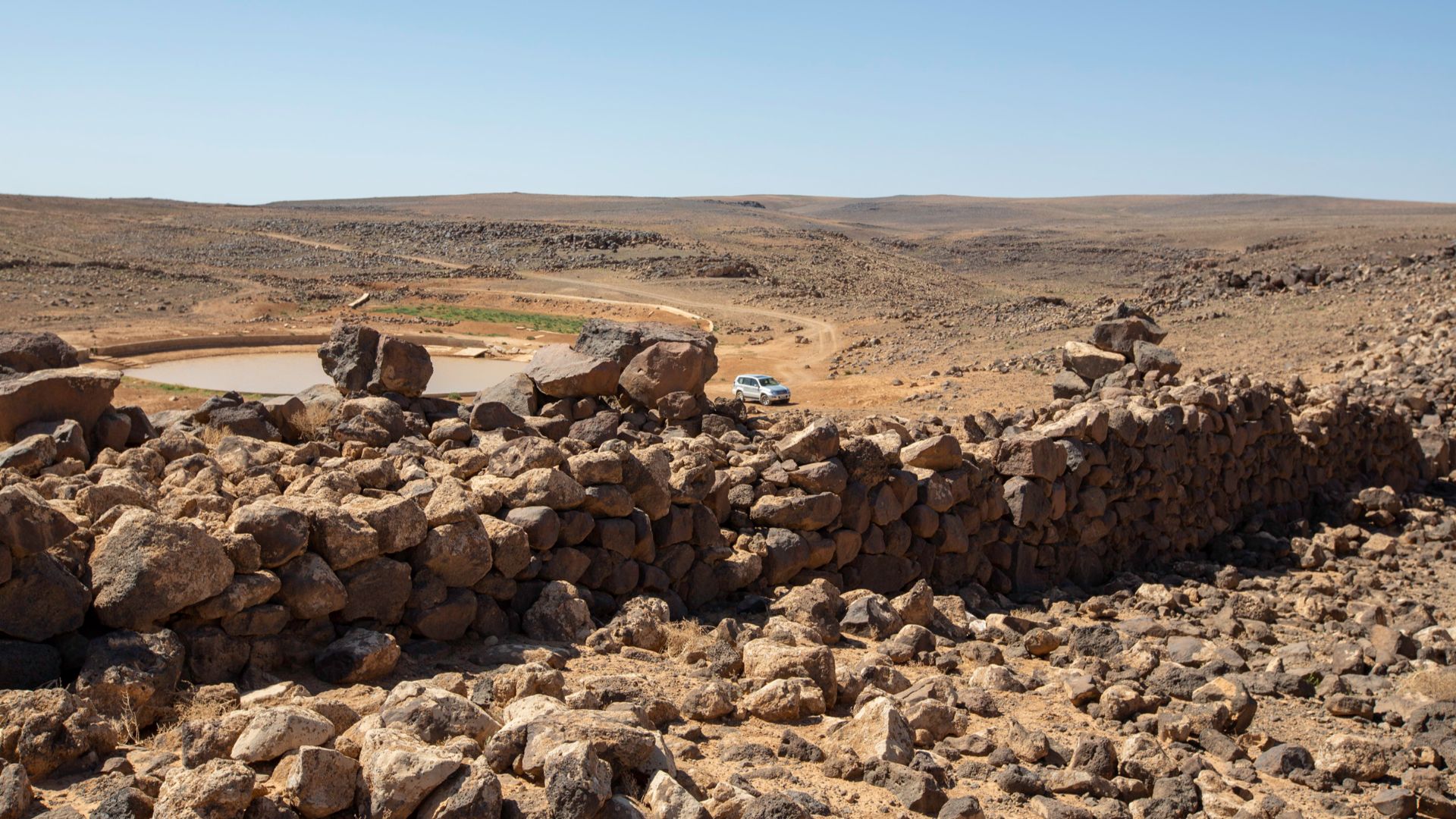 Bashar Tabbah, Wikimedia Commons
That Creates An Obvious Problem
Several thousand people need an enormous amount of water. So do their sheep, goats, cattle, and crops. Jawa had no giant river running through the settlement, and dependable rainfall was hardly guaranteed. Somehow, its inhabitants had to capture enough water during brief wet periods to survive much longer dry ones.
The Solution Was Wadi Rajil
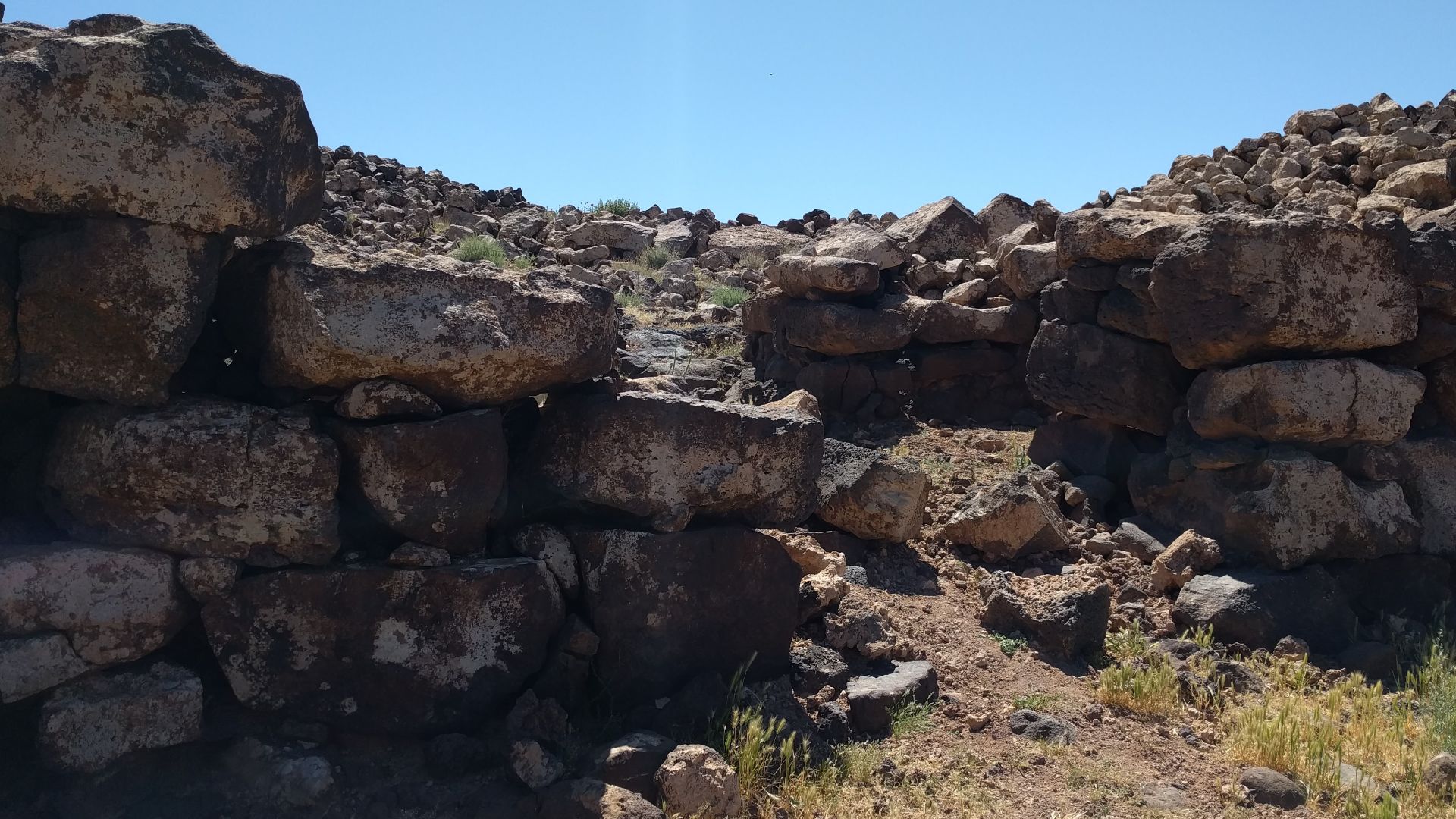
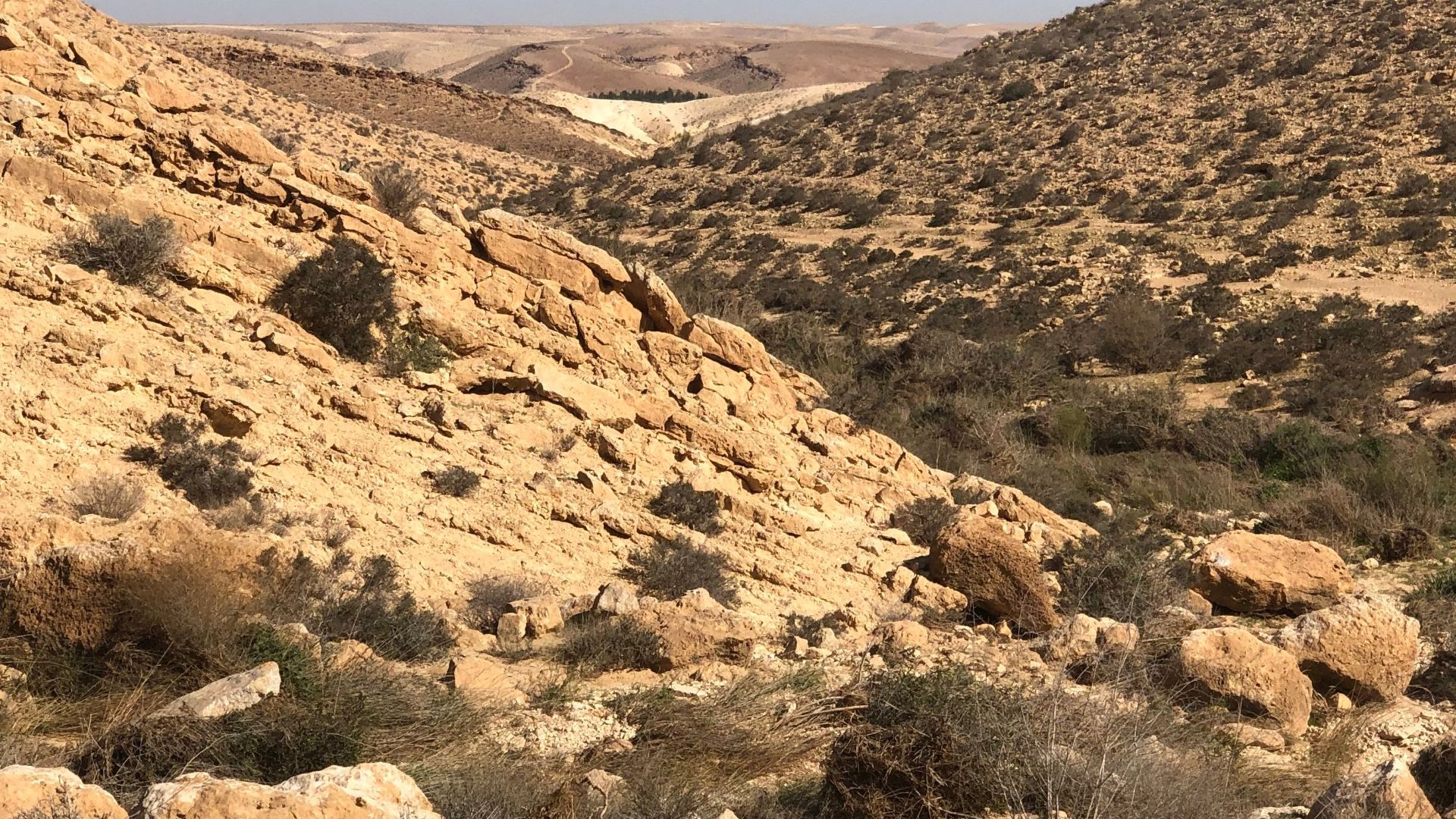
Jawa was positioned beside Wadi Rajil, part of one of the major drainage systems descending from the Jebel Druze region. A wadi can remain dry for long stretches, then suddenly carry enormous amounts of runoff after heavy rain. Jawa's inhabitants realized that those brief floods could be turned into a resource.
They Didn't Simply Dig A Well
Instead of relying on groundwater, the residents developed an interconnected system designed to intercept, redirect, slow, and store surface runoff. Archaeologists have identified dams, canals, pools, diversion structures, and reservoirs associated with the settlement.
They Were Essentially Harvesting Floods
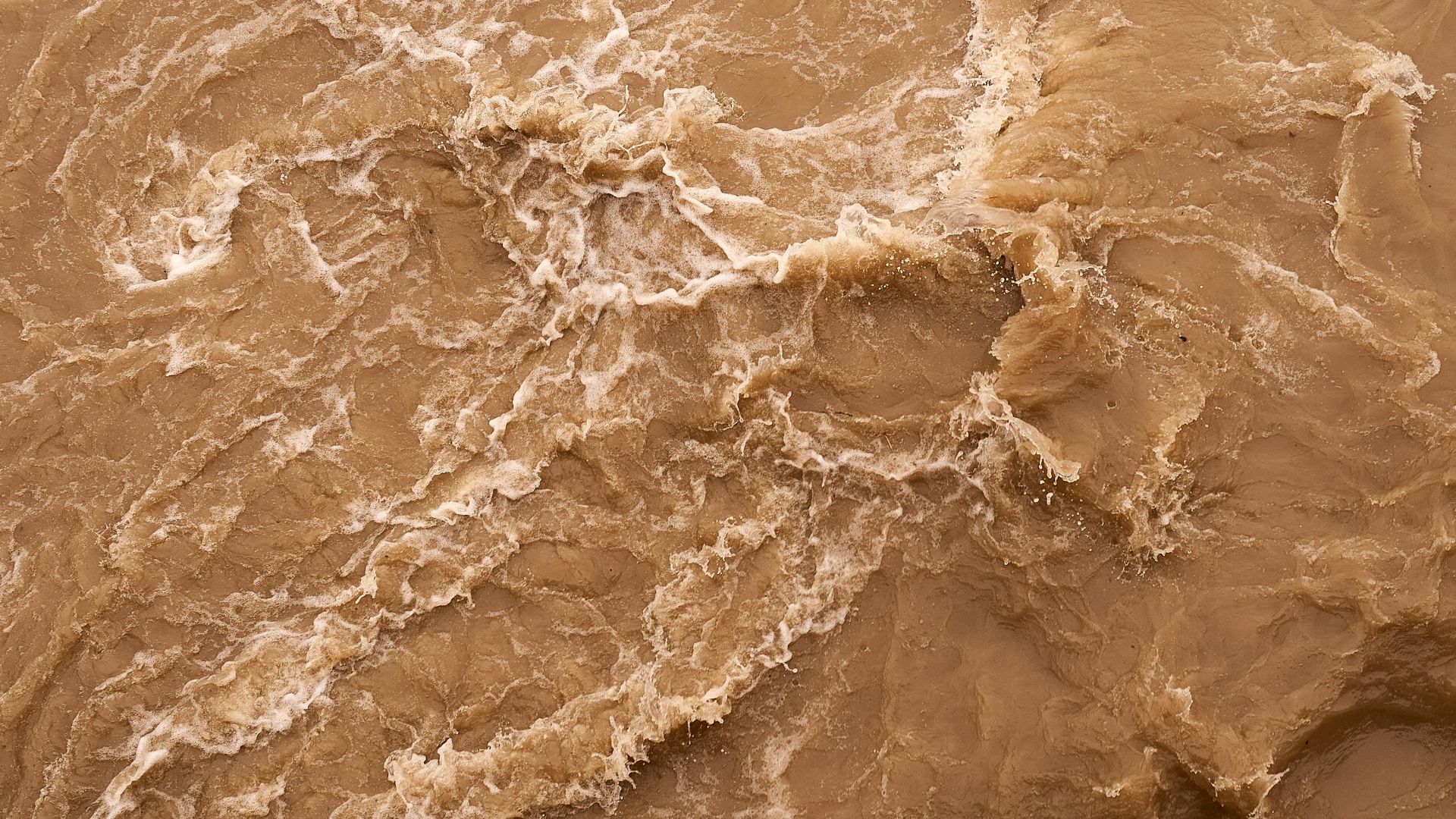
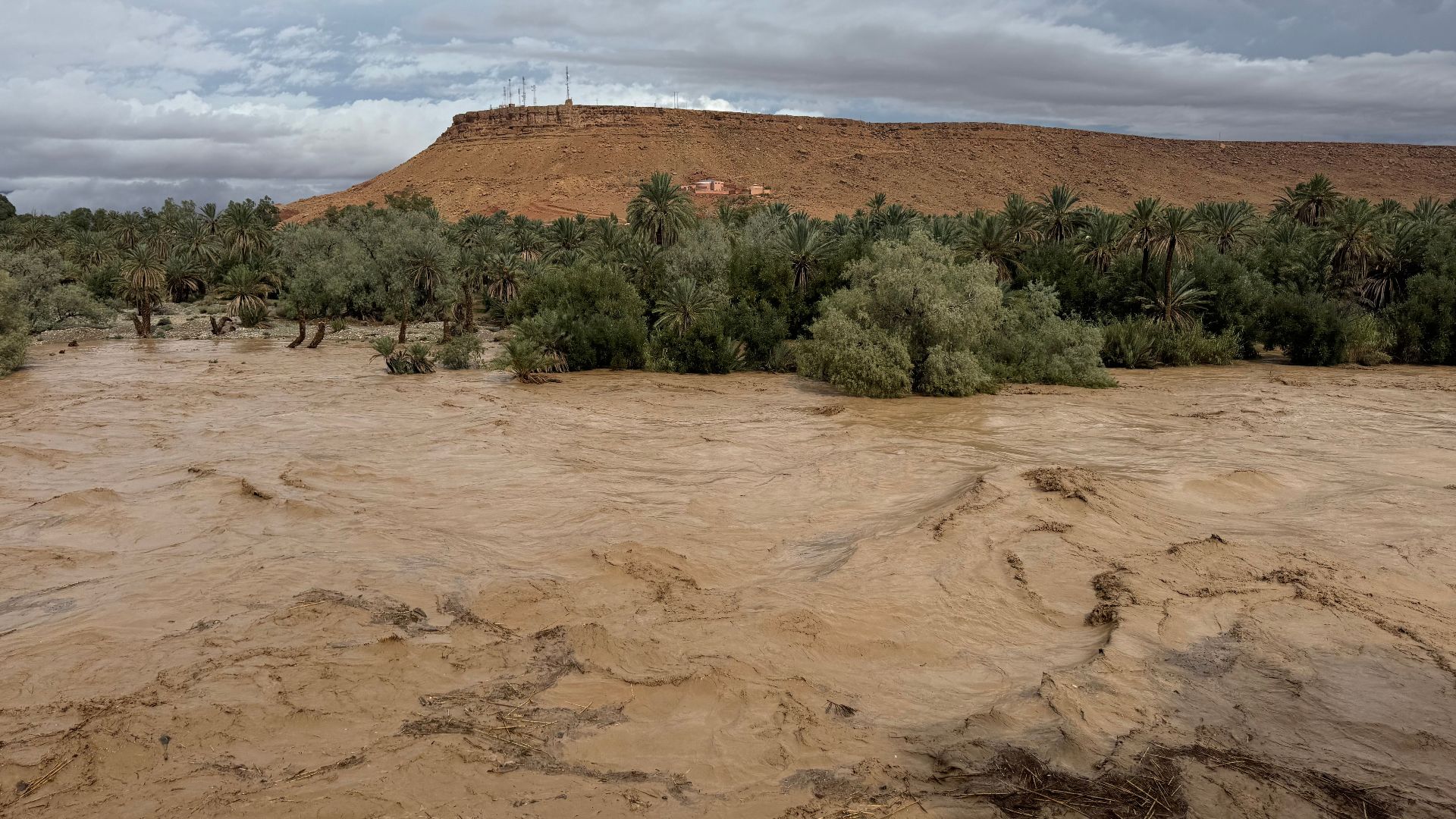
When rain fell farther upstream, water rushed through Wadi Rajil. Rather than allowing it to vanish into the desert, structures diverted portions of the flow toward storage areas around the town. It turned dangerous flash runoff into something people could save and use later.
The System Was Remarkably Early
Researchers have described Jawa's network as one of the earliest sophisticated hydraulic systems of its kind known anywhere in the world. That doesn't mean Jawa invented dams or water storage, but the scale and integration of its different components are extraordinary for the fourth millennium BCE.
The Dams Were Serious Construction Projects
The inhabitants constructed substantial barriers across parts of the wadi system. Some structures diverted water rather than simply blocking it, directing floods into reservoirs and pools positioned around the settlement. Archaeologists have identified multiple dams belonging to the broader water-management network.
Storing Water Was Only Half The Challenge
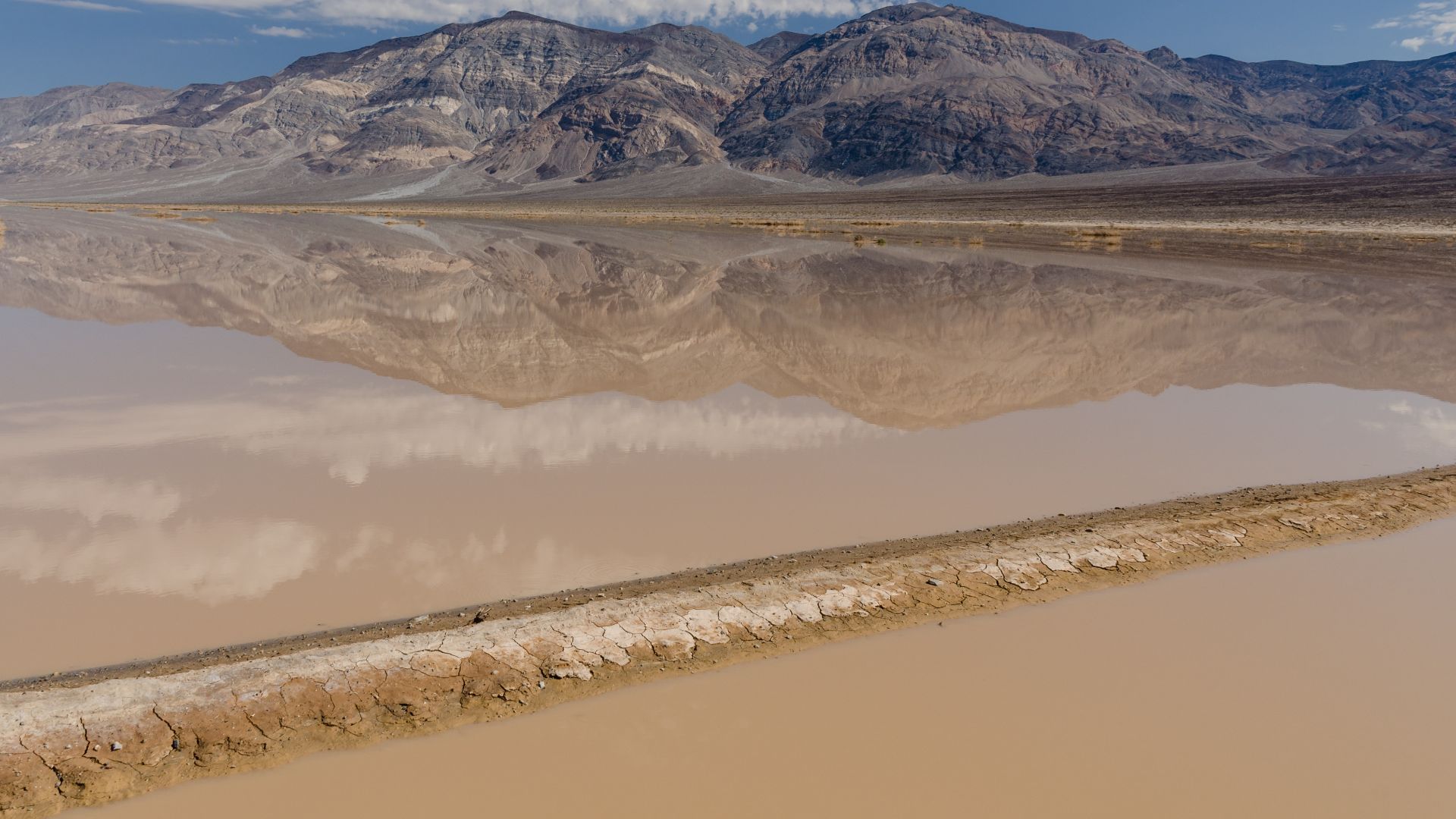
Capturing a flood sounds useful until you remember that the water then has to last. According to excavator Svend Helms, the dry season could stretch for seven months or more. Jawa therefore needed enough storage to bridge extraordinarily long periods with little dependable rainfall.
They Even Separated People And Animals
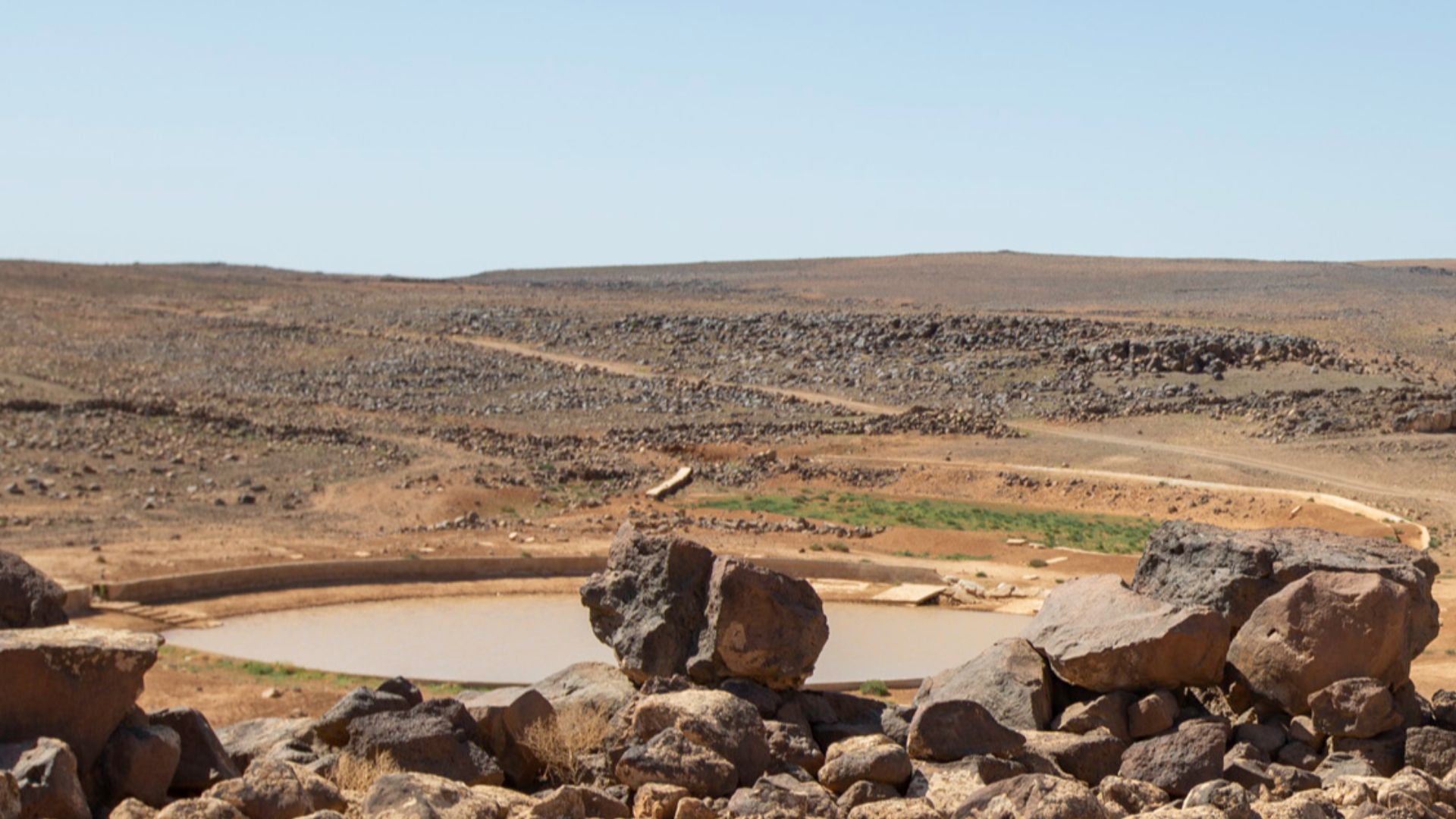
Helms argued that parts of Jawa's water system appear to have provided different watering areas for humans and livestock. If that interpretation is correct, the arrangement suggests the inhabitants understood that keeping animals away from some human water supplies had practical advantages.
 Bashar Tabbah, Wikimedia Commons
Livestock Were Everywhere
Animal remains from Jawa are dominated by sheep and goats, at about 86.7% of the identified assemblage, followed by cattle at about 8.5% and gazelle at roughly 2.3%. The numbers show that animal husbandry formed an important part of Jawa's economy.
 Karel Dujardin, Wikimedia Commons
But These People Were Also Farmers
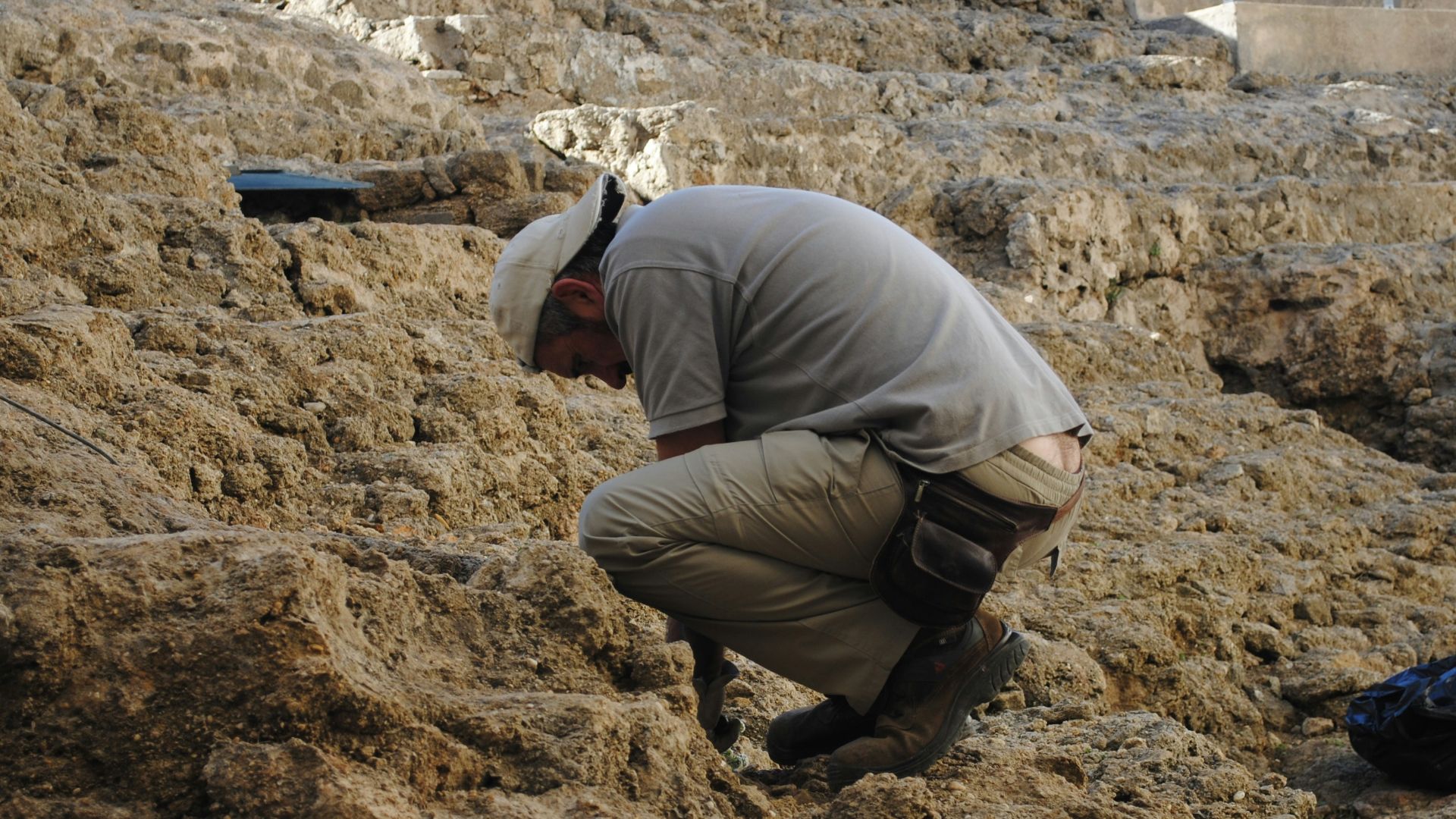
Archaeologists found large numbers of grinding stones and sickle blades, along with preserved plant remains. Identified cereals include barley, einkorn, emmer, and bread wheat, showing that the people of Jawa were trying to grow food in a landscape where farming required some serious ingenuity.
Then Archaeologists Found The Fields
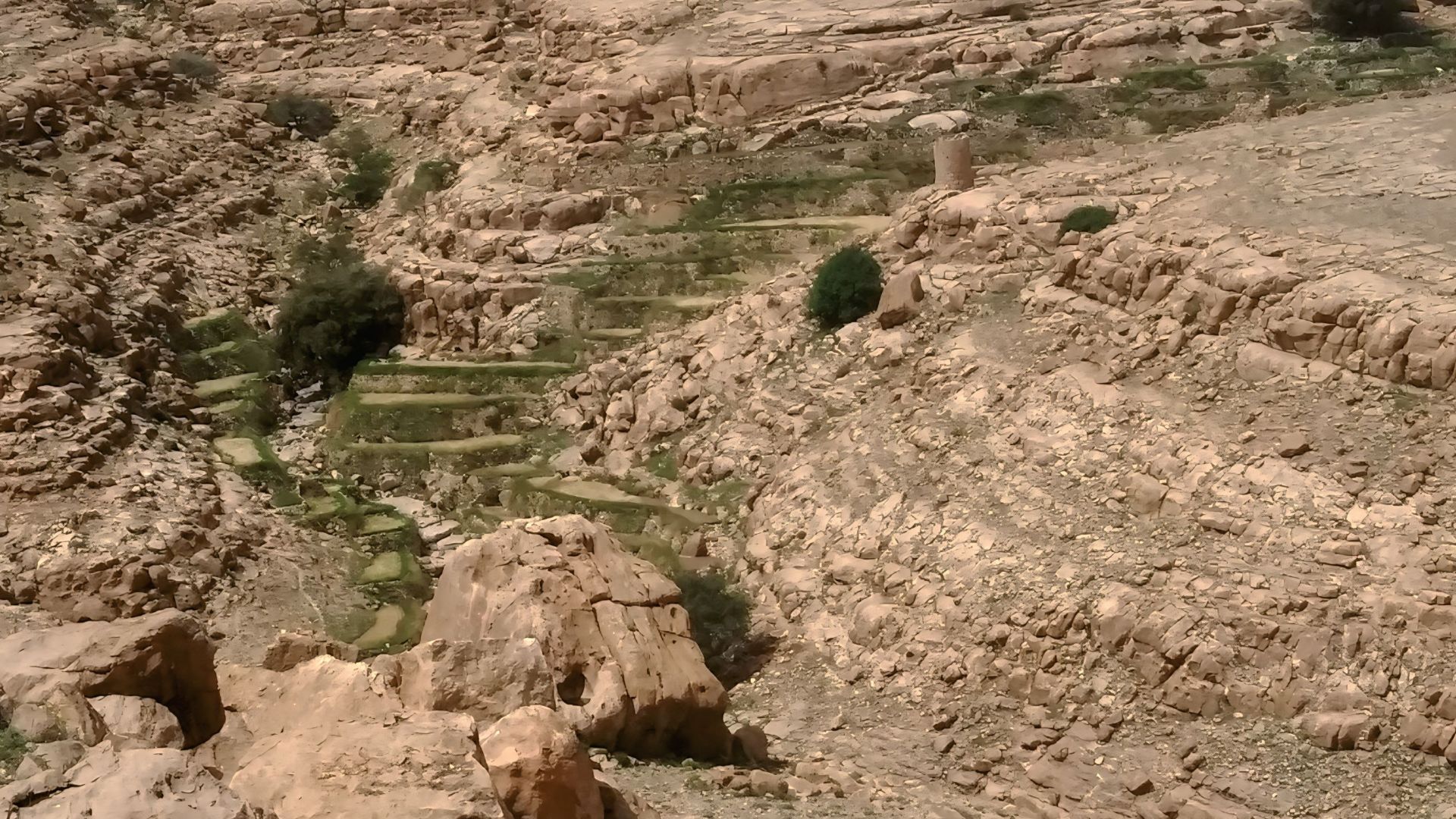
Later surveys around Jawa identified abandoned systems of agricultural terraces. Rather than planting conventional fields and hoping for rain, farmers manipulated the landscape so runoff and floodwater could be directed toward cultivated ground.
 Ayah Alakwaa, Wikimedia Commons
The Fields Were Designed To Catch Water Too
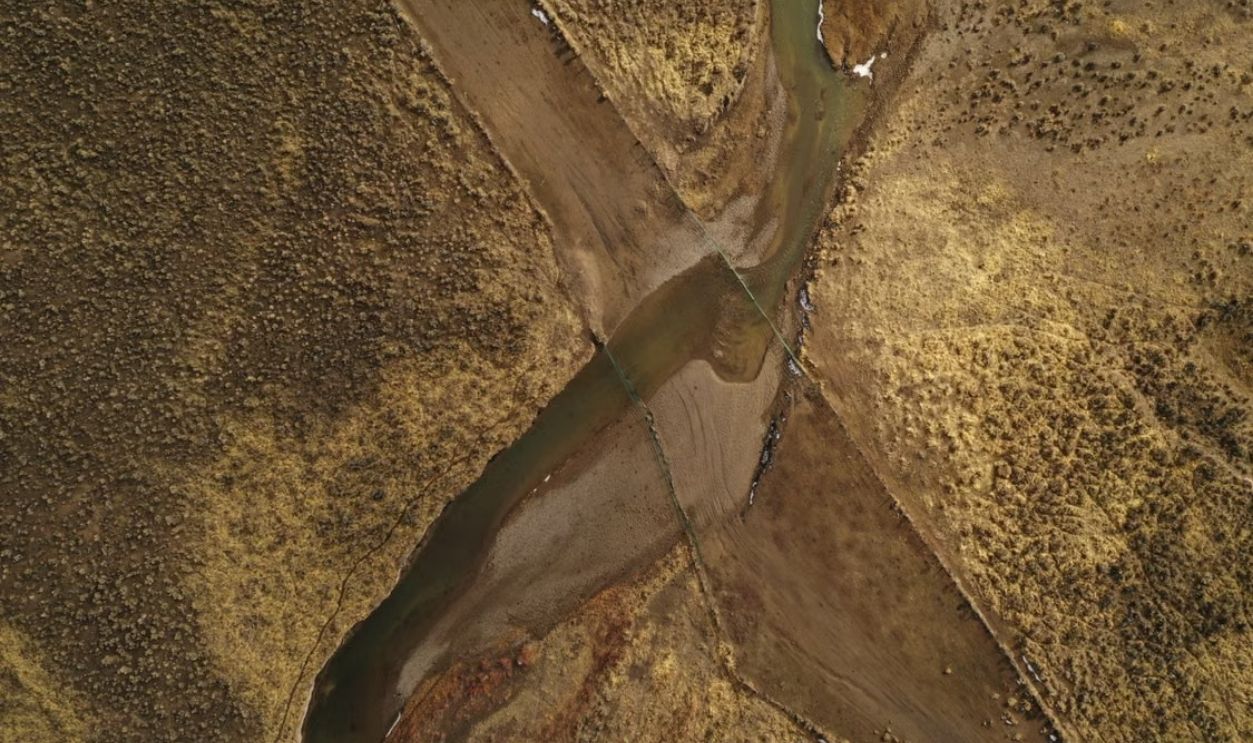
The terrace systems used surface canals, nearby slopes, and wadi floodwater to concentrate moisture where crops were growing. In effect, the inhabitants were increasing the amount of useful water reaching individual plots without needing rainfall to fall directly onto every field.
It Was Desert Agriculture By Engineering
Computer modeling of the ancient agricultural system found that runoff and floodwater irrigation could substantially increase crop yields and reduce the risk of complete crop failure. In such an unpredictable environment, even lowering the chance of one disastrous harvest would have mattered enormously.
 Internet Archive Book Images, Wikimedia Commons
But Farming Alone Probably Wasn't Enough
The same modeling produced an important reality check: the agricultural land currently identified around Jawa probably could not have grown enough food to support the settlement's entire estimated population. That means its inhabitants likely depended on additional resources, possibly including trade.
Jawa May Have Been Connected To A Bigger World
A settlement of several thousand people could not survive indefinitely on clever dams alone. Researchers have therefore considered the possibility that Jawa's economy included exchange with communities outside the desert, allowing food or other necessities to move into the settlement when local production fell short.
Its Location May Not Have Been As Crazy As It Looks
Jawa's bleak modern surroundings can make its founders look almost reckless. But the Early Bronze Age climate was probably somewhat wetter during certain periods than conditions are today. Hydrological reconstructions suggest wetter intervals could have made the water system surprisingly productive.
That Doesn't Mean Jawa Was An Oasis
Even under wetter Early Bronze Age conditions, rainfall remained uncertain. Climate proxies indicate that prolonged droughts also occurred, and modeling found that during those periods the system could not reliably supply water for a population as large as 6,000. Jawa's success therefore depended on conditions that could change dramatically.
 محمد النائلي - Mohammed Alnaily, Pexels
The Water System Had Limits
This is one reason Jawa shouldn't be presented as an ancient miracle technology that defeated nature completely. Its residents had developed an impressive buffer against drought, but they could not create rain. When too little water entered the system, even excellent engineering had nothing to capture.
A Flood Could Be Just As Dangerous
Ironically, too much water could also cause trouble. Flash floods carry enormous force, along with rocks, sediment, and debris. A dam designed to capture or redirect them had to withstand violent surges, and not every structure appears to have succeeded for long.
Some Waterworks May Have Failed Quickly
Earlier archaeological interpretations suggested that one reservoir dam may have failed after a very short period of use, while some diversion structures also had limited operating lives. Jawa's engineers were clearly skilled—but they were also experimenting with a powerful and unpredictable landscape.
The Town Was Fortified Too
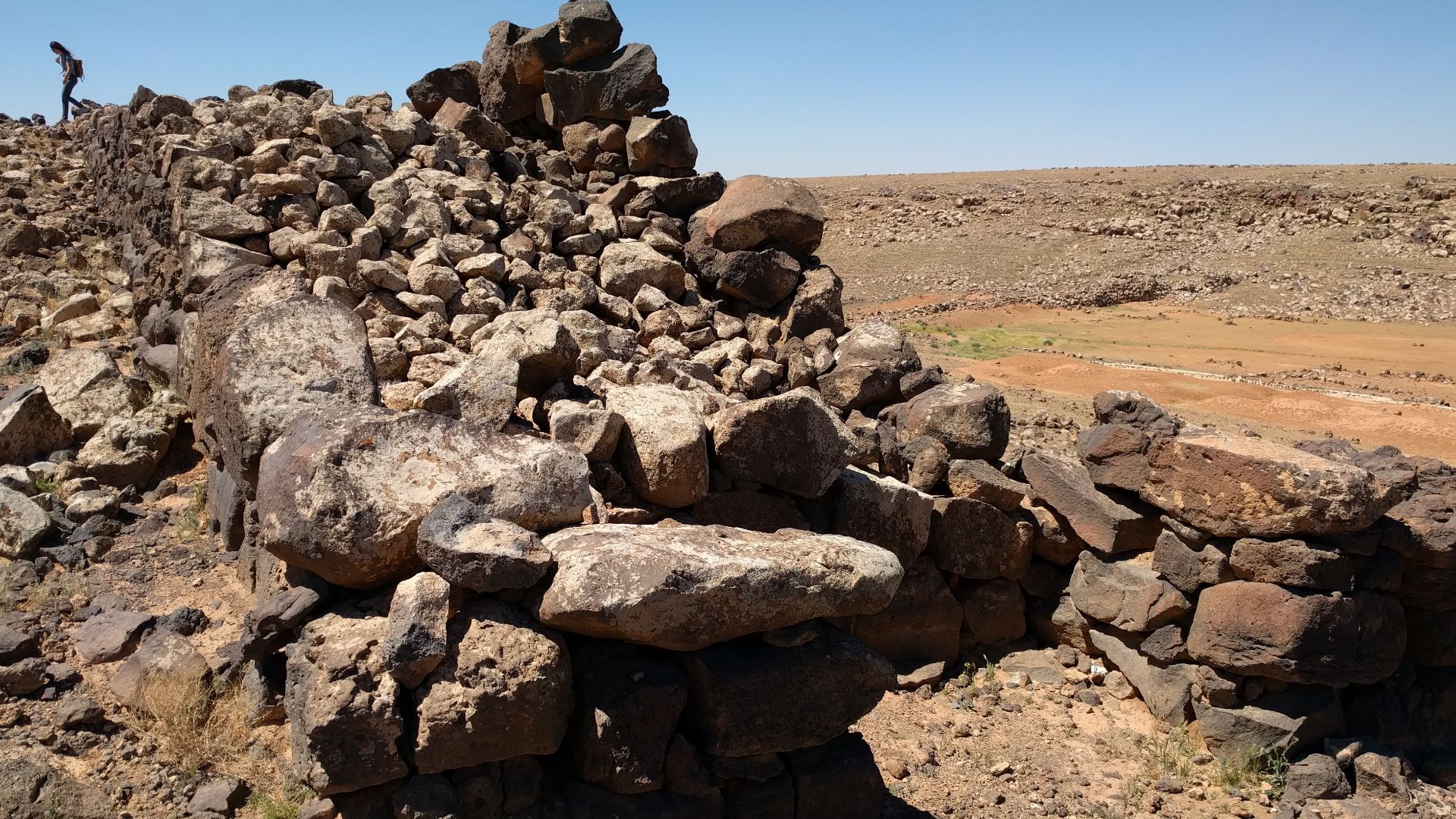
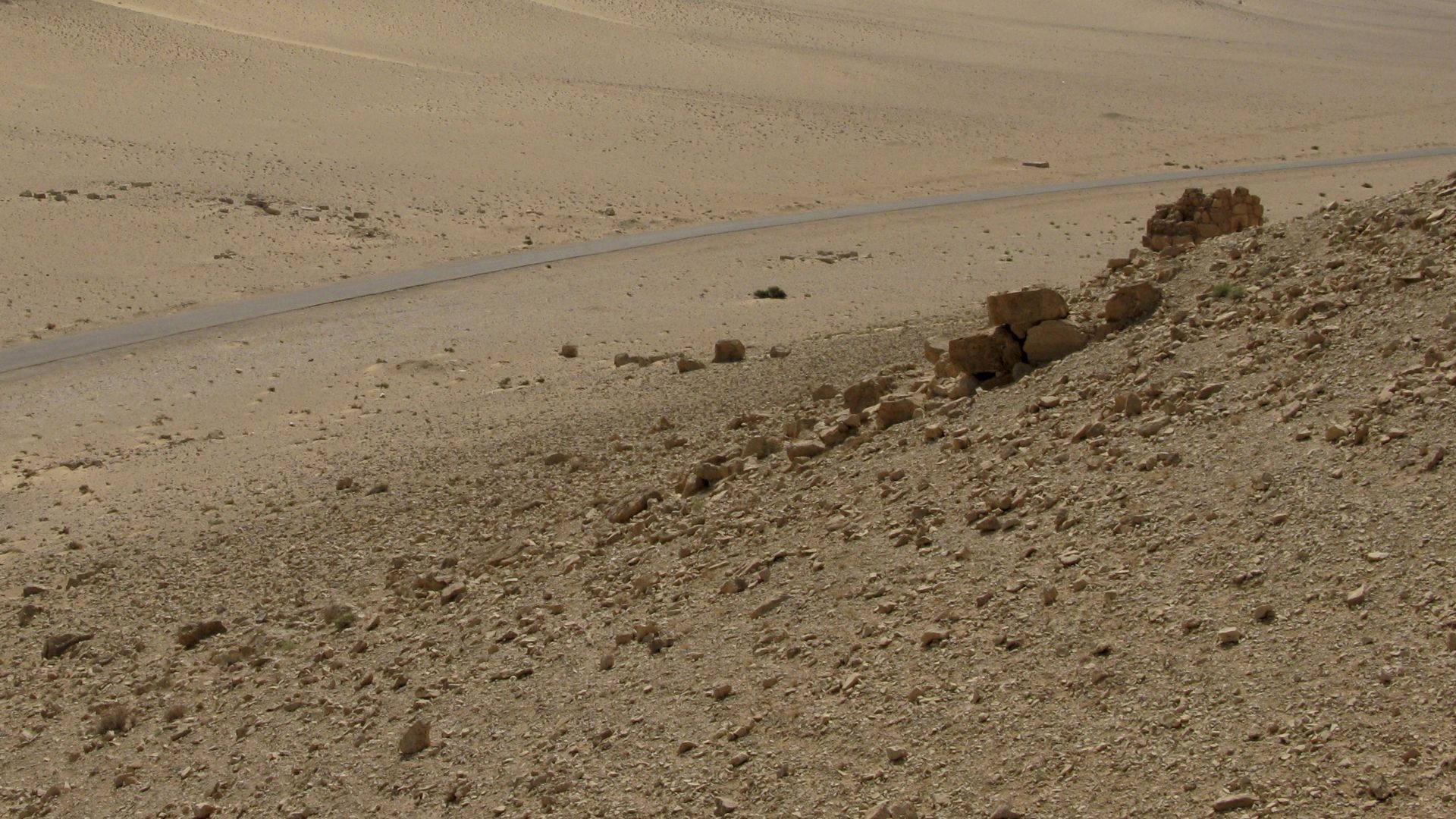
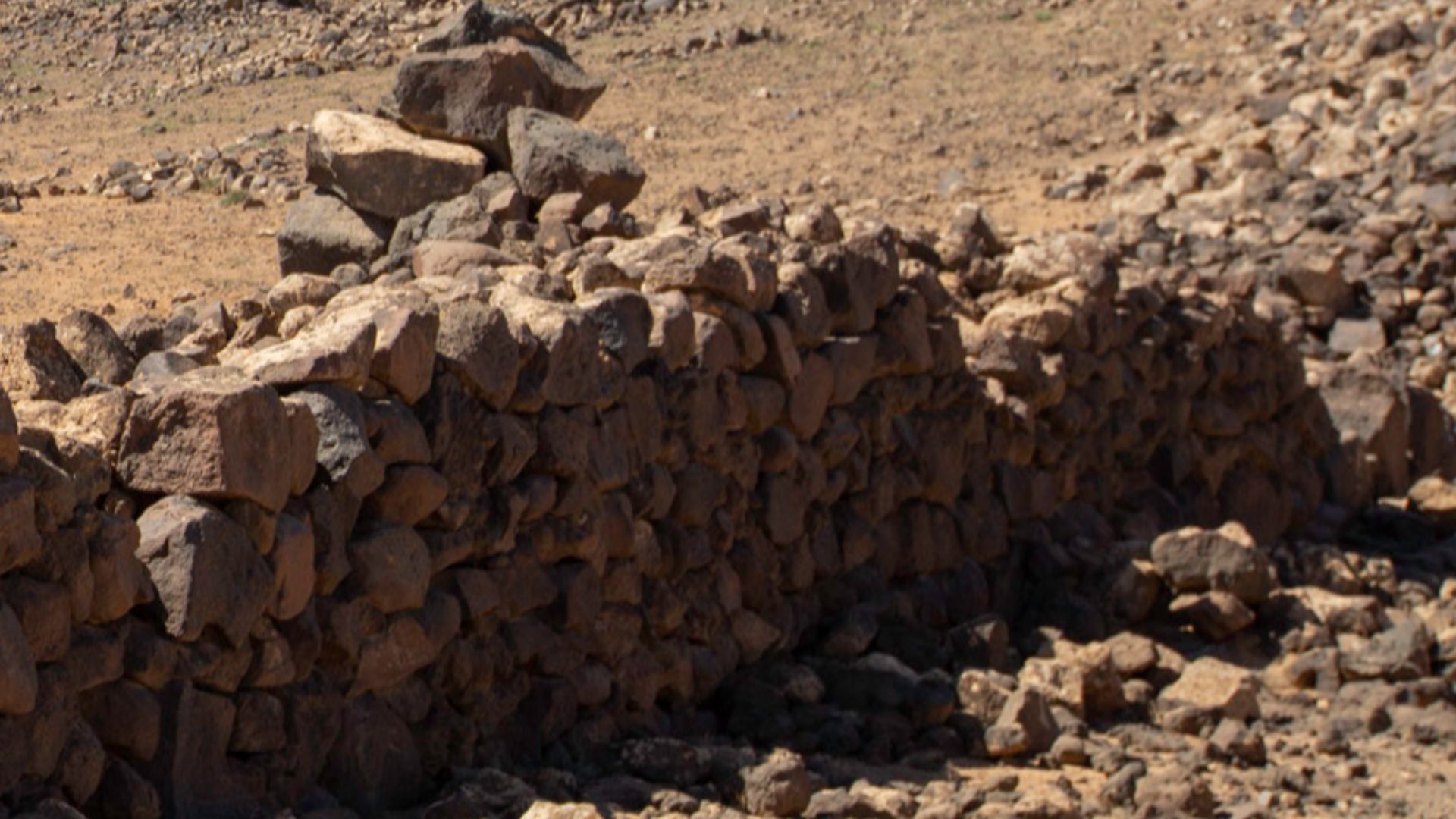
Water wasn't Jawa's only major construction project. The Early Bronze Age settlement was surrounded by substantial fortifications, making the site important to archaeologists studying the emergence of large defended communities in the southern Levant.
 Vyacheslav Argenberg, Wikimedia Commons
That Once Created A Dating Problem
When Jawa's early date was first argued, some scholars were skeptical because its massive walls and complicated waterworks seemed too sophisticated for the fourth millennium BCE. Later radiocarbon work supported the Early Bronze Age chronology and helped confirm just how old the system really was.
 Bashar Tabbah, Wikimedia Commons
Jawa Was Forgotten For Thousands Of Years
After its major Early Bronze Age occupation ended, the enormous settlement did not continue as a thriving city. A much smaller later occupation occurred around the transition from the Early Bronze Age IV to Middle Bronze Age I, roughly around 2000 BCE, but it was nothing like Jawa at its peak.
 Haziq Faruqi, Wikimedia Commons
The Desert Eventually Hid The City
Over millennia, Jawa became part of a remote landscape few outsiders visited. The surviving basalt walls, reservoirs, and channels blended naturally into terrain already littered with black volcanic stone. What had once supported thousands of people effectively became a lost city.
 Ji-Elle It feels nice and warm It feels like a love storm, Wikimedia Commons
A Pilot Helped Put It Back On The Map
French aerial-survey pioneer Antoine Poidebard photographed Jawa in 1931. The aerial perspective helped reveal features that were difficult to appreciate from ground level, including the size and structure of the ancient settlement.
Then Svend Helms Went Looking
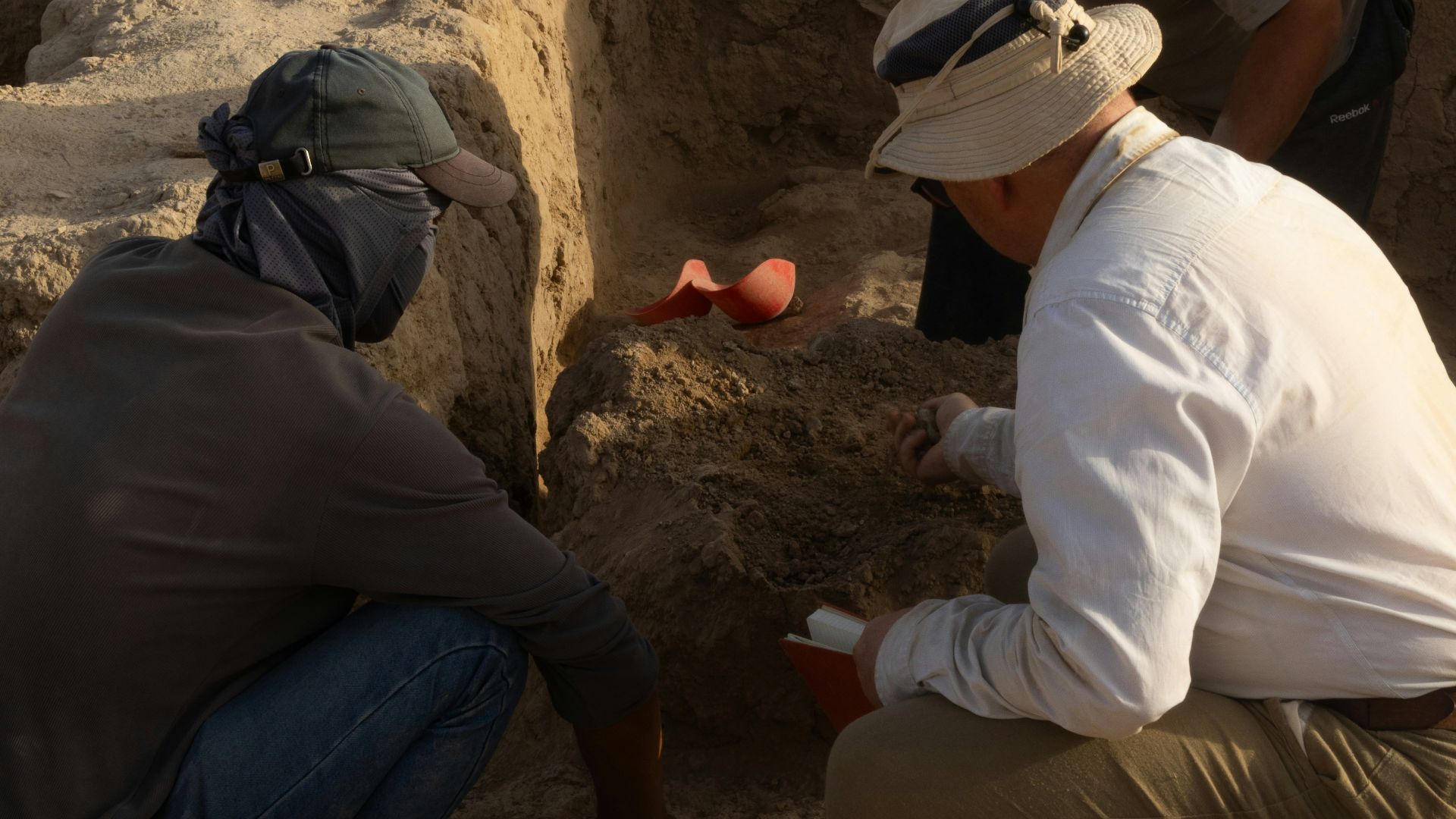
Archaeologist Svend Helms visited Jawa in 1966 and later led major excavations there during the 1970s. His work helped establish Jawa as an extraordinarily early fortified settlement and brought serious attention to its elaborate water-management infrastructure.
 Aleksander Stypczynski, Unsplash
Excavations Ran From 1972 To 1976
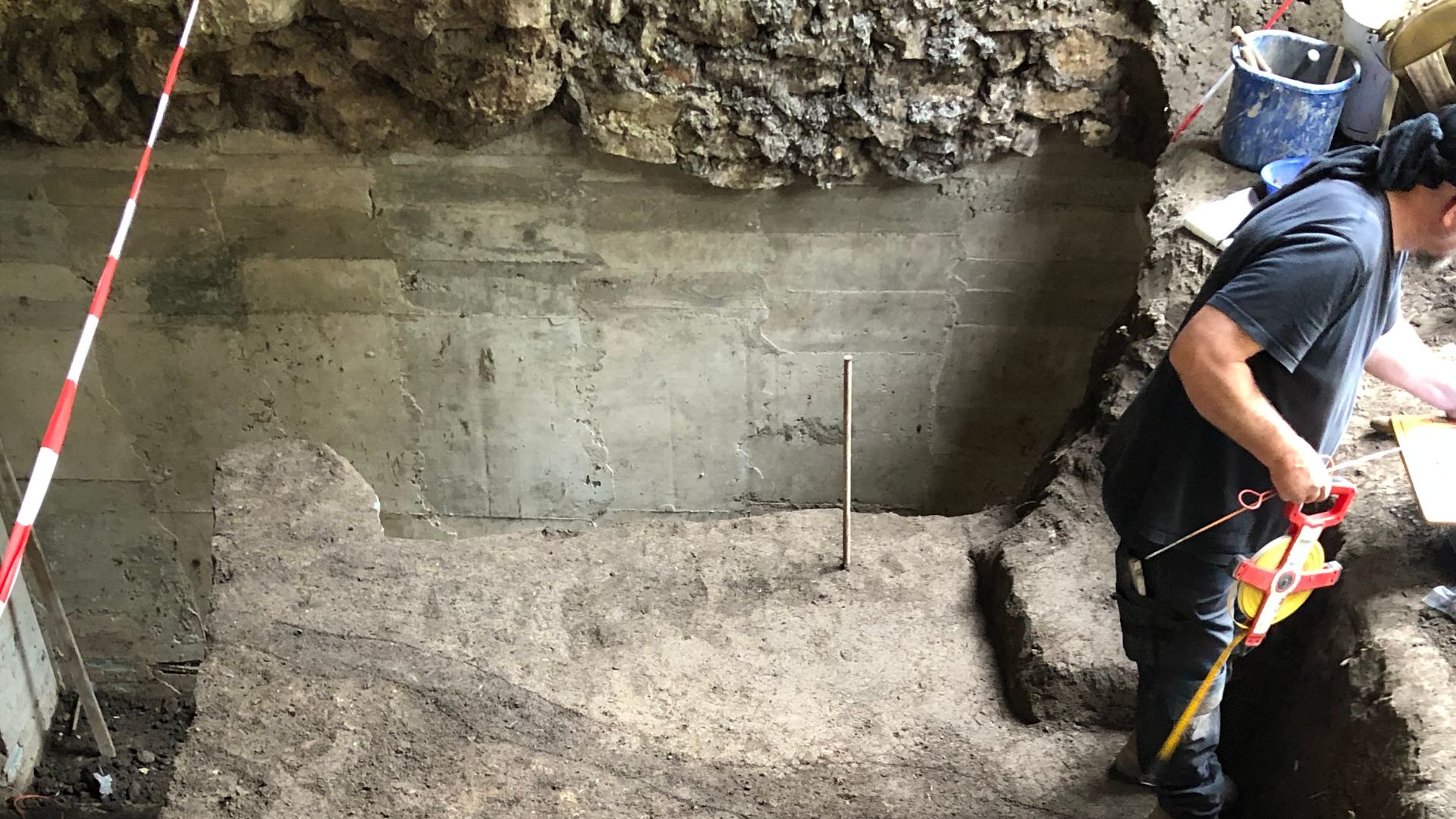
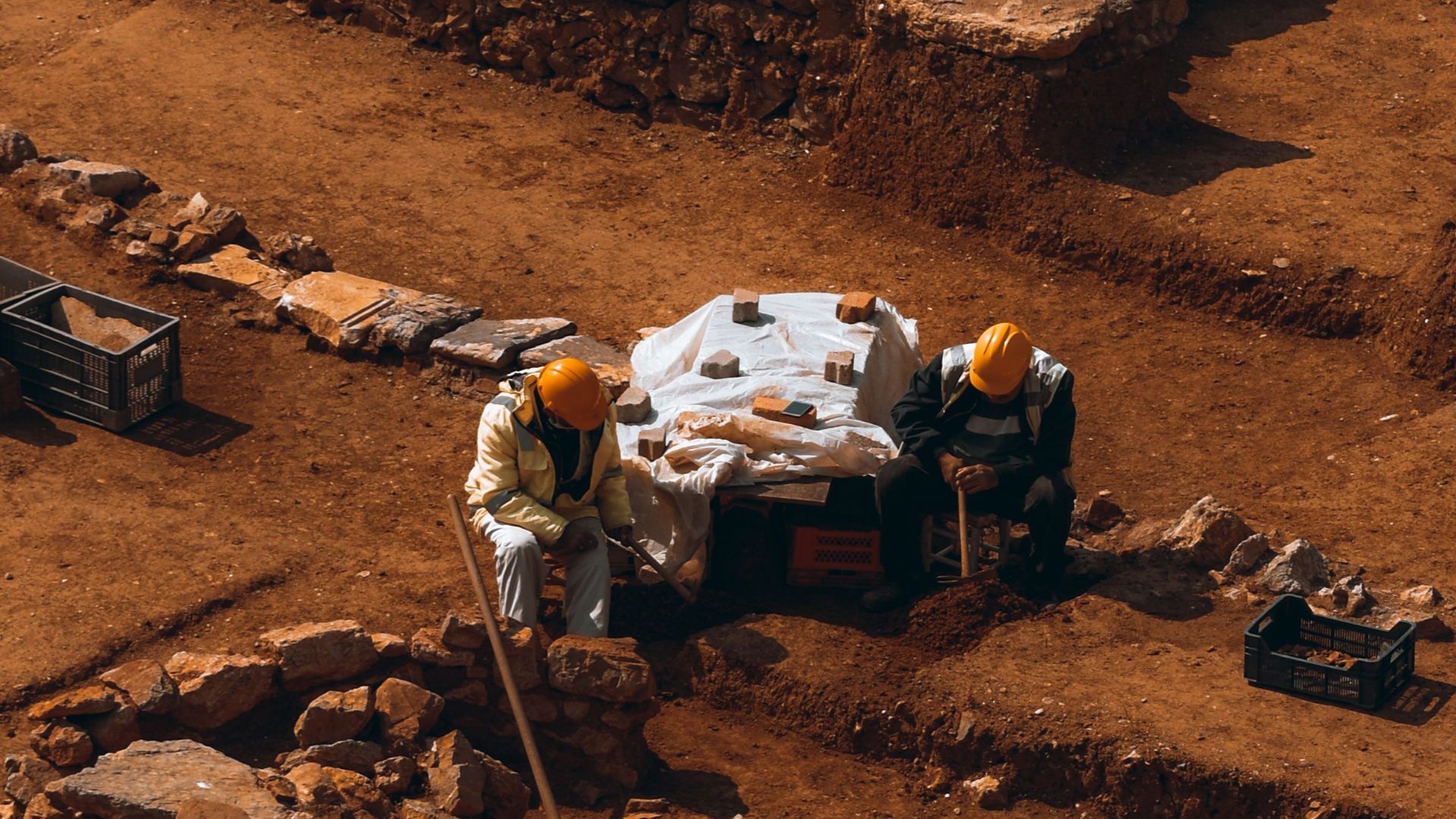
Helms conducted major excavation campaigns at Jawa between 1972 and 1976, documenting buildings, fortifications, ceramics, waterworks, botanical remains, and animal bones. Later researchers returned to the material and surrounding landscape with techniques Helms could not have used at the time.
Modern Science Reconstructed The Ancient Water Supply
Researchers eventually combined archaeology with hydrological computer modeling, rainfall estimates, evaporation rates, storage capacity, livestock needs, and human water consumption. Instead of simply saying the waterworks looked impressive, they attempted to calculate what those structures could actually have supported.

The Result Was Surprisingly Ambitious
Under predicted wetter Early Bronze Age conditions, models indicated Jawa's water network could potentially sustain a population of around 6,000 people, possibly more during particularly wet years. That figure isn't a census of Jawa—it is an estimate of what the hydraulic system might have supported under favorable conditions.
The Real Population Was Probably Smaller
Archaeological estimates based on the settlement's occupied area generally place Jawa's population closer to 3,400–5,000 people at its largest. Even at the lower end, however, keeping thousands of residents and their animals supplied with water in this environment would have required extensive planning.
 Rowyn flowerdew, Wikimedia Commons
And Nobody Knows Exactly Why They Built Here
The engineering explains how people could live at Jawa better than it explains why such a large population gathered there in the first place. Access to grazing land, regional exchange networks, social organization, security, and changing settlement patterns have all been considered as parts of the larger puzzle.
Nor Do We Know Exactly Why The First City Ended
Jawa's major Early Bronze Age occupation appears to have been relatively short-lived. Water stress and climatic variability are tempting explanations, especially given how vulnerable the settlement was to prolonged drought, but researchers cannot point to one proven event that caused everyone to leave.
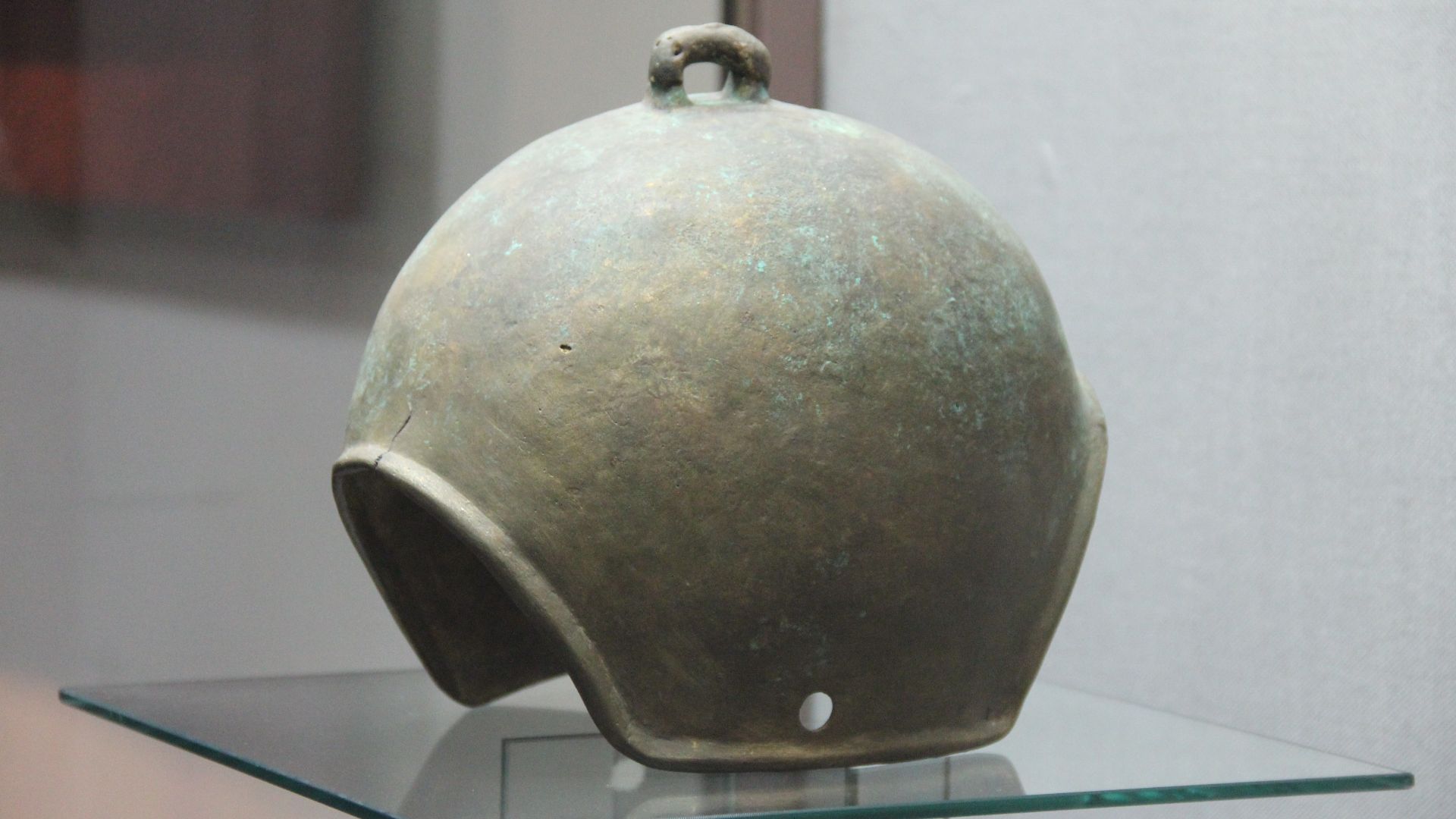
That's What Makes Jawa More Interesting
The ruins don't tell a simple story about clever people defeating the desert forever. Instead, they reveal something more human: a community looked at an unforgiving landscape, figured out how water moved through it, and built an extraordinary system that made large-scale settlement possible—at least for a while.
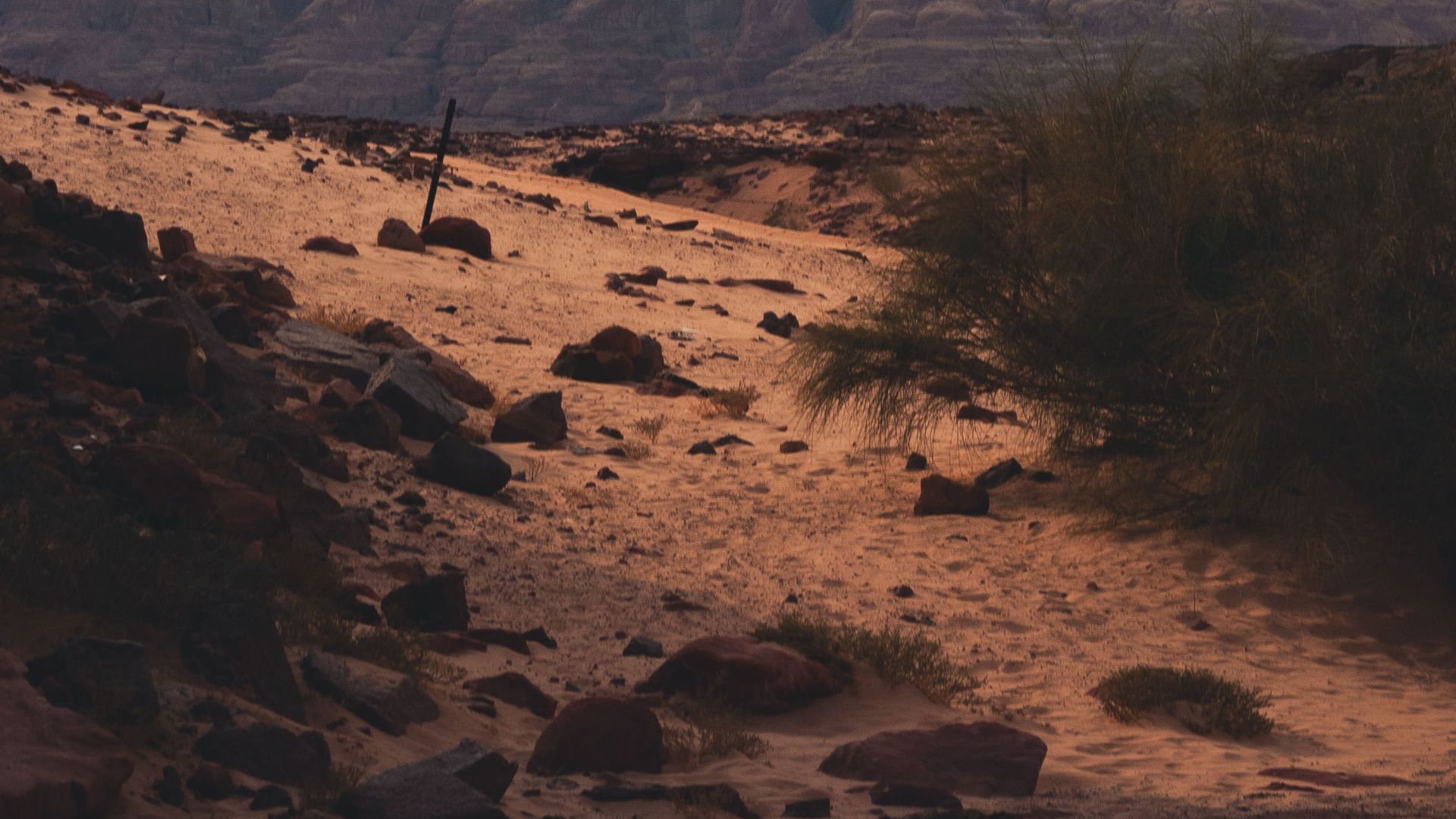
They Turned A Flood Into An Oasis
Jawa's inhabitants could not control when the rain came, but they could control what happened once it arrived. They redirected floods, stored runoff, irrigated fields, watered livestock, and sustained one of the region's largest Early Bronze Age settlements in a place where permanent life still looks improbable today.
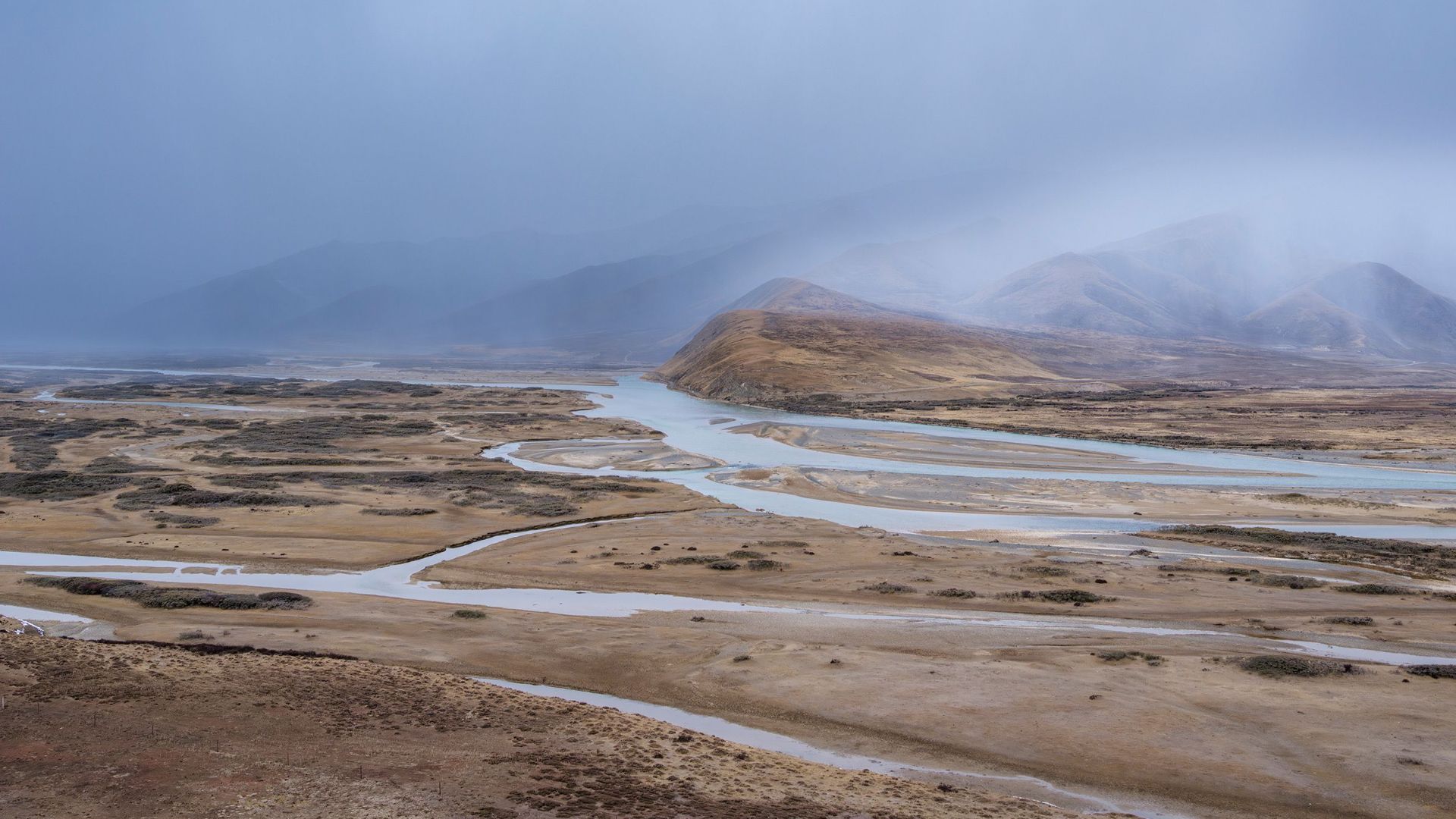
The Desert Didn't Provide An Oasis—They Built One
More than five millennia later, Jawa's dams, canals, reservoirs, and terraces still reveal the scale of that achievement. The settlement eventually vanished, but its waterworks survived long enough to show exactly why people had once been able to live there: they didn't discover a magical source of water. They learned how to catch every drop the desert gave them.
You May Also Like:
The Amazonian Tribe That Vanished Into The Jungle To Survive
The Jungle Tribe That Protects Themselves With Spears Dipped In Poison
Historical Photos Of The Tribe That Outsmarted Their Enemies