The Explosion That Became An Evolutionary Mystery
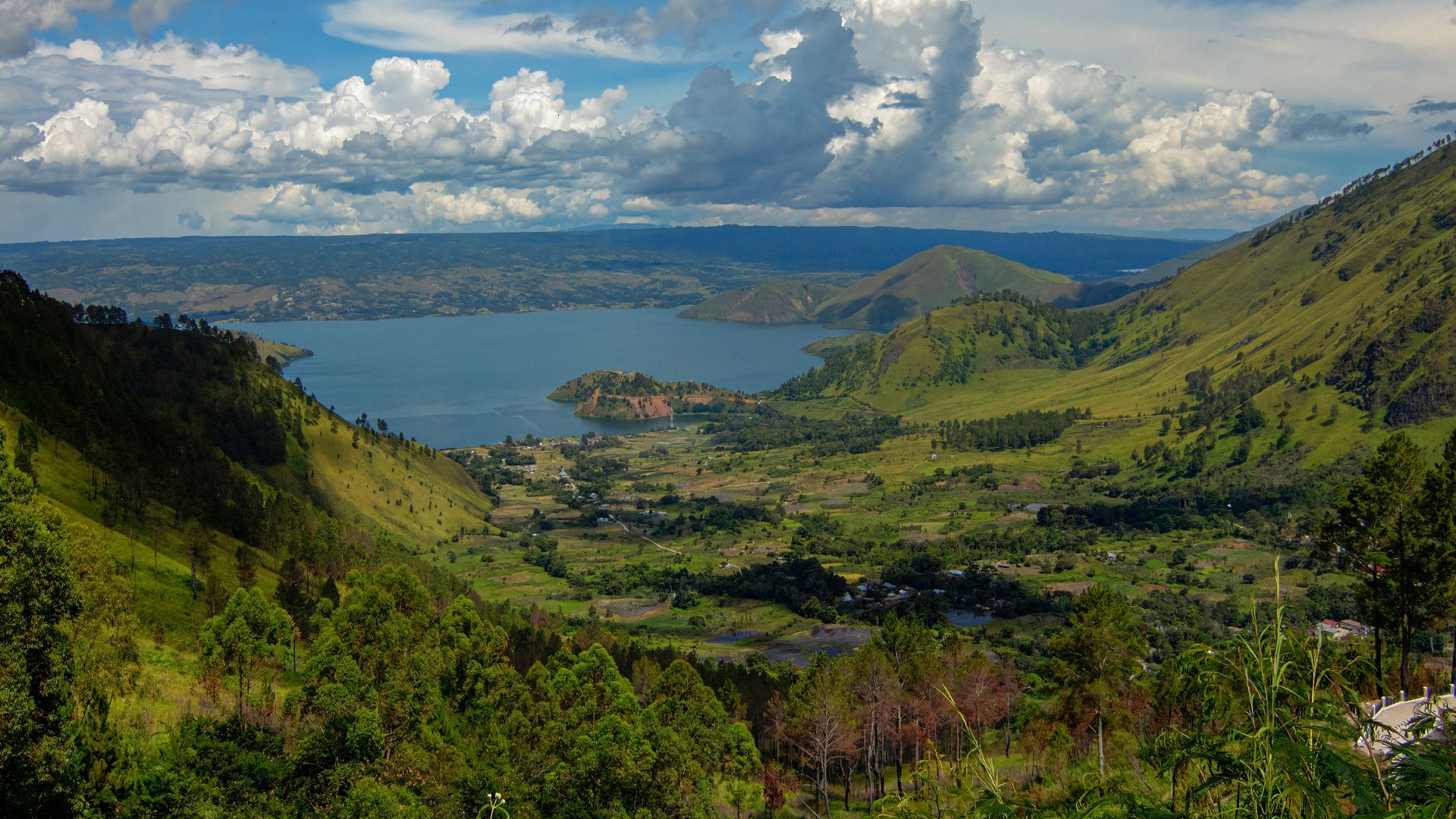
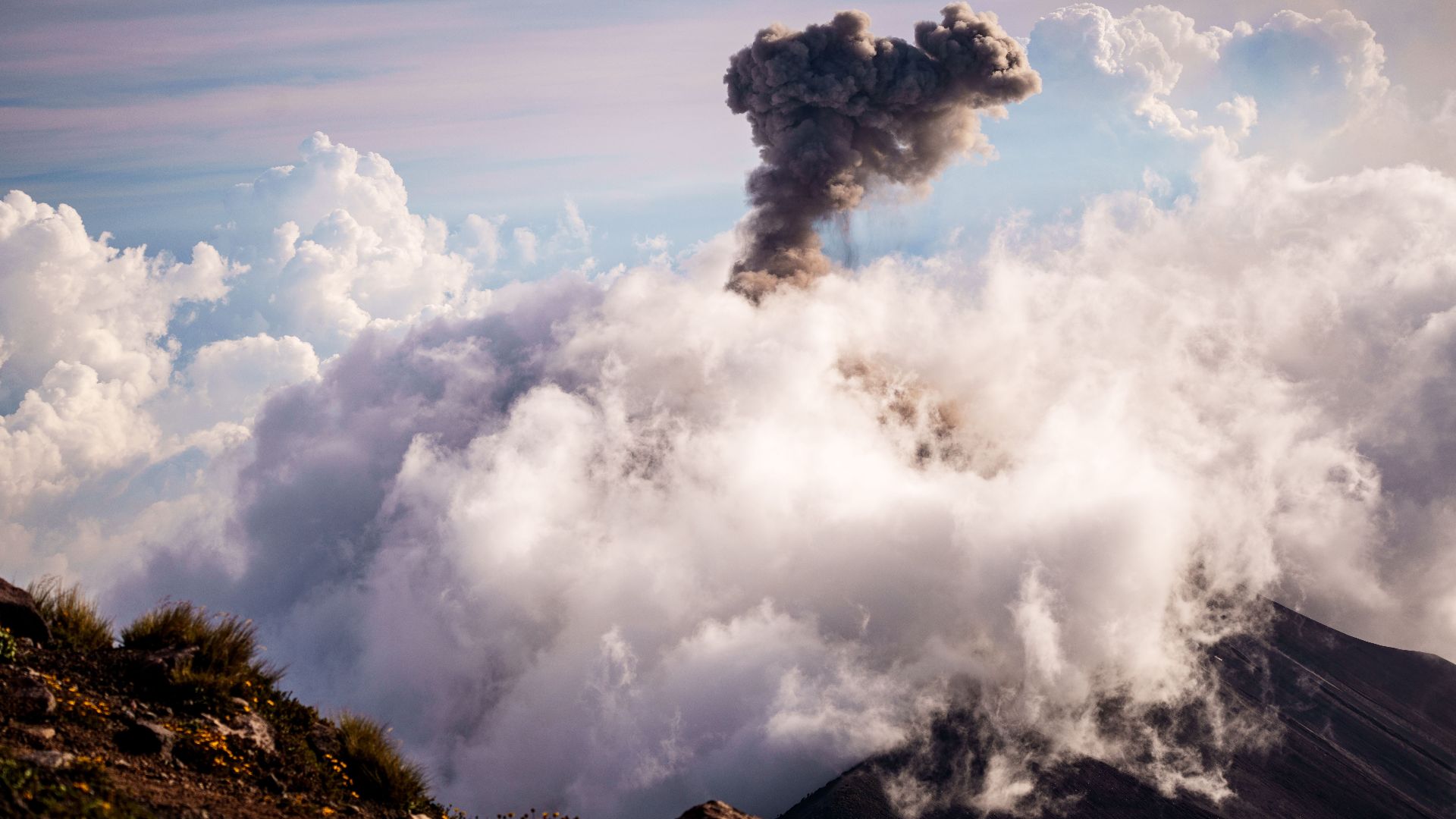
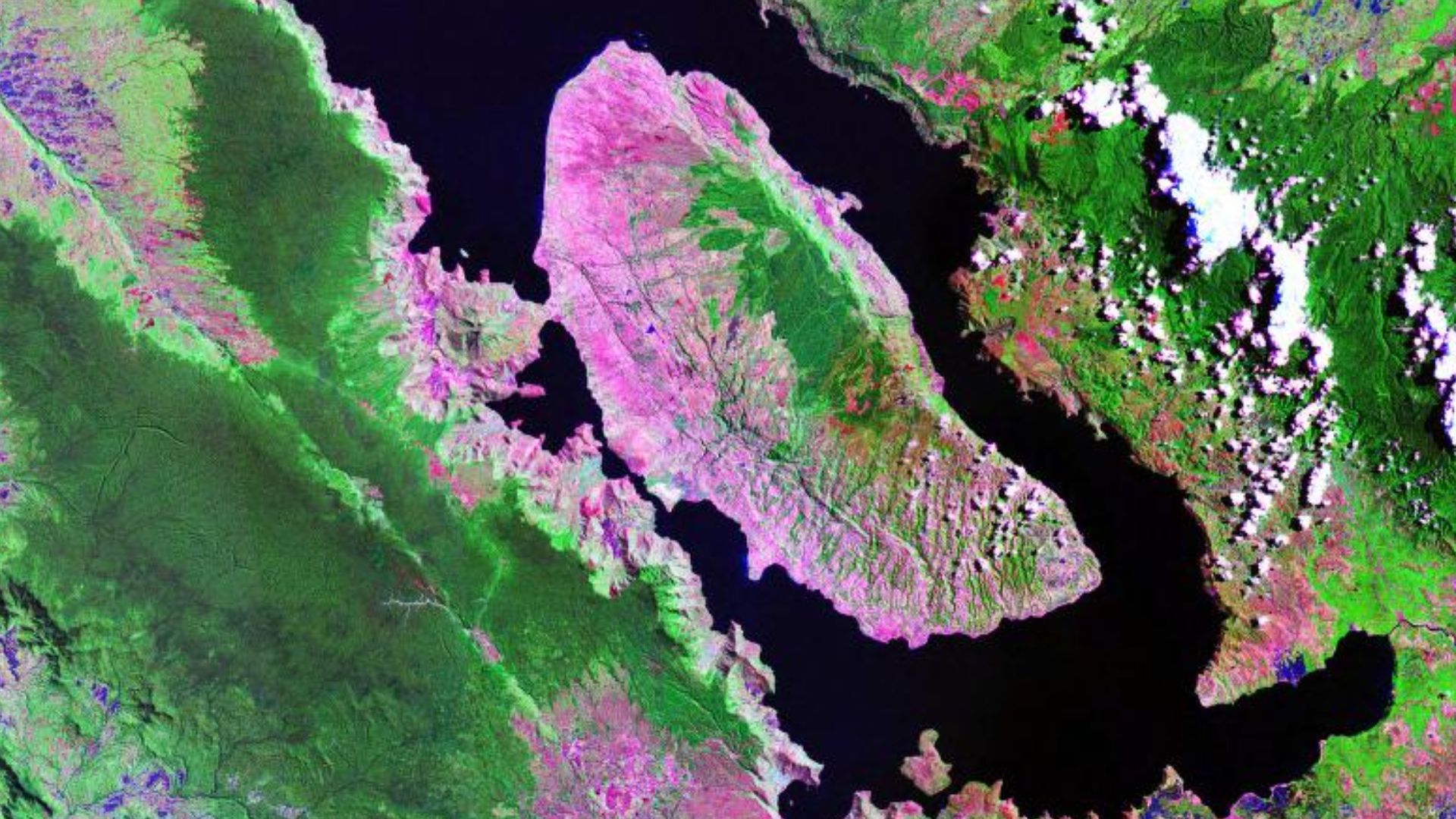
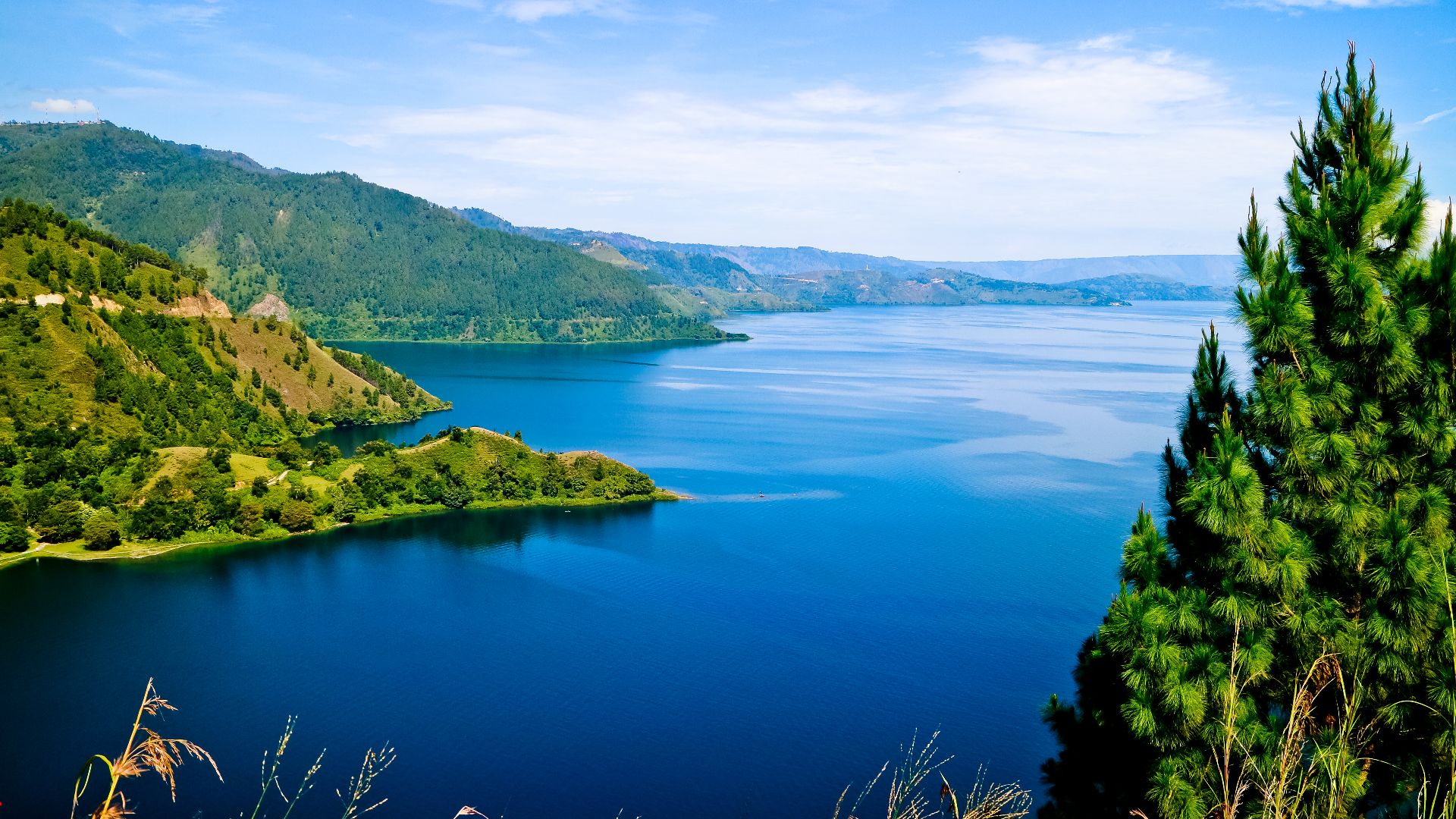
About 74,000 years ago, a volcano on the Indonesian island of Sumatra erupted with almost unimaginable force. The event created what is now Lake Toba and scattered ash across enormous distances. Decades later, scientists began asking an unsettling question: Did this eruption nearly wipe out our ancestors?
Toba Was No Ordinary Volcano
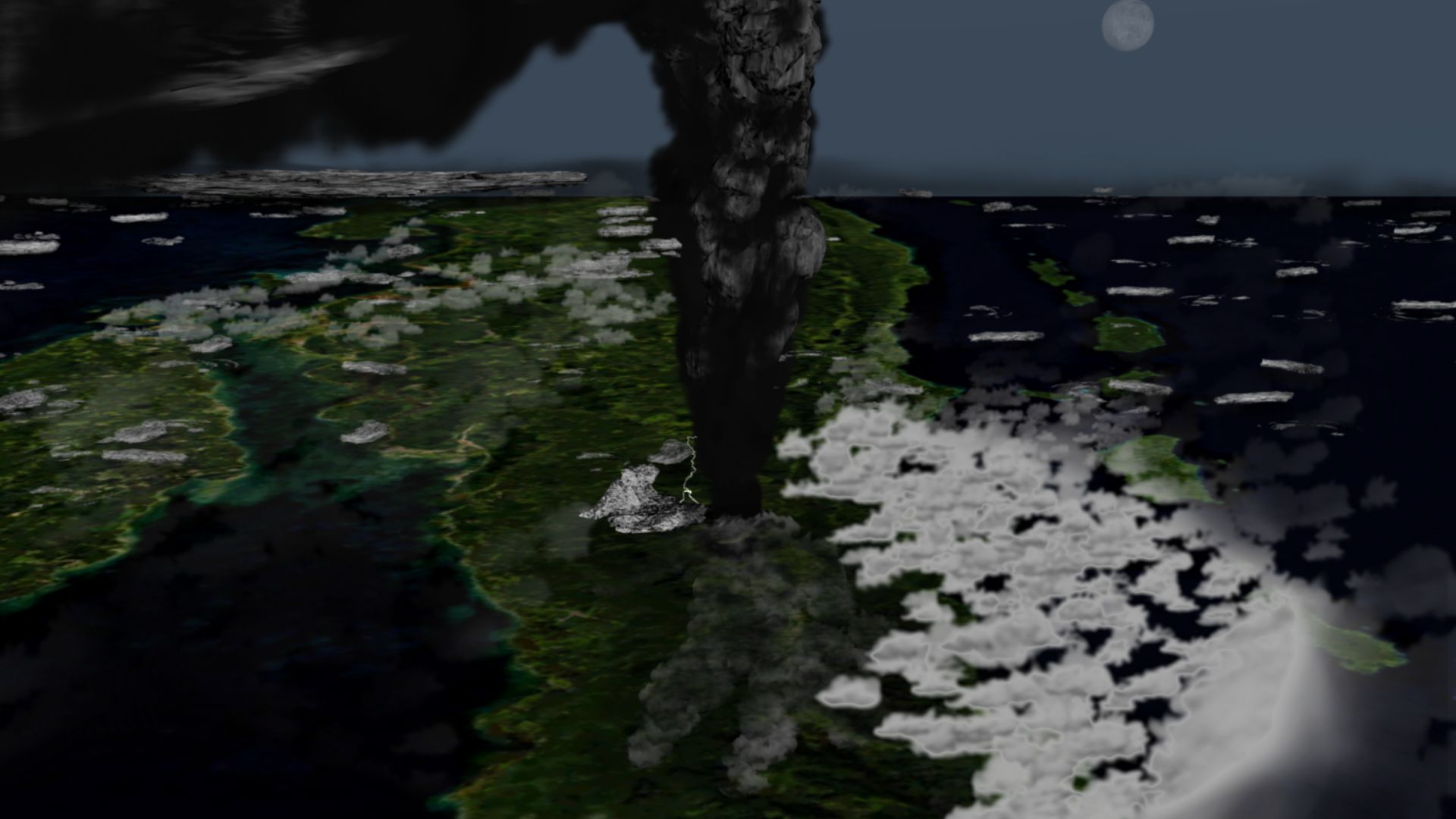
The event is known as the Youngest Toba Tuff eruption, and it ranks among the greatest explosive eruptions of the Quaternary period. Huge quantities of magma, ash, and volcanic material blasted from the ground, leaving behind the enormous Toba caldera that dominates northern Sumatra today.
The Ash Traveled Astonishing Distances
Toba did not simply bury the surrounding countryside. Its microscopic volcanic material traveled thousands of miles, reaching India and even parts of Africa. Scientists can identify these tiny glass fragments chemically, allowing the eruption to serve as a remarkably useful timestamp at archaeological sites across a huge area.
Then Came A Dramatic Theory
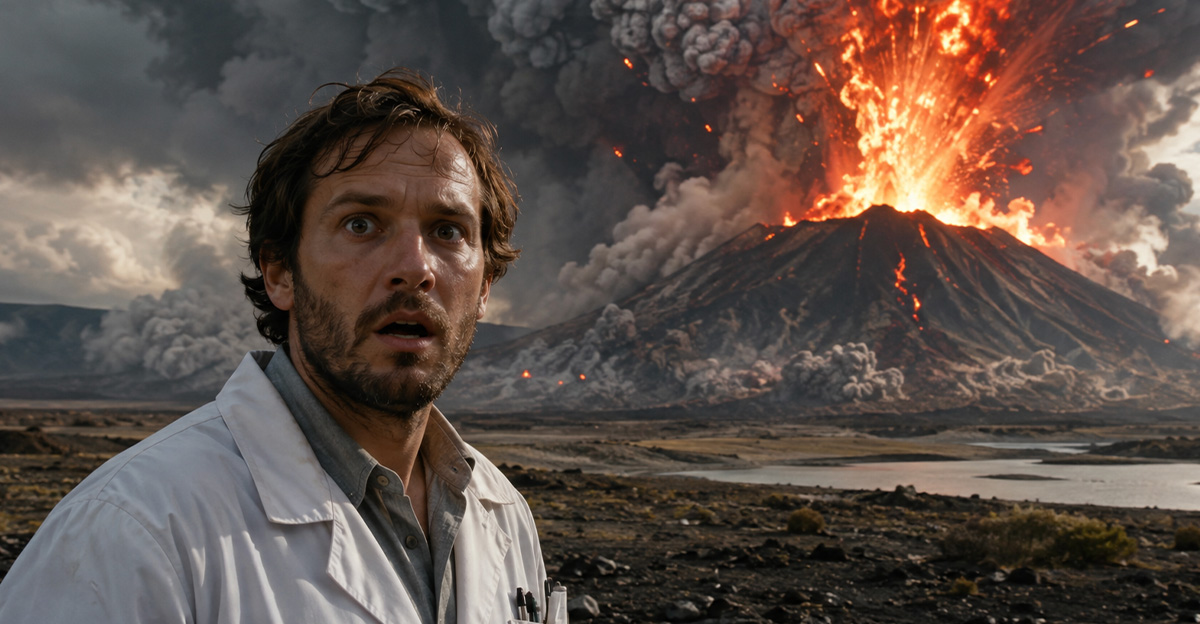
In 1998, anthropologist Stanley Ambrose proposed that Toba might have triggered a devastating volcanic winter. He suggested the disaster severely reduced human populations, creating a genetic “bottleneck.” Suddenly, an Indonesian volcano seemed capable of explaining one of the biggest mysteries surrounding modern human evolution.
 Screenshot from Horizon, BBC (1964-)
What Exactly Is A Population Bottleneck?
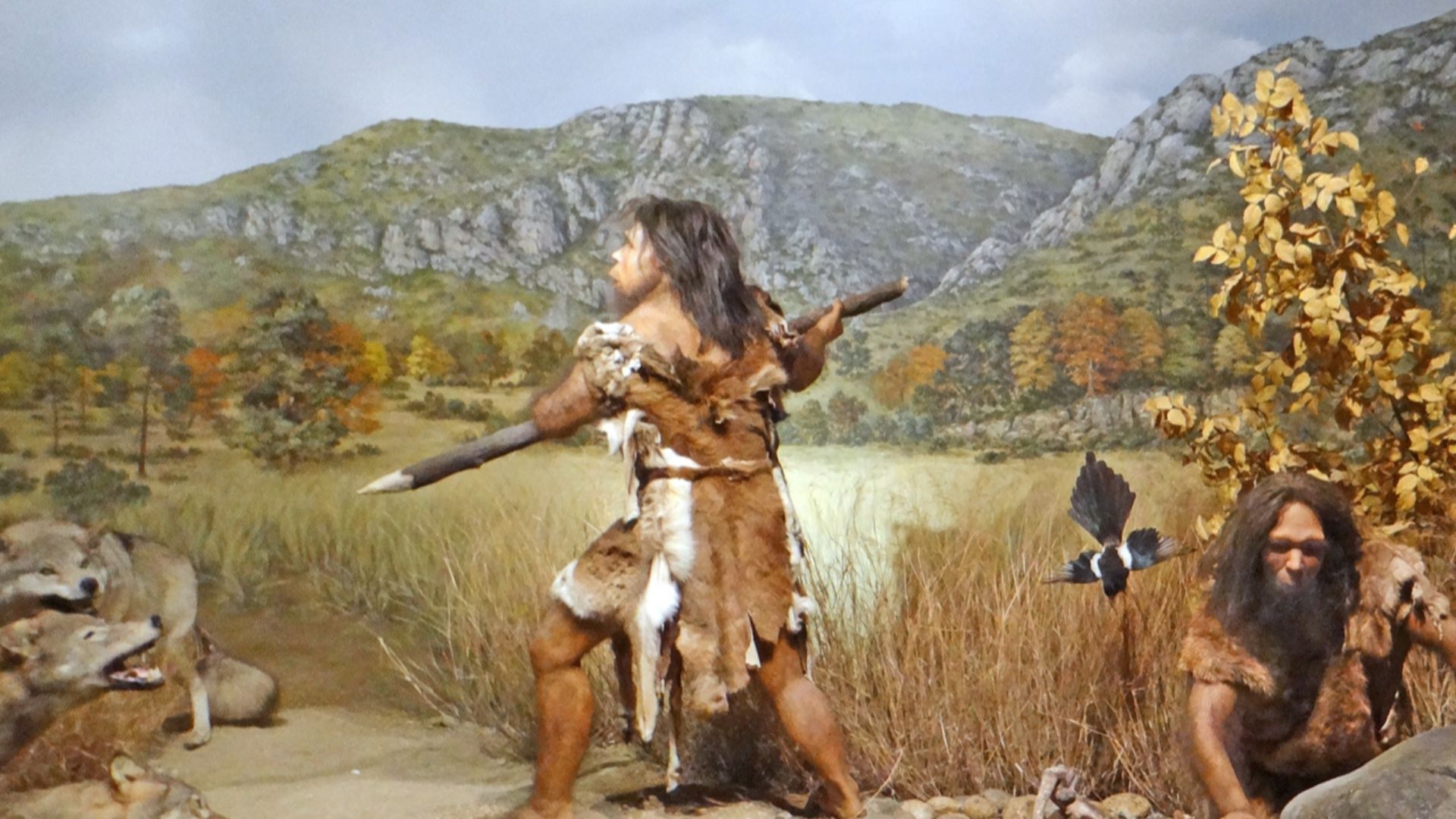
A bottleneck occurs when a population becomes dramatically smaller, causing much of its genetic diversity to disappear. Later generations descend from the relatively small group that survives. Human genetics does contain signs of ancient population reductions, which initially made the Toba explanation especially tempting.
 Jean-Pierre Dalbéra from Paris, France, Wikimedia Commons
The Timing Looked Suspicious
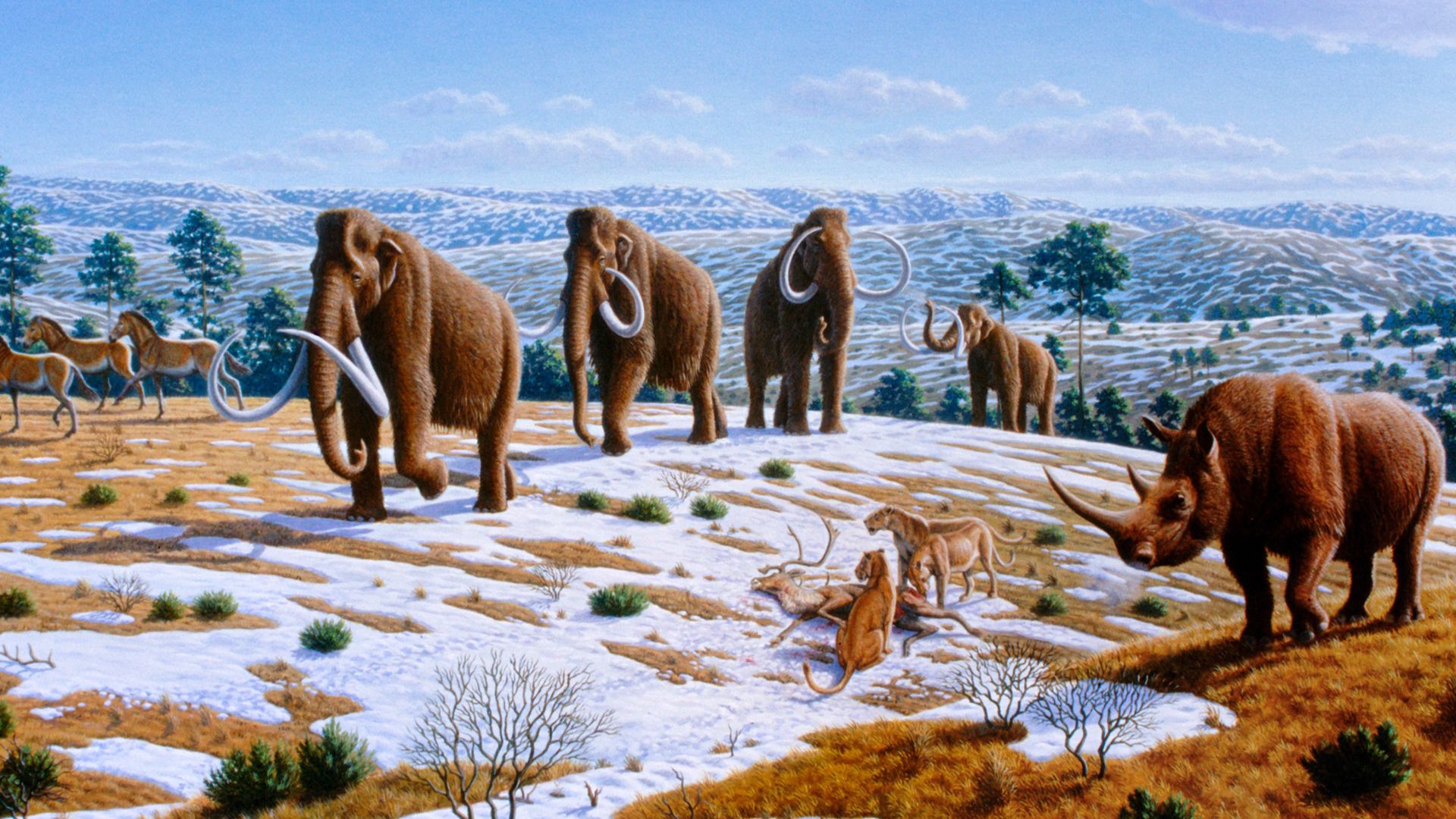
Early genetic studies suggested that human populations had experienced periods of unusually small effective population size during the Late Pleistocene. Toba erupted during roughly the same broad period. To supporters of the theory, the coincidence looked like something much bigger than chance.
 Mauricio Antón, Wikimedia Commons
A Volcanic Winter Sounded Plausible
Large eruptions can inject sulfur compounds high into the atmosphere, where aerosols reflect sunlight and cool the planet. We have observed this after historical eruptions. Since Toba was vastly larger, scientists wondered whether the resulting cooling could have lasted years and devastated food supplies.
Life Could Have Become Extremely Difficult
Imagine colder temperatures, disrupted rainfall, damaged vegetation, and struggling animal populations appearing across places where small groups of humans depended completely on local resources. Even without killing people directly, such environmental changes could theoretically have pushed vulnerable communities into famine, migration, or collapse.
 Ryan Hodnett, Wikimedia Commons
But Size Does Not Tell The Whole Story
One major problem soon became clear: scientists could estimate how enormous the eruption was, but predicting its exact climatic impact was harder. Temperature changes depended on factors such as sulfur emissions, atmospheric circulation, season, rainfall, and where different human populations actually lived.
Archaeologists Went Looking For Survivors
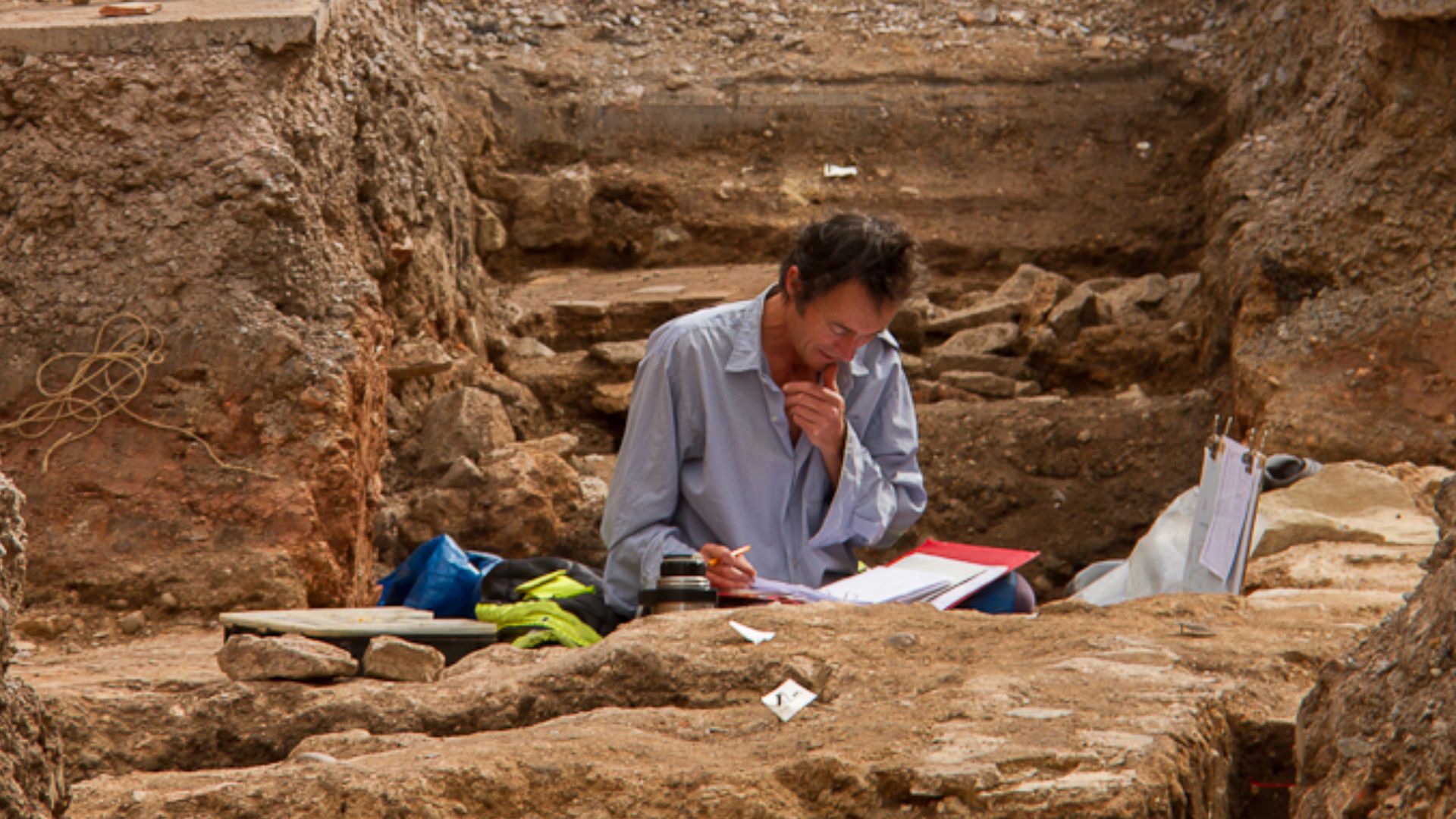
The easiest way to test the catastrophe theory was surprisingly straightforward. If Toba devastated humanity, archaeological sites should show major changes or abandonment around the eruption. Researchers therefore began examining places where volcanic ash could be matched directly with evidence of human activity.
India Became Crucial
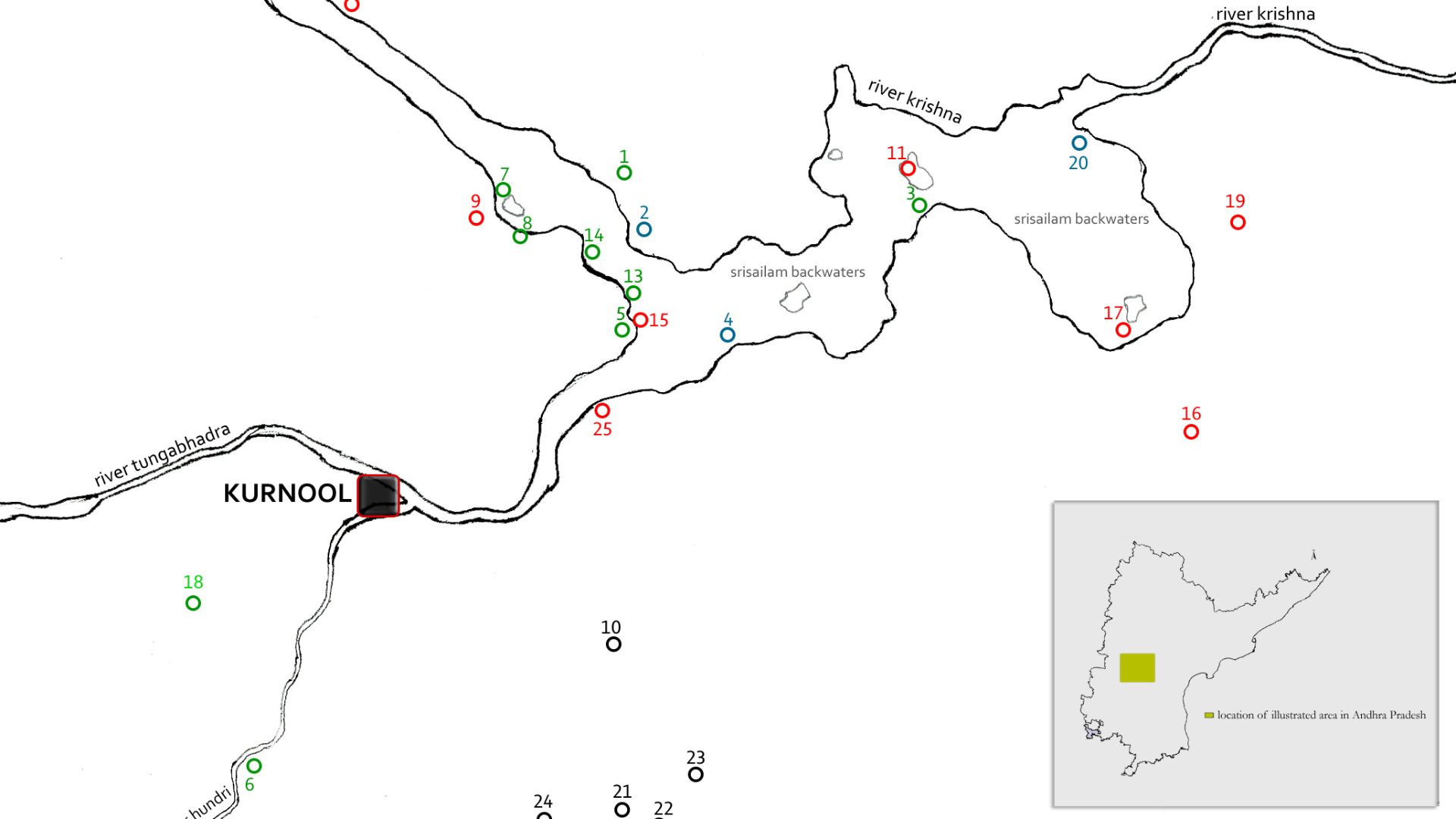
Southern India received substantial Toba ash, making the region one of the best places to investigate the theory. At Jwalapuram, archaeologists found stone tools both below and above volcanic deposits. That raised an obvious question: What if people simply carried on after the supposedly catastrophic eruption?
 Adityamadhav83, Wikimedia Commons
The Tools Looked Surprisingly Familiar
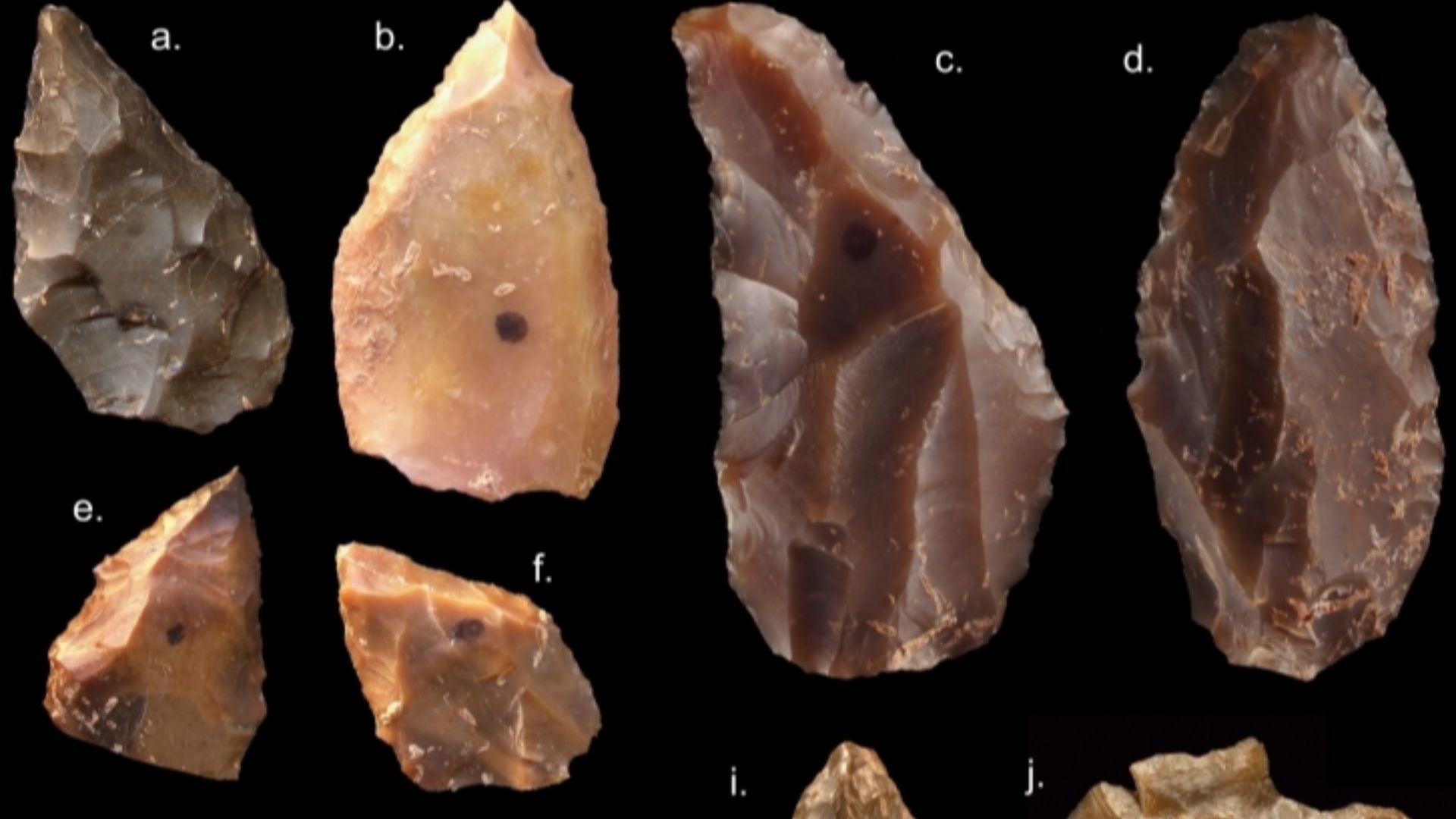
Studies of Jwalapuram's stone technology found evidence for cultural continuity across the eruption. The people who made the tools did not suddenly appear to vanish or completely reinvent their technology. That discovery dealt an important blow to the simplest version of the Toba catastrophe theory.
 Mohammed Kamal, MPI EVA Leipzig, Wikimedia Commons
Another Indian Site Added Evidence
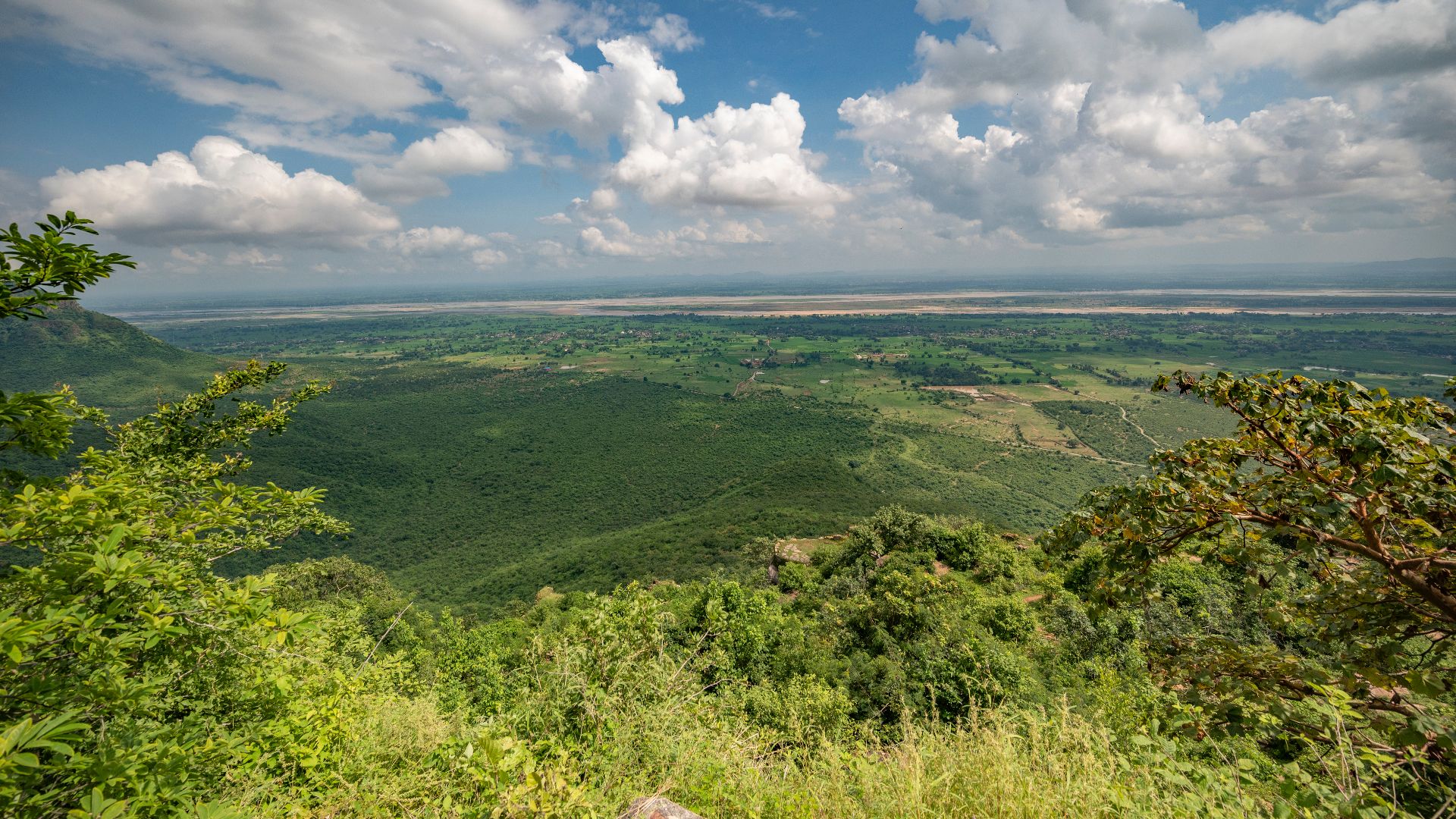
At Dhaba in central India, researchers uncovered a roughly 80,000-year sequence of occupation. The stone-tool industry remained broadly consistent across the period containing the Toba eruption, with major technological changes occurring much later. Again, there was no obvious archaeological apocalypse.
 Indianvagabond (Subhadip Mukherjee), Wikimedia Commons
We Do Not Know Everyone's Identity
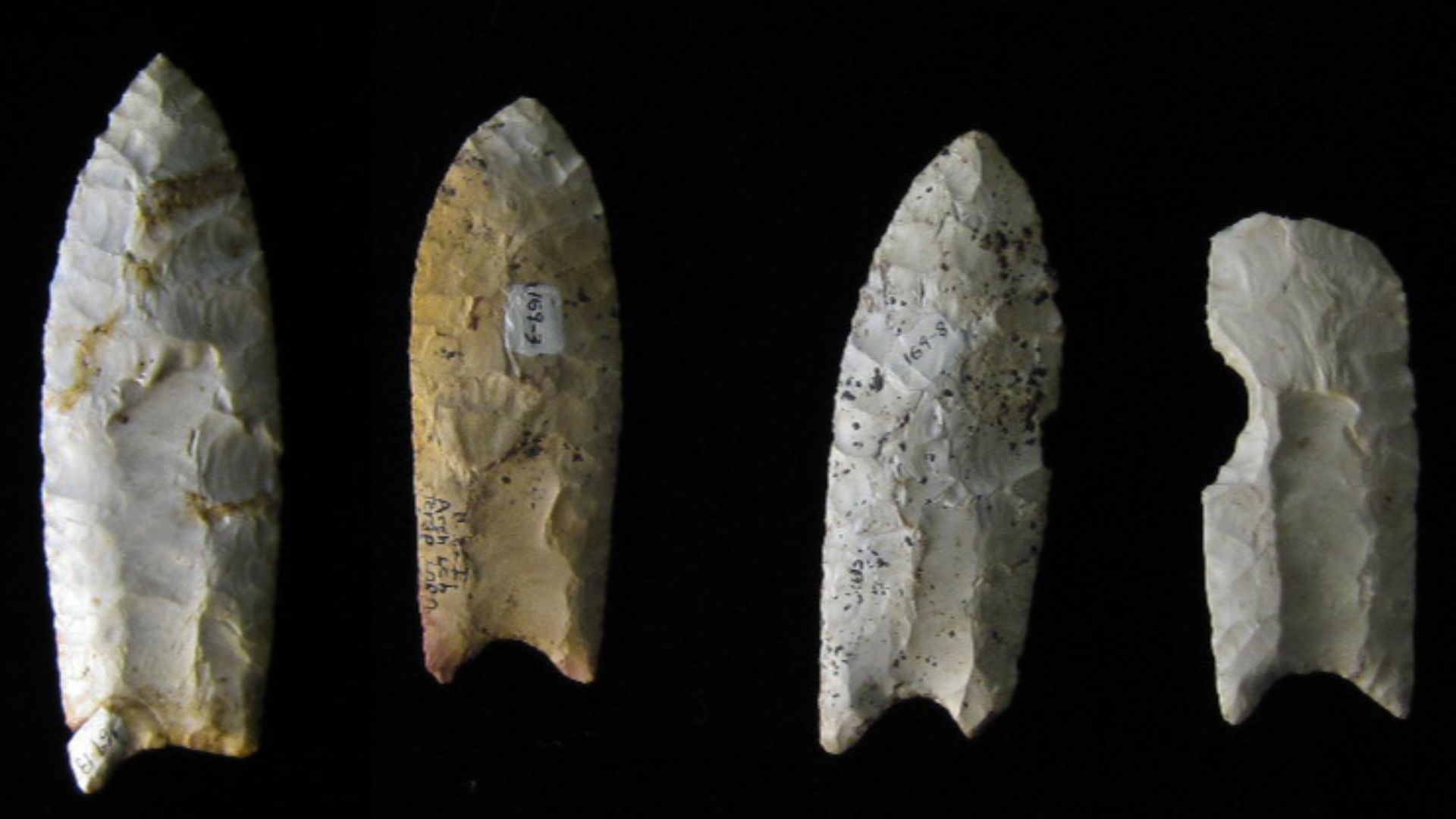
There is an important catch. Human fossils from this period are extremely scarce in India, so archaeologists cannot always prove which human population manufactured particular tools. Researchers have argued that some technologies resemble those associated with Homo sapiens, but the identification remains debated.
 Bill Whittaker (talk), Wikimedia Commons
Then Scientists Found Toba Ash In Africa
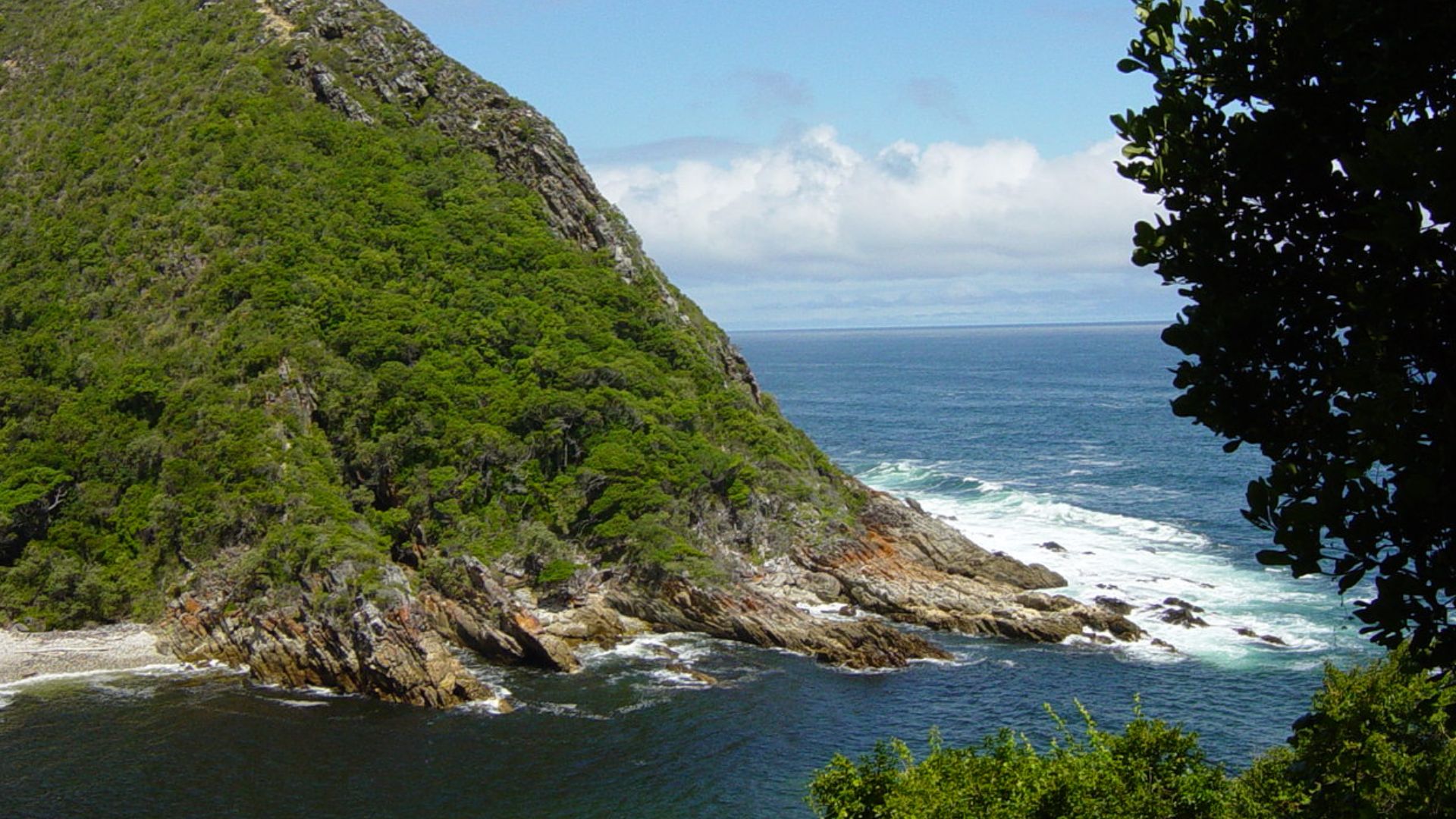
Microscopic Toba glass was eventually identified at archaeological sites along South Africa's southern coast. These sites were thousands of miles from the eruption, yet their sediments contained its chemical fingerprint. Better still, archaeologists had detailed records of human activity immediately around the ash layer.
 Original uploader was Conrad88 at en.wikipedia, Wikimedia Commons
The South African Humans Did Fine
Rather than disappearing after Toba, people at these coastal South African sites apparently continued thriving. Researchers even found evidence suggesting occupation intensity increased around this period. Rich coastal resources may have helped communities handle whatever environmental problems followed the eruption.
 Charles Robert Knight, Wikimedia Commons
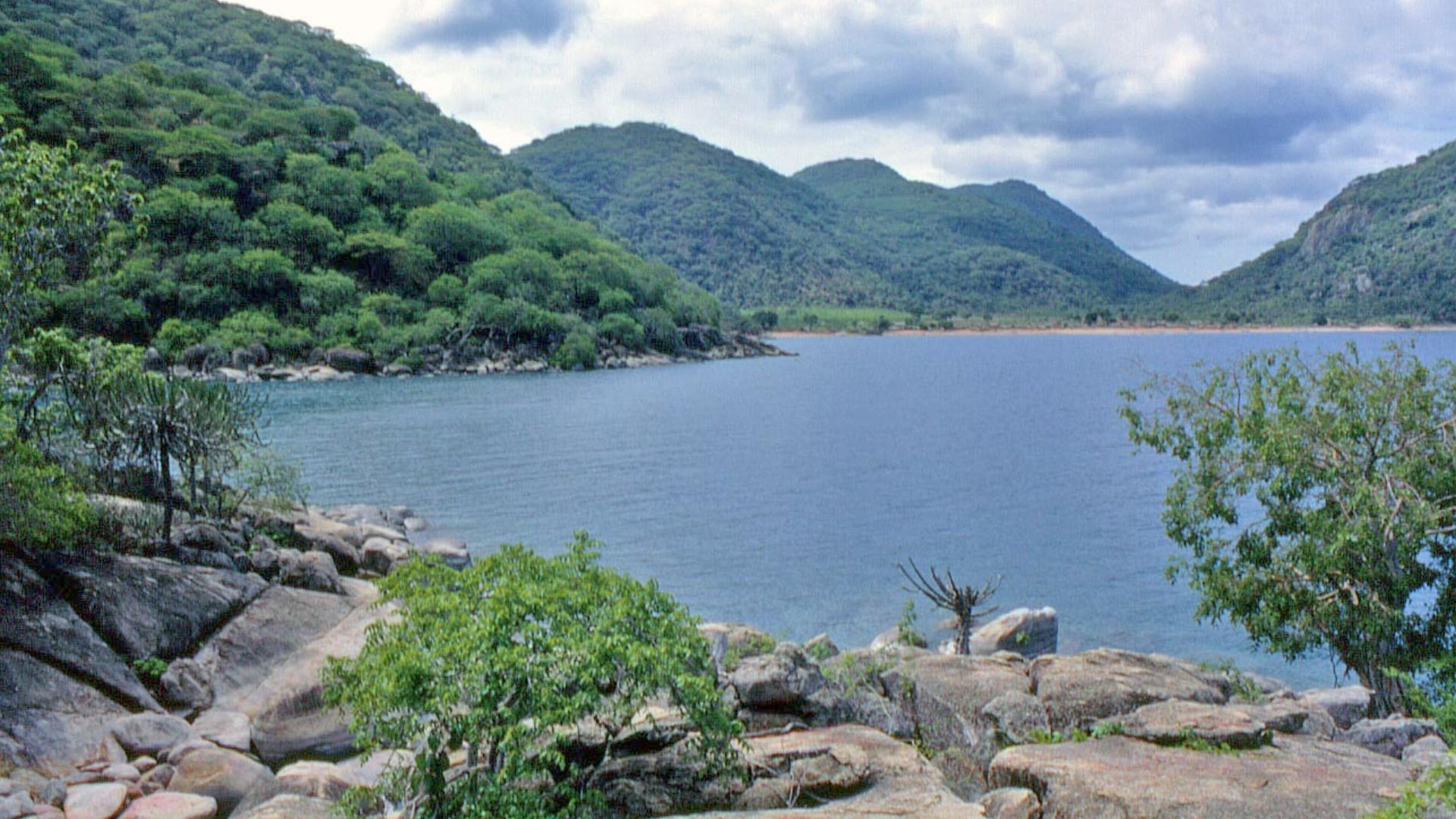
African Lakes Told Another Story
Sediment cores from Lake Malawi offered another test. Researchers examined vegetation and charcoal records around the time Toba ash arrived. They found little evidence for the kind of dramatic, prolonged ecological collapse expected from an extreme volcanic winter across eastern Africa.
 Paul venter at English Wikipedia, Wikimedia Commons
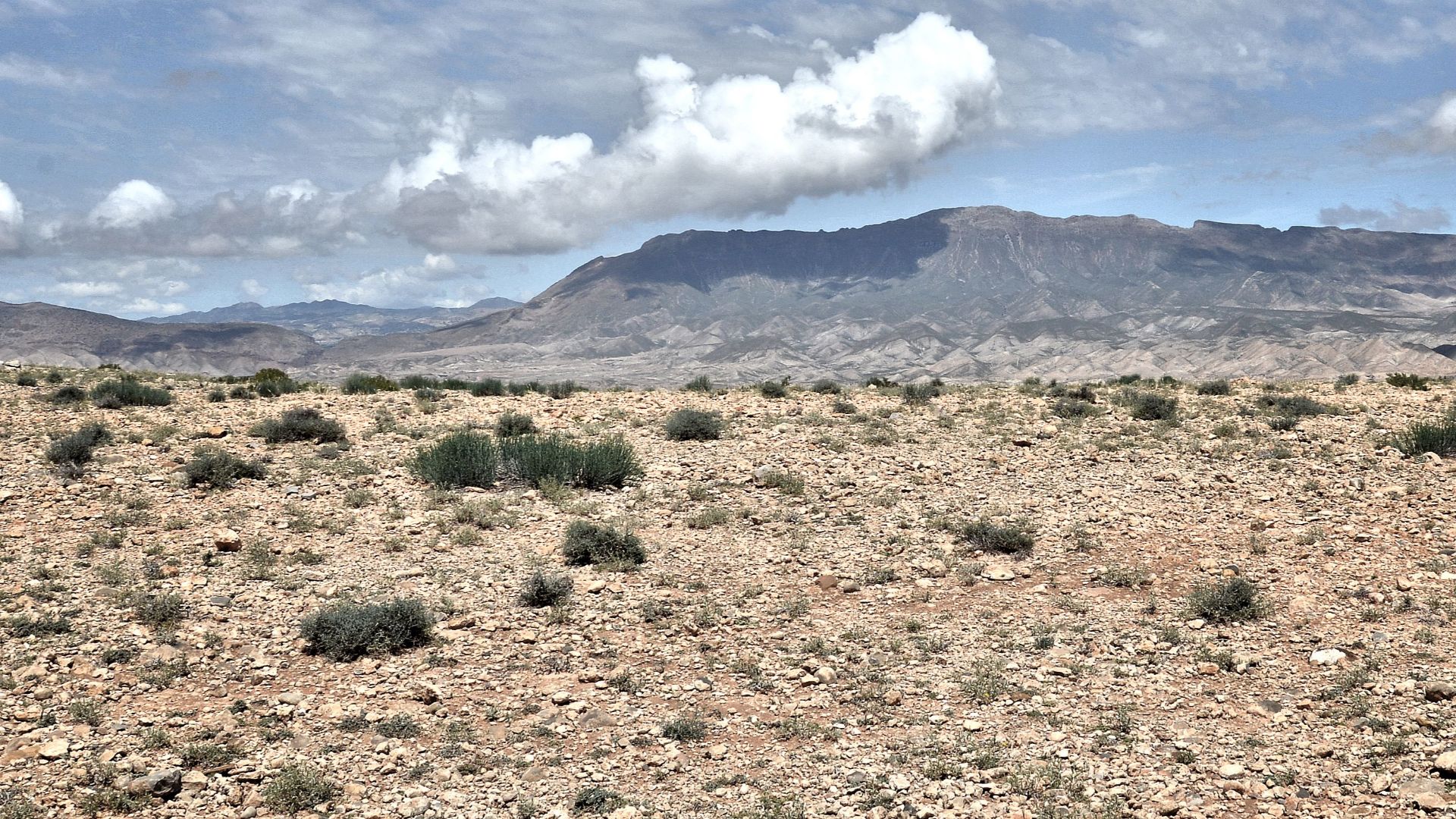
The Planet May Not Have Reacted Uniformly
This is increasingly important to the debate. Toba did not necessarily produce identical conditions everywhere. One region could have become cooler, another drier, and another relatively stable. That makes the idea of a single worldwide environmental catastrophe much harder to demonstrate.
India Produced An Even Bigger Surprise
A 2025 study examined exceptionally detailed environmental evidence from Jwalapuram covering six monsoon cycles after the eruption. Instead of finding years of intense local cooling, researchers detected muted initial cooling followed by warming and drying before environmental stabilization.

That Does Not Mean Toba Was Harmless
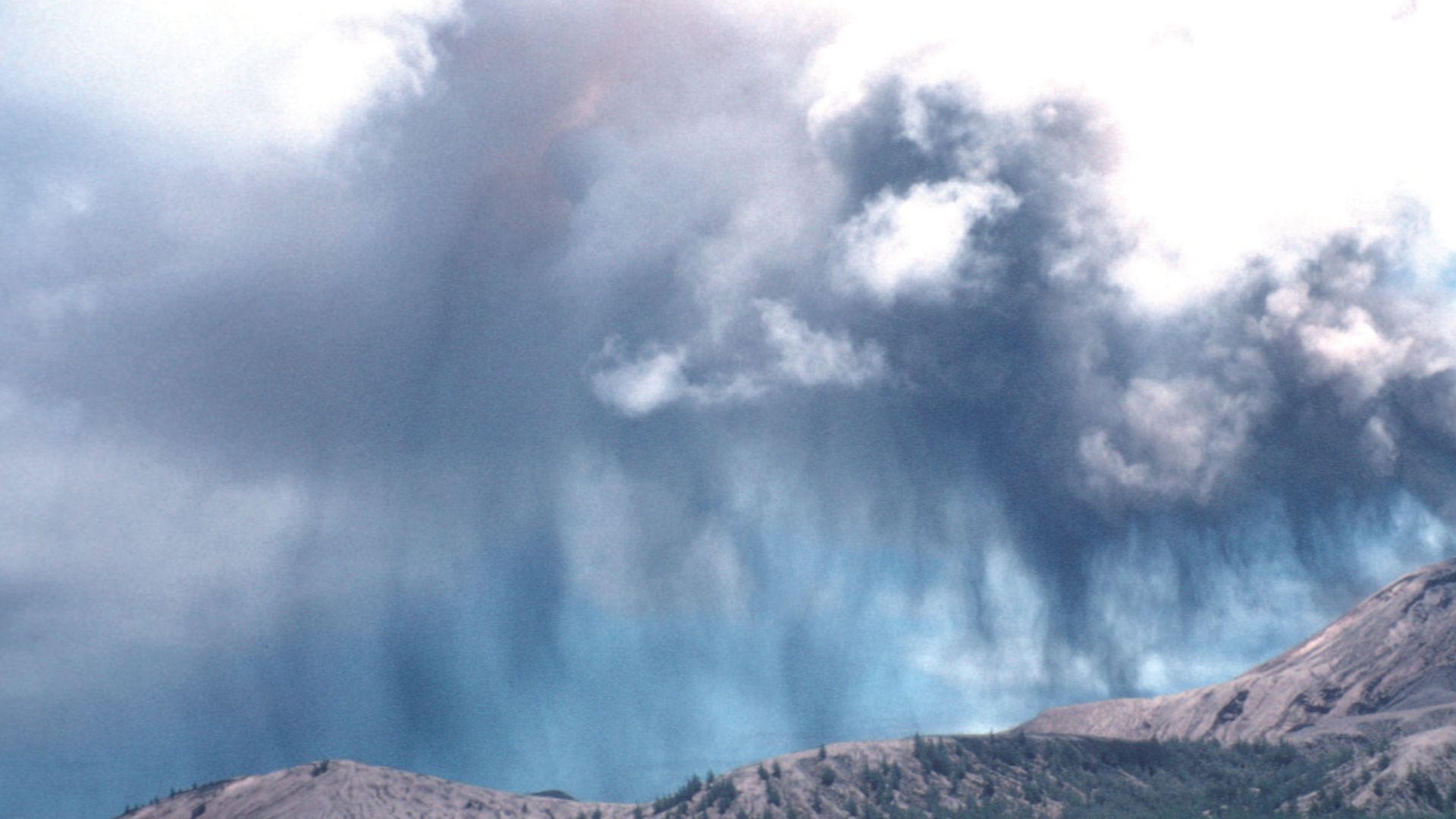
Rejecting an apocalyptic volcanic winter does not turn the eruption into a minor inconvenience. Ashfall could contaminate water, damage plants, disrupt animals, and alter landscapes. Drier conditions could also threaten groups living close to the edge of survival, even if humanity as a whole remained secure.
 Frank Trusdell, USGS., Wikimedia Commons
Climate Models Still Produce Worrying Results
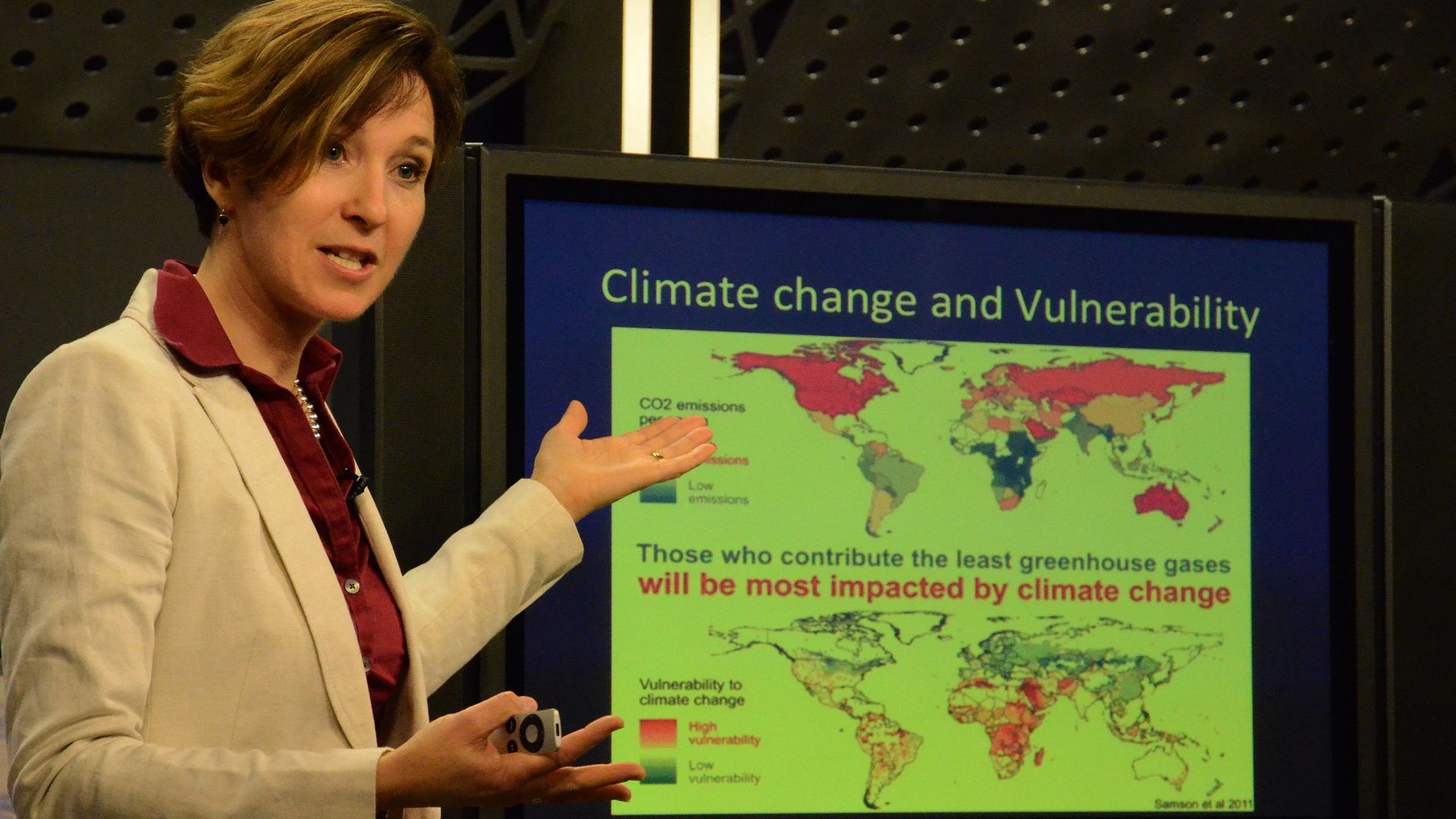
Some computer simulations suggest Toba could have caused major atmospheric disturbances. A 2021 study, for example, modeled severe tropical ozone depletion following the eruption. Scientists are therefore still investigating consequences that extend beyond the traditional idea of simply making Earth dramatically colder.
 NASA Goddard Space Flight Center from Greenbelt, MD, USA, Wikimedia Commons
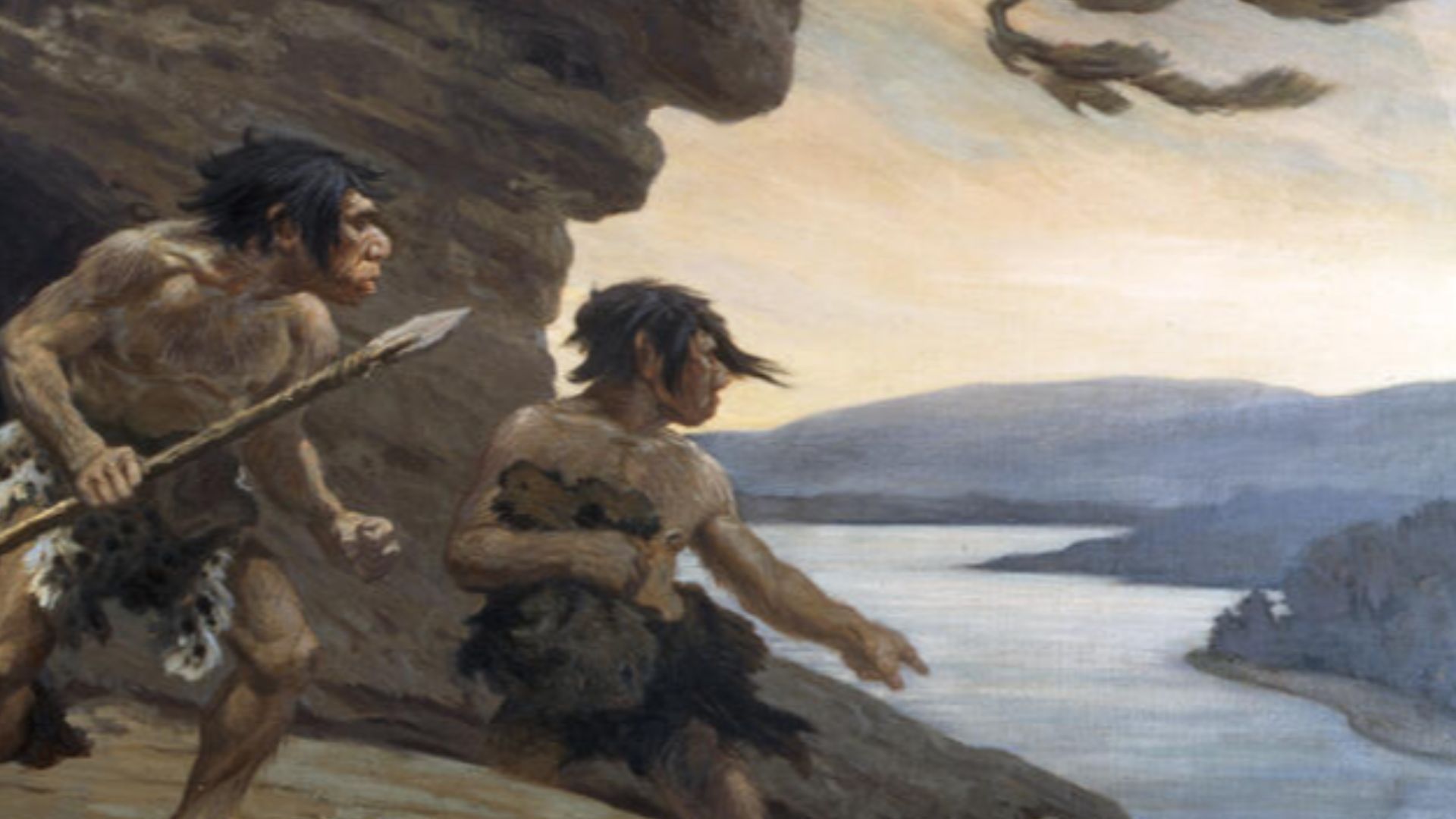
Other Humans Survived The Period Too
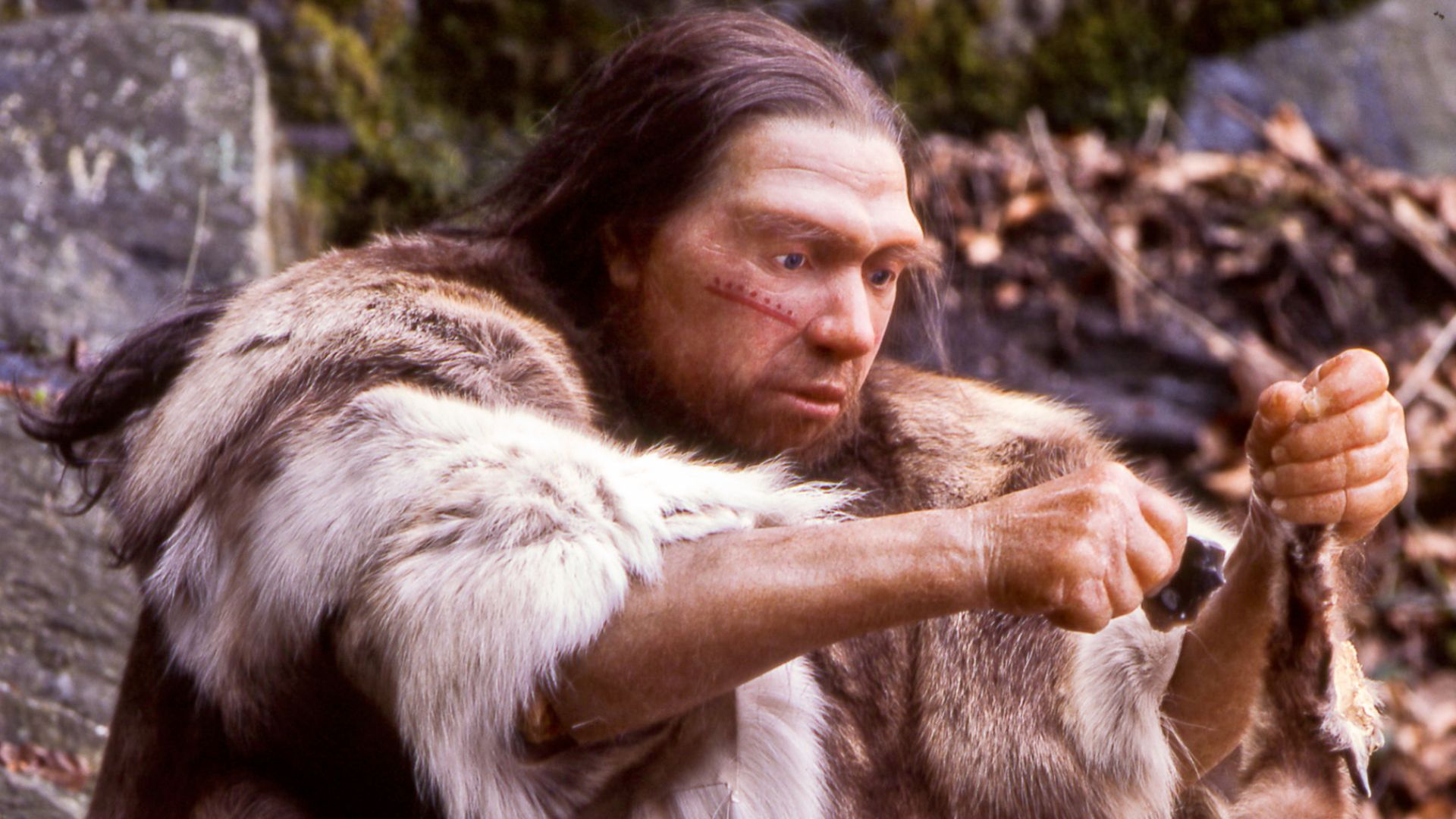
The broader human family also complicates the near-extinction story. Neanderthals and other archaic populations survived well beyond 74,000 years ago. Archaeological and genetic evidence increasingly paints the Late Pleistocene as a world containing multiple resilient human populations rather than a tiny group barely escaping destruction.
 Neanderthal-Museum, Mettmann, Wikimedia Commons
Genetics Became More Complicated
Modern genome research has also made early bottleneck explanations less tidy. Human genetic diversity reflects population structure, migration, isolation, interbreeding, founder effects, and repeated changes in population size. A genetic squeeze cannot automatically be matched to one conveniently timed volcanic eruption.

Leaving Africa Created Bottlenecks Too
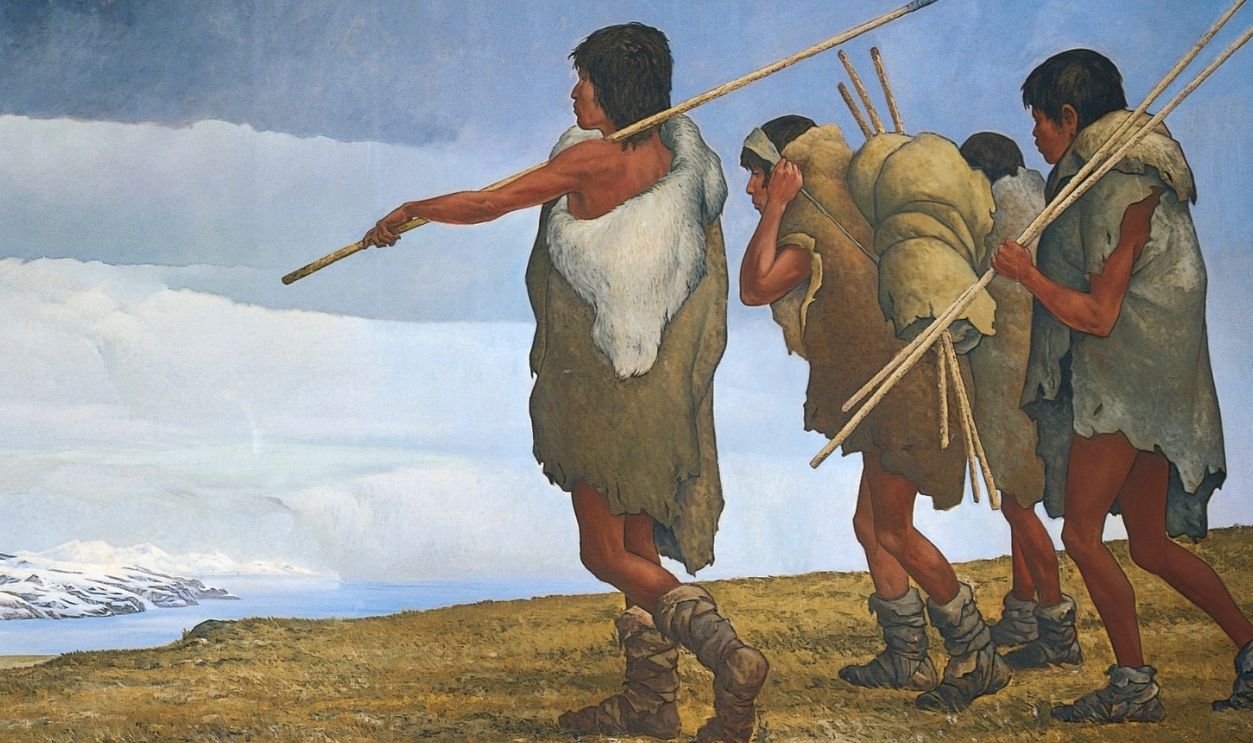
As groups of Homo sapiens expanded from Africa into Eurasia, relatively small populations founded new communities. Those migrations naturally reduced genetic diversity without requiring a supervolcano. Researchers have found strong signals connected with founder events during human expansion, providing alternative explanations for some genetic patterns.
 DEA PICTURE LIBRARY, Getty Images
Archaeology Changed The Argument
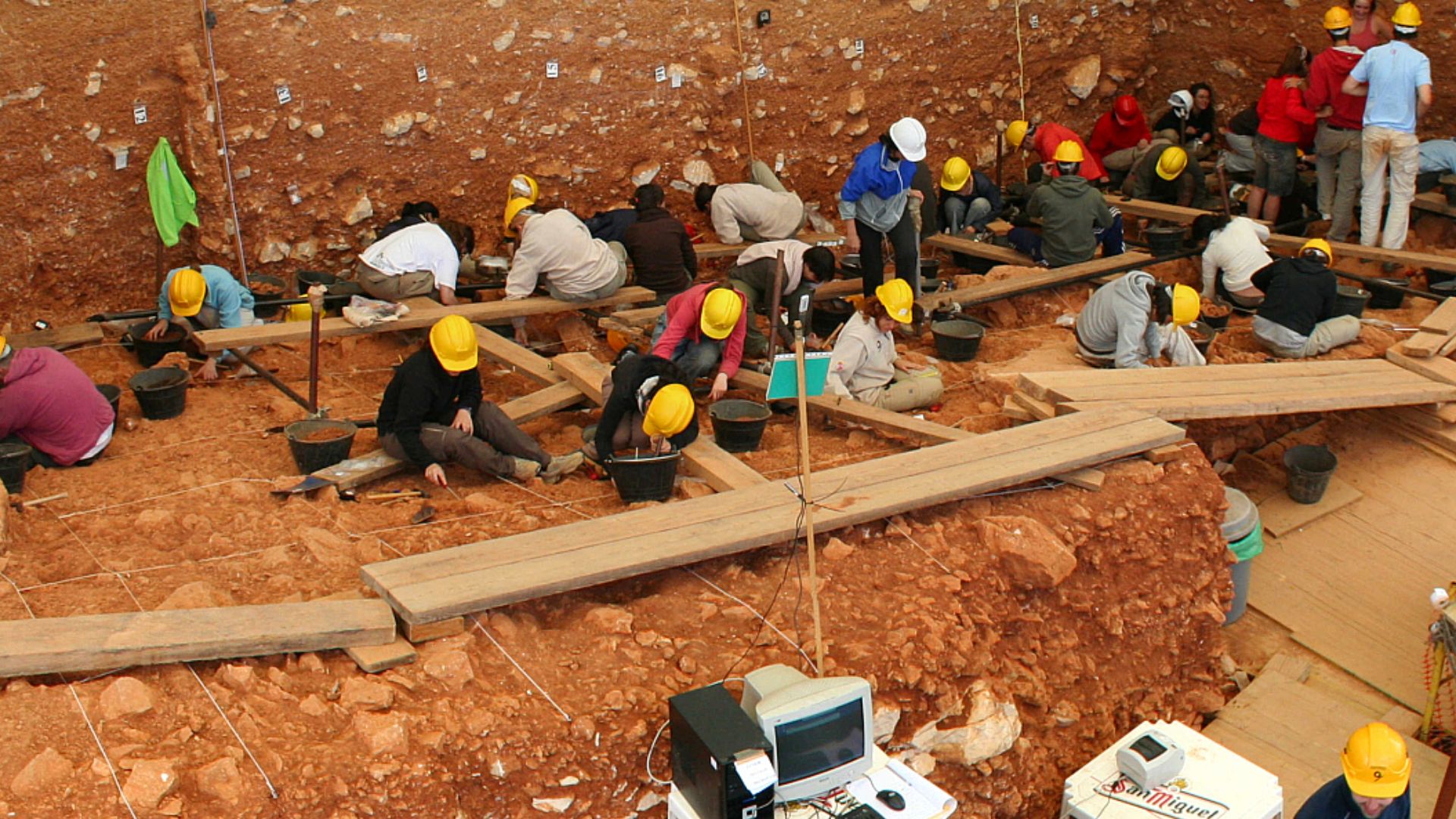
The original Toba theory was powerful partly because archaeological evidence around 74,000 years ago was sparse. Every newly excavated site adds another test. So far, several important locations show continuity rather than sudden disappearance, making a worldwide human crash increasingly difficult to defend.
 Mario Modesto Mata, Wikimedia Commons
Toba Could Still Have Changed History
The most interesting possibility now lies between “nothing happened” and “humanity nearly vanished.” Toba may have caused serious regional disruption, forcing particular communities to move, adapt, or change how they found food. Those smaller effects could still have influenced migration and human development without producing global extinction.
 NASA Landsat, Wikimedia Commons
The Supervolcano Mystery Is Not Finished
The classic idea that Toba reduced humanity to a tiny band of survivors has lost considerable support, but the eruption remains crucial to understanding our past. New archaeological sites, climate records, and genetic research keep refining the picture. Toba unquestionably changed landscapes. Whether it changed humanity's destiny remains a much harder question.
You May Also Like: