A Family Tomb Full Of Sparkle
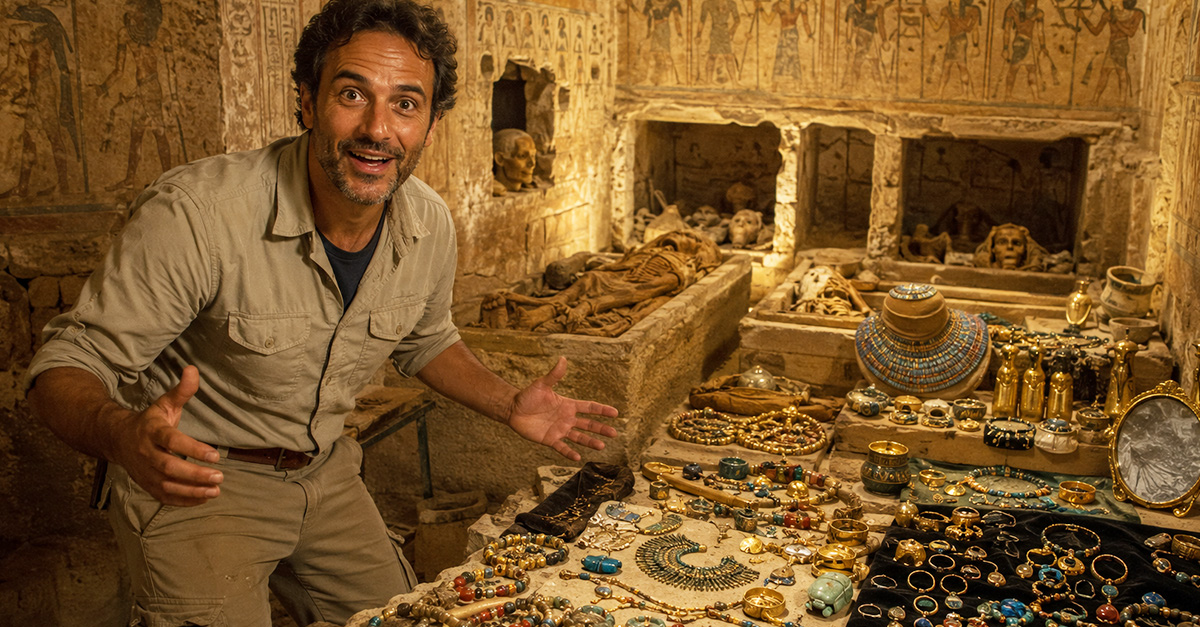
A 3,800-year-old tomb near Luxor has given archaeologists one of those discoveries that sounds almost too cinematic to be real: a family burial packed with necklaces, bracelets, rings, mirrors, amulets, and beads. Even after floods battered the tomb, its treasures still had plenty to say.
The Find Near Luxor
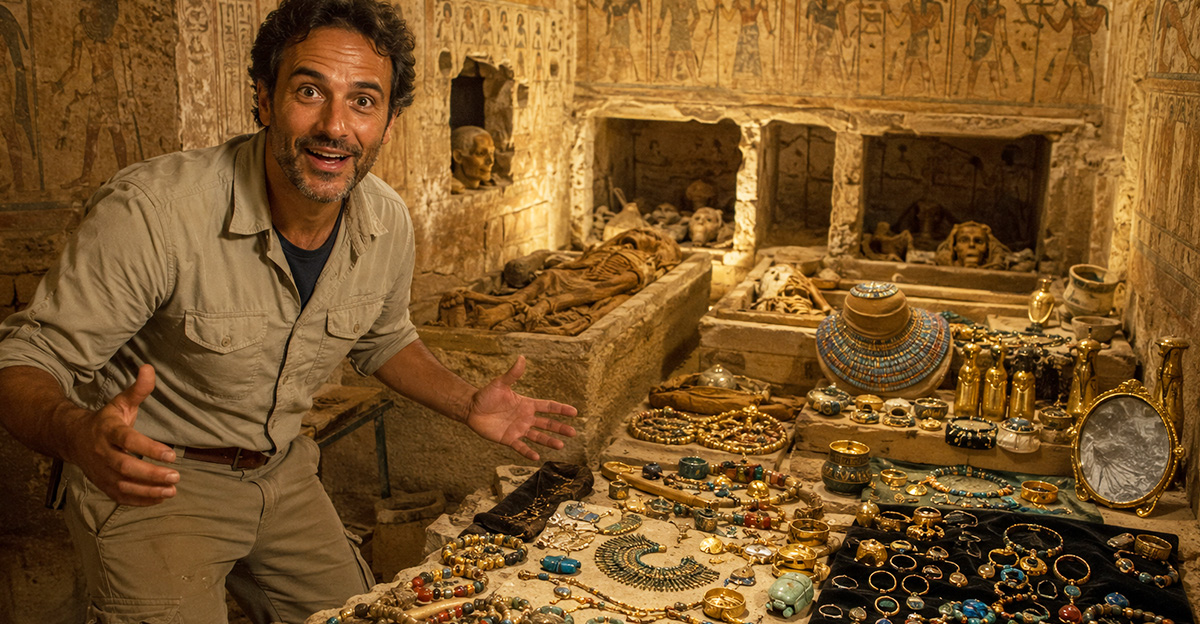
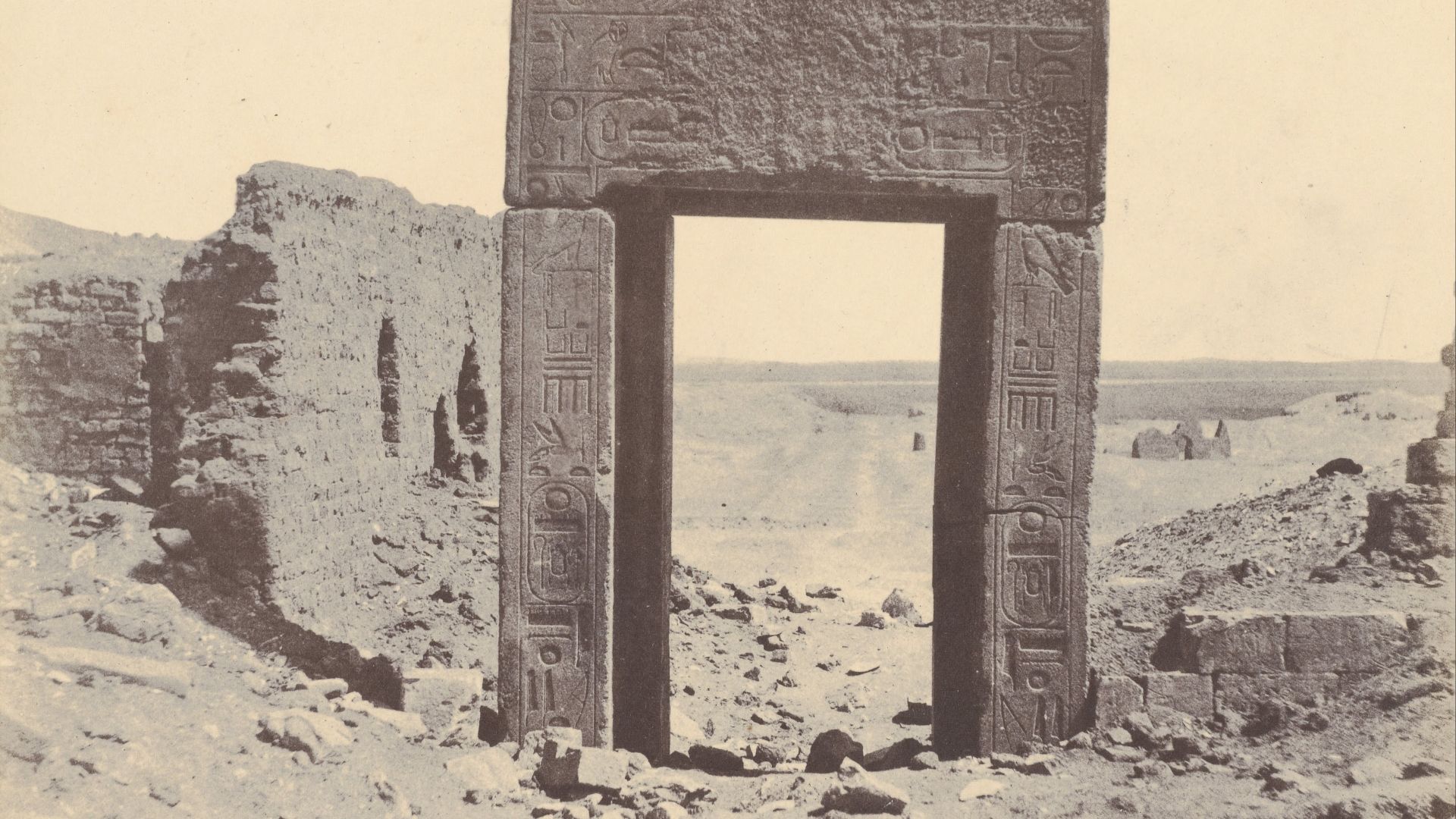
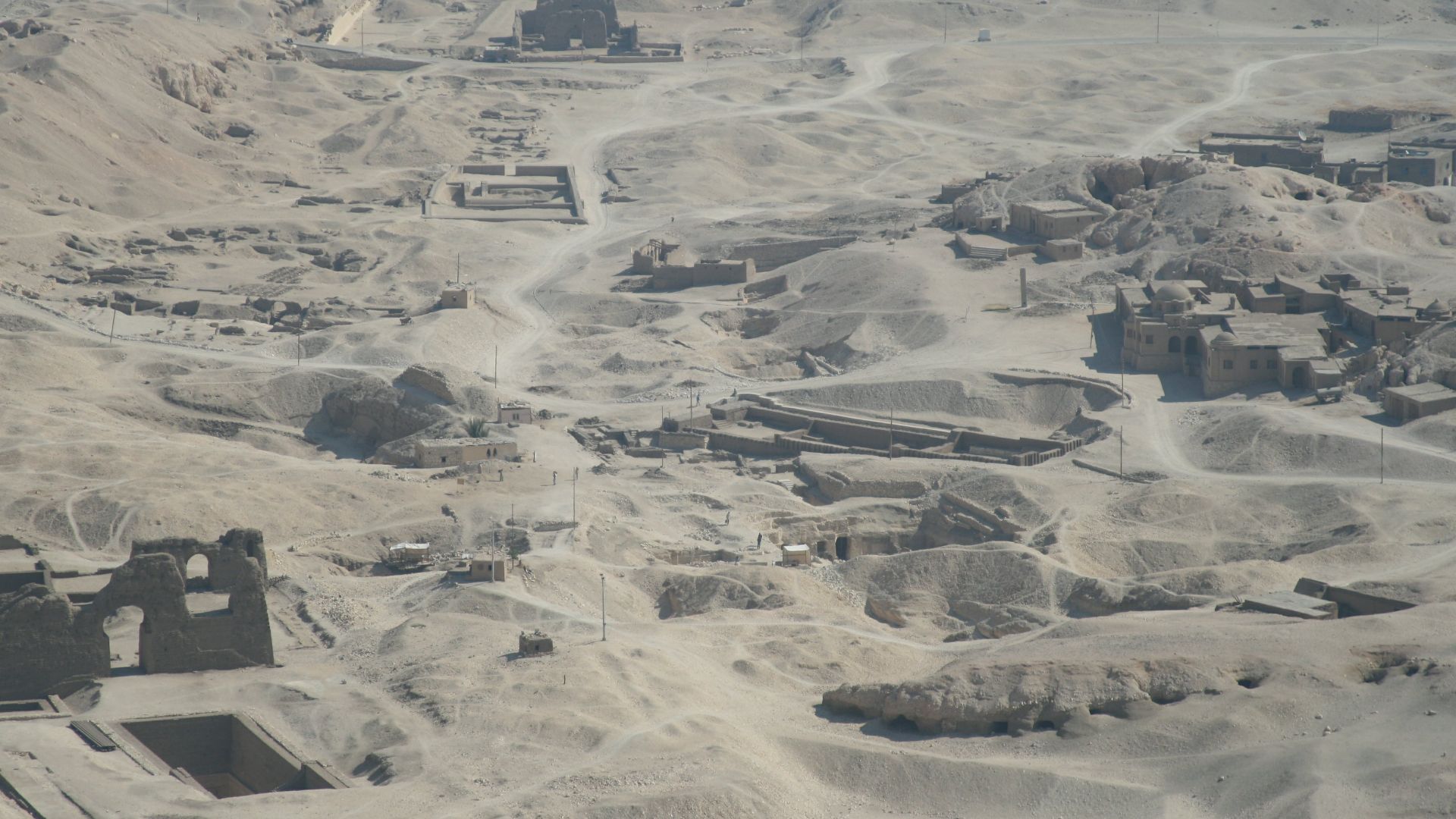
The tomb was uncovered in the South Asasif necropolis, on Luxor’s West Bank, not far from the Temple of Hatshepsut. That area is already famous for monumental Egyptian history, but this discovery added a new chapter from the Middle Kingdom, a period that often gets overshadowed by pyramids and pharaohs.
 Getty Center, Wikimedia Commons
A Tomb Used For Generations
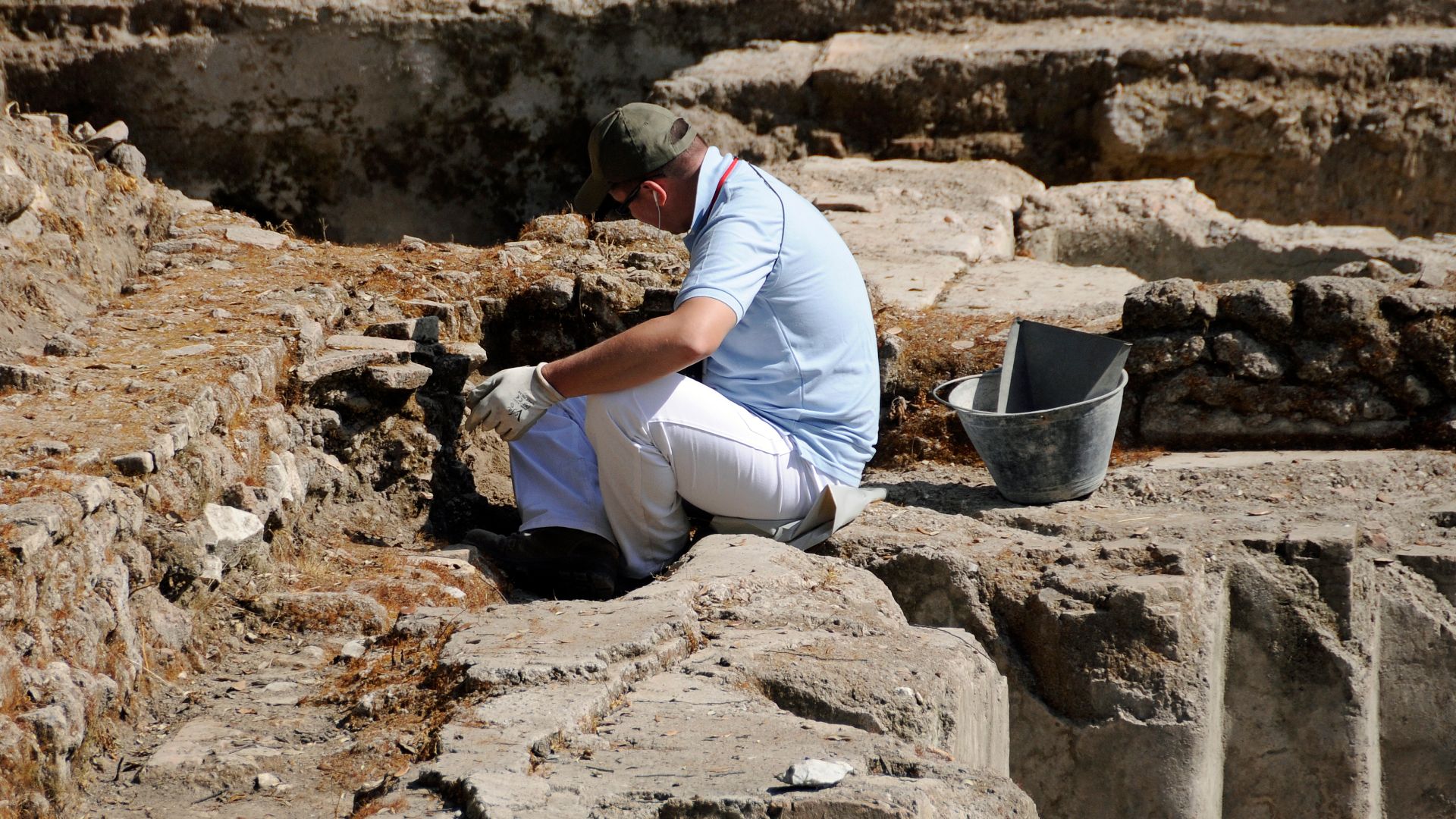
Archaeologists found the remains of 11 individuals inside the tomb. The group included women, men, children, and one unidentified person, suggesting the site was likely a family tomb used over several generations. In other words, this was not just one dramatic burial. It was a family story told in layers.
 Son of Groucho from Scotland, Wikimedia Commons
Why The Middle Kingdom Matters
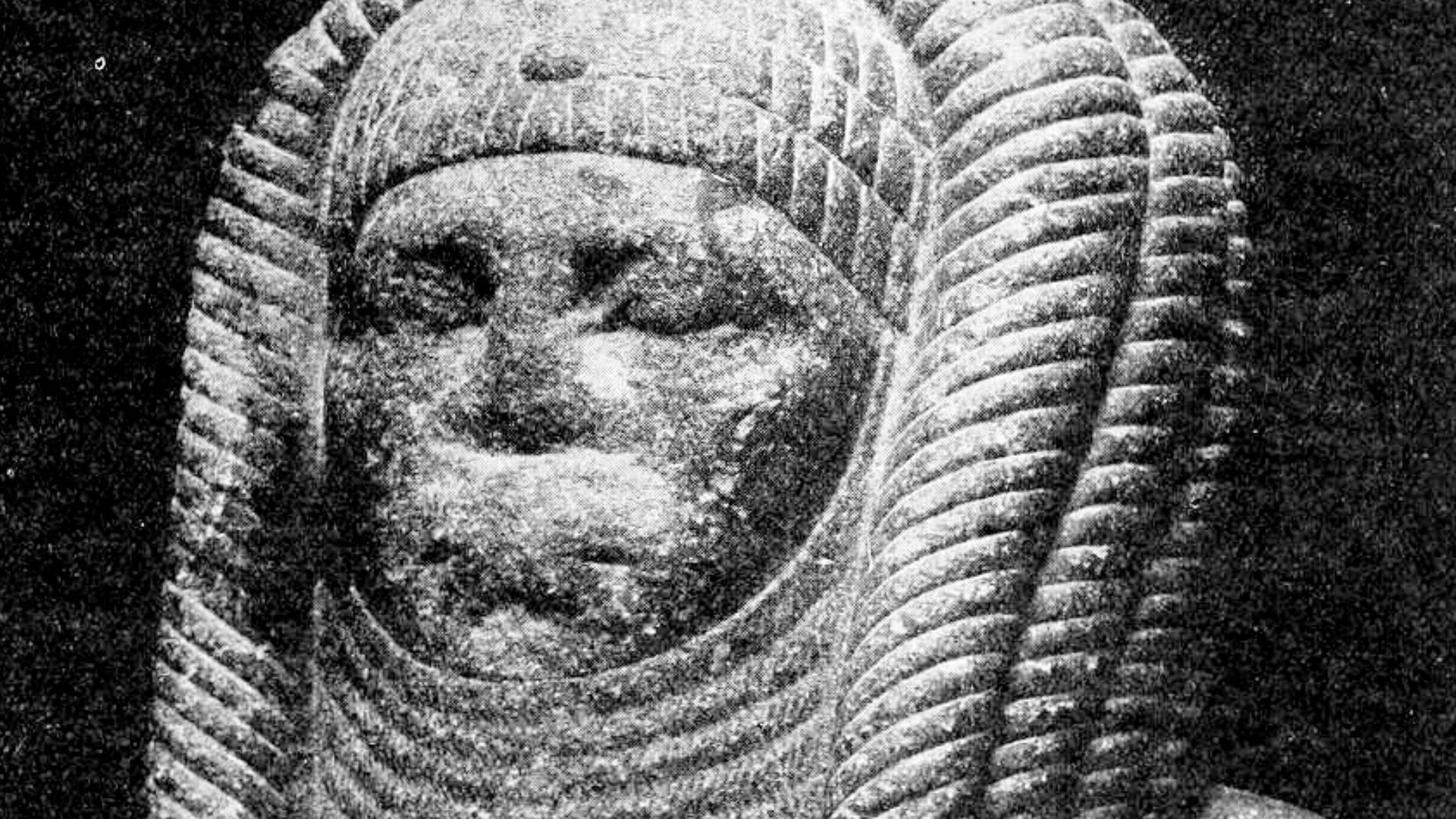
The Middle Kingdom, roughly 2030 to 1650 B.C., was a time of renewed stability, artistic beauty, and social change in Egypt. It followed earlier political disorder and became a period when Egyptian culture reimagined kingship, religion, art, literature, and burial customs in fresh ways.
 Capart, Jean, 1877-1947, Wikimedia Commons
The First Of Its Kind Here
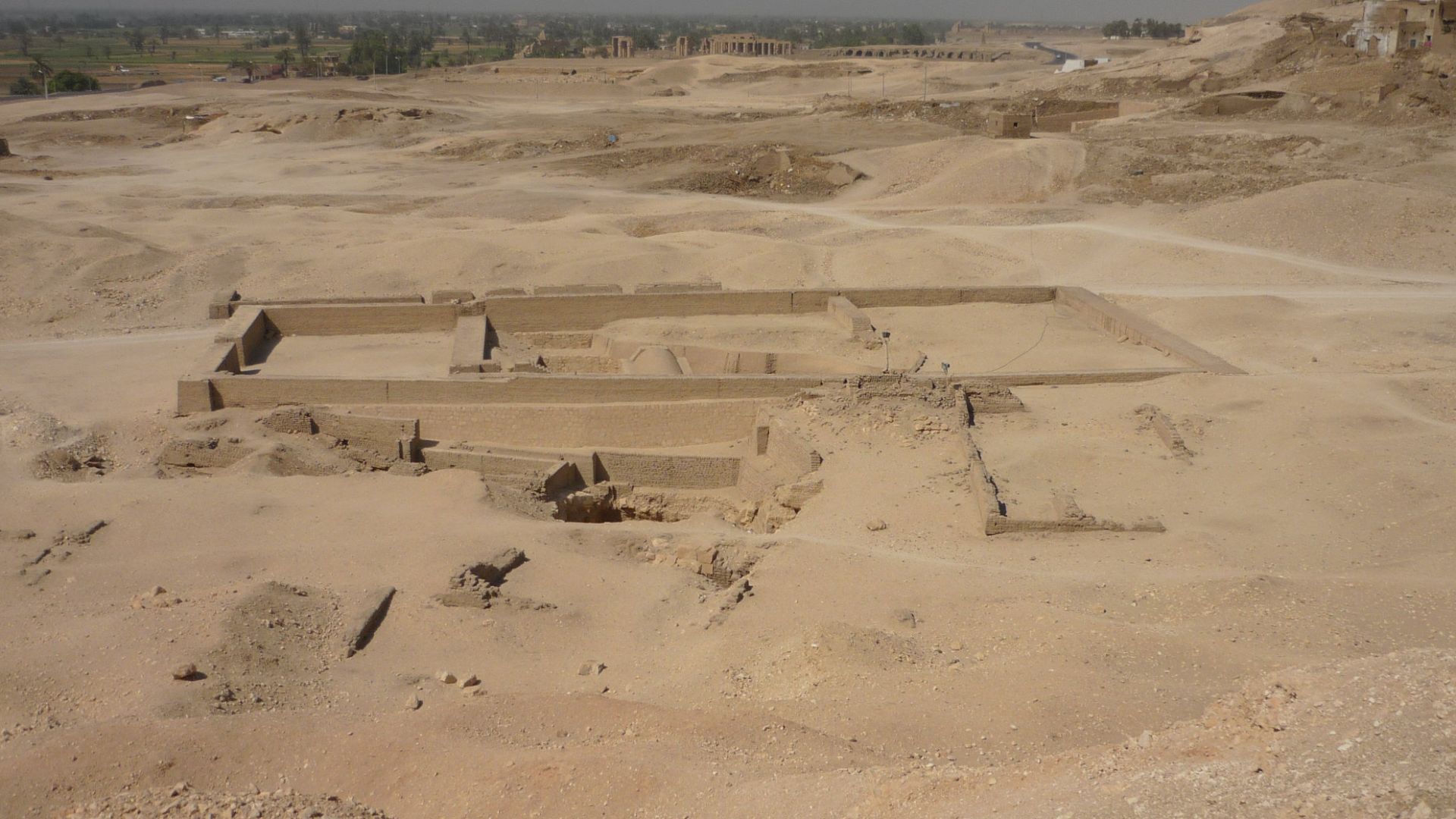
According to the South Asasif Conservation Project, this is the first Middle Kingdom tomb found in that area. That matters because it reshapes how researchers understand South Asasif. The necropolis was not only important in later periods. It also had a Middle Kingdom life.
The Jewelry Survived The Floods
Ancient flooding damaged the tomb badly. Wooden coffins and linen wrappings were mostly destroyed, leaving behind dried mud around the bones. But the tougher objects survived beautifully. Beads, rings, mirrors, and amulets stayed in place, giving researchers a rare chance to study how the burials were arranged.
 Elias Rovielo, Wikimedia Commons
Necklaces Worth A Second Look
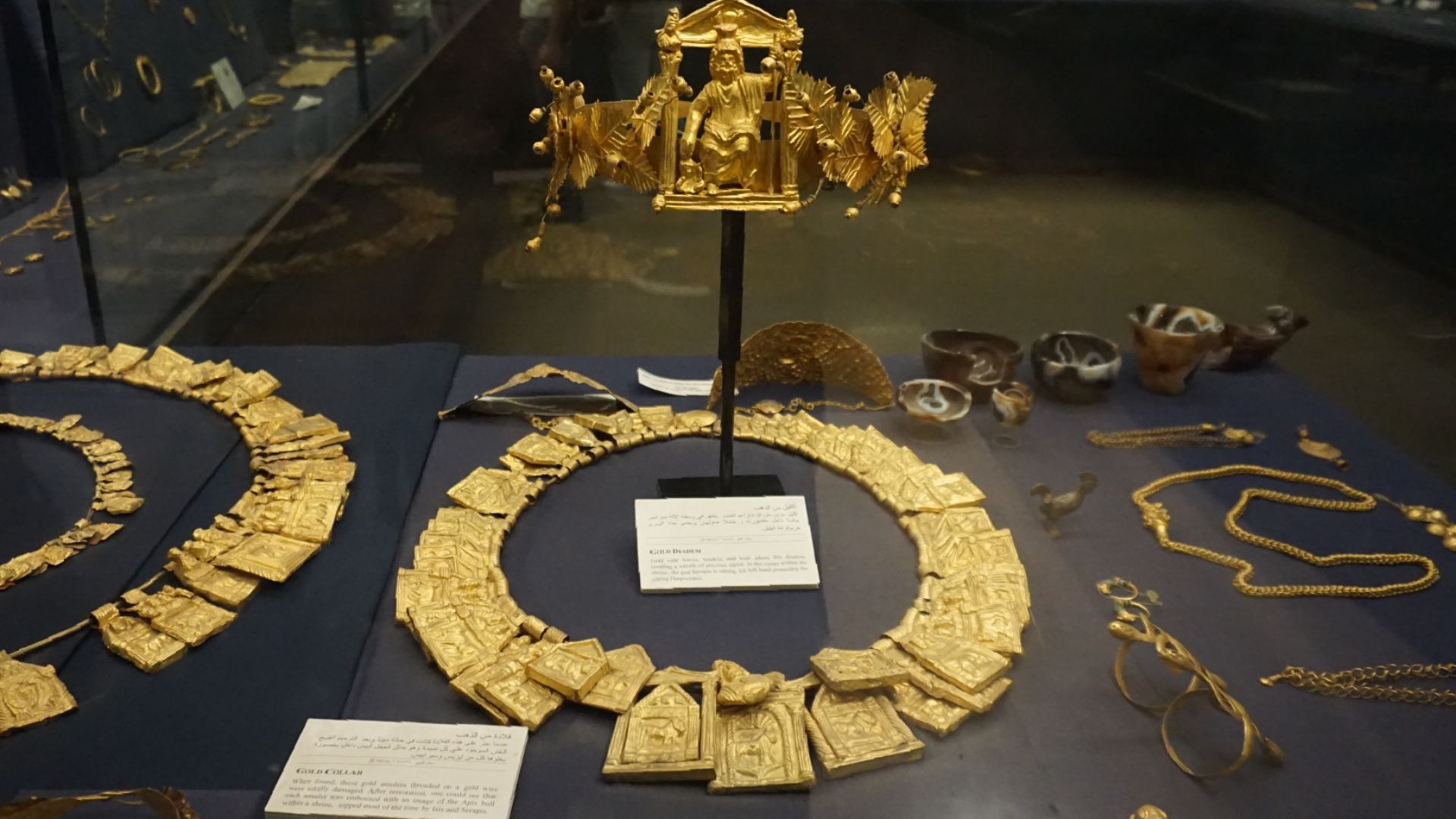
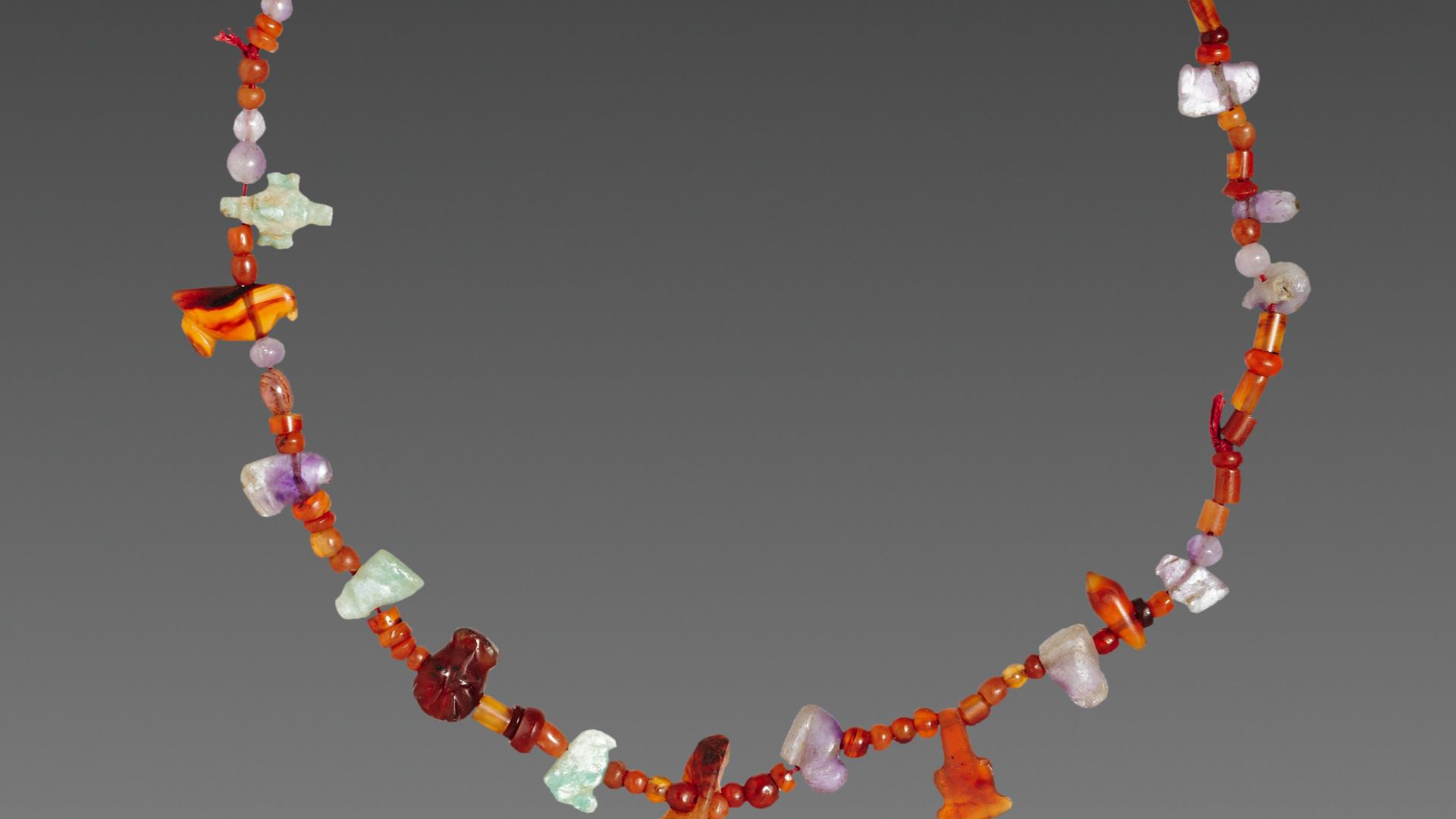
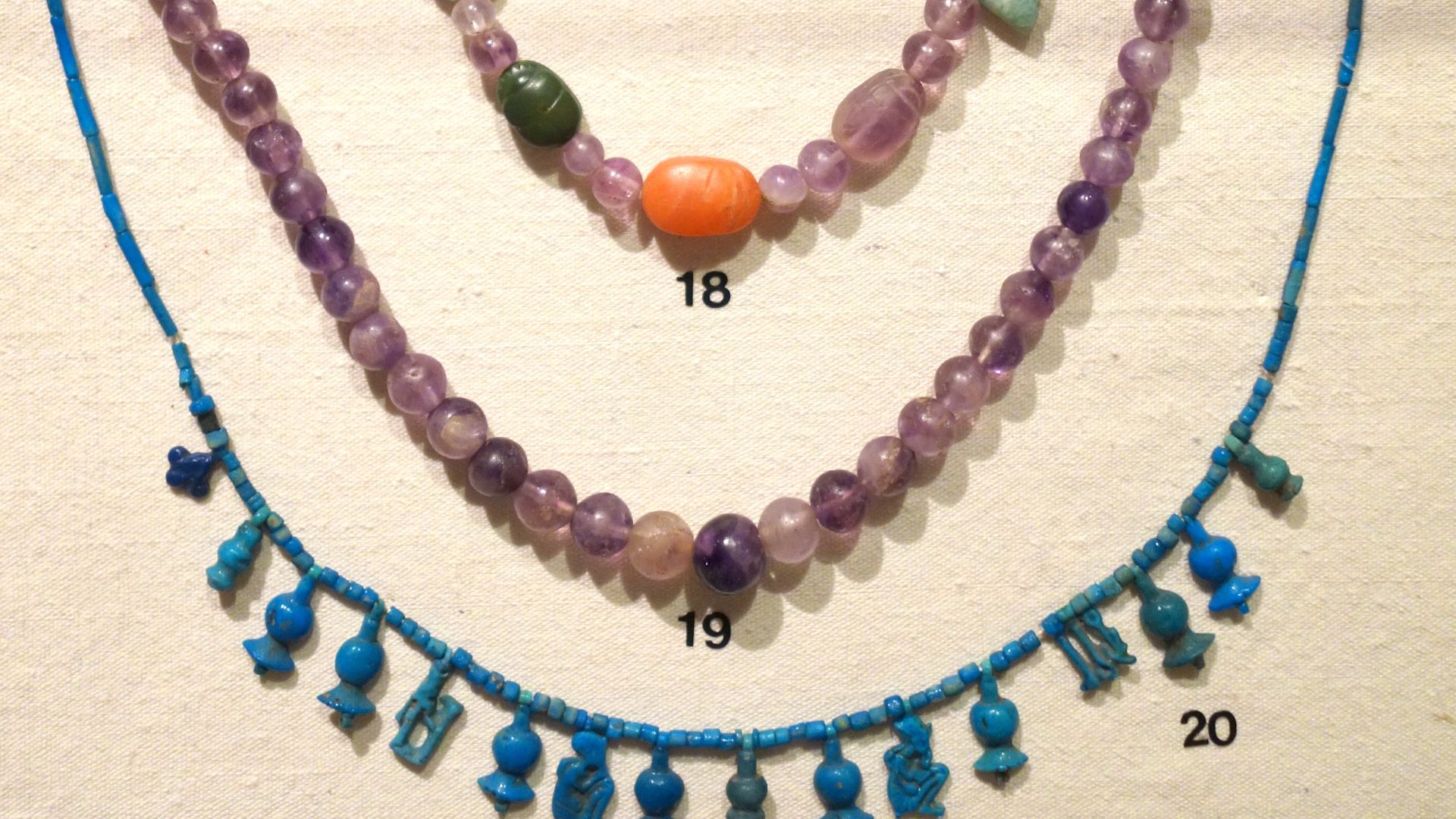
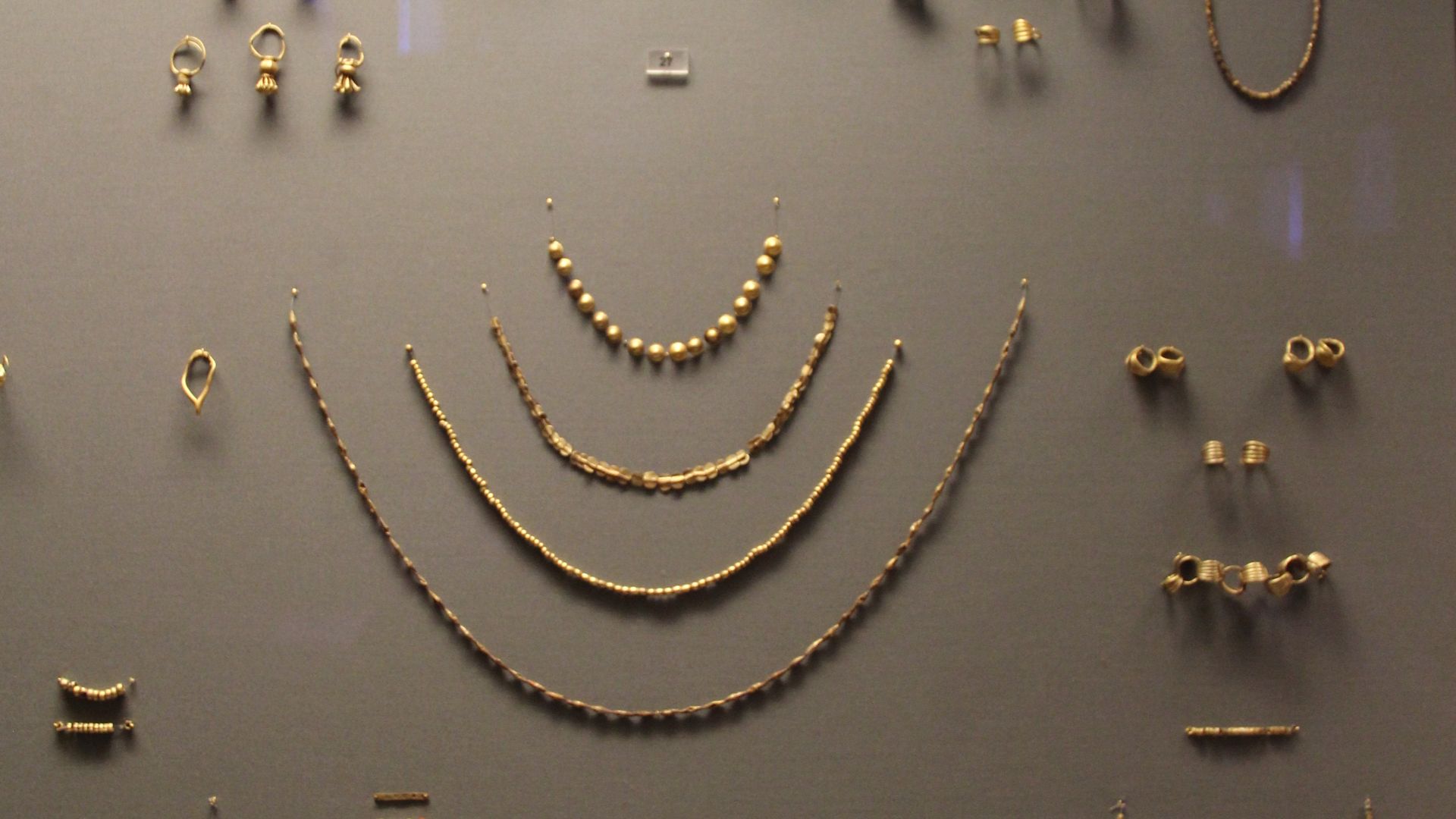
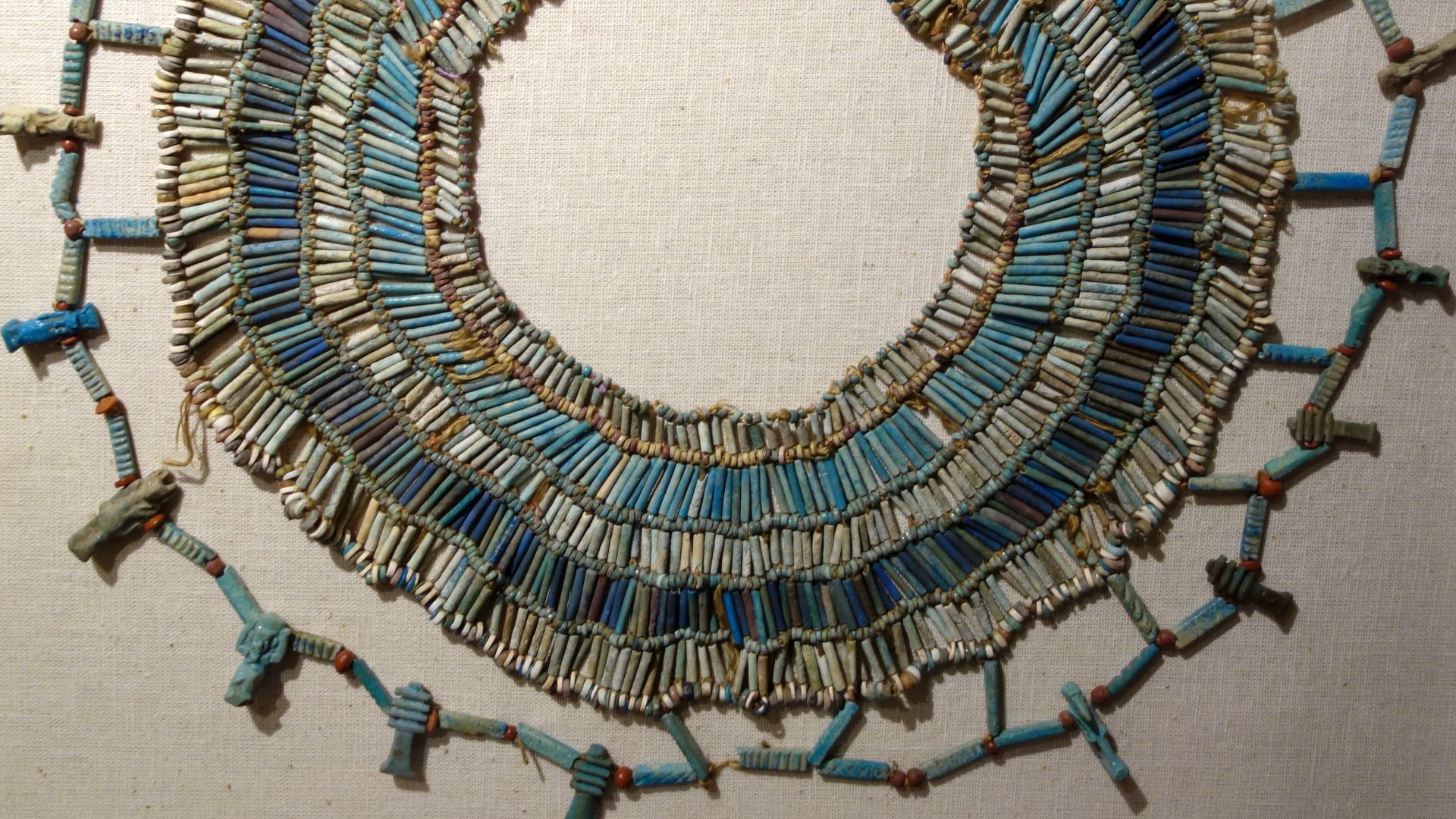
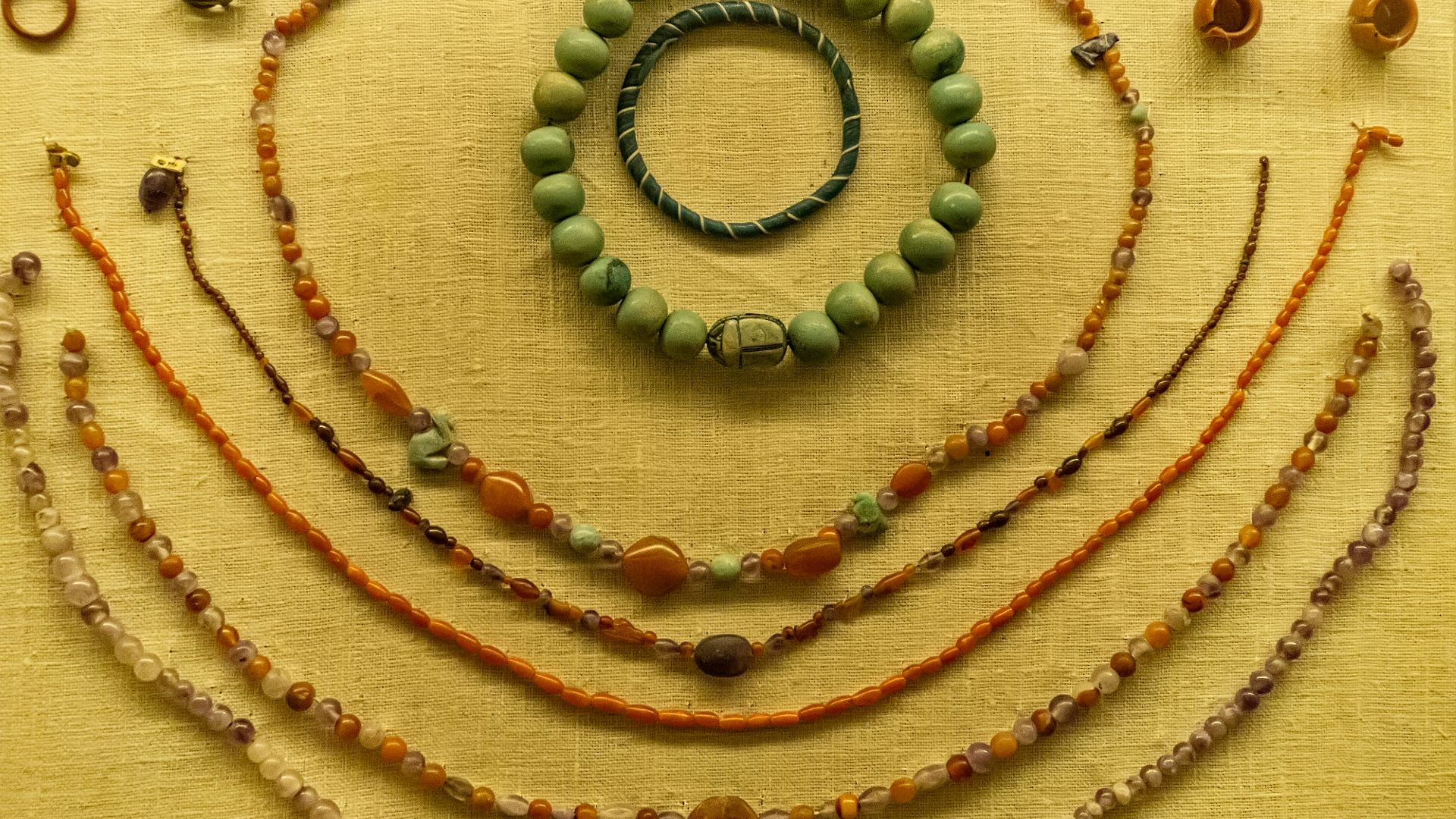
Among the standout pieces was a necklace made with 30 amethyst barrel beads. Another impressive necklace included faience beads, carnelian details, and a hippo-head amulet. These were not random accessories. In ancient Egypt, jewelry could show wealth, taste, identity, protection, and religious belief all at once.
Bracelets, Rings, And Girdles
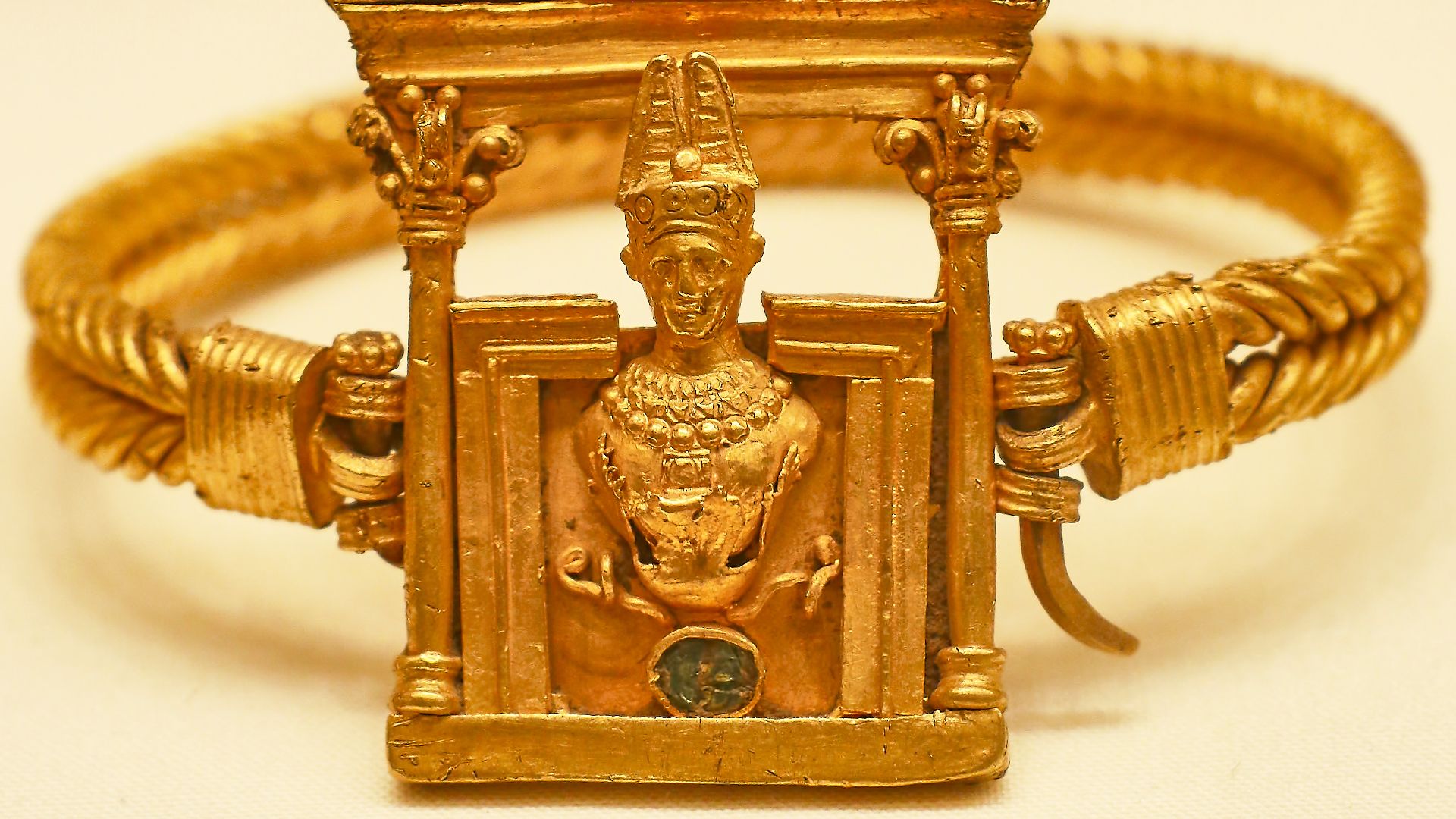
The tomb also held bracelets, armlets, scarab rings, and girdles made from materials such as amethyst, carnelian, garnet, feldspar, and blue-green faience. Imagine opening a time capsule and finding the ancient Egyptian version of a high-status jewelry box, still gleaming after thousands of years underground.
 George E. Koronaios, Wikimedia Commons
The Women Had The Richest Goods
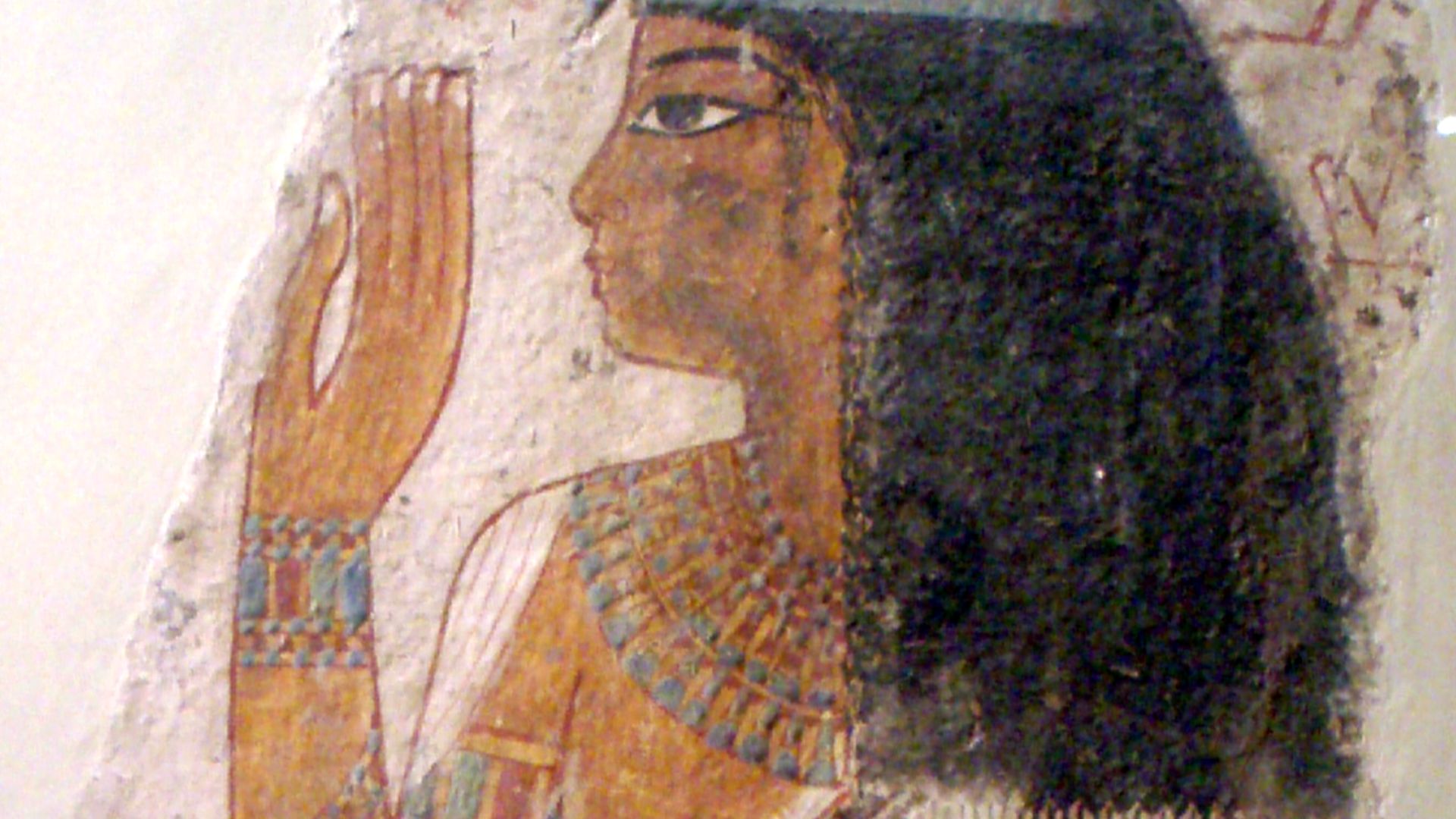
Most of the jewelry was found with female burials, which makes the tomb especially useful for studying elite women’s lives. Their accessories were not just pretty objects. They reveal social rank, family wealth, beauty ideals, and the spiritual protections people hoped would follow them into the afterlife.
 Keith Schengili-Roberts, Wikimedia Commons
One Man’s Necklace Stands Out
The children and one of the men had no burial goods, making another male burial especially interesting. He wore an imposing necklace with faience and carnelian beads arranged around a hippo-head amulet. That unusual detail may hint at his status within the family or the burial group.
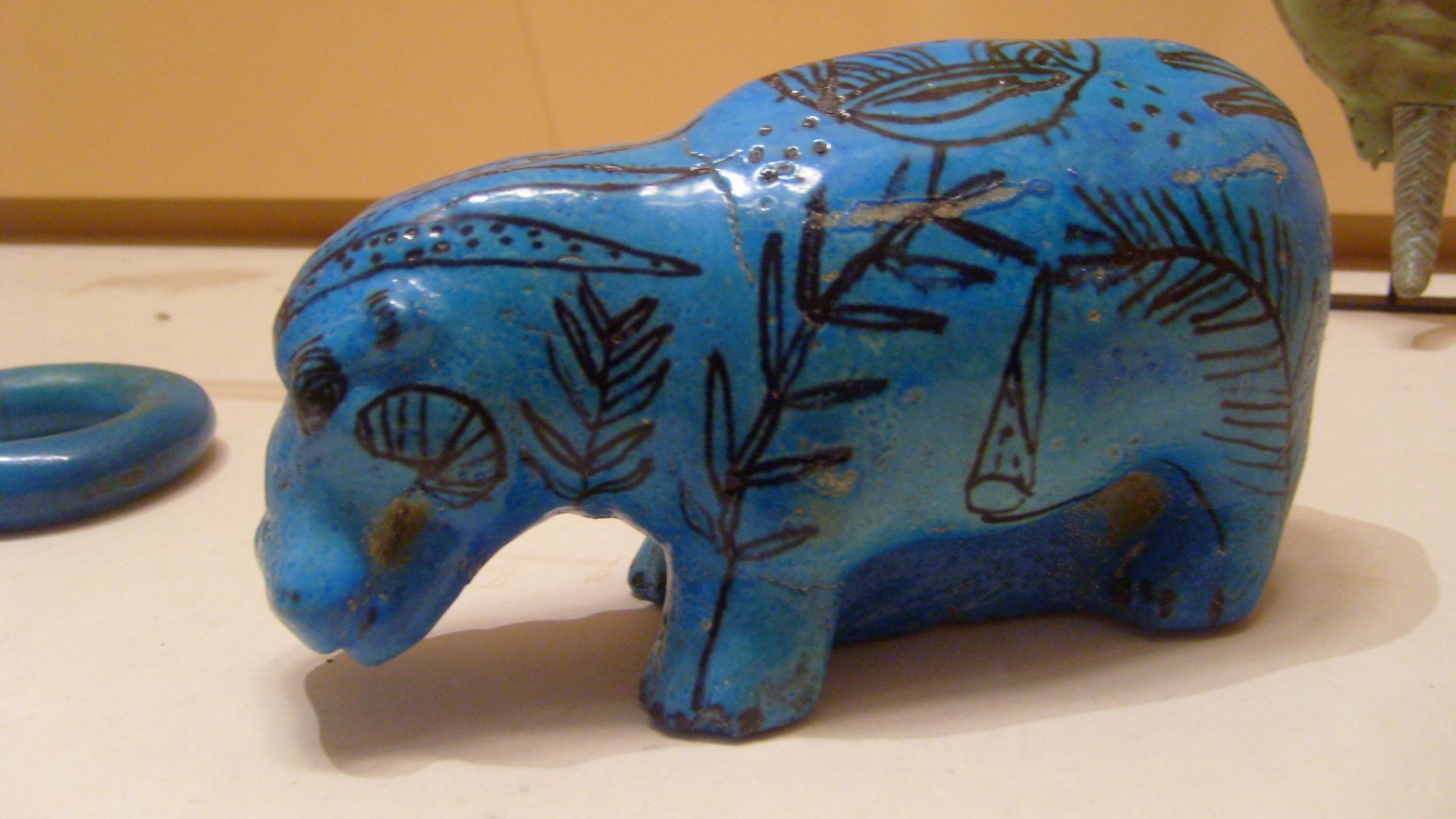
A Hippo Head With Meaning
Hippos might look cute in cartoons, but ancient Egyptians saw them as powerful, dangerous, and symbolically charged animals. A hippo-head amulet could carry protective meaning. In a tomb, that kind of object was not just decoration. It was a tiny guardian with a serious job.
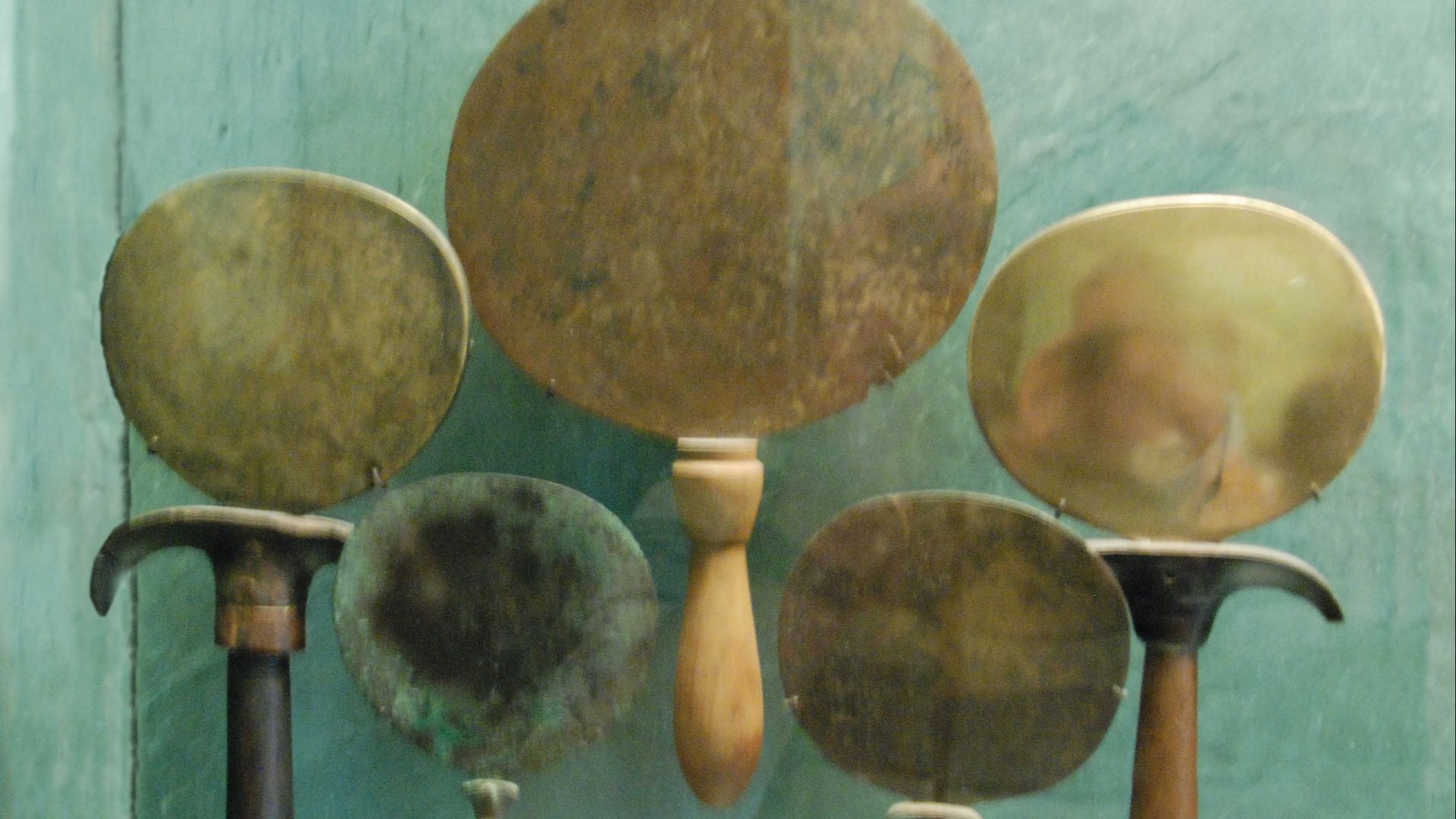
The Mirrors Are Scene-Stealers
Two burials contained copper or copper-alloy mirrors with carved handles. One had a lotus-shaped handle, elegant and graceful. The other showed Hathor, the goddess linked with women, fertility, beauty, music, and love. Even in a damaged tomb, these mirrors still reflect a world of style and belief.
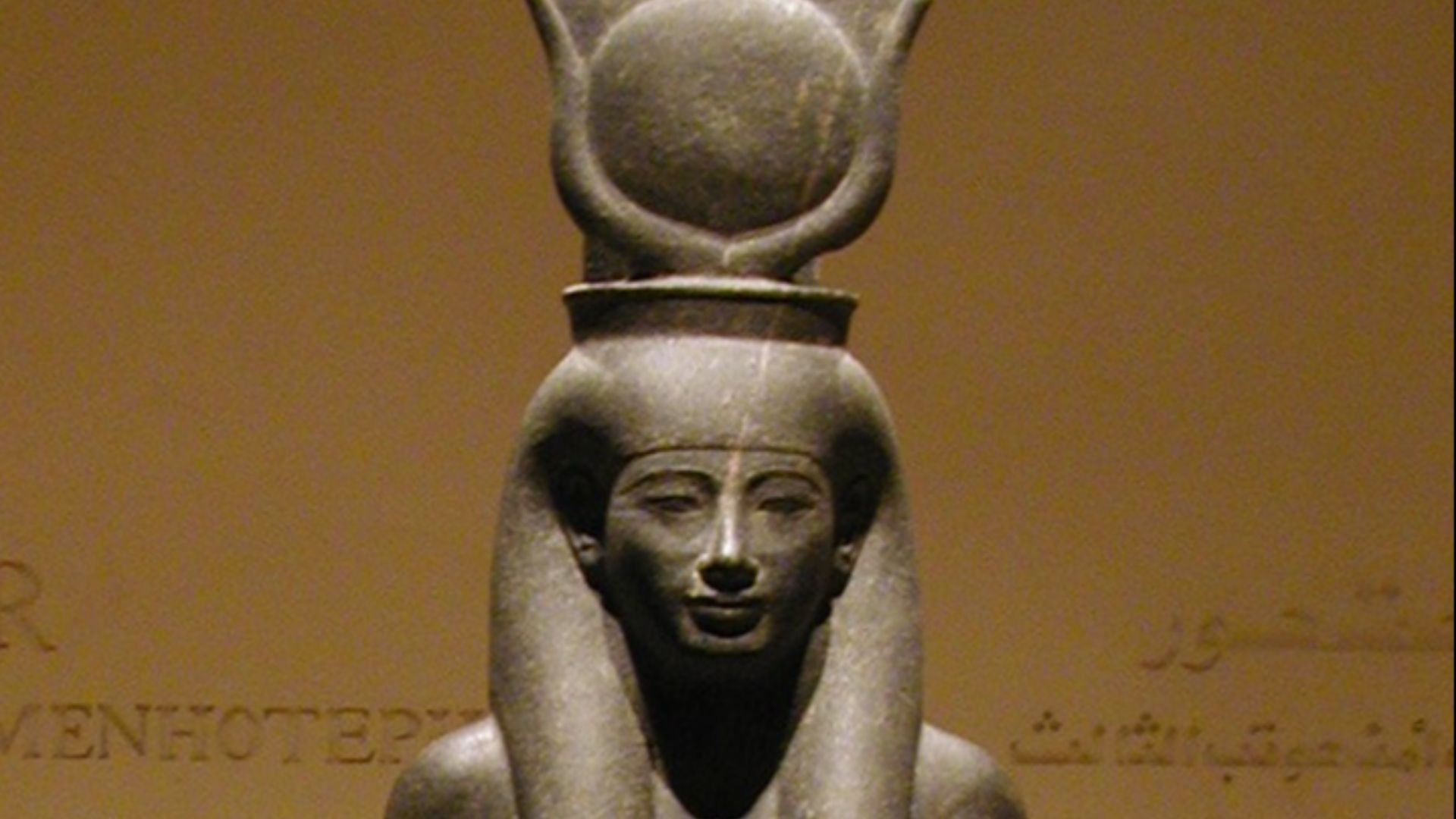
Hathor Makes An Appearance
Hathor was a major figure in Egyptian religion, especially in themes connected to women, beauty, joy, fertility, and the afterlife. A mirror decorated with Hathor was not just a grooming tool. It was an object where daily life and divine protection met in one polished surface.
 GD-EG-Louxor-111.JPG: Néfermaât derivative work: JMCC1 (talk), Wikimedia Commons
A Figurine With Beaded Hair
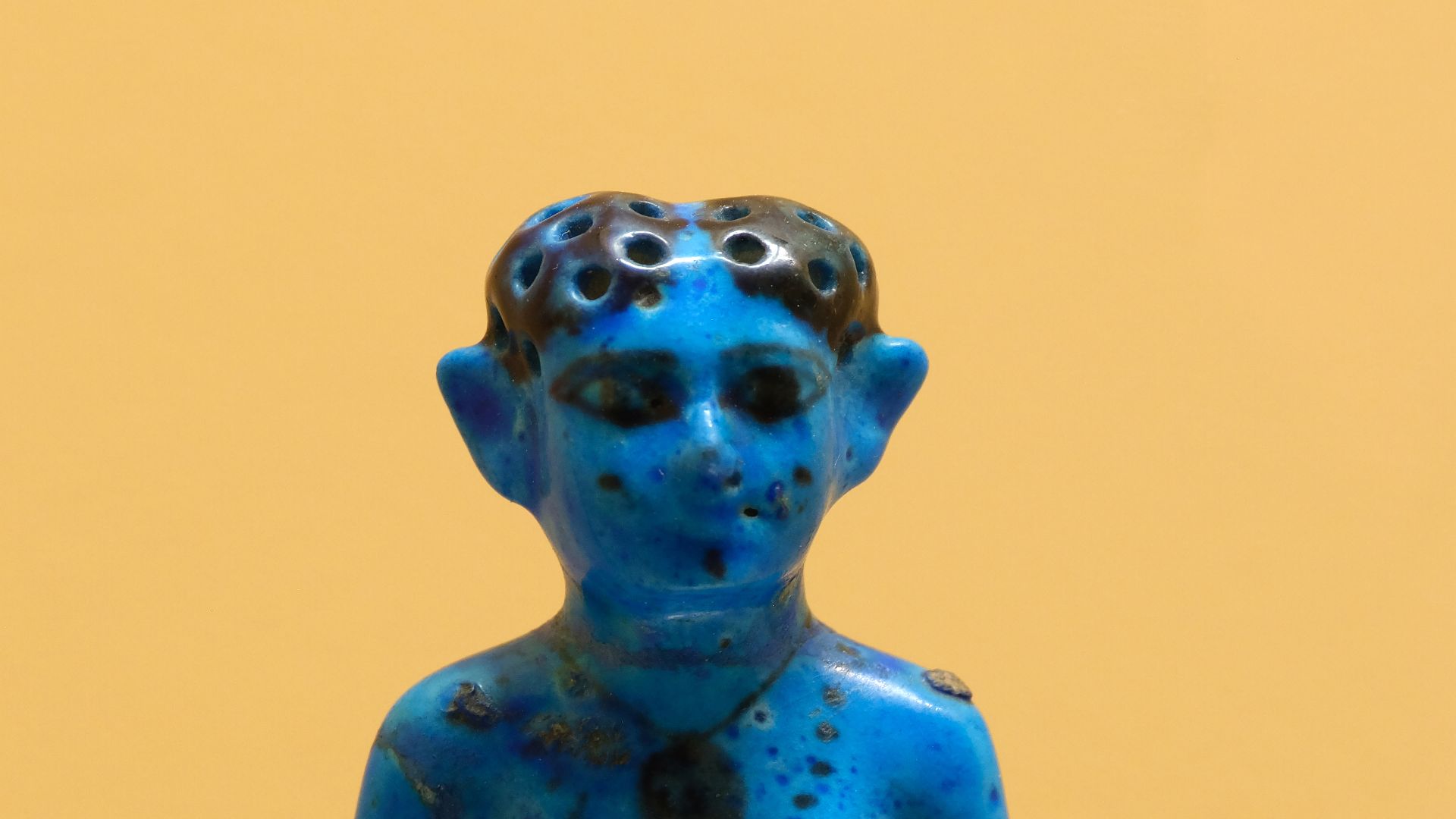
One of the most memorable finds was a blue-green faience fertility figurine with black-painted hair. Around 4,000 mud beads were discovered beside it, likely once forming the figure’s hair. That is the kind of detail that turns an artifact from “interesting” into “wait, what?”
Tiny Beads, Huge Patience
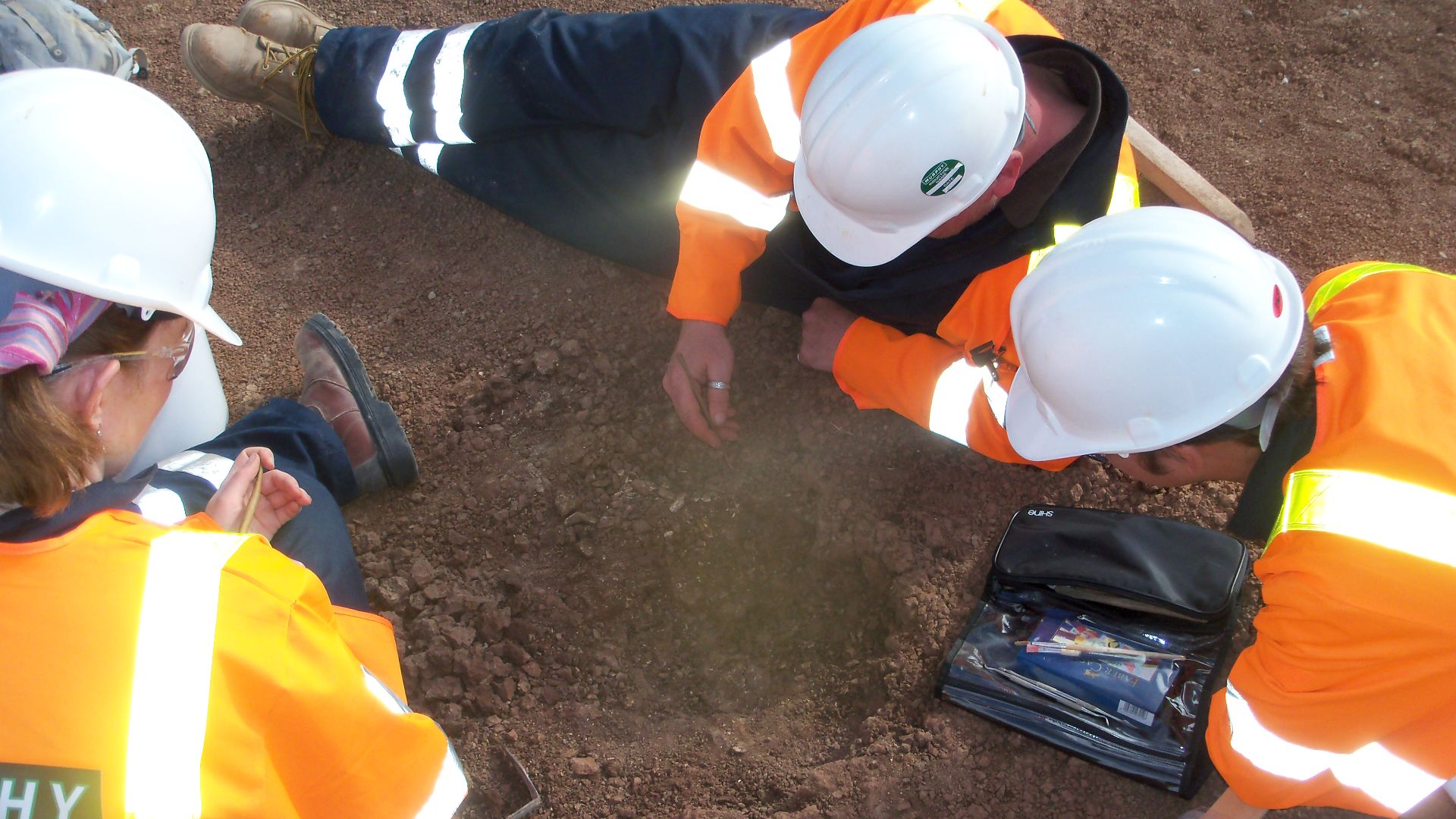
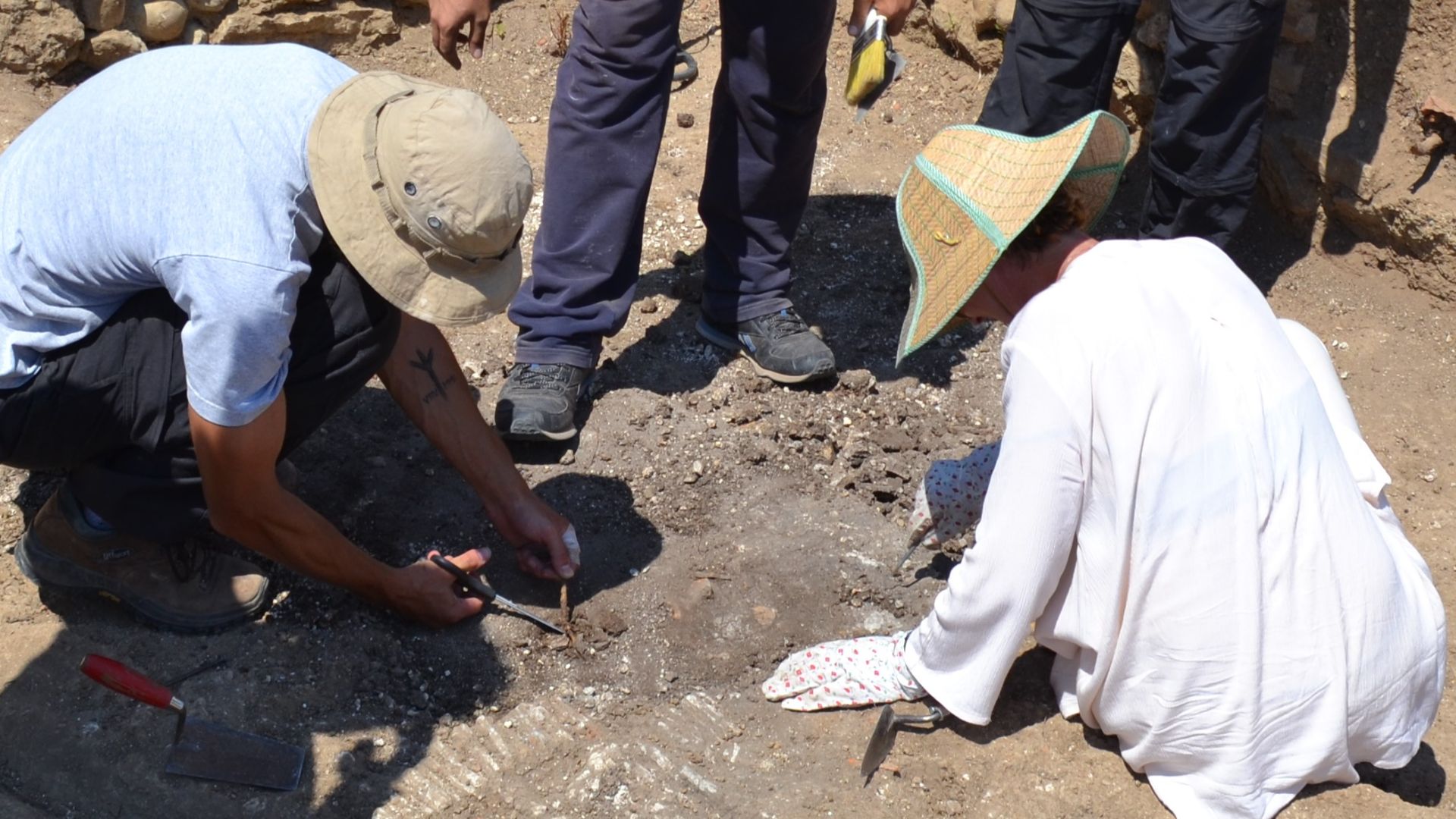
Reconstructing the original bead arrangements is careful work. Flood mud had trapped some beads near the bones, preserving clues about where they belonged. Archaeologists and conservators could then trace their positions and get closer to how the jewelry looked when the burials were first arranged.
 Network Archaeology Ltd, Wikimedia Commons
An Offering Tray For The Afterlife
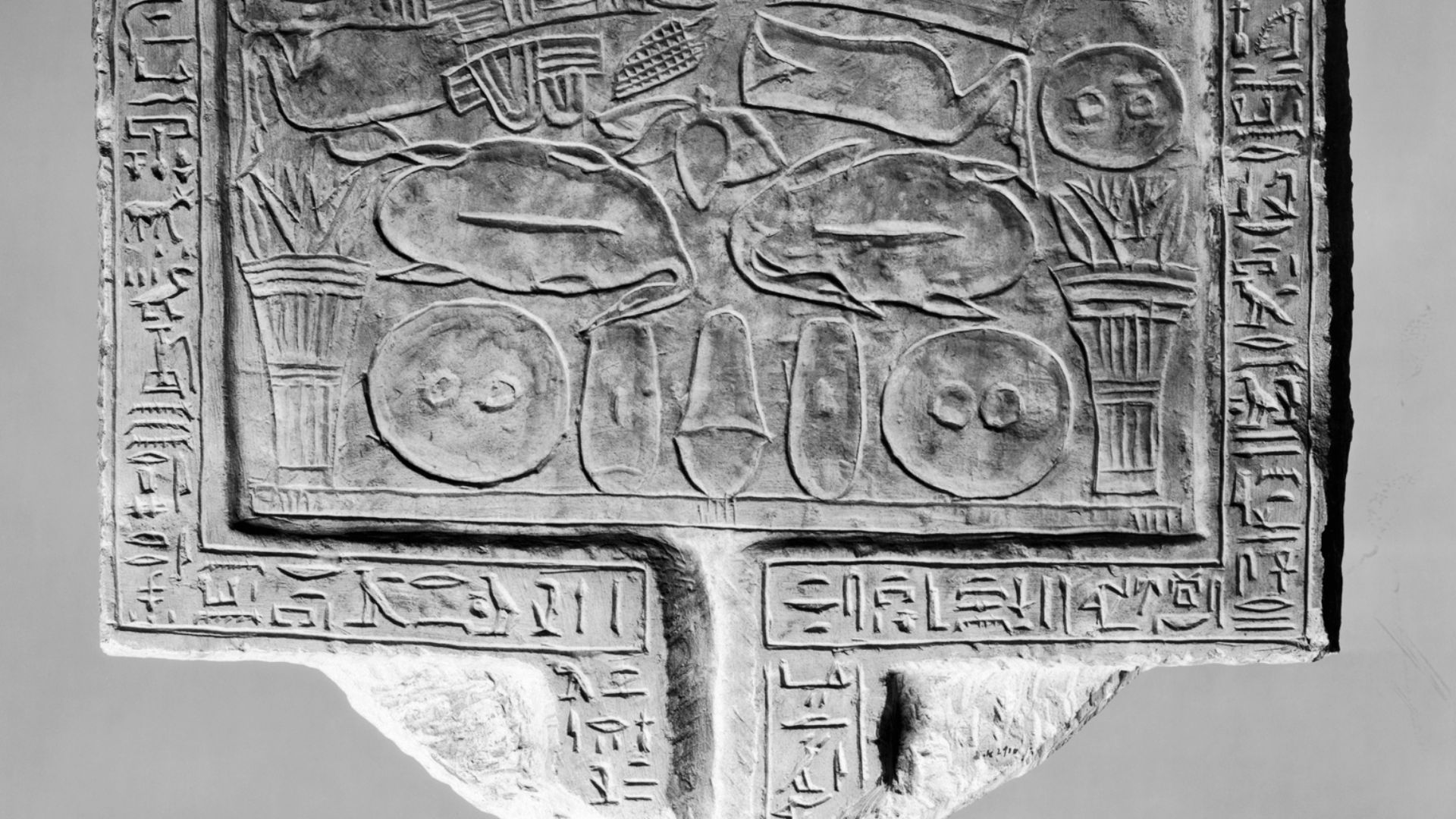
The tomb also held a square offering tray carved with images of food and offerings, including a bull’s head, ribs, a leg, and bread. In Egyptian burial culture, food imagery was not just symbolic decoration. It helped provide for the deceased in the next world.
 Anonymous (Egypt)Unknown author, Wikimedia Commons
Elite Life In Small Objects
This tomb does not show palace walls or royal statues. Instead, it gives us the intimate stuff: jewelry, mirrors, amulets, beads, and burial goods placed close to bodies. That makes it powerful. Elite life appears here through the objects people wore, used, loved, and trusted.
 Gary Todd from Xinzheng, China, Wikimedia Commons
Family Status On Display
The materials tell us plenty. Amethyst, carnelian, garnet, faience, feldspar, and carefully carved amulets were not everyday trinkets for everyone. They suggest access to skilled craftspeople, valued materials, and a family with enough standing to prepare elaborate burials across more than one generation.
The Coffins Are Gone, But Not Silent
The wooden coffins did not survive well, but their absence still tells a story. Floods may have erased fragile materials, yet the layout of the bodies and surviving goods helps archaeologists reconstruct the scene. Sometimes archaeology is not about finding everything. It is about reading what remains.
Thebes Before The Spotlight
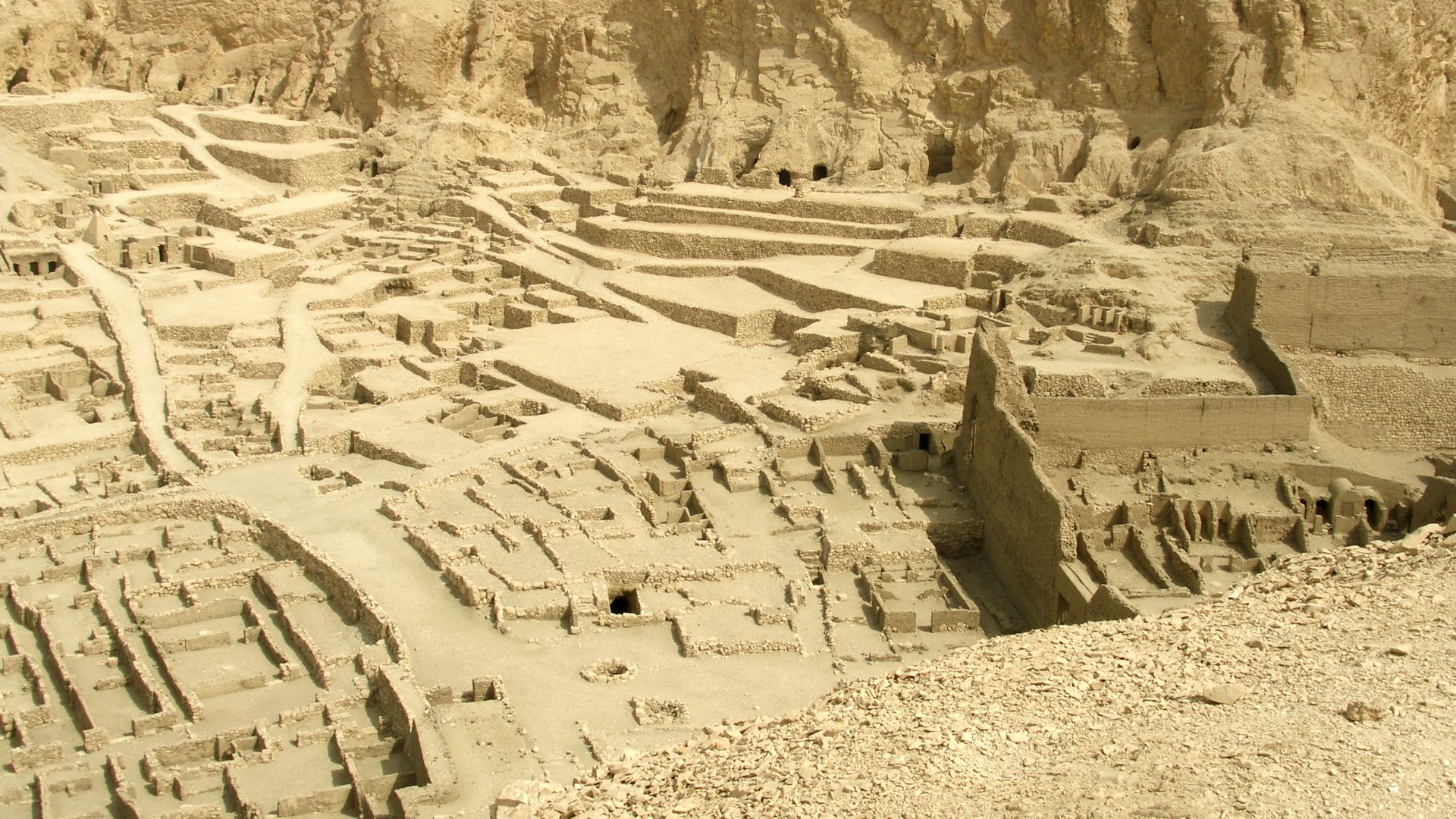
Luxor sits on the site of ancient Thebes, which became especially famous during the New Kingdom. That later fame may have swallowed earlier traces. Experts have noted that many Middle Kingdom burials in Thebes may once have existed, but later construction and destruction likely erased much of the evidence.
 Vyacheslav Argenberg, Wikimedia Commons
A Rare Window Into Theban Burials
Because Middle Kingdom remains in this part of Thebes are not always easy to find, the South Asasif tomb is especially valuable. It helps researchers understand burial practices in a region that would later become one of the most important religious and political landscapes in Egypt.
The 12th And 13th Dynasties
The earliest burials may date to the early 12th Dynasty, with the tomb used into the beginning of the 13th Dynasty. That means the site spans a period when families, beliefs, and artistic styles were changing. The tomb is not a snapshot. It is a timeline.
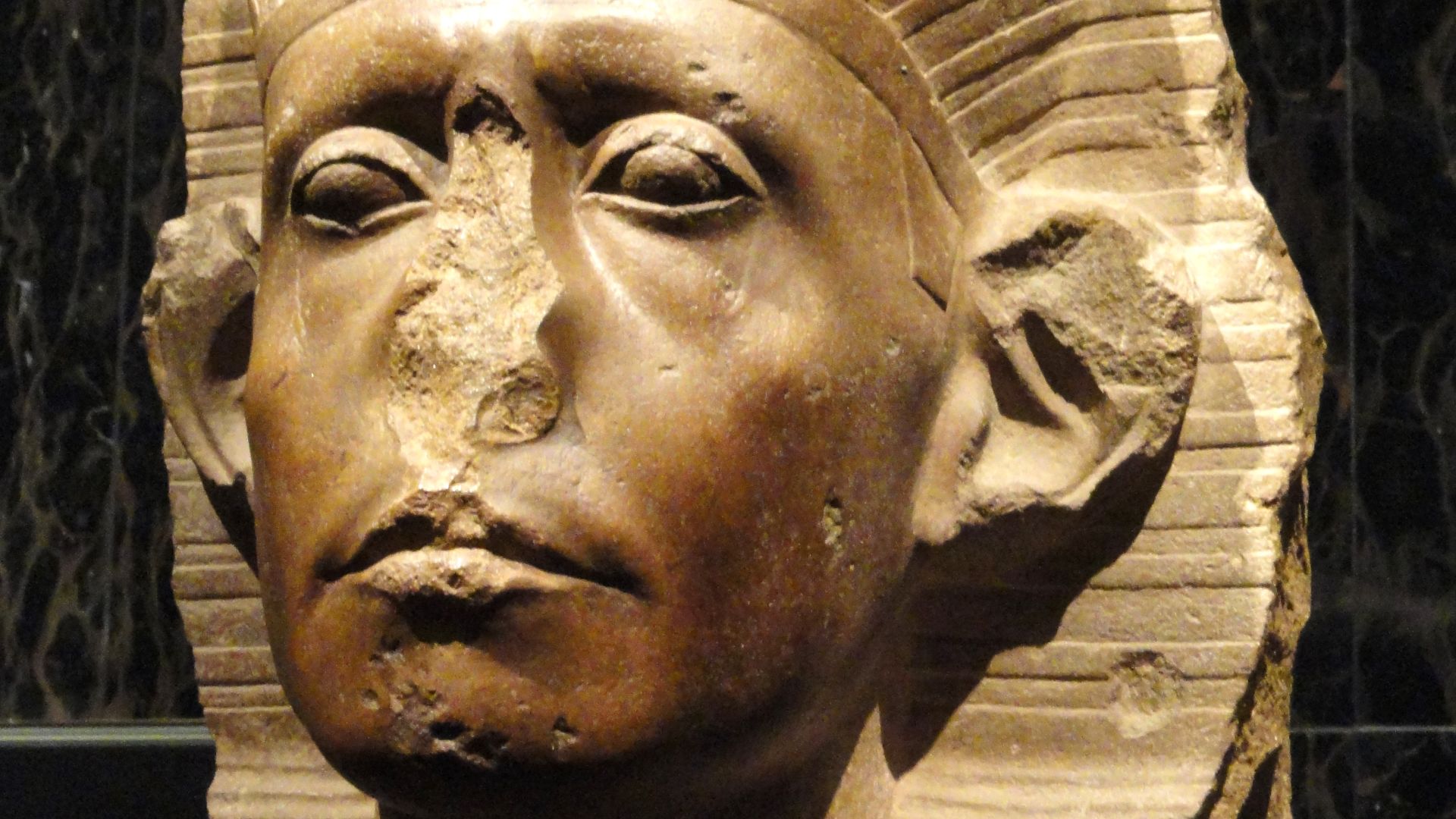
Craftsmanship You Can Almost Feel
Middle Kingdom jewelry is famous for delicate work, tiny inlays, and careful design. The Luxor tomb fits that world beautifully. These necklaces and girdles were not only expensive. They were thoughtfully made, combining color, pattern, symbolism, and materials in a way that still feels stylish today.
 Mary Harrsch, Wikimedia Commons
Not A Treasure Hunt
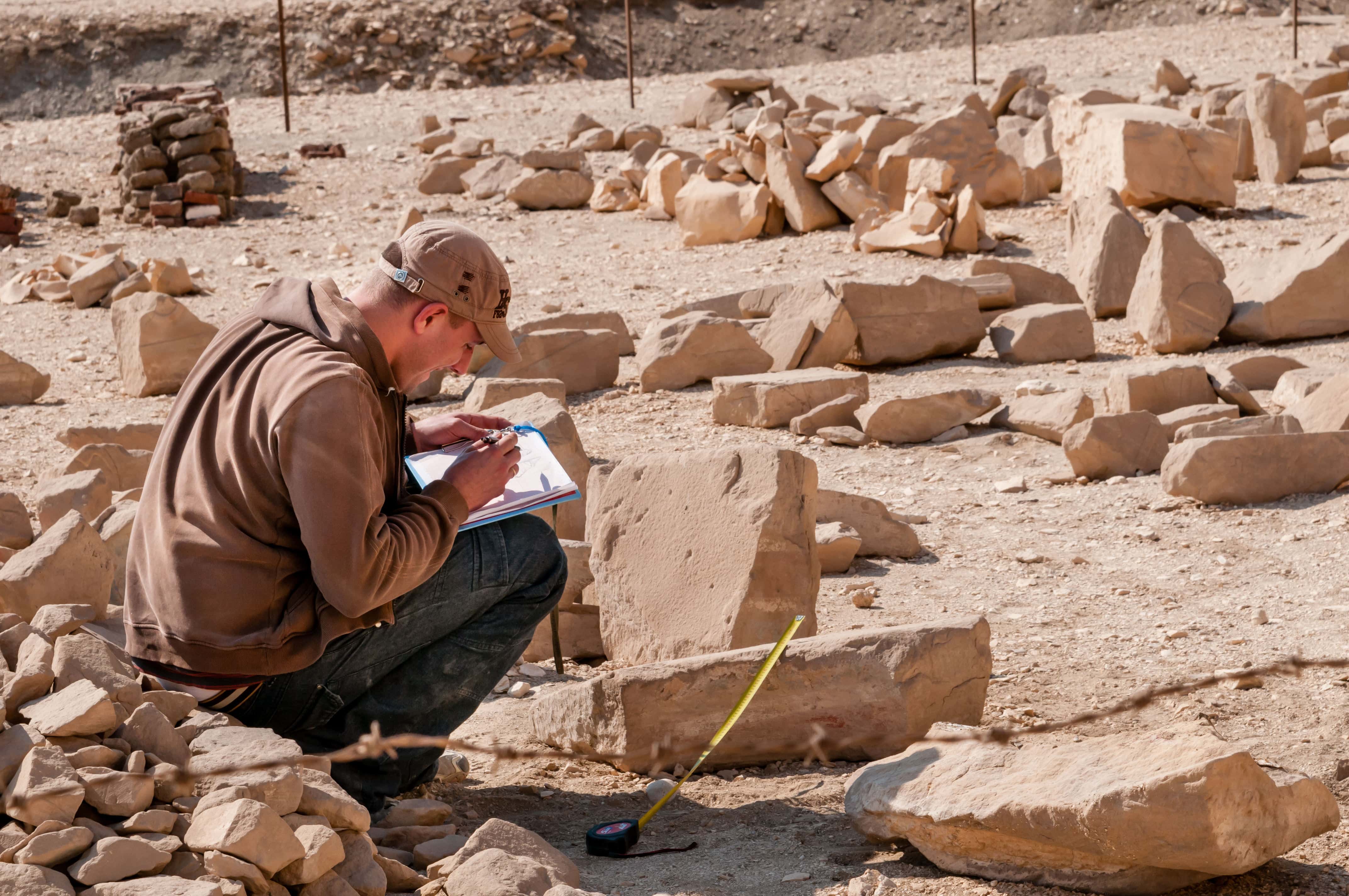
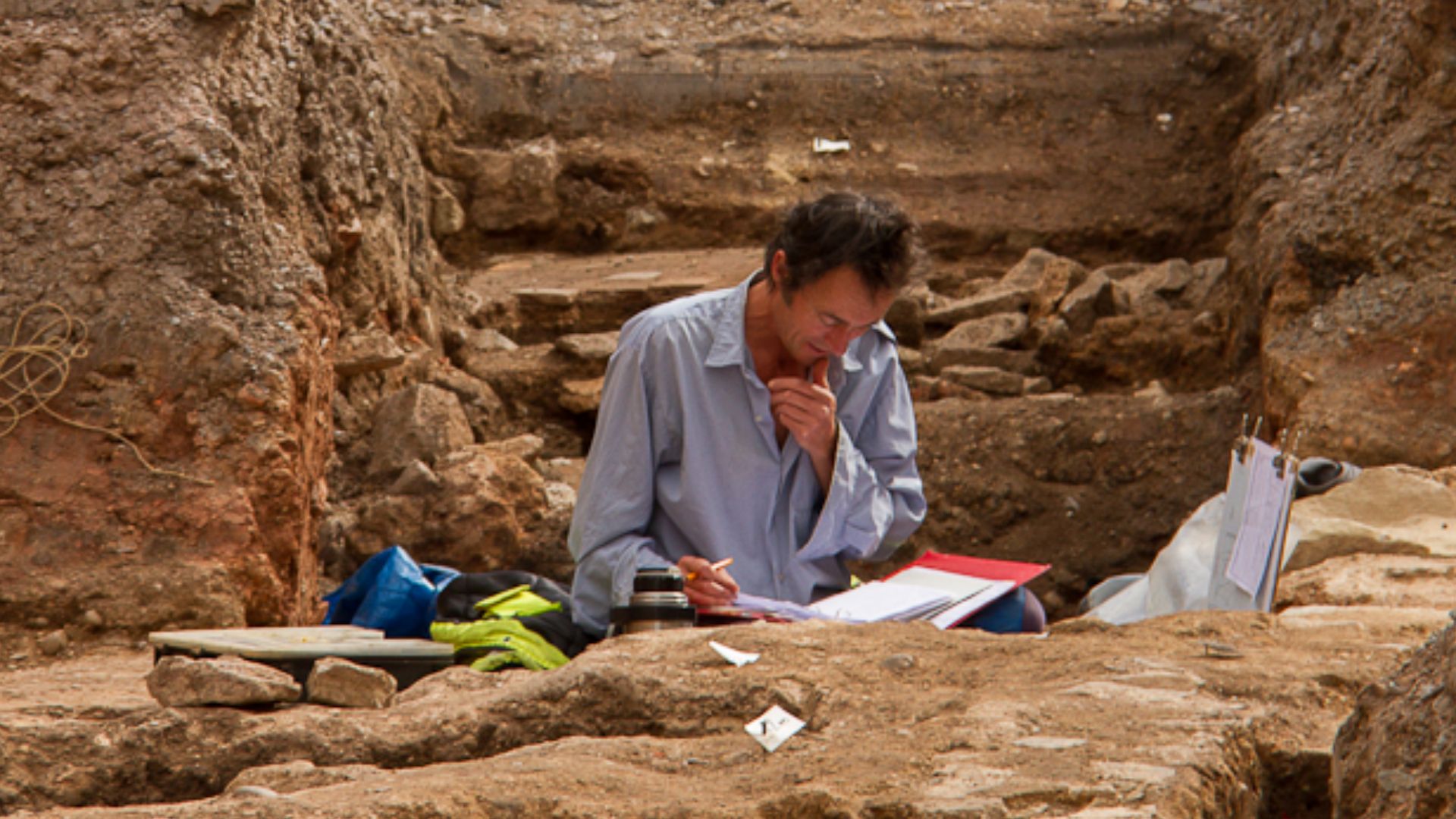
It is tempting to focus only on the glitter, but archaeologists are not simply hunting for ancient bling. Every bead position, every amulet, every missing coffin fragment matters. The goal is to understand people: how they lived, how they mourned, and how they imagined eternity.
What The Tomb Reveals
The discovery reveals a wealthy family investing deeply in burial rituals, personal adornment, and protection for the afterlife. It also shows that South Asasif had a Middle Kingdom role scholars are still uncovering. In one tomb, archaeologists found both family memory and regional history.
Why This Discovery Feels So Human
The jewelry catches the eye, but the family connection catches the heart. Parents, children, women, men, and generations are all present in the same burial space. Across 3,800 years, the tomb reminds us that ancient Egyptians were not distant symbols. They were families.
 Nina M. Davies, Wikimedia Commons
A Glittering Goodbye
This Luxor tomb may be ancient, damaged, and mud-stained, but it is also wonderfully alive with clues. Its beads, mirrors, amulets, and burials reveal elite Middle Kingdom life in intimate detail. For archaeologists, it is not just a tomb full of jewelry. It is a family’s afterlife wardrobe, carefully packed for eternity.
You May Also Like:
What did Neanderthals sound like? Scientists think they've finally figured it out.