
The Rental Counter Is Losing Its Appeal
You land at the airport, collect your luggage, and walk straight past the rental-car counter. No paperwork, no parking fees, no worrying about unfamiliar roads. For some American vacationers, that's becoming the preferred way to travel. Ride-hailing apps, public transportation, and walkable destinations are making it easier to leave the rental car behind. But is this really a nationwide trend, or simply a different way of vacationing?
The Numbers Tell A Complicated Story
Americans are certainly reconsidering how they spend their vacation budgets. Deloitte's 2026 summer travel survey found that only 45% of Americans planned a vacation involving paid lodging, down from 53% in 2025. Yet rental cars haven't disappeared: research firm Phocuswright reported that the US rental-car market actually grew 1% in 2025. The change is less a nationwide abandonment of rental cars than a growing willingness to skip them when the destination makes that practical.
More Travelers Consider Public Transit
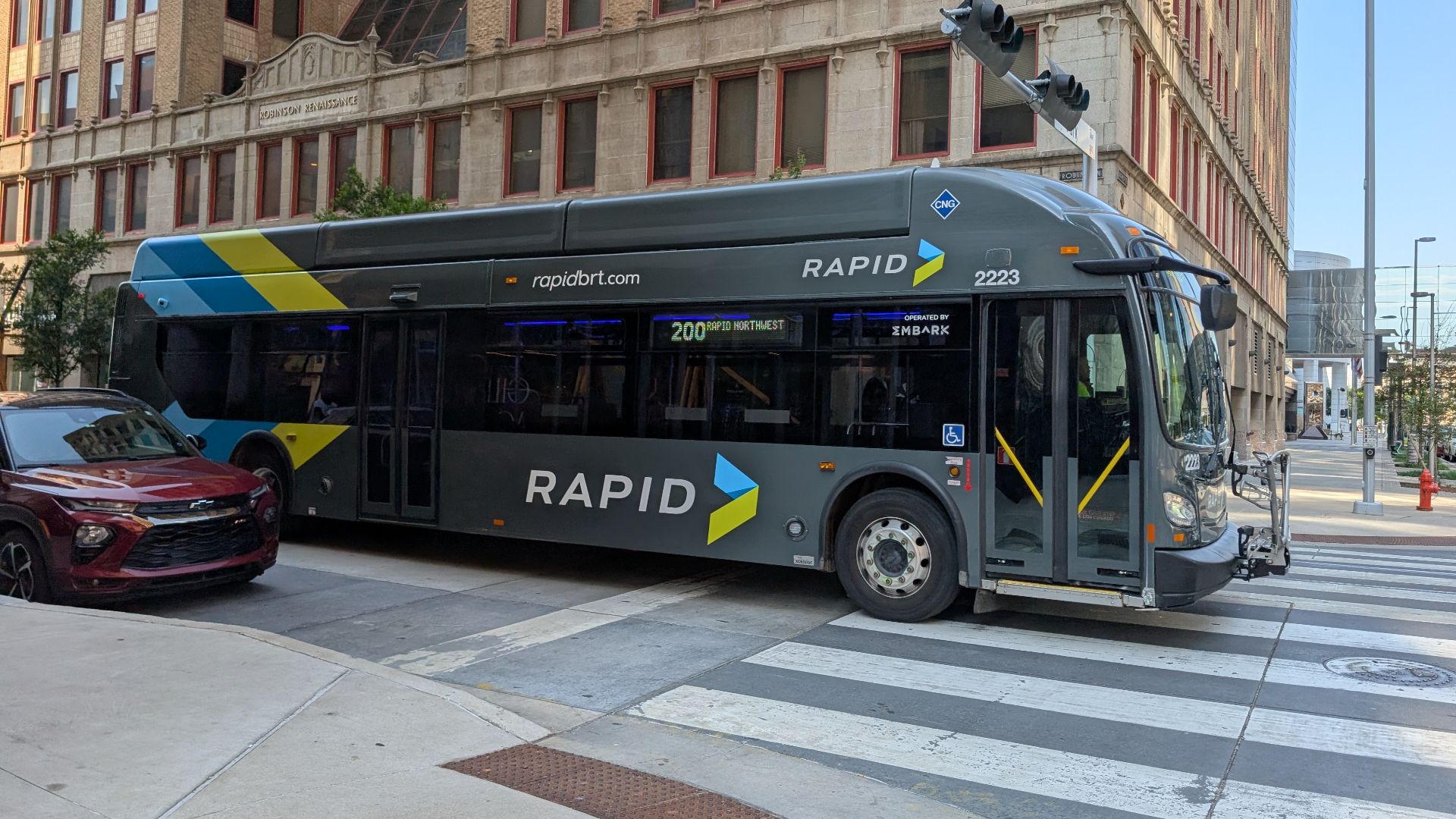
A 2025 YouGov survey offers a revealing clue. Among 1,206 American adults surveyed, 31% said they would consider using public transportation instead of rental cars to help reduce overtourism. That doesn't mean all those travelers have already made the switch. Nevertheless, it suggests that a substantial minority are open to vacationing without a private vehicle, particularly when convenient alternatives are available.
Big Cities Make It Easy
New York City, Boston, Washington, DC, Chicago, and San Francisco are obvious candidates for car-free vacations. Their public transportation networks connect airports, hotels, and major attractions, while rideshare services fill occasional gaps. Renting a car can actually make these trips more complicated. Between downtown traffic, expensive parking, and unfamiliar streets, having your own vehicle may create more problems than it solves.
The Hidden Costs Add Up
The rental company's advertised daily rate is only part of the expense. Travelers may also face airport surcharges, taxes, fuel costs, tolls, additional-driver charges, and parking fees. Hotels in major cities can charge substantial amounts for overnight parking alone. For someone spending four days exploring a compact downtown area, a combination of airport transfers, walking, and occasional rideshares may cost considerably less than keeping a rental car parked for most of the vacation.
Europe Makes Driving Optional
Americans visiting Europe have another reason to reconsider renting. Cities such as London, Paris, Amsterdam, and Rome offer extensive transit systems, while intercity trains can eliminate the need for a vehicle altogether. Visitors can travel between major destinations without navigating unfamiliar road signs, restricted traffic zones, or expensive urban parking. Rental cars still make sense for exploring rural Tuscany, the Scottish Highlands, or smaller villages, but a multi-city European itinerary often works better without one.

Shorter Trips Change The Equation
The length of the vacation matters, too. KPMG's 2026 consumer research found that budget-conscious Americans were favoring shorter getaways of one to three days over weeklong stays. For a quick weekend in a city, arranging a rental pickup and return may be more trouble than it's worth. A traveler who only needs two airport transfers and a few short rides has little reason to pay for three days of car access.
Ride-Hailing Changes The Calculation
Uber and Lyft have also changed how travelers think about getting around. Instead of paying for a car throughout their stay, visitors can purchase transportation only when needed. Research published in 2026 by Rutgers-affiliated researchers found that 61% of surveyed adults from car-free households had used ride-hailing services during the preceding six months. Although that study examined everyday transportation rather than vacations, it illustrates how comfortable some Americans have become accessing cars without owning or renting one.
 Users Omnibus, Uris on en.wikipedia, Wikimedia Commons
Some Destinations Still Need Cars
None of this means rental cars are becoming obsolete. Orlando, Los Angeles, Phoenix, and many national park destinations remain considerably easier to explore with a vehicle. Hertz identified Orlando, Los Angeles, Phoenix, Atlanta, and Las Vegas among its leading spring 2026 rental destinations. And CarTrawler reported positive year-over-year growth in North American rental bookings during summer 2025. The traditional rental market remains substantial, especially for road trips, families, and destinations with limited transit.
The New Vacation Calculation
The real change is that Americans no longer have to treat renting a car as an automatic part of flying somewhere. Increasingly, the decision depends on where they're going, how long they're staying, and what they intend to do. A week exploring national parks might demand an SUV, while four days in Manhattan almost certainly won't. For travelers willing to plan around transit, walkable neighborhoods, and occasional rideshares, skipping the rental counter can mean less expense, less stress, and more time enjoying the trip.
You May Also Like: