
Where Getting Around Without A Car Actually Works
Public transit in the United States is famously uneven. In many parts of the country, owning a car is practically mandatory. But in certain states, public transportation plays a real role in daily life. When it comes to infrastructure, high ridership, and continued investment in buses, trains, and everything in between, these are the 20 states where public transit is actually good.

20. Connecticut
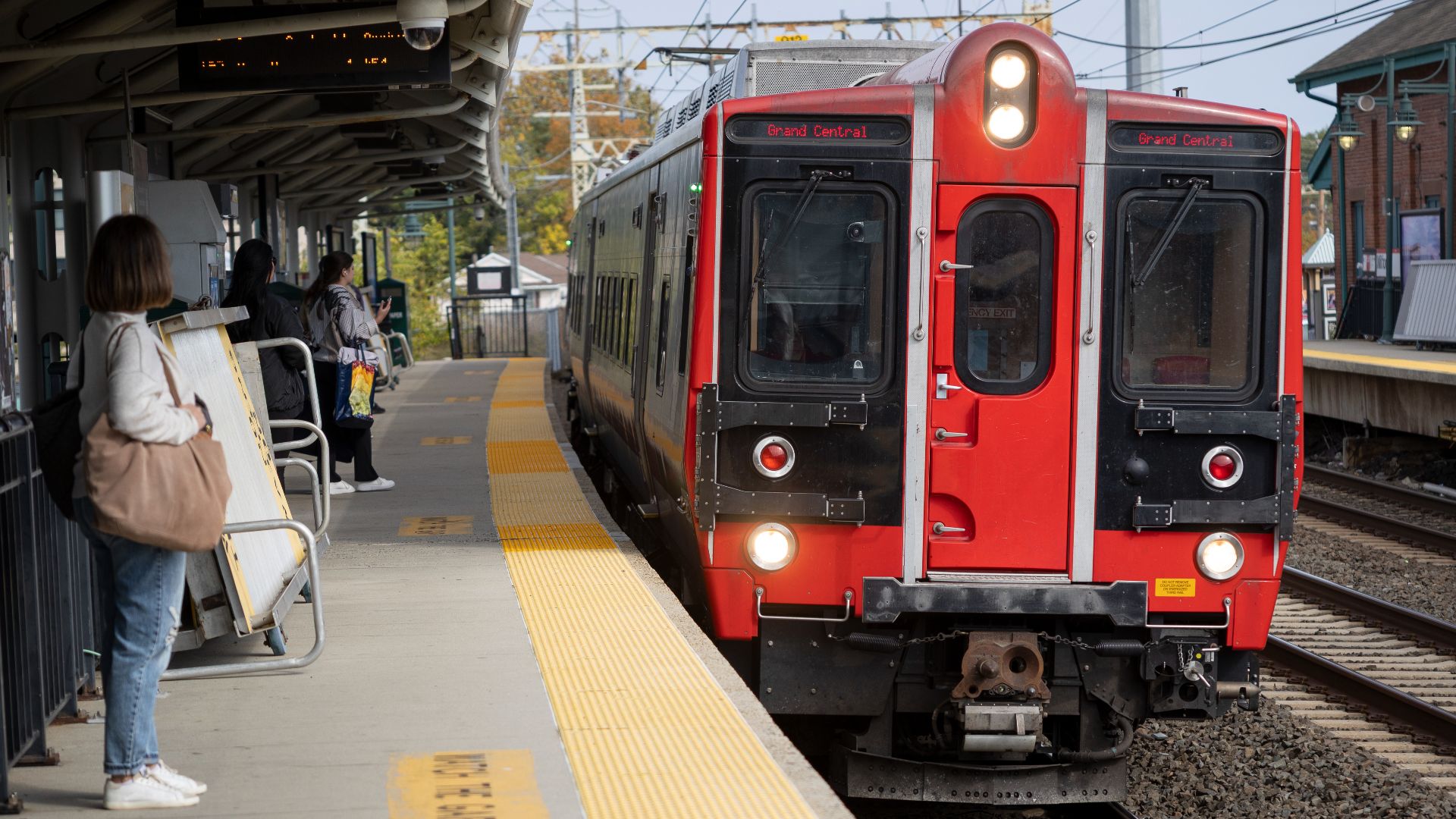
Connecticut’s public transit strengths are closely tied to rail. Metro-North and Amtrak lines connect cities like Stamford, Bridgeport, and New Haven directly to New York City, making train commuting a daily reality for many residents. Local bus systems support urban travel, though coverage thins out quickly outside major corridors. Transit isn’t universal statewide, but regional rail access keeps Connecticut competitive.
19. Pennsylvania
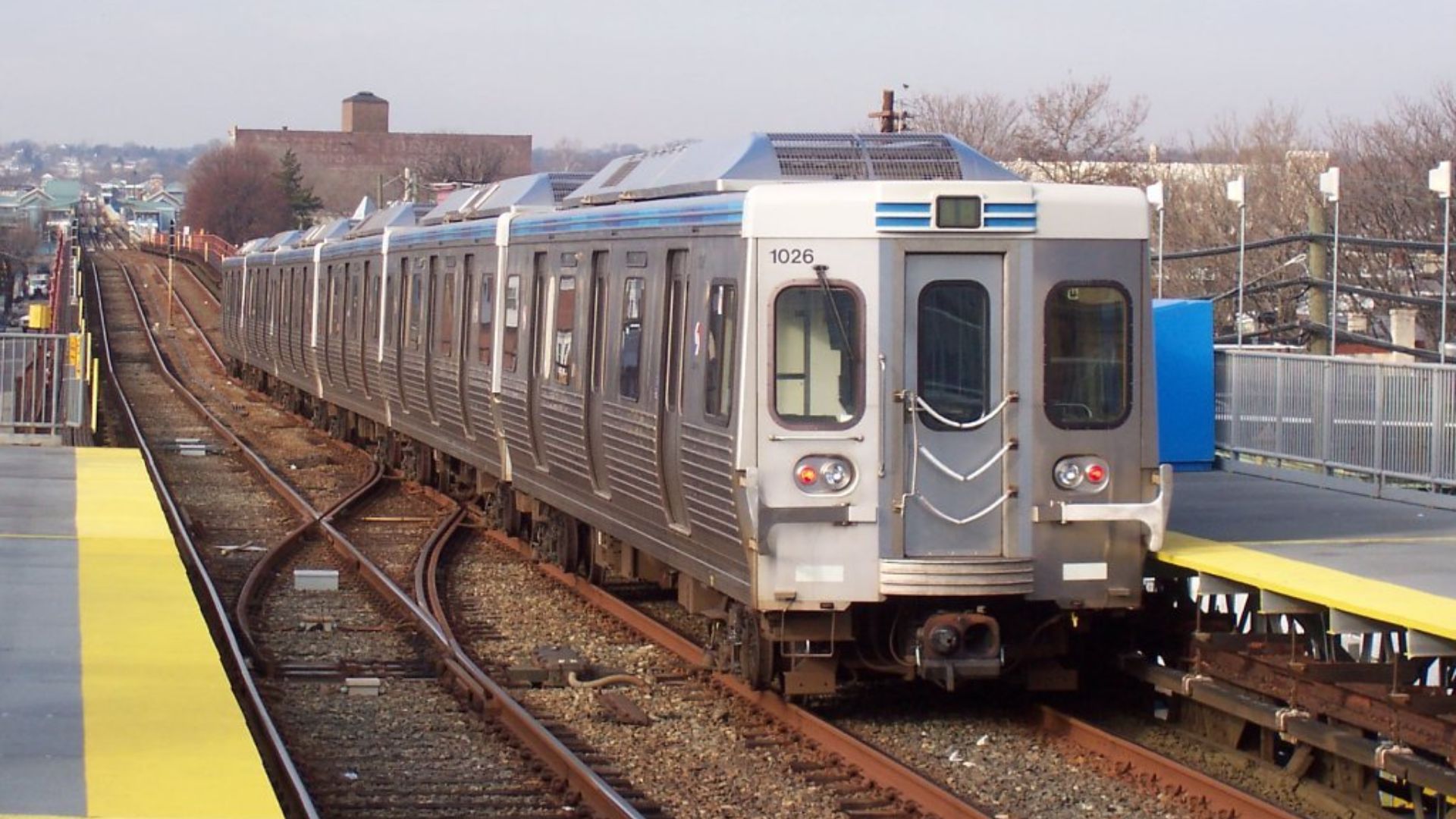
Pennsylvania benefits from having two major urban transit hubs. Philadelphia’s SEPTA system includes subways, buses, trolleys, and commuter rail, while Pittsburgh operates light rail and dedicated busways. Intercity Amtrak routes further enhance mobility. Rural areas remain underserved, but strong urban ridership keeps public transit relevant across the state.
 AEMoreira042281, Wikimedia Commons
18. Virginia
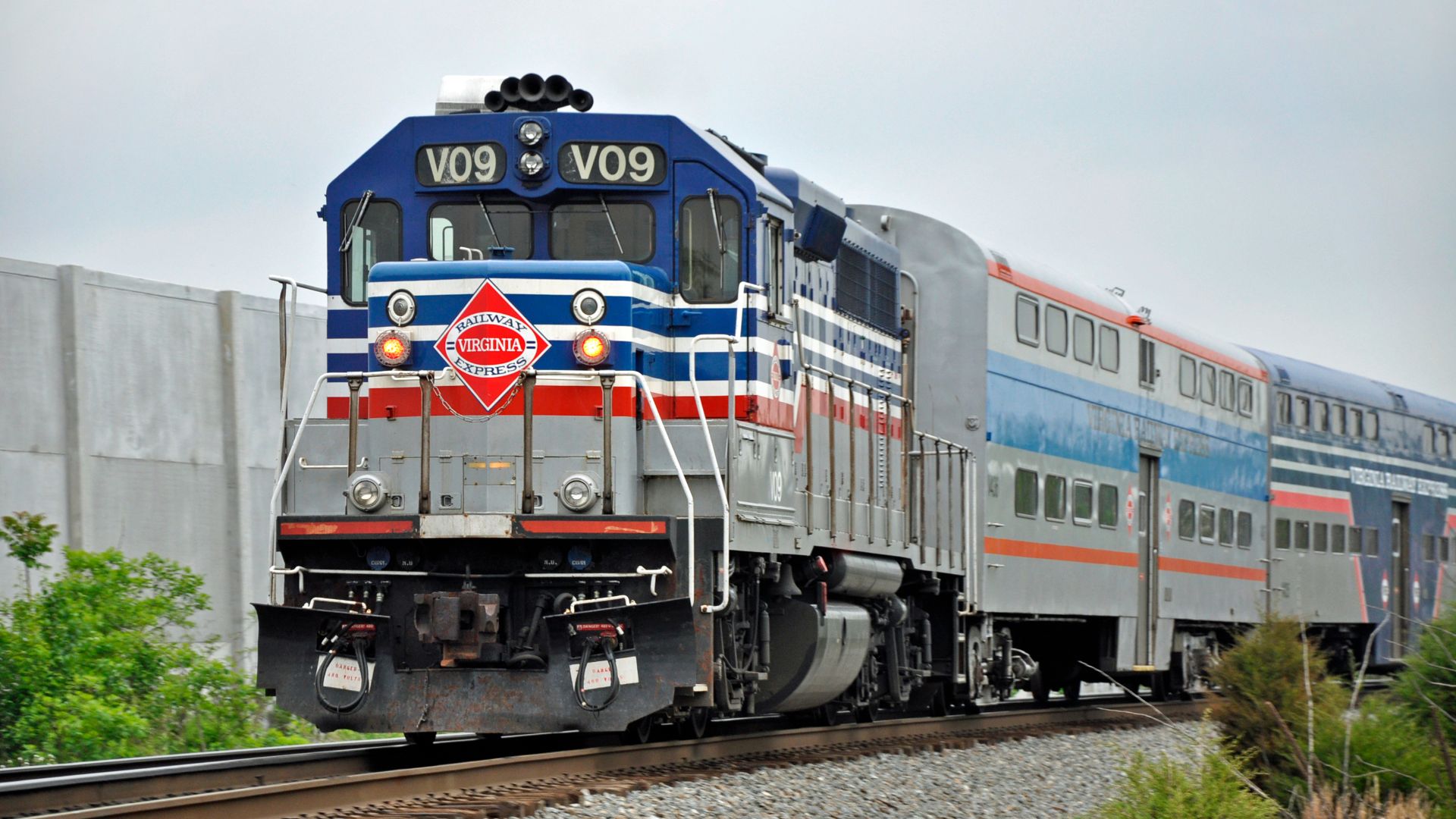
Virginia’s public transit performance is largely driven by Northern Virginia, where Washington Metro rail and bus services are essential to daily commuting. VRE commuter rail extends service farther south. While transit options drop off elsewhere in the state, heavy usage near the DC metro area lifts Virginia into the top 20.
 John from Southern Maryland, USA, Wikimedia Commons
17. Oregon
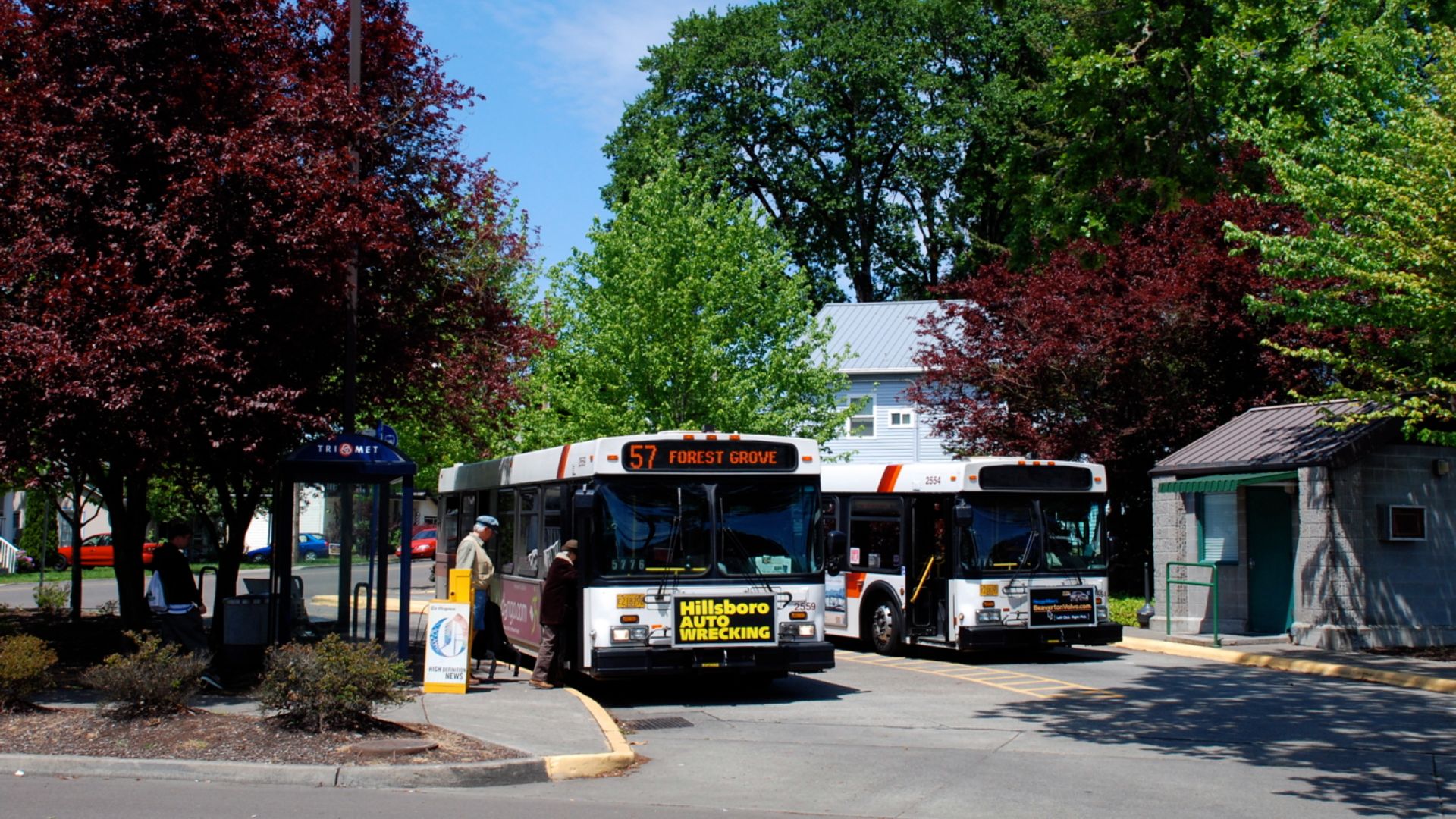
Oregon’s ranking is anchored by Portland’s TriMet system, which includes buses, light rail, and streetcars with consistent ridership. The state has prioritized transit-oriented development and climate-focused transportation planning. Rural transit remains limited, but Oregon stands out for treating public transit as a core part of urban design.
 Steve Morgan, Wikimedia Commons
16. California
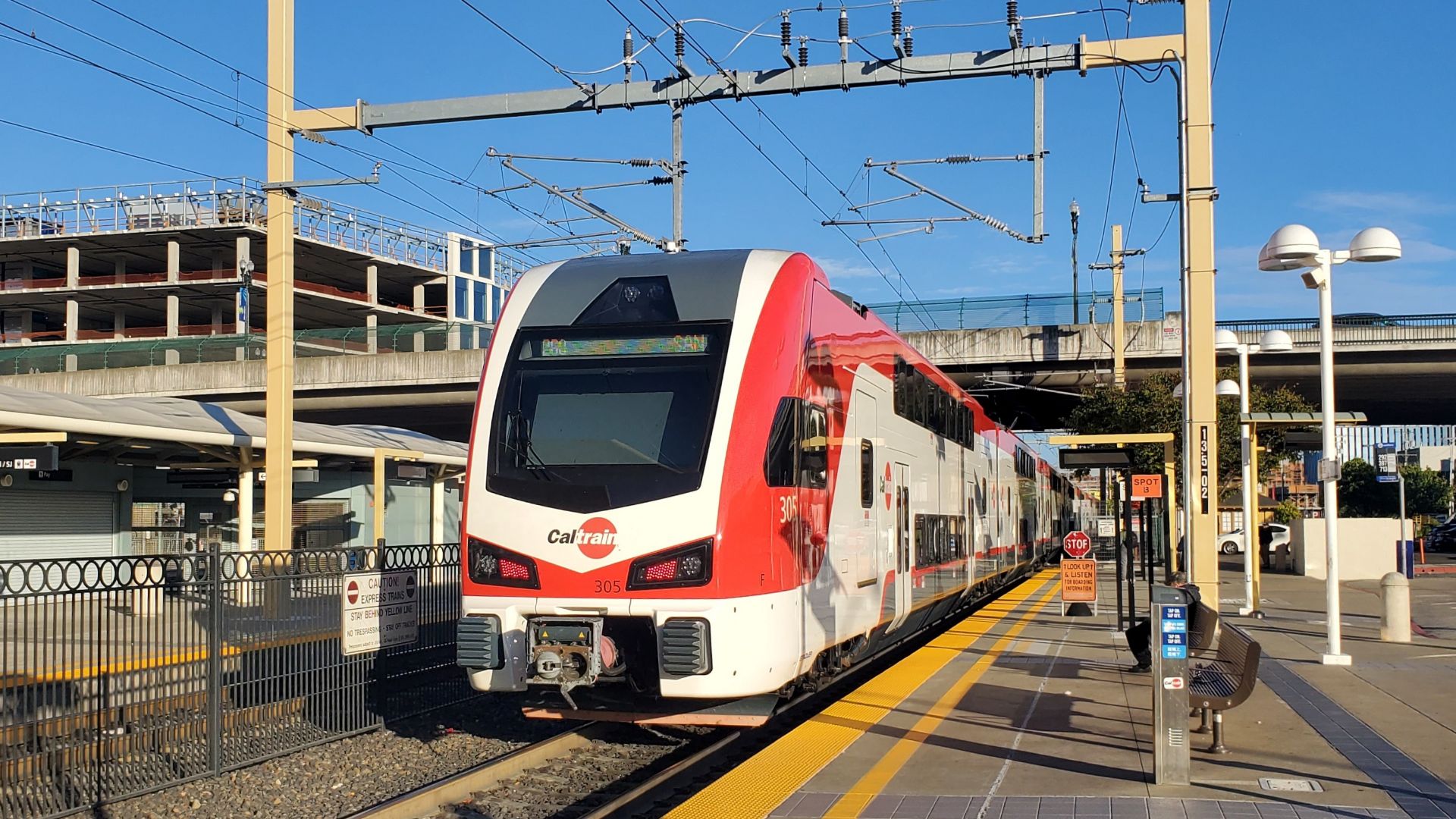
California’s public transit ecosystem is massive and varied. BART, LA Metro, Caltrain, and San Diego’s Trolley serve millions annually. While car culture still dominates, transit plays a crucial role in dense metro areas. Ongoing rail expansion and investment continue to improve coverage, particularly in urban cores.
 Pi.1415926535, Wikimedia Commons
15. Maryland
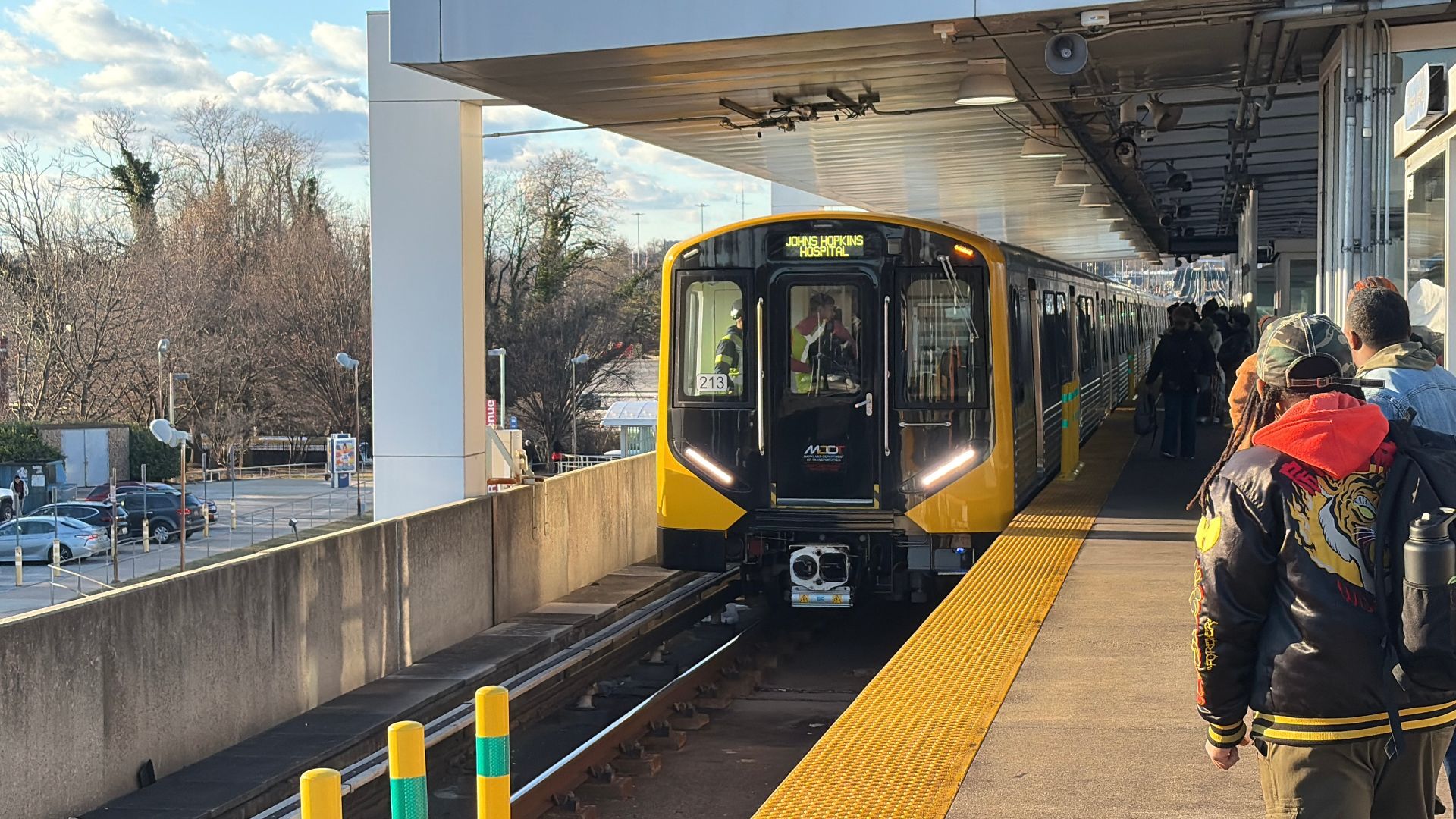
Maryland combines internal transit systems with strong connections to Washington, D.C. MARC commuter rail, Baltimore’s Light Rail, and extensive bus networks support daily commuting. Dense employment corridors and compact geography make public transit a realistic option for a significant portion of residents.
14. Hawaii
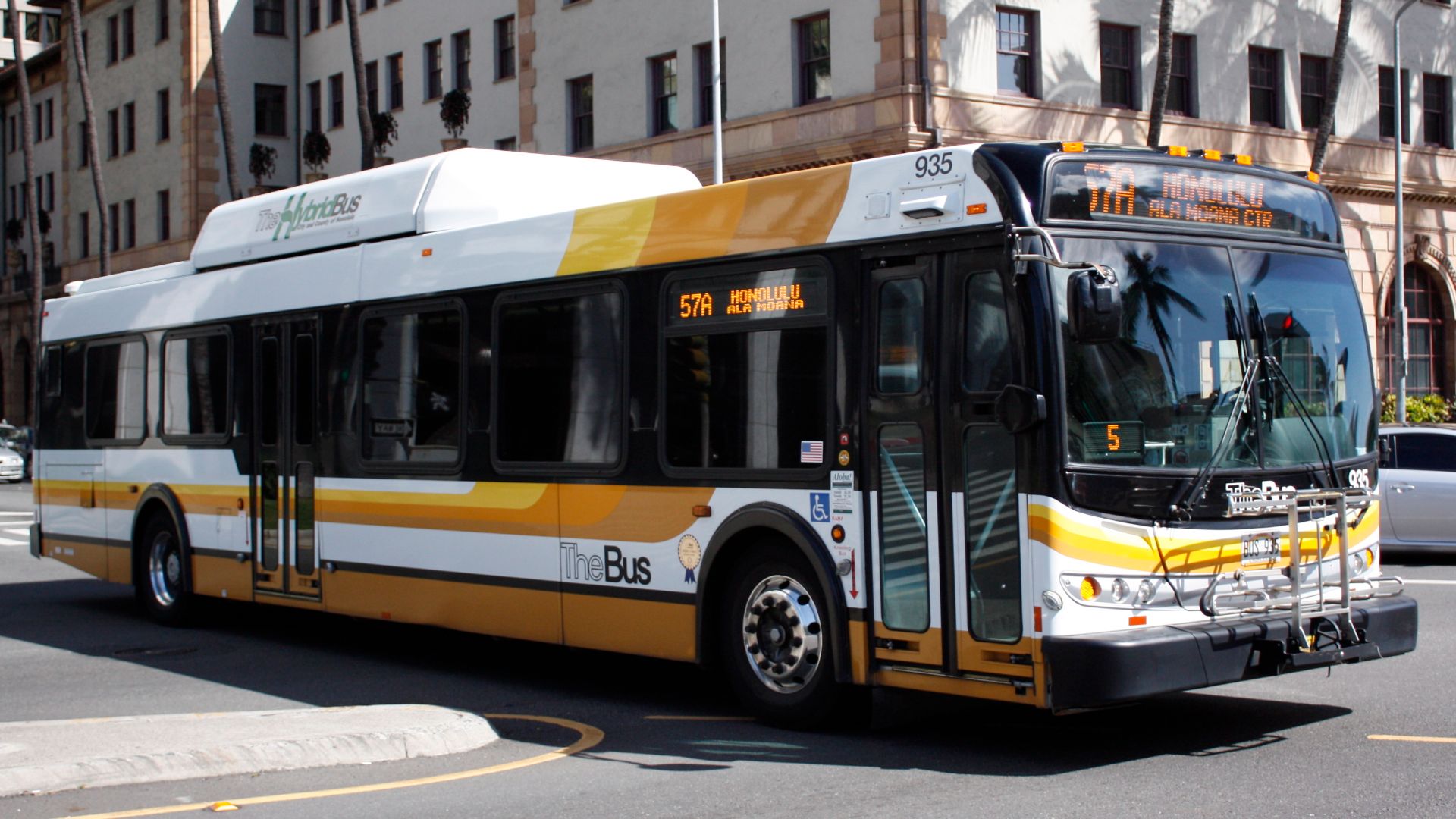
Hawaii consistently ranks high for public transit usage, especially on O‘ahu. Honolulu’s bus system, known as TheBus, is reliable, frequent, and widely used by both residents and visitors. Limited land area, traffic congestion, and dense development make public transportation a necessity rather than a convenience.
 Musashi1600, Wikimedia Commons
13. Washington
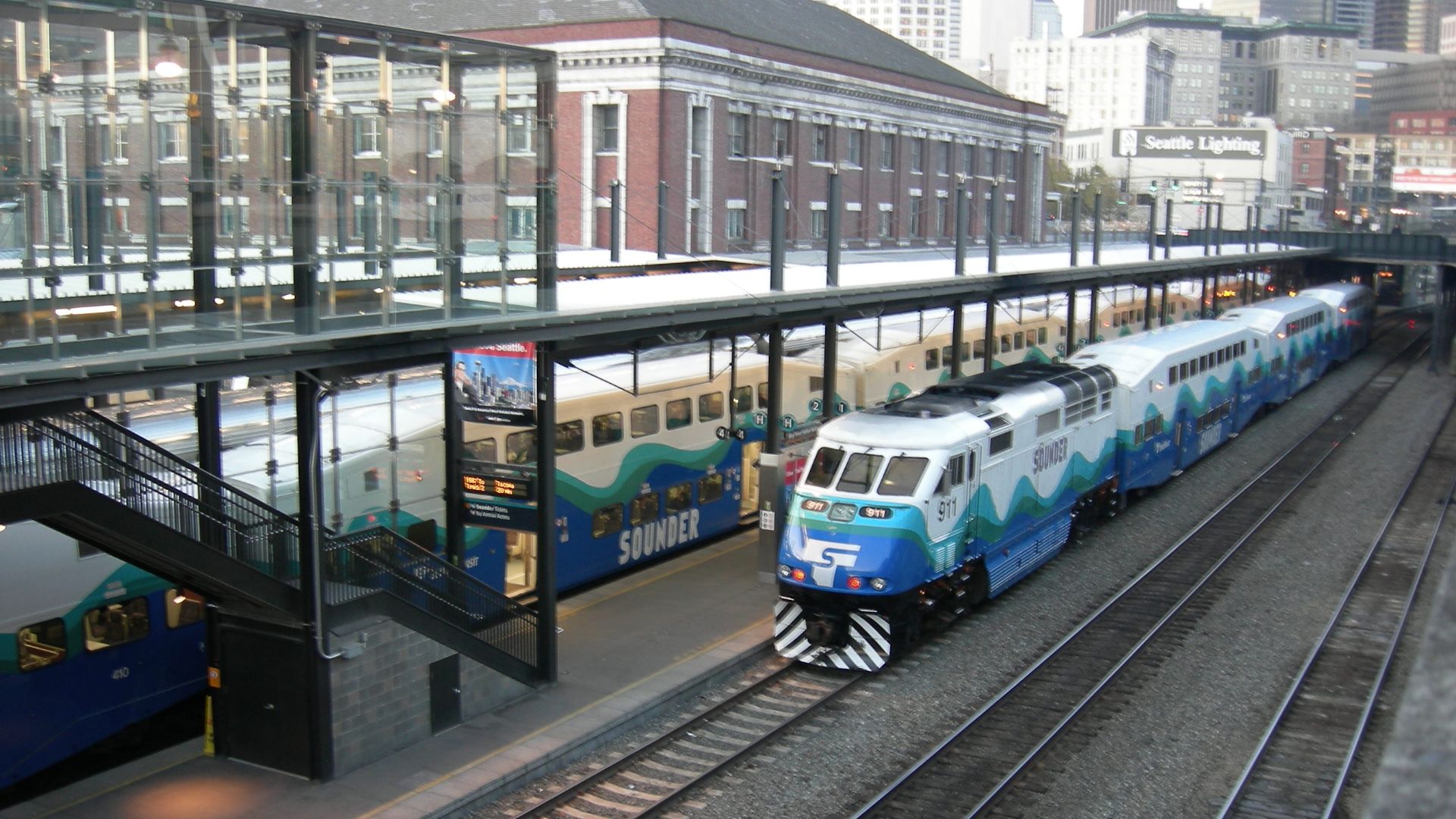
Washington’s public transit growth has accelerated over the past decade. Seattle’s network integrates buses, light rail, commuter rail, and ferries into a multimodal system. Continued Sound Transit expansions have increased ridership and improved regional access, making transit an increasingly central part of daily life.
12. Rhode Island
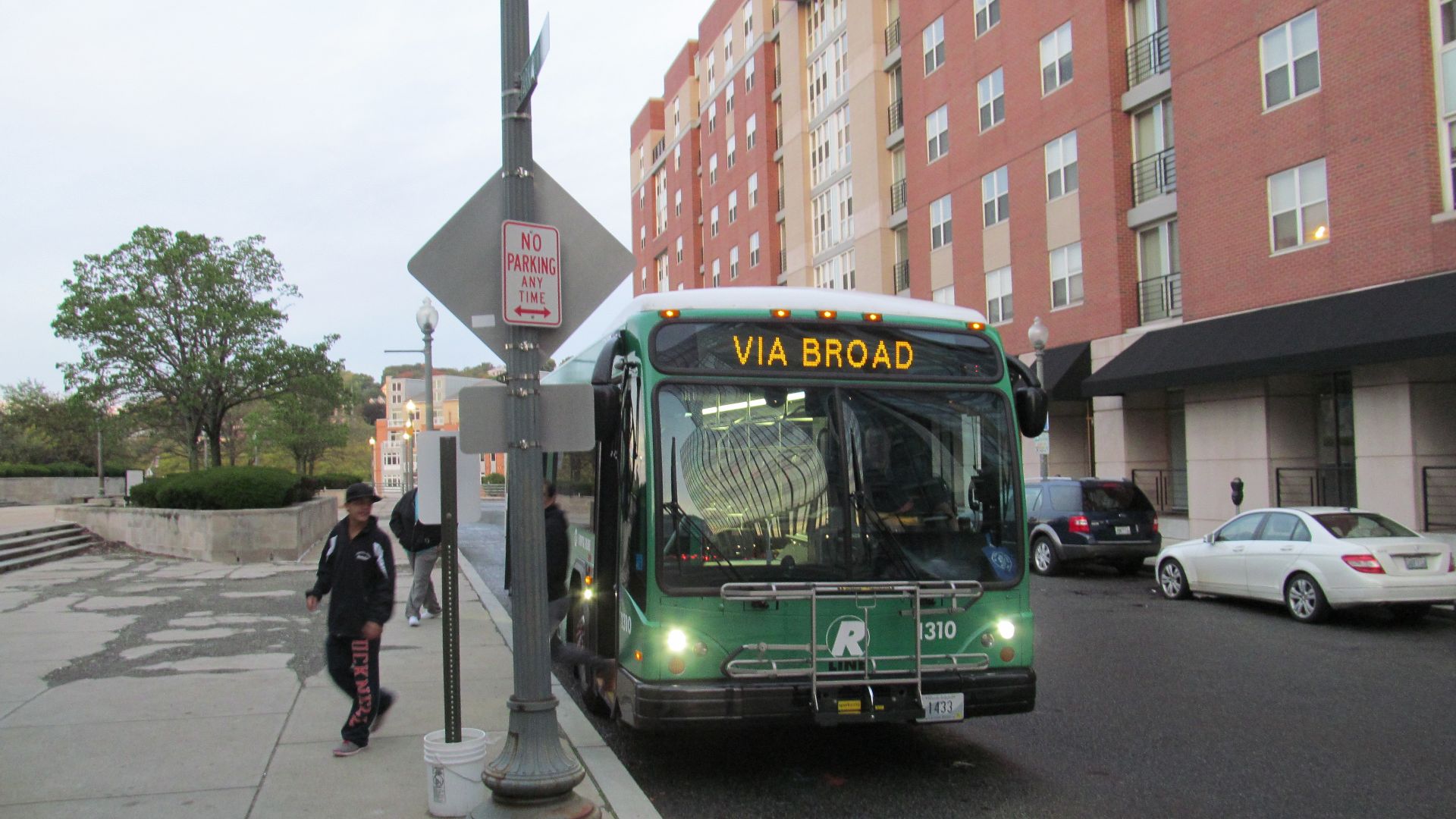
Rhode Island’s small size works to its advantage. RIPTA buses connect much of the state, while commuter rail links Providence directly to Boston. Short travel distances and regional rail access make public transit viable for daily commuting, particularly for cross-state workers.
 Pi.1415926535, Wikimedia Commons
11. Minnesota
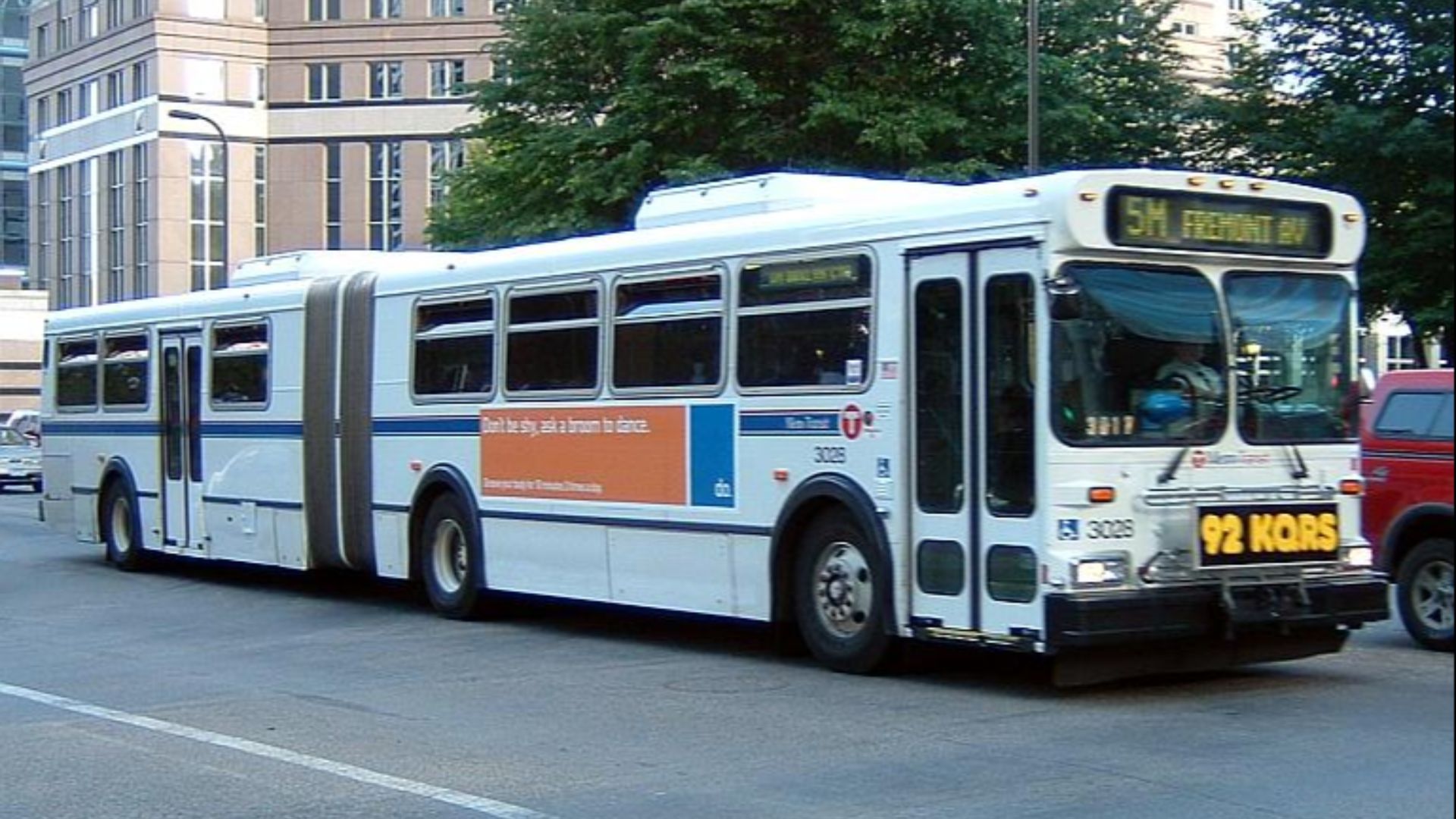
Minnesota’s public transit reputation centers on the Twin Cities. Metro Transit operates extensive bus service and light-rail lines connecting downtown Minneapolis, St. Paul, the airport, and surrounding suburbs. Strong system integration and steady ridership keep transit relevant year-round.
10. New Jersey
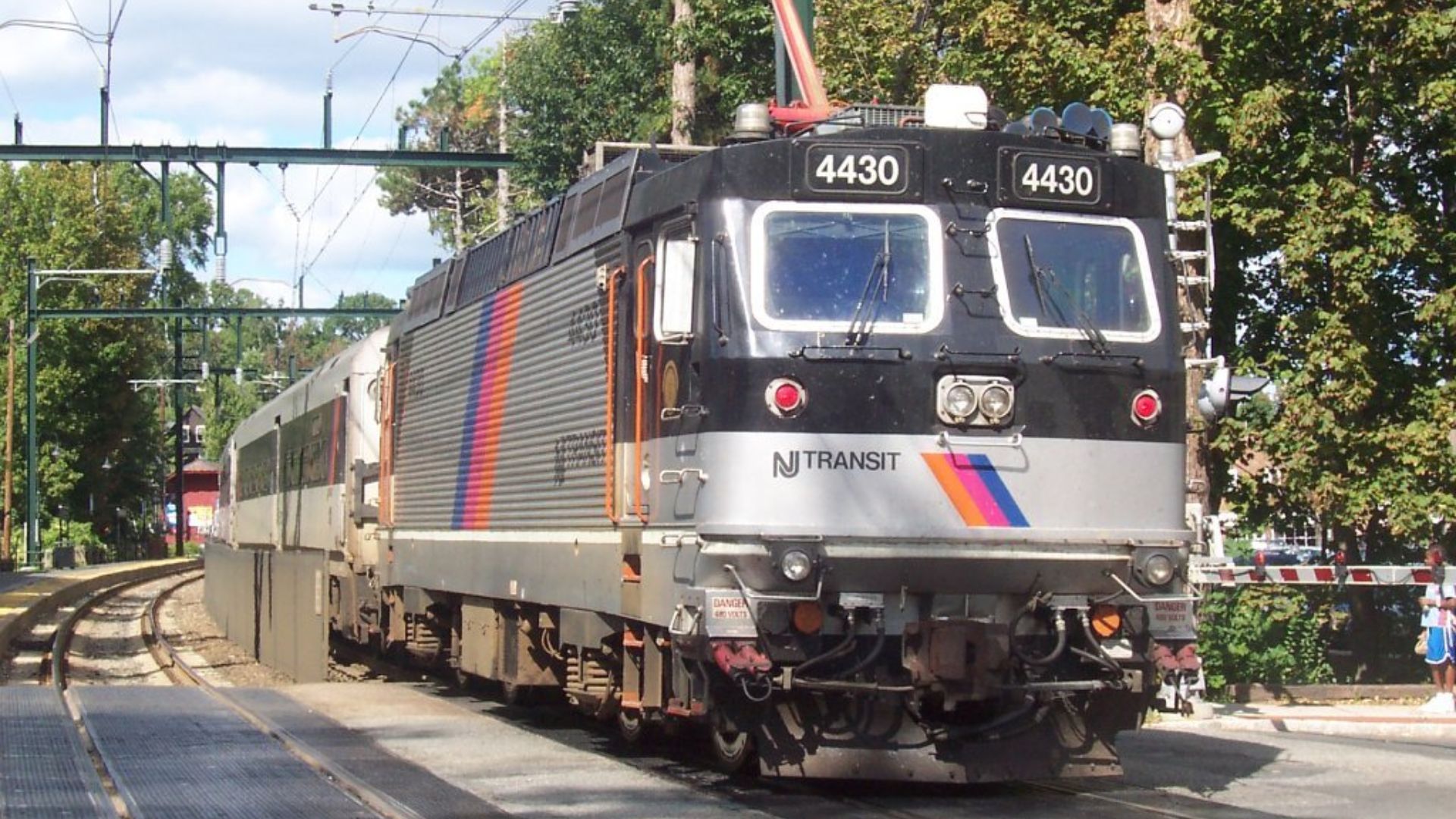
New Jersey Transit is one of the largest statewide public transportation agencies in the country. Its rail, bus, and light-rail systems connect residents to New York City and Philadelphia. For many commuters, public transit isn’t optional; it’s the backbone of daily travel.
 Adam E. Moreira, Wikimedia Commons
9. Illinois
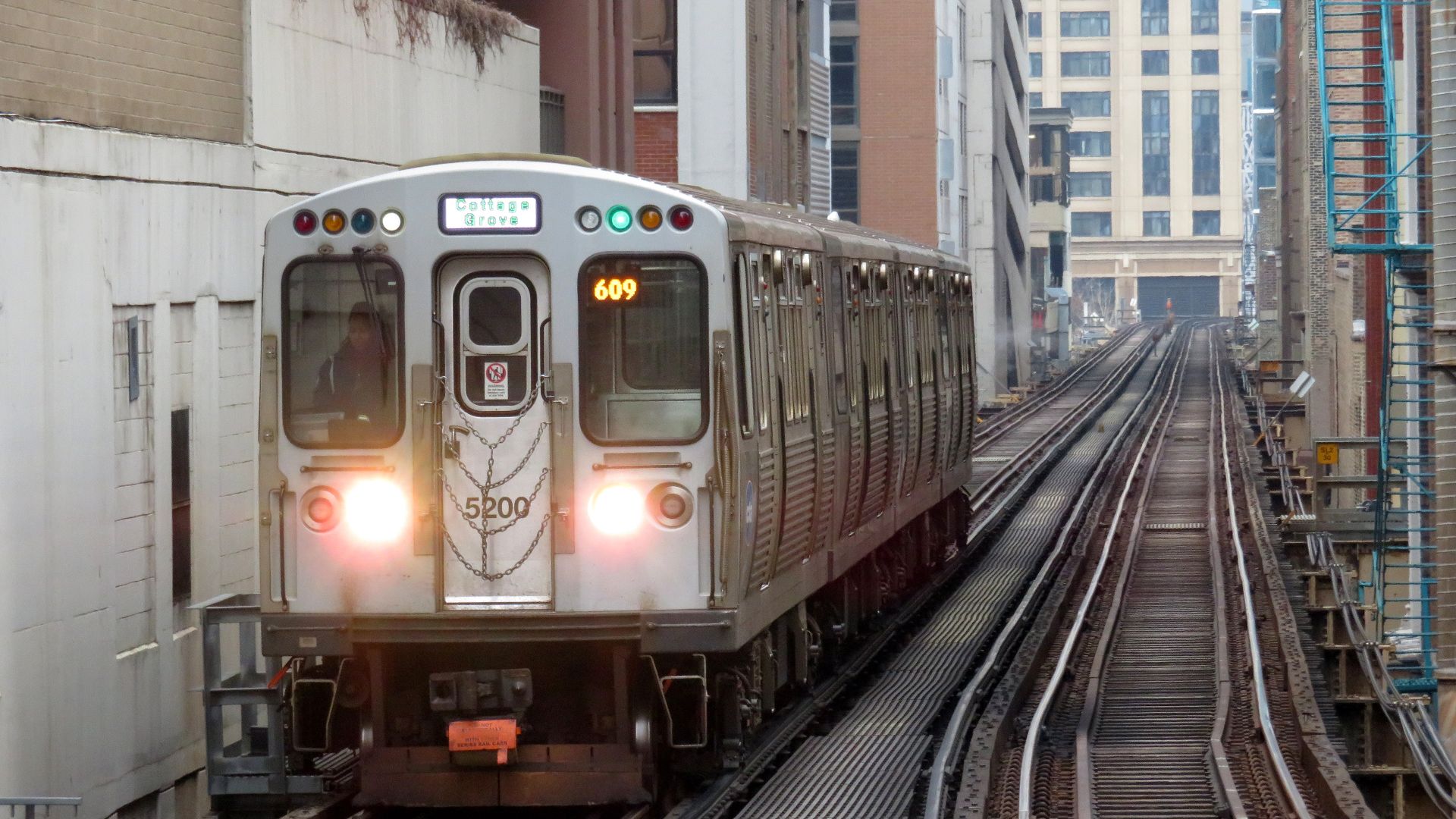
Illinois ranks high largely because of Chicago’s dominance. The CTA’s “L” train system and expansive bus network provide citywide coverage, while Metra commuter rail connects distant suburbs. High ridership and long-term investment make transit central to everyday mobility.
 Pi.1415926535, Wikimedia Commons
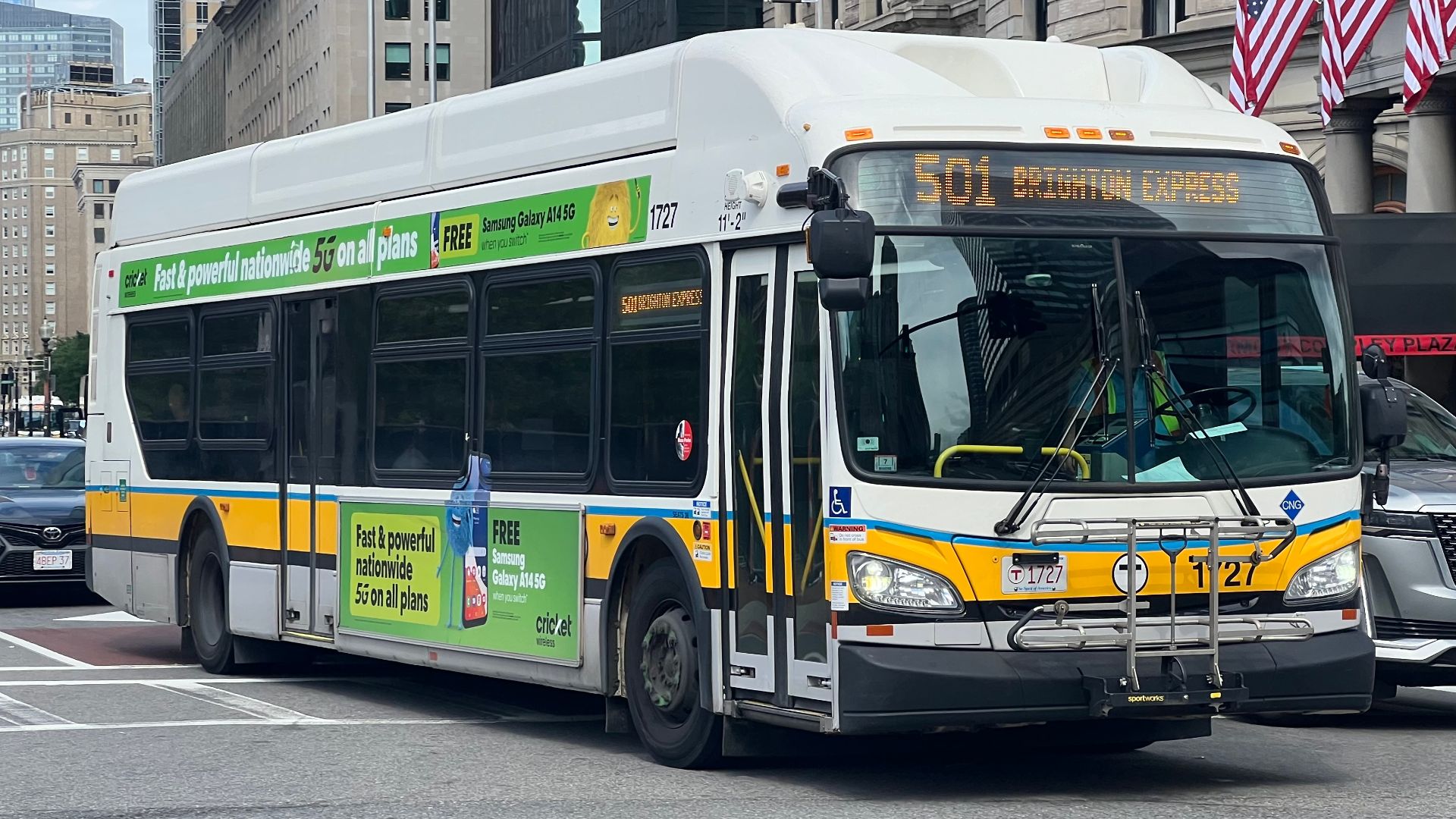
8. Massachusetts
Massachusetts earns its place thanks to the MBTA’s extensive subway, bus, commuter rail, ferry, and light-rail systems. Despite aging infrastructure challenges, public transit remains deeply embedded in Greater Boston’s daily rhythm and commuter culture.
7. Colorado
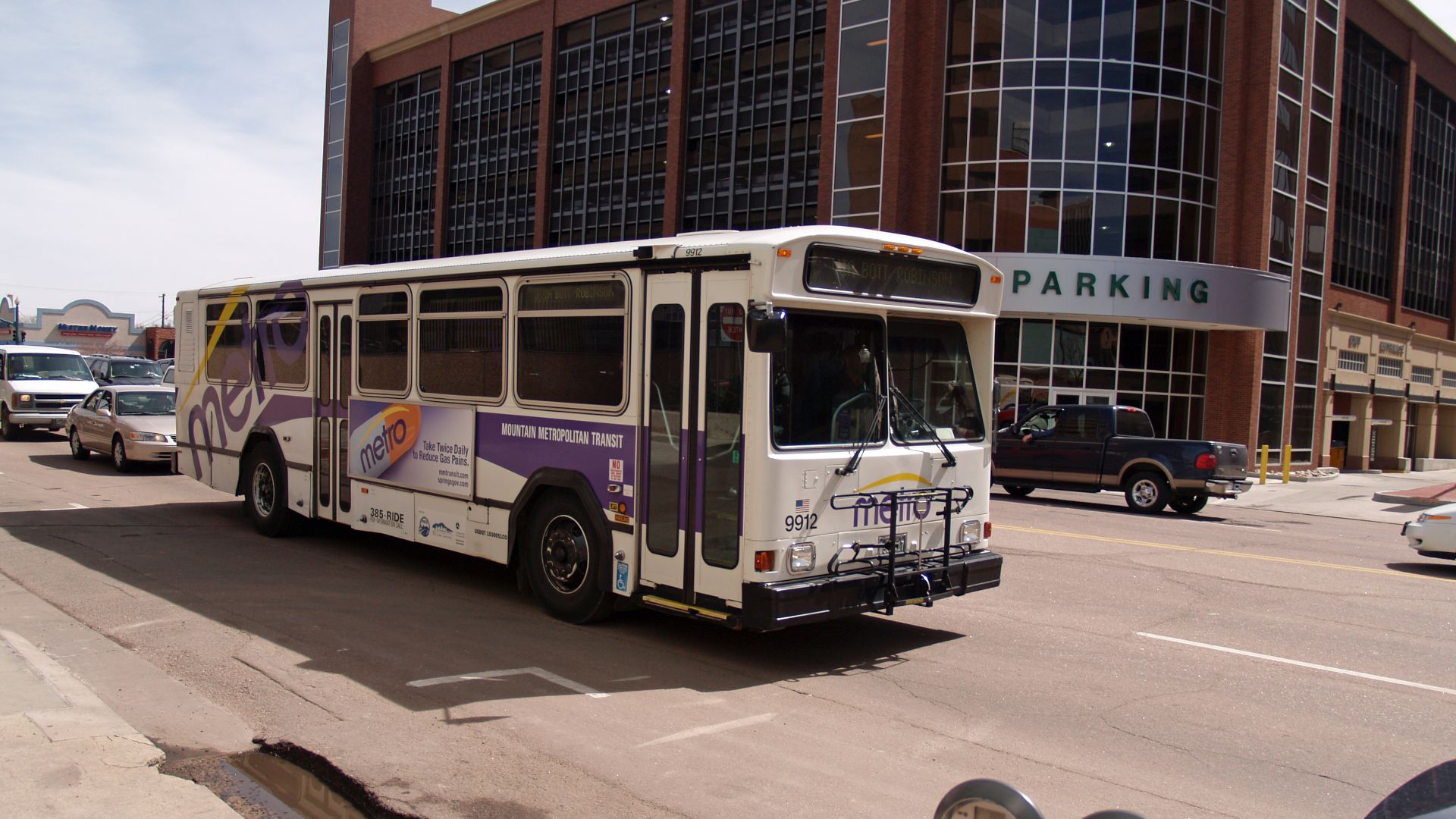
Colorado’s rise is driven by Denver’s RTD system, which includes one of the largest light-rail networks in the US. Commuter rail, buses, and park-and-ride facilities support transit use along the Front Range, helping reduce car dependency in a fast-growing region.
 David Shankbone, Wikimedia Commons
6. Nevada
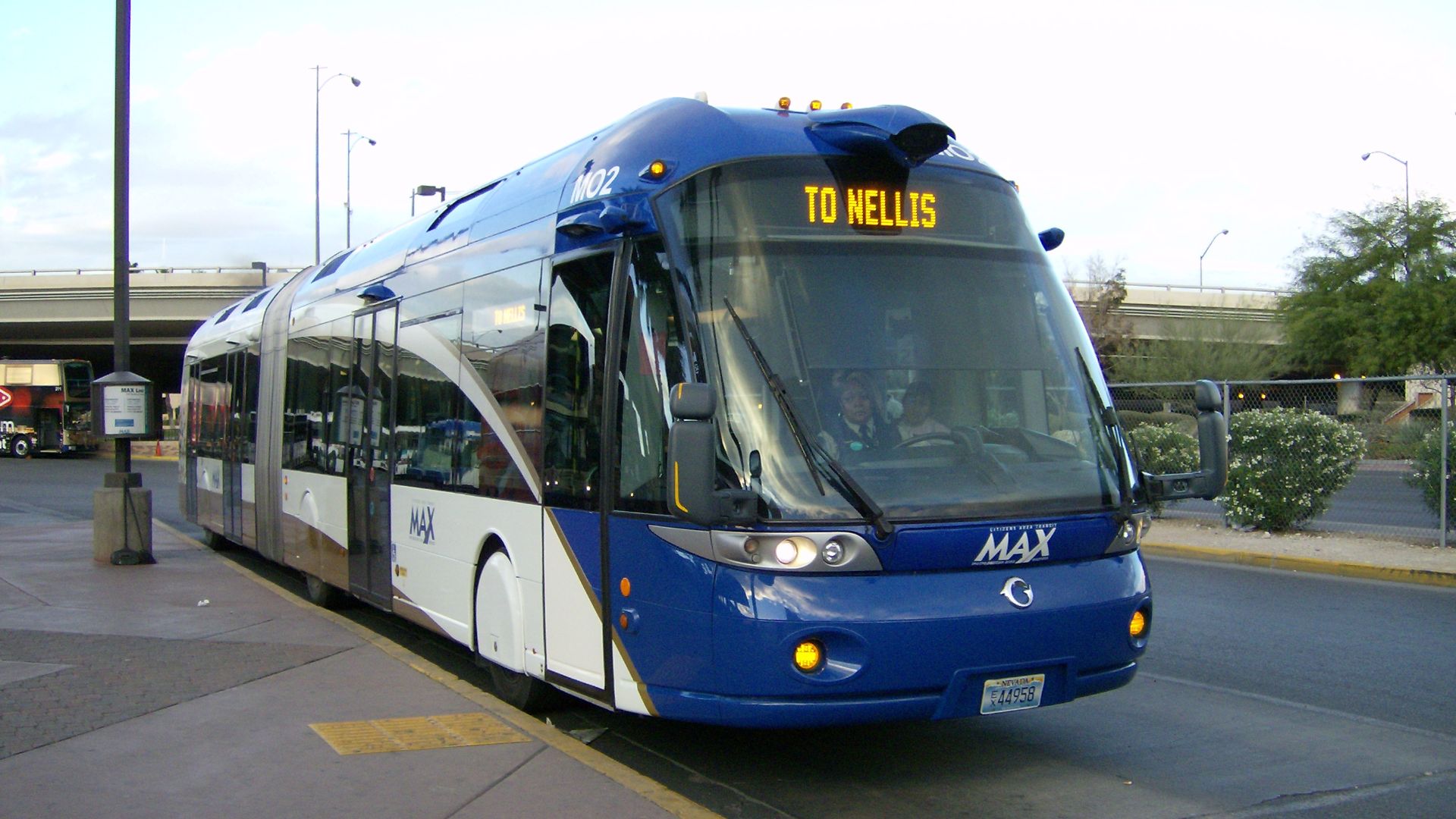
Nevada’s public transit is shaped by tourism and density. Las Vegas operates high-frequency bus routes, bus rapid transit, and airport connections that serve residents and hospitality workers alike. While rail options are limited, transit plays a meaningful daily role.
 Cello06 at English Wikipedia, Wikimedia Commons
5. Vermont
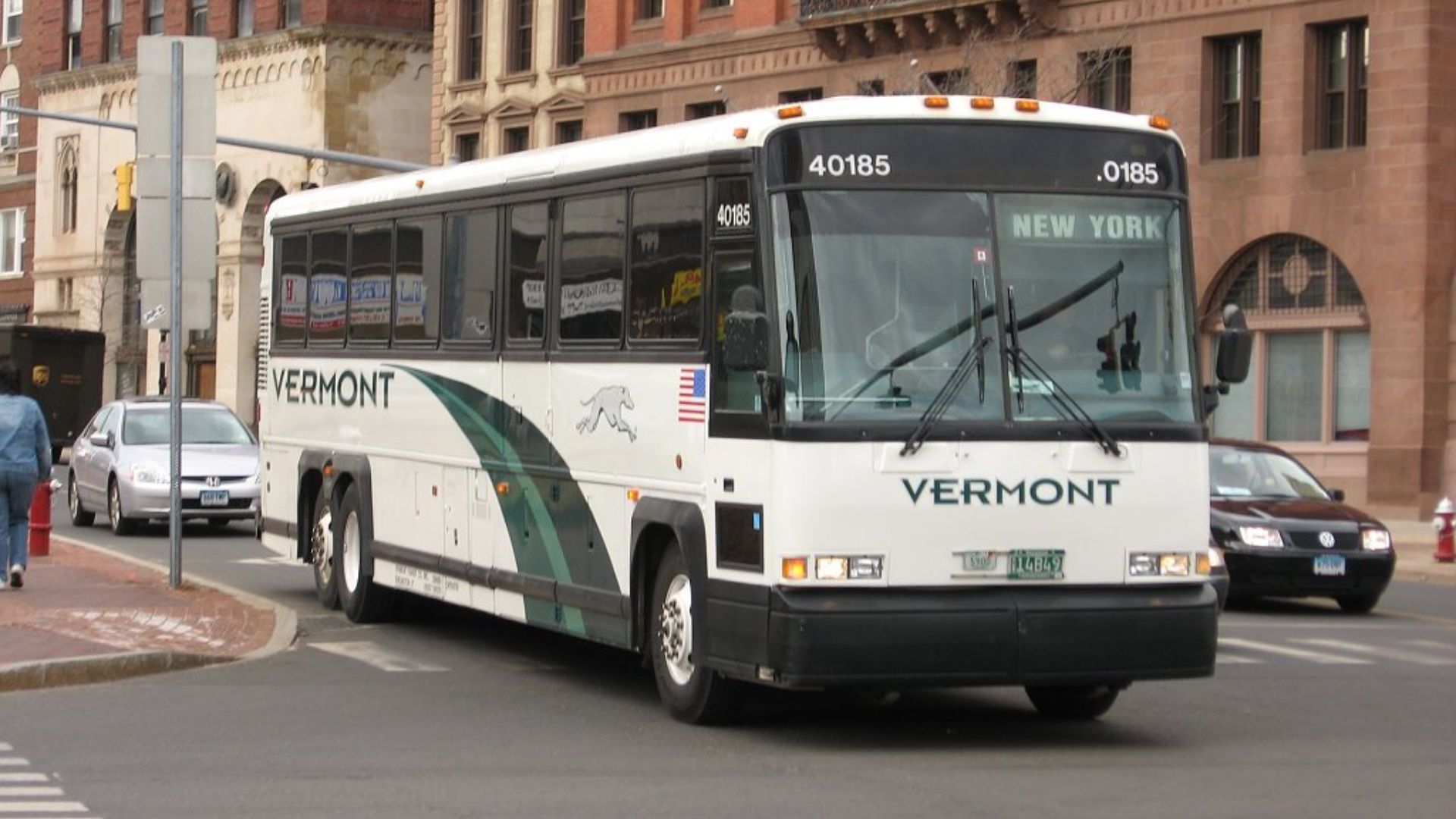
Vermont stands out for providing meaningful public transit in a largely rural state. Statewide bus networks connect small towns to hospitals, colleges, and job centers. While ridership numbers are modest, reliability and accessibility make transit a critical public service.
 Adam E. Moreira, Wikimedia Commons
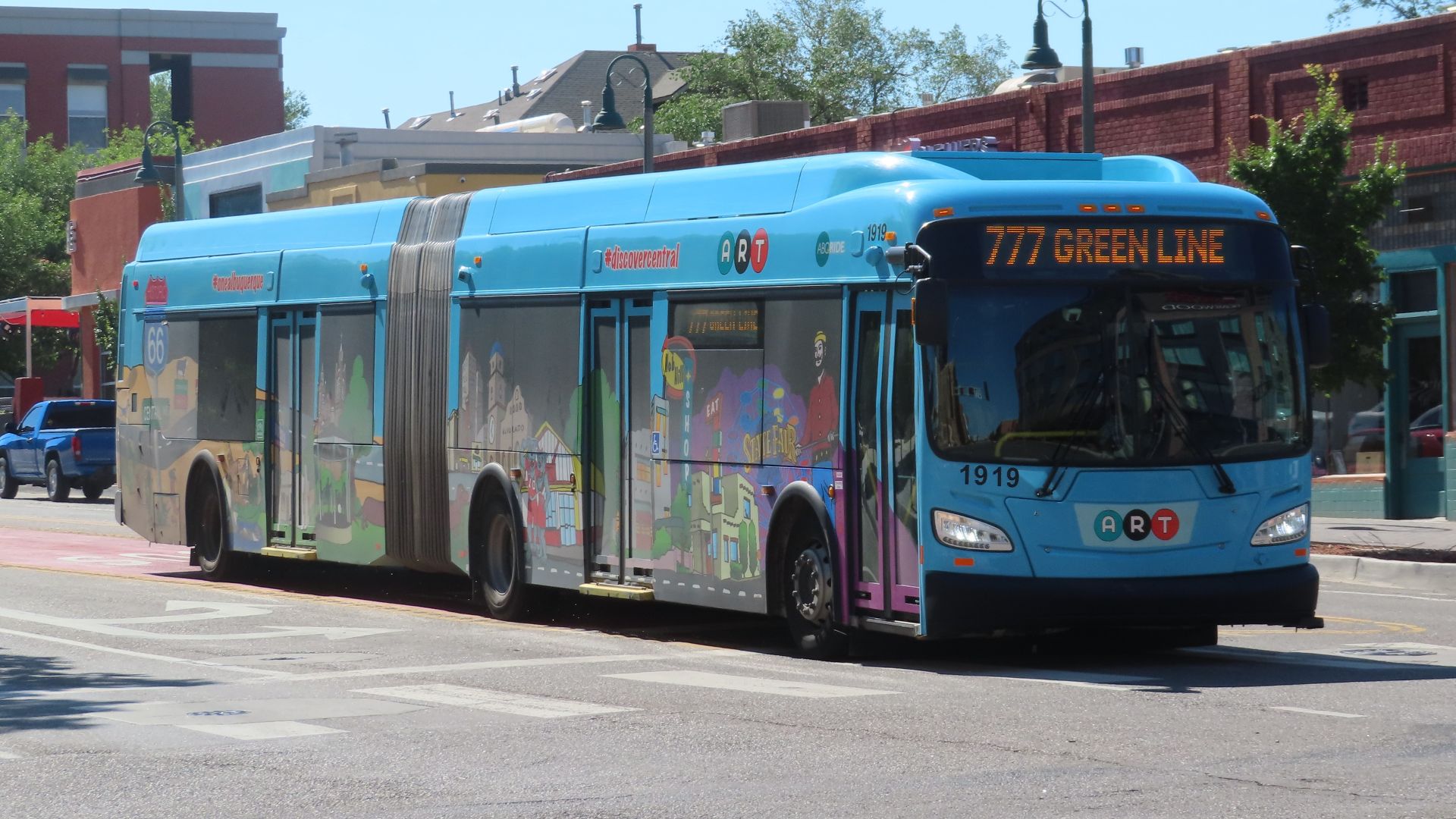
4. New Mexico
New Mexico has made notable investments in public transit infrastructure. Albuquerque’s ART bus rapid transit system and regional bus networks improve access across income levels and geography. Transit is increasingly important for daily mobility, particularly in urban corridors.
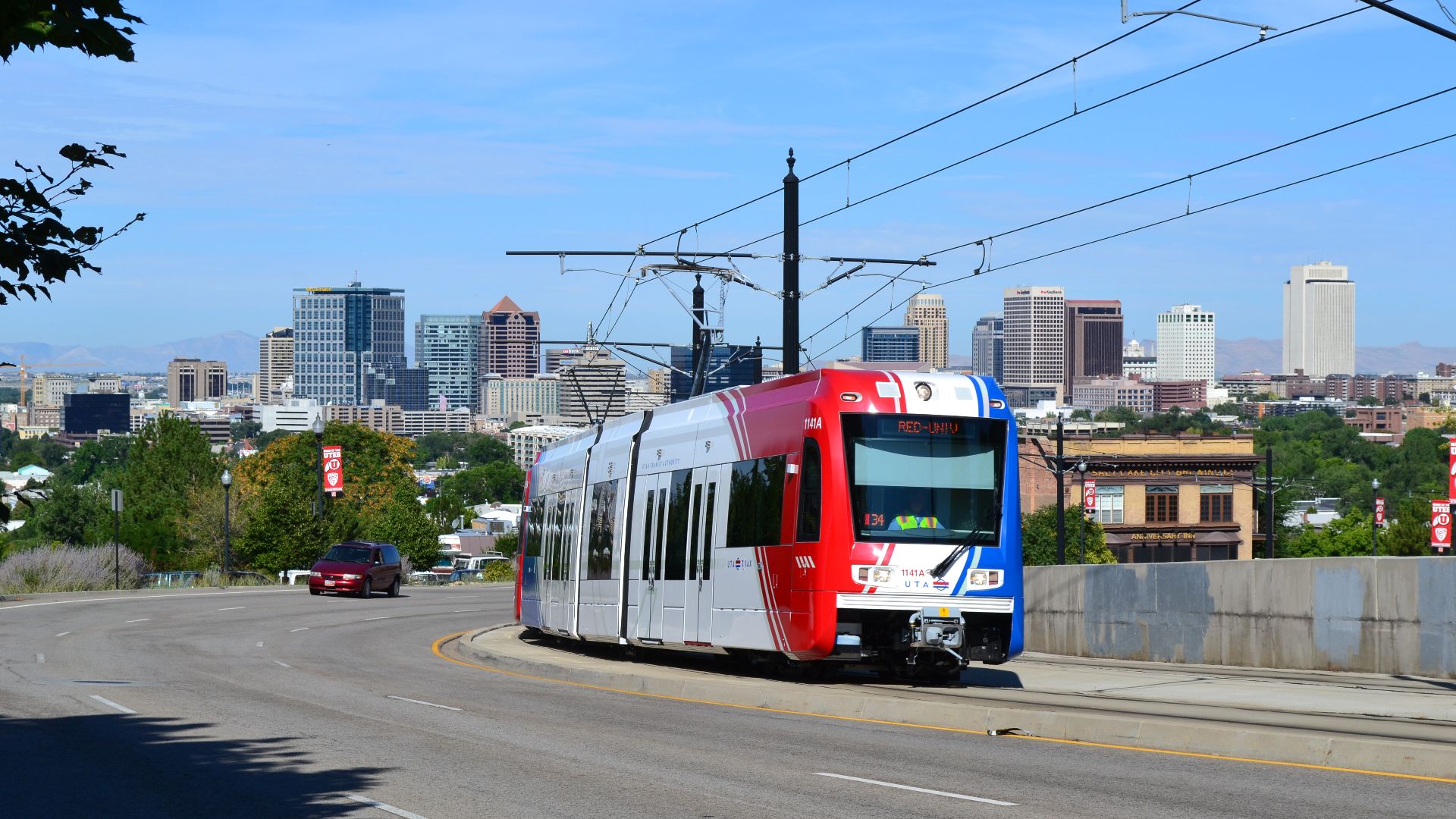
3. Utah
Utah’s public transit success is driven by the Salt Lake City metro area. UTA operates buses, light rail, commuter rail, and park-and-ride systems with strong ridership. Transit plays a growing role in managing rapid population growth along the Wasatch Front.
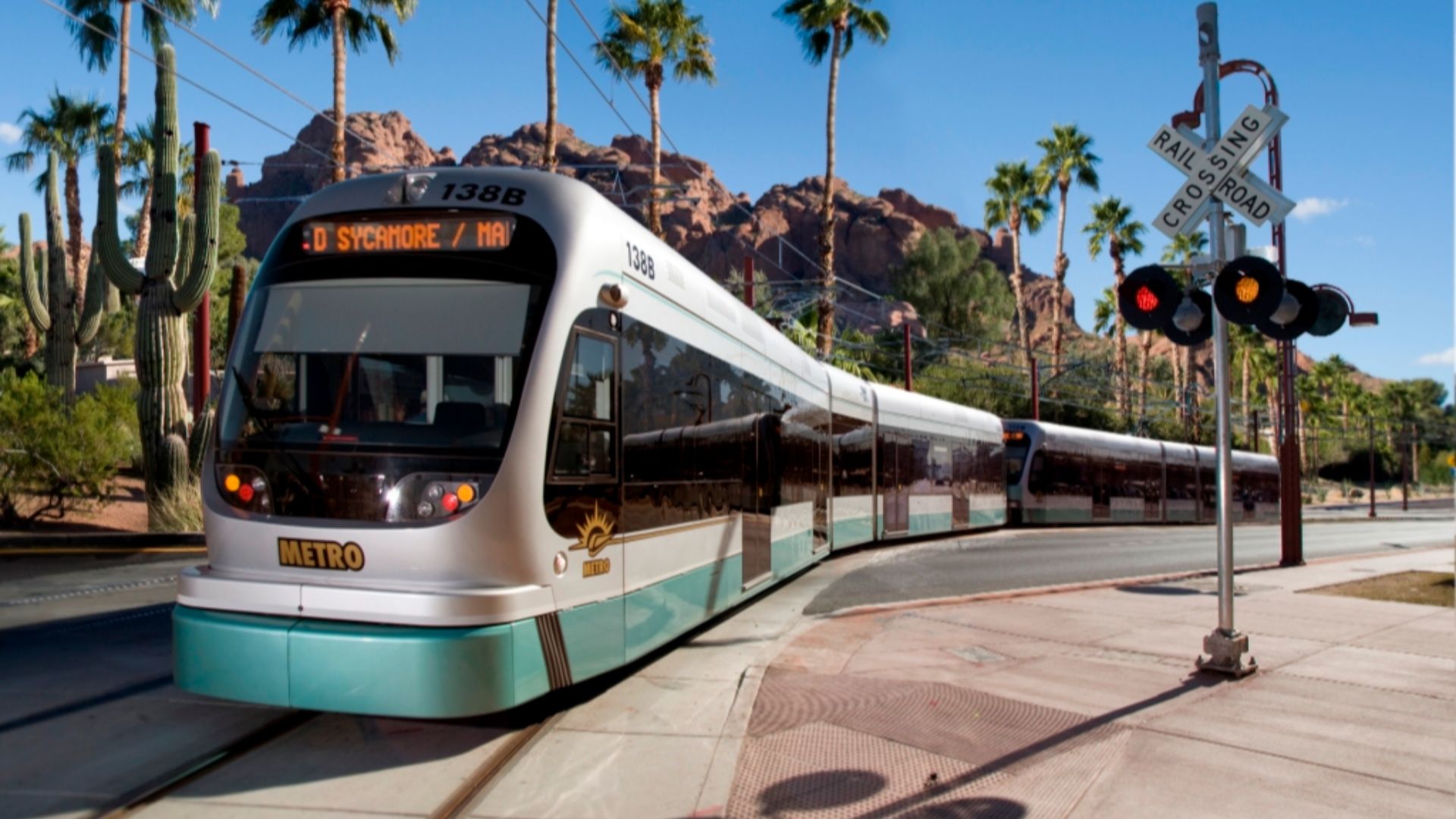
2. Arizona
Arizona earns a high ranking due to strong transit usage in Phoenix and Tucson, where light rail and bus systems support daily commuting. Rapid urban growth has pushed greater investment into transit infrastructure, making public transportation more central than in many Sun Belt states.
 KINKISHARYO, Wikimedia Commons
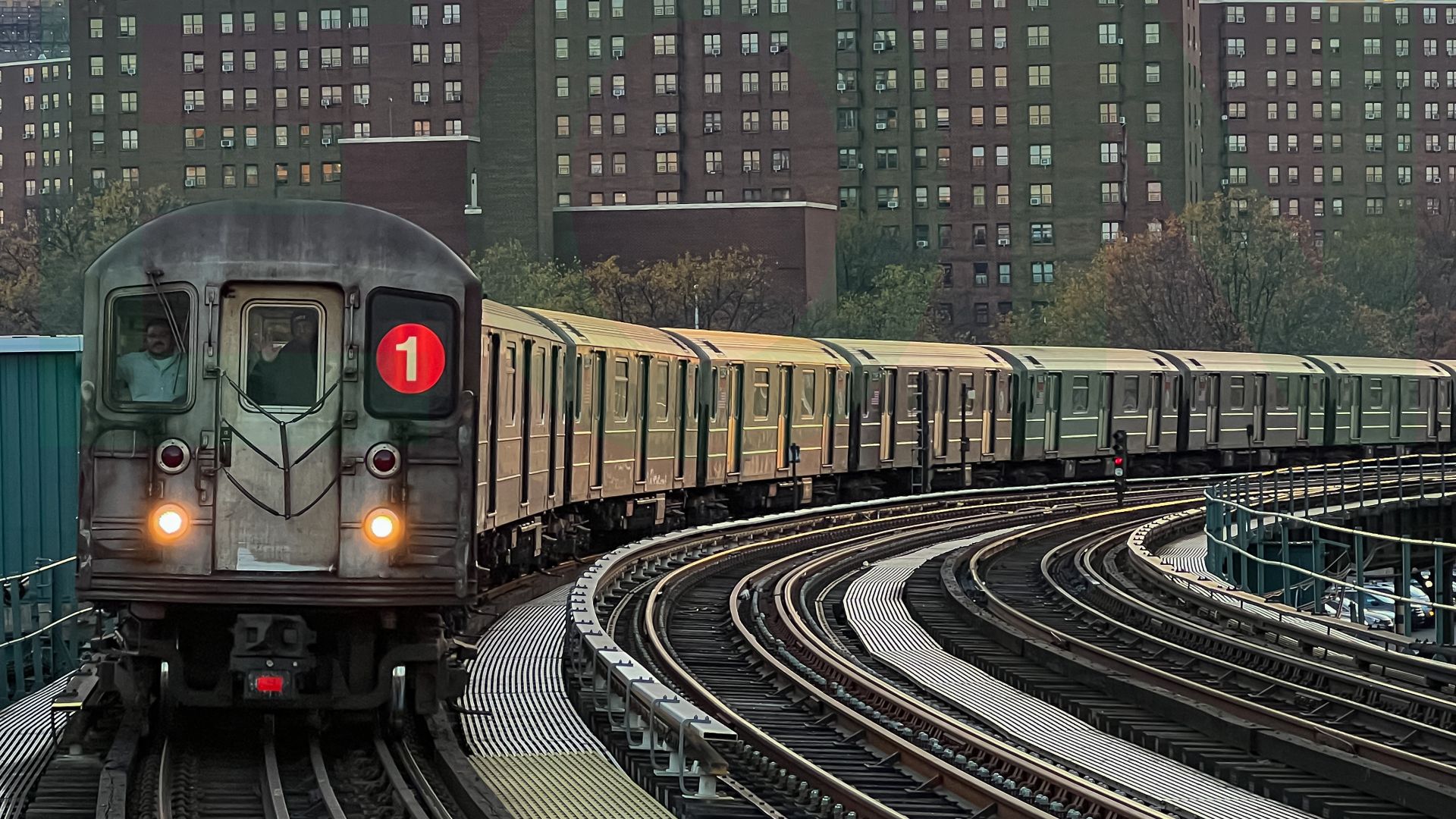
1. New York
New York stands alone. The state has the highest public transit usage in the US by a wide margin, driven by New York City’s subway system, extensive bus routes, and regional commuter rail. Millions rely on transit every day, making it the backbone of economic and social life. No other state comes close in scale or impact.
 EmperorOfNYC, Wikimedia Commons
You May Also Like:
The Latest Data Ranks The Best And Worst States To Retire In For 2026
When It Comes To The Smartest States In America, The Data Has A Few Surprises