Diplomas, Data & Destination States
Some states just lean into higher education harder than others. They invest in universities, build pipelines from campus to career, and end up with a big share of residents walking around with bachelor’s degrees and beyond. That shows up in everything from local job markets to average incomes, and even which companies choose to headquarter there.
Using recent educational attainment data for adults age 25 and over (specifically the percentage with a college degree or higher), we’ve put together a ranking of the 20 states with the most college graduates. Let’s see which states are stacking the most diplomas.

20. Maine
Maine quietly holds its own in higher education, with 35.3% of adults 25+ holding a college degree or higher. The state’s public system is anchored by the University of Maine and a network of regional campuses, plus liberal arts colleges like Bowdoin and Colby. Maine’s smaller population means college grads are spread across coastal towns, mill cities, and rural communities, but the state’s focus on education, especially in fields like marine science, environmental studies, and nursing, helps keep its graduate share above the national average.
 Unimontevideo, Wikimedia Commons
19. Delaware
Delaware clocks in at 35.3% of adults with a college degree or higher, tied with Maine but ranked slightly higher in recent stats. The University of Delaware is the flagship, known for engineering, business, and public policy, and the state benefits from proximity to major East Coast job markets. Its size makes coordination between government, schools, and employers relatively nimble, which is good news for grads looking for internships, research opportunities, and early-career roles.

18. Hawaii
In Hawaii, 35.5% of adults have a college degree or higher. The University of Hawaiʻi system stretches across multiple islands, offering strong programs in oceanography, climate science, tourism, and Pacific studies. Because of its geography, the state invests heavily in local talent and distance learning. Many students stay in-state for both school and work, feeding educated workers directly into sectors like healthcare, education, and research.
 Kit from Pittsburgh, USA, Wikimedia Commons
17. Oregon
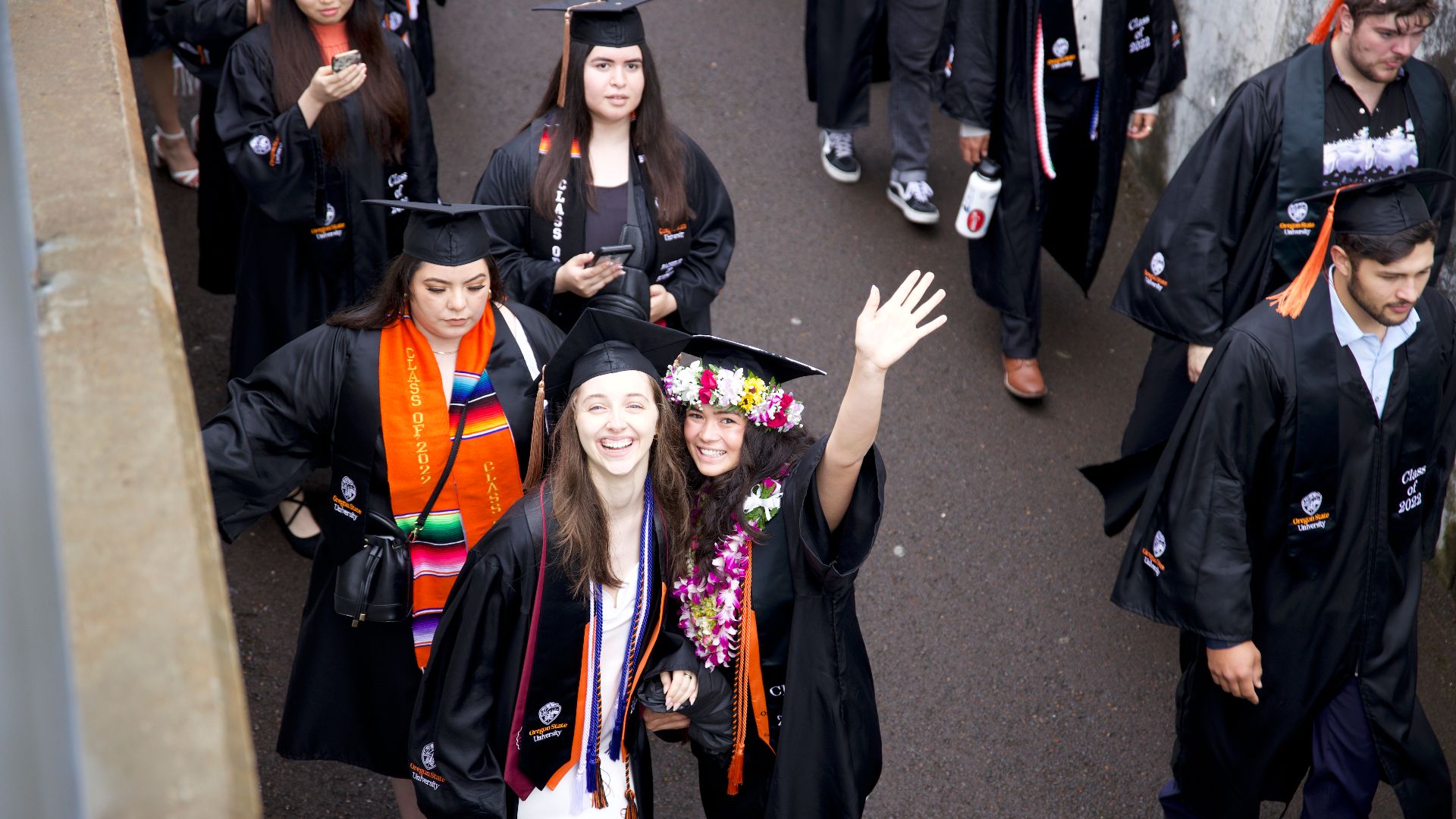
Oregon sits at 36.2% of adults with a college degree or higher. Major institutions like Oregon State University and the University of Oregon anchor the public system, while Portland’s tech and creative industries attract grads from around the country. The state’s culture leans toward innovation, sustainability, and outdoor-focused lifestyles, which shows up in popular degree fields like environmental science, engineering, design, and computer science.
 Oregon State University, Wikimedia Commons
16. California
California’s share of college graduates is 36.5%, but because of its massive population, it also has one of the largest absolute numbers of degree holders in the country. The state’s educational muscle comes from the UC, CSU, and community college systems, plus globally known private universities like Stanford and USC. Tech, entertainment, biotech, and research hubs help keep demand for degrees high, even as educational attainment varies widely between coastal metros and inland regions.

15. Utah
Utah posts a college-or-higher rate of 36.9%, putting it above the U.S. average and making it one of the most educated states in the Mountain West. Brigham Young University, the University of Utah, and Utah State University form a strong higher-ed triangle. The state’s fast-growing tech sector—the “Silicon Slopes”—pulls in STEM grads, while relatively affordable tuition and a family-oriented culture mean college is a common expectation for many residents.
 Oregon State University, Wikimedia Commons
14. Illinois
Illinois comes in at 37.2% college graduates among adults. The state’s flagship schools—like the University of Illinois Urbana-Champaign, University of Illinois Chicago, and Northern Illinois University—feed into Chicago’s sprawling economy, which is rich in finance, consulting, logistics, and tech. A mix of private universities (Northwestern, DePaul, Loyola) add even more graduate output. Despite some population outmigration, Illinois maintains a deeply educated core, especially in and around Chicago.
13. Rhode Island
Tiny Rhode Island punches far above its weight with 37.3% of adults holding a college degree or higher. Ivy-level Brown University, the Rhode Island School of Design (RISD), and strong healthcare and education sectors help support its high attainment rate. Many out-of-state students stay after graduation, drawn to the concentration of creative jobs, medical roles, and proximity to Boston and New York.
 Ralph Daily from Birmingham, United States, Wikimedia Commons
12. Washington
Washington sits at 38.8% college graduates. The state boasts heavy-hitting employers like Microsoft and Amazon, which naturally draw and retain degree holders. The University of Washington, Washington State University, and a network of regional colleges fuel a strong pipeline into tech, aerospace, healthcare, and research. Educational attainment is especially high in the Seattle metro area.
 Wendy Harman from Washington DC, Wikimedia Commons
11. Minnesota
Minnesota also sits at 38.8% of adults with a college degree or higher. The state is known for strong public schools all the way through higher ed, with the University of Minnesota system and private colleges like Carleton and Macalester contributing to high attainment. Corporate headquarters in retail, healthcare, and manufacturing—think Target and 3M—support a steady demand for educated workers, which helps keep the state’s college completion rates strong.
10. New York
New York clocks in at 39.6% of adults with a college degree or higher. With powerhouse institutions like Columbia, NYU, Cornell, and the massive SUNY and CUNY systems, the state is a magnet for students and graduates alike. New York City’s finance, tech, media, and arts sectors rely heavily on talent with advanced education, while upstate regions like Ithaca and Rochester are anchored by research universities that keep educational attainment high in those pockets as well.
 Jorge Royan, Wikimedia Commons
9. New Hampshire
New Hampshire has 39.8% of its adult population holding a college degree or higher. Dartmouth College stands out as its most famous institution, but the University System of New Hampshire and community colleges also play important roles. The state benefits from being part of the broader New England education corridor, with many residents commuting or having ties to schools and employers in Massachusetts and beyond.
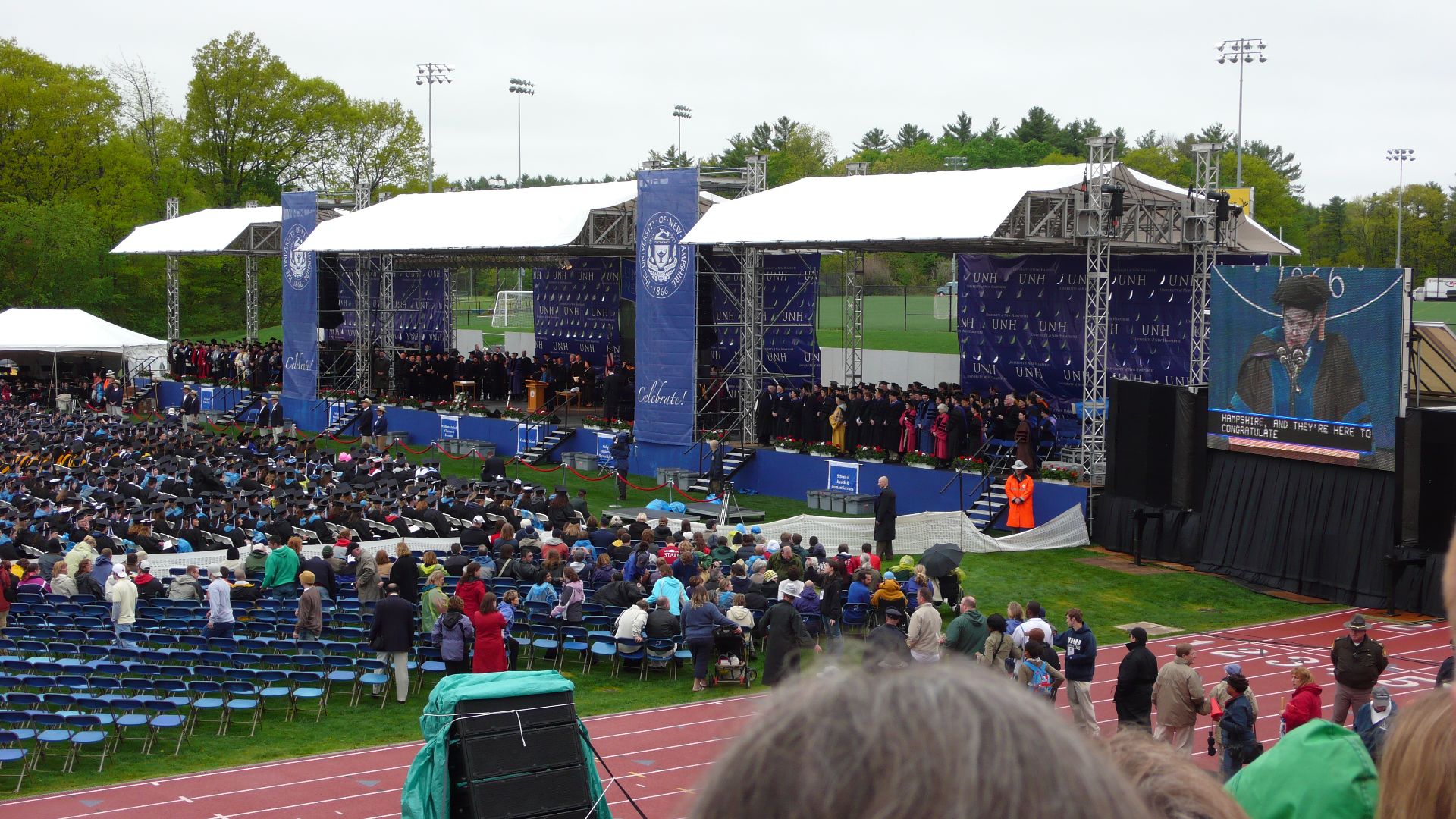 Quintin3265, Wikimedia Commons
8. Virginia
Virginia’s college-or-higher rate is 41.5%, making it one of the most educated states in the South. The state’s higher-ed landscape includes the University of Virginia, Virginia Tech, William & Mary, George Mason, and a dense network of community colleges. Northern Virginia, in particular, has a high concentration of degree holders working in government, defense, cybersecurity, and tech, all of which demand advanced skills and credentials.
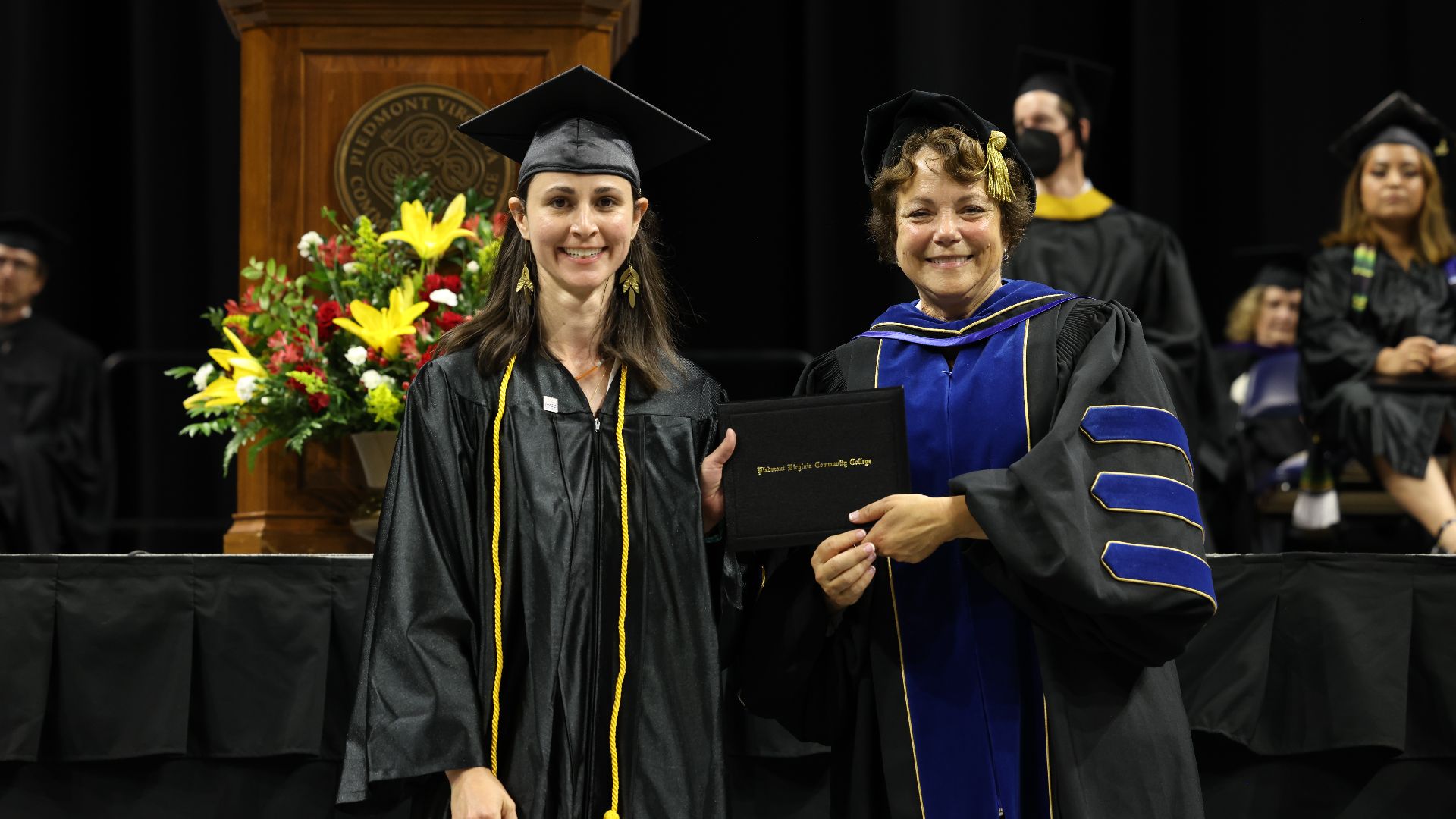 Piedmont Virginia Community College (PVCC), Wikimedia Commons
7. Connecticut
Connecticut sits at 41.9% of adults with a college degree or higher. The state combines prestigious private universities (like Yale and Wesleyan) with public institutions such as UConn. Finance, insurance, and advanced manufacturing jobs keep demand for degrees strong. Many residents commute into New York City or Boston, giving Connecticut a “dual benefit” from nearby job markets while maintaining its own strong educational footprint.
 Shenandoah University Office of Marketing and Communications, Wikimedia Commons
6. Vermont
Vermont has 42.6% college graduates among its adult population. The University of Vermont and a cluster of small liberal arts colleges give the state a distinctly education-heavy feel relative to its size. Vermont leans into fields like environmental studies, sustainable agriculture, and health sciences, mirroring the state’s broader culture of sustainability and community-centered living.
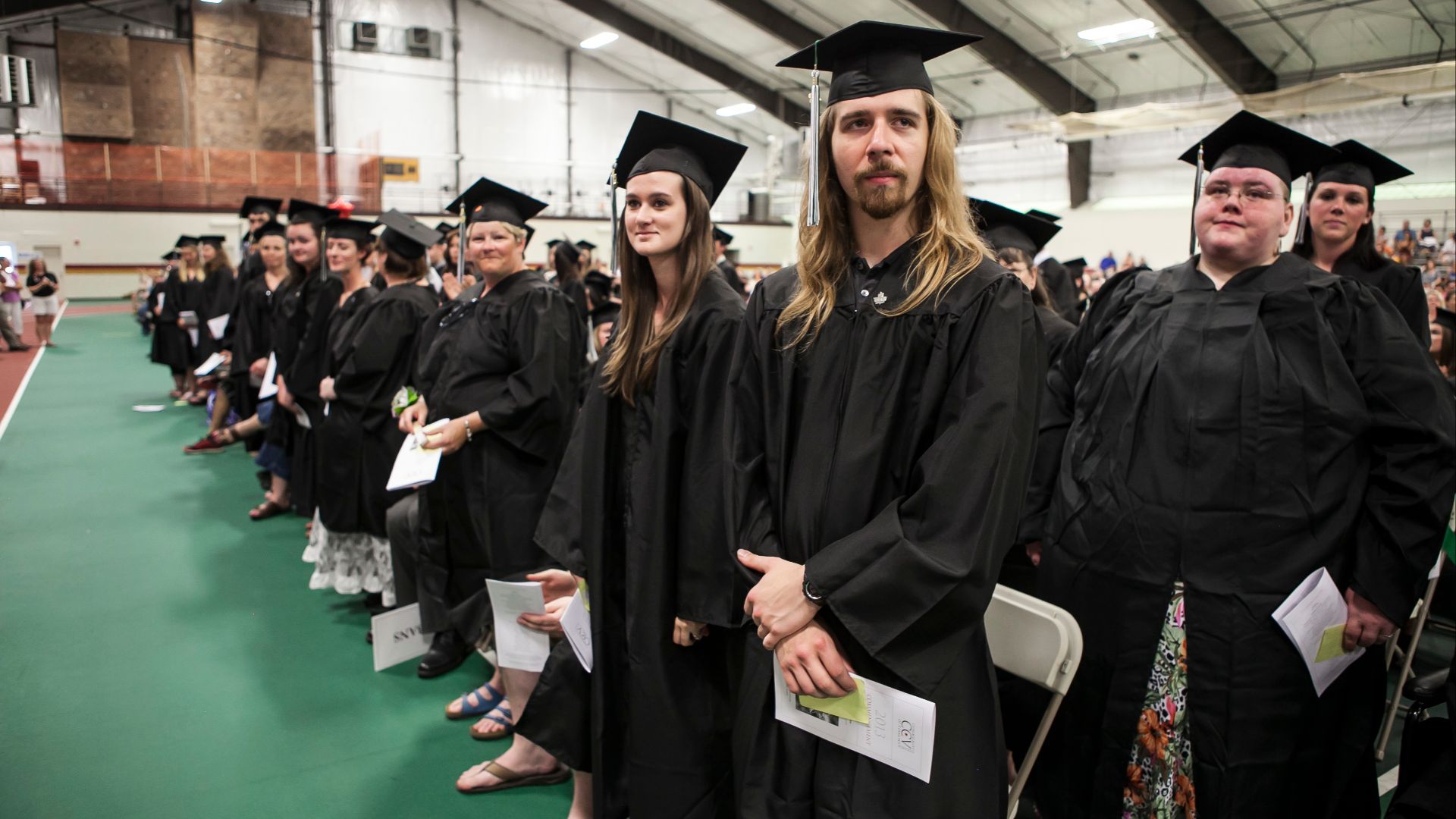 Community College of Vermont, Wikimedia Commons
5. Maryland
Maryland’s rate sits near 42.7% college graduates. The state benefits from proximity to Washington, D.C., as well as powerhouse employers in federal agencies, defense, biotech, and healthcare. The University of Maryland system, Johns Hopkins University, and other colleges help feed a deeply educated labor pool. For many residents, a bachelor’s degree is a baseline entry point into the region’s high-skill jobs.
 Maryland GovPics, Wikimedia Commons
4. New Jersey
New Jersey runs at 42.9% of adults with a college degree or higher. Rutgers, Princeton, NJIT, and a range of public and private colleges supply graduates who often work both in-state and across the river in New York City or Philadelphia. Biotech, pharma, finance, and logistics are major sectors, and the state’s high cost of living is partly offset by its high-wage, high-education job base.
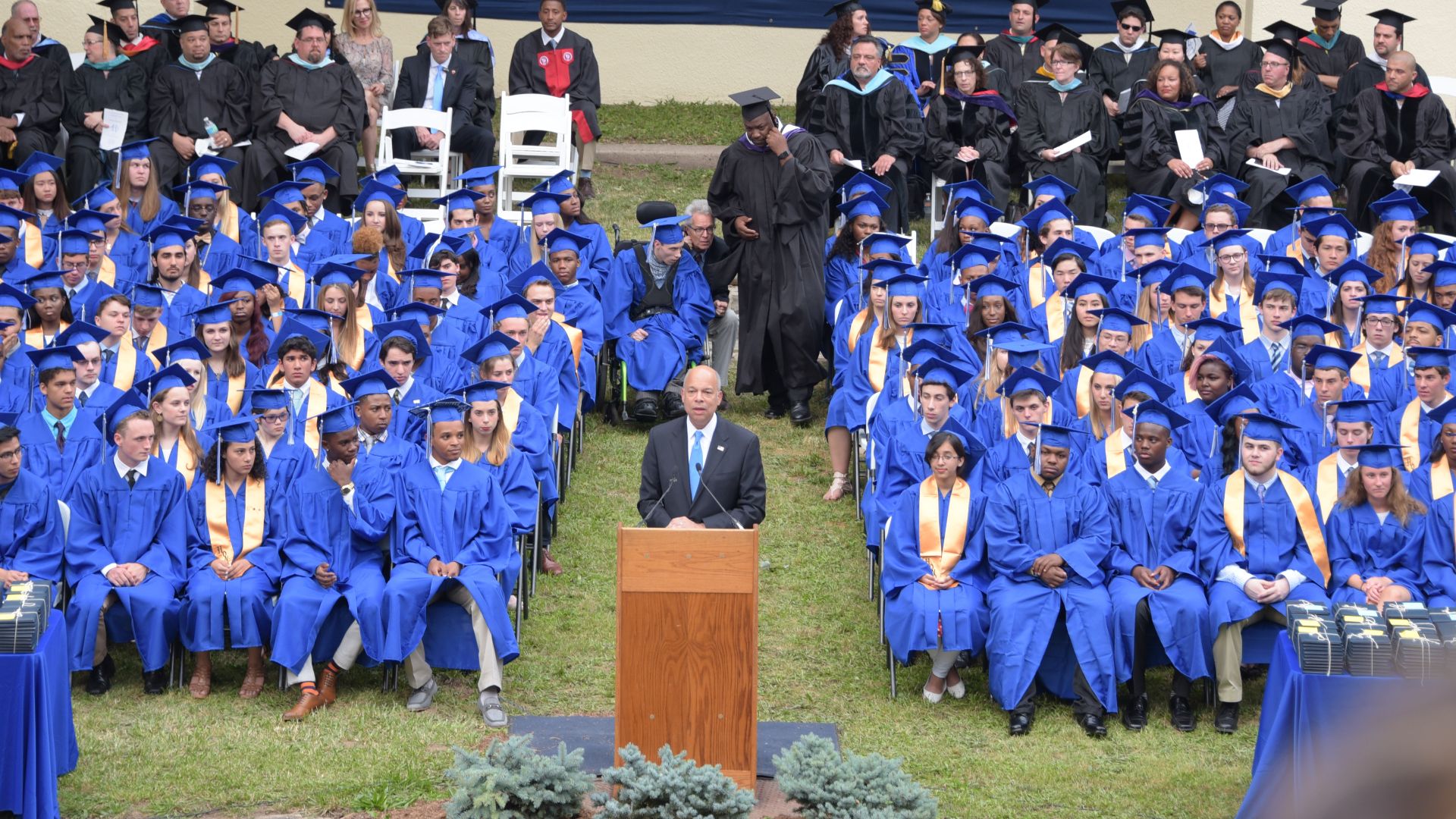 U.S. Department of Homeland Security (DHS), Wikimedia Commons
3. Colorado
Colorado posts a college-or-higher rate of 44.7%, one of the highest in the country. Strong public institutions like the University of Colorado and Colorado State University work alongside a booming tech, aerospace, and outdoor-industry ecosystem. The state draws a lot of college-educated migrants who come for both jobs and lifestyle—skiing, hiking, and mountain-town living are powerful recruitment tools.

2. Massachusetts
Among the states, Massachusetts stands clearly at the top, with 46.6% of adults 25 and over holding a college degree or higher. It’s home to some of the world’s best-known universities—Harvard, MIT, Boston University, Northeastern, UMass and more—which attract students globally and feed talent into biotech, healthcare, finance, and tech hubs around Greater Boston. The state’s long-standing emphasis on education, research, and innovation has created a dense ecosystem of degree holders.
 Sasikiran 10, Wikimedia Commons
1. Washington, DC
The District of Columbia has the highest college-attainment rate in the entire country, with 63.6% of adults holding a college degree or higher. DC is home to a massive concentration of federal agencies, think tanks, consulting firms, law offices, nonprofits, and policy organizations—all of which draw workers with advanced degrees. Georgetown University, George Washington University, Howard University, and American University feed directly into these pathways. Though technically not a state, DC’s educational profile far exceeds every state on this list, so we had to include it.

You May Also Like:
Ranking The Best Countries To Study Abroad In—According To Students
The States With The Highest Graduation Rates—And Where Students Struggle Most
Ranking The Highest And Lowest Income States—According To Data