
The Rental Car Bill That Ruined My Vacation
I thought I had scored a great deal on a rental car. I skipped the pricey upgrades, returned it on time, and even filled the tank before drop-off. Then days later, my credit card was hit with hundreds of dollars in surprise charges I was never warned about. If this sounds familiar, you are not alone. Travelers everywhere are reporting unexpected rental car fees and damage claims that appear long after the trip is over.

Why Rental Car Fees Catch So Many Travelers Off Guard
Most travelers focus on the advertised daily rate when booking a vehicle. Unfortunately, that base price is often only a fraction of the final total.
Taxes, airport surcharges, toll fees, fuel charges, cleaning fees, and administrative costs can quickly inflate the bill. The Federal Trade Commission warns consumers that rental car fees and optional charges can dramatically increase the final cost.

The Sneaky Fees Hidden In The Fine Print
Many rental agreements contain pages of terms that few travelers actually read while standing at the counter after a long flight. Companies rely heavily on those agreements when defending extra charges.
Some fees are legal if they are disclosed somewhere in the contract. That does not always mean the employee verbally explained them to you.

Airport Rentals Are Often The Biggest Trap
One of the most common surprises is the airport concession fee. Renting directly at an airport can add significant surcharges to your bill.
Some travelers save money by taking a shuttle to an off-airport rental location instead. The FTC notes that airport rentals frequently cost much more because of these additional charges.

Fuel Charges Can Get Extremely Expensive
Returning the car without a full tank is one of the fastest ways to get hit with a huge bill. Rental companies often charge far more per gallon than nearby gas stations.
Even being slightly under full can trigger expensive refueling fees. Consumer experts recommend filling the tank close to the return location and saving the receipt as proof.
 Kaspars Grinvalds, Shutterstock
Toll Road Charges Add Up Fast
Electronic toll systems may seem convenient during a road trip, but they can become costly later. Some companies charge daily administrative fees just for activating the toll service.
Drivers sometimes discover dozens of dollars in processing charges even when the actual tolls were minimal. These charges are typically buried in the rental agreement.

Cleaning Fees Have Become More Aggressive
Cleaning fees used to be rare unless a vehicle was returned in terrible condition. That has changed in recent years.
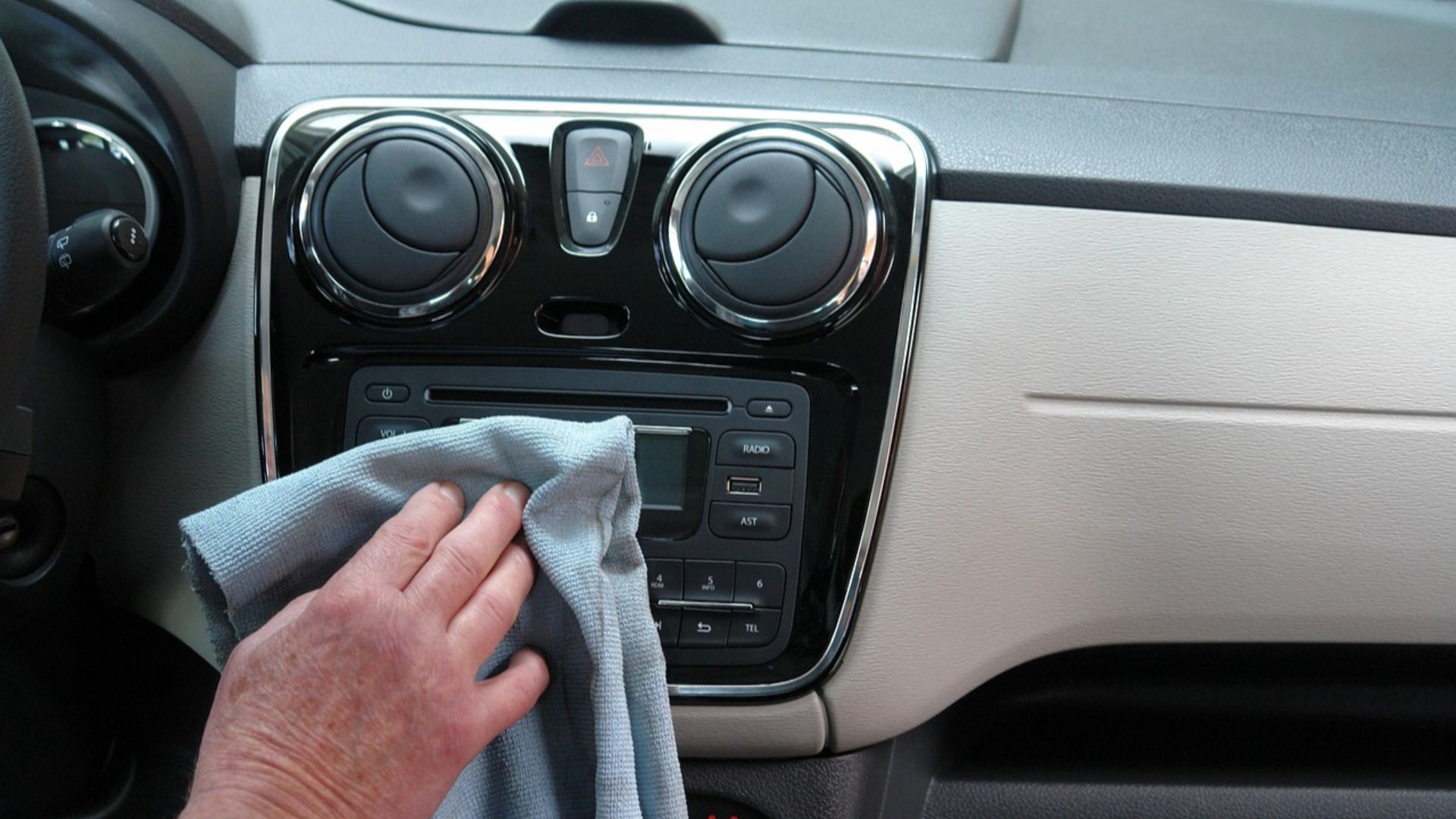
Some renters now report charges for sand, pet hair, smoke smells, or excessive dirt. In severe cases, companies may charge hundreds for detailing services.
Damage Claims Often Arrive Weeks Later
One of the most frustrating situations happens when renters receive a damage bill long after returning the car. Many travelers assume the transaction is complete once they hand over the keys.
Unfortunately, rental companies often conduct additional inspections after cleaning the vehicle. Damage claims may arrive days or even months later.

You May Still Be Liable Even Without Verbal Notice
This is the painful reality many travelers learn too late. If the fee or policy appears in the signed rental agreement, companies may argue you already accepted it.
In many cases, verbal notification is not legally required if the terms were disclosed in writing. Courts often view the signed contract as binding.

But Companies Cannot Use Deceptive Pricing
That does not mean rental companies can charge absolutely anything they want. Consumer protection laws still prohibit deceptive or misleading practices.
The FTC has repeatedly warned against bait-and-switch advertising and hidden mandatory charges that were not properly disclosed upfront.

Optional Fees Must Usually Be Clearly Identified
Add-ons like insurance, GPS rentals, satellite radio, or roadside assistance generally must be presented as optional services. You cannot legally be forced into accepting them without consent.
Travelers should always review the printed agreement carefully before signing. Some customers accidentally agree to expensive upgrades during rushed checkouts.

Credit Card Coverage Can Save You Money
Many travelers do not realize their credit card may already include rental car insurance benefits. This can help avoid costly collision damage waivers sold at the counter.
Coverage varies by card issuer, so checking before your trip is important. Using the right card could save hundreds in unnecessary insurance fees.

Photos Are Your Best Defense
Consumer advocates consistently recommend taking photos and videos of the car before and after the rental period. This includes the roof, wheels, windshield, and interior.
Time-stamped images can become critical evidence if the company later claims you caused damage. Many disputes are difficult to fight without photographic proof.

Keep Every Receipt From Your Trip
Gas receipts, toll receipts, and return paperwork may help dispute questionable fees later. Travelers should never toss paperwork immediately after returning the car.
Even a simple fuel receipt can help prove you refilled the tank shortly before drop-off.

Always Ask For A Final Inspection
Whenever possible, request that an employee inspect the vehicle with you present. Ask for written confirmation that no damage was found.
This does not guarantee you will avoid future claims, but it can strengthen your case if a dispute later appears.

Disputing Charges Is Possible
If you believe a fee is unfair, start by contacting the rental company directly. Calm, detailed communication often works better than angry demands.
Ask for photographs, repair invoices, inspection reports, and documentation supporting the charge. Companies may reverse questionable fees when challenged with evidence requests.

Credit Card Chargebacks Can Sometimes Help
Travelers who believe they were billed unfairly may also dispute the transaction through their credit card company. This process is called a chargeback.
Banks typically require documentation and evidence supporting your complaint. Strong records and photographs greatly improve your chances of success.

State Laws Can Offer Additional Protections
Consumer protection laws vary by state. Some states require clearer disclosure of fees and optional charges than others.
Travelers dealing with large disputes may benefit from contacting their state attorney general or consumer protection office.

The Cheapest Rental Is Rarely The Cheapest Overall
Budget deals can become surprisingly expensive once fees are added. Experienced travelers often compare the total estimated price instead of the advertised daily rate.
A slightly more expensive booking with transparent pricing may ultimately cost less than a bargain rental filled with hidden extras.
 Cast of Thousands, Shutterstock
Reading The Contract Matters More Than Ever
It is not exciting travel advice, but carefully reviewing the rental agreement remains one of the best ways to avoid unpleasant surprises.
Look specifically for policies involving fuel, tolls, cleaning, damage, late returns, and additional drivers. Those sections often contain the most expensive traps.

The Bottom Line On Surprise Rental Car Charges
So do you still have to pay if nobody verbally warned you about the fees? In many situations, unfortunately yes, especially if the charges were disclosed in the written agreement you signed.
However, consumers still have rights when fees are deceptive, unsupported, or improperly disclosed. Careful documentation, photographs, and quick action can make a huge difference when fighting unfair charges.

You May Also Like:
I booked a flight, but hidden fees doubled the price. Is that actually legal?