Archaeologists Keep Finding Answers That Create Even Bigger Questions
Archaeology is supposed to solve mysteries, but sometimes it does exactly the opposite. From Egypt and Stonehenge to Rapa Nui and the Indus Valley, these discoveries have given archaeologists valuable new evidence while only deepening some of history’s greatest mysteries.
The Great Pyramid’s Enormous Hidden Void
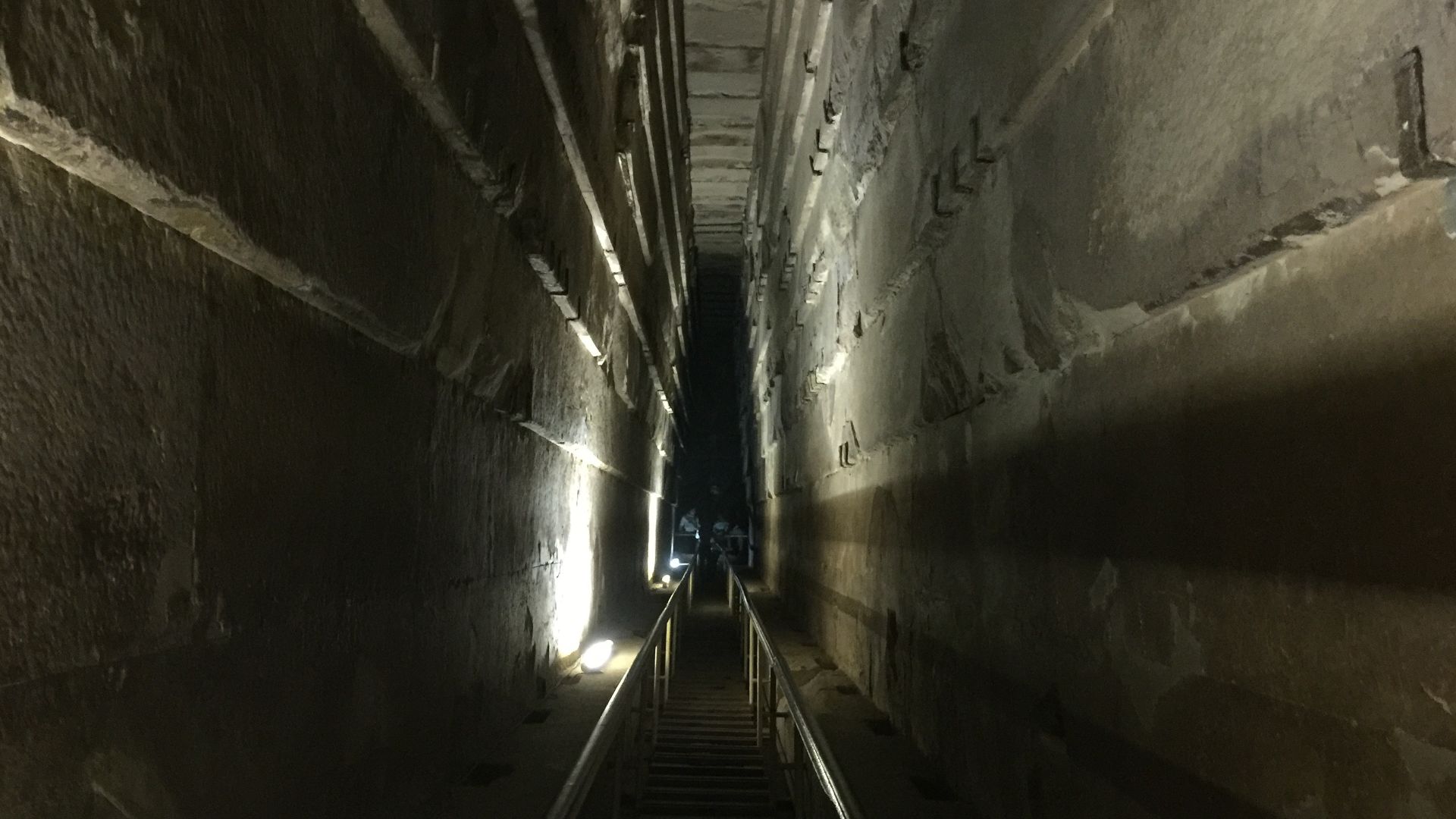
The Great Pyramid of Giza had been studied for centuries when the ScanPyramids project made an astonishing discovery in 2017. By measuring cosmic-ray particles called muons as they passed through the monument, researchers detected a previously unknown empty space above the Grand Gallery. The so-called Big Void appears to be at least 30 meters long and has a cross-section comparable to the gallery below it. Researchers are confident that something is there, but they still don't know whether it’s a single chamber, several connected spaces, or an architectural feature designed to relieve pressure. Finding it didn't explain Khufu's pyramid, but instead proved there's still a huge part of the pyramid we don't understand.
 Keith Adler, Wikimedia Commons
The Great Pyramid’s Mysterious North-Face Corridor
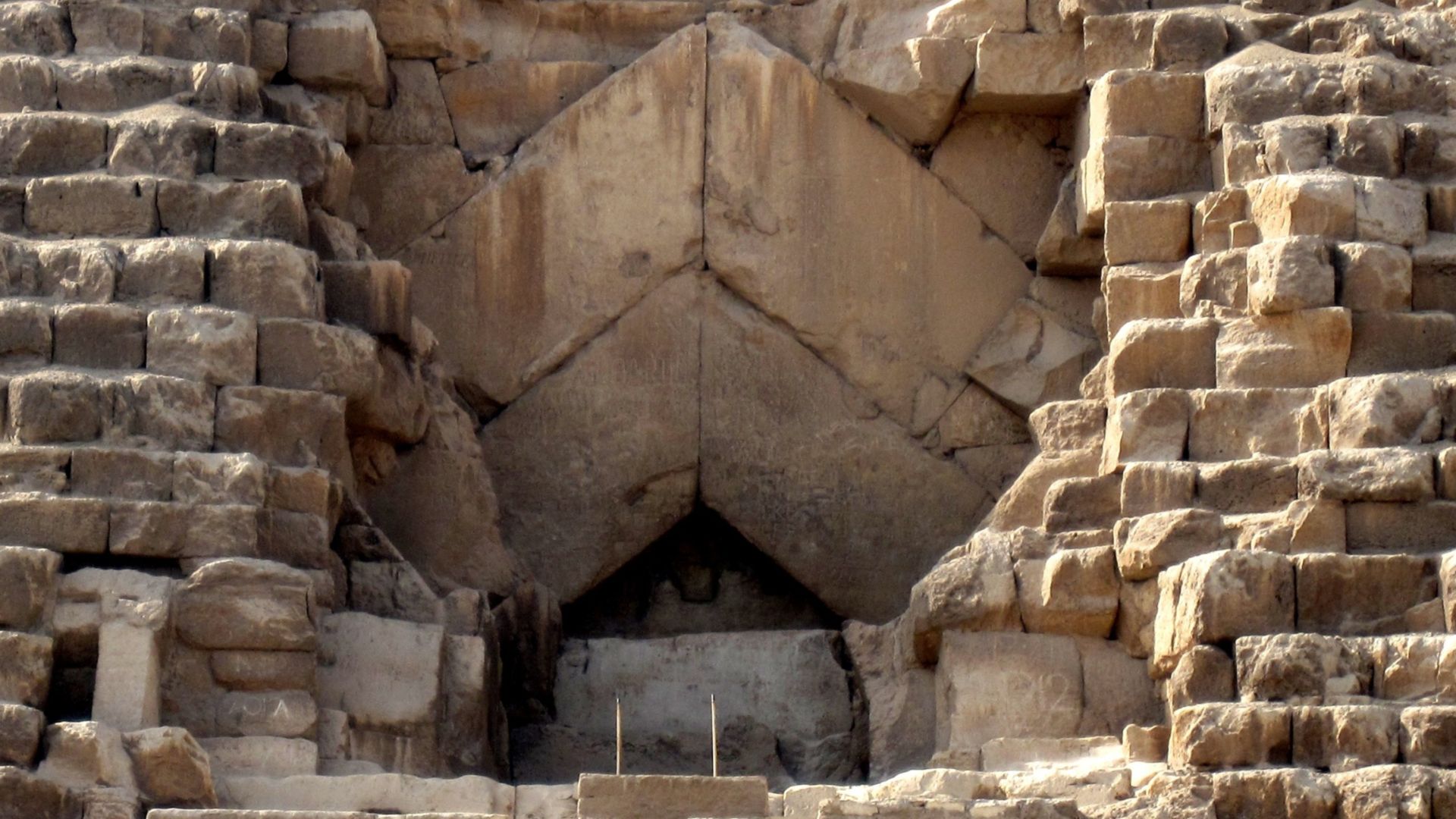
ScanPyramids followed that surprise with another one. Researchers detected a corridor behind the giant chevron-shaped stones on the pyramid's north face and later inserted a tiny camera through a narrow opening. The footage revealed a roughly nine-meter-long unfinished corridor with a vaulted ceiling, ending at what appears to be a blank wall. It may have served a structural purpose, perhaps relieving pressure around an entrance or another space, but nobody knows for sure. Its position is especially tantalizing because researchers can't yet rule out the possibility that another structure lies beyond it. In other words, getting a camera inside mostly confirmed how much remains hidden.
 Olaf Tausch, Wikimedia Commons
Stonehenge’s Altar Stone Came From The Other End Of Britain
Stonehenge's massive Altar Stone was long grouped with the monument's Welsh bluestones, but geochemical analysis delivered a major surprise in 2024. Researchers traced the six-ton sandstone slab not to Wales, but to the Orcadian Basin in northeast Scotland, at least 700 kilometers from Salisbury Plain. The discovery settled one argument while creating a much bigger one. Why did Neolithic people specifically select this enormous Scottish stone for a monument in southern England? Researchers also have to explain how it made the journey. Transport by sea is possible, but an overland route would've required an extraordinary level of organization and cooperation across prehistoric Britain.
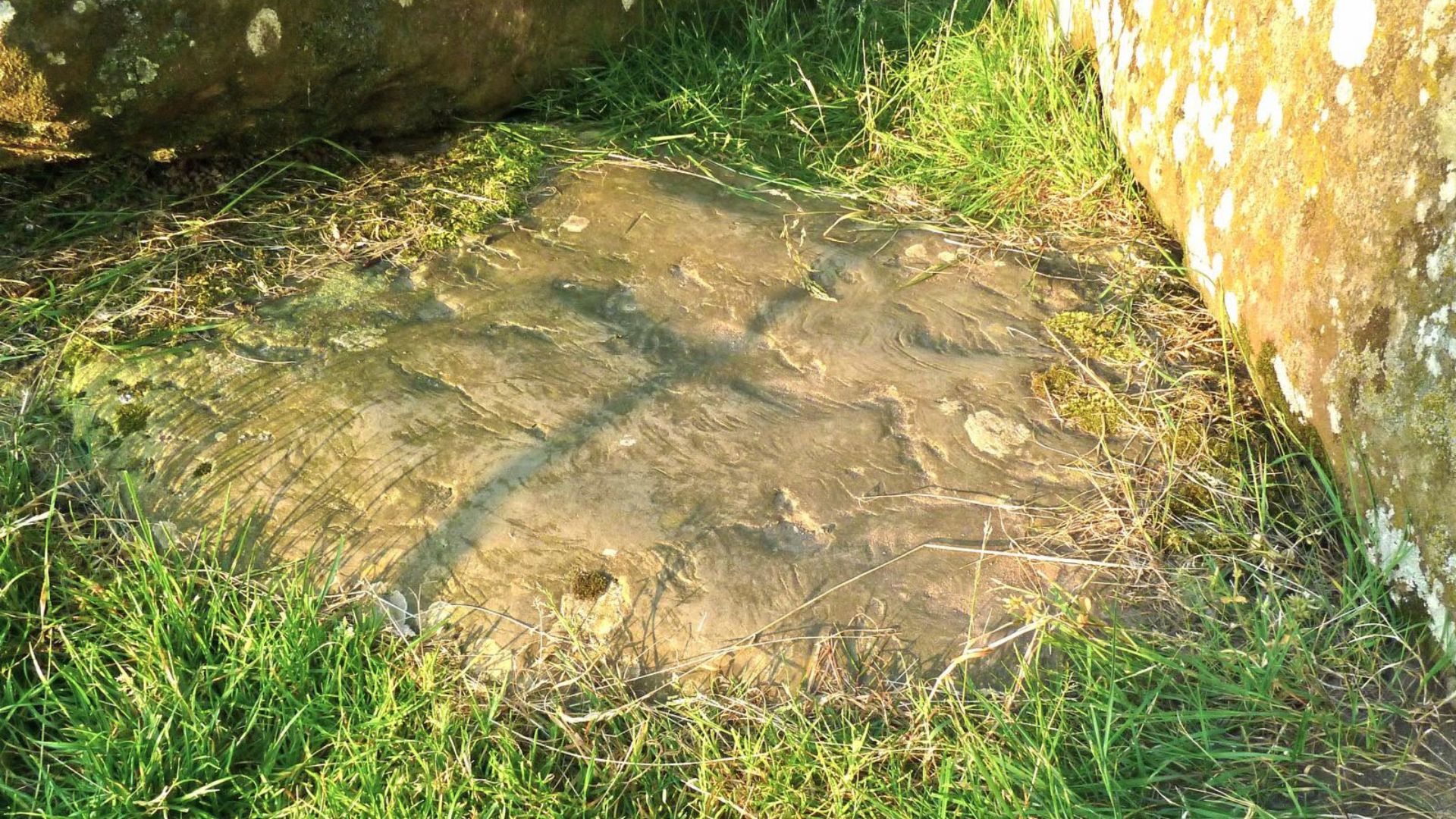 The Stones of Stonehenge, Wikimedia Commons
A Possible Earlier Stonehenge Was Found In Wales
The Preseli Hills of Wales were already known as the source of some Stonehenge bluestones when excavations at Waun Mawn revealed the remains of a prehistoric stone circle. Researchers proposed that several stones may once have stood there before being dismantled and transported to Salisbury Plain roughly 280 kilometers away. One empty socket even seemed to match the unusual cross-section of a Stonehenge bluestone. It's an intriguing idea, but other archaeologists have challenged whether Waun Mawn was actually a complete stone circle and whether the proposed connection holds up. If the theory is right, though, Stonehenge becomes even stranger. Its builders may have carried pieces of an older monument across Britain rather than starting completely from scratch.
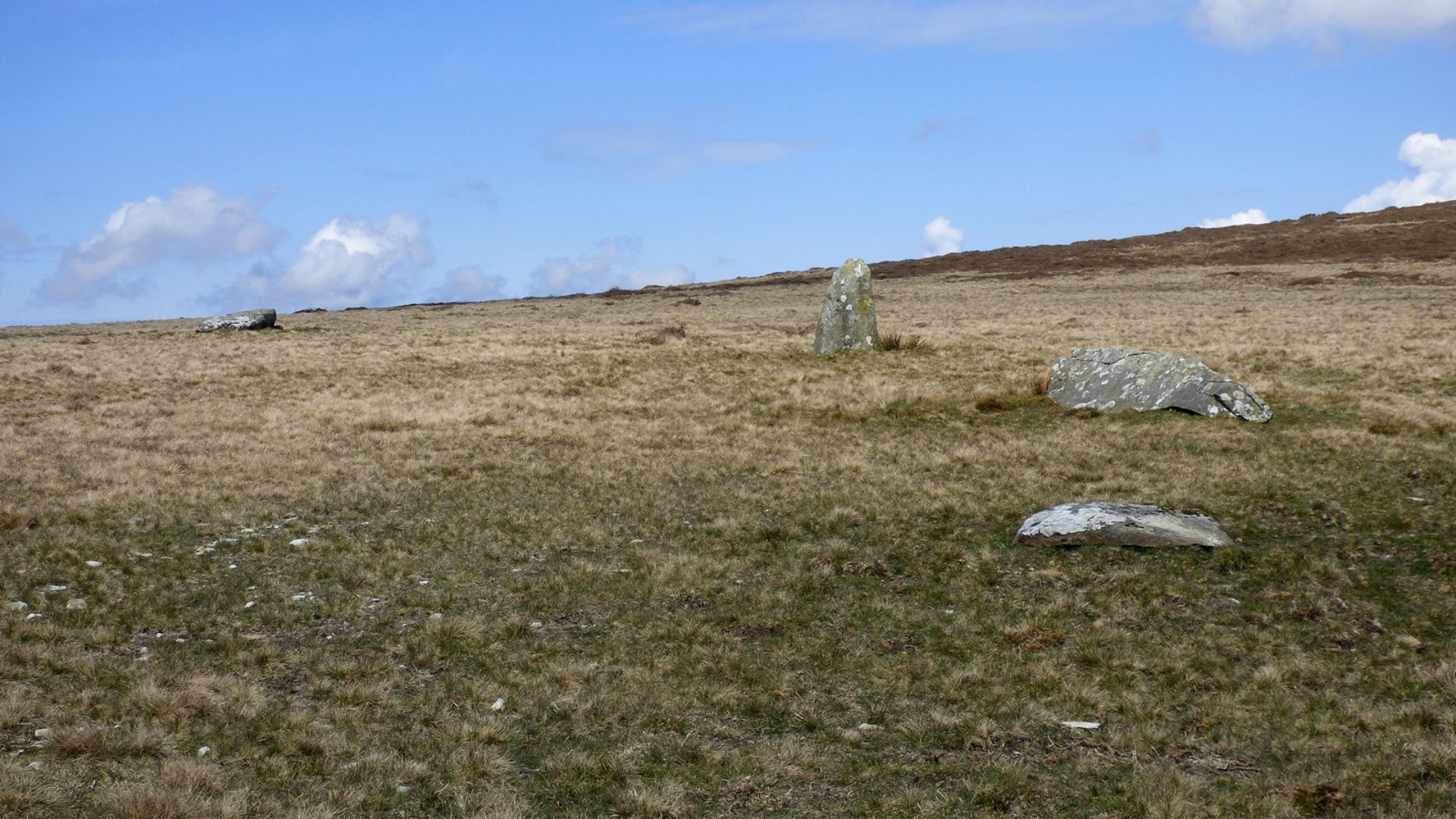 Sandy Gerrard , Wikimedia Commons
A Giant Ring Of Pits Surrounded Durrington Walls
Stonehenge may be famous for its stones, but some of the strangest discoveries are appearing in the surrounding landscape. Researchers identified a huge circuit of large prehistoric pits centered around Durrington Walls, the massive Neolithic settlement and henge about three kilometers from Stonehenge. The features form a boundary roughly two kilometers across, with individual pits more than ten meters wide in some cases. Their deliberate positioning suggests large-scale surveying and planning. Archaeologists aren't certain whether the boundary was ritual, territorial, or meant to control movement through a sacred landscape, but it shows that Stonehenge wasn't an isolated monument. People were organizing the surrounding countryside on a scale that would've been remarkable for the time.
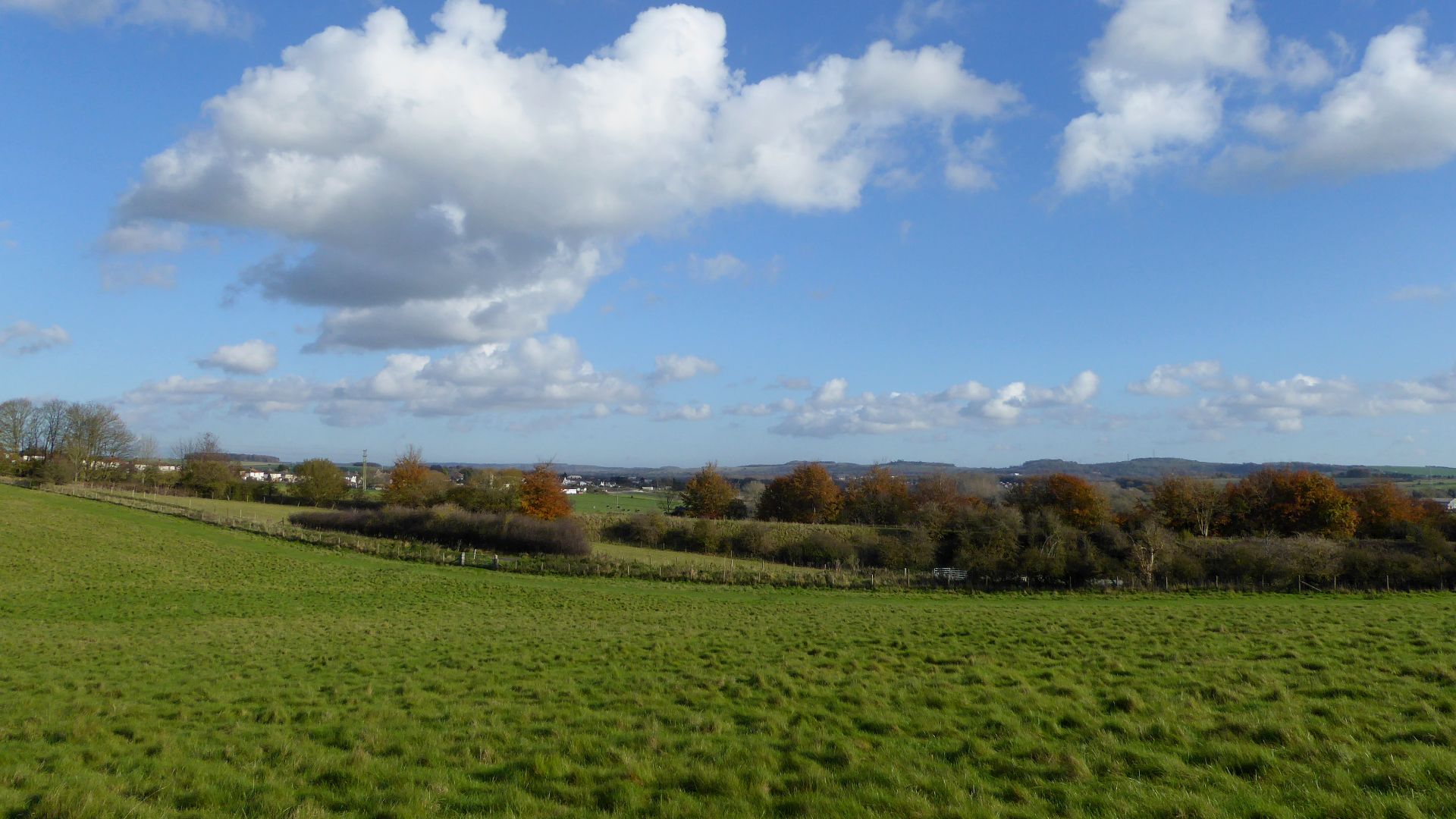 Ethan Doyle White, Wikimedia Commons
Hundreds More Nazca Figures Were Hiding In Plain Sight
Researchers once knew of a few hundred figurative Nazca geoglyphs in Peru, but improved aerial photography, drones, and artificial intelligence have dramatically changed the picture. In one major project, AI-assisted surveying helped researchers identify 303 previously unknown figurative geoglyphs in only six months. They include people, llamas, birds, cats, monkeys, and unsettling images involving severed heads. The variety suggests that not every geoglyph necessarily served the same purpose. Some may have been associated with pathways and everyday movement, while larger figures could have served more communal ceremonial roles. Instead of revealing one simple reason the Nazca drew across the desert, the growing collection suggests they were doing it for several different reasons.
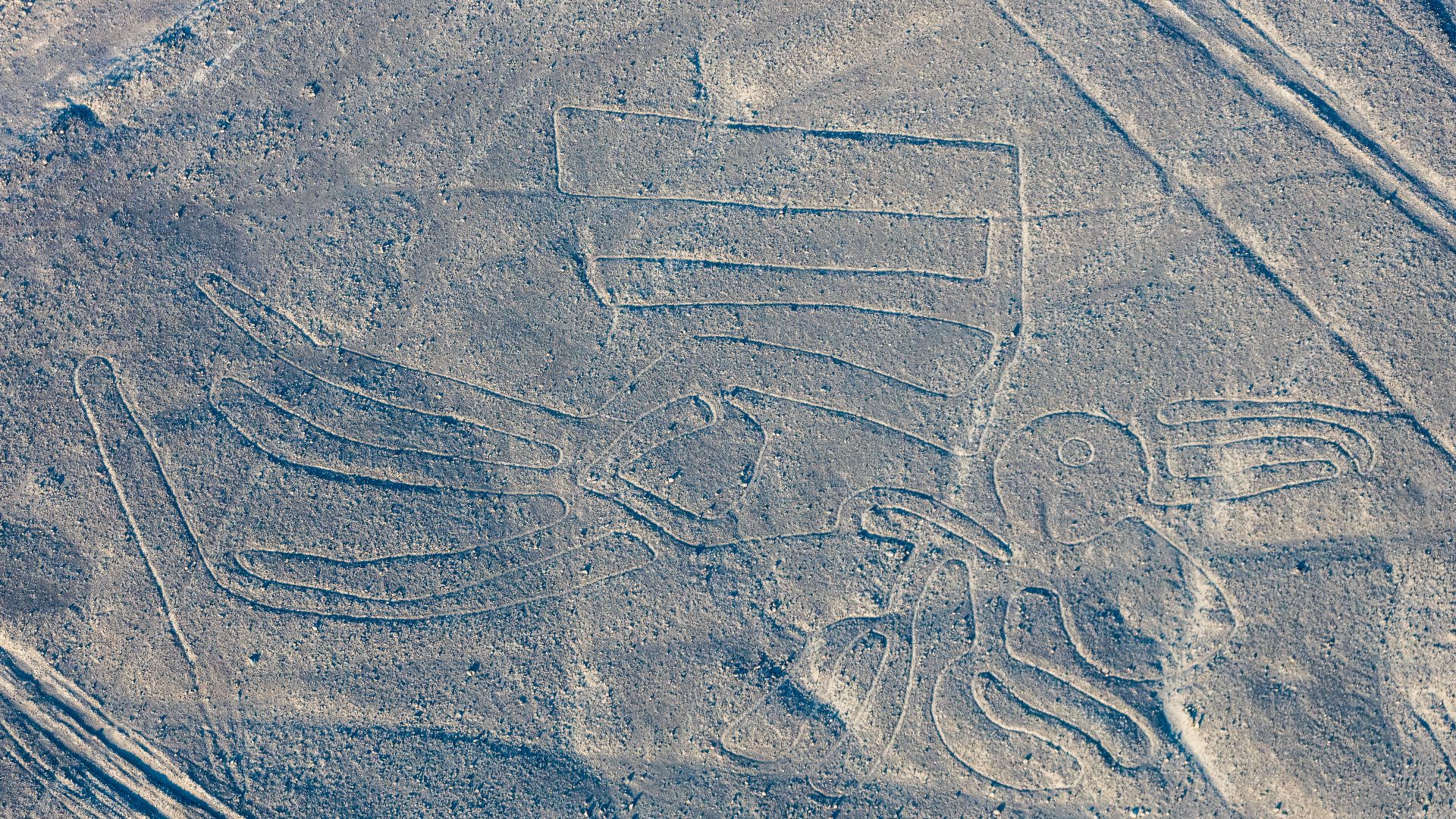 Diego Delso, Wikimedia Commons
A Moai Appeared In A Dry Lake Bed
Nearly 1,000 moai were already known on Rapa Nui when researchers announced another discovery in 2023. What made this statue unusual wasn't its size but its location. The roughly 1.6-meter moai was lying in the dried lake bed inside the crater of Rano Raraku, the volcanic quarry where most of the island's statues were carved. No moai had previously been recorded within the lake itself. The lake had dried dramatically, making the statue visible. Its discovery immediately raised an obvious possibility: if one statue had remained hidden beneath sediment and water there, other statues, tools, or ritual features could be concealed nearby. Even Rano Raraku, one of Rapa Nui's most intensively studied places, clearly isn't finished surprising archaeologists.
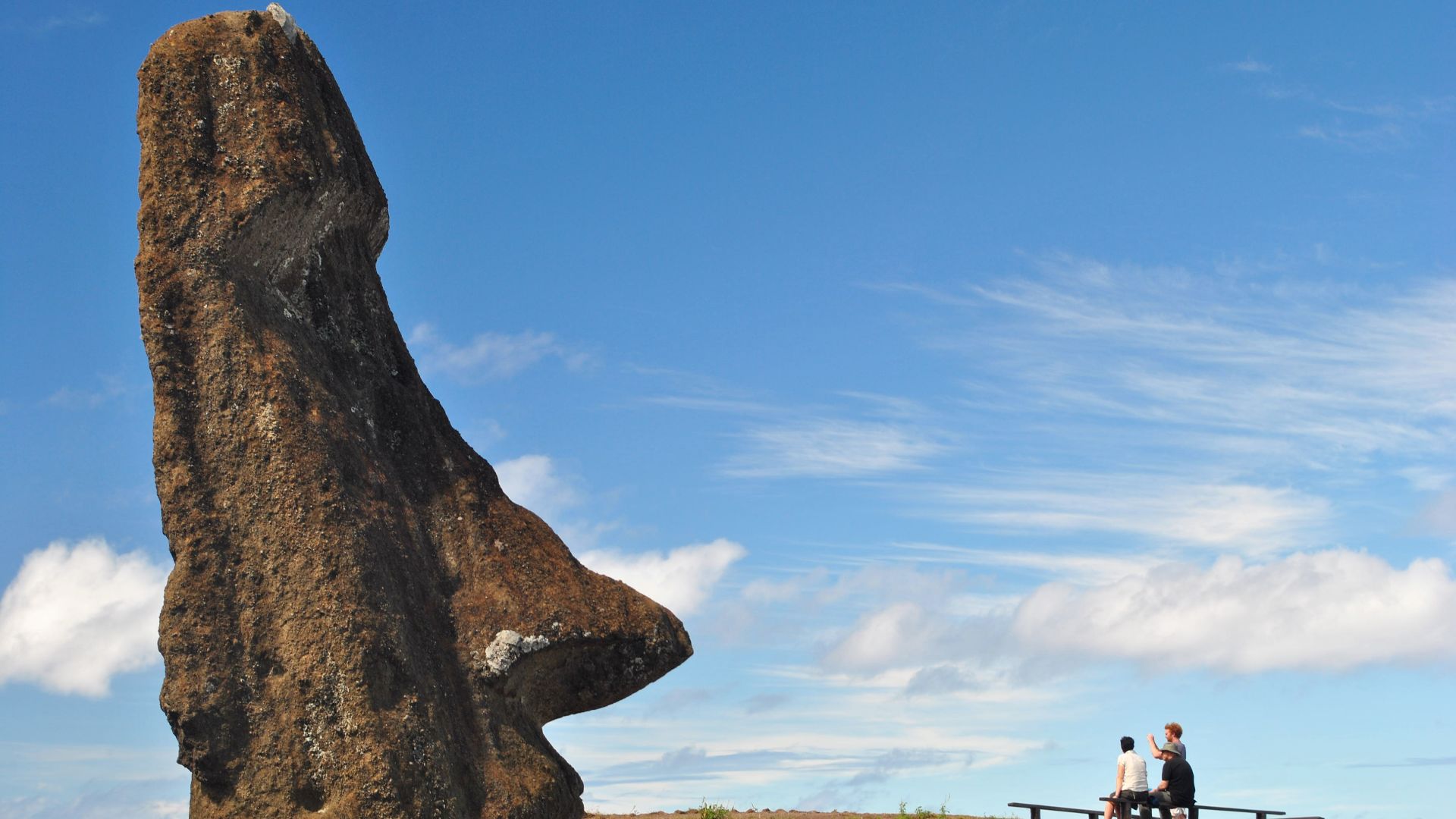 Javier Ramos Pinochet, Wikimedia Commons
Teotihuacan’s Hidden Tunnel Was Supposed To Solve Everything
In 2003, heavy rain opened a sinkhole near Teotihuacan's Temple of the Feathered Serpent. Archaeologist Sergio Gómez descended into it and discovered a sealed ancient tunnel running beneath the pyramid. Excavation eventually revealed tens of thousands of deliberately deposited objects, including shells, obsidian, animal remains, jewelry, pottery, and statues. The tunnel terminated in chambers beneath one of the city's most important monuments, making archaeologists wonder whether they were finally approaching the tombs of Teotihuacan's elusive rulers. Yet no unmistakable royal burial emerged. After an extraordinary excavation, one of the city's biggest questions remains unanswered: who actually ruled this enormous metropolis?
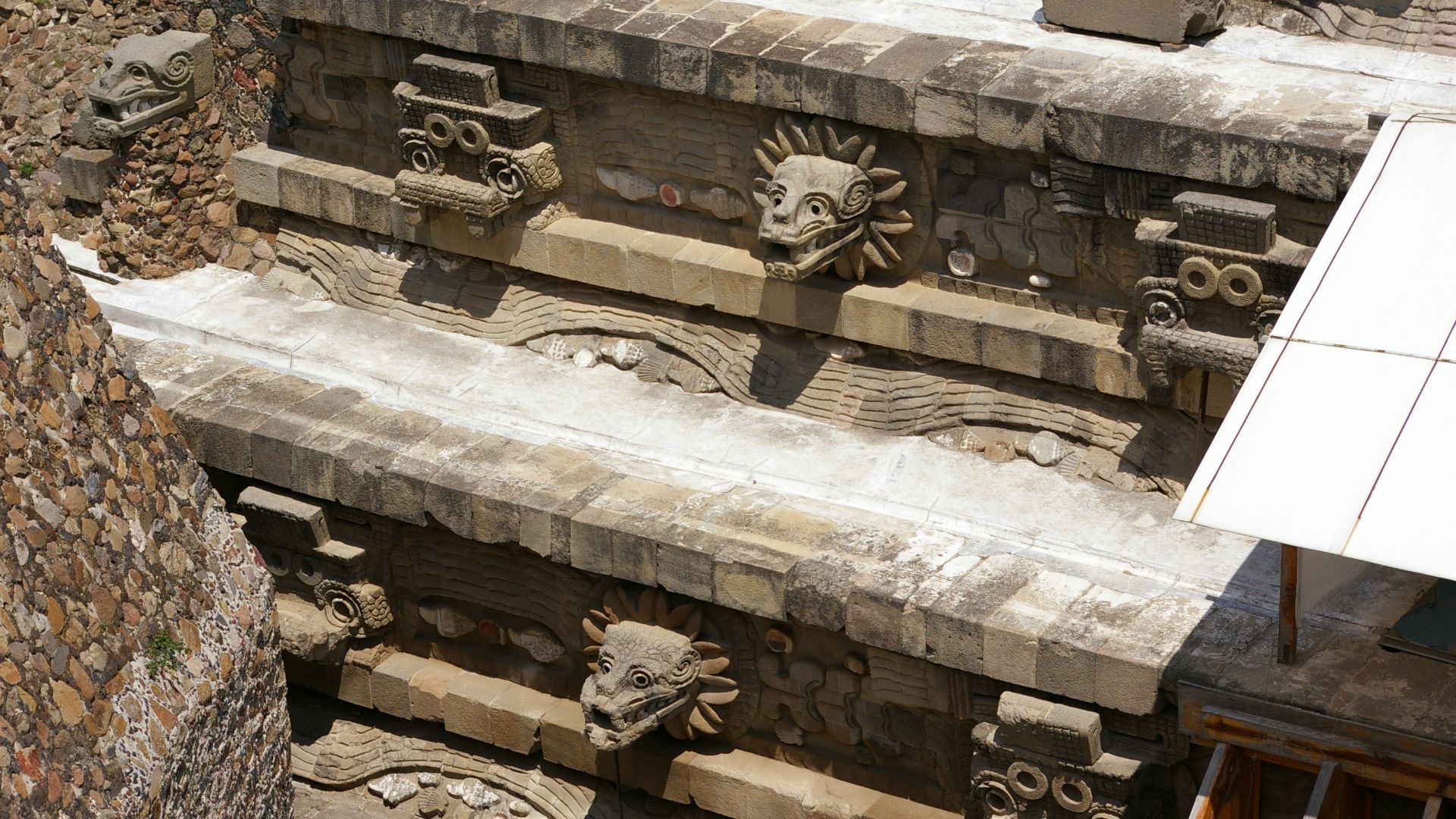
Liquid Mercury Made The Teotihuacan Tunnel Even Stranger
The tunnel contained another extraordinary detail. Archaeologists detected traces of mercury, a rare and difficult material to obtain, while pieces of pyrite had been embedded into parts of the underground environment. In flickering firelight, the pyrite could have resembled stars, while liquid mercury may have represented sacred water, creating a miniature supernatural landscape underground. The tunnel may have symbolized the underworld or the mythical place from which creation emerged. That explains some of its symbolism, but not why Teotihuacan's people went to such enormous lengths to build, fill, and deliberately seal the complex. Whatever happened down there seems to have mattered enormously.
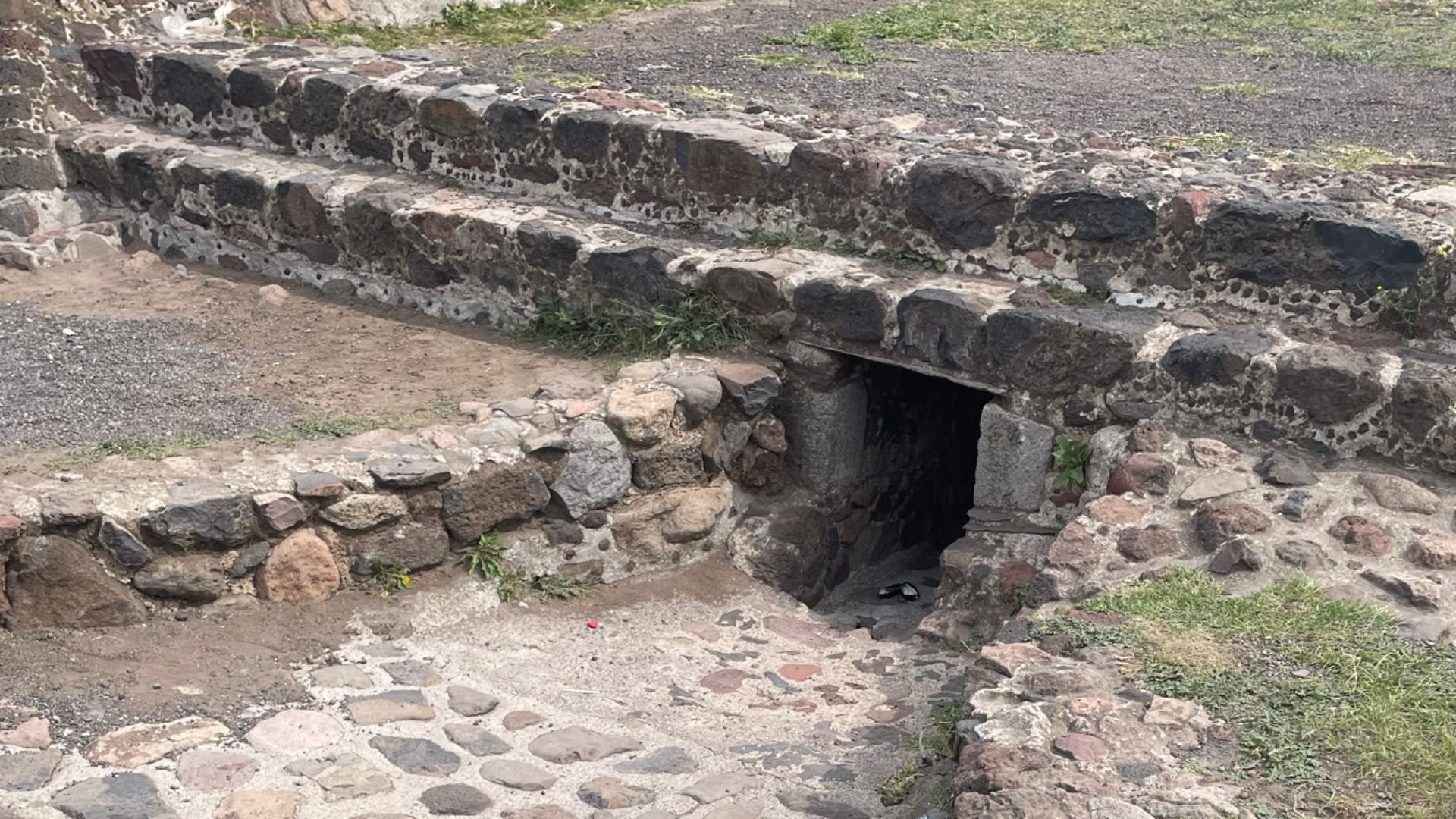 Peachseltzer, Wikimedia Commons
A Hidden Cenote Lies Beneath Chichén Itzá’s Famous Pyramid
El Castillo, the towering Temple of Kukulcán at Chichén Itzá, became even more intriguing when electrical-resistivity surveys detected a water-saturated cavity directly beneath it. Researchers identified a feature roughly 20 meters by 16 meters below the pyramid, apparently part of the natural karst landscape that produces the Yucatán's famous cenotes. Because caves and cenotes were closely connected with rain, fertility, ancestors, and the Maya underworld, researchers suspect the pyramid's location may have been deliberate. Yet they still don't know how much the builders understood about the cavern, whether it was ever accessible from the temple, or what role it played in the rituals performed above.
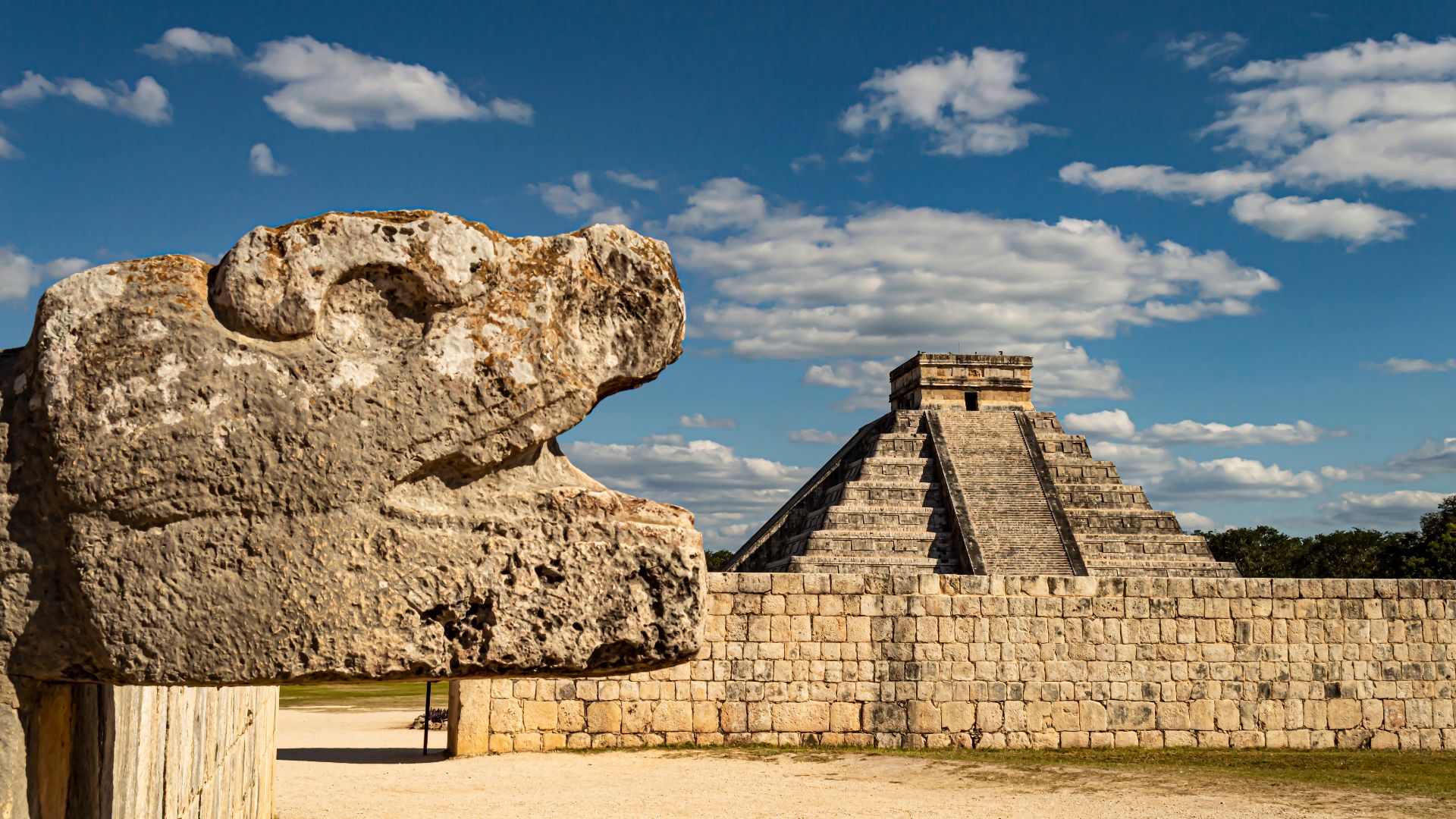
Qin Shi Huang’s Mercury Rivers May Actually Exist
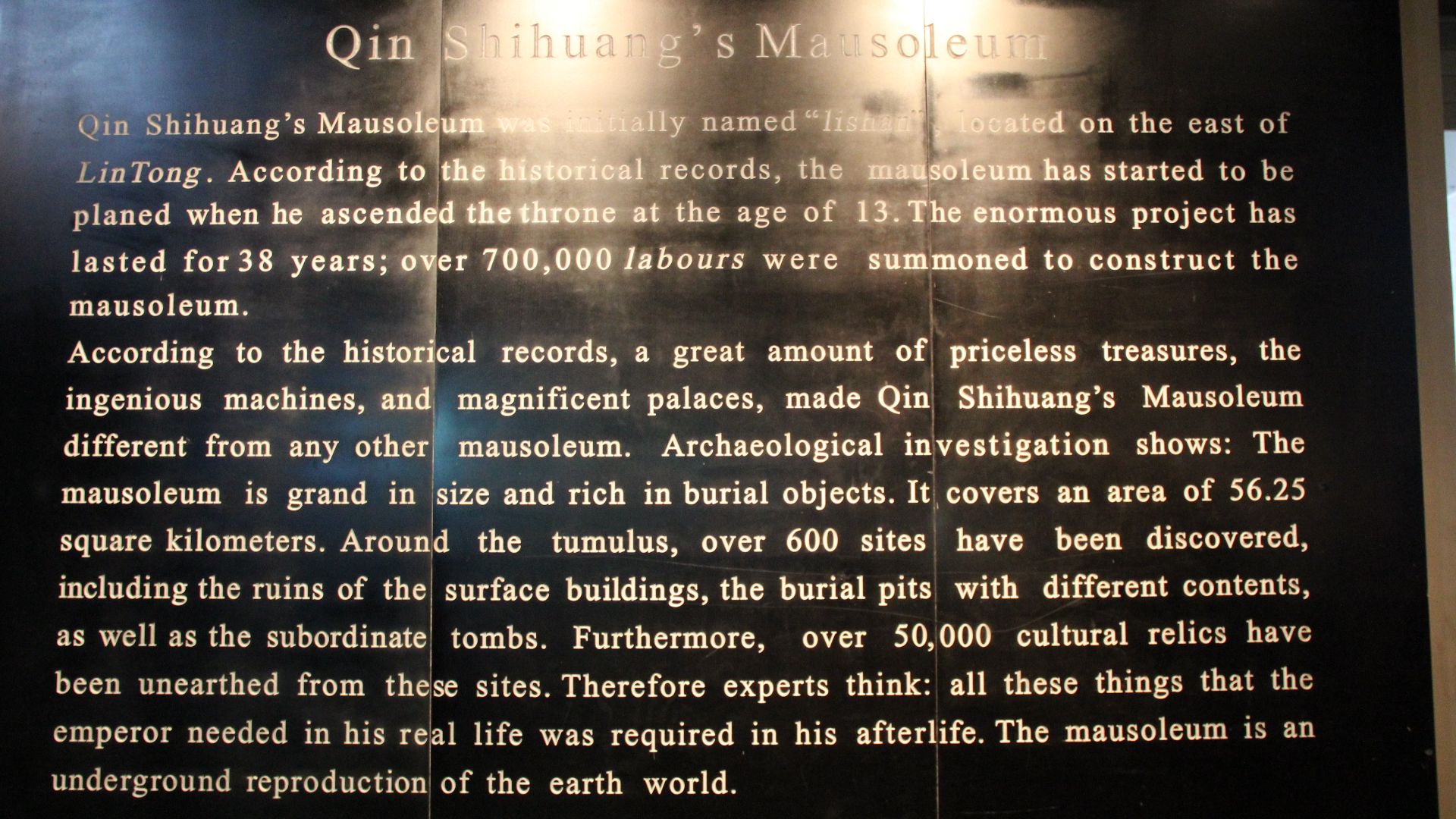
Ancient Chinese historian Sima Qian wrote that the tomb of China's First Emperor contained a miniature world with rivers and seas of mercury flowing through it. For centuries, the description sounded almost too spectacular to be literal. Then scientists measured unusually high concentrations of mercury in soil around Qin Shi Huang's unopened burial mound. The finding doesn't prove that literal flowing rivers survive below, but it gave an astonishing piece of ancient writing much more credibility. Archaeologists still haven't opened the central tomb, partly because excavation could irreversibly damage its contents. That means the mercury evidence has made everyone more curious without revealing what actually lies beneath the mound.
 Gary Todd from Xinzheng, China, Wikimedia Commons
Another Roman Dodecahedron Explained Absolutely Nothing
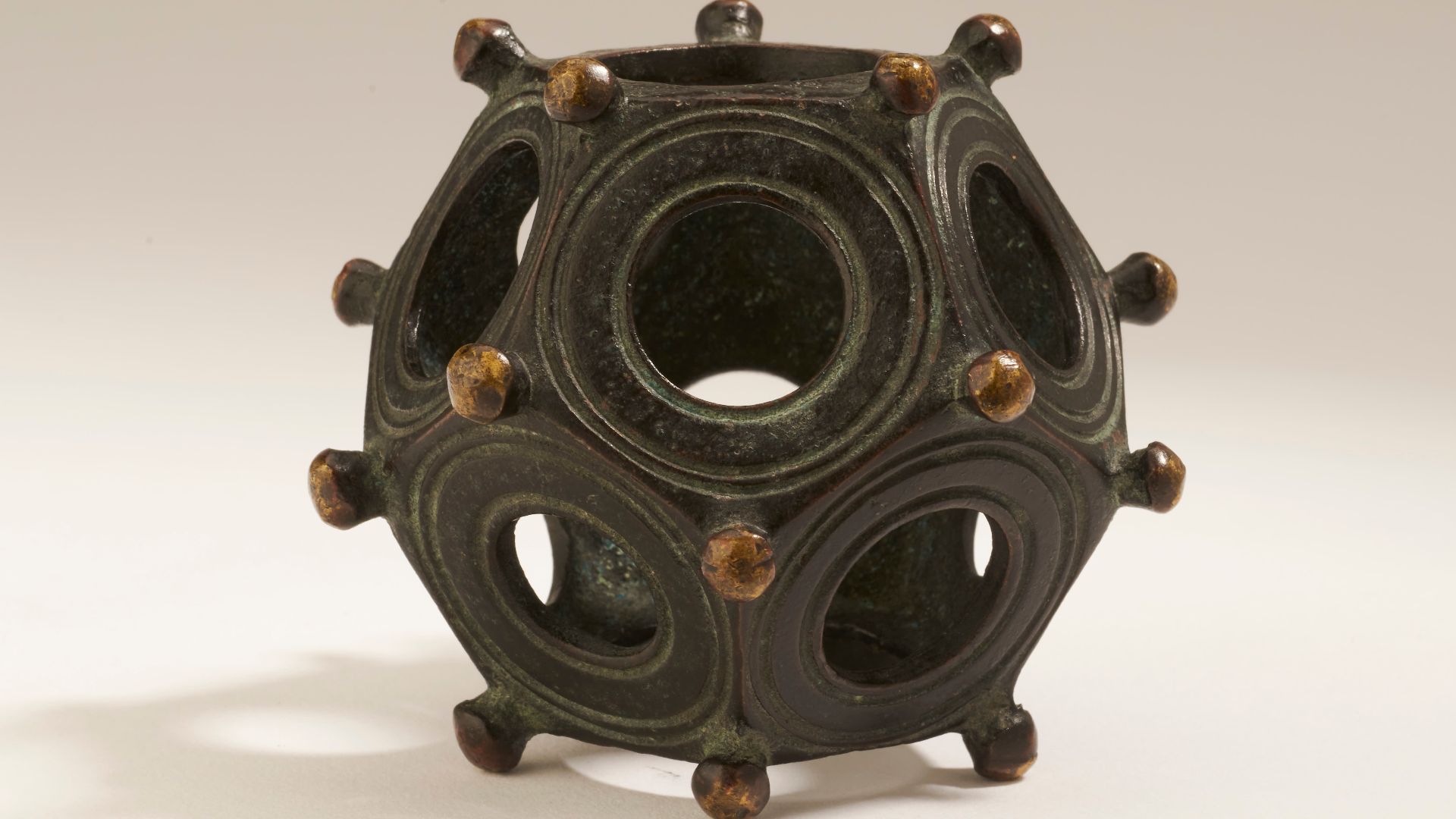
Roman dodecahedrons have been puzzling archaeologists for generations. The hollow copper-alloy objects have twelve faces, differently sized circular openings, and small knobs at each corner, yet no known Roman text or image explains them. Then, in 2023, excavators at Norton Disney in Lincolnshire found an unusually large, complete example in its original archaeological context. It showed virtually no wear, wasn't standardized enough to make an obvious measuring instrument, and had been carefully manufactured before apparently being deliberately deposited. Researchers have suggested ritual or religious uses, but there's still no firm answer. Finding one of the best-preserved examples ever discovered somehow left the mystery almost exactly where it started.
 Eamonn O'Mahony, Wikimedia Commons
The Antikythera Mechanism Was Far Too Advanced For Expectations
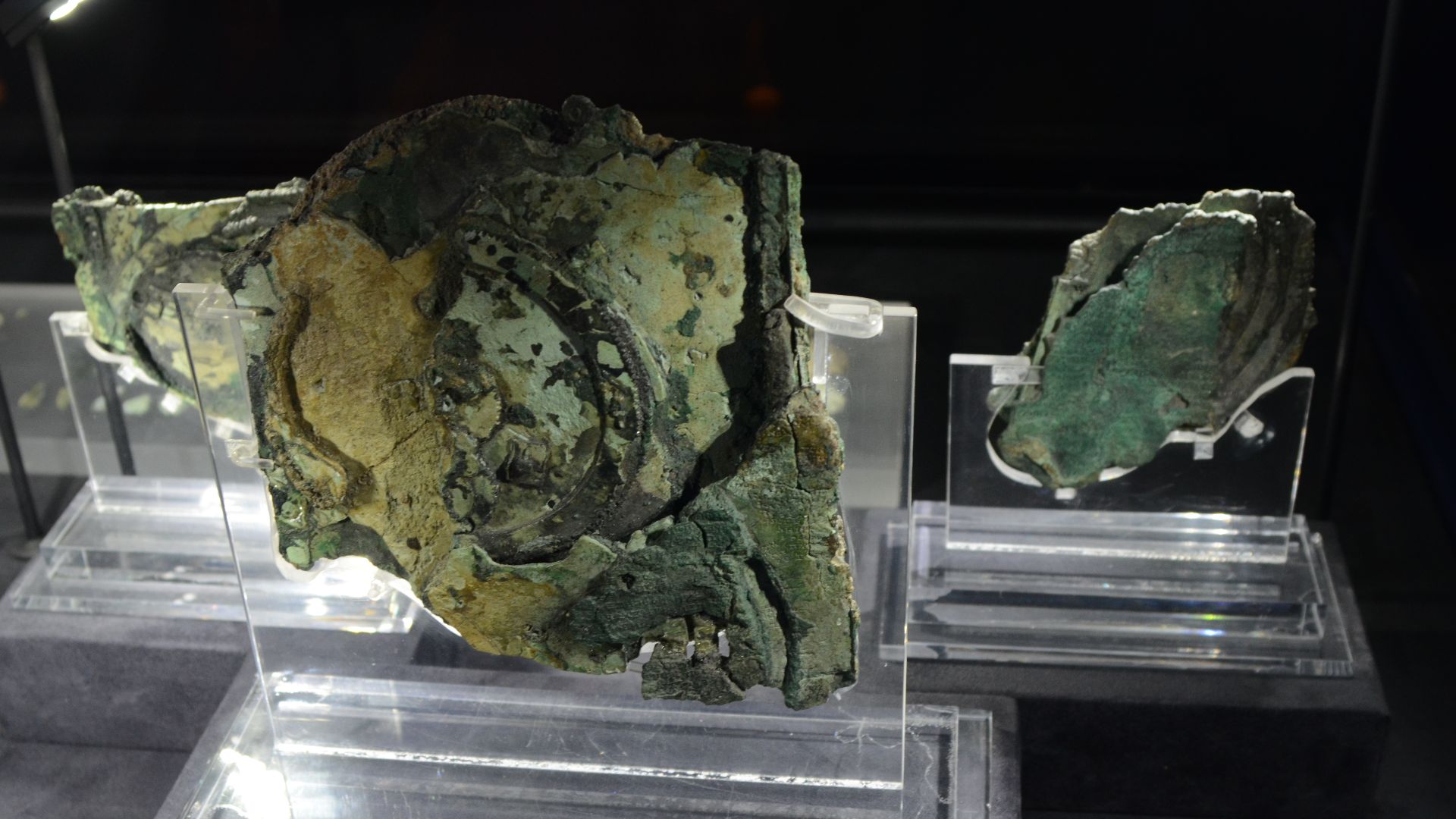
When divers recovered corroded bronze fragments from a Greek shipwreck in 1901, nobody initially realized they had found one of the most sophisticated devices surviving from antiquity. X-rays and later CT scans revealed an extraordinary system of interlocking gears built around the second or first century BCE. The Antikythera Mechanism could model astronomical cycles, track calendars, and predict eclipses. Researchers have reconstructed much of its operation, but that success created a bigger historical puzzle. Something this complex probably wasn't invented in isolation. There should have been a tradition of comparable machines and skilled craftspeople behind it, yet almost nothing remotely similar survives from the ancient world.
The Antikythera Shipwreck Keeps Giving Up More Clues
Modern divers returned to the wreck armed with equipment that the original sponge divers couldn't have imagined. Excavations have recovered human remains, marble sculpture fragments, pottery, luxury objects, ship components, and additional pieces of the wreck itself. These discoveries have revealed just how wealthy and unusual the cargo was, probably traveling toward the western Mediterranean when the vessel sank around the first century BCE. Yet the mechanism's personal story remains stubbornly obscure. Researchers still don't know who commissioned it, exactly where it was made, who owned it, or where it was going. Every new object makes the ship more understandable while leaving its most extraordinary passenger strangely anonymous.
 Gary Todd from Xinzheng, China, Wikimedia Commons
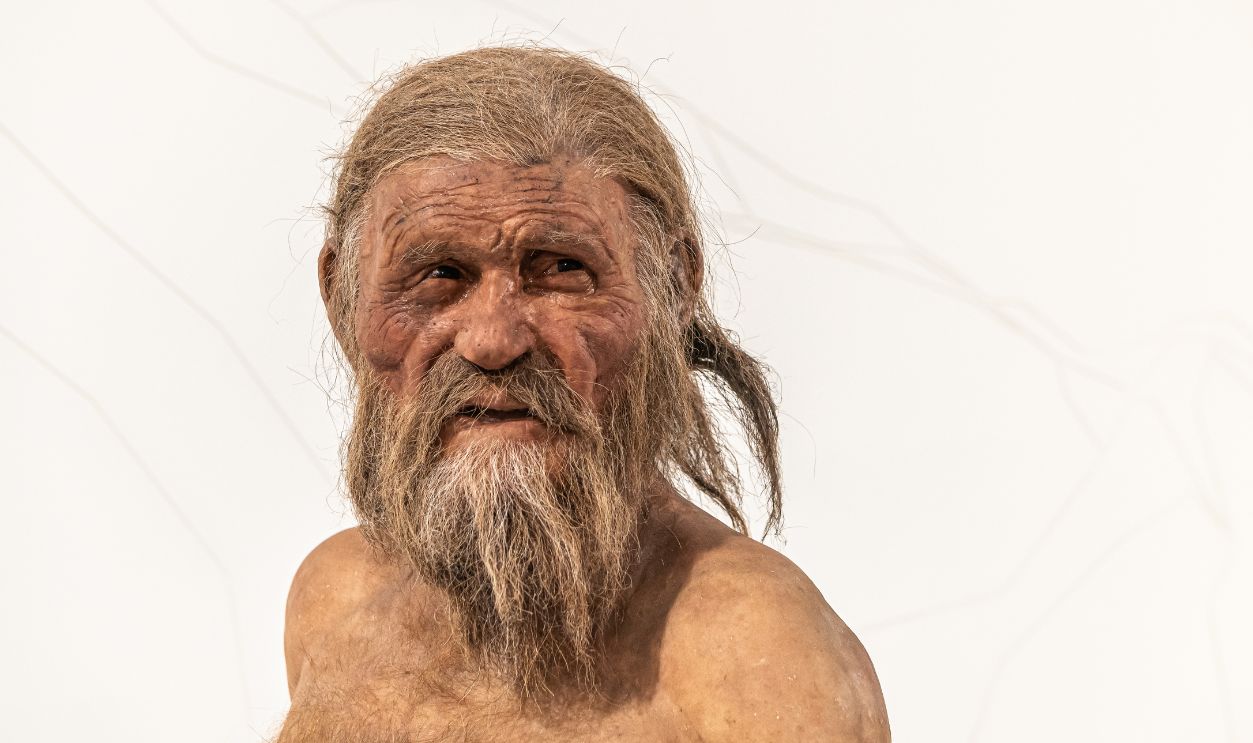
Ötzi’s Arrow Wound Turned A Mummy Into A Cold Case
When hikers found Ötzi emerging from Alpine ice in 1991, his passing initially looked like a prehistoric mountain accident. A decade later, imaging revealed a flint arrowhead embedded in his left shoulder. Researchers determined that the projectile damaged major blood vessels and probably caused fatal bleeding. Ötzi also had a deep cut on his hand suffered shortly before death and evidence of head trauma. Analysis of his stomach contents showed he'd eaten a substantial meal only hours earlier. Scientists can now reconstruct parts of his final days with astonishing detail, but the central questions remain untouched. Who shot him, what had happened before the attack, and why did a wounded man end up dying high in the Alps?
Alleged Blood Traces Made Ötzi’s Final Hours Even More Violent
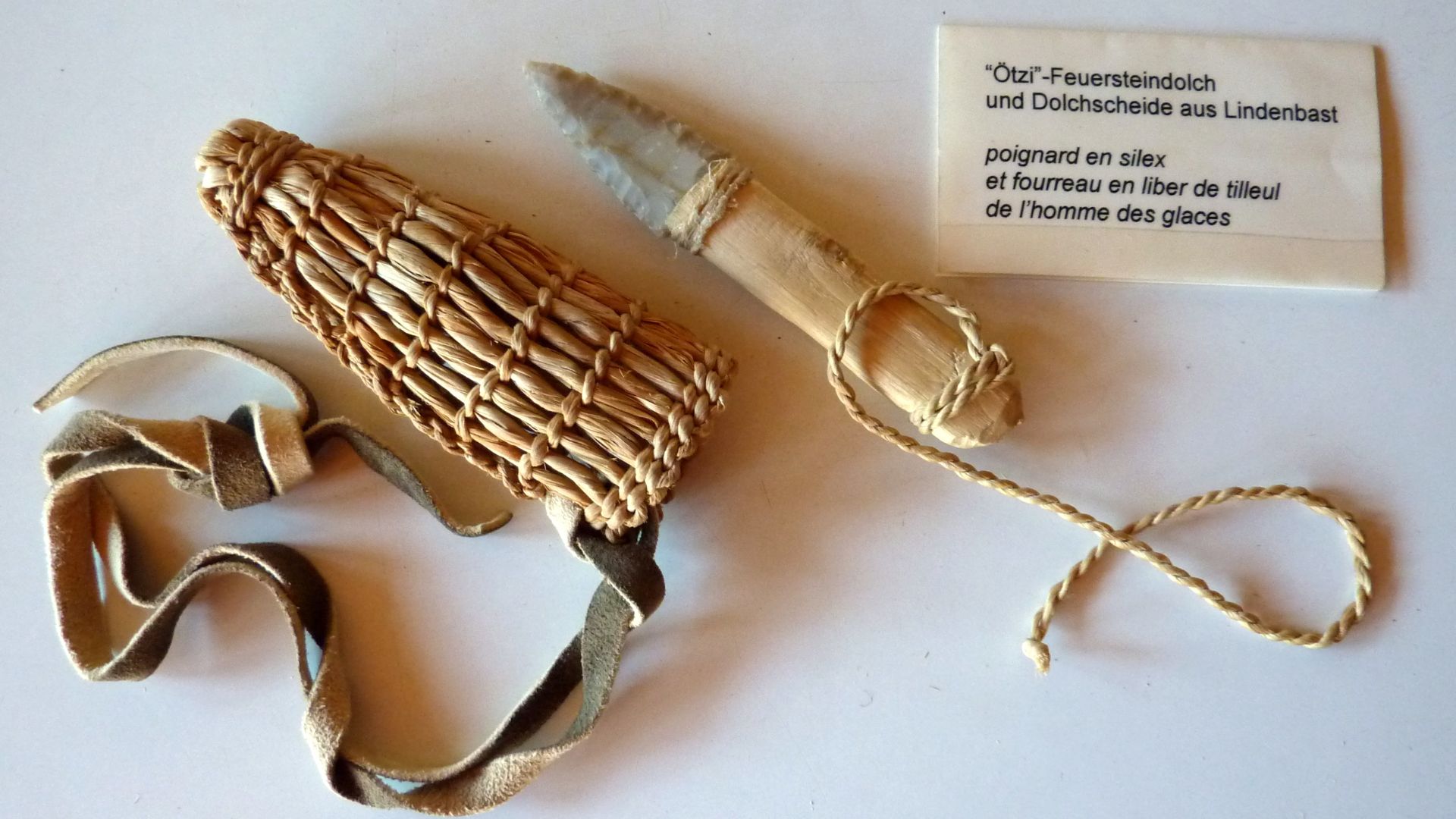
Another twist arrived when molecular archaeologist Tom Loy reported human DNA from apparent blood residues on Ötzi's dagger, arrows, and clothing. The samples were interpreted as coming from several different individuals, inspiring theories that Ötzi had wounded attackers and perhaps helped carry an injured companion. Those dramatic findings should be treated cautiously because they were announced more than two decades ago and some specialists questioned the unpublished analysis. Still, combined with Ötzi's severe hand injury and fatal arrow wound, they helped turn his passing into a much larger mystery. The evidence strongly suggests violence. What archaeologists still don't have is the other half of the story.
 Archäoautor, Wikimedia Commons
The Phaistos Disc Gave Archaeologists A Language With No Dictionary
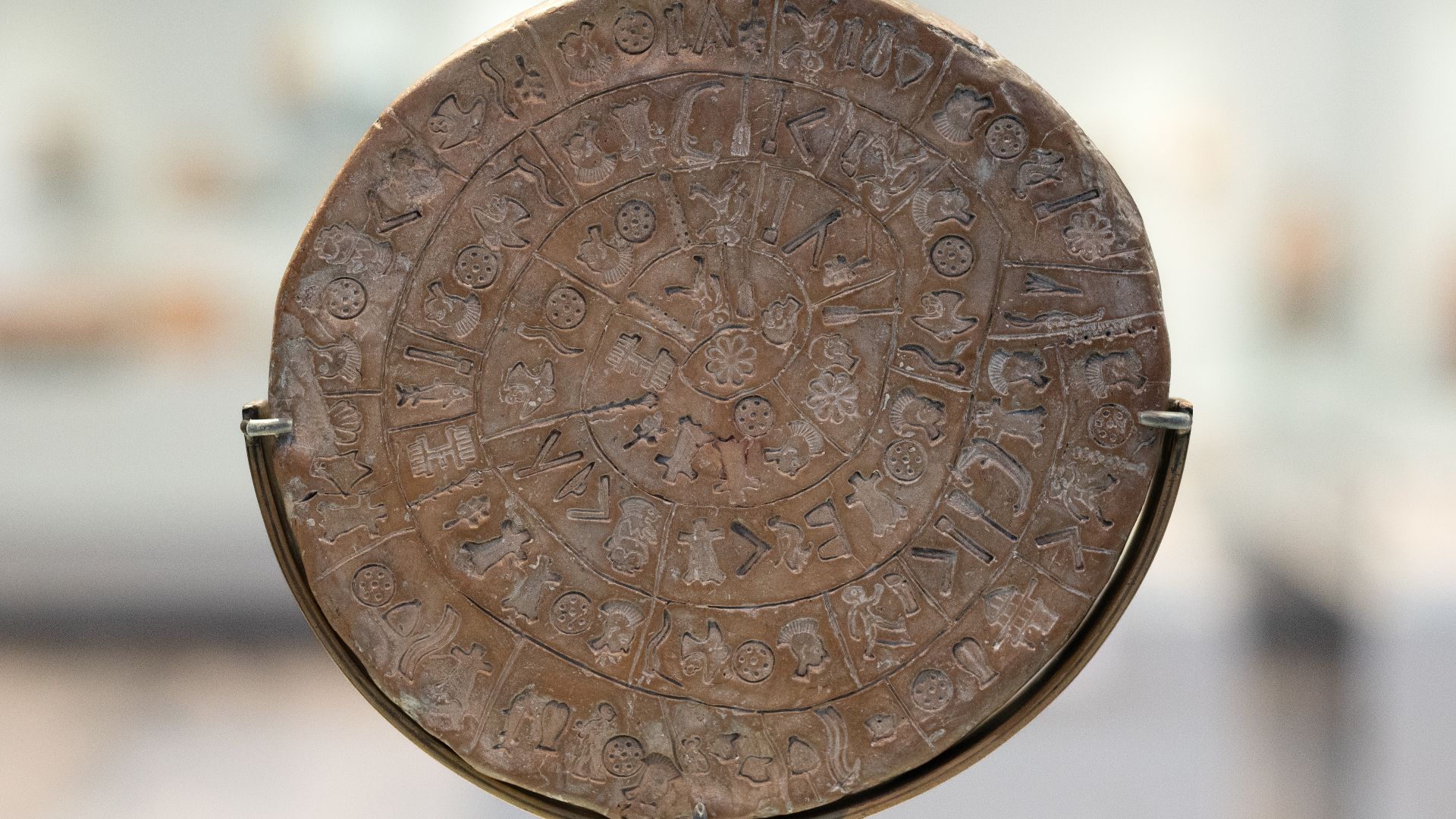
In 1908, Italian archaeologist Luigi Pernier discovered a small clay disc at the Minoan palace of Phaistos on Crete. Its two surfaces carry 241 pictorial signs arranged in spirals and divided into 61 groups. Even stranger, the symbols were impressed into wet clay using individual stamps, a technique with few obvious parallels in the ancient Aegean. Scholars have proposed everything from a hymn or prayer to a game, calendar, or administrative document. The problem is that nothing sufficiently similar has ever been discovered. With only one substantial example of the text, there isn't enough linguistic context to decipher it securely. More than a century later, the disc is still talking to nobody.
 Gleb Simonov, Wikimedia Commons
Dholavira Had A Giant Sign Nobody Can Read
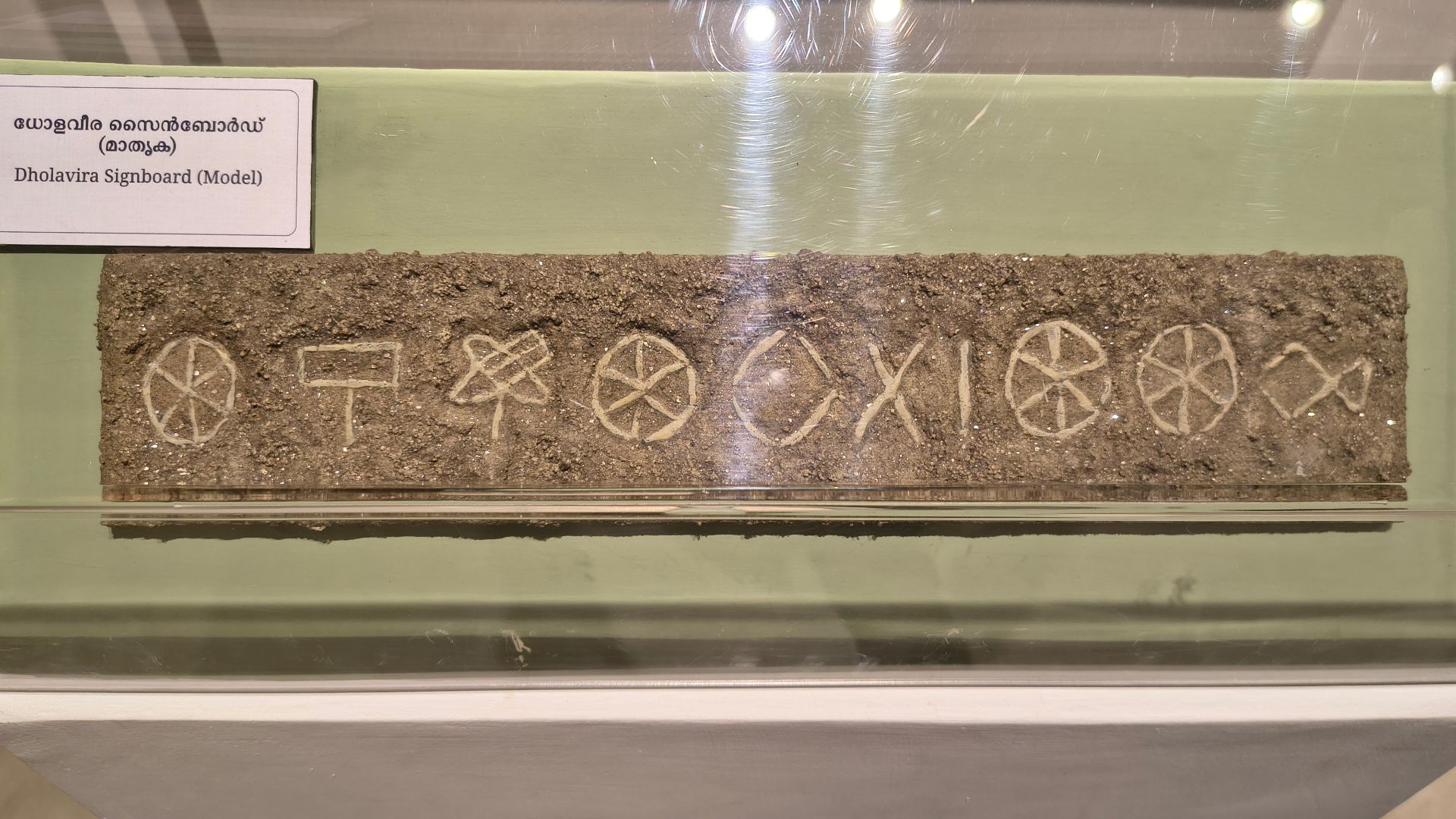
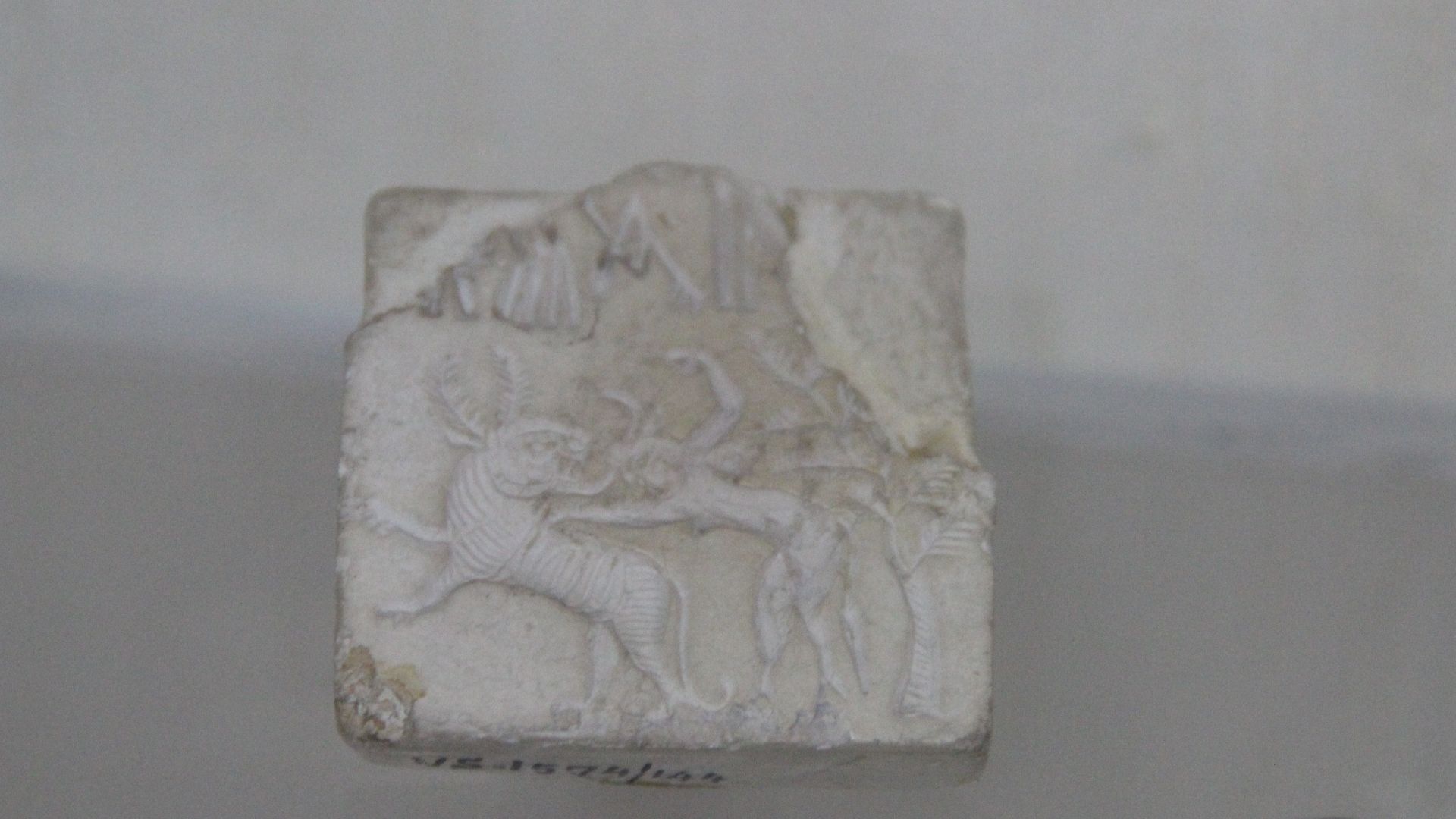
Most surviving Indus inscriptions are tiny, often appearing on seals that contain only a handful of symbols. Dholavira produced something completely different. Excavators found ten enormous signs made from pieces of gypsum that had apparently been mounted on a wooden board near one of the city's gateways. Each character was roughly 37 centimeters tall, suggesting the inscription was meant to be visible from a distance. That tells researchers that Indus symbols weren't confined to small private objects and may have played a public role. Unfortunately, nobody knows what the sign said. It could contain a place name, title, religious message, or something entirely different, because the Indus system remains undeciphered.
Thousands Of Indus Inscriptions Still Haven't Produced A Rosetta Stone
The Indus civilization left researchers thousands of inscriptions from cities including Harappa, Mohenjo-daro, and Dholavira. That sounds like plenty of material until you look at the texts themselves. Most are extremely short, sometimes only four or five signs long, and no bilingual inscription has ever been found pairing the symbols with a language scholars already understand. Researchers can identify repeated sequences and patterns, but they still debate whether the signs encode a full spoken language at all. Every newly discovered seal adds another tiny piece of information without providing the breakthrough everyone wants. Archaeologists don't lack Indus inscriptions. They lack the one inscription capable of explaining all the others.
Rongorongo’s Wood Complicated The History Of Writing
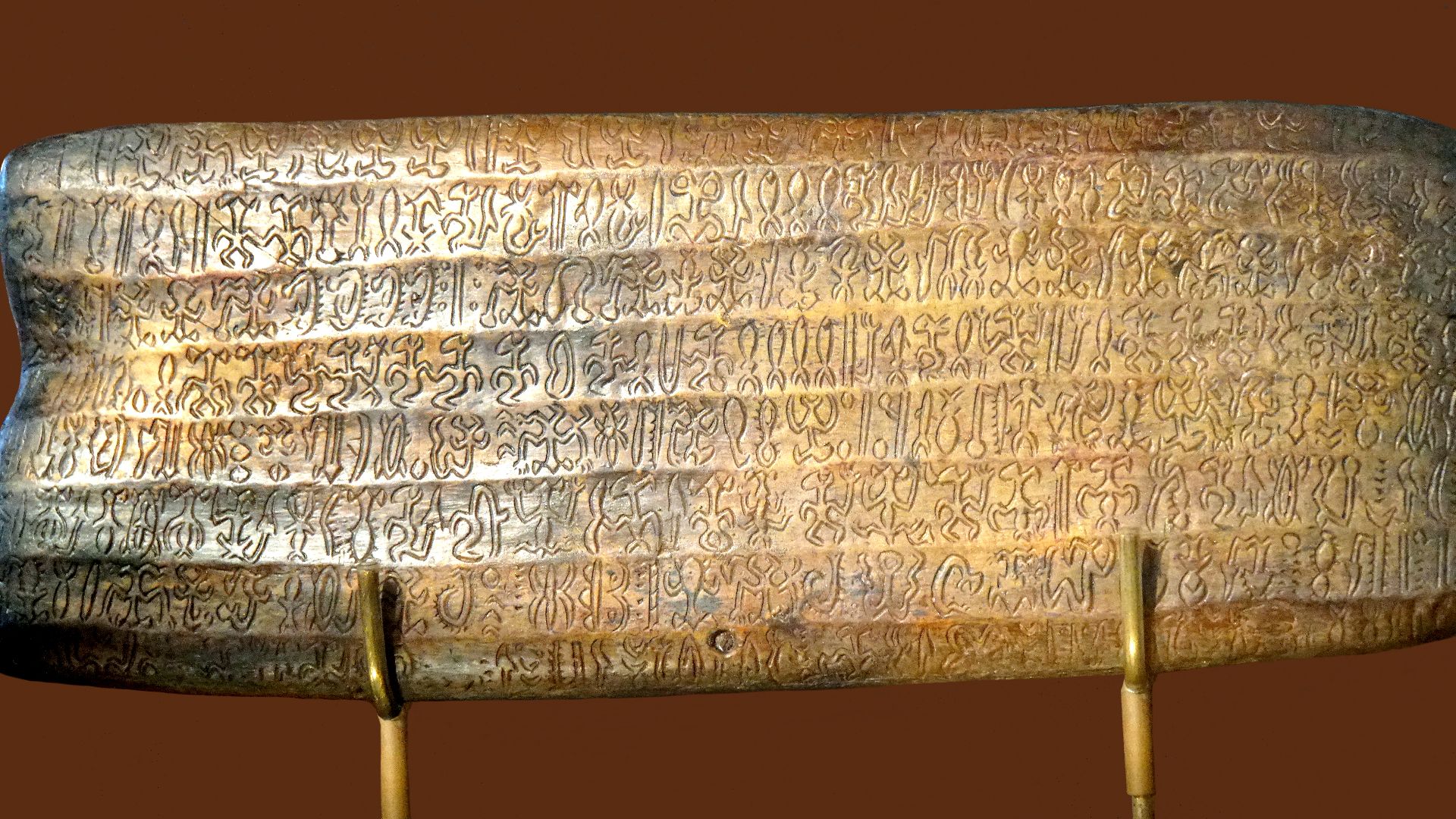
Rapa Nui's surviving rongorongo tablets carry rows of distinctive glyphs that nobody has convincingly deciphered. A major question is whether islanders developed this system independently or created it after encountering European writing. Radiocarbon dating made that debate stranger when researchers found that the wood of one tablet came from a tree that died centuries before sustained European contact. That doesn't prove the inscription itself is equally old, since valuable driftwood or old timber could have been carved much later. Still, the result means a pre-contact origin can't simply be dismissed. Researchers now know the writing could potentially be older than European contact, but they still can't prove when somebody actually carved it.
 Dennis G. Jarvis, Wikimedia Commons
Göbekli Tepe Wasn't The Lonely Wonder Archaeologists Once Imagined
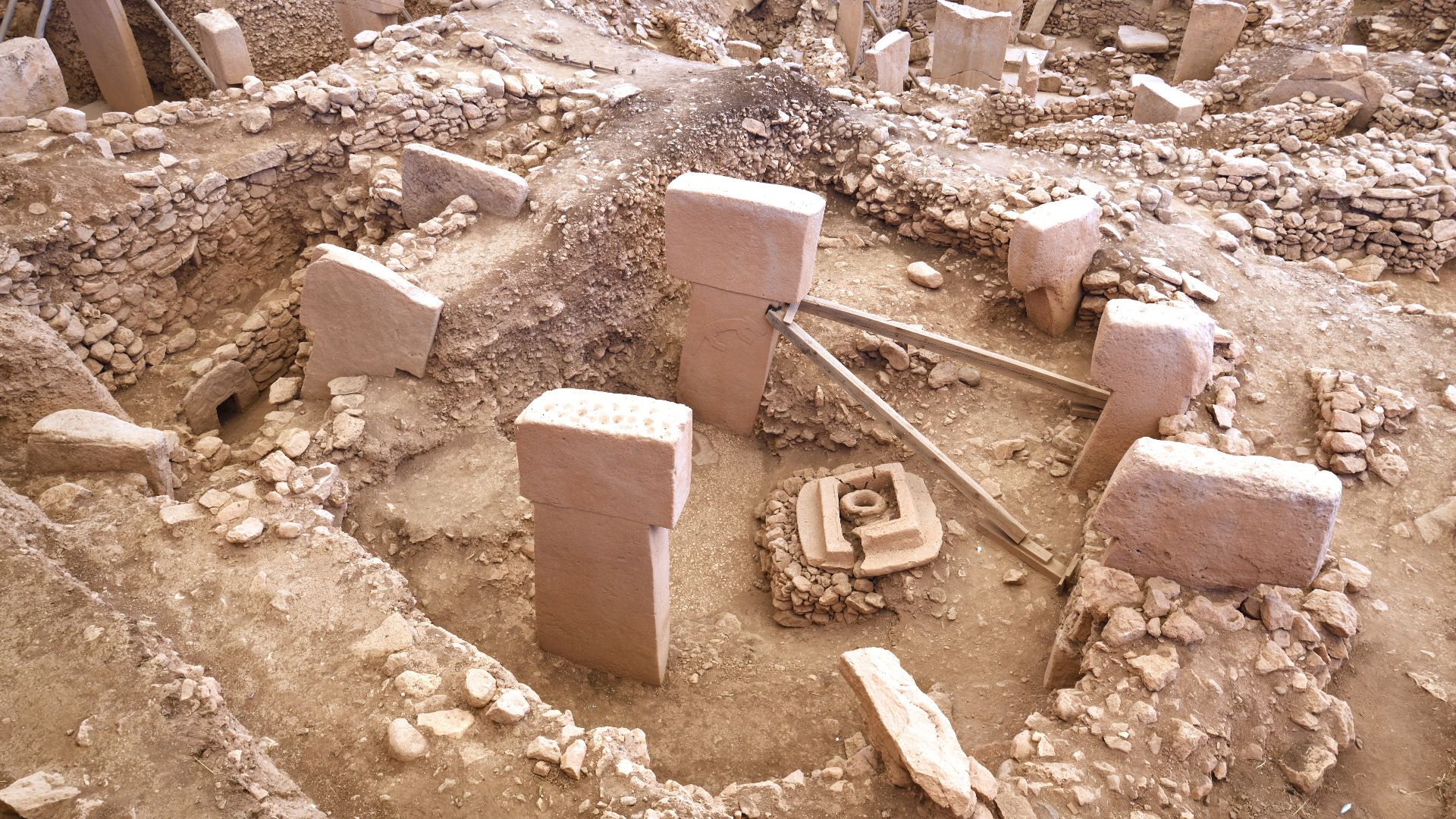
Göbekli Tepe changed prehistory because hunter-gatherers and early farming communities erected enormous carved stone pillars there more than 11,000 years ago. For years, it looked almost impossibly unusual. Then archaeologists began recognizing related sites across southeastern Turkey. The wider Taş Tepeler region contains numerous settlements and monumental structures sharing architectural and symbolic traditions. That's important because Göbekli Tepe no longer looks like one inexplicable burst of monument building. Instead, it belonged to a broader cultural phenomenon. That should make the site easier to explain, but in some ways it does the opposite. Archaeologists now have to understand an entire network of communities experimenting with monuments, ritual, settlement, and farming at the dawn of village life.
Derinkuyu’s Underground City Became A Multi-Level Puzzle
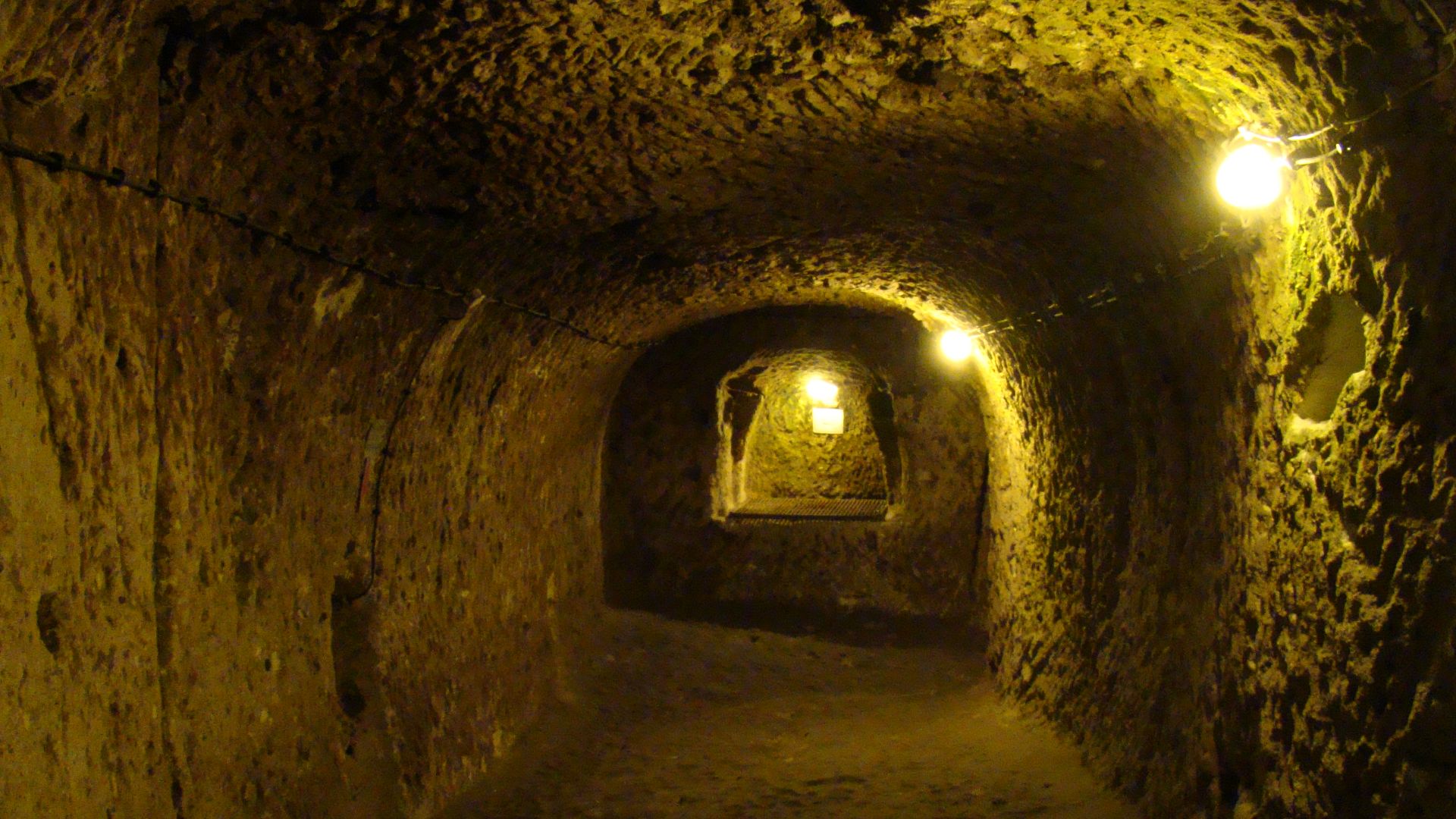
Beneath Cappadocia lies a maze of underground settlements carved into soft volcanic rock, and Derinkuyu is among the most spectacular. The complex descends roughly 85 meters and contains rooms, storage spaces, ventilation shafts, wells, religious areas, and narrow passageways that could be sealed with enormous rolling stone doors. Later Christian communities clearly used underground settlements as refuges, but the earliest history of Derinkuyu is much harder to pin down. Different parts may have been carved, expanded, and reused across centuries. That makes asking who “built Derinkuyu” almost misleading. The deeper mystery is how a relatively simple set of subterranean spaces gradually became a city-sized underground refuge capable of supporting large communities.
 Bjørn Christian Tørrissen, Wikimedia Commons
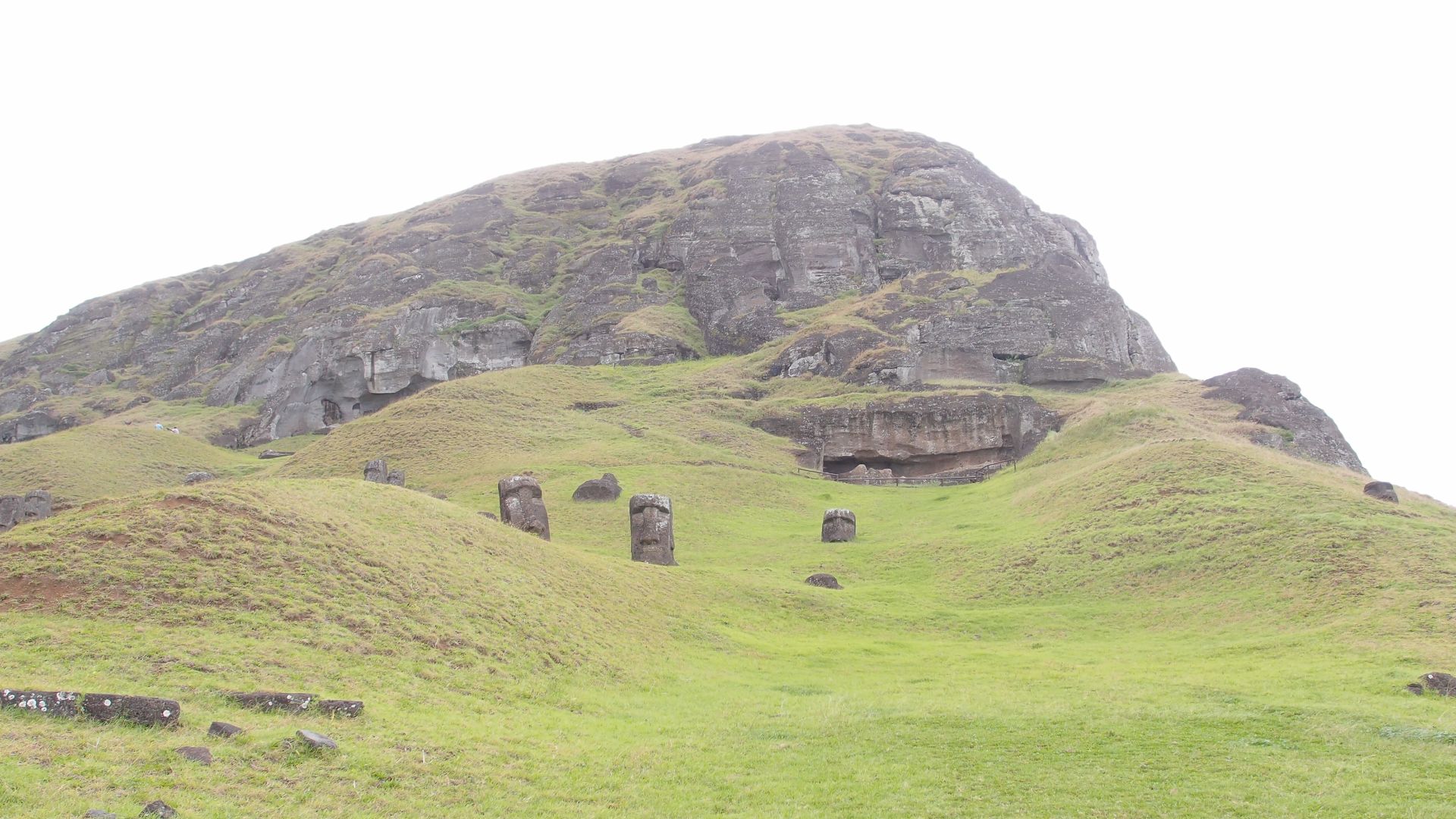
Rano Raraku’s Moai Weren't Simply Statues Waiting For Transport
For years, the moai remaining around Rano Raraku were often treated as unfinished statues abandoned in the quarry before they could be moved elsewhere. Excavations have made that picture much more complicated. Some statues were deliberately set upright and partially buried in soils associated with intensive cultivation, while researchers found evidence of crops including banana, taro, and sweet potato in the quarry environment. The volcanic rock itself may have produced unusually fertile soils. Rano Raraku therefore wasn't simply an ancient factory where statues were carved and shipped away. It appears to have been a productive and ritual landscape in its own right, forcing researchers to reconsider what the statues still standing there were actually doing.
 Dalivor Zapata, Wikimedia Commons
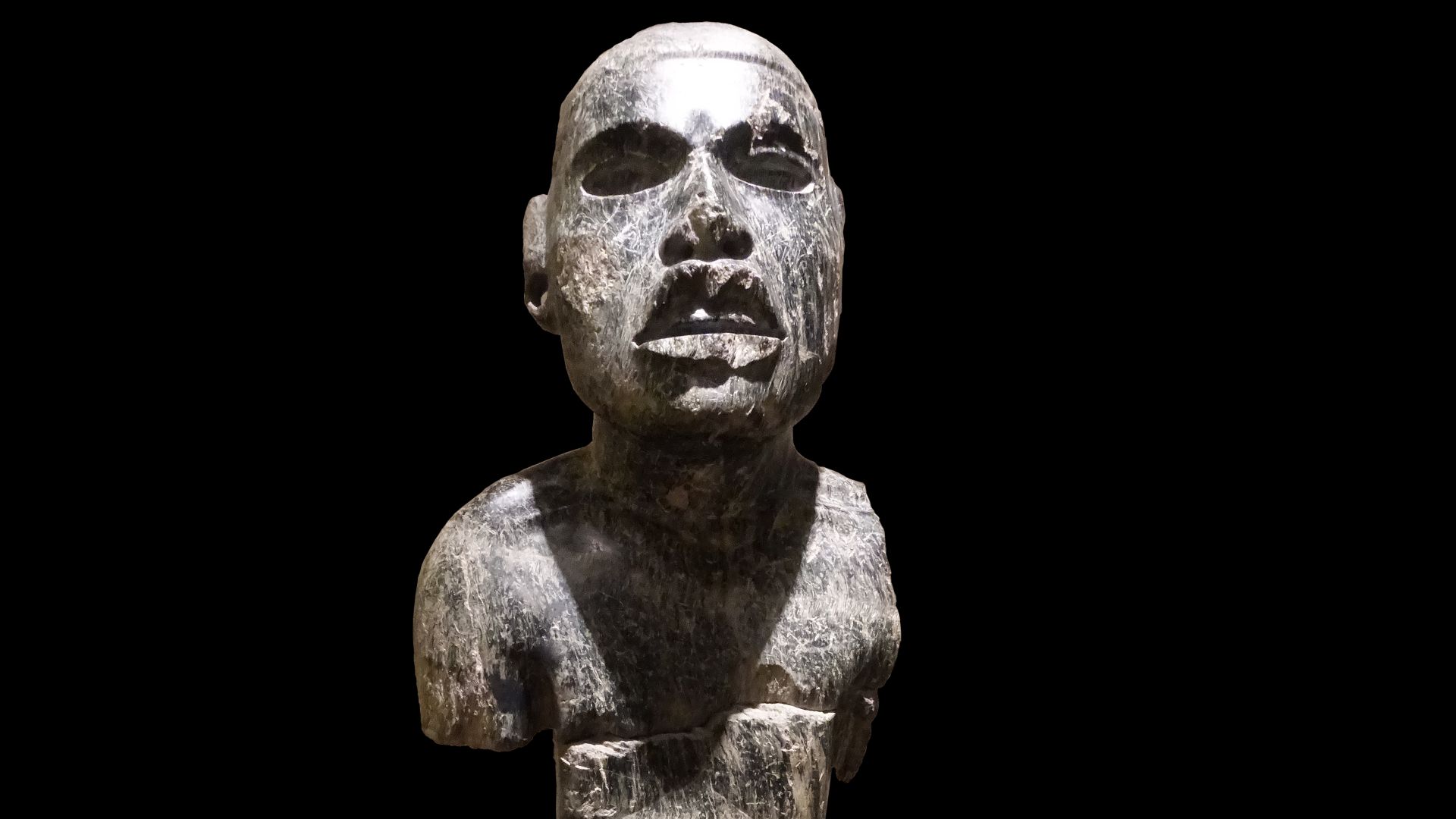
Four Greenstone Figures Waited At The End Of Teotihuacan’s Tunnel
Among the most intriguing objects recovered near the deepest reaches of Teotihuacan's tunnel were four anthropomorphic greenstone figures. Three appear female and one male, and they were deliberately arranged with bags or bundles containing objects that researchers have connected with divination. Archaeologists have suggested that the figures might represent founding ancestors, ritual specialists, or mythical beings who symbolically established the city. That makes the end of the tunnel look less like a random deposit and more like the setting for ceremonies tied to Teotihuacan's origins. Yet even this remarkable discovery didn't provide the thing researchers desperately wanted: the name or tomb of whoever actually governed the city.
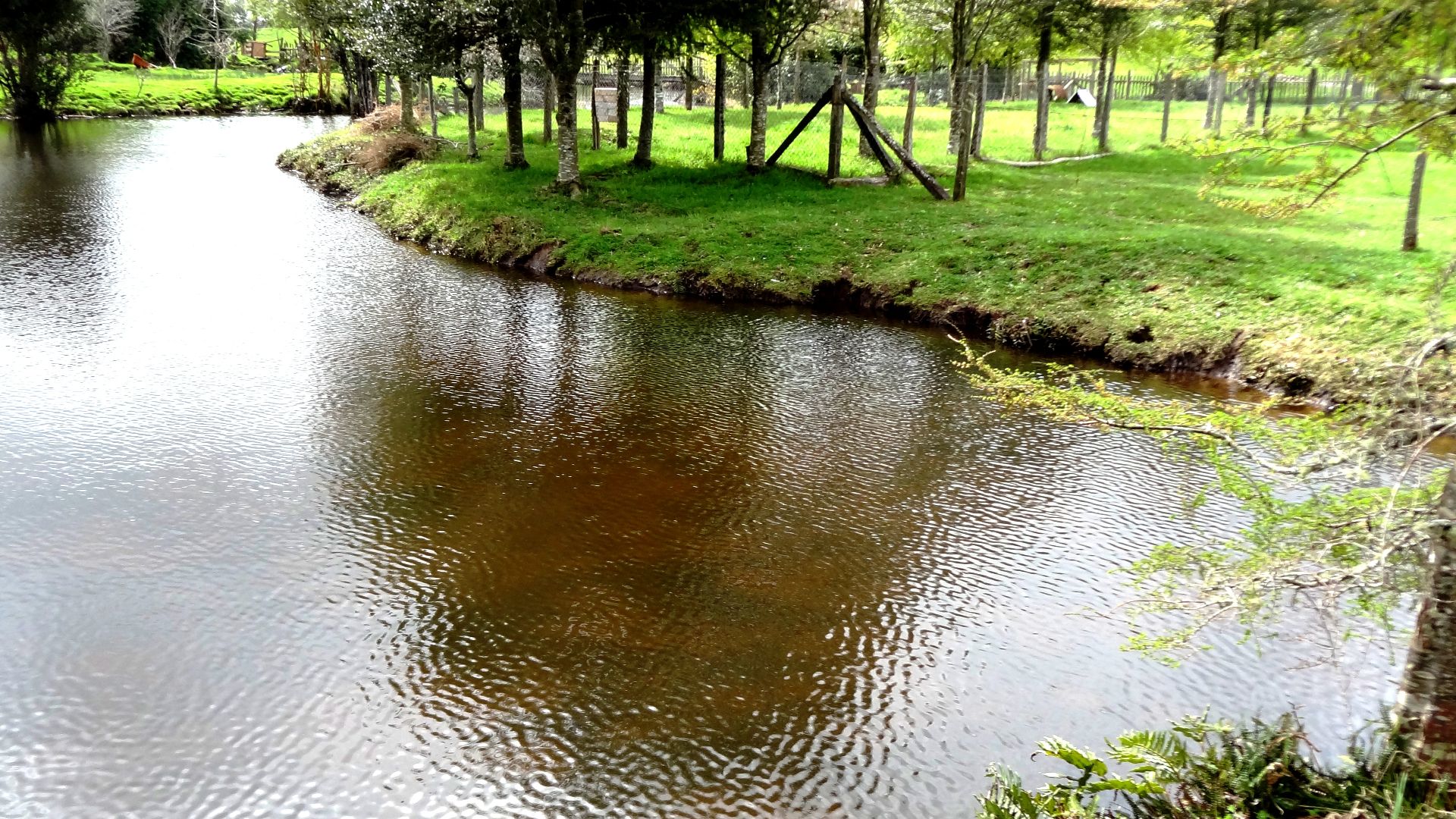
Monte Verde Made The First Americans Debate Even Messier
Monte Verde in southern Chile already changed American archaeology once. Evidence of people living there around 14,500 years ago helped destroy the old “Clovis-first” model, which had placed the earliest accepted settlement of the Americas much later. Then researchers reported possible stone tools, burned material, and other traces from deeper deposits that could indicate human activity around 18,500 years ago or earlier. Those earlier traces remain controversial because some objects could have natural explanations and the evidence is much thinner than the accepted later occupation. That's exactly what makes Monte Verde so important. Instead of giving archaeologists a clean date for humanity's arrival in South America, it keeps moving the edge of certainty farther back.
 Rodolfo Ditzel Lacoa, Wikimedia Commons
Every Answer Seems To Reveal Another Missing Piece
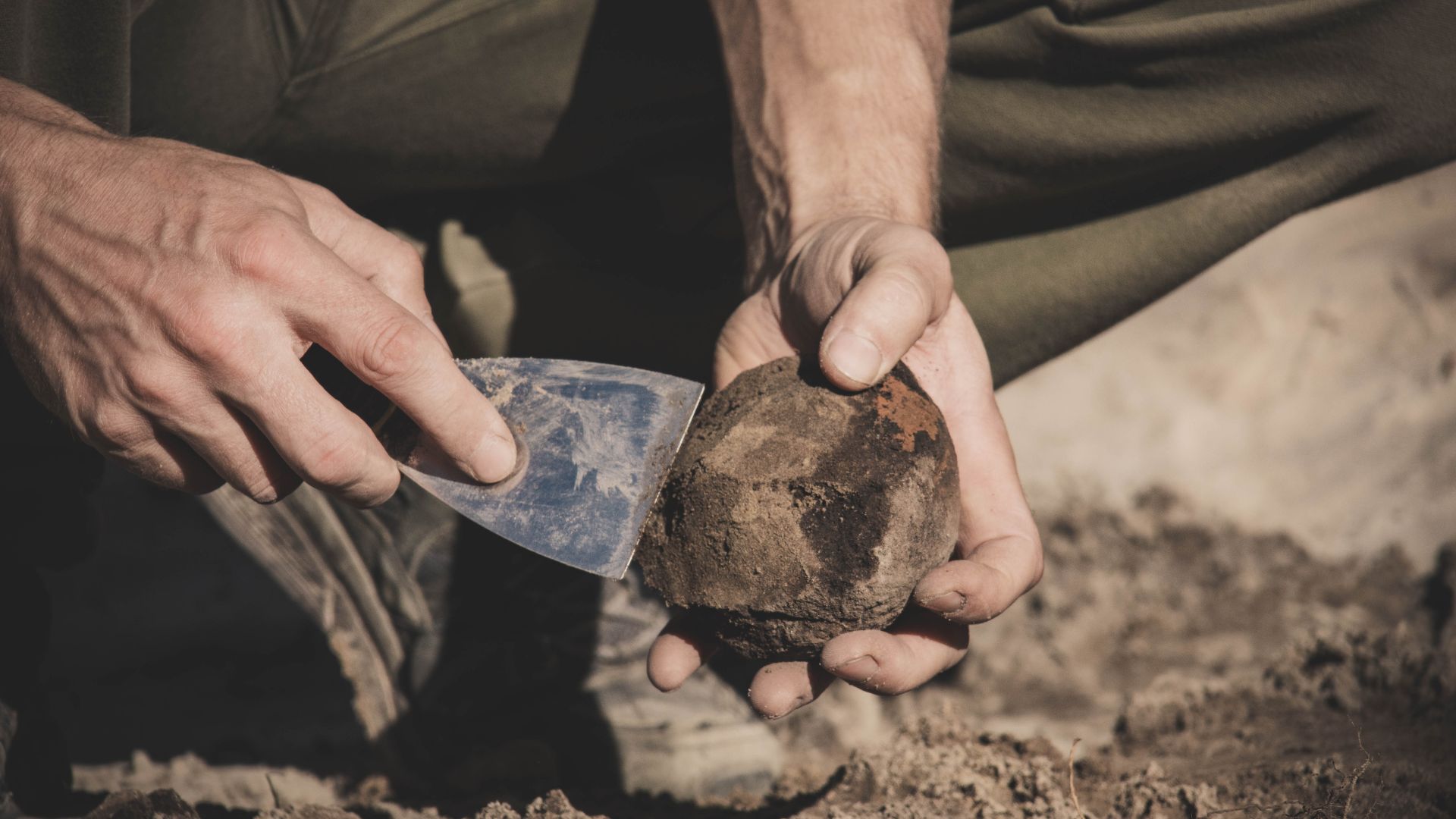
Taken together, these discoveries show why archaeology rarely delivers the tidy endings people expect. Scientists can detect a chamber without knowing why it was built, identify a stone's birthplace without understanding its journey, or uncover thousands of ritual objects without learning the name of the people who placed them there. Better technology has made archaeology extraordinarily good at finding things that previous generations couldn't see. What it can't always do is recover the lost explanations that once made those things meaningful. Sometimes a new discovery solves an ancient mystery. Just as often, it reveals that the mystery was much bigger than anyone realized.
 Chudilovski ph, Wikimedia Commons
You May Also Like:
Twelve Recent Archaeological Discoveries That Are Rewriting What We Know About Ancient Egypt
26 Archaeological Discoveries That Prove Stories From The Bible