Egypt Keeps Surprising Us
Ancient Egypt has been studied intensively for centuries, yet some of the most consequential discoveries have happened remarkably recently. New tombs, DNA sequencing, satellite imagery, chemical analysis, and even cosmic particles are revealing how Egyptians built, traded, worshipped, fought, preserved their dead, and interacted with the wider ancient world. Here are twelve recent discoveries that are reshaping what we know about ancient Egypt.
1. Thutmose II’s Lost Tomb
In 2025, an Egyptian-British team identified Tomb C4 west of Luxor as the long-lost tomb of Pharaoh Thutmose II. Its entrance had been located in 2022, but inscriptions and other evidence eventually established its owner. Egyptian authorities called it the first royal tomb discovered since Tutankhamun's in 1922. But what happened to the king and his treasures after the tomb was catastrophically flooded?
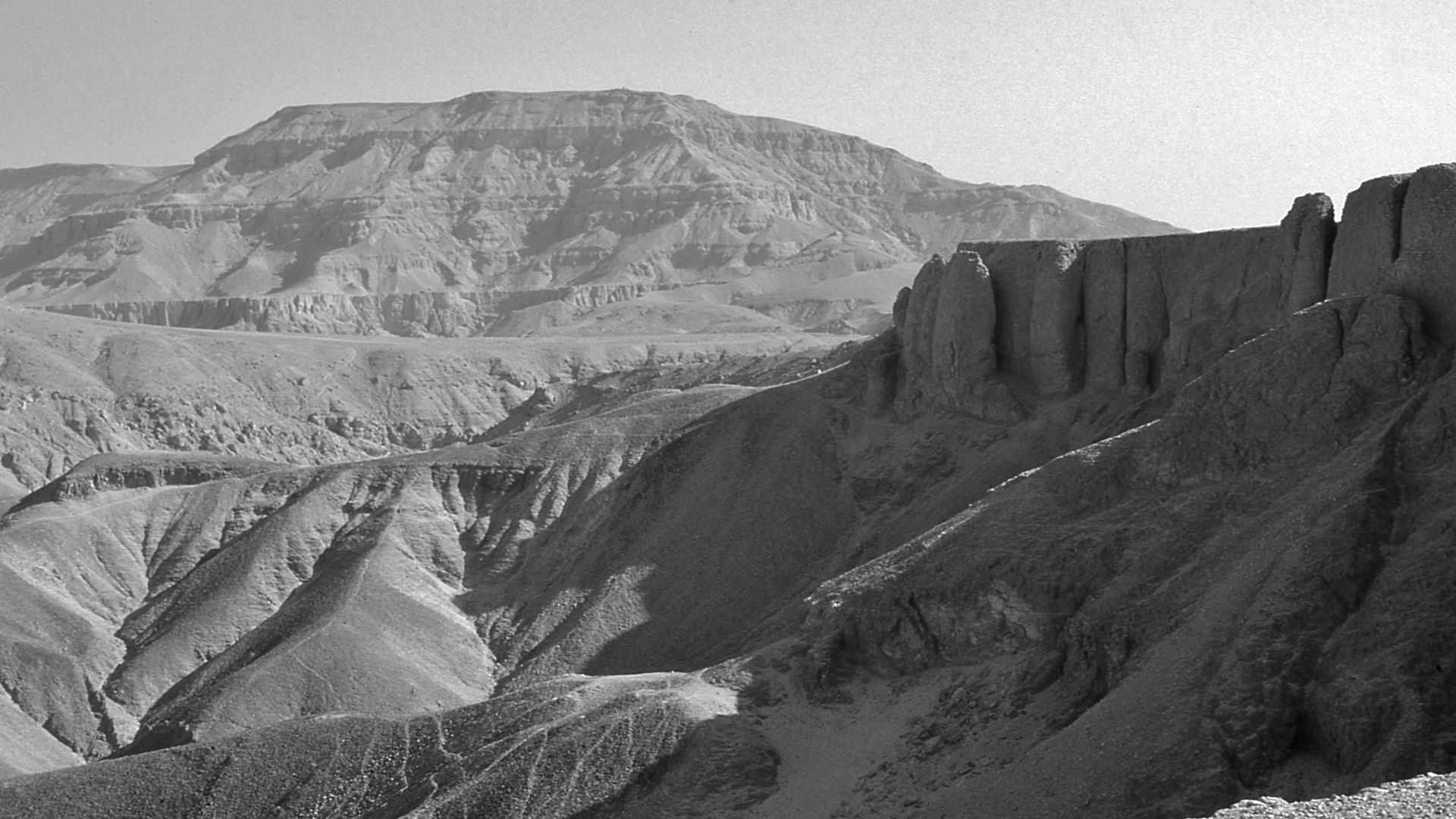 Bernard DUPONT from FRANCE, Wikimedia Commons
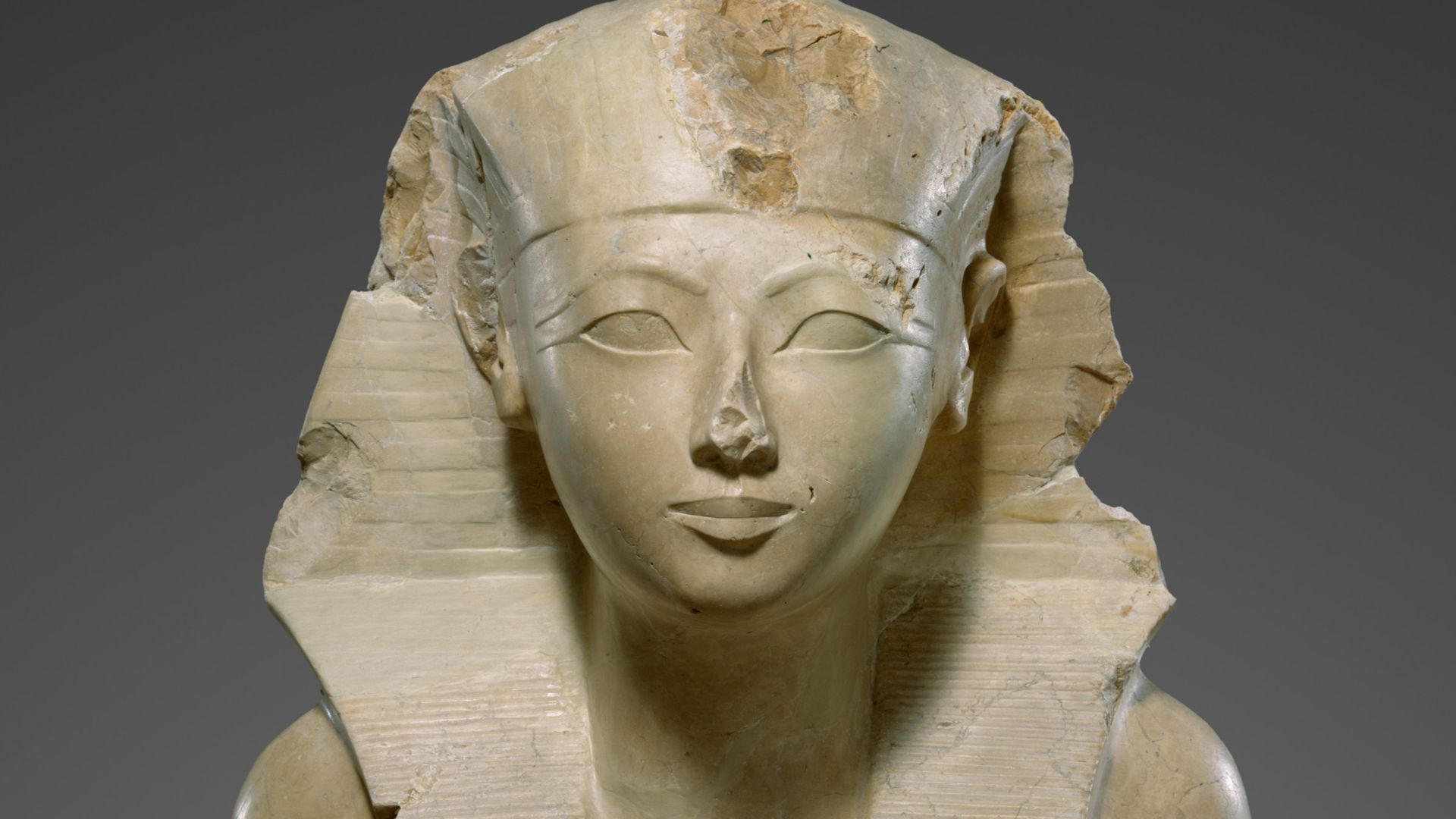
Hatshepsut Enters The Story
The tomb also illuminates the early career of Hatshepsut, Thutmose II's wife and half-sister, who later ruled as pharaoh. Evidence indicates she oversaw his burial. Flooding badly damaged the tomb soon afterward, apparently forcing its contents to be moved elsewhere and helping explain why Thutmose II's original resting place remained mysterious for so long.
2. An Unknown Pharaoh
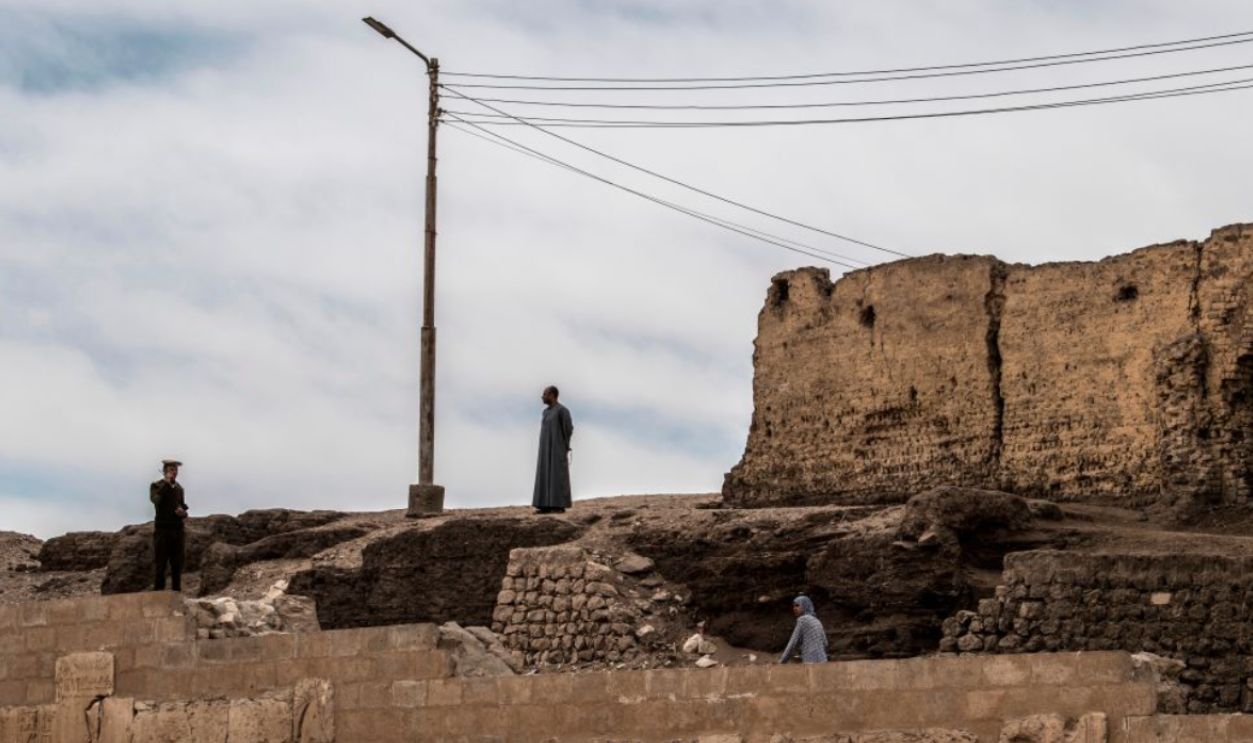
Another royal discovery followed at Abydos. In January 2025, archaeologists uncovered a roughly 3,600-year-old royal tomb nearly 23 feet underground at Anubis Mountain. Its enormous mudbrick vaults and decorated entrance belonged to a king whose name has not survived clearly enough for researchers to identify him. So who was this mysterious ruler, and where does he fit into Egyptian history?
A Forgotten Dynasty Emerges
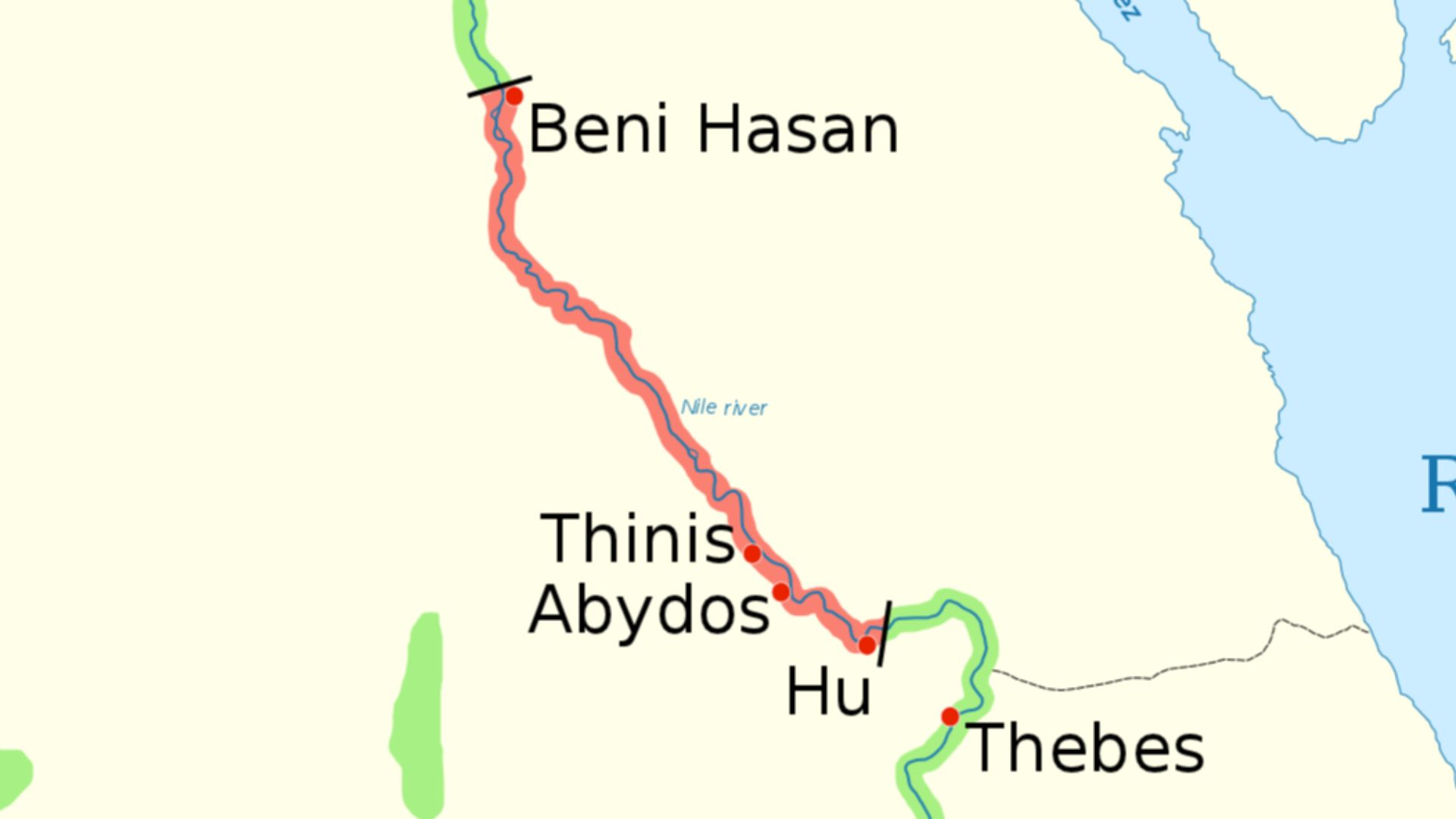
The unidentified ruler probably belonged to the poorly understood Abydos Dynasty, which controlled part of Egypt during the politically fragmented Second Intermediate Period. Rather than merely adding another tomb to Egypt's inventory, the discovery provides physical evidence for rulers whose identities, chronology, and relationships remain frustratingly incomplete.
3. Egypt’s Oldest Genome
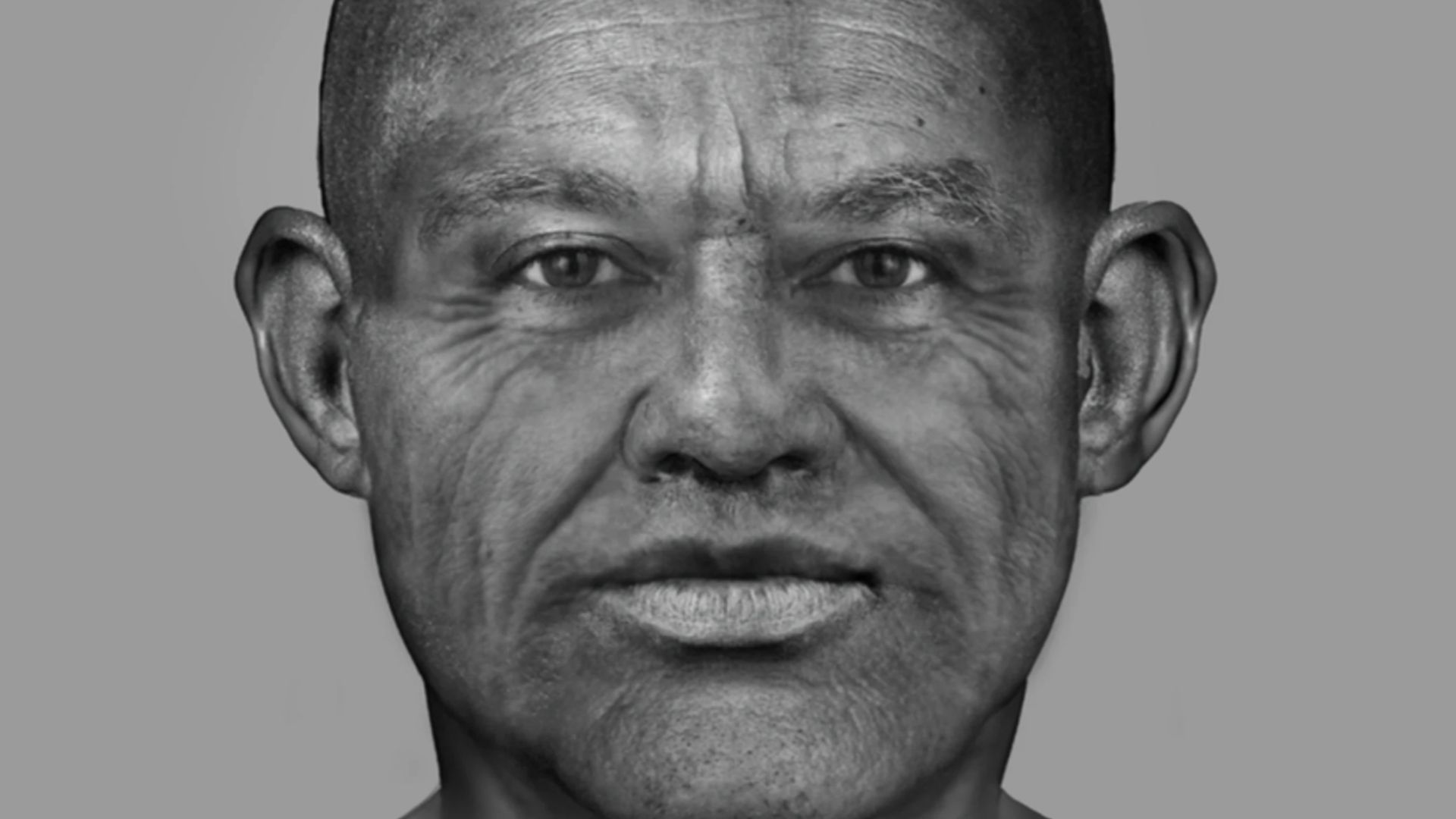
In 2025, researchers achieved something Egyptologists had pursued for decades: a whole genome from an ancient Egyptian individual. The man, buried at Nuwayrat in Middle Egypt, lived approximately 4,500 to 4,800 years ago, spanning the Early Dynastic and Old Kingdom periods around the age when Egypt's earliest pyramids appeared. His DNA, however, contained a tantalizing clue about just how connected early Egypt already was.
Egypt Was Already Connected
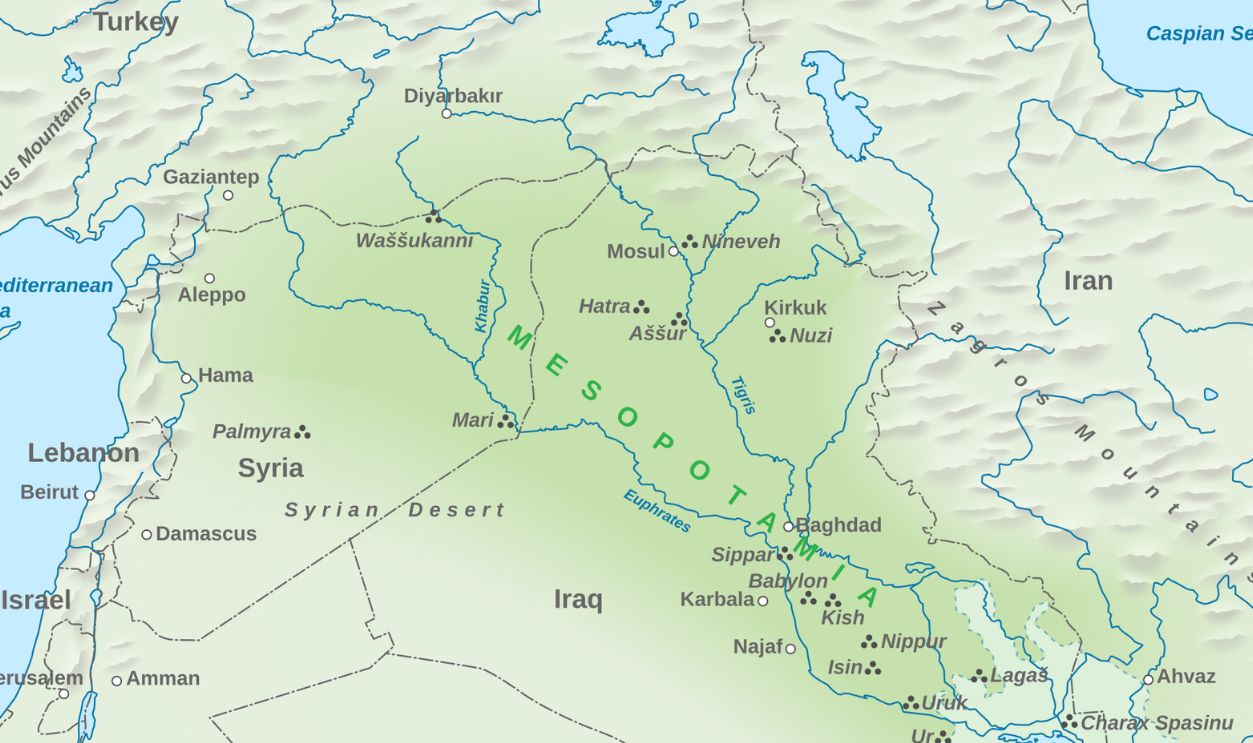
Most of the man's ancestry best matched ancient North African populations, but roughly one-fifth showed affinities with ancient populations from Mesopotamia and surrounding West Asian regions. One person cannot represent an entire civilization, but the genome provides striking biological evidence that movement between Egypt and the eastern Mediterranean world occurred remarkably early.
 Goran tek-en, Wikimedia Commons
4. The Lost Pyramid River
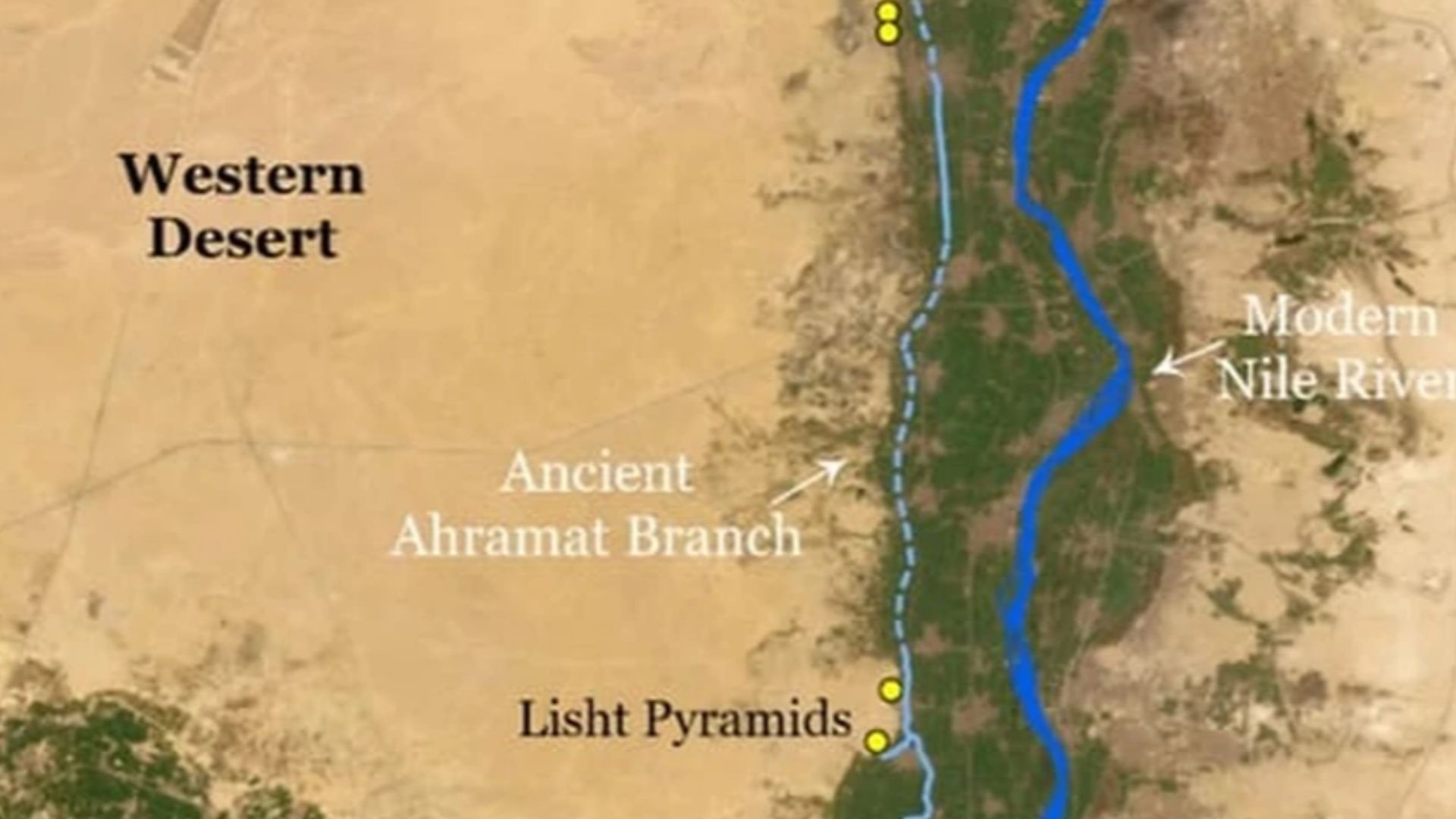
Why were so many pyramids constructed along what now looks like an inhospitable desert strip? A 2024 study used satellite radar, geophysics, and sediment cores to identify a roughly 64-kilometer extinct Nile channel beside 31 pyramids. Researchers appropriately named it the Ahramat, or “Pyramids,” Branch. Suddenly, the peculiar locations of dozens of pyramids began making much more sense.
 Eman Ghoneim et al., Wikimedia Commons
Pyramids Had Waterfronts
The discovery dramatically changes how we visualize pyramid country. Causeways from numerous pyramid complexes terminated beside the former waterway, with surviving valley temples positioned near its ancient bank. The river could have carried workers and enormous quantities of building material, explaining why generations of pharaohs selected this seemingly peculiar line of sites.
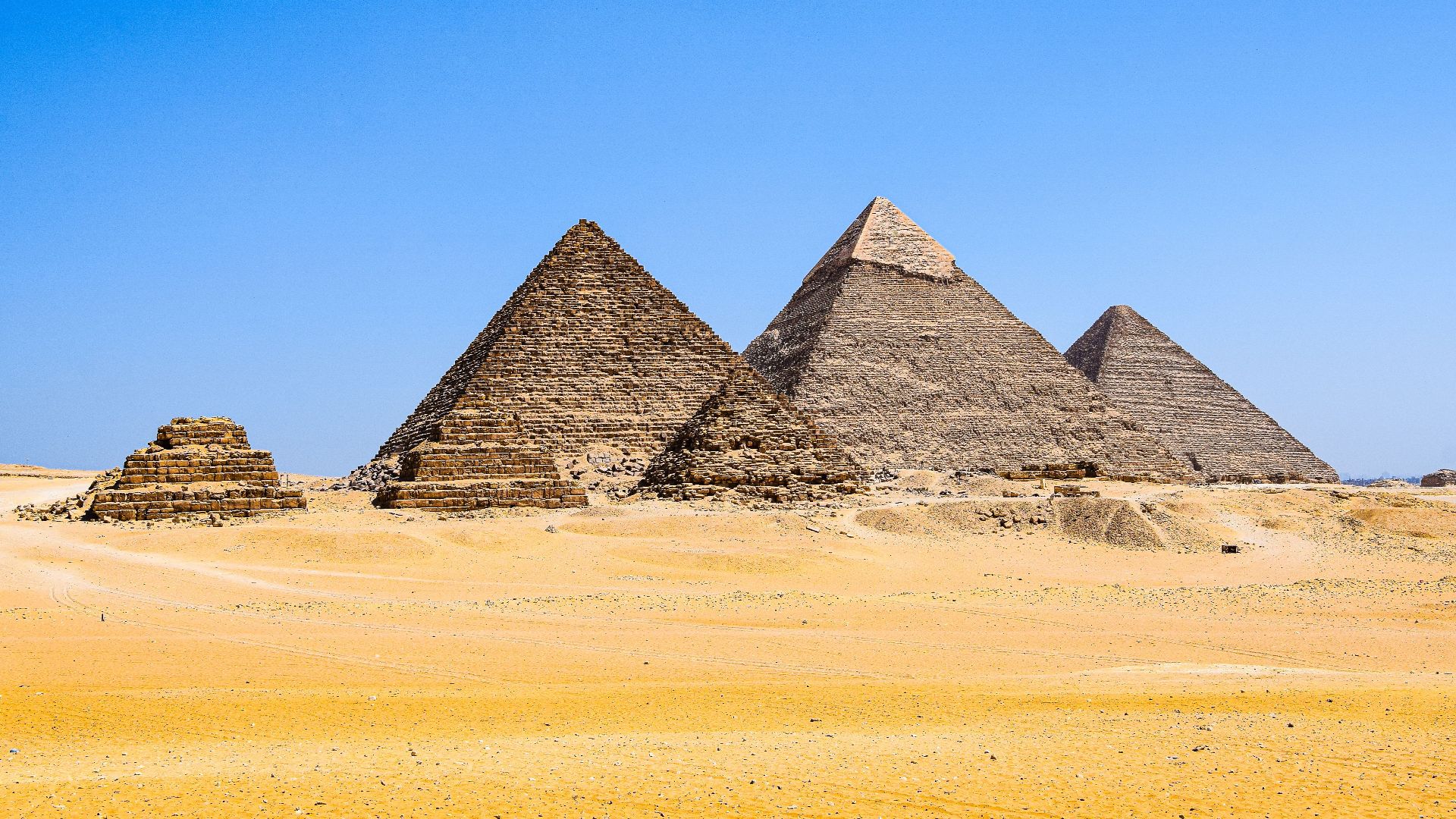
5. Inside The Great Pyramid
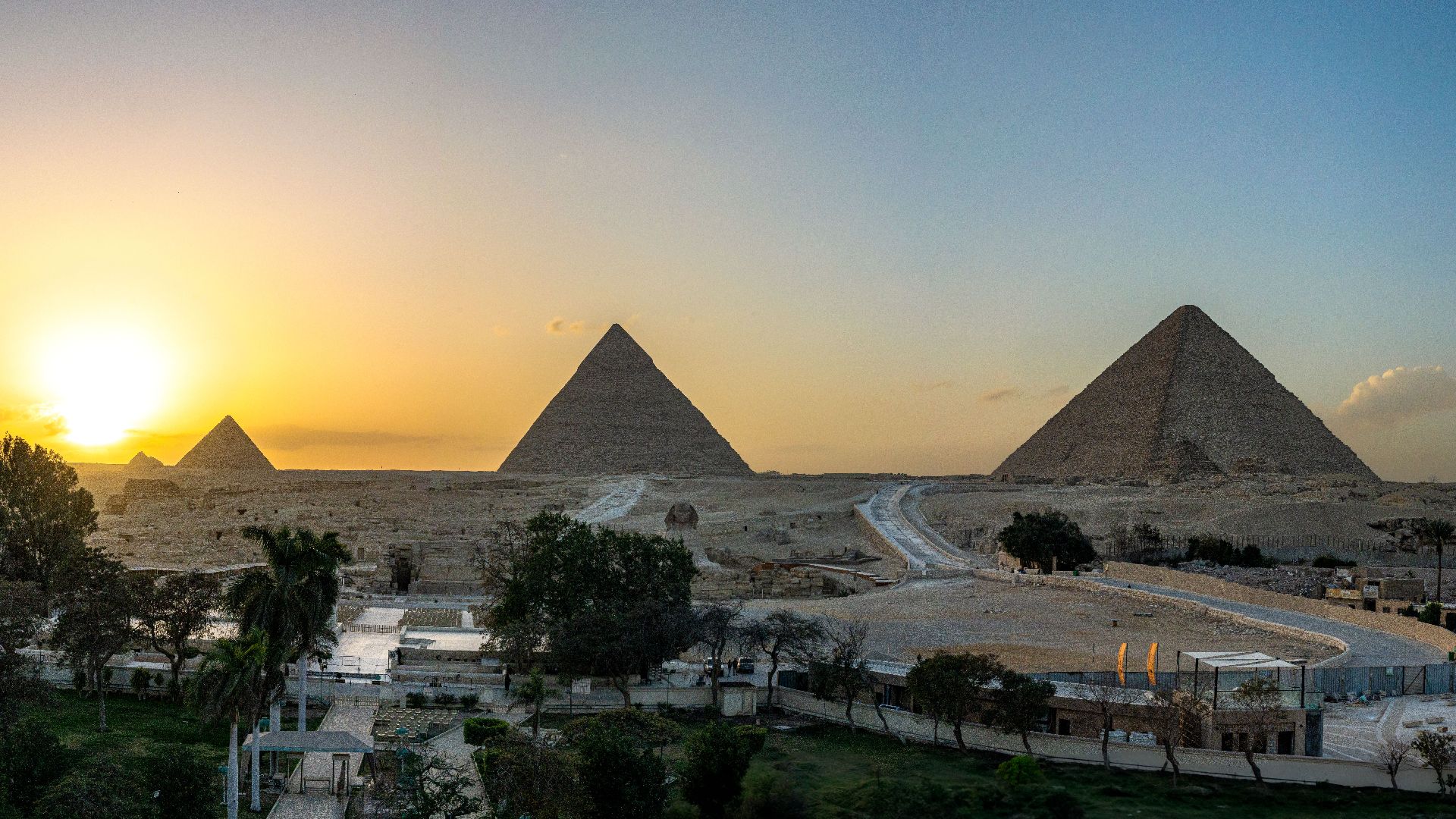
The Great Pyramid still contained surprises after 4,500 years. In 2023, researchers precisely characterized a previously unknown corridor behind the chevron-shaped stones on its north face. Cosmic-ray muons revealed a passage roughly nine meters long and about two meters wide and high, without physically dismantling the pyramid. And the way researchers found it may prove nearly as important as the corridor itself.
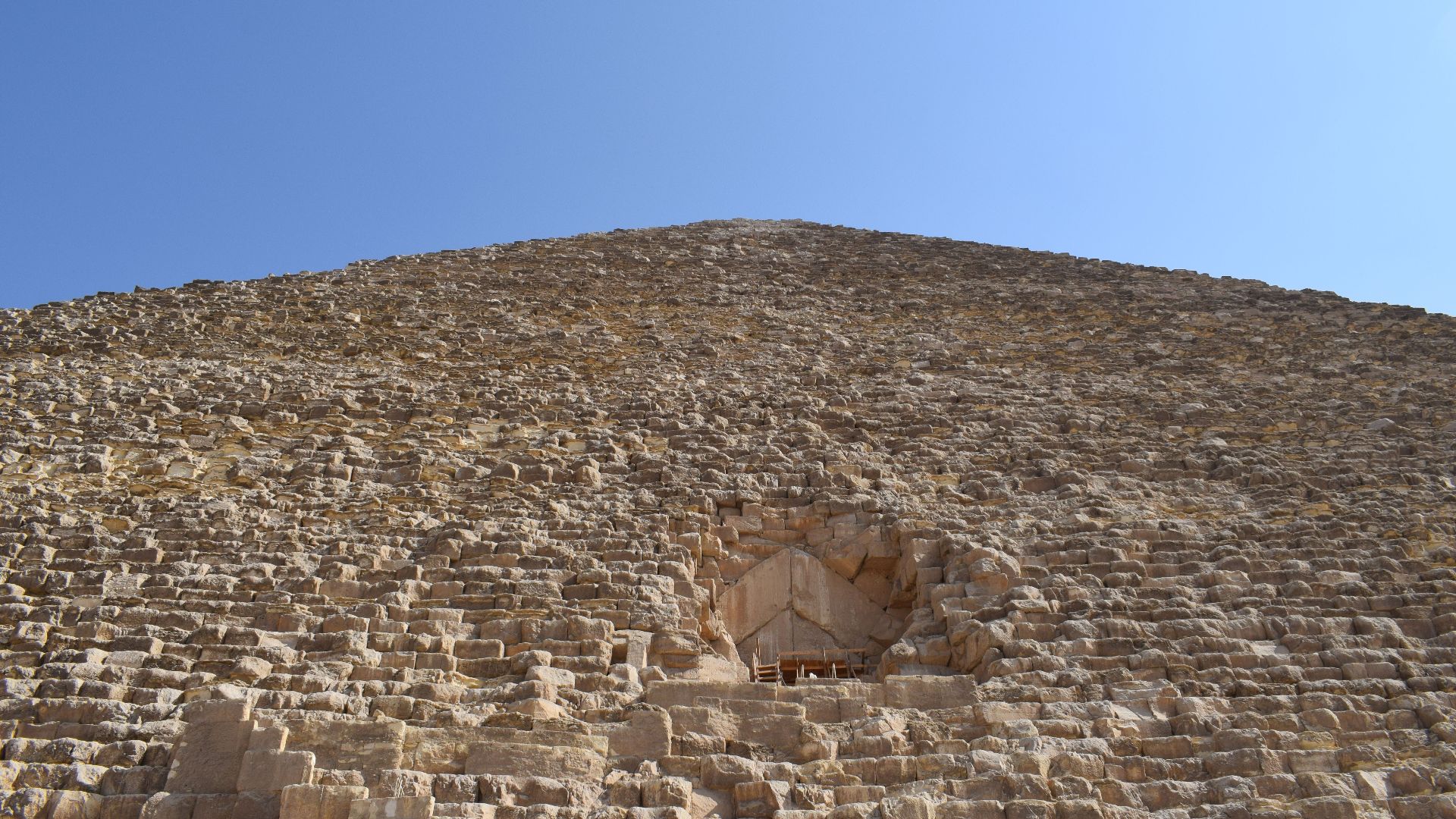
Archaeology Without Excavating
The corridor's purpose remains uncertain, so it would be premature to call it a secret burial chamber. Its larger significance is methodological. Muon radiography can detect hidden spaces inside enormous monuments non-destructively, potentially allowing researchers to investigate pyramid architecture without drilling, digging, or dismantling irreplaceable ancient masonry.
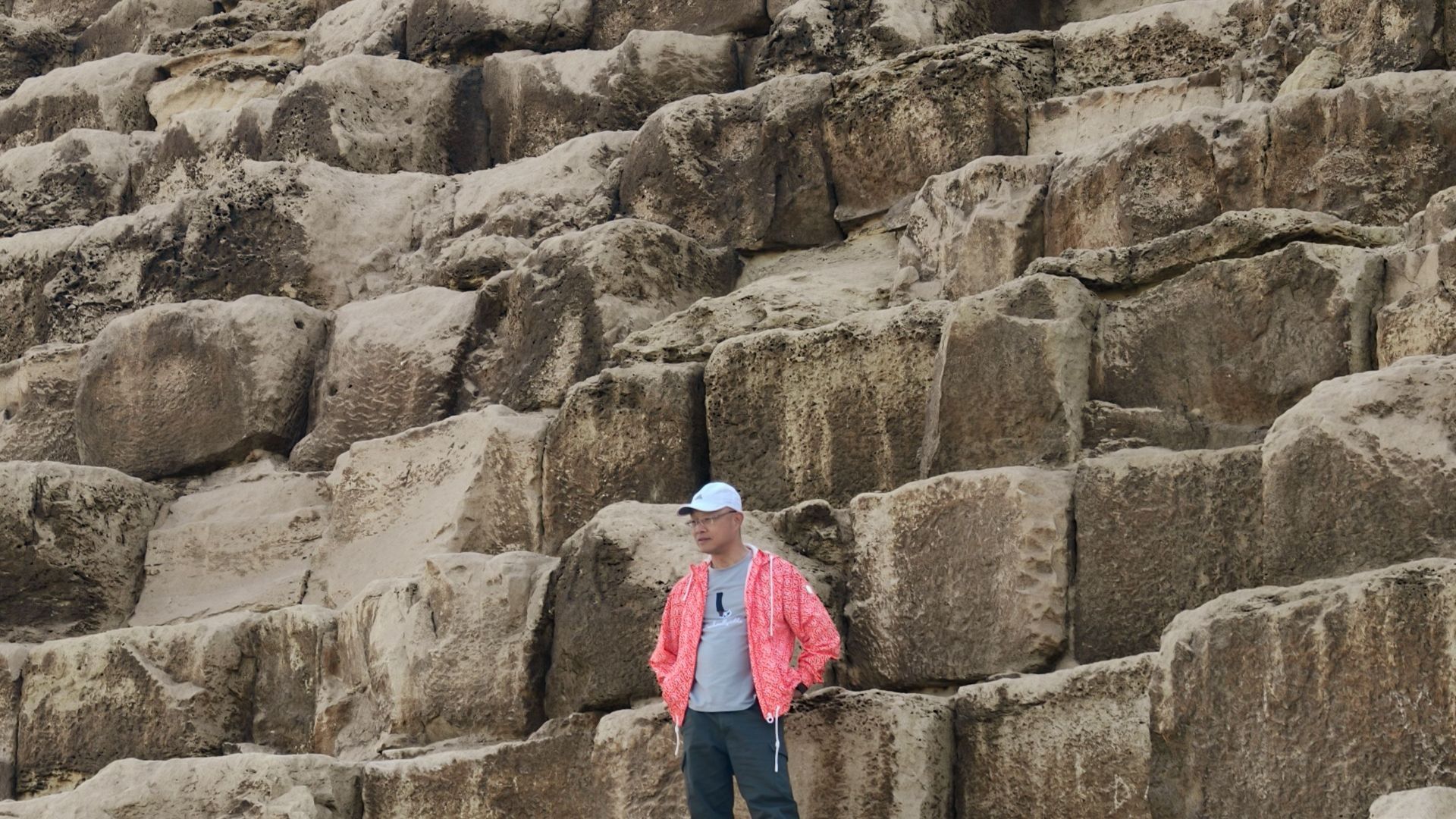
6. A Mummification Workshop
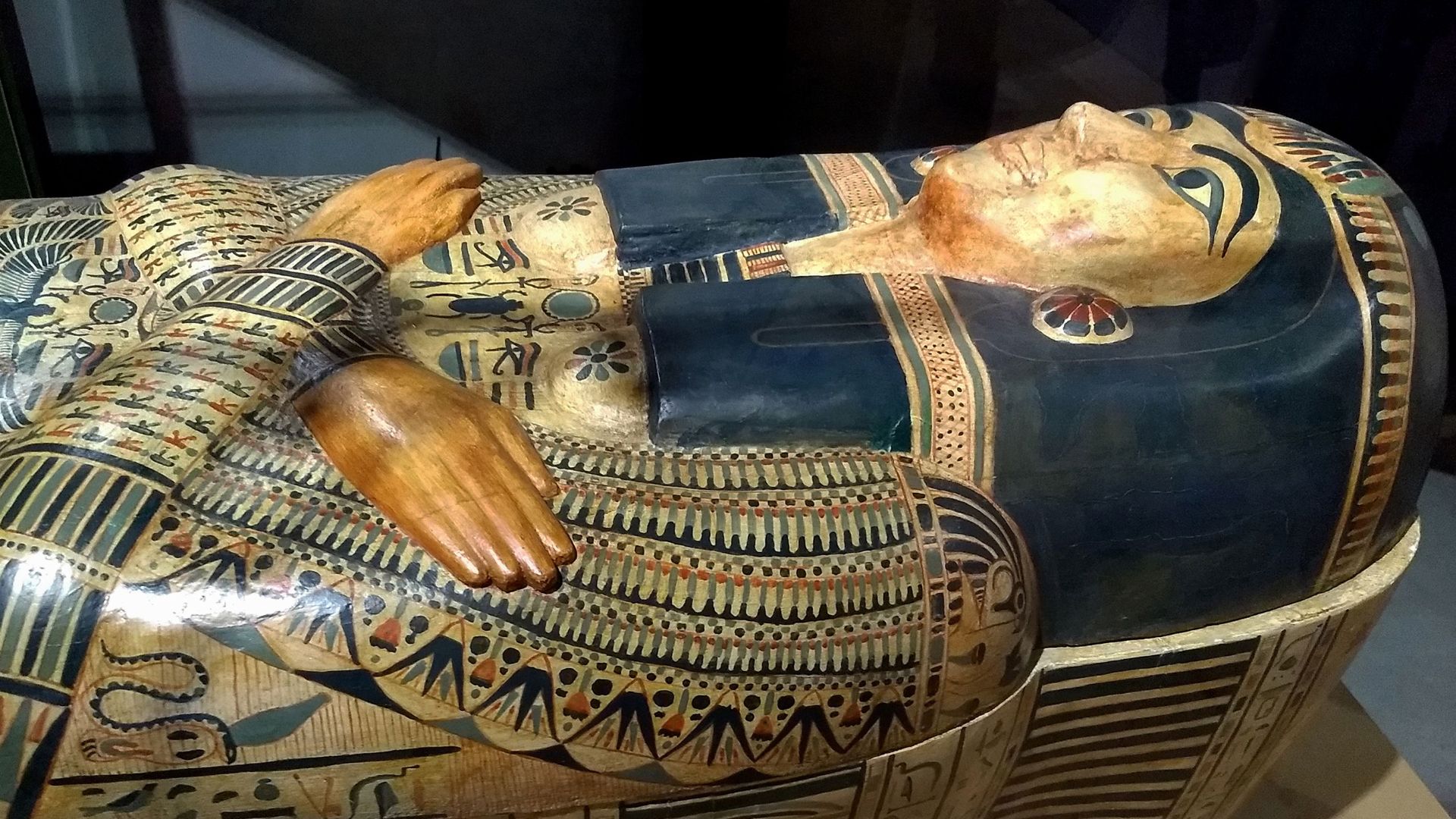
At Saqqara, archaeologists found a 26th Dynasty embalming workshop containing vessels labeled with ingredients or instructions. Scientists analyzed residues in dozens of containers, connecting ancient Egyptian terminology with substances actually used by embalmers. The results were published in Nature in 2023, turning archaeological pottery into something resembling a mummification instruction manual. But the ingredients revealed an even bigger surprise about where Egyptian embalmers obtained their supplies.
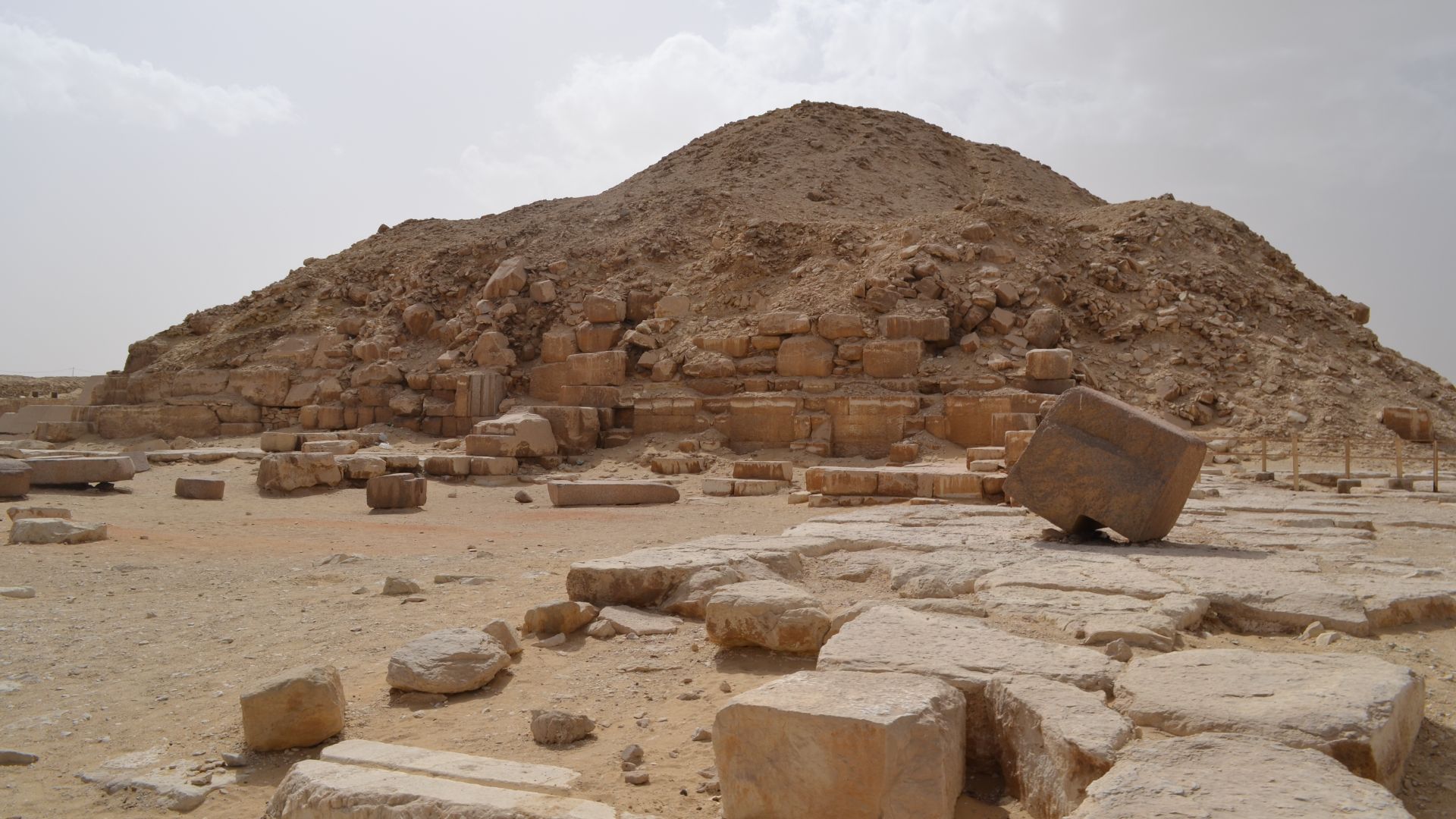
Mummification Went Global
Chemical analysis identified products including plant oils, resins, fats, and substances originating far beyond Egypt. Some ingredients came from the eastern Mediterranean, while others originated in tropical Asia. Mummification therefore wasn't simply an Egyptian religious technique. It depended upon sophisticated knowledge and surprisingly extensive international trade networks.
7. The Baboons Knew
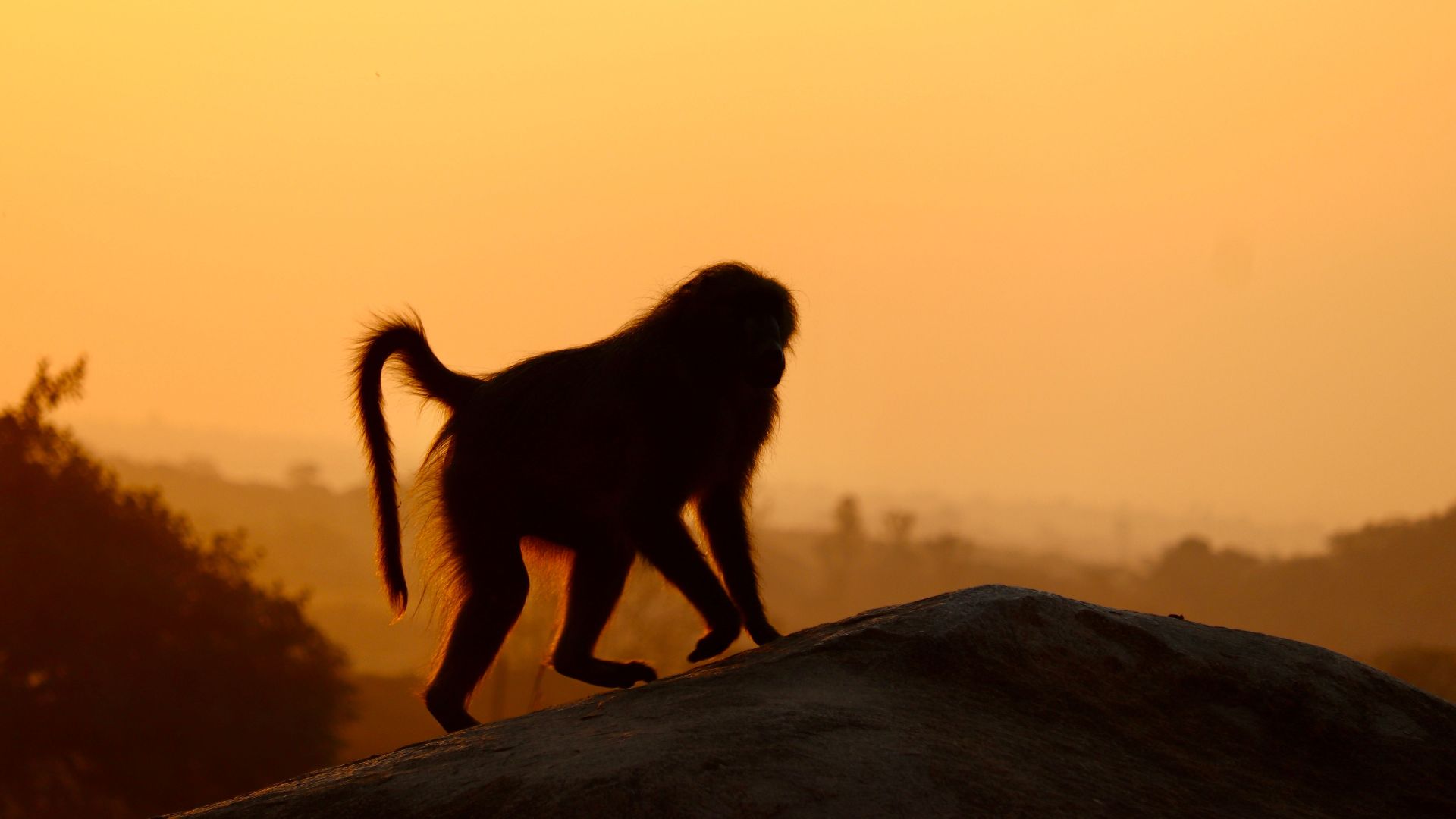
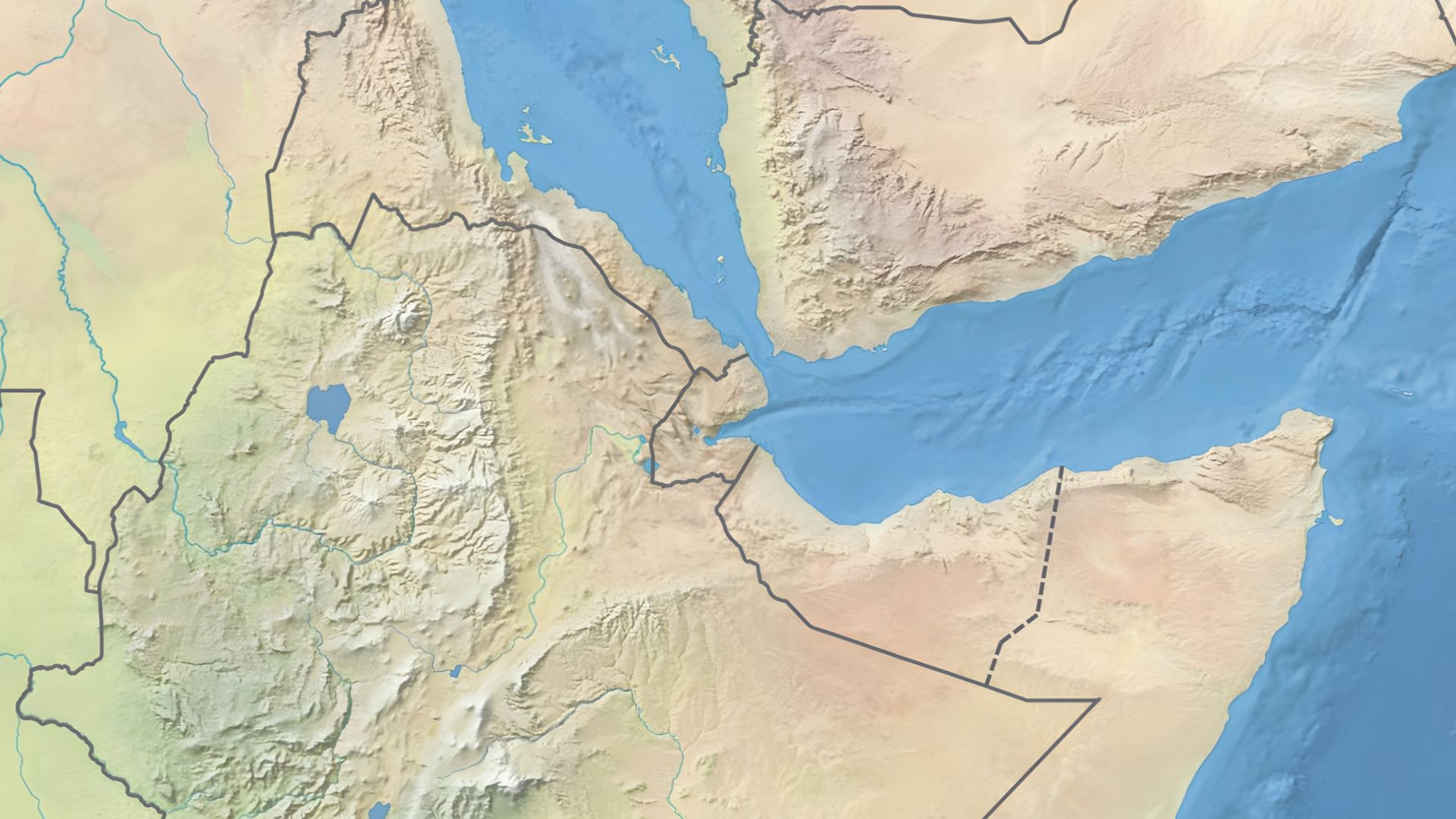
One of Egyptology's enduring mysteries is the location of Punt, the distant trading land celebrated by Egyptian texts. Scientists extracted mitochondrial DNA from a mummified baboon dating roughly to 800–540 BCE and compared it with modern populations. Its genetic affinities pointed toward Eritrea, Ethiopia, and eastern Sudan. Could these unlikely animal witnesses finally tell archaeologists where the mysterious land of Punt actually was?
Closing In On Punt
The result complements earlier isotope evidence placing Egyptian-imported baboons in the Horn of Africa. Researchers proposed continuity between Punt and the later trading center of Adulis in present-day Eritrea. It doesn't put a definitive pin in Punt's map, but biological evidence is narrowing a mystery historians have debated for generations.
8. Egypt Watched The Heavens
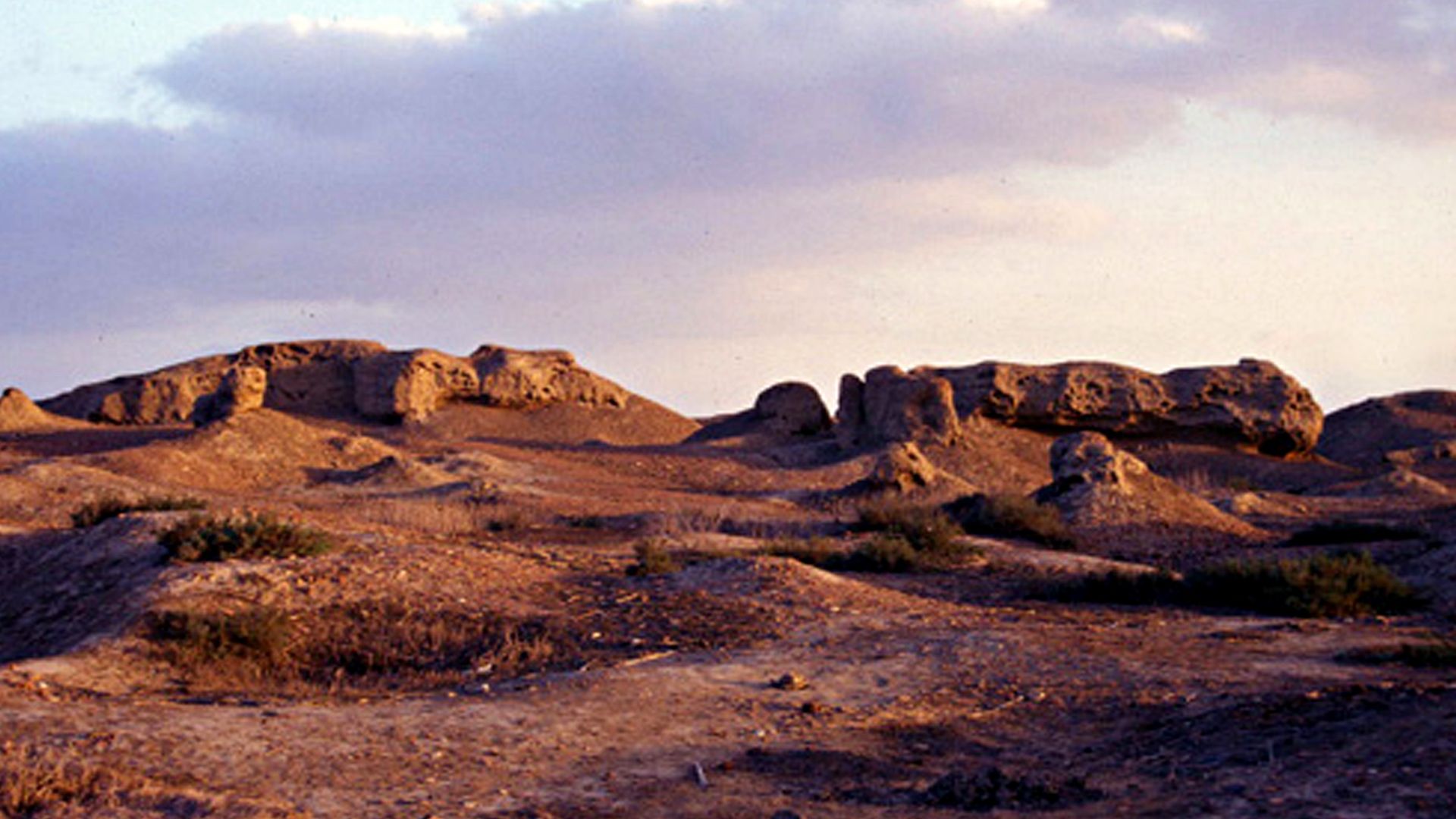
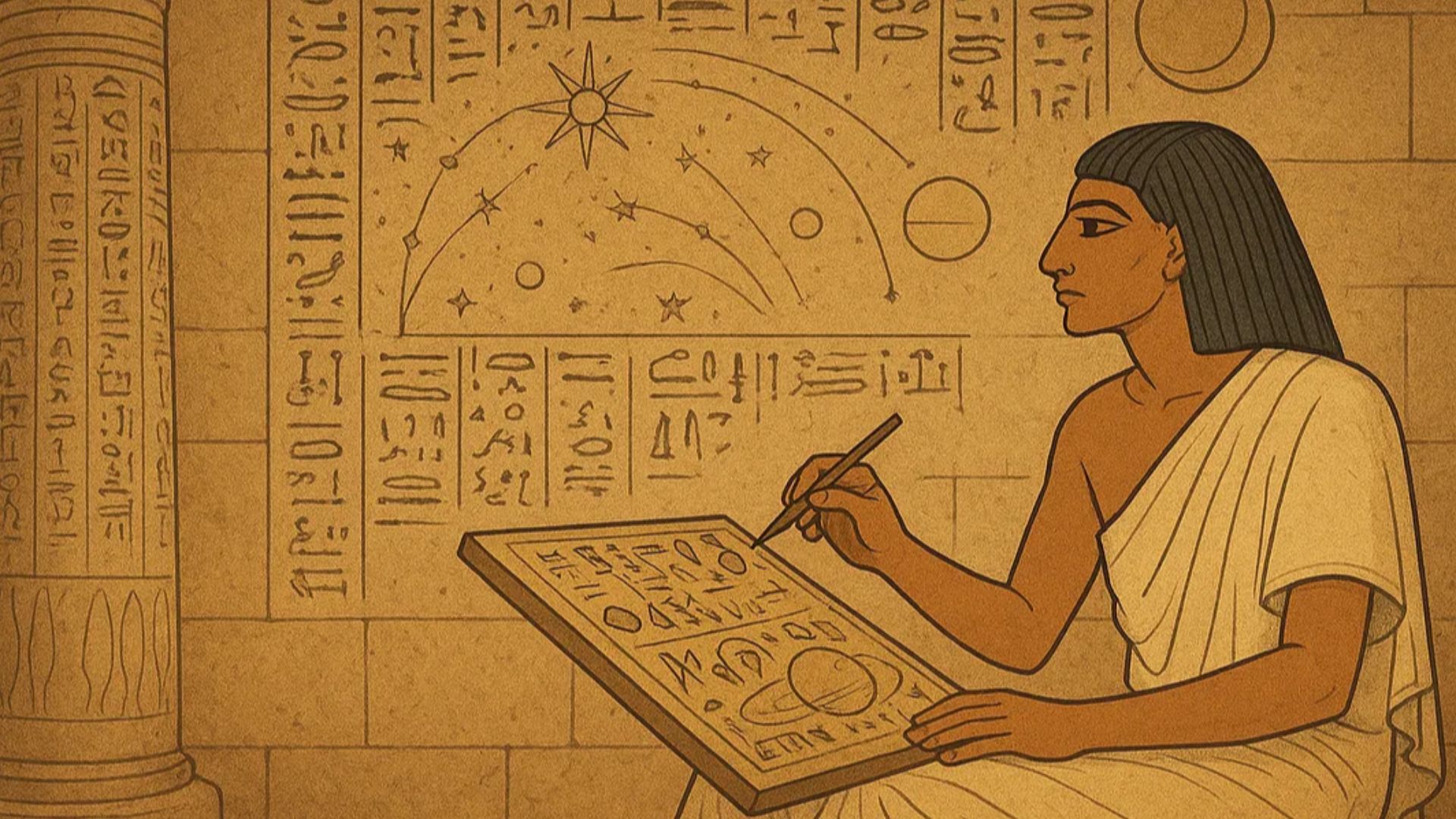
In 2024, Egyptian archaeologists at Tell el-Faraeen, ancient Buto, announced a large 6th-century BC mudbrick structure interpreted as an astronomical observatory. Excavators uncovered a slanted stone sundial alongside measuring equipment, pottery, and other objects, providing physical evidence for systematic astronomical observation at the site. So why were the Egyptians investing so much effort in carefully watching the sky?
 Faris knight, Wikimedia Commons
Astronomy Was Practical
Egyptian astronomy wasn't simply stargazing. Tracking celestial movements helped establish calendars, determine religious festivals, measure time, and orient sacred activities. The Buto structure gives archaeologists an unusually tangible workplace in which specialists apparently observed and measured the heavens, adding physical architecture to what texts and alignments already suggested.
9. Ramesses II’s Frontier Fort
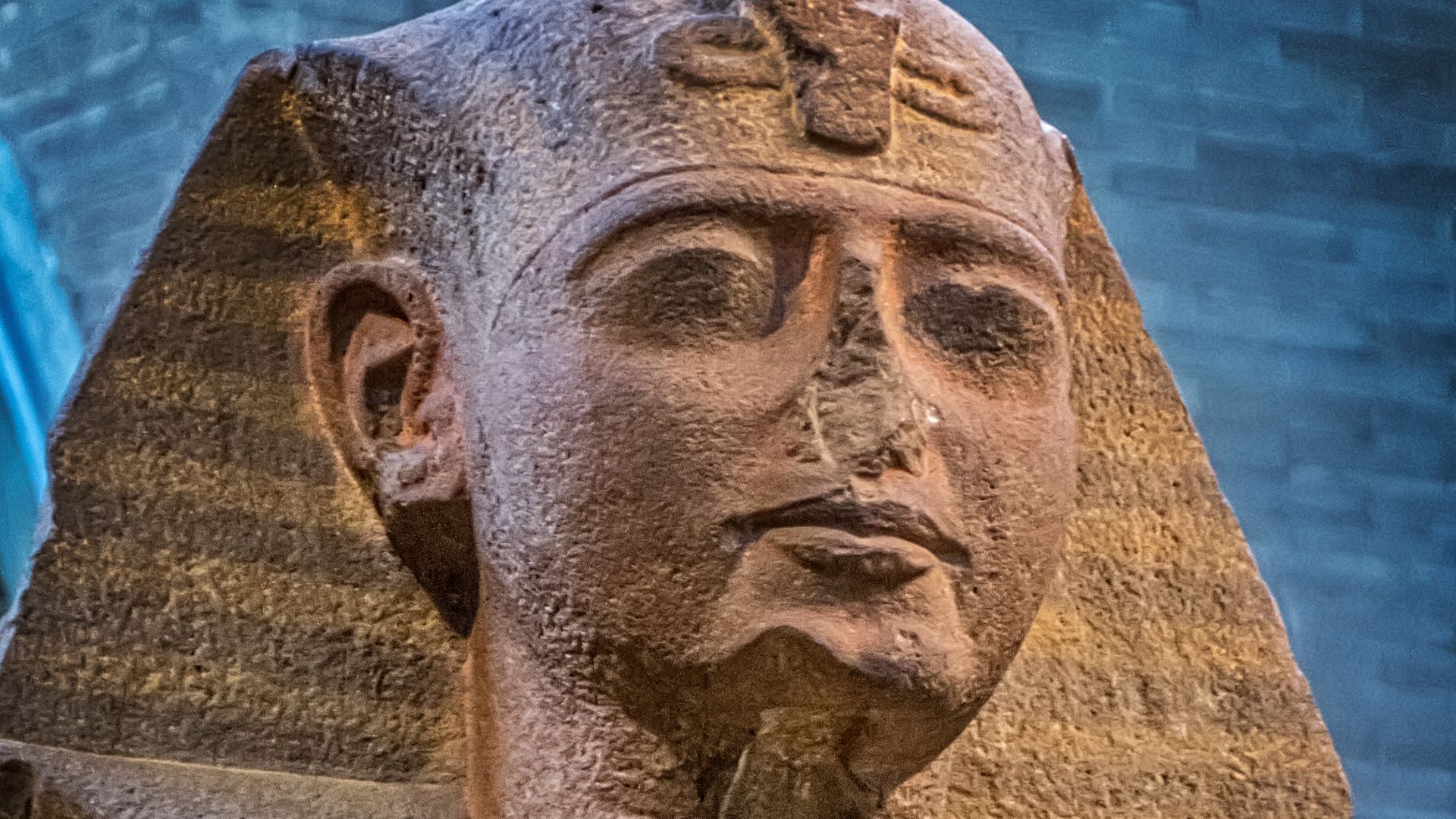
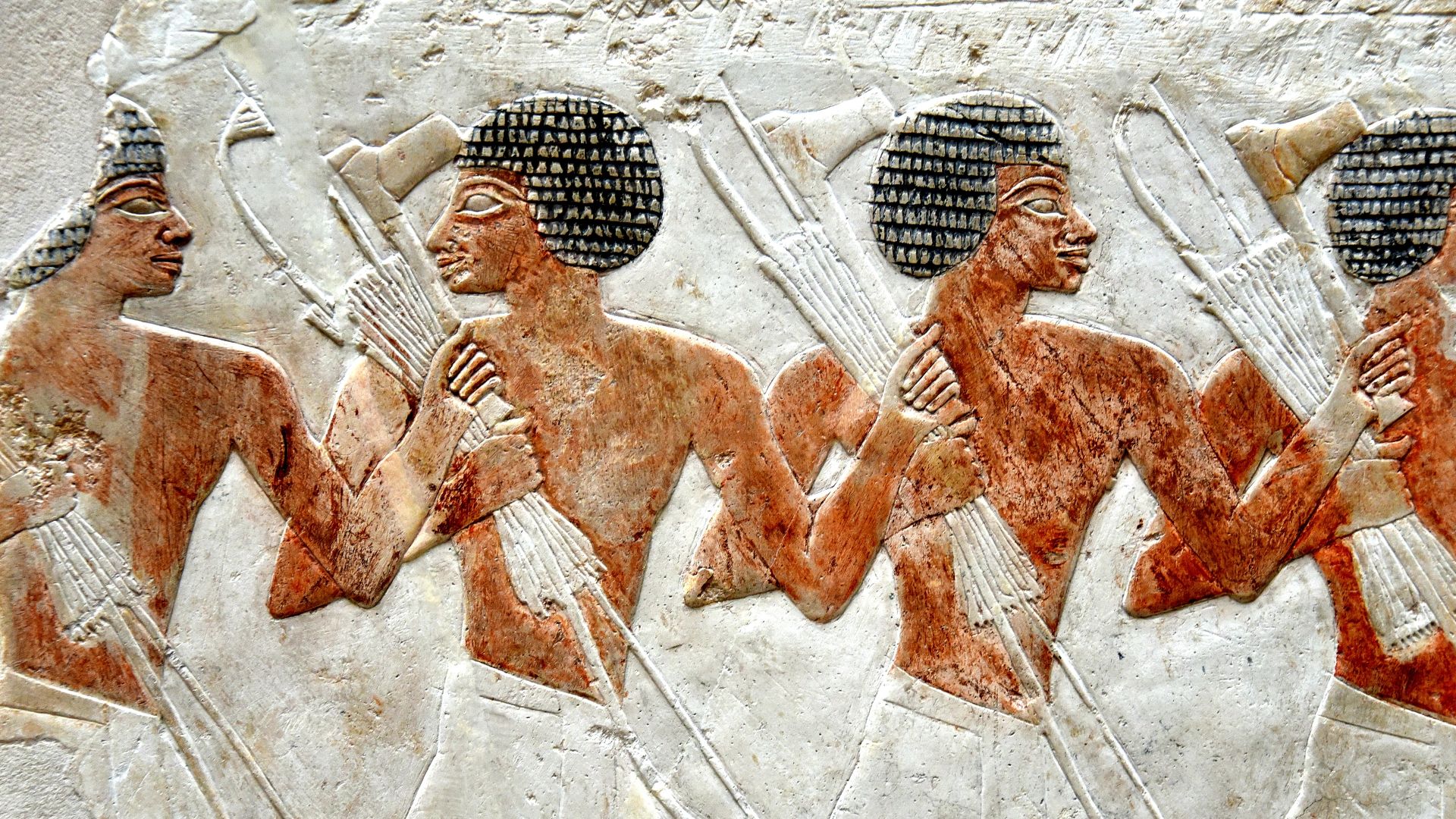
Excavations at Tell Al-Abqain in northern Egypt uncovered New Kingdom military barracks, storerooms, soldiers' possessions, and a bronze sword inscribed with the cartouche of Ramesses II. The carefully planned complex stood along Egypt's western military road, guarding approaches vulnerable to Libyan groups and eventually the Sea Peoples. Yet the most revealing discoveries weren't necessarily the weapons, but the infrastructure surrounding the soldiers who carried them.
 Mary Harrsch, Wikimedia Commons
Soldiers Needed Logistics
Popular images emphasize Ramesses II's chariots and colossal monuments, but armies survive on logistics. The barracks included areas for weapons, food, and provisions, showing a highly organized frontier infrastructure. Archaeology is revealing that Egyptian military power depended as much upon supply, administration, and permanent defenses as spectacular battlefield victories.
 Osama Shukir Muhammed Amin FRCP(Glasg), Wikimedia Commons
10. Thirty-Three Aswan Tombs
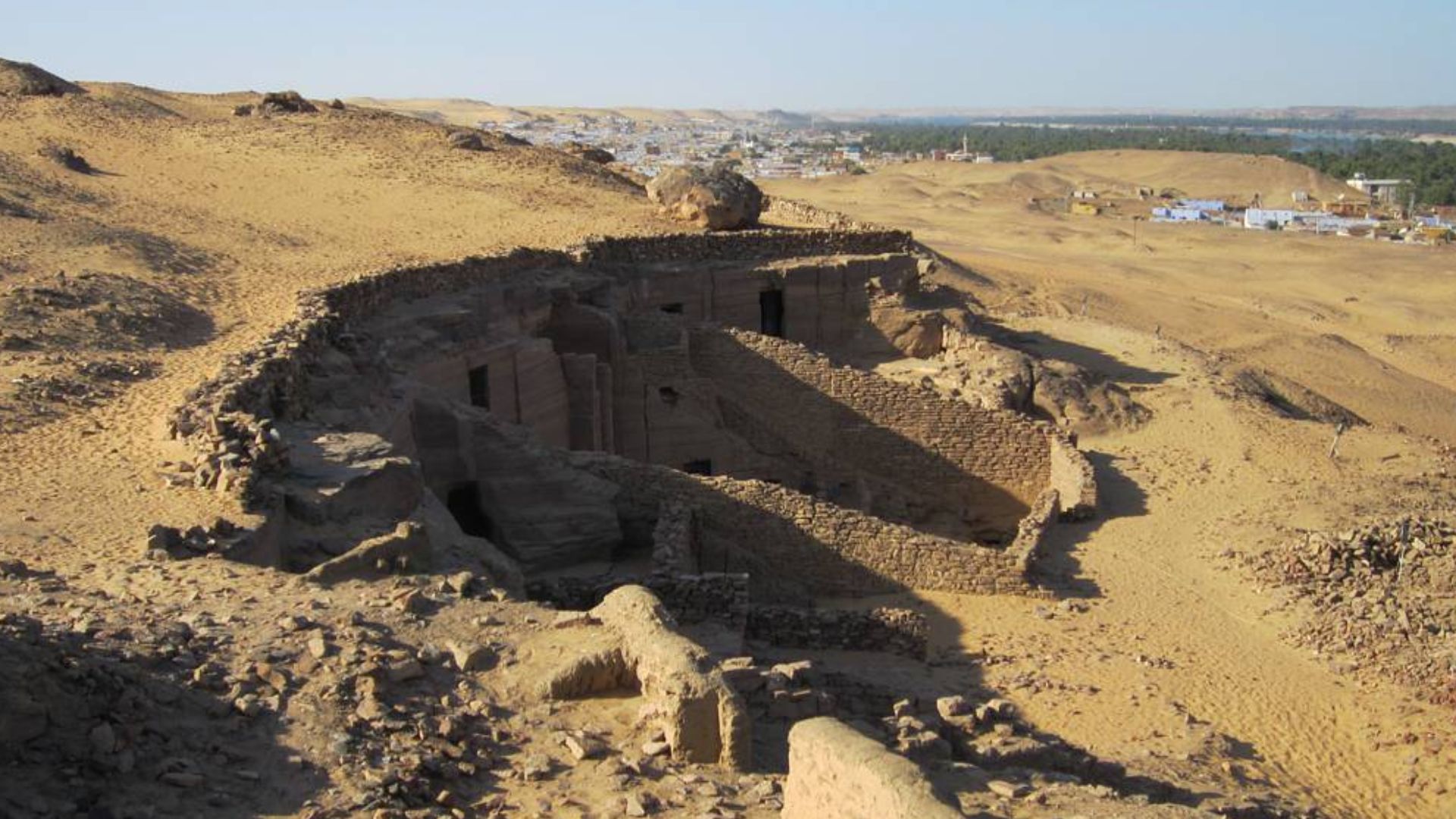
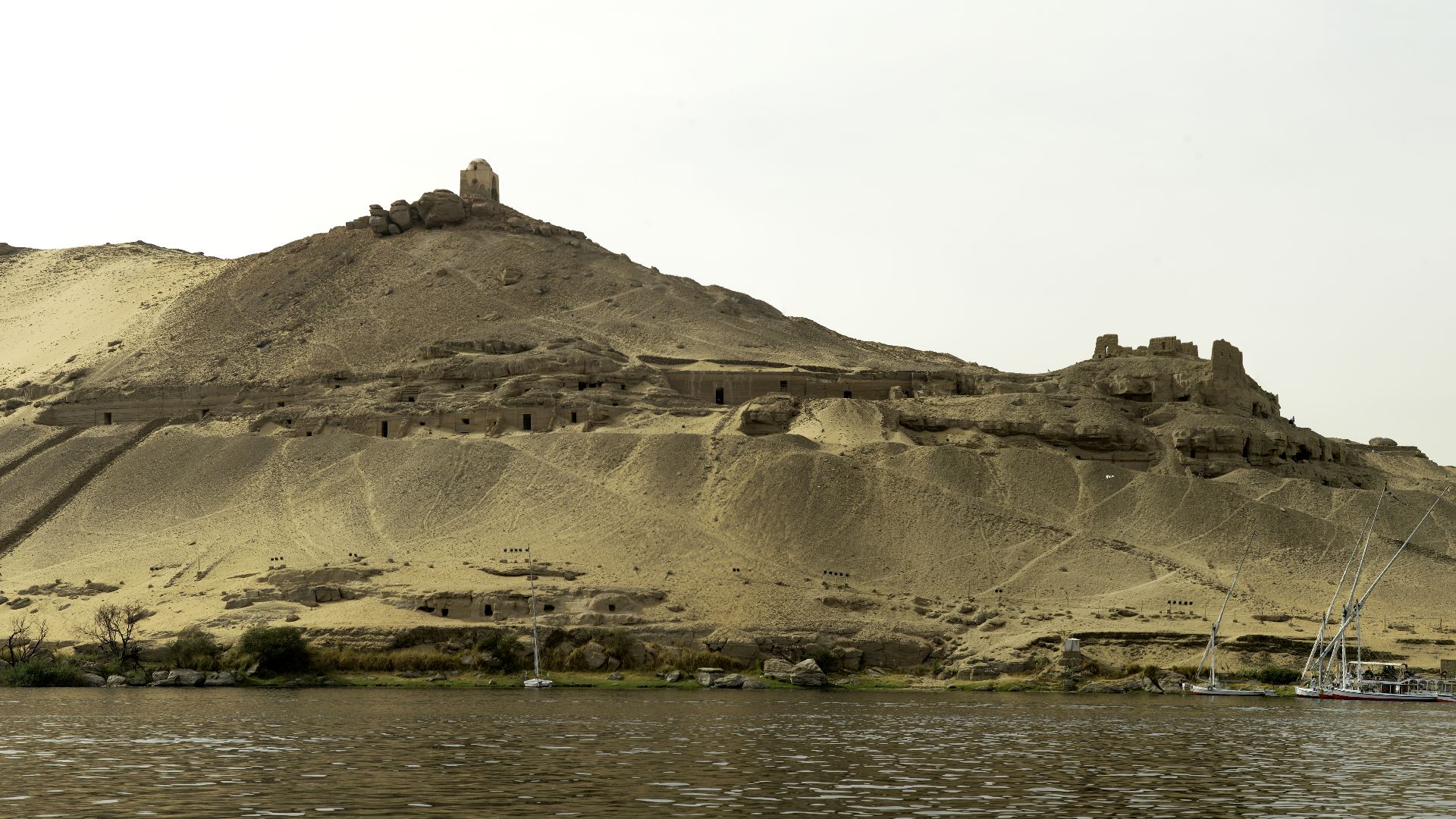
An Egyptian-Italian mission announced 33 tombs near Aswan in 2024, spanning the Late, Ptolemaic, and Roman periods. Mummified remains and funerary objects survived inside several burials. Researchers used technologies including X-rays to examine age, sex, physical characteristics, and diseases without relying solely on traditional excavation evidence. Those examinations began revealing something monuments rarely show us: what ordinary ancient Egyptians actually suffered from.
 David Stanley from Nanaimo, Canada, Wikimedia Commons
Ancient Egyptians Got Sick
Preliminary examinations found evidence associated with infectious disease, anemia, malnutrition, tuberculosis, osteoporosis, and severe bone problems. Researchers also believe different portions of the cemetery may reflect social class. Instead of concentrating on pharaohs, the find helps reconstruct health, inequality, family burial practices, and ordinary life in ancient Aswan.
 User:MatthiasKabel, Wikimedia Commons
11. A Royal Doctor’s Tomb
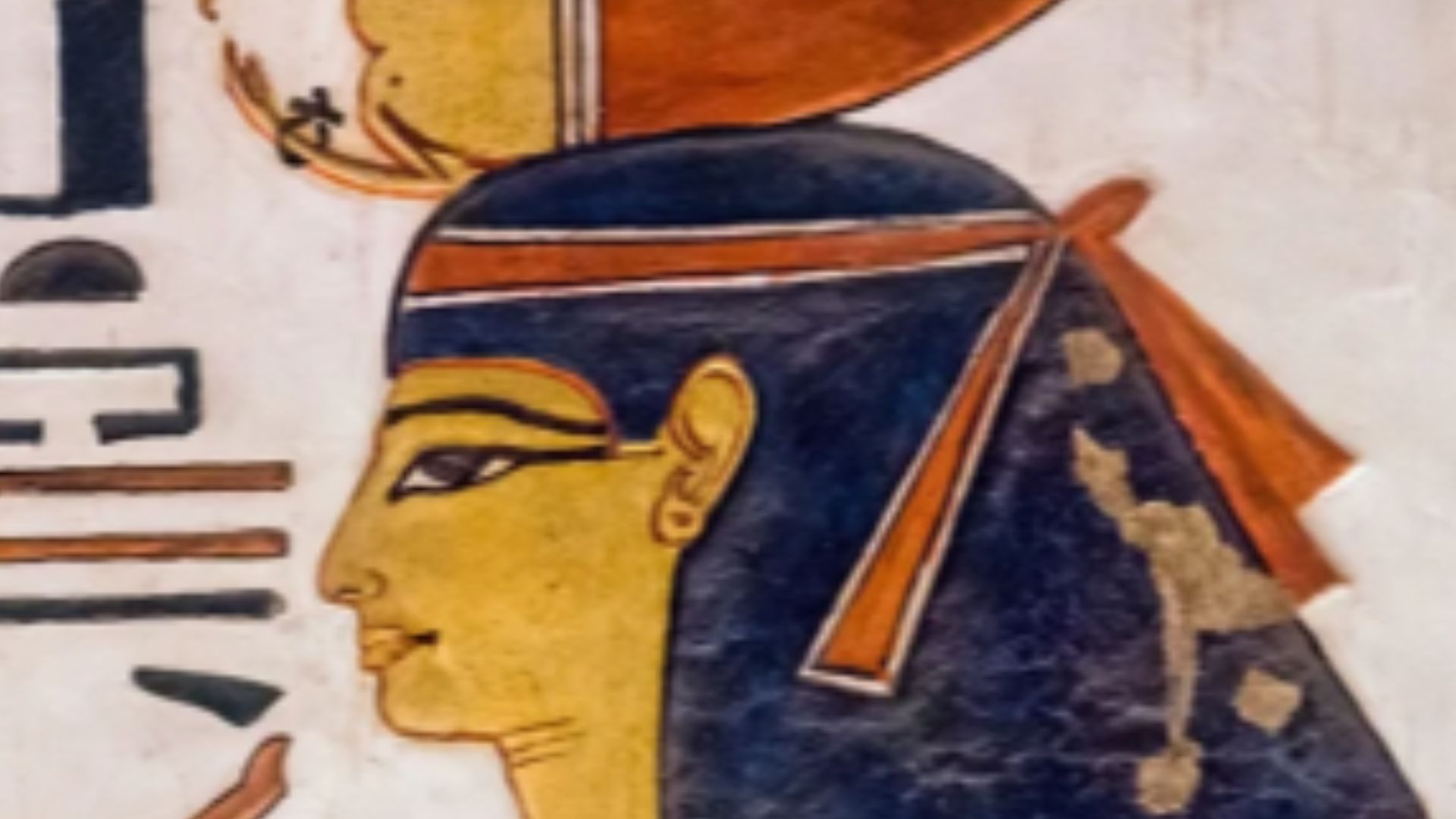
At southern Saqqara, a French-Swiss mission uncovered the mastaba of Teti Neb Fu, a physician who lived during the reign of Pepi II. His titles included chief palace physician and priest of the scorpion goddess Serket, while inscriptions and paintings survived on his mudbrick tomb's false door. Those remarkable titles also tell us something unexpected about how sophisticated the Egyptian medical profession had become.
 Unknown authorUnknown author, Wikimedia Commons
Medicine Was Specialized
Teti Neb Fu's extraordinary collection of titles strengthens the picture of sophisticated medical specialization within Old Kingdom elite society. Rather than an undifferentiated class of healers, Egypt apparently supported physicians occupying distinct professional and religious roles, some working at the royal court and attaining enough prestige to receive elaborate tombs.
12. Karnak Before The Temples
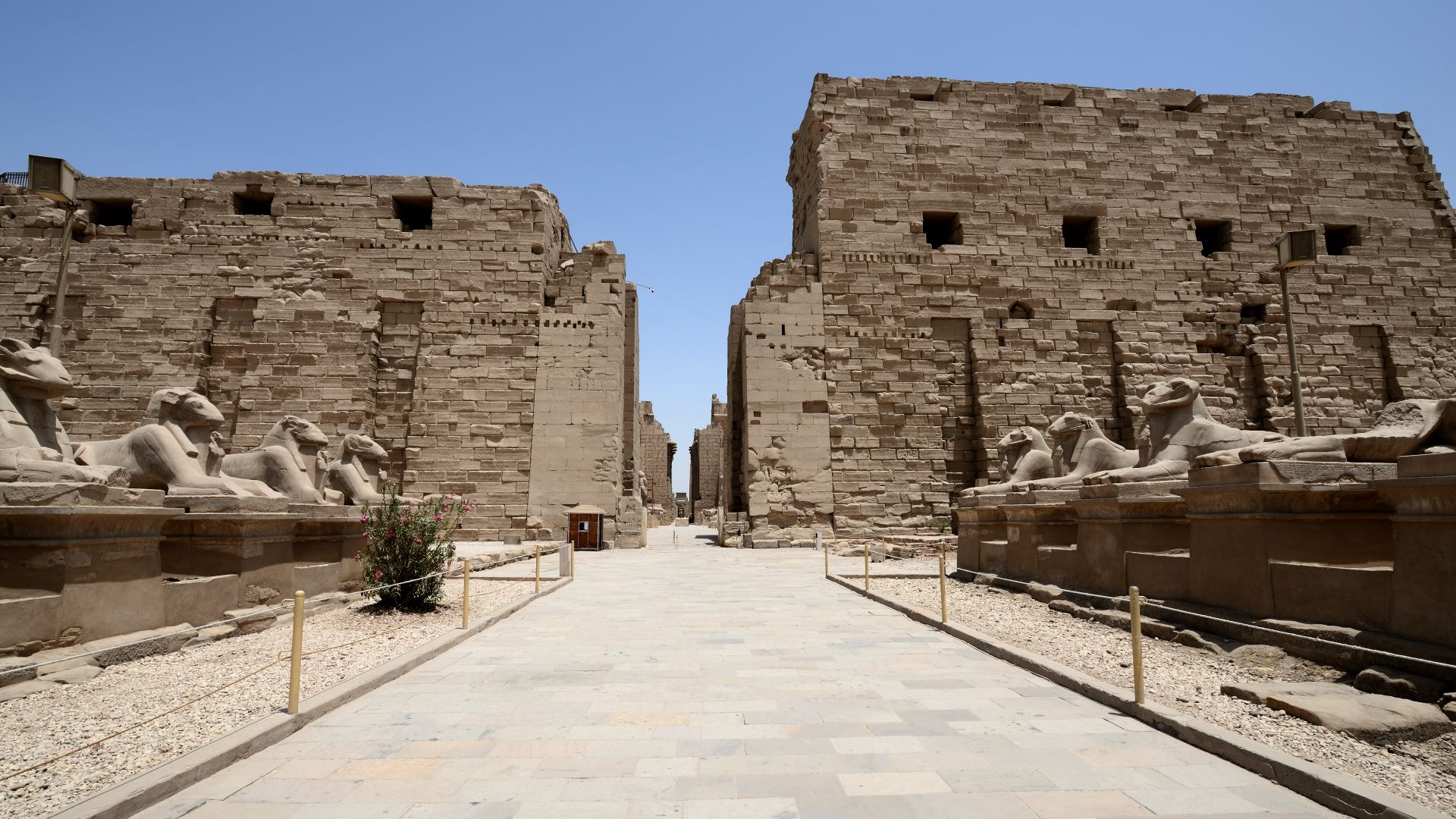
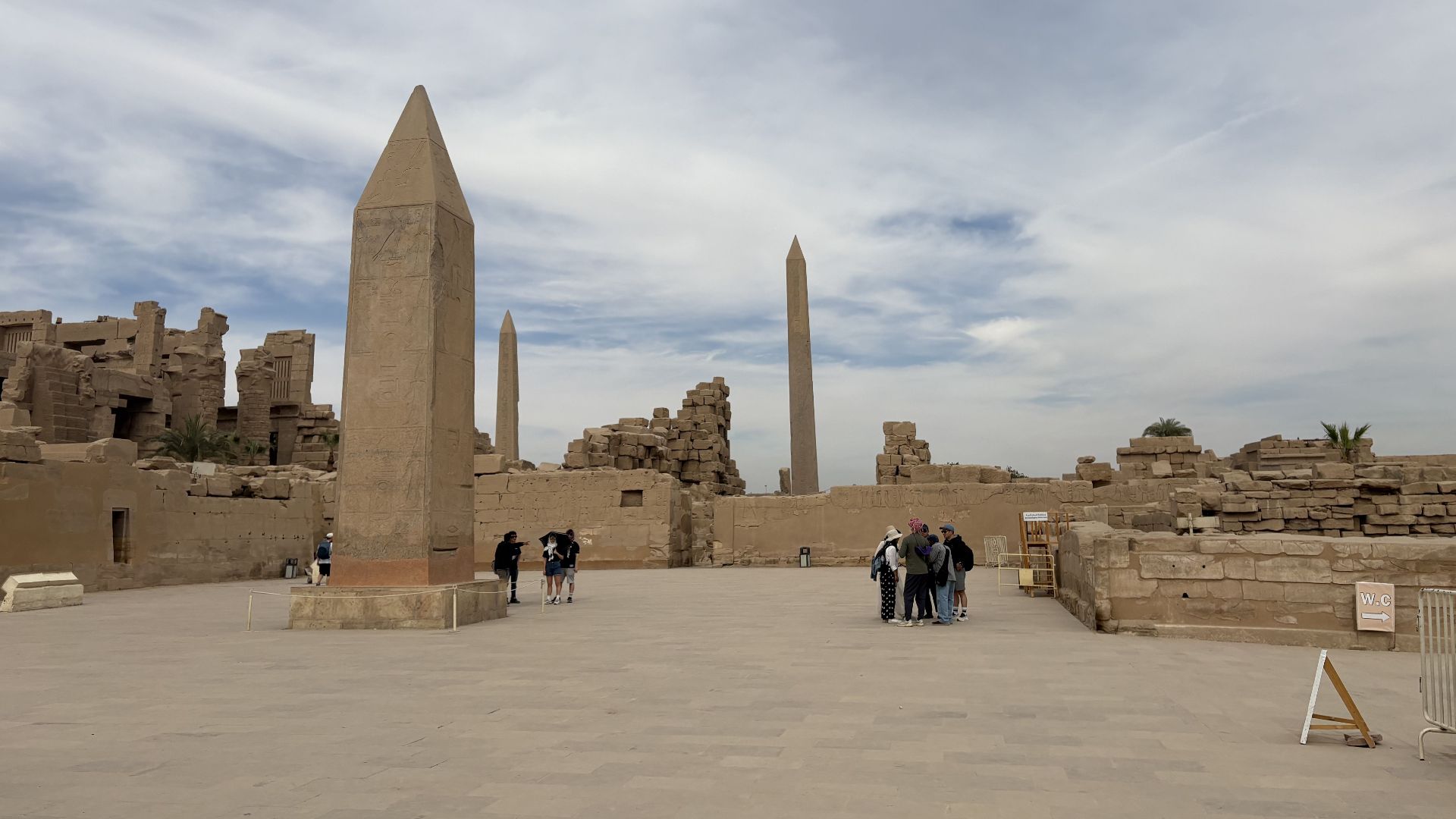
Recent geoarchaeological research has reconstructed a dramatically different Karnak landscape. Before approximately 2520 BC, the future temple area was repeatedly inundated and unsuitable for permanent occupation. Later Nile channels created higher ground, while pottery indicates activity there by the Old Kingdom, centuries before Karnak reached its monumental New Kingdom form. And the peculiar landscape that emerged may help explain why Karnak became sacred in the first place.
Creation Myth Became Geography
The reconstruction suggests Karnak emerged on elevated ground surrounded by waterways. That landscape bears a striking resemblance to ancient Egyptian creation traditions in which the primordial mound emerged from surrounding waters. Researchers therefore propose that Karnak's physical geography may have contributed to its extraordinary religious importance rather than merely providing convenient building land.
Egypt Looks Different Now
Taken together, these discoveries replace a static picture of Ancient Egypt with something more dynamic. Rivers moved, populations interacted across continents, embalmers imported exotic ingredients, soldiers occupied organized frontier installations, physicians specialized, and sacred landscapes evolved alongside the Nile. Even Egypt's most famous monuments remain capable of producing completely new evidence.
 Matheus De Moraes Gugelmim, Pexels
Technology Changed Egyptology
The biggest revolution may be how discoveries are now made. DNA sequencing can trace ancestry, chemical residues reconstruct recipes, satellite radar finds vanished rivers, X-rays reveal disease, and cosmic particles penetrate pyramids. Archaeologists increasingly investigate ancient Egypt without destroying the very evidence they are trying to understand.

More Is Still Hidden
None of these discoveries closes the book. Thutmose II's displaced burial goods remain a puzzle, the Abydos king lacks a secure name, Punt remains debated, and the Great Pyramid's hidden spaces are incompletely understood. Modern archaeology's great lesson is that even the world's most intensively studied ancient civilization is nowhere near finished surprising us.
You May Also Like:
Archaeologists Have Just Found An Egyptian Tomb That Rivals King Tut