Buried Proof?
For centuries, many of the Bible's most famous people, places, and events existed only on the pages of ancient texts. Critics argued some were legends, while others believed many of the stories could never be verified. Then archaeologists started digging, and what they found…well, this is what they found.
Jesus As God
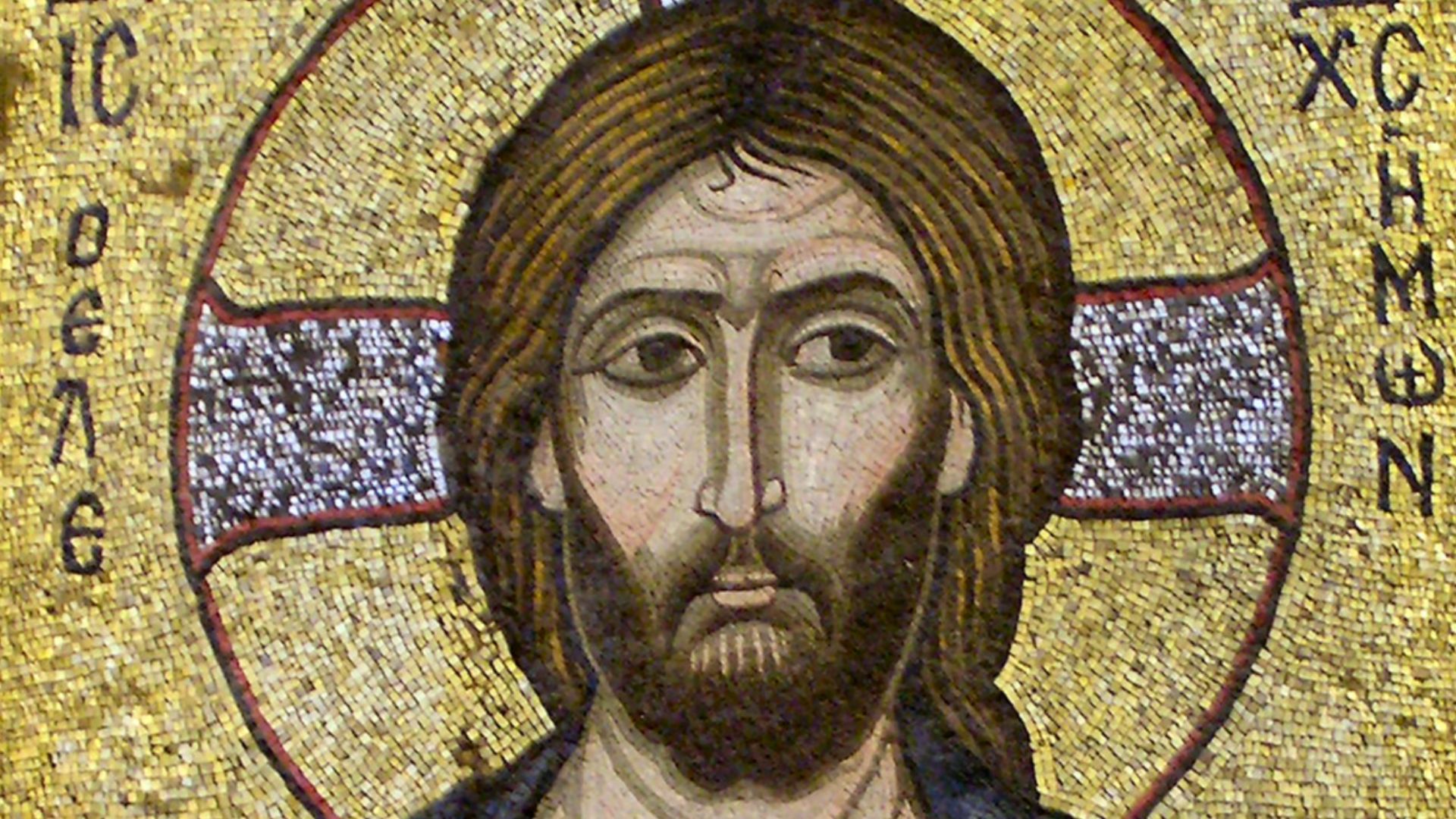
Many people assume Christians only began calling Jesus 'God' centuries after his death. A mosaic discovered beneath what was once Megiddo Prison suggests otherwise. Dating to around AD 230, it contains a Greek inscription dedicating a table 'to God Jesus Christ,' making it one of the earliest archaeological references to Jesus' divinity ever found.
 Gunnar Bach Pedersen, Wikimedia Commons
Pontius Pilate Was Real
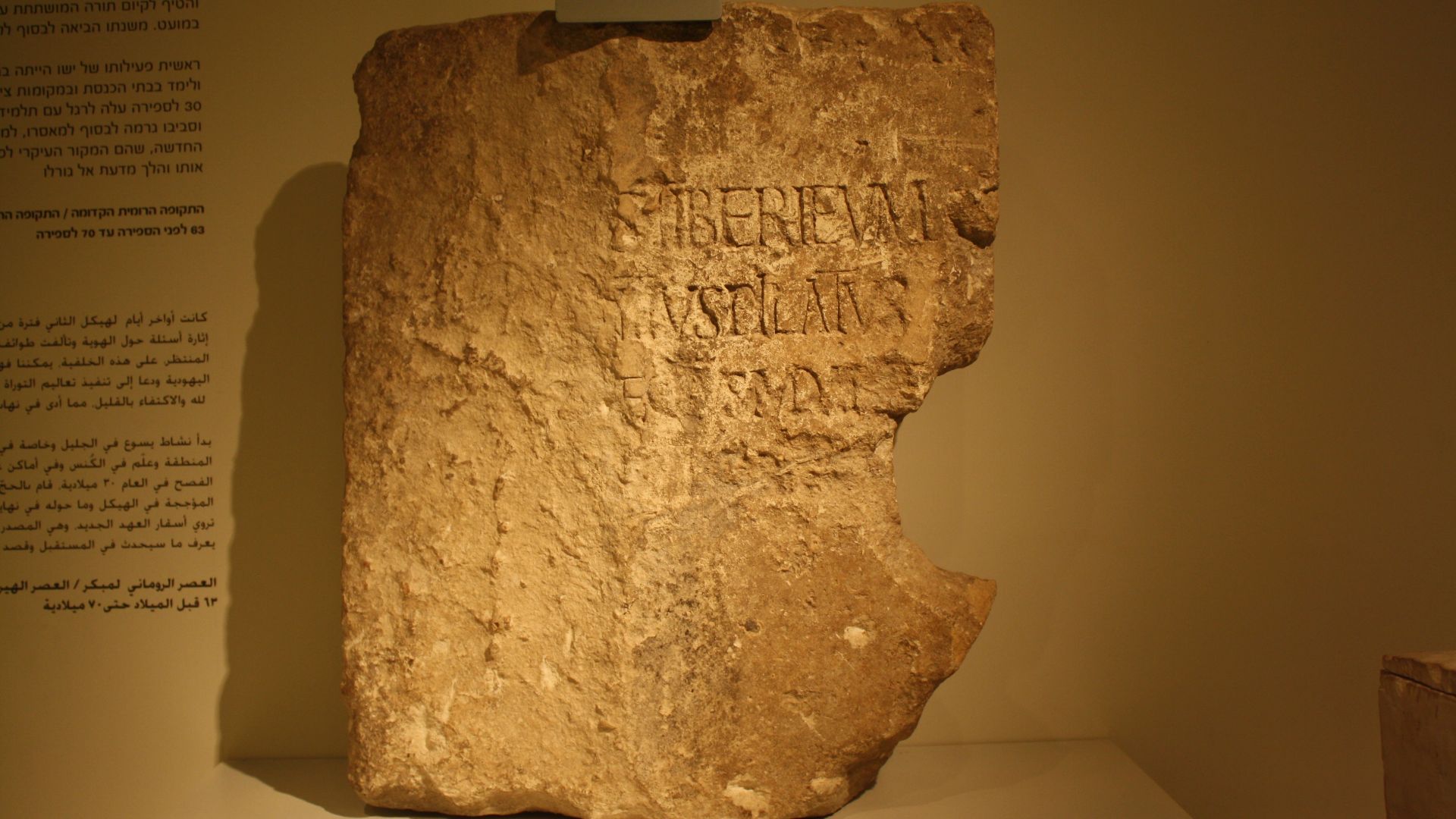
In 1961, archaeologists uncovered a damaged limestone block at Caesarea Maritima containing the Latin words 'Pontius Pilatus, Prefect of Judea.' Before that discovery, Pilate was known primarily through ancient writings. The inscription provided direct archaeological evidence that the Roman governor connected to Jesus' crucifixion was a real historical figure.
Jesus' Brother?
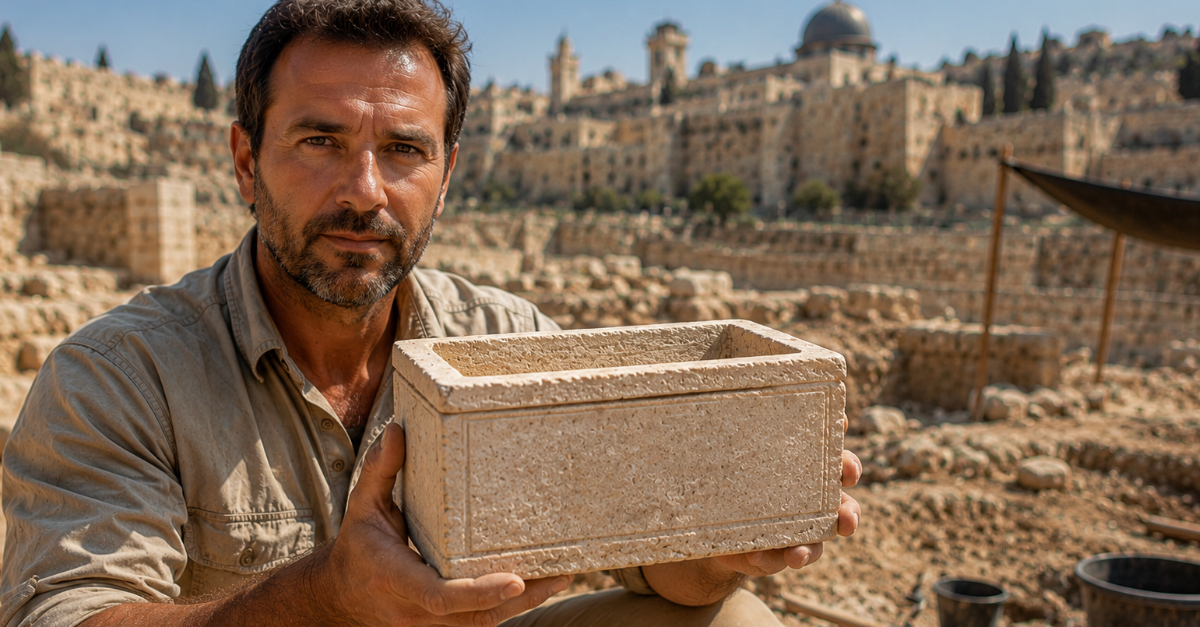
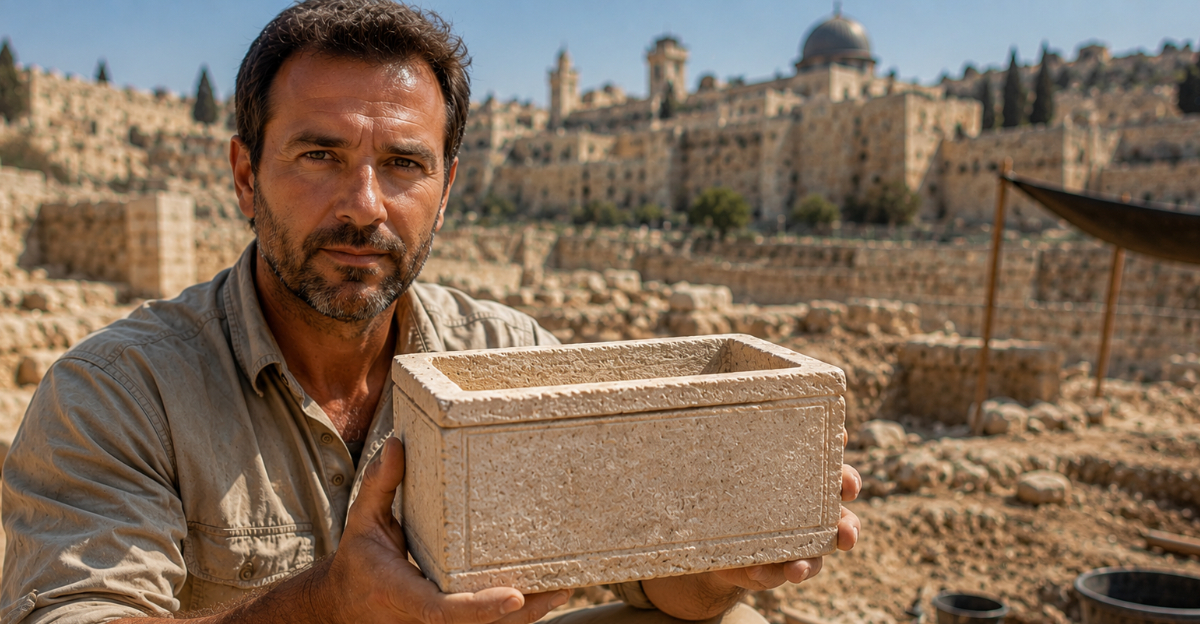
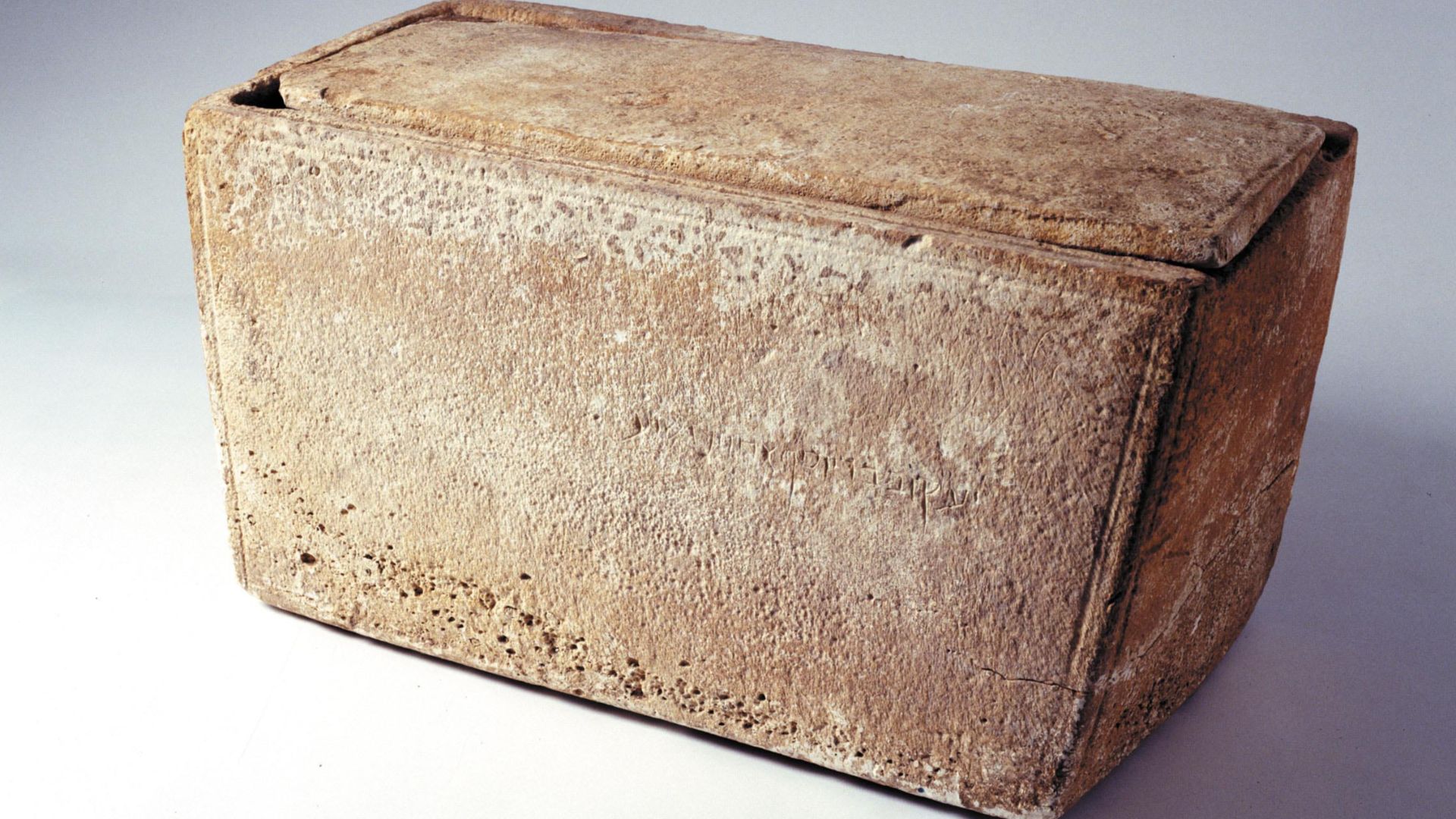
Few discoveries have generated more controversy than the James Ossuary. The limestone burial box bears an inscription reading 'James, son of Joseph, brother of Jesus.' The box itself is unquestionably ancient. The debate centers on whether the entire inscription was carved in antiquity. If genuine, it would represent the closest archaeological connection ever found to Jesus' family.
Ancient Biblical Texts
When the Dead Sea Scrolls were discovered in caves near Qumran beginning in 1947, they transformed biblical scholarship. The scrolls included copies of biblical books that were more than 2,000 years old. Their remarkable similarity to later versions showed that many biblical texts had been preserved far more accurately than many scholars once expected.
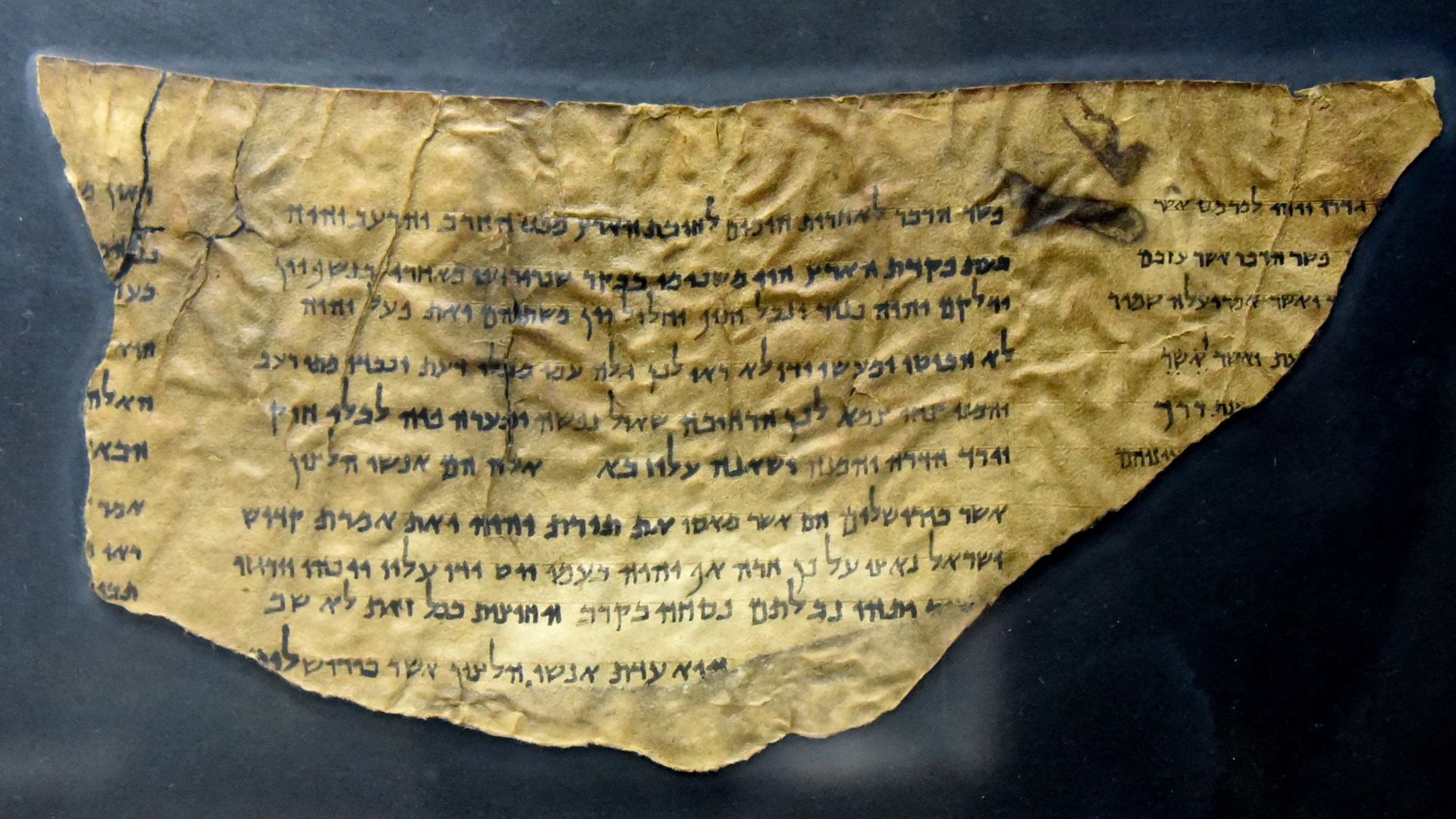 Osama Shukir Muhammed Amin FRCP(Glasg), Wikimedia Commons
Jesus' First Miracle?
The Gospel of John says Jesus performed his first public miracle at Cana by turning water into wine. Some archaeologists believe the site of Khirbet Qana may be that very location. Excavations uncovered Jewish ritual vessels, worship spaces, and Christian graffiti left by pilgrims centuries ago. Not all scholars agree, but it remains one of the strongest candidates proposed so far.
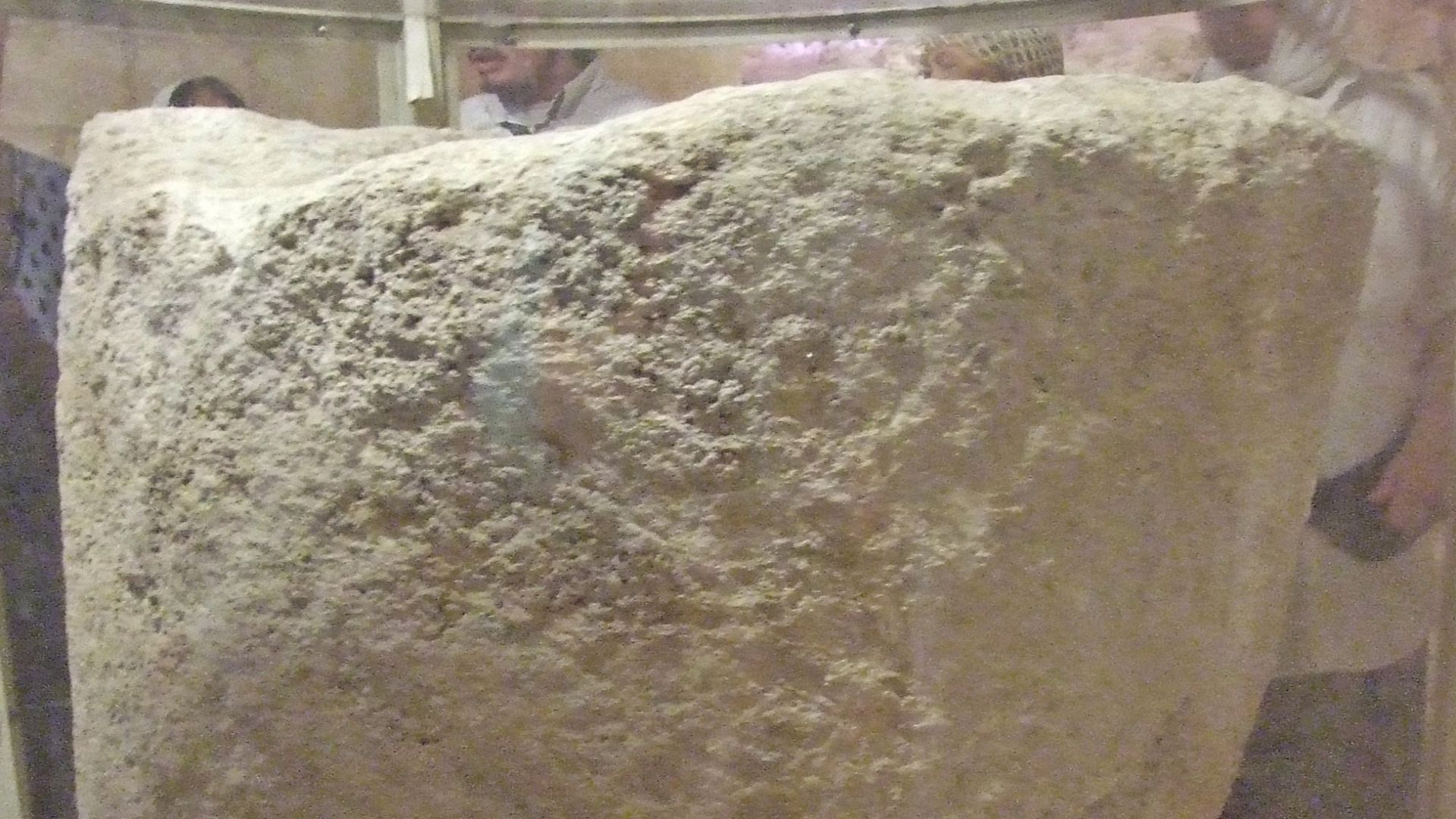 Magrietha Knight, Wikimedia Commons
King David's Dynasty
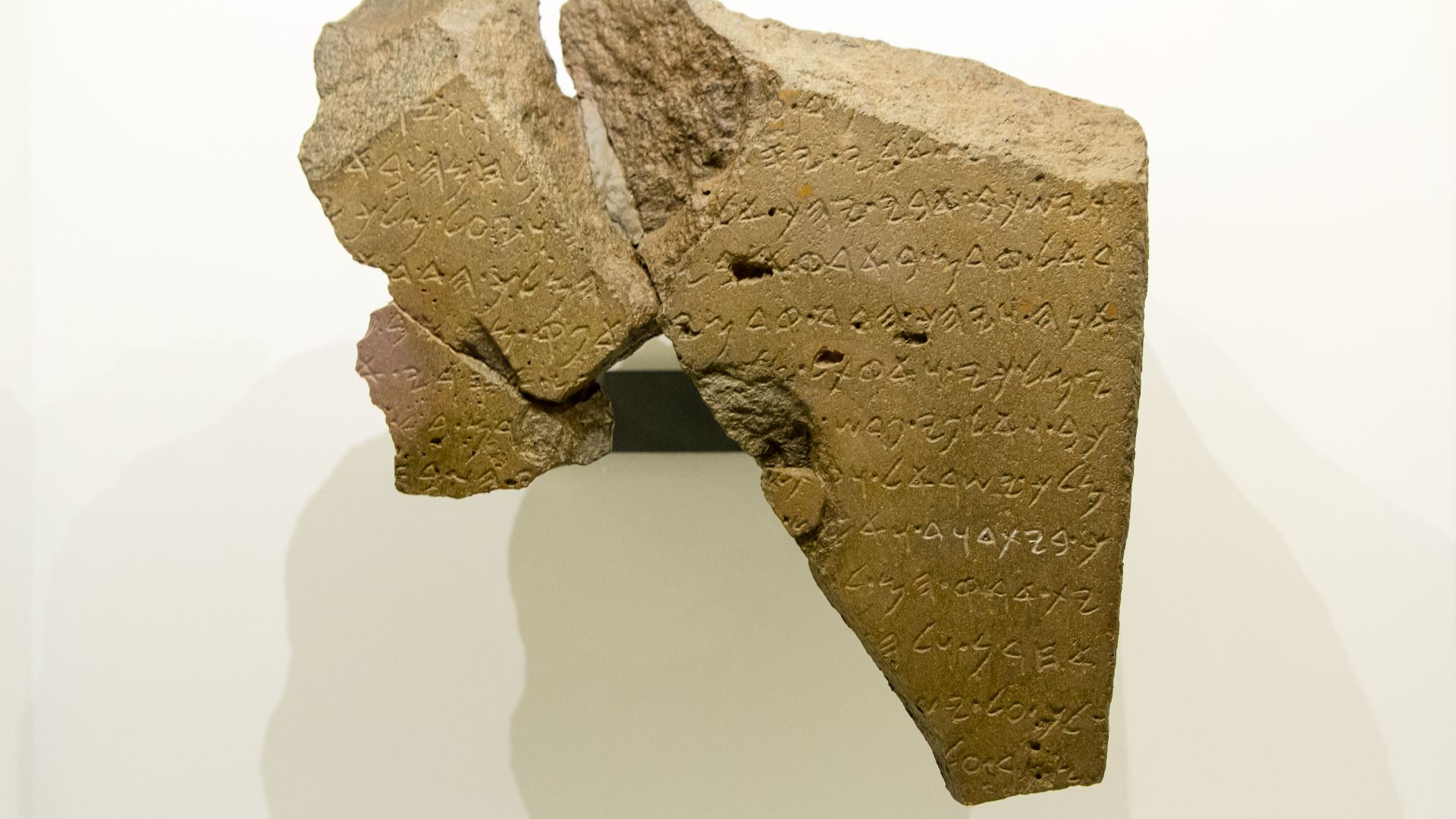
For years, some scholars questioned whether King David was a real ruler or a legendary figure. Then archaeologists discovered the Tel Dan Stele. The broken Aramaic inscription appears to reference the 'House of David,' providing some of the strongest archaeological evidence that David's royal dynasty was remembered outside the Bible.
The Pool Of Bethesda
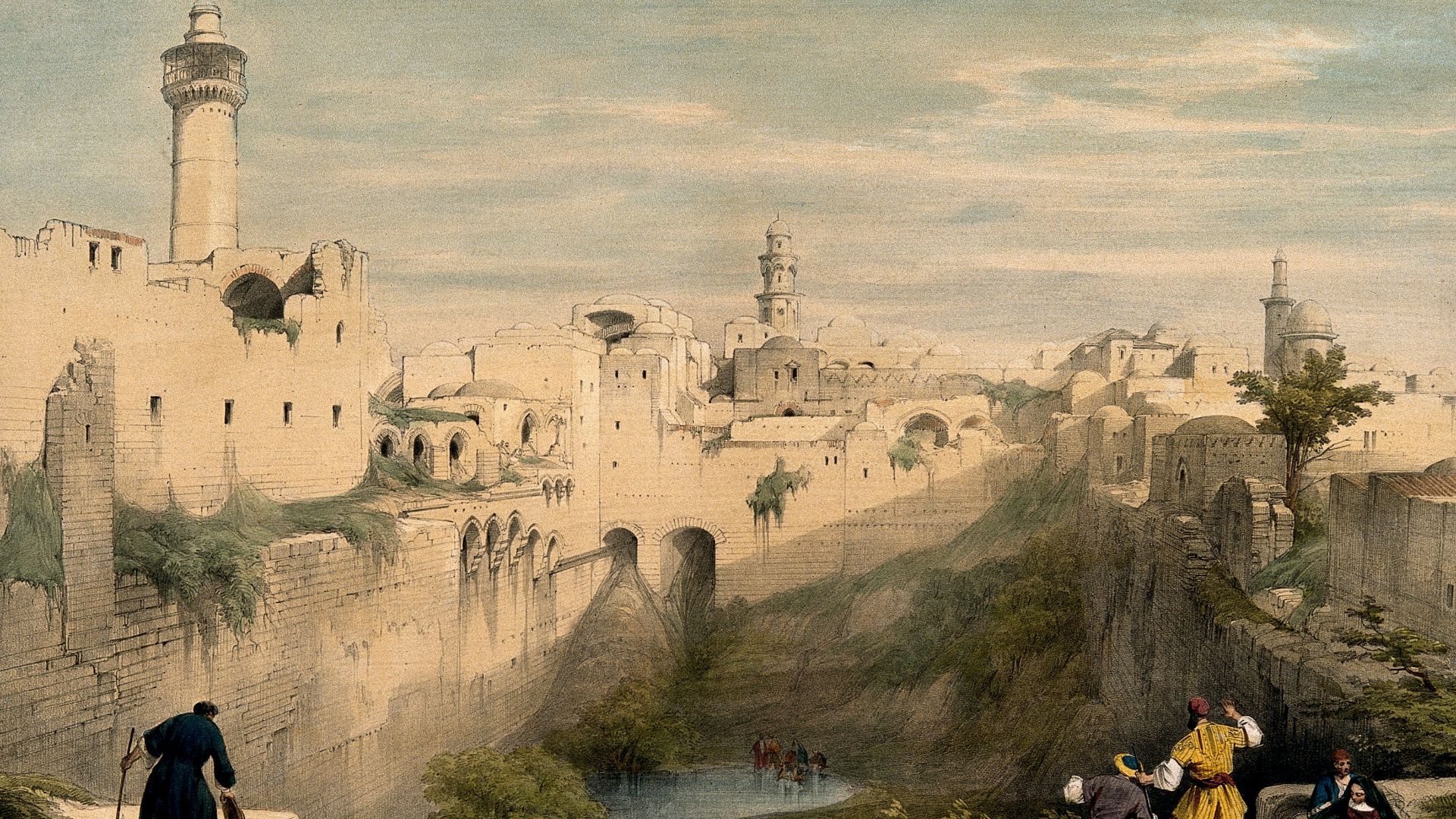
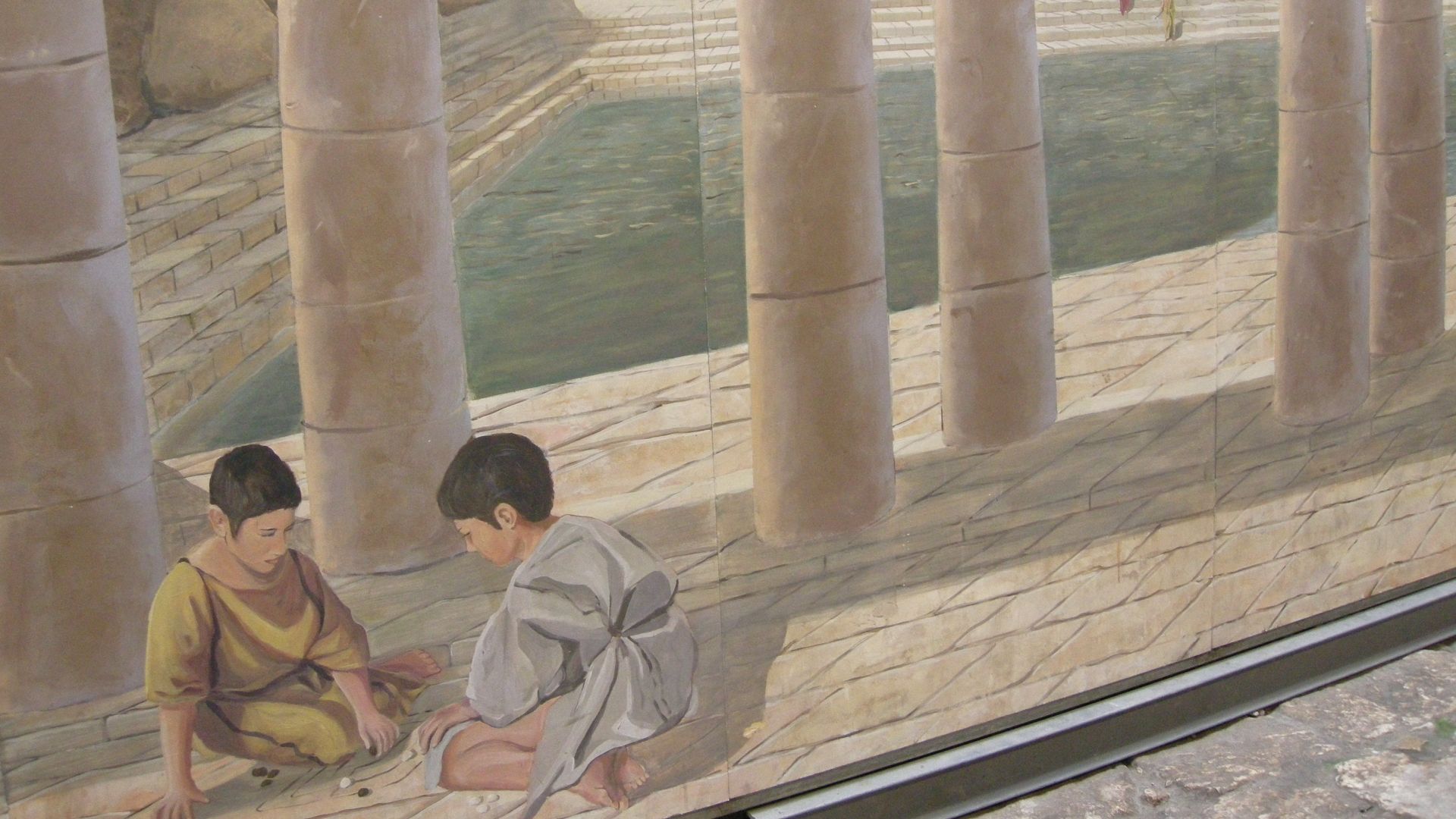
The Gospel of John describes a pool in Jerusalem surrounded by five covered walkways. For years, critics argued no such location existed. Archaeologists eventually uncovered two adjacent pools separated by a central partition, creating the same five-portico layout described in the text and giving one of the New Testament's most famous settings a real location.
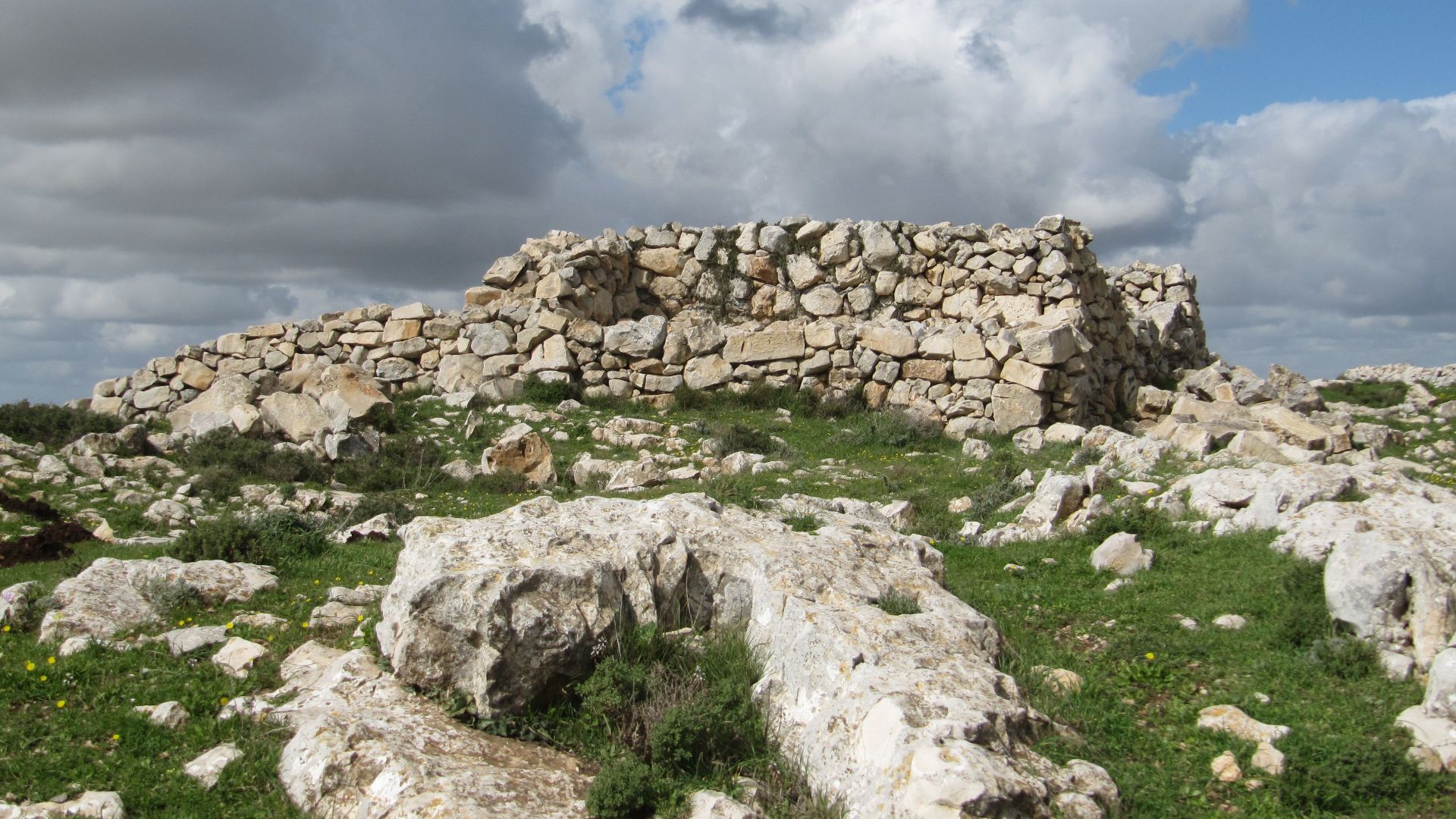
Joshua's Altar?
One of the most debated discoveries in biblical archaeology is a small folded lead object known as the Mount Ebal Curse Tablet. Researchers have argued it may contain one of the earliest Hebrew inscriptions ever found and could connect to traditions surrounding Joshua. Many scholars remain unconvinced that the inscription has been definitively deciphered, but the debate continues.
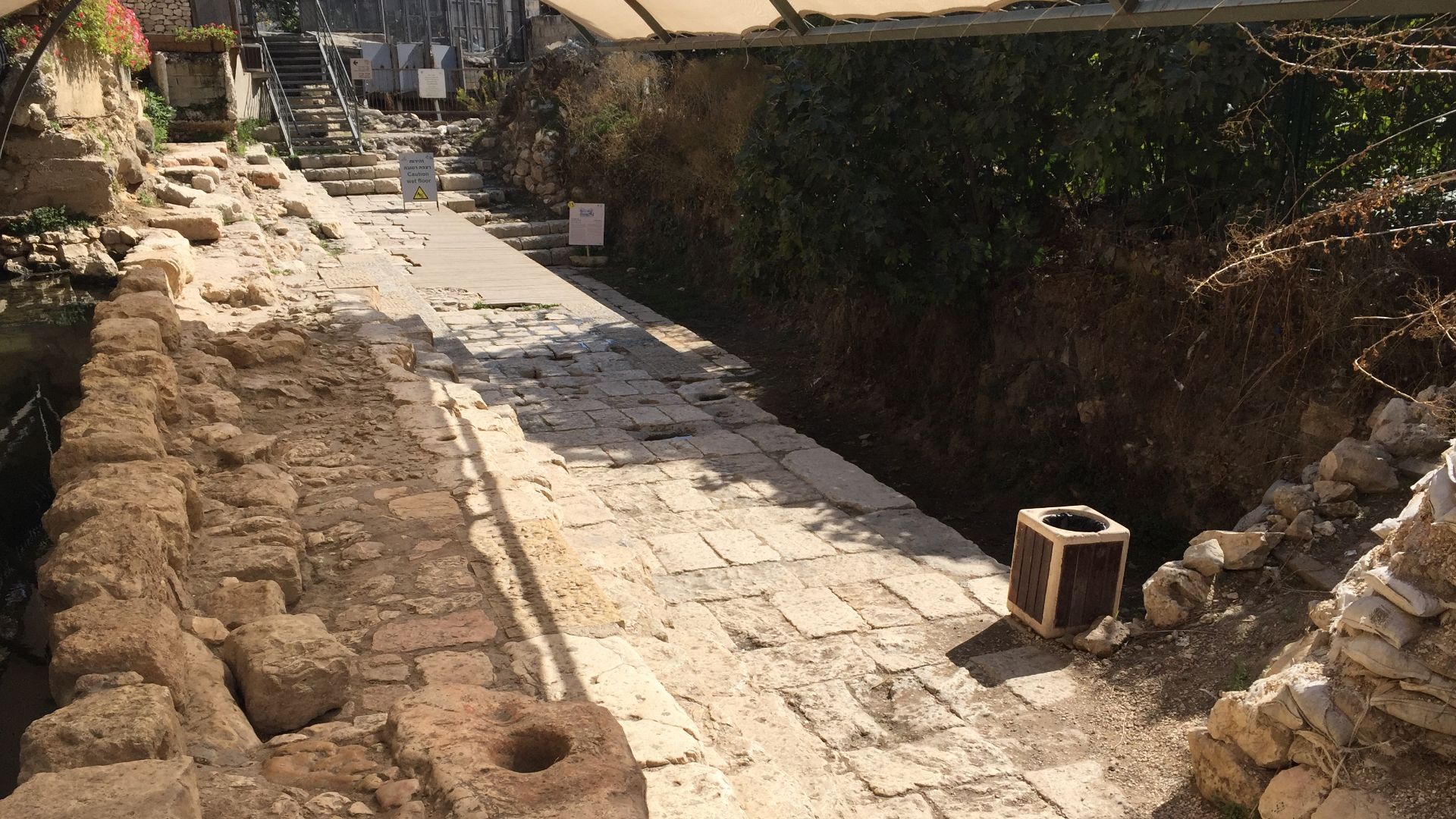
The Pool Of Siloam
According to the Gospel of John, Jesus healed a blind man who then washed in the Pool of Siloam. In 2004, construction workers repairing a sewer line uncovered stone steps leading into a massive ritual pool. Coins found at the site helped date it to the Second Temple period and before Jerusalem's destruction in AD 70.
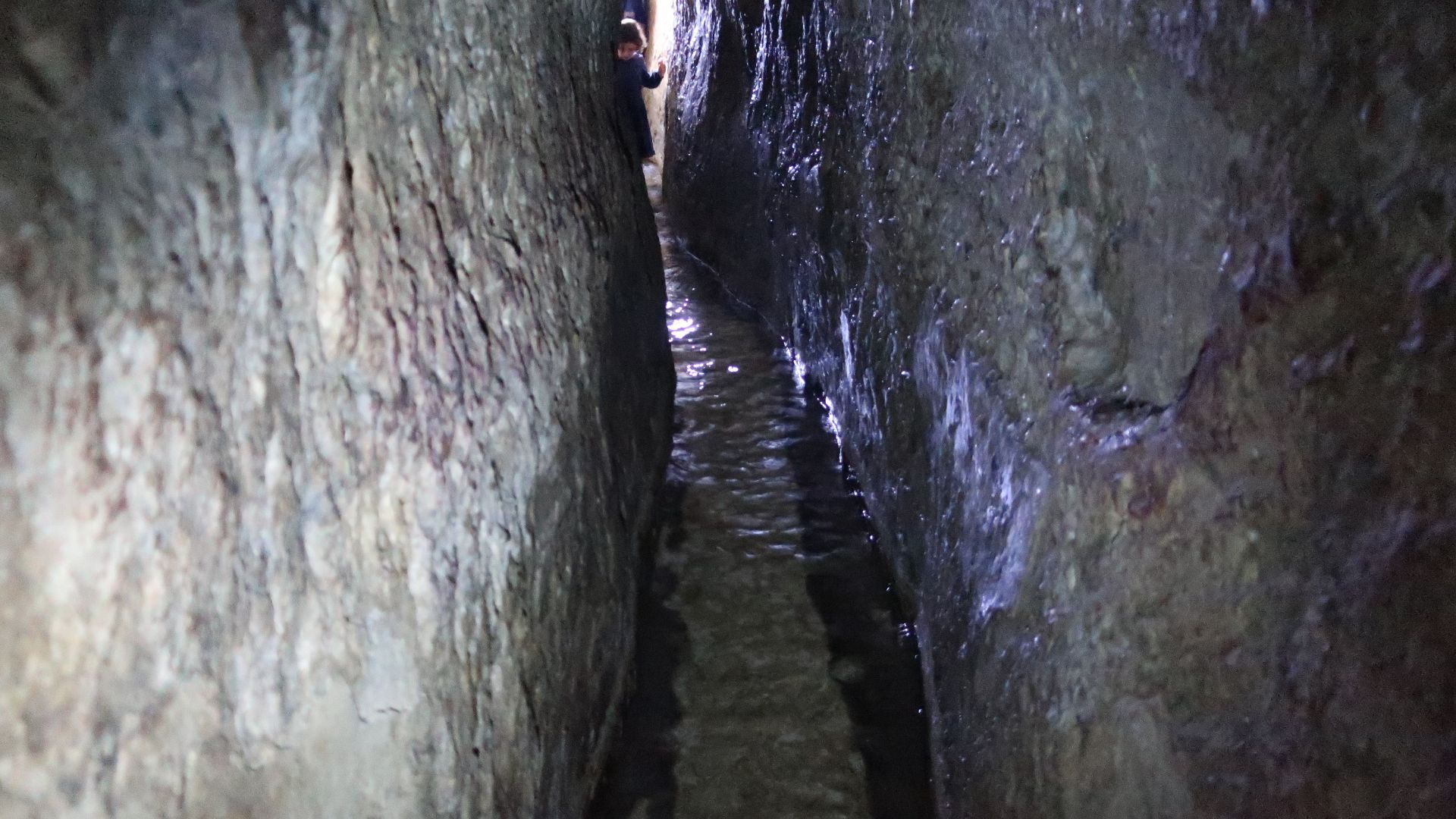
Hezekiah's Tunnel
The Bible says King Hezekiah ordered a tunnel built beneath Jerusalem to protect the city's water supply during an Assyrian threat. Archaeologists discovered the tunnel exactly where the account suggested it should be. Stretching roughly 1,750 feet through solid bedrock, it remains one of the most impressive engineering projects from the biblical world.
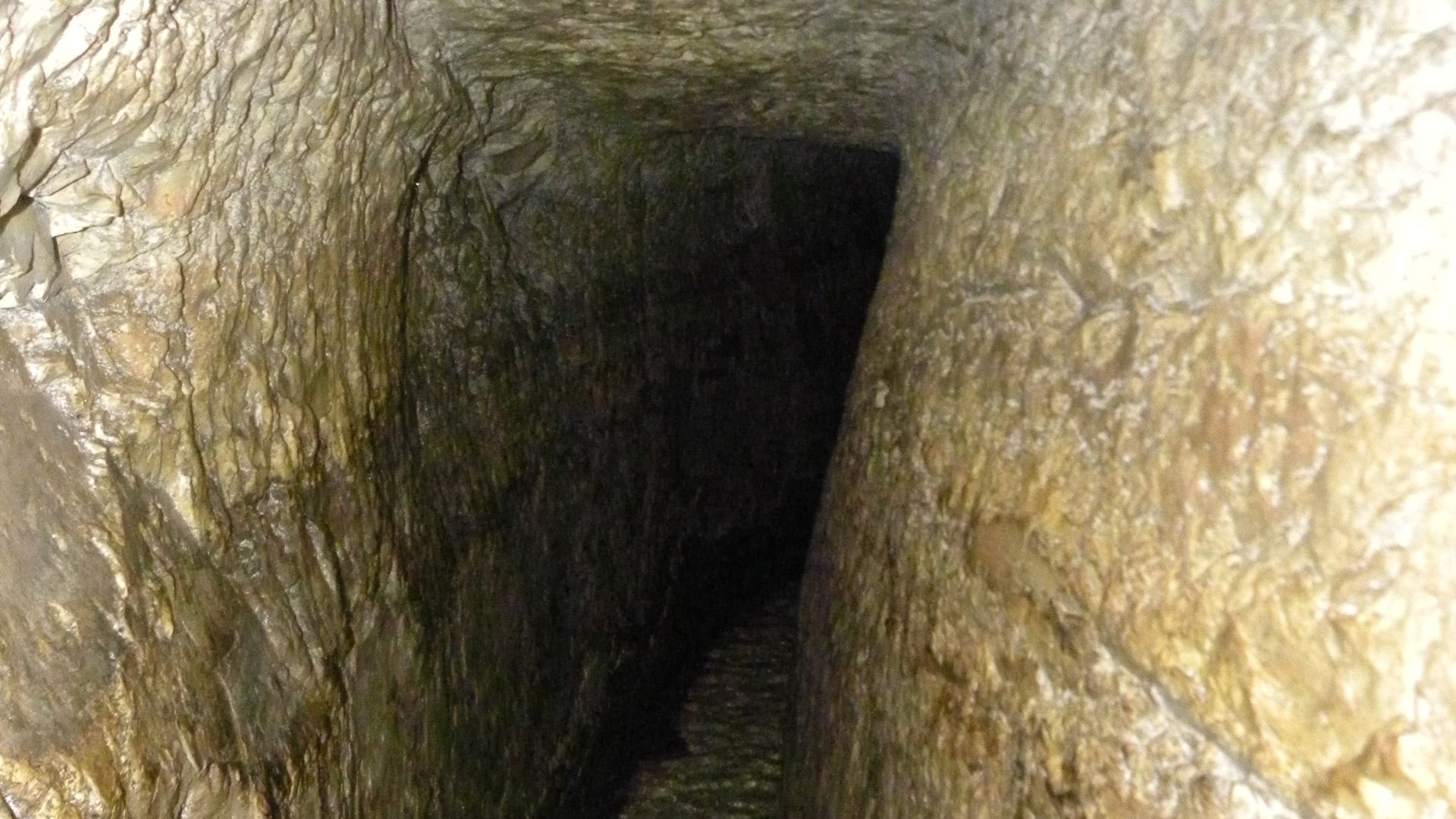
How The Tunnel Was Built
Inside Hezekiah's Tunnel, archaeologists found an inscription describing how two teams of workers dug toward each other from opposite directions and met in the middle. The inscription even records the moment the crews first heard each other's voices through the rock separating them.
The Jewish Return From Exile
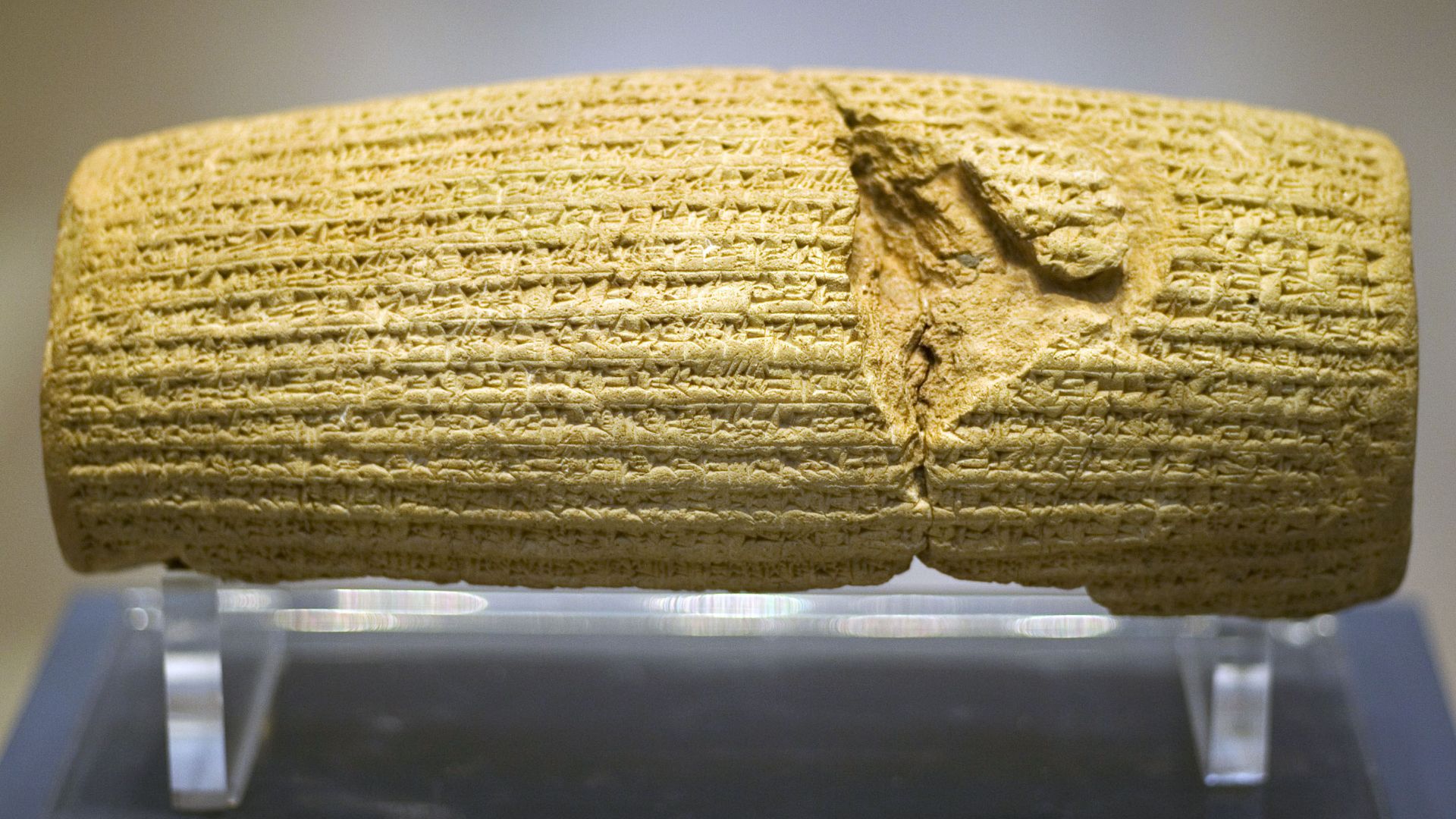
The Bible records that Persian King Cyrus allowed Jewish exiles to return home after Babylon conquered Judah. The Cyrus Cylinder describes Cyrus' broader policy of restoring displaced peoples and rebuilding temples. While it does not specifically mention the Jews, it strongly supports the historical setting described in the Bible.
The Fall Of Jerusalem
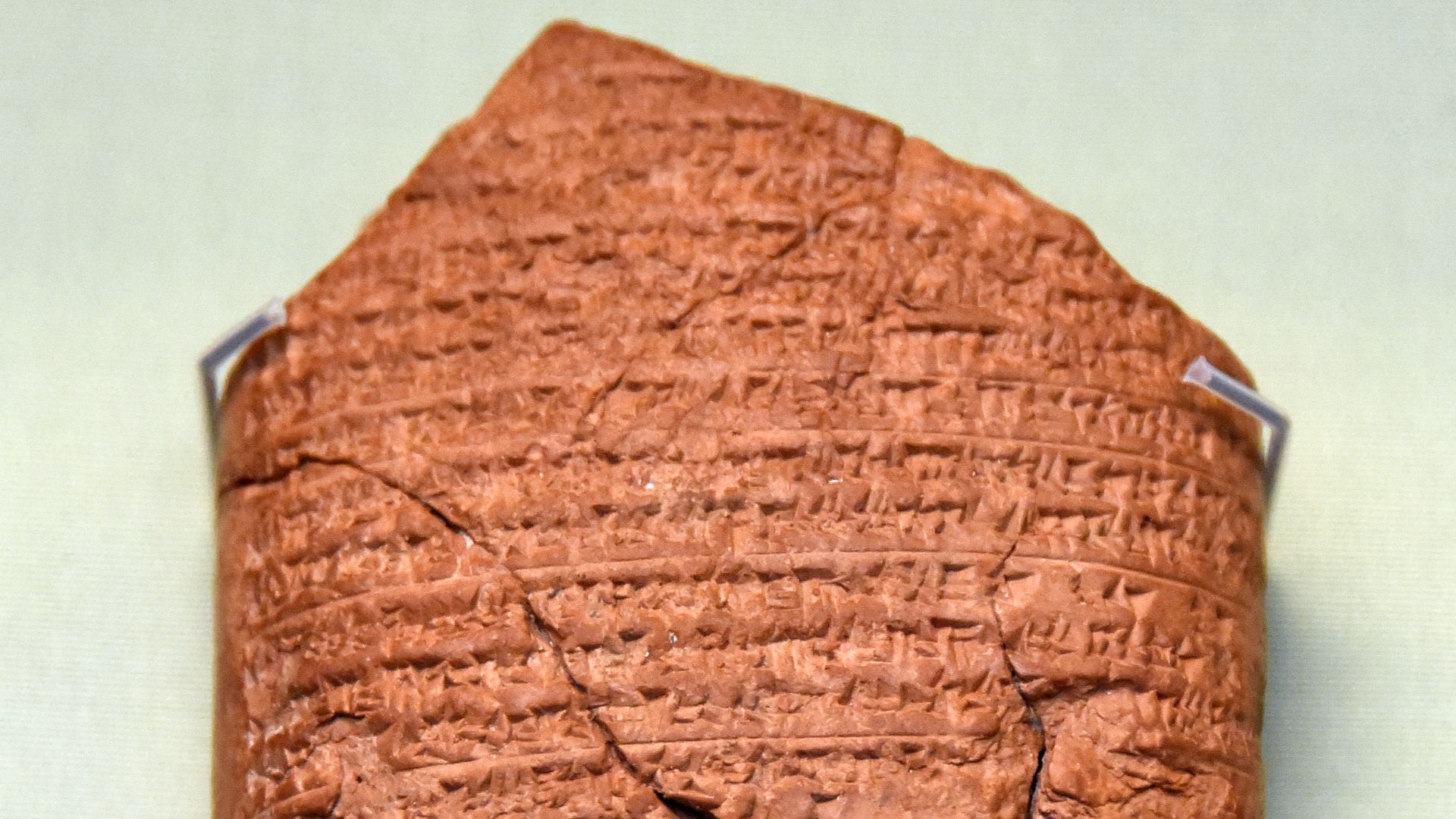
The Babylonian Chronicles record military campaigns conducted by King Nebuchadnezzar, including the capture of Jerusalem in 597 BC. The records provide an independent account of the same turbulent period described in the Bible and help confirm the historical reality behind Judah's struggles with Babylon.
 Osama Shukir Muhammed Amin FRCP(Glasg), Wikimedia Commons
Assyria's Invasion Of Judah
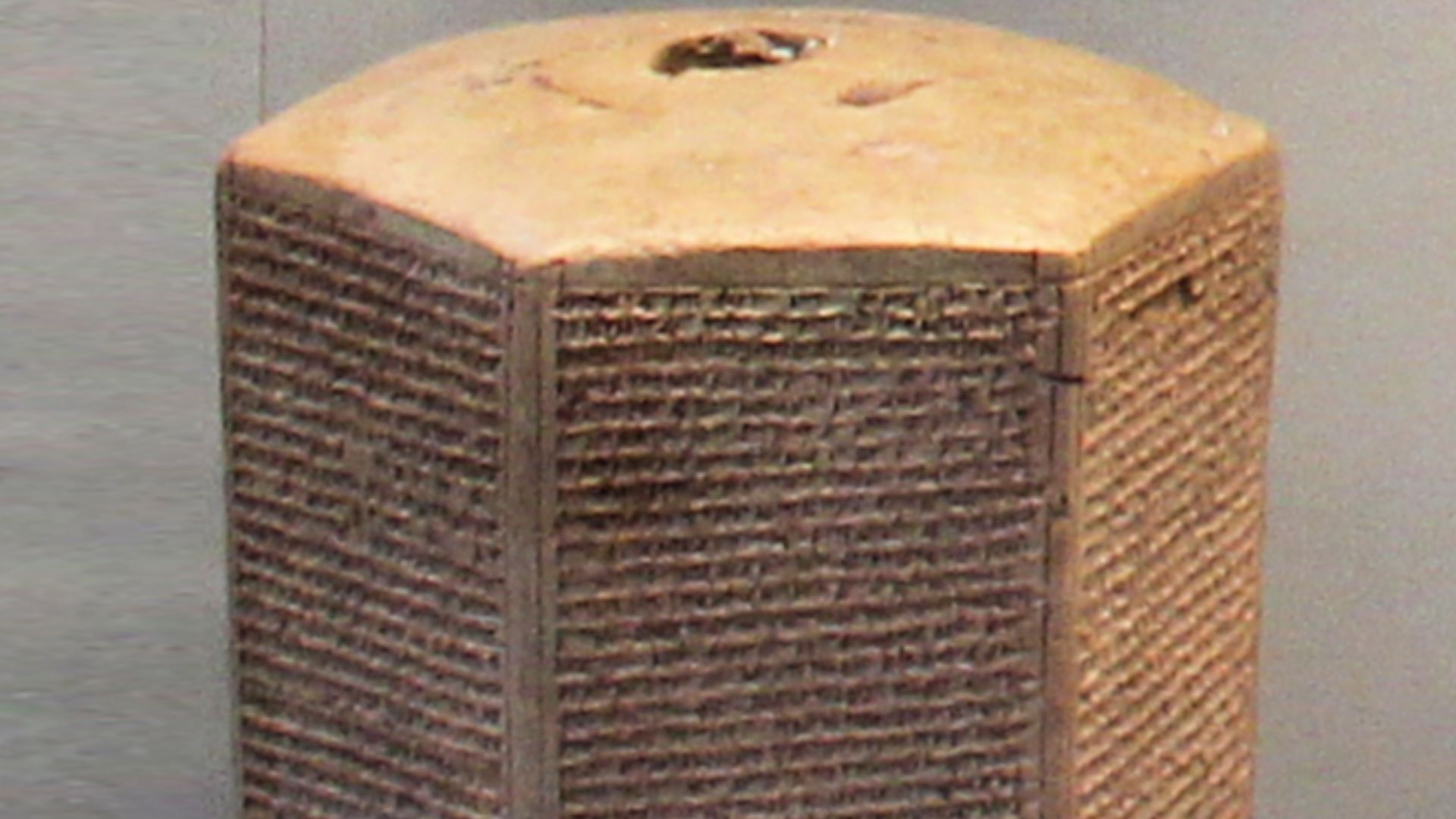
The Taylor Prism contains the Assyrian king Sennacherib's account of his campaign against Judah. It famously boasts that he trapped King Hezekiah in Jerusalem 'like a bird in a cage.' The Bible describes the same crisis from Judah's perspective, making the two accounts remarkably complementary.
King Jehu
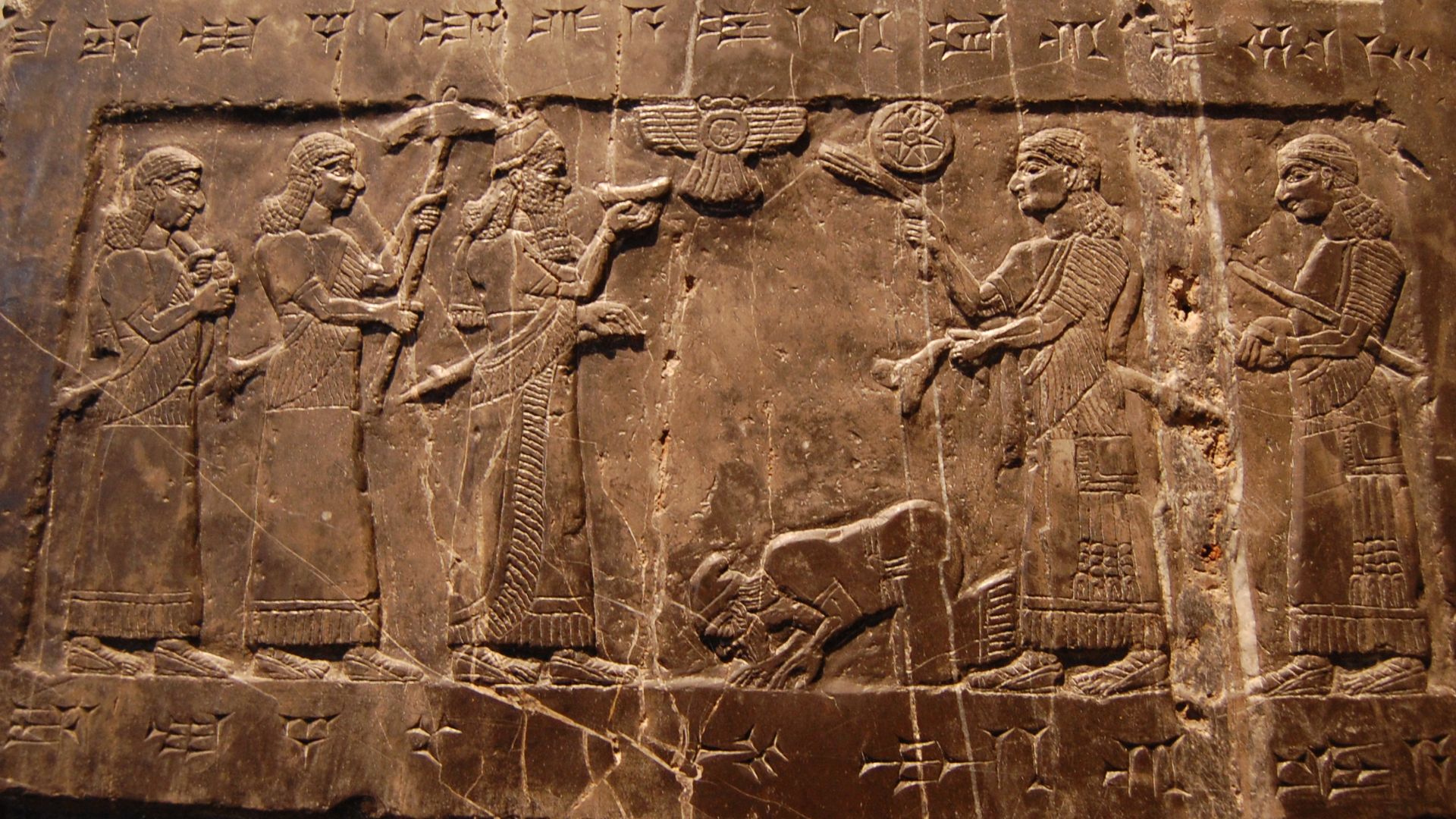
The Black Obelisk of Shalmaneser III depicts a ruler identified as Jehu of Israel bowing before the Assyrian king. It is one of the earliest known visual representations of a biblical figure and provides rare archaeological evidence connected directly to an Israelite king.
Jesus' Trial
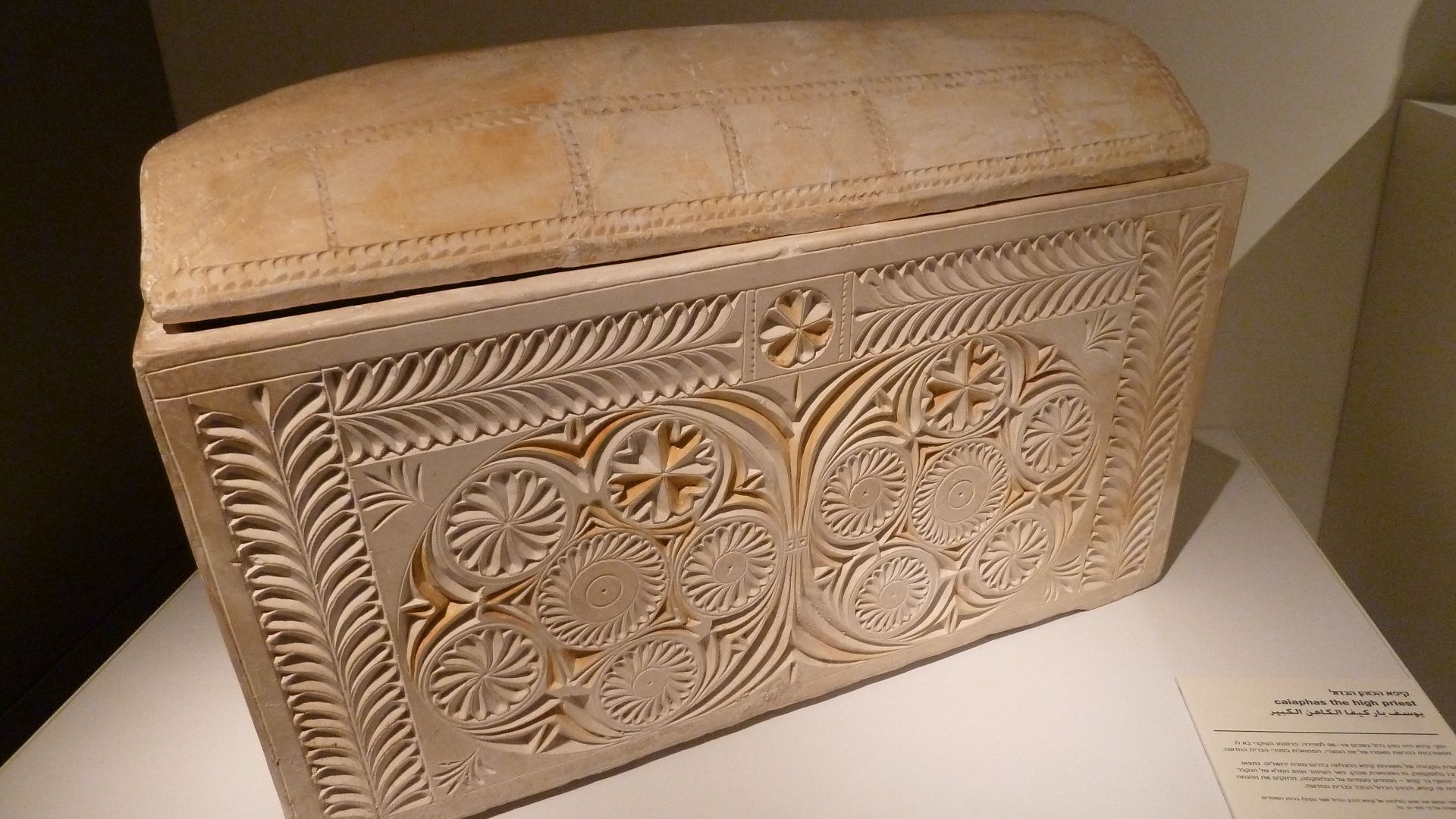
An ornate limestone burial box discovered near Jerusalem bears the inscription 'Joseph son of Caiaphas.' The rare family name matches that of the high priest associated with Jesus' trial in the Gospels. While absolute certainty is impossible, many scholars believe the ossuary likely belonged to the same Caiaphas described in the New Testament.
Some Of The Oldest Bible Verses Ever Found
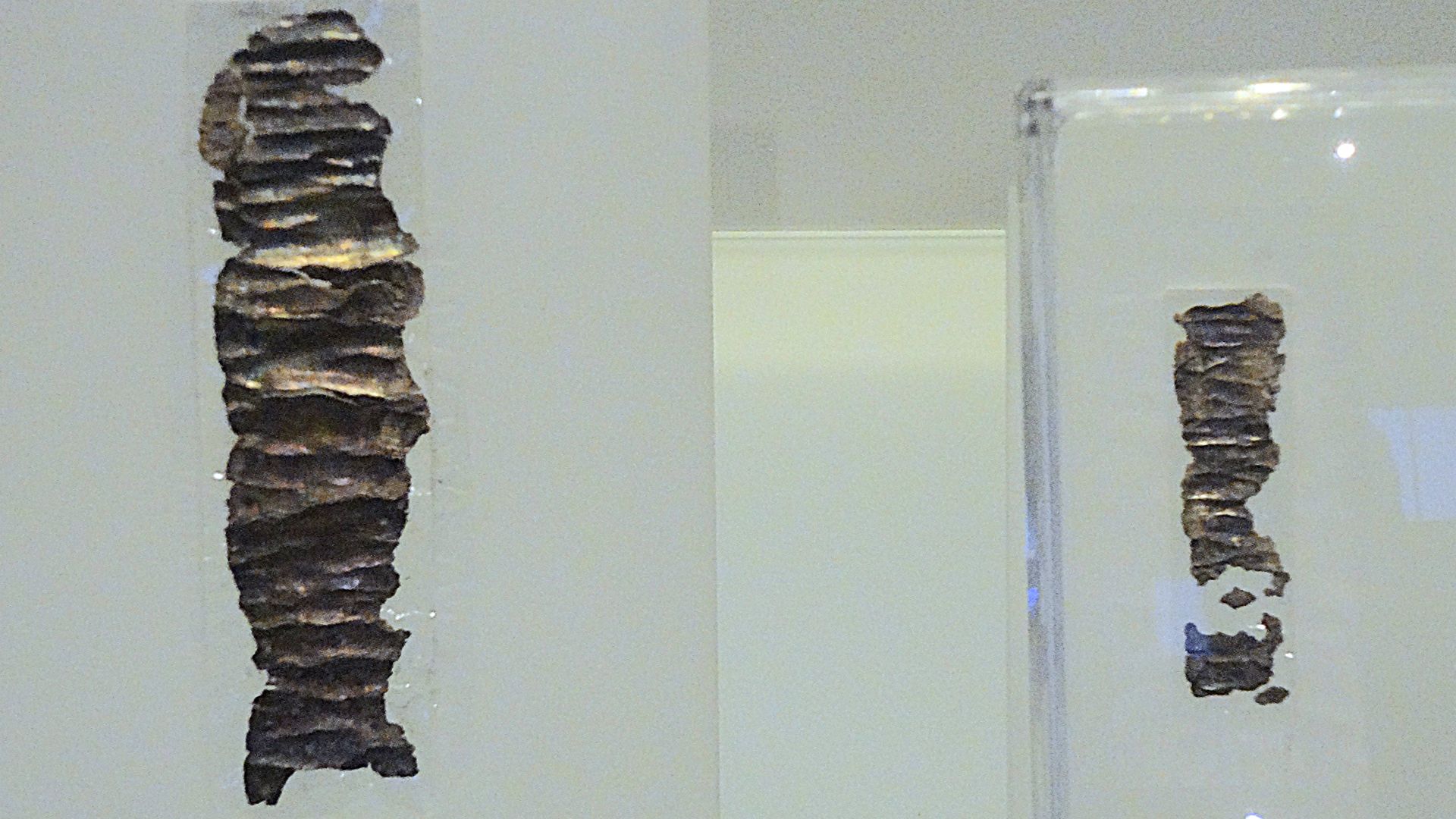
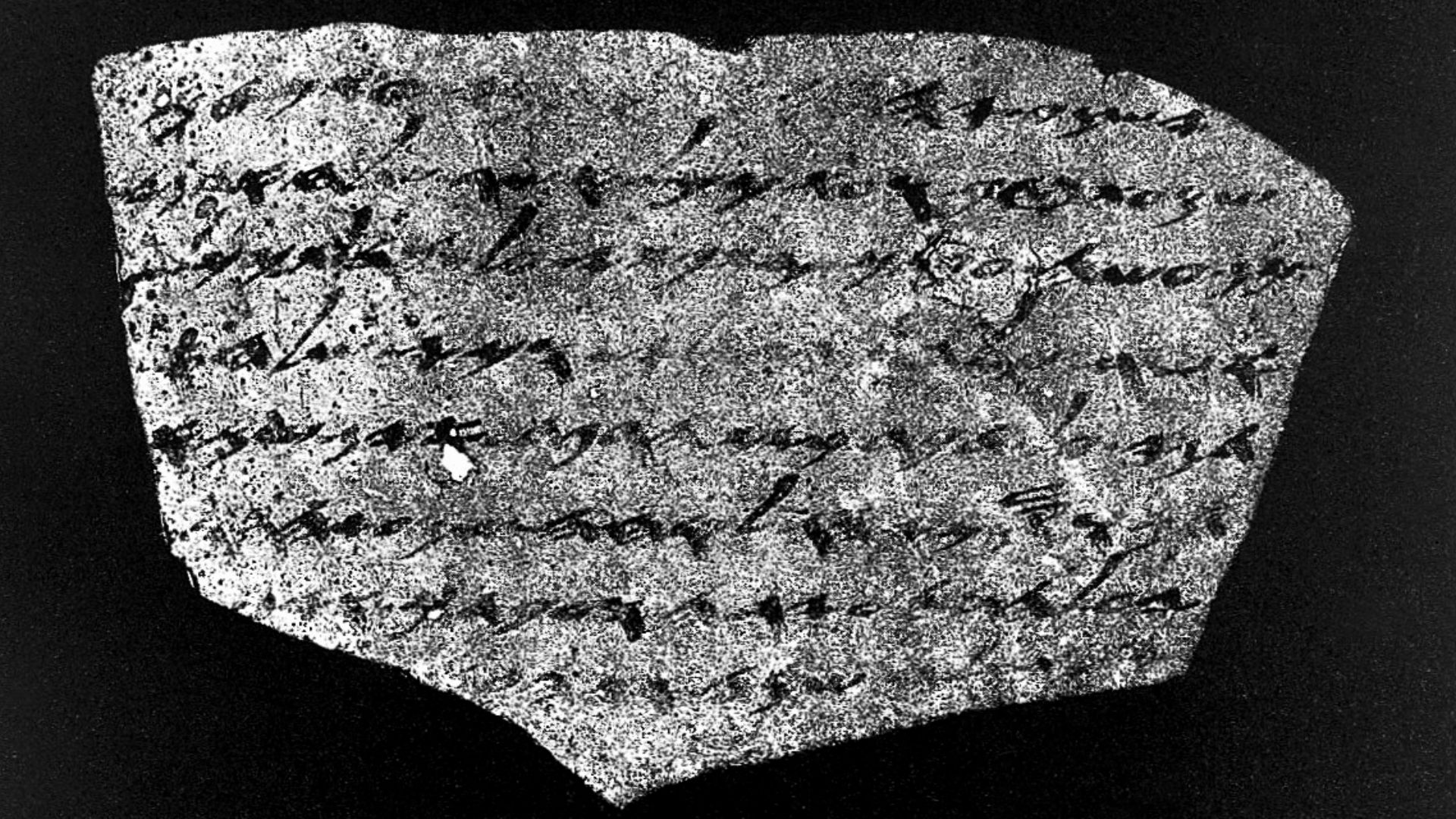
The tiny silver Ketef Hinnom Scrolls contain wording nearly identical to the priestly blessing found in the Book of Numbers. Dating to around the 7th century BC, they are among the oldest known biblical text fragments ever discovered.
 Unknown authorUnknown author, Wikimedia Commons
King Hezekiah
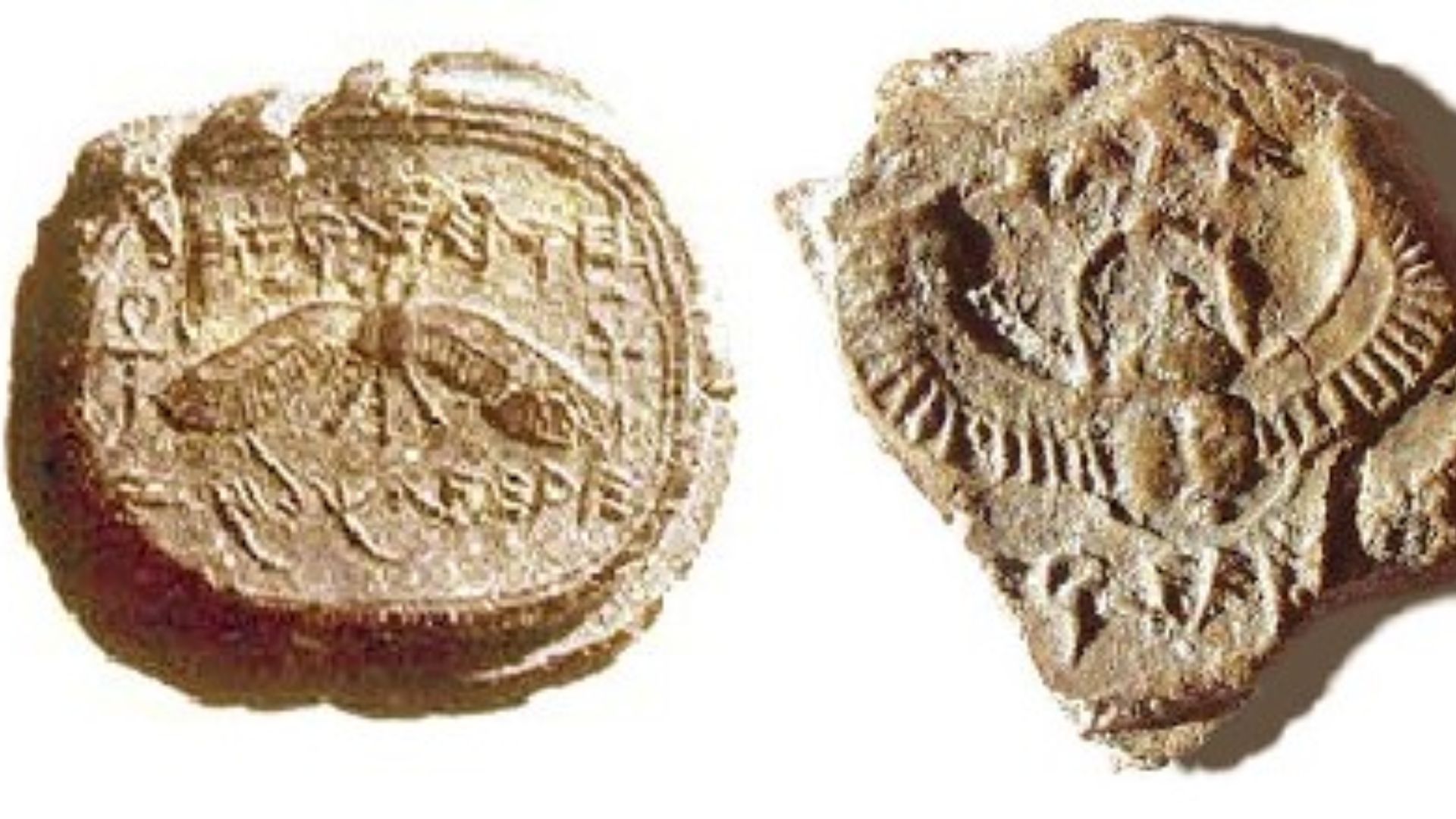
A clay seal impression discovered in Jerusalem bears the name of King Hezekiah himself. The discovery provided direct archaeological evidence for one of Judah's most important kings and added another layer of support to the historical accounts surrounding his reign.
 Ruben Betanzo S., Wikimedia Commons
The Siege Of Lachish
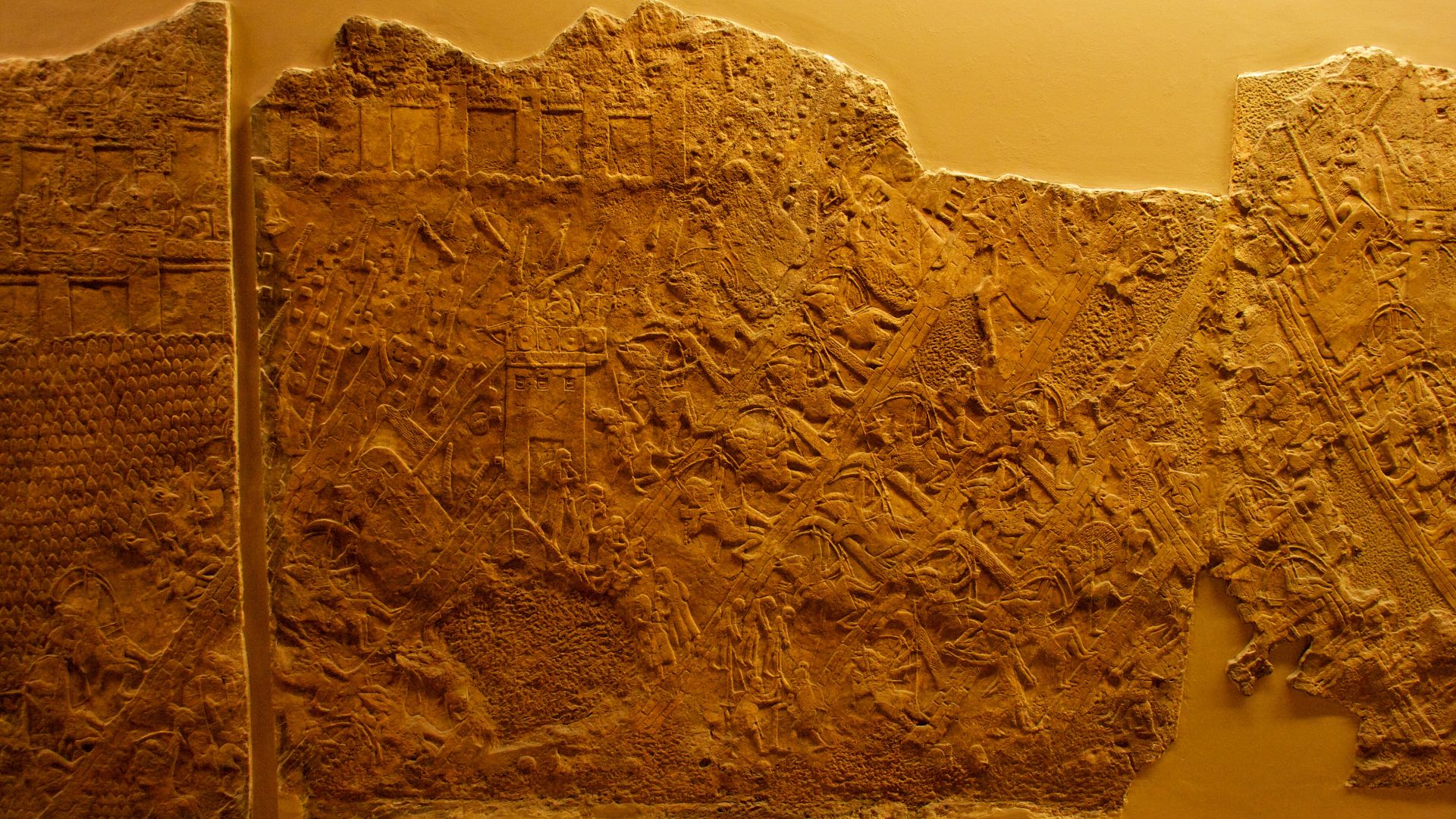
Assyrian palace reliefs discovered at Nineveh depict the siege and capture of Lachish, one of Judah's most important cities. The same military campaign is described in the Bible, making the reliefs one of the most dramatic visual confirmations of a biblical event.
 Photograph by Mike Peel (www.mikepeel.net)., Wikimedia Commons
Judah's Final Days
The Lachish Letters are a collection of messages written shortly before Babylon conquered Judah. One letter even mentions watching for military signal fires from neighboring cities. They provide a rare, firsthand glimpse into the fear and uncertainty gripping Judah as enemy forces closed in.
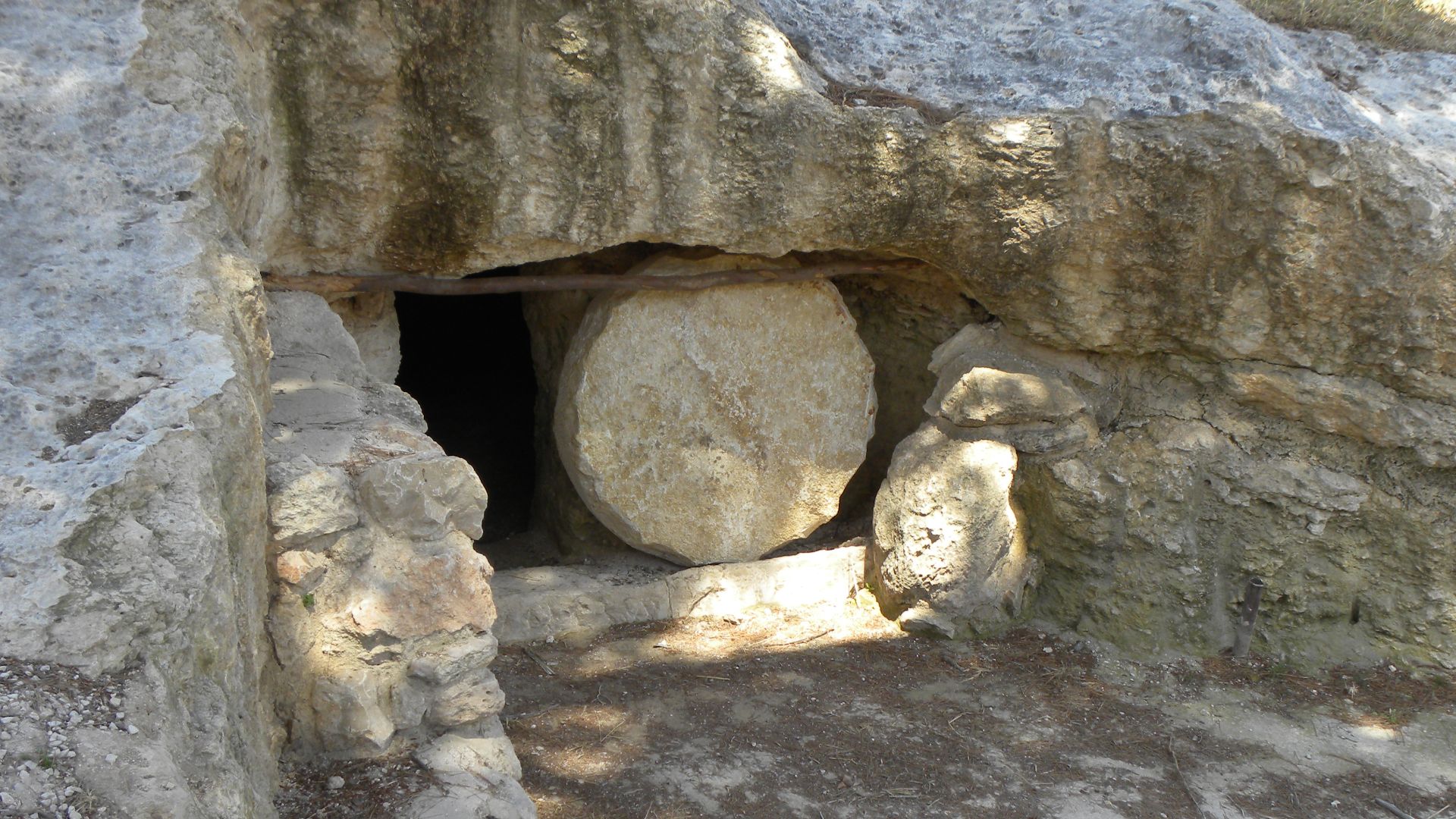
Nazareth Existed
Some critics once argued that Nazareth did not exist during the time of Jesus. Excavations have since uncovered first-century homes, tombs, storage pits, and everyday artifacts proving that a small Jewish village occupied the site during the exact period described in the Gospels.
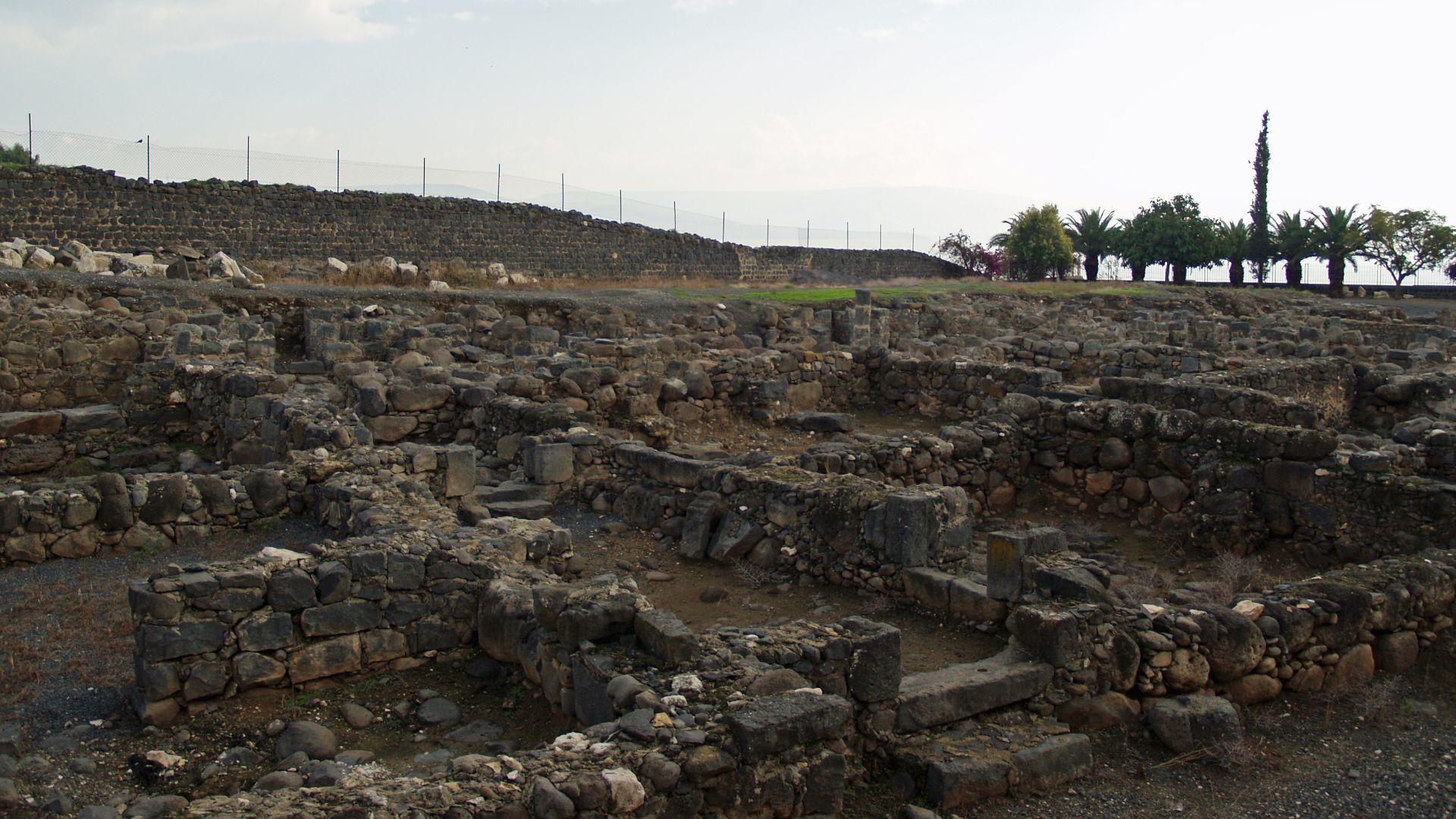
Jesus' Ministry Headquarters
The fishing village of Capernaum appears repeatedly throughout the Gospels. Archaeologists have uncovered first-century homes built from black basalt stone, along with evidence of an early Christian gathering place. Many scholars believe this was one of the main centers of Jesus' ministry.
 David Shankbone, Wikimedia Commons
Jerusalem Pilgrims
Archaeologists uncovered an ancient stepped road connecting the Pool of Siloam with the Temple area. Hundreds of coins found beneath its paving stones helped date the road to the early first century AD, making it one of the clearest connections to Jerusalem as it existed during the New Testament period.
 Yoav Dothan, Wikimedia Commons
The Second Temple
A stone warning inscription discovered in Jerusalem instructed non-Jews not to enter certain sacred areas of the Temple complex. The inscription helps confirm details about the Temple's layout and regulations described by both biblical and historical sources from the period.
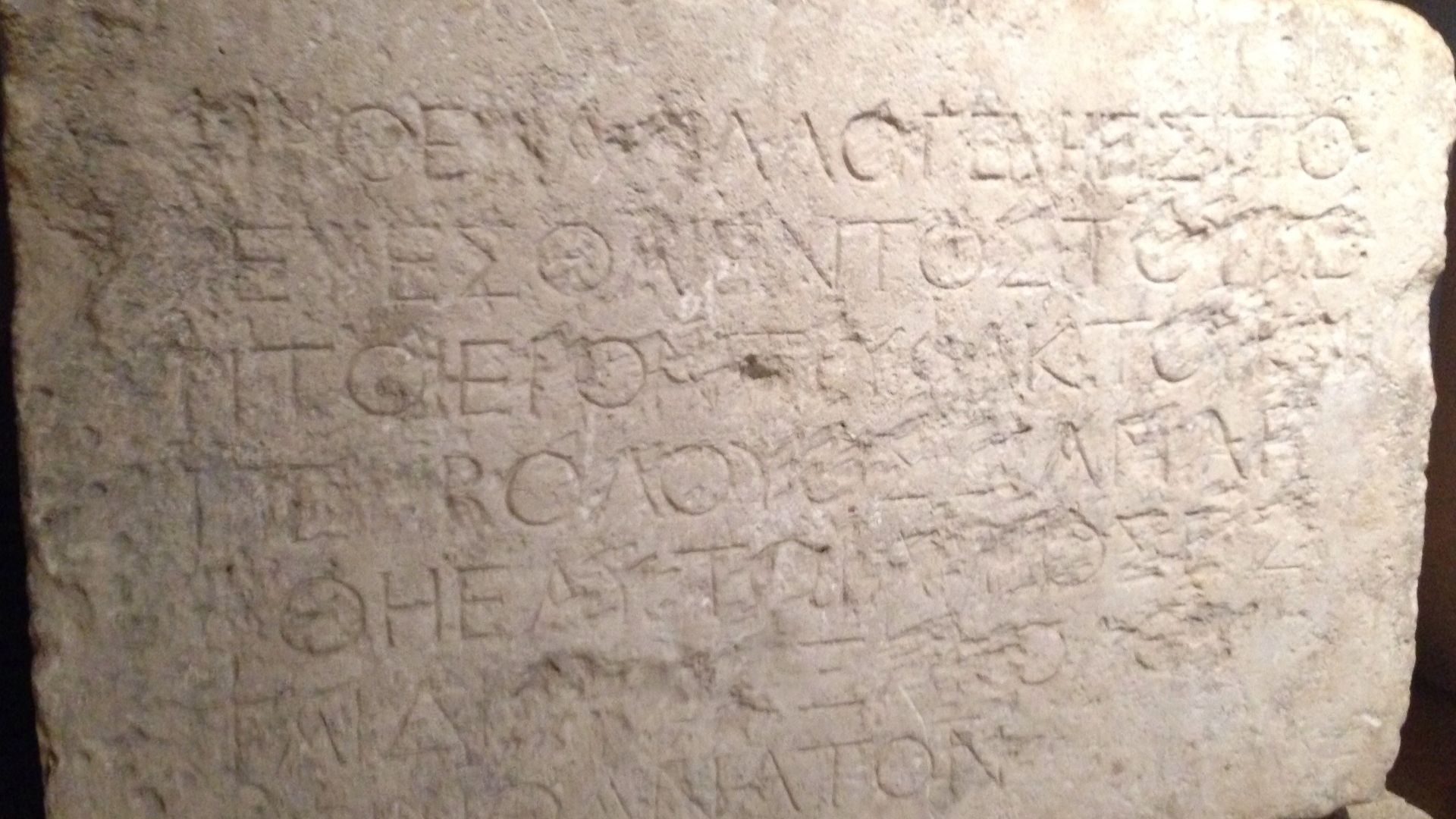 oncenawhile, Wikimedia Commons
Fishing On The Sea Of Galilee
The discovery of a remarkably preserved first-century fishing boat offered an extraordinary glimpse into daily life around the Sea of Galilee during Jesus' lifetime. Measuring about 27 feet long, it closely resembles the type of vessel that fishermen such as Peter and Andrew likely used.
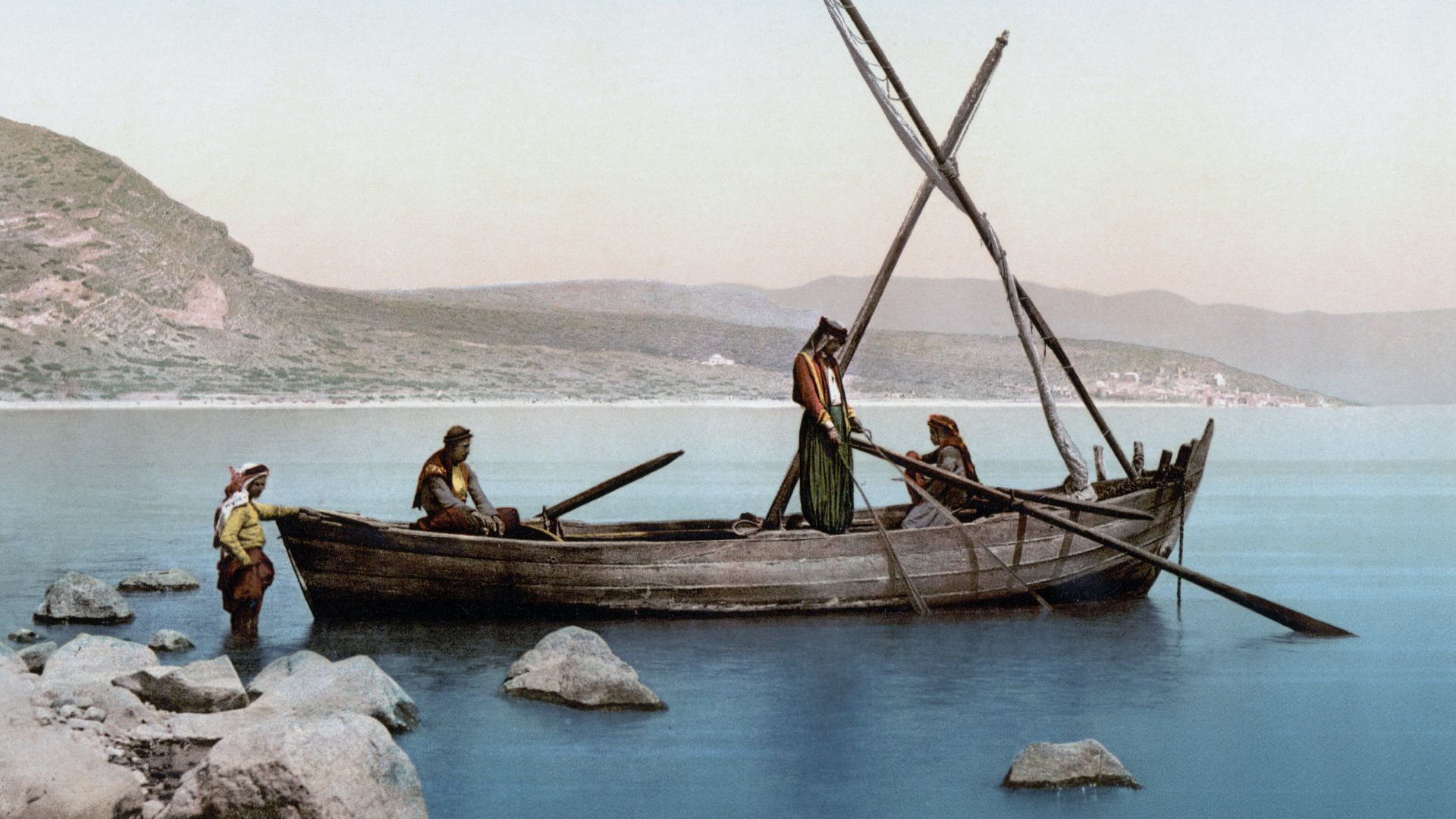 Unknown authorUnknown author, Wikimedia Commons
Sodom?
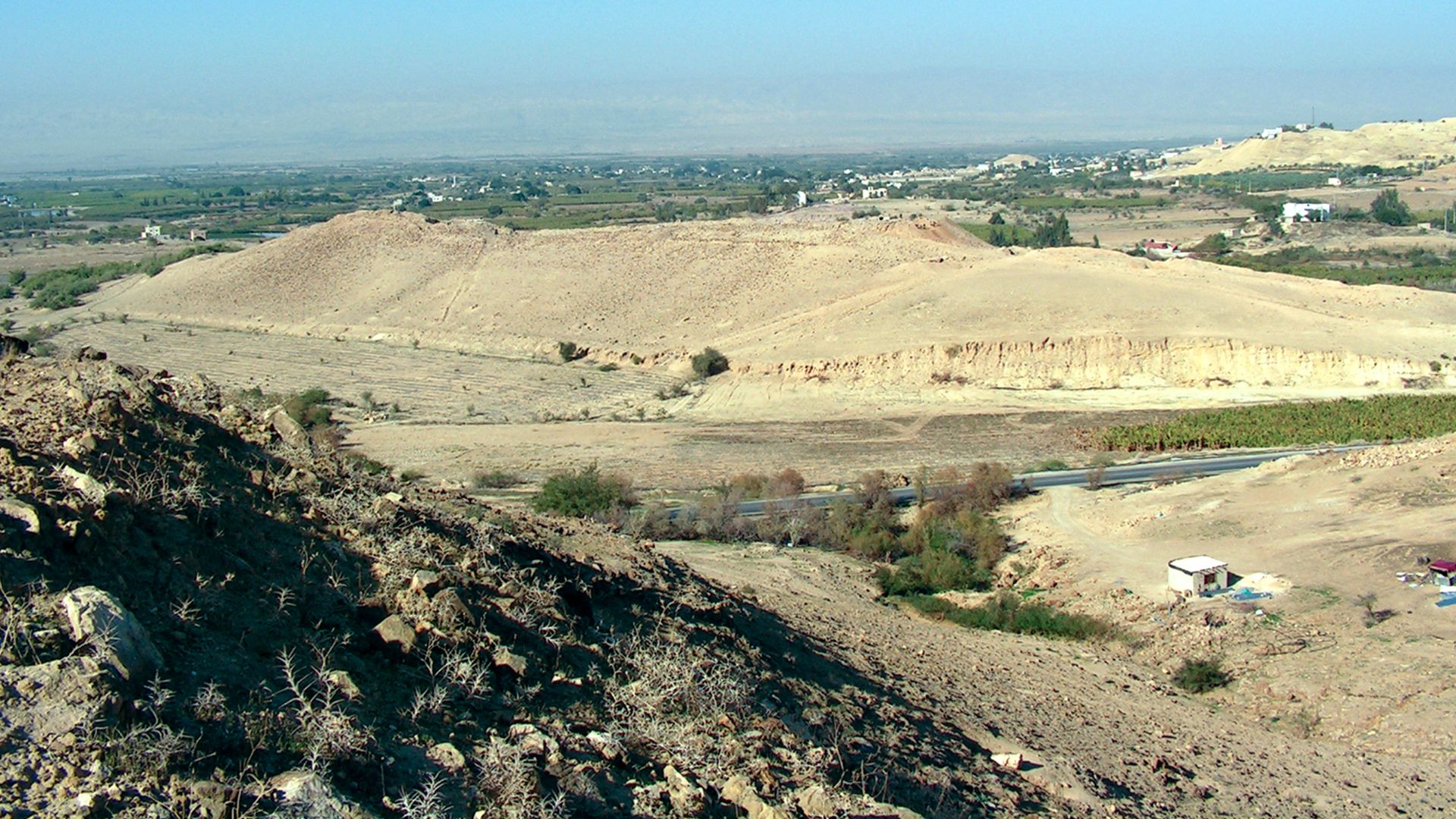
Few biblical locations have inspired more debate than Sodom. One site often mentioned is Tall el-Hammam in modern-day Jordan. Researchers have uncovered evidence that the city experienced a sudden and catastrophic destruction event, leading some scholars to suggest it may preserve memories later reflected in the Sodom story. Others strongly disagree with both the identification and the proposed cause of the destruction. While the debate remains unresolved, Tall el-Hammam continues to be one of the most discussed archaeological sites connected to a biblical narrative.
You Might Also Like: