


Familiar Enough To Feel Comfortable, Different Enough To Make Americans Wonder What They’re Missing
Some countries feel completely foreign the moment you arrive. Others create a stranger sensation: everything is different, yet somehow familiar enough that you can imagine living there. For American travelers, that feeling can come from shared language, suburban neighborhoods, friendly locals, or a familiar enthusiasm for business and individual freedom. Then the trains arrive on time, the streets become easier to walk, or dinner lasts two hours instead of 20 minutes, and suddenly "familiar" starts feeling like an upgrade.
New Zealand
New Zealand regularly inspires some version of "I could live here" from North American travelers. The language is familiar, suburban life isn't radically different, people drive cars, outdoor recreation matters enormously, and the overall social atmosphere can feel relaxed and approachable. Then the landscape begins doing ridiculous things. Mountains, beaches, forests, lakes, and dramatic coastlines are packed into a country with a fraction of the US population. Reddit travelers frequently describe New Zealand as immediately comfortable, with friendliness being one of the qualities that makes leaving surprisingly difficult.
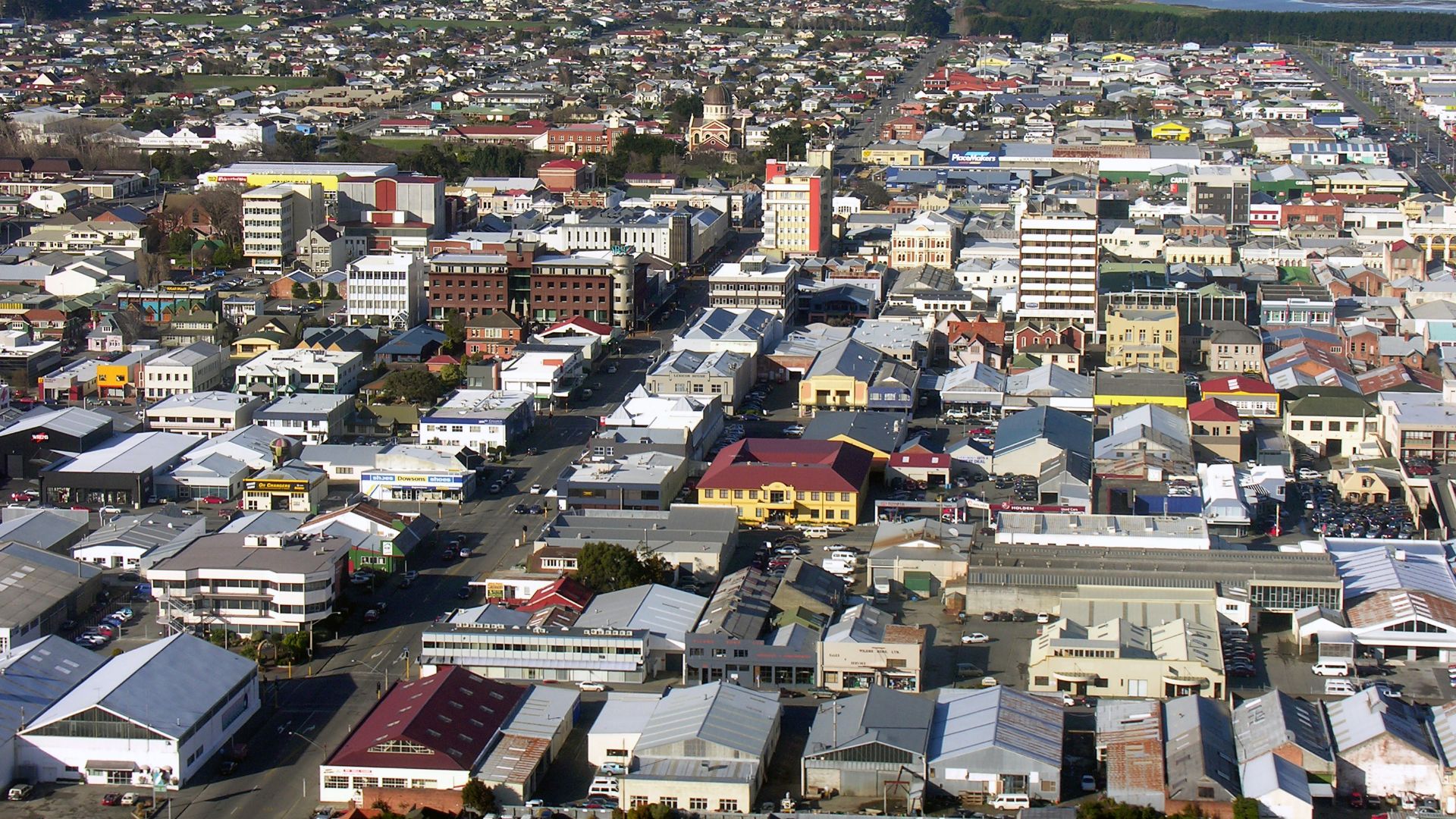 Phillip Capper from Wellington, New Zealand, Wikimedia Commons
Canada
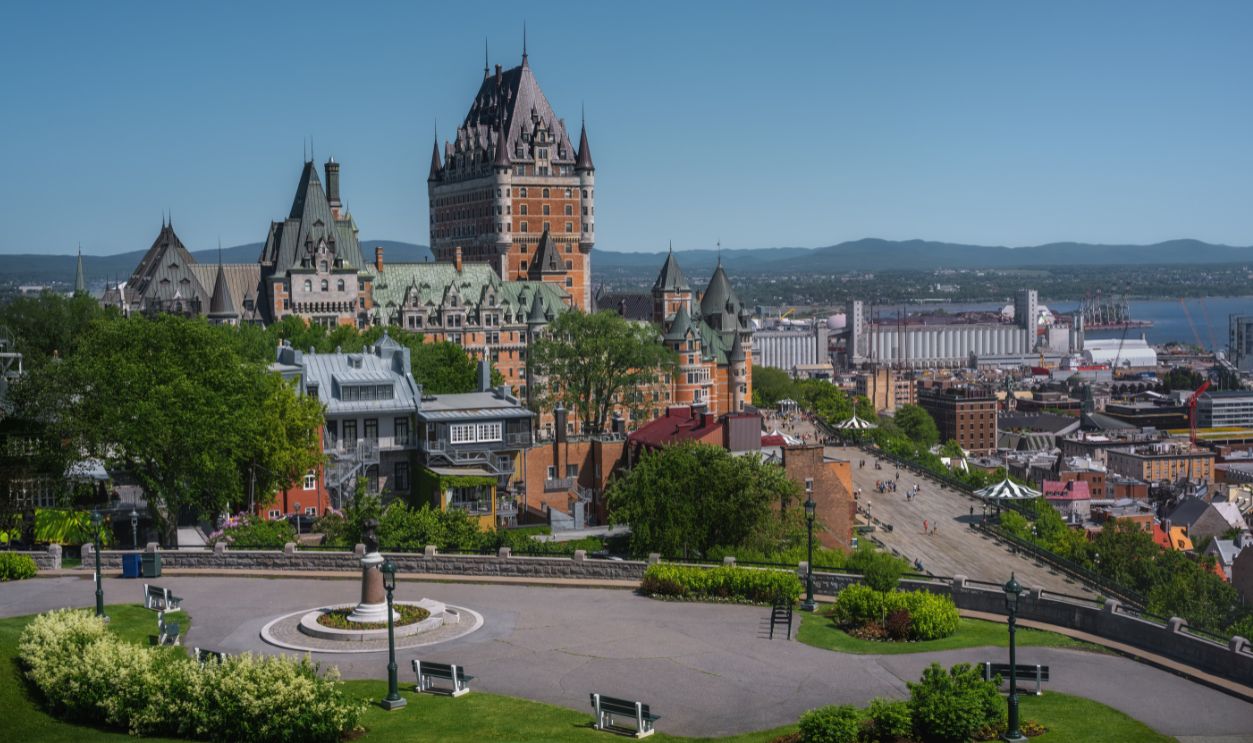
Canada is probably the most obvious choice because so much of it looks and functions like the United States. The same kinds of suburbs, highways, supermarkets, pickup trucks, sports culture, and sprawling metropolitan areas make crossing the border one of the gentlest cultural transitions an American can experience. What visitors sometimes describe as the "better" part is more subtle: Canadian cities may feel calmer, certain public services work differently, and landscapes can feel enormous without being as heavily developed. Of course, Canadians themselves would probably object to being described as America with upgrades, which is another useful reminder that familiarity isn't sameness.
Ireland
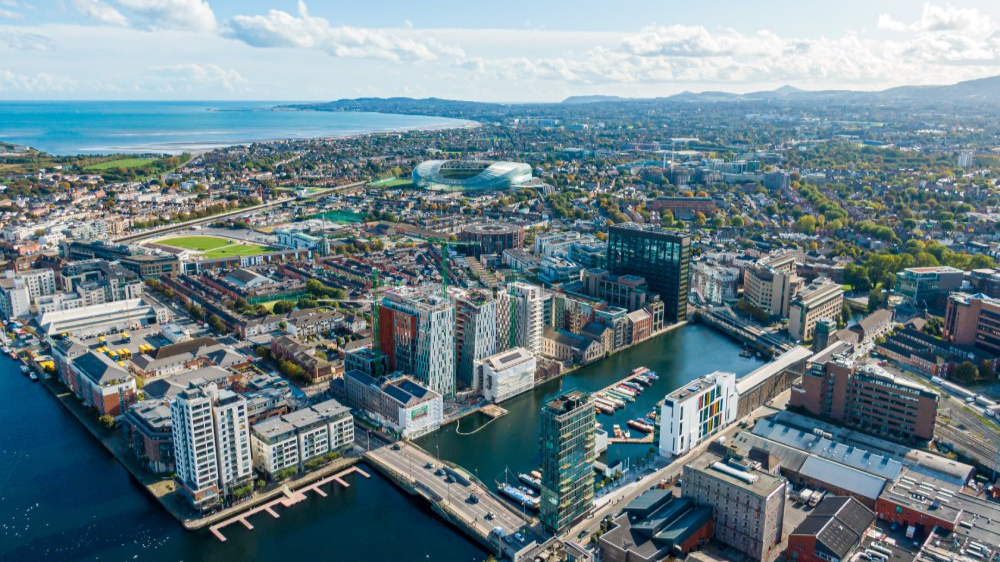
Ireland combines perhaps the easiest cultural transition in Europe with enough differences to still feel like a trip. Americans can speak the language, understand most social cues, find familiar music and media, and often discover some family connection to the country whether they were looking for one or not. What repeatedly stands out in traveler discussions is the social warmth. Pubs encourage conversation, strangers may actually talk to you, and humor tends to cross the Atlantic surprisingly well. Add compact cities, green countryside, and ancient villages, and it's easy to understand why some Americans feel at home almost immediately.
Japan
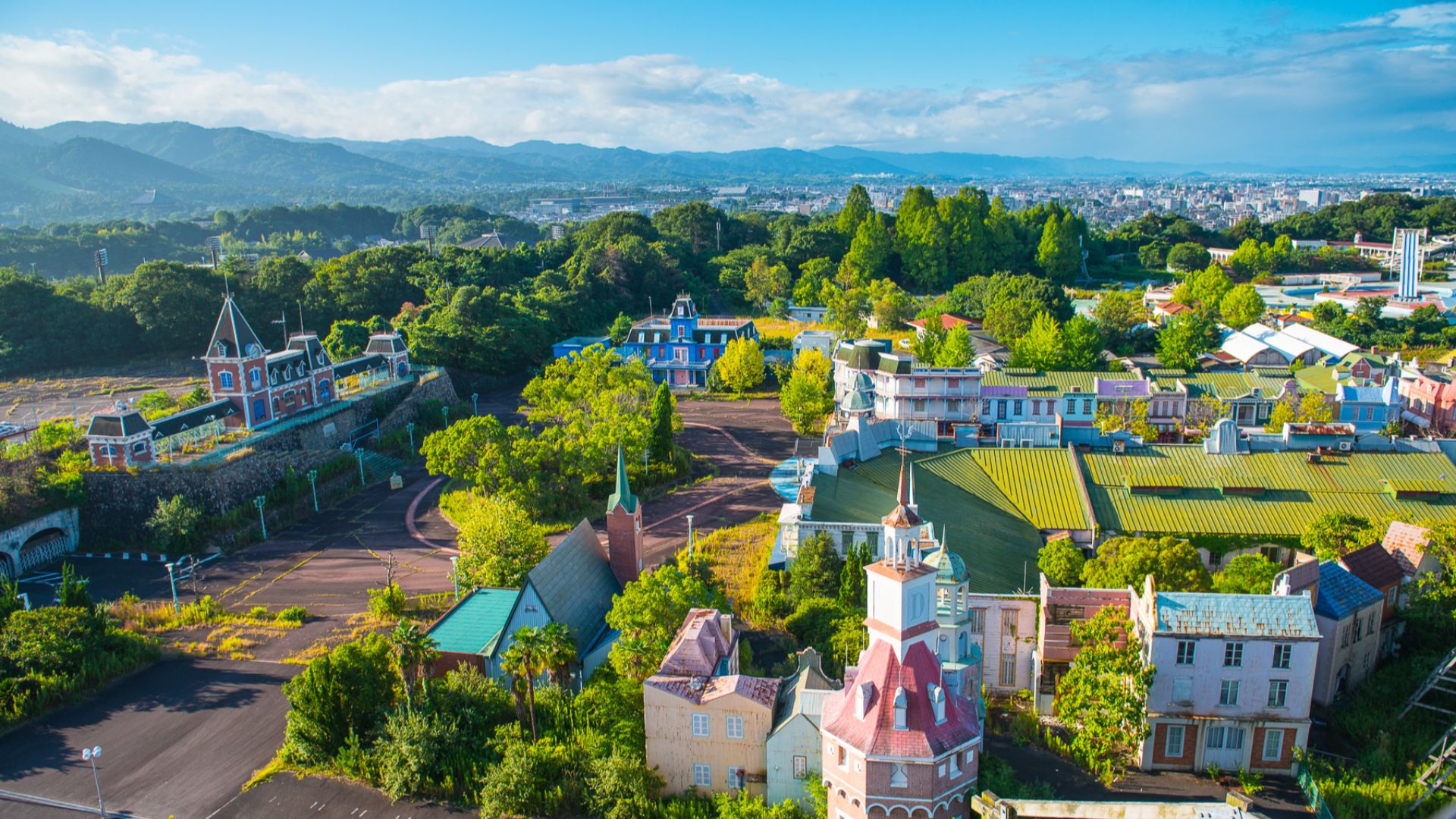
Japan doesn't resemble the United States culturally in the same obvious way Canada or Australia does, but it can produce a different version of the "better home" feeling. American travelers recognize convenience stores, enormous cities, consumer culture, baseball, coffee shops, shopping districts, and an obsession with gadgets and entertainment. Then they experience urban rail that actually makes crossing a gigantic city easy. Clean subway systems, frequent trains, ubiquitous vending machines, convenience stores that are genuinely convenient, and public spaces that often feel remarkably orderly can make everyday American annoyances suddenly much more noticeable.
Portugal
Portugal tends to win people over quietly. American visitors find modern cities, Atlantic beaches, wine regions, café culture, and a relaxed friendliness that doesn't demand much adjustment. The rhythm, however, can feel considerably less frantic than American life. Meals last longer, evenings stretch later, towns are made for walking, and stopping for coffee doesn't have to mean carrying it through three additional errands. Travelers in online discussions repeatedly single out Portuguese hospitality, with some describing the country as a place where they felt accepted almost immediately.
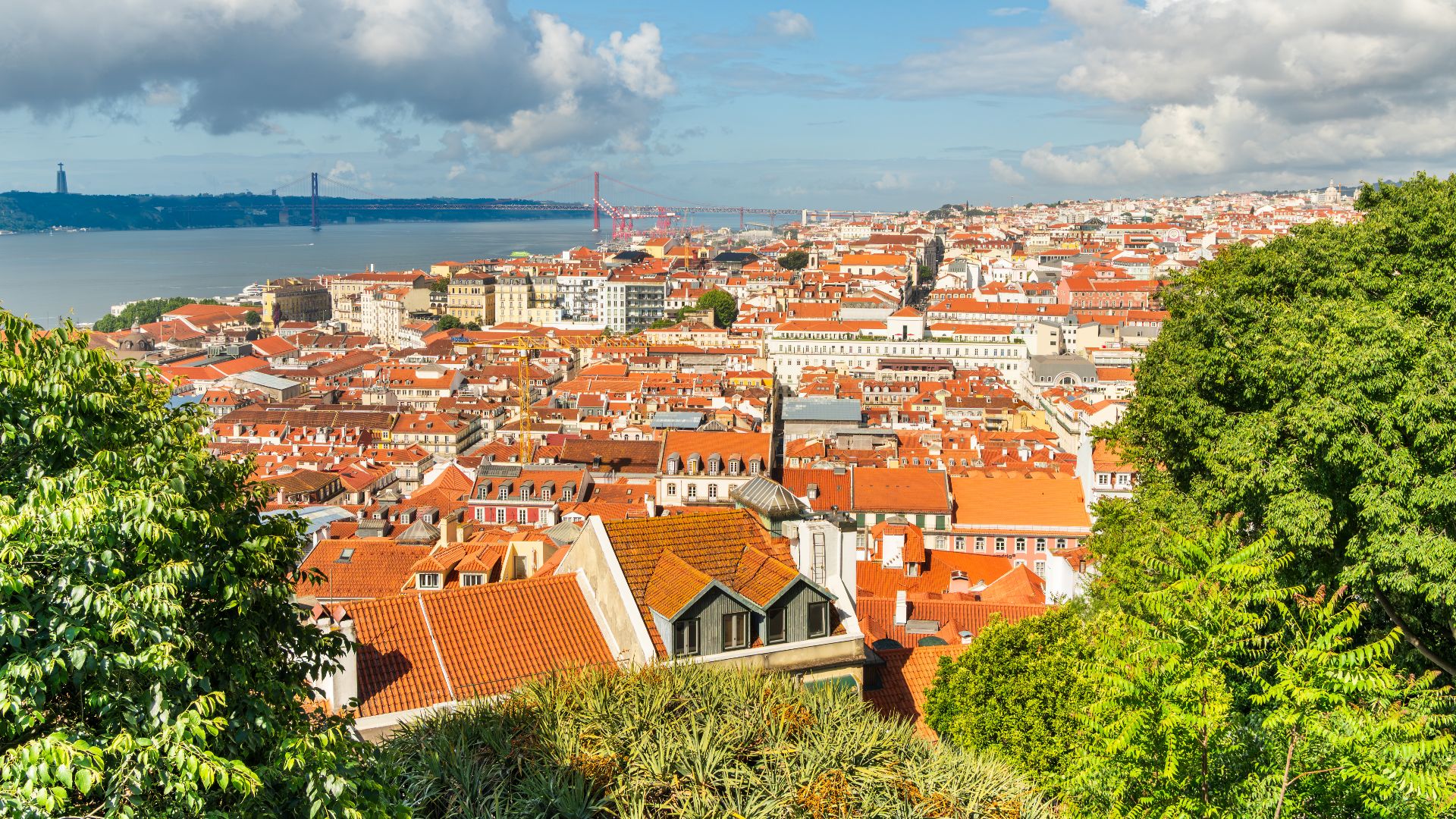 NorbertNagel, Wikimedia Commons
The Netherlands
The Netherlands can feel like someone took parts of American culture and rebuilt the physical environment around people instead of cars. Dutch society is entrepreneurial, internationally minded, informal, and individualistic enough that many Americans find the attitude surprisingly familiar. The obvious difference is how daily life works. Cities are compact, cycling is ordinary transportation, trains connect communities easily, and a routine errand rarely requires navigating six lanes of traffic. Americans accustomed to driving everywhere sometimes come home wondering why getting around had to be so much work in the first place.
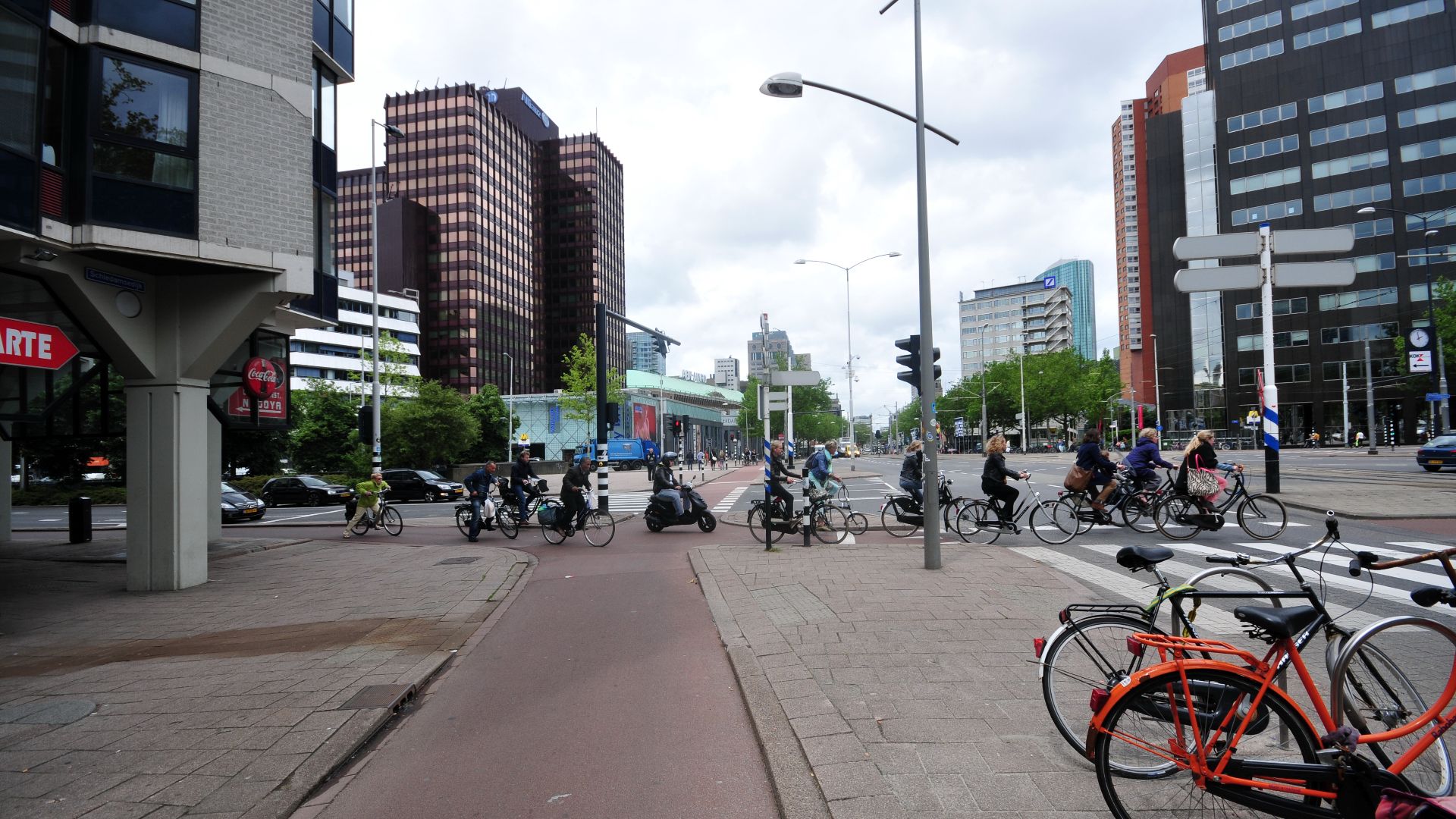 Ralf Roletschek, Wikimedia Commons
Switzerland
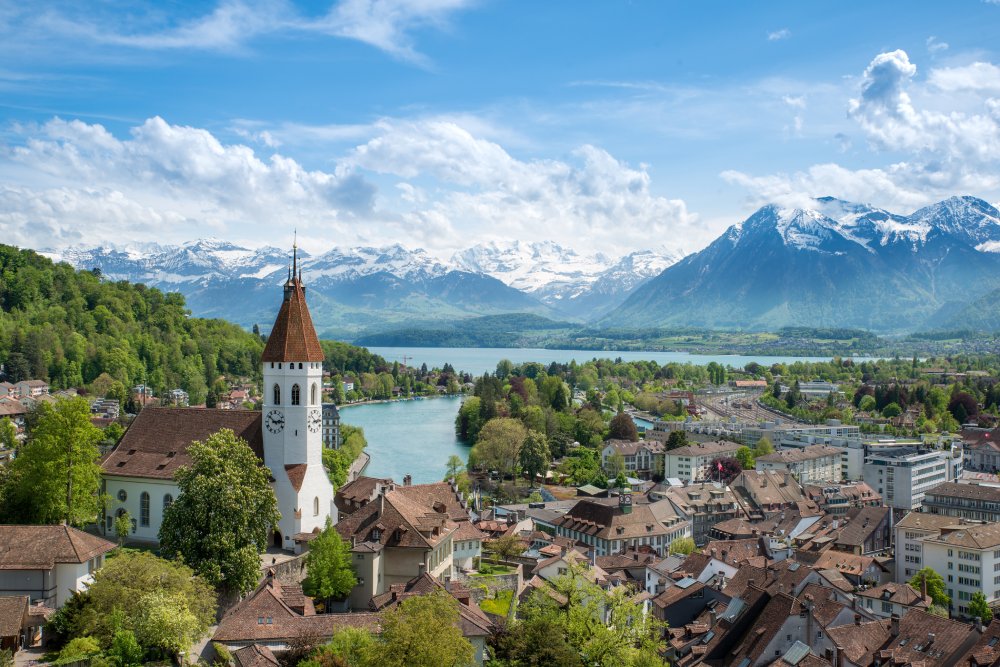
Switzerland can appeal to Americans for surprisingly American reasons. It's wealthy, decentralized, entrepreneurial, proud of local control, and deeply attached to the idea that different regions should retain considerable independence. Even the political system's strong federalism can feel conceptually familiar. Then visitors encounter trains climbing into Alpine villages, exceptionally tidy towns, extensive public transportation, and spectacular mountains without needing to organize a six-hour highway drive to reach them. The downside is equally obvious when the bill arrives. Switzerland may feel impressively functional, but very few Americans return home praising how inexpensive everything was.
Taiwan
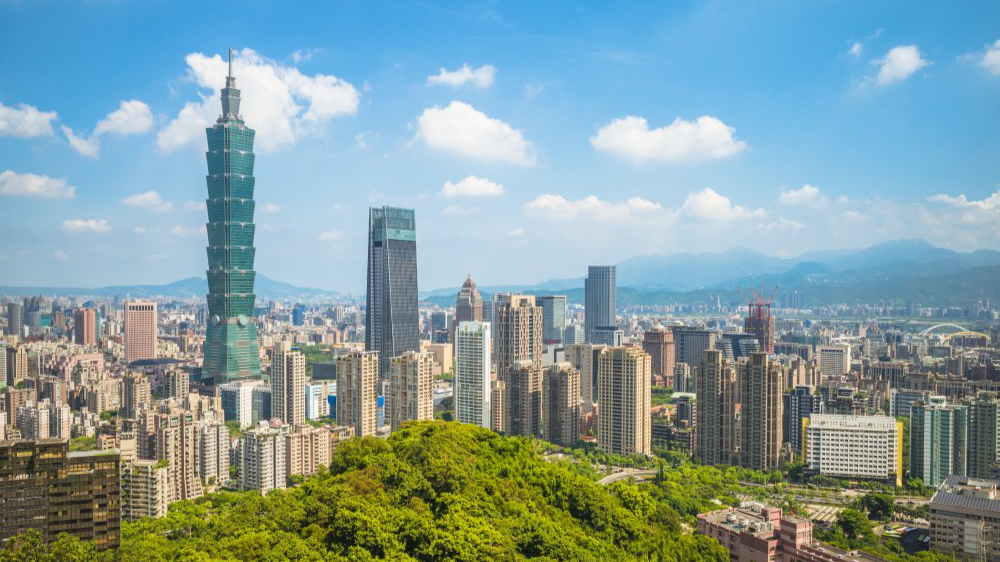
Taiwan often surprises Americans by how easy it is to navigate once the initial language barrier wears off. Taipei has enormous shopping districts, coffee shops, nightlife, convenience stores, technology everywhere, and a fast-paced urban energy that can feel recognizable. The big upgrade for many travelers is convenience. Taipei's metro is straightforward, high-speed rail connects major western cities, and convenience stores handle an astonishing range of everyday tasks. Travelers also frequently praise how helpful strangers can be, which can turn a potentially intimidating first visit into a place that feels comfortable remarkably quickly.
Denmark
Denmark can feel like a demonstration of what everyday American life might look like if cities were smaller, cycling were treated seriously, and work wasn't expected to swallow quite as much of the week. Americans will still recognize affluent suburbs, modern architecture, consumer culture, technology, and an emphasis on individual independence. Copenhagen, however, functions on a much more human scale than most large American cities. Bikes, trains, parks, waterfront spaces, and walkable neighborhoods make routine movement feel remarkably simple. The social style can be more reserved than Americans expect, but the practical side of daily life tends to make an impression quickly.
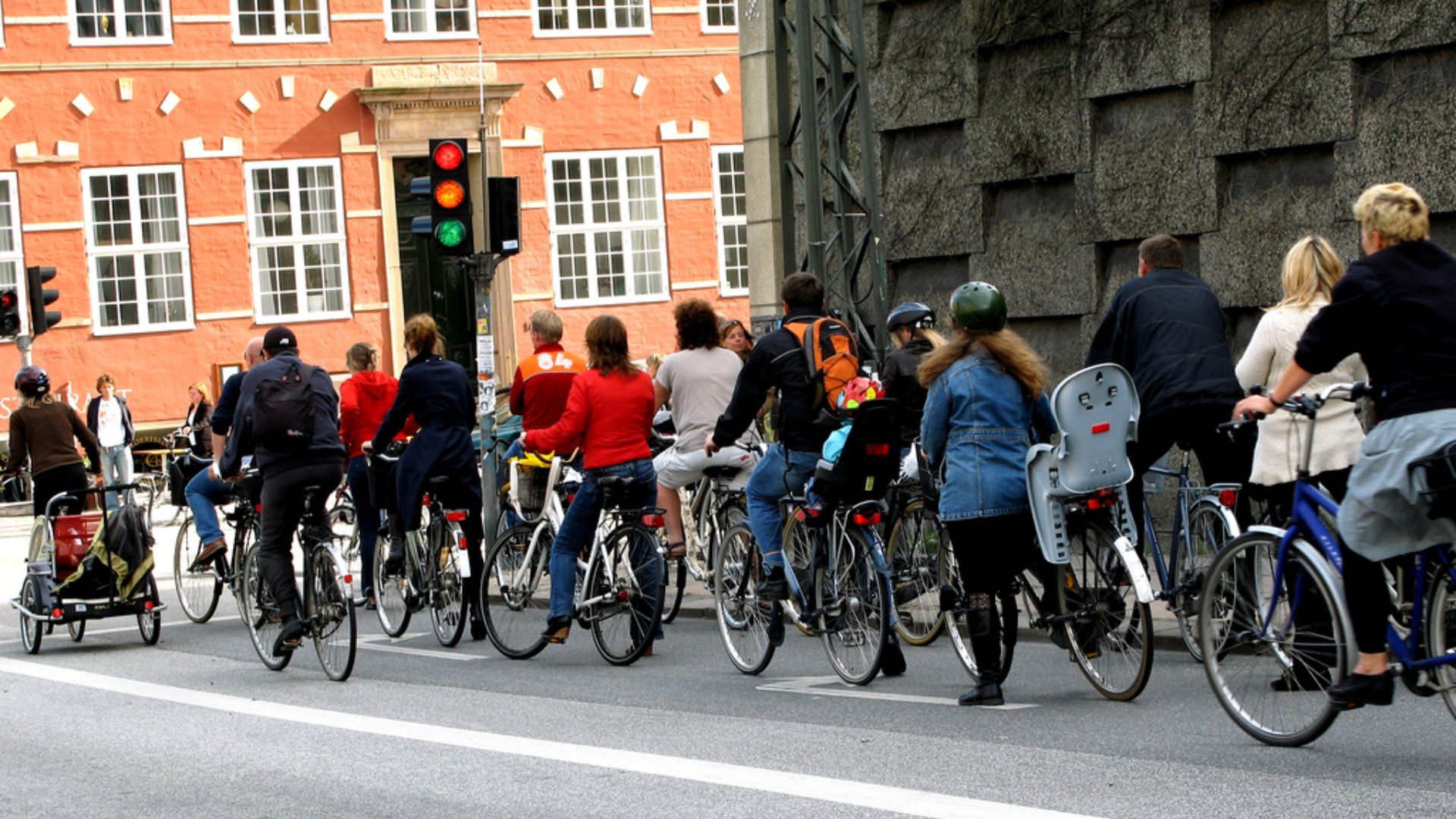 Mikael Colville-Andersen, Wikimedia Commons
Greece
Greece probably doesn't resemble America on first inspection, which is exactly why the feeling of familiarity can be surprising. Family relationships are important, people can be expressive and social, meals become major gatherings, and hospitality can feel wonderfully personal. Americans from Mediterranean, Balkan, or other family-centered backgrounds may find the social rhythm especially recognizable. The "better" part for some travelers is discovering how much daily life can happen outside the house: late dinners, busy plazas, café tables, evening walks, and long conversations that don't appear to be racing toward the next scheduled obligation.
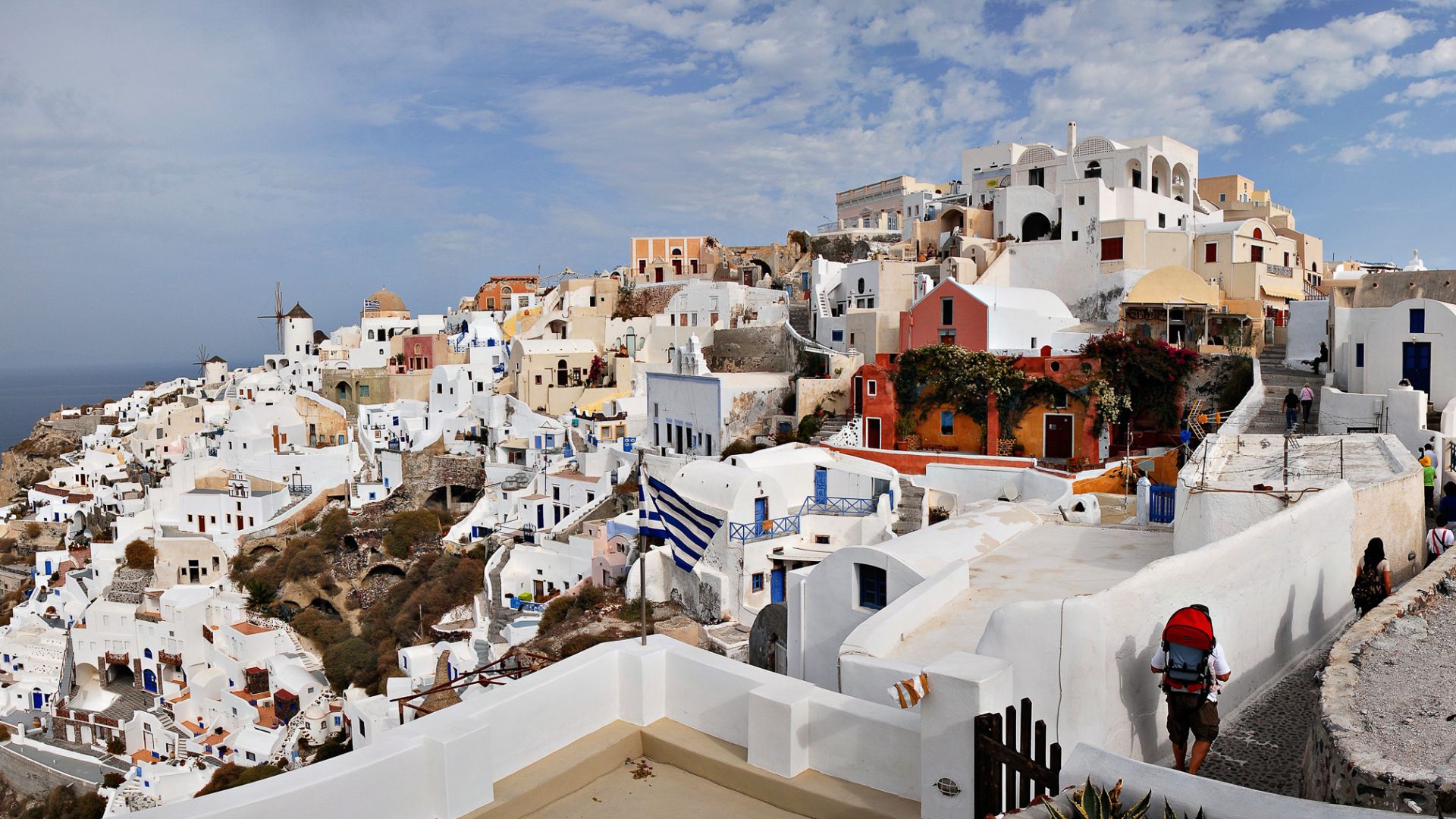 Mstyslav Chernov, Wikimedia Commons
Mexico
Mexico is different enough from the United States that calling it an American duplicate would make little sense, yet plenty of US travelers experience an unexpected feeling of familiarity there. Big cities have shopping centers, highways, suburbs, sports, sprawling neighborhoods, and busy restaurant scenes alongside traditions that are unmistakably Mexican. Mexico City in particular can feel recognizable to Americans who love enormous urban centers, except with neighborhood markets, late dinners, street food, historic plazas, and lively public spaces woven much more naturally into everyday life. The sense of familiarity becomes even stronger for Americans with Mexican family or cultural connections.
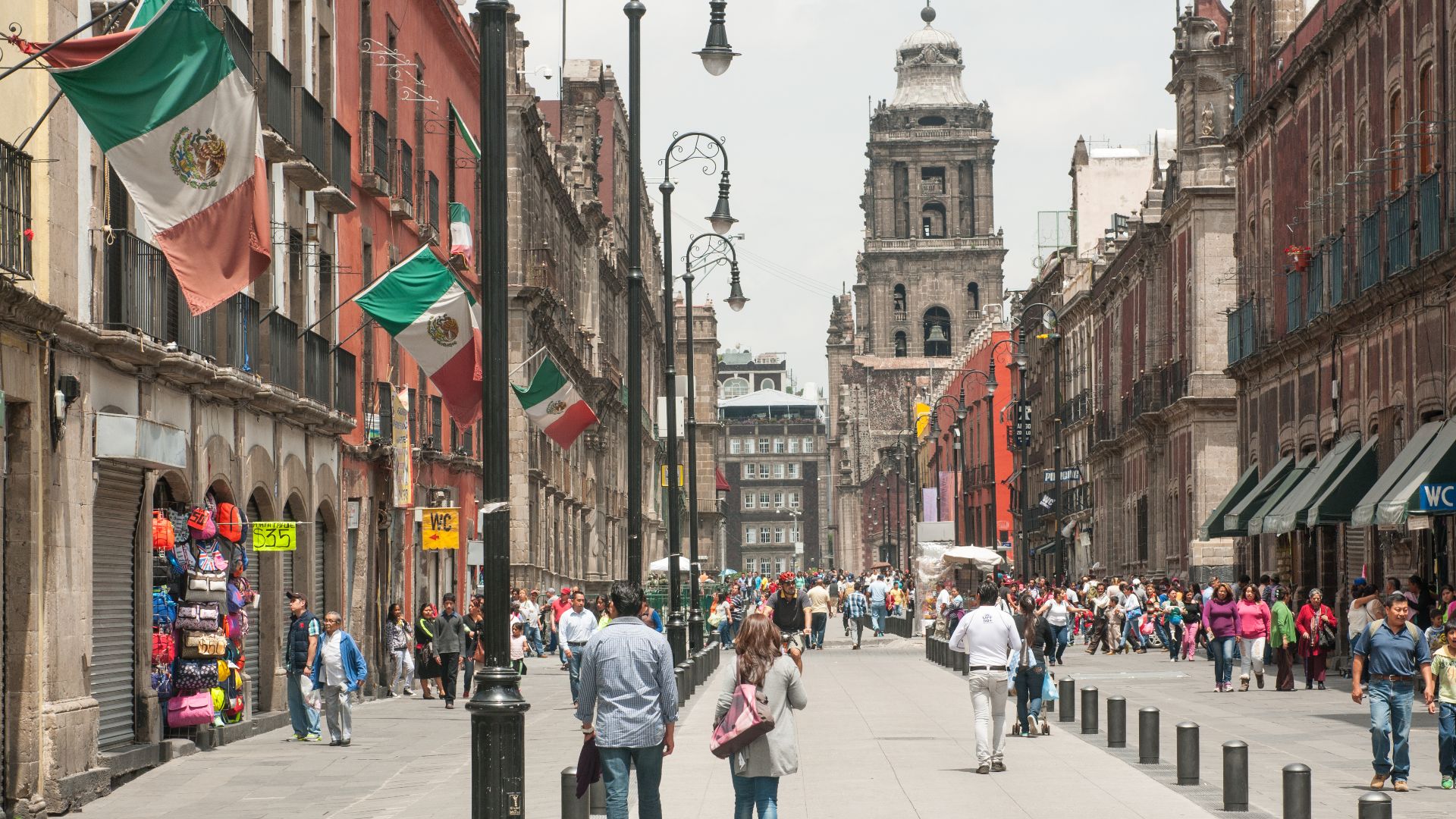 Ralf Roletschek, Wikimedia Commons
Australia
Australia may be America's most convincing alternate-universe sibling. English is the default, suburbs can look remarkably familiar, road trips are enormous, people love sports, barbecue is practically a personality trait, and beach culture occupies a huge portion of national life. Major cities have recognizable skylines and sprawling outer suburbs, yet Sydney, Melbourne, Brisbane, and other urban centers can offer more usable public transportation than many Americans expect. Travelers also notice a generally relaxed social style. The similarity can become so strong that the smallest differences, such as tipping customs or driving on the left, suddenly feel much stranger.
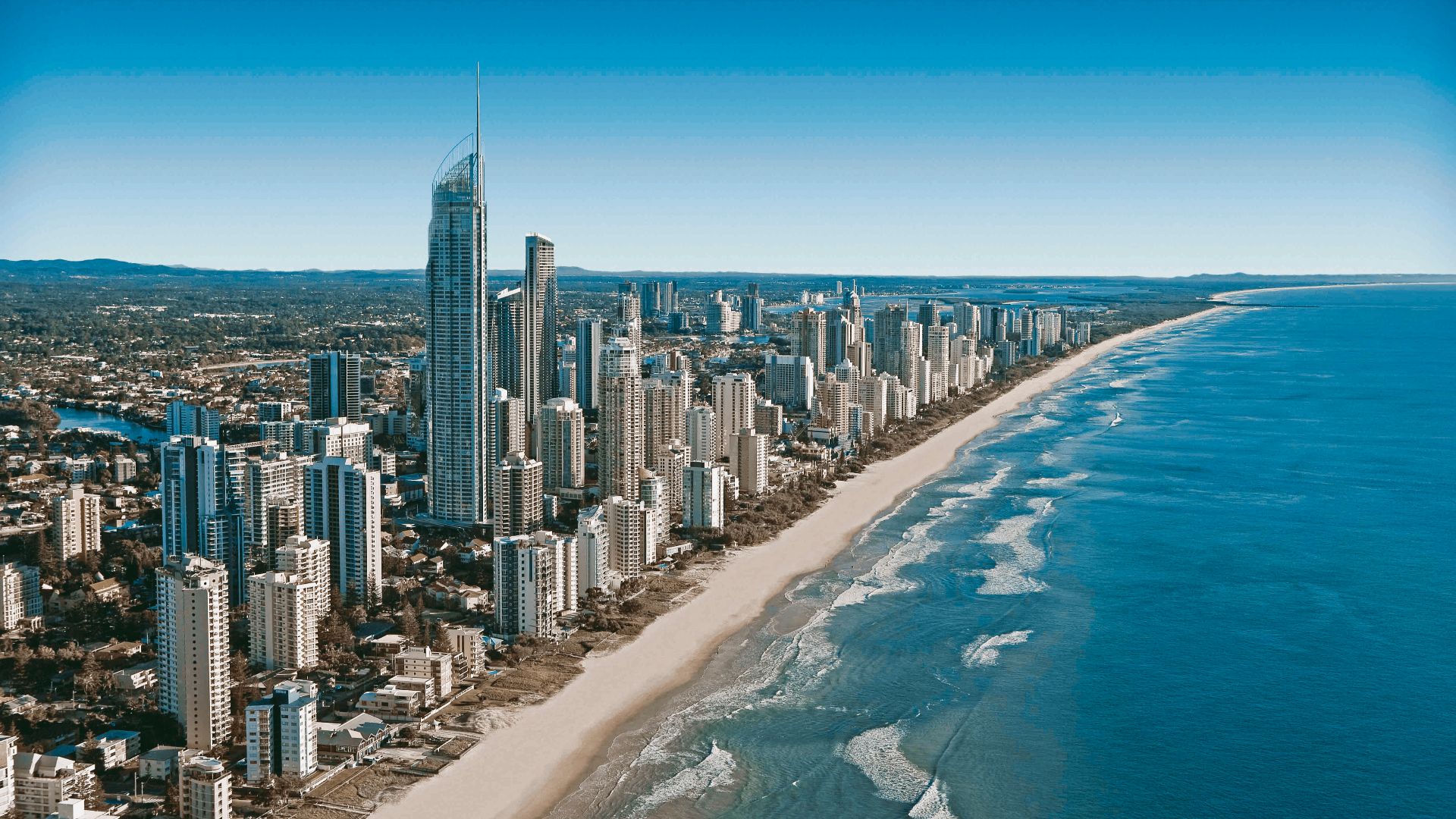 Jordan Gellie jordan_gellie, Wikimedia Commons
Germany
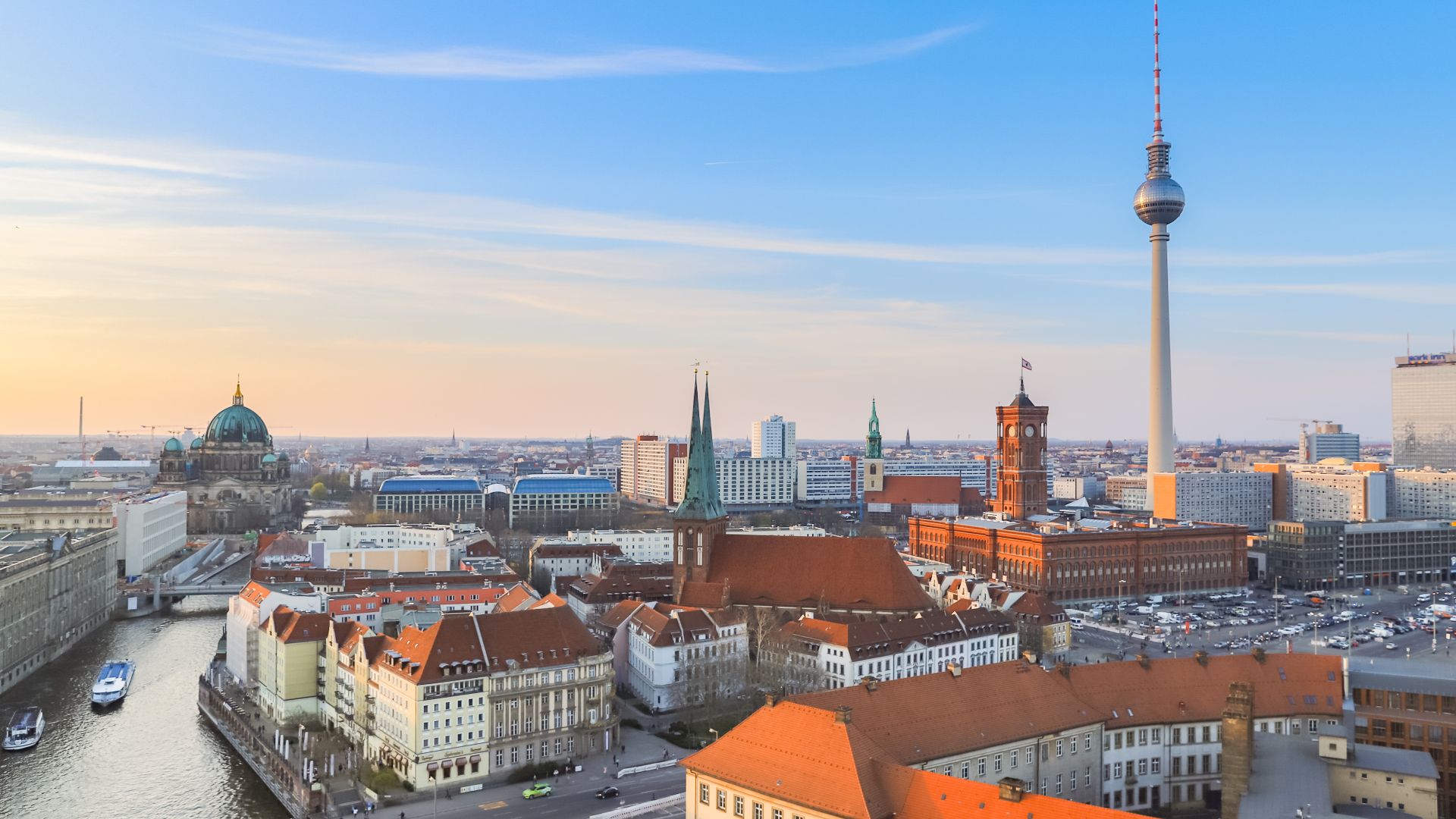
Germany can feel familiar to Americans who like efficiency, manufacturing, road trips, ale, large houses outside cities, and a certain appreciation for doing things properly. Some areas even have landscapes that remind travelers of Pennsylvania, Wisconsin, or the mountain West. The difference appears when a person realizes they can leave the car behind and travel between cities easily by rail. Historic town centers also survived in a form that much of suburban America doesn't have. Germany isn't uniformly efficient in the stereotype-friendly way tourists sometimes expect, but its mix of modern industry and human-scale old cities can still feel enviable
Singapore
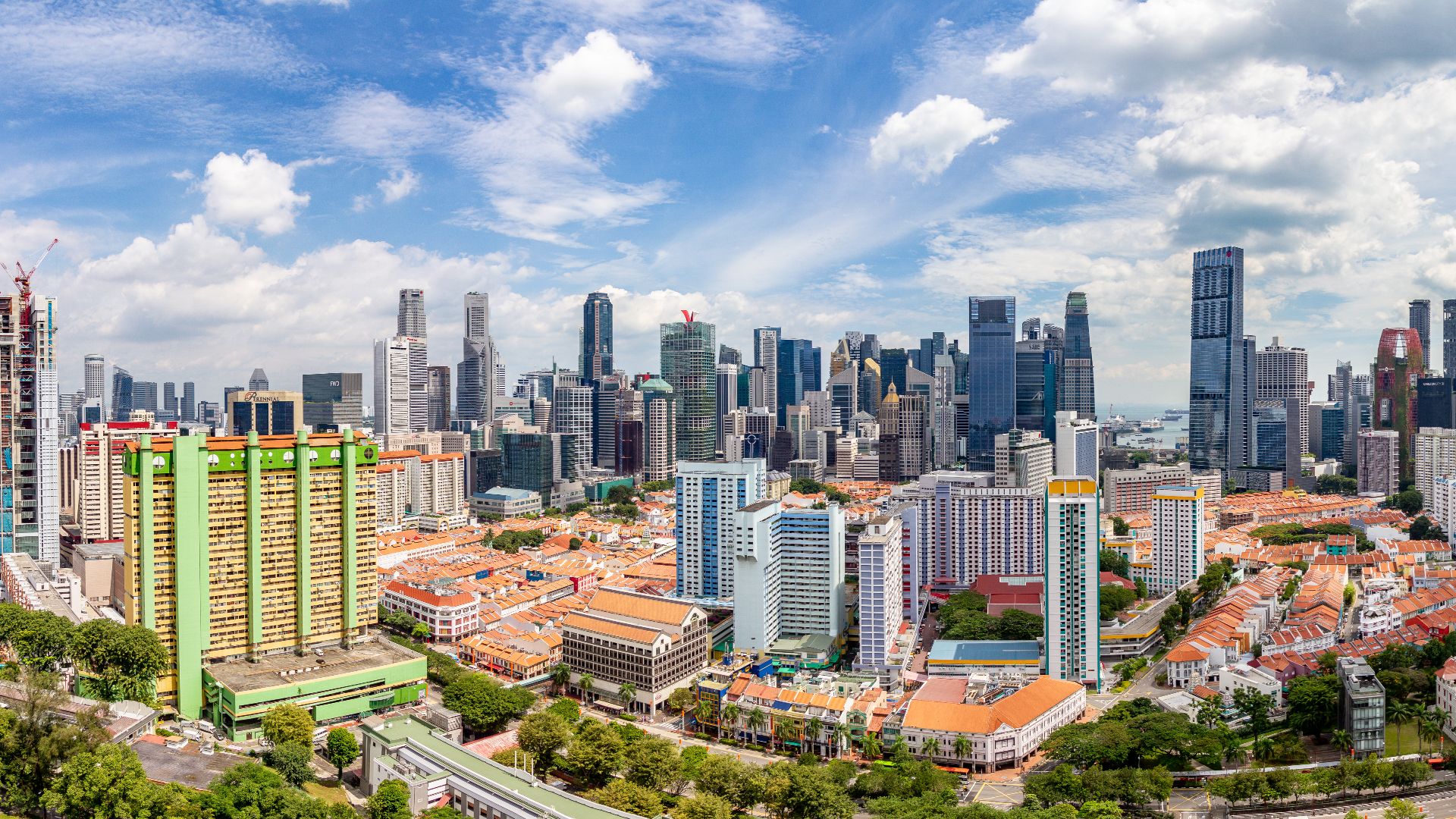
Singapore can initially feel like a hyper-organized version of the modern American city. English is widely used, skyscrapers fill the skyline, enormous malls are everywhere, international companies dominate the business districts, and consumer culture is hardly difficult to find. Then Americans experience a city where an extensive rail and bus system makes car ownership far less necessary. The cleanliness, greenery, food courts, public transportation, and sense of order stand out immediately. Some visitors find the rules restrictive or the climate exhausting, but others walk away wondering why their own wealthy city can't make basic urban life feel this easy.
 Aatu Dorochenko, Wikimedia Commons
Spain
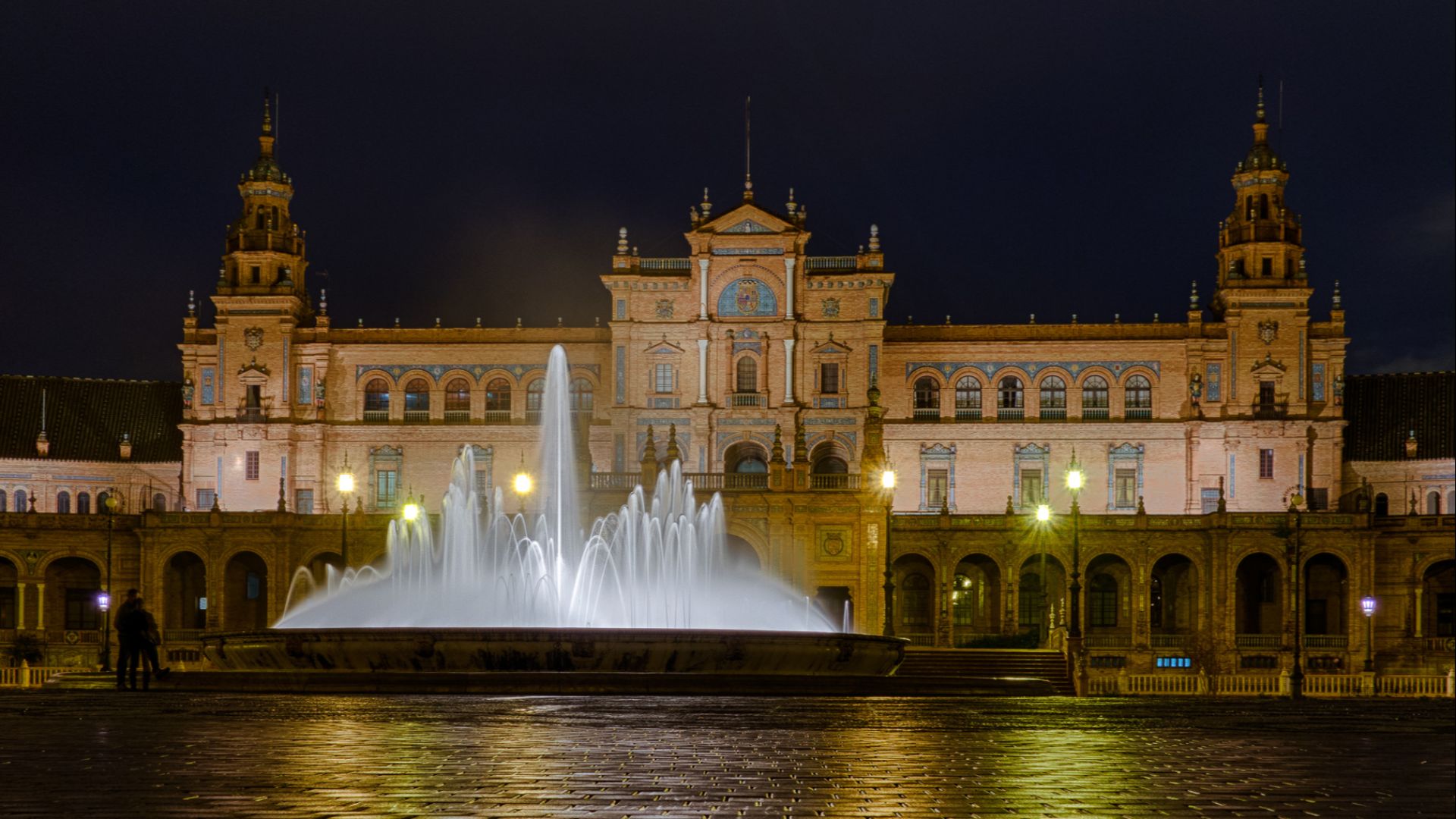
Spain appeals to Americans who want familiar modern comforts without the feeling that every hour has been scheduled for maximum productivity. Cities have excellent restaurants, sports obsessions, nightlife, shopping, and vibrant neighborhoods, yet everyday schedules operate differently. Dinner can begin when an American is thinking about bed, plazas stay busy into the evening, and taking time over a meal isn't treated like poor time management. In travel discussions, some visitors don't merely say Spain feels comfortable. They say it felt enough like home that they eventually made it home.
 Sergey Ashmarin, Wikimedia Commons
Norway
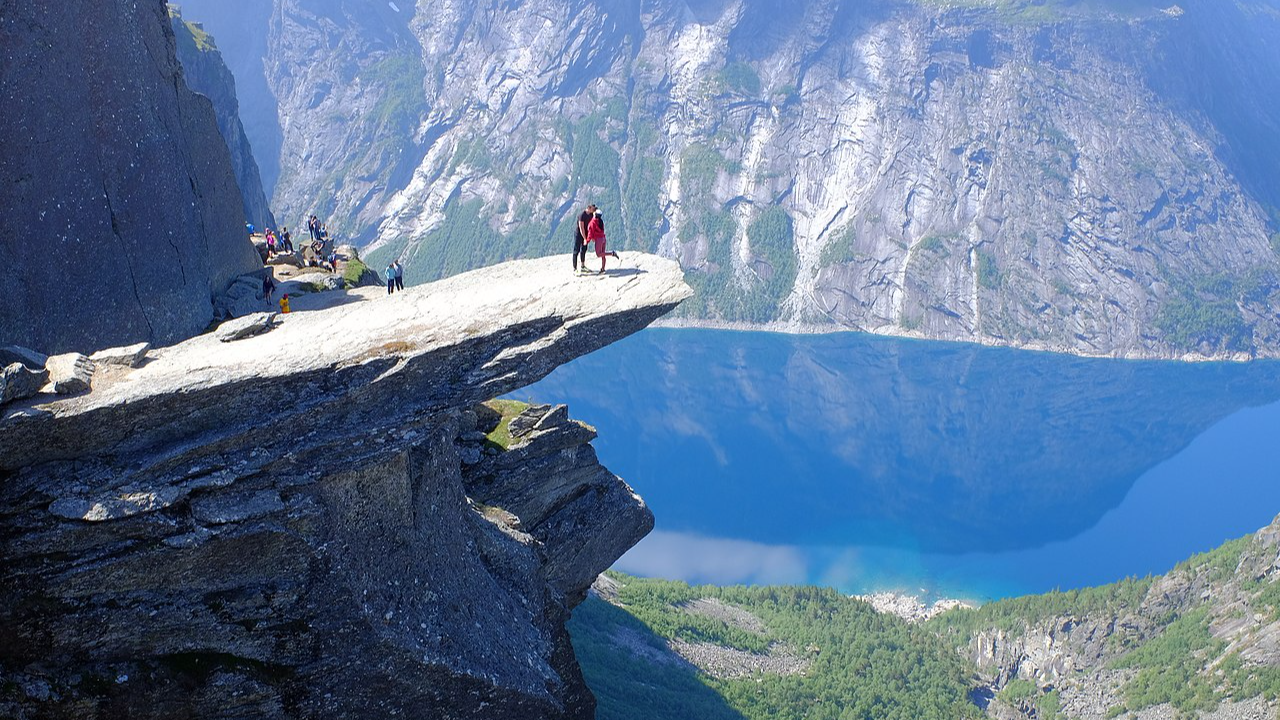
Norway shares several characteristics with parts of the United States that aren't immediately obvious from photos of fjords. Outdoor recreation is central to life, personal independence is valued, communities can be widely spread out, and people spend serious time hiking, skiing, fishing, and escaping into nature. The Daily Herald noted those similarities while also highlighting the obvious difference: Norway pairs its wealth with a much larger social safety net. For an American visitor, the combination can feel like Colorado, Alaska, or the Pacific Northwest translated into a smaller country with trains and a different approach to public services.
 Frankemann, CC BY-SA 4.0, Wikimedia Commons
France
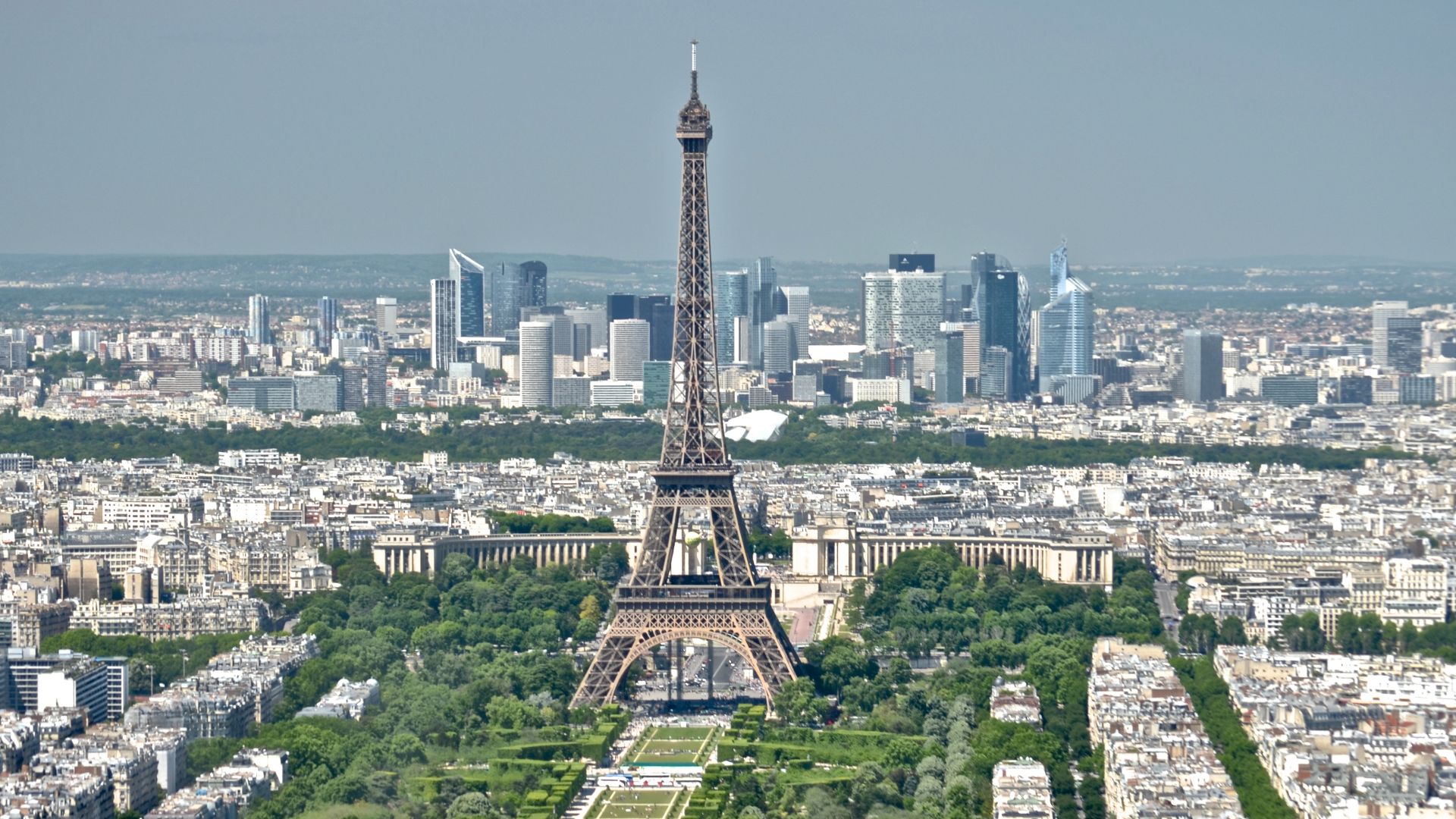
Americans sometimes arrive in France expecting a huge cultural adjustment and discover that ordinary life is easier to recognize than anticipated. Supermarkets, offices, highways, suburban houses, restaurants, shopping centers, and modern business districts aren't alien at all. The distinction becomes clearer in how towns and neighborhoods are organized. Bakeries, cafés, markets, parks, and restaurants remain integrated into daily life rather than being isolated behind parking lots. France can frustrate American visitors who expect everything to work the American way, but people who settle into its rhythm often become attached to precisely those differences.
 David McSpadden from Daly City, United States, Wikimedia Commons
South Korea
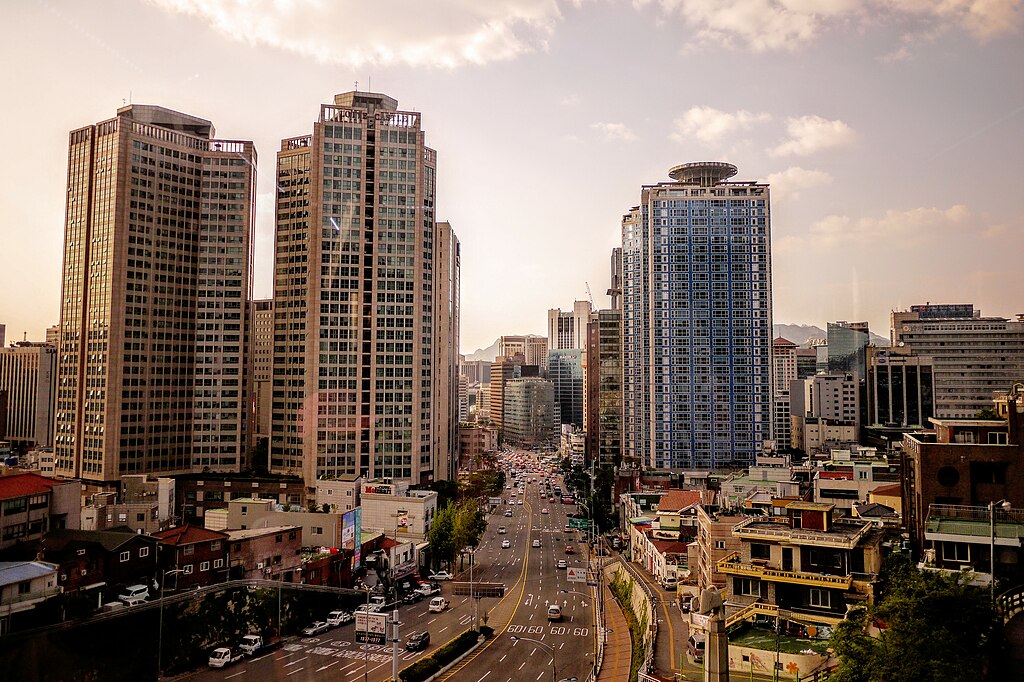
South Korea can feel unexpectedly familiar to Americans because modern consumer culture is so visible. Coffee chains, fast food, shopping, baseball, smartphones, pop culture, enormous apartment complexes, and intense work and school cultures create recognizable reference points. Seoul then adds a level of transit convenience and late-night urban life that can make major American cities feel sleepy by comparison. Restaurants stay busy, neighborhoods remain active, deliveries arrive incredibly quickly, and the subway can carry visitors across one of the world's largest metropolitan areas without requiring them to rent a car.
 Emile-Victor Portenart, CC0, via Wikimedia Commons
Austria
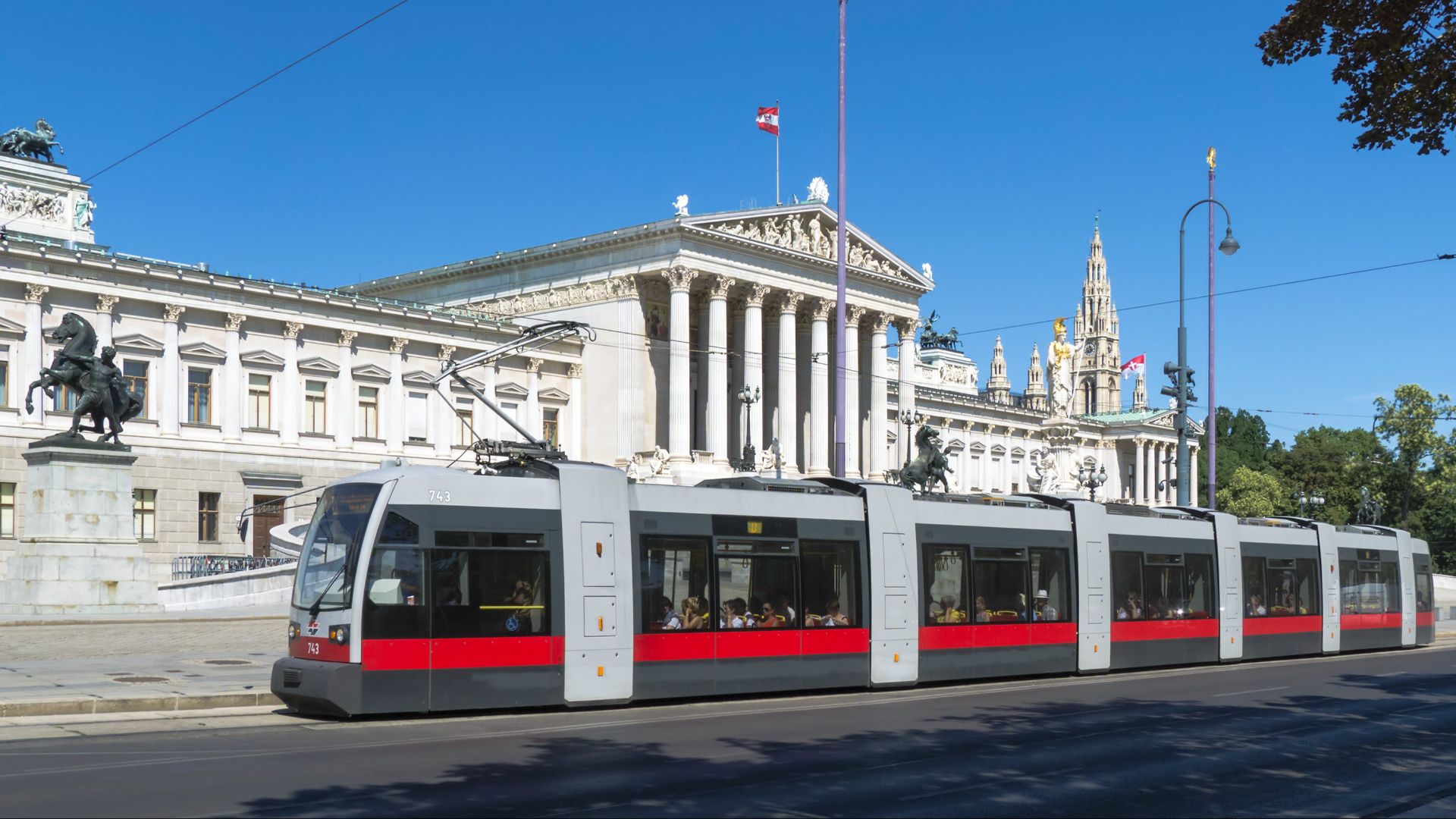
Austria offers a version of Central European life that can feel polished without being difficult to navigate. Americans find modern cities, familiar brands, excellent roads, outdoor recreation, ski culture, and comfortable suburban areas. Vienna adds something many US cities struggle to reproduce: grand historic neighborhoods that still function as normal places to live rather than museum districts. Trams and trains make getting around straightforward, while mountains are close enough to shape weekend life. The overall impression can be that everything feels recognizable, but someone thought more carefully about where to put the cars.
United Kingdom
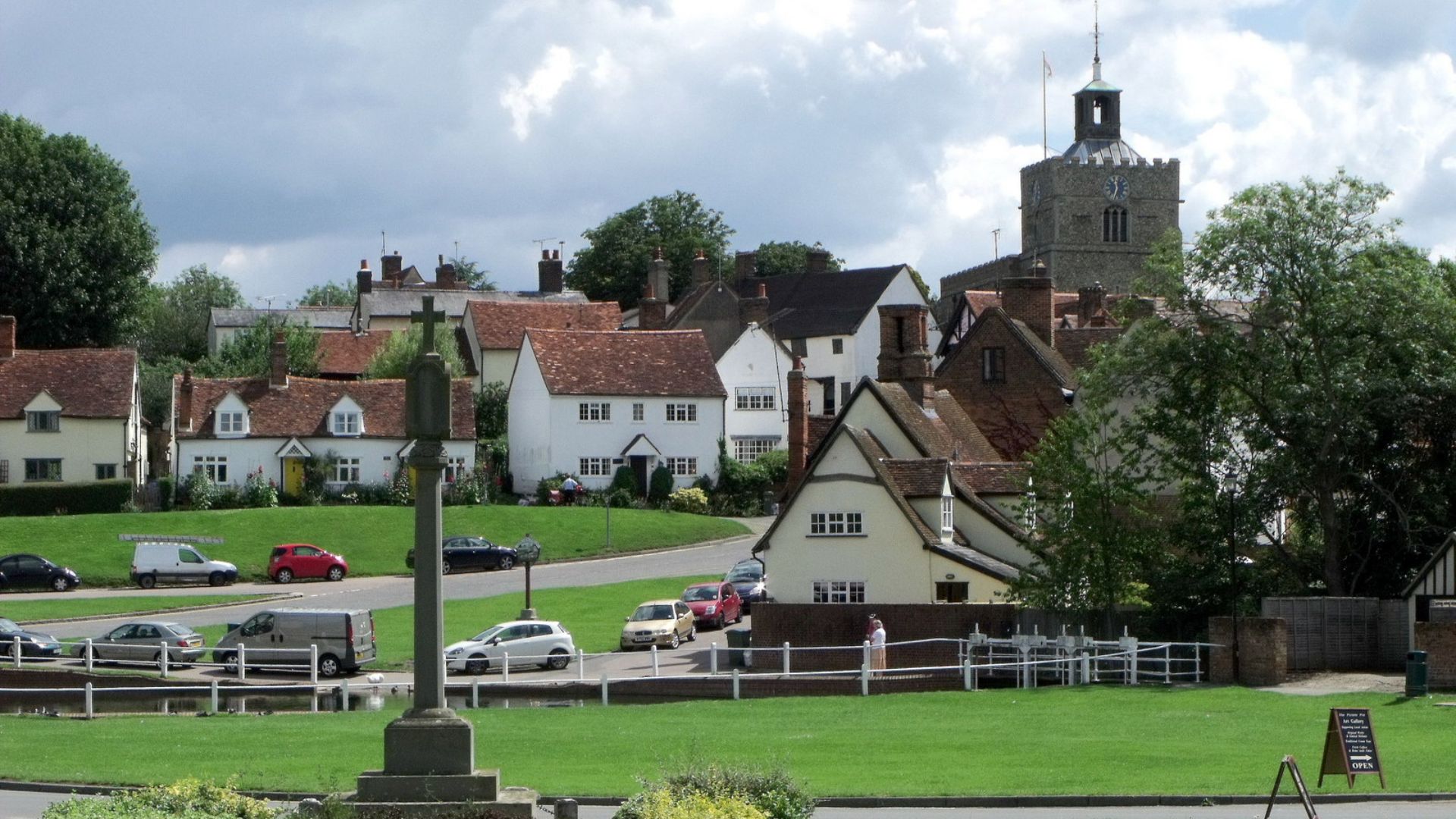
For an American making a first trip to Europe, the United Kingdom can feel like the cultural difficulty setting has been lowered. The language, television, music, legal traditions, and shared history create endless familiar reference points. Even the humor usually requires adjustment rather than translation. Then Americans notice how much older and more compact everything is. Villages have pubs instead of commercial strips, train travel can replace a road trip, and cities developed centuries before anyone imagined an eight-lane freeway. It's close enough to home to be comfortable while remaining different enough to expose how unusually American certain habits really are.
 nick macneill, Wikimedia Commons
Finland
Finland can appeal to Americans who like personal space, forests, lakes, winter sports, technology, and people who don't feel obligated to talk simply because they're standing next to each other. In that sense, a visitor from Minnesota or the Upper Midwest may find more familiarity than someone from Miami. The differences come in the infrastructure and expectations around public life. Finnish cities can be quiet, functional, safe-feeling, and easy to navigate without the endless commercial noise Americans are accustomed to. For some travelers, the absence of forced small talk might qualify as the upgrade all by itself.
Sweden
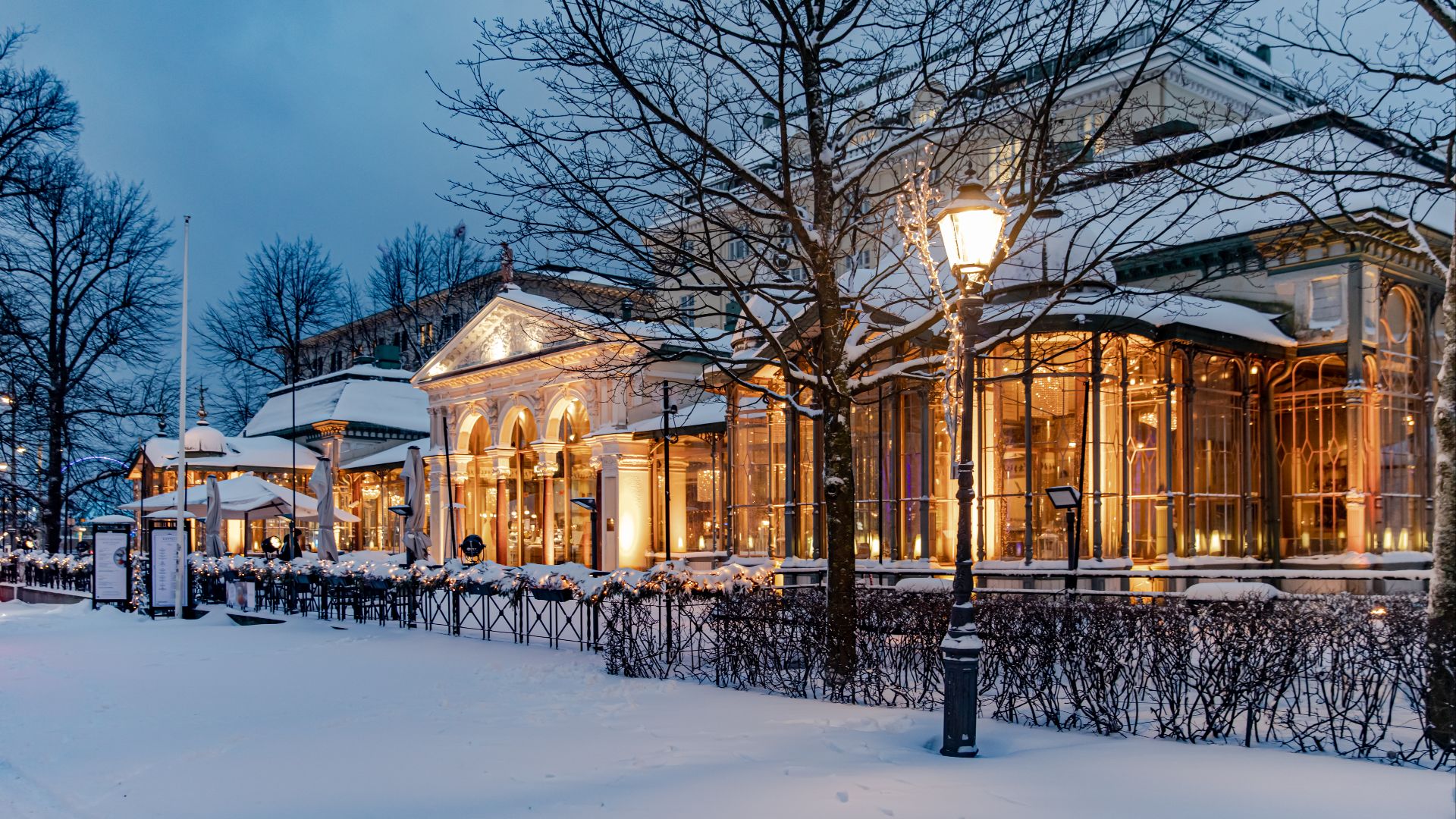
Sweden can feel oddly familiar to Americans from northern states. Forests, lakes, cabins, snow, outdoor recreation, suburban homes, modern retail, and long-distance driving all have recognizable parallels. Swedish influence on parts of the American Midwest adds another subtle connection. What feels different is how urban life is arranged. Stockholm and other cities make walking and transit much easier than many American counterparts, while public waterfronts and green spaces feel integrated rather than added afterward. Travelers who like Minnesota but wish it had Scandinavian trains may find Sweden suspiciously close to the fantasy.
 Jenny Andersson / News Oresund, Wikimedia Commons
Turkey
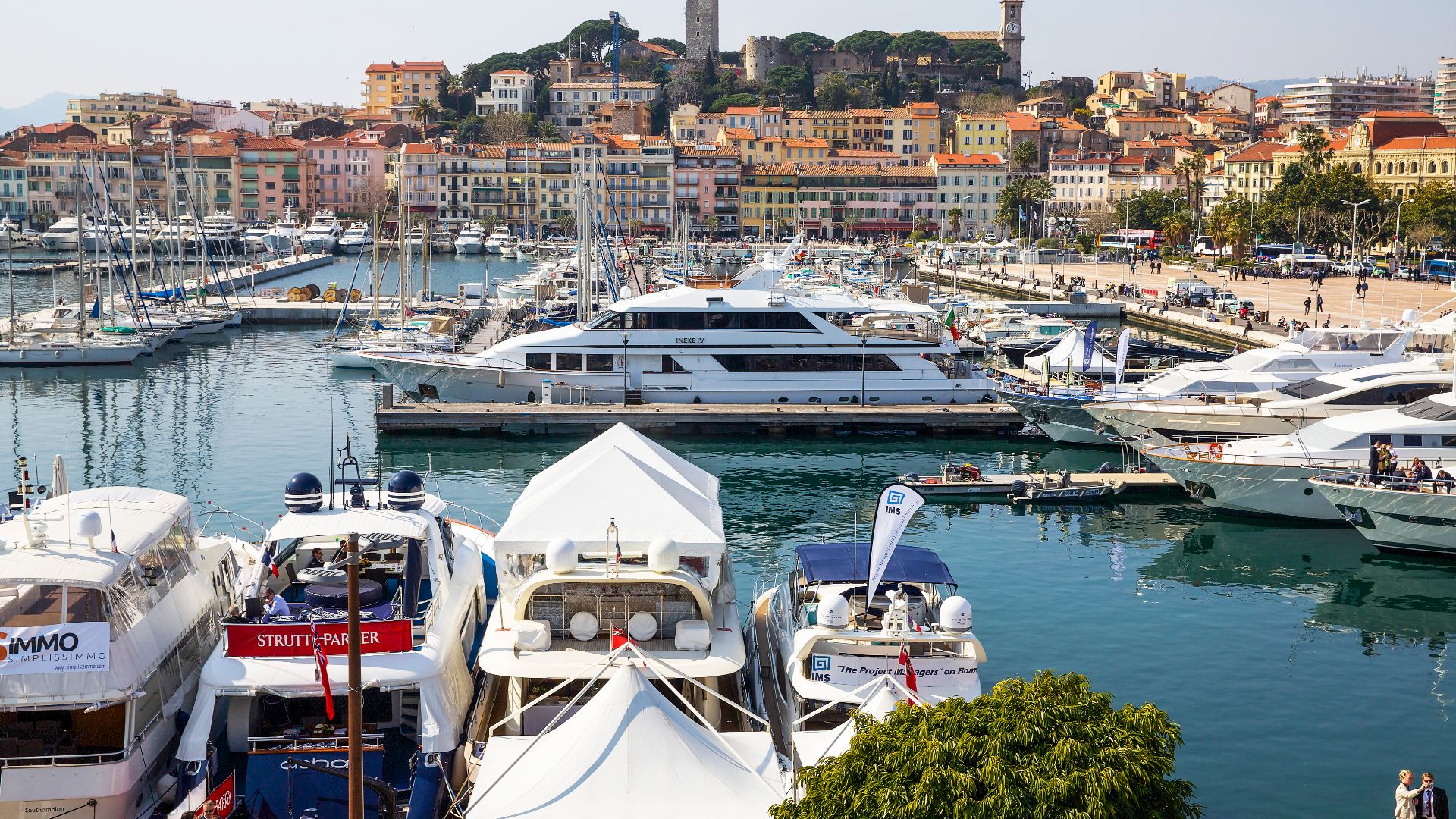
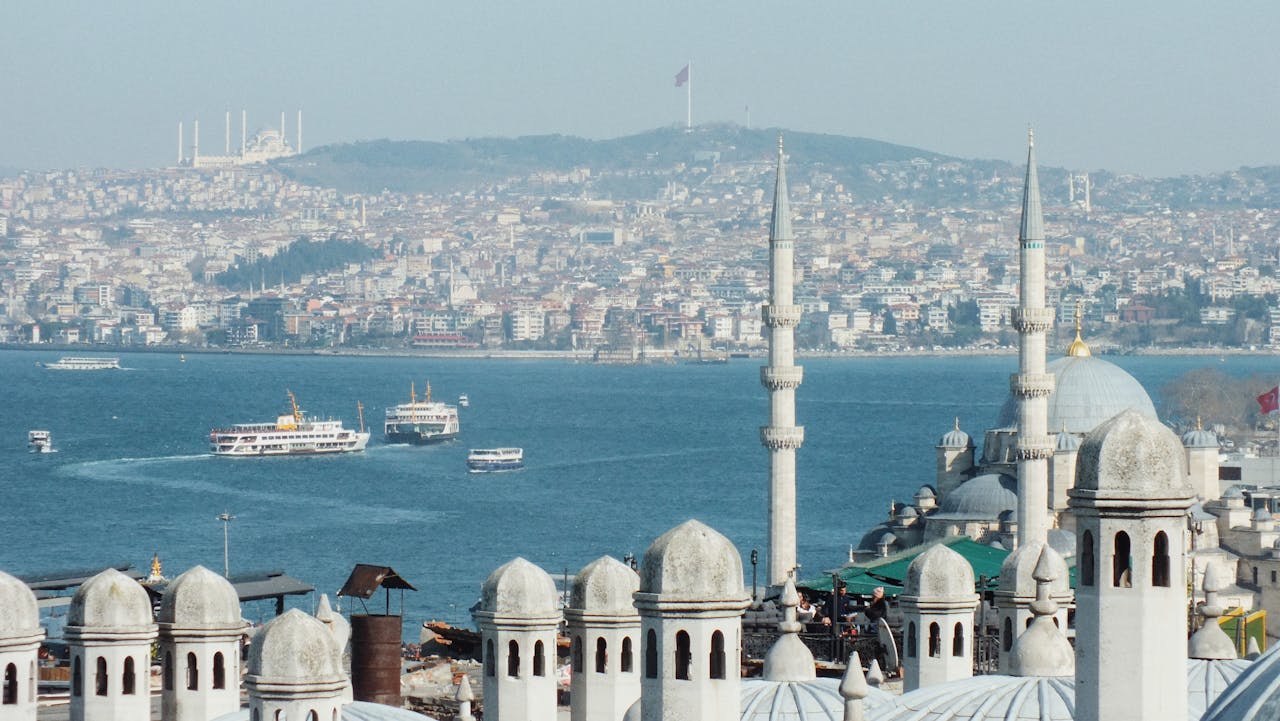
Turkey can produce a feeling of comfort through hospitality rather than cultural similarity. American visitors encounter enormous modern cities, highways, malls, beach resorts, busy cafés, and a consumer economy that isn't remotely difficult to recognize. At the same time, tea culture, bazaars, mosques, late evenings, and food traditions make it unmistakably different. Traveler discussions often praise Turkish hospitality, with strangers offering directions, food, or conversation. Experiences vary, especially in extremely busy tourist areas, but the combination of modern familiarity and intensely social daily life can make the country feel easier to settle into than first-time visitors expect.
Poland
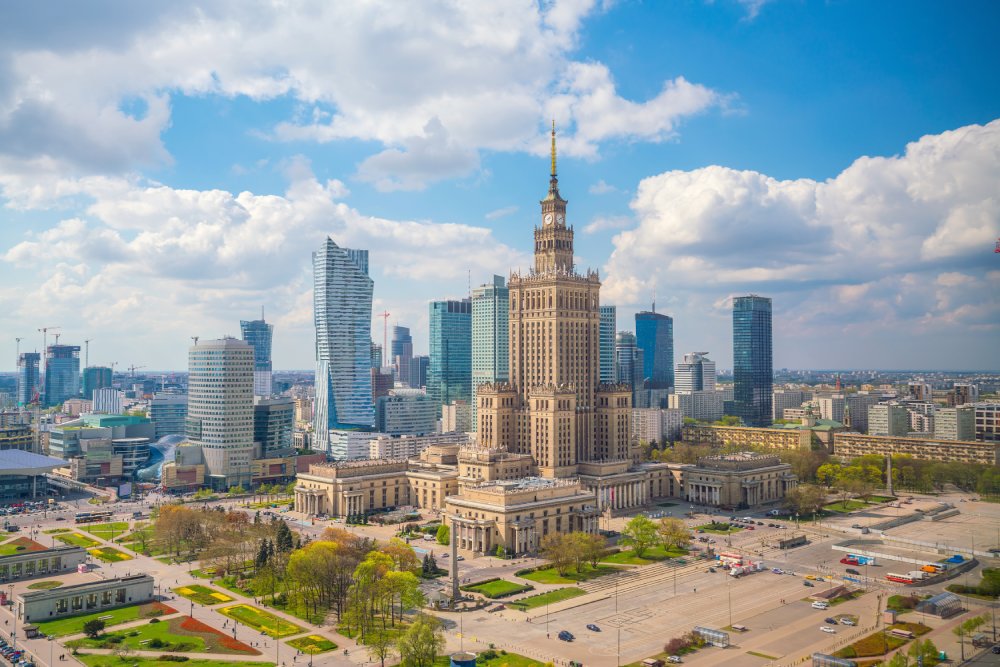
Poland may feel unexpectedly familiar to Americans with roots in the Midwest or Northeast, where Polish communities have influenced food, churches, festivals, and neighborhoods for generations. Modern Poland adds shopping malls, highways, growing cities, familiar brands, and suburban development alongside historic centers that survived or were painstakingly reconstructed after war. Public transportation makes urban travel relatively straightforward, while cafés and central squares keep city life concentrated. The social style can feel more reserved and blunt than Americans are used to, but some travelers actually find that directness refreshing once they adjust.
Luxembourg
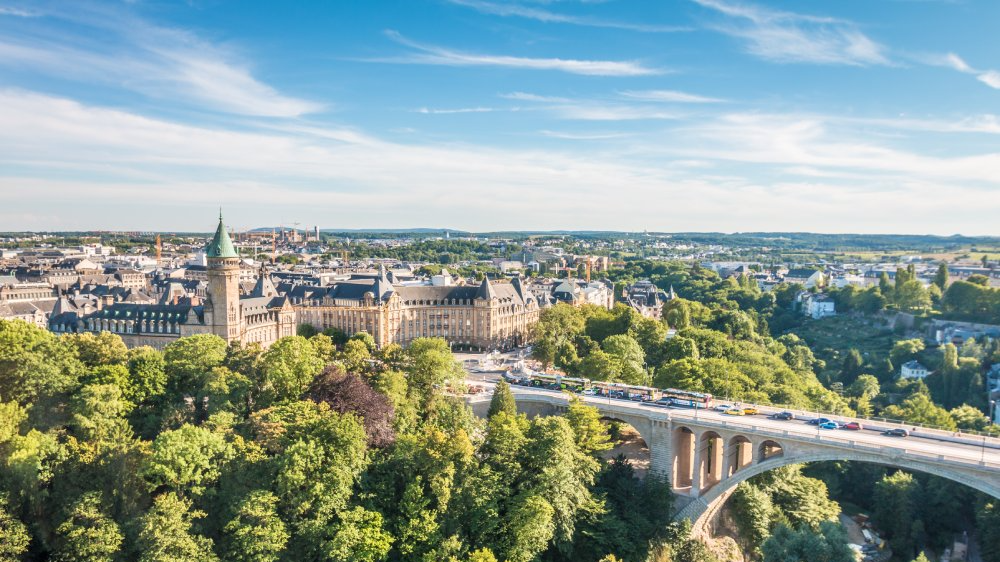
Luxembourg feels less like America geographically than it does economically. It's prosperous, international, heavily connected to finance and business, and filled with people from elsewhere. English is common in professional and tourist settings even though Luxembourgish, French, and German dominate public life. The part likely to make Americans jealous is how easily such a wealthy place can function at a compact scale. Public transportation has been fare-free nationwide since 2020, meaning a visitor can travel around without constantly calculating tickets, parking, gas, or rideshares. It's difficult to imagine a more direct contrast with car-dependent American prosperity.
You May Also Like:
Americans Should Know These States Used To Have Completely Different Names—But Most Don’t
The U.S. States Americans Say They Love Visiting, But Could Never Move To
Things Americans Find Surprisingly Different About Canadian Roadside Stops





.jpg)