Two Coffee Cultures Took Different Roads
Japan and the United States both have serious coffee cultures, but they often feel completely different. In the US, coffee is frequently tied to convenience, customization, drive-thrus, and daily routine. In Japan, coffee is often treated as craft, atmosphere, hospitality, and quiet attention to detail.
Have you been to both countries? Which coffee culture do you prefer? NAMPIX, Adobe Stock Images
The U.S. Made Coffee Fast And Everywhere
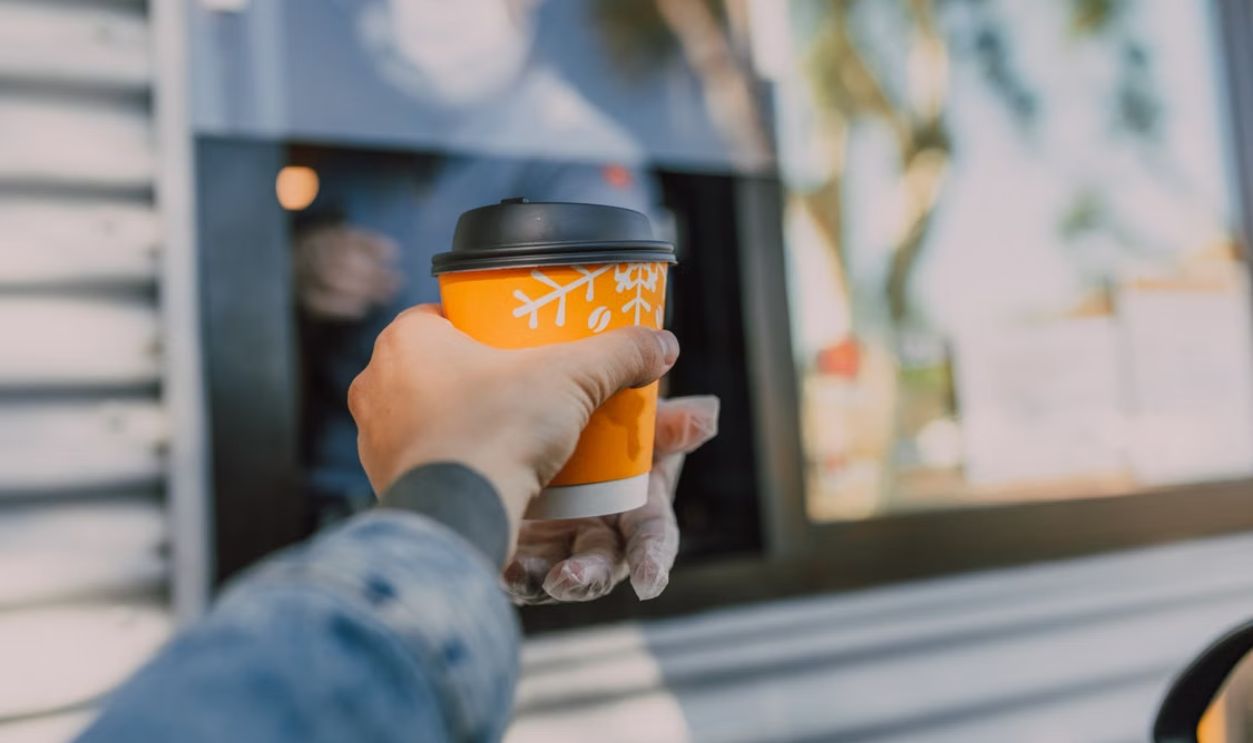
American coffee culture became famous for accessibility. Diners, offices, gas stations, chains, and drive-thrus made coffee part of daily life. That convenience is powerful. In much of the U.S., coffee is something people grab on the way to work, sip during meetings, or customize into a personal routine.
Japan Made Coffee Feel Intentional
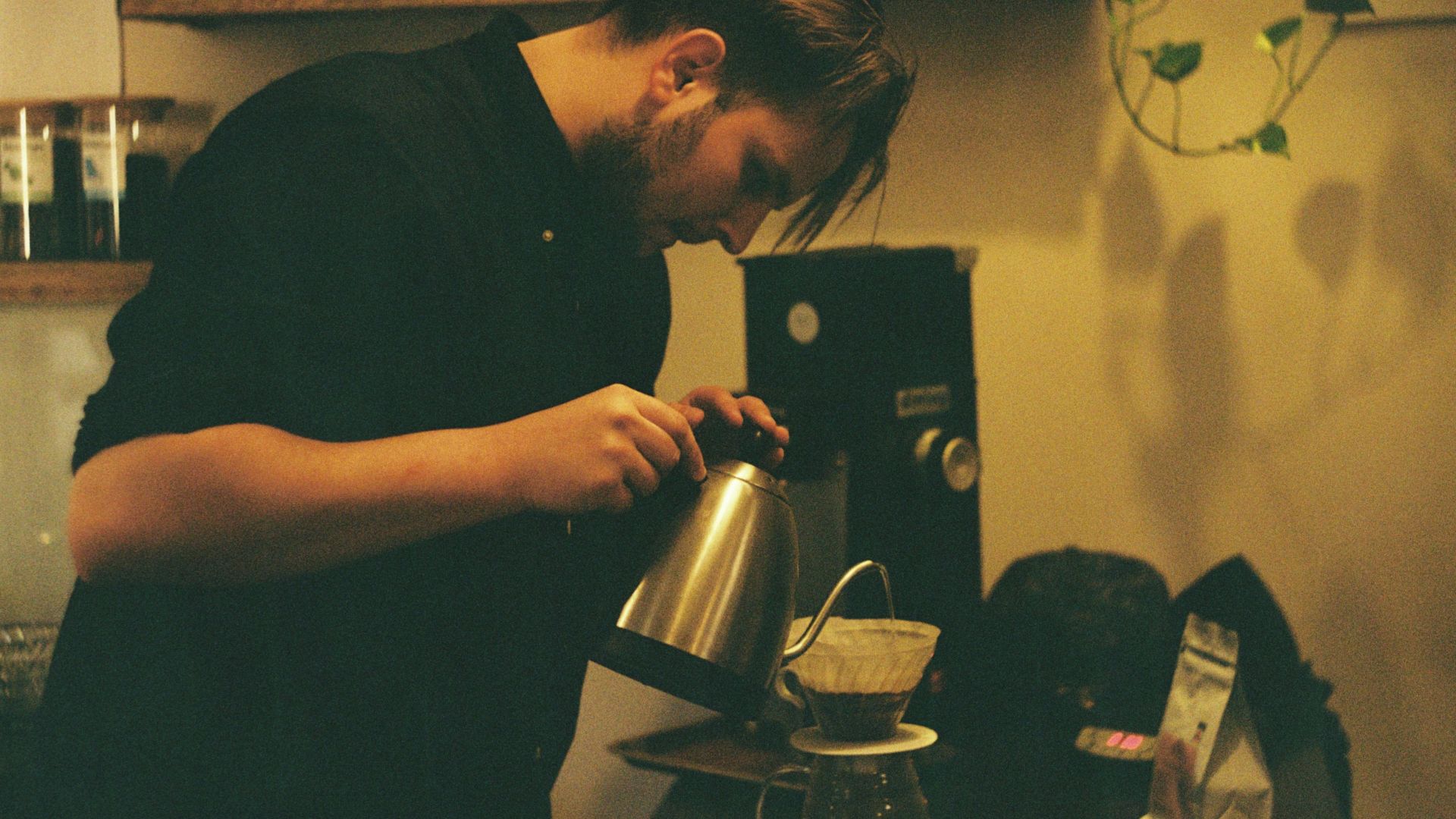
Japan’s coffee scene often feels slower and more deliberate. A small café may focus on one roast, one brew method, or one carefully controlled experience. The customer is not just buying caffeine. They are stepping into a space where mood, service, tools, and technique all matter.
Kissaten Culture Changed Everything
Japan’s traditional kissaten, or old-style coffee houses, helped shape the country’s coffee identity. These cafés often emphasize quiet interiors, careful service, brewed-to-order coffee, and an atmosphere that encourages lingering. They created a foundation that still influences Japanese specialty coffee today.
American Coffee Became A Daily Utility
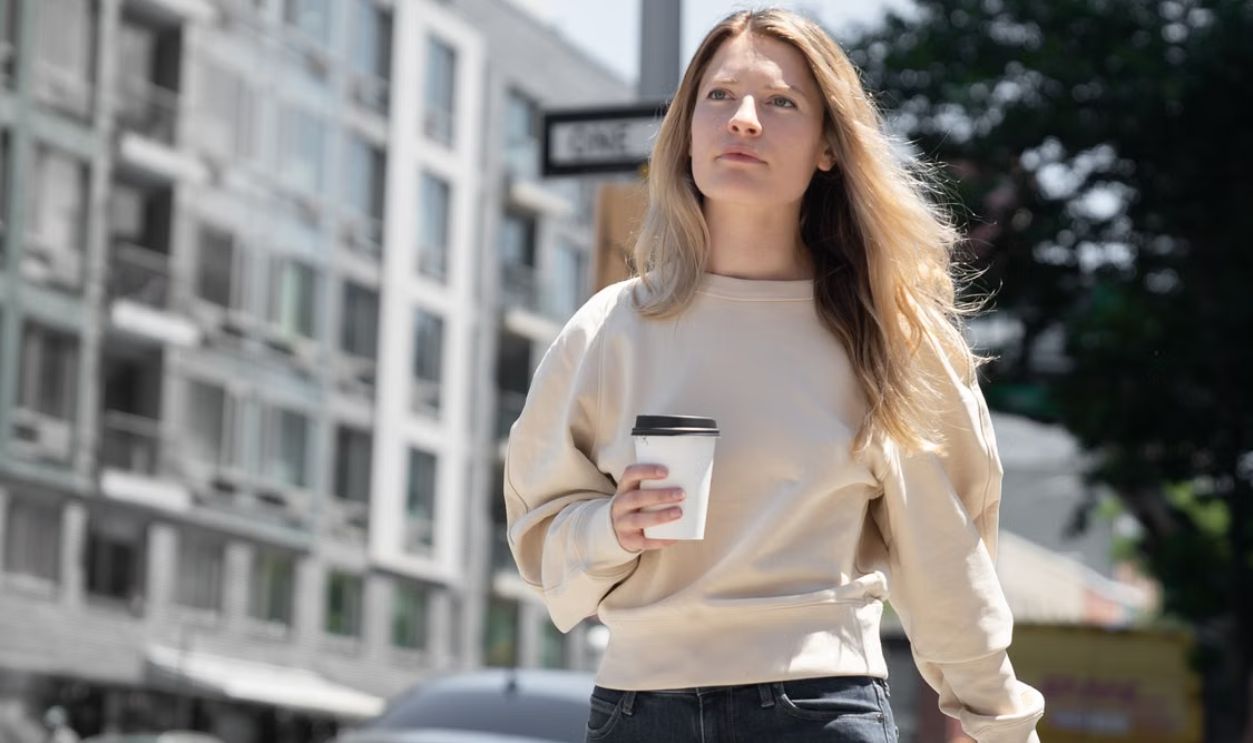
In the United States, coffee often functions like fuel. The cup may be huge, portable, affordable, and easy to refill. That does not mean Americans do not care about quality. It means the culture grew around speed, productivity, and personal preference as much as flavor.
Japanese Cafés Often Focus On Restraint
Many Japanese cafés avoid overwhelming menus. Instead of endless syrups, sizes, and add-ons, the experience may center on a few well-made drinks. That restraint can feel refreshing to coffee lovers who want the bean, roast, and brewing method to stay at the center of the cup.
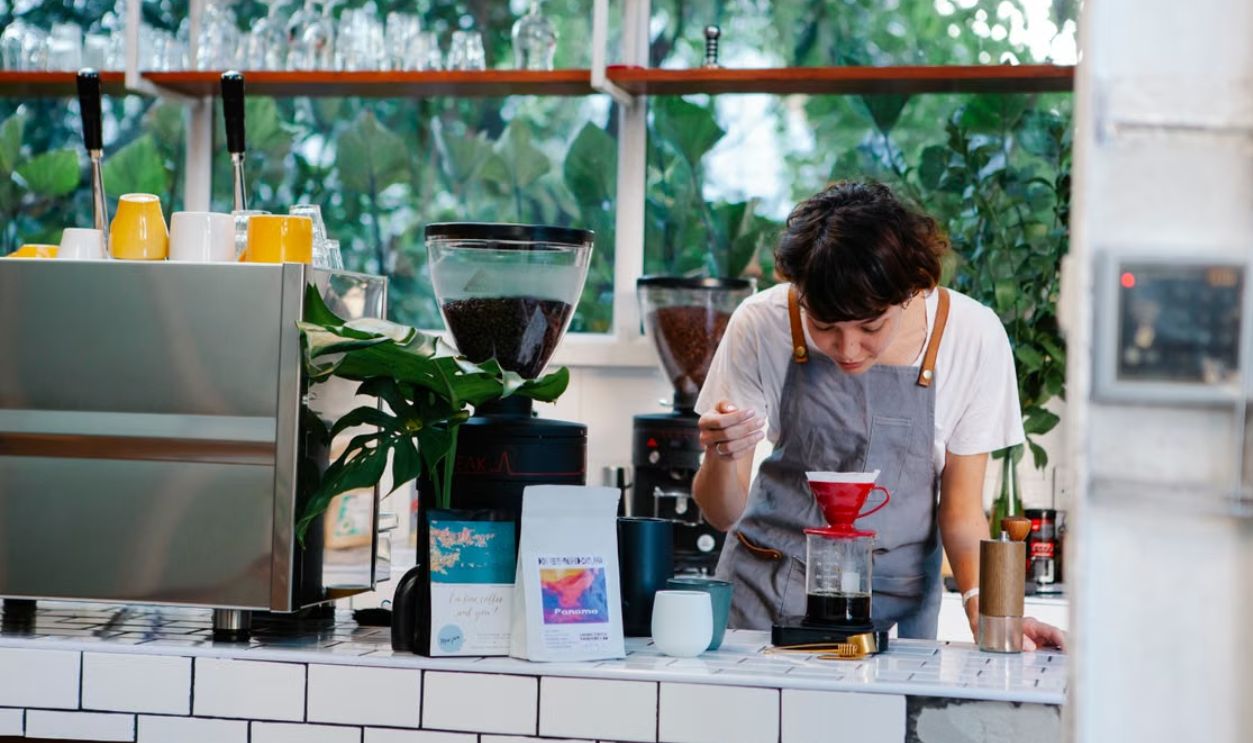
The U.S. Helped Build Third-Wave Coffee
The United States played a major role in modern specialty coffee. Roasters such as Intelligentsia, Stumptown, Counter Culture, and others helped popularize single-origin beans, lighter roasts, direct sourcing, and barista craft. American coffee is far more sophisticated than old diner stereotypes suggest.
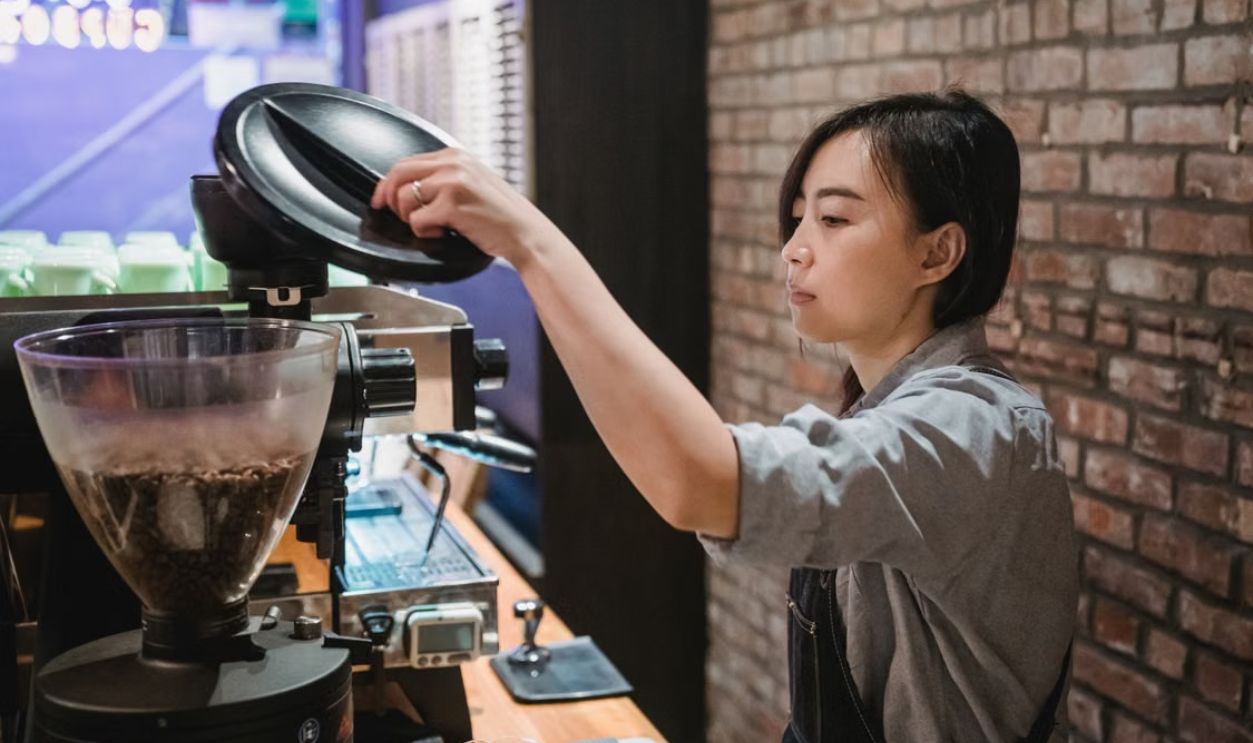
Japan Refined Manual Brewing Into An Art
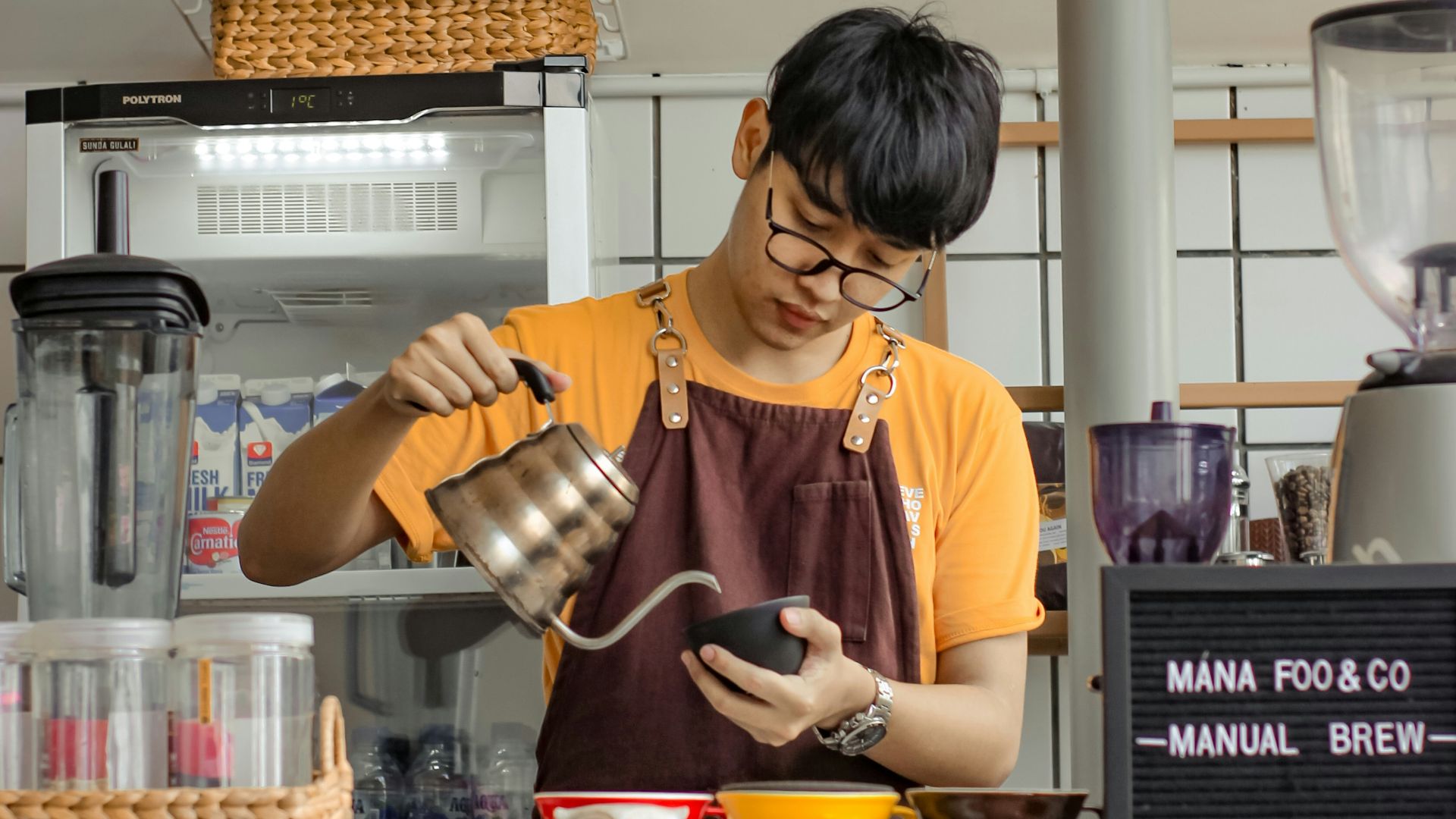
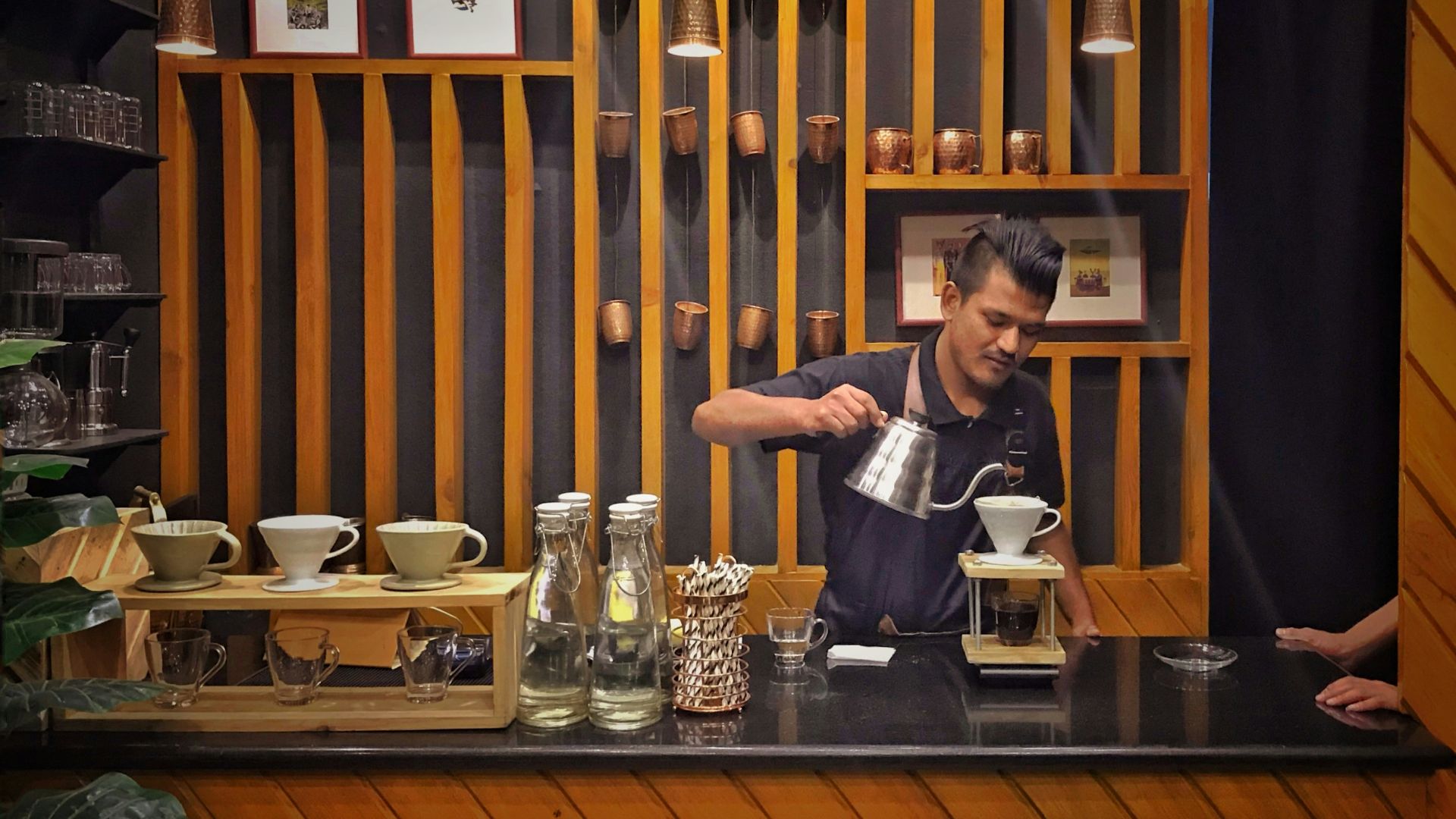
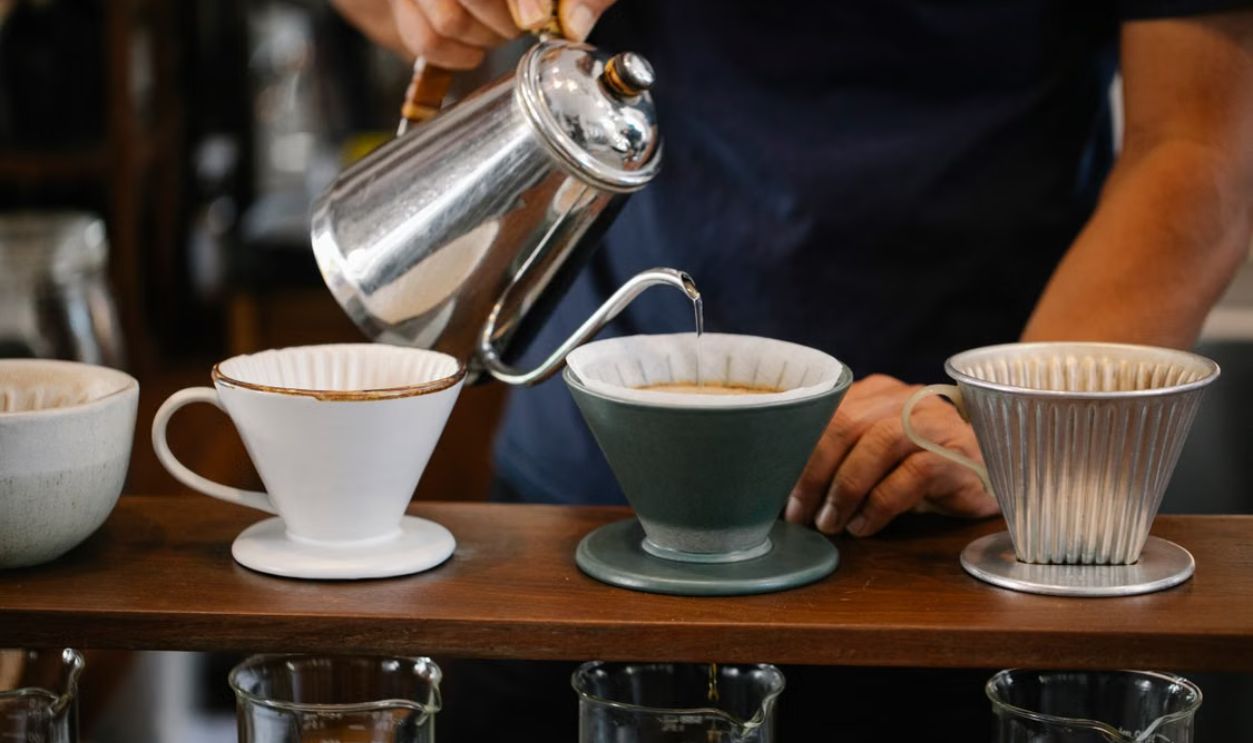
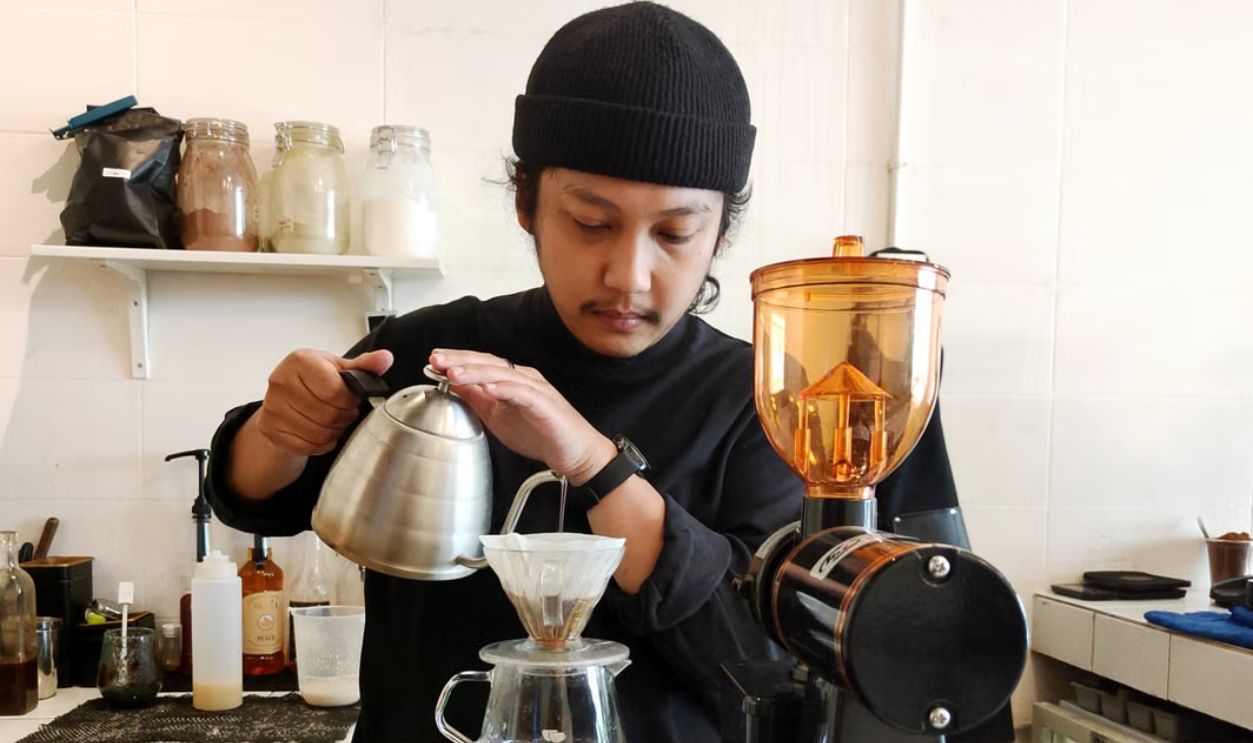
Japan became especially associated with careful hand brewing. Pour-over, siphon, and nel drip methods are often treated with extraordinary precision. Water temperature, grind size, pouring rhythm, and serving vessels may all be considered part of the final experience.
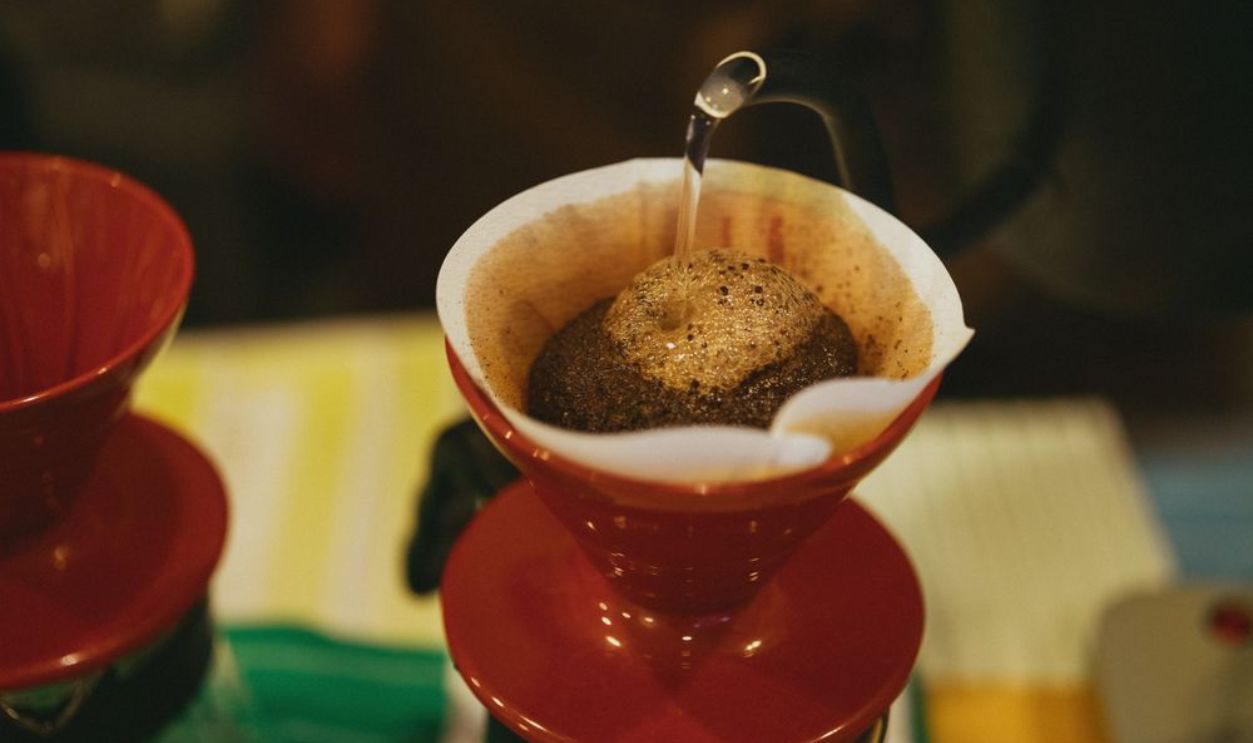
Equipment Tells Part Of The Story
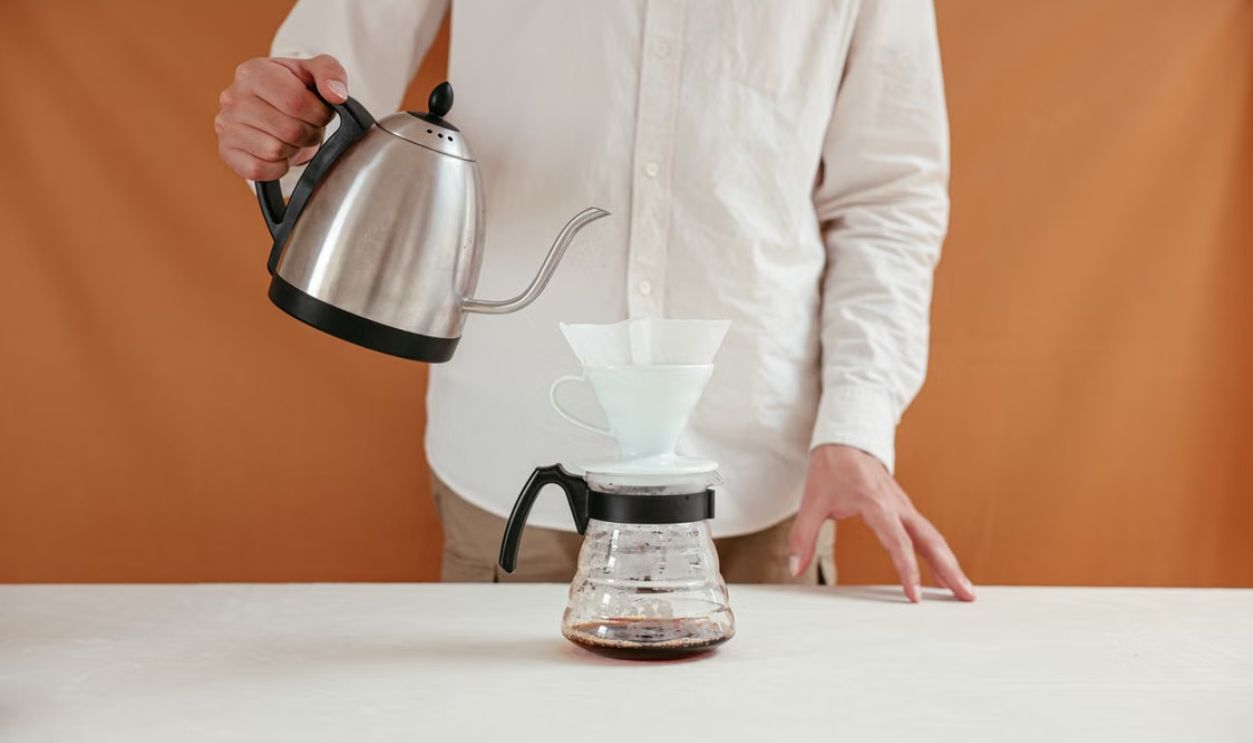
Japan’s influence on global brewing is visible in tools now used around the world. The Hario V60, for example, became an international specialty coffee staple. Many cafés in the U.S. use Japanese-designed brewing equipment, even when customers do not realize it.
The U.S. Loves Customization
American cafés often invite customers to modify almost everything: milk type, size, sweetener, syrup, foam, temperature, toppings, and caffeine level. This can be wonderfully inclusive. It also means the drink sometimes becomes more about personal customization than the original coffee itself.
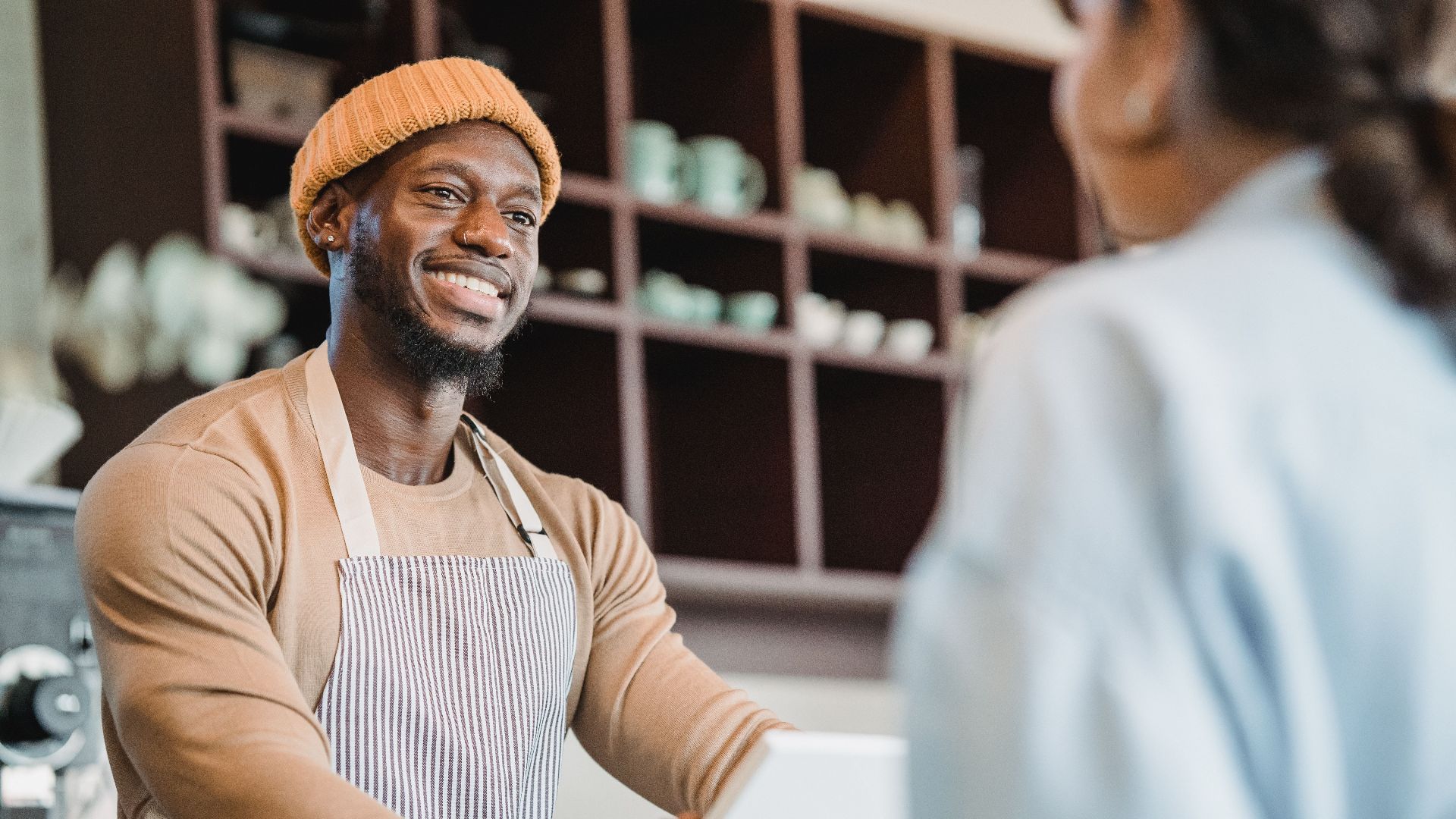
Japan Often Protects The Barista’s Vision
In many Japanese specialty cafés, the customer may have fewer choices because the café has already chosen what it believes works best. That can feel restrictive to some visitors. To others, it feels like trusting a chef at a serious restaurant instead of rewriting the menu.
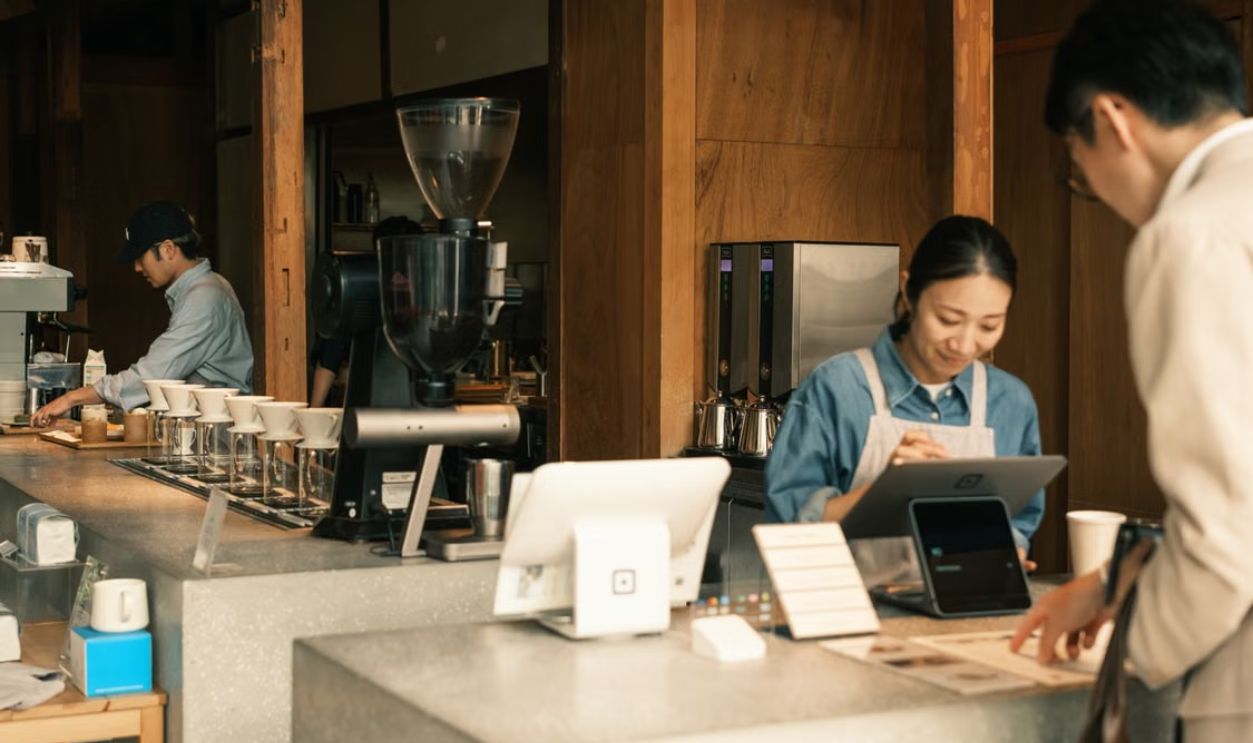
Matcha Adds Another Layer To Japan’s Drink Culture
Japan’s beverage culture is not only about coffee. Matcha brings centuries of tea tradition into the same conversation about craft, ritual, and presentation. For visitors, the contrast is fascinating: Japan can excel at both slow coffee and finely prepared green tea without treating them as opposites.
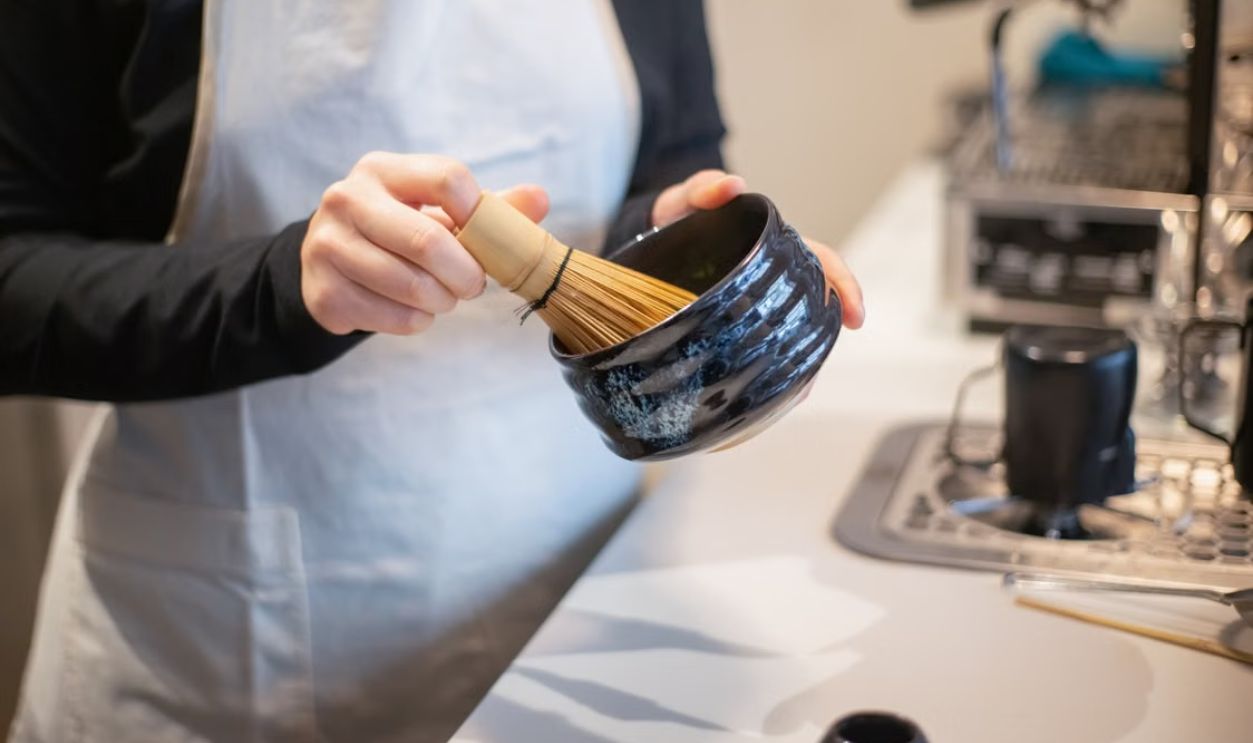
Matcha Has A Deeper Cultural History Than Coffee
Coffee became part of Japanese café culture relatively recently compared with matcha, which is tied to tea ceremony, Zen influence, and Japanese hospitality. That history gives matcha a sense of ceremony that coffee sometimes echoes in Japan’s most careful cafés.
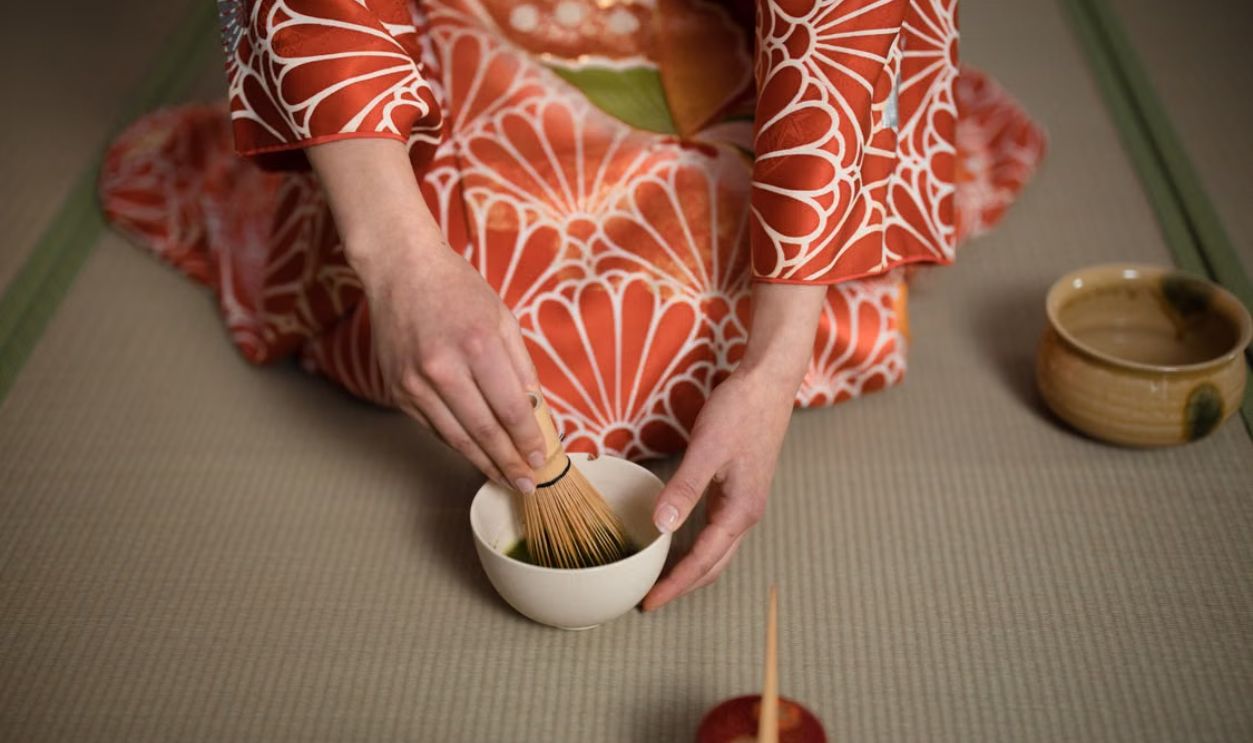
Quality Matcha Depends On Skill And Sourcing
Like coffee, matcha quality can vary dramatically. Shade-grown tea leaves, careful processing, fine grinding, freshness, and preparation all affect the final drink. A well-made bowl of matcha can taste smooth, grassy, rich, and balanced rather than bitter or chalky.
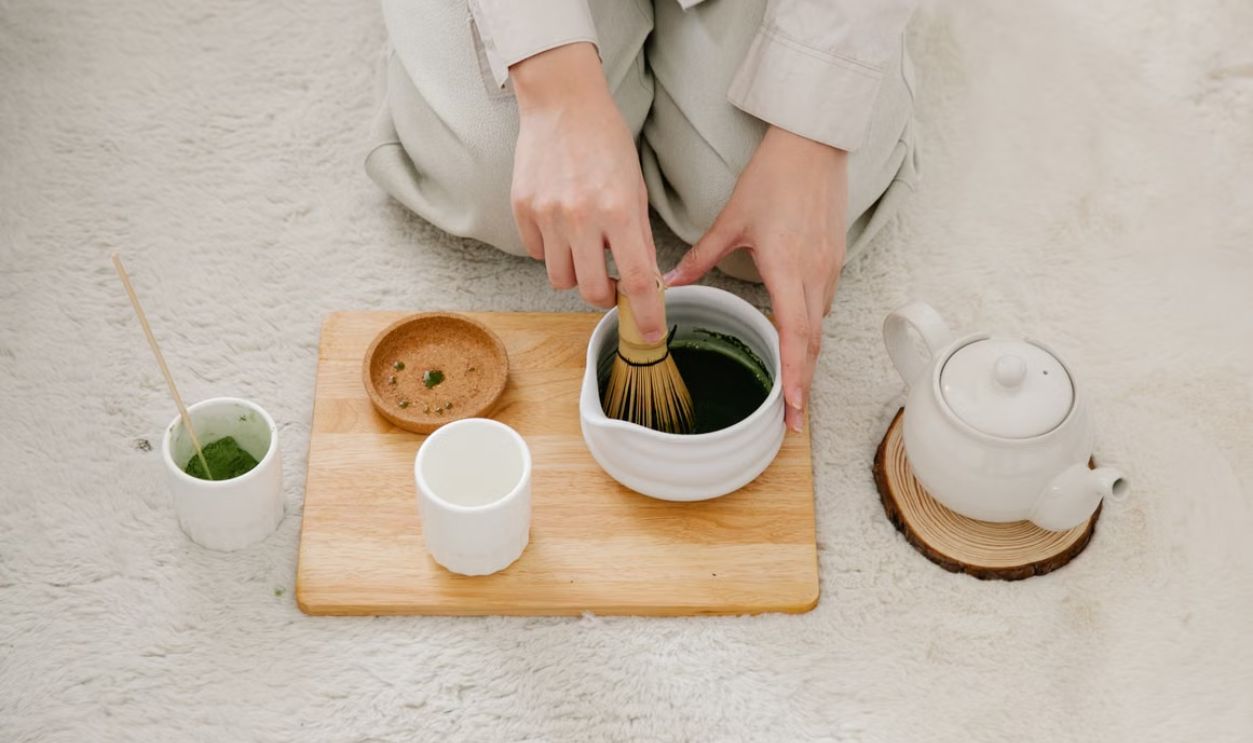
Modern Japanese Cafés Blend Coffee And Matcha Beautifully
Many cafés in Japan do not force customers to choose between coffee culture and tea culture. Menus may include pour-over coffee, espresso drinks, matcha lattes, hojicha, seasonal sweets, and carefully plated desserts. That range makes the café experience feel layered and distinctly Japanese.
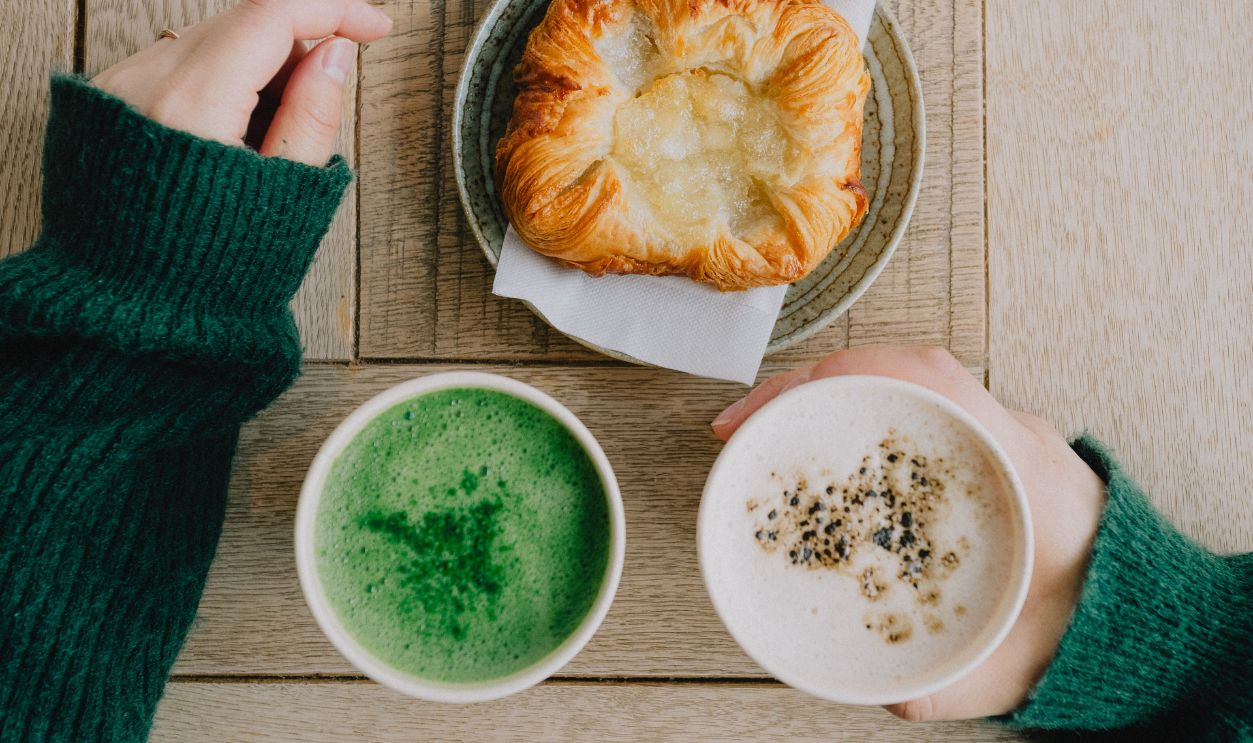
Matcha Shows Japan’s Strength With Ritual
Preparing matcha can feel almost meditative. The whisk, bowl, powder, water temperature, and movement all matter. That attention to process helps explain why Japan’s coffee scene also feels so precise. Both traditions reward patience, balance, and respect for small details.
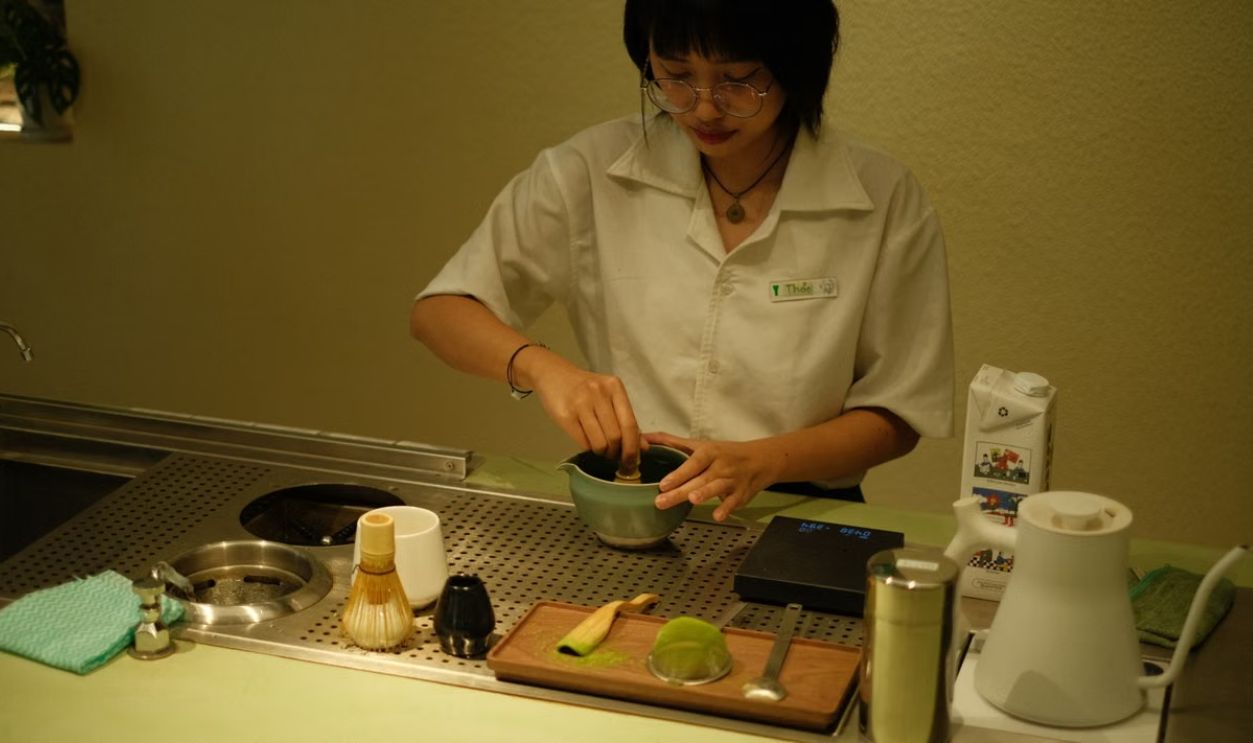
The Café Atmosphere Feels Different
American cafés often function as workspaces, study spots, meeting places, and quick-service counters. Japanese cafés can feel more like quiet retreats. Some discourage laptop use or long phone calls, creating a slower environment where the drink and atmosphere receive more attention.
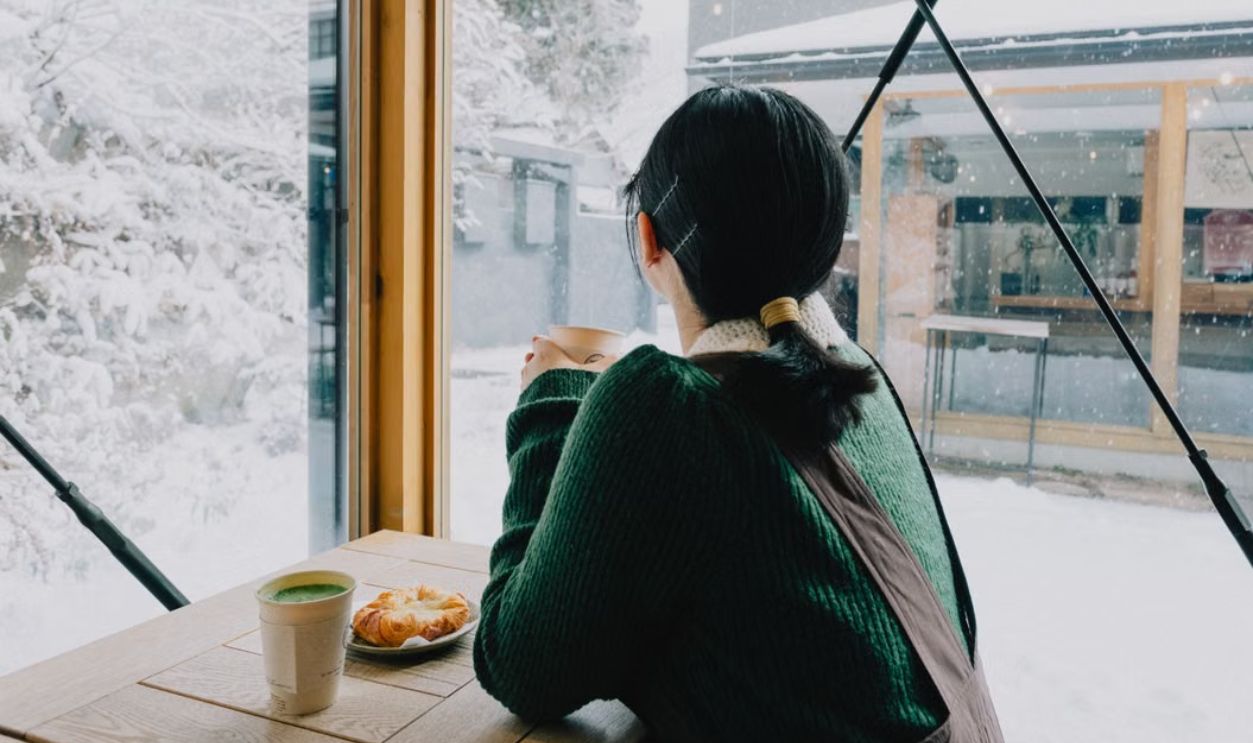
Coffee In Japan Can Feel More Personal
Small cafés in Japan are often owner-operated, with a single person roasting, brewing, serving, and shaping the entire mood of the space. That intimacy can make the experience feel deeply personal, almost like visiting someone’s carefully curated private world.
America Wins On Variety And Scale
The U.S. coffee scene is massive, diverse, and constantly evolving. You can find excellent espresso bars, experimental roasters, Vietnamese cafés, Yemeni coffeehouses, Latin American coffee shops, Nordic-style roasters, and drive-thru chains in the same broad market.

Japan Wins On Detail And Consistency
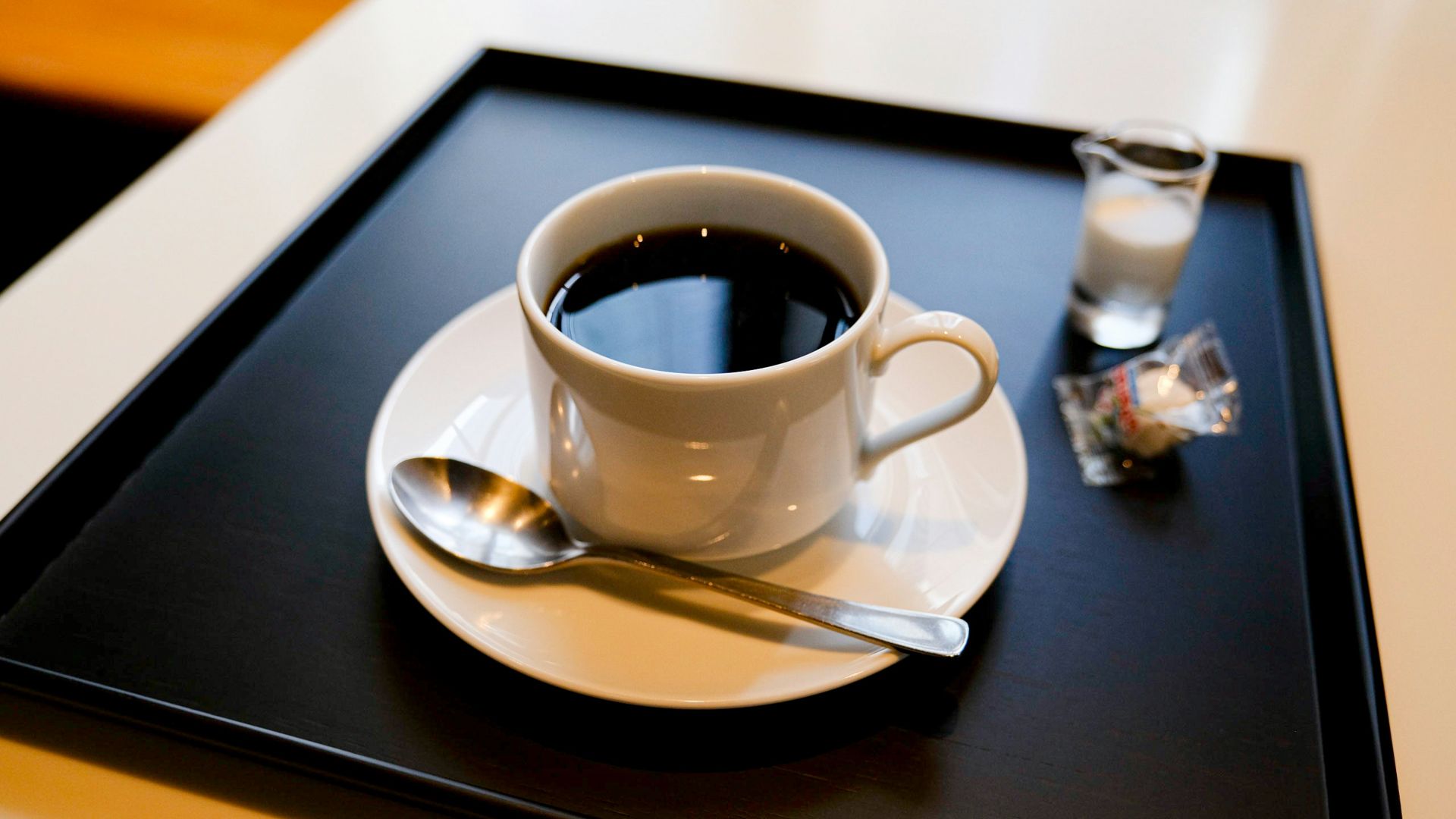
Japan’s best cafés often impress visitors because the details feel controlled. The cup, tray, lighting, music, brewing pace, and service may all feel intentional. Even a simple black coffee can arrive with a level of presentation that makes it feel special.
Convenience Stores Are Surprisingly Important
Japan’s coffee culture is not only about elegant cafés. Convenience stores also sell widely respected ready-to-drink and machine-brewed coffee. The quality-to-price ratio often surprises travelers who expect convenience-store coffee to be an afterthought.
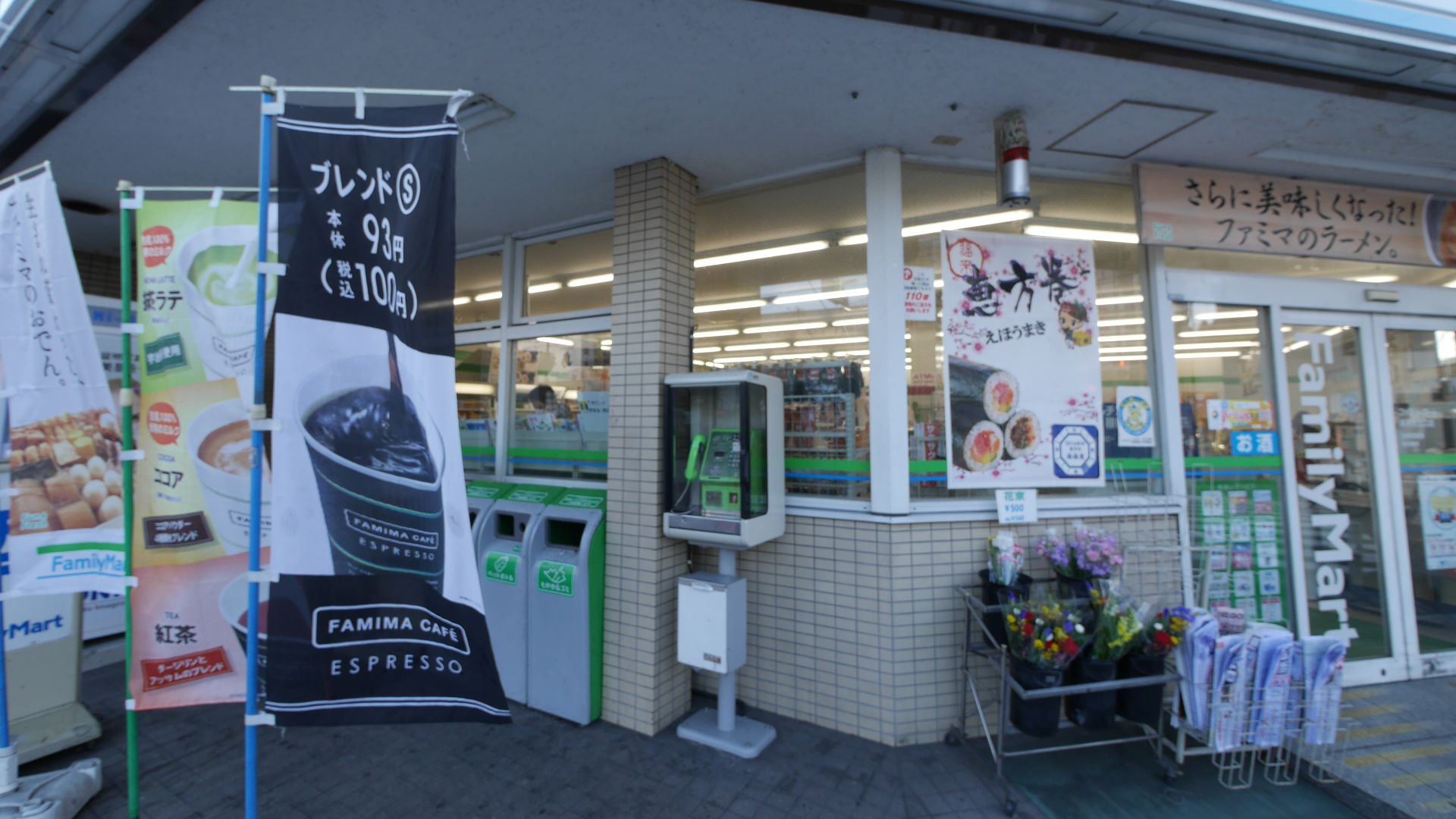 driver taro, Wikimedia Commons
America Popularized The Coffee Chain Experience
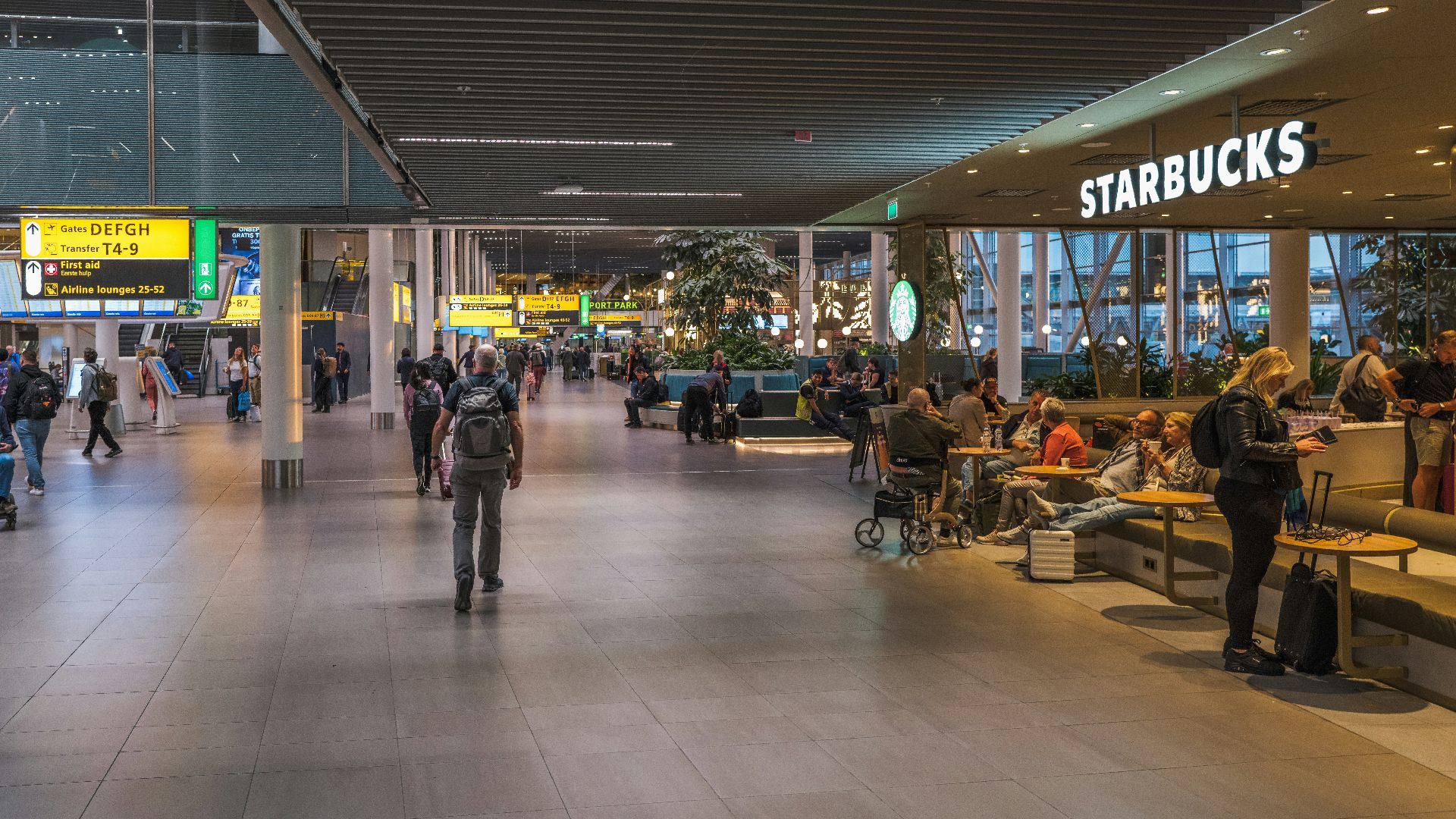
The U.S. helped export the modern coffee chain model around the world. Starbucks, in particular, changed how millions of people think about coffee shops as “third places” between home and work. That influence is enormous, even in countries with their own café traditions.
Japan Absorbs Foreign Ideas Carefully
One reason Japan’s coffee scene fascinates people is how it adapts outside influences. Coffee is not native to Japan, but Japanese cafés absorbed European, American, and global coffee traditions, then reinterpreted them through local ideas about craft, seasonality, service, and design.
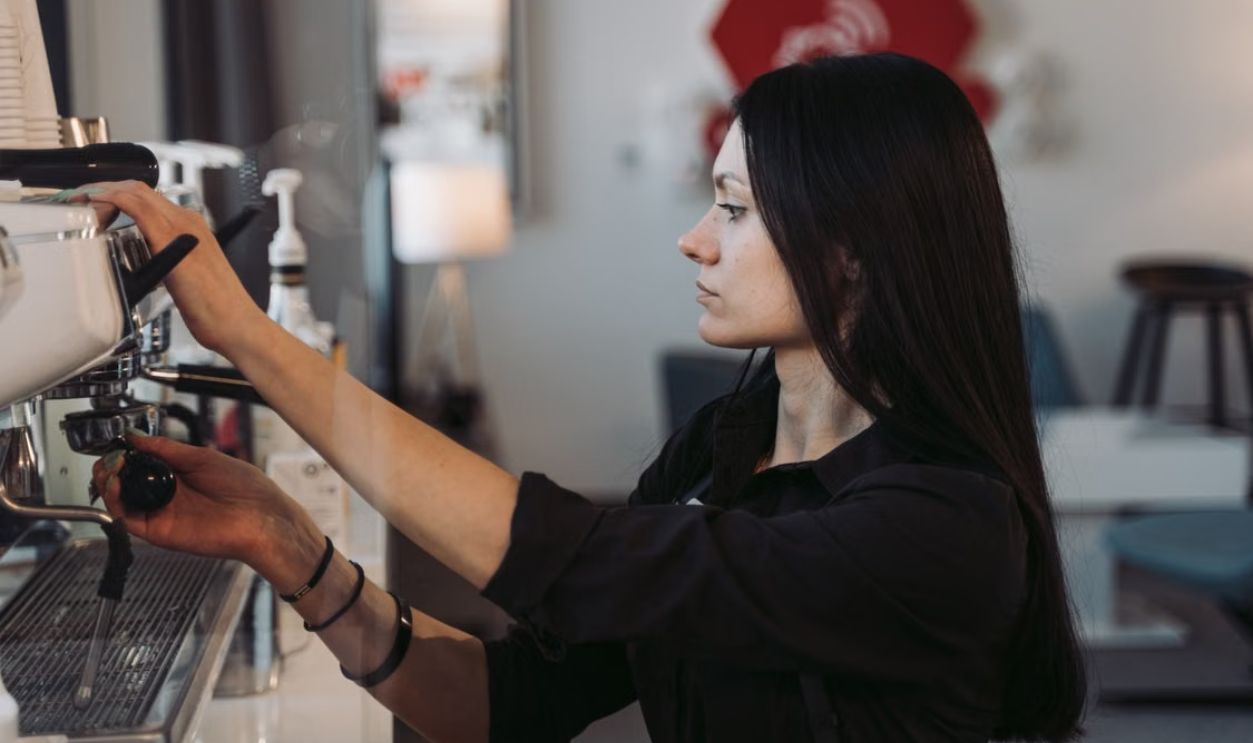
U.S. Coffee Can Feel More Democratic
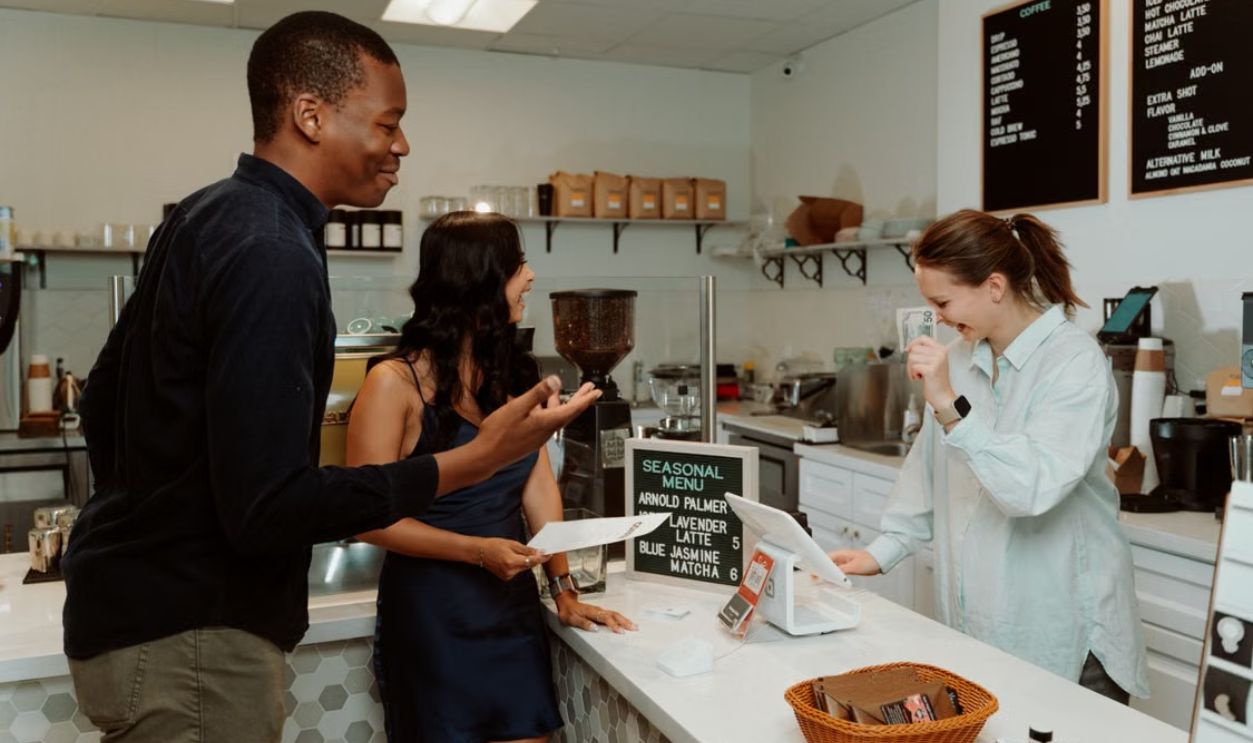
American coffee culture has an appealing openness. You can get coffee almost anywhere, in almost any style, at almost any price point. The scene may be less ceremonious, but it is accessible, energetic, and constantly being reshaped by immigrants, chains, independents, and consumers.
Japanese Coffee Can Feel More Ceremonial
At its best, Japanese coffee has a ritual quality. Watching a careful pour-over or siphon brew can feel almost meditative. The value is not just in the caffeine or flavor. It is in the pause, the focus, and the sense that someone cared about every step.
The Roast Profiles Can Differ Too
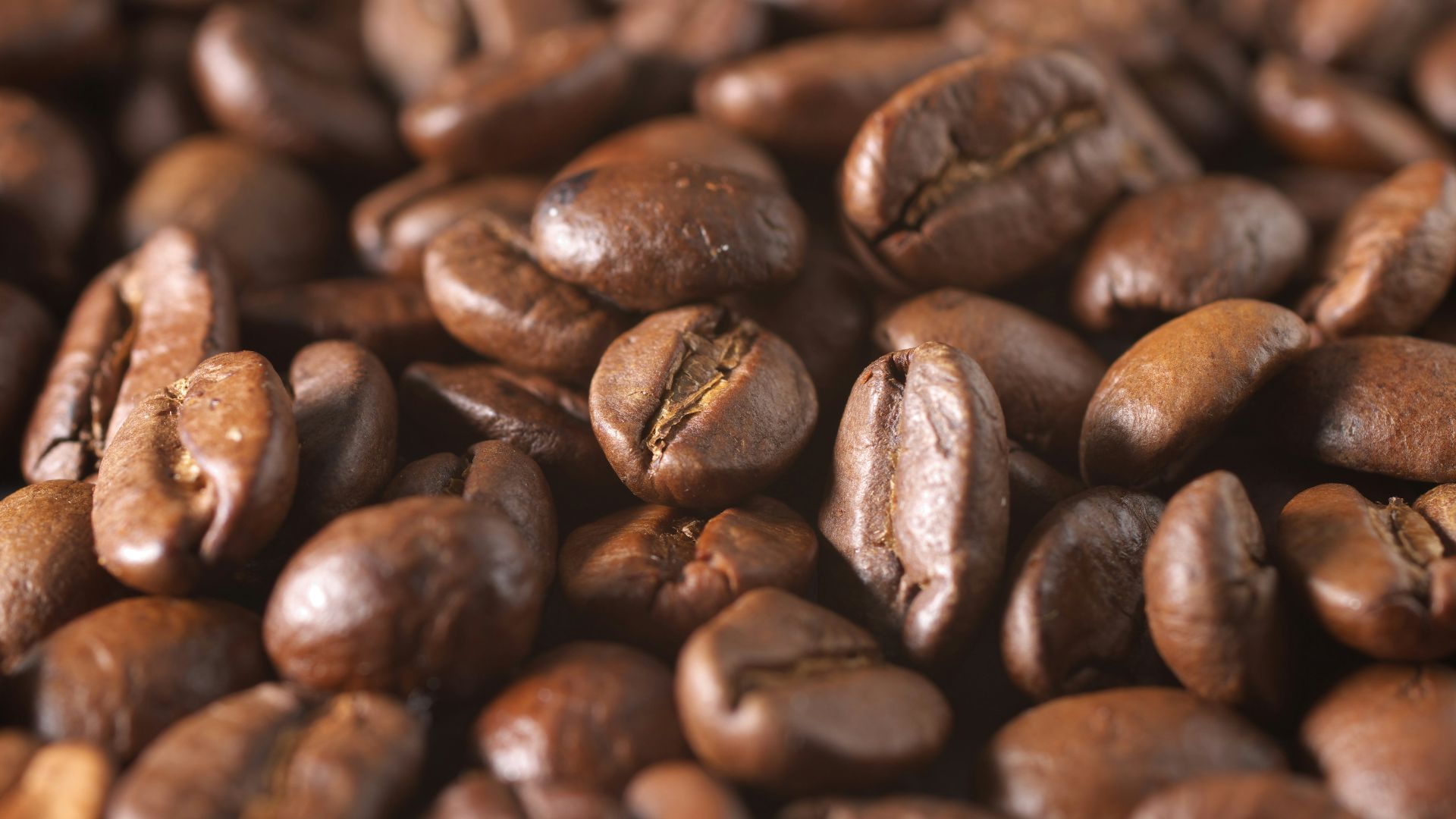
American specialty cafés often highlight bright acidity, single-origin nuance, and lighter roasts. Japanese cafés vary widely, but many traditional kissaten became known for darker, deeper, carefully brewed cups. Modern Japan now contains both old-school richness and bright third-wave styles.
Service Expectations Are Not The Same
Japanese hospitality can make the coffee experience feel elevated. Quiet attentiveness, careful presentation, and respect for the customer’s space are part of the appeal. In the U.S., service may be warmer, more casual, faster, and more conversational.
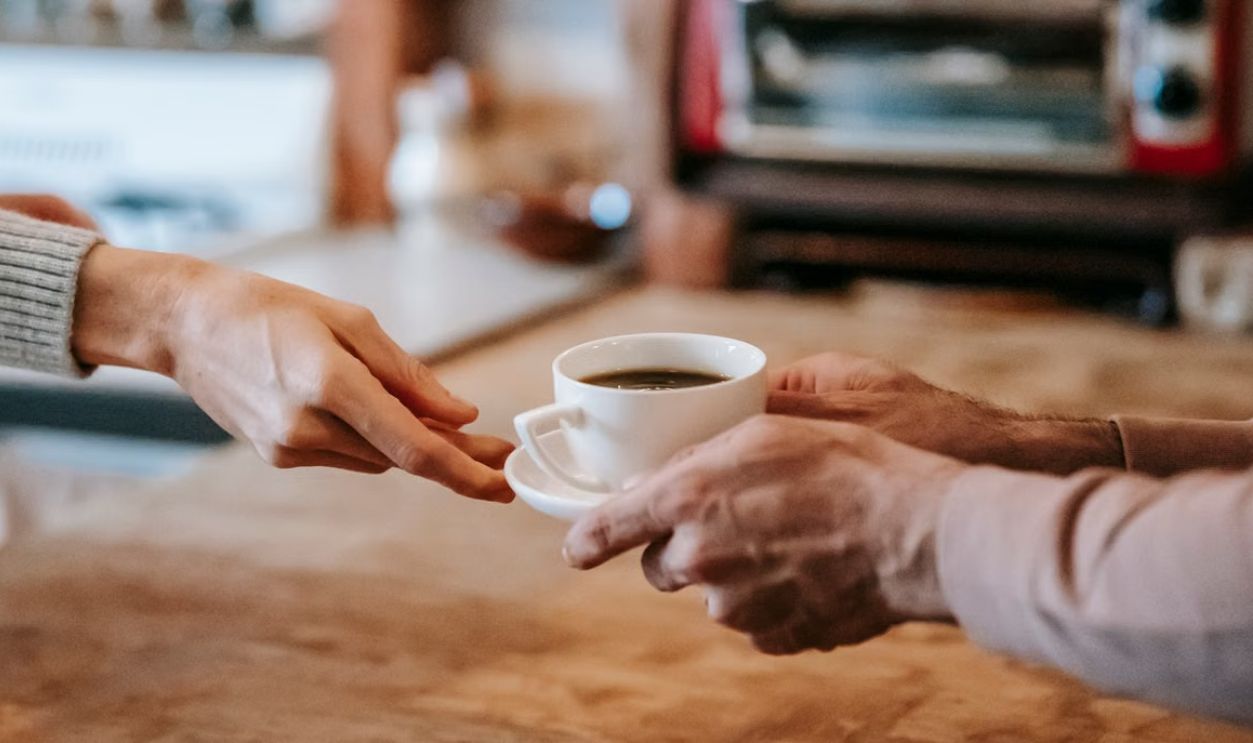
The U.S. Is More Trend-Driven
American coffee culture moves quickly. Cold brew, pumpkin spice, oat milk, nitro coffee, celebrity drinks, protein coffee, and seasonal menus all cycle through the market. That creativity keeps the scene exciting, but it can also make coffee feel like a lifestyle product.
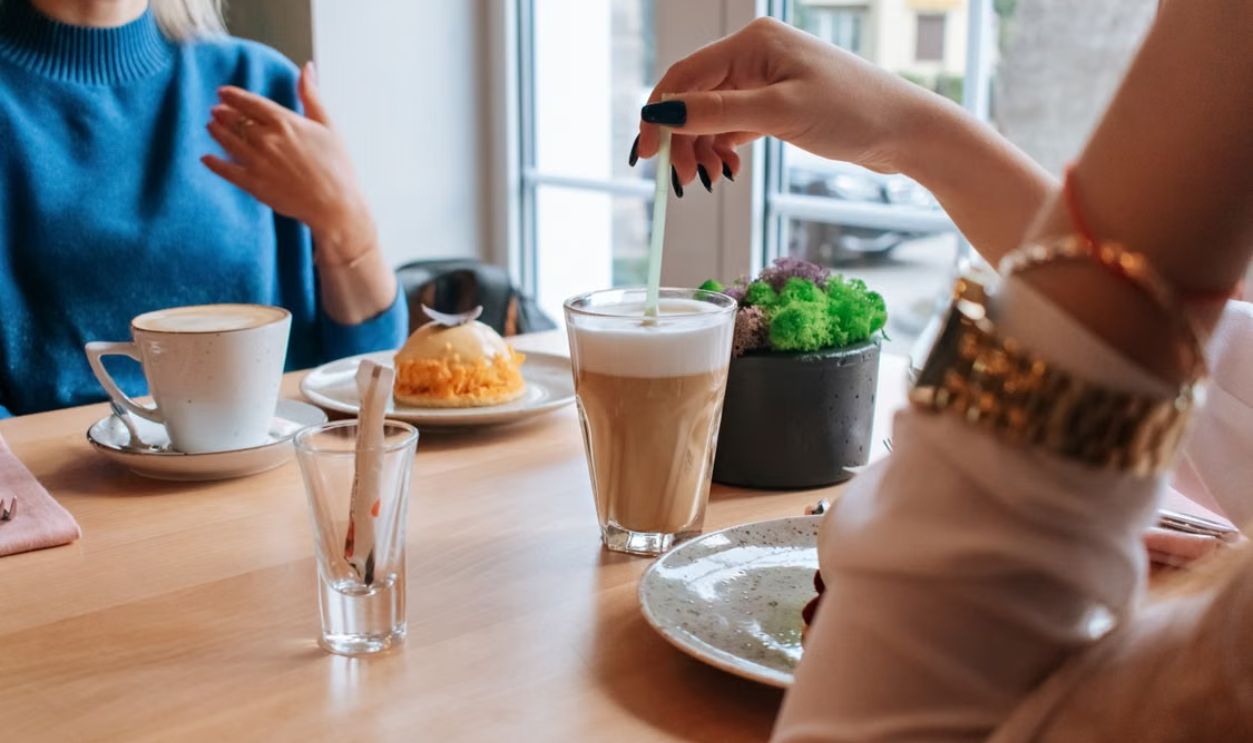
Japan Is Often More Patient With Tradition
Japan also has trends, but many beloved cafés are built around long-standing habits: house blends, hand brewing, quiet interiors, and regular customers. That continuity gives some cafés a timeless quality that contrasts sharply with the faster pace of American coffee culture.
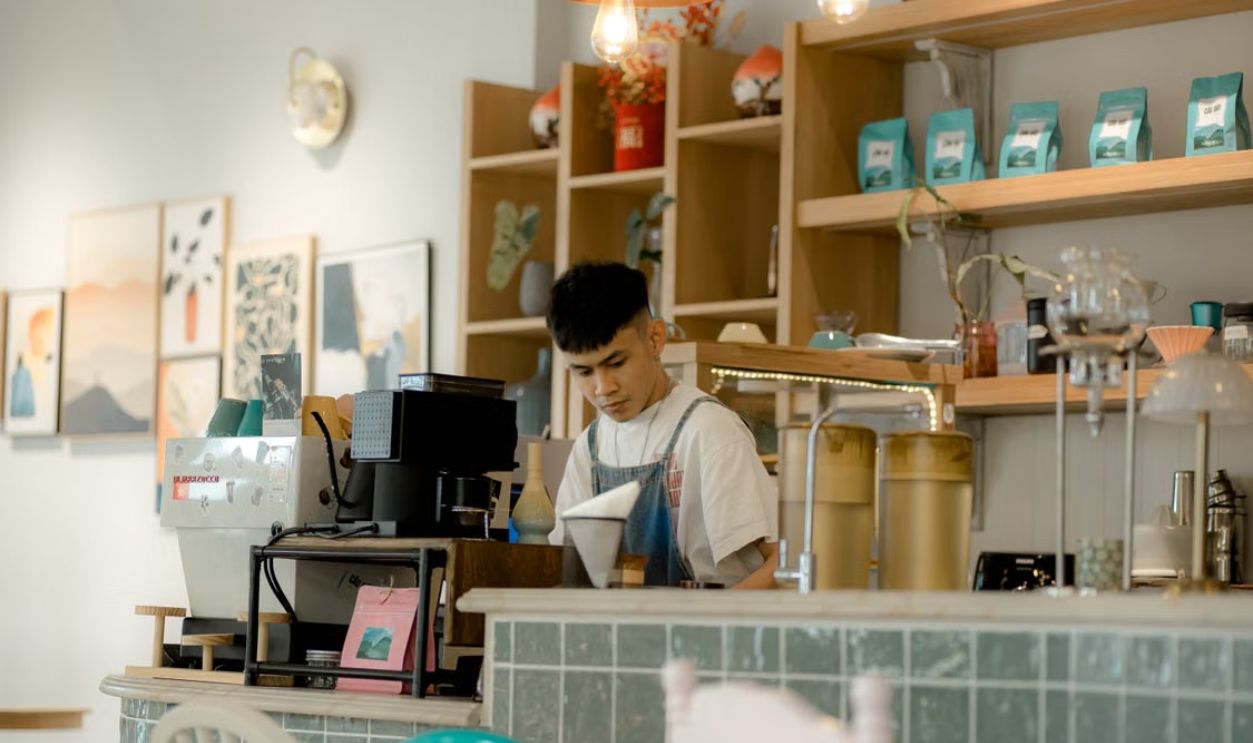
“Better” Depends On What You Want
If you want convenience, variety, customization, and a huge national market, the U.S. is hard to beat. If you want atmosphere, precision, restraint, and coffee served as a crafted experience, Japan may feel more impressive. The two cultures are solving different problems.
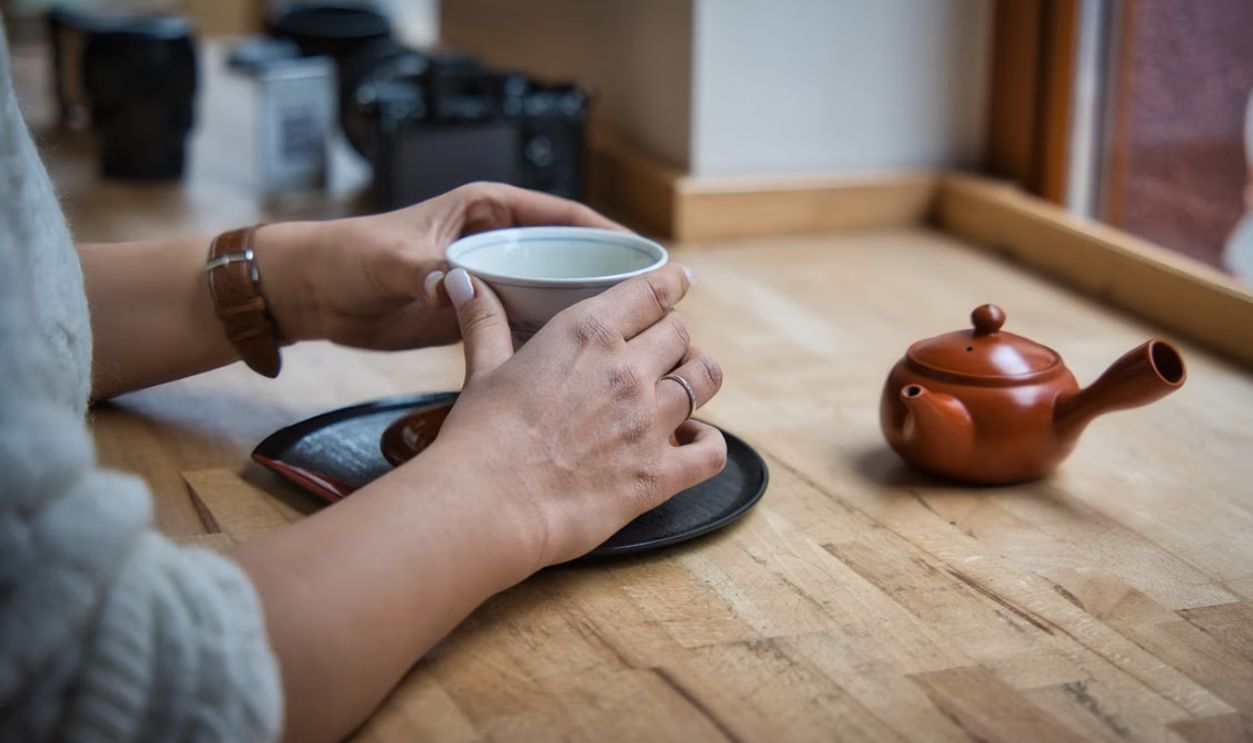
The Real Difference Is Purpose
In the United States, coffee often helps people keep moving. In Japan, coffee often invites people to slow down. That simple difference shapes everything: the cup size, the service style, the café layout, the brewing method, and the emotional experience.

Both Scenes Keep Influencing Each Other
American specialty coffee borrowed from Japanese brewing precision, while Japan absorbed and reworked global specialty trends. The best cafés in both countries now learn from each other. The result is not a competition so much as a conversation across cultures.
Japan Feels Better To Some Because It Feels More Considered
When people say Japan has a better coffee scene, they often mean the experience feels more thoughtful. The coffee may arrive slower, quieter, and with fewer distractions. Add Japan’s excellence with matcha, and the broader drink culture becomes even more distinctive.

You May Also Like:
America's Most Dangerous Camping Destinations
Sorry California—These States All Have A Better Quality Of Life Than The Golden State