The Road Trip Feels Familiar—Until It Doesn't
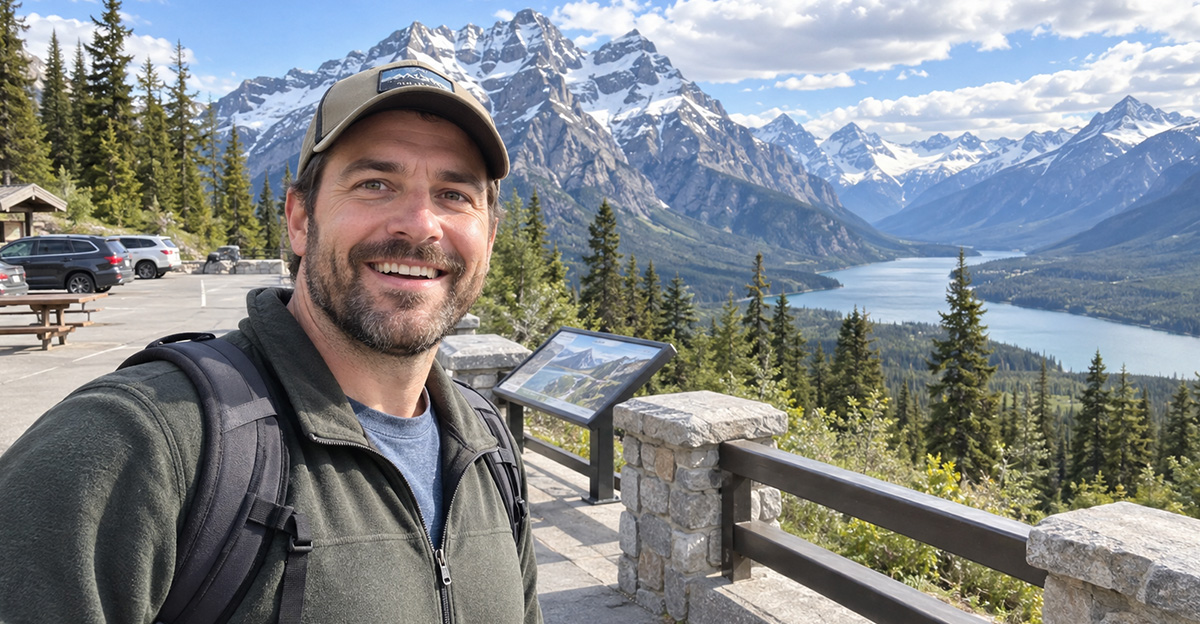
For American roadtrippers, driving through Canada can feel comfortably familiar at first. The highways, pickup trucks, fast-food signs, and gas stations all look recognizable. Then you pull into a roadside stop and start noticing little differences everywhere. None are enormous, but together they make the Canadian road trip experience surprisingly distinctive.
The Distances Suddenly Get Serious
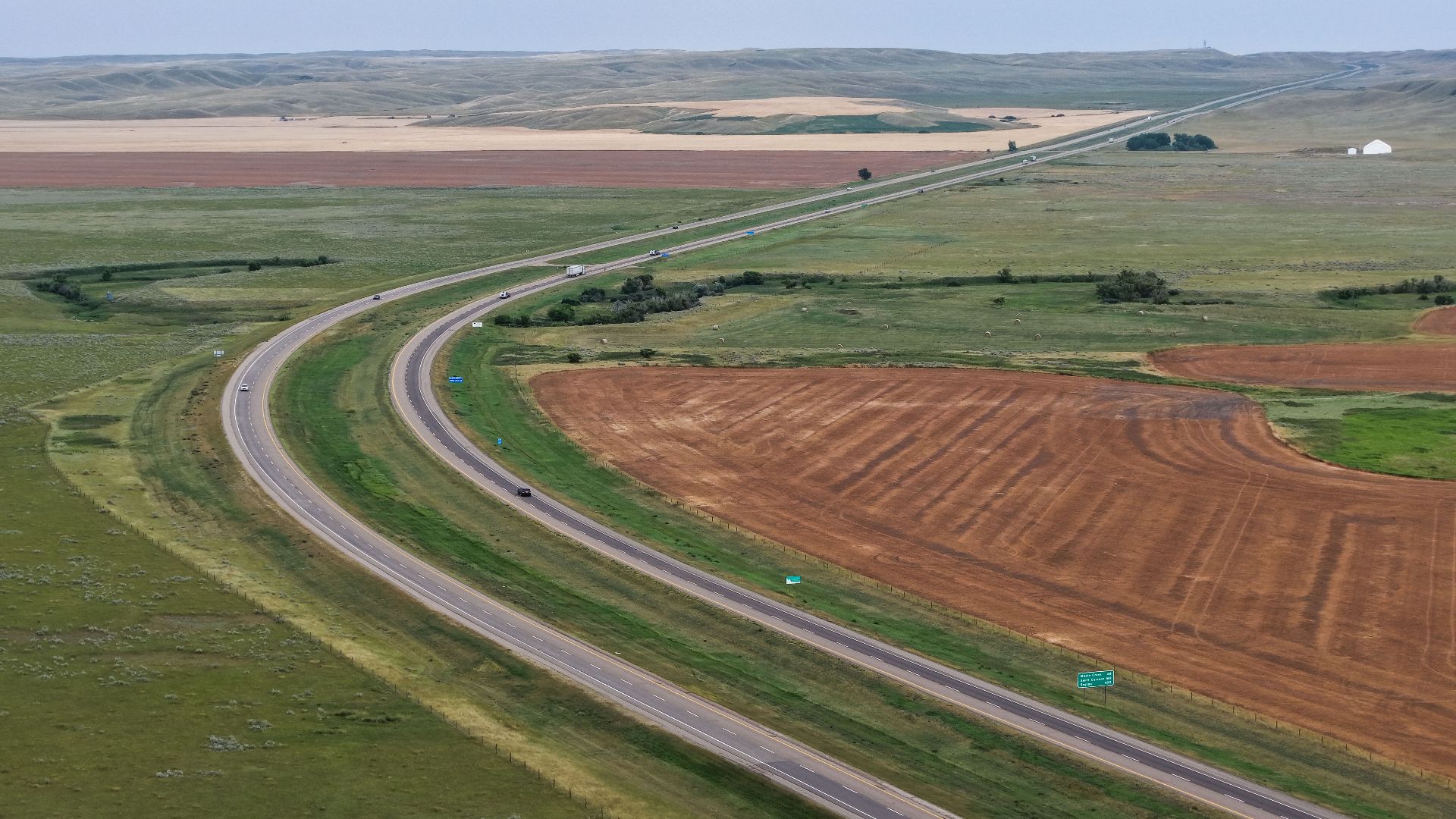
Americans are hardly strangers to long drives, especially out West. Still, some Canadian highways take isolation to another level. A sign announcing that the next services are 150 kilometres away has a special way of making you reconsider whether half a tank of gas is really enough.
 Quintin Soloviev, Wikimedia Commons
Kilometres Take Some Mental Math
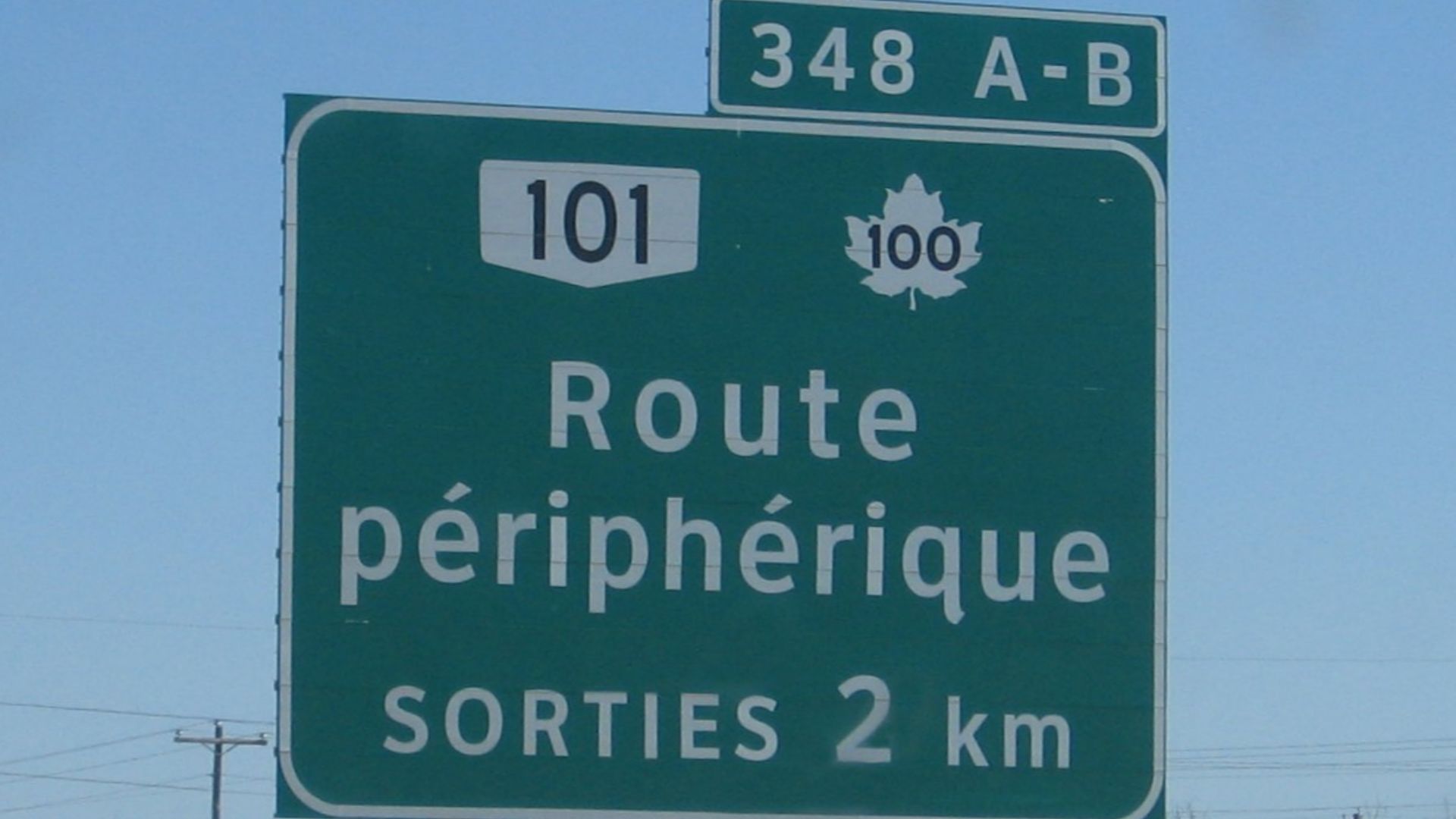
Canadian highway signs measure distance in kilometres, which can briefly scramble an American driver's road-trip instincts. A town that looks 100 kilometres away sounds impossibly distant until you remember that's only about 62 miles. After a few hours, most visitors become amateur conversion experts.
 JPark99 (talk), Wikimedia Commons
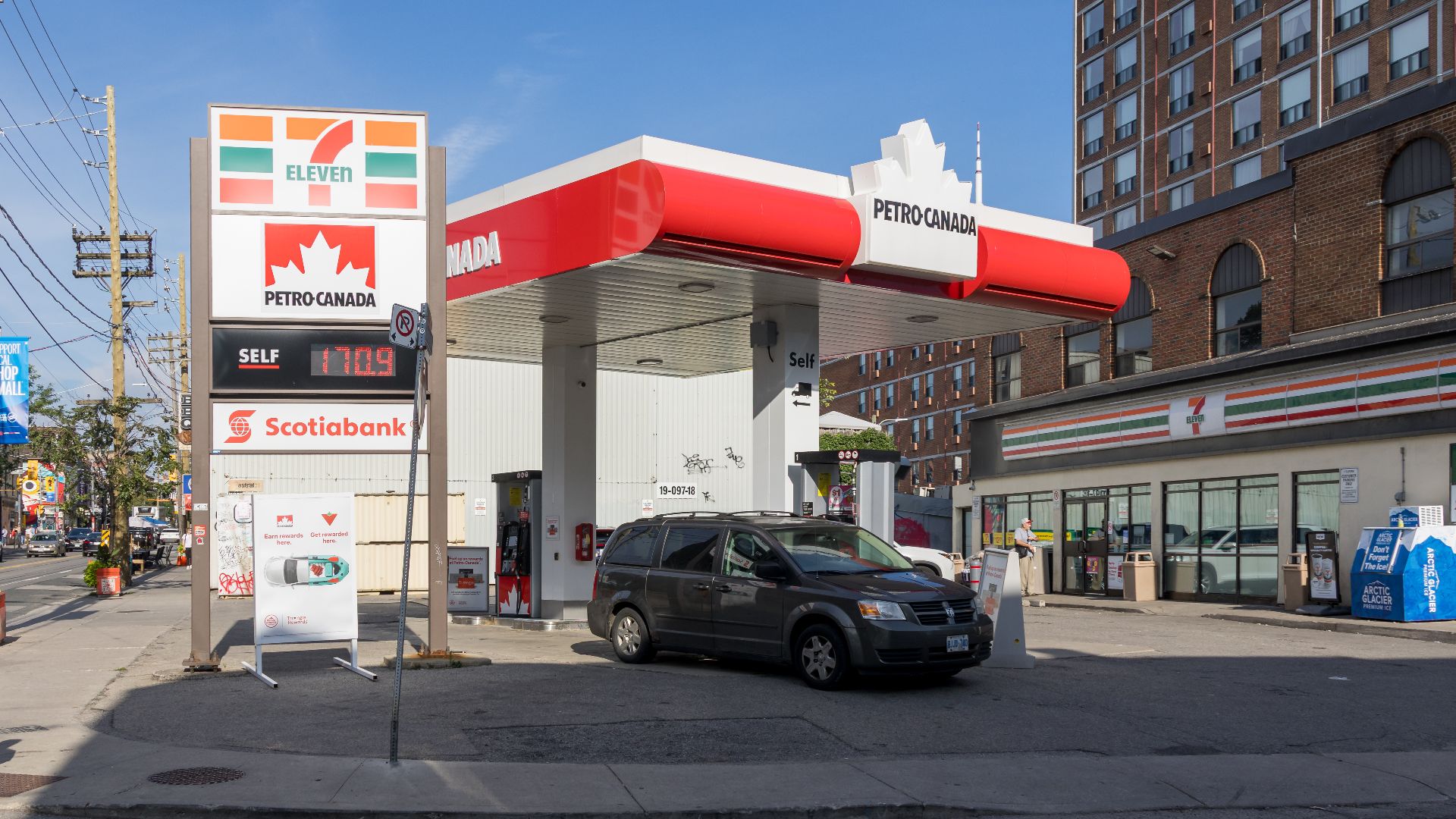
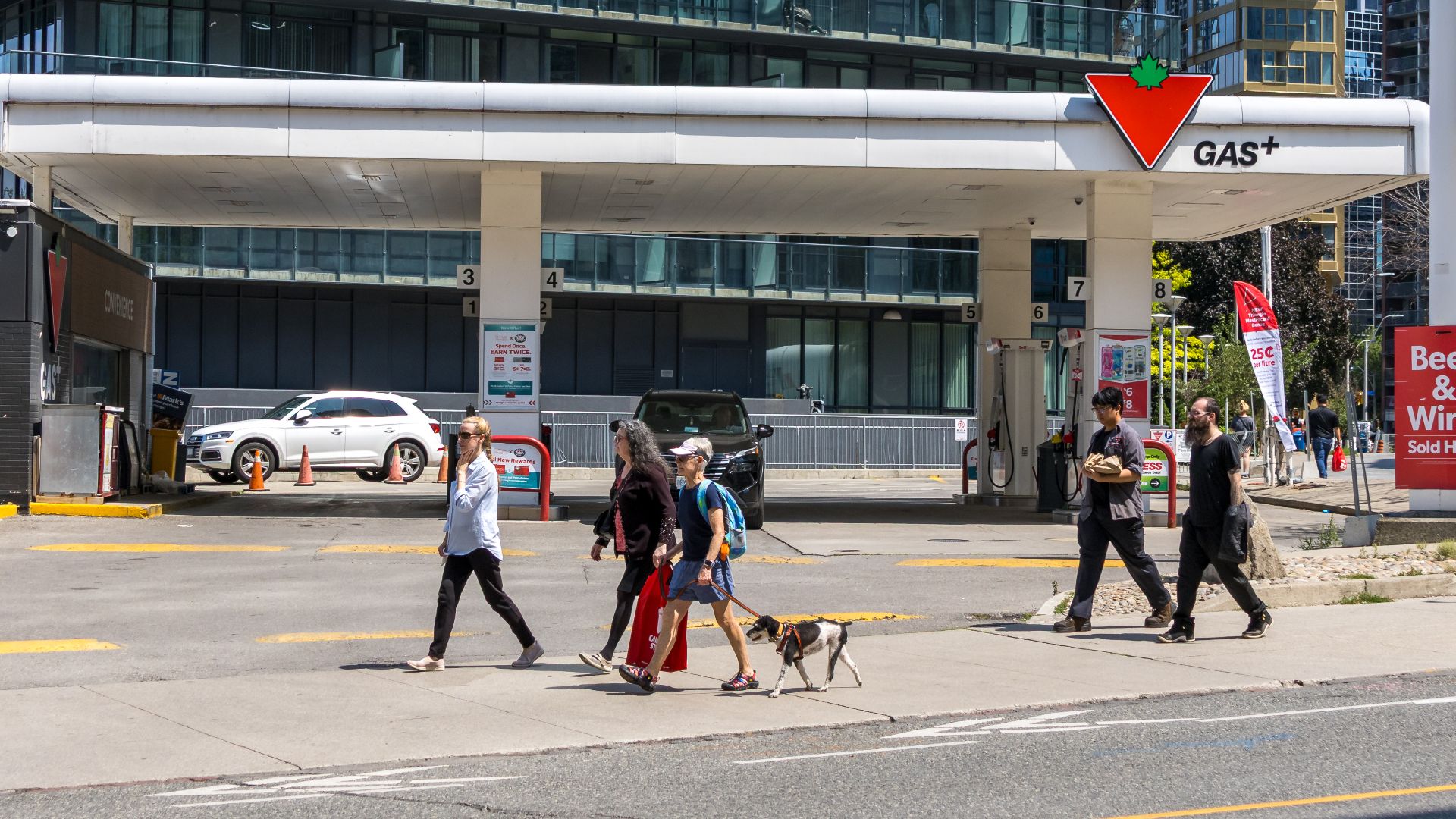
Gas Is Sold By The Litre
Nothing makes an American roadtripper stare at a fuel pump quite like gasoline priced by the litre. The number looks wonderfully cheap until you remember that a U.S. gallon contains nearly four litres. Suddenly, calculating the real price becomes roadside algebra nobody planned on doing.
 Dillan Payne, Wikimedia Commons
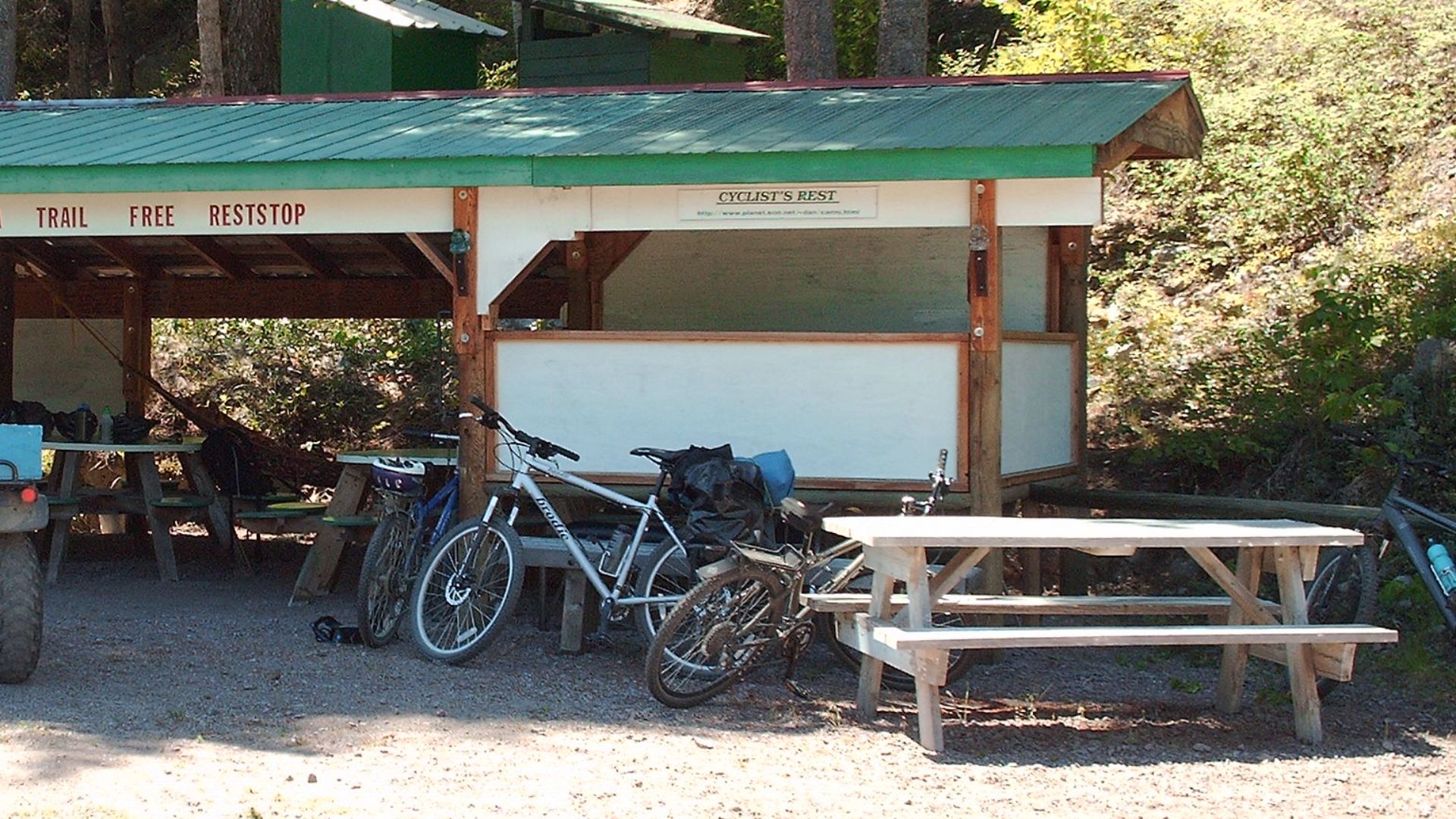
Rest Stops Can Be Surprisingly Simple
Americans accustomed to sprawling interstate service plazas may find some Canadian roadside stops surprisingly modest. Depending on the province and highway, you might encounter little more than parking, washrooms, picnic tables, and vending machines. Sometimes, the attraction is simply having somewhere safe to stretch your legs.
 Kiwibirdman, Wikimedia Commons
Other Stops Feel Almost Luxurious
Then Canada changes the script completely. Major routes in Ontario and Quebec can feature modern service centres packed with restaurants, coffee counters, convenience stores, spotless washrooms, and EV chargers. One minute you're in the wilderness; the next, you're choosing between three lunch options.
 i threw a guitar at him. from United States, Wikimedia Commons
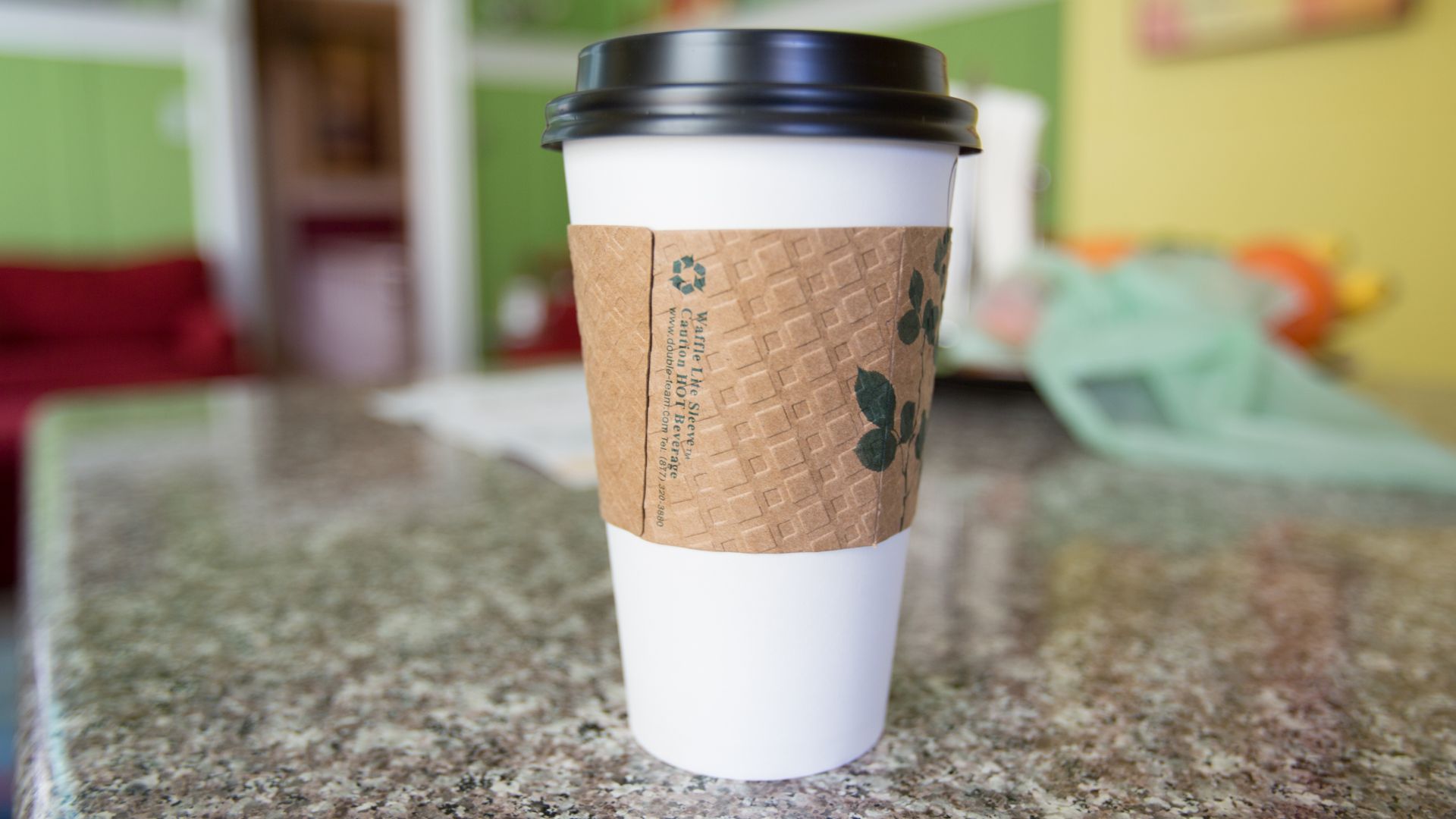
Coffee Is Practically Road Fuel
Coffee occupies an important place in Canadian road-trip culture. At many roadside stops, the coffee counter can feel almost as essential as the gasoline pumps. Americans may quickly notice drivers arriving, ordering a large coffee, and heading straight back onto the highway like it's part of the vehicle's maintenance schedule.
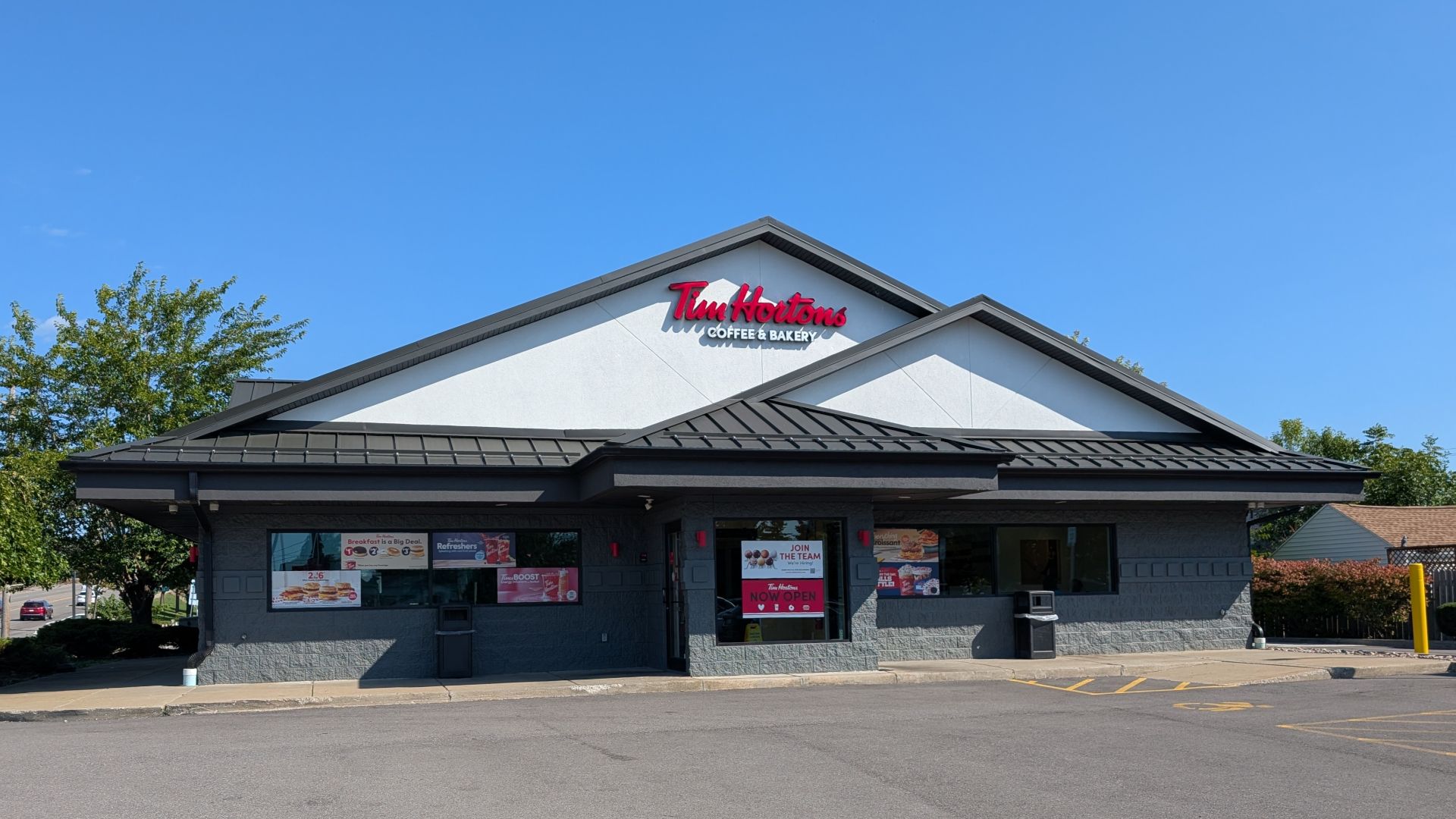
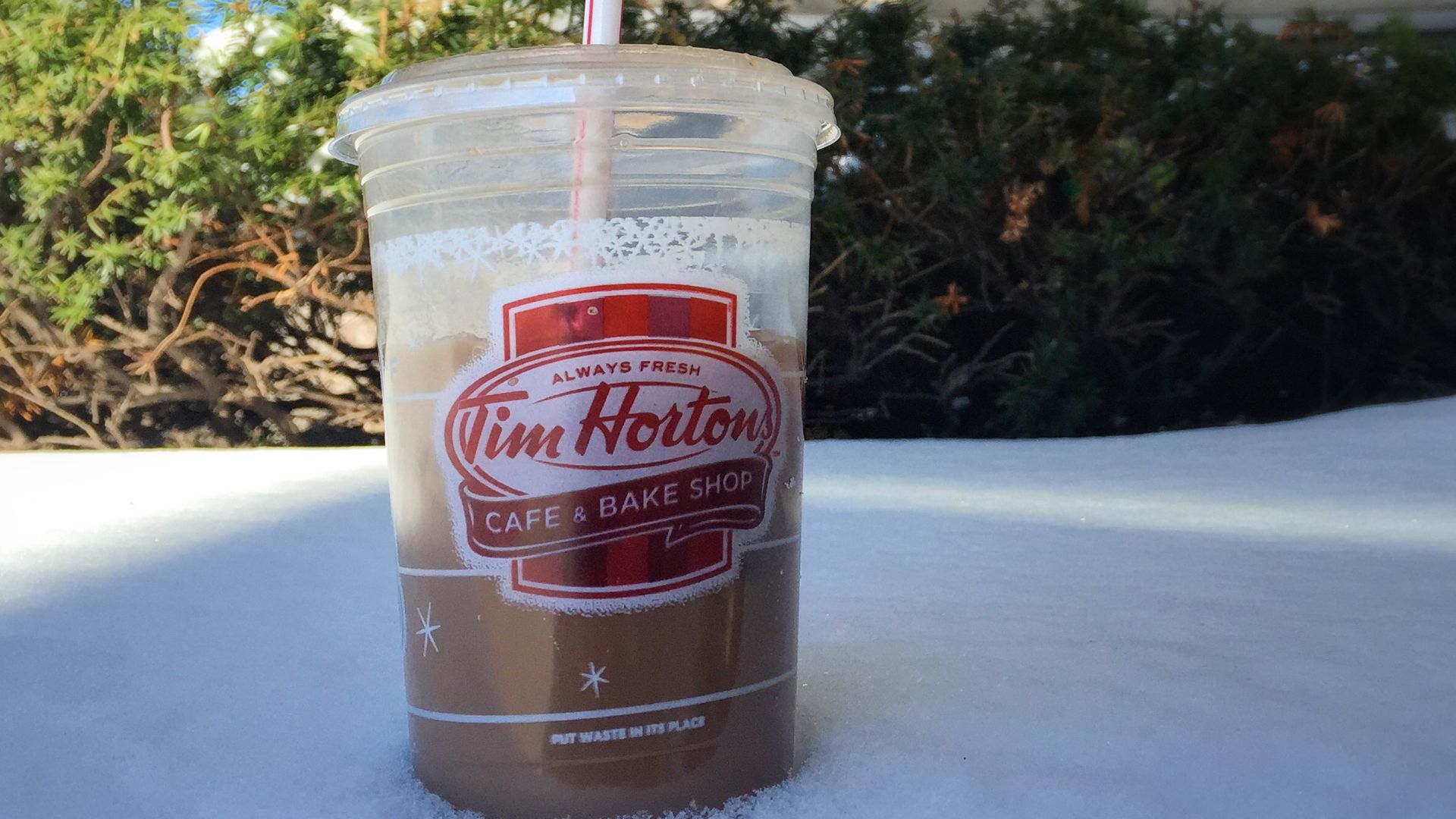
Tim Hortons Appears Everywhere
For many Americans, seeing Tim Hortons repeatedly along Canadian highways is one of the clearest signs they've crossed the border. In some regions, the chain feels almost unavoidable. Canadians may debate the coffee endlessly, but plenty still stop there with impressive regularity.
 G. Edward Johnson, Wikimedia Commons
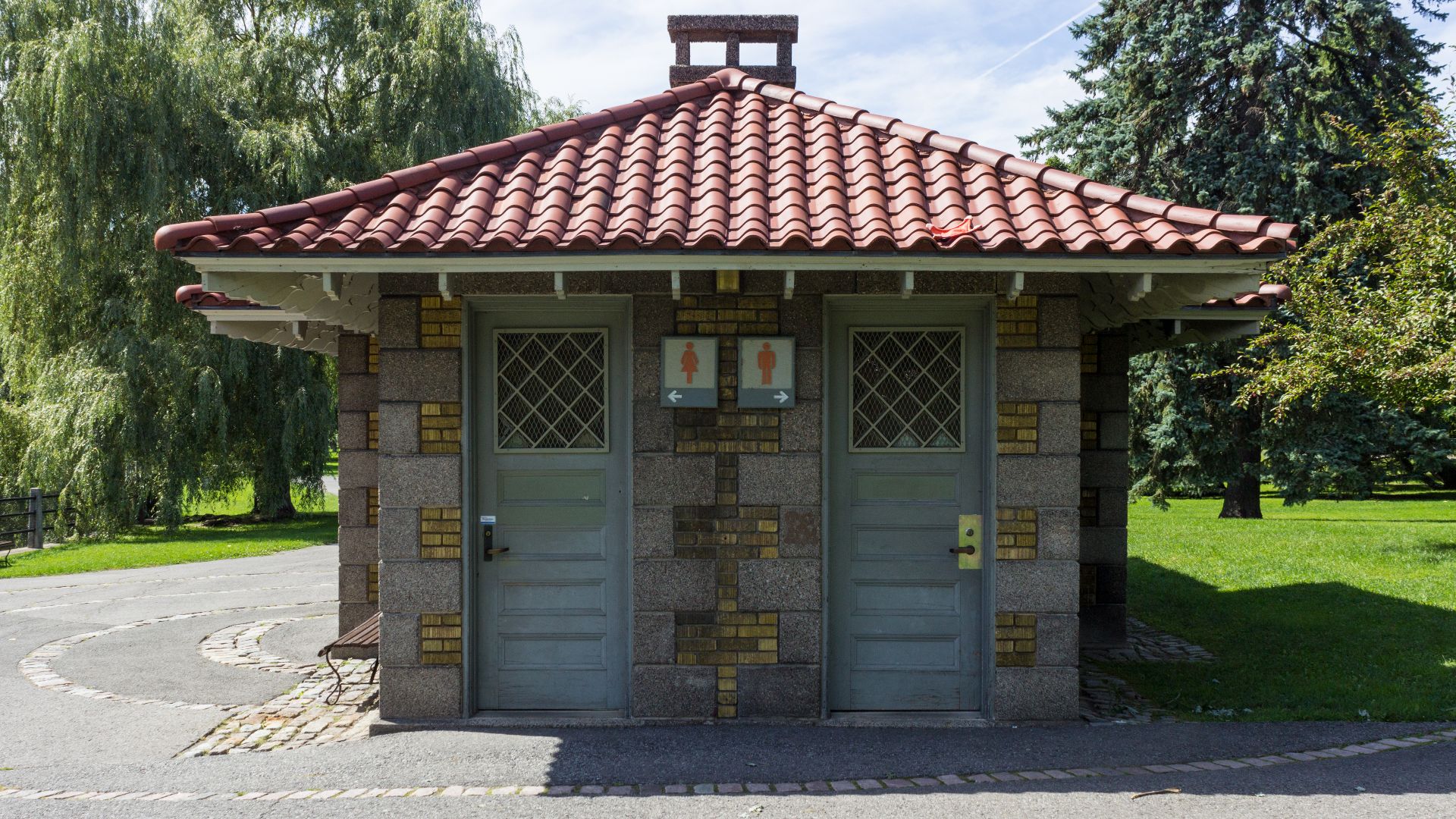
The Washrooms Are Called Washrooms
Ask for the "restroom" and Canadians will know exactly what you mean. Still, the signs usually point toward the "washroom." It's a tiny language difference, but road trips are full of those. After several days in Canada, some American visitors may even start saying it themselves.
 Matti Blume, Wikimedia Commons
French Can Appear Without Warning
Drive through Quebec, parts of New Brunswick, or certain bilingual regions and roadside signage may suddenly become heavily French. For Americans expecting everything to look basically familiar, the shift can be striking. Fortunately, symbols, fuel pumps, and snack displays remain wonderfully easy to understand in any language.
 Dillan Payne, Wikimedia Commons
The Snacks Have Their Own Personality
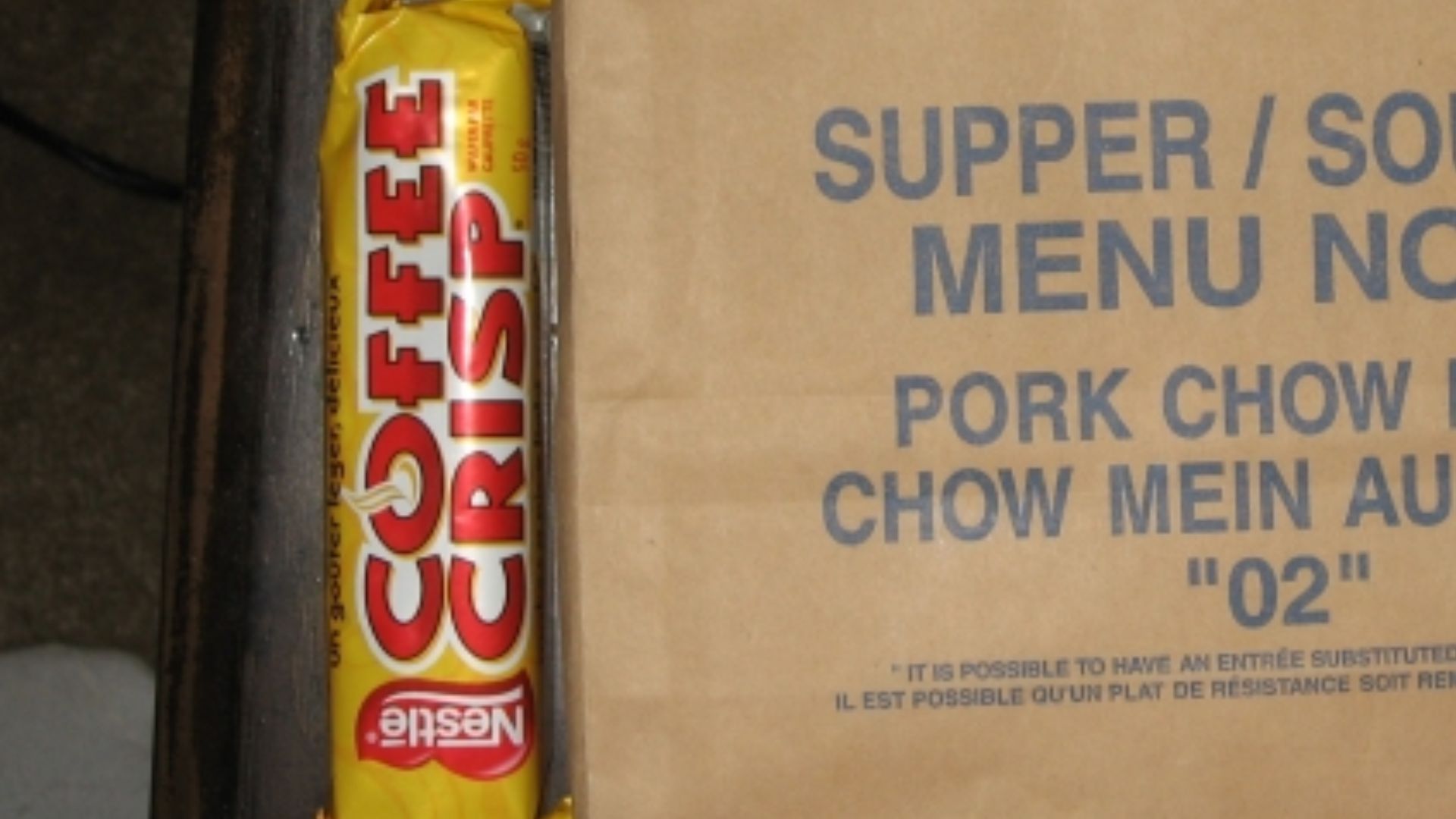
Canadian convenience stores carry plenty of familiar chips, candy, and drinks, but there are often distinctly Canadian surprises hiding among them. Ketchup chips, all-dressed chips, Coffee Crisp bars, and other local favourites can turn an ordinary fuel stop into an unexpected snack-tasting experiment.
 Krisorey (talk) (Uploads), Wikimedia Commons
The Chips Can Cause Strong Opinions
Few Canadian road-trip traditions generate faster opinions than flavoured potato chips. Ketchup chips especially tend to produce either instant devotion or deep confusion among first-time American tasters. Canadians, meanwhile, usually watch the reaction like they've been waiting all day for this exact moment.

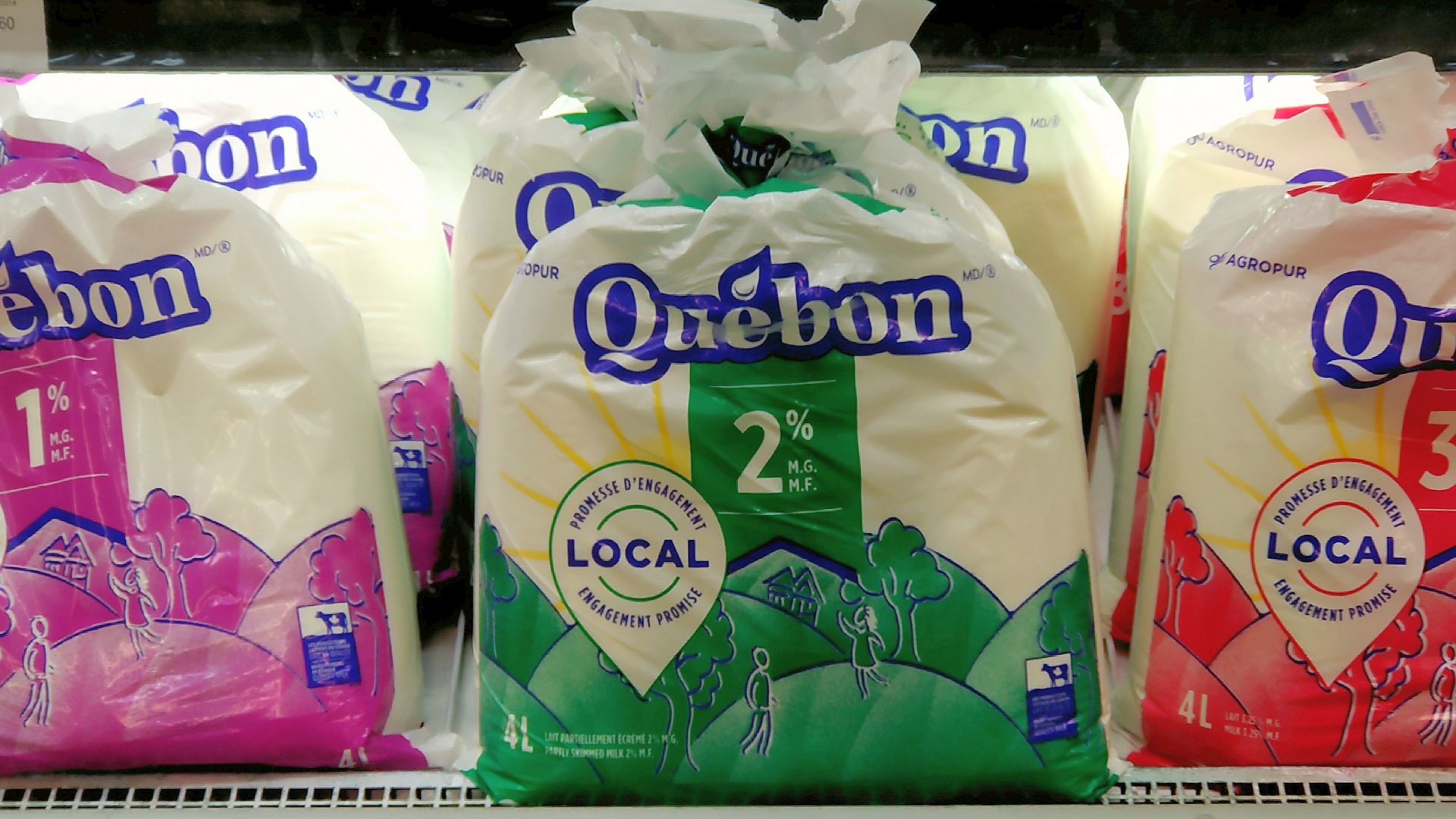
Milk Might Come In A Bag
Depending on where Americans stop, particularly in Ontario, they may encounter bagged milk in a grocery or convenience store. Canadians barely notice it. Americans often do a double take. Nothing says "we crossed an international border" quite like realizing the milk itself has changed packaging.
 incommunicado, Wikimedia Commons
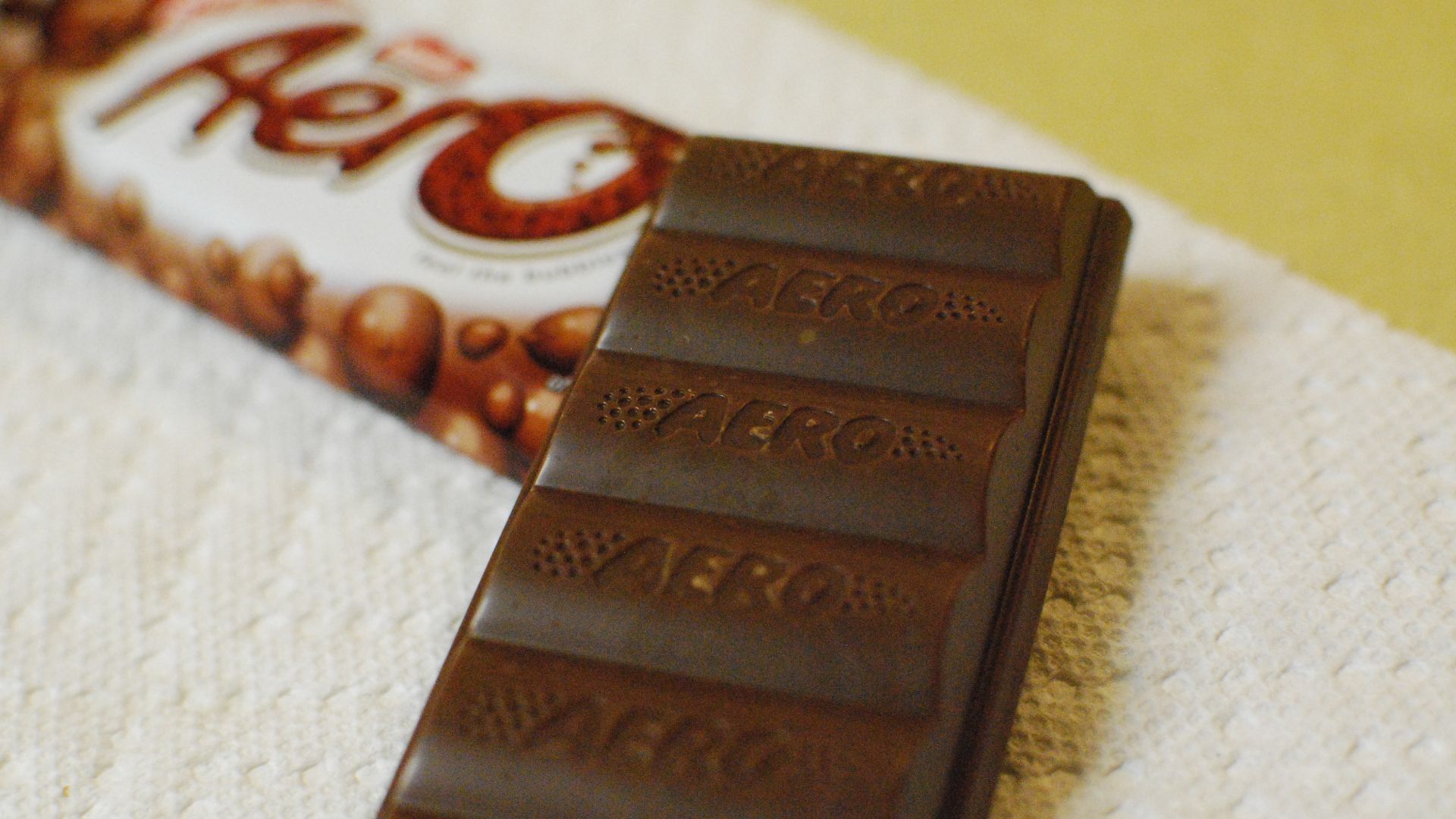
The Chocolate Bars Are Different
The candy aisle can feel almost, but not quite, familiar. American travellers often discover chocolate bars that are difficult or impossible to find back home. Roadside stops suddenly become places for Aero bars, Smarties, Crispy Crunch, and other Canadian treats that may require several extremely scientific taste tests.
Portions Can Feel Less Enormous
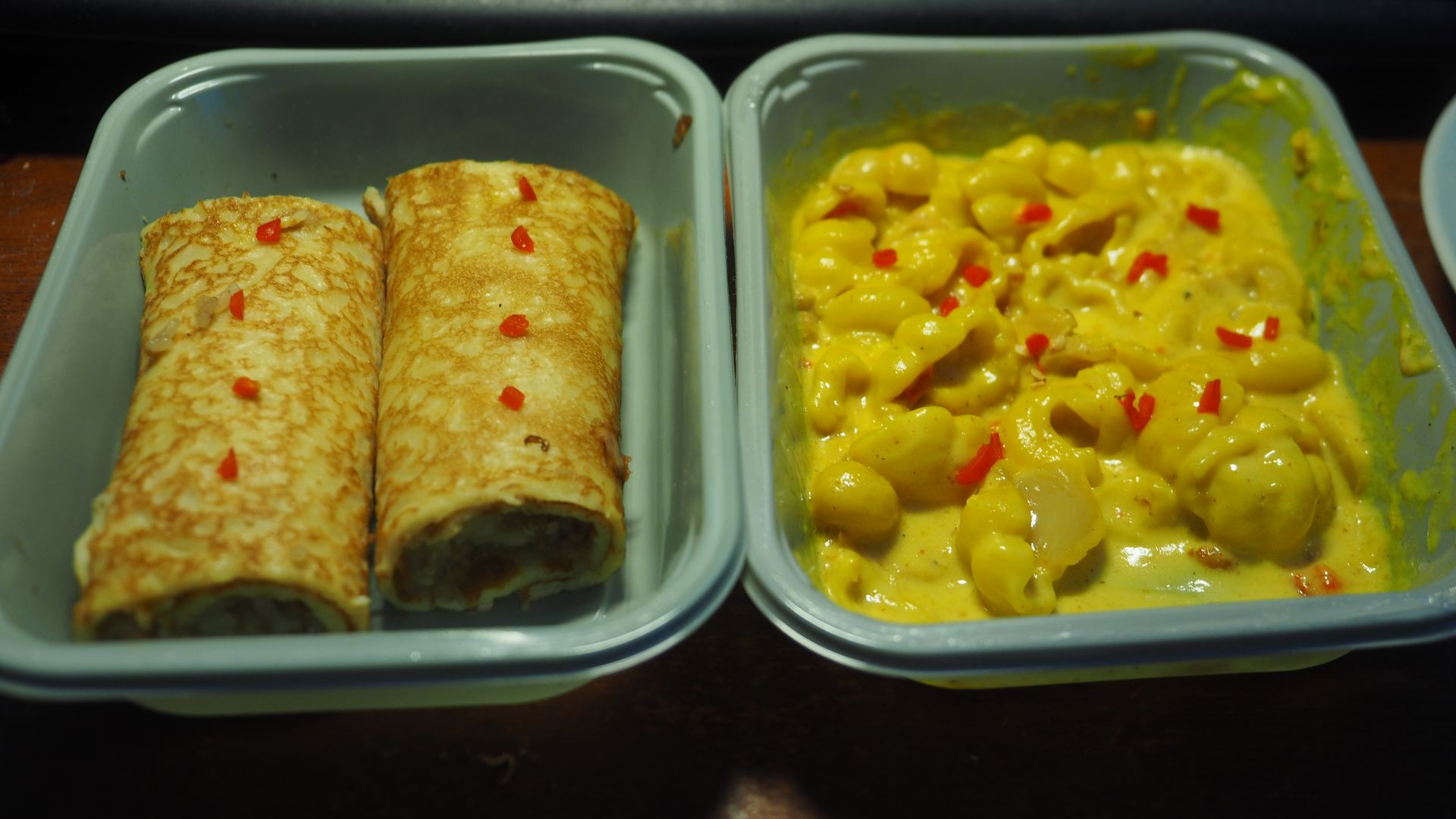
American travellers sometimes notice that convenience-store drinks, restaurant portions, and roadside meals aren't always as enormous as their U.S. counterparts. Nobody is going hungry, but the giant refillable cup may have met its match. Canada occasionally believes your beverage should still fit inside the cup holder.
The Convenience Stores Can Feel Quieter
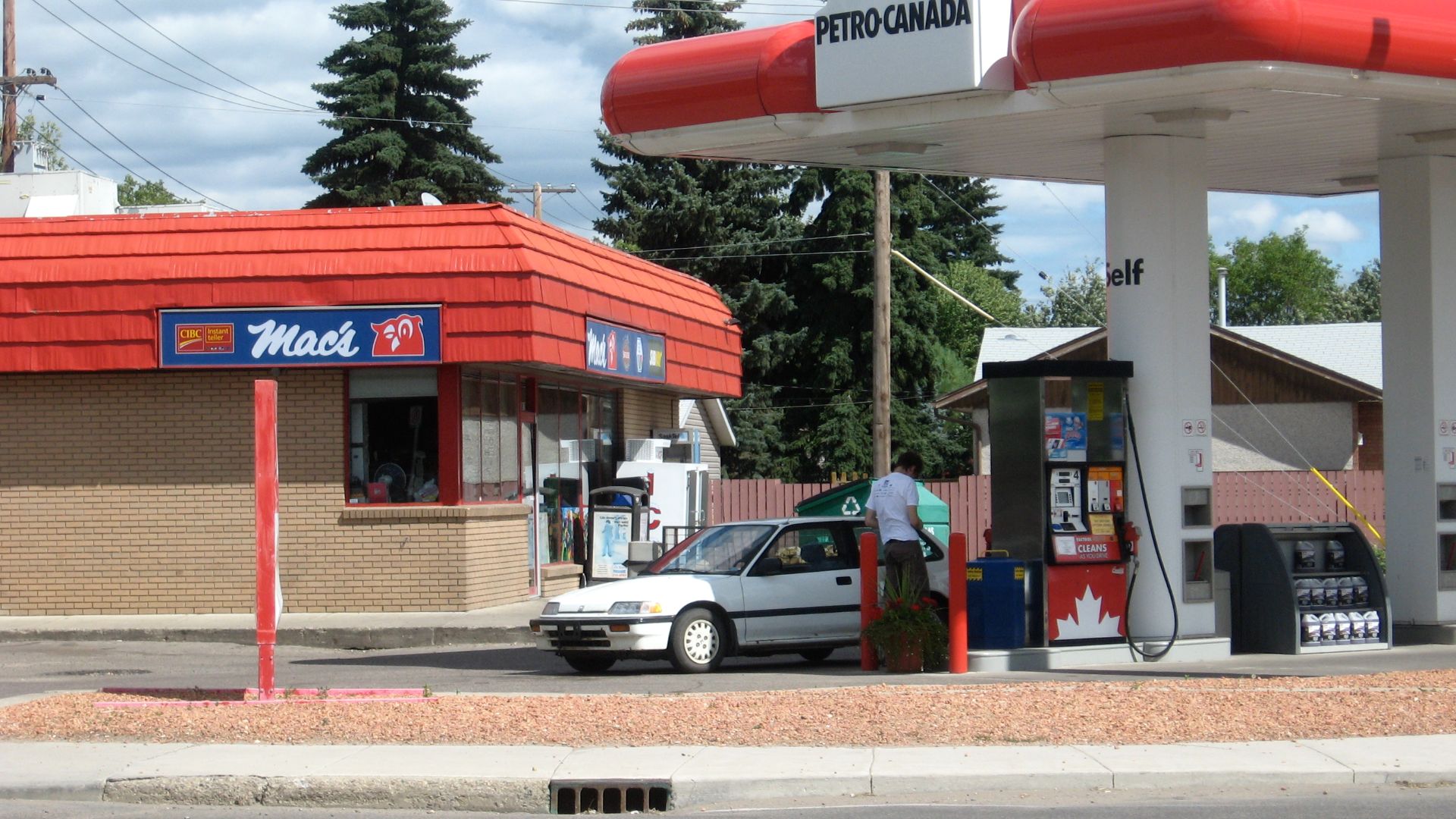
Many Canadian roadside convenience stores have a calmer atmosphere than massive American truck stops. There may be fewer flashing displays, fewer shelves, and less sensory overload. It's still a gas station, of course, but sometimes it feels more like a small neighbourhood shop that happens to sell gasoline.
Truck Stops Are Still Serious Business
That calm disappears quickly at major truck stops. Canada has enormous commercial routes, and the facilities serving professional drivers can be substantial. Fuel islands, restaurants, showers, repair services, and huge parking areas remind visitors that Canadian highways carry an enormous amount of freight across enormous distances.
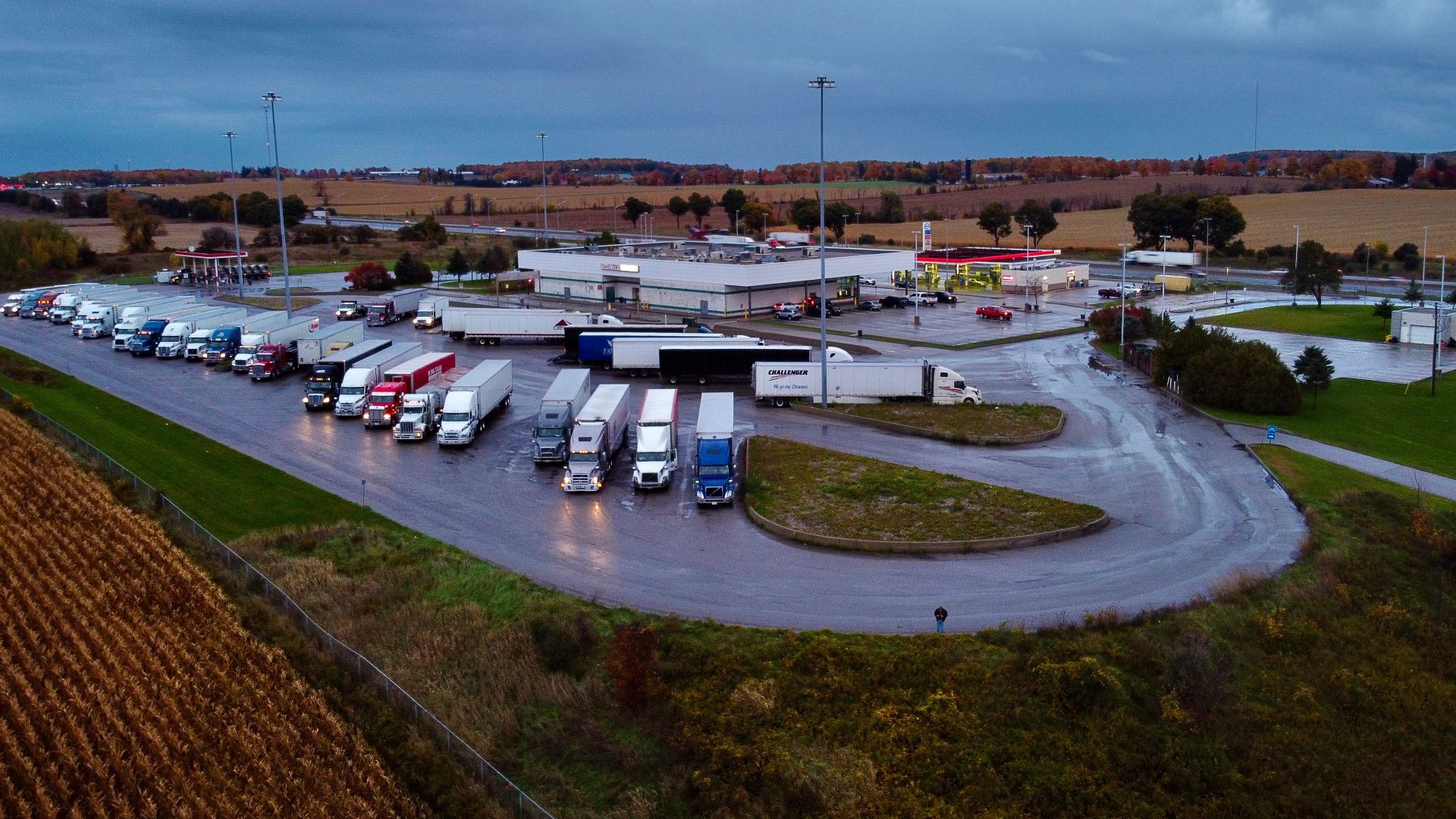 Janusz Sobolewski, Wikimedia Commons
Wildlife Warnings Feel More Convincing
Americans are familiar with deer-crossing signs, but Canadian highways can escalate matters. Moose, elk, bears, bighorn sheep, and other large animals appear on warning signs depending on the region. A moose-crossing symbol somehow feels less like decoration and more like serious advice.
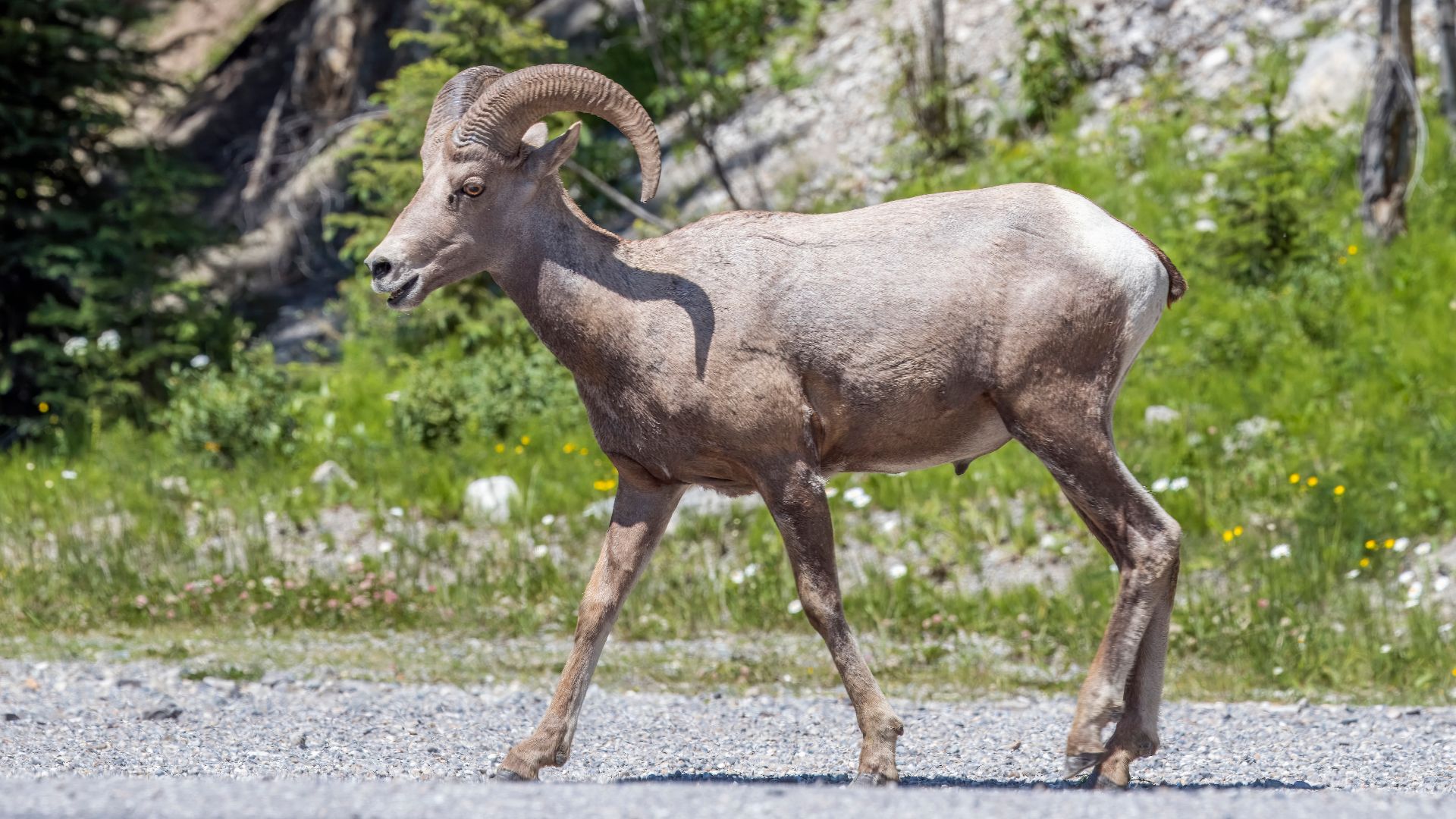 Charles J. Sharp, Wikimedia Commons
Sometimes The Wildlife Is Actually There
The Canadian roadside experience becomes especially memorable when the animal from the warning sign appears beside the highway. Visitors may spot deer, elk, bears, mountain goats, or even moose. The important Canadian lesson is simple: admire them from a distance and resist every terrible selfie idea.
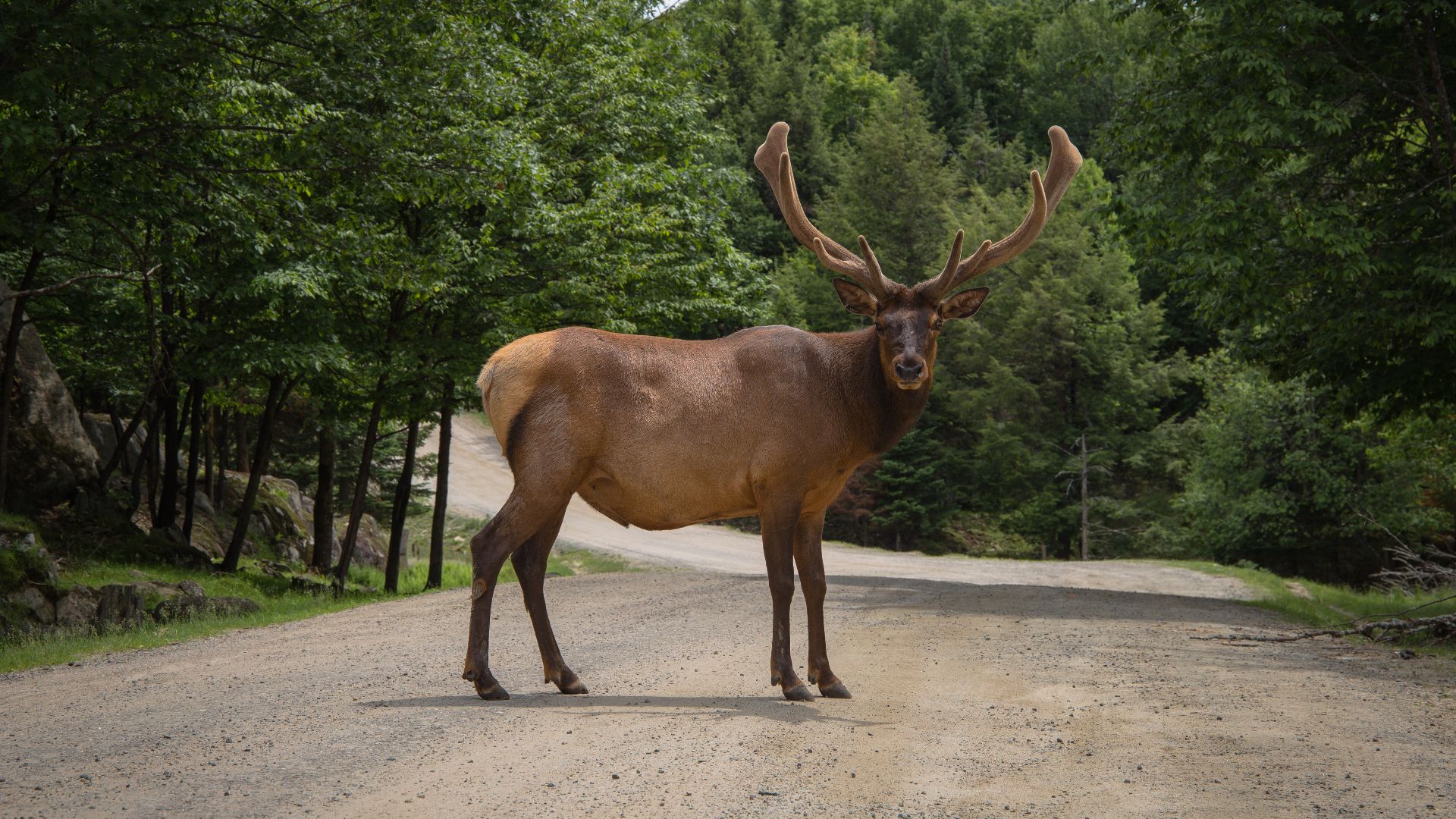 Jp Valery jpvalery, Wikimedia Commons
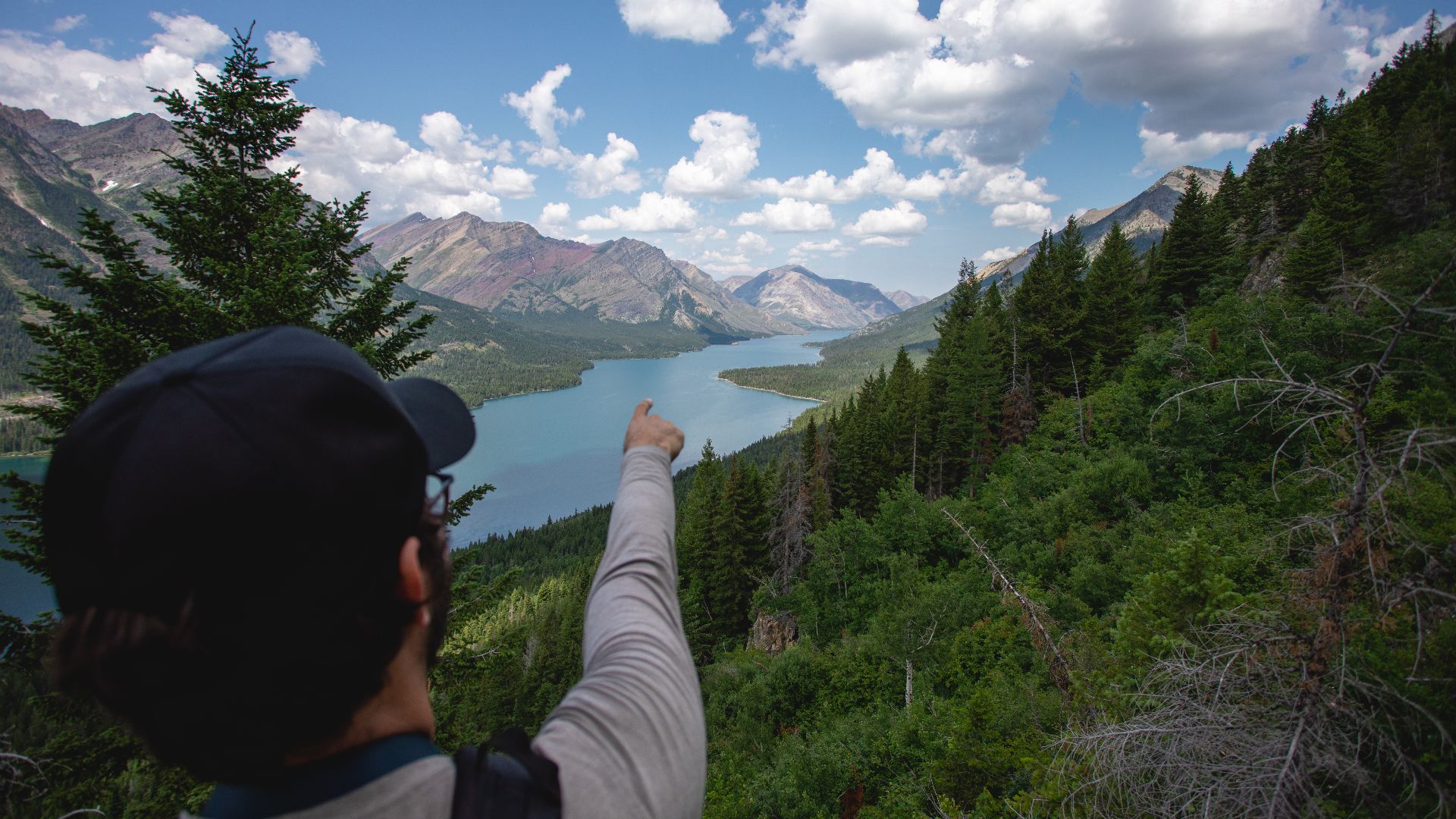
Picnic Areas Can Have Incredible Views
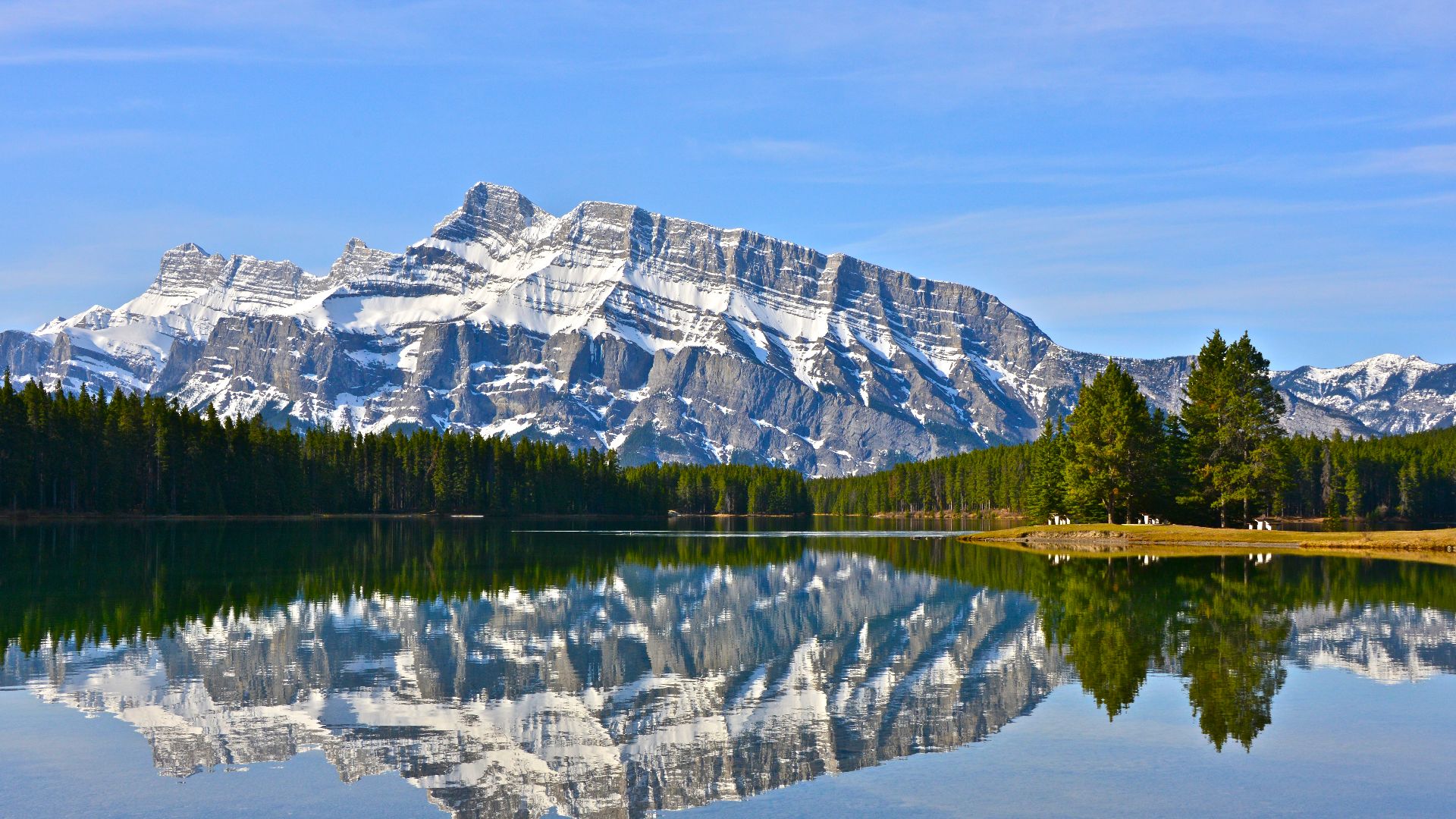
Some Canadian roadside pullouts exist because somebody clearly looked at the landscape and decided drivers needed to stop. Mountain overlooks, lakefront picnic areas, river valleys, and ocean viewpoints can turn a bathroom break into twenty minutes of staring silently at scenery you weren't expecting.
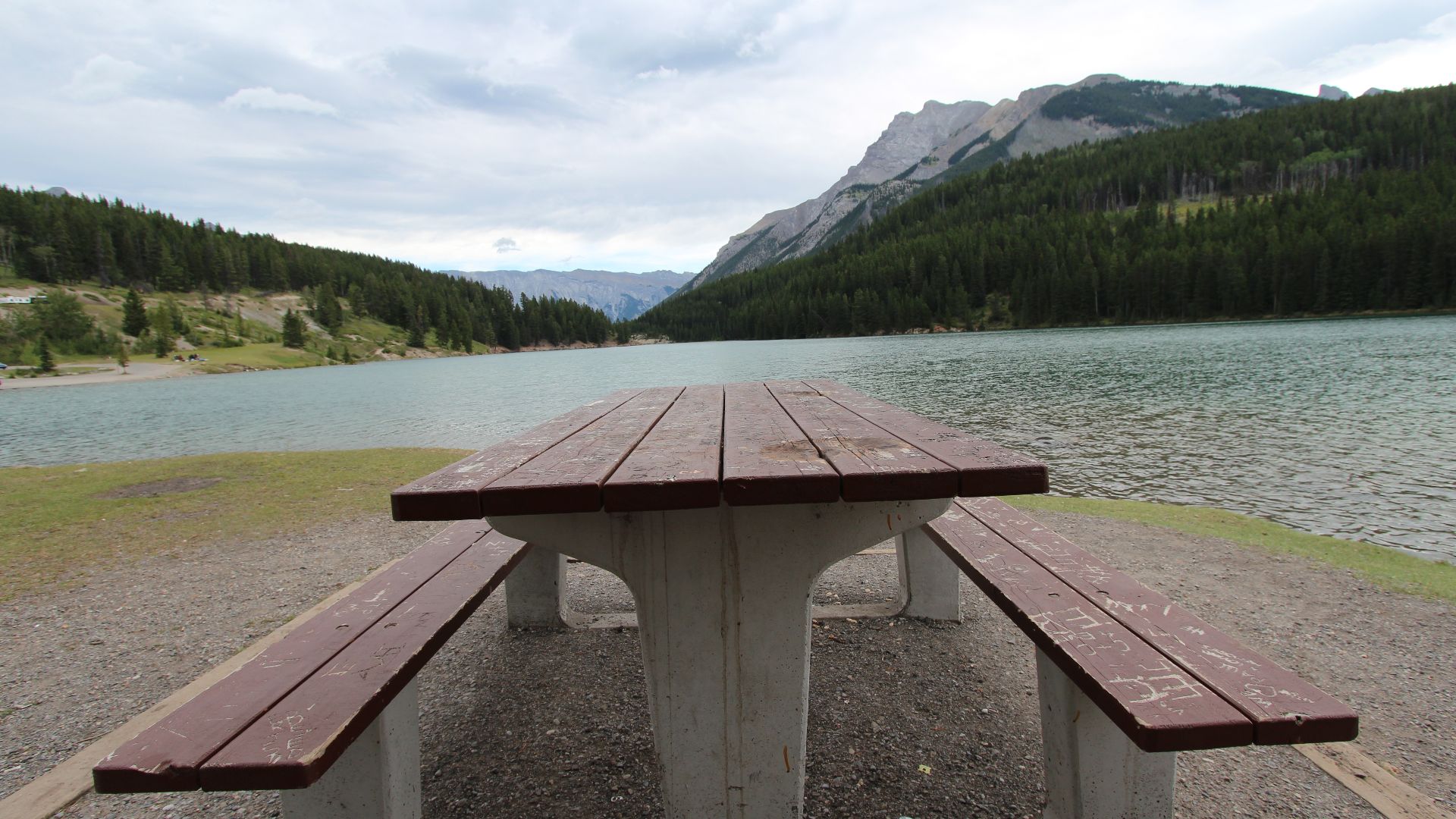 Thank you for visiting my page from Canada, Wikimedia Commons
The Scenery Can Upstage The Stop
In certain regions, nobody remembers the vending machine. They remember the mountains behind it. Canada's highways often pass through landscapes so dramatic that an ordinary roadside break becomes part of the trip itself. Even a gravel pullout can feel like a scenic destination with parking included.
Small-Town Stops Feel Very Local
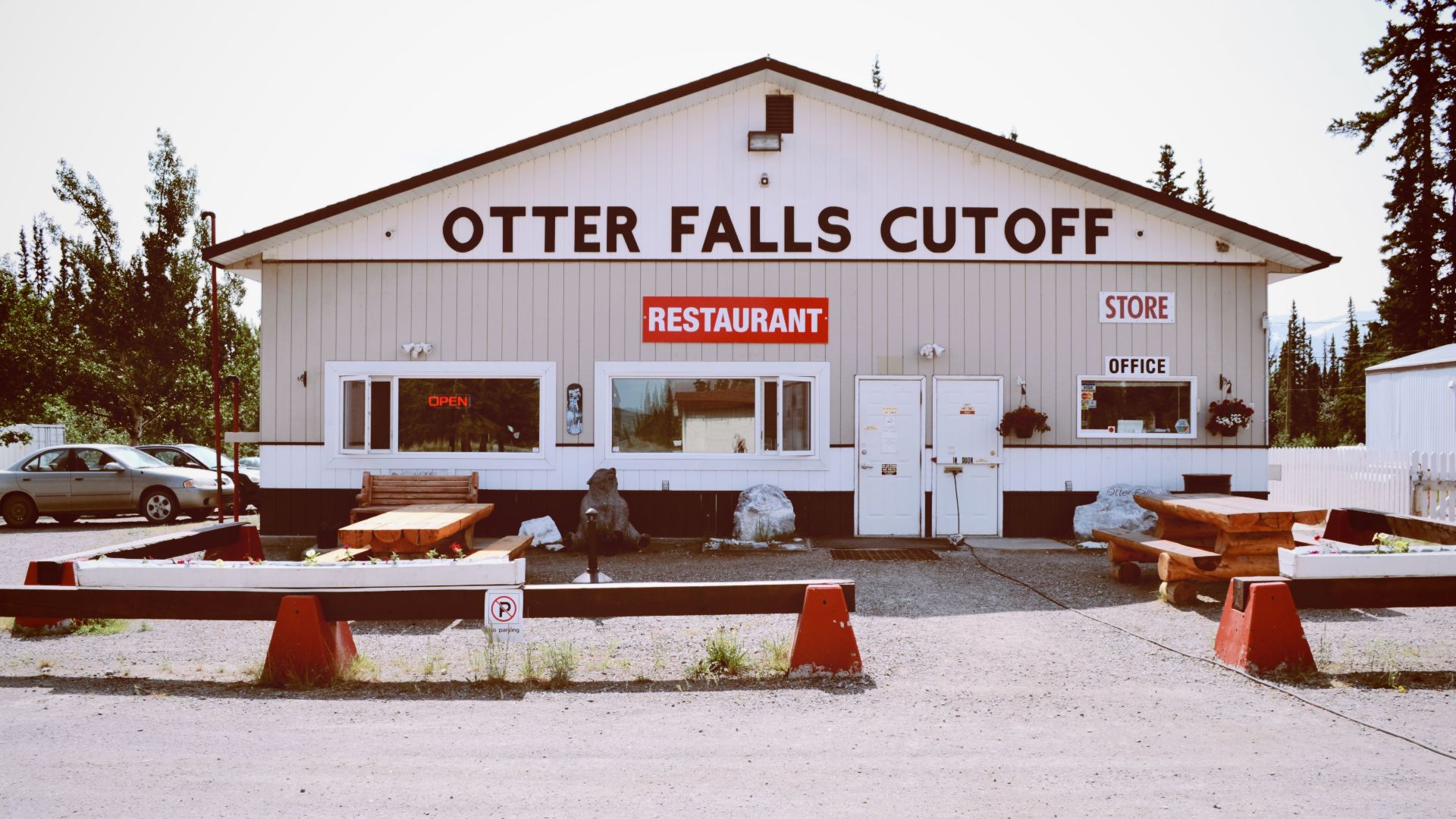
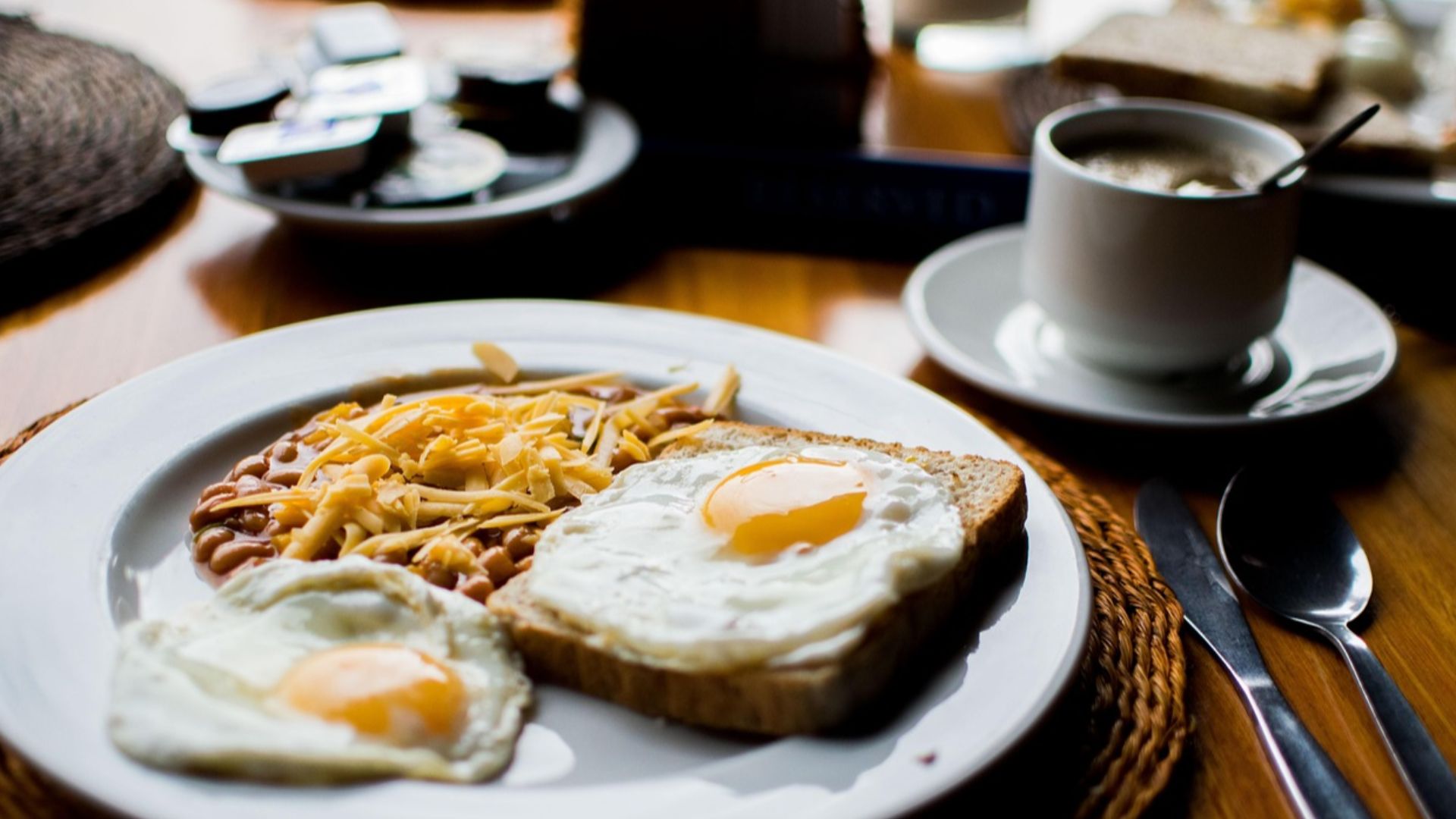
Leave the major highways and roadside stops can become charmingly specific. Instead of large chains, you may find independent diners, family-run gas stations, bakeries, trading posts, or small general stores. These places often provide a better sense of the region than anything located directly beside the freeway.
The Souvenirs Get Very Canadian
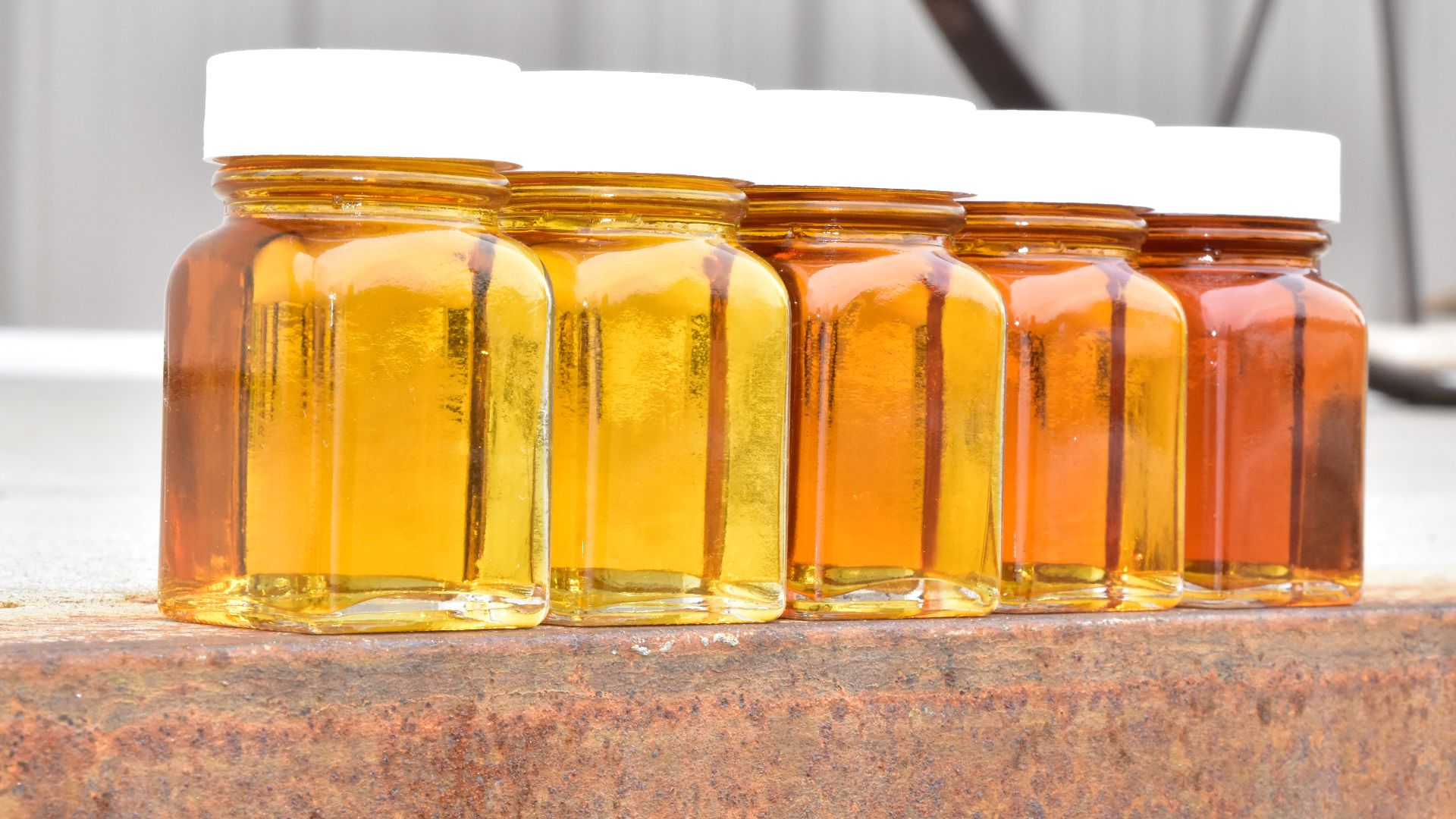
Canadian roadside gift shops know exactly what travellers expect. Maple syrup, maple candy, moose souvenirs, Mountie-themed merchandise, regional crafts, and enough red-and-white objects to decorate a small stadium frequently appear. Subtlety is rarely the objective, and that's part of the fun.
 Little Man Syrup Birnamwood, WI, Wikimedia Commons
Roadside Attractions Embrace Weirdness
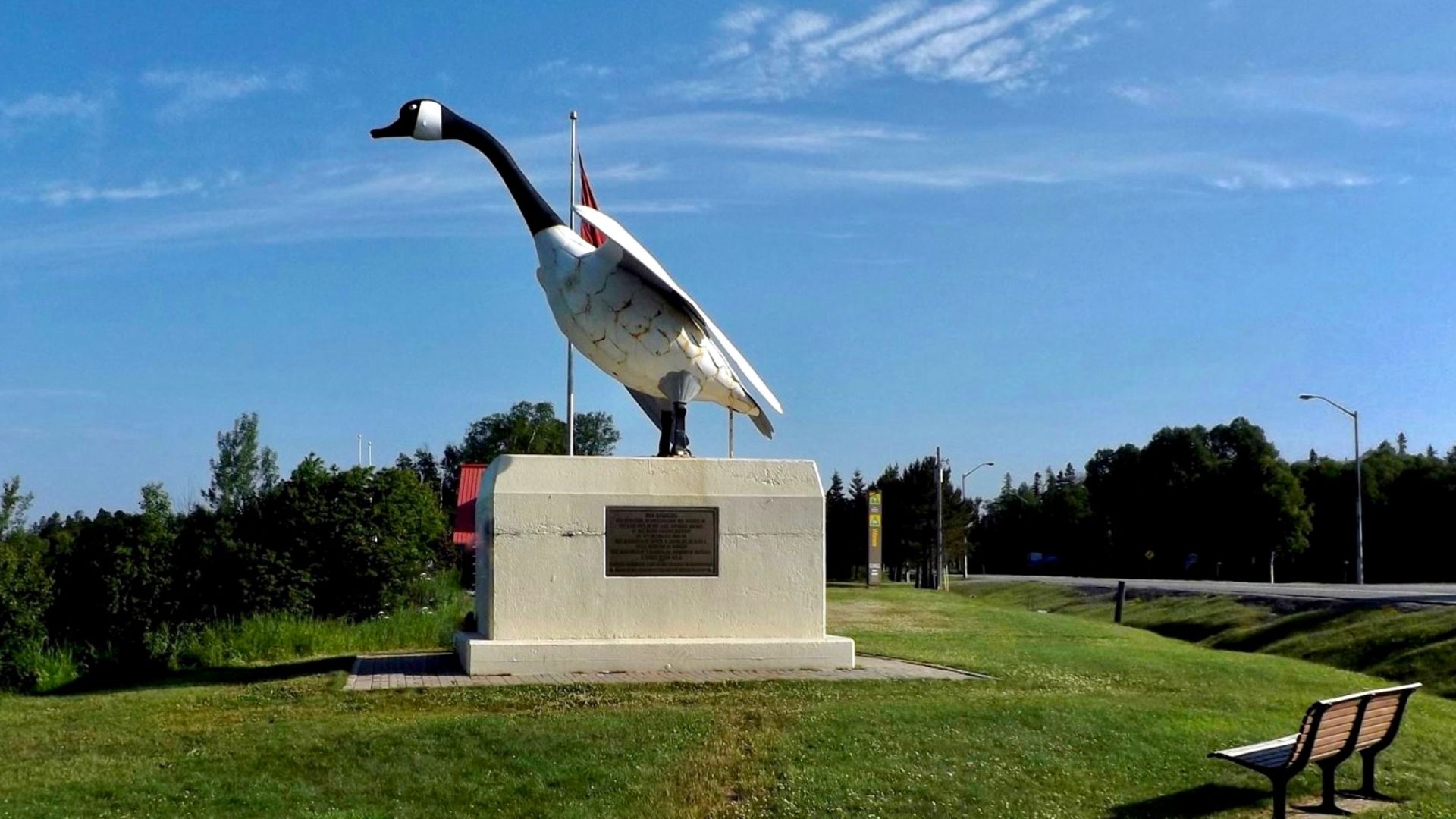
Canada has giant animals, oversized household objects, enormous sports equipment, towering statues, and roadside landmarks that seem designed entirely around making drivers say, "We have to stop." Americans certainly have their own giant roadside oddities, which may explain why this particular tradition feels pleasantly familiar.
 Andre Carrotflower, Wikimedia Commons
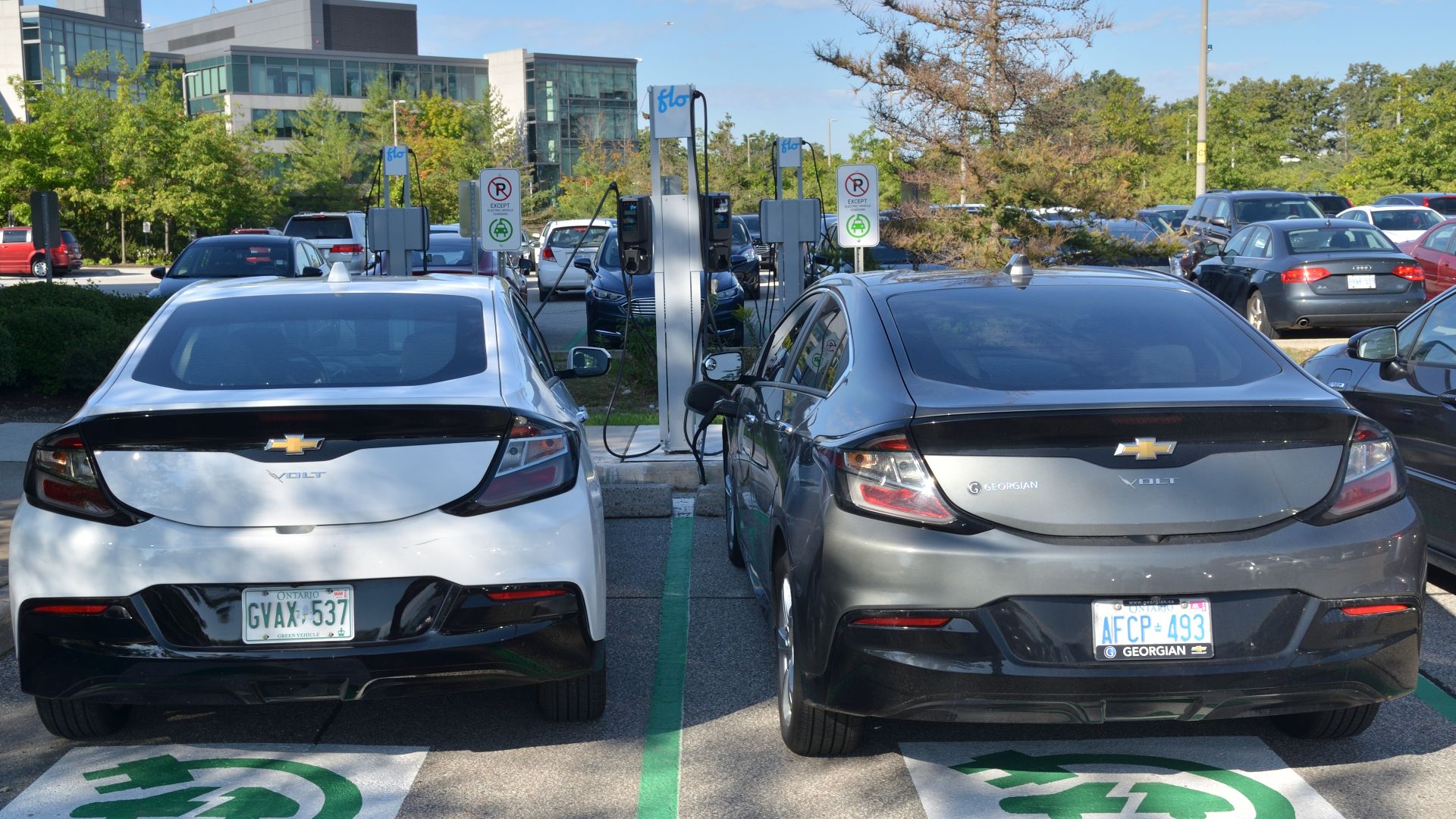
Charging Stations Are Becoming Normal
EV chargers are increasingly common at larger Canadian highway stops, especially along major travel corridors. American EV drivers may find some routes surprisingly convenient, although remote areas still require planning. In Canada, "next charger" can be just as important as "next gas station."
 Raysonho @ Open Grid Scheduler / Grid Engine, Wikimedia Commons
Winter Changes Everything
A Canadian roadside stop in July and the same stop in January can feel like two different planets. Snowbanks, salty floors, heavy coats, plugged-in vehicles, and drivers brushing snow from headlights become part of the landscape. Winter road travel here is less a season than an operating condition.

The Differences Are Small But Memorable
Canadian roadside stops rarely feel completely foreign to American visitors. That's what makes them interesting. Everything is familiar enough to navigate easily, yet different enough to keep producing little surprises—whether it's the snacks, the signs, the kilometres, the wildlife, or the suspiciously important coffee.
 Michael Scialdone, Wikimedia Commons
The Best Stops Become Part Of The Trip
The real charm of a Canadian road trip often lies between the destinations. Pull over for gas and you might discover a regional snack, a spectacular viewpoint, a giant moose, or a tiny diner worth remembering. Sometimes the roadside stop you barely planned becomes the story you tell afterward.
You May Also Like:
Things Canadians Notice Immediately When They Drive Through The American Southwest
Top Five Restaurants In The World
The U.S. Cities That Canadians Say Are Better Tourist Destinations Than They Expected