A Desert Full Of Surprises
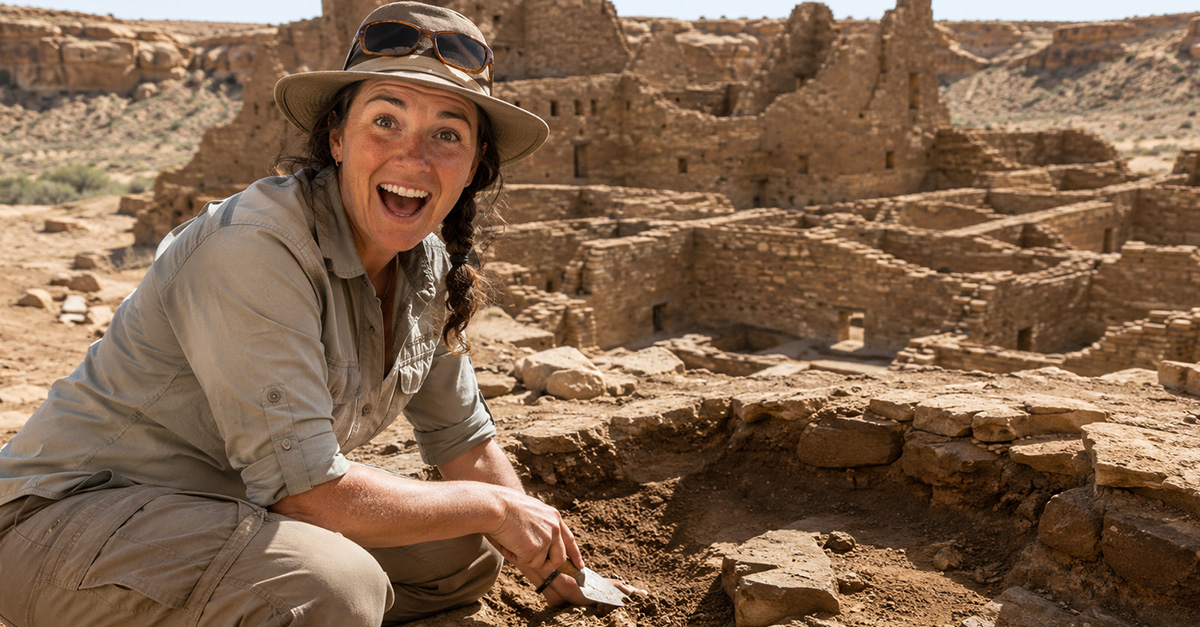
Chaco Canyon can look empty at first. It is a wide, dry landscape filled with cliffs, dust, and endless sky. But hidden among those rocks are the remains of huge stone buildings. They show that Ancestral Puebloan builders were far more skilled than many people once imagined.
Building In A Difficult Place
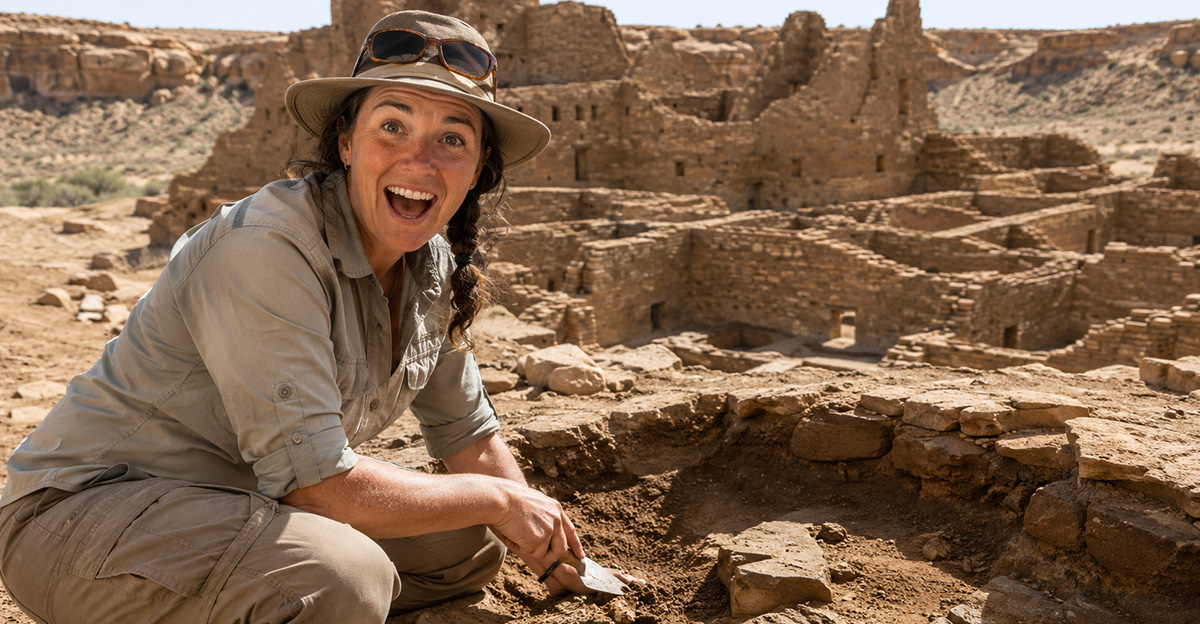
Chaco Canyon sits in northwestern New Mexico, where water is scarce and the weather can be harsh. Summers are hot, winters are cold, and farming is never easy. Even so, Puebloan communities turned this difficult landscape into one of the most important centres in the ancient Southwest.
 National Park Service (United States), Wikimedia Commons
Chaco Begins To Grow
People lived in the region for generations, but Chaco began changing quickly around 850 CE. Larger buildings appeared, communities grew, and construction became much more organised. Over time, the canyon developed into a major meeting place connected to settlements across a huge part of the Southwest.
These Were Not Ordinary Homes
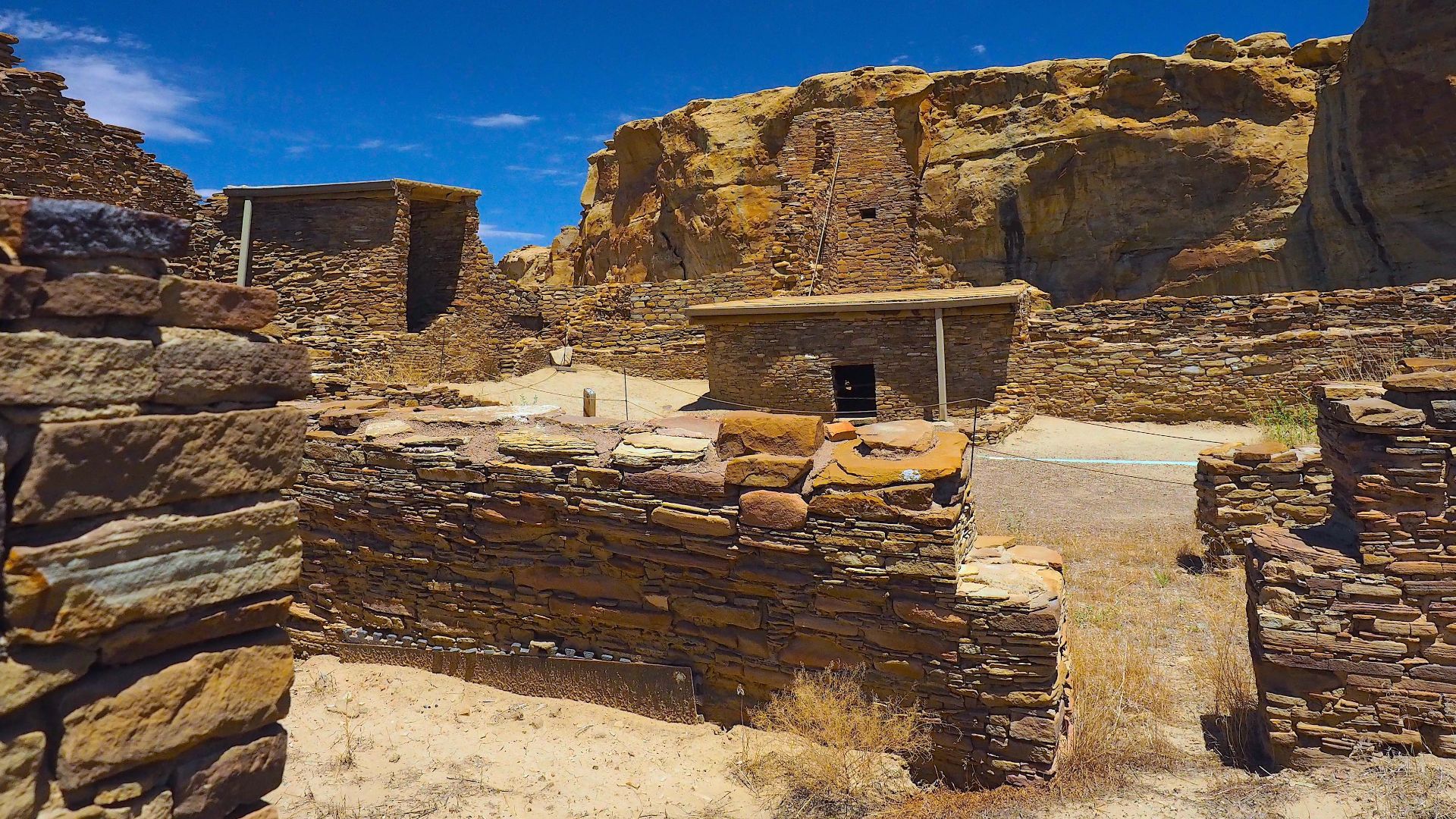
The largest buildings in Chaco are usually called great houses. That name fits them well. They contained hundreds of rooms, thick stone walls, open plazas, and large ceremonial spaces. These buildings were much bigger and more carefully planned than the smaller homes found in nearby communities.
 AlisonRuthHughes, Wikimedia Commons
Pueblo Bonito Was The Star
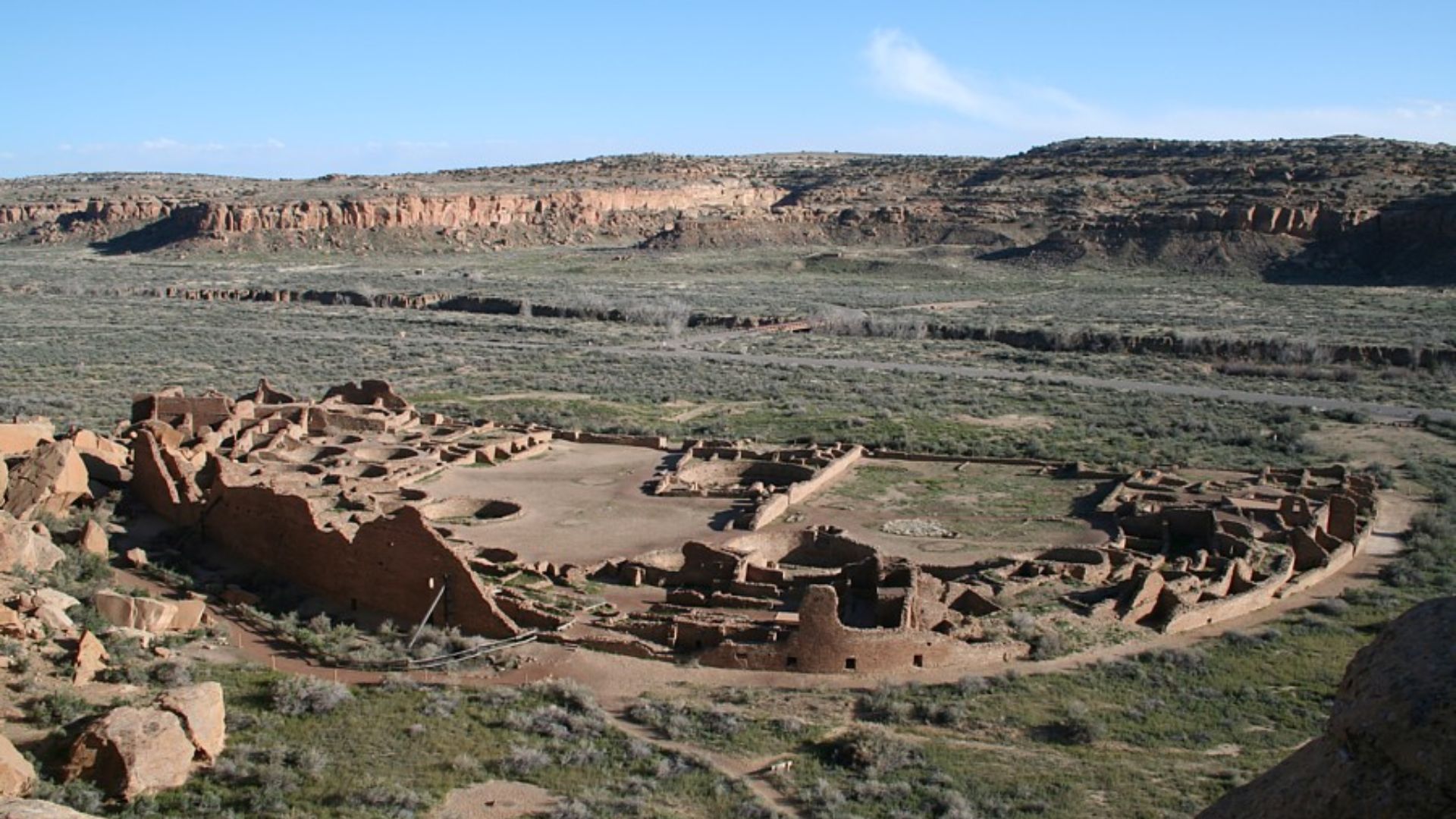
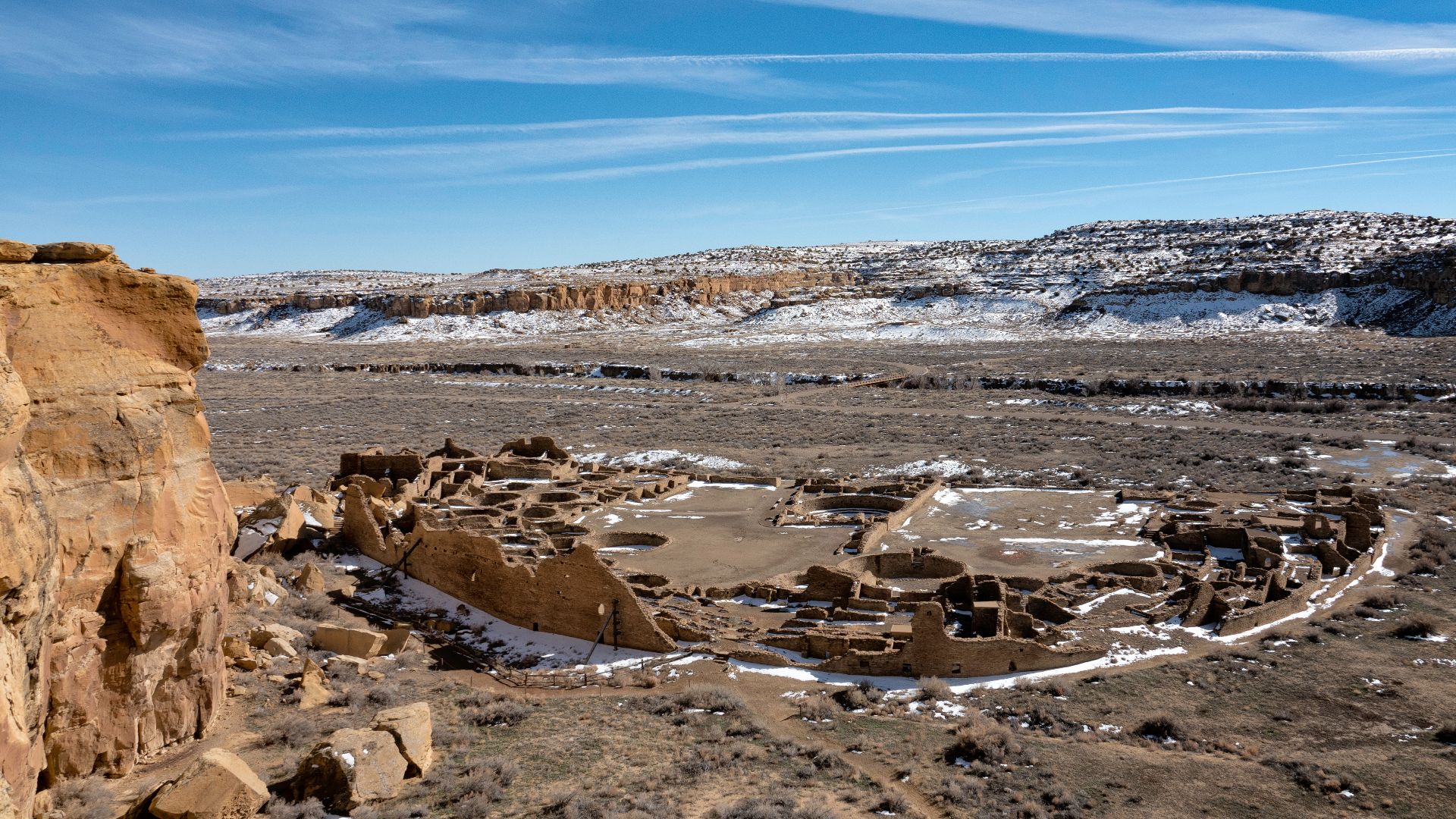
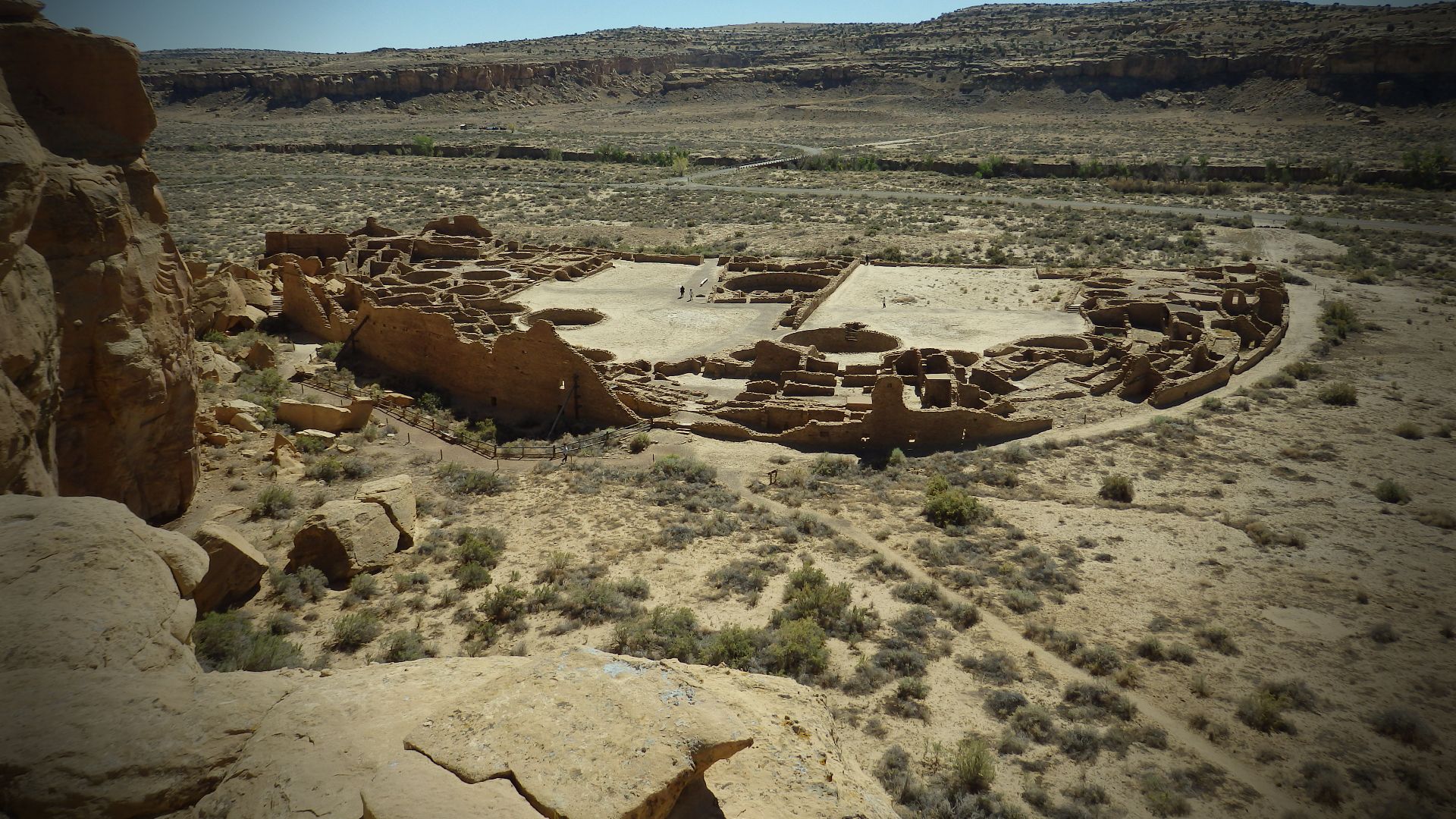
Pueblo Bonito is the most famous great house in Chaco Canyon. It once stood several storeys tall and contained more than 600 rooms. From above, its curved shape looks carefully designed. It feels less like a village that slowly grew and more like a building planned in advance.
 James Q. Jacobs, Wikimedia Commons
Generations Worked Together
Pueblo Bonito was not built all at once. People added new rooms and sections over hundreds of years. That meant each generation had to understand what earlier builders had done. They repaired old walls, continued existing designs, and somehow kept the enormous structure working as one connected building.
 John Fowler from Placitas, NM, USA, Wikimedia Commons
The Walls Had A Strong Core
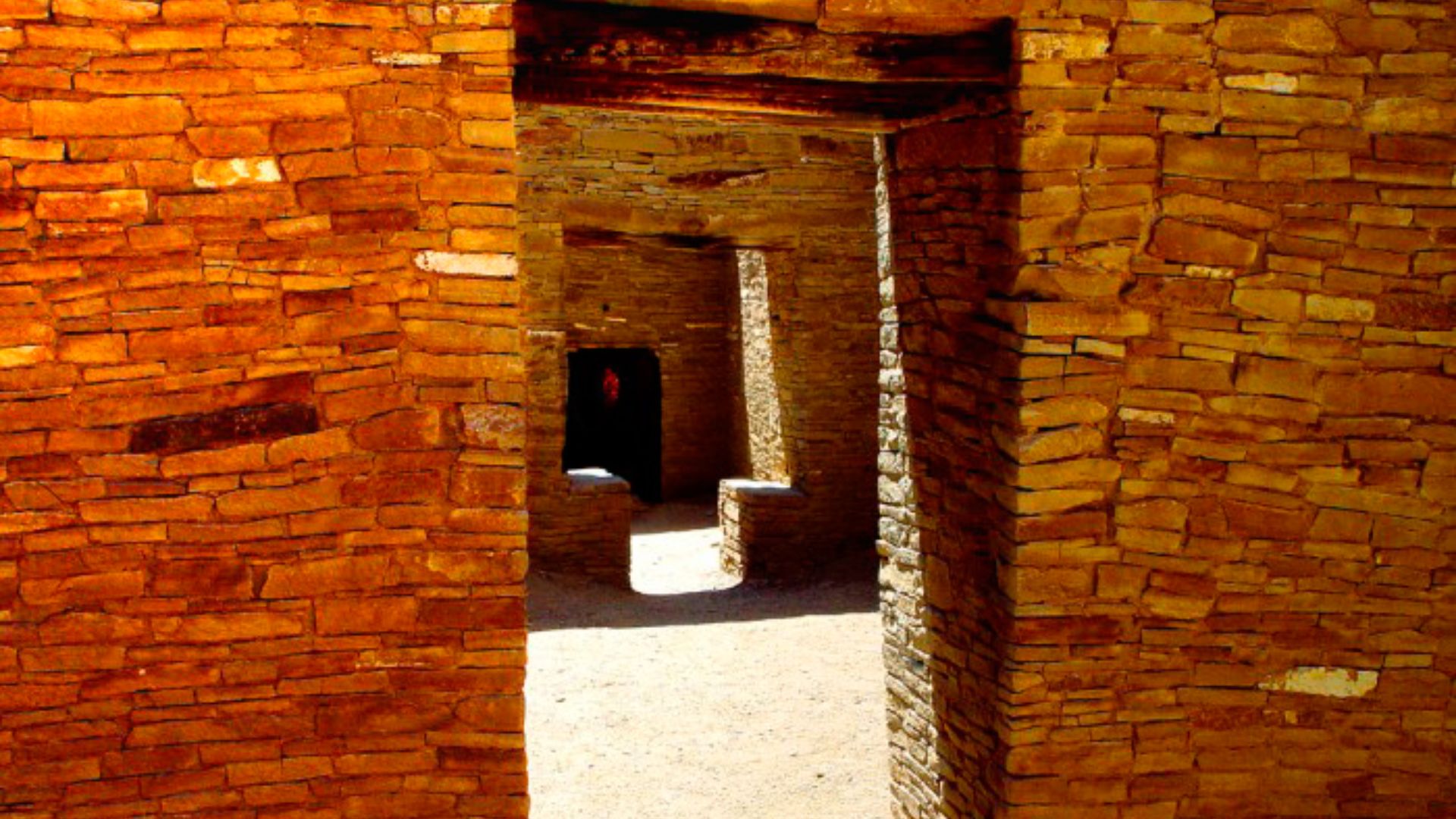
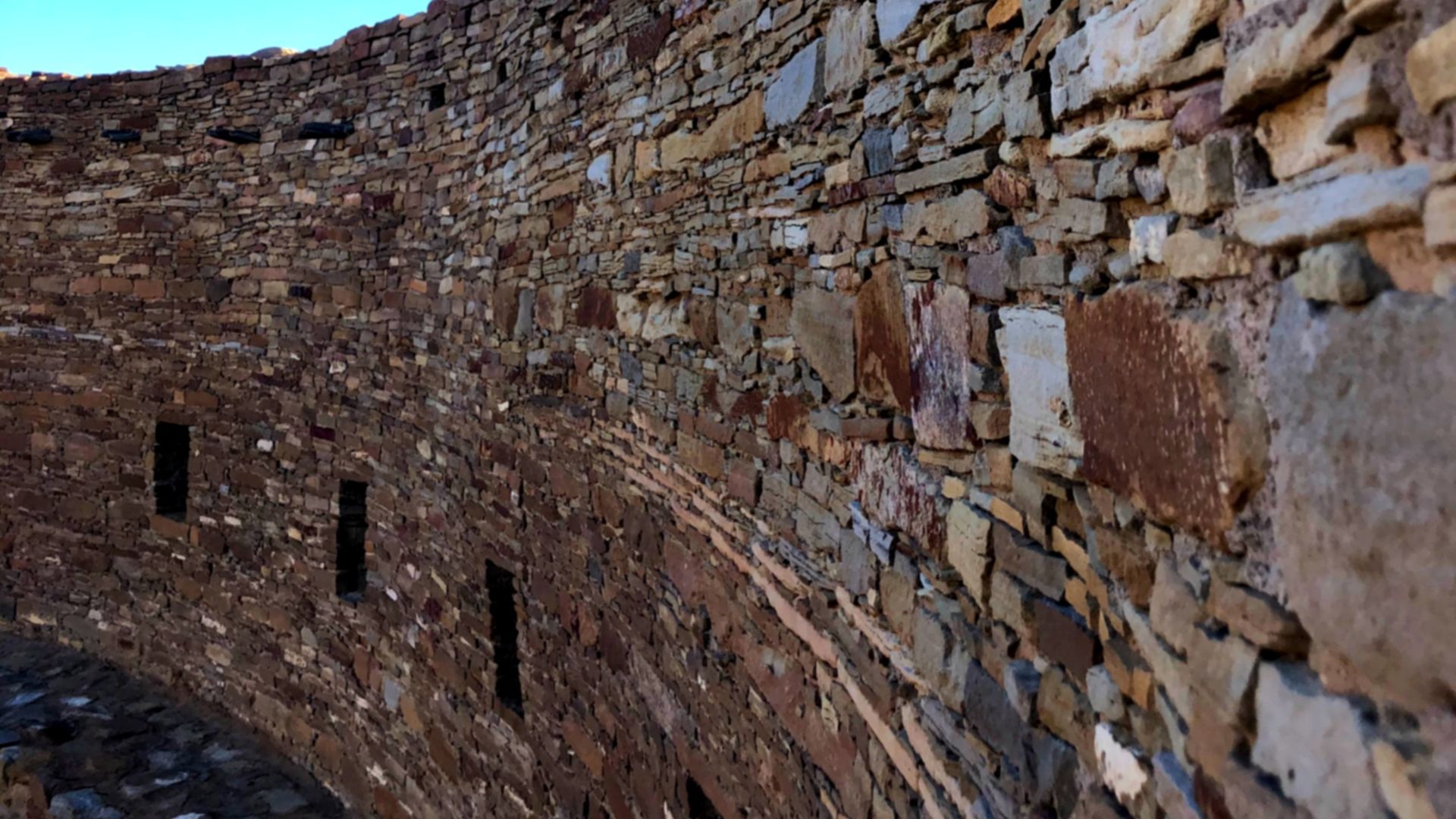
Chacoan builders developed a clever way to make thick walls. They filled the centre with rough stone and mud mortar, then covered the outside with carefully fitted sandstone. This made the walls both strong and attractive. Some were wide enough to support several floors above them.
 Steven C. Price, Wikimedia Commons
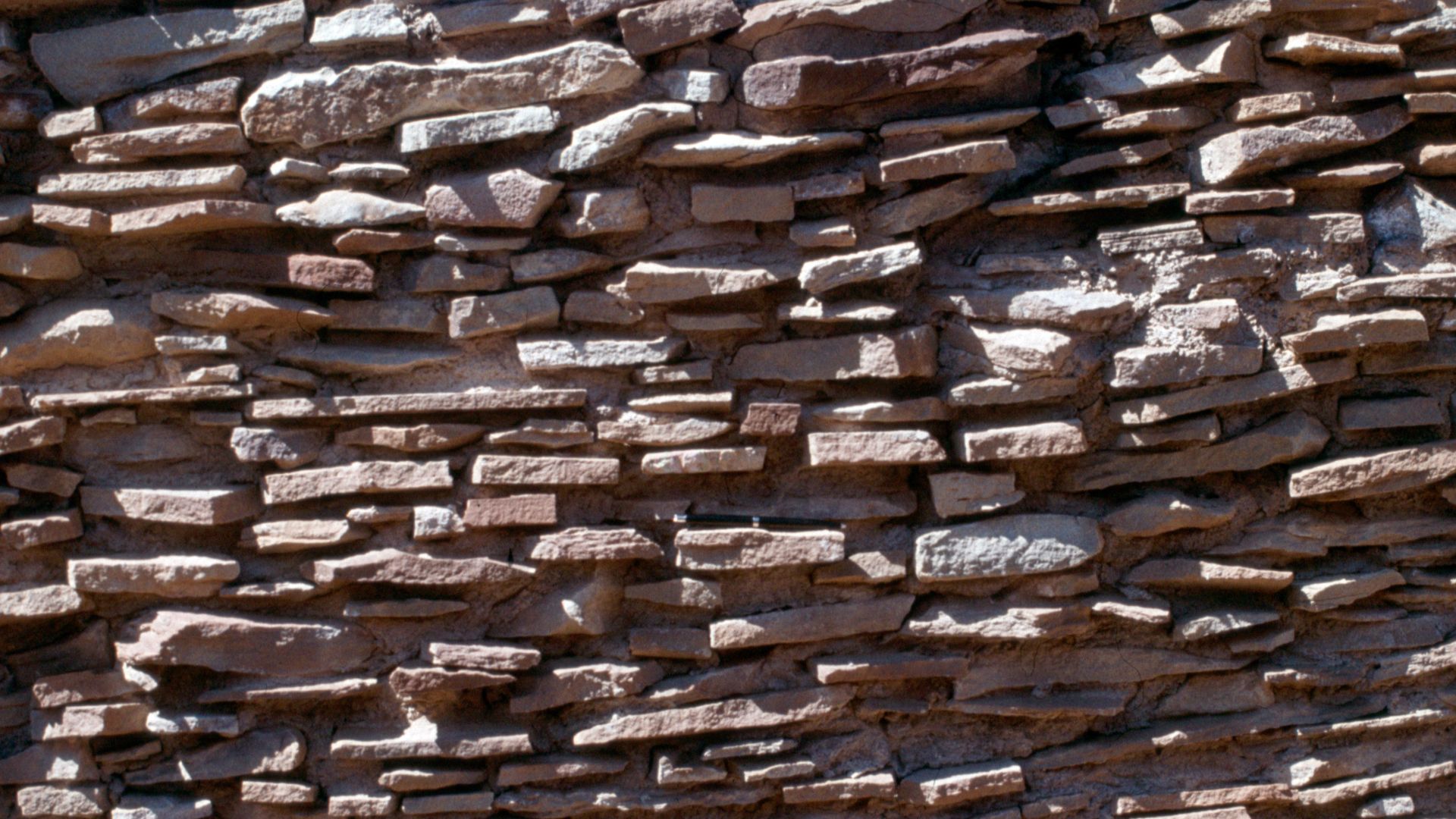
Even The Stonework Looked Beautiful
The builders did not only care about strength. They also paid close attention to appearance. Many walls were covered with neat rows of thin stones arranged in detailed patterns. The style changed over time, allowing archaeologists to tell which parts of a building were constructed first.
 Gerd Eichmann, Wikimedia Commons
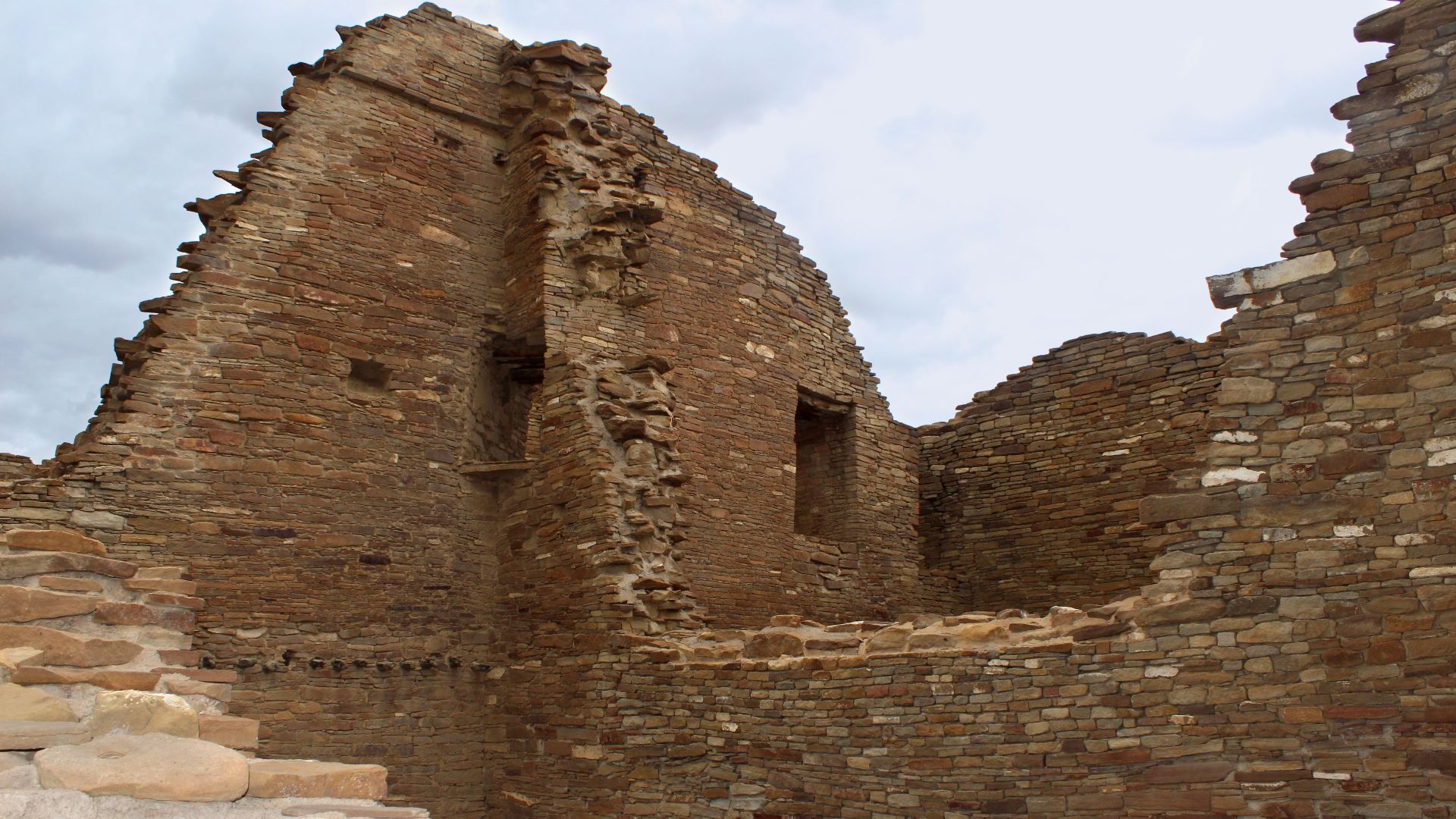
Reaching Several Storeys High
Some great houses rose four or possibly five storeys above the canyon floor. That was an incredible achievement using only stone, mud, and timber. Builders had to understand how much weight the lower walls could hold and where wooden beams were needed to support ceilings and upper floors.
Everything Was Done By Hand
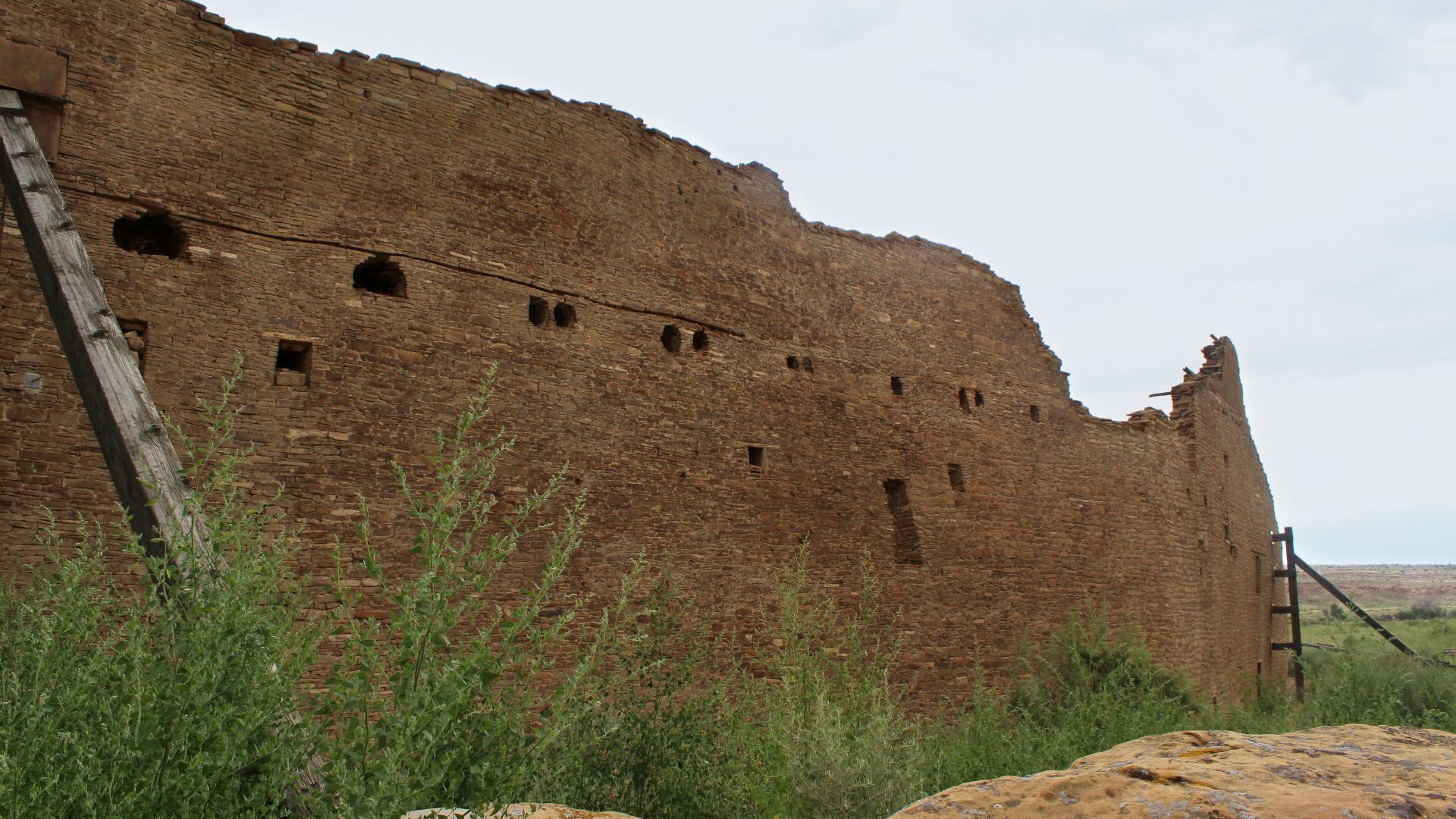
There were no cranes, trucks, metal tools, or powered machines. Workers quarried stone, shaped it, carried it, and lifted it into place by hand. They also mixed mortar, plastered walls, and raised heavy roof beams. Every step required hard work, careful planning, and a large organised workforce.
Timber Came From Far Away
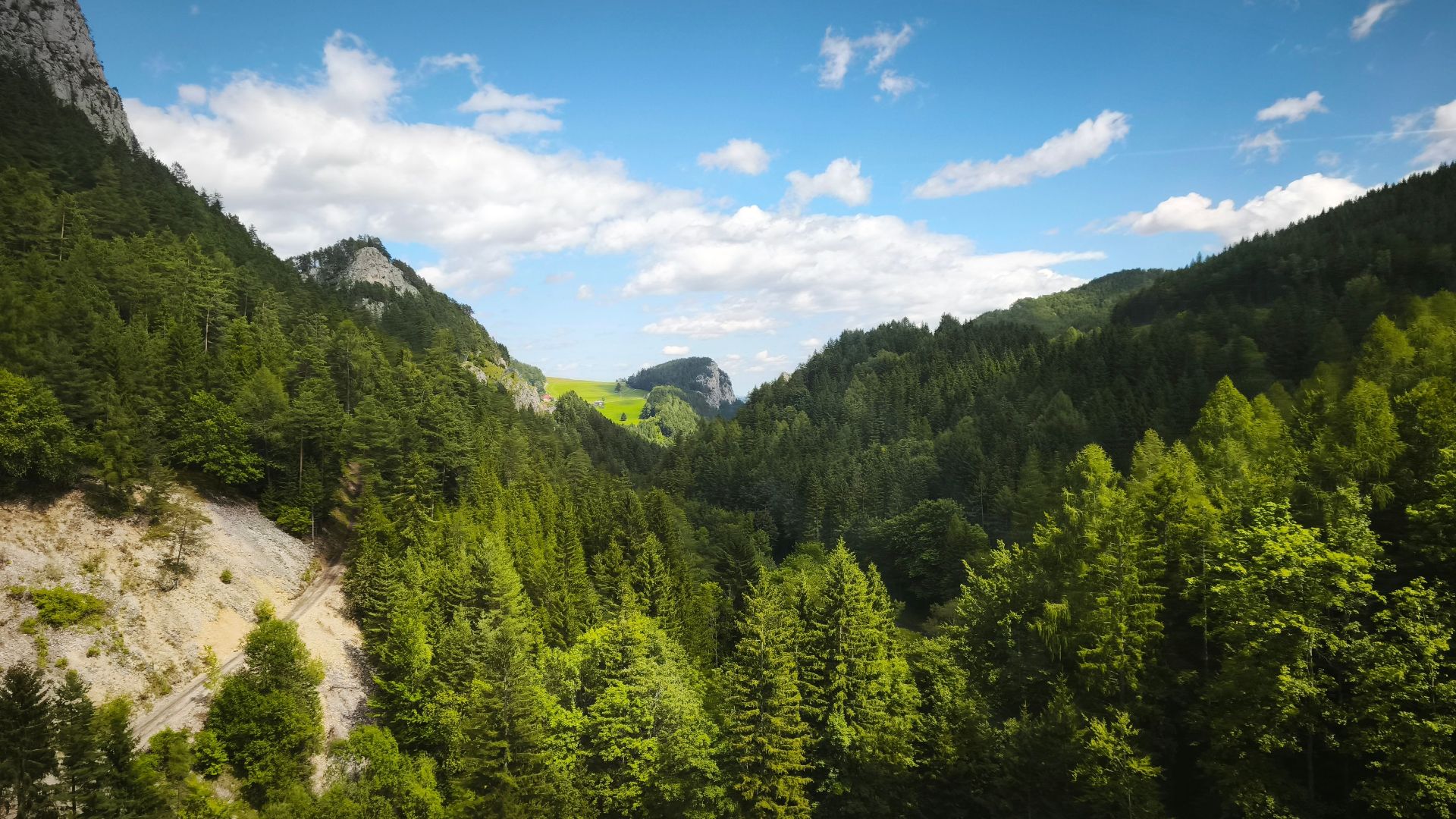
Chaco Canyon did not have enough large trees to supply all the buildings. Researchers believe many roof beams came from mountain forests dozens of miles away. Workers had to cut down tall trees and somehow carry the heavy trunks across rough desert country without wagons or pack animals.
Moving Supplies Was A Huge Job
Building the great houses meant moving far more than stone and wood. Workers needed food, water, tools, and building materials. Someone had to organise all of that. The finished walls are impressive, but the supply system behind them may have been just as remarkable.
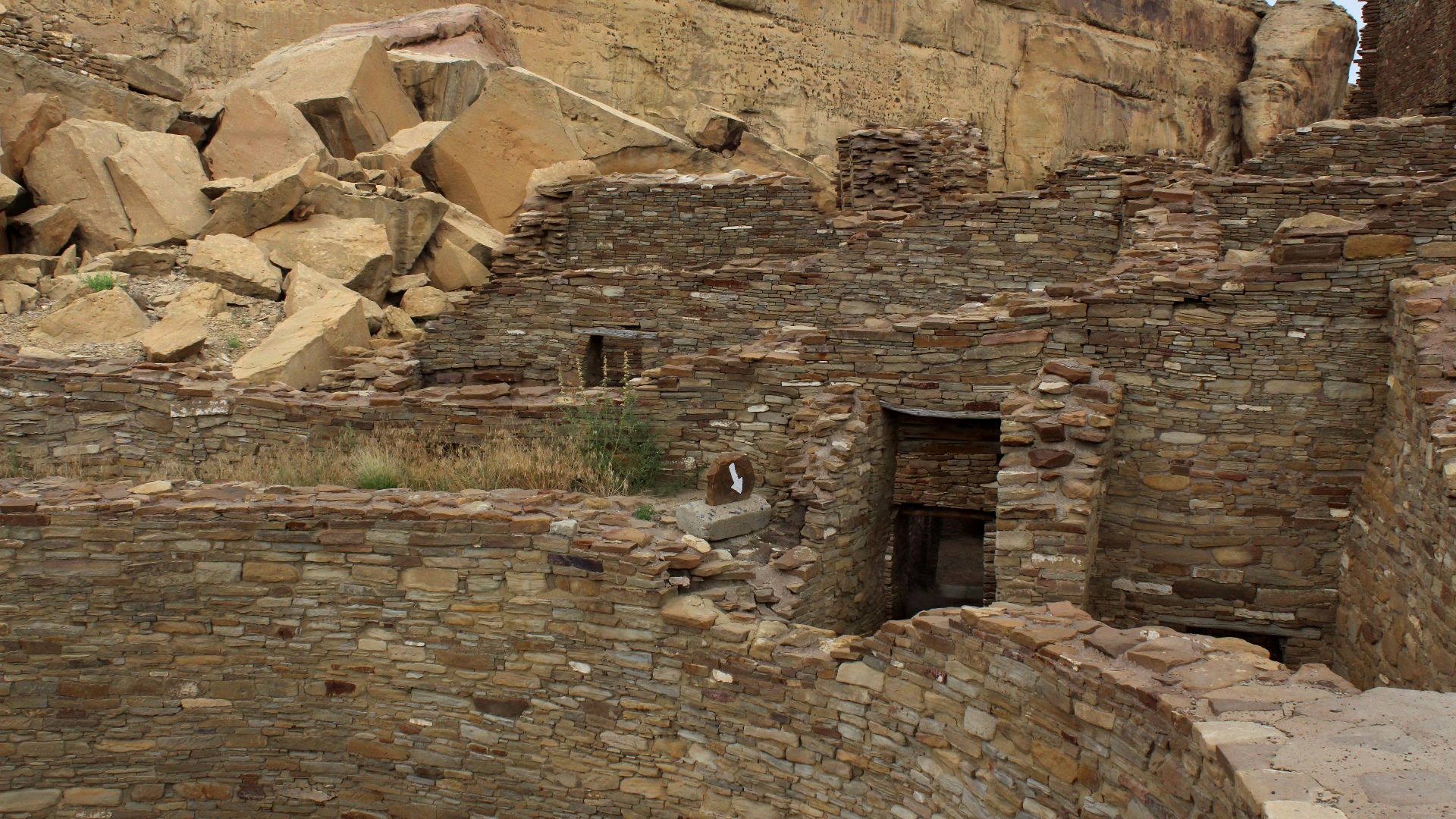
Rooms Came In Different Shapes
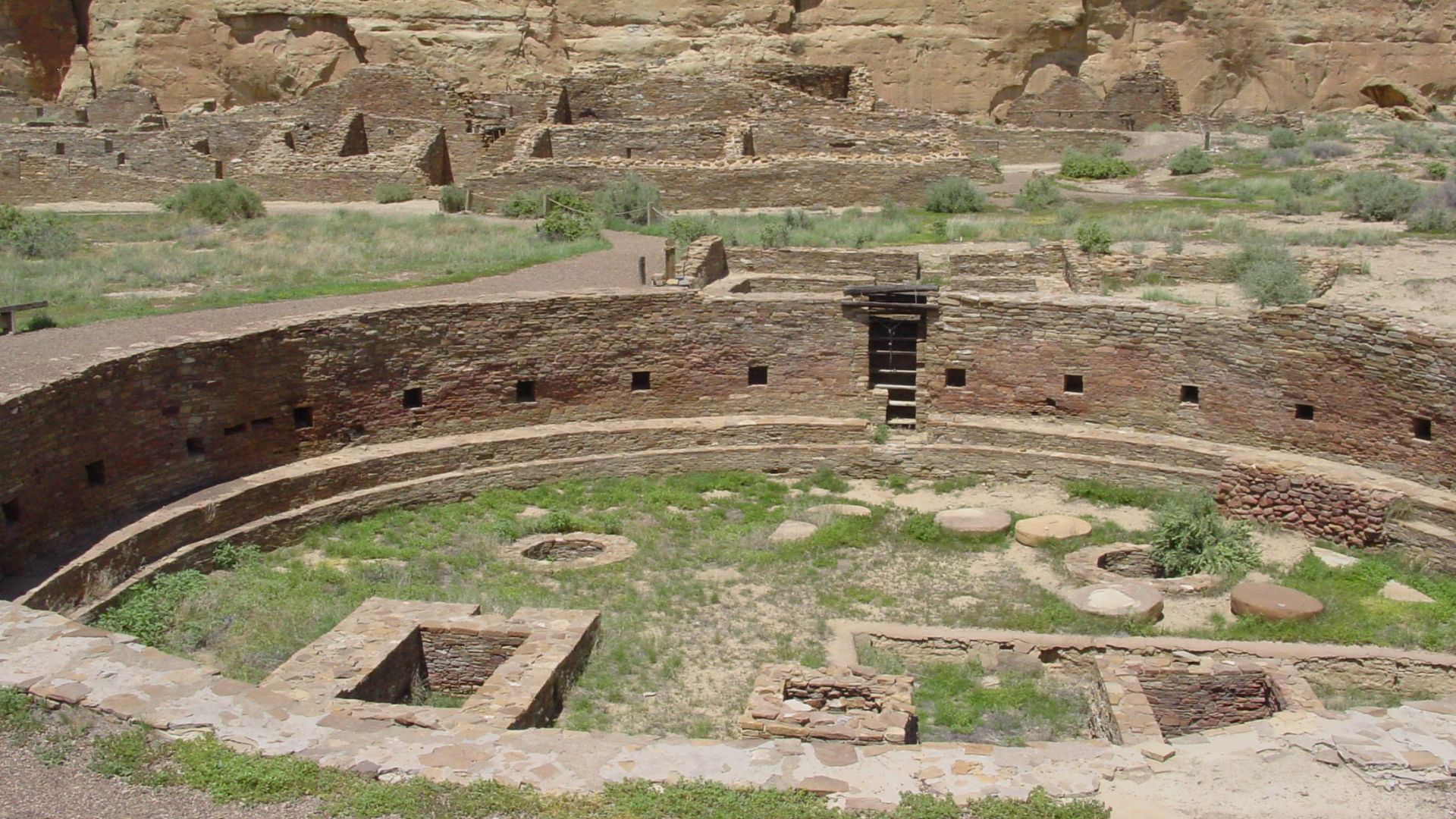
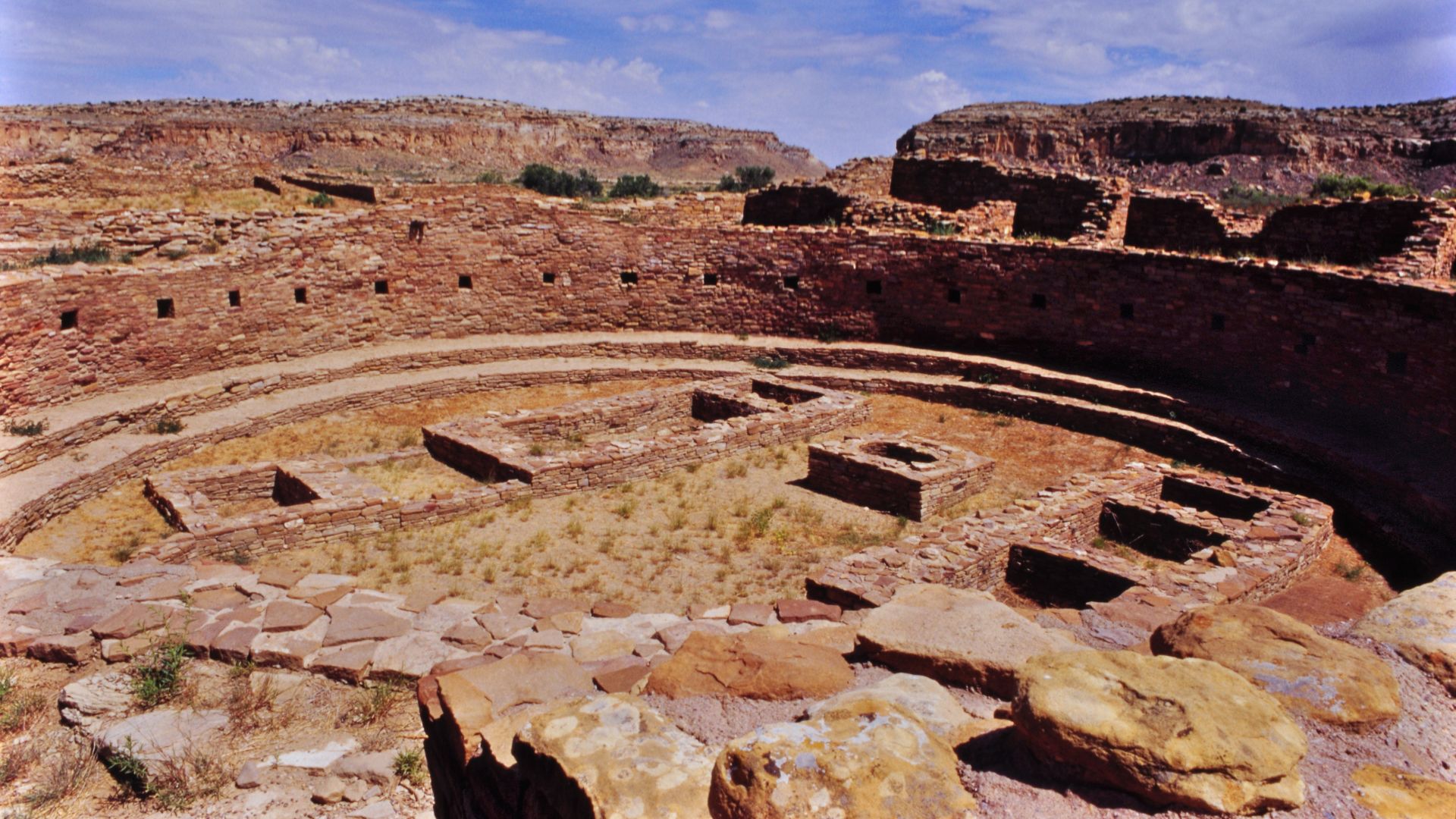
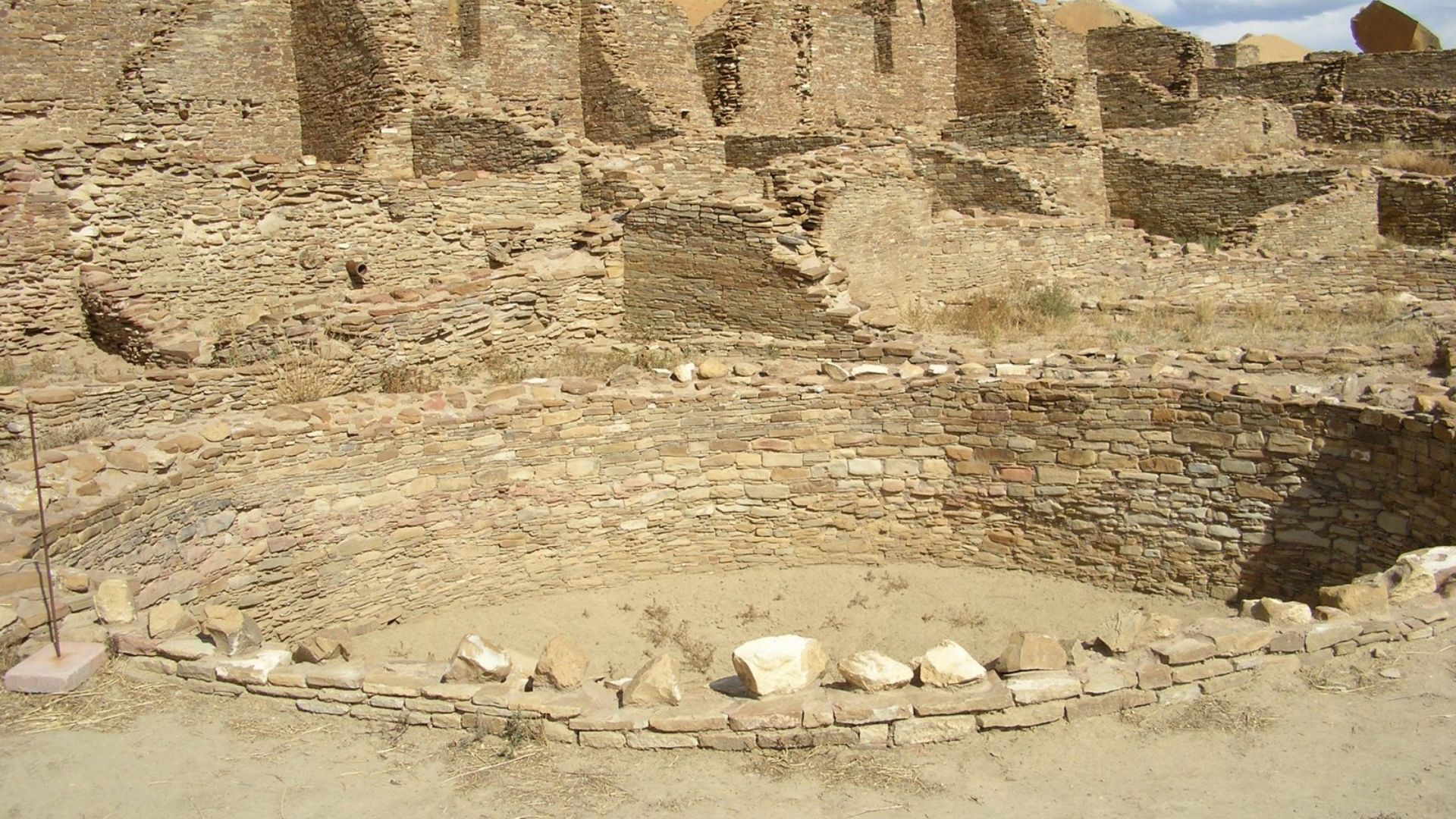
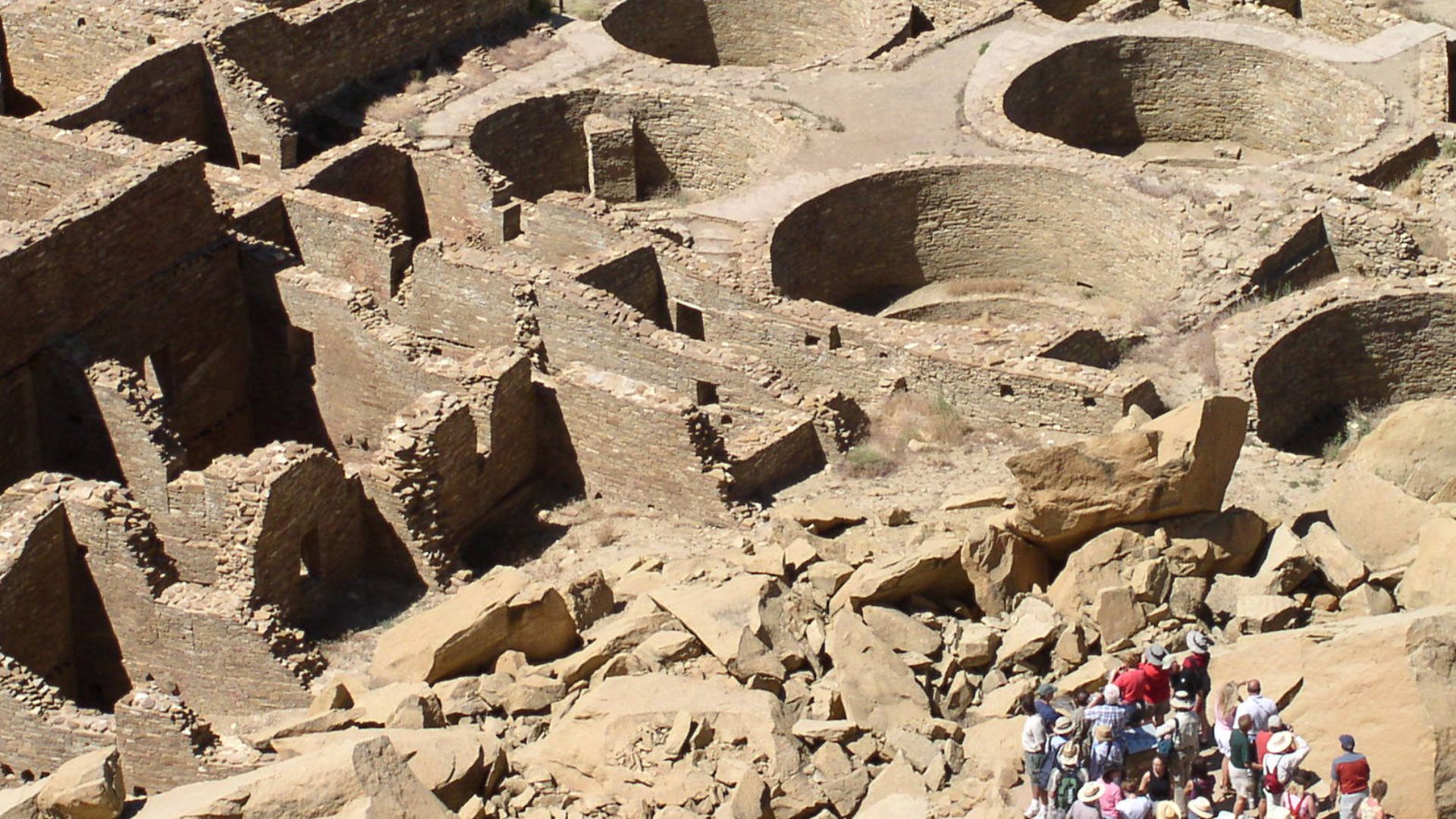
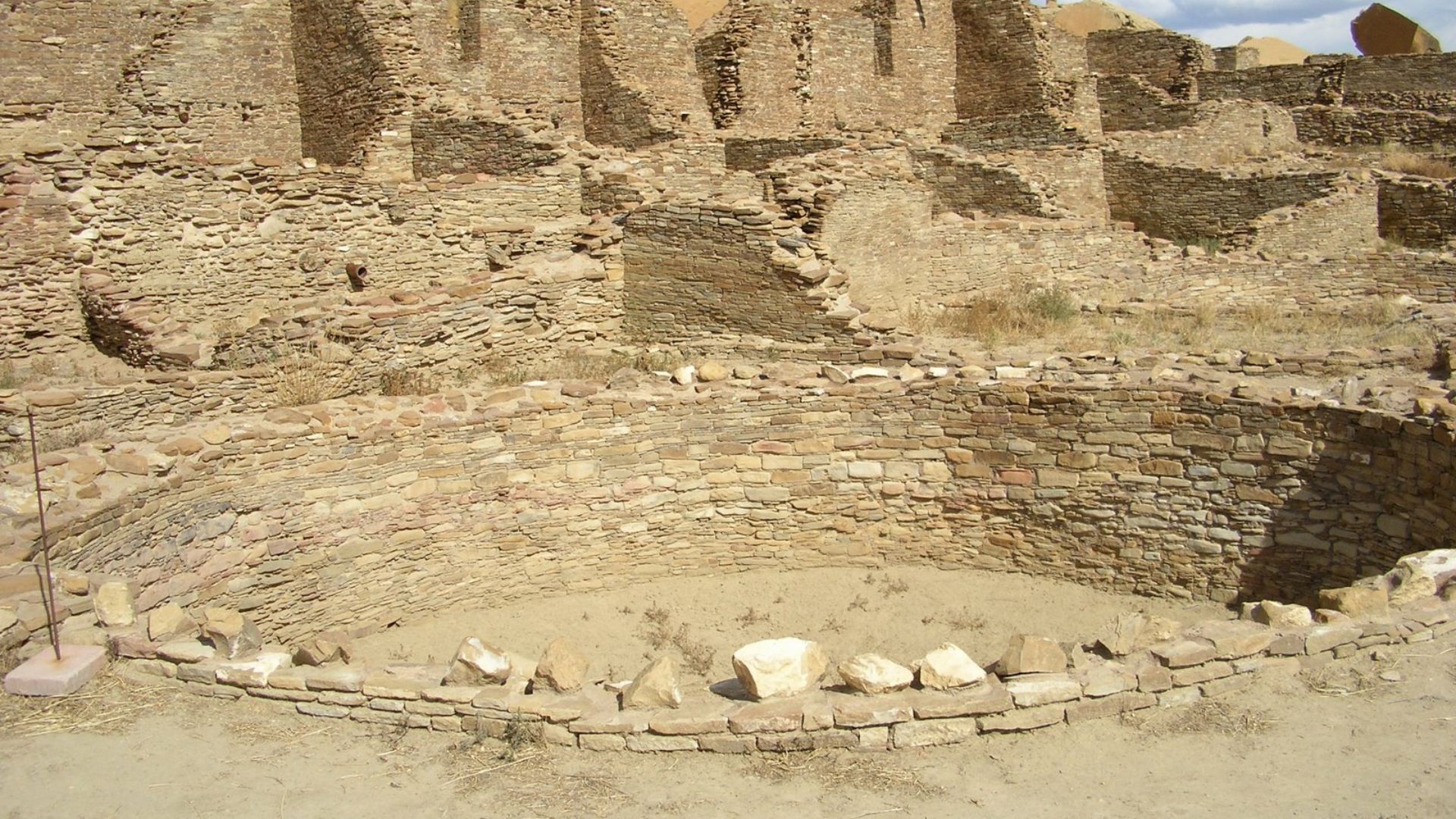
Most rooms inside the great houses were rectangular, but Chacoan builders also created round spaces called kivas. These rooms were probably used for gatherings, ceremonies, teaching, and community activities. Some were small, while others were large enough to hold many people at the same time.
 SkybirdForever, Wikimedia Commons
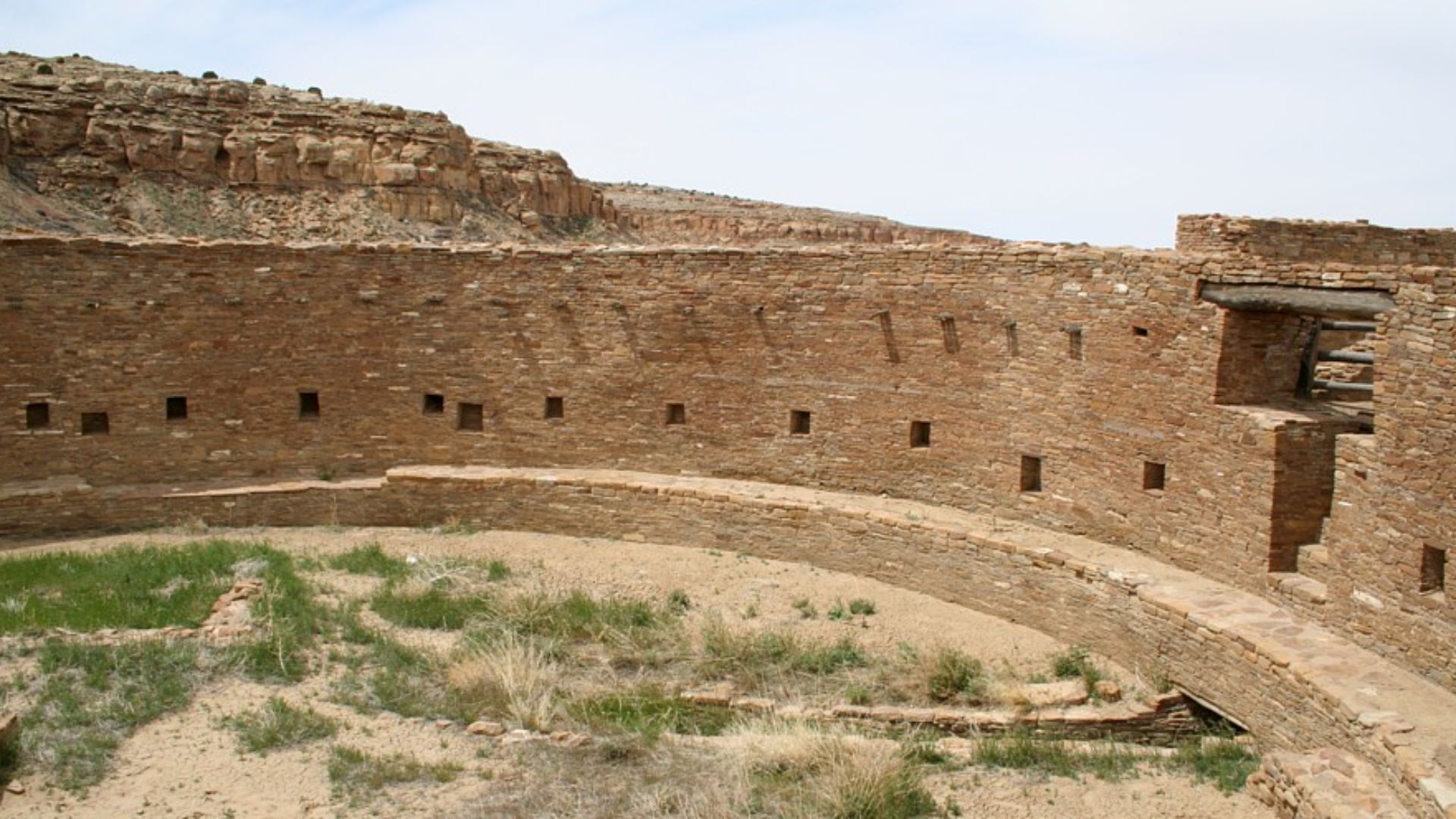
Casa Rinconada Was Enormous
Casa Rinconada is one of the biggest known great kivas in Chaco Canyon. It sits apart from the nearby great houses and measures more than 60 feet across. Its size suggests it was designed for important gatherings that brought together people from different families or communities.
 James Q. Jacobs, Wikimedia Commons
The Canyon Followed A Plan
The great houses were not placed randomly. Their shapes, entrances, walls, and plazas often followed clear lines and directions. Some buildings may have been connected to the movements of the sun or moon. Builders were thinking about the wider landscape, not just individual rooms.
Doorways Created Long Views
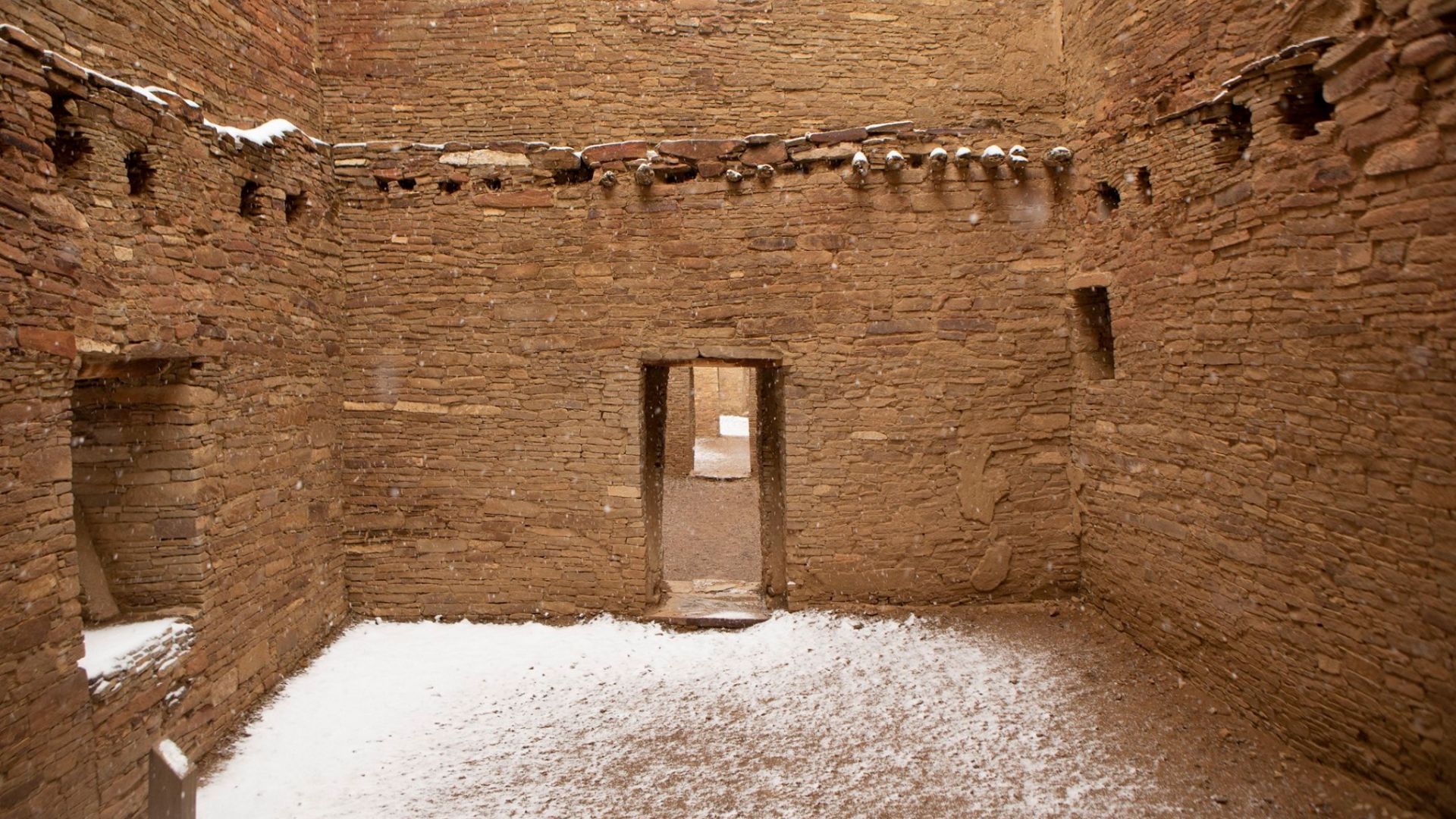
Inside some Chacoan buildings, several doorways line up perfectly. A person standing in one room can look through a series of openings into rooms beyond. These doorways made it easier to move through the building, but they also created striking views that seem carefully planned.
Roads Crossed The Desert
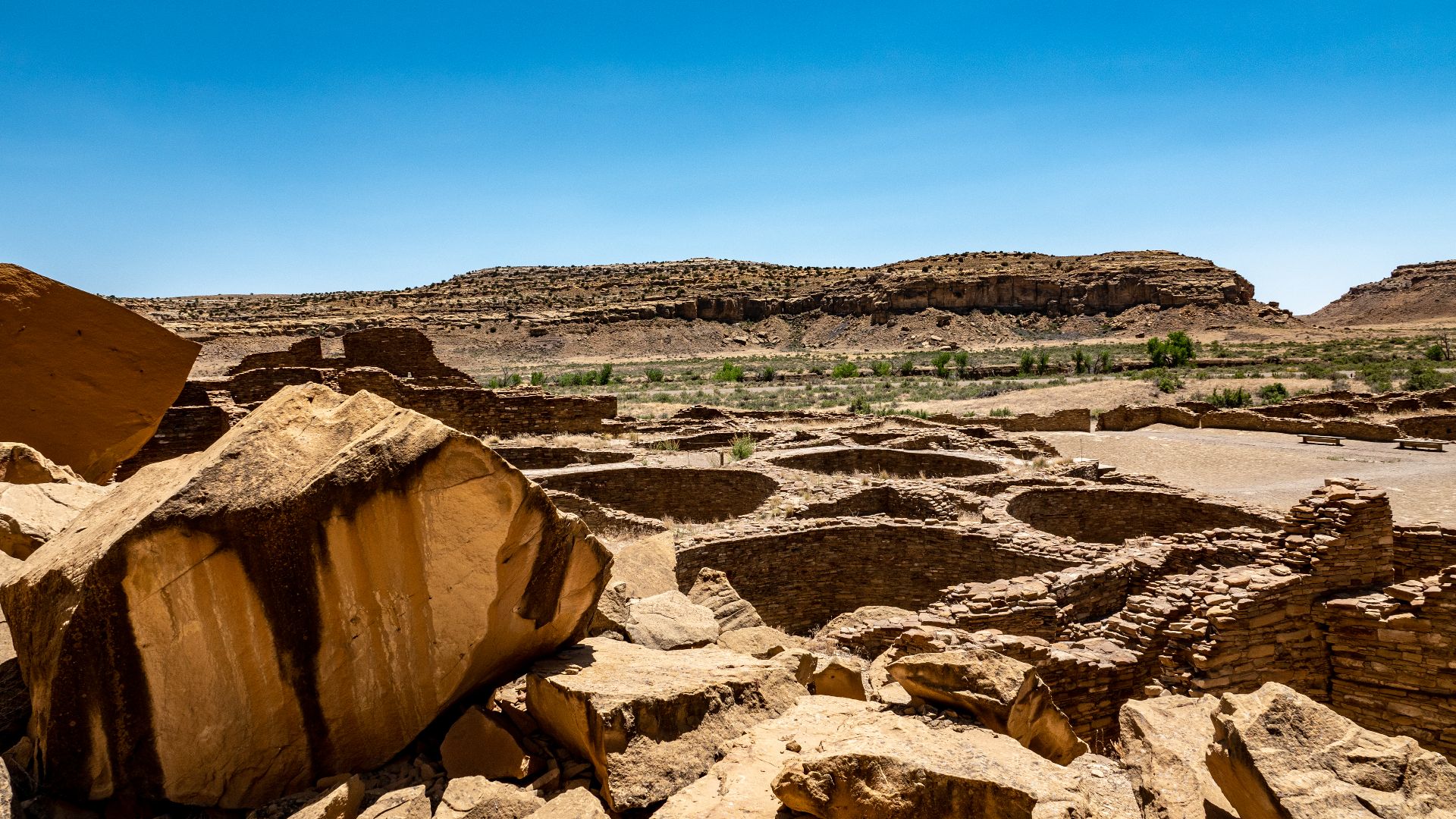
Archaeologists have found traces of wide roads spreading out from Chaco Canyon. Some connected the canyon with distant communities. Others led towards mountains, springs, or important landmarks. Many ran in surprisingly straight lines, even when the land offered easier routes nearby.
 Brendakochevar, Wikimedia Commons
Builders Cut Into Cliffs
When roads reached cliffs or steep slopes, Puebloan workers sometimes built ramps or cut stairways directly into the rock. This shows that the roads were more than simple footpaths. They were planned features that changed the landscape and probably carried social or ceremonial meaning.
Water Had To Be Managed
Water was always a serious problem in Chaco Canyon. Rain was rare, but sudden storms could send water rushing across the ground. Puebloan communities built channels, dams, and other features to guide and collect runoff. Even a small amount of captured water could make an important difference.
Mud Was An Essential Material
Water was also needed for construction. Builders mixed it with soil to create mortar and plaster. Mud held stones together, covered walls, and helped protect rooms from the weather. Without a steady supply of water, building and maintaining the great houses would have been nearly impossible.
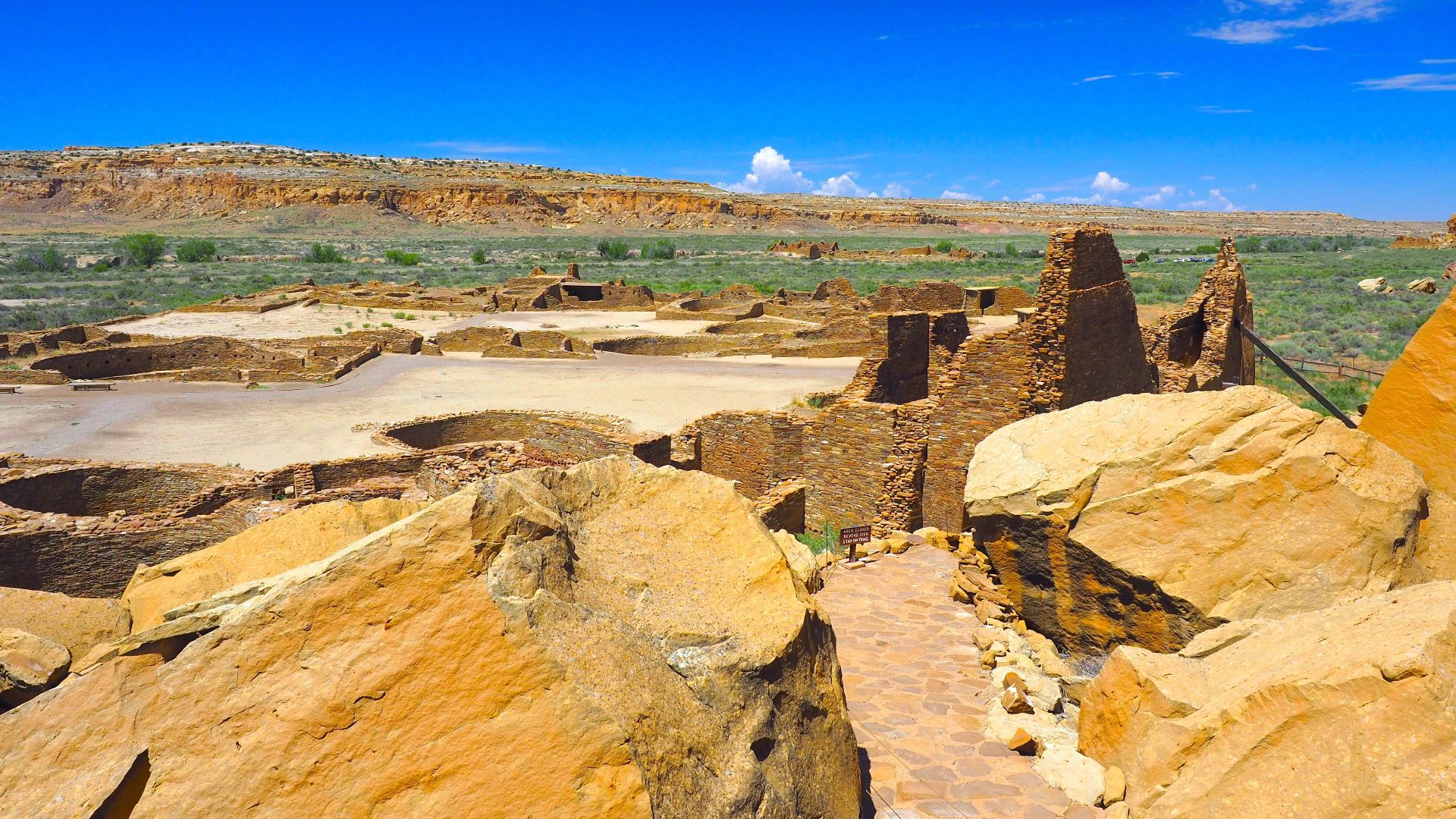 AlisonRuthHughes, Wikimedia Commons
Excavations Revealed Constant Change
When archaeologists excavated Chaco’s buildings, they found older floors, blocked doorways, rebuilt walls, and rooms that had changed purpose. The great houses were never finished in the modern sense. People were constantly repairing them, expanding them, and adapting them to meet new needs.
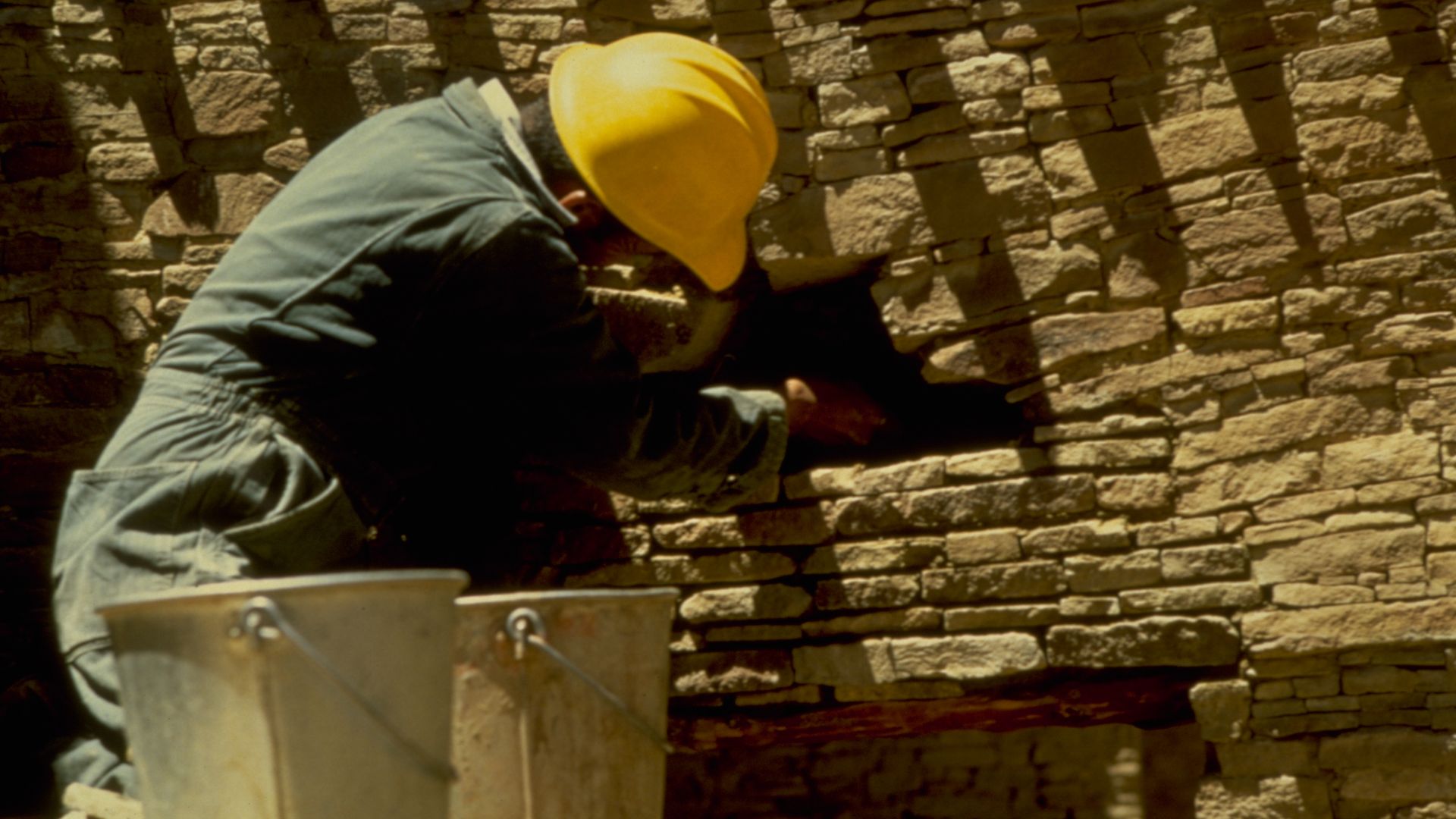 National Park Service Digital Image Archives, Wikimedia Commons
Small Objects Told Big Stories
Pottery pieces, stone tools, animal bones, seeds, and wooden beams helped archaeologists understand daily life in Chaco. Tree-ring dating was especially useful. By studying the rings inside ancient beams, researchers could often tell when a tree was cut and sometimes where it had grown.
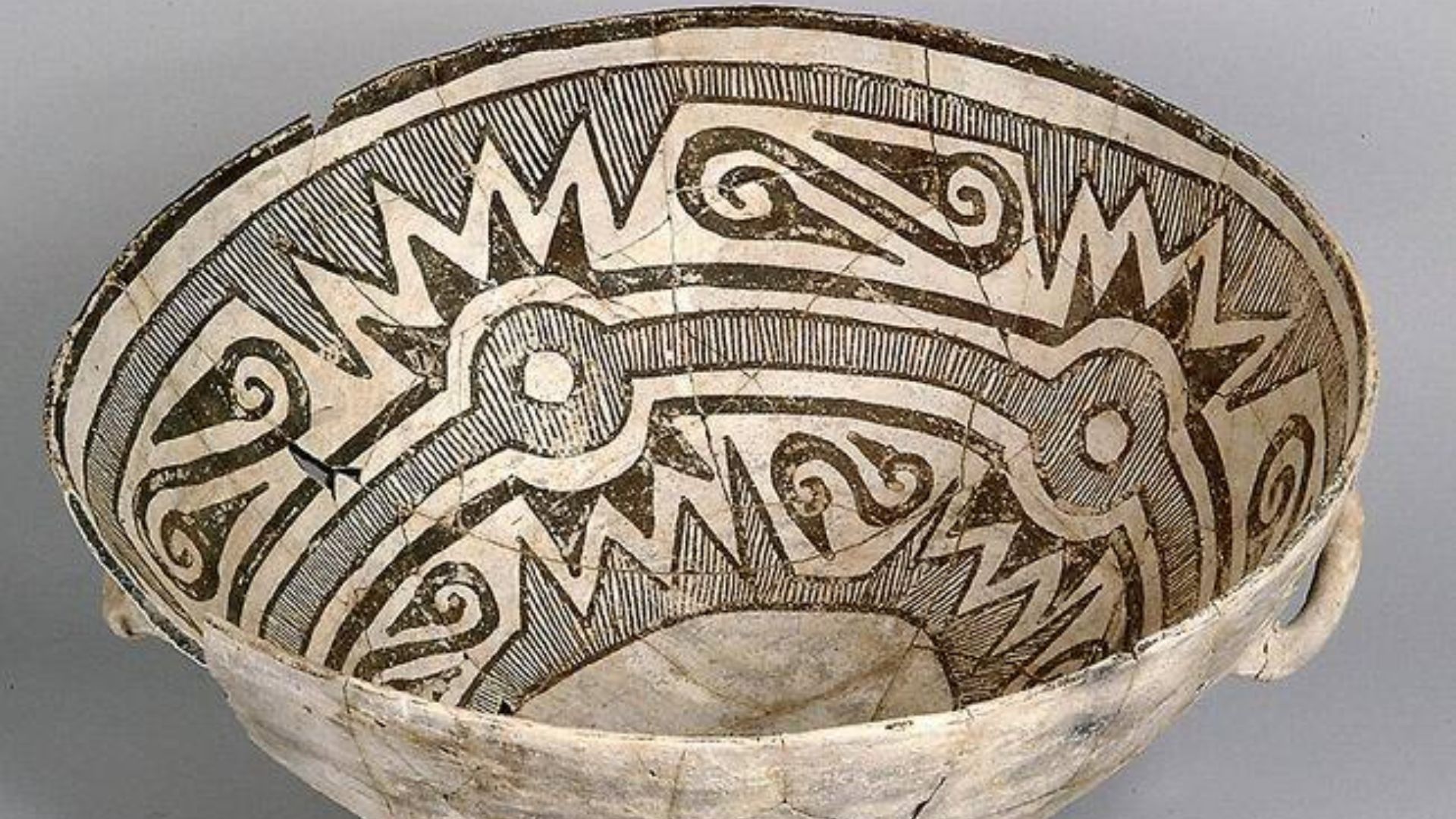 National Park service photo, Wikimedia Commons
Who Used The Great Houses?
Archaeologists still debate exactly what happened inside the great houses. Some rooms may have been homes, while others were used for storage, ceremonies, trade, or visitors. The buildings probably served several purposes. They may have become busiest during festivals and large community gatherings.
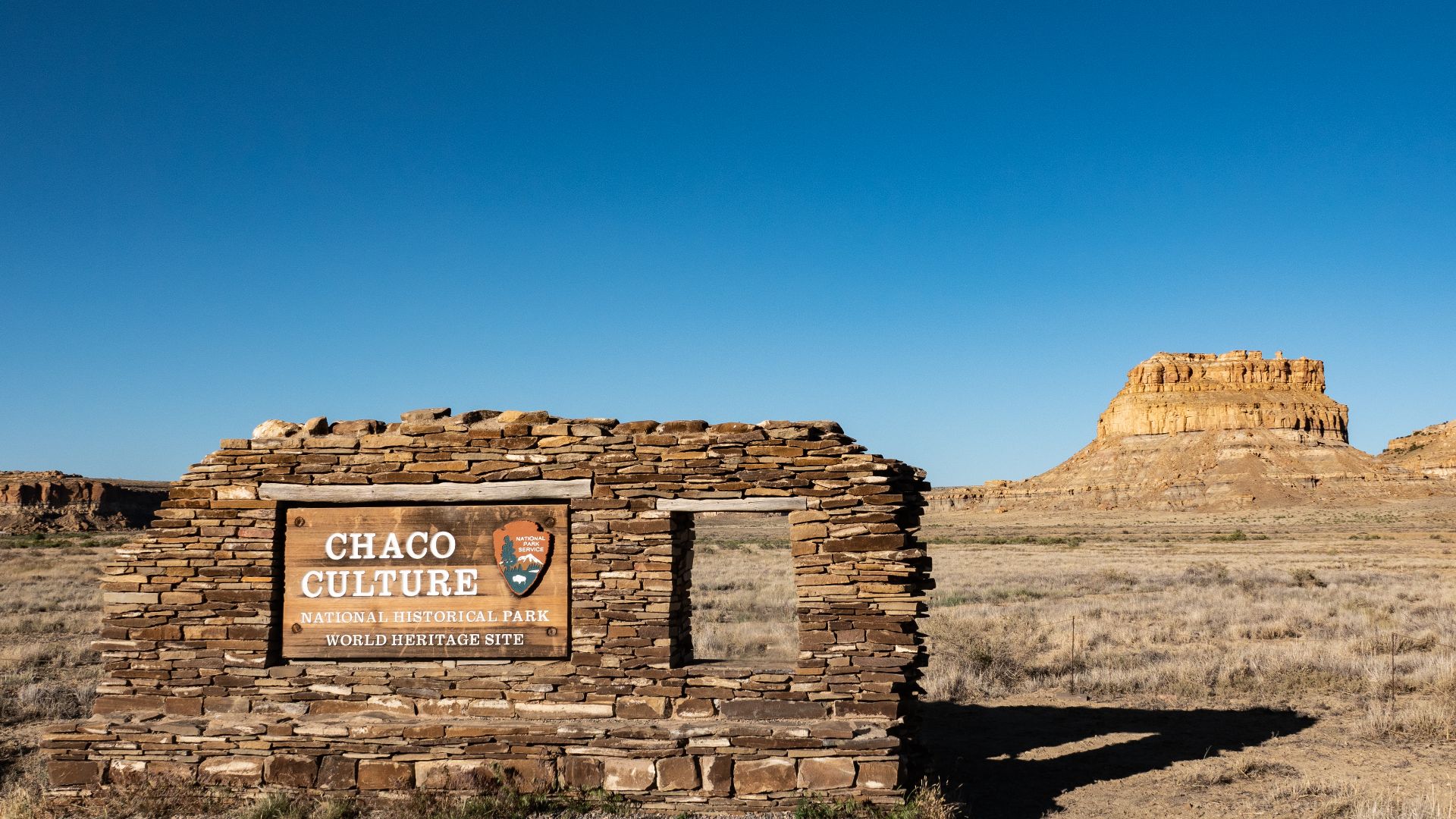 Brendakochevar, Wikimedia Commons
Chaco Was Part Of A Wider World
Buildings inspired by Chacoan design have been found far beyond the canyon. These sites shared similar stonework, layouts, and ceremonial rooms. That tells us Chaco was connected to a much larger network. Ideas, materials, and people regularly travelled across the ancient Southwest.
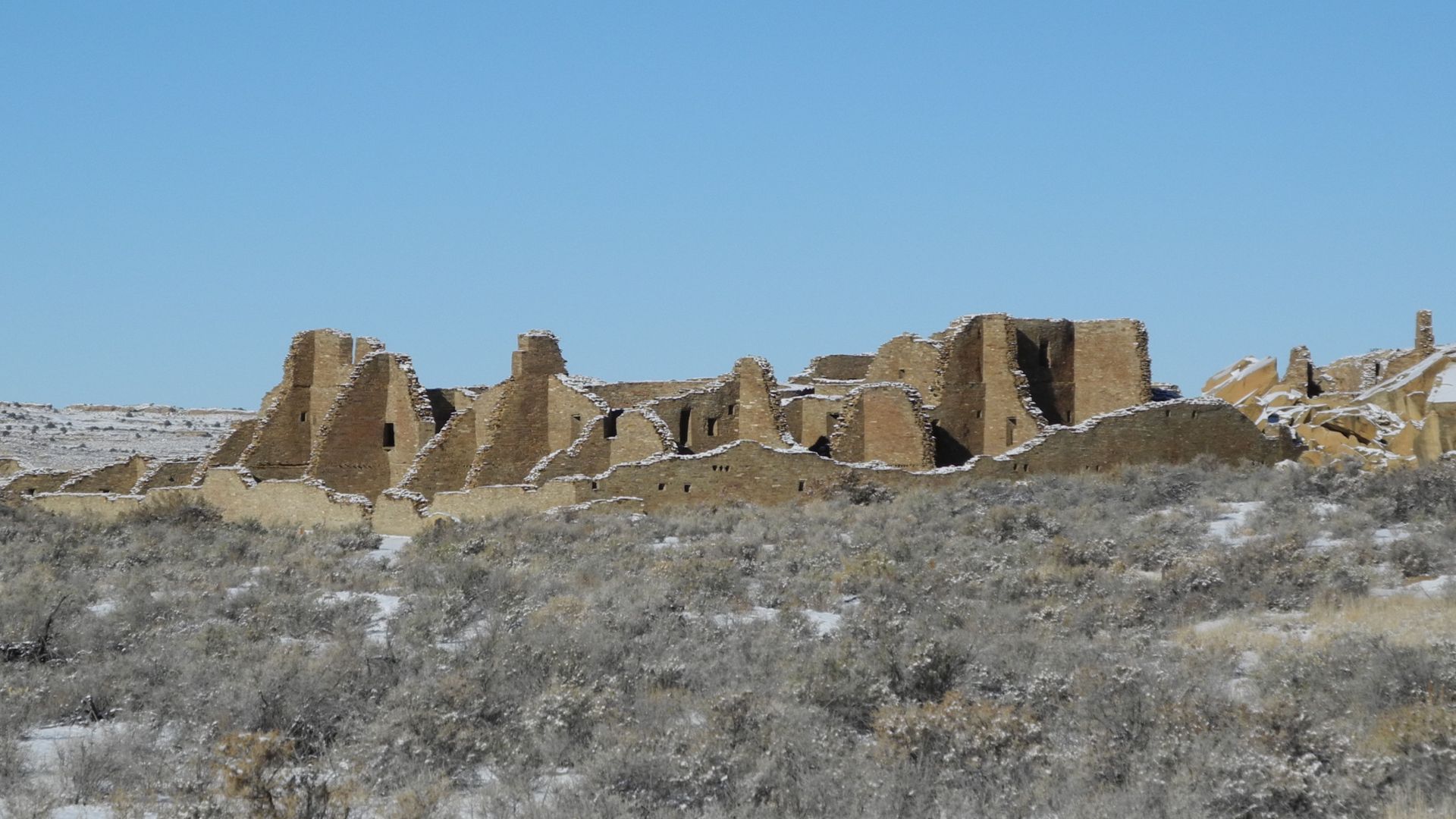
Life In Chaco Eventually Changed
Major building projects slowed during the 1100s. Drought, changing social conditions, and other pressures may have encouraged families to leave the canyon. They moved to other parts of the Southwest, taking their knowledge and traditions with them. The people of Chaco did not simply disappear.
 SkybirdForever, Wikimedia Commons
Chaco Is Still A Living Place
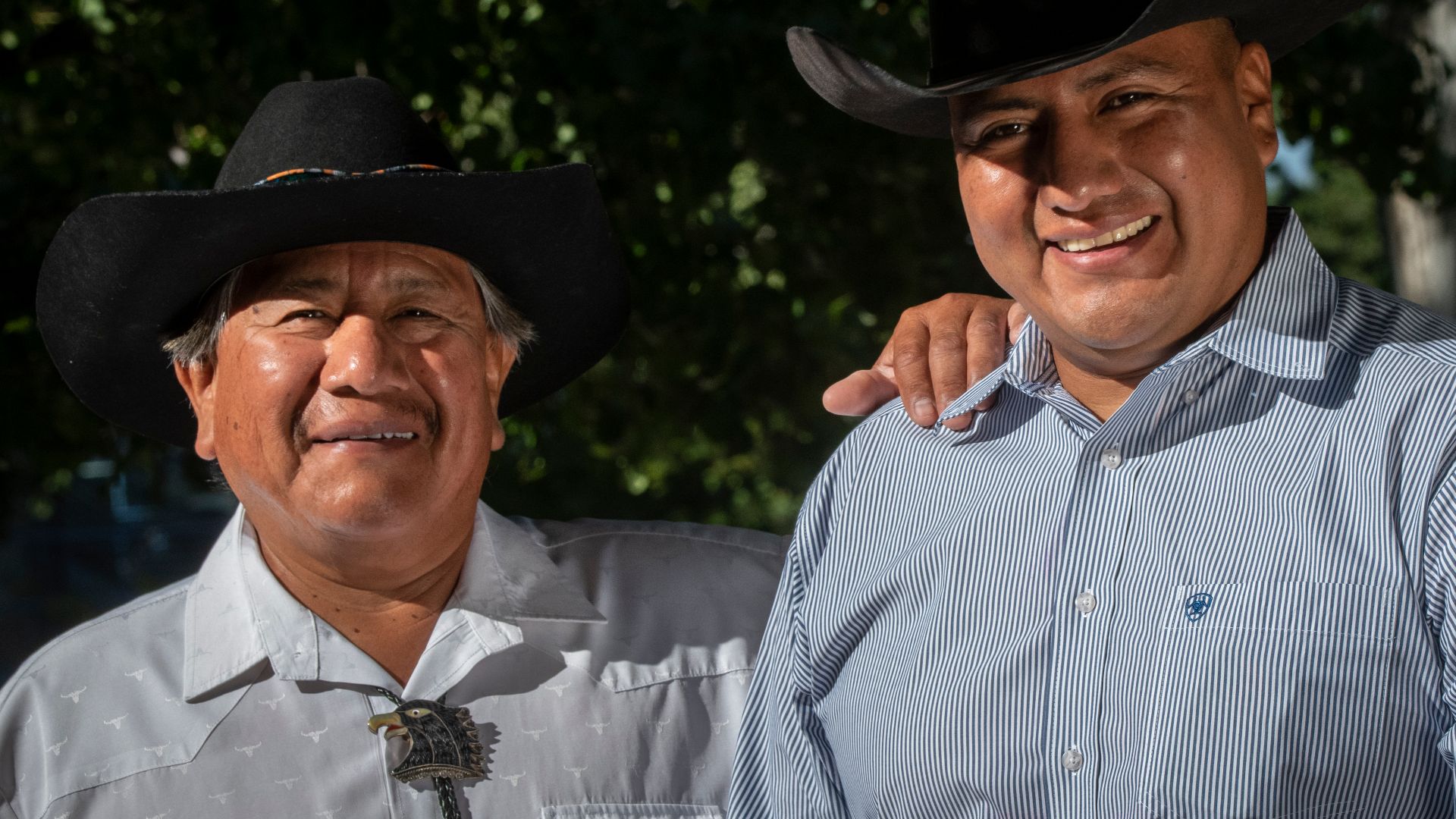
Chaco Canyon is an archaeological site, but it is also much more than that. Pueblo peoples and the Navajo Nation continue to see it as an important ancestral and cultural landscape. Their knowledge reminds us that Chaco’s story belongs to living communities, not only to archaeologists.
 U.S. Department of Agriculture, Wikimedia Commons
Puebloan Engineering Still Impresses
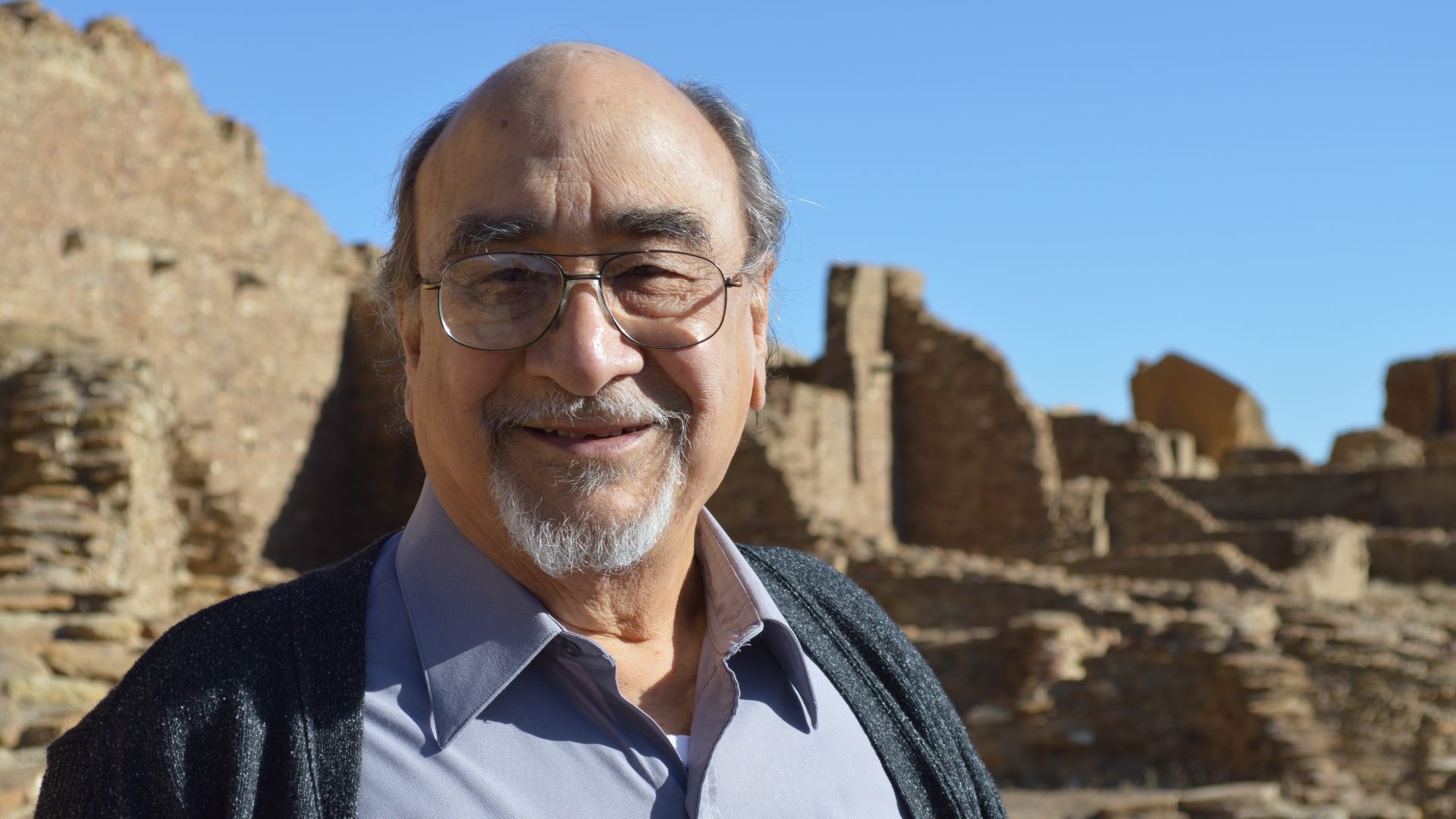
The people who built Chaco Canyon understood stone, timber, water, geometry, and the desert landscape. They created enormous buildings without modern machinery and kept improving them for generations. Their work proves that advanced engineering can come from deep experience, shared knowledge, and close attention to the natural world.
You May Also Like:
A Catholic Nun Just Issued A Warning About Aliens—And It Wasn't What Anyone Expected