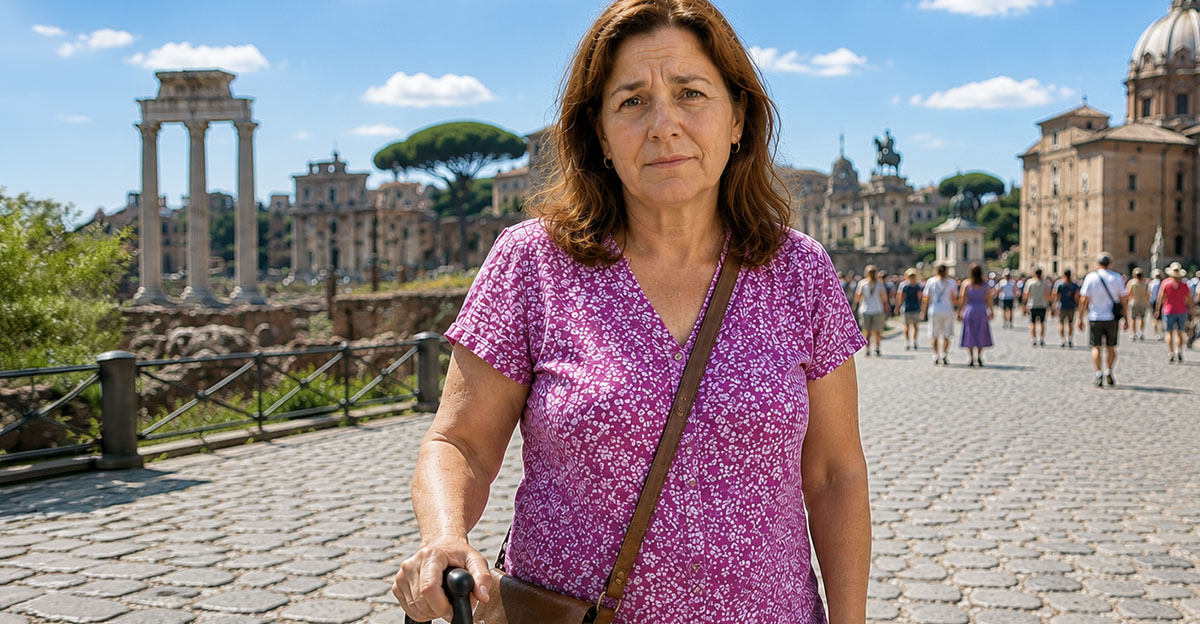
The Postcard Didn’t Show The Pavement
The old quarter looked effortless in photos. In person, every uneven stone turned a short outing into a slow and exhausting calculation. You’re not out of luck, but you’ll need more than a list of attractions and a hotel marked “accessible” to make the next trip work.
No, You’re Not Out Of Luck
Historic cities don’t have to be written off, and preservation doesn’t automatically rule out practical access improvements. Historic England documents solutions ranging from small adjustments to carefully designed modern additions, while European case studies show old cities improving transportation and public spaces without erasing their character. The challenge is that access can vary from one street to the next, so you need a route plan rather than a simple sightseeing list.

Why Cobblestones Are So Tough
Rough cobbles create repeated jolts and vibrations for wheelchairs and scooters. Gaps, slopes, and uneven stones can also cause trouble for people using canes, crutches, walkers, or anyone dealing with pain, fatigue, or balance problems. The US Access Board specifically notes that cobblestones can make wheeled travel difficult, uncomfortable, and sometimes painful.

“Accessible” Isn’t A Complete Answer
An attraction may call itself accessible because it has a ramp or step-free entrance, but that description may say nothing about the surrounding streets. Google’s accessibility information can cover entrances, restrooms, seating, parking, and elevators, yet it won’t necessarily describe every block you’ll cross to reach the building. Your personal requirements matter, so look for detailed features instead of relying on a single accessibility label.

Start With An Official Access Guide
Search the destination’s official tourism website, municipal accessibility office, and public transportation authority before booking. Some cities publish guides covering accessible hotels, attractions, transportation, and tested routes. Lisbon’s official accessible-tourism project, for example, gathered information across several sectors and included paths tested by disabled people.

Add Reviews From Disabled Travelers
Official guides are useful, but firsthand reports can reveal problems that polished tourism pages overlook. Wheelmap lets users rate entrances, interior access, and restrooms, while AccessNow collects accessibility information about hotels, restaurants, attractions, transportation, and other places. These platforms are crowdsourced, so check dates, photos, and comments before treating any listing as current.

Inspect The Streets Before You Book
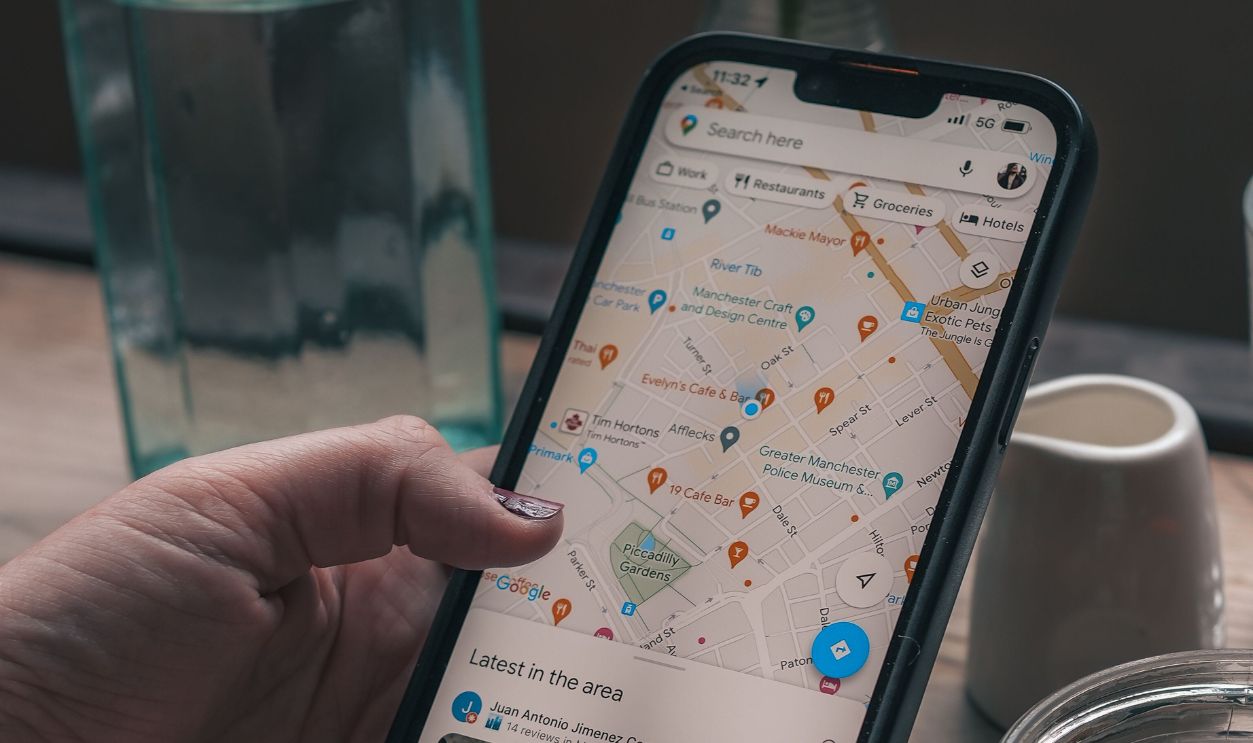
Use online imagery to examine the blocks around your hotel, transit stops, and top attractions. In selected cities, Google Maps includes street-level details such as sidewalks, crosswalks, pedestrian islands, and stairs. Street View can also help you spot cobbles, steep lanes, narrow sidewalks, construction, and entrances that aren’t where you expected them to be.
Choose The Smooth Route, Not The Shortest
The shortest route on a map may be the hardest route in practice. A slightly longer street with smooth paving, curb ramps, and a gentler slope can require far less effort than a direct cobbled lane. Build your route around surface quality, gradients, crossings, and step-free connections rather than distance alone.
Put Your Hotel In The Right Place
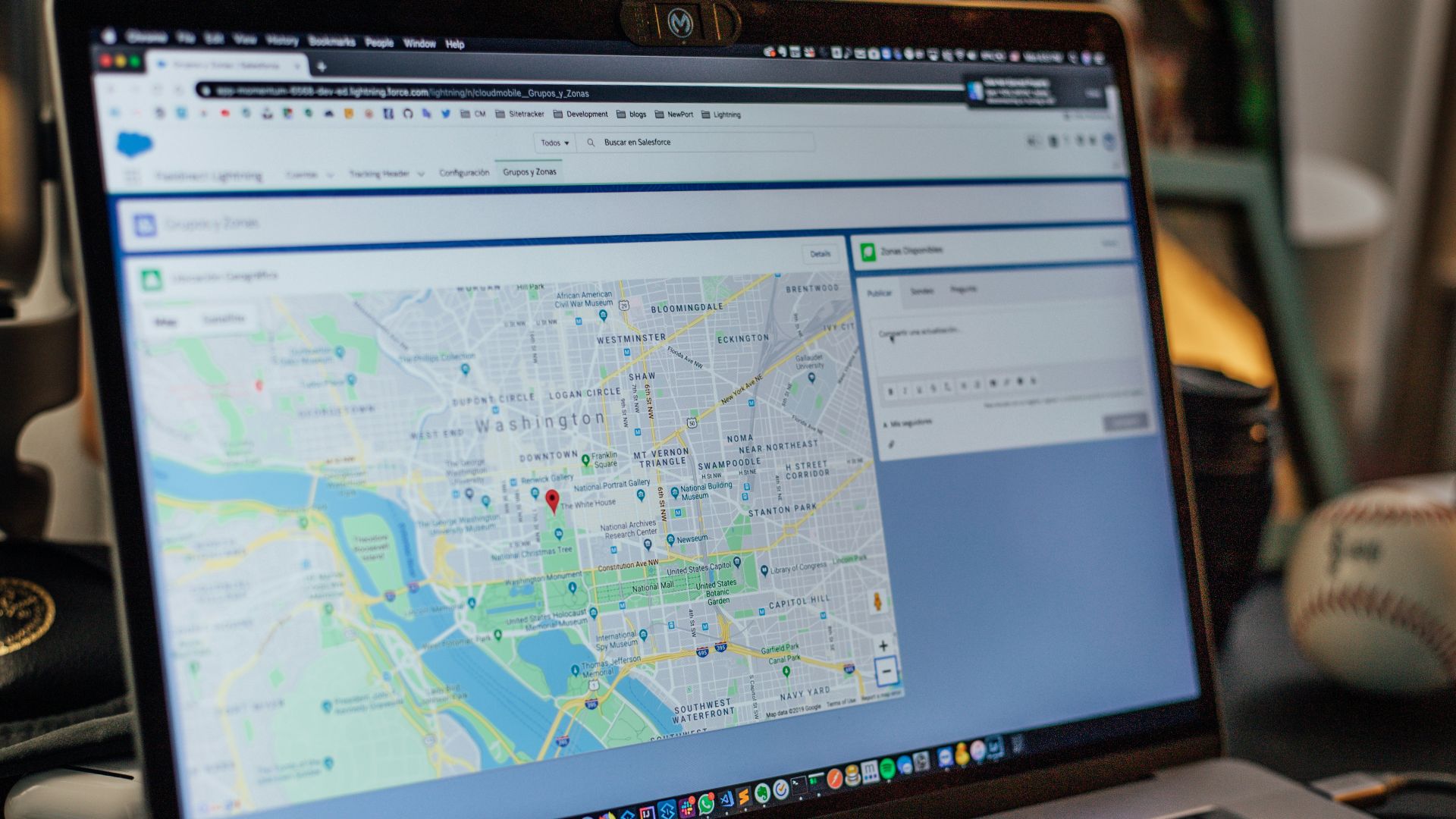
Location may matter more than the room’s star rating. A hotel just outside the oldest district, close to accessible transit and a smoother road, can save considerable effort every day. Check the complete route between the entrance and the places you plan to visit because an accessible room at the top of a steep cobbled lane may still be a poor fit.

Call The Hotel With Specific Questions
Don’t stop at asking whether the property has accessible rooms. Ask about the route from the street, entrance thresholds, elevators, bathroom configuration, bed height, breakfast area, and the nearest usable drop-off point. Request current photos when a feature is essential because detailed information lets you decide whether the room meets your individual needs.

Plan The Final Stretch Of Your Arrival
Find out exactly how you’ll get from the airport or station to the hotel door. Ask whether a taxi can reach the entrance, where an accessible passenger drop-off is located, and what the pavement is like between the vehicle and reception. A step-free hotel won’t solve the problem if the final several blocks are steep, crowded, or heavily cobbled.

Check Transit And Taxi Options Separately
Google Maps offers wheelchair-accessible public-transit routing in certain countries, but the local transit authority should still be your main source for vehicle access and elevator outages. Accessible taxi supply can be limited, especially during busy periods, so reserve important journeys instead of assuming a suitable vehicle will appear on demand. Keep the operator’s phone number and your booking details somewhere you can reach without an internet connection.
Divide The City Into Manageable Zones
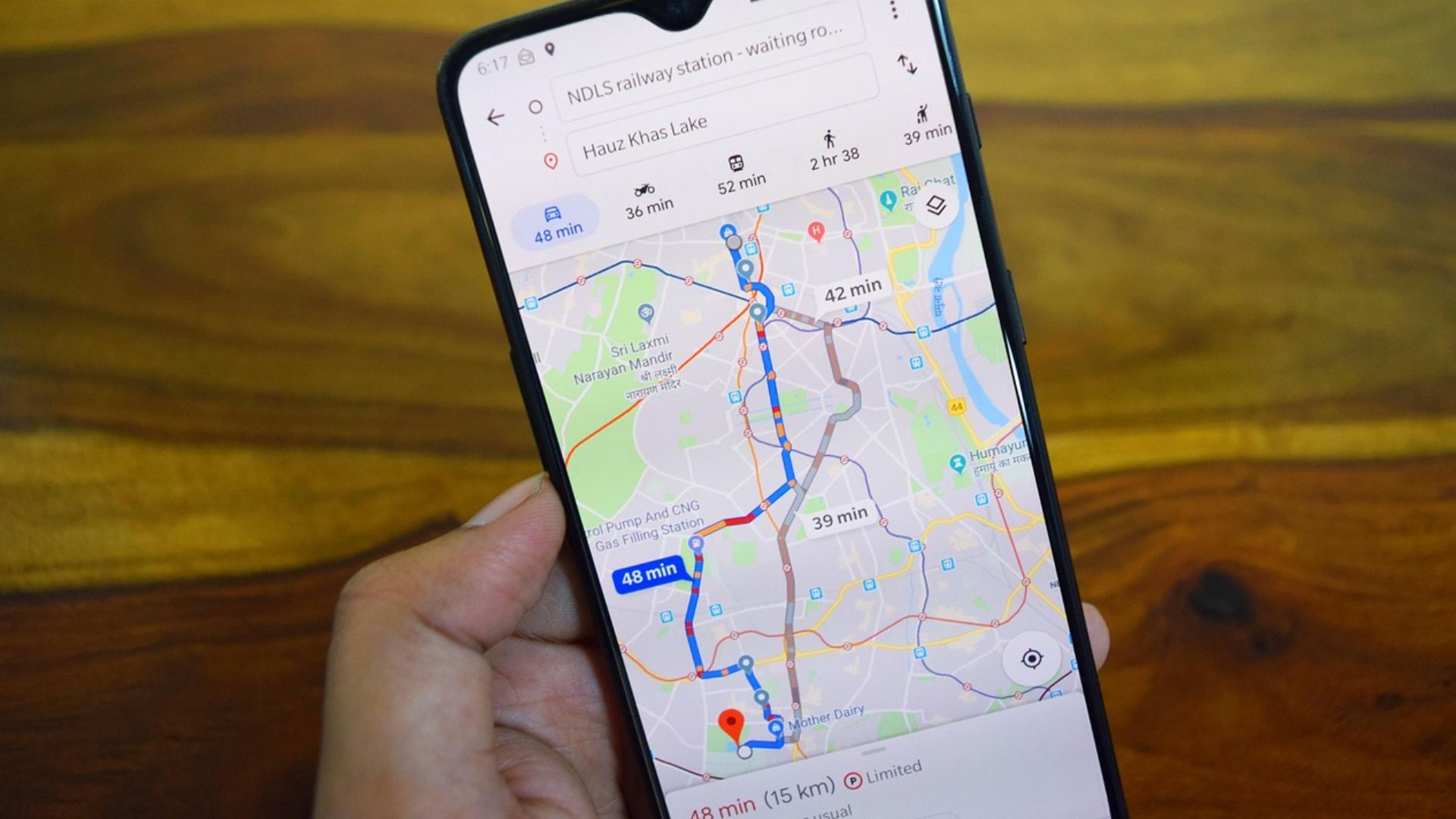
Don’t plan a day that sends you repeatedly across the historic center. Group two or three nearby attractions around one workable route, then identify a café, restroom, or indoor rest point in the same area. This approach reduces unnecessary exposure to difficult surfaces and makes it easier to shorten the day without abandoning everything.
Give Yourself More Time Than The Map Does
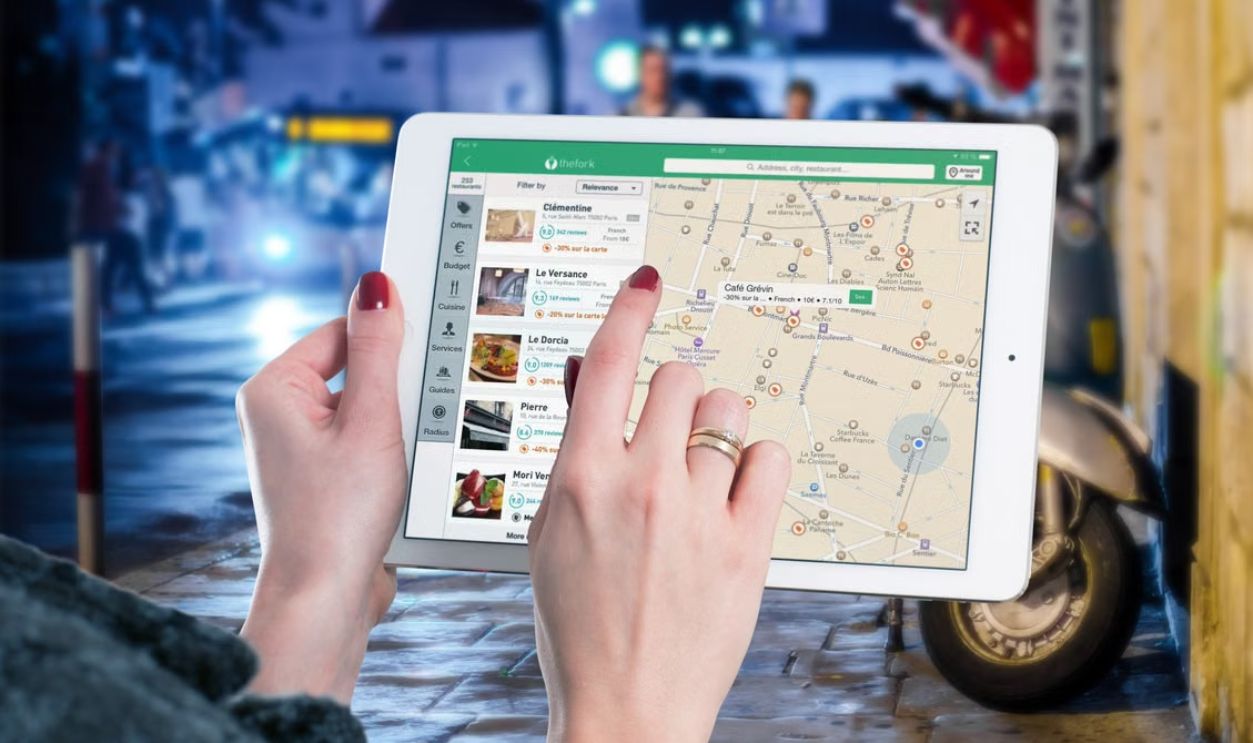
A navigation app’s walking estimate doesn’t account for pain, fatigue, vibration, careful wheel placement, or the need to find curb ramps. Research shows that surface conditions affect wheelchair propulsion demands, while the Access Board recognizes the discomfort caused by rough paving. Add generous breaks and leave room for a taxi ride or early return without treating either as a failed plan.

Choose Your Timing And Weather Carefully
Ask local businesses or your hotel when the old center is usually quieter because extra space can make it easier to move slowly and choose a safer line. Rain may also change the plan, since wet or contaminated surfaces can increase slip risk. Keep one indoor or smoother-route option ready for days when crowds or weather make the original itinerary unreasonable.

Bring The Mobility Aid That Fits The Terrain
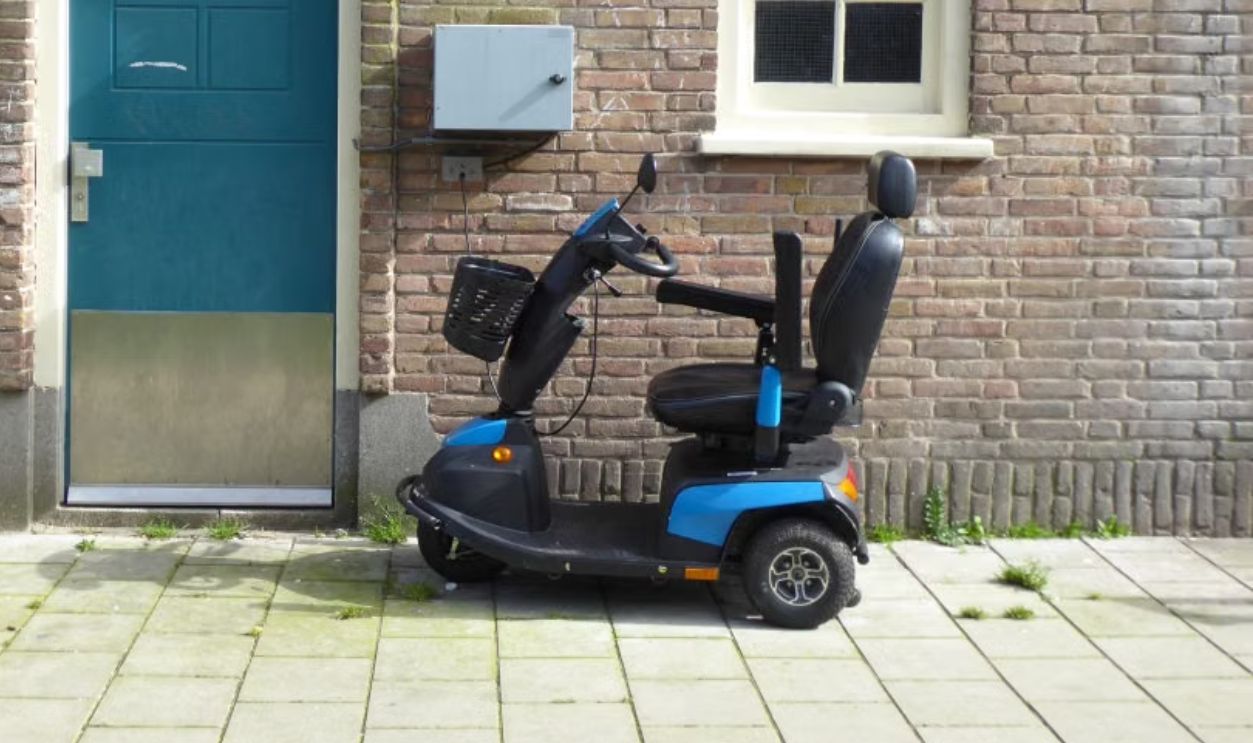
The aid you use at home may not be ideal for several days of rough paving, but there isn’t one device that works for everyone. Some travelers may benefit from a suitable scooter, power assistance, or an outdoor-oriented aid, while others may find unfamiliar equipment harder to control. The World Health Organization recommends individual assessment, fitting, training, and follow-up when selecting a wheelchair, so discuss major changes with a qualified clinician or assistive-technology professional.
Don’t Experiment With Equipment On Arrival
A vacation isn’t the best time to learn an unfamiliar scooter, power attachment, or walking aid. Test any rental or new setup on comparable surfaces before committing to a full sightseeing day, and make sure you understand its brakes, turning radius, battery range, and charging requirements. Follow the manufacturer’s instructions and professional advice rather than making improvised modifications for the trip.

Pack For Small Problems
Use your device manual or service provider’s guidance to create a modest maintenance kit. Depending on your equipment, that might include the correct charger and adapter, approved tools, an air pump, or small replacement parts you already know how to use. Save contact information for a local mobility-equipment rental or repair service, and don’t attempt a repair that could make the device unsafe.

Ask About The Entrance Nobody Advertises
The grand historic doorway may have stairs even when the building has another accessible entrance. Ask whether there’s a side entrance, portable ramp, lift, courtyard route, or staff-assisted alternative, and confirm where it’s located before arriving. Historic properties can often introduce effective access changes, although some sites use alternative methods when physical alterations would threaten significant features.

Find Toilets And Seats Before You Need Them
Accessible restrooms and reliable seating can determine how long you’re able to stay out. Google can display information about accessible toilets and seating in supported locations, while Wheelmap lets users rate restroom access separately from the rest of a venue. Confirm opening hours and exact locations because a marked facility won’t help if it’s locked, upstairs, or inside a ticketed building.

Book Tours That Describe The Actual Route
A tour advertised as accessible may still include cobbled stretches, slopes, thresholds, or long periods without seating. Ask for the route distance, surface types, steepest sections, steps, rest stops, vehicle details, and accessible restroom options. A private tour, shorter route, or meeting point near the main attraction may work better than forcing yourself through the standard itinerary.

Save Everything For Offline Use
Download your maps, access guides, tickets, reservation details, and transit contacts before leaving the hotel. Offline features vary by app and region, so save screenshots of critical routes and entrances instead of assuming every function will remain available. Google Maps supports downloaded areas but limits certain offline directions, while Apple Maps offers offline navigation features on supported devices and in supported regions.

Know Your Rights, But Check Local Rules
In the United States, the ADA applies to state and local governments and most businesses serving the public, including hotels, restaurants, shops, and many attractions. Historic status isn’t a blanket exemption, although special provisions and alternative access methods may apply when changes would threaten a property’s historic significance. Laws and enforcement systems differ elsewhere, so identify the destination’s accessibility office or disability-rights organization before the trip.

Pick Cities With A Better Access Record
For future trips, consider accessibility before falling in love with the prettiest hotel photo. The European Commission’s Access City Award recognizes cities working to improve streets, public buildings, transportation, services, and information for disabled people. Awards and guides can’t guarantee that every neighborhood will suit you, but they’re useful starting points for finding historic places that have already invested in access.

The City Still Belongs To You
You don’t need to conquer every cobbled lane to have a legitimate experience of an old city. The goal is to identify the routes, entrances, transportation, rest points, and equipment that work for your body. A detour, taxi ride, shortened tour, or skipped street isn’t a failure. It’s how you turn an inaccessible itinerary into a trip you can actually enjoy.

You May Also Like:
My hotel disabled the thermostat controls in my room. Can guests override those settings?